Second graders have been exploring the delicate balance of our local environment, investigating seeds, seed dispersal, and the critical role of pollinators, such as monarchs, bees, and birds.
A large part of their exploration focused on the monarch butterfly’s life cycle and journey. Students learned that monarchs rely entirely on milkweed to lay their eggs, as it provides the sole food source for growing caterpillars, which can increase almost 2,000 times their size in two short weeks! After their transformation into a butterfly, the monarchs need nectar from other wildflowers to fuel their long migration to Mexico.
Lower School Science Teacher Laura Pupillo shared, “Did you know that monarchs do not eat nectar once they arrive at their wintering grounds in Mexico? Their survival depends solely on the fuel they gather as caterpillars and along the way in their flight south.”
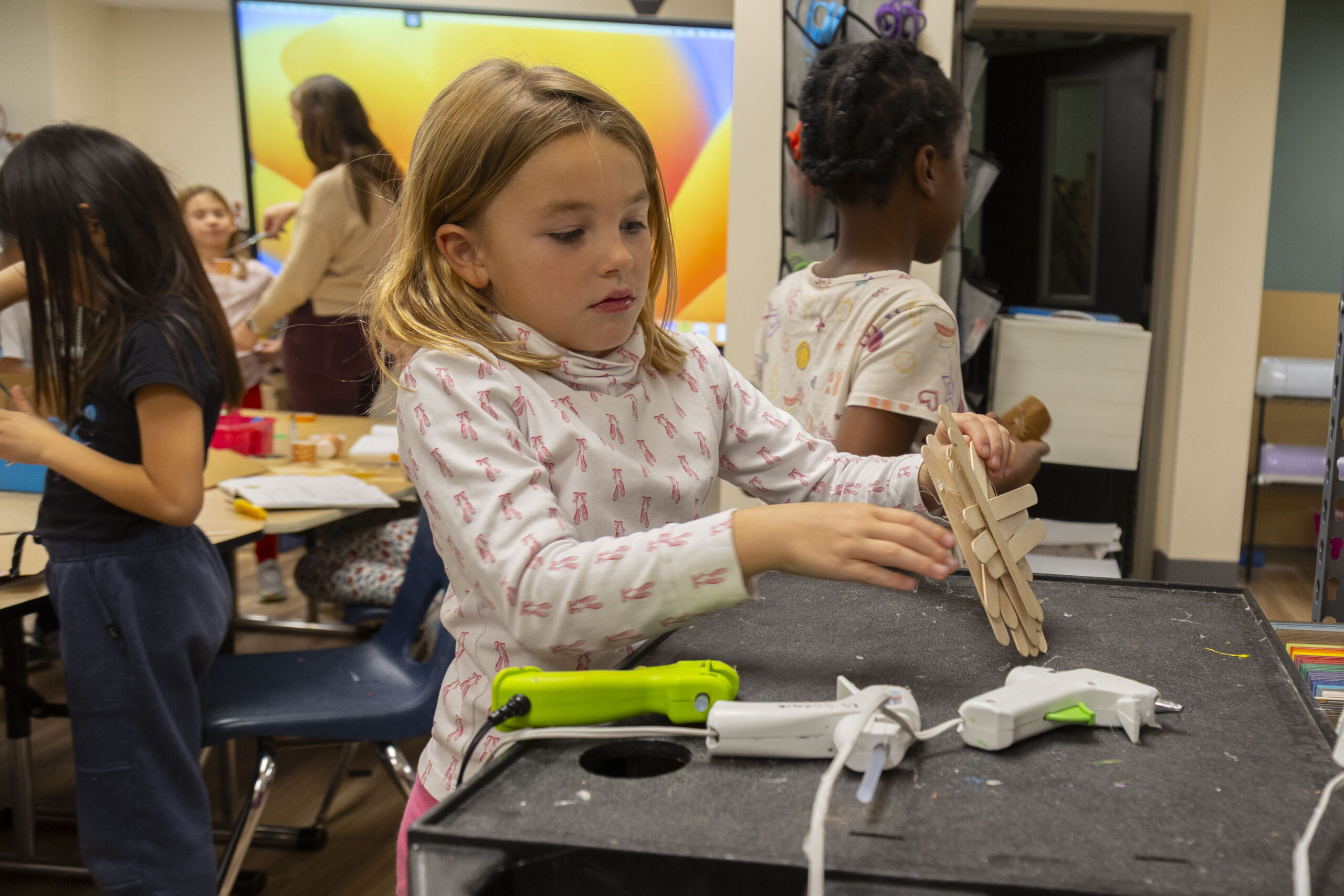
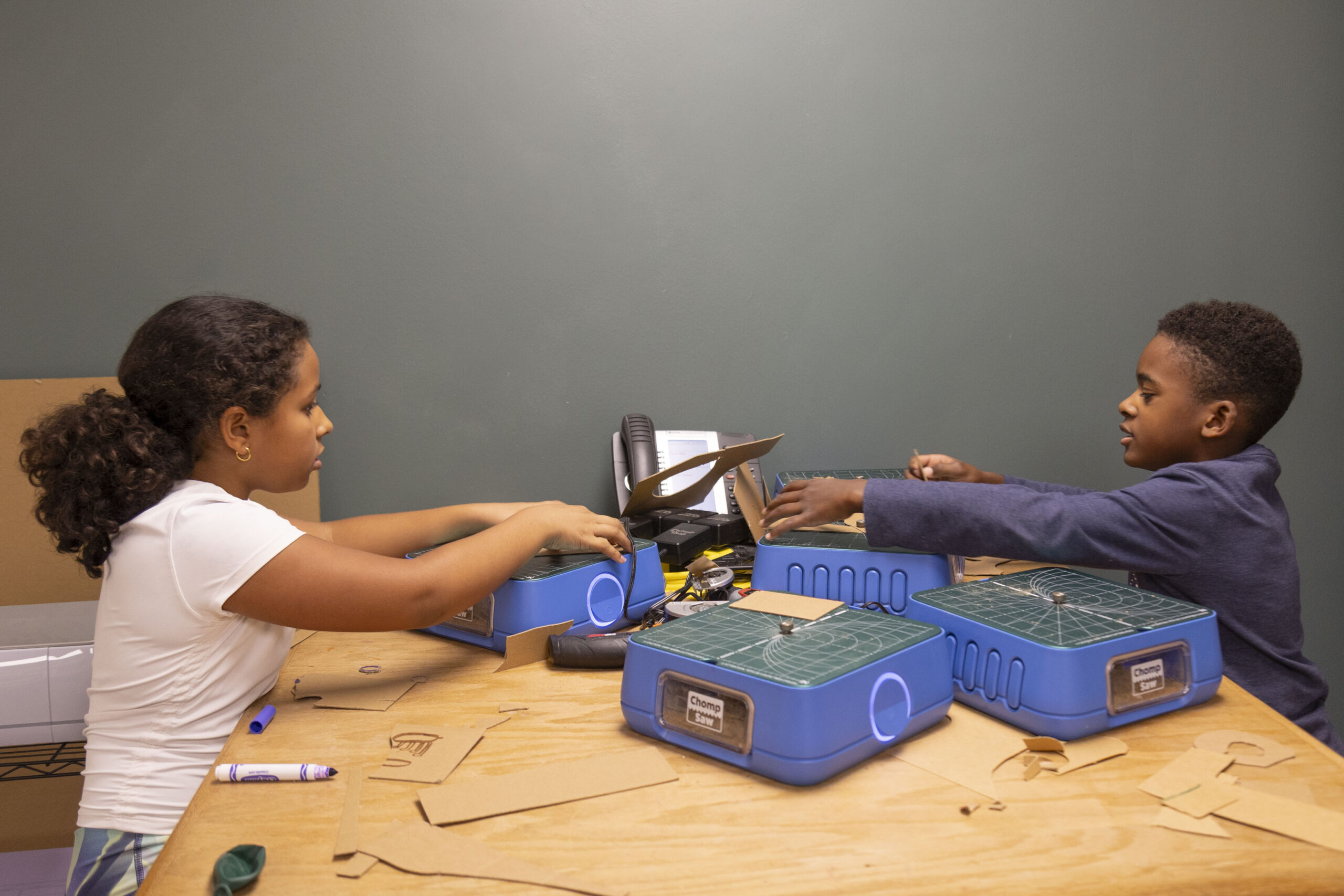
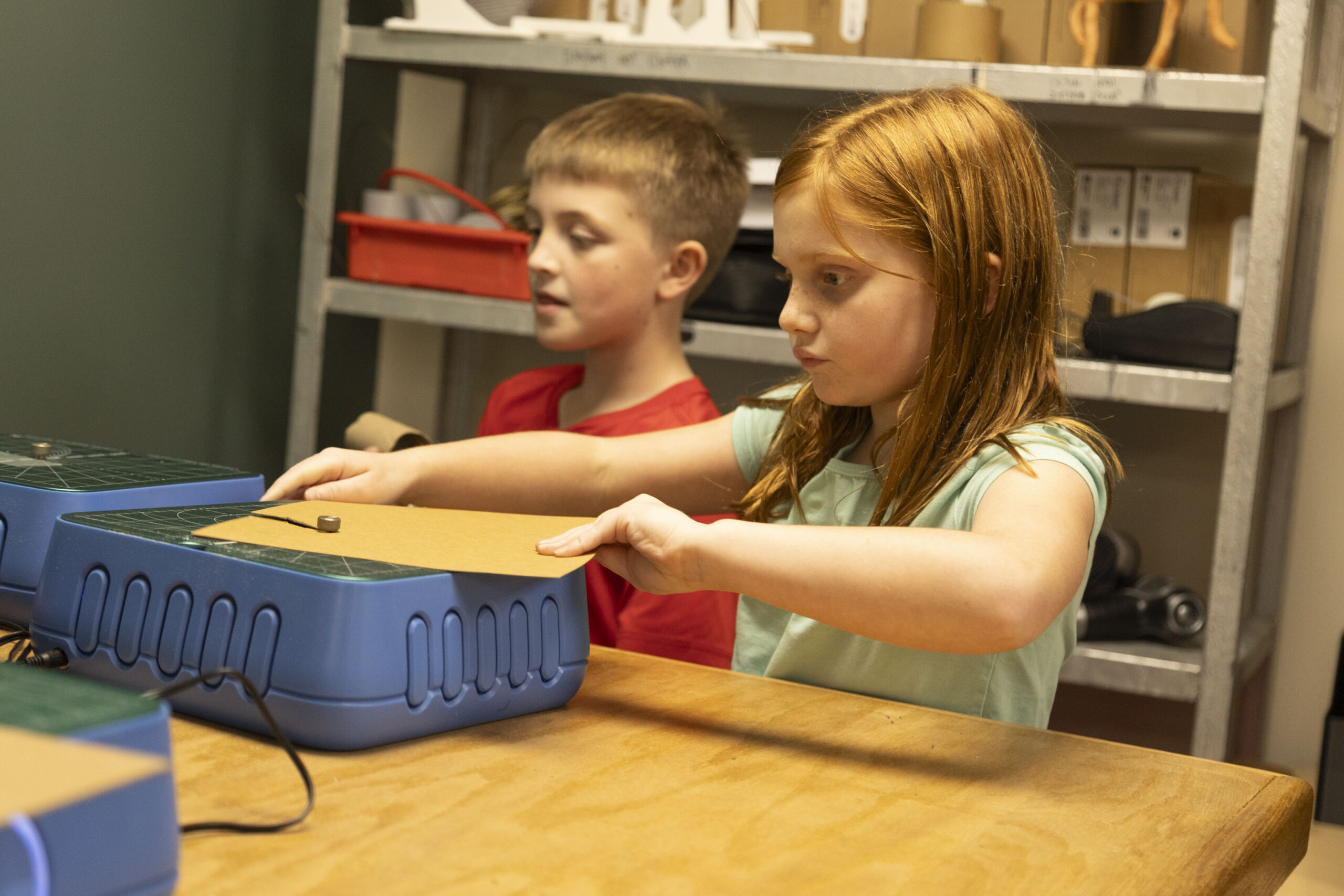
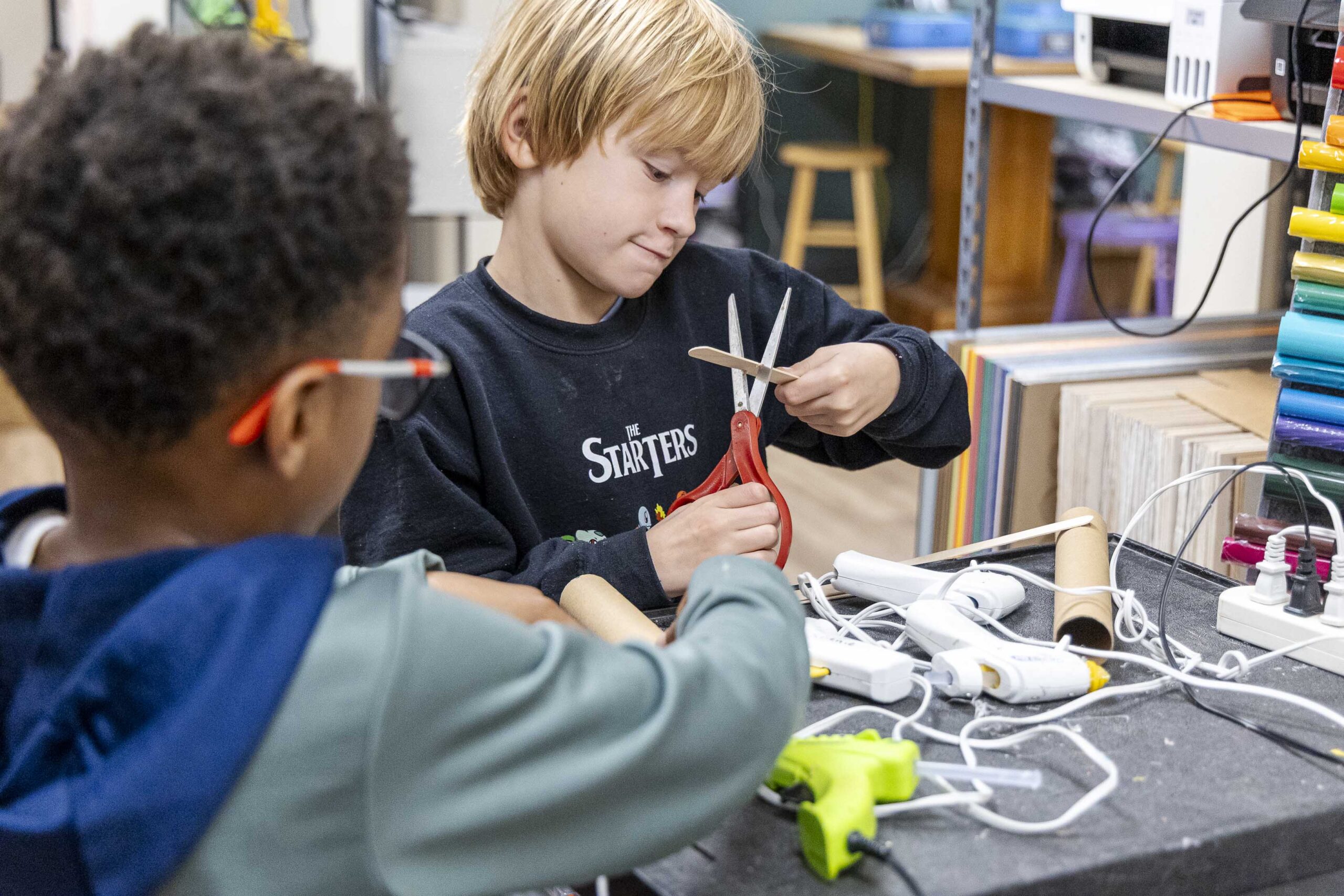
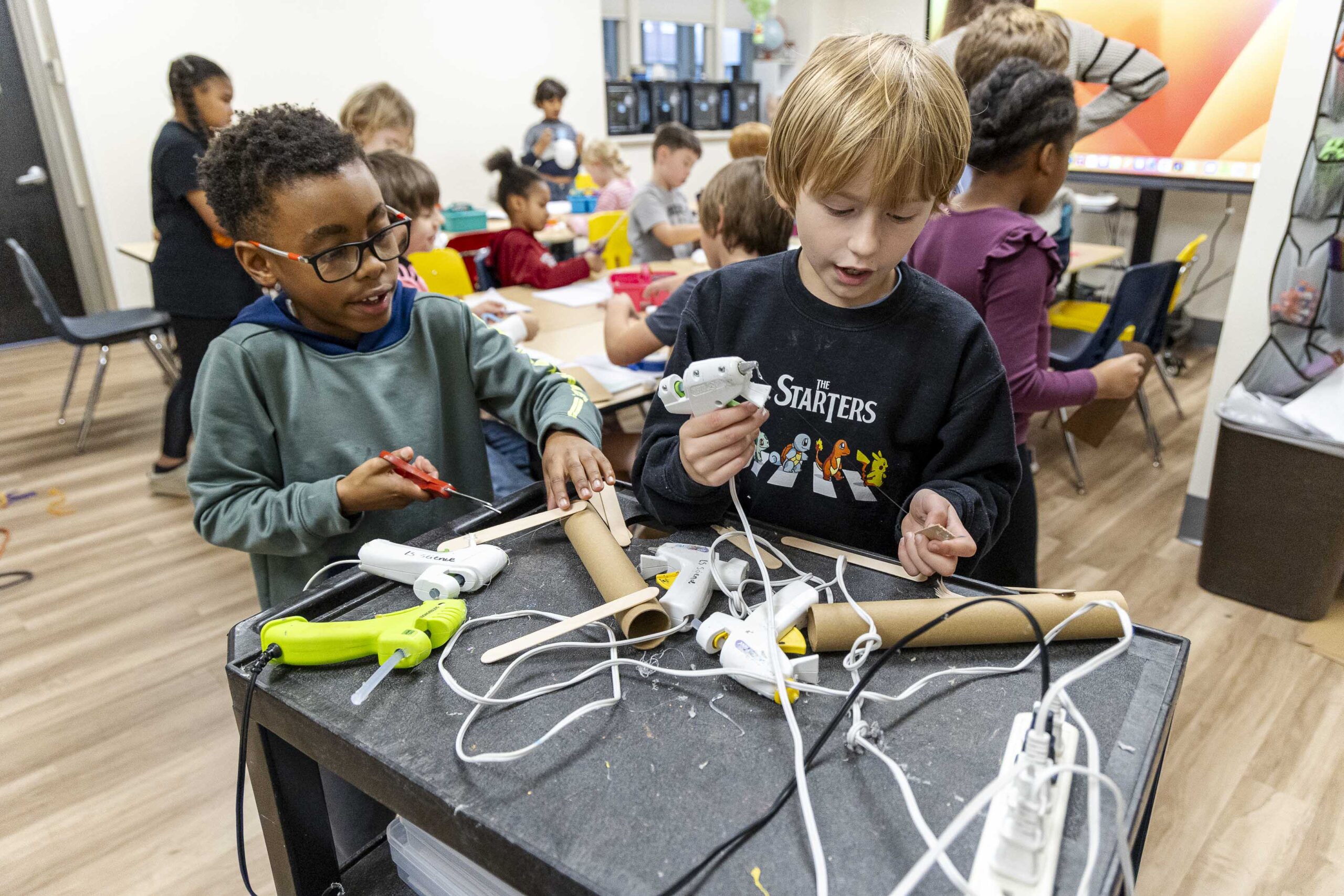
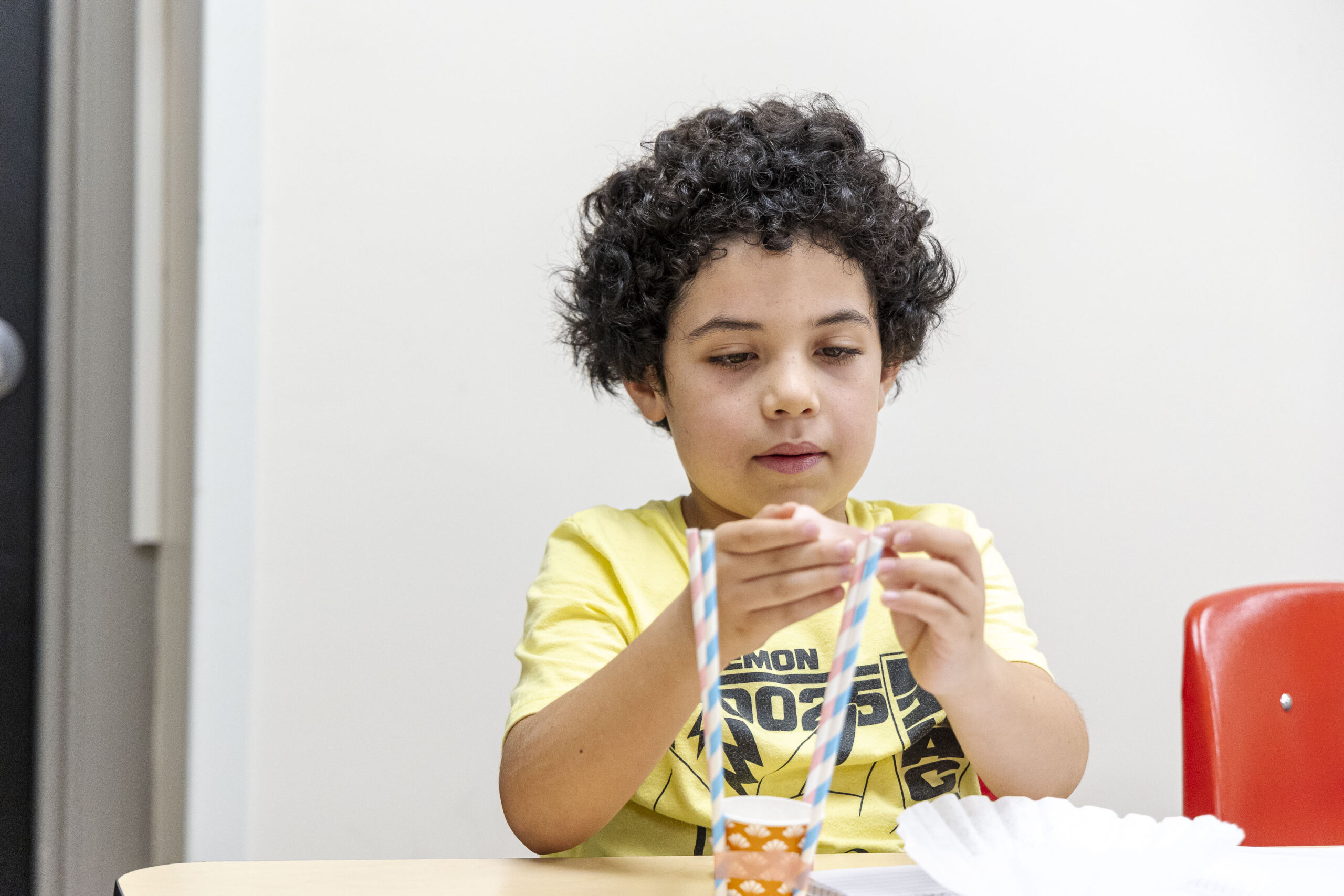
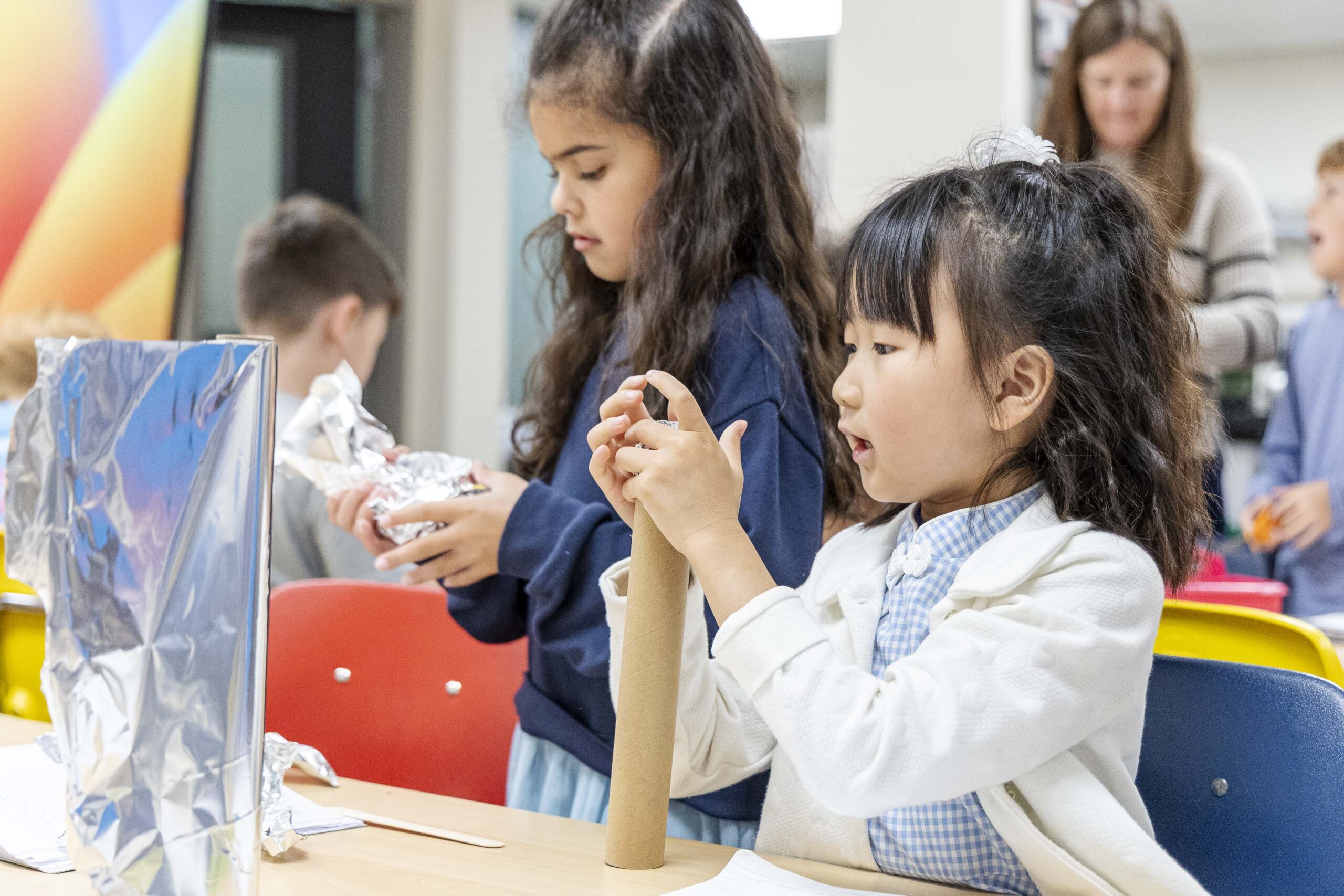
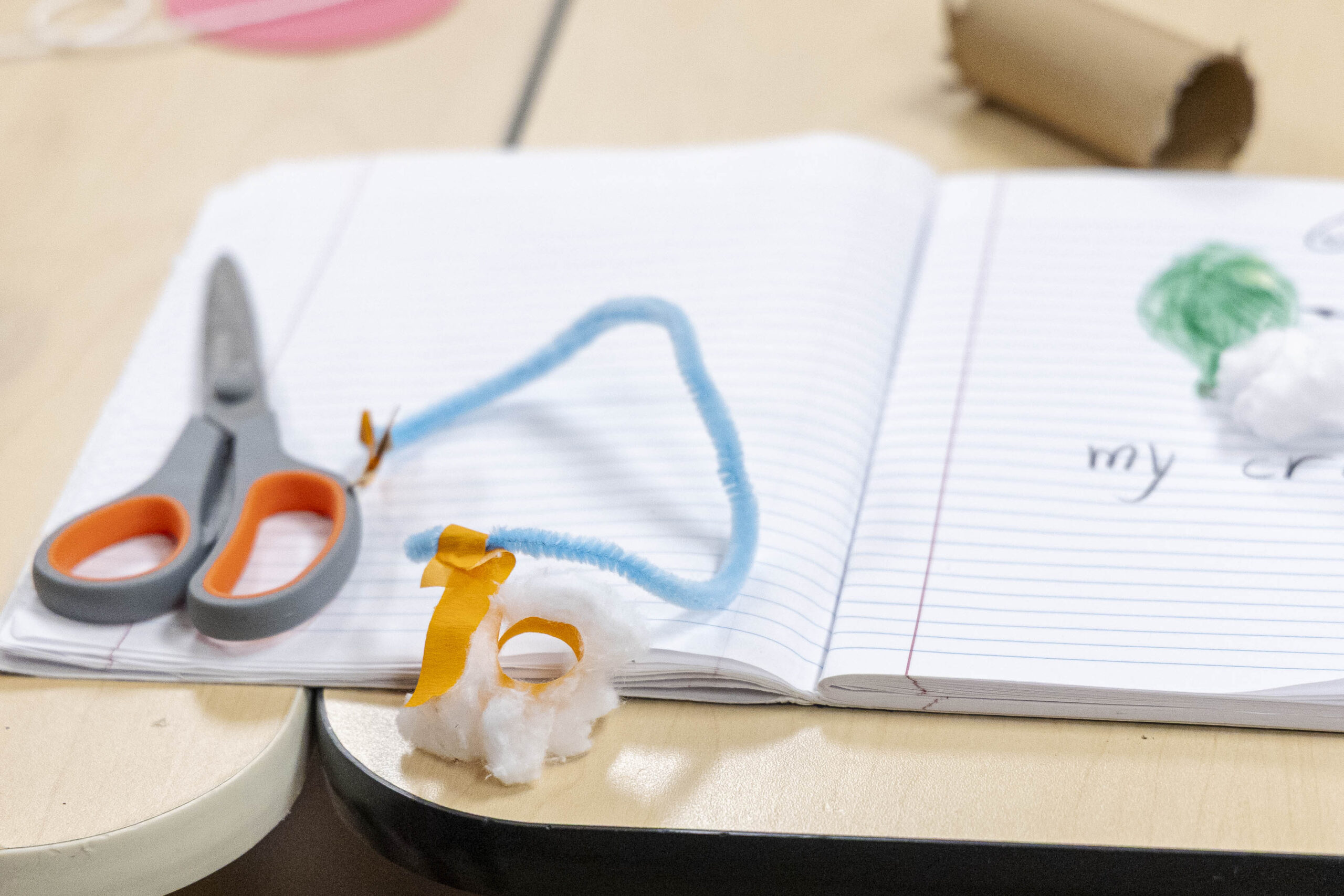
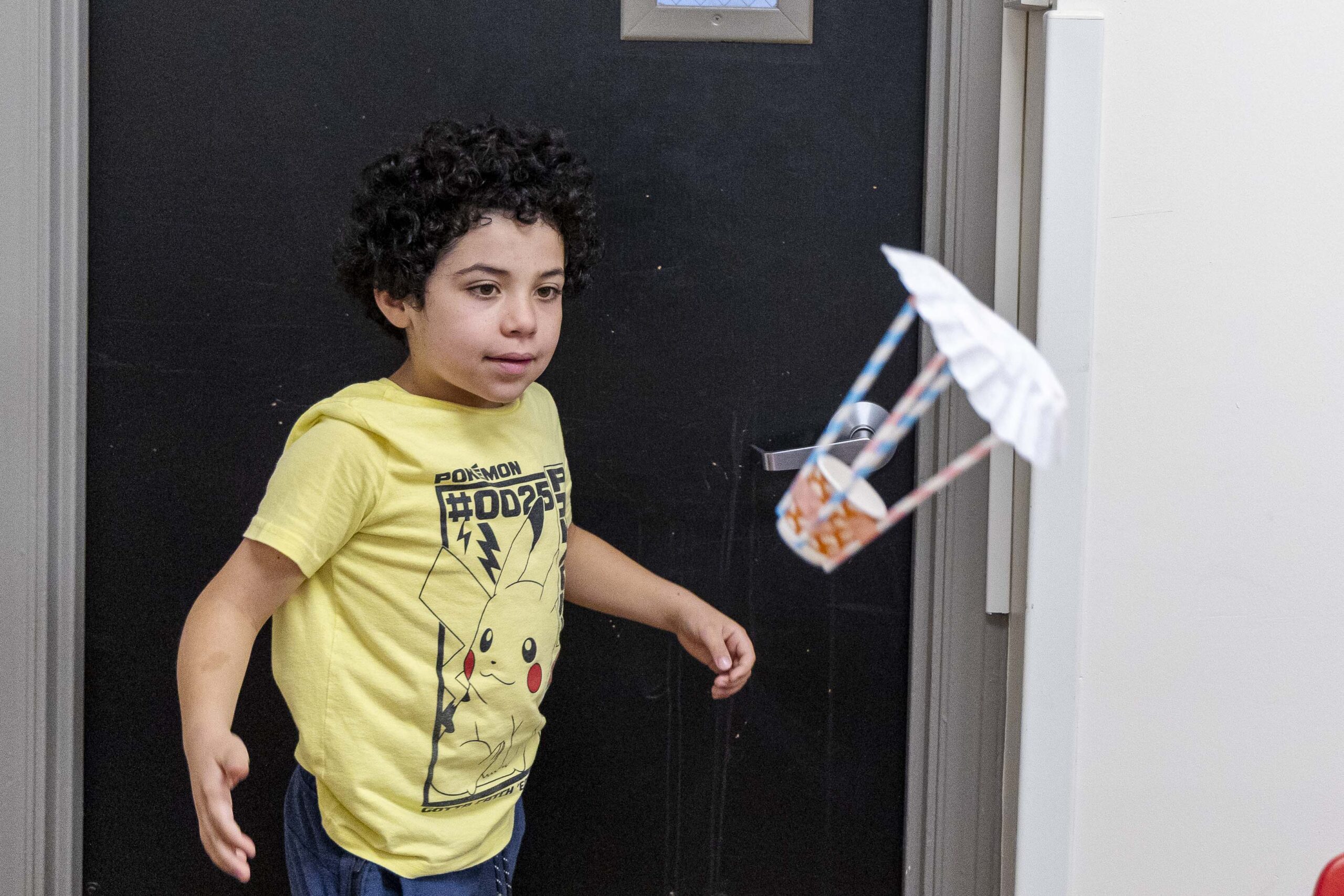
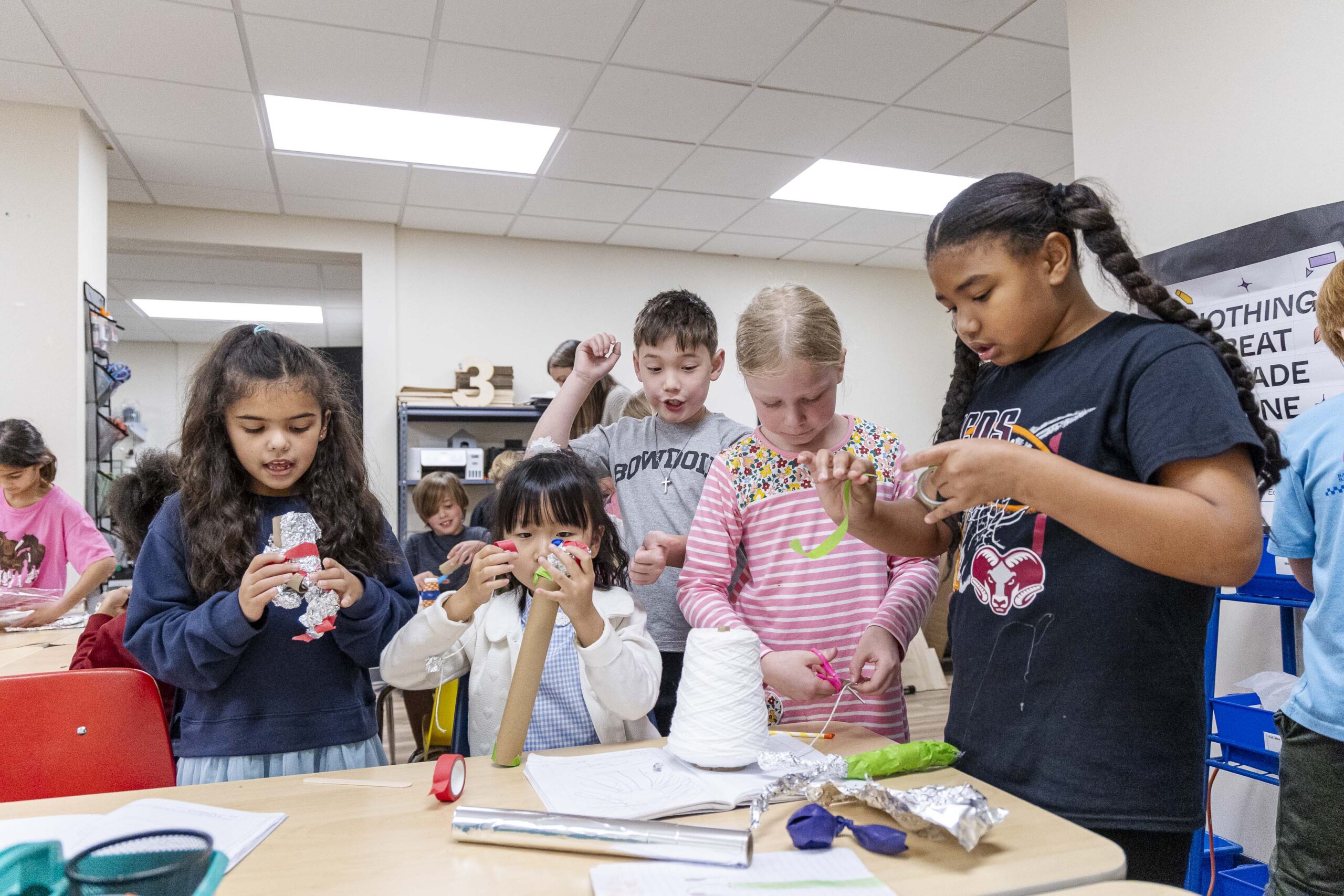
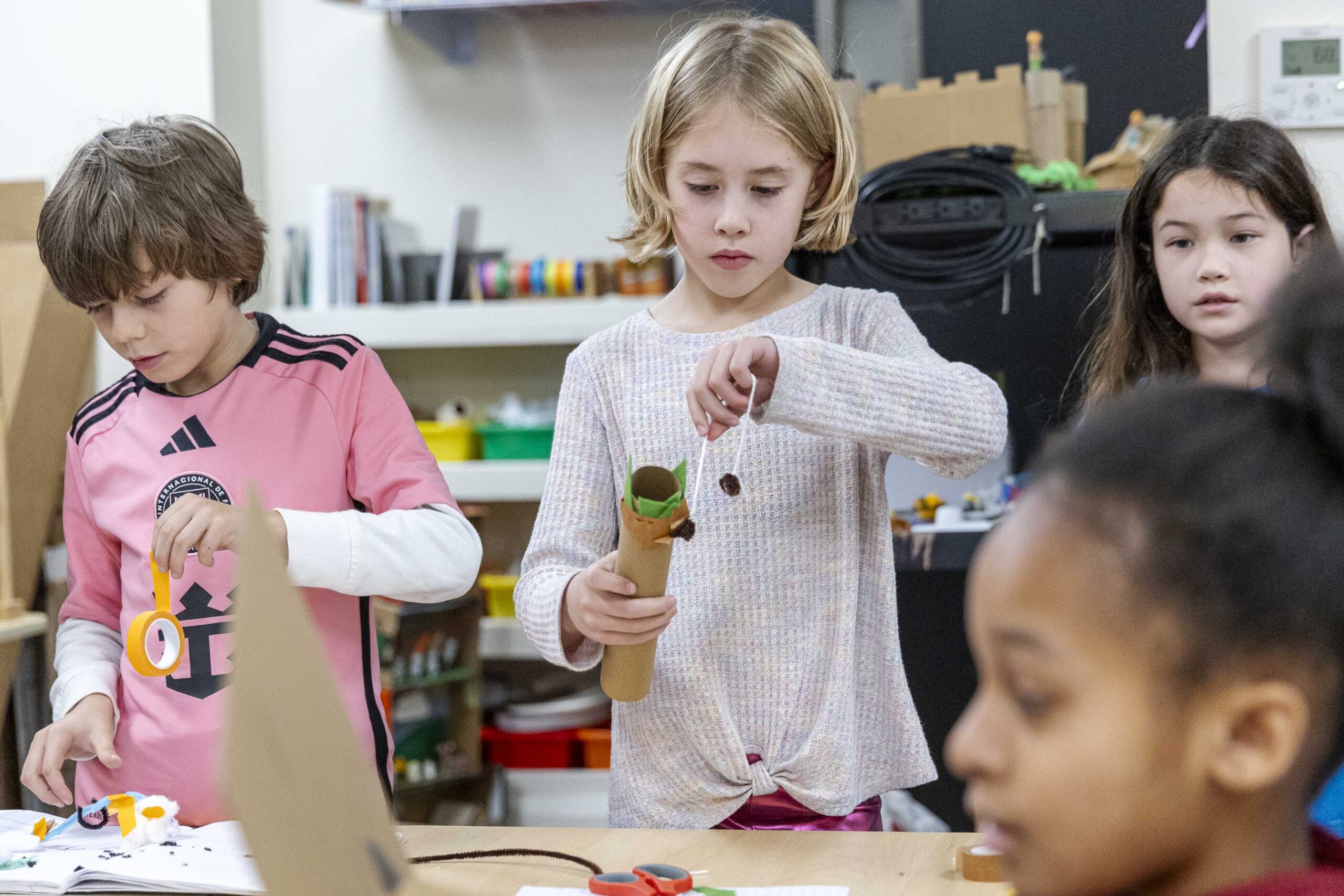
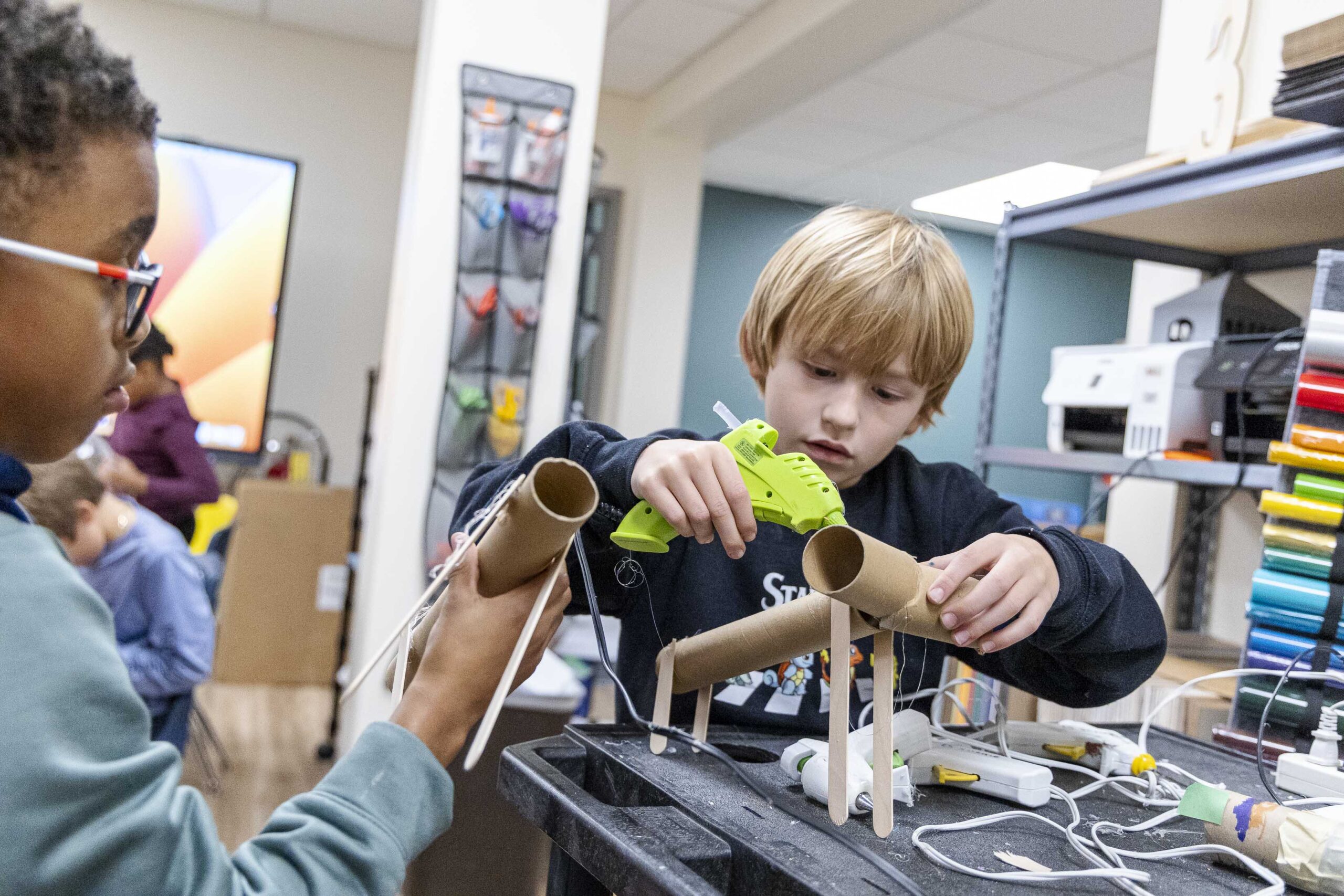
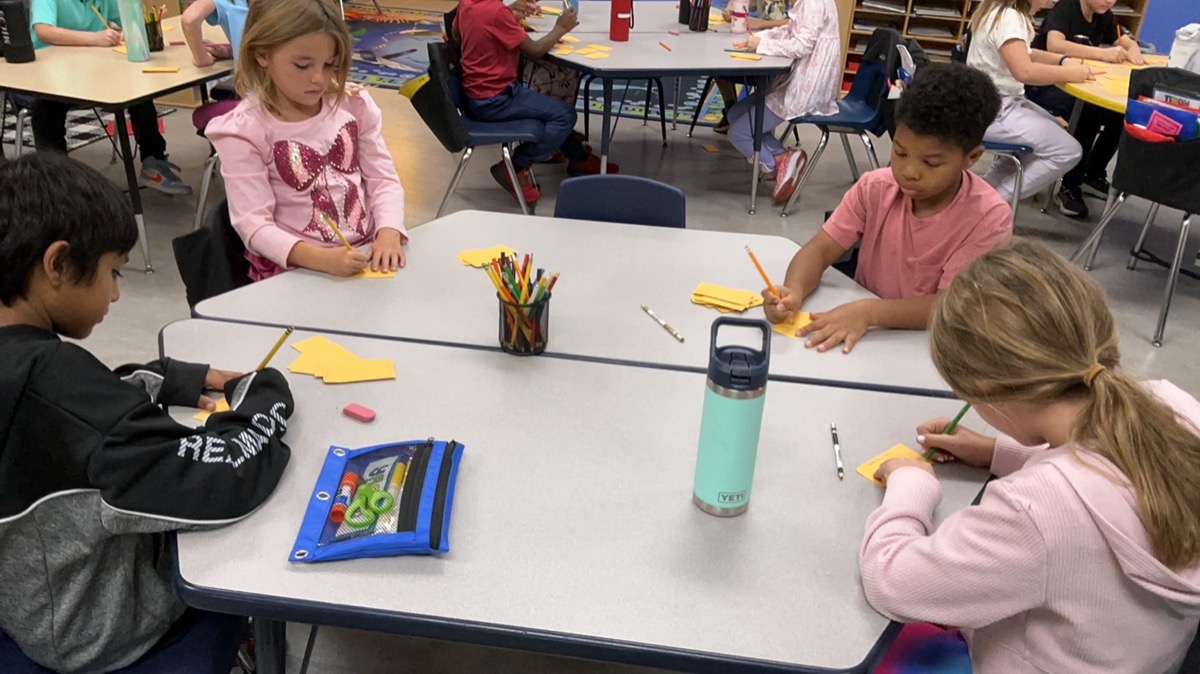
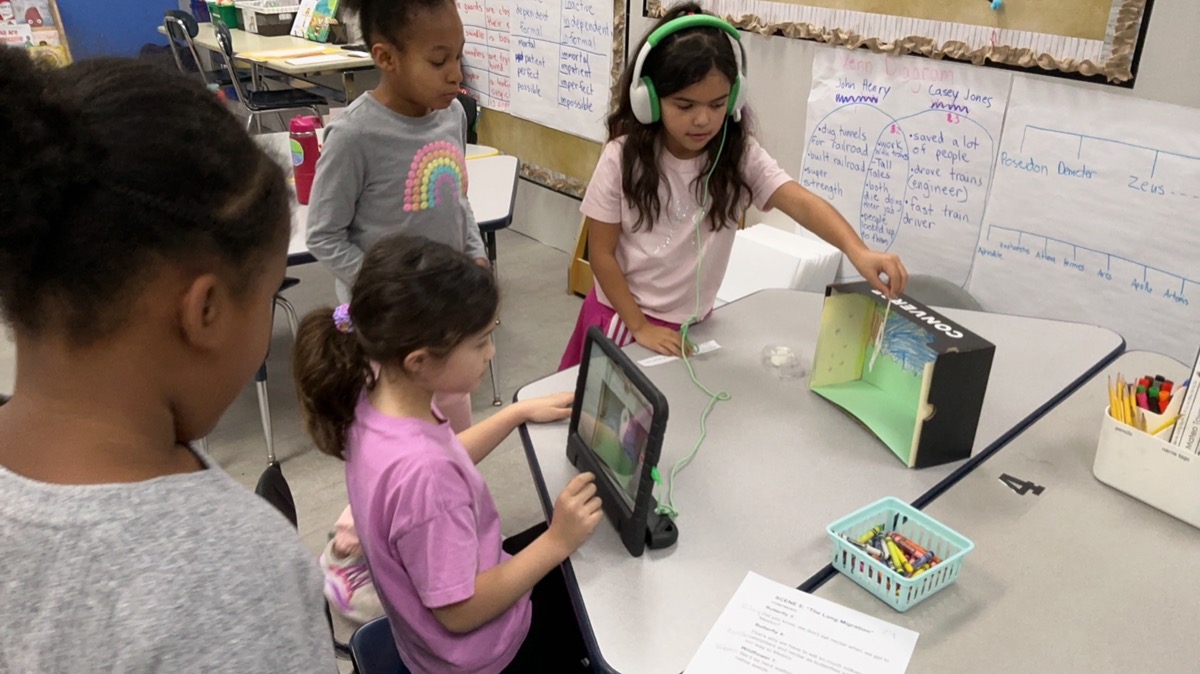
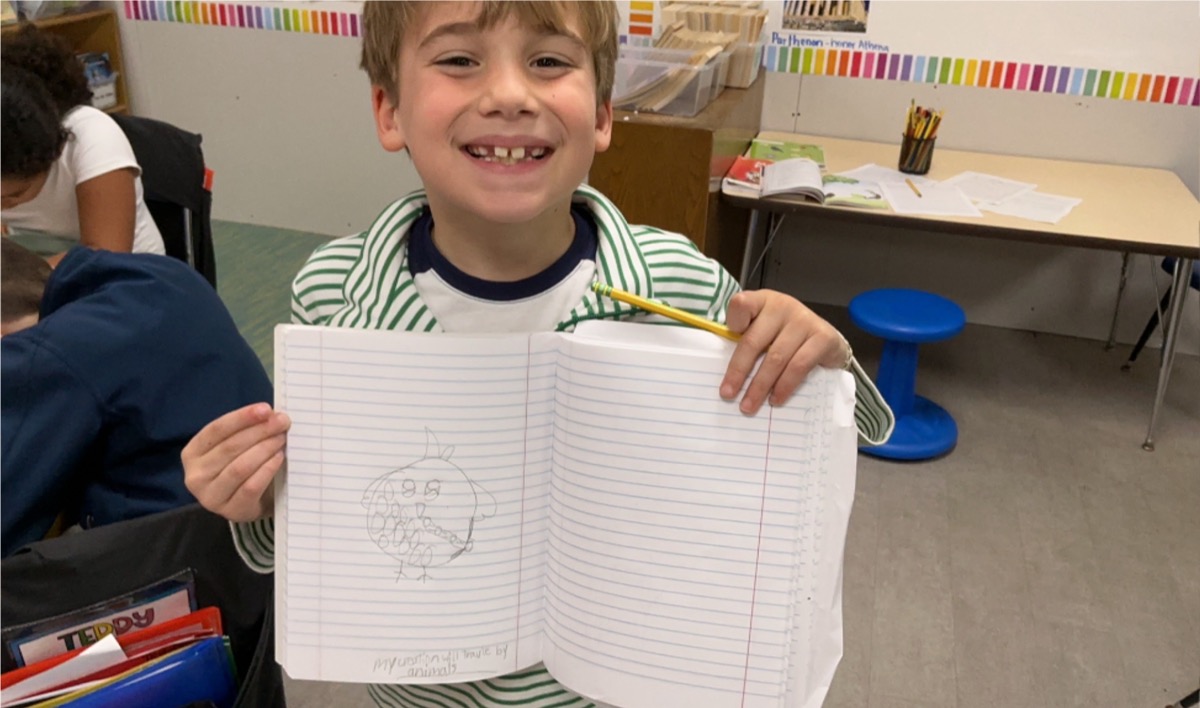
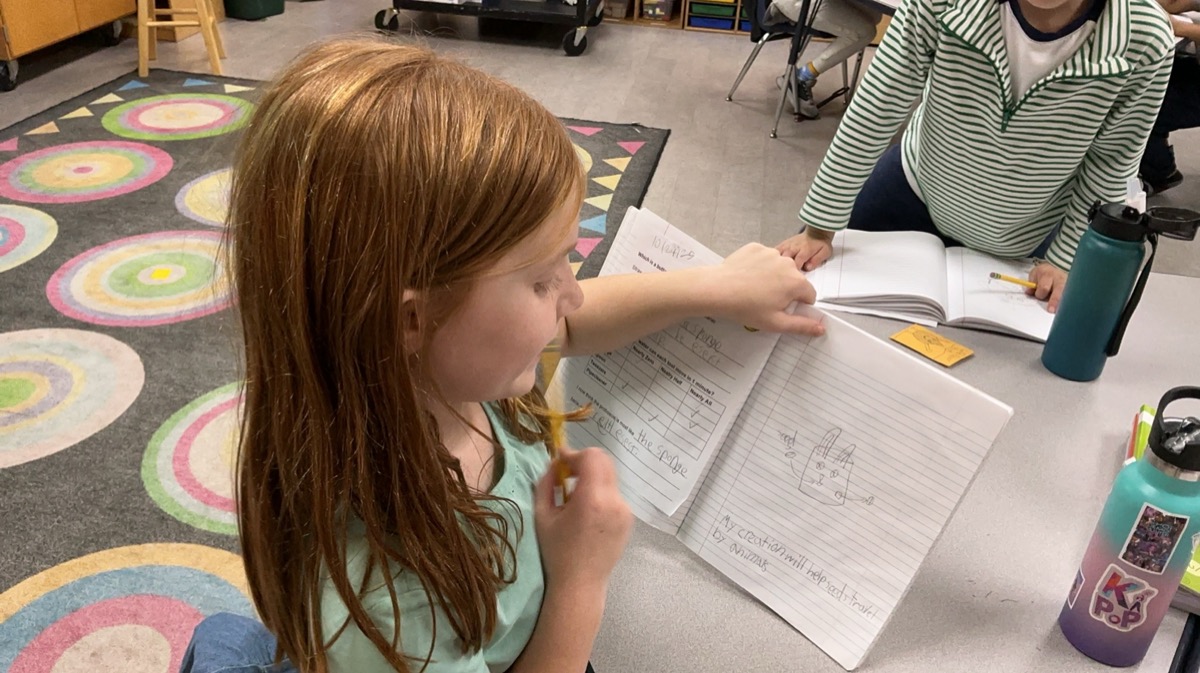
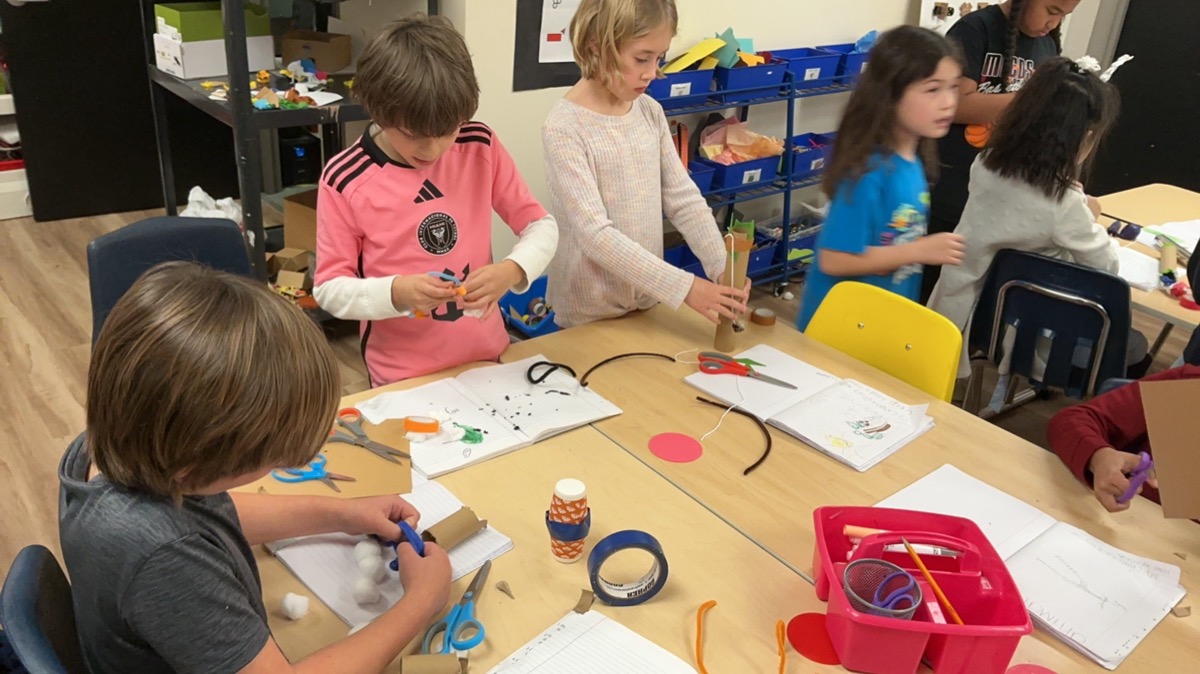
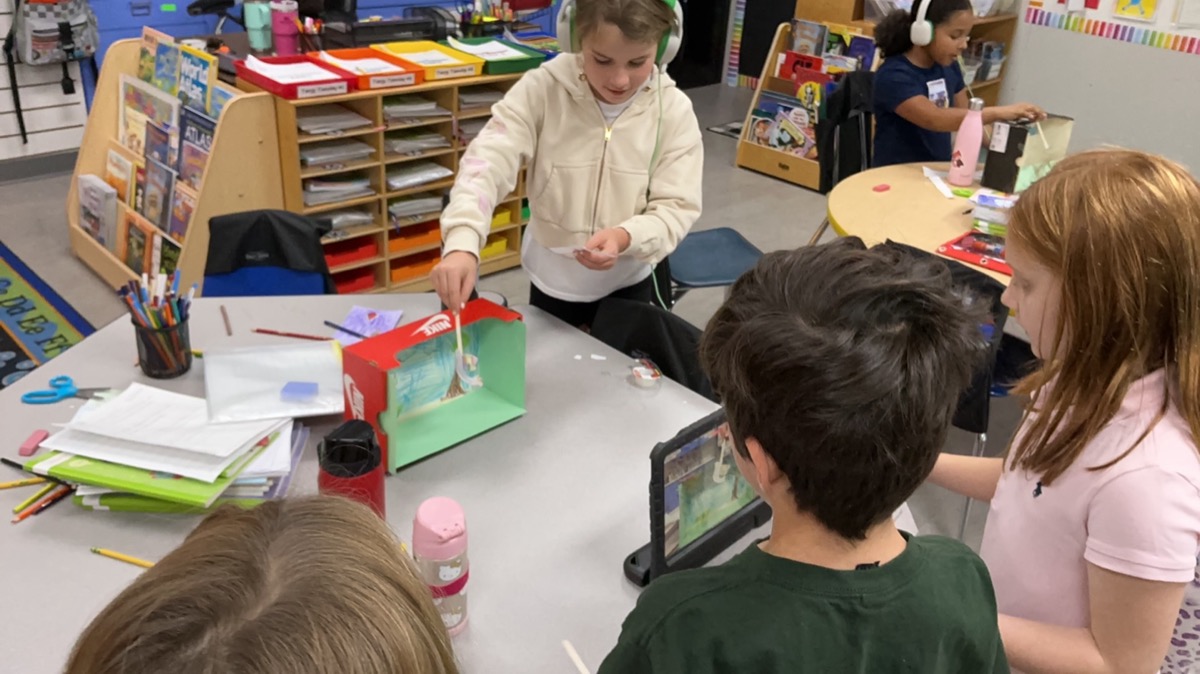
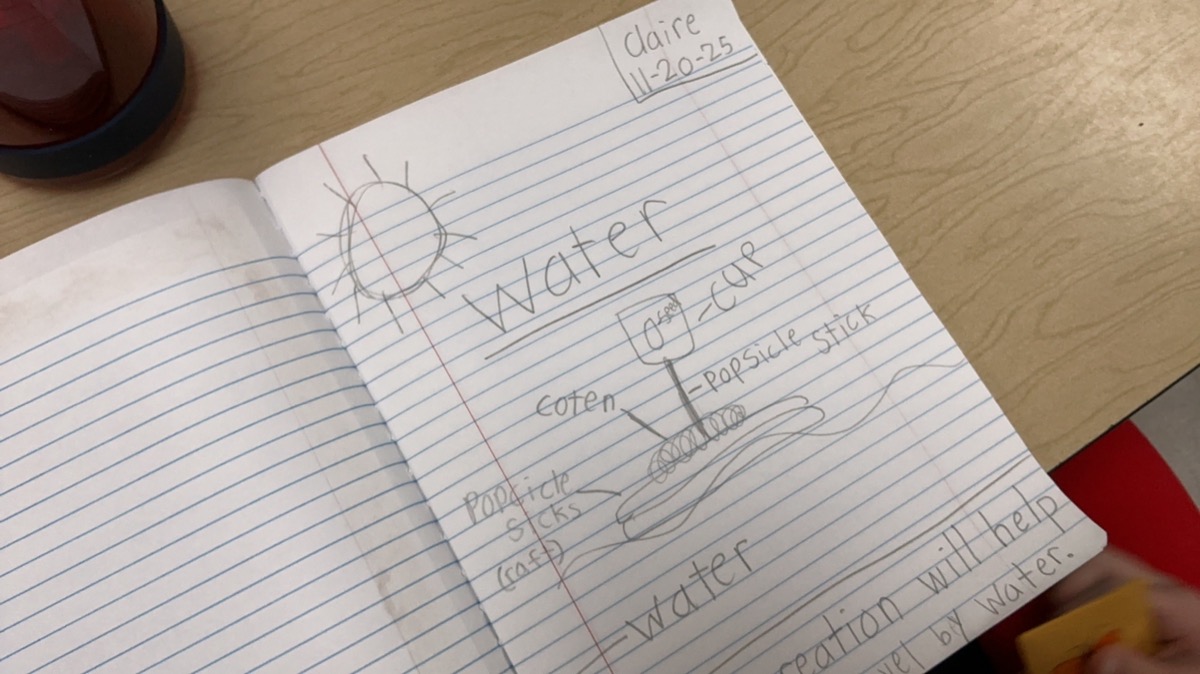
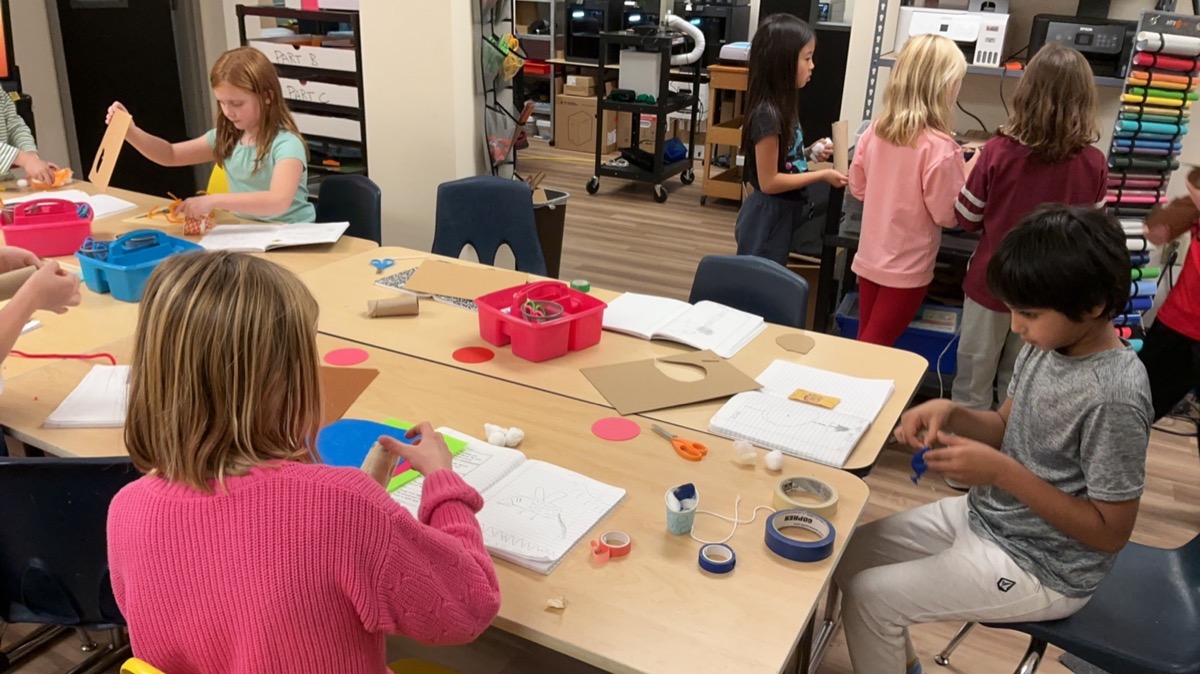
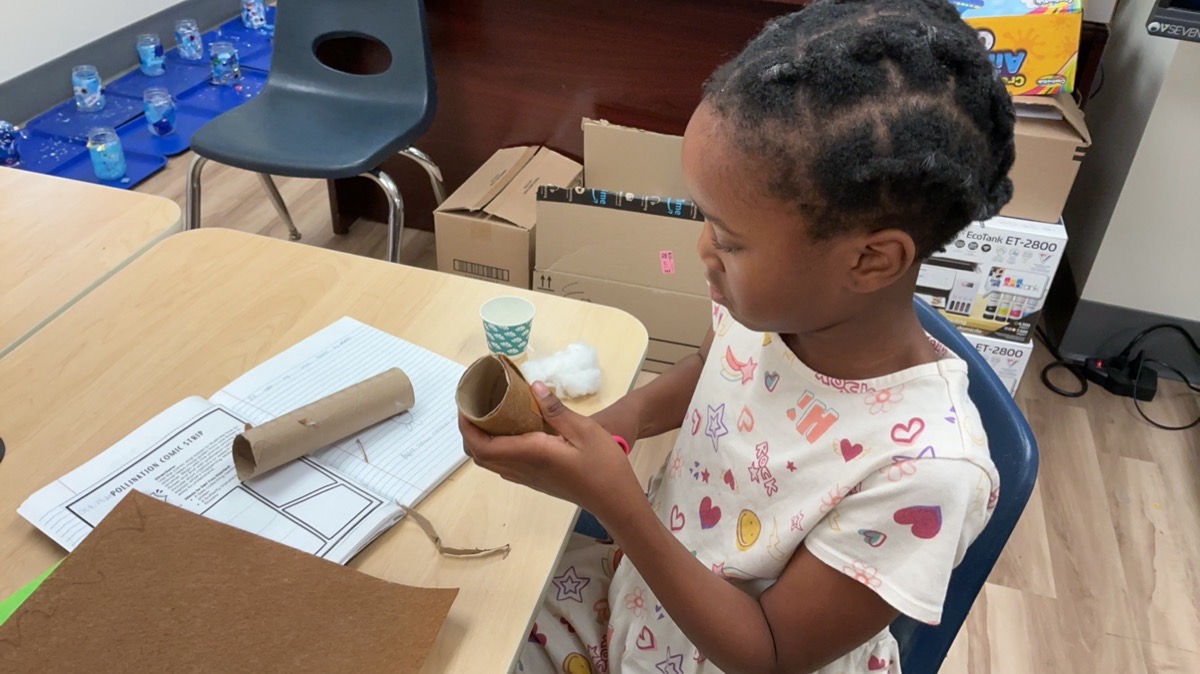
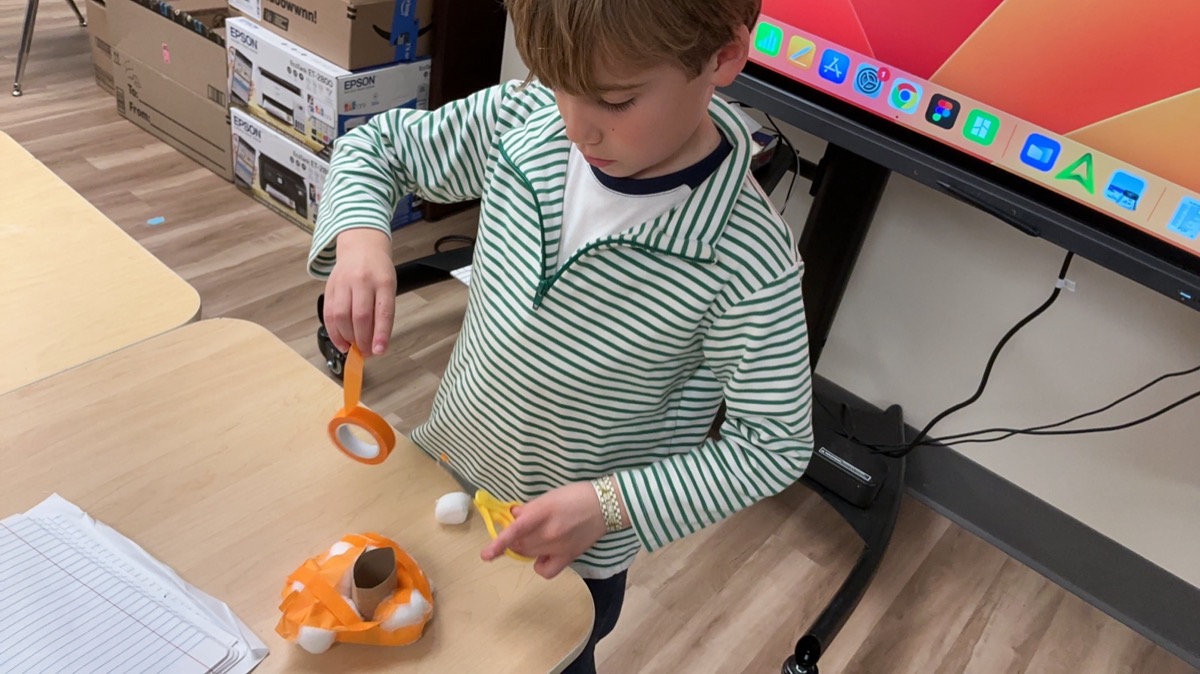
To better understand how plants like milkweed and wildflowers keep growing, students learned about the four main methods of seed dispersal: wind, water, explosion, and animals. In the Lower School makerspace, they tested their own dispersal models and even wrote creative comics showcasing the journey of a seed. Students also shared their knowledge with the Lower School community by creating a puppet show video on the importance of the monarch milkweed garden.
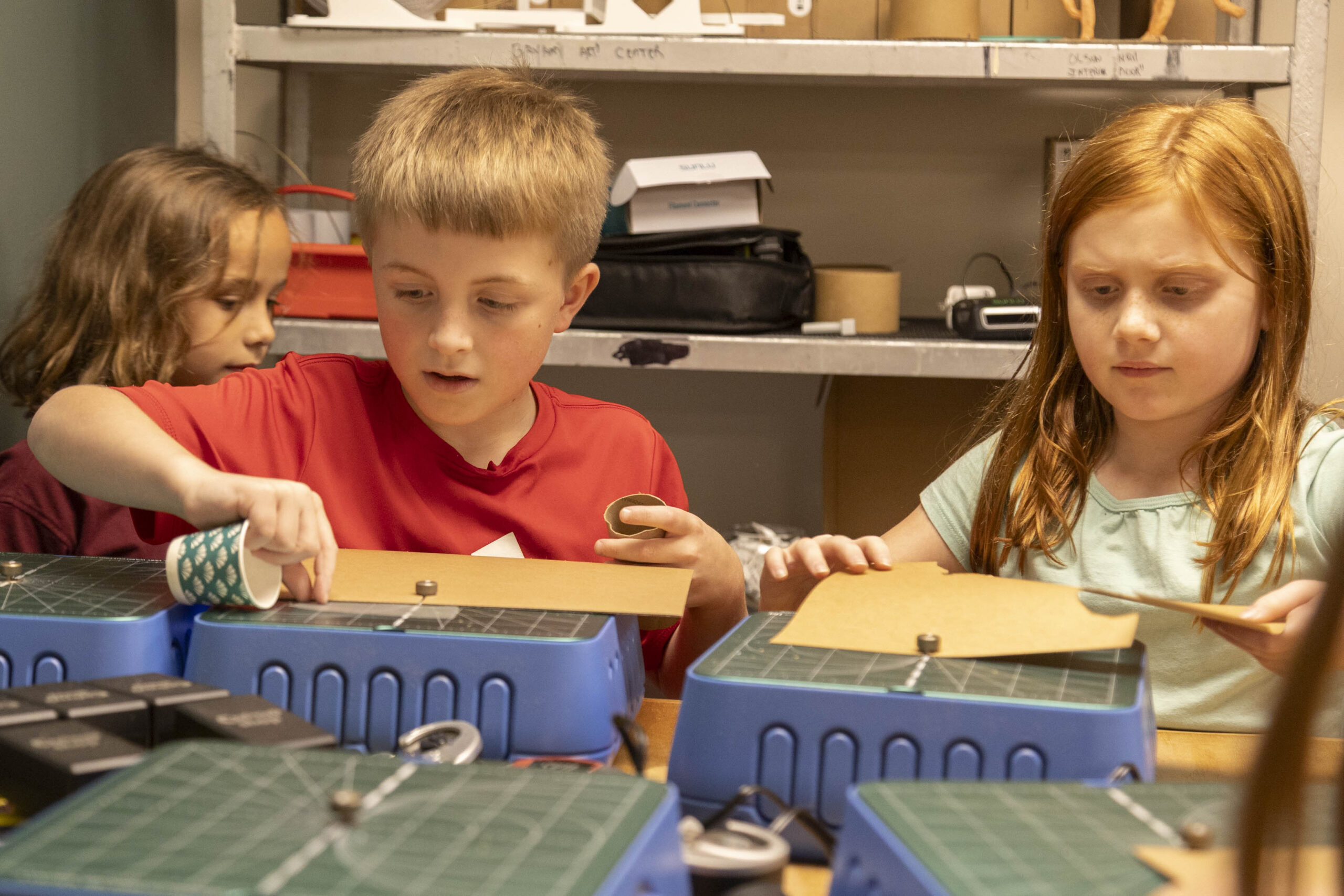
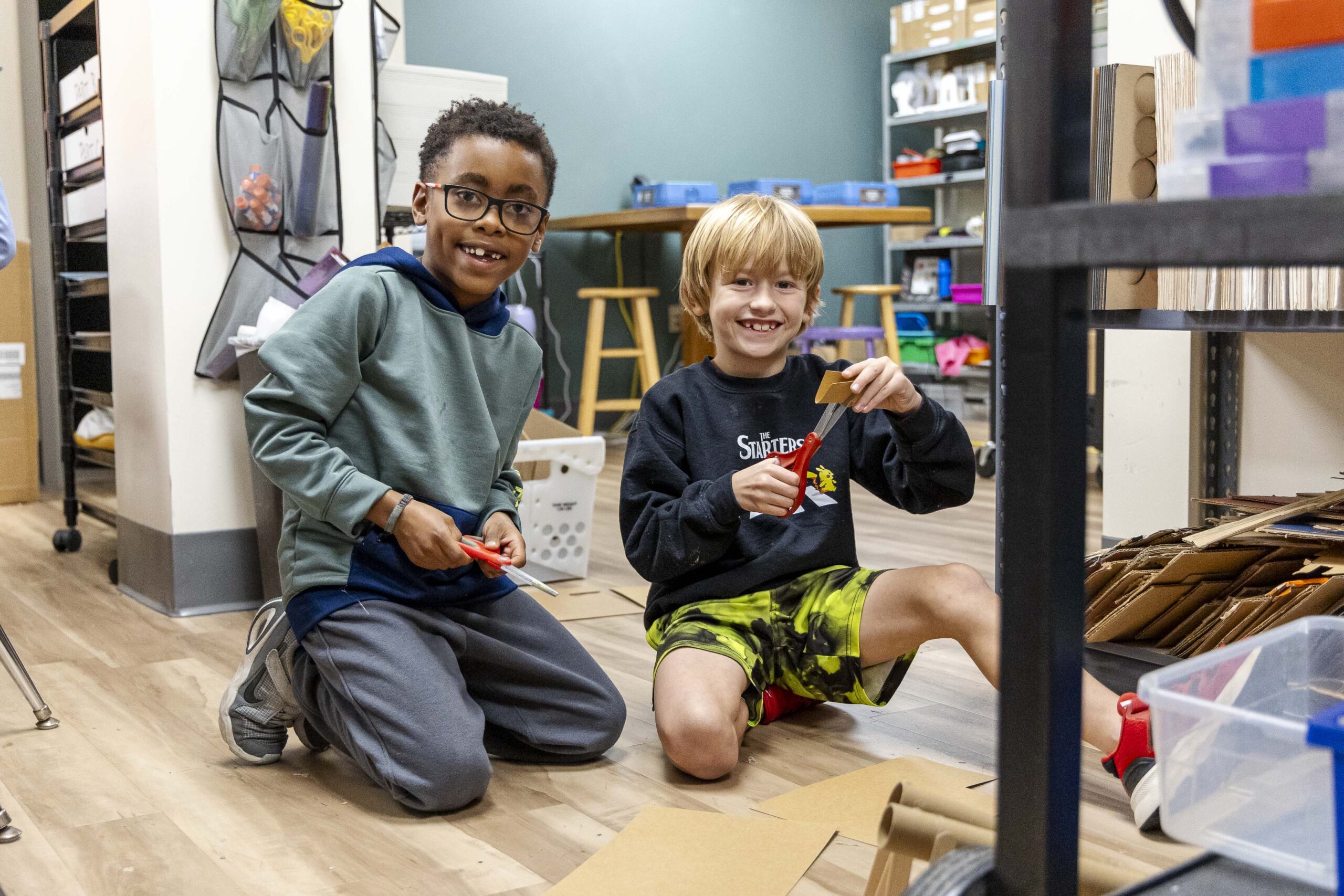
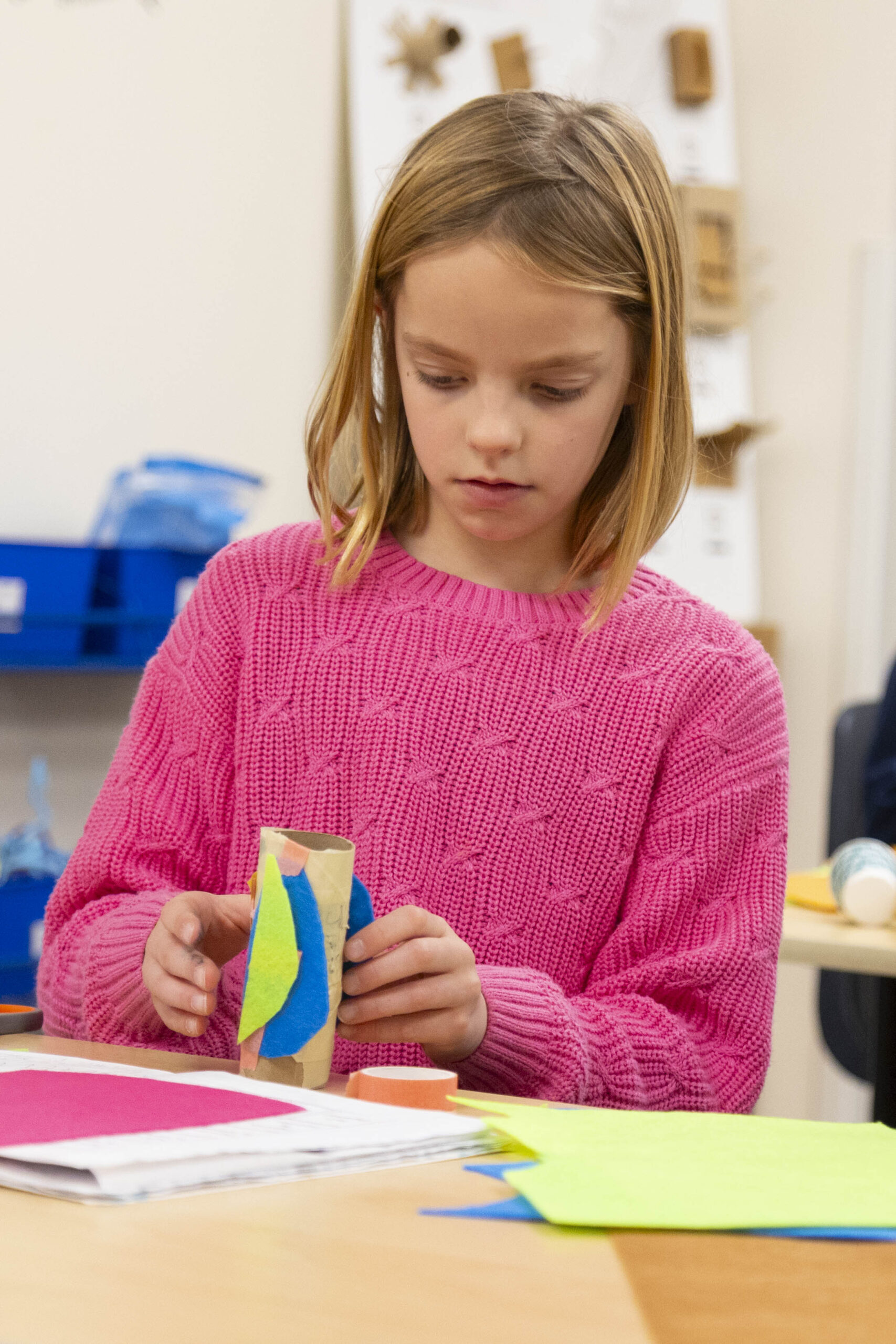
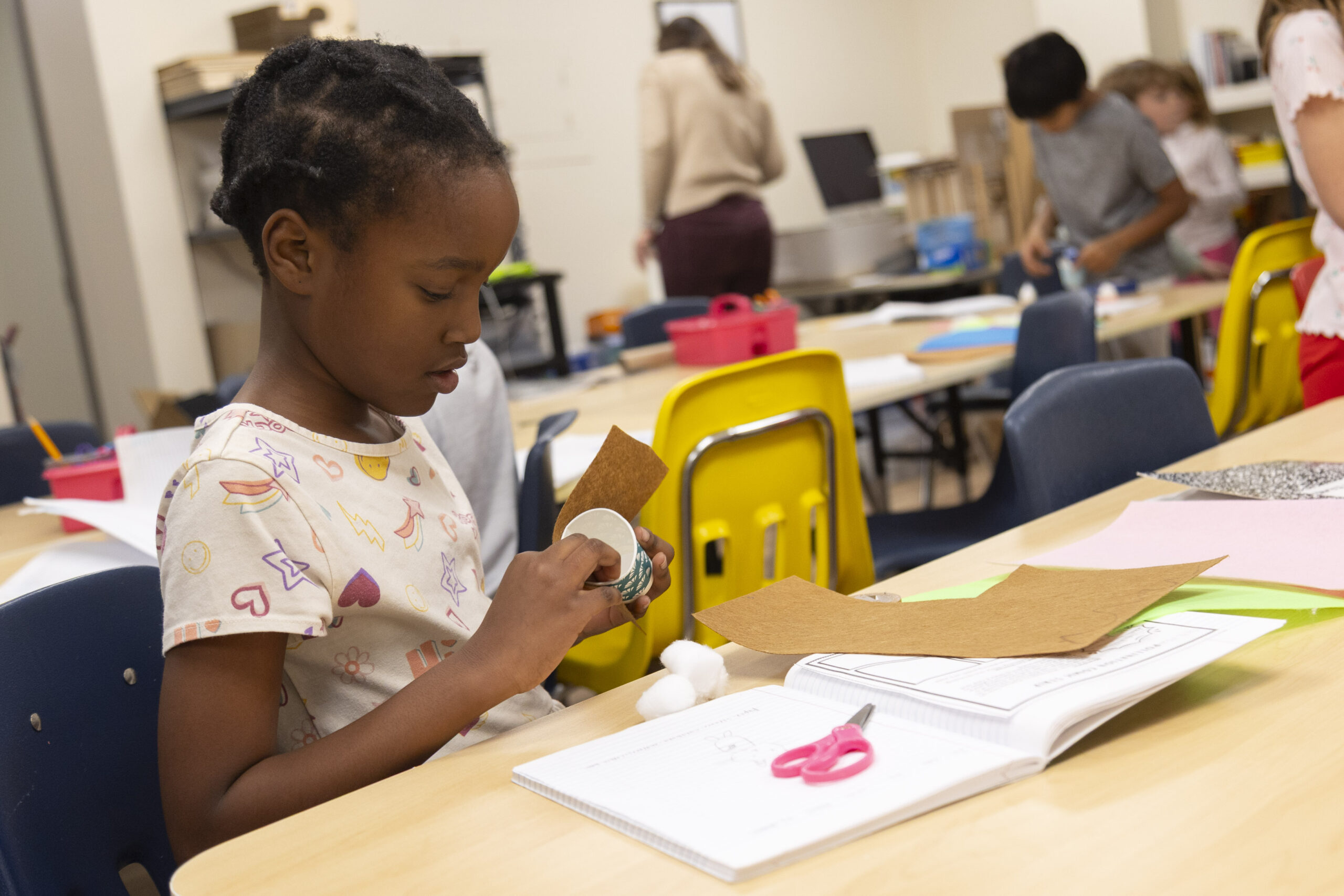
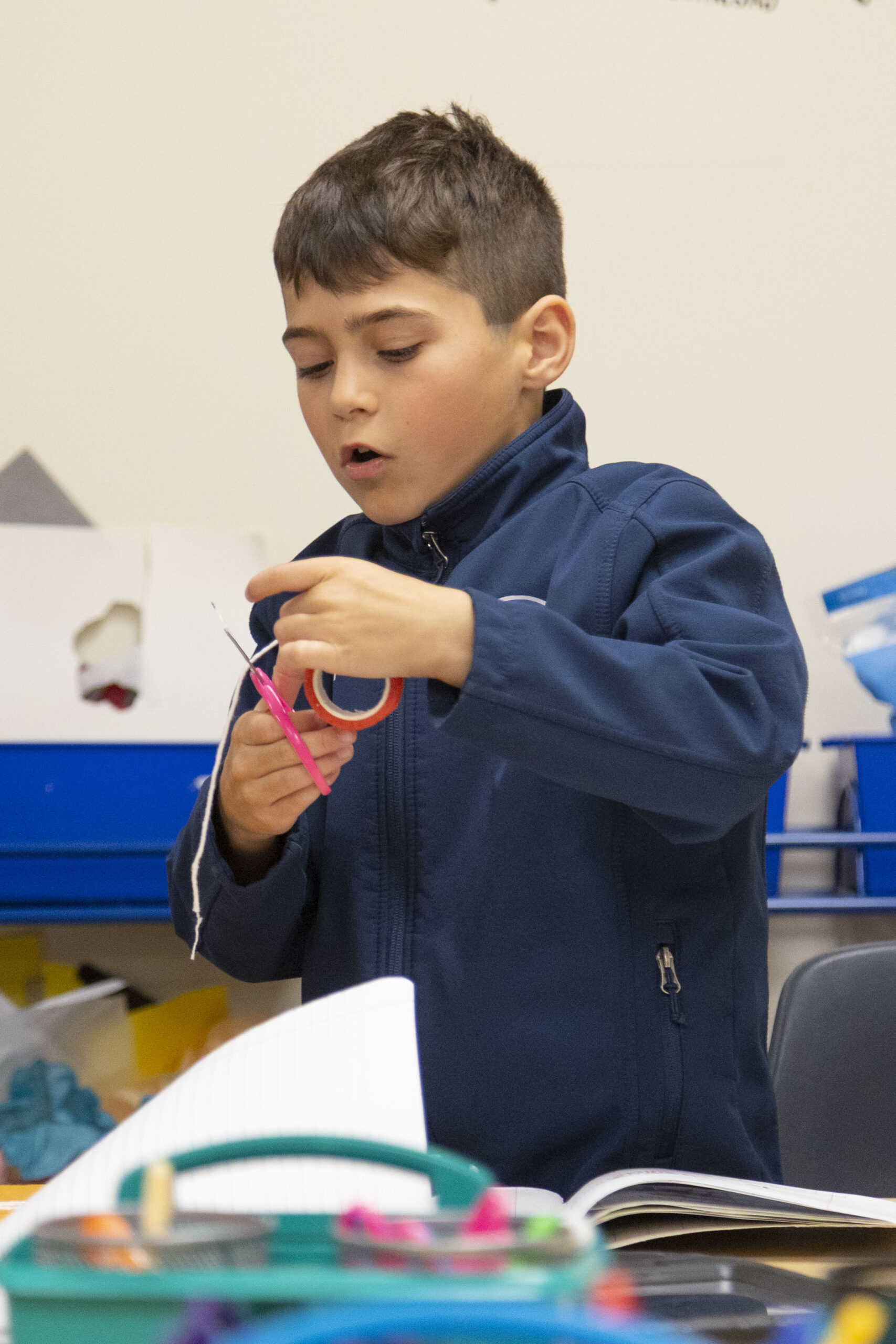
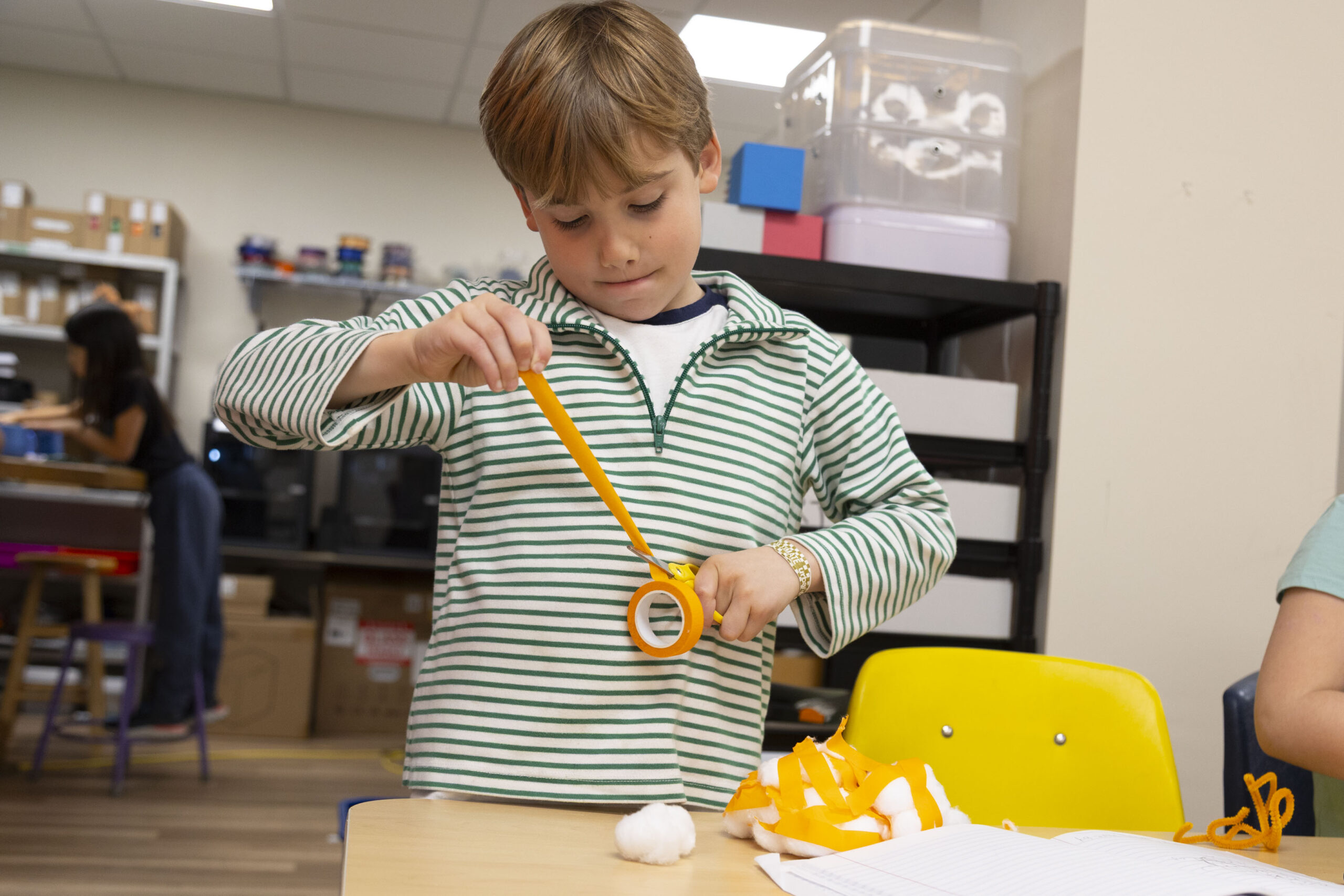
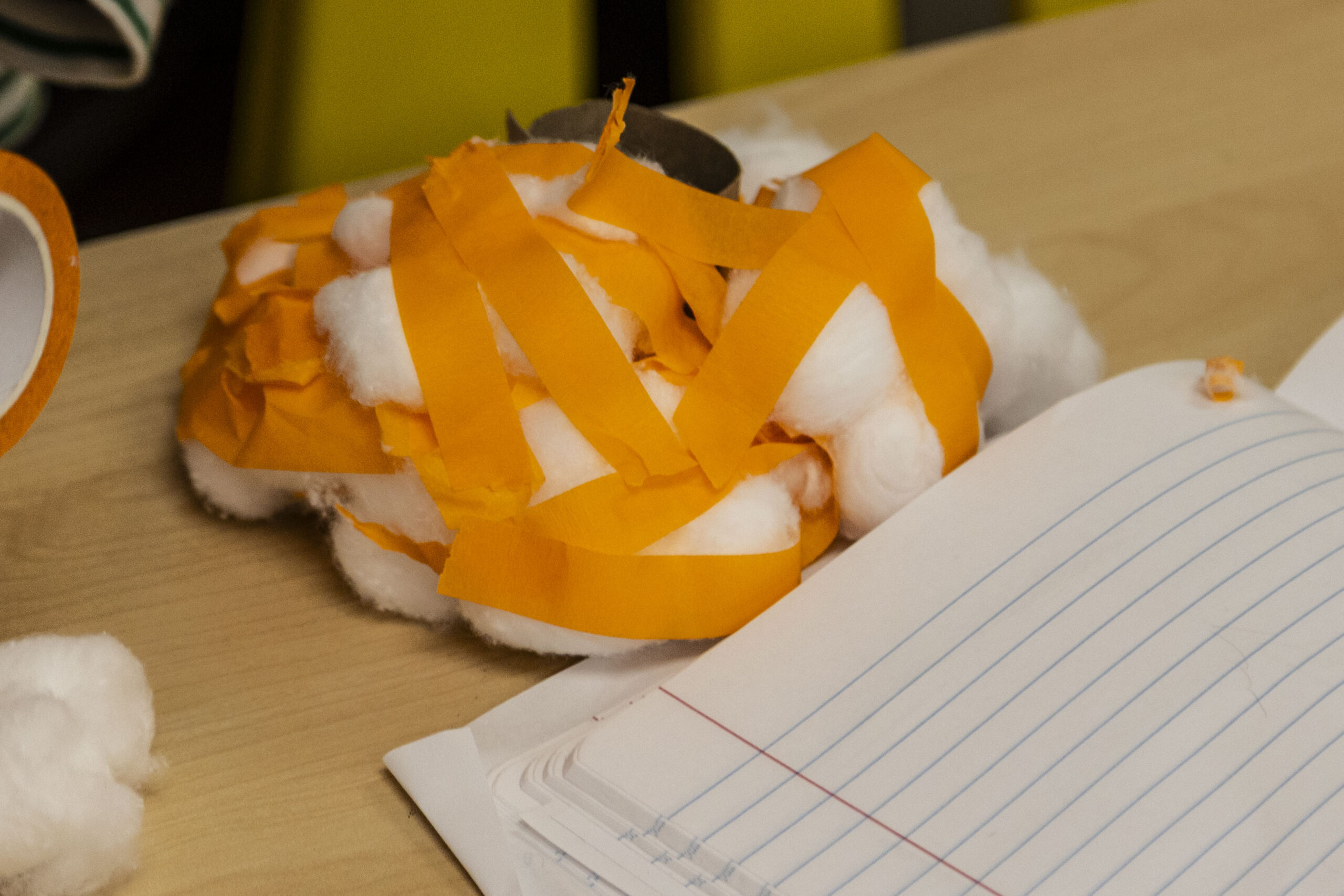
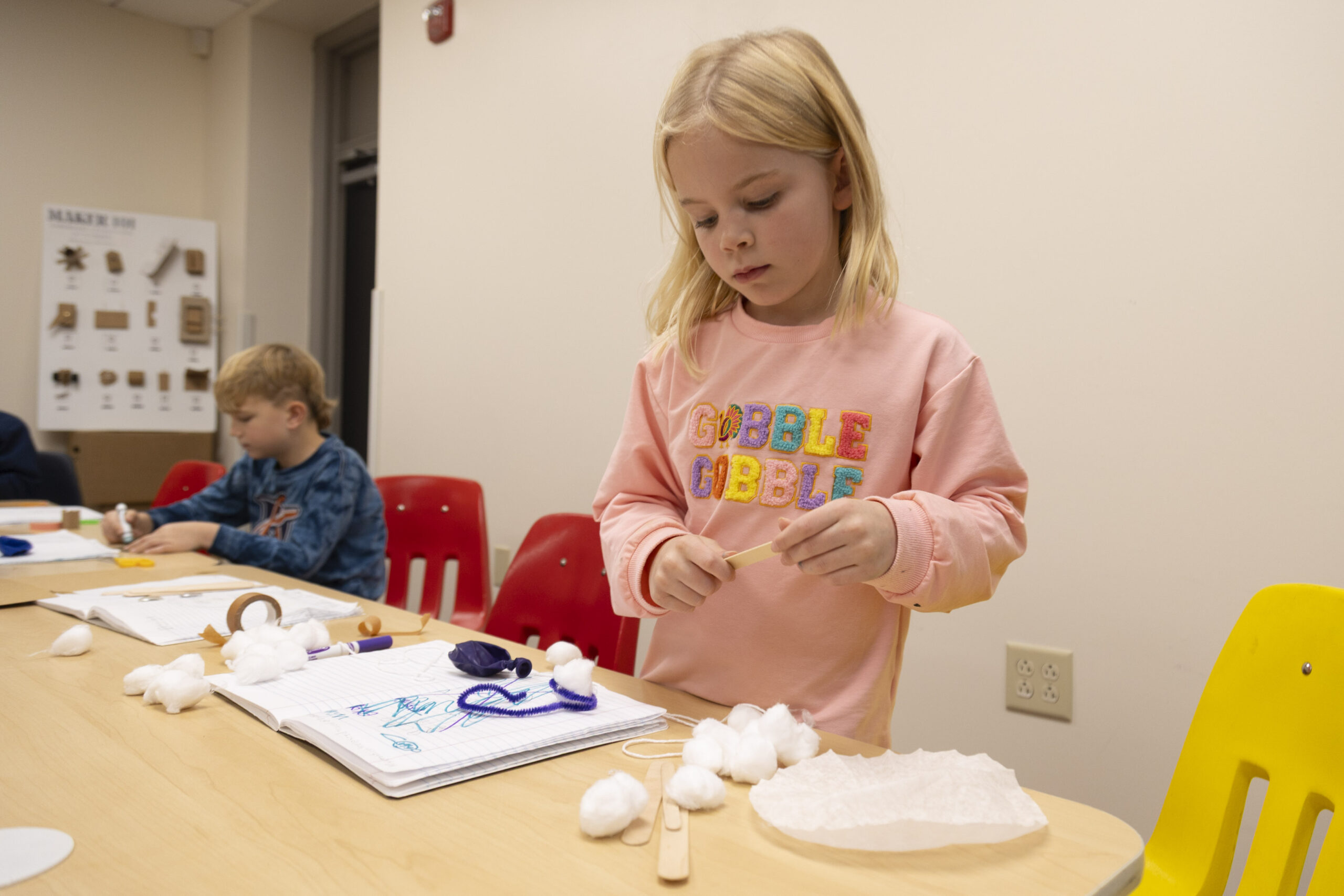
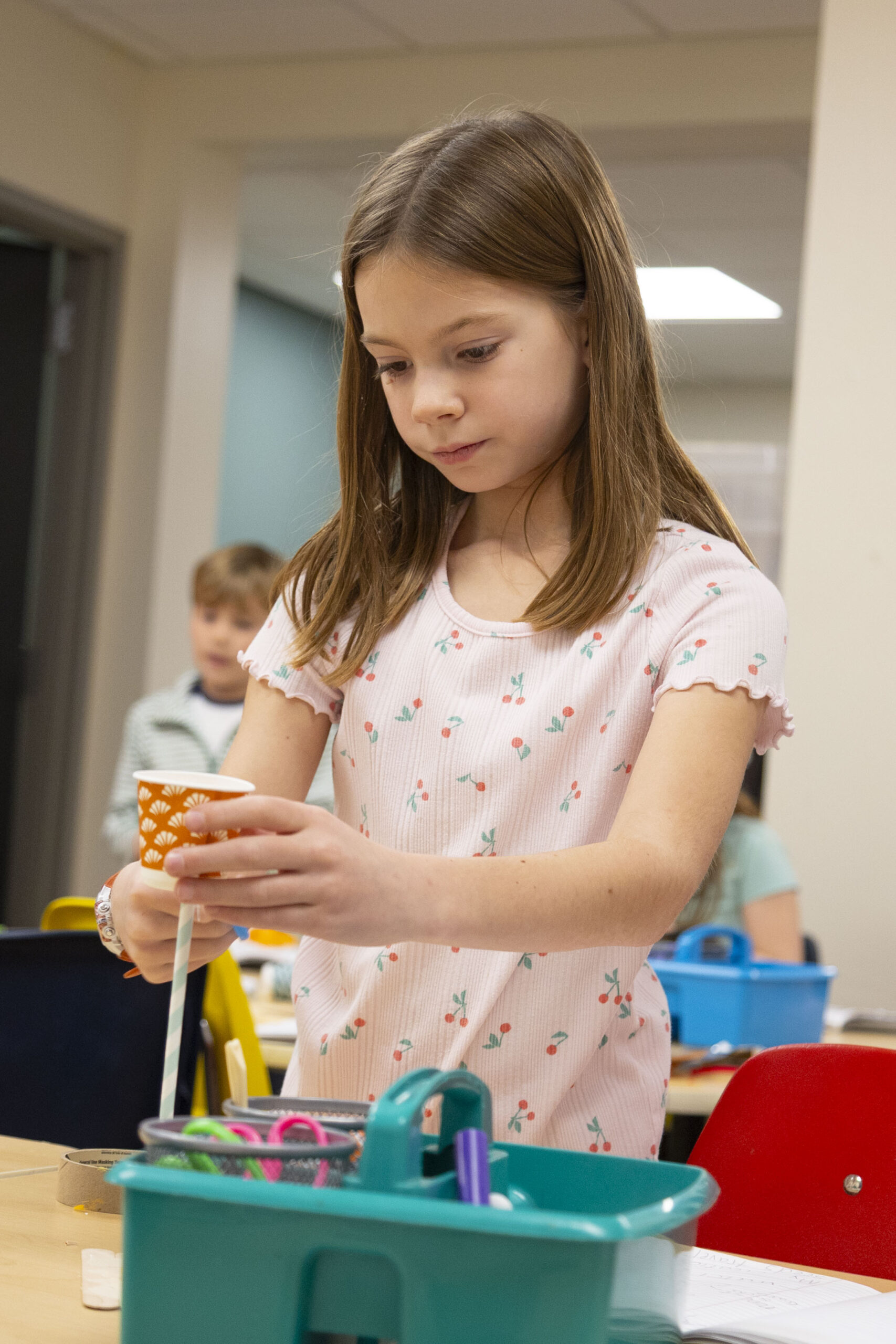
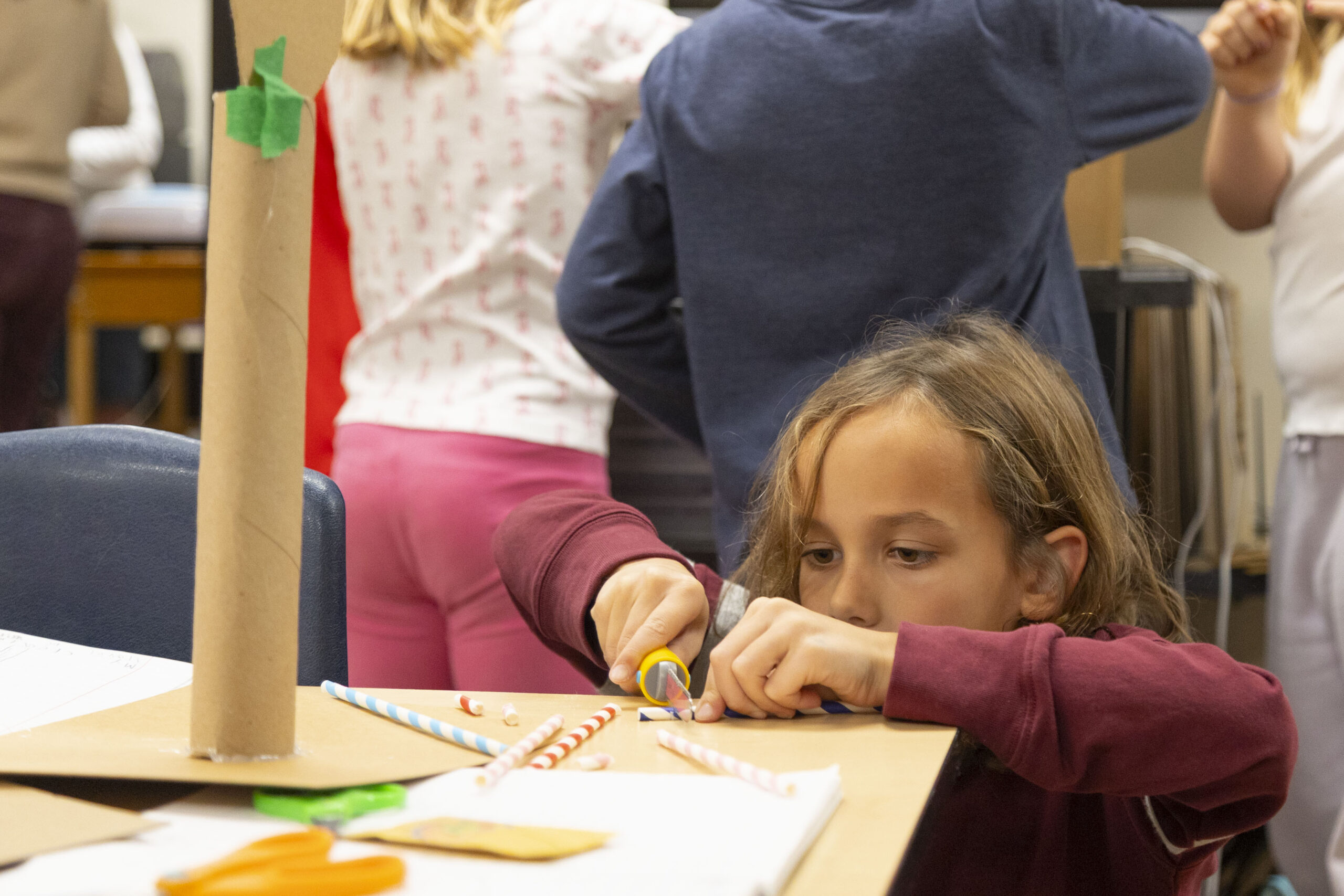
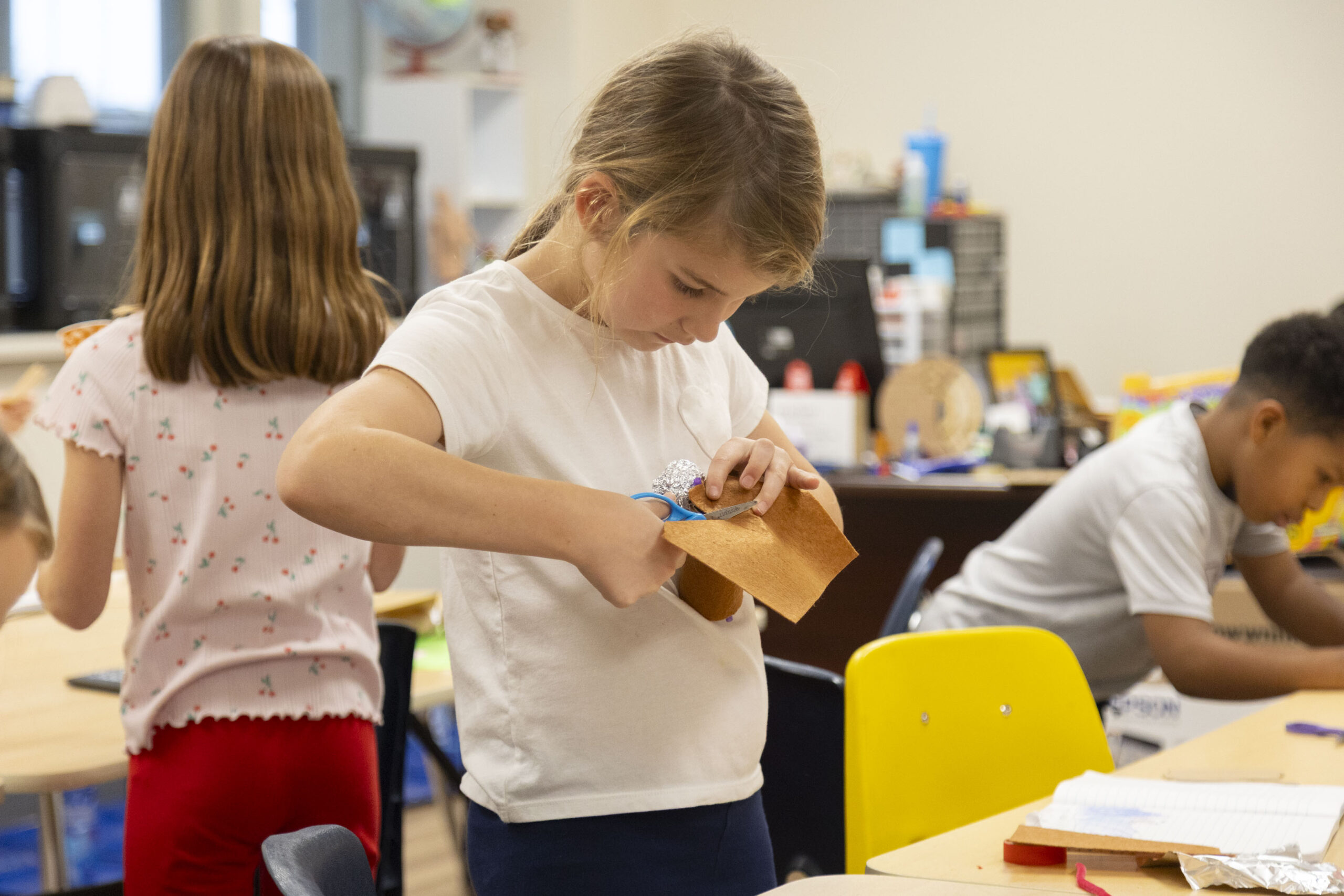
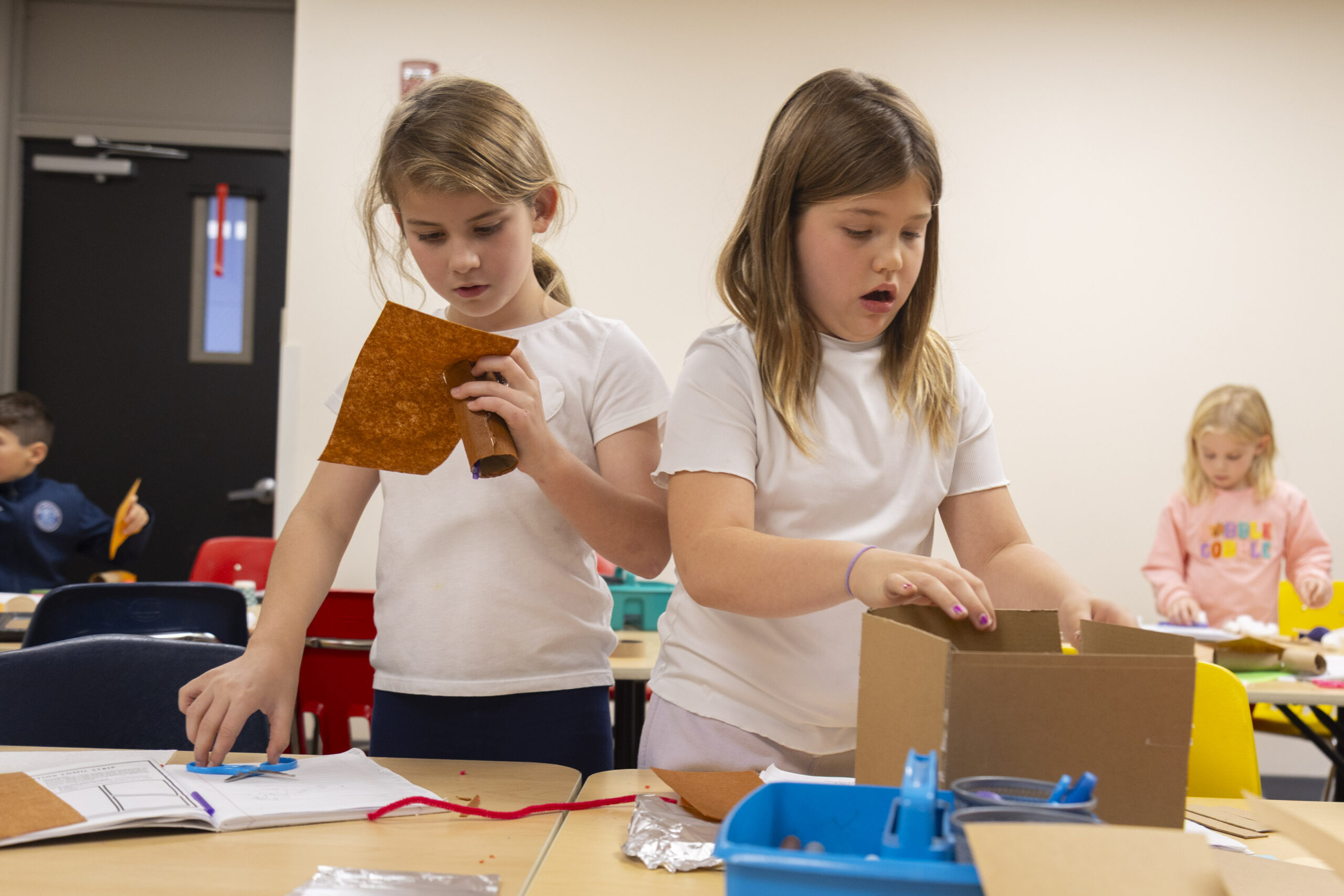
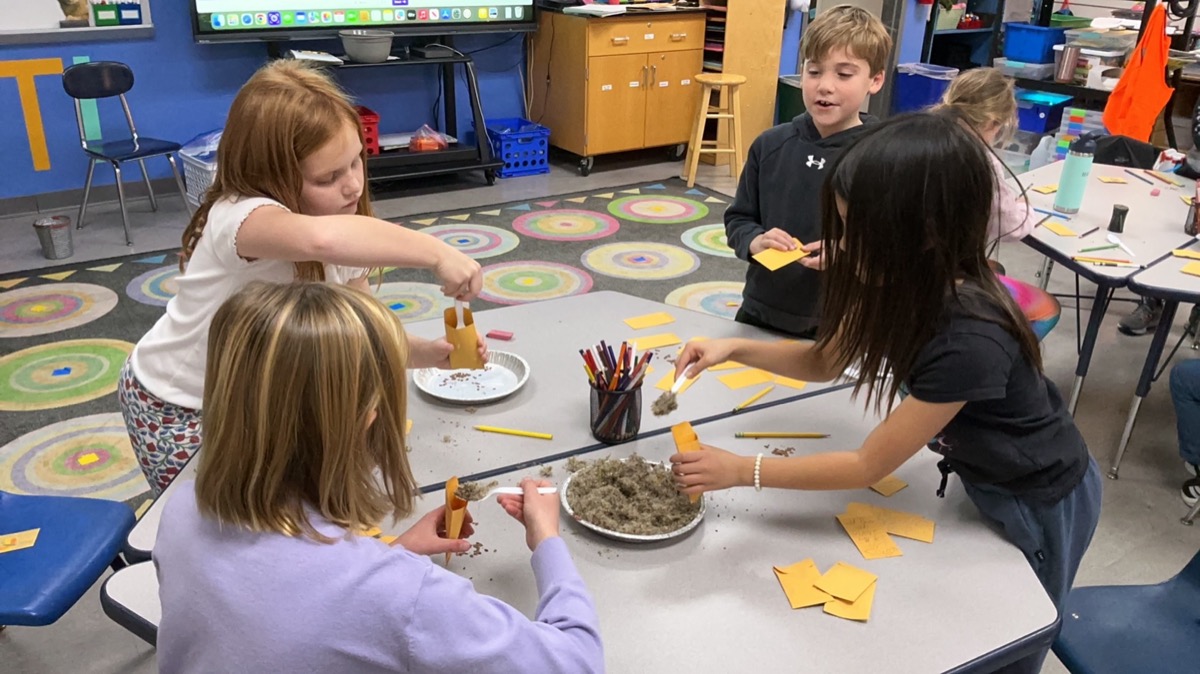
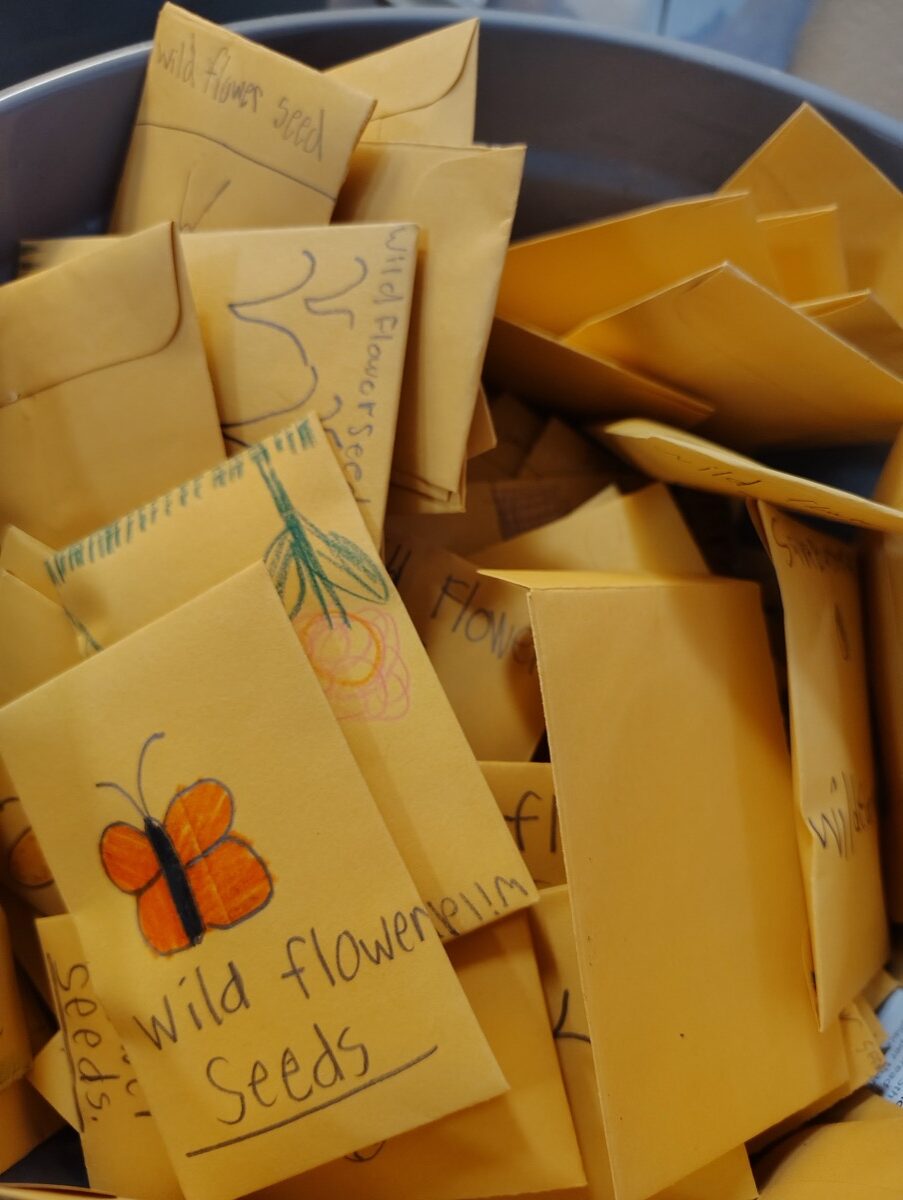
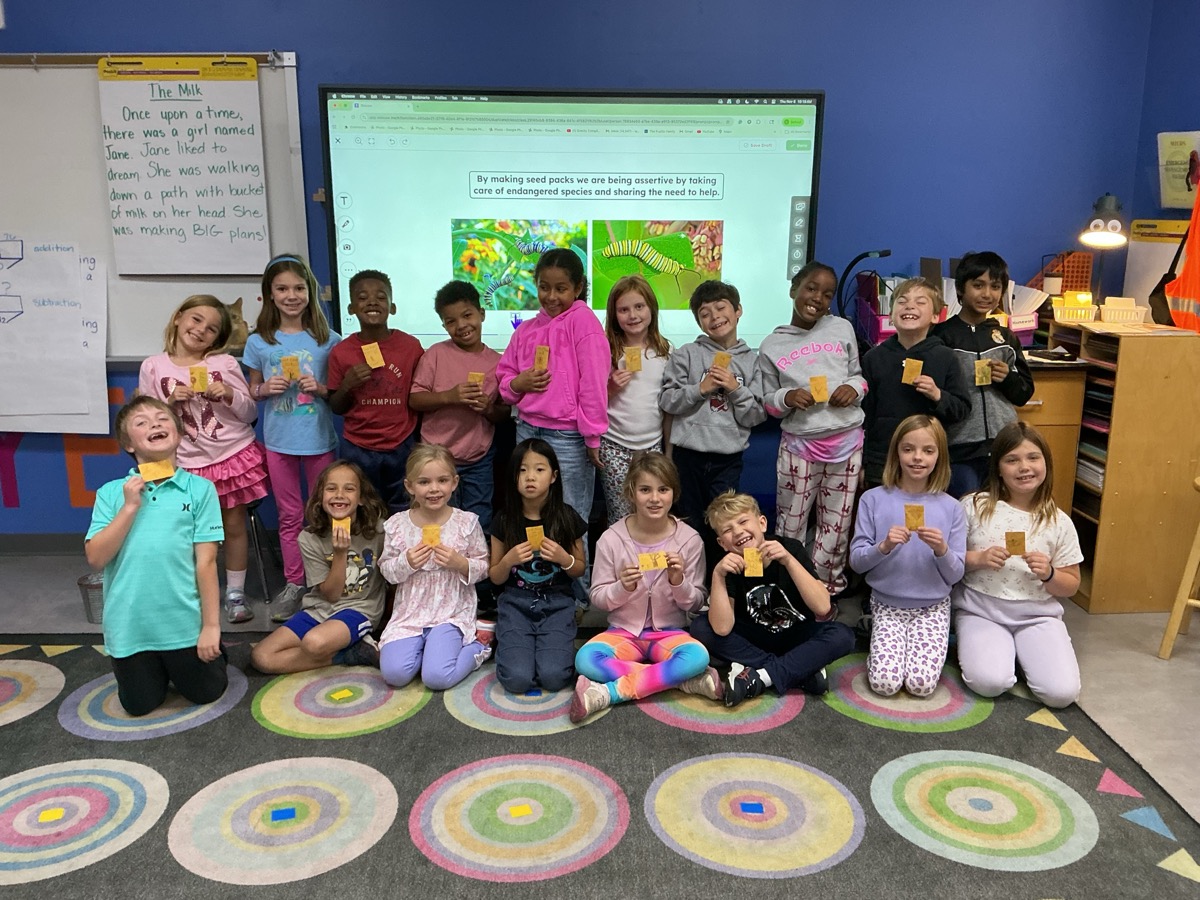
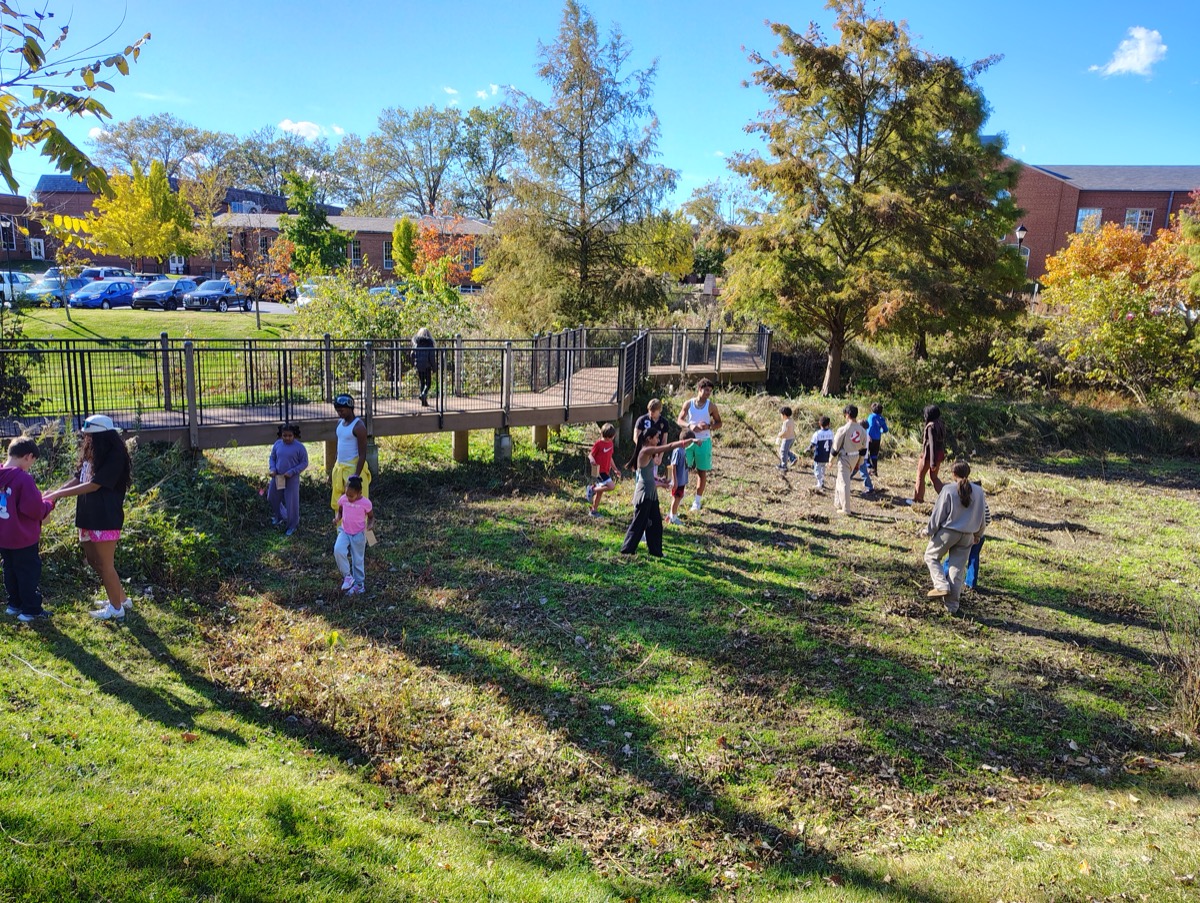
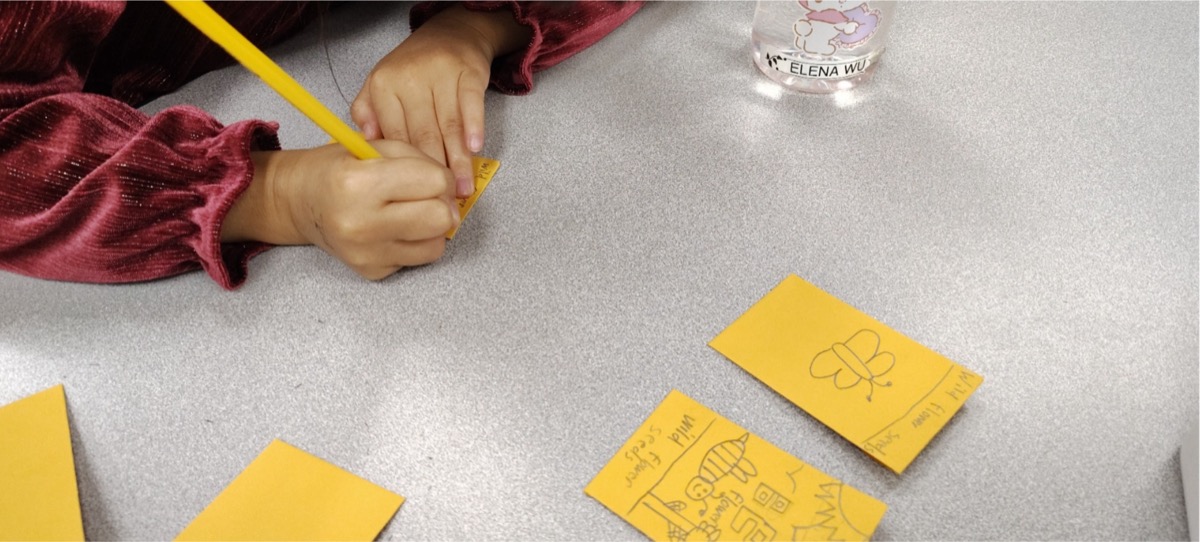
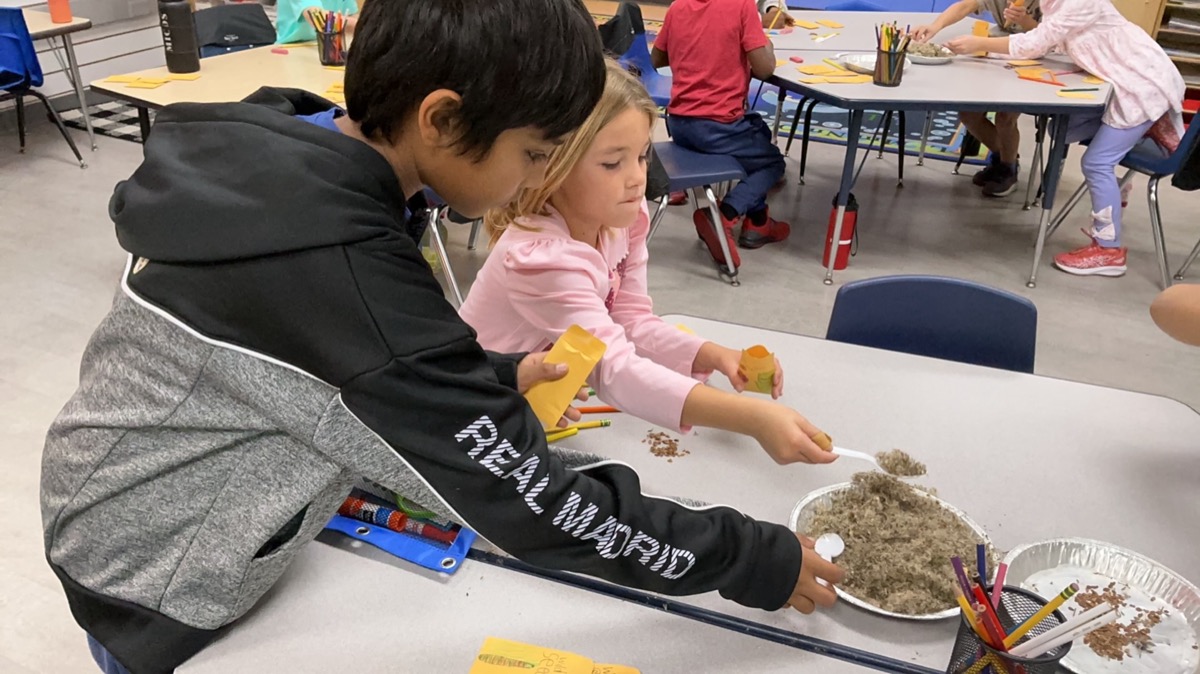
Putting their learning into action, for the third year in a row, our second graders collected seeds from native plants growing right on our campus grounds. Then, they packaged these native seeds into small envelopes and distributed them during a recent Lower School assembly, encouraging recipients to plant them in outdoor spaces at their homes.


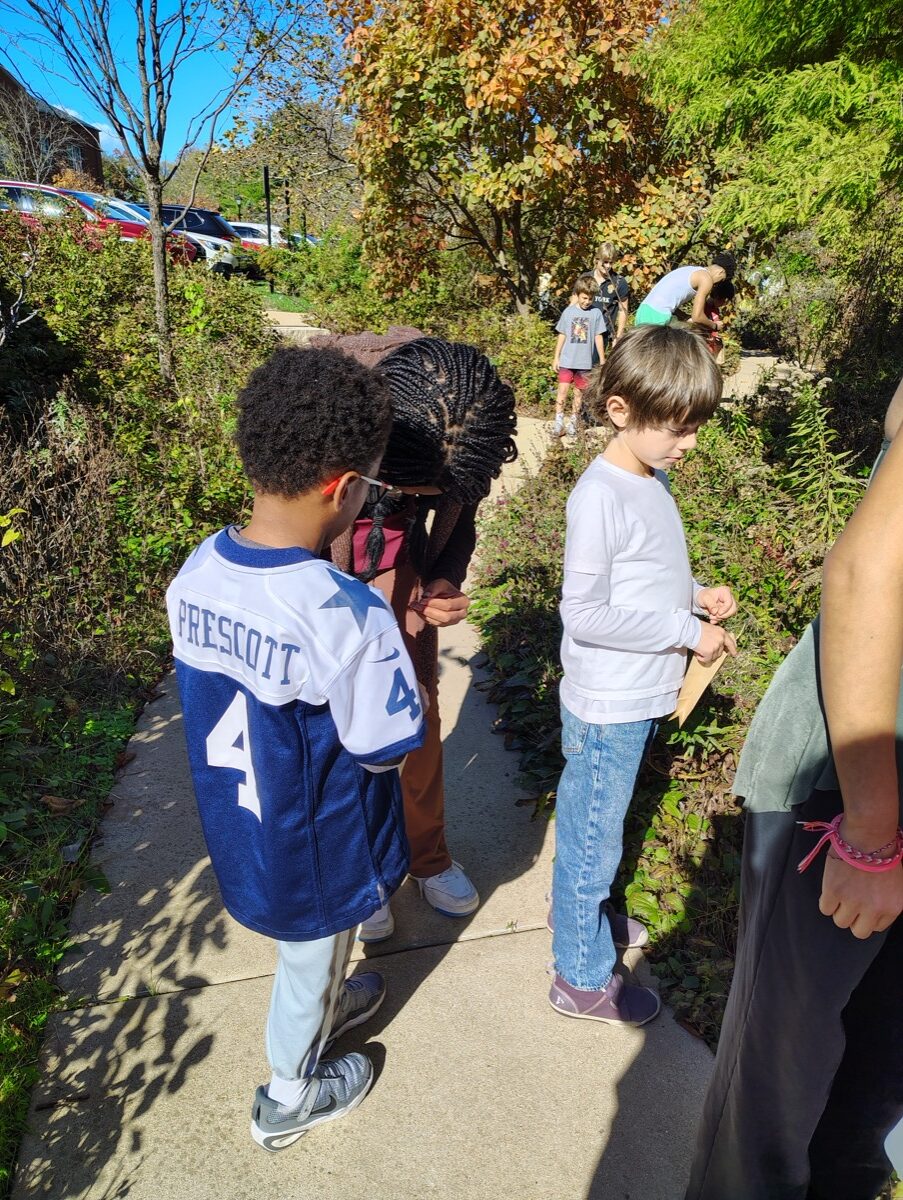




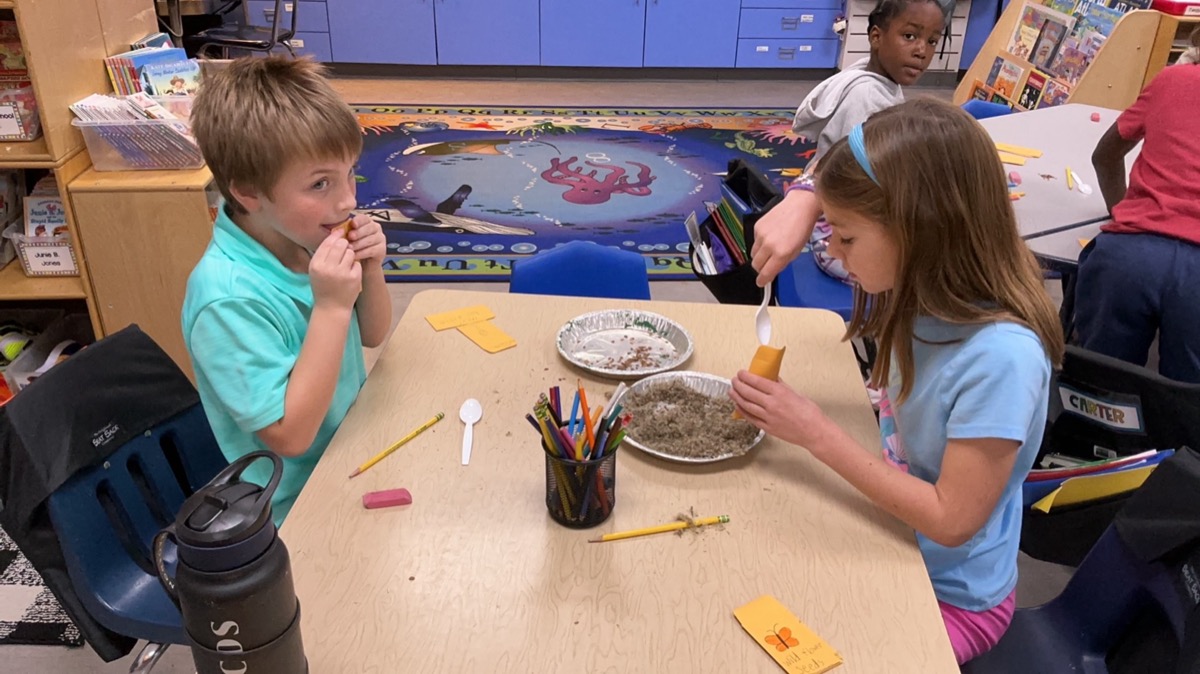
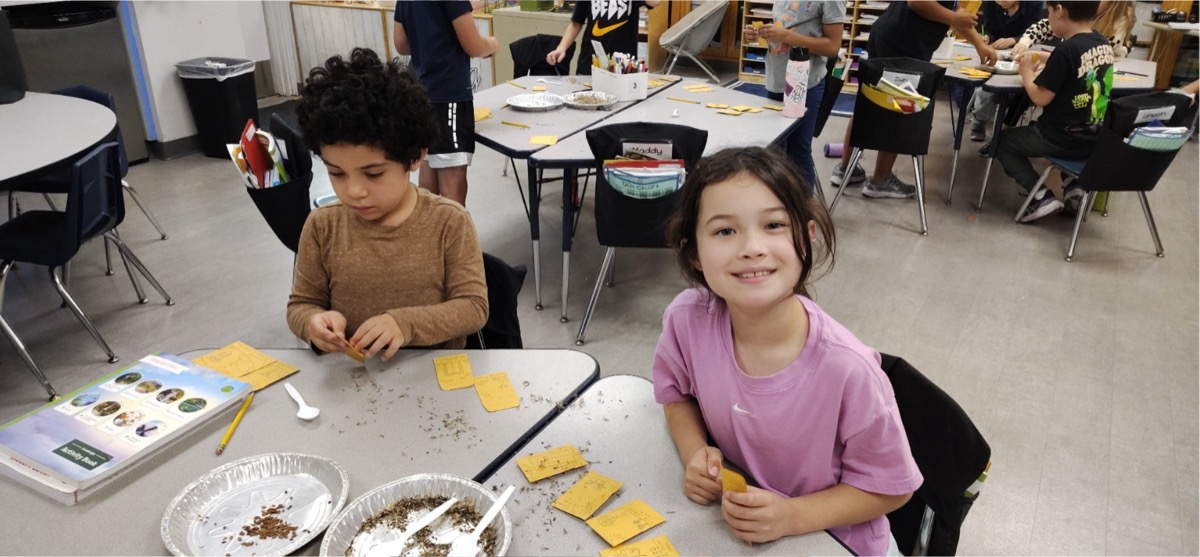
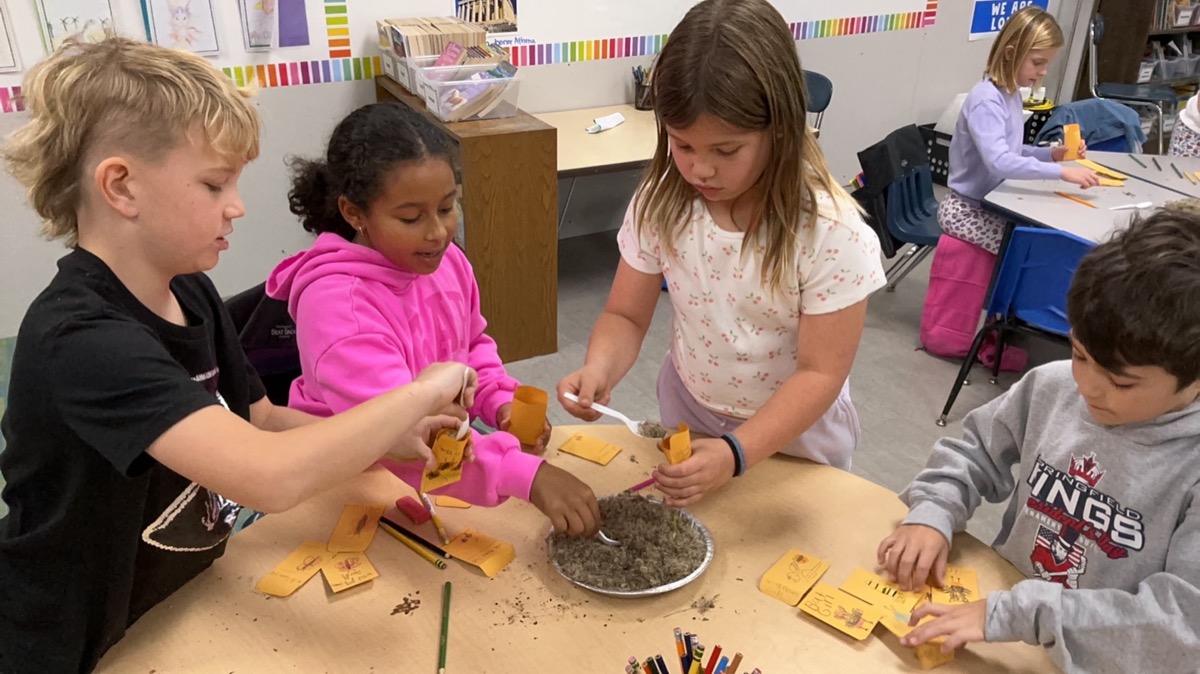
The students also shared an important tip: the key to planting native seeds is timing! These seeds thrive when planted now, in the fall or early winter, so they can experience the cold. This process, called cold stratification, is nature’s way of telling the seeds when it’s safe to sprout. Planting now ensures that native milkweed will be ready for monarch eggs, and wildflowers will provide essential nectar and pollen for bees, birds, and other pollinators when spring arrives.
Thank you, second graders, for pollinating our community with knowledge and native seeds to keep our local environment and ecosystems thriving!