Story and photos by Layla Chatterjee ’30
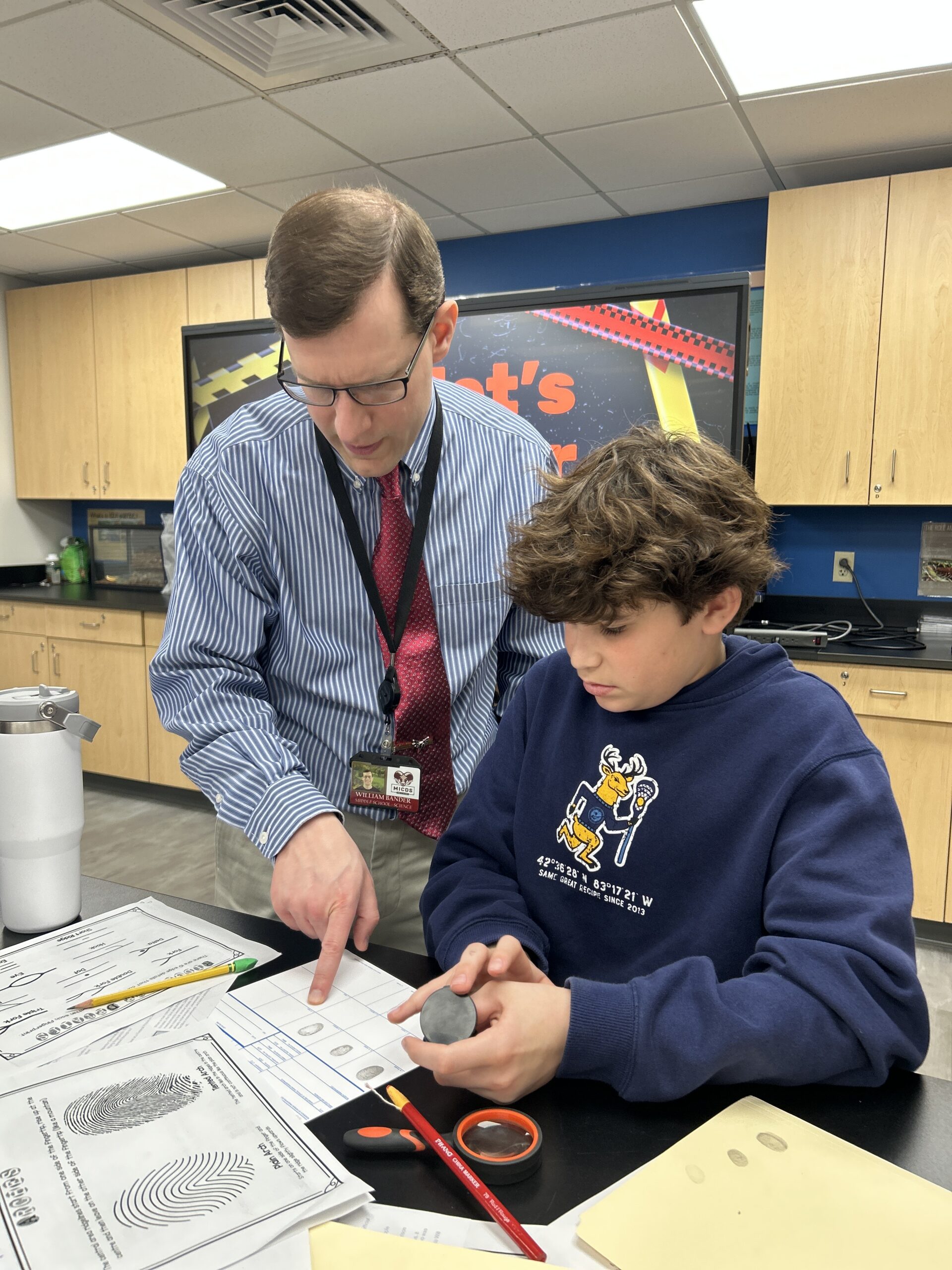
Have you ever wondered how police manage to correctly identify criminals when only given a few clues from the crime scene and a never-ending list of suspects? In the Winter Term class Crime Scene Investigation: Who Killed Pikachu, students learn how forensic scientists analyze a crime scene to ultimately arrest the culprit. At the beginning of the course, students arrive to find nothing but Pikachu dead at the hands of another Pokémon and a crime scene with seemingly useless clues. By the end, they will have developed a hypothesis as to who the murderer was and compiled detailed evidence to back up their conclusion. Through interactive slideshows, videos, and labs, carefully picked and planned for by Middle School Science Teacher William Bander, students have the opportunity to study and employ several methods used by real-life investigators.
Mr. Bander stated that previous classes, taught by former teacher Michelle Bouchard, had “liked it so why throw away a perfectly good Winter Term course?” Mr. Bander also remarked that, to put his own spin on it, he “added some new videos to make it a little bit more relevant and exciting.” With a new light on the already favored class, many students were eager to try it.
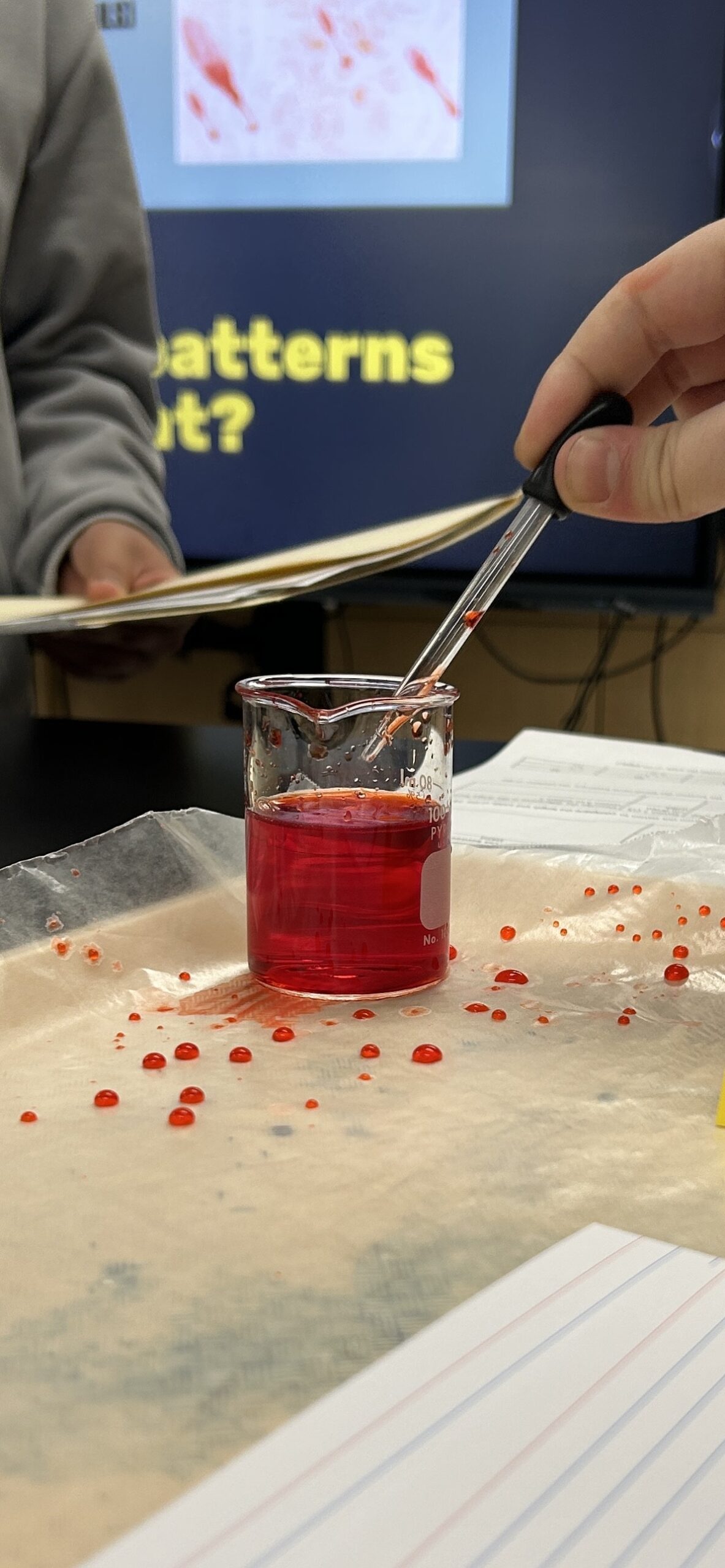
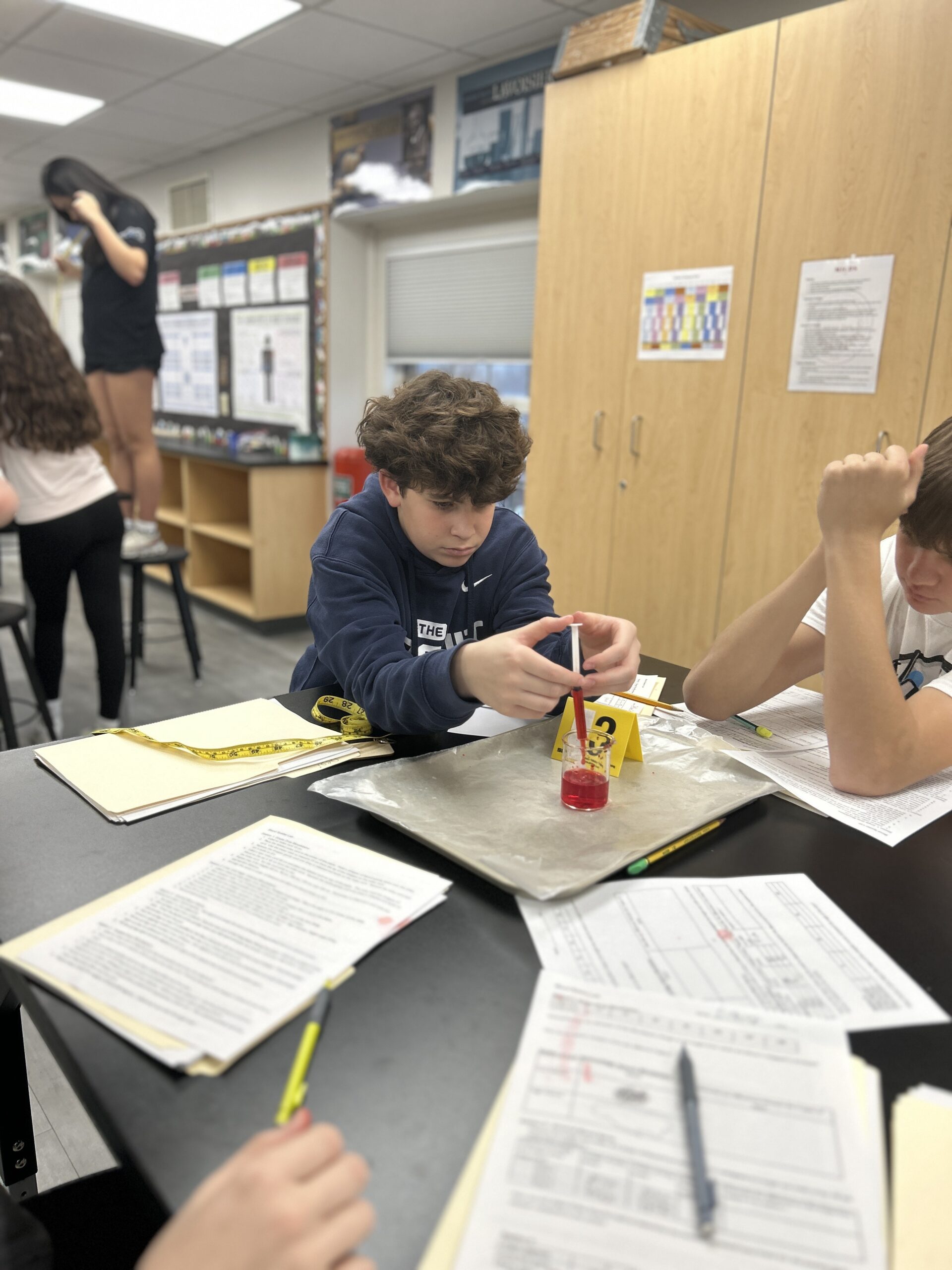
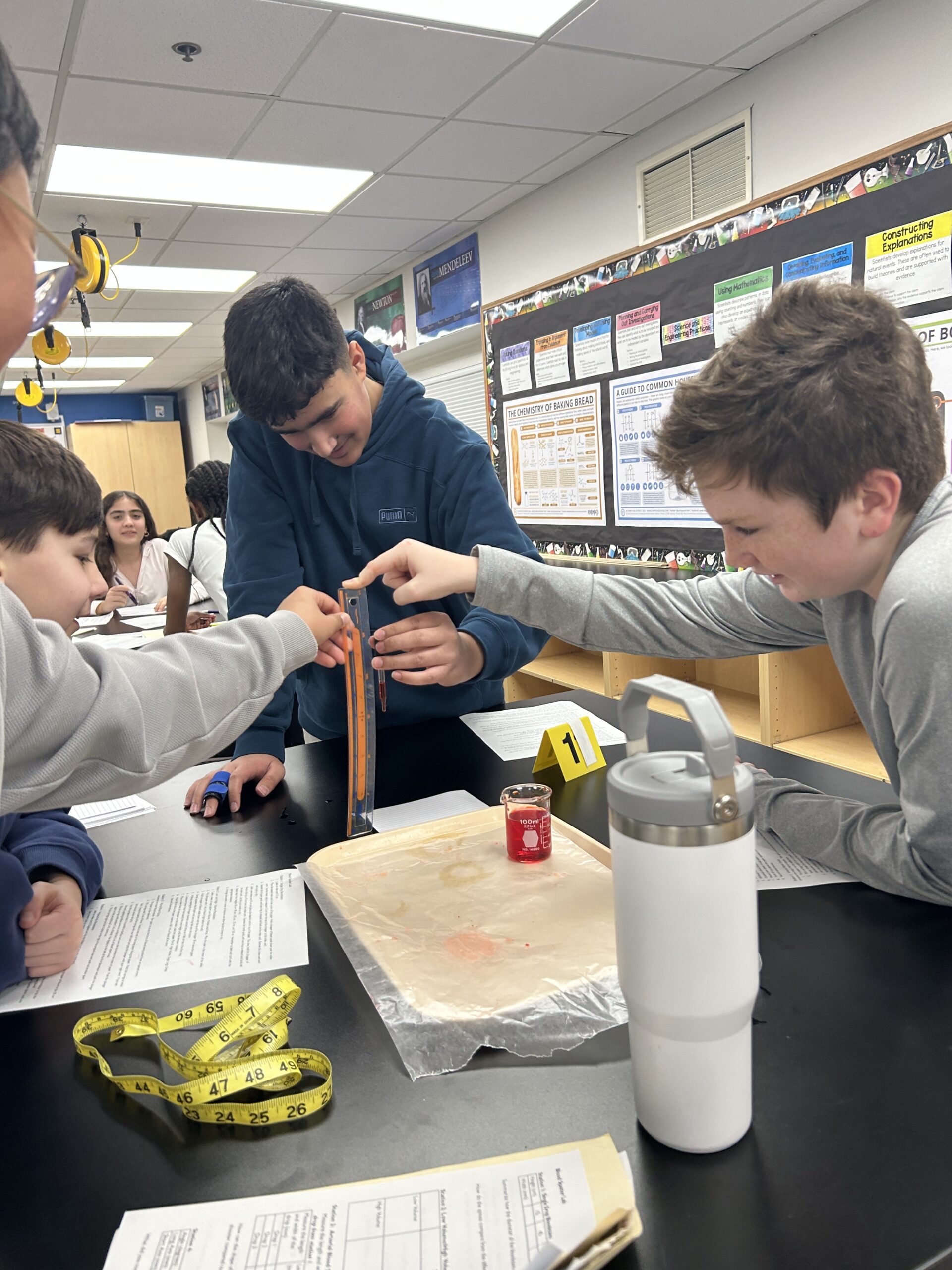
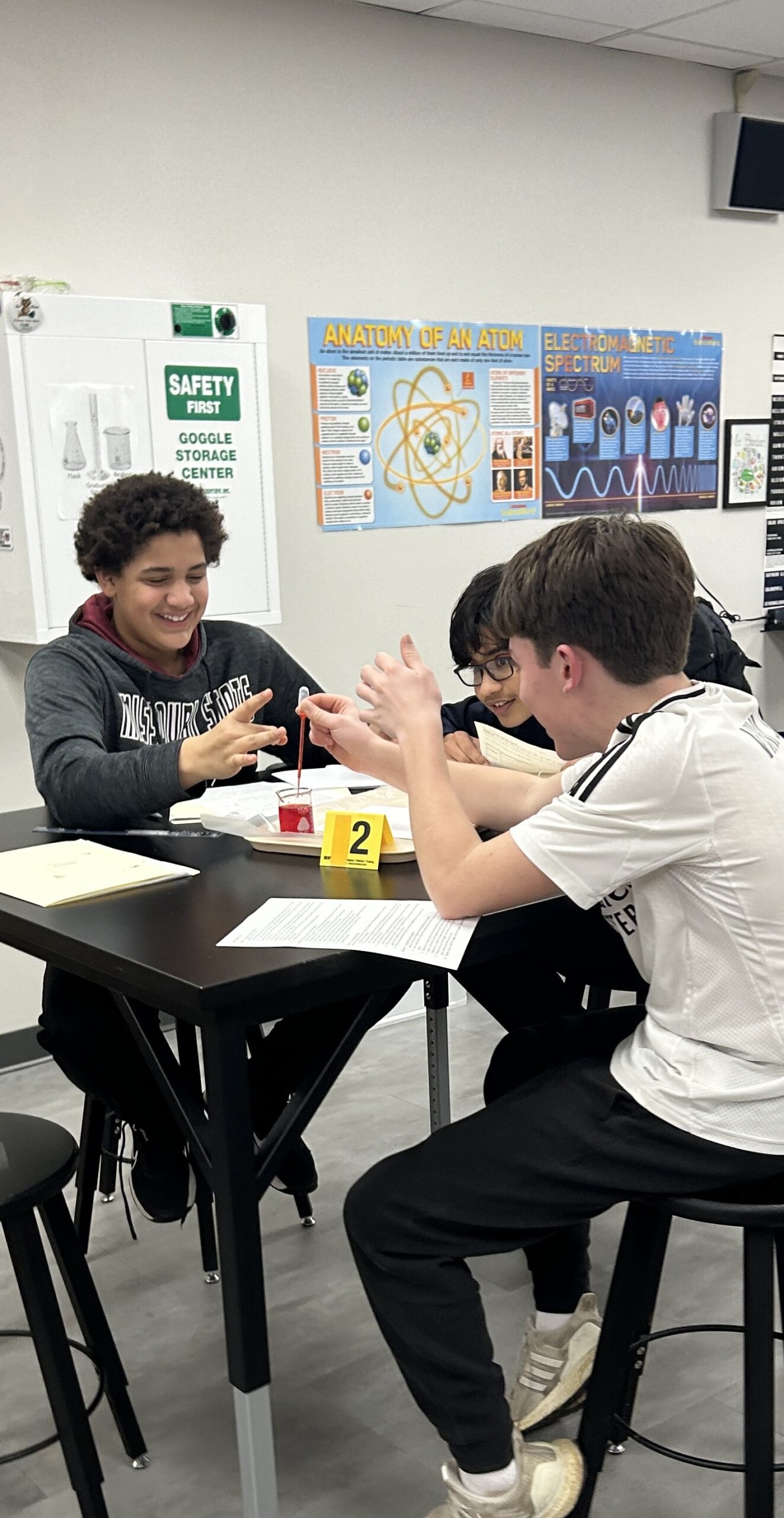
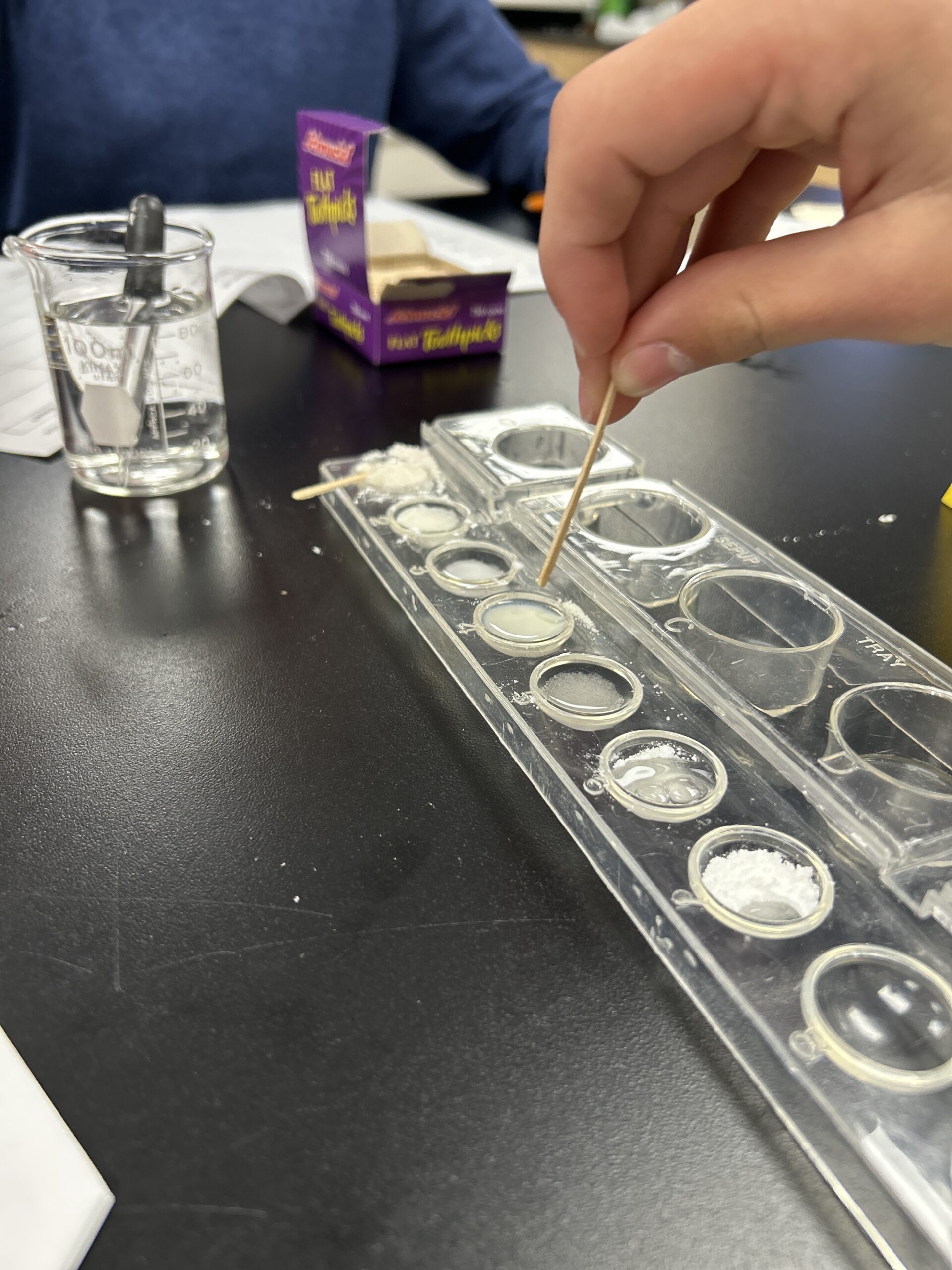
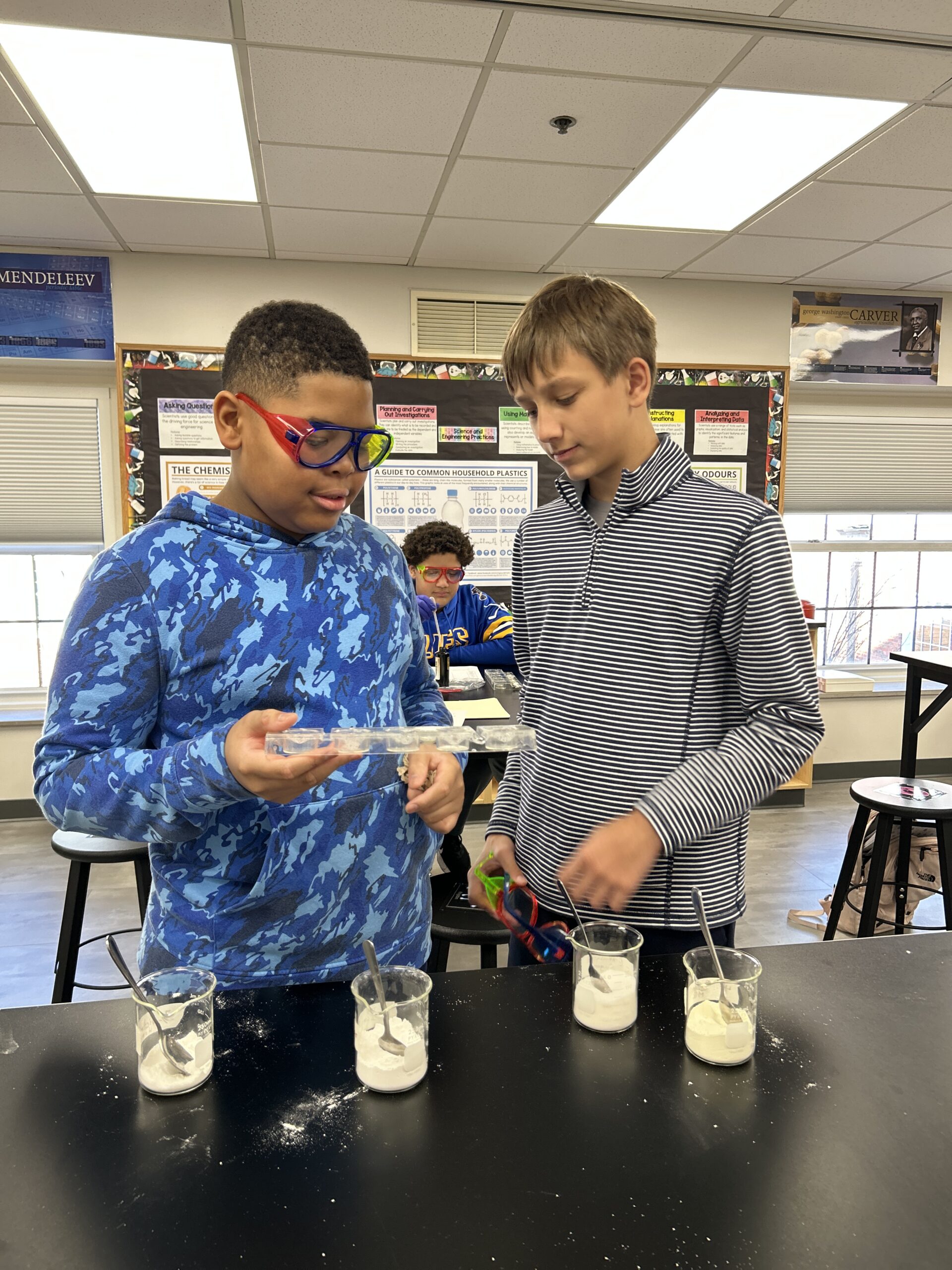
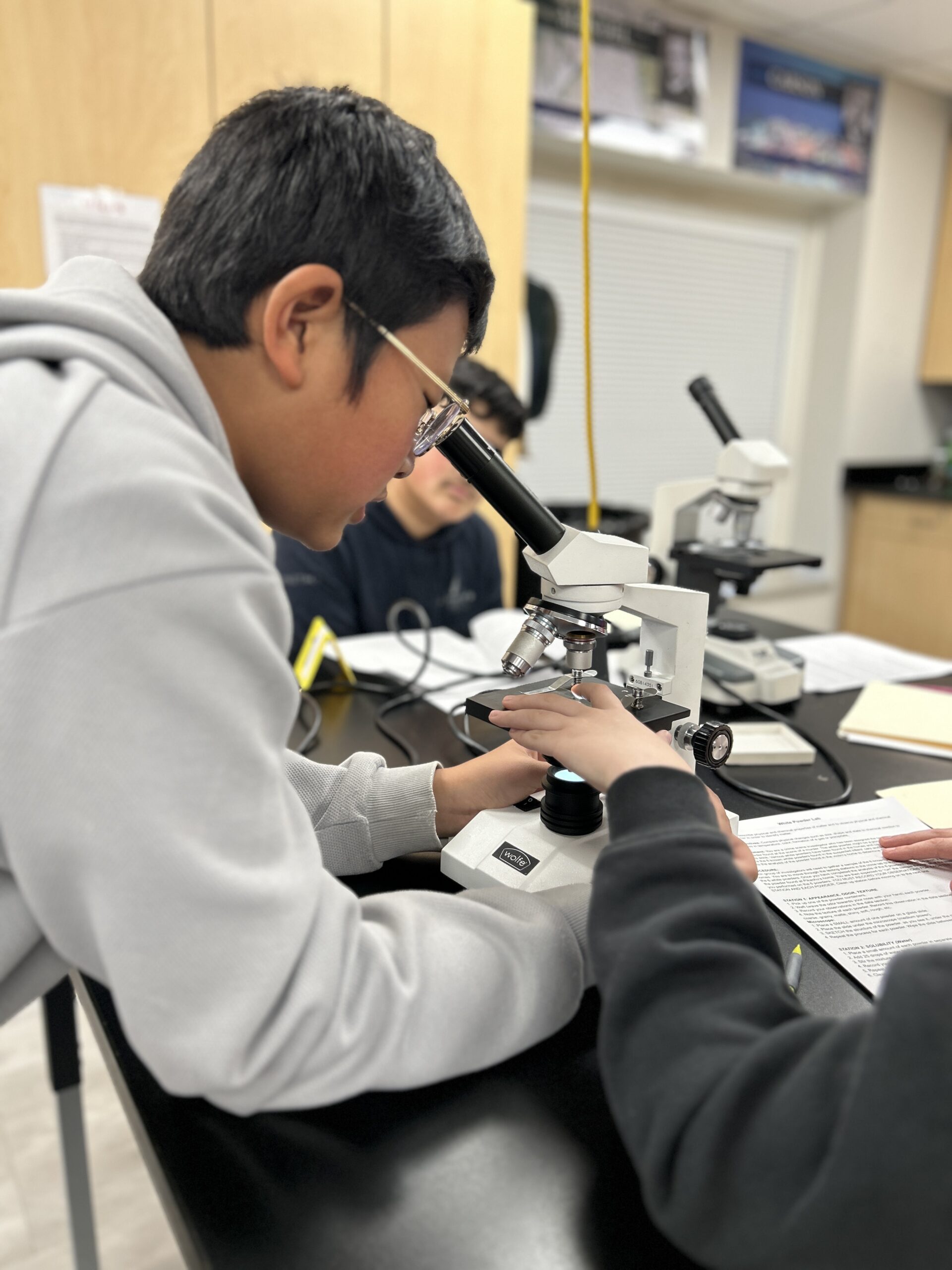
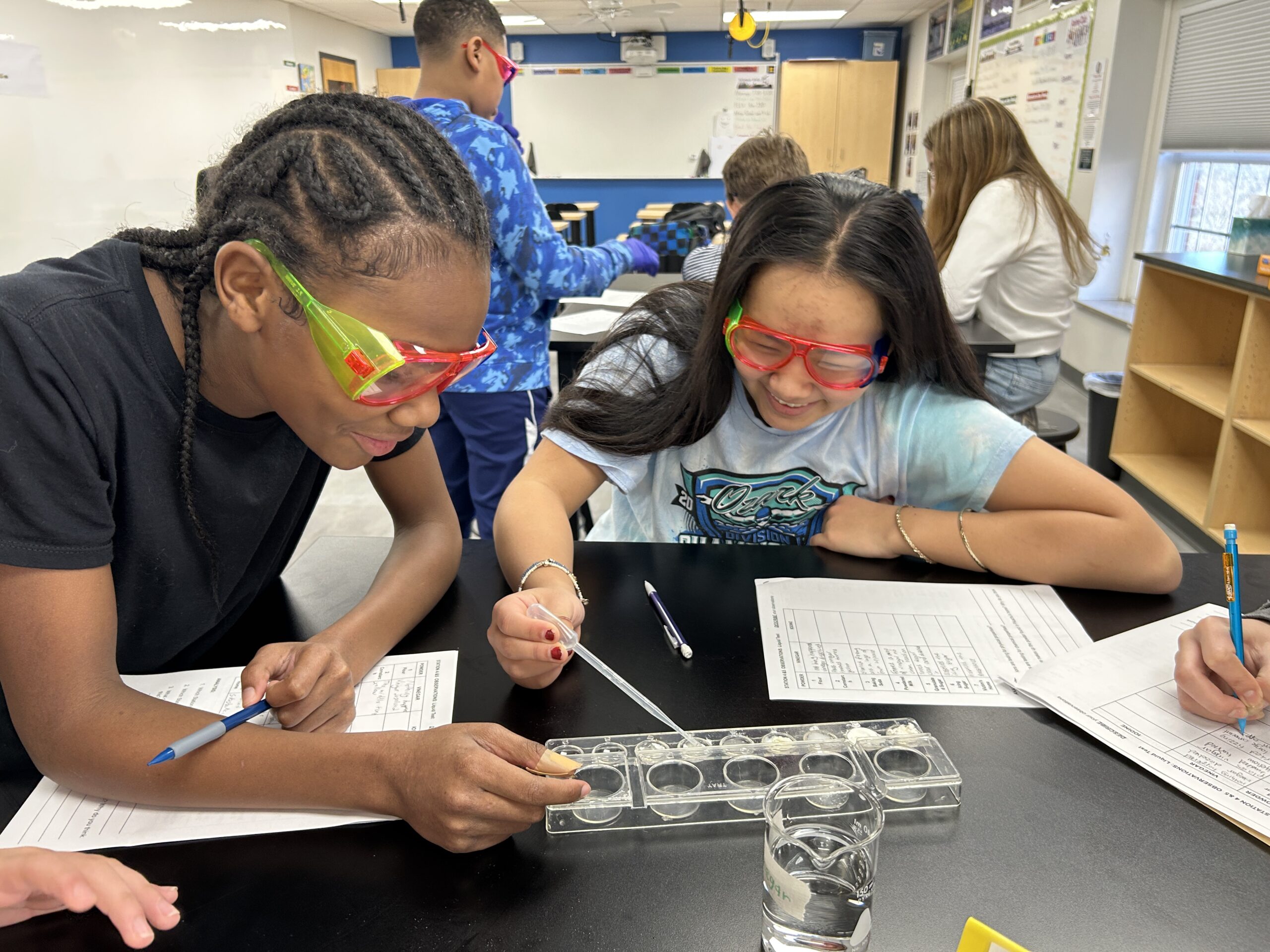
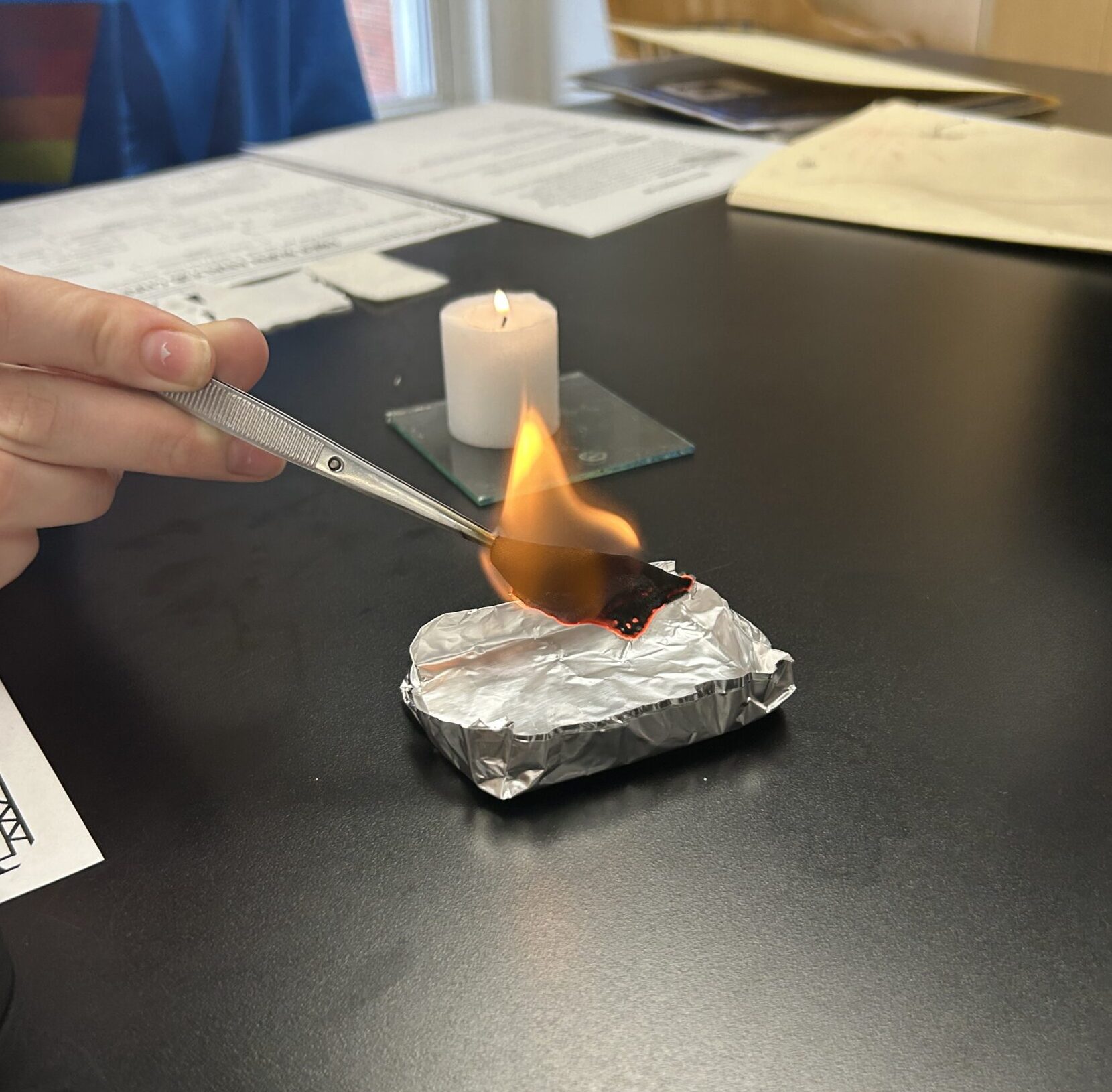
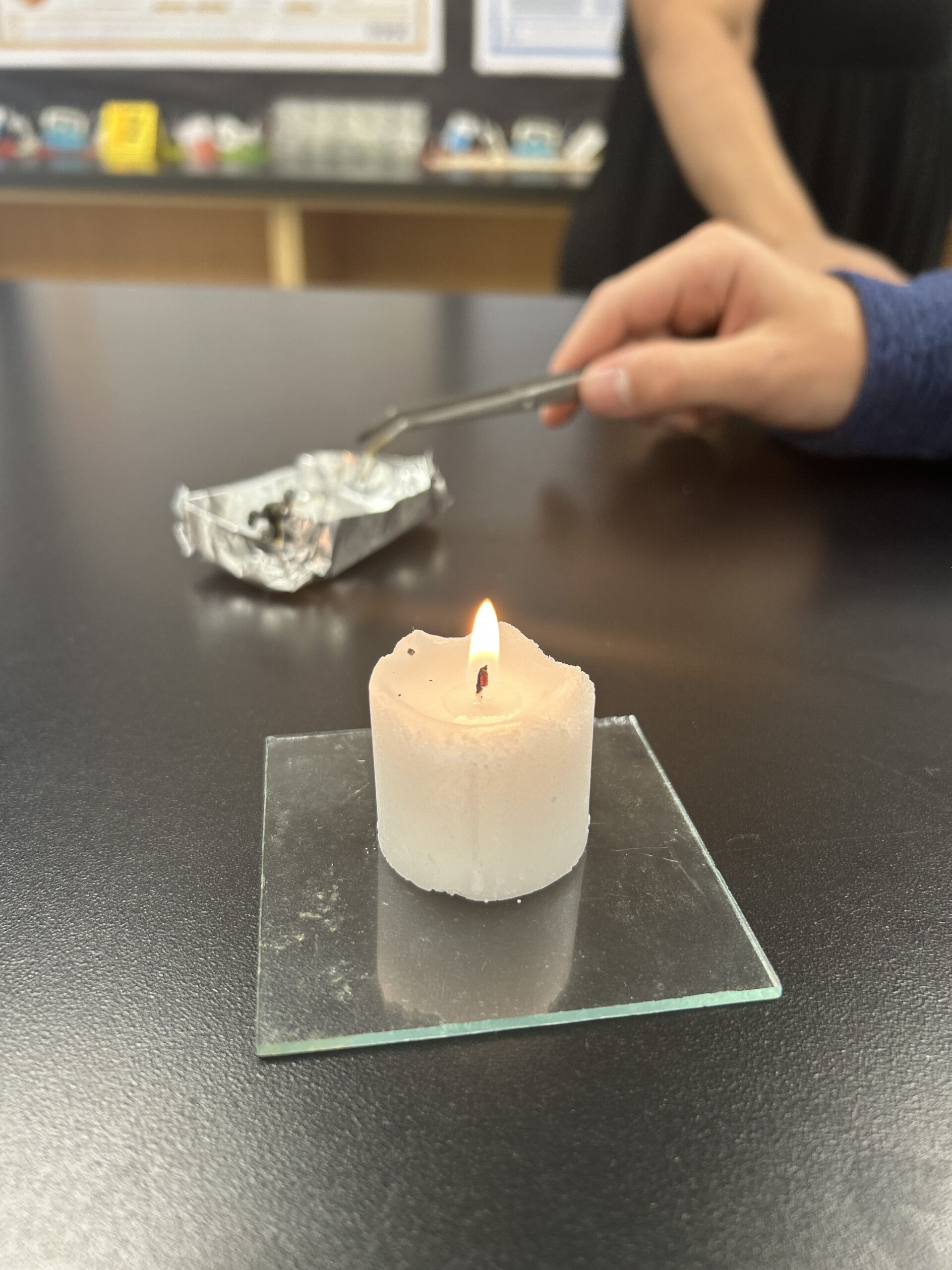
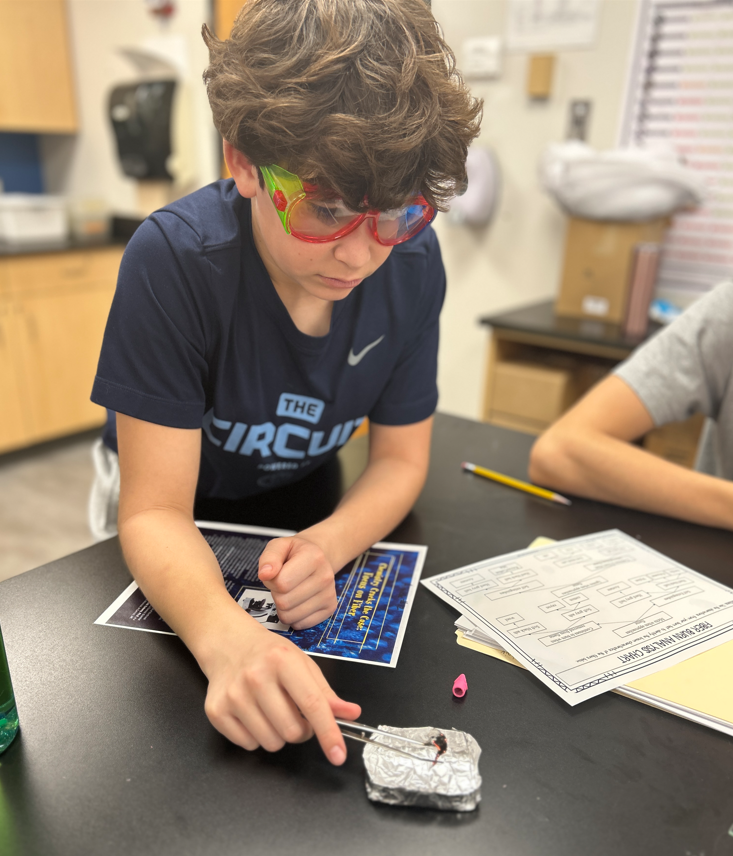
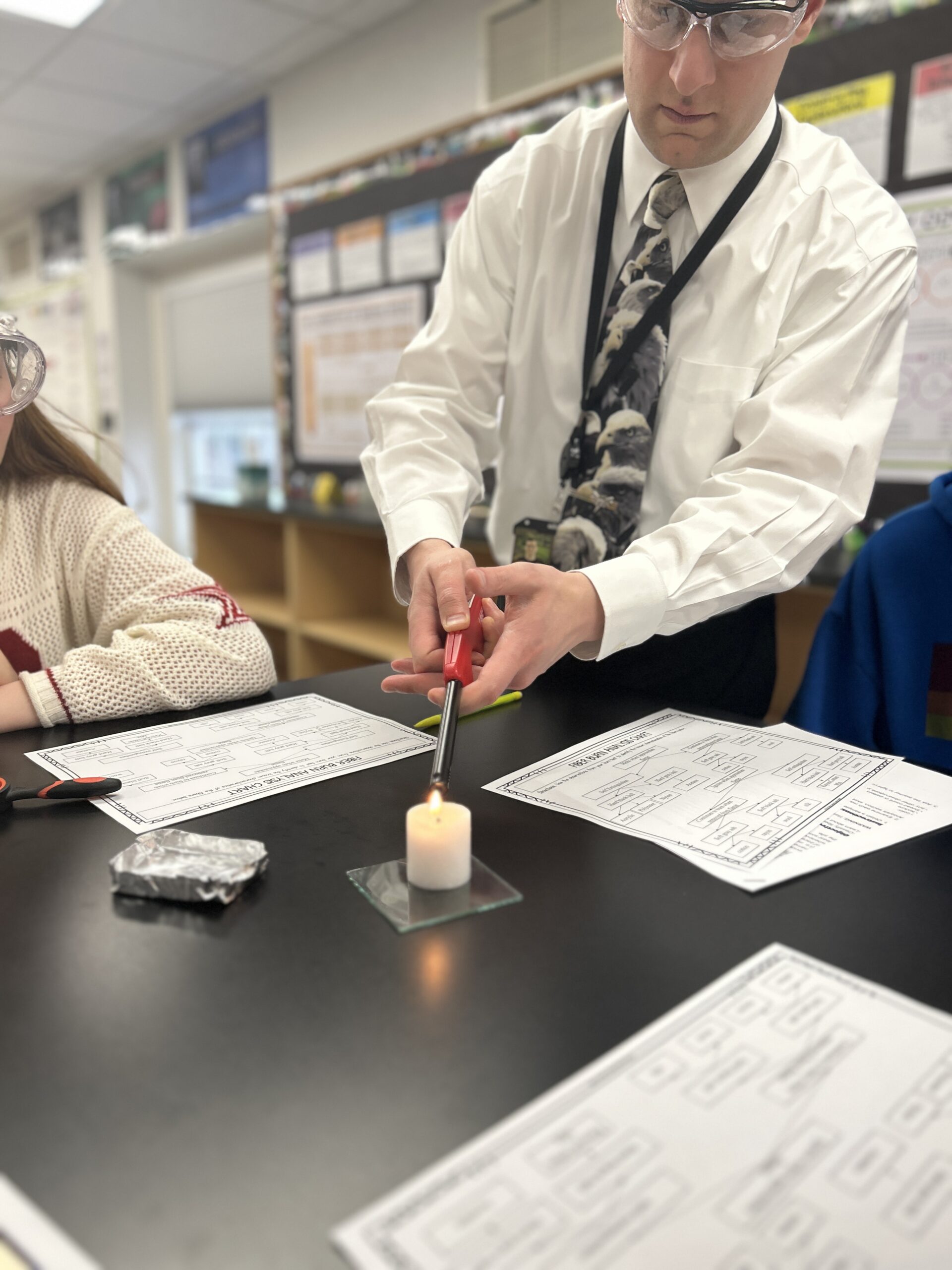
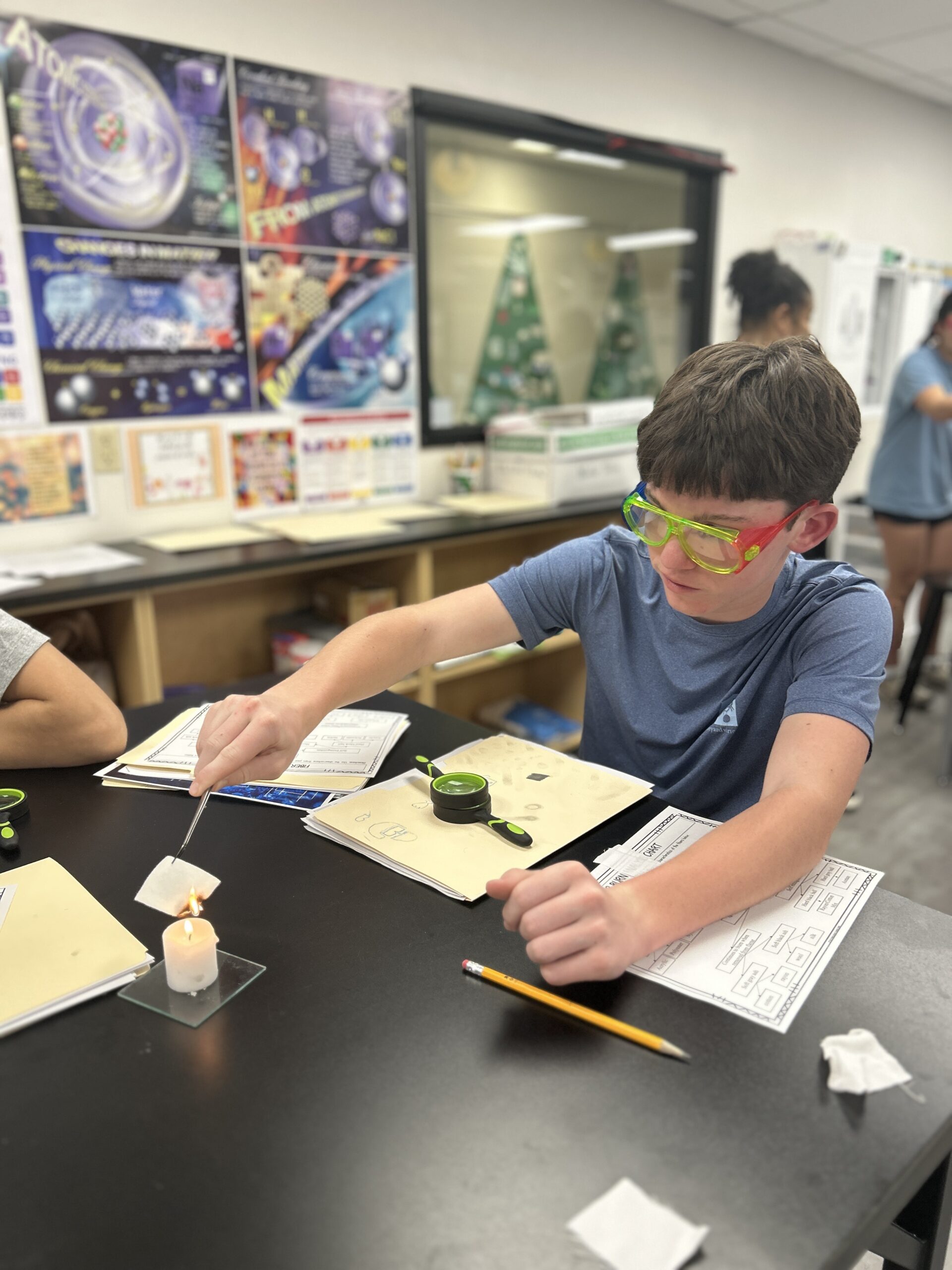
Interactive labs, including lipstick smear study, blood splatter analysis, white powder investigation, fiber examination, and handwriting observation, have captivated students during the course. Mr. Bander himself stated that he liked “the labs because everyone gets to have fun, play around with chemicals, and do all kinds of fun experiments.” While all the labs are aimed towards experiential learning, the blood splatter lab was the favored activity among most students. Jordan Soshnik ‘30 liked it “because [they] got to visually see how [they] could use blood splatters to solve a crime and help make a difference in this world. It’s nice to be able to interact with each lab, so we’re not just grasping the material but learning why it’s important in the real world.”
To give context to the labs Mr. Bander runs through a slideshow and passes out an article to read at the beginning of each class. This part of the course encourages student engagement in the topic and provides the foundation and fundamentals in order for the lab to hold significance.
While the class has many parallels to a traditional science class, Mr. Bander makes sure to keep the course interesting by highlighting the forensic science elements that students may be interested in for future careers or hobbies. Emma Fouke ‘30 explains how “it’s more specific to a science relevant to crime scene investigation, which we normally wouldn’t do in a biology or chemistry class. It really dives deep into the specific professions and investigation.” Desmond Duffy ‘31 also shares how he likes that “we get to learn about how people catch criminals. It’s better than a science class mainly because it’s about different stuff than we’ve learned in our classes so far.”
In addition to learning the sciences behind crime scene investigation, which is educational on its own, students enrolled in this course also discover the real-world importance of forensic science and how knowledge of it can benefit themselves and society in the future. Jordan explains how class makes it “interesting to see how science is involved with solving a murder and see all the different kinds of experiments that go into the final conclusion.”
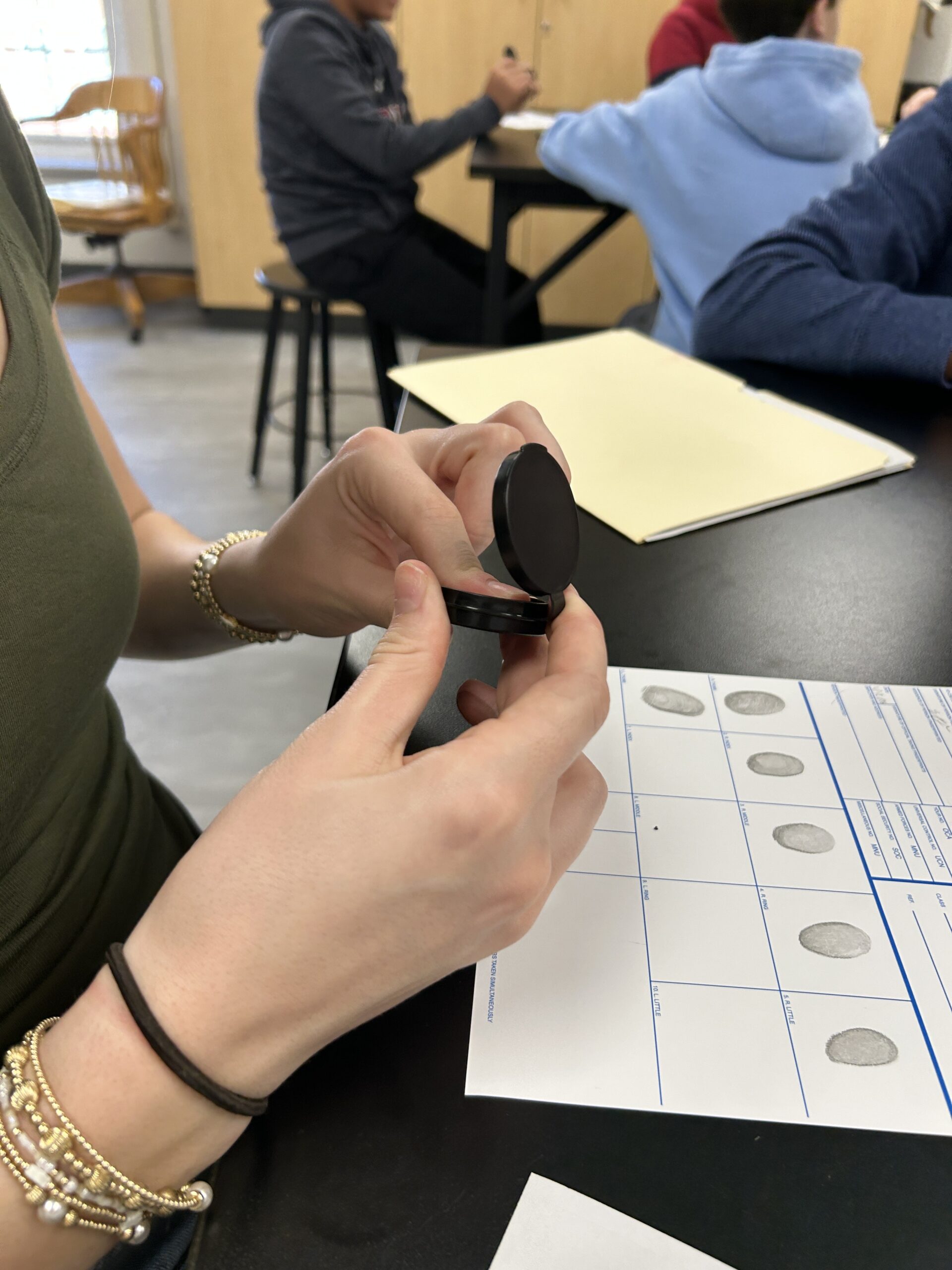
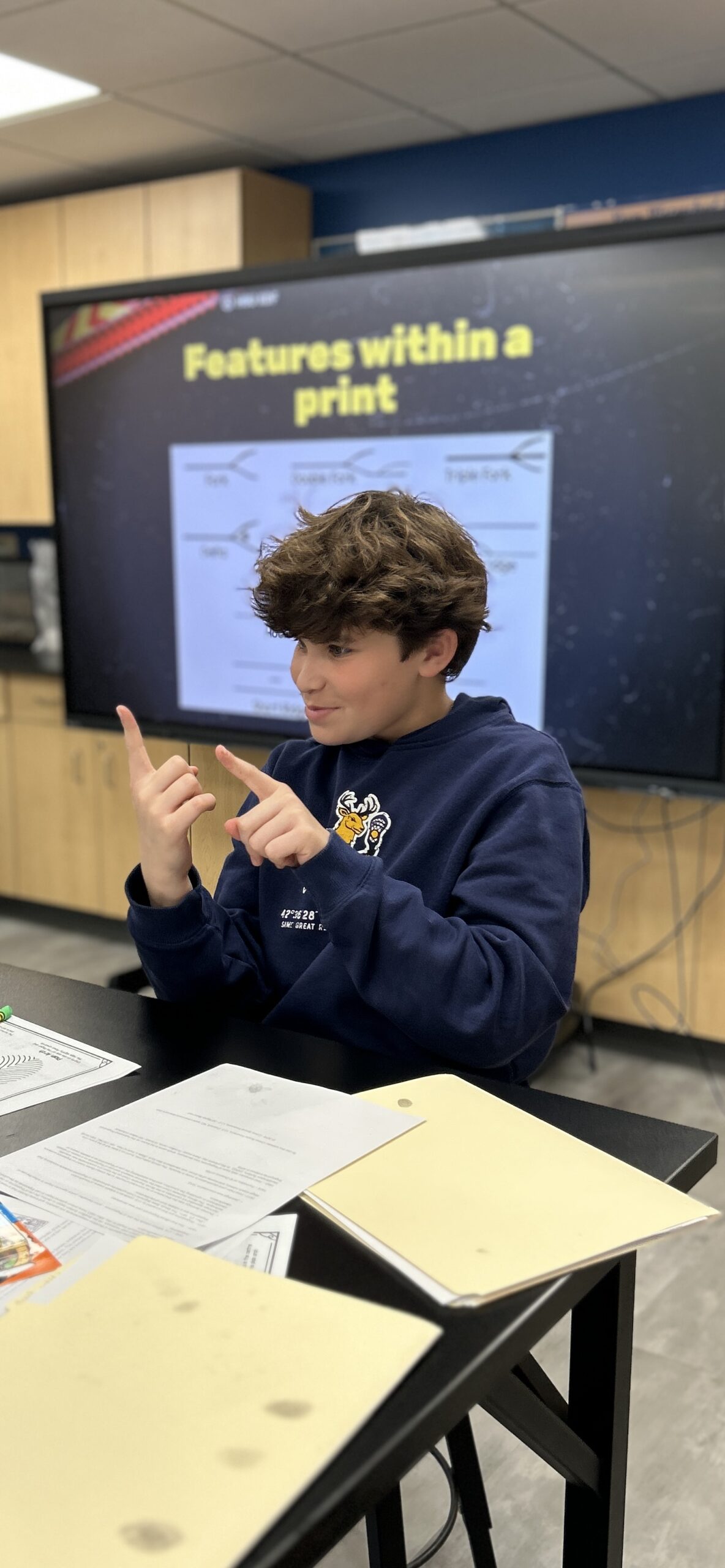
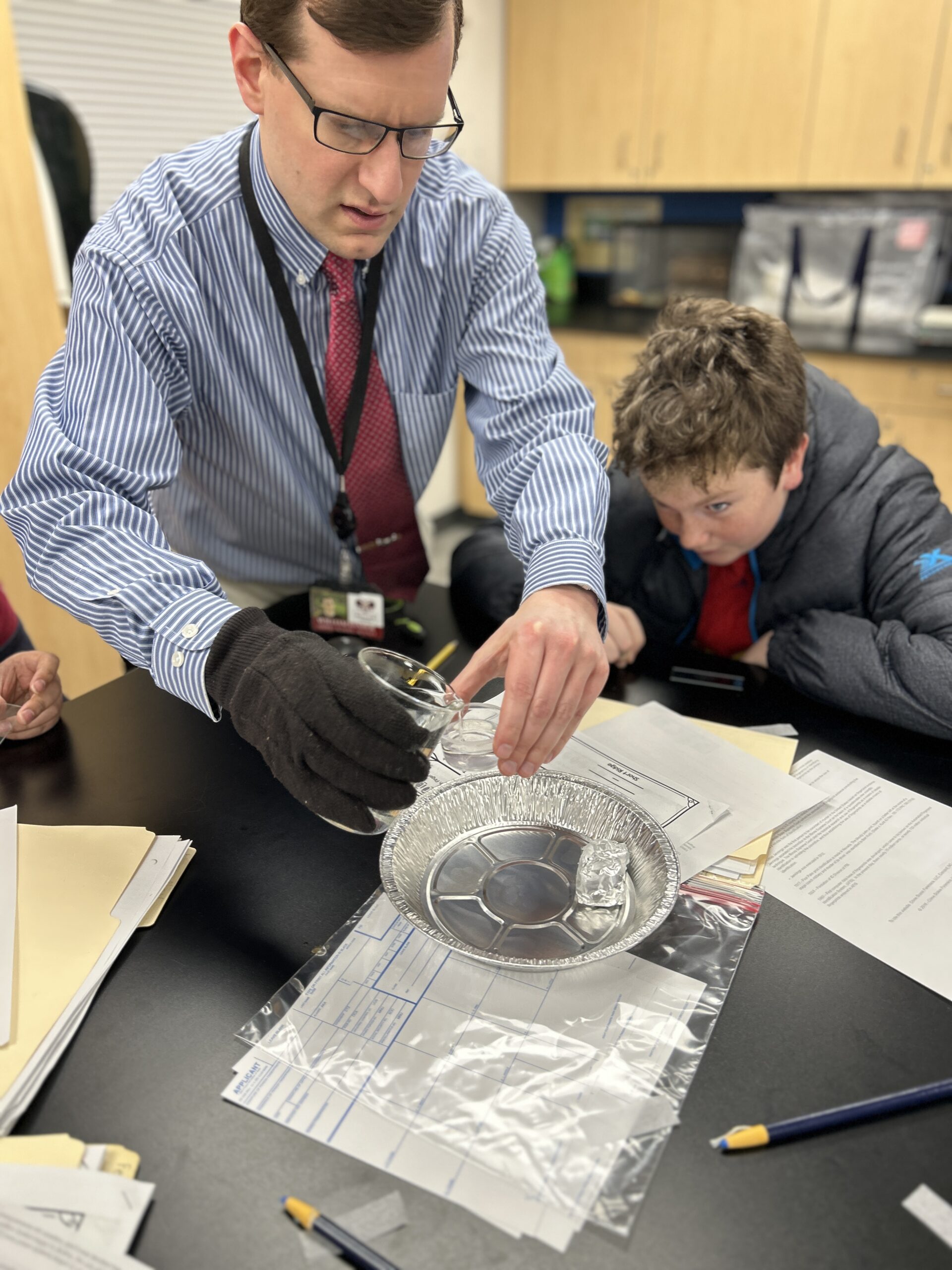
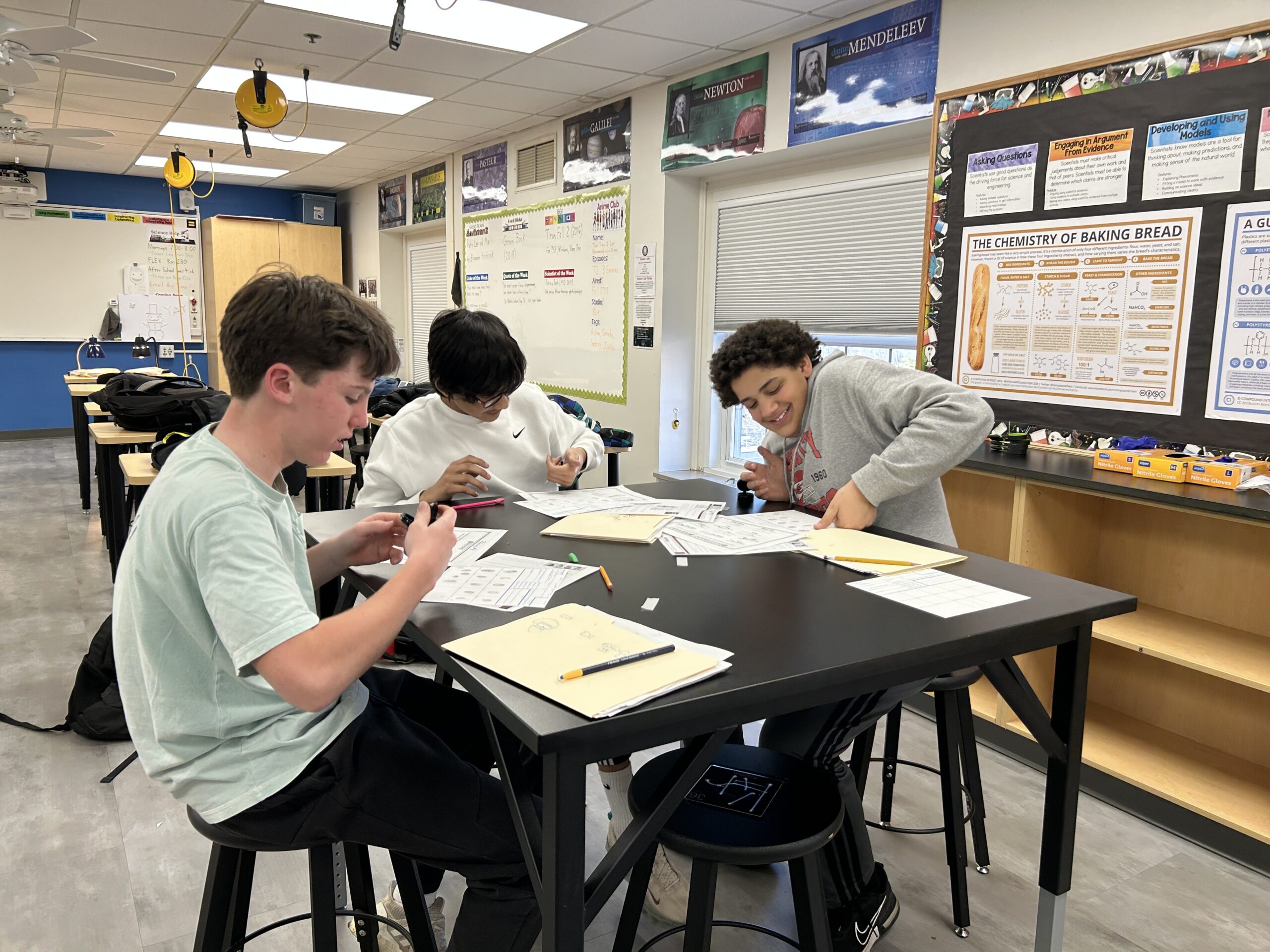
Crime Scene Investigation: Who Killed Pikachu is a creatively rendered course that uses a more traditional approach of slideshows as well as worksheets to teach the fundamentals, and hands-on interactive labs to help reinforce the concepts. These teaching styles help students comprehend forensic science’s applications in the real world. Students are definitely ready to take on their second semester science classes with a little more appreciation for it’s intriguing elements and real-world significance.