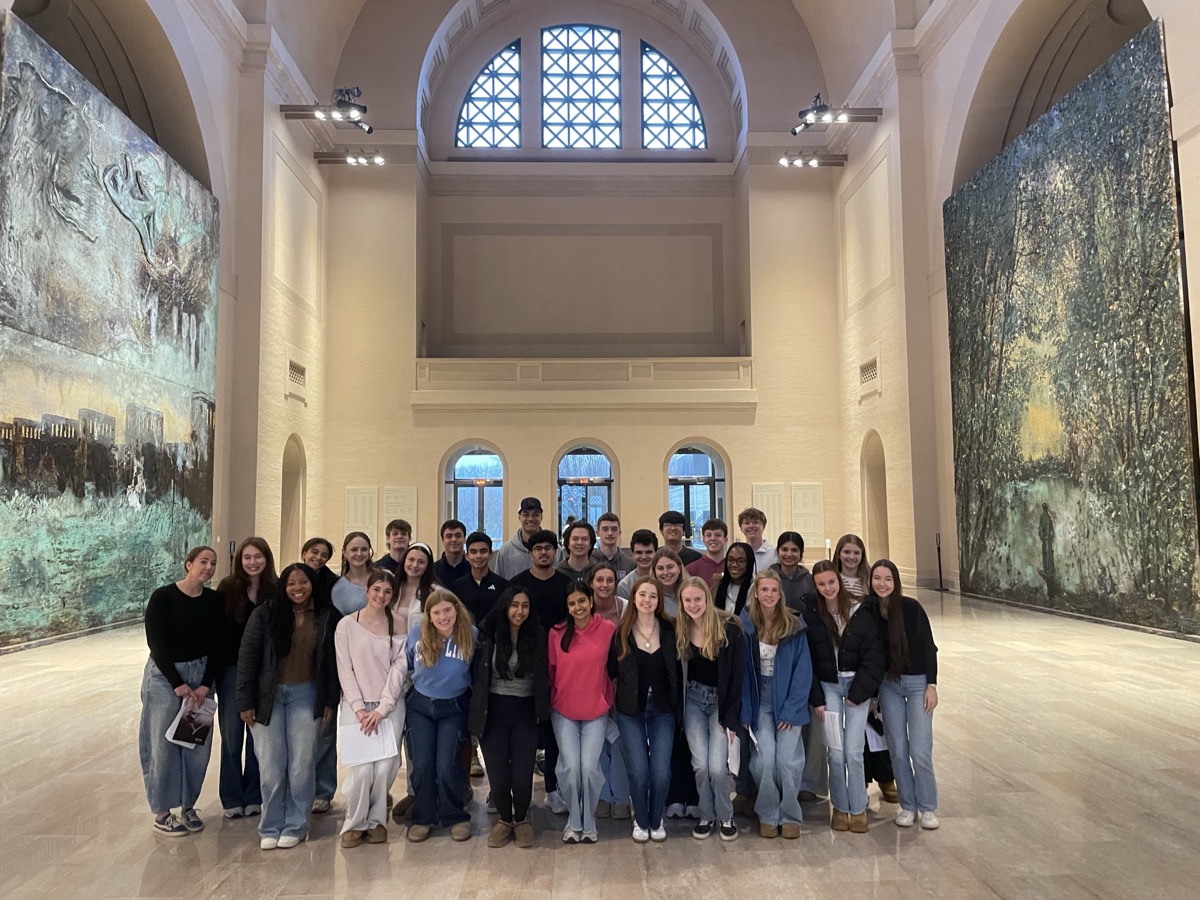
This week, 31 AP Spanish students traded their textbooks for the marble galleries of the St. Louis Art Museum. The group was accompanied by Upper School Spanish Teacher Kelly Weidenmiller, JK-12 World Languages & Cultures Department Chair Patrick Huewe, and Upper School Visual Art Teacher Brad Heinemann, who helped the students connect their classroom themes to world-class art.
The trip centered on the “Beauty and Aesthetics” unit of the AP curriculum. In class, students have been analyzing the 19th-century realism of Benito Pérez Galdós’s novel Marianela and the dark fantasy of Guillermo del Toro’s film El laberinto del fauno (Pan’s Labyrinth). They have also explored the artwork of iconic Spanish-speaking masters, including the Baroque court paintings of Diego Velázquez, the Cubist innovations of Pablo Picasso, and the renowned figurative sculptures of Fernando Botero.
At the museum, they explored how the themes of social class, history, and identity come to life through two specific exhibits:
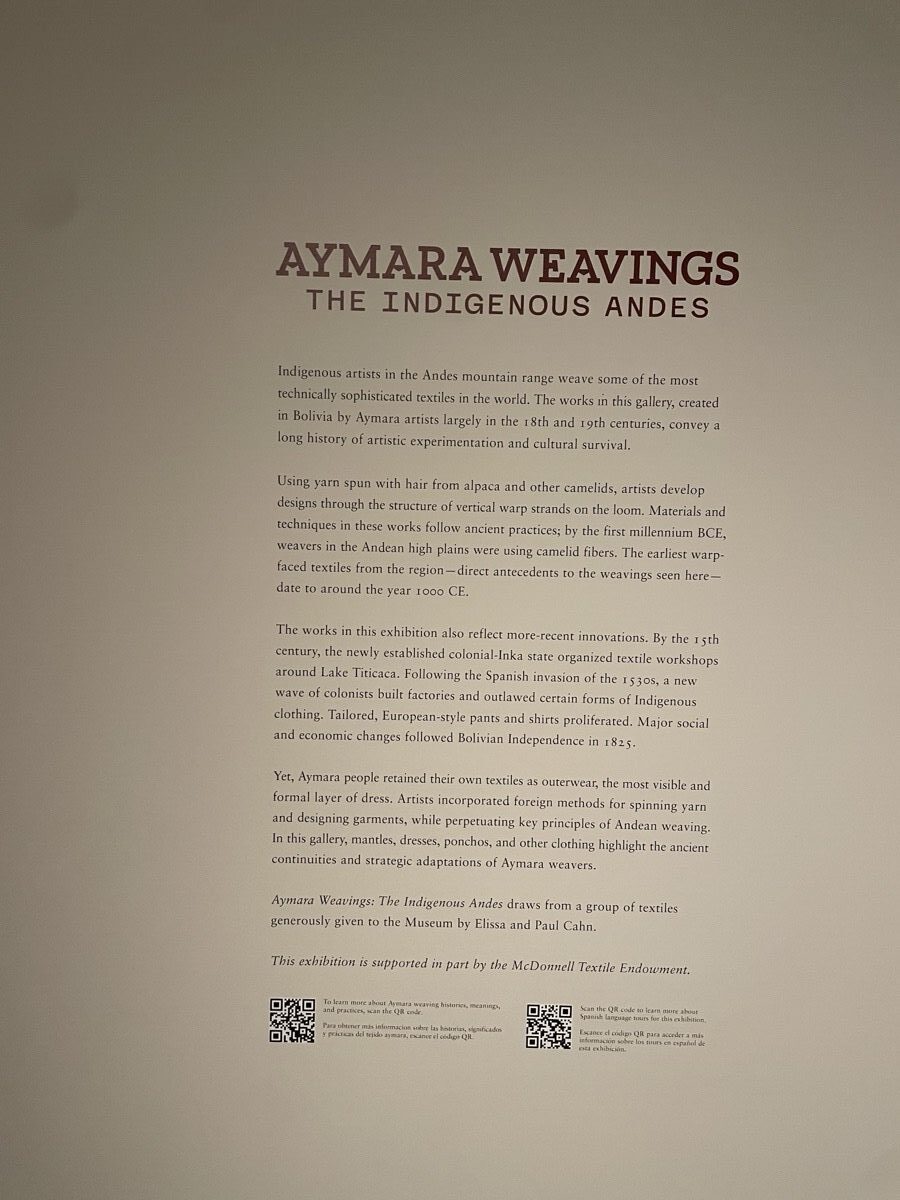
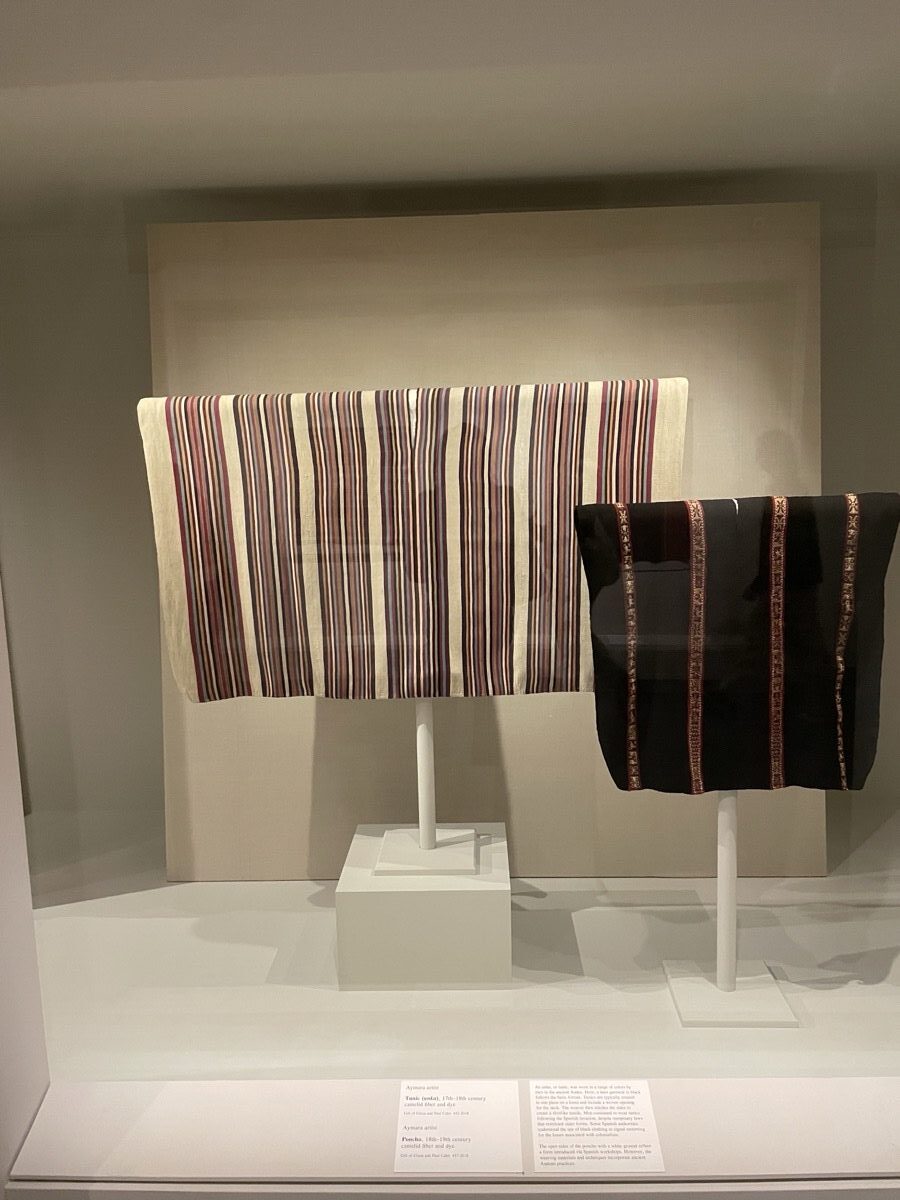
Aymara Weavings: The Indigenous Andes – Students saw how 18th and 19th-century artists in Bolivia used vibrant textiles, such as in skirts and ponchos, to preserve their Indigenous identities during the colonial era.
Blas Isasi: Currents 125 – The group explored modern sculptures by the Peruvian artist, whose work is inspired by the ancient cosmology and landscapes of the Peruvian desert.
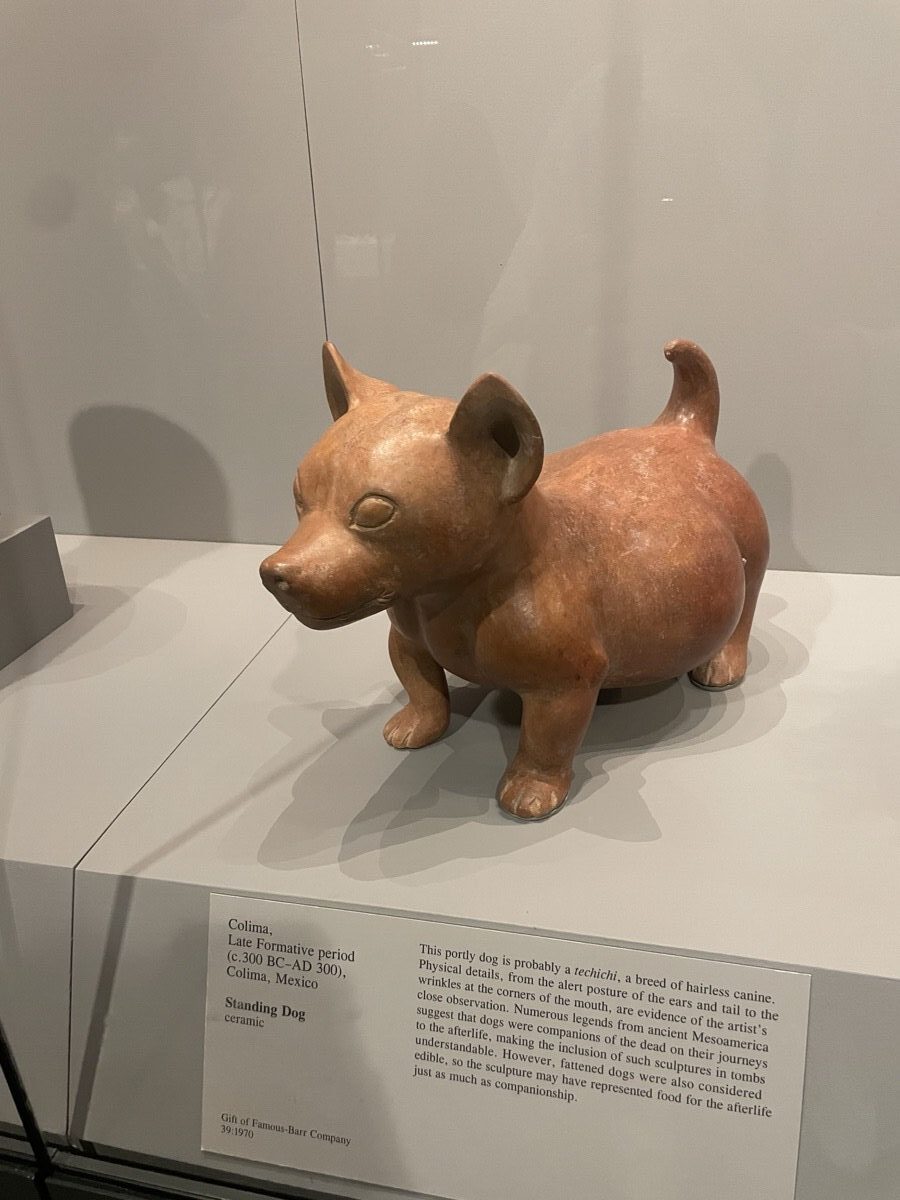
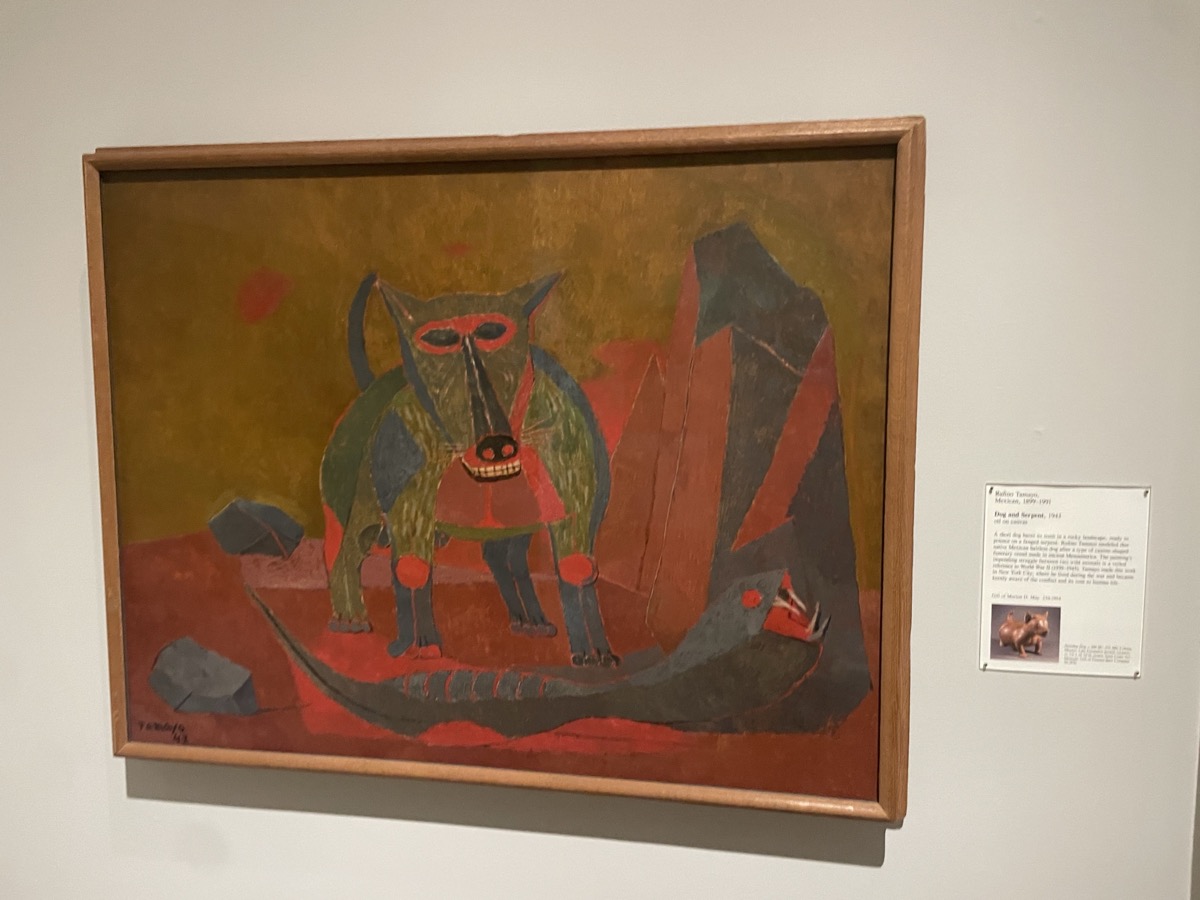
Katie Ferris ’26 said, “The Mesoamerican exhibit truly demonstrated how certain symbols, whether they be animals, clothing, foods, etc., take on meaning within specific cultures and how they are used as expressions of identity. In the section of the museum with Mesoamerican Textiles, we noticed clothing pieces worn by the Aymara – a group we had studied in class! If I could describe the Mesoamerican exhibit in three words, they would be Craftsmanship, Preserved, and Dogs, as they are a huge symbol in Mesoamerican culture.”
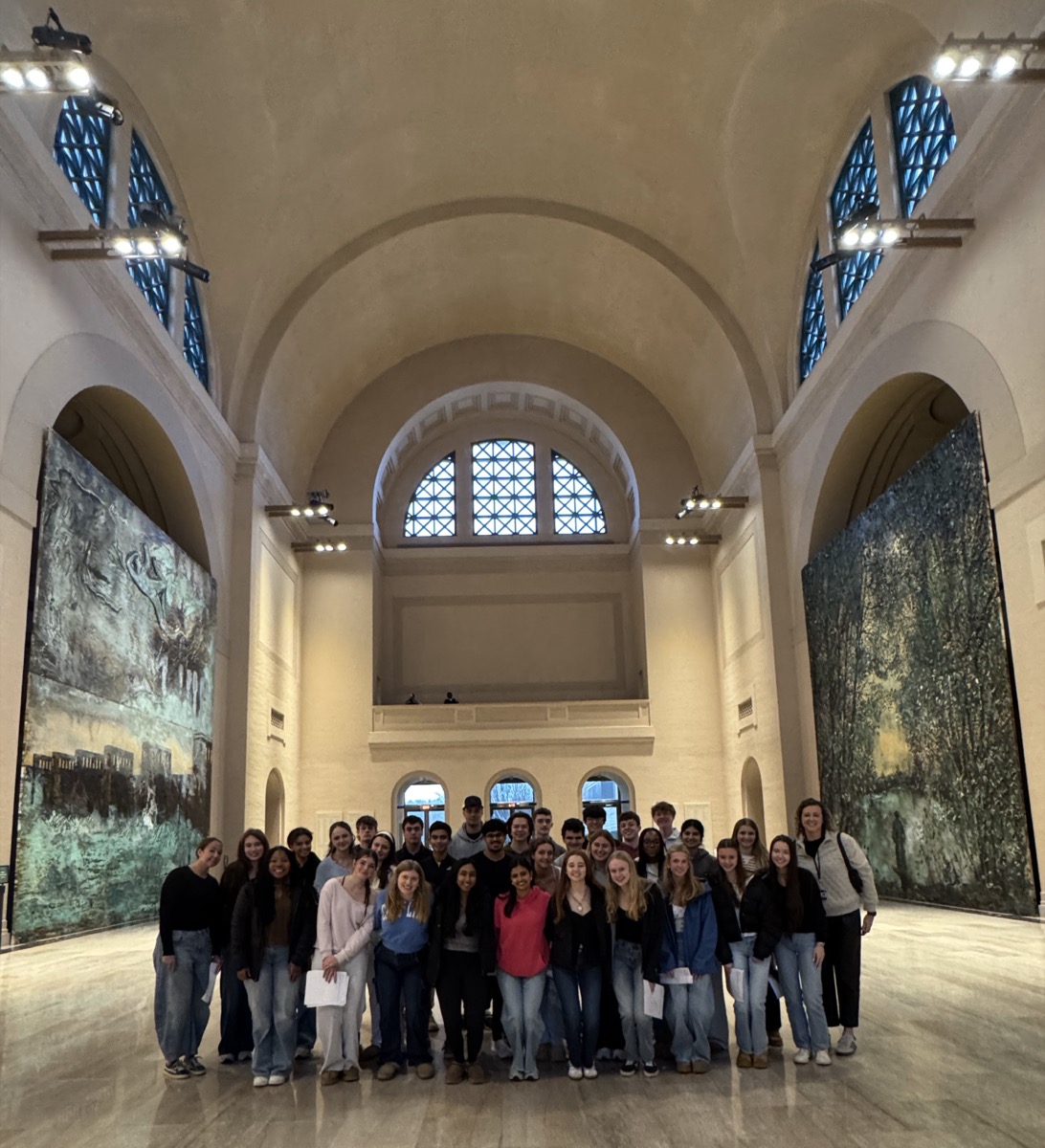
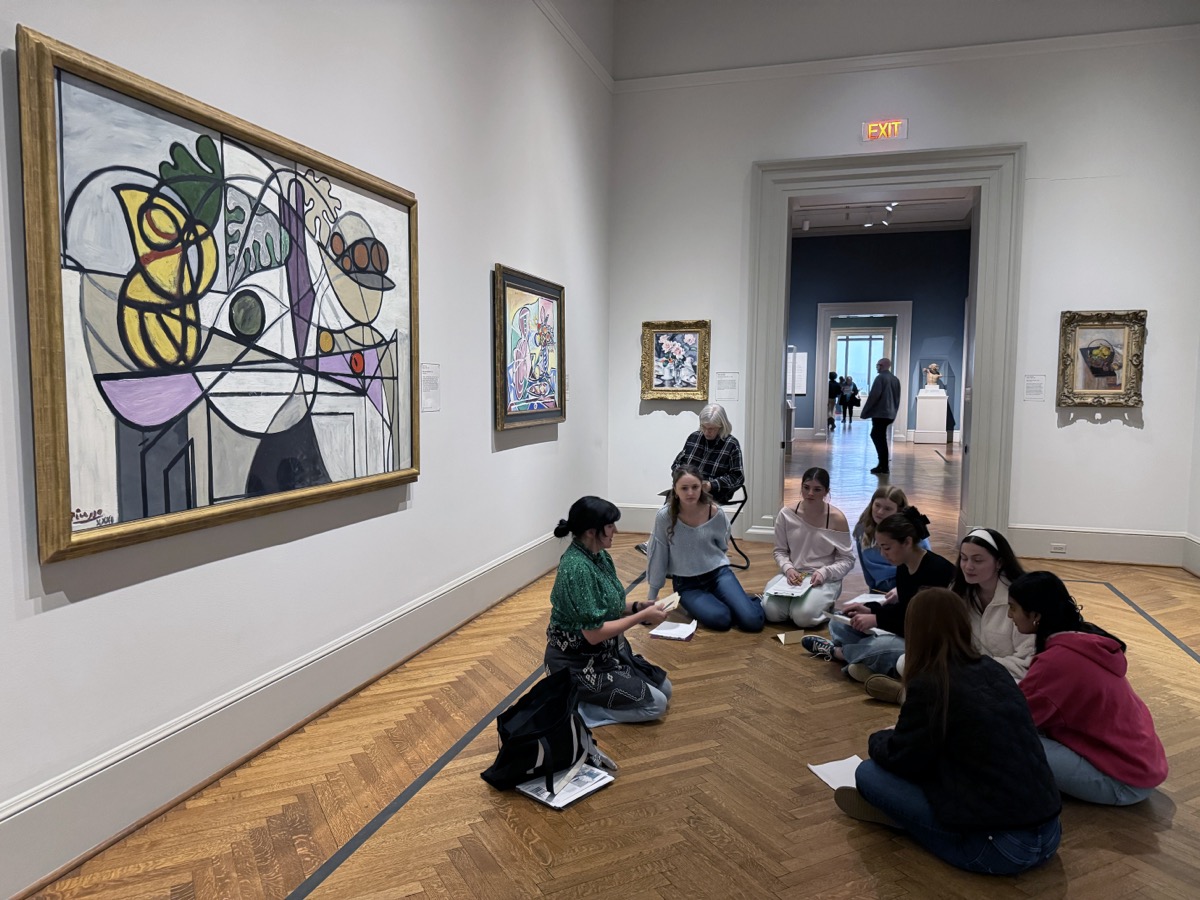
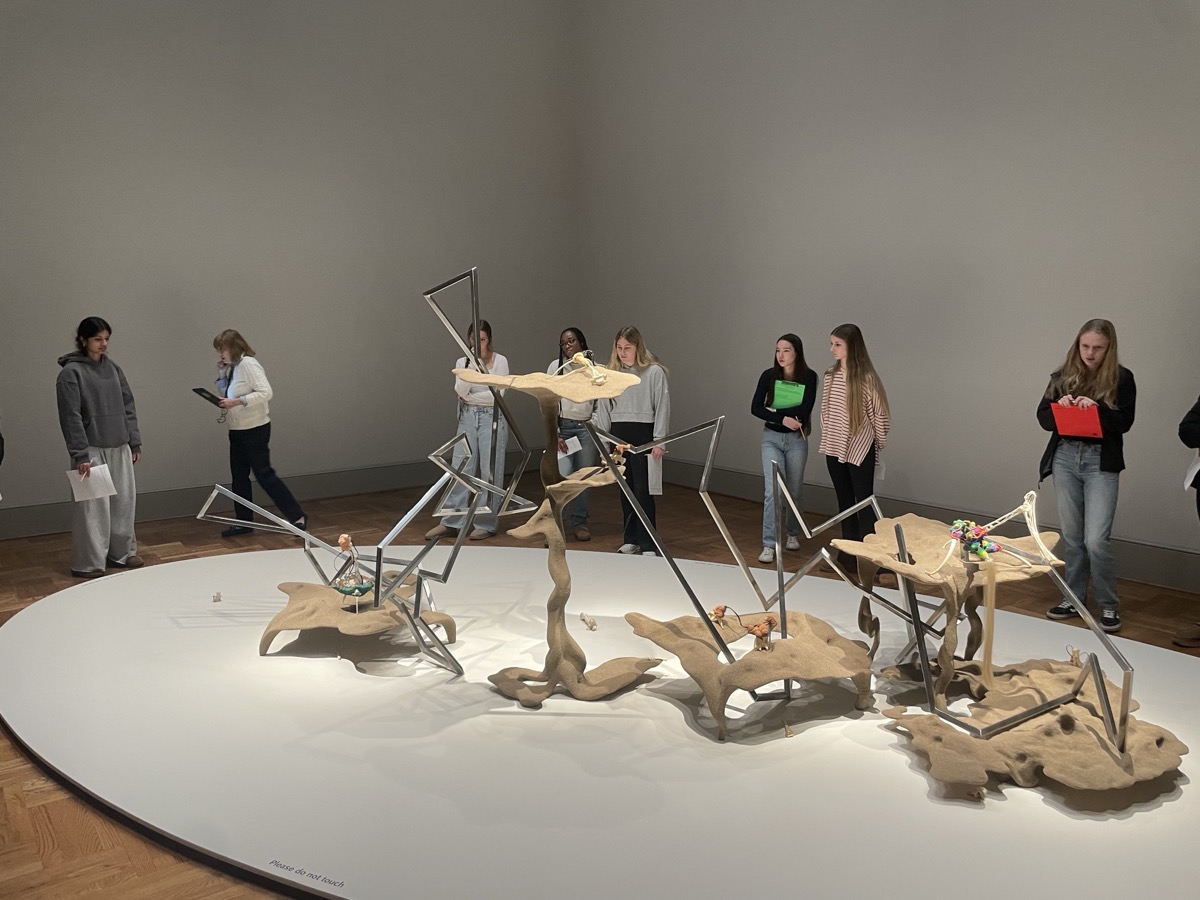
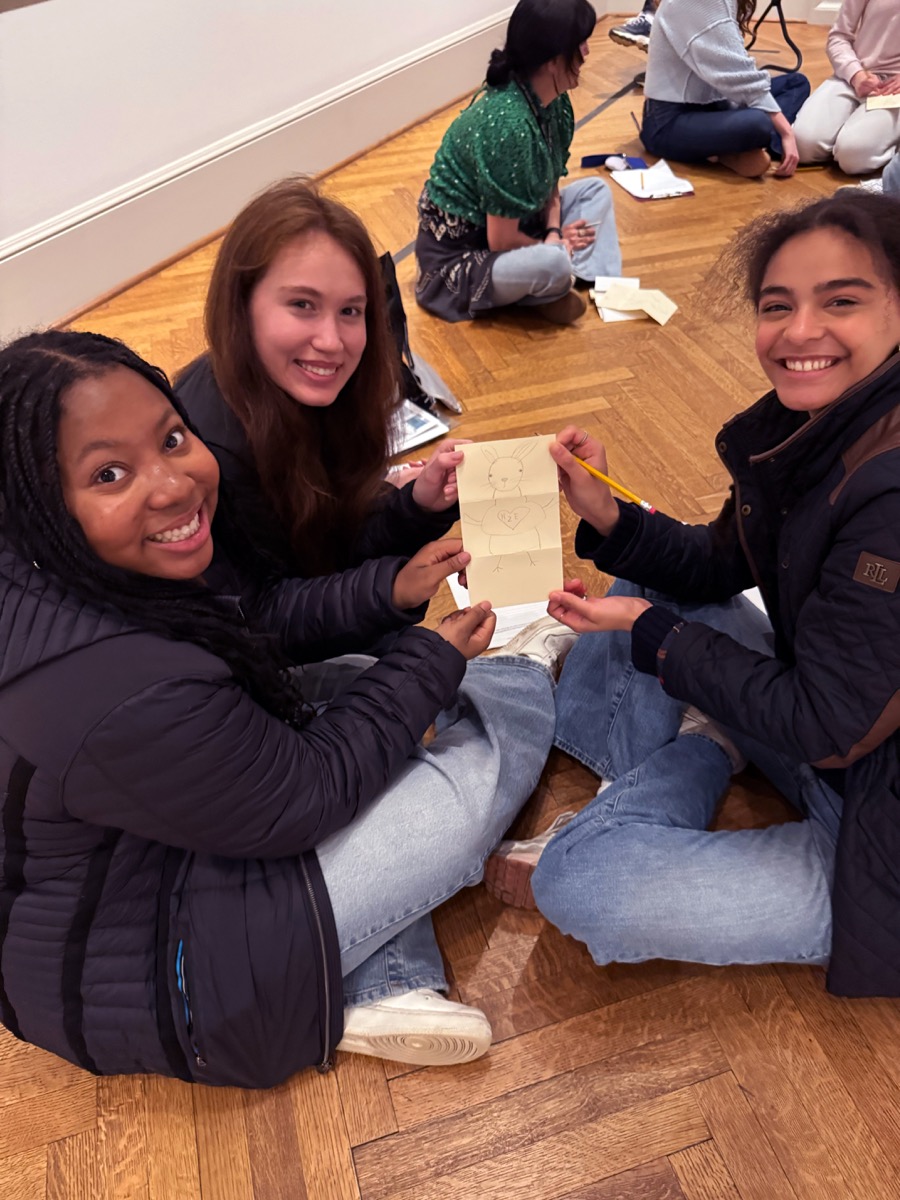
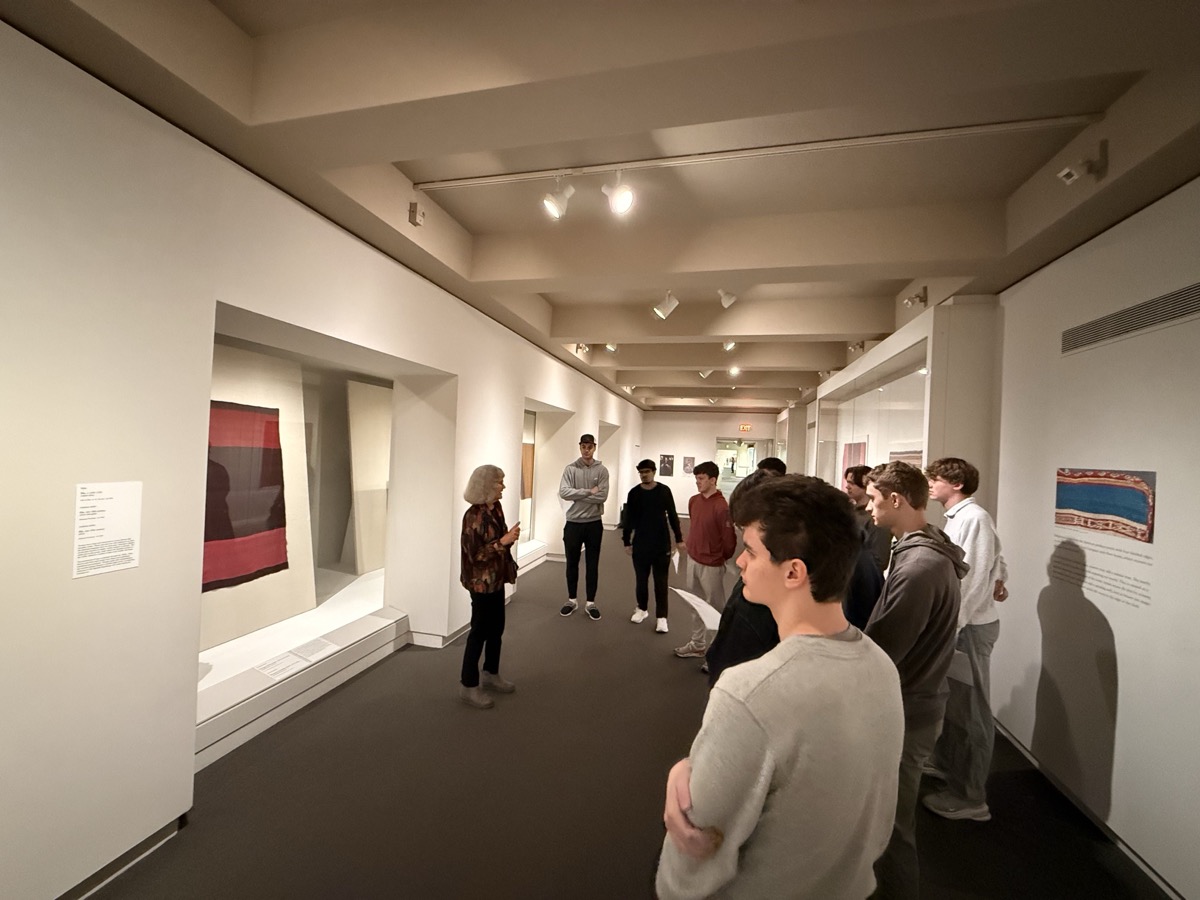
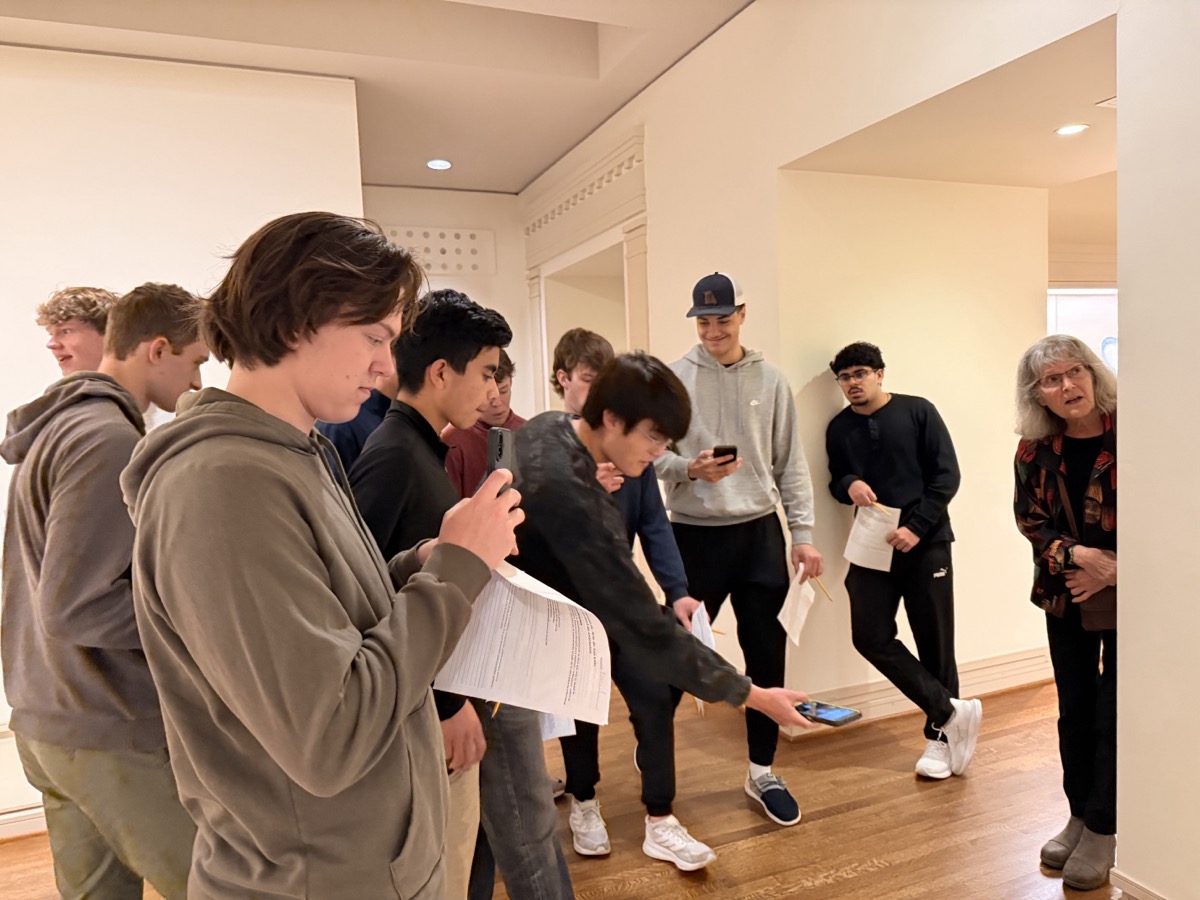
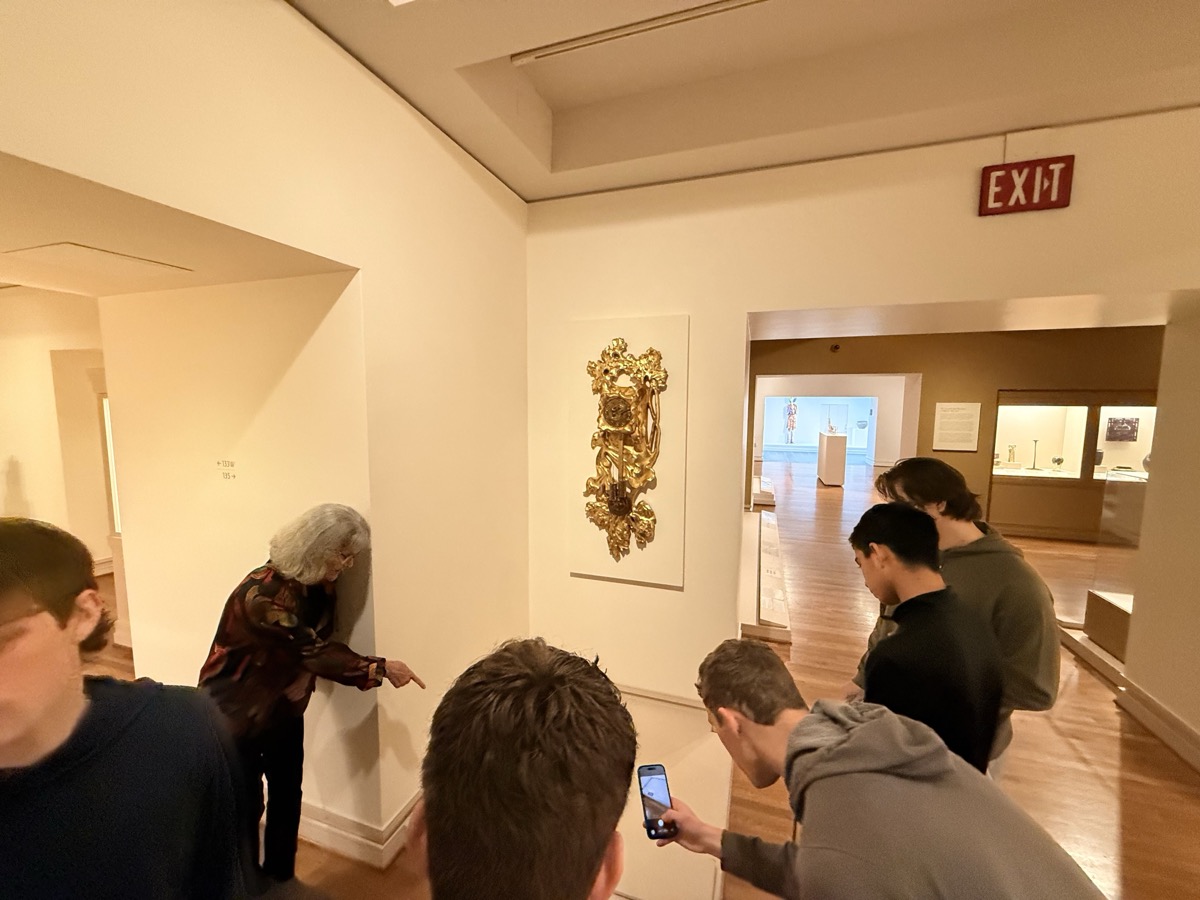
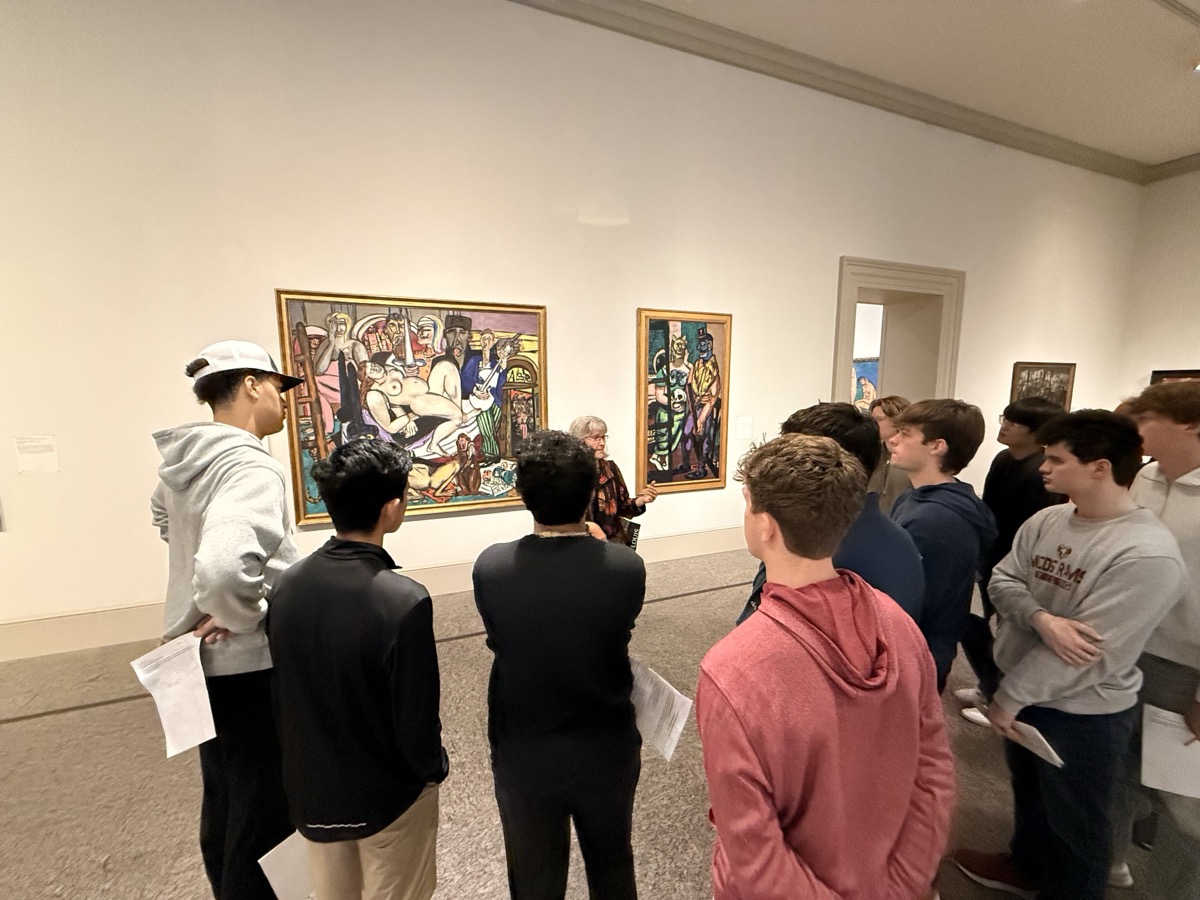
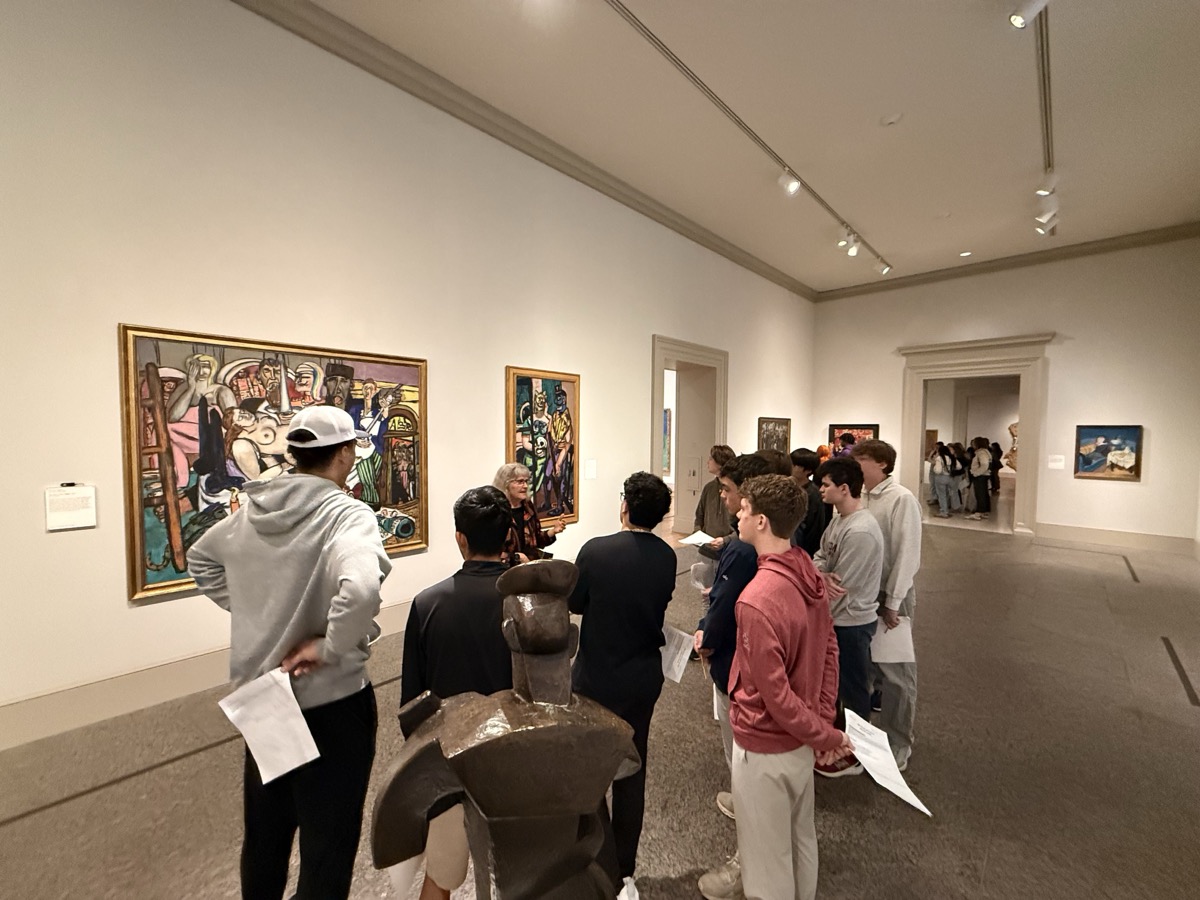
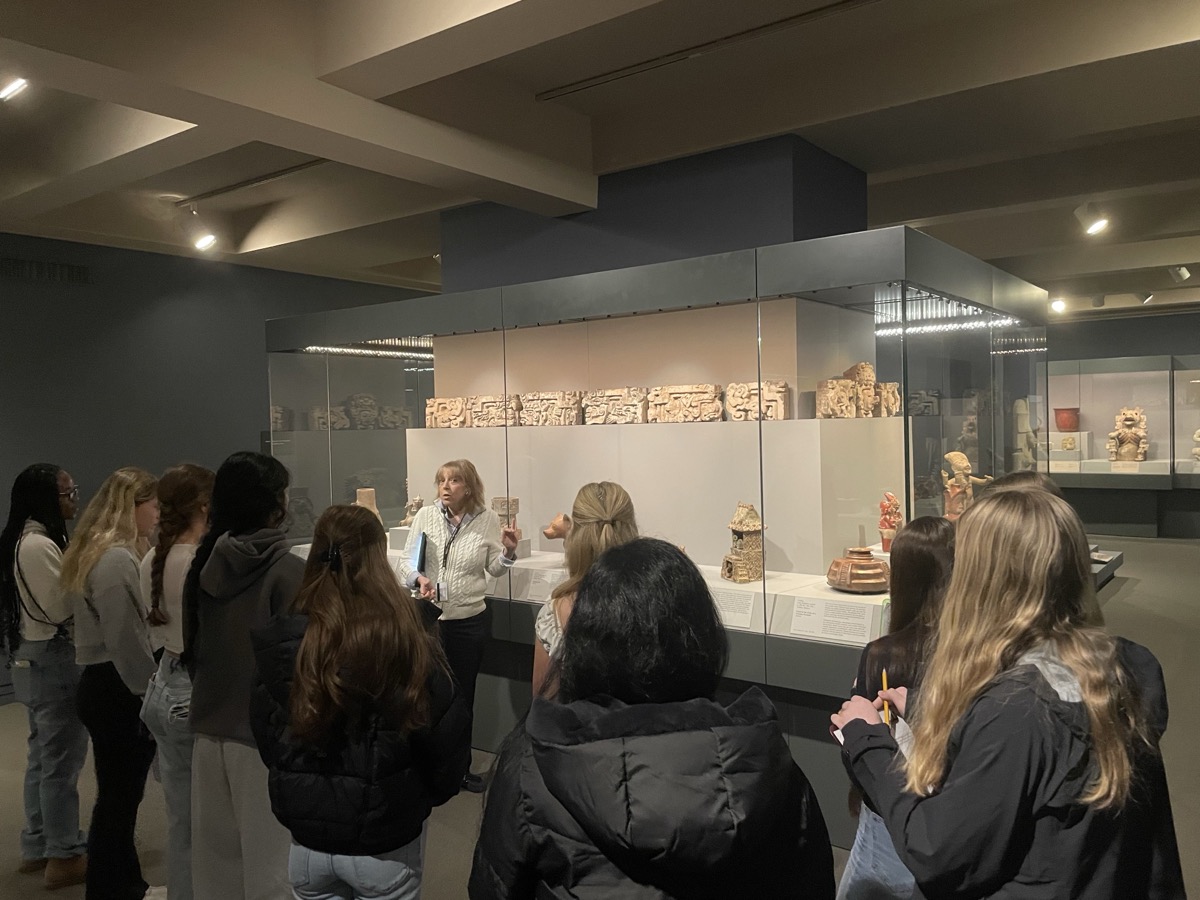
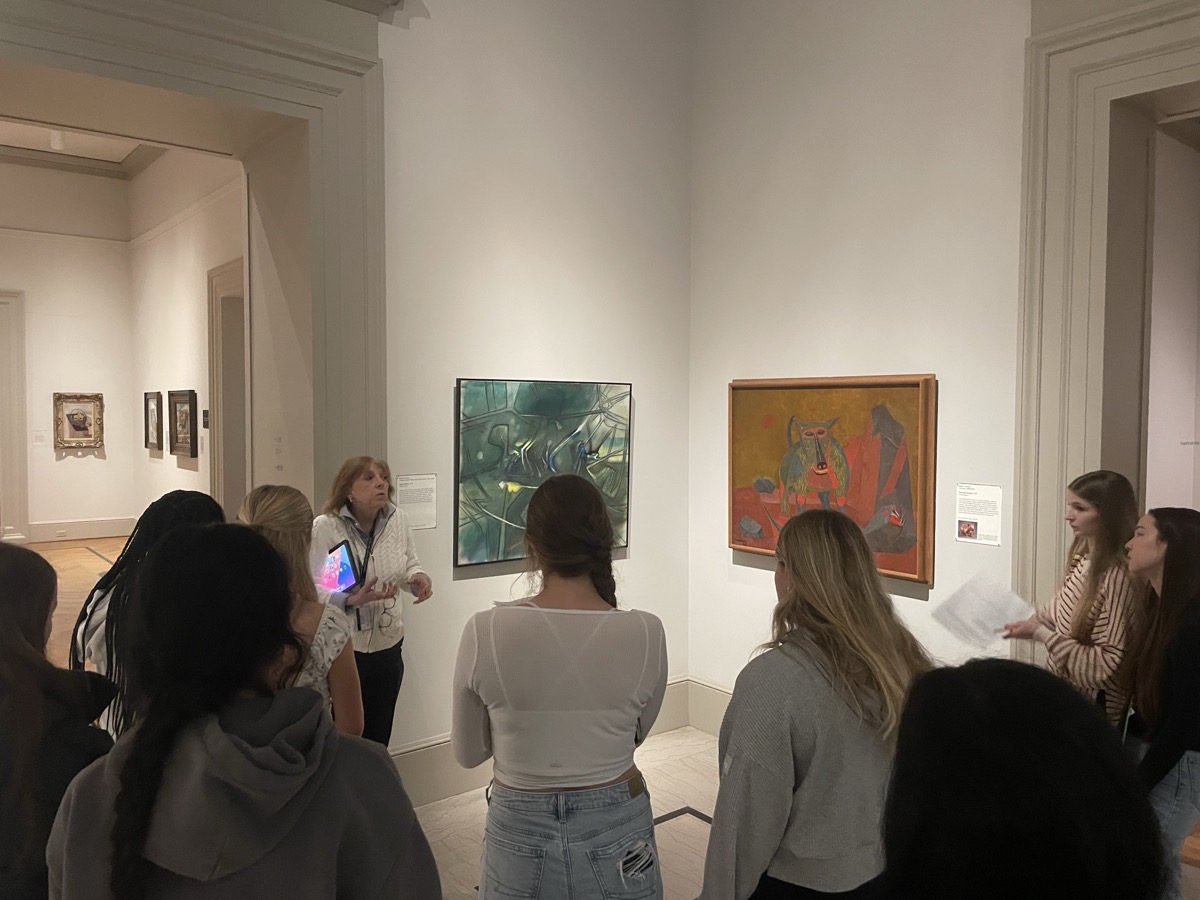
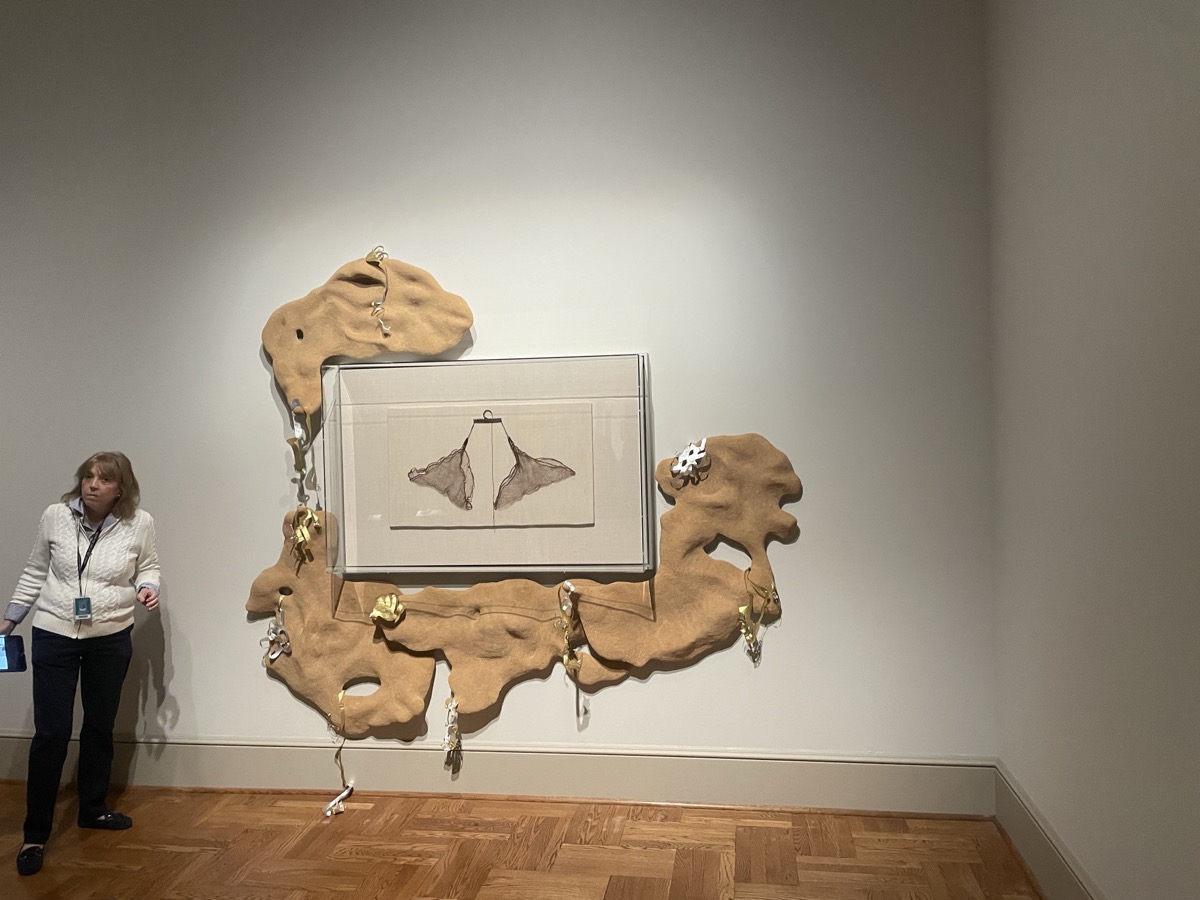
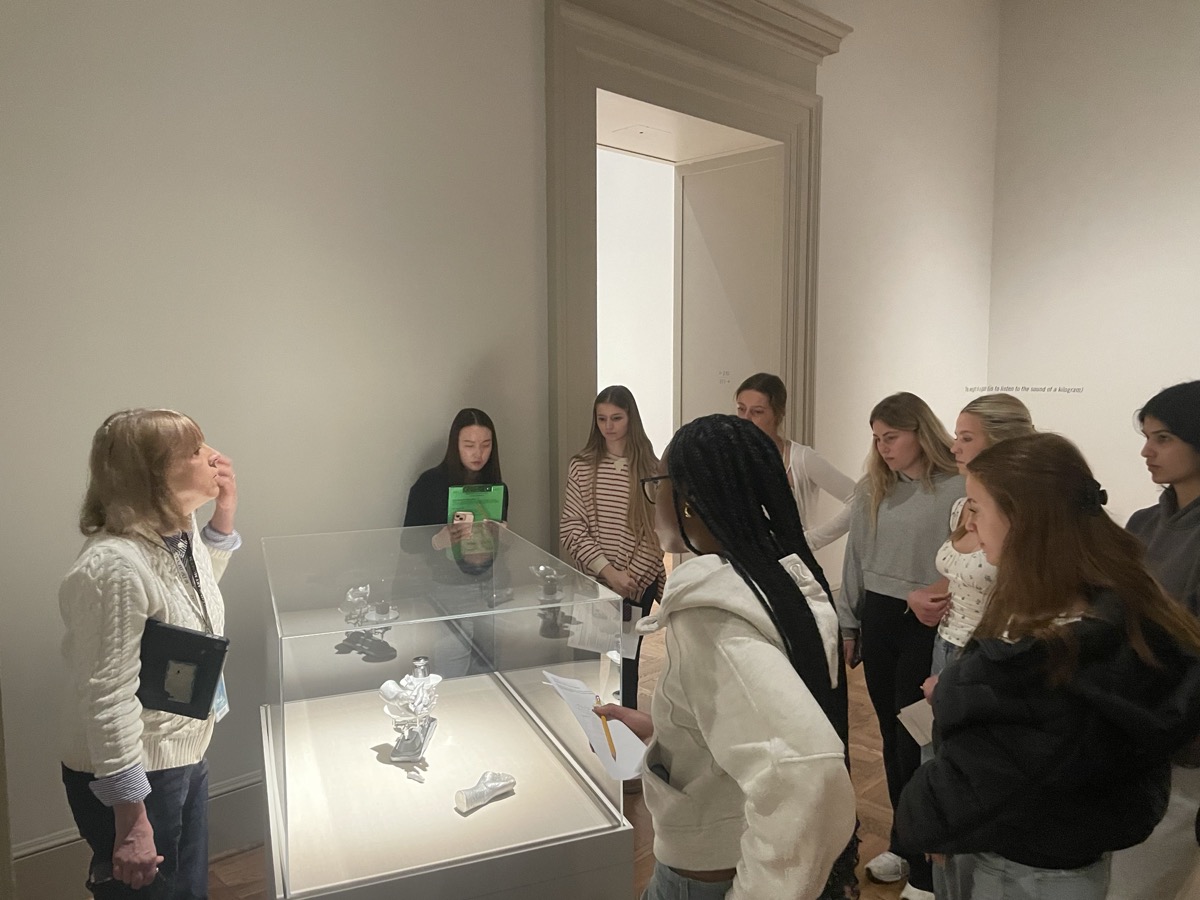
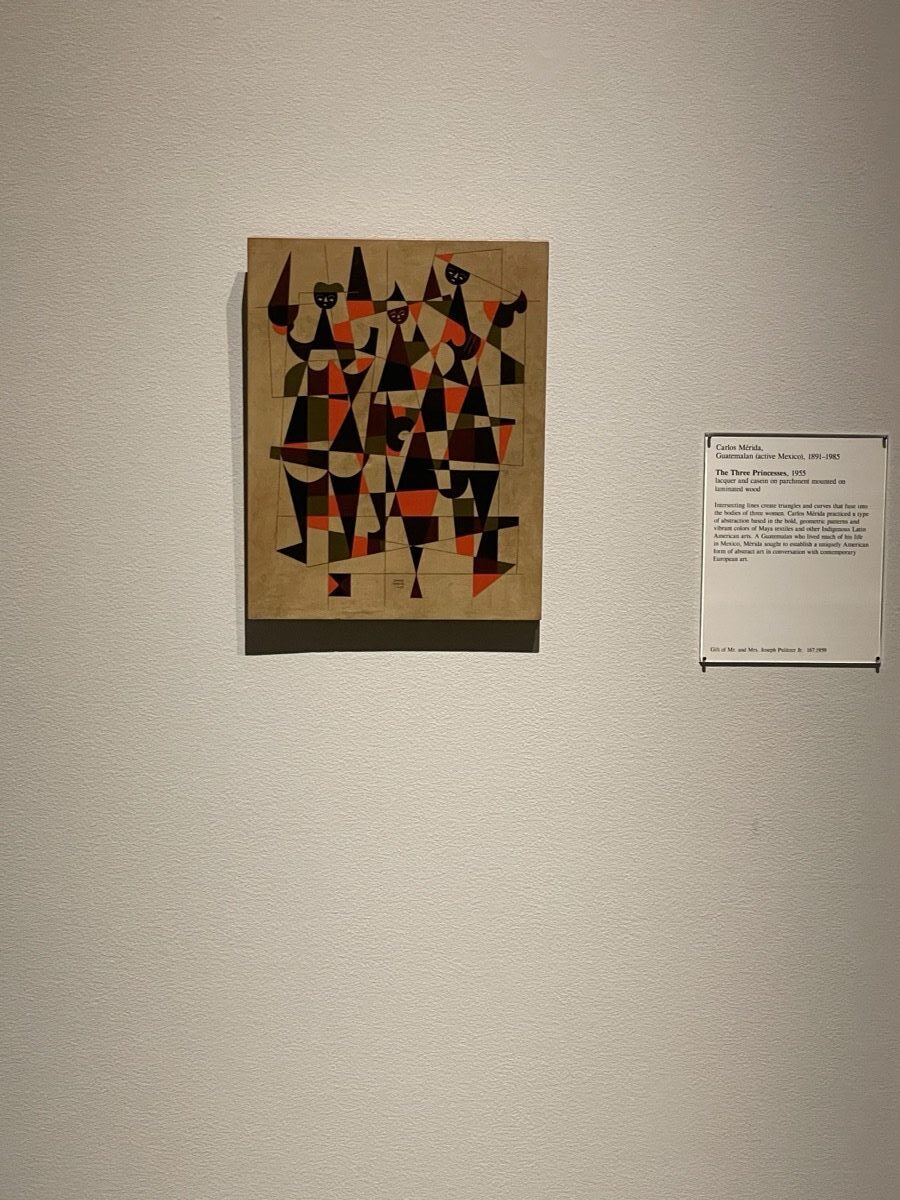
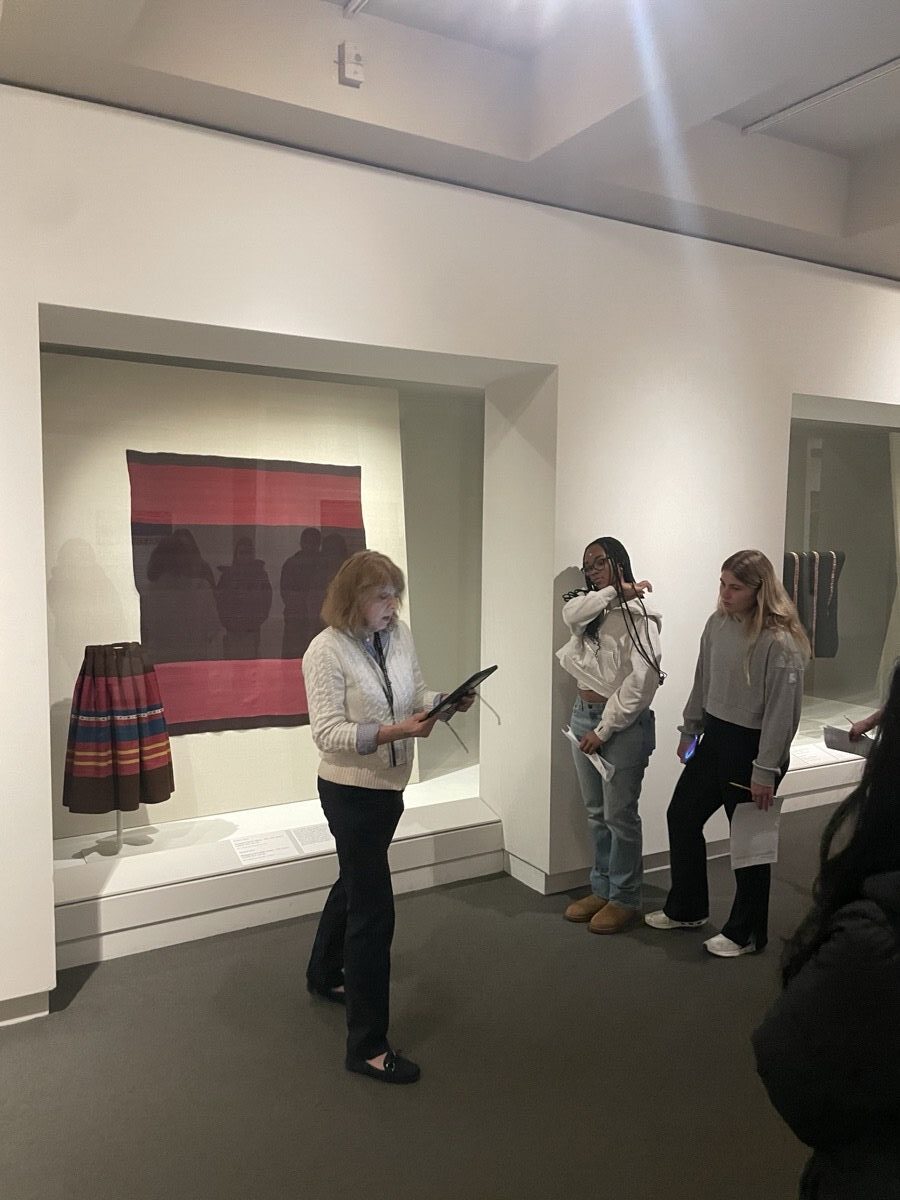
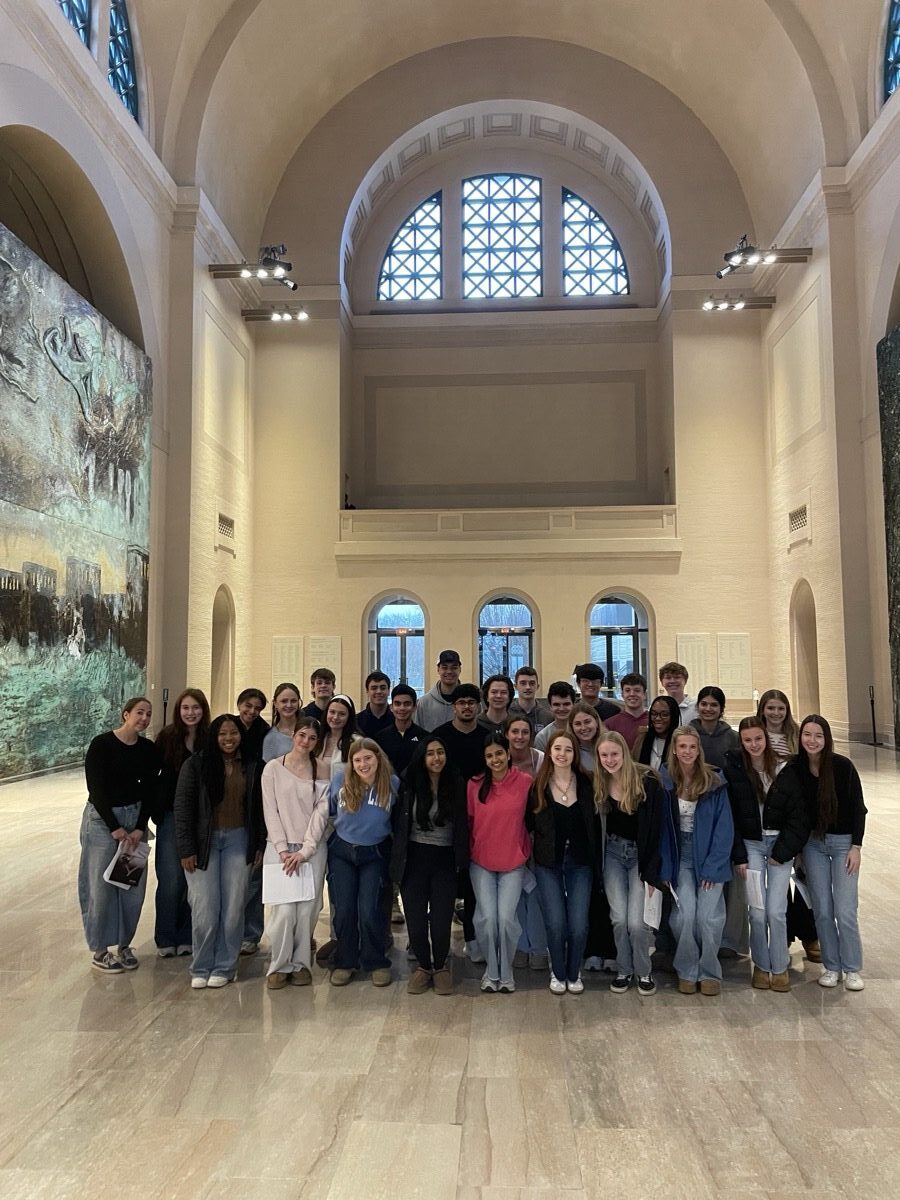
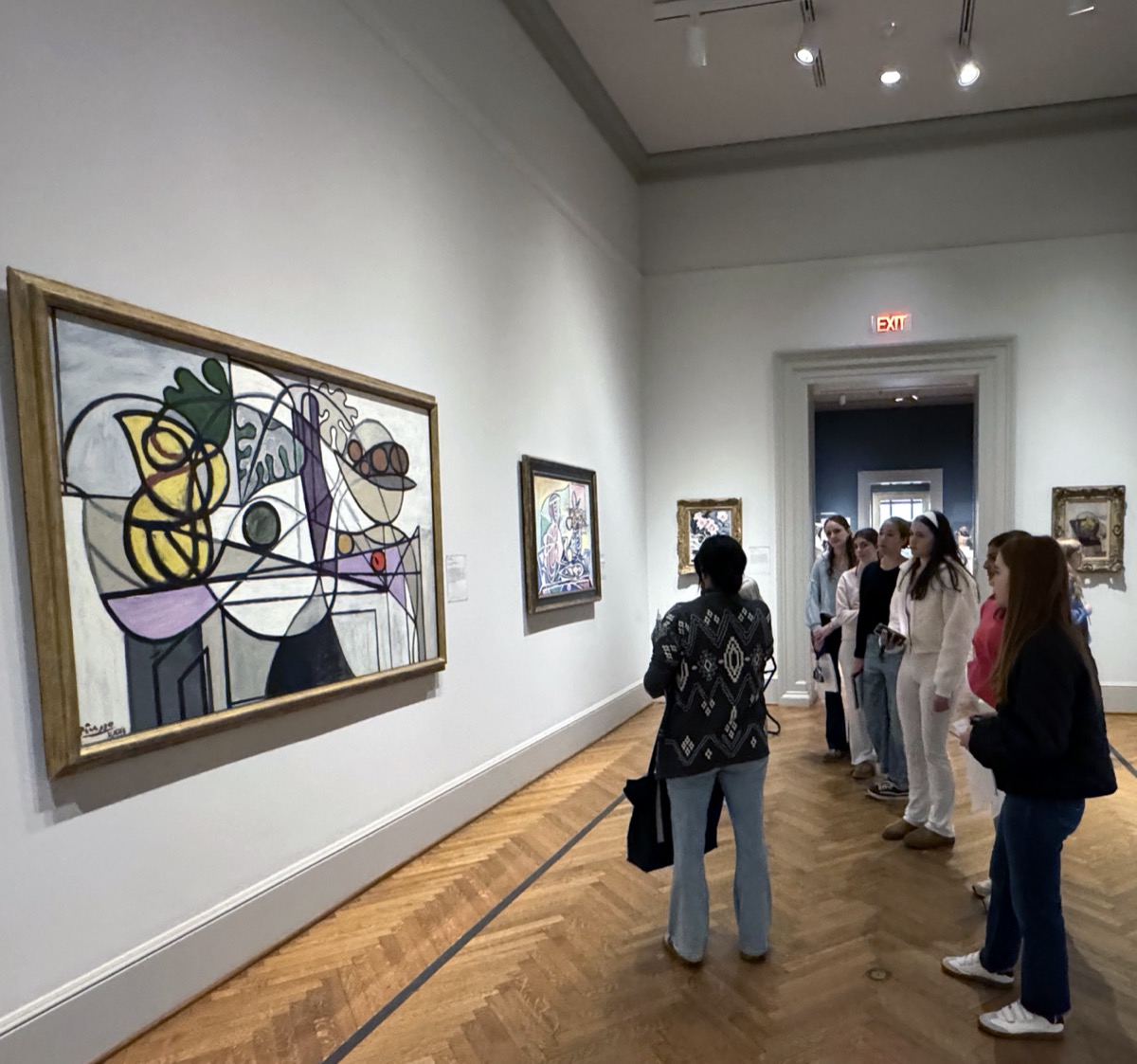
The museum visit also served as a connective exploration of how different cultures define and appreciate style. Examining everything from traditional weaving to modern sculpture, the students observed how art both challenges and reflects cultural perspectives.
Weidenmiller shared, “Our visit to SLAM was a great complementary experience to our current unit of study on Beauty and Aesthetics, with a focus on literature and art. The knowledgeable docents guided us all over the museum and shared great art history insight to deepen our students’ understanding of art from the Spanish-speaking world. I particularly appreciated my group’s docent’s focus on sharing how modern and contemporary artists work to thoughtfully honor and preserve historic iconography from their cultures, like the dog used prolifically in Mesoamerican cultures that still shows up today.
“Visiting the temporary exhibits of the traditional Aymara weavings and the contemporary Peruvian sculptor Blas Isasi helped us to see two ends of the artistic spectrum and pushed my students to consider new artistic styles and traditions.”
As students look toward their AP exams this spring, they are now better prepared to articulate how art mirrors and shapes a community’s identity.