Belgium and the Netherlands, two influential nations in Northwestern Europe, play a huge role in shaping the world order. They function as Europe’s central logistical, political, and economic hub. They drive trade through massive ports, host critical international institutions, and maintain high-value innovation in technology and agriculture.
Brussels, from its multi-ethnic origins and WWI battlegrounds, has emerged as the capital of the EU. The Hague (Den Haag) in the Netherlands is the home of the International Criminal Court (ICC). These cities and institutions are shaped by the legacy of both world wars and the lessons learned from conflict.
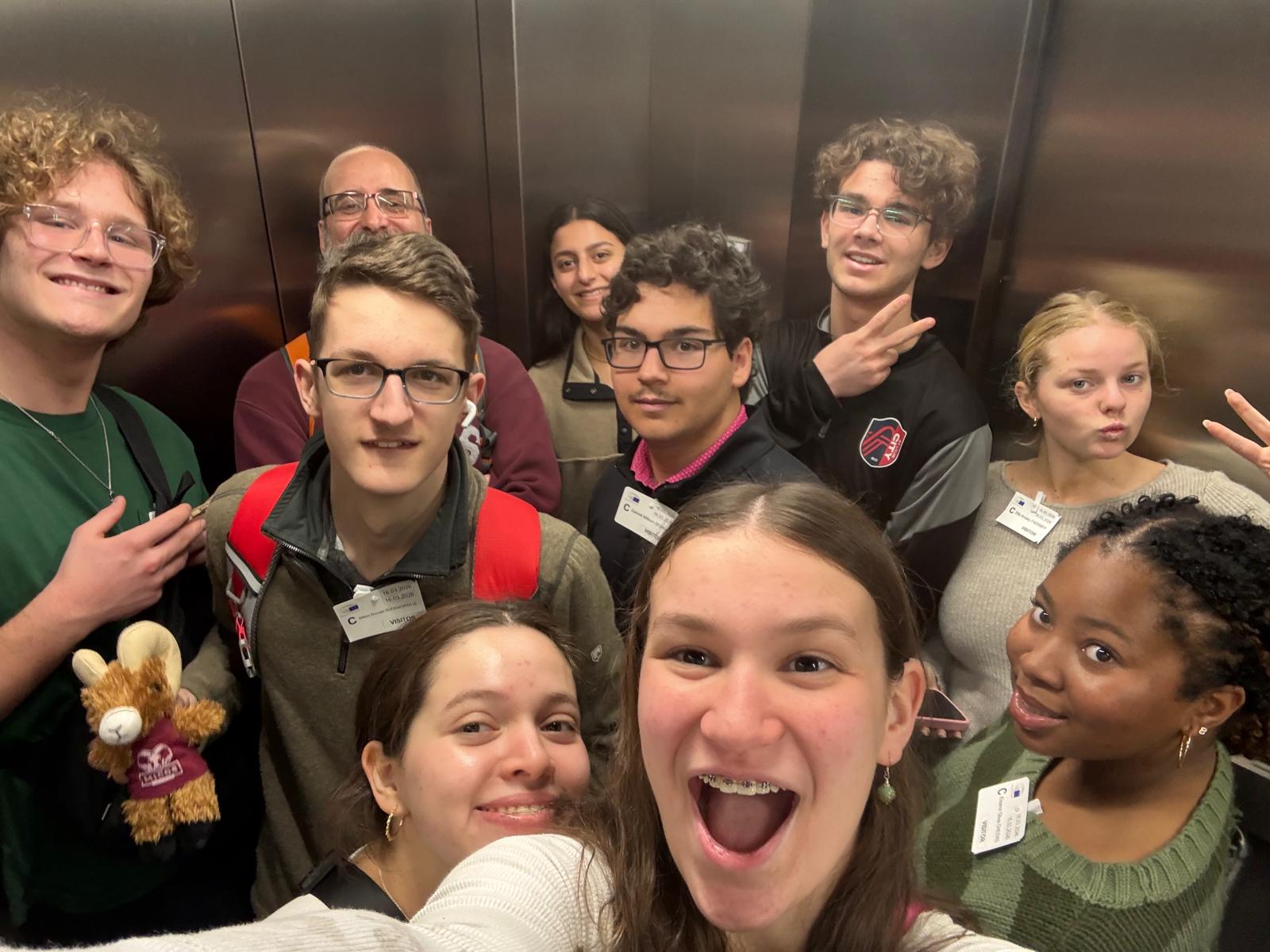
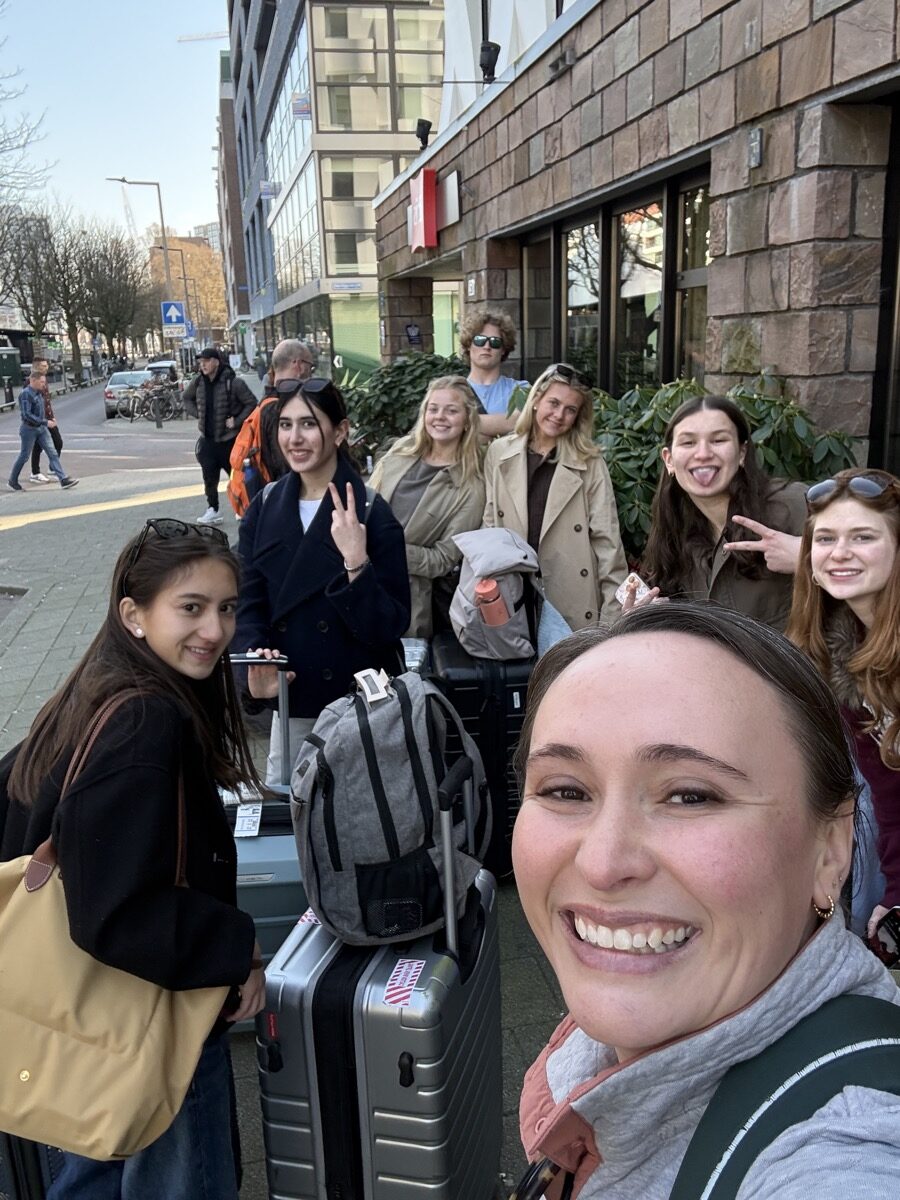
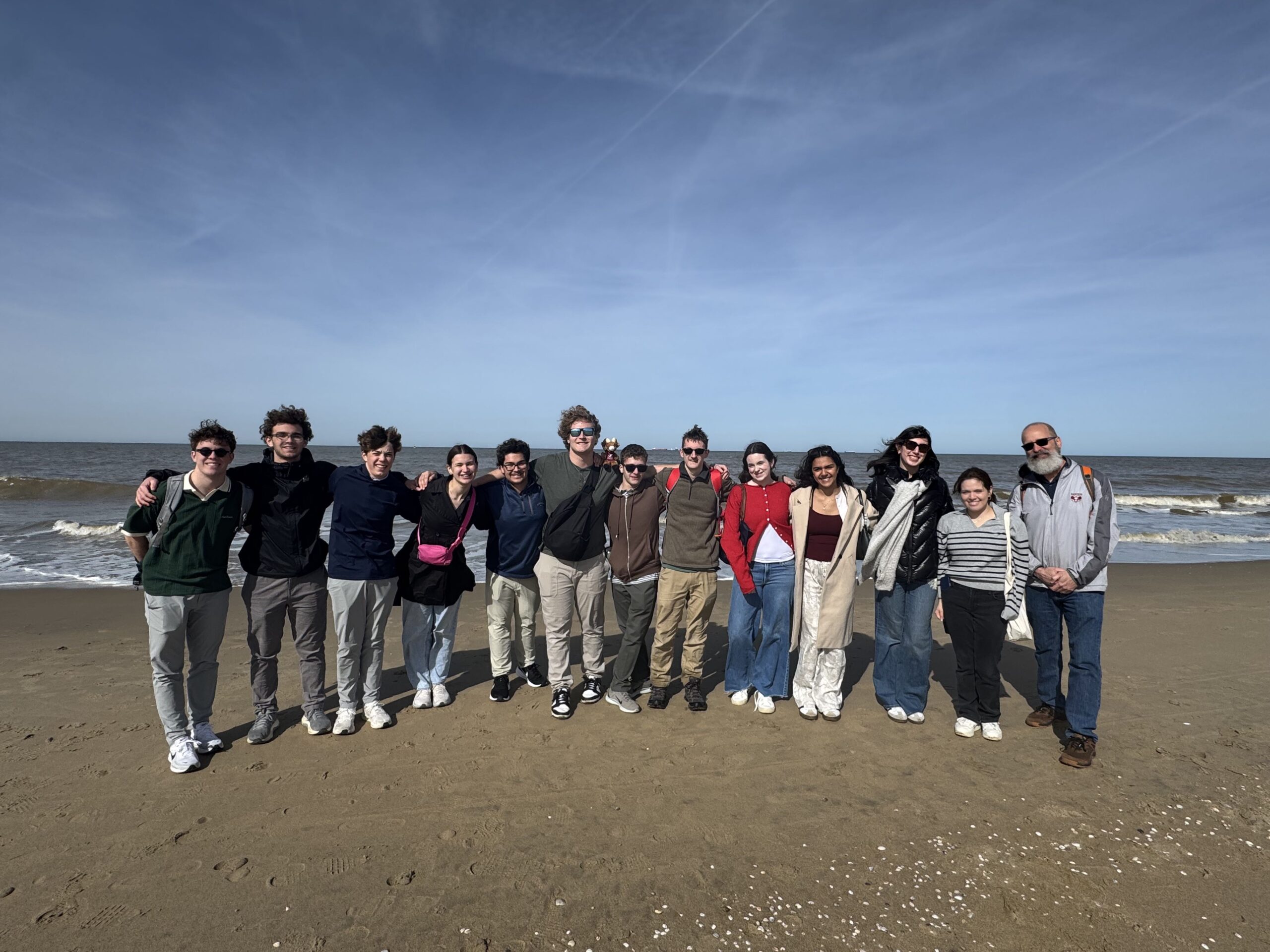
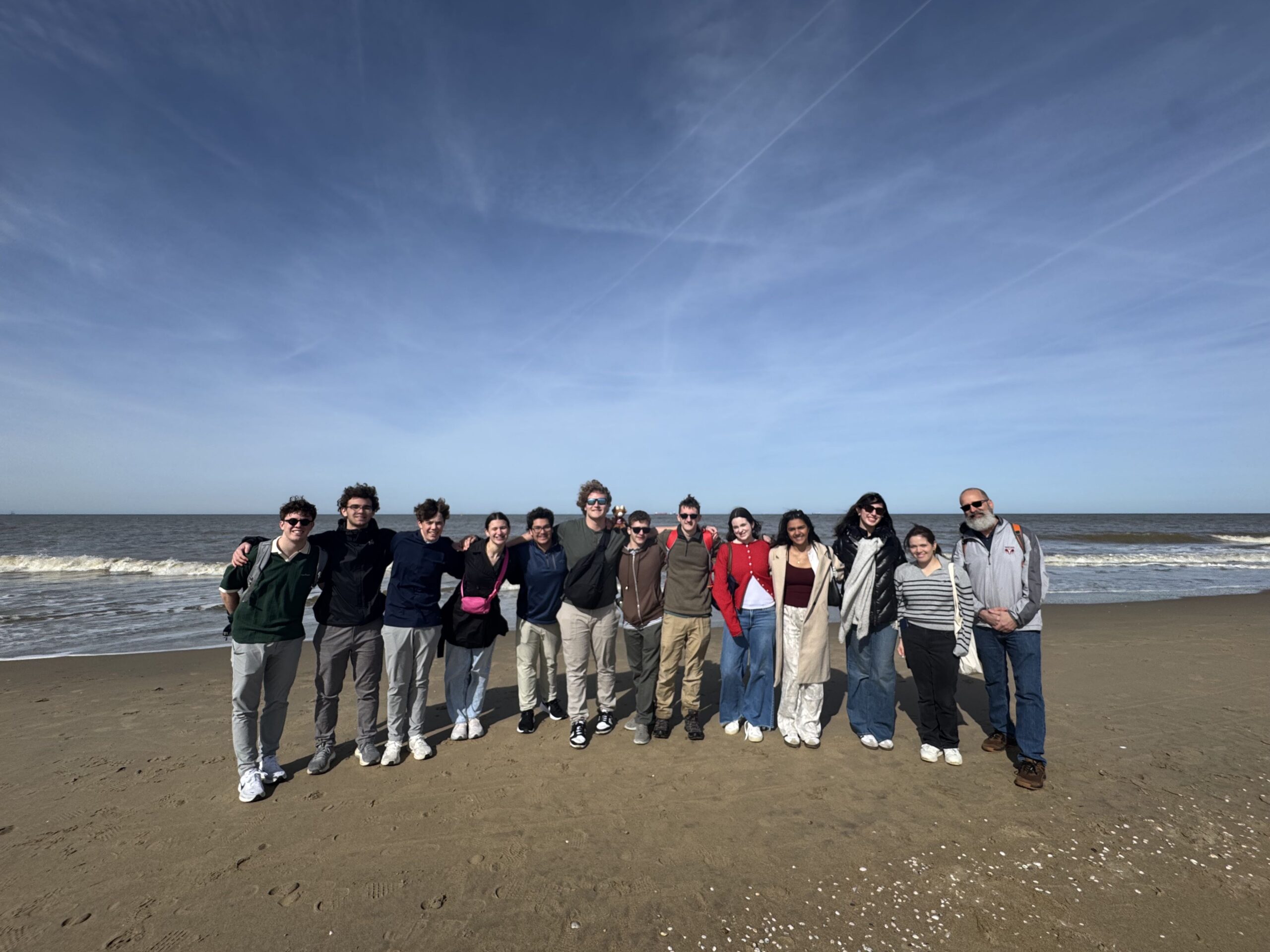
Several Upper School students, along with three faculty chaperones, spent their spring break exploring how these two countries shape our world and experiencing local life and culture. From the hallowed ground of Flanders Fields in Belgium to the hidden annex where Anne Frank authored her diary in Amsterdam, students encountered stories of heroism and resilience at every turn.
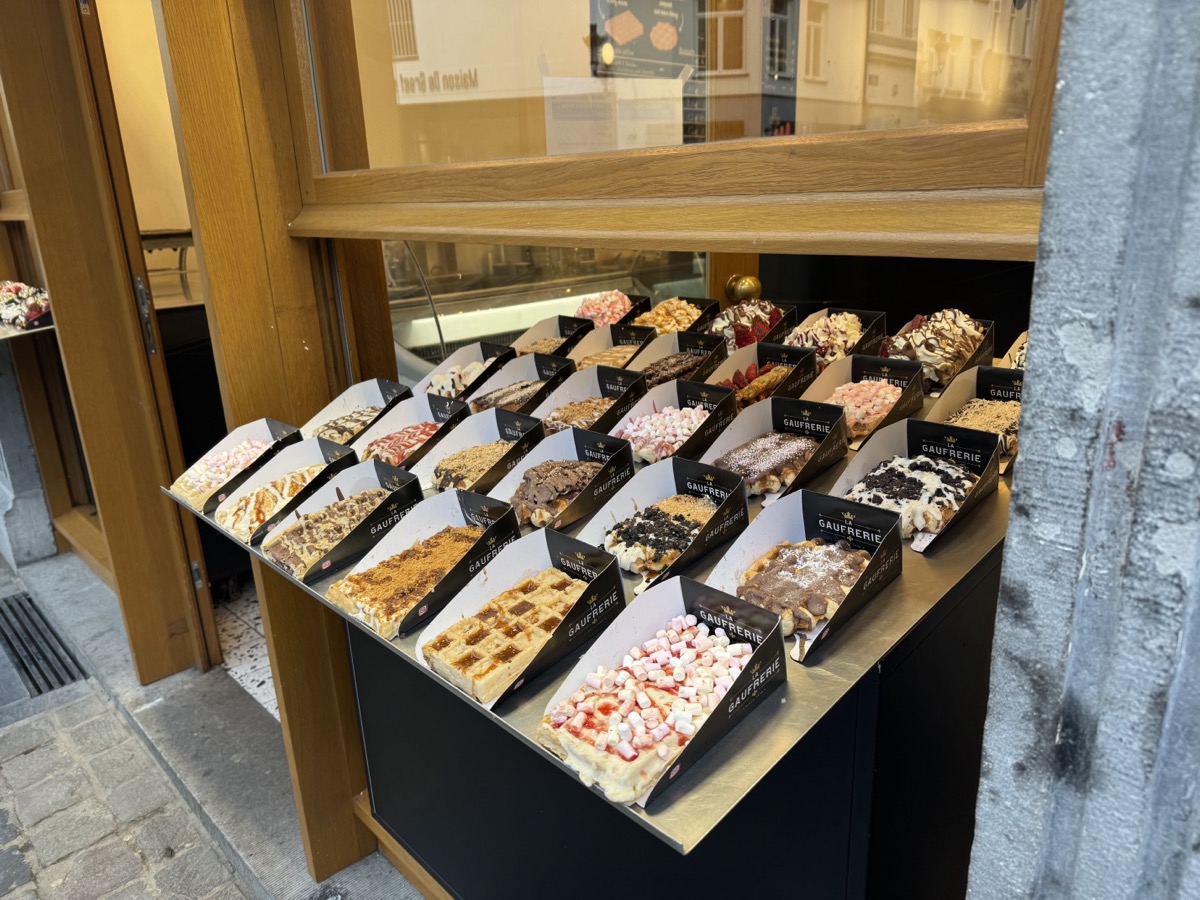
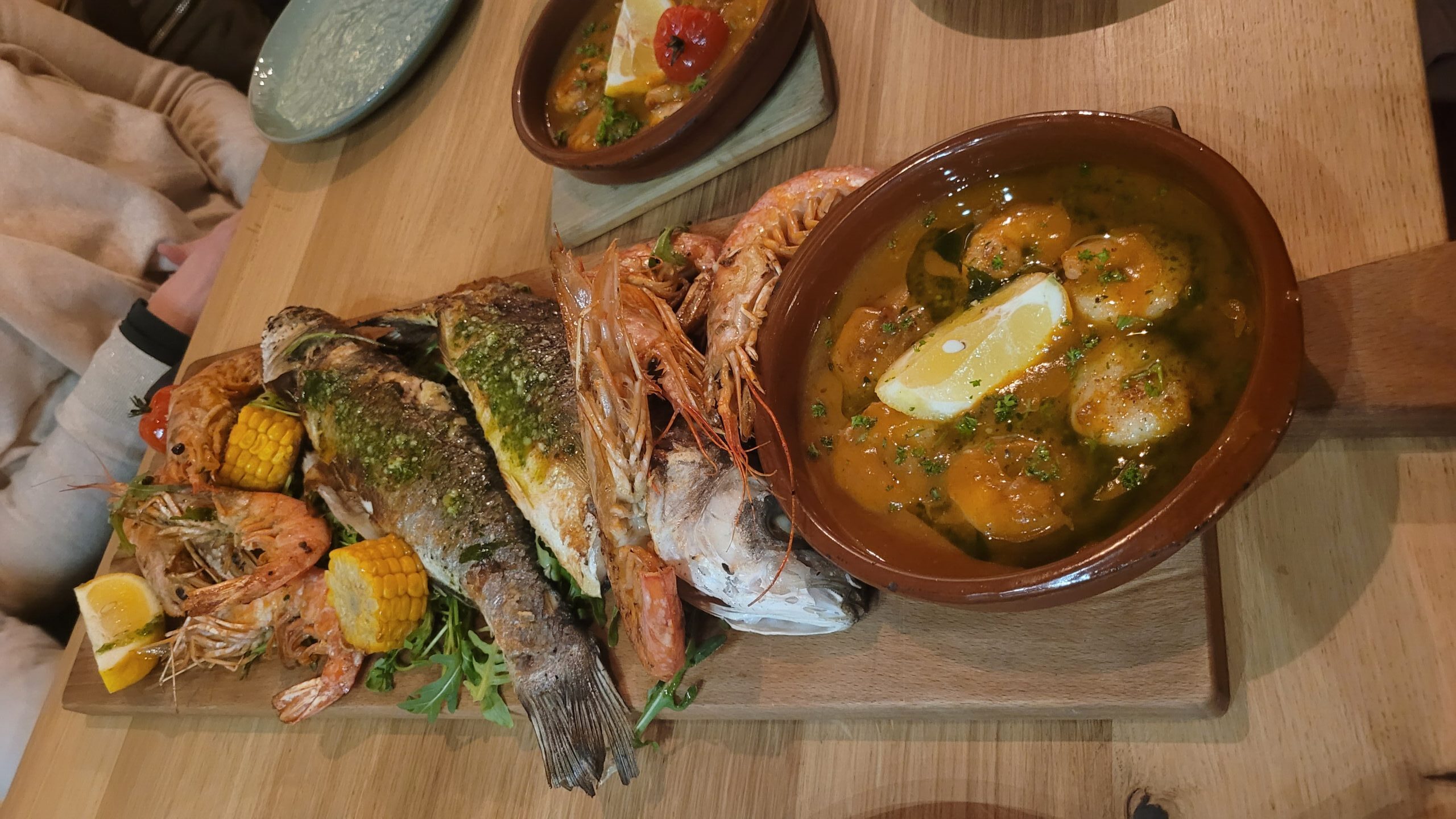
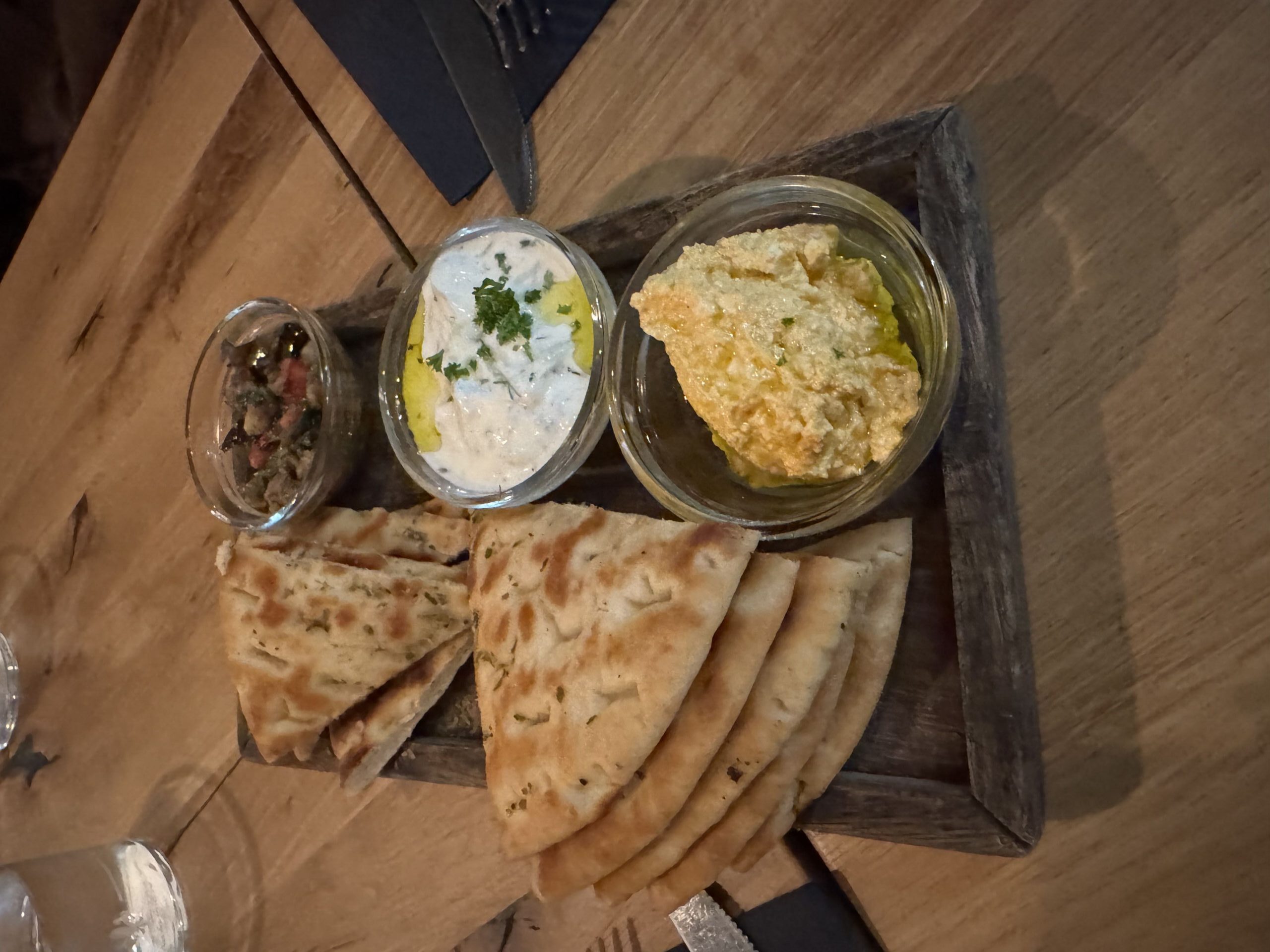
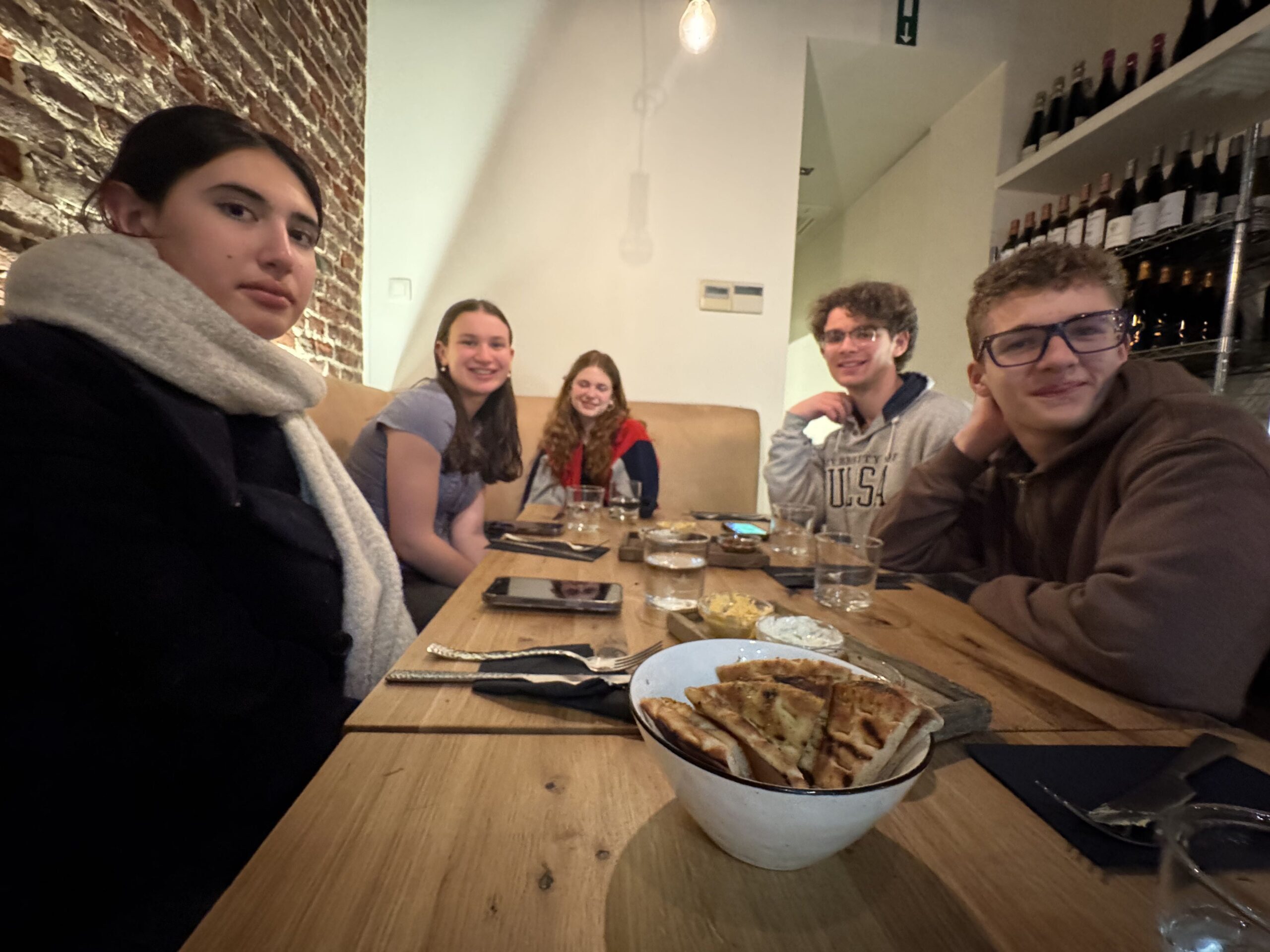
They also studied the beautiful canals that power the region and gained a deeper understanding of the ramifications of war and the future of peace. And, no trip to this region would be complete without sampling the delicious food along the way, including the famous French fries and waffles.
Brussels
The trip began in Brussels with a visit to the Atomium, an iconic 102-meter-tall monument, originally built for the 1958 World’s Fair. It represents an iron crystal unit cell symbolizing the scientific, peaceful use of atomic energy.
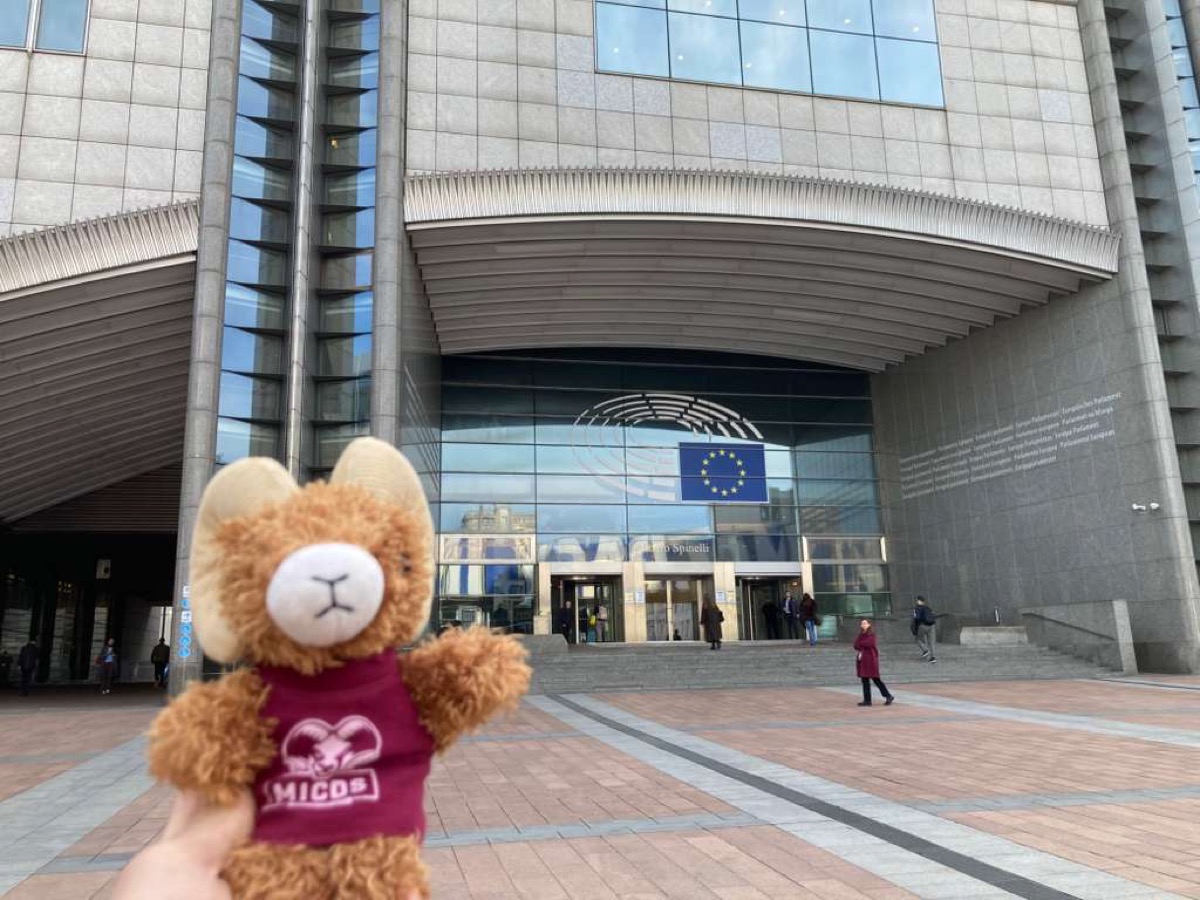
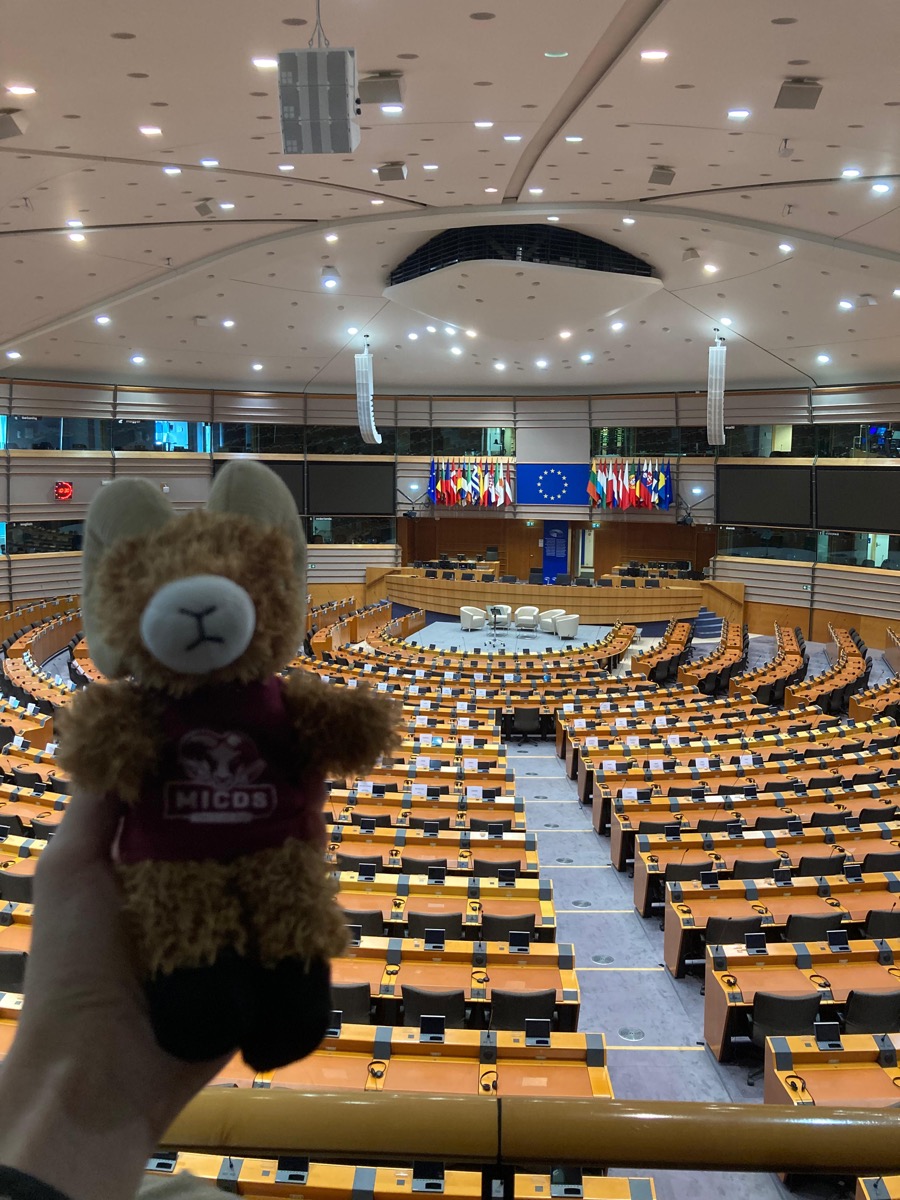
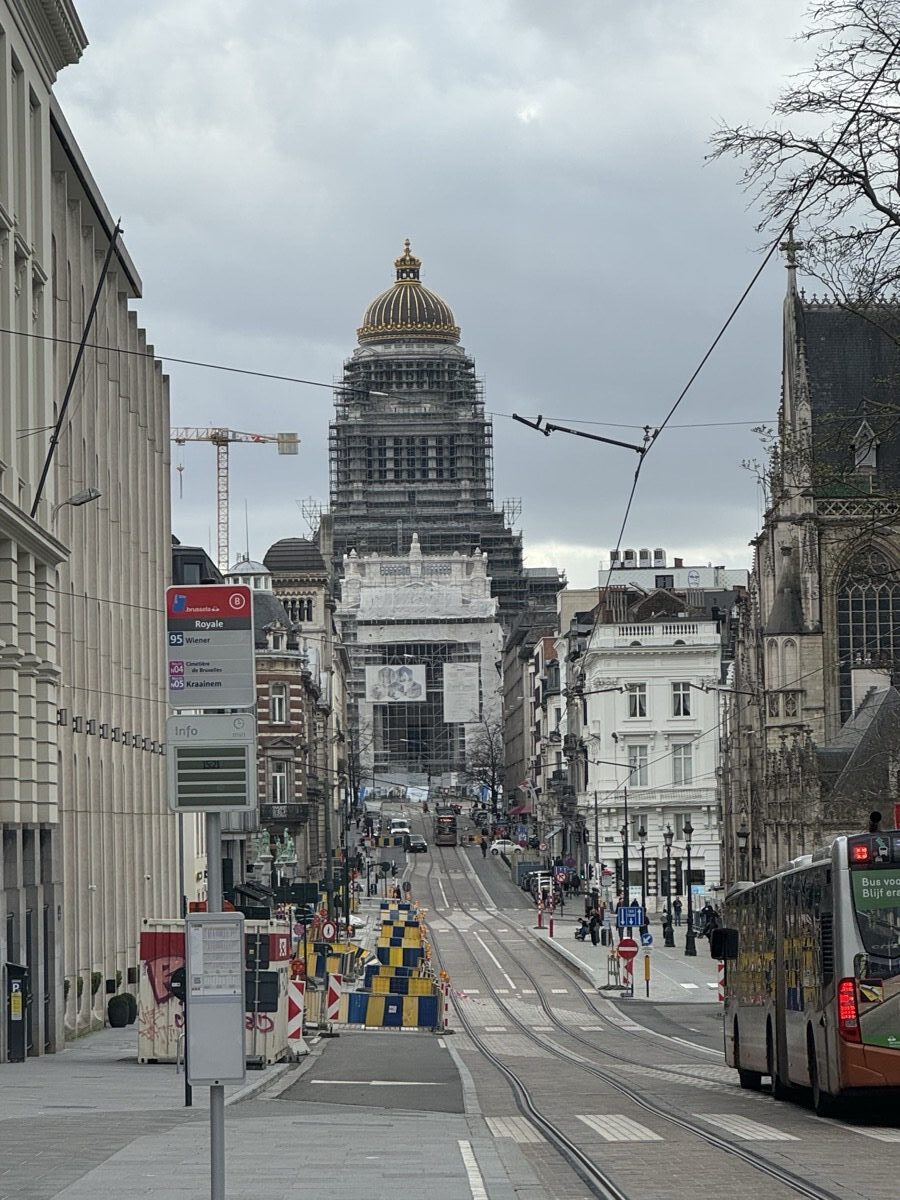
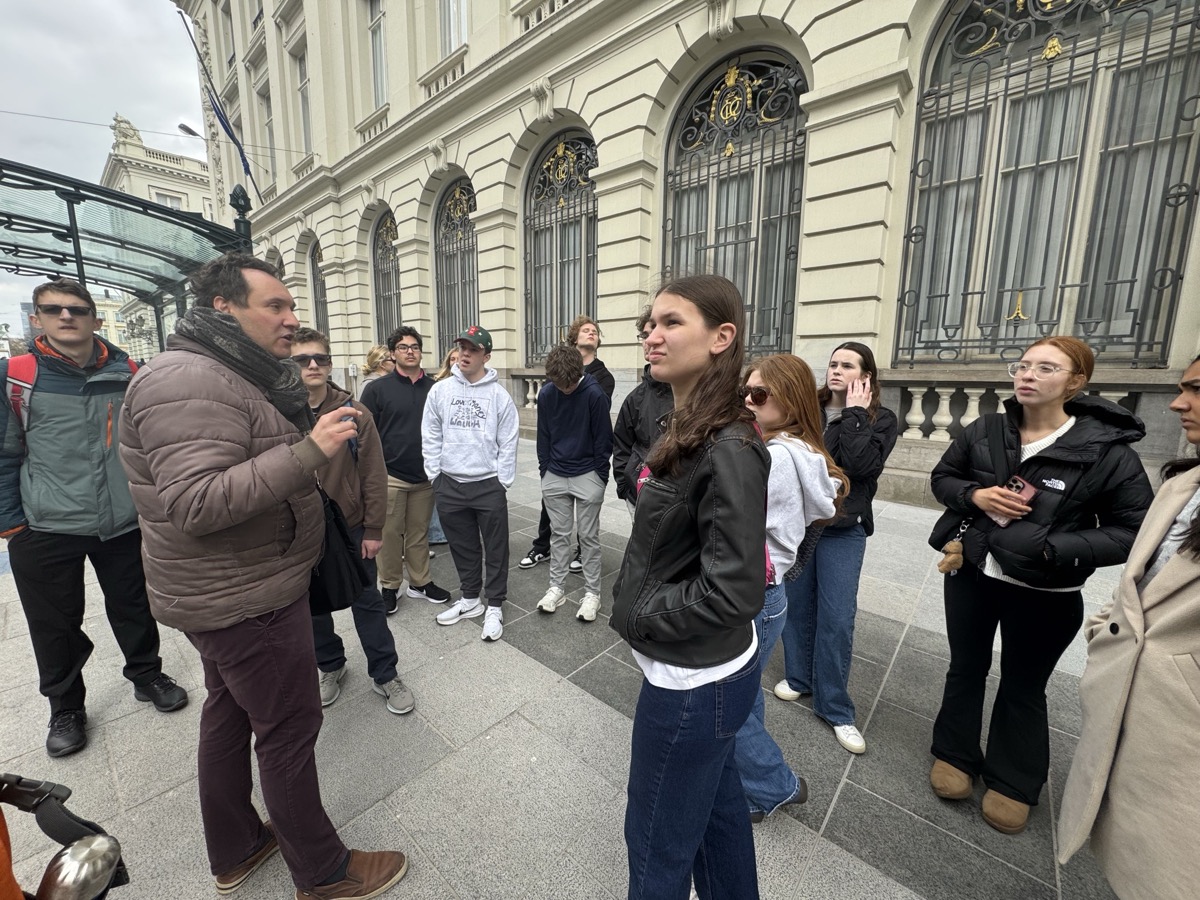
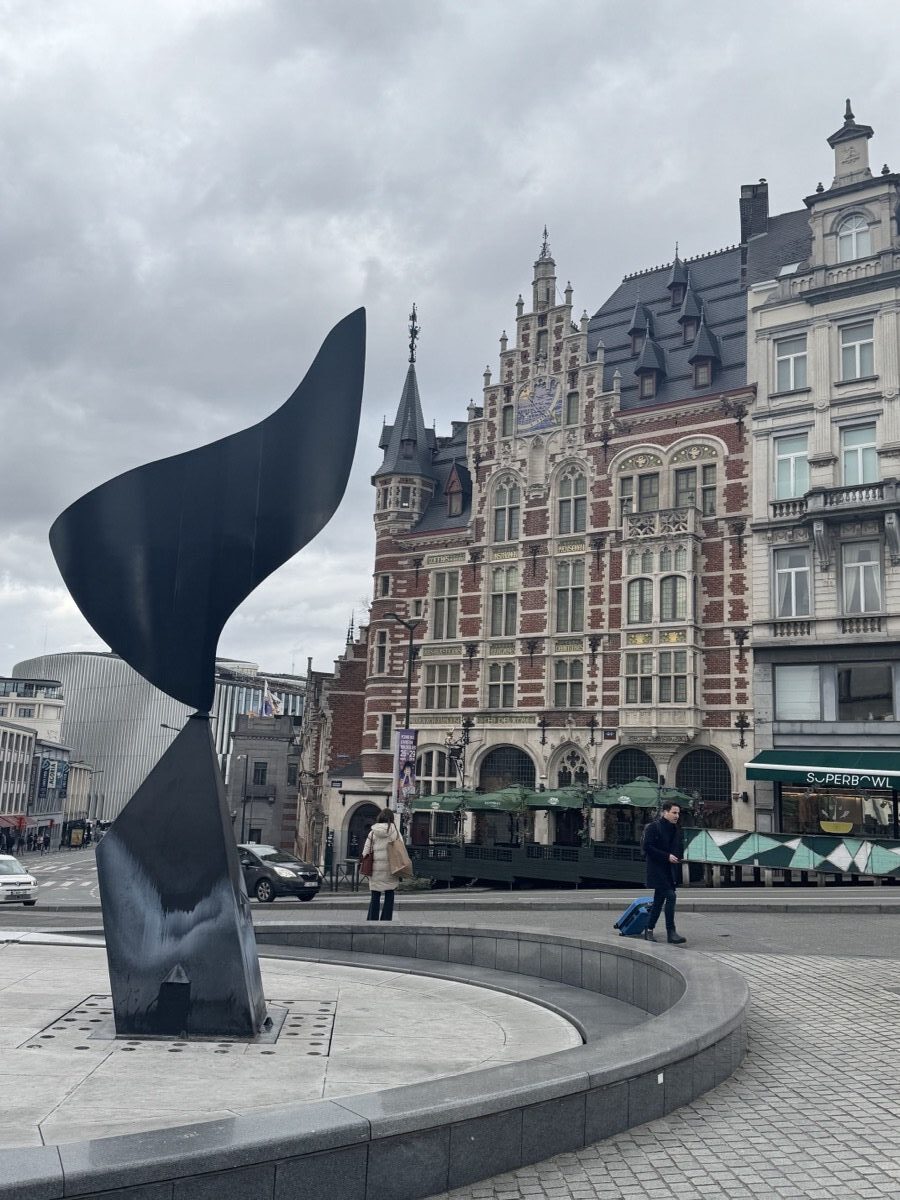
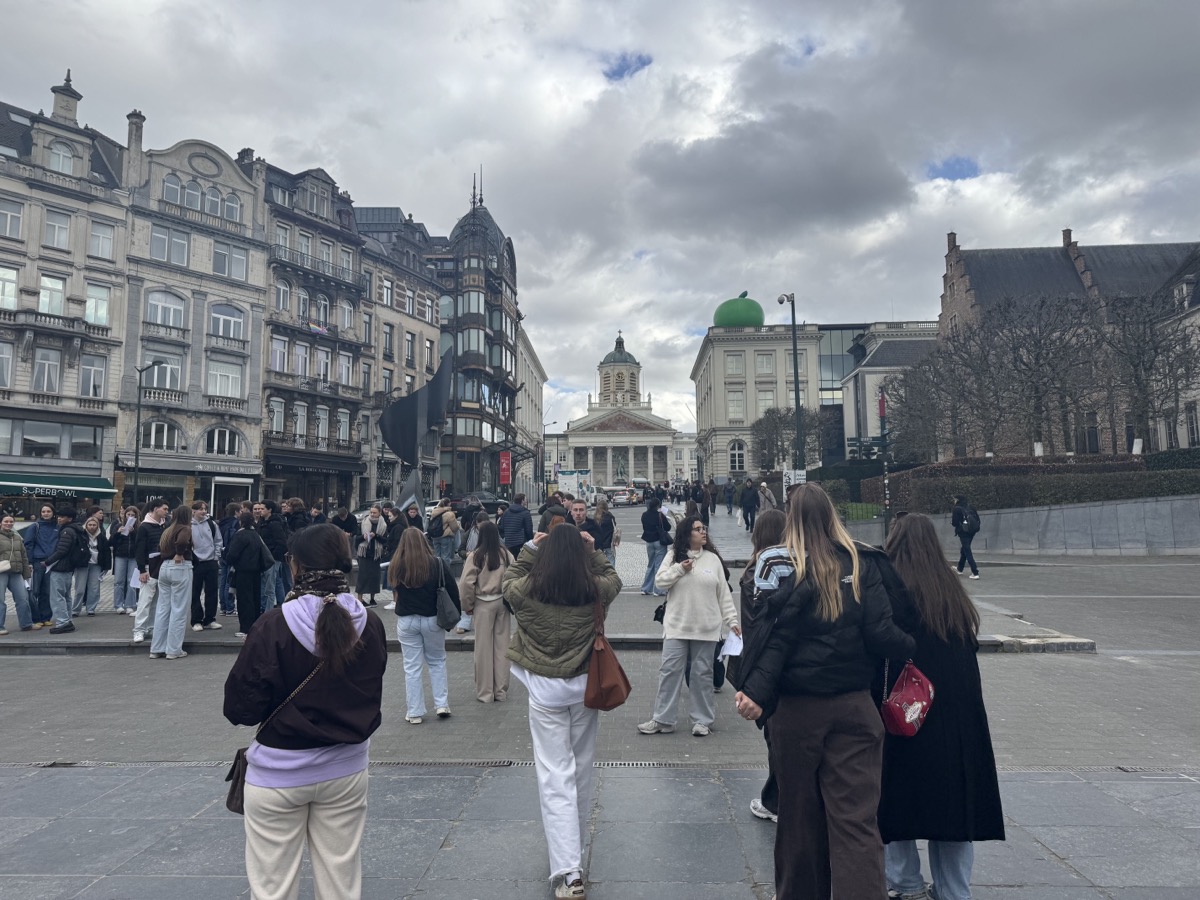
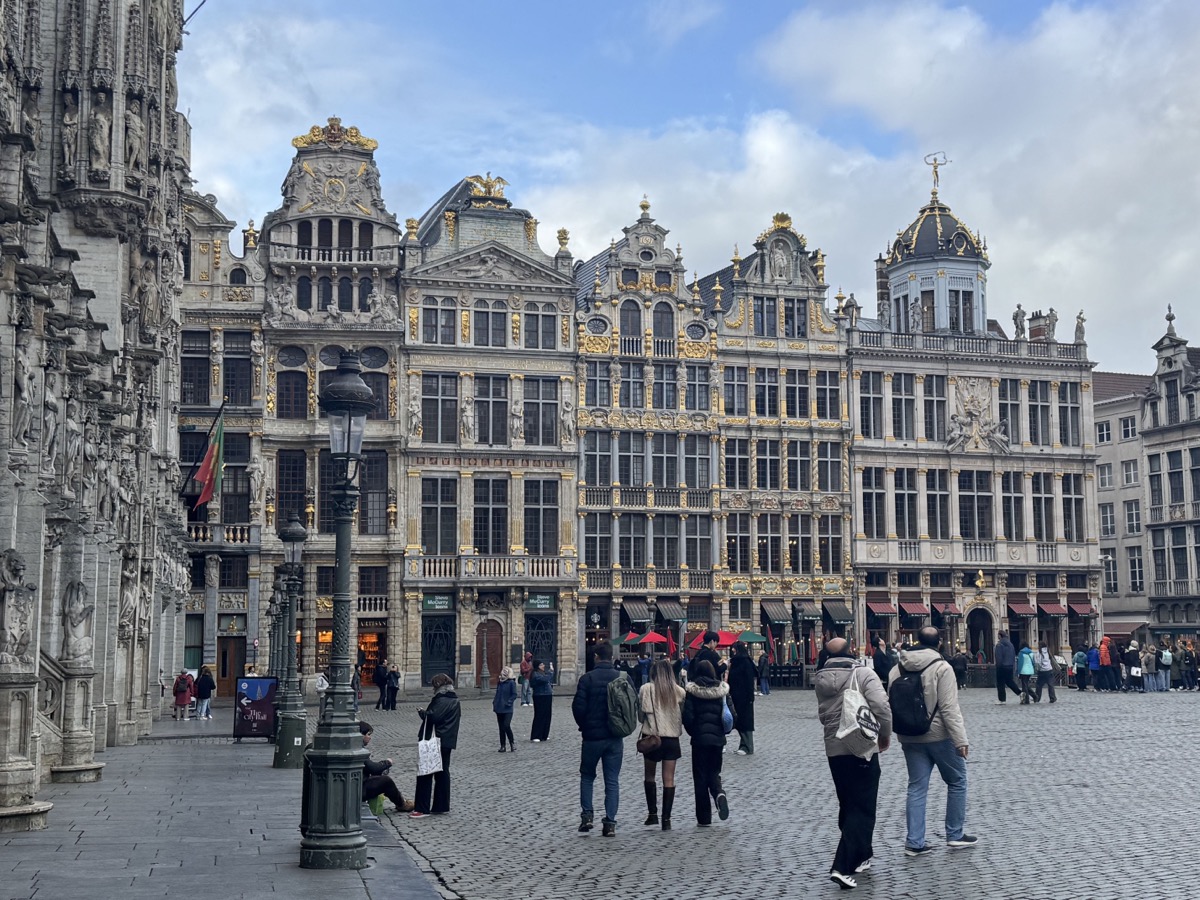
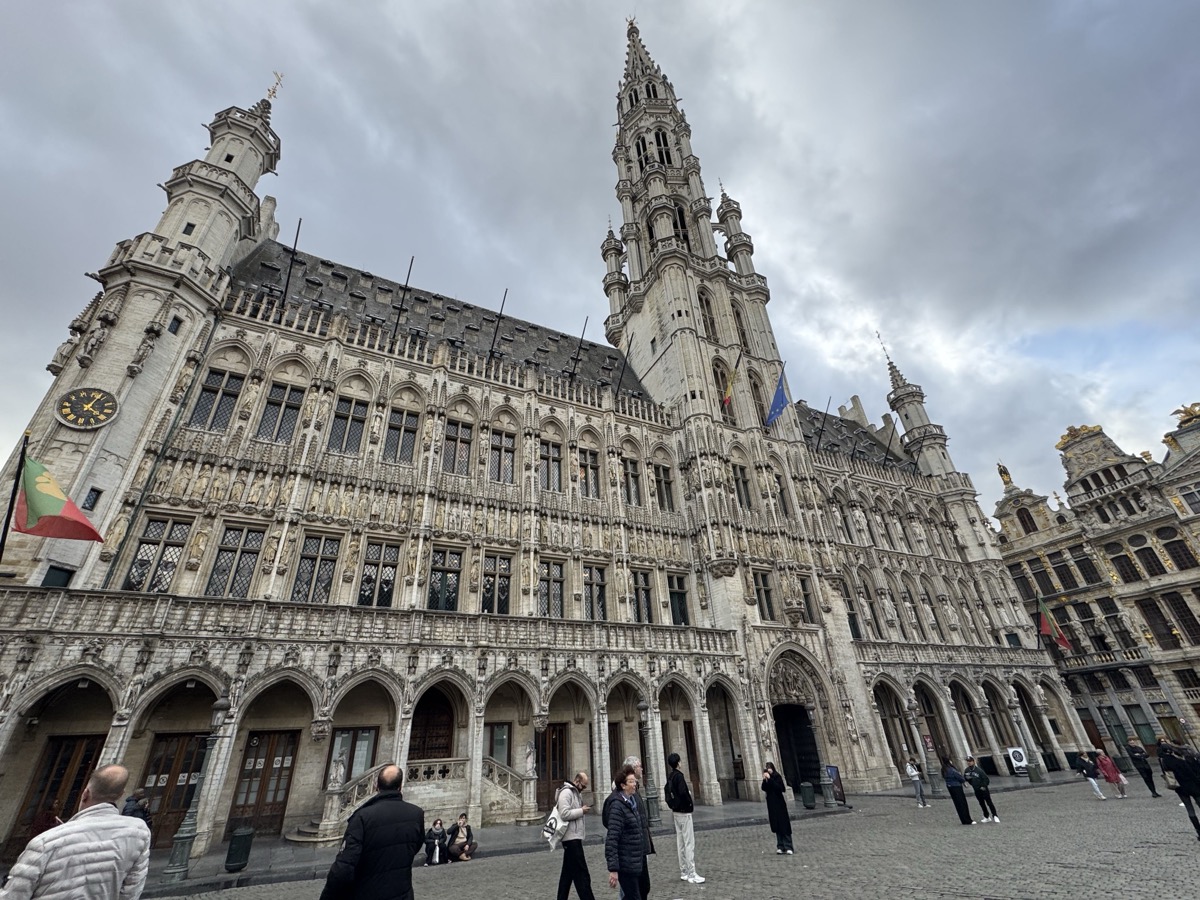
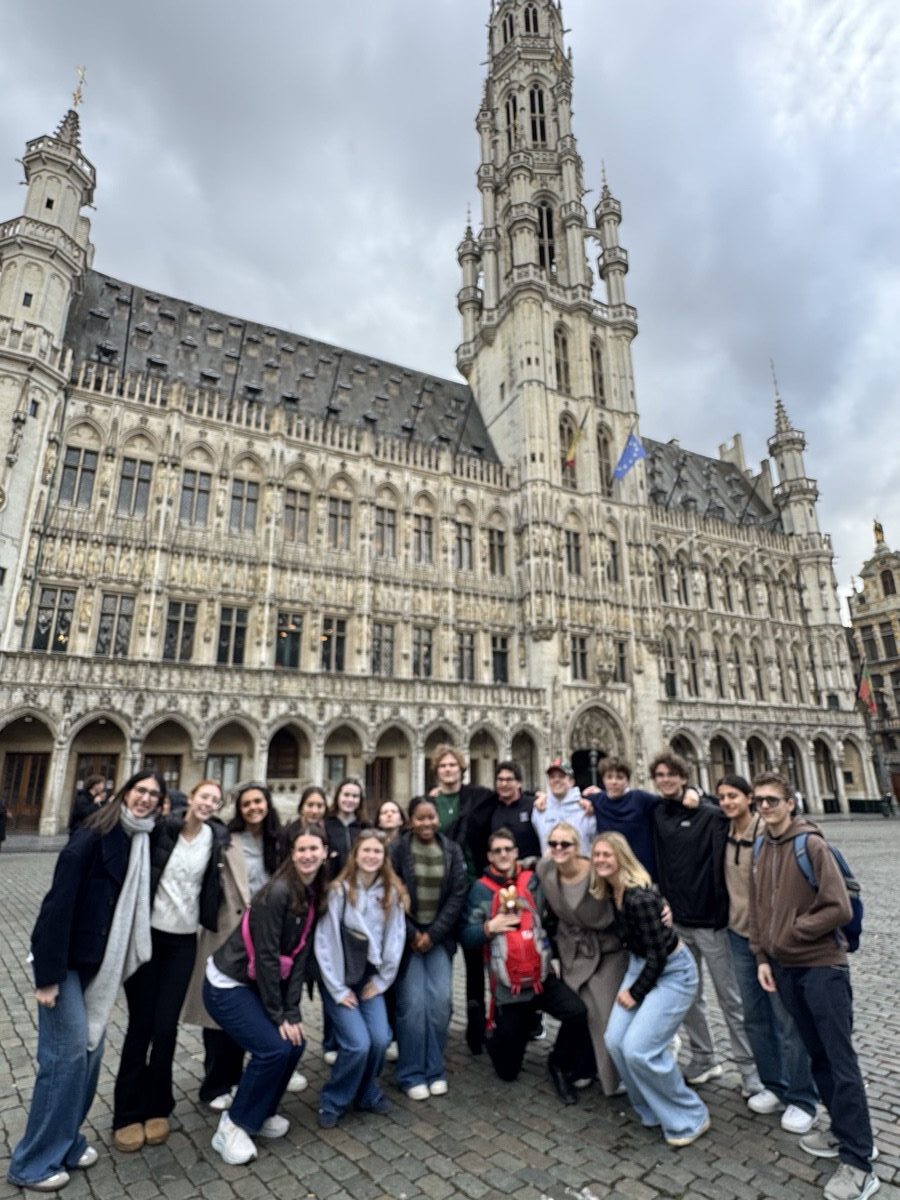
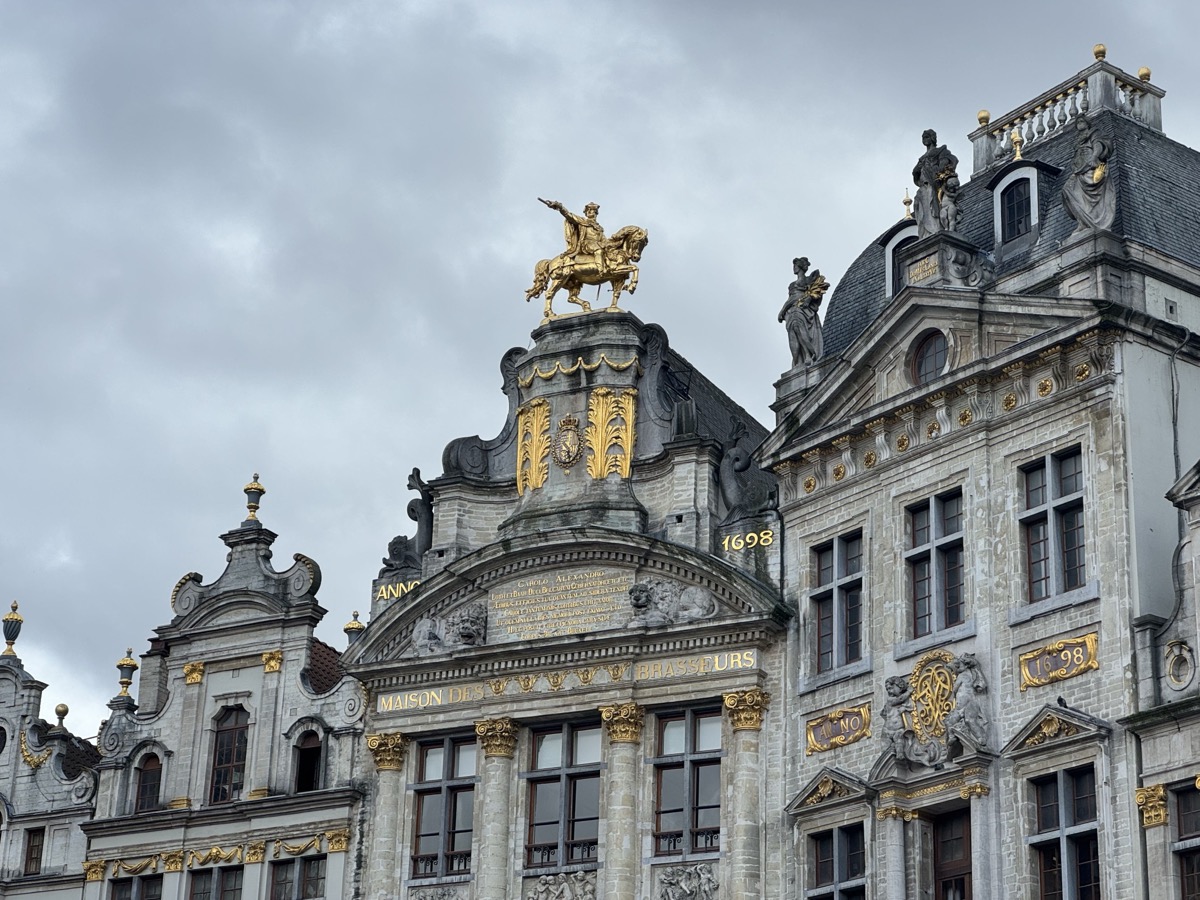
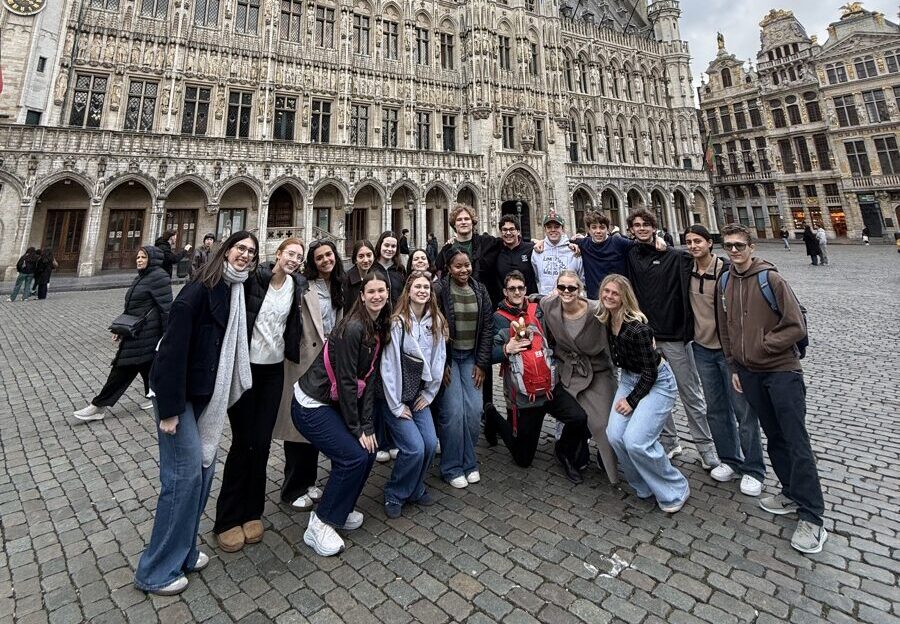
Stepping beyond the tourist’s view, students connected with a local to explore the city’s neighborhoods and learned how Belgium became the center of the European Union. They met with local European government parties and offices to learn how the EU operates today. Later, a visit to the Parlamentarium, the EU’s parliament visitor center, offered a chance to engage with the EU’s concepts and ideals.
Ghent & Ypres
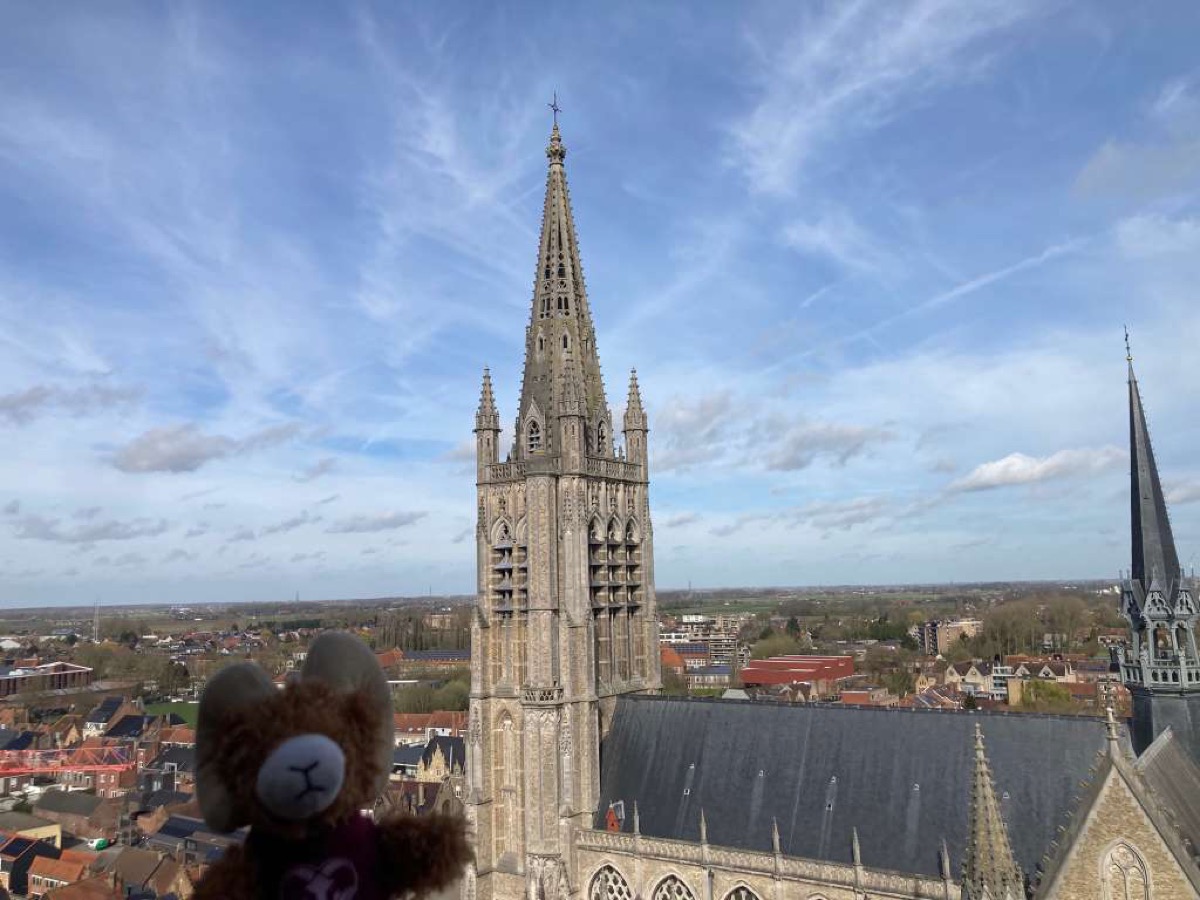
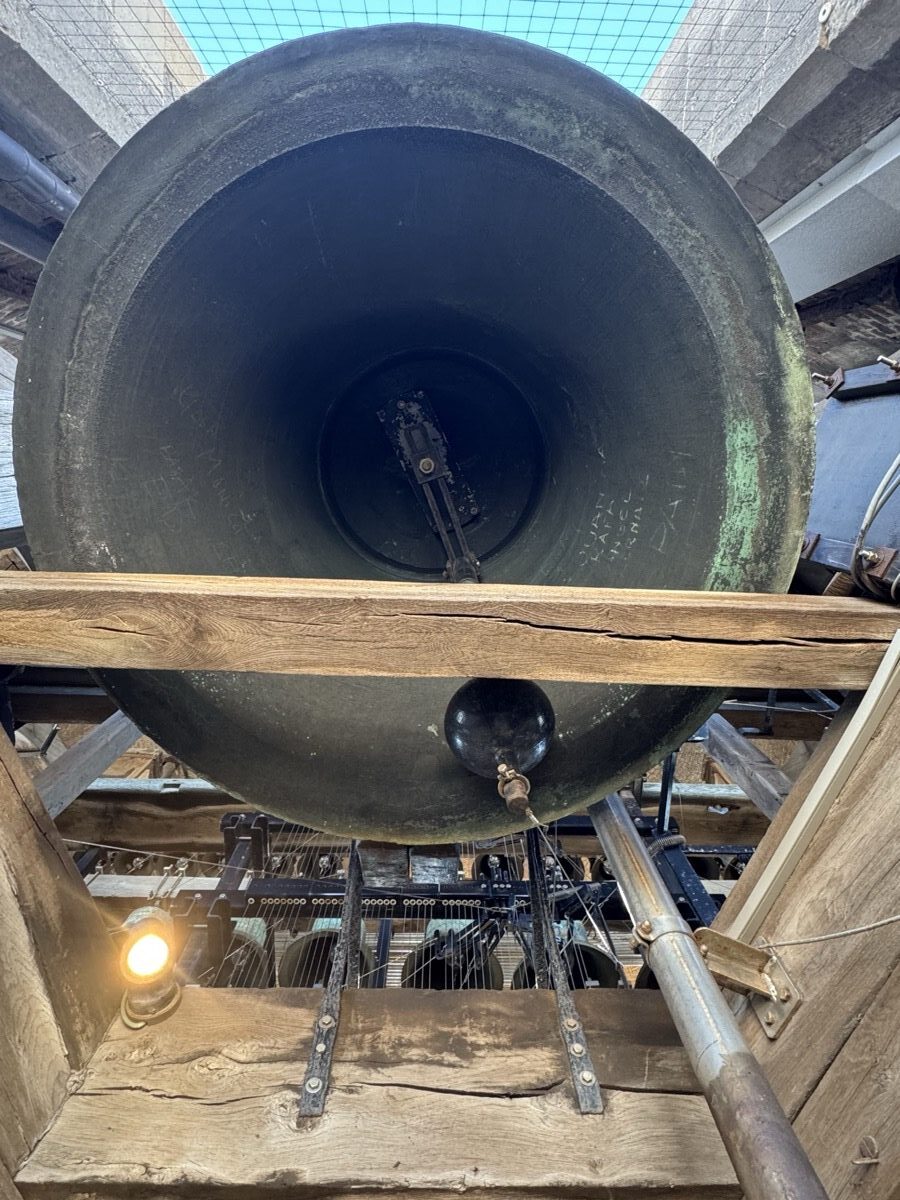
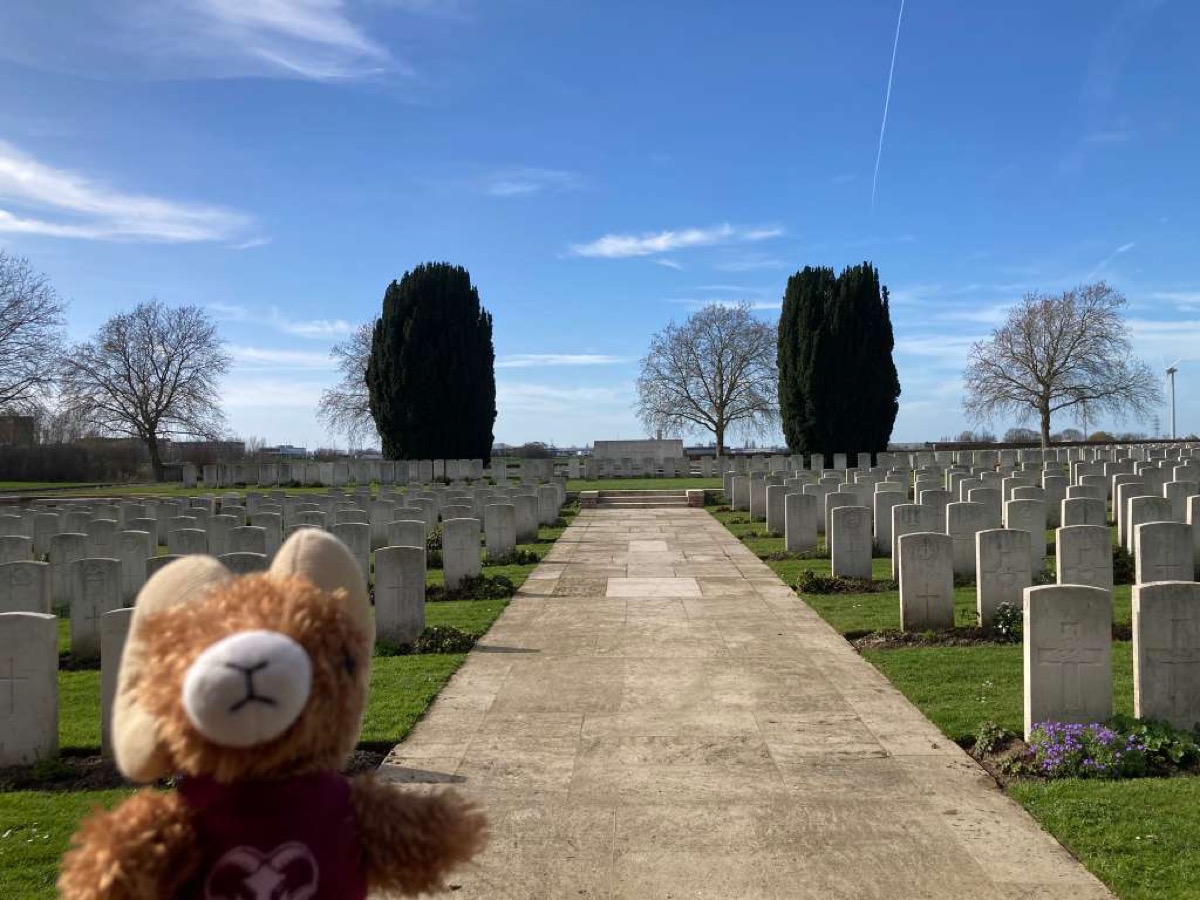
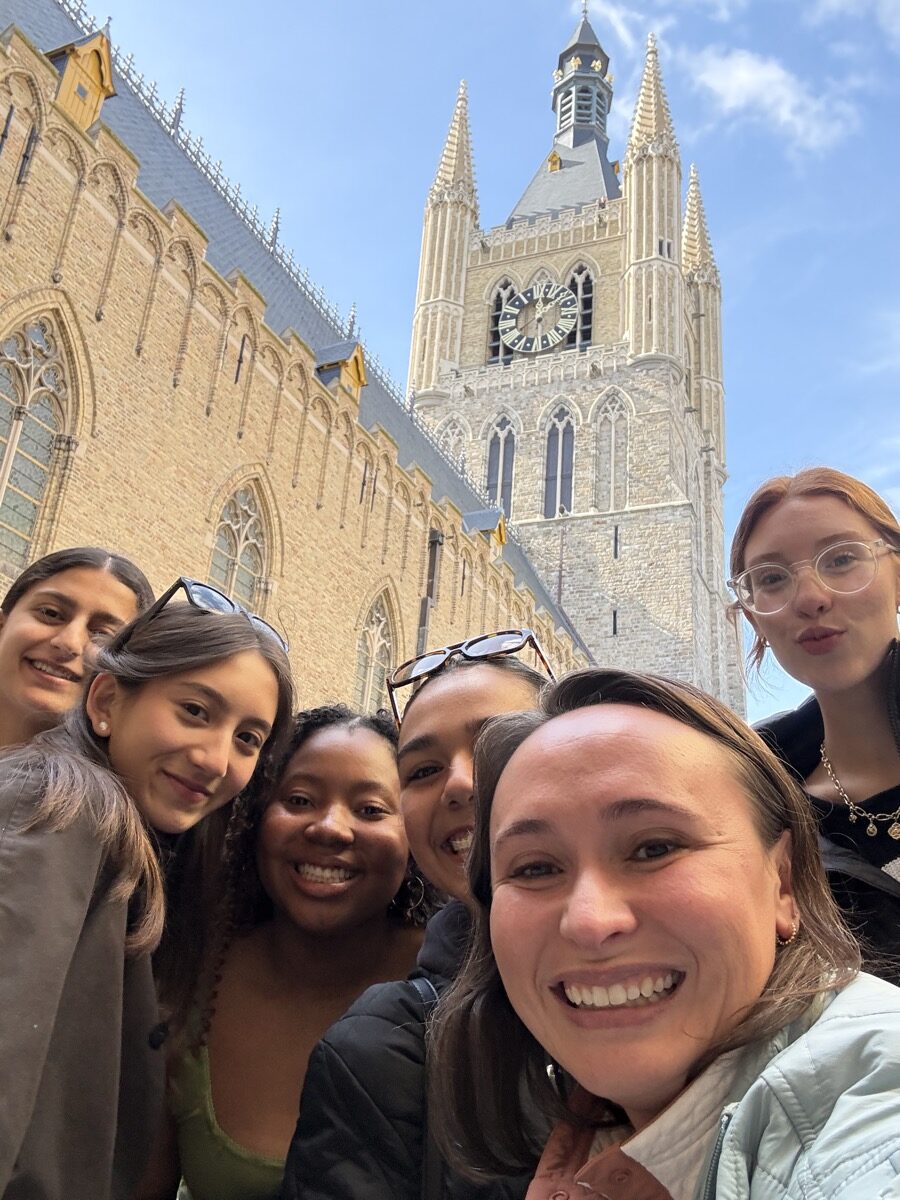
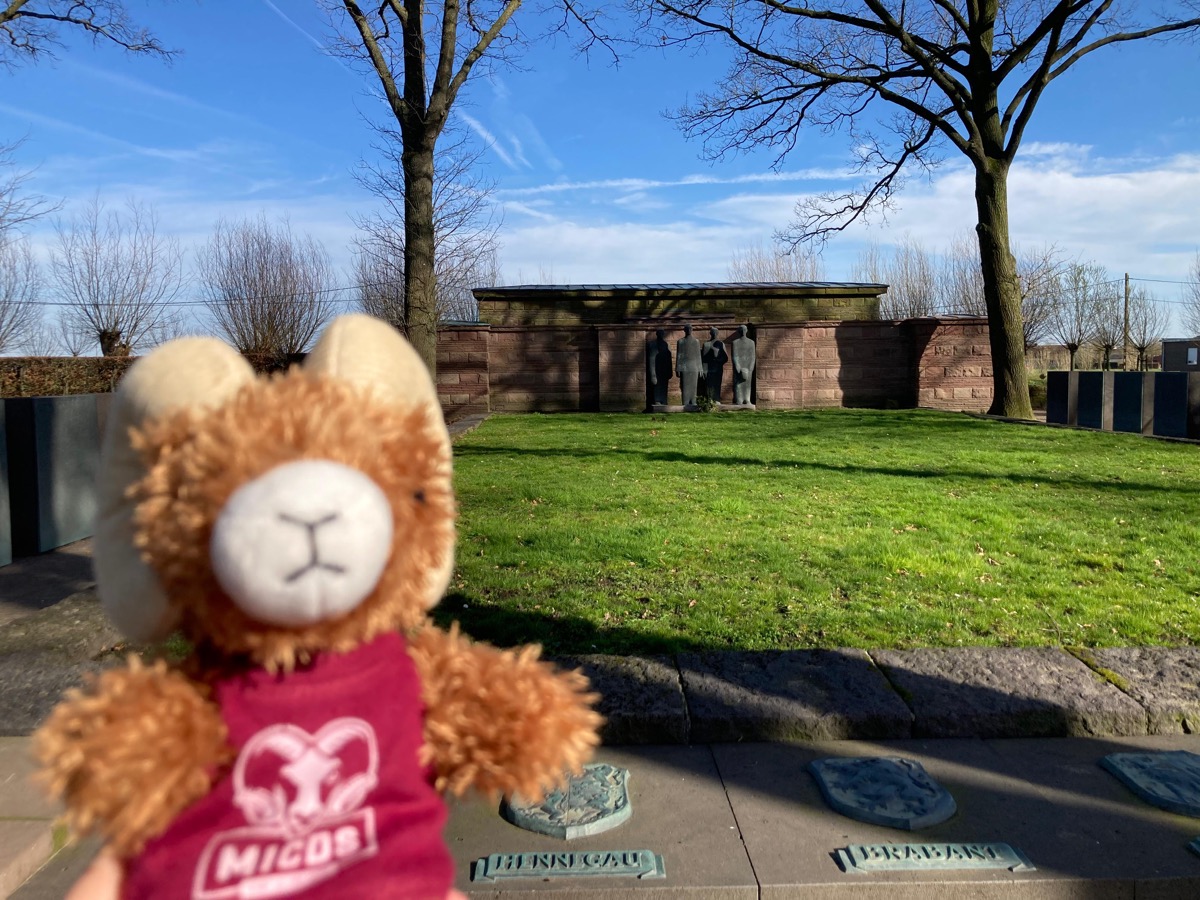
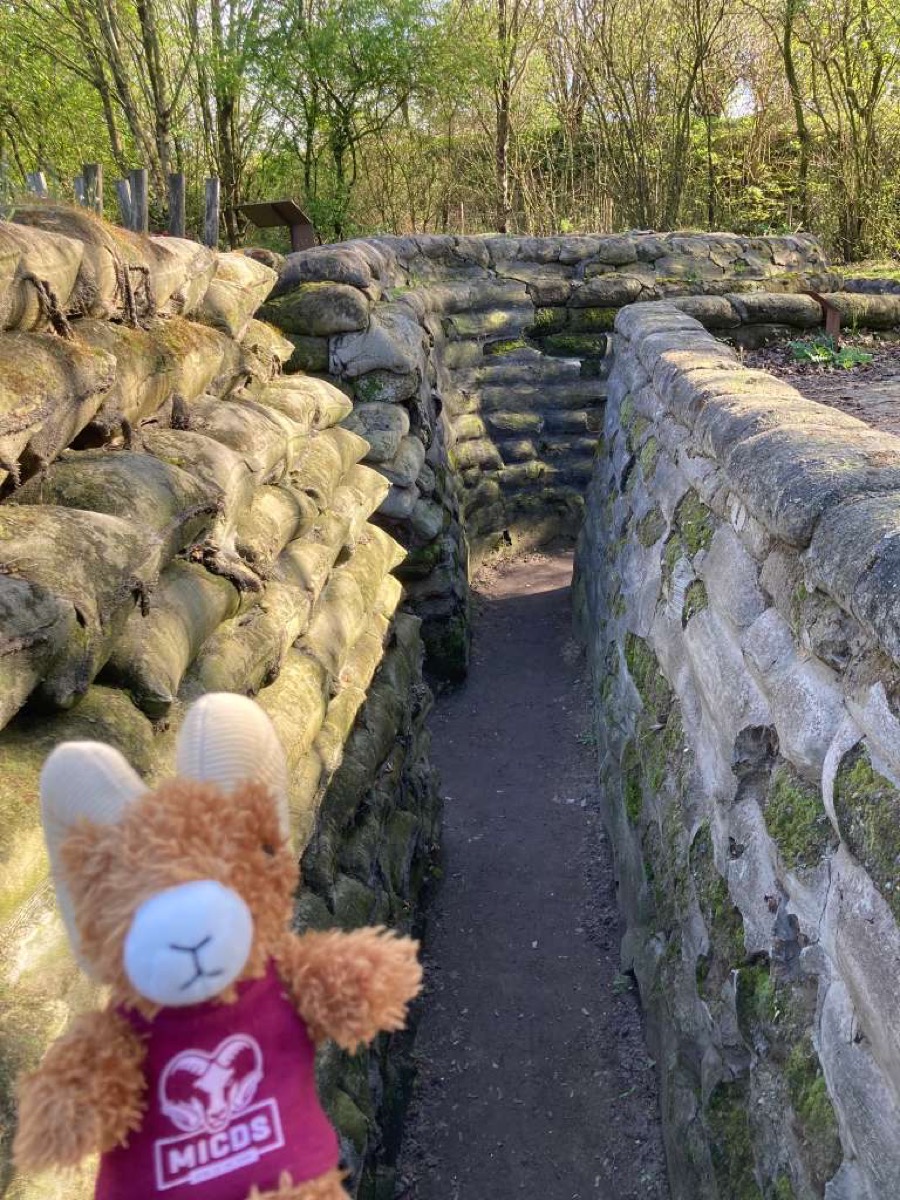
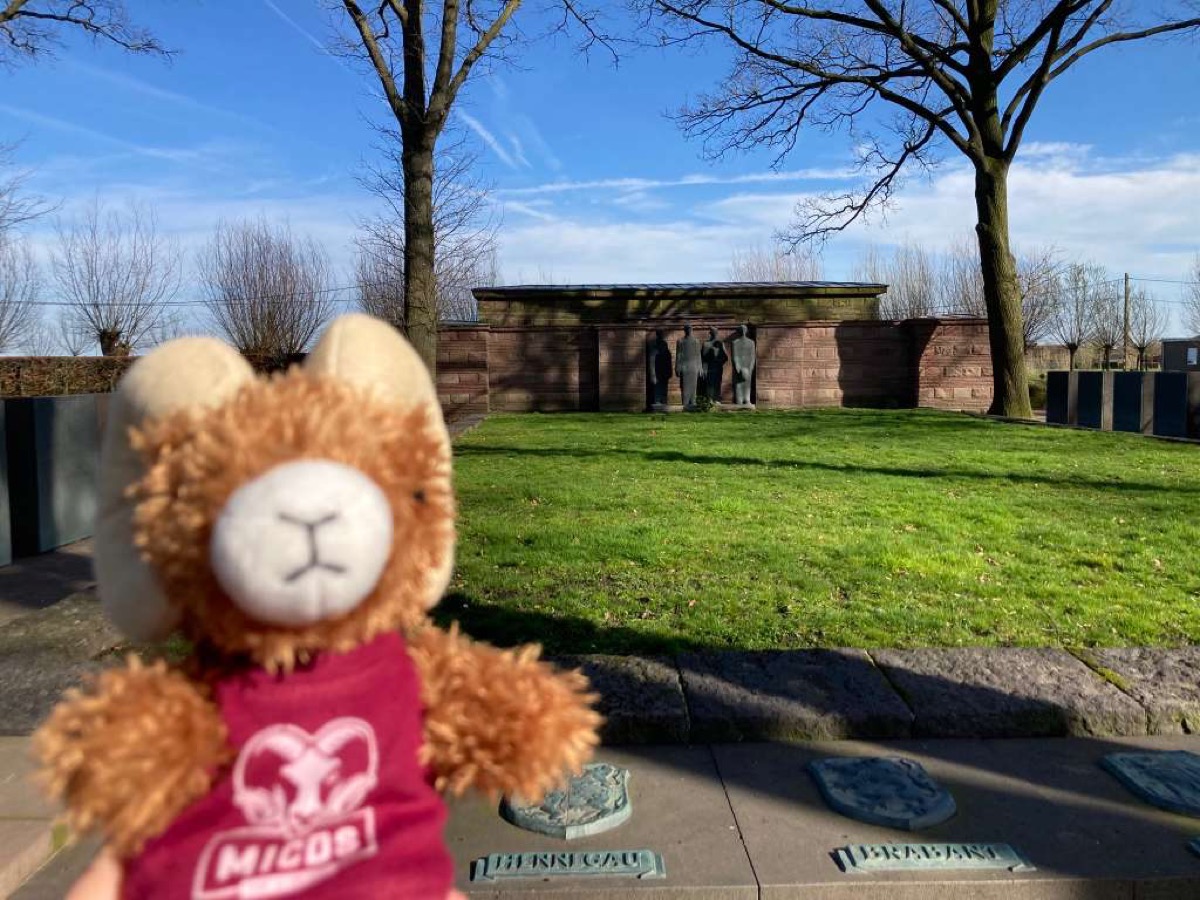
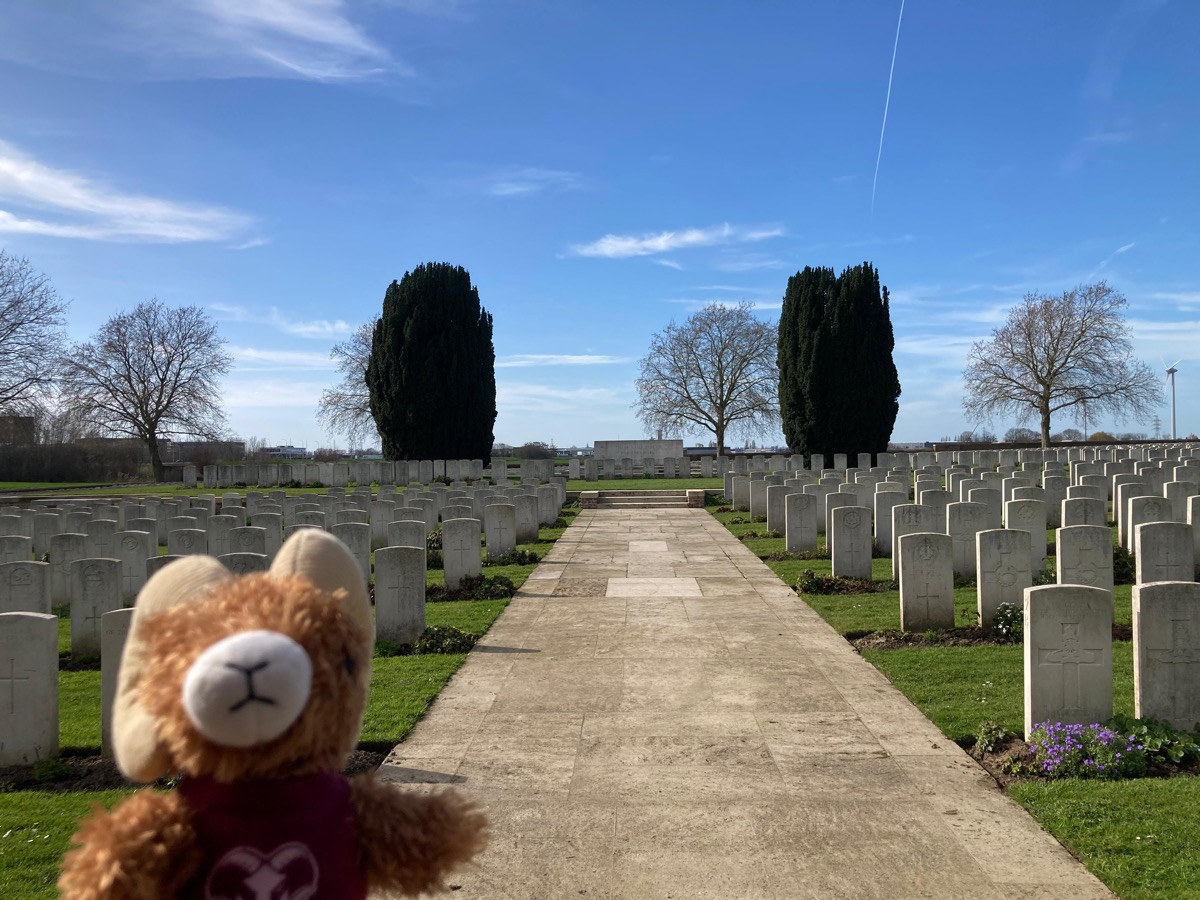
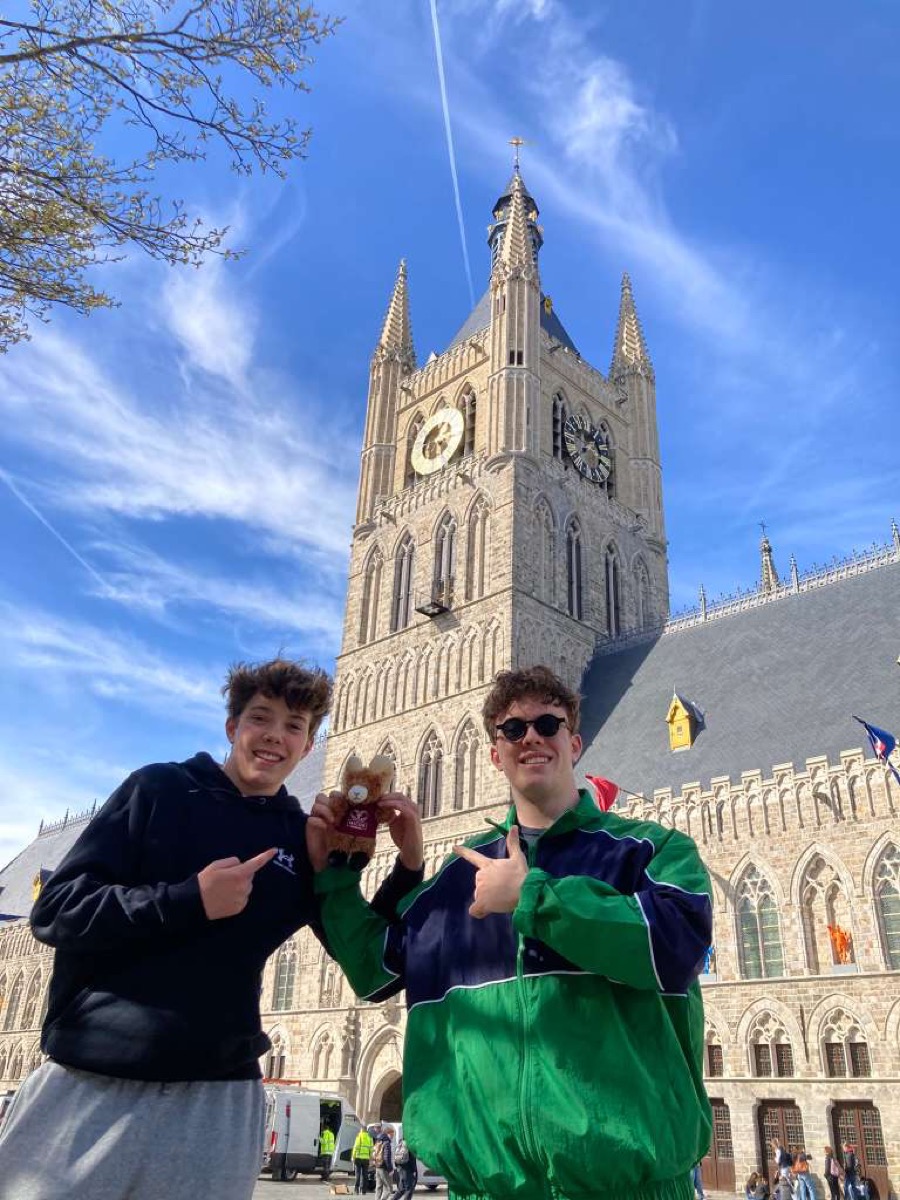
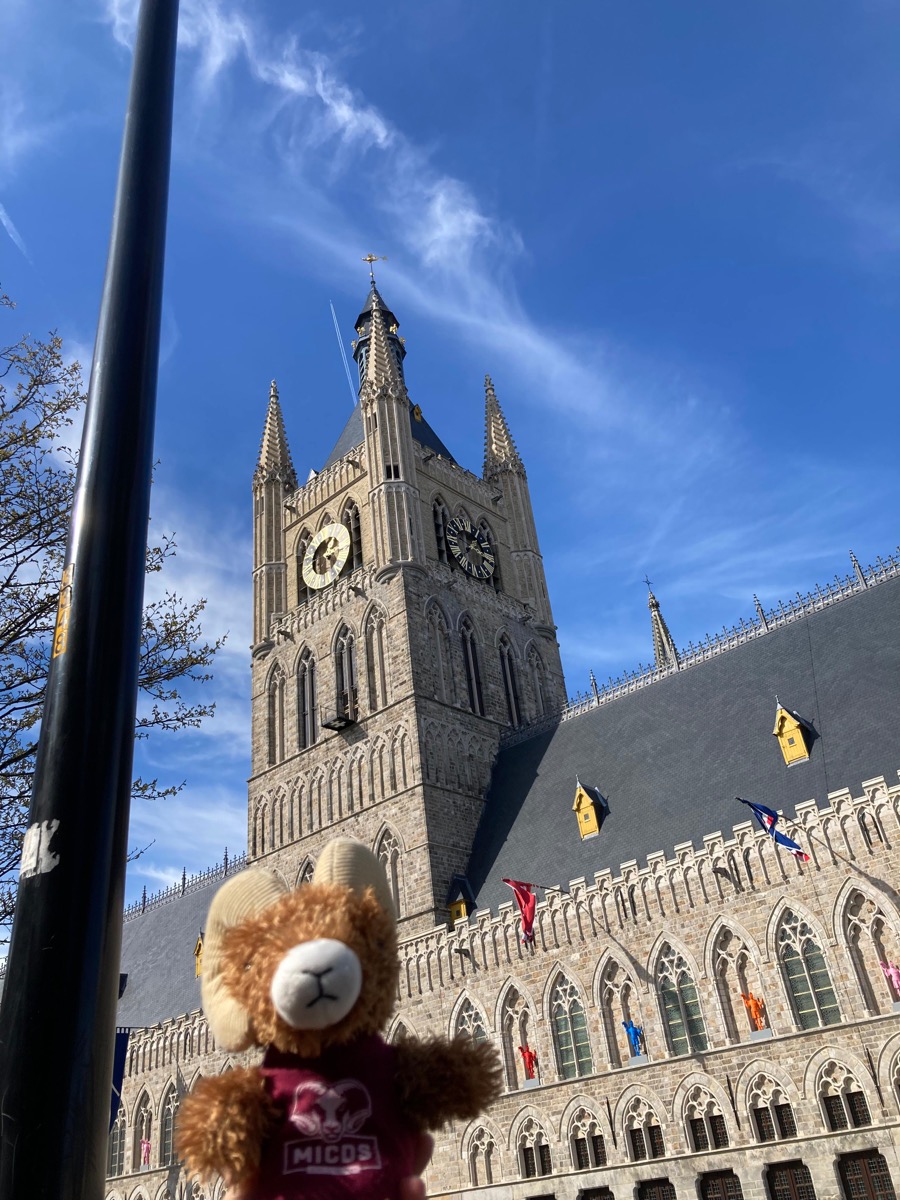
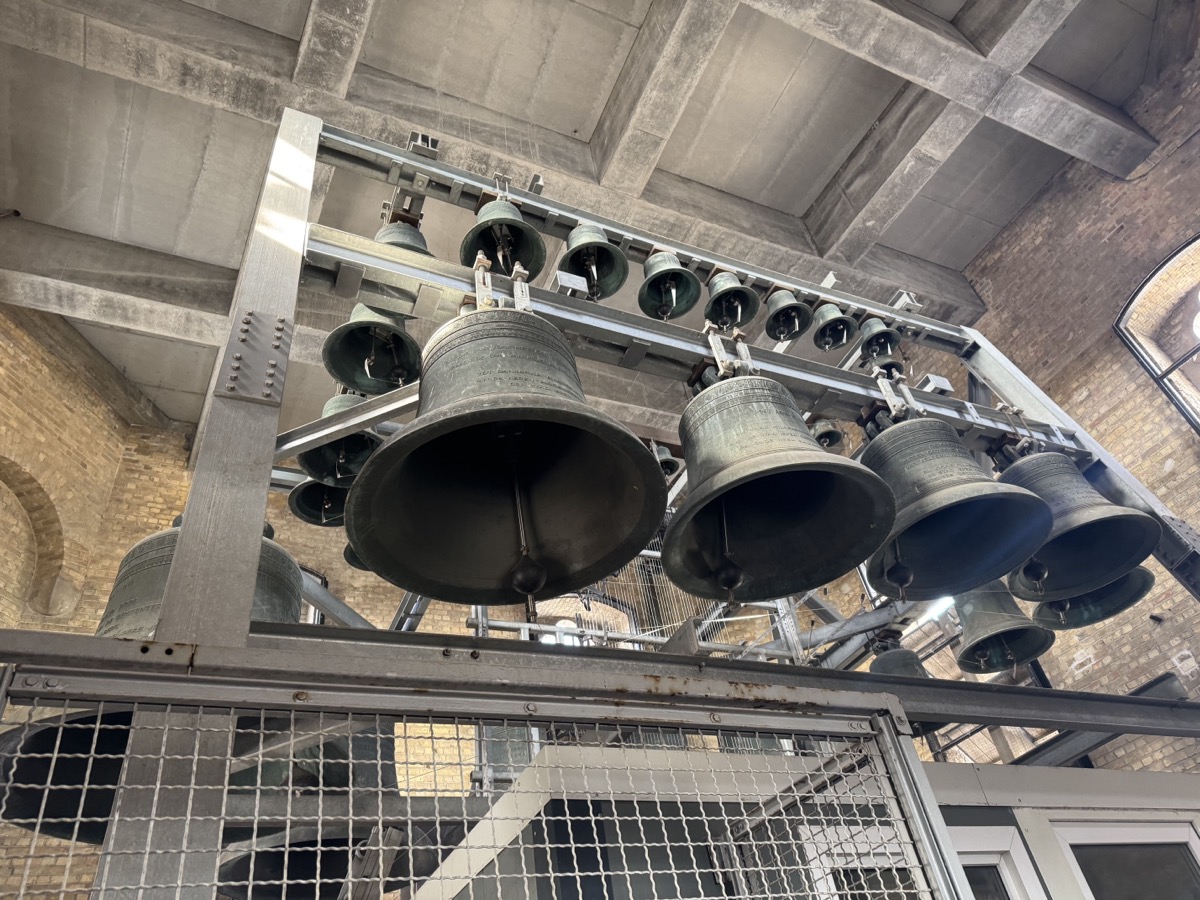
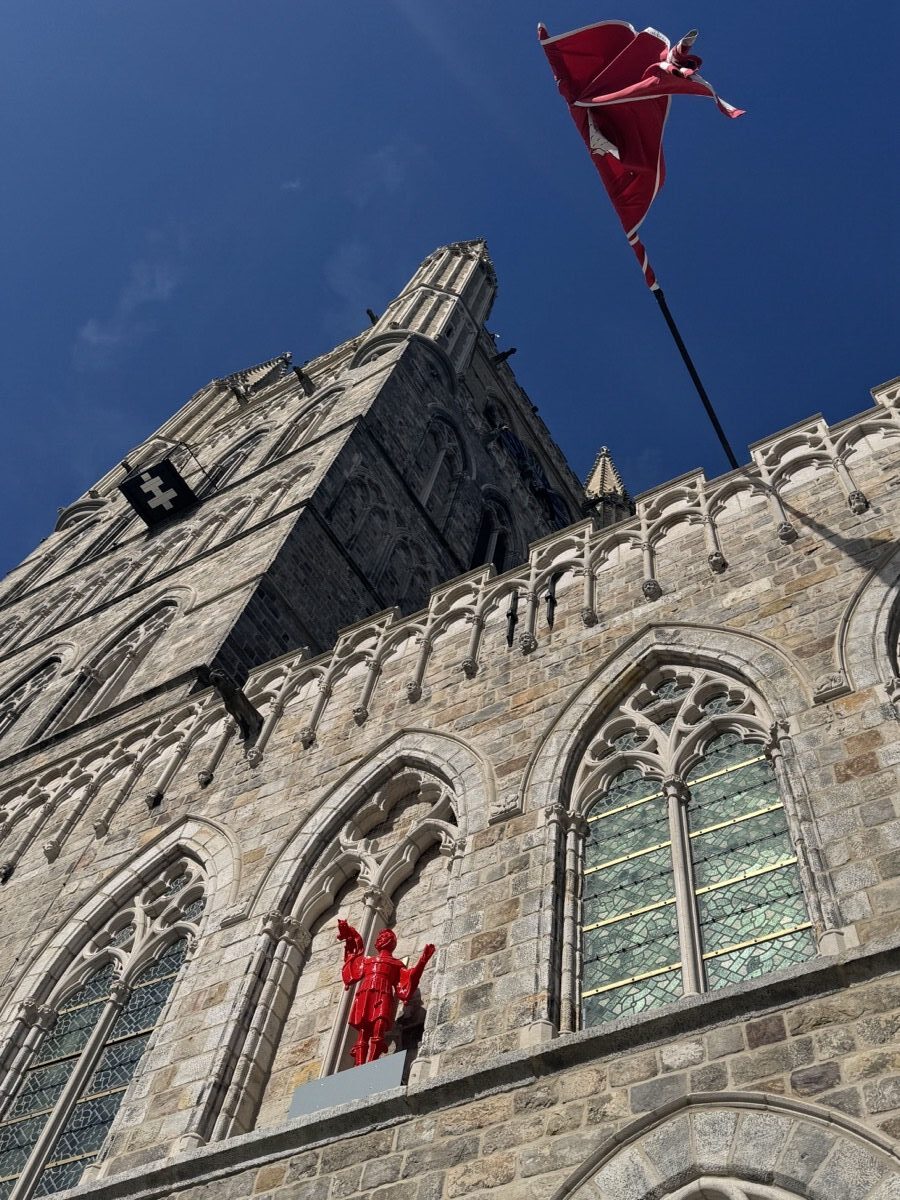
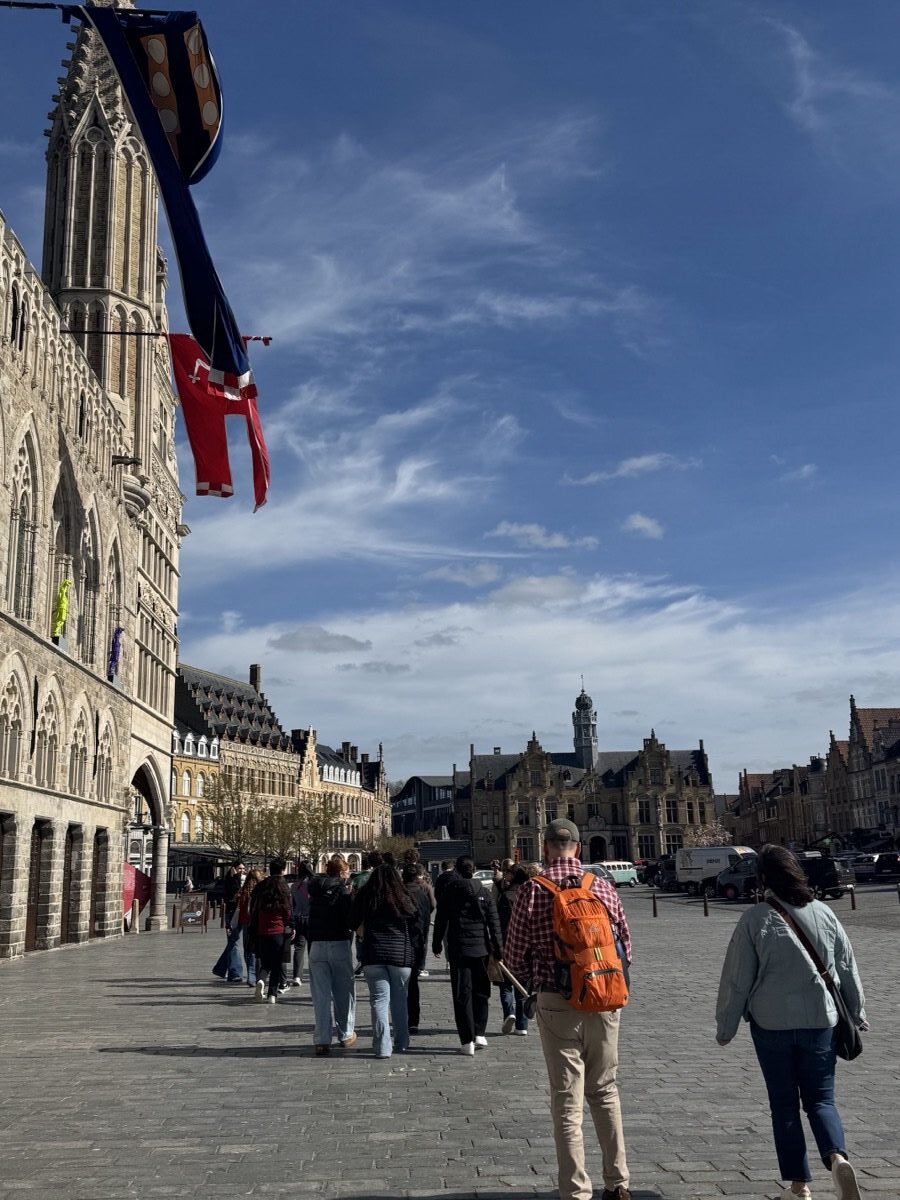
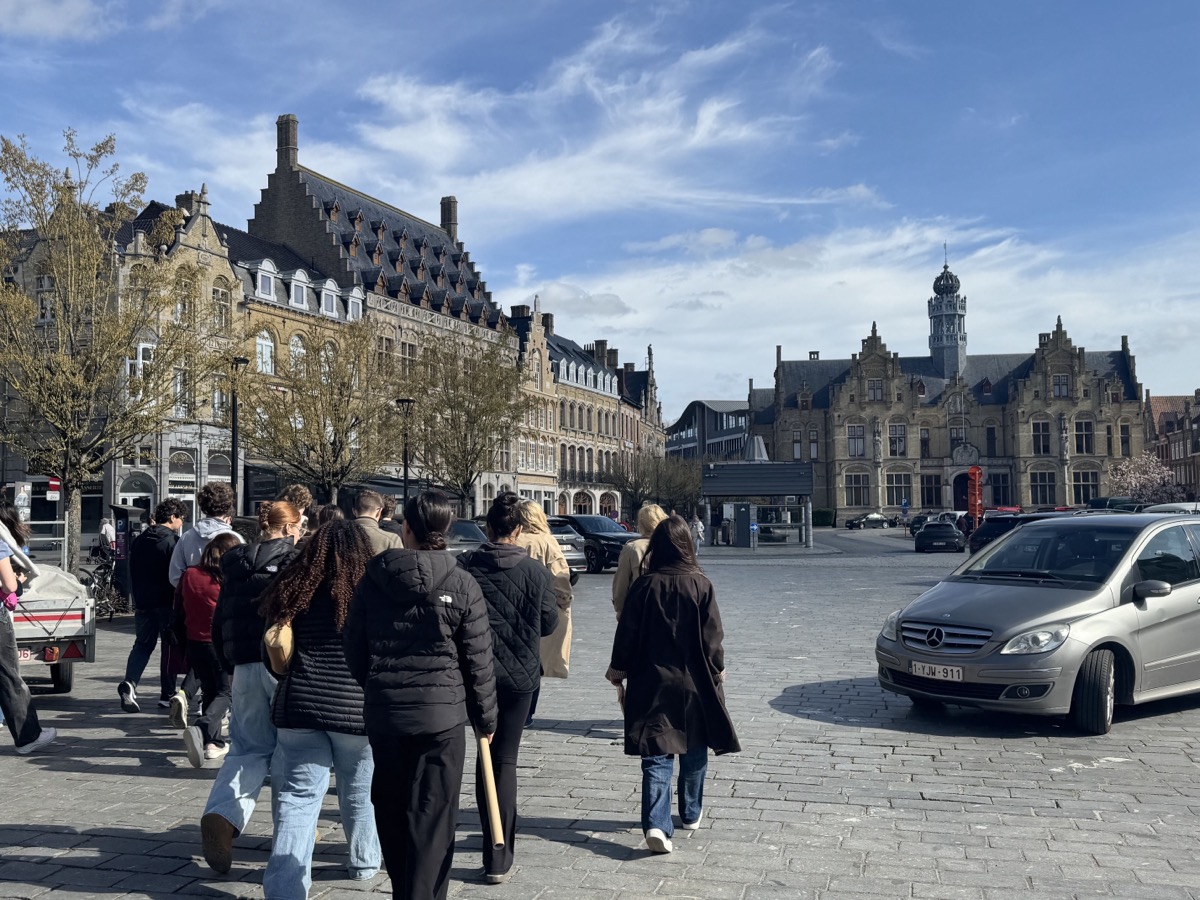
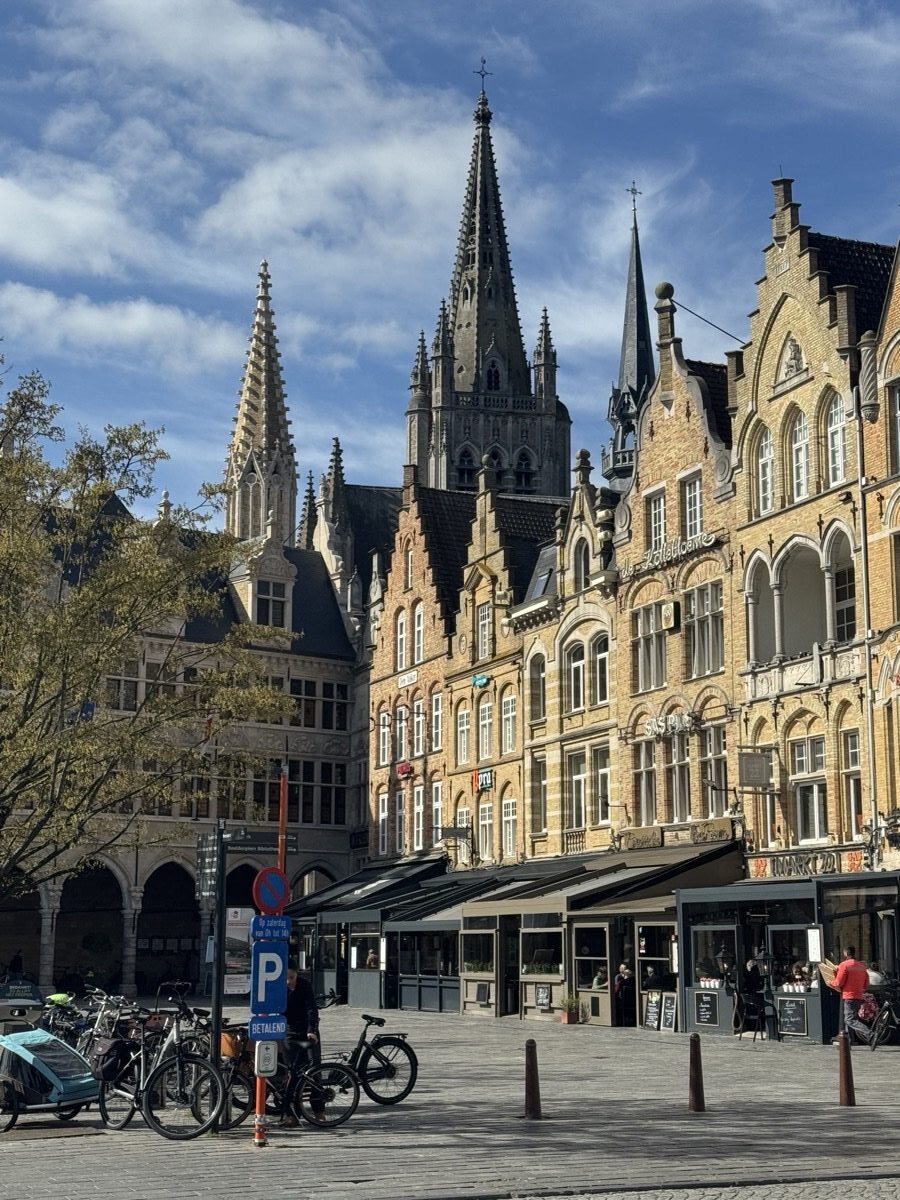
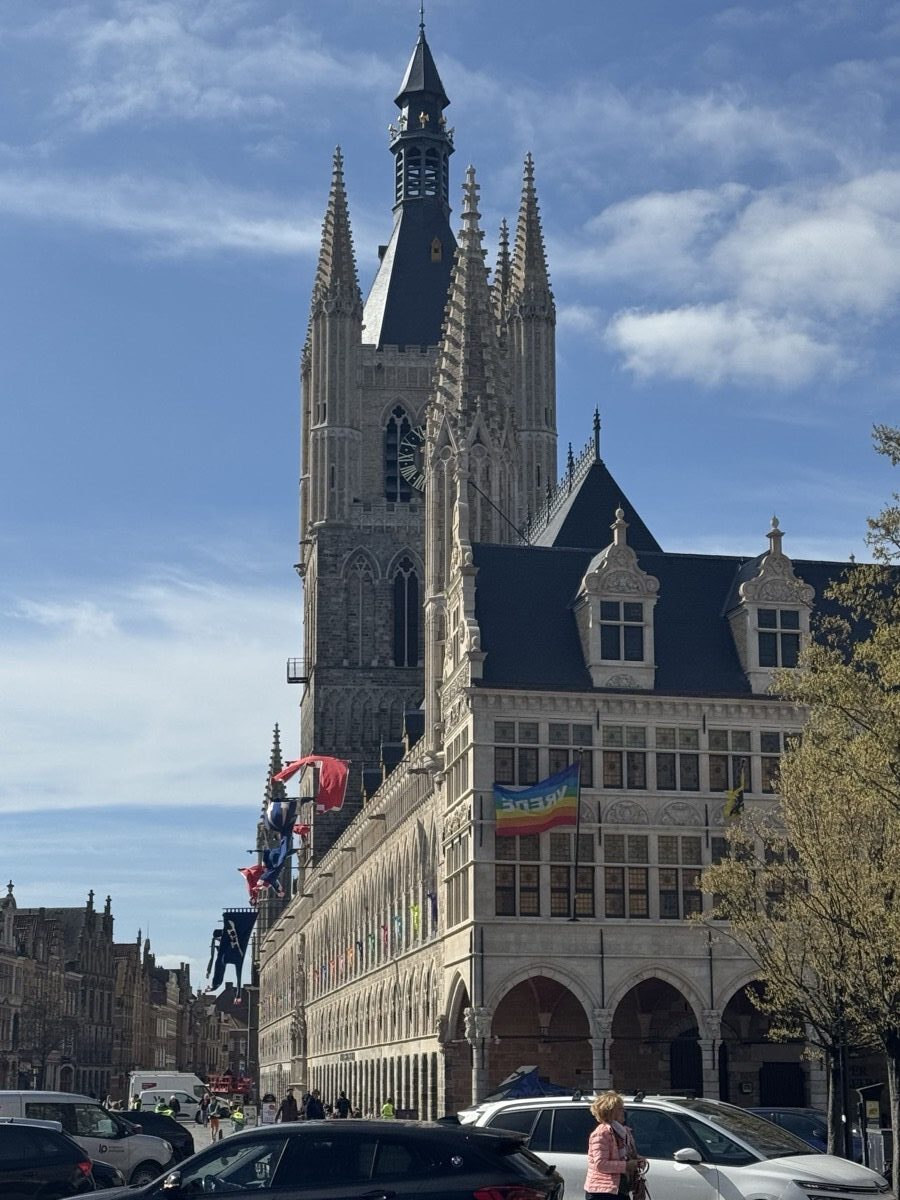
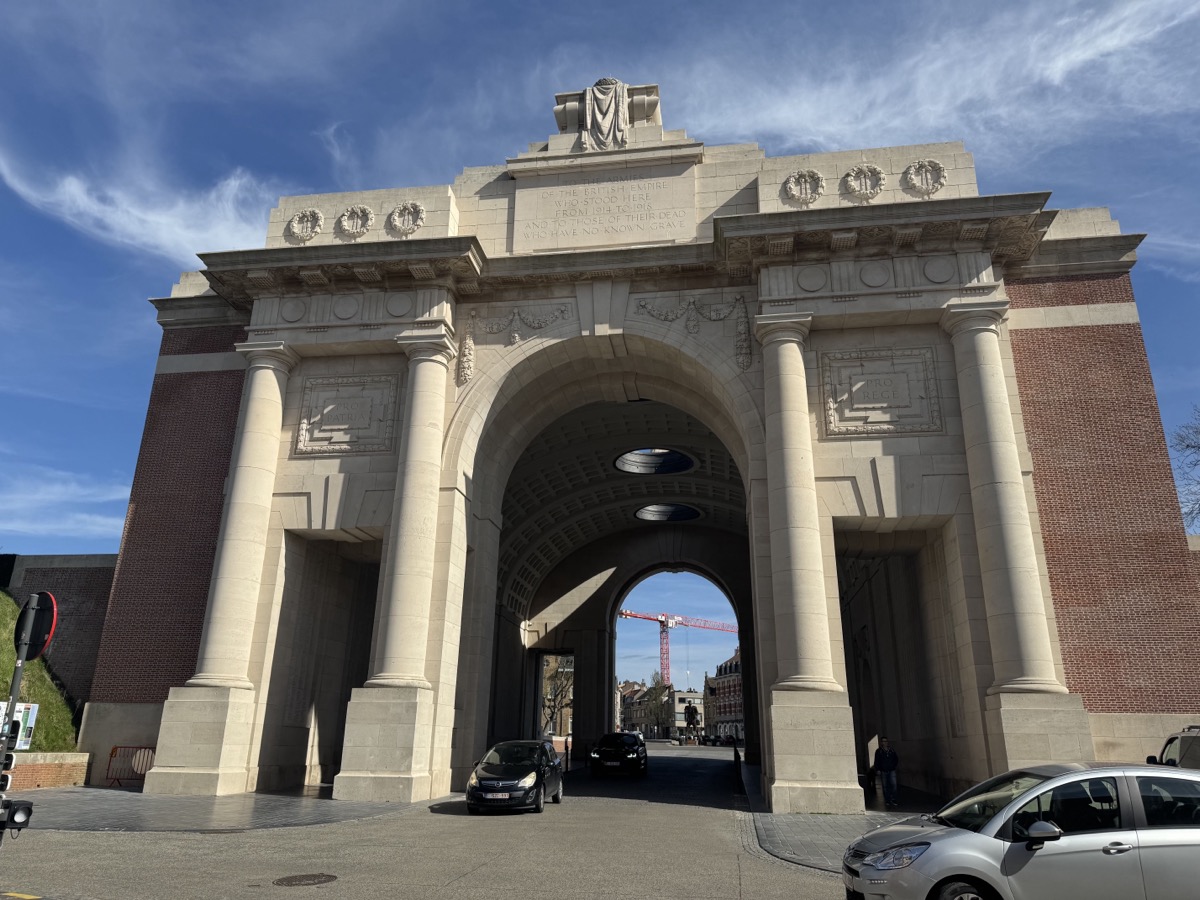
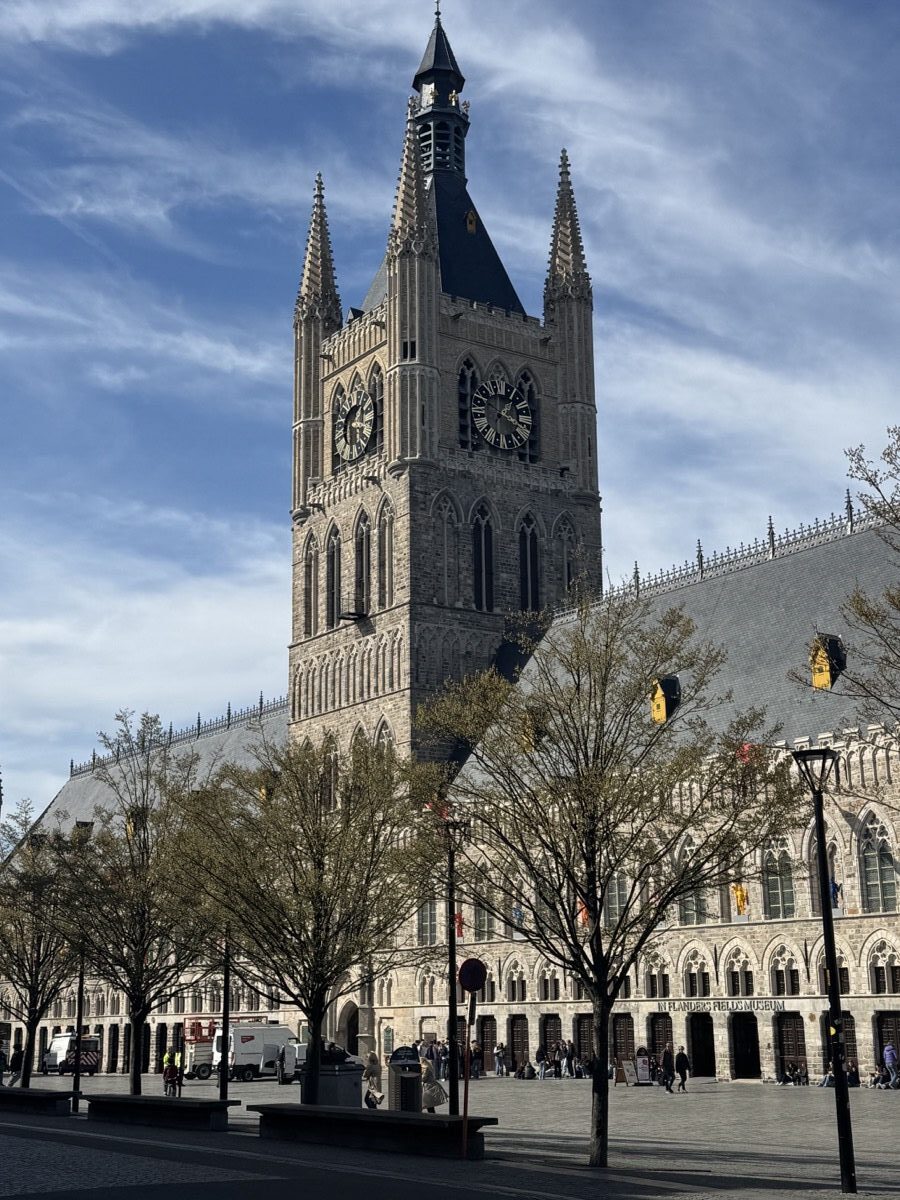
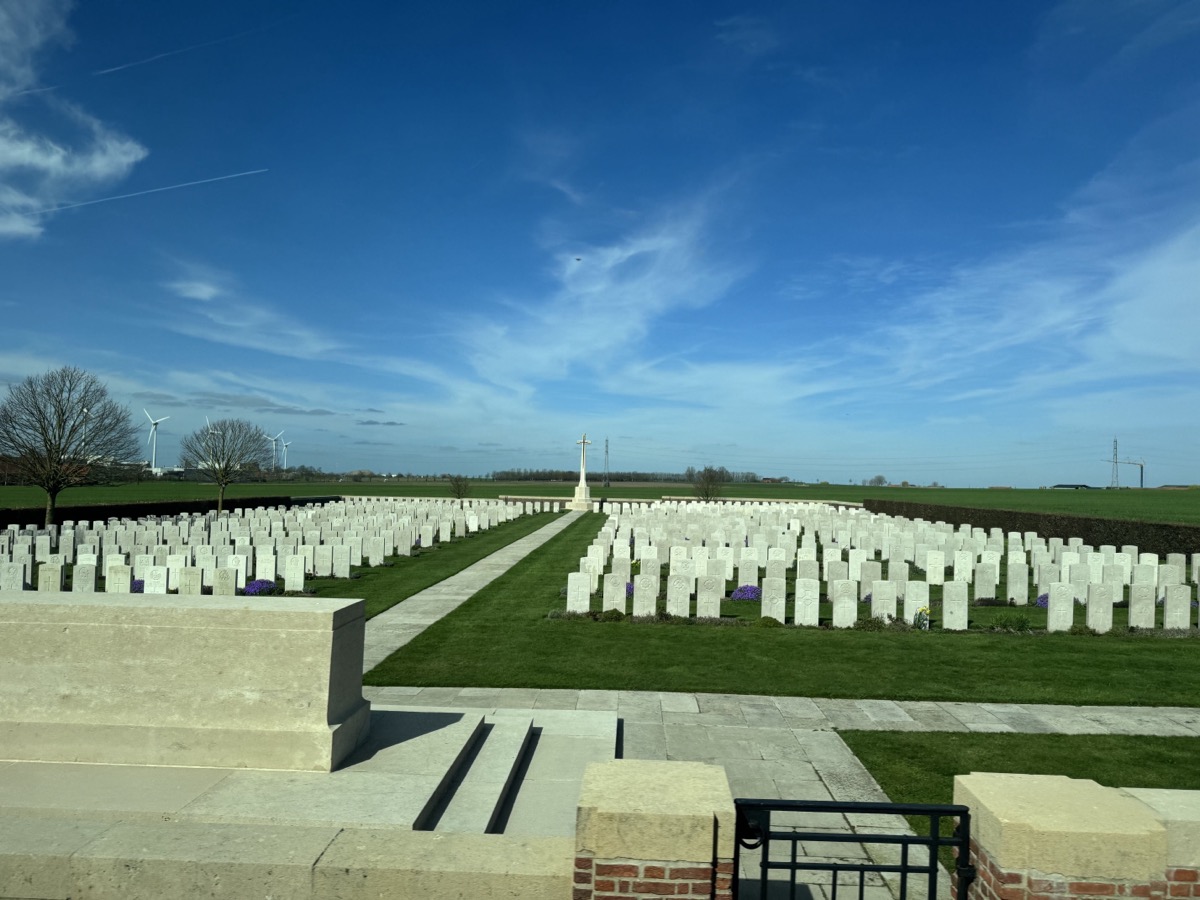
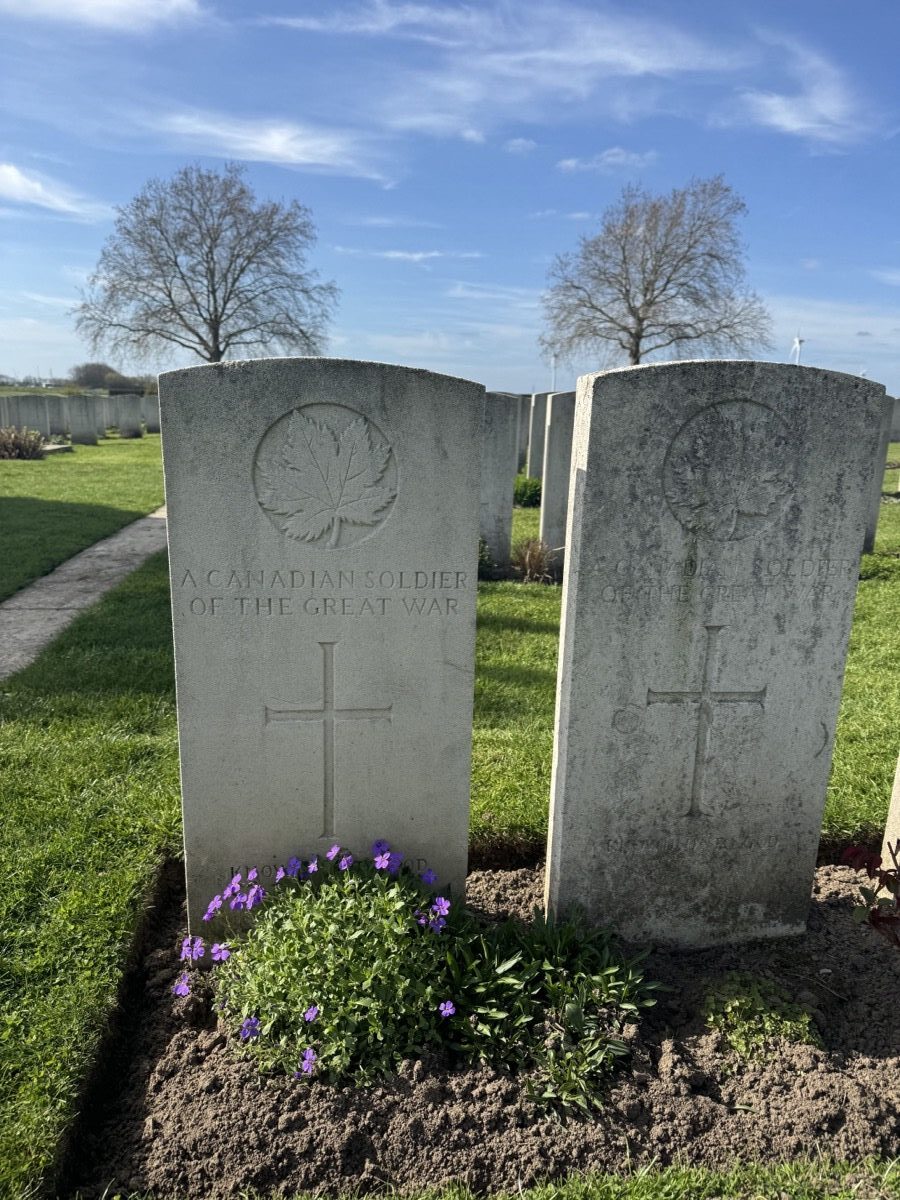
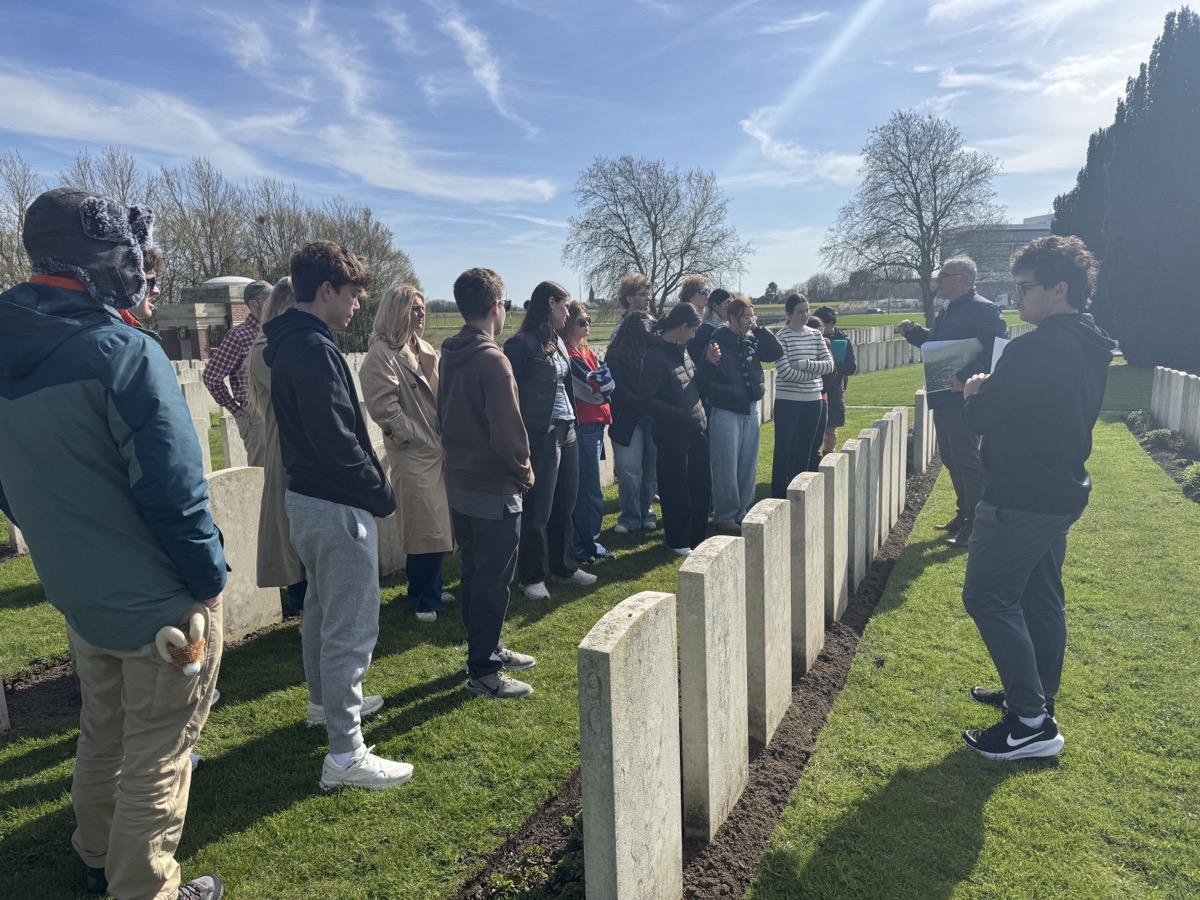
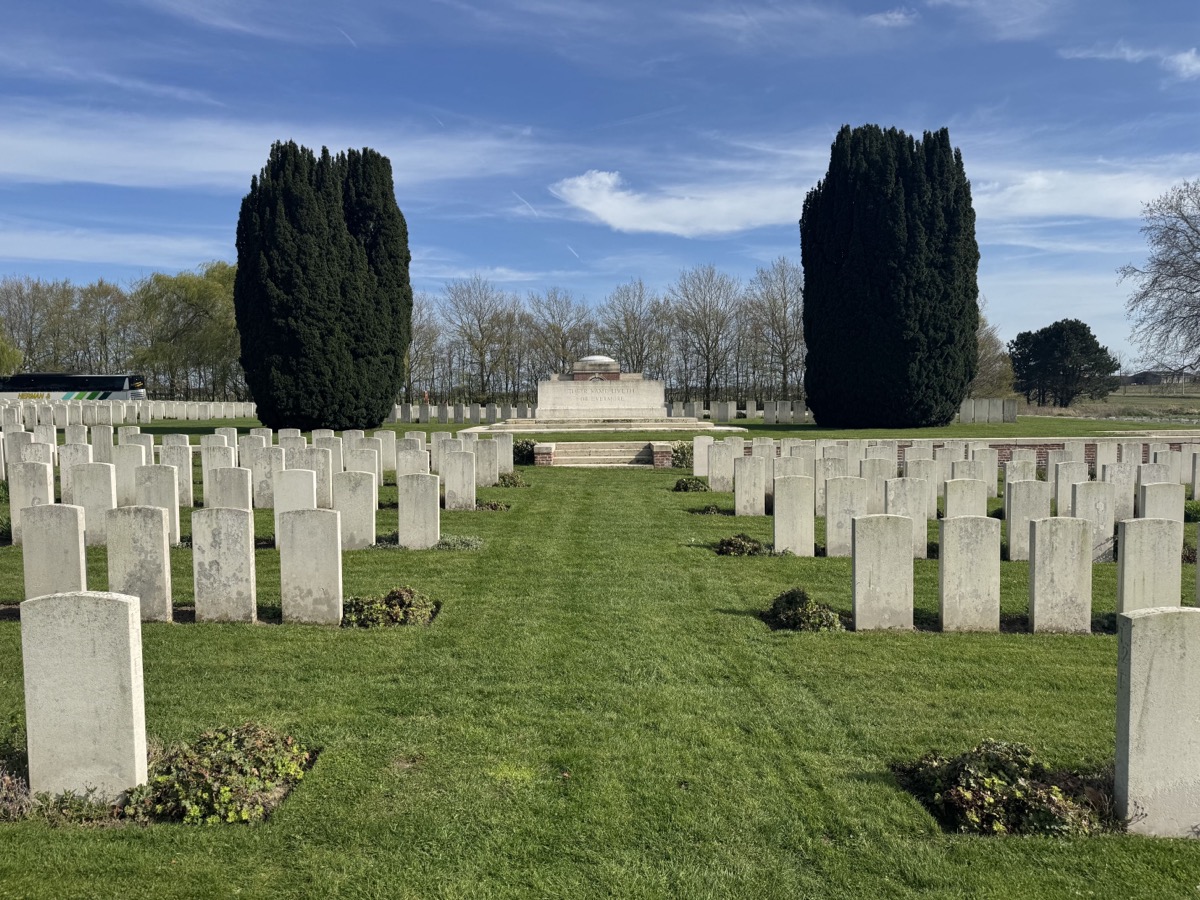
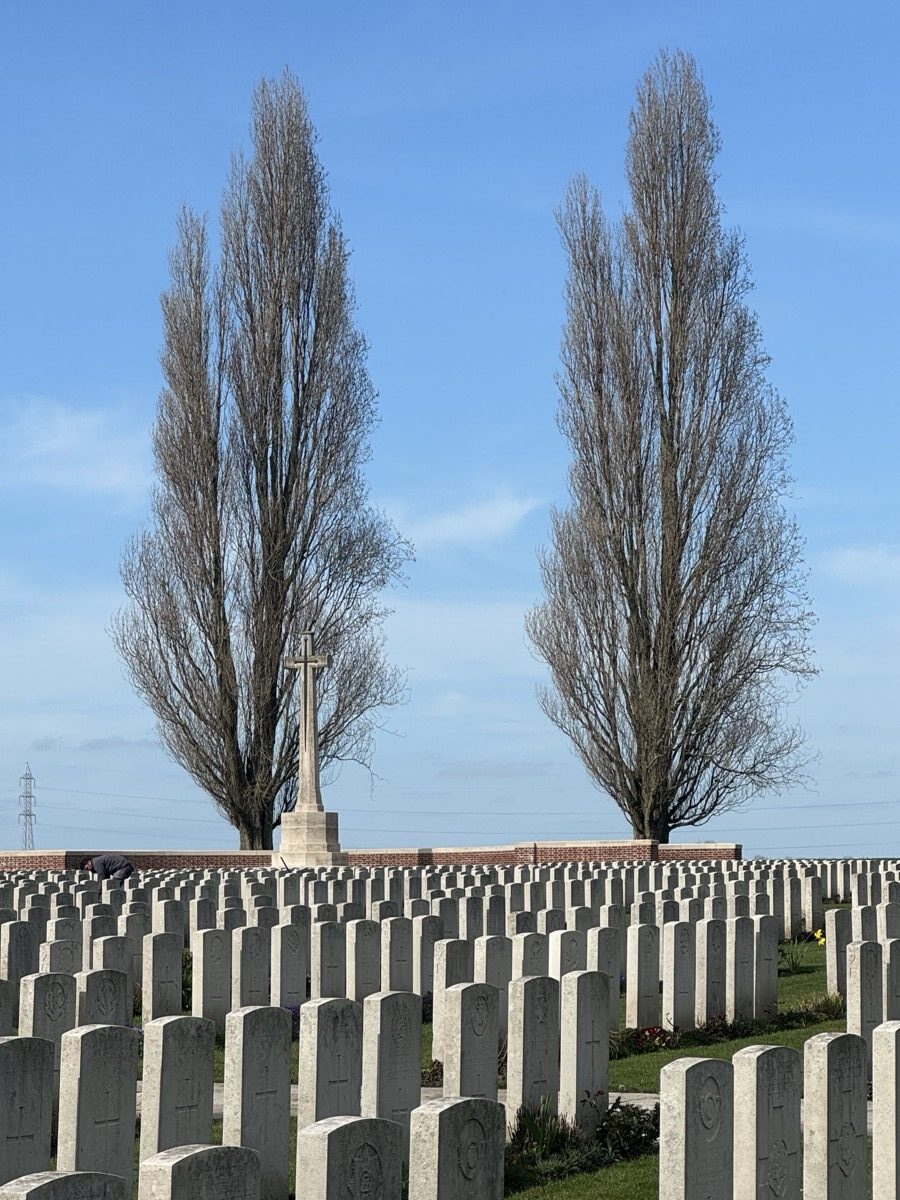
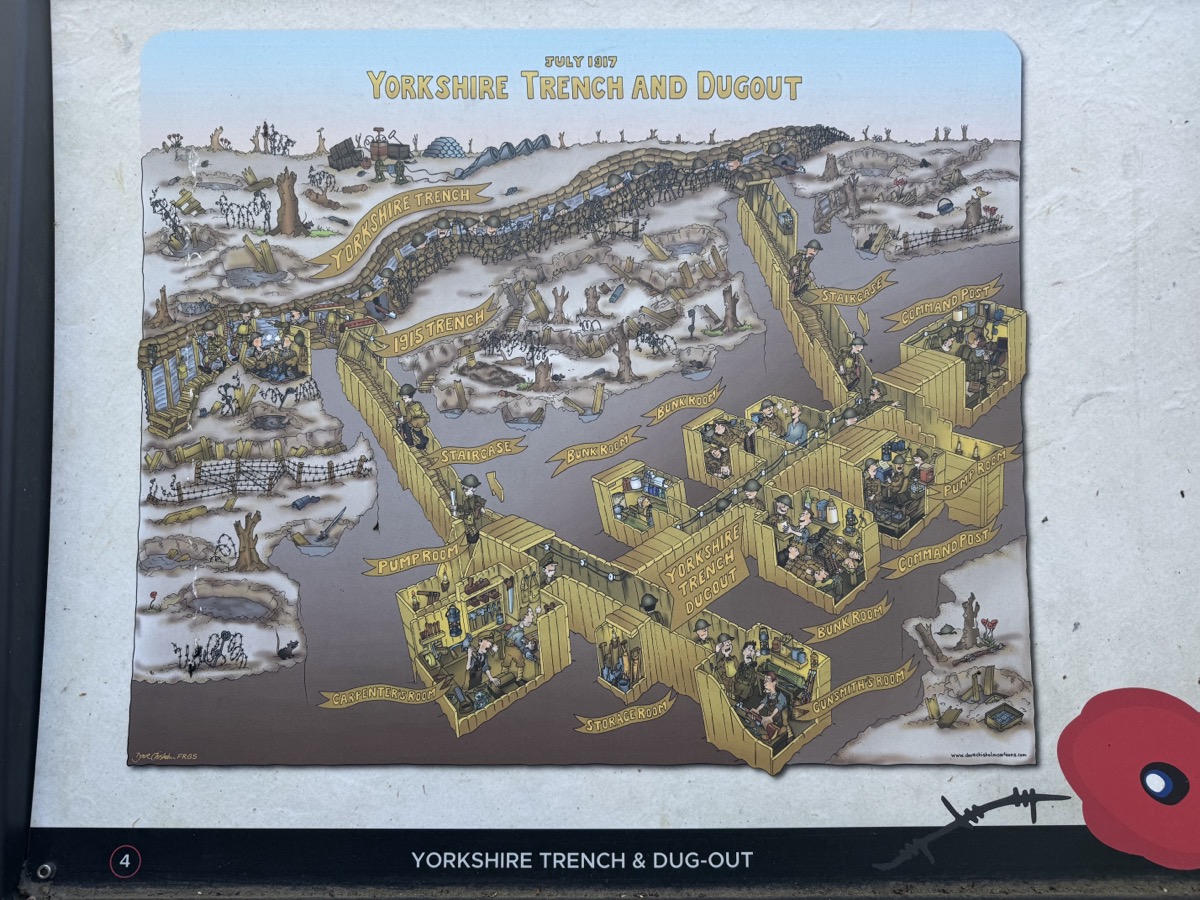
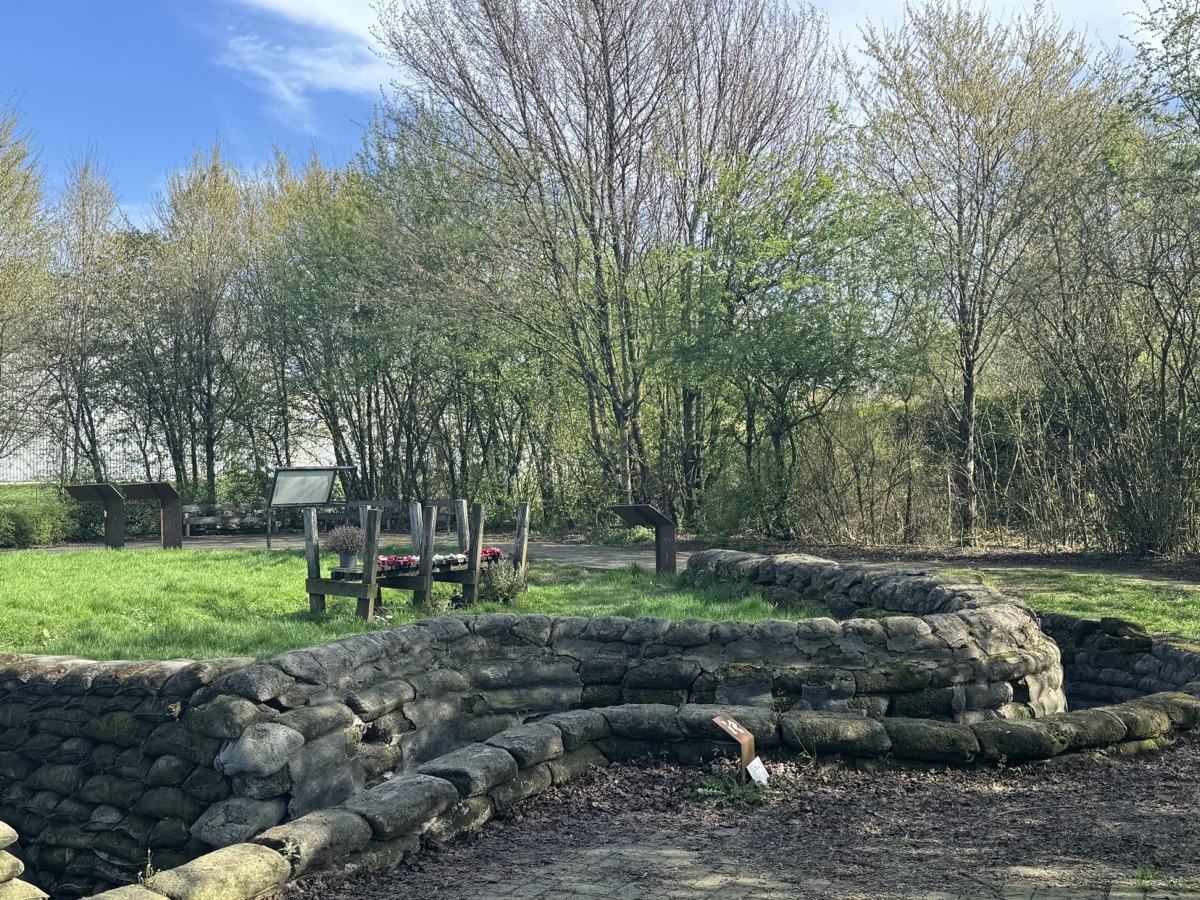
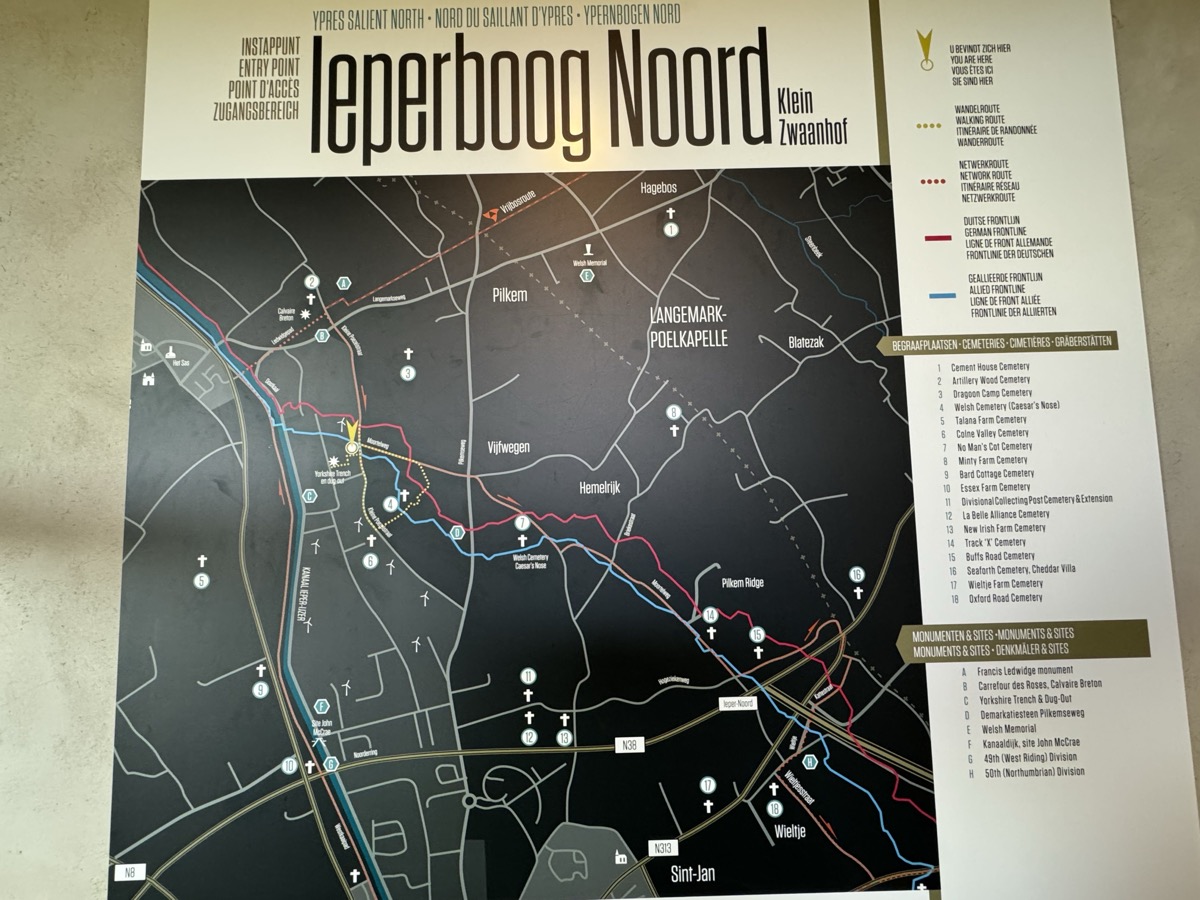
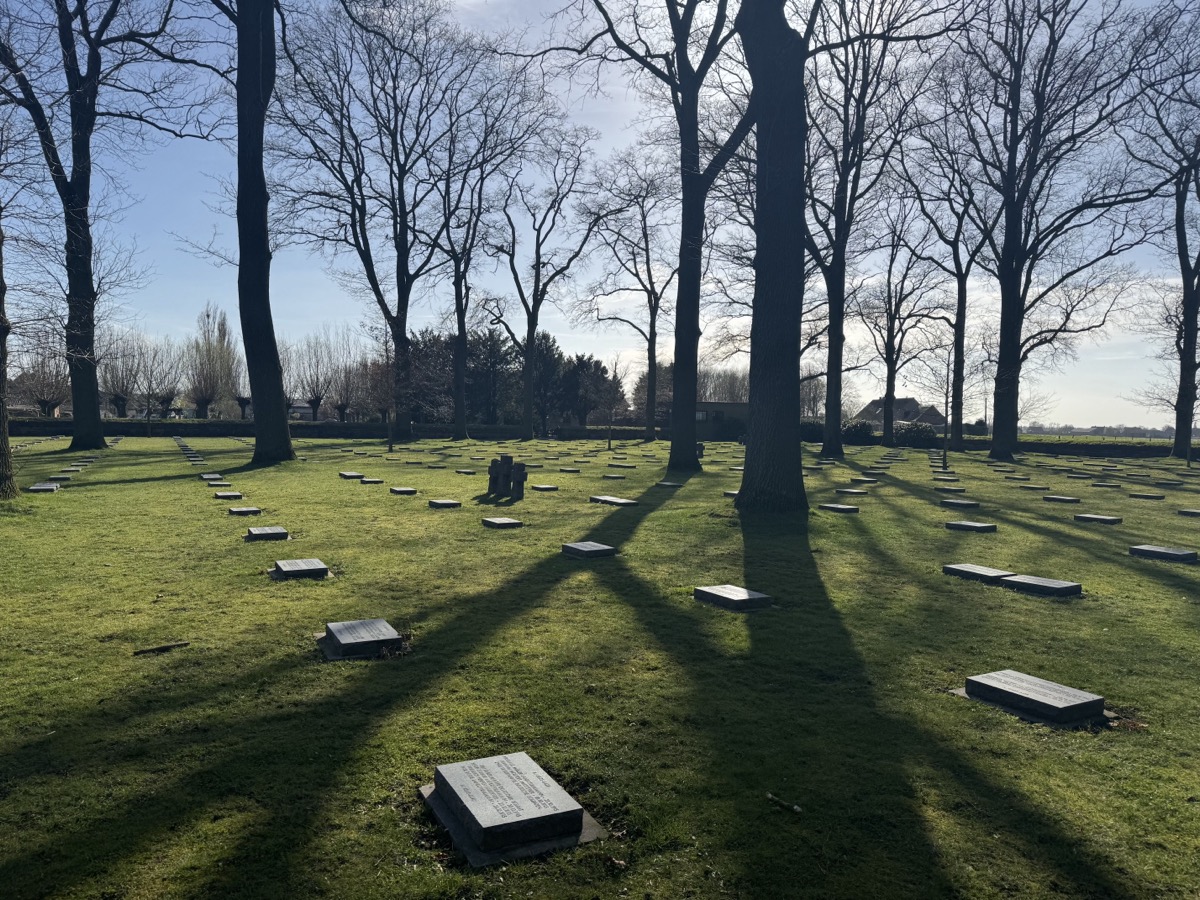
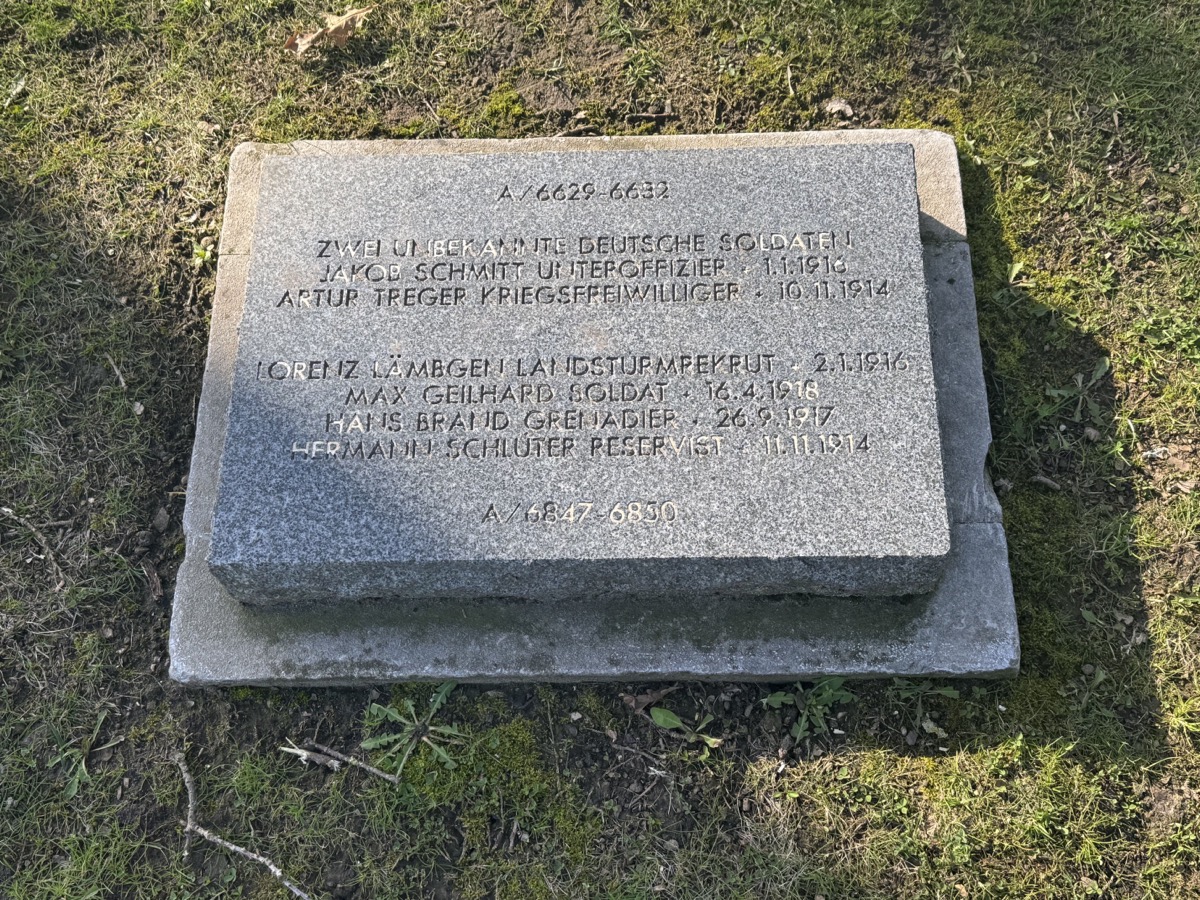
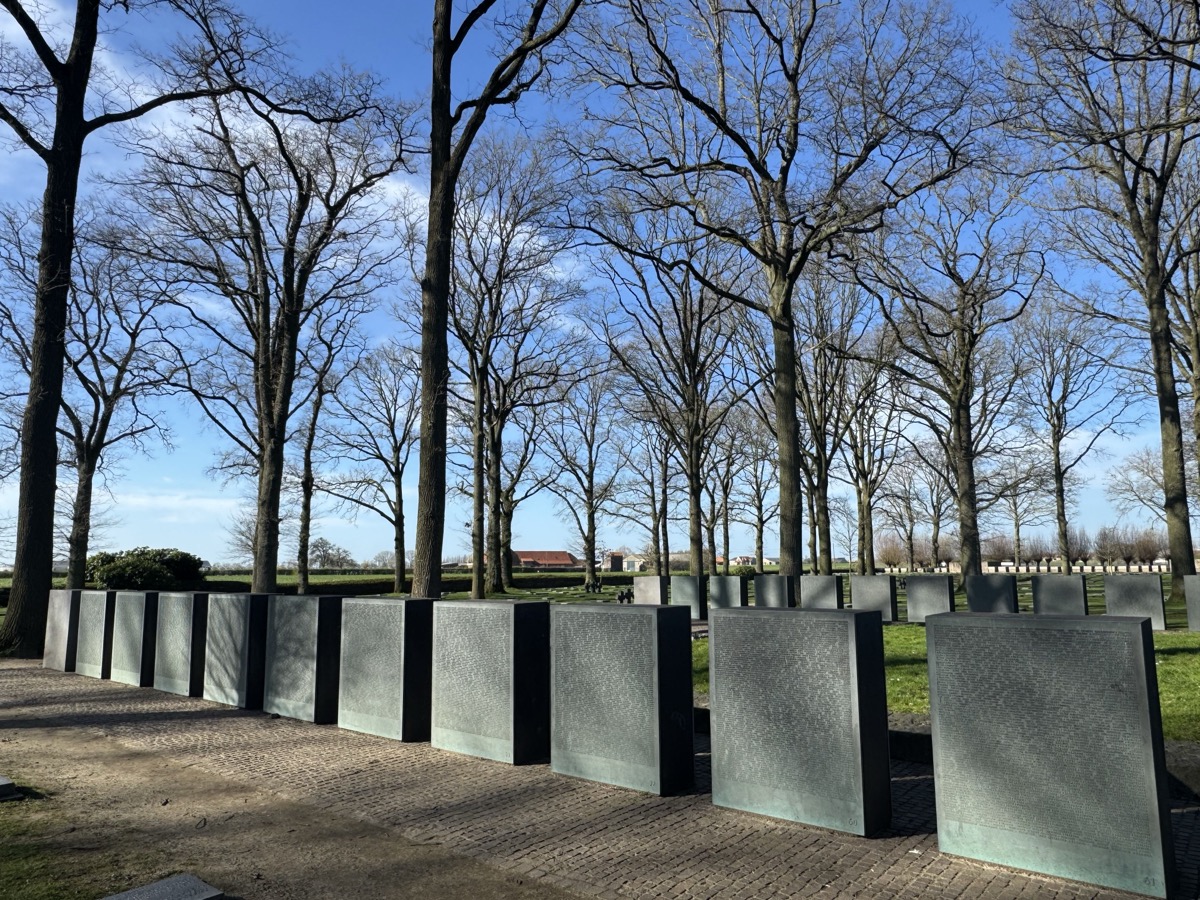
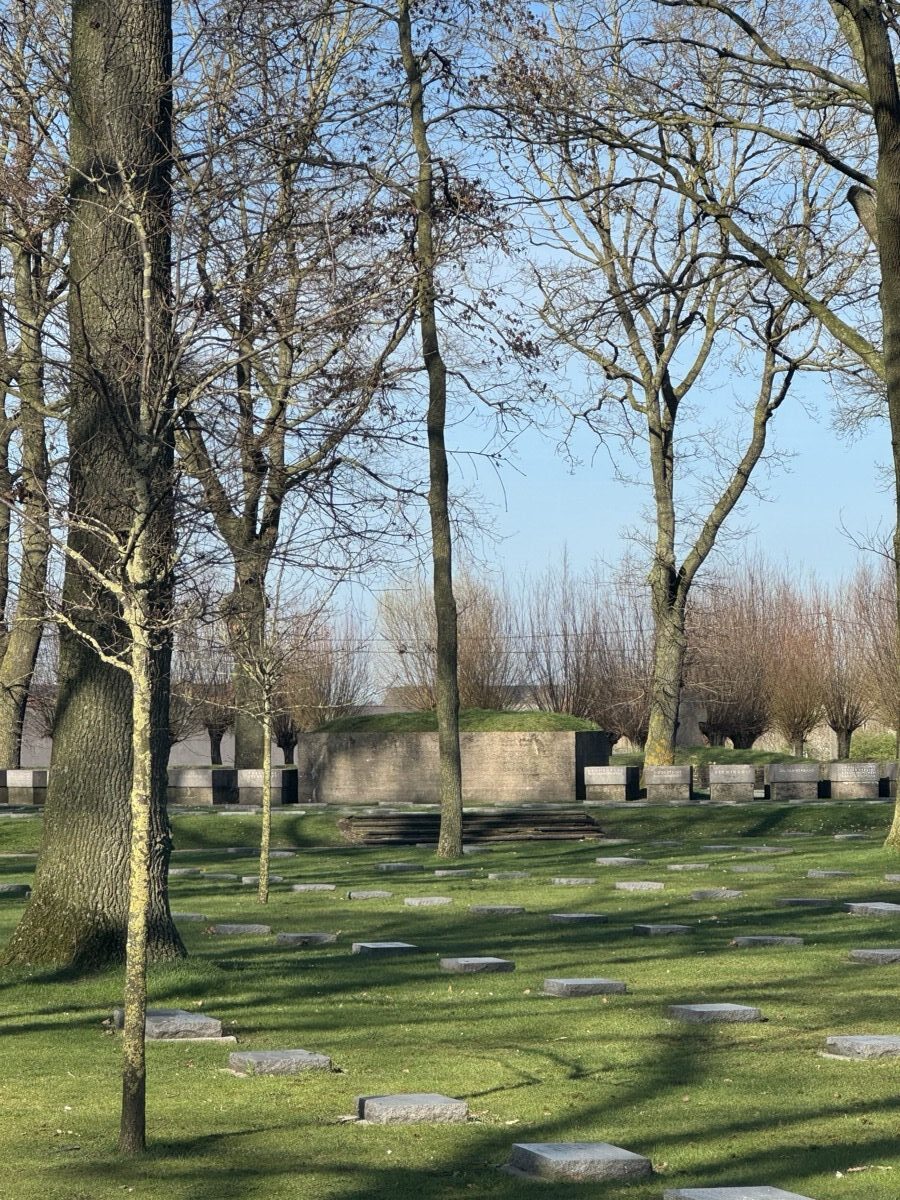
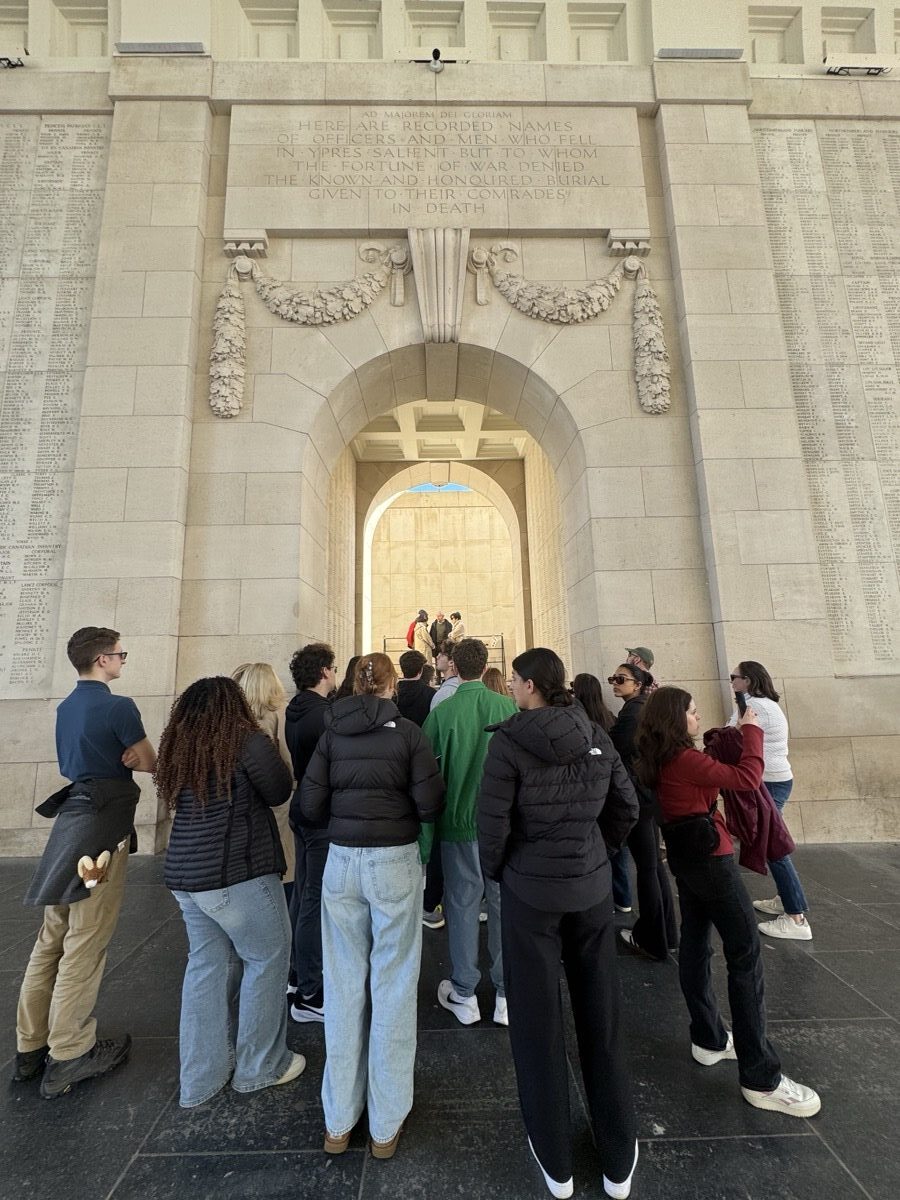
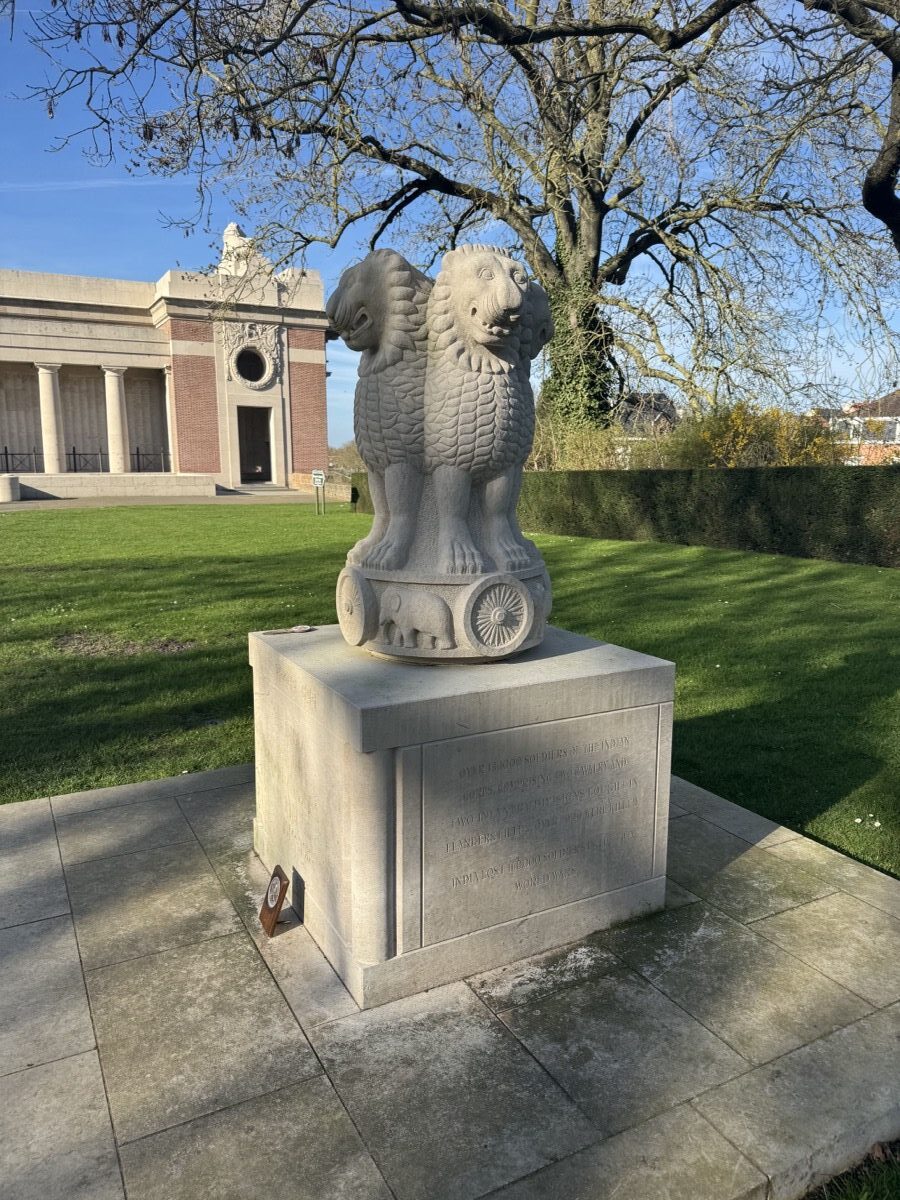
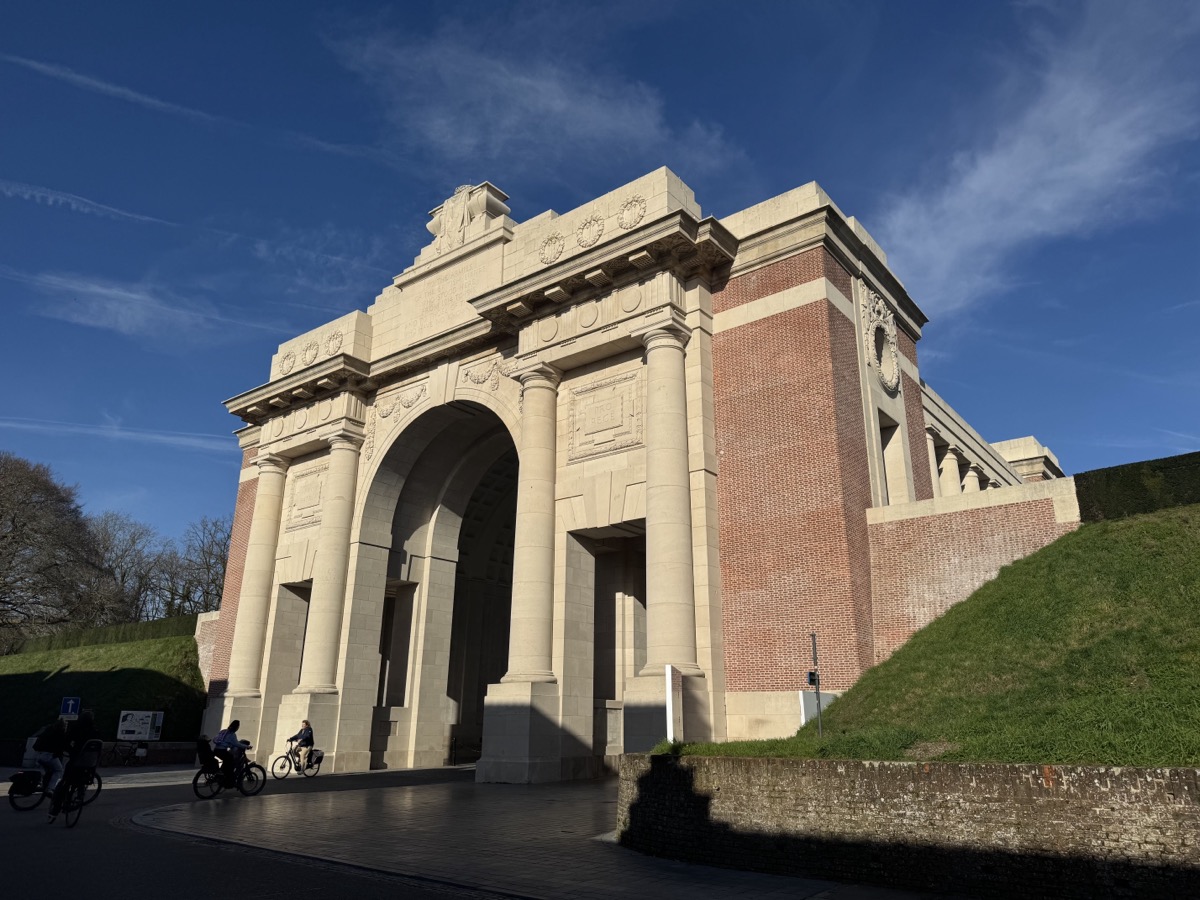
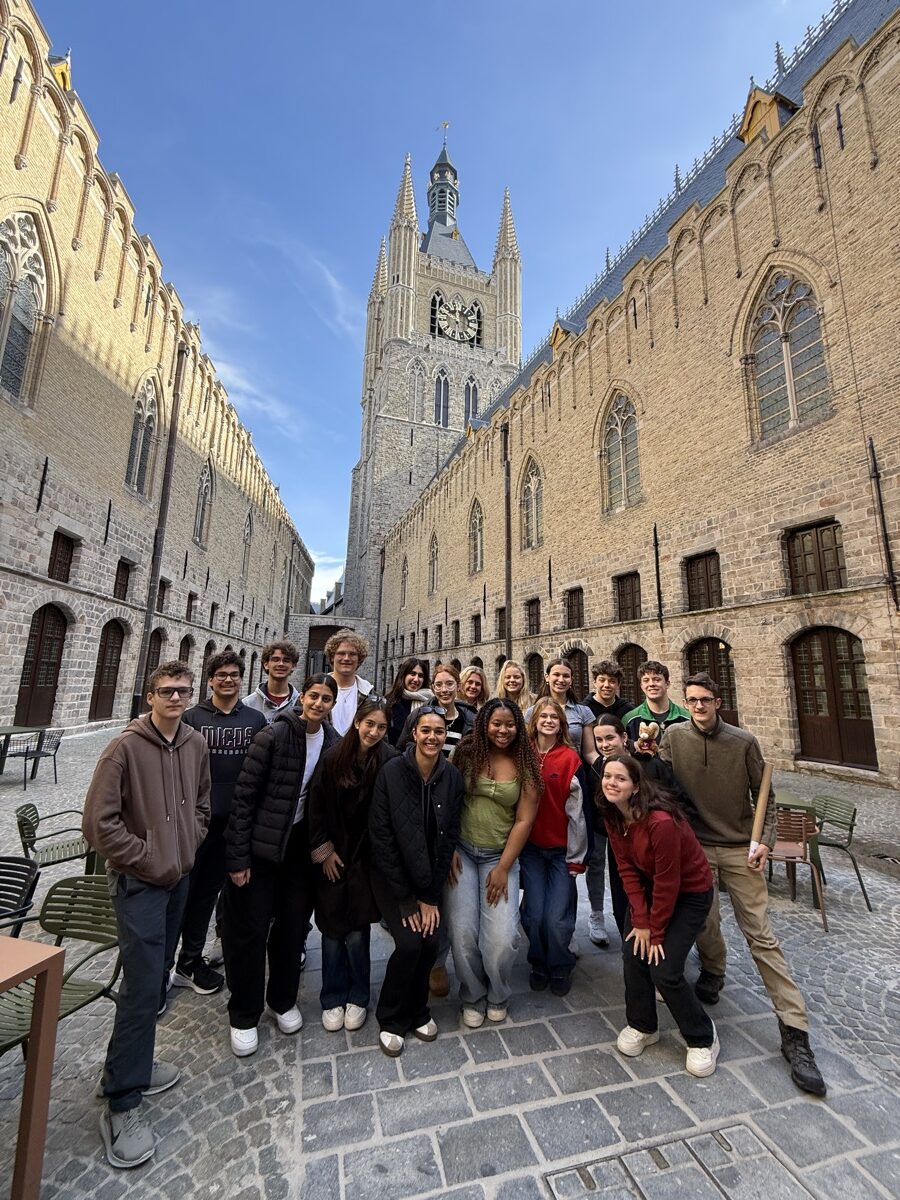
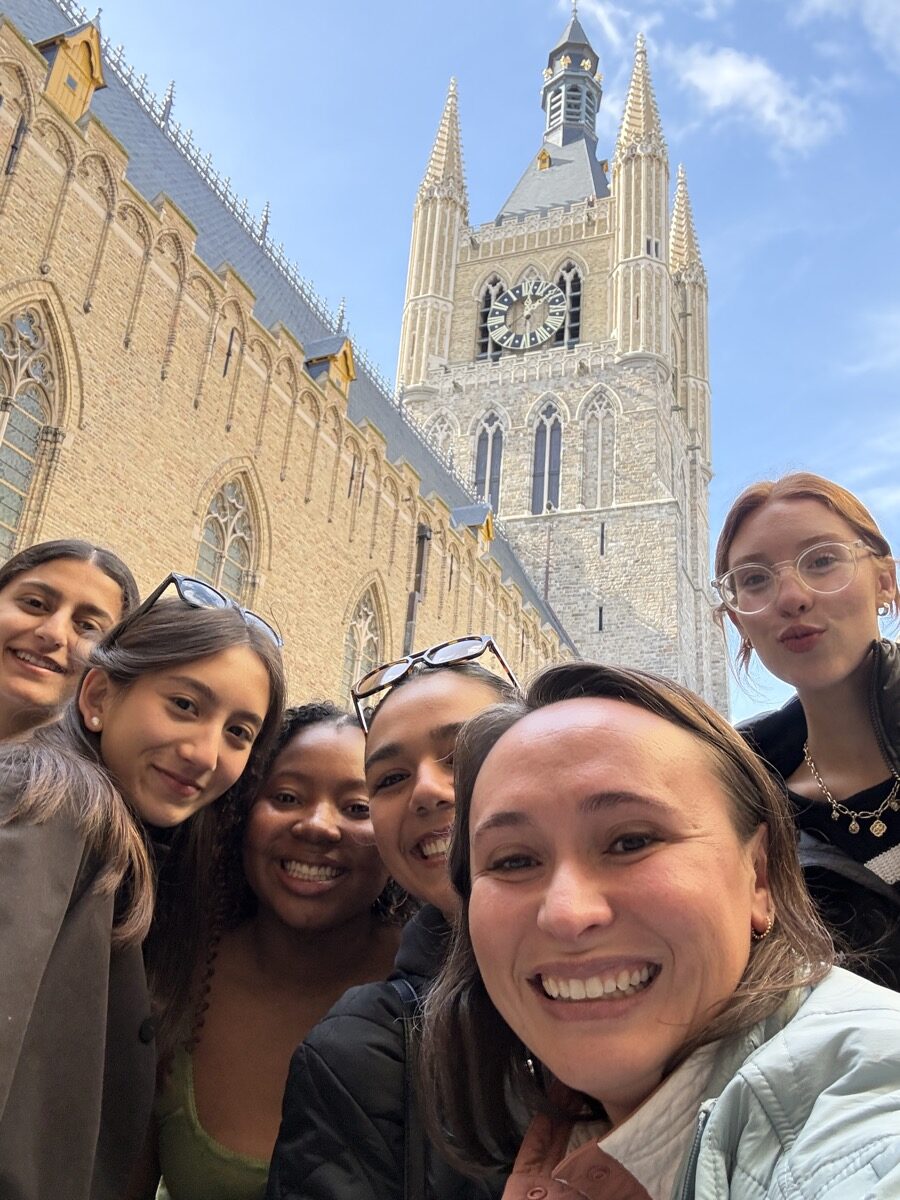
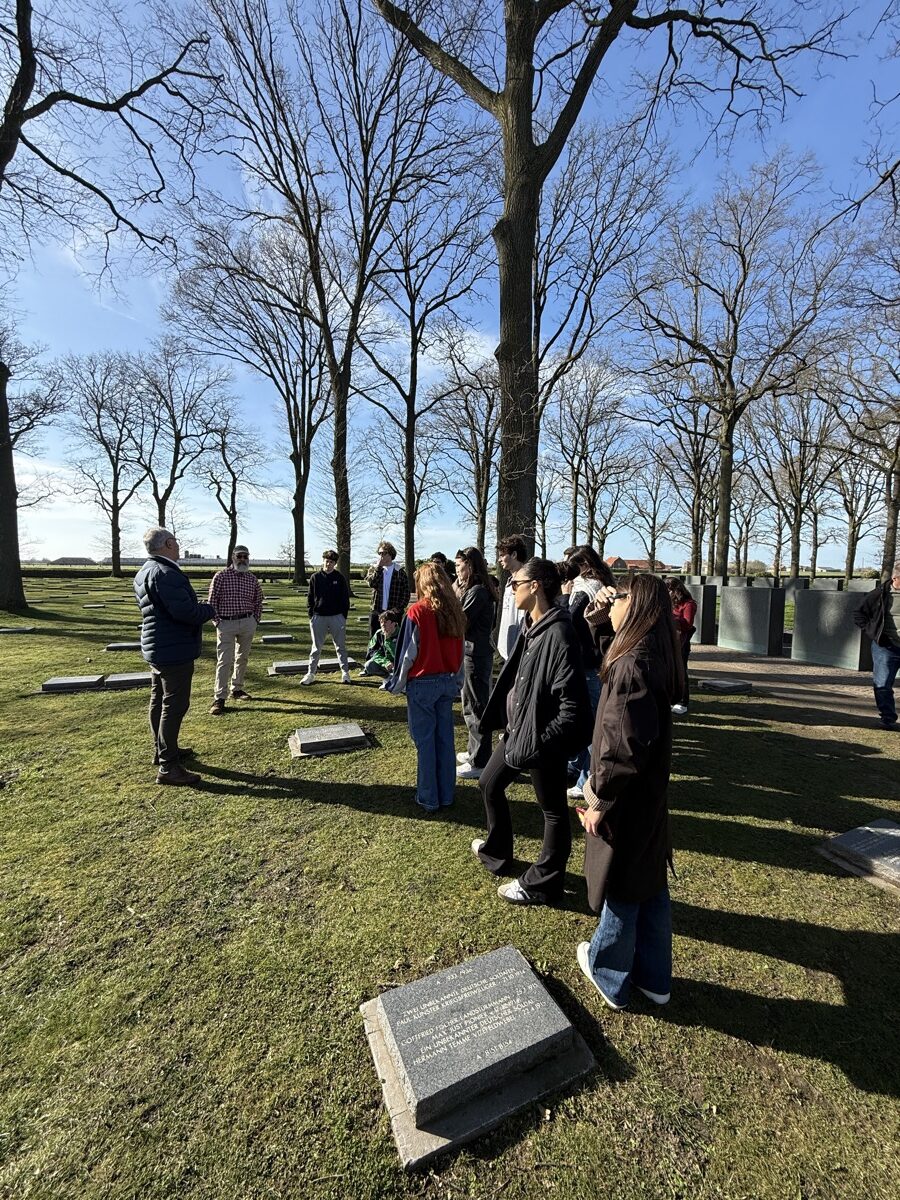
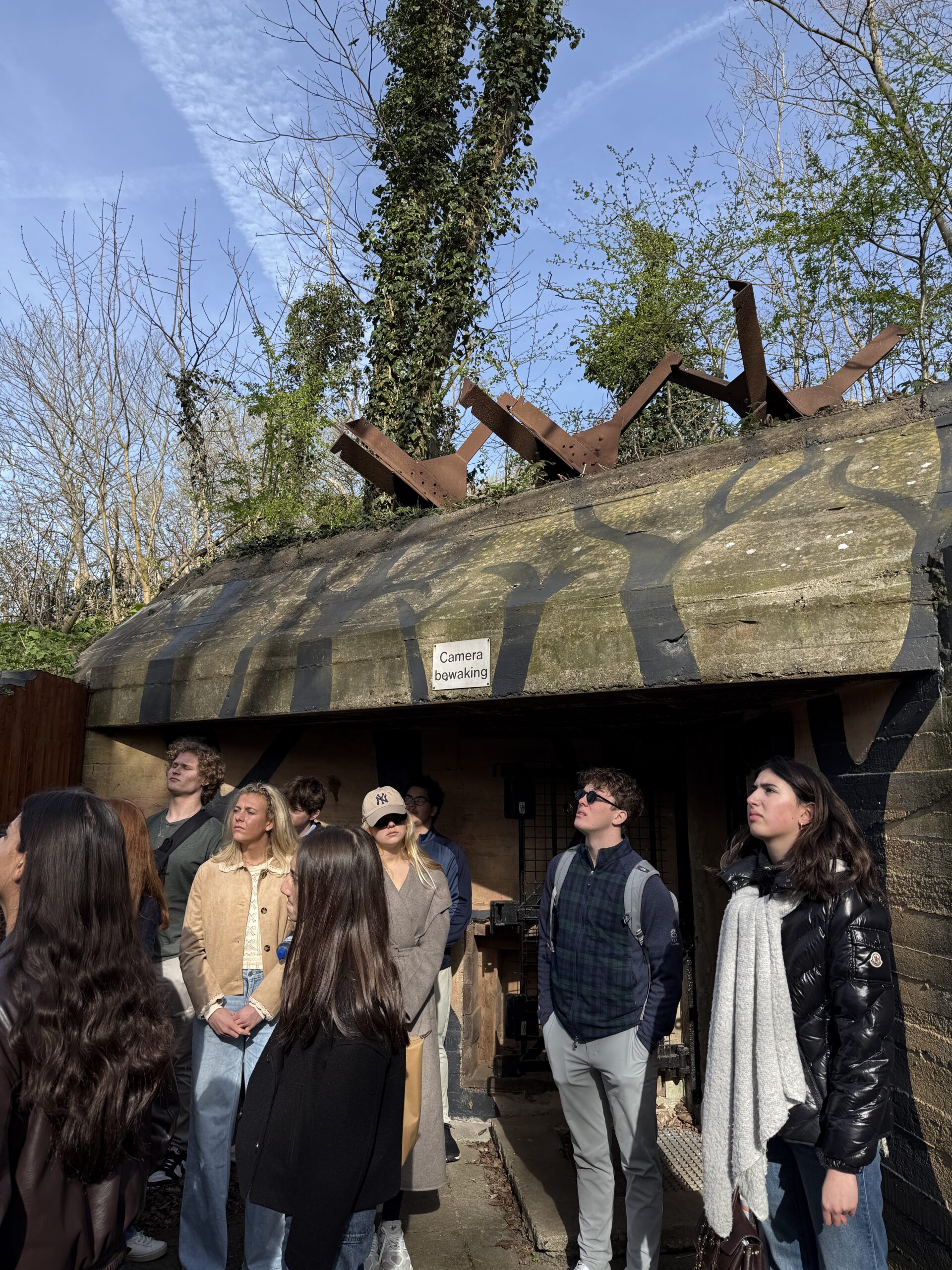
On the French border, Ypres served as the students’ gateway to the history of the First World War. They explored the impact and legacy of WWI at the Flanders Fields Museum, and, as they visited key sites and memorials in and around the city, they considered the connection between WWI and international policy today.
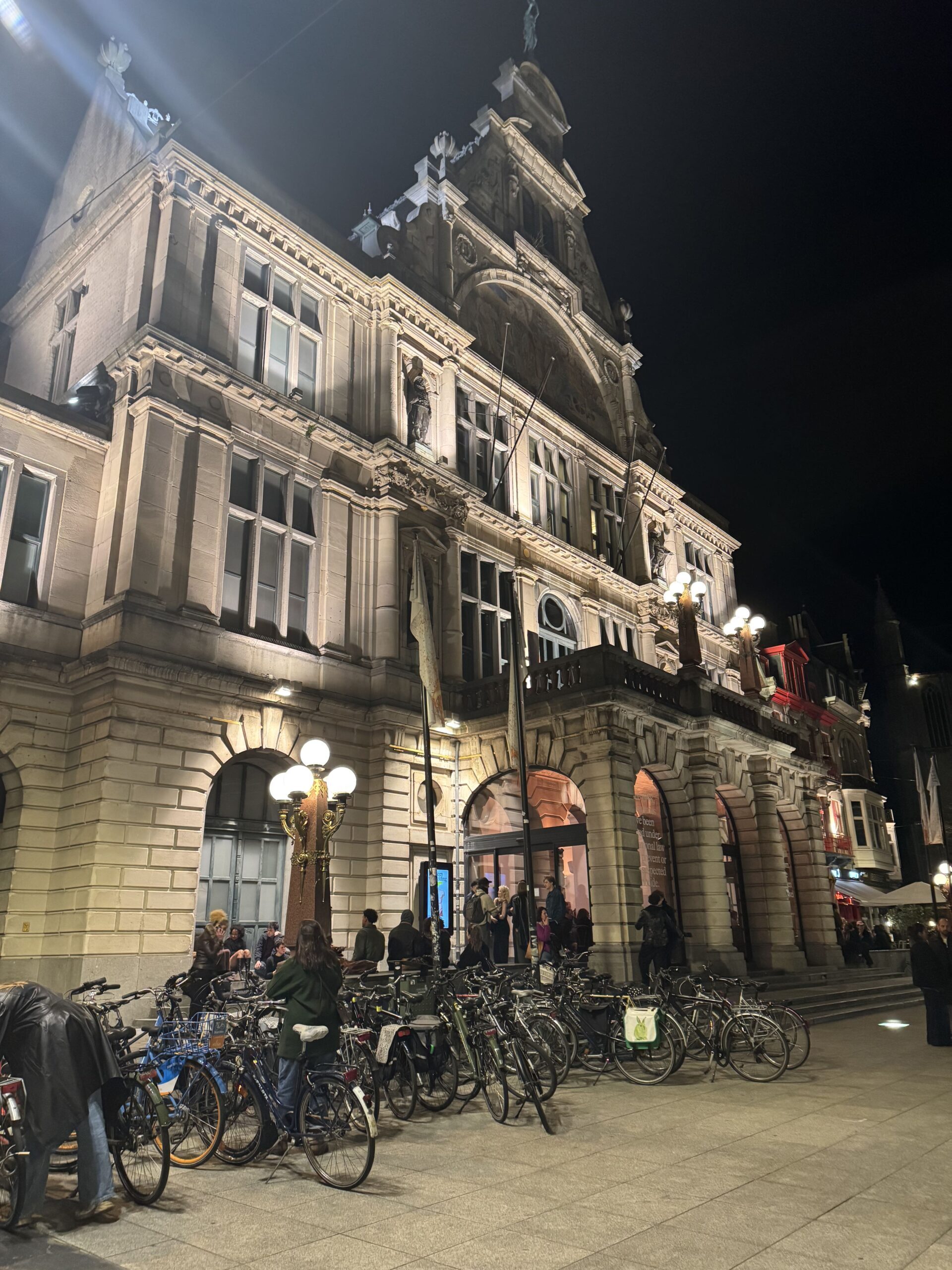
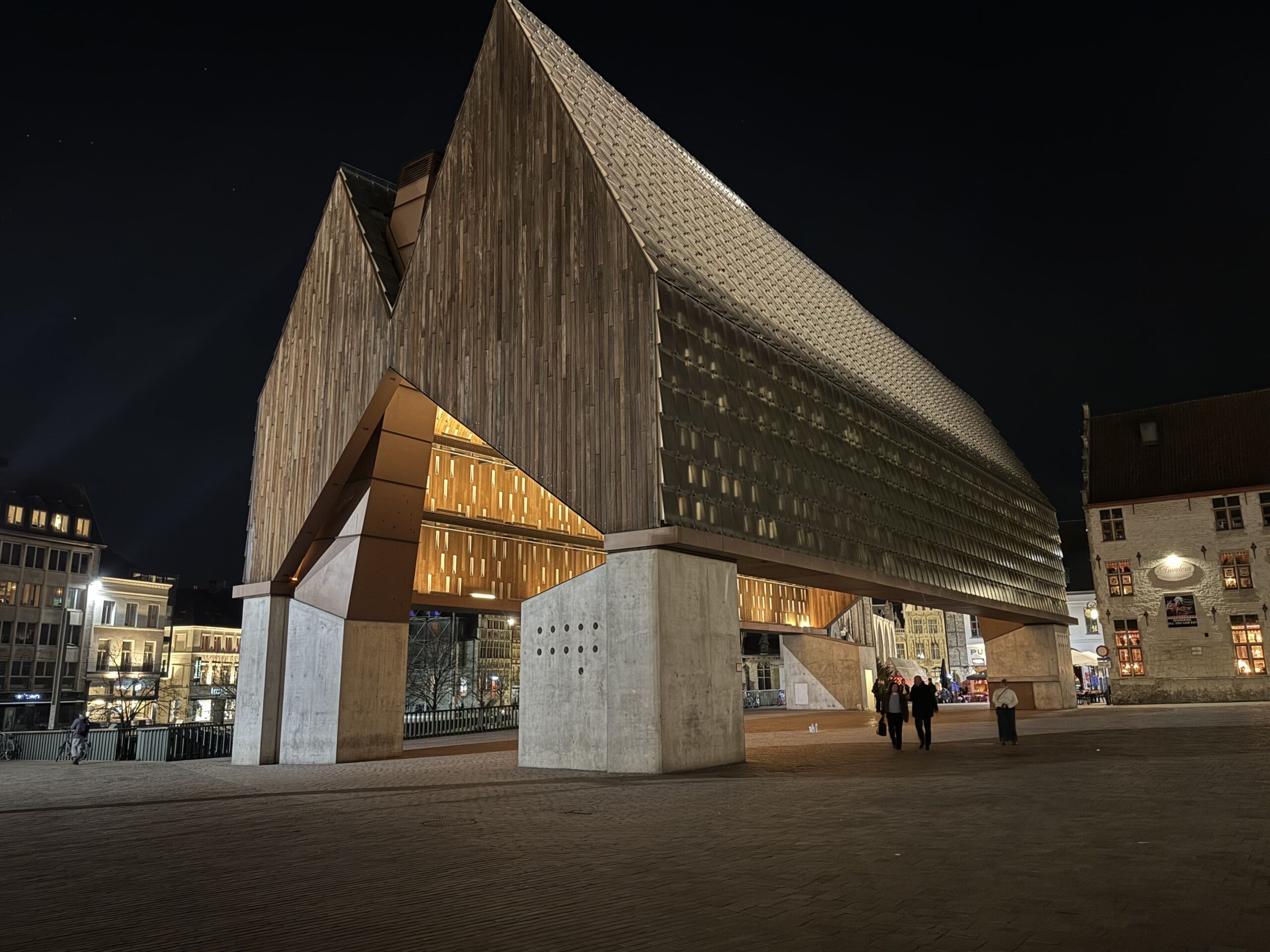
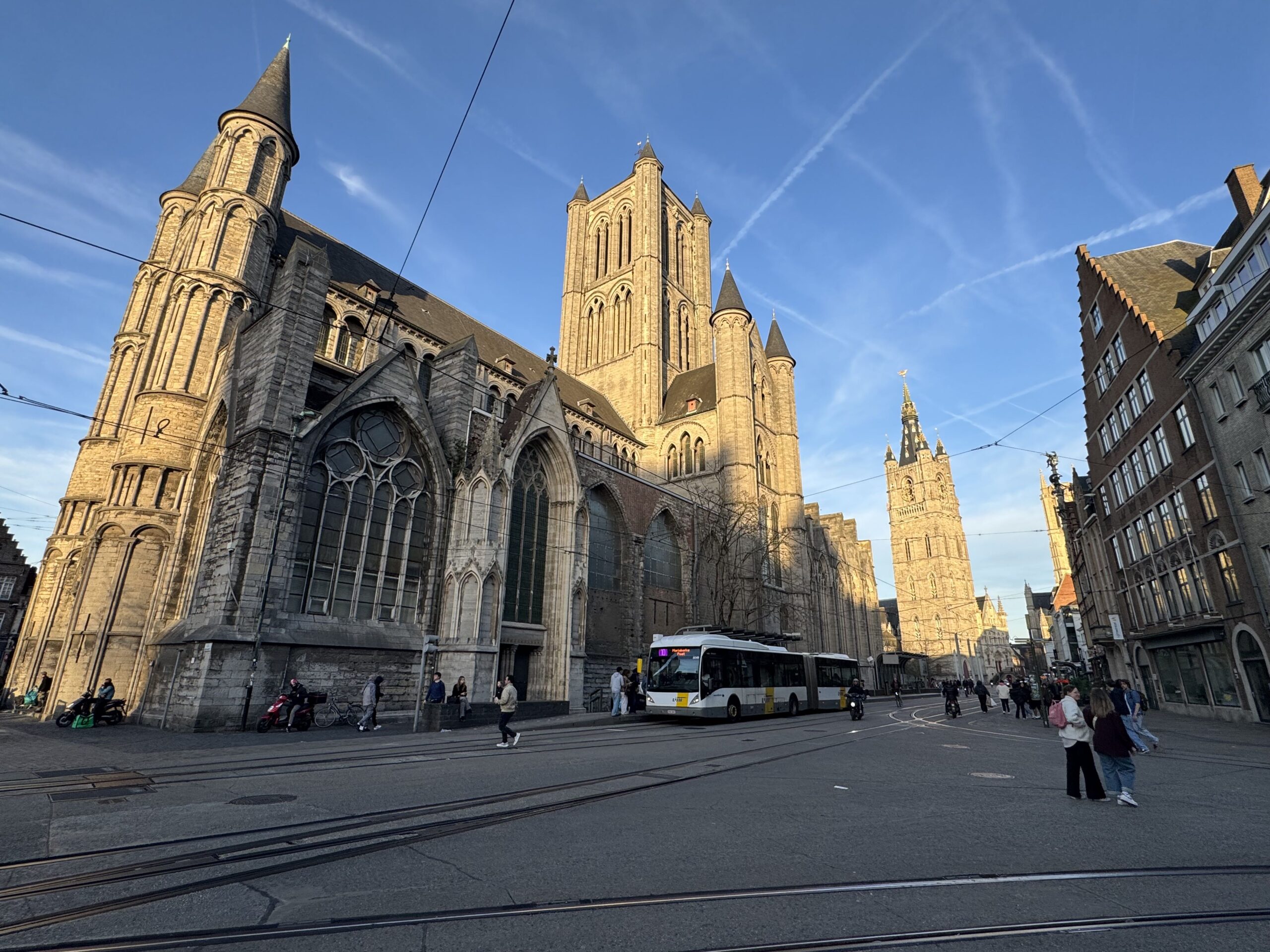
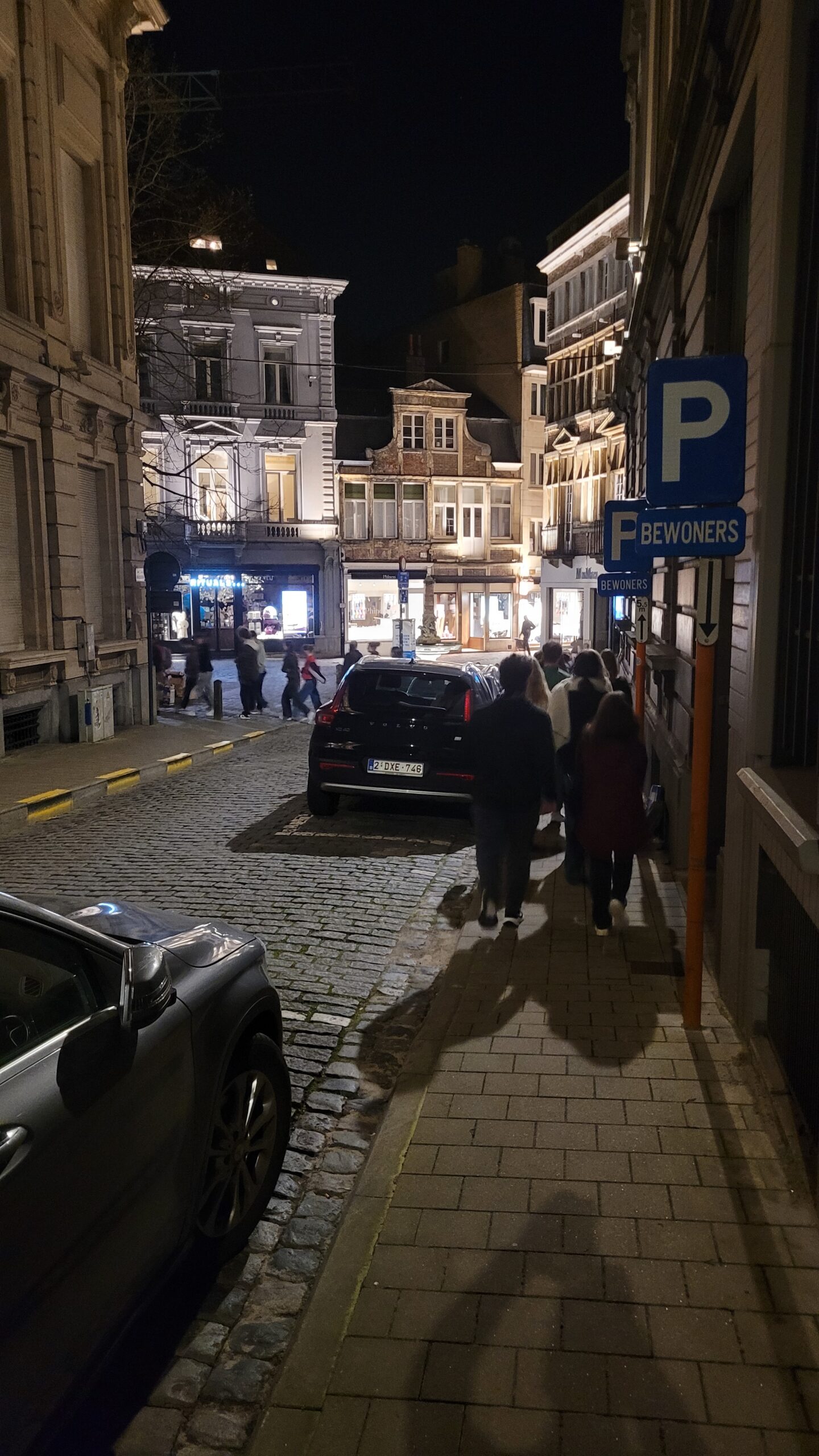
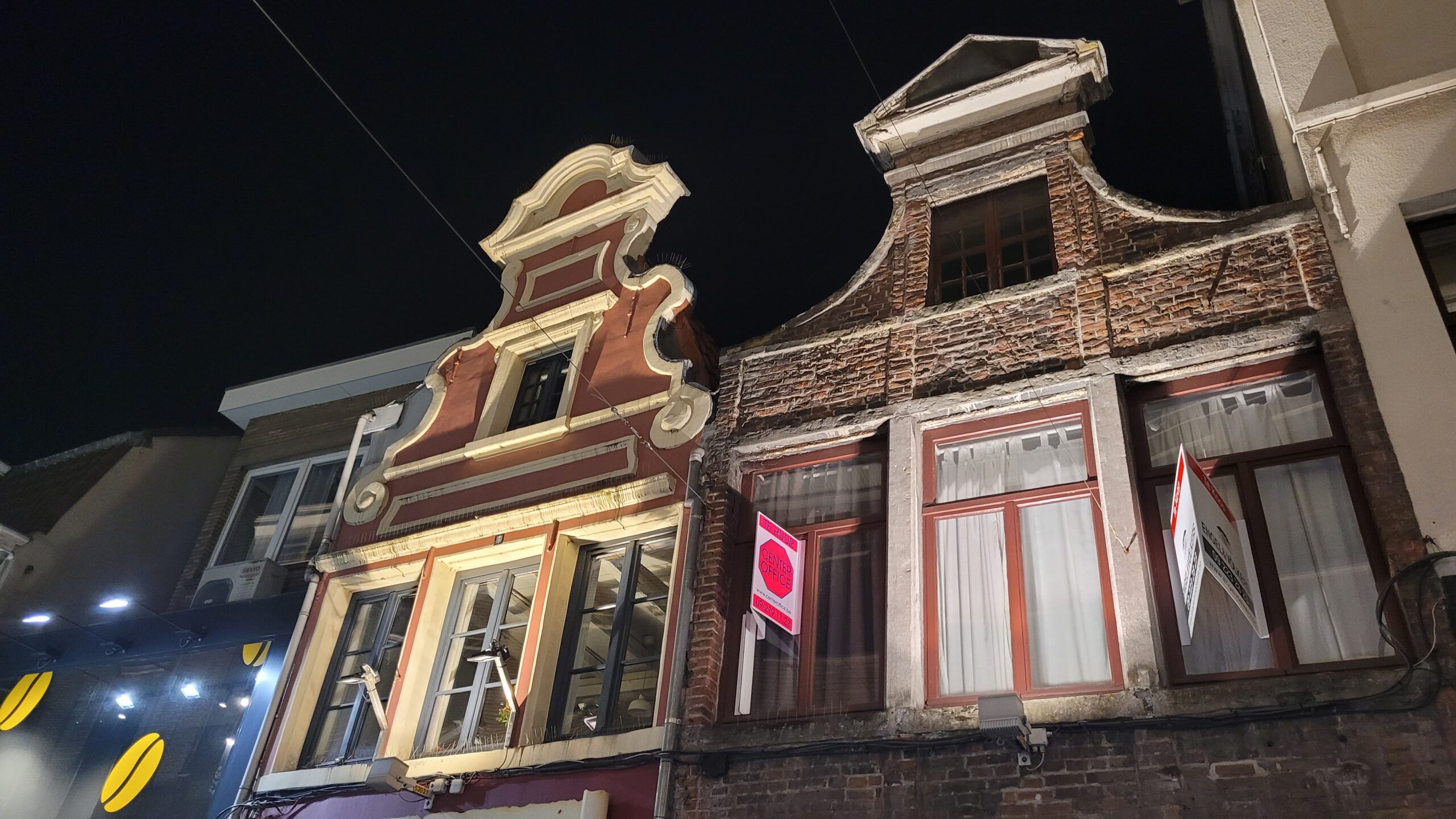
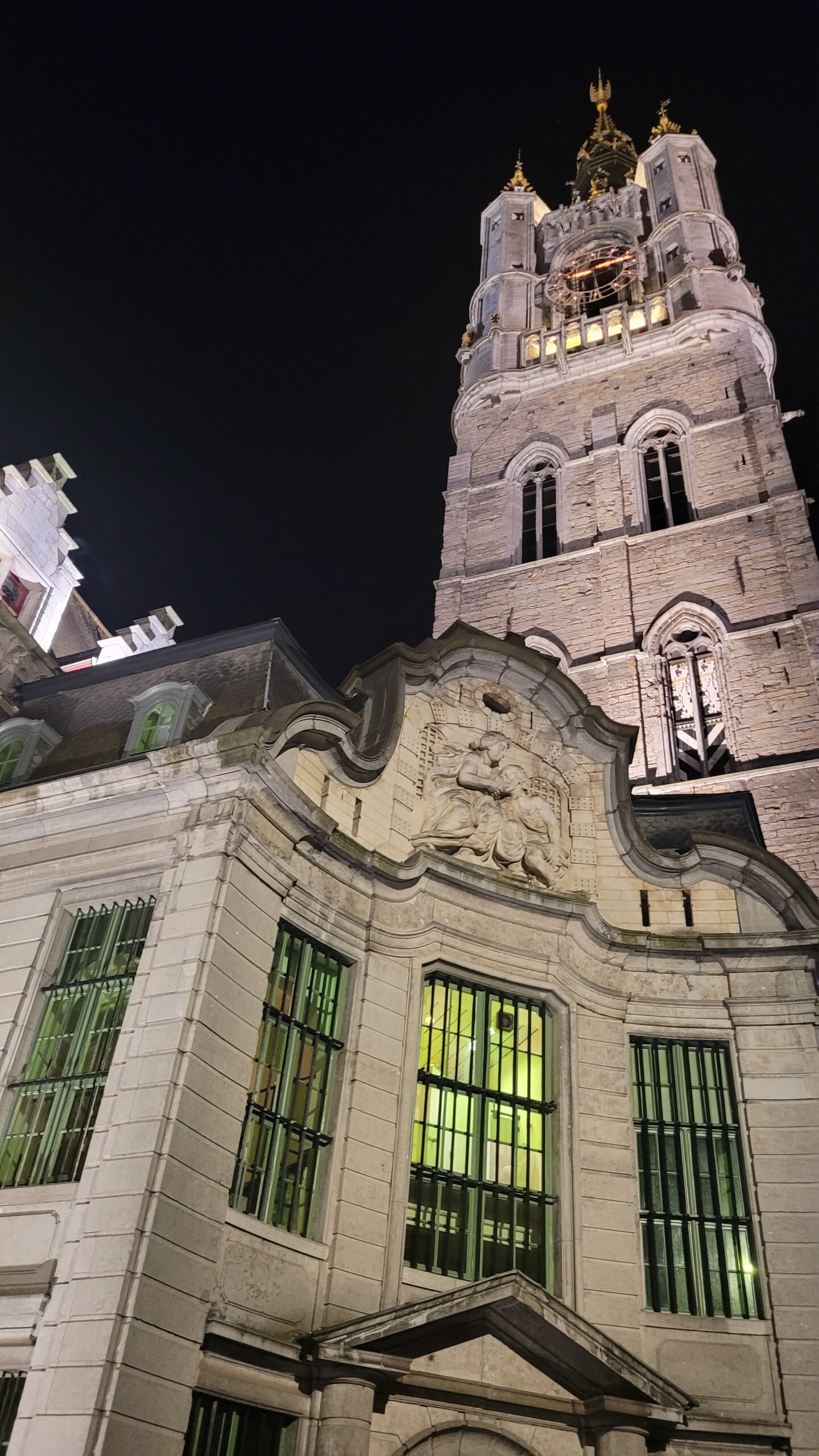
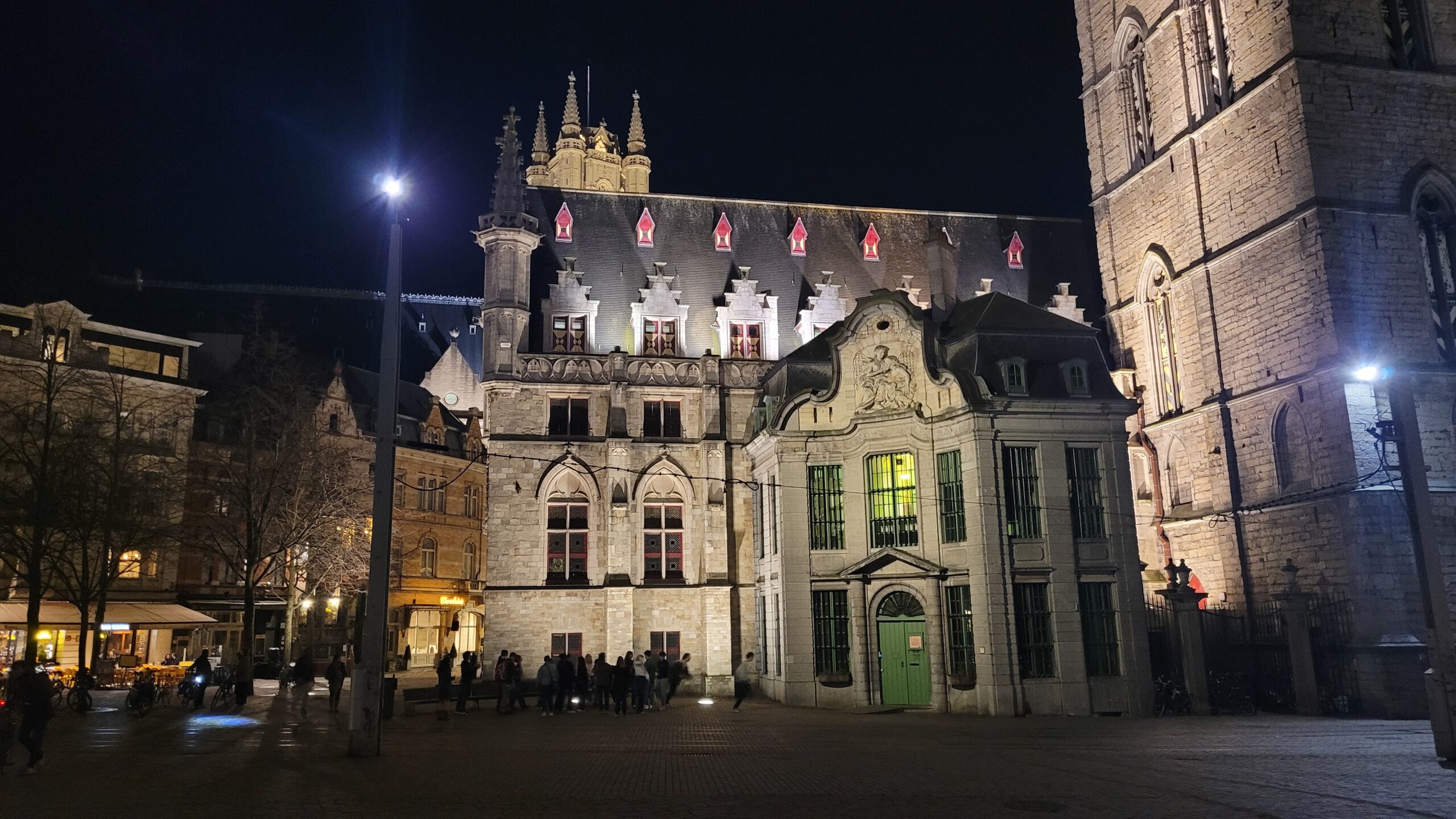
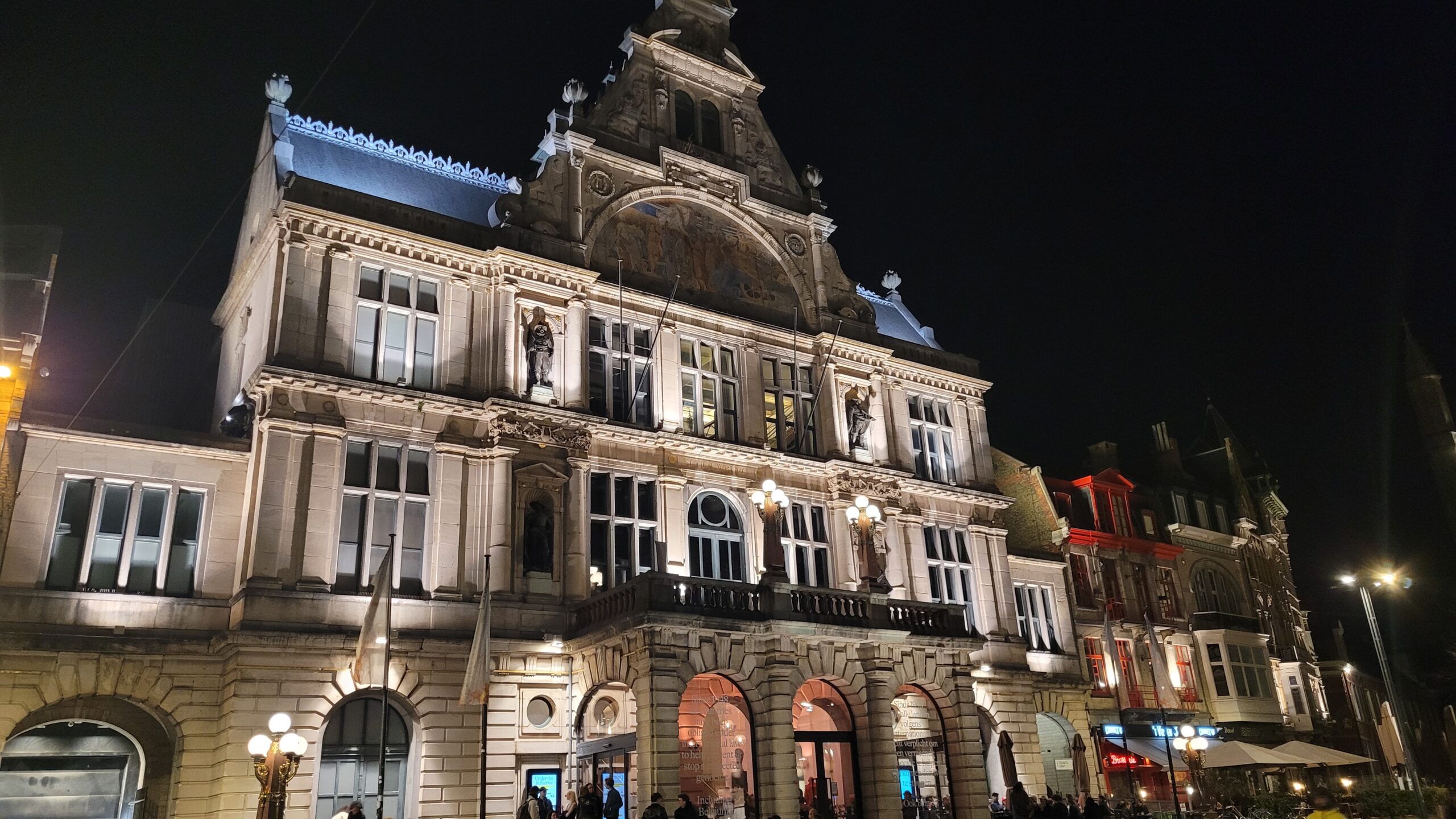
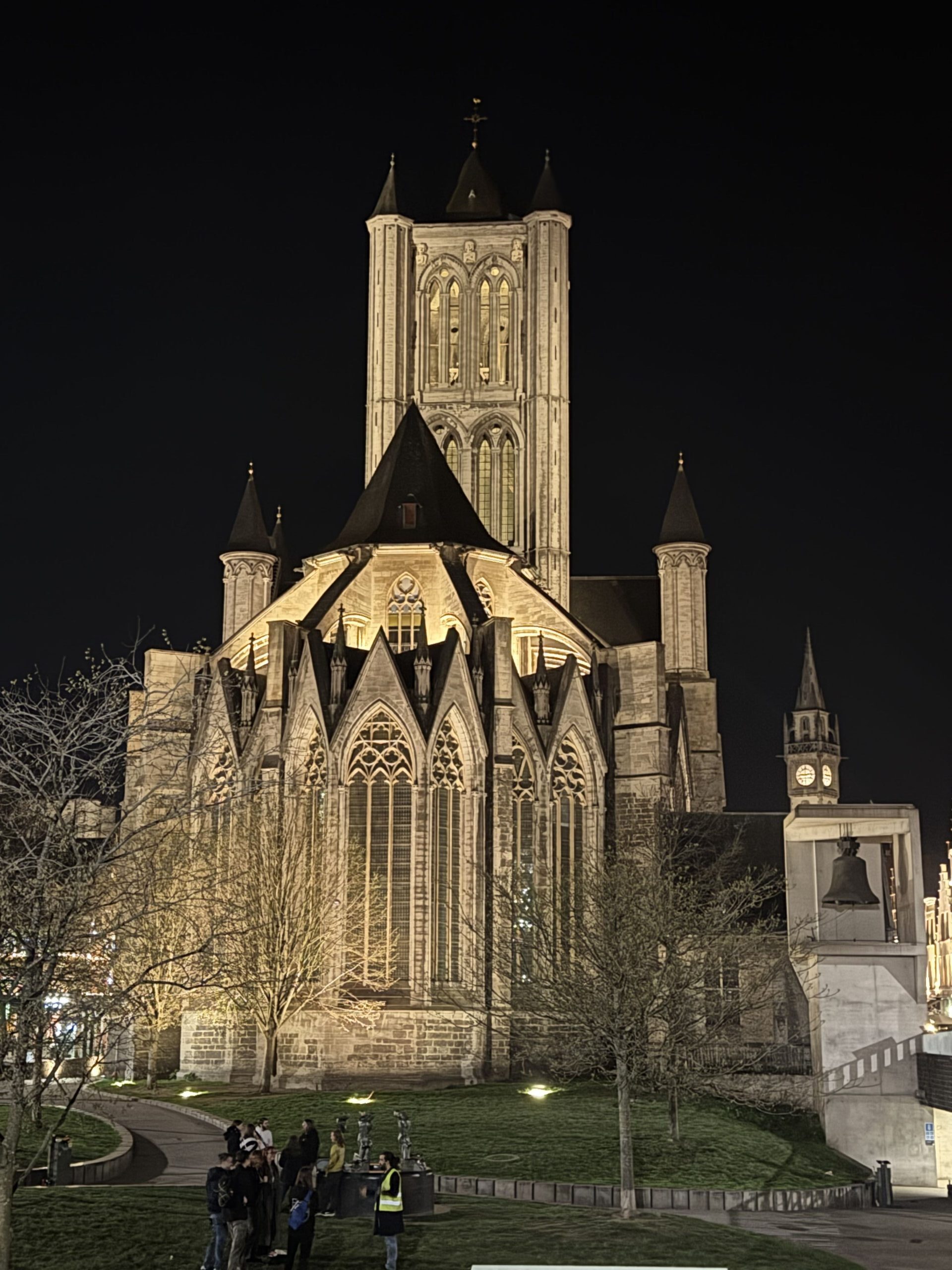
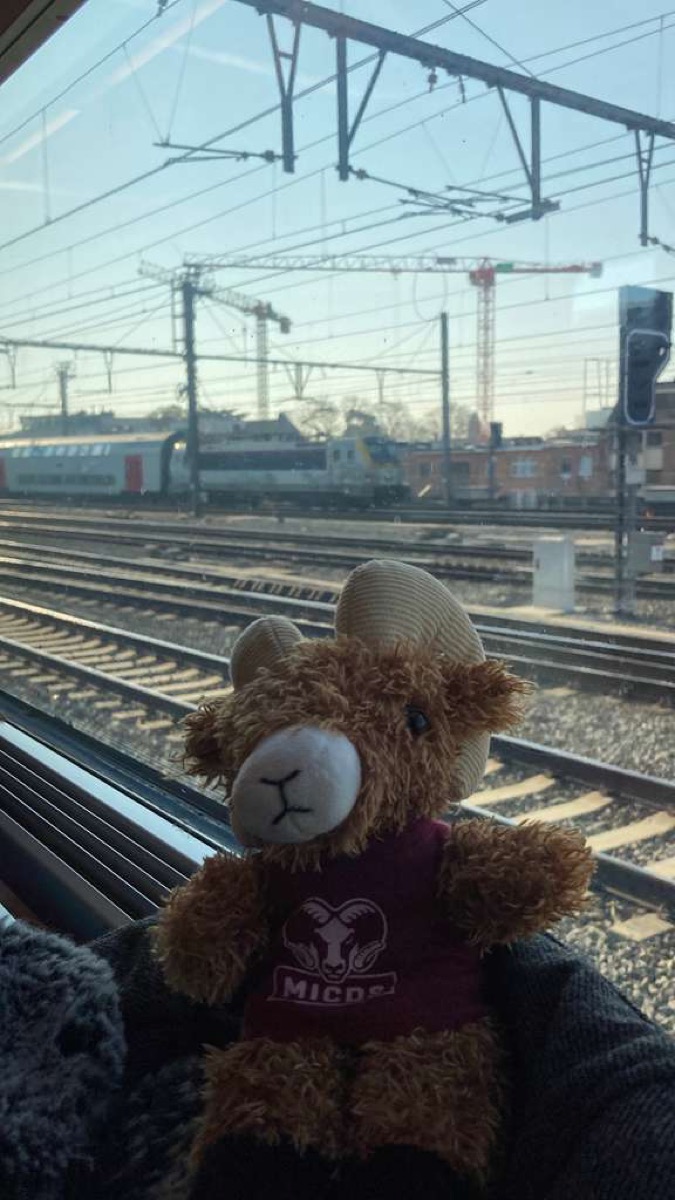
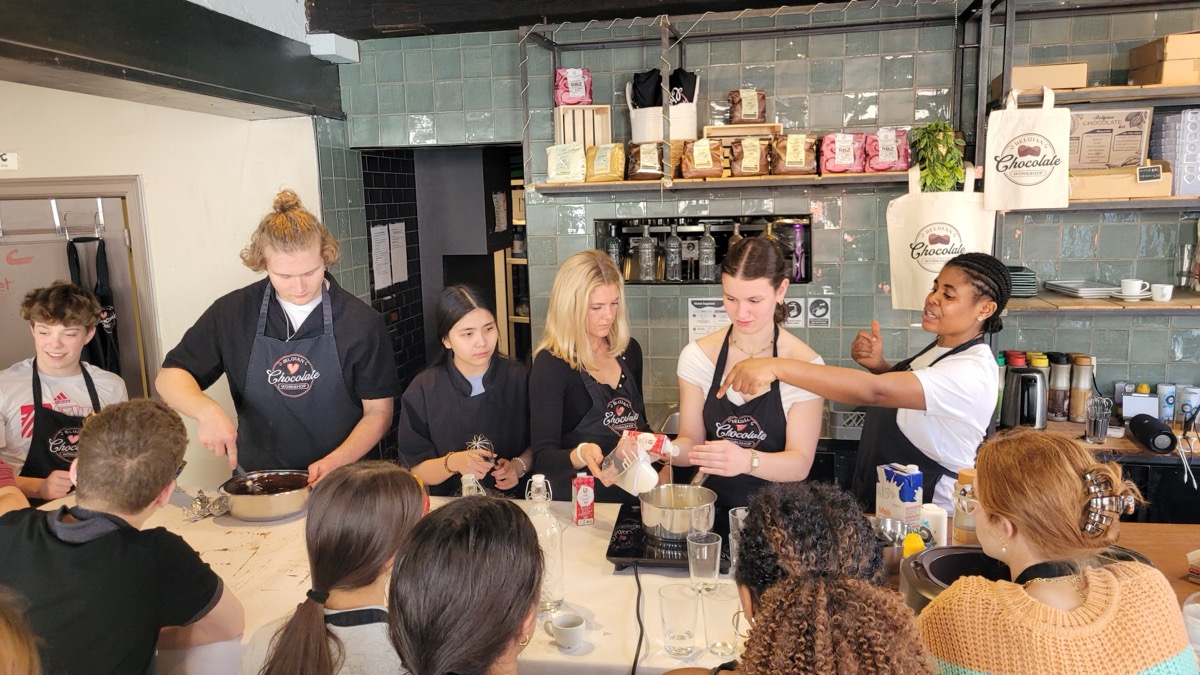
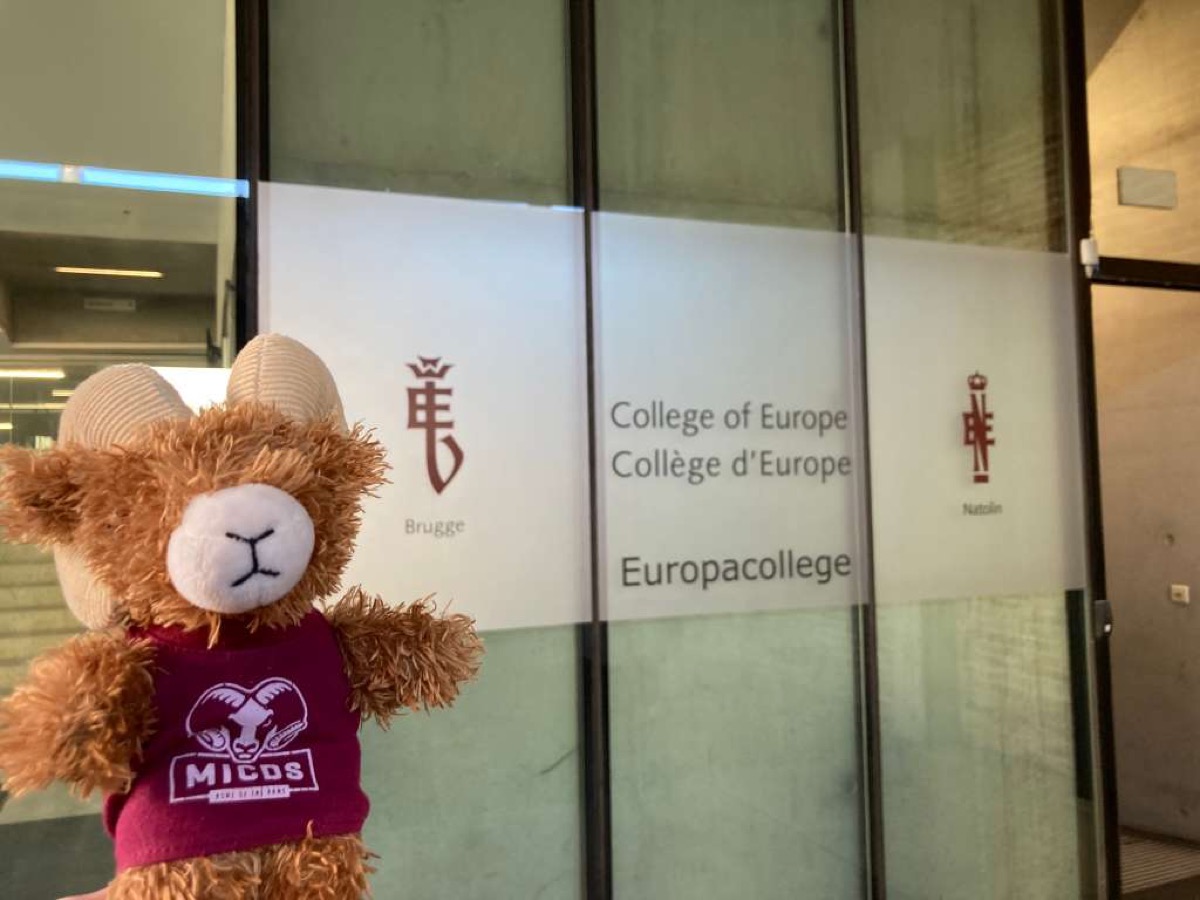
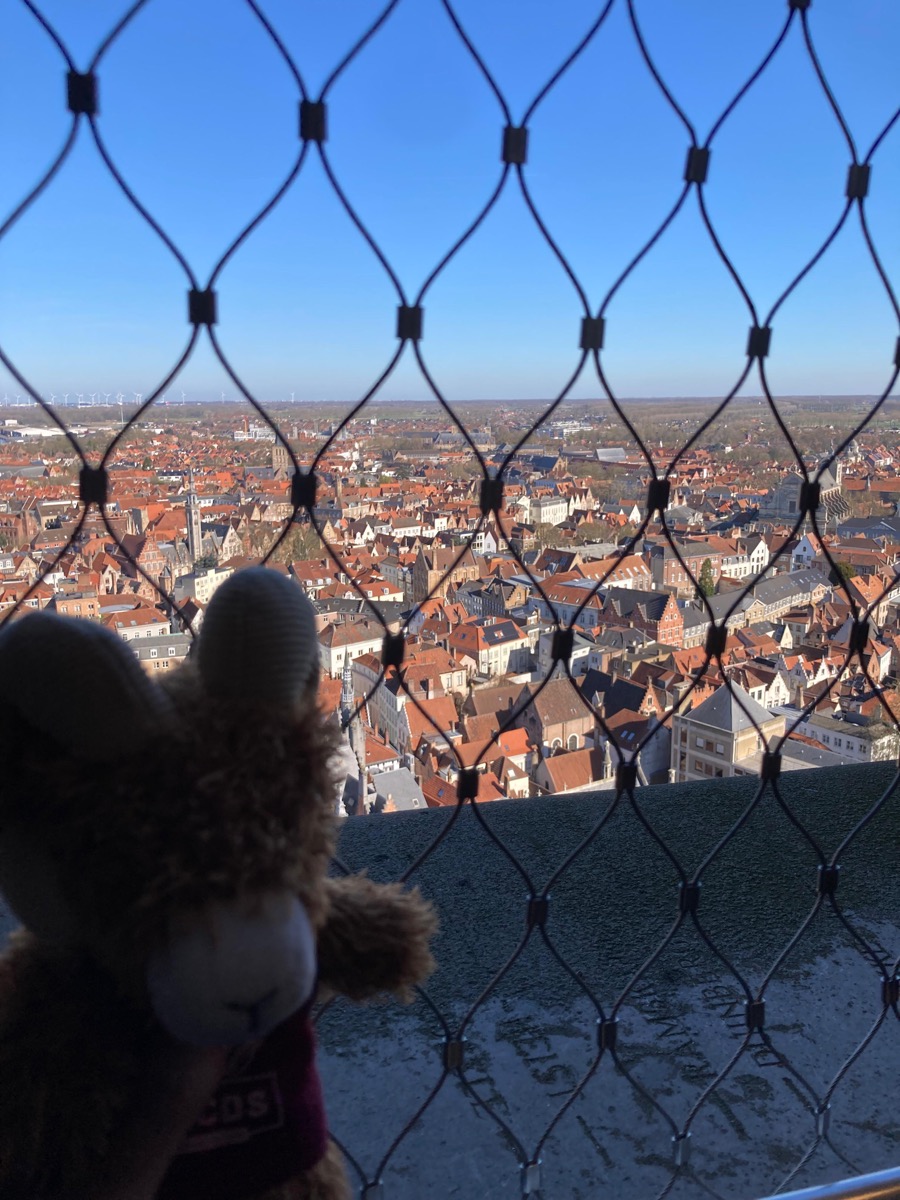
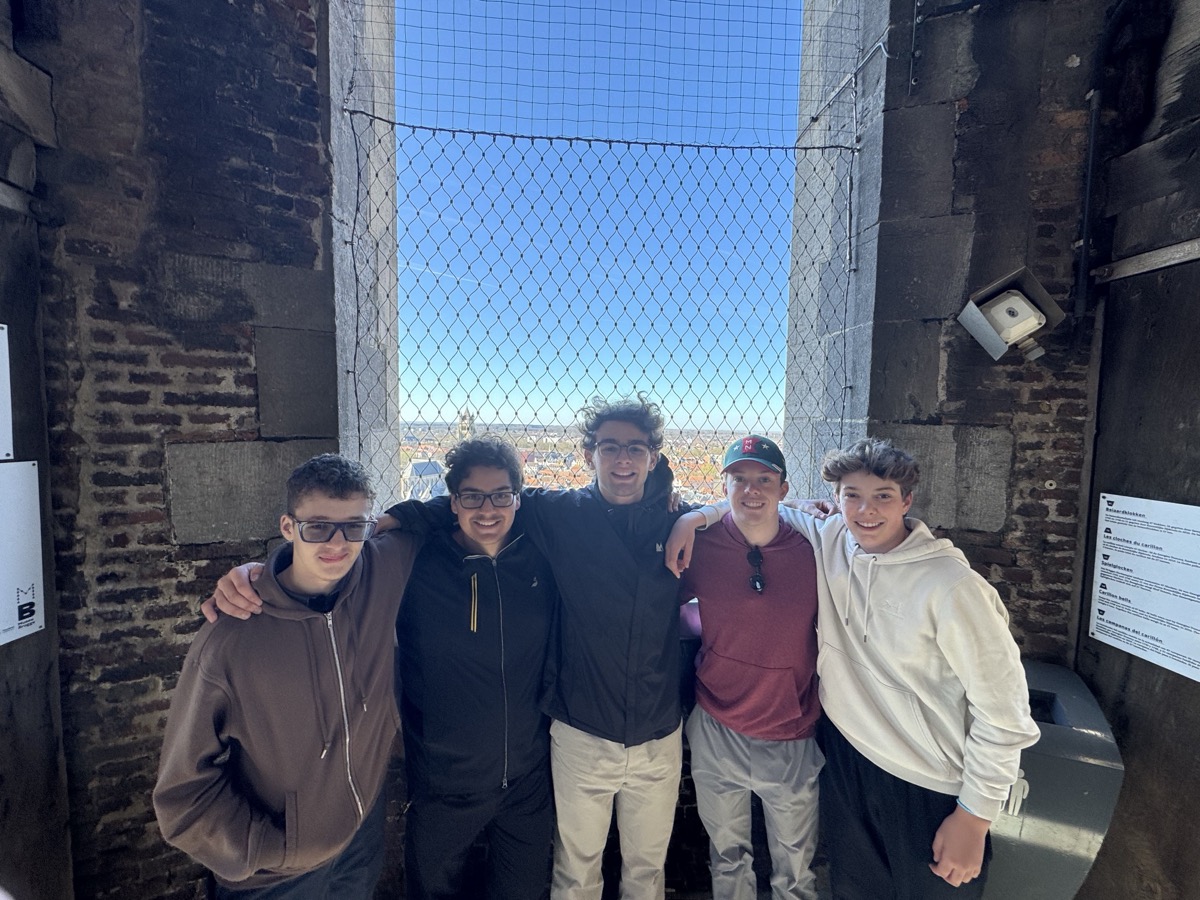
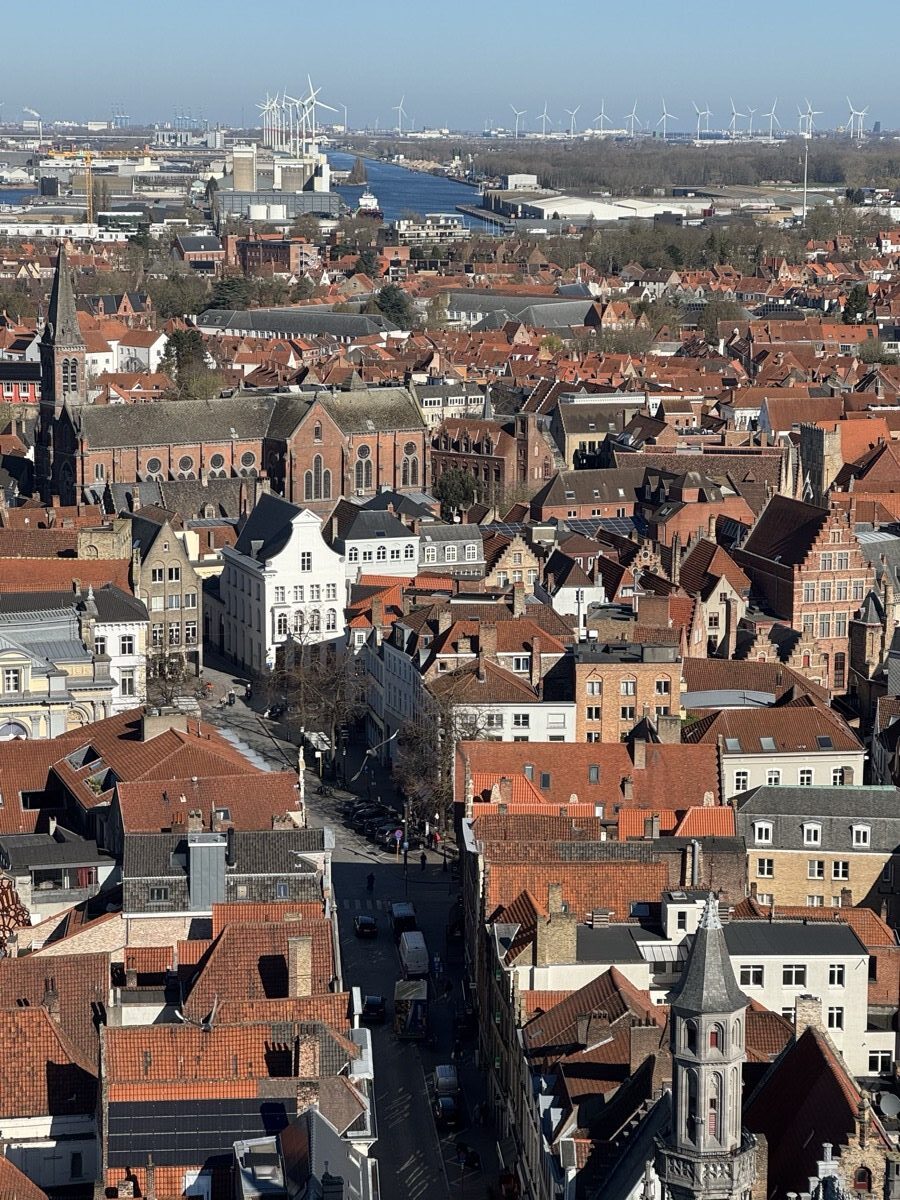
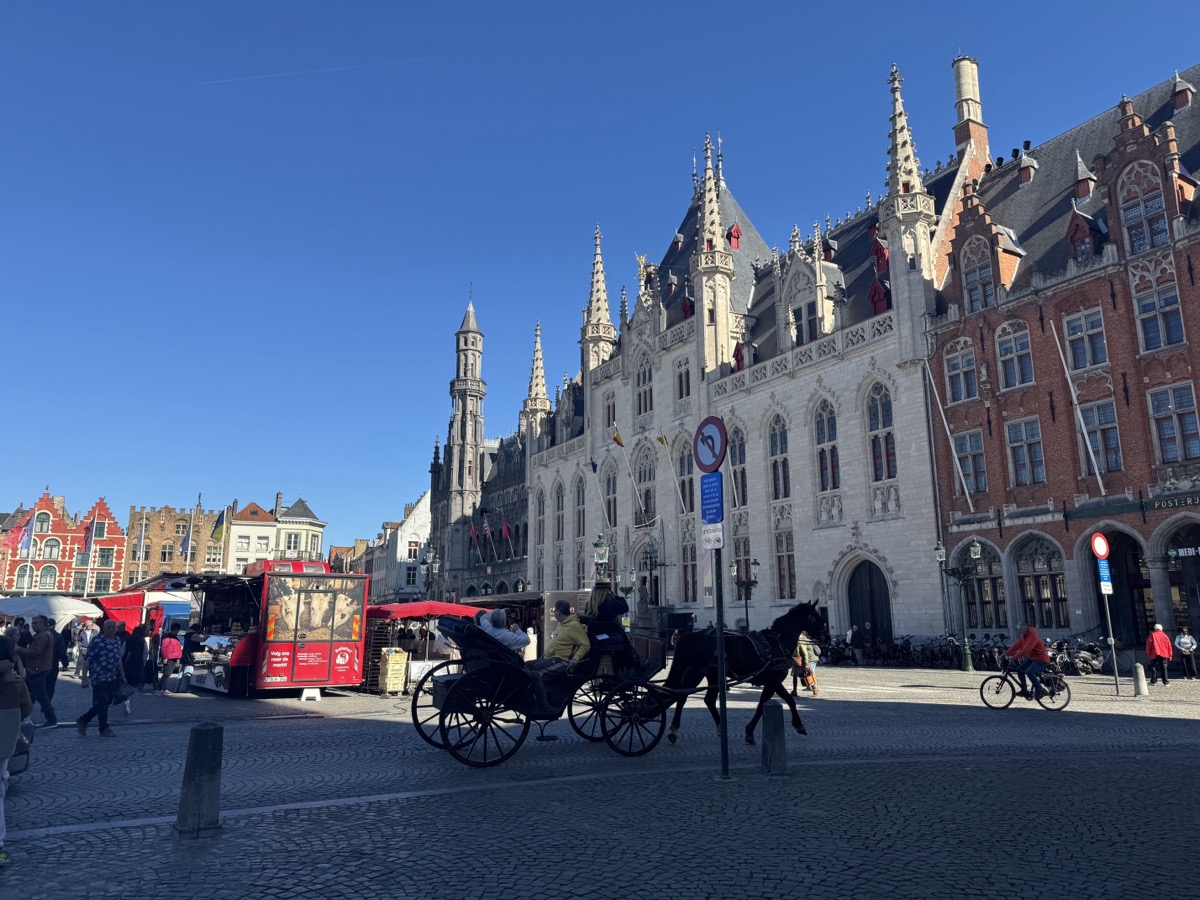
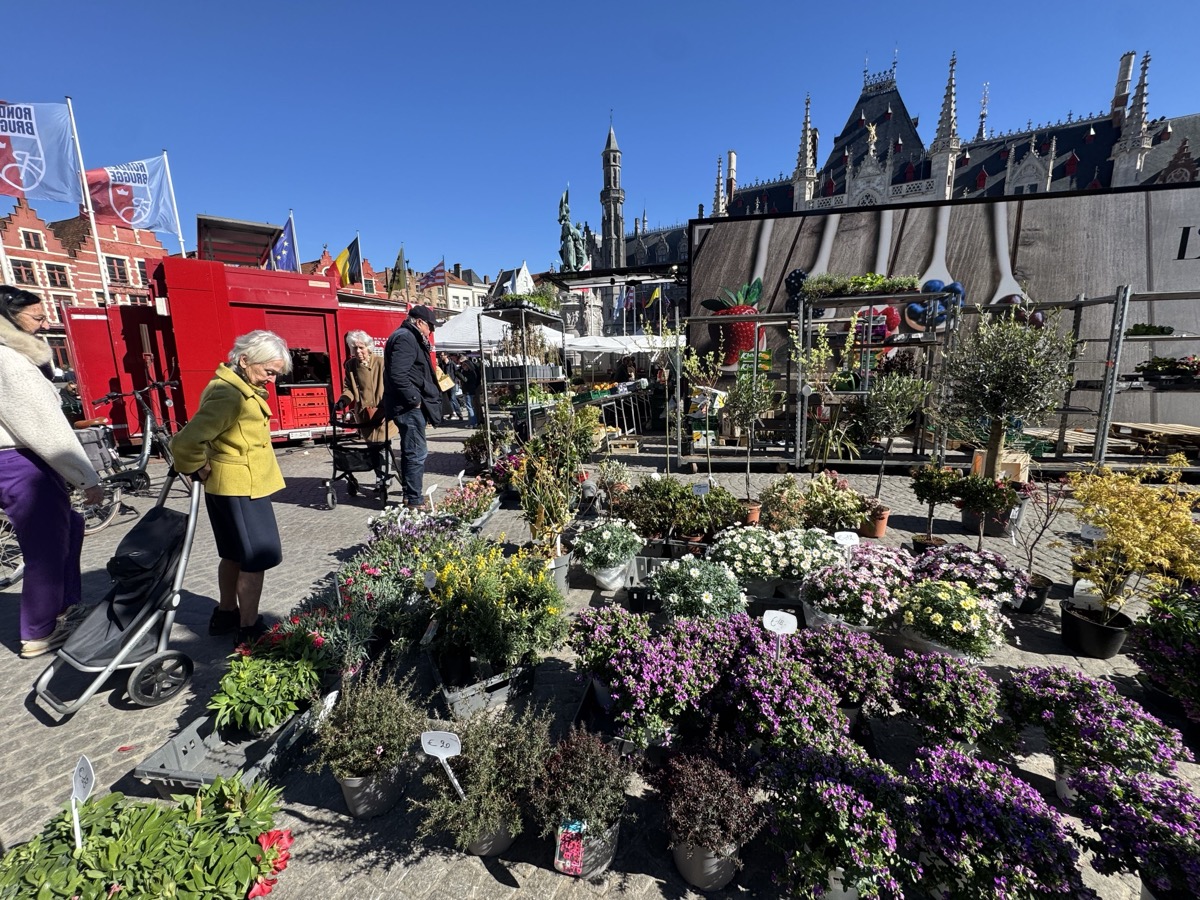
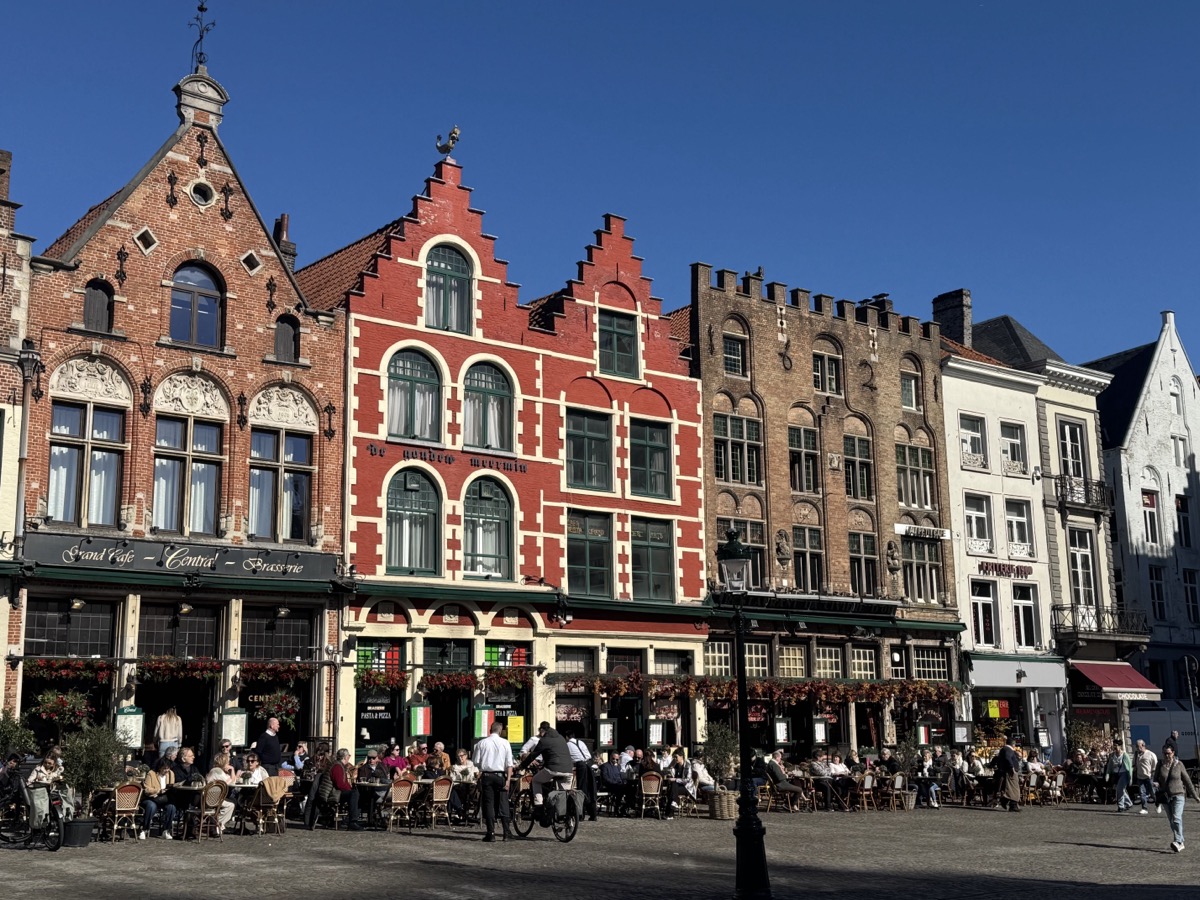
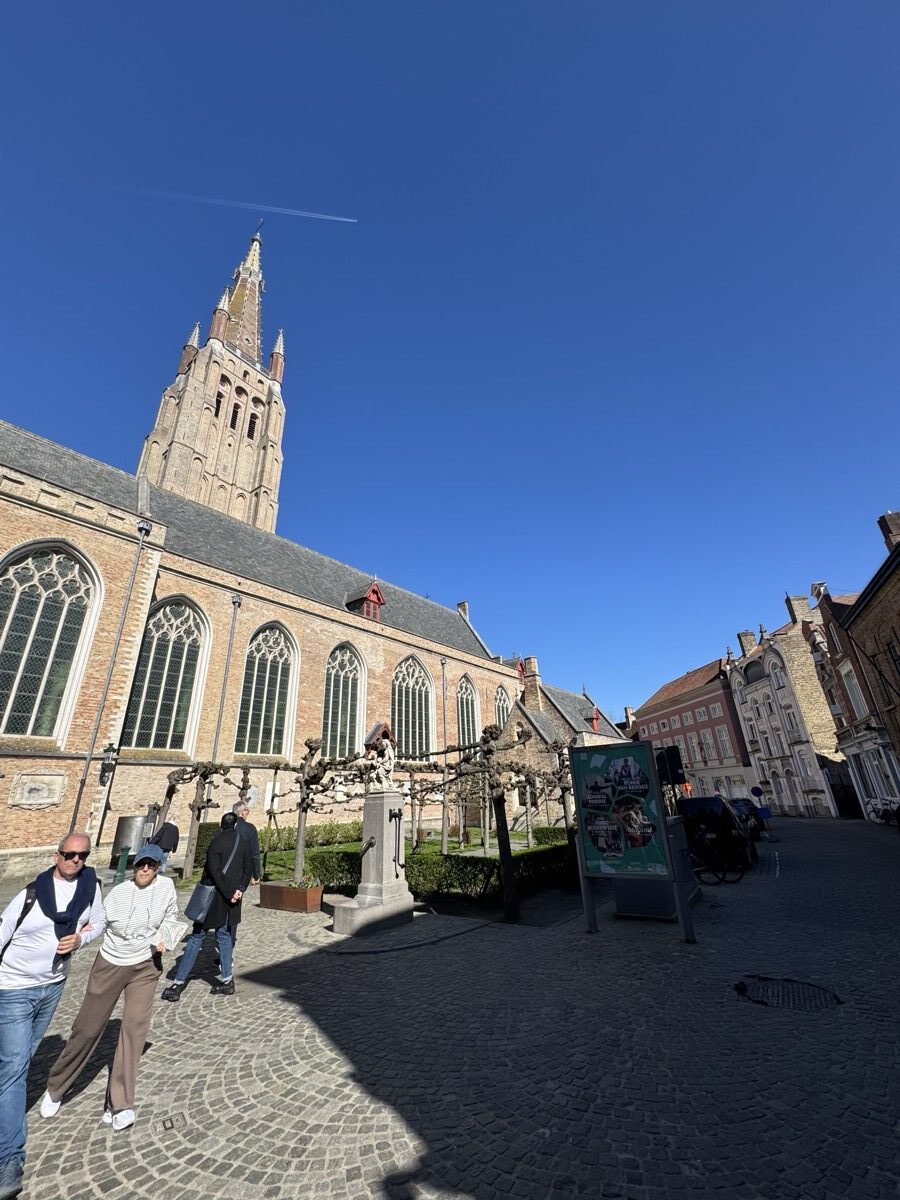
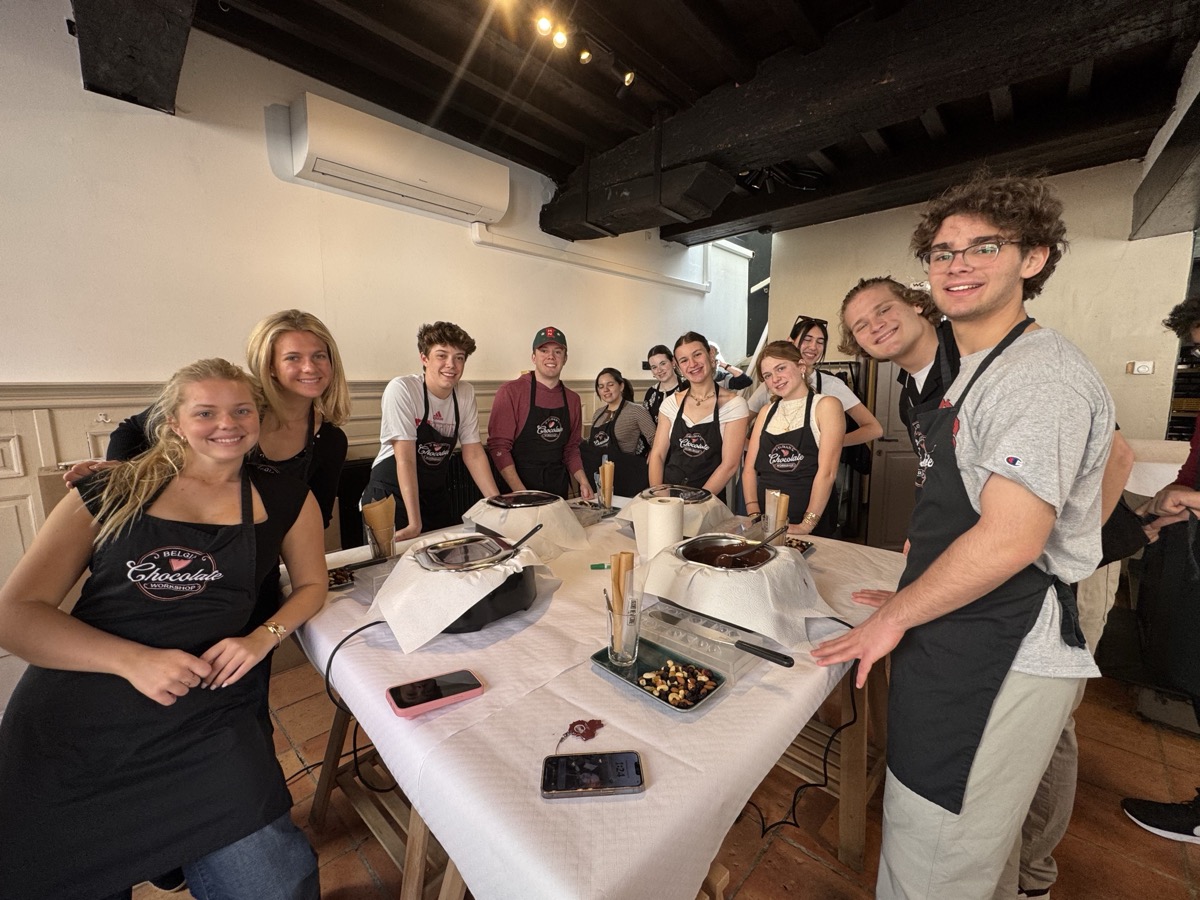
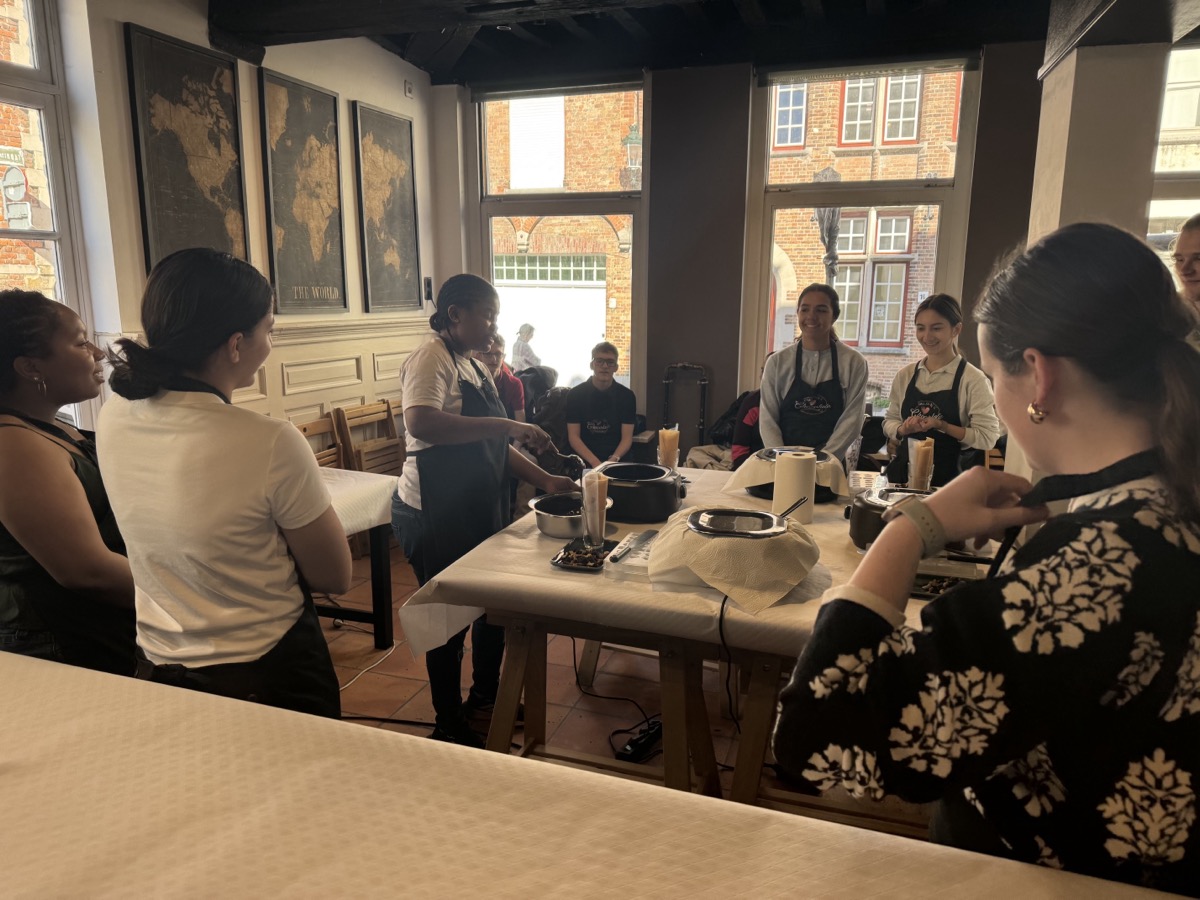
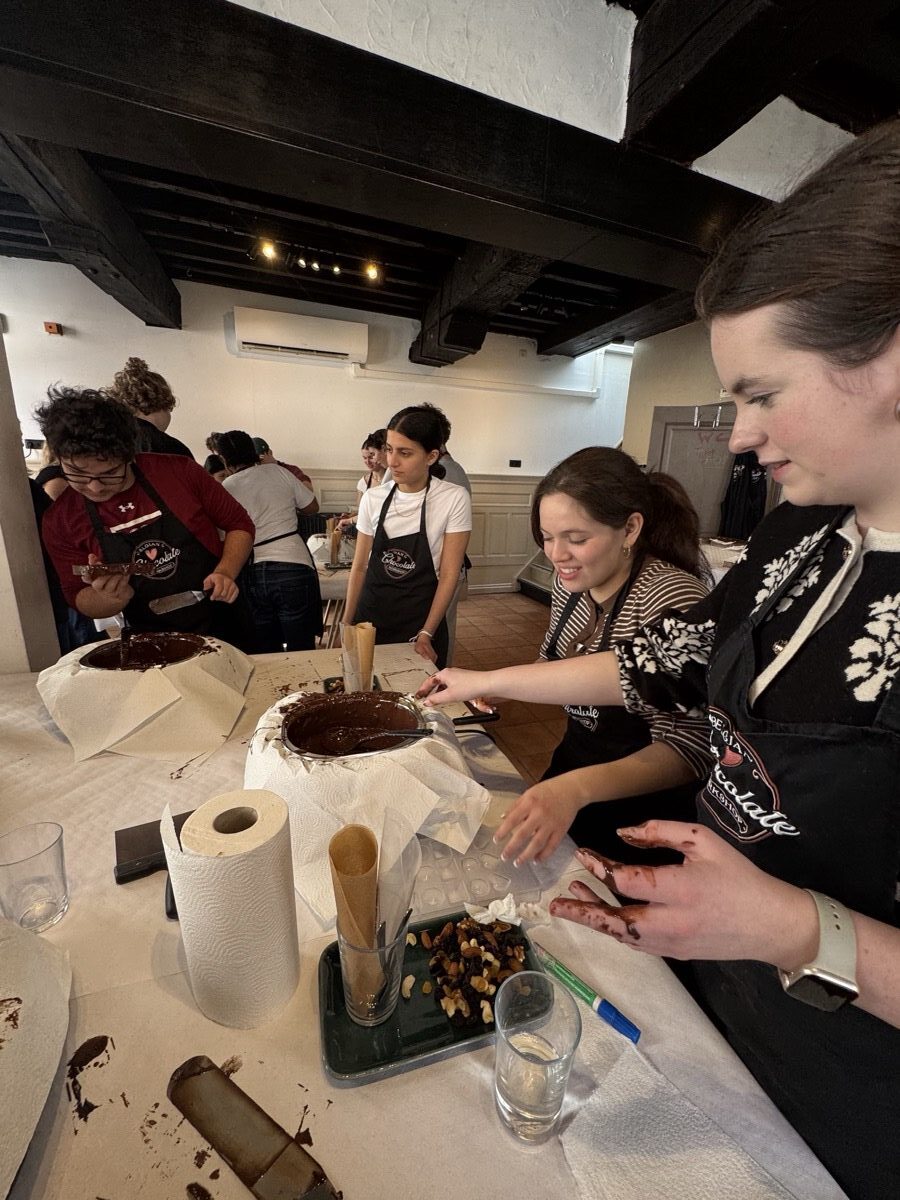
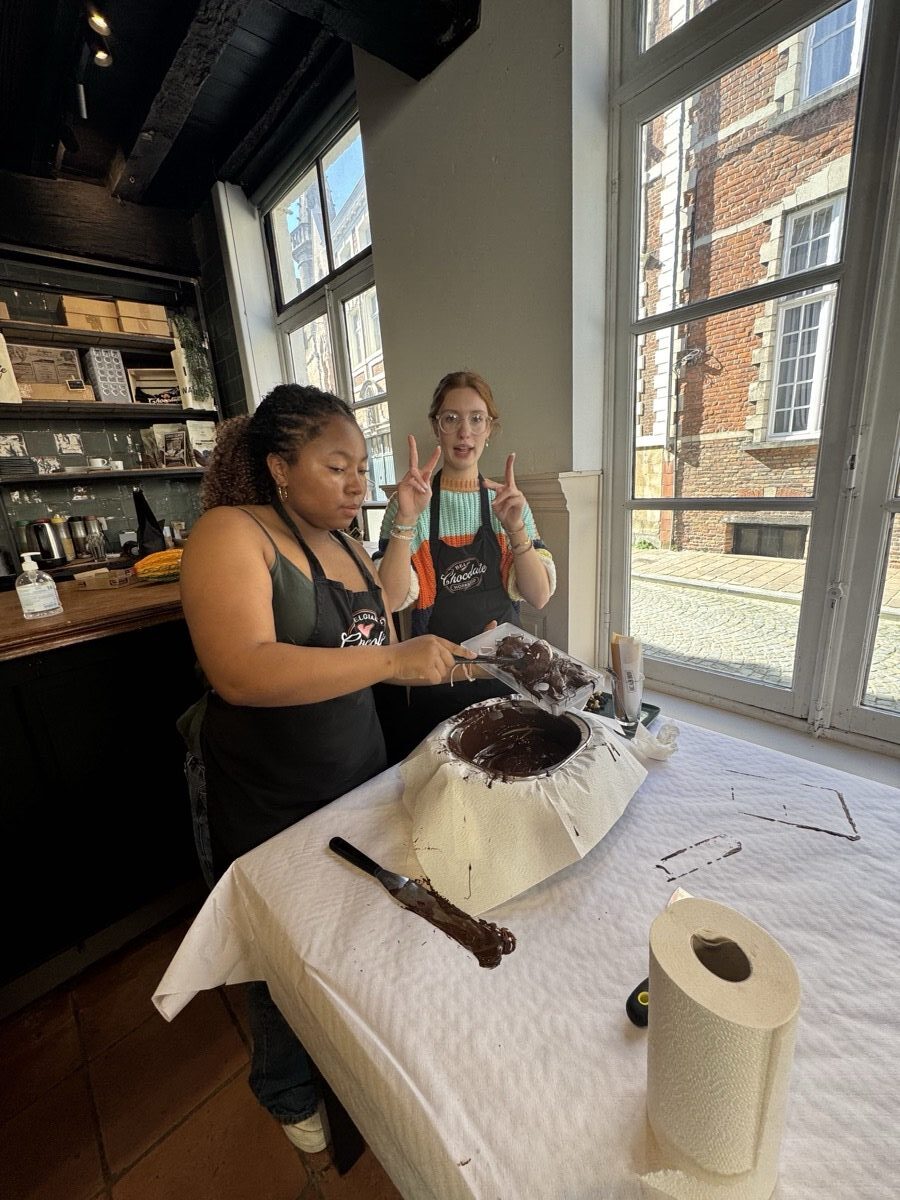
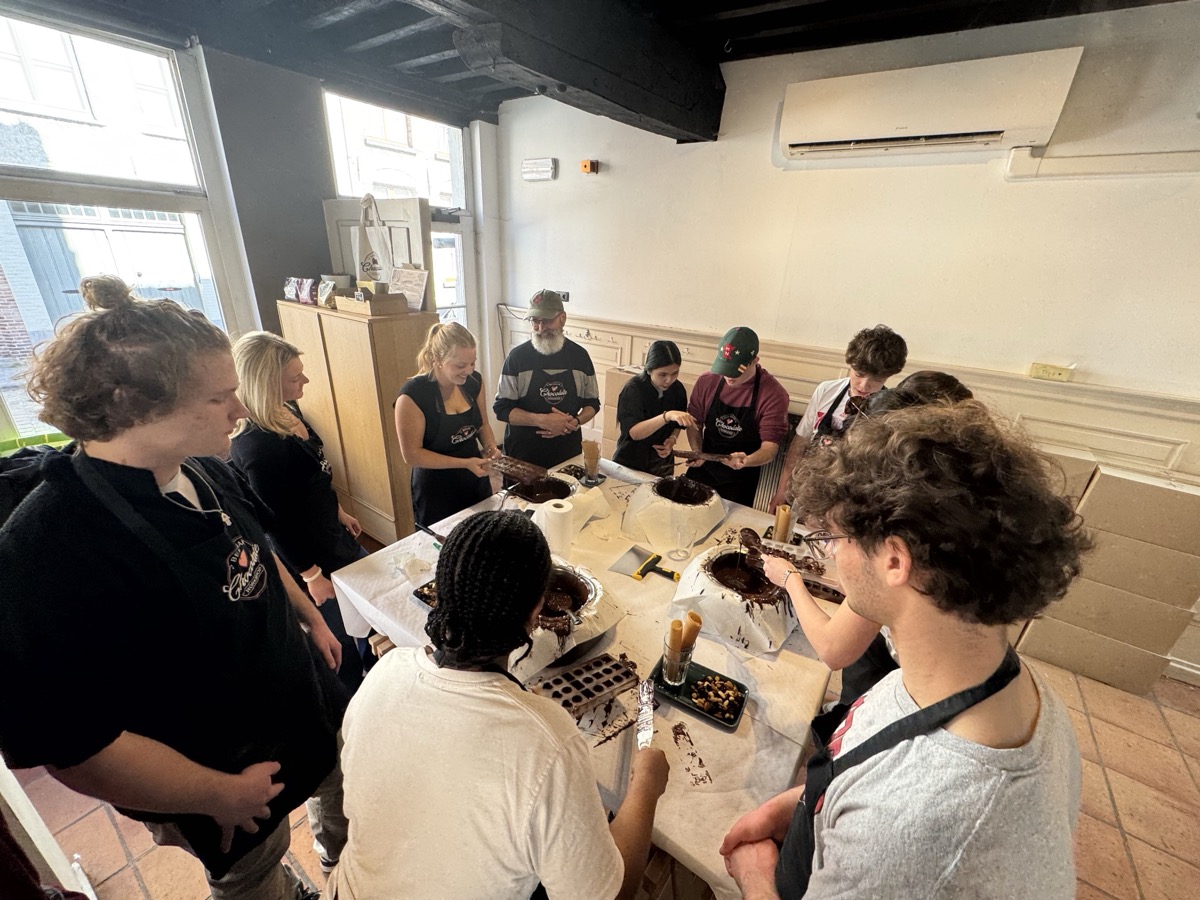
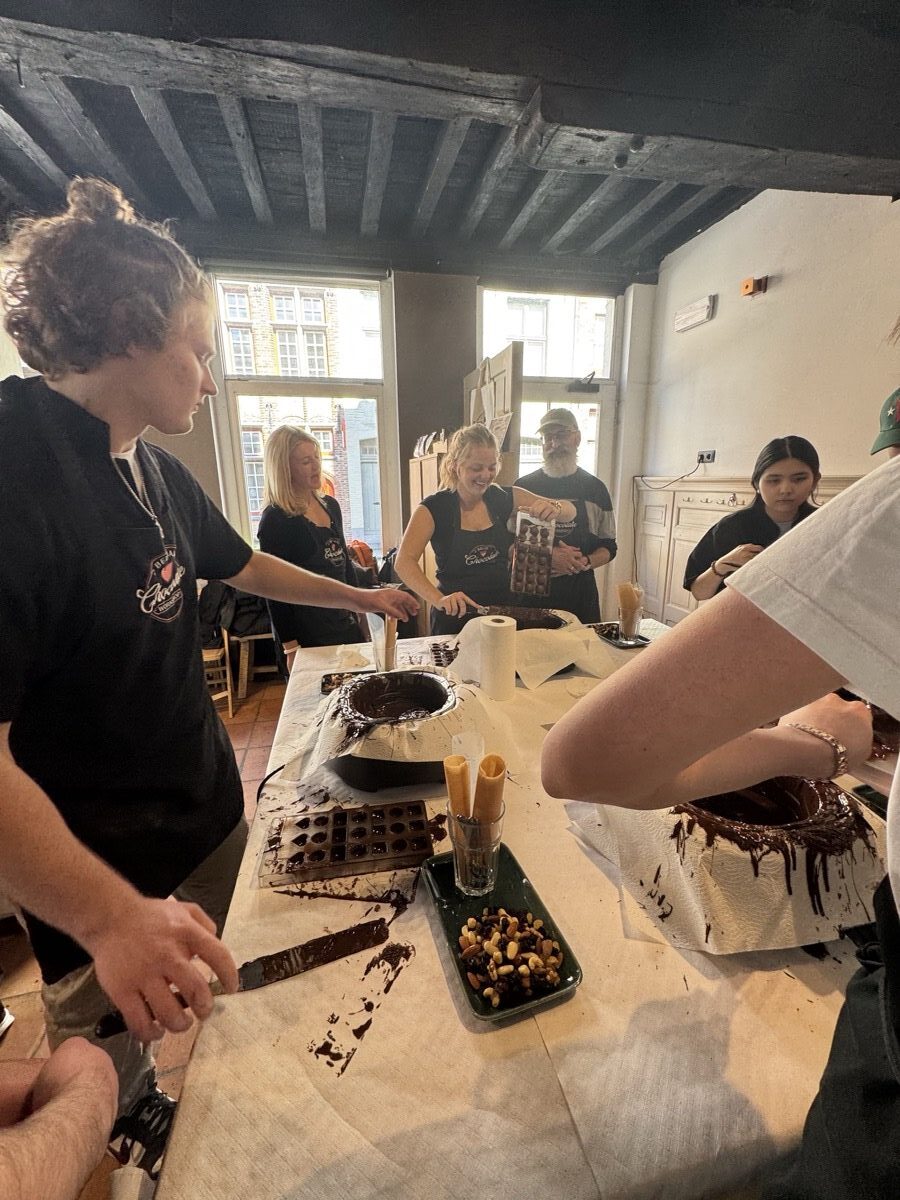
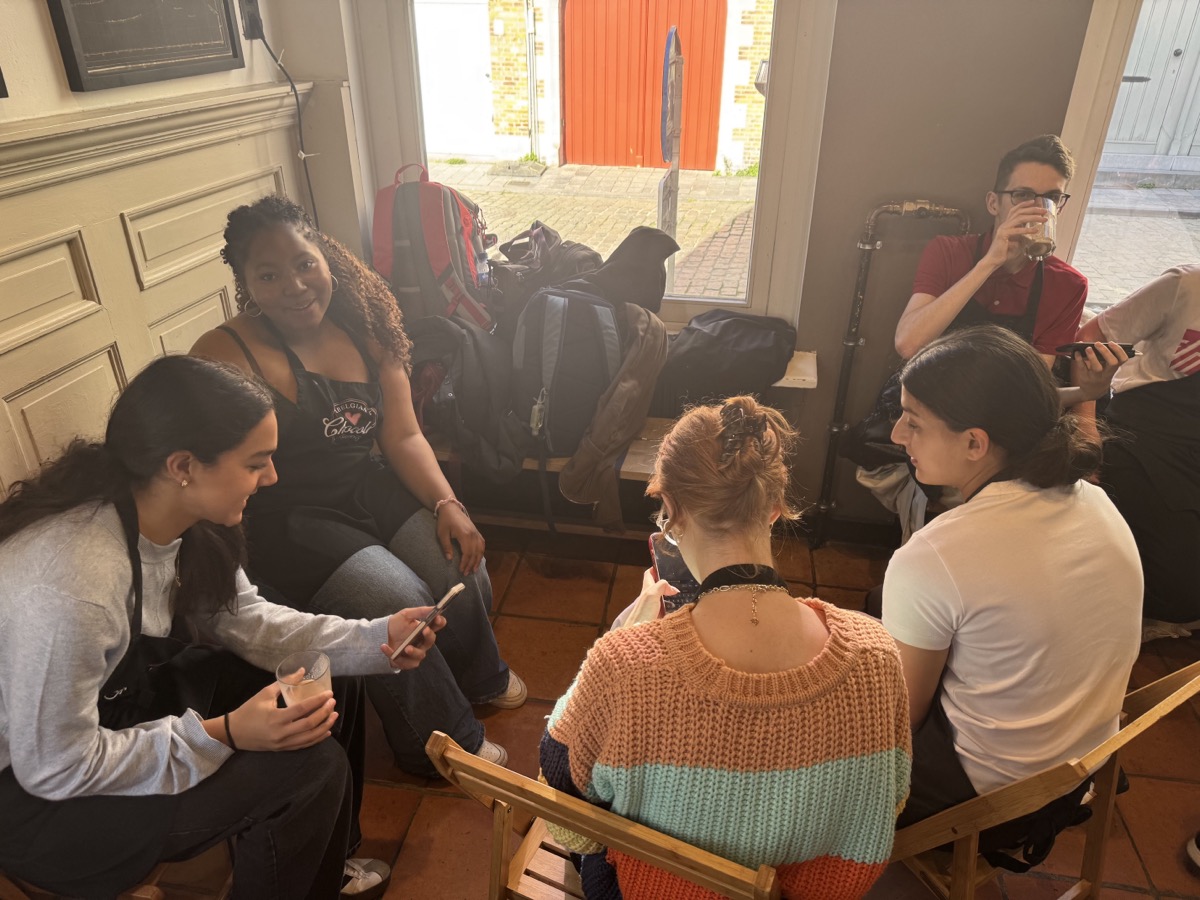
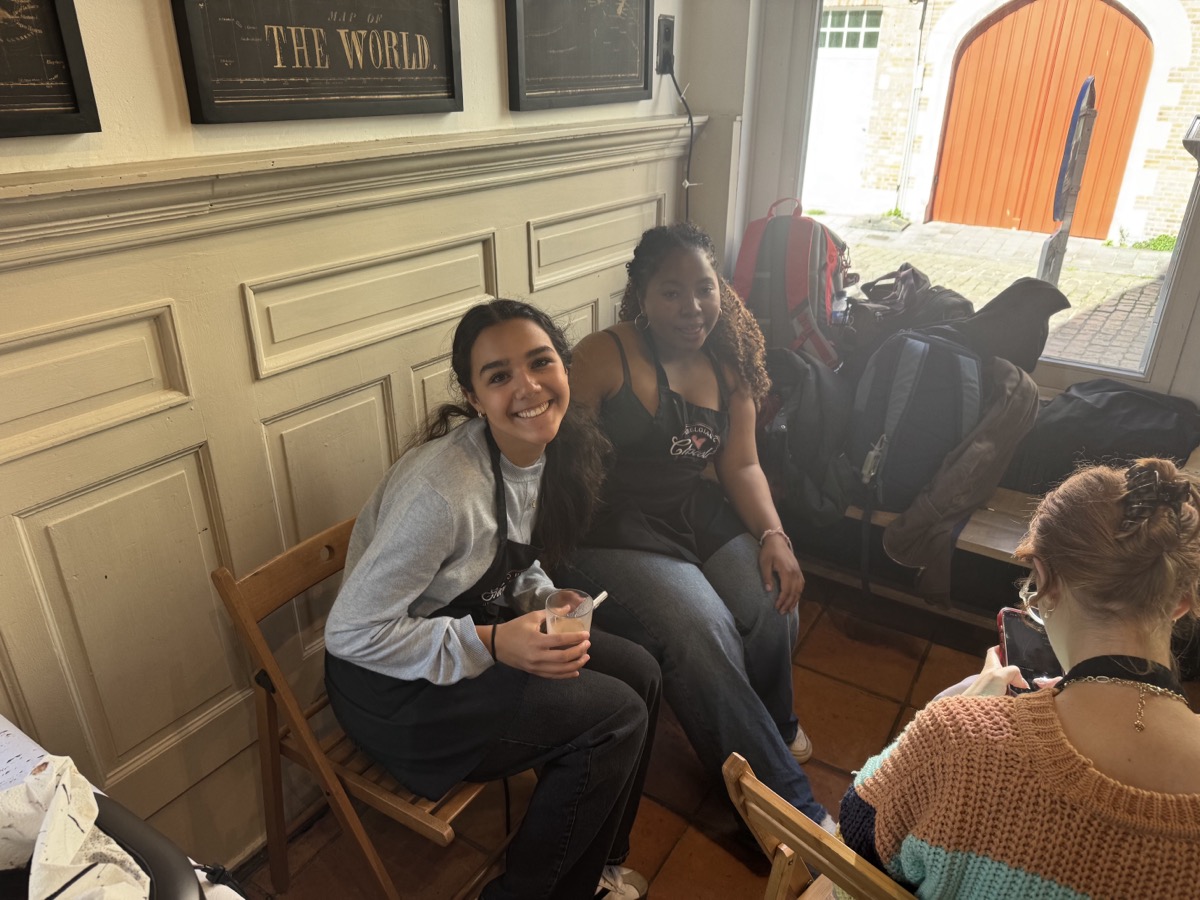
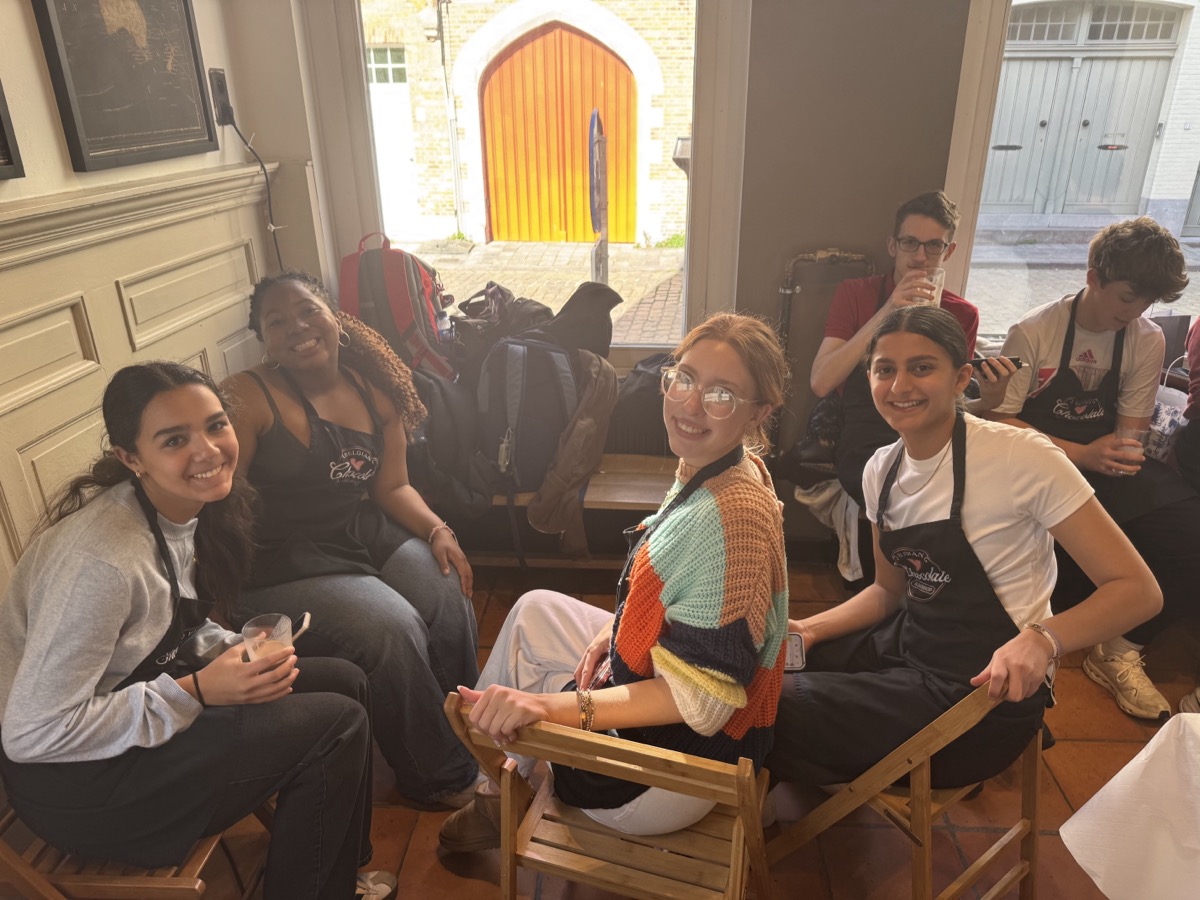
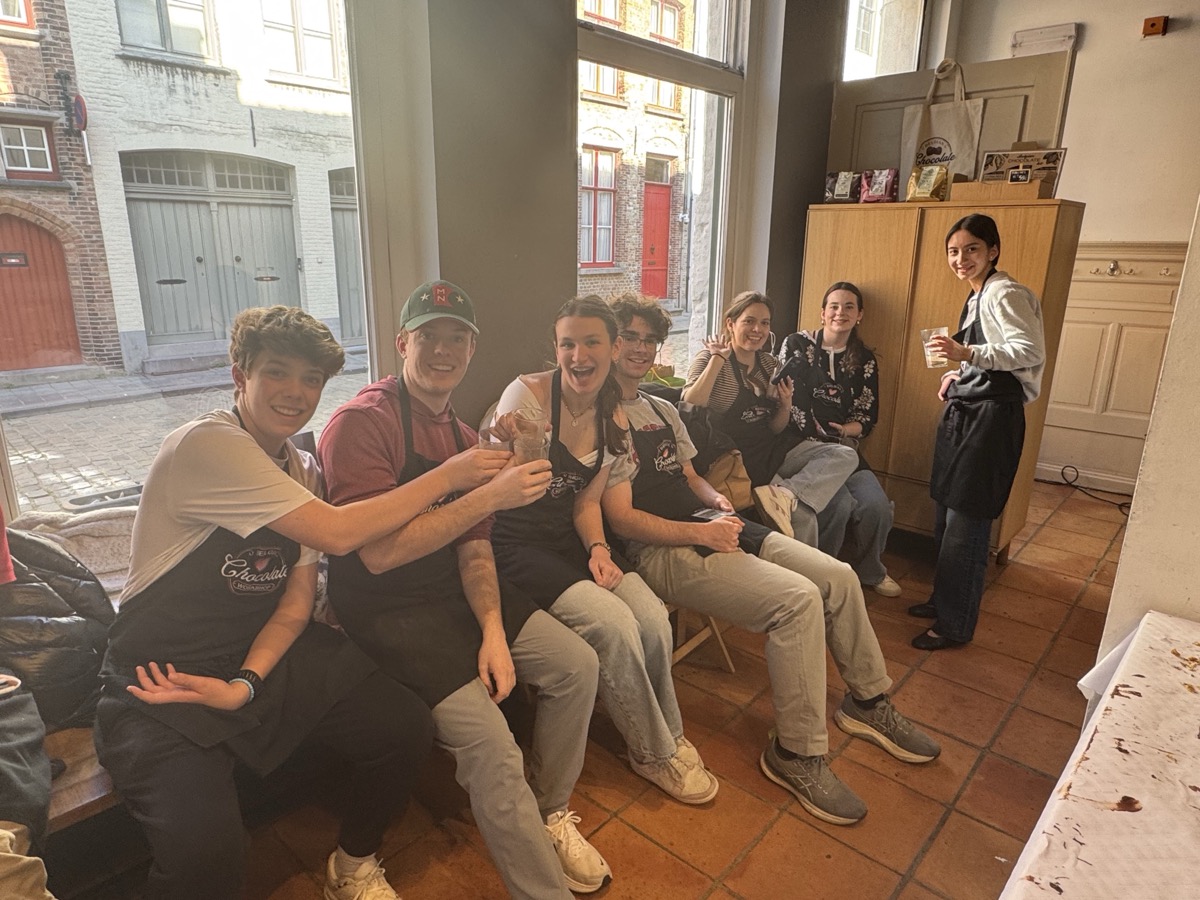
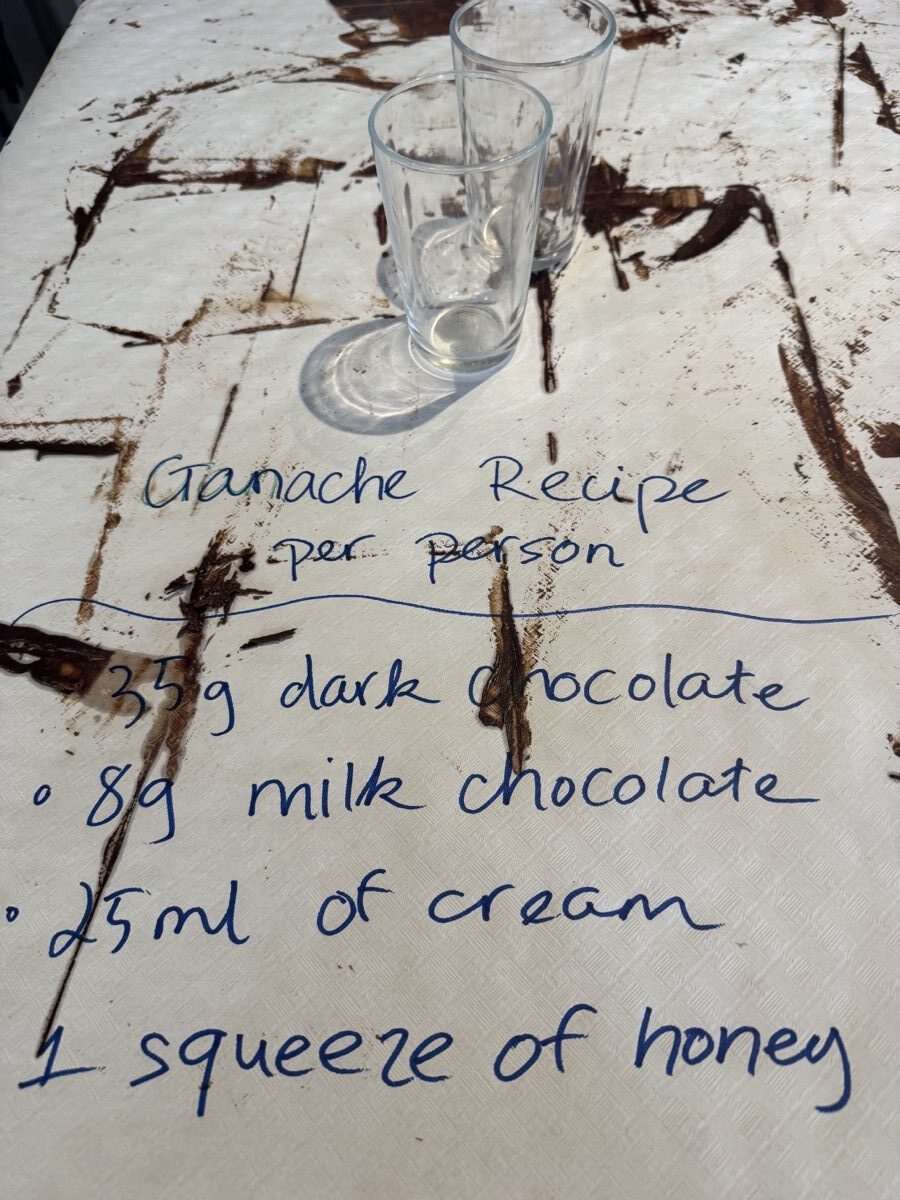
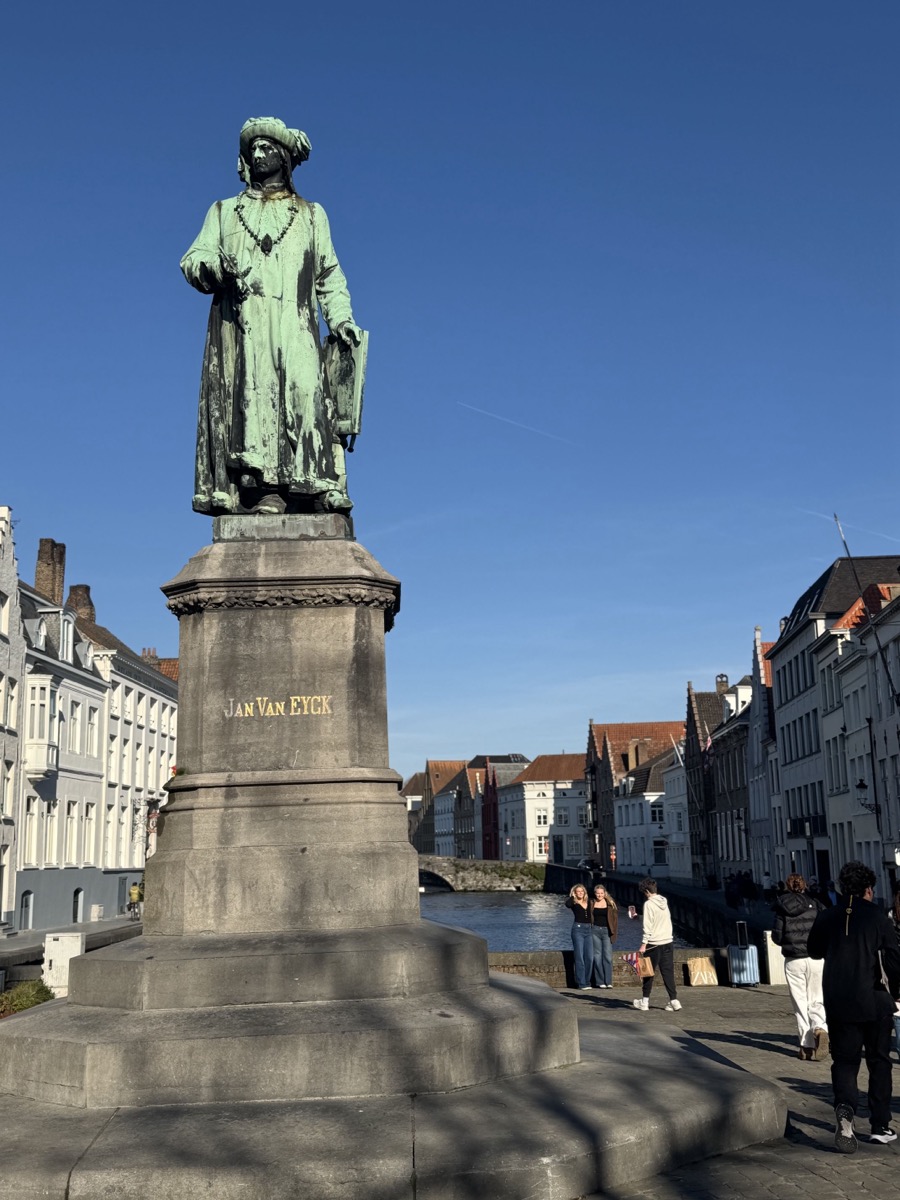
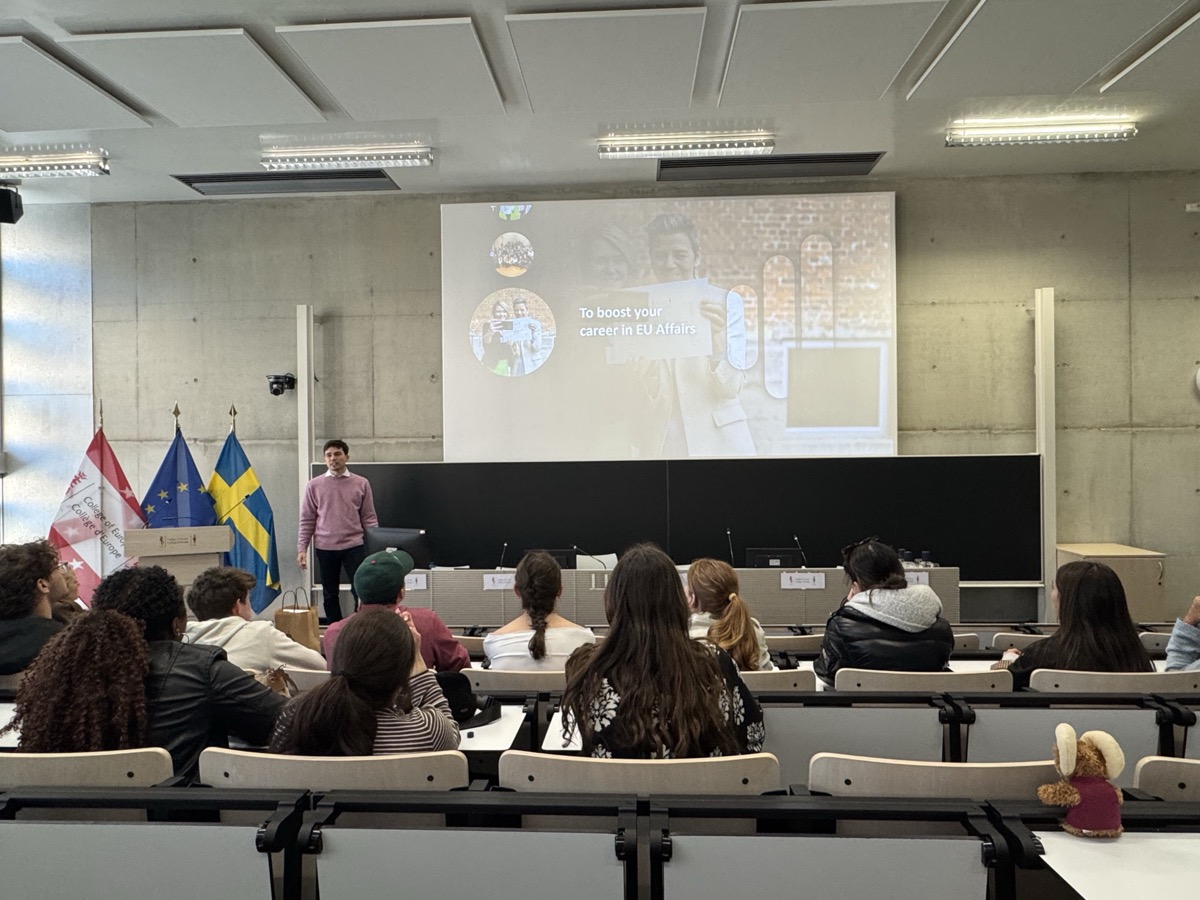
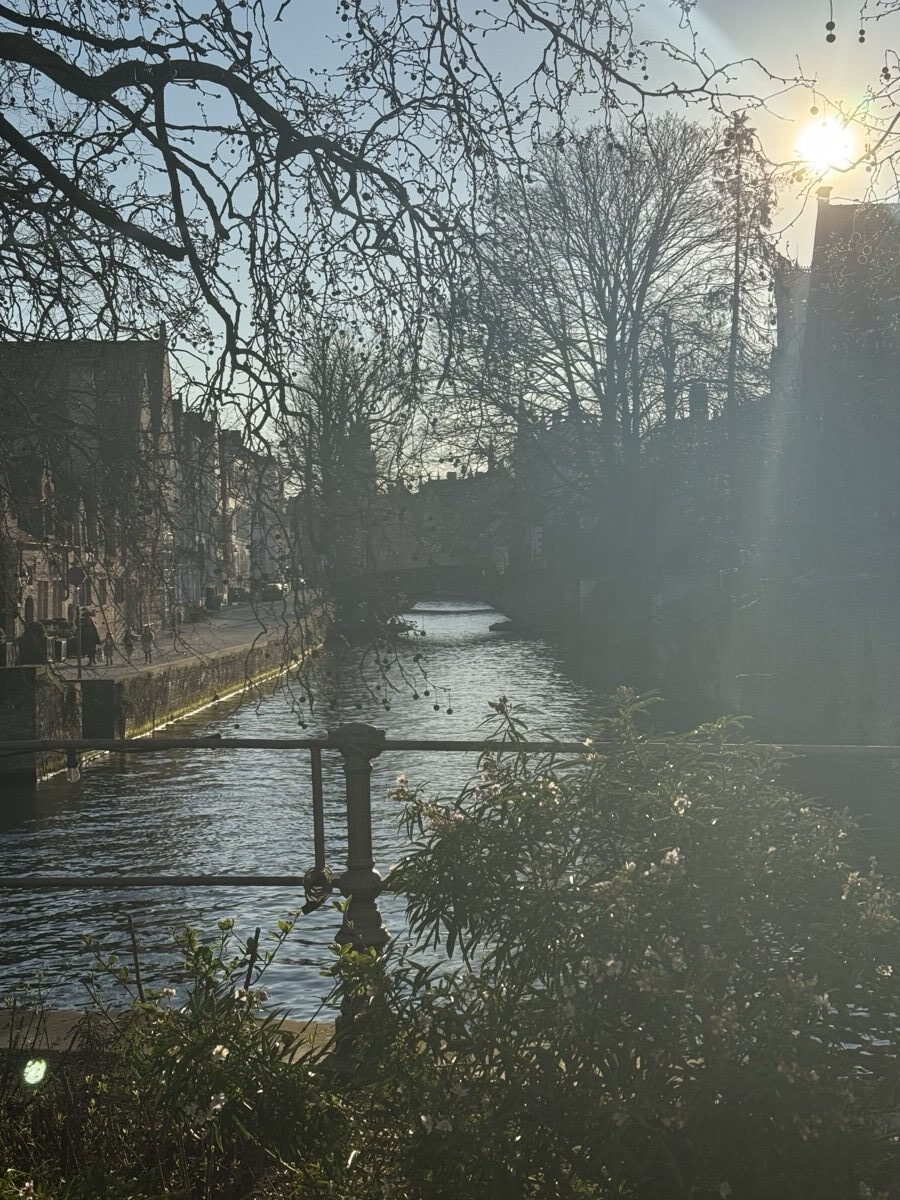
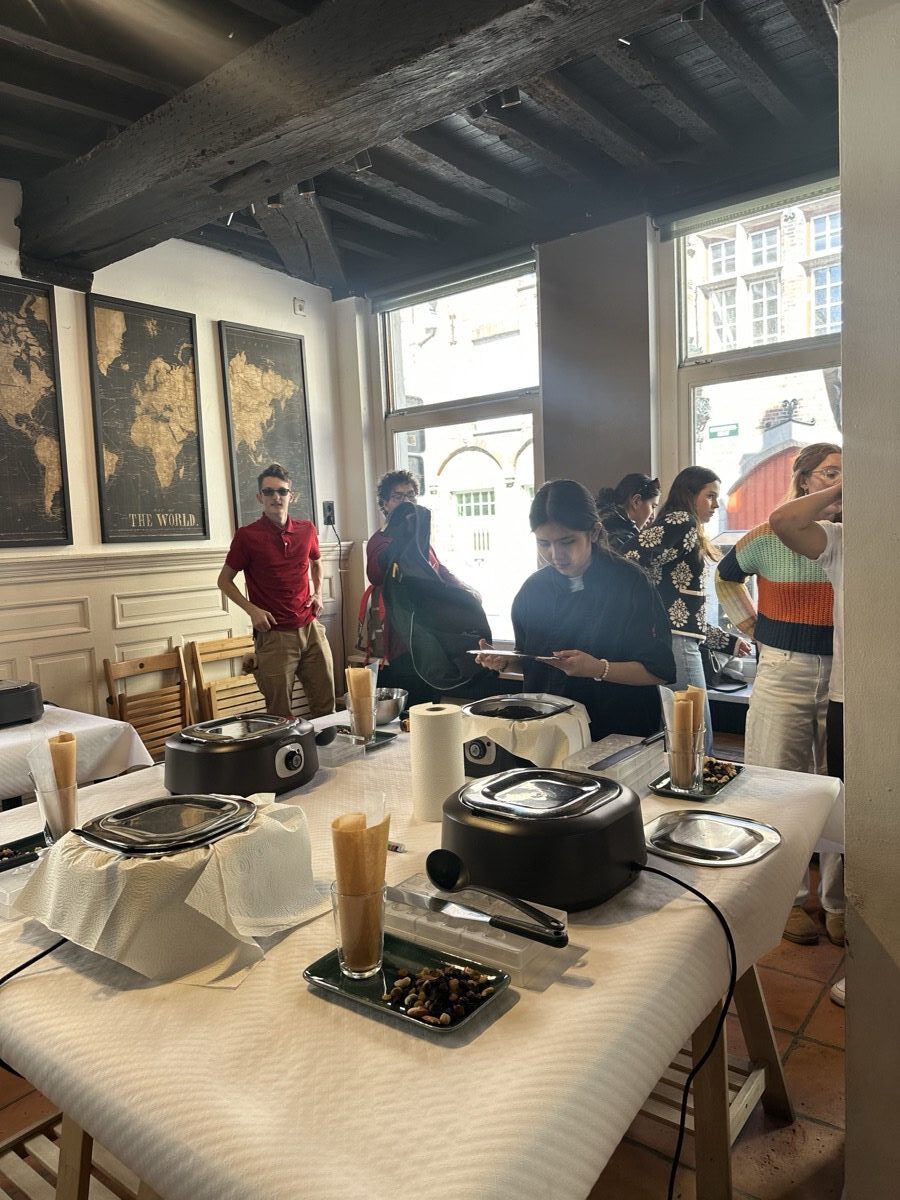
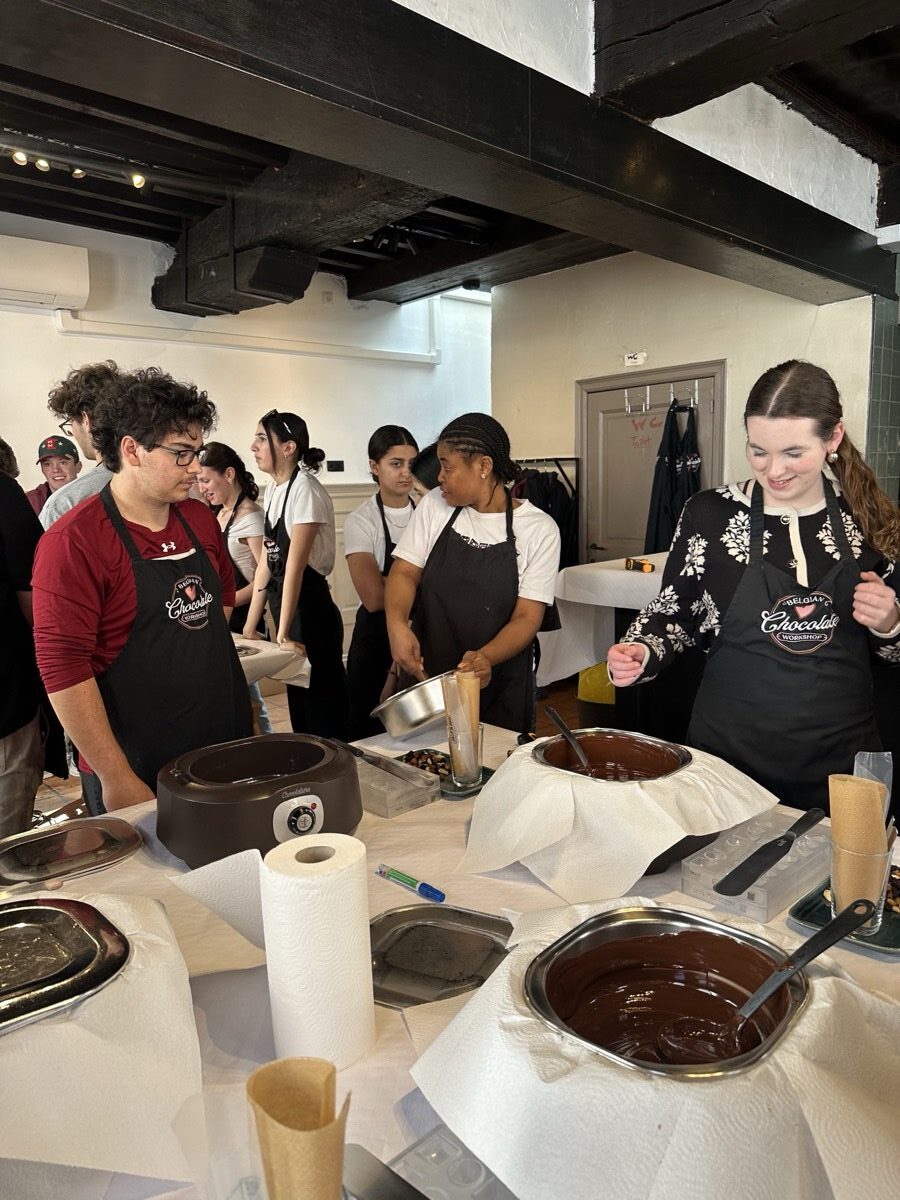
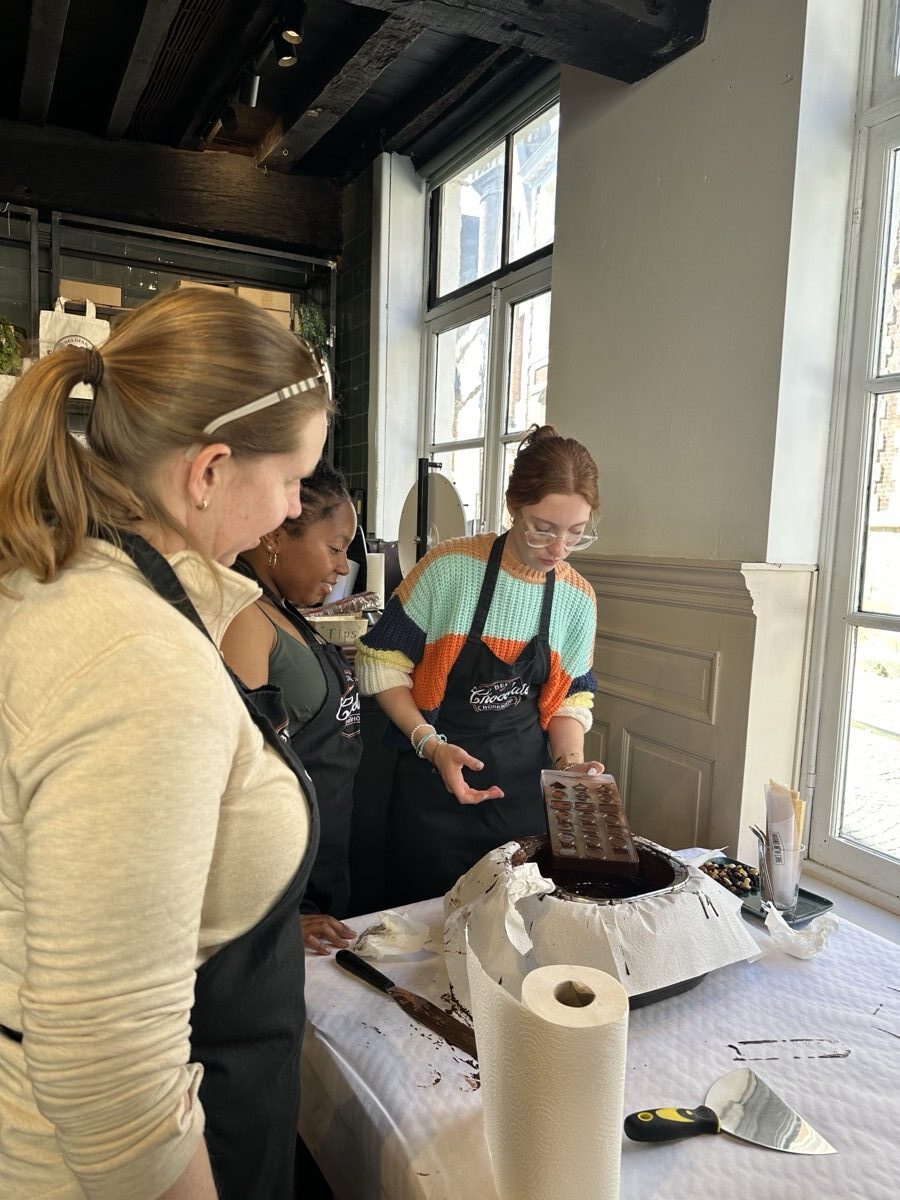
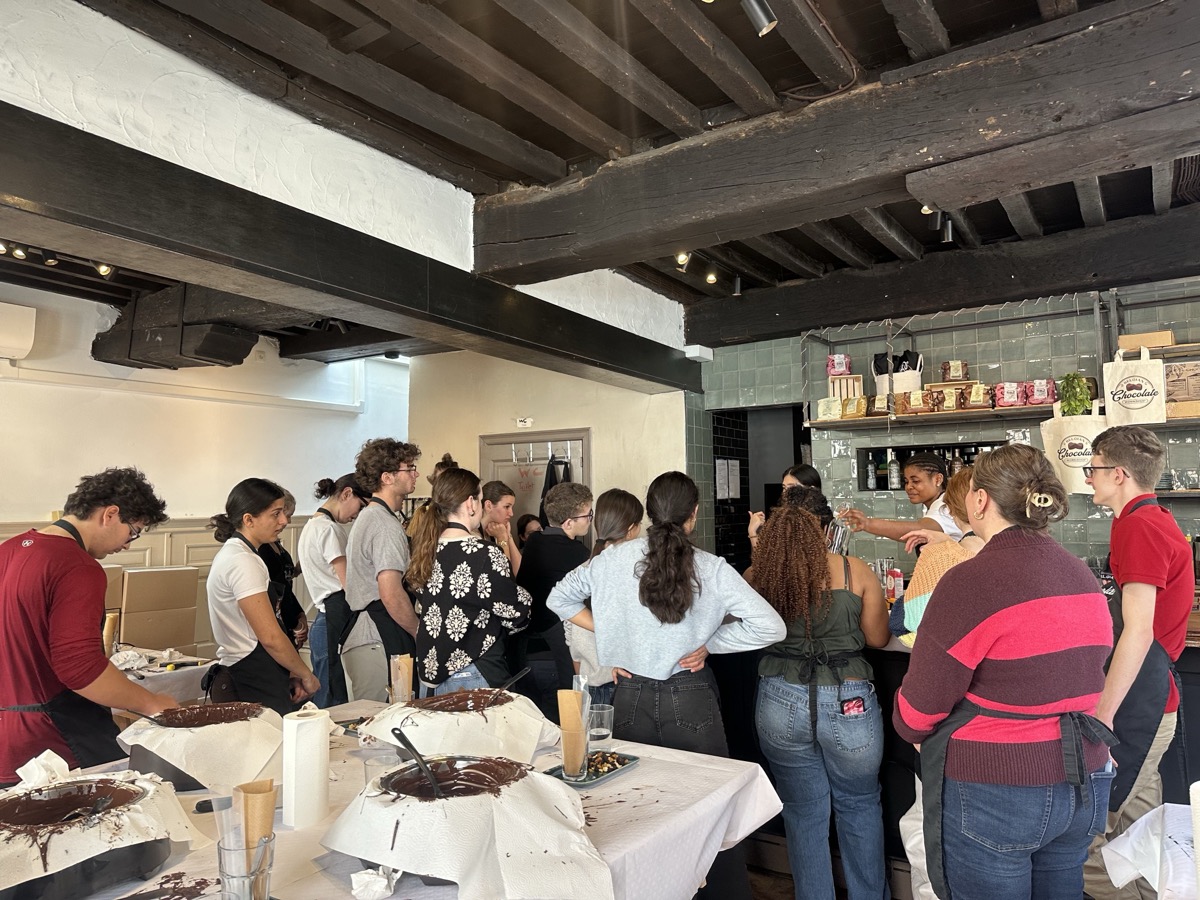
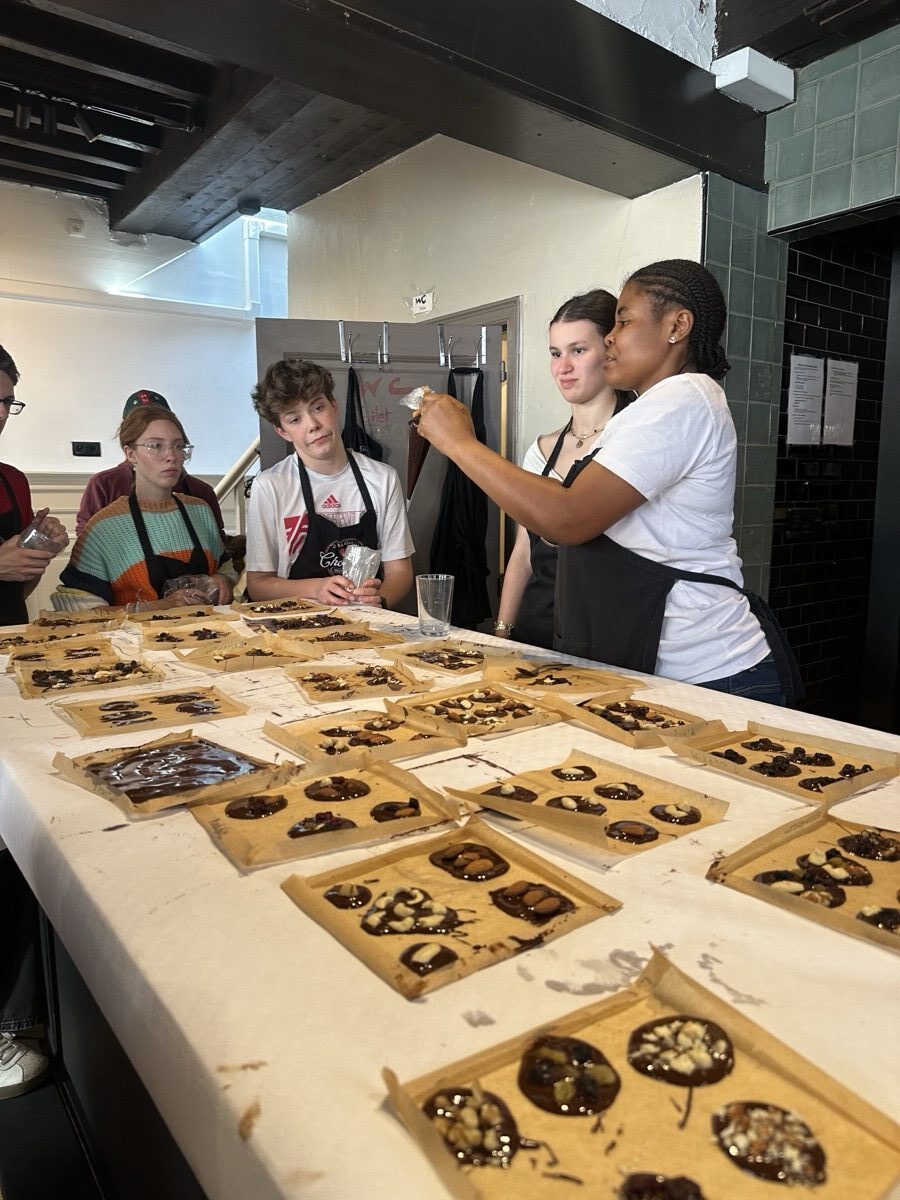
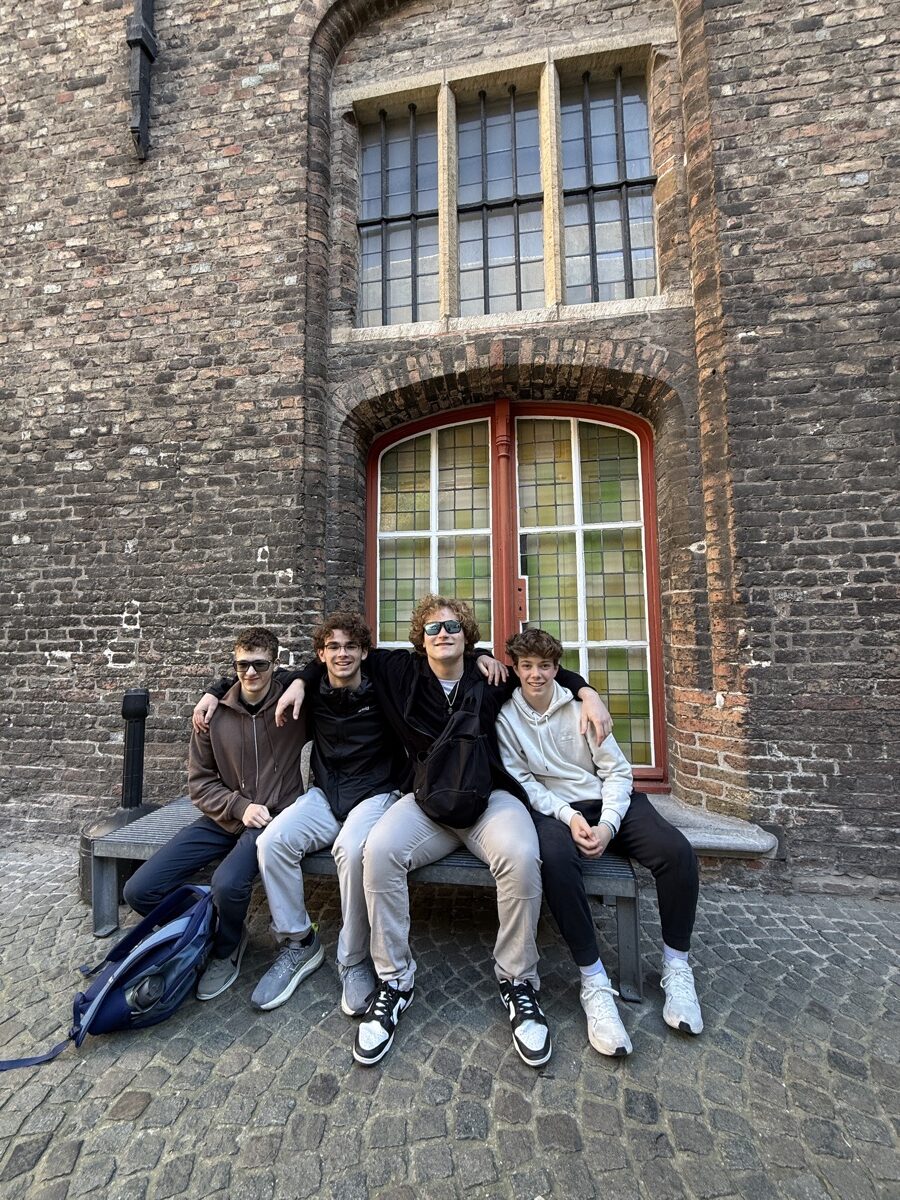
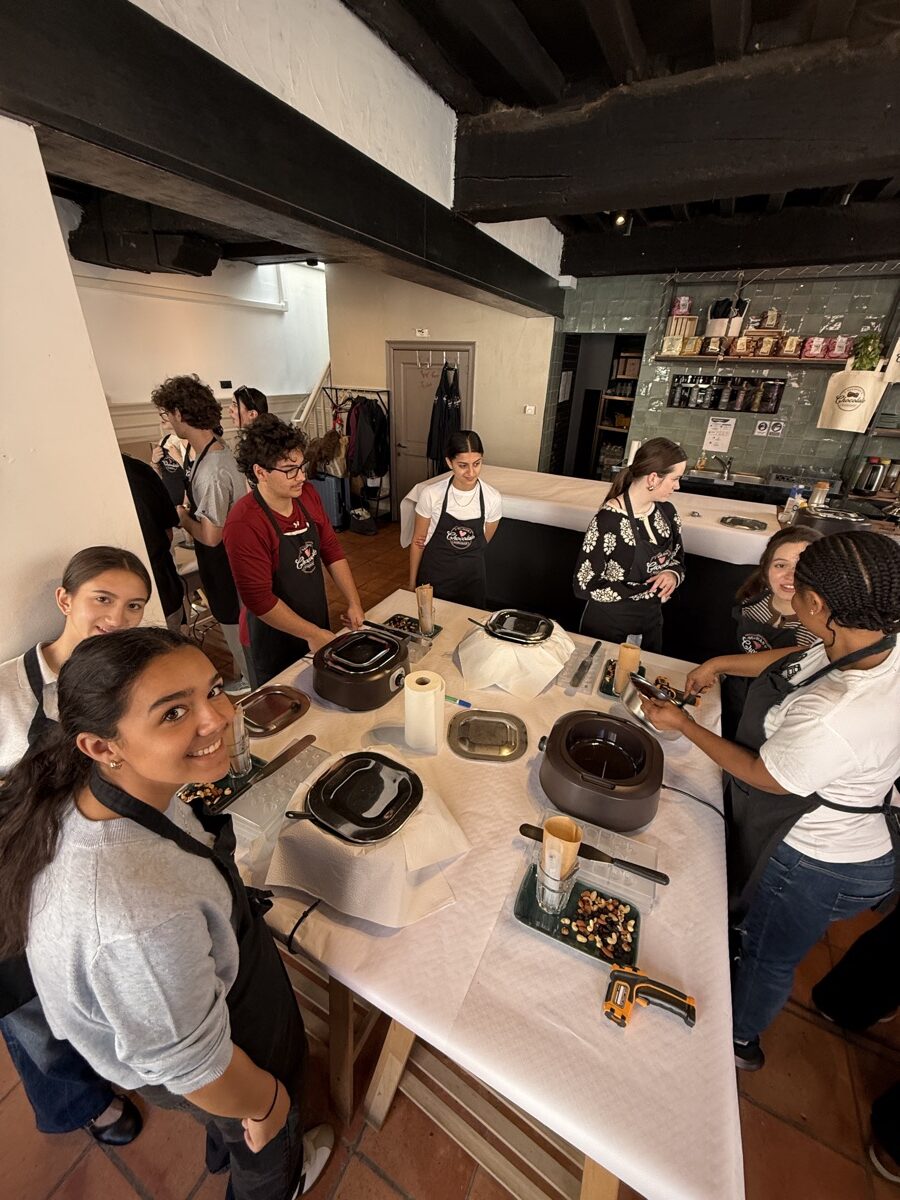
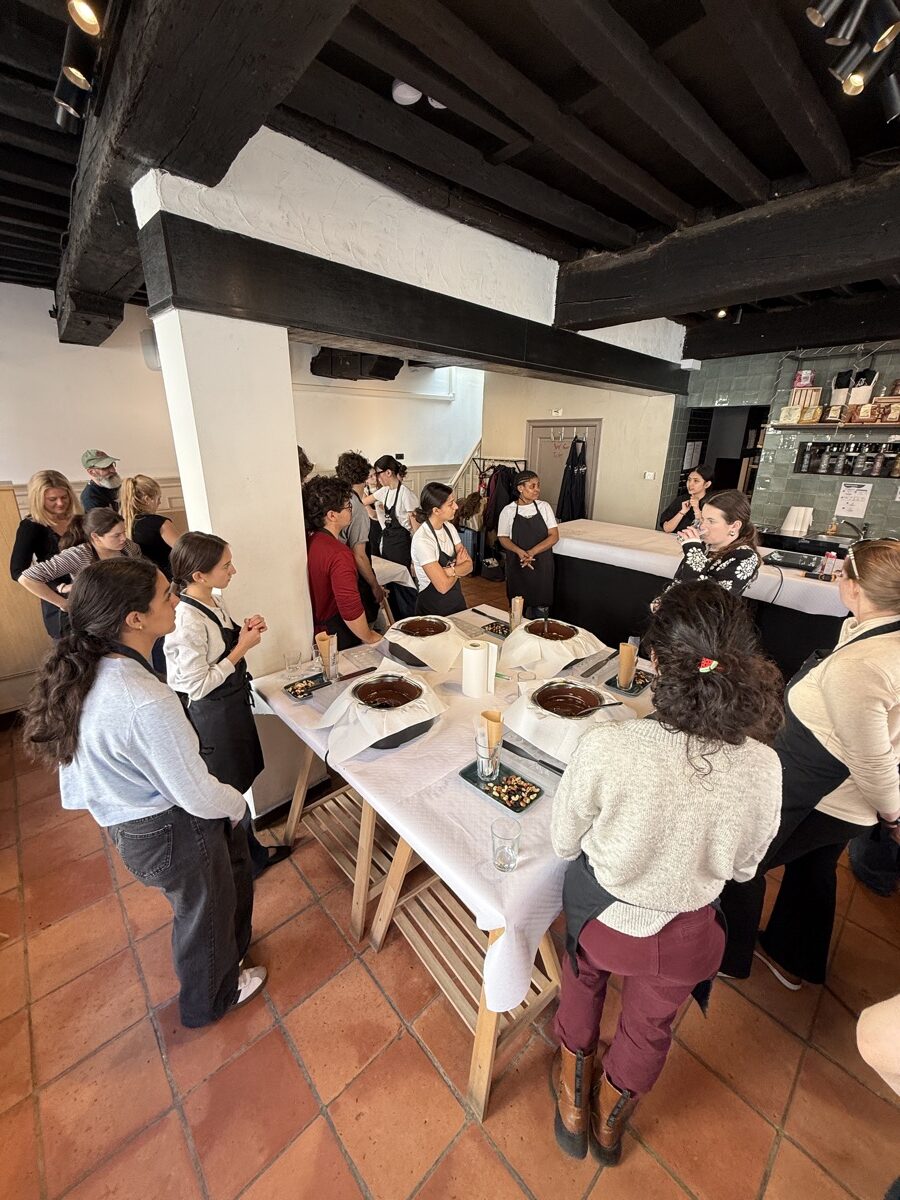
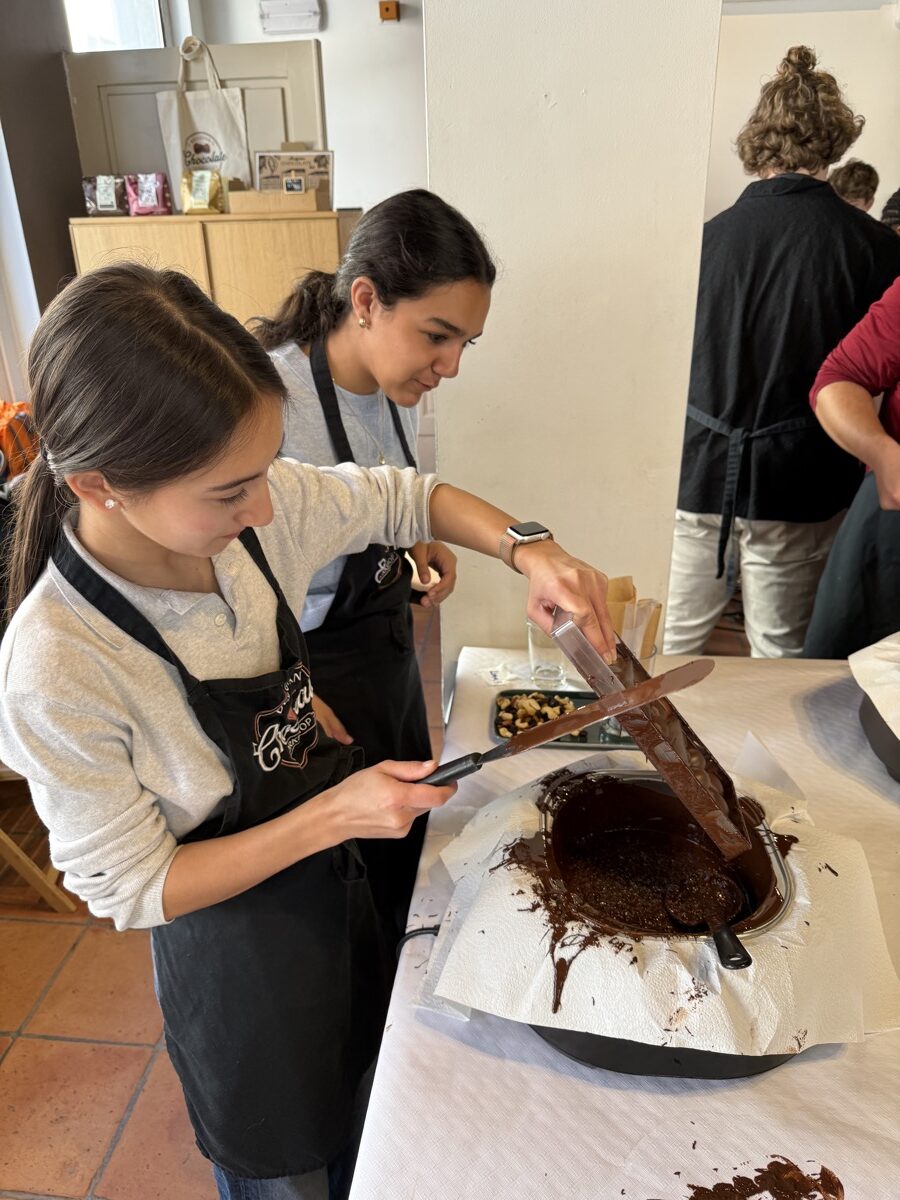
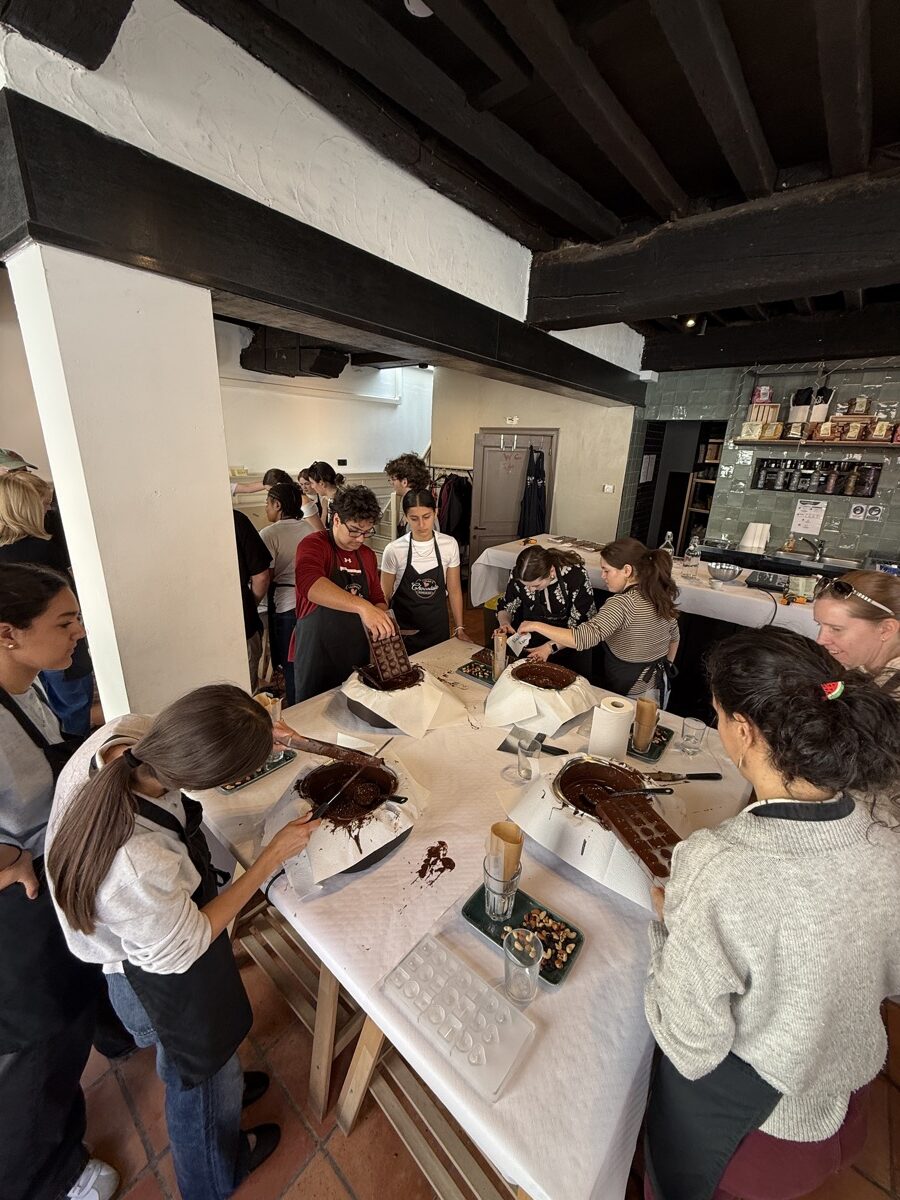
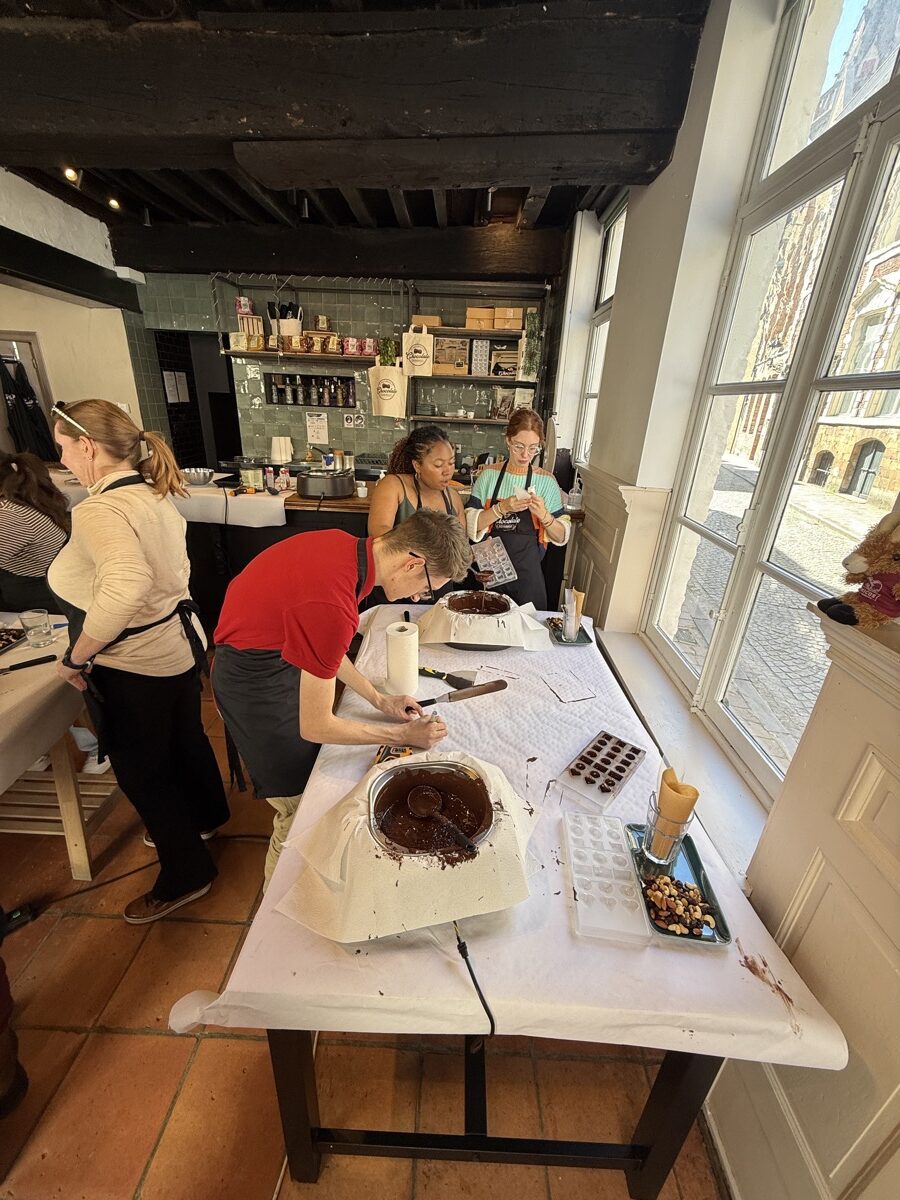
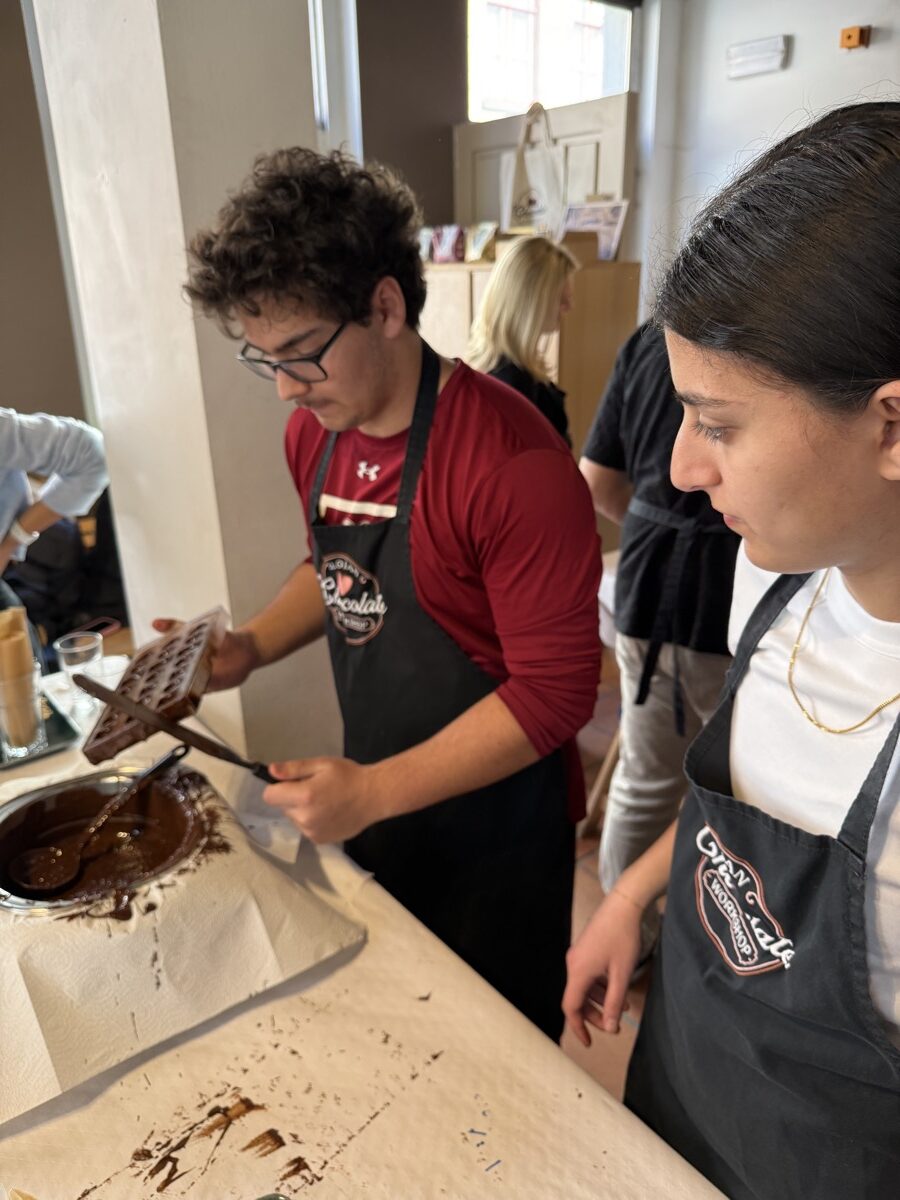
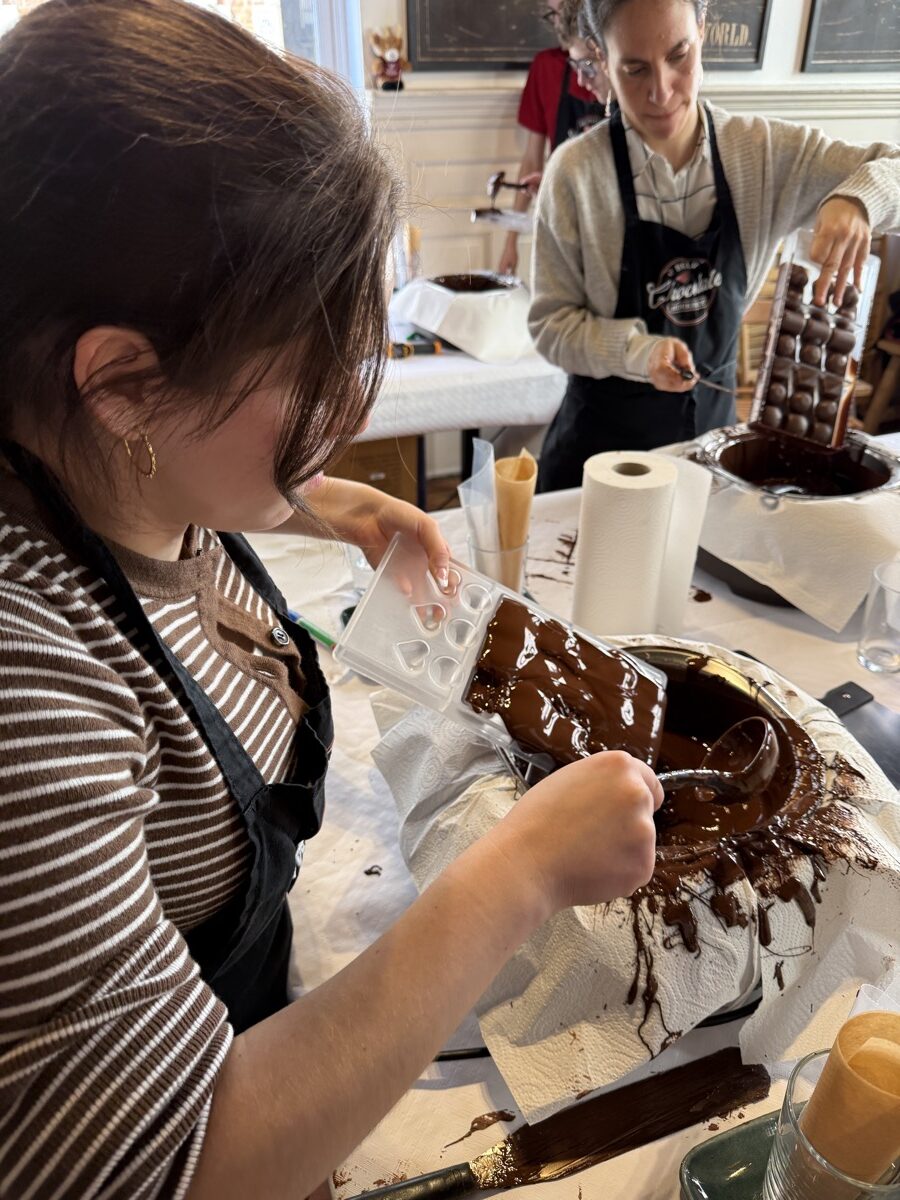
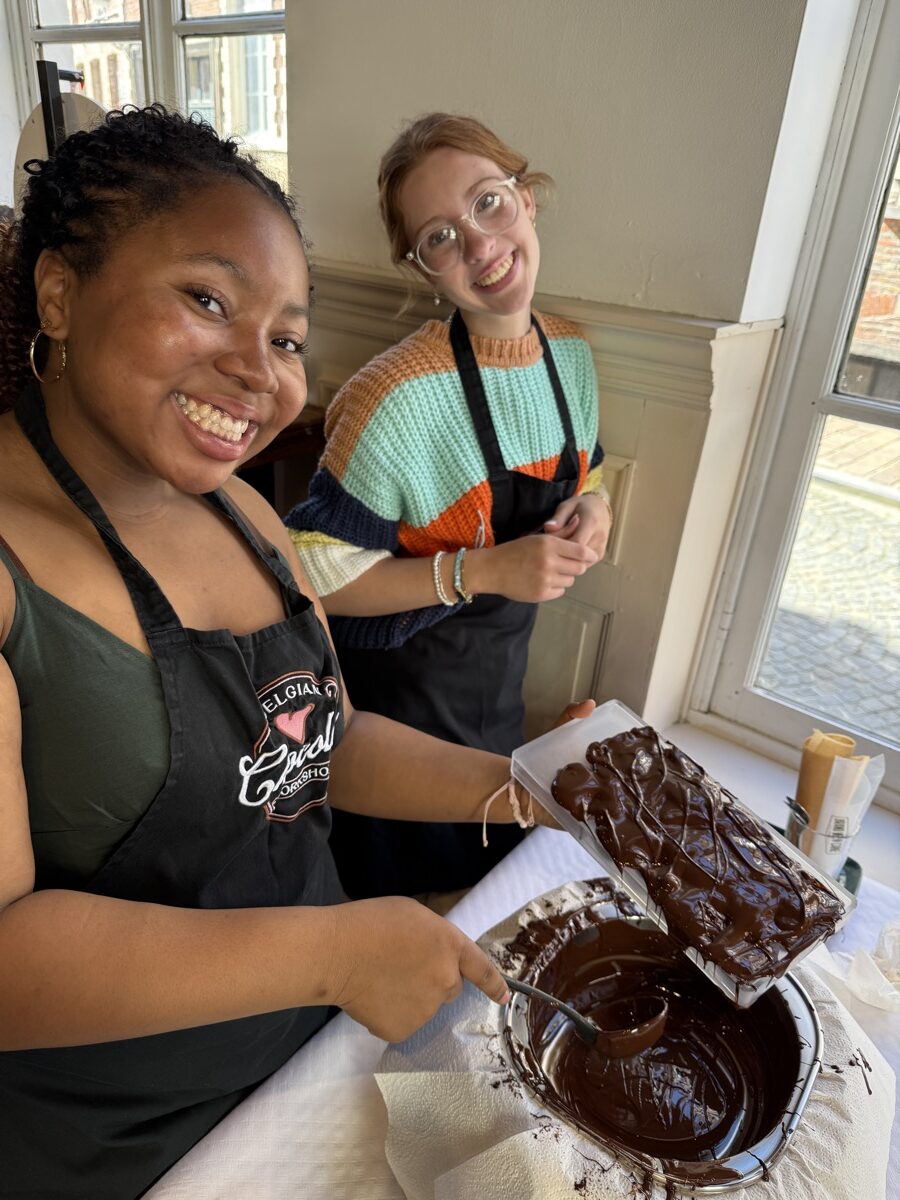
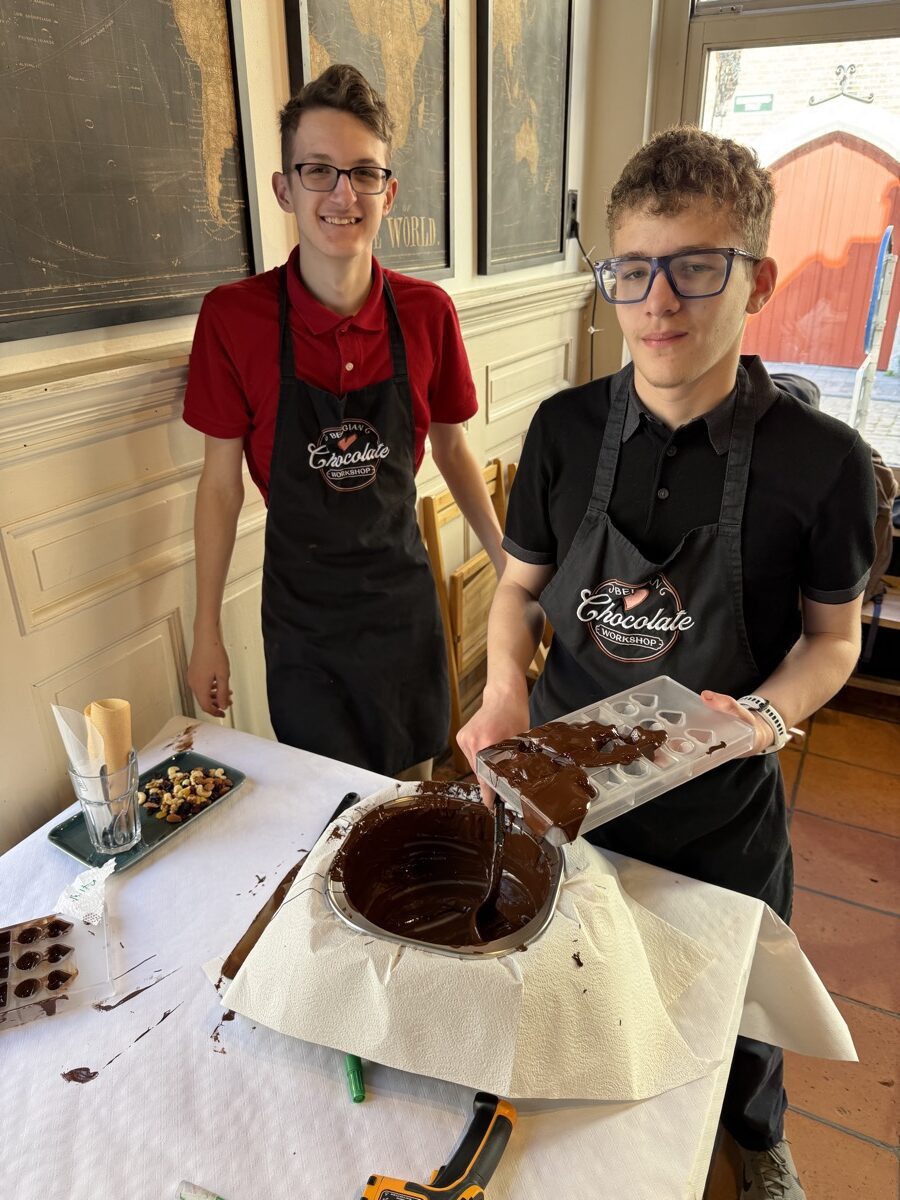
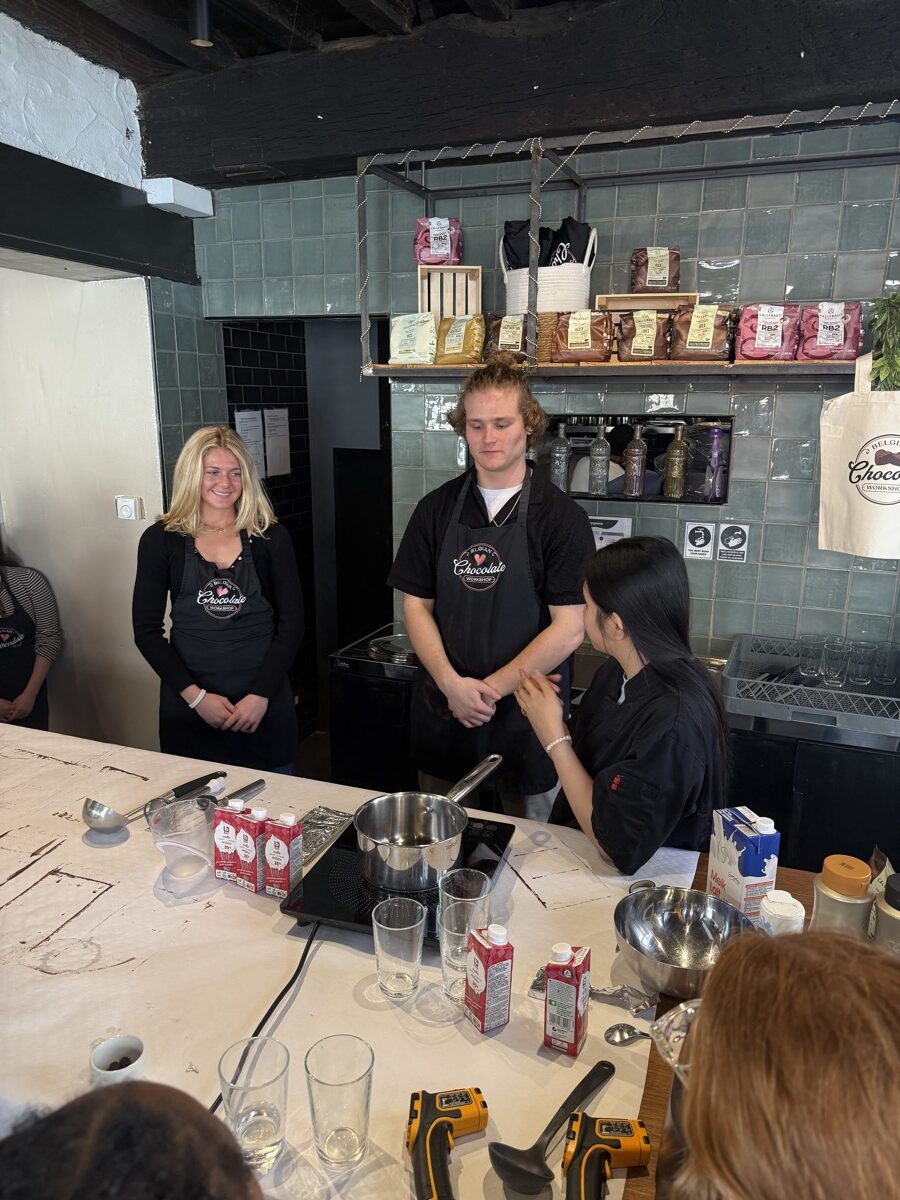
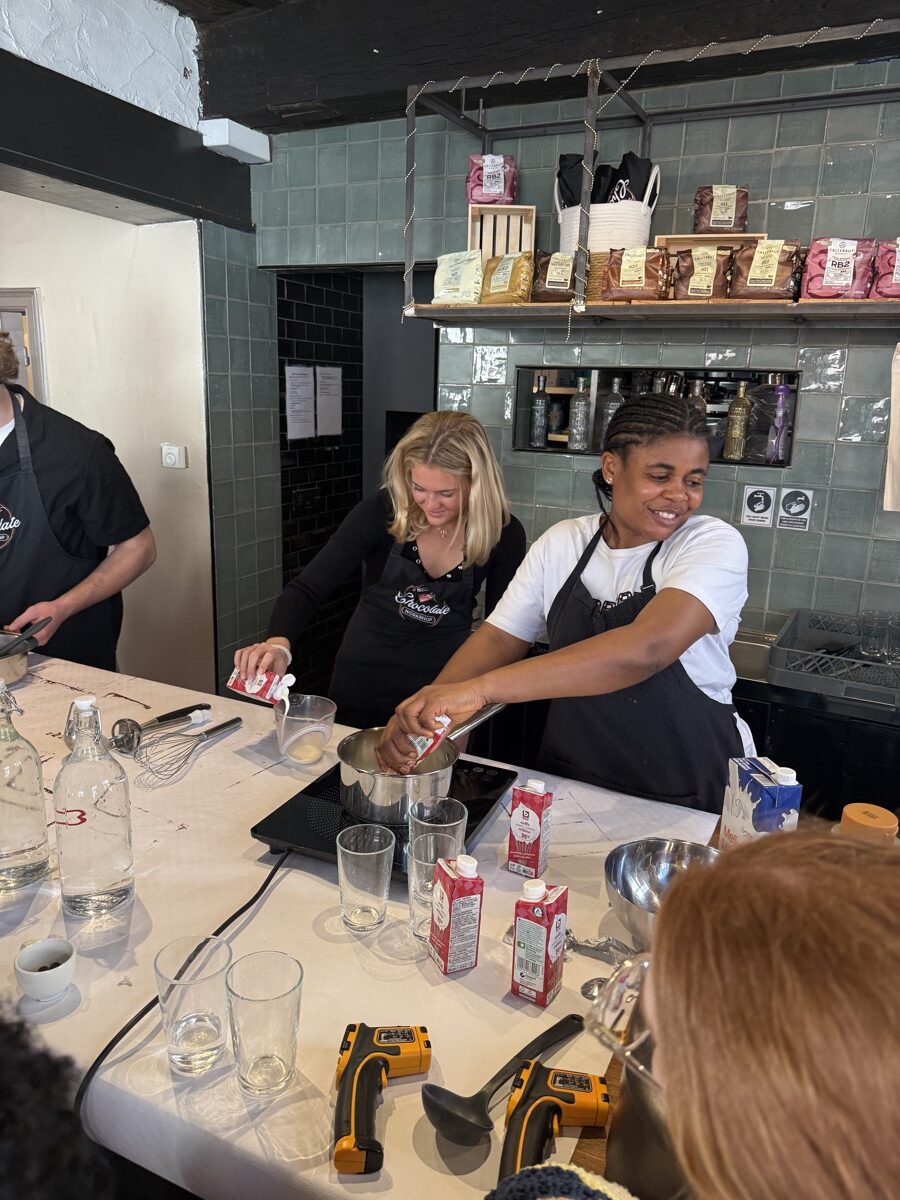
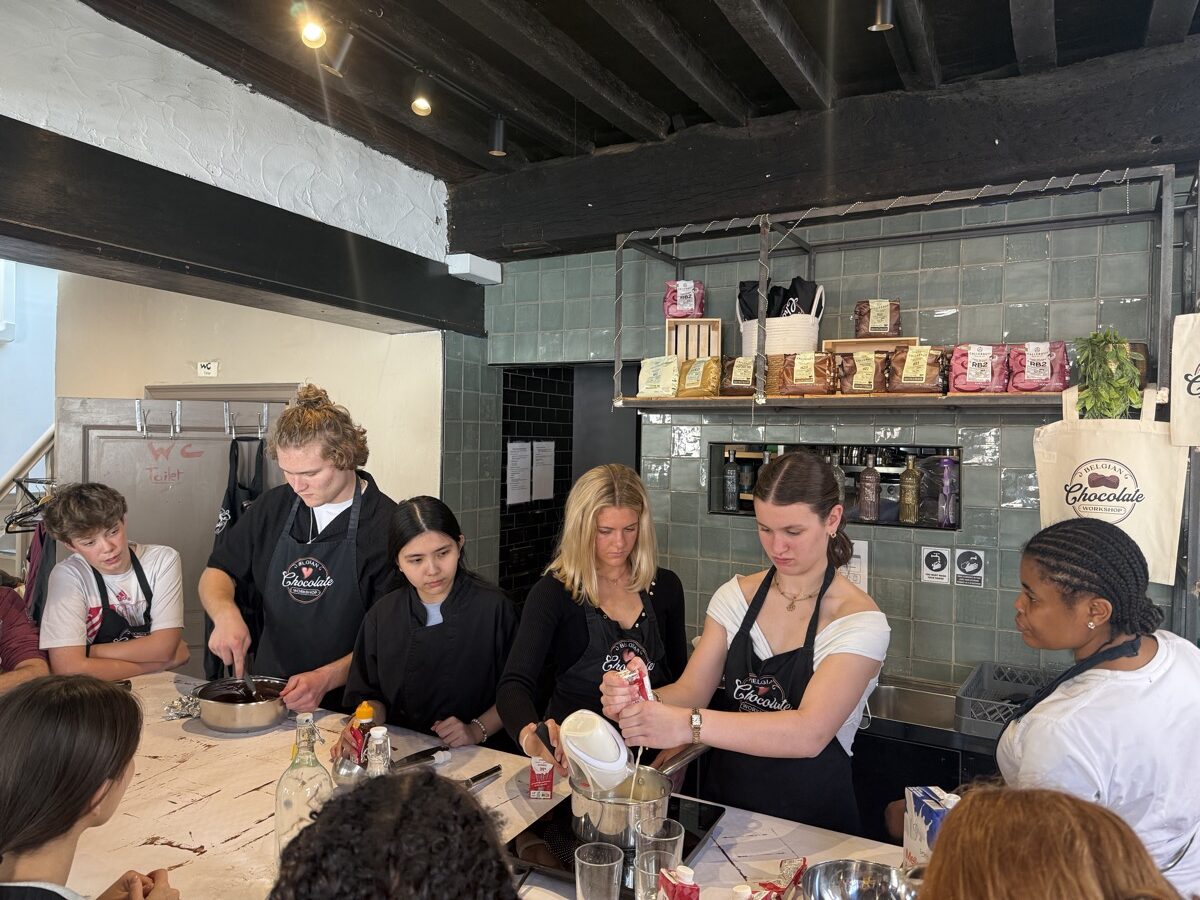
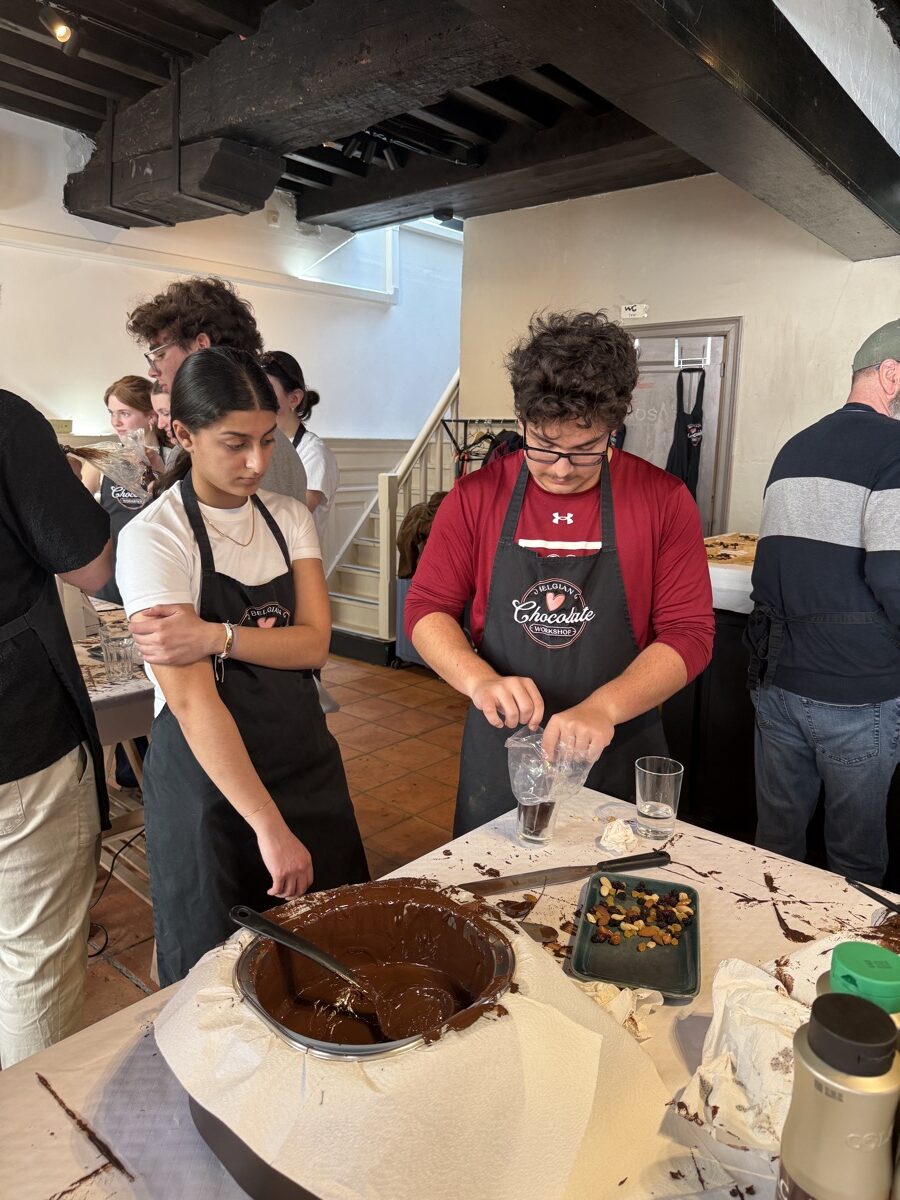
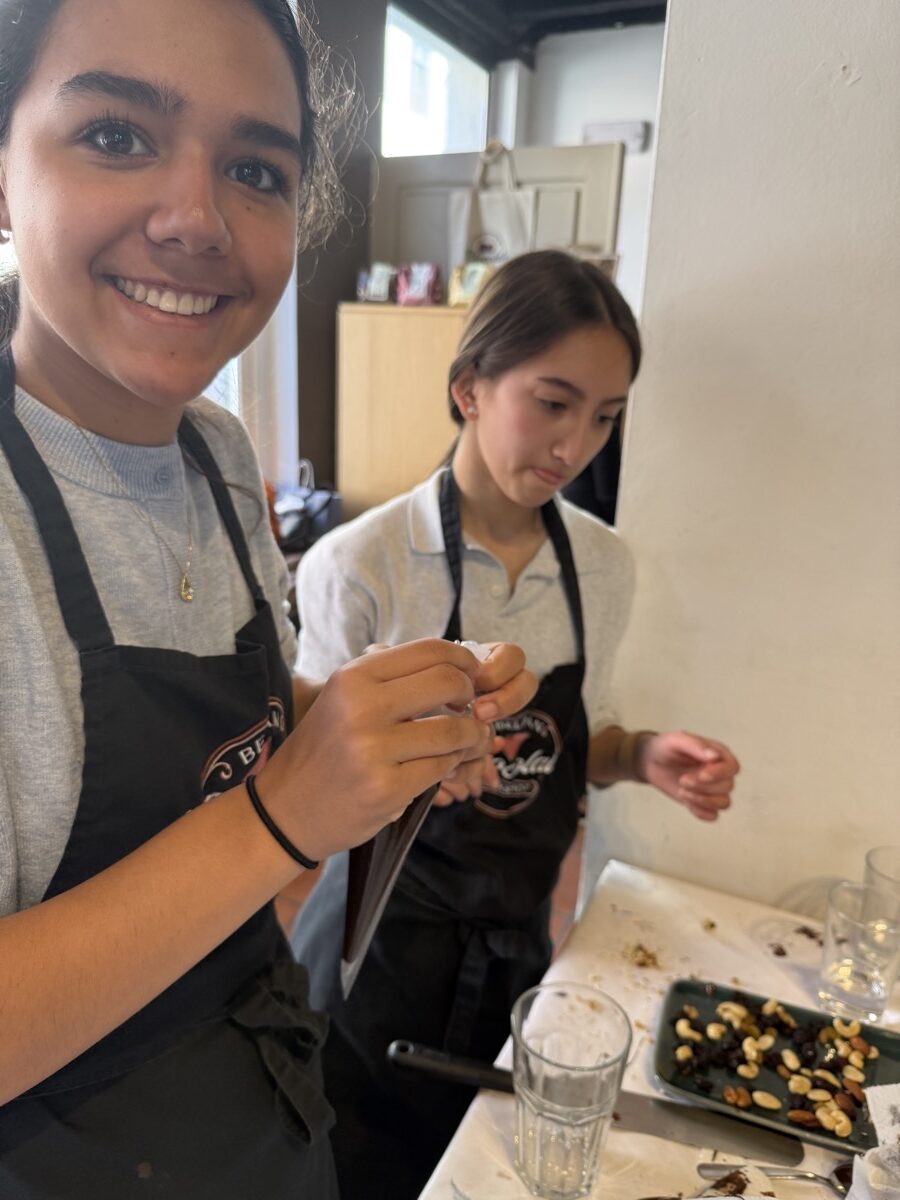
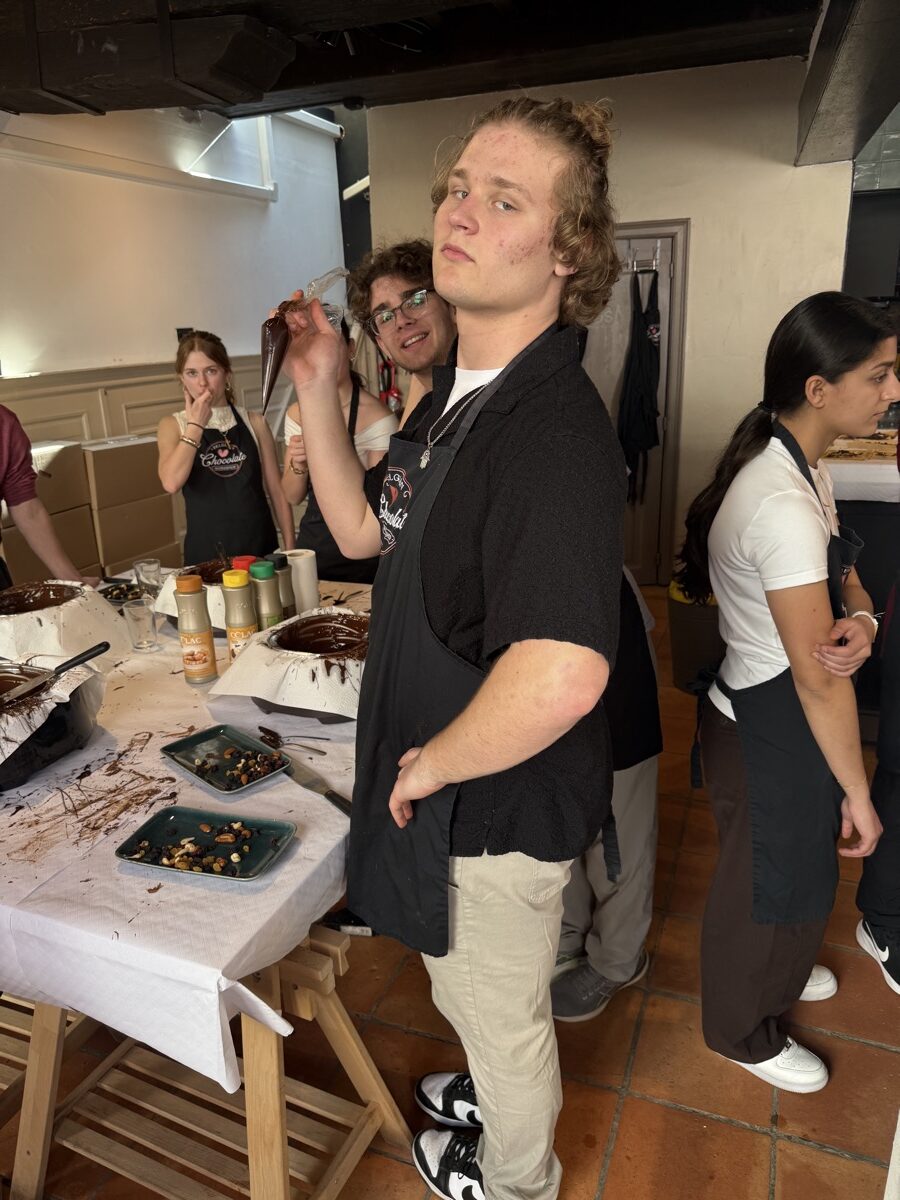
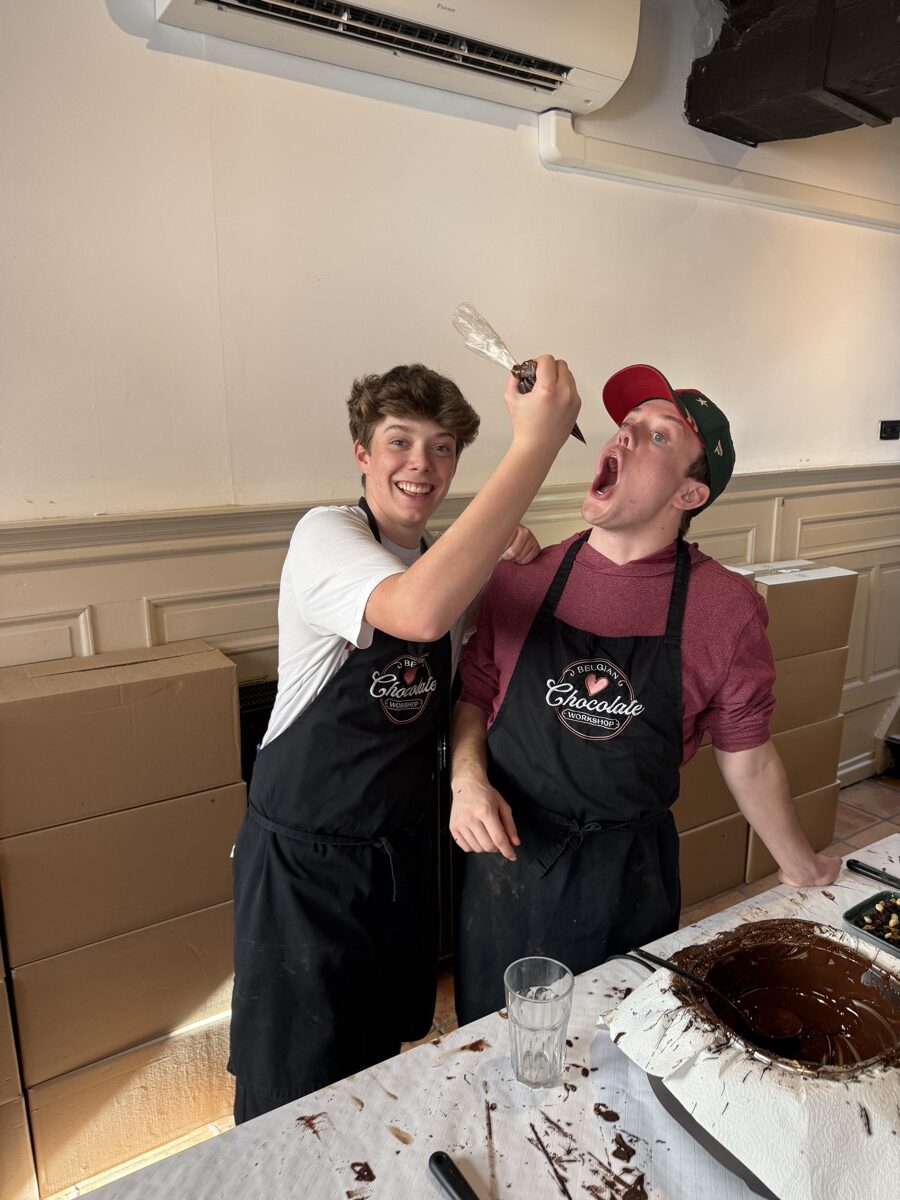
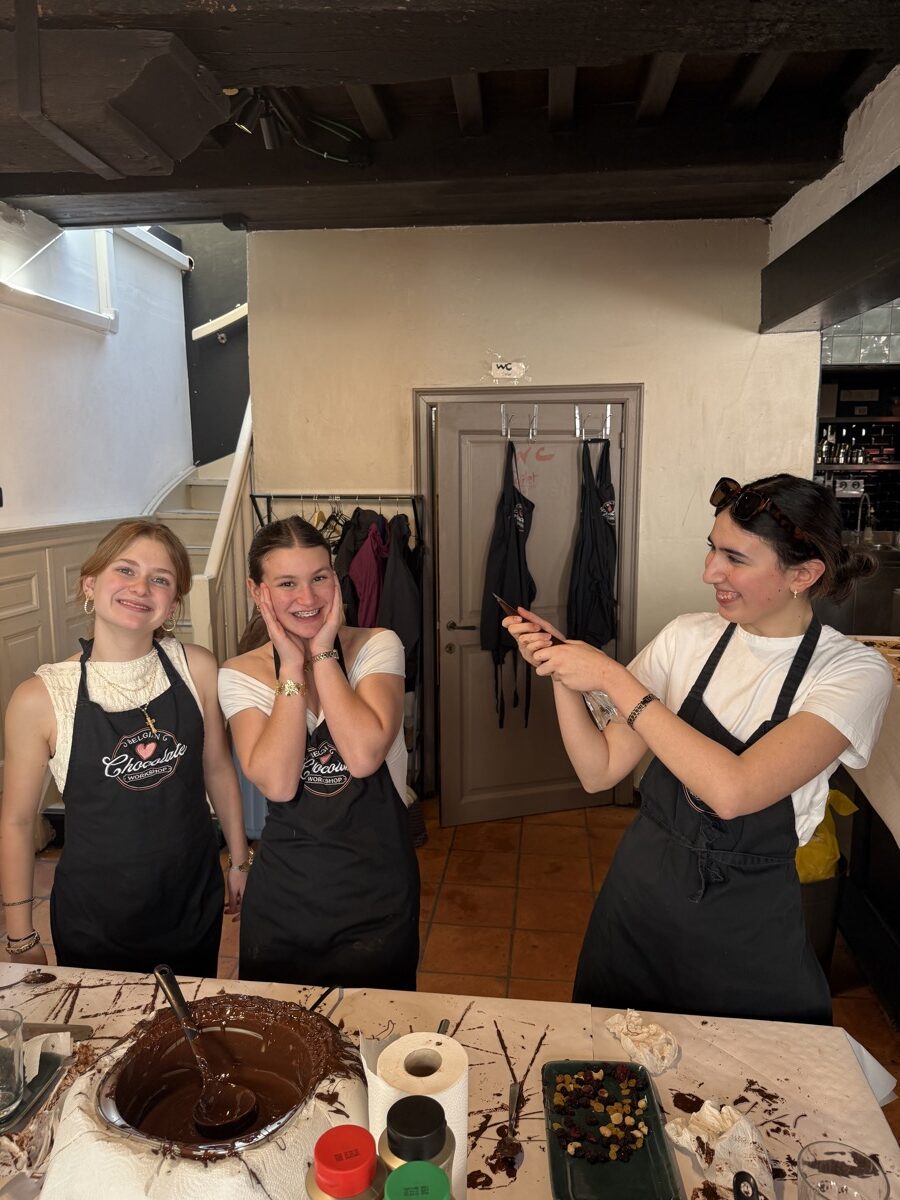
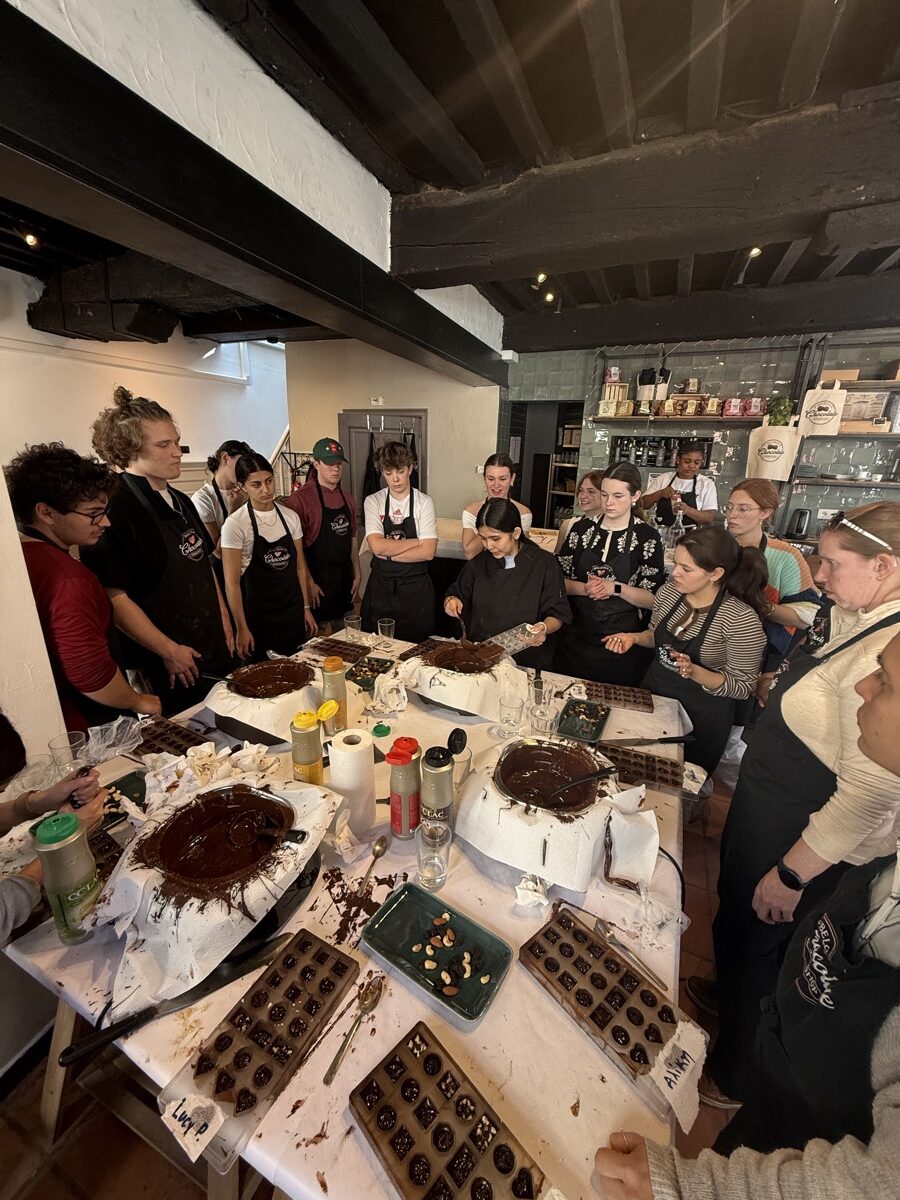
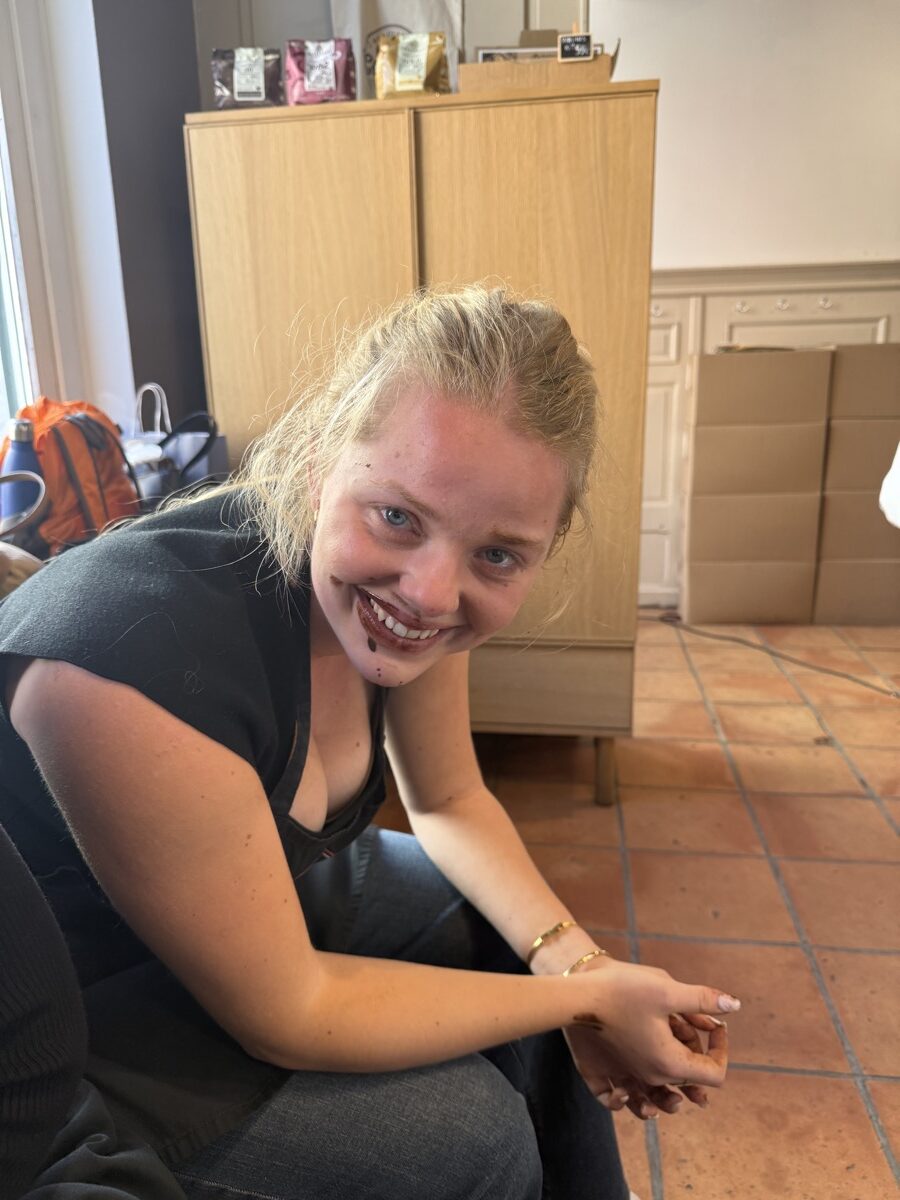
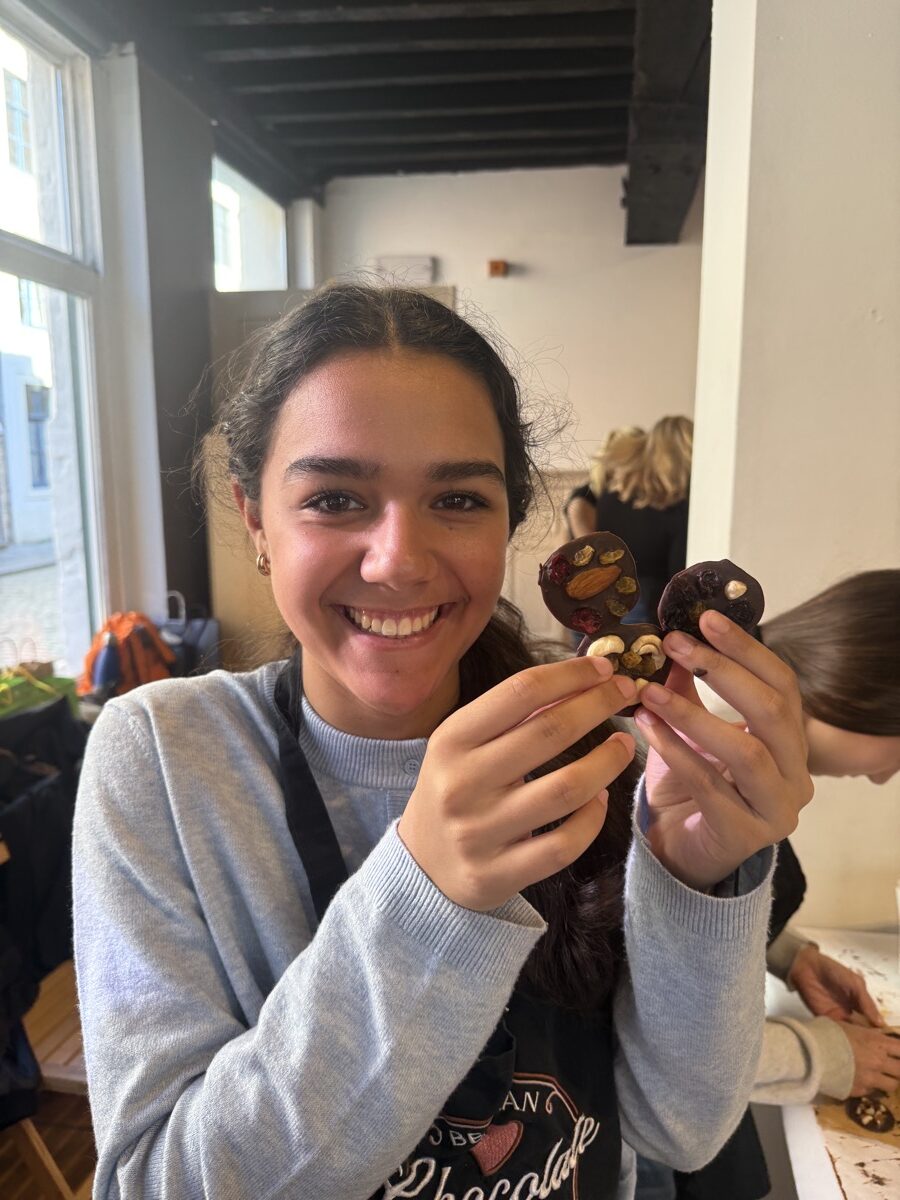
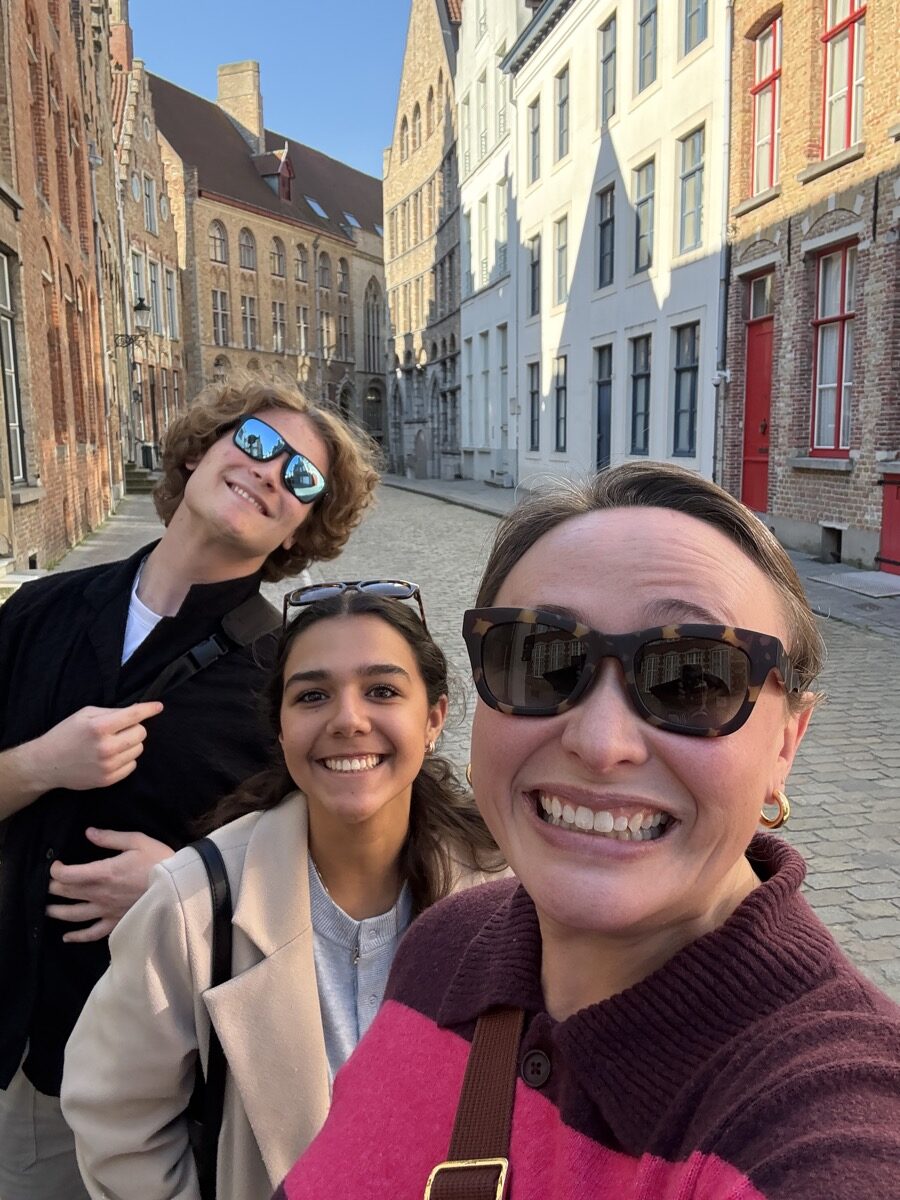
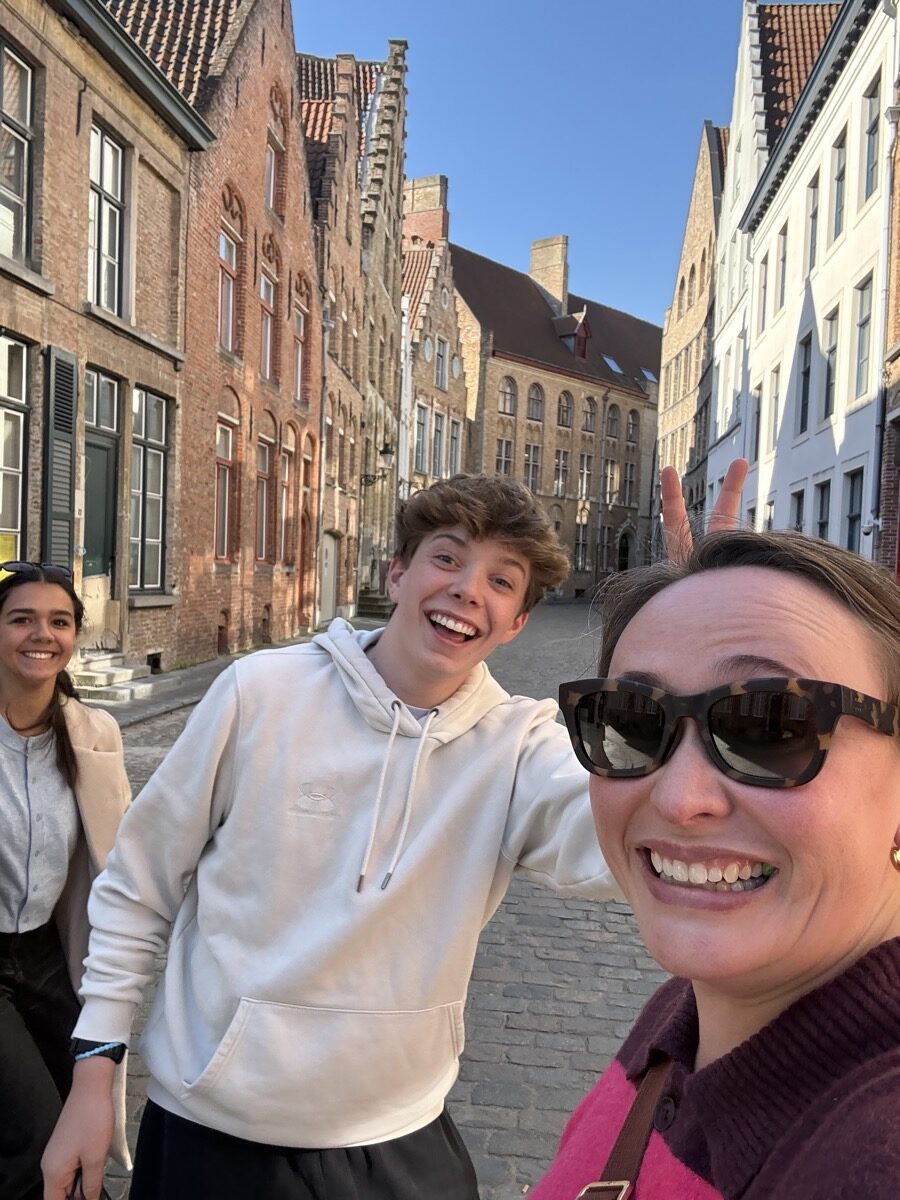
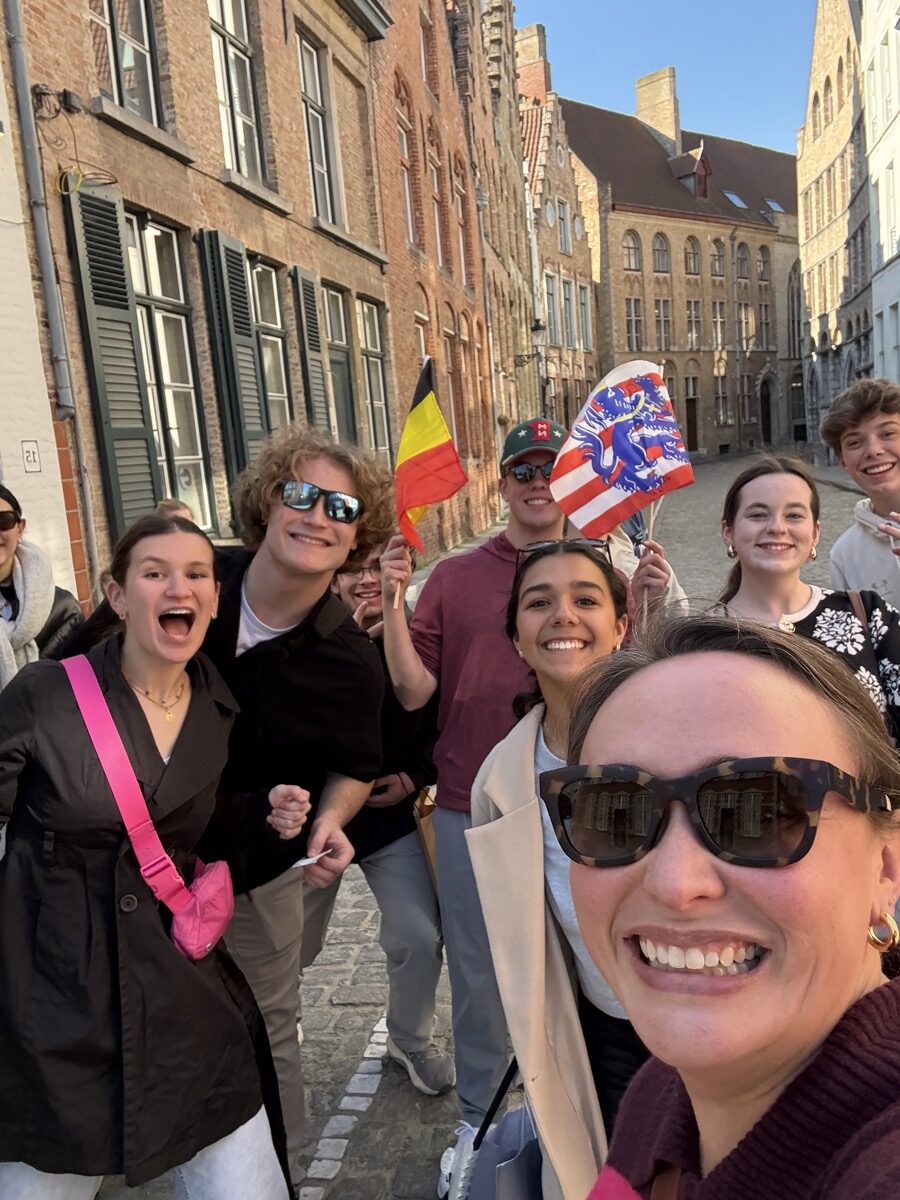
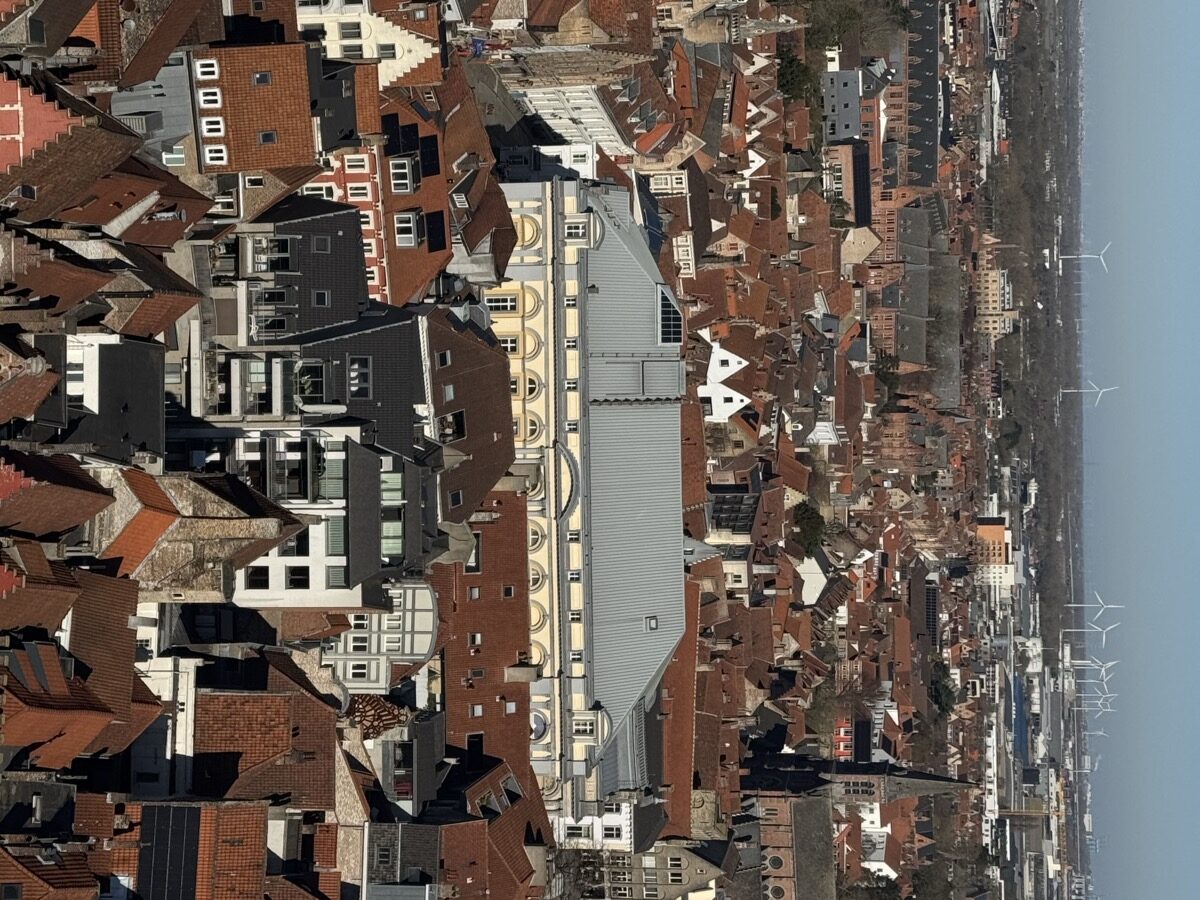
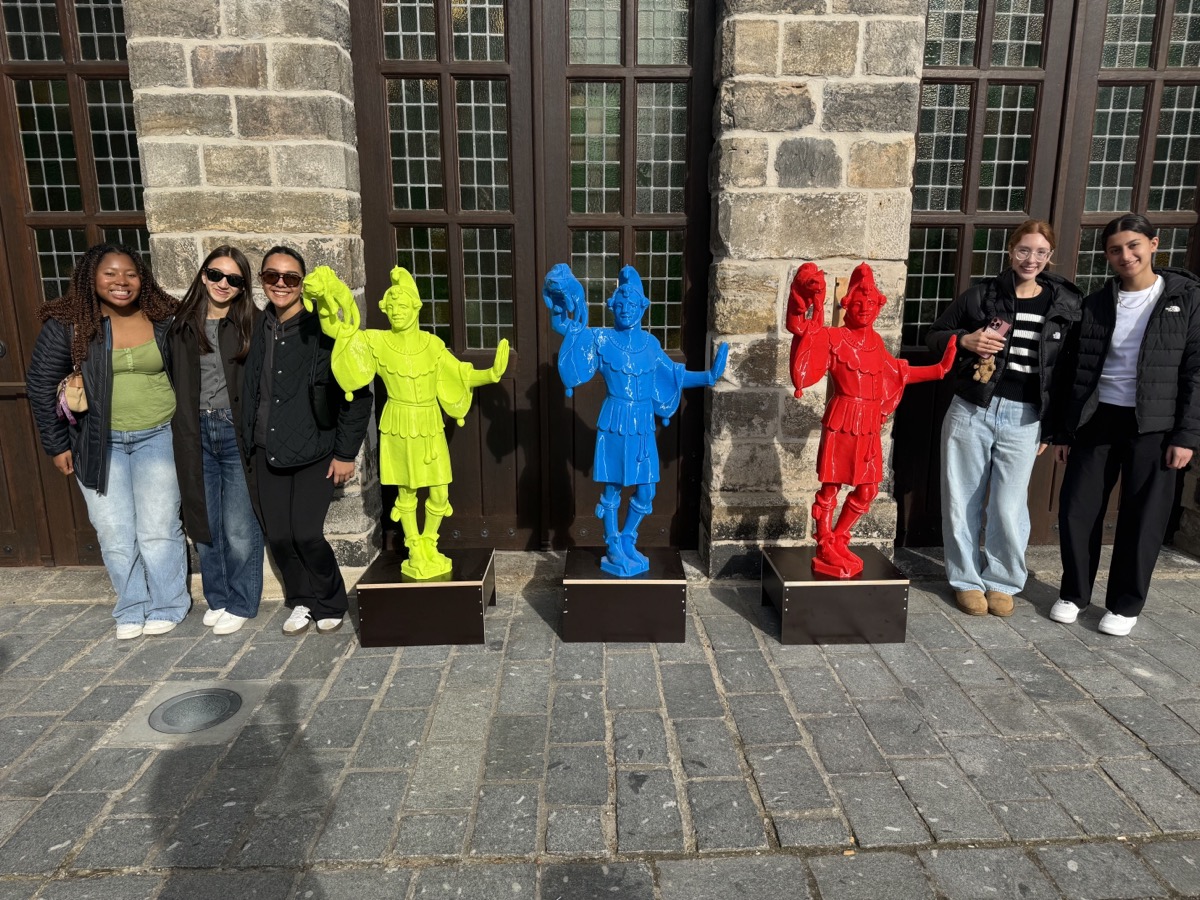
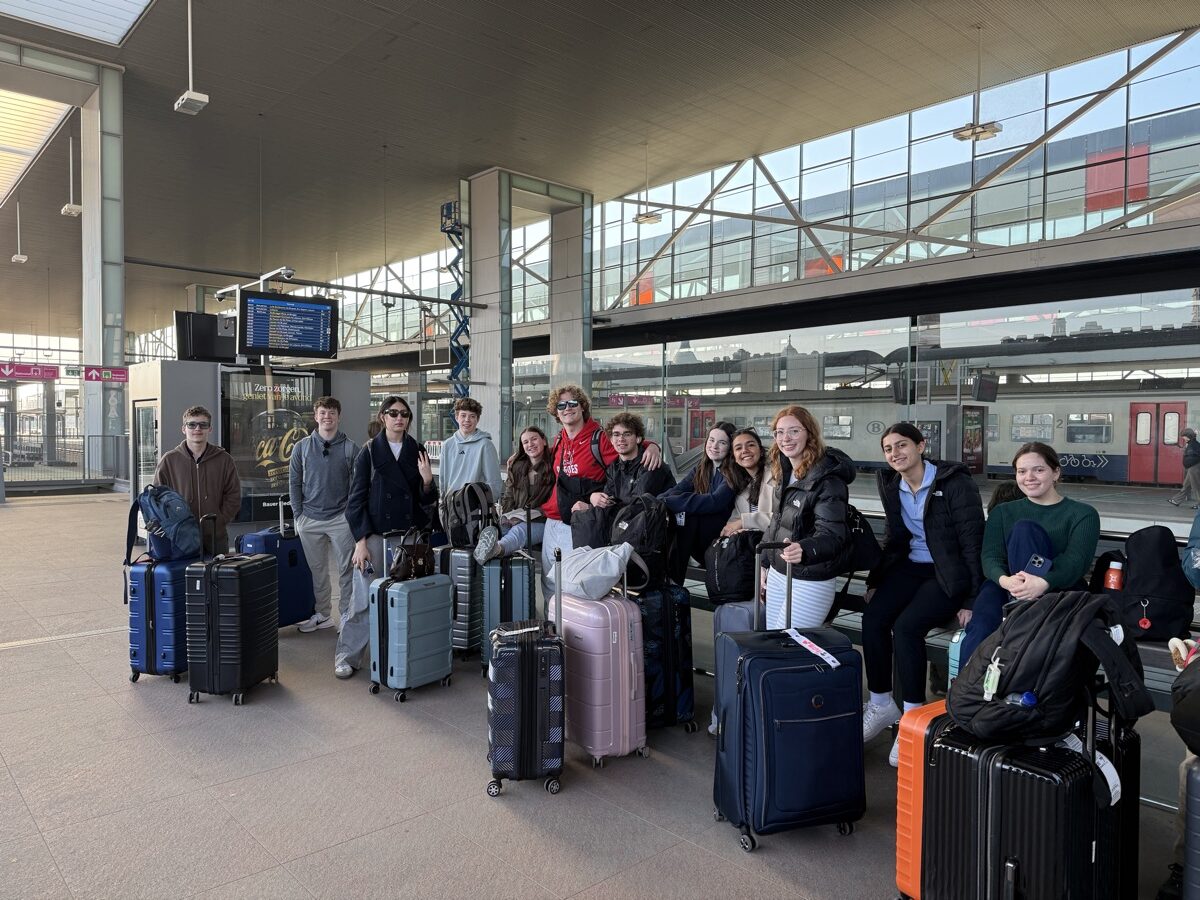
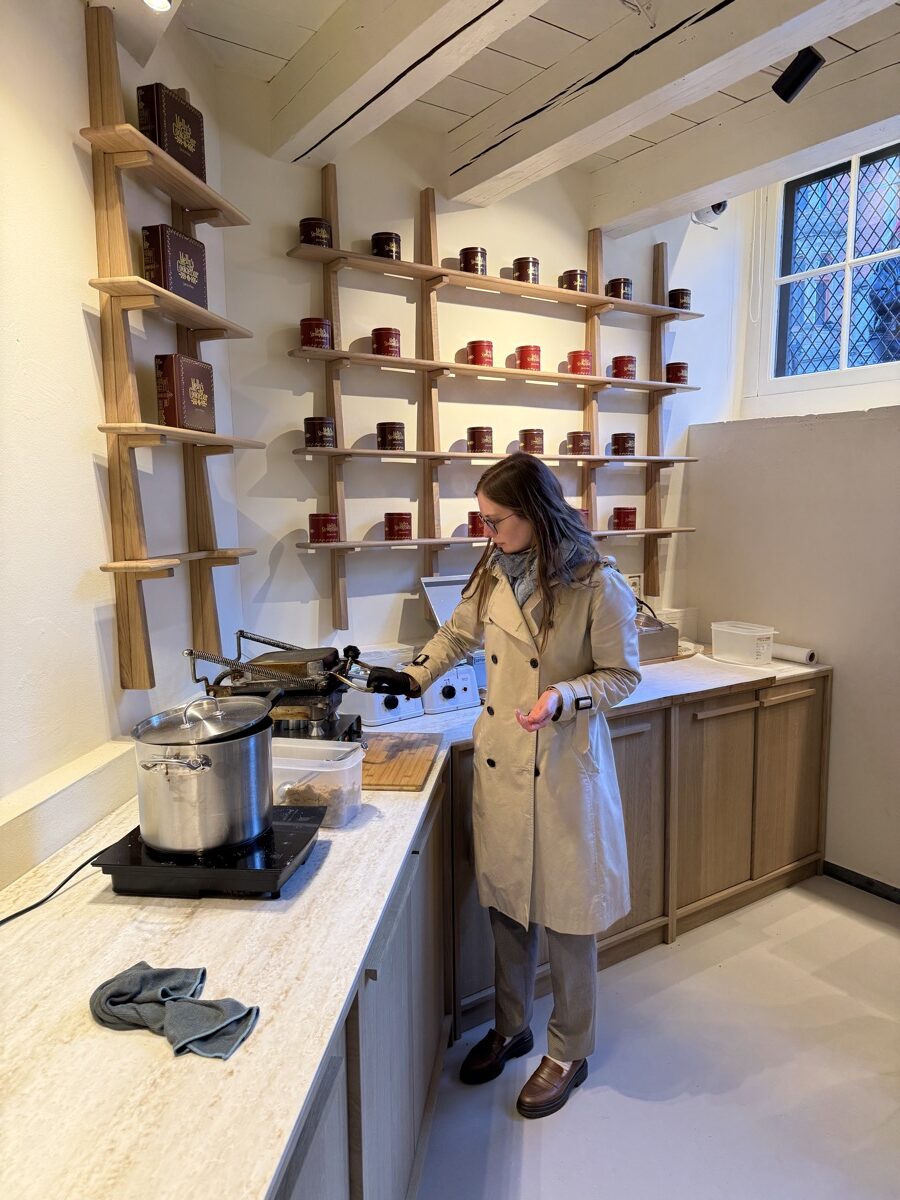
In Ghent, they met with locals to see how this city takes contemporary issues to heart and embraces sustainable development goals. Then they hopped a train from Ghent to Bruges for the day to explore the picturesque streets and canals of the city. Once back in Ghent, they connected with a professor from the College of Europe and ended the day with a praline chocolate workshop and tasting before turning their sights to traveling to the Netherlands the next day.
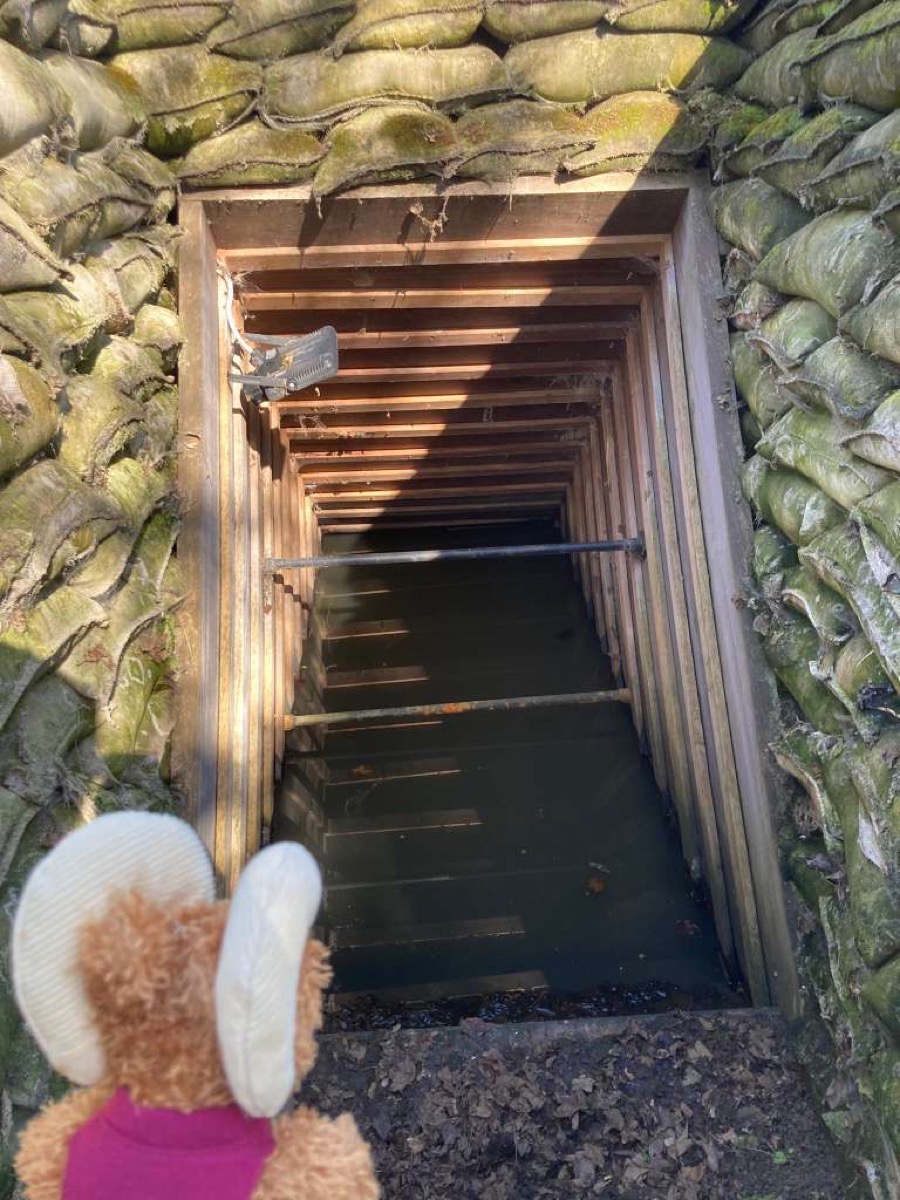
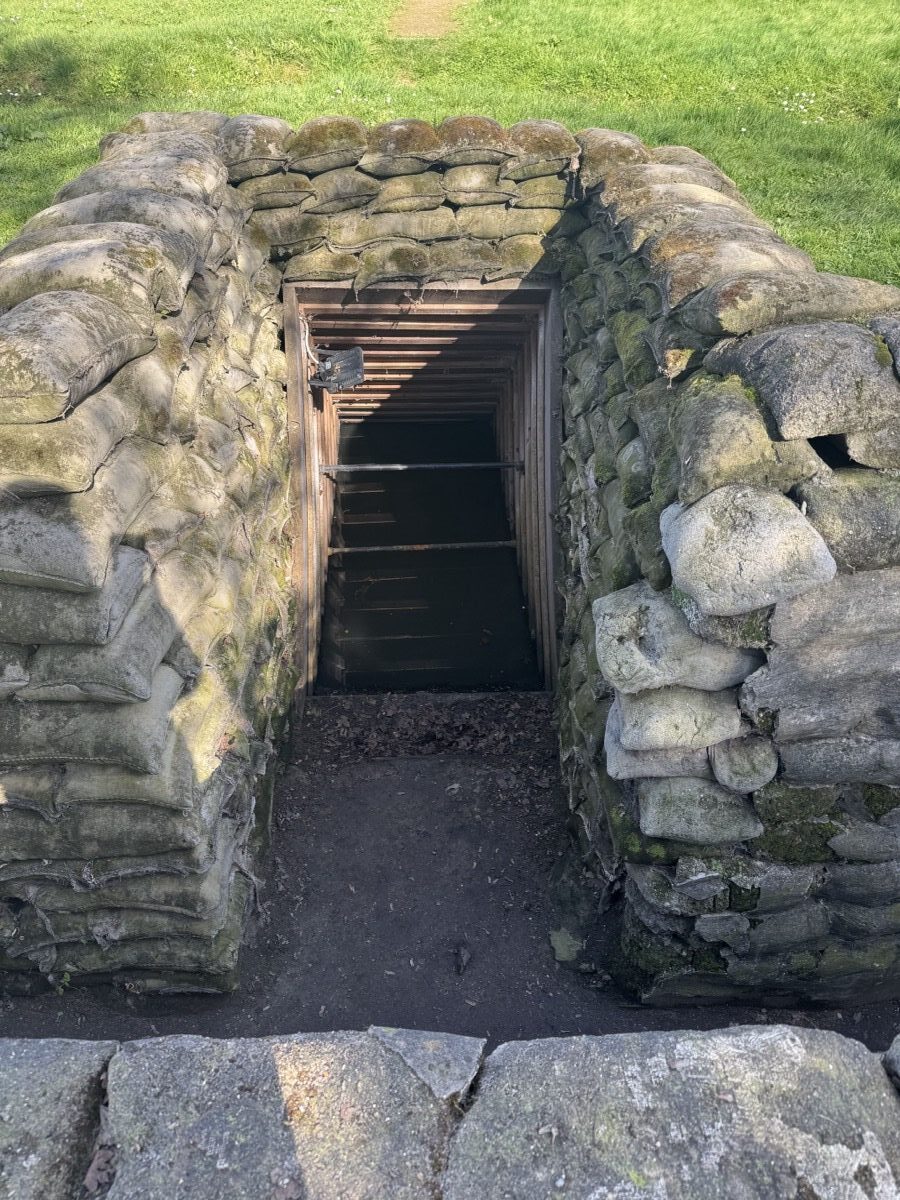
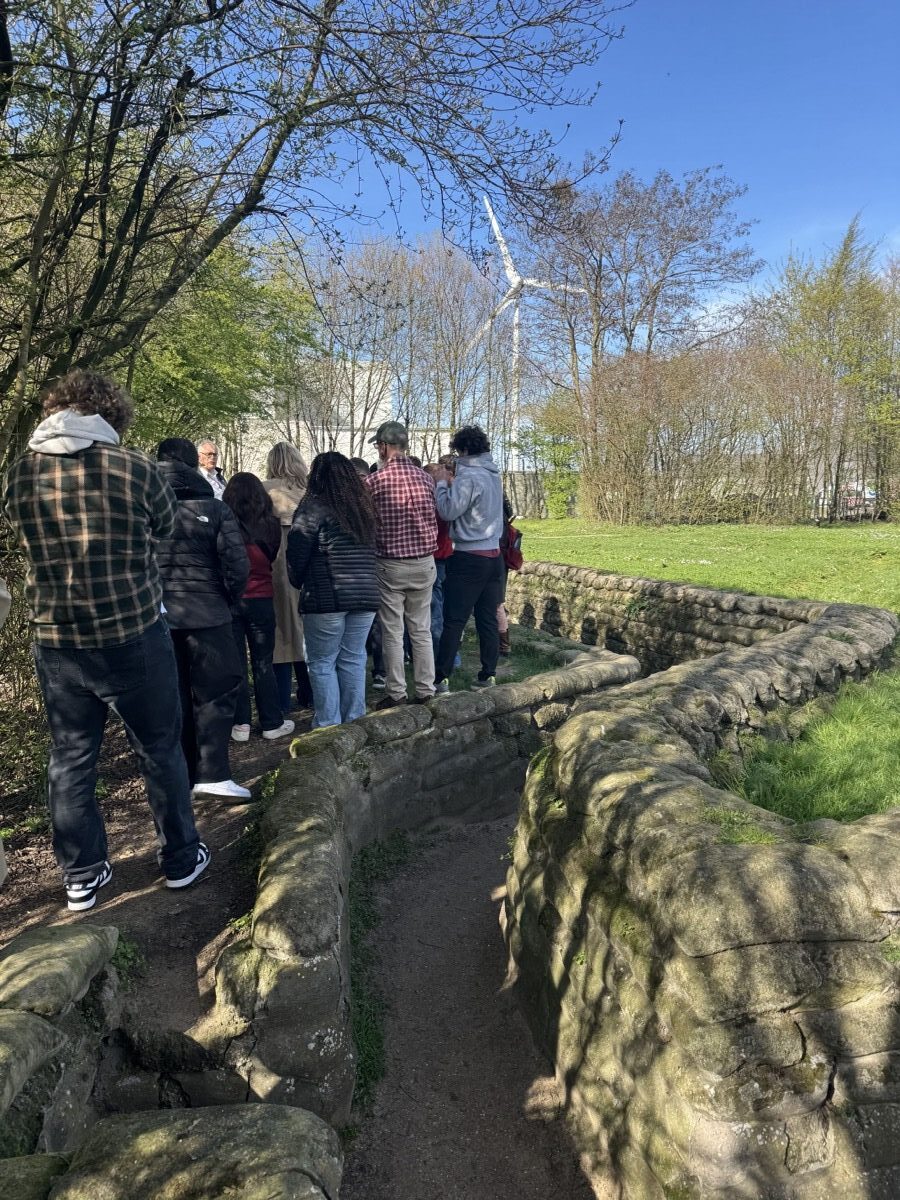
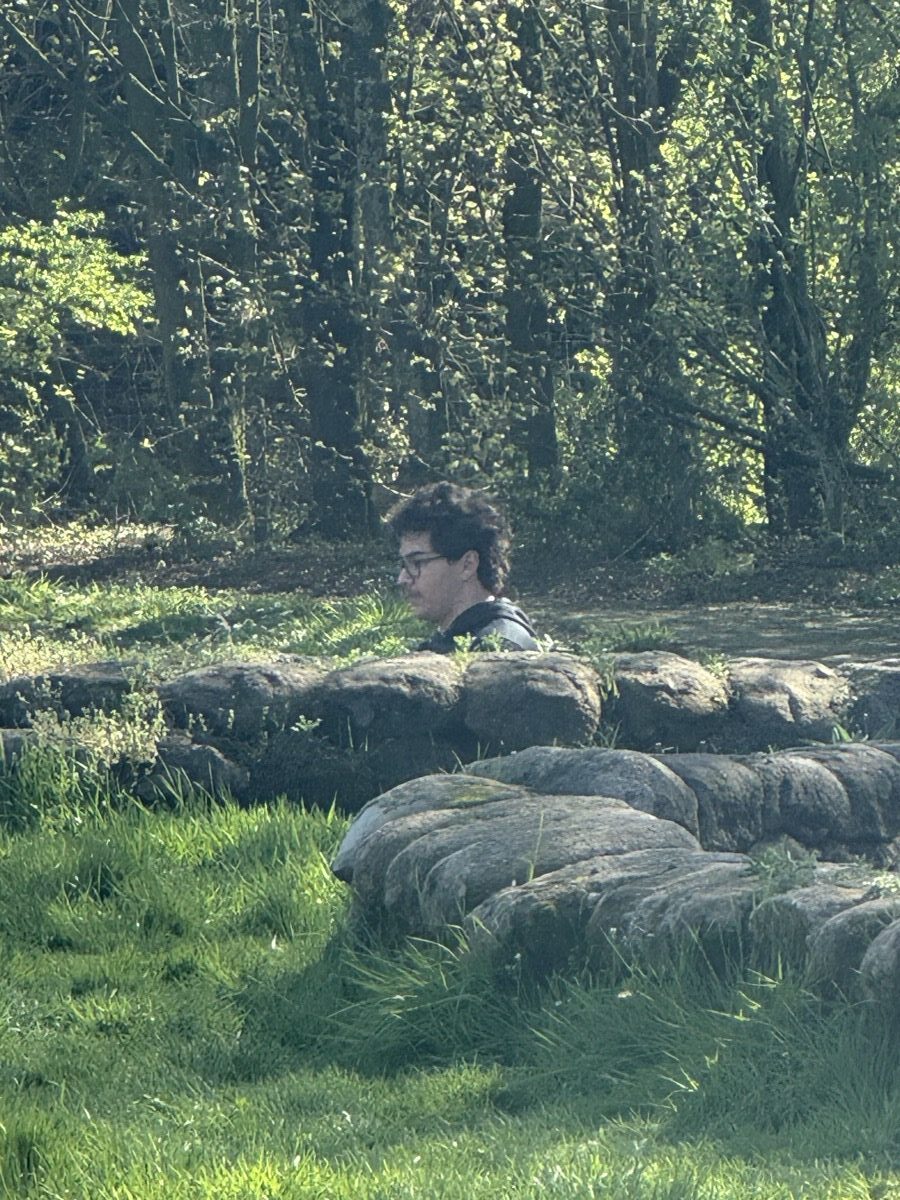
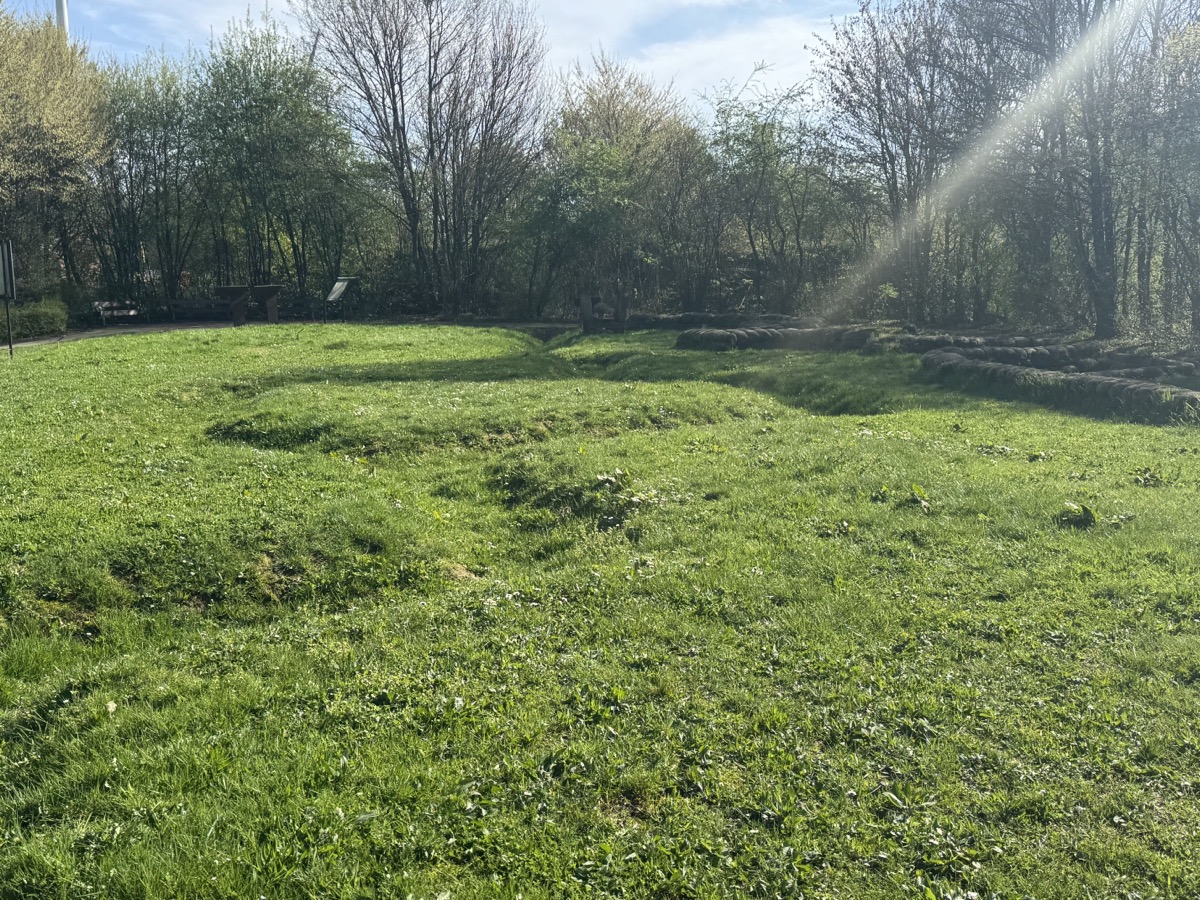
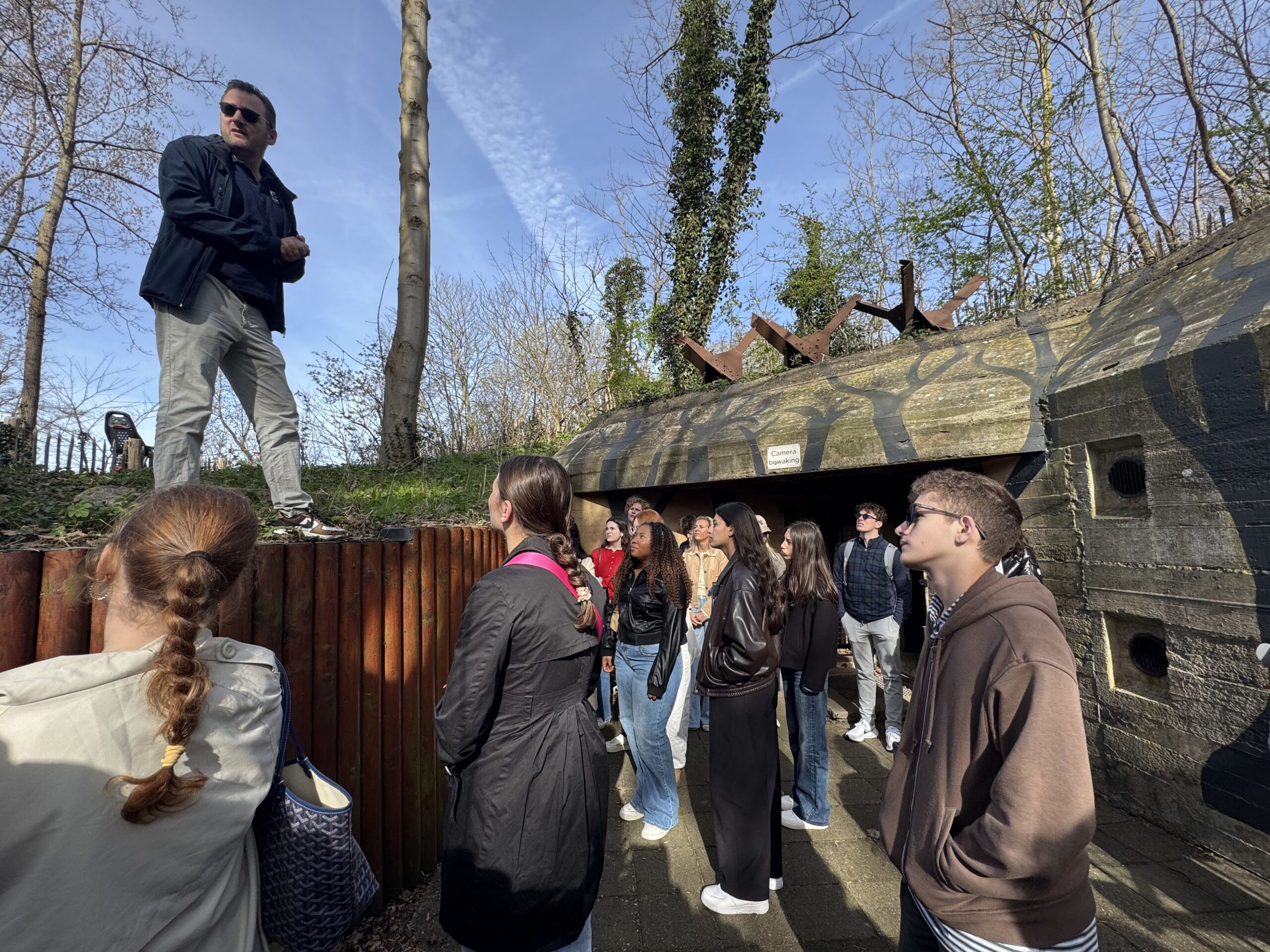
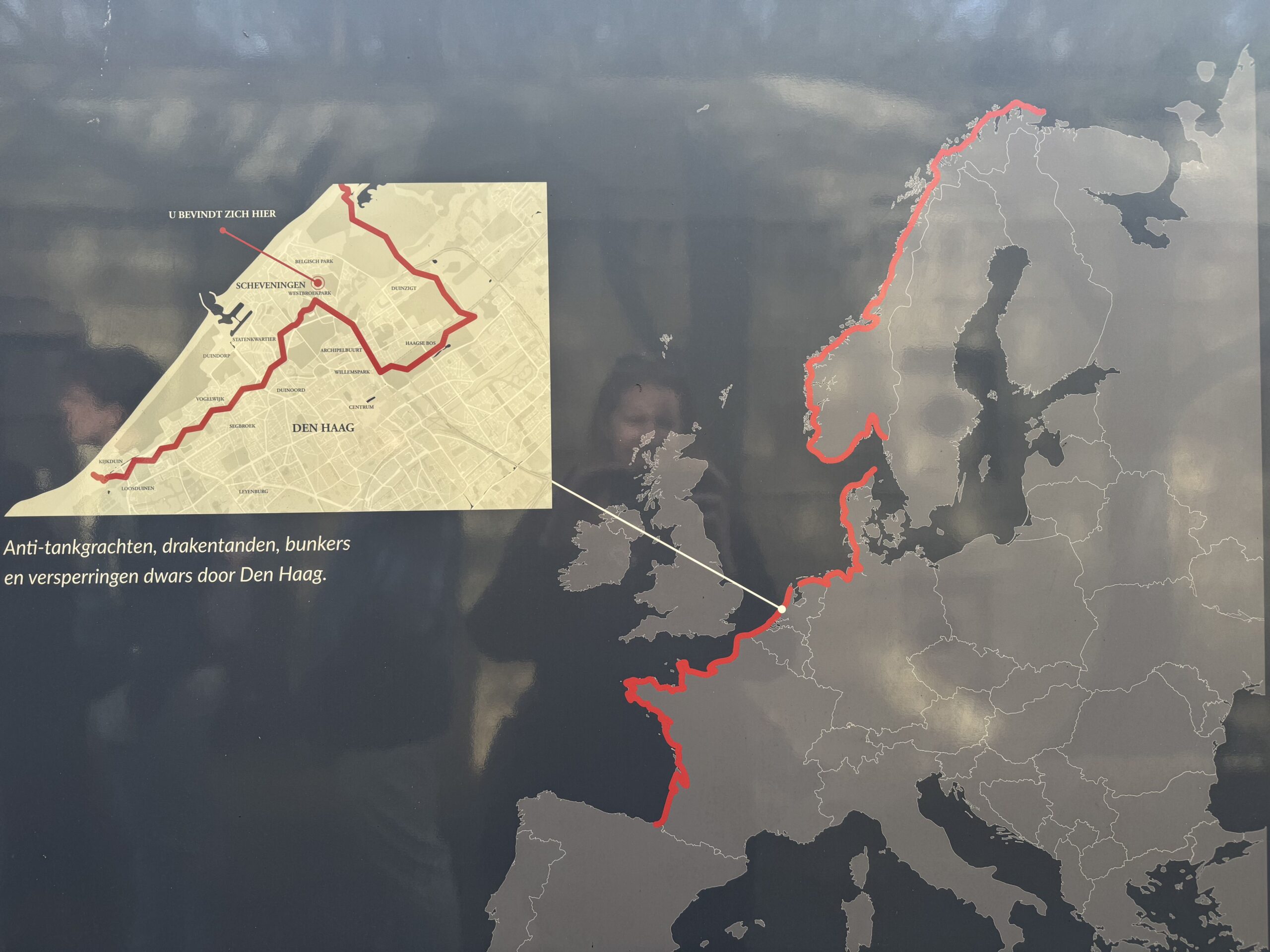
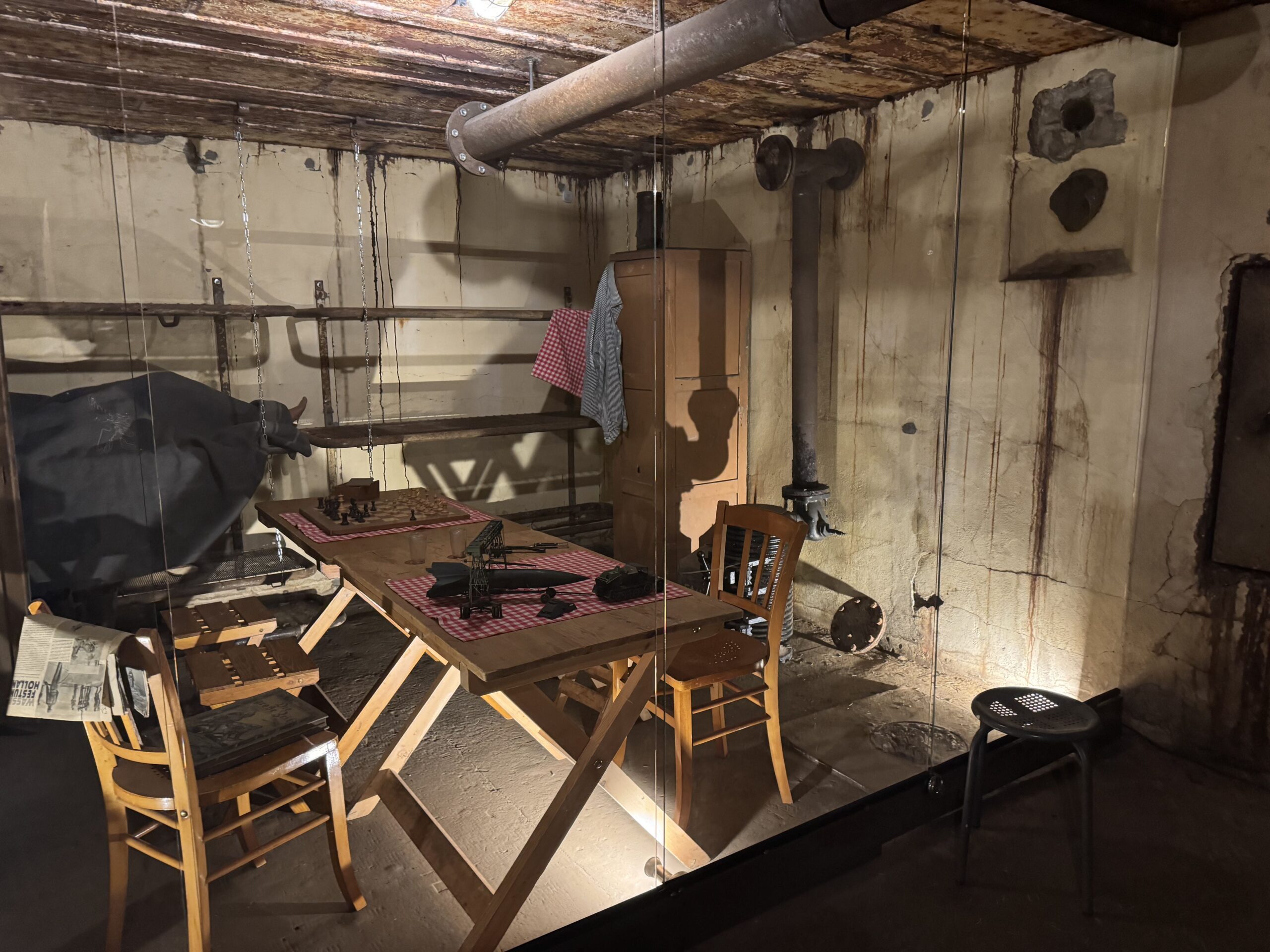
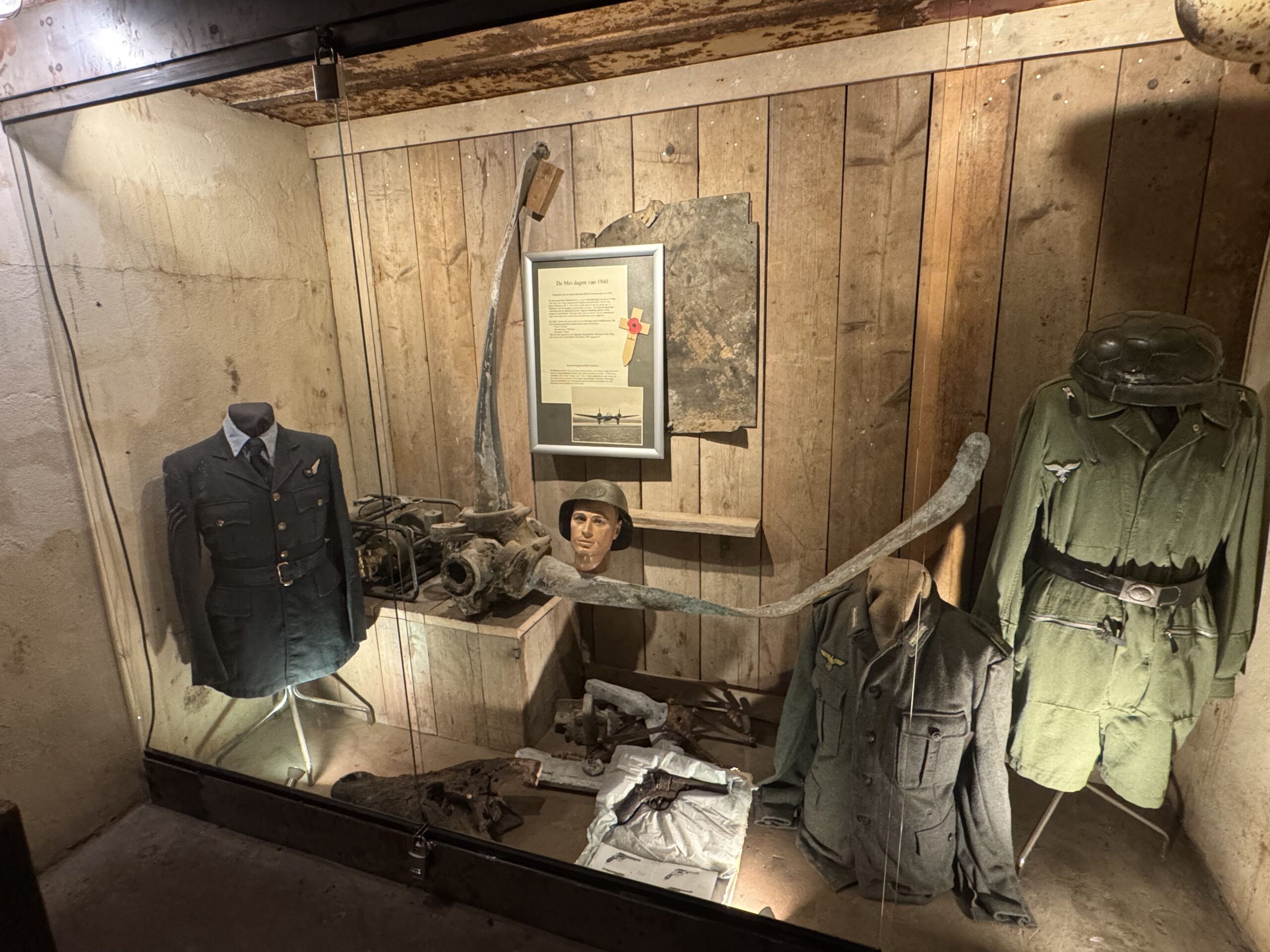
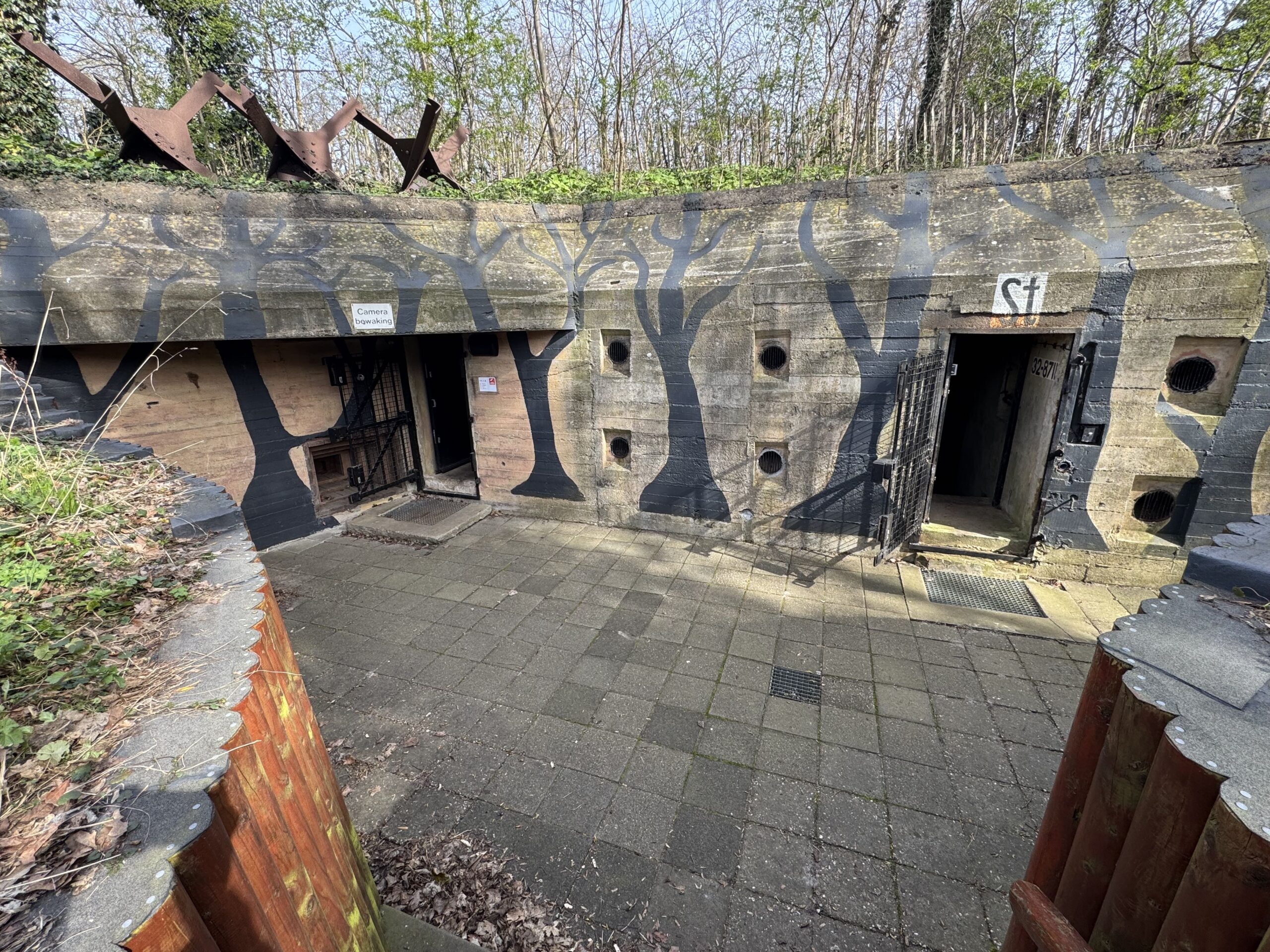
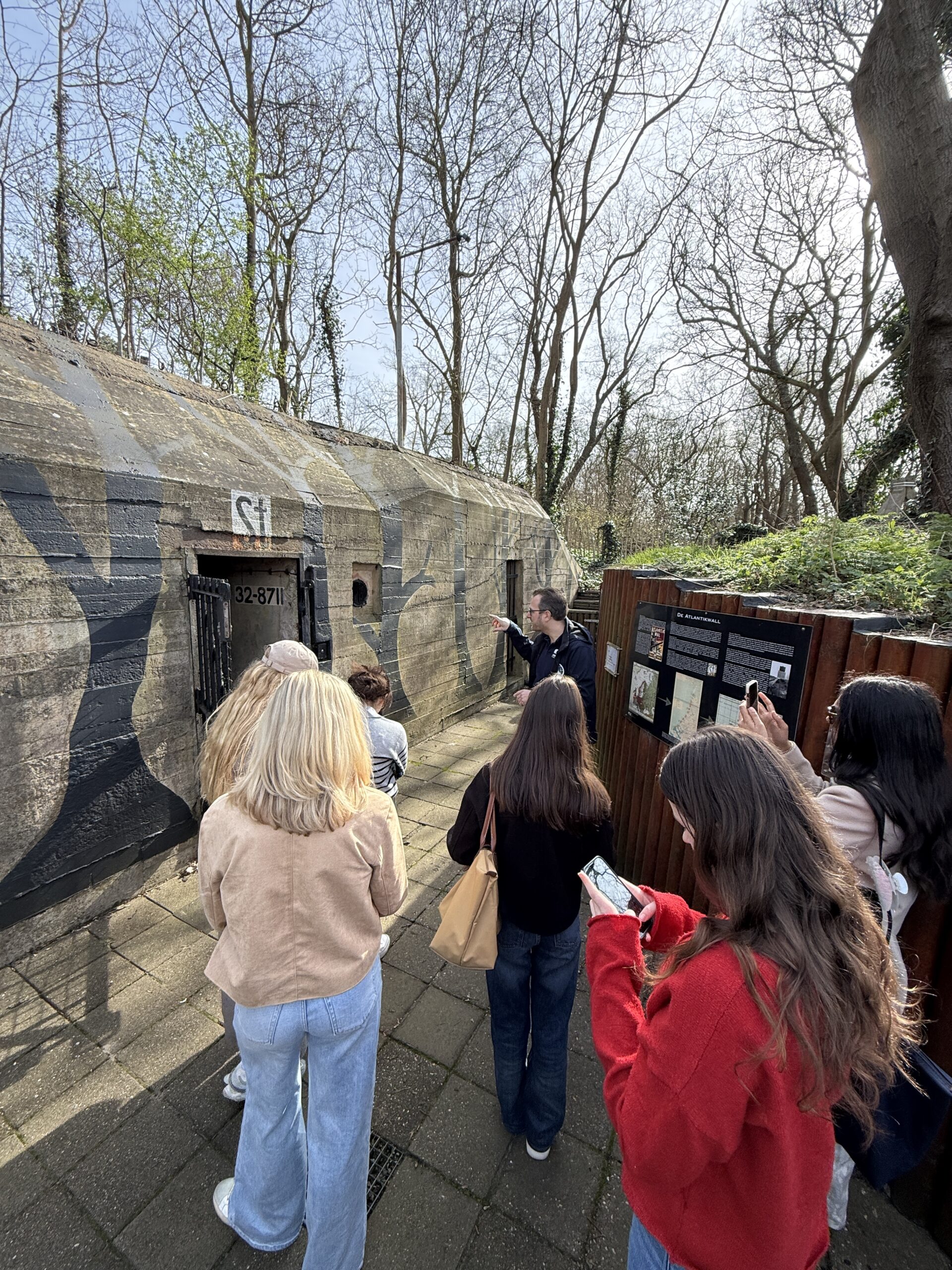
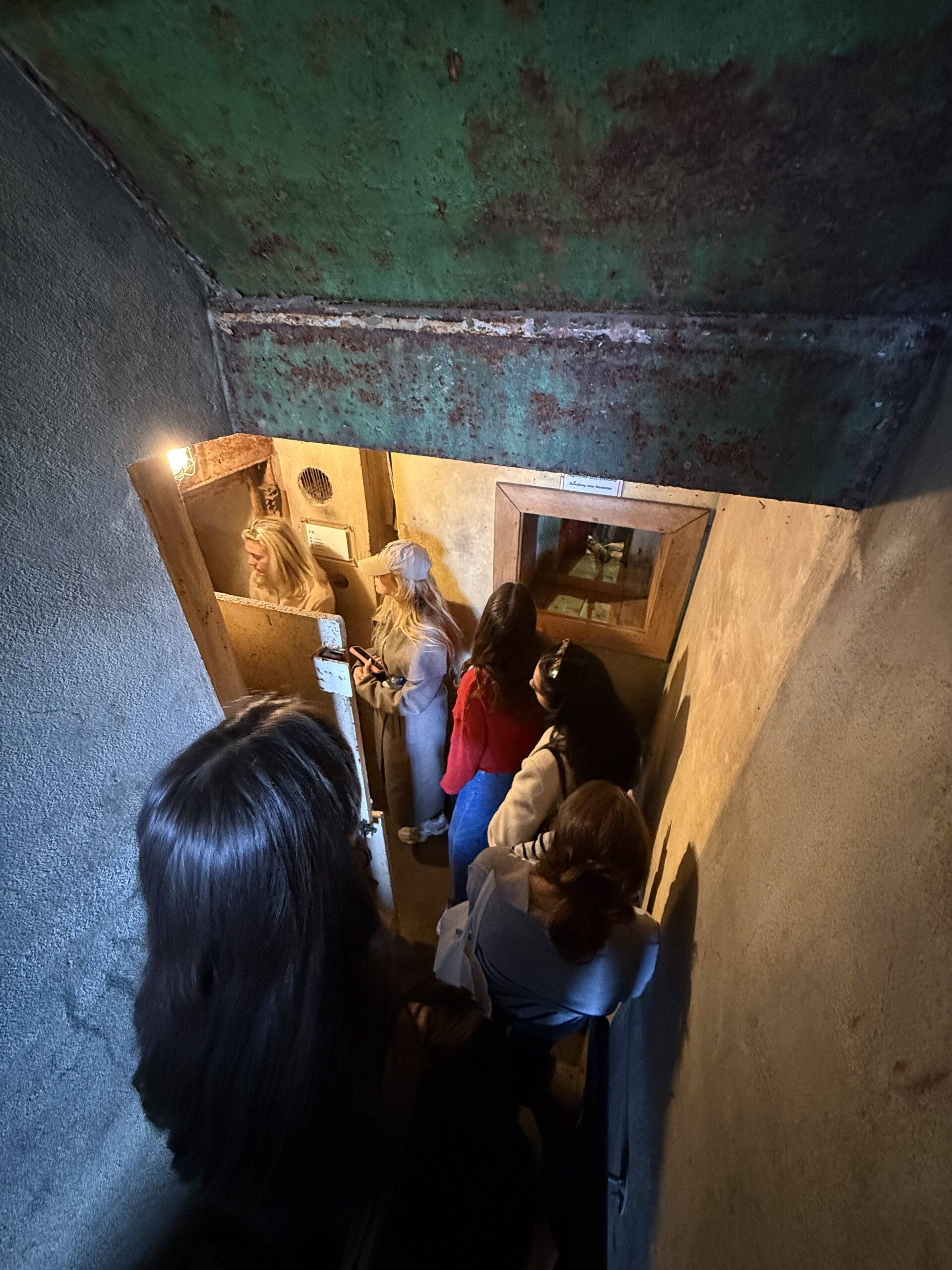
Lucy Pickett ’27 enjoyed deepening her knowledge of history through the offerings on this trip. She said, “This trip enhanced my knowledge of world history and the world wars because we were actually able to experience the history that we learn about in class. We were able to see WWII bunkers and trenches; these really stuck out to me because we walked where the soldiers walked, and we were able to see that history is very much still prevalent in our lives.
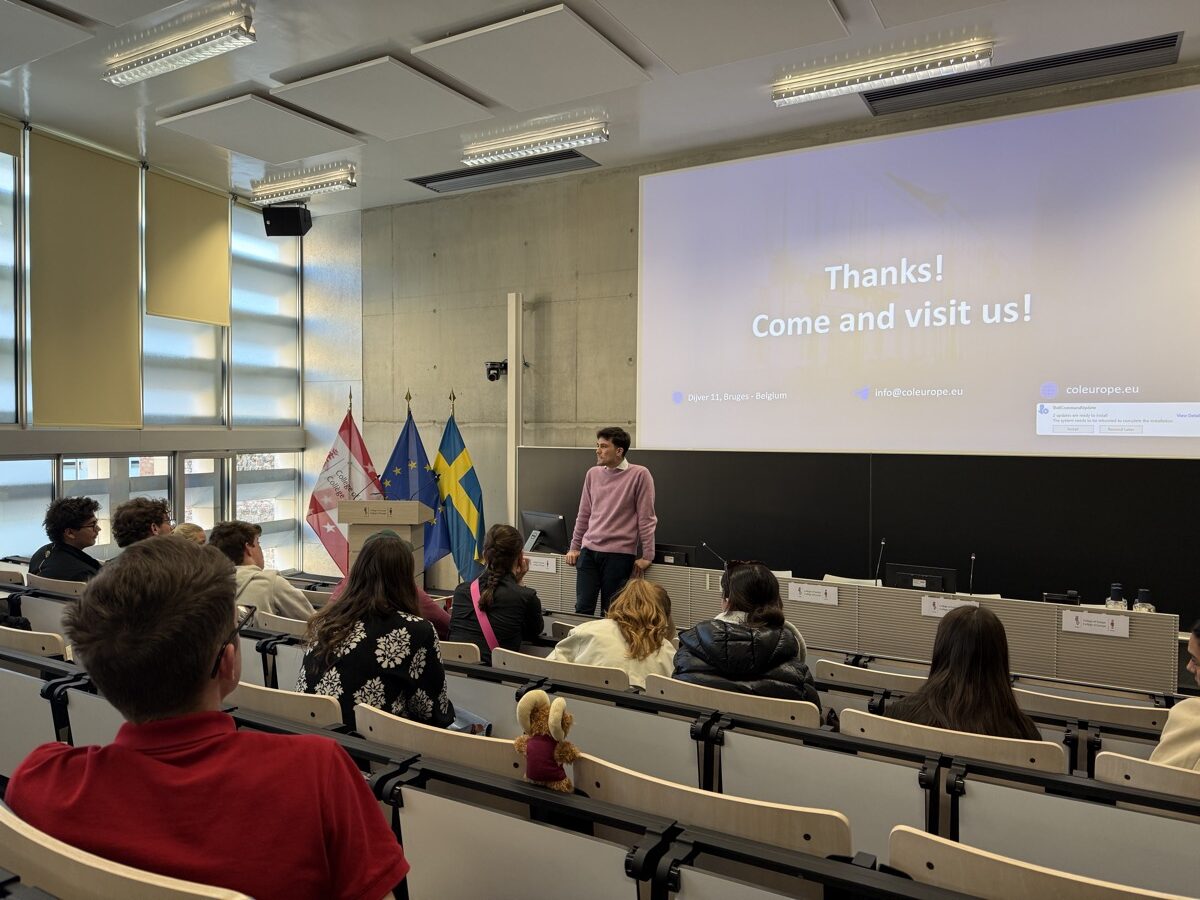
“We were able to go to the College of Europe, and see what the EU does, and also the future of the EU. When talking to young alumni of the College of Europe, we learned about what the College of Europe does and how it prepares students to work in the EU and for their own countries.”
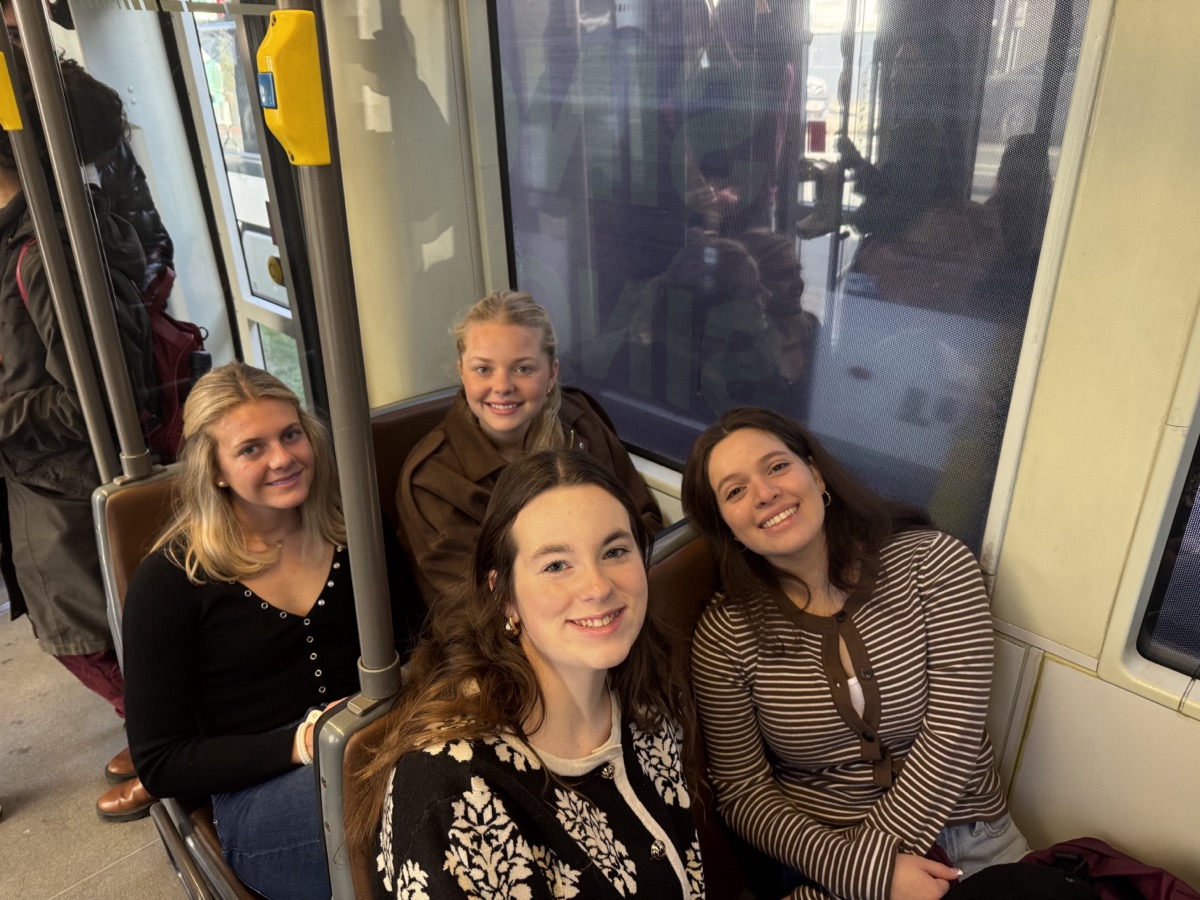
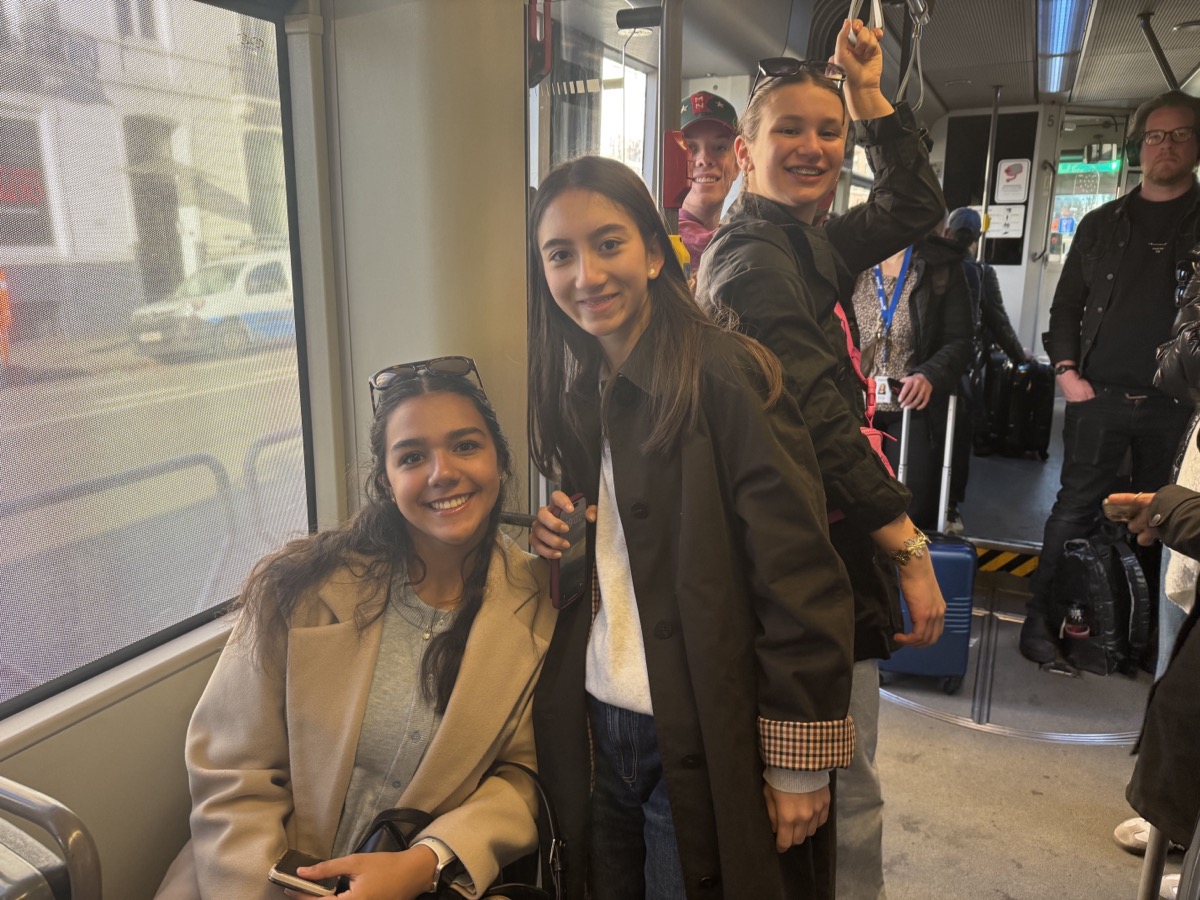
Rotterdam
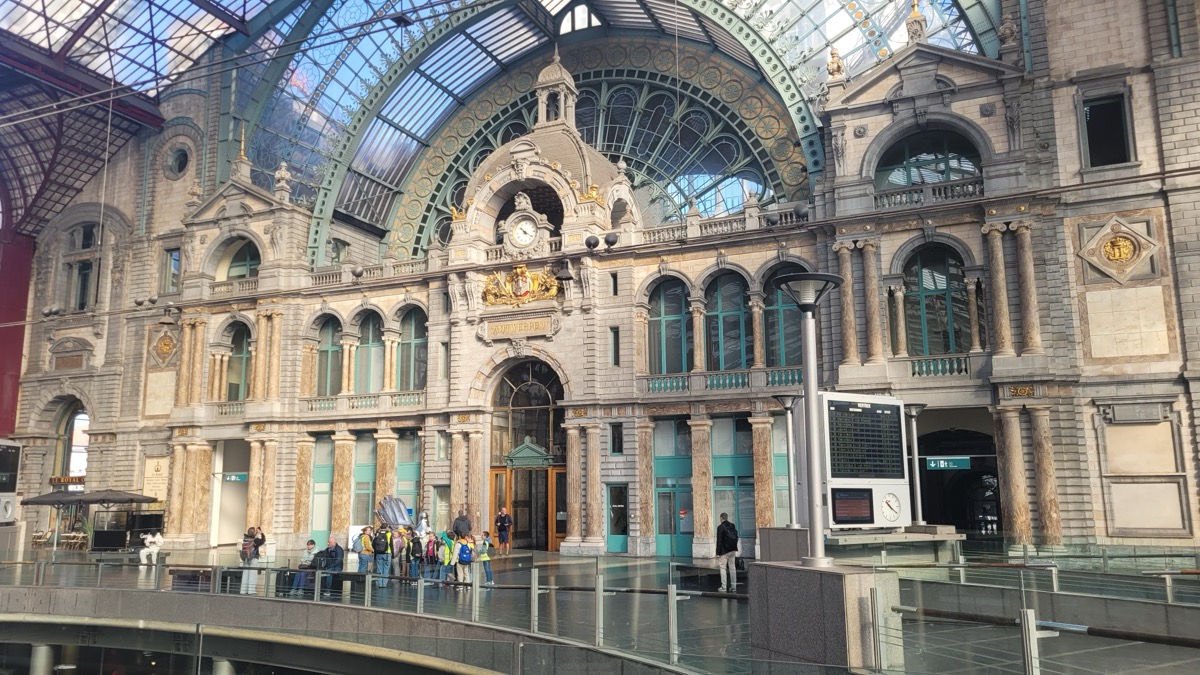
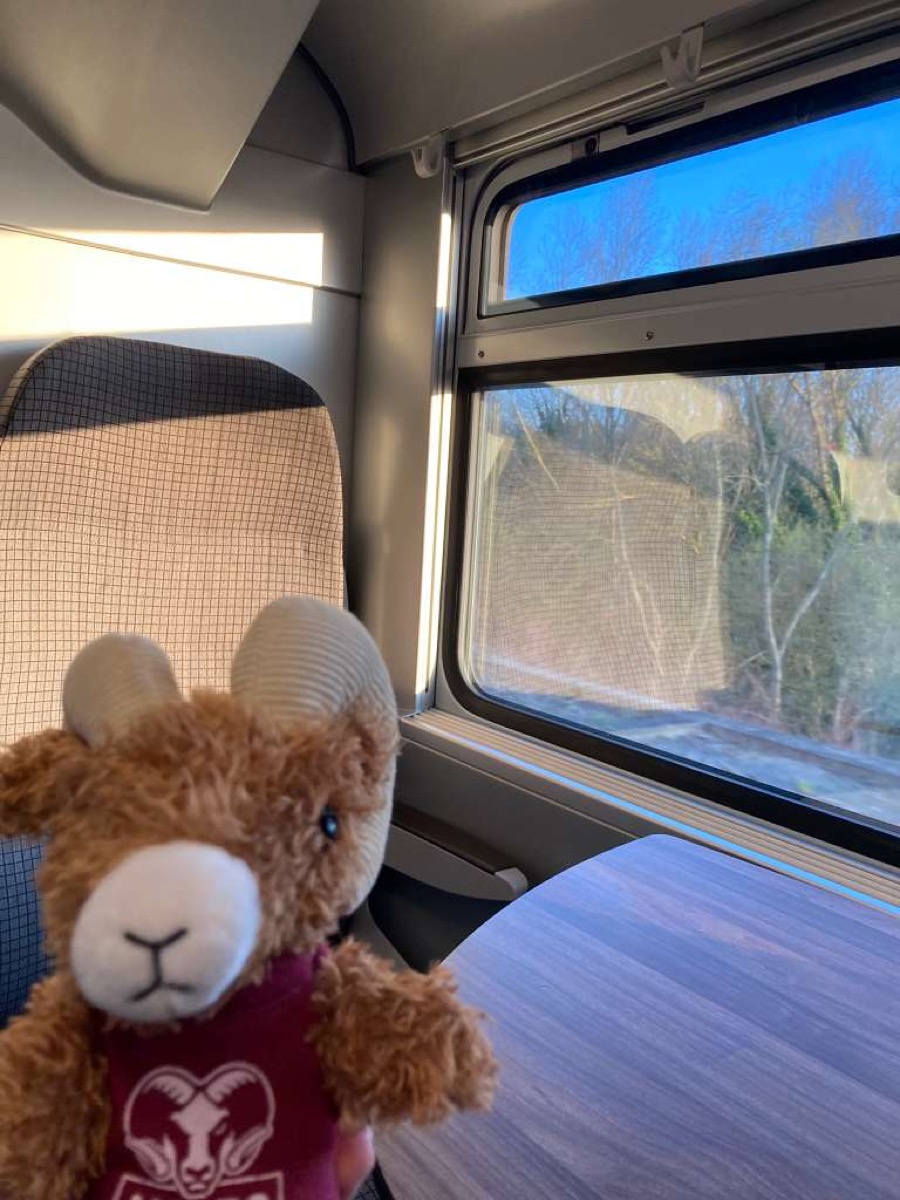
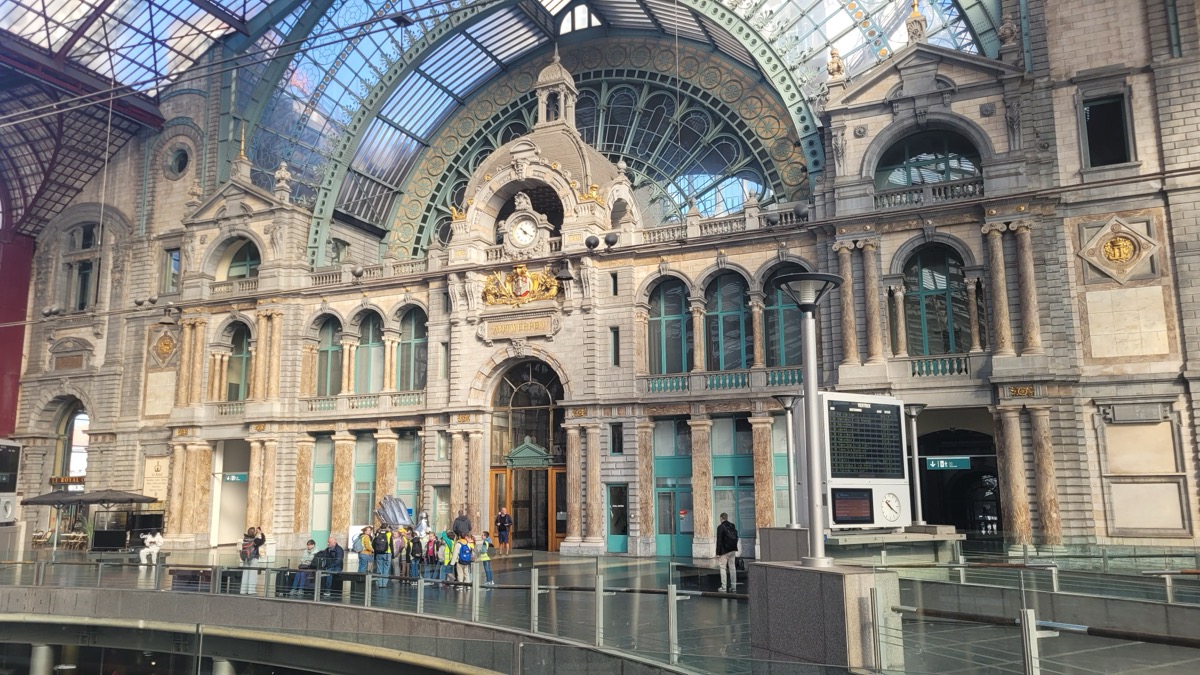
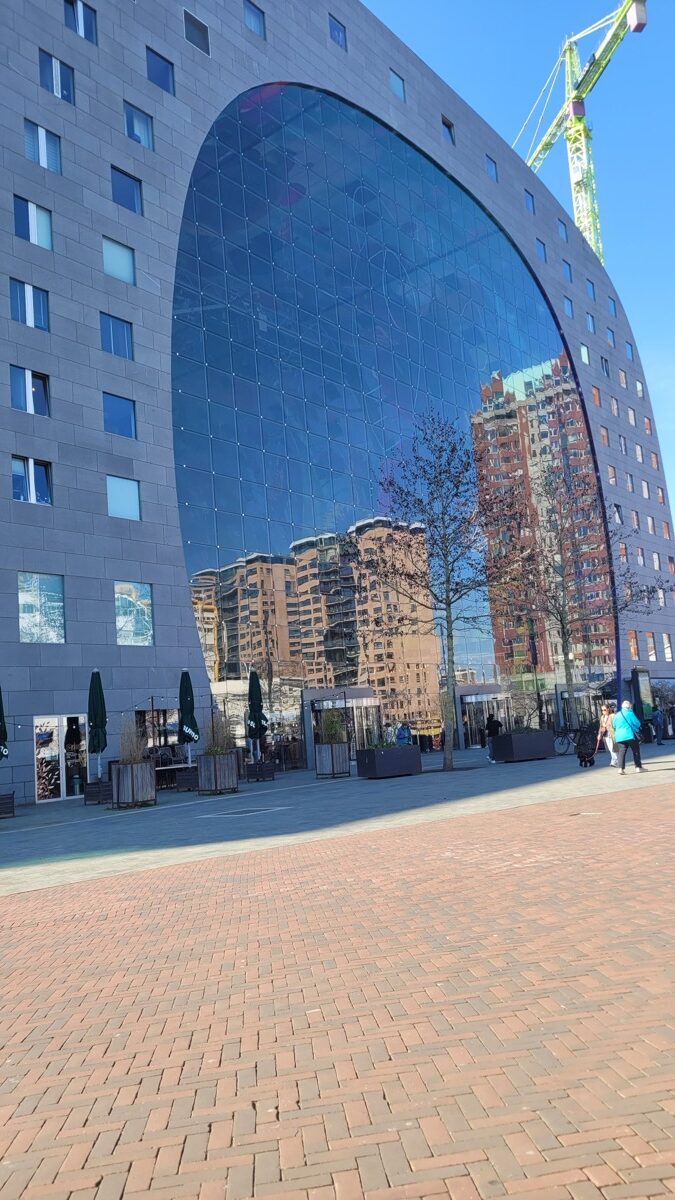
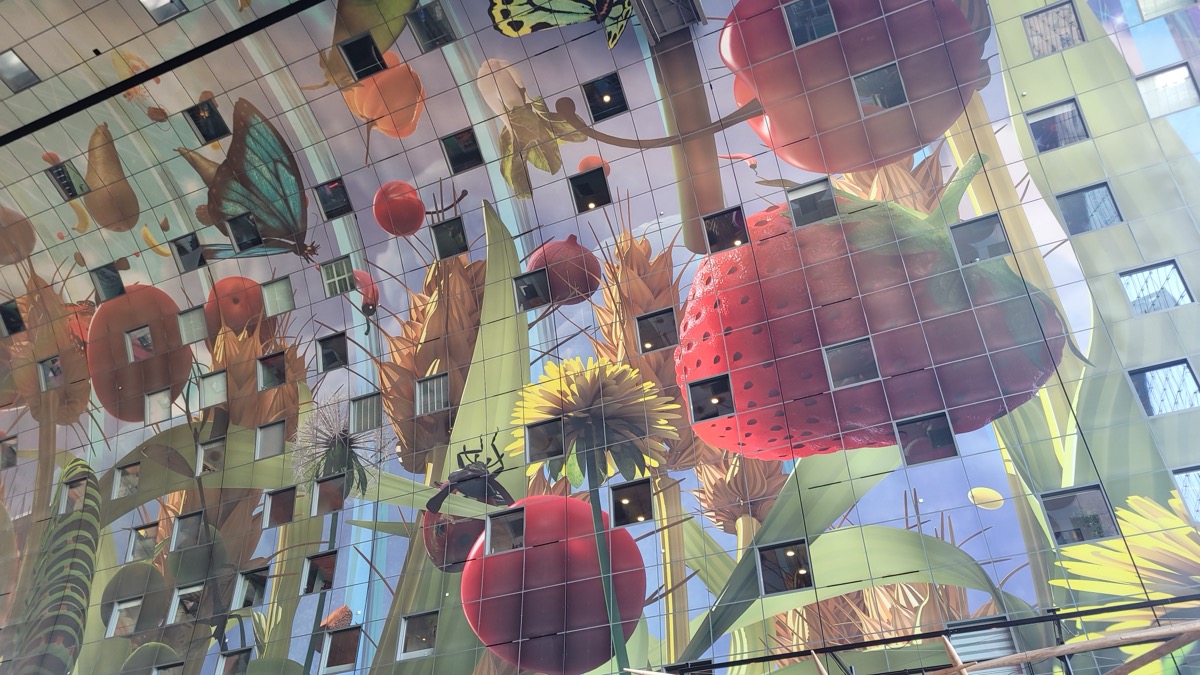
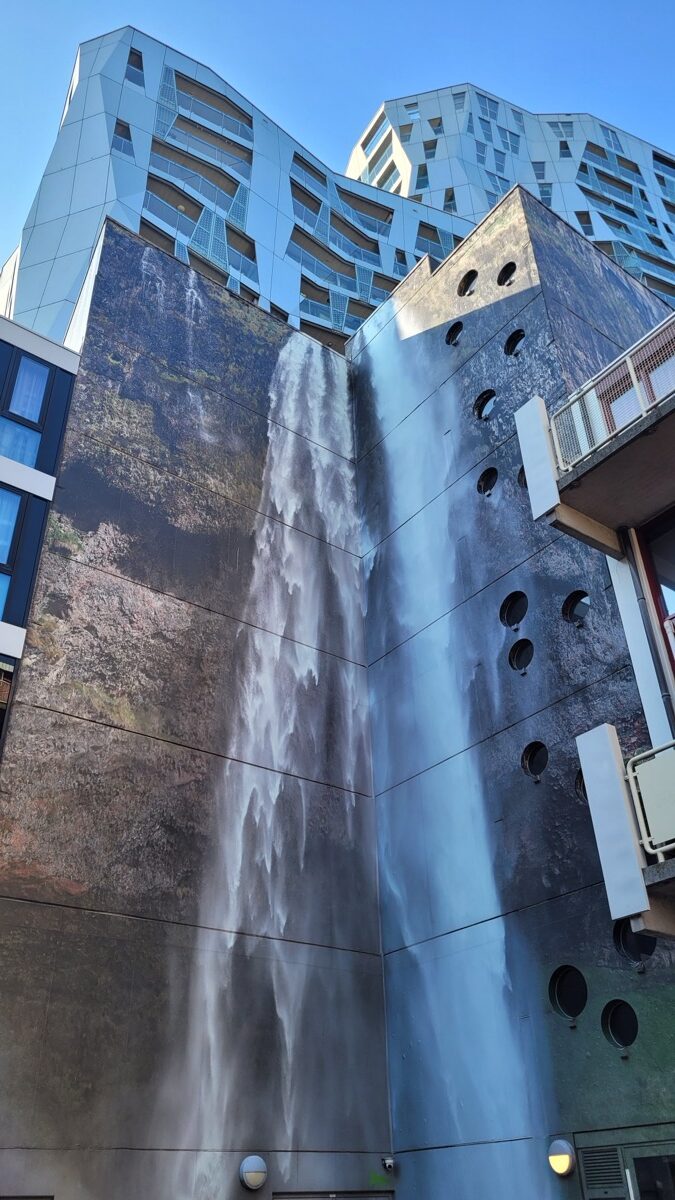
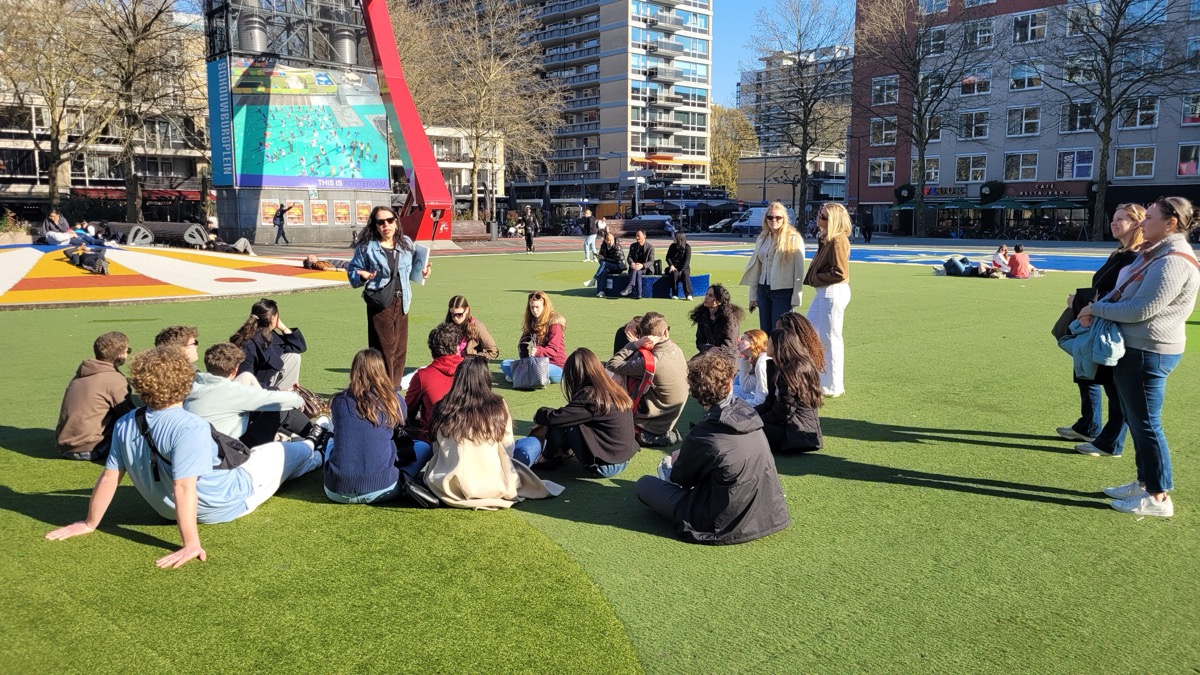
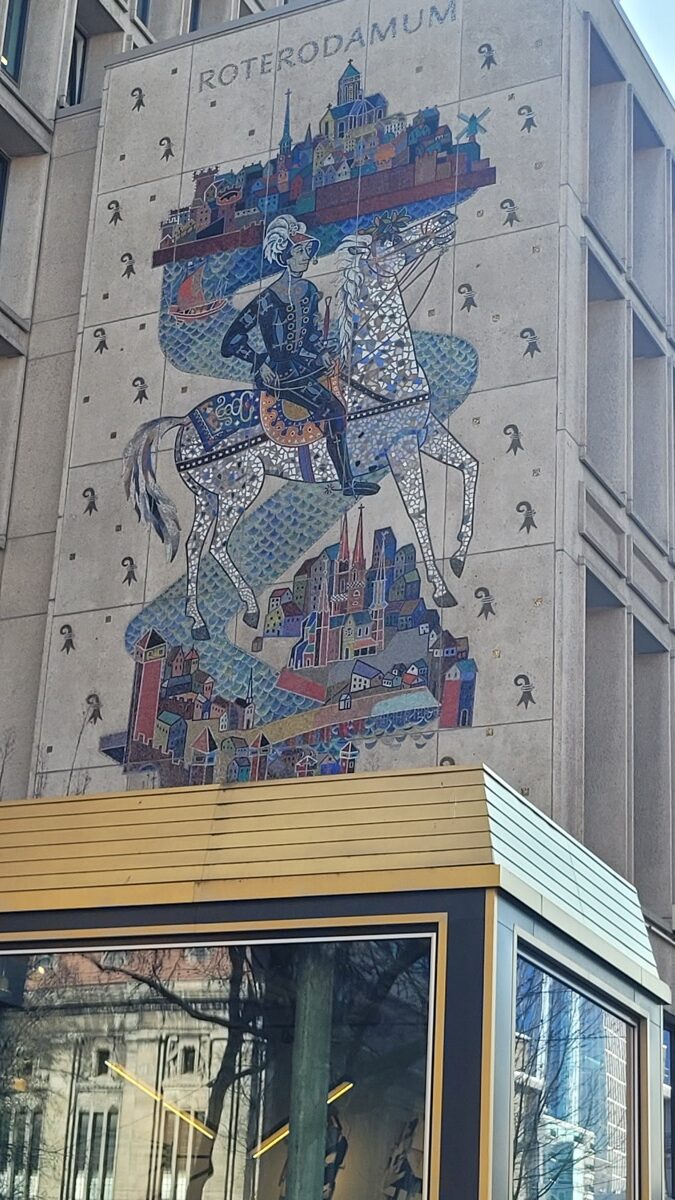
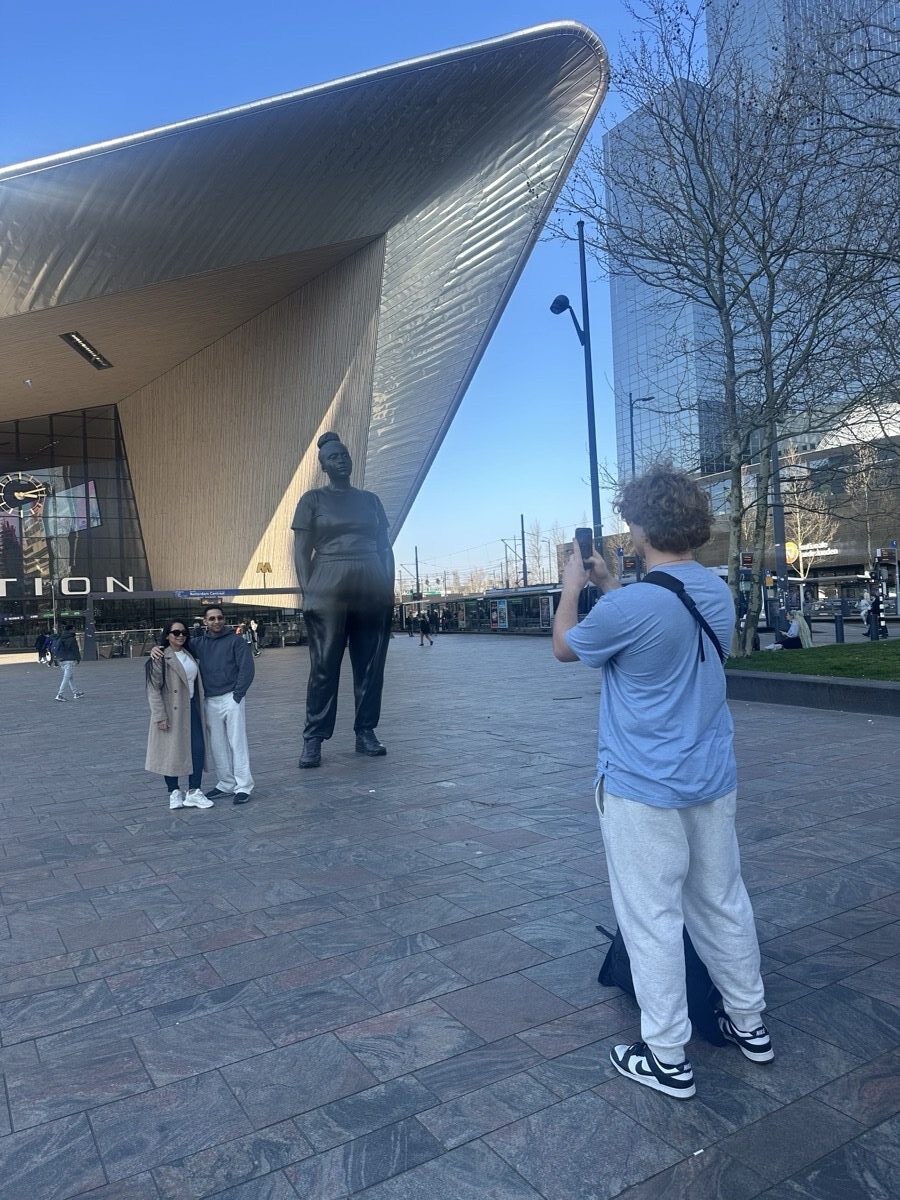
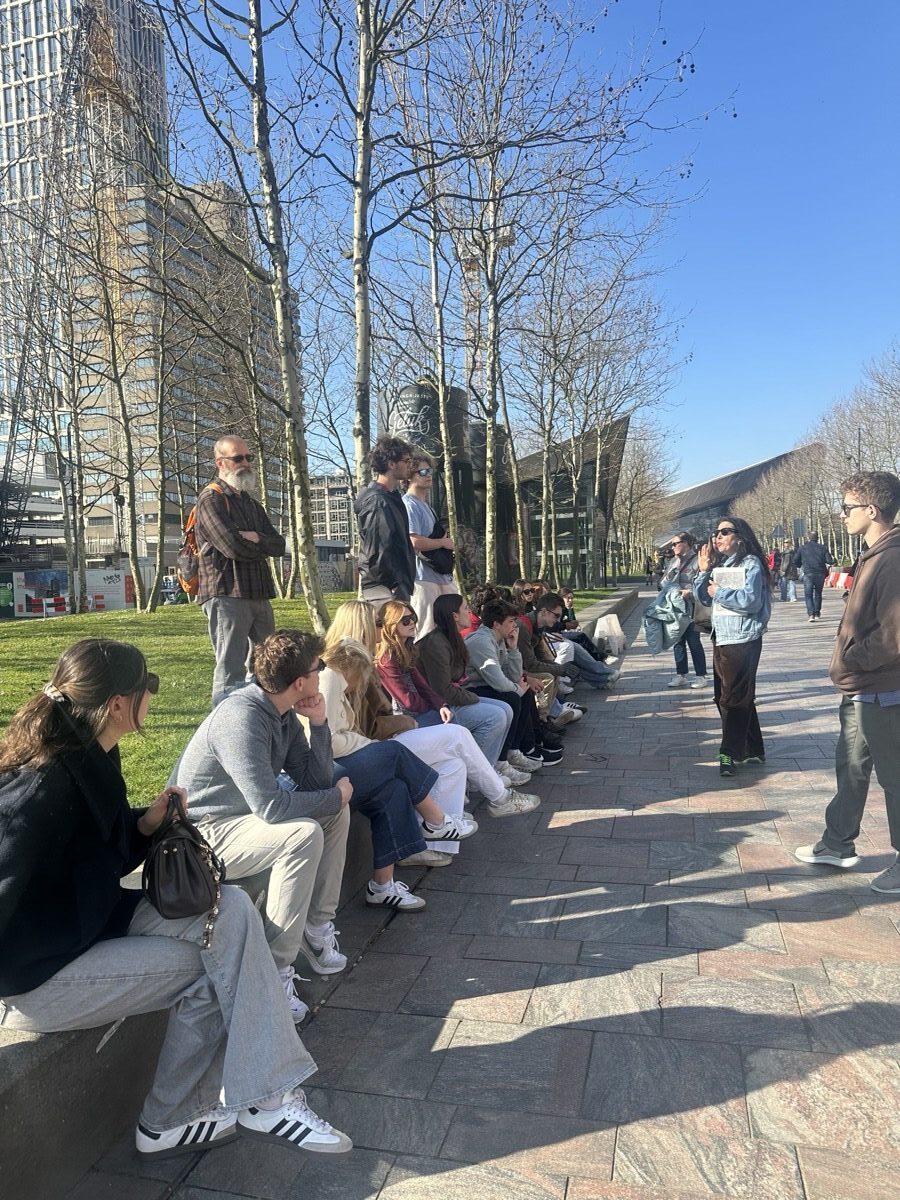
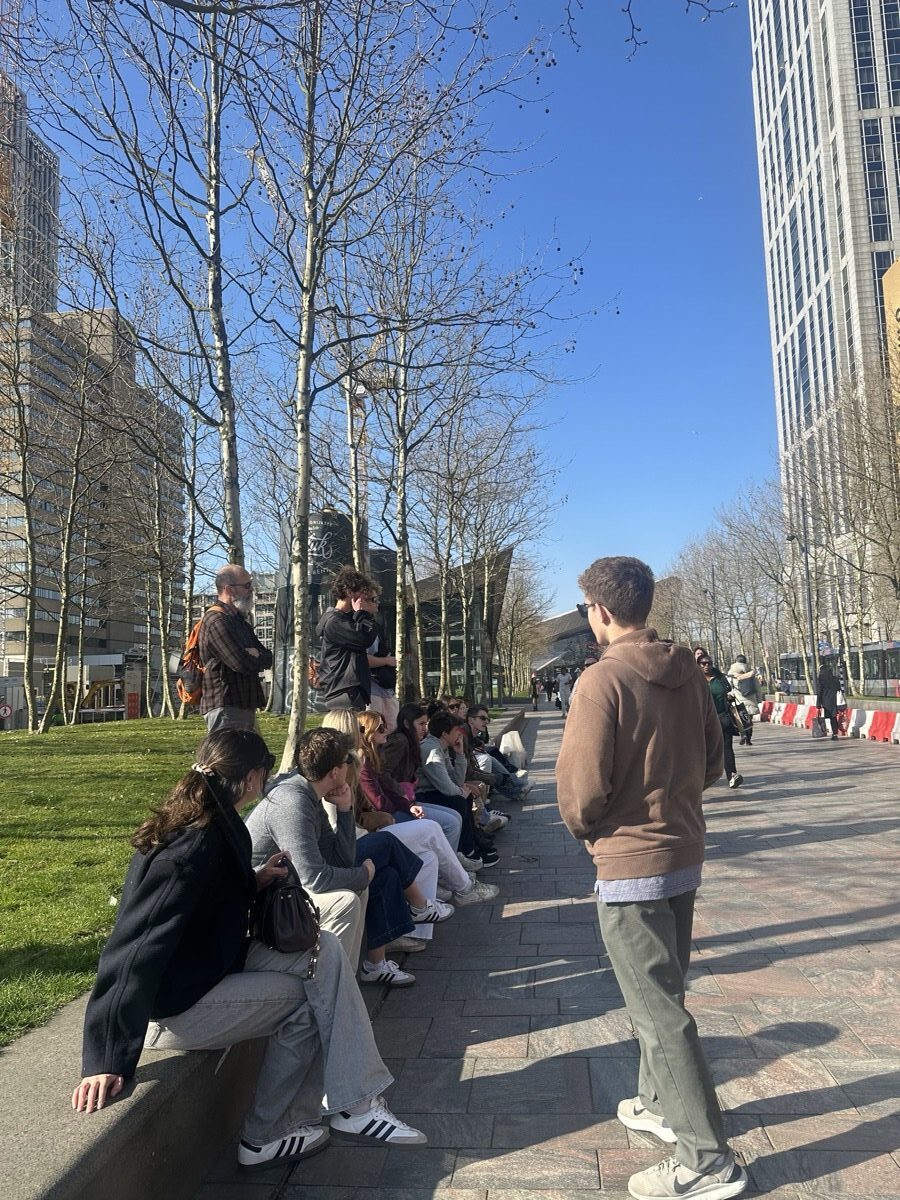
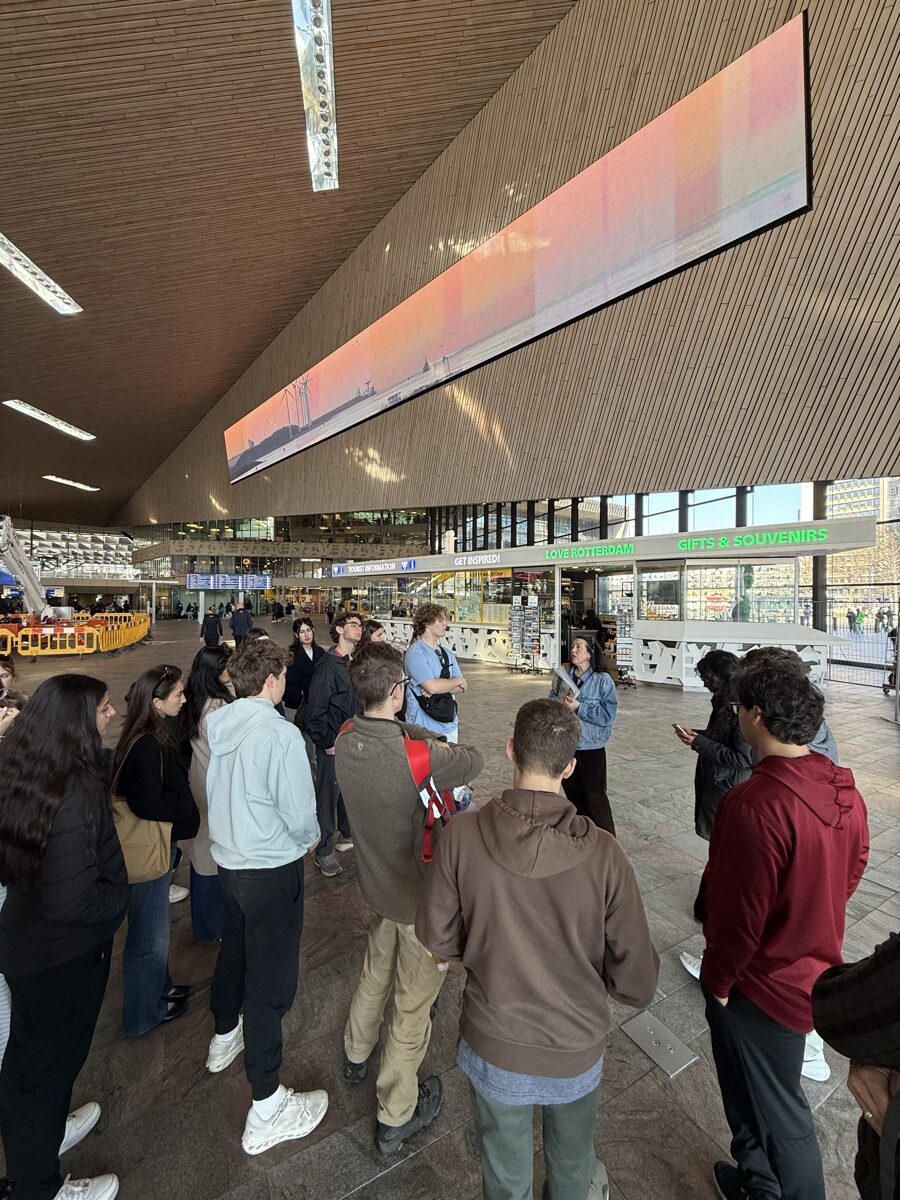
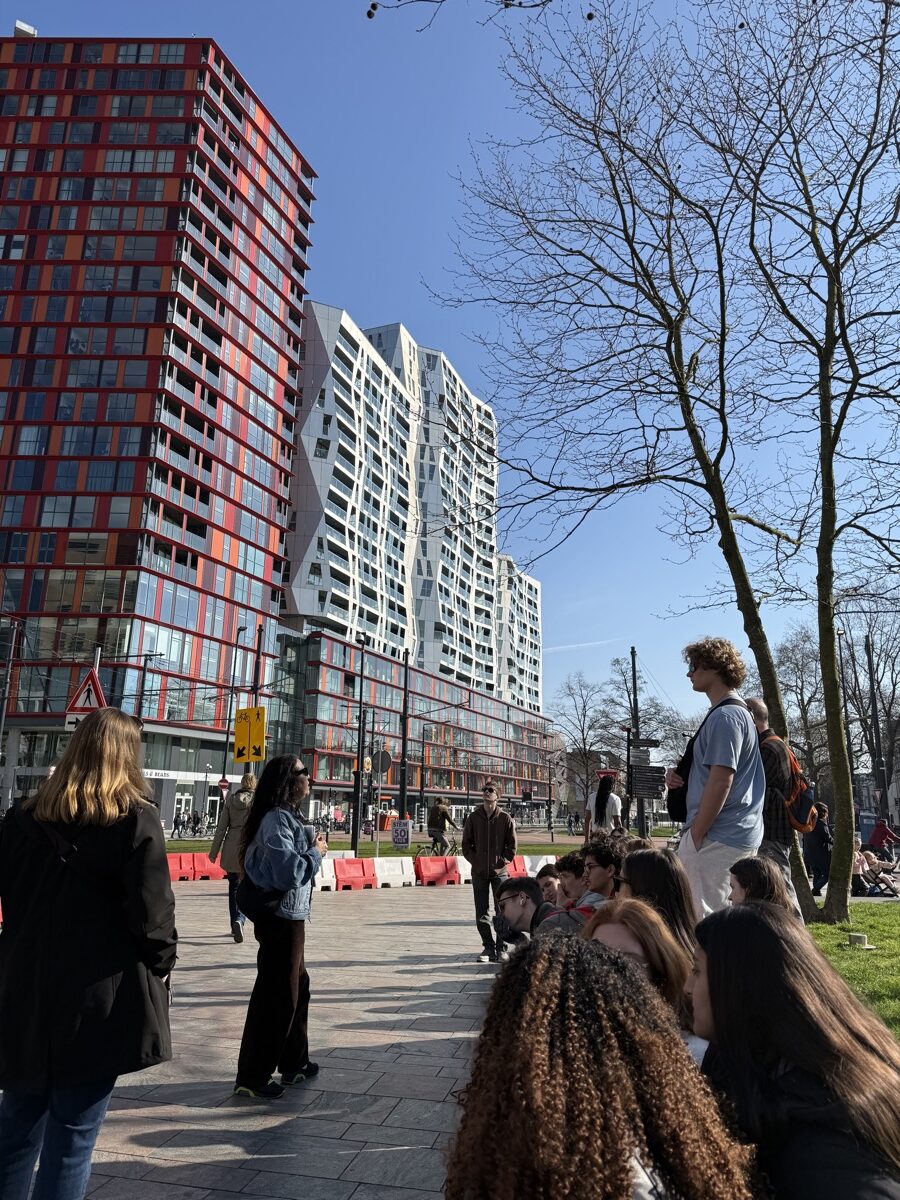
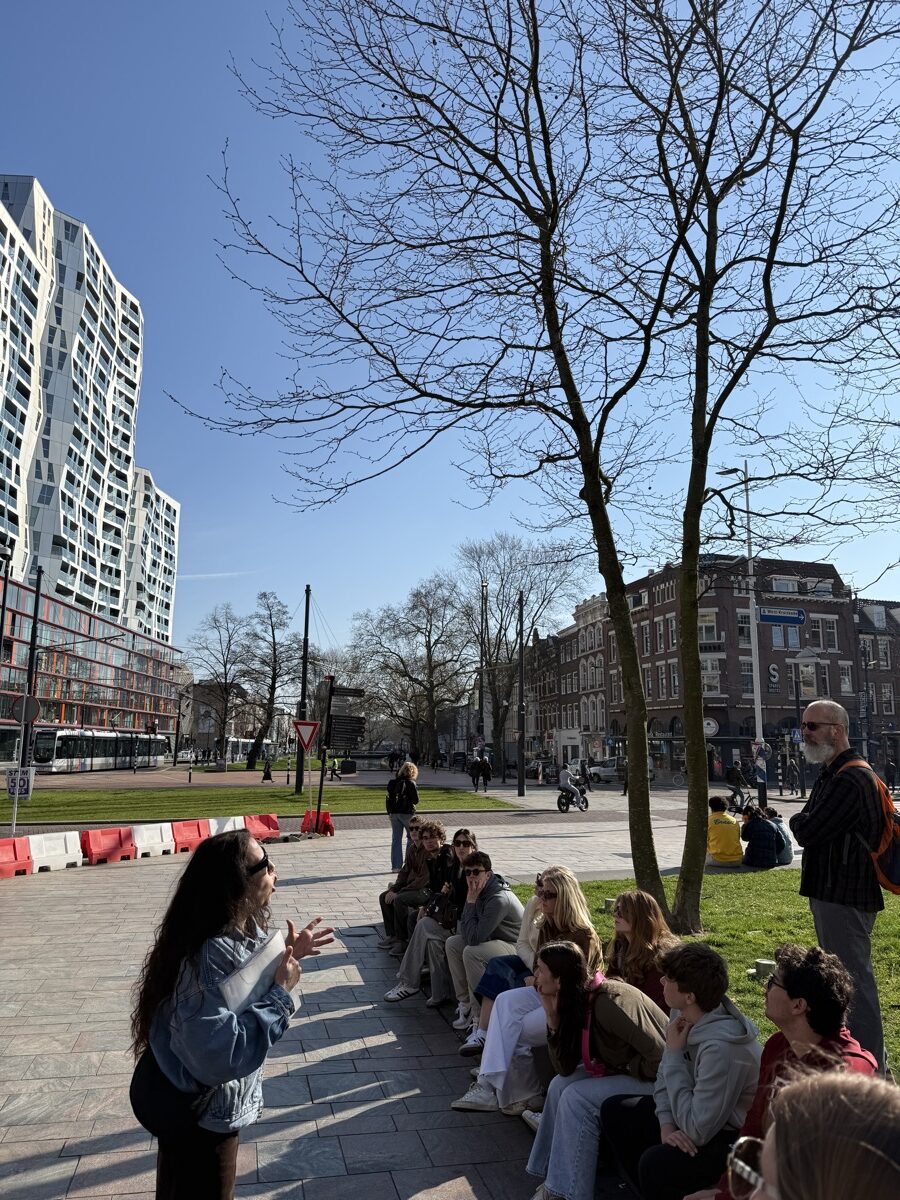
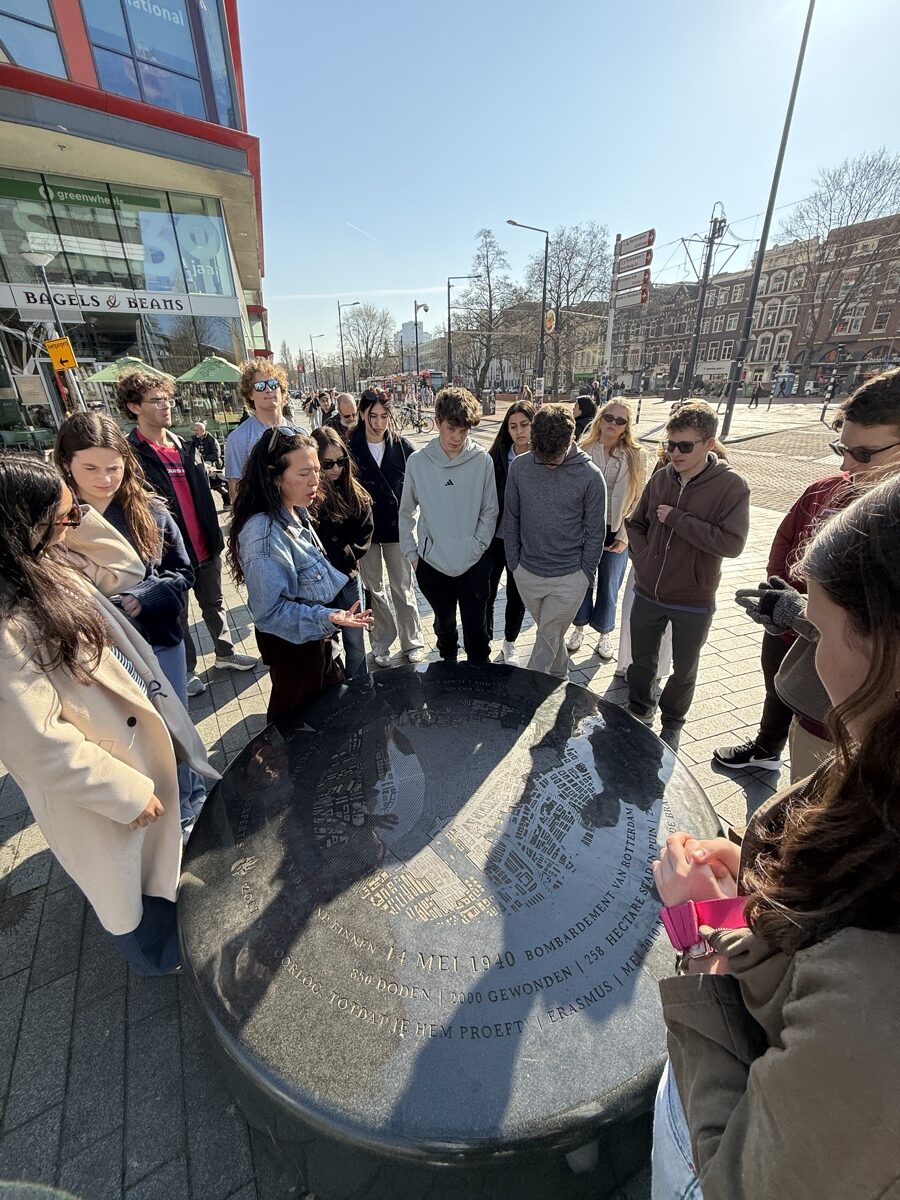
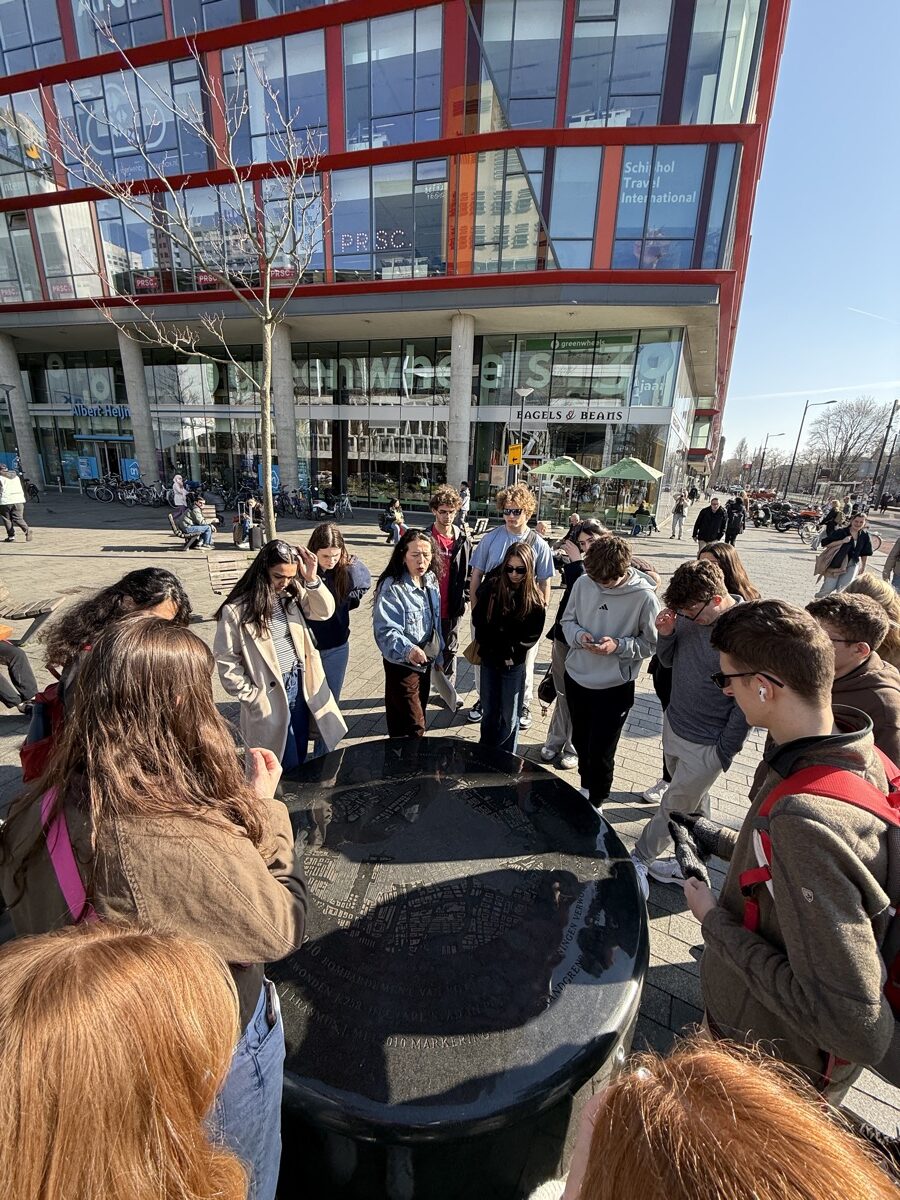
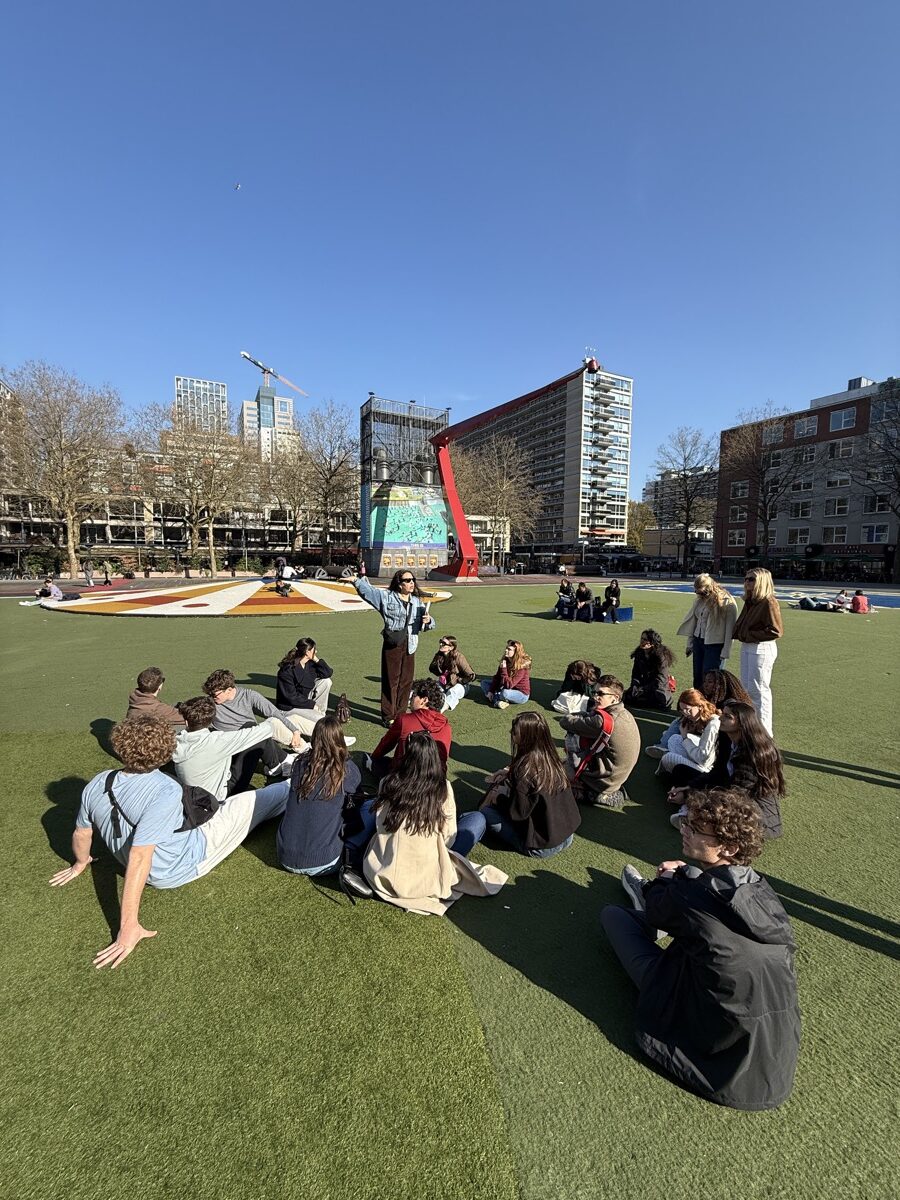
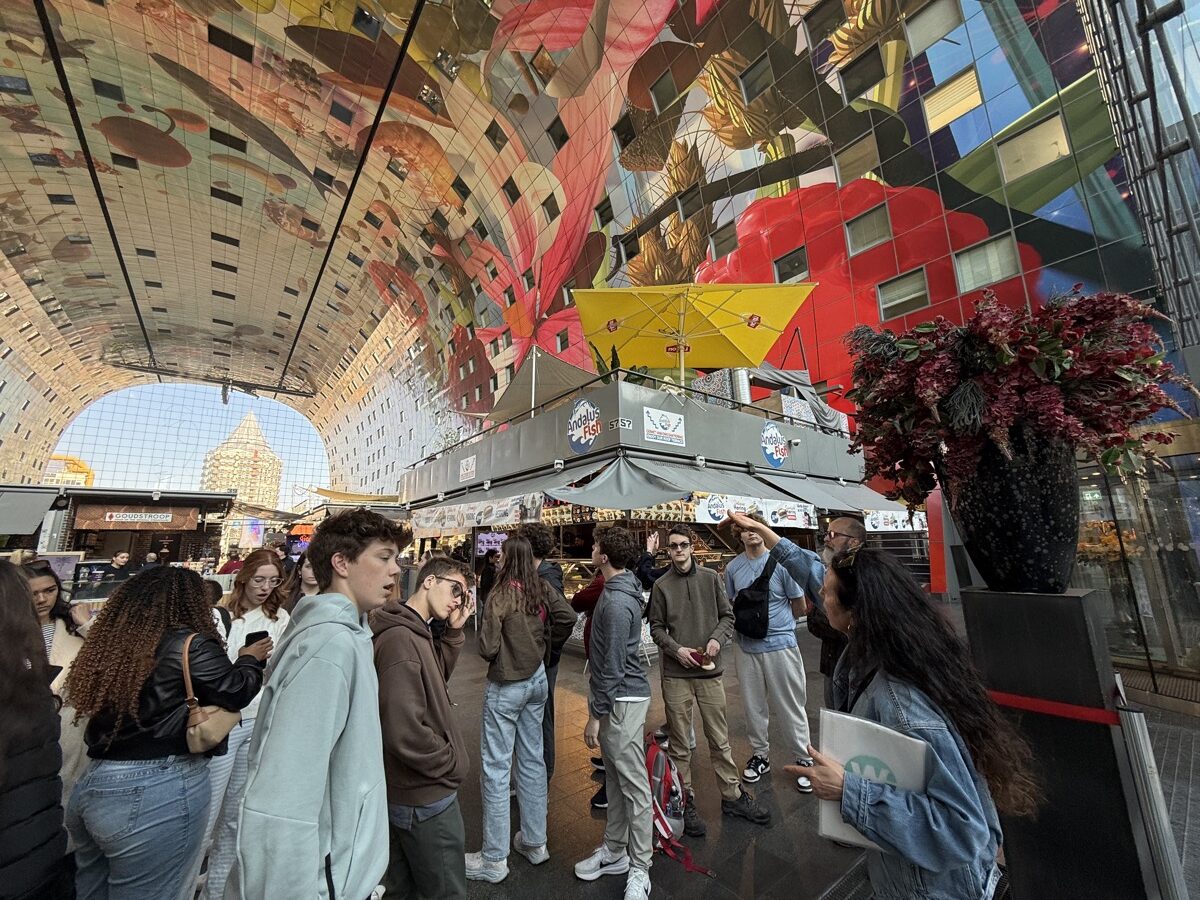
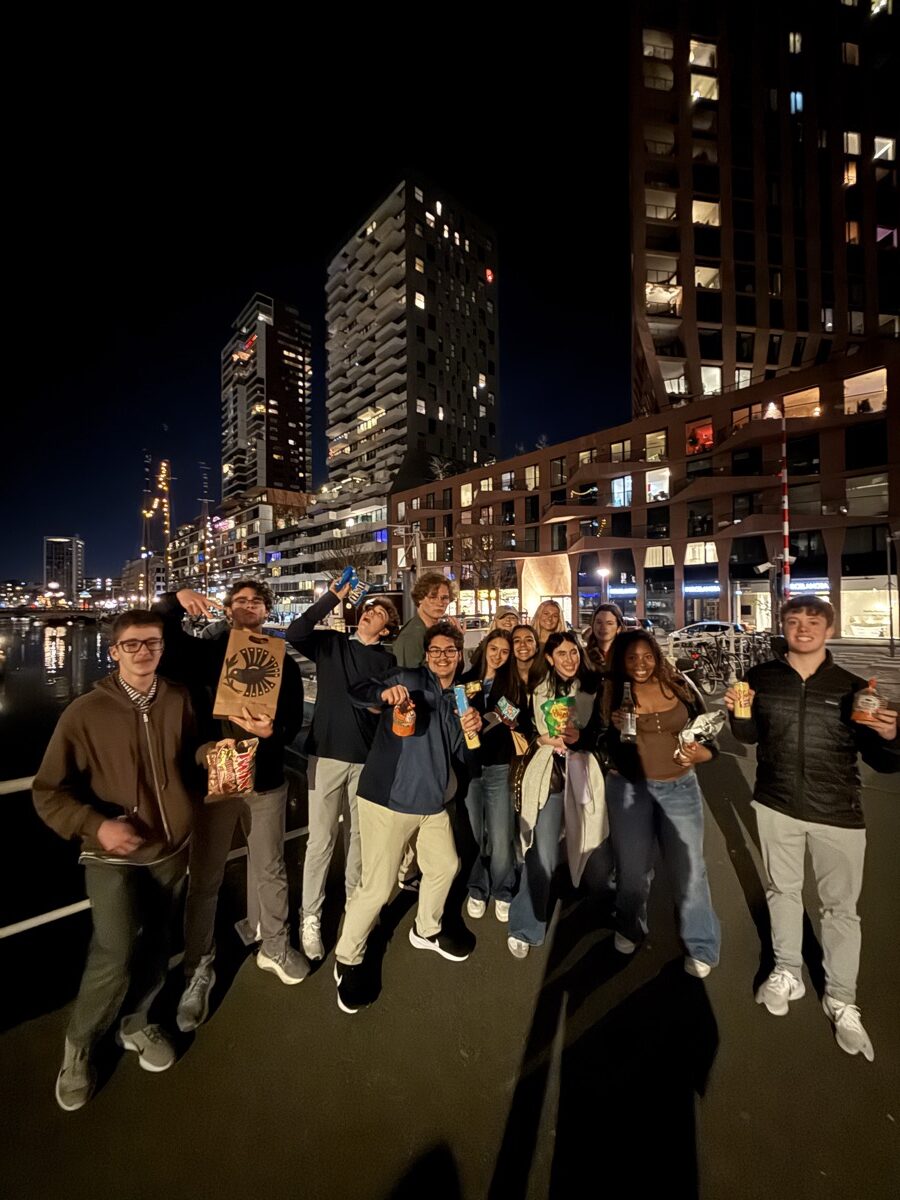
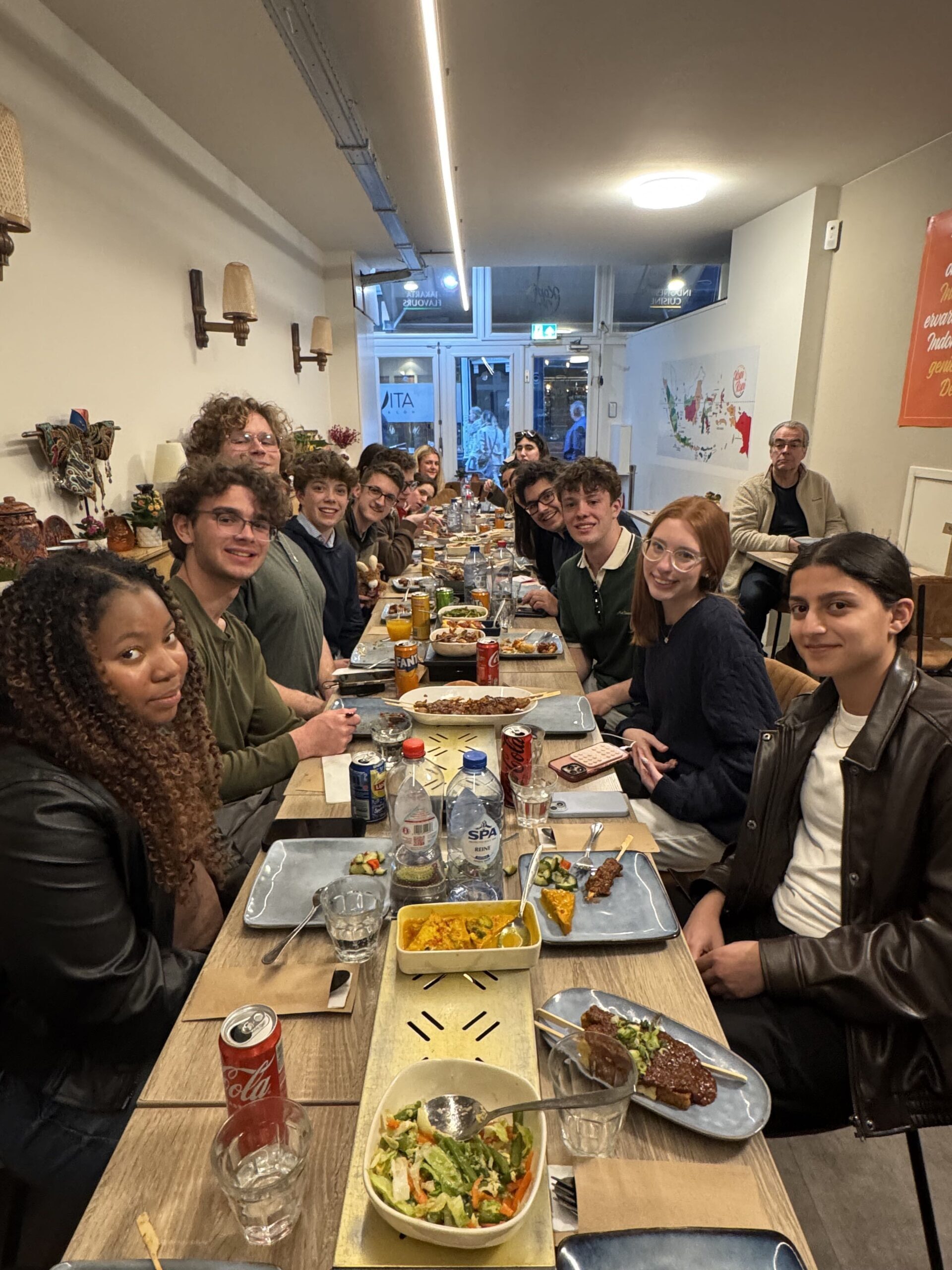
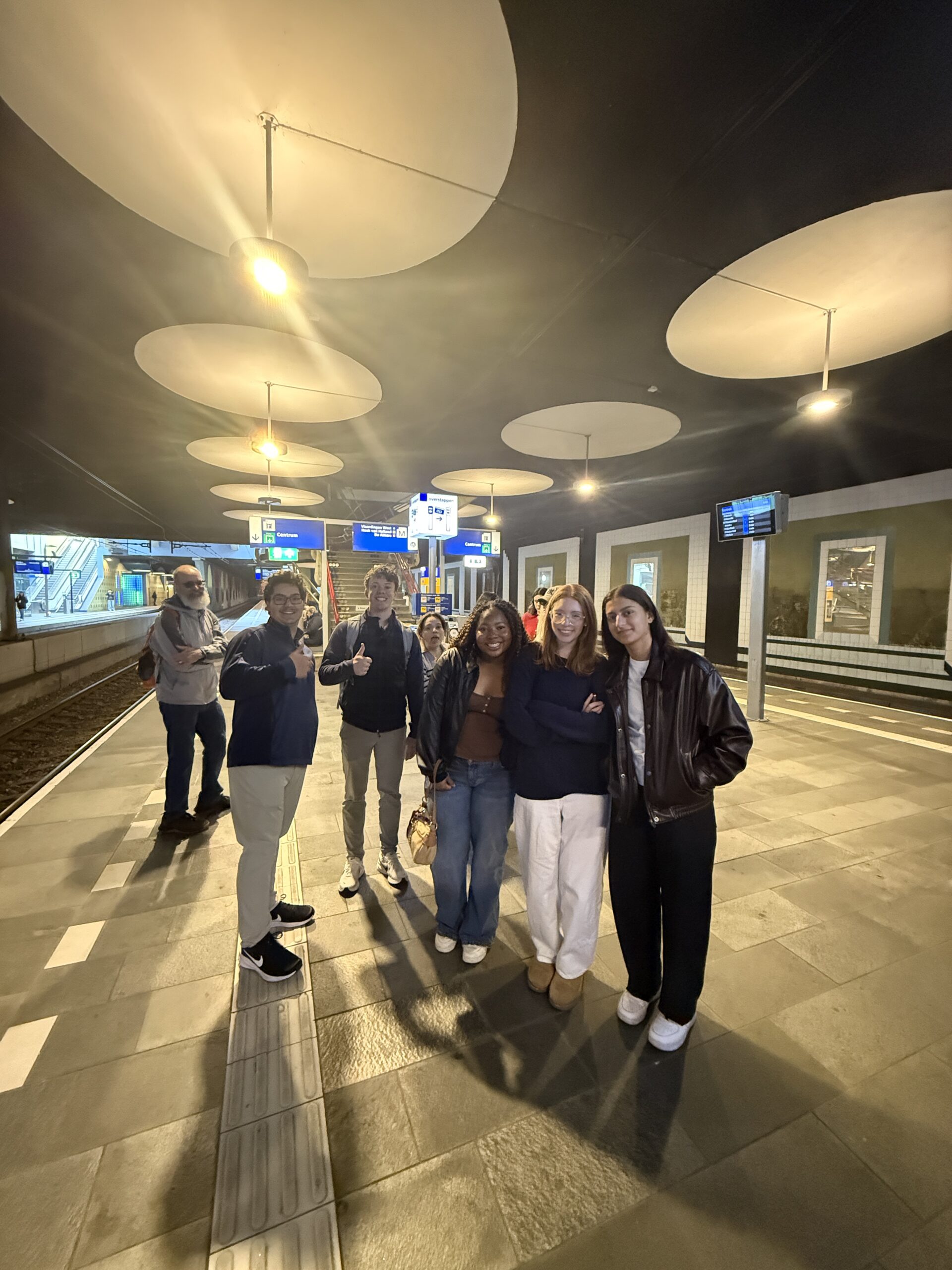
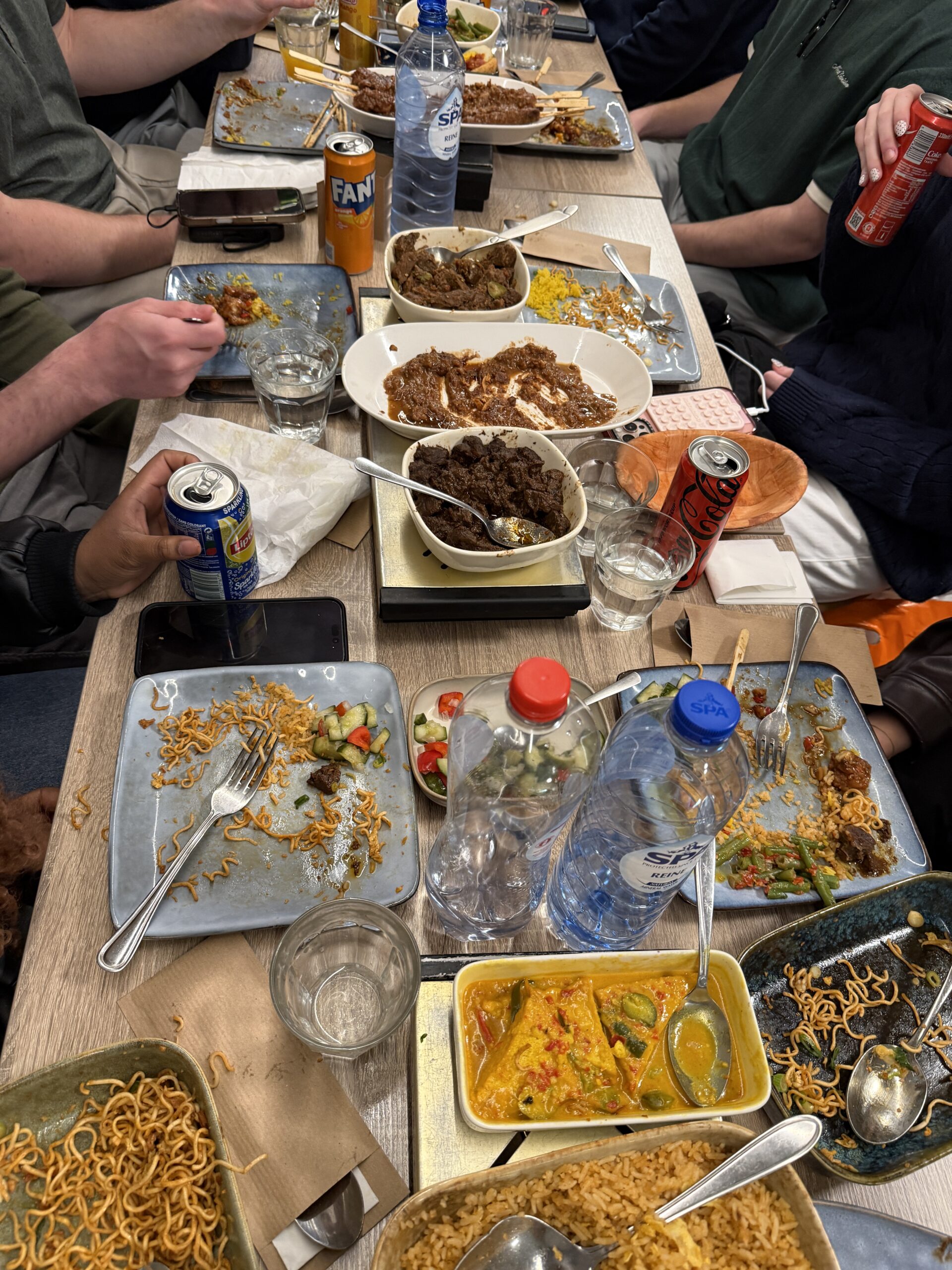
On a morning train, students crossed the border into the Netherlands, where they spent time unpacking Rotterdam’s history with a local guide. Reconstructed after losing up to 90% of the city center in a single WWII bombing, Rotterdam offered an eye-opening experience to explore the city’s unique architecture and forward-thinking urban planning. Today, Rotterdam has become a hub for startups, and our students enjoyed the exciting opportunity to connect with local leaders. The day concluded with an Indonesian Rijsttafel, a traditional meal that reflects the complex history of colonization and migration between Indonesia and the Netherlands.
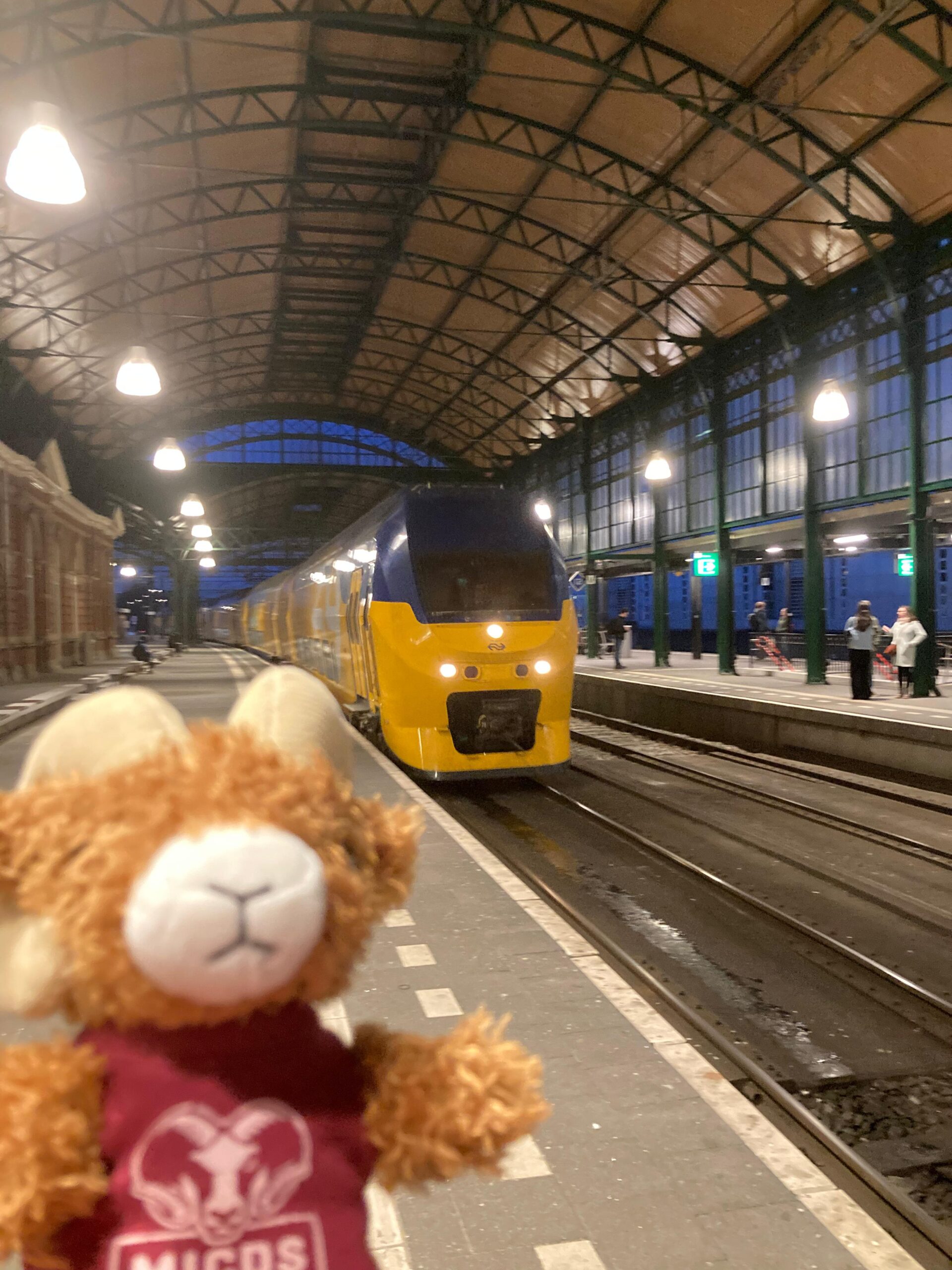
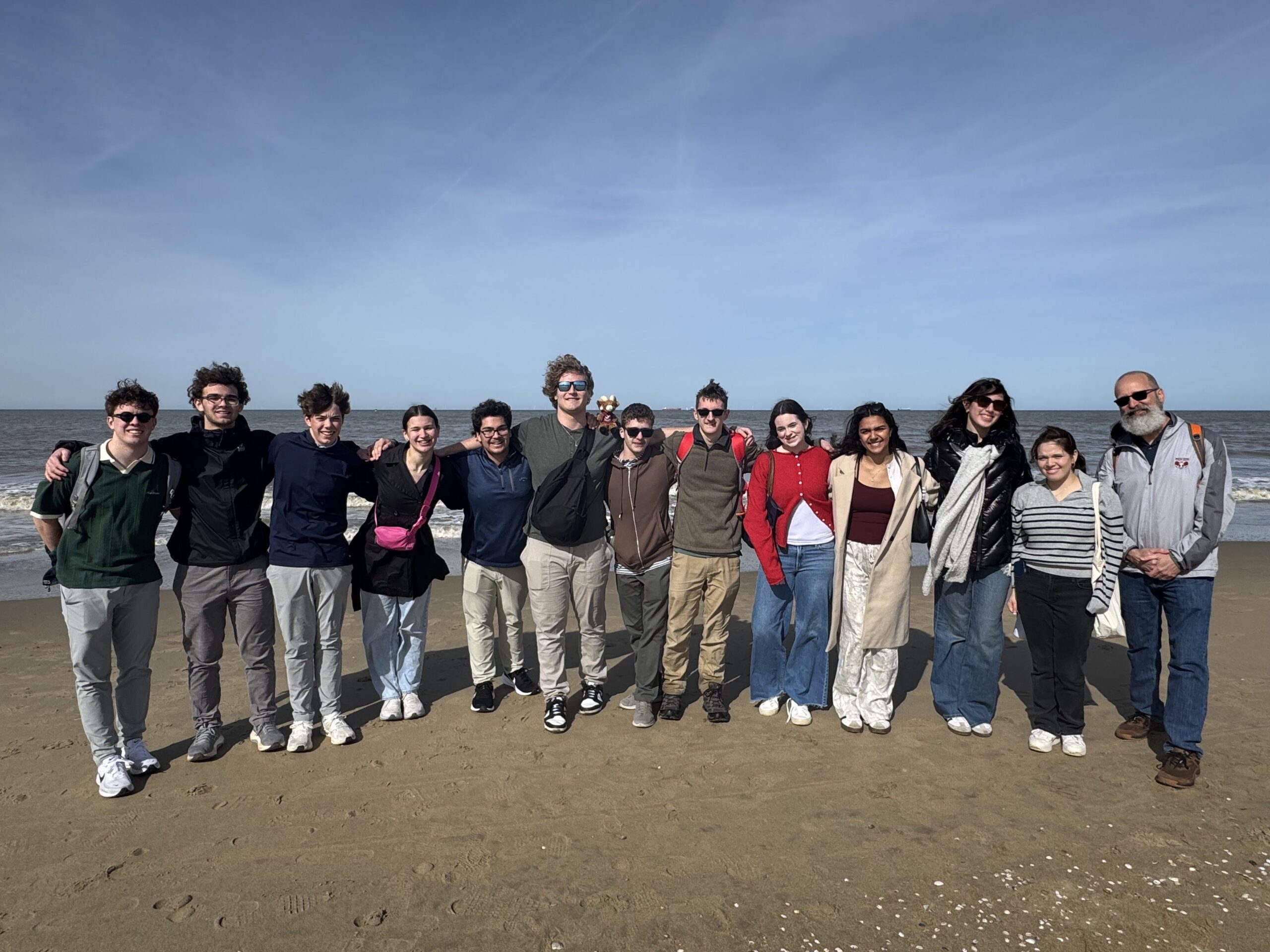
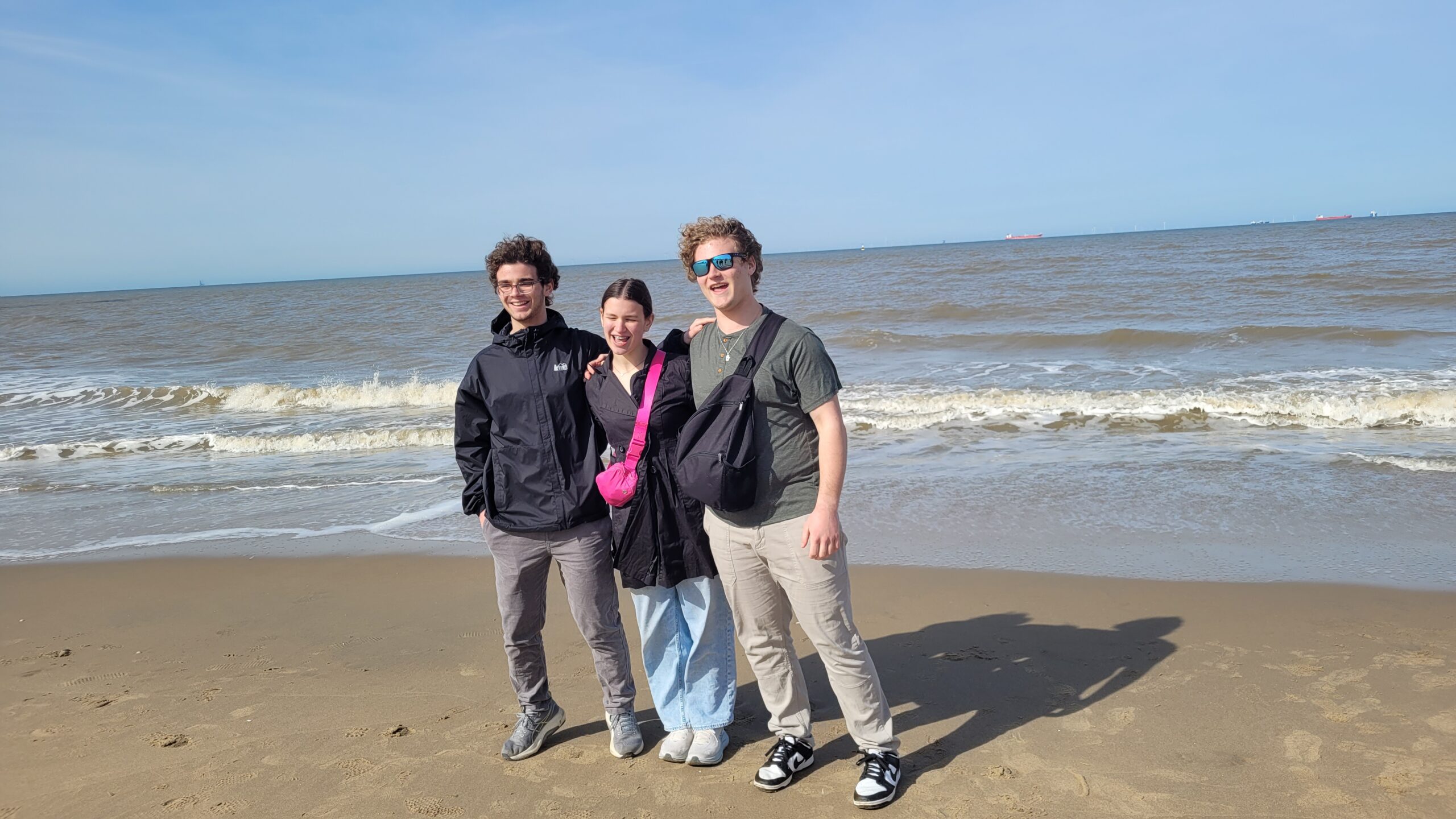
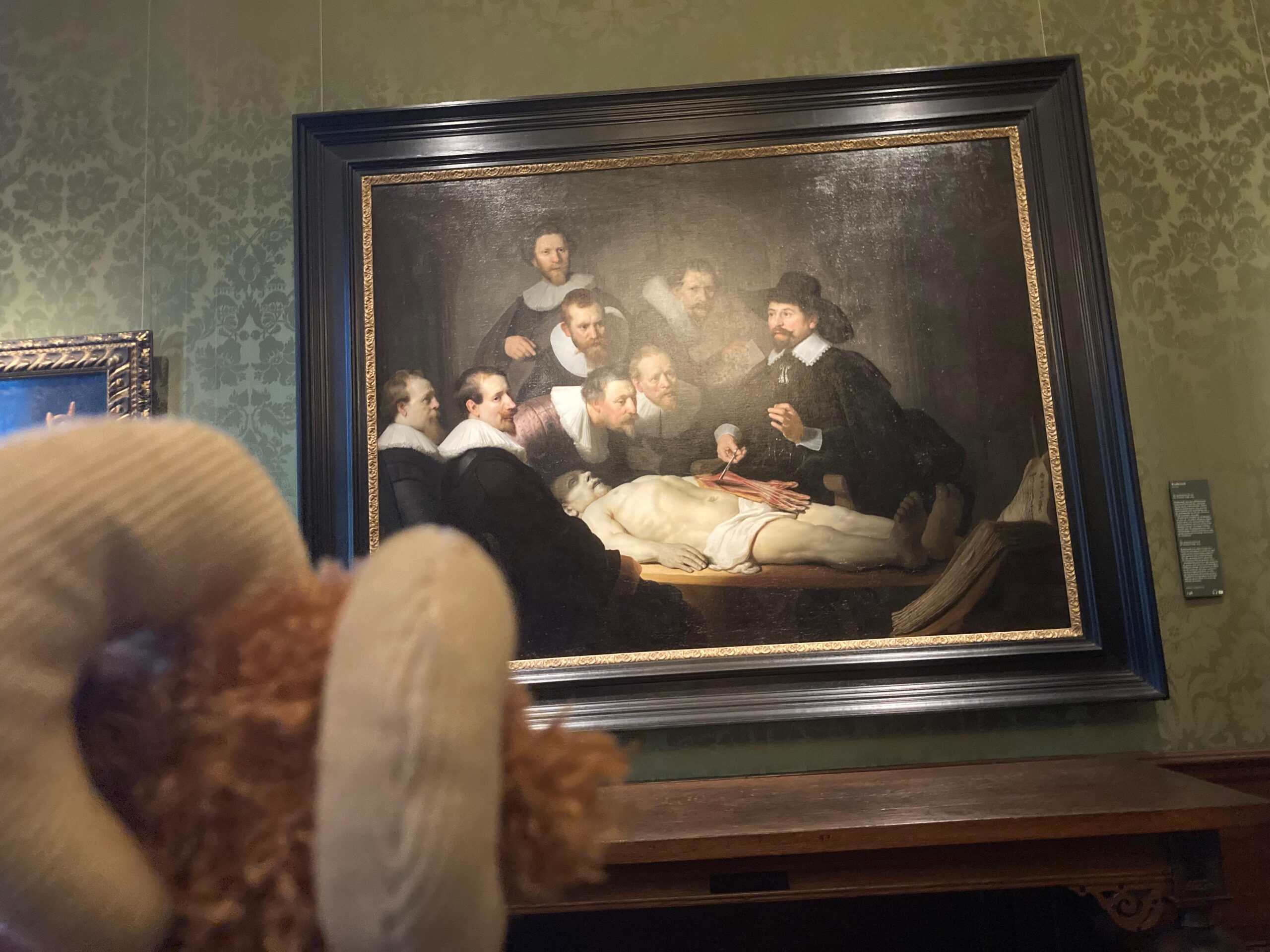
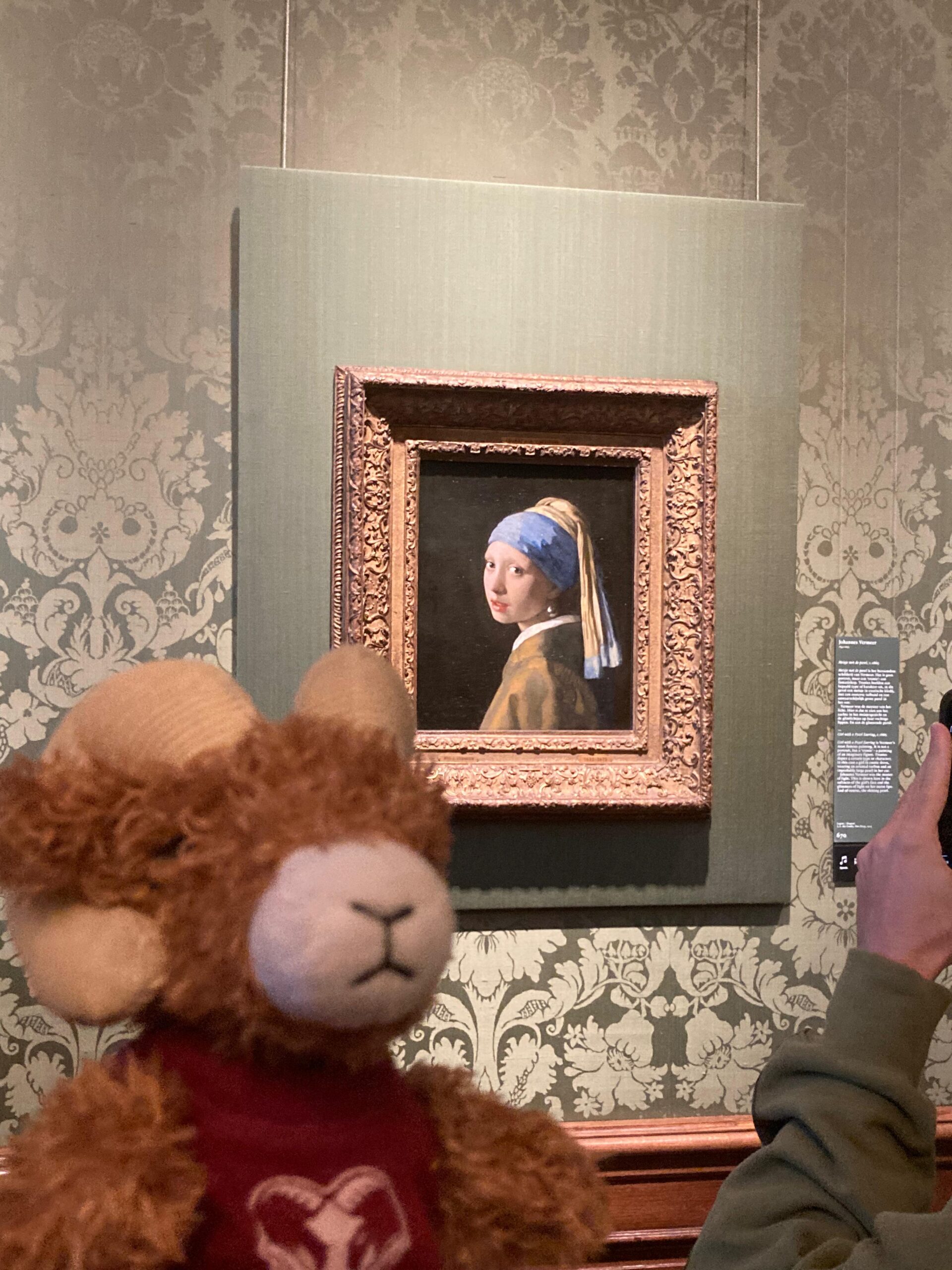
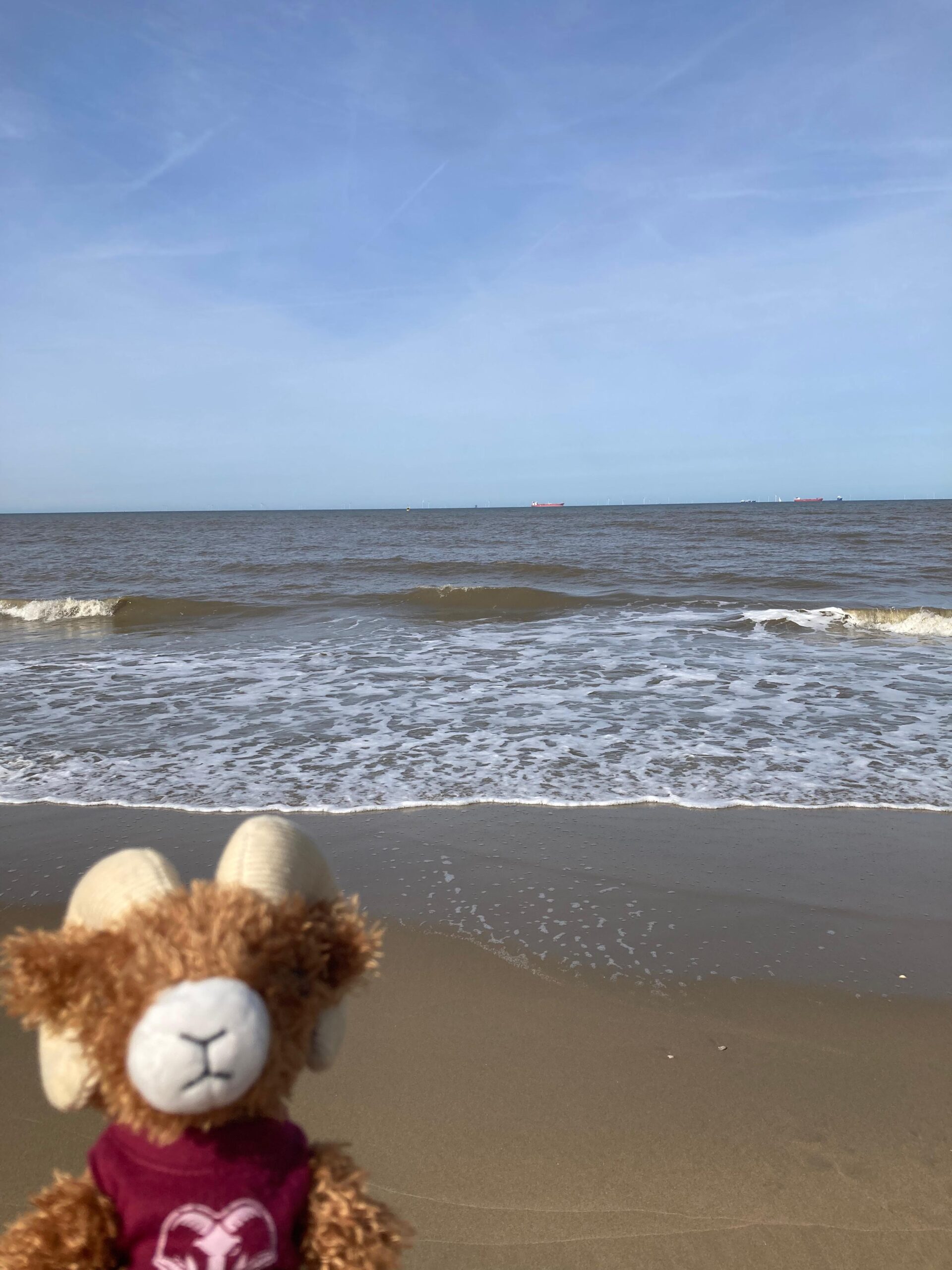
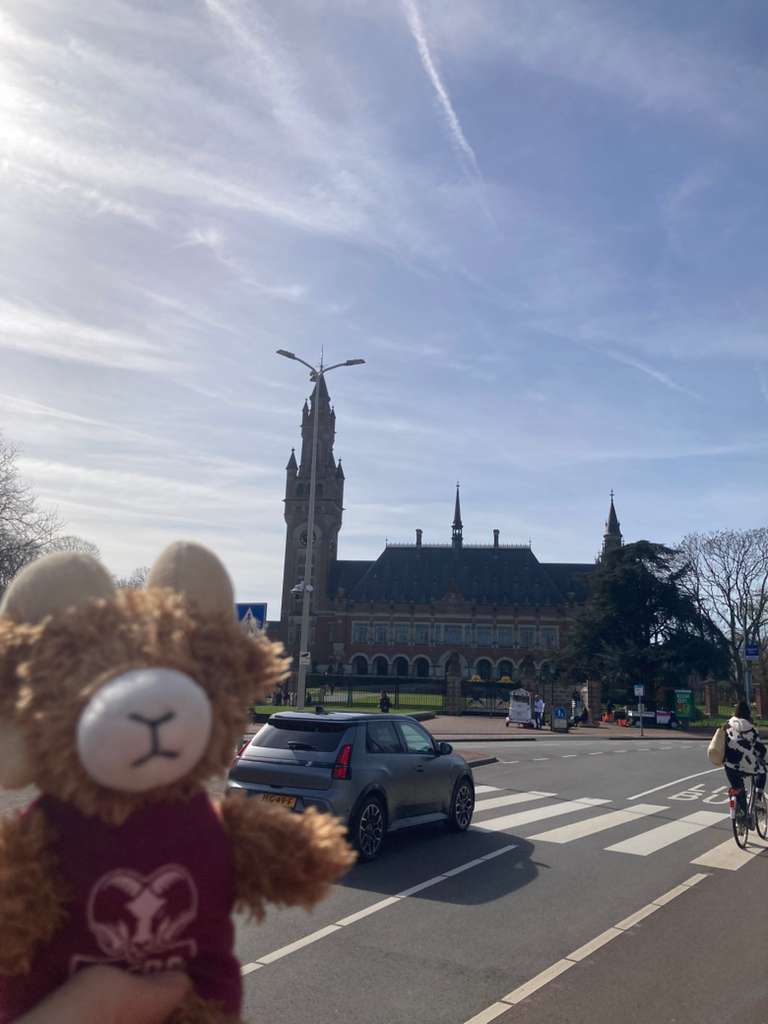
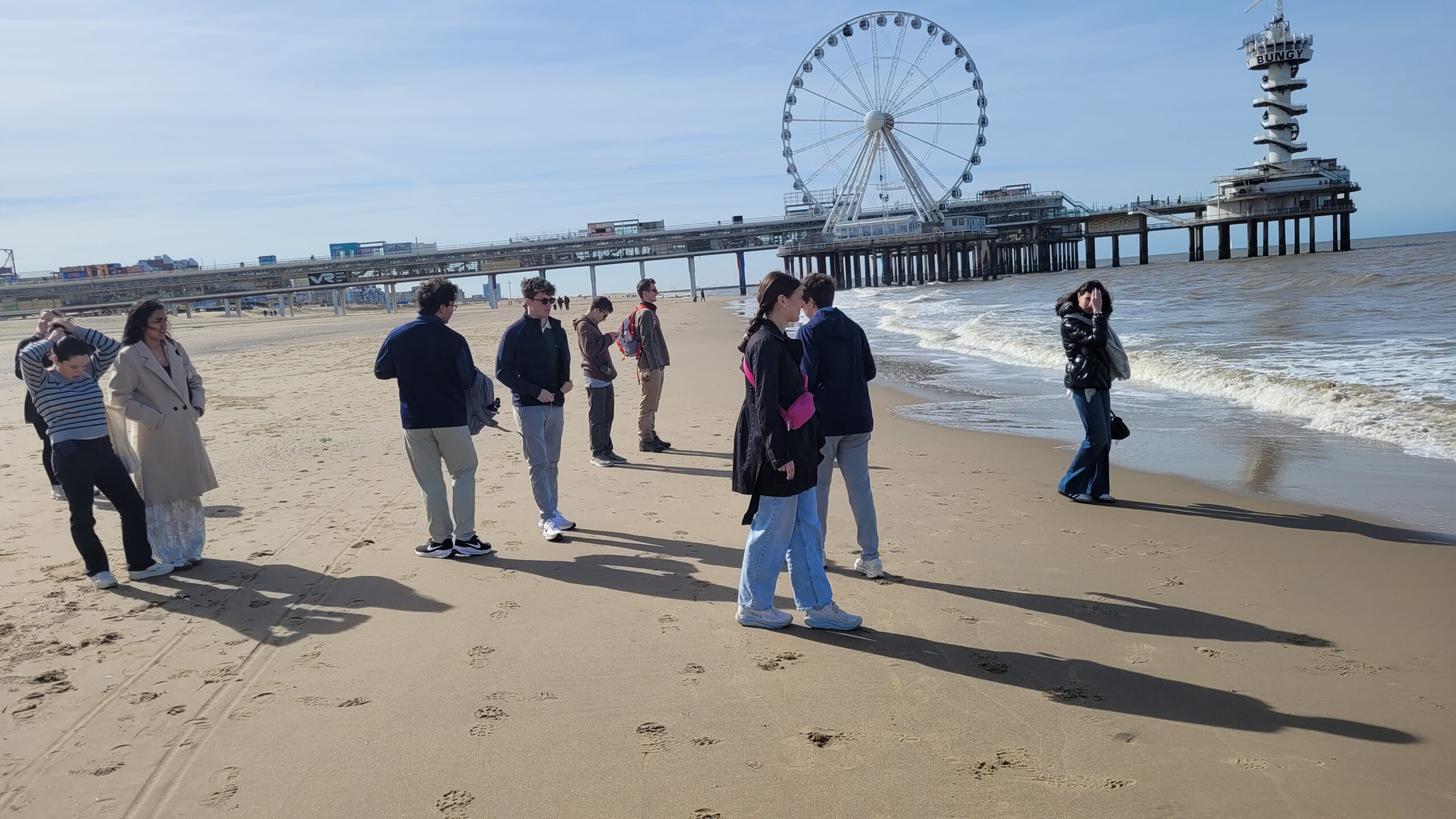
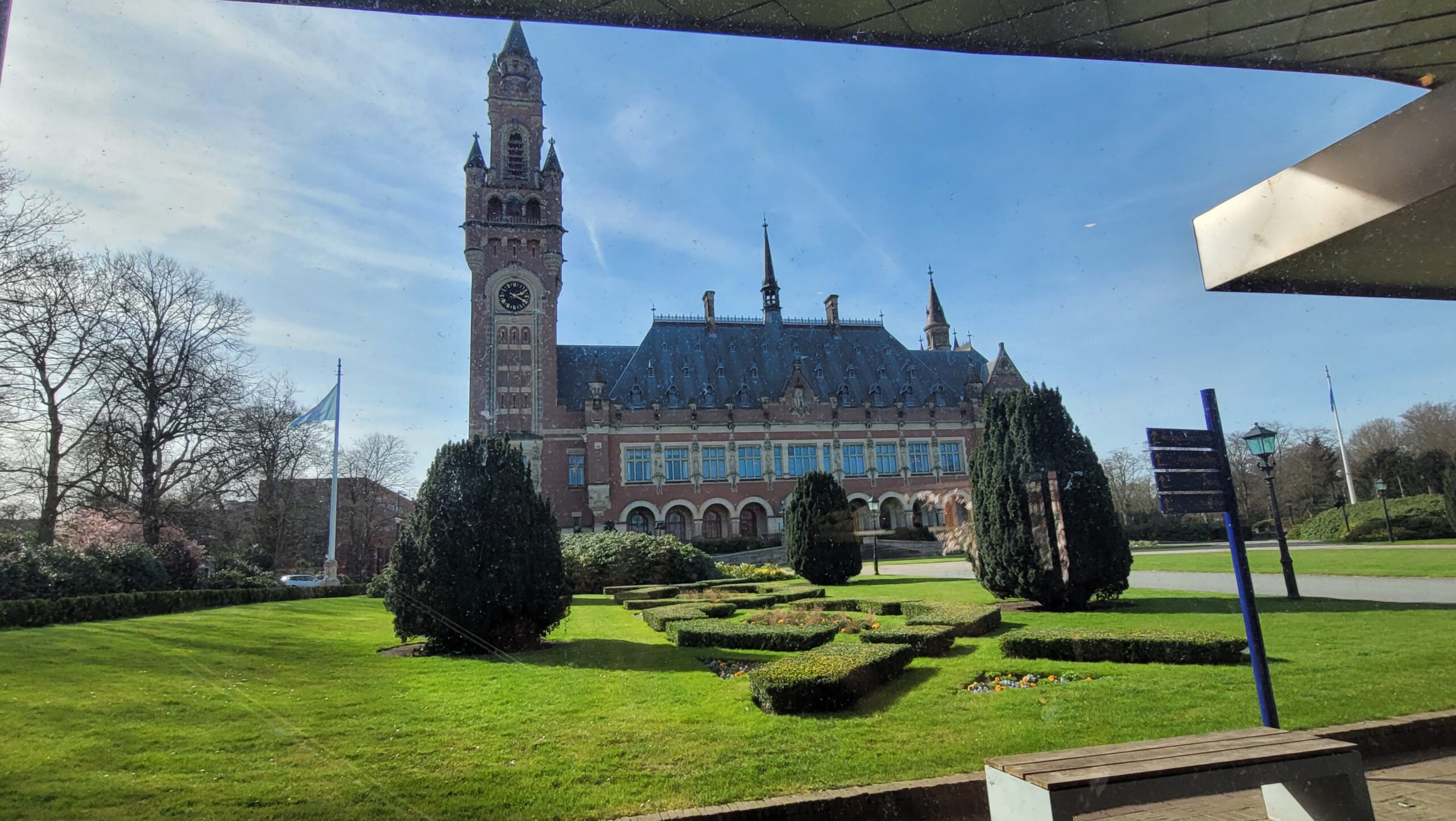
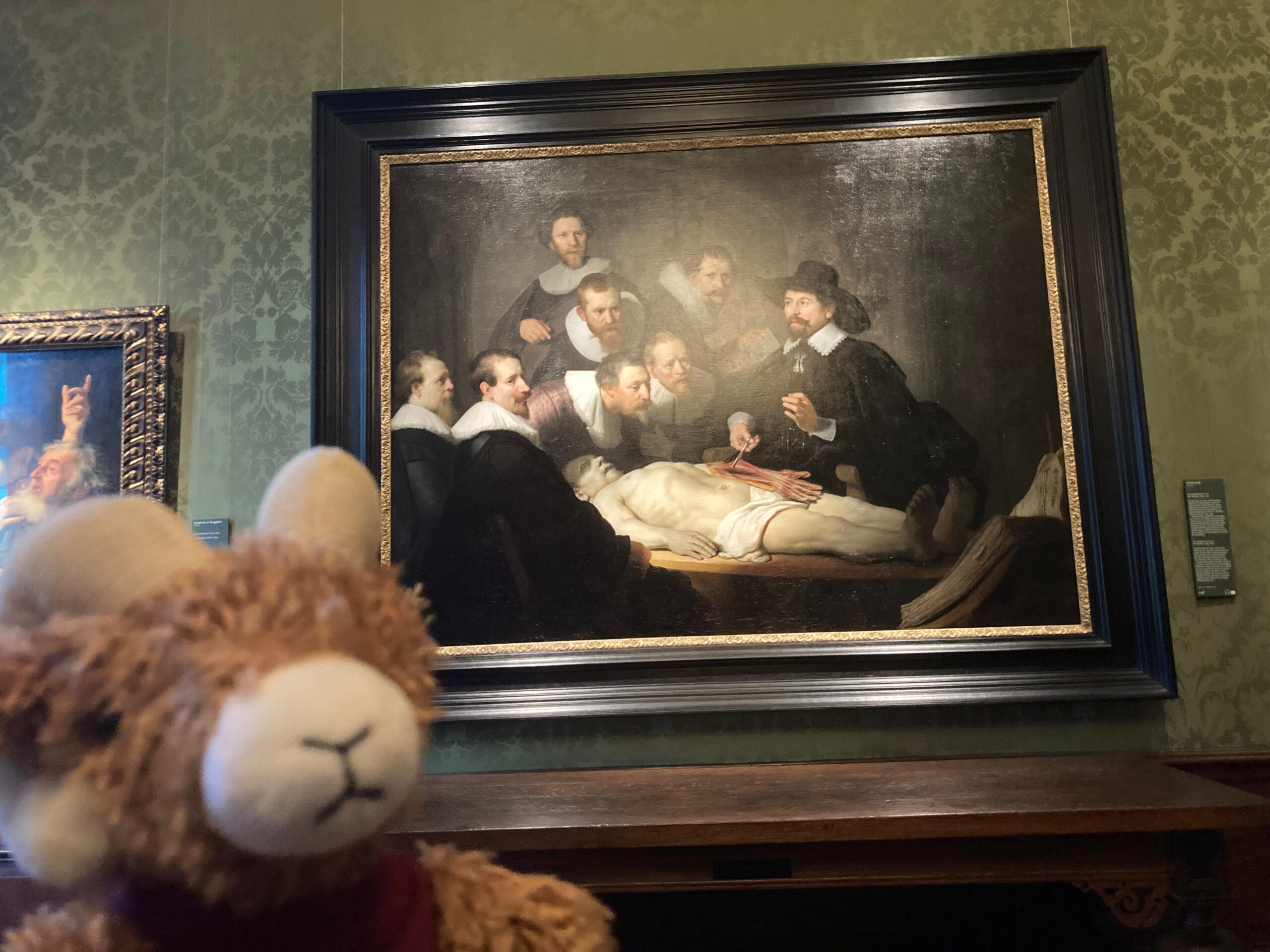
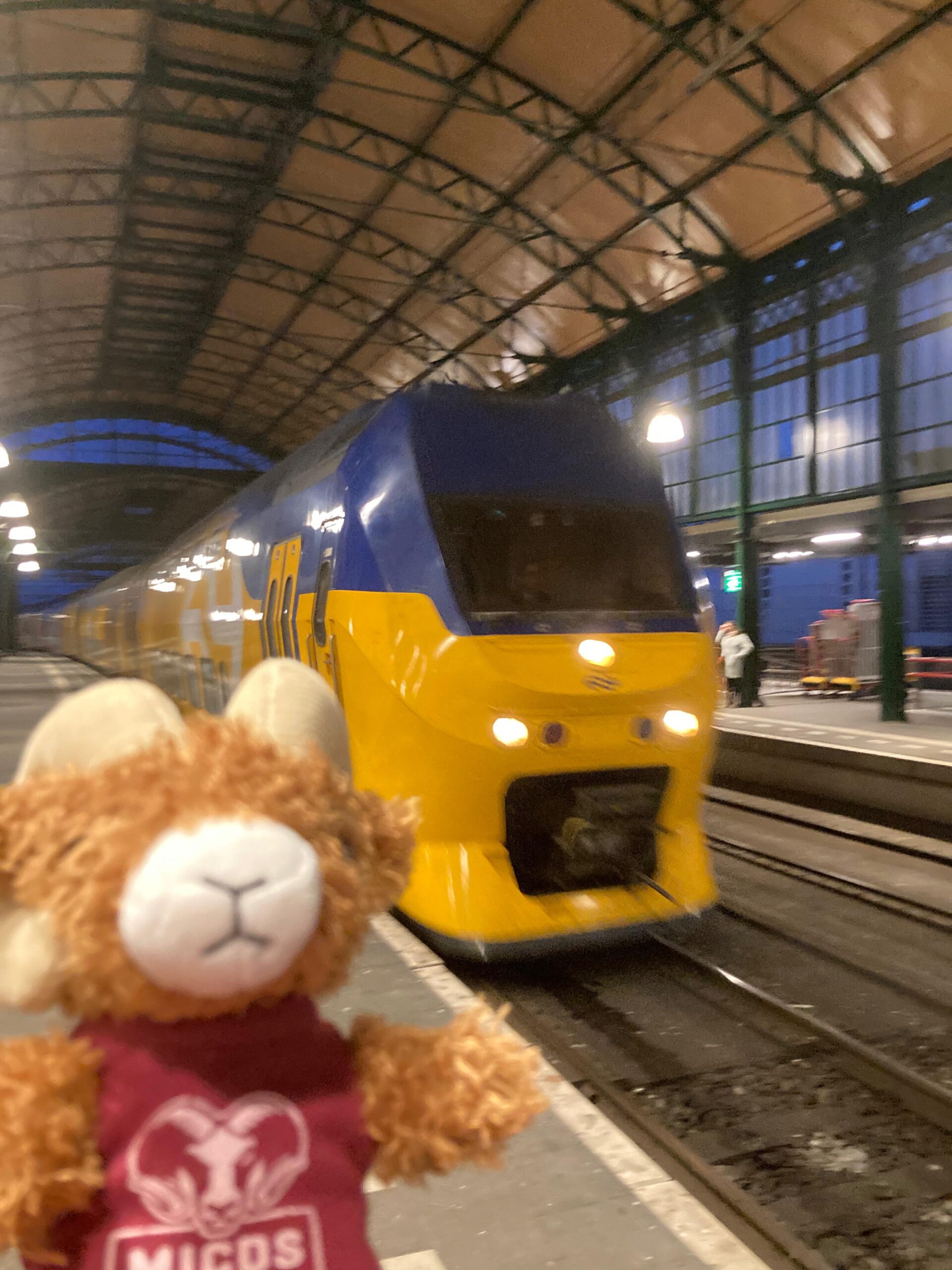
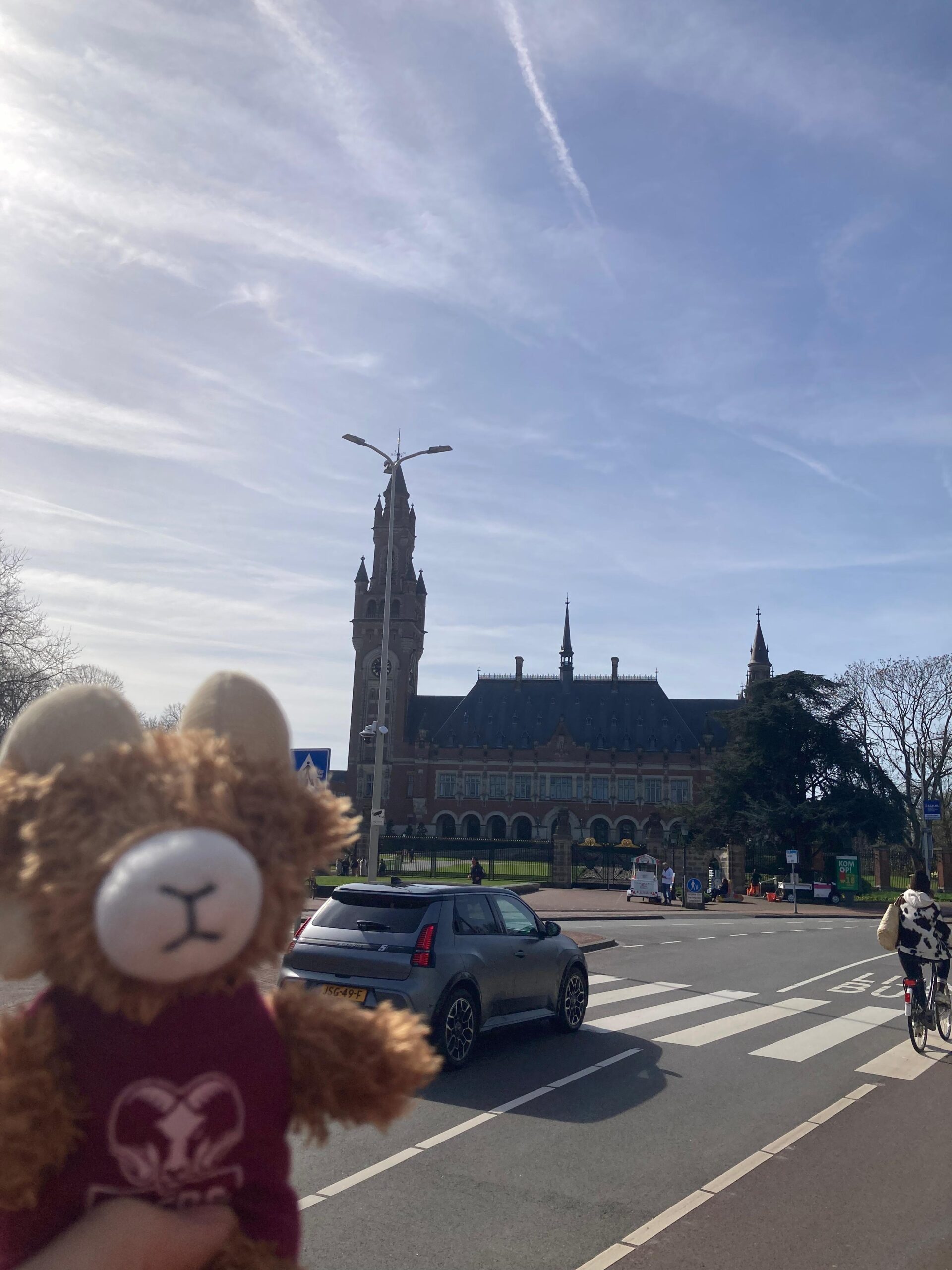
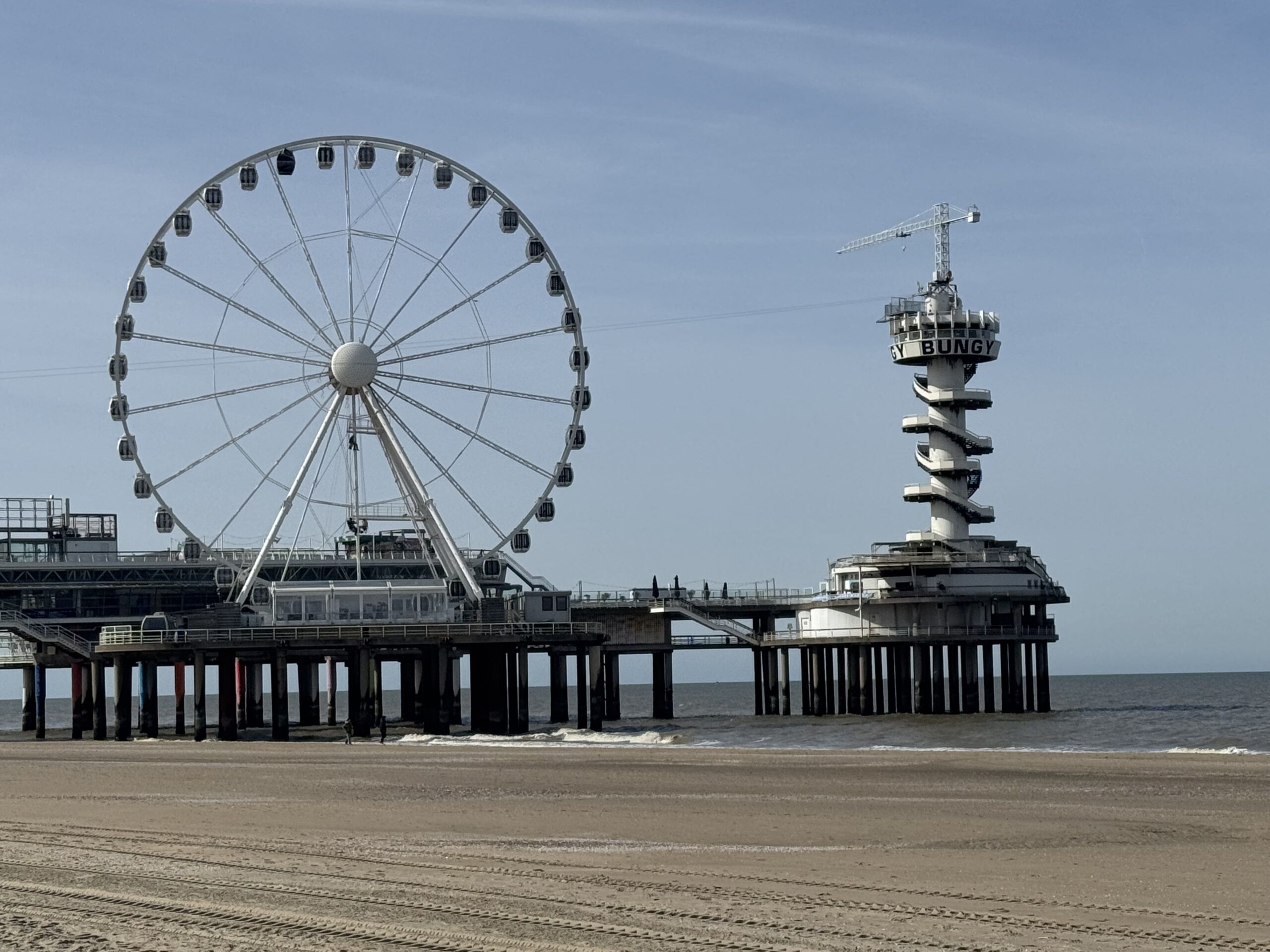
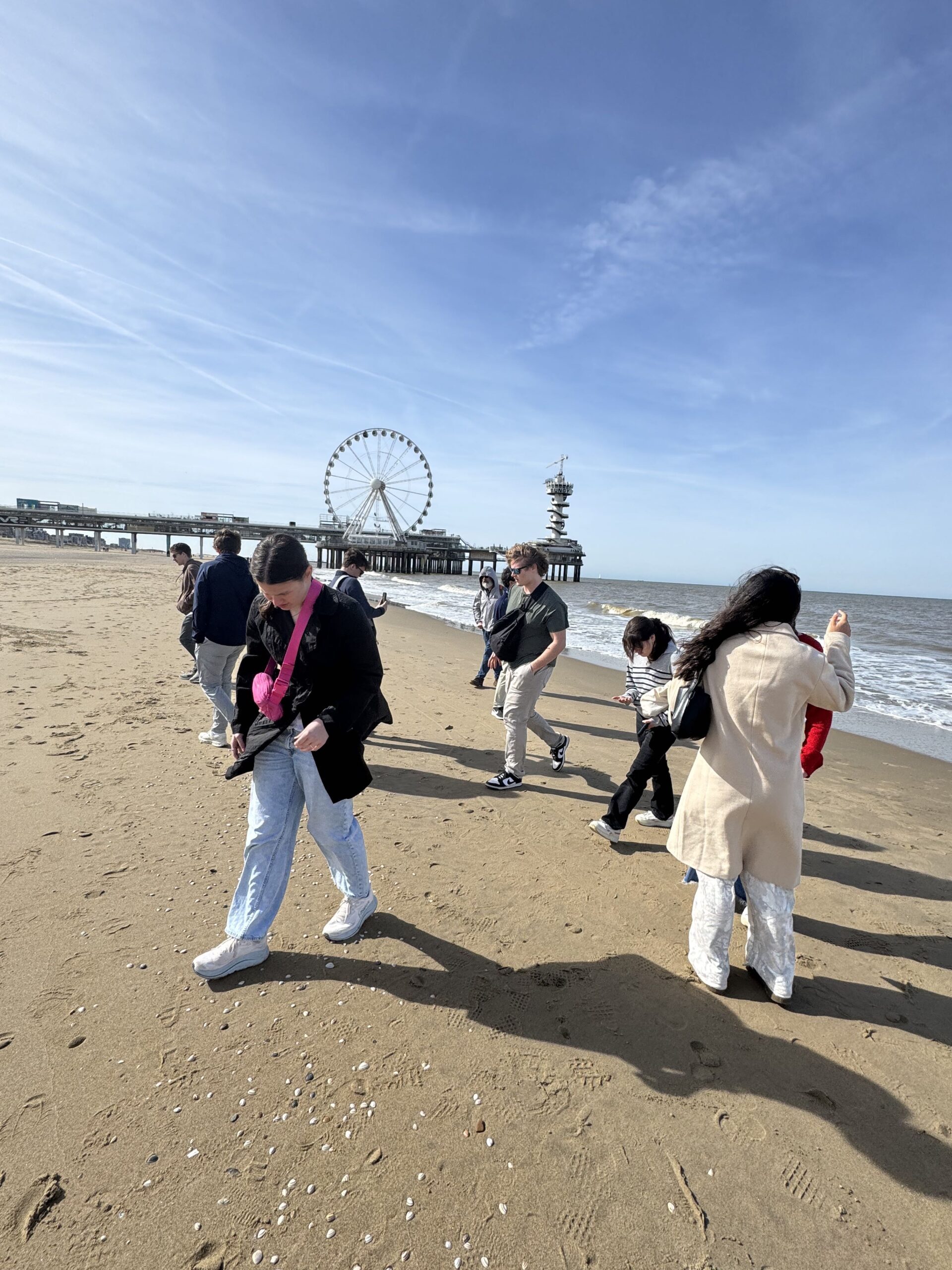
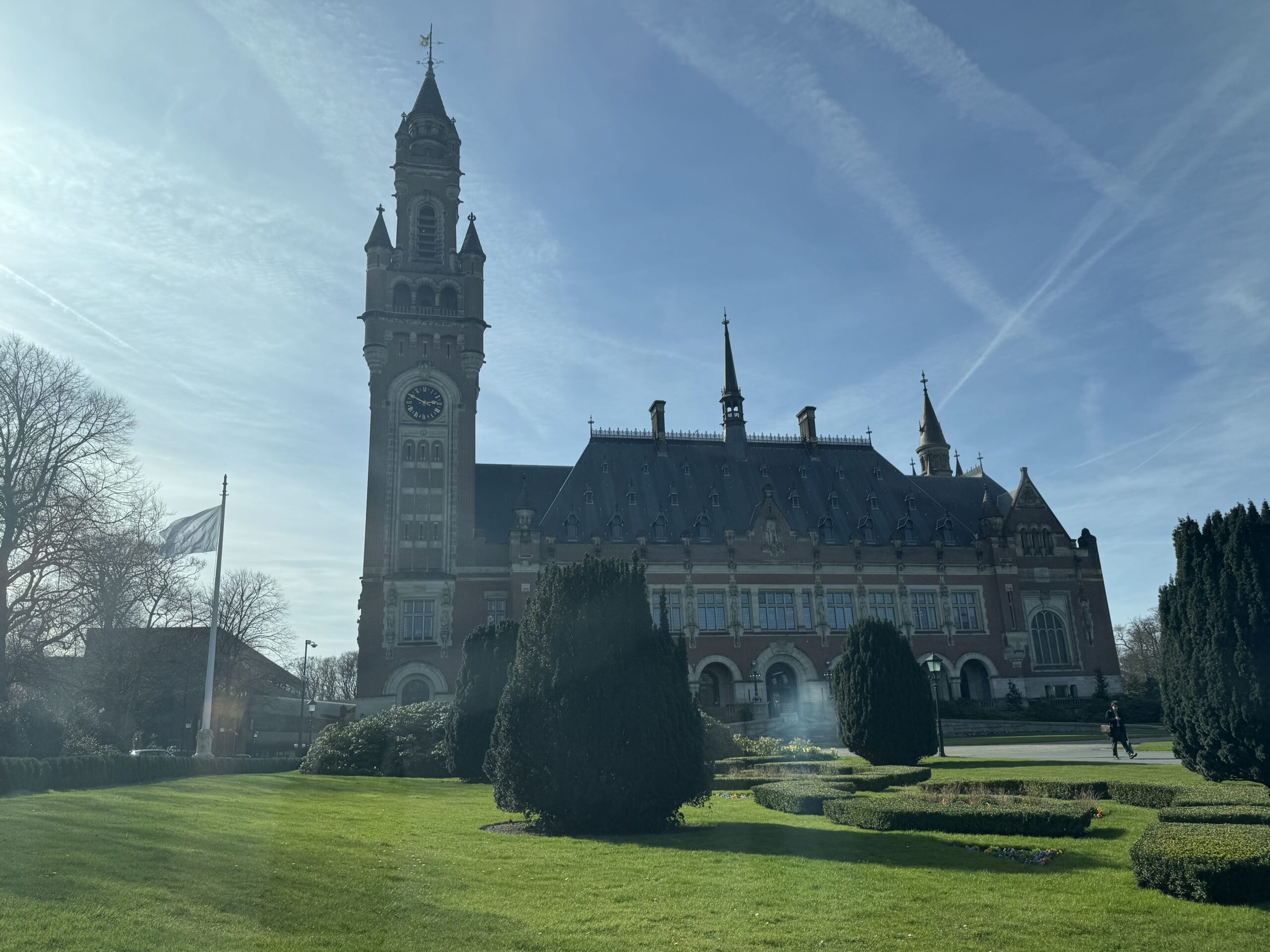
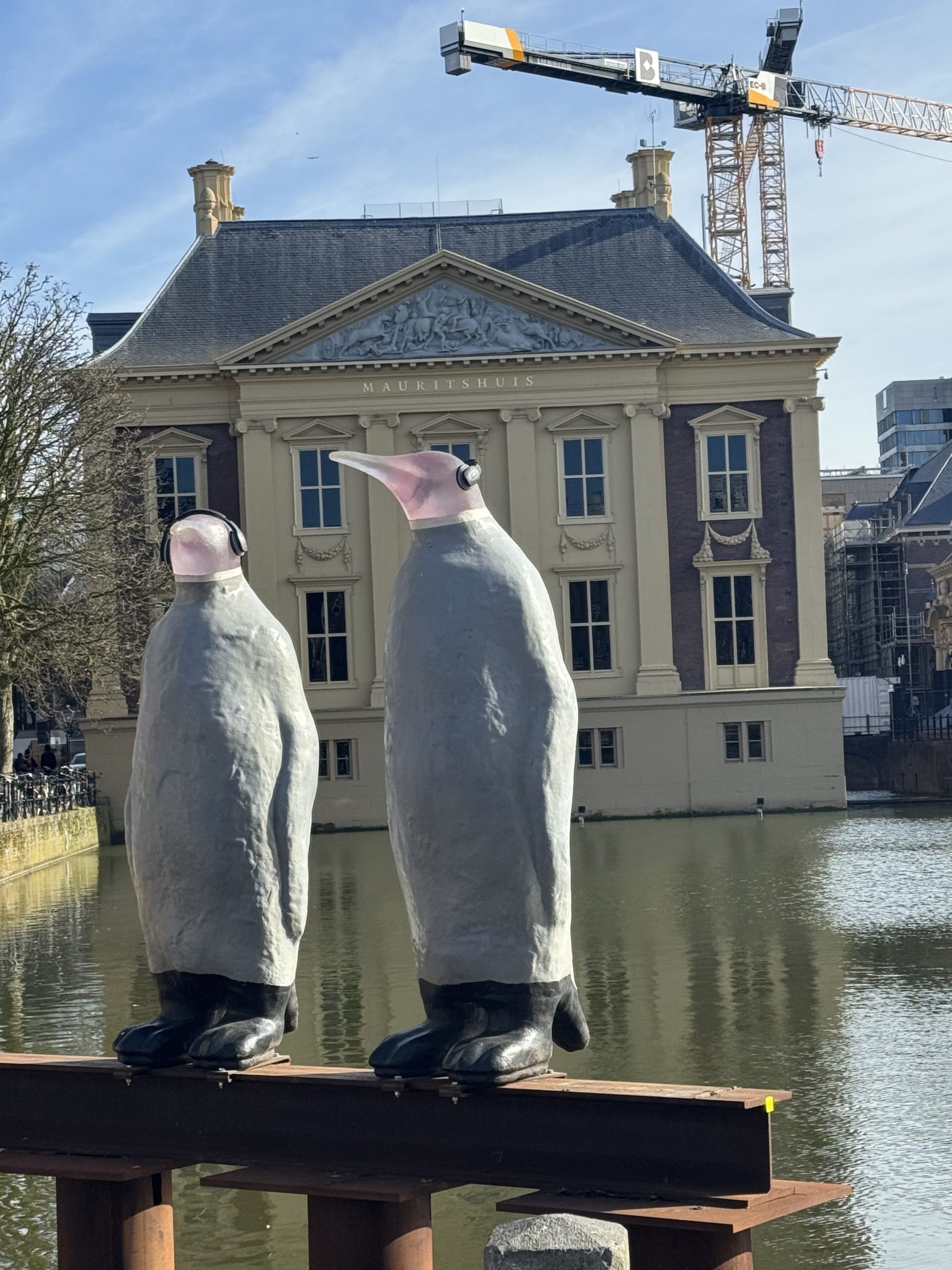
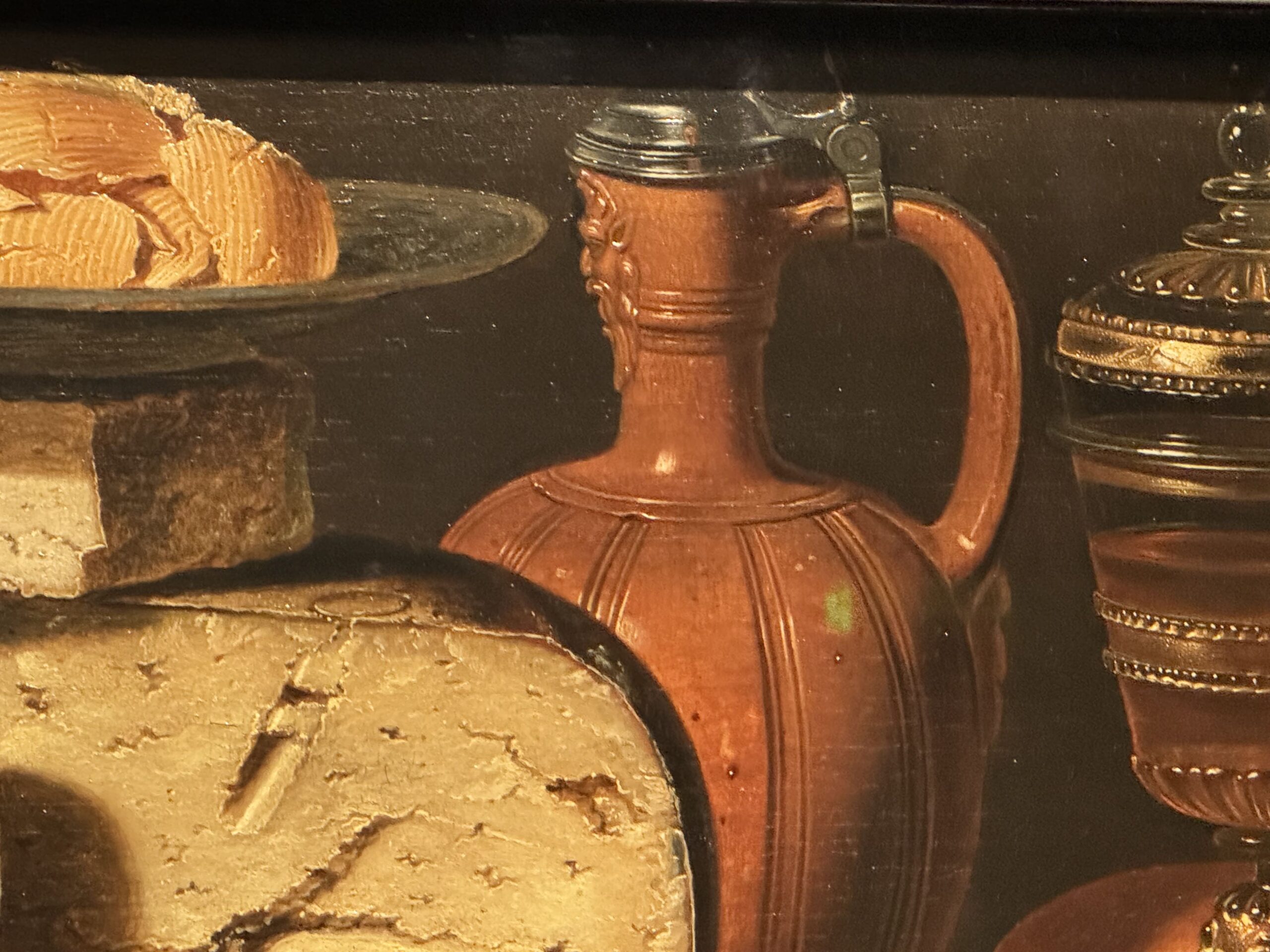
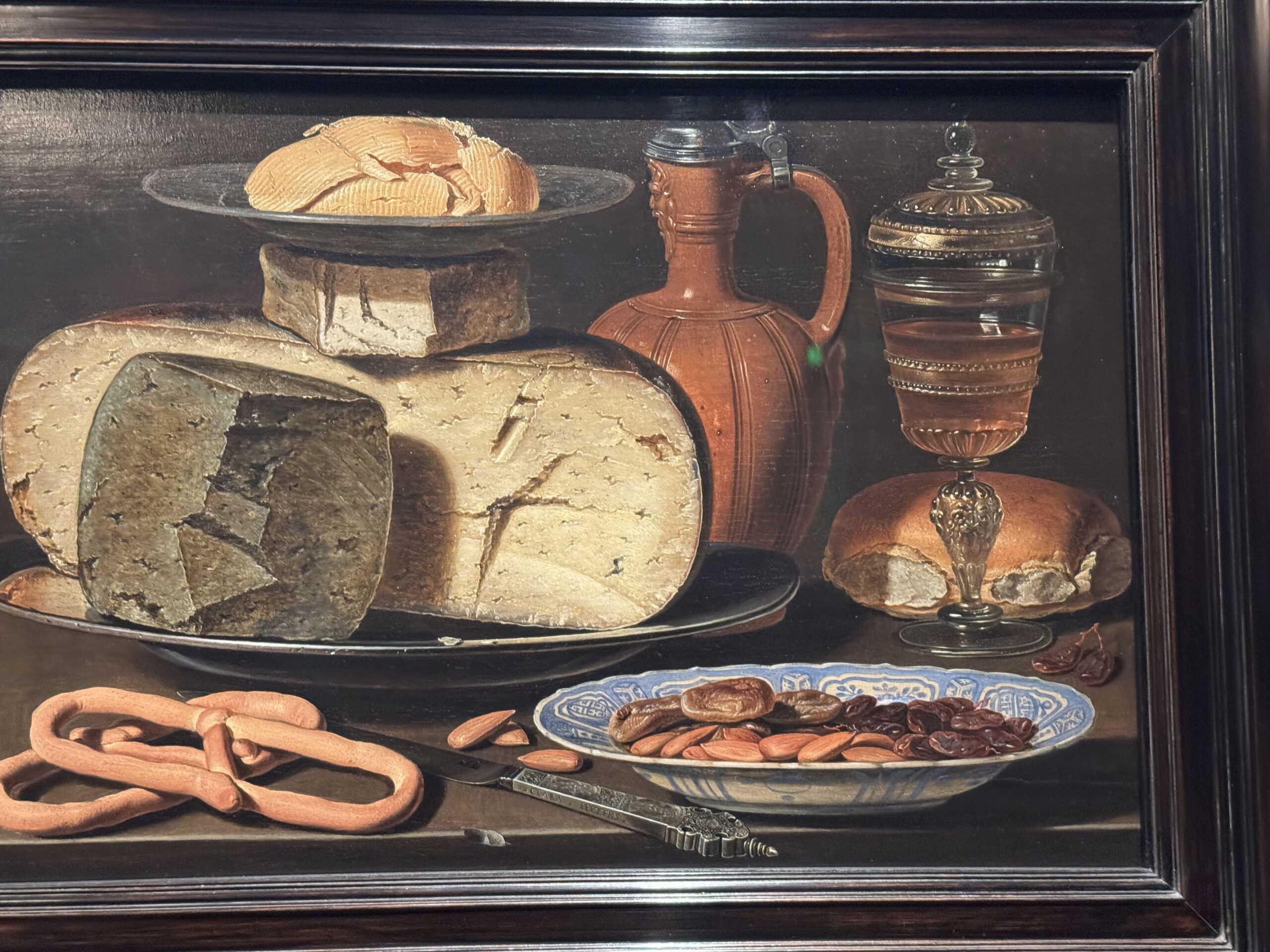
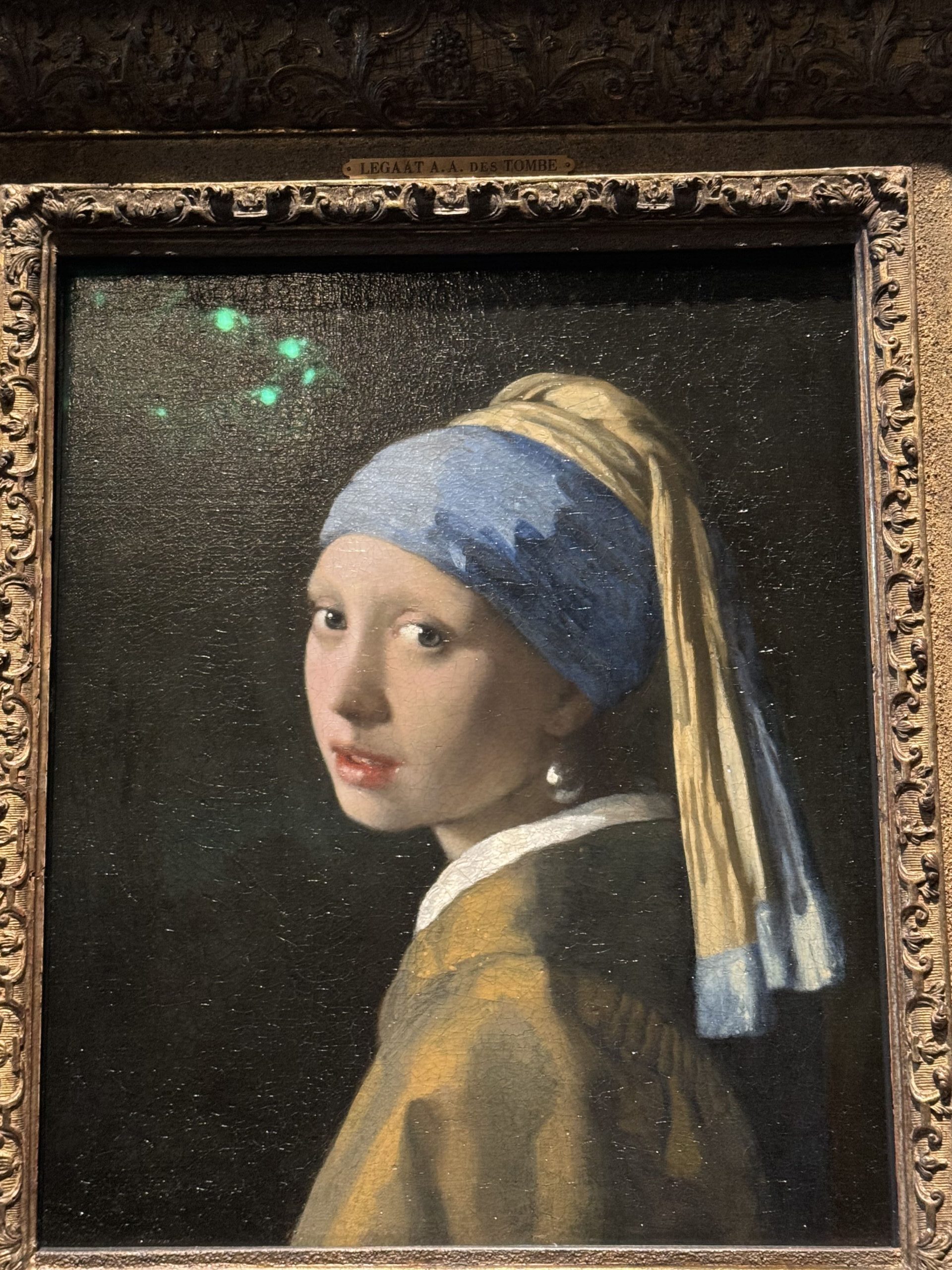
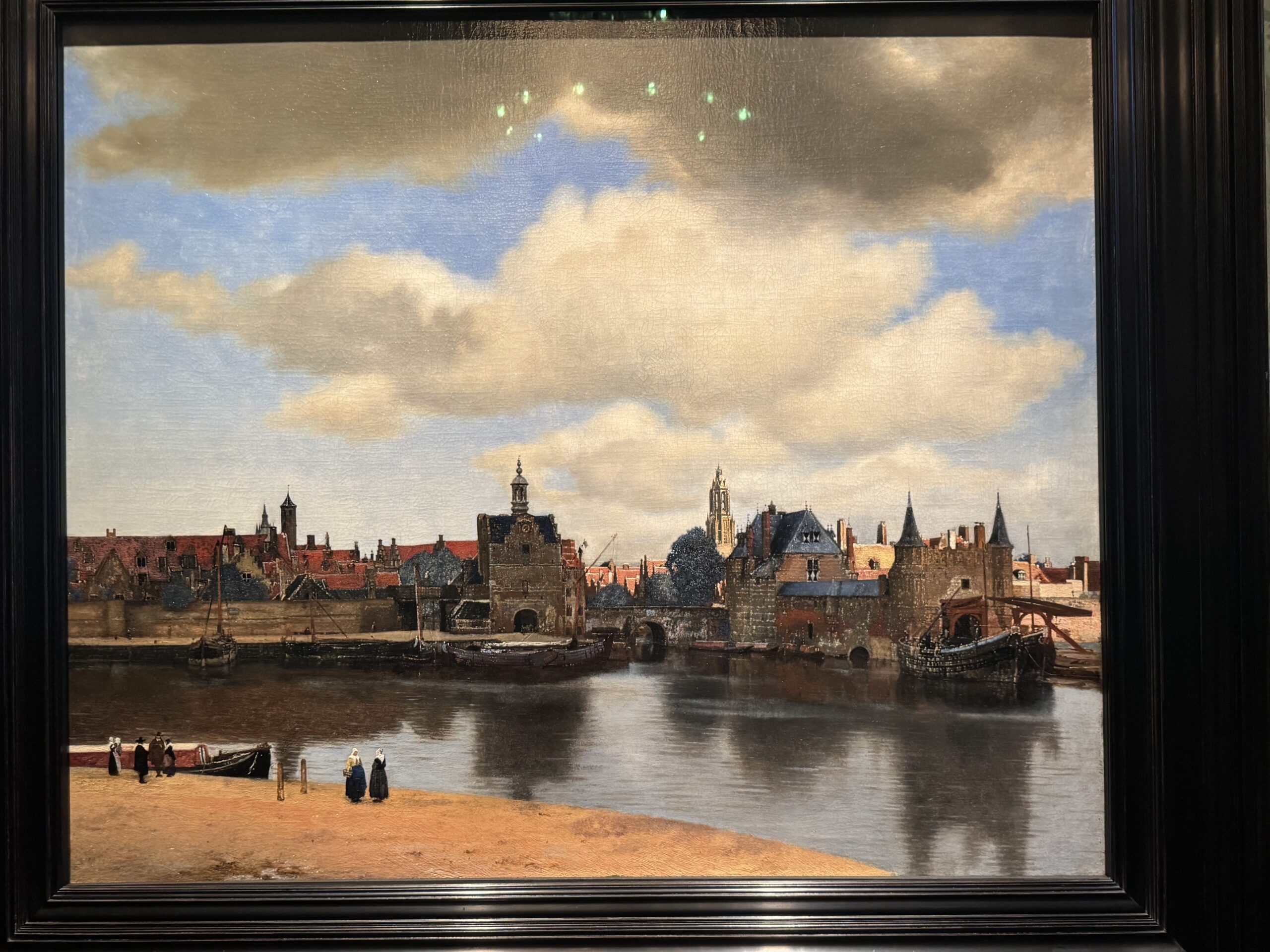
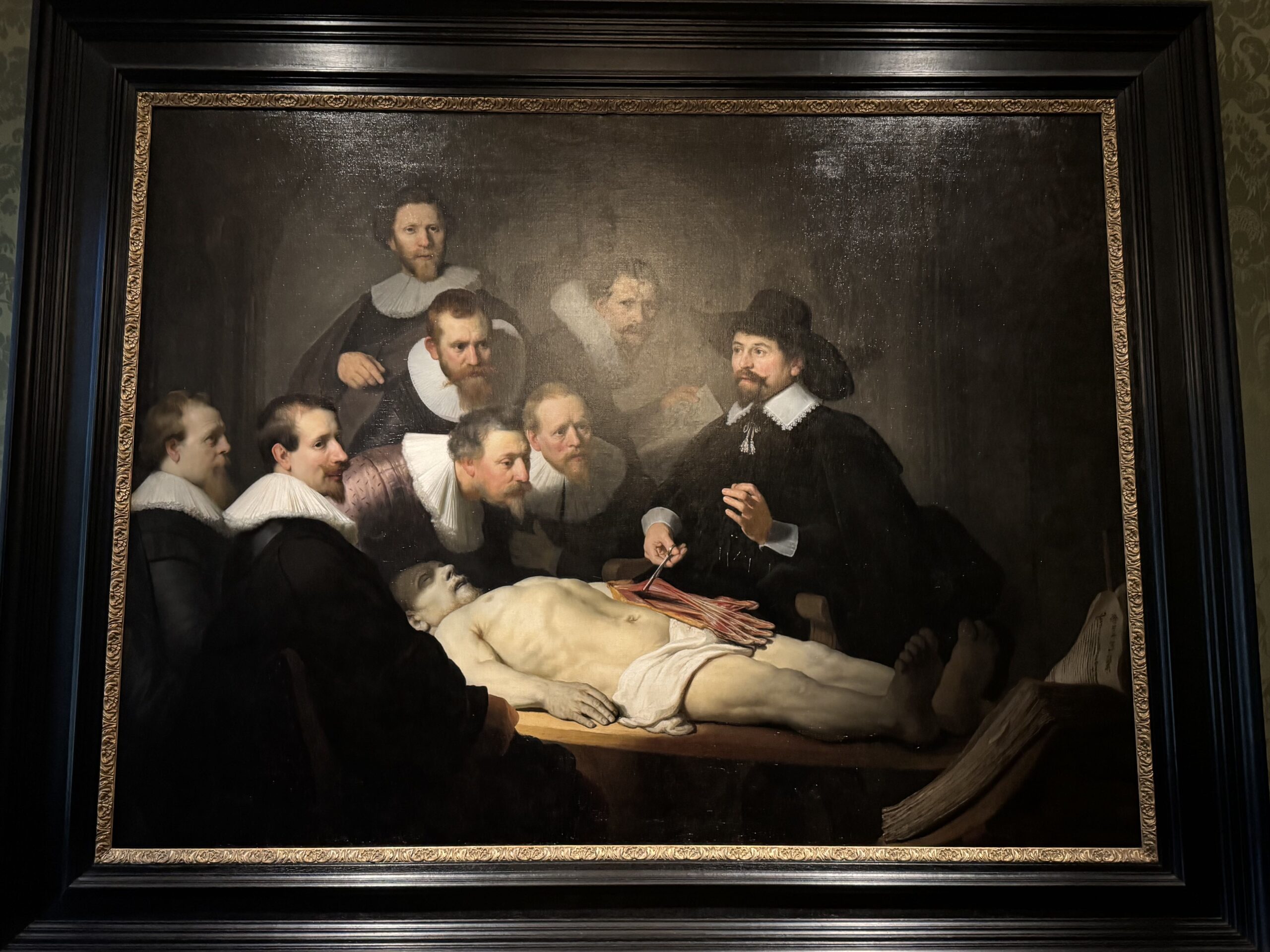
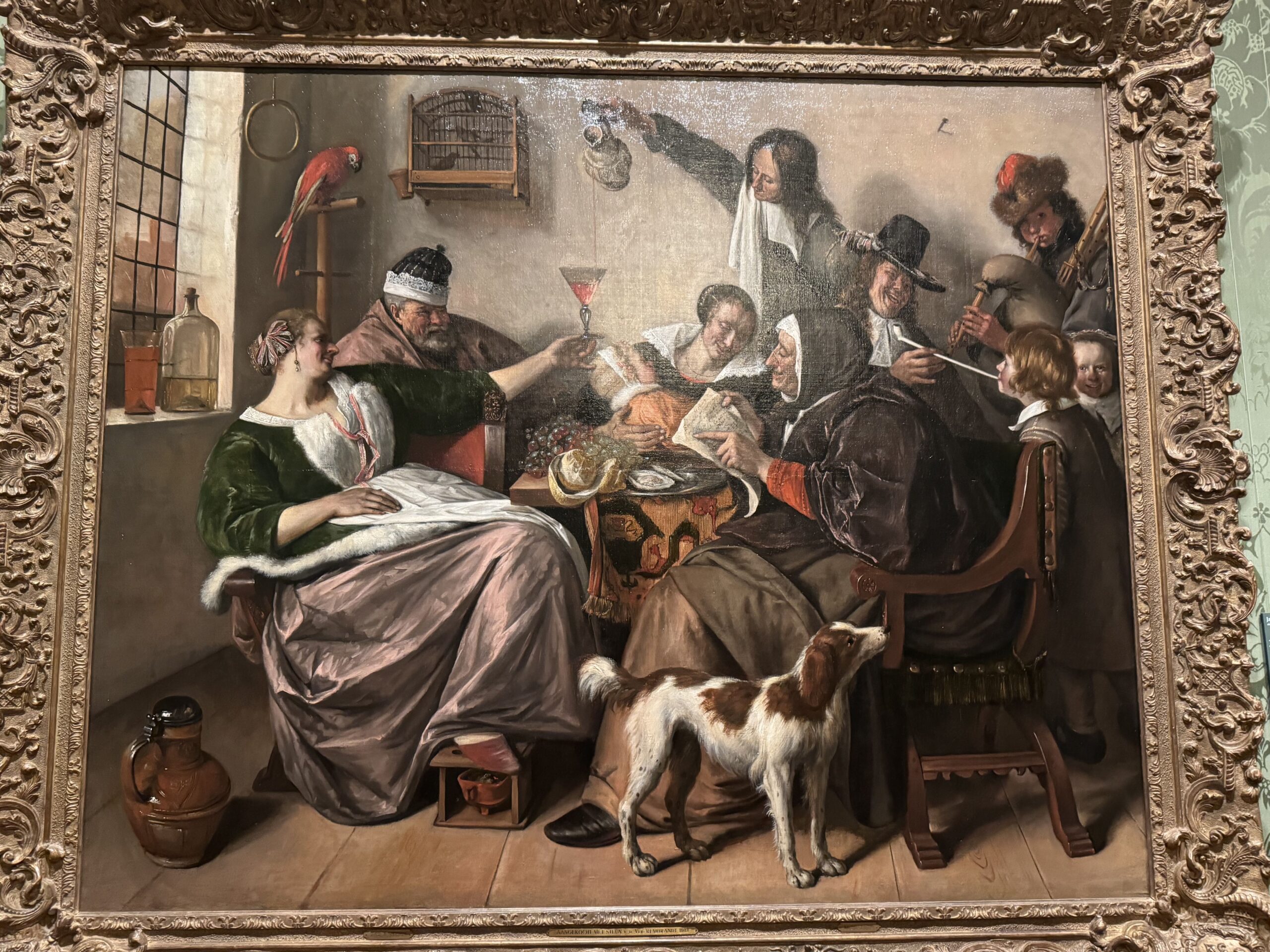
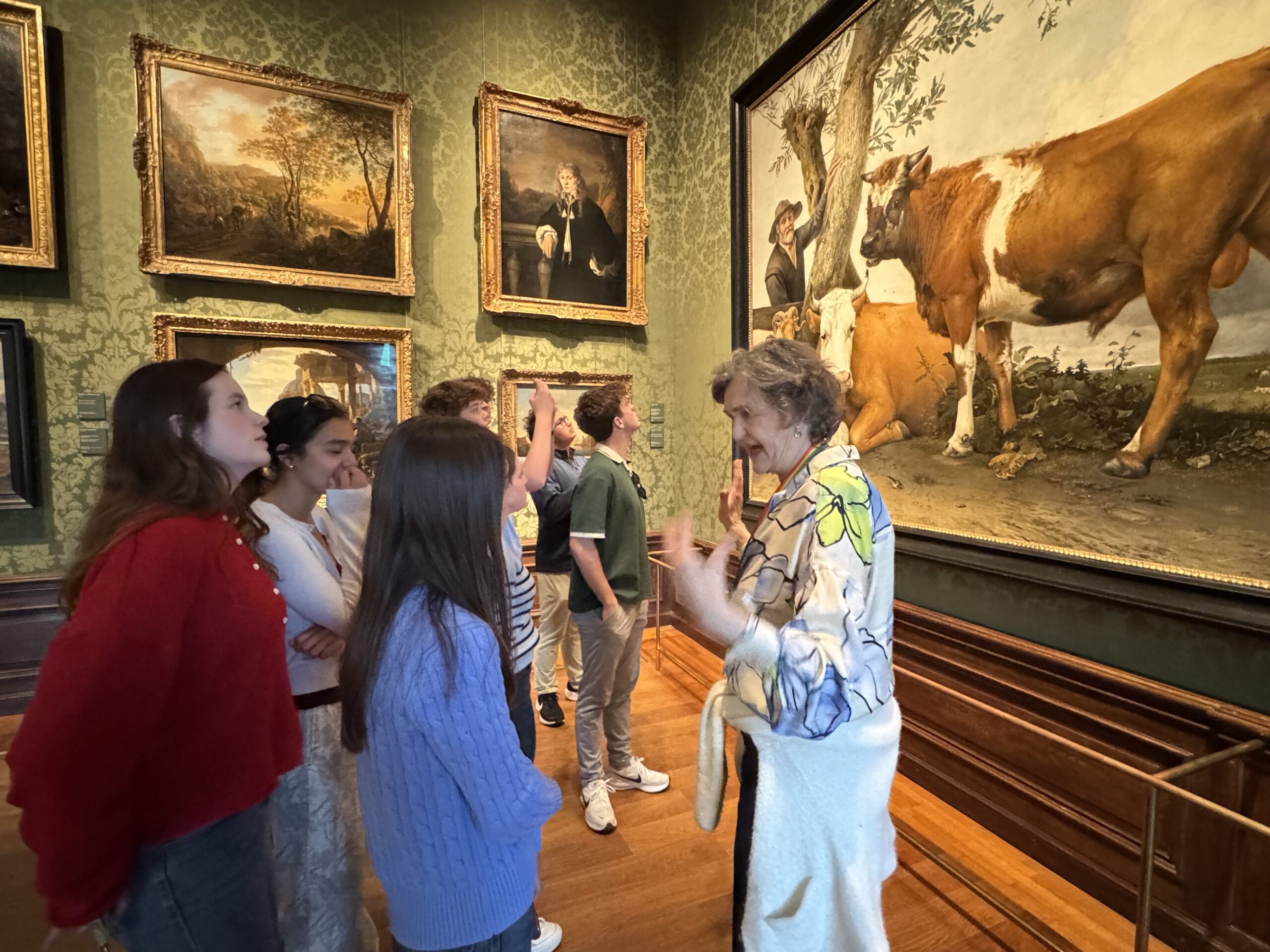
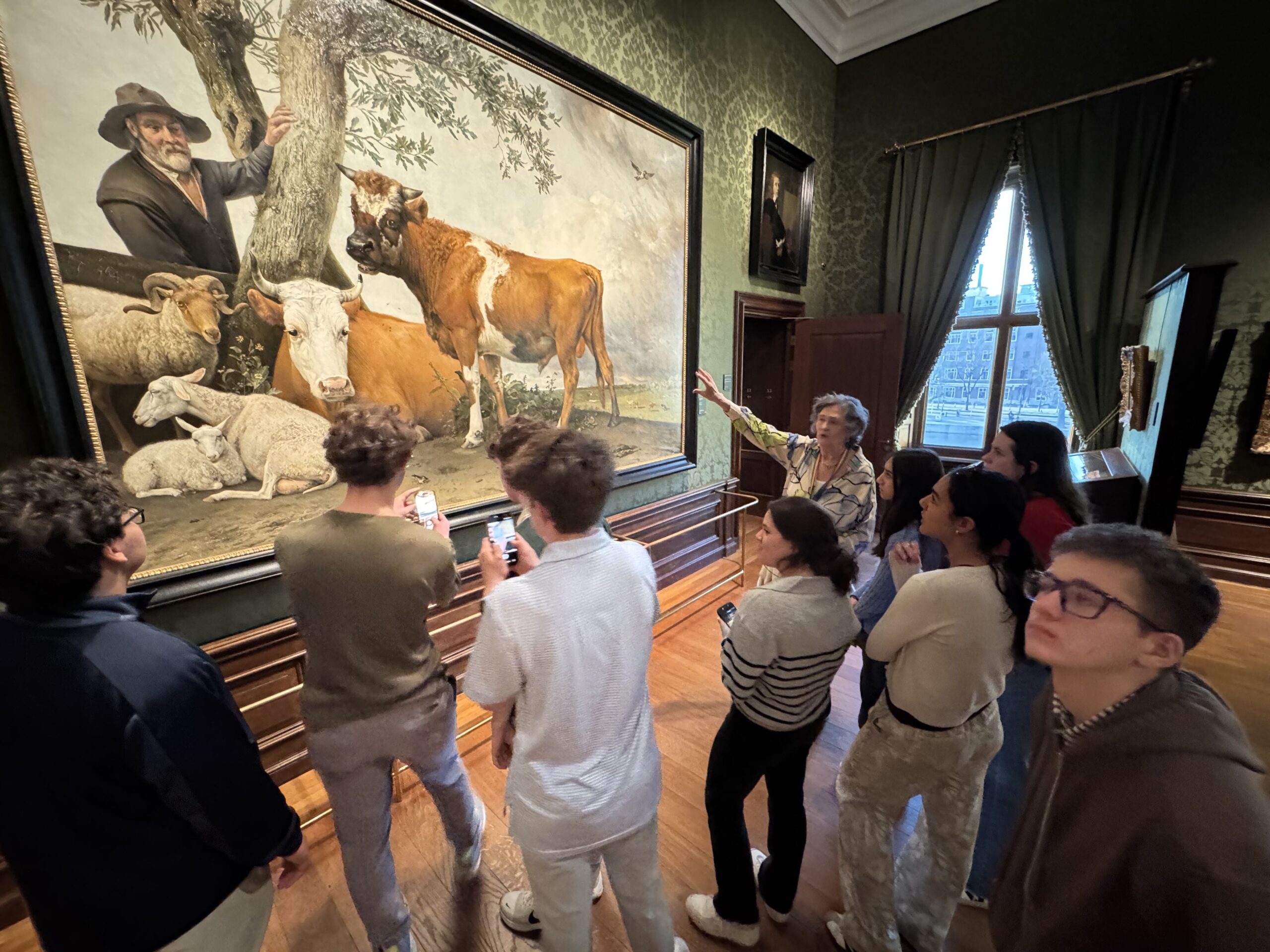
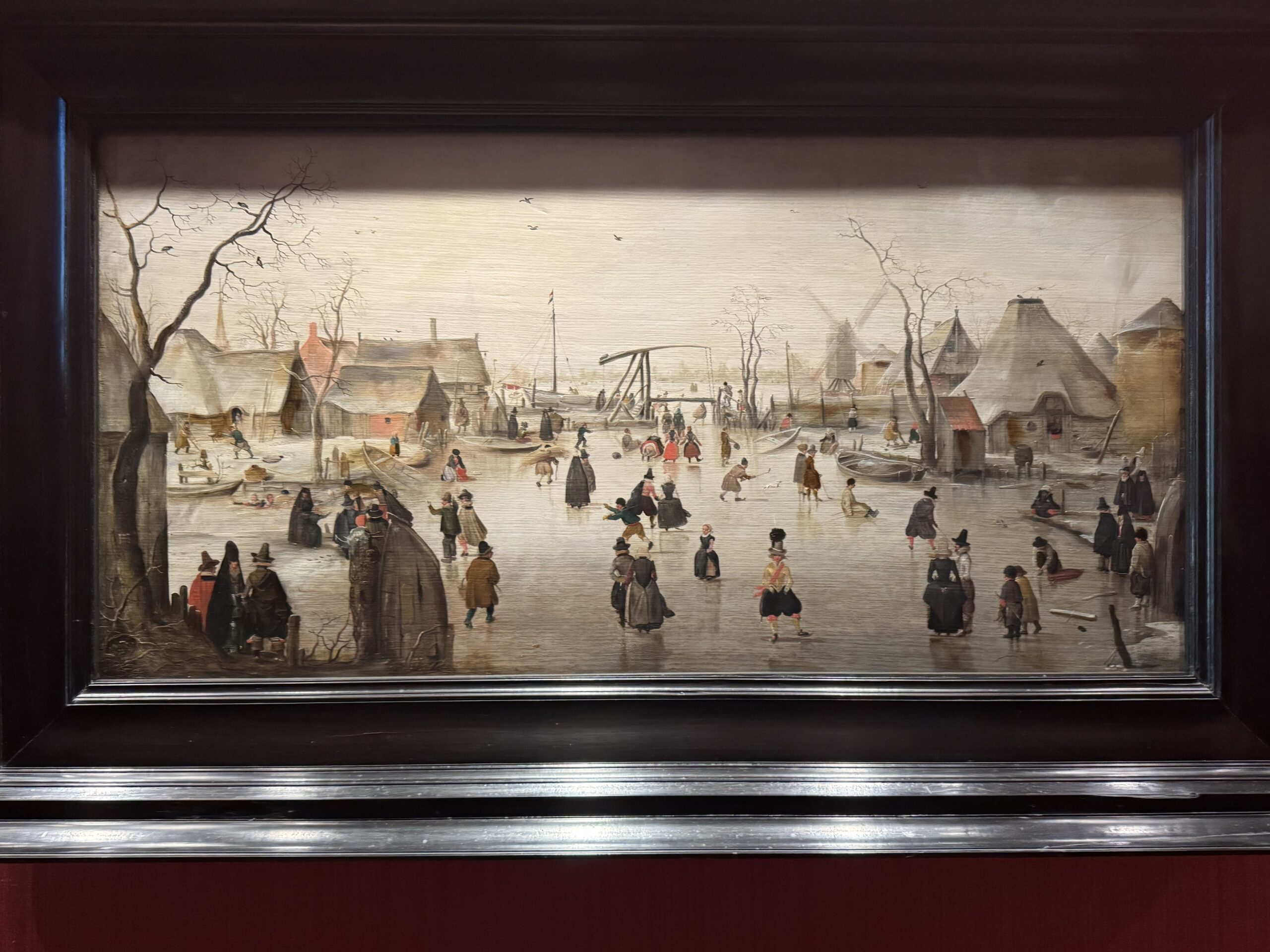
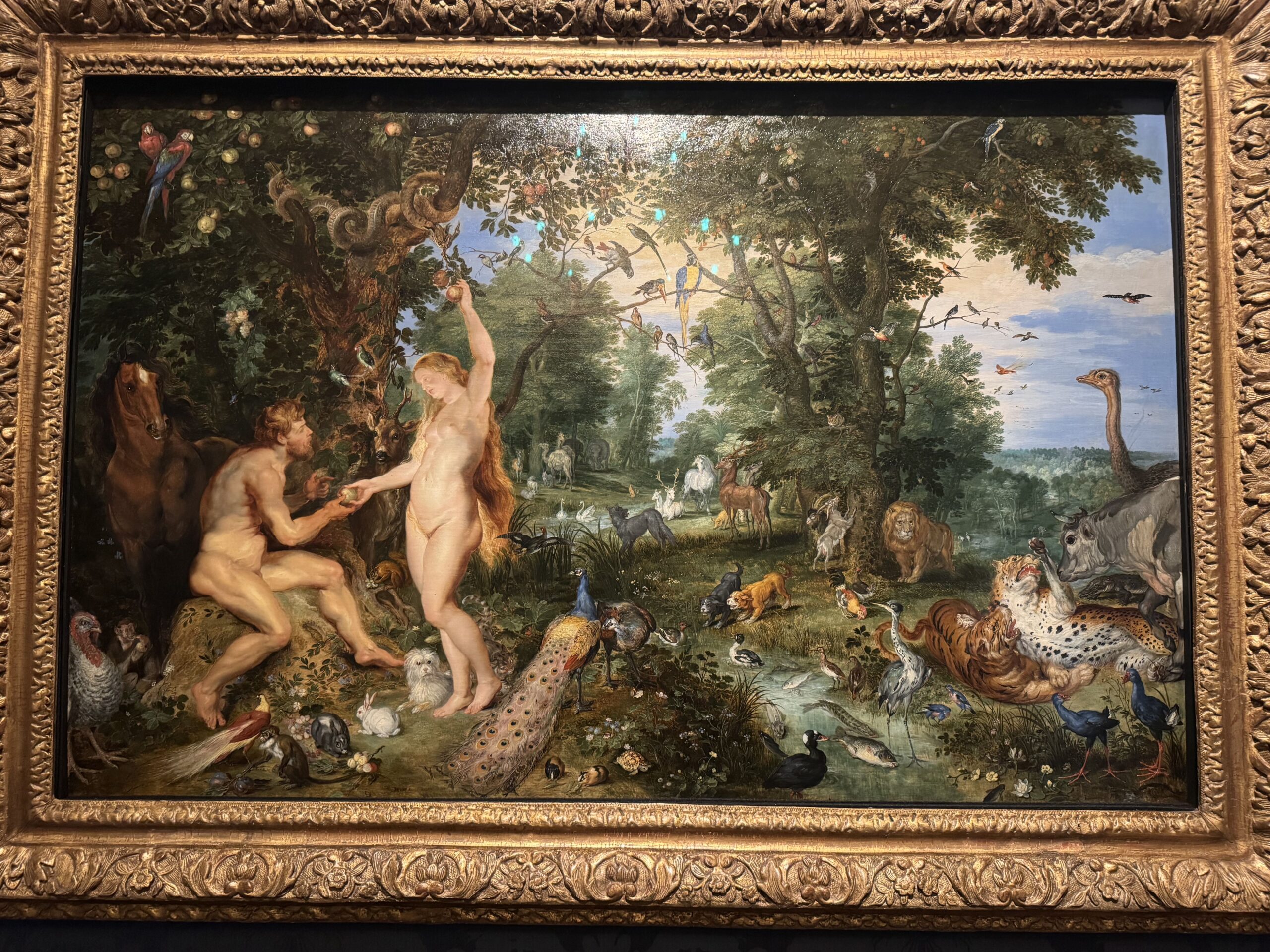
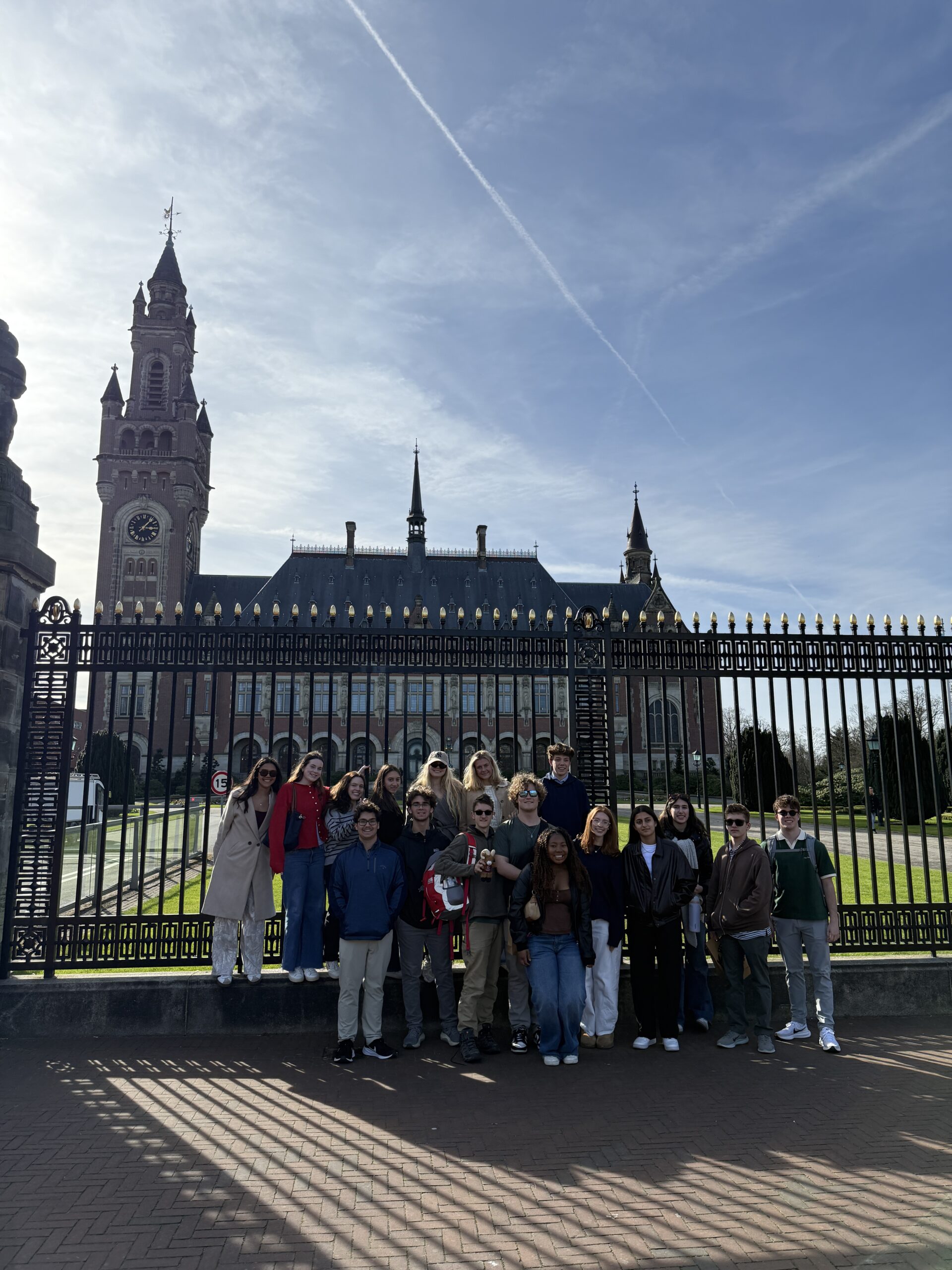
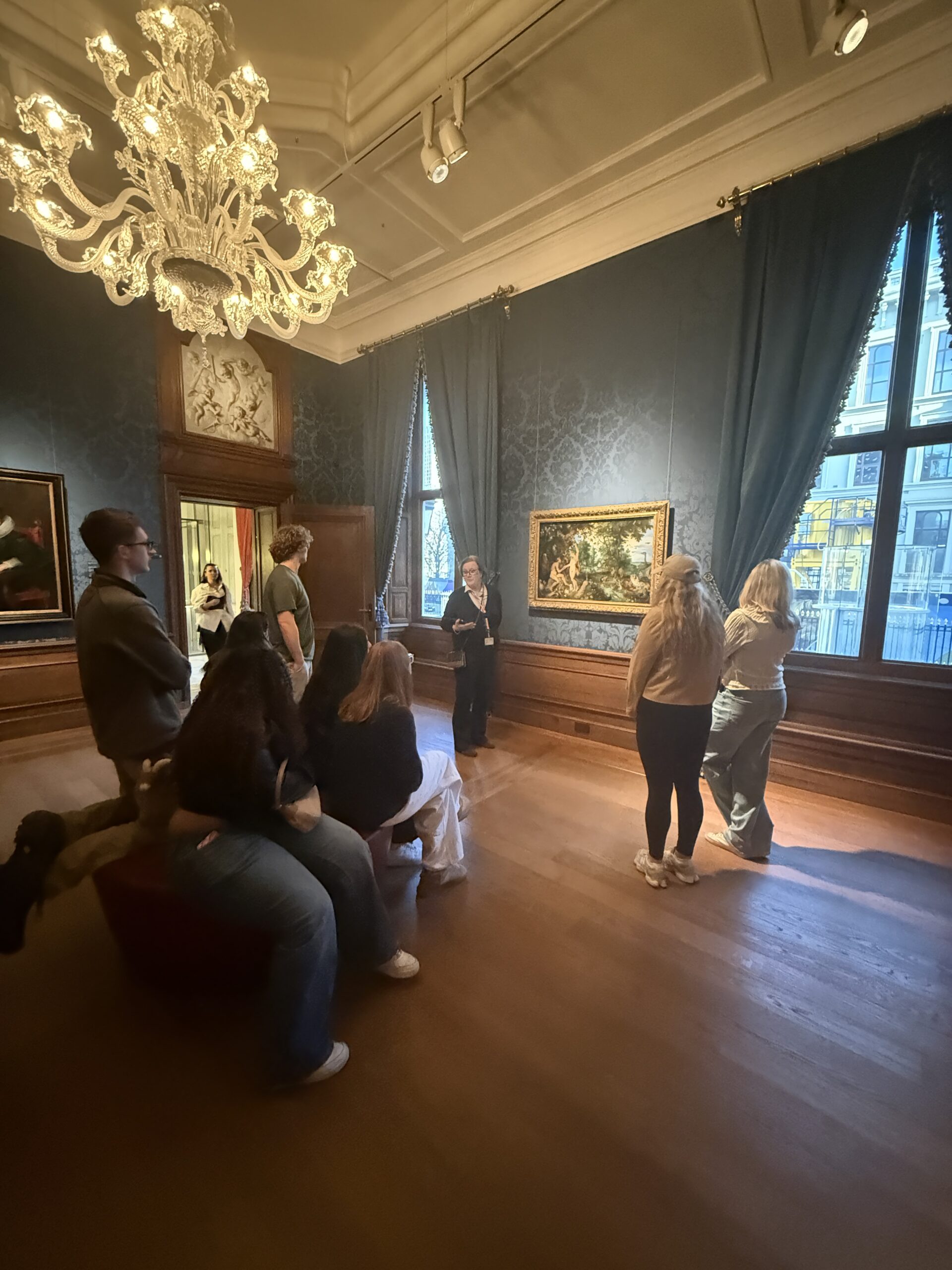
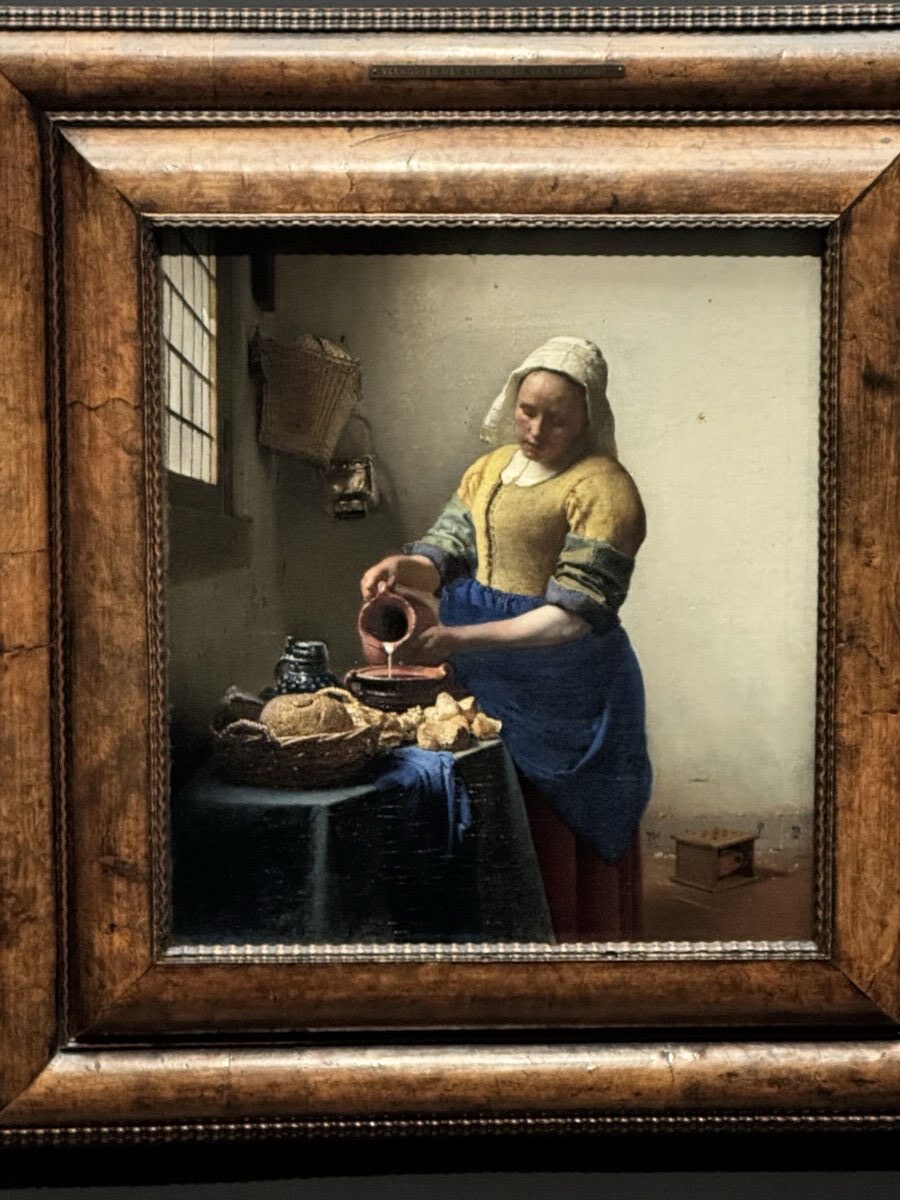
The next day, students grabbed a quick regional train from Rotterdam to Den Haag before touring the city, stopping at key historic sites, and taking in views along the coast. They visited the Peace Palace and the International Court of Justice and explored what makes Den Haag the legal capital of the world. Next was a visit to the Mauritshuis Art Museum for a guided tour, including a deep dive into the meaning of Vermeer’s Girl with a Pearl Earring.
Maddie Karr ’27 said, “I have always been really interested in the world wars, especially World War II. This trip was amazing for me because I got to see a lot of different cities that were vital in the world wars, such as Ypres and The Hague. Getting to see these cities in person really enhanced my understanding of how devastating the wars were for citizens and soldiers. I feel like history books and videos often miss the impact the wars have on the citizens of the nation, and this trip really allowed me to gain that perspective.
“My favorite part was going to art museums and connecting with people from school that I had never talked to before. When I typically visit art museums, I usually glance at each painting for a few seconds and move on to the next one. However, we had an amazing tour guide at the art museum in The Hague who fully analyzed the paintings and pointed out details that you usually miss the first time. This really deepened my appreciation for art! Secondly, I loved how this trip gave me the opportunity to connect to students who I usually do not see at school, and I had a really fun time connecting with them!”
Amsterdam
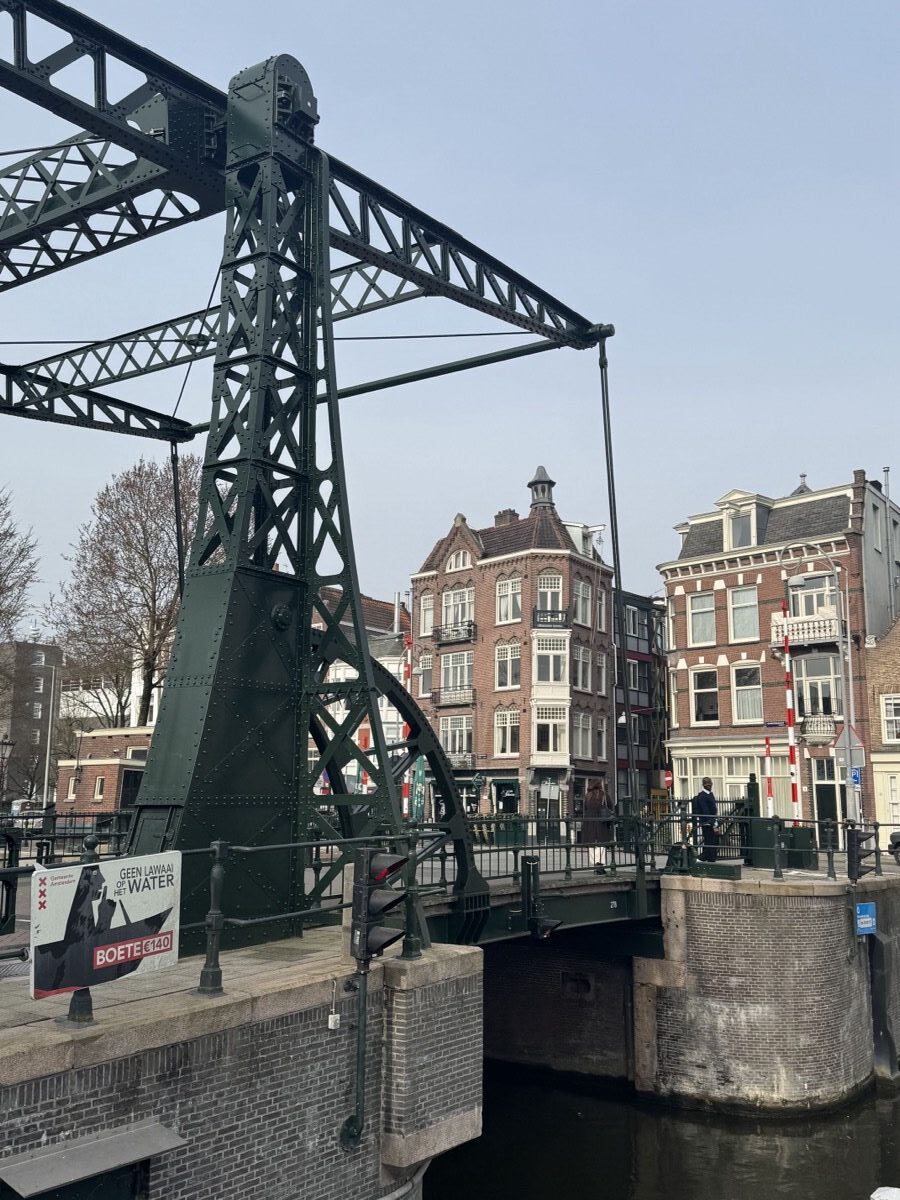
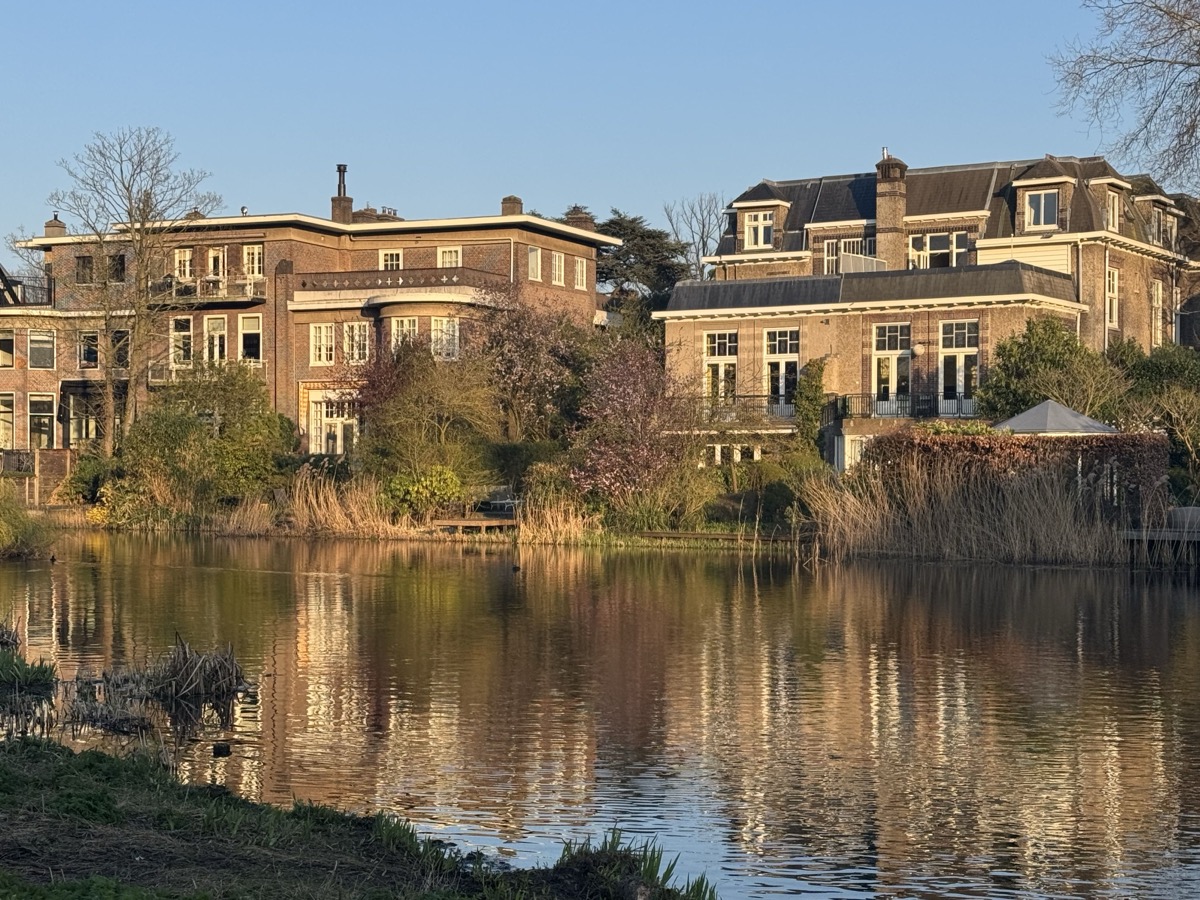
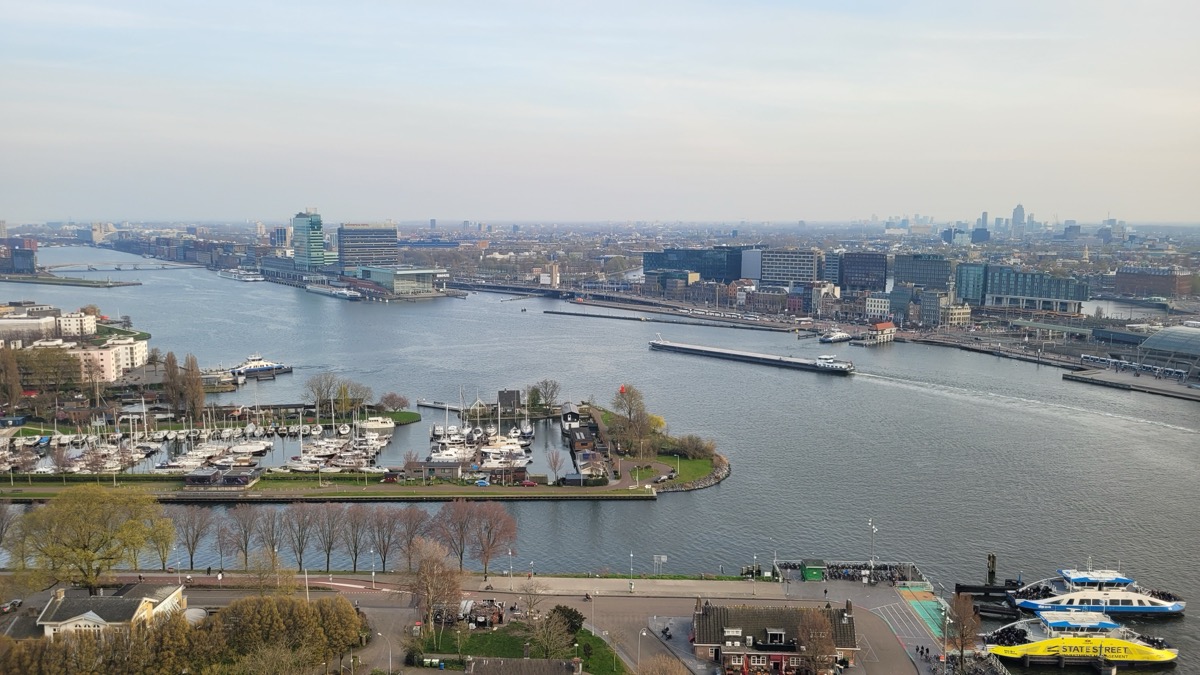
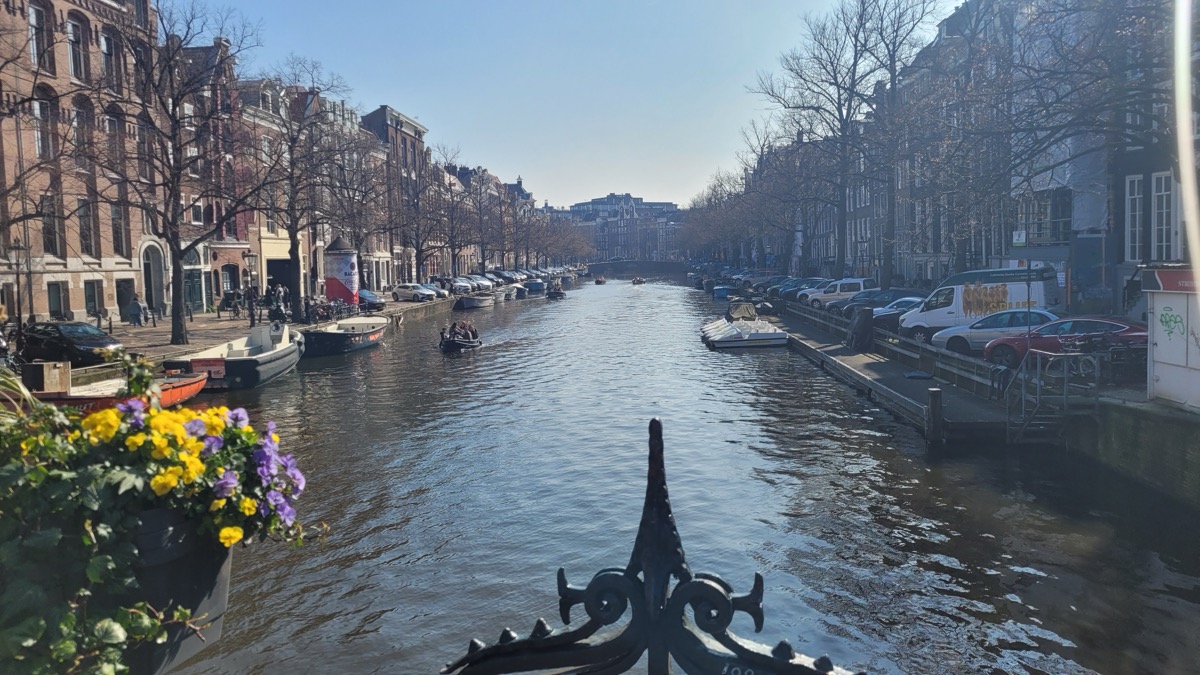
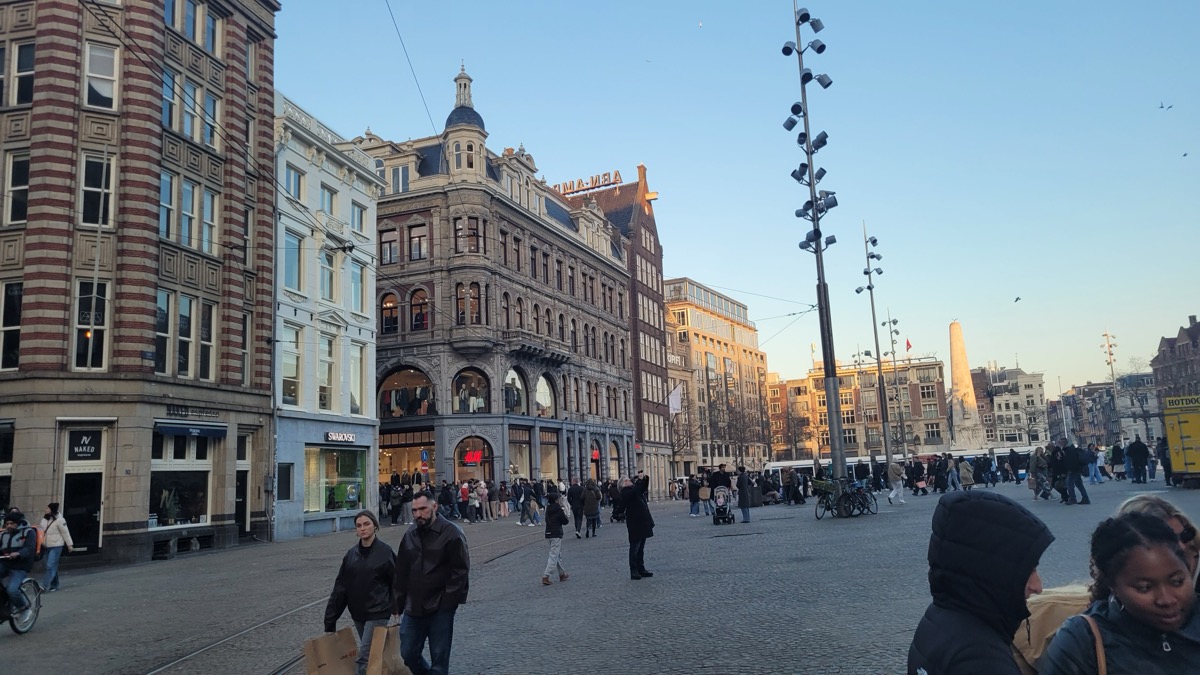
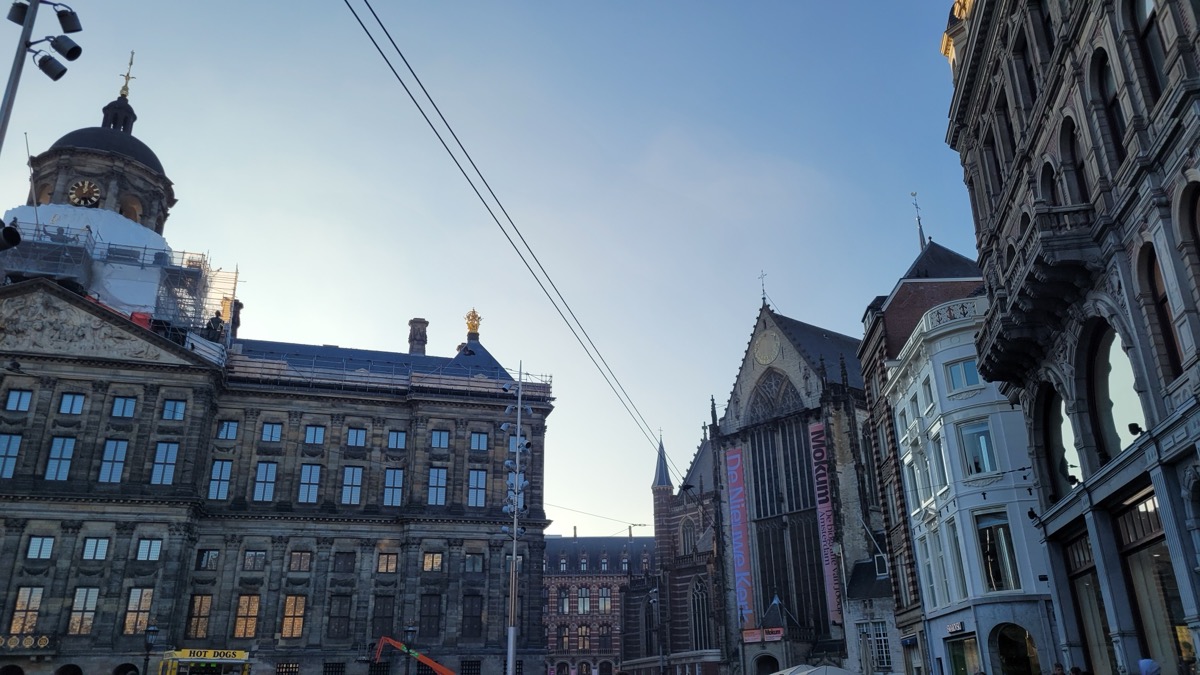
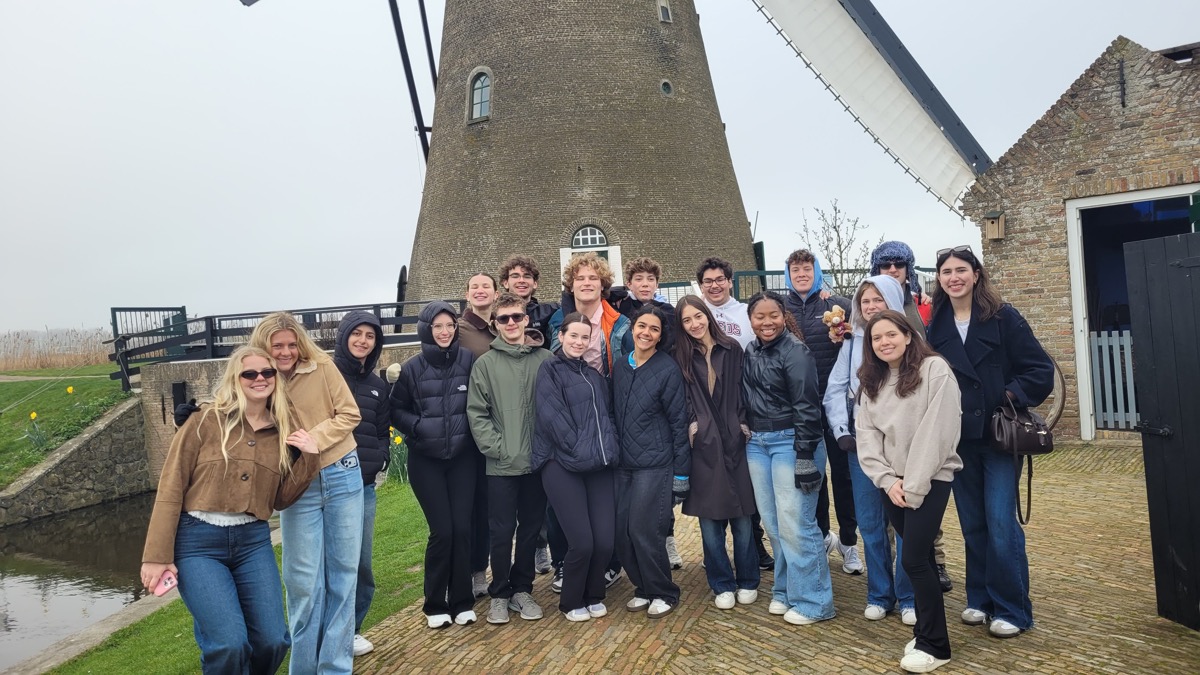
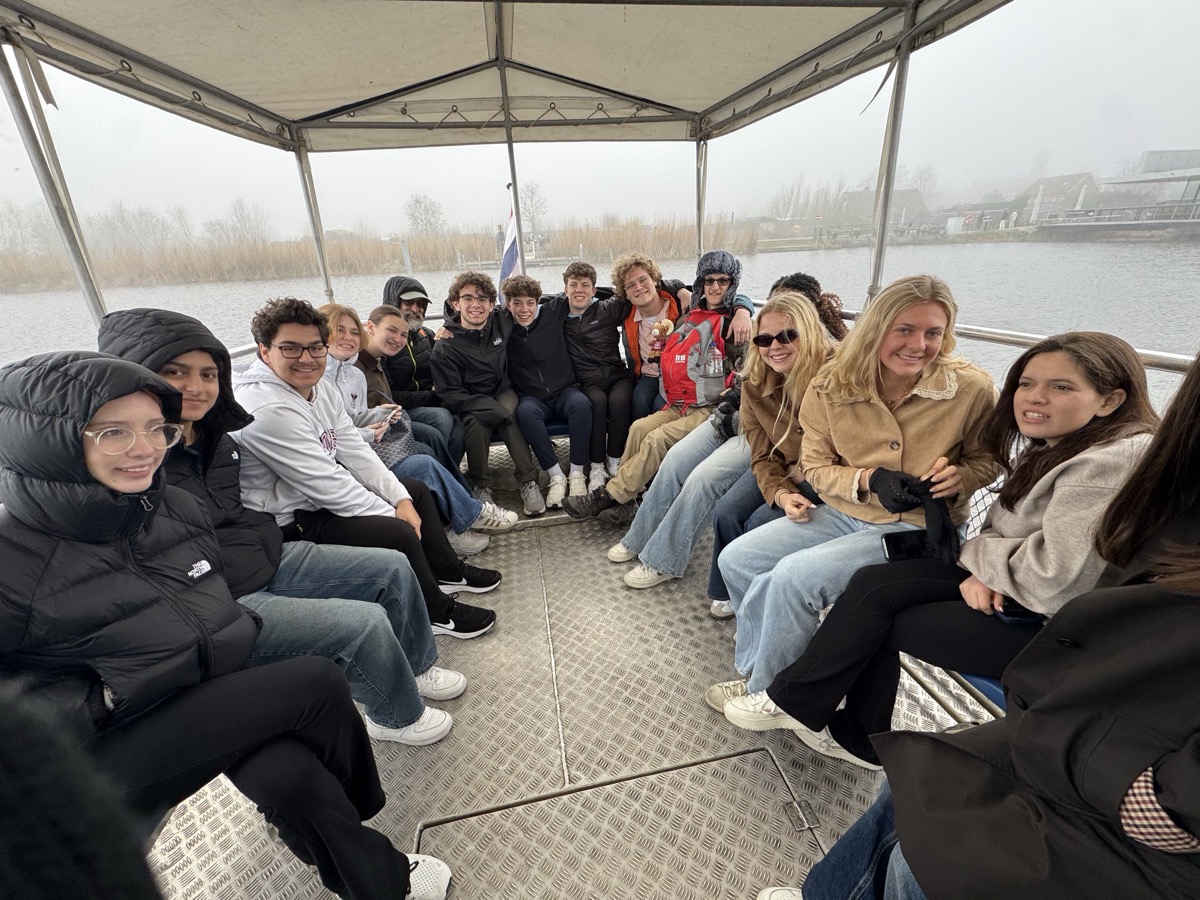
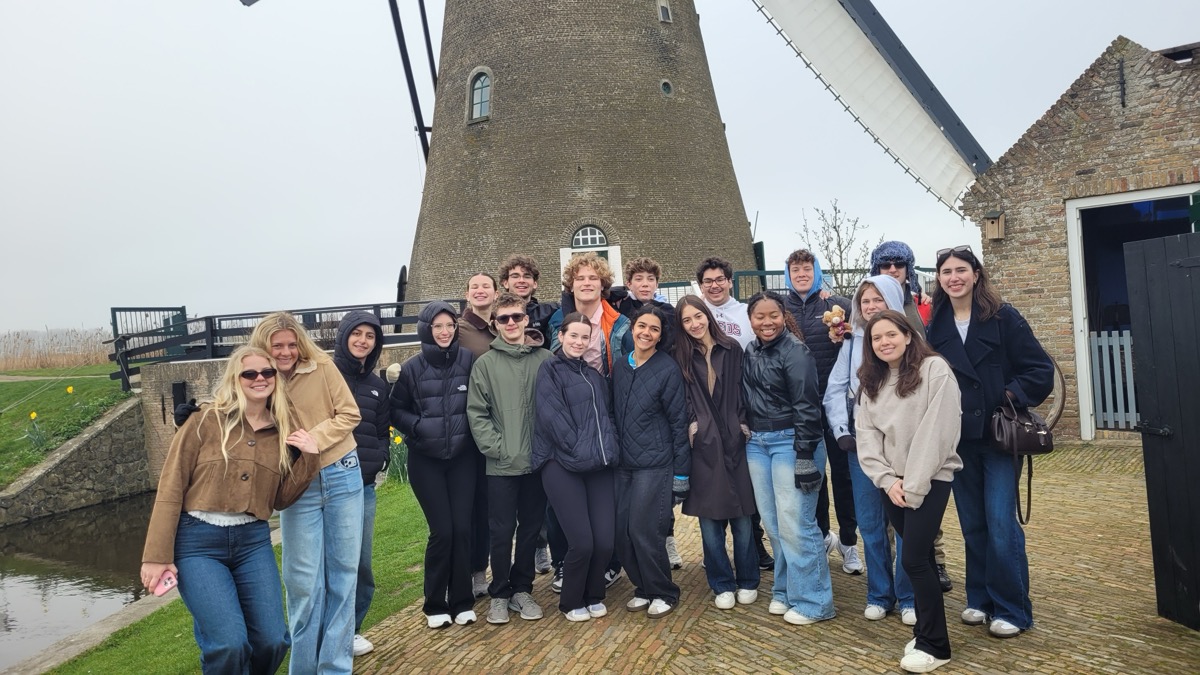
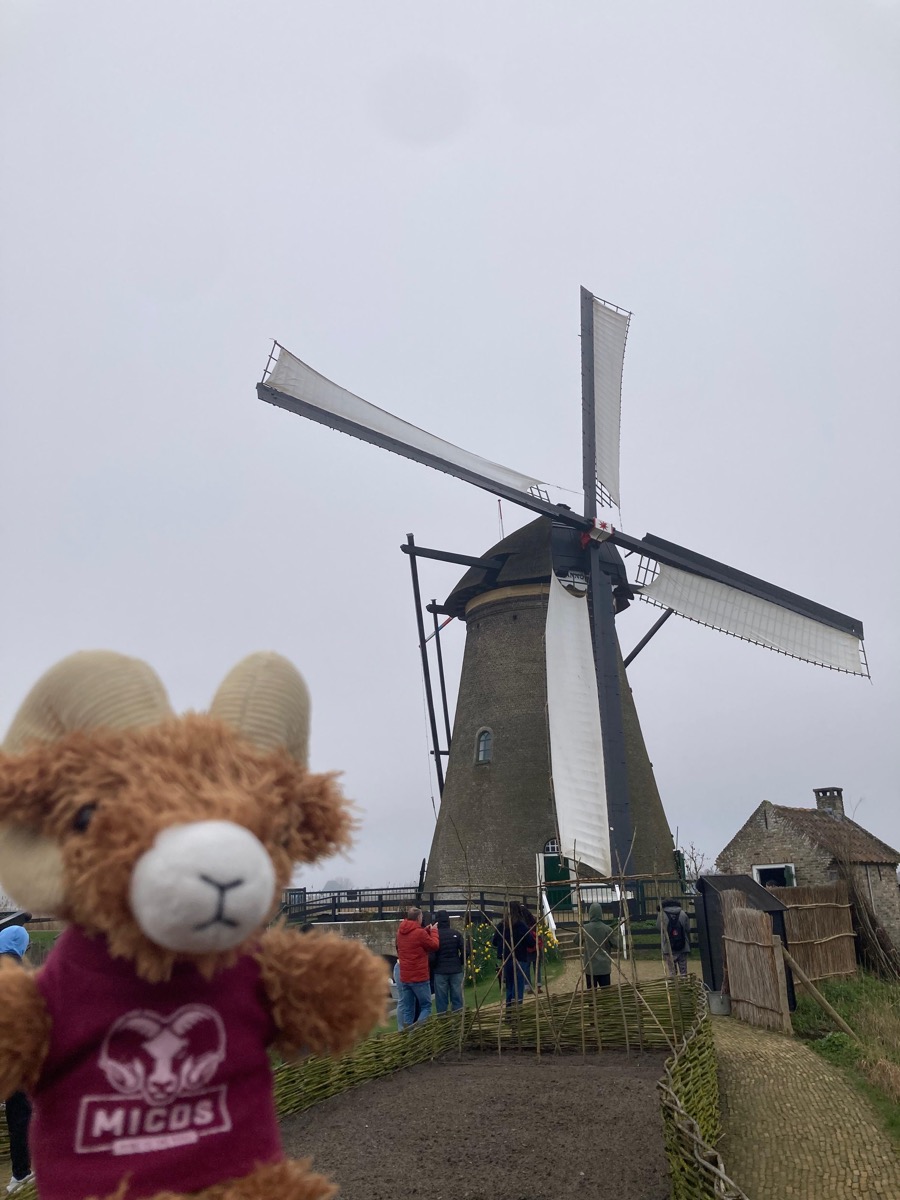
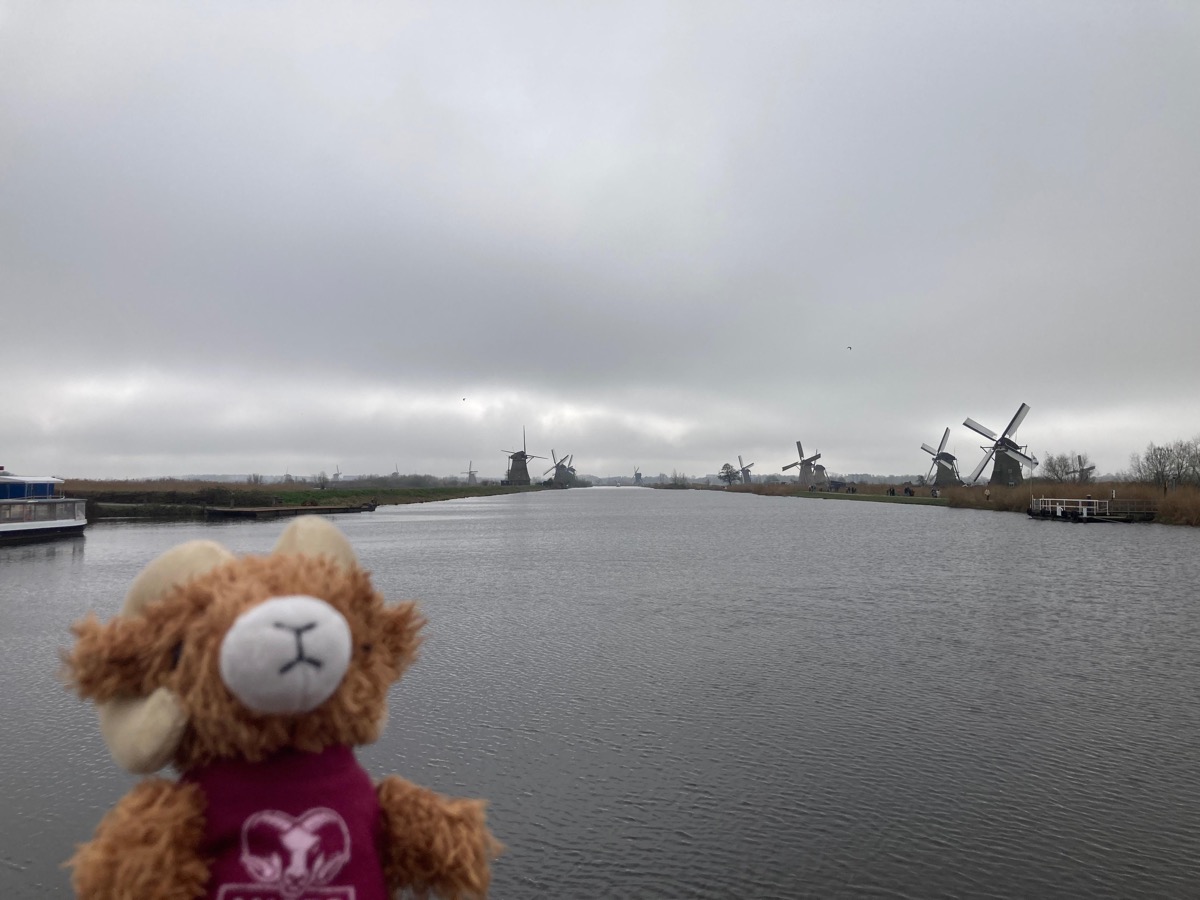
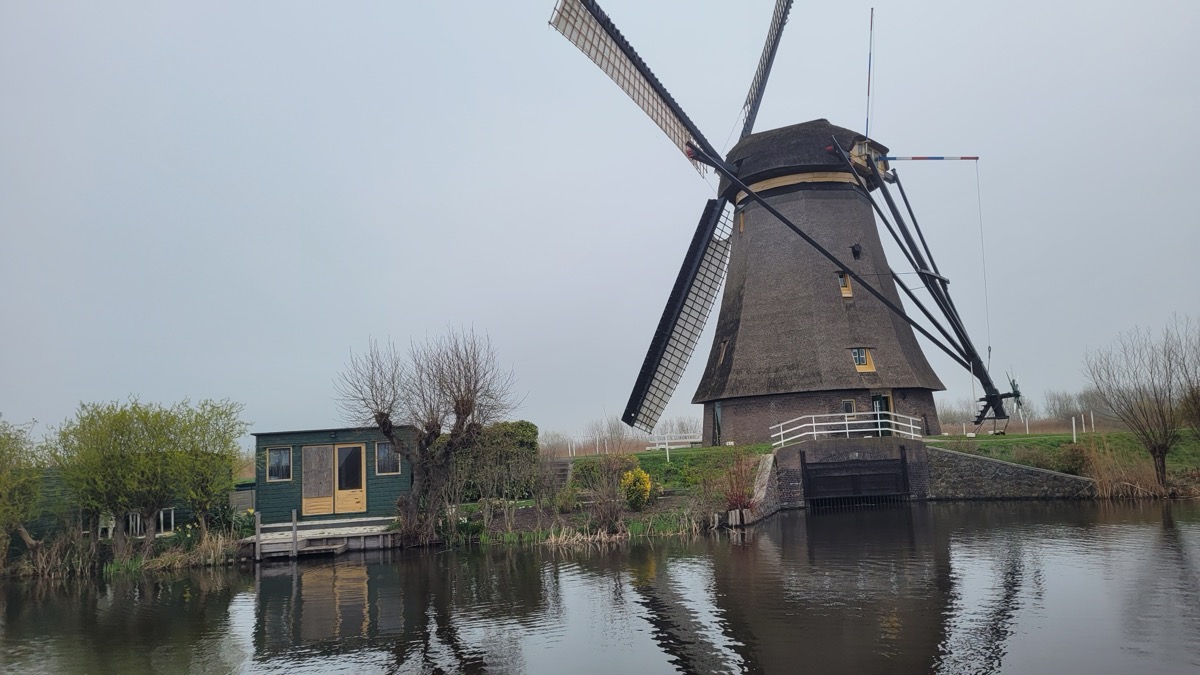
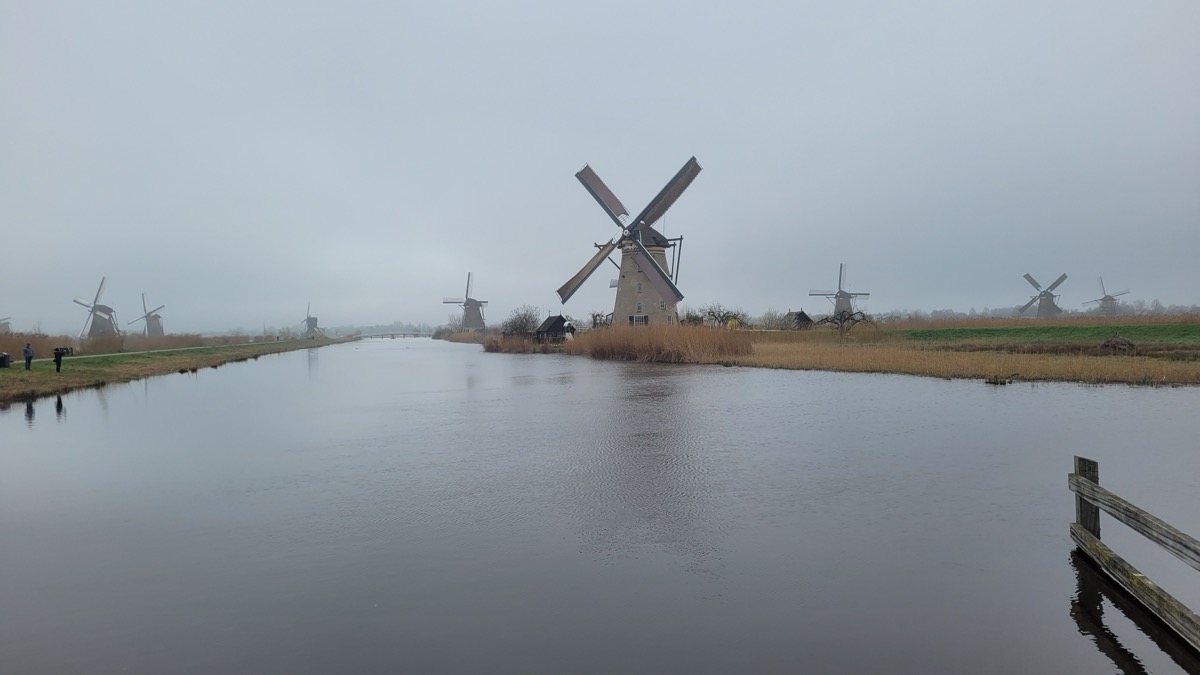
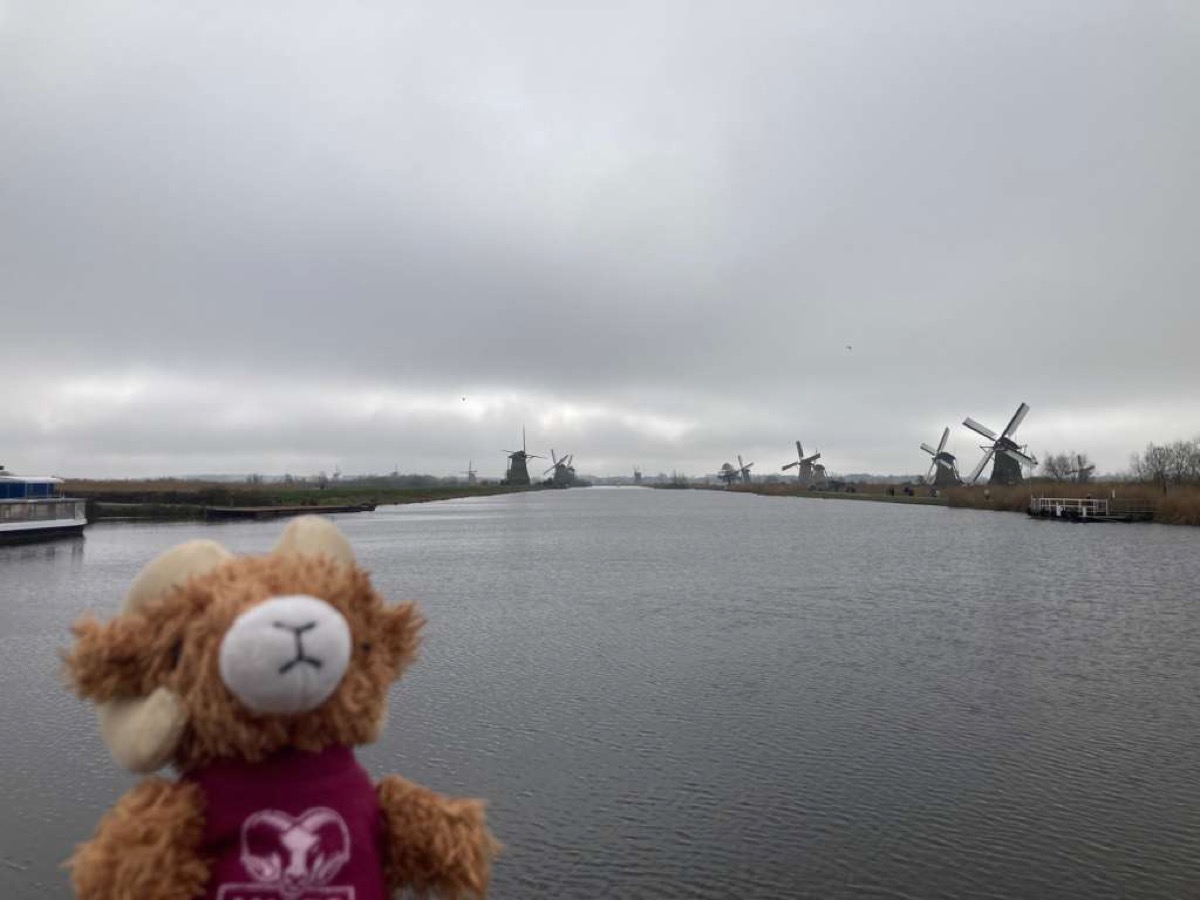
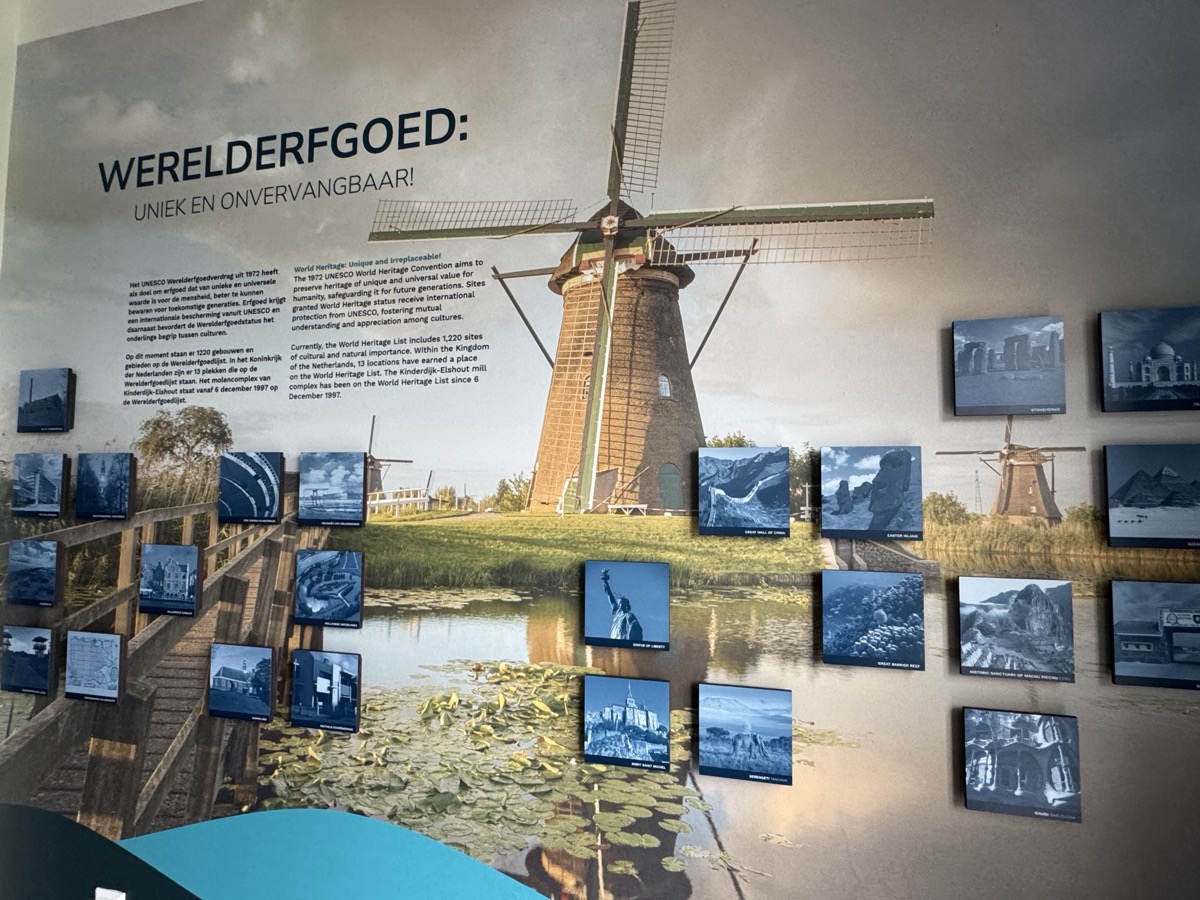
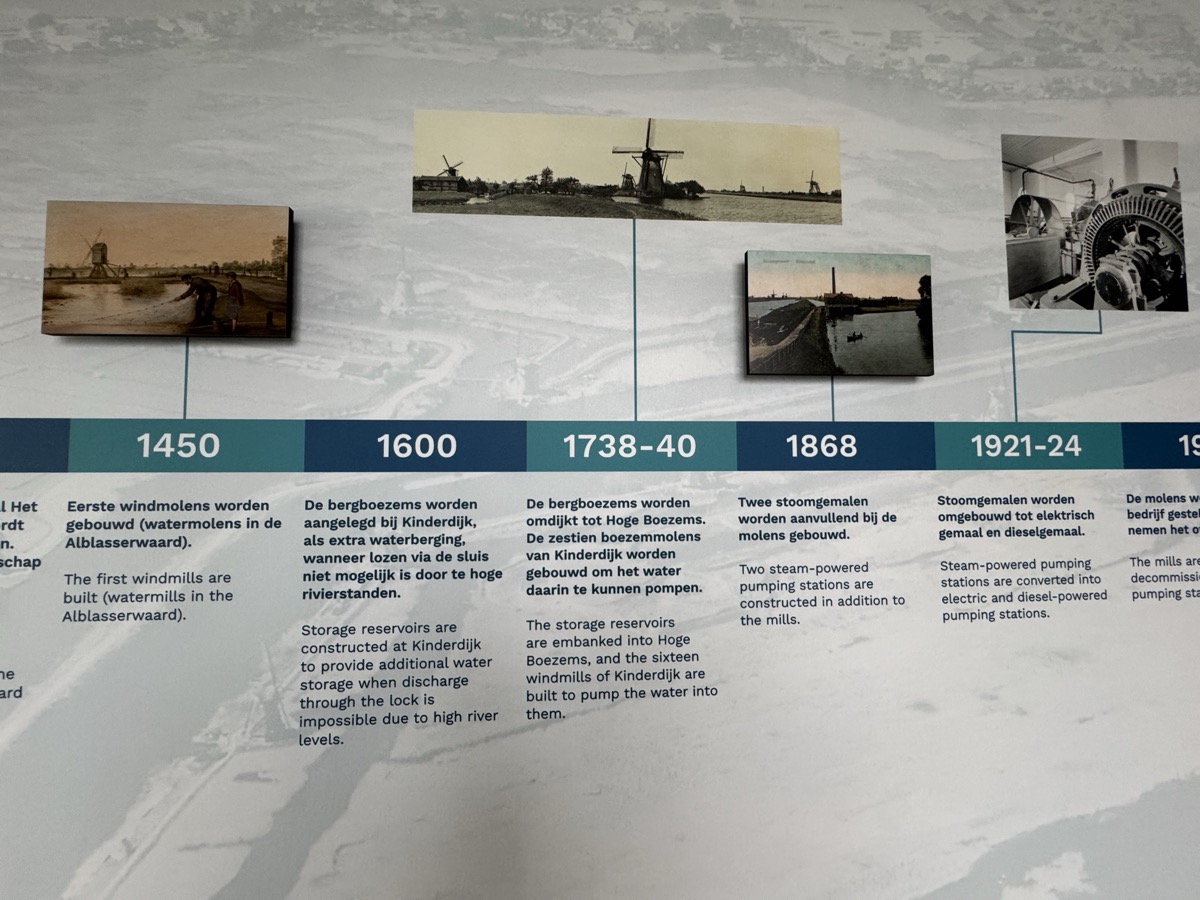
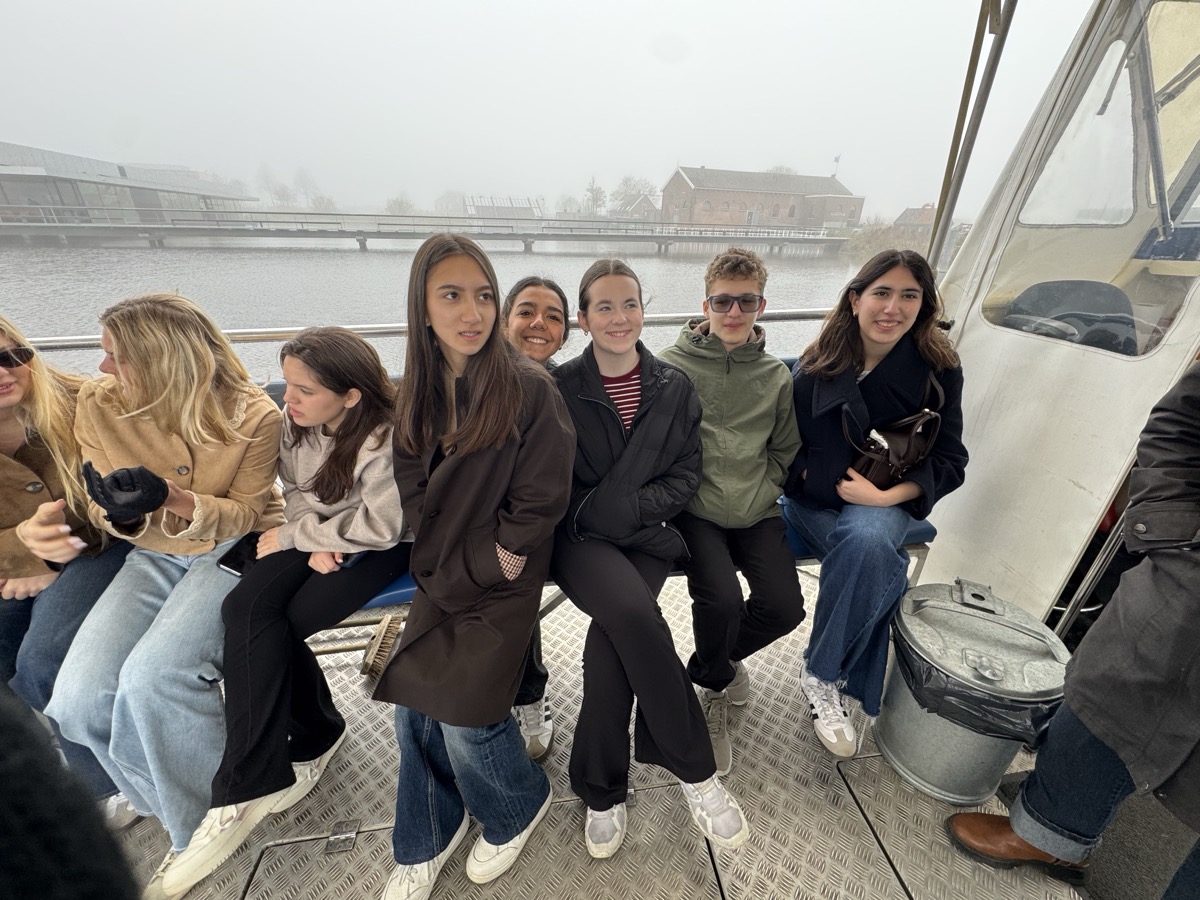
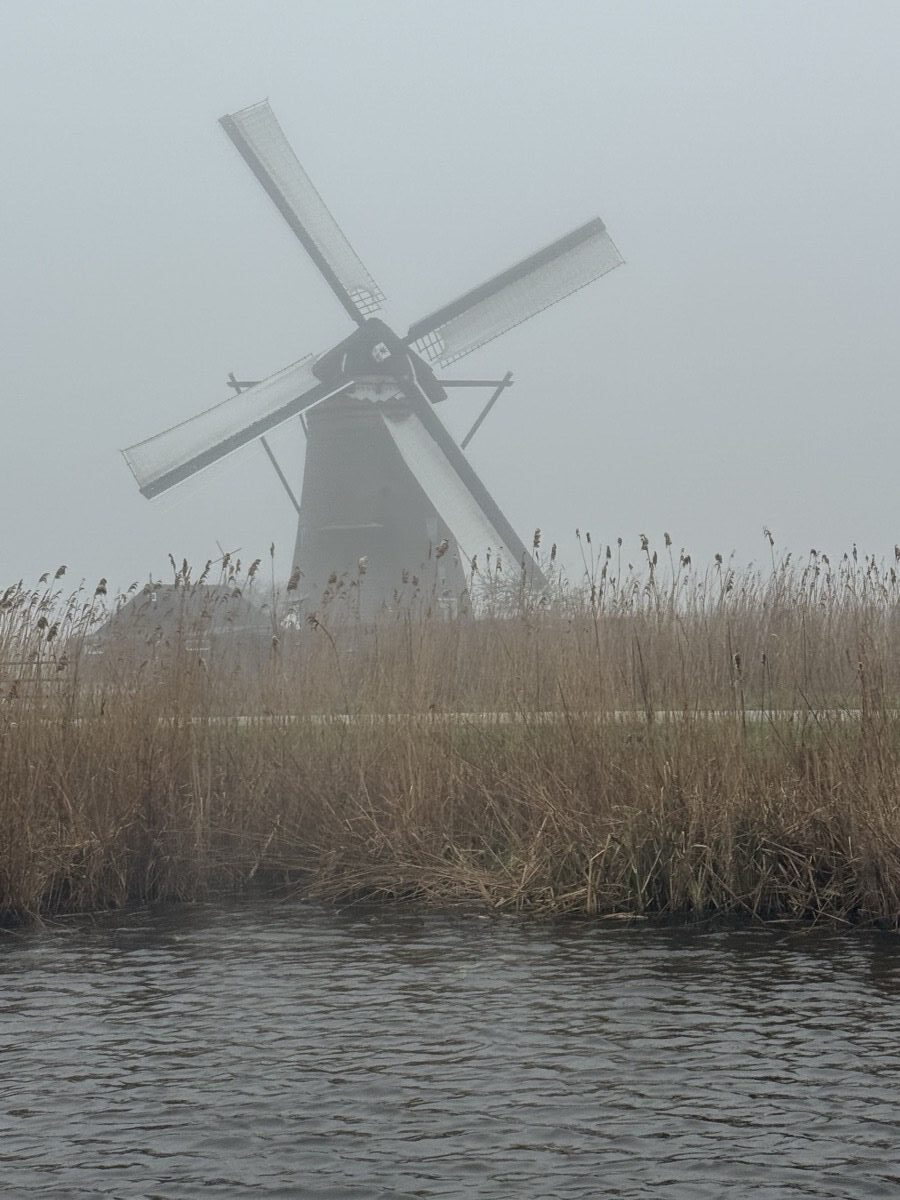
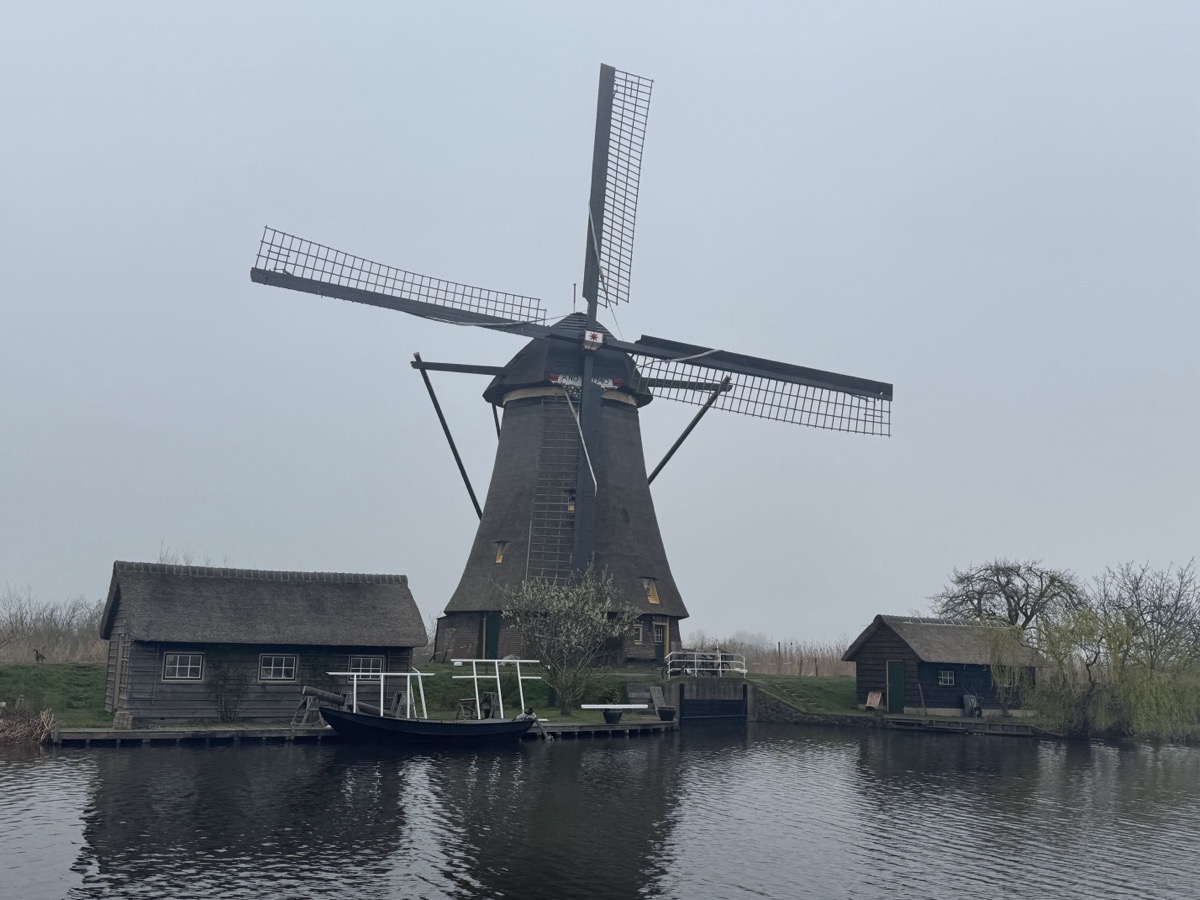
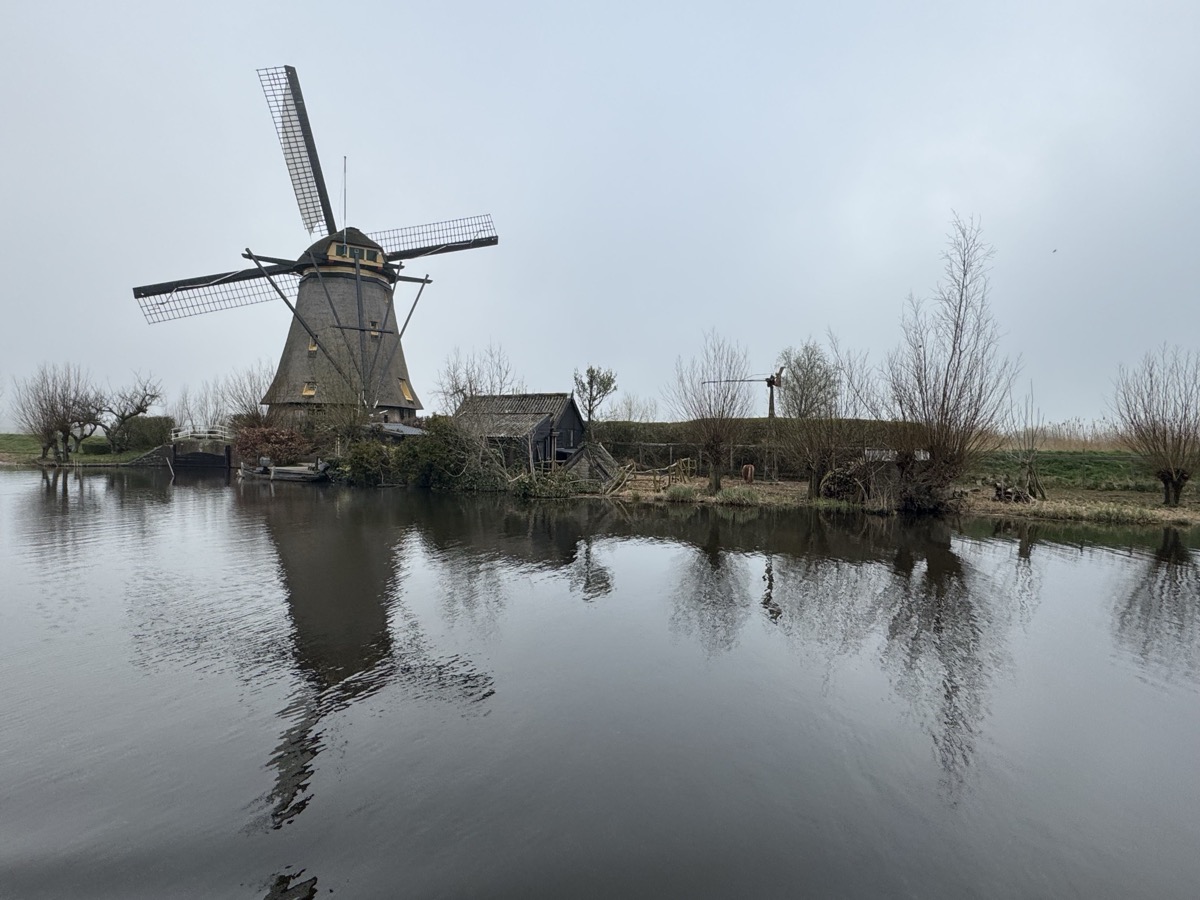
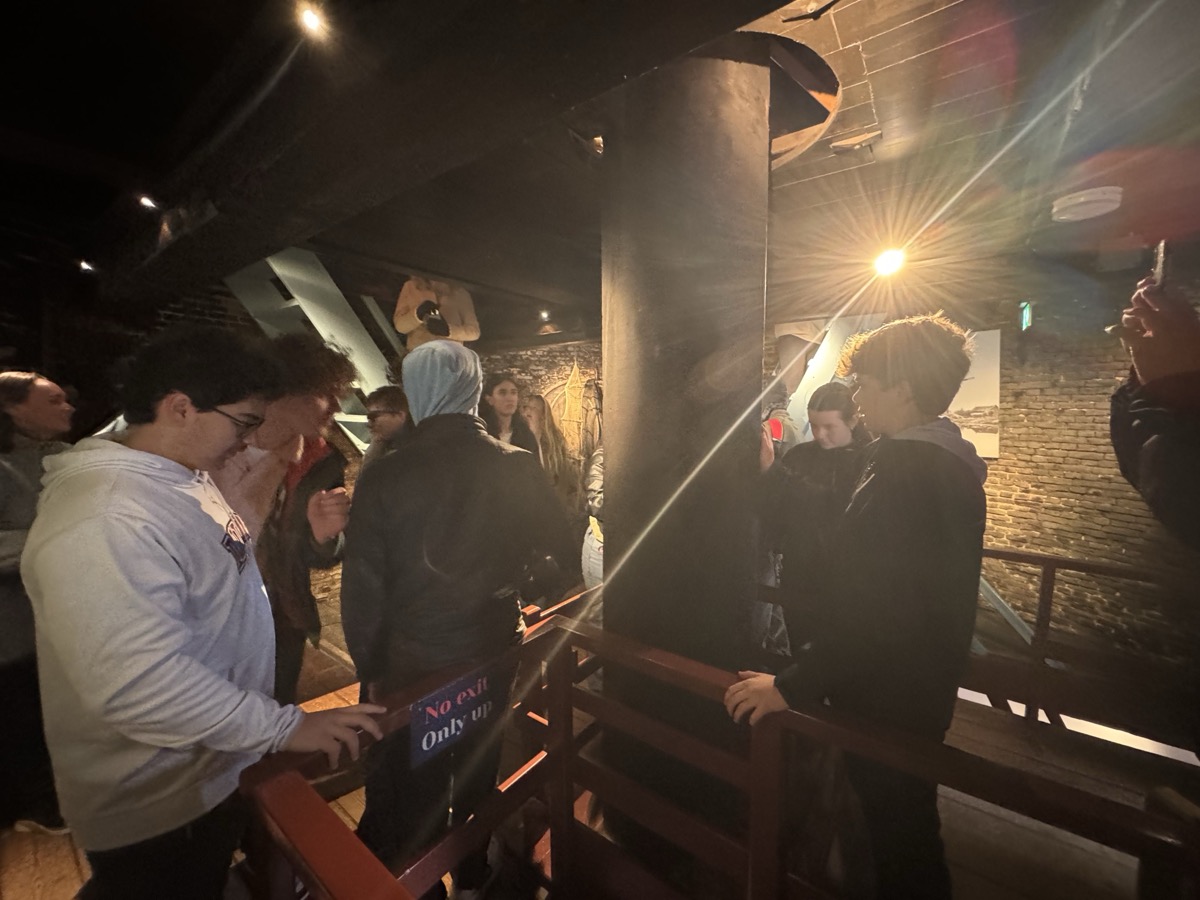
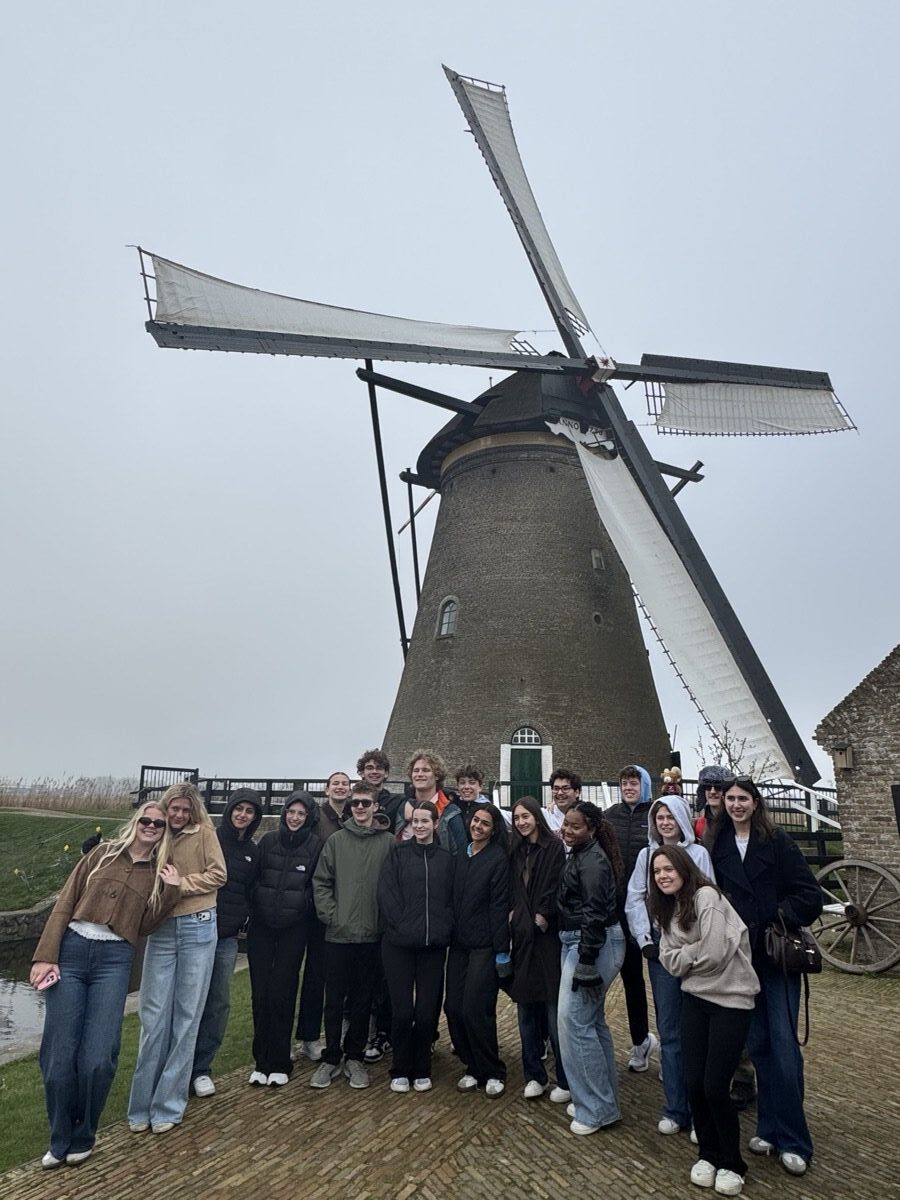
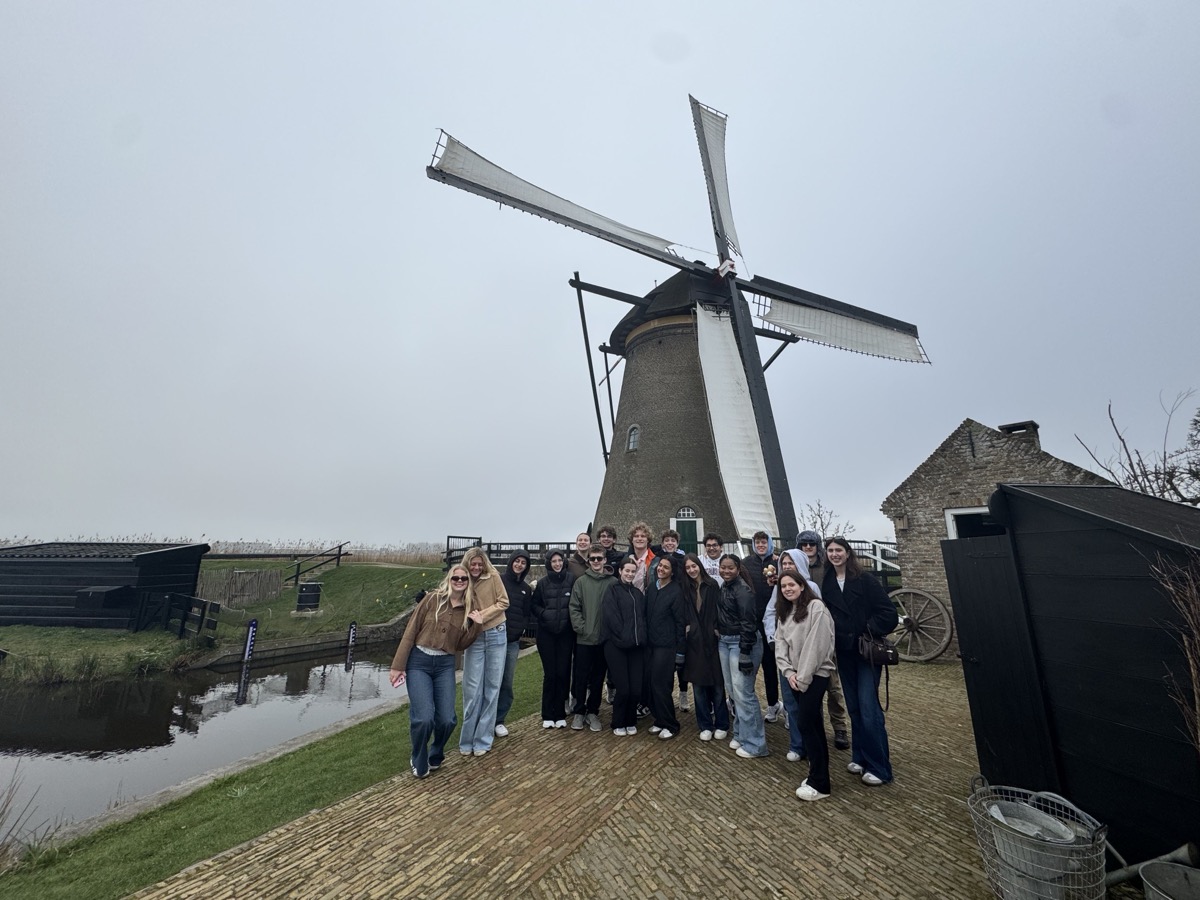
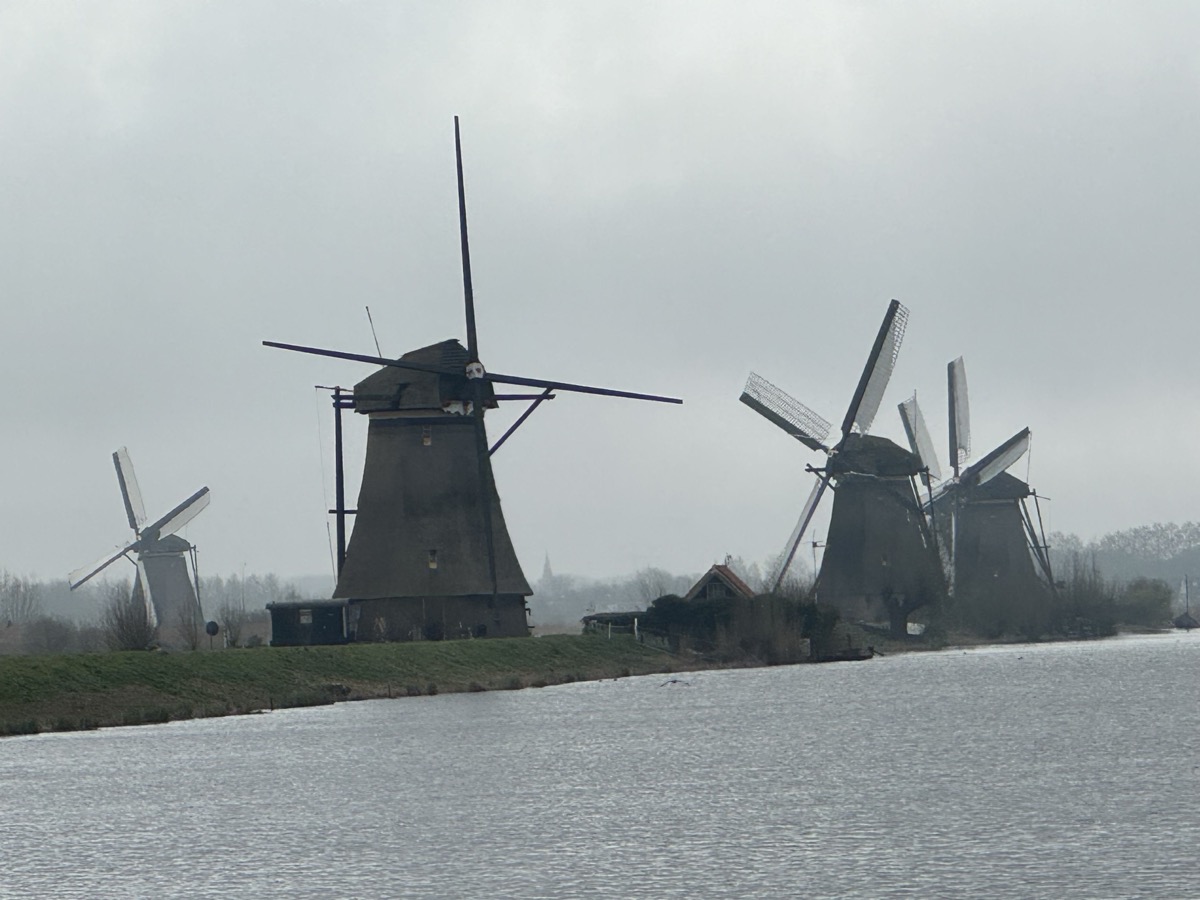
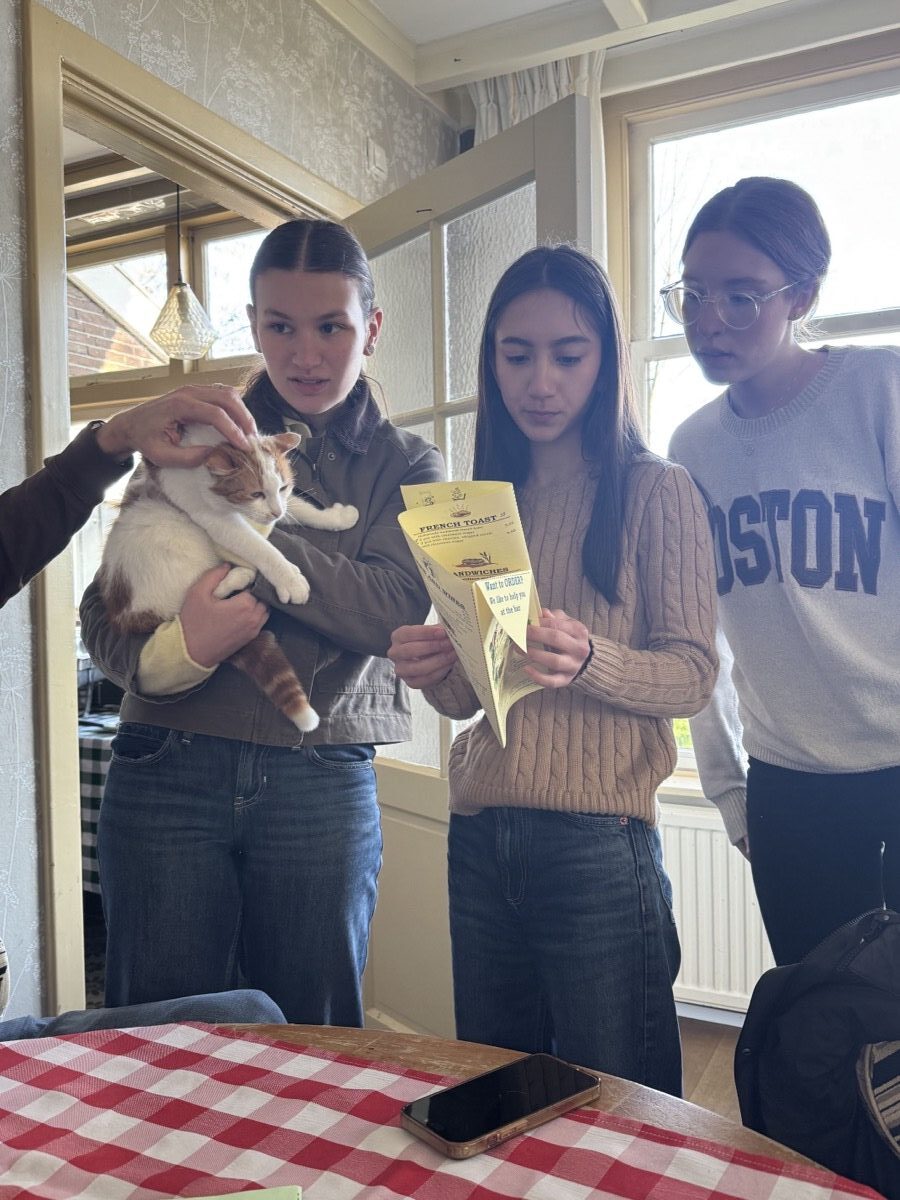
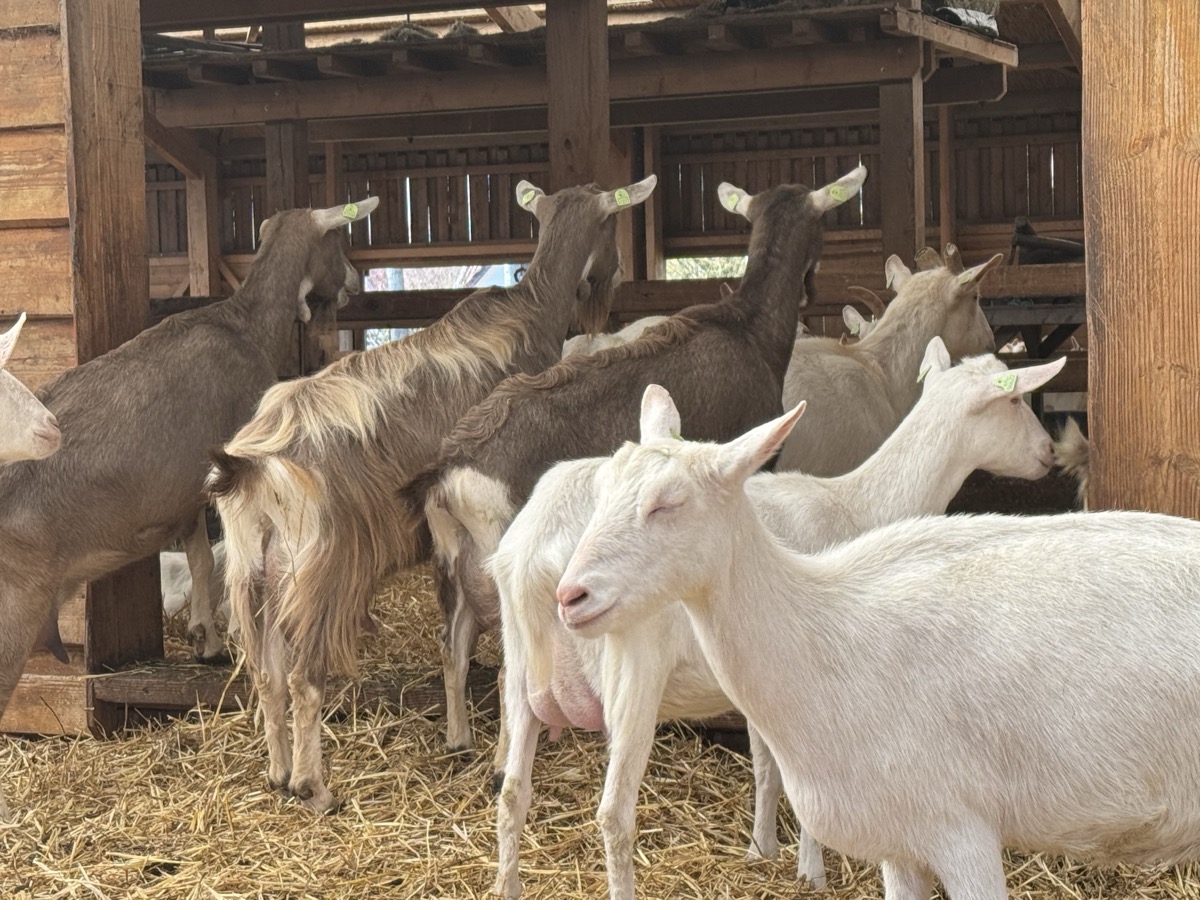
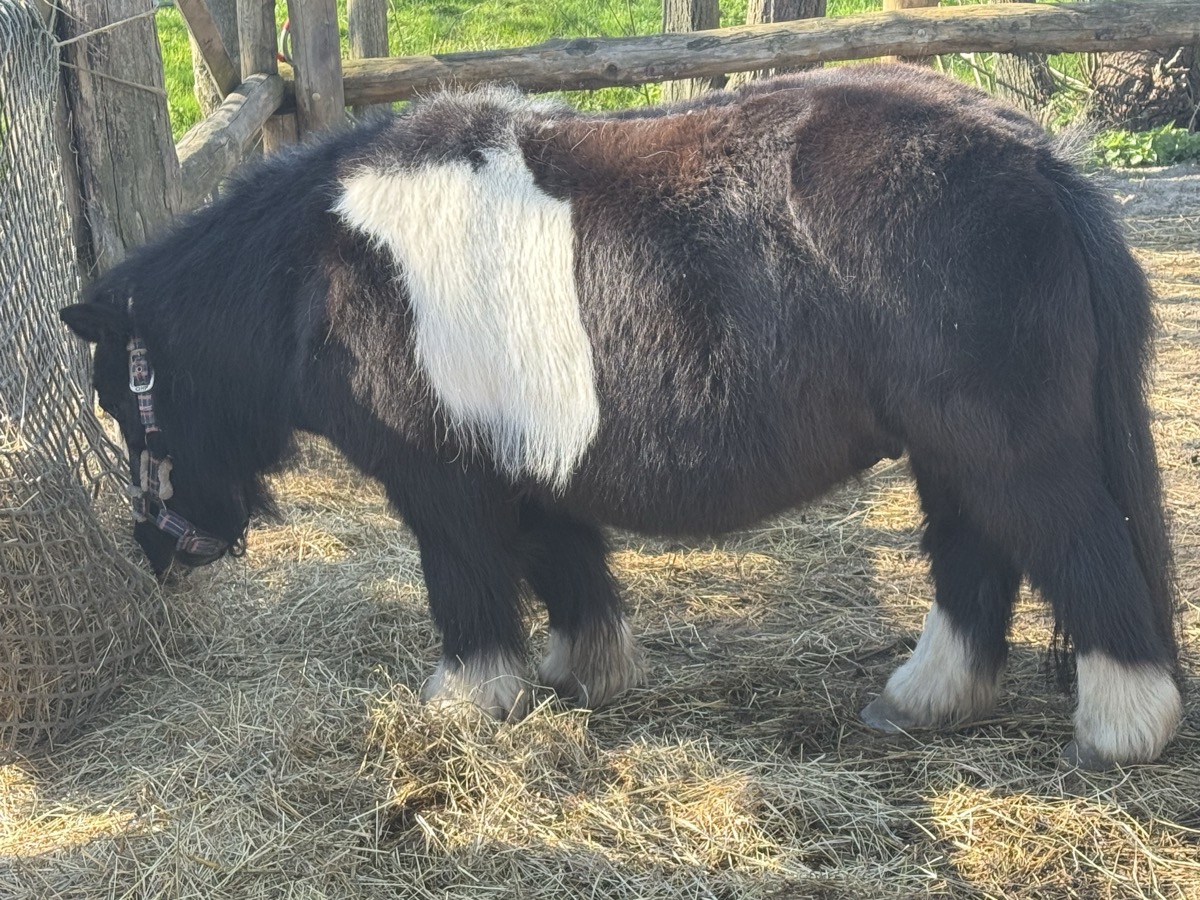
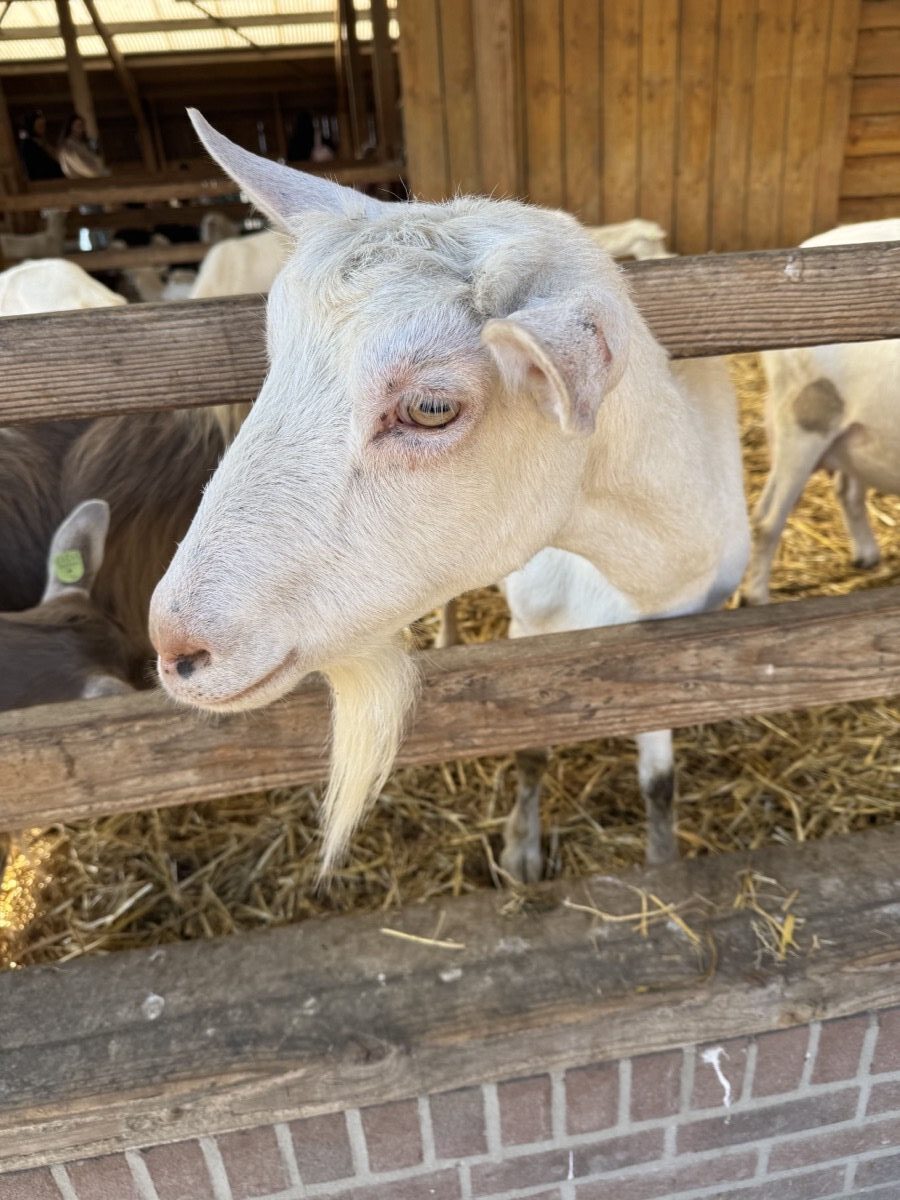
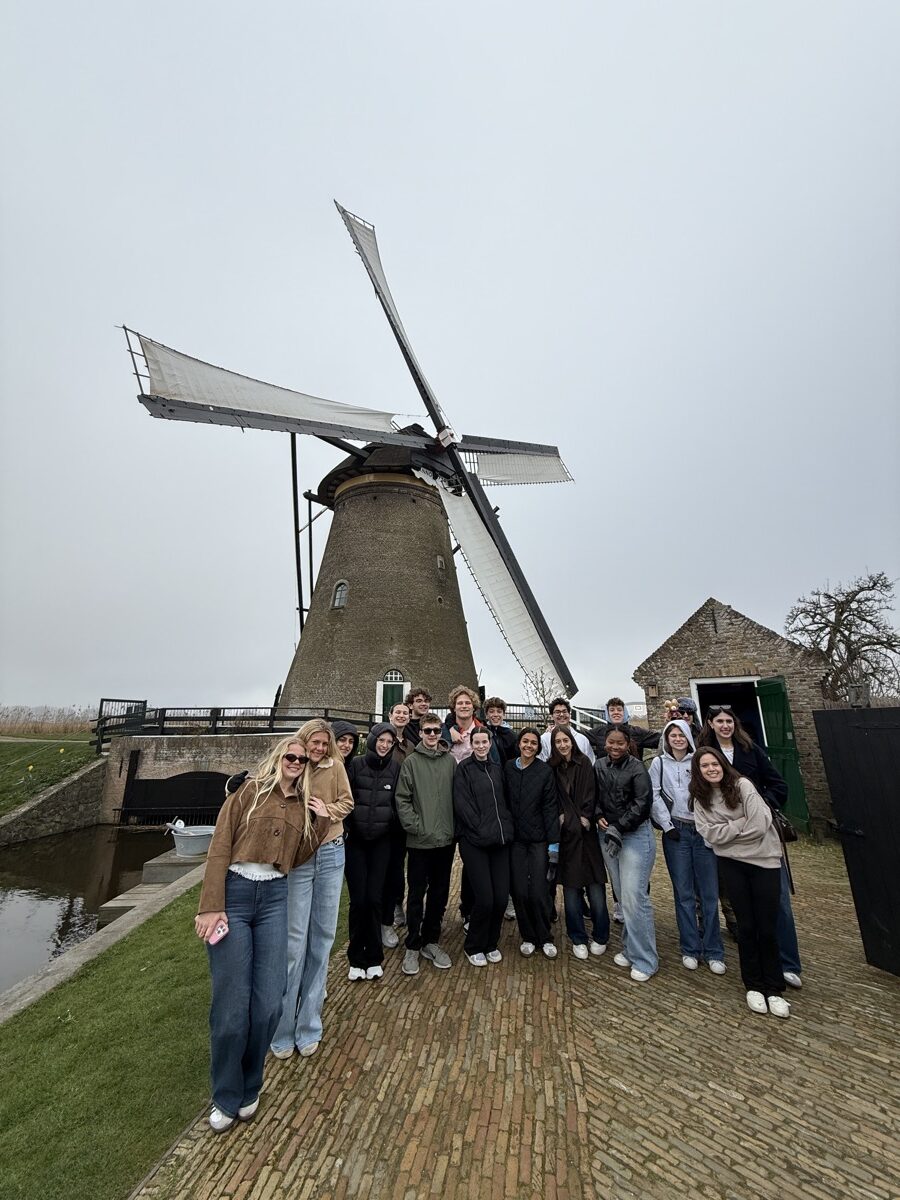
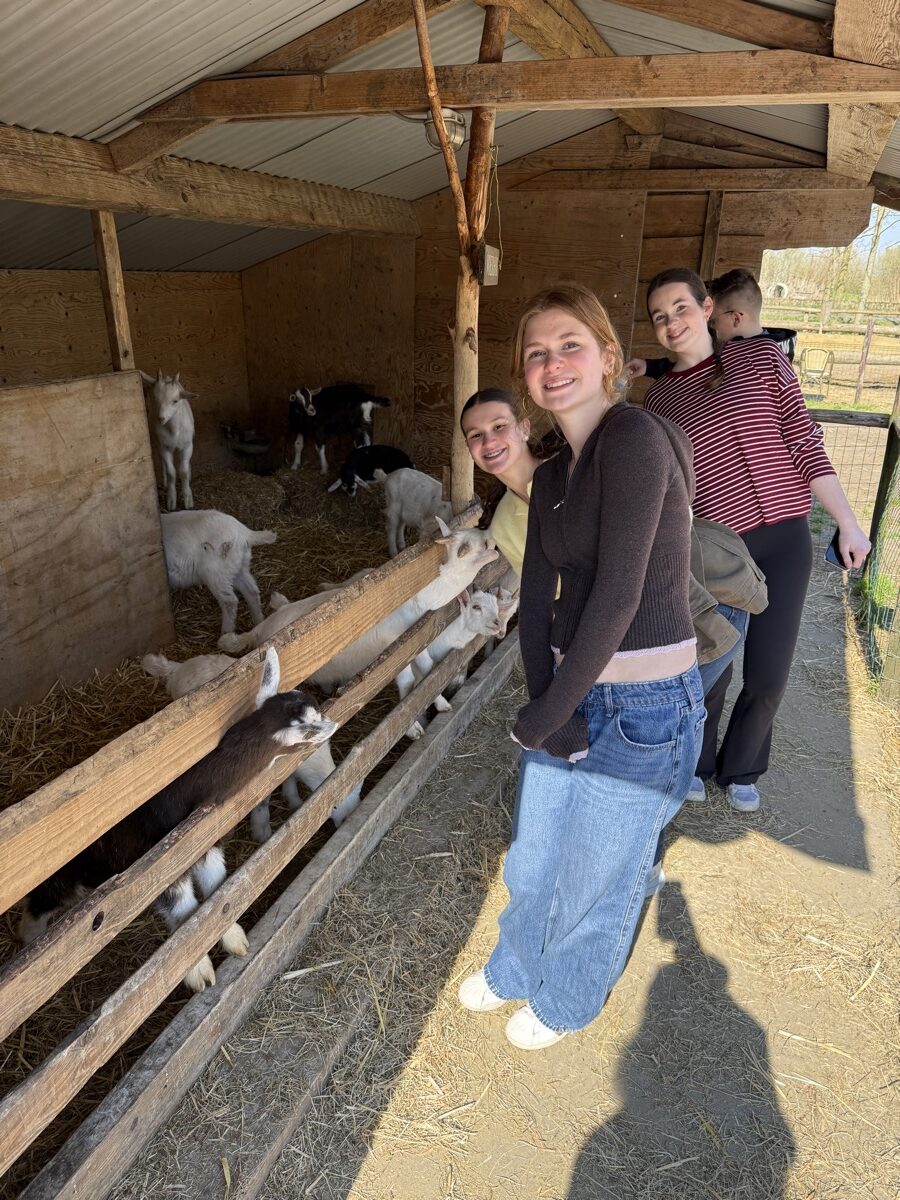
Students and chaperones added a new form of transportation to their itinerary with a boat ride to Kinderdijk, the UNESCO Heritage site known for its historic, still-functioning windmills. They wandered the picturesque canals and pathways to learn how centuries of wind power have shaped the country. They even stopped at a working farm for a topping-soaked pancake lunch where they enjoyed petting goats, pigs, ponies, and lambs. After walking along the Maeslantkering, the storm-surge barrier that protects Europe’s largest seaport, students wandered the streets with a local historian.
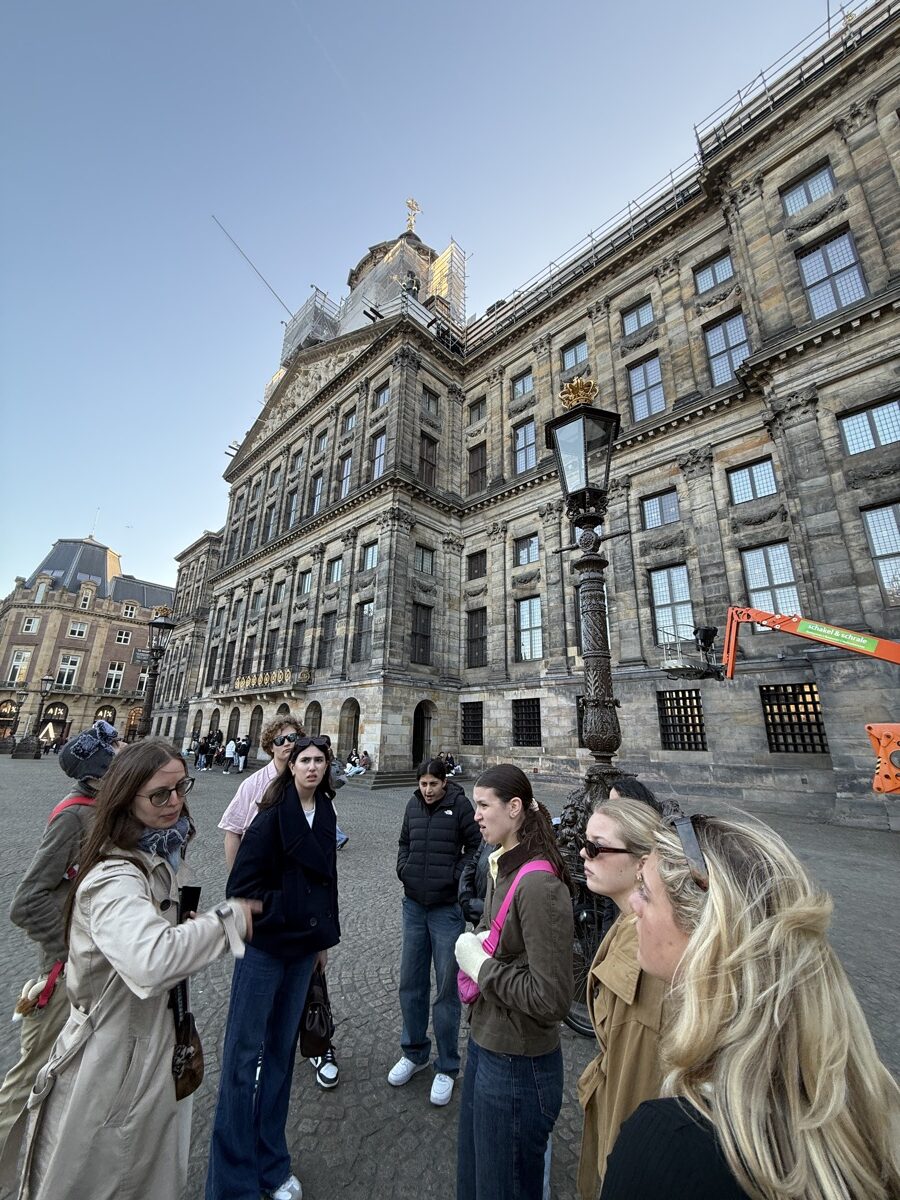
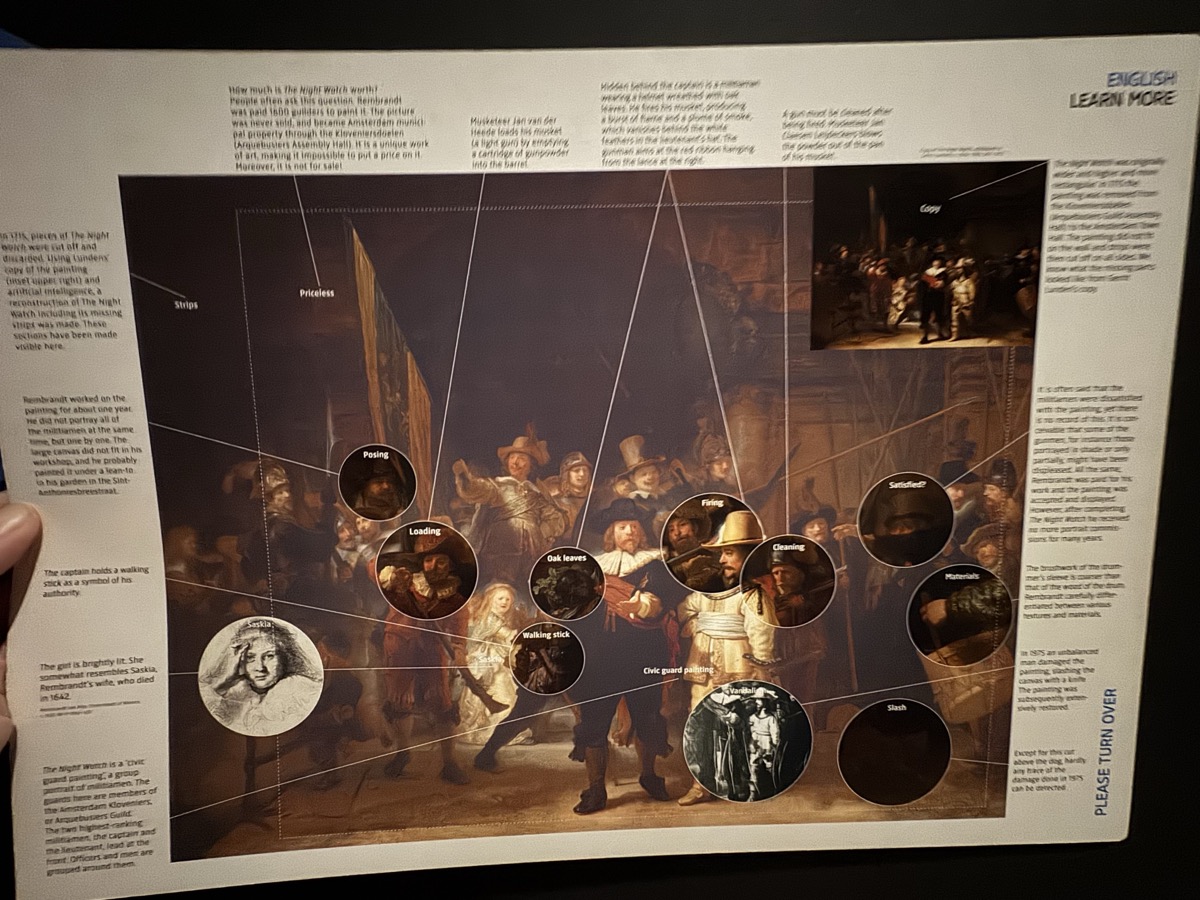
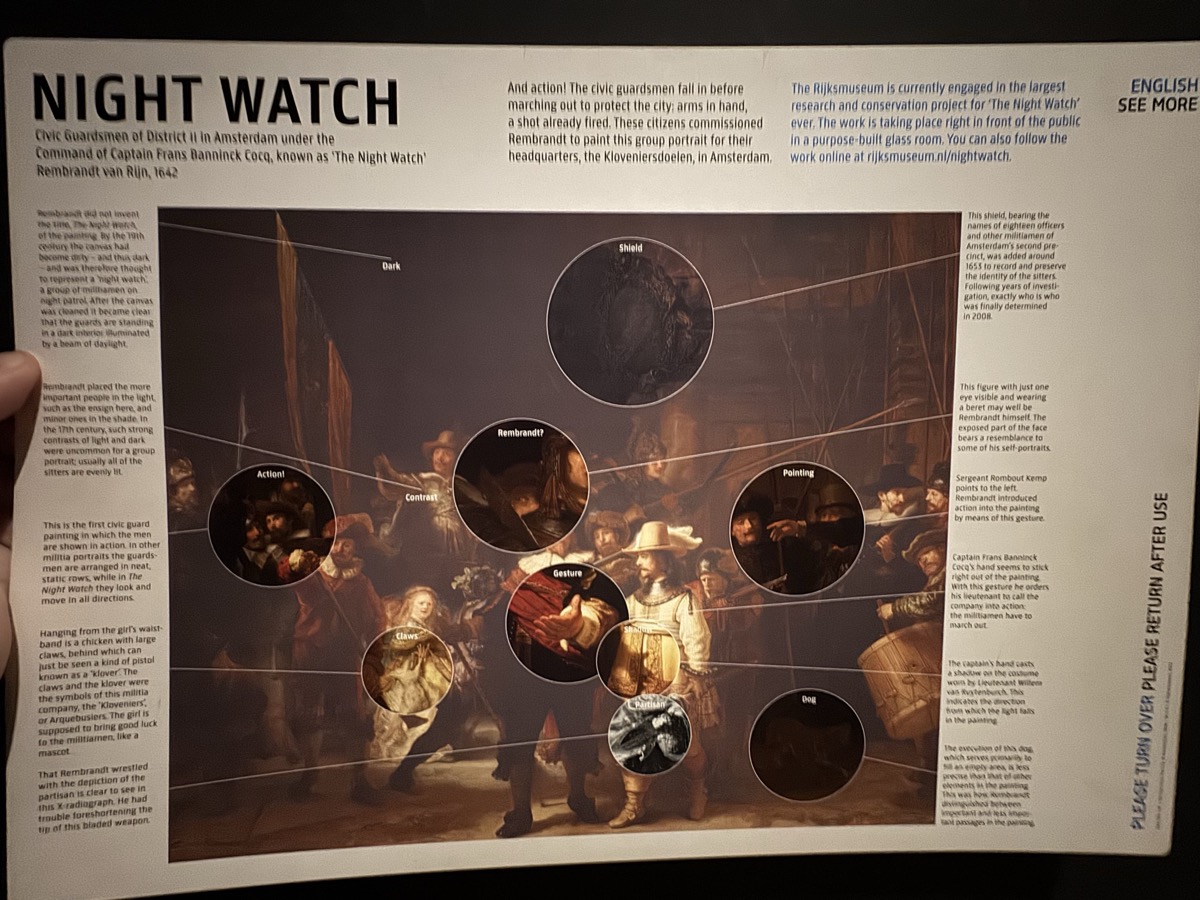
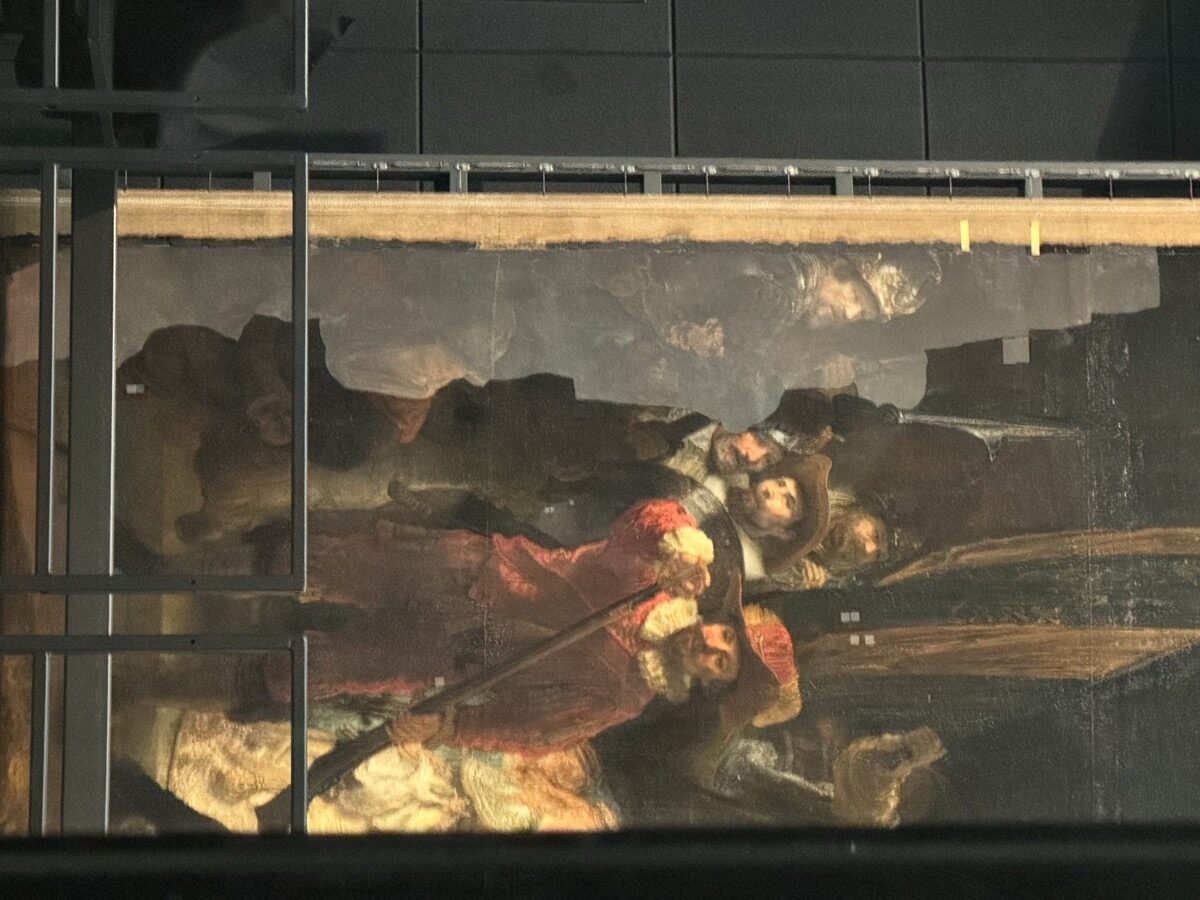
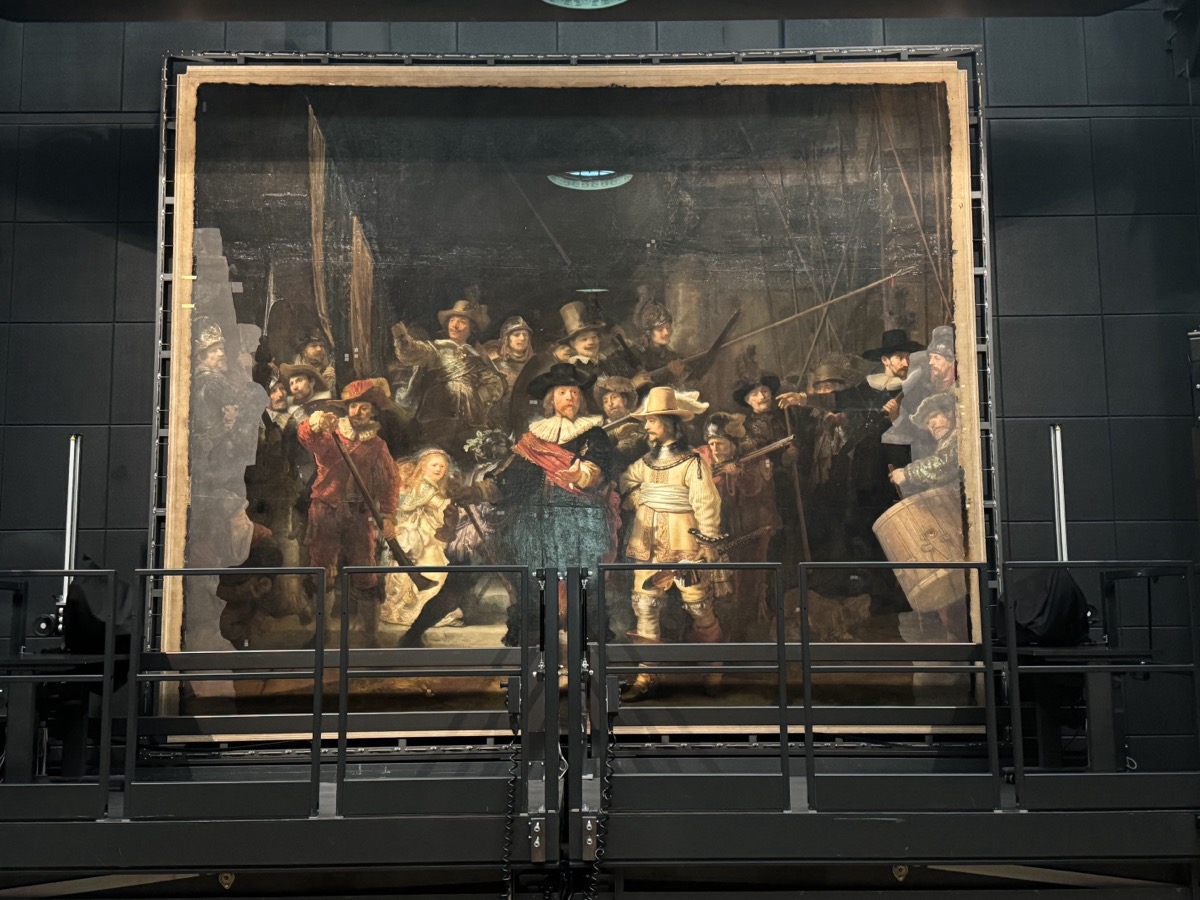
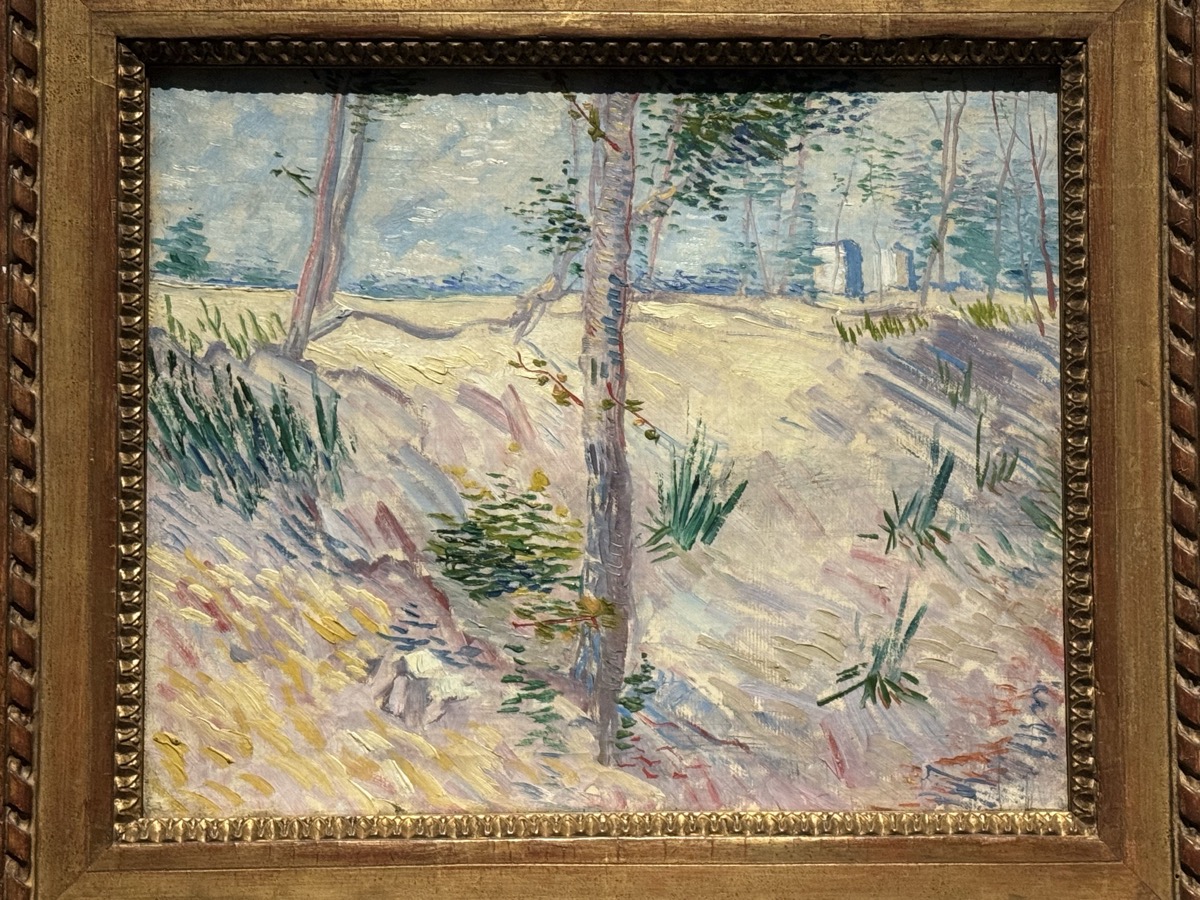
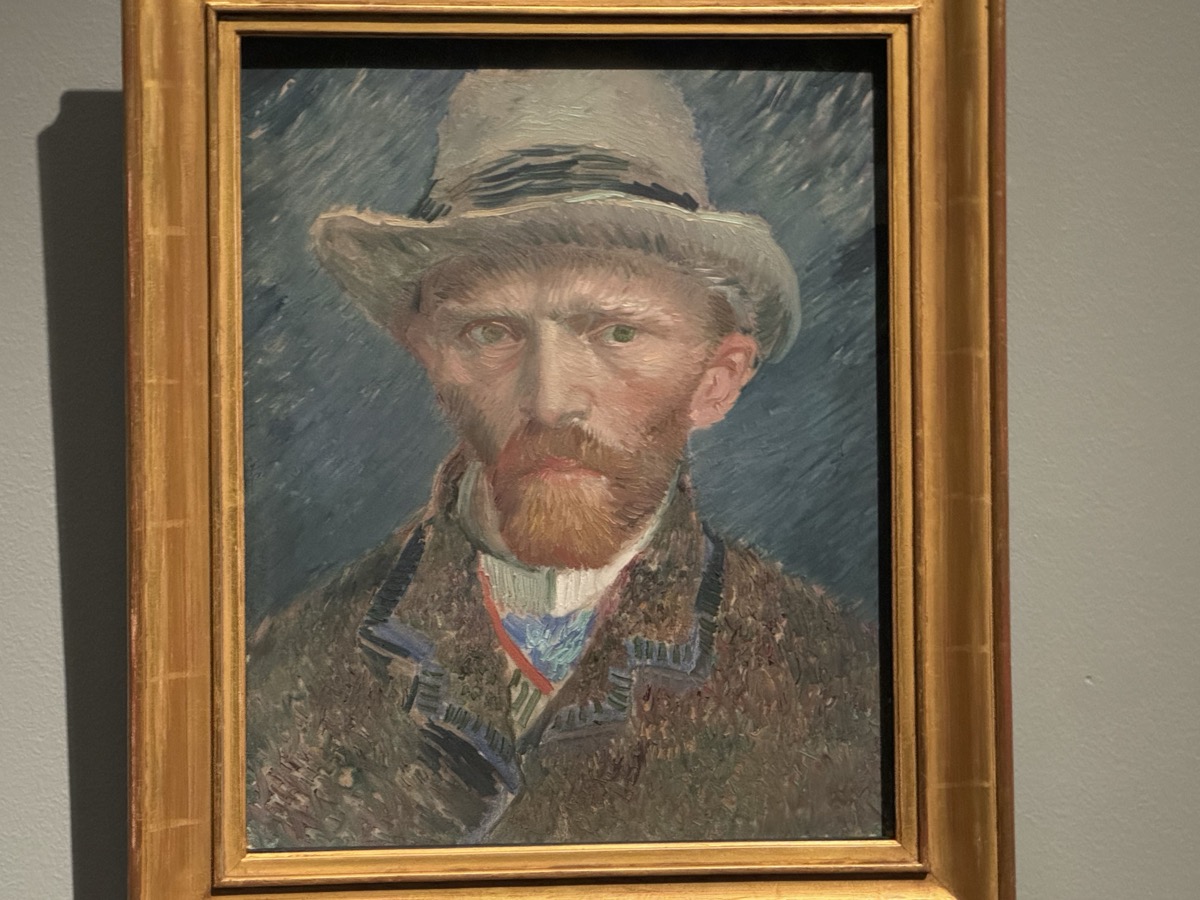
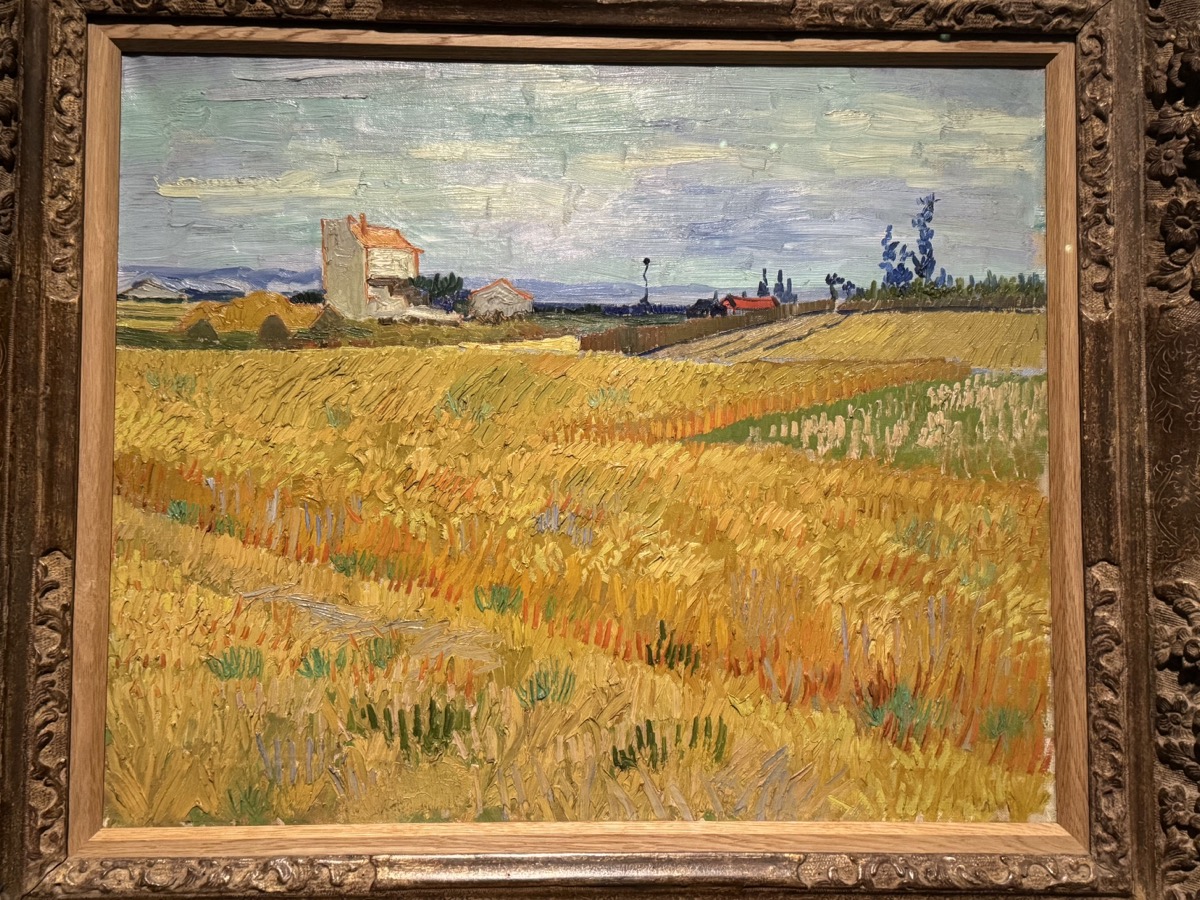
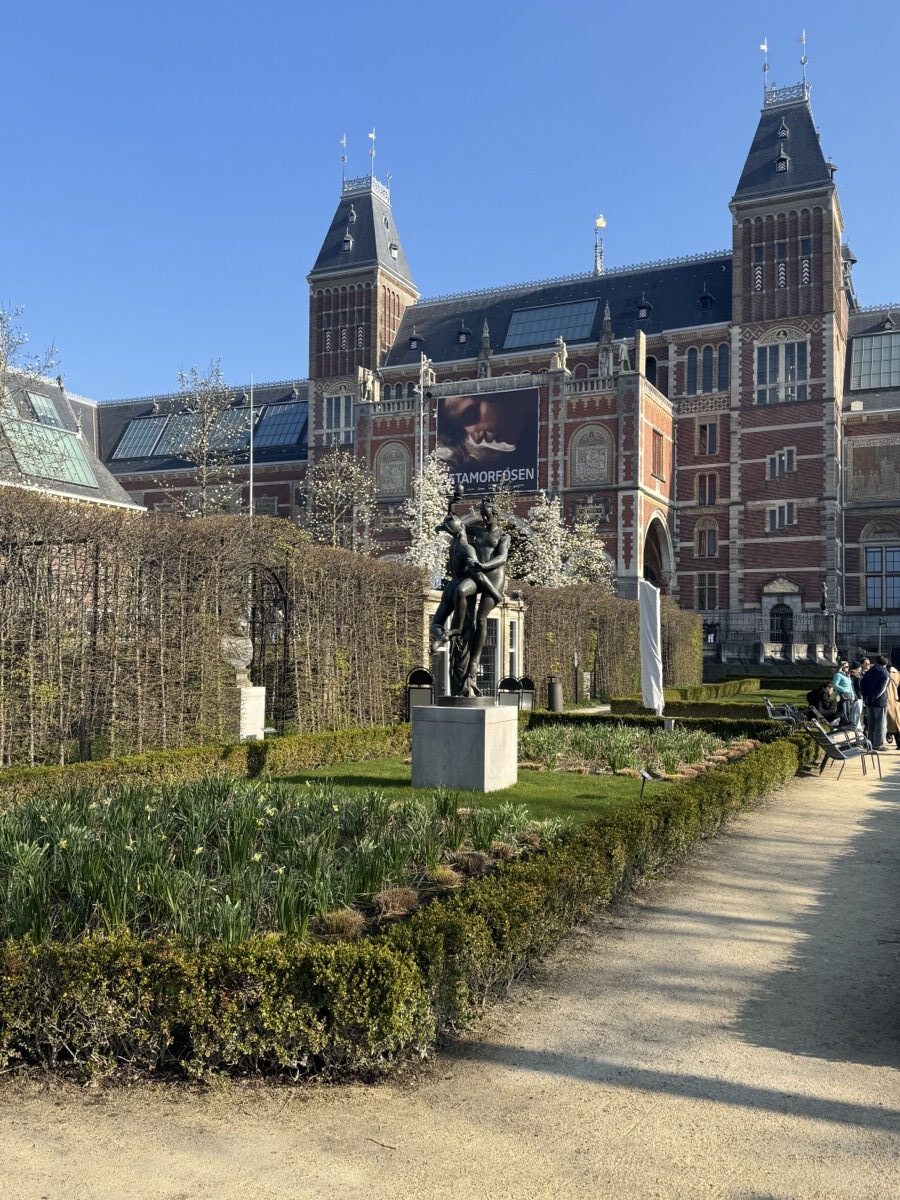
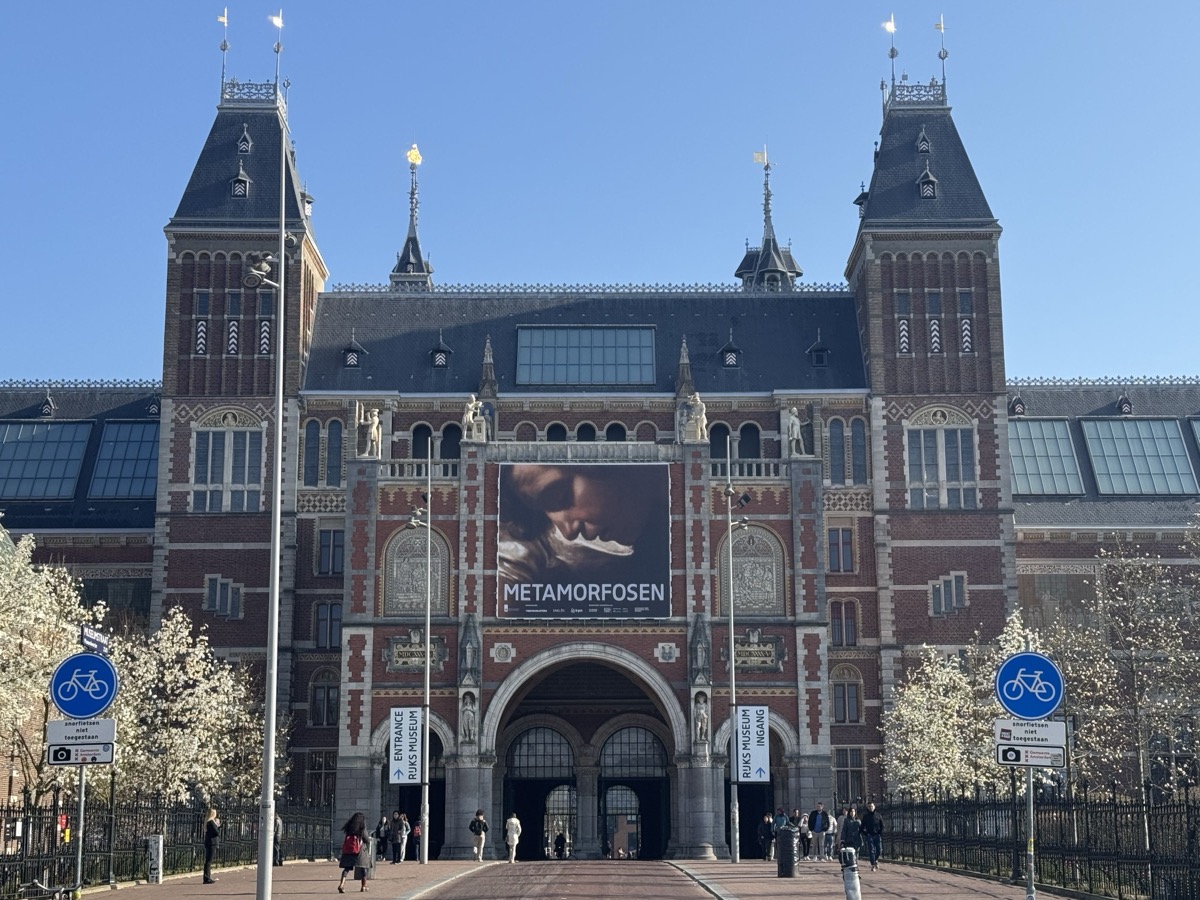
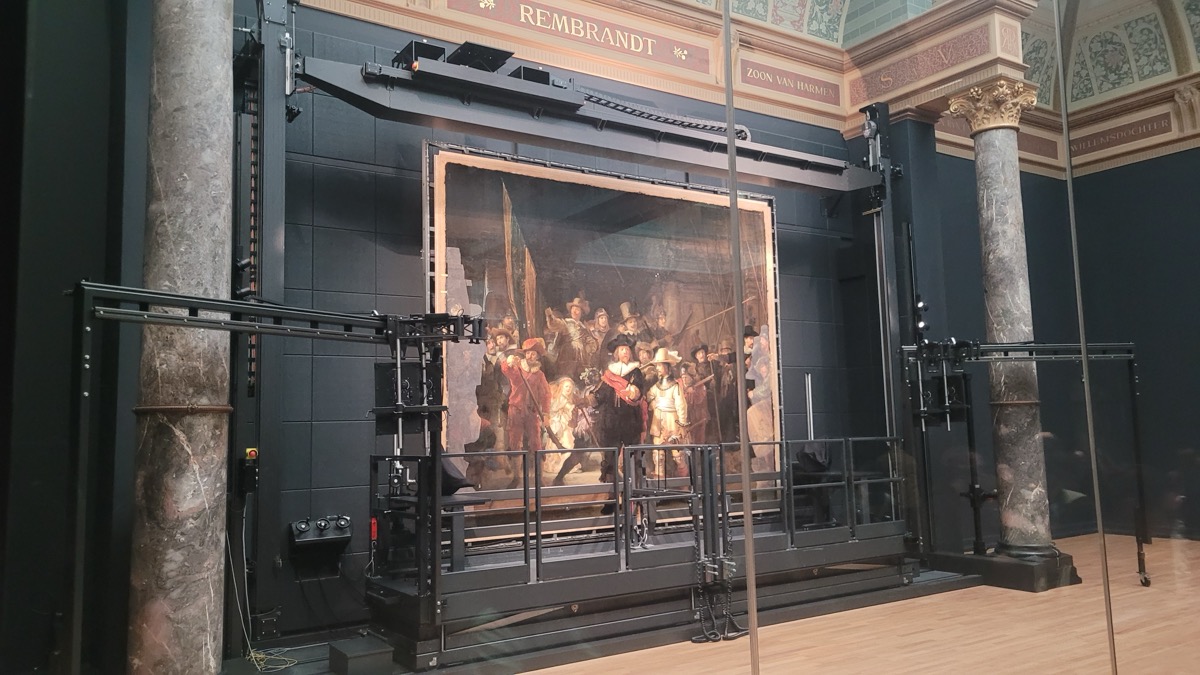
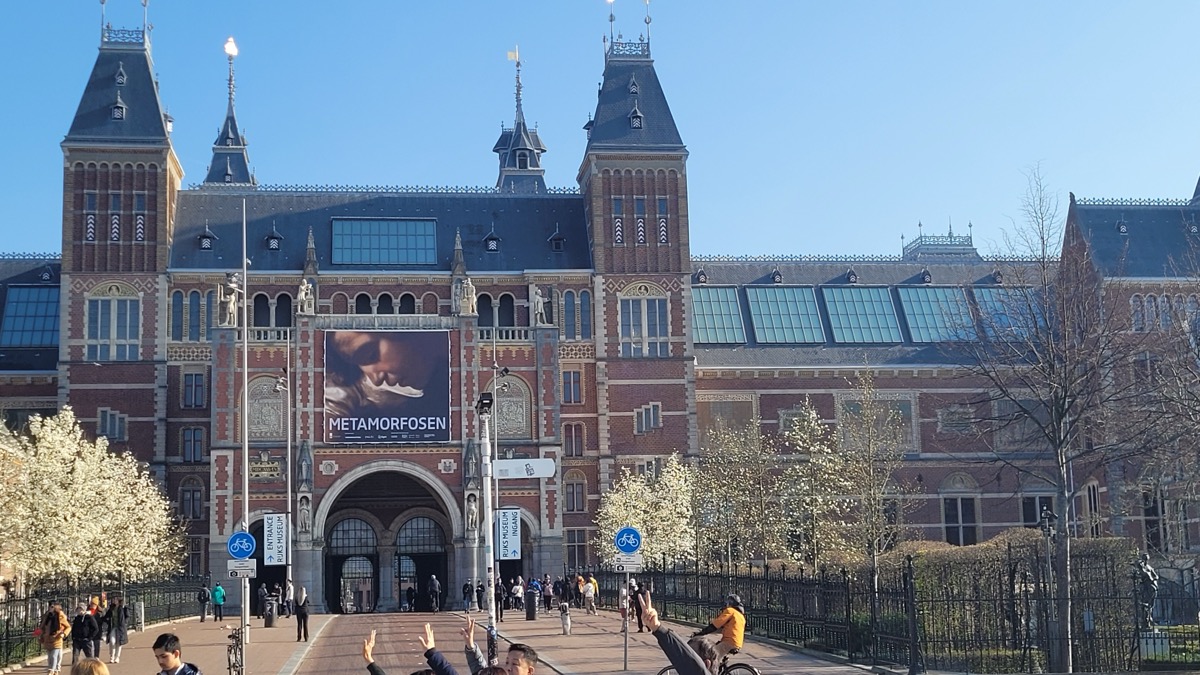
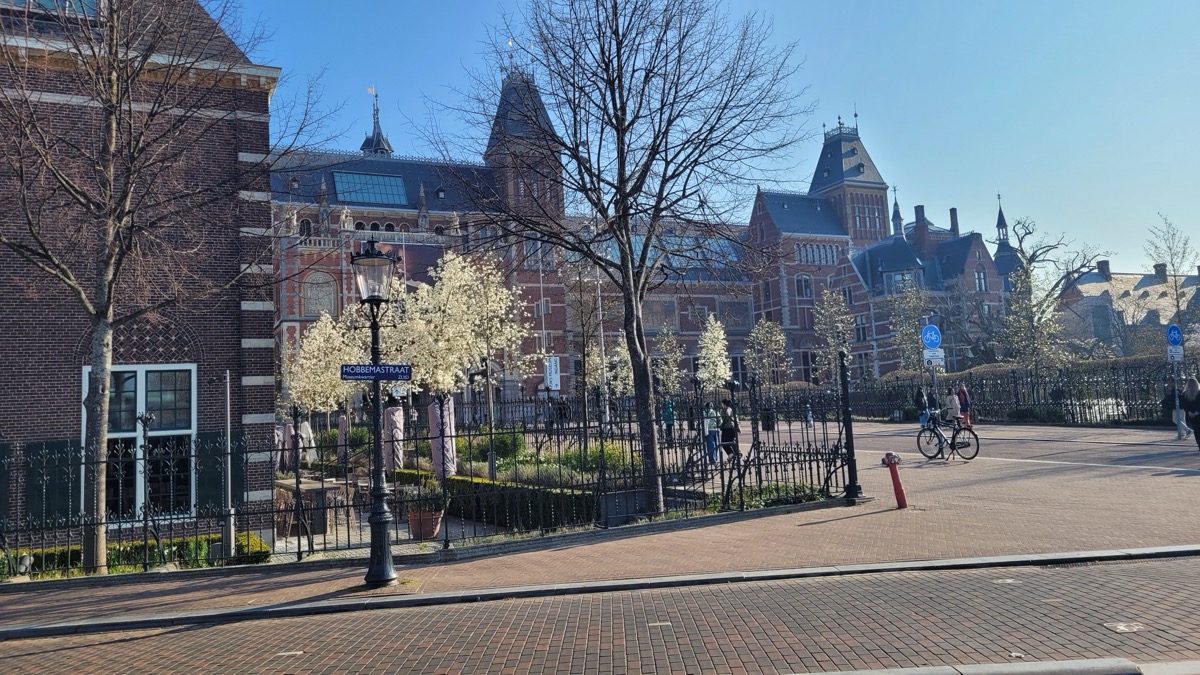
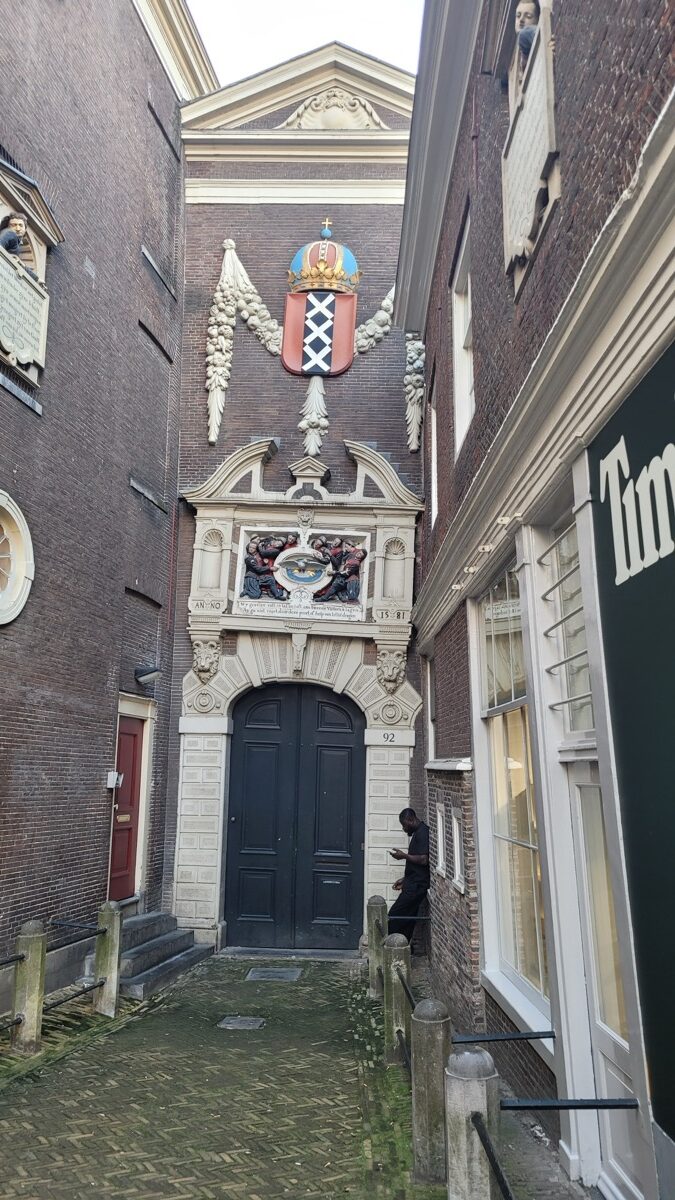
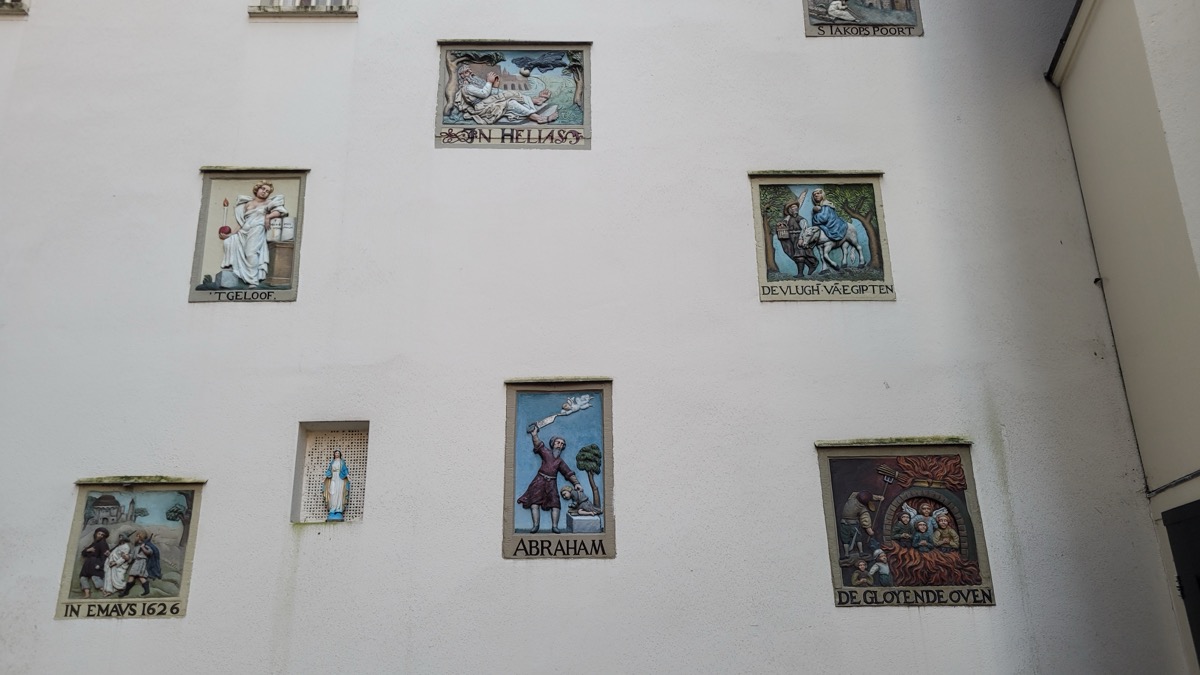
On day two in Amsterdam, students toured the storied rooms of the Anne Frank Museum and explored the legacy of the renowned diary, both locally and globally. They explored the Jewish Quarter of Amsterdam before heading to the Rijksmuseum to explore Dutch history and art, including more Vermeer, Van Gogh, and Rembrandt, notably The Night Watch.
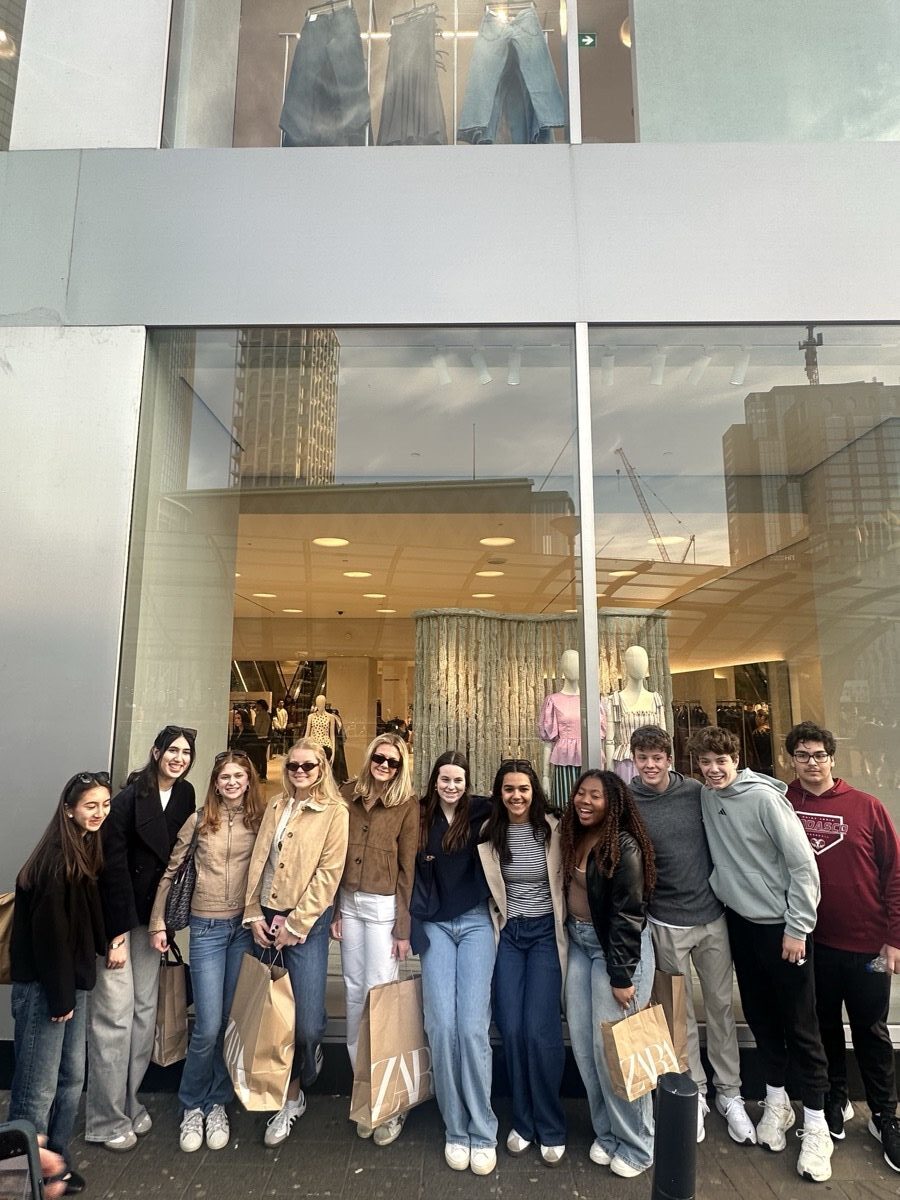
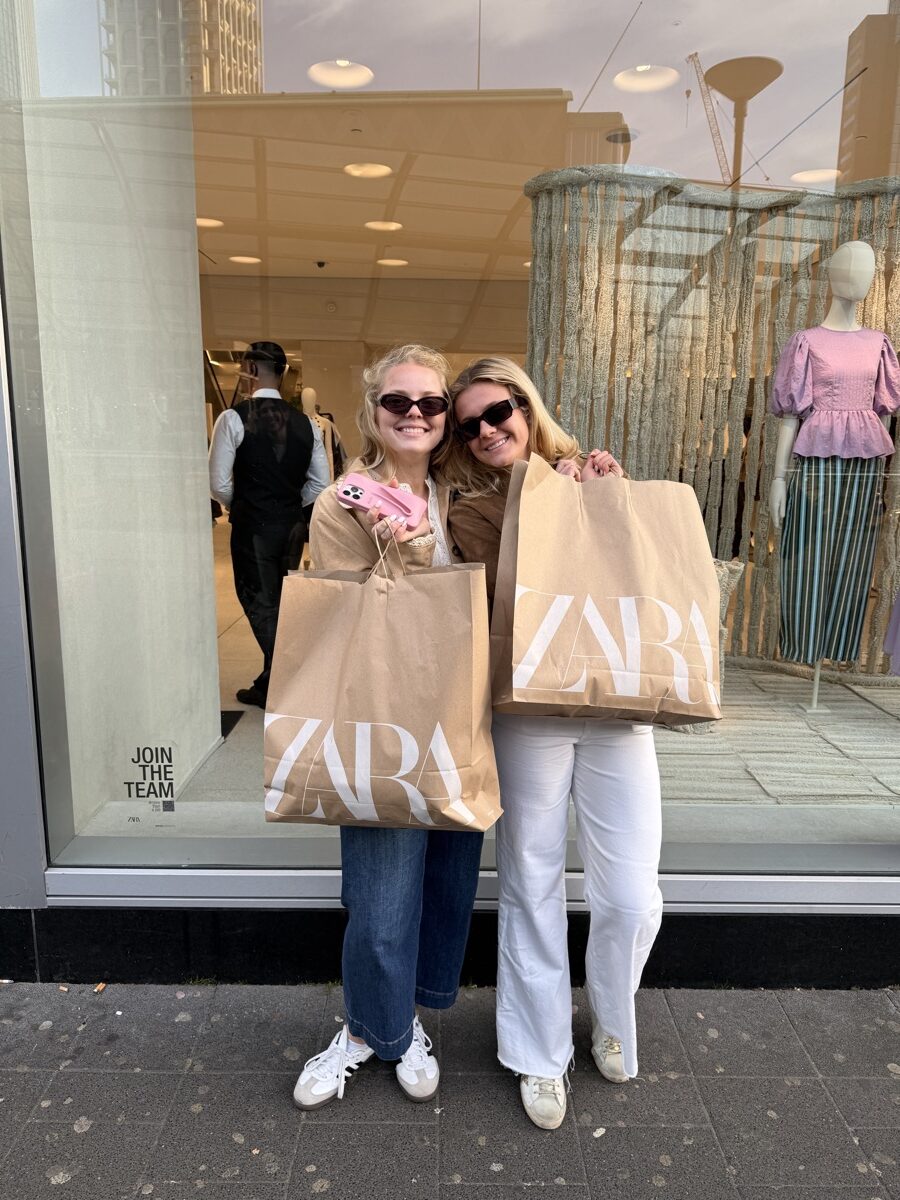
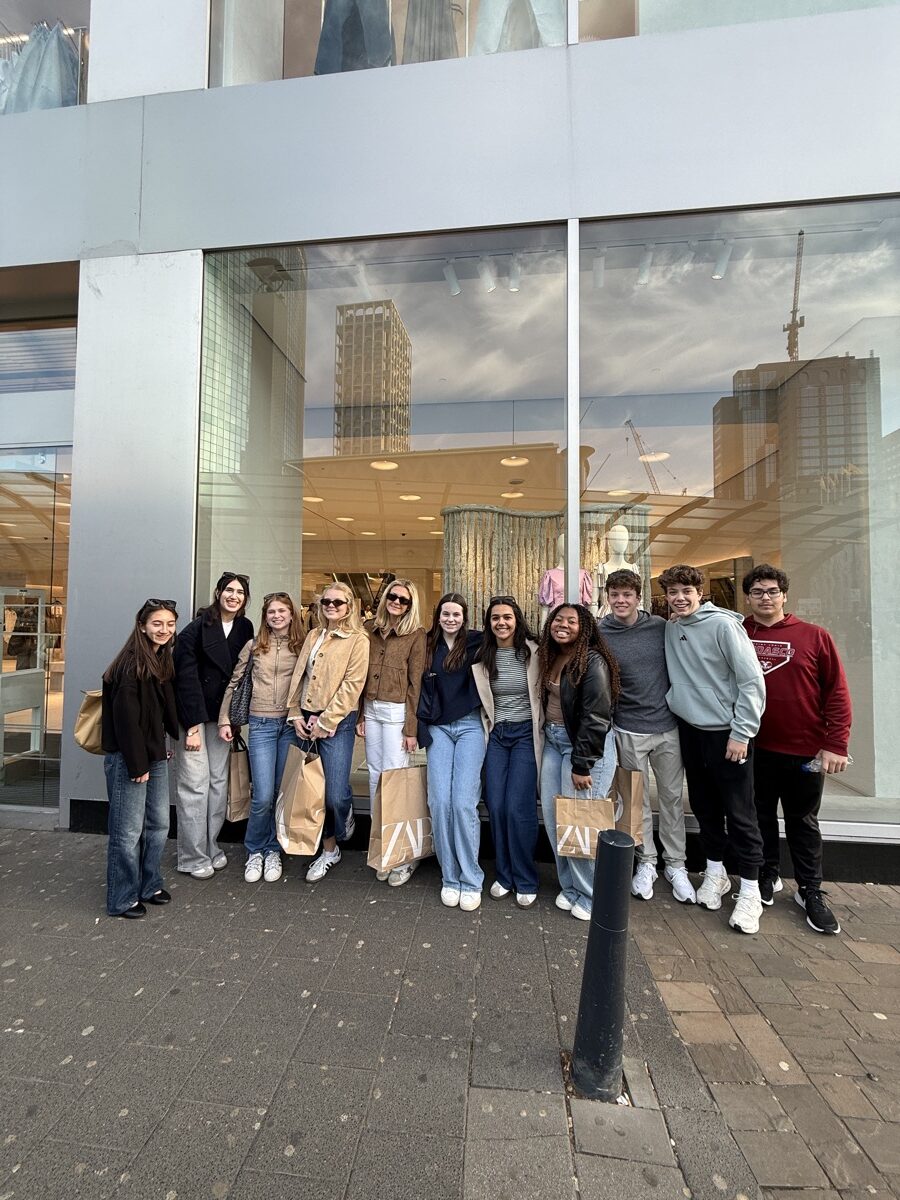
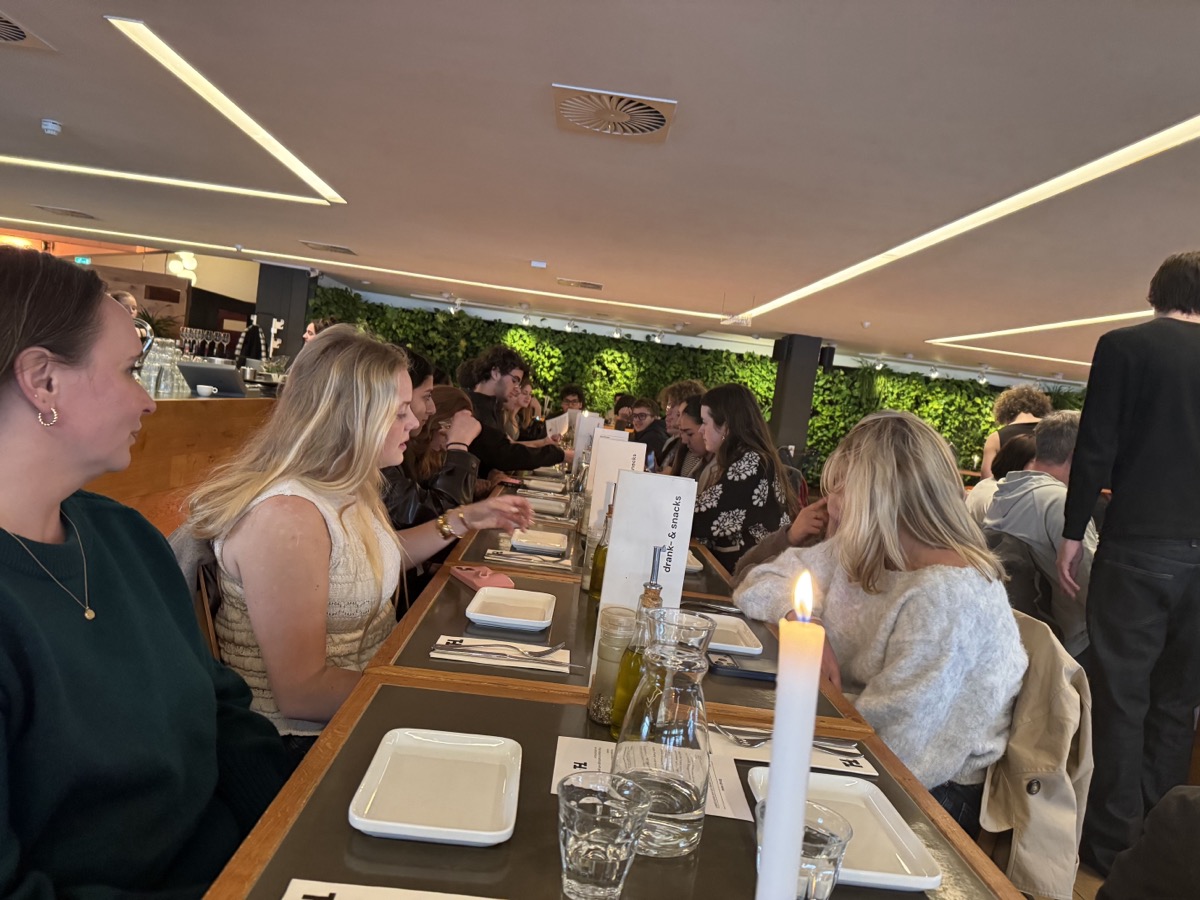
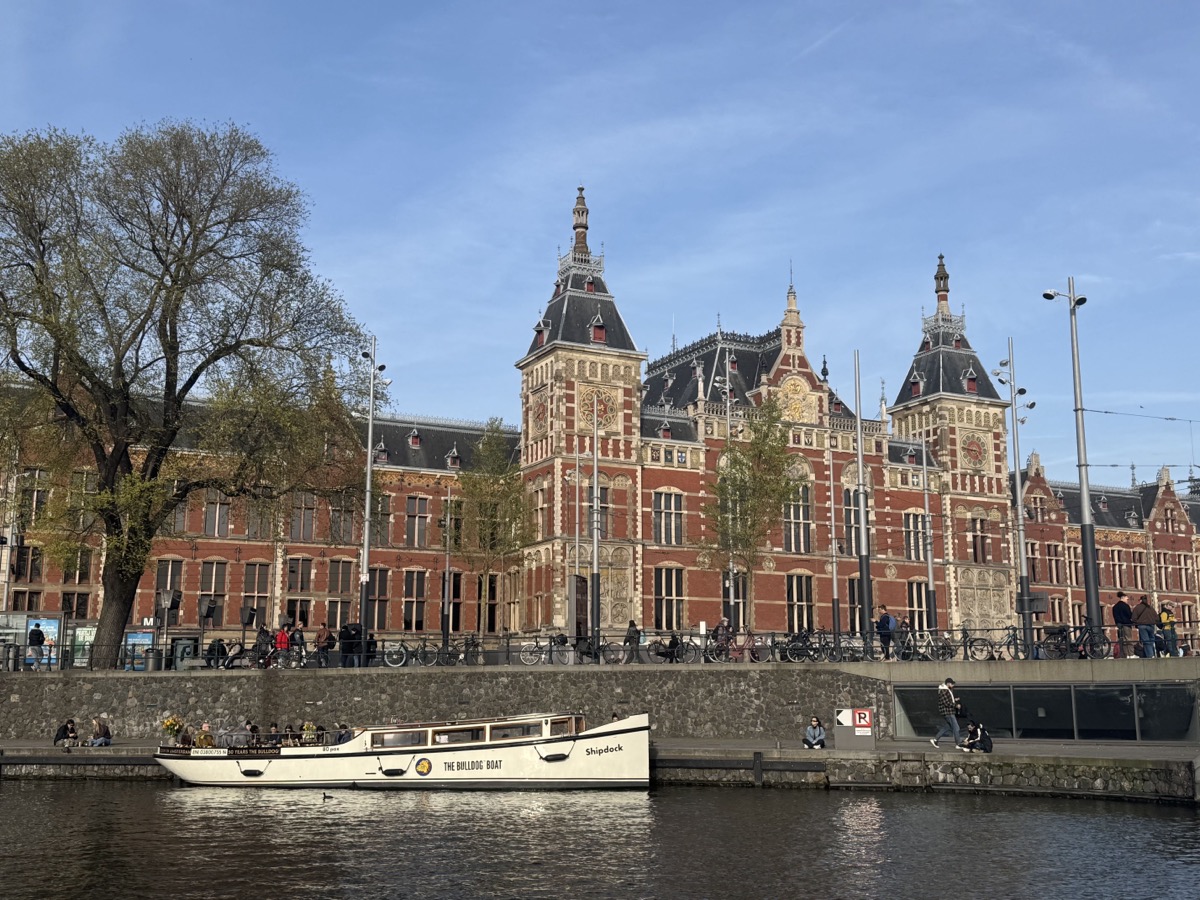
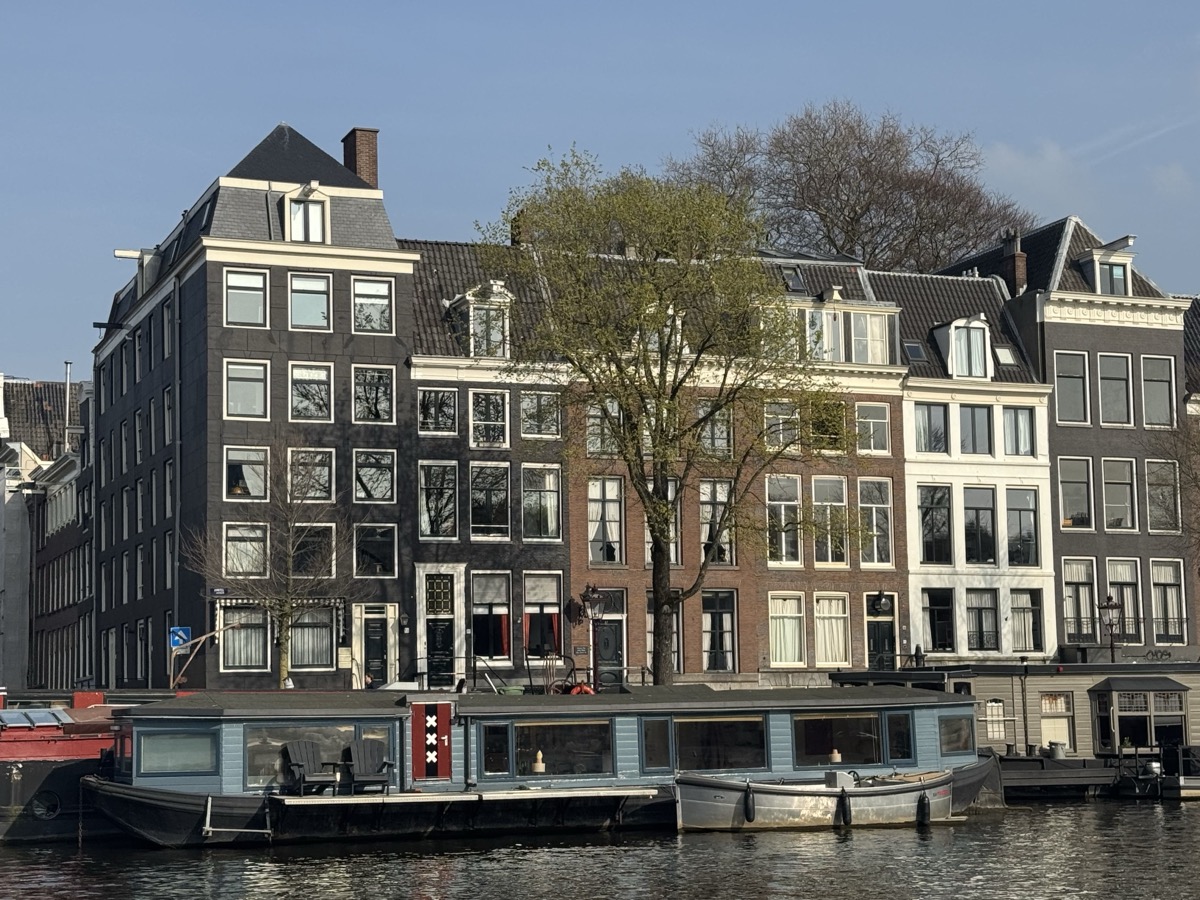
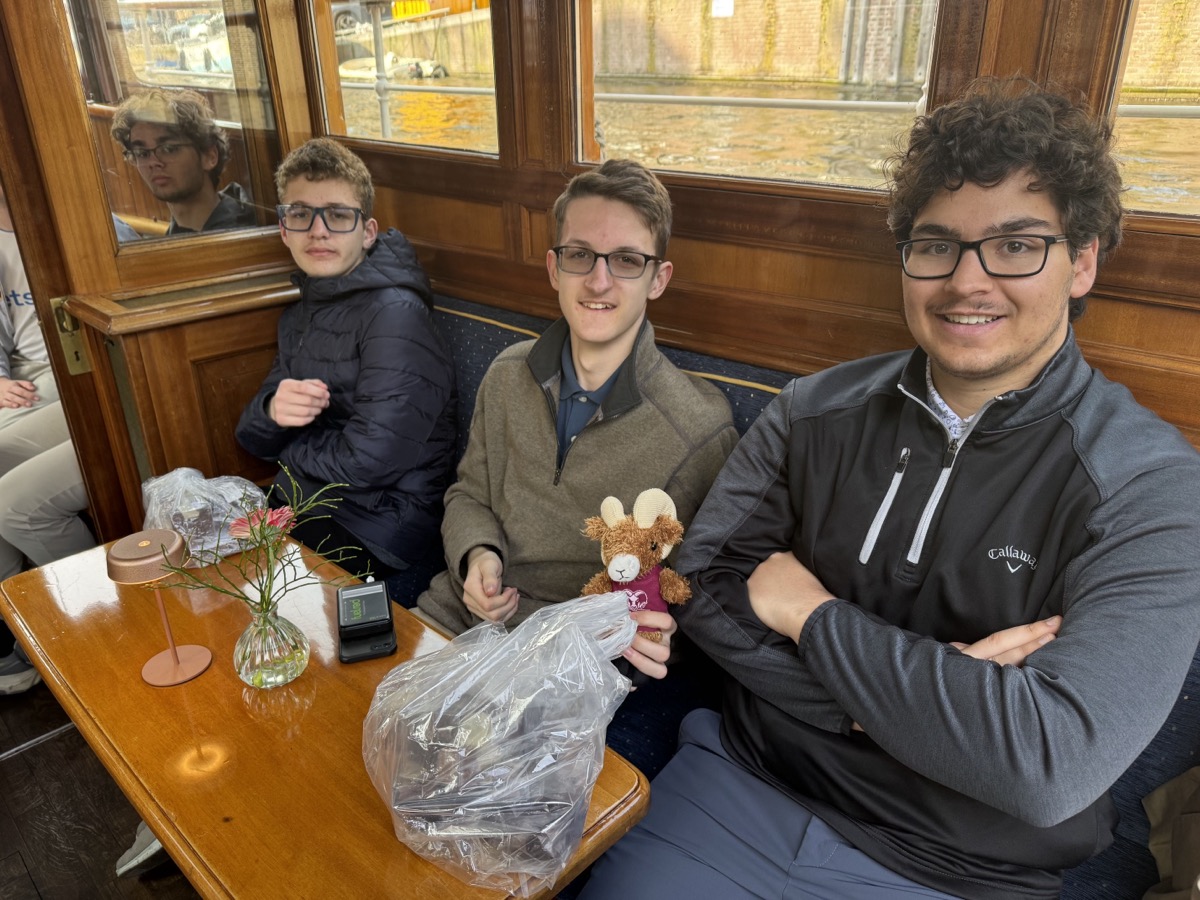
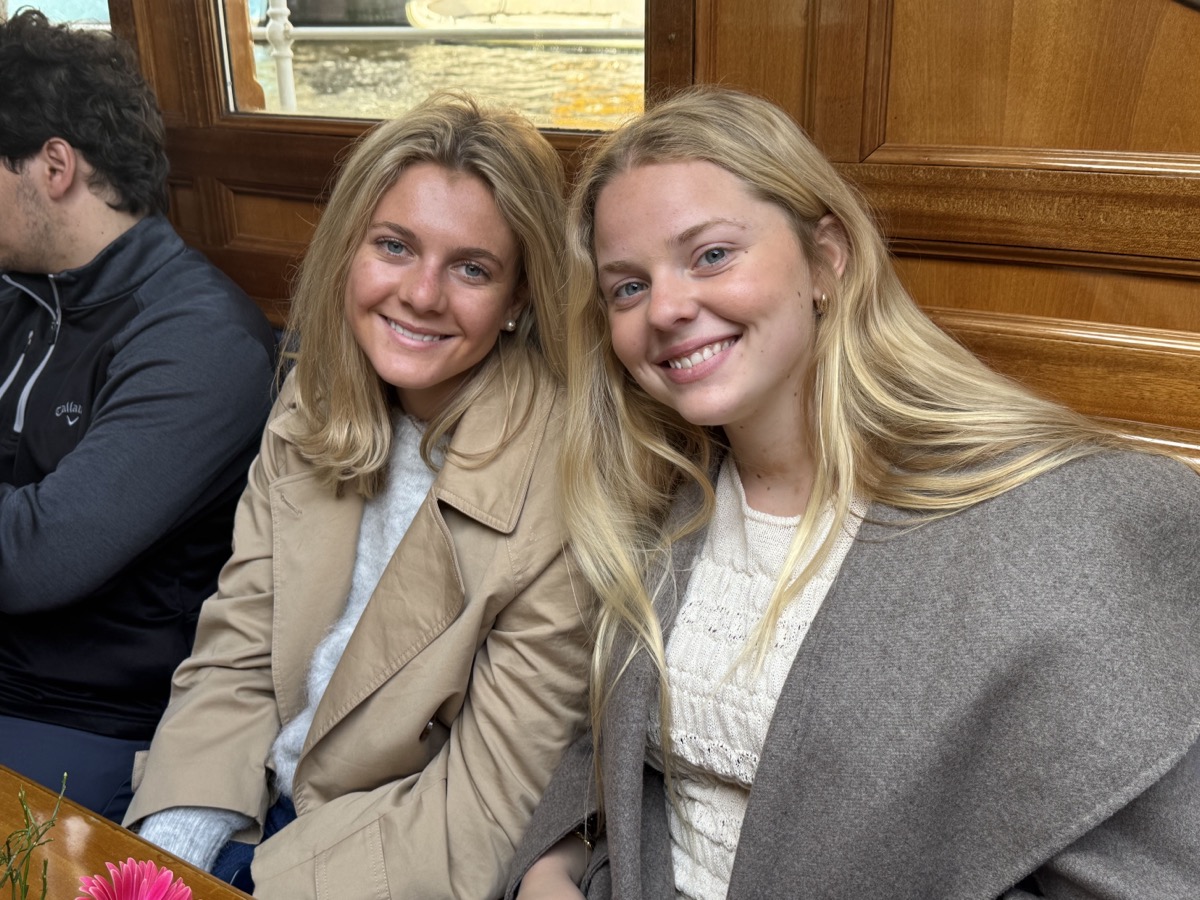
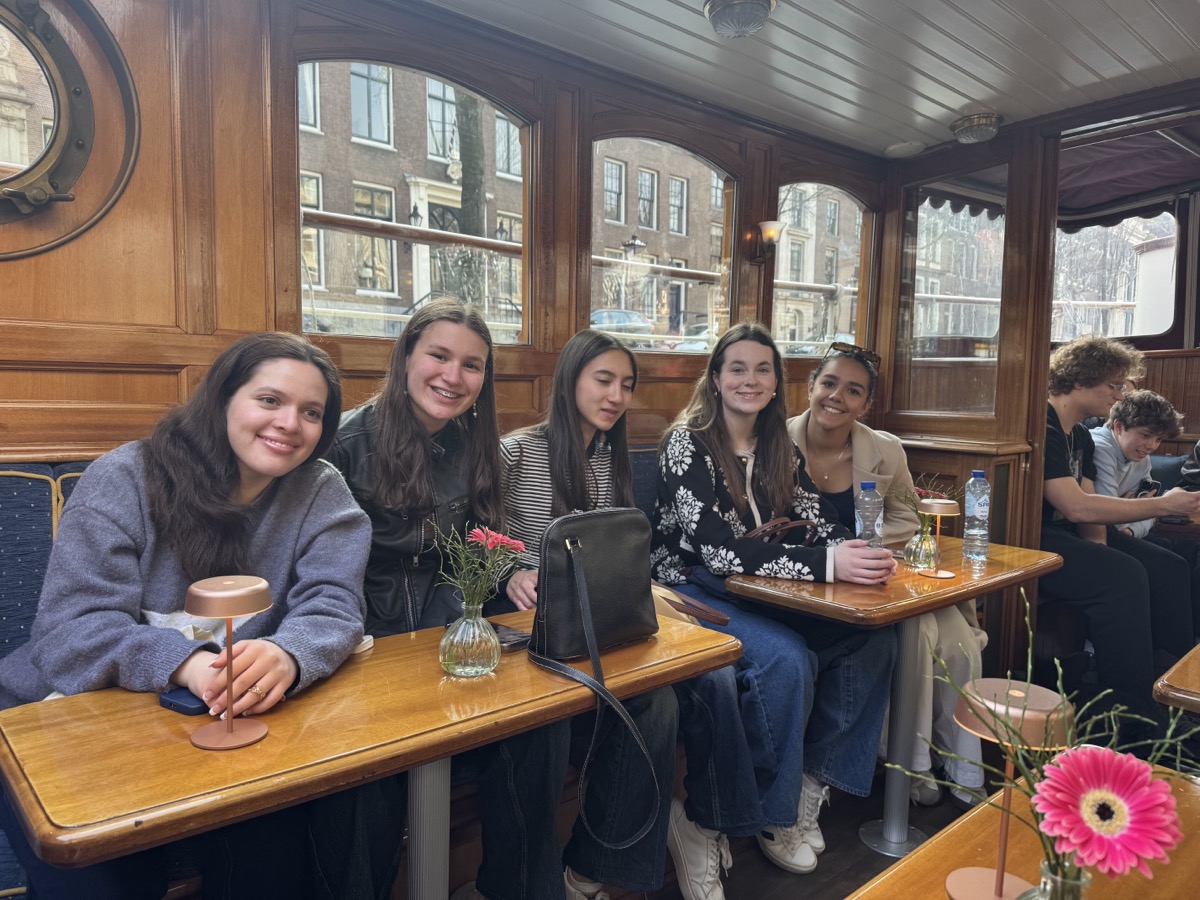
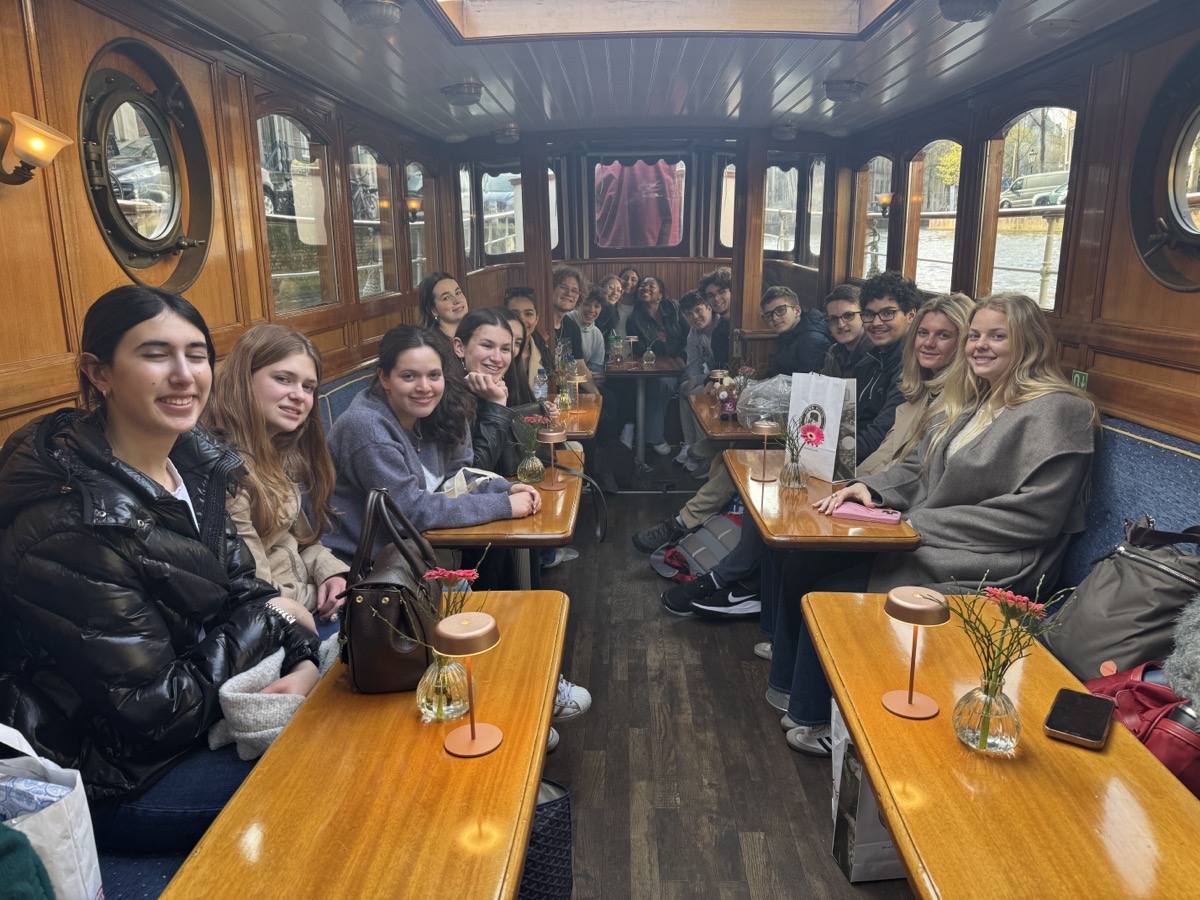
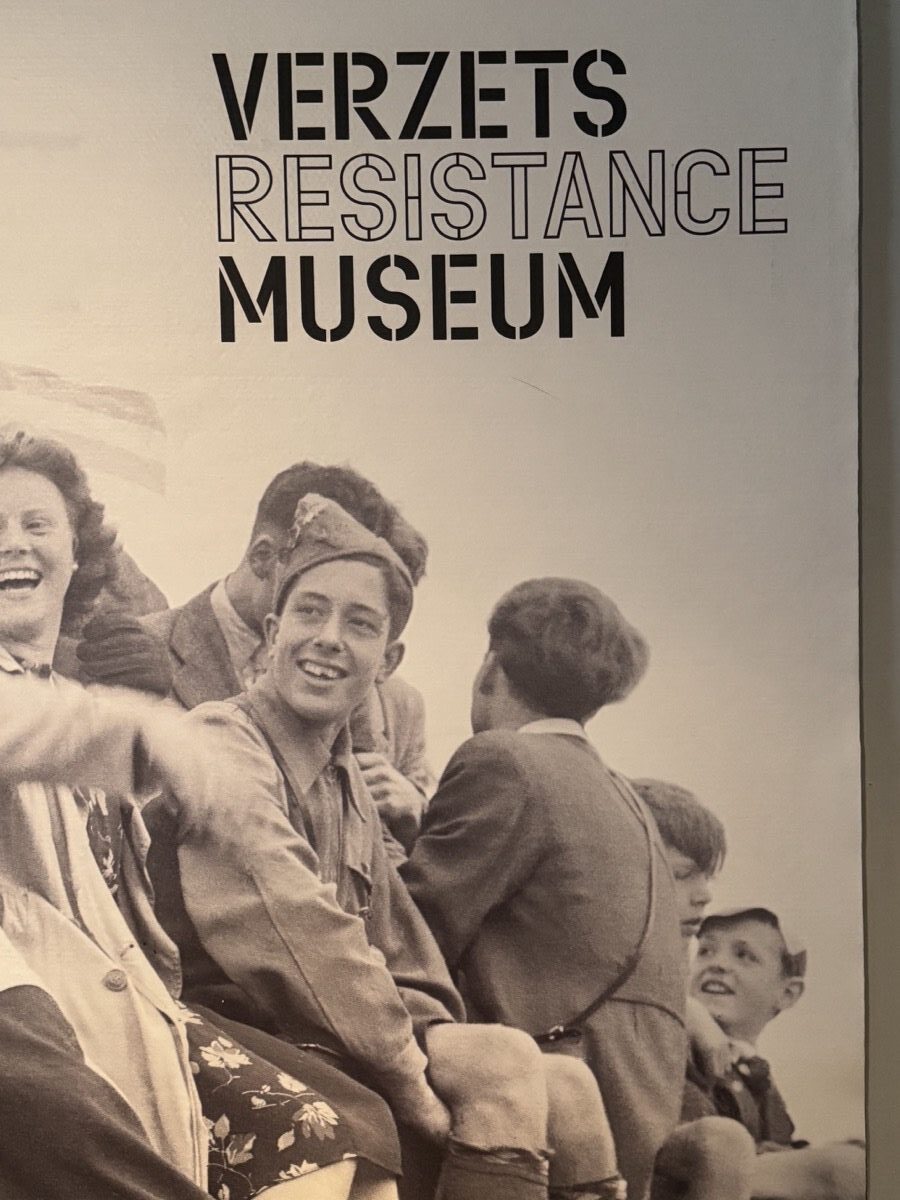
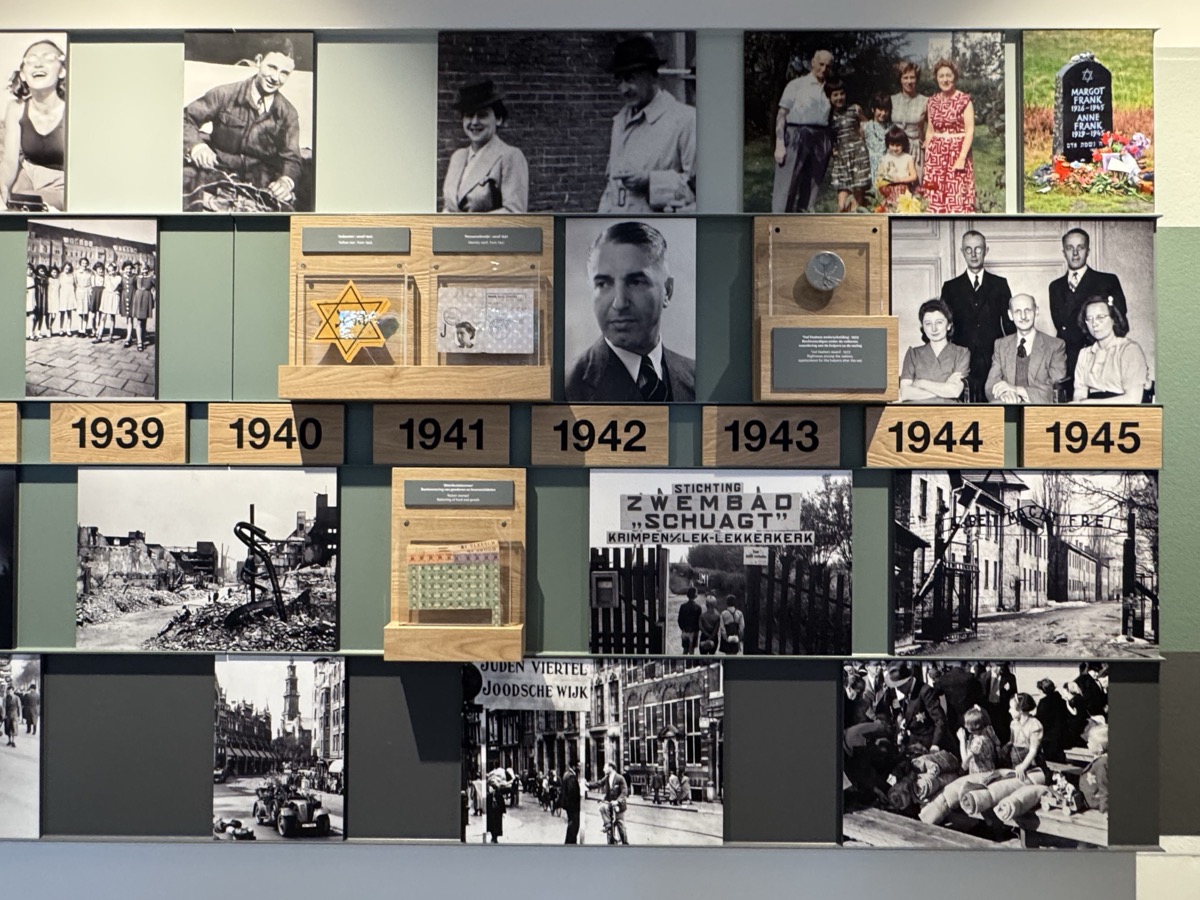
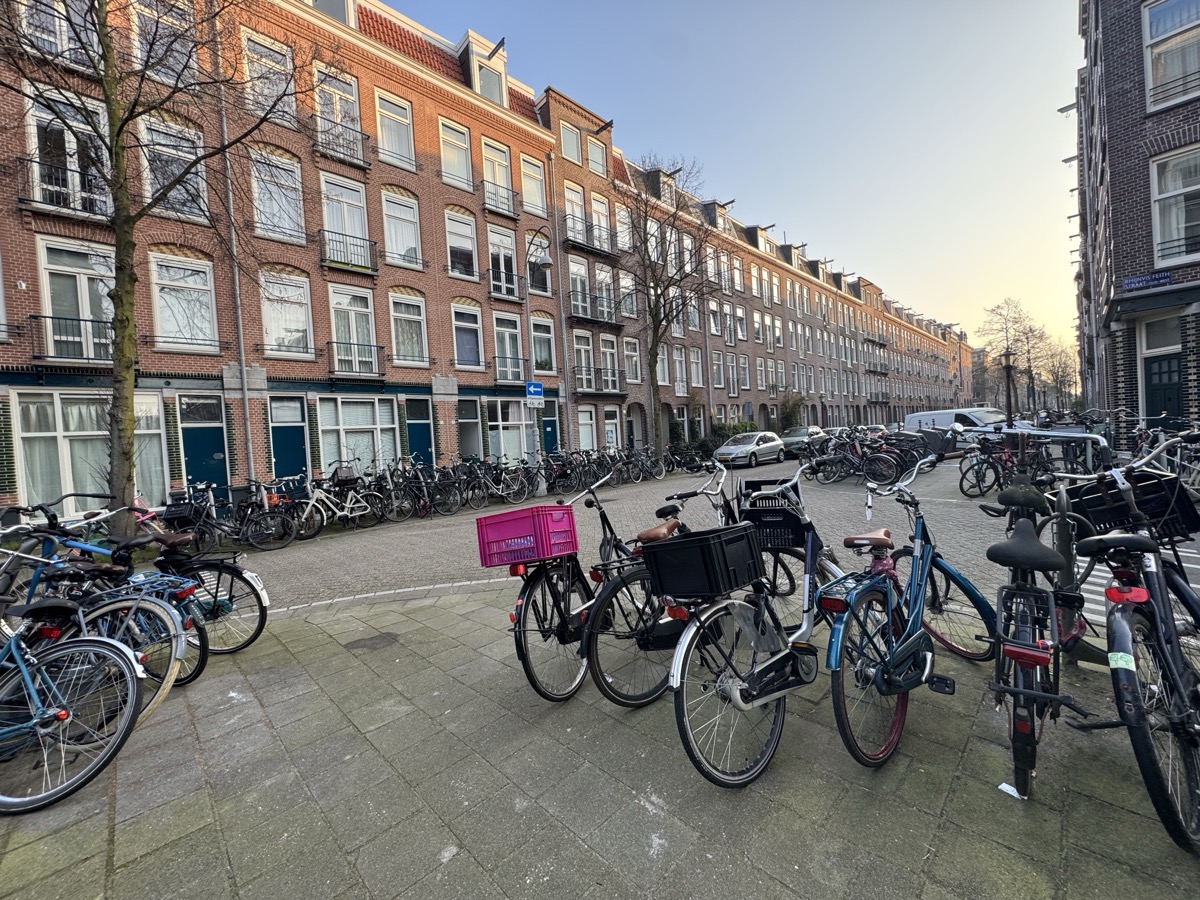
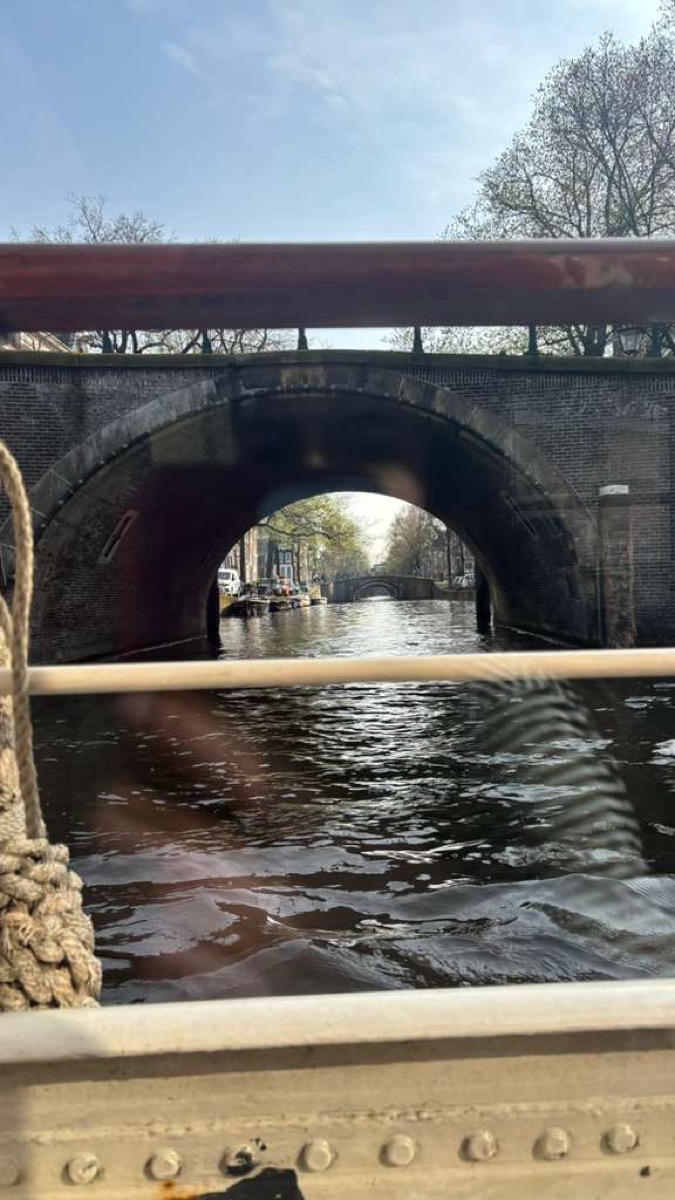
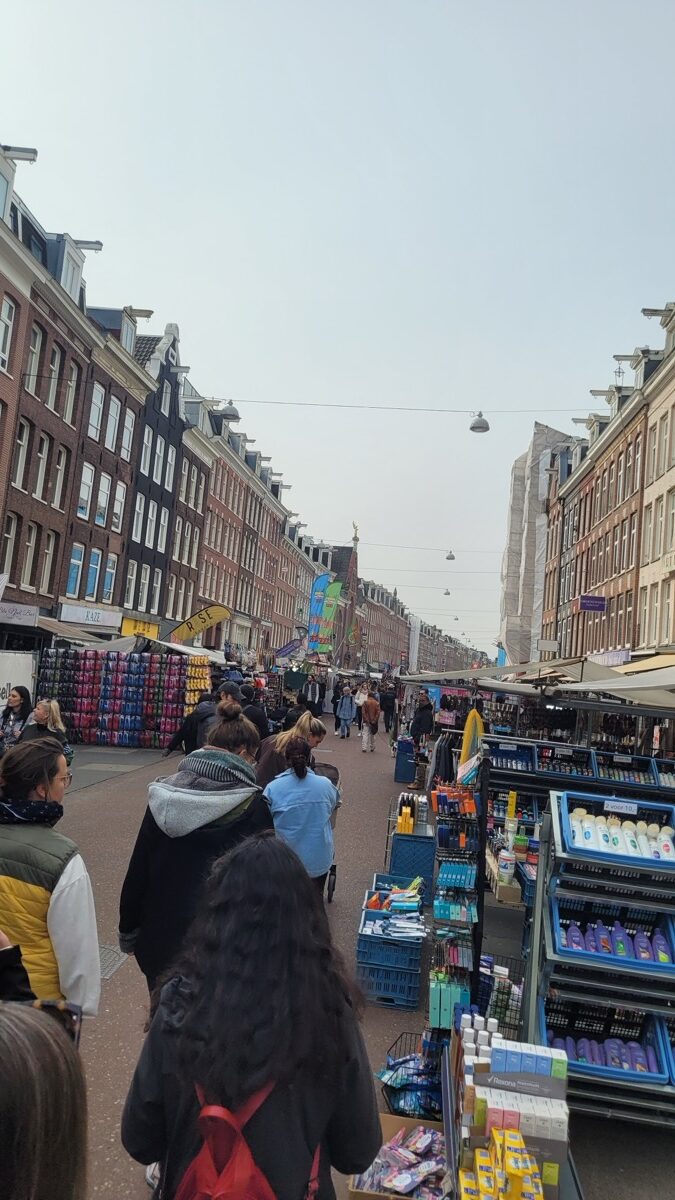
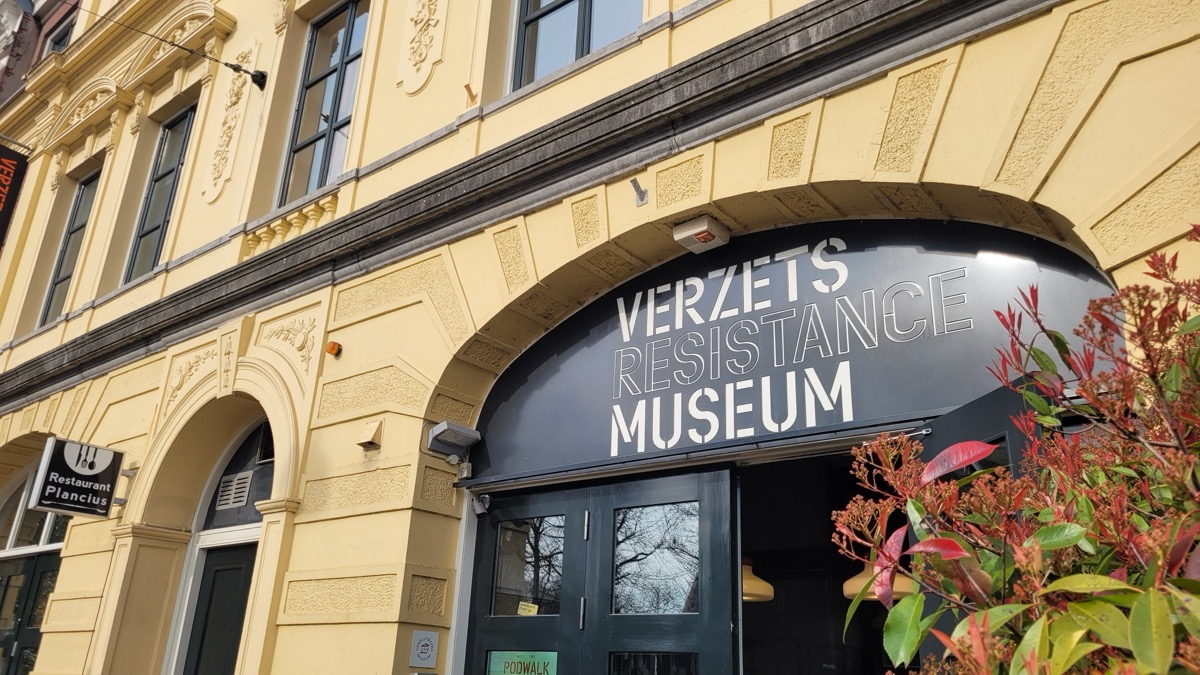
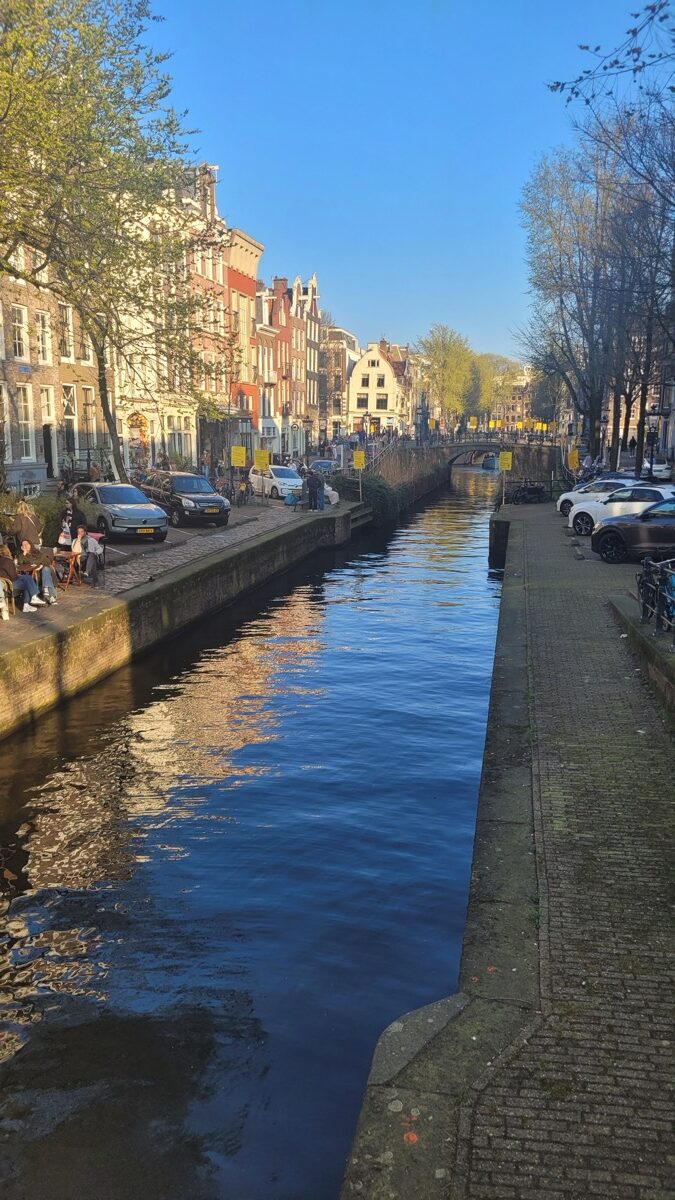
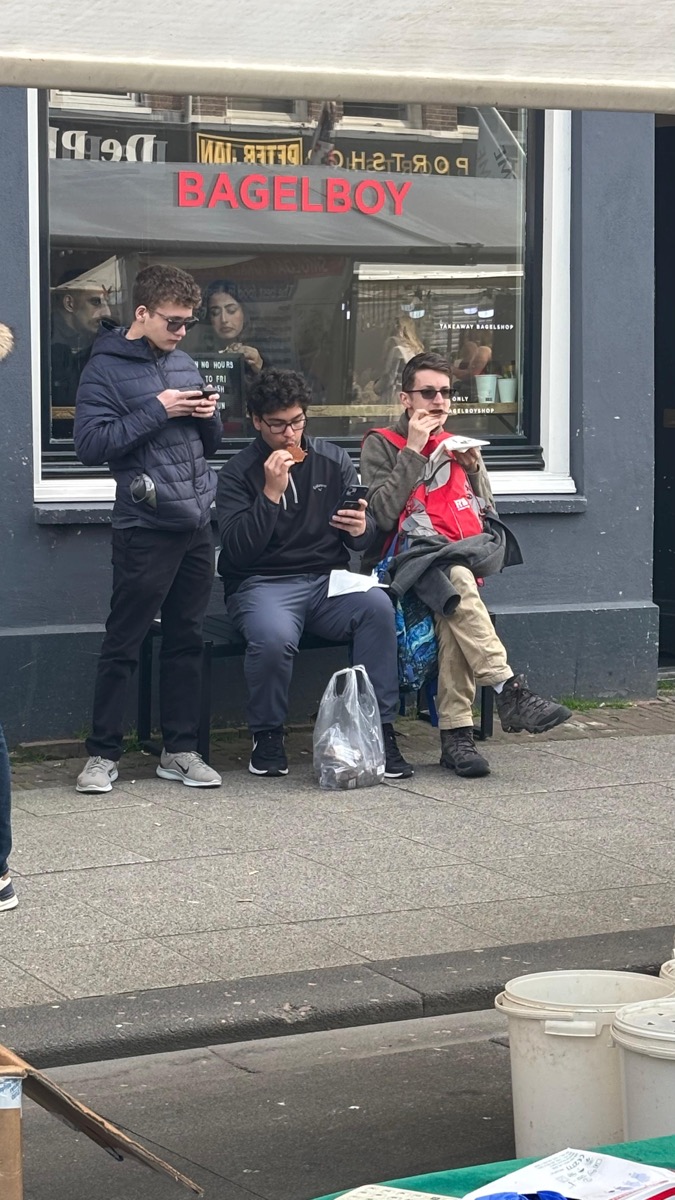
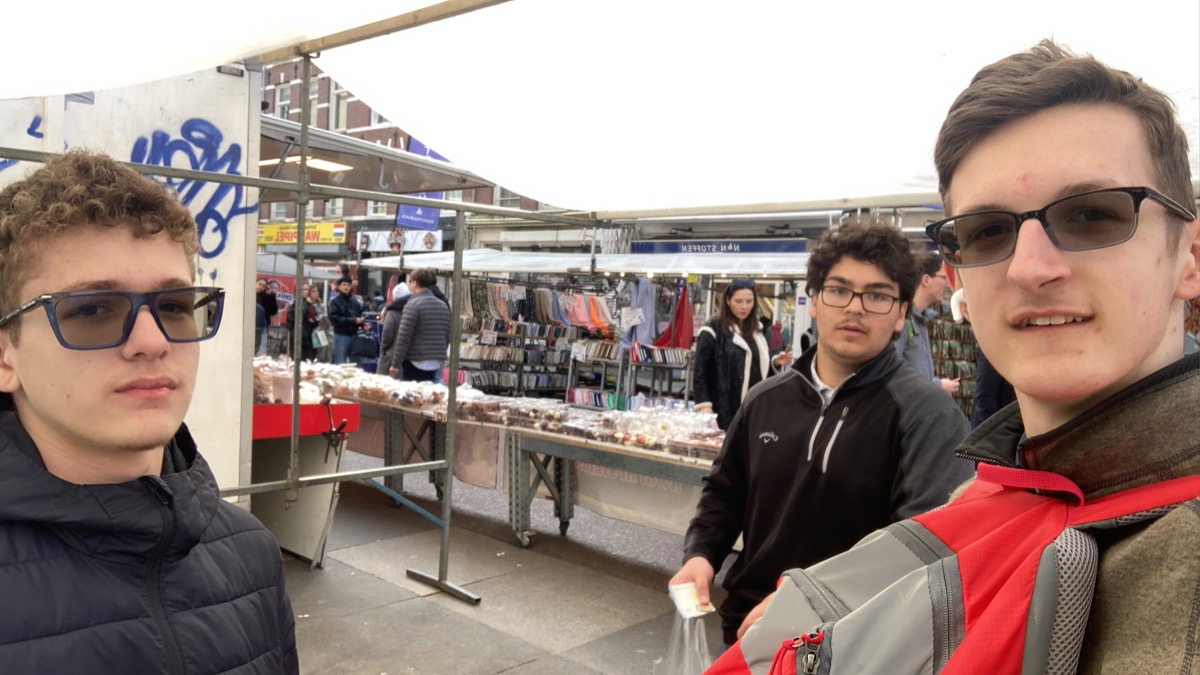
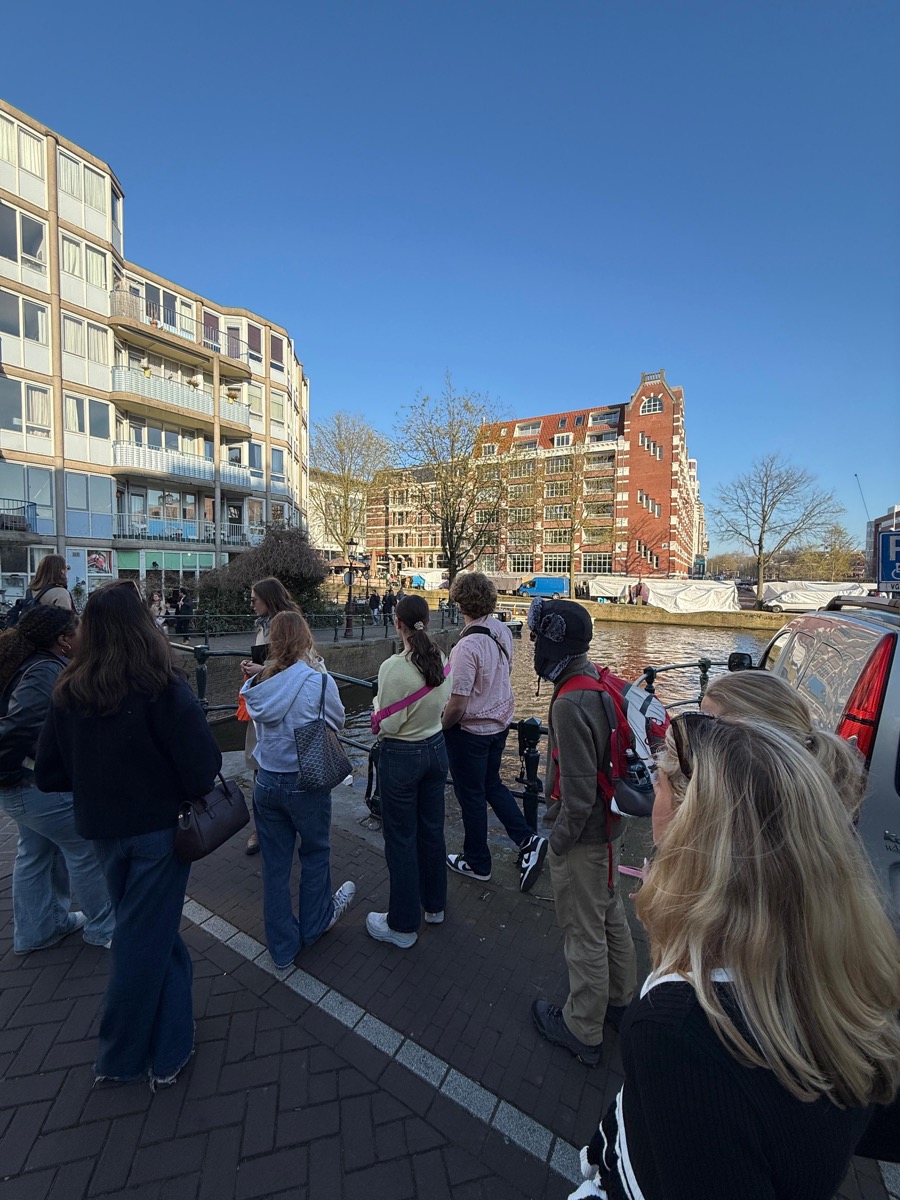
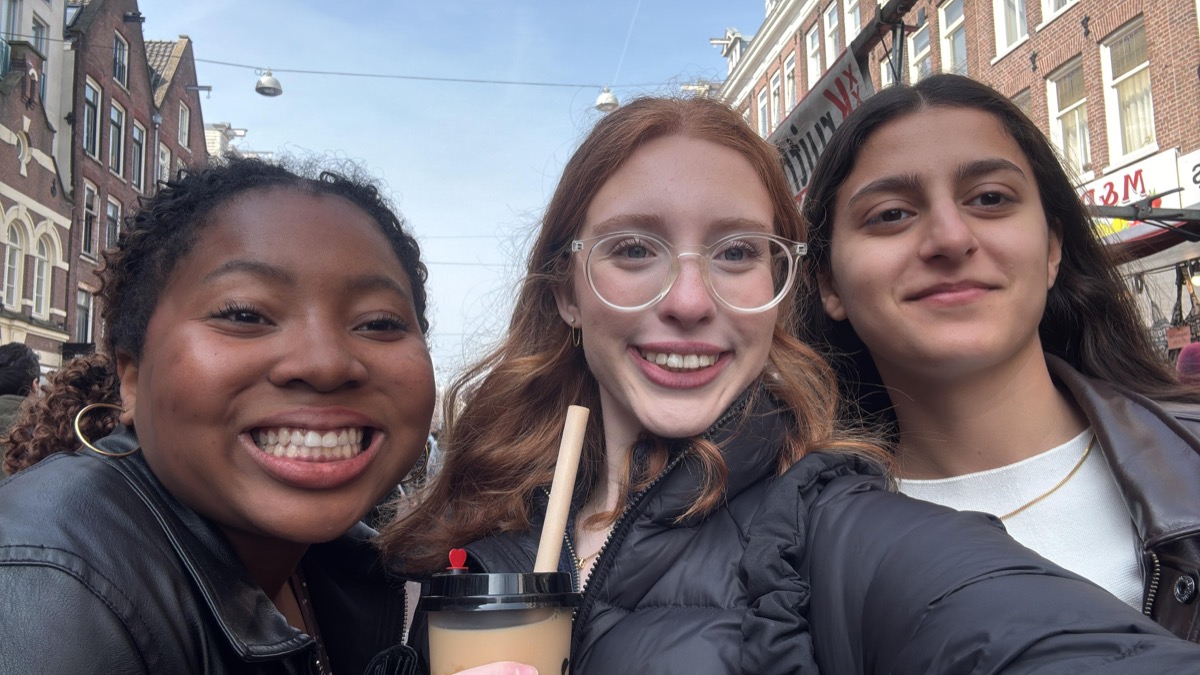
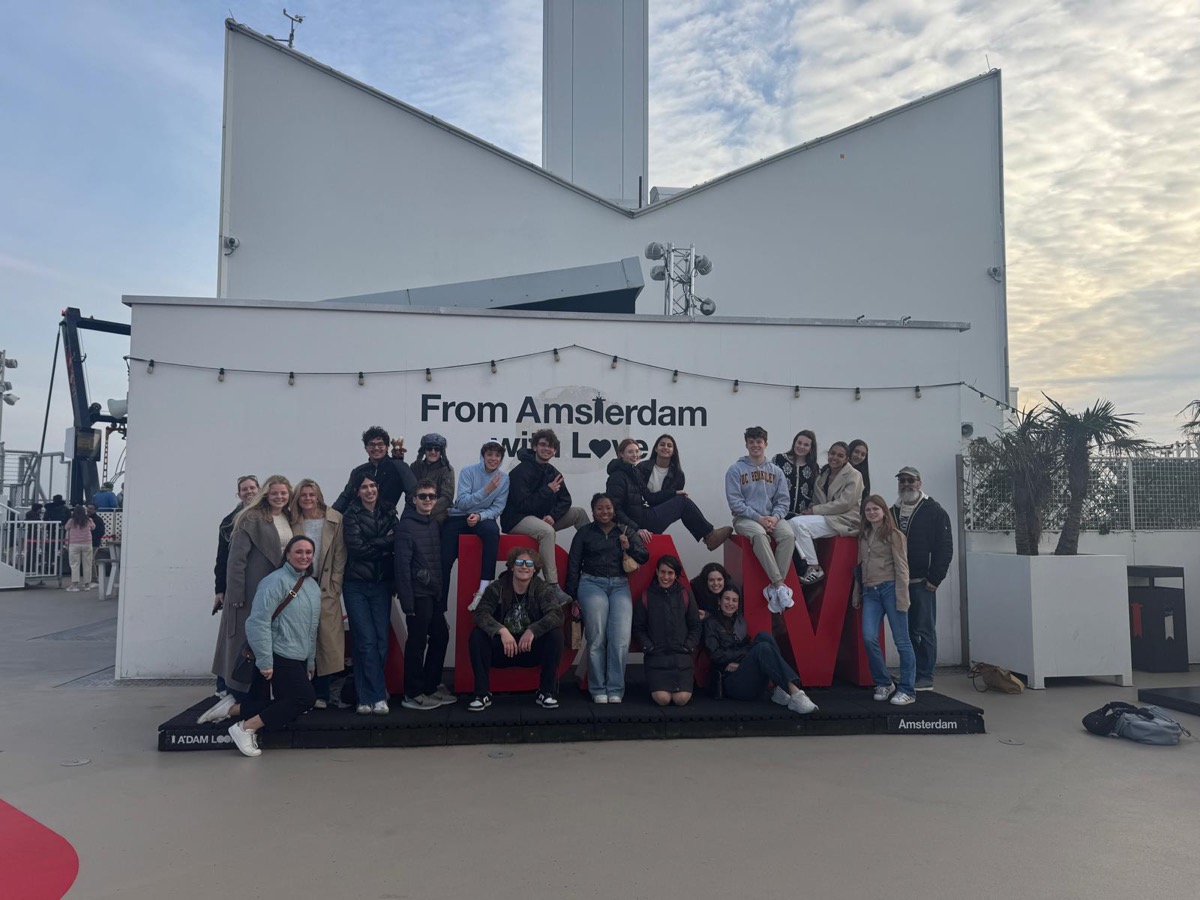
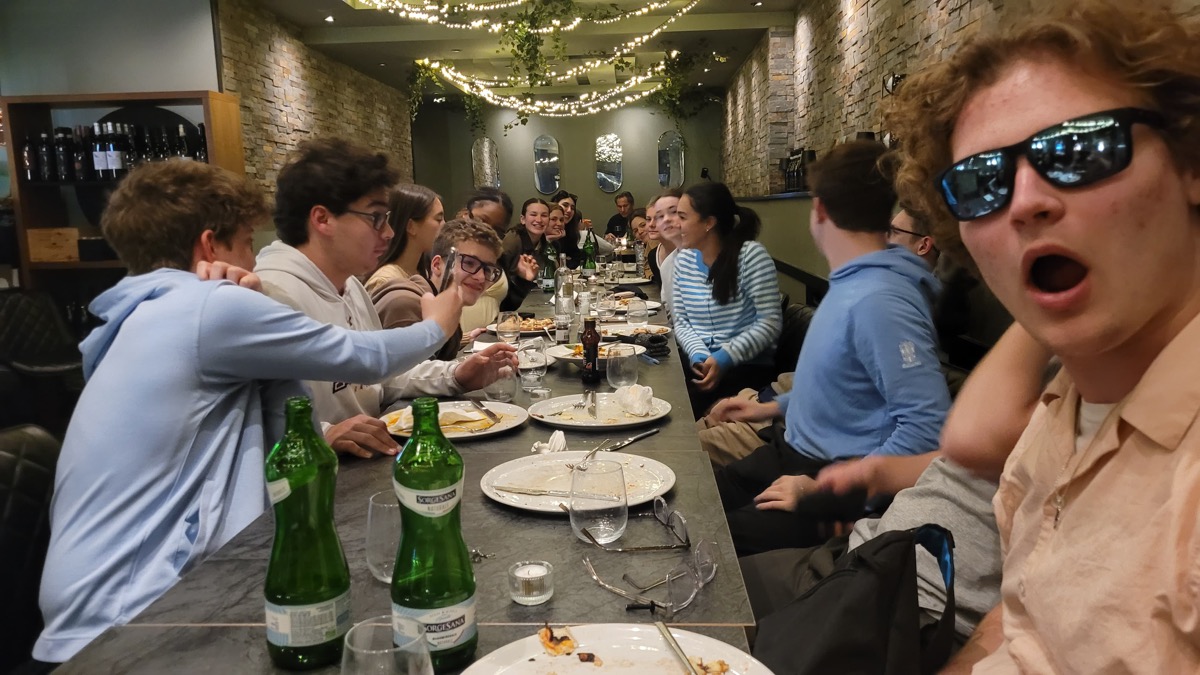
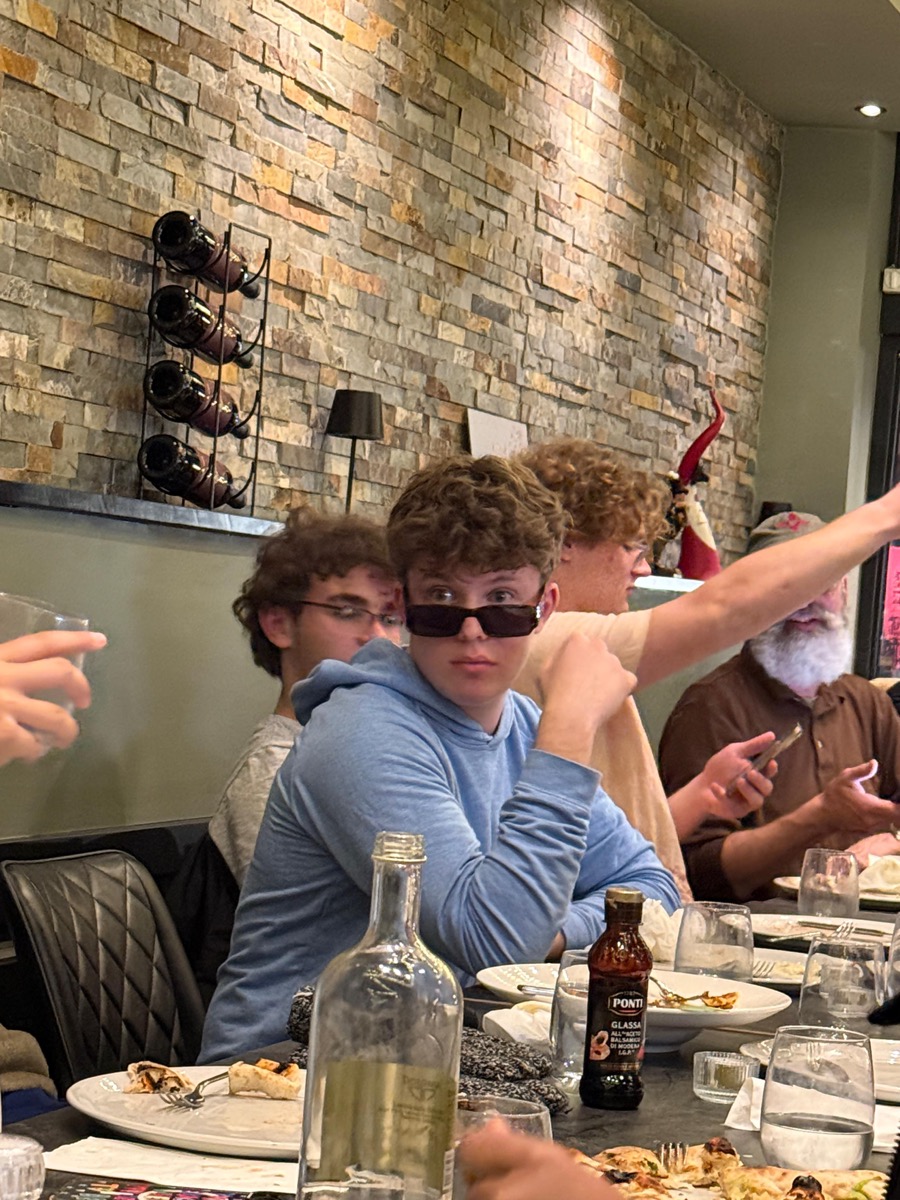
The students’ final day of the trip included a visit to the Dutch Resistance Museum, where they learned about the stories of everyday Dutch people during WWII. After a quick lunch and souvenir shopping at the incredible Albert Cuyp Market, they cruised Amsterdam’s canals and gained a different perspective on this amazing city. The trip closed with a final dinner together in a former maritime district.
Pickett said, “We went to a market in Amsterdam where we got crêpes. I got a savory Dutch cheese crepe and a Nutella-and-strawberry crepe. This was by far the best food I ate because it was different, but very fun and very fresh. The Albert Cuypmarkt had so many options, but I loved the crepes the most!”
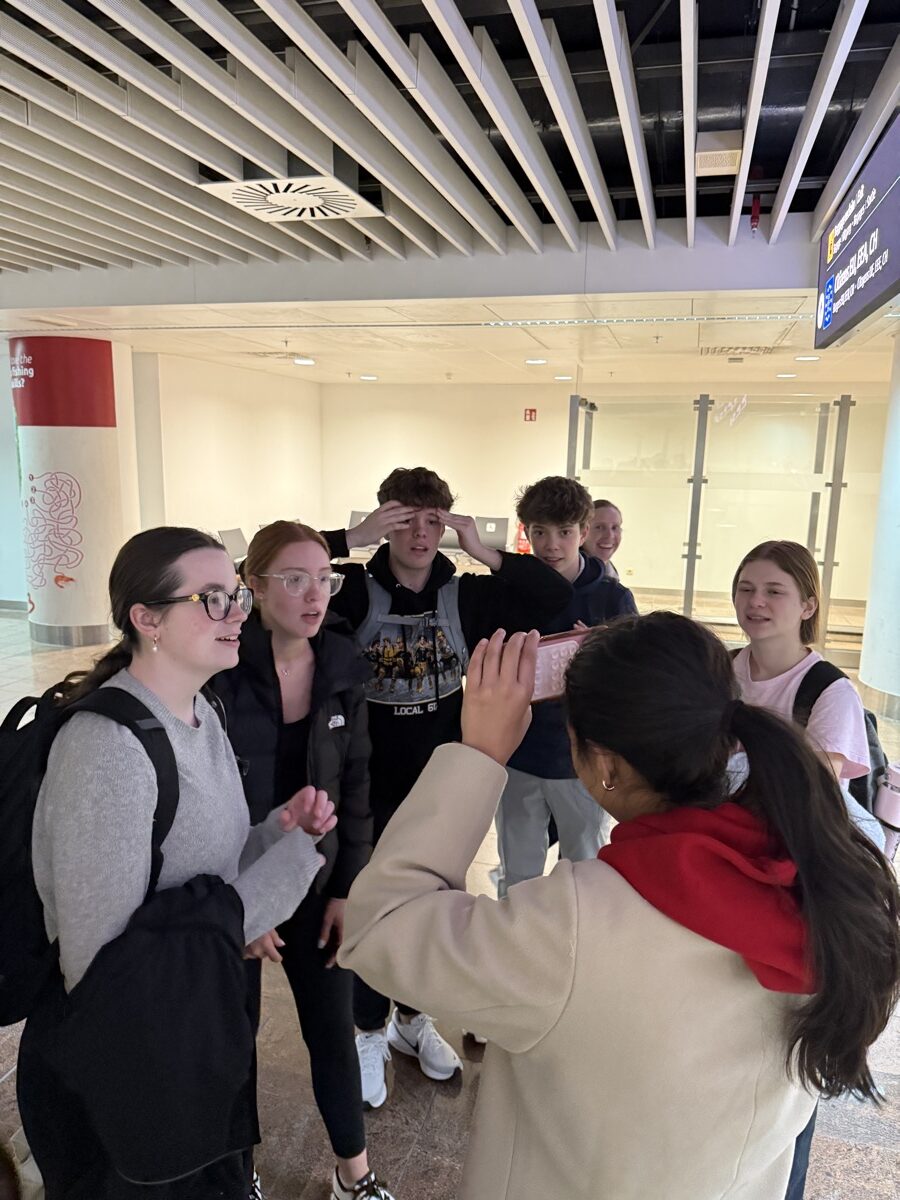
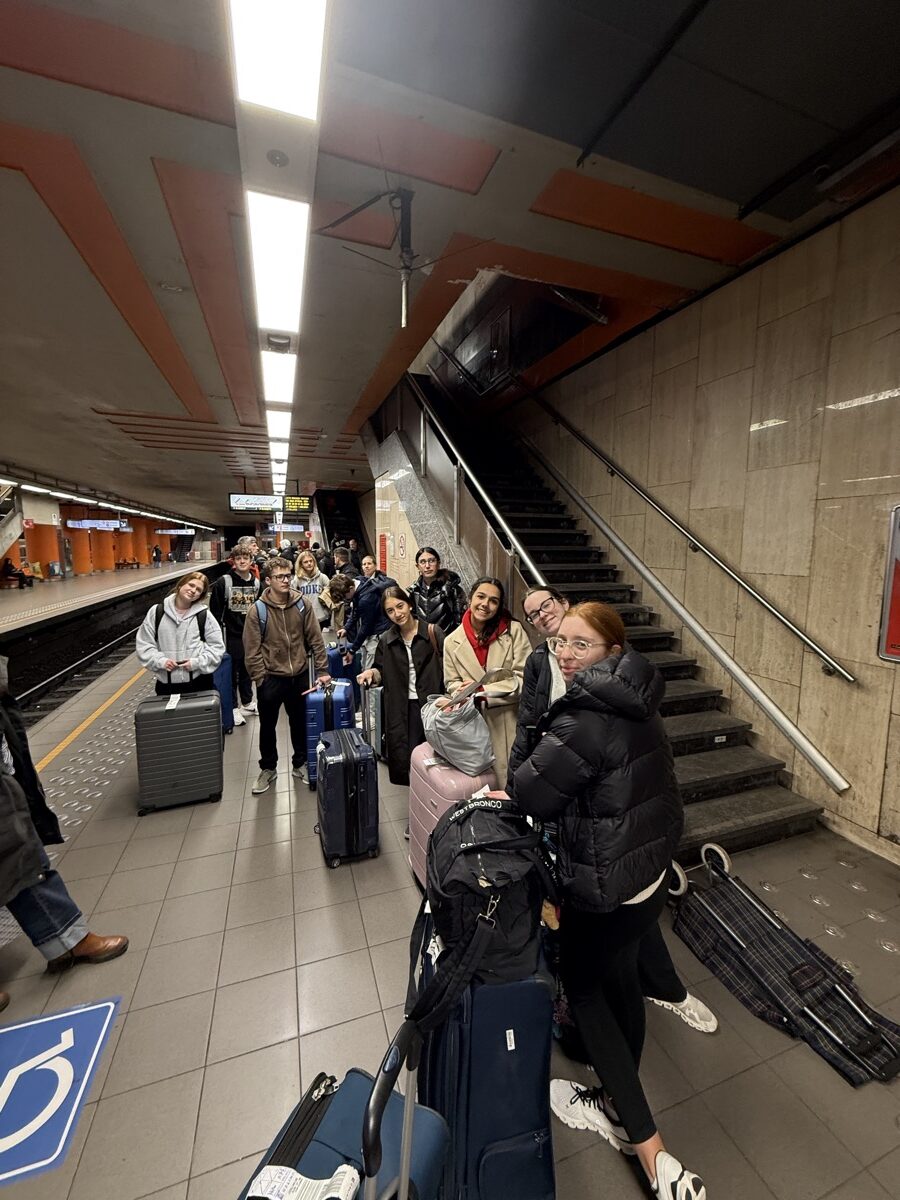
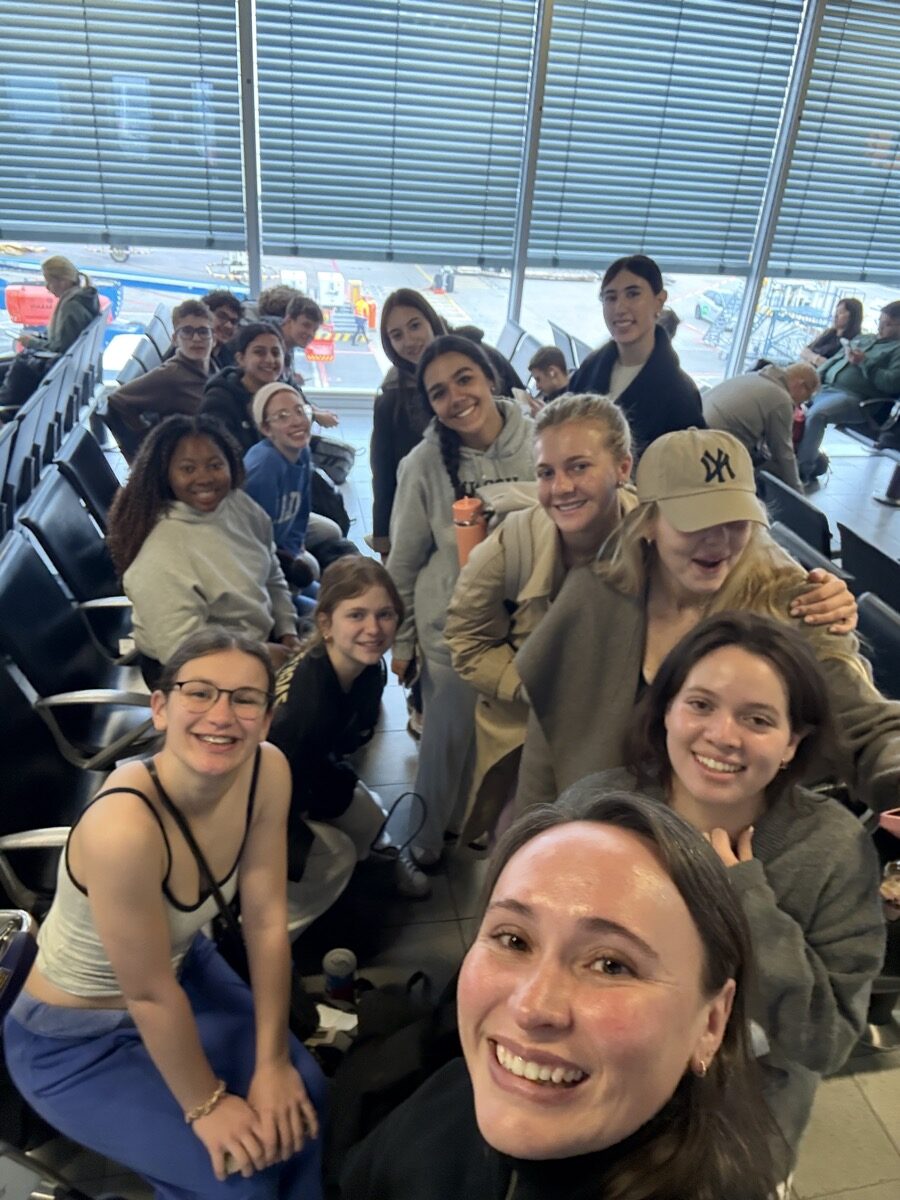
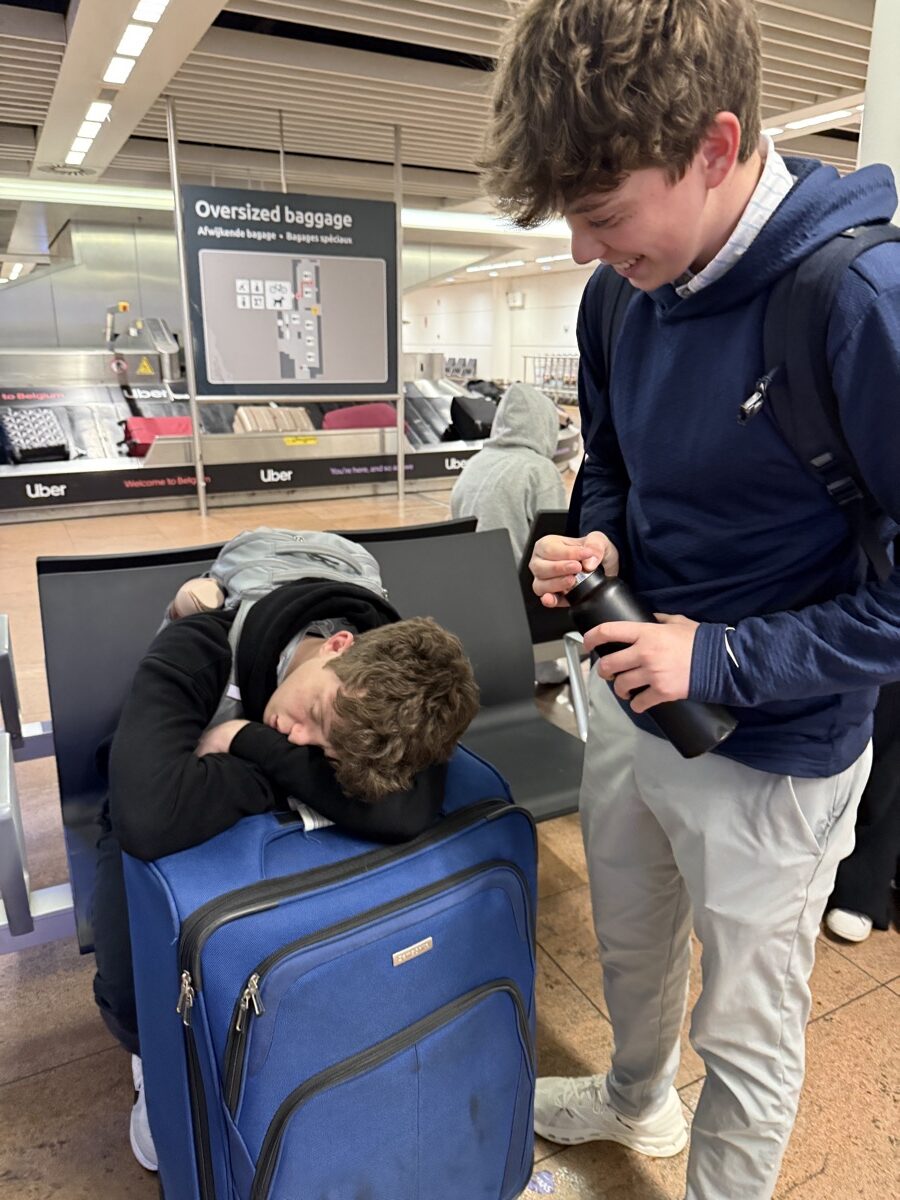
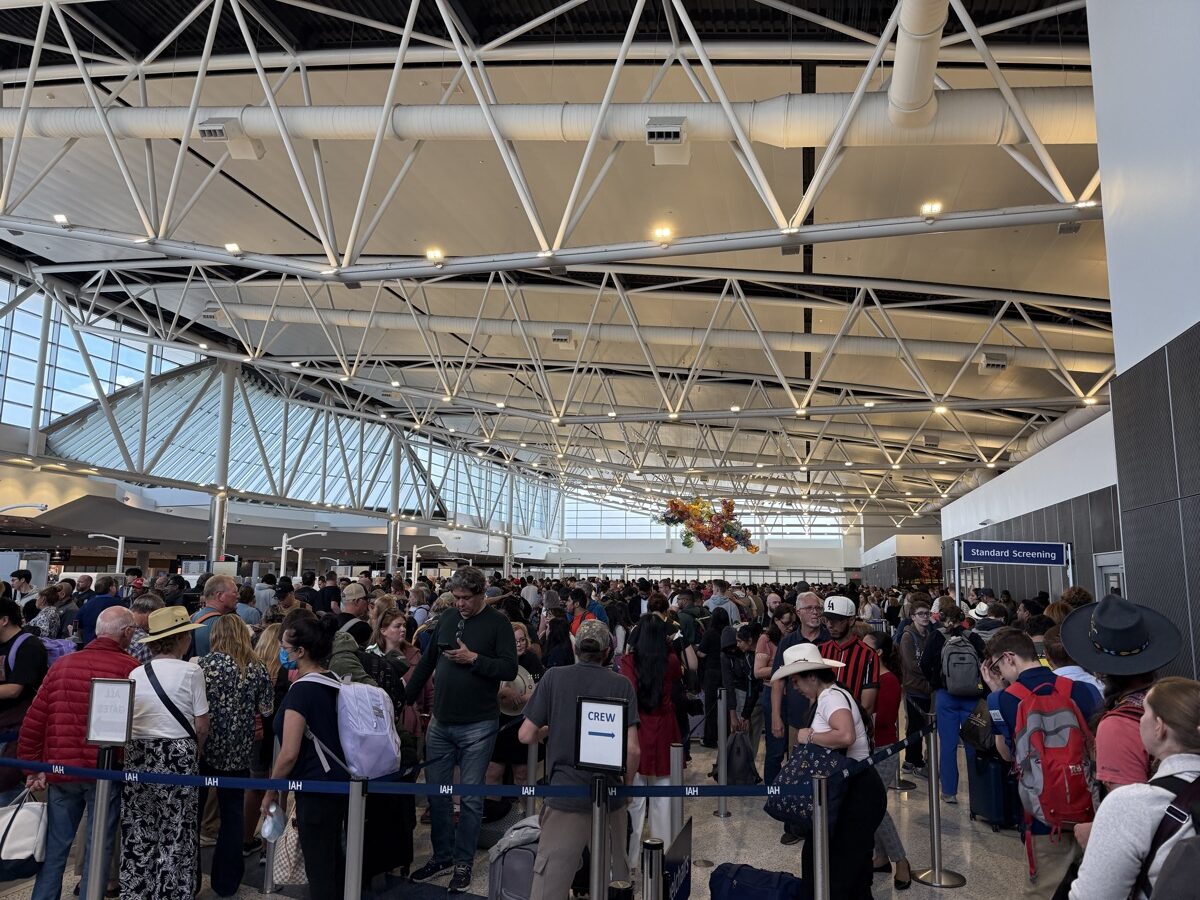
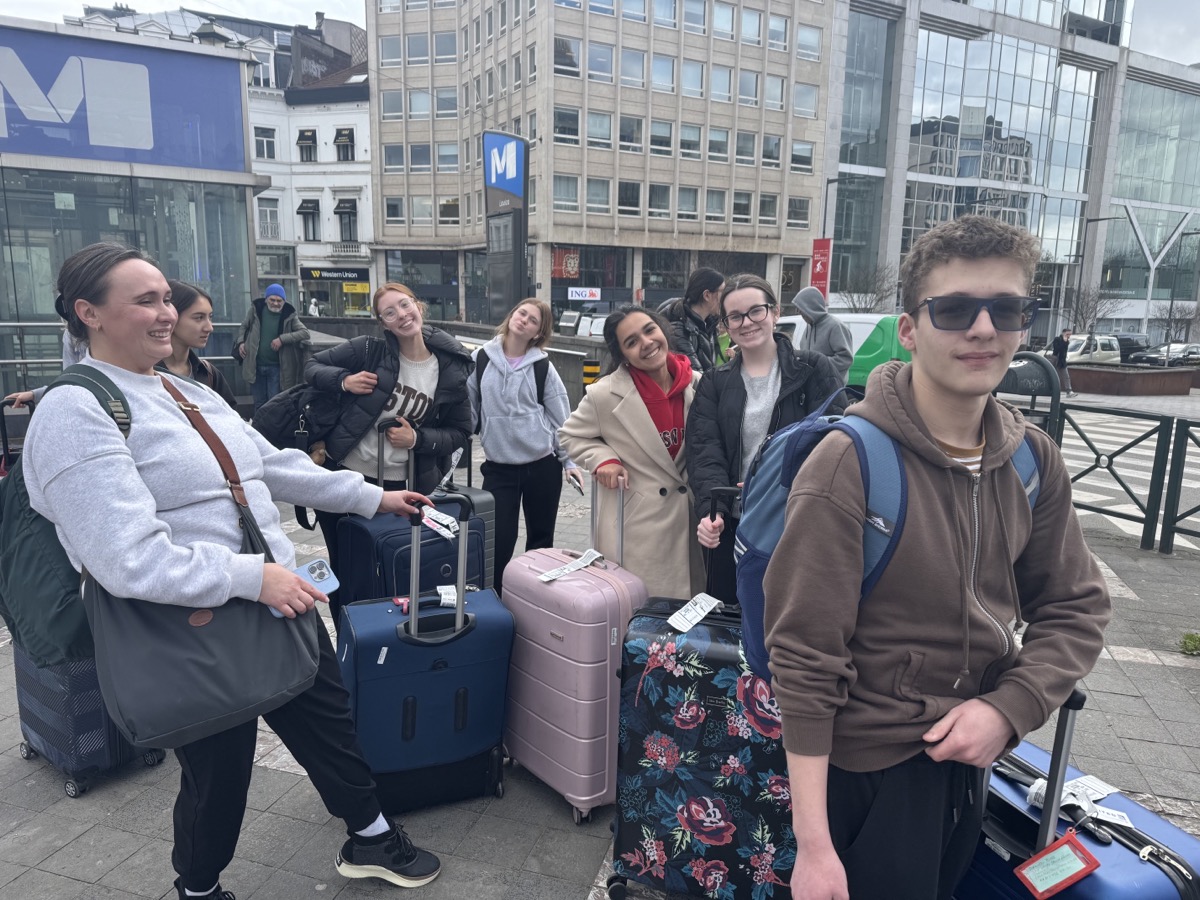
Trip Chaperone & Upper School Counselor David Hotaling said, “On a trip like this, in addition to appreciating the history, art, culture, and food, I like to pay attention to our group of kids and how they’re managing everything that’s thrown at them. This group of students impressed me at every turn. Despite flight delays, loooooong customs lines, managing public transportation challenges, and several early mornings, this group never complained and displayed good humor, curiosity, and companionship throughout the trip. Kudos to all!”
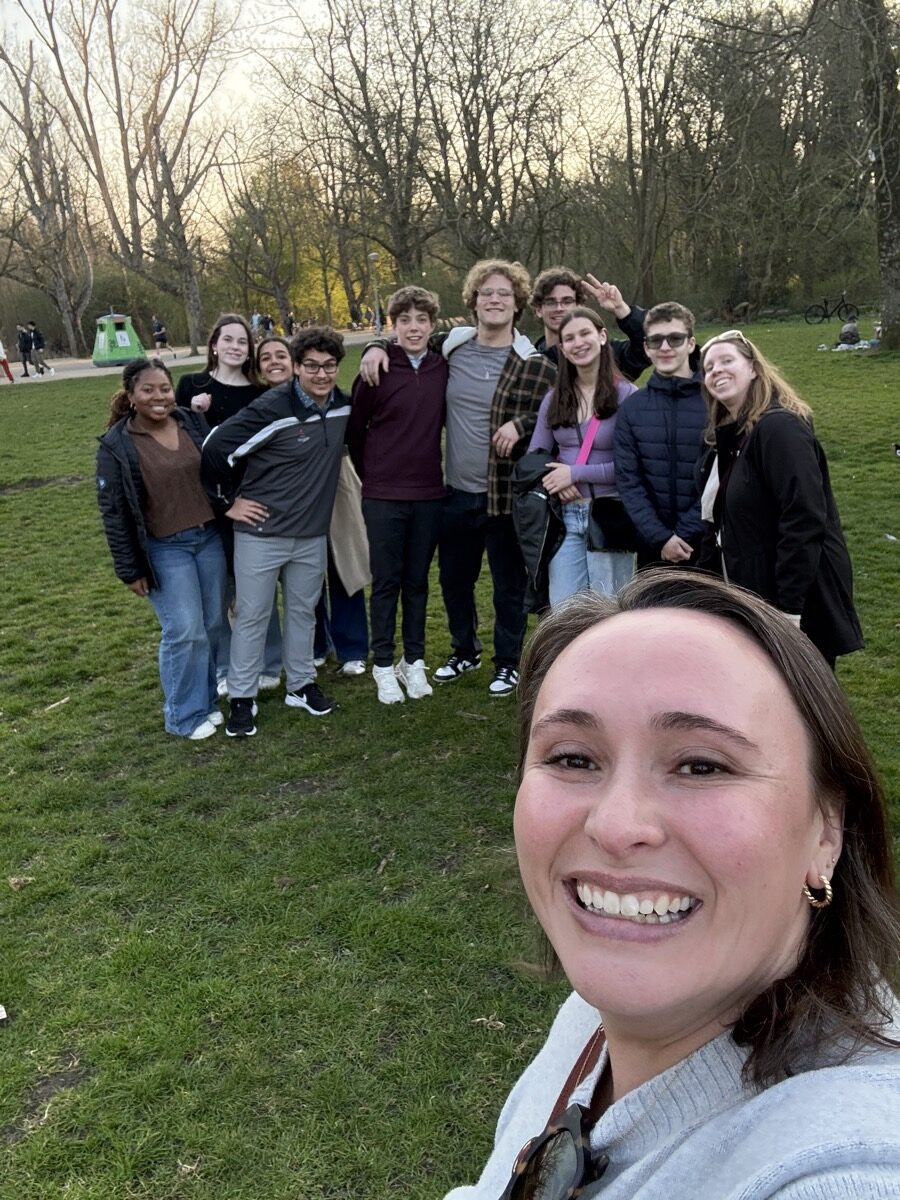
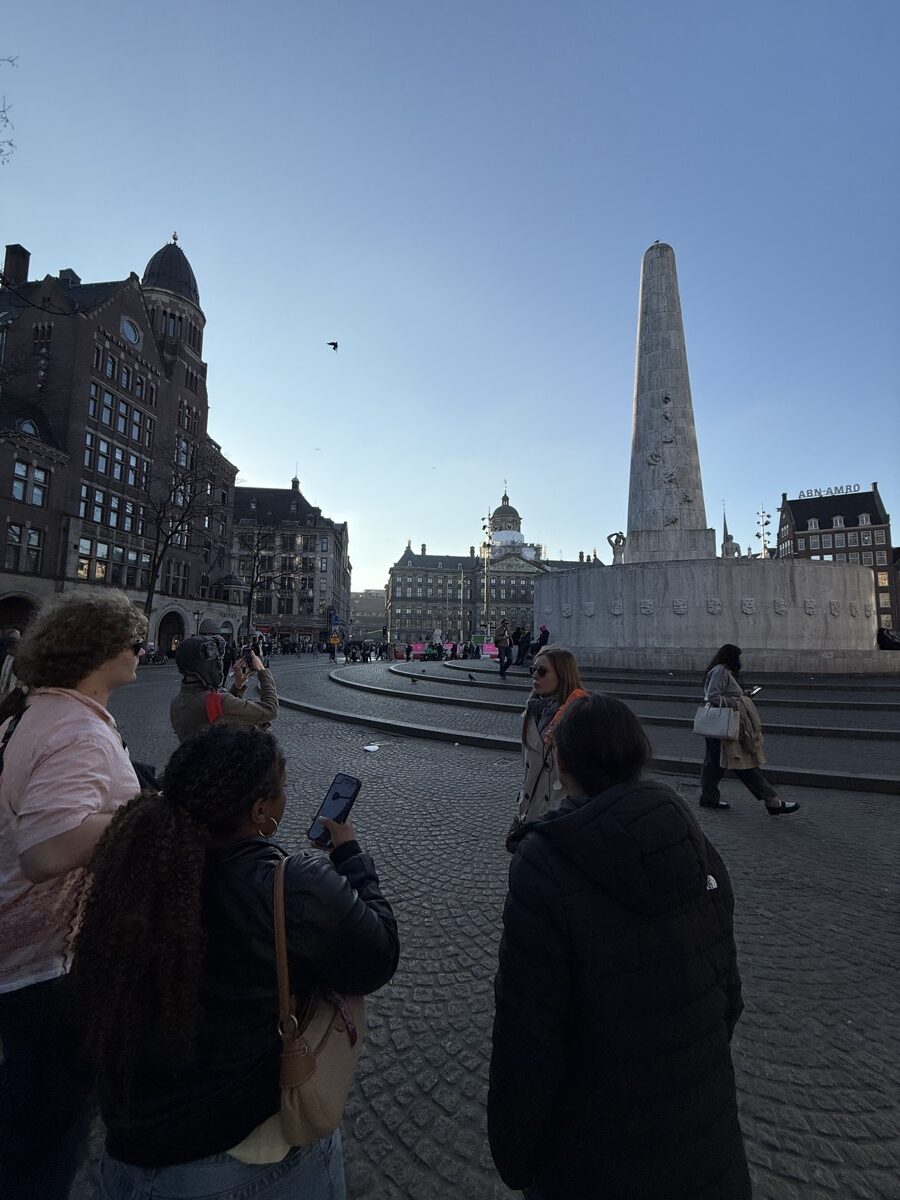
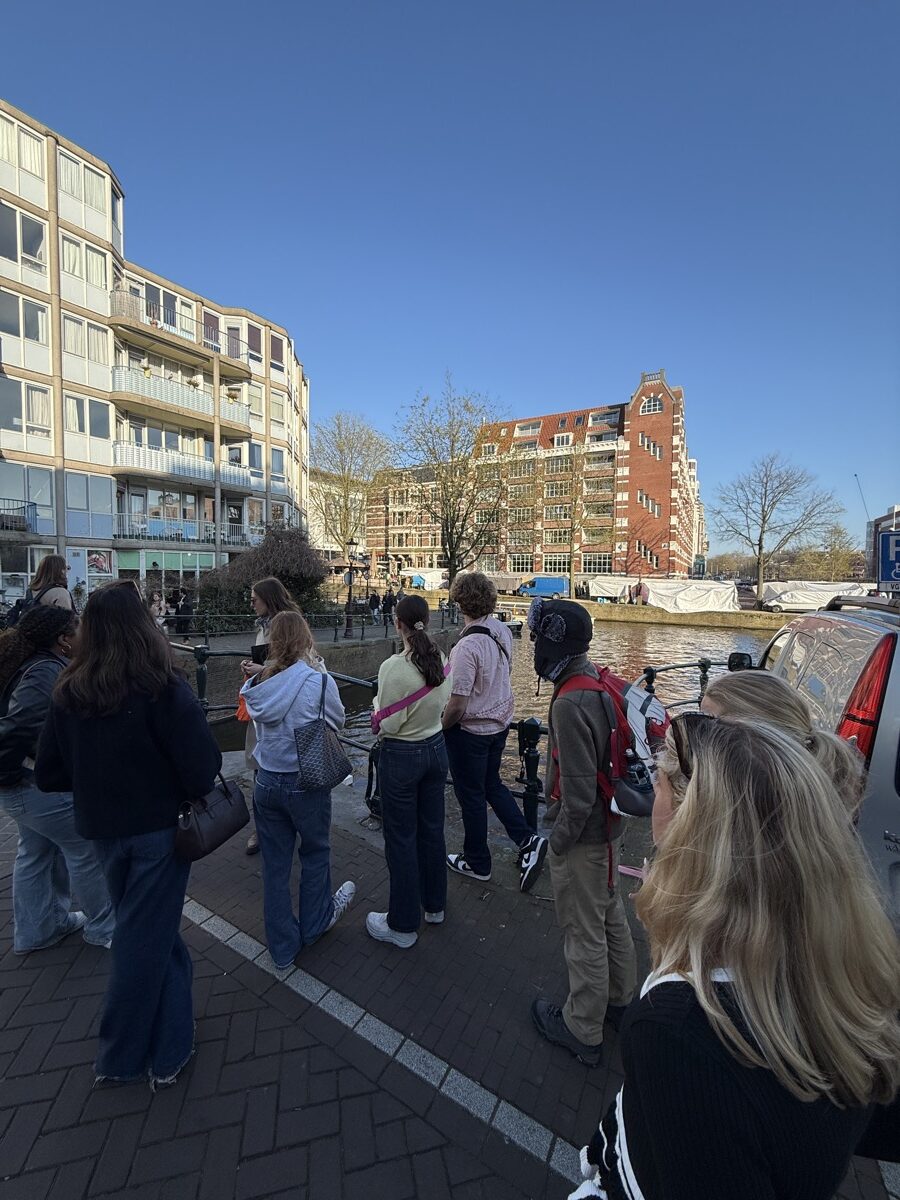
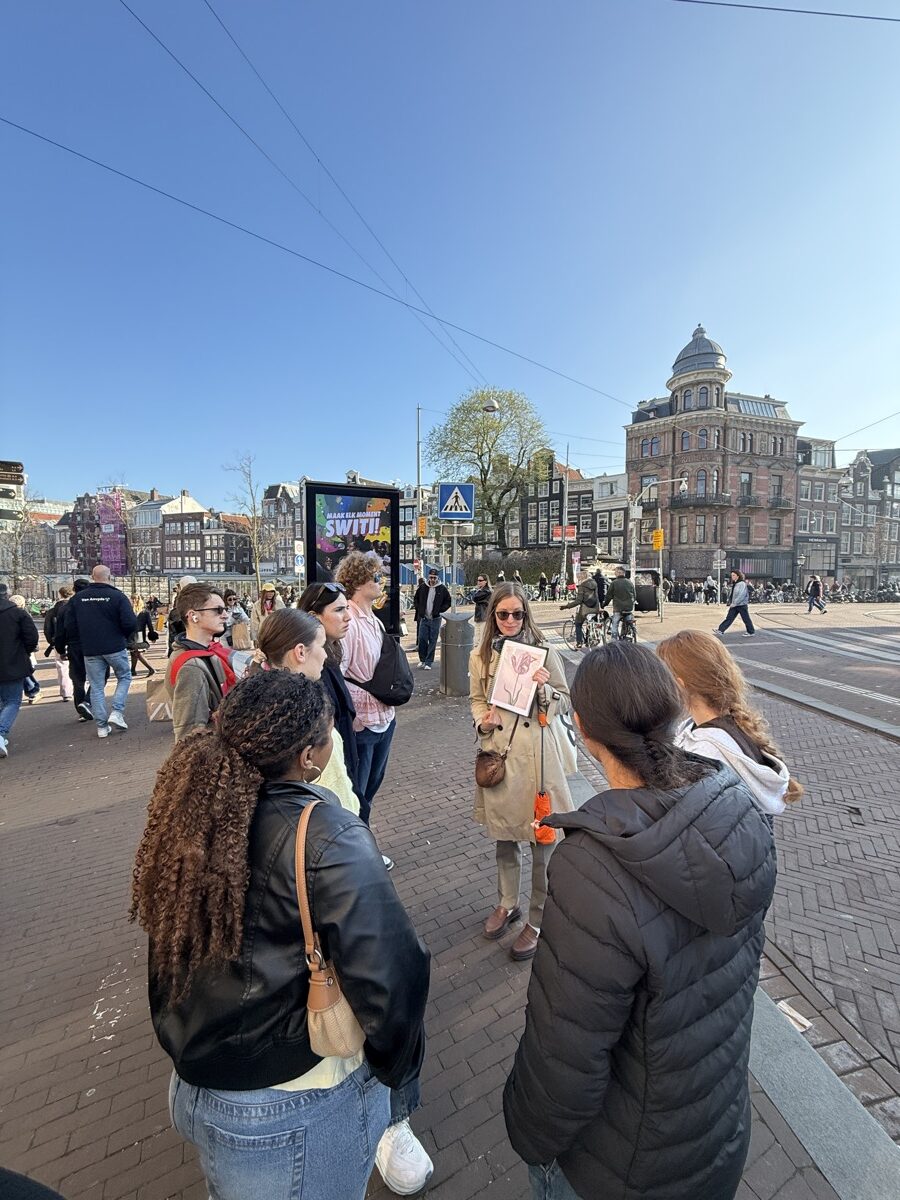
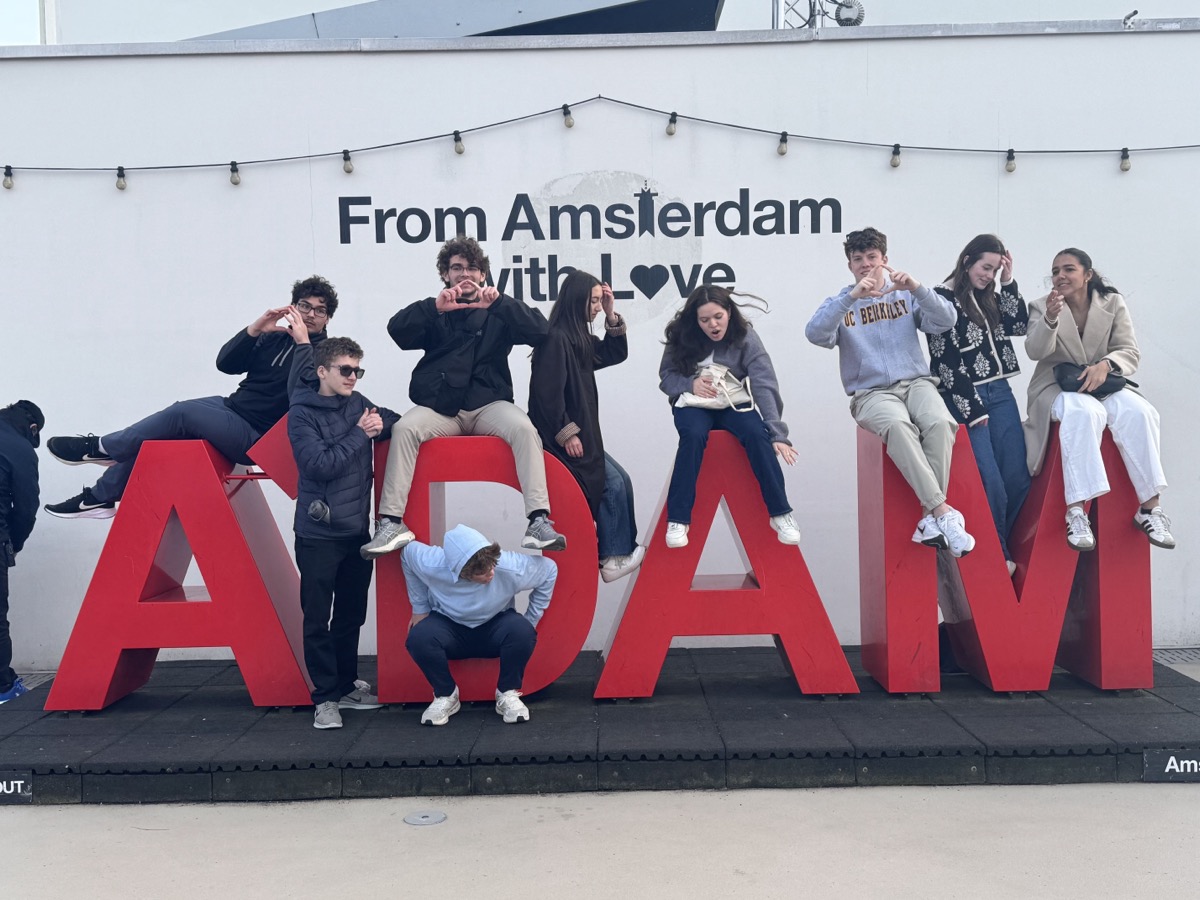
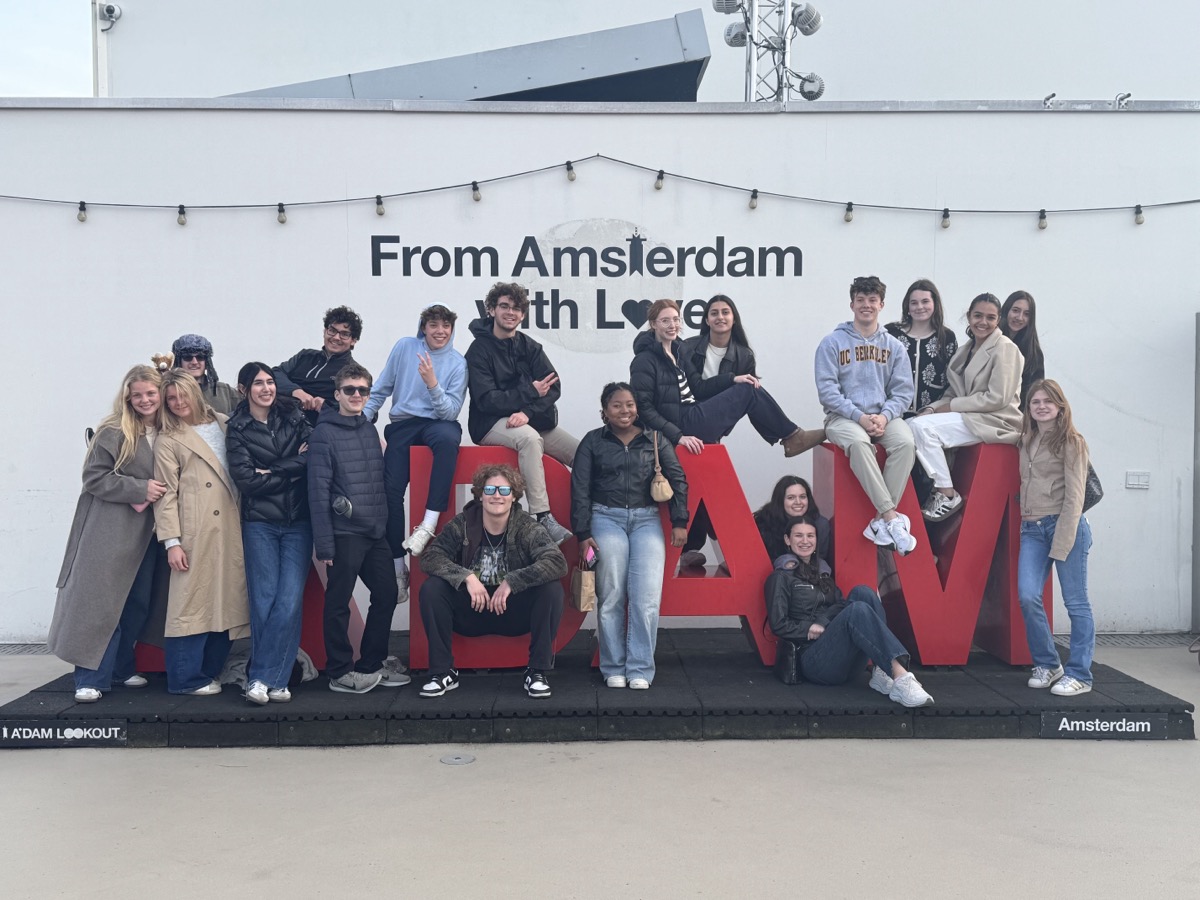
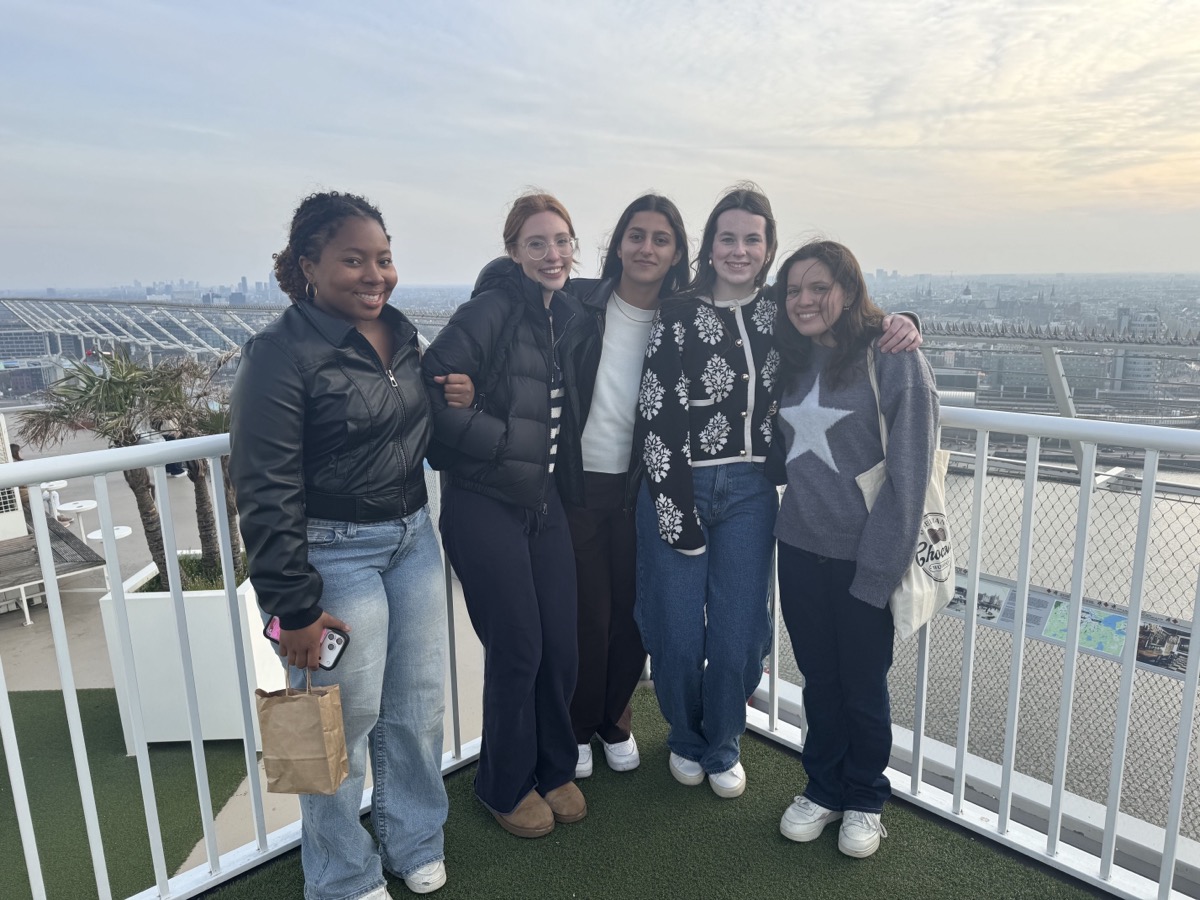
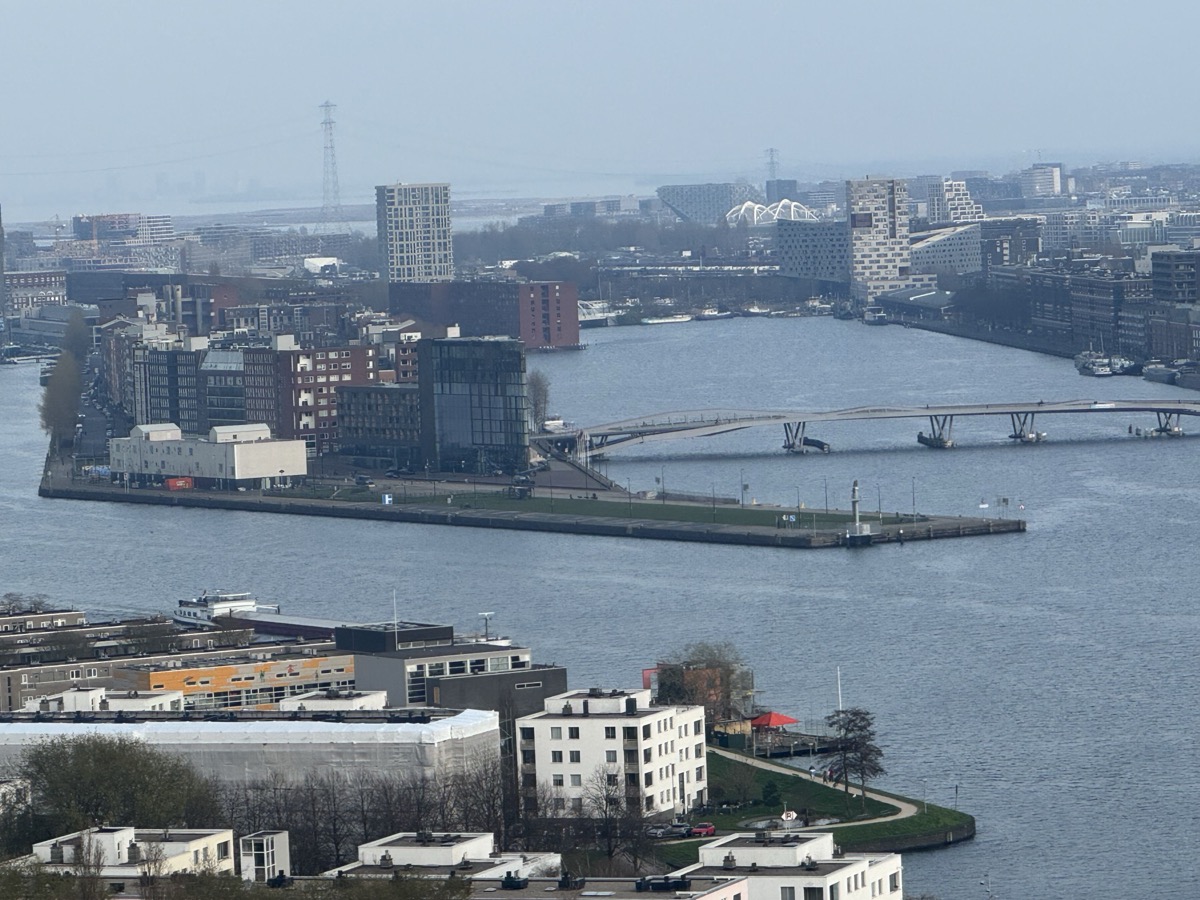
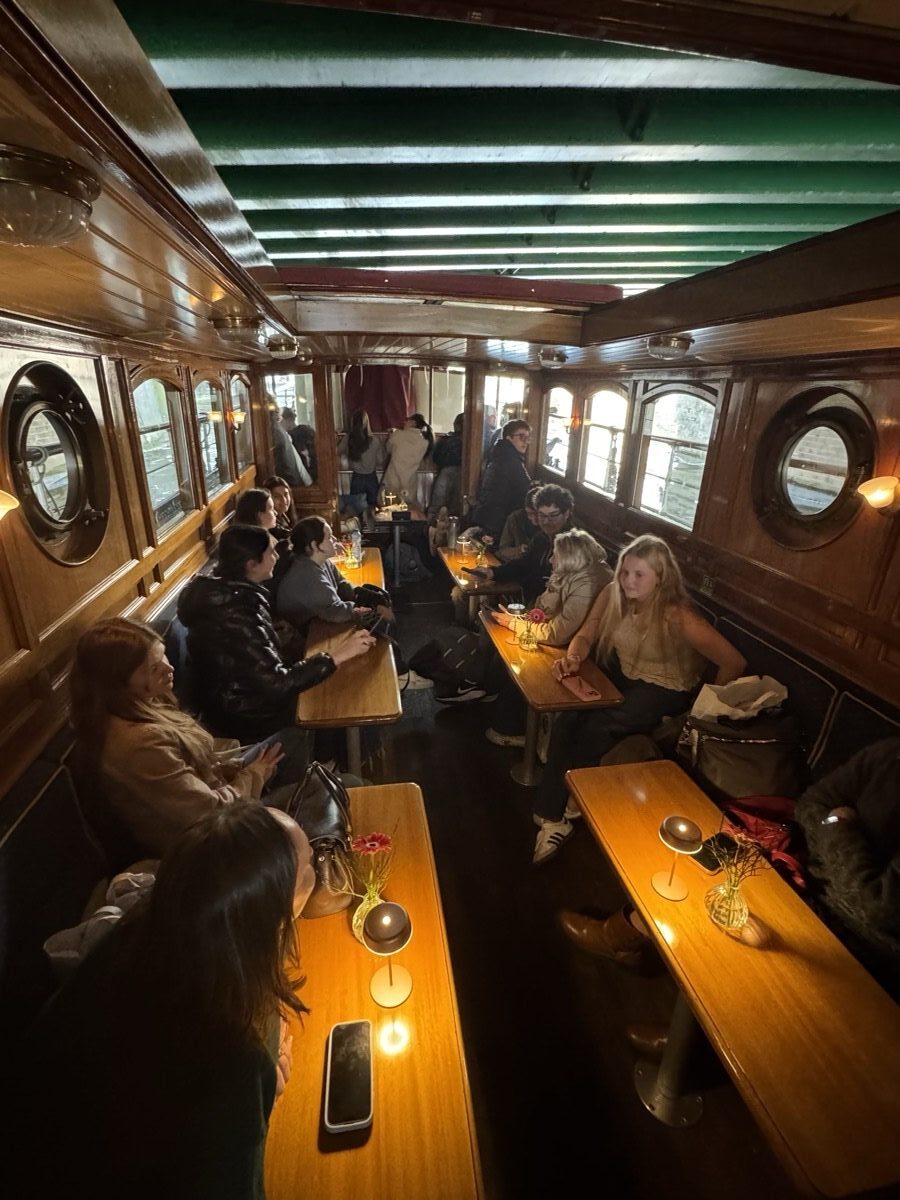
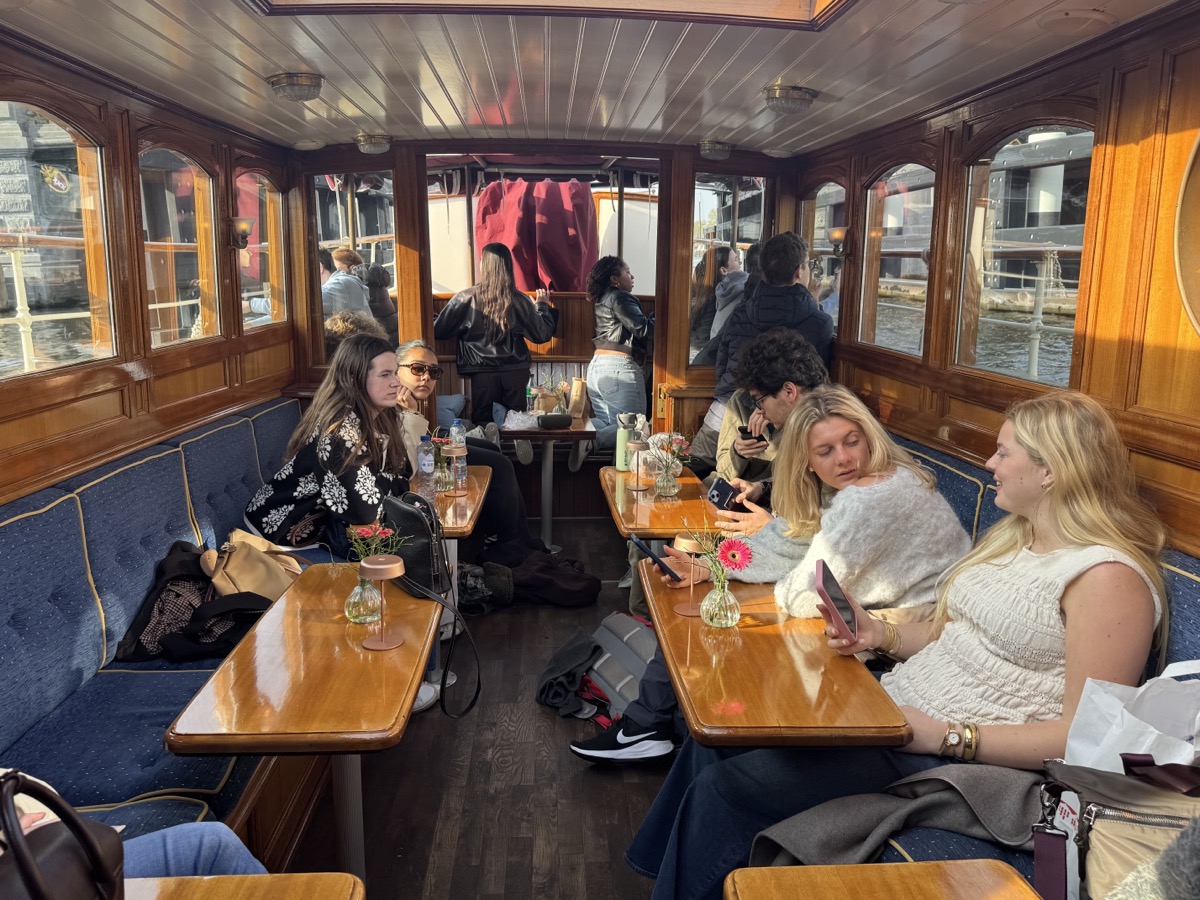
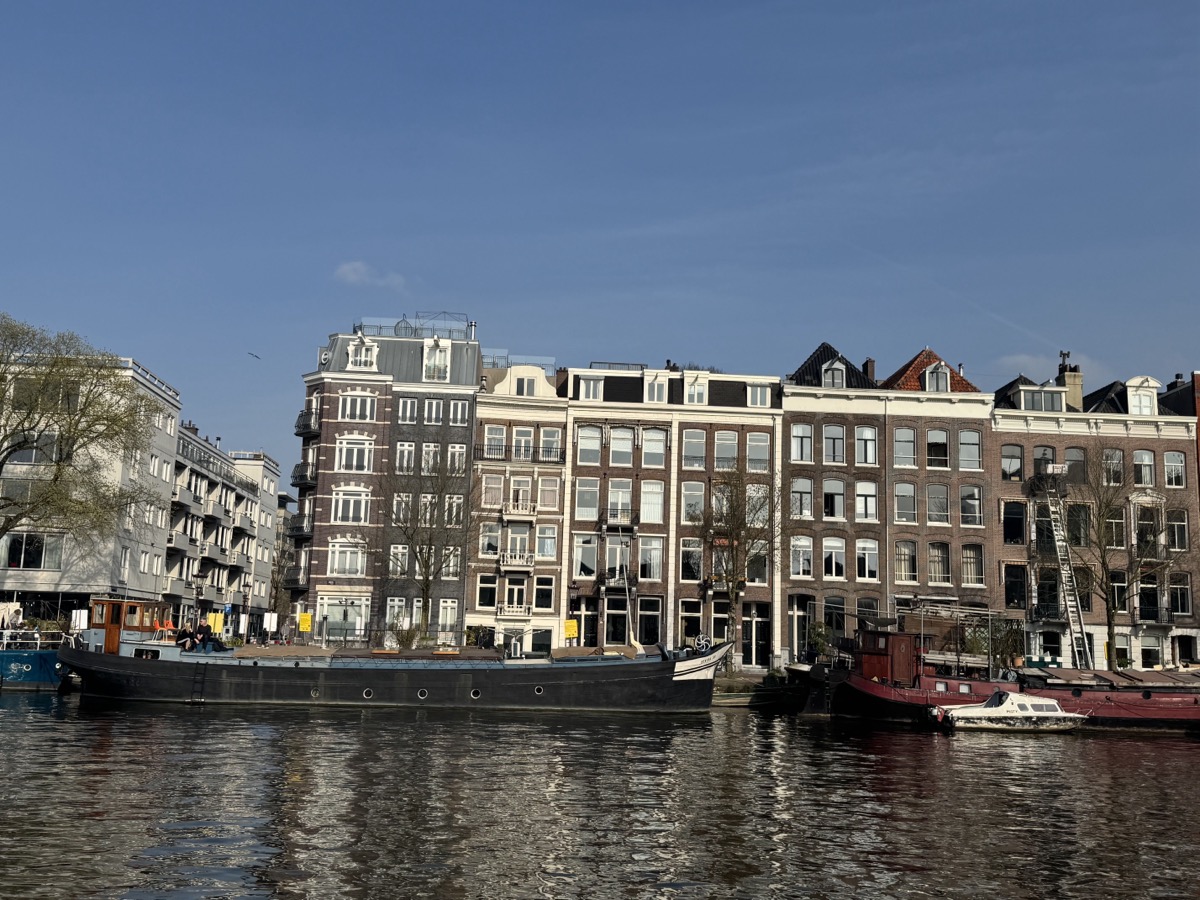
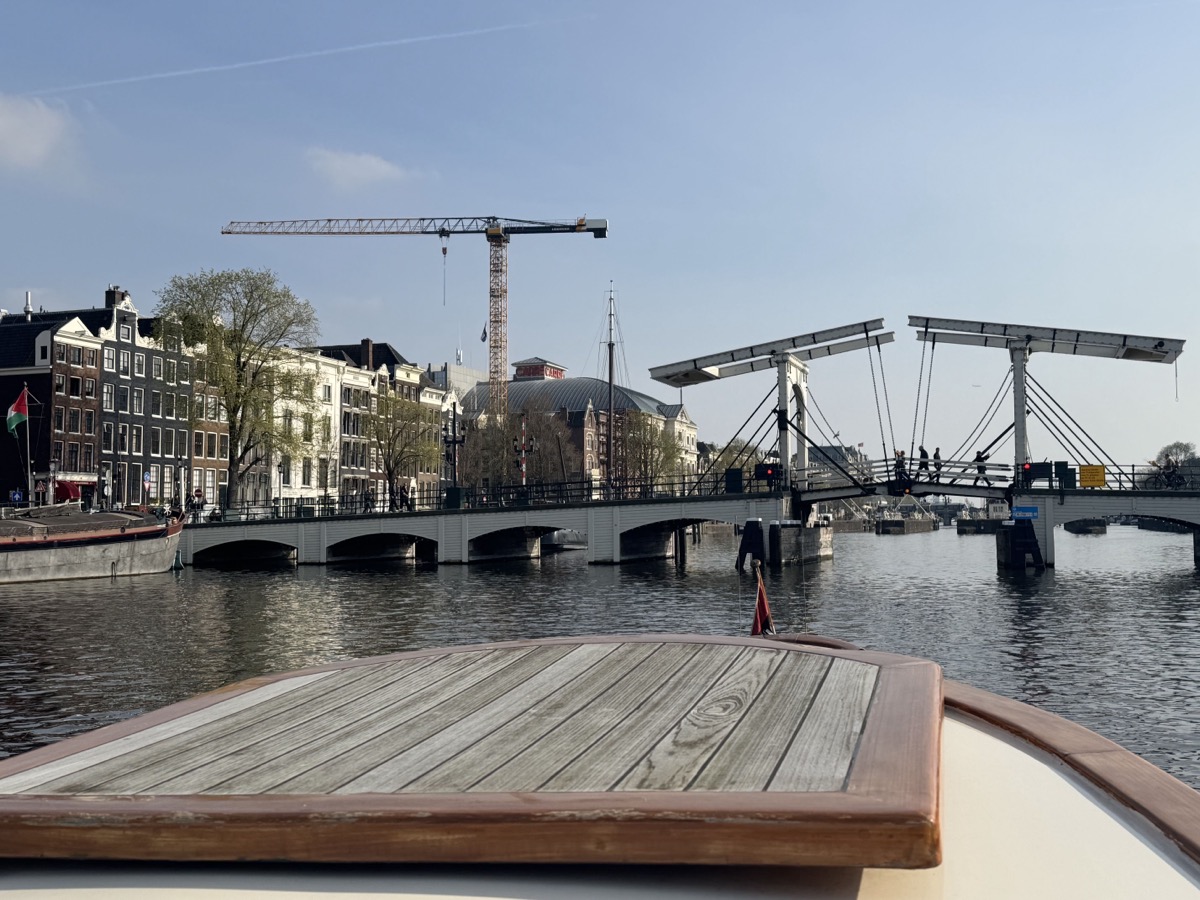
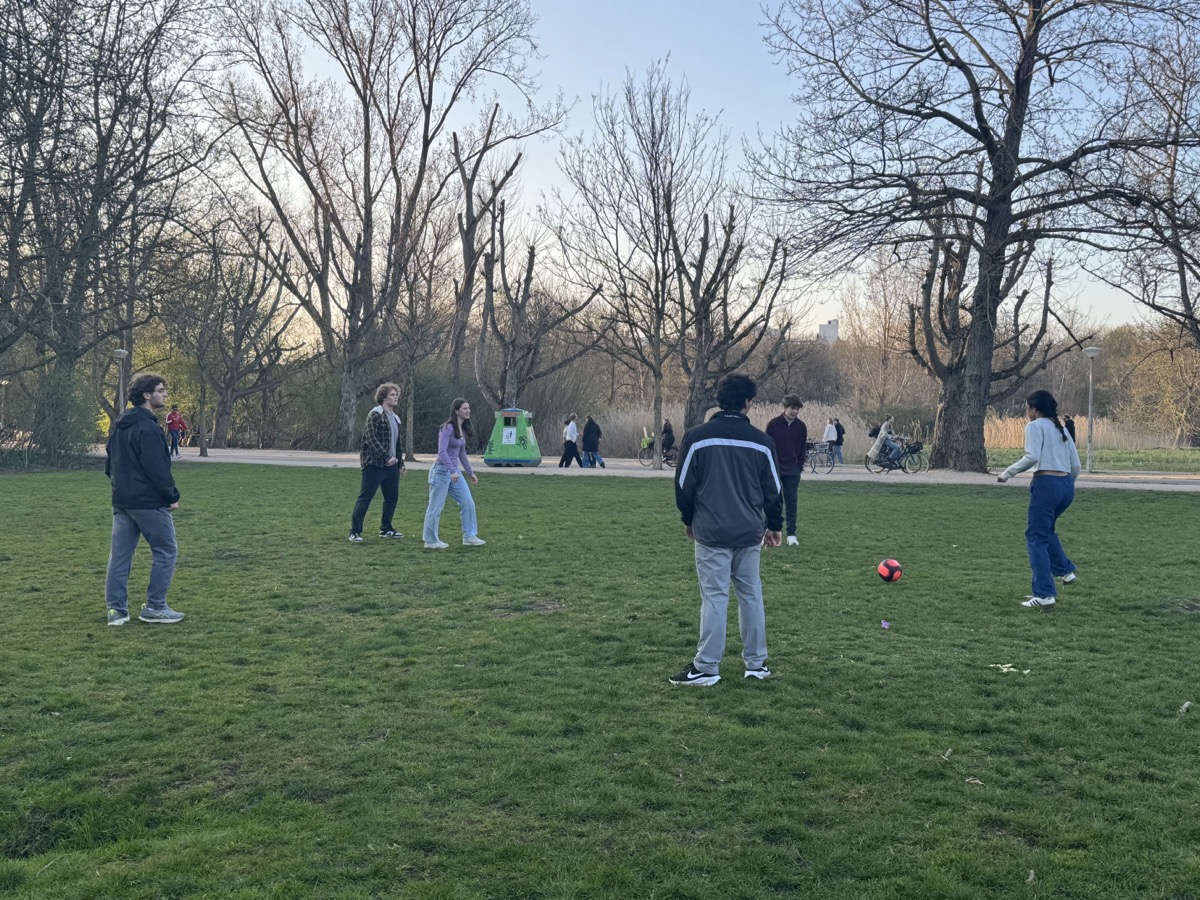
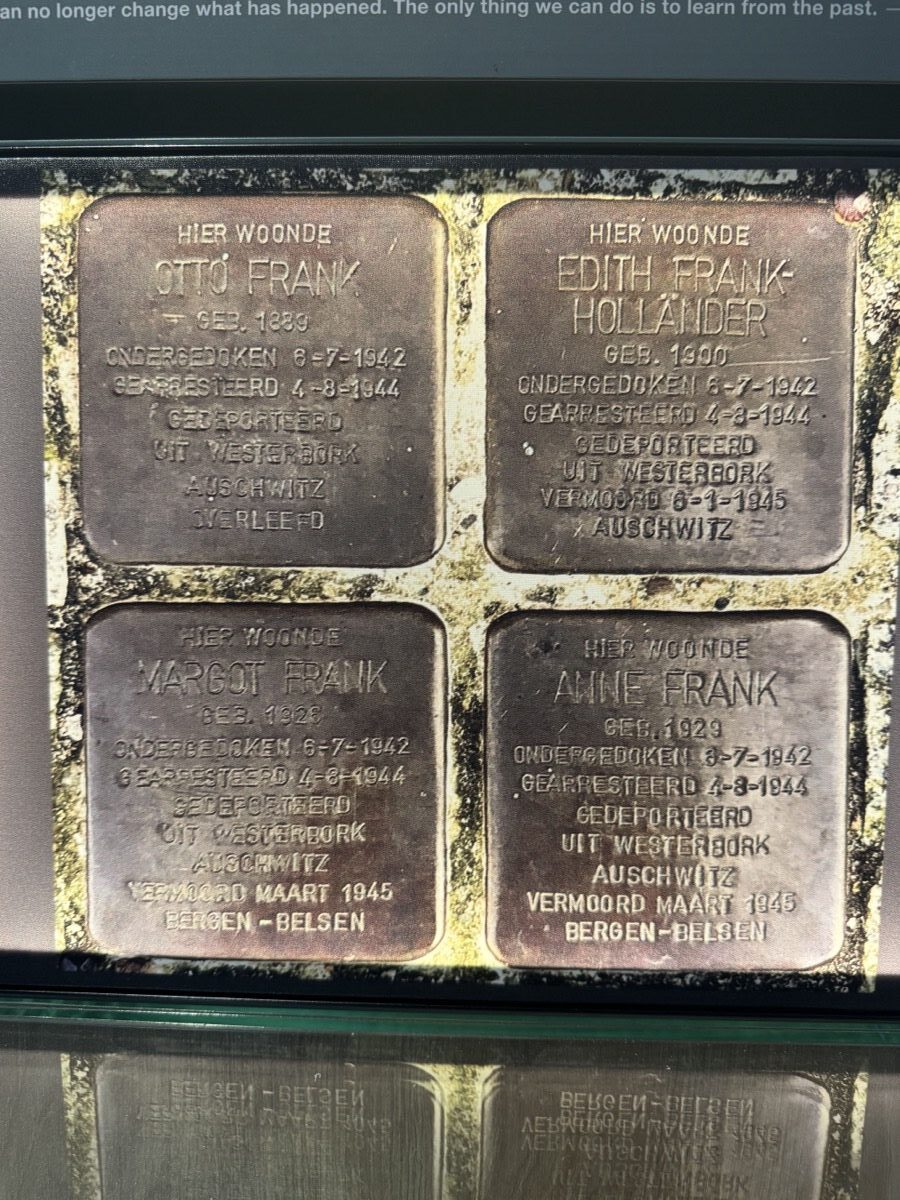
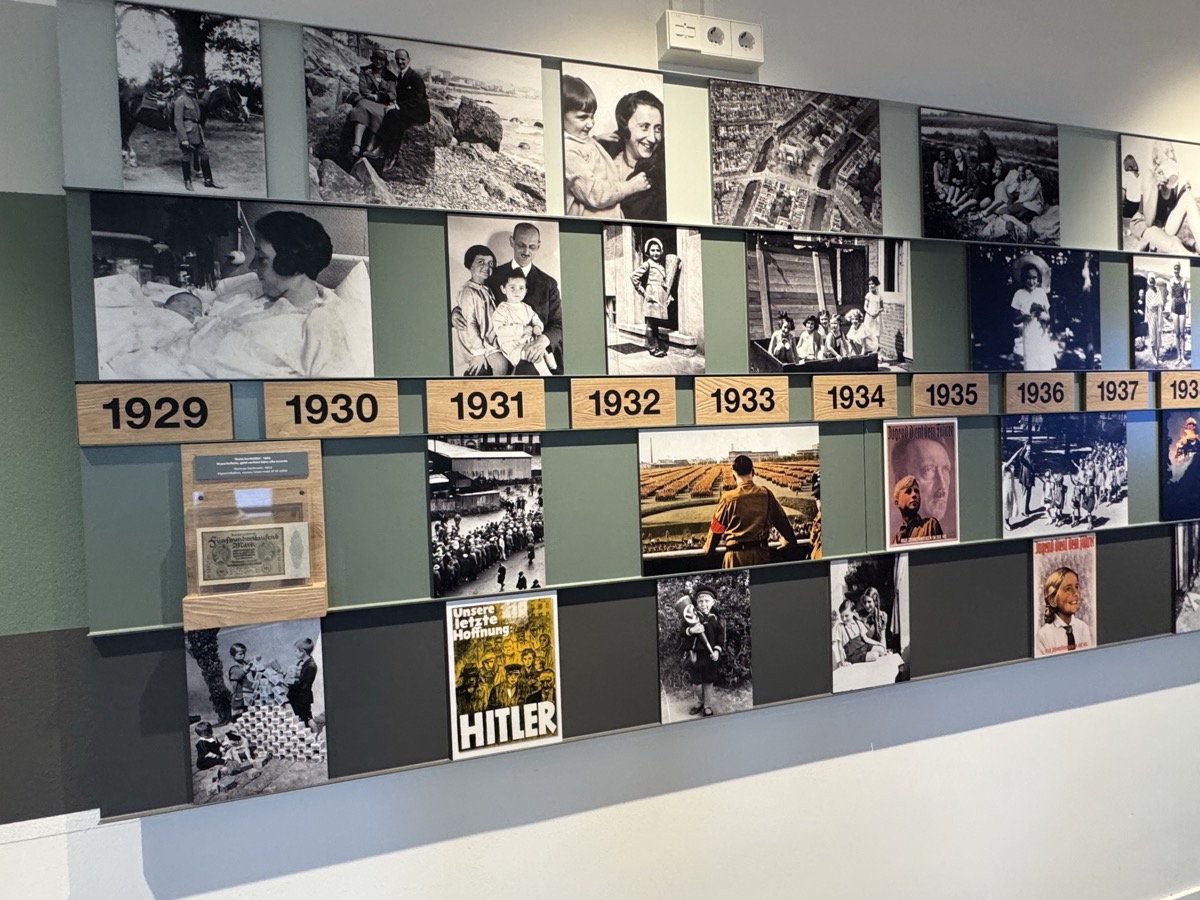
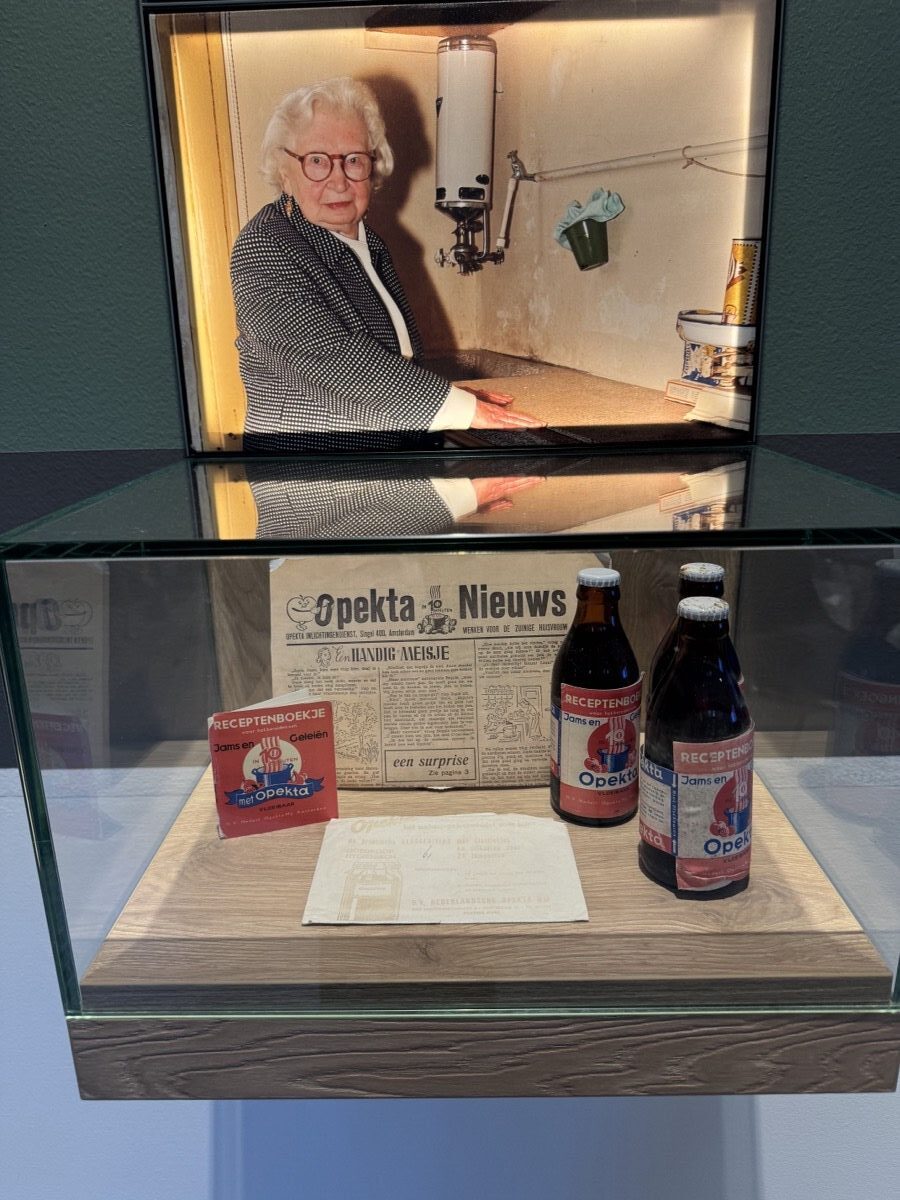
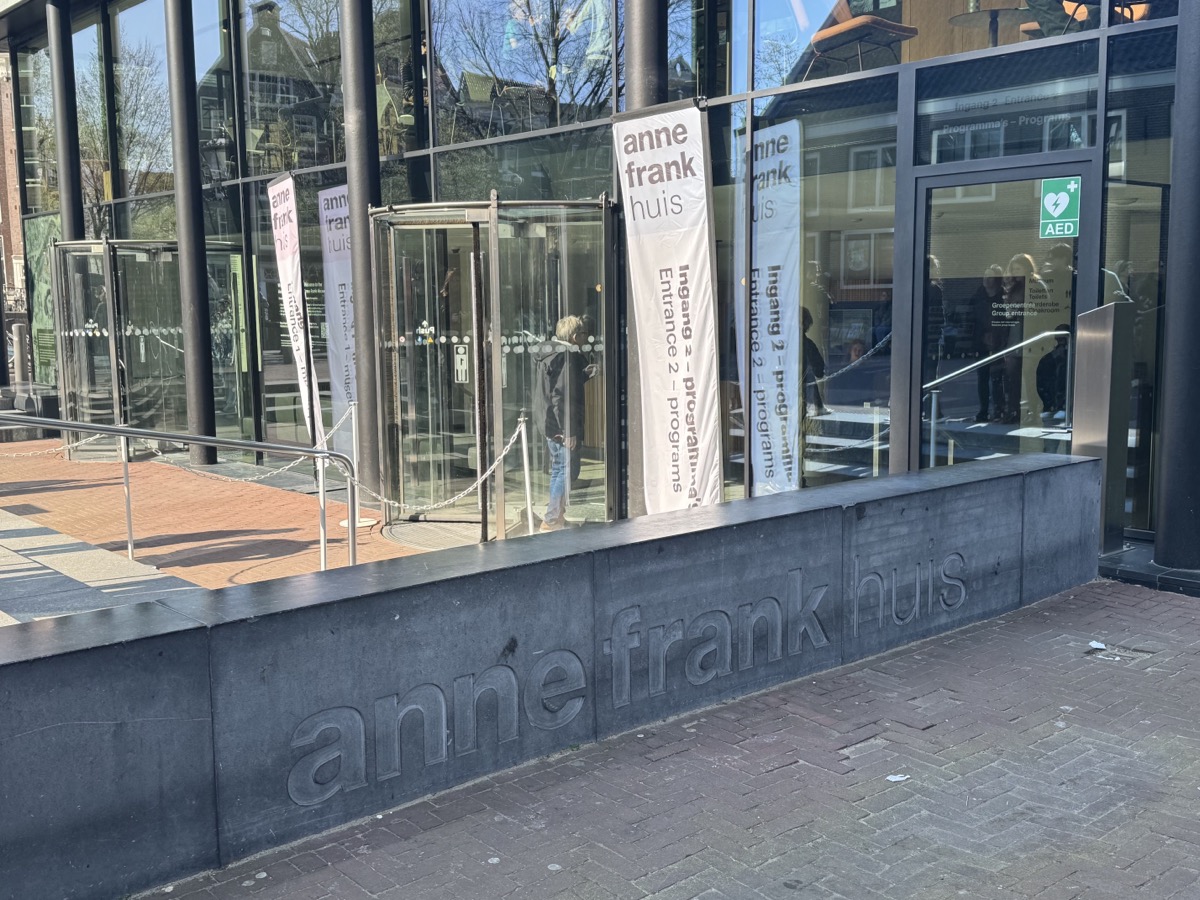
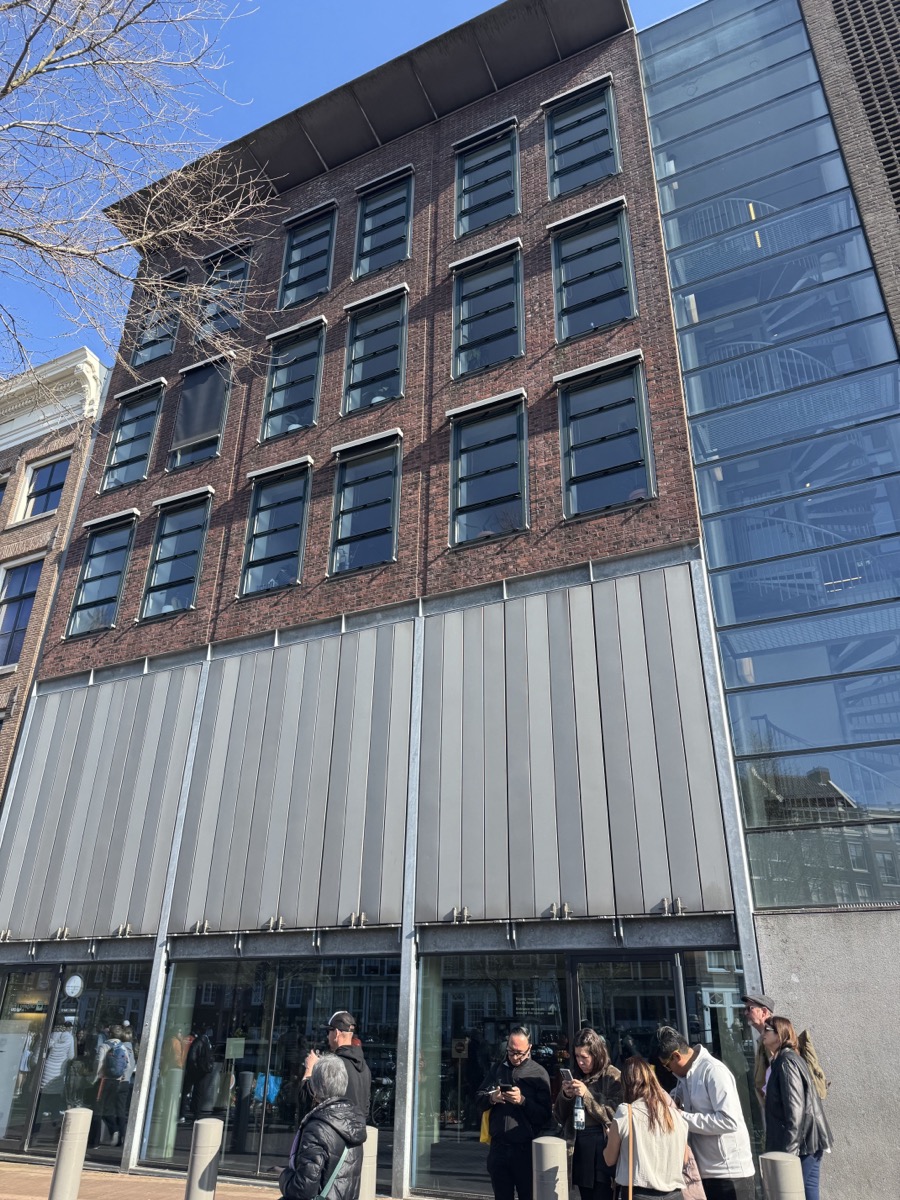
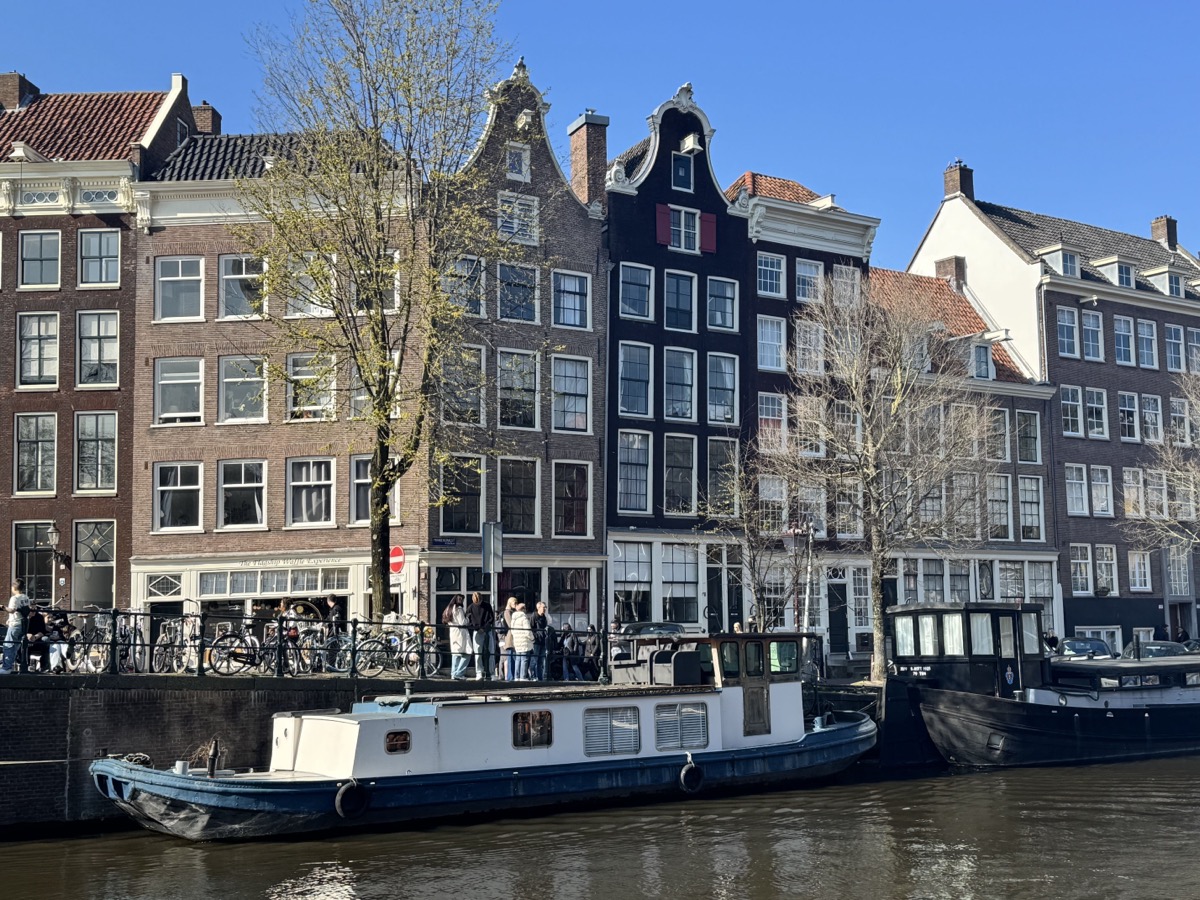
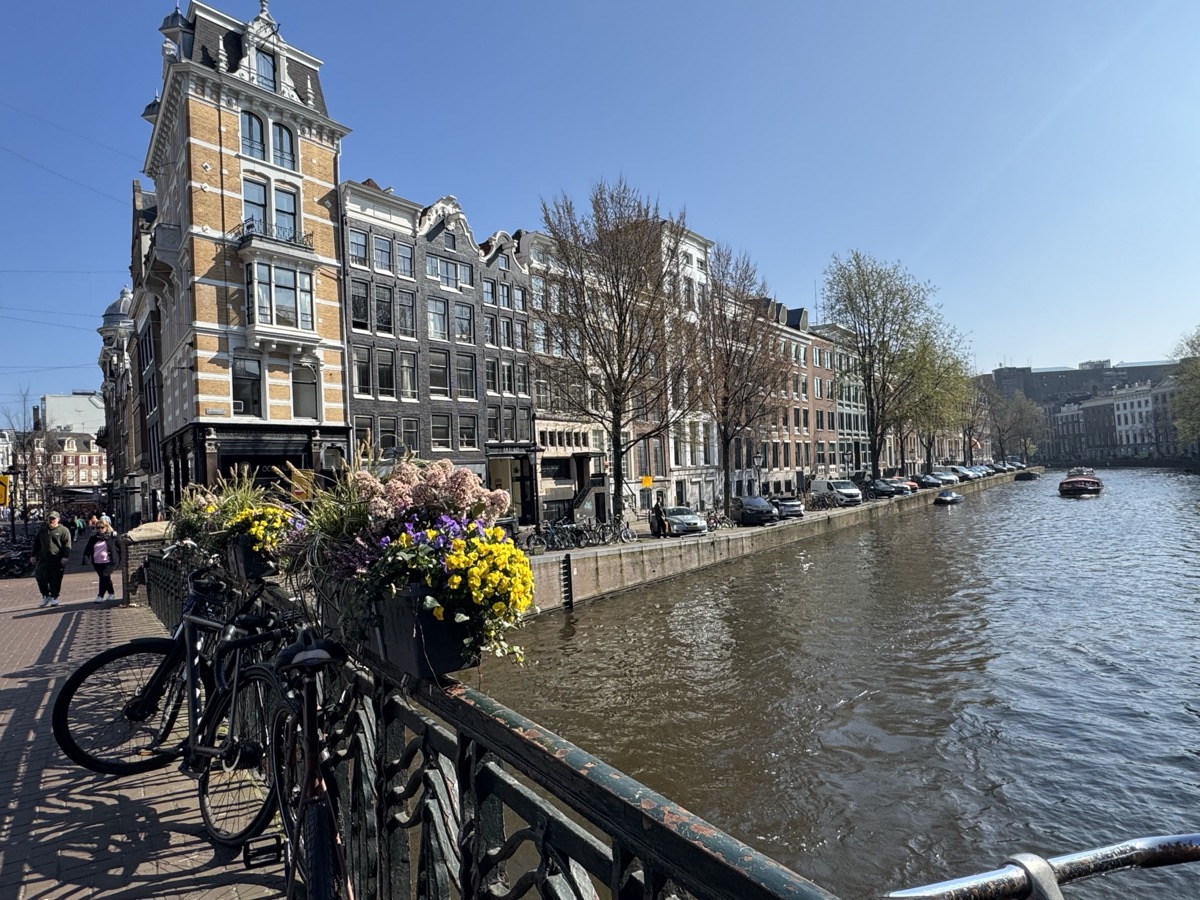
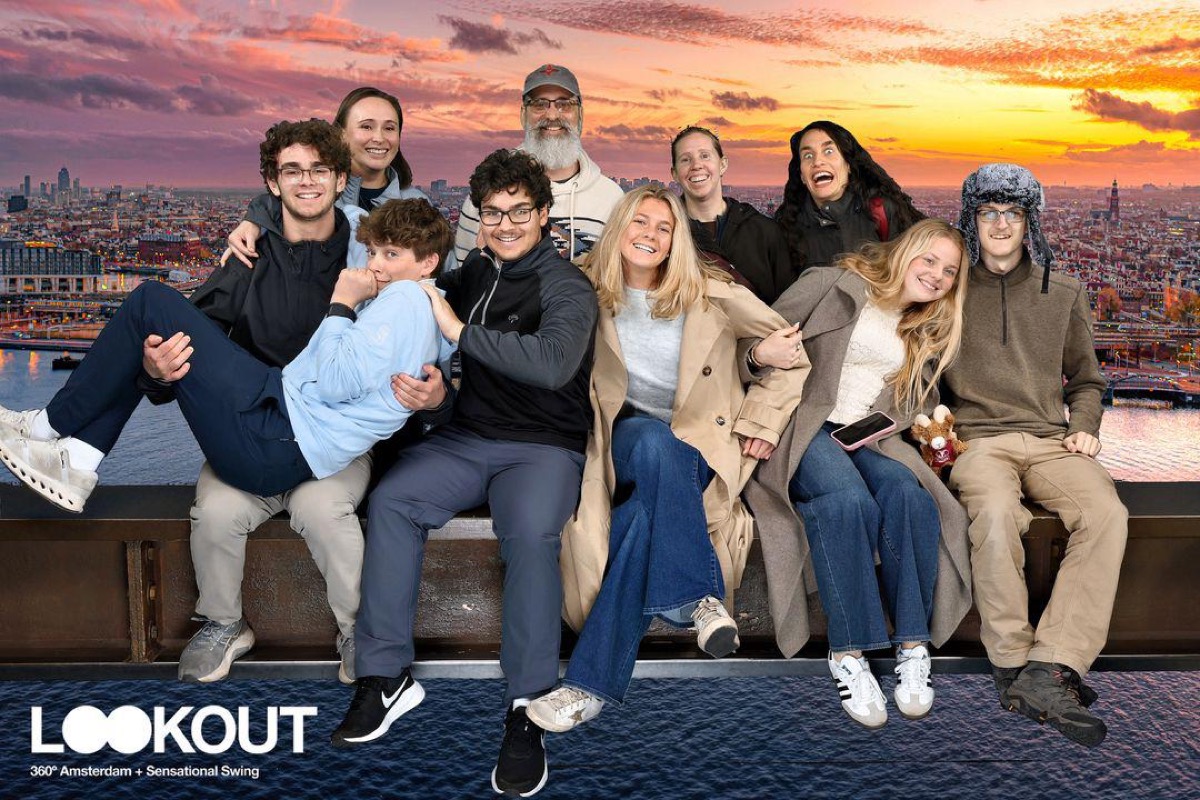
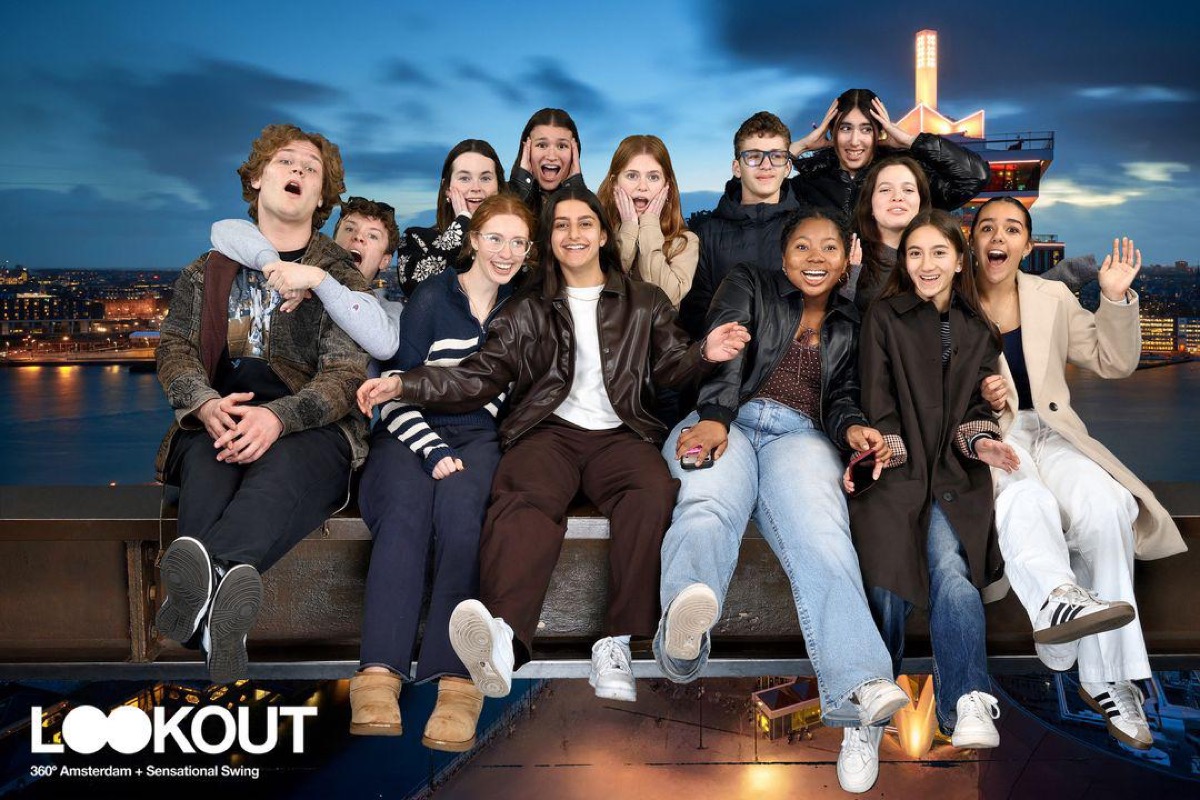
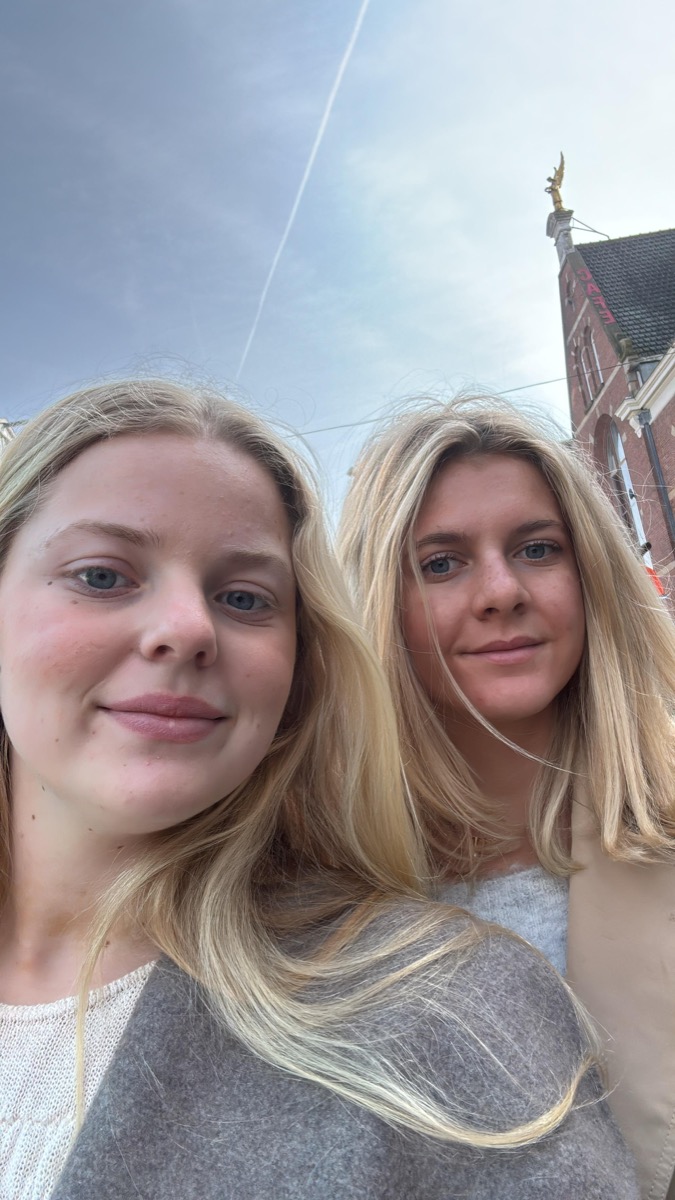
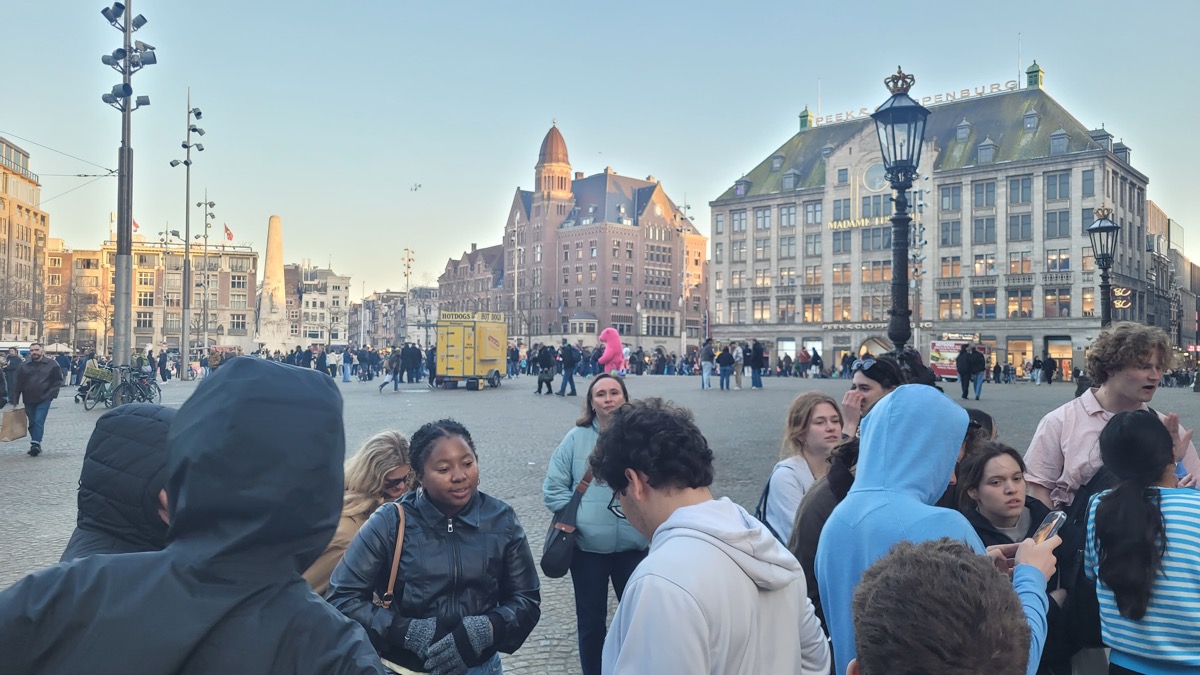
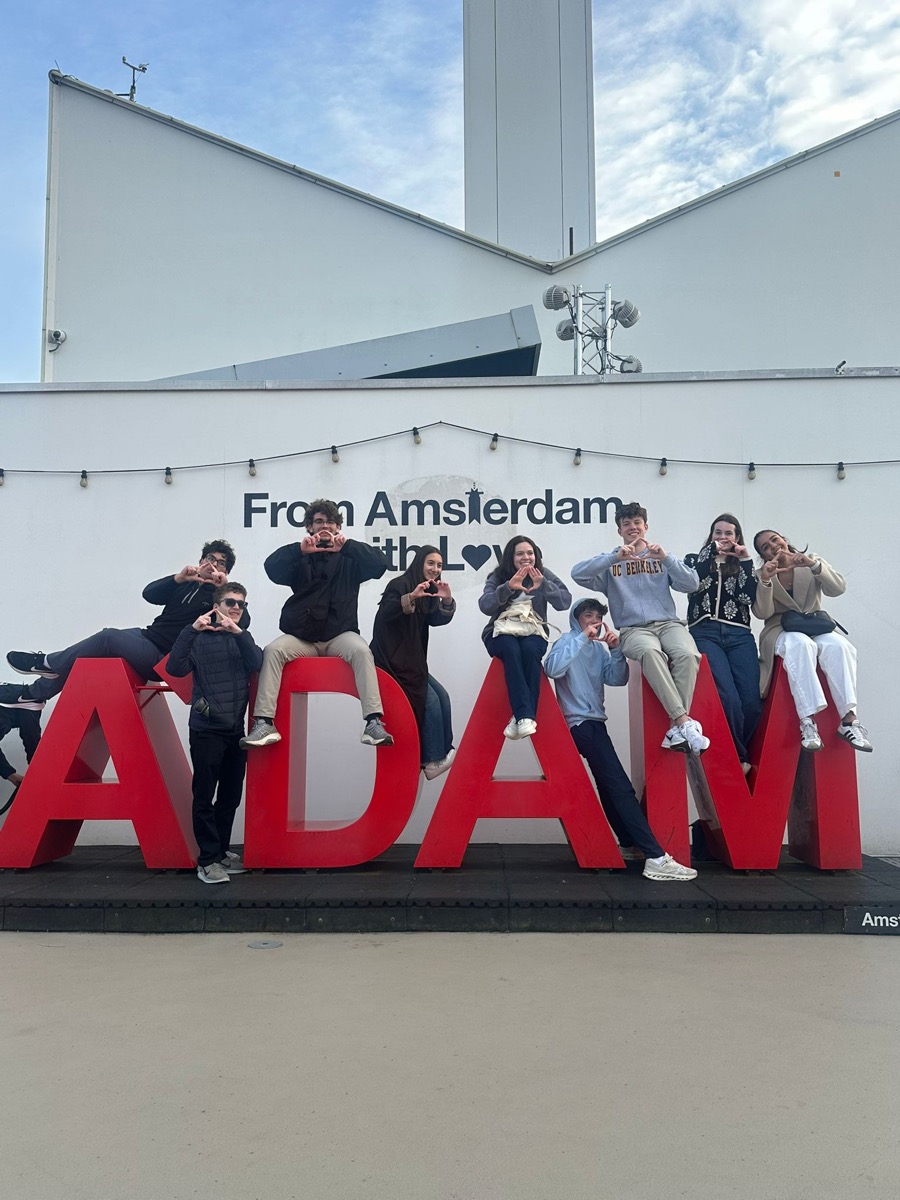
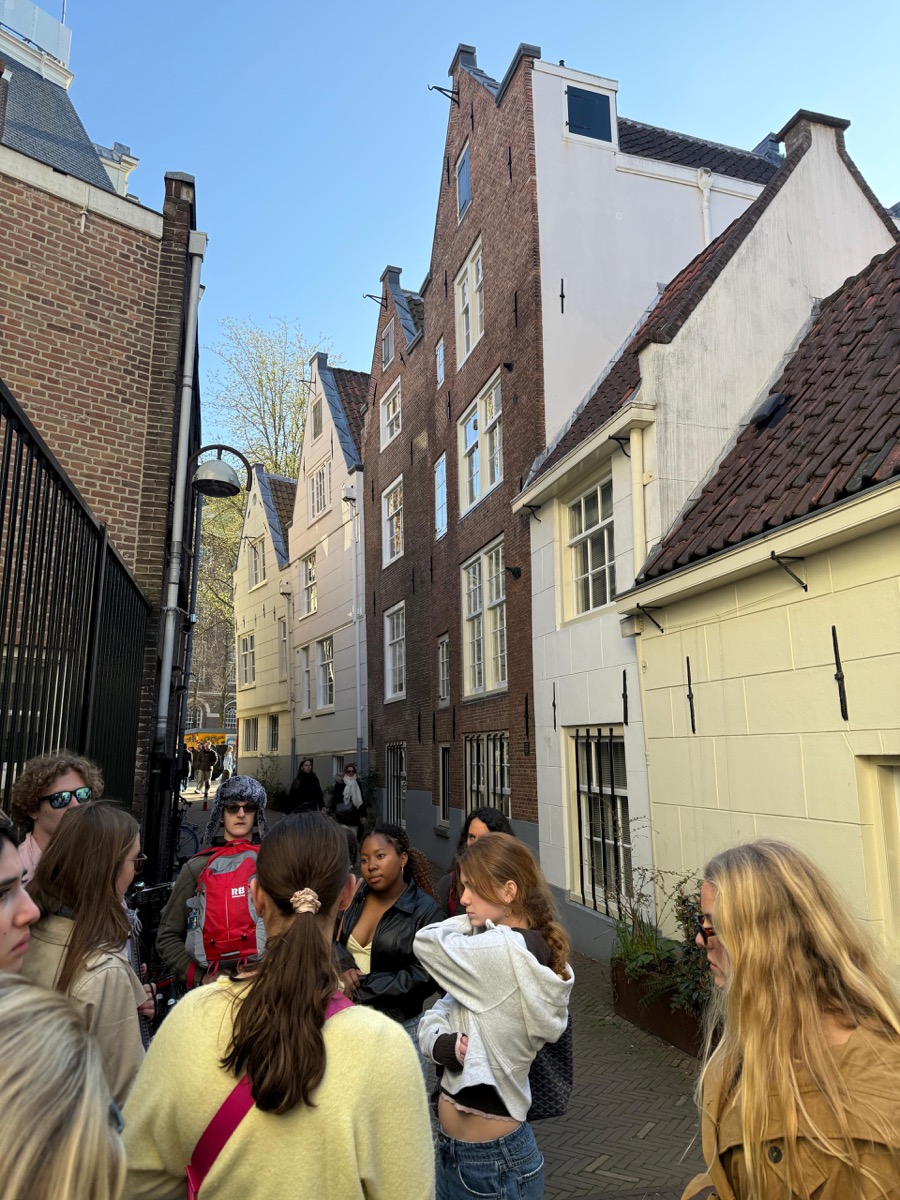
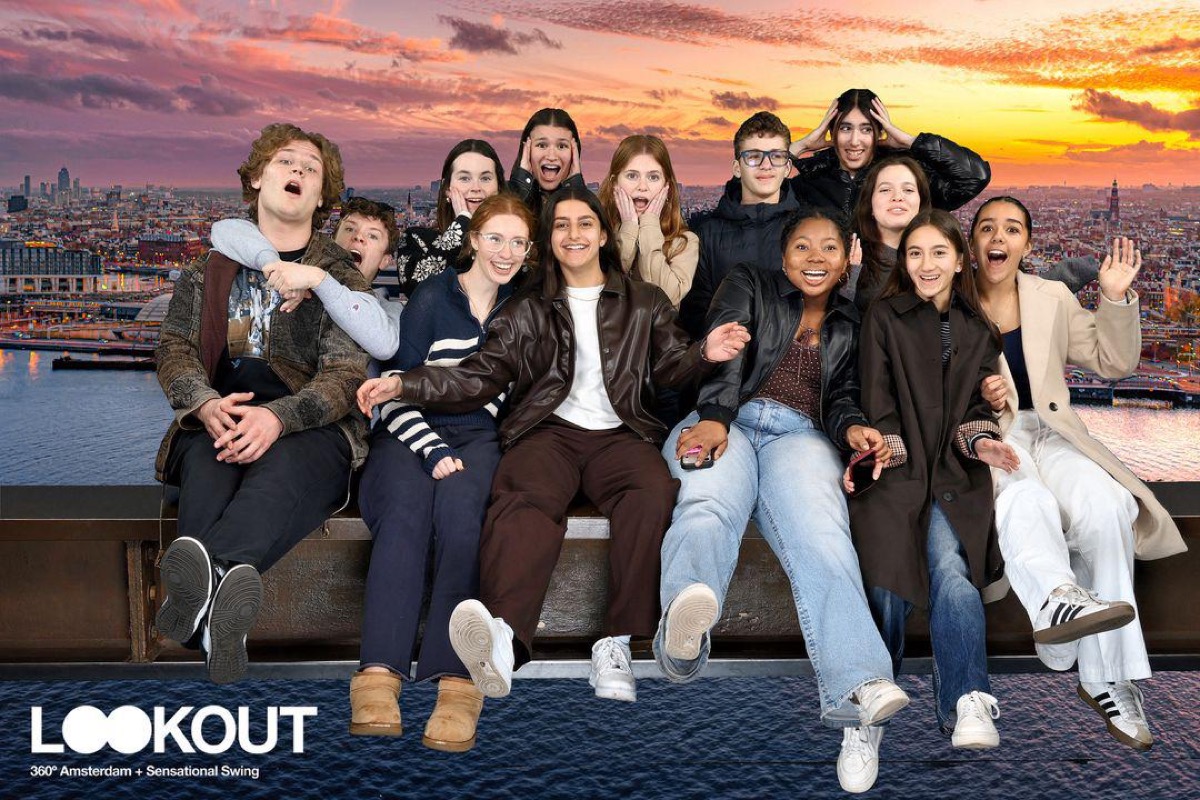
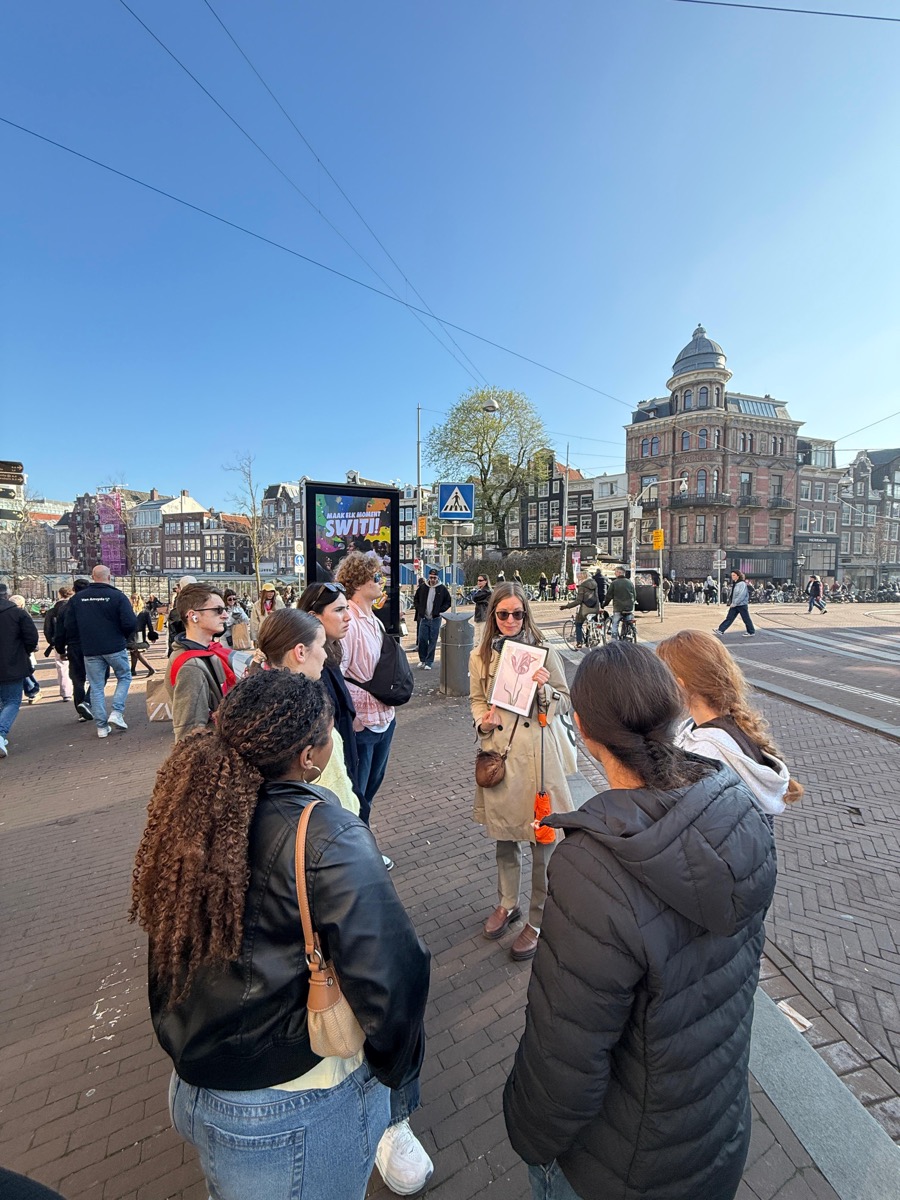
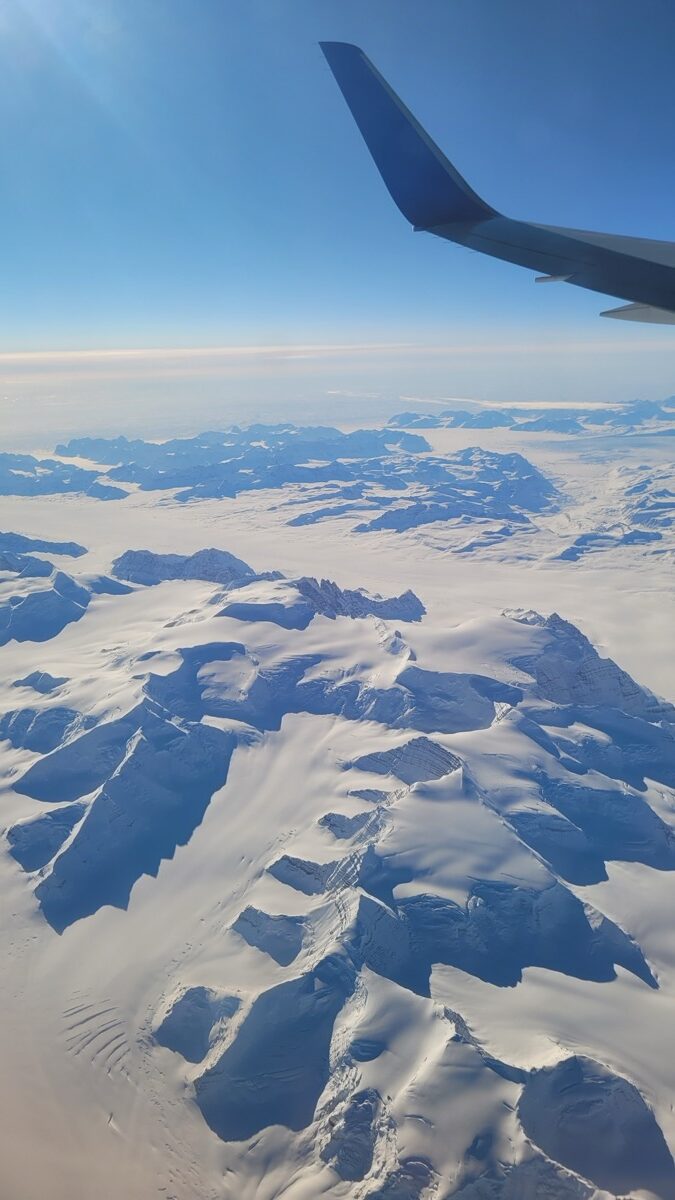
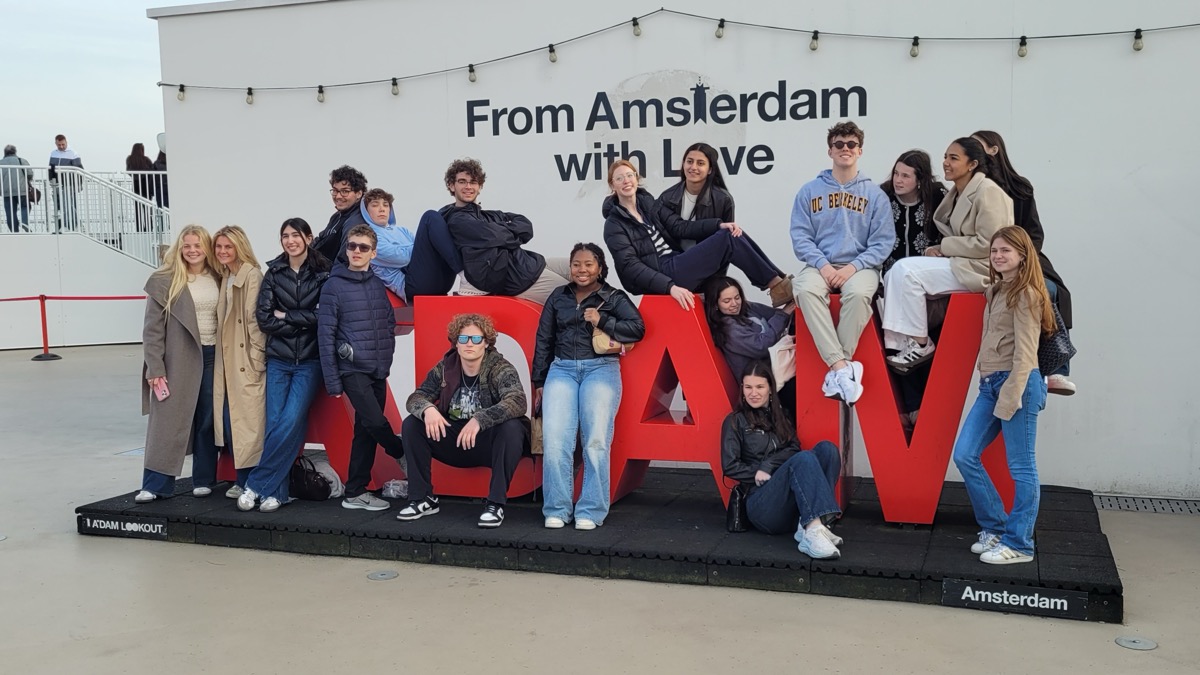
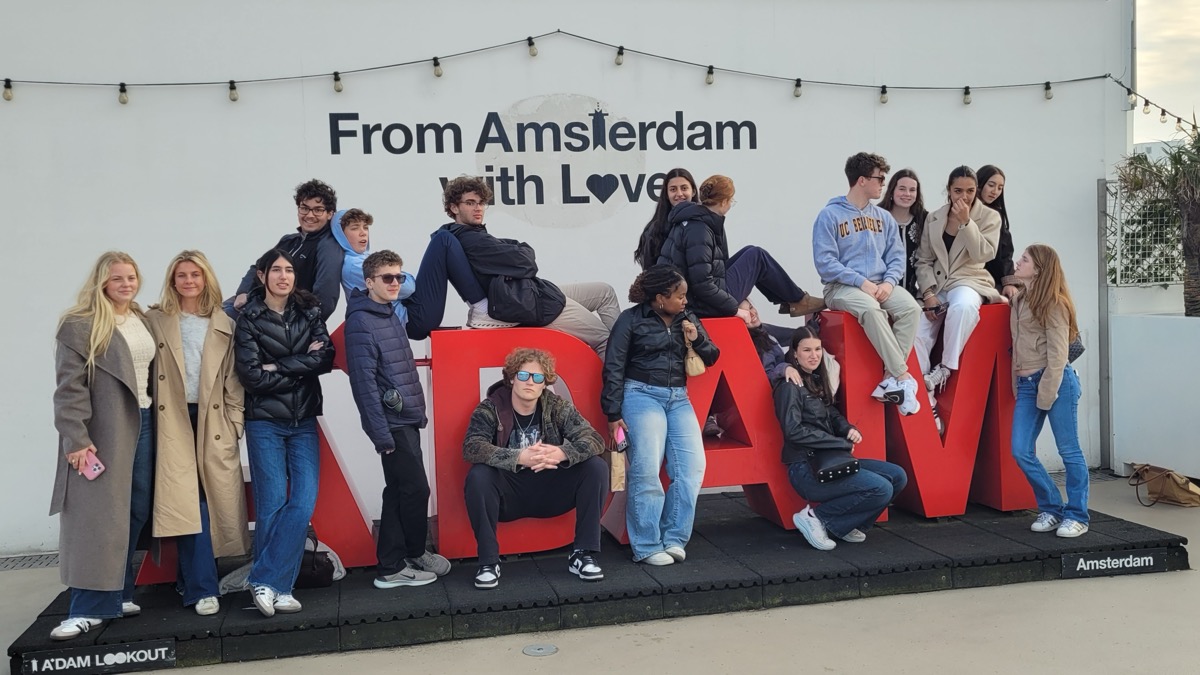
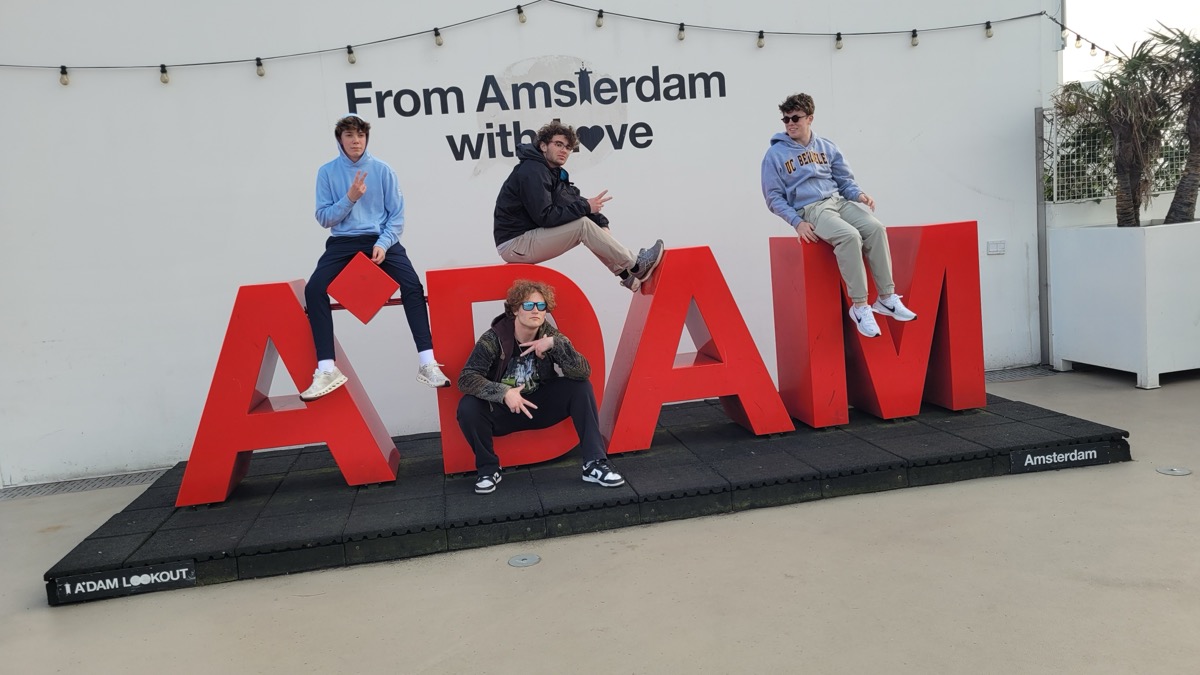
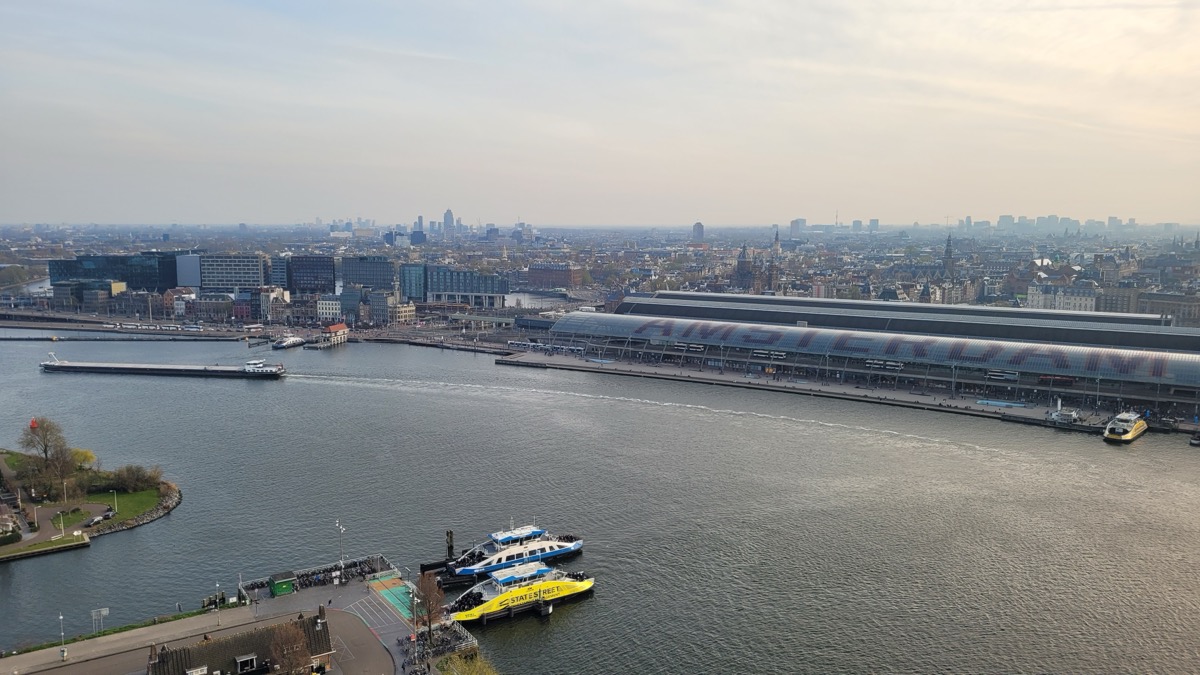
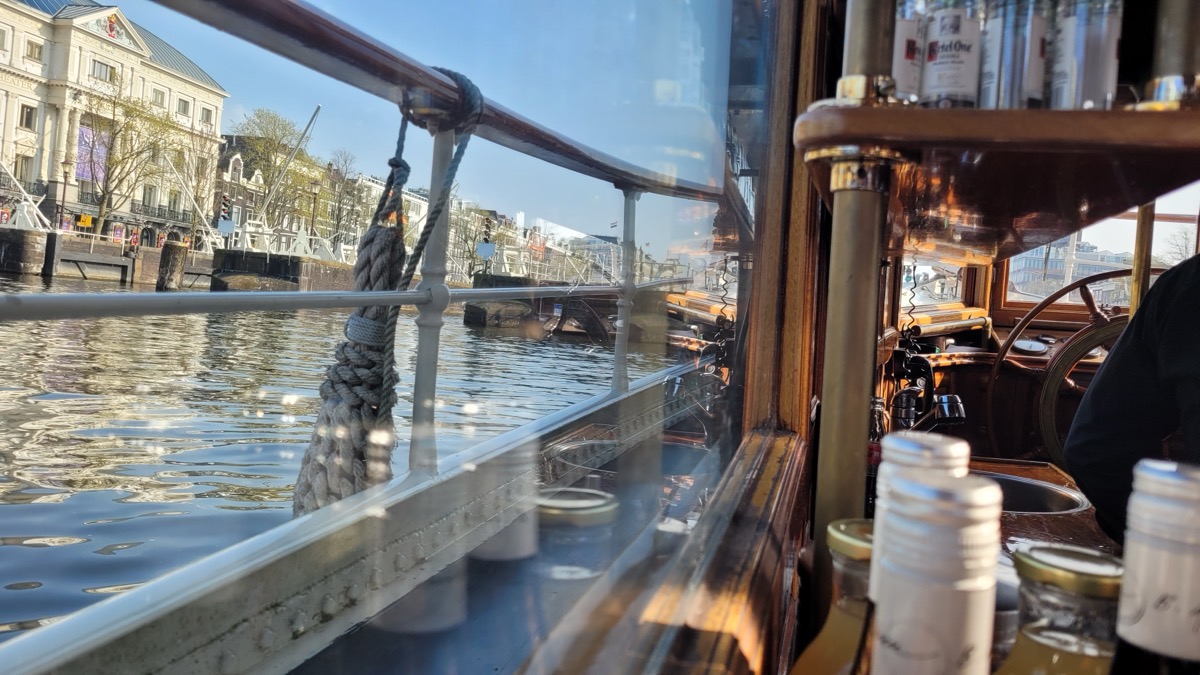
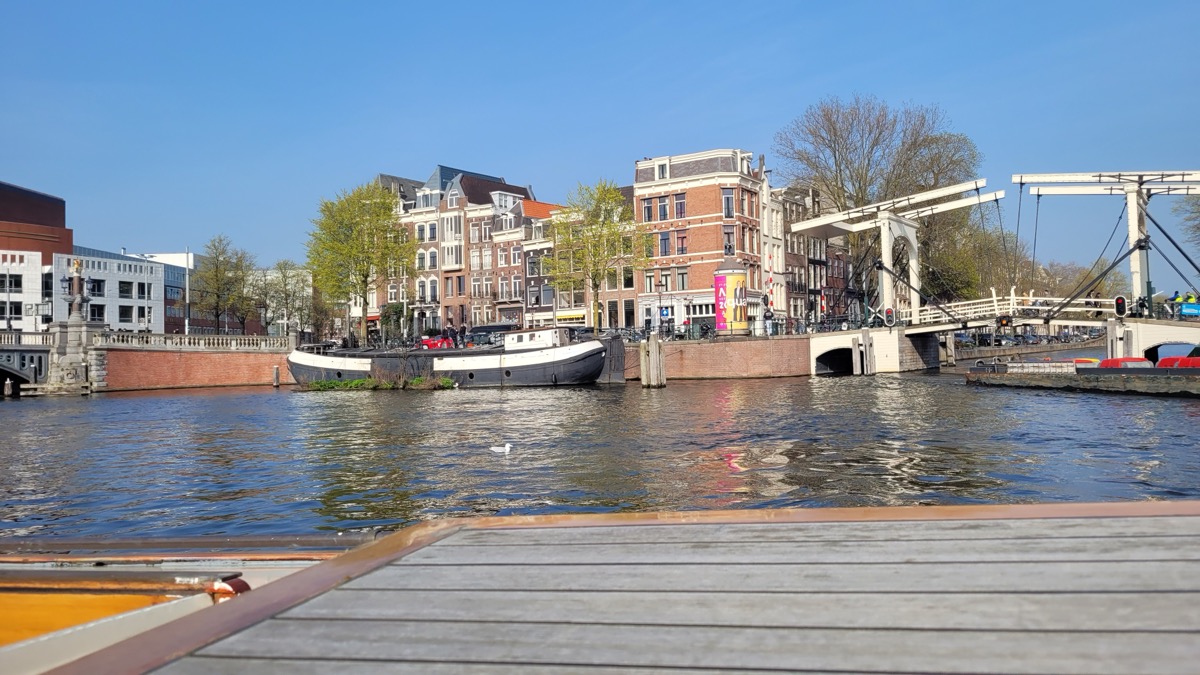
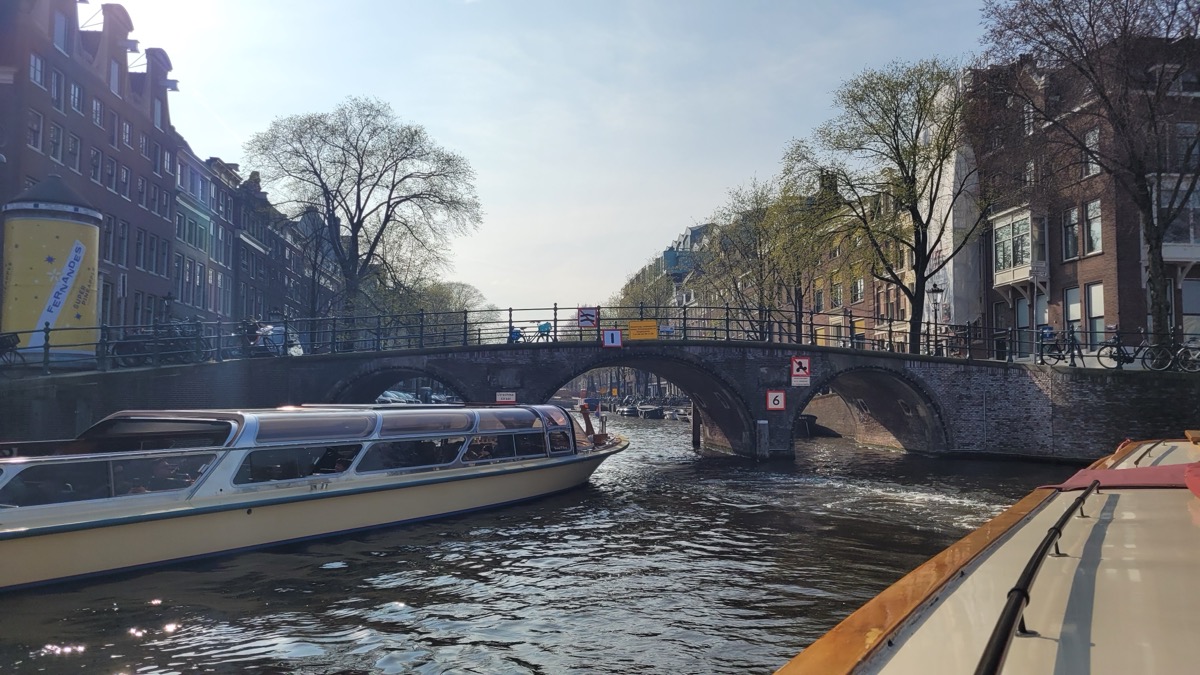
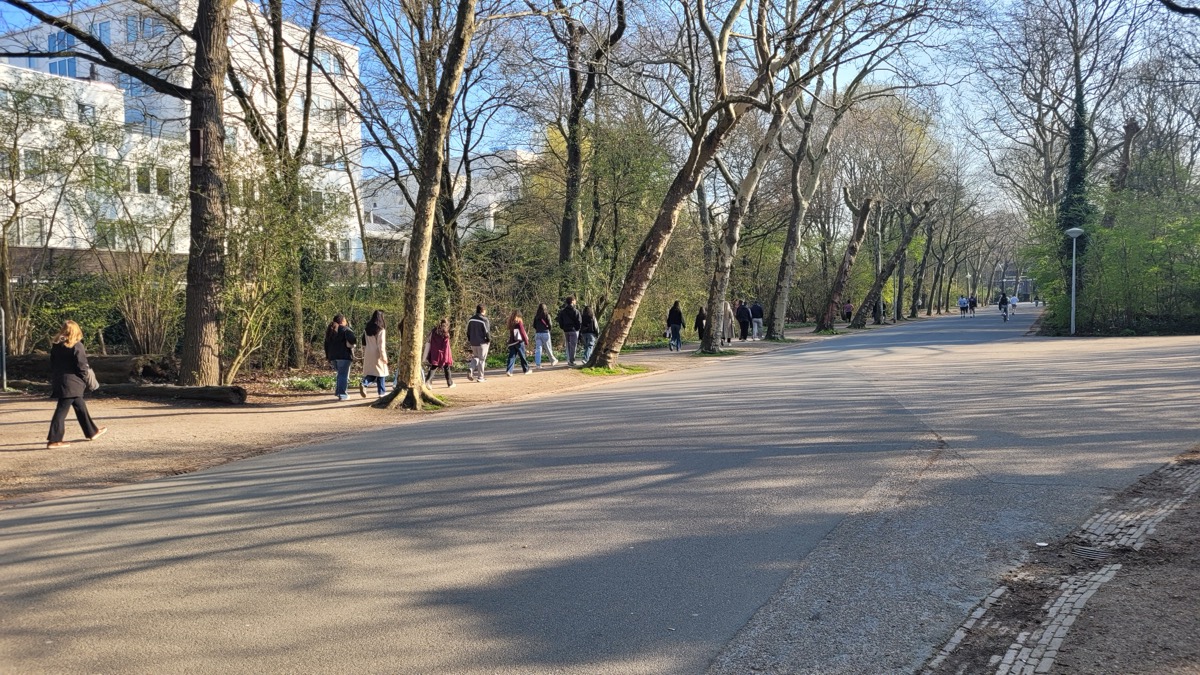
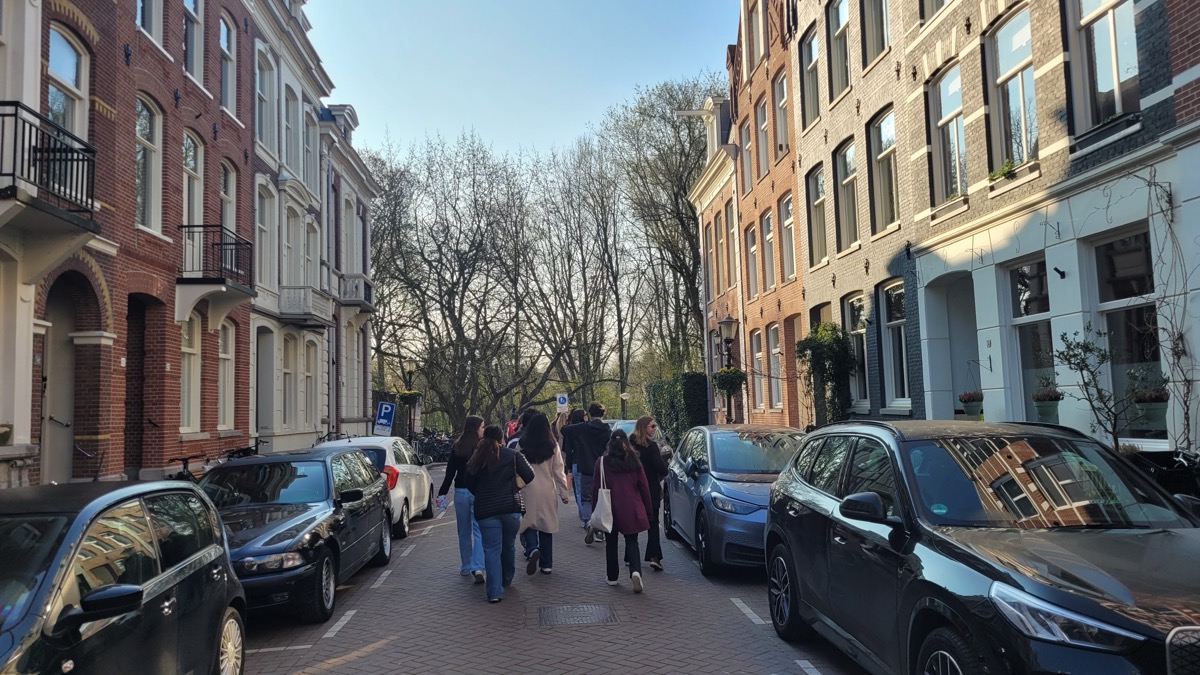
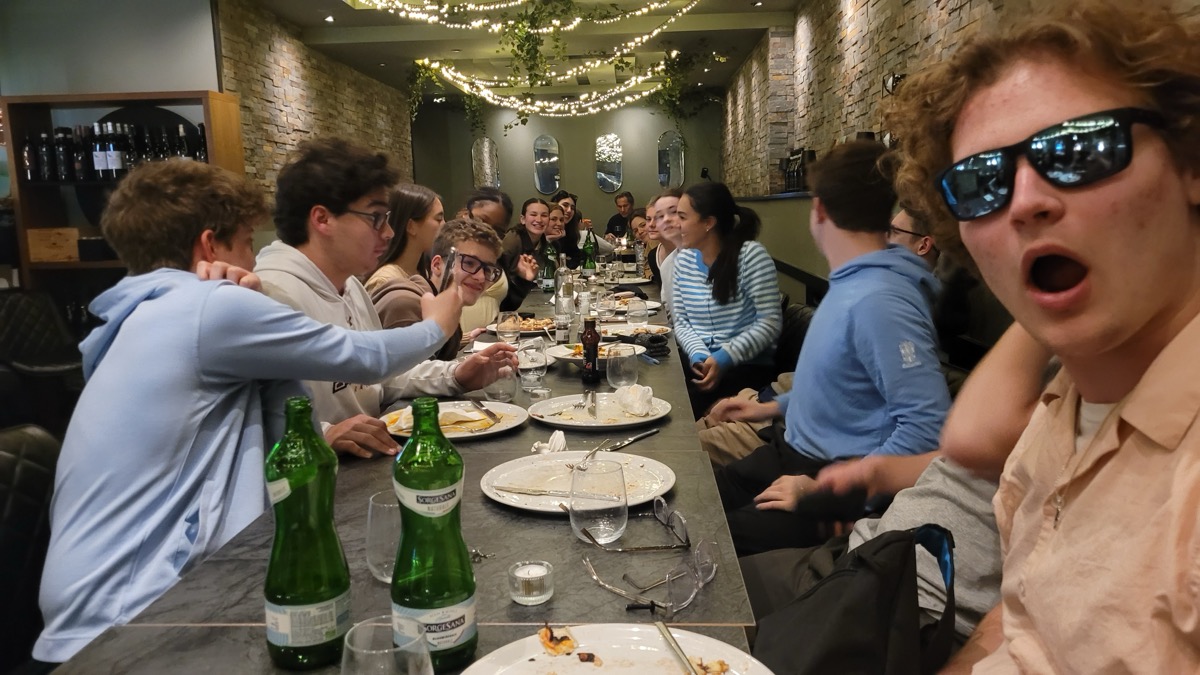
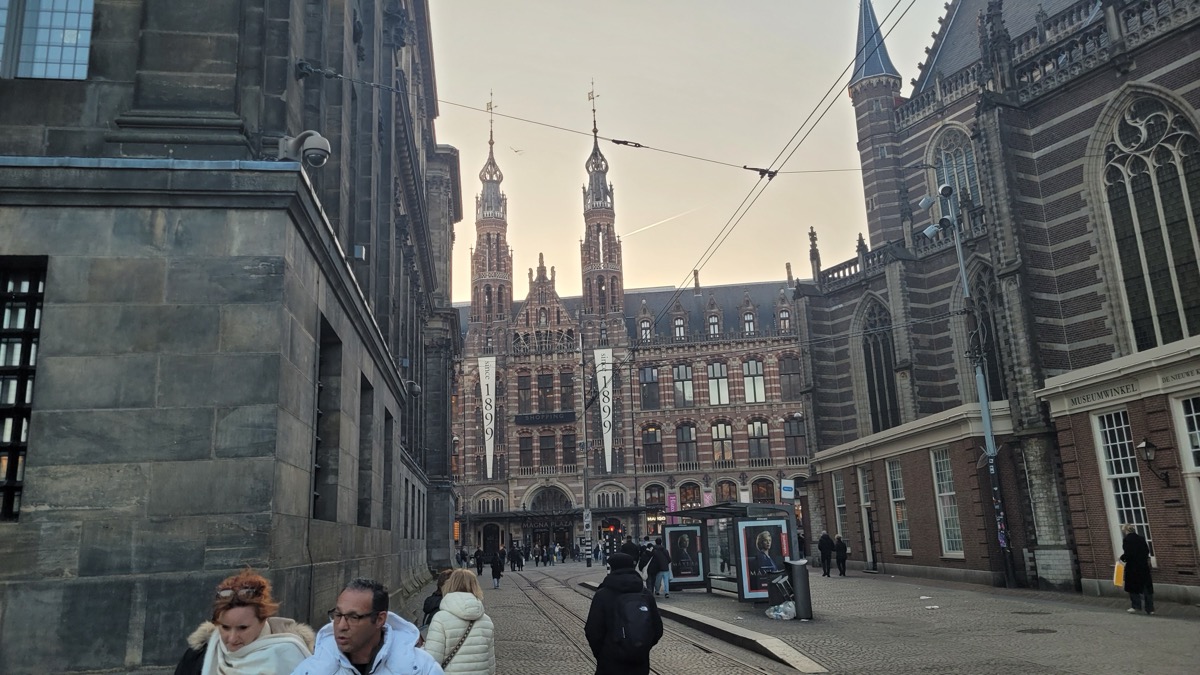
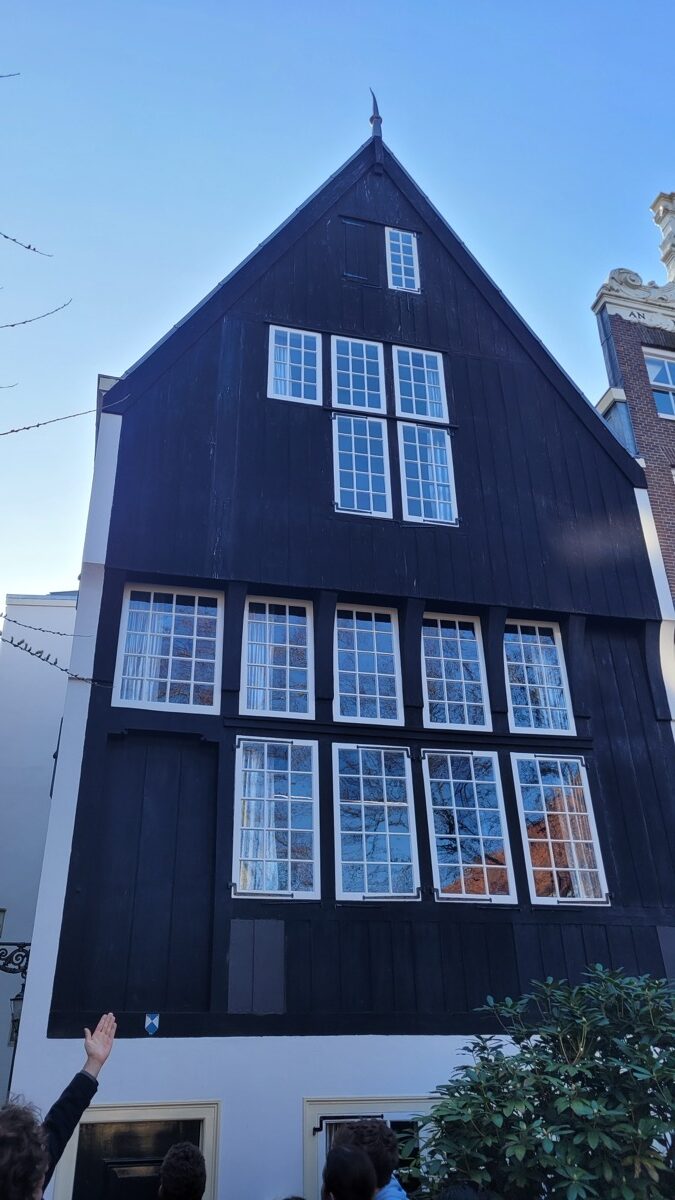
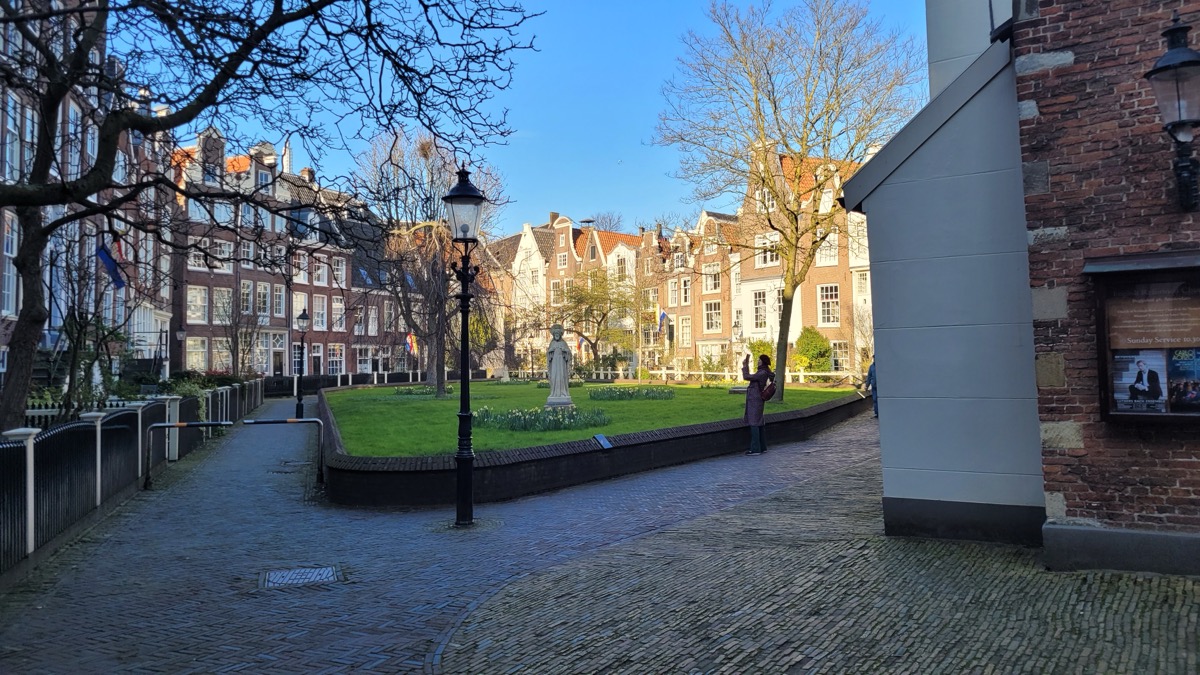
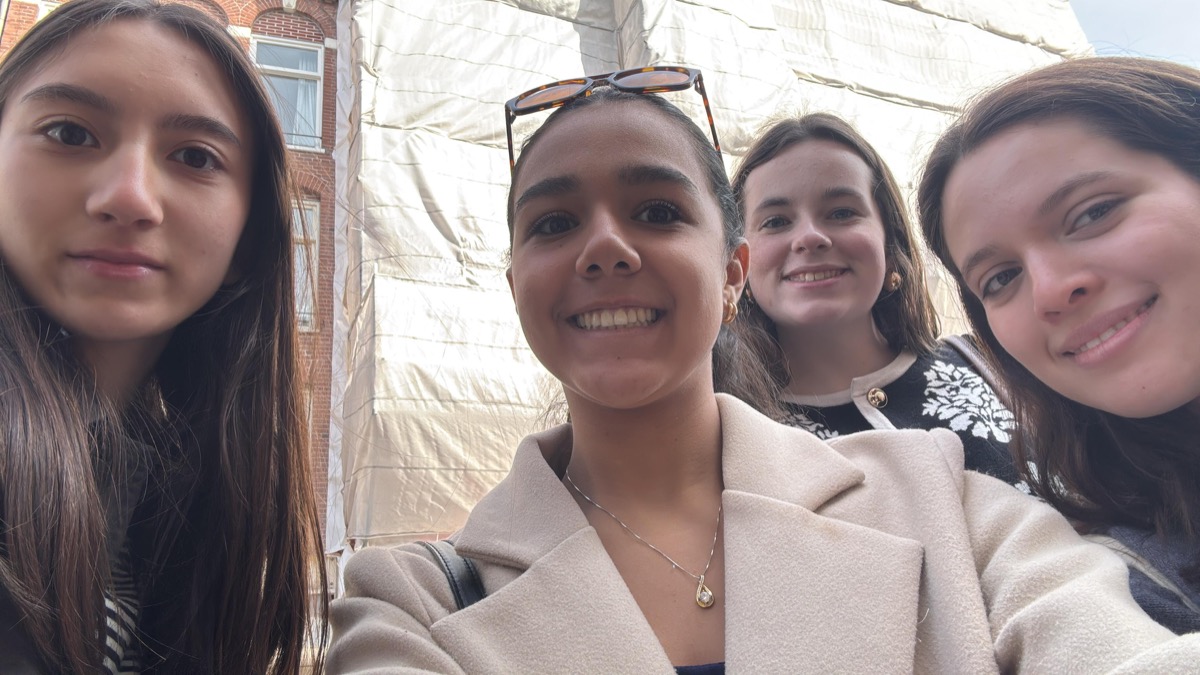
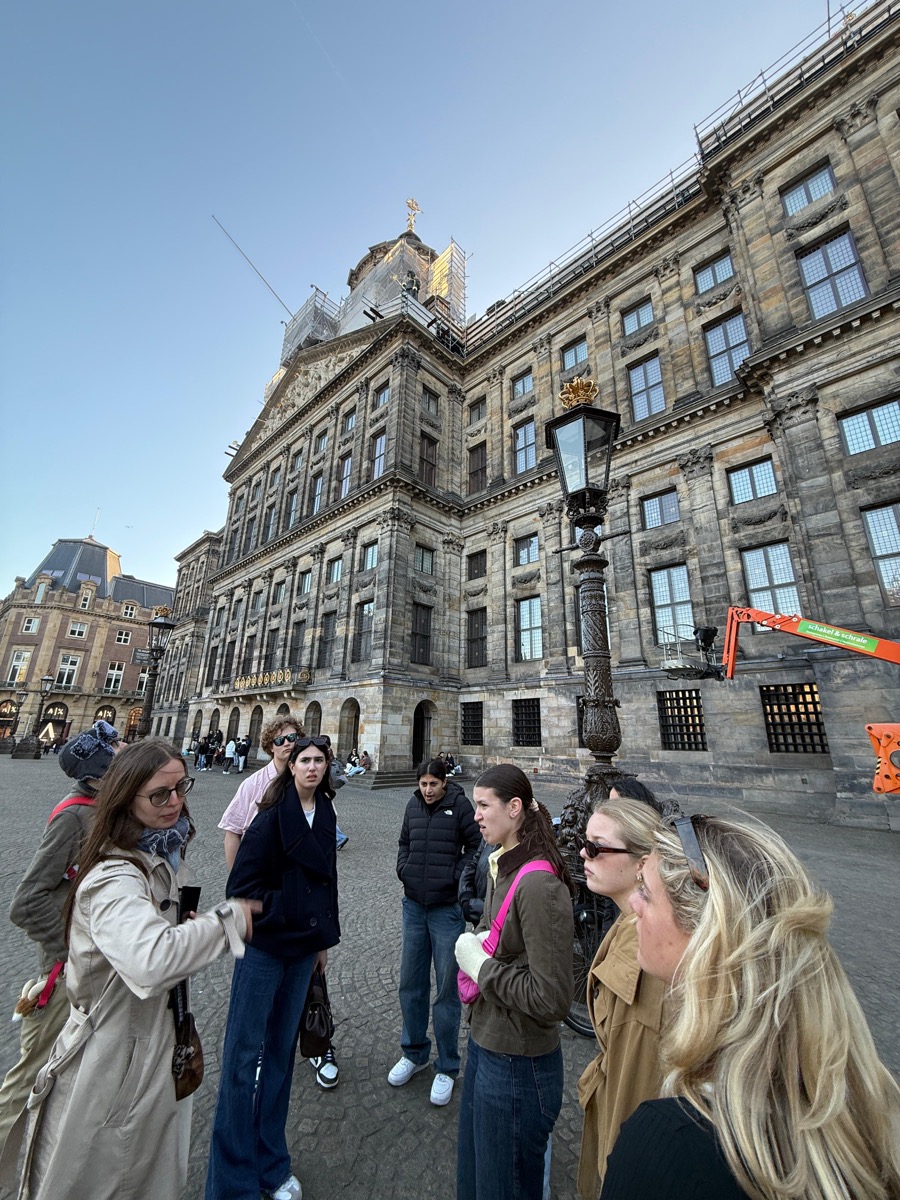
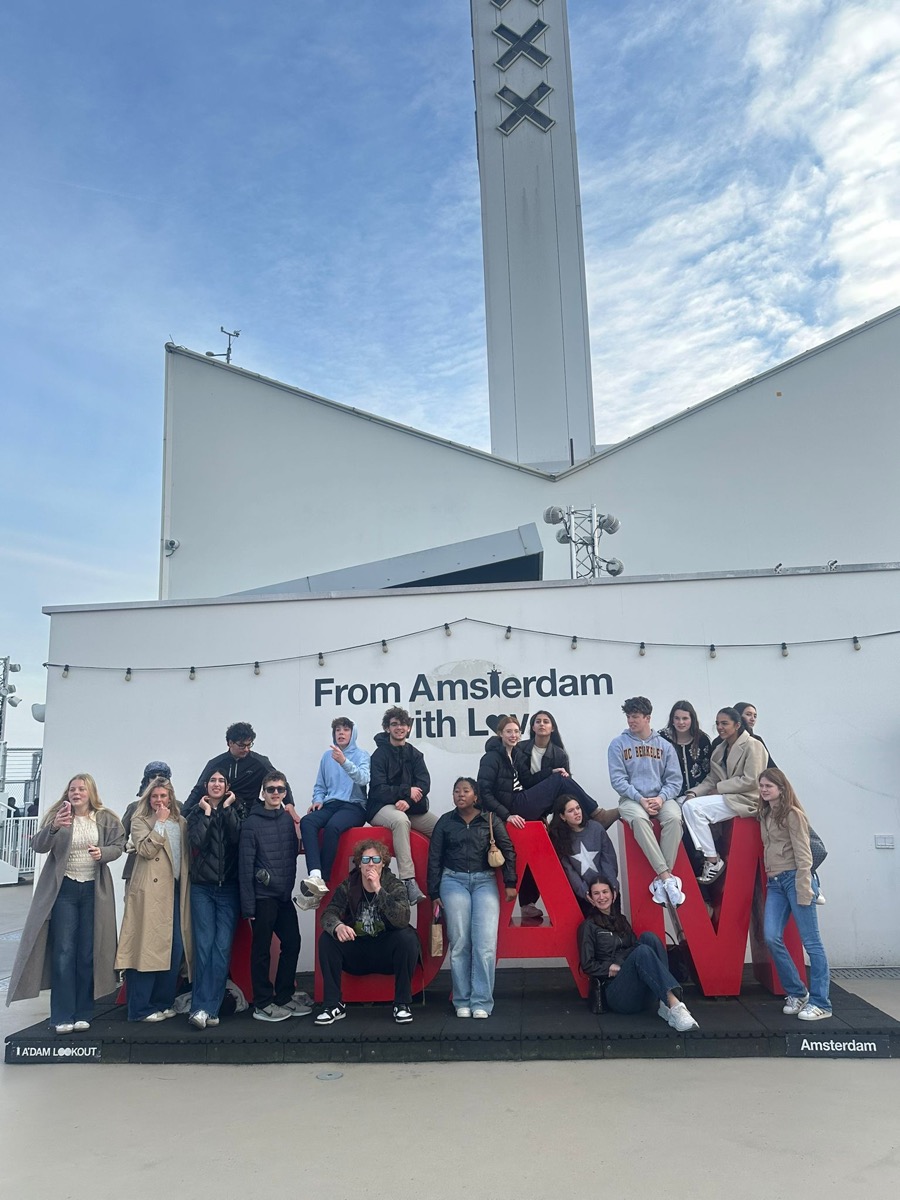
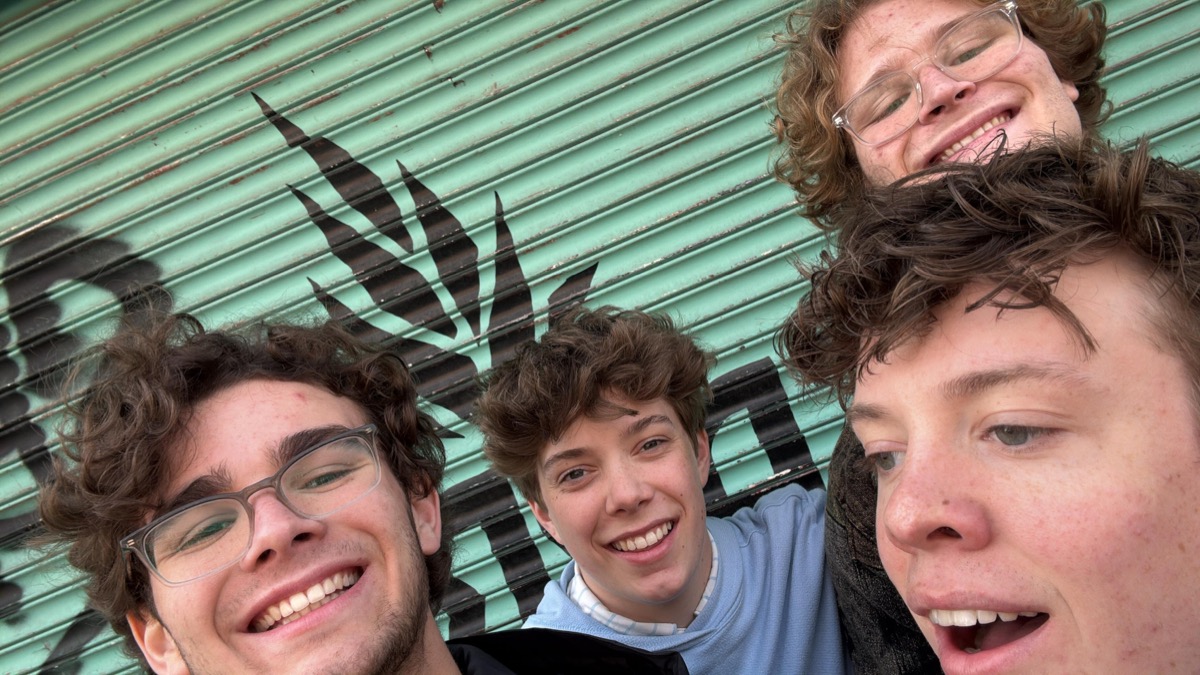
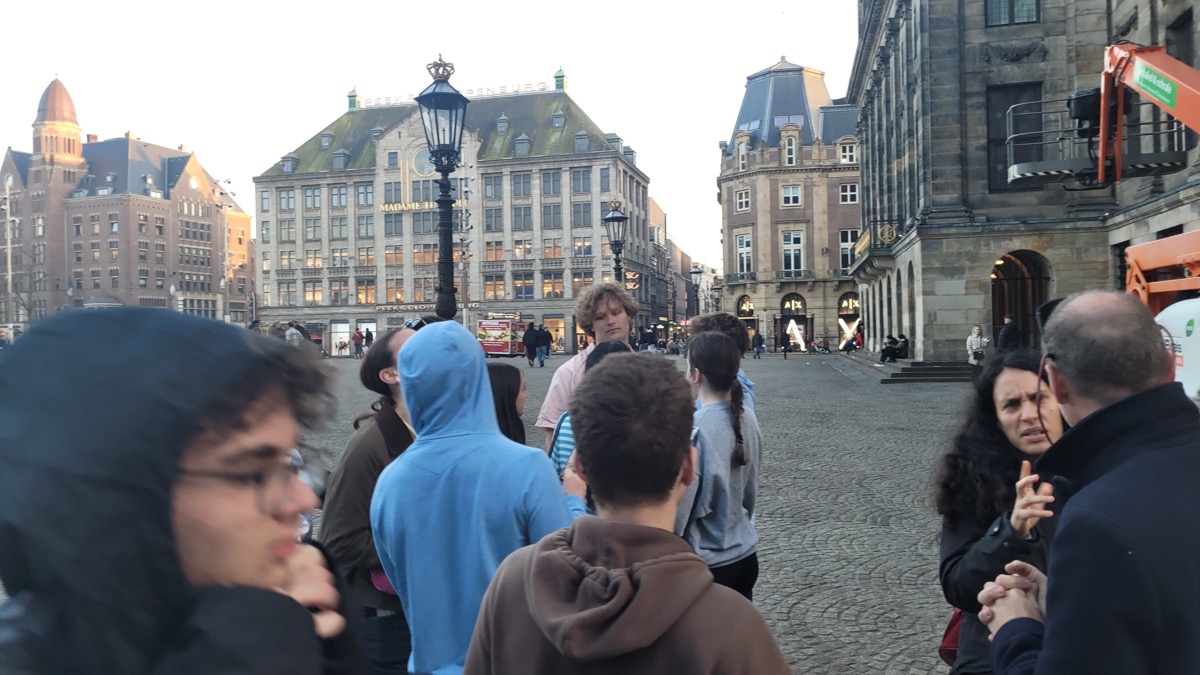
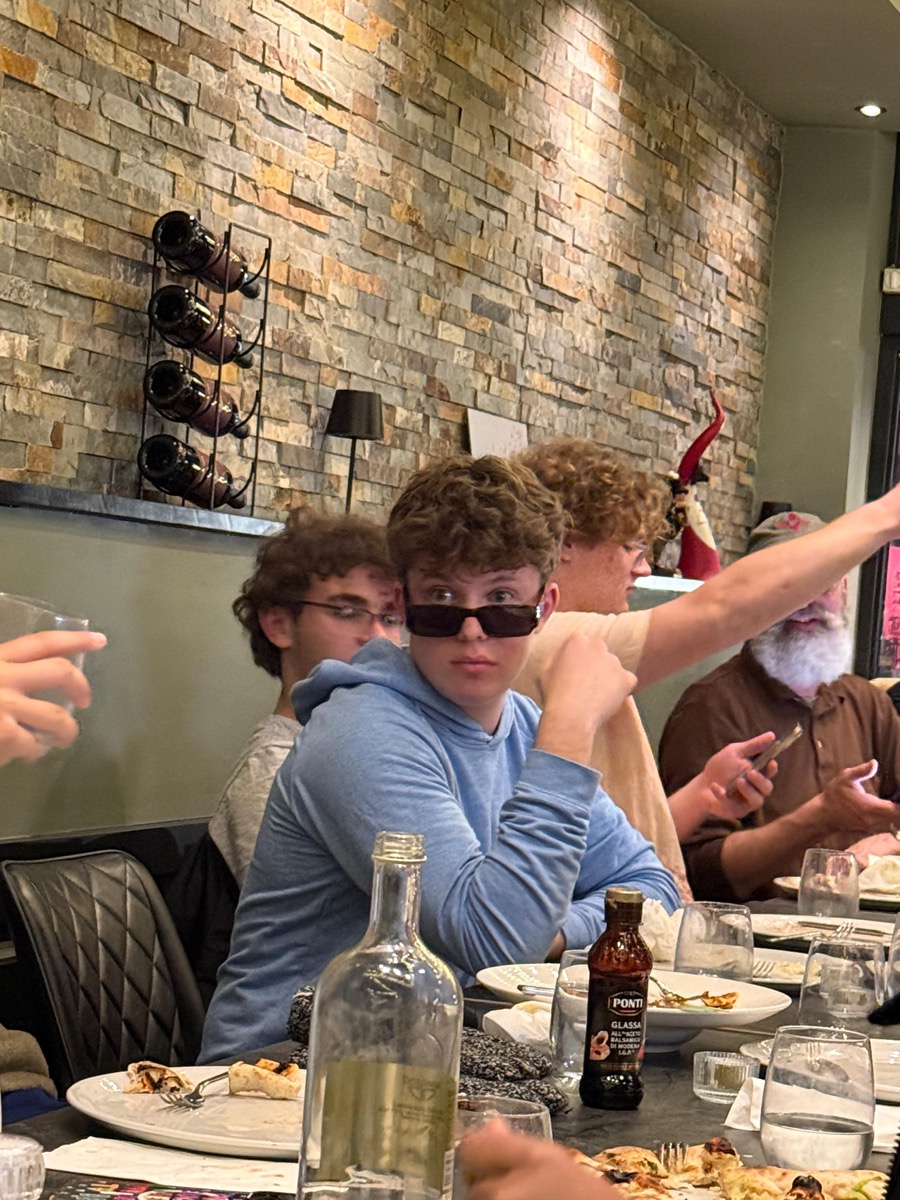
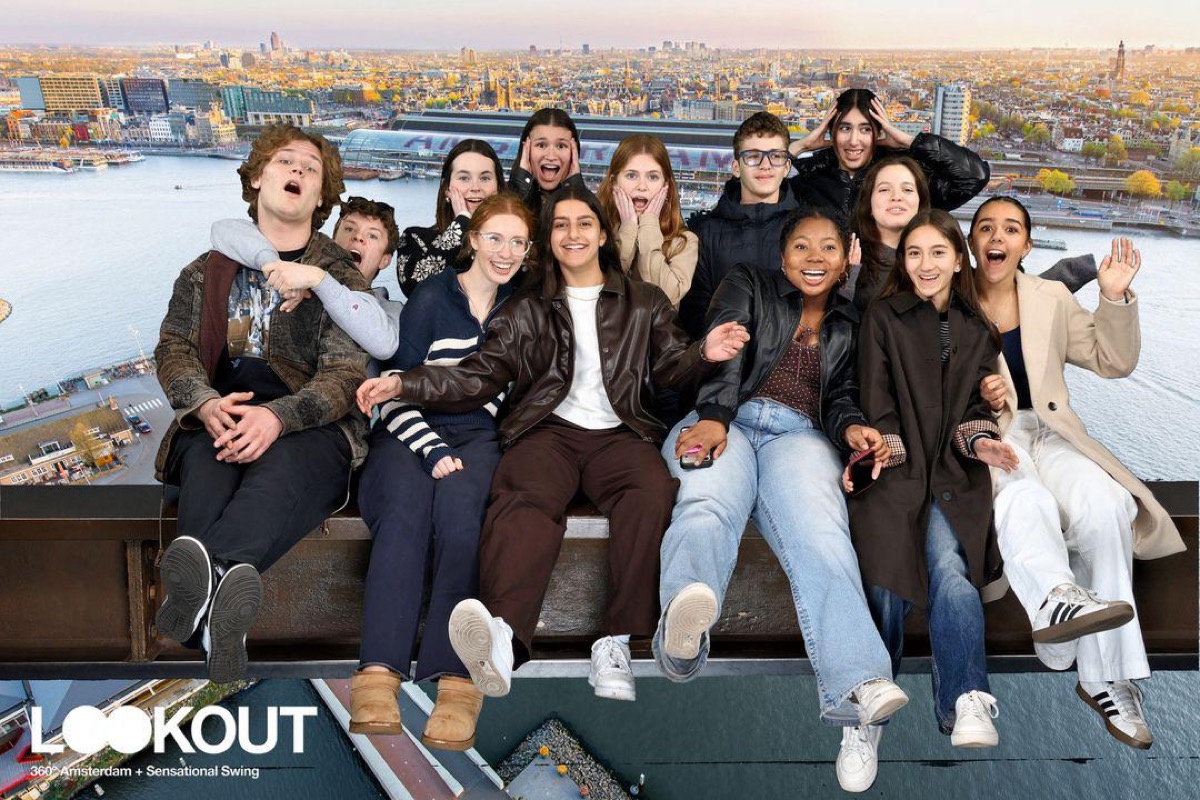
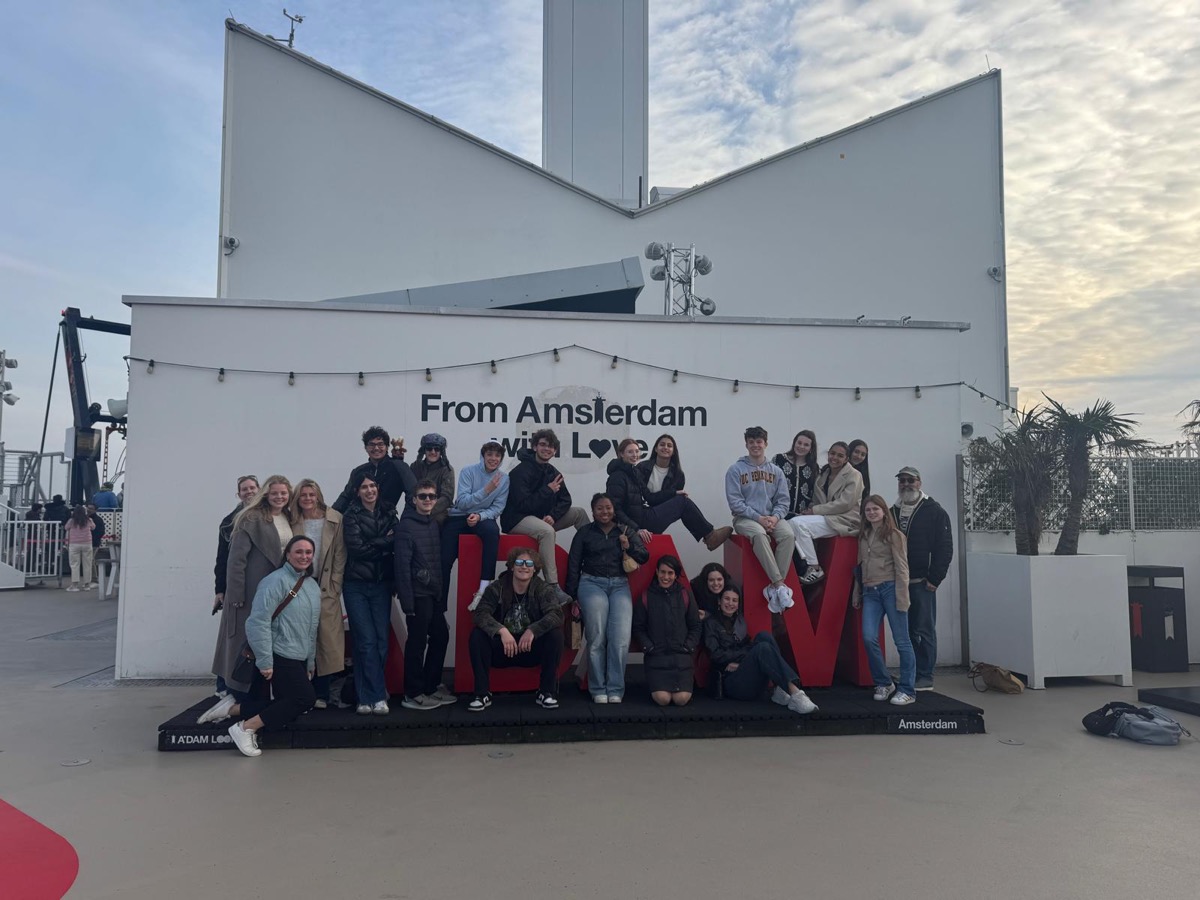
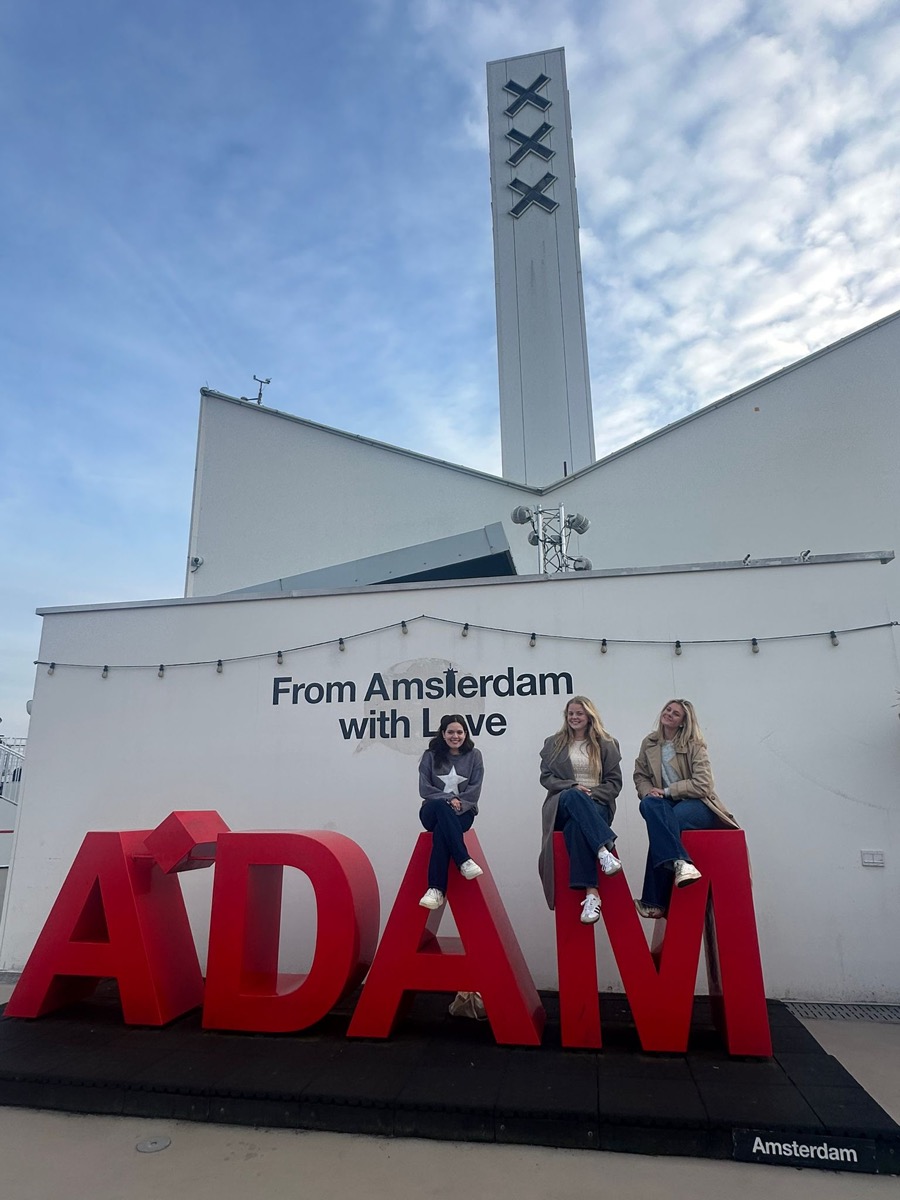
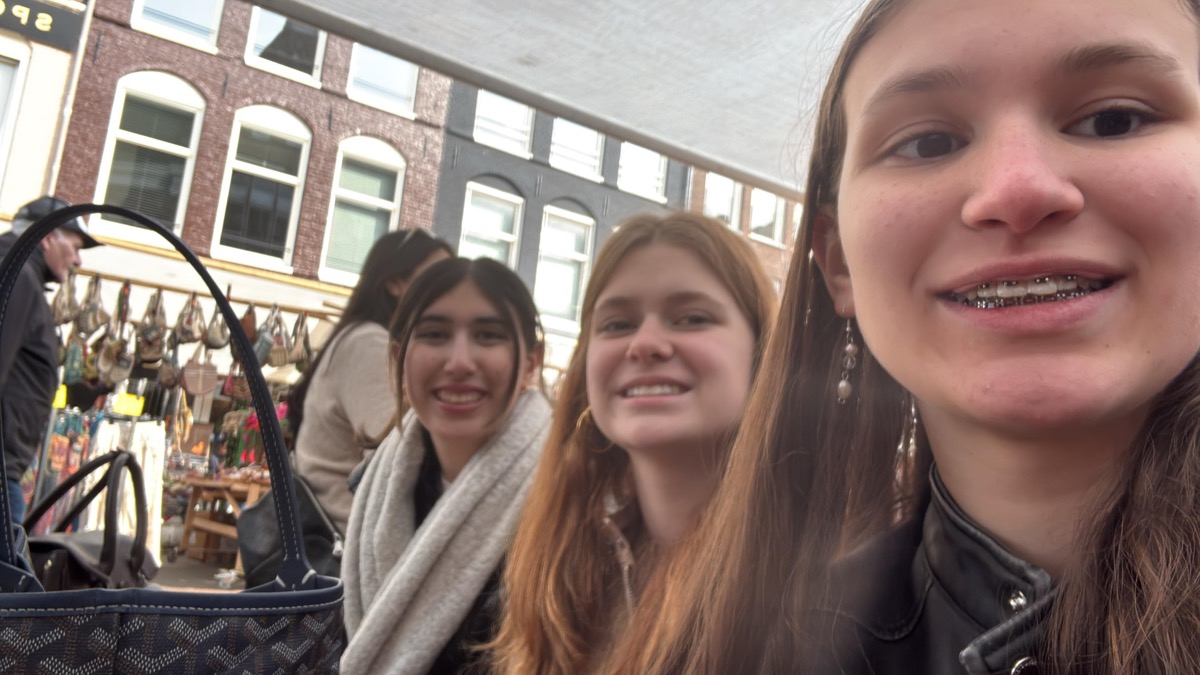
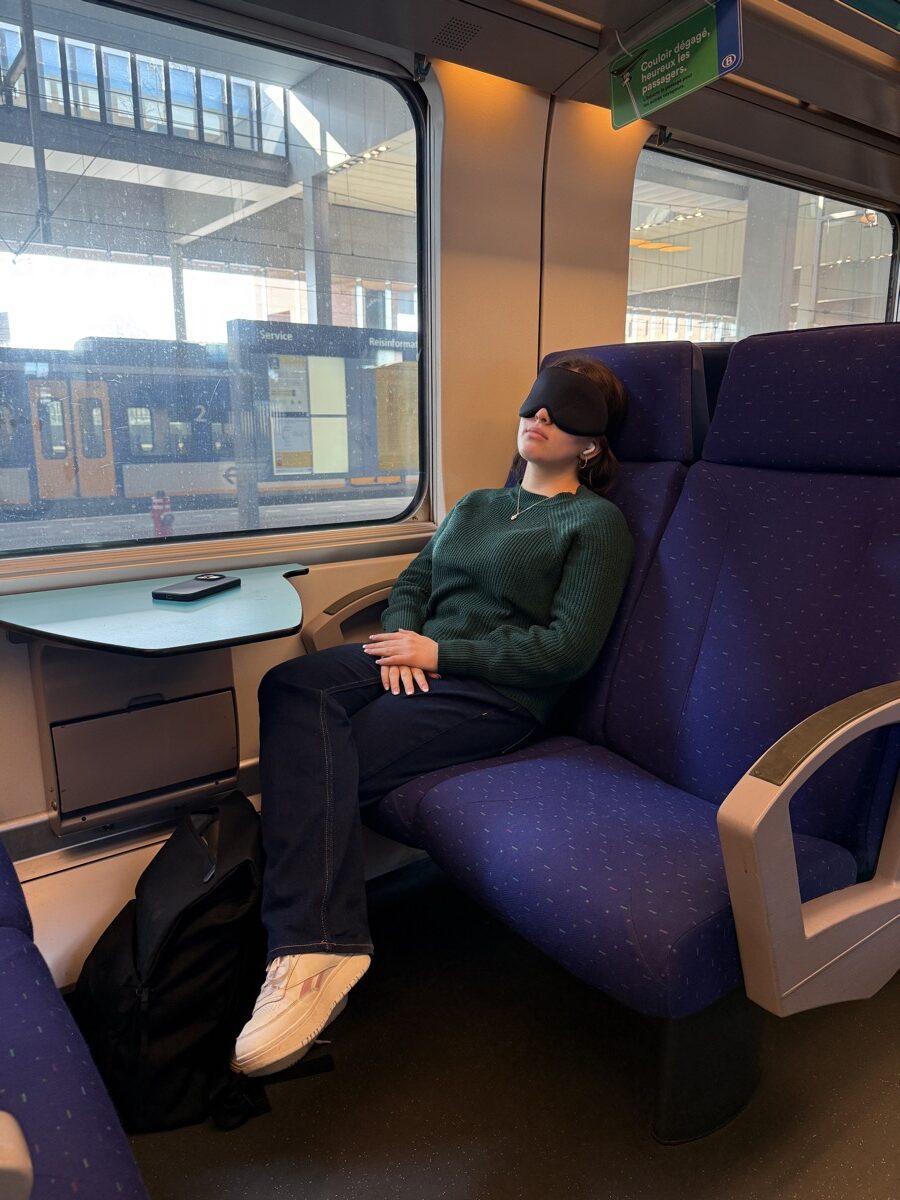
“While it took a little longer than planned for half the group to arrive in Brussels due to delays and missed connections, once we all arrived, the trip exceeded my expectations,” said Trip Chaperone & Upper School History Teacher Elizabeth Wells. We were able to see and do so many different things, from making Belgian chocolates to walking through WWI trenches to visiting windmills and taking a cruise through the canals, just to name a few. The students were excellent travelers who adapted well to changes in the itinerary, engaged in the planned activities, and took advantage of opportunities to explore and learn about different places on their own. The highlight for me was seeing each and every student have multiple moments of excitement throughout the ten days. For some, it was getting entrenched in the different histories of WWI or WWII, for others, it was learning about individual people and their stories, like at the Anne Frank House, and then there were those who wanted to meet the locals and learn about what was happening in the cities today while others were fascinated by the different buildings and businesses we encountered. It is my belief that there was something for everyone and that we all walked away with amazing memories.”



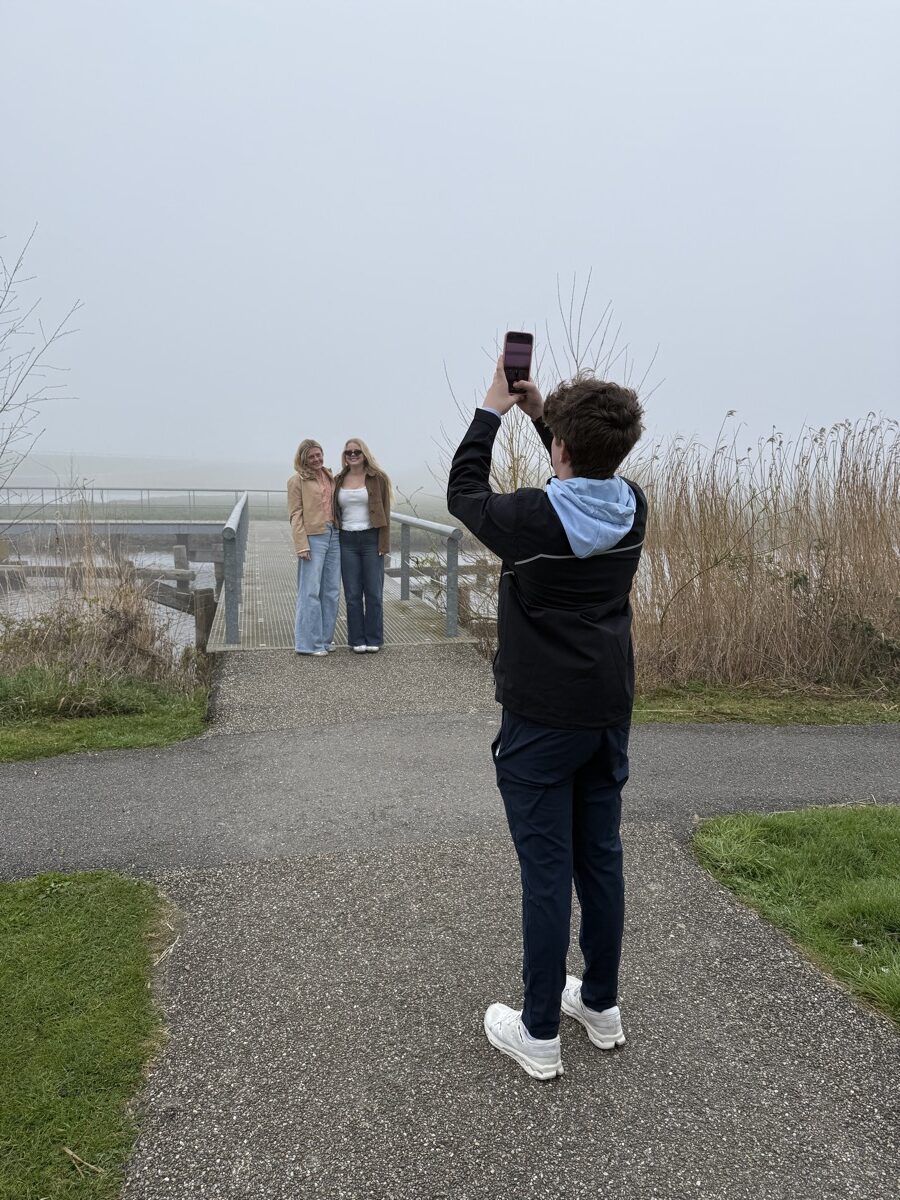
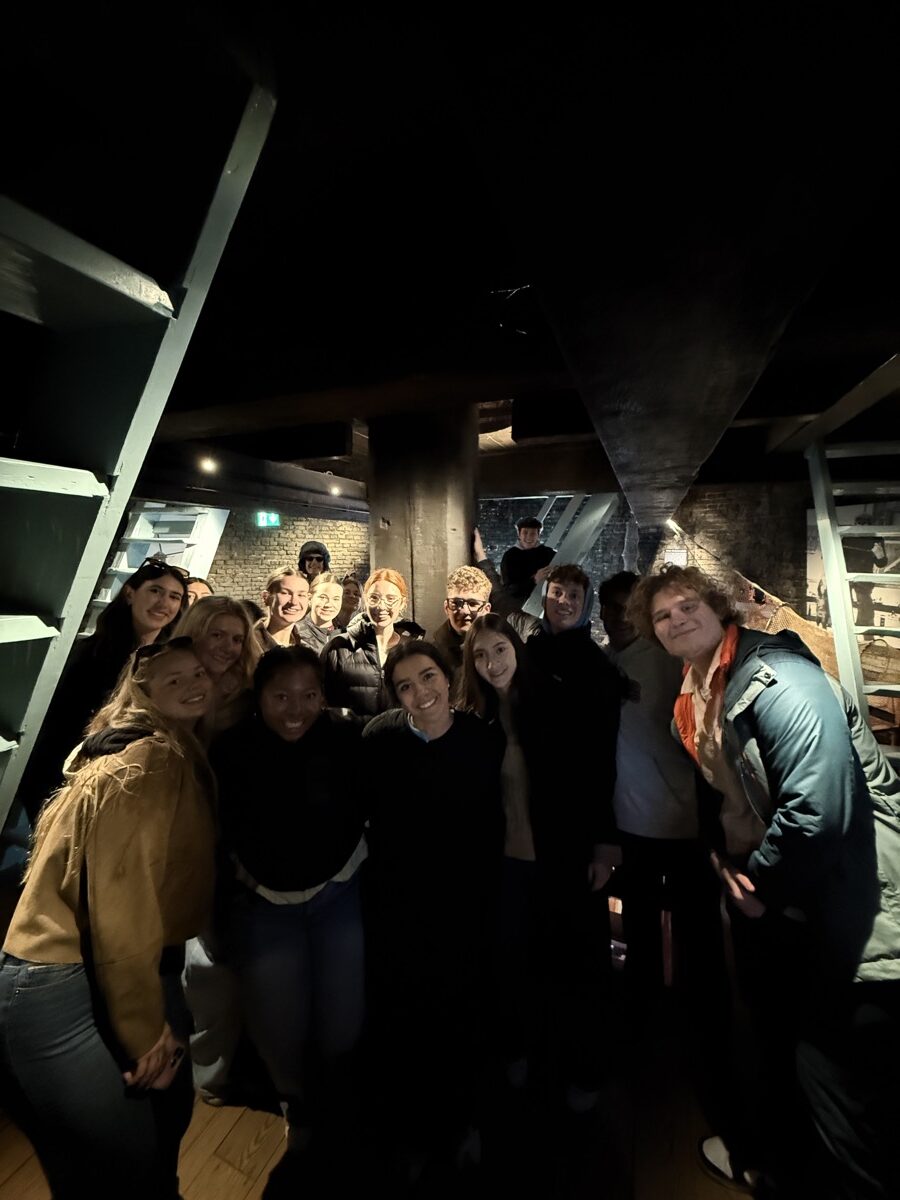
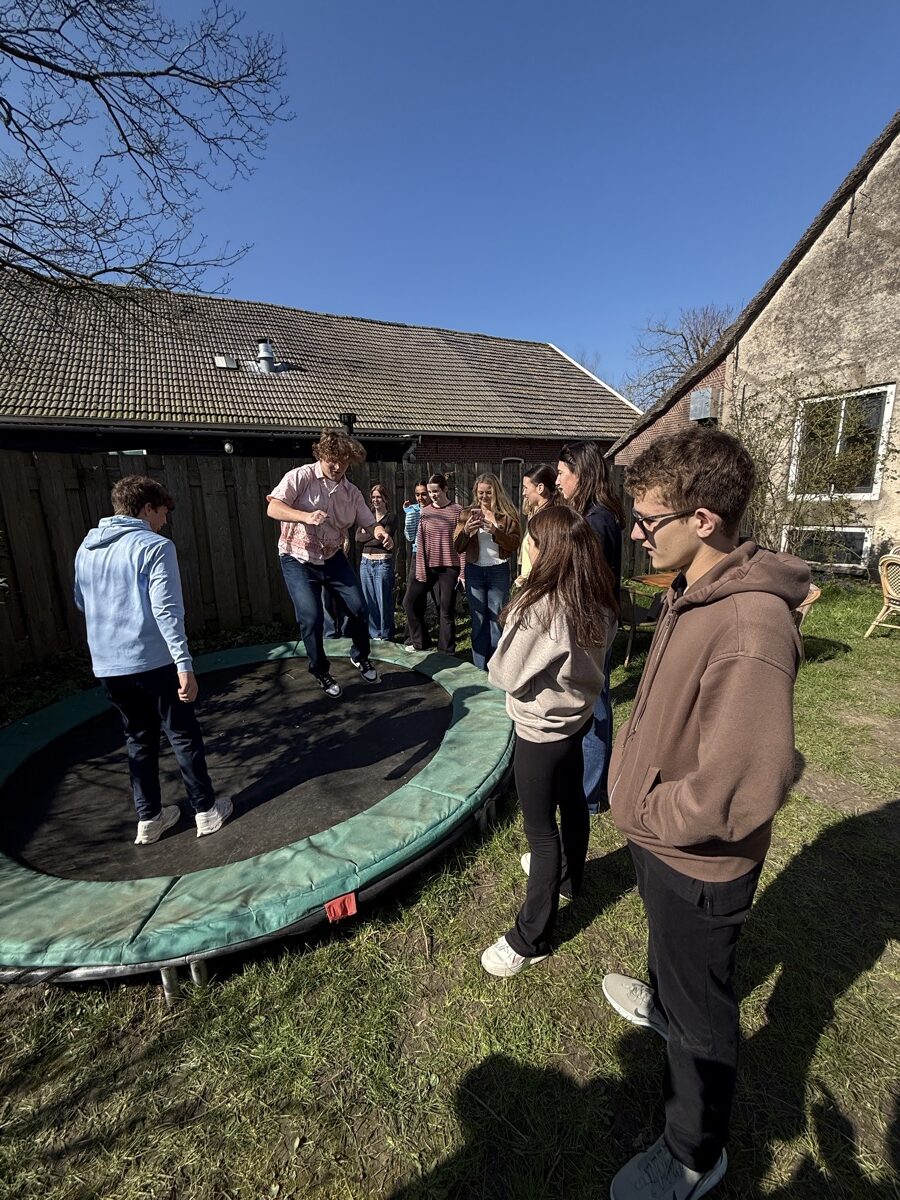
Trip Chaperone & Upper School History Teacher Kristin Roberts said, “Our spring break trip to Belgium and the Netherlands was memorable for many reasons. We even lucked out with sunny weather and no rain, and enjoyed a wide range of cultural and historical experiences. It was wonderful to watch our students’ curiosity and joy as they made new MICDS friends, navigated public transportation, tried new foods, explored tougher historical topics, and asked thoughtful questions of our guides. We saw and did so much, and I am incredibly proud of our students for being such fantastic travel companions! While I hope they came away with a deeper appreciation for the history and cultures of these nations, I also hope it sparked a desire to continue exploring and experiencing other parts of our world.”
Sam Glasser ’26 said, “The reason I went on this trip was to spend more time with my siblings before I went off to college, so of course, this was my favorite part of the trip. I also wanted to see where my familial lineage is from and where my grandma was raised. Going on the trip allowed me to compare how the EU manages the proximity of its countries and how they run the government compared to the USA.”
As the students returned to St. Louis, the trip served as a powerful reminder that history does not live solely in textbooks, but in the people, places, and cultures that define our world.