By Laura Pupillo, Lower School Science Teacher
In Lower School science, we have thoroughly enjoyed following the Artemis II mission! Ahead of the launch, we registered for a virtual passenger ticket, which is listed along with thousands of others and is currently traveling through space on an SD card inside a stuffed toy named Rise. Last week, each class enjoyed watching the April 1 launch while learning about the different parts of Artemis II—the rocket, the modules, and the Orion spacecraft. We studied the flight path and explored the purpose of the mission.
To bring Artemis II to life in Lower School science, each class dove into the theme of rockets and/or the moon:
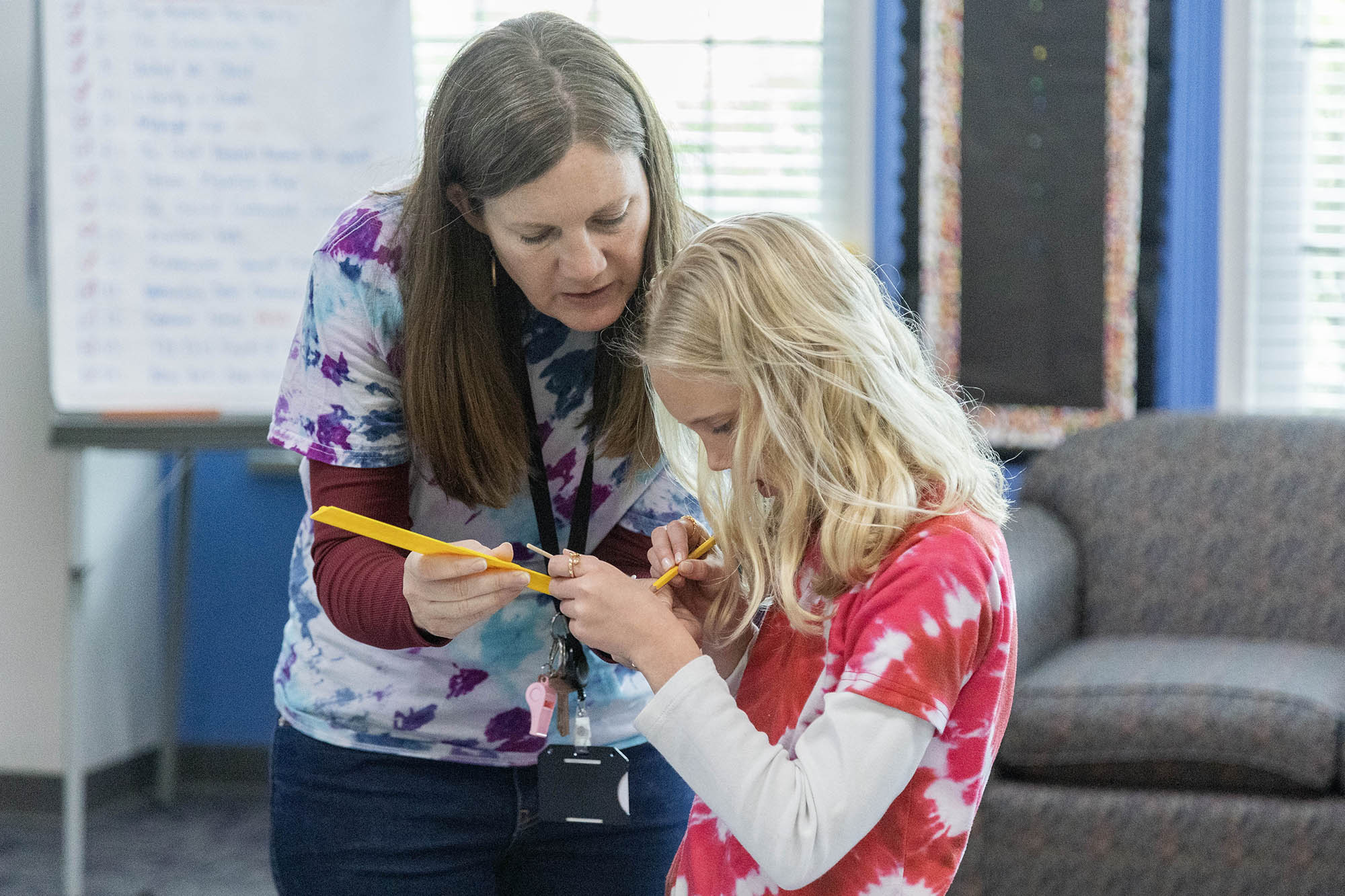
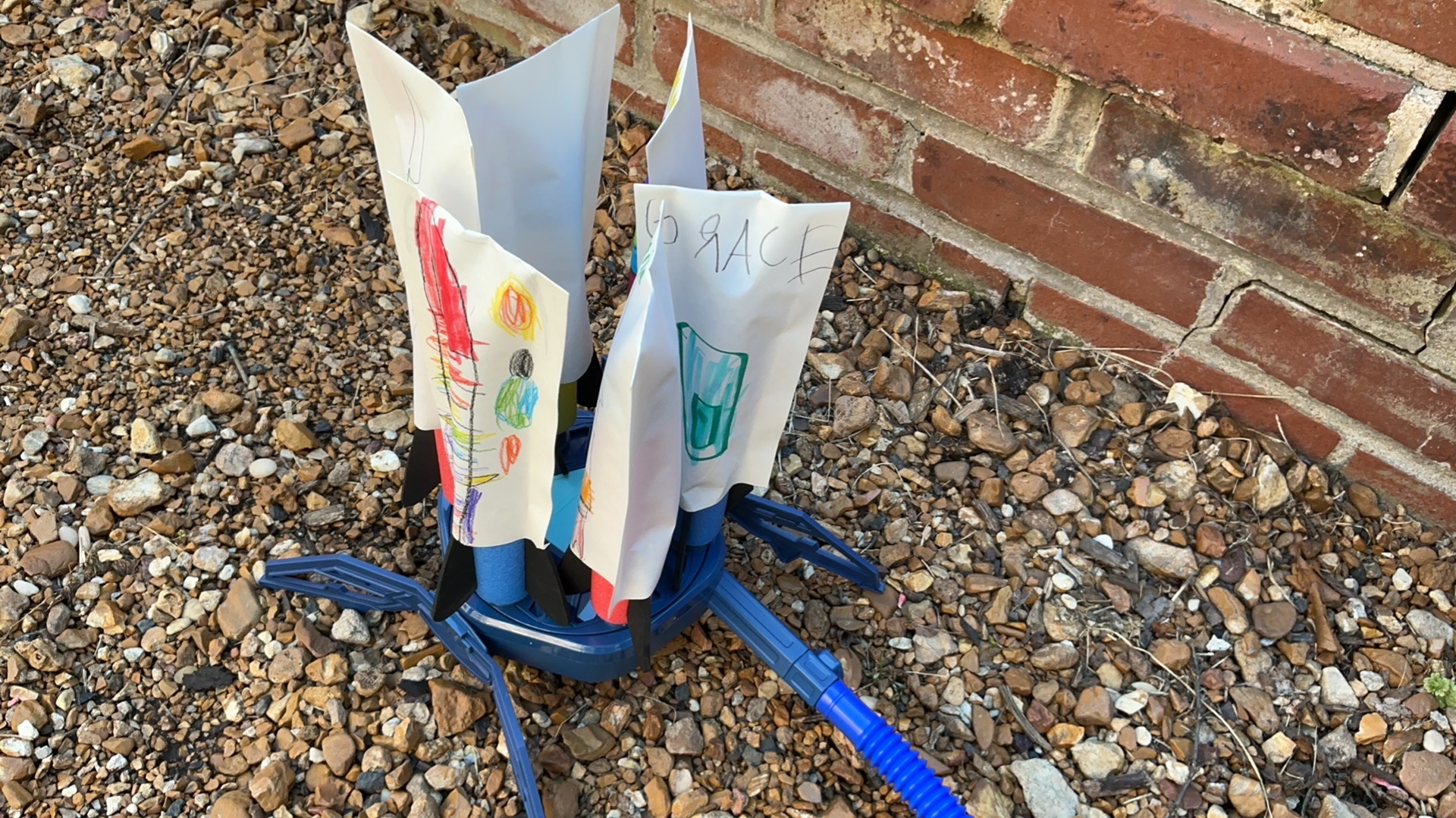
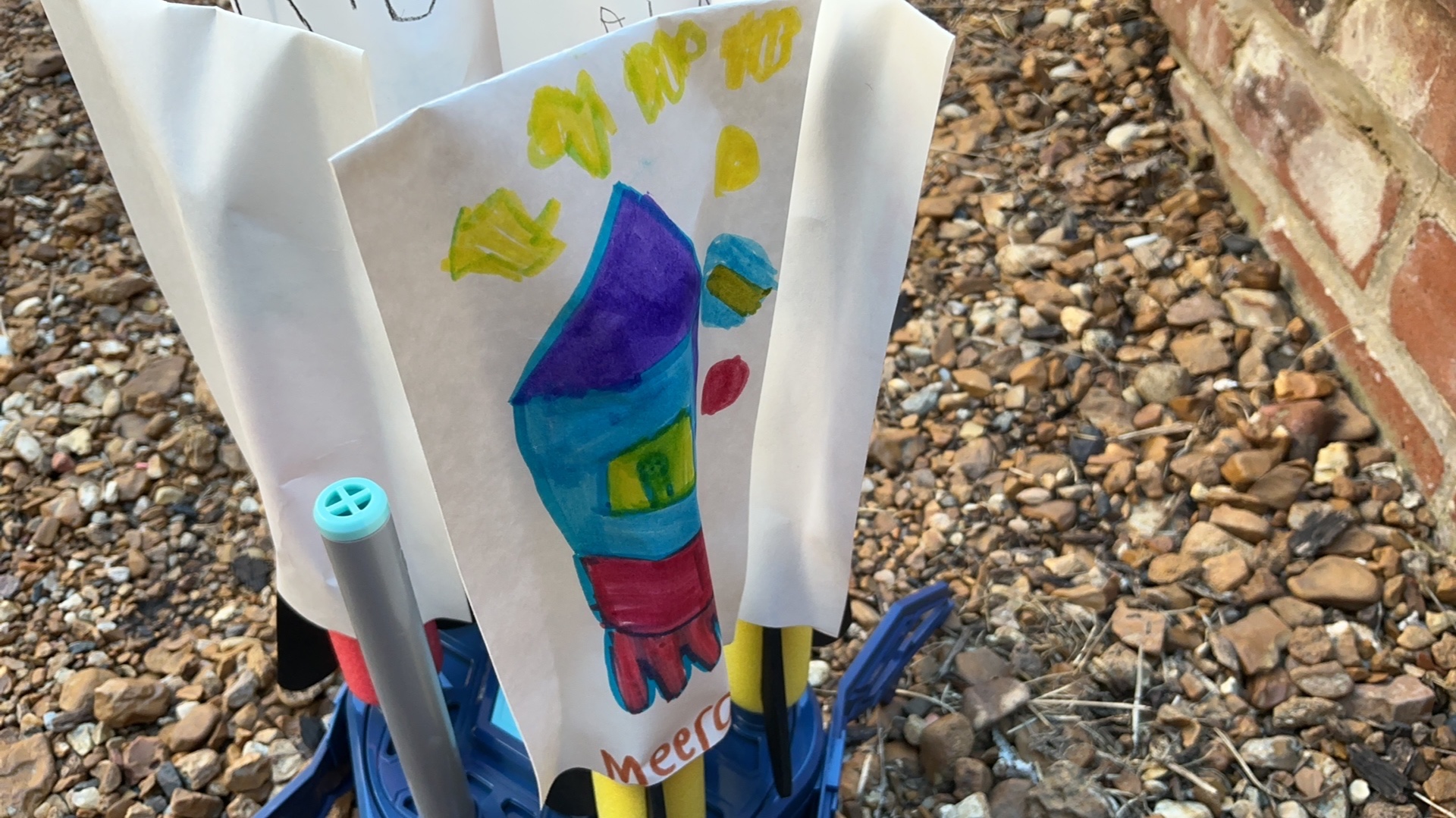
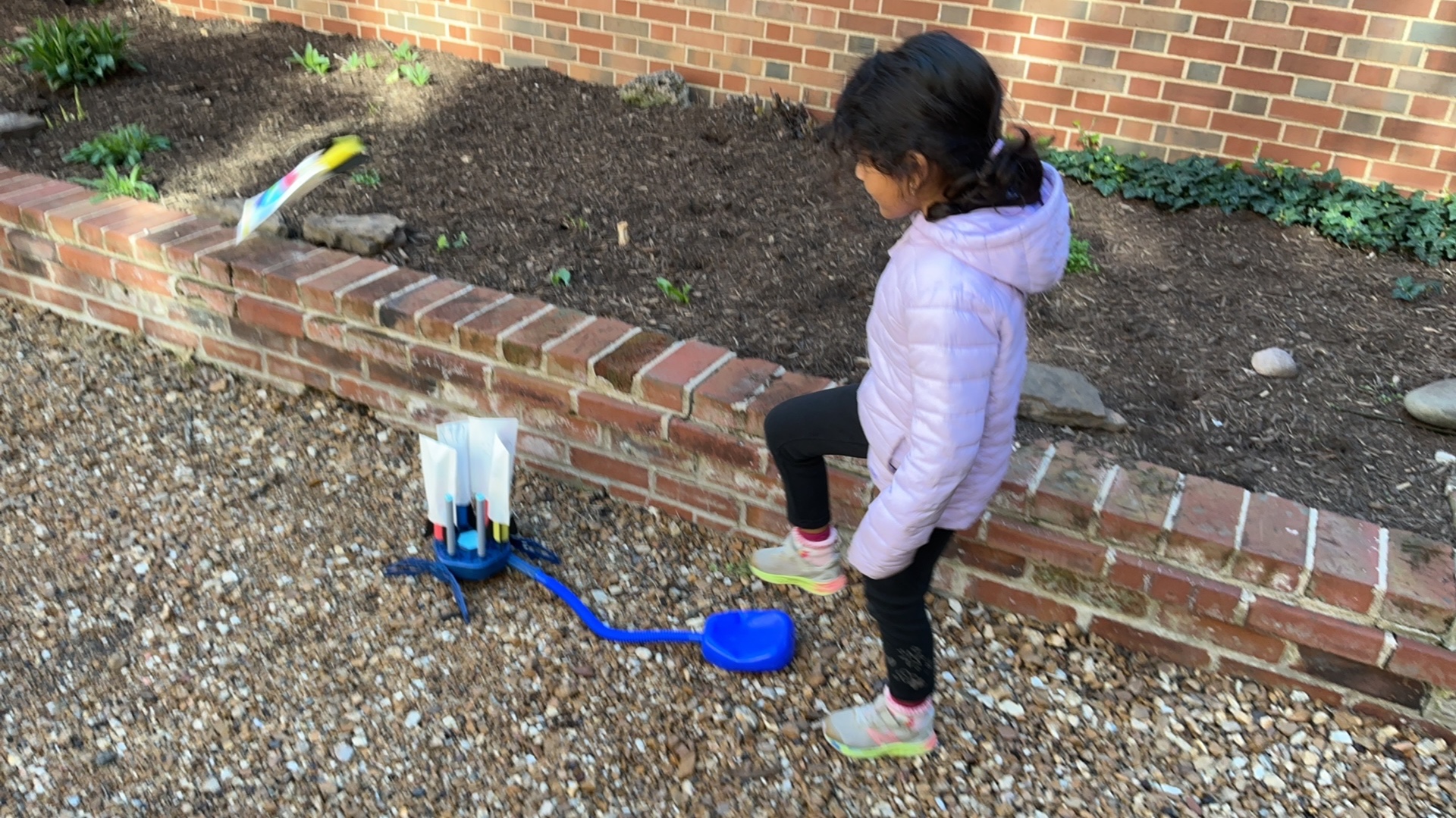
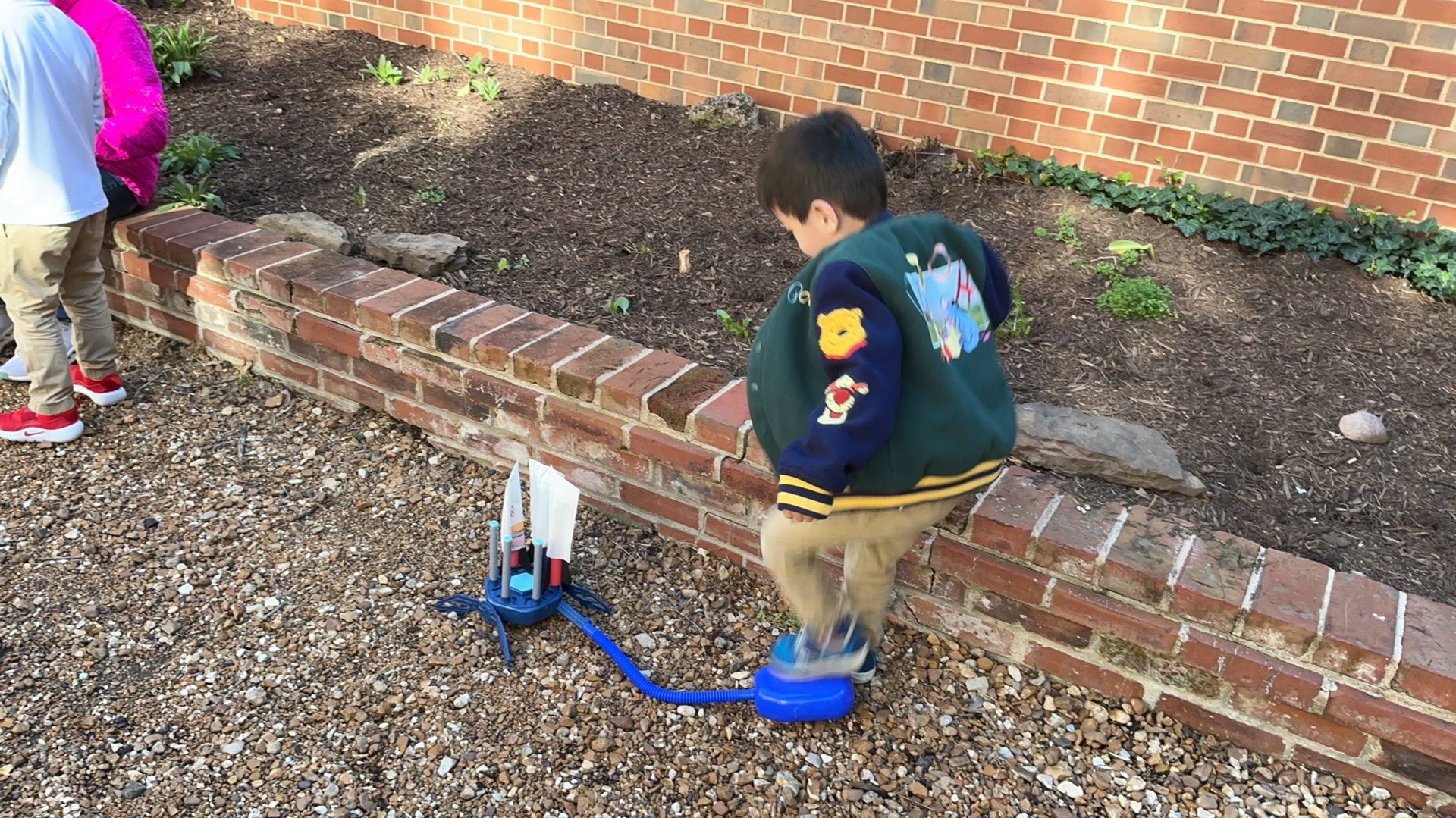
Junior Kindergarten: Students learned about the parts of a rocket and the Orion spacecraft. They designed their own paper rockets and launched them using air pressure.
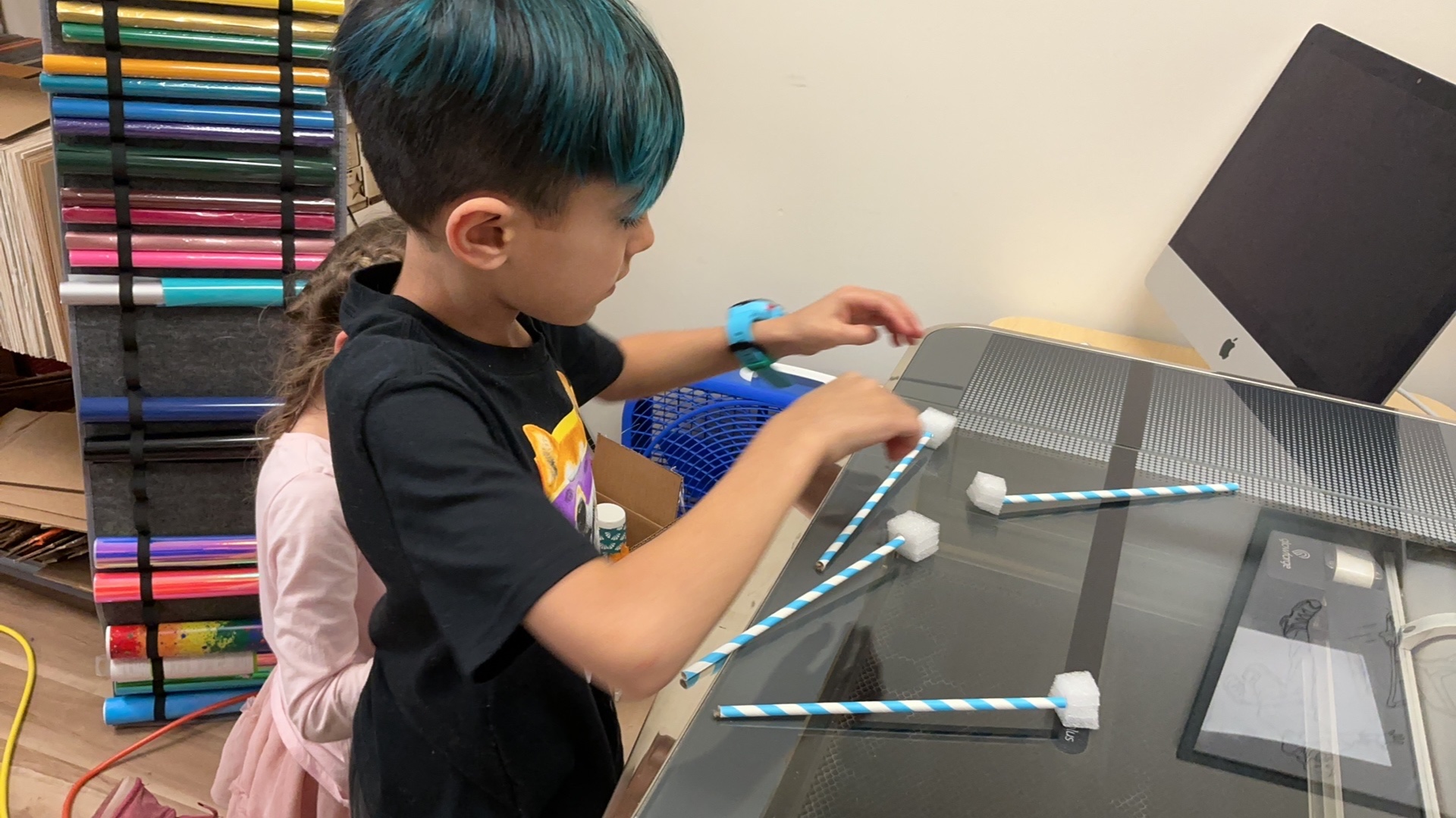
Senior Kindergarten: Students created straw rockets and tested whether applying more force (by blowing harder) caused their rockets to travel farther.
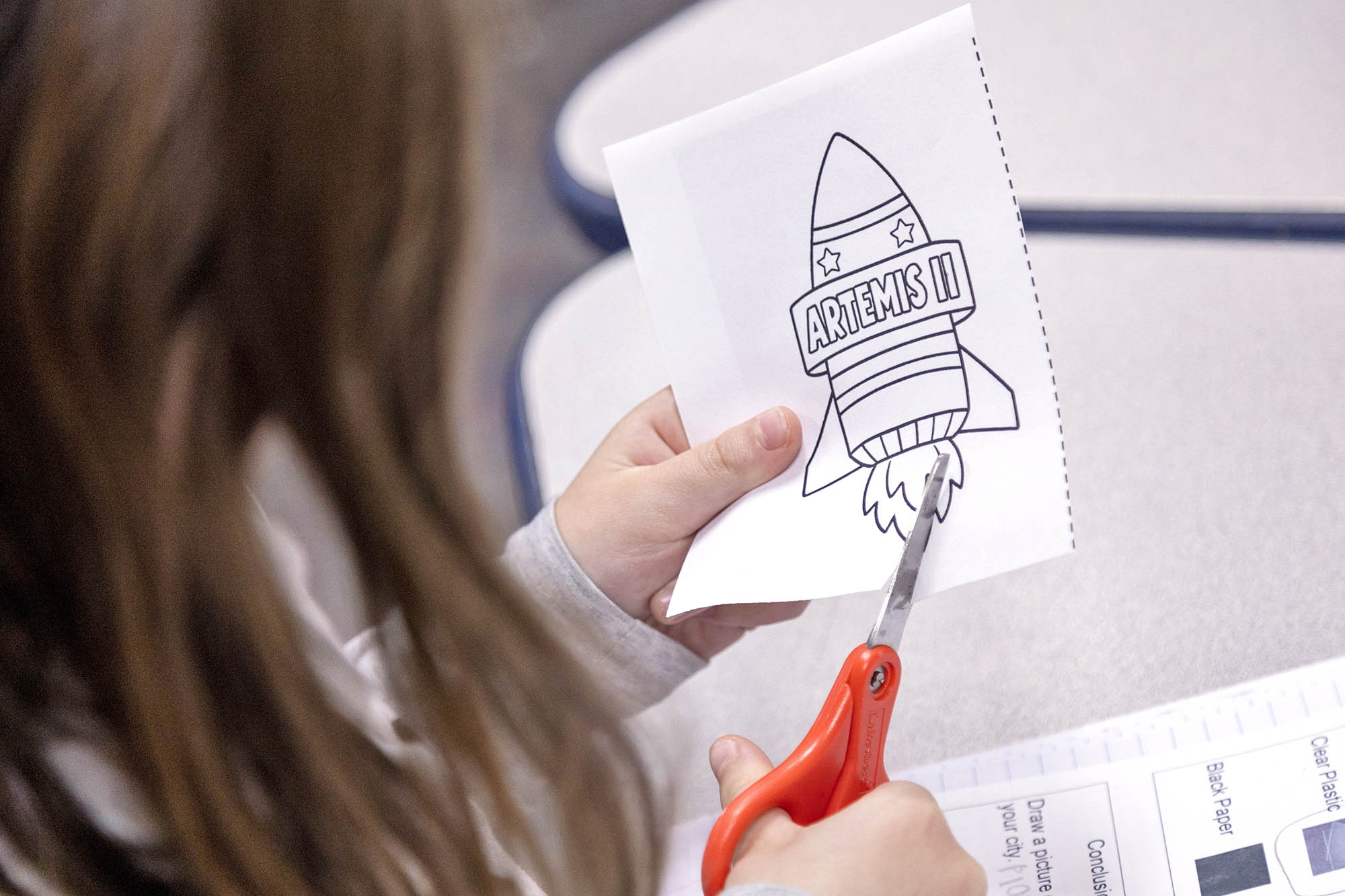
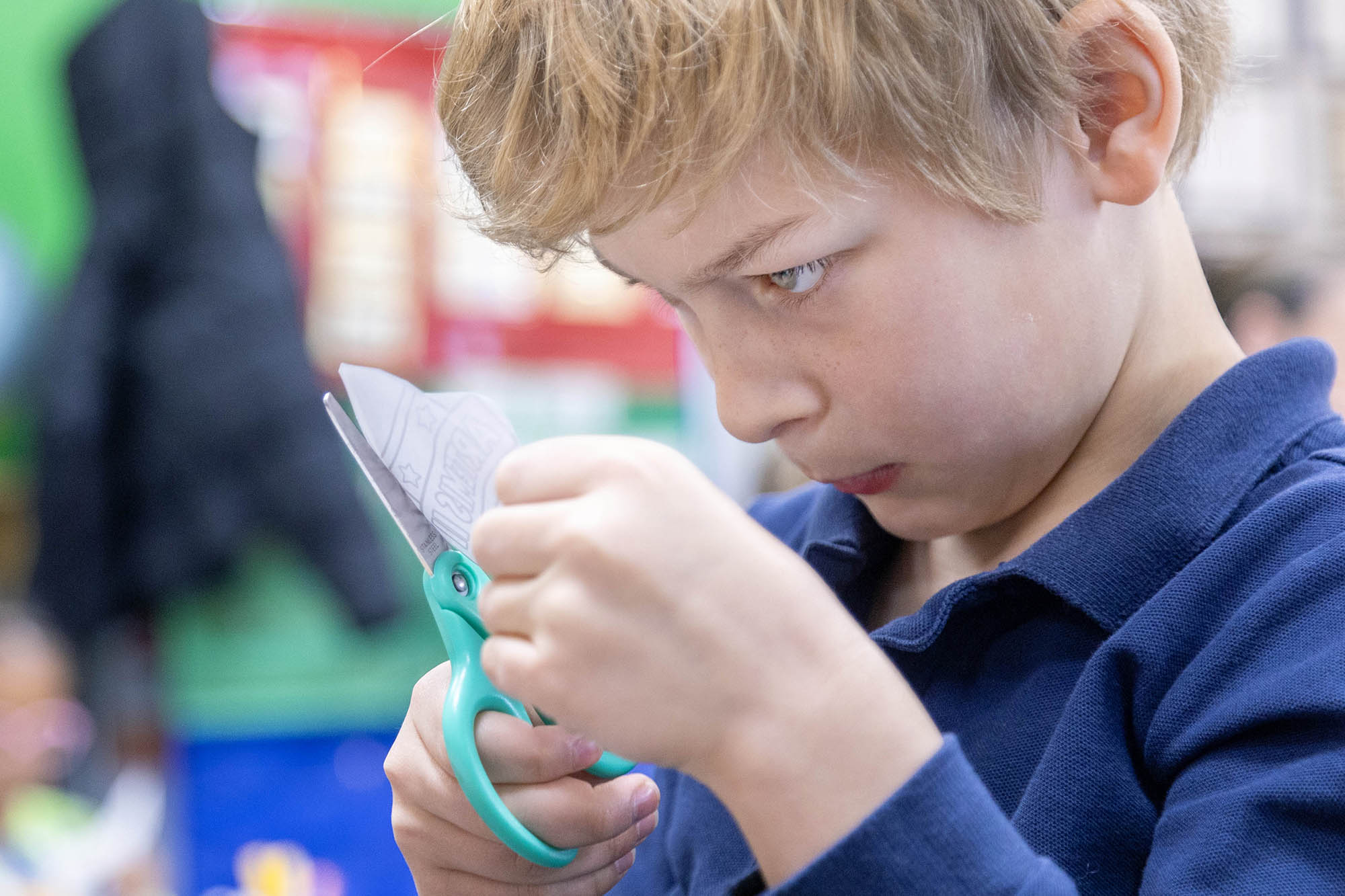
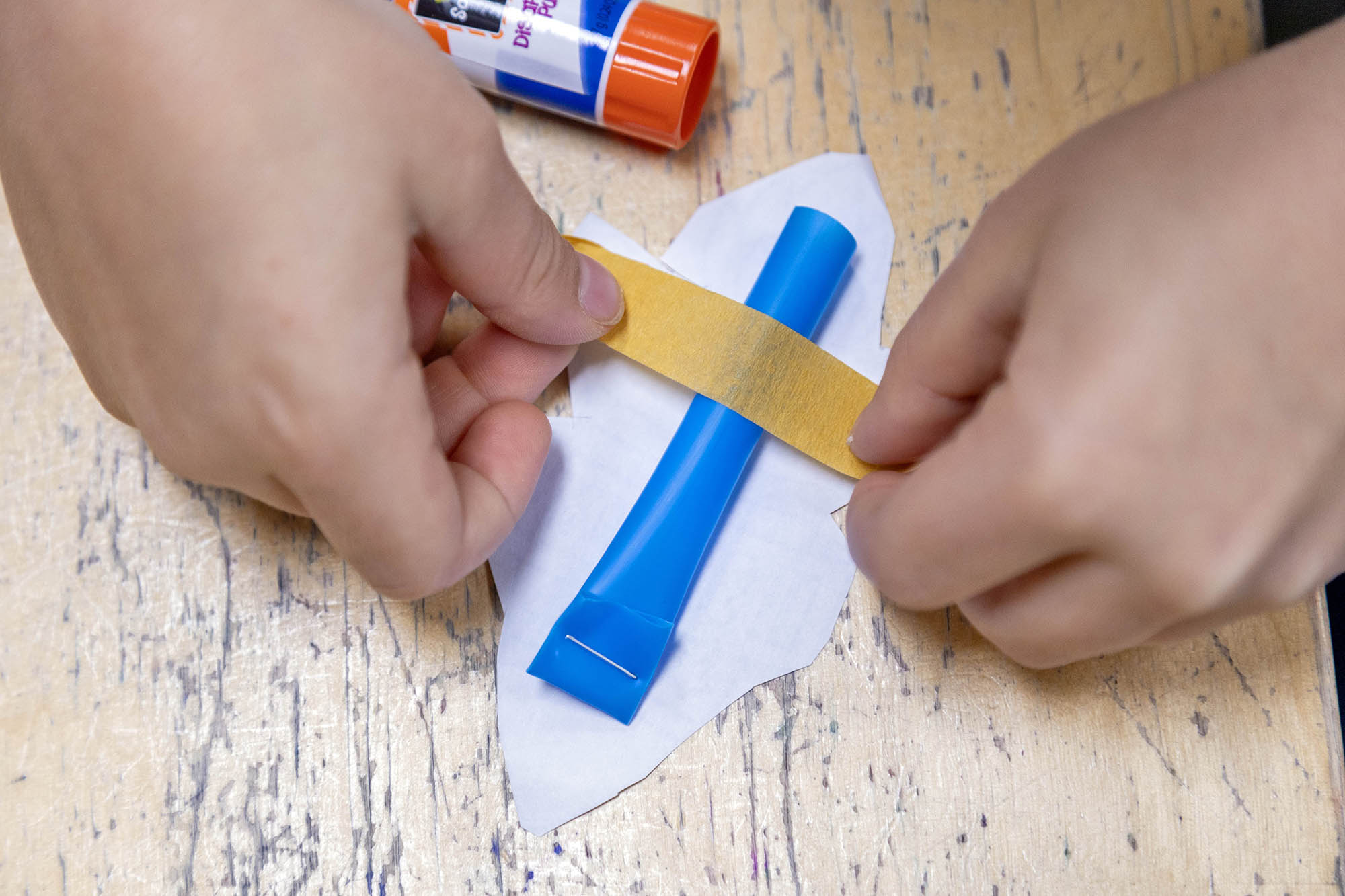
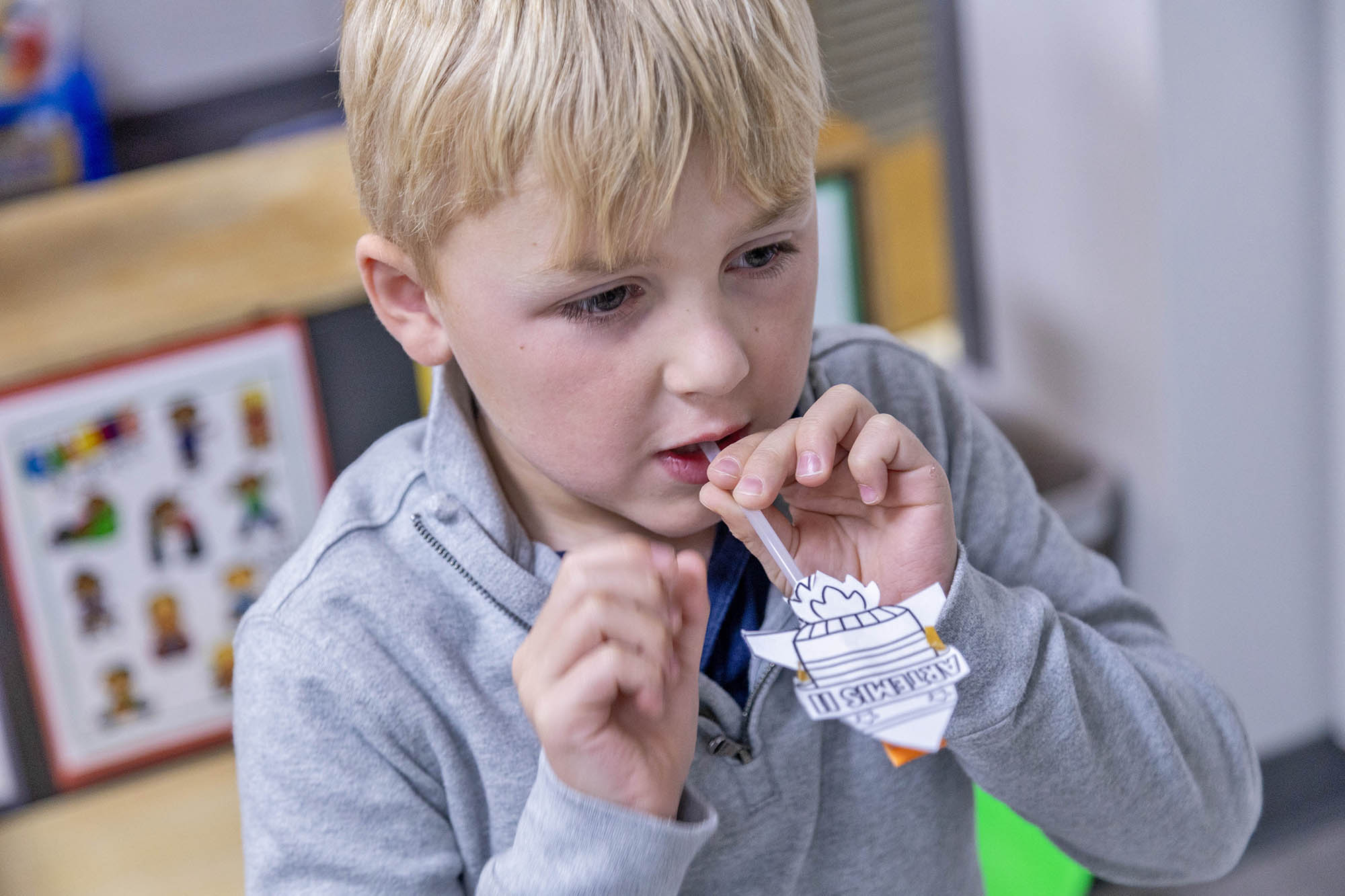
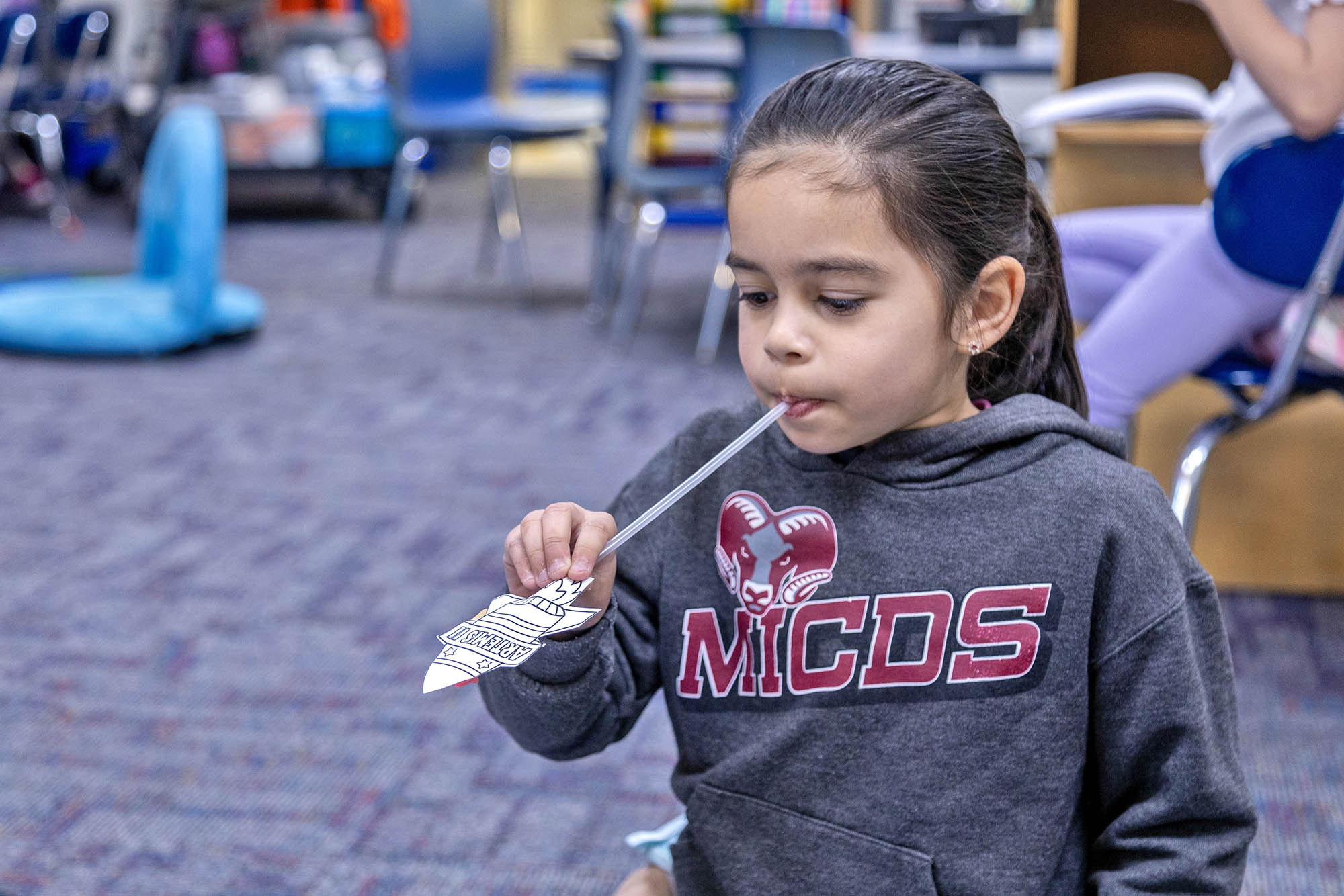
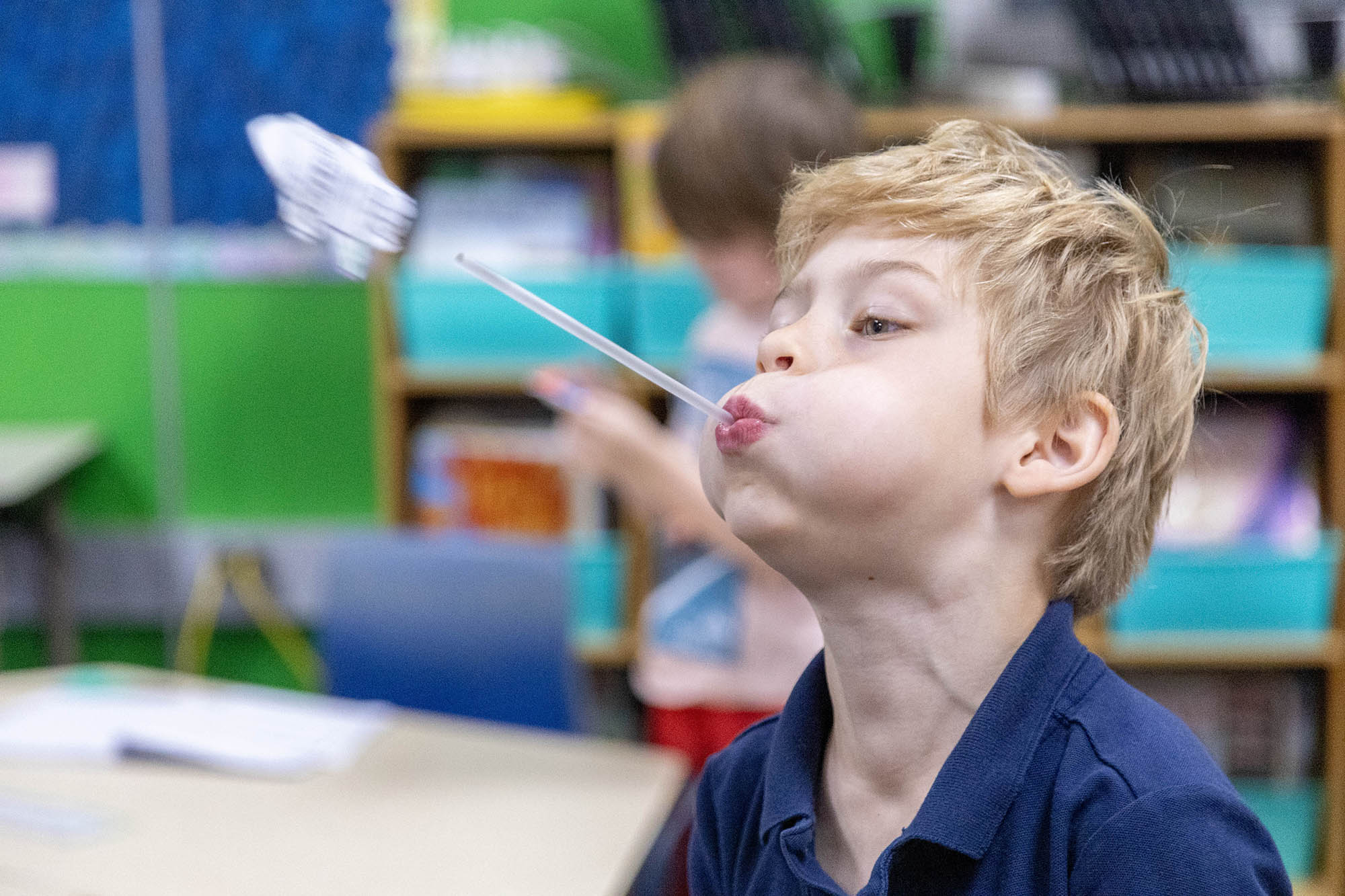
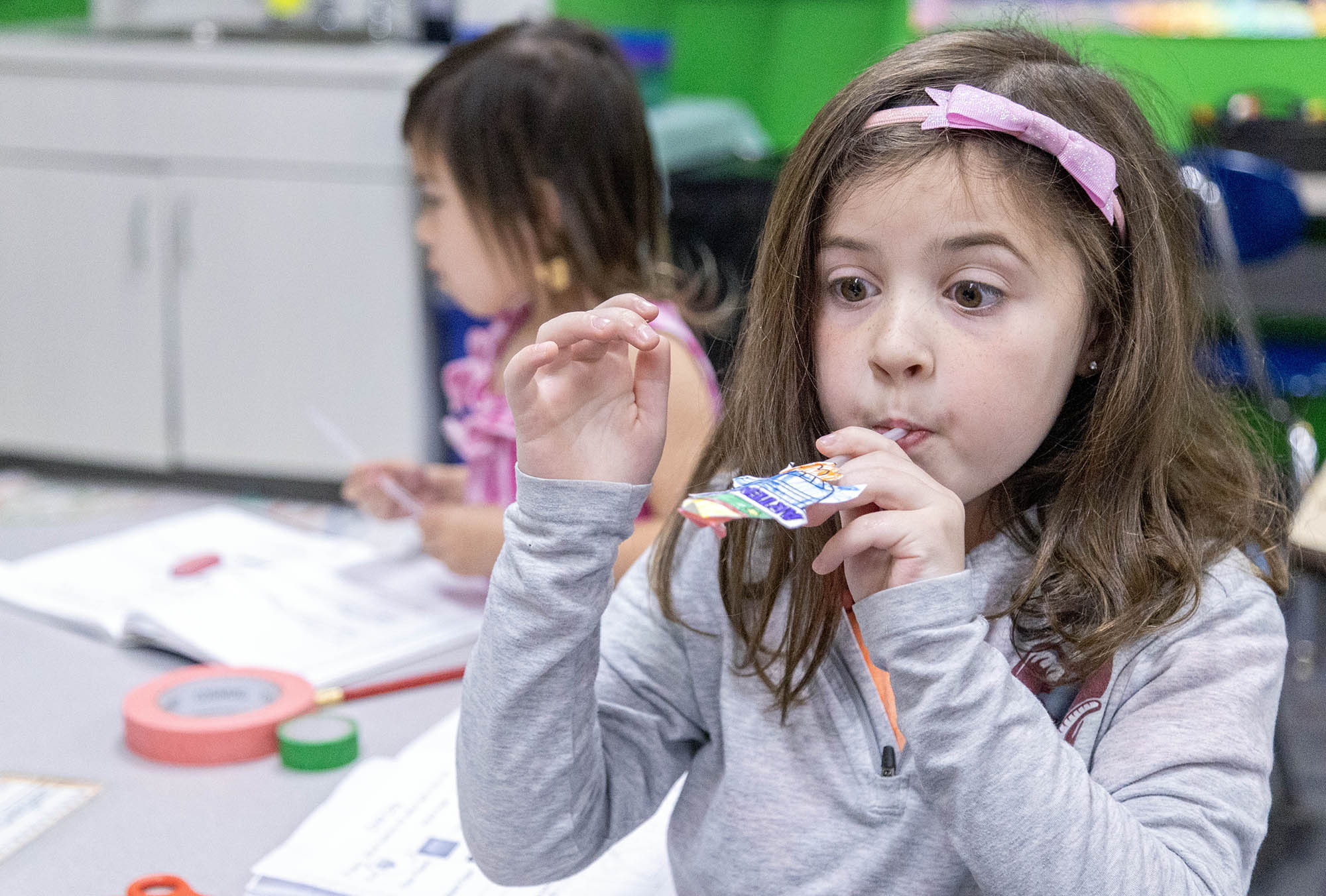
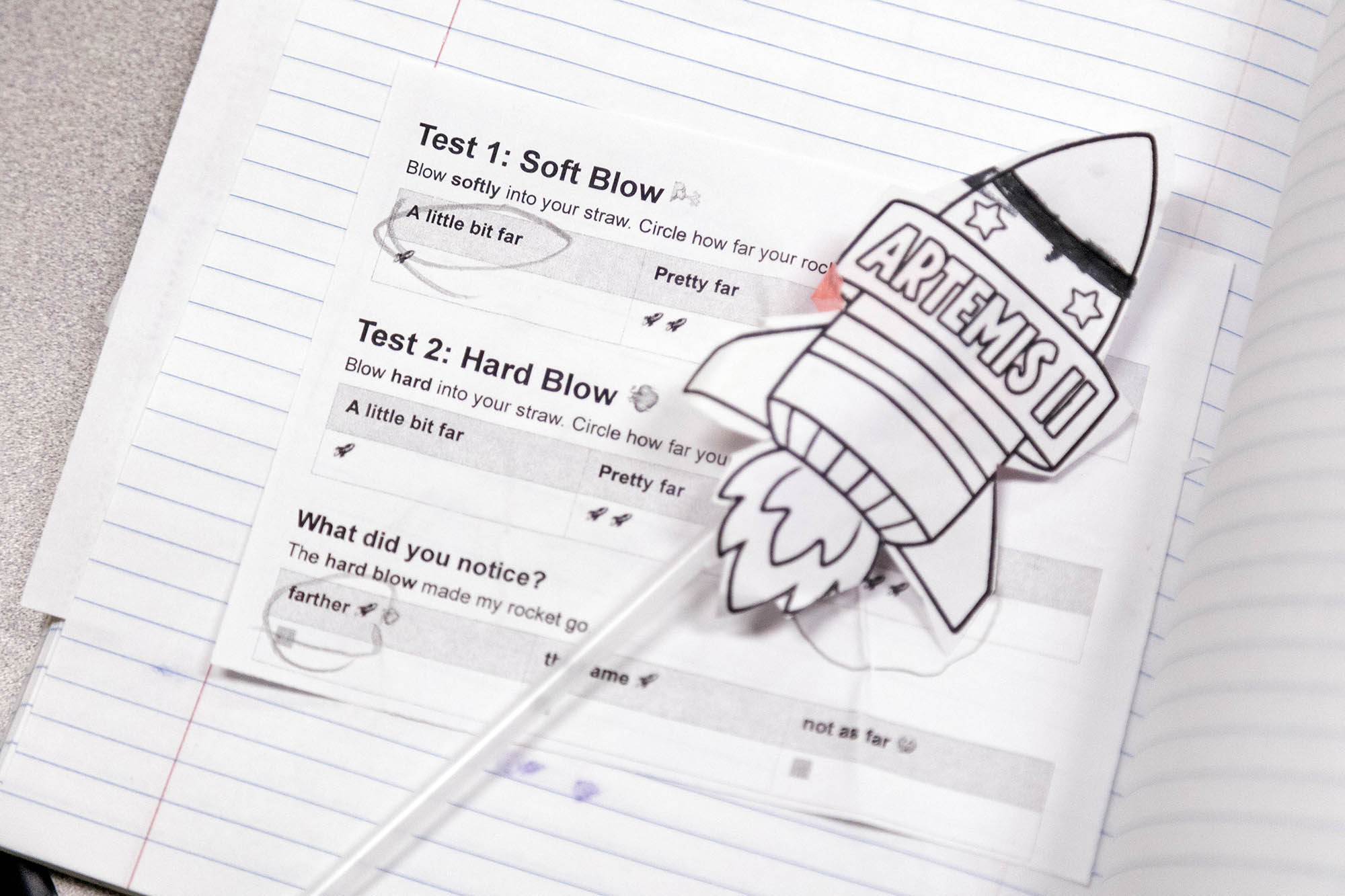
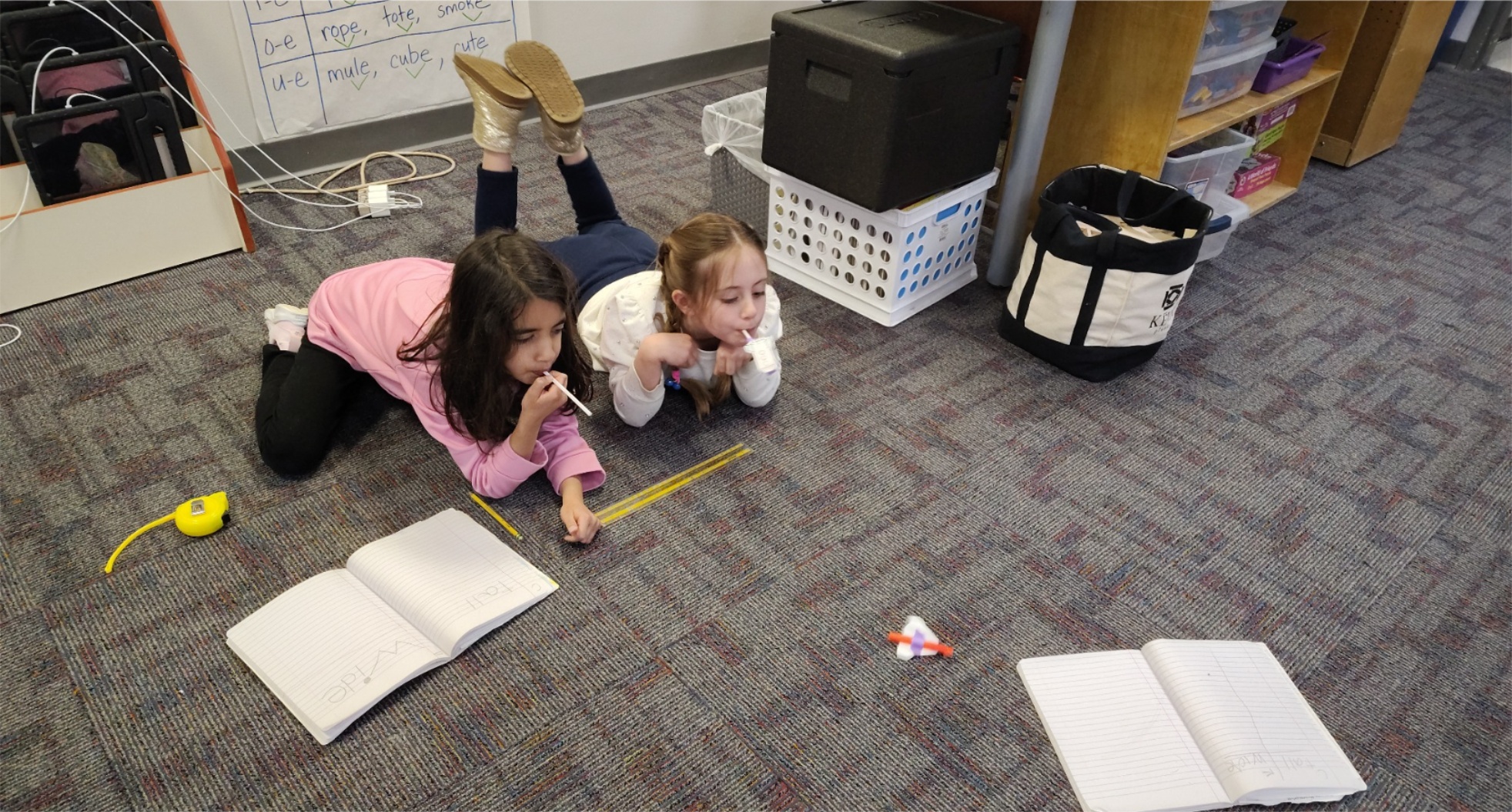
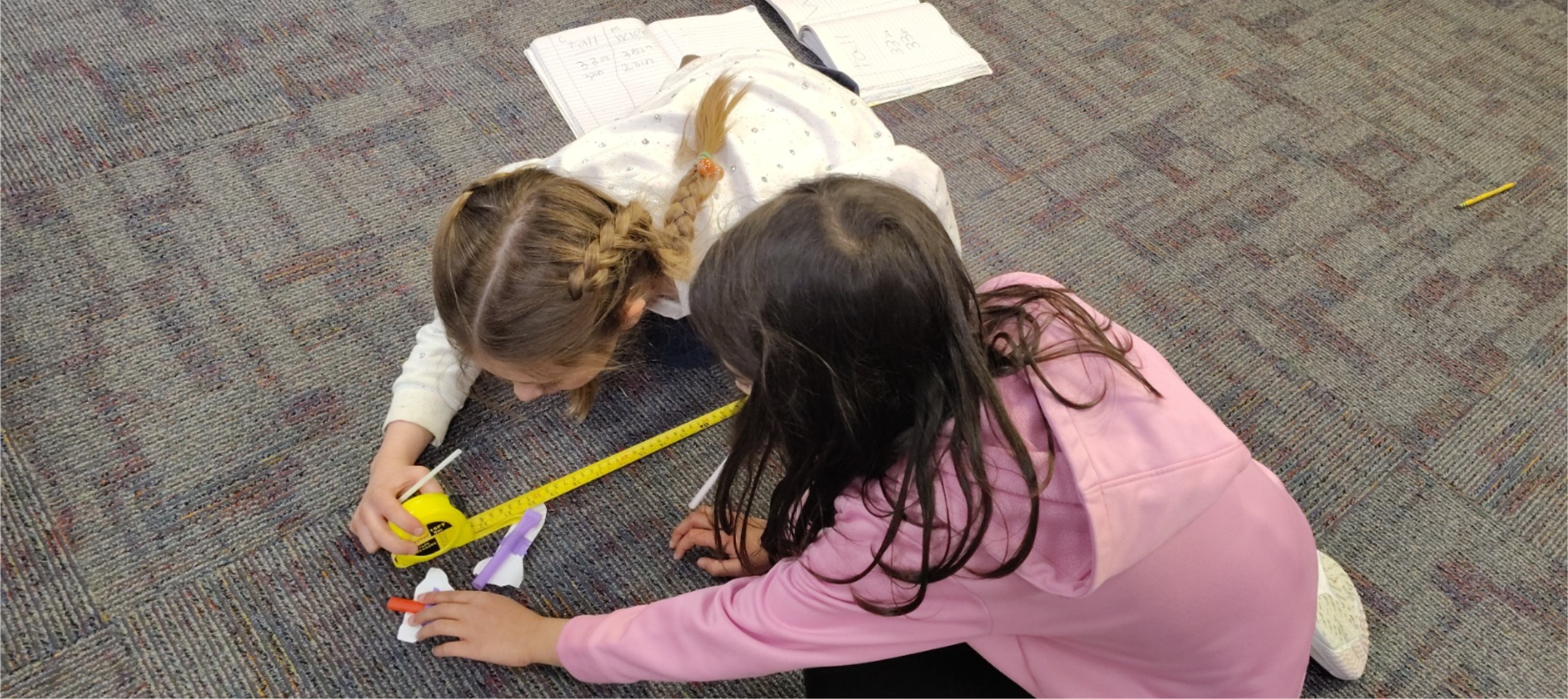
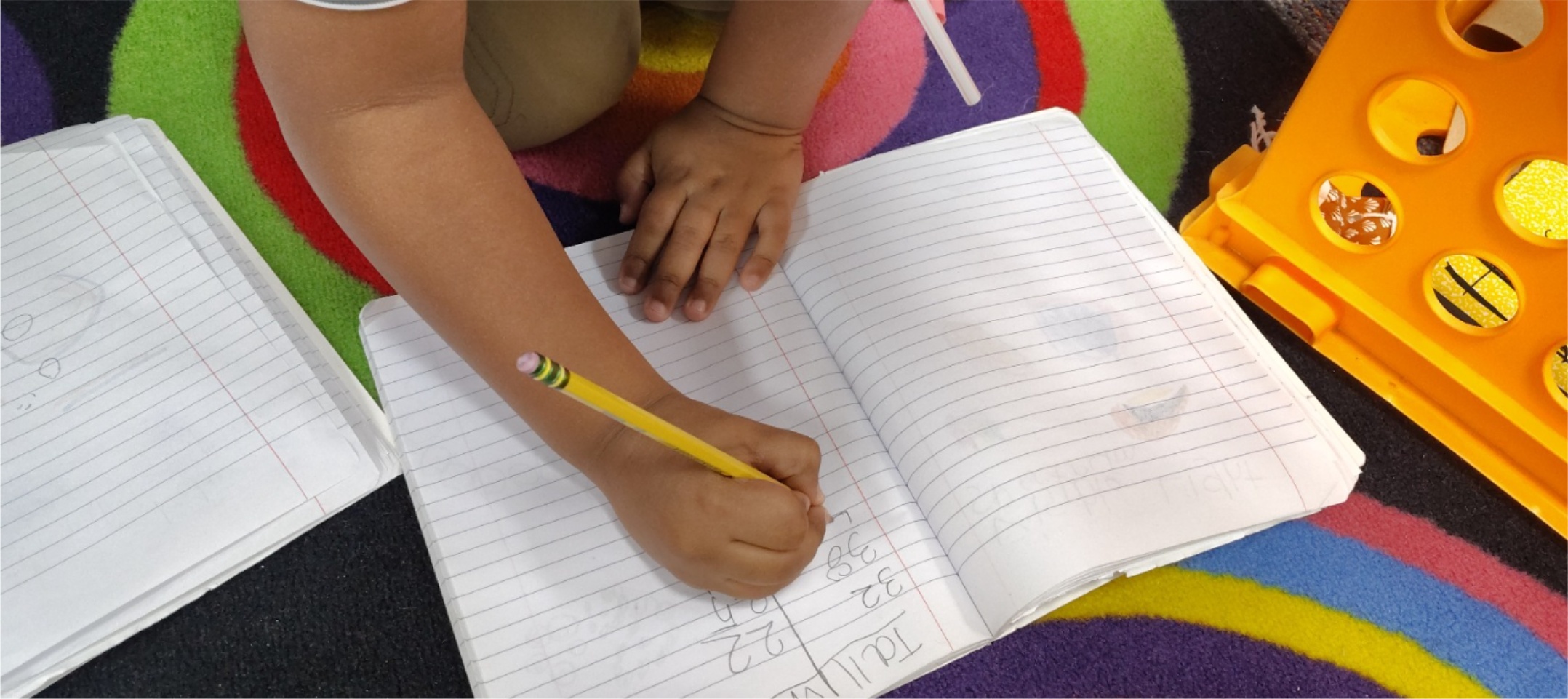
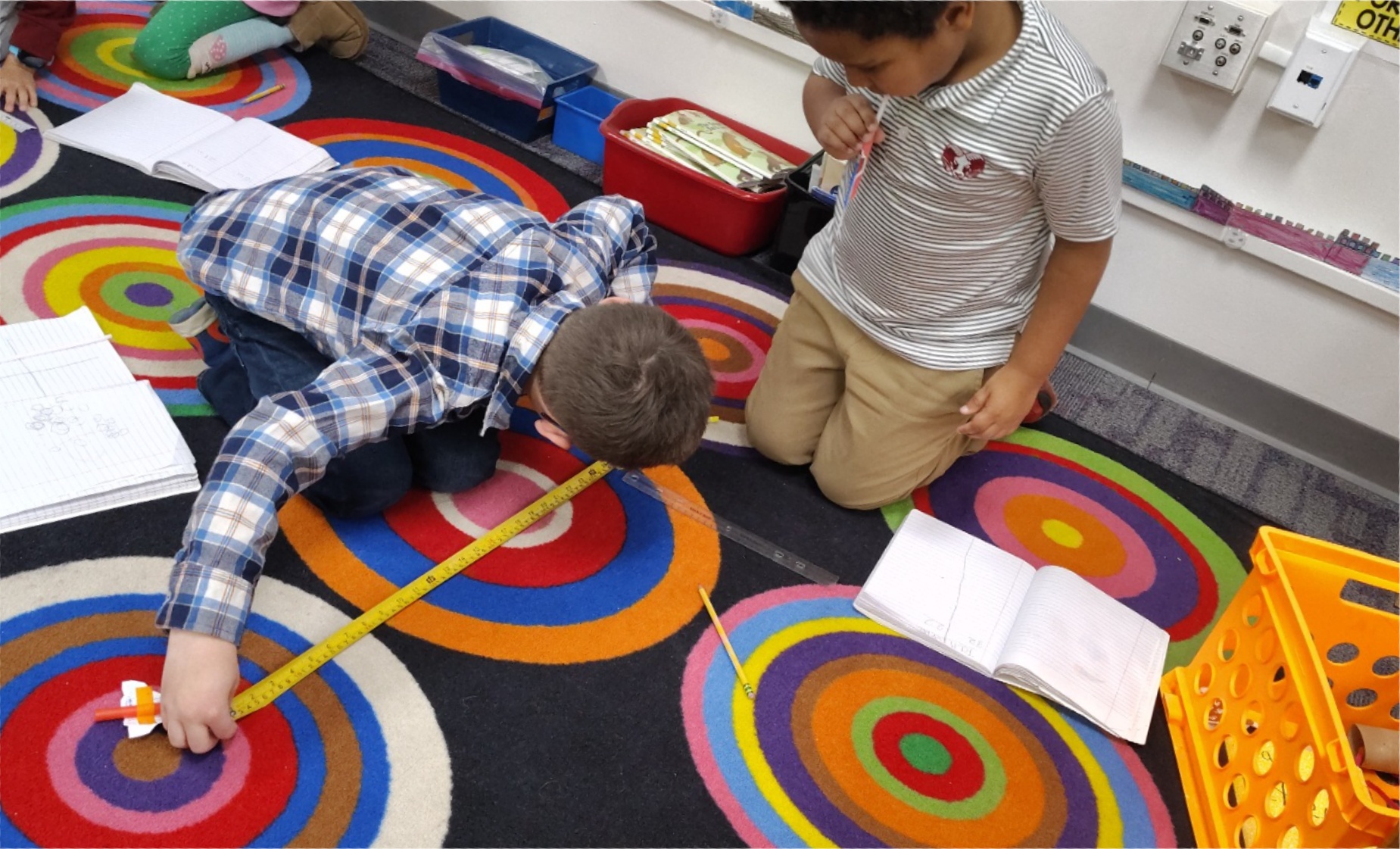
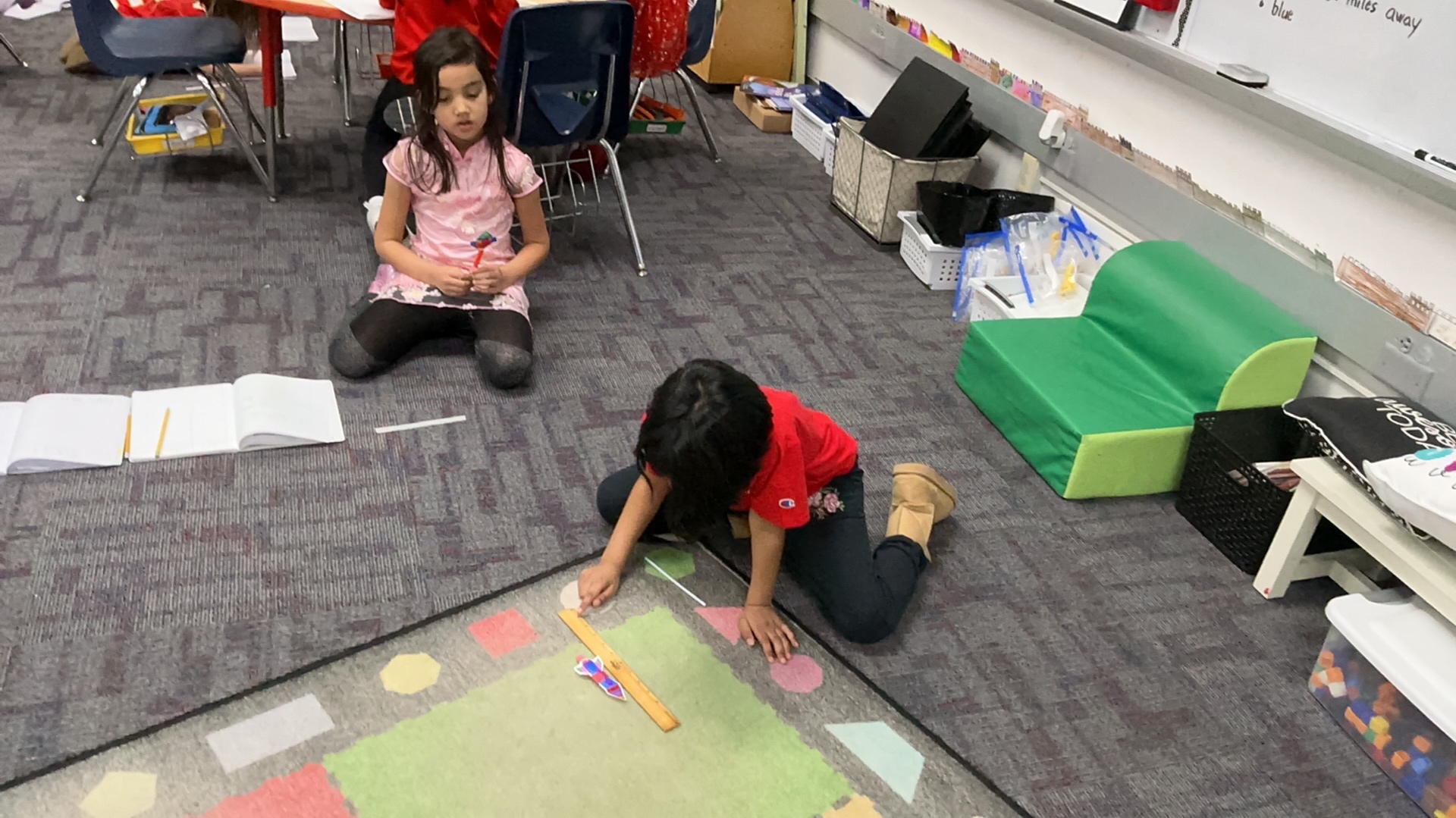
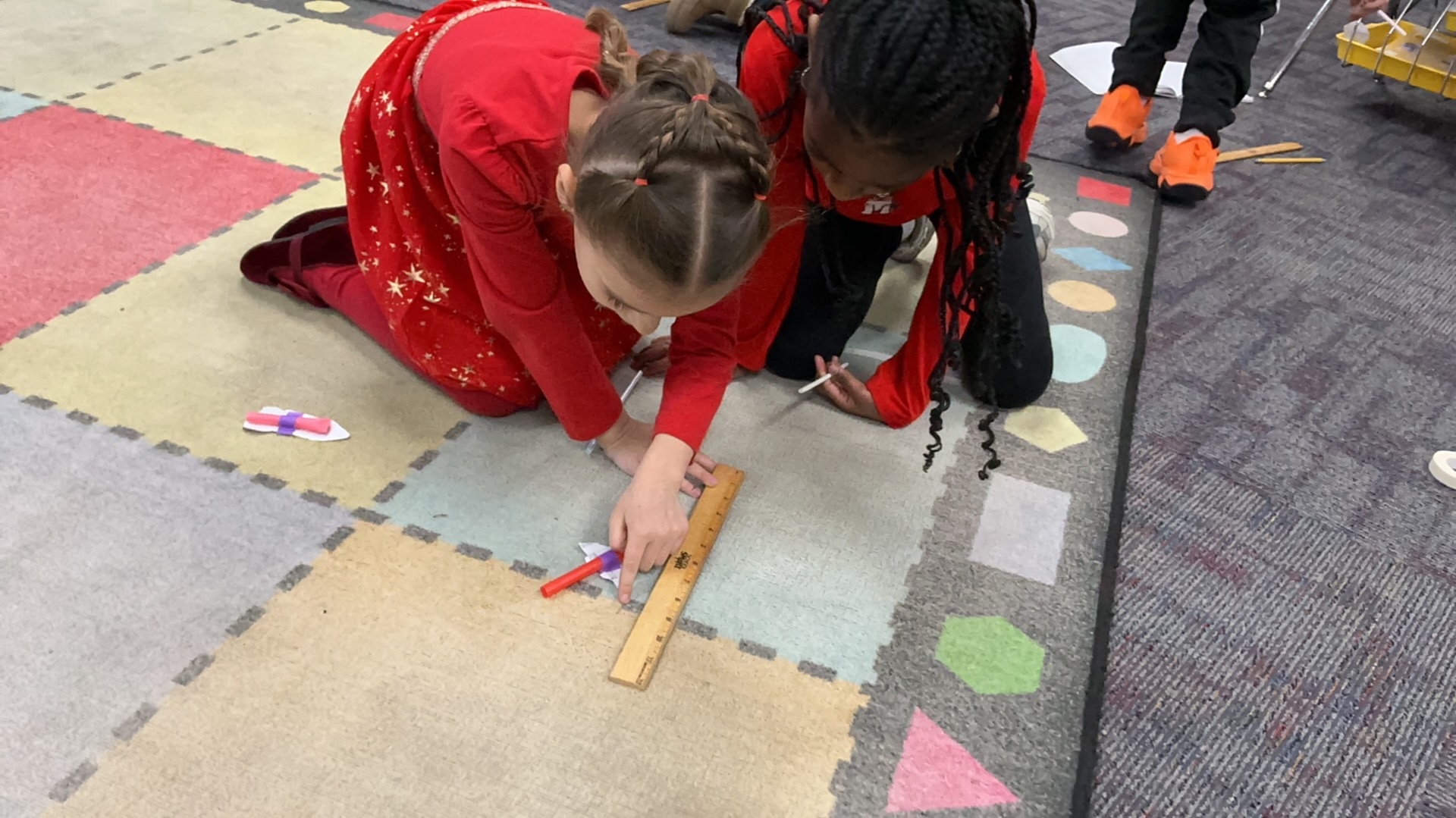
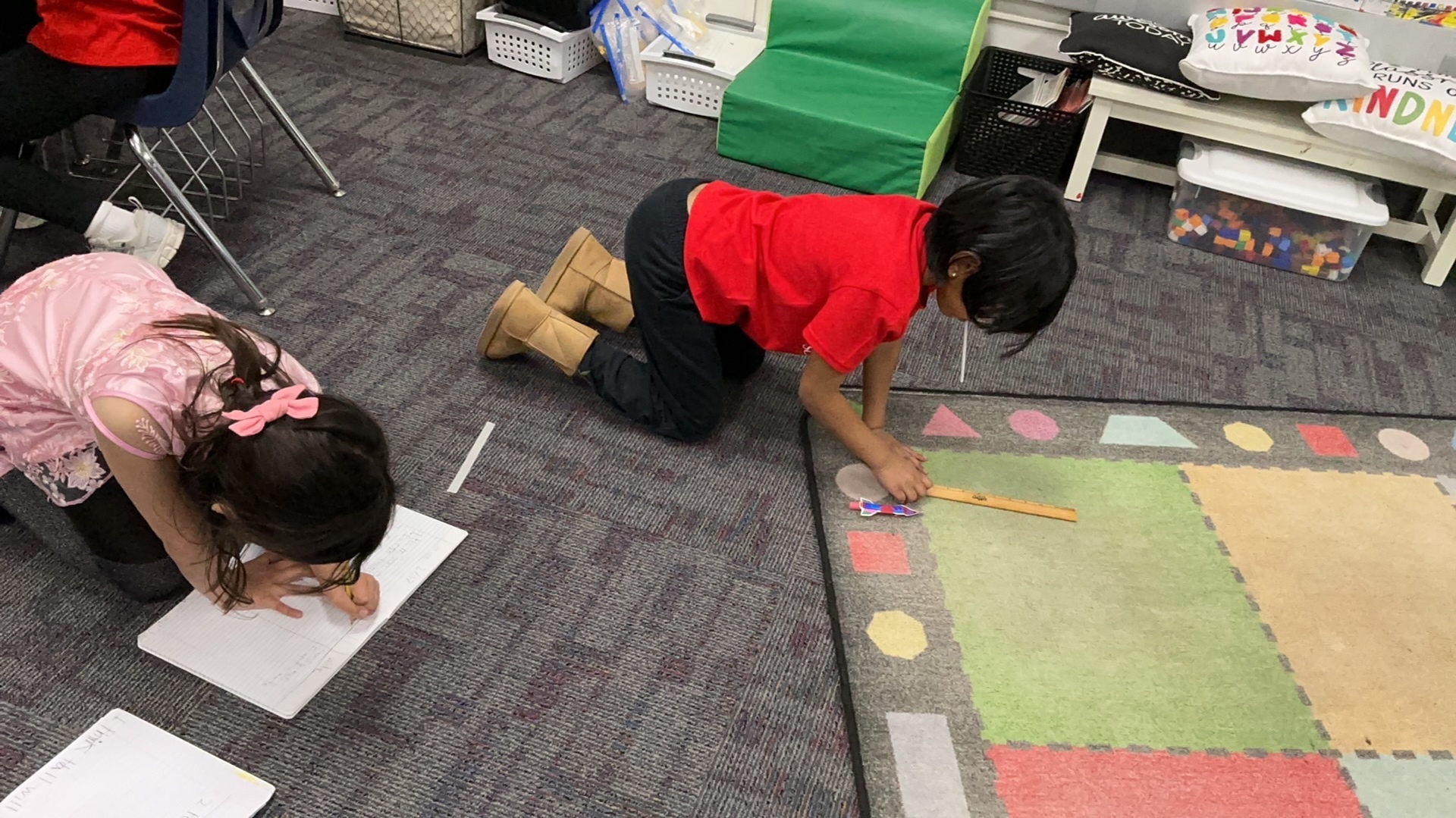
First Grade: Students also created straw rockets, but compared thin rockets to wider rockets to determine which traveled farther. They measured distances and recorded their results.
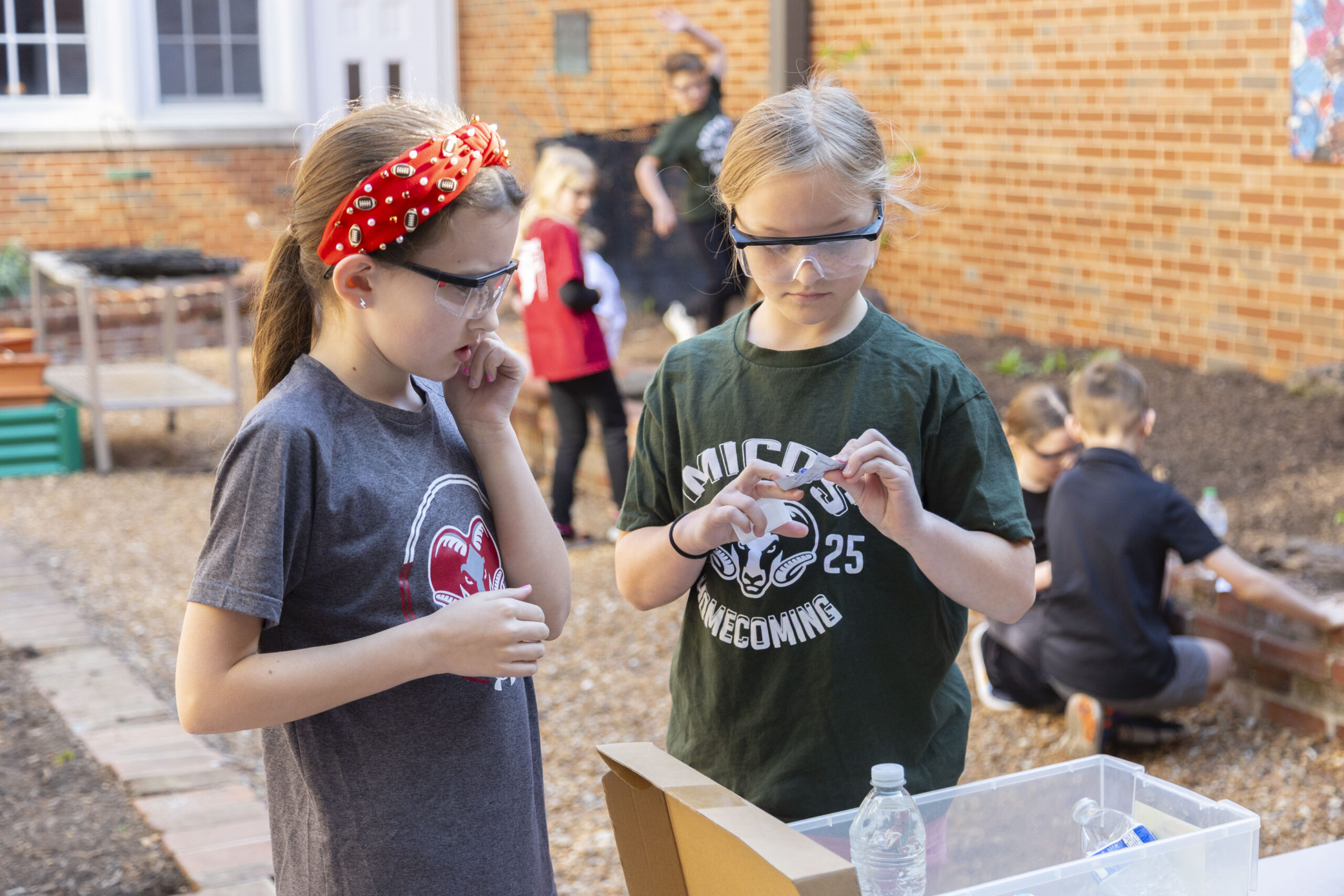
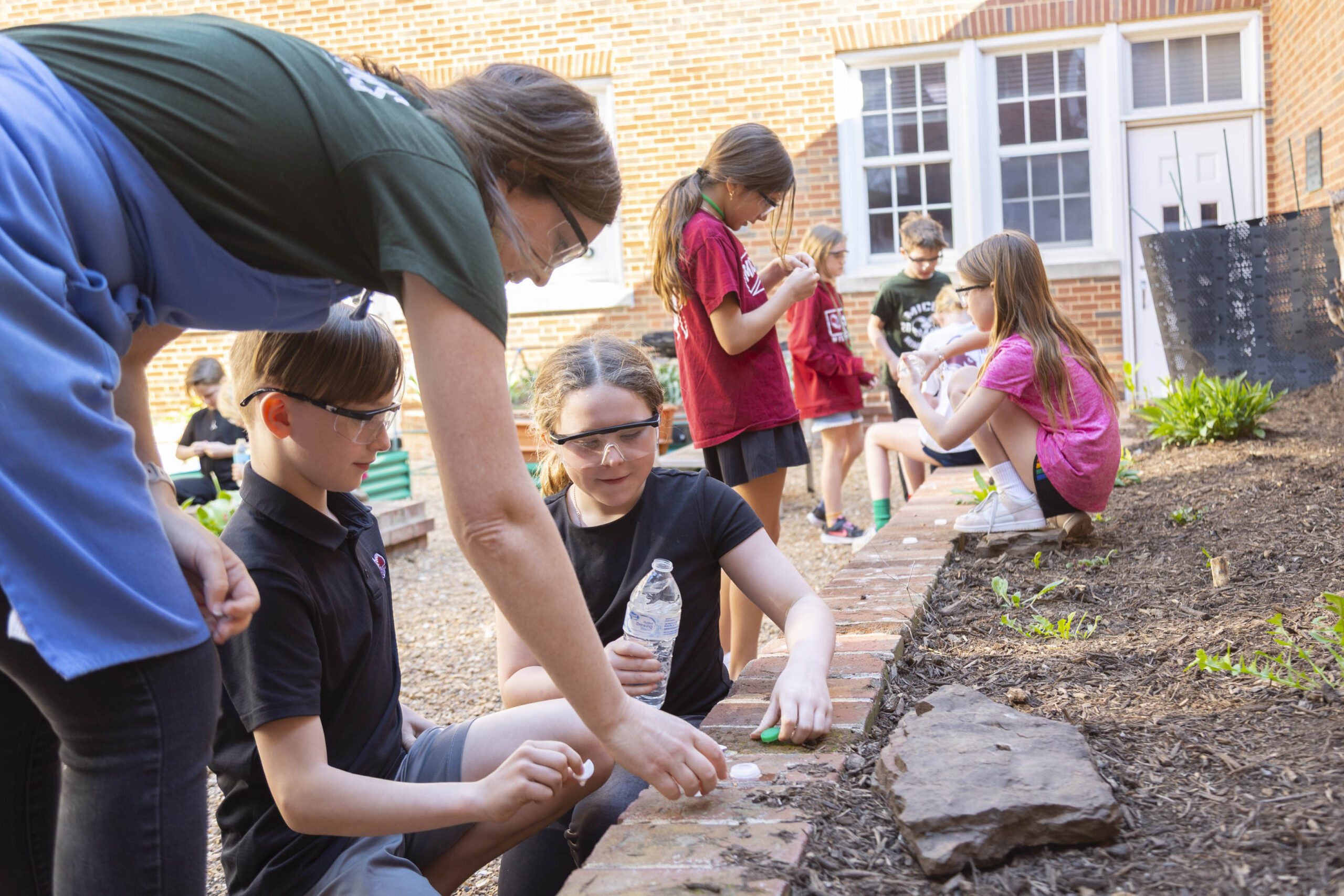
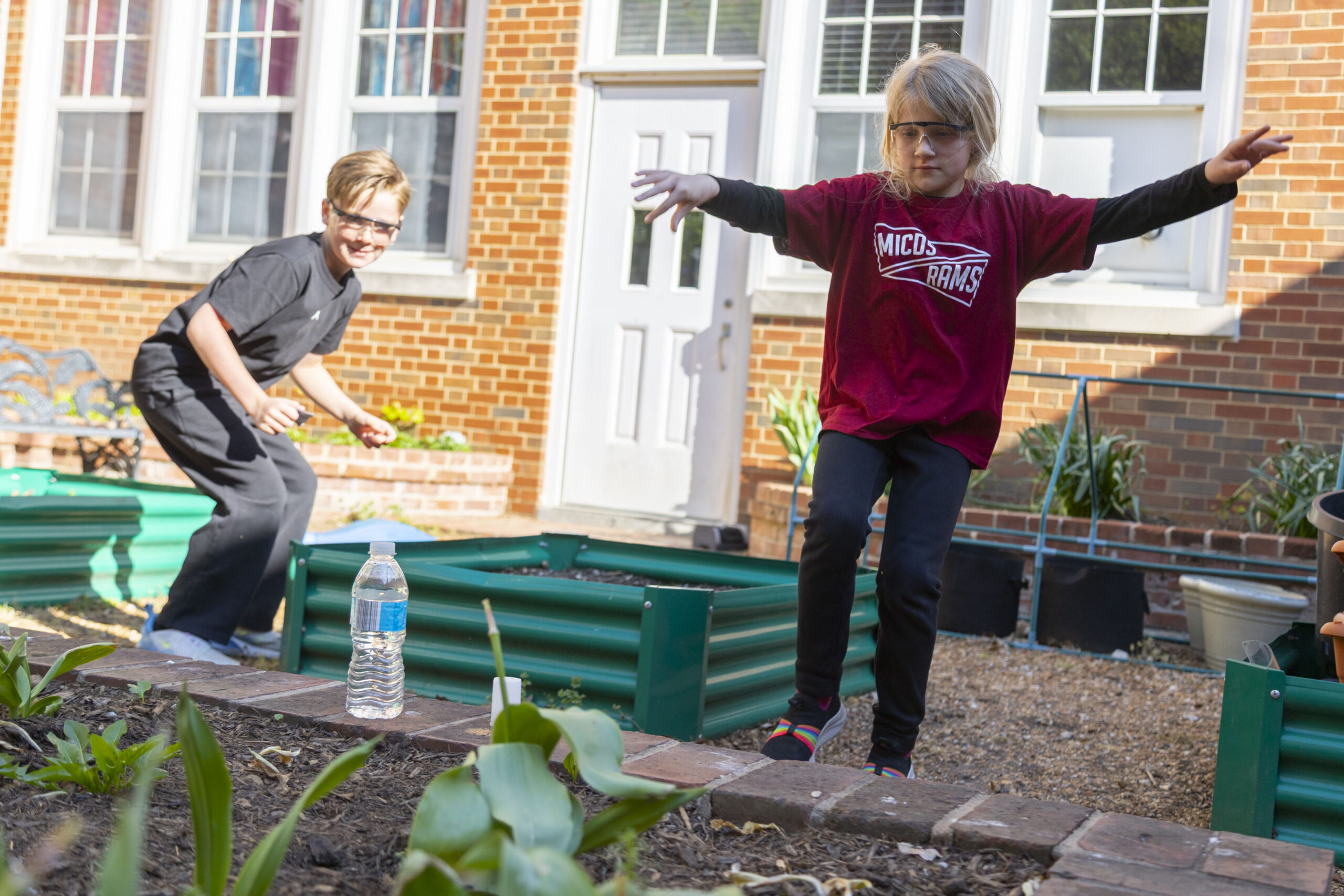
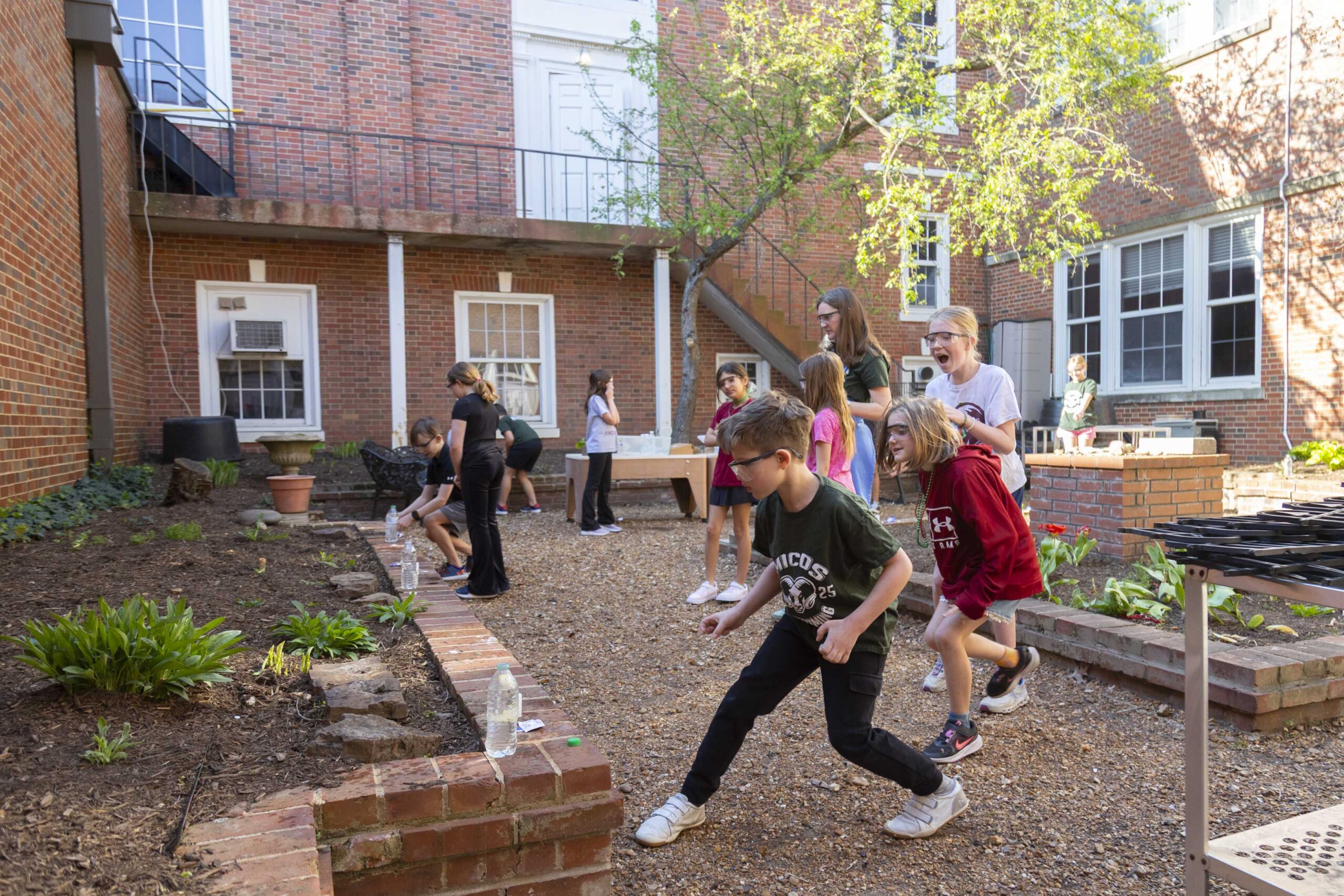
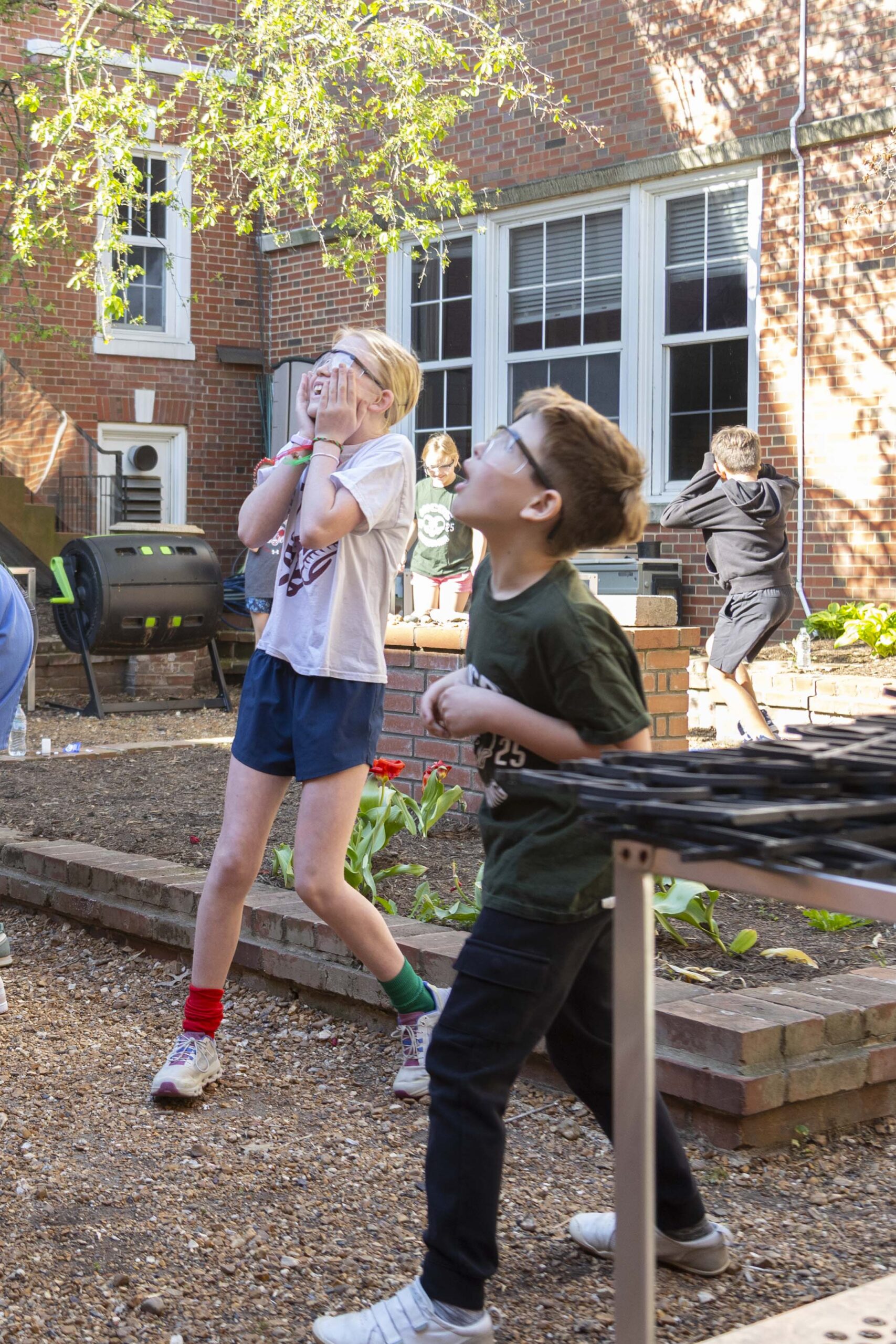
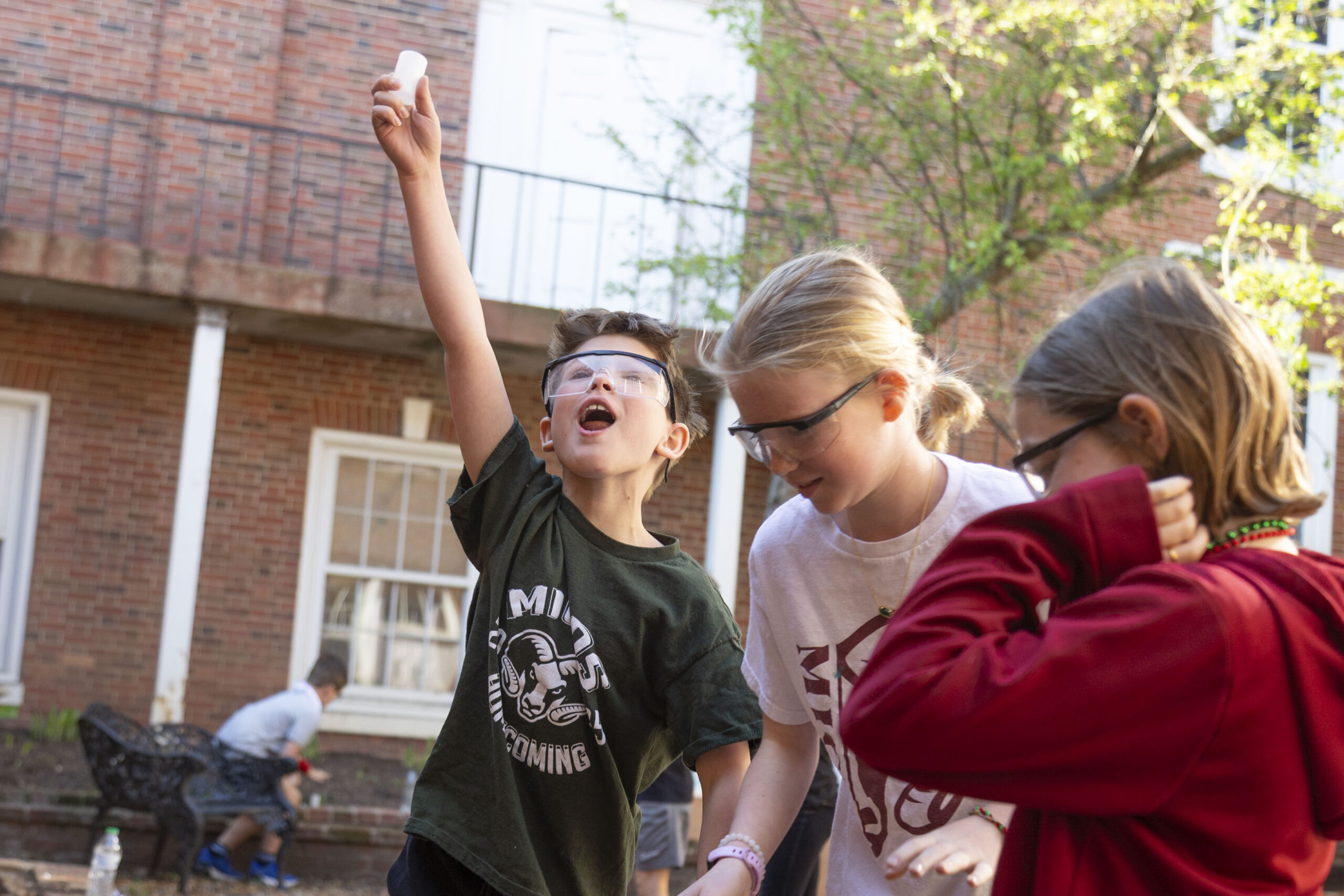
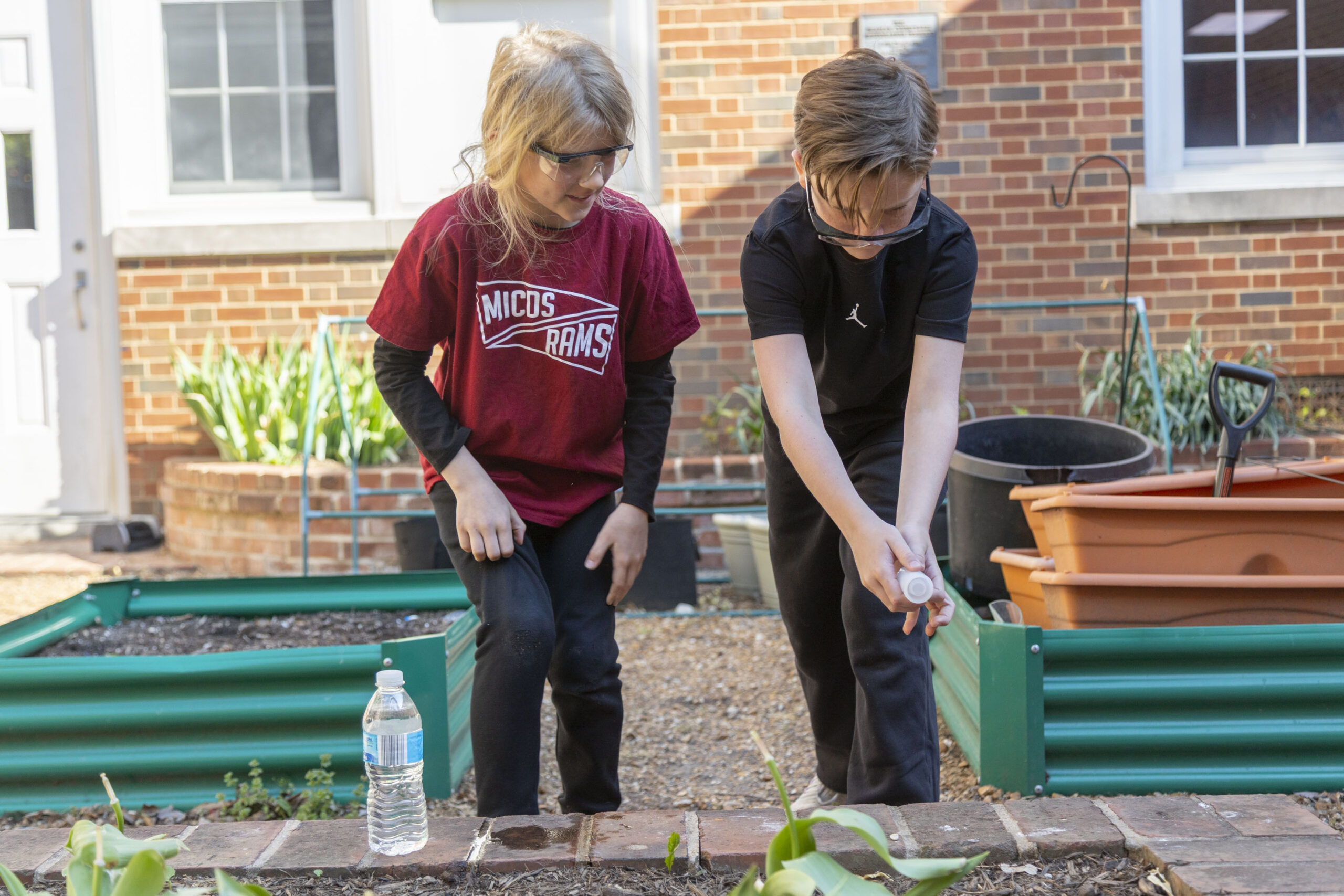
Second & Third Grade: Students connected their understanding of chemical changes in matter to the three laws of motion. Using the testable question, “Will the amount of Alka-Seltzer change the launch distance?” they conducted experiments in the science courtyard with pop rockets.
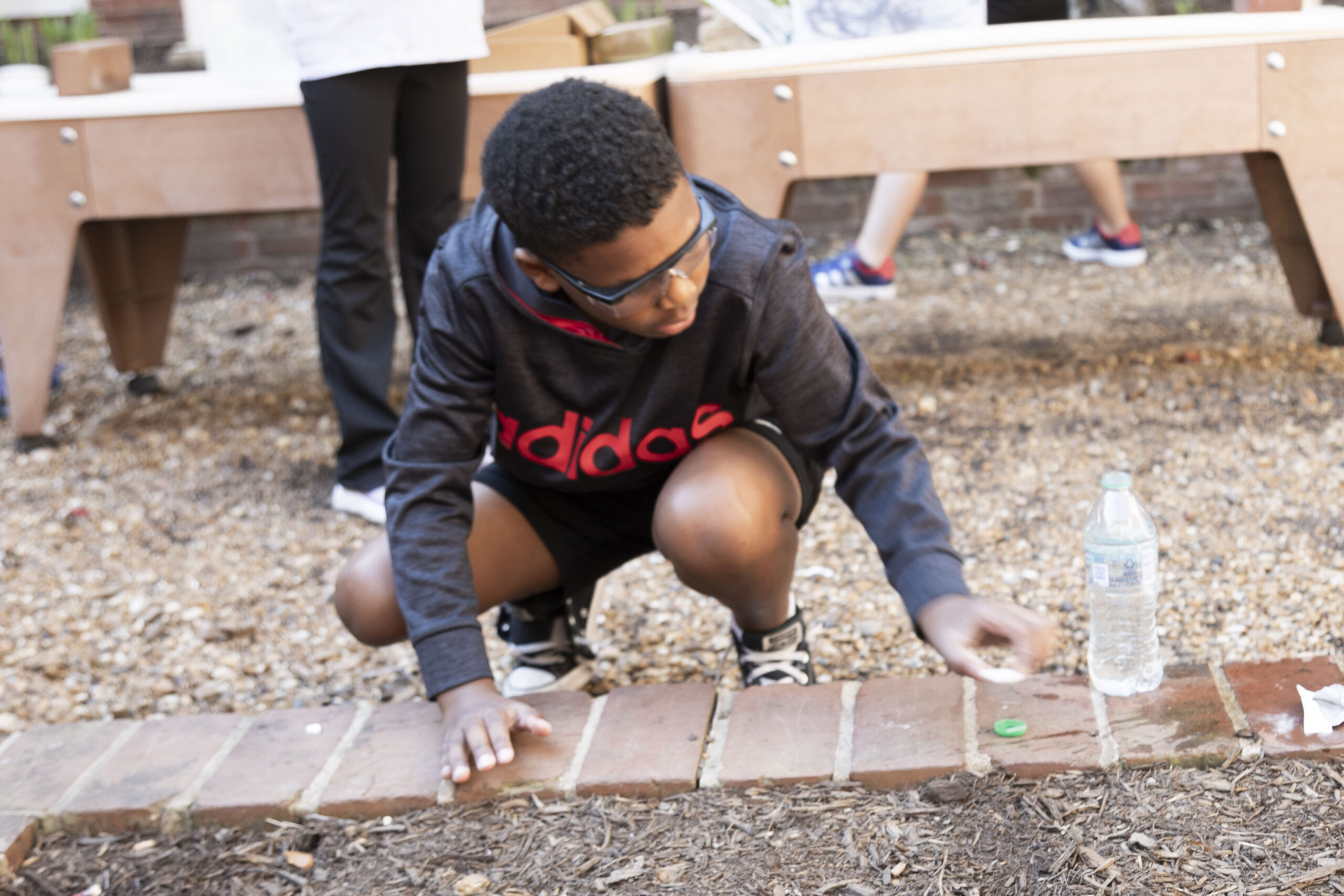
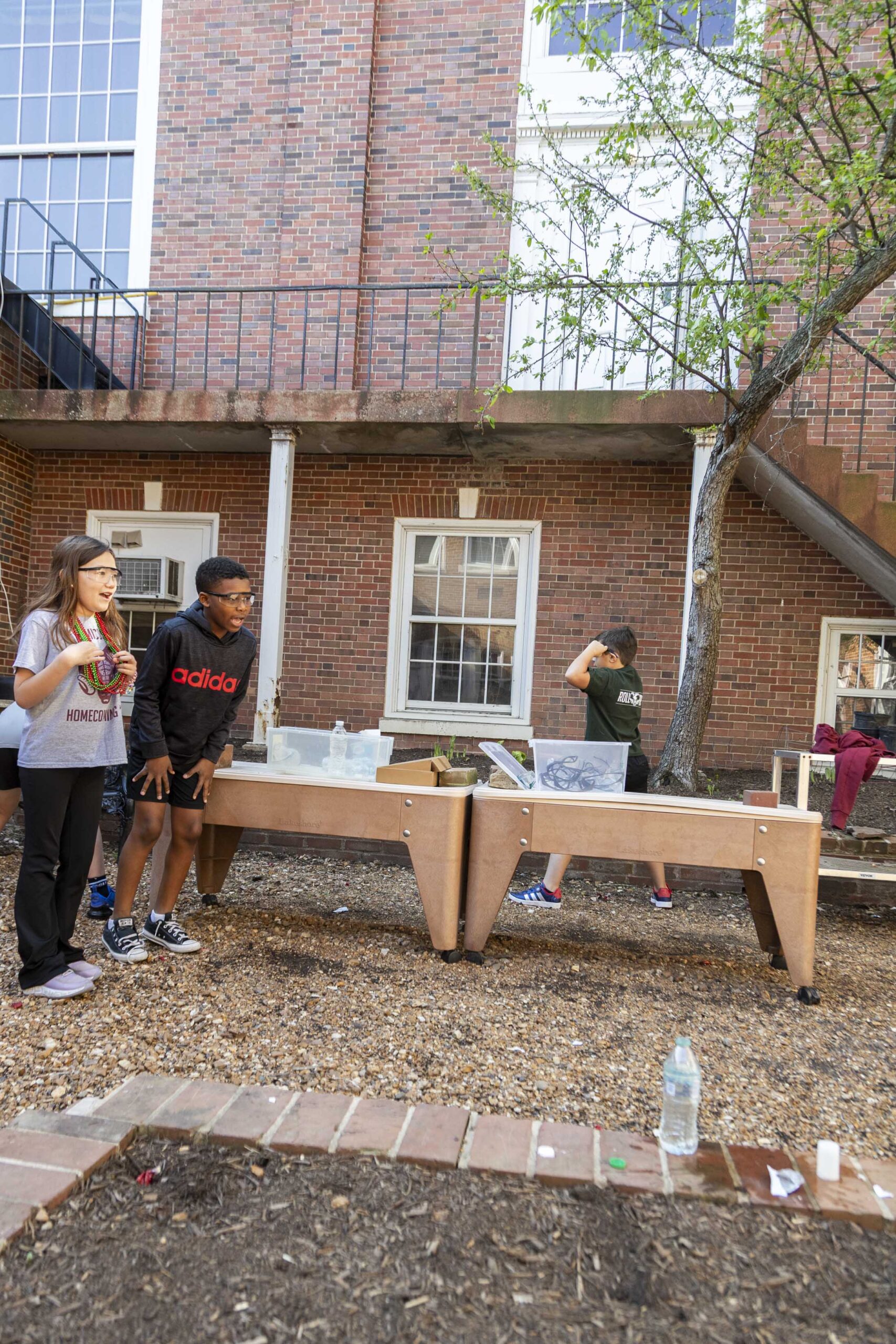
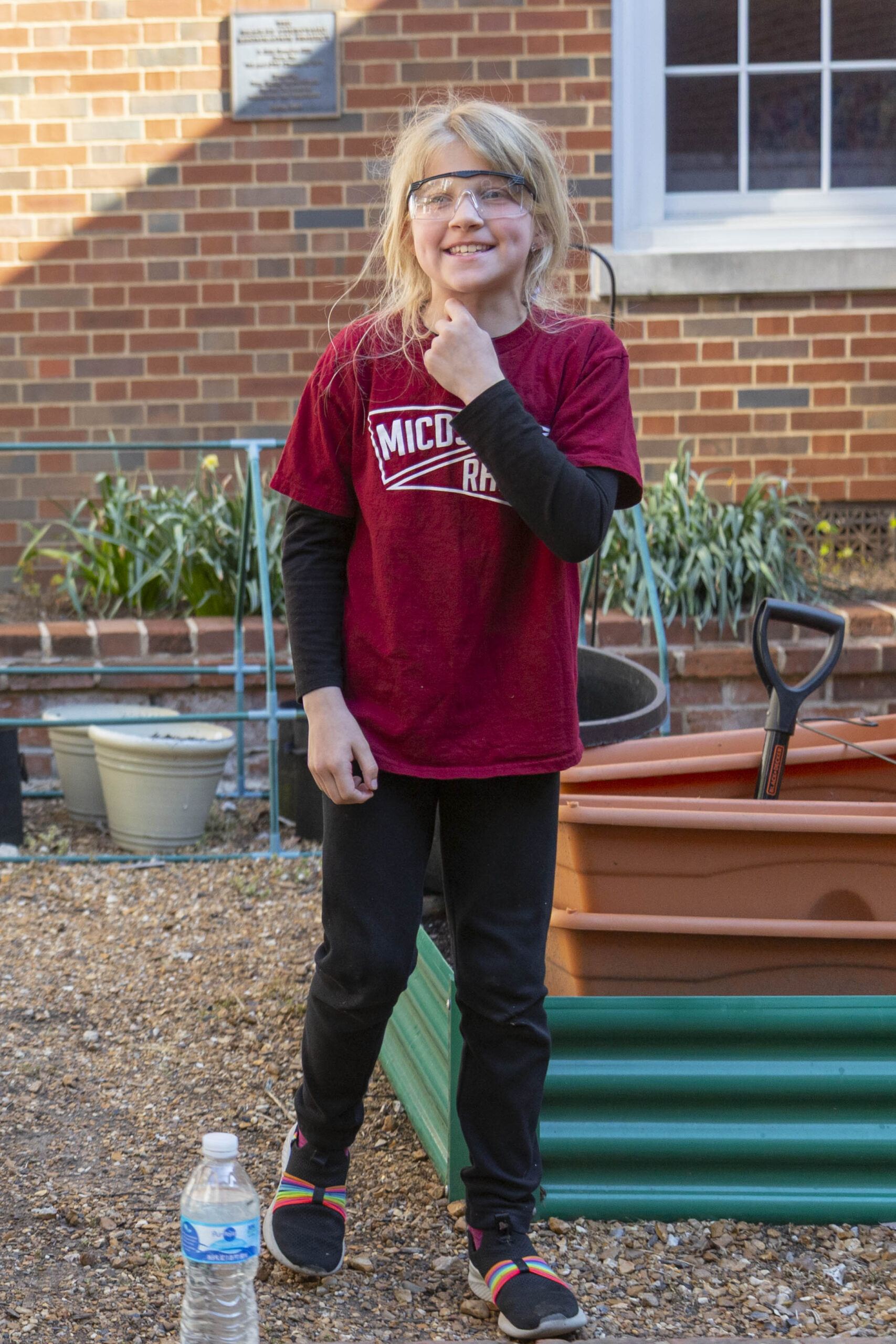
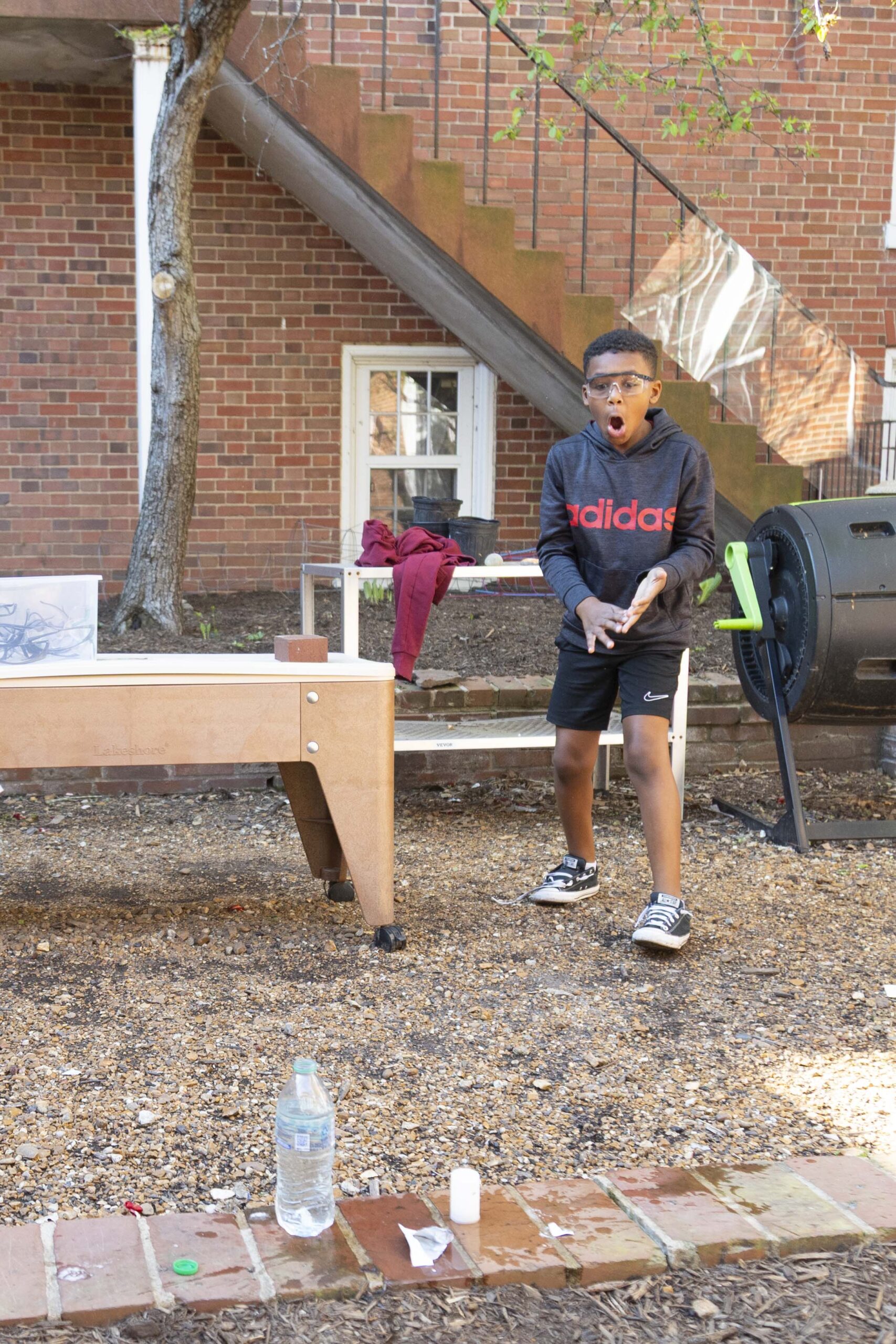
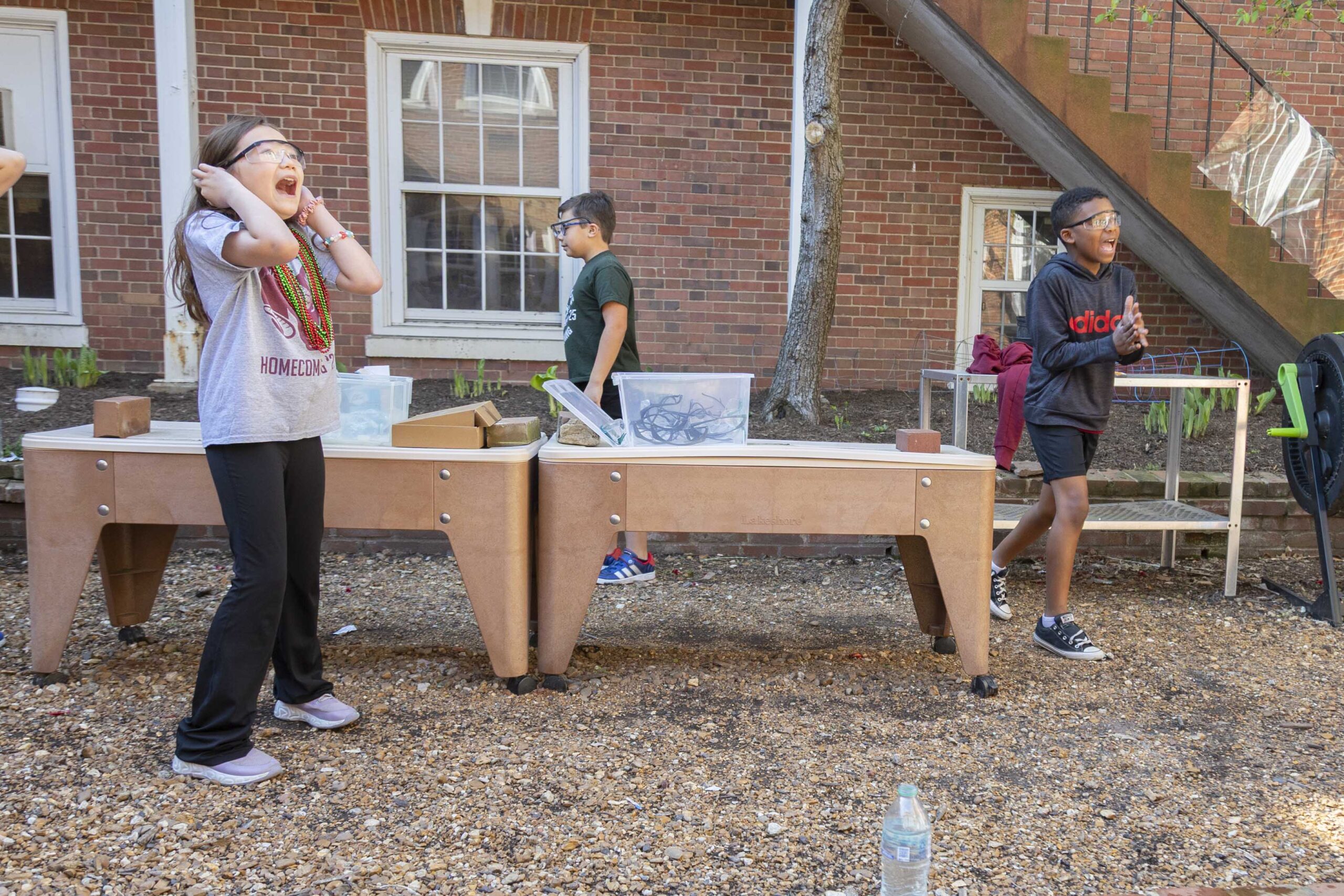
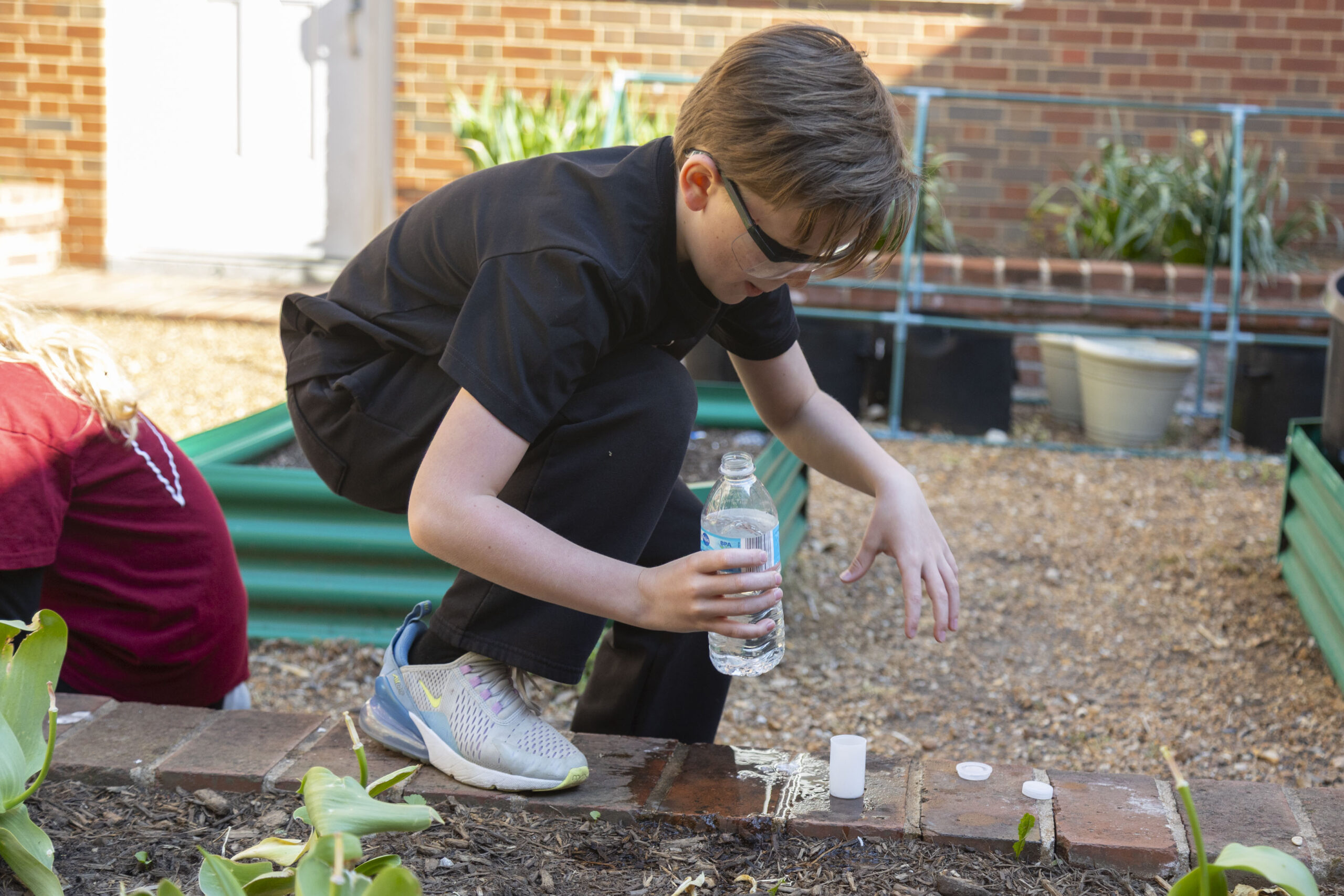
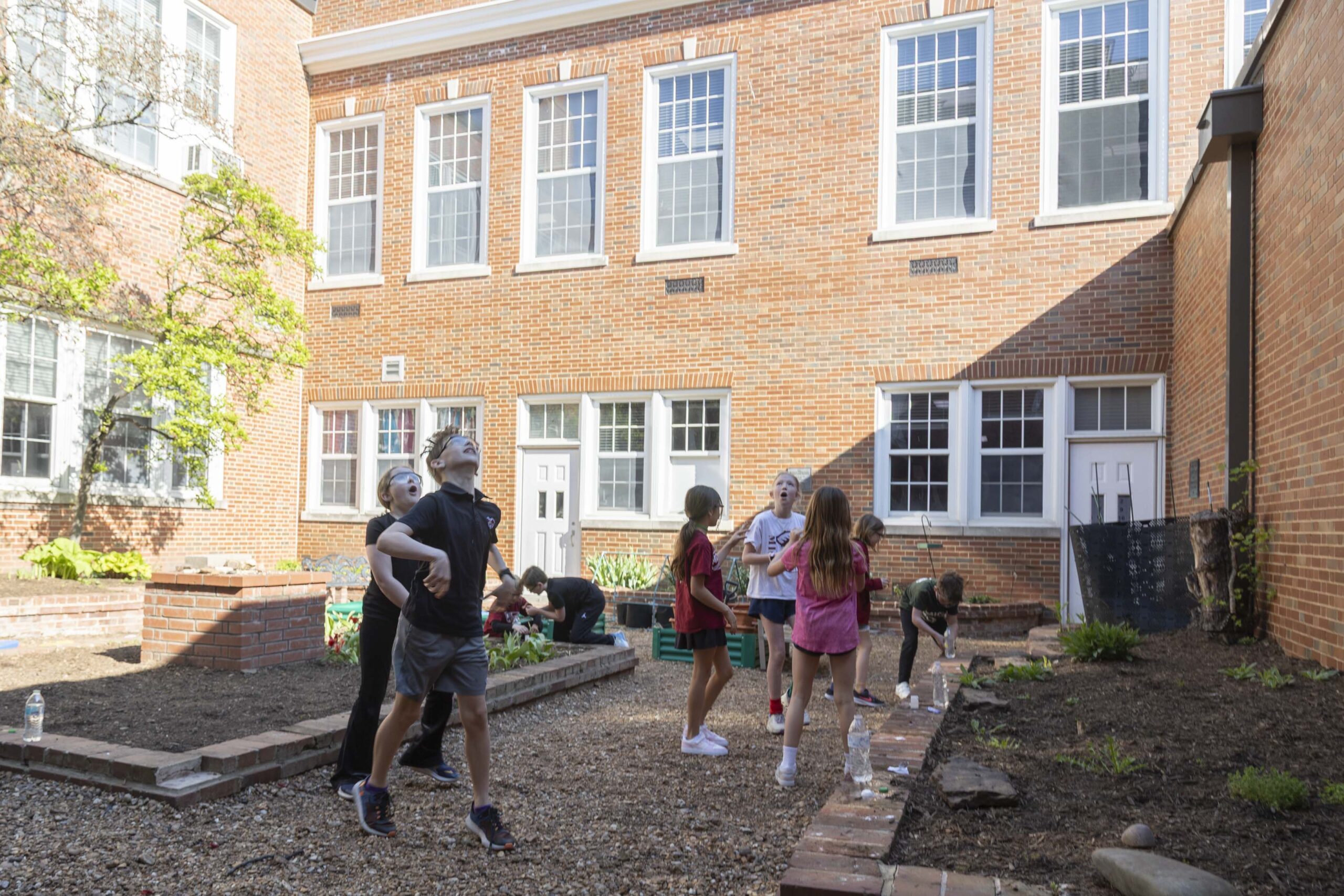
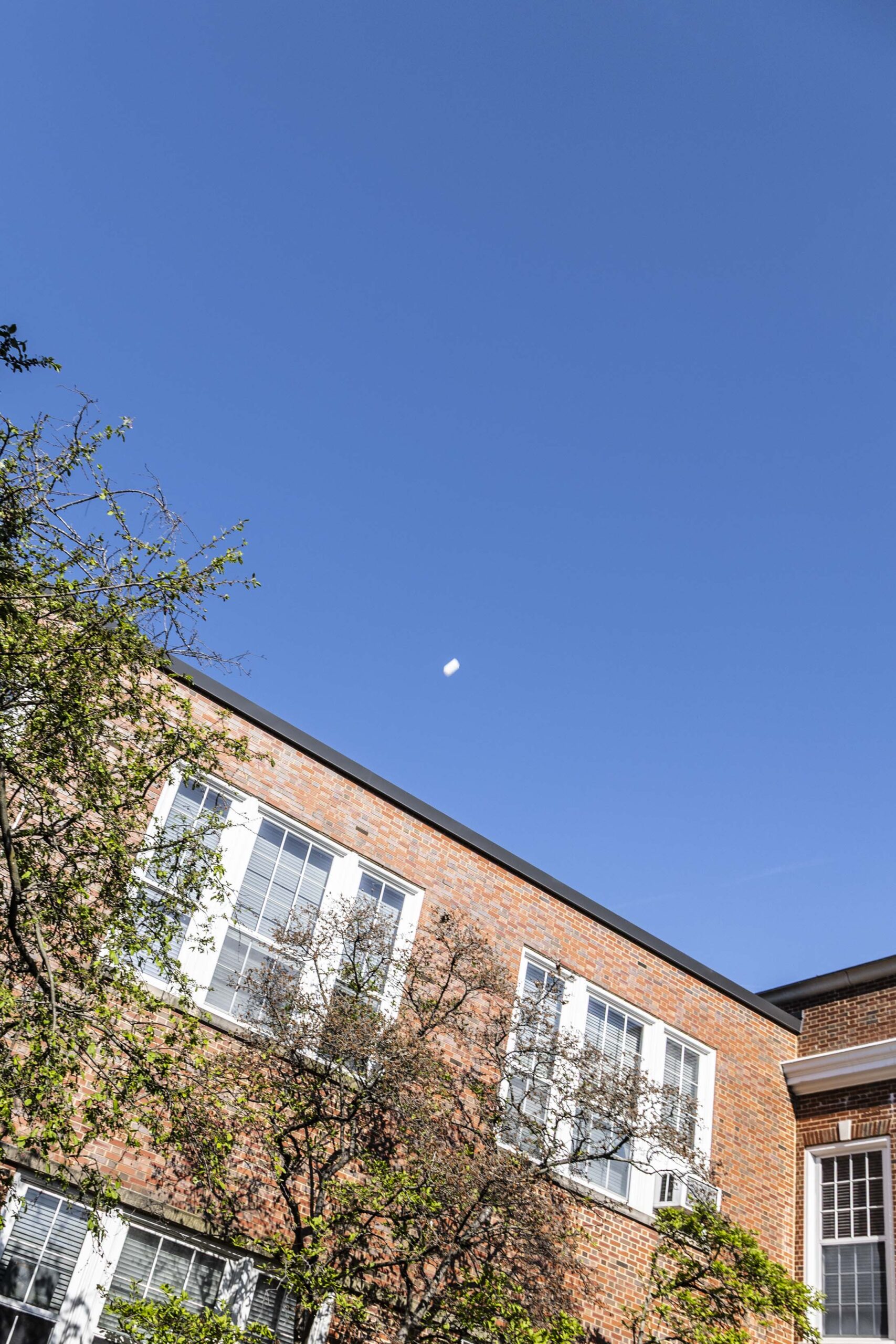
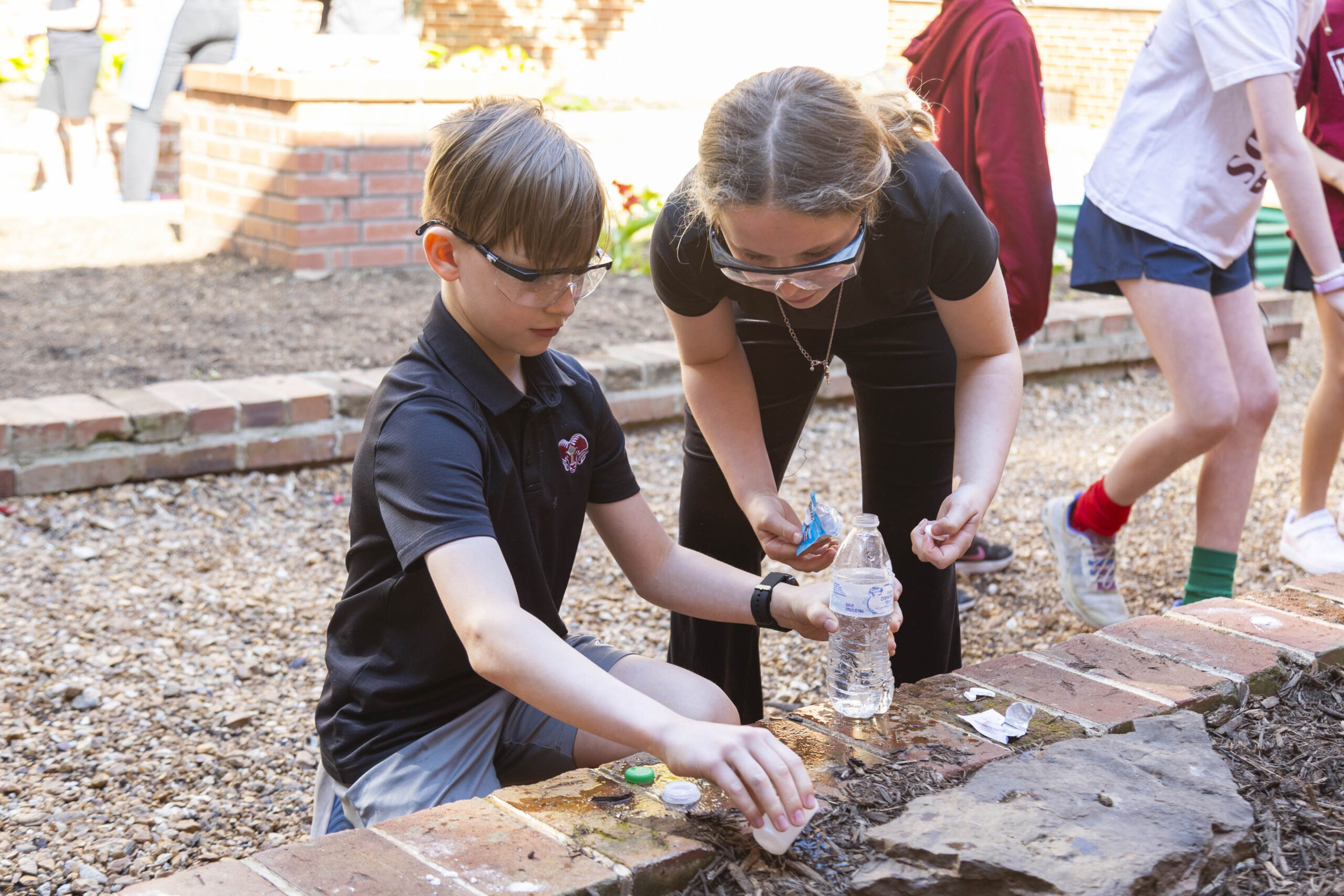
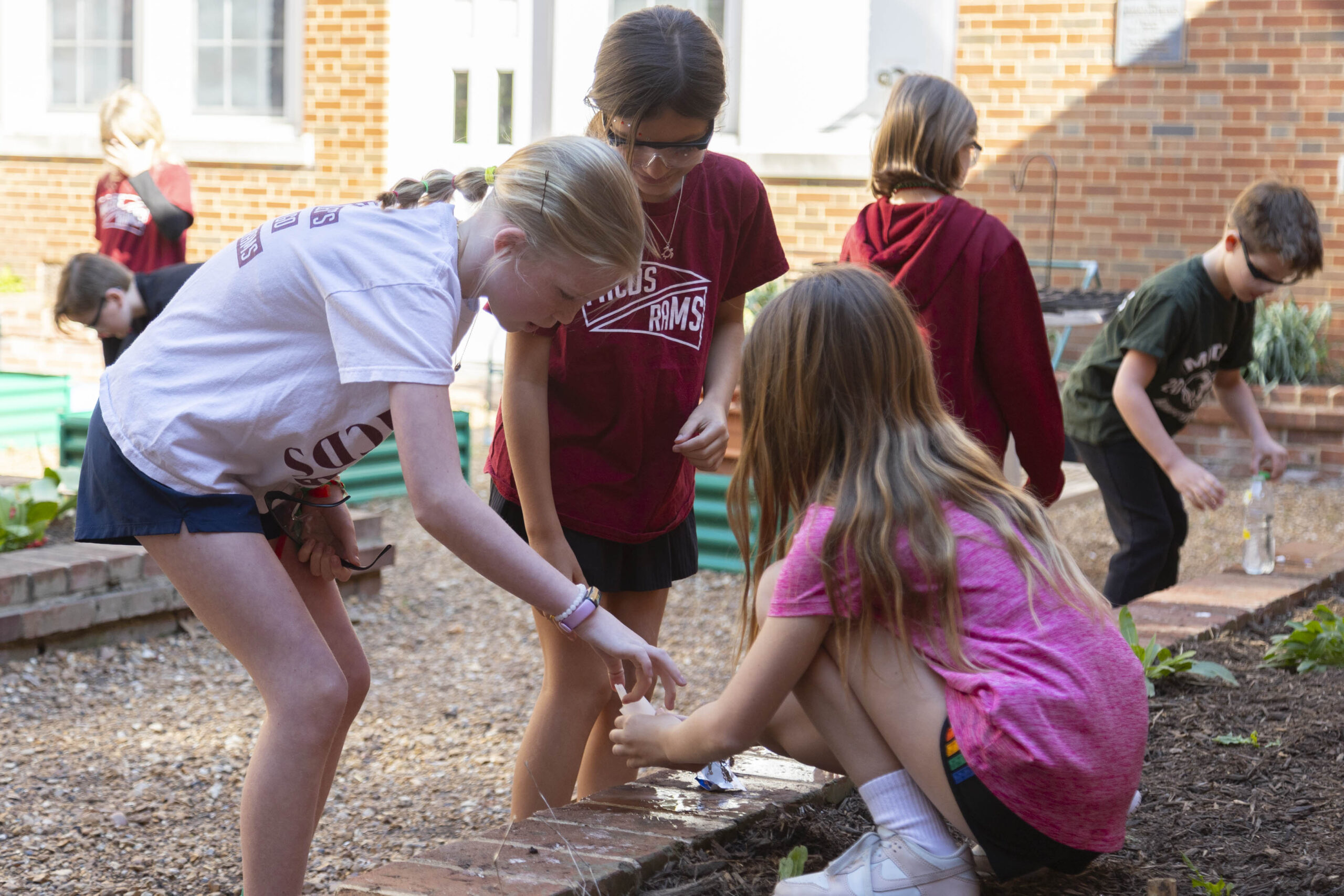
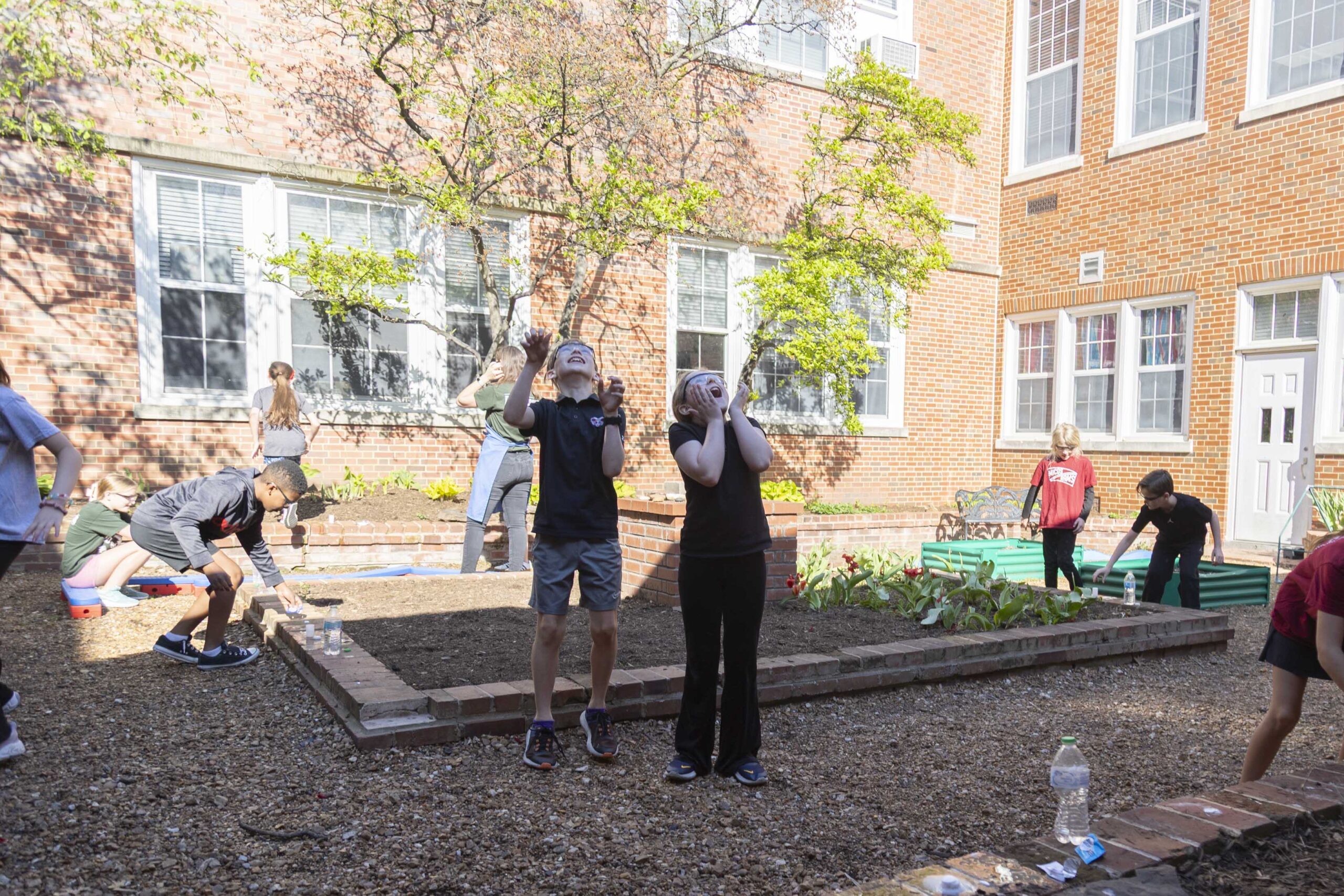
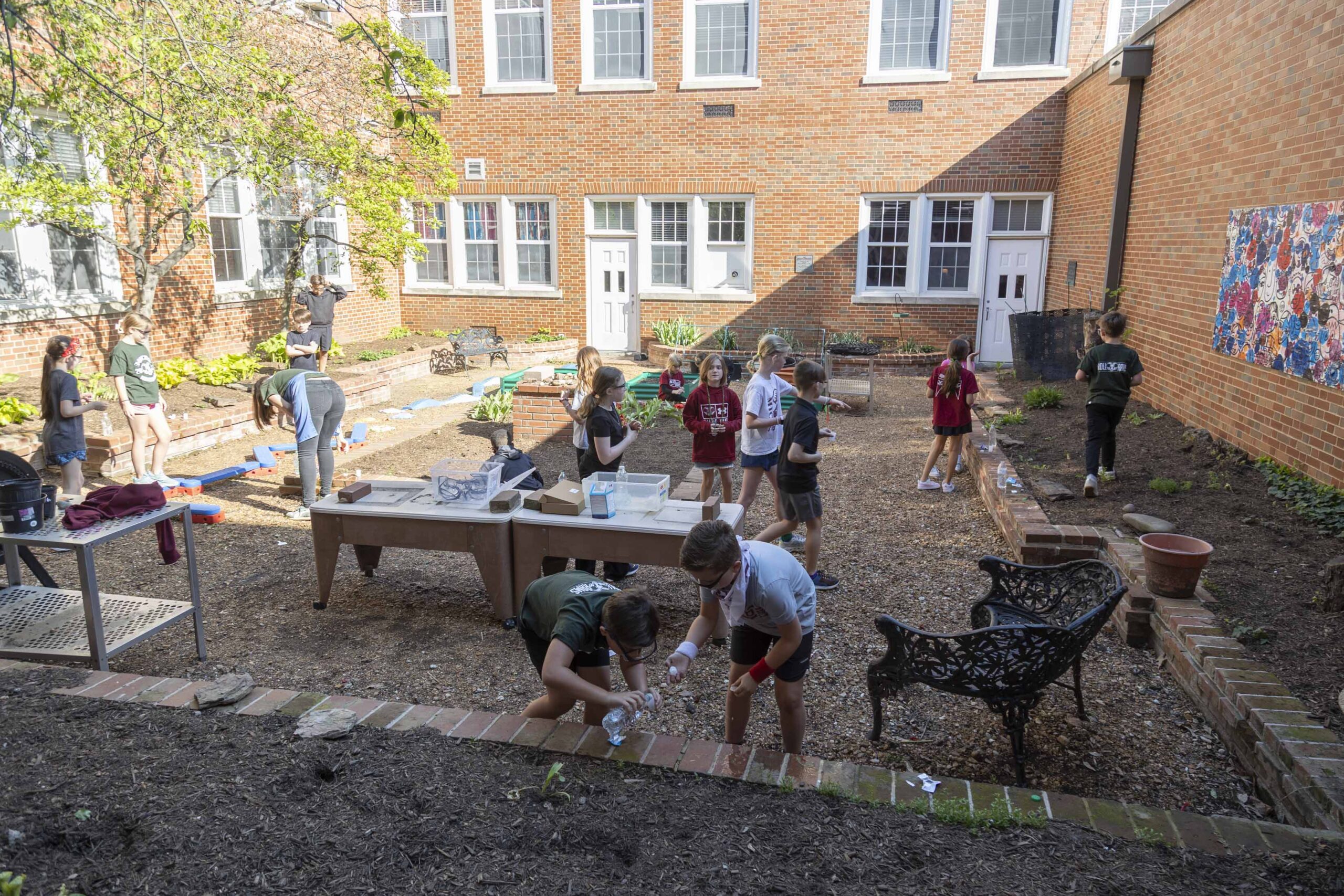
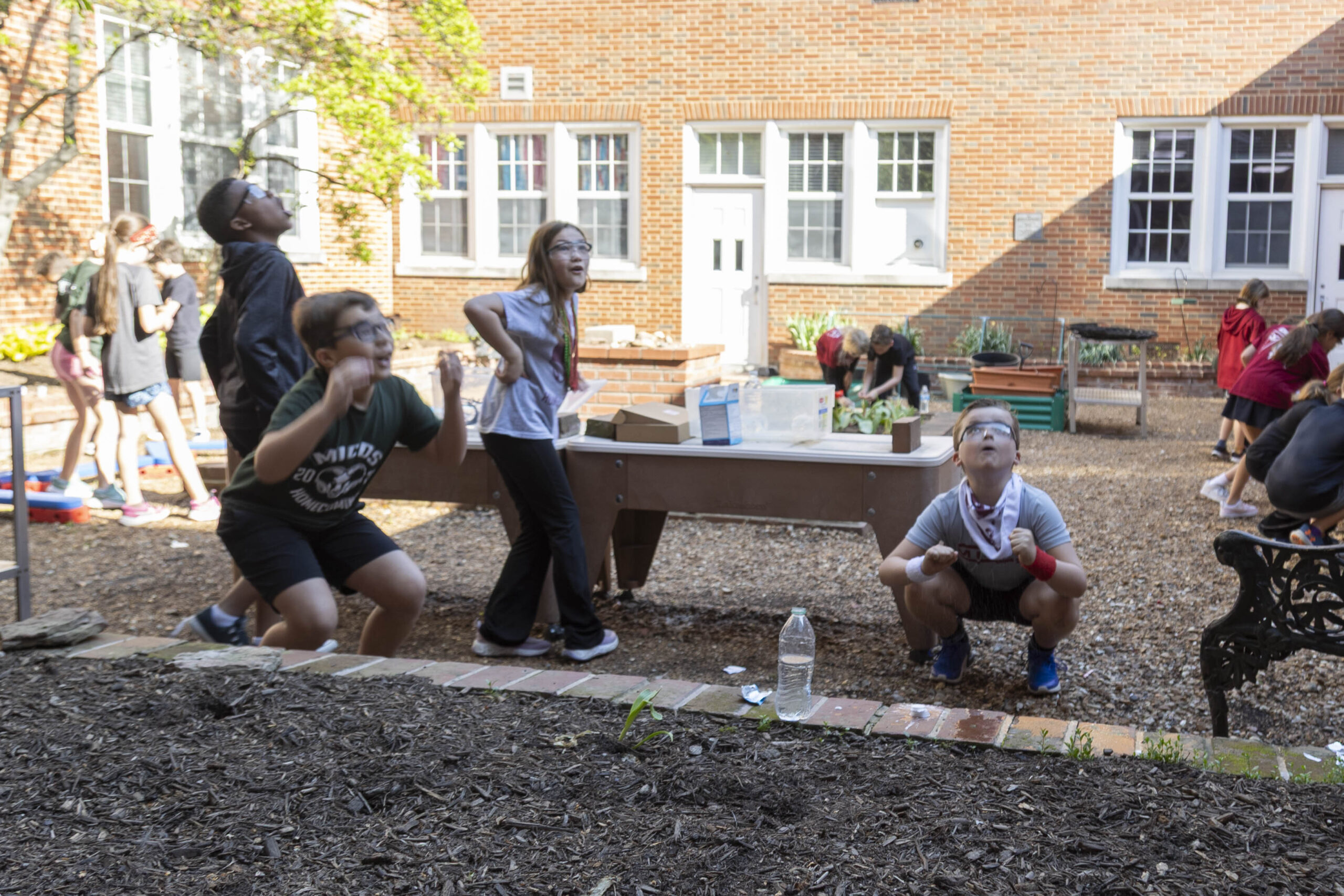
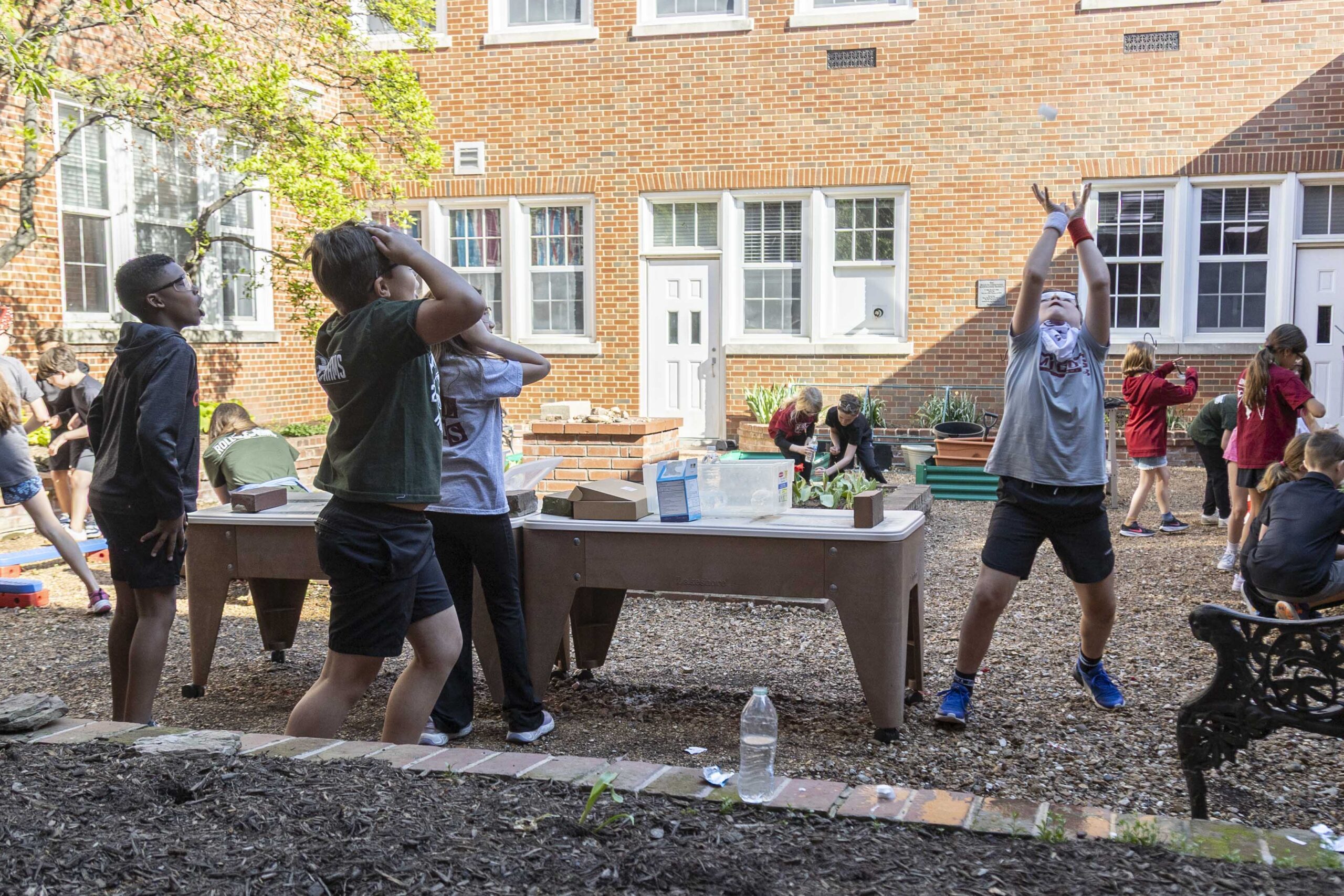
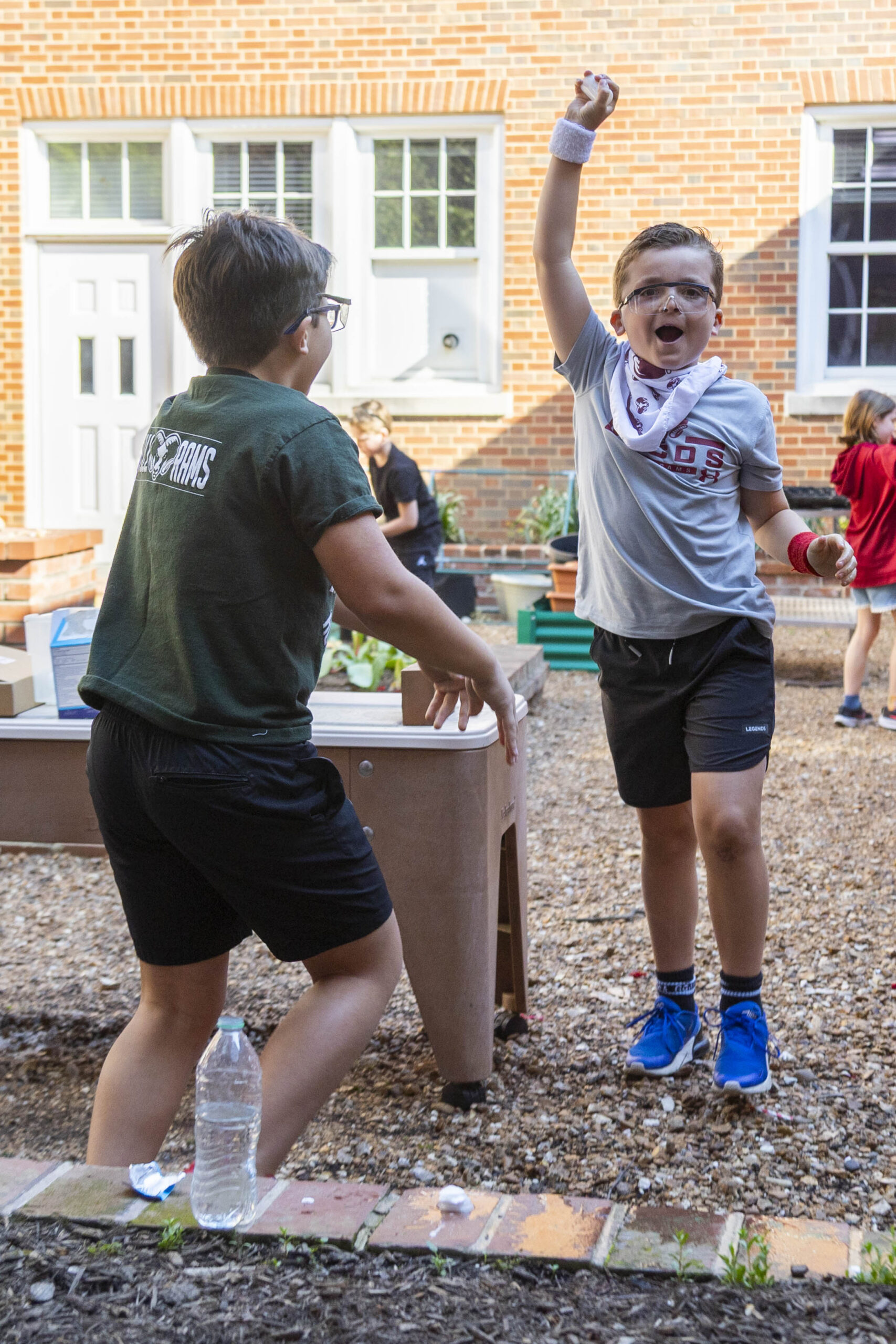
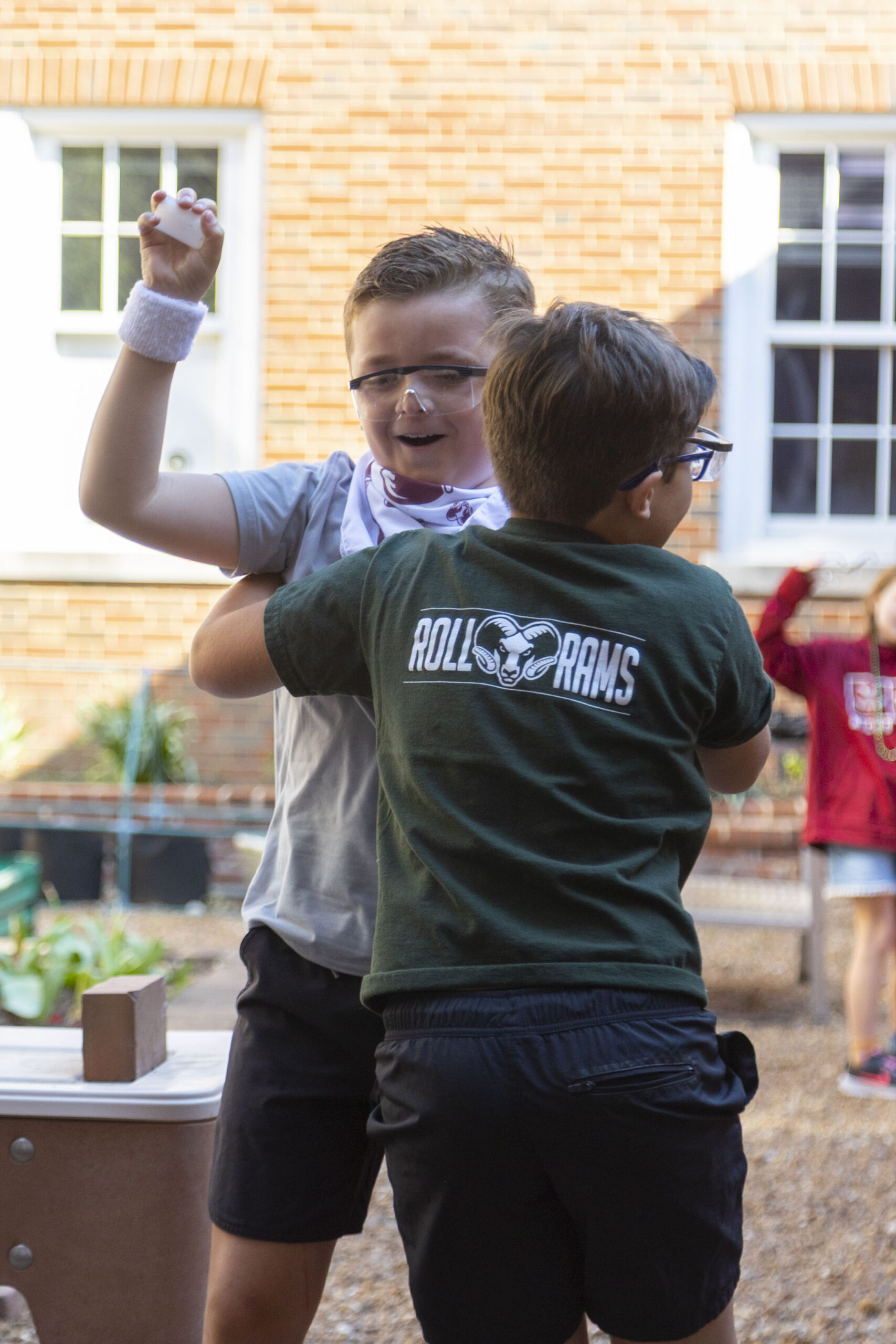
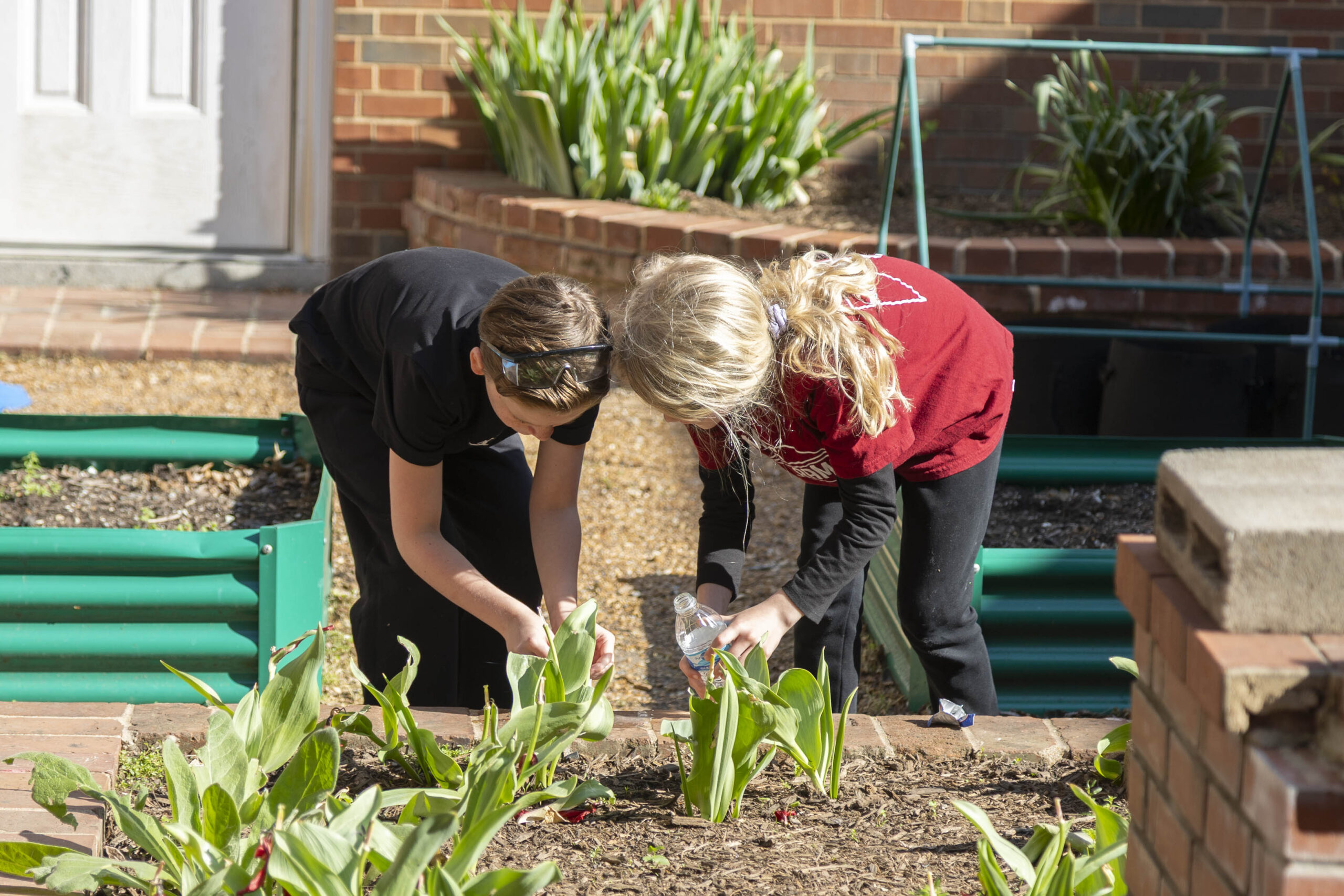
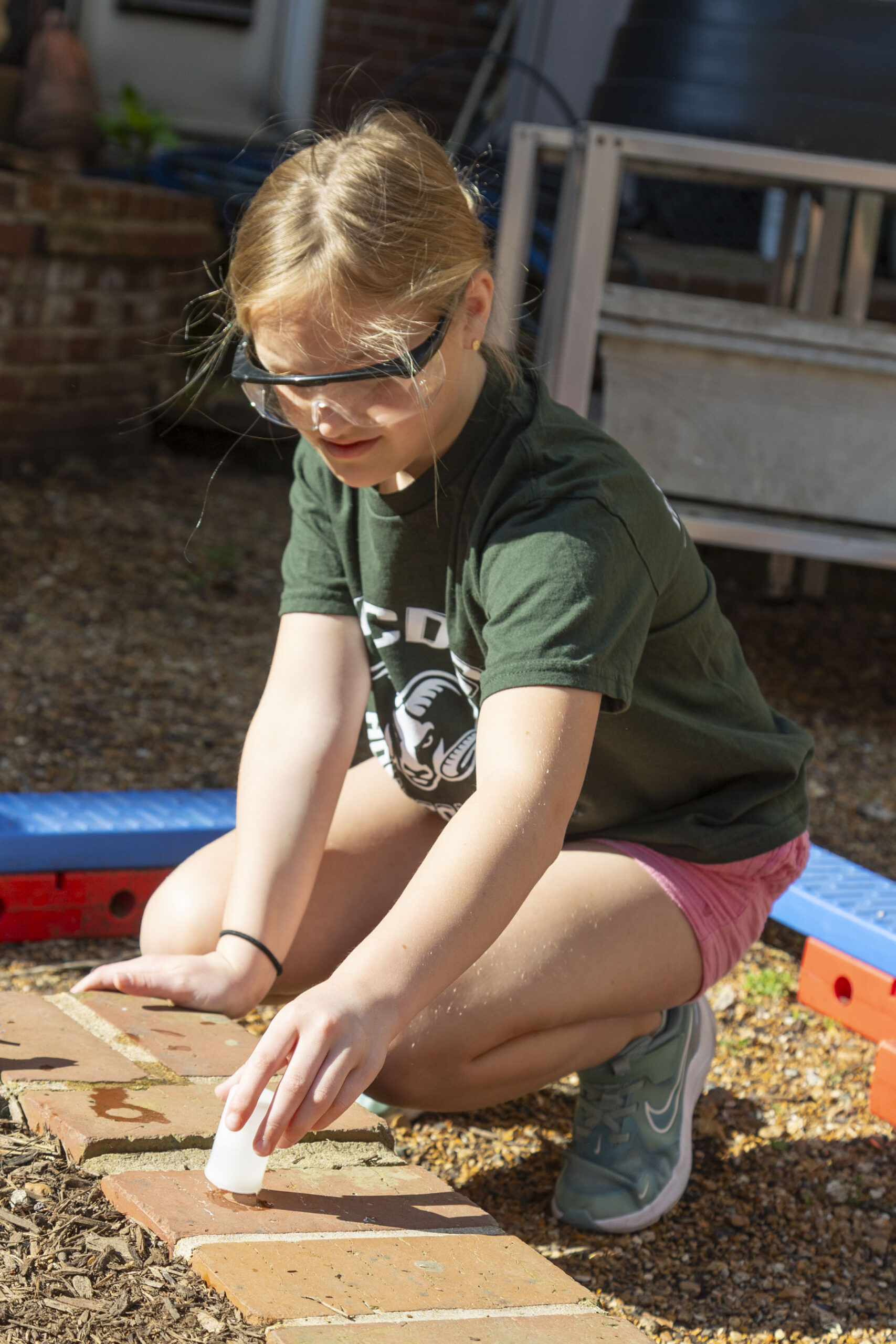
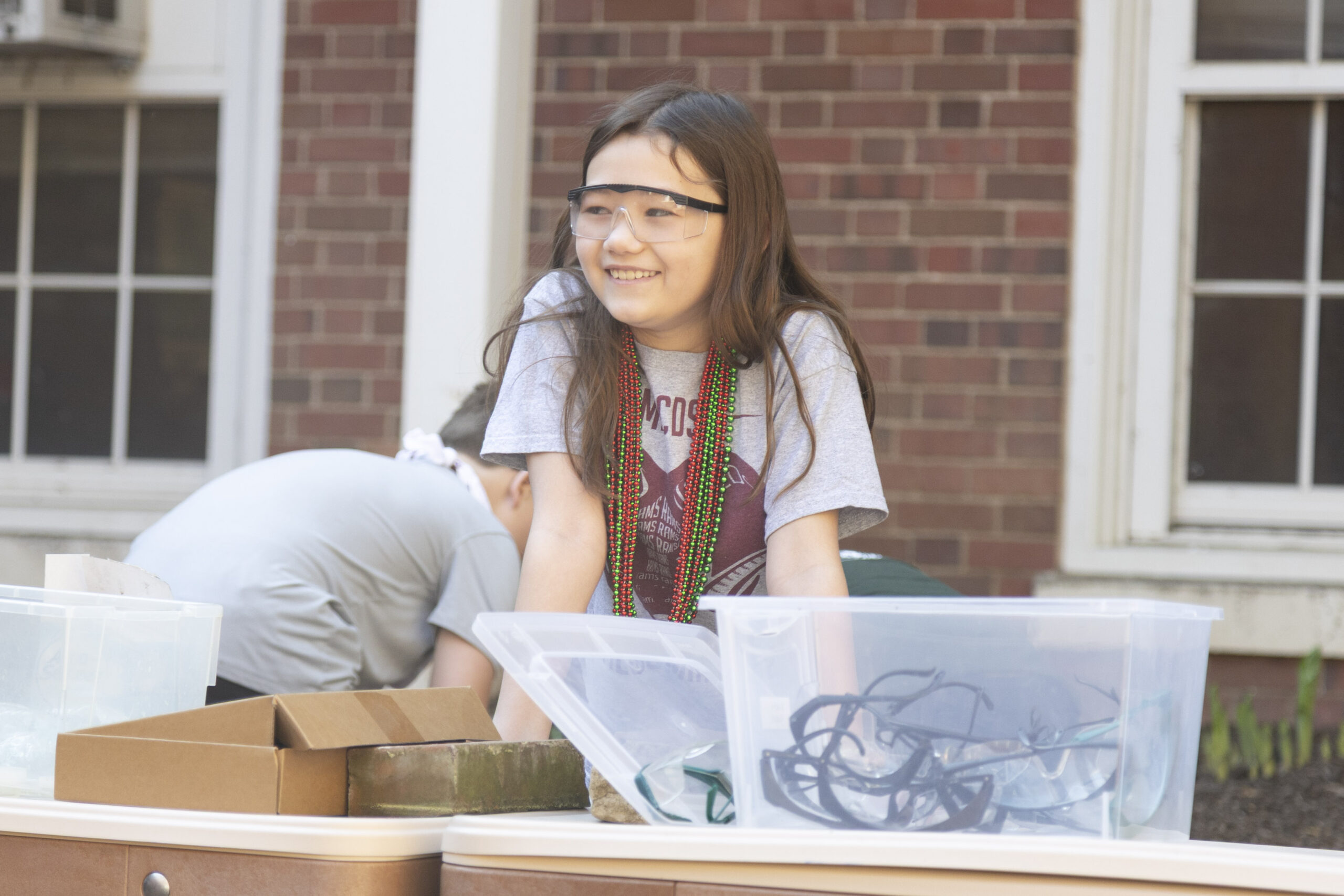
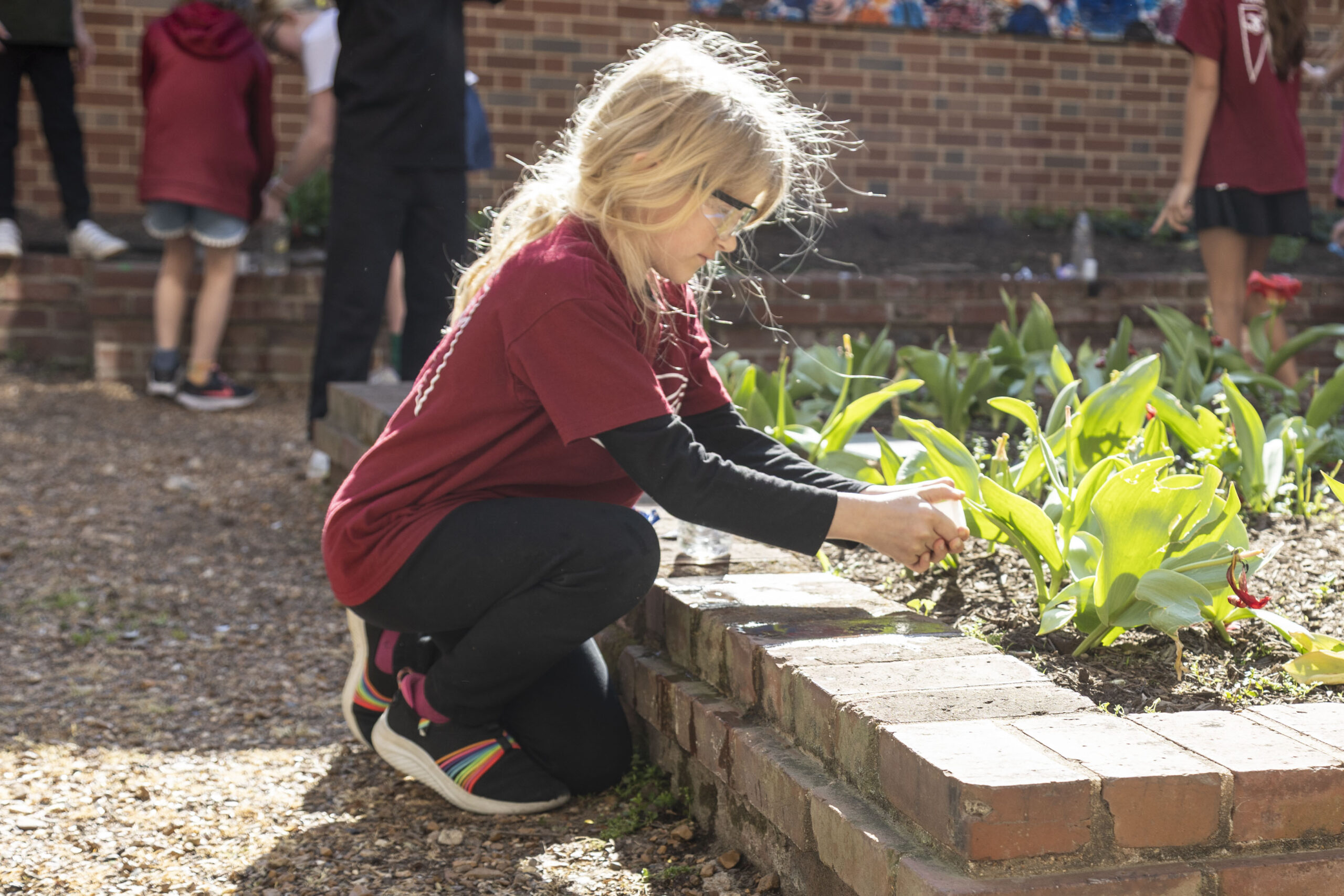
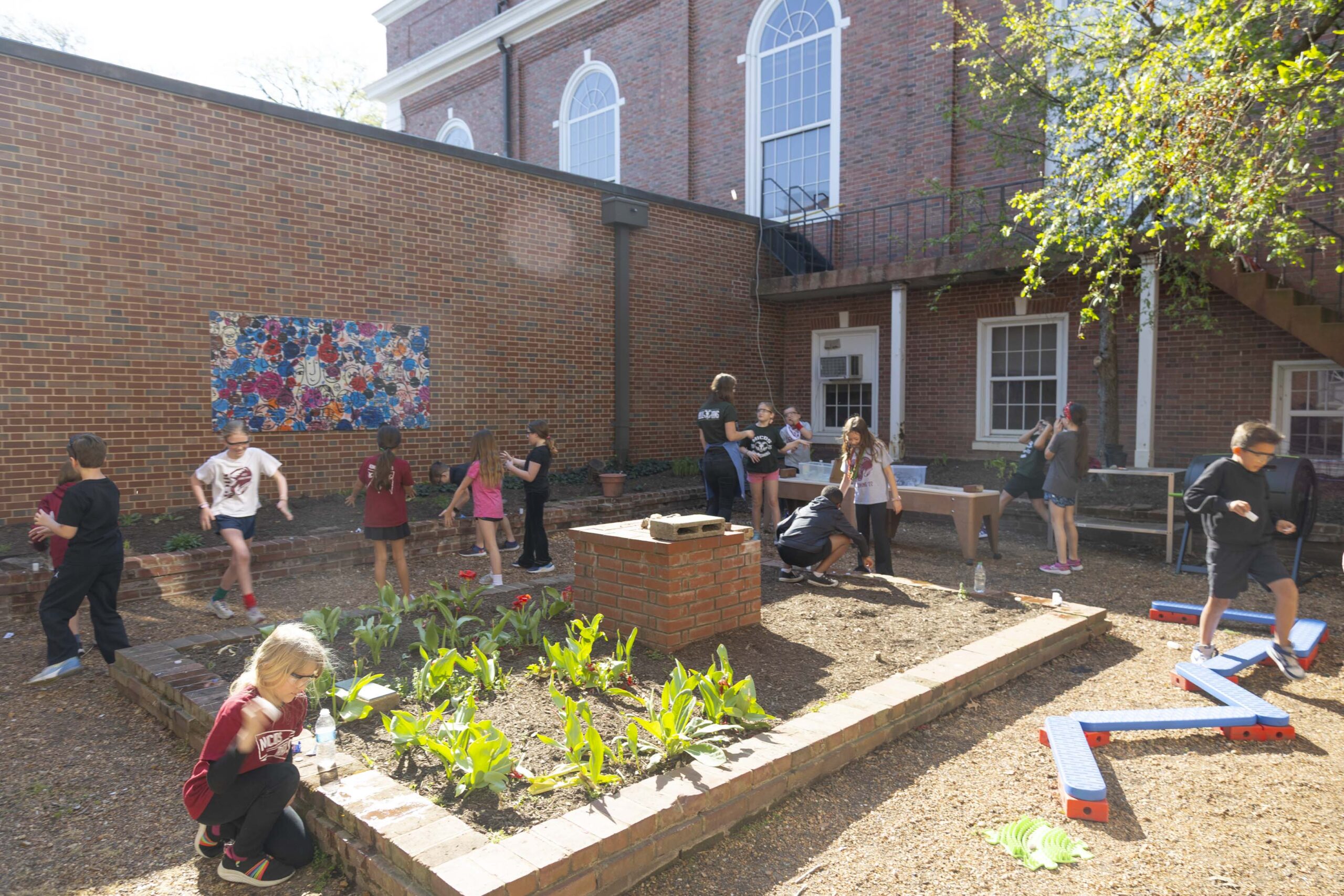
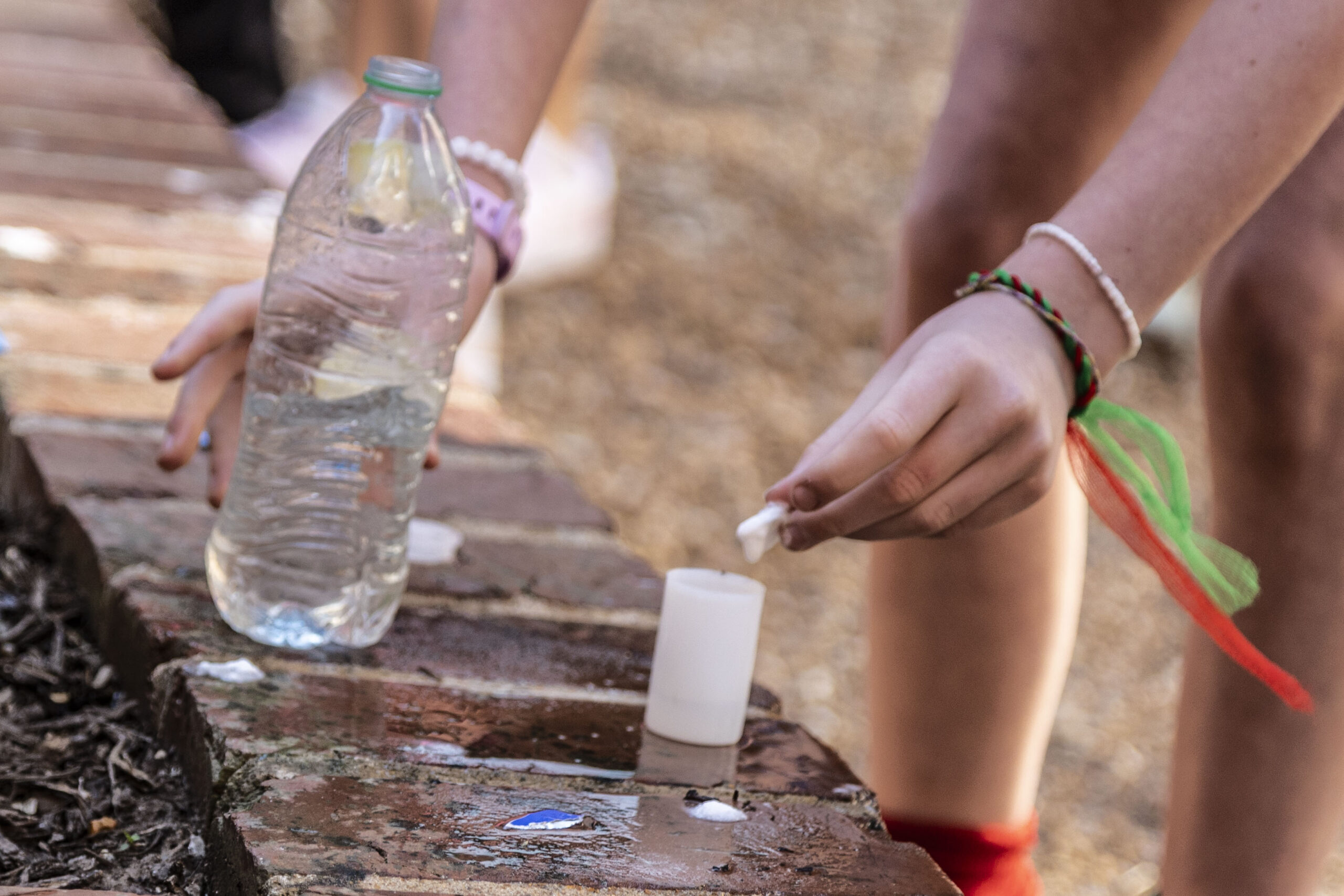
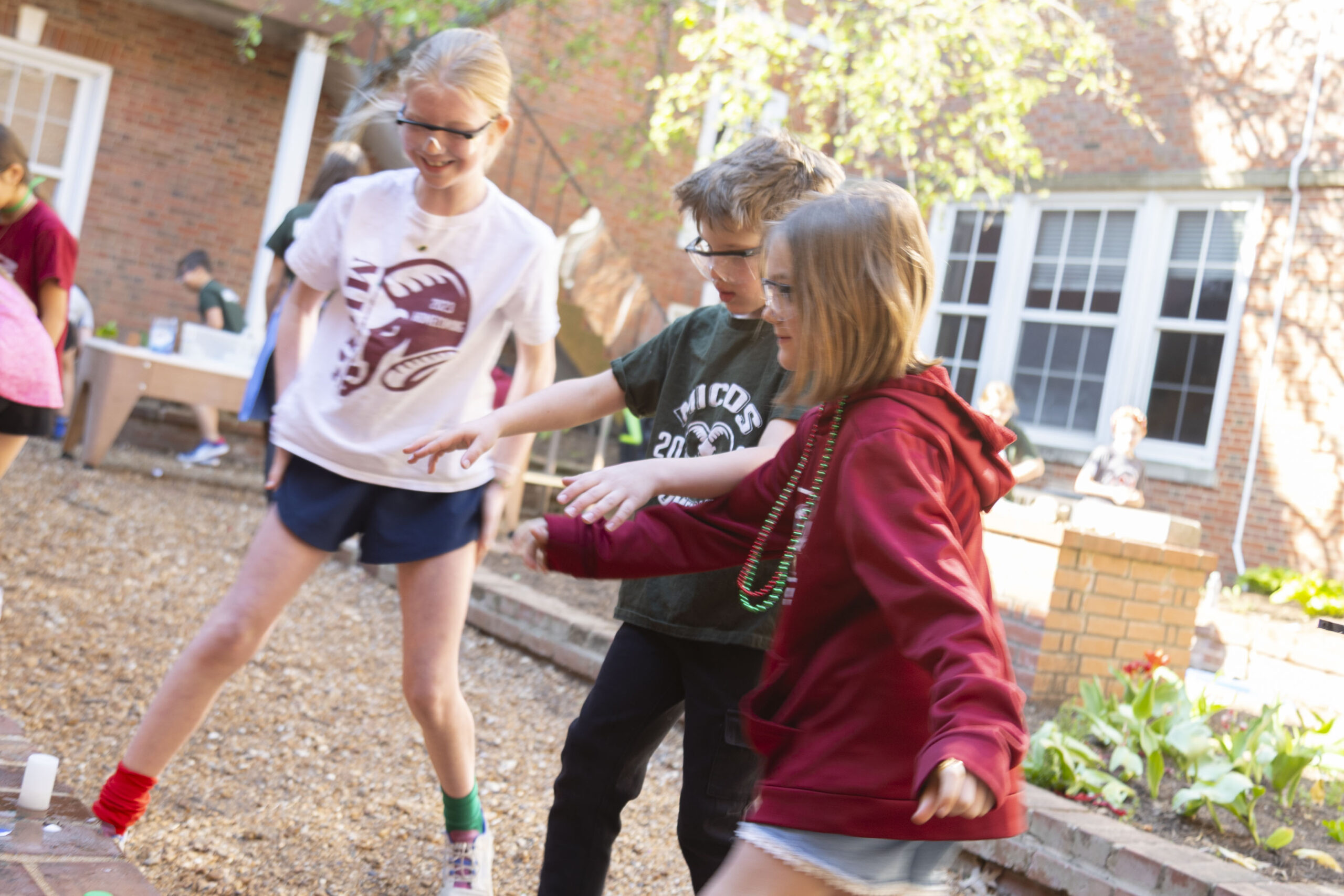
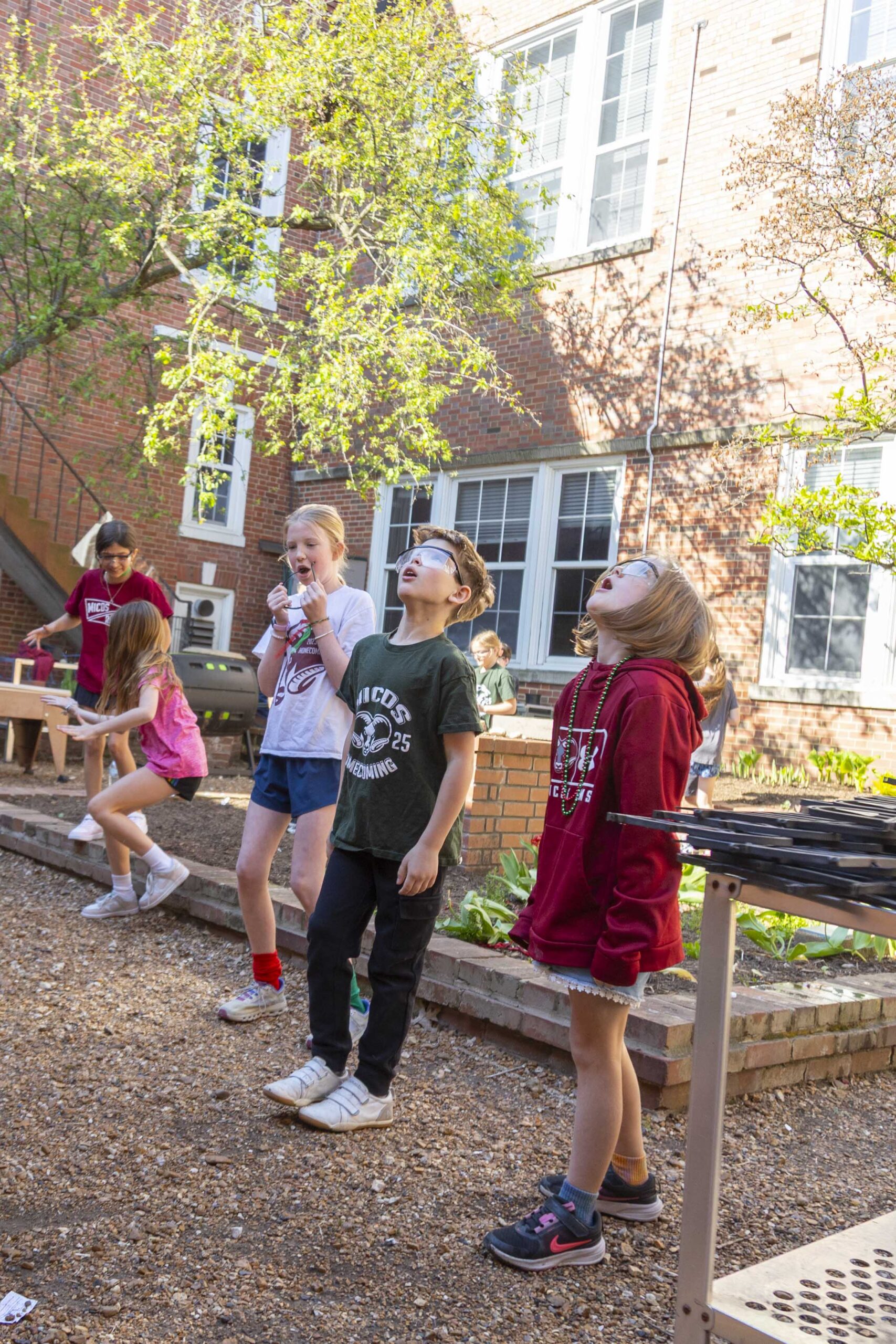
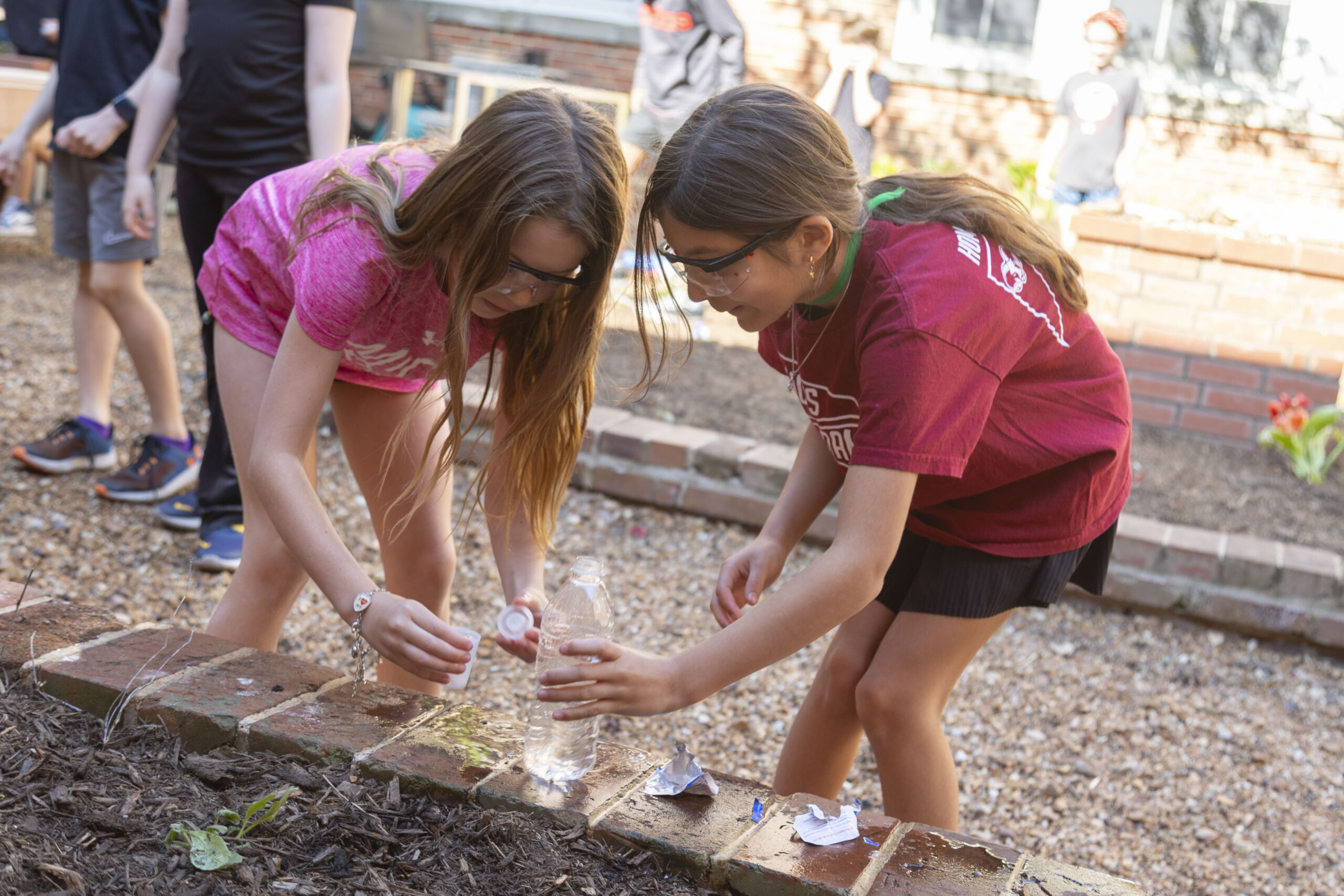
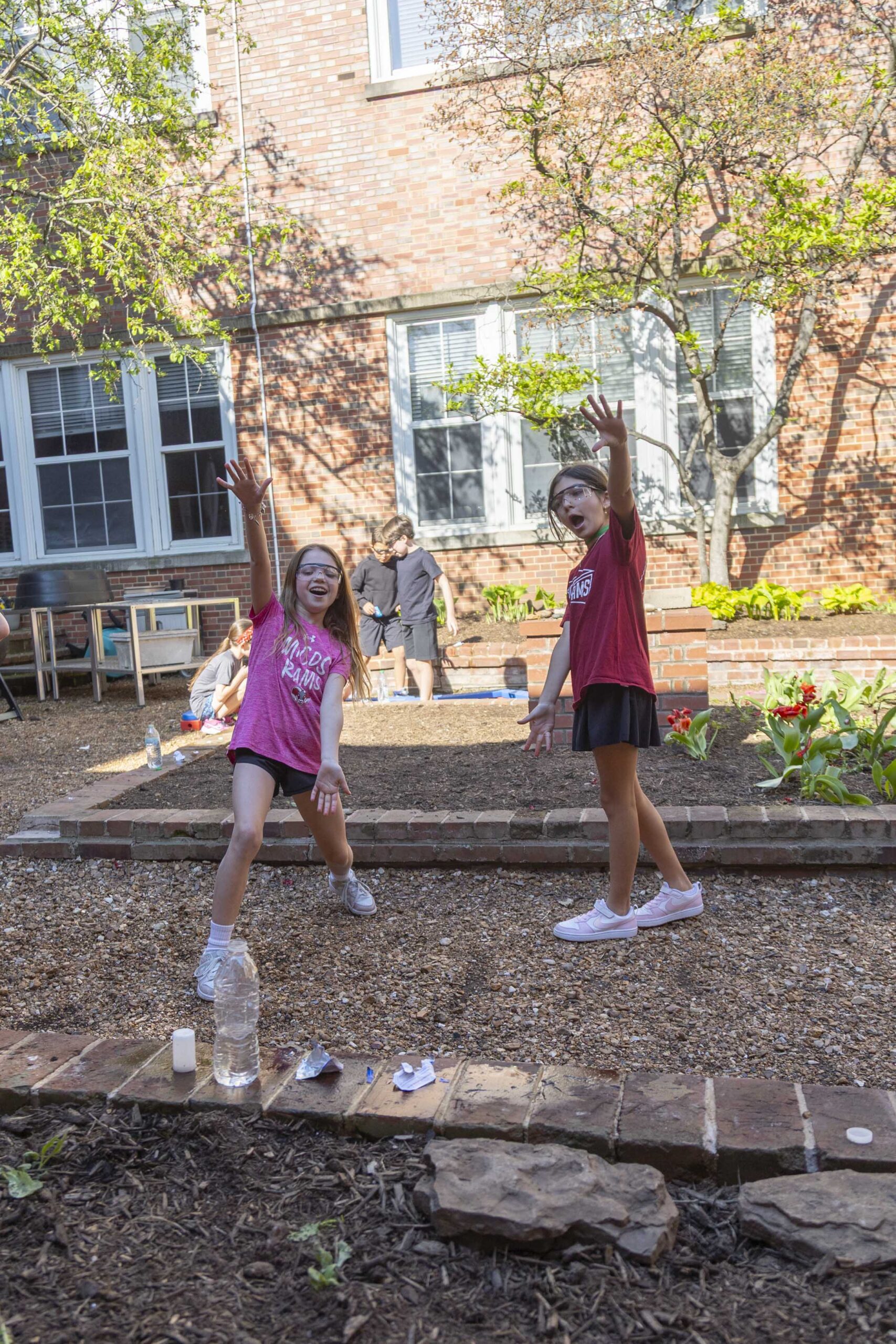
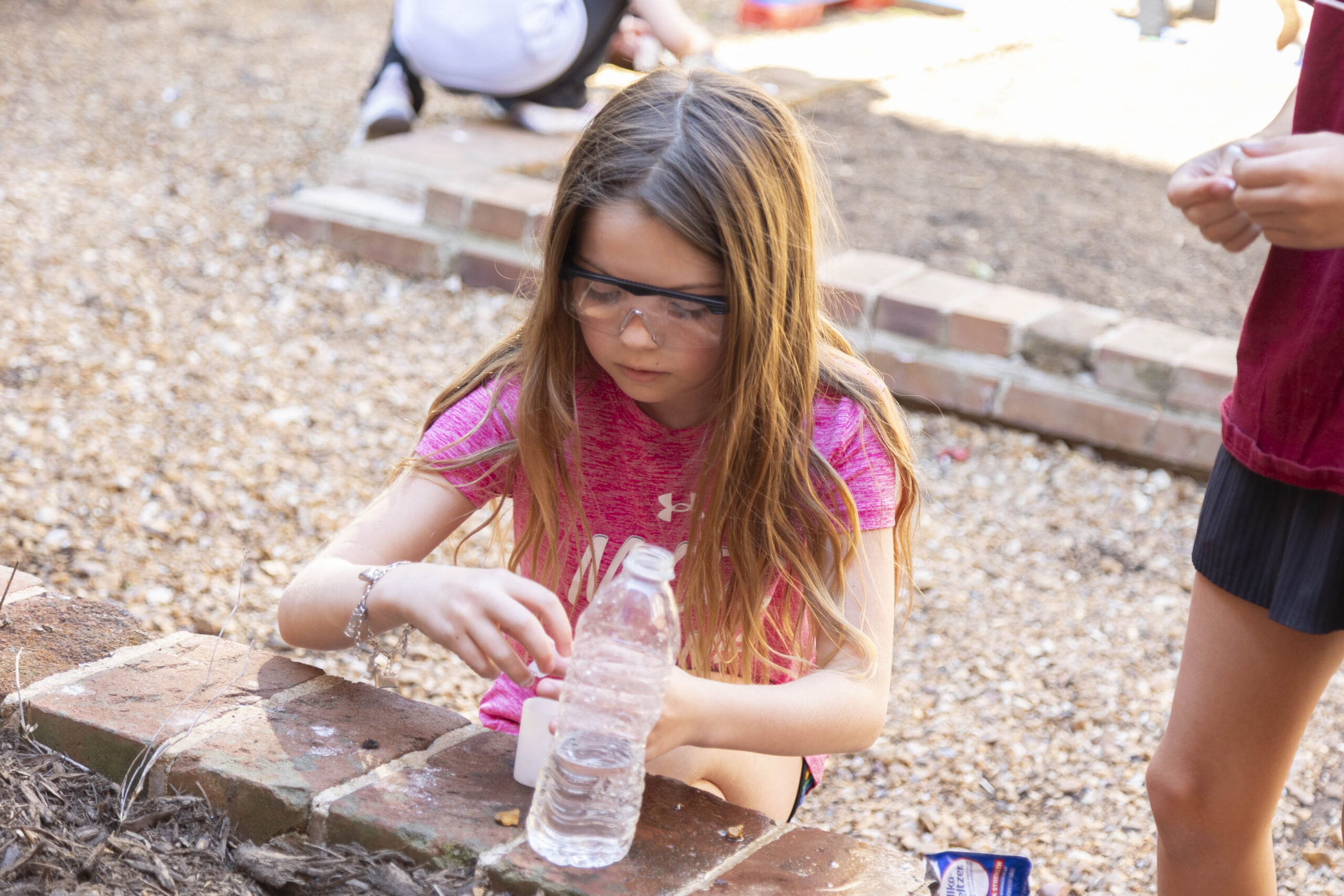
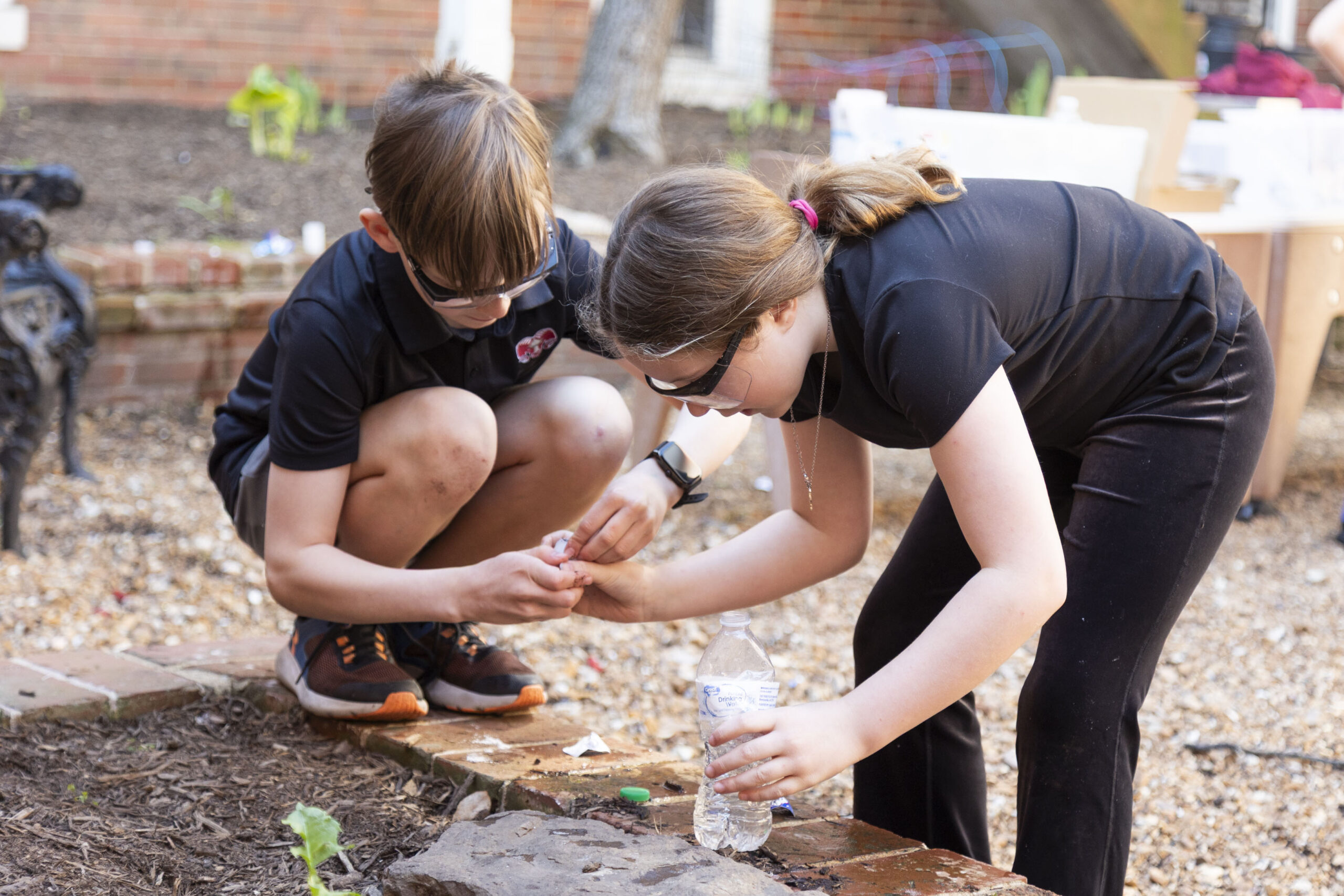
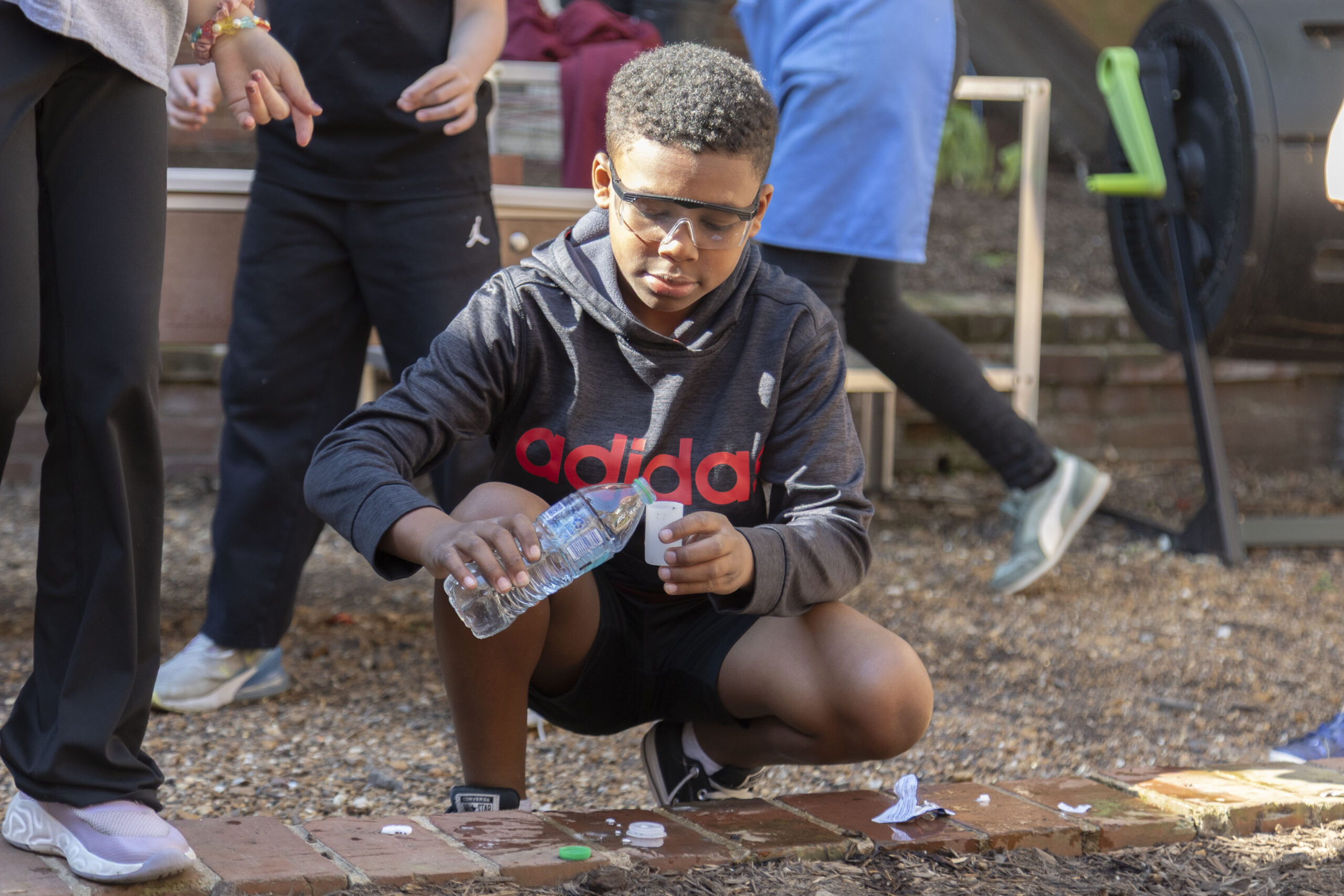
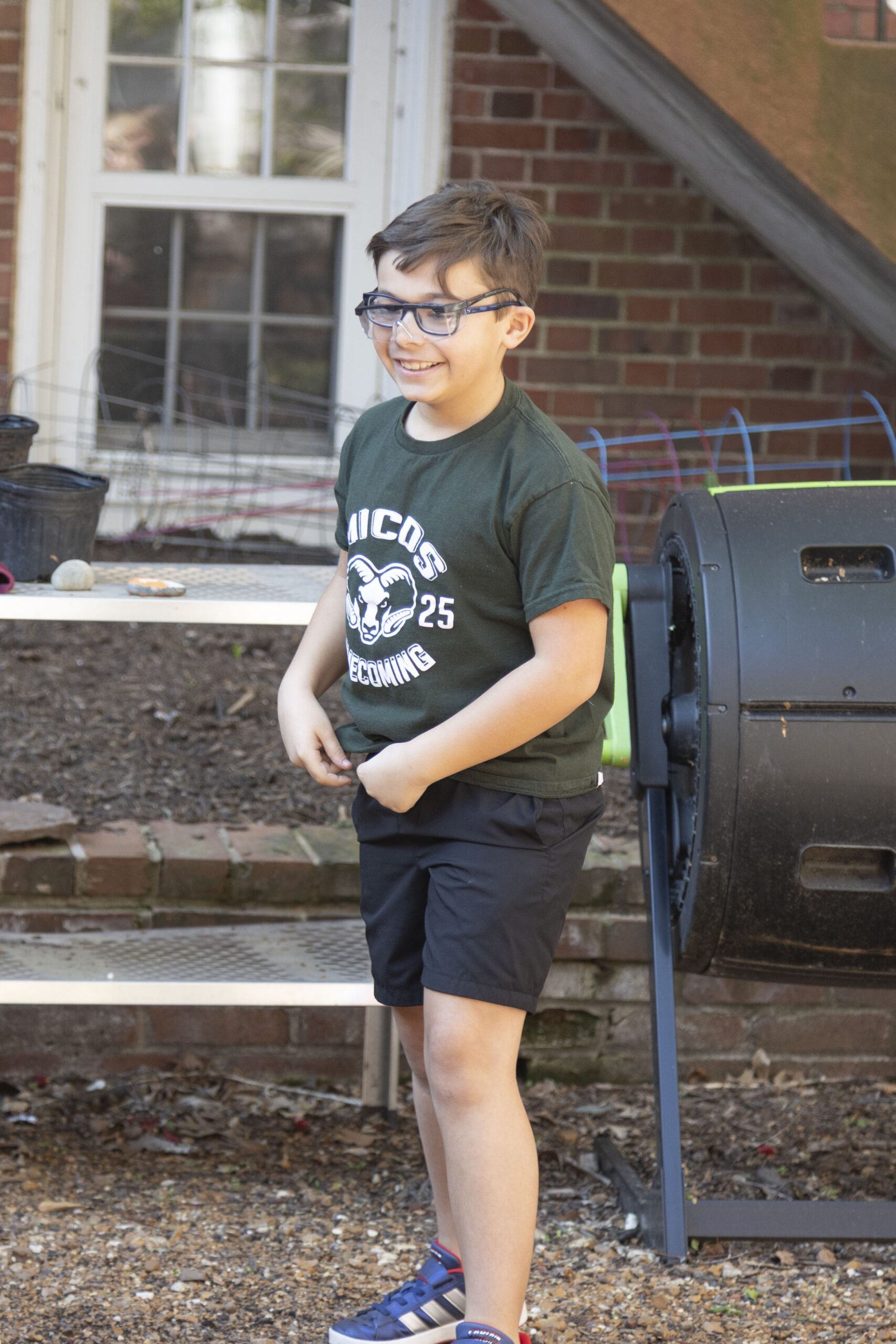
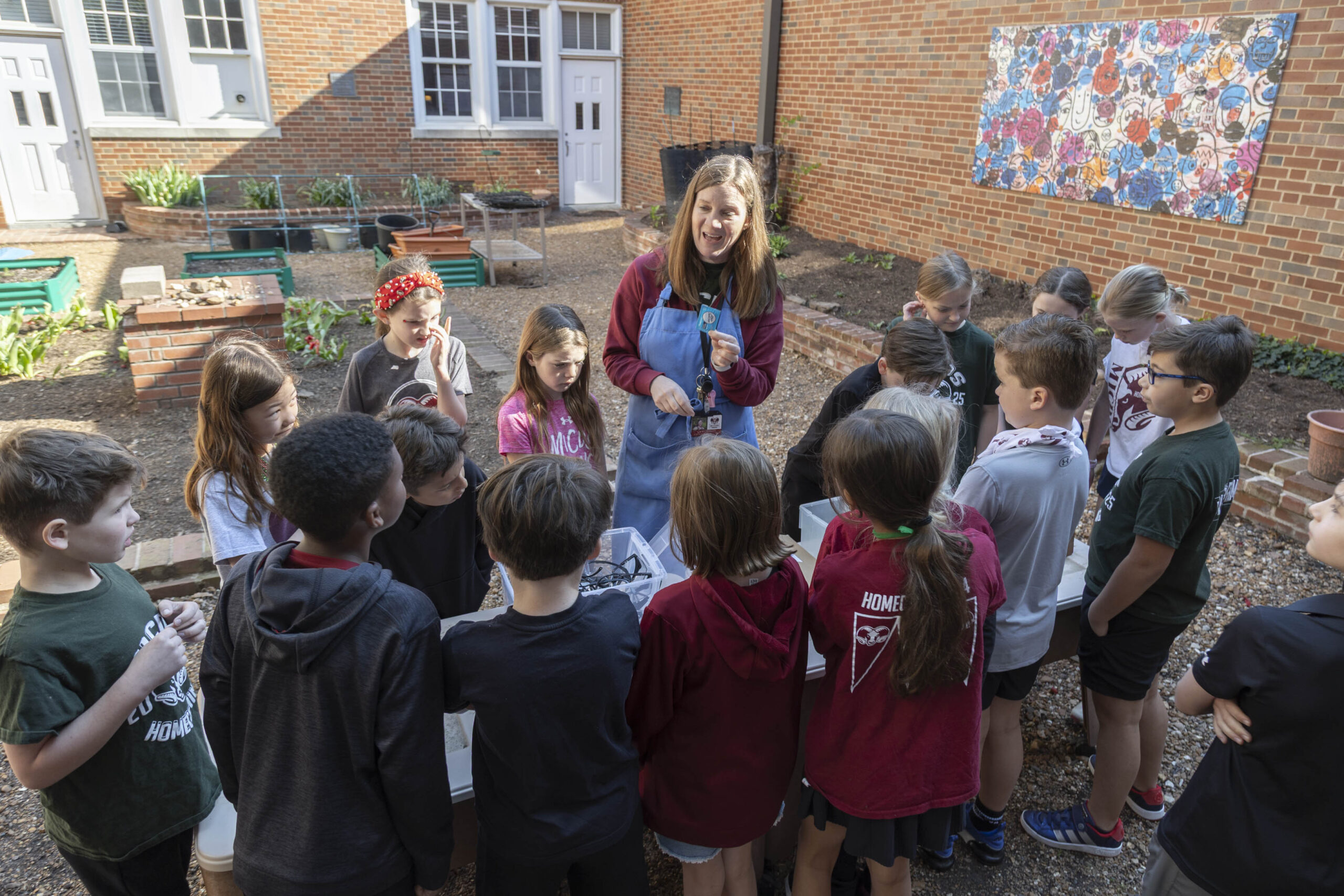
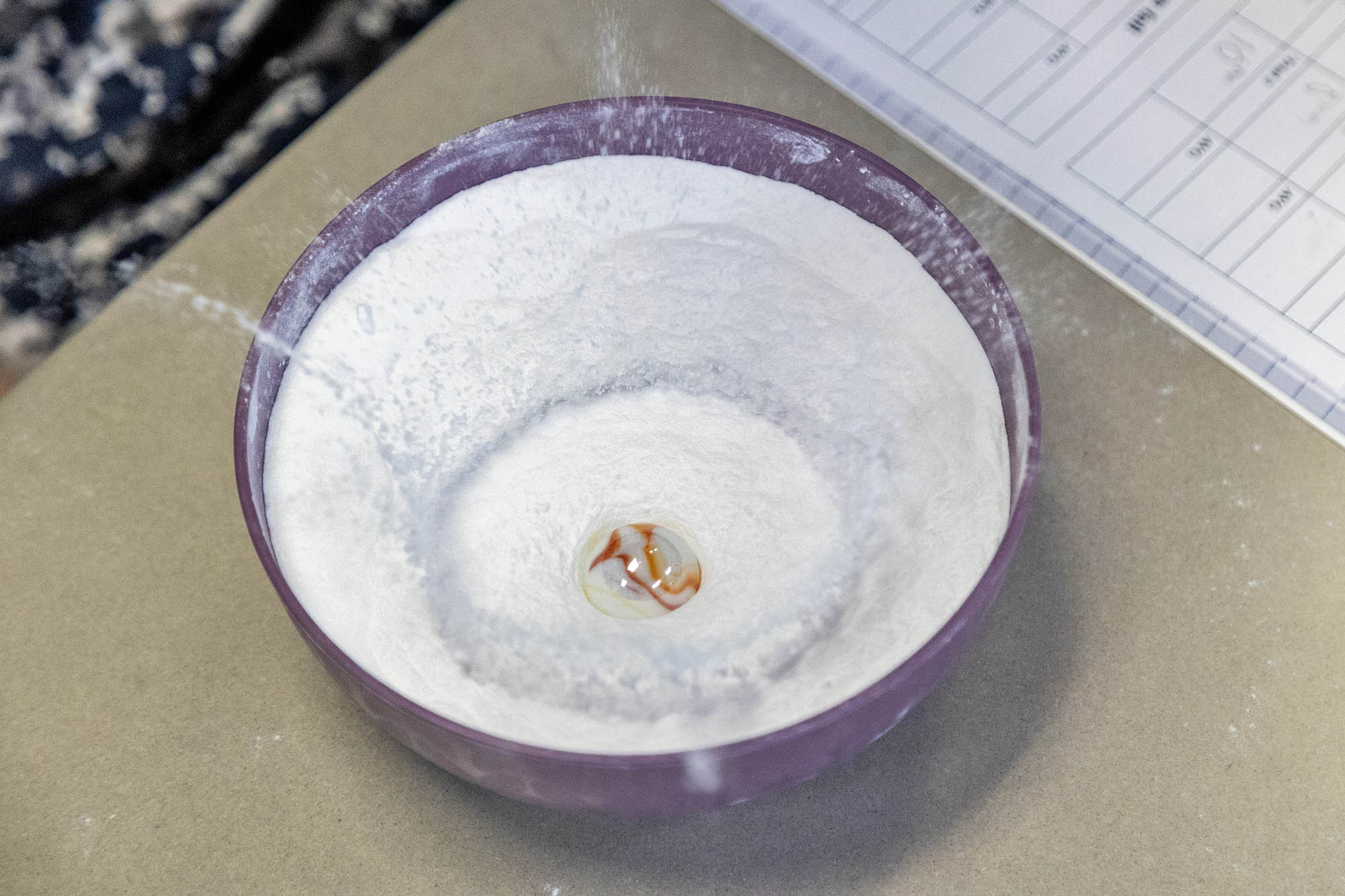
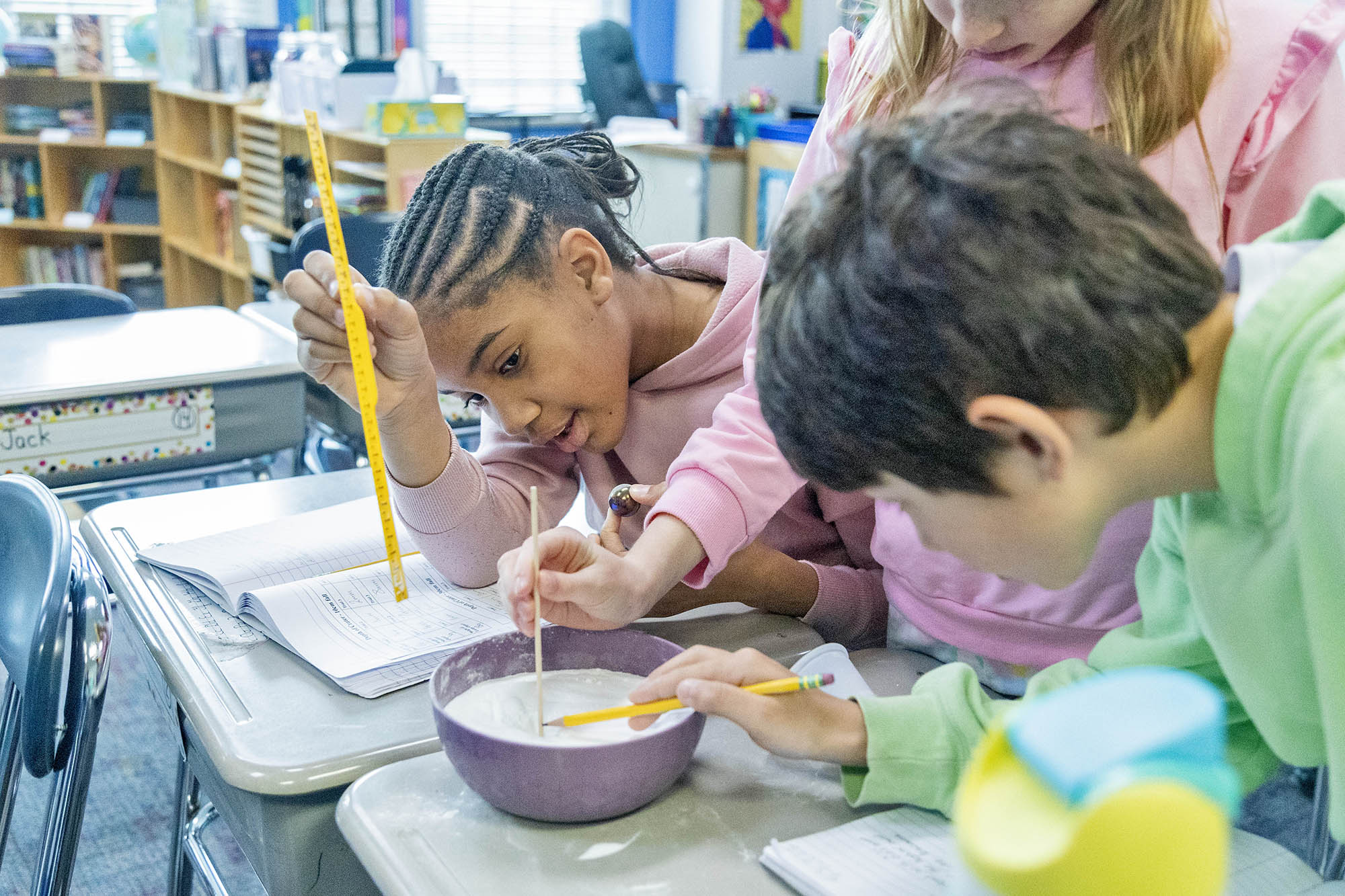
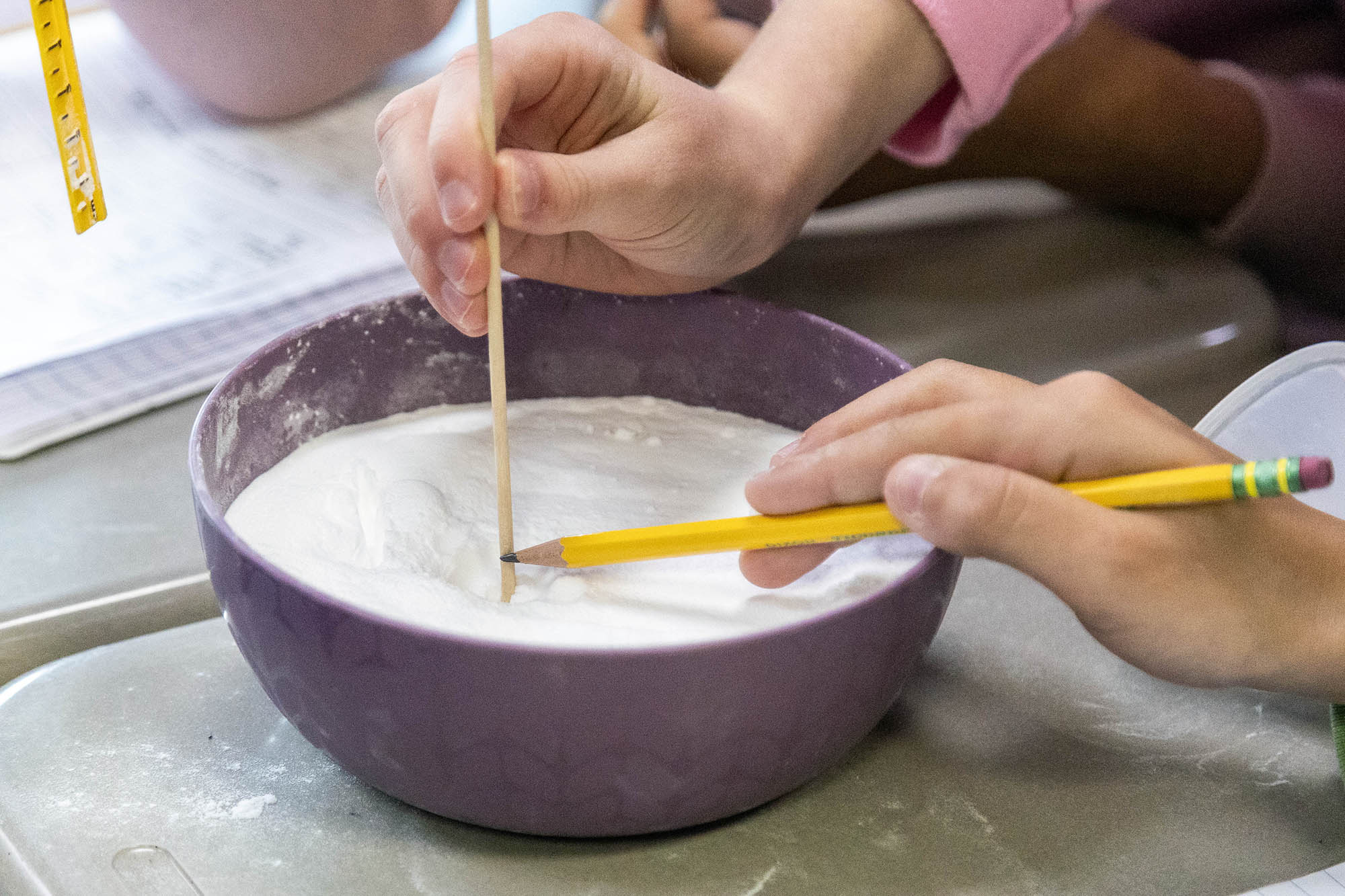
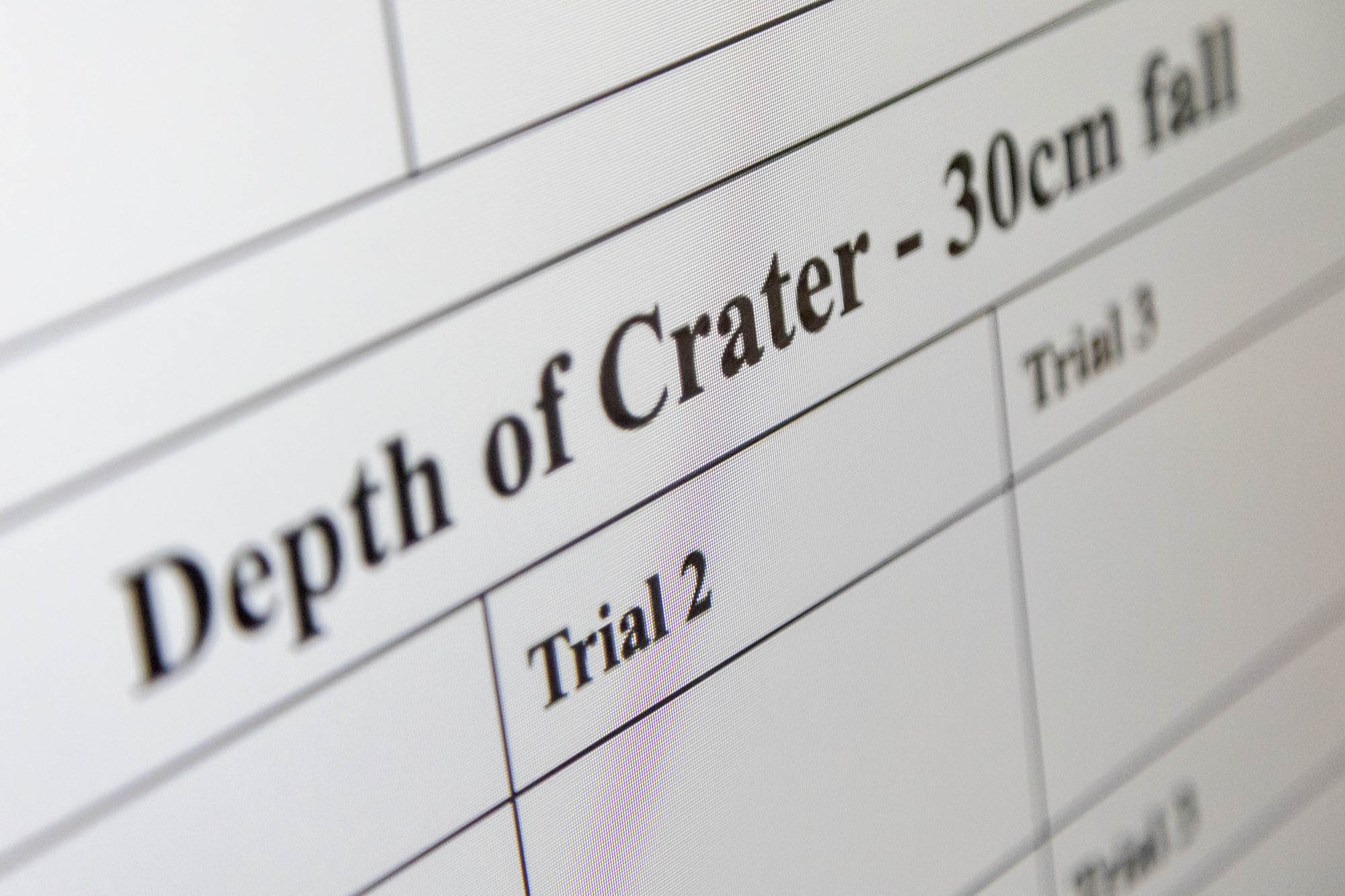
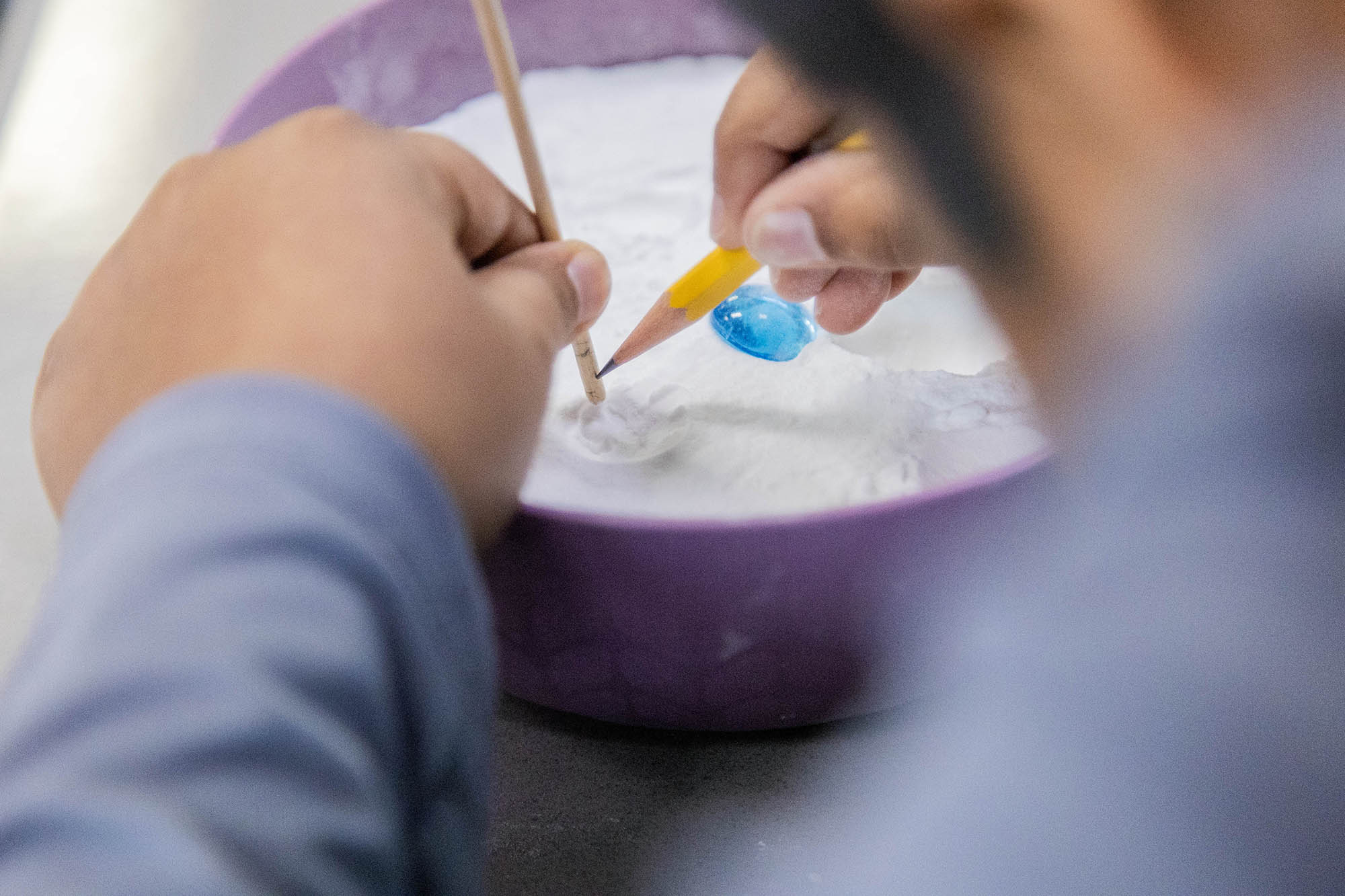
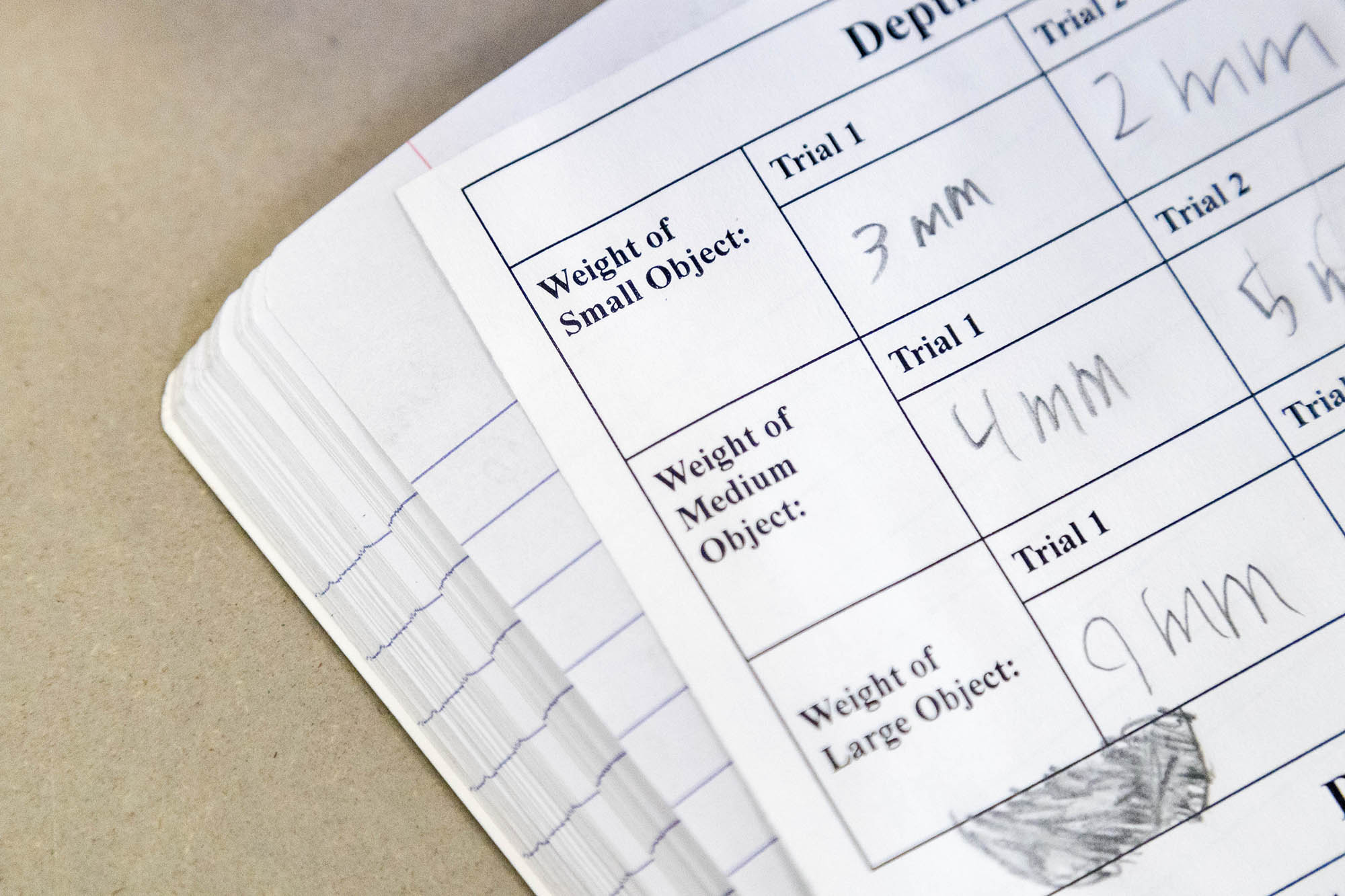
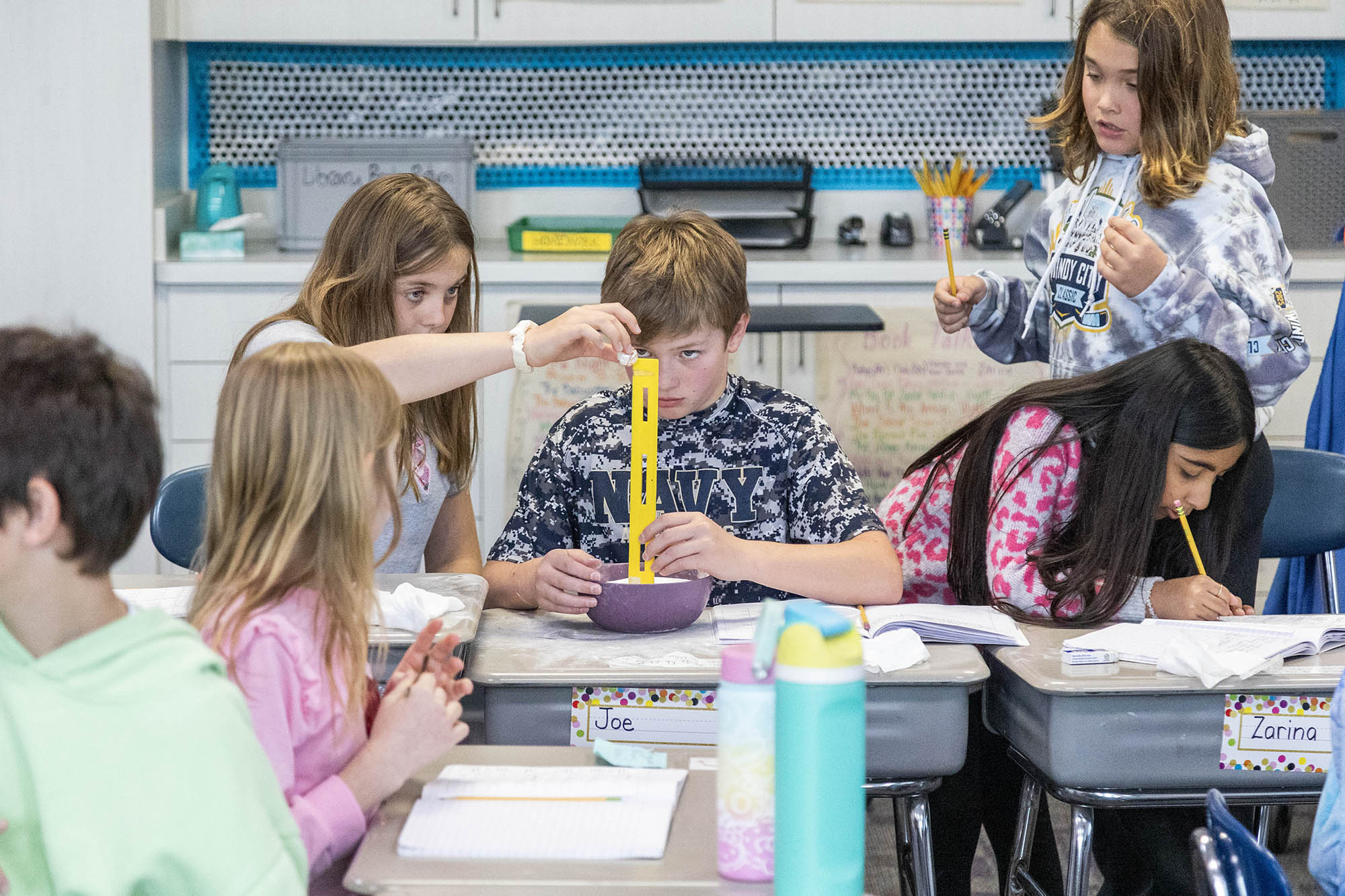
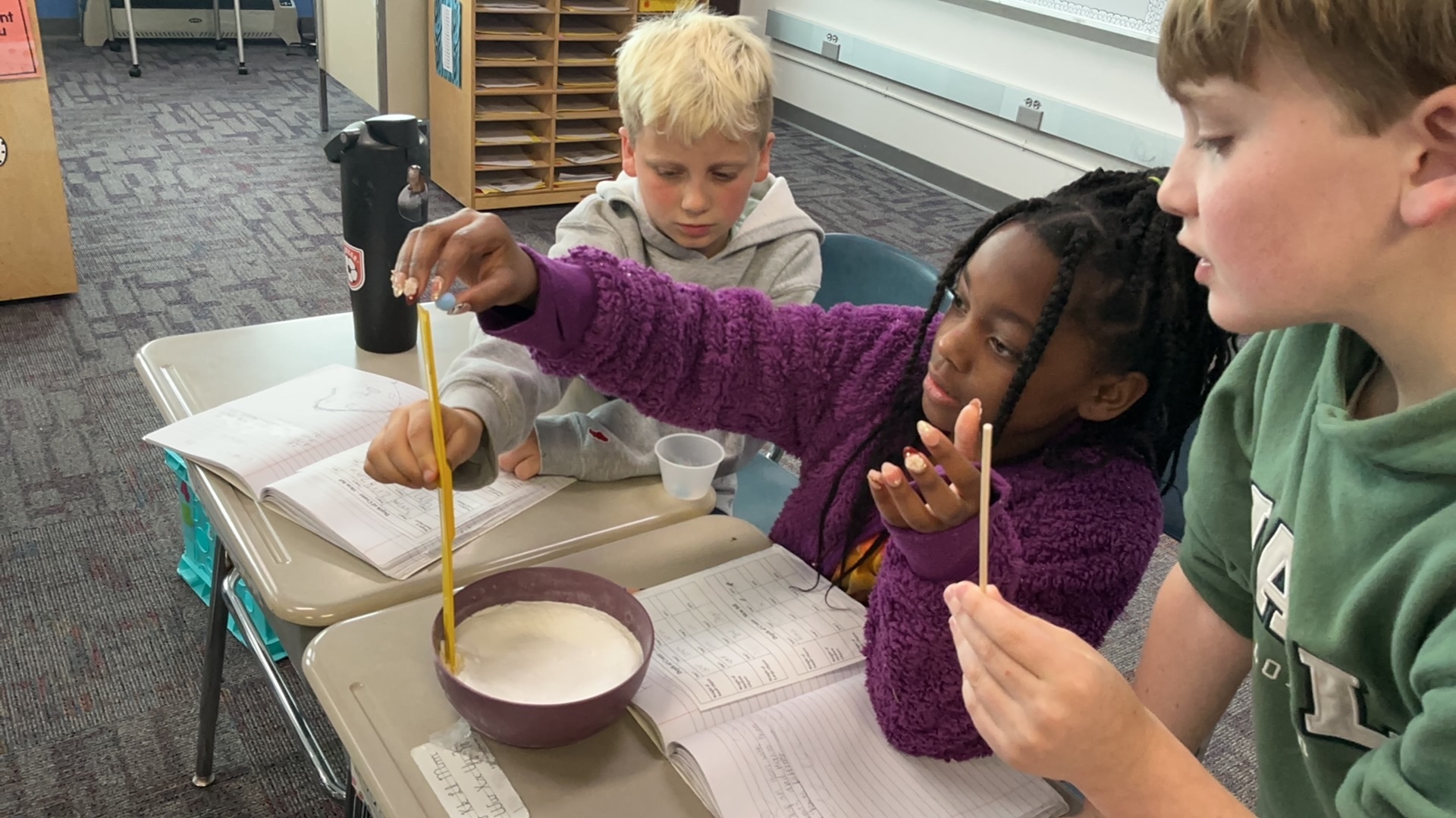
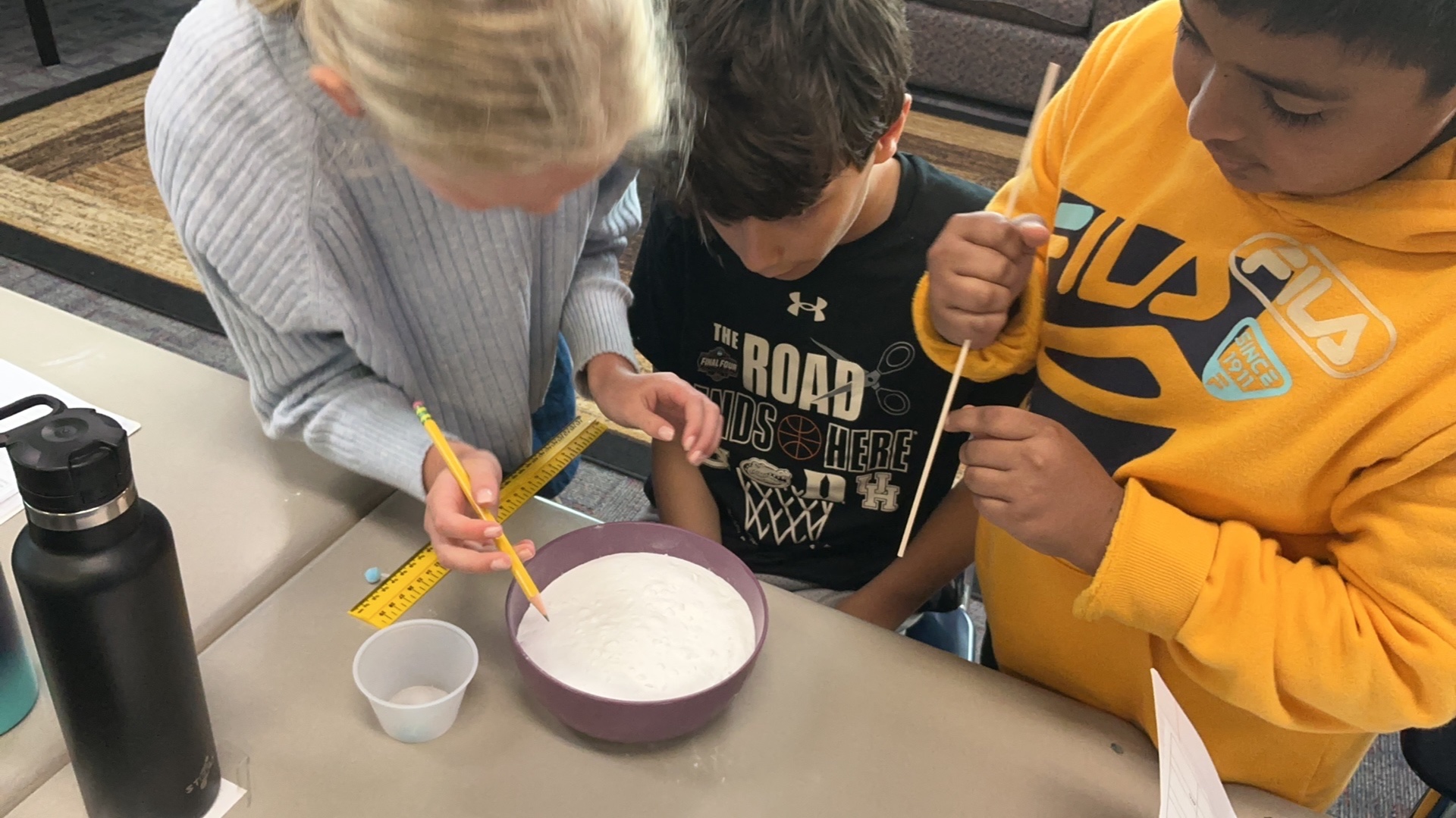
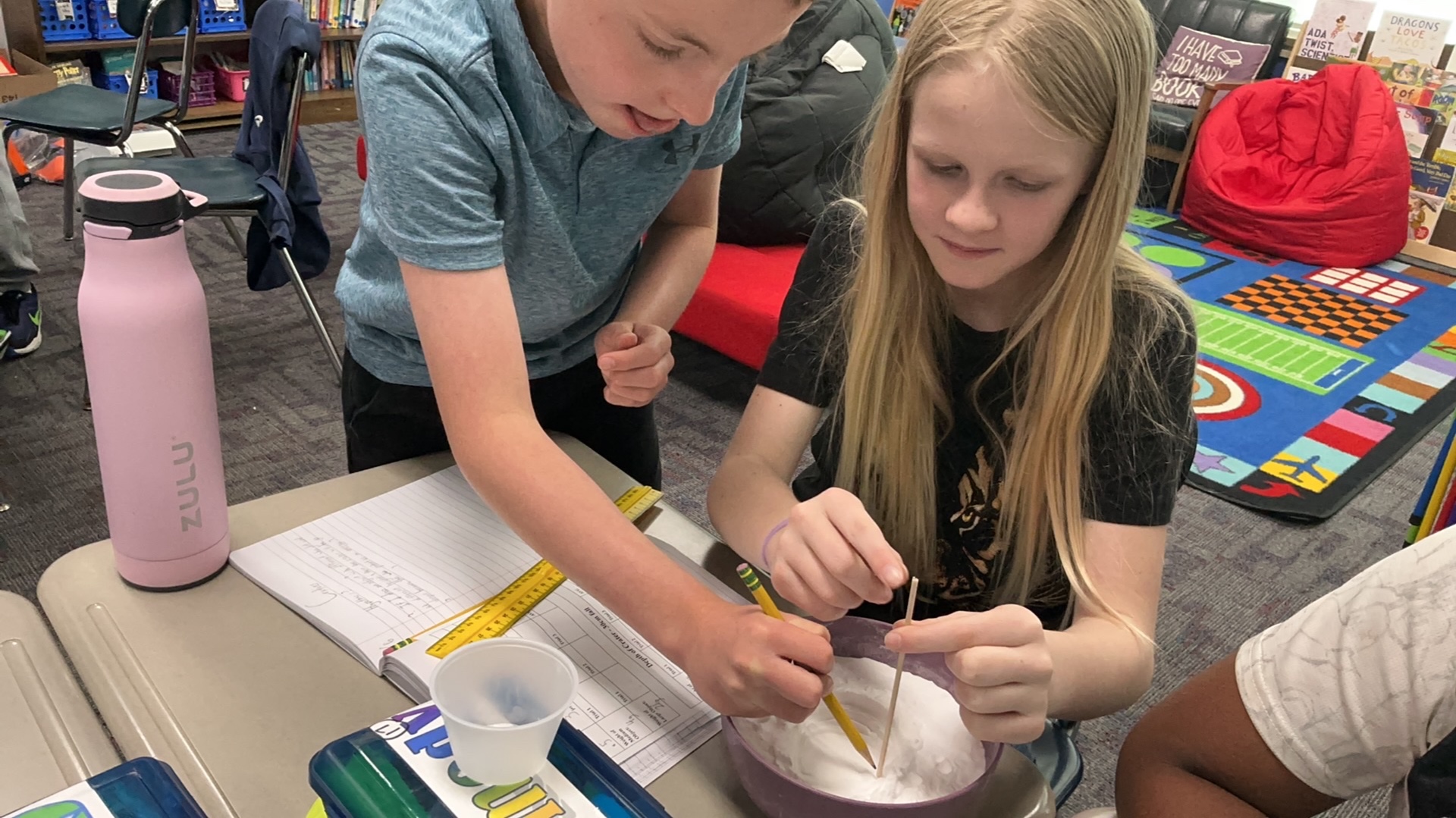
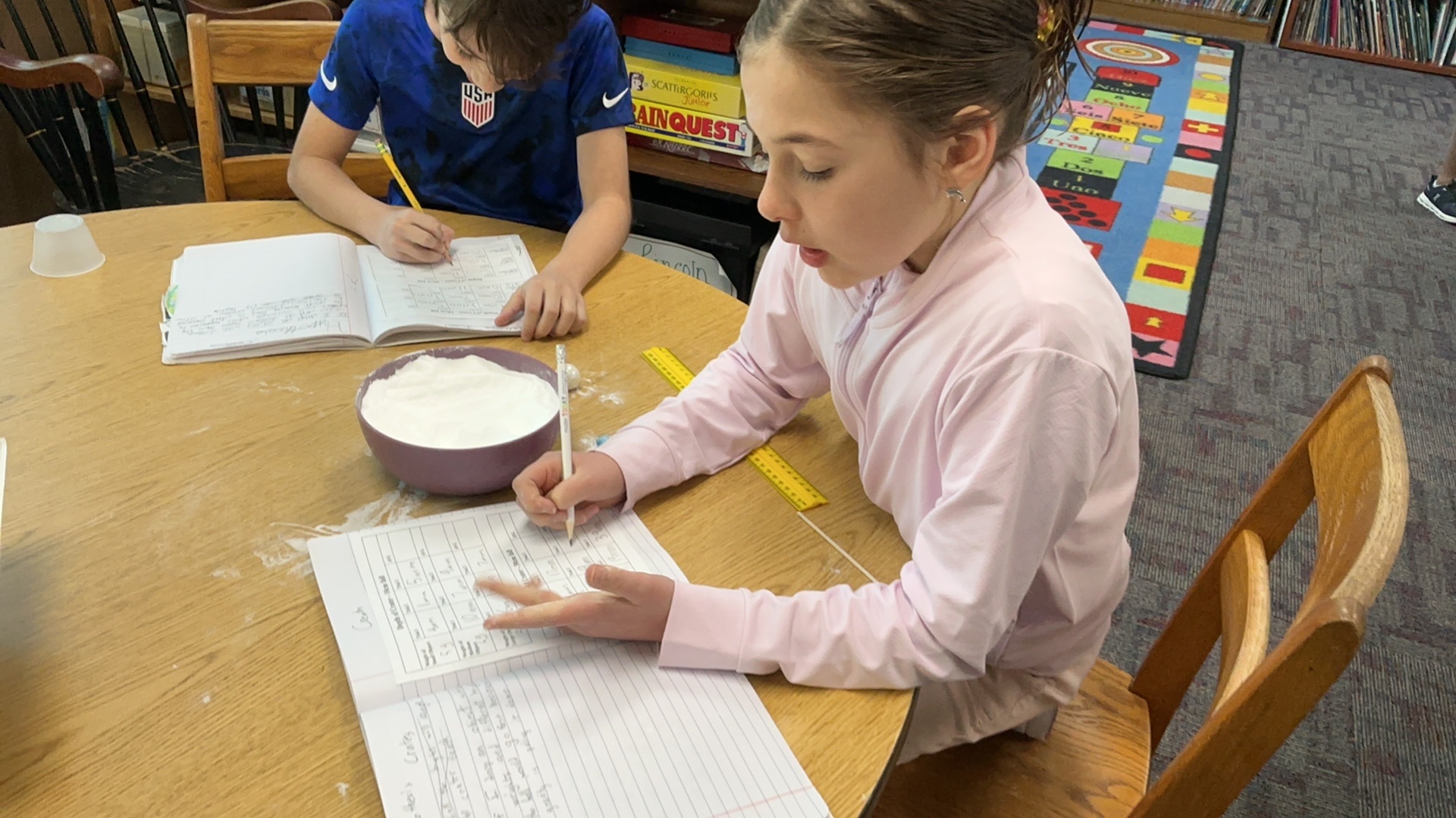
Fourth Grade: Students focused on potential and kinetic energy through a moon collision experiment. They learned about craters on the moon and tested different objects dropped from varying heights to determine which object and height created the largest crater.
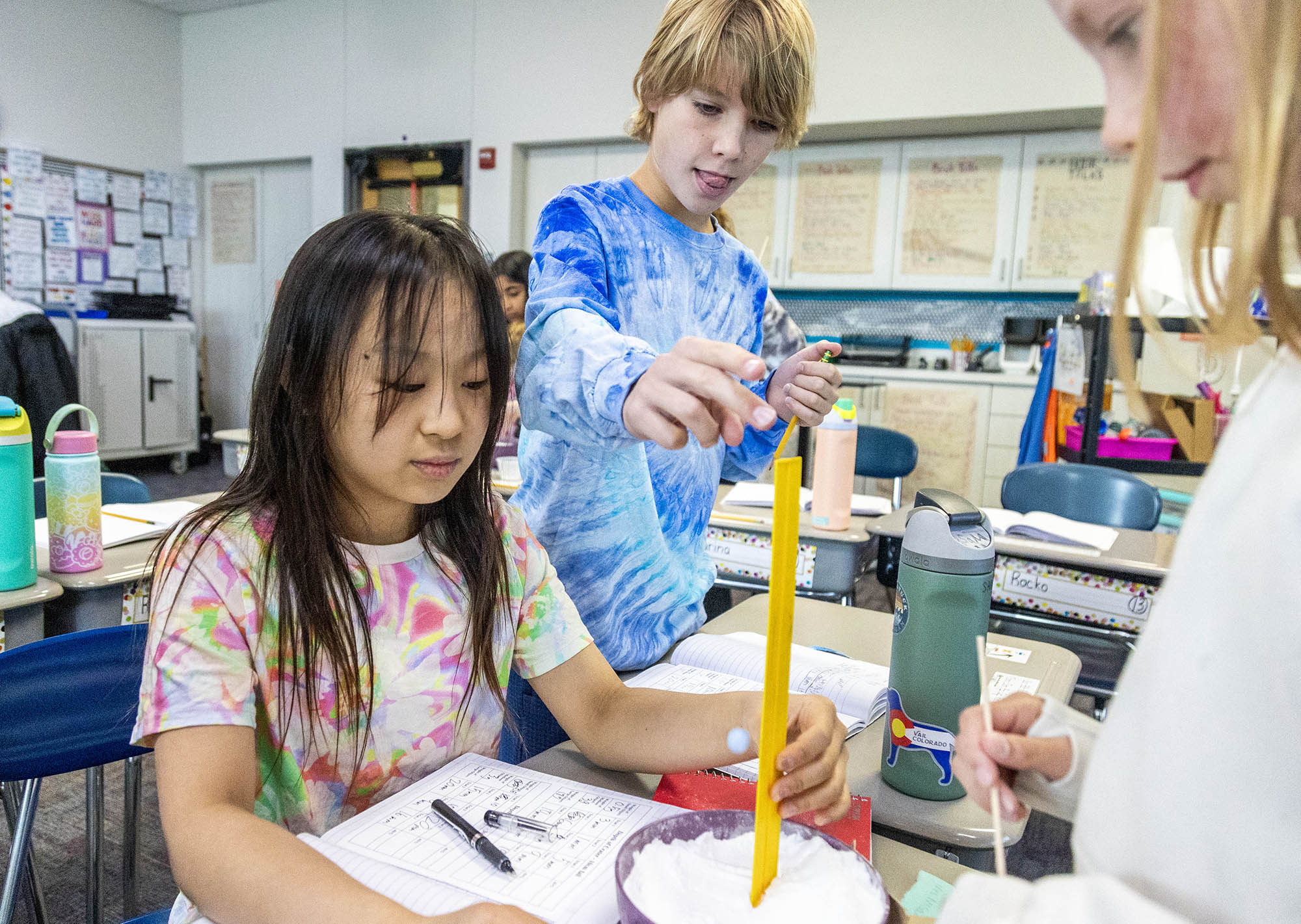
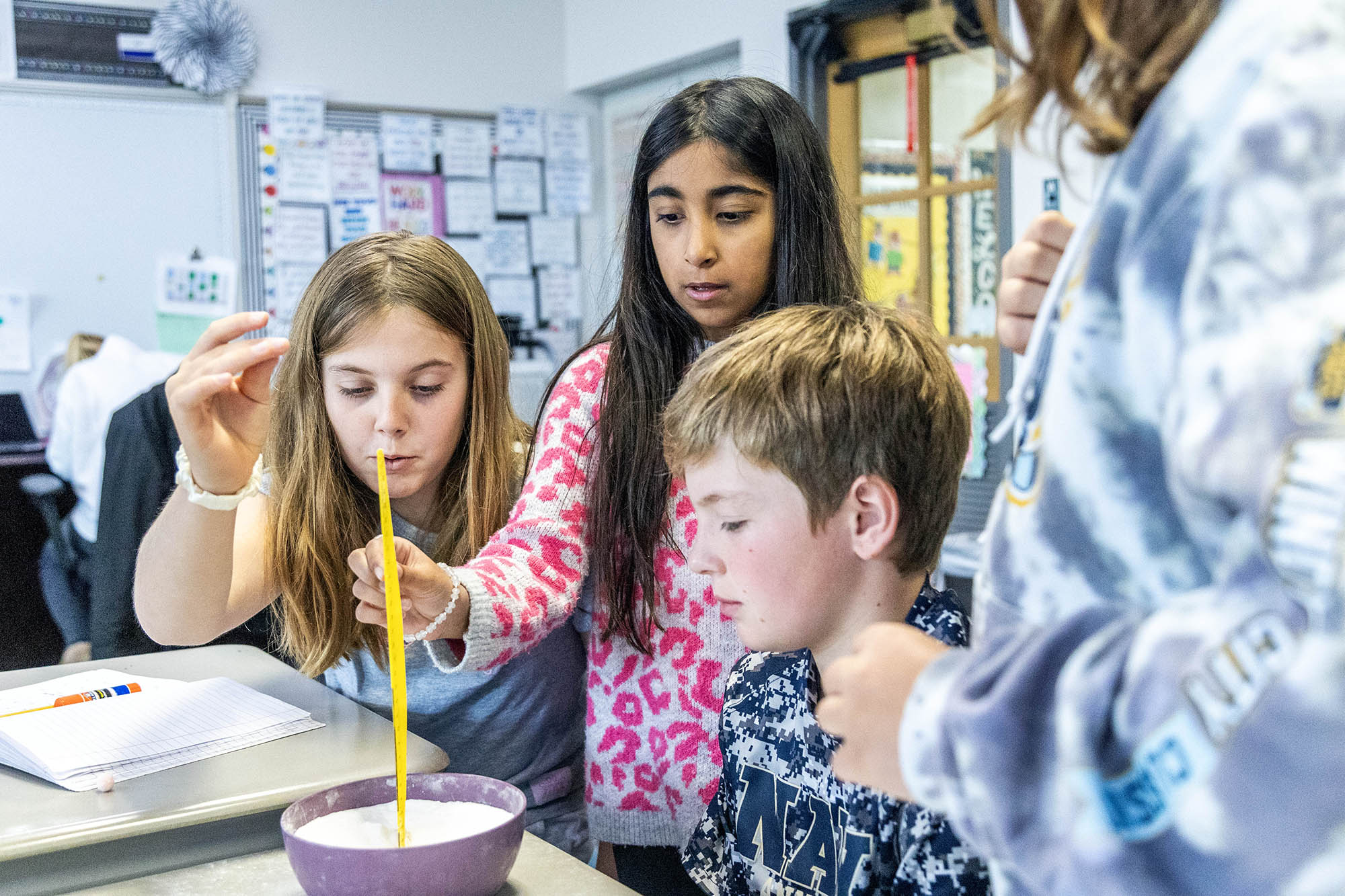
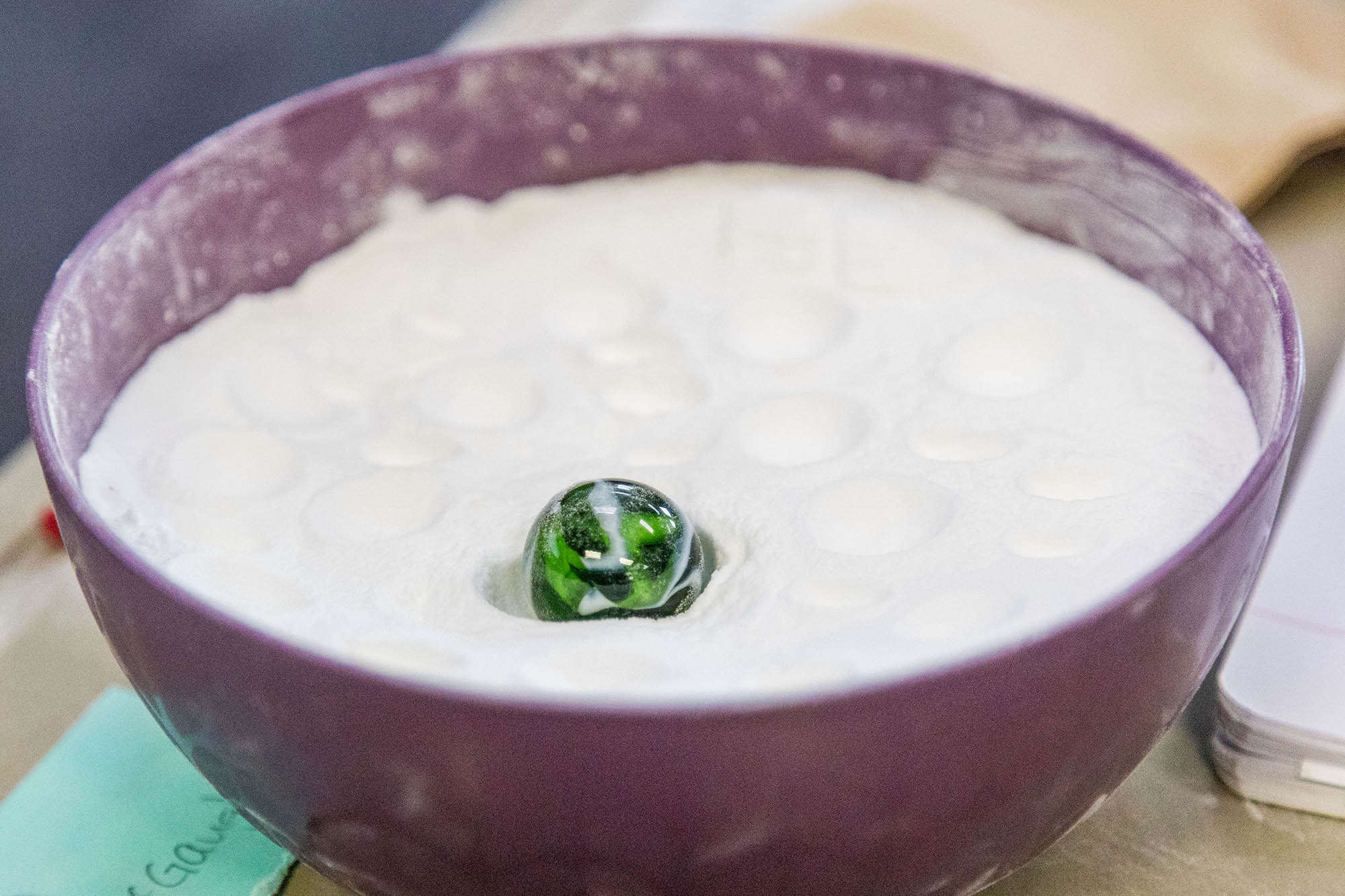
Between the straw rockets and moon craters, as well as the pop rockets and paper rockets, our own Artemis II-inspired science lessons really orbited plenty of high-flying discoveries for our Lower Schoolers on Earth. It was a fun couple of weeks of bringing the moon to the classroom for our future astronauts. What giant leaps in learning for our little Beasley feet!
Mission accomplished, Lower Schoolers!