Can blood talk to you? If you learn to speak its language, it will tell you a story. Upper School students began learning how to find the story in a science lab augmented with a guest speaker.
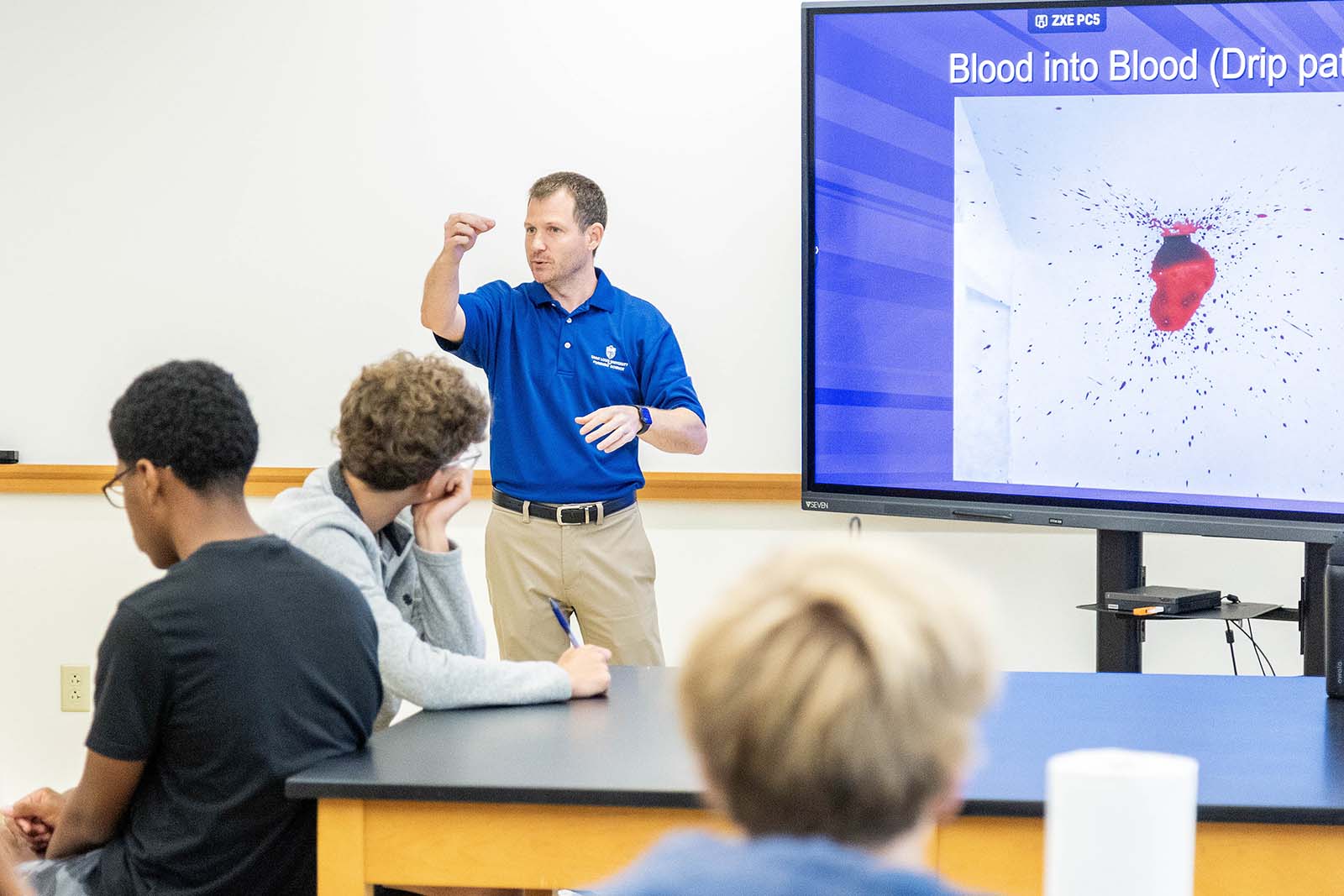
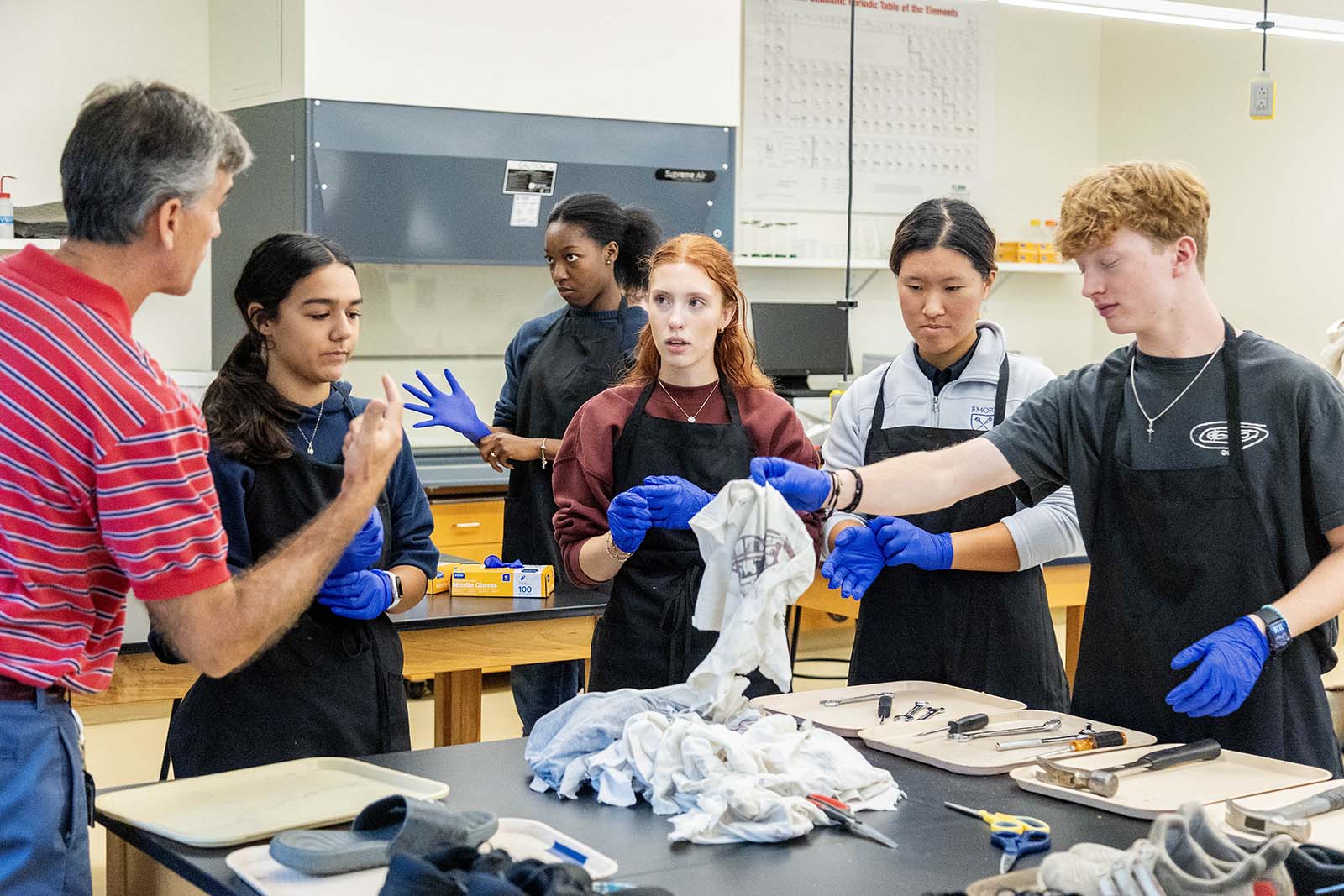
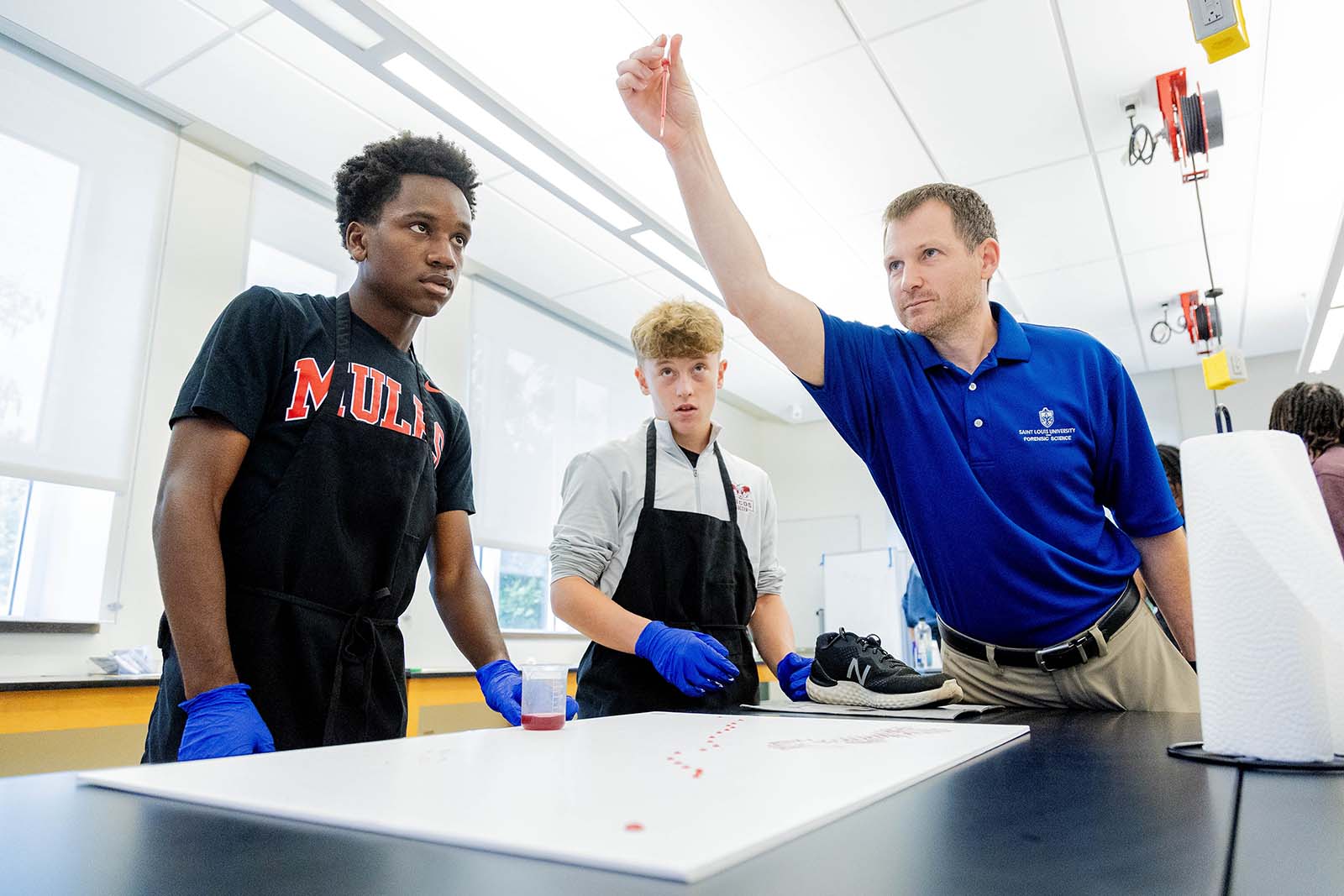
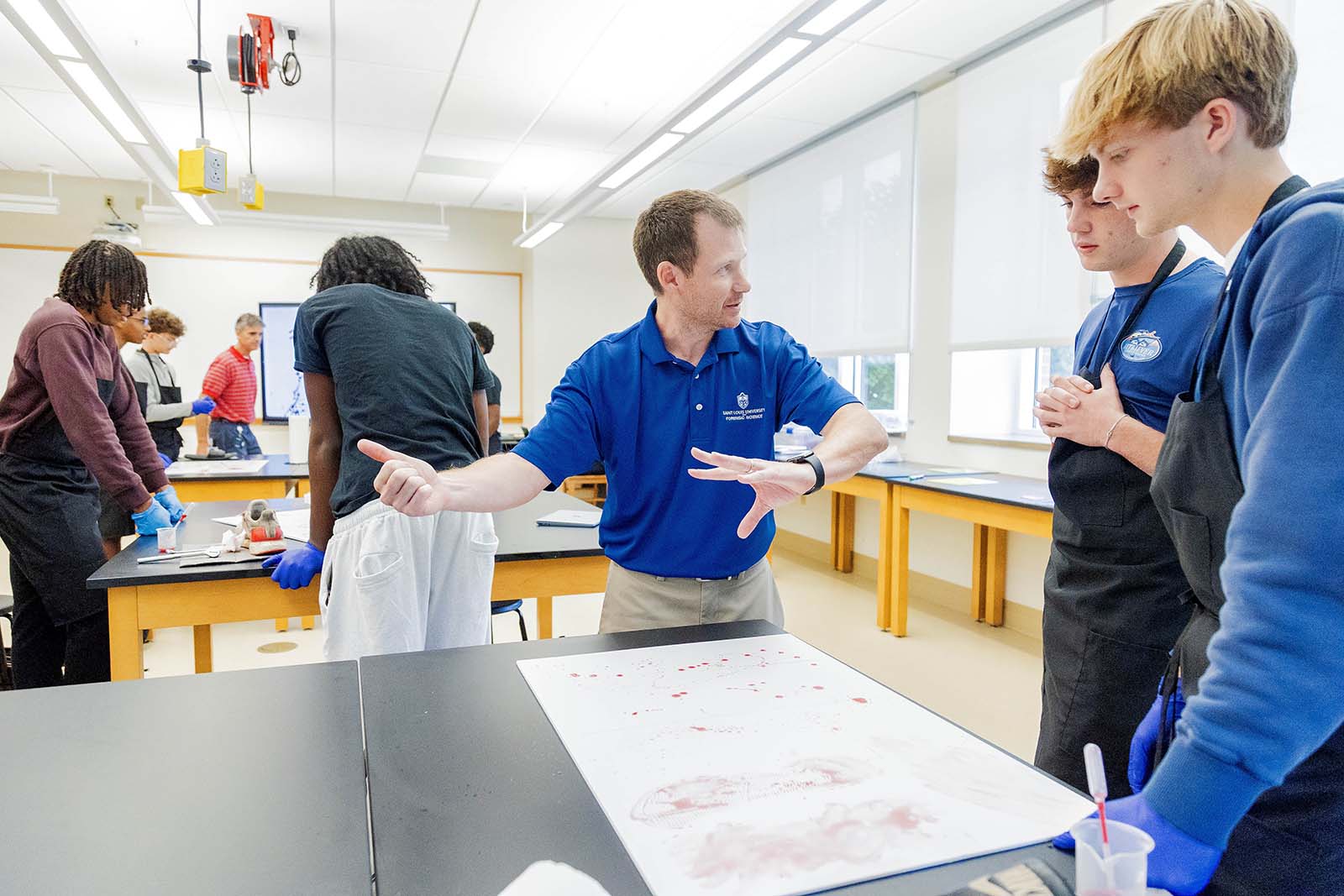
Juniors and seniors in Upper School Science Teacher Brian Coco’s forensics class were treated to a lecture by guest speaker Erik Hall. Mr. Hall is the Director of Forensic Science, Sociology, and Anthropology at Saint Louis University, where he teaches Forensic Biology, Crime Scene Investigation, and Survey of Forensic Science. Our students had the good fortune of Mr. Hall’s expertise when he visited campus last year, as well as when they’ve worked with him at a high school forensics conference at SLU. “He has an incredible wealth of knowledge and experience in the Forensics field,” said Mr. Coco. “During his discussions and activities, Erik uses his knowledge to make real-world connections with high school students.”
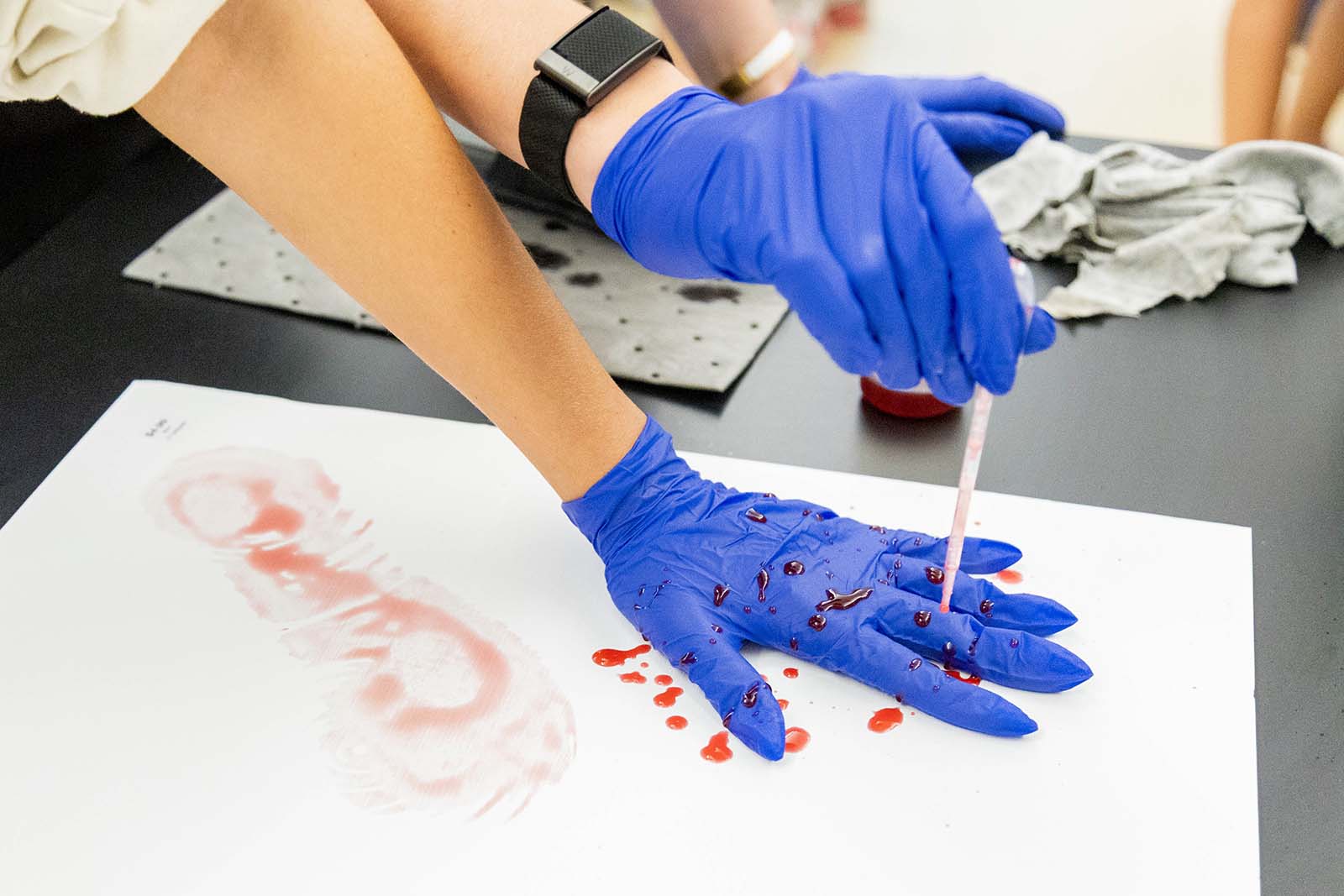
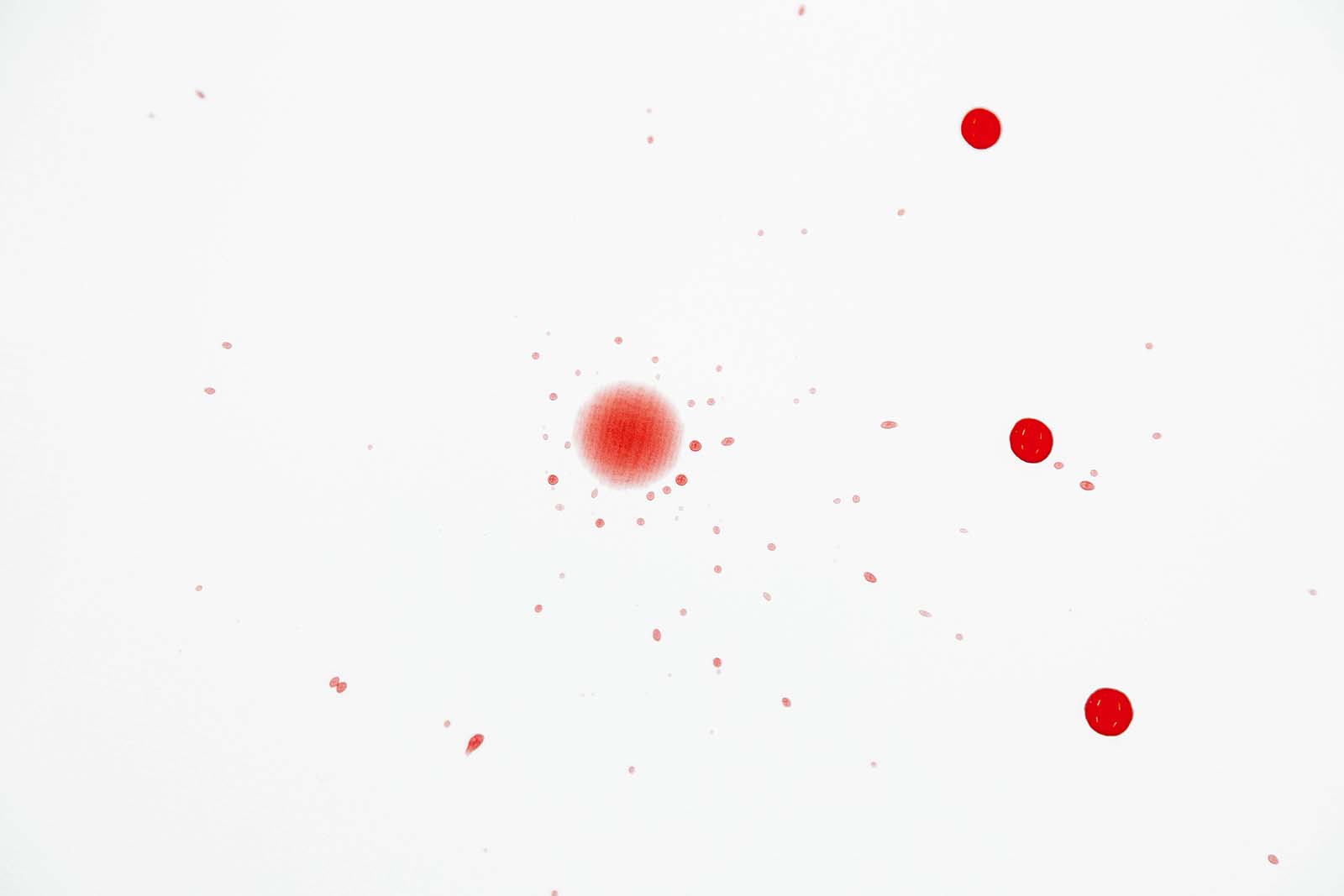
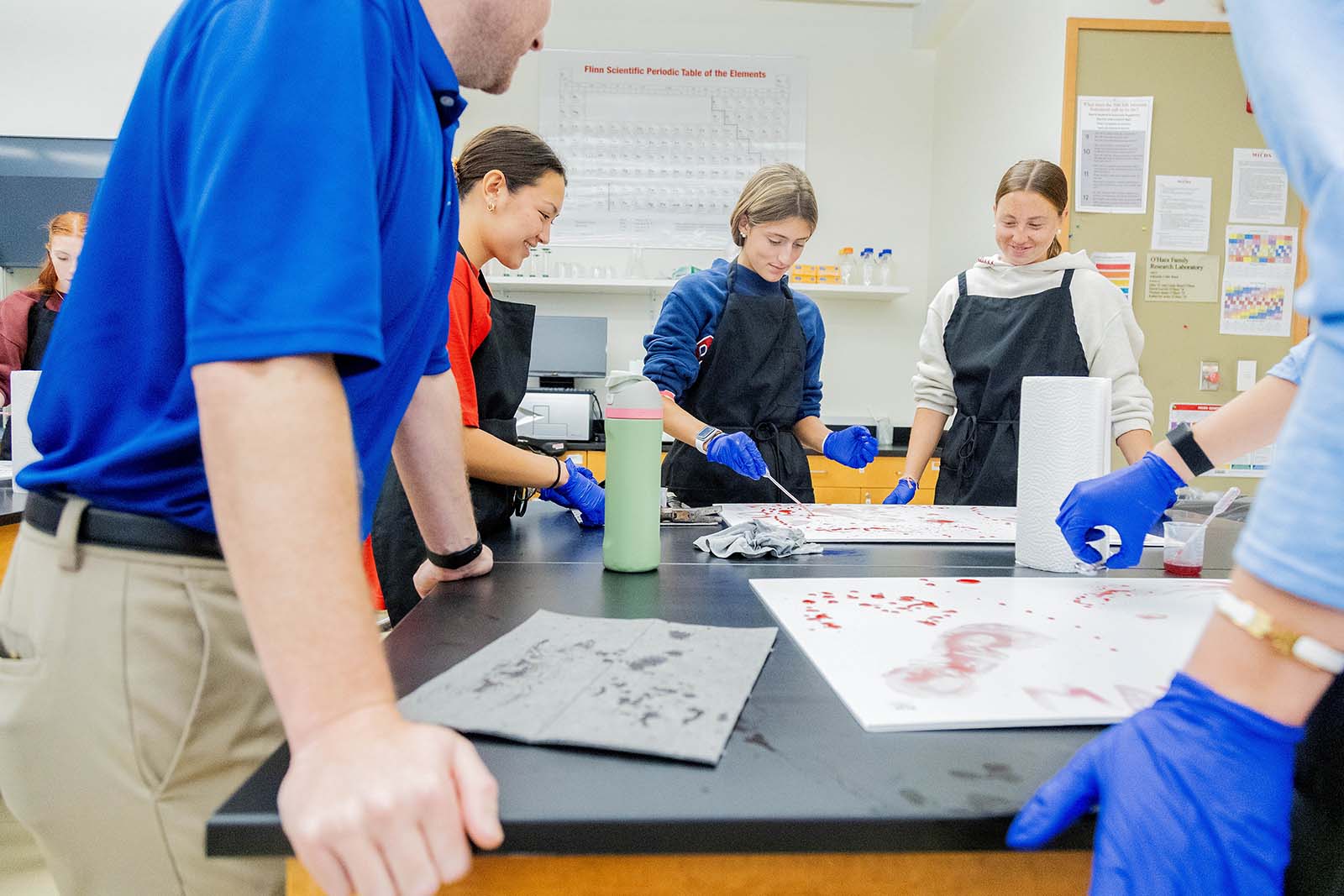
Mr. Coco’s forensics students have been studying blood spatter. He explained, “Specifically, we have been learning how to read blood spatter patterns and interpret the story behind the patterns.” The blood spatter lab began as Mr. Hall described how different spatter patterns are made: by a wipe, a swipe, a drip, a splash, or an imprint. “By creating the various patterns, students understand how to read blood spatter, thus helping determine what occurred during a crime involving blood,” said Mr. Coco.
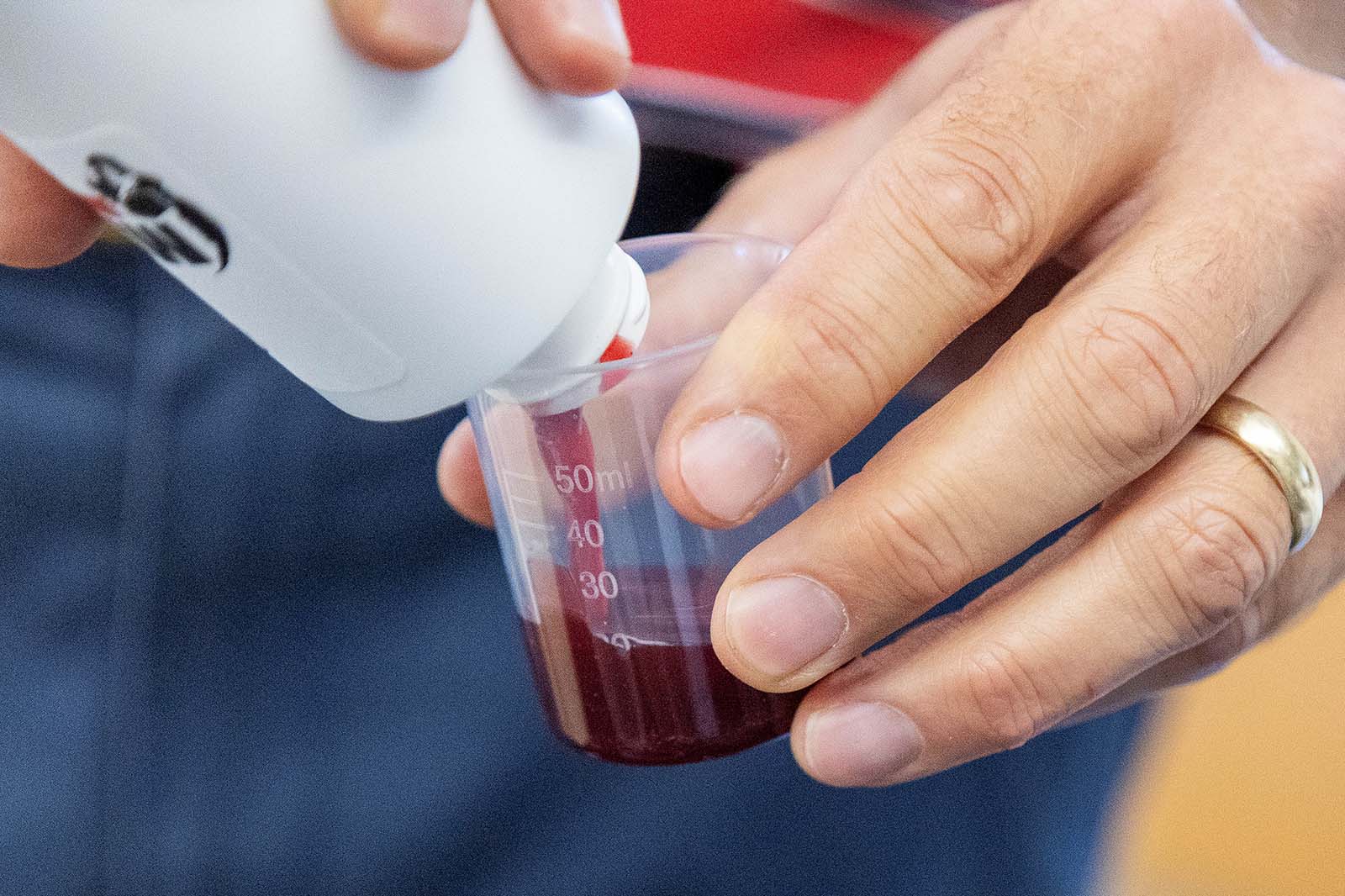
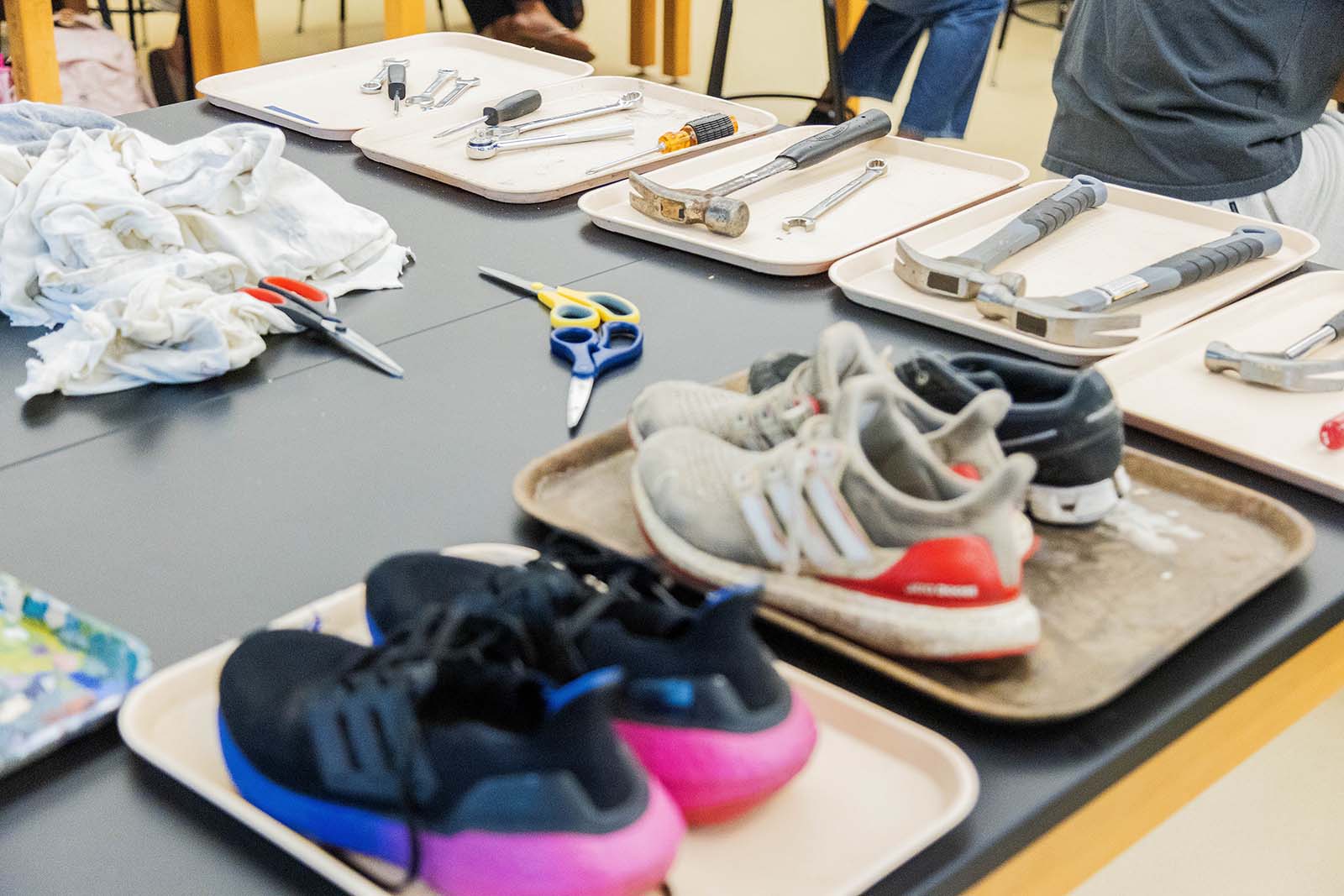
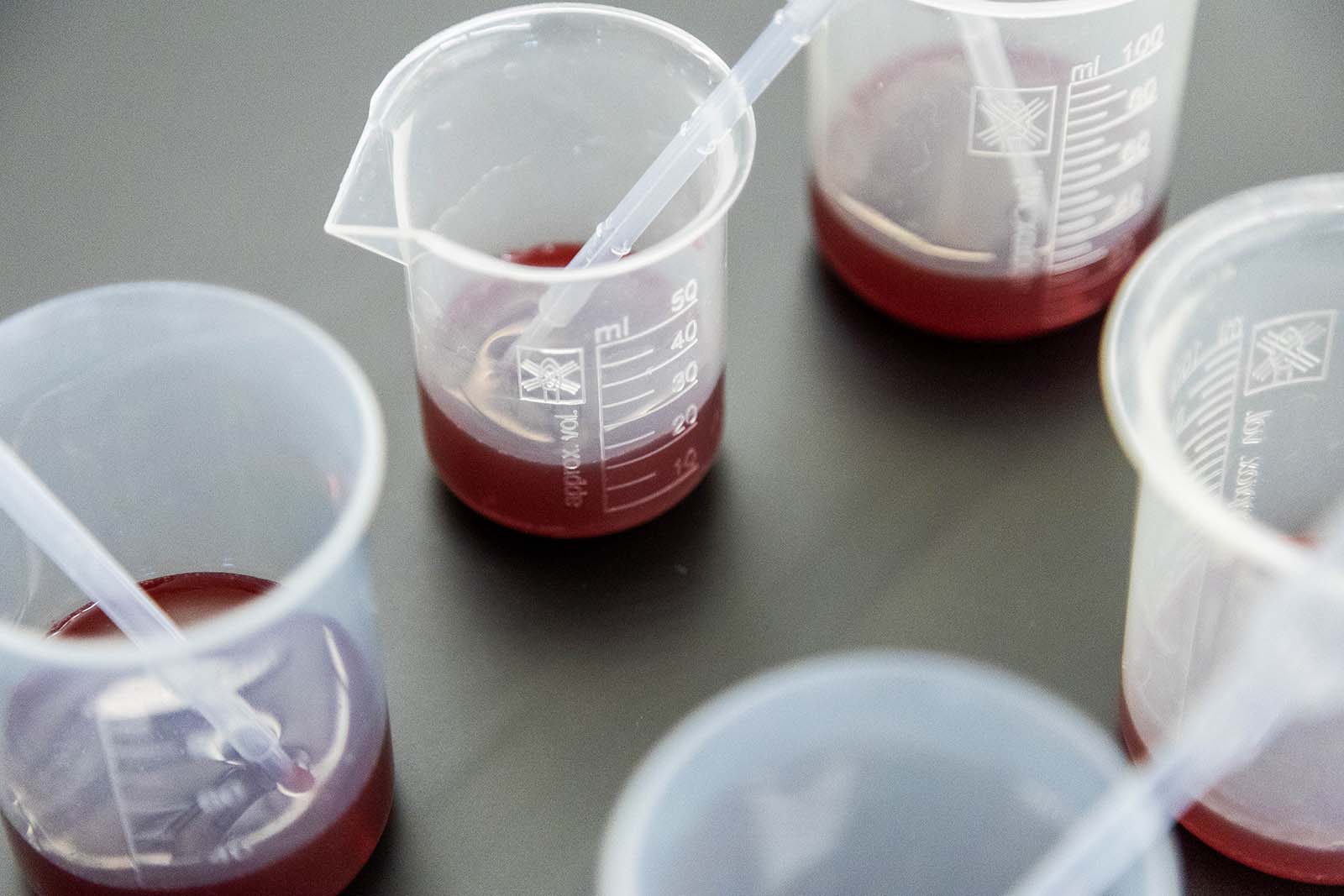
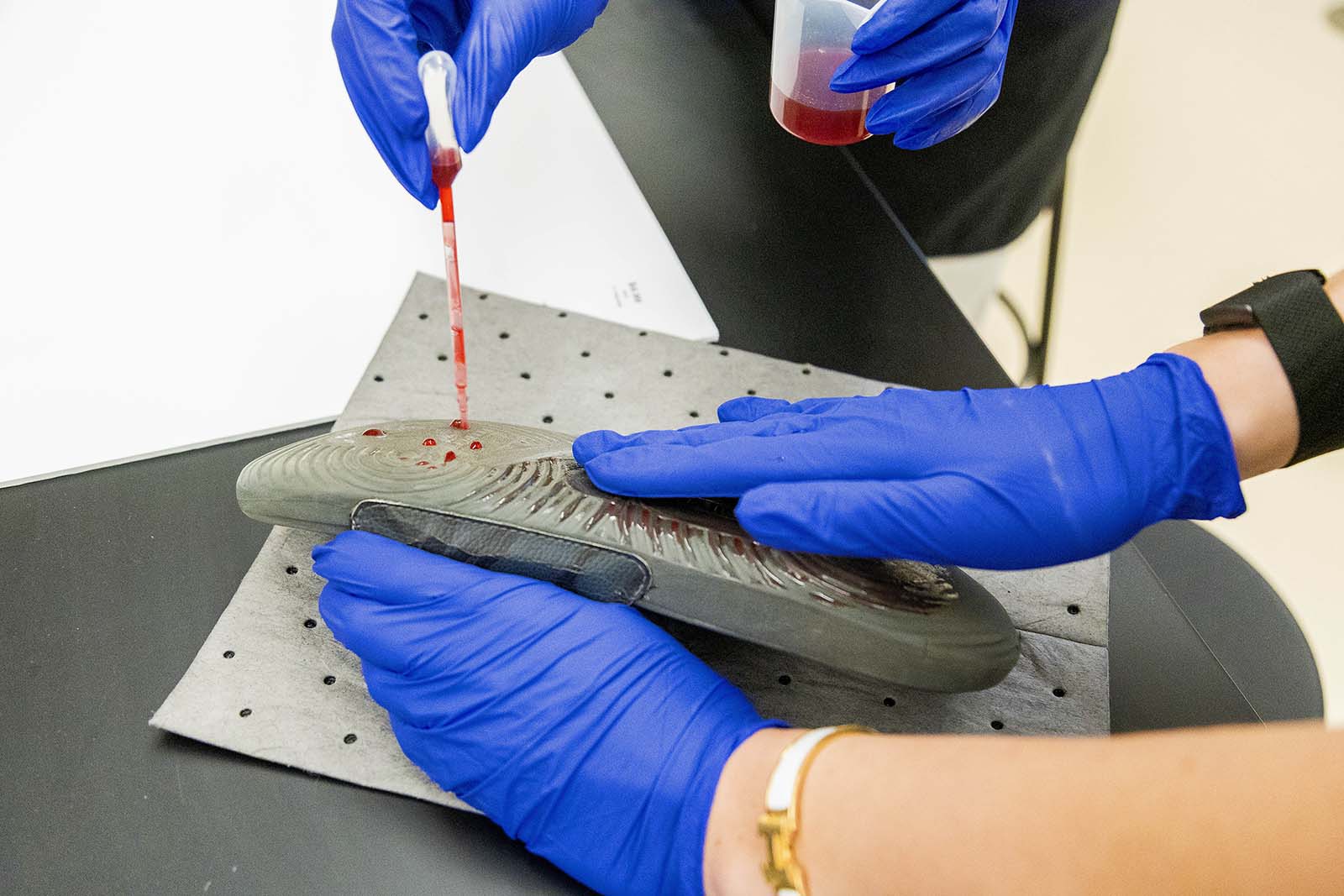
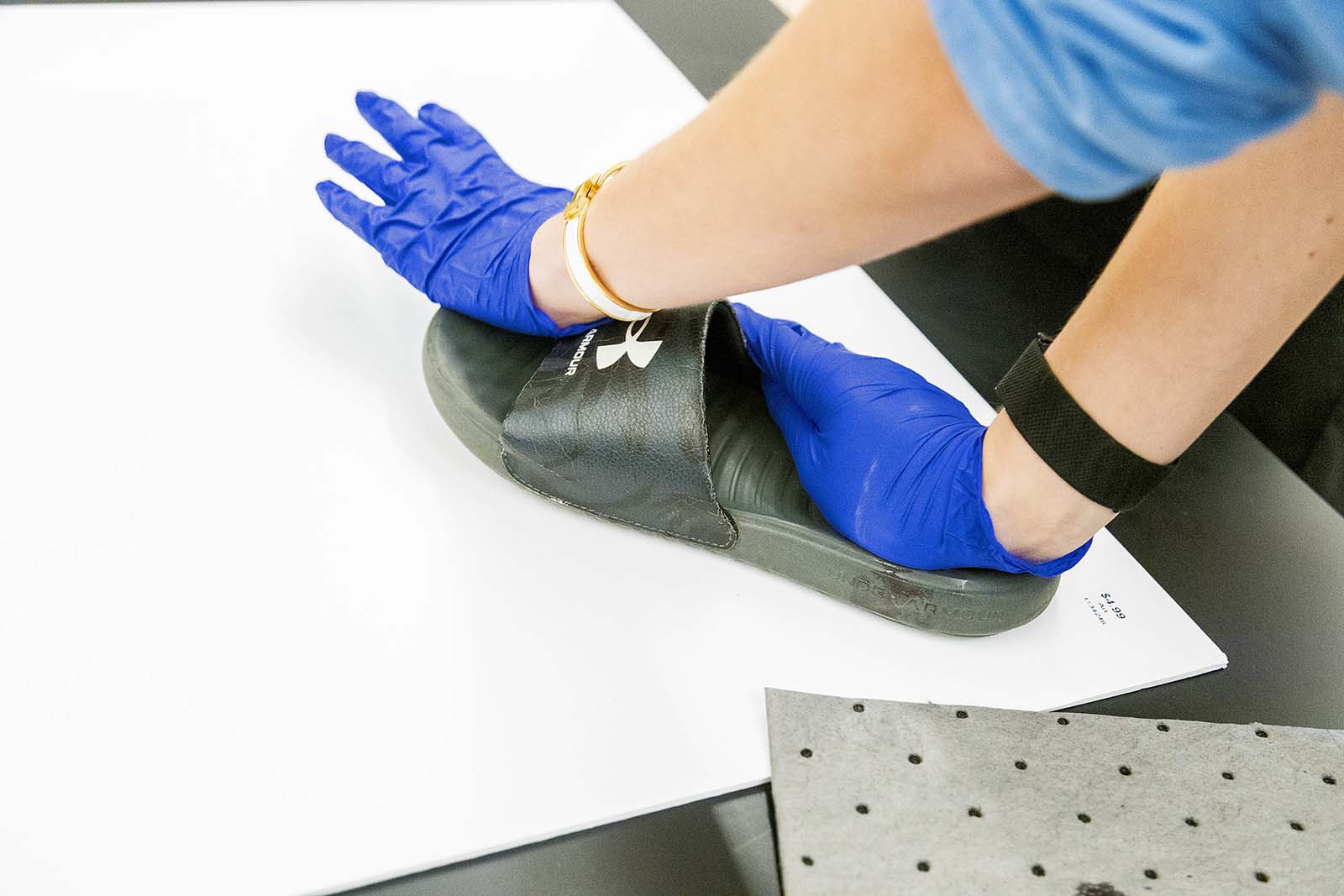
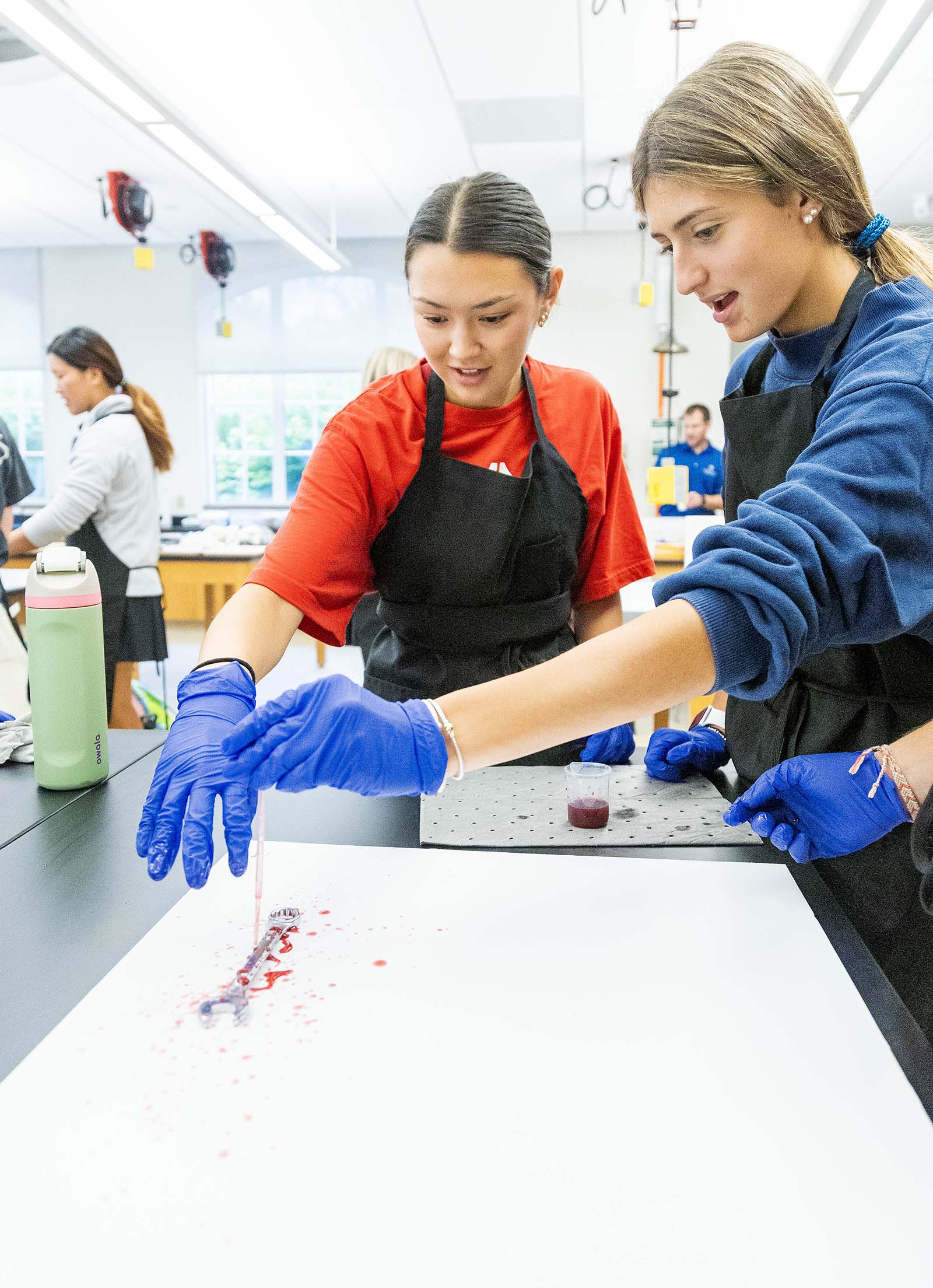
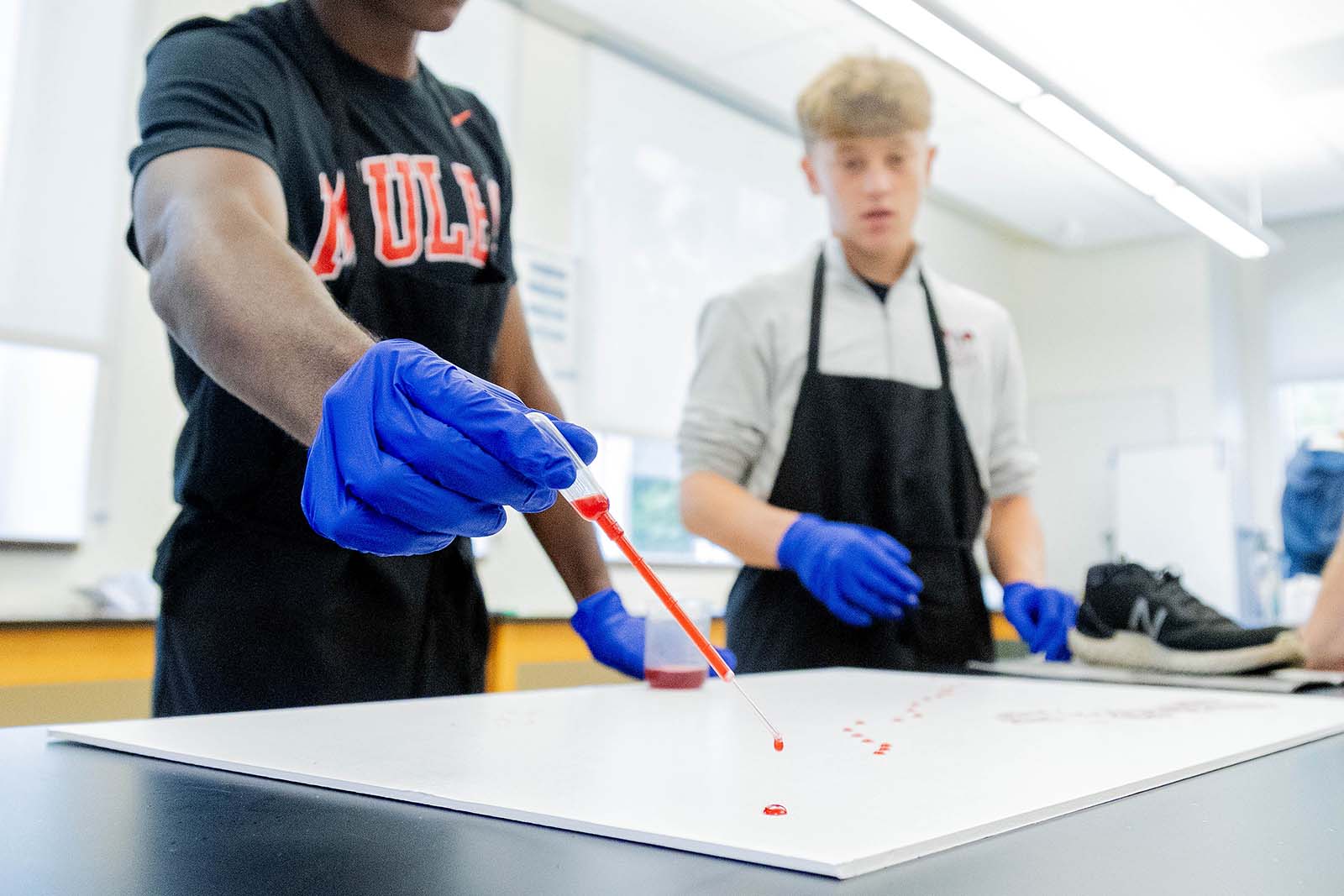
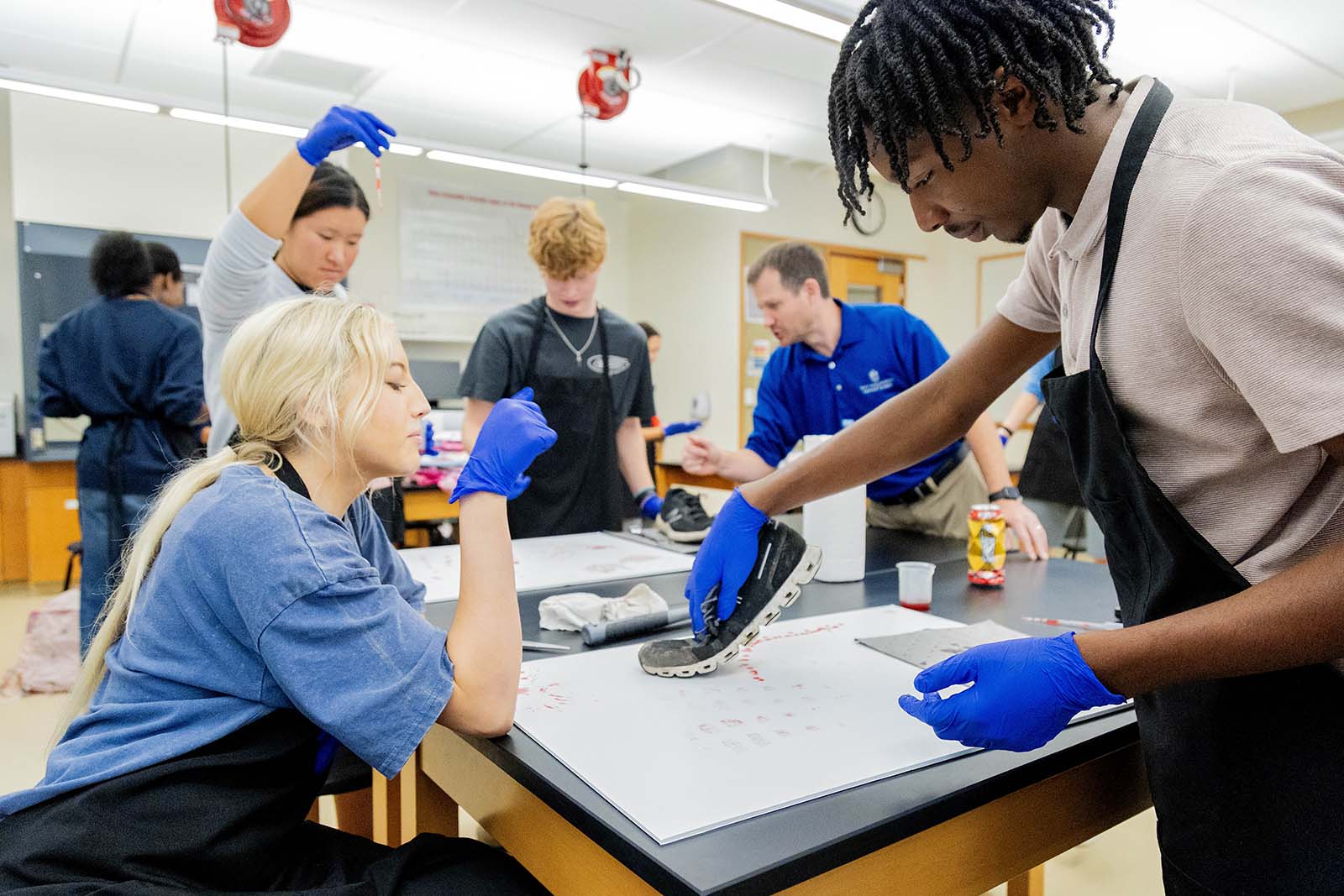
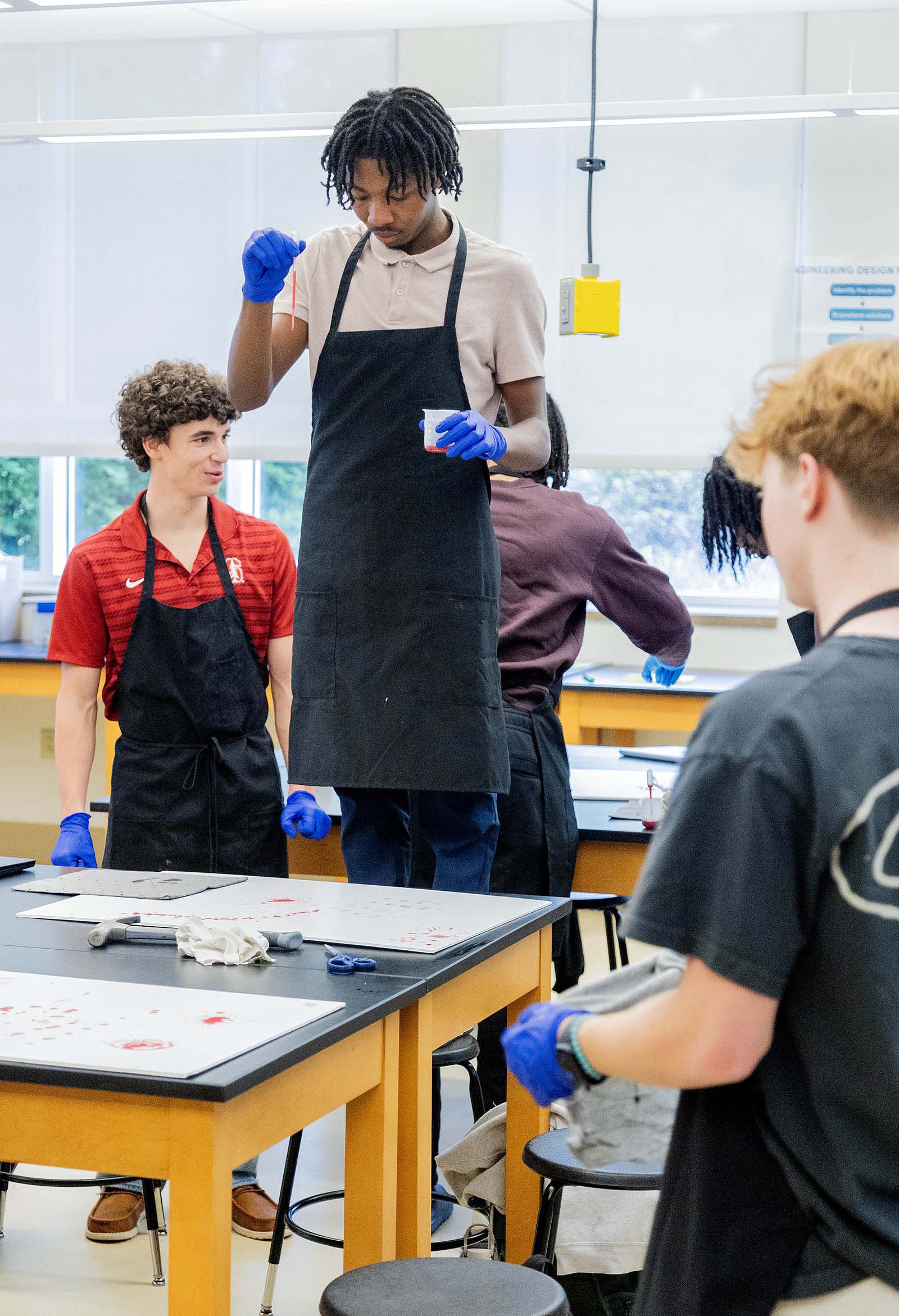
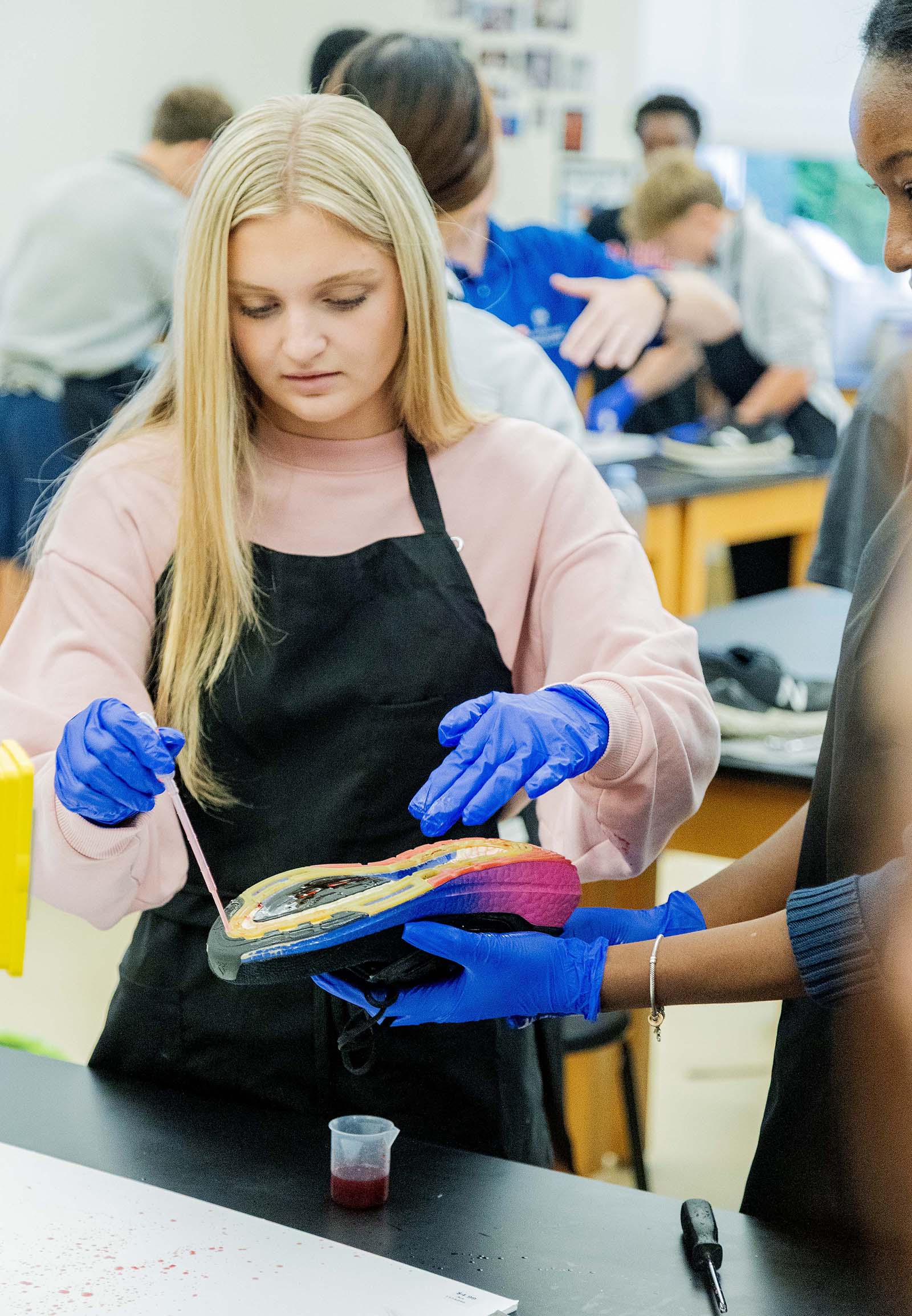
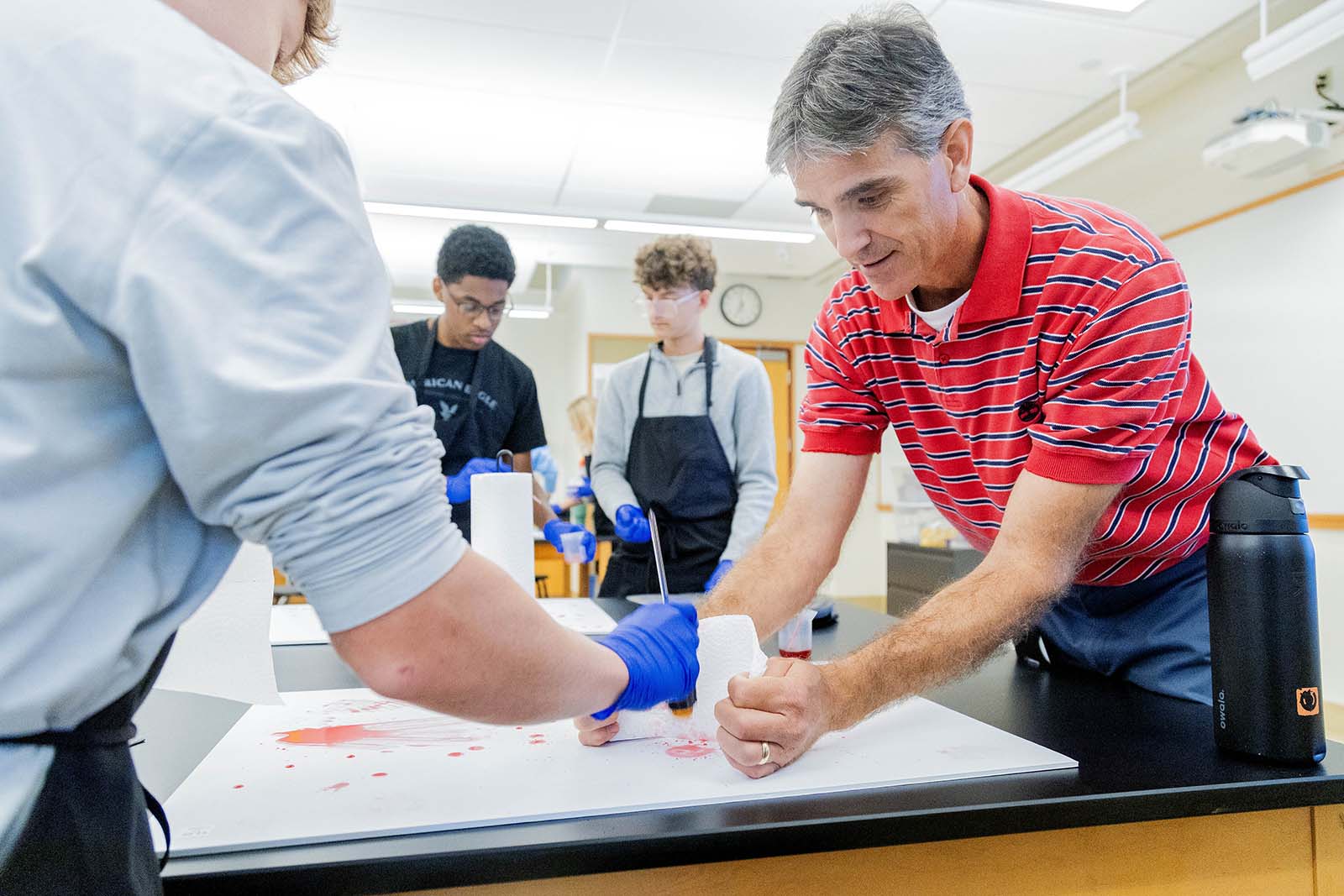
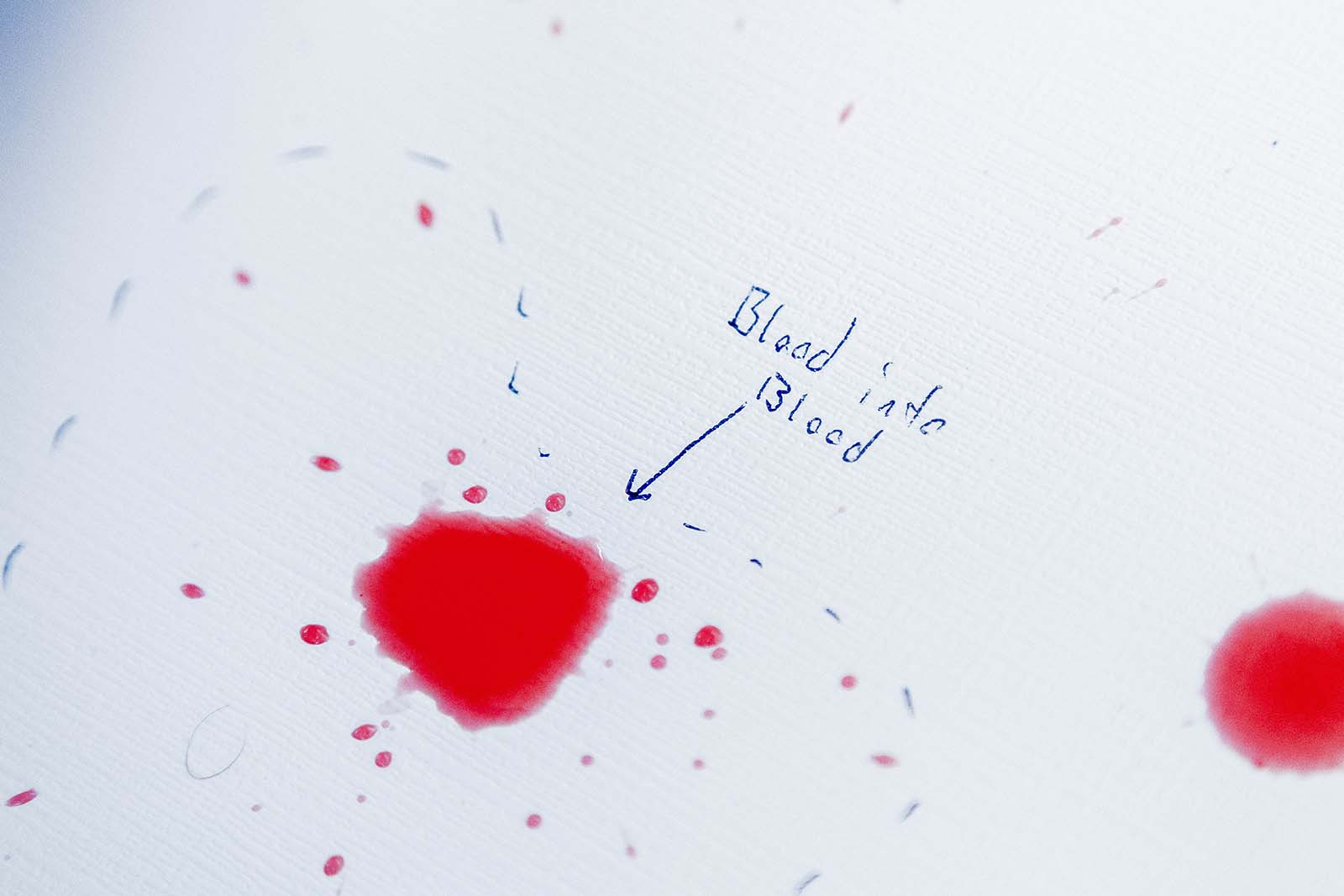
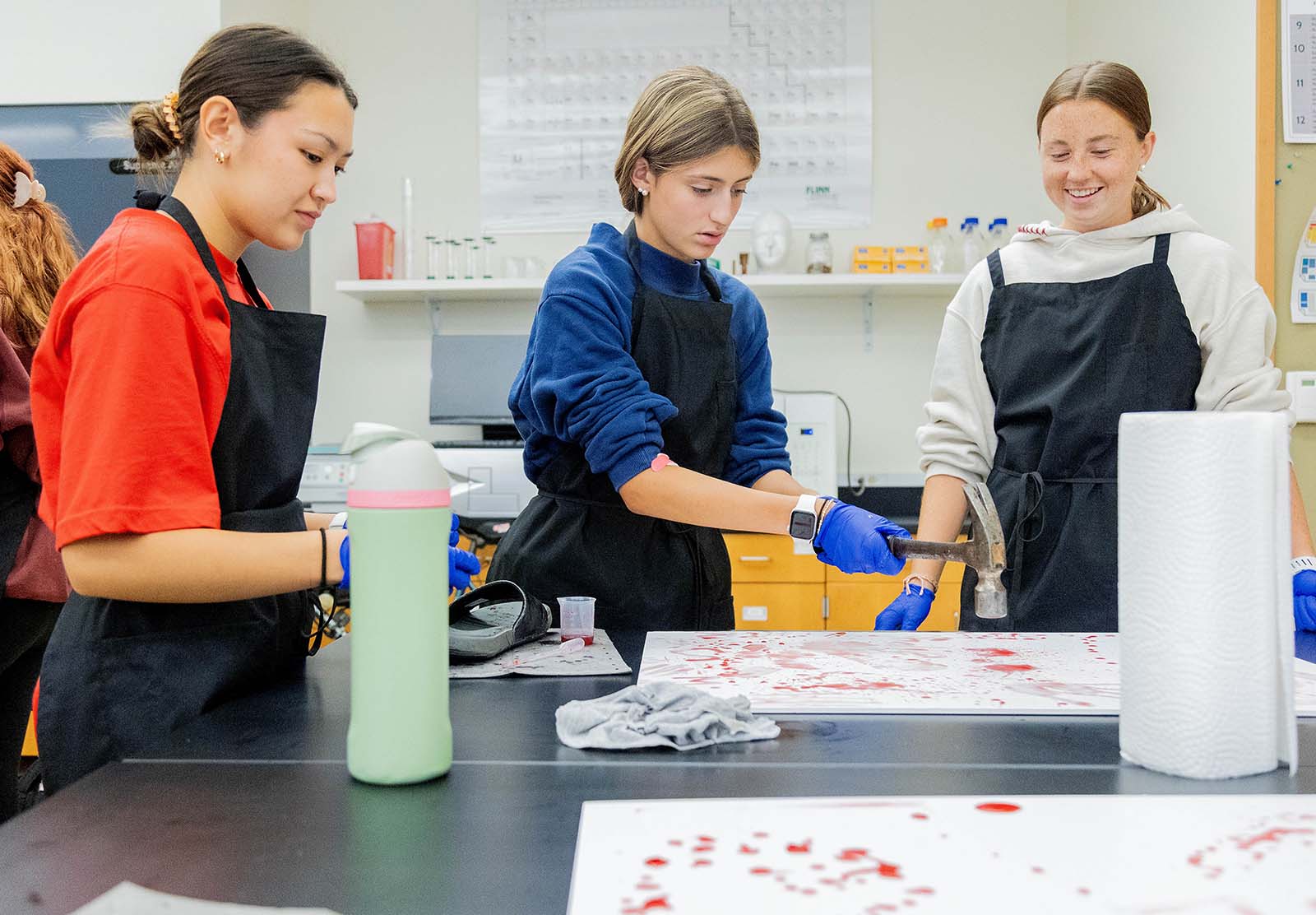
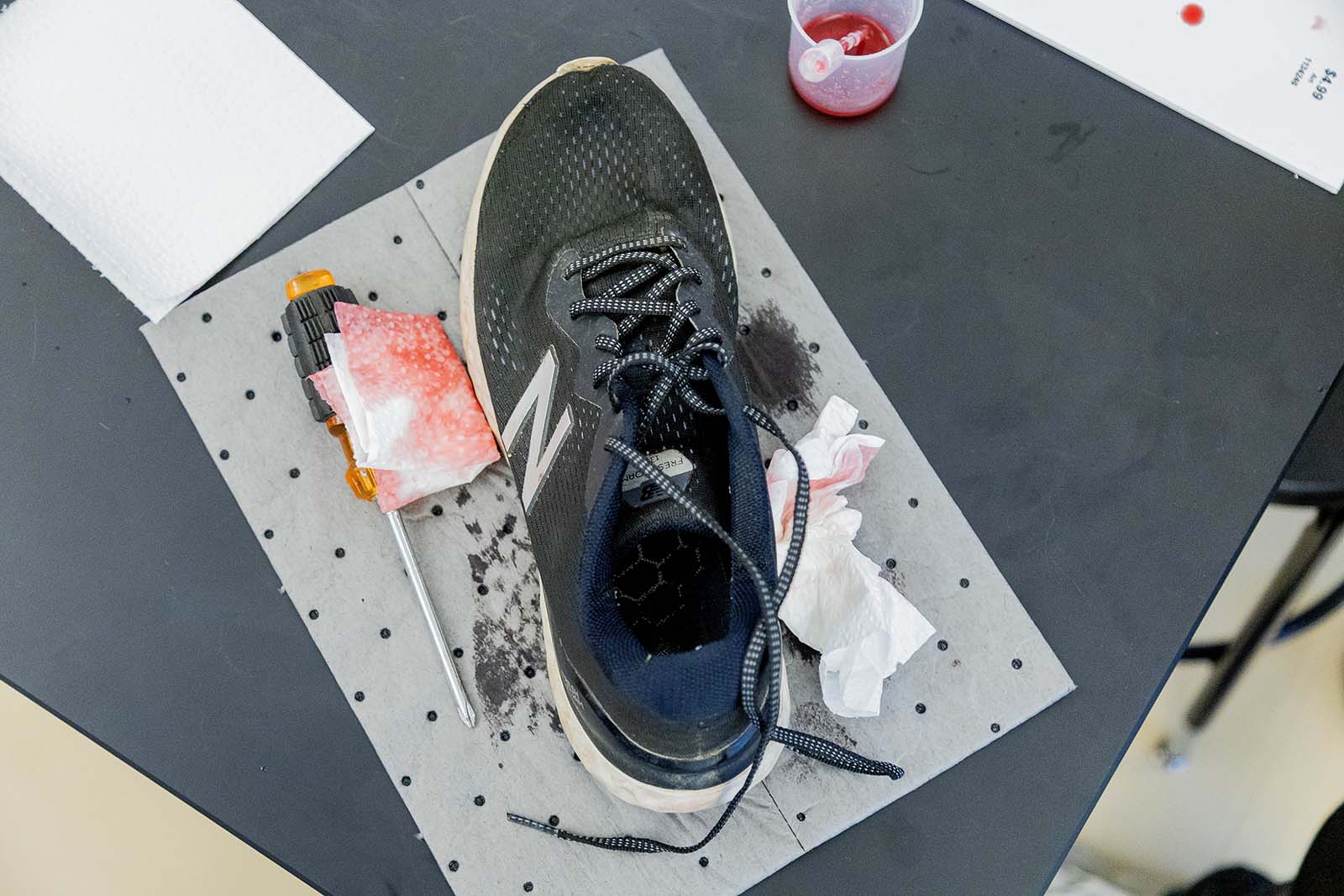
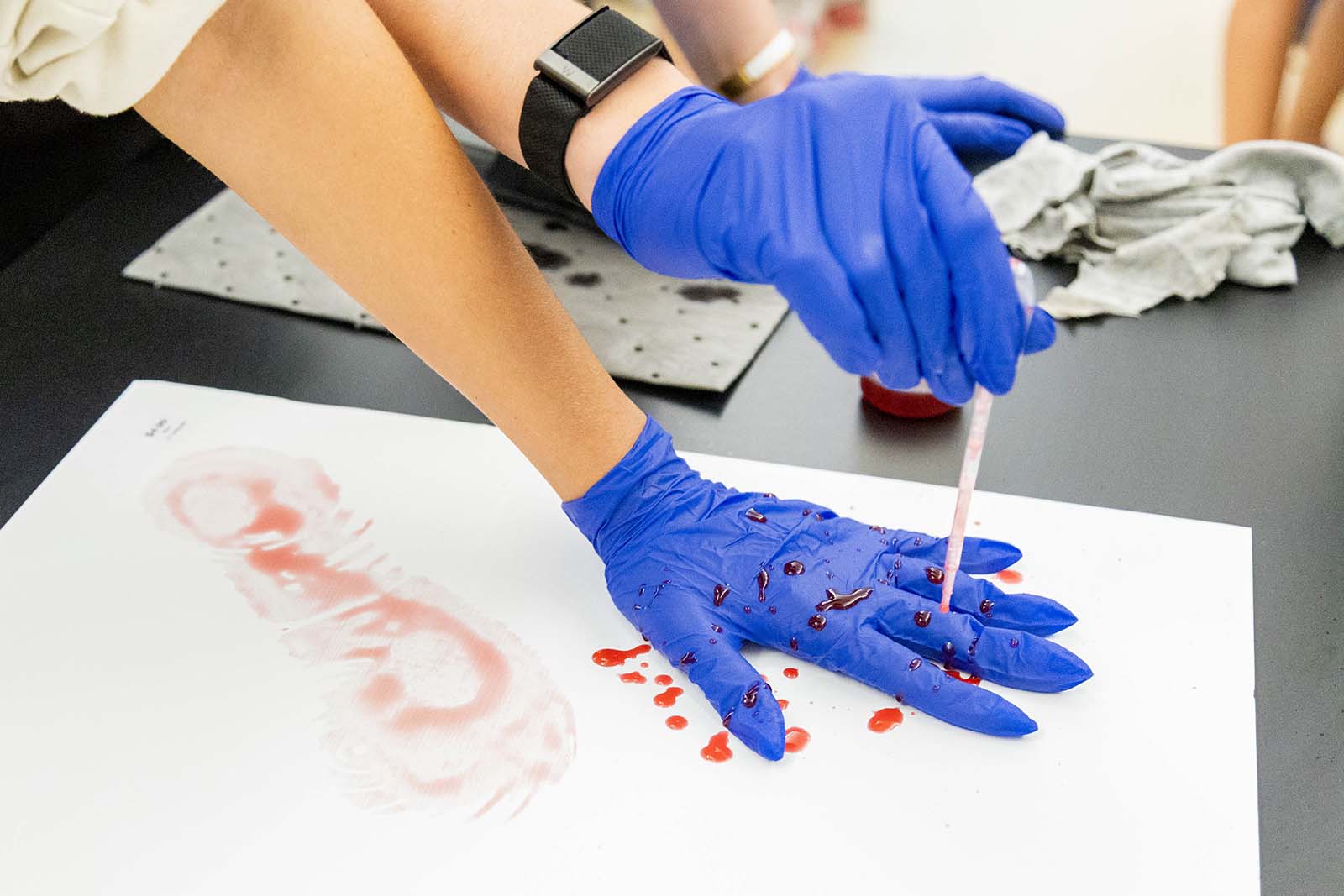
Students were given simulated blood and asked to recreate the spatter patterns using various objects. They pounded the tables with hammers, sending “blood” in all directions. They used pipettes to observe how blood impacts a surface and the different patterns formed when a drop of blood lands on top of another drop. They studied the difference between a wipe (when an object is dragged over or through blood) and a swipe (when blood is transferred from one surface to another by brushing against it) and how both of those differ from the kind of pattern that is made when a shoe or other object leaves a bloody print behind.
Blood spatter analysis is a STEM-intensive field of study that touches on psychology, criminal justice, and statistics, but is underpinned by a robust understanding of math, chemistry, biology, and lab work where adherence to the scientific method is crucial.
The lab is also a lesson in how knowledge connects. Determining a drop’s angle of impact calls on trigonometry, while understanding why blood behaves as it does draws on physics, chemistry, and biology. Just as important are the habits of mind students practice: observing carefully, documenting precisely, and letting evidence, rather than assumptions, guide their conclusions. Those skills serve students in every lab, every research paper, and every argument they build, whatever they choose to study after graduation.