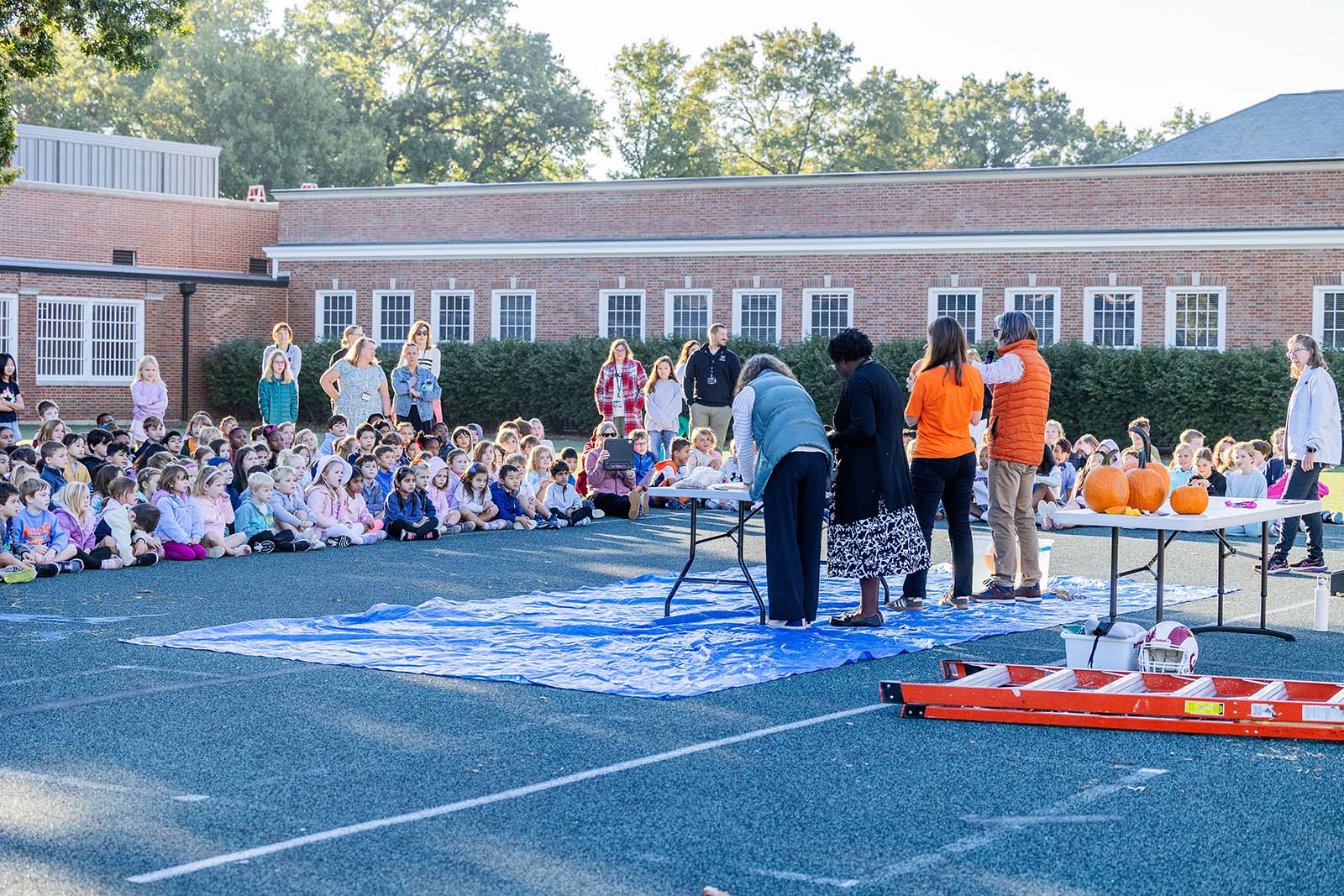
On a sunny, crisp morning, the week before Halloween, Lower School students brought plenty of pumpkin-spice pep to the playground in anticipation of Pumpkin Week. Teachers and students alike were ready to kick off six days of pumpkin-themed learning across every discipline. From counting seeds and racing pumpkin boats to reading about “ugly” pumpkins and making 3D-printed suncatchers, there was no shortage of learning, creating, iterating, and growing ahead.
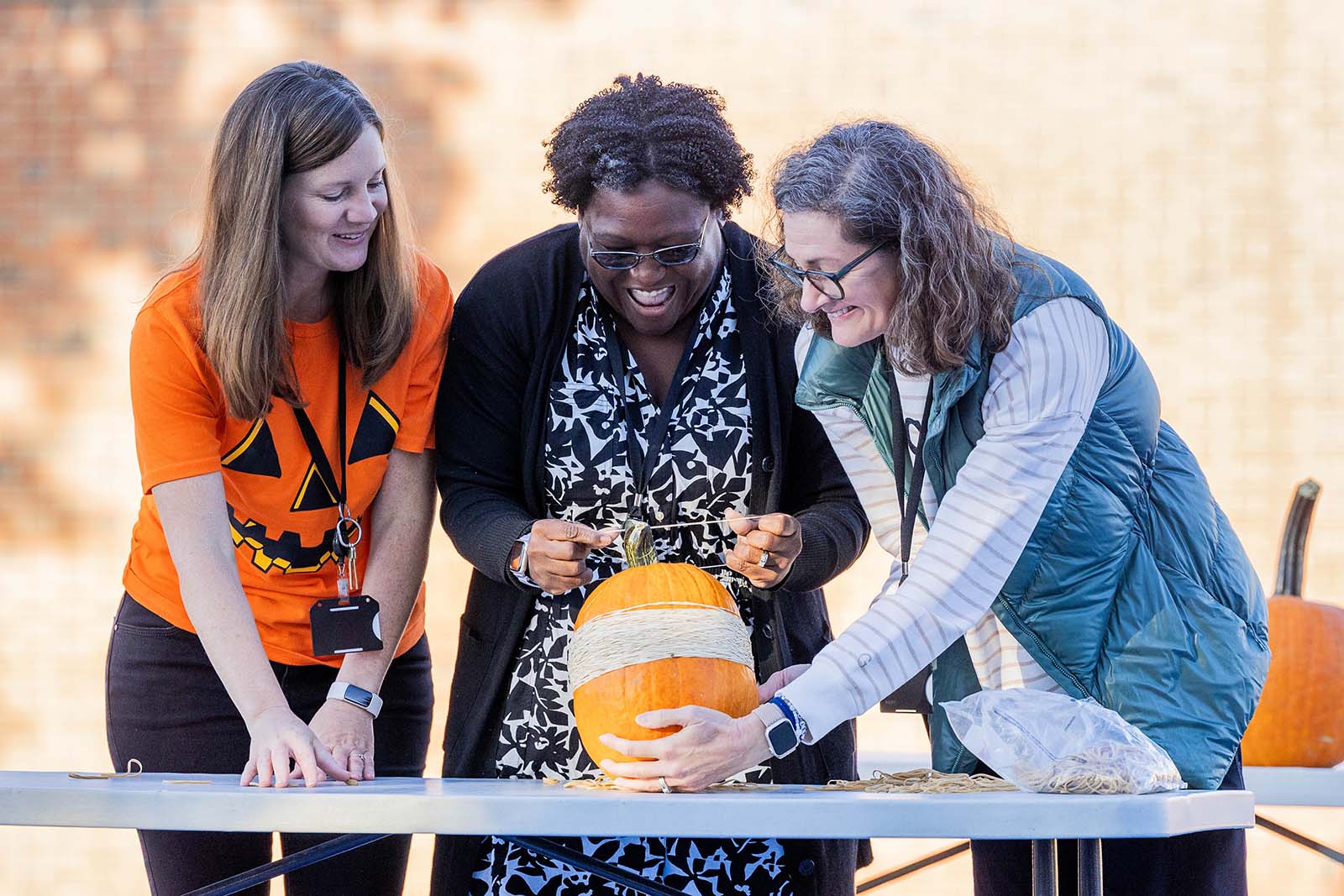
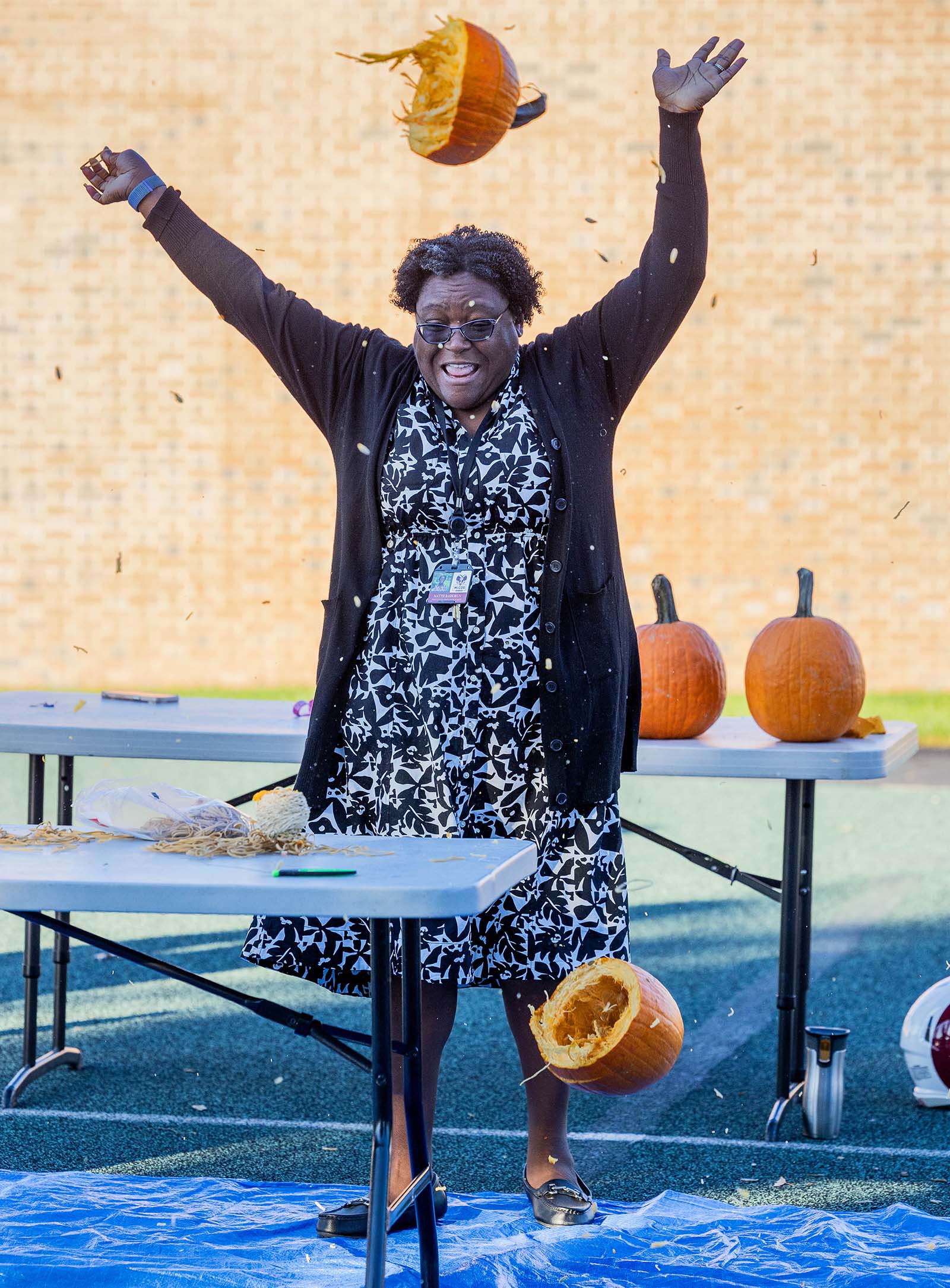
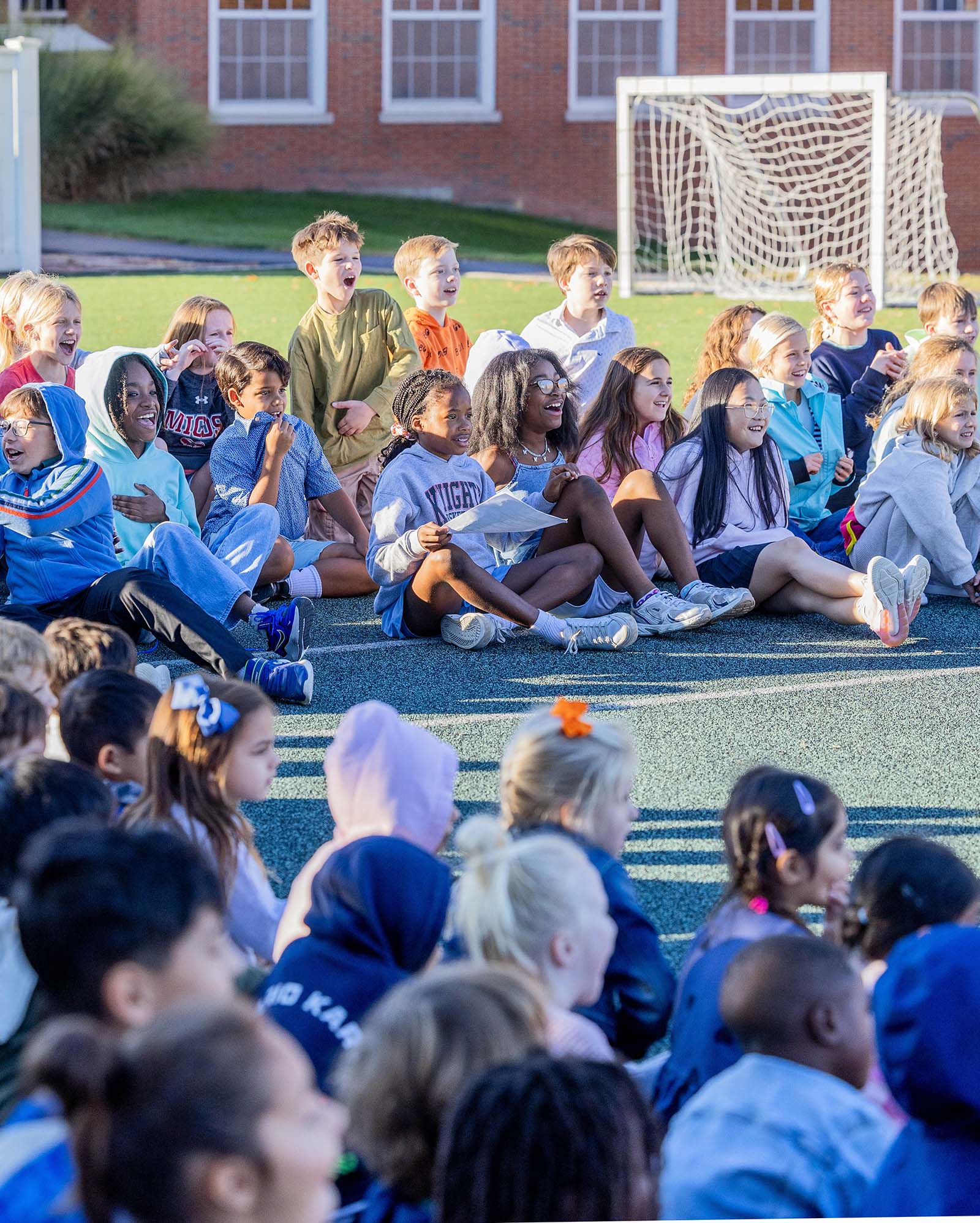
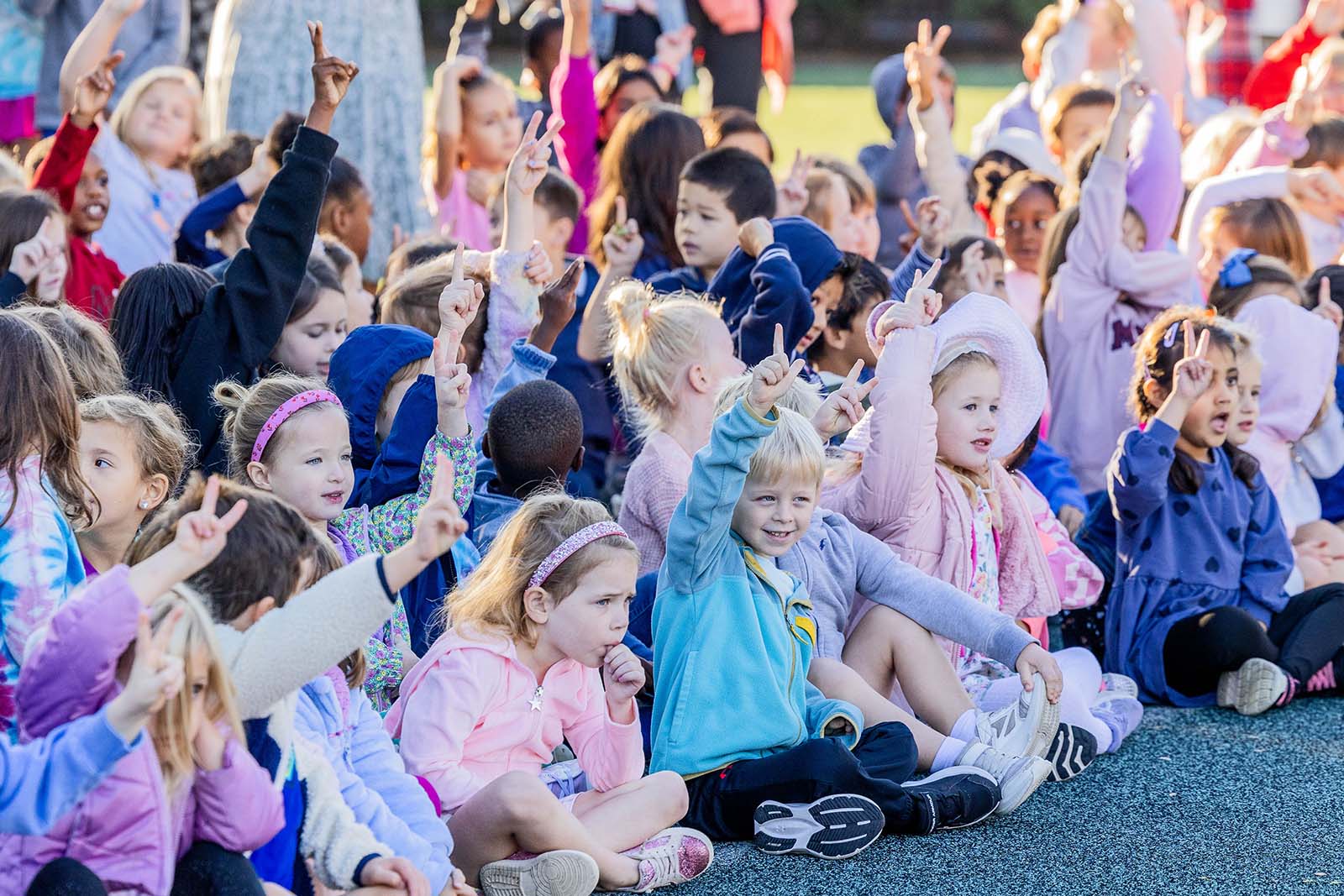
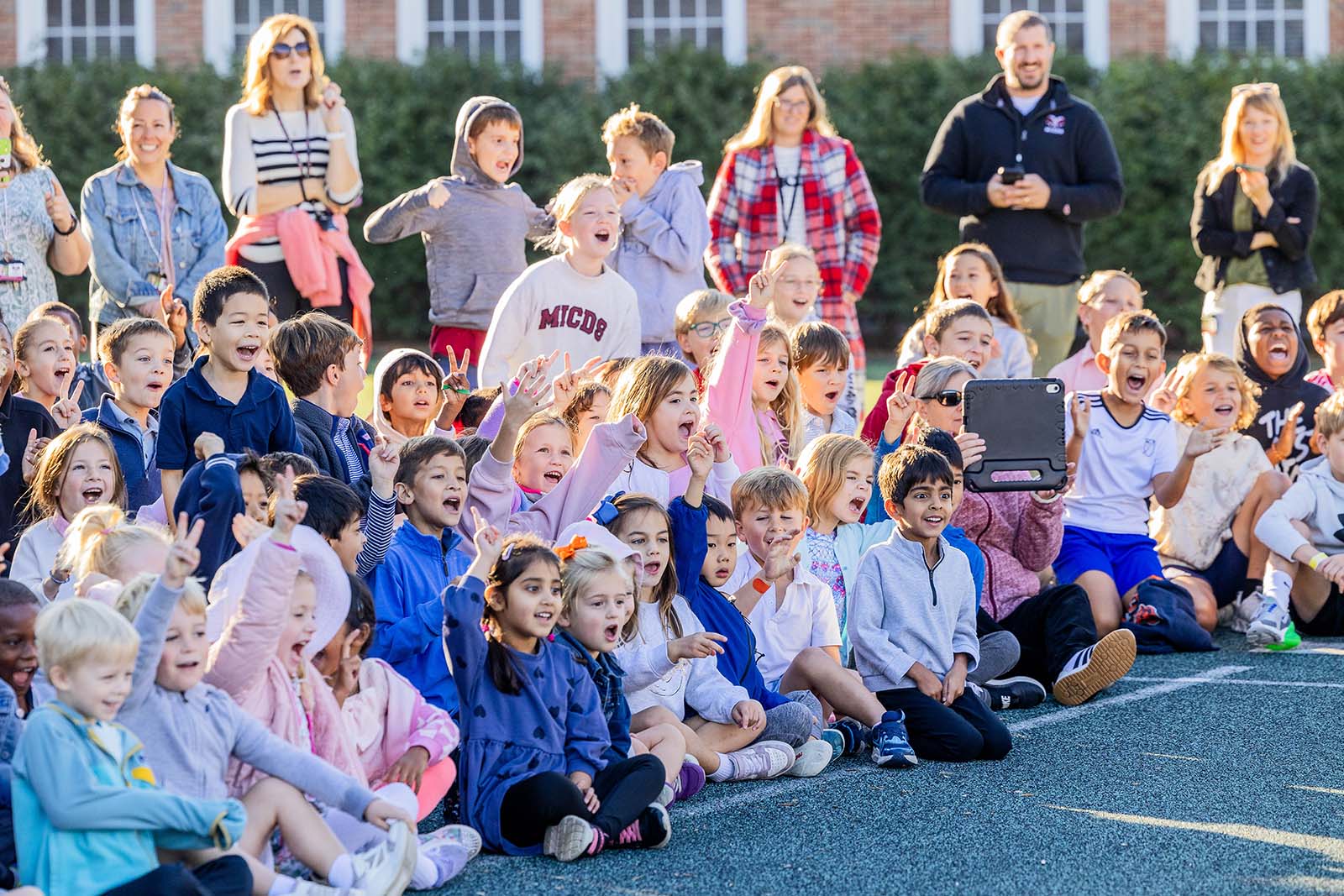
Paul Zahller and Diane Broberg, JK-12 Department Chairs in Science and Math, teamed up with Lower School Science Teacher Laura Pupillo to start off the playground assembly with a literal bang. Lower School Head Amy Scheer and Assistant Head Mattie Bashorun got to work adding rubber bands to the middle of a pumpkin. Why? To see how many it would take to create enough pressure to burst the pumpkin! While students shouted “Explode! Explode! Explode!”, the rubber band activity eventually harnessed enough of the pumpkin’s internal energy to make it blow open to many squeals of delight.
Zahller then introduced the fan favorite, elephant toothpaste. As he set up the experiment and donned his safety goggles, apron, and large protective gloves, he explained to the students, “One of the things that’s so fun about science is we can use science to figure out things that we didn’t know. Another thing that’s great about science is we can do things that are really dangerous, but only if we do them in the right way to make it safe.” He then combined high-concentration, lab-grade hydrogen peroxide, liquid dish soap, green food coloring, and potassium iodide to create a potent chemical reaction that made a massive amount of green foam pour from the jack-o’-lantern’s face.
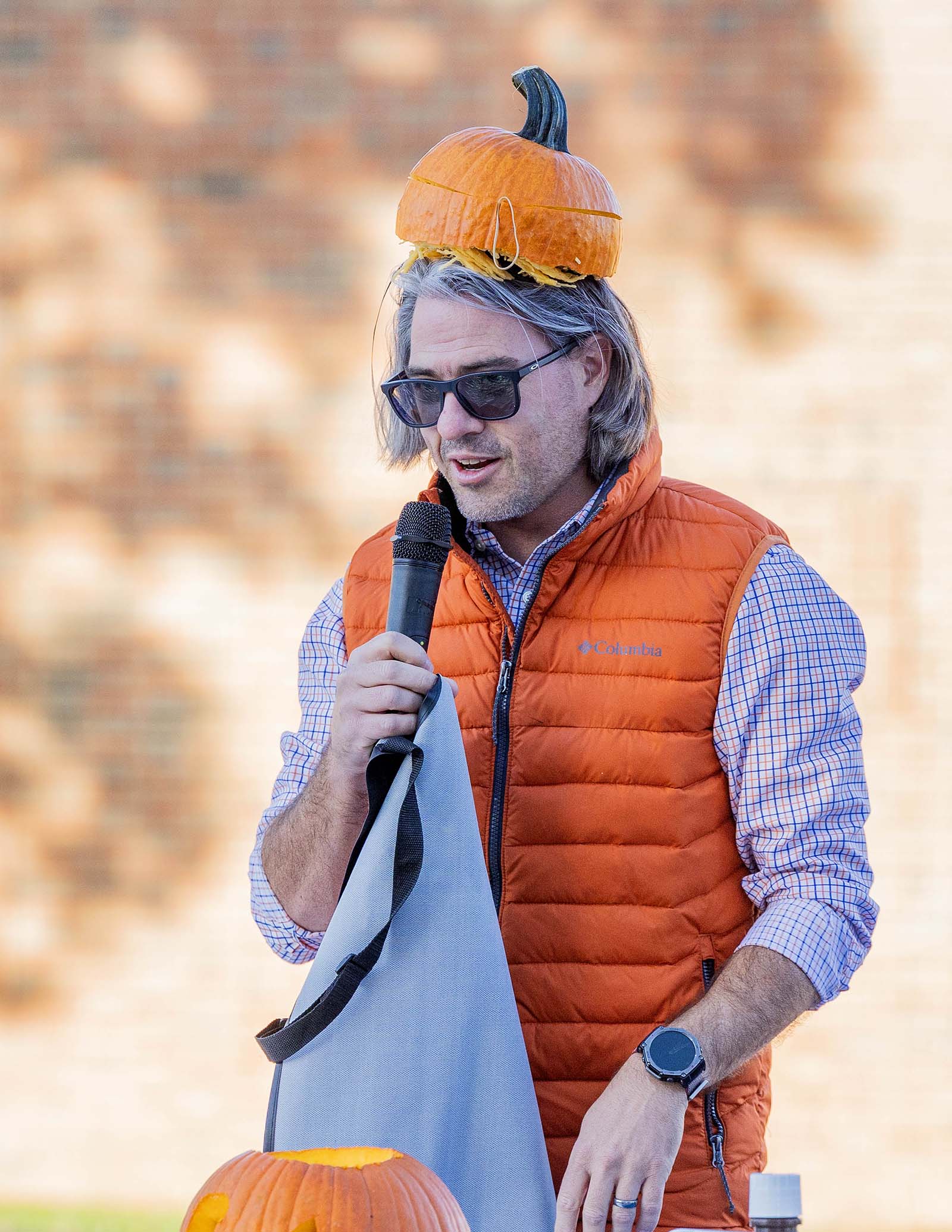
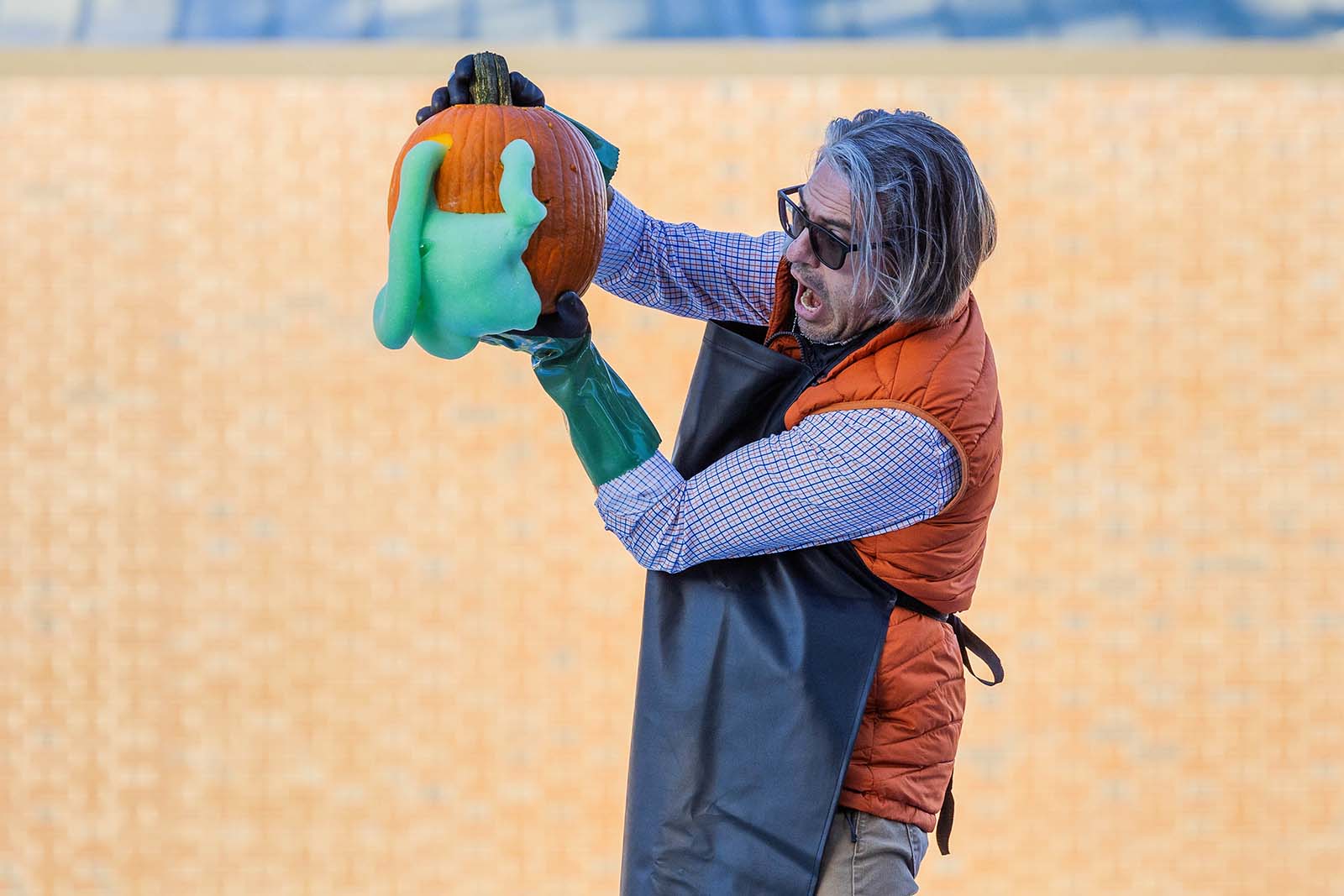
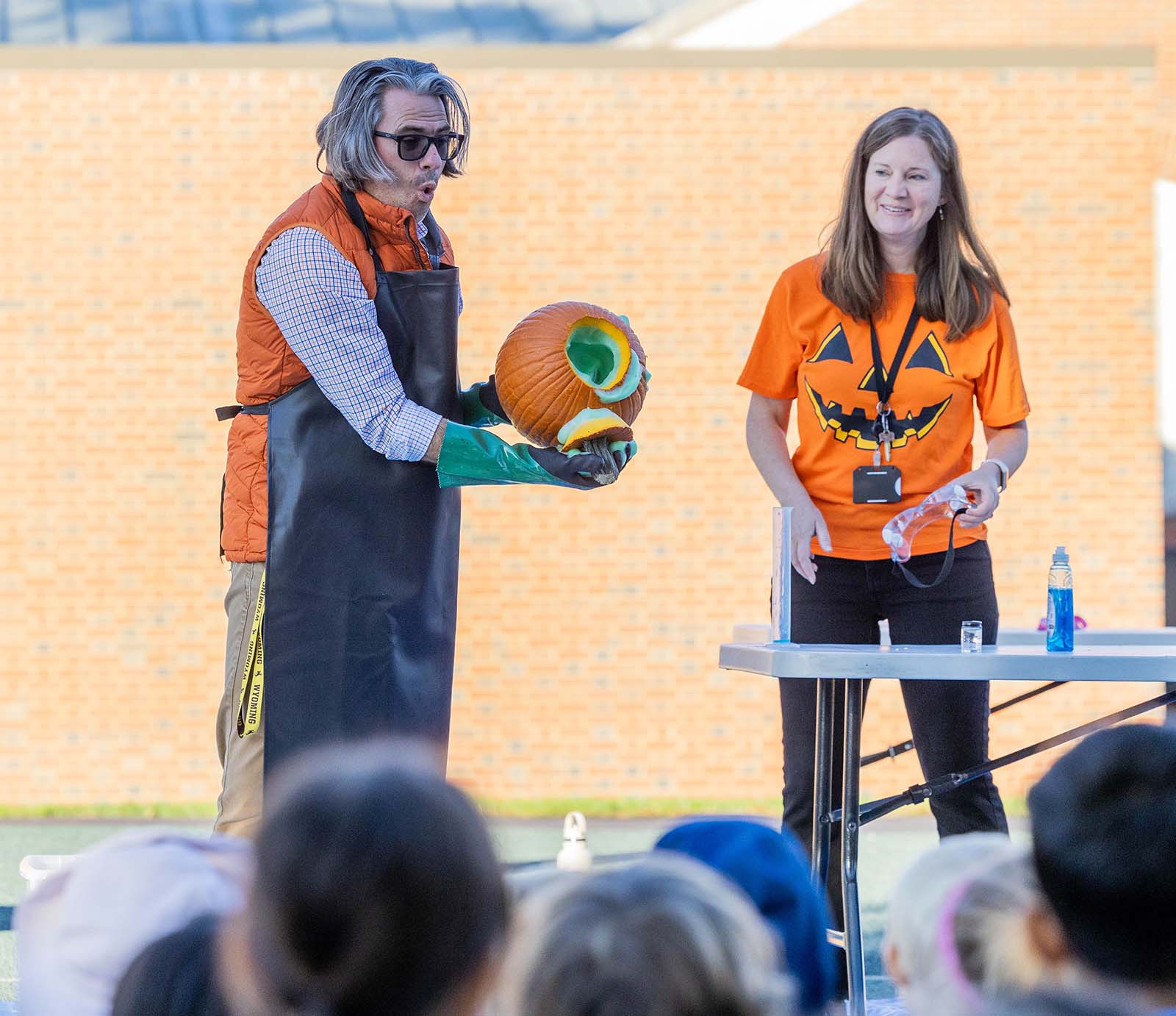
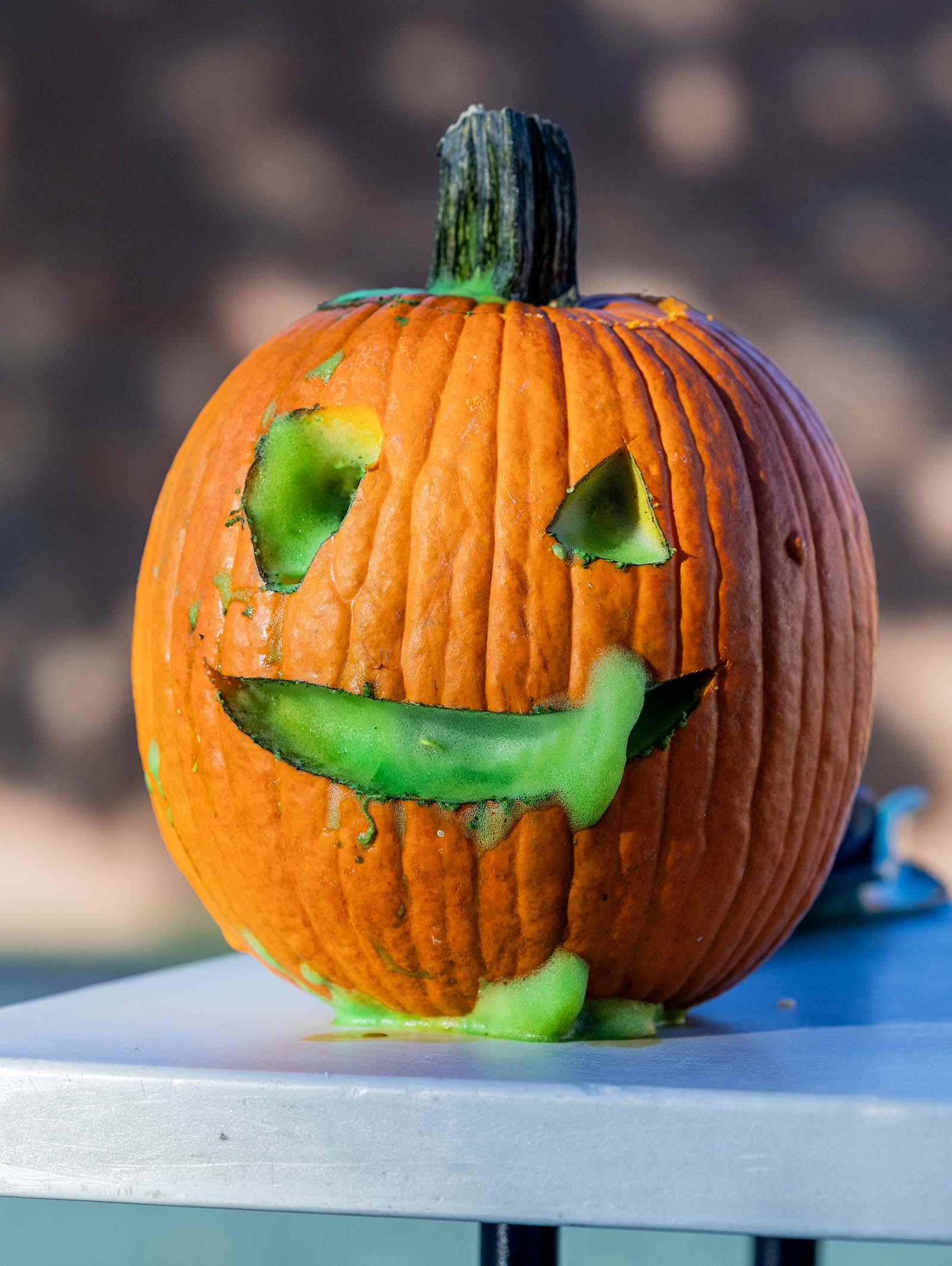
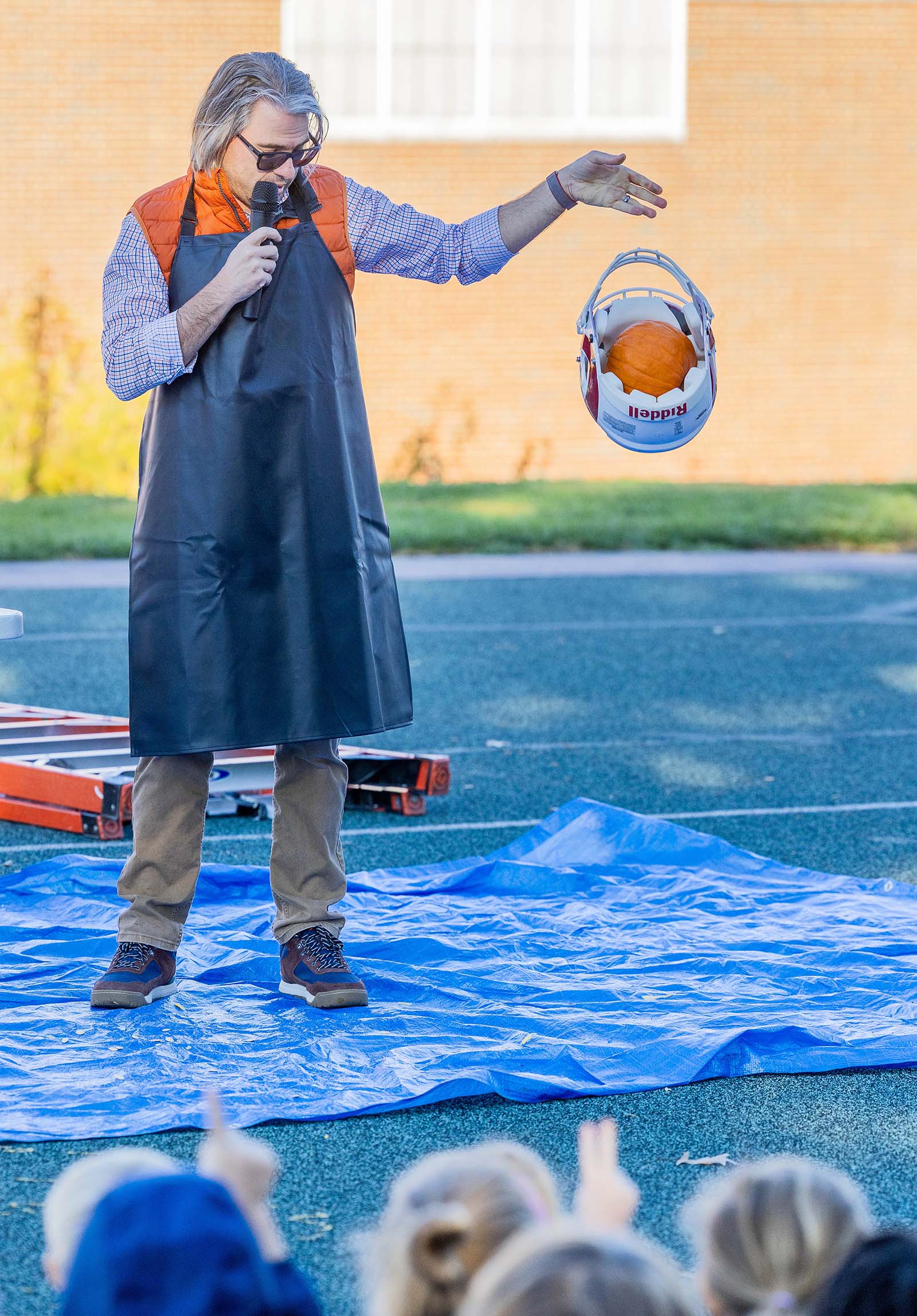
The last demonstration showcased the power of gravity. “We have an idea; we test it. This is how science works,” Zahller said before putting a football helmet on a pumpkin and dropping it to demonstrate that it didn’t break! When he dropped it from a higher point on a ladder without a helmet, it broke into many pieces. Students cheered and soon dispersed to their classrooms to learn about their new favorite gourd, the pumpkin!
Homeroom
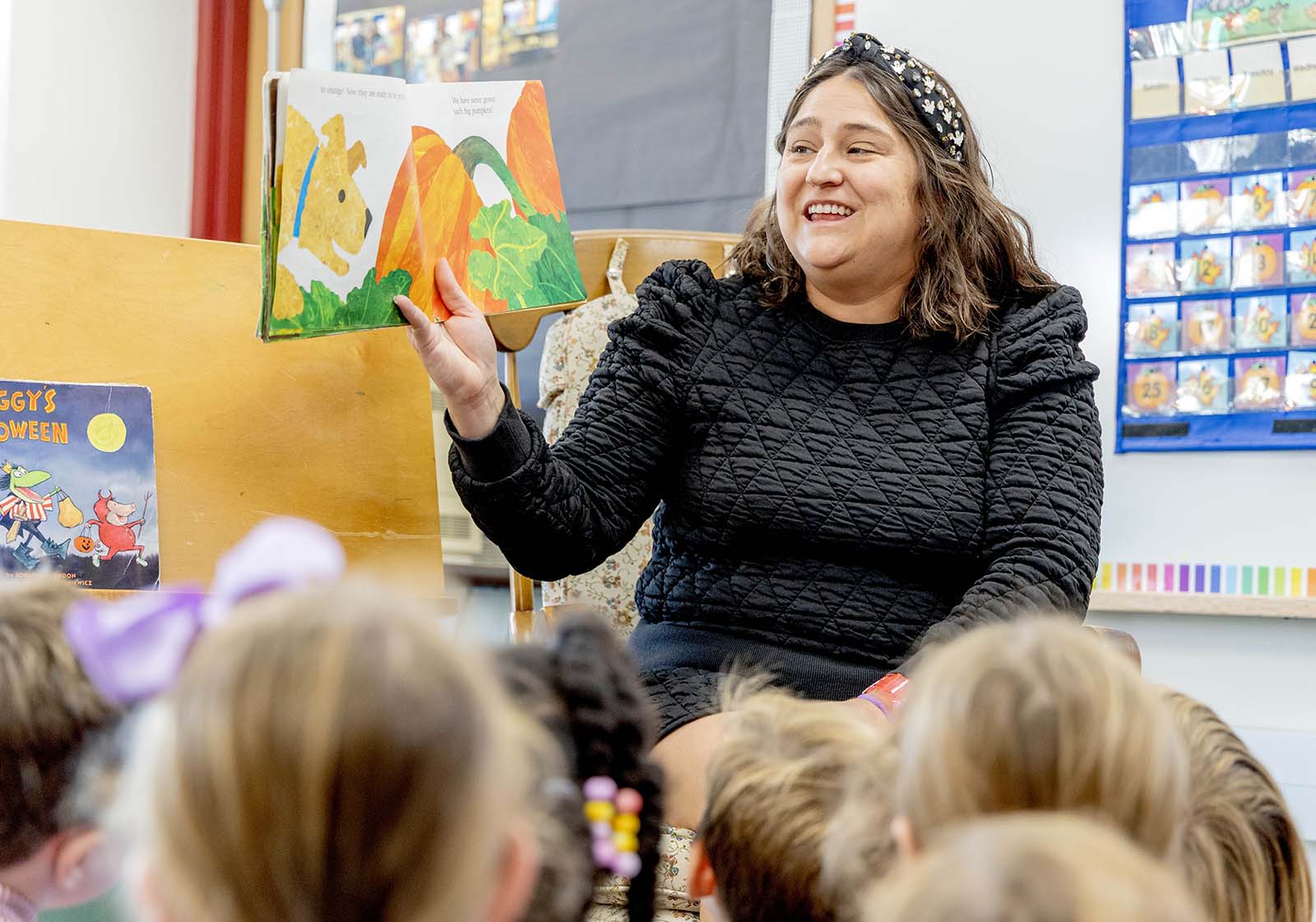
Homeroom activities focused on reading, writing, and vocabulary with a pumpkin twist. Lessons and projects included JK students rescuing a ram from the pumpkin patch using INDi cars they coded themselves; read-alouds of It’s Pumpkin Time, A Pumpkin Grows, The Biggest Pumpkin Ever, and Pumpkin Jack; labeling parts of pumpkins; and more.
Fourth graders participated in a creative writing lesson to explore point of view, fantasy, mystery, humor, and adventure.
Prompts included:
- The Talking Squash: You cut open a pumpkin to clean out the seeds, and a tiny voice from inside says, “Hey! Watch the spoon!” Who is living inside, and why are they there?
- The Pumpkin Seed’s Journey: Track the adventure of a single pumpkin seed that gets scooped out, washed, and accidentally dropped in a strange place instead of being roasted.
- The Pumpkin Potion: A wacky scientist spills a secret formula on a pumpkin patch, causing all the pumpkins to come alive and start rolling through the town. How do you stop the pumpkin stampede?
Math
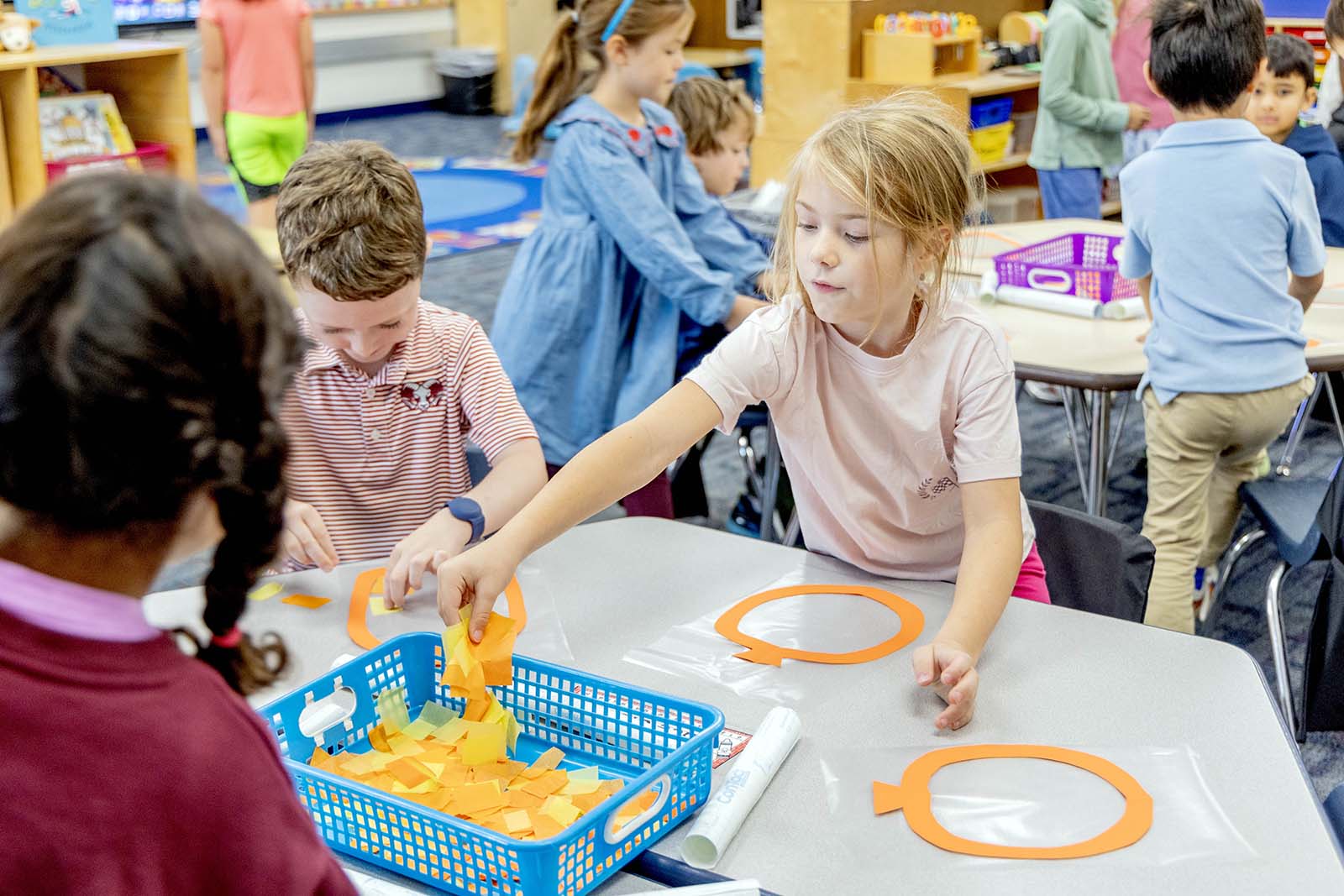
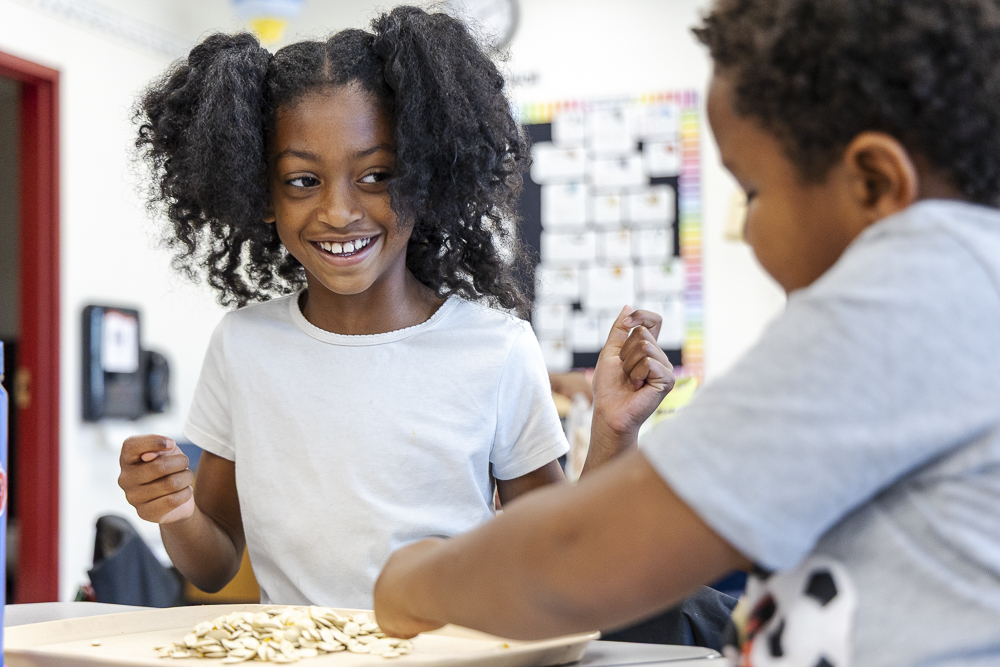
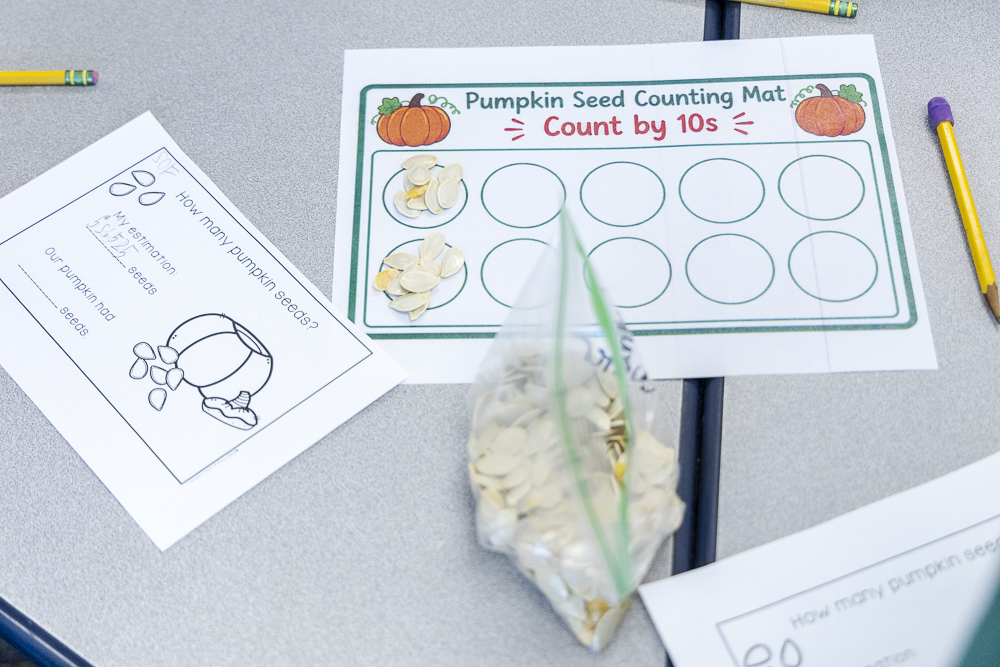
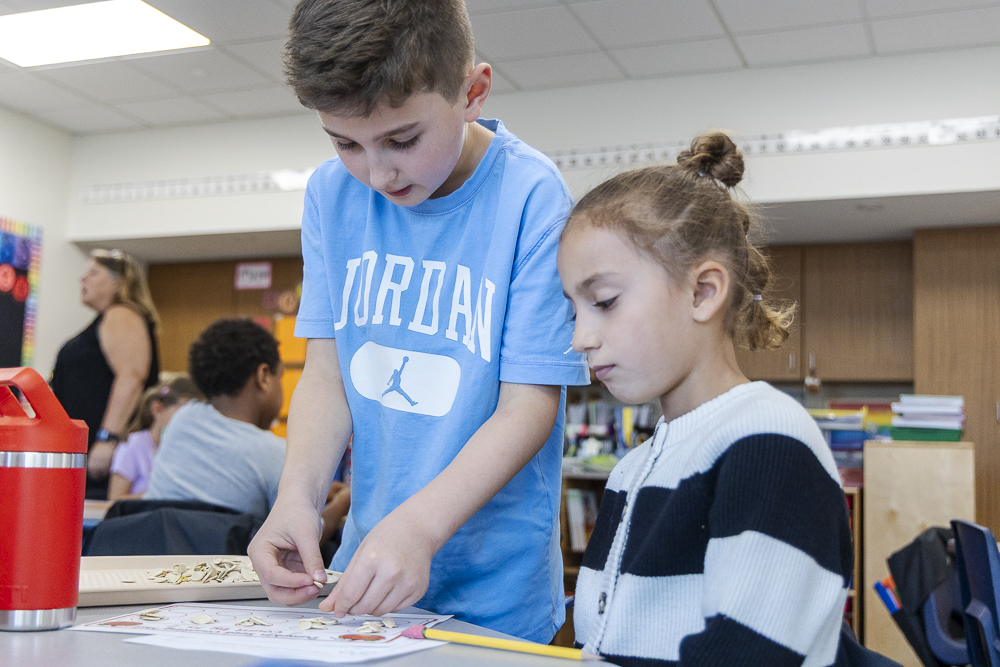
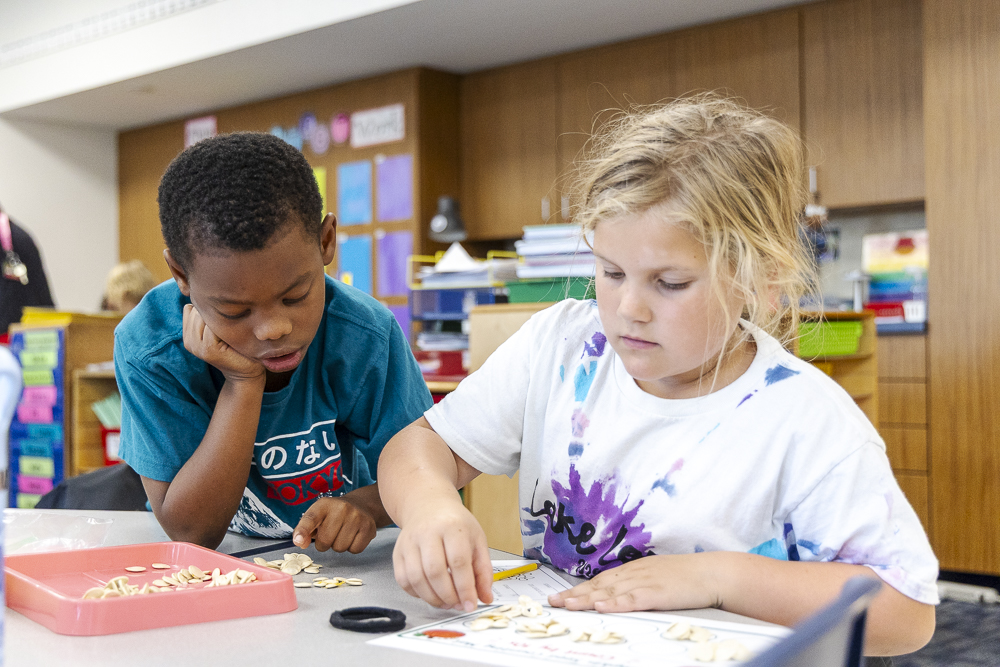
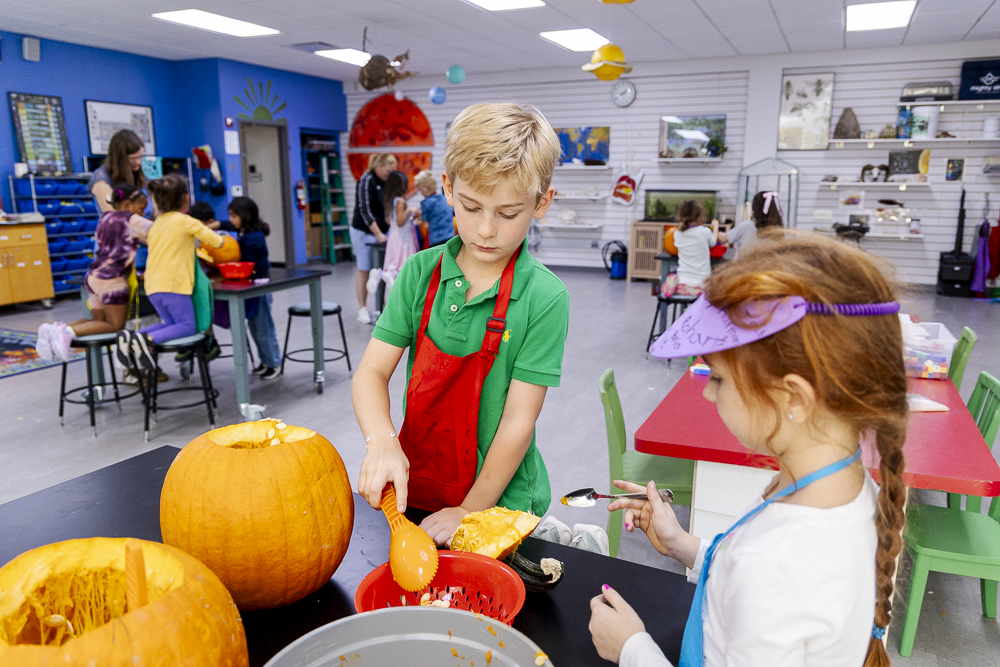
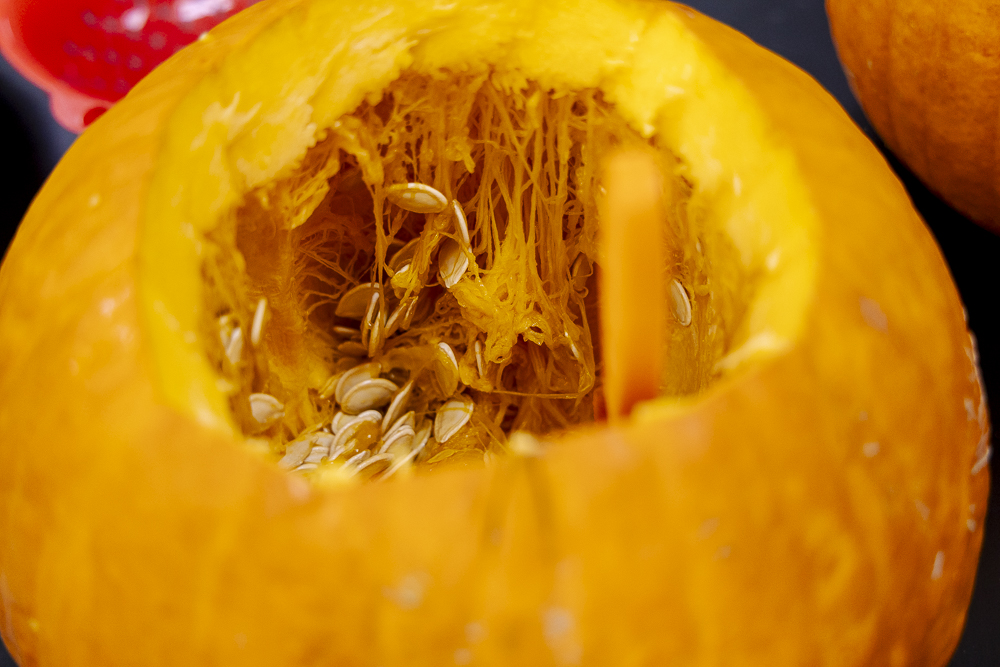
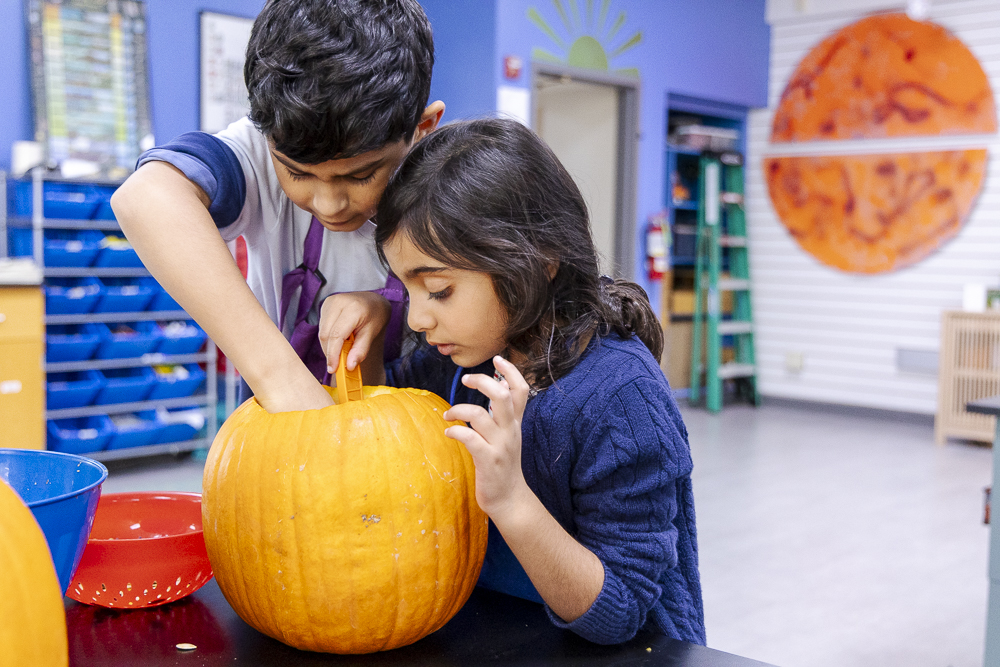
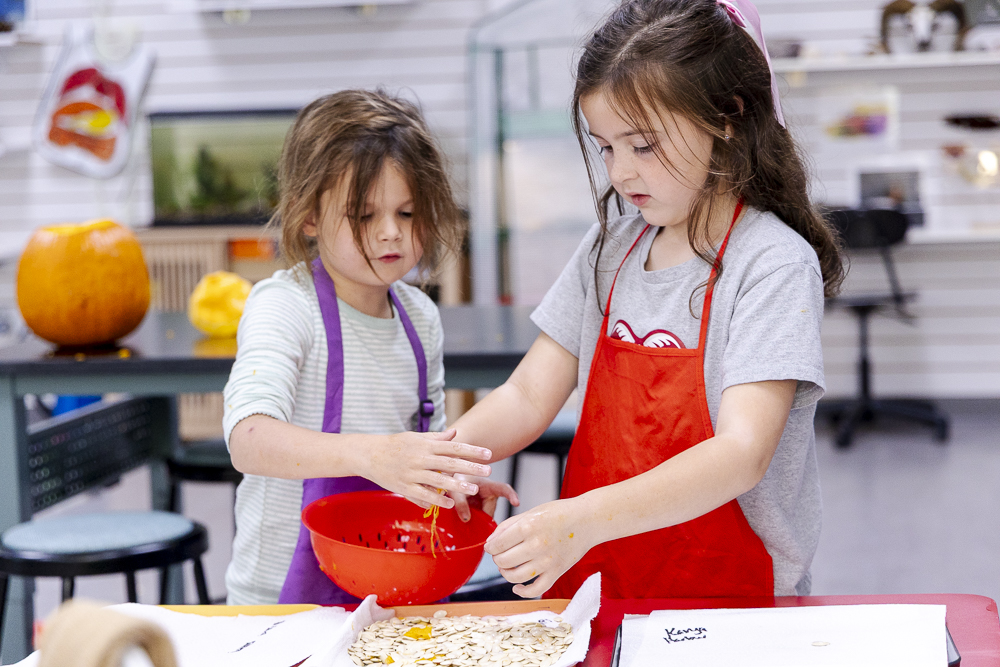
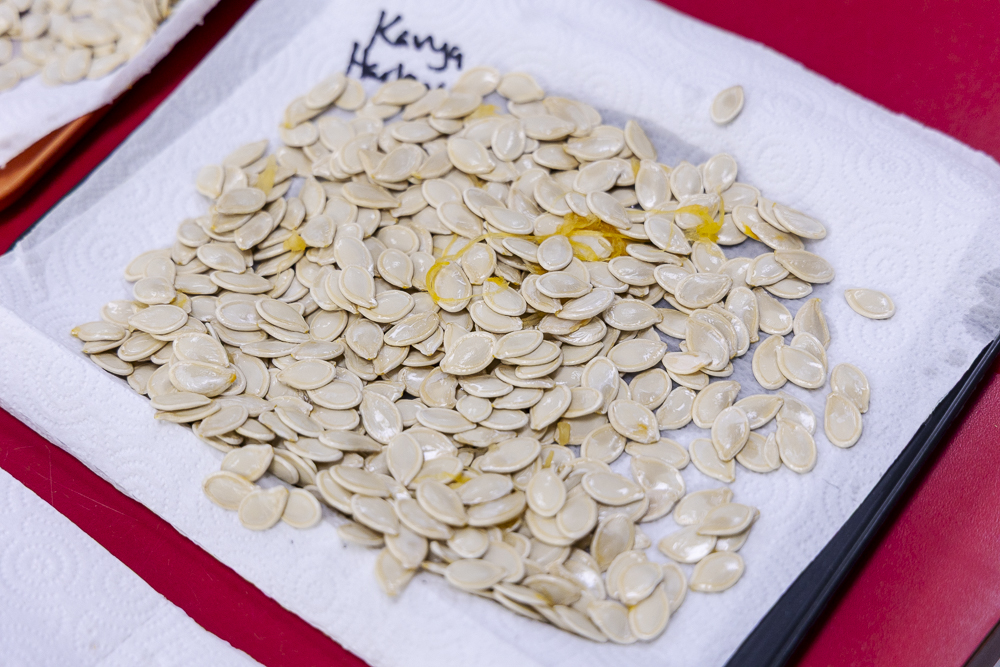
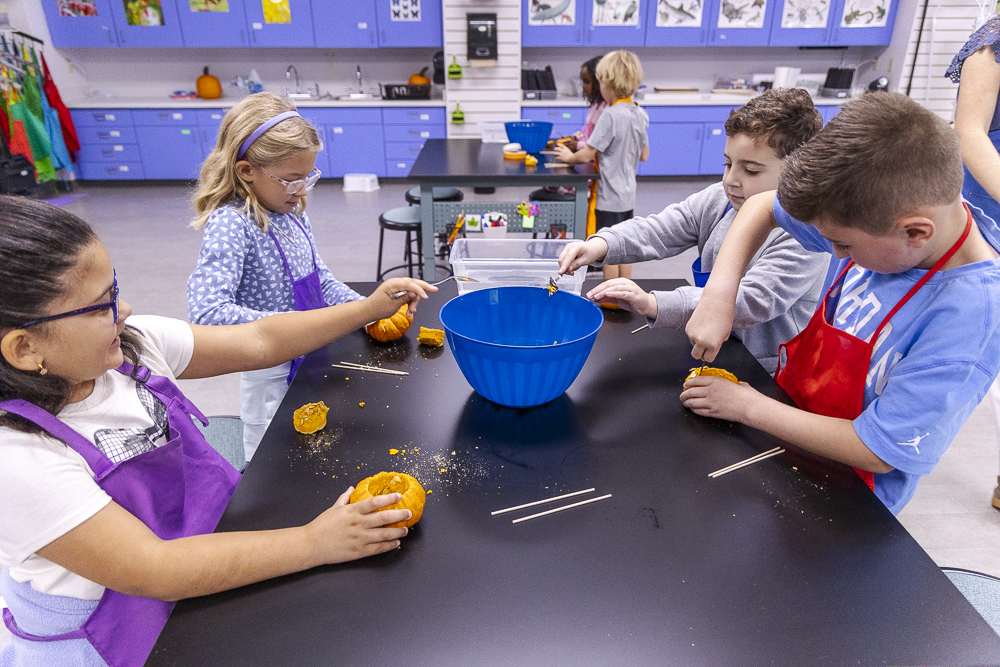
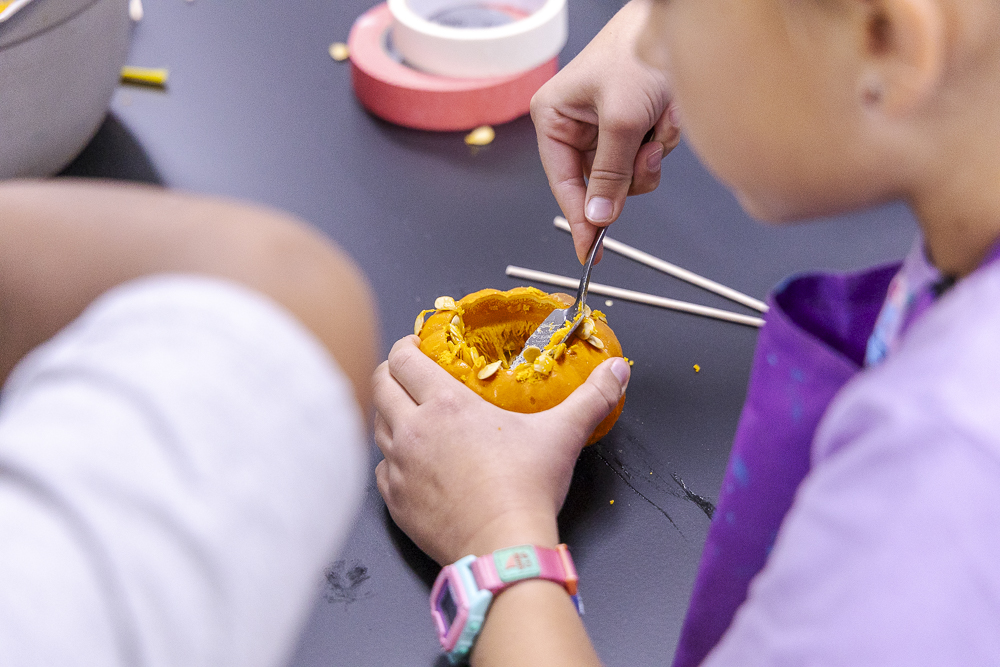
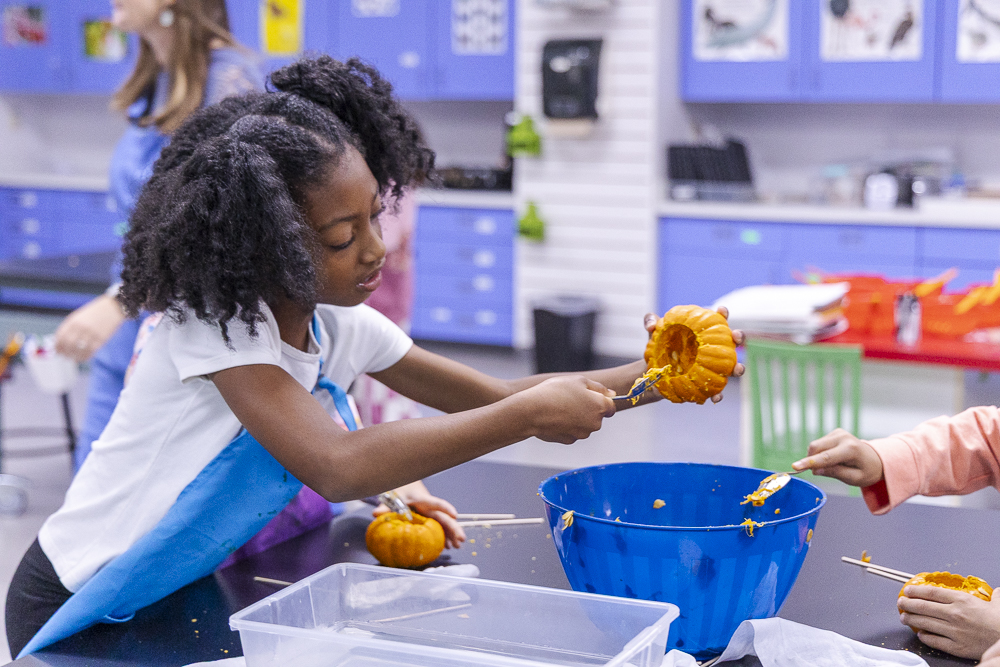
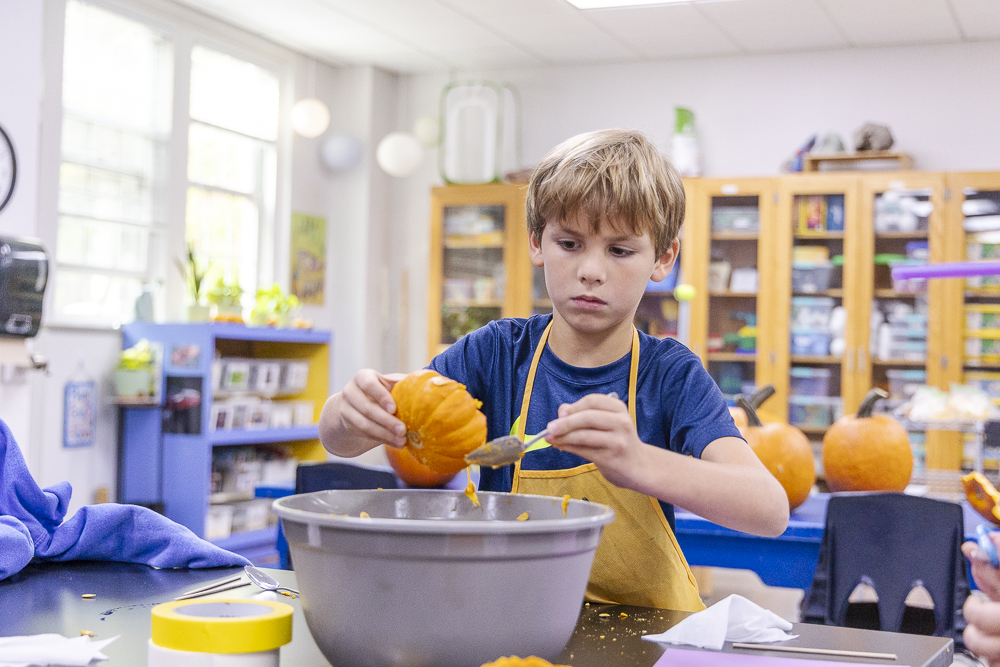
Students in all lower school grades carved pumpkins in science, and instead of throwing the pumpkin guts away, they saved and cleaned the seeds for math lessons.
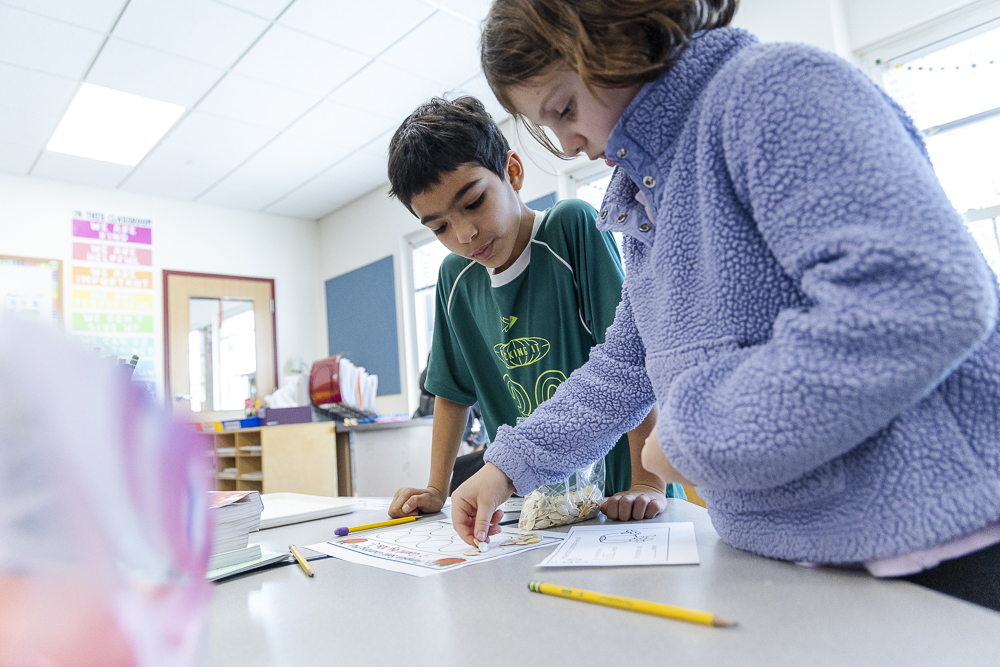
Students in the lower grades ordered pumpkins by size, and others estimated how many seeds might be in a pumpkin, then counted large bags of seeds by 2s, 5s, and 10s to see how close they got to their estimate. Students worked in pairs, deciding how they’d count, who would do the counting, and who would record, with the big number reveal at the end. Students learned that pumpkins with deeper vertical lines and darker orange skins typically yield more seeds.
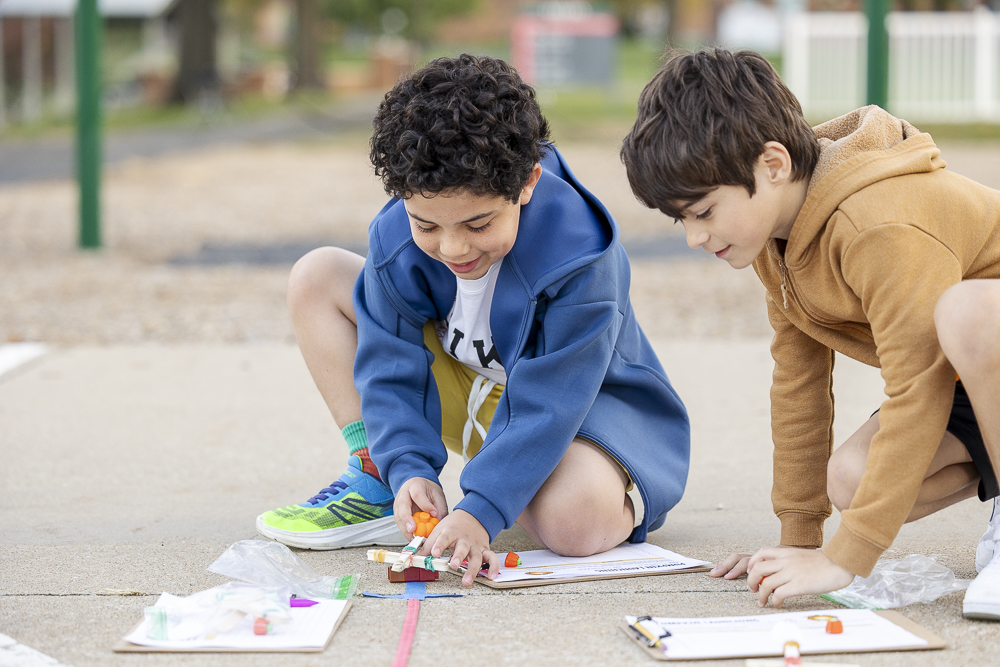
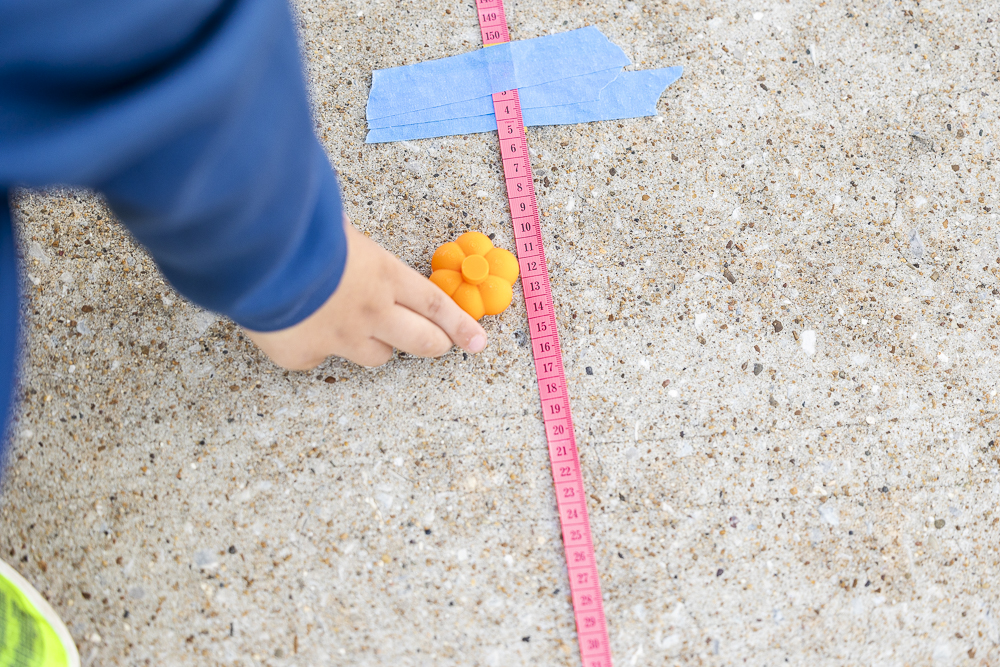
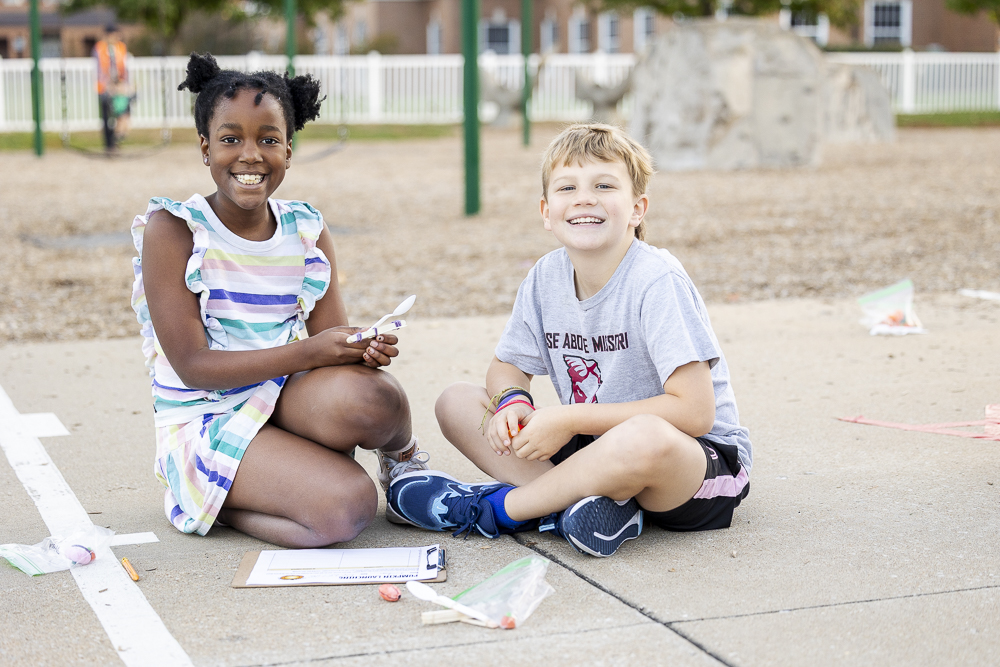
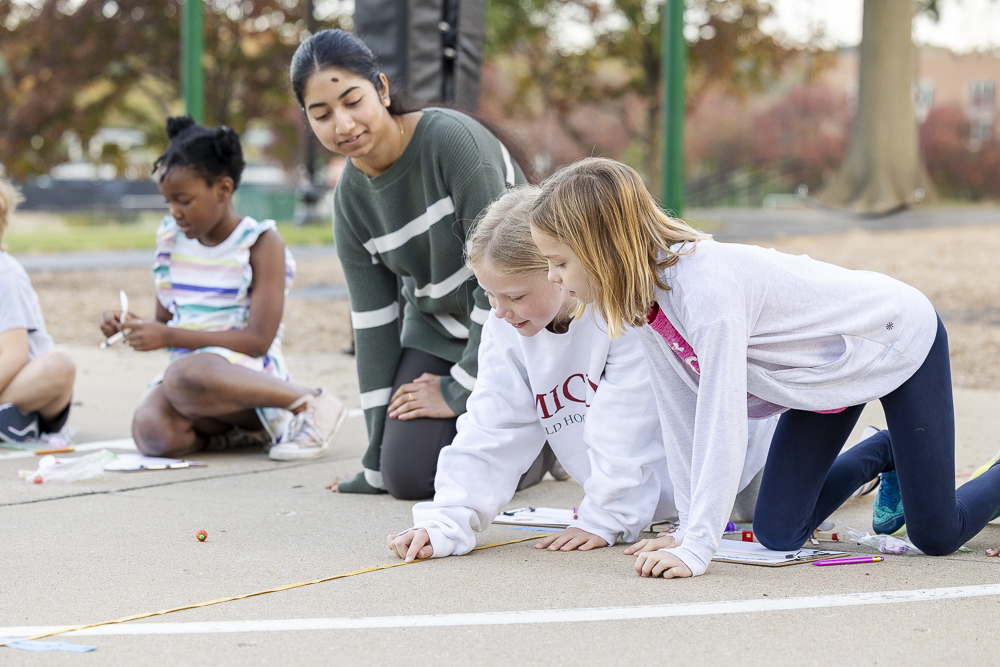
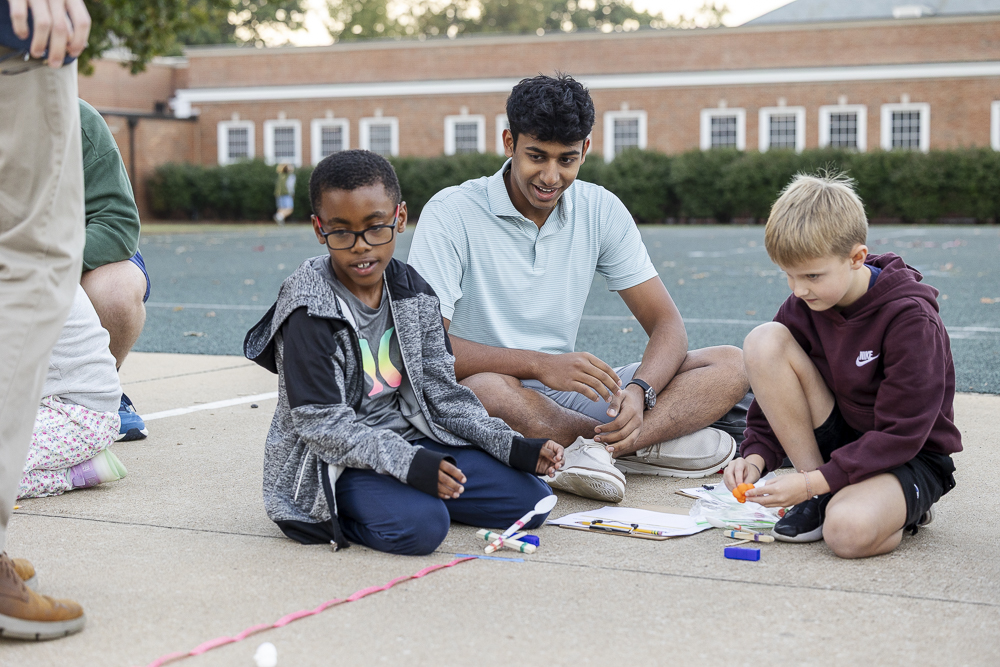
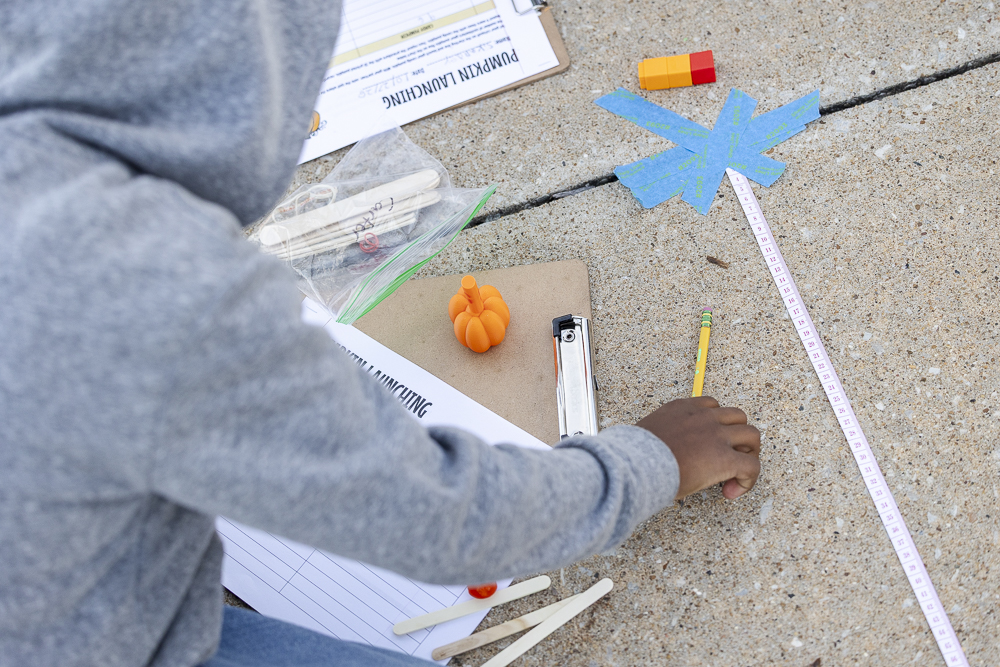
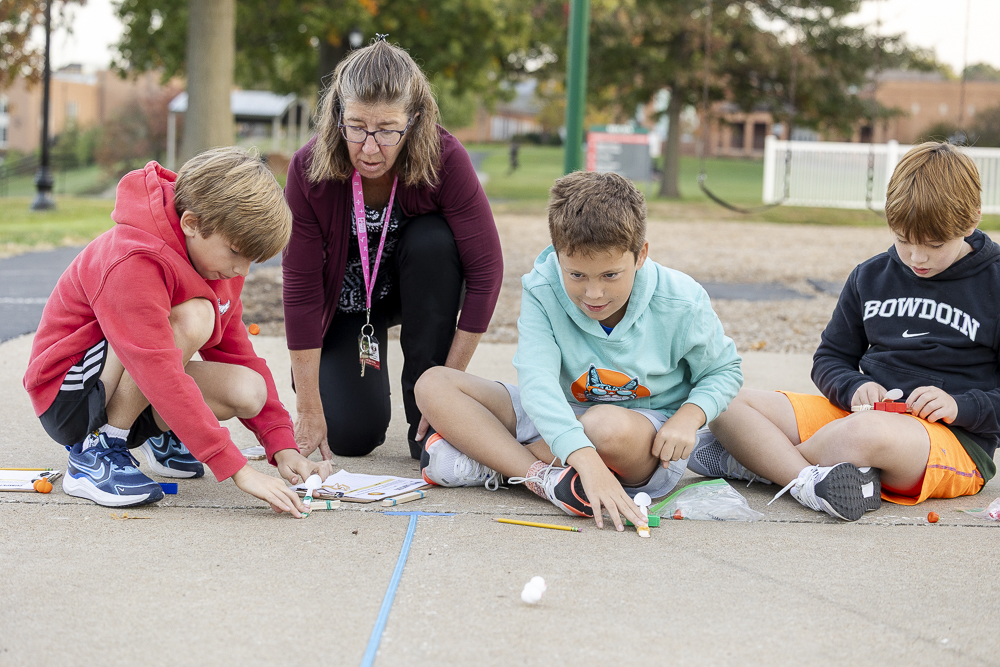
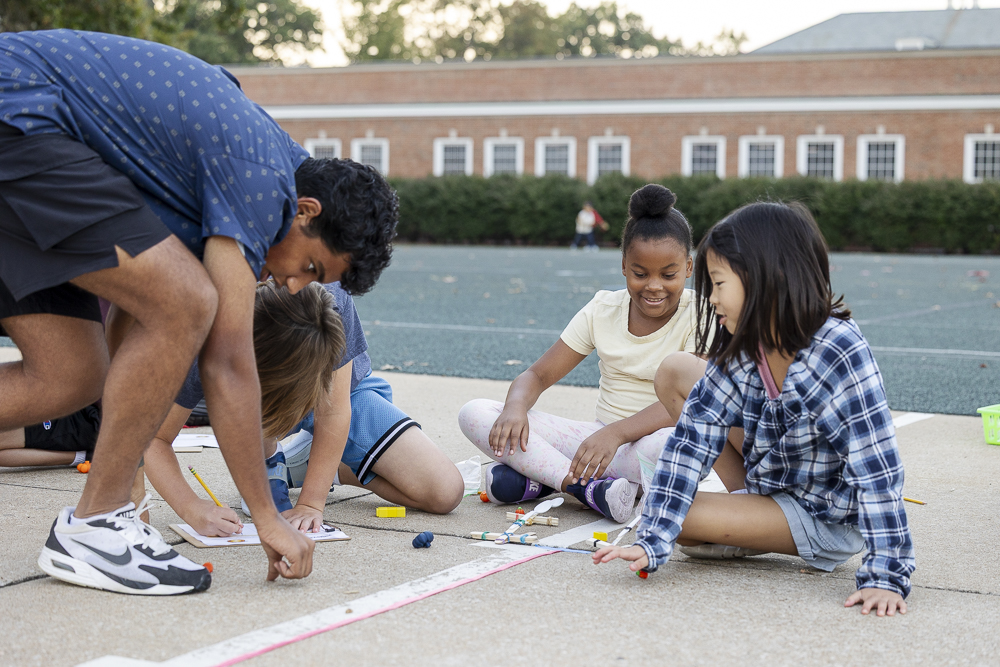
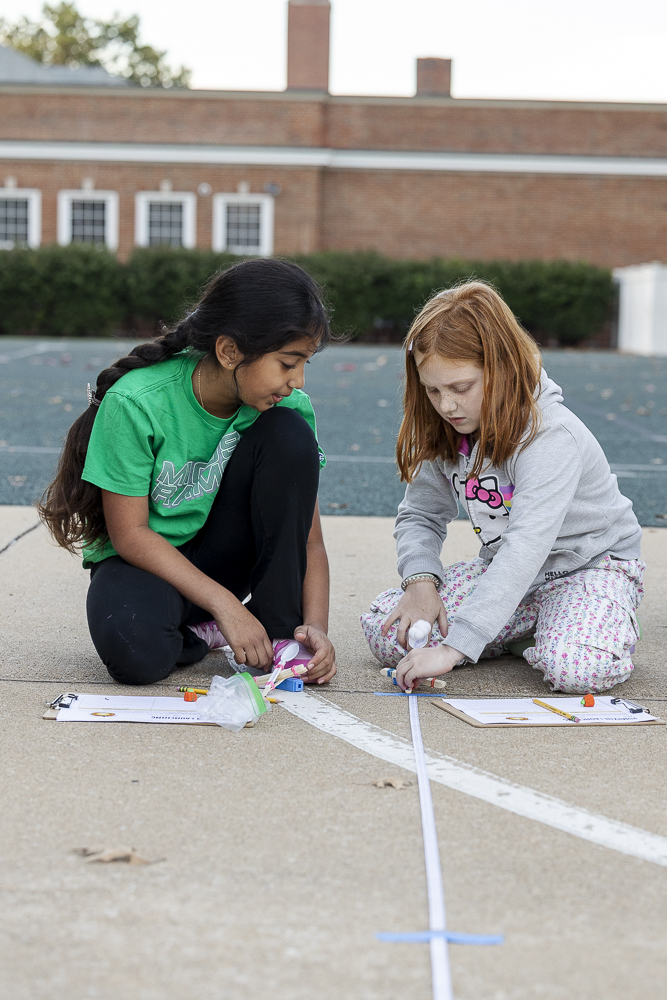
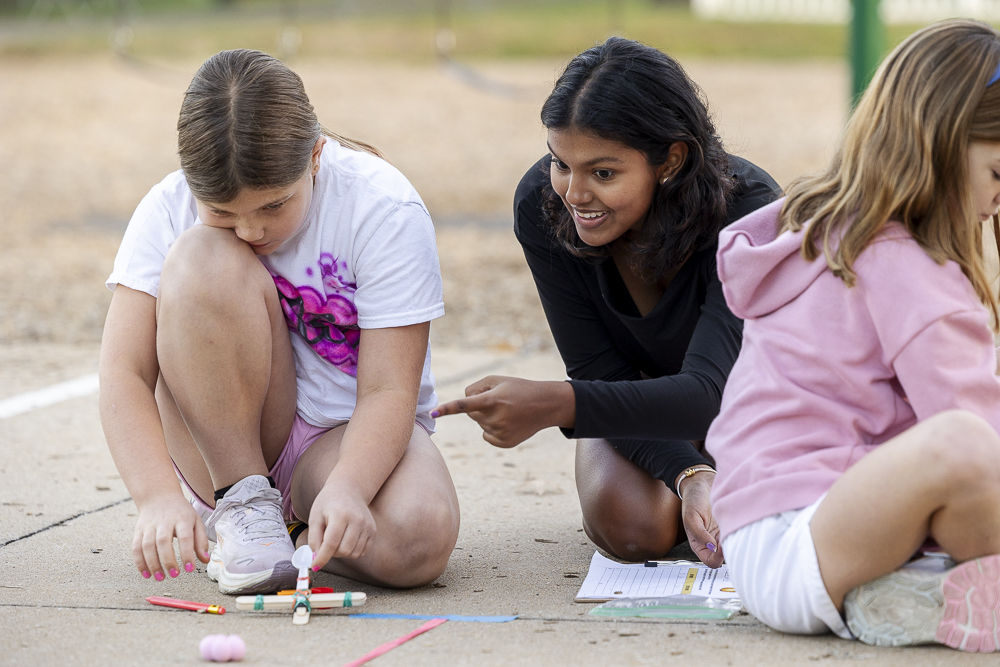
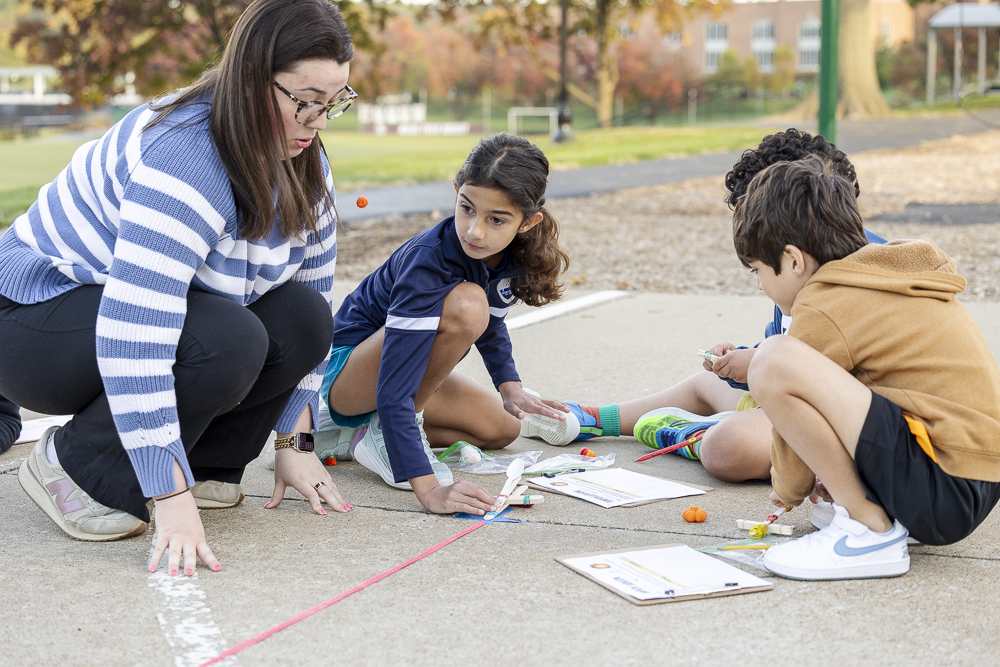
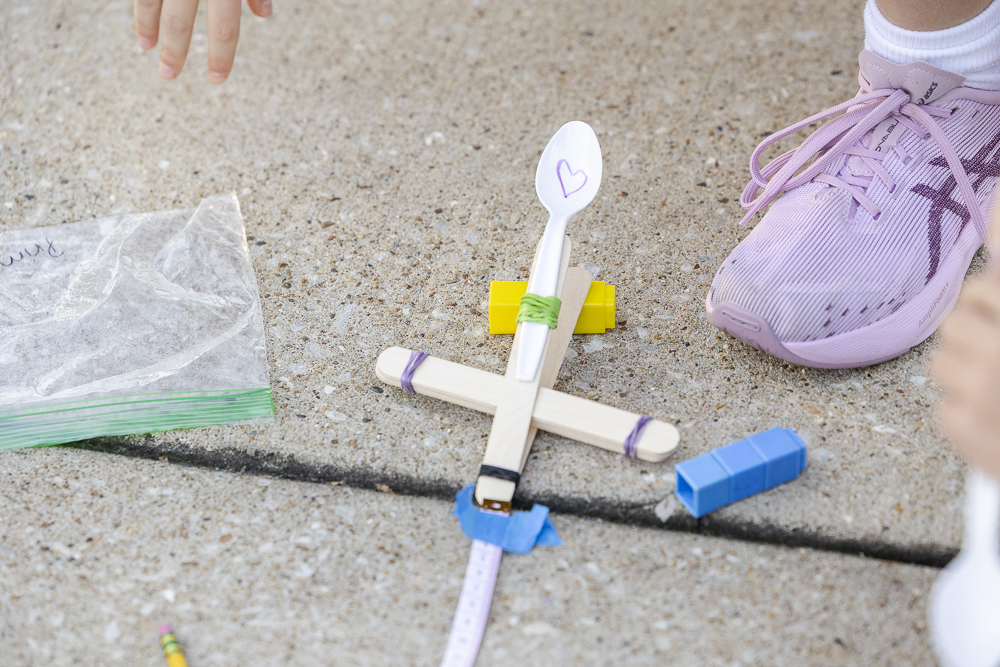
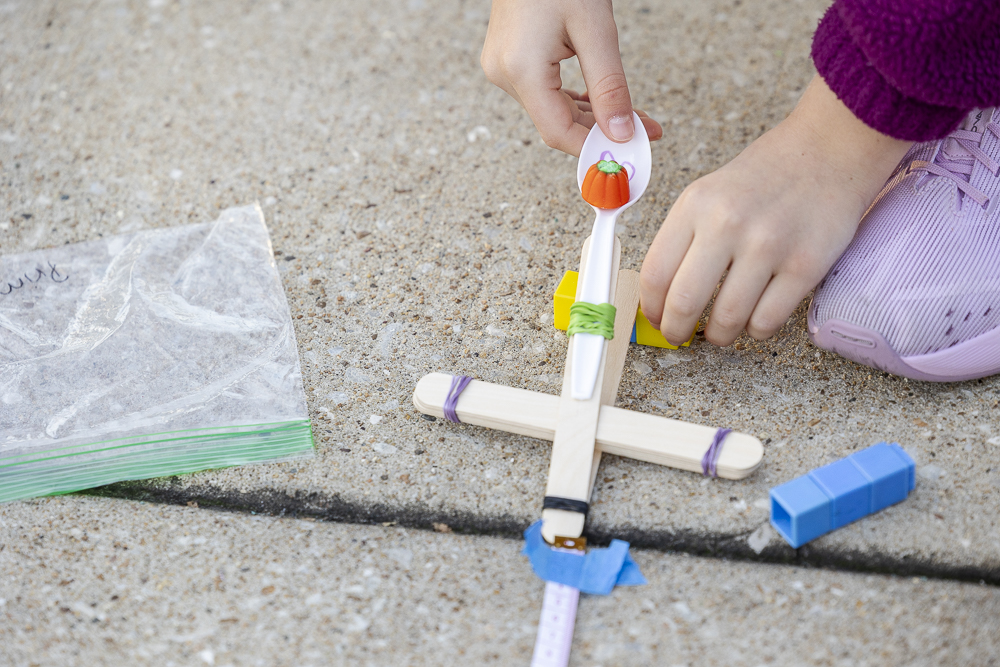
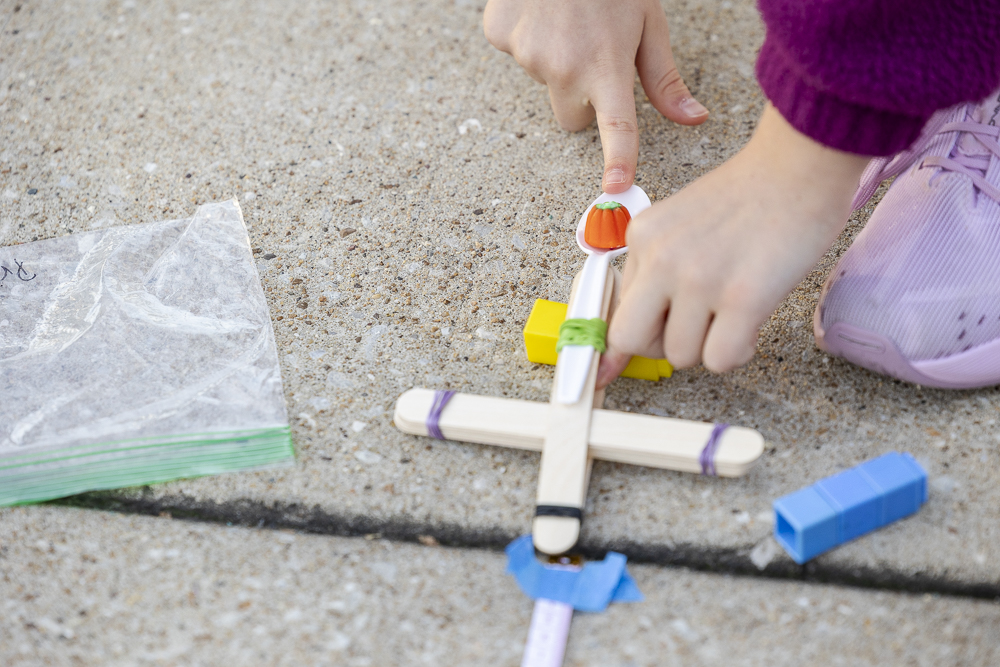
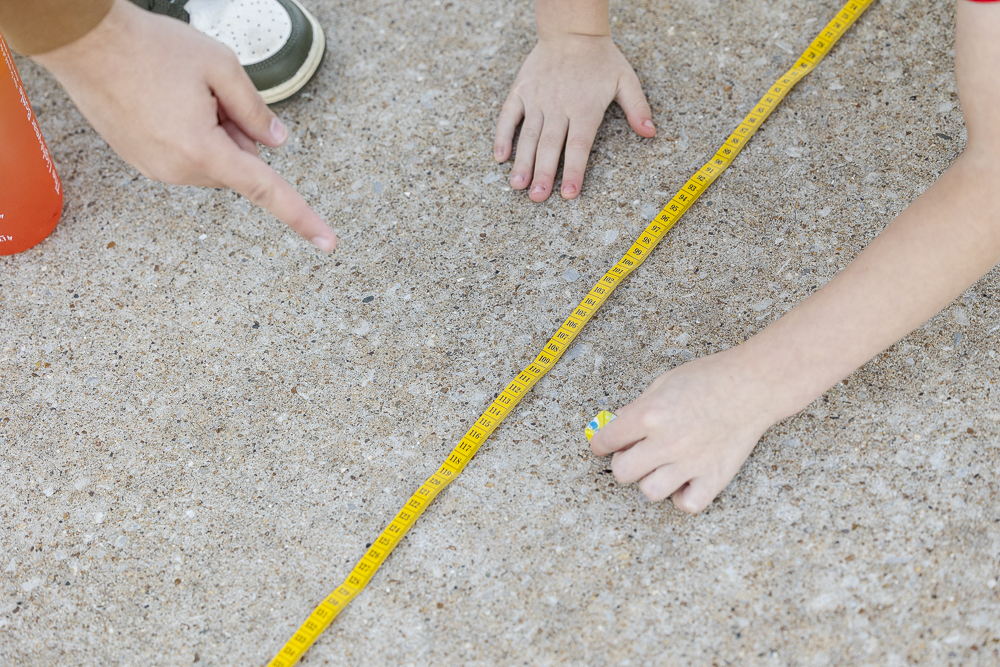
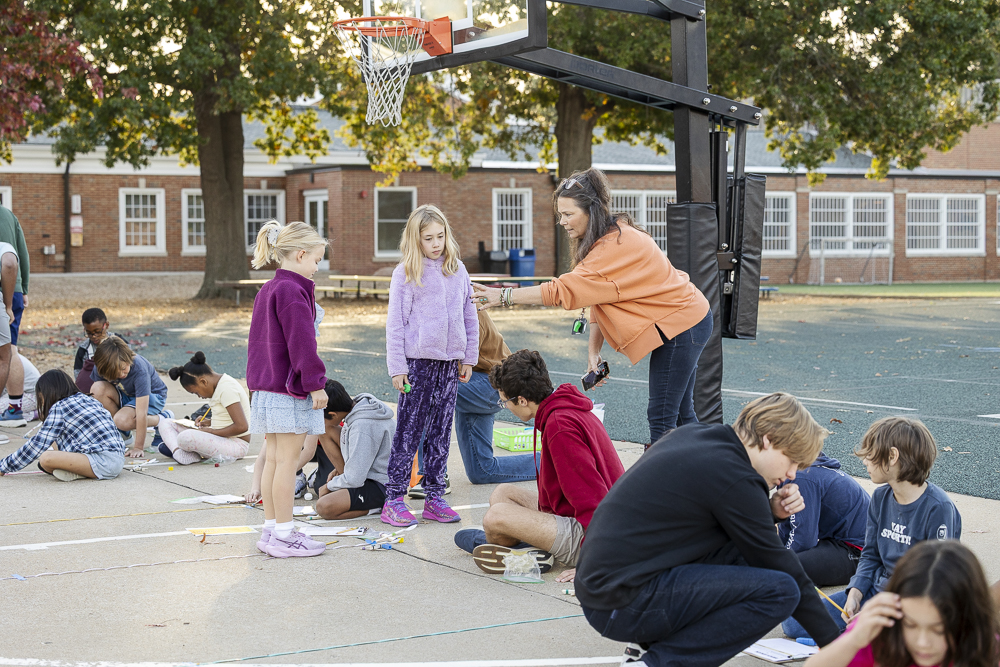
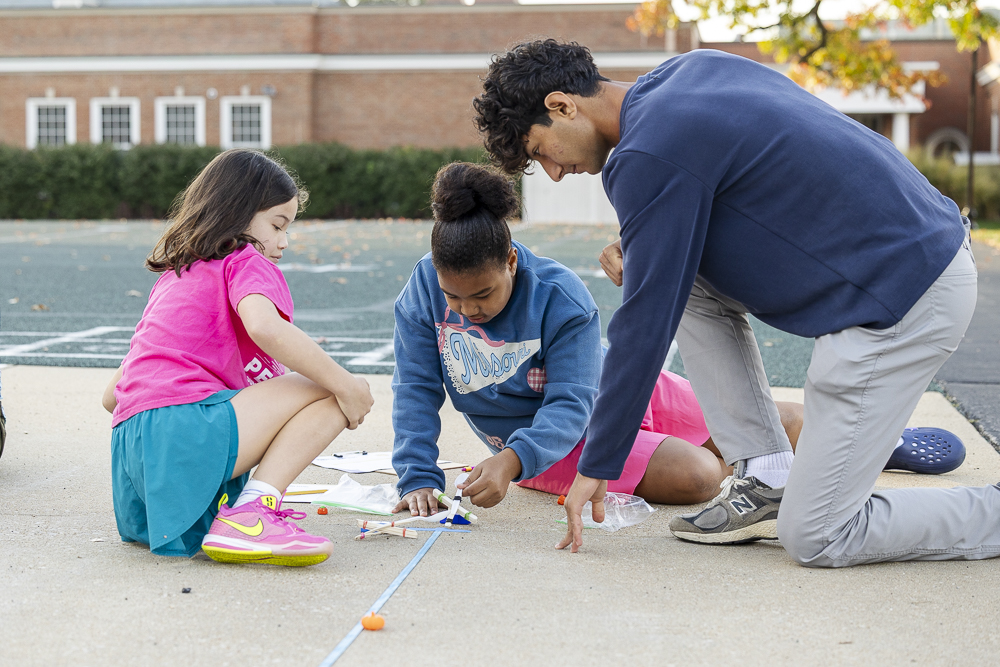
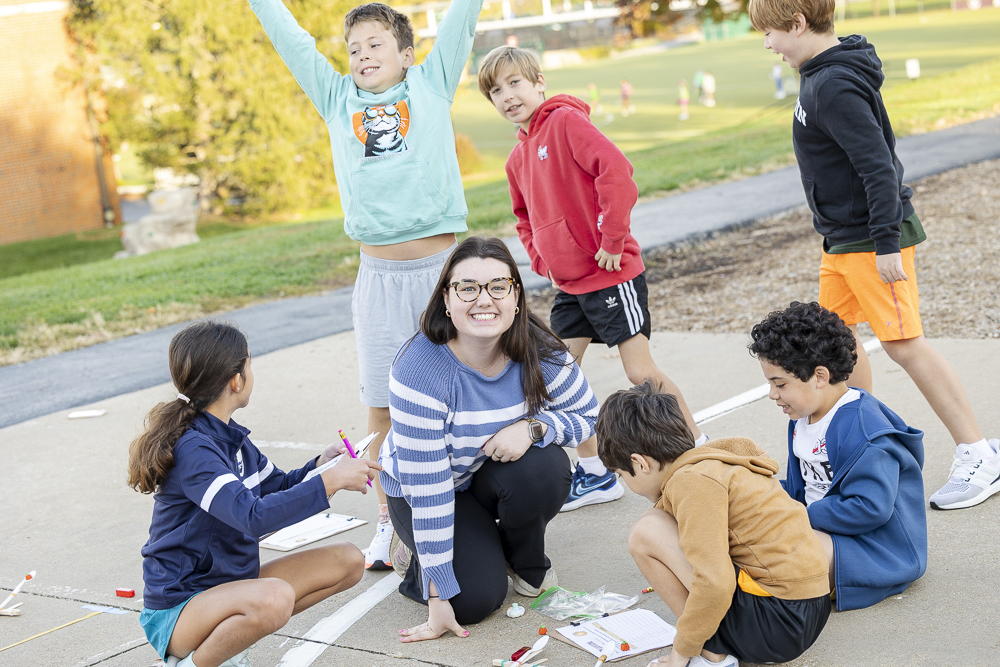
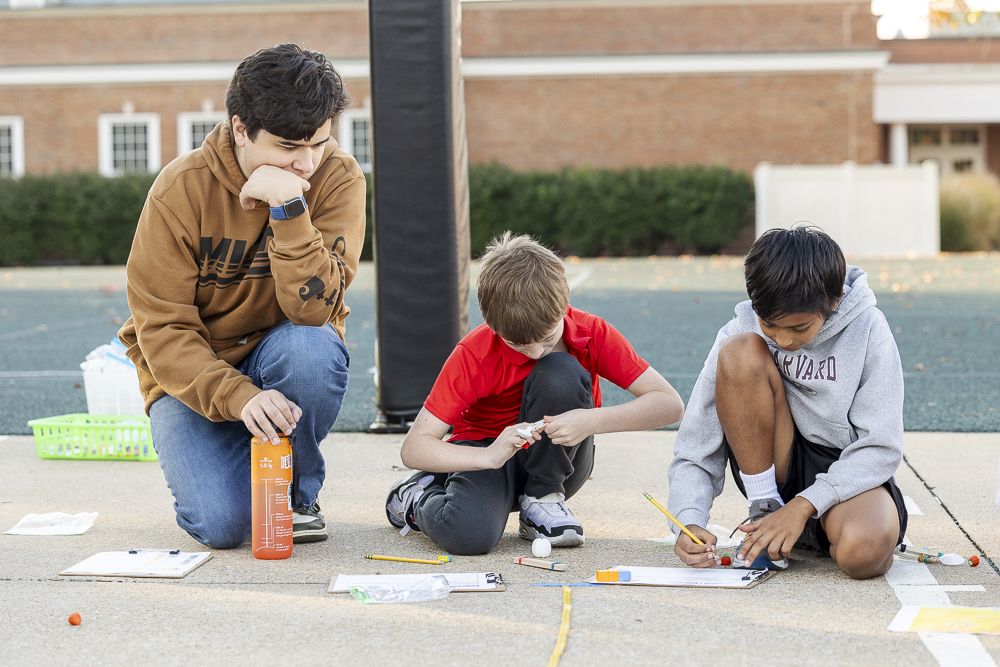
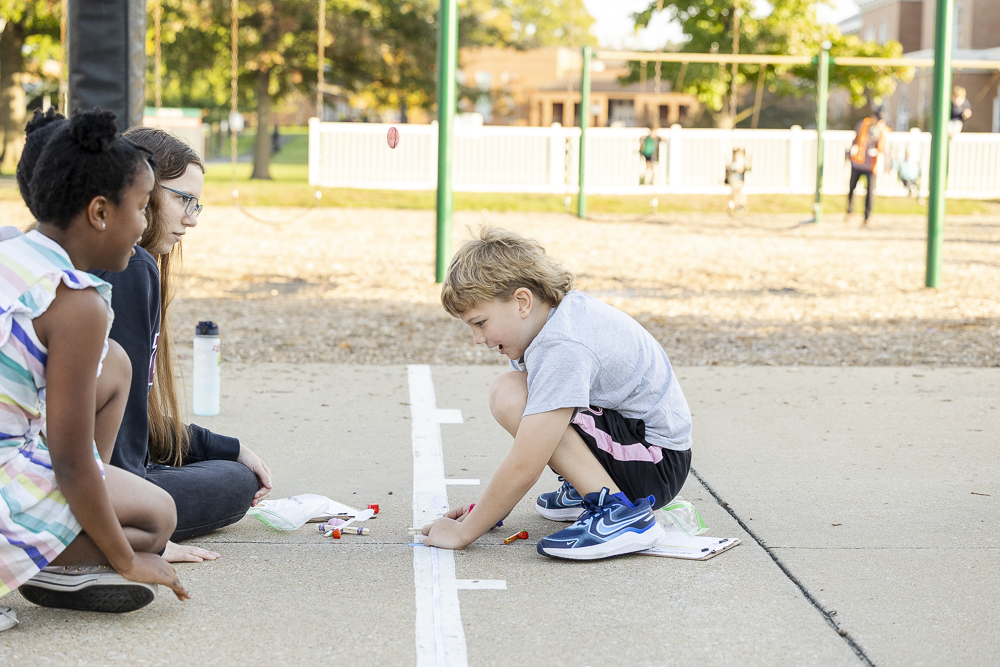
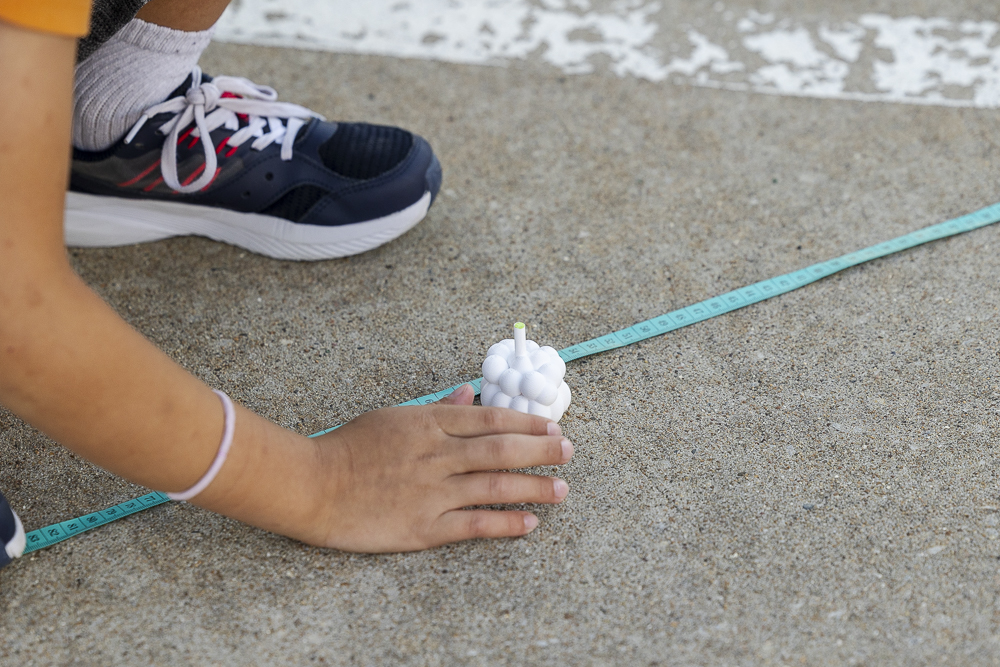
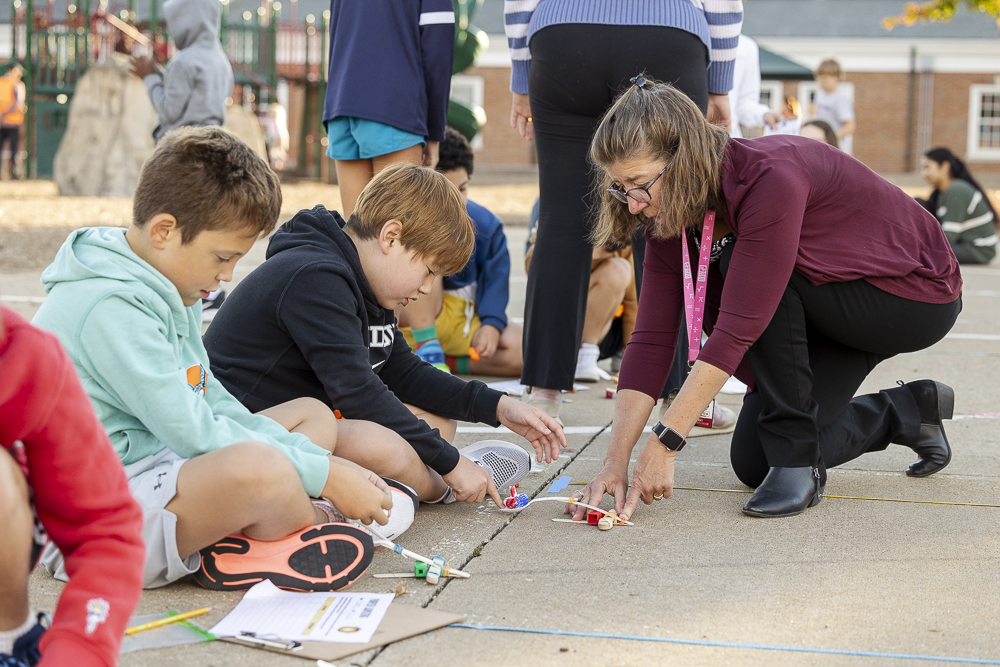
Third graders built small catapult devices using spoons, rubber bands, and popsicle sticks. They also created small 3D-printed pumpkins that would fit into the spoon. On testing day, they gathered their supplies along with small candy pumpkins and headed to the Lower School playground. There, they pressure-tested their designs, alternating 3D pumpkins with the candy ones, while measuring distance and creating line plots. Tracking their handmade machines’ functionality along a numbered path helped build numerical confidence for future measuring!
PE
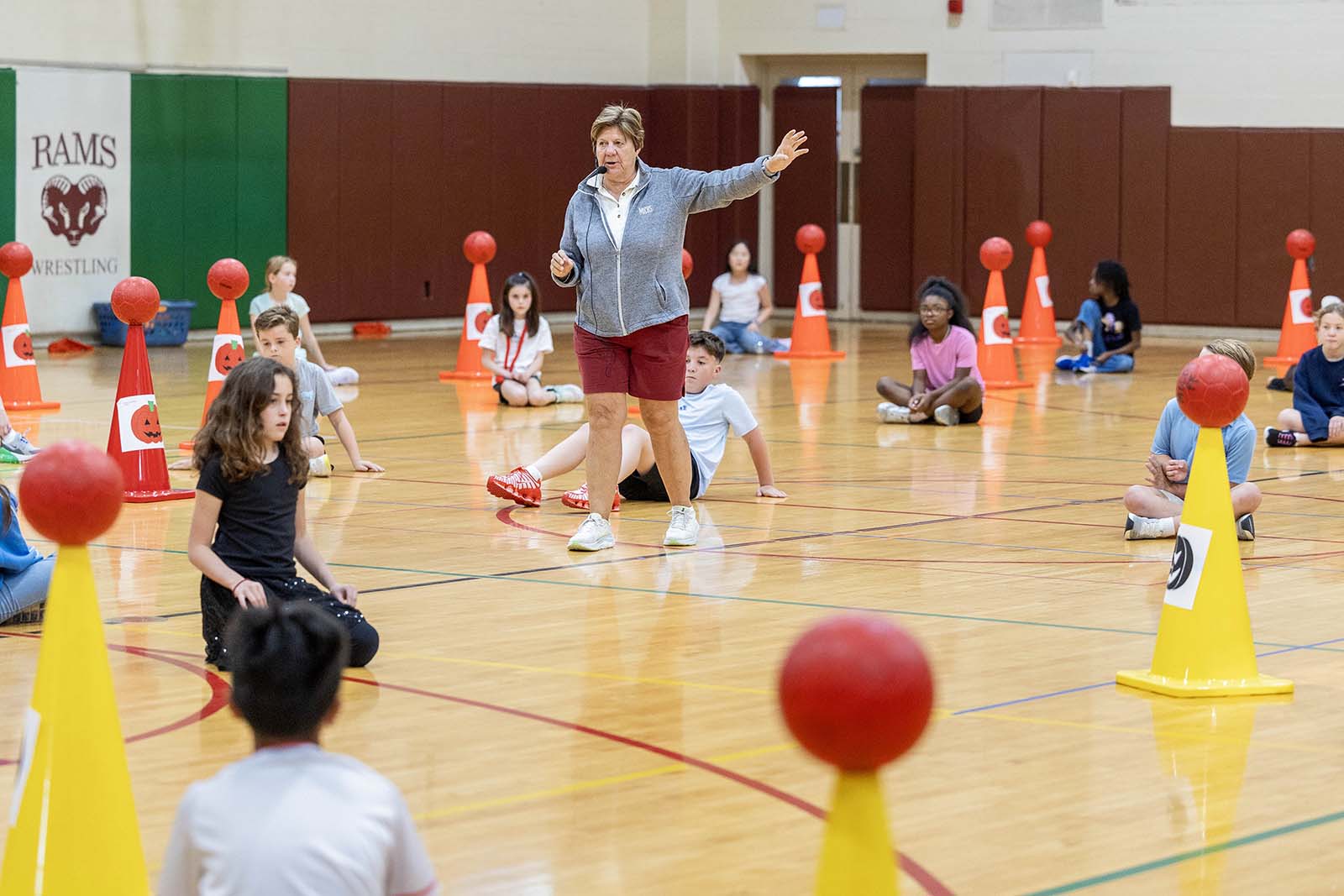
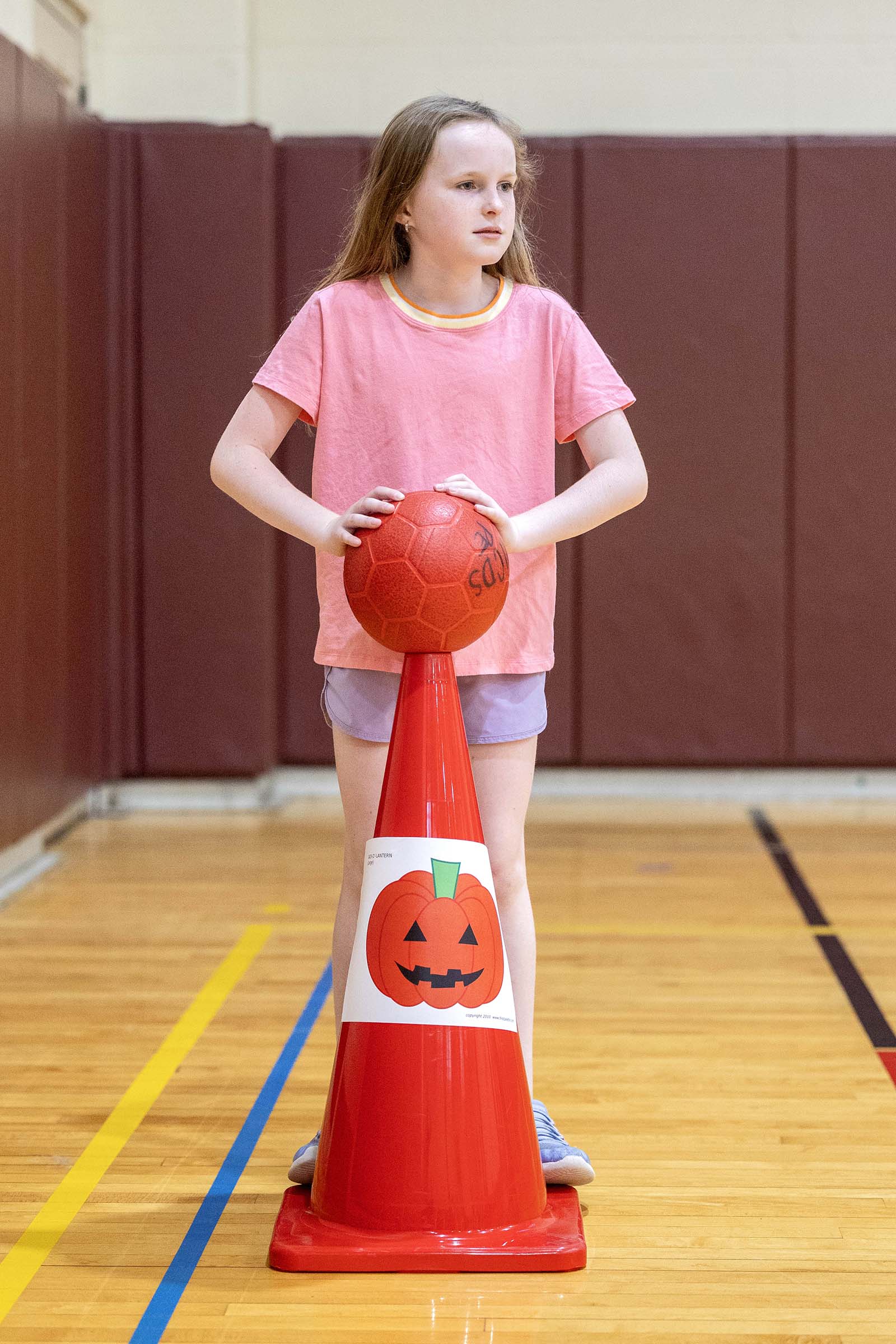
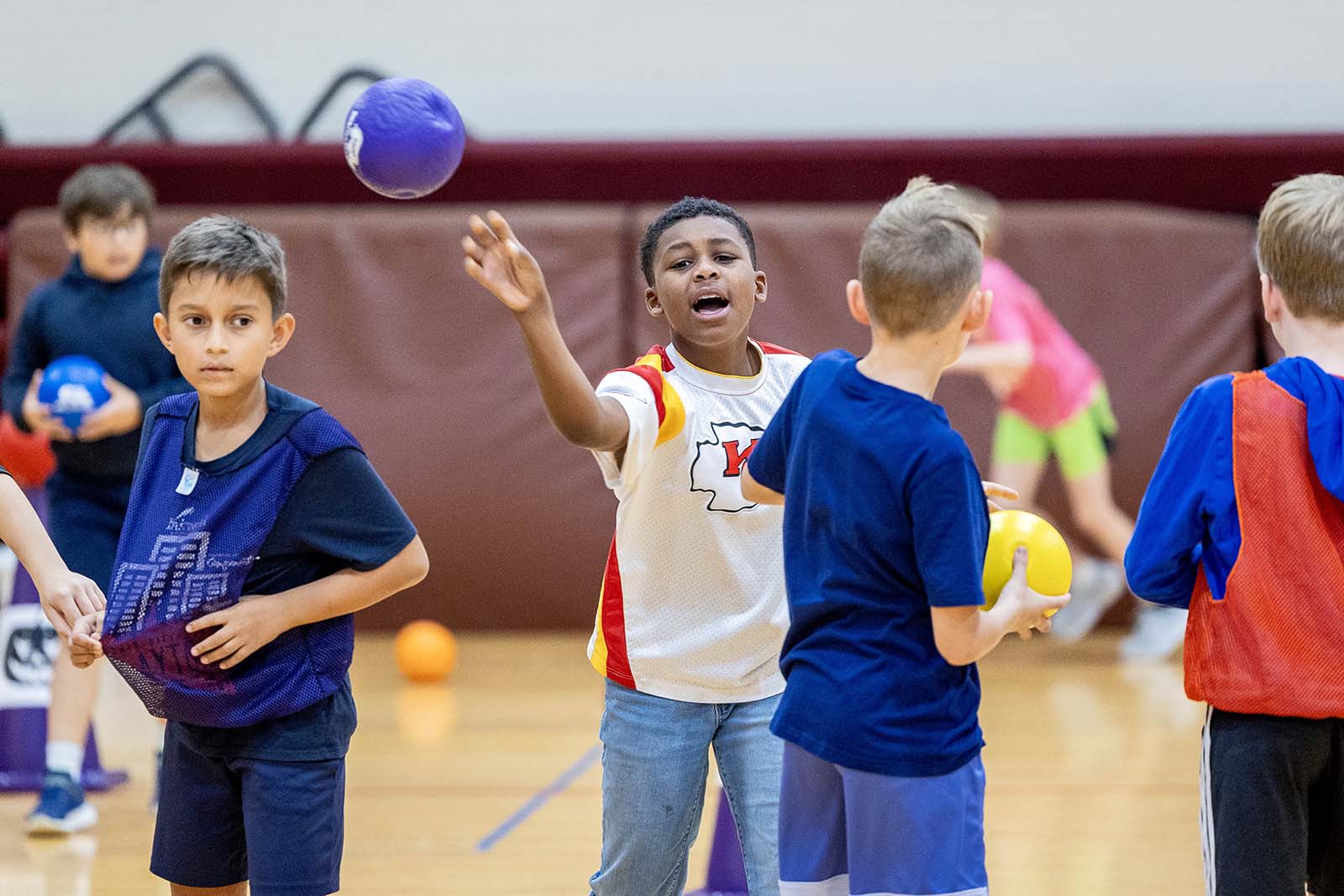
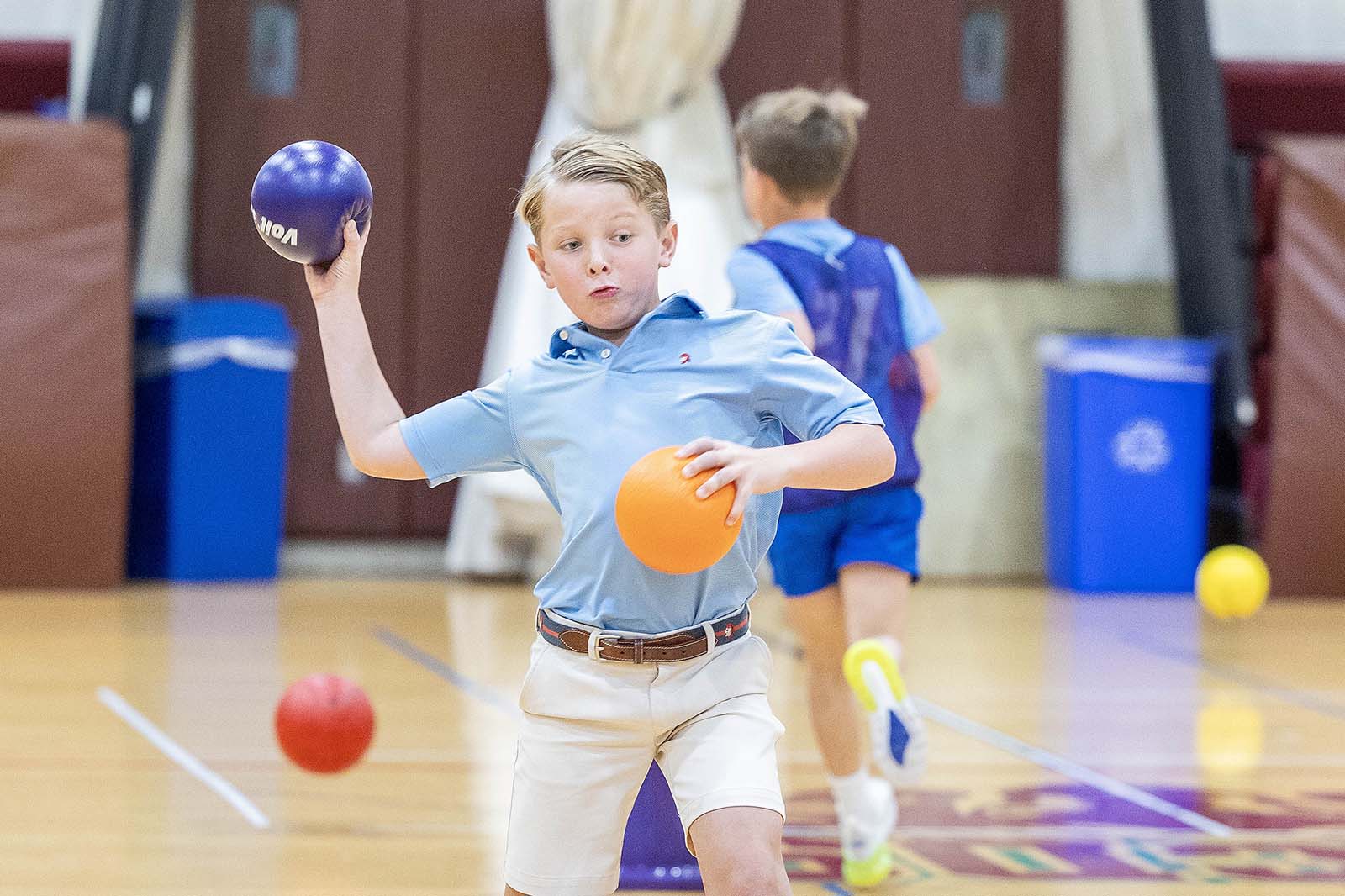
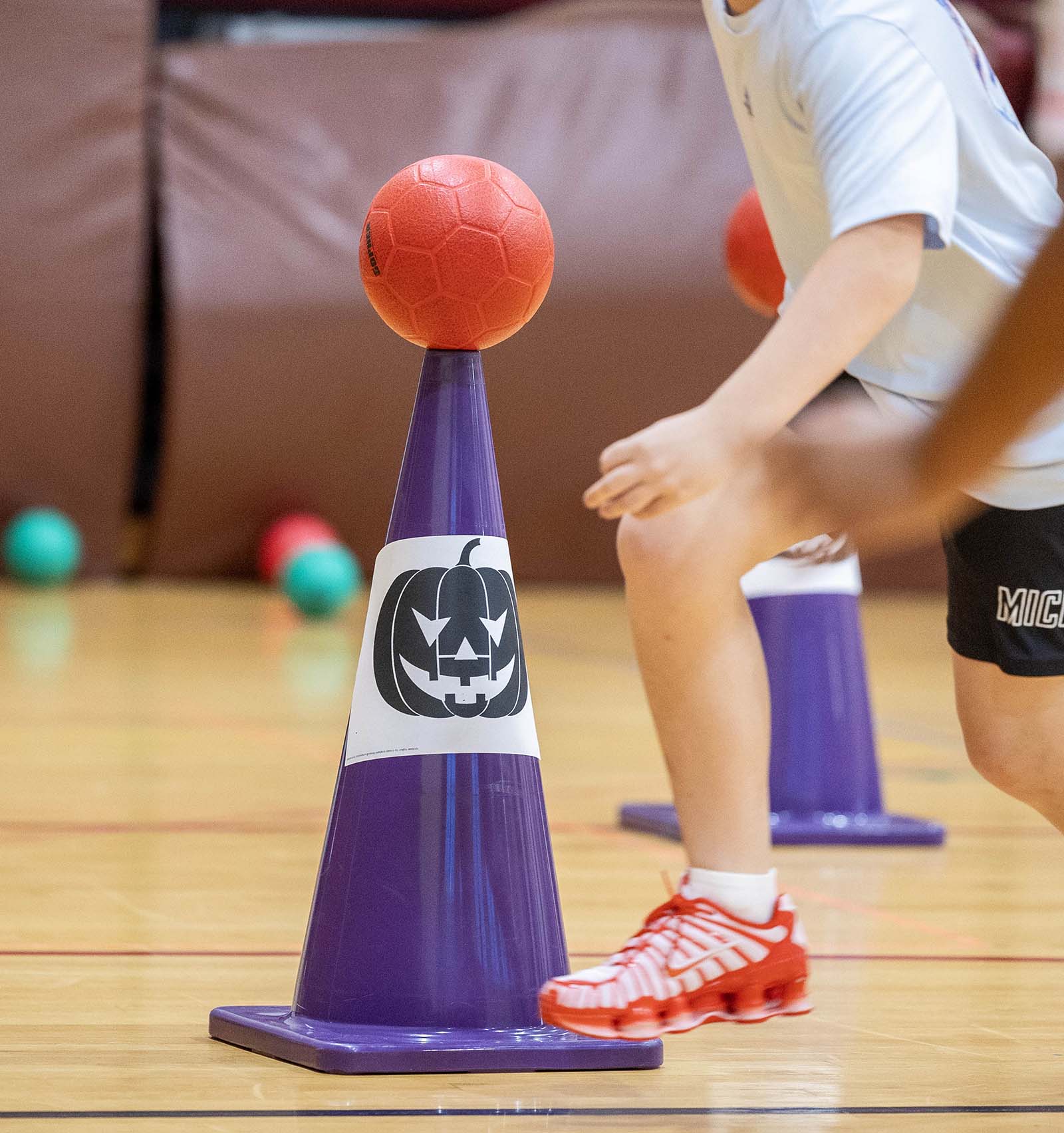
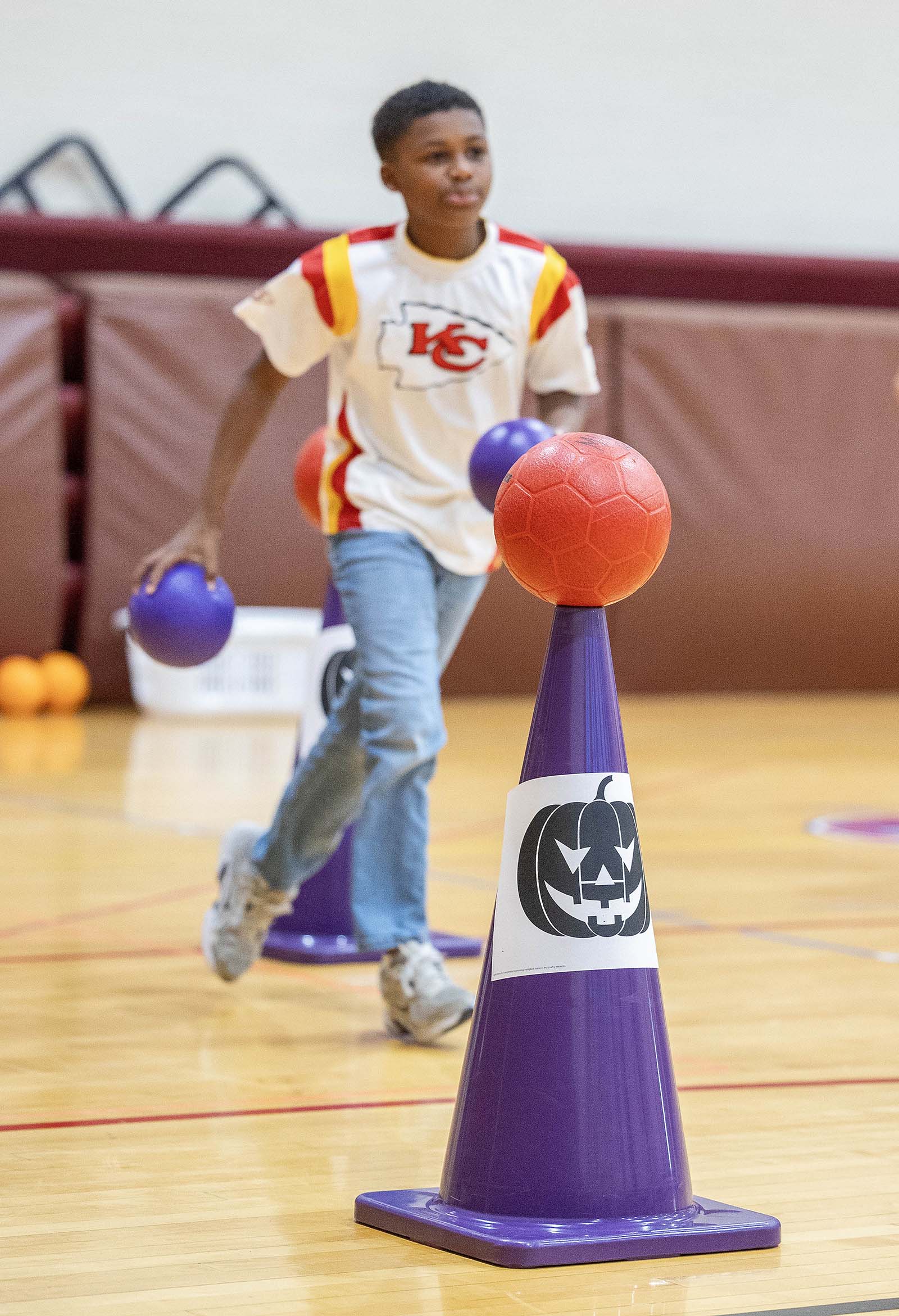
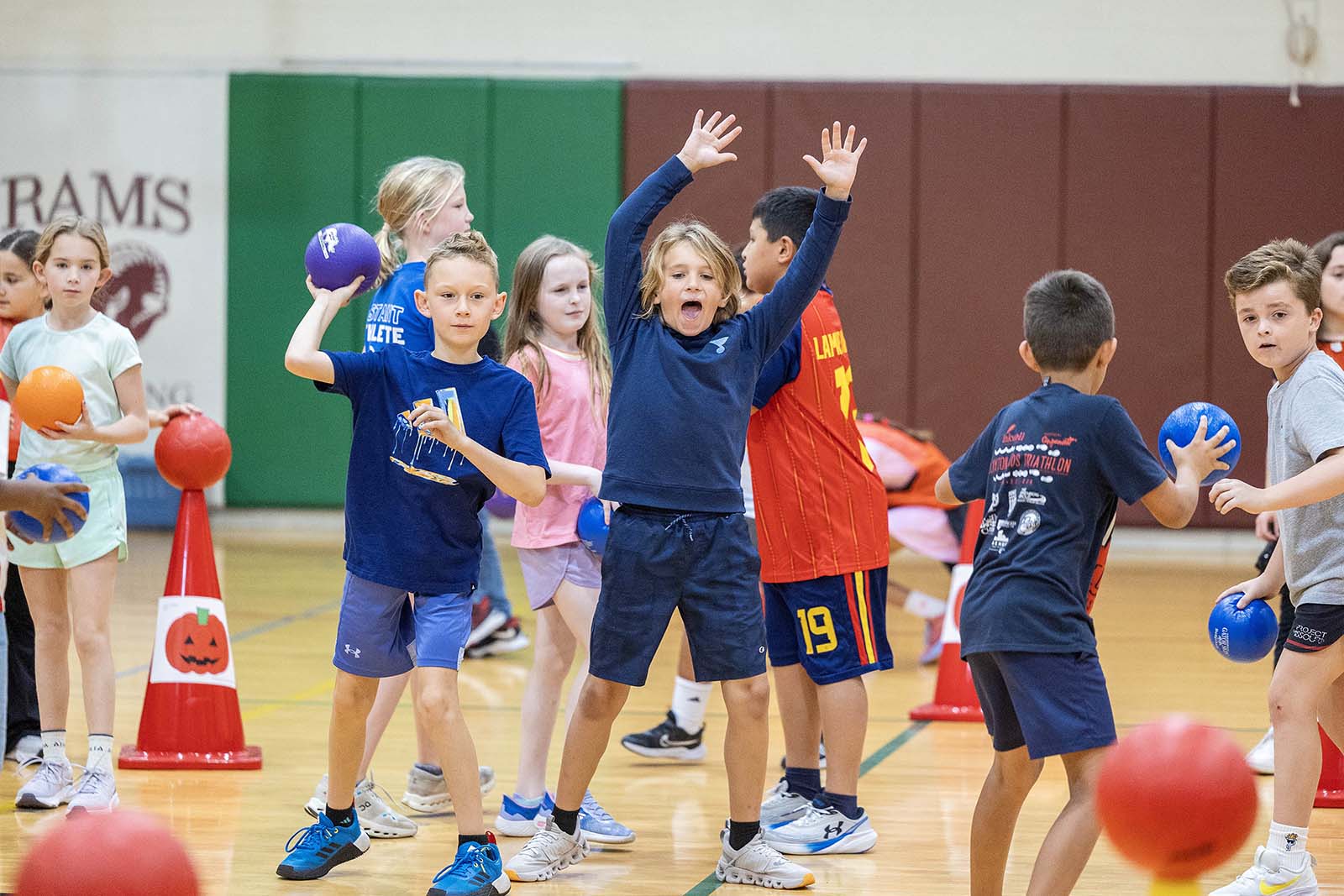
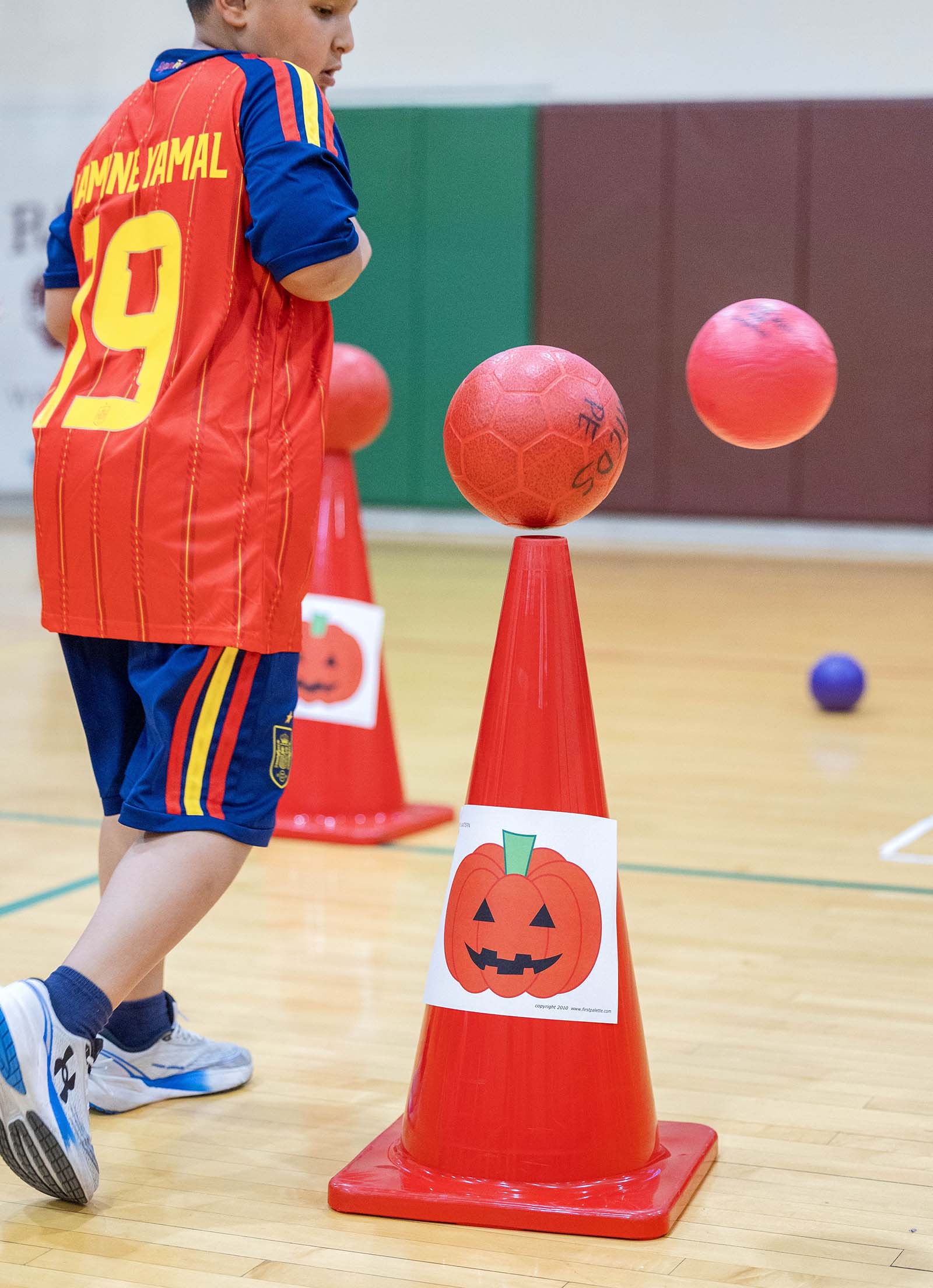
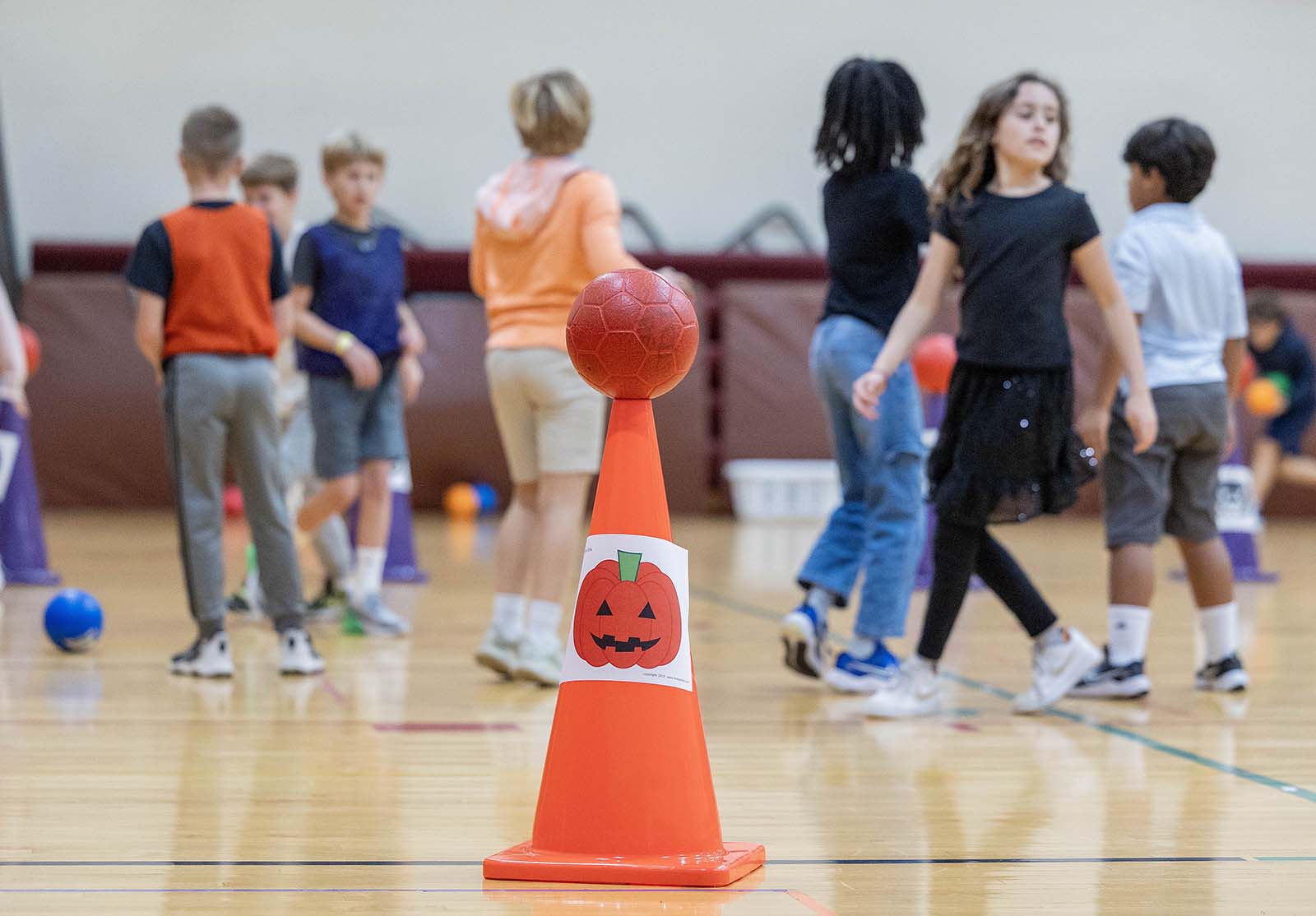
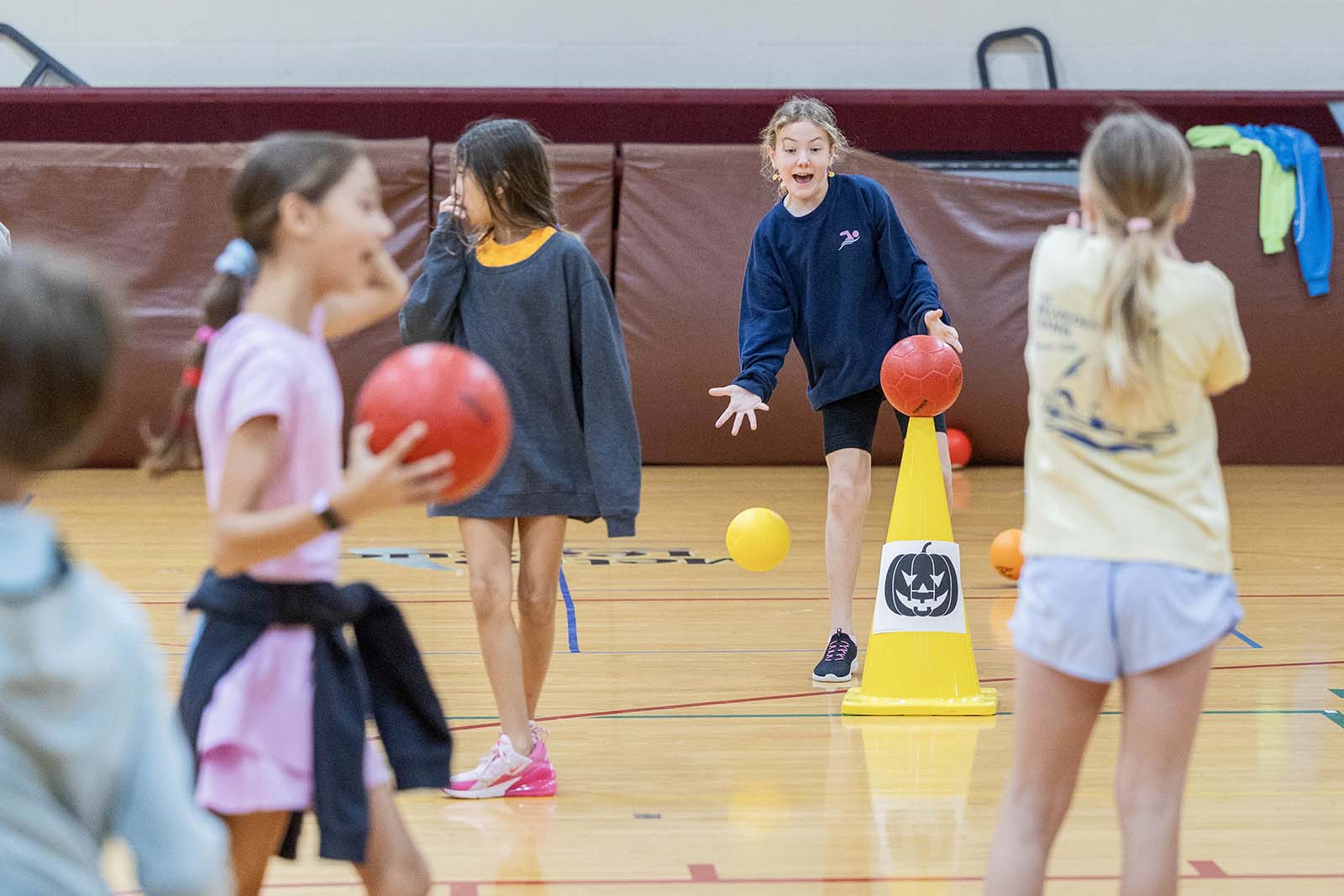
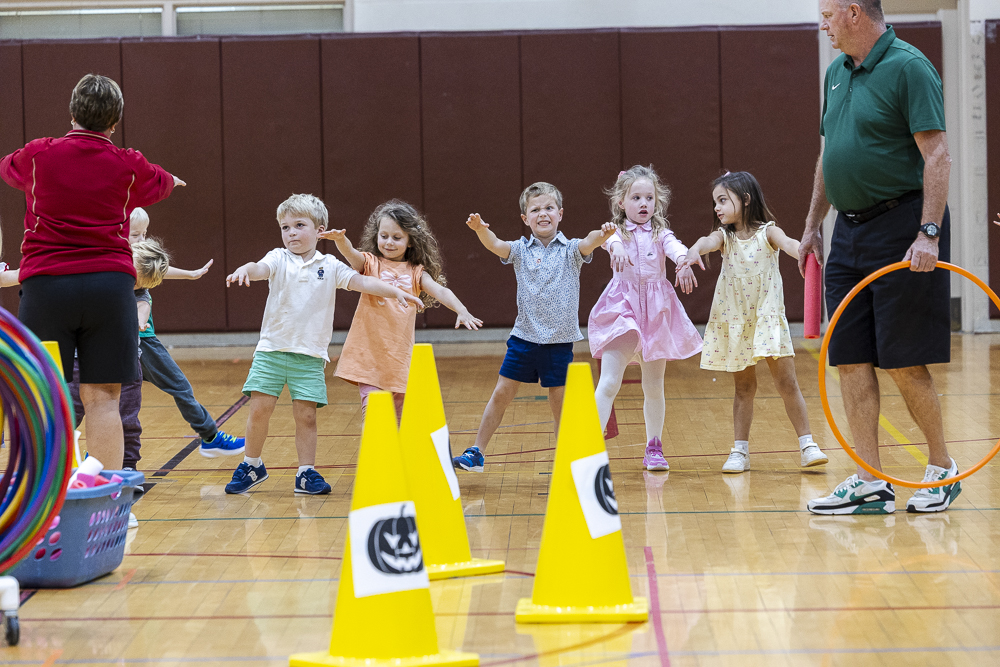
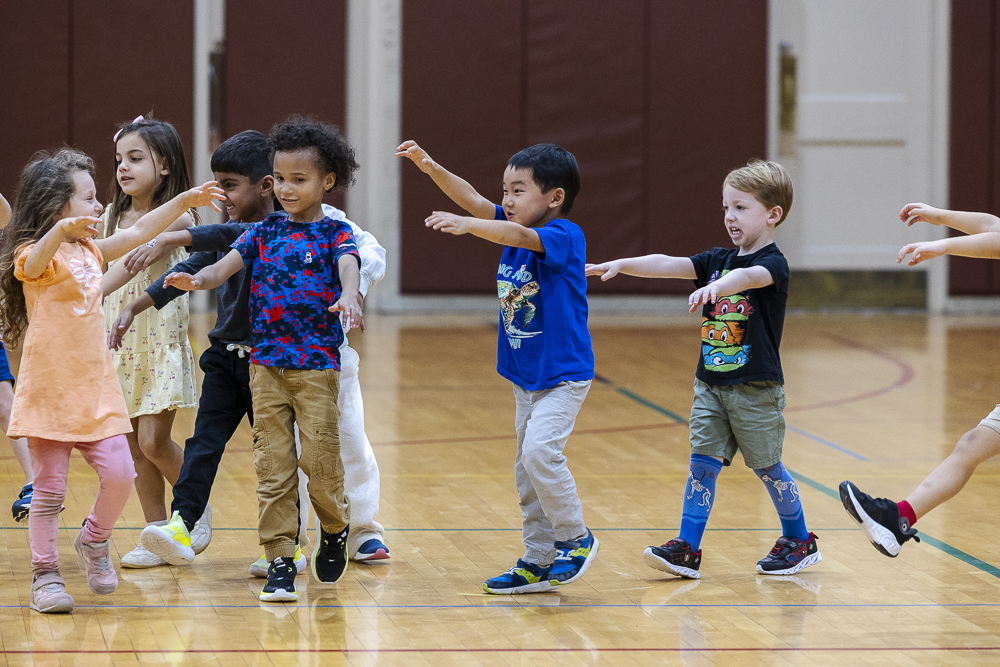
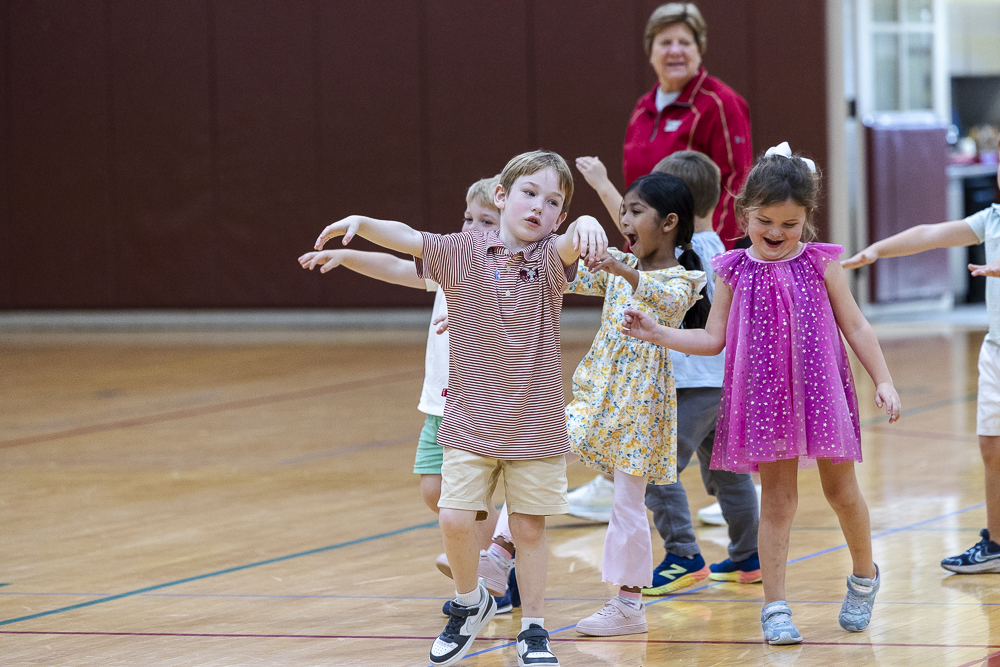
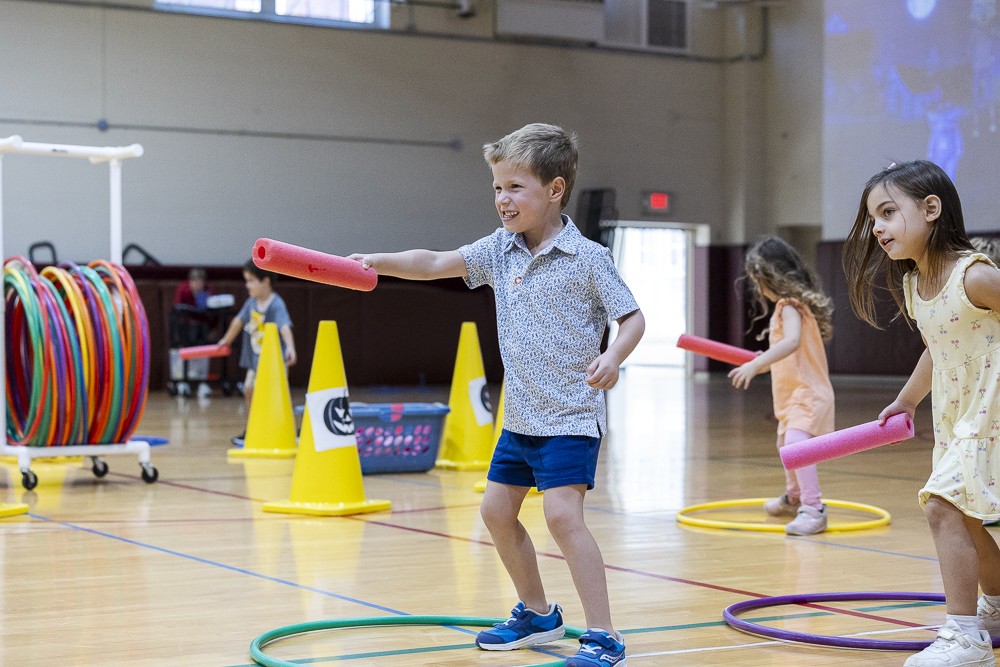
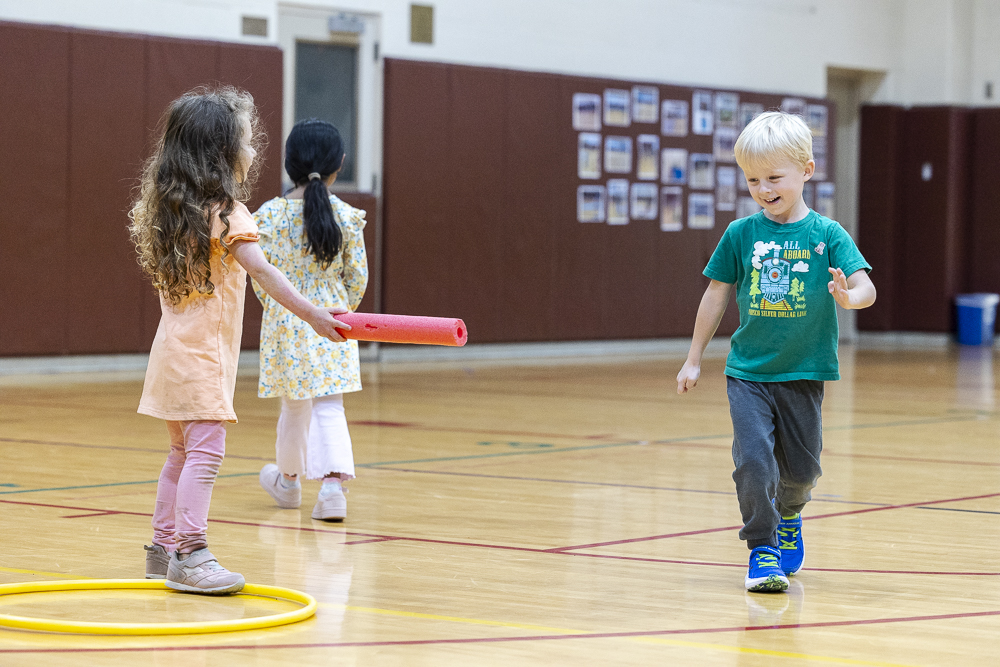
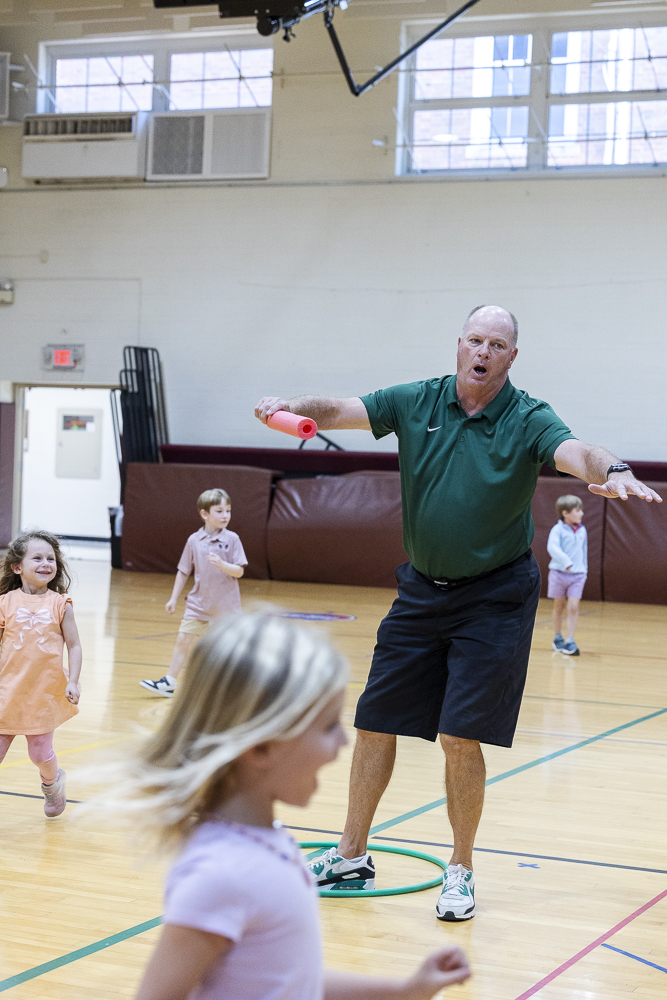
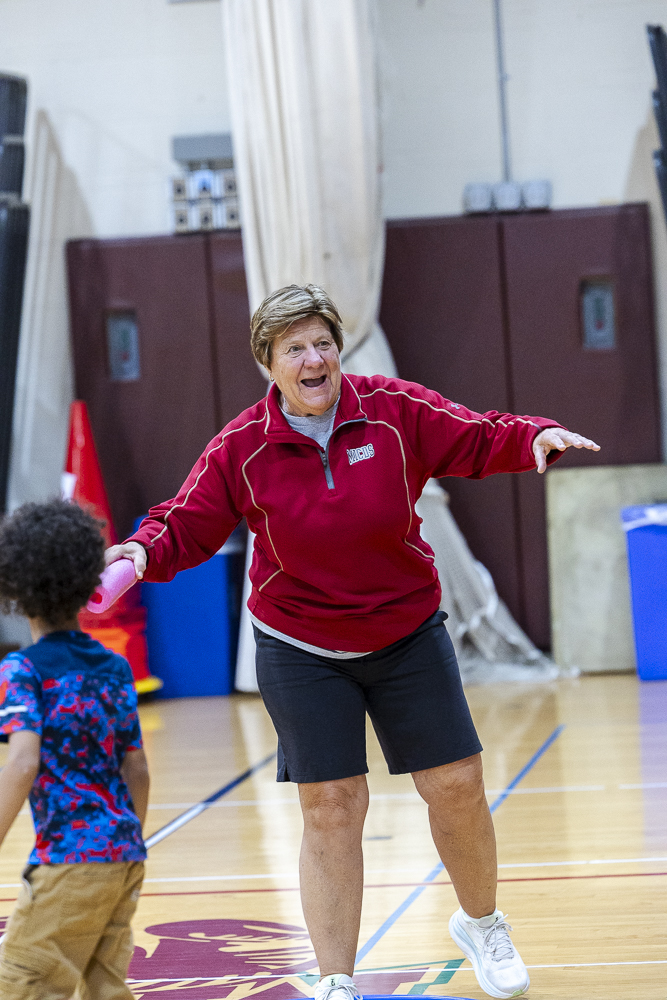
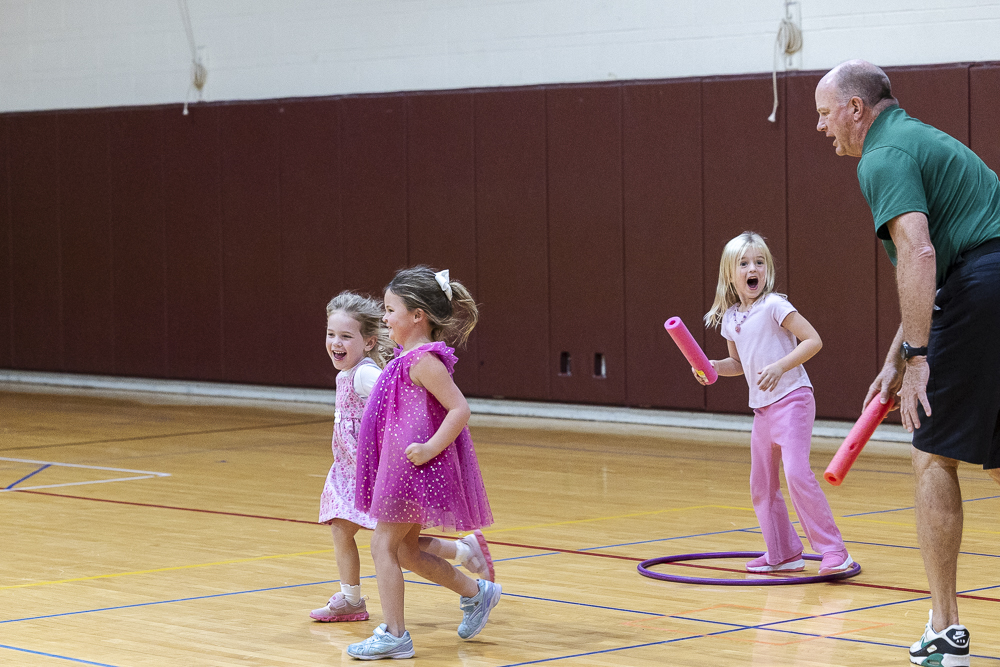
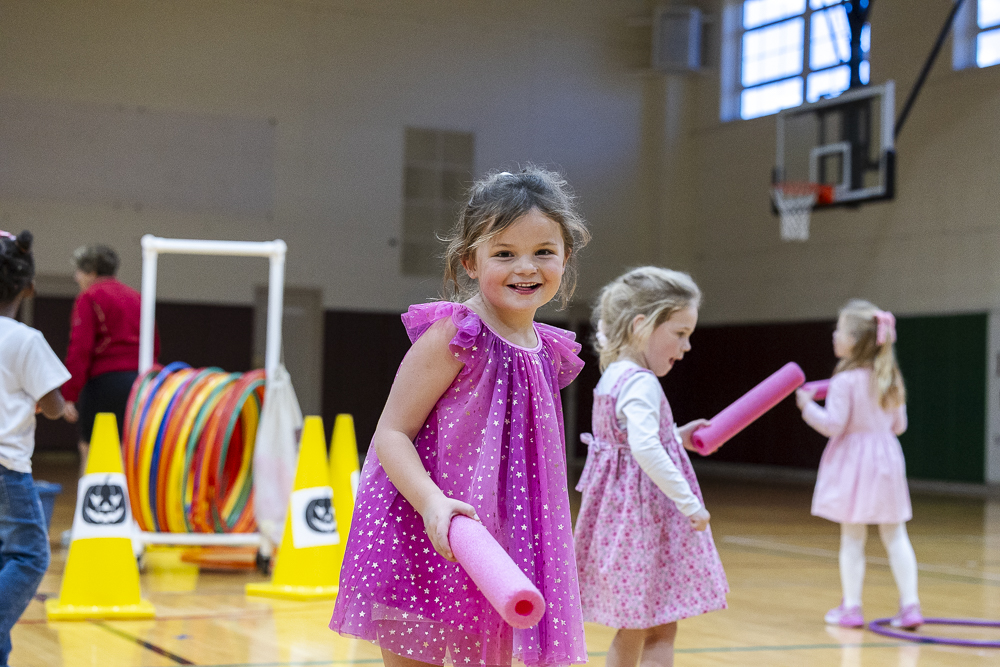
In PE, Lower School Teachers Sue Orlando and Jim Lohr dialed up the pumpkin patch vibes and presented a healthy, skill-building assortment of PE games and activities. From Pumpkin Patch Throwdown to Monster Ball, students worked on balance, agility, hand-eye coordination, and more, whether they were giggling as a zombie with a hula hoop or knocking a pumpkin off its perch.
Art
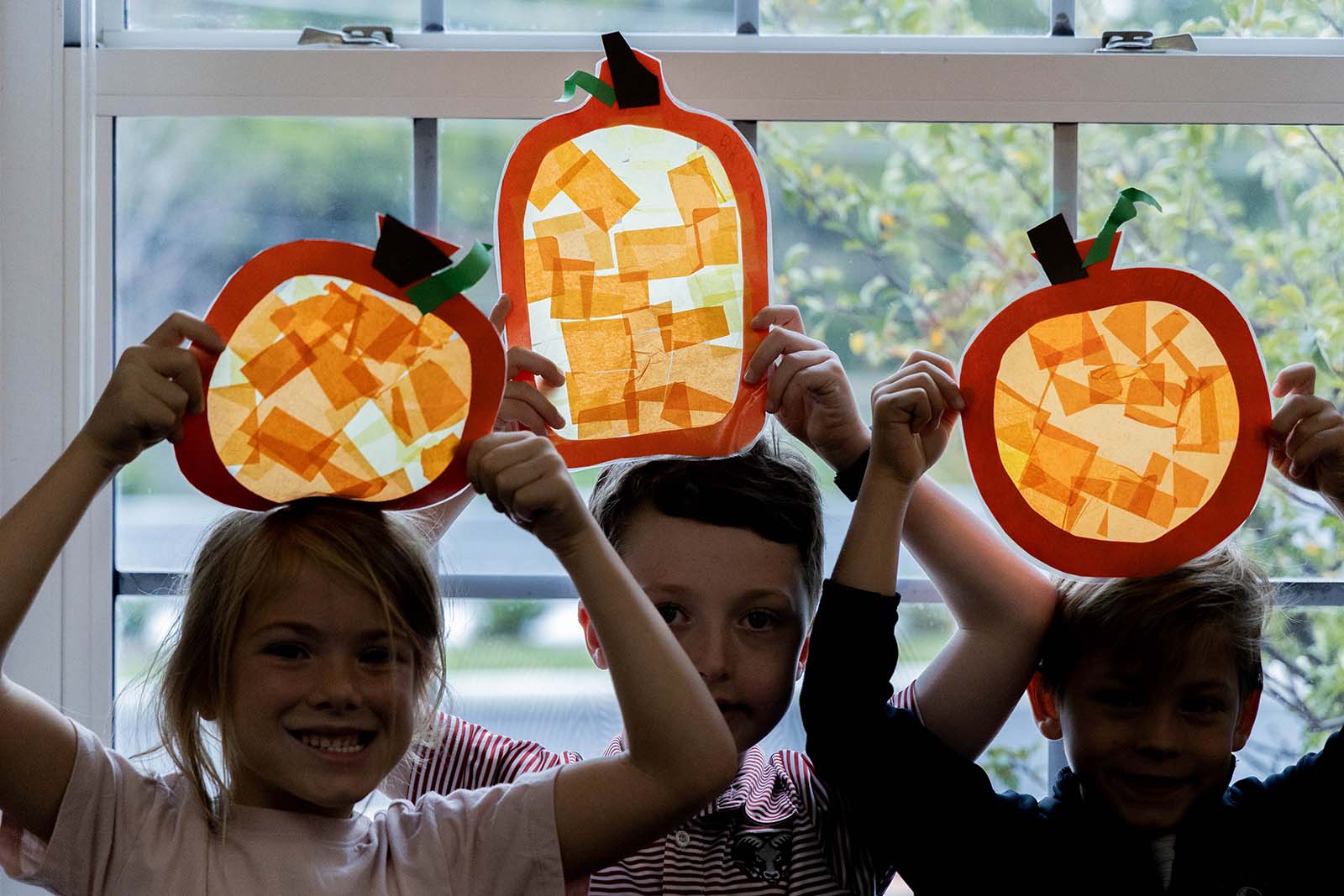
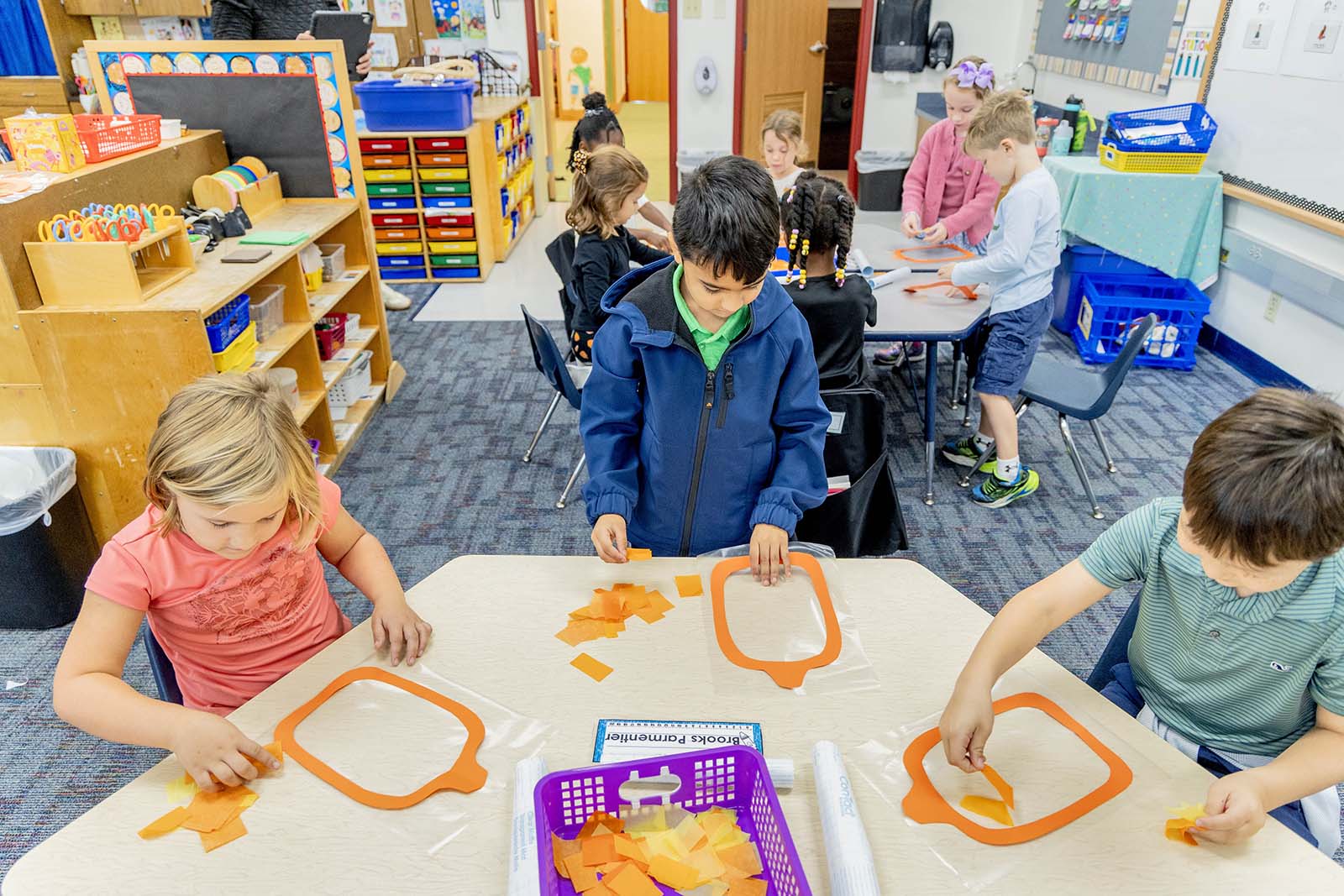
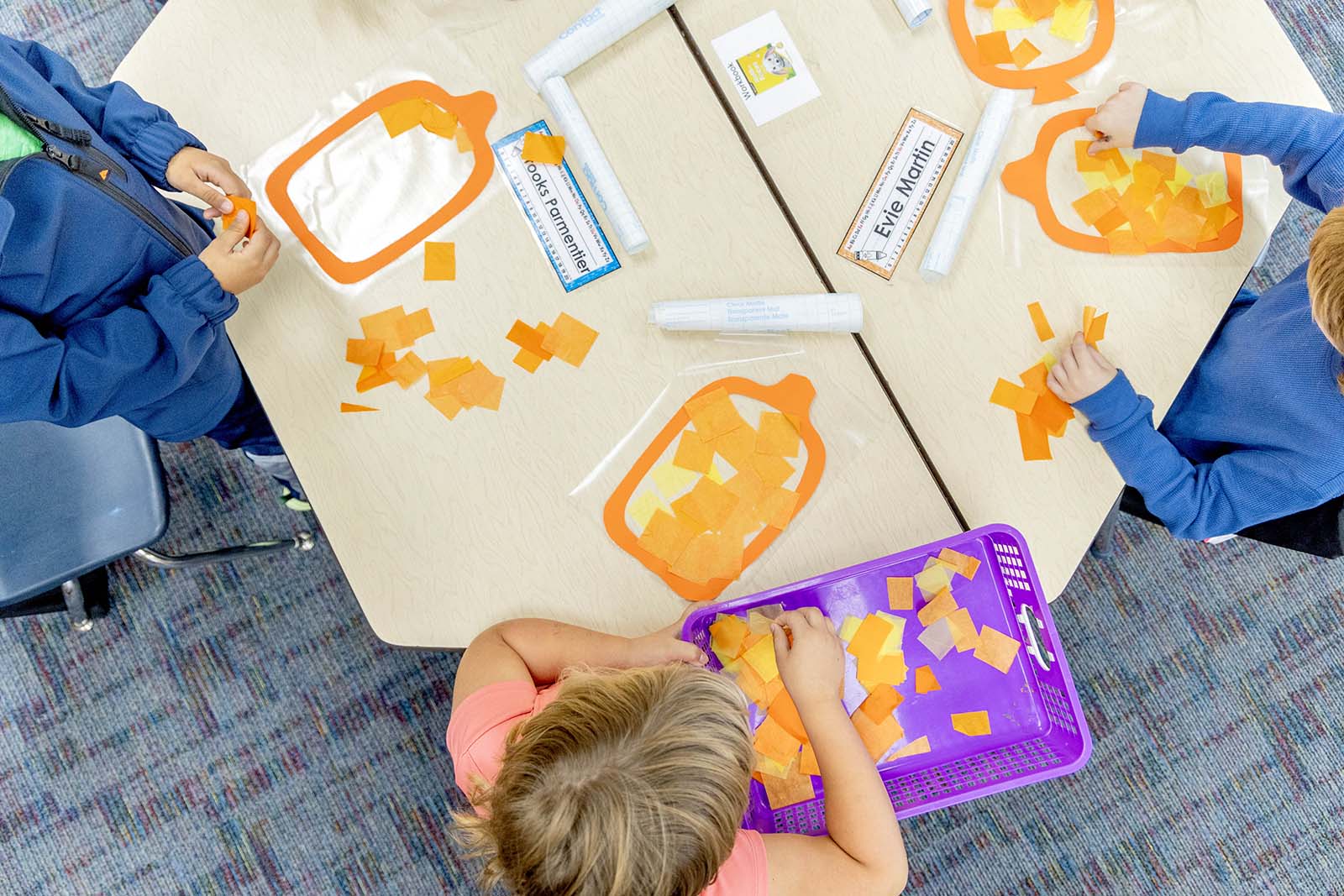
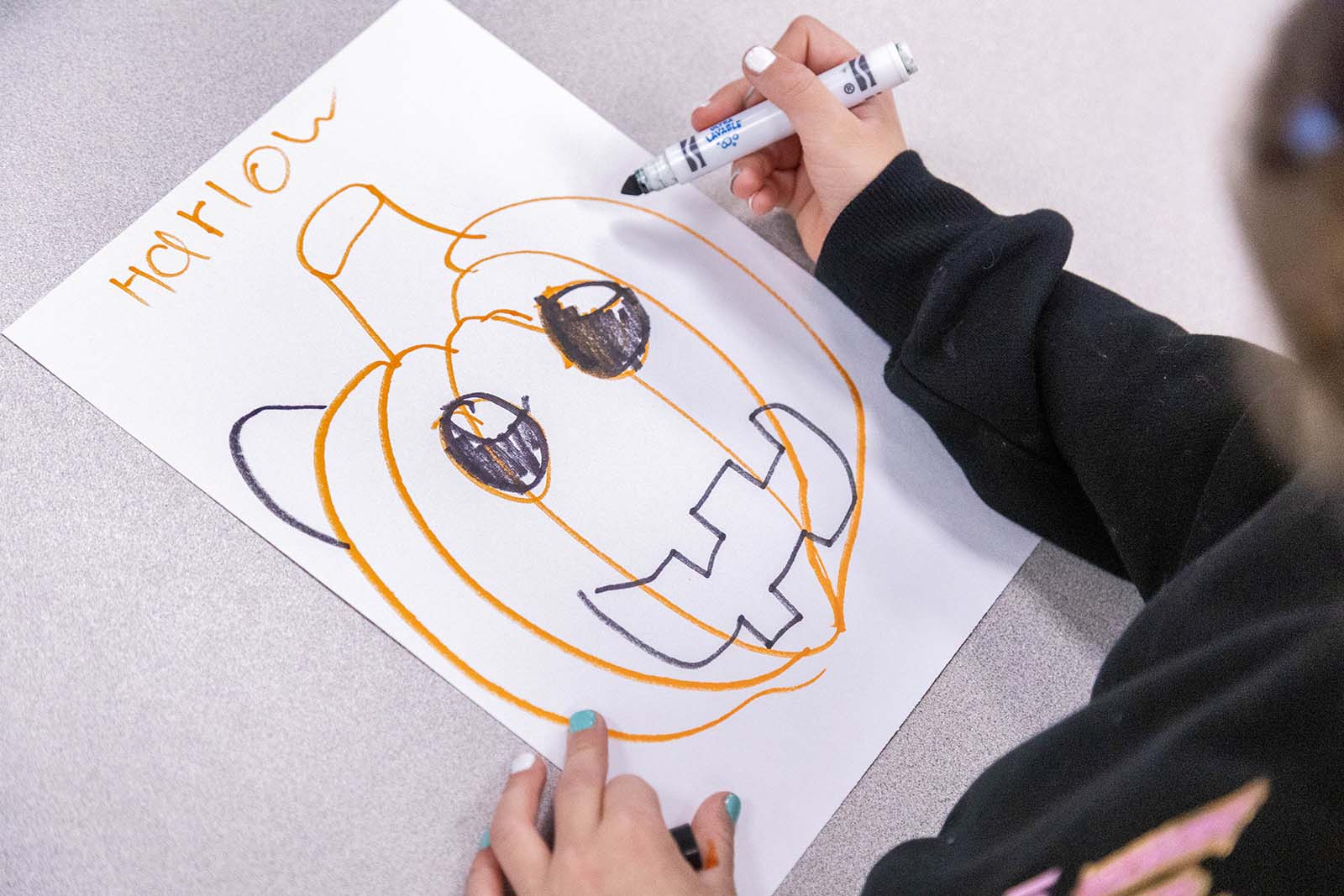
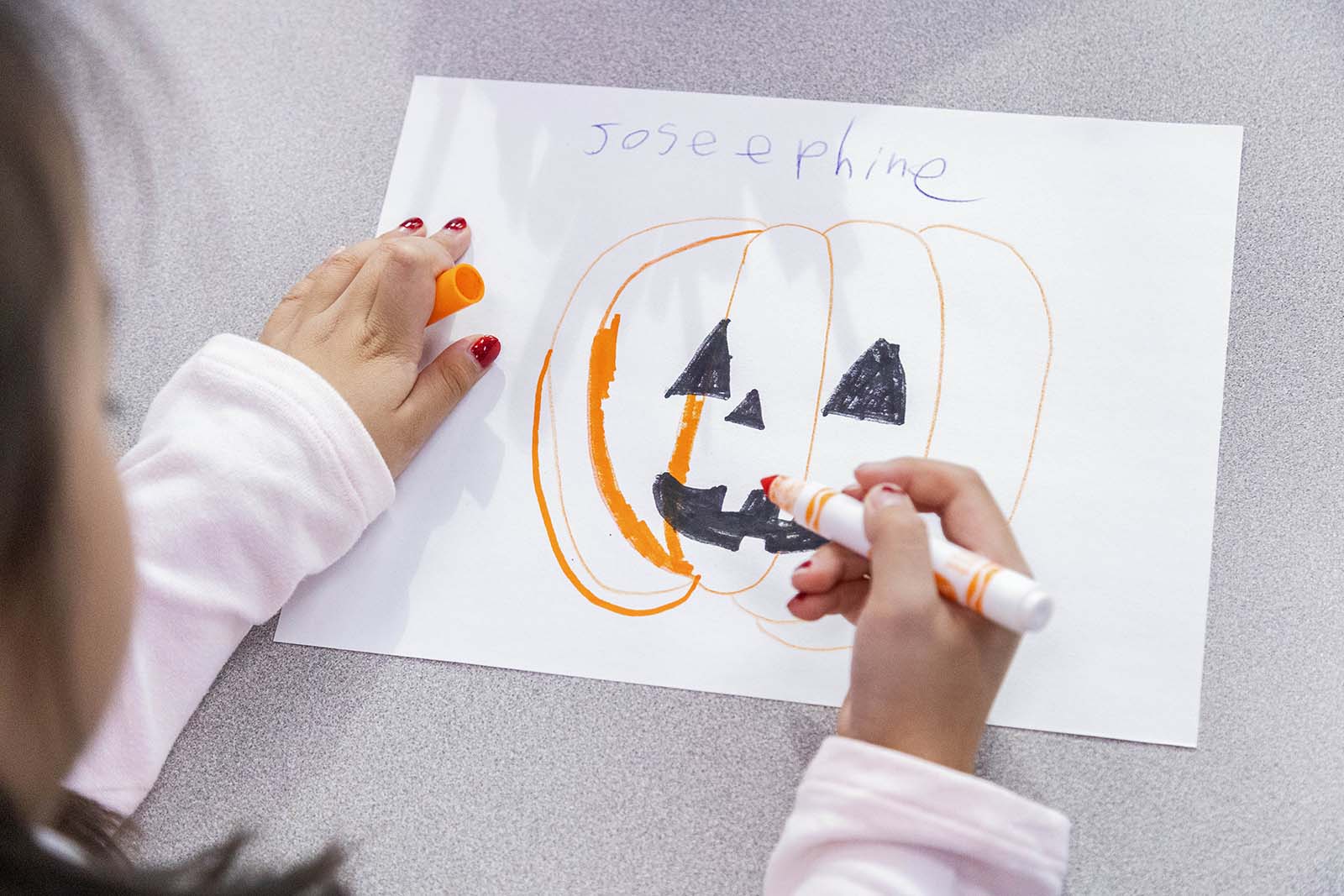
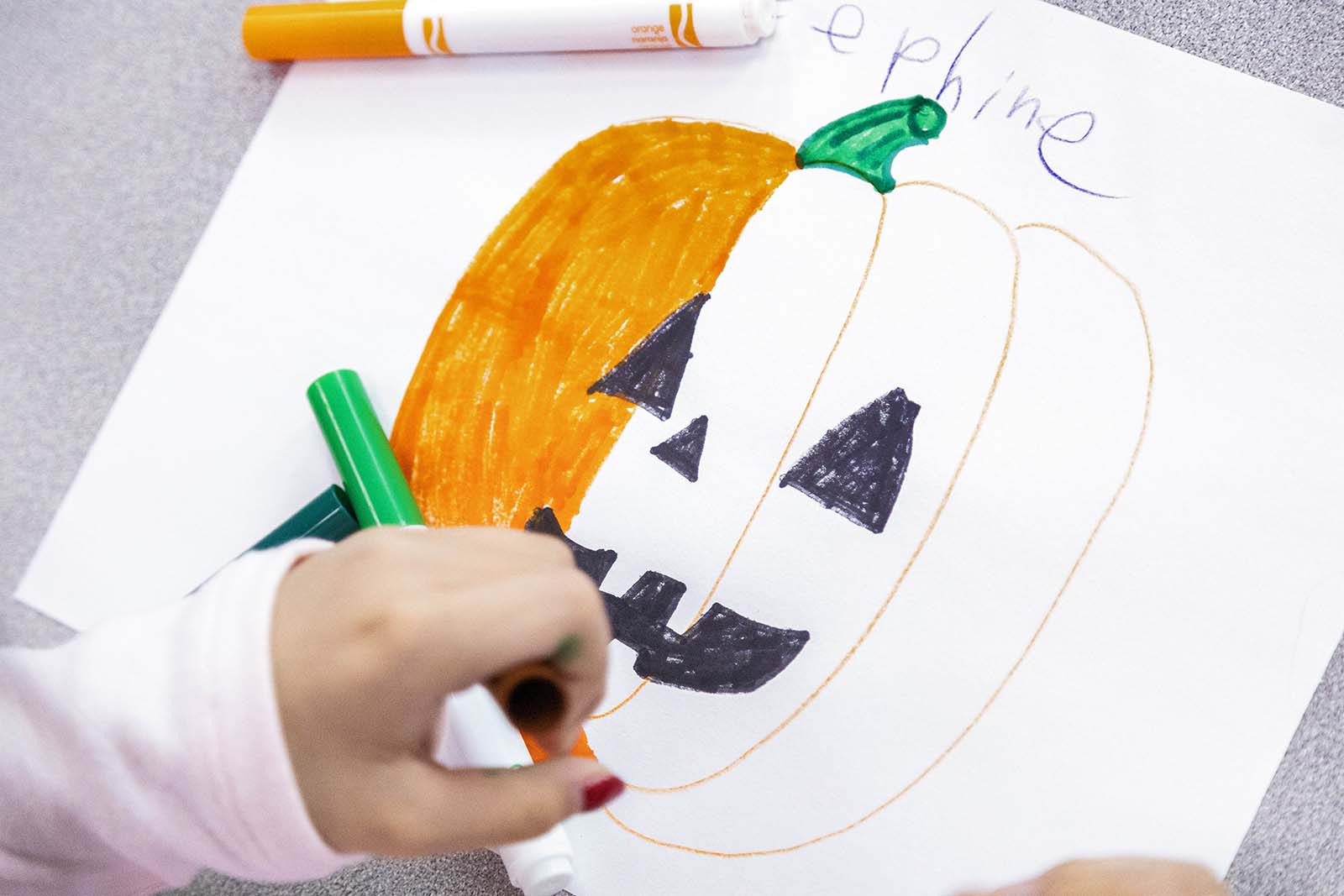
In art, students participated in lively artistic interpretations of the big orange fruit. Our littlest learners painted elements of a pumpkin patch and made Model Magic pumpkins inspired by Yayoi Kusama’s polka-dotted pumpkin art, and more.
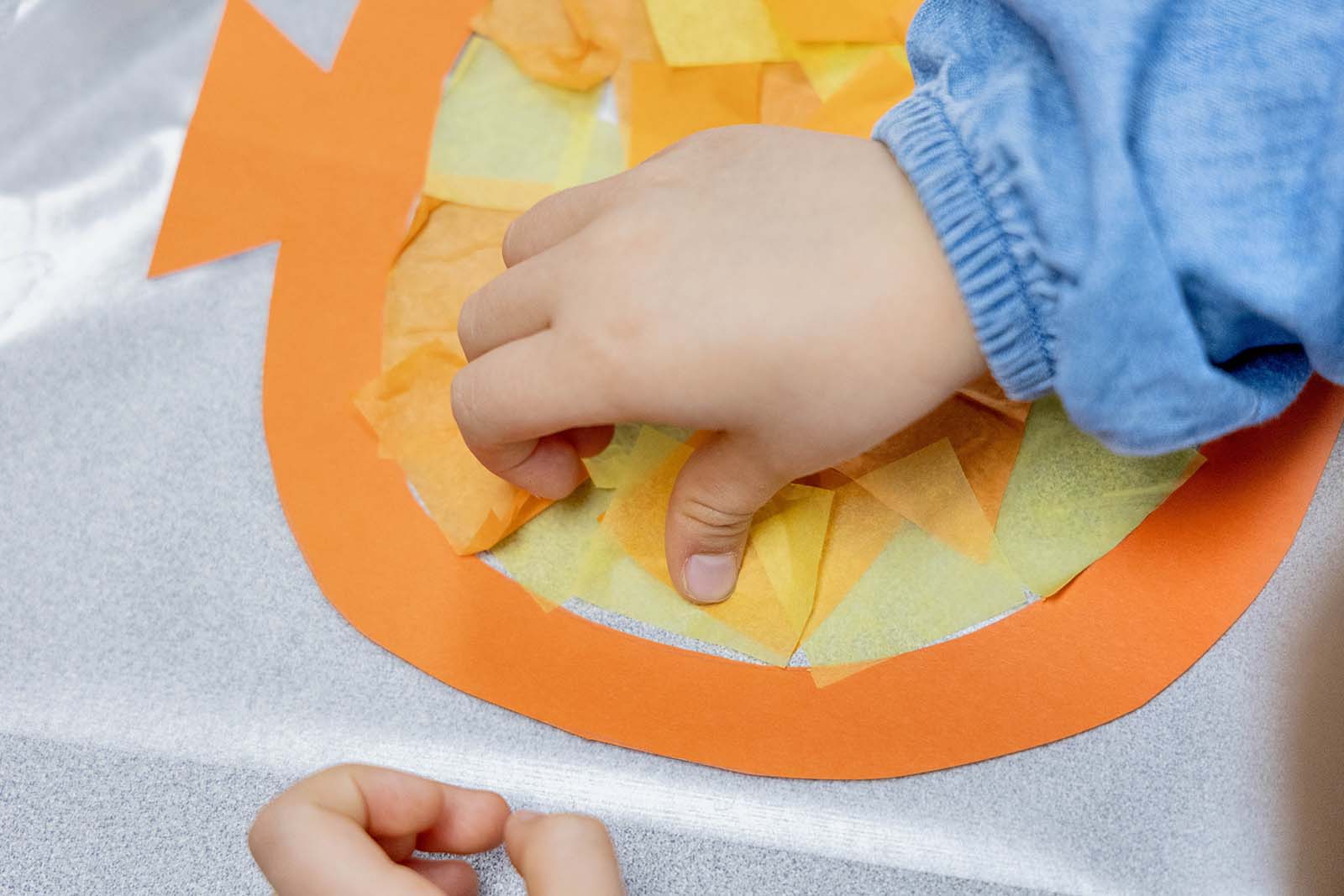
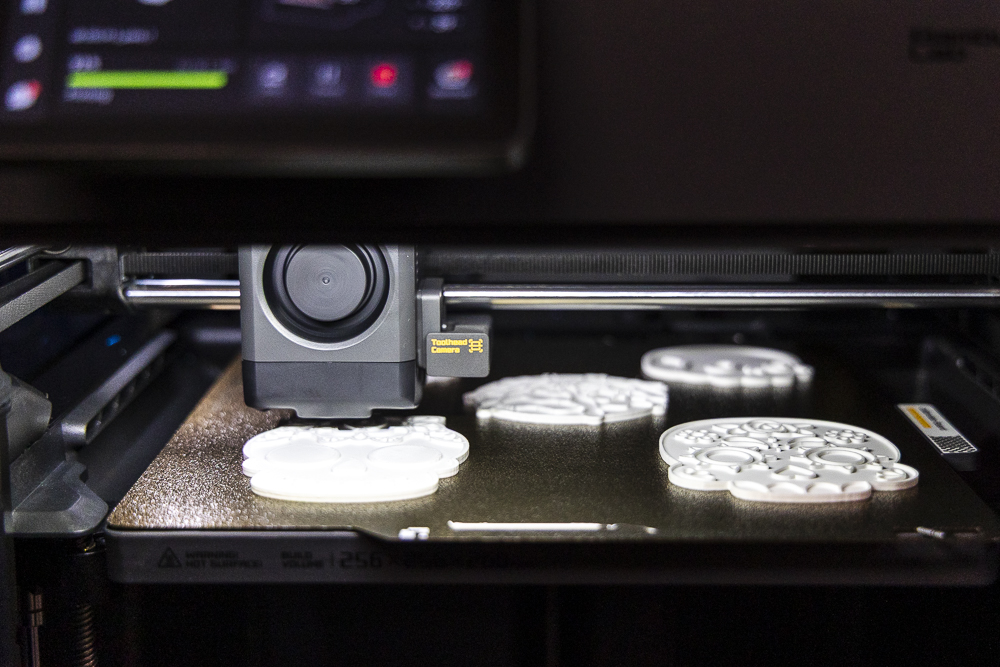
Older students combined creativity, technology, and problem-solving to design their own 3D pumpkins using Tinkercad. Students explored Tinkercad as a new artistic tool, learning to draw, design, and bring their ideas to life in three dimensions. They then took their designs a step further by learning to use resin to fill the open spaces, adding another layer of creativity and dimension to their finished pumpkins.
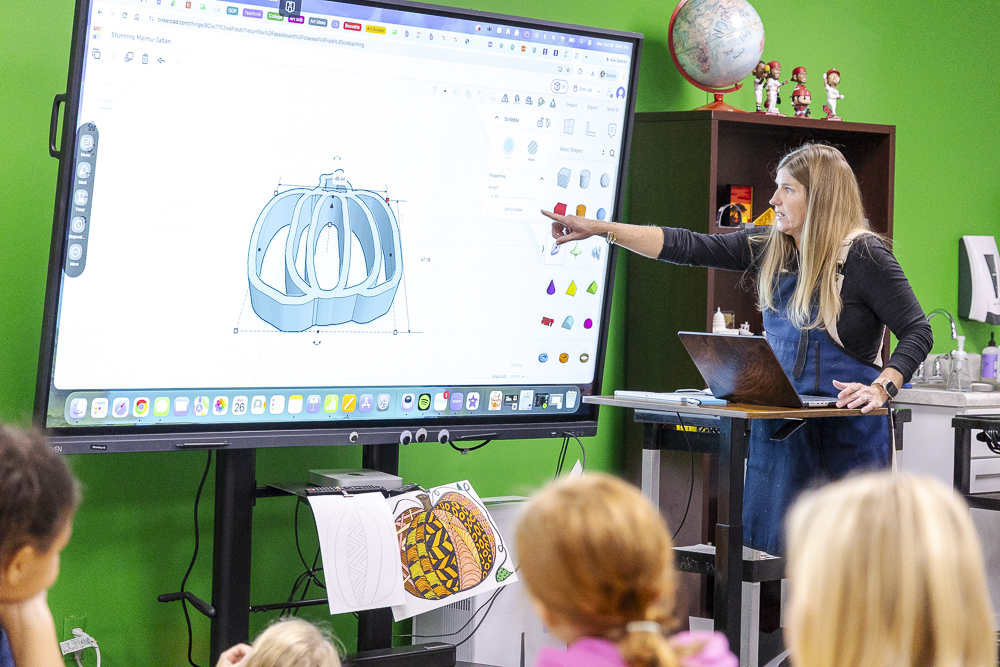
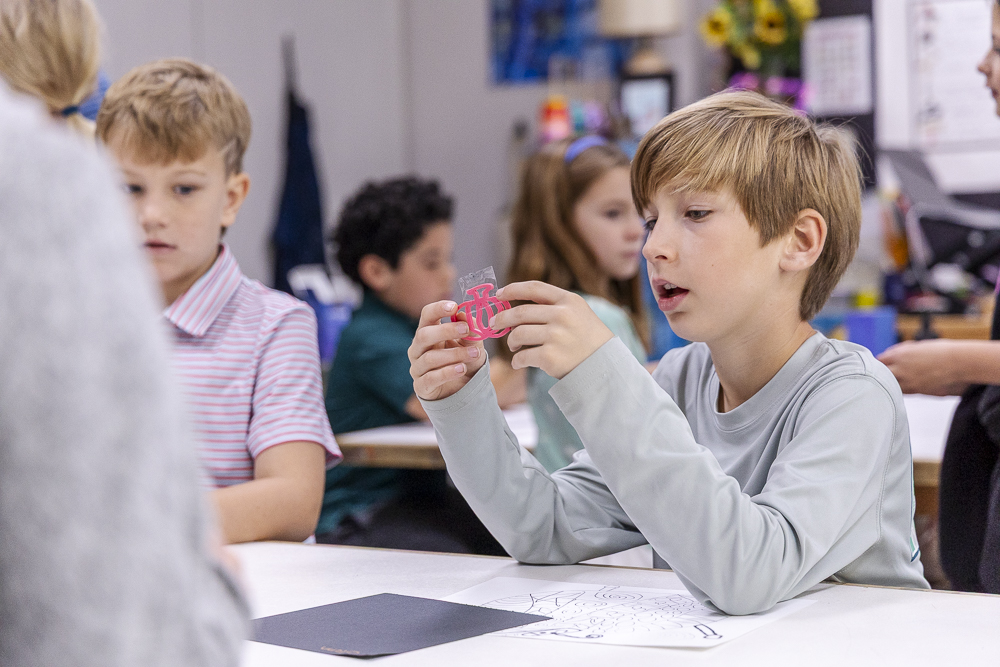
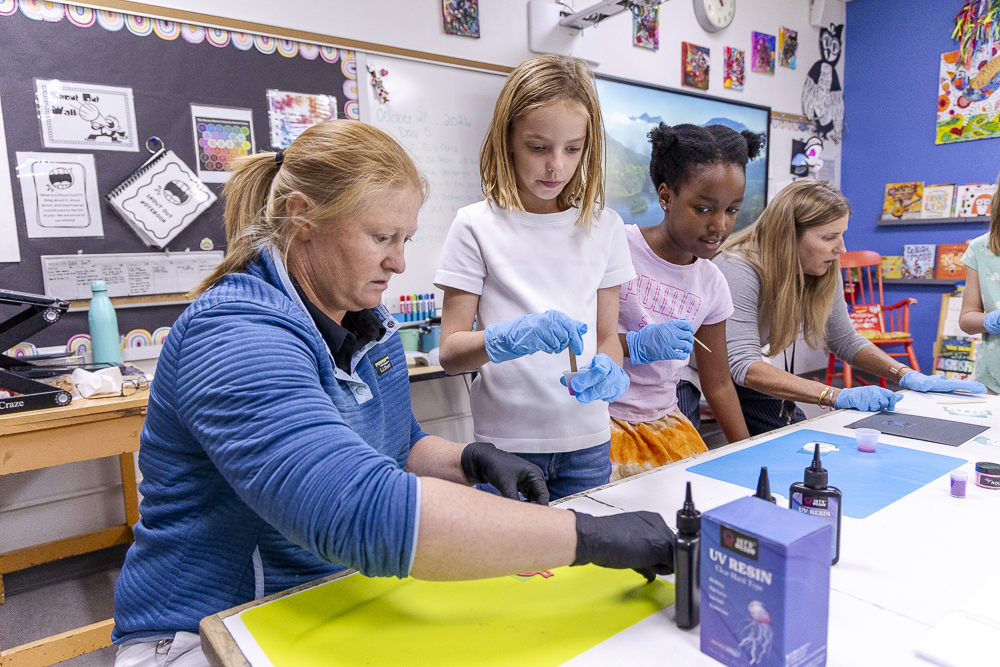
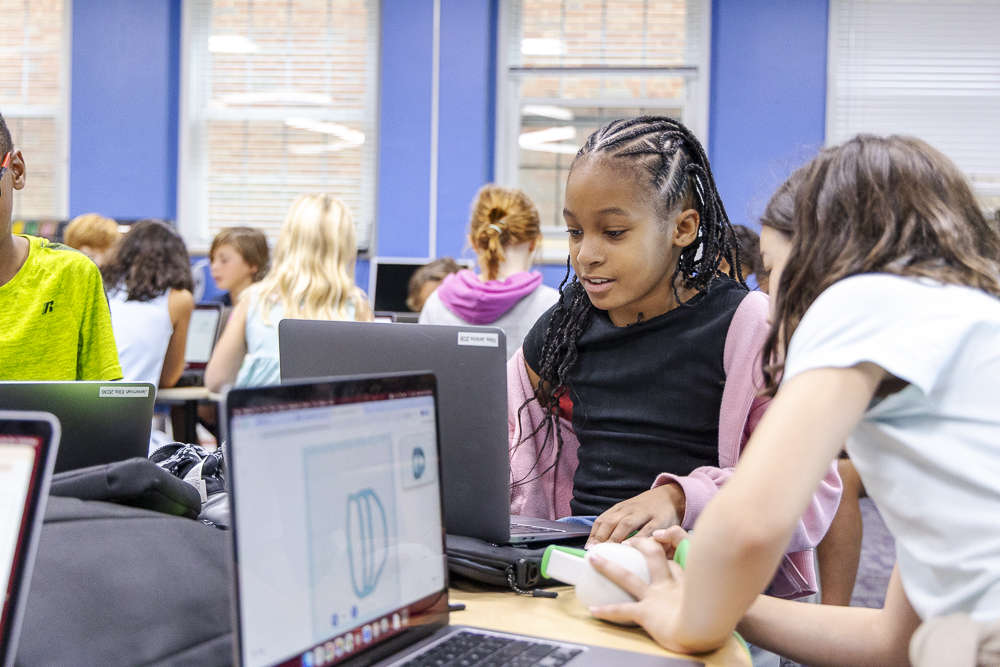
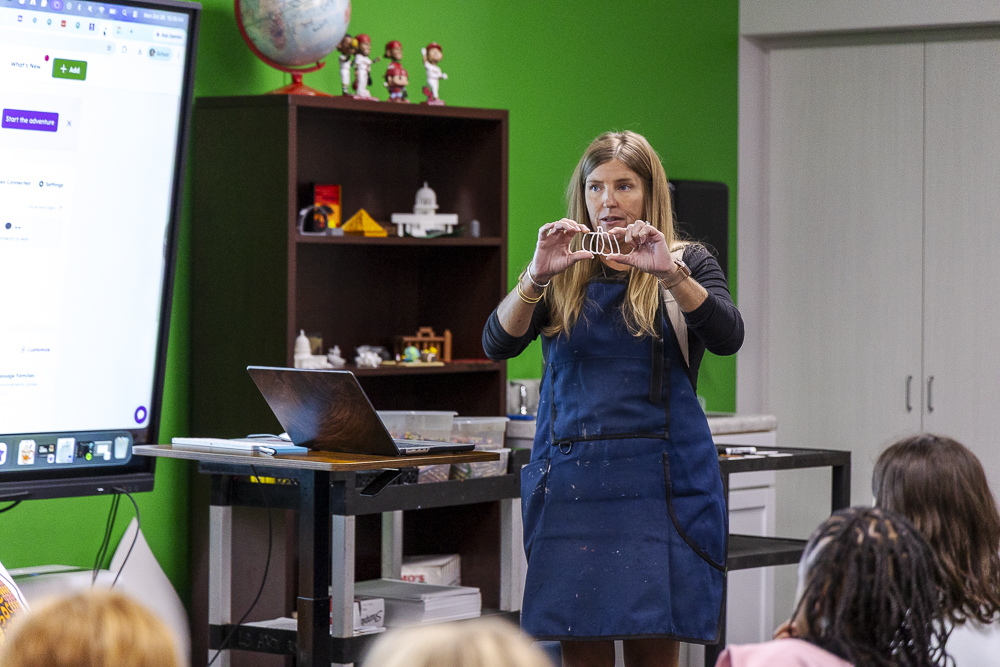
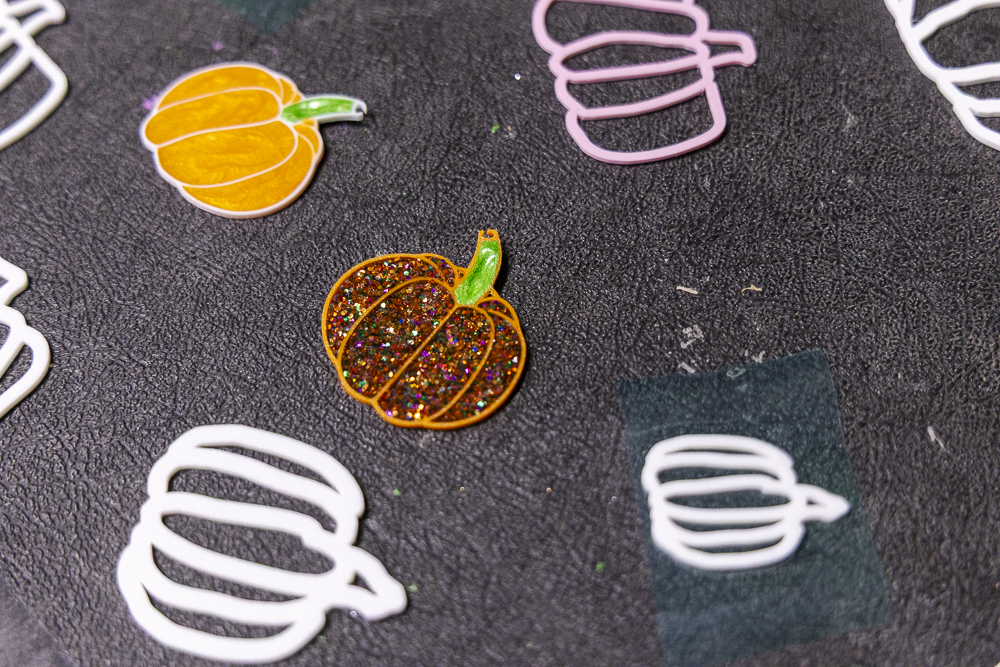
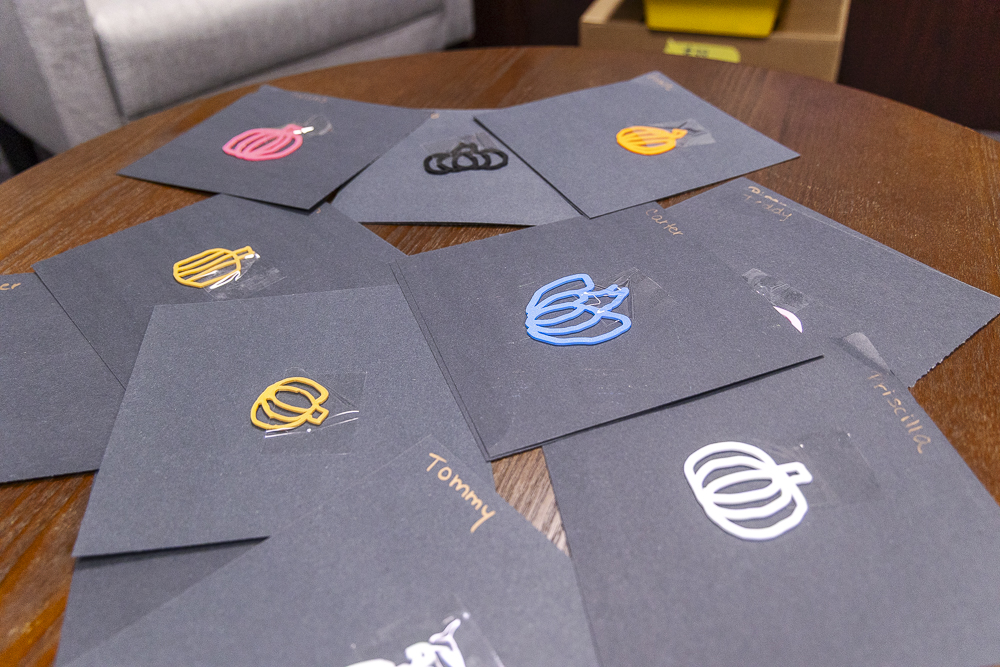
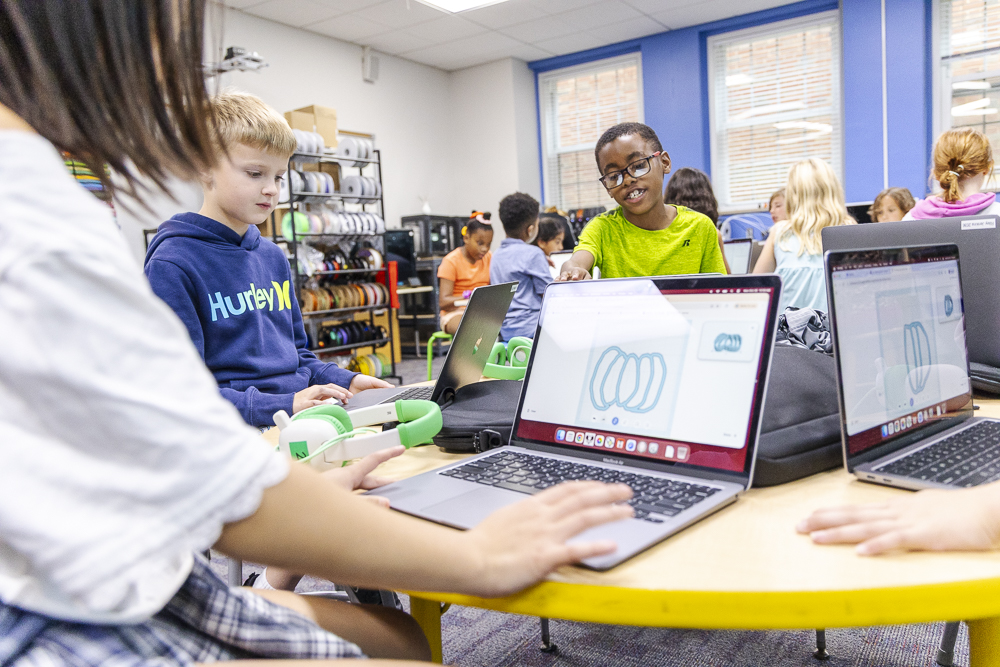
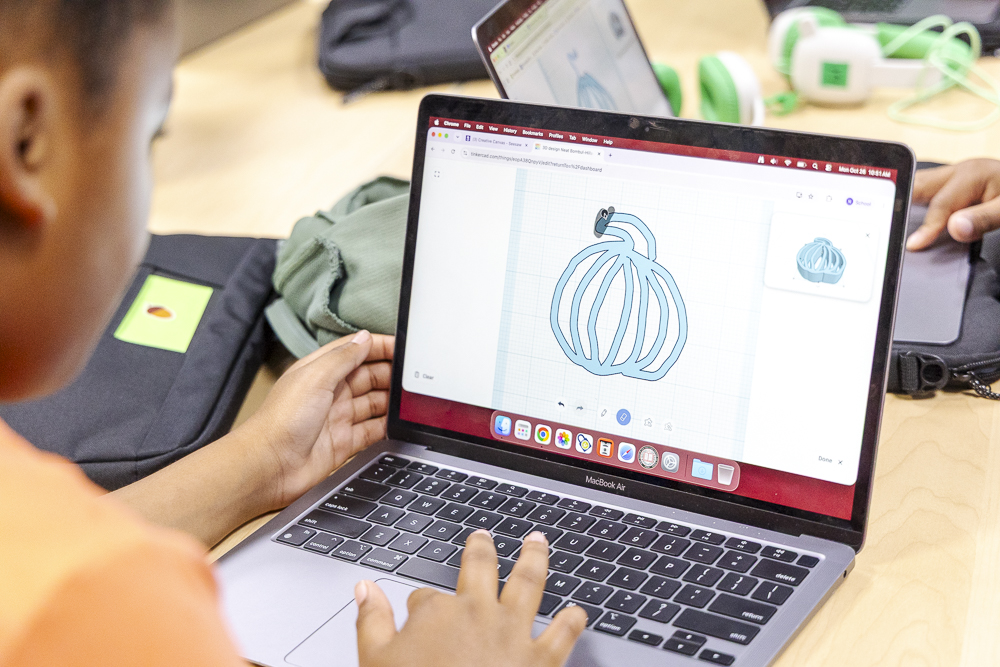
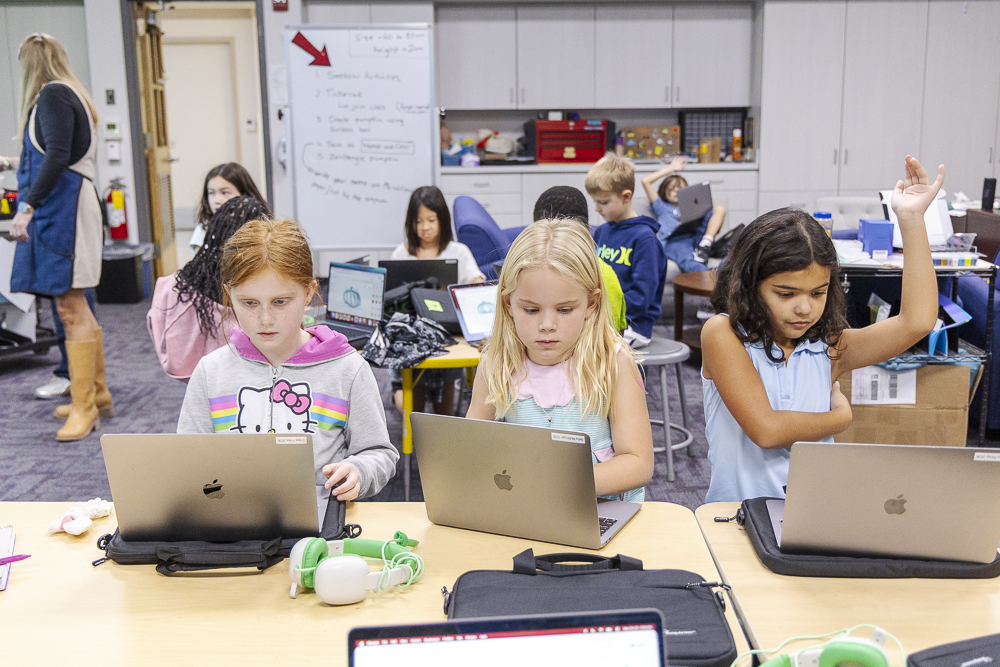
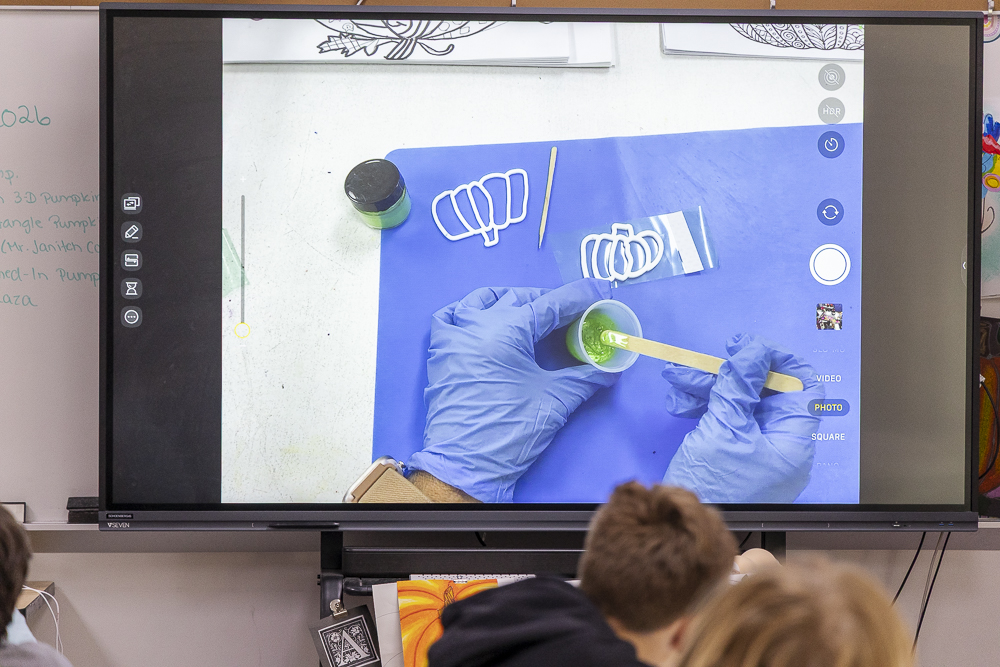
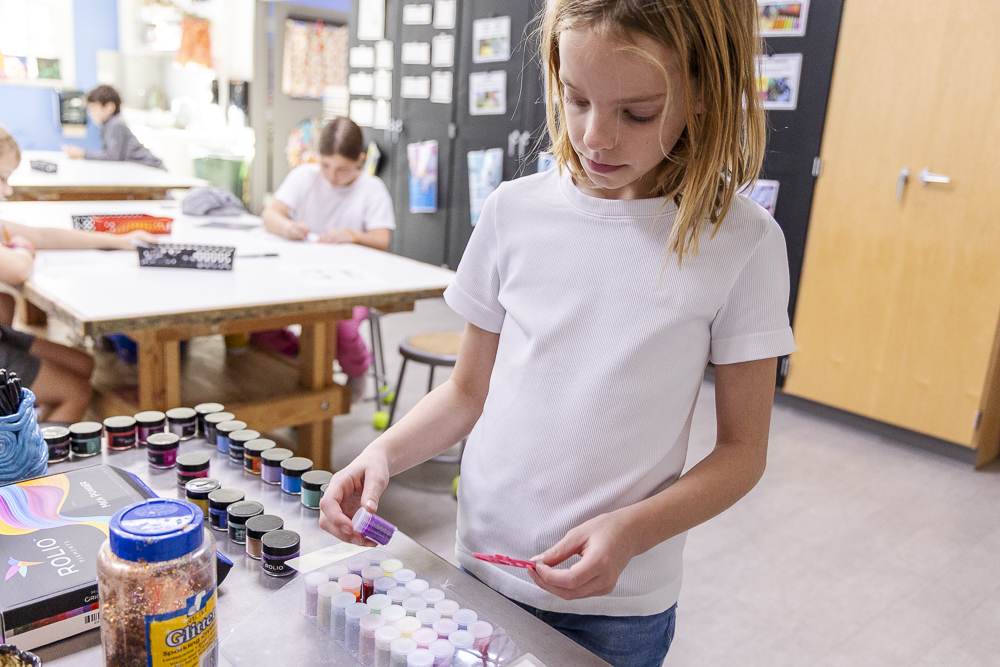
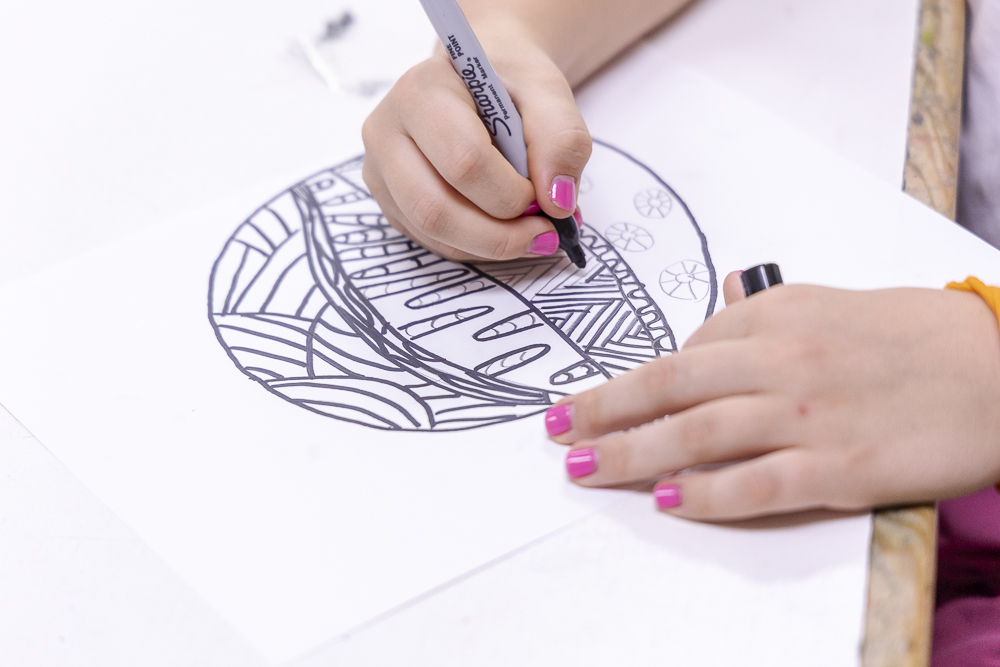
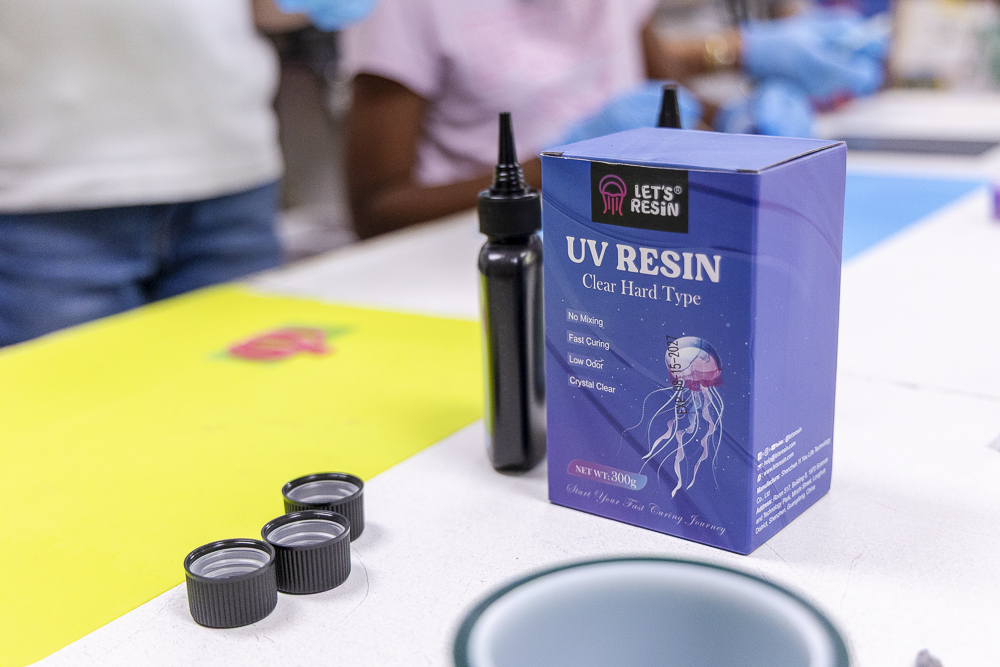
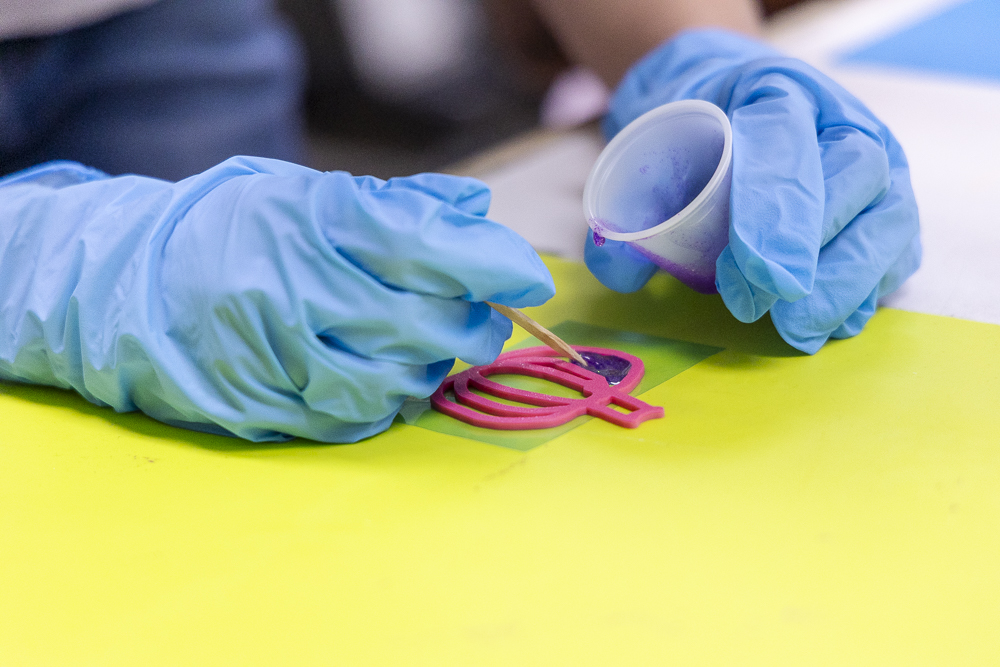
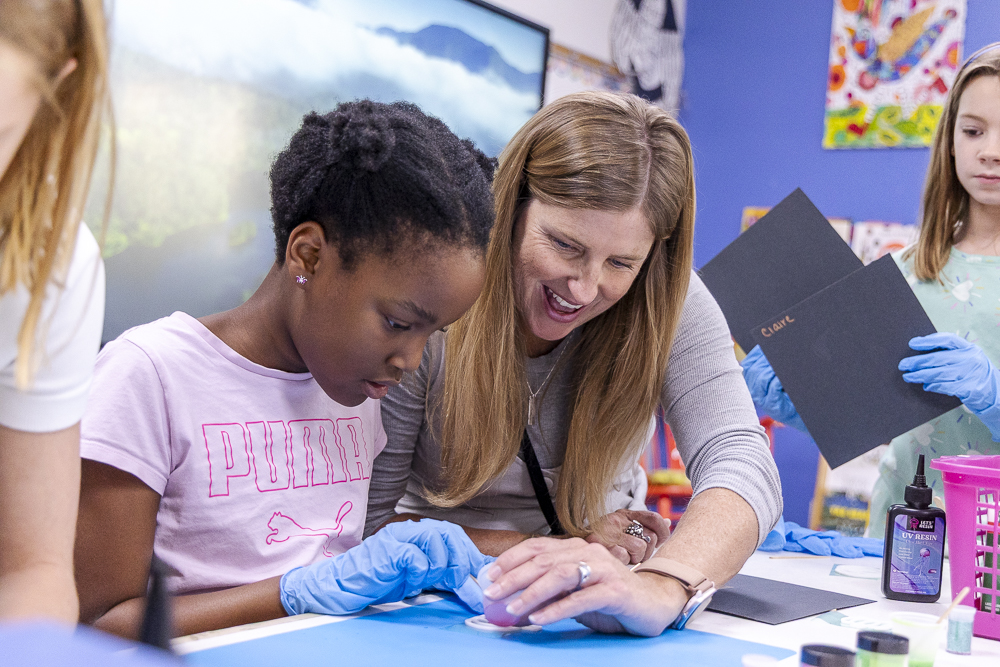
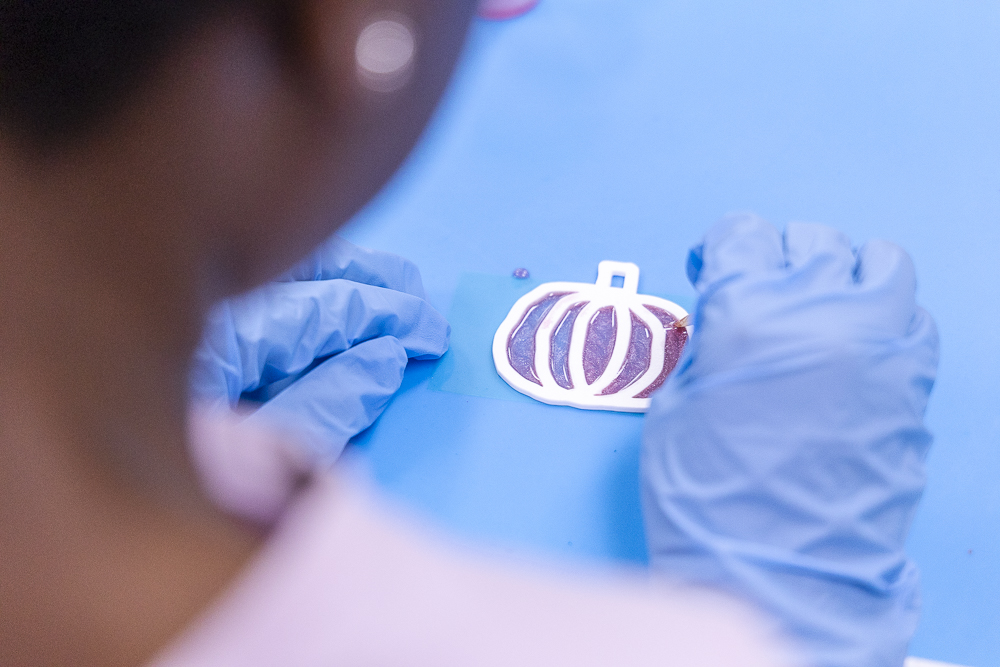
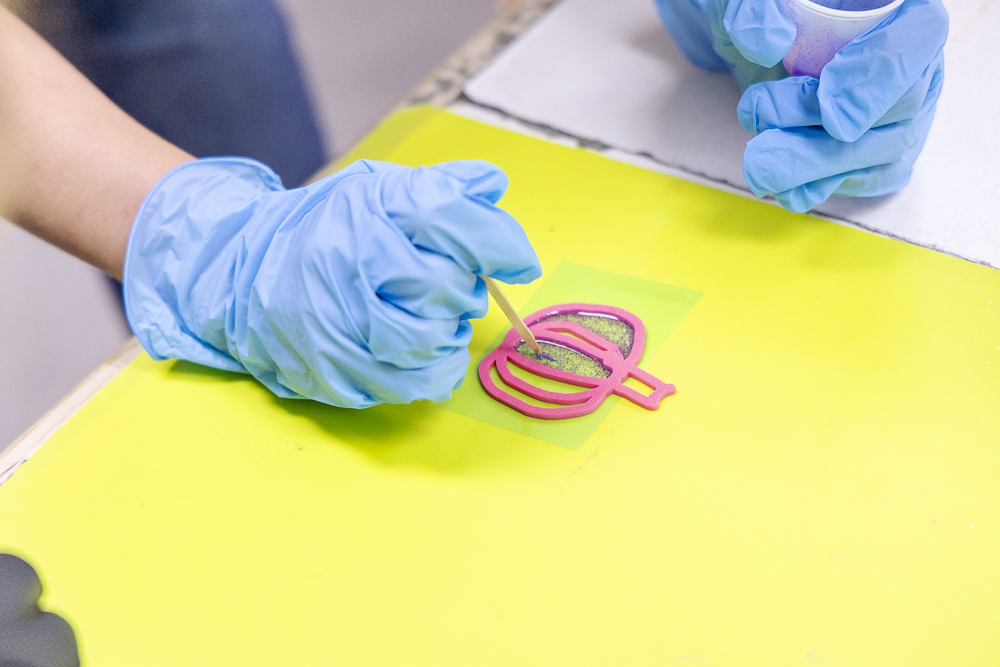
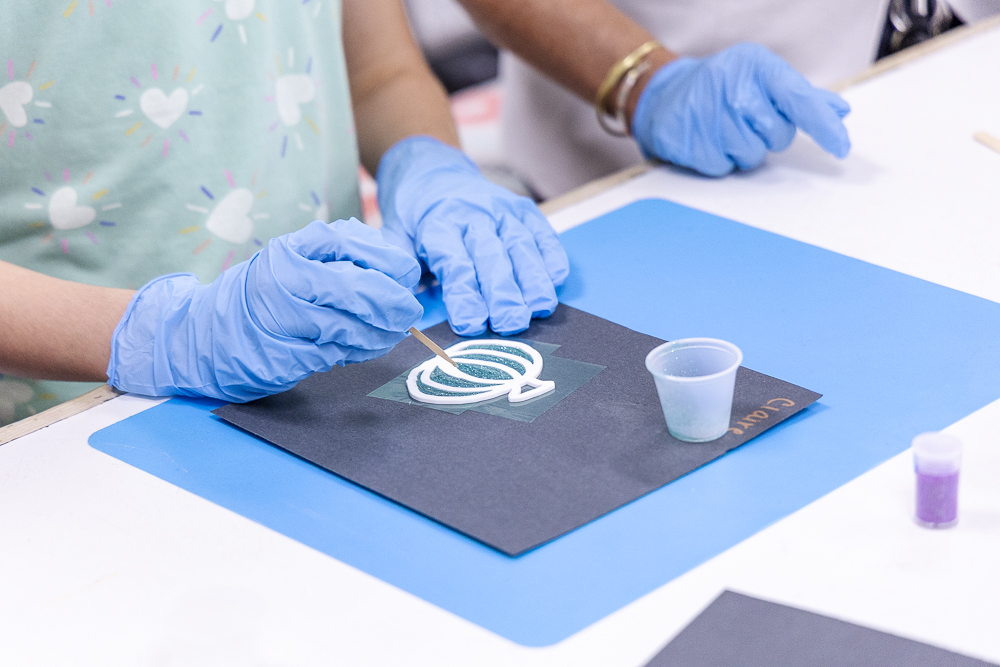
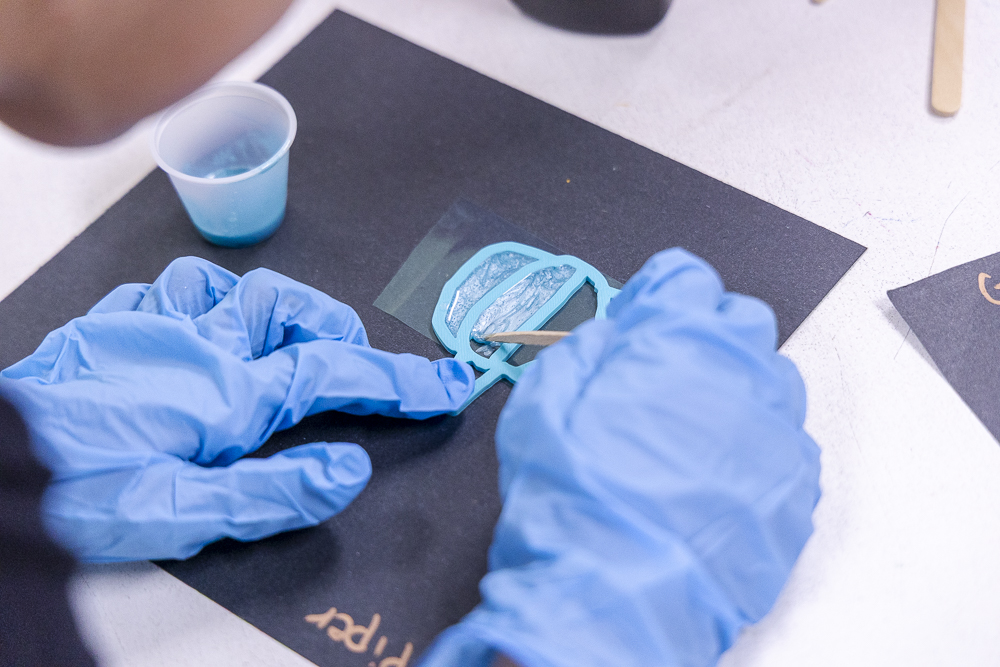
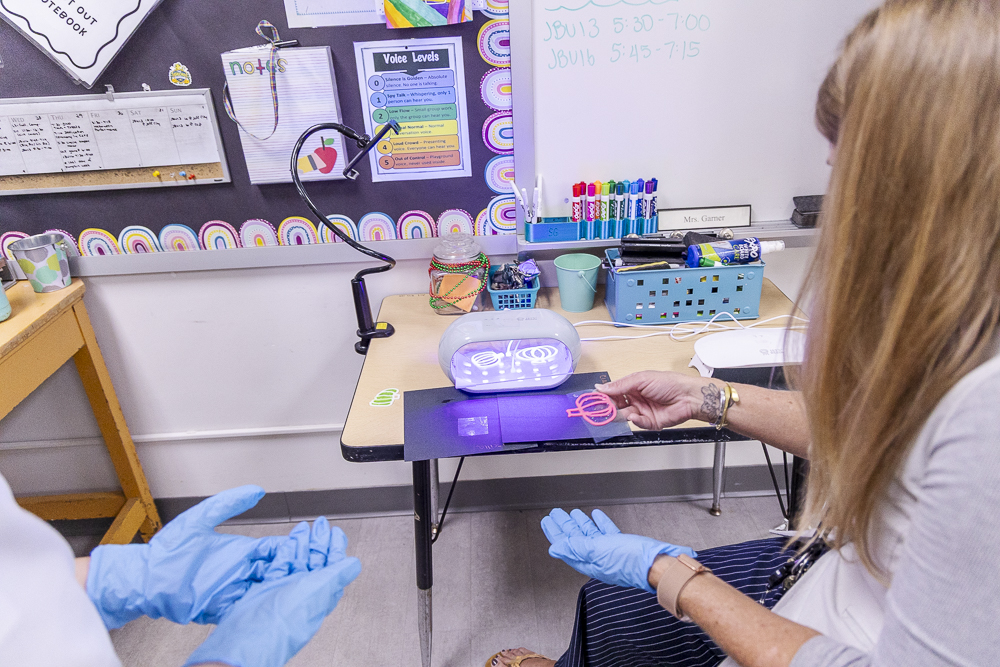
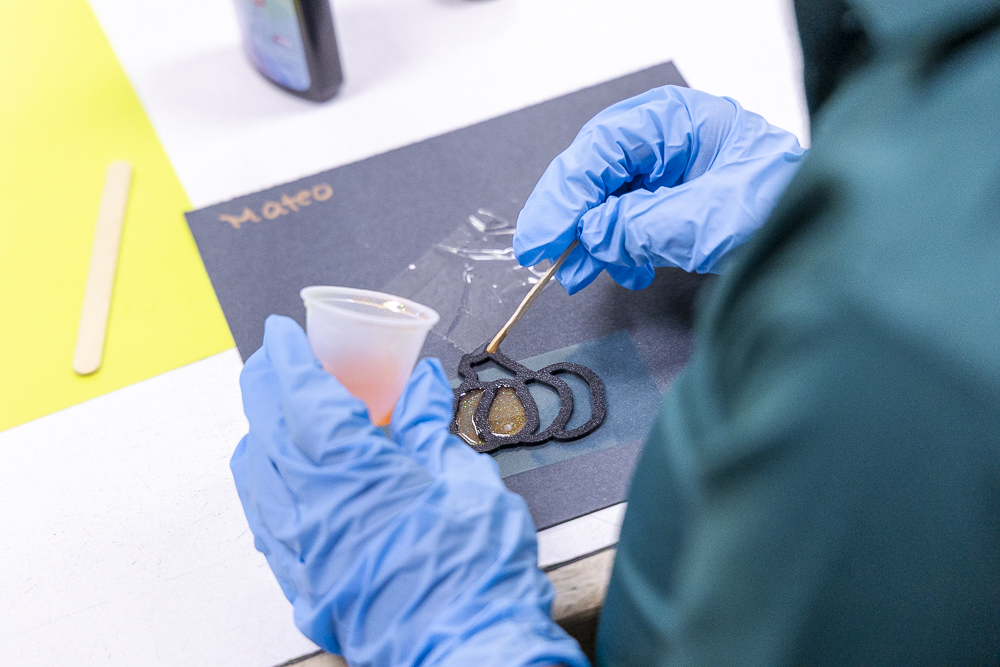
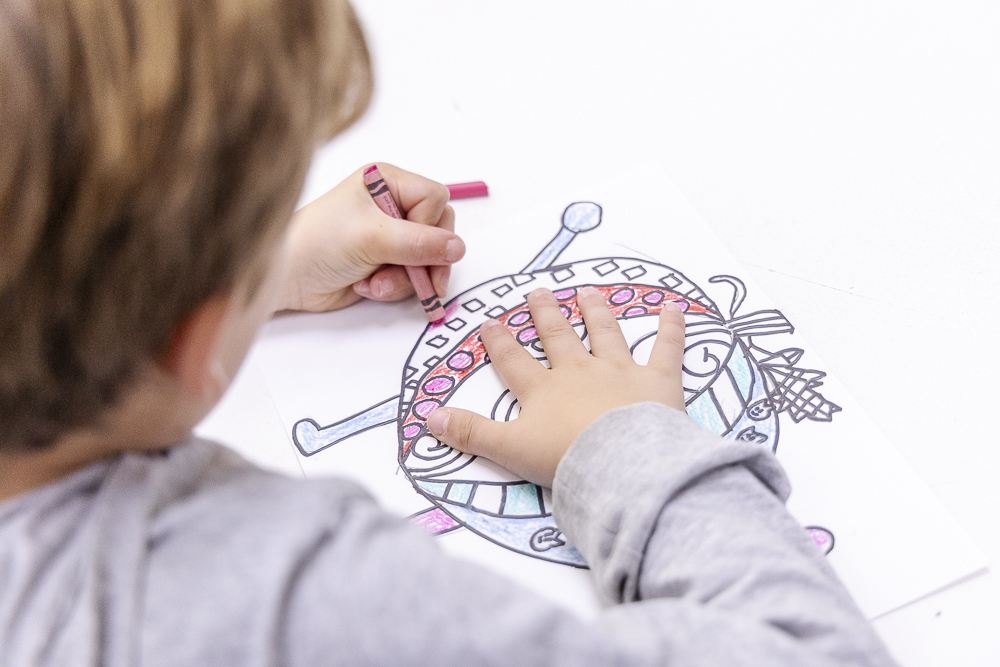
Lower School Art Teacher Sarah Garner said, “One of the most exciting parts of this project was watching students embrace a new challenge with confidence, curiosity, and a sense of fun. Students had opportunities for independence throughout the process, particularly as they learned to navigate Tinkercad as a drawing tool and make their own design decisions. Students were encouraged to explore, experiment, problem-solve, and trust their ideas. It was wonderful to see them approach something new with such enthusiasm and discover an exciting way to express themselves as artists.”
Science
Pumpkin Week provided all Lower School students with meaningful, hands-on opportunities to explore scientific concepts through curiosity, experimentation, and independent learning. Aligned with the Next Generation Science Standards (NGSS) and educator and author Zaretta Hammond’s emphasis on developing independent learners, students were encouraged to ask questions, investigate real-world phenomena, design solutions, collect data, and learn through trial and error.
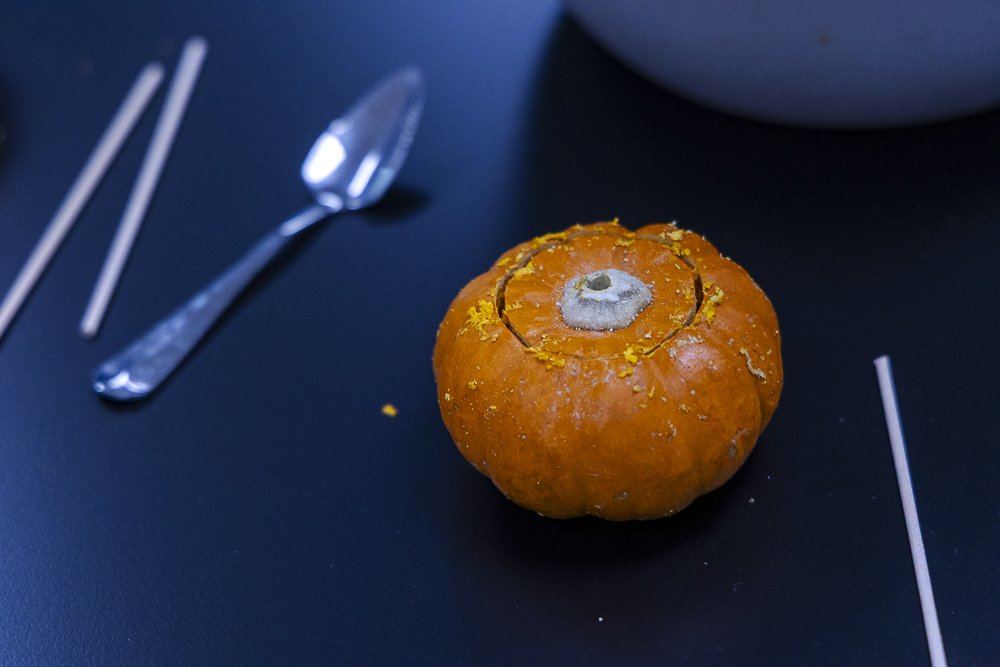
Our youngest scientists in JK explored the properties of liquids through a candy-dissolving experiment, investigated pumpkin seeds and fibrous strands, and created jack-o’-lanterns that they are now observing as they decompose. Senior kindergarten students carved pumpkins and explored their insides through a rich sensory experience while connecting science and math through seed counting. First graders investigated buoyancy through sink-and-float challenges and practiced measurement by weighing and measuring their pumpkins.
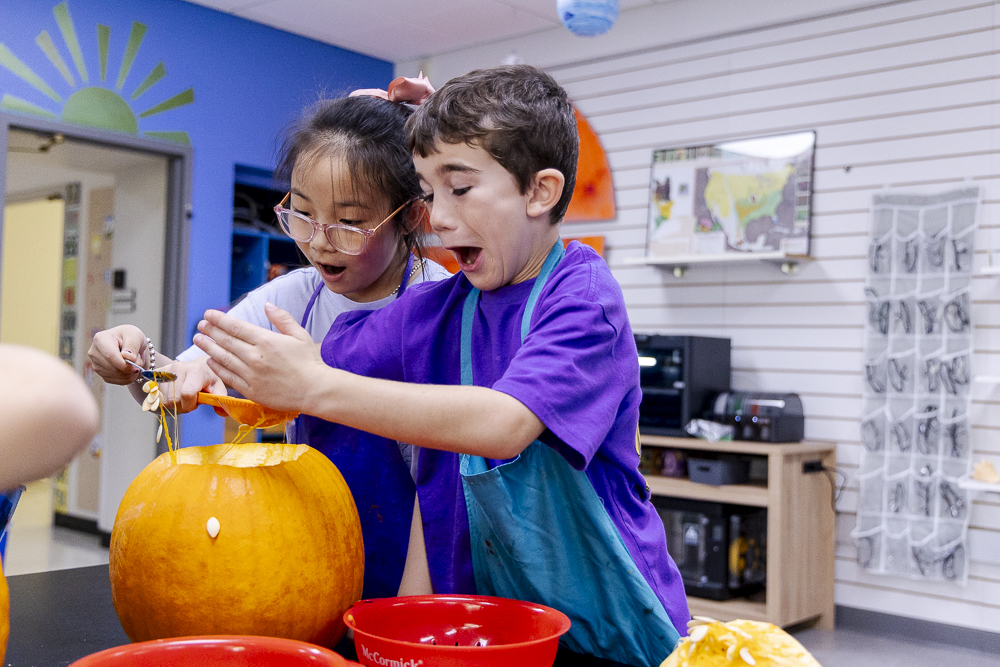
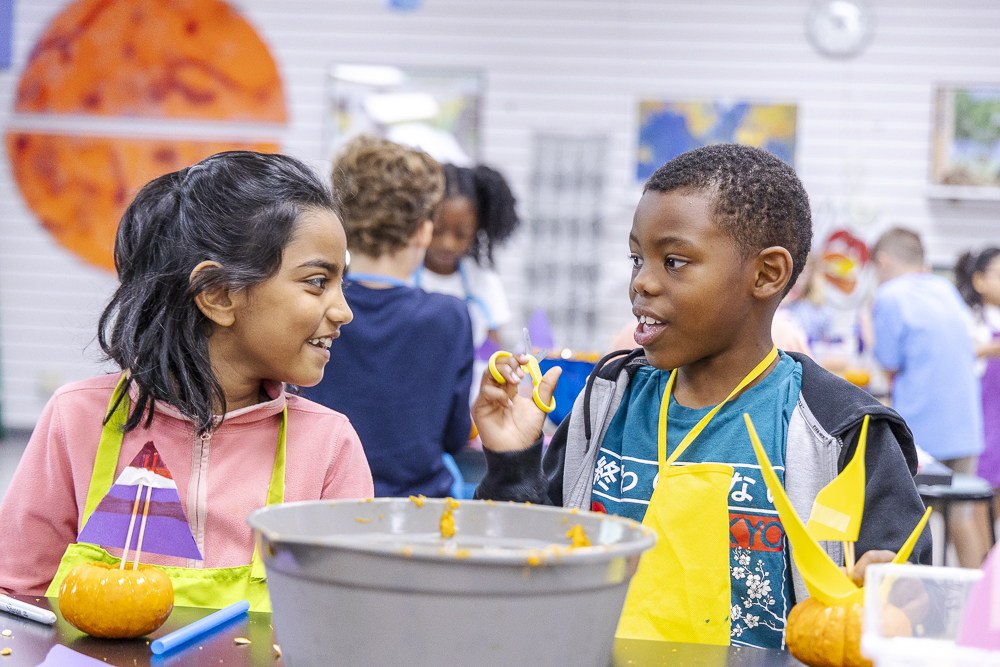
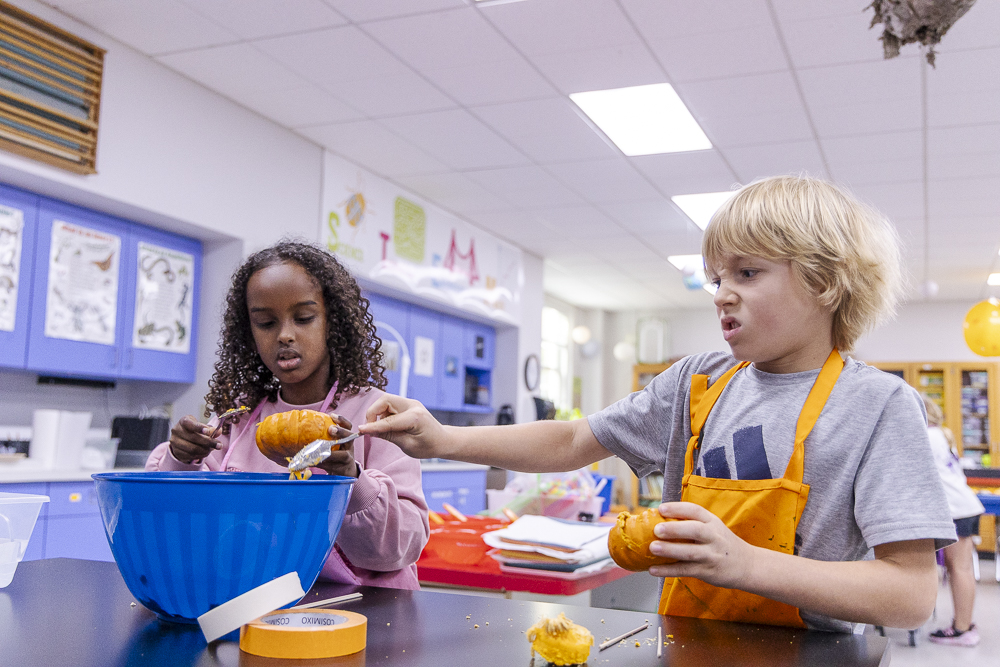
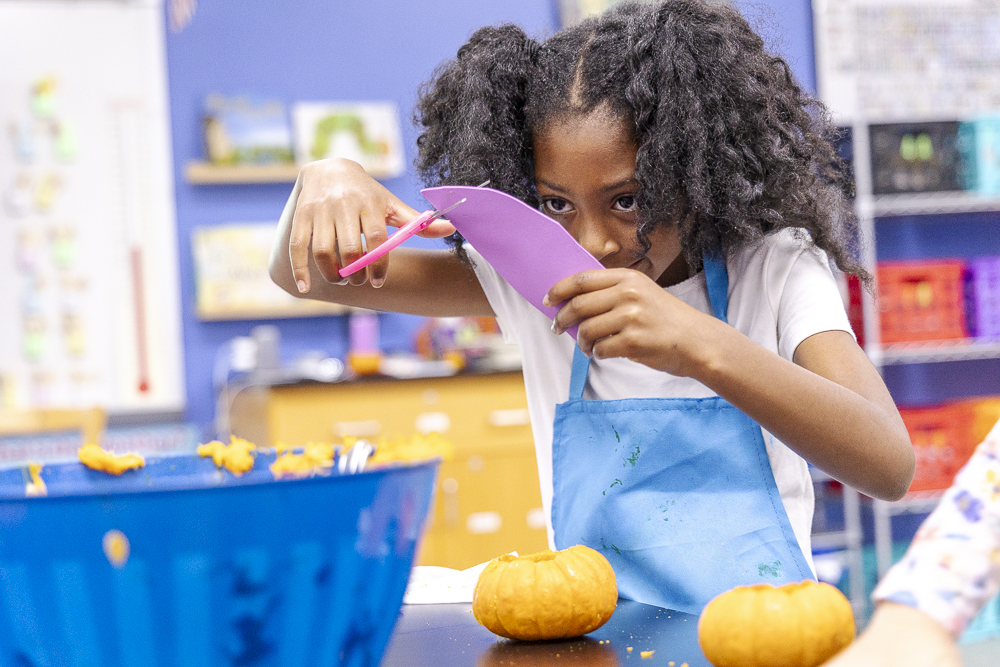
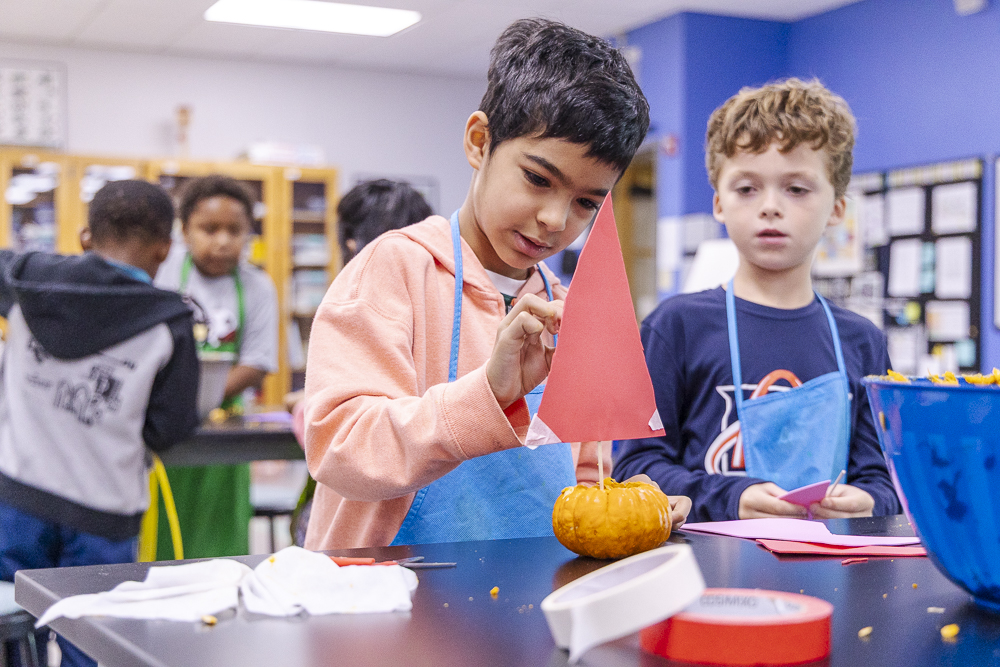
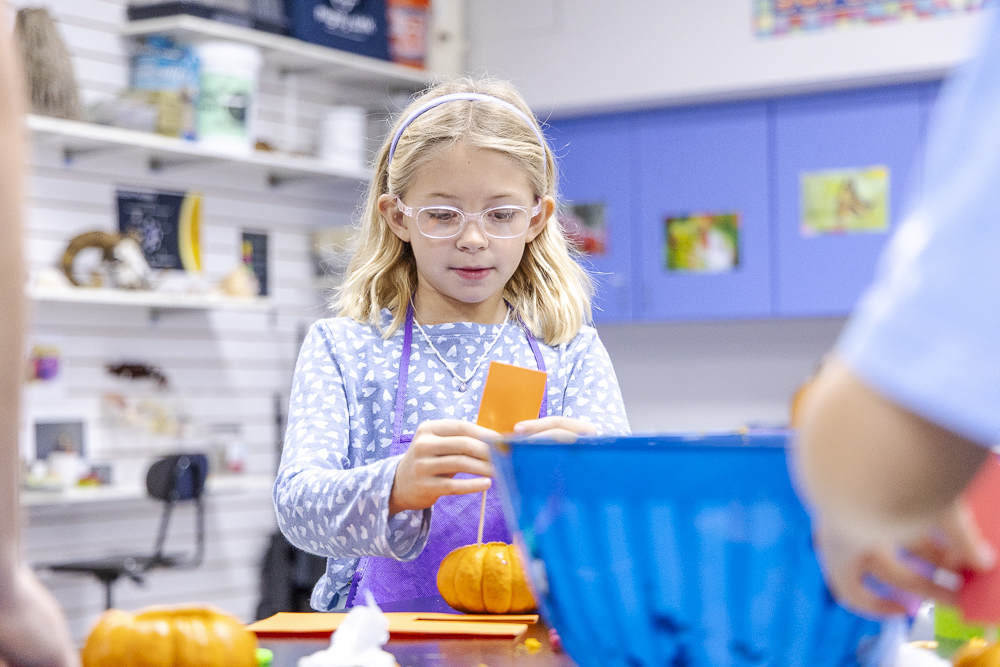
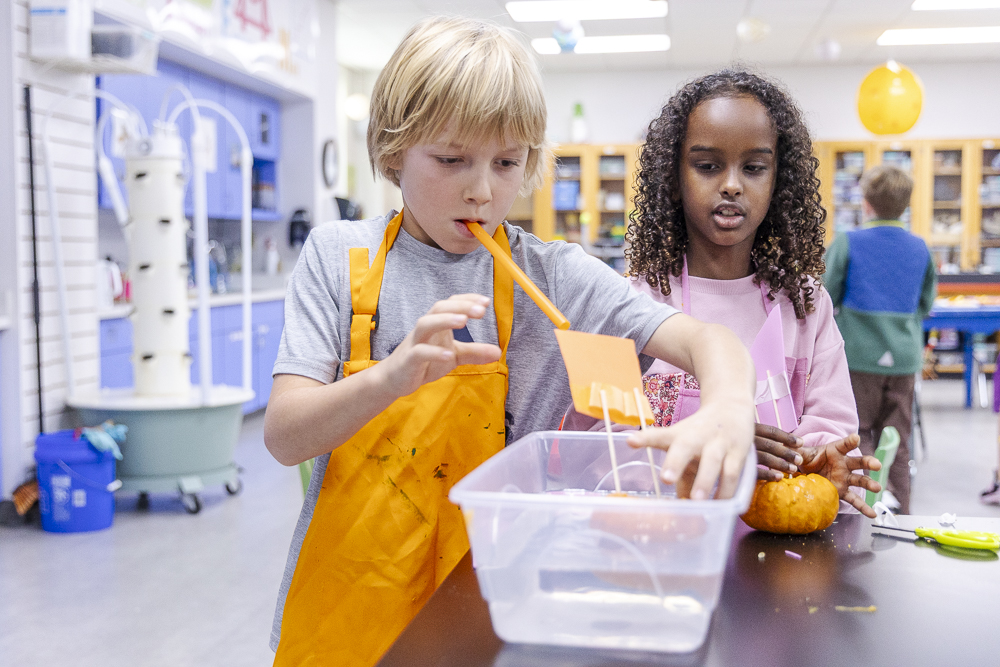
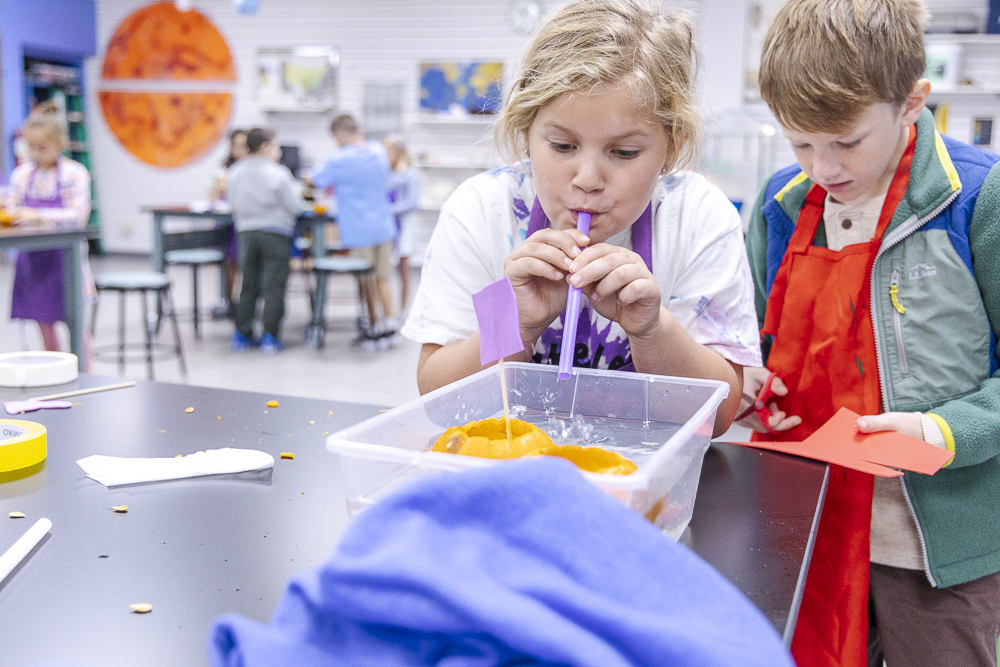
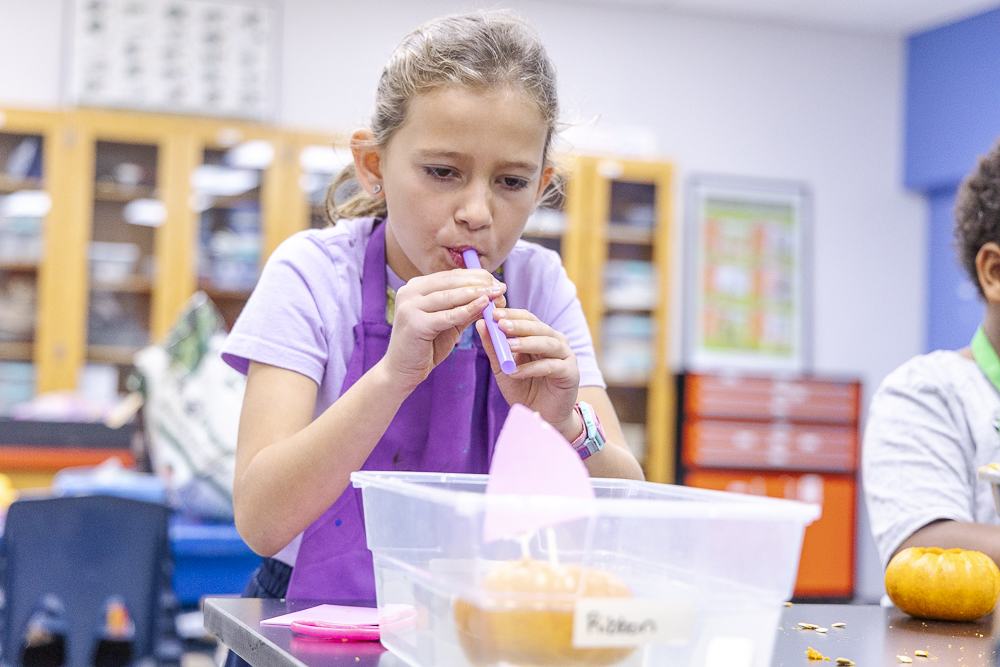
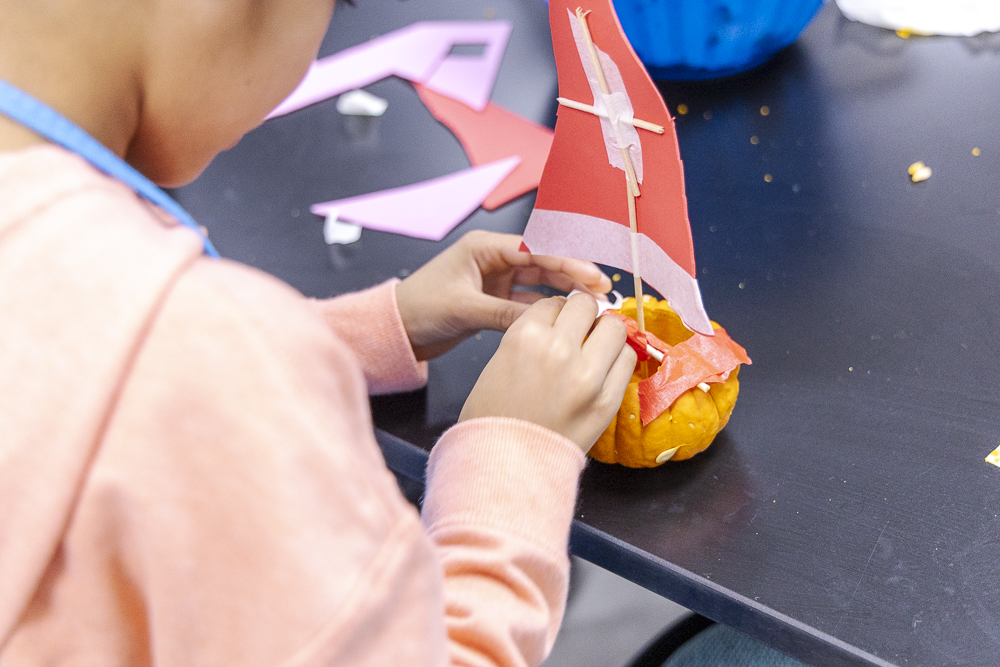
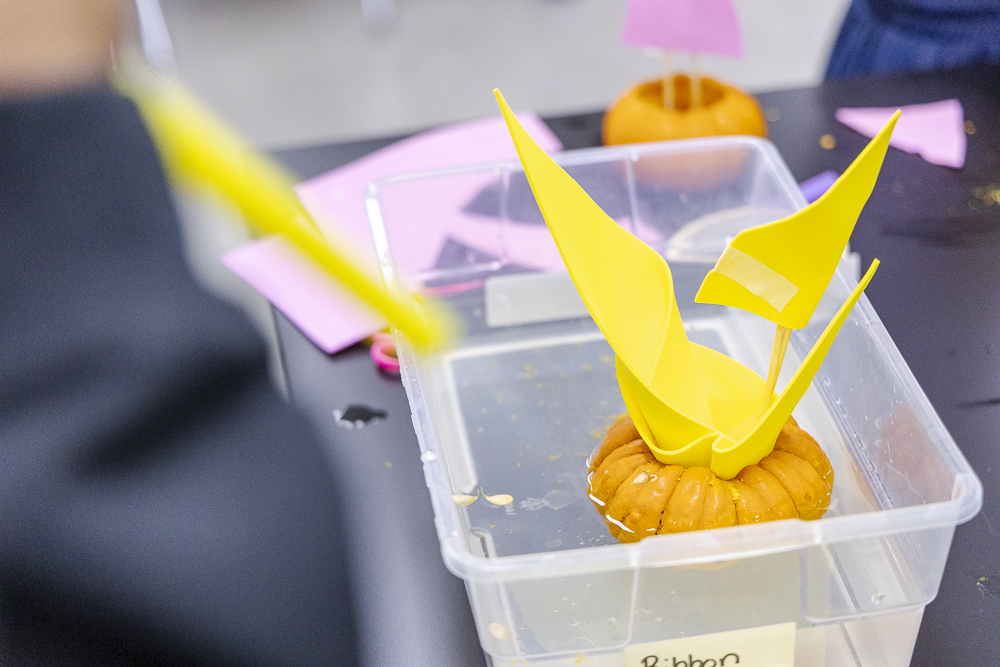
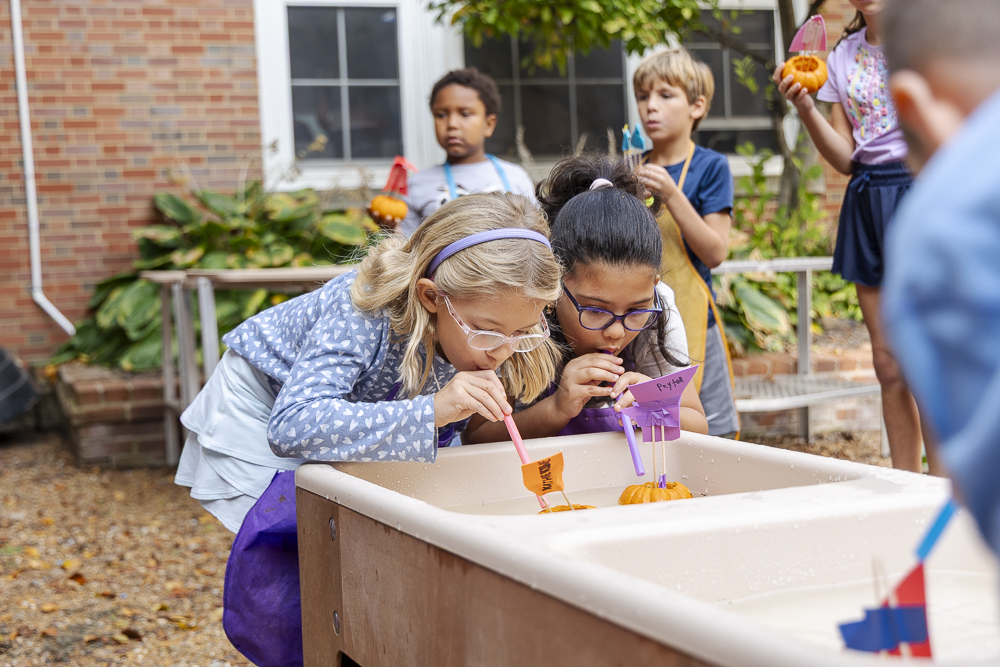
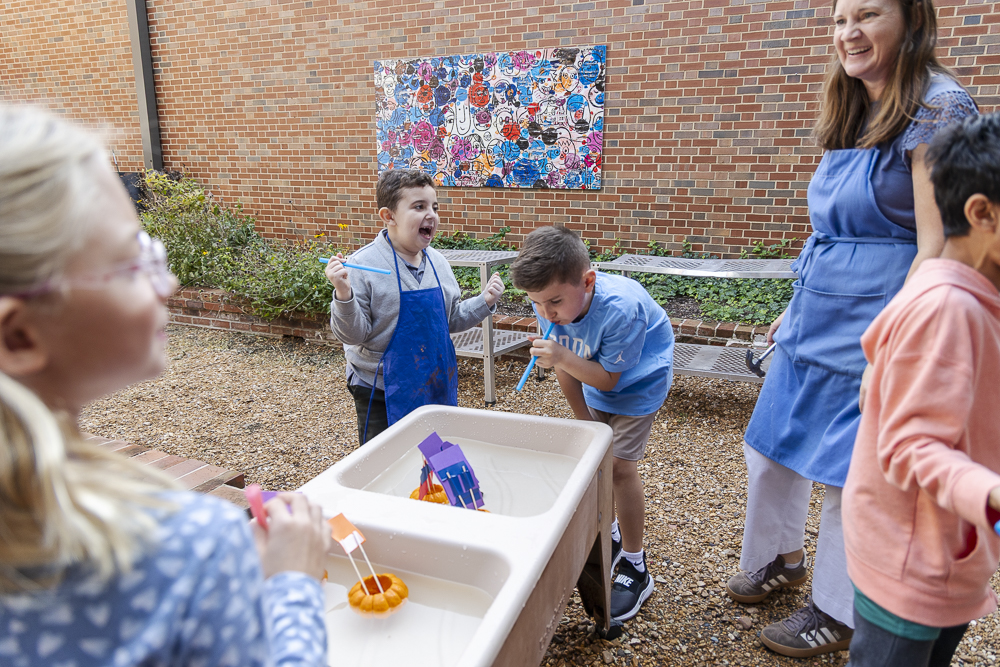
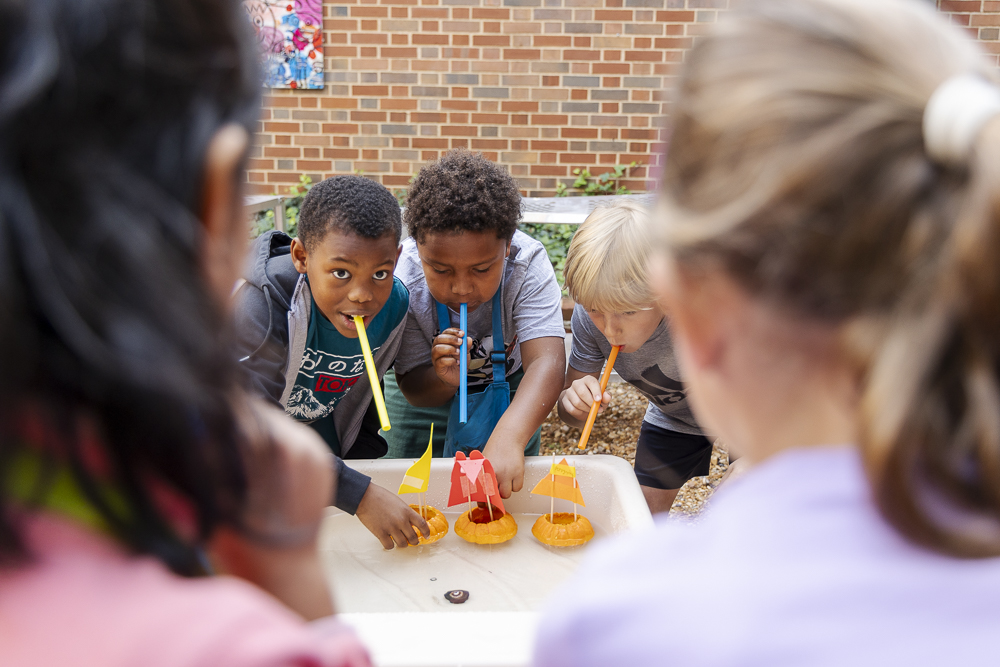
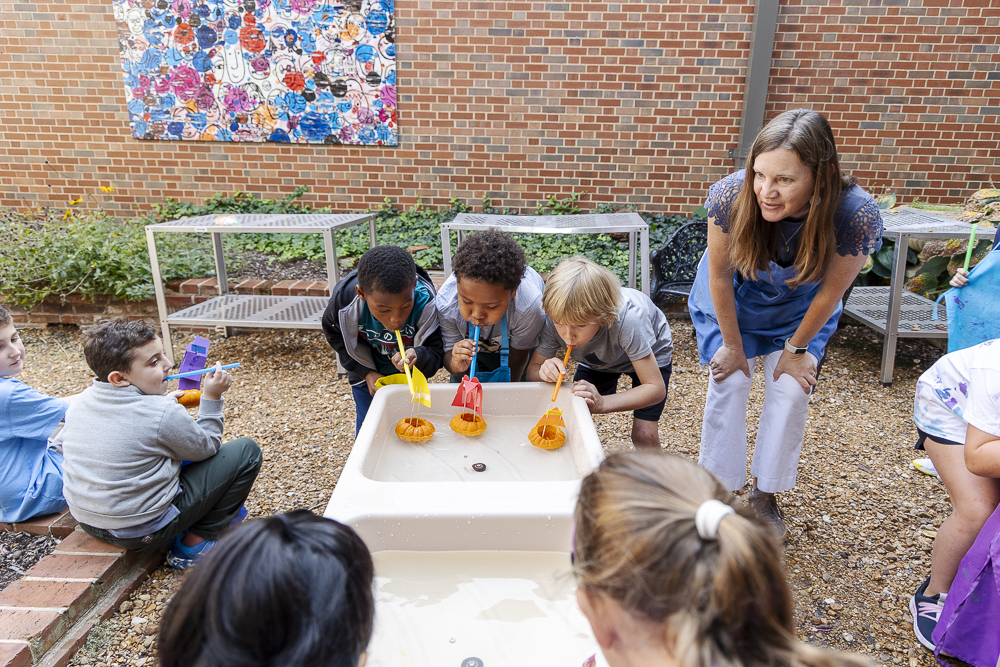
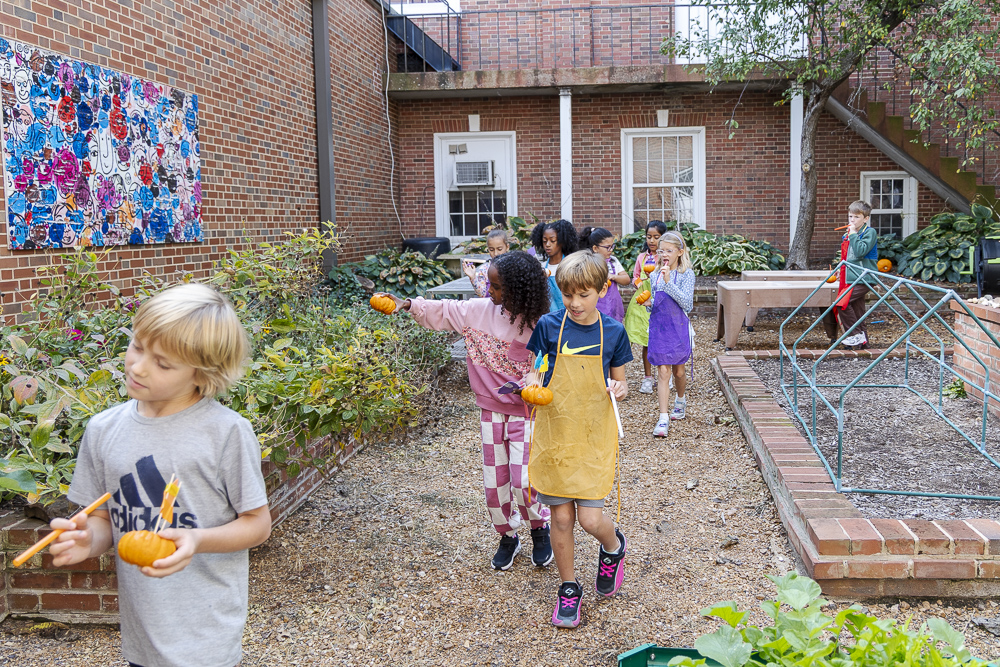
Second graders explored the engineering behind giant pumpkin races by designing sails, building pumpkin boats, and testing their designs in a boat race. Third graders combined technology, engineering, and creativity by designing pumpkins in Tinkercad and building catapults to launch their 3D-printed creations. Fourth graders investigated decomposition and fungi by designing experiments that tested how environmental conditions, including light, temperature, and surface area, influence mold growth. They collected and compared data to determine which conditions promoted the most decomposition.
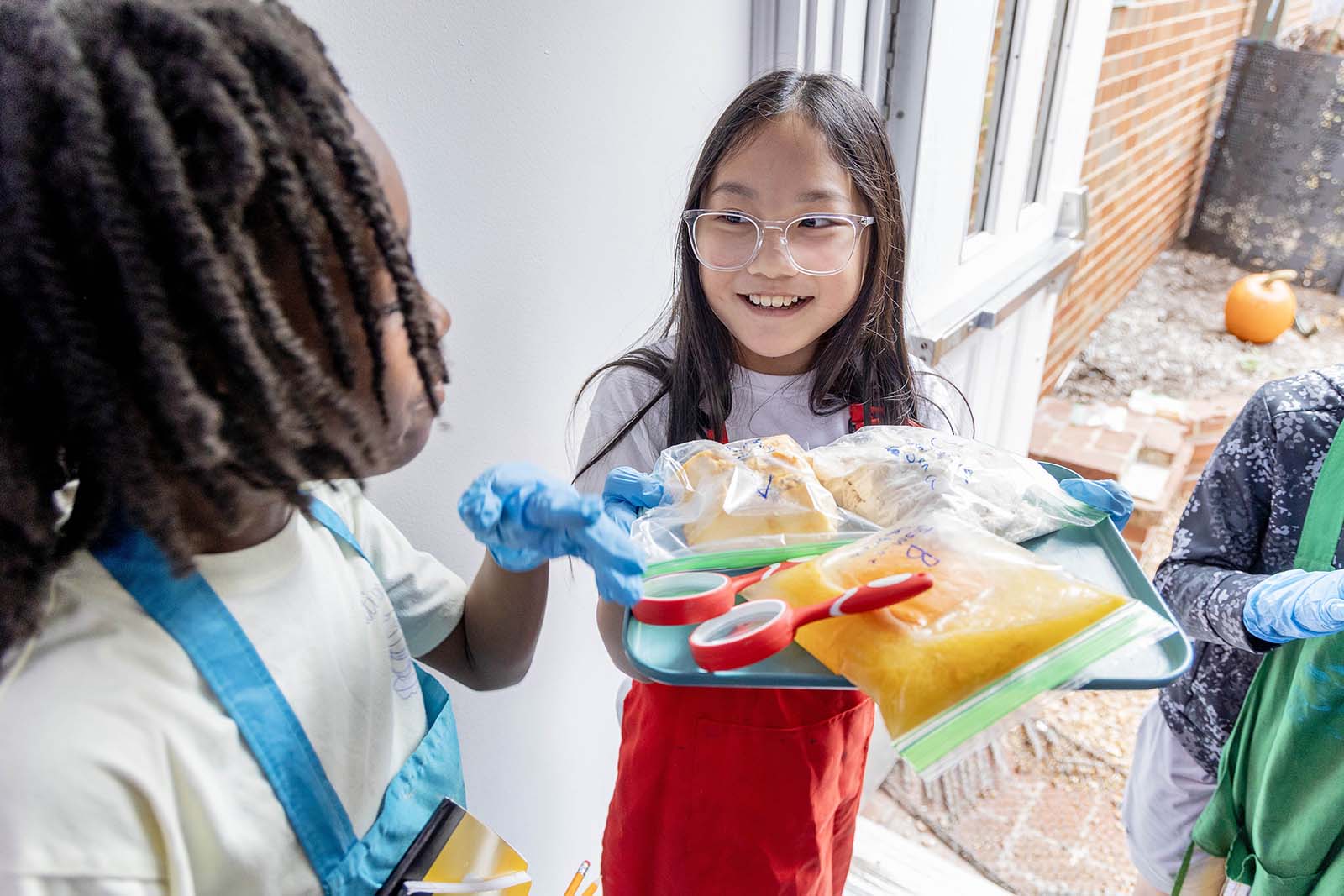
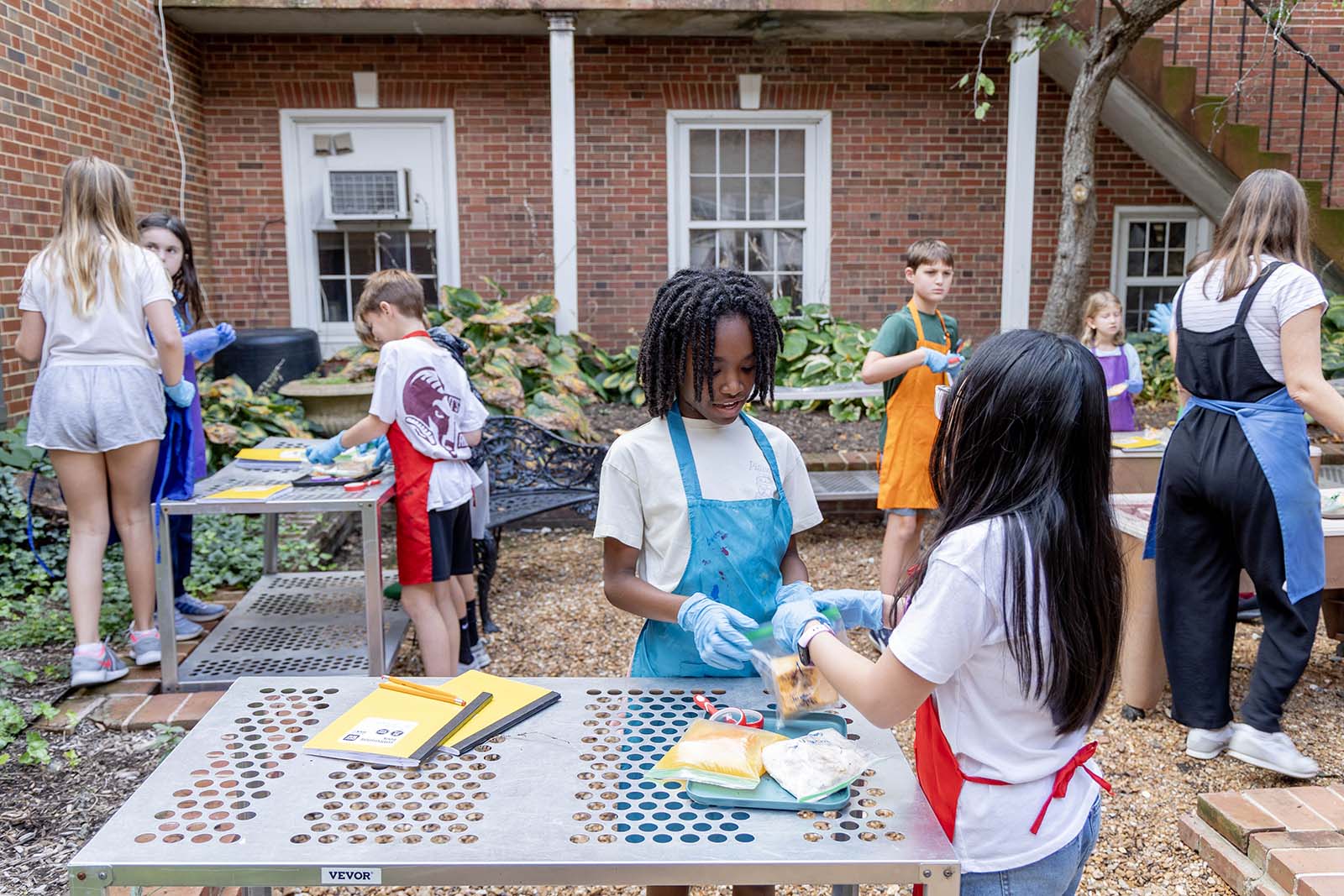
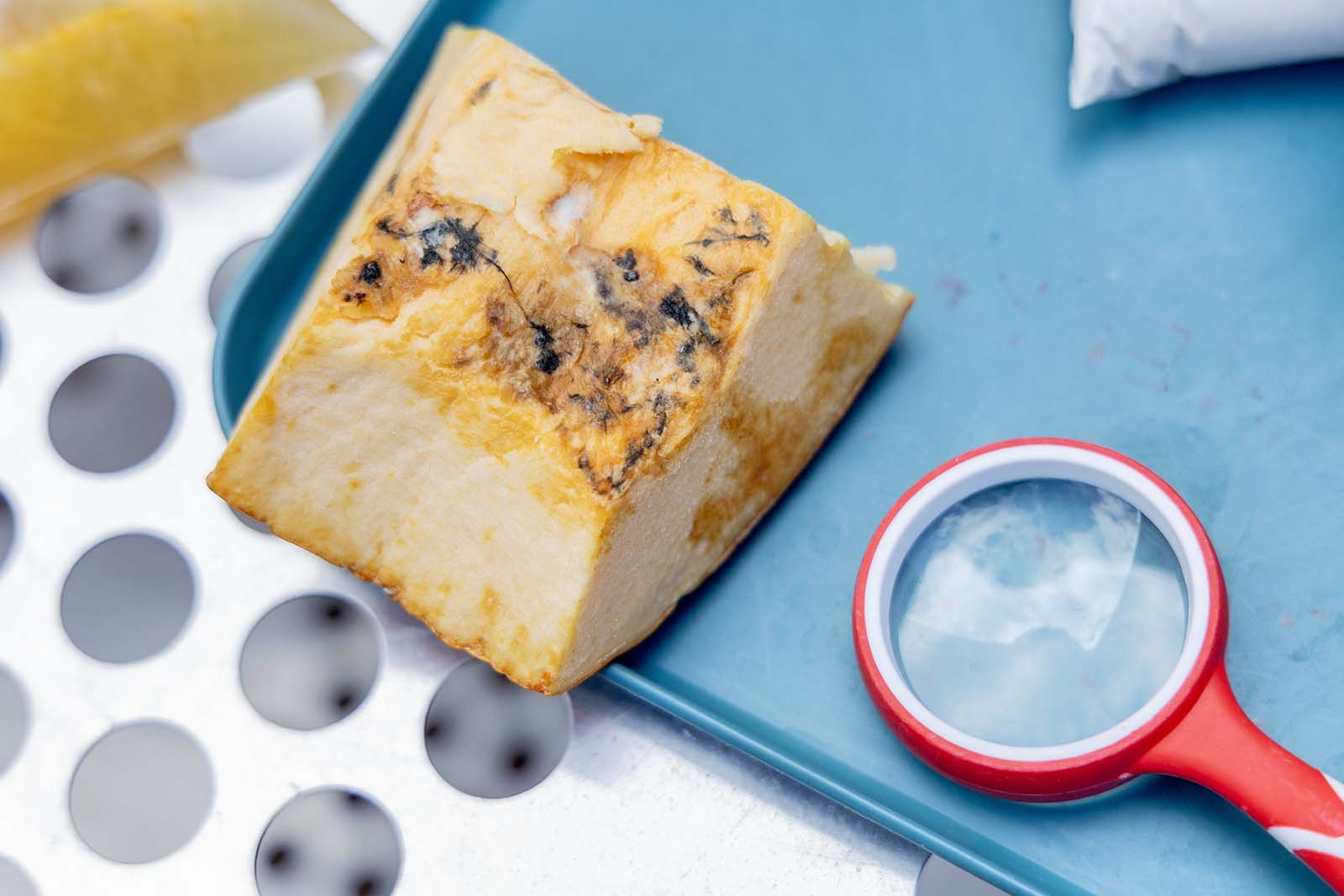
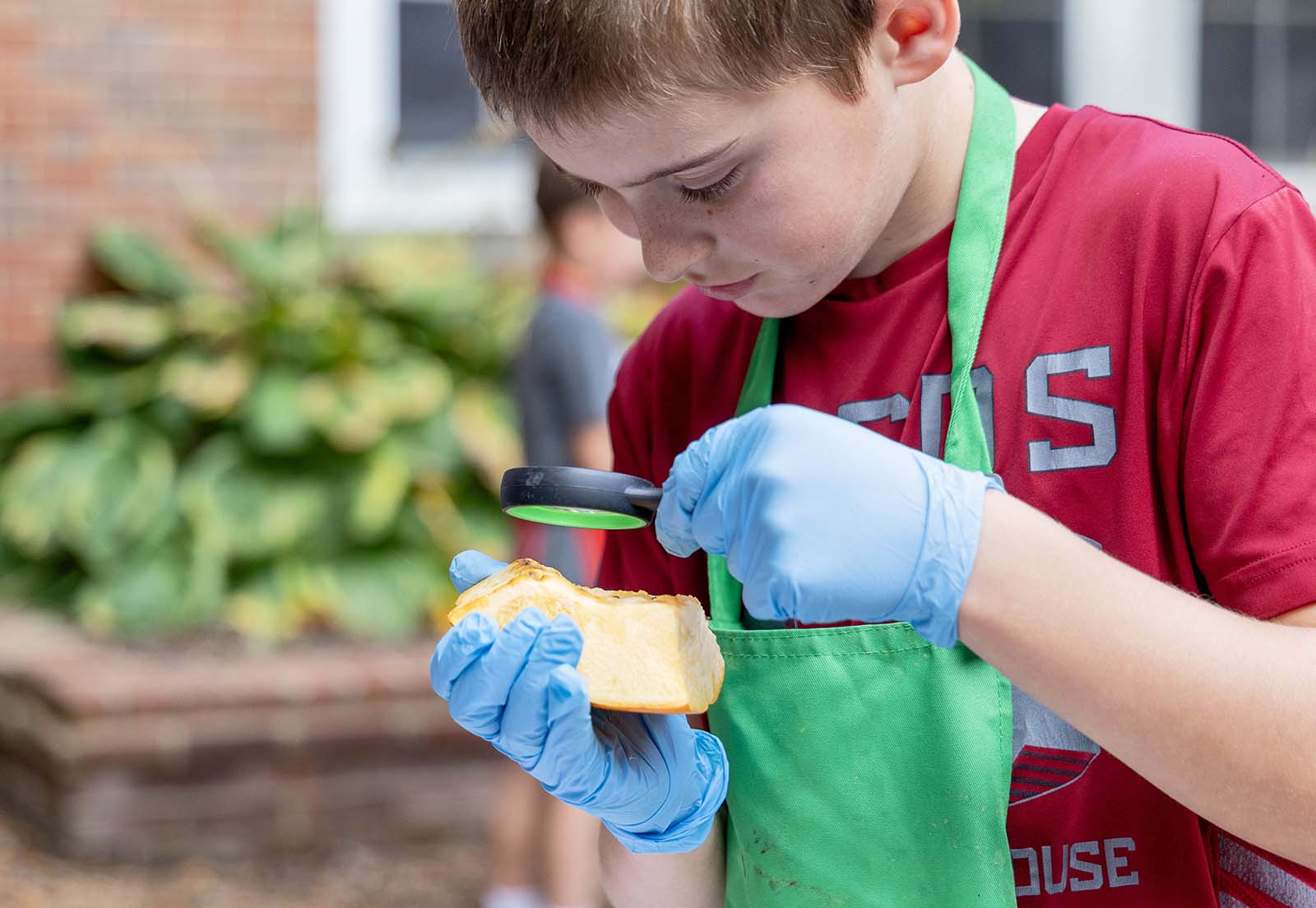
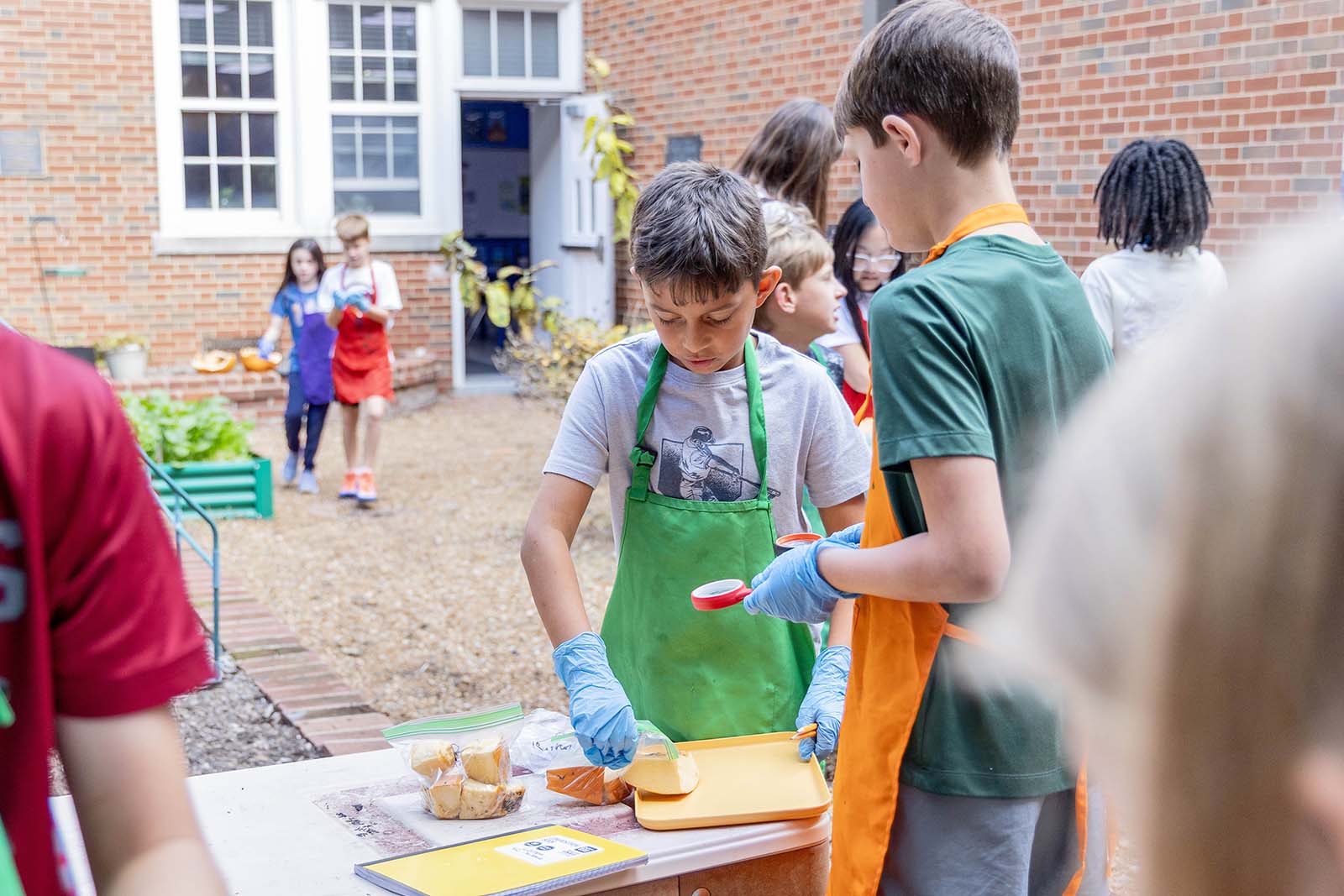
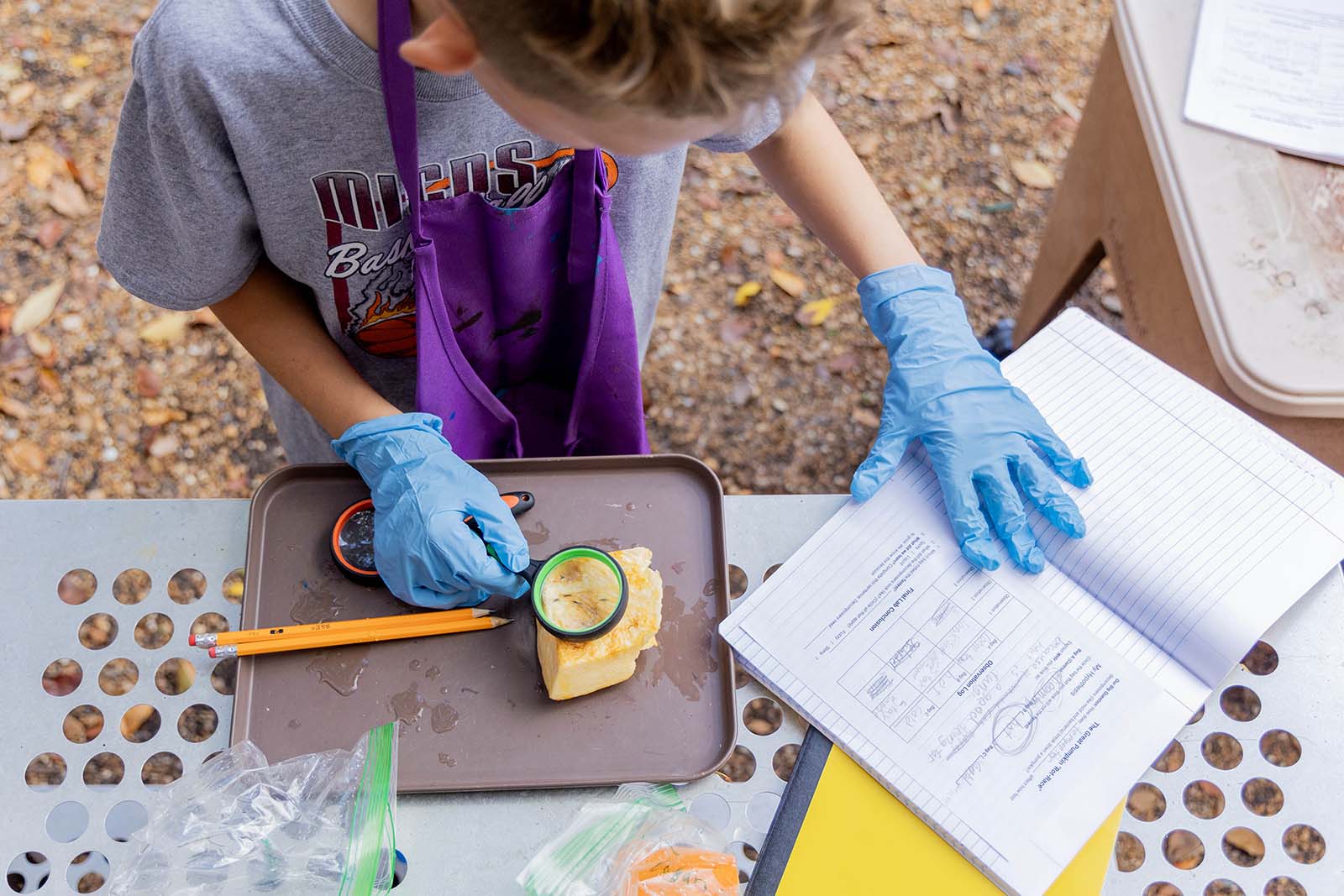
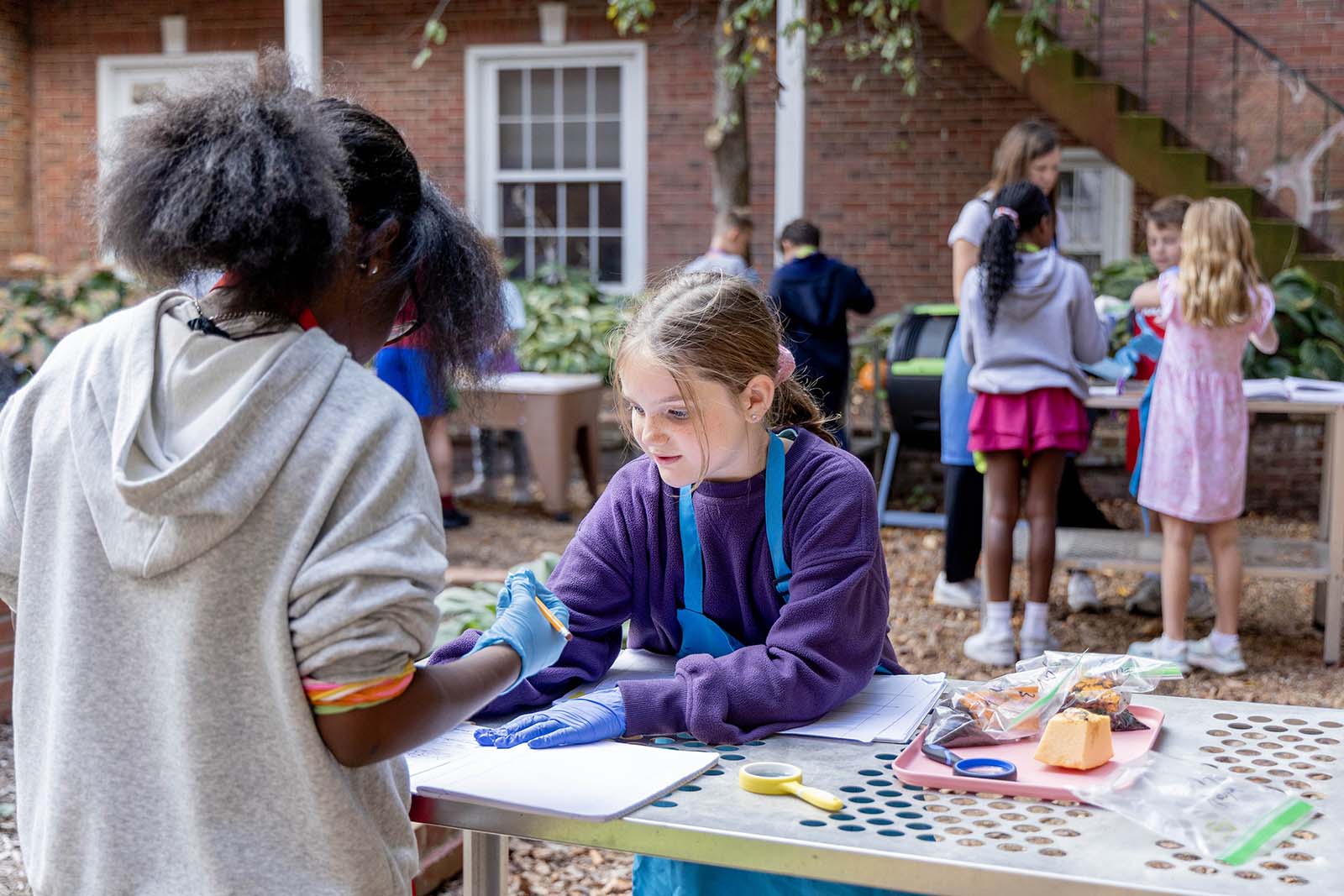
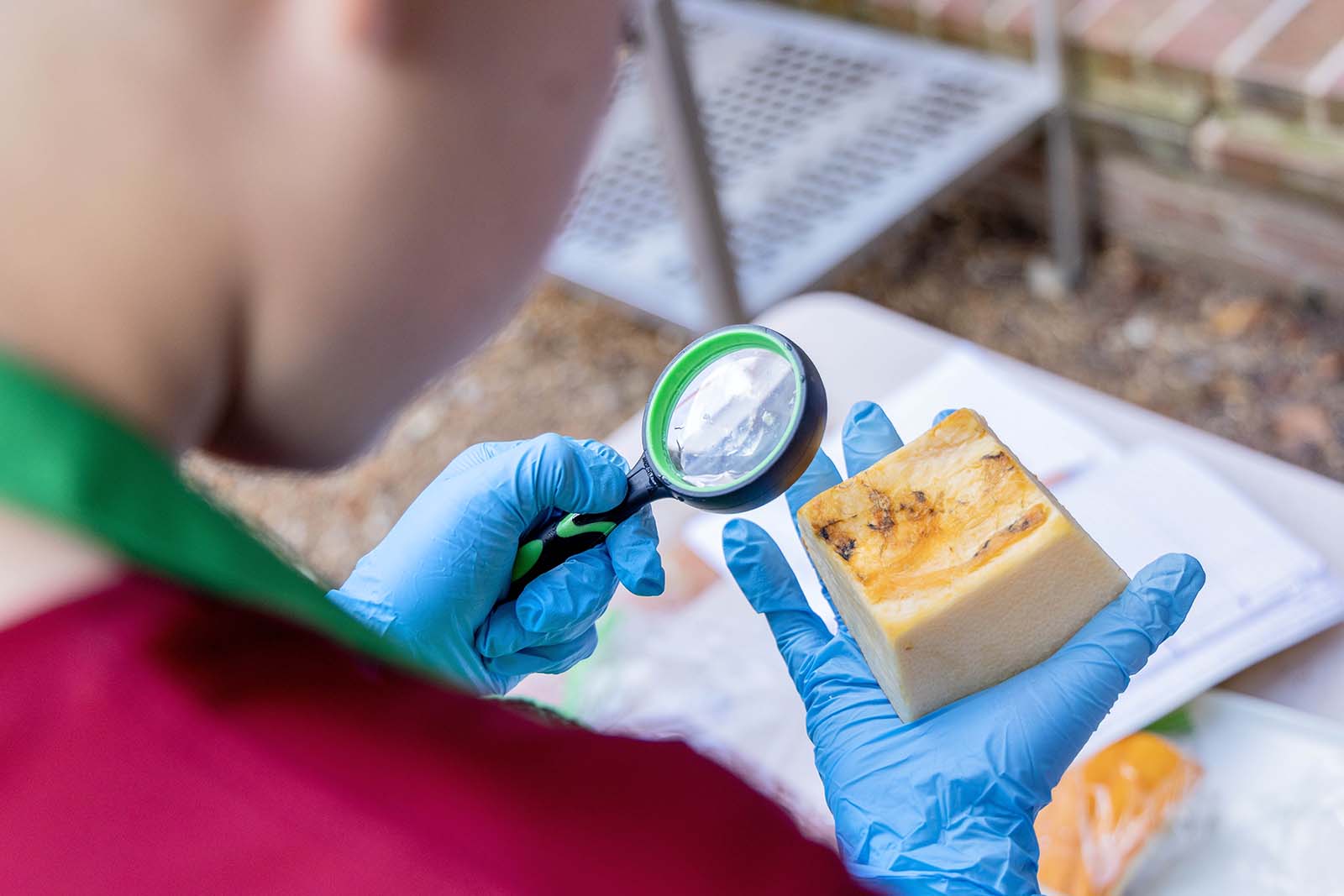
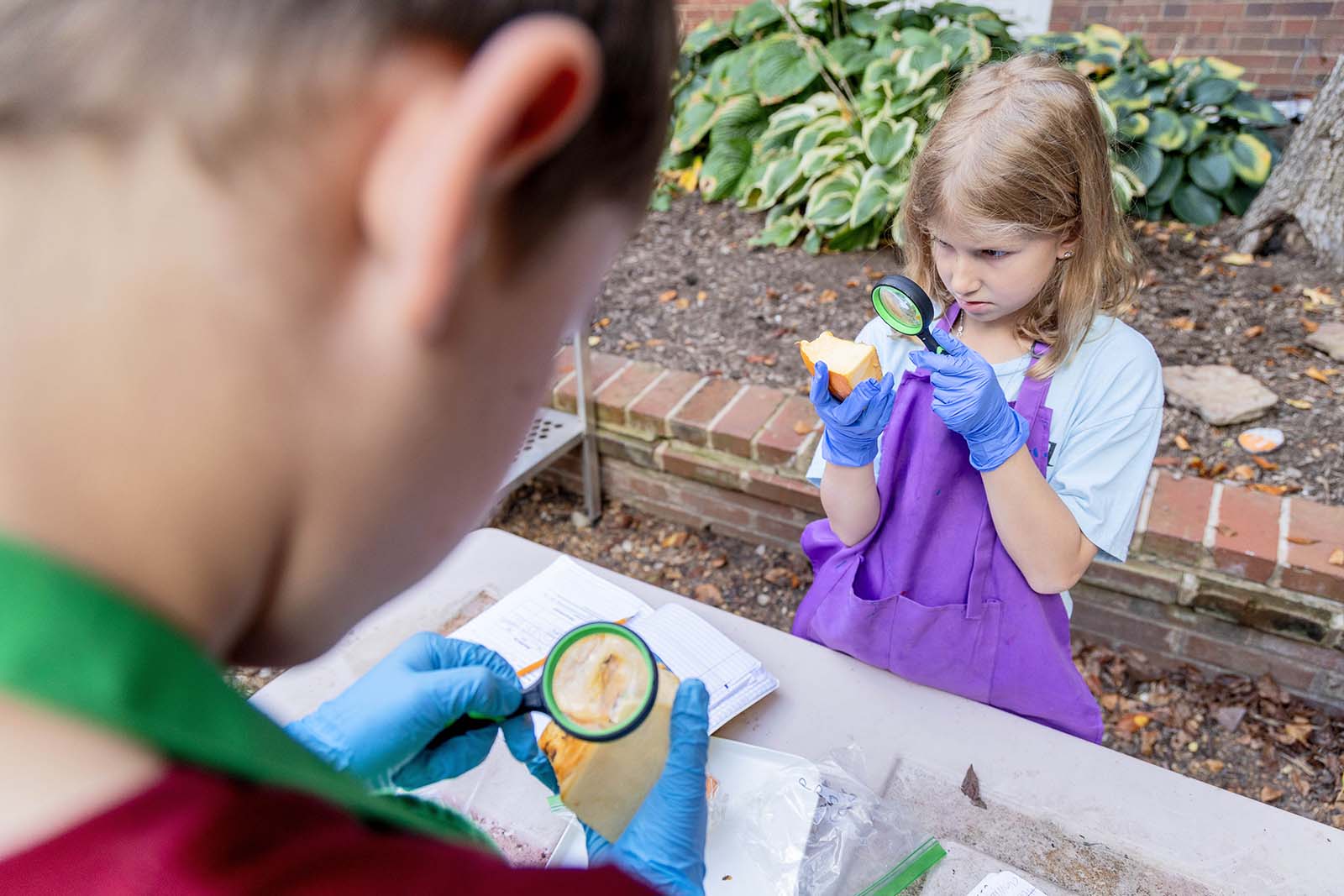
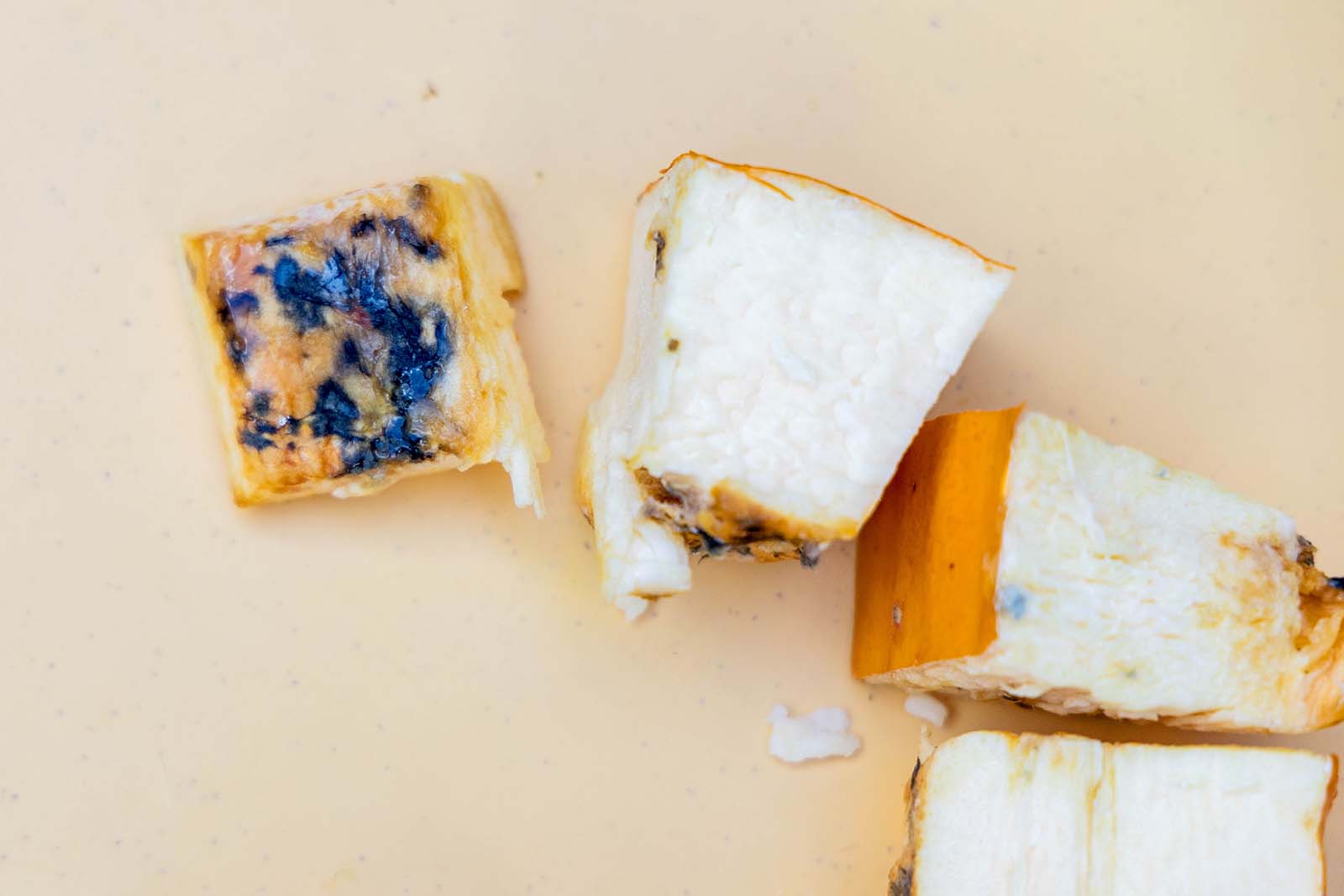
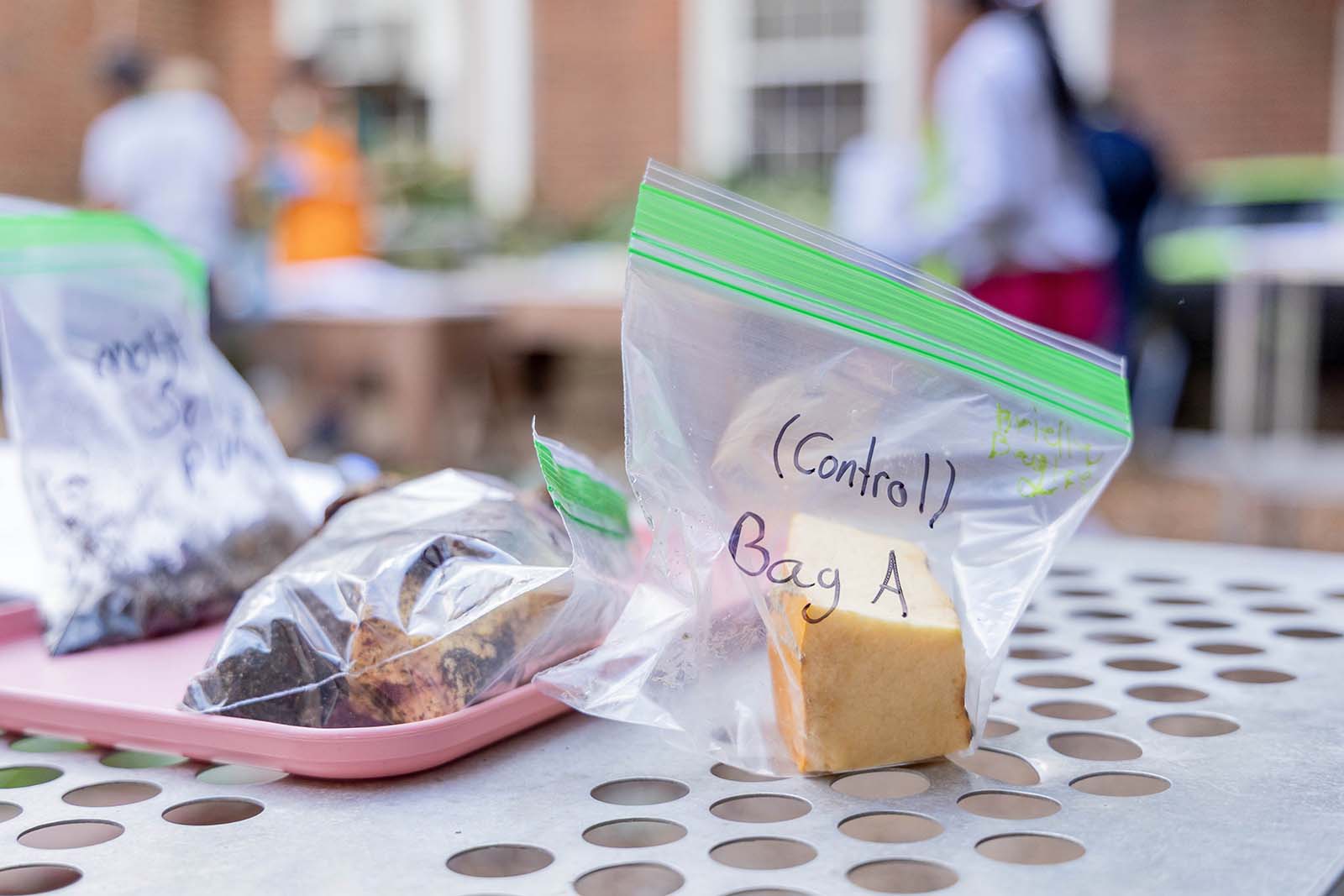
Lower School Science Teacher Laura Pupillo said, “Throughout the week, students took ownership of their learning as they made observations, tested ideas, solved problems, revised designs, and drew conclusions. From sensory exploration in our youngest learners to experimental design and data analysis in fourth grade, Pumpkin Week demonstrated how authentic, playful science experiences build confidence, curiosity, and independence as young scientists.”
Music
Lower School Music Teacher Dr. Katy Nichols said, “My goal is to gradually hand over musical ownership and independence in the music room while supporting cross-curricular adventures, and Pumpkin Week was no exception.”
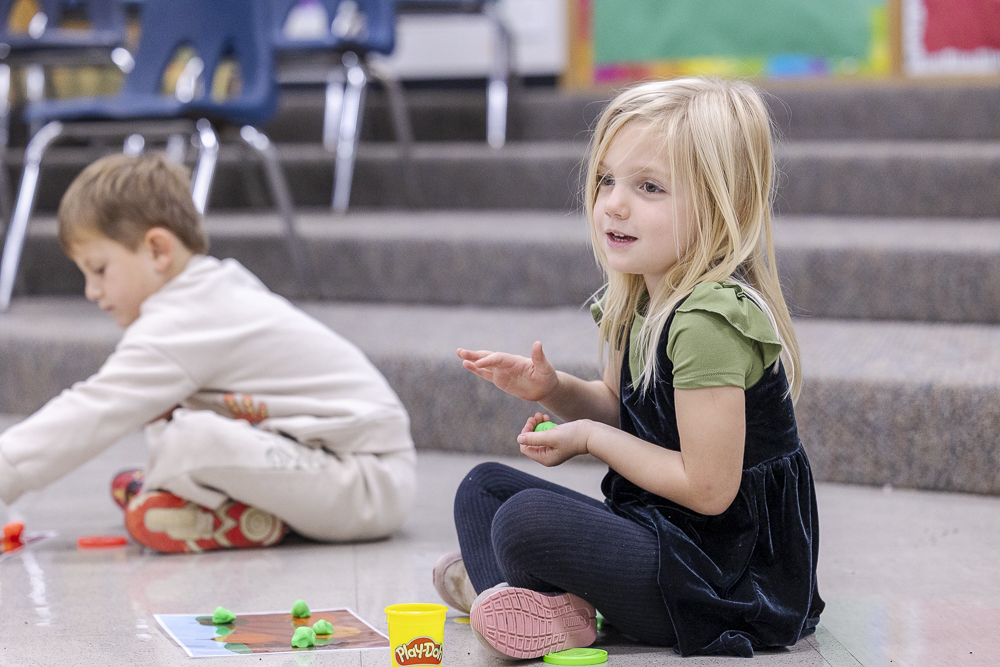
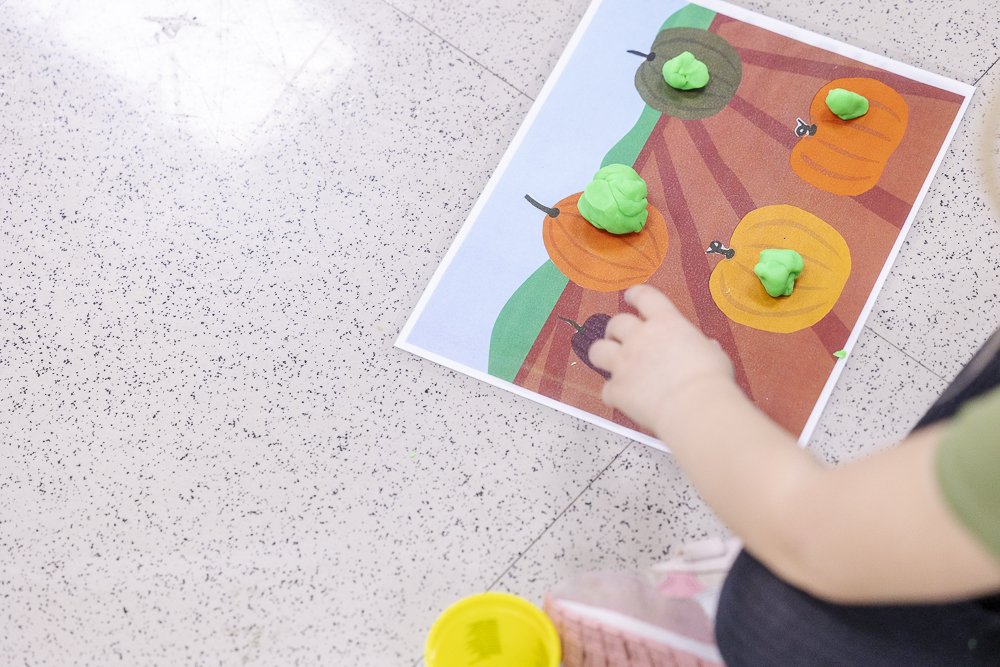
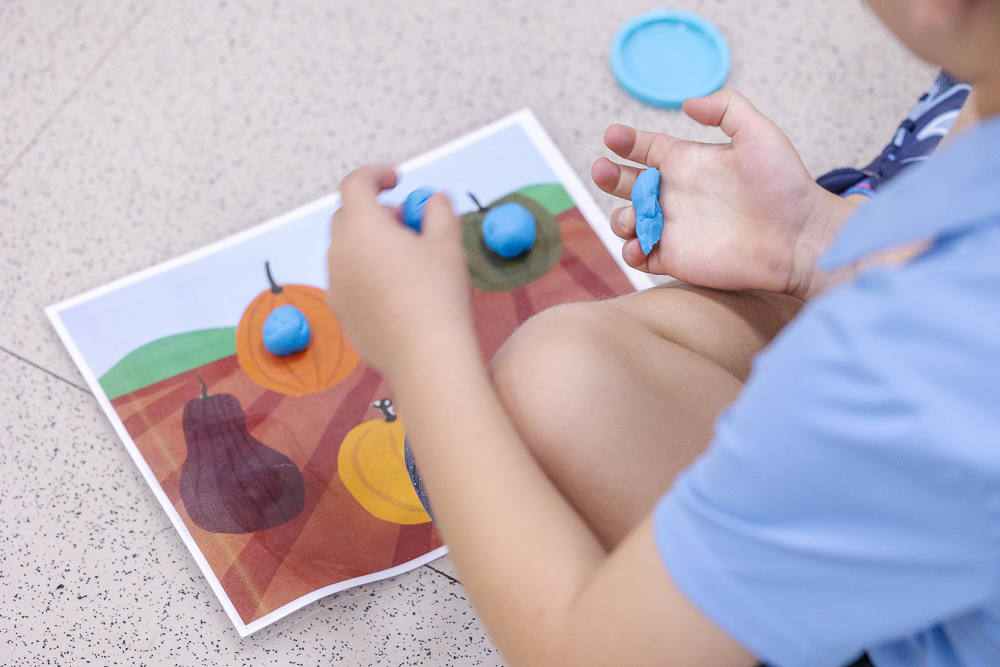
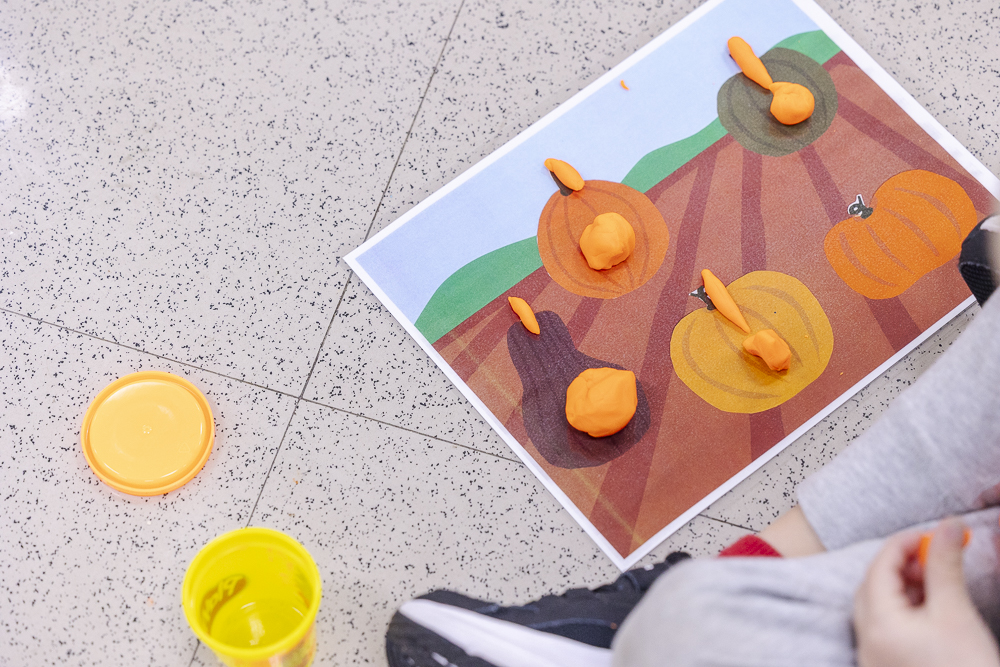
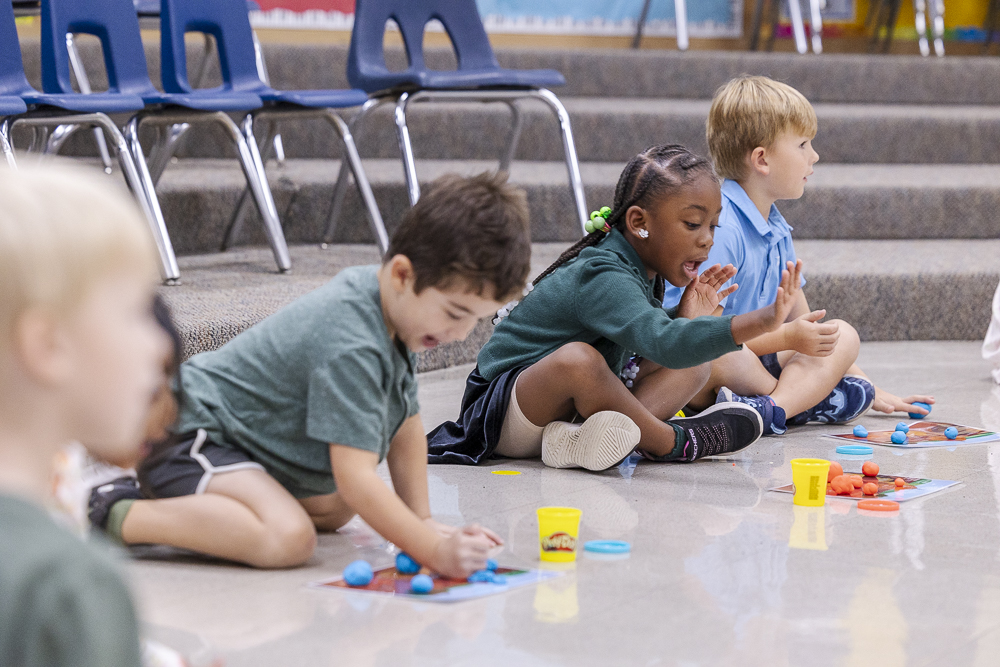
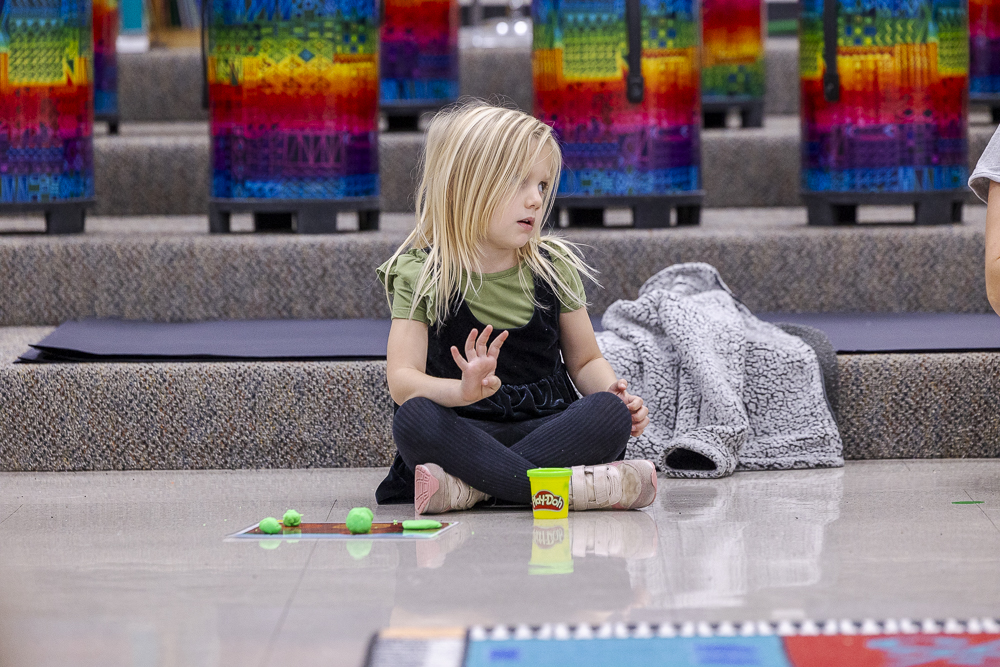
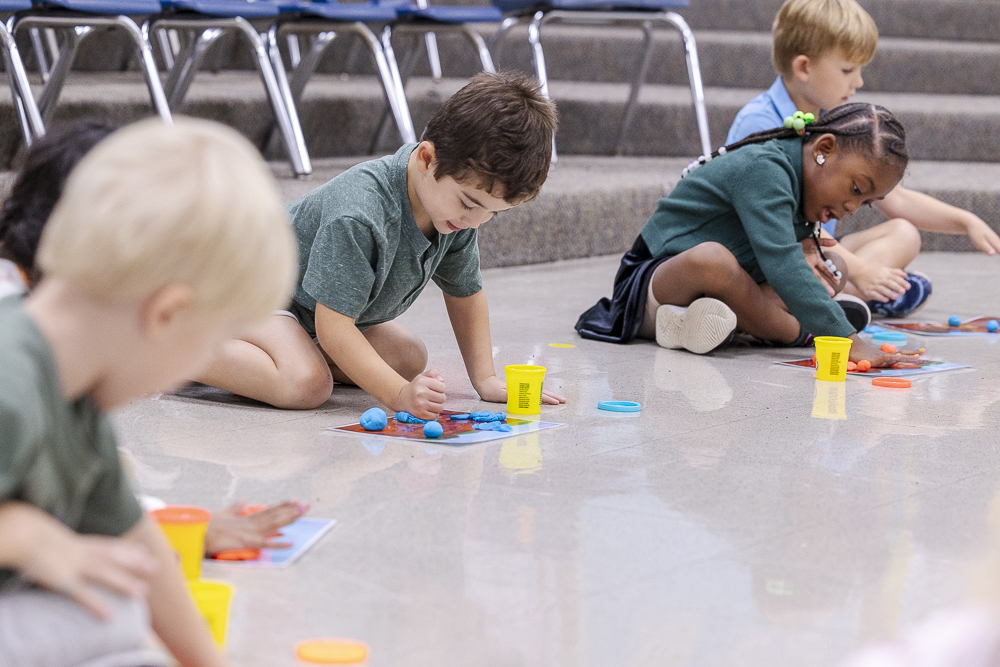
JK students learned about different kinds of pumpkins, exploring their different sizes, shapes, and colors. Then, each child created their own pumpkins using Play-Doh and built their very own pumpkin patch with five pumpkins. They could make their pumpkins any size or shape they wanted! The students especially enjoyed smashing their five pumpkins during the song Five Little Pumpkins Sitting on a Gate. This became an elementary math lesson in subtraction, as each verse of our song continued with one fewer pumpkin after another had been smashed. It was a smash hit!
SK students sang Spooky Down by the Bay (Where the Pumpkins Grow) and enjoyed exploring rhyming words and rhyming pairs. The students then took the creative lead by coming up with their own spooky rhymes to add verses to the song. We even incorporated two of their original ideas into the Halloween Sharing performance! Hank L. ’39 came up with “ghoul going to school,” and Lulu M. ’39 created “bat wearing a hat.”
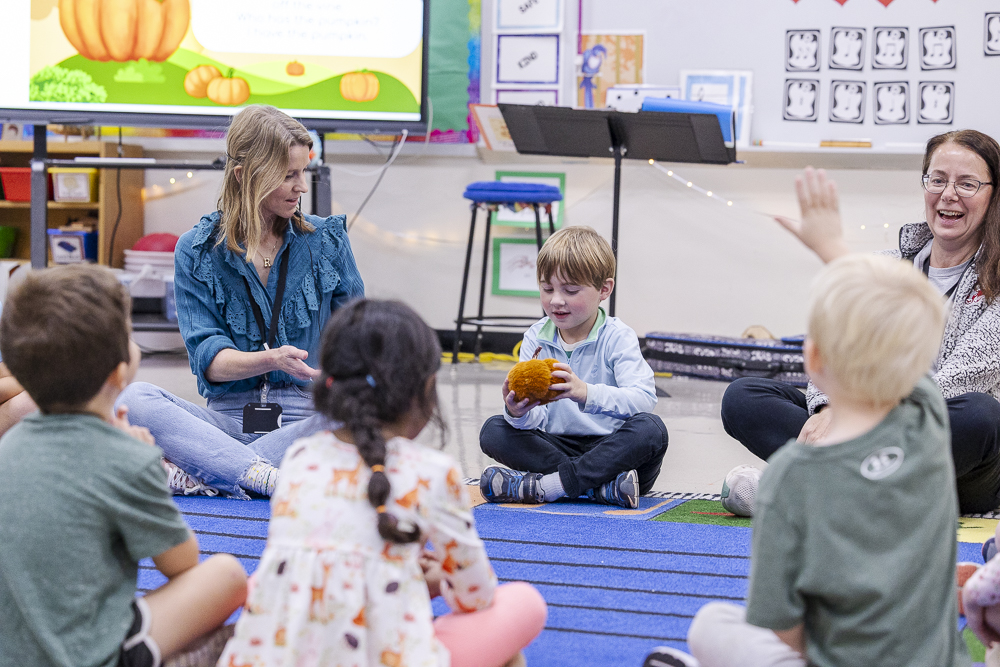
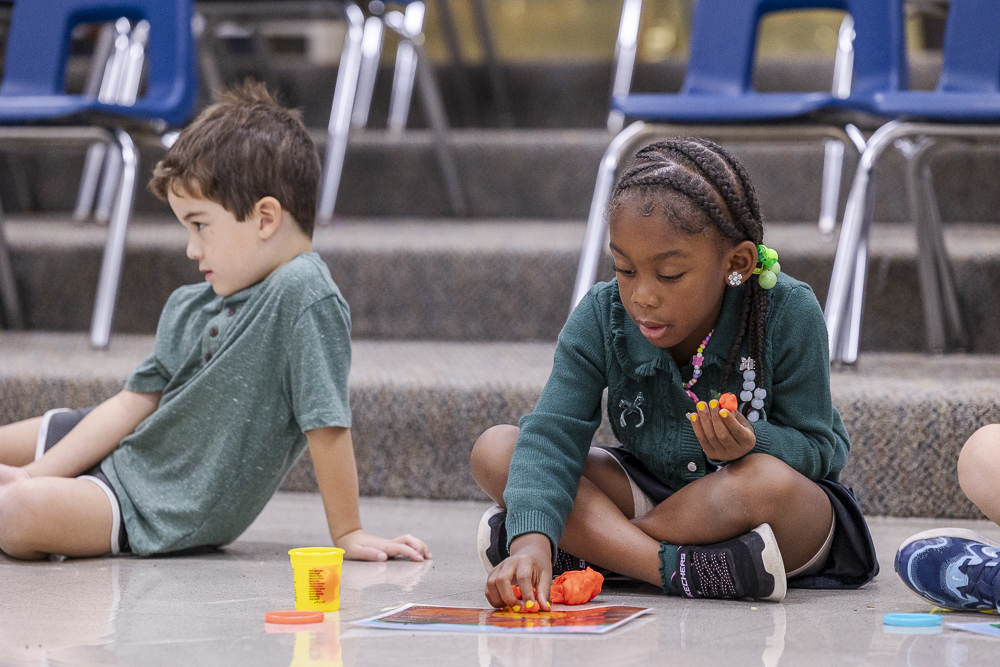
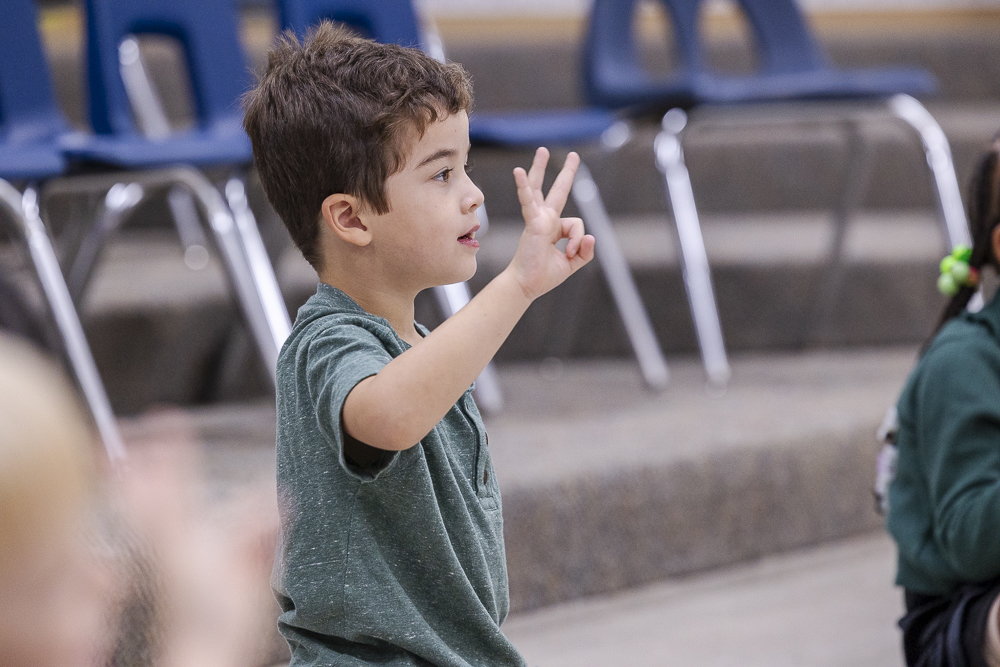
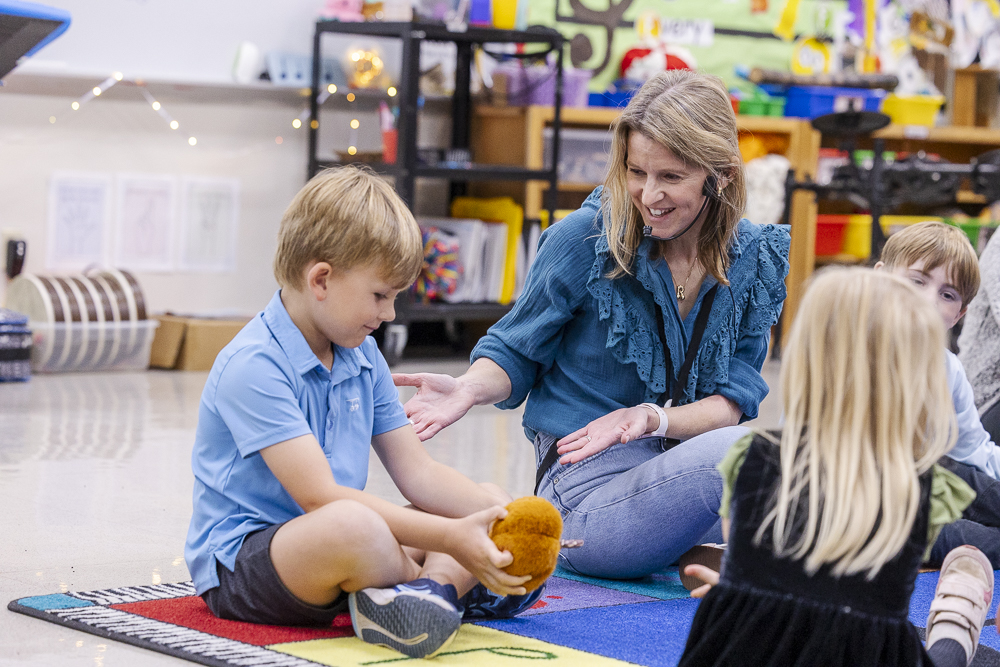
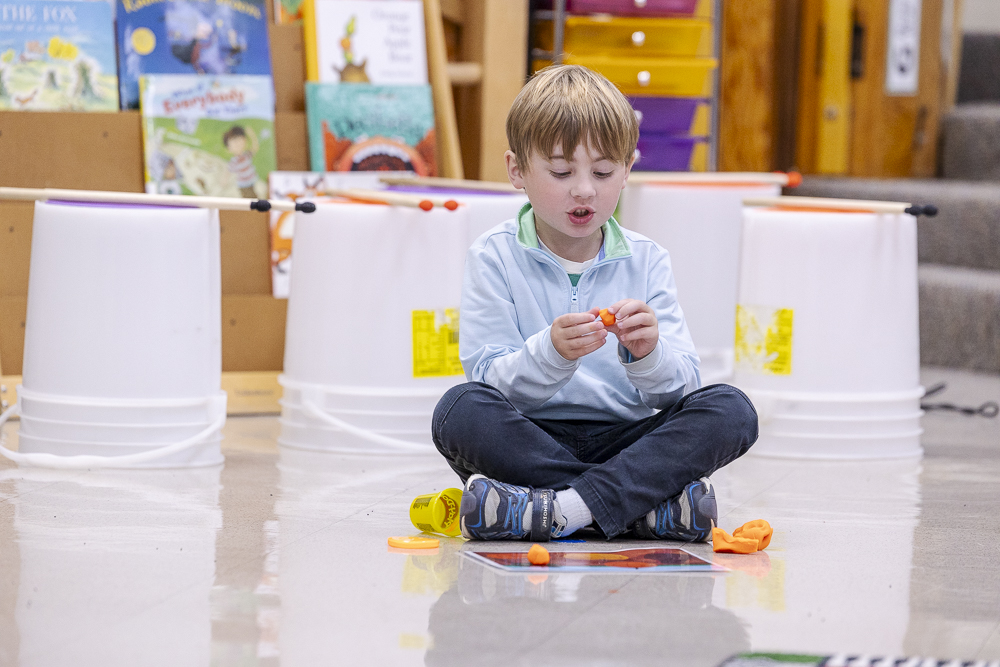
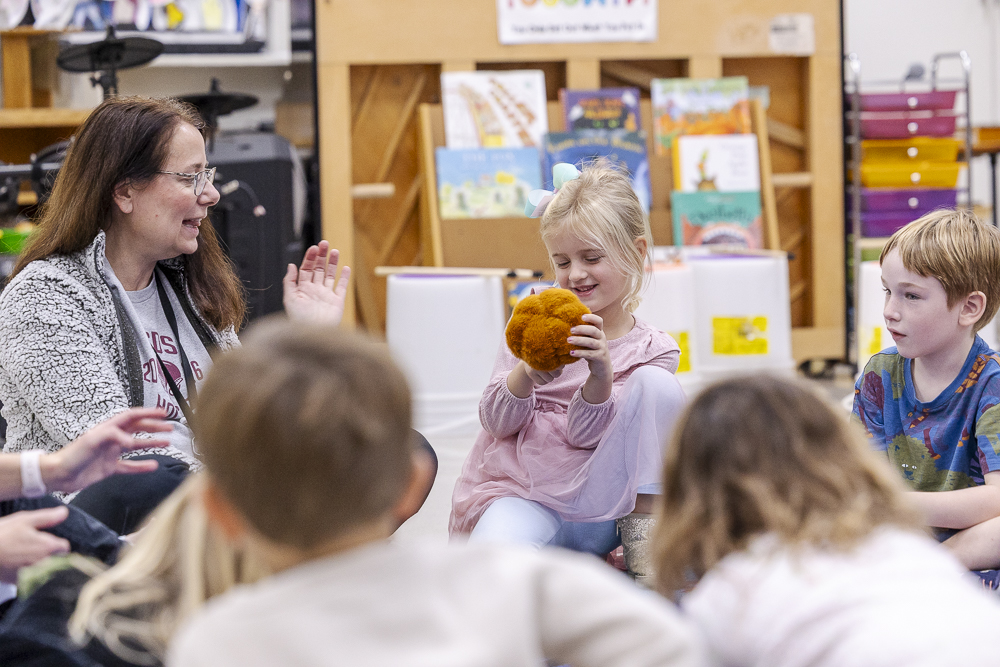
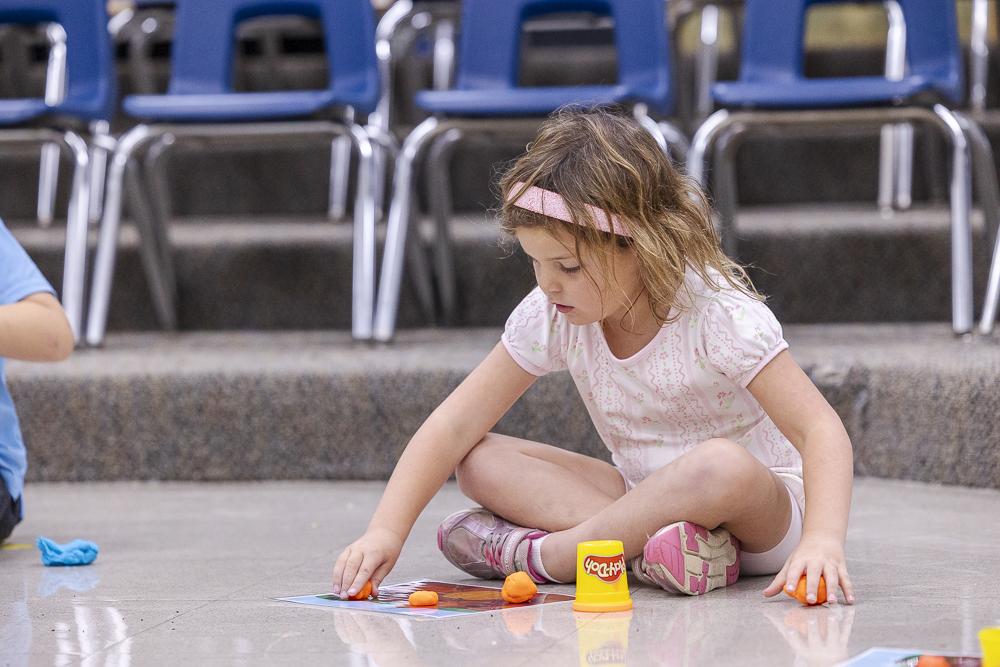
First graders were excited to add a sound story to the book, Too Many Pumpkins by Linda White. They created their own pumpkins to go along with the tale. One student was so enthusiastic about the project that he went home and made more than 30 pumpkins so that every first grader could have one for the Halloween Sharing. He even applied what he was learning in art class to his music-class project. The students also enjoyed adding a song and poem to the story and working together to create a soundscape that brought the tale to life.
Second graders played Pass the Pumpkin, a school favorite that even our fourth graders ask to play! The students practiced passing a pumpkin to the steady beat. When the music stops and the pumpkin lands with someone, that student goes to an instrument to help accompany the song.
The second graders have become such confident musicians that they can independently lead much of the activity, including accompanying themselves with a steady-beat bordun, descending melody line, rainstick part, and gong part while managing the game.
Nichols said, “As their confidence and understanding have grown, I’ve gradually stepped back, allowing them to take ownership of the musical experience while I remain in the classroom as a resource when they need support. There is such buy-in in the music room when the kids have ownership of the music they are creating and when their ideas are encouraged and incorporated into what we are studying!”
Library
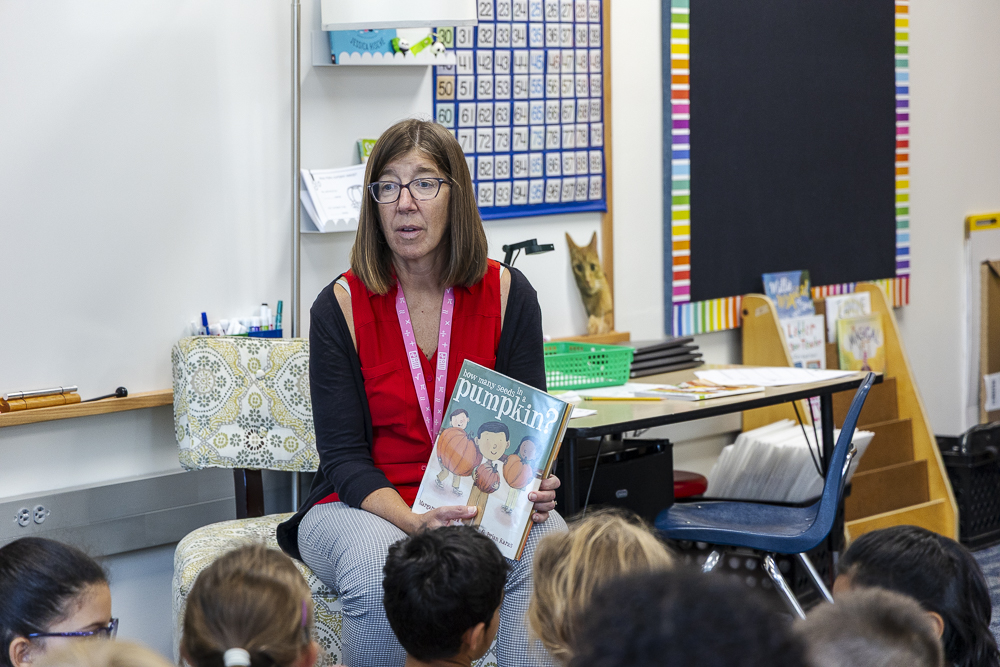
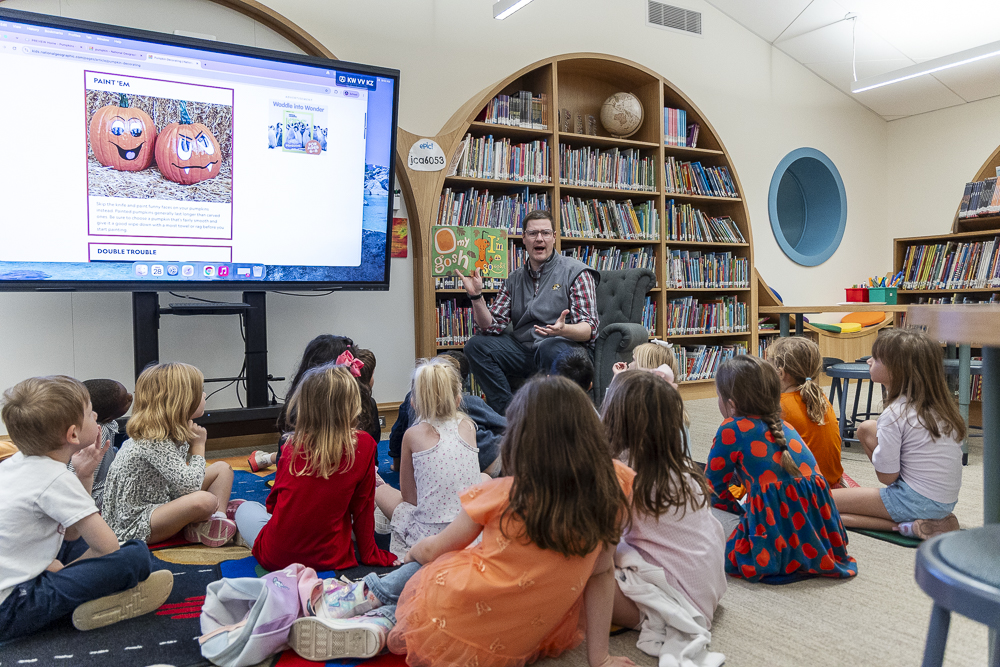
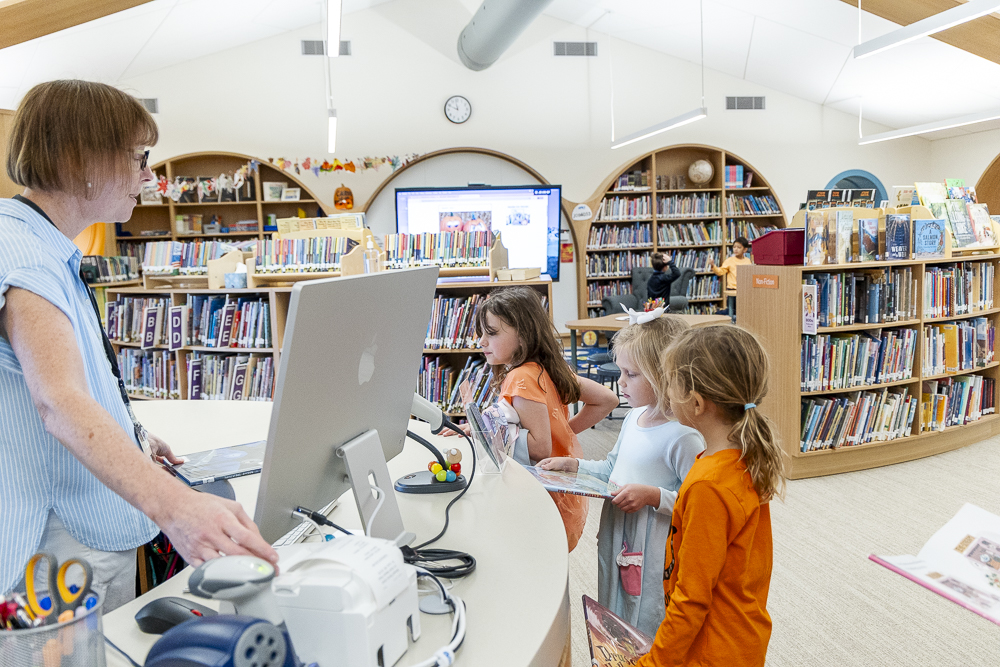
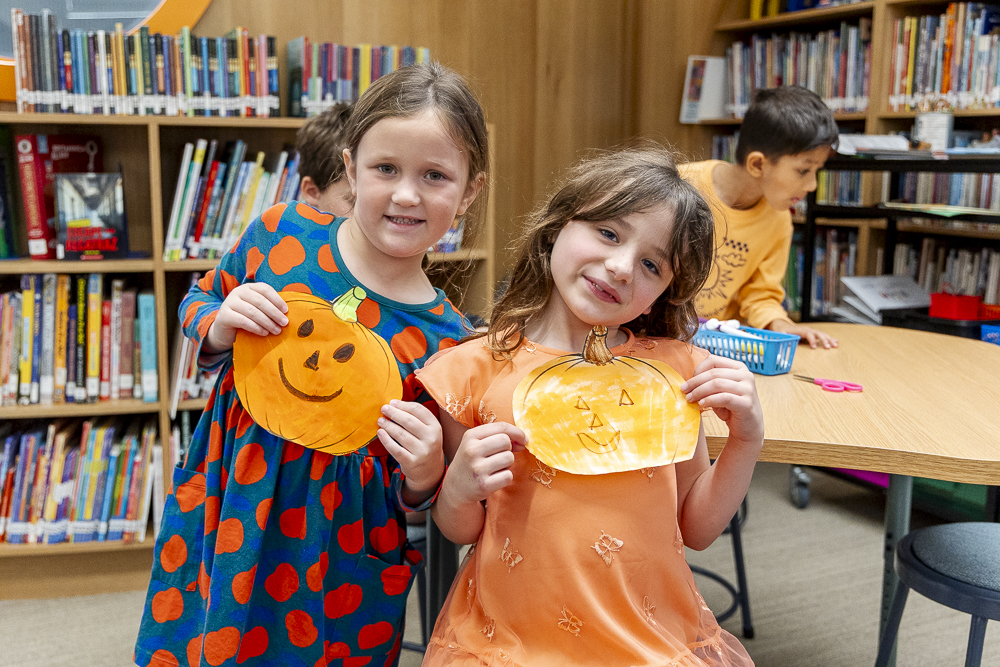
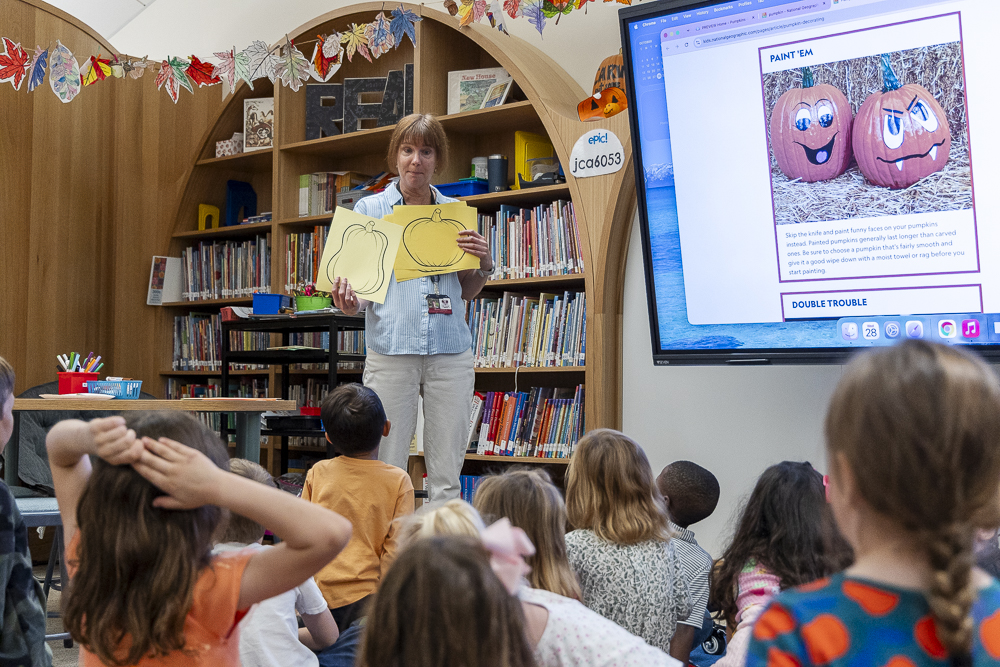
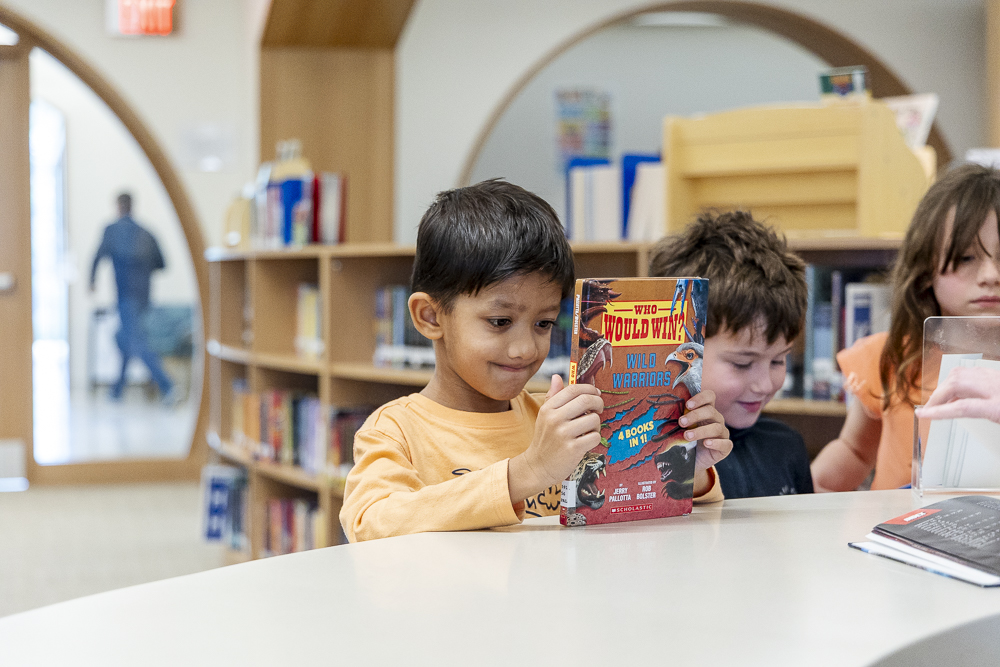
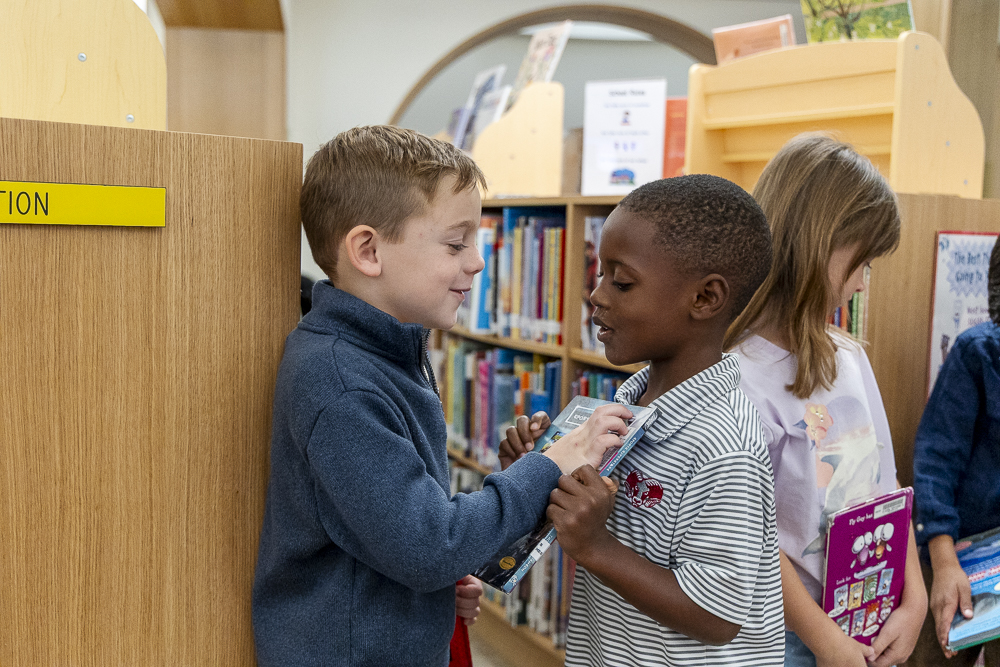
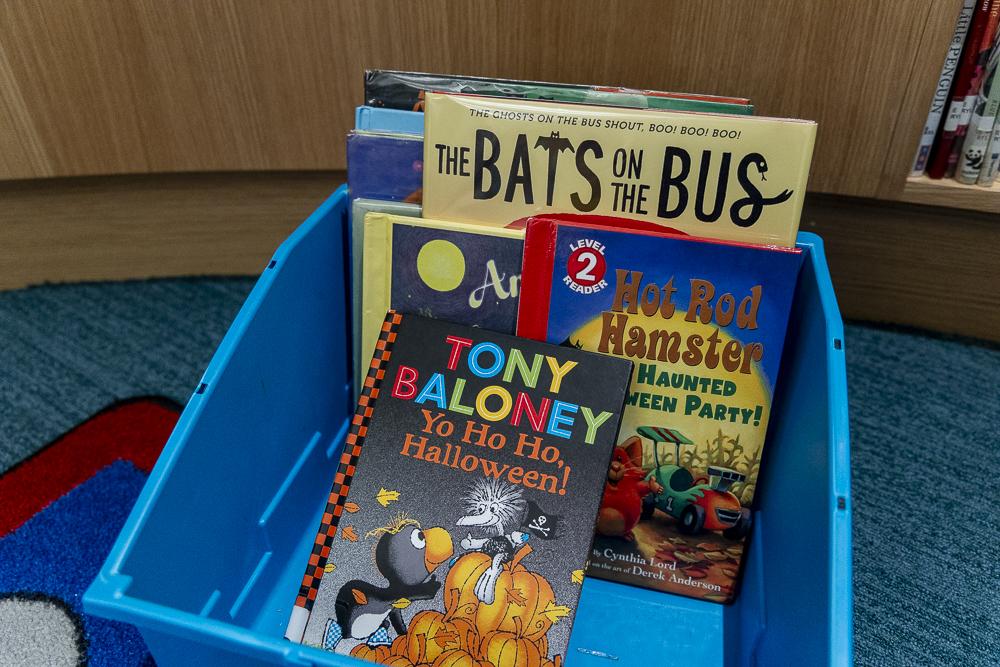
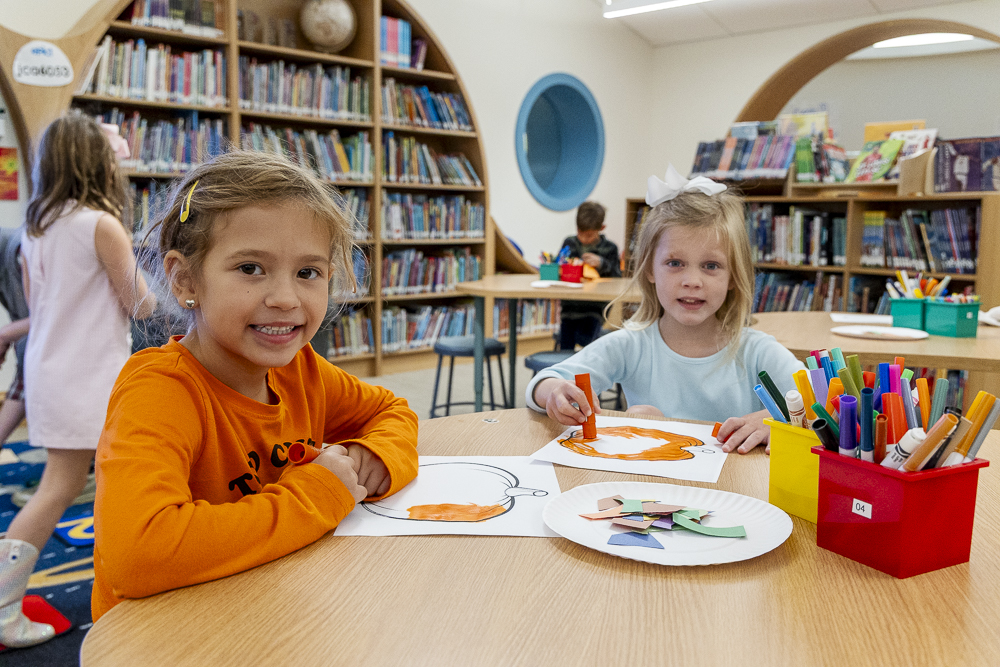
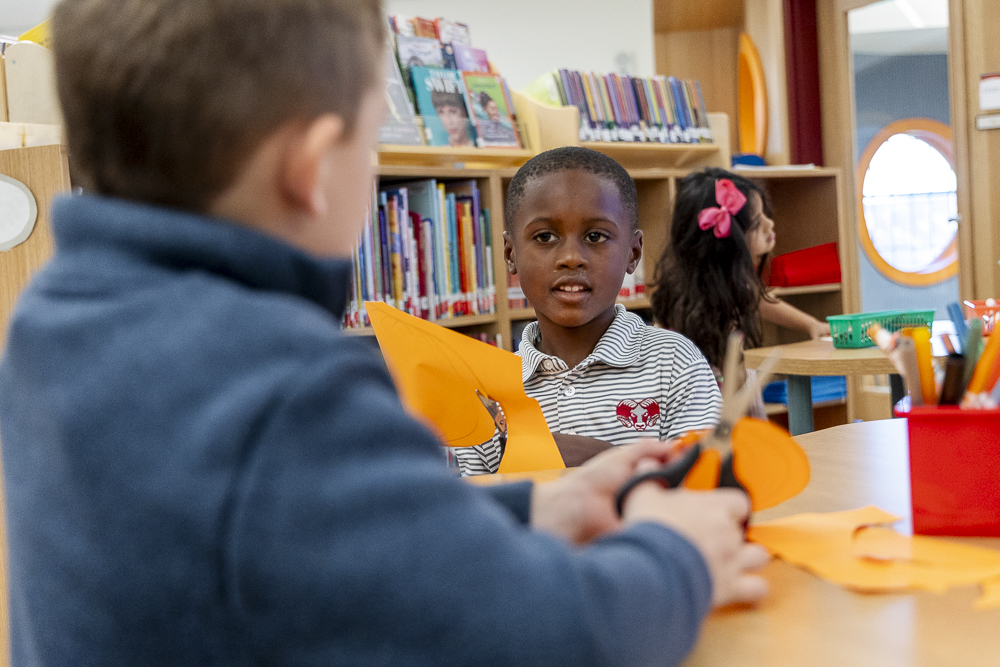
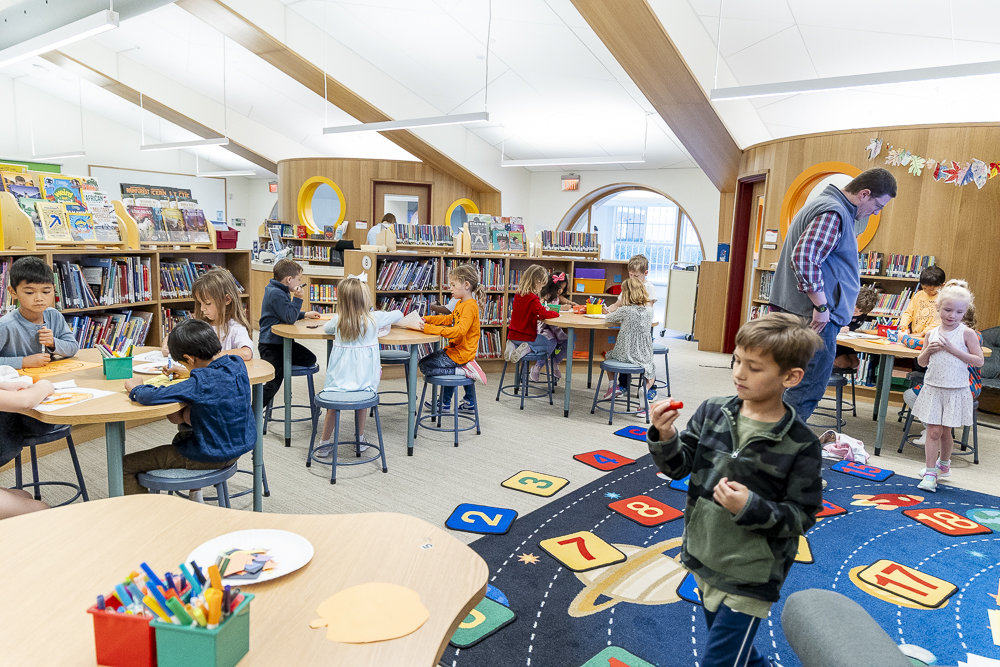
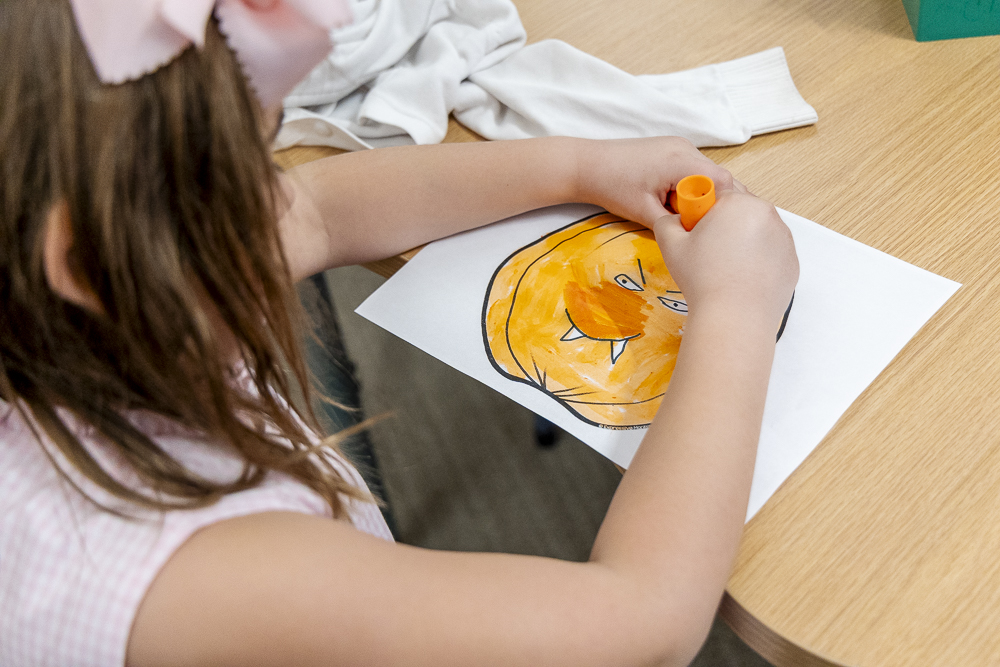
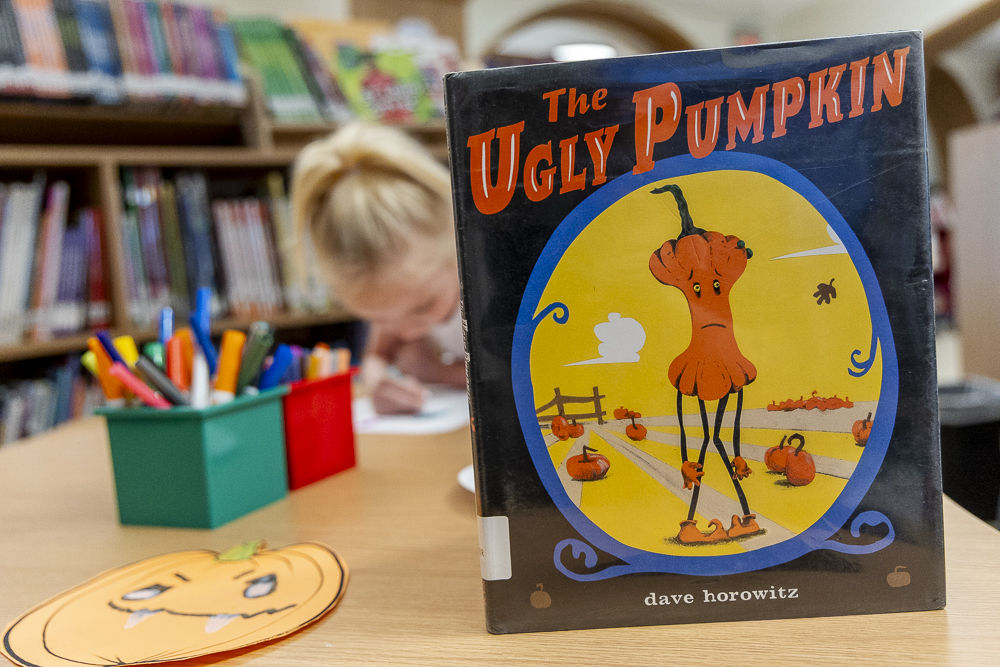
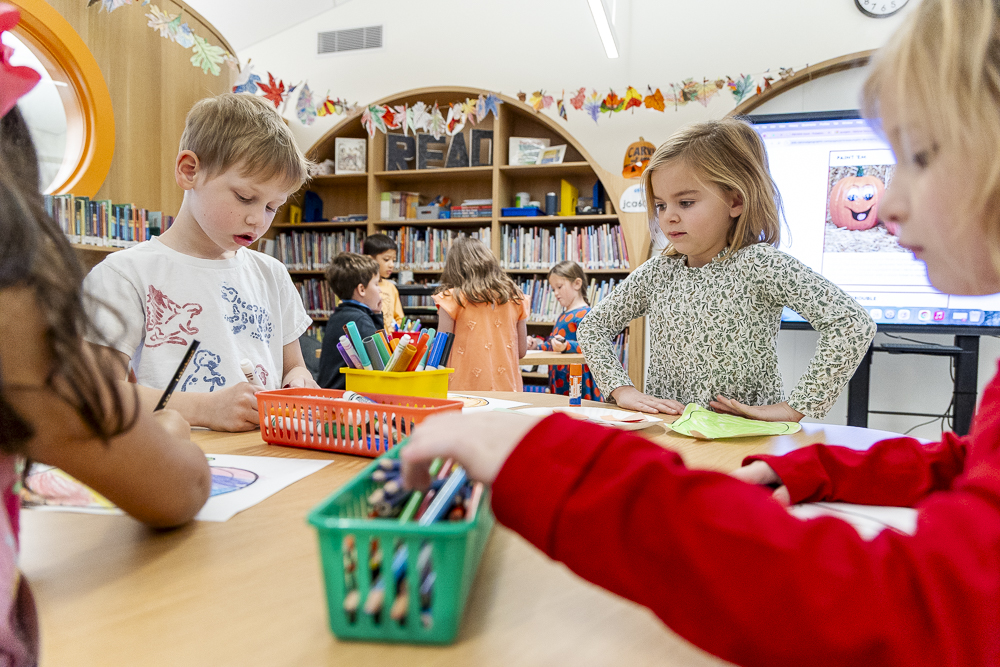
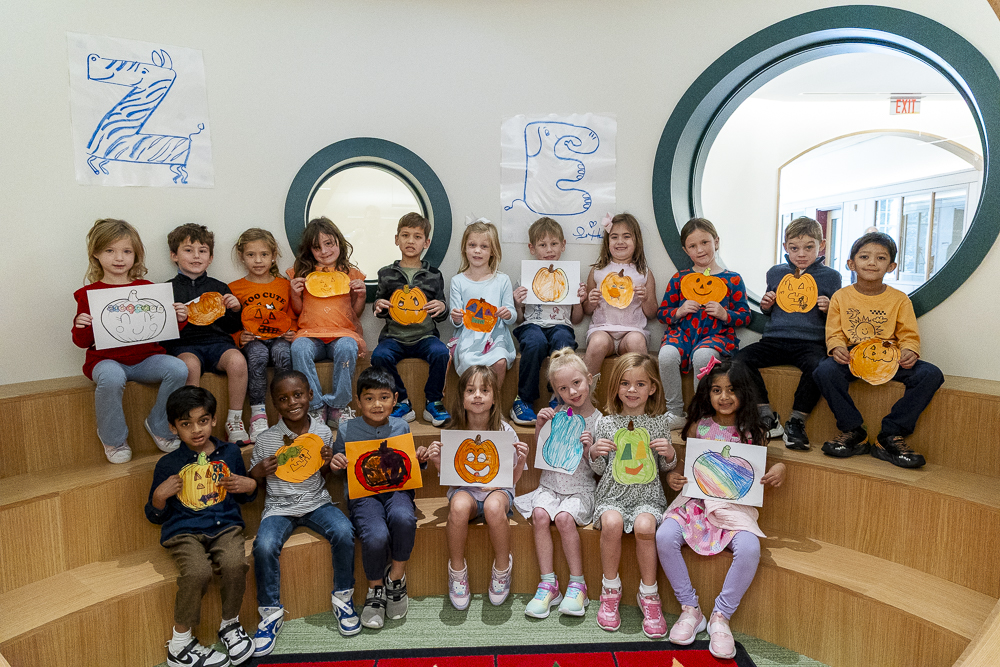
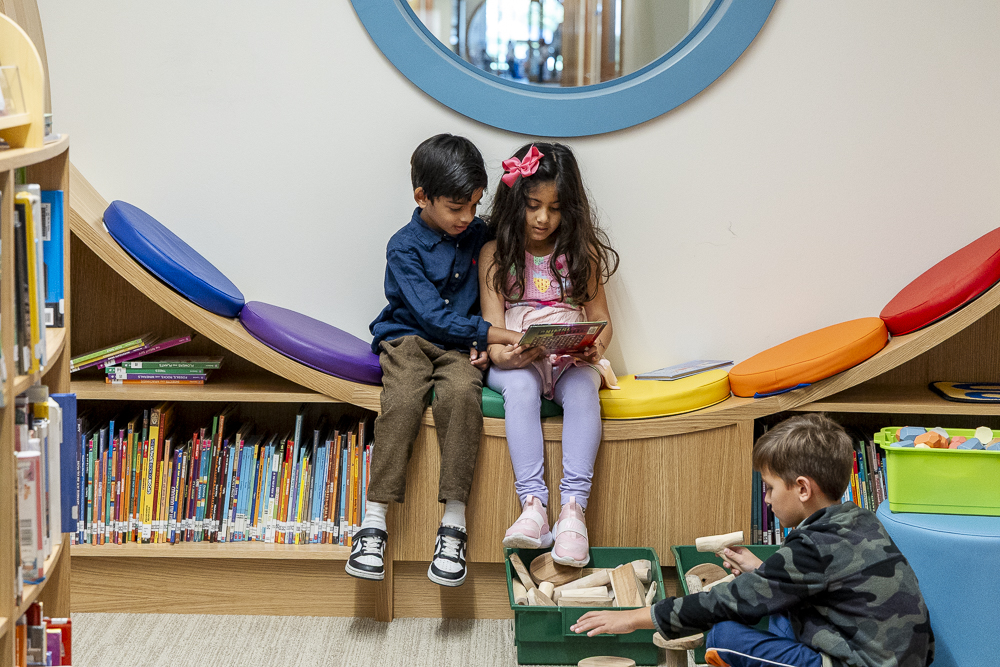
The Lower School library team picked a lively assortment of pumpkin and Halloween books for check-out and read-alouds alike. From reading The Ugly Pumpkin and making pumpkin crafts to using pumpkin digital LibGuide resources and library location tools to check out seasonal books, the library was a lively place to explore, read, and learn!
Spanish
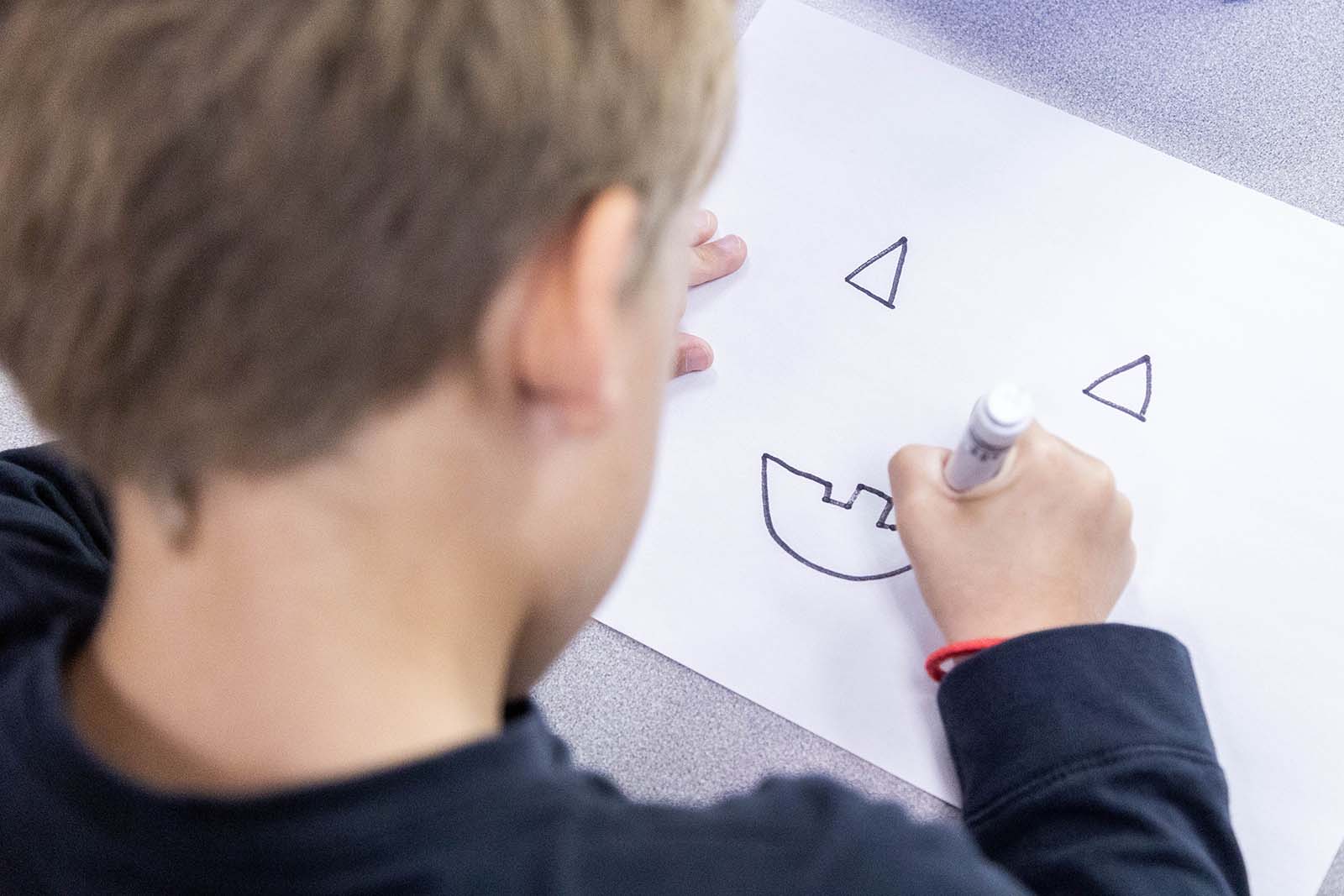
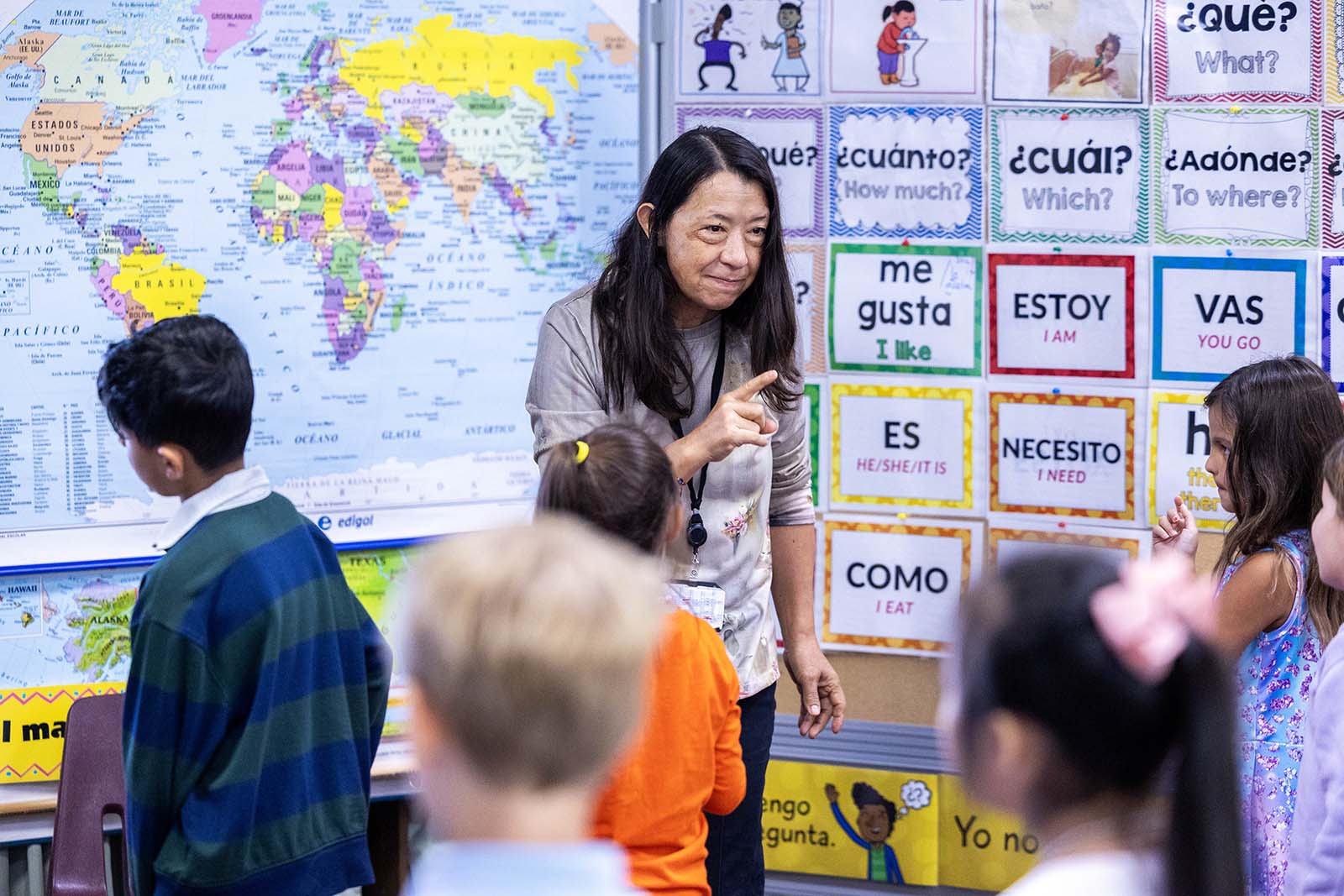
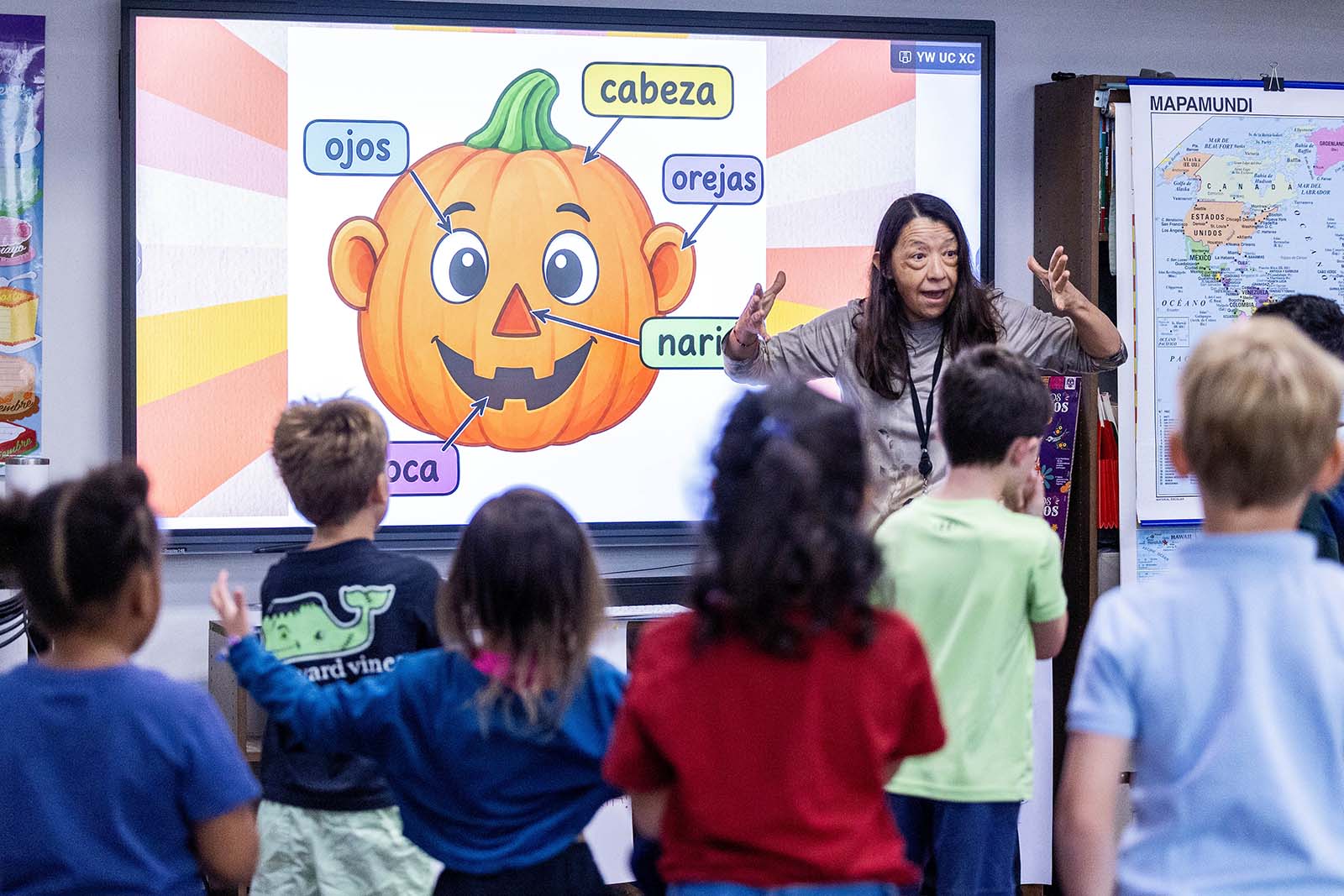
In Spanish classes, students carved out new ways to celebrate the calabaza (pumpkin) and enjoy the language. They sang, danced, and jumped to Calabaza Baila y Salta (Pumpkin Dances and Jumps), where a pumpkin goes out to play, dance, and jump, and encounters a ghost, a witch, a cat, and a bat! Students also learned and sang the song Esta Es La Forma De Esculpir Una Calabaza (This Is the Way to Carve a Pumpkin), exploring feelings and the different facial expressions those feelings make. No Pumpkin Week would be complete without watching ¡Es la gran calabaza, Charlie Brown!
Long after the seasonal gourds are cleared away, the curiosity, confidence, and problem-solving skills built during Pumpkin Week will keep growing.