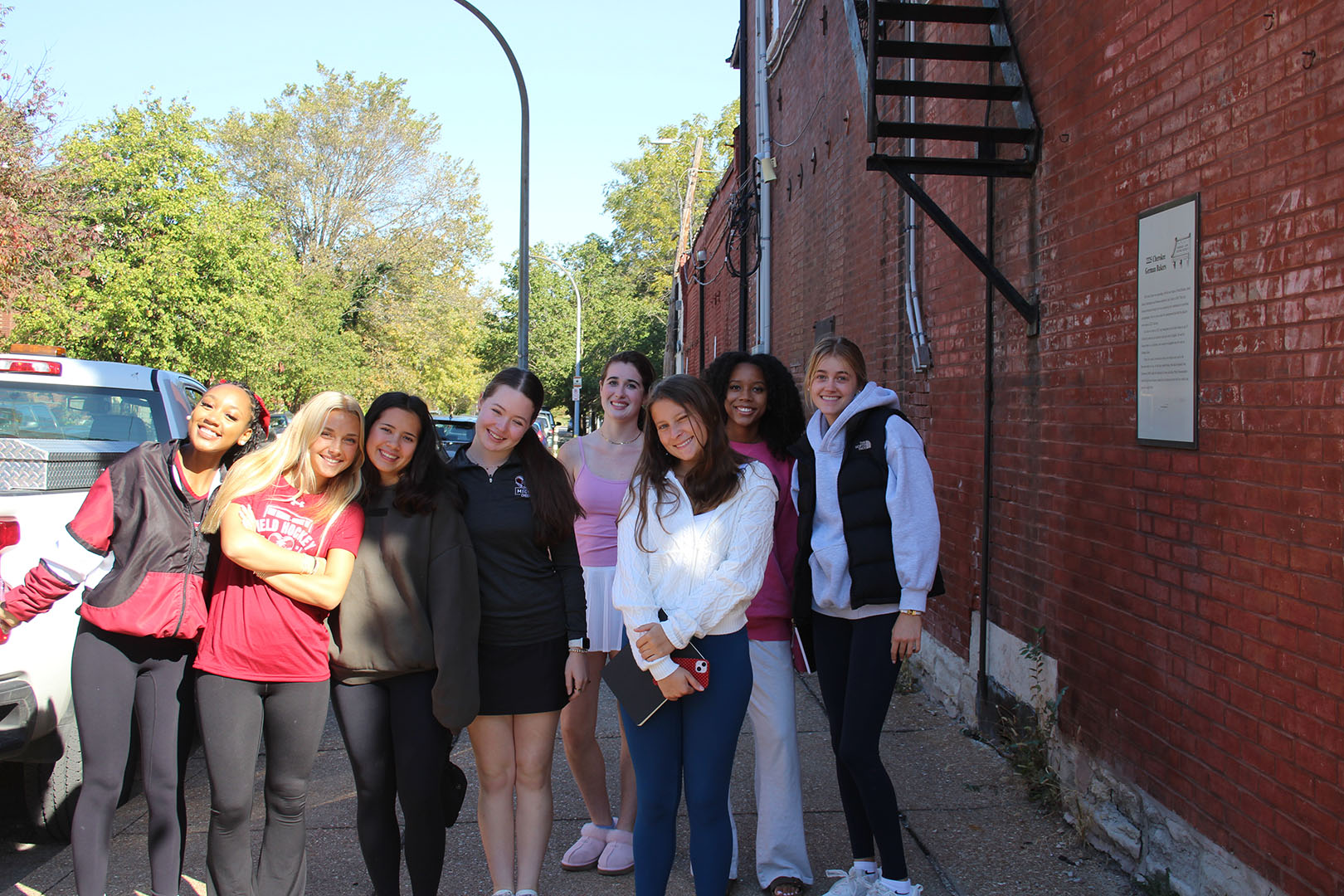
Upper School Art Teacher Asia Johnson-Brimmage believes in the importance of students interacting with working artists, so she took her Advanced Drawing and Painting, Painting, and AP Drawing classes out into the community to see art in the wild and hear directly from those who create and promote it. Art class often means that, beyond making their own pieces, students see art through textbooks and screens. Standing in front of actual art, with scale, texture, and presence, is an immersive experience, and if that can be combined with hearing a working artist speak about their creative career can make this path feel attainable and demonstrate that there is no single route.
“After our visit, I hope that my students recognize the importance of Practice, Experimentation, and Revision,” said Ms. Johnson-Brimmage. “It’s something that I’m trying to emphasize to my AP Students as they begin to think about their college portfolios and the bodies of work they’re currently creating to submit to the College Board. I want them to embrace the process just as much as the final piece, and every step along the way.”
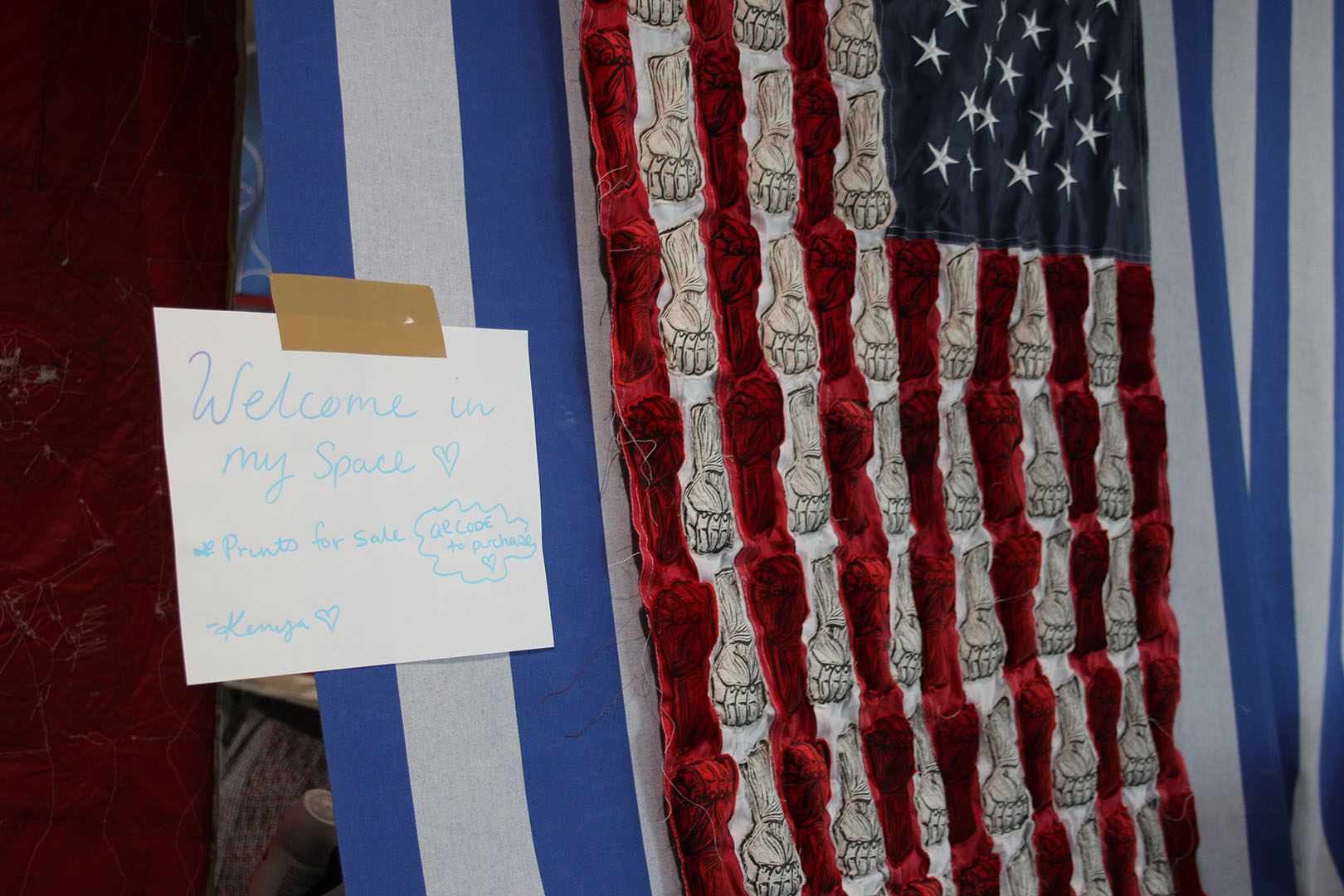
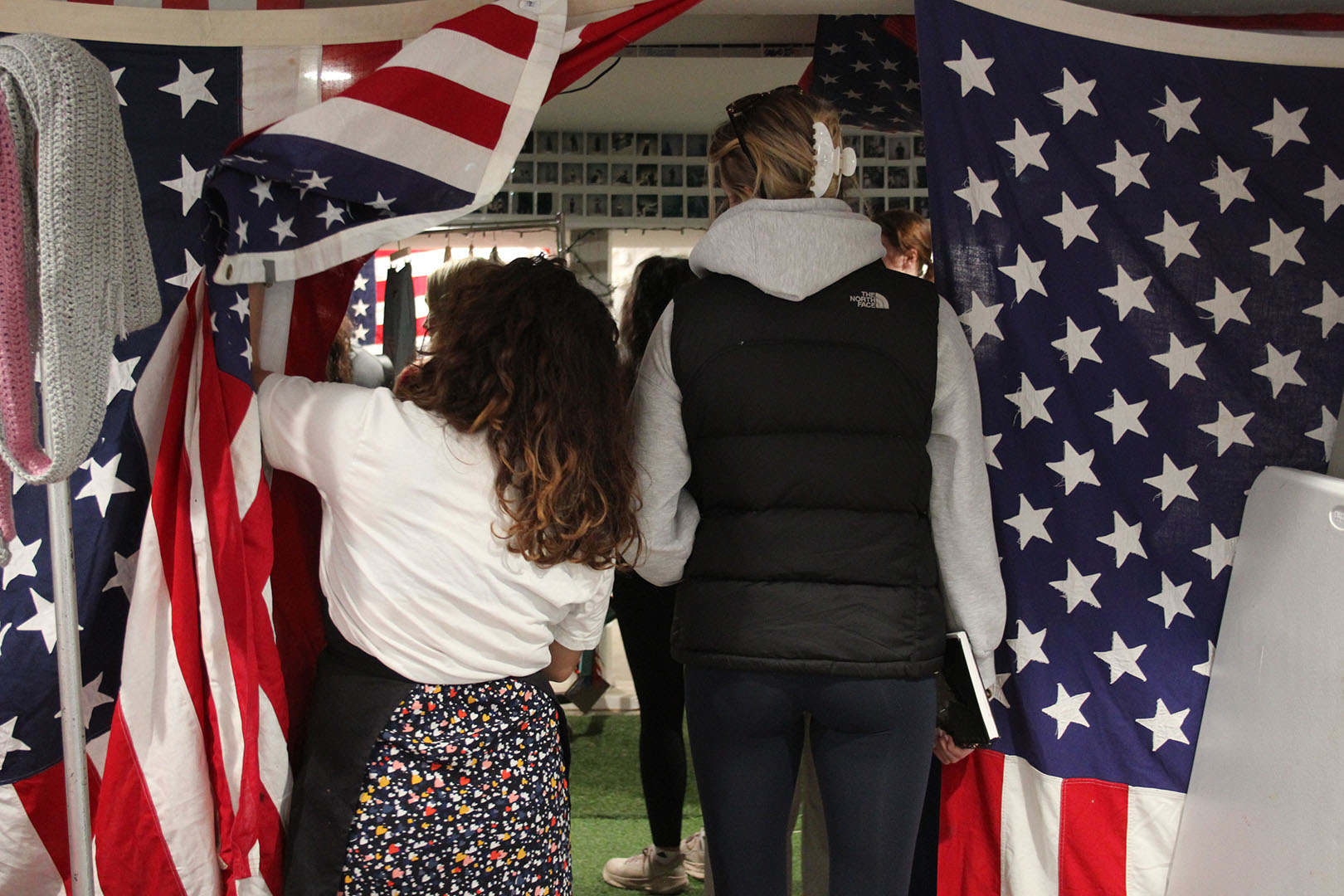
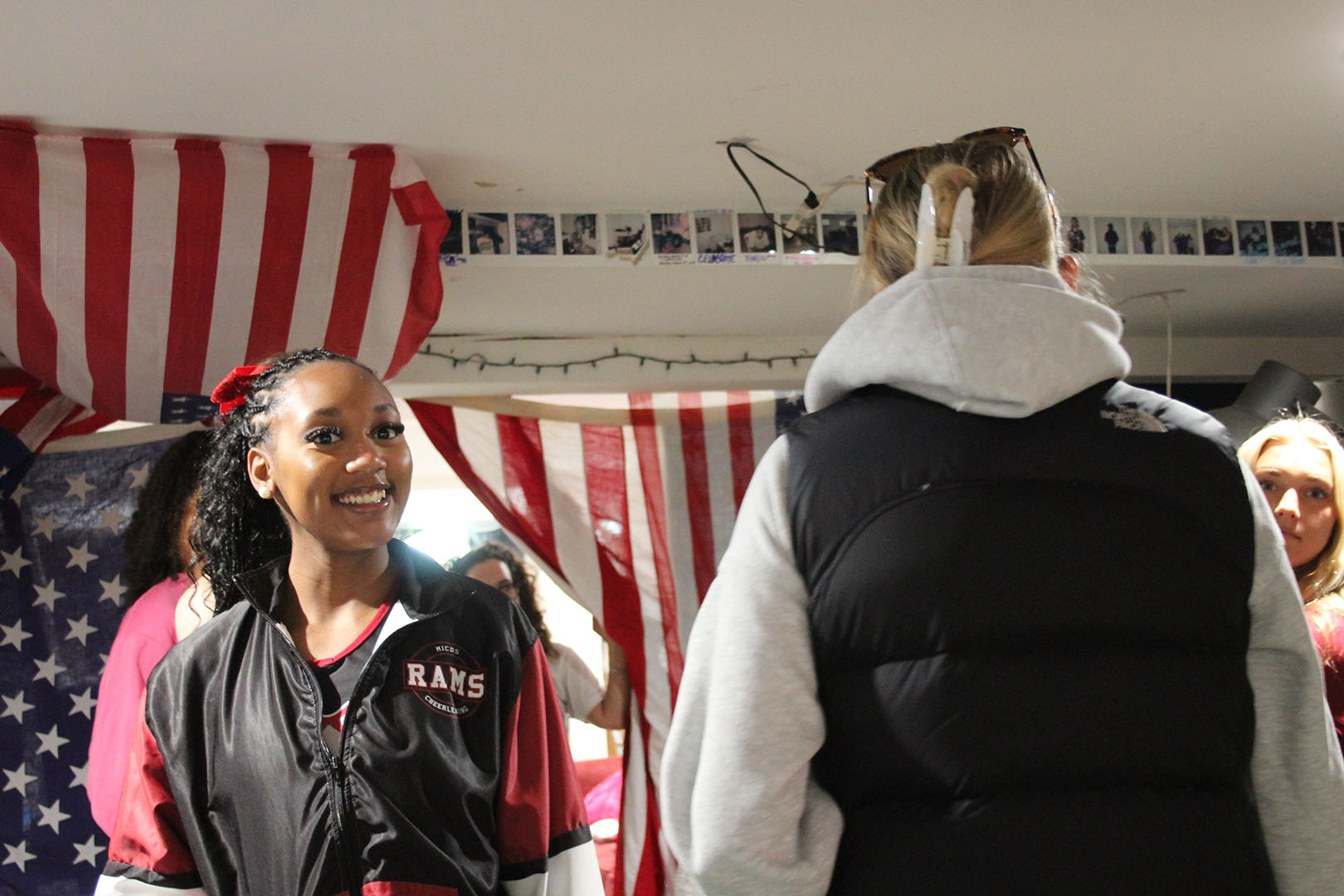
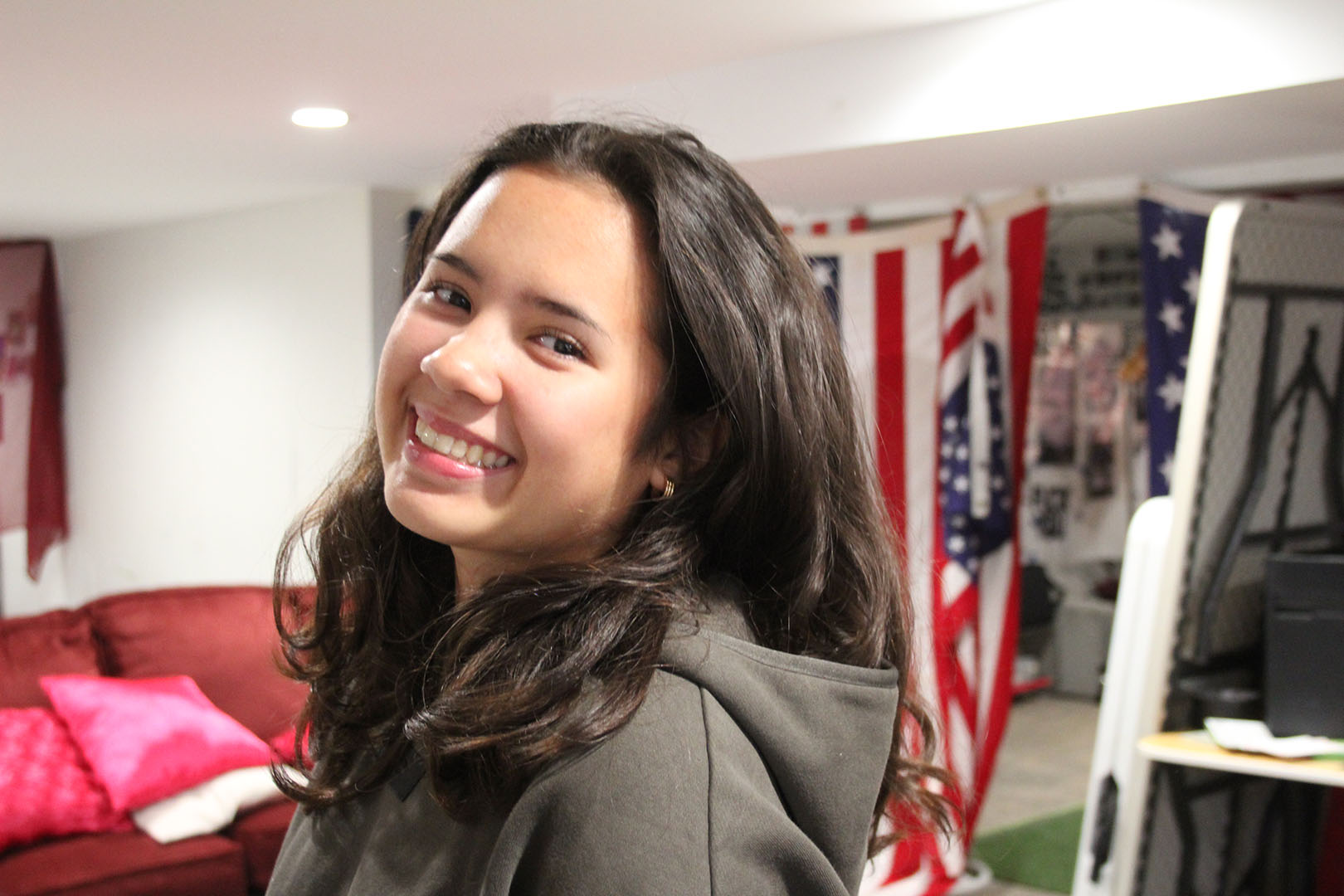
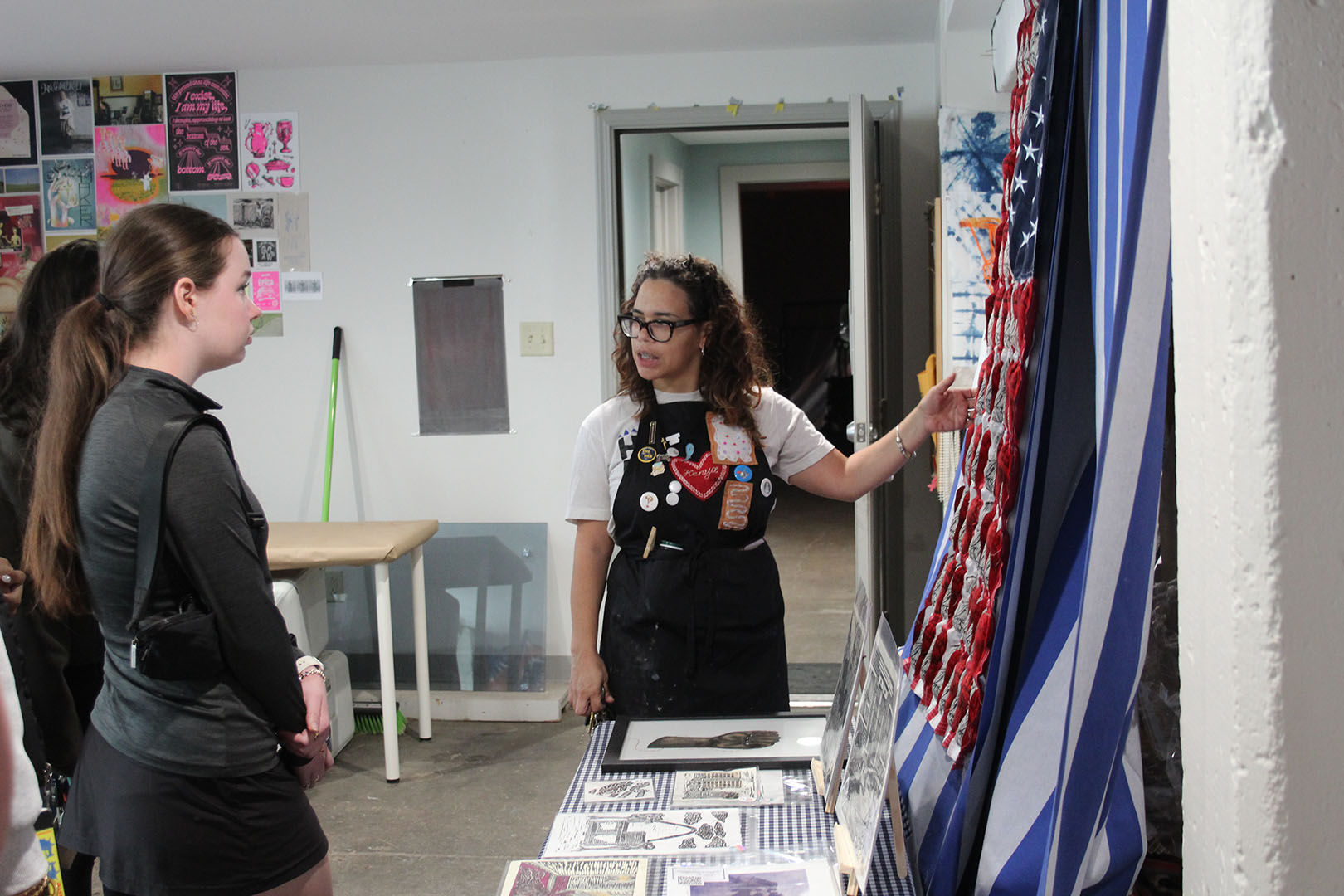
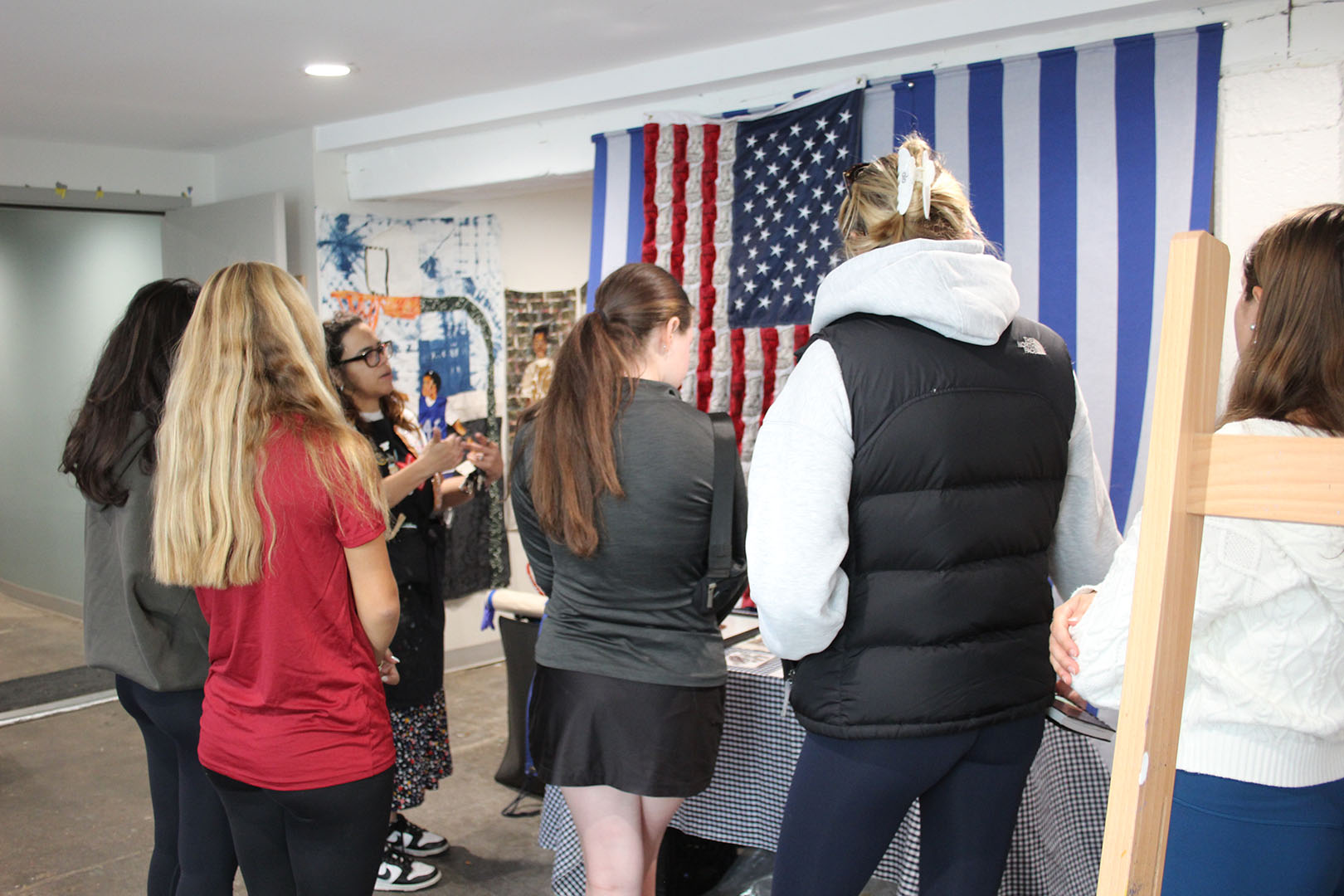
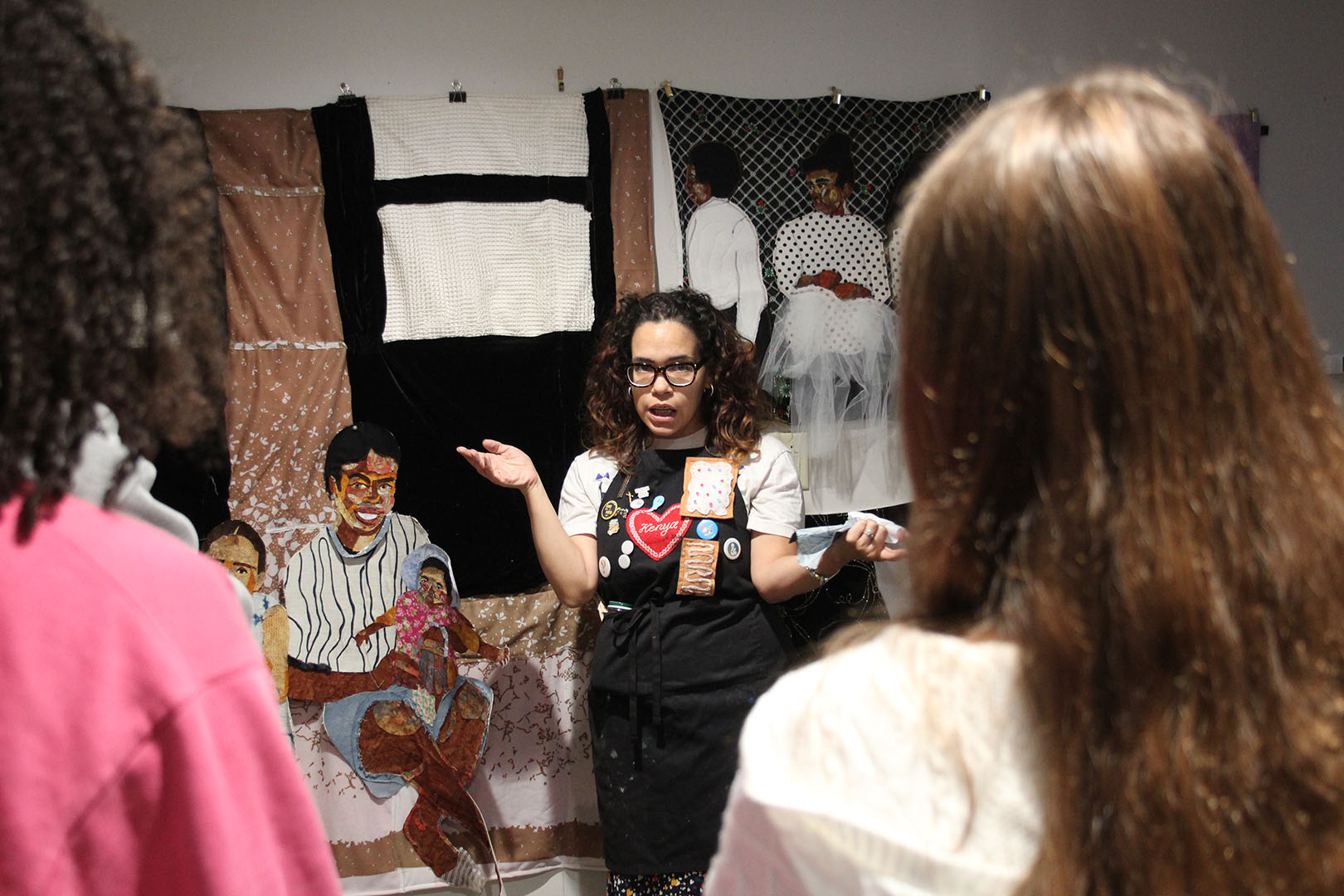
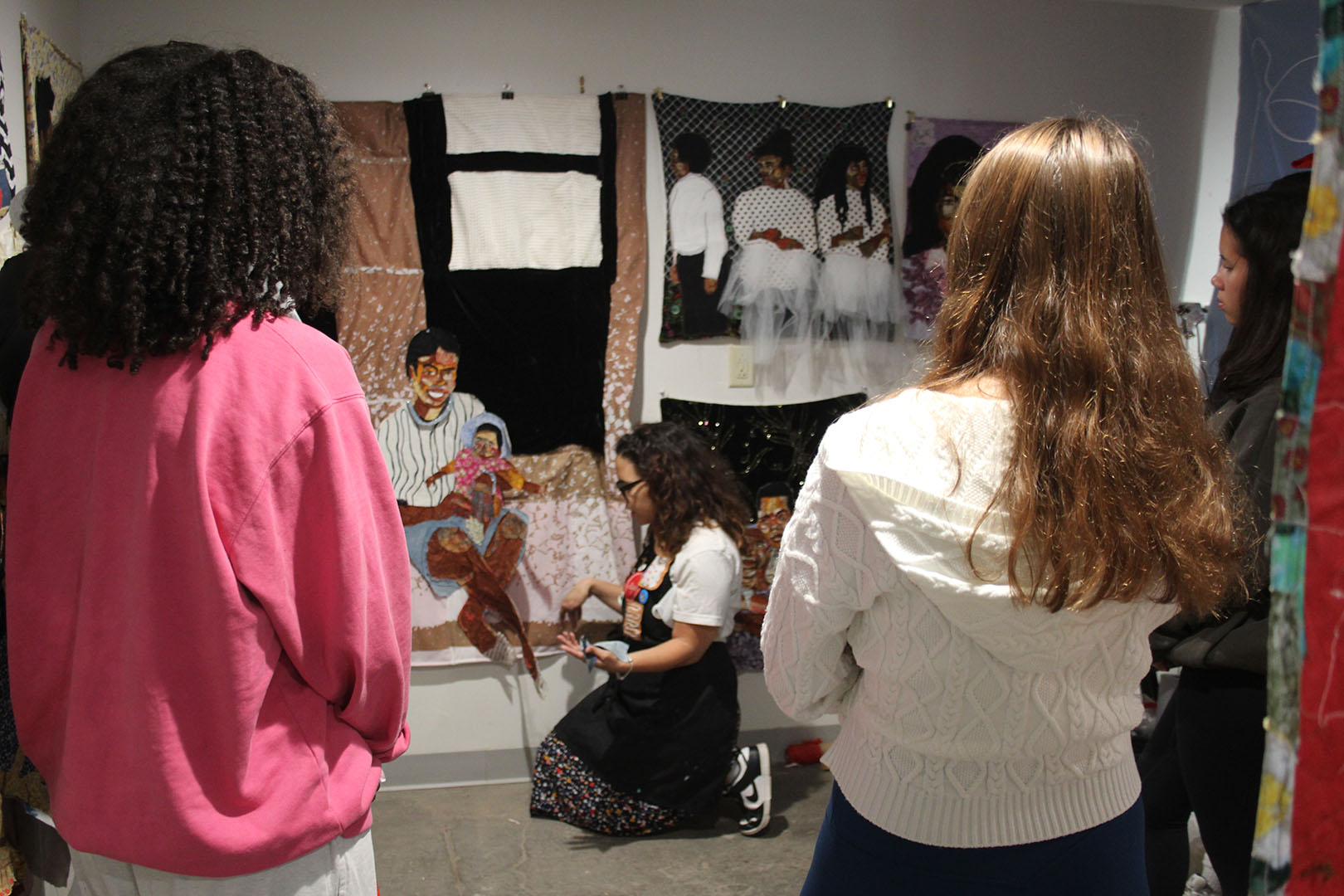
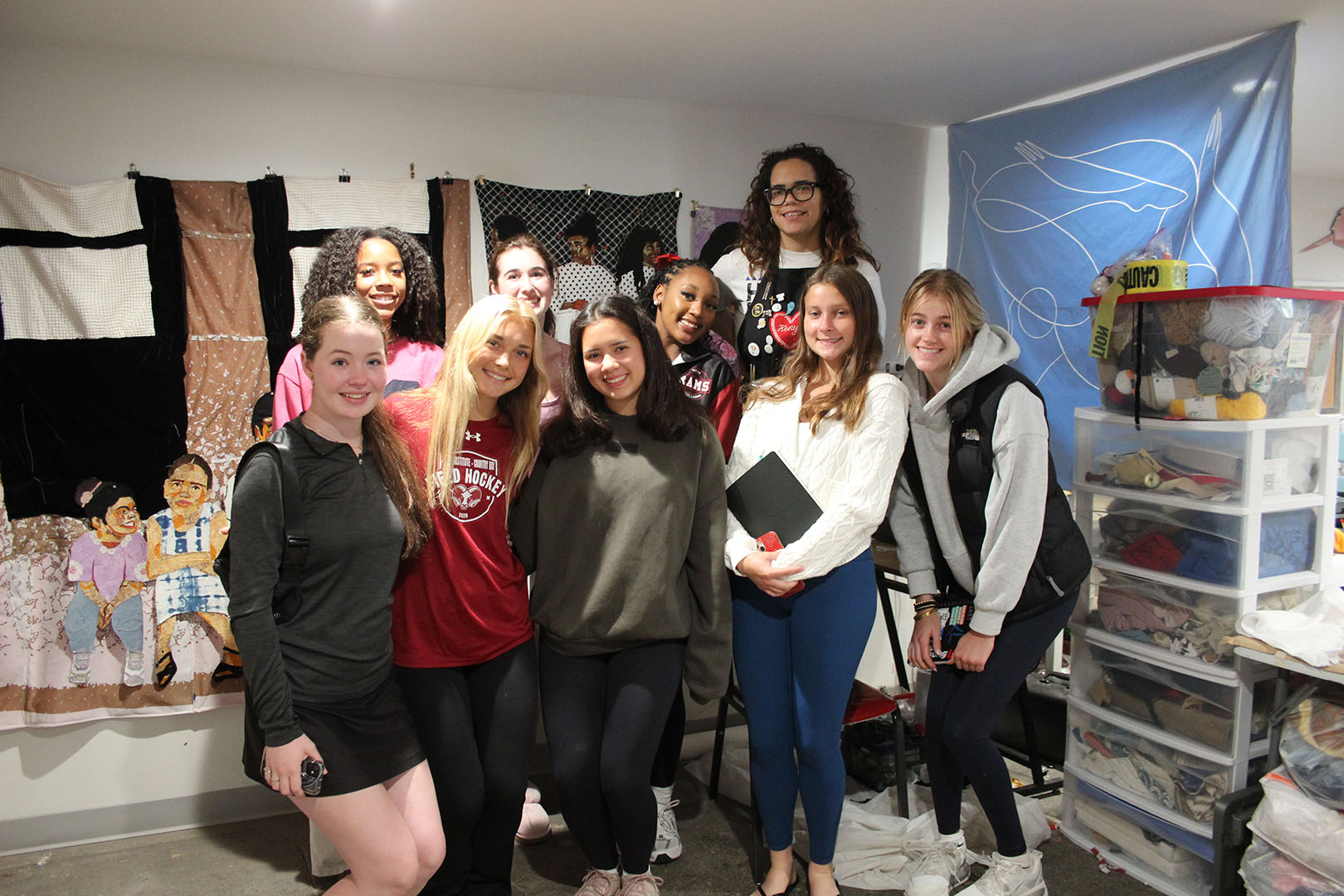
The classes traveled to the Benton Park neighborhood and Cherokee Street, visiting a variety of exhibits and studios including Killeen Studio Architects, The Luminary, and People’s Art & Recreation Center (PARC). At Killeen, visual artists are part of the collective The Stu Crew, working out of their on-site studios. Local artist Kenya Mitchell led a tour of the studio space and spoke about her current work. The Stu Crew model shows that artists often work in community rather than alone, which helps shape how students think about their own artmaking practice. “At Kenya Mitchell’s studio especially, their space challenged the perception of what an artist’s studio is traditionally advertised as looking like,” said Ms. Johnson-Brimmage. “There are around 10 different artists of different disciplines that share part of the space. Within their own little piece of the studio, the artists are utilizing every inch of the studio as it is covered with completed work, works in progress, and a variety of materials. I feel like being in the space where an artist creates their work further humanizes the person behind the pieces that you eventually see in gallery spaces.”
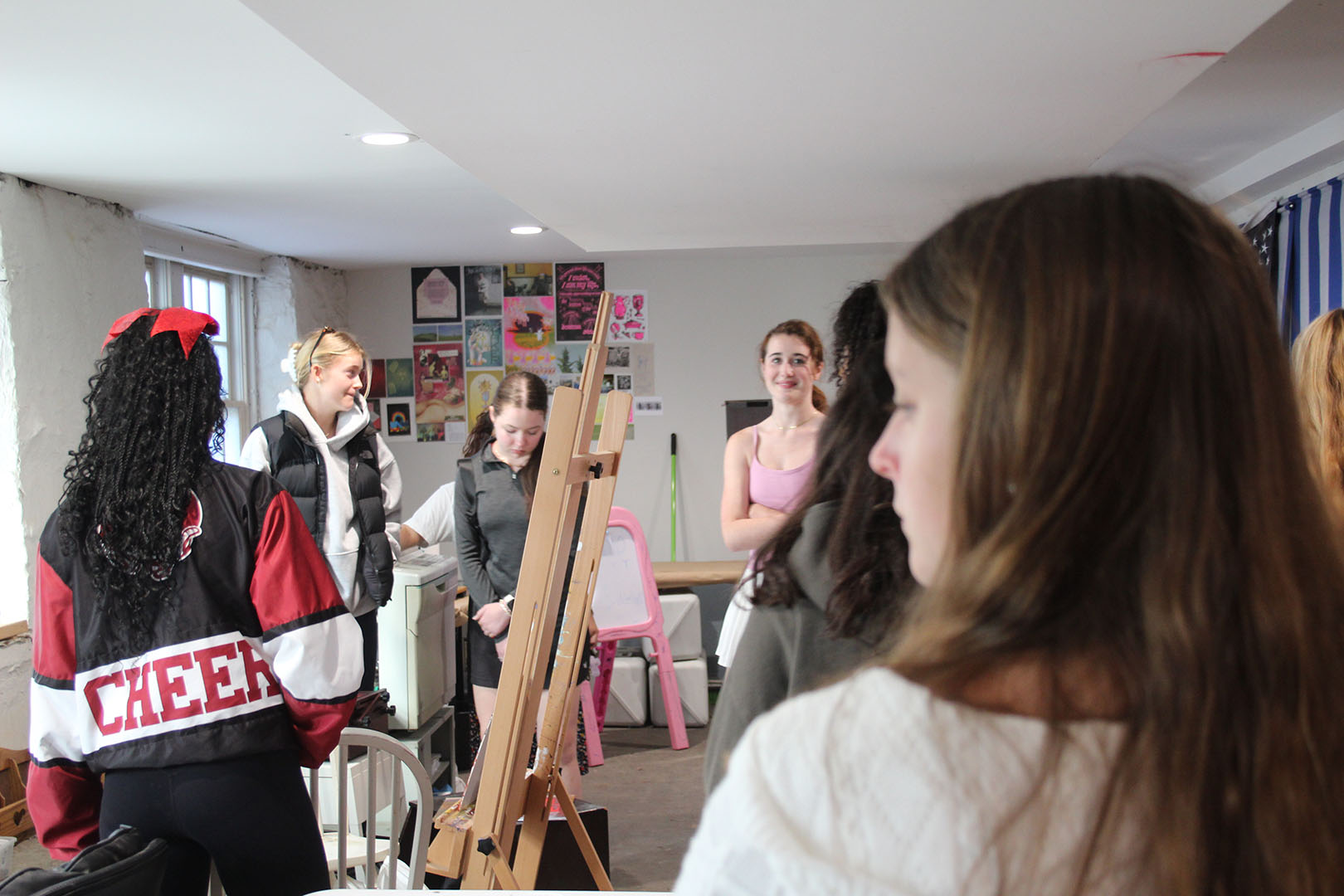
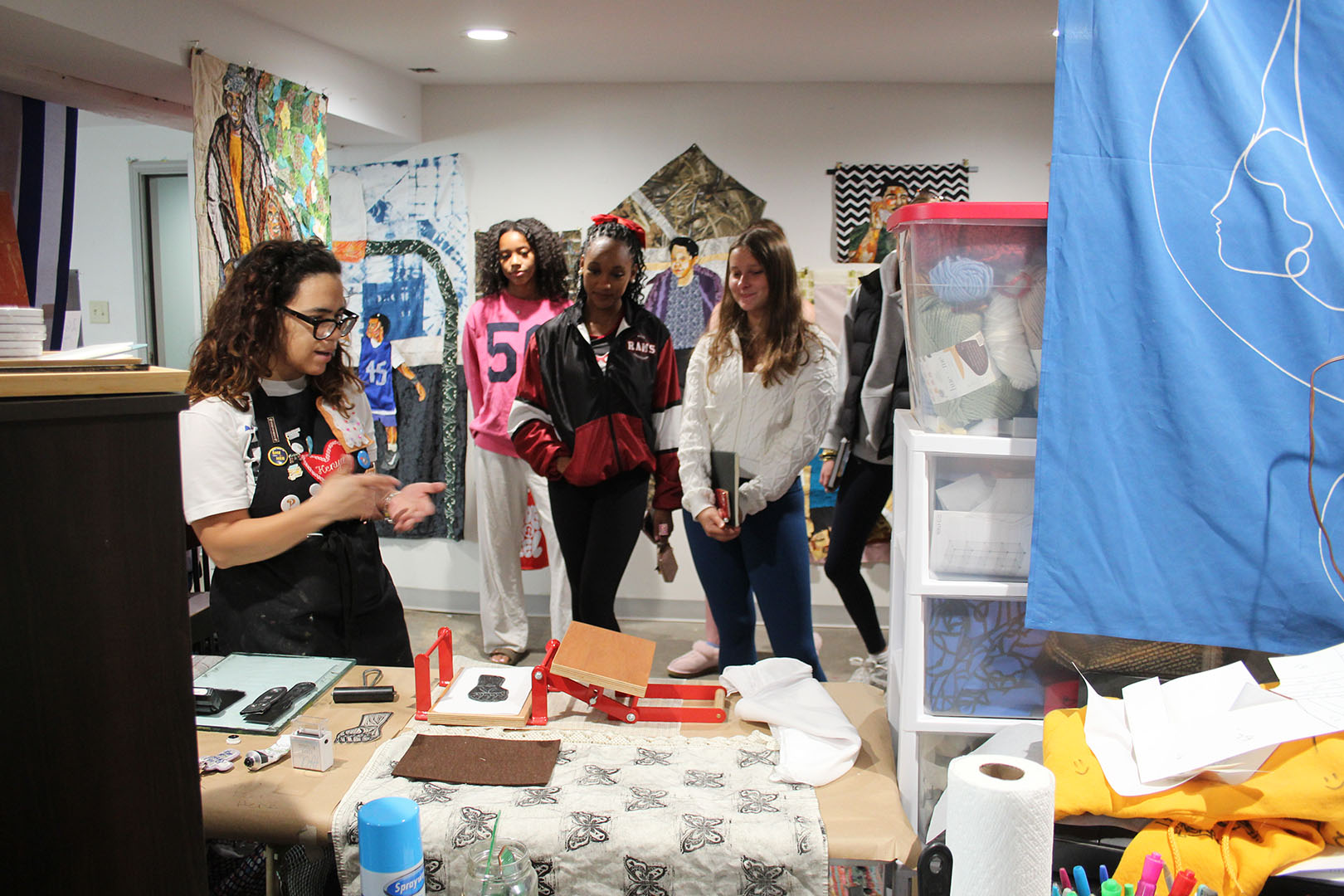
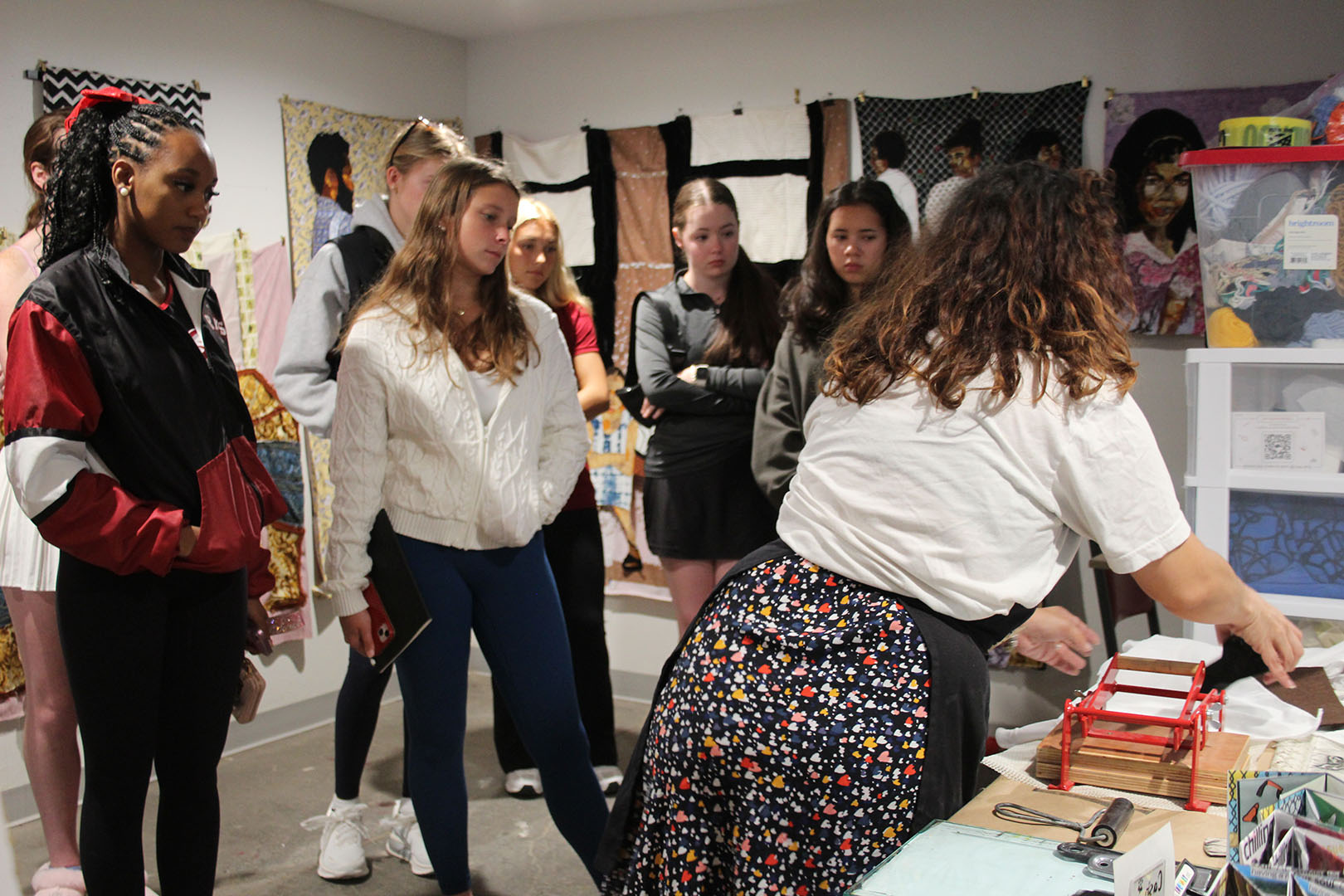
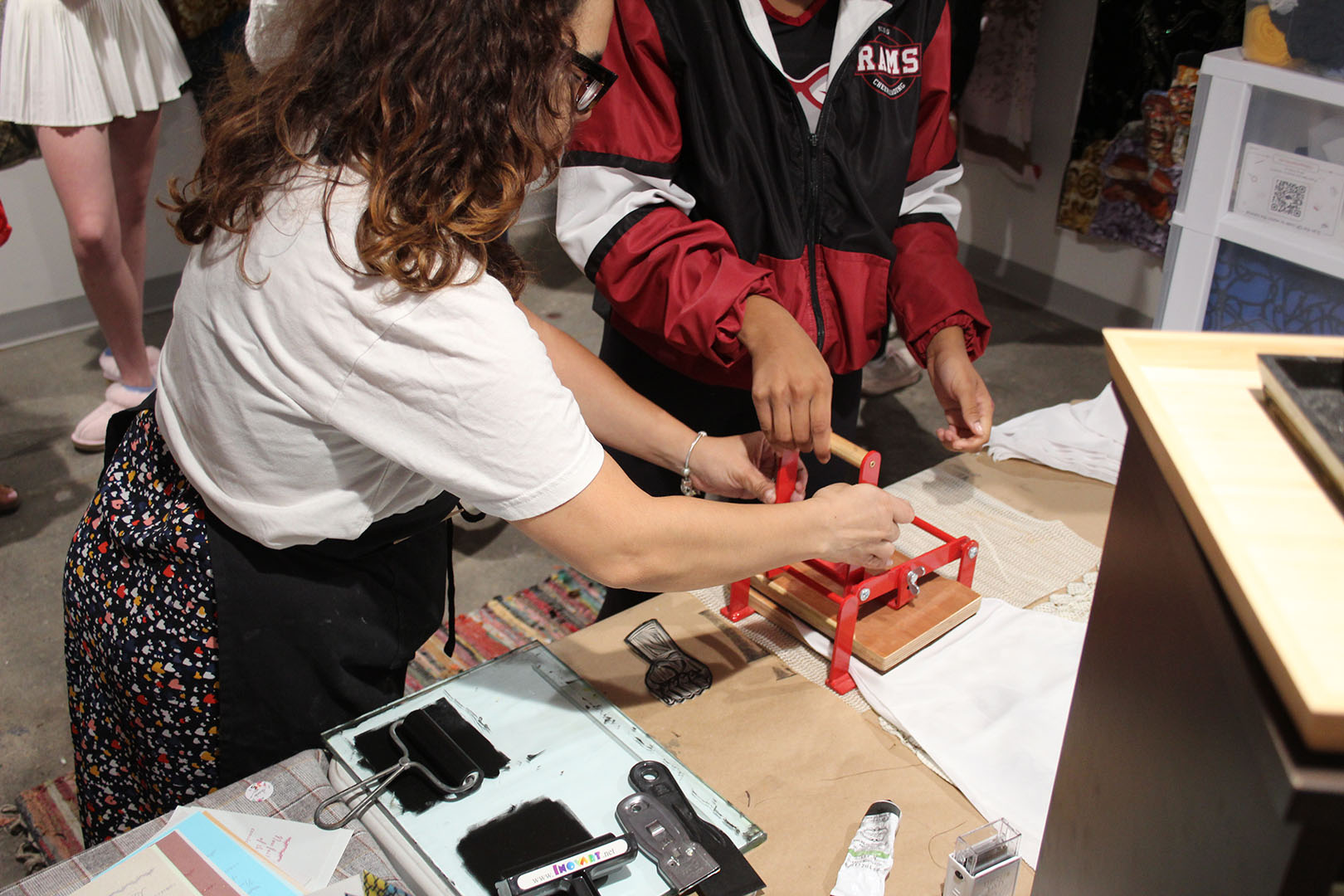
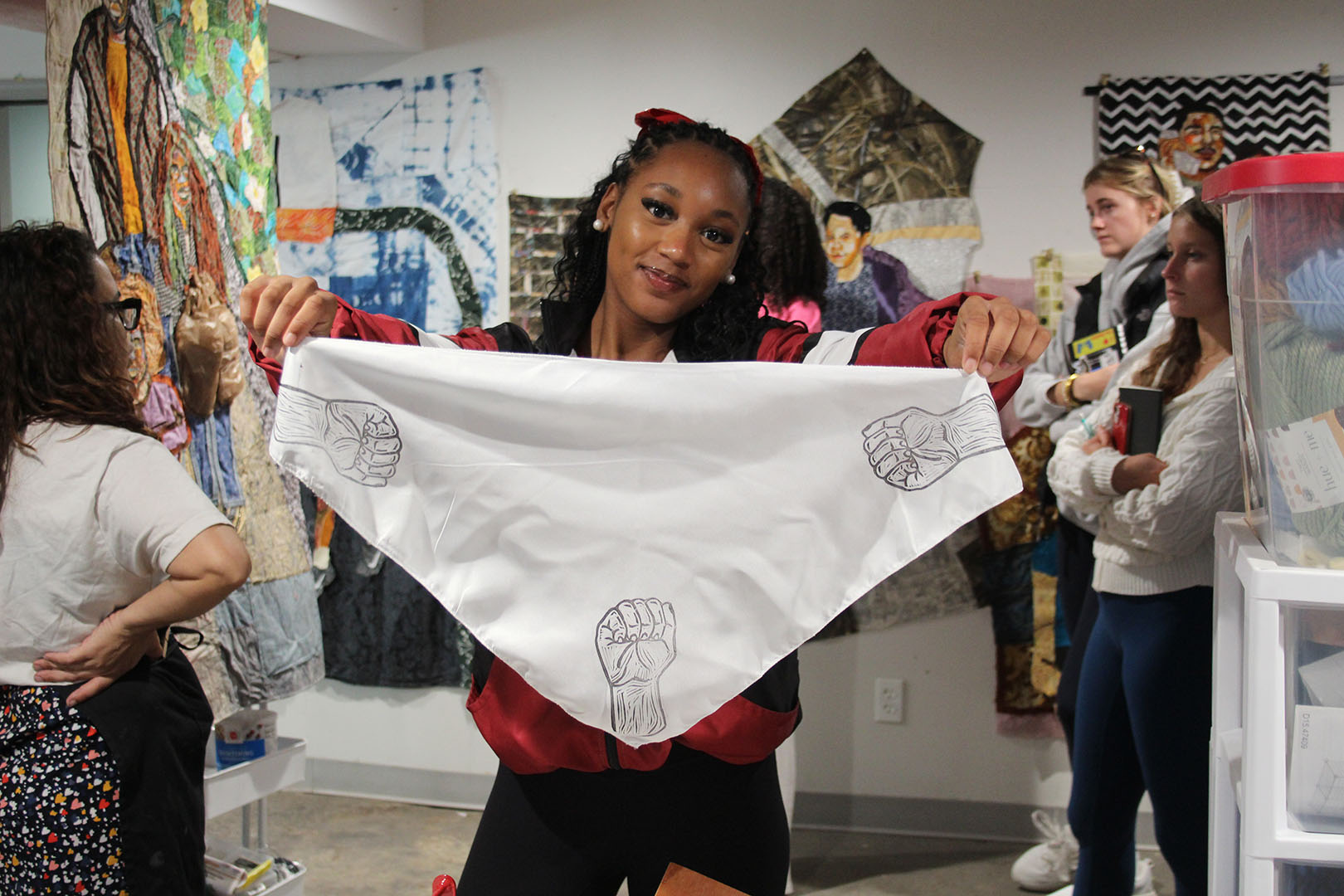
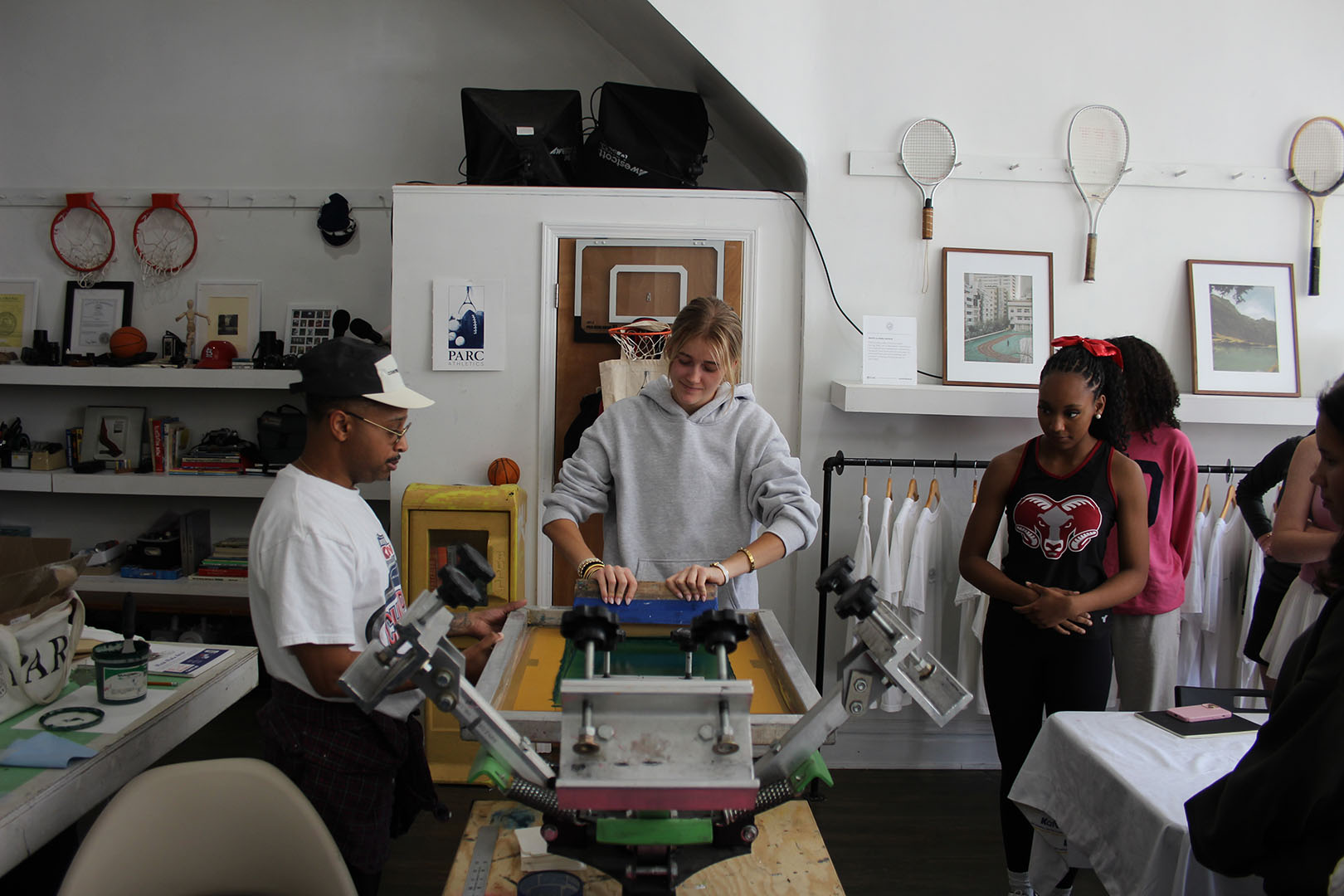
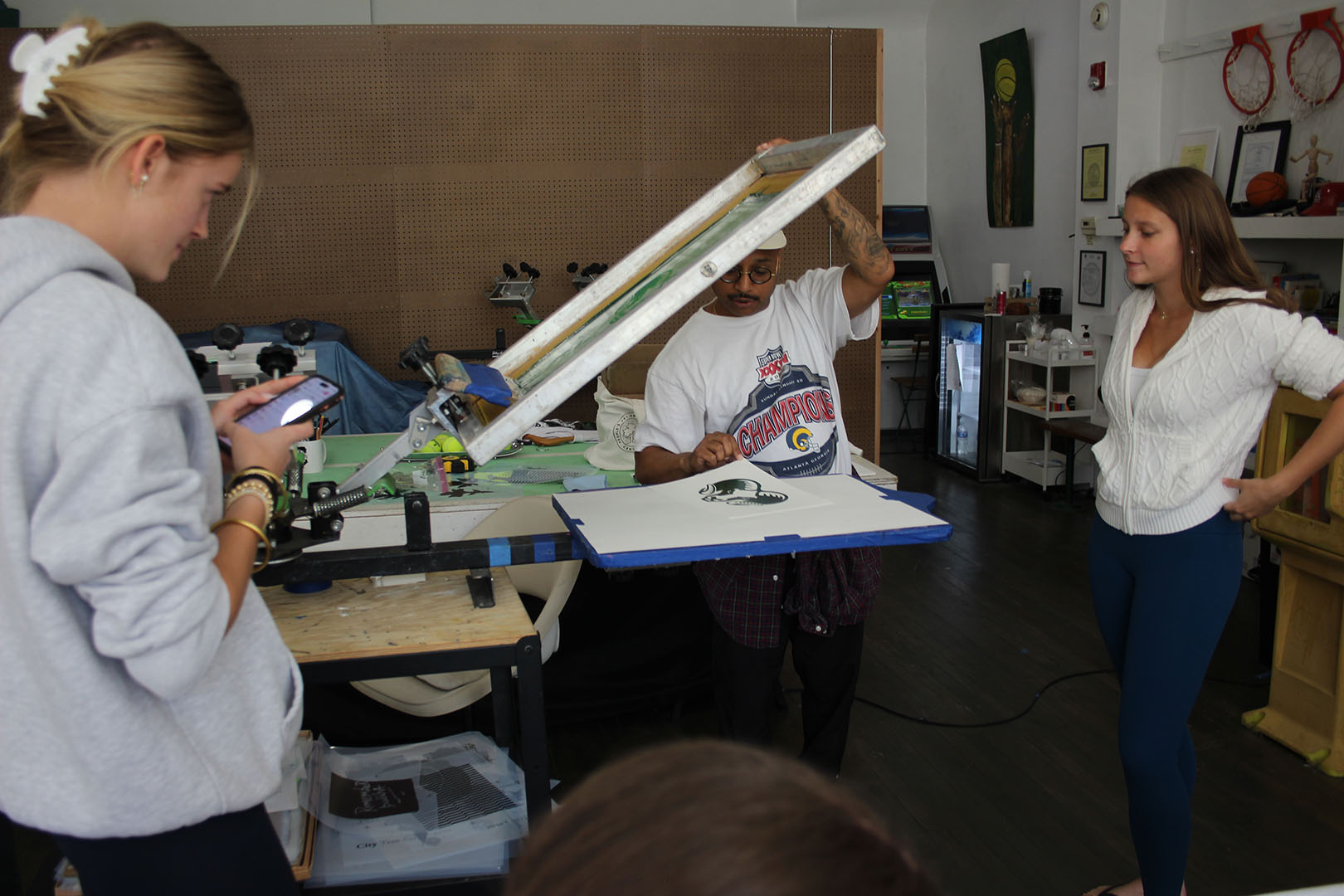
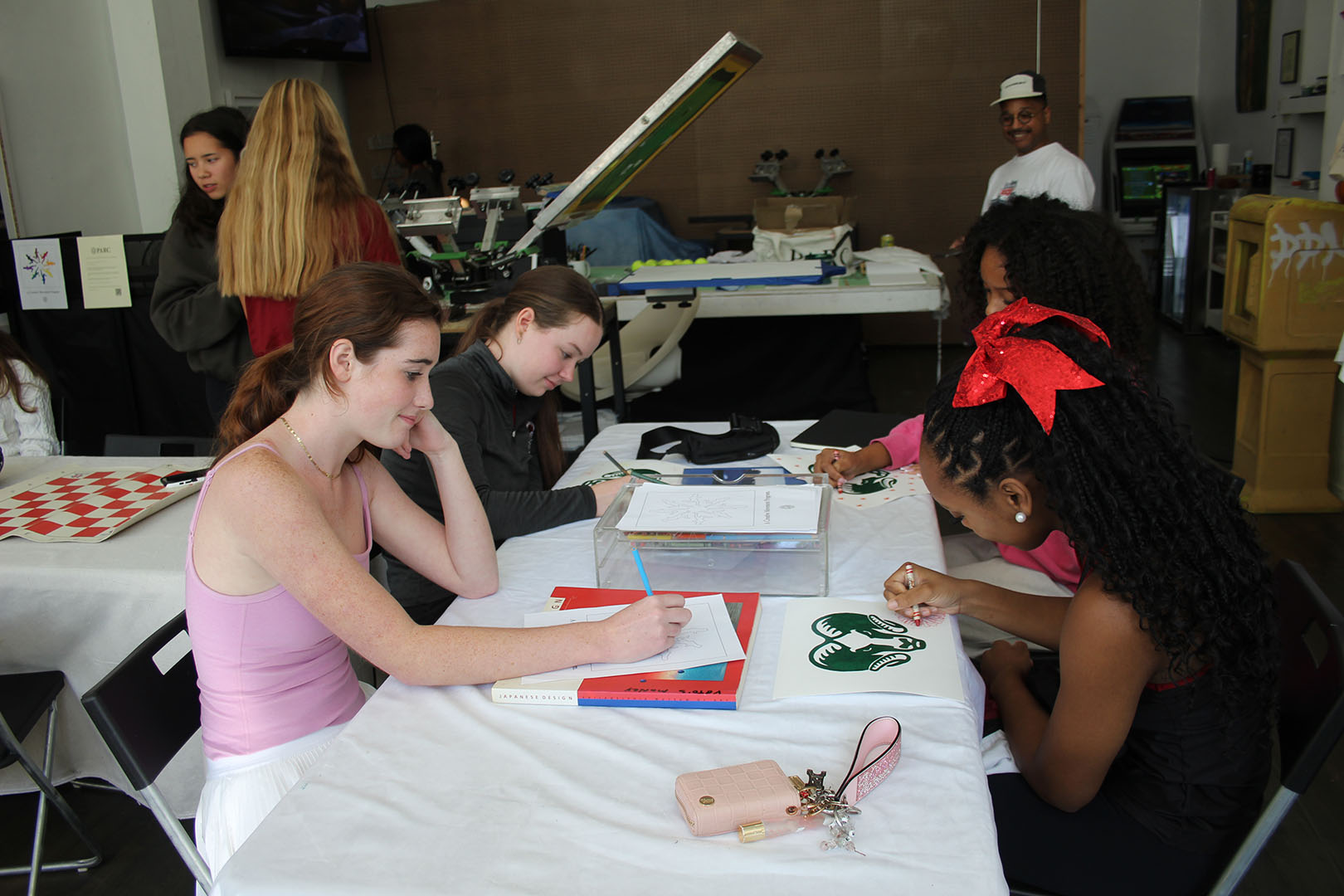
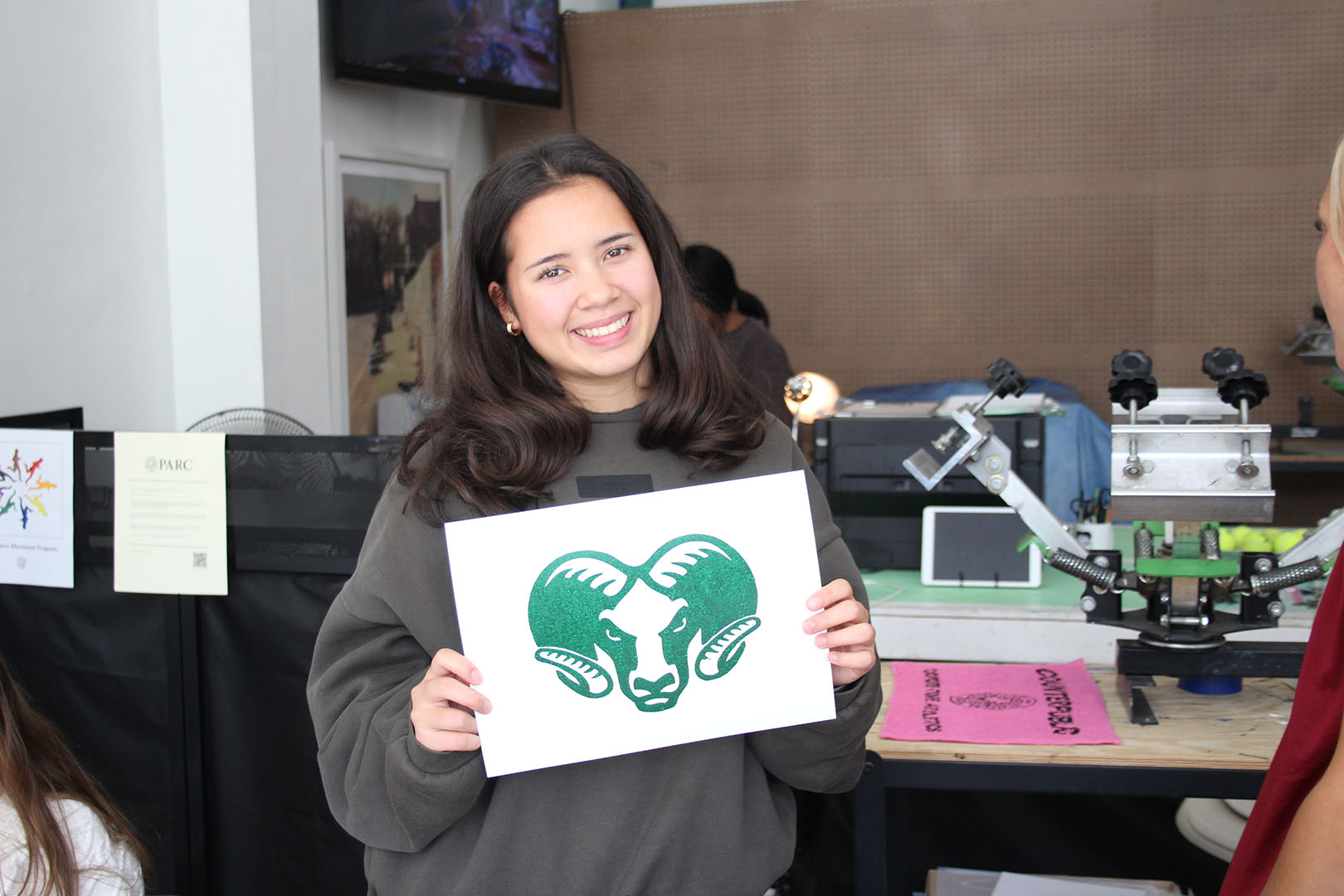
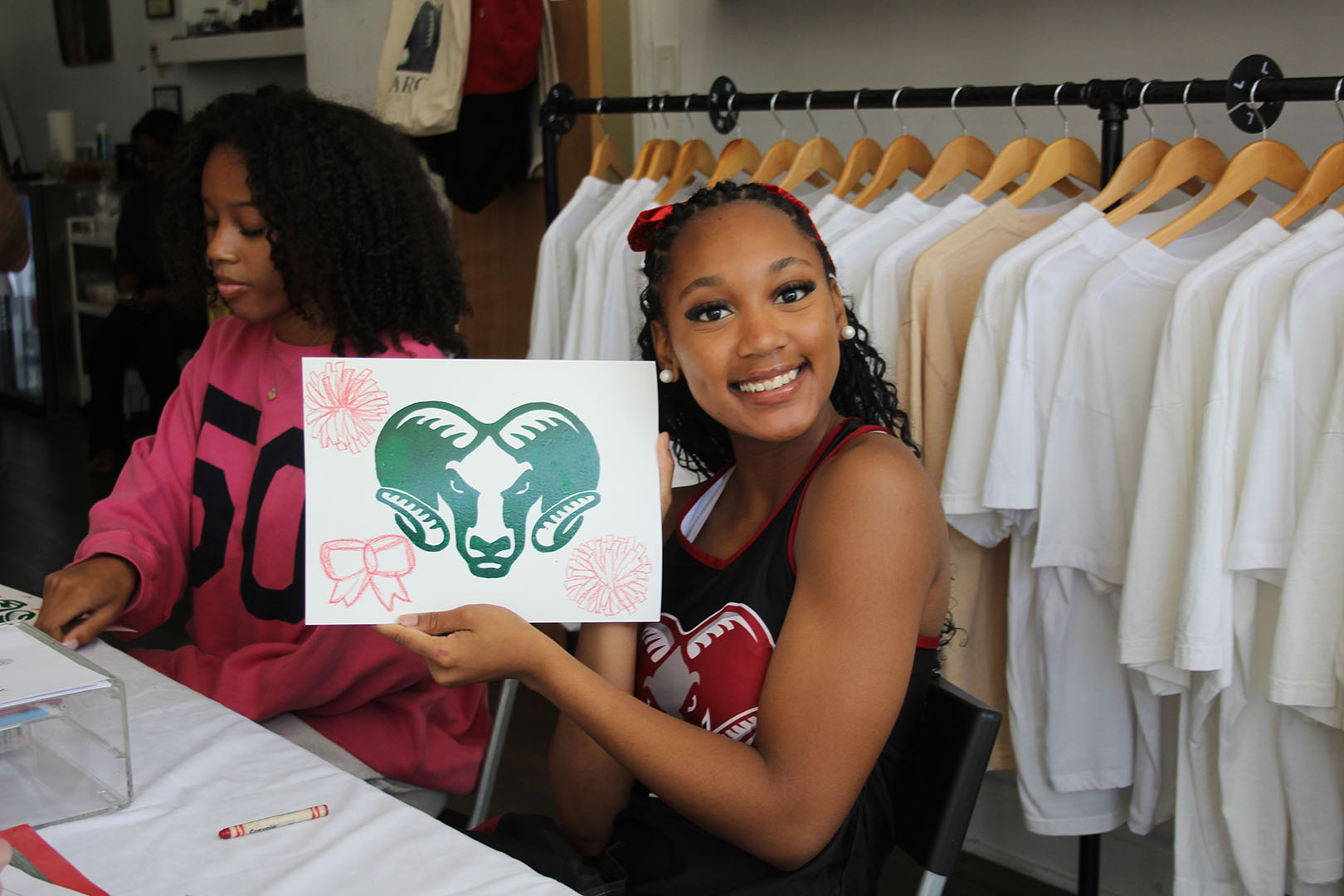
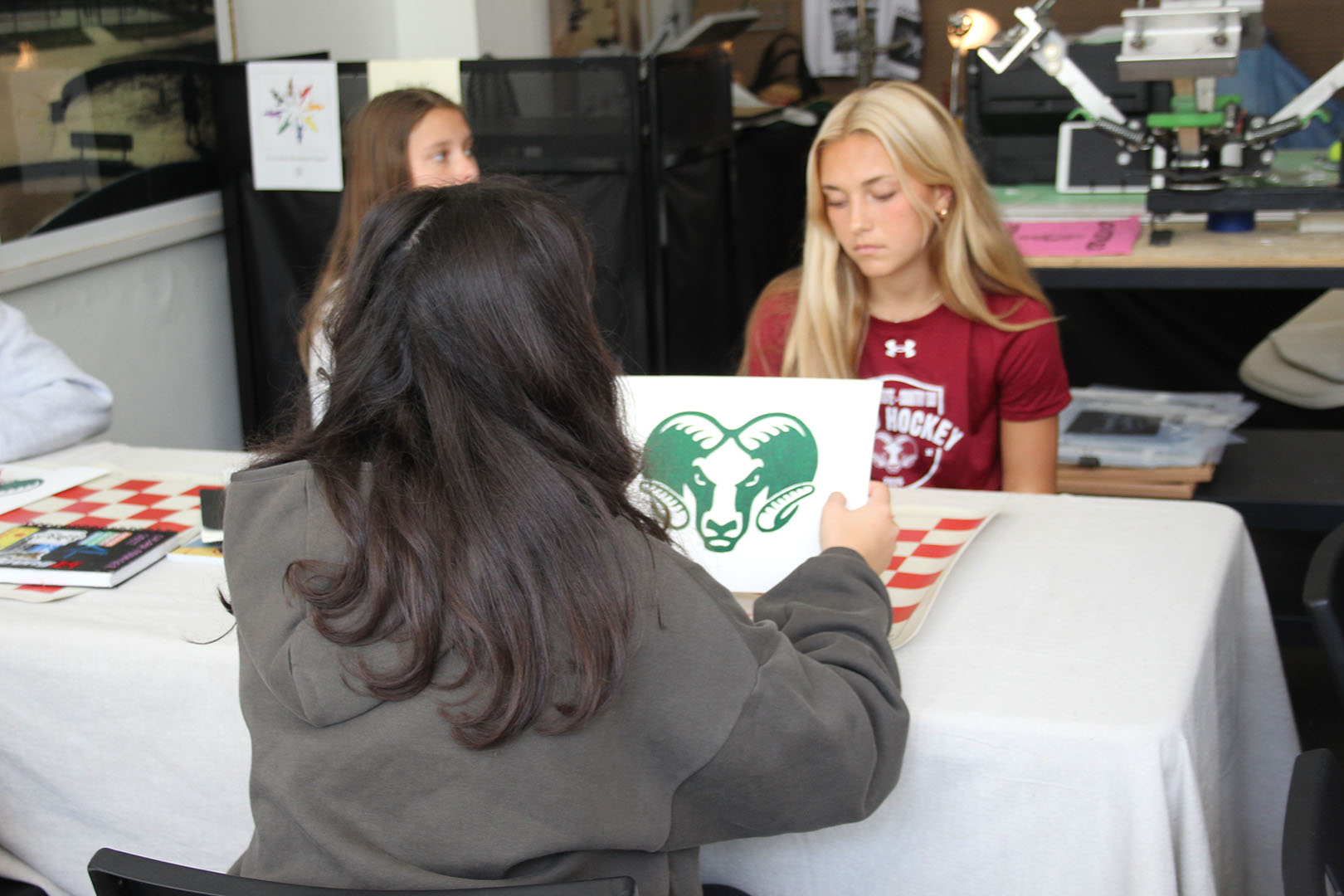
At PARC, students enjoyed a screen-printing workshop led by Christopher Loss, who also spoke about the work he’s doing with Counterpublic. The students had the opportunity to have a candid conversation with Loss about expectations and how they ultimately influence the decisions that one makes, and how that changes the trajectory of the path you take. He talked about how much his path changed from graduating high school to now being the owner of his own non-profit, People’s Art and Recreation Center (PARC). A few students discussed the stresses of their junior and senior years and figuring out what they want to do beyond high school, and Johnson-Brimmage was pleased that Loss validated their concerns while also sharing that they didn’t need to have it all figured out right now. “I appreciated that he made space for our kids to share that while also showing them how they can integrate the arts into their futures in a more non-traditional way,” she said.
Counterpublic is a civic organization that connects art with lasting impact by bringing together bold ideas and the region’s most pressing challenges through artist commissions, convenings, editions, and civic initiatives. The organization offers a concrete example of art connected to public life, which resonates with the MICDS Mission that includes shaping students to live lives of purpose and service. While at PARC, students were able to see the capabilities of a production-sized printmaking press and get hands-on experience pulling their own prints. In the shop, they saw examples of different types of designs printed on t-shirts for various events and community collaborations. After creating their own print on paper, Loss provided materials for students to create around/decorate their print while they talked. Kristiana R. ’28 said, “My favorite part of the trip was stopping at PARC, because the screen printing workshop was very interactive, but I mostly enjoyed learning about their mission and how they bring together the St. Louis community through art and sports.”
“None of my students had any previous experience doing screen printing before, so that process was new to all of them,” said Ms. Johnson-Brimmage. “Lilah really took to the printmaking process and asked a lot of questions about the process itself and was the first person to volunteer to participate. After seeing and hearing about all of the possibilities of printmaking—like creating designs to be printed on tote bags and t-shirts—we explored the idea of what that would look like in the classroom.”
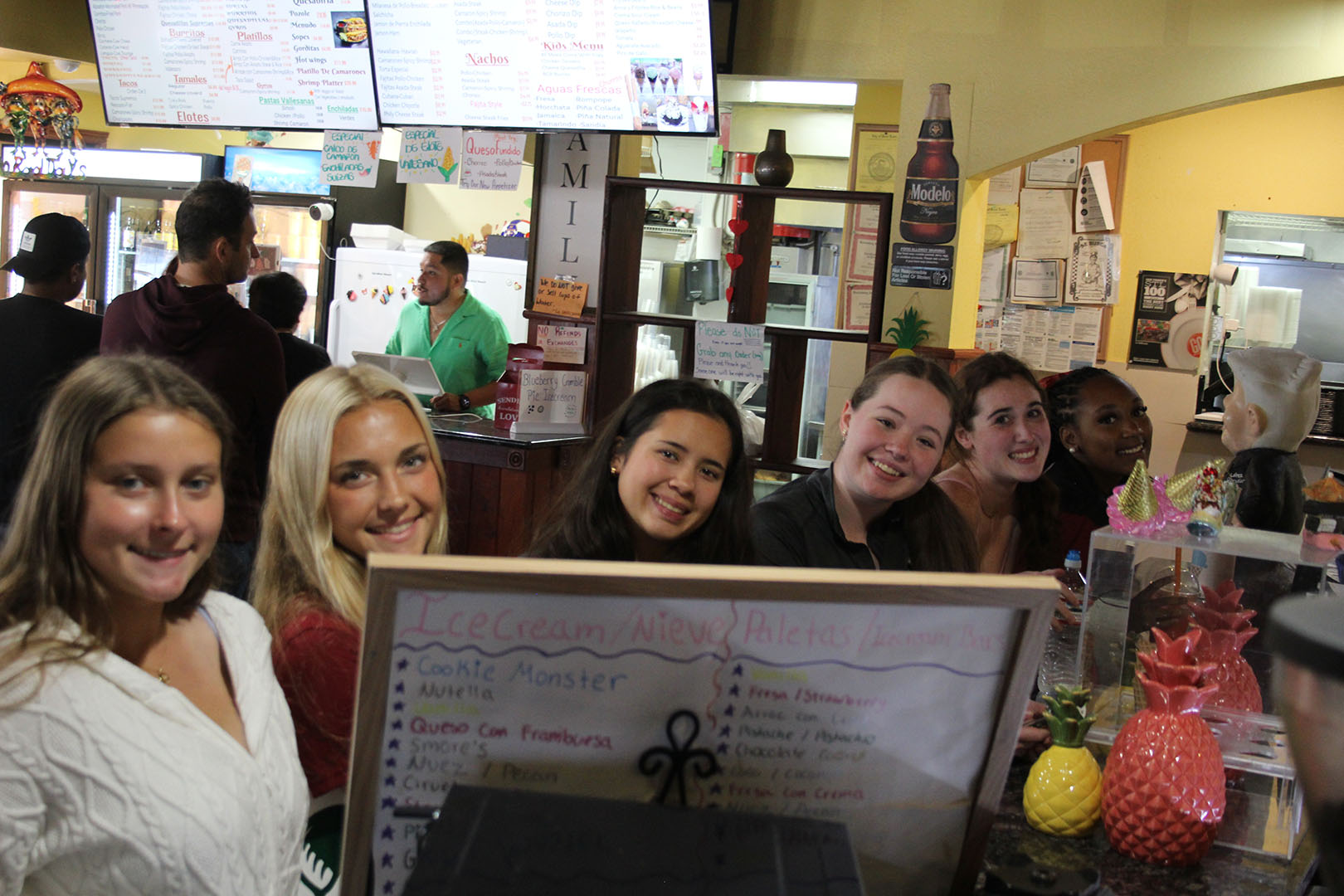
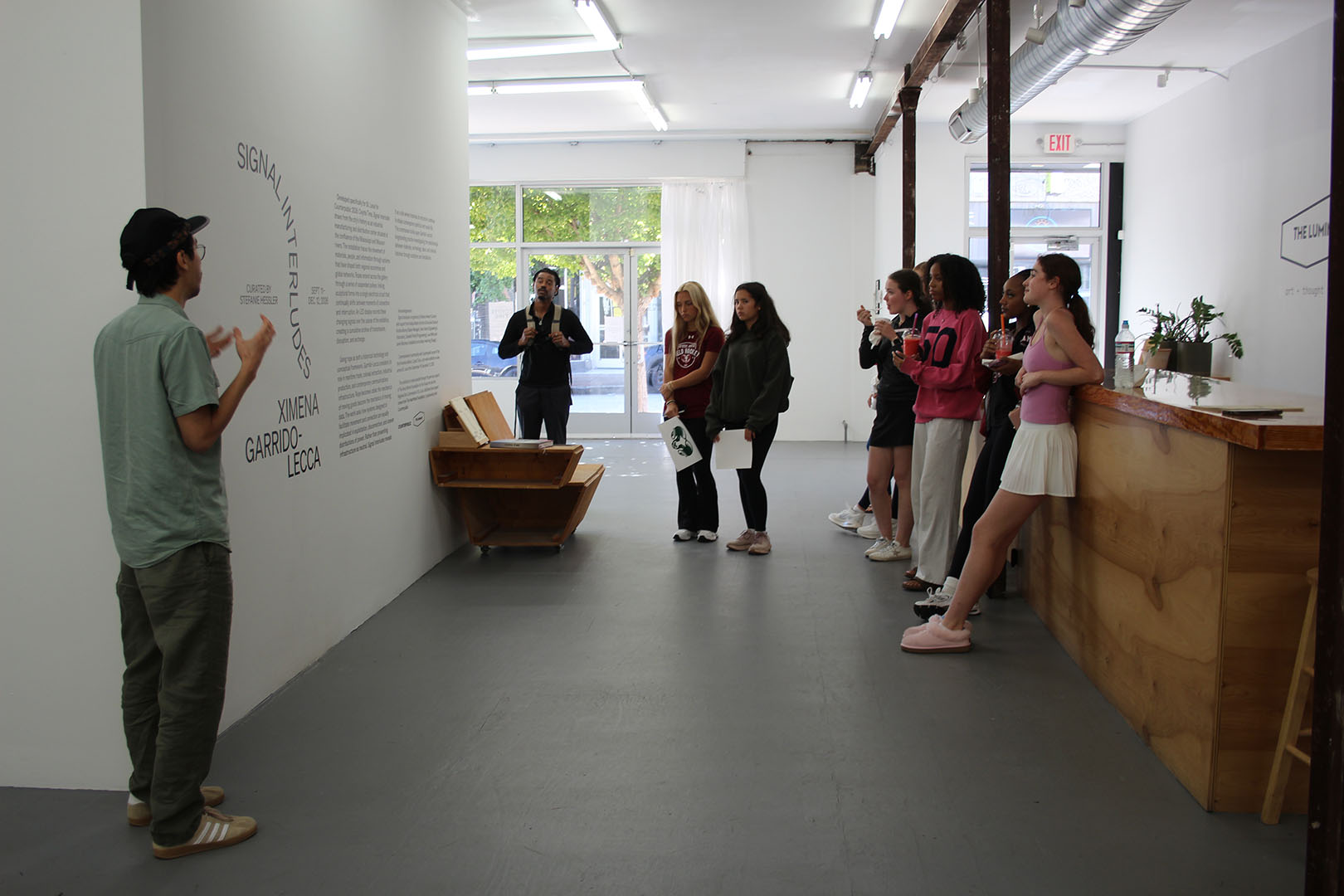
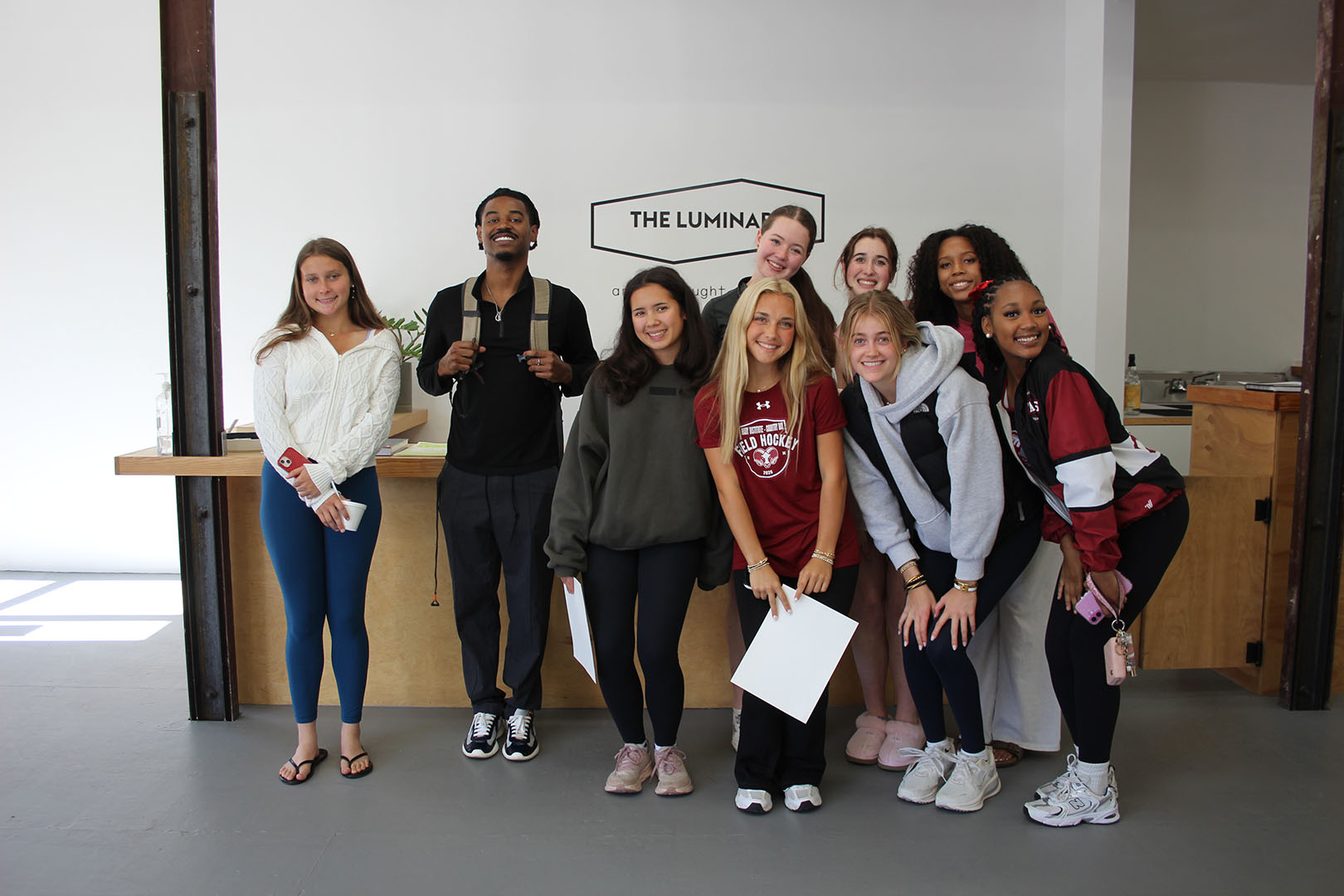
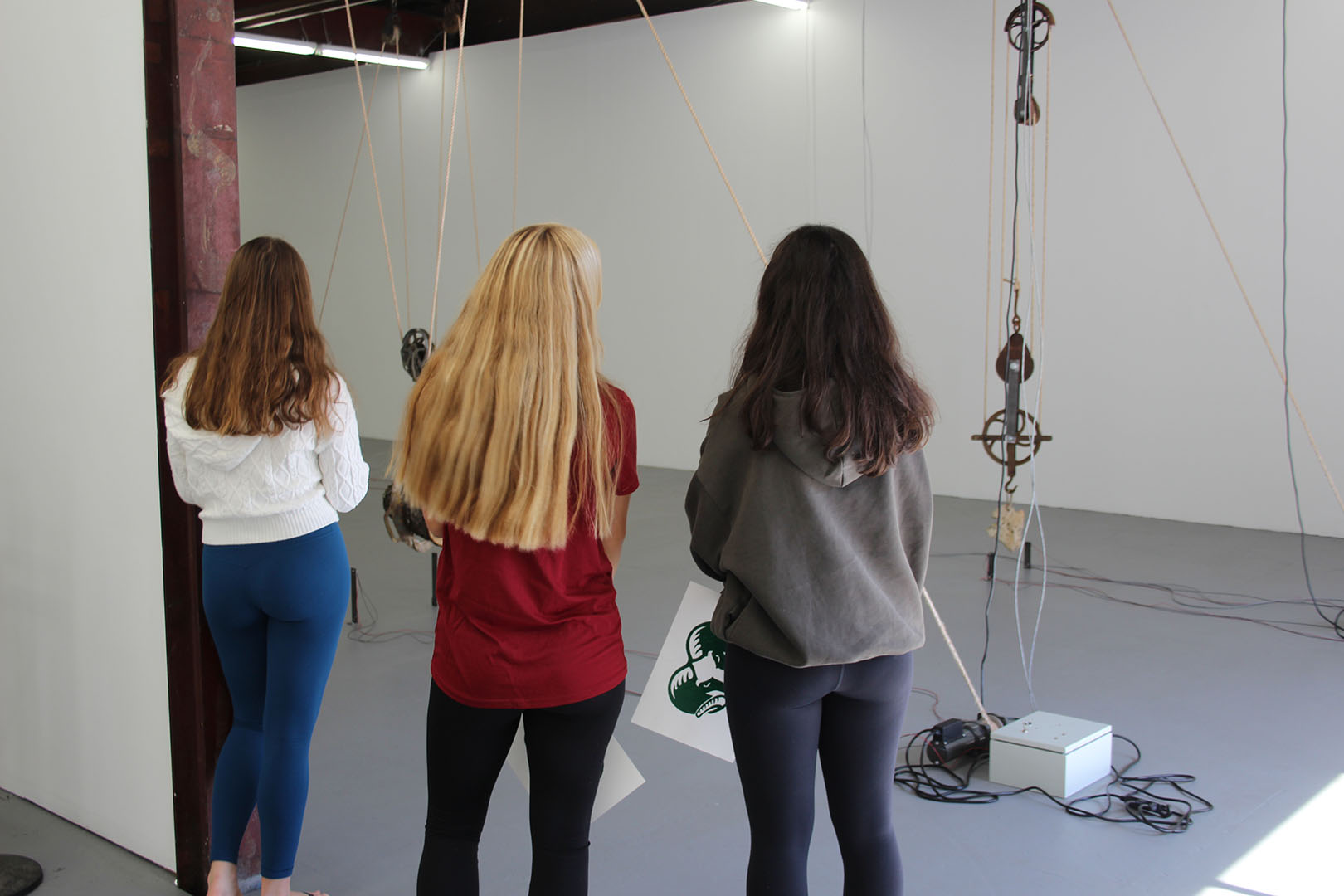
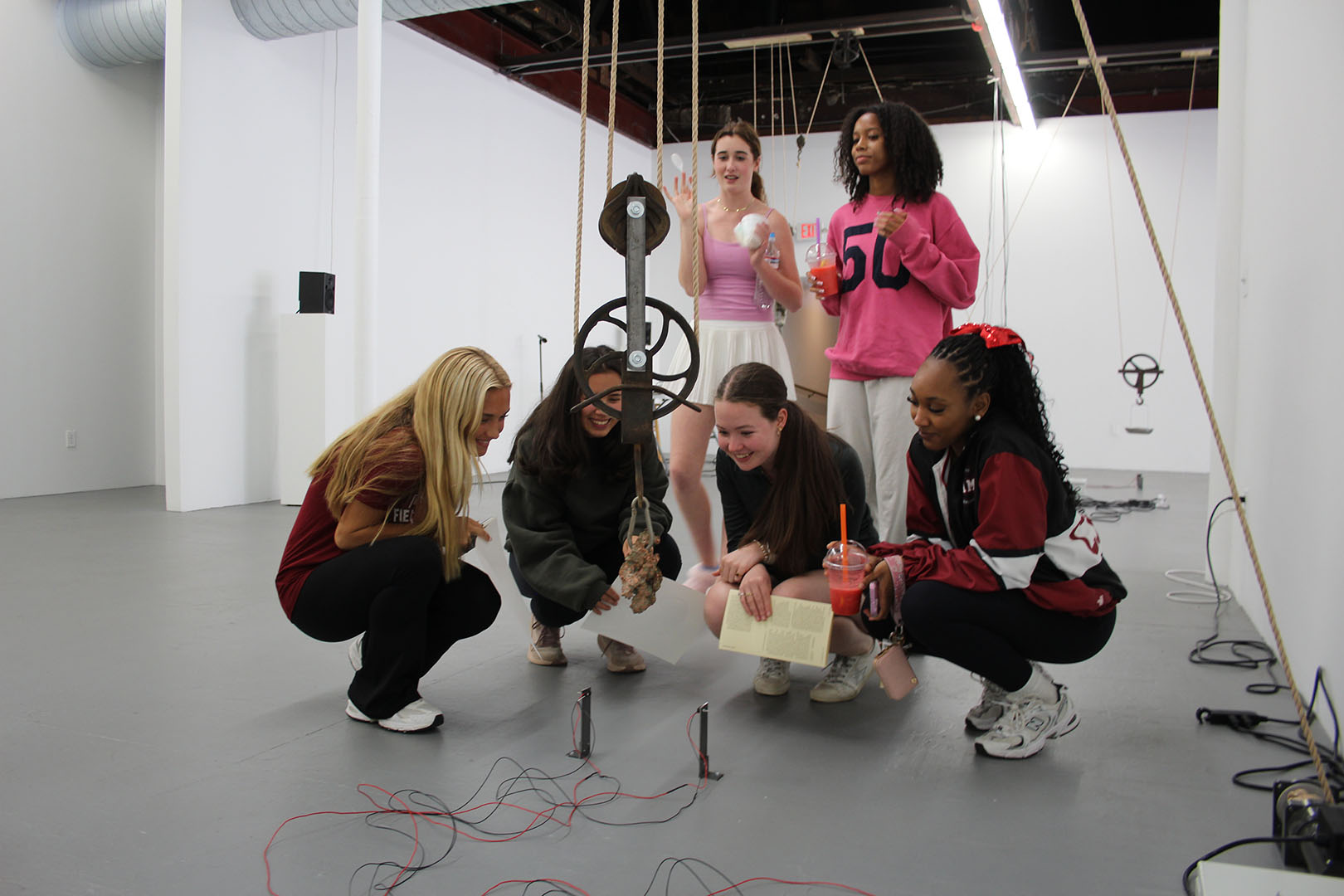
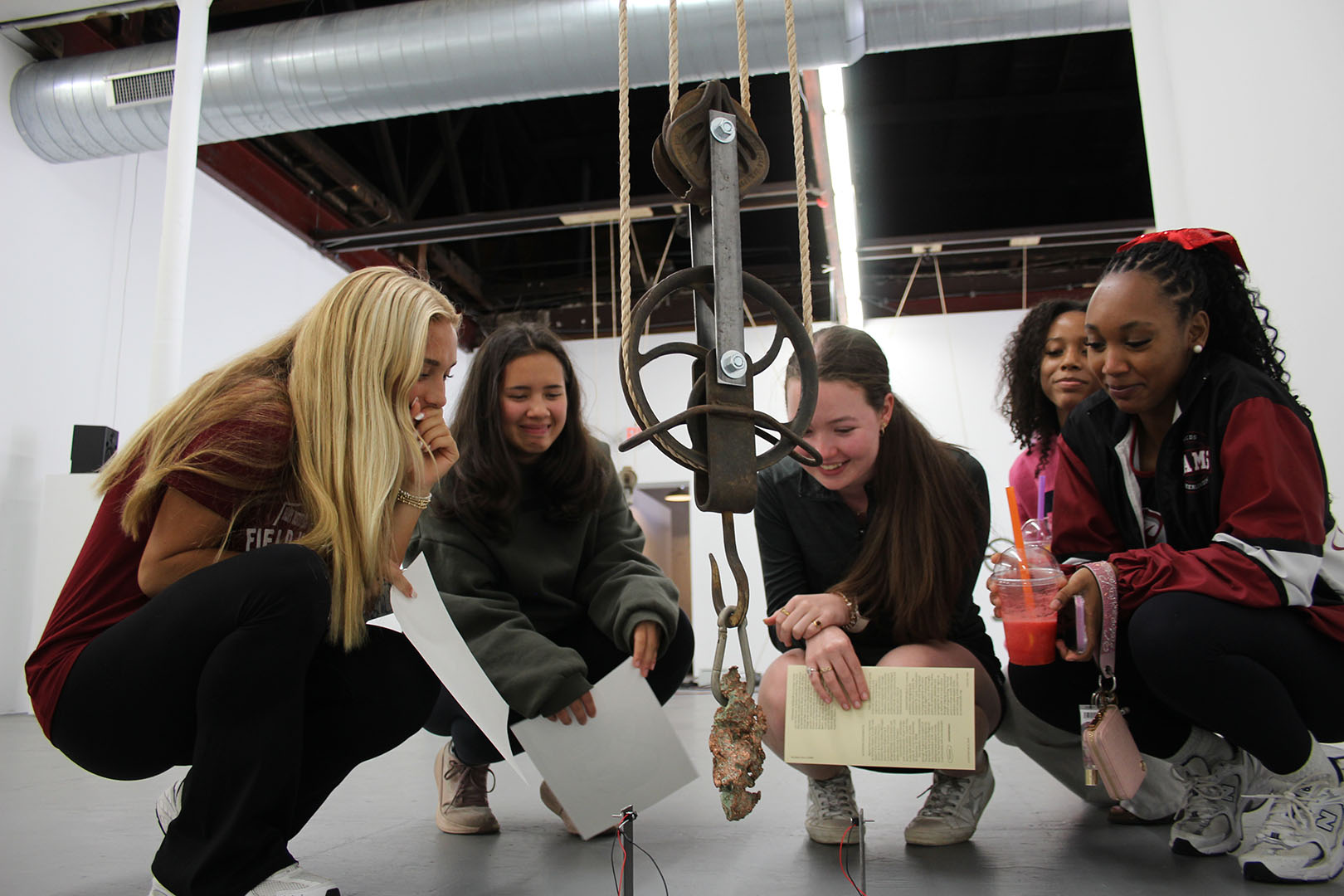
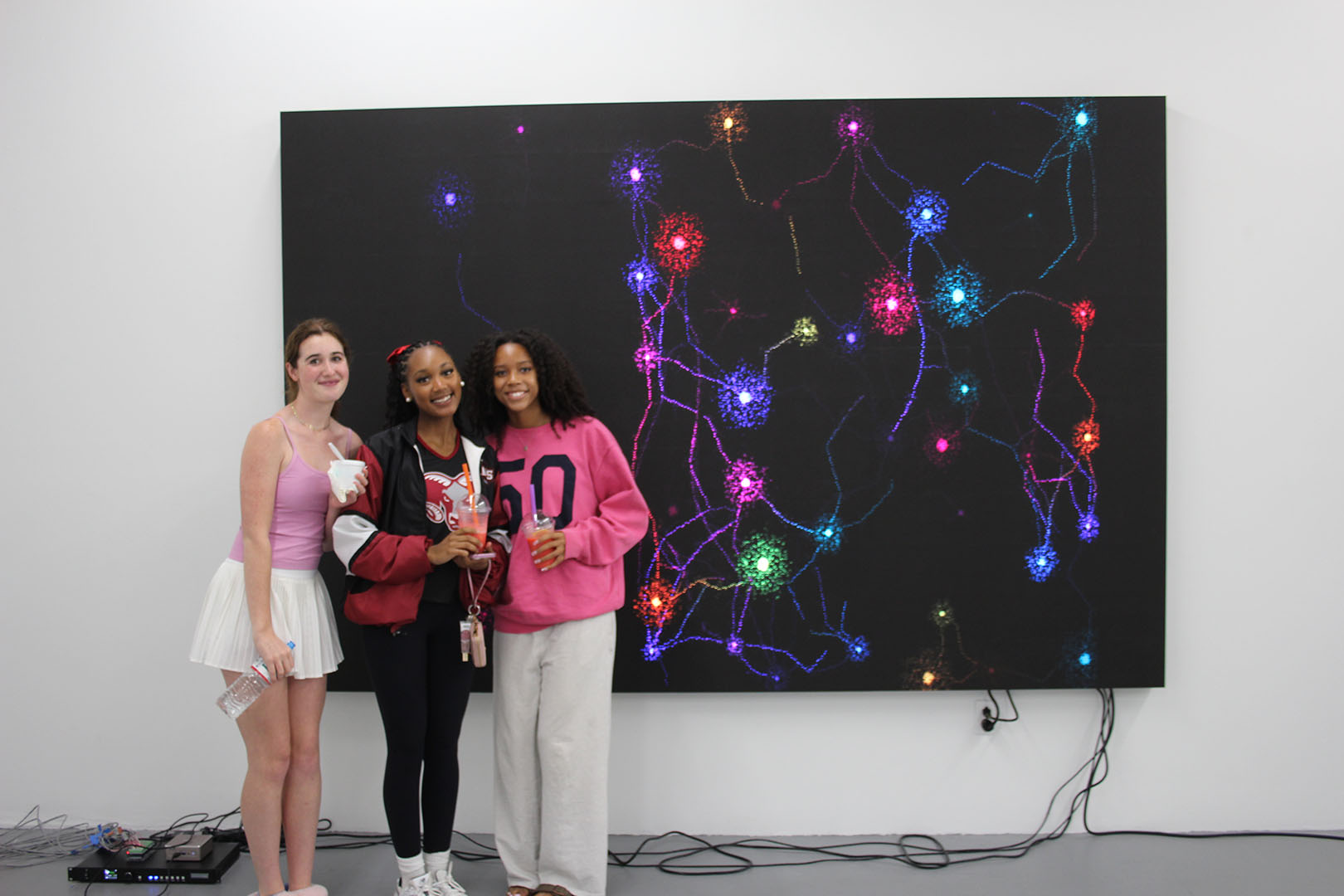
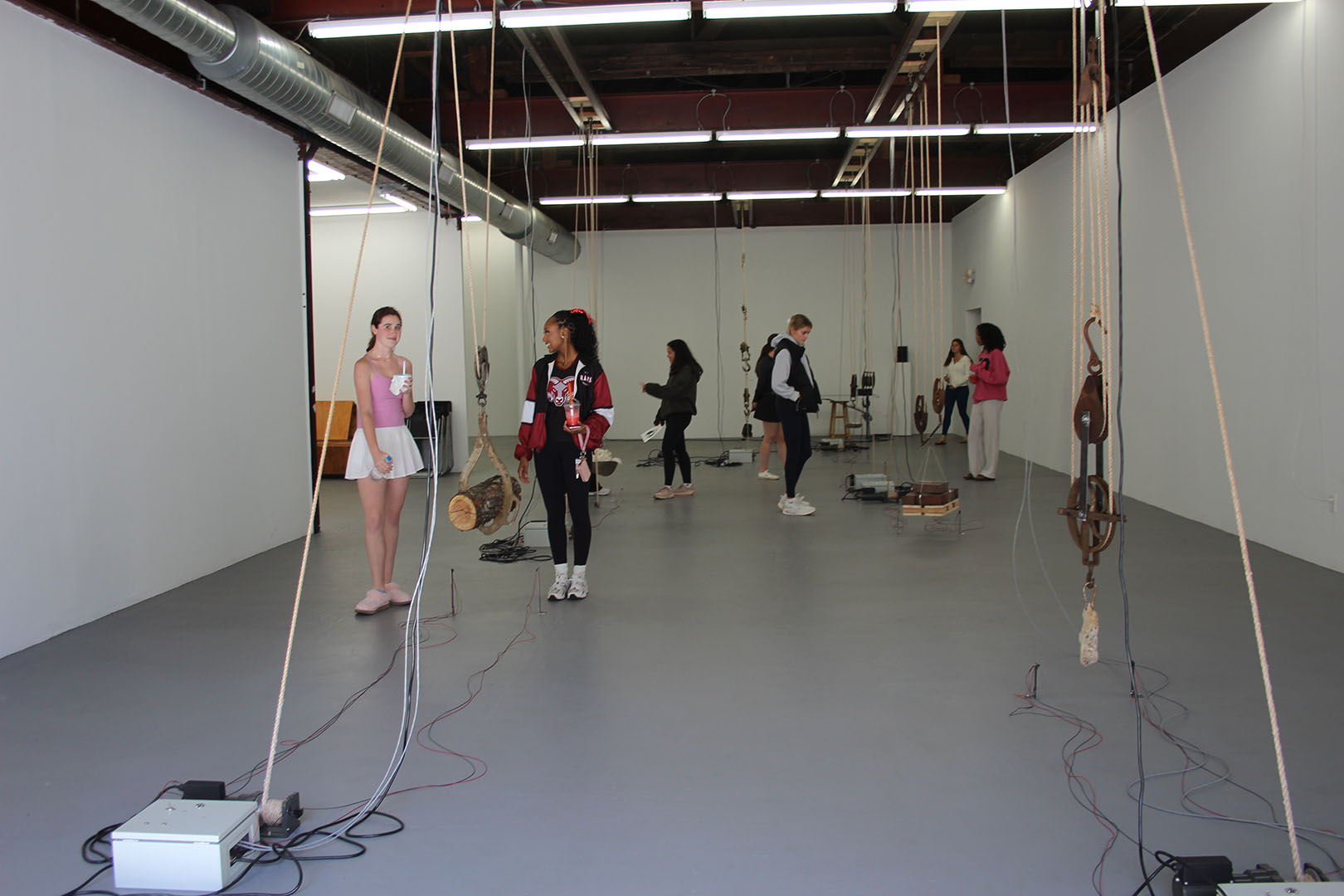
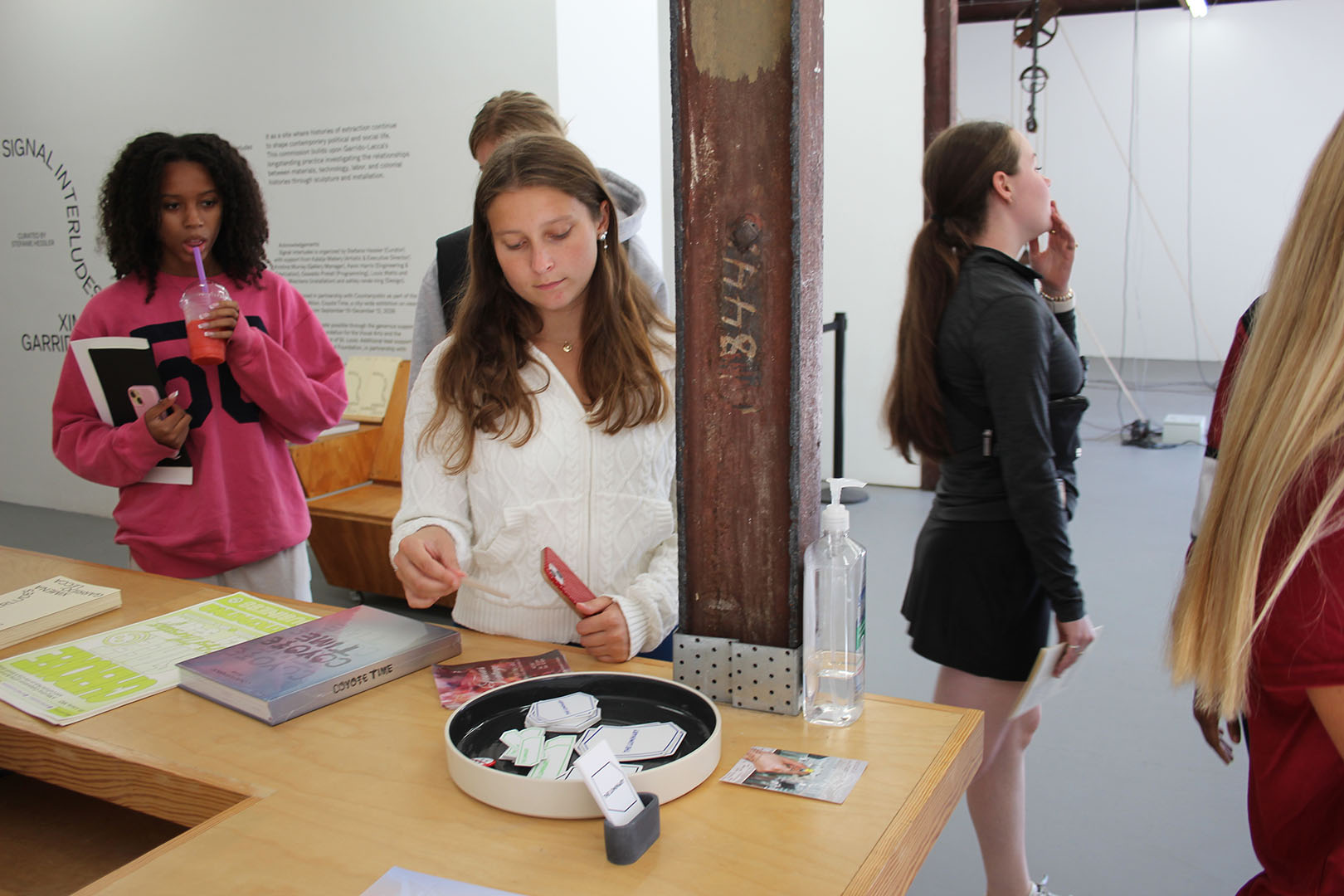
The students enjoyed lunch at Yaquis on Cherokee before finishing the day at The Luminary, touring their current exhibition “Signal Interludes” by Ximena Garrido-Lecca. The day encouraged students to learn to look at and talk about art with others, building the vocabulary and confidence to respond critically.
Kristiana appreciated the opportunity to meet with and talk to working artists. “My biggest takeaway from the trip was better insight into how living artists work and create art in their studios,” she said. “Many of the artists I’m familiar with are long gone, so it was a nice change of pace to see them working and their pieces that are still in progress.”
“I made this trip a priority because as I am reimagining what Drawing and Painting will look like for the rest of the school year in our current space, and thinking about what it will look like in the future, I want to prioritize giving my students opportunities to work directly with artists in their artistic spaces,” explained Ms. Johnson-Brimmage. “Oftentimes, we get so stuck in our own bubble of what one method of creation looks like, that we forget that there truly is no wrong or right way to create. Whether it be weaving fibers on the floor in a corner, using unconventional materials to create large interactive installations, or creating a traditional oil painting on an easel surrounded by studio lights, I want my students to see more than just what happens in our classroom space.”