The Power and Beauty of Play(ful Learning)
Stop messing around…grow up…lock in…hurry up…we have to go. How many times have you heard a parent or coach or teacher say these directives to children? I know that I have uttered these words as a teacher, a coach, and a parent. As adults, we seek order in our daily routines. We appreciate predictability and feel comfort and success when our days and our calendars run efficiently. We anticipate and expect ourselves to be five minutes early so as to never be late.
And so we find ourselves trying to embed these same structures and routines for children. How quickly can we wire their systems to align with the adult world so we can all make the most out of the minutes? We may understand that their executive function capabilities are still under construction but, nonetheless, they are operating in conflict with our time crunch, so we look for shortcuts to make it all work.
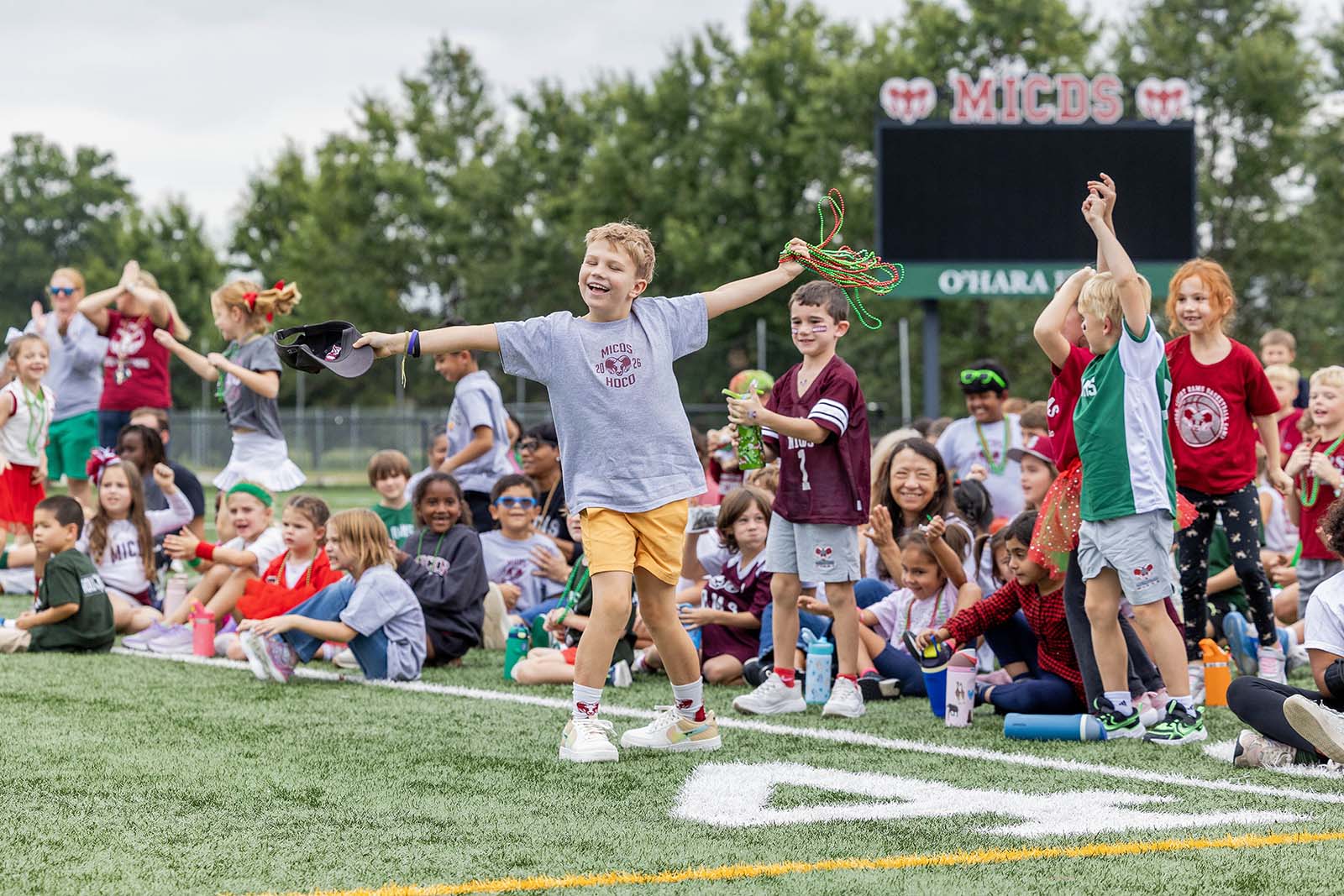
But in the name of efficiency, we might be dismissing the free-range pockets of time that allow a child to play, both physically and cognitively. We give them a target and hope that they don’t wander too far off the beaten path. Are we allowing children the time and space to let exploration and play be the driving force of learning? If we are in the grocery store, do we let our children explore the exotic fruit section or taste the cheese samples? Can we take that extra five minutes to pick up the pretty leaves on the walk home and figure out what trees they came from? Can we give the space for our students to come up with their own playground games and sort out the rules on their own terms? It could lead to nothing special or even a few tears, but it could also lead to magic and joy.
Now, let’s flip our thinking and come at this through the perspective of the child. Imagine a seven-year-old who is trying to figure out how to pump their feet to make the swing go higher. They are so close, but their mom says it’s time to come inside to clean up for dinner. Could they stay out just a little longer so they can conquer the swing? Or how about the fifth grader who is working with clay for the first time in art class? Or the seventh grader who can’t stop asking questions about the upcoming elections? They are right in the midst of mastering a skill or making a deeper connection and would do anything to pause for just a moment so they can lean into their wonder. How do we make sure they have time to play with their thinking and their curiosities so they can make sense of the world around them?
When we consider the daily routine of a middle school student, there has to be space for the frustrating struggles, the metacognitive redos, the limitless thinking. Learning has to be fun and messy and chaotic at times. Students need to move and frolic to give their brains time to acquire, sort, and commit their learning to long-term memory. Every day, our students are switching back and forth between the hemispheres of their brains to ensure balanced development and growth. So if you think about it, they need to be kids in order to grow up.
There is no doubt that adulting limits our bandwidth for unstructured time and play. We have responsibilities and agendas that control the minutes. But the next time you find yourself checking the clock or pushing through a to-do list, consider a pause in the action. Give permission to yourself and your child to breathe in the moment. Maybe you can go shoot hoops in the driveway or lie in the sunshine and watch the clouds or bake some cookies. Let’s make sure they get to be kids and have the space to look around and seek understanding. In the classroom, we want them to play with magnets and iron filings to help them understand the Earth’s magnetic field. Or use the wooden puzzles from the maker space to practice Spanish verb endings so they can conjugate from memory. Or design their dream bedroom and figure out how to calculate area and volume along the way. When you sit down at the dinner table, these are the stories our students share about their days, and this is how we secretly make the thinking visible.
Our children have to be adults soon enough…let’s let them play.