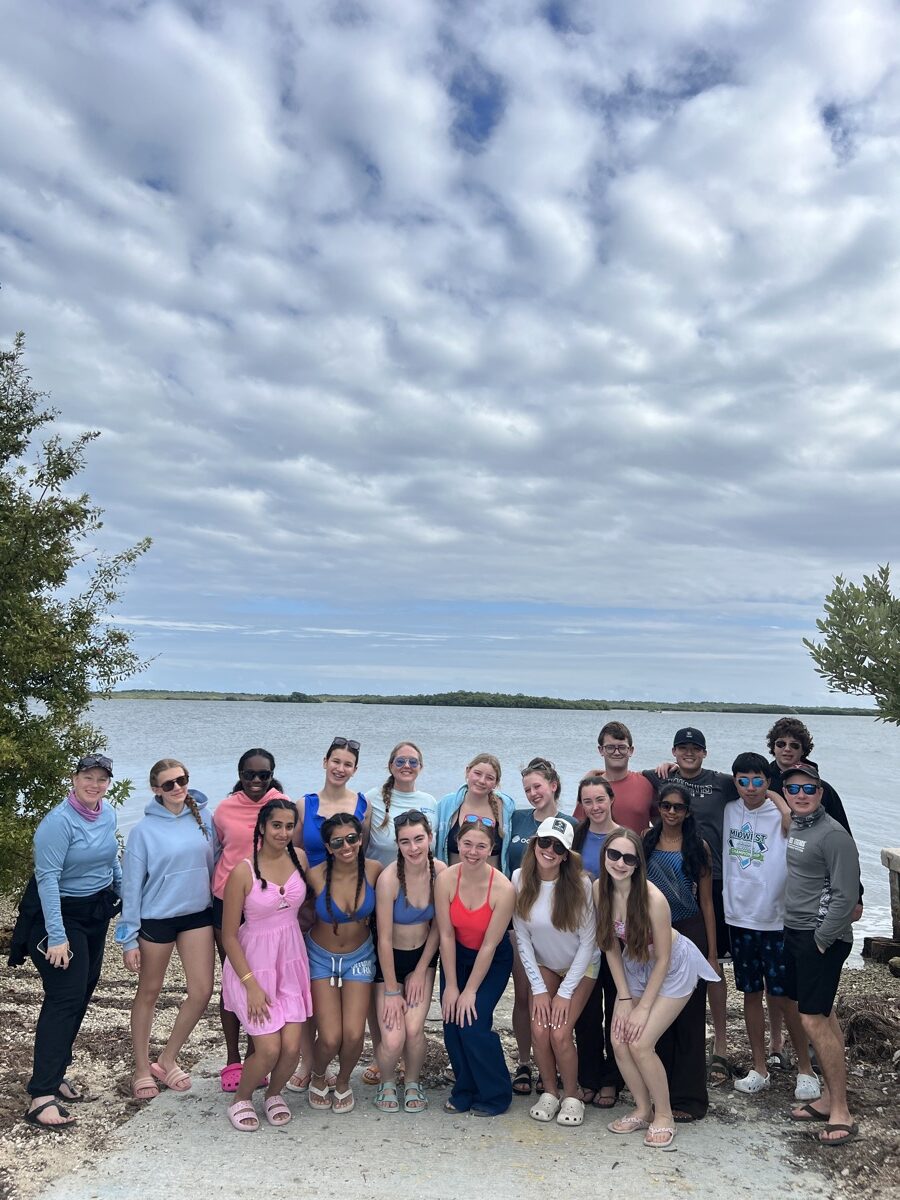
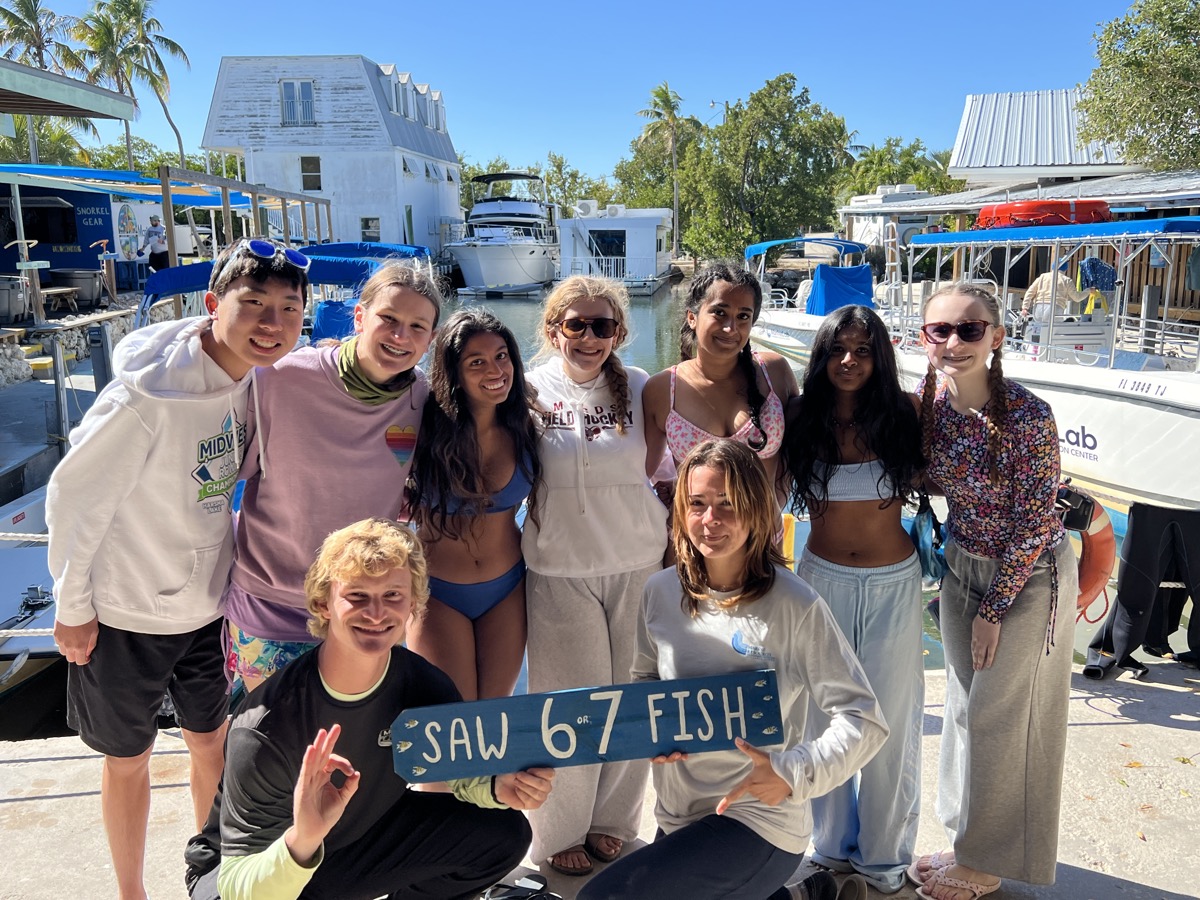
During Winter Term, 18 Upper Schoolers traded their typical classroom setting for the coral reefs of Florida to dive into the field of marine biology. These two weeks of acting as marine biologists were divided into two parts.
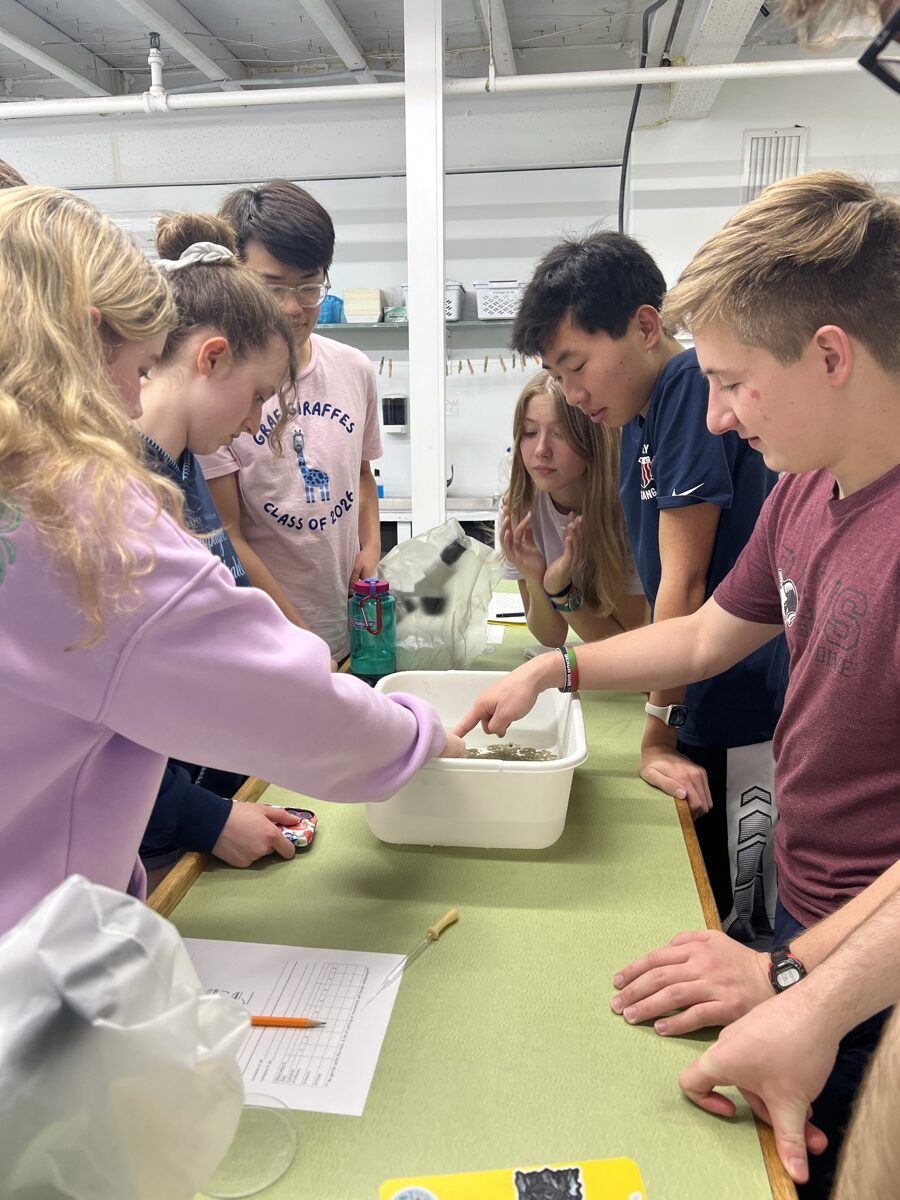
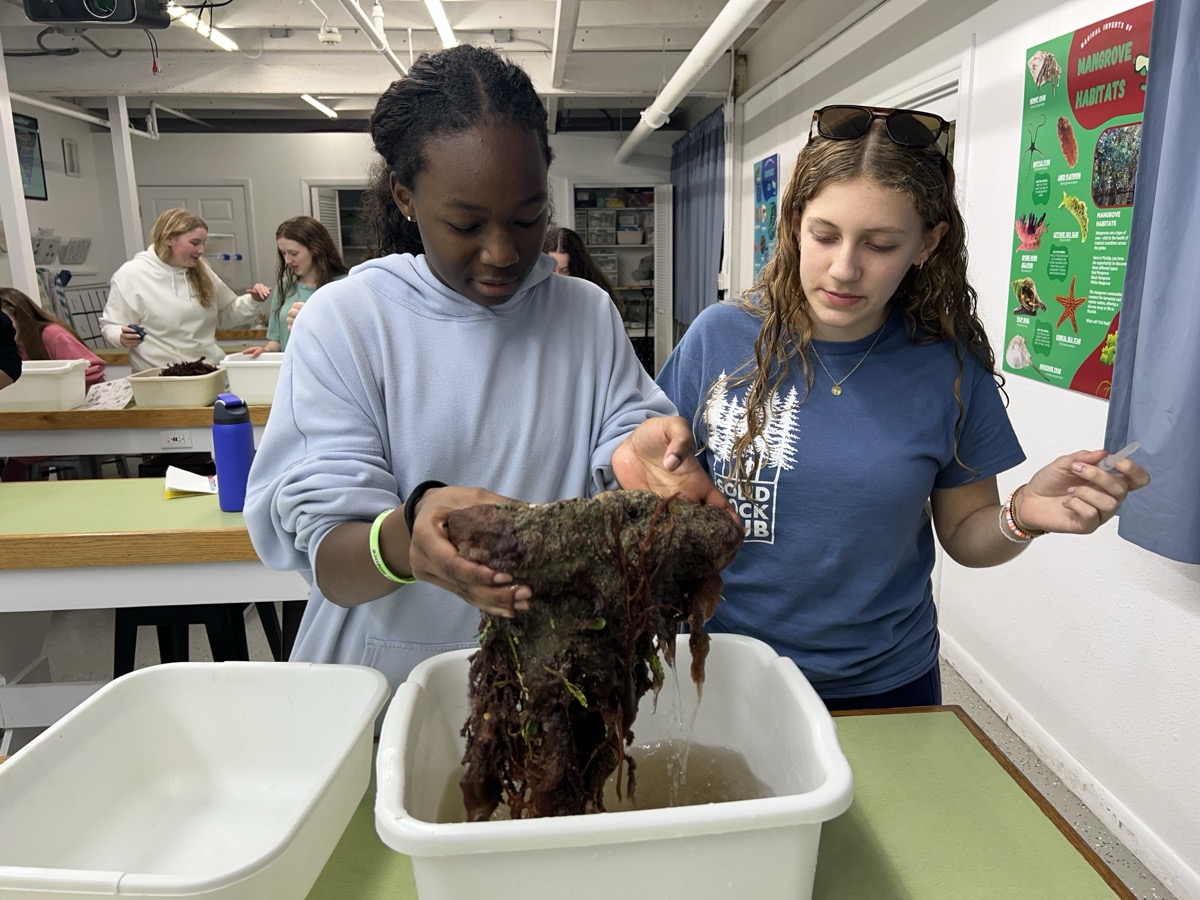
First, students and their Upper School Science Teachers, Dr. Christine Pickett and Ms. Stephanie Matteson, started with a week in St. Louis, where students worked through a variety of great activities. From shark dissections and ocean trash labs to creating nameplates for the organisms on display in STEM and learning about Florida ecosystems, there was so much to explore that laid the foundation for the next part of the course in Florida.
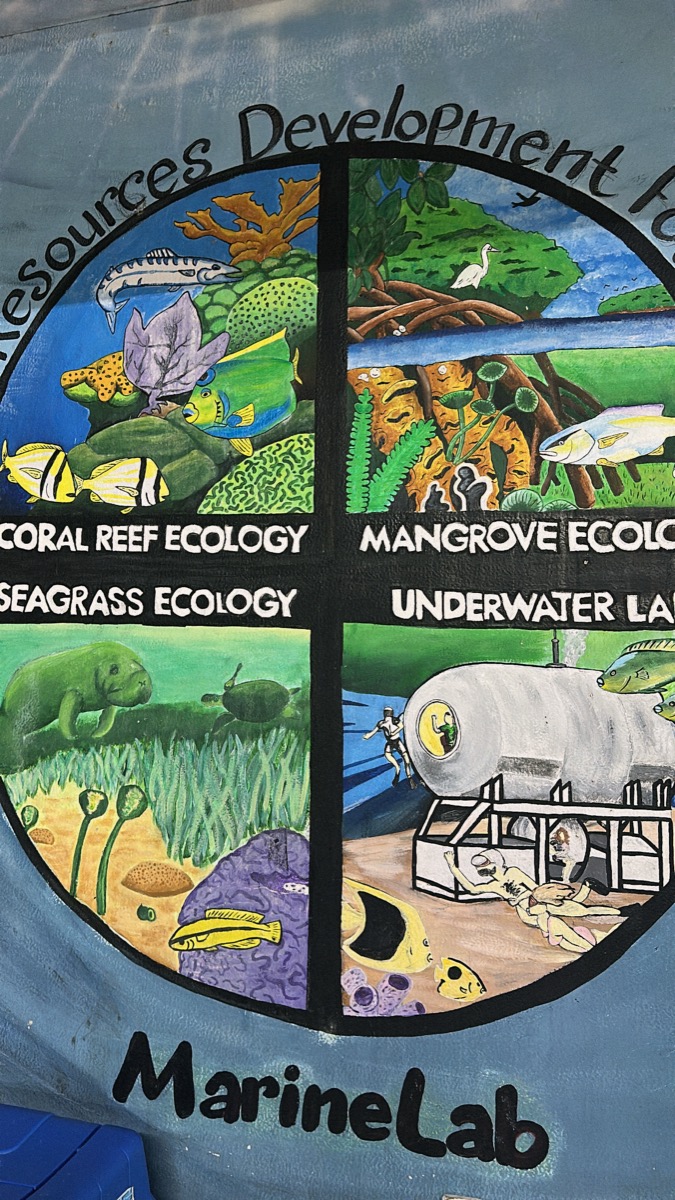
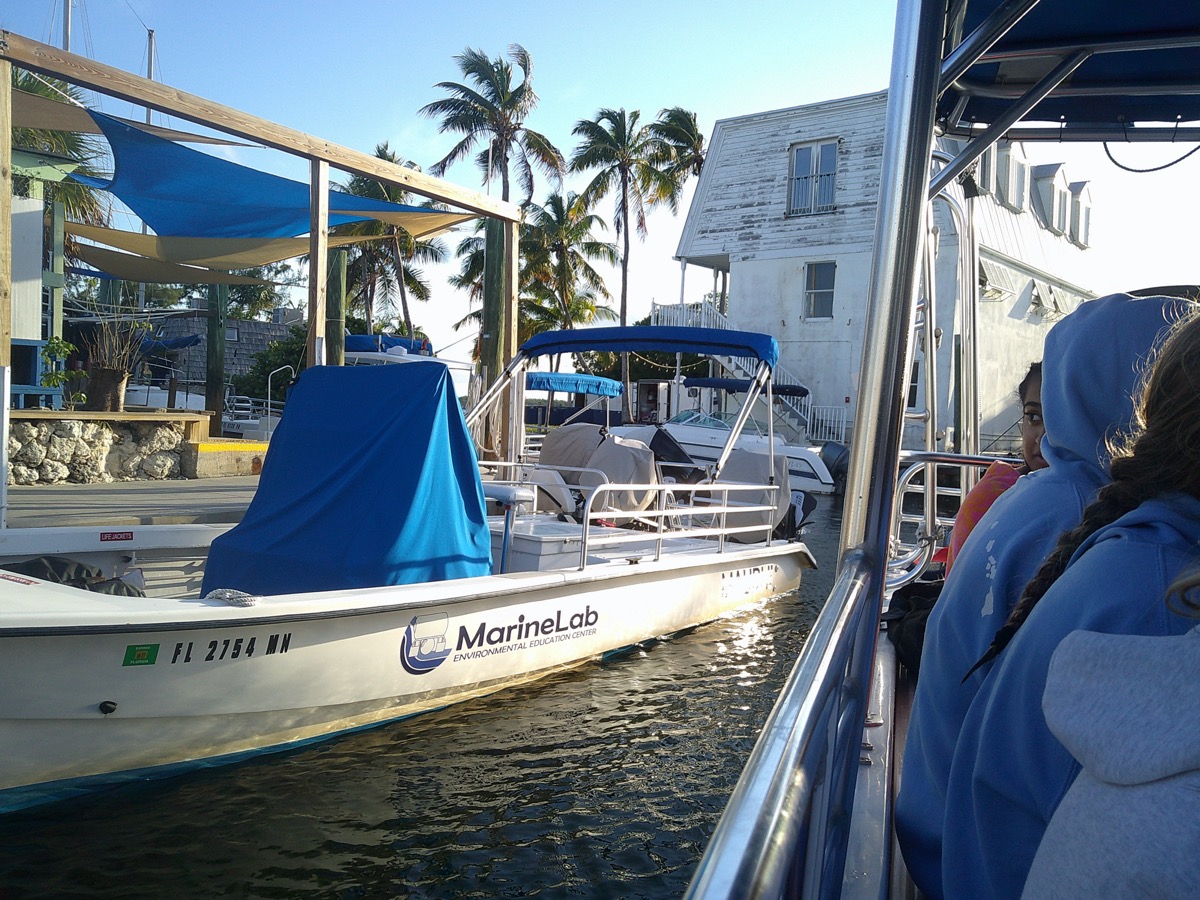
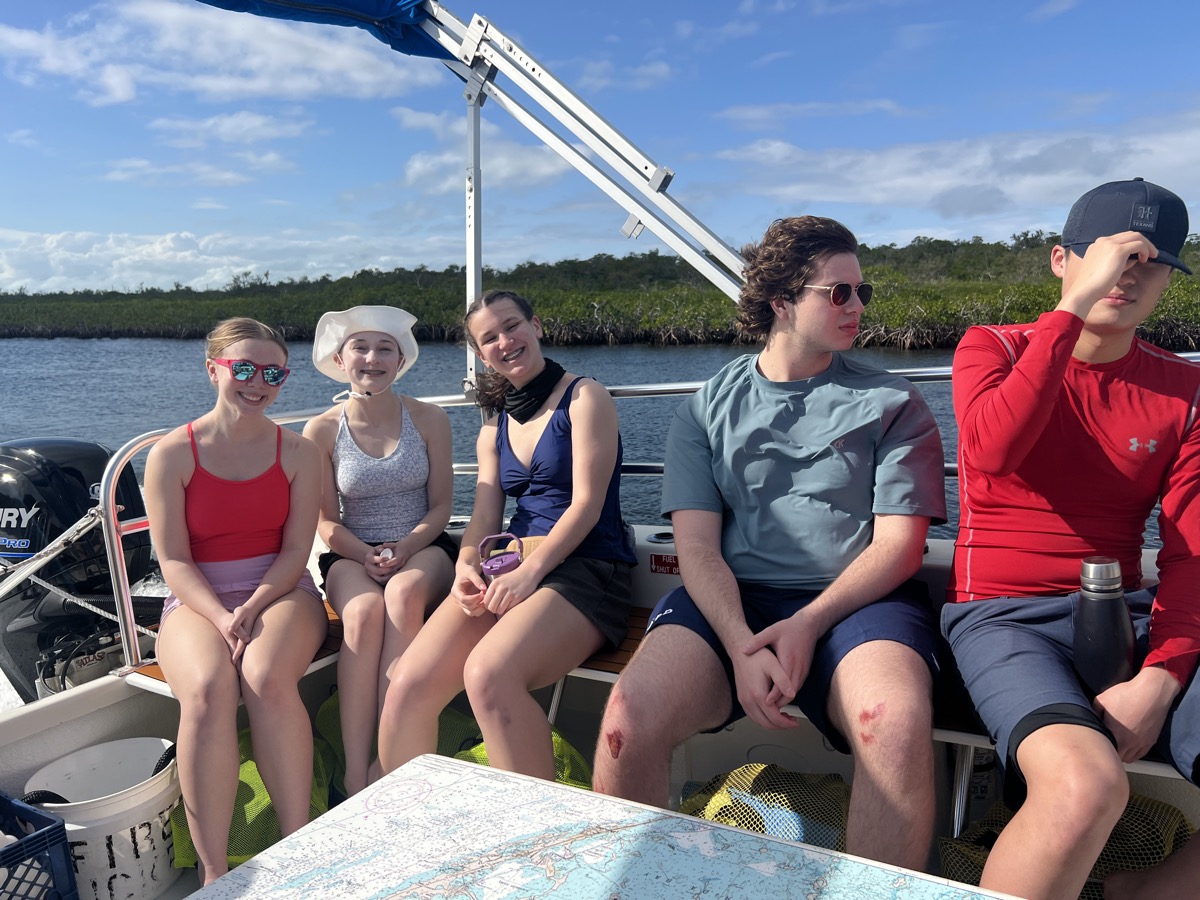
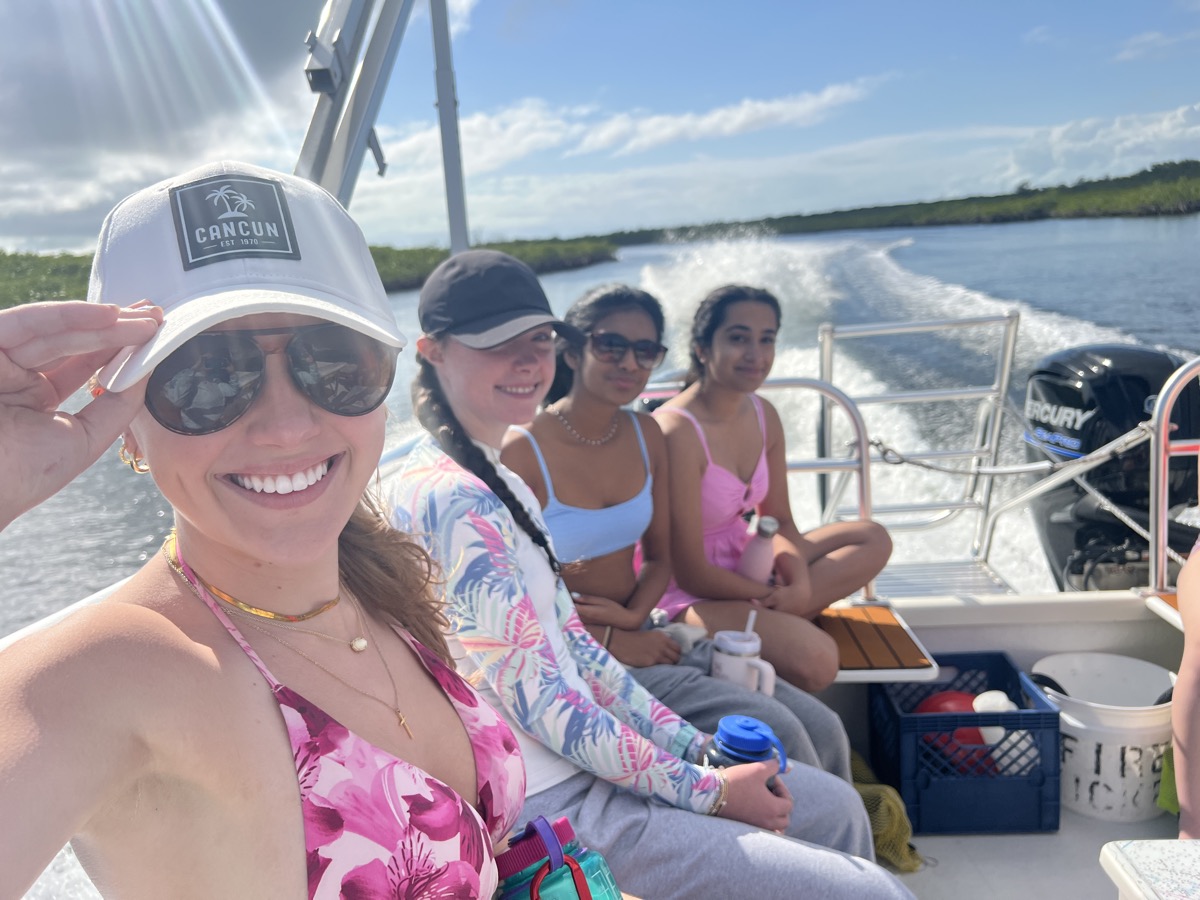
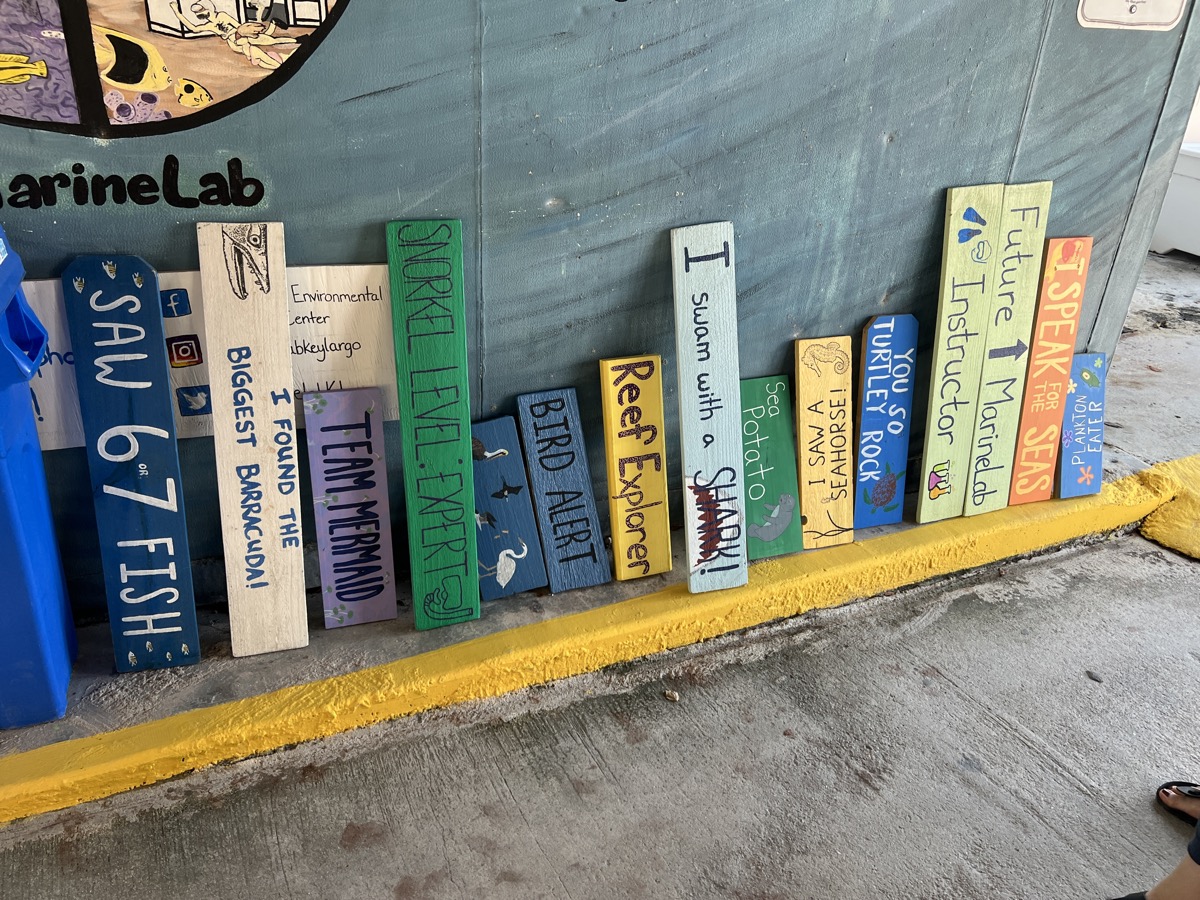
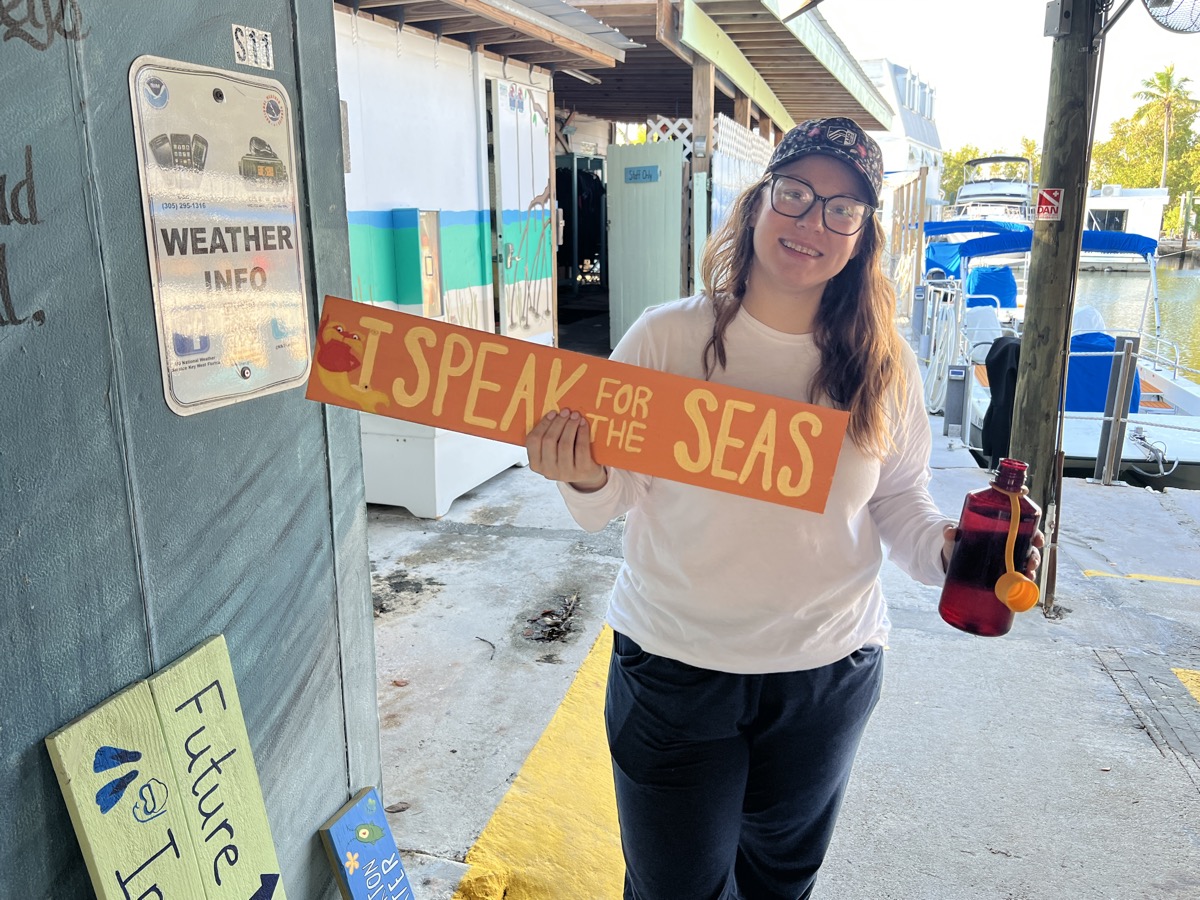
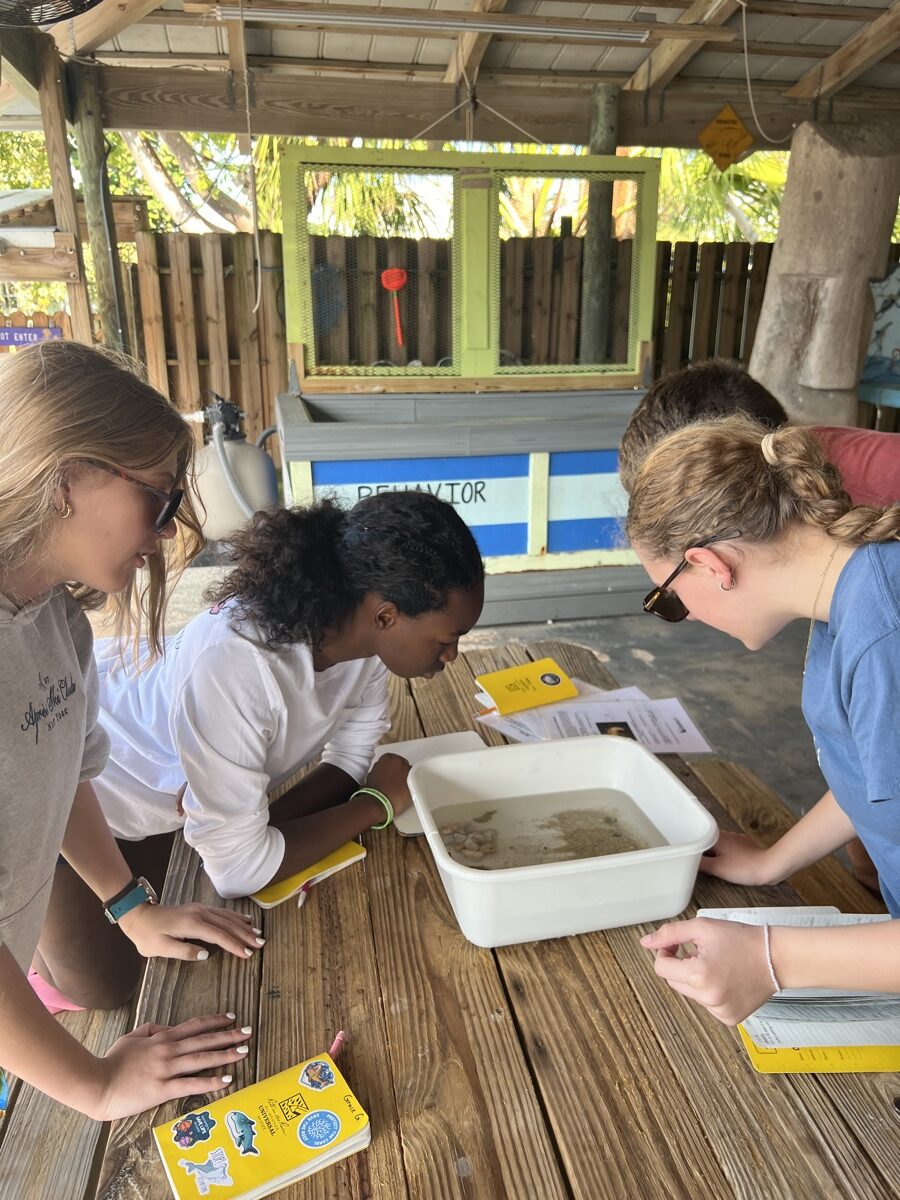
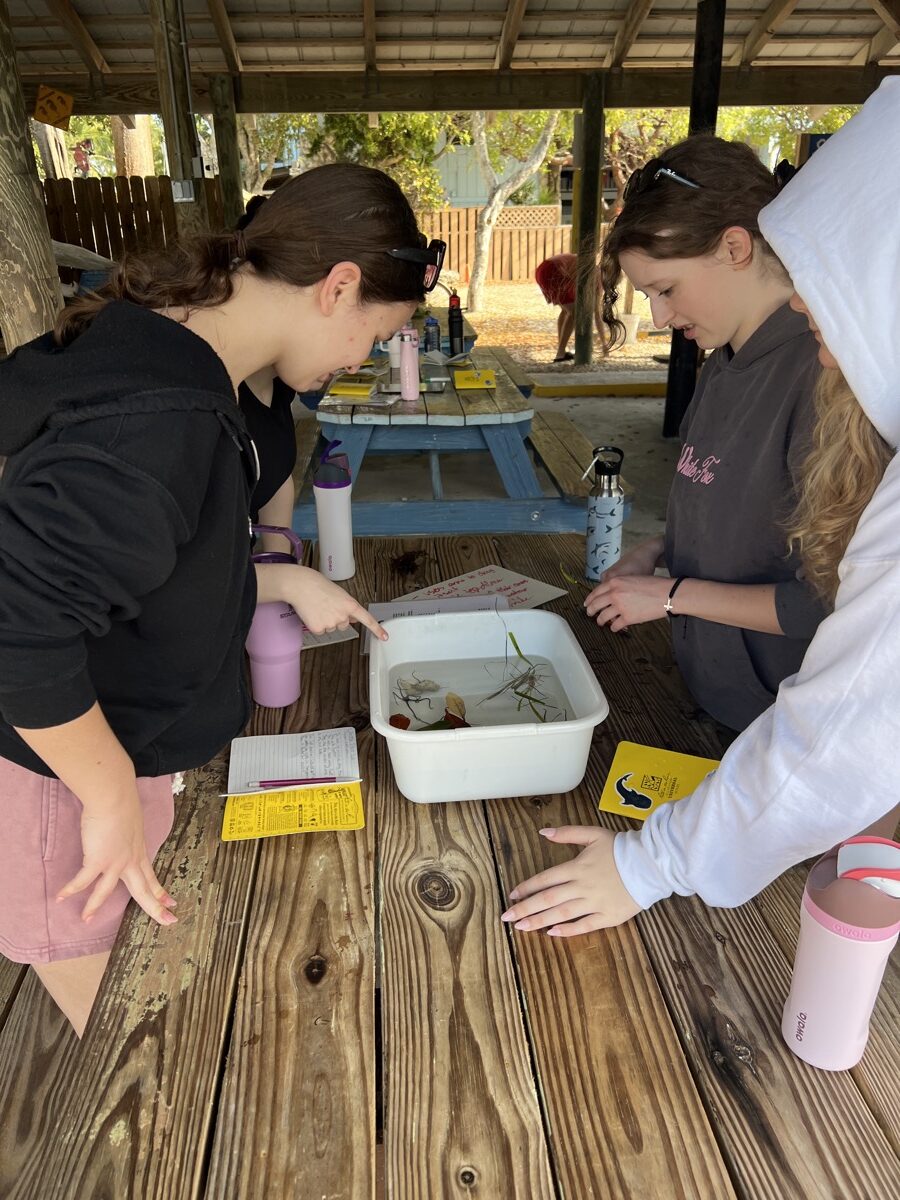
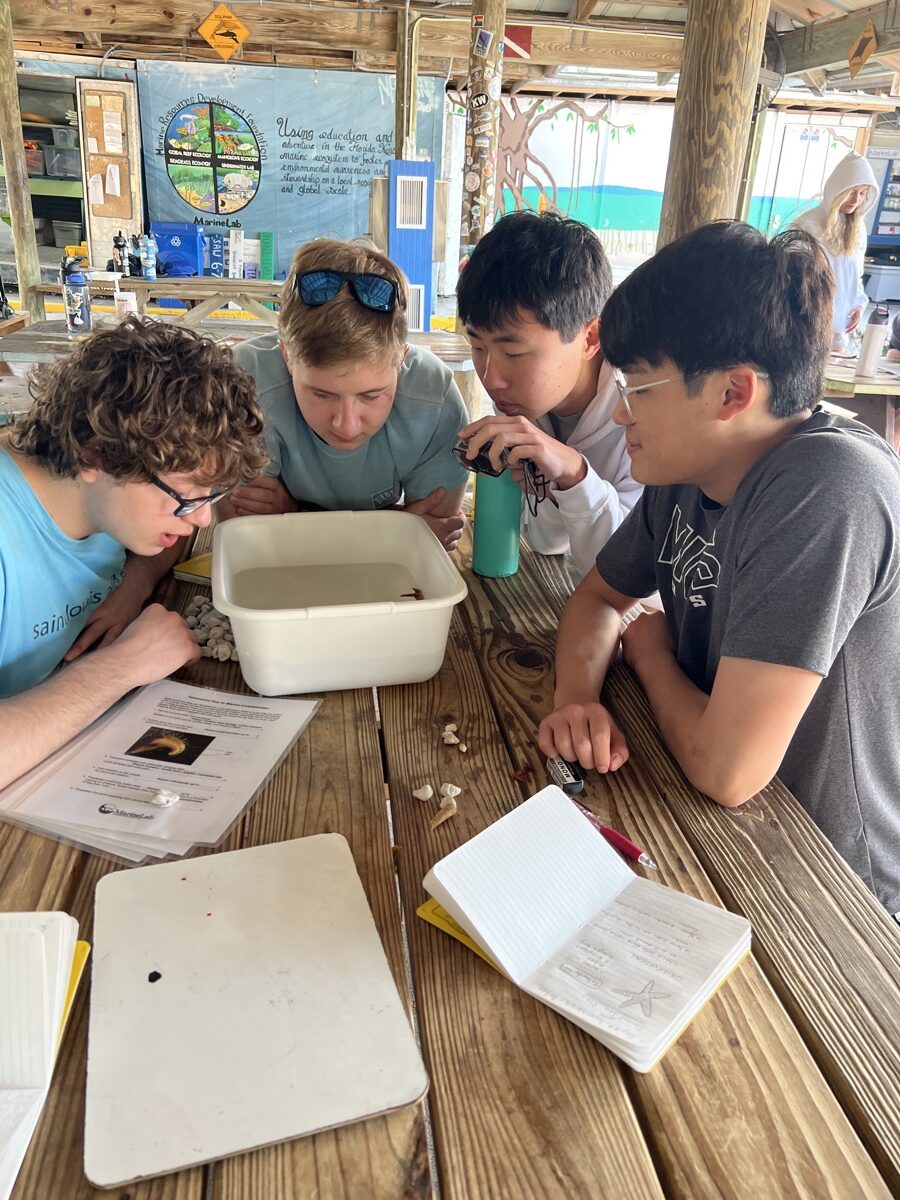
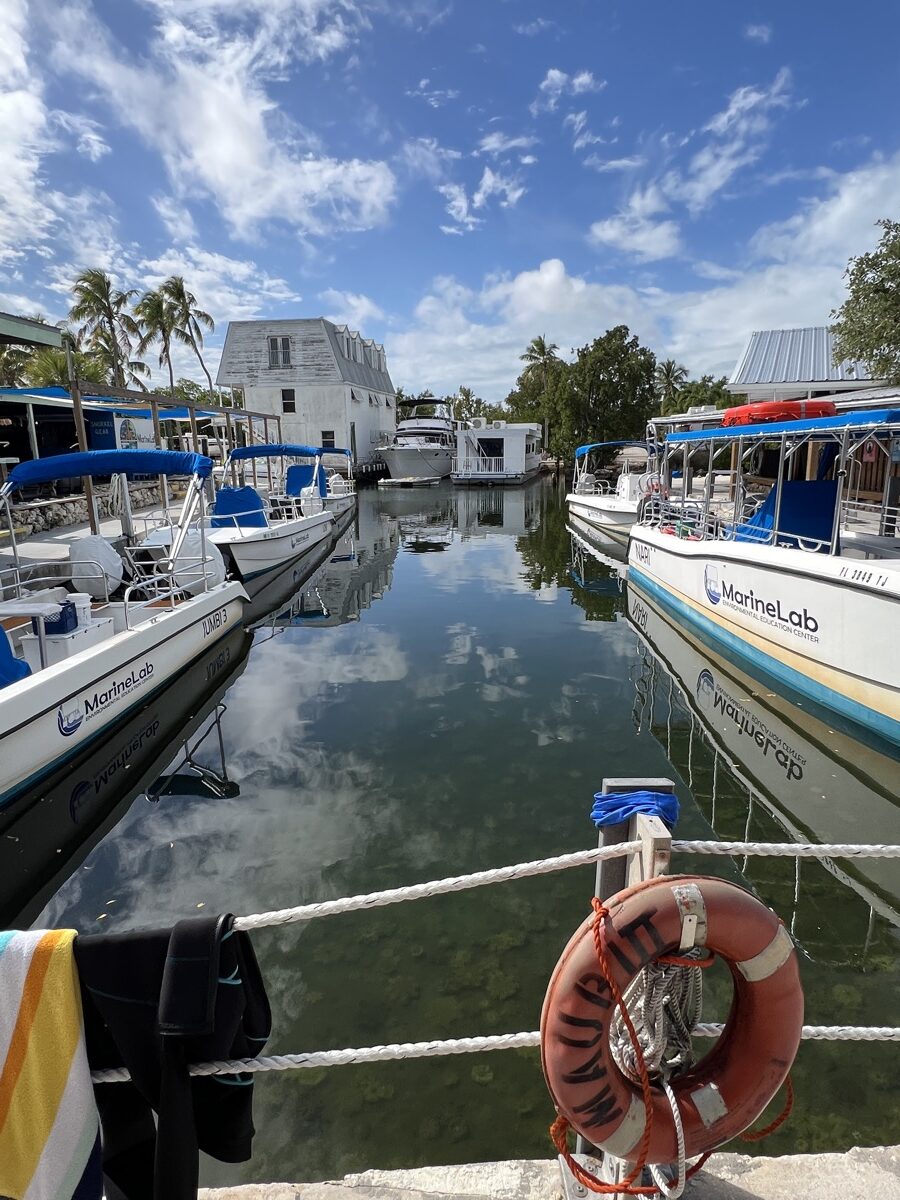
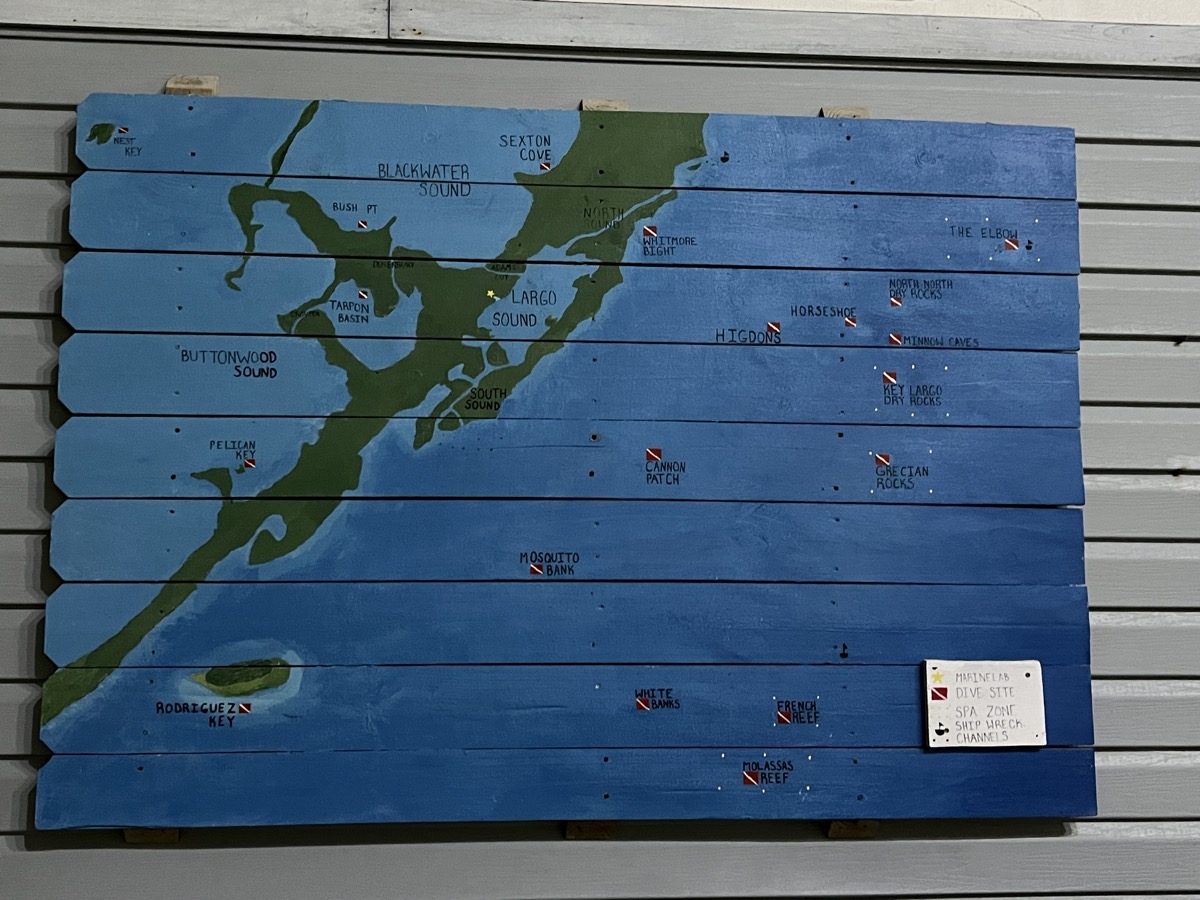
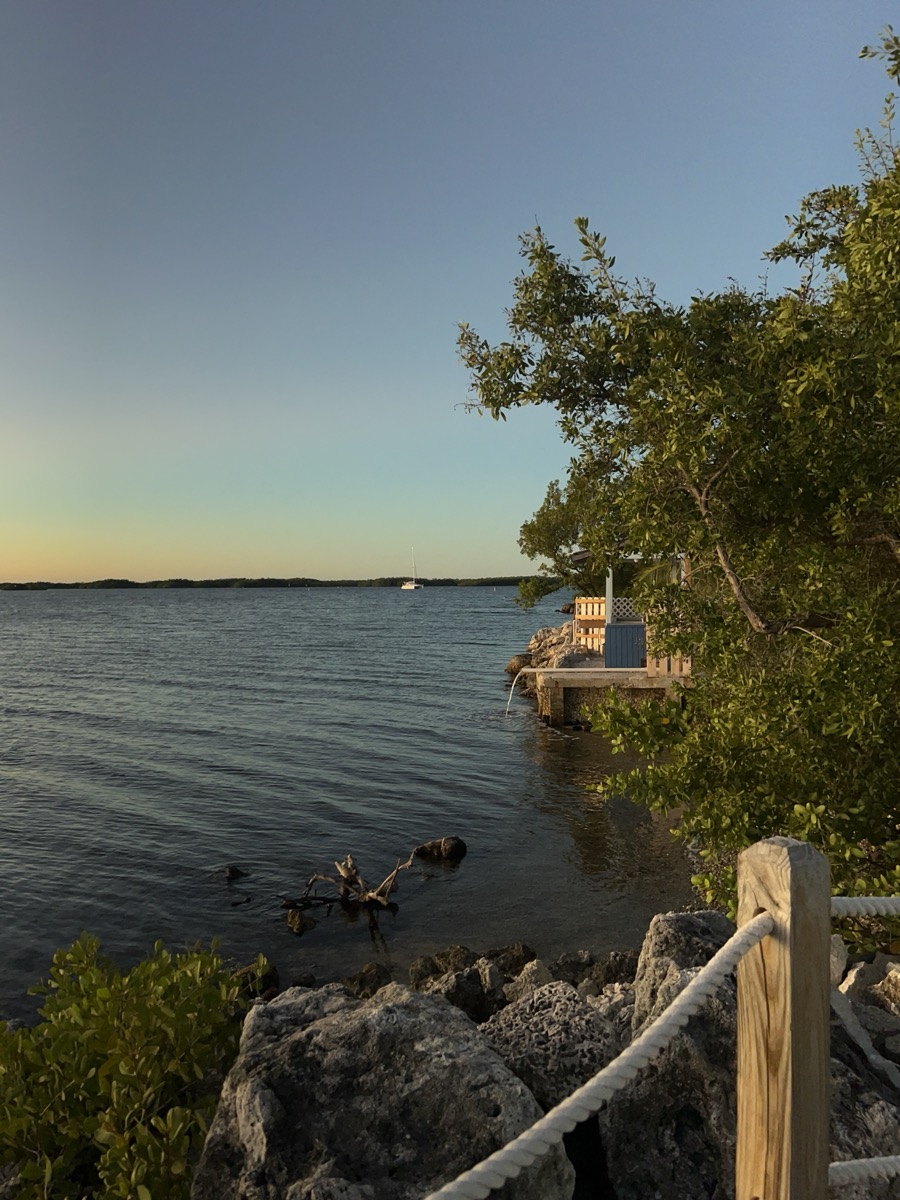
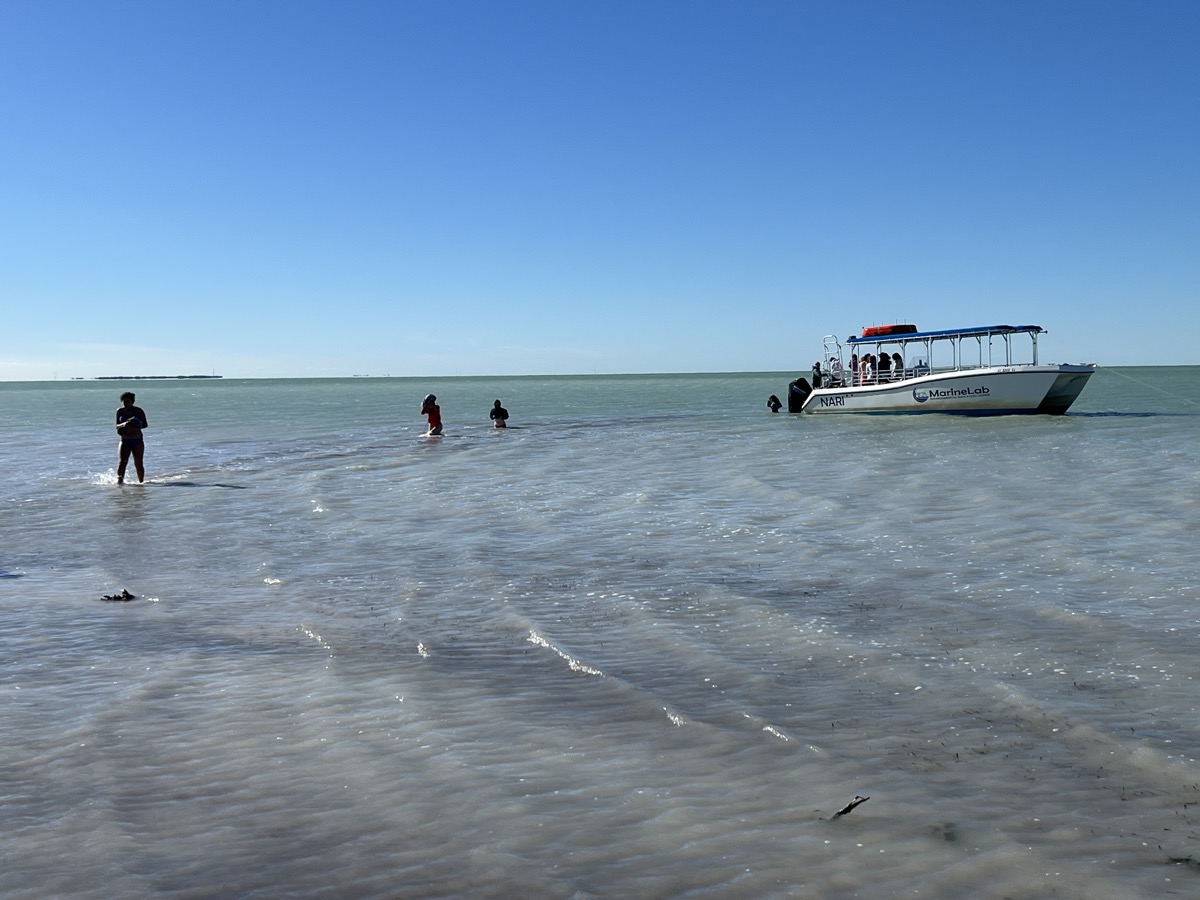
In the second week of the course, students engaged in even more immersive, hands-on learning as they partnered with the MarineLab Environmental Education Center in Key Largo, Florida. From January 12-16, they participated in some fascinating learning opportunities that brought the study of marine biology to life.
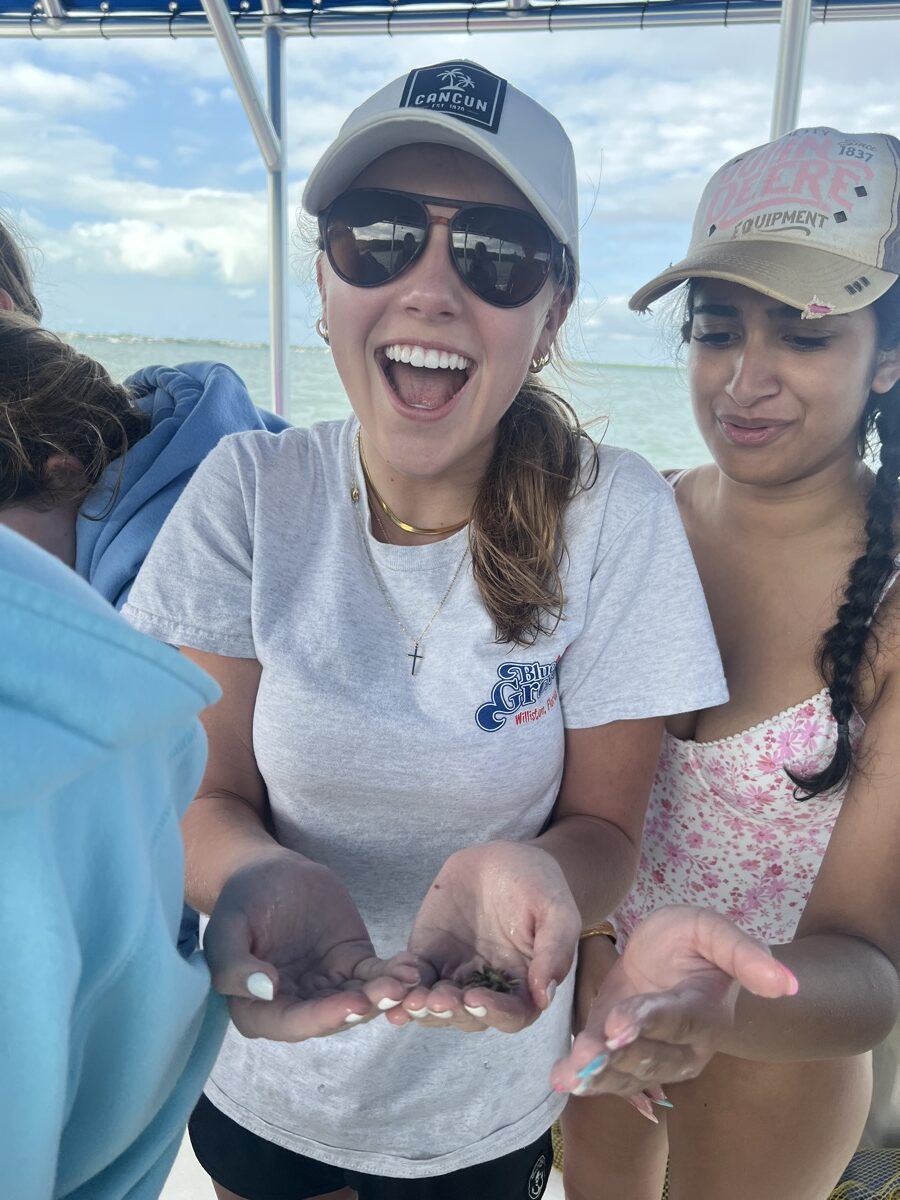
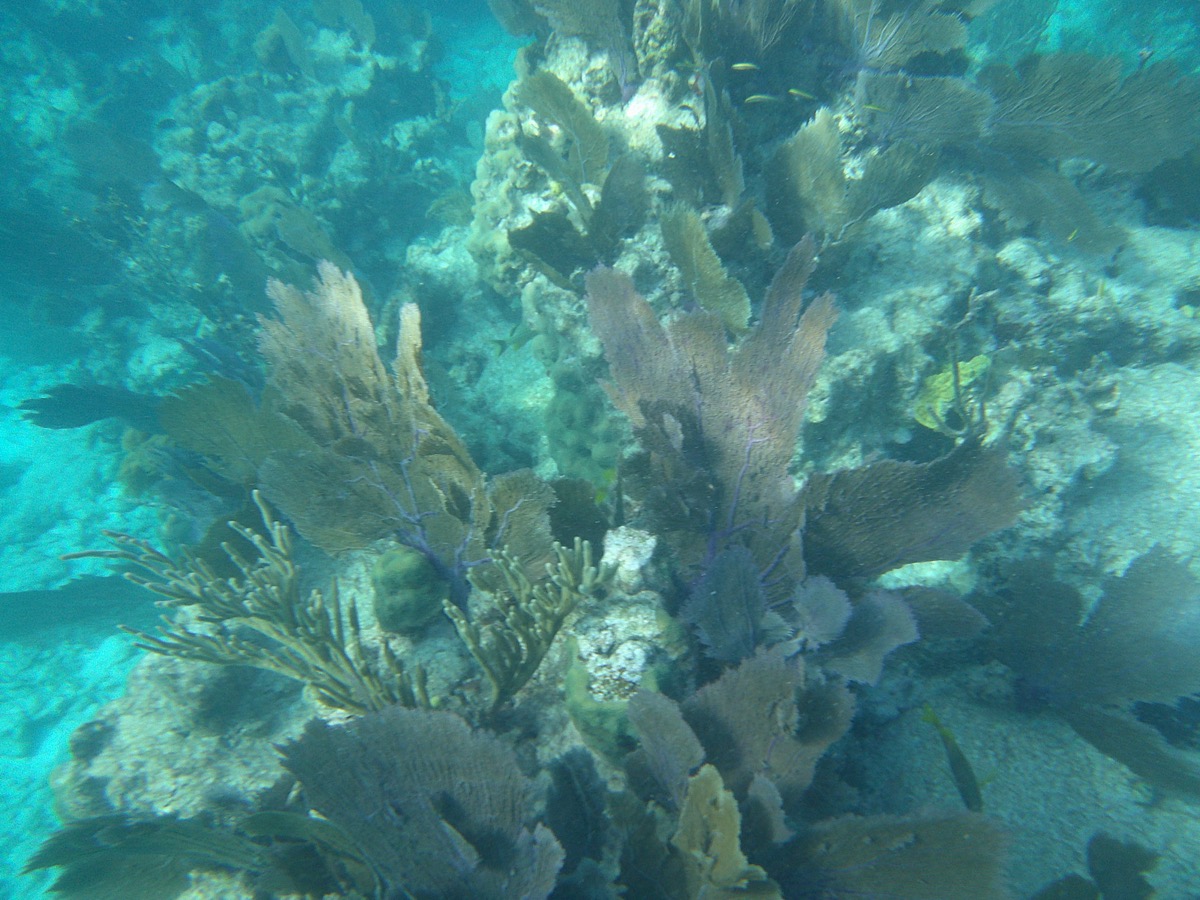
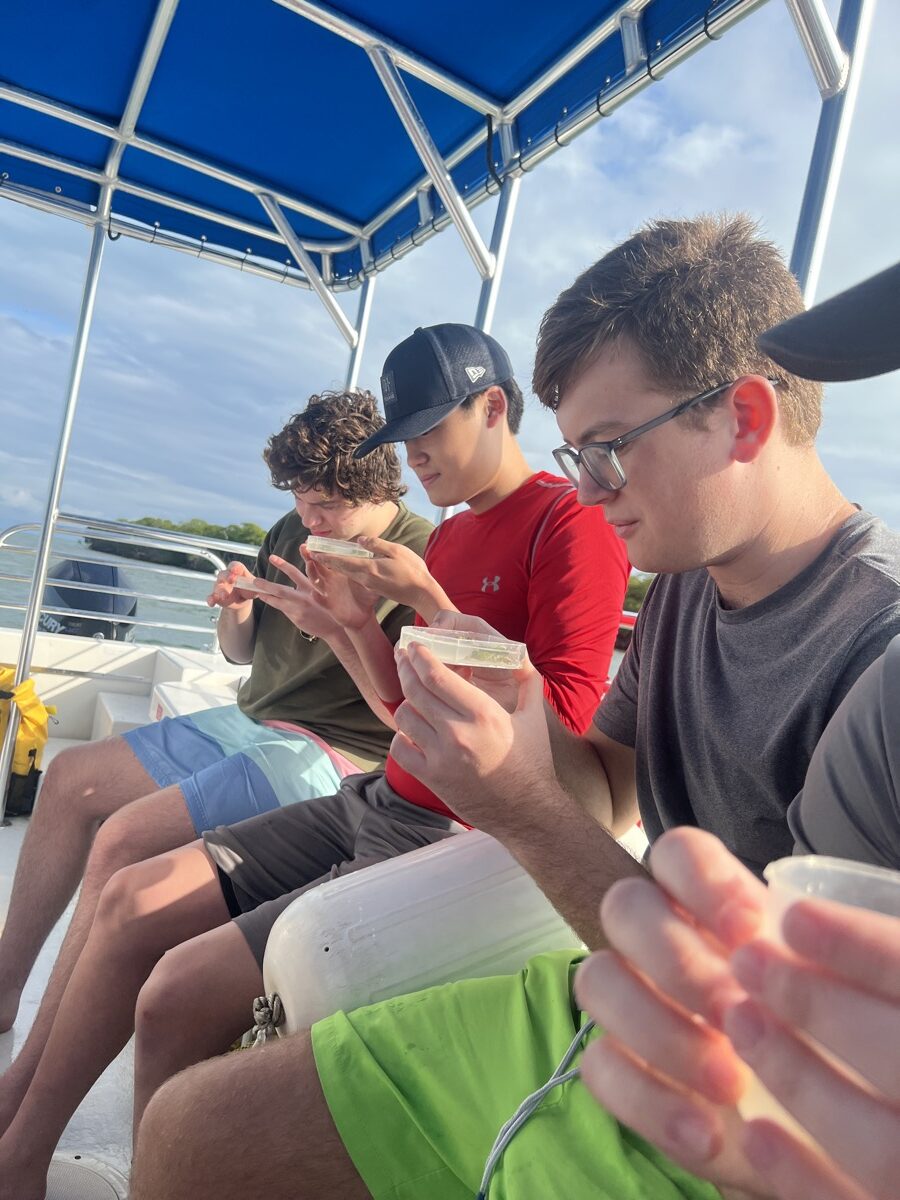
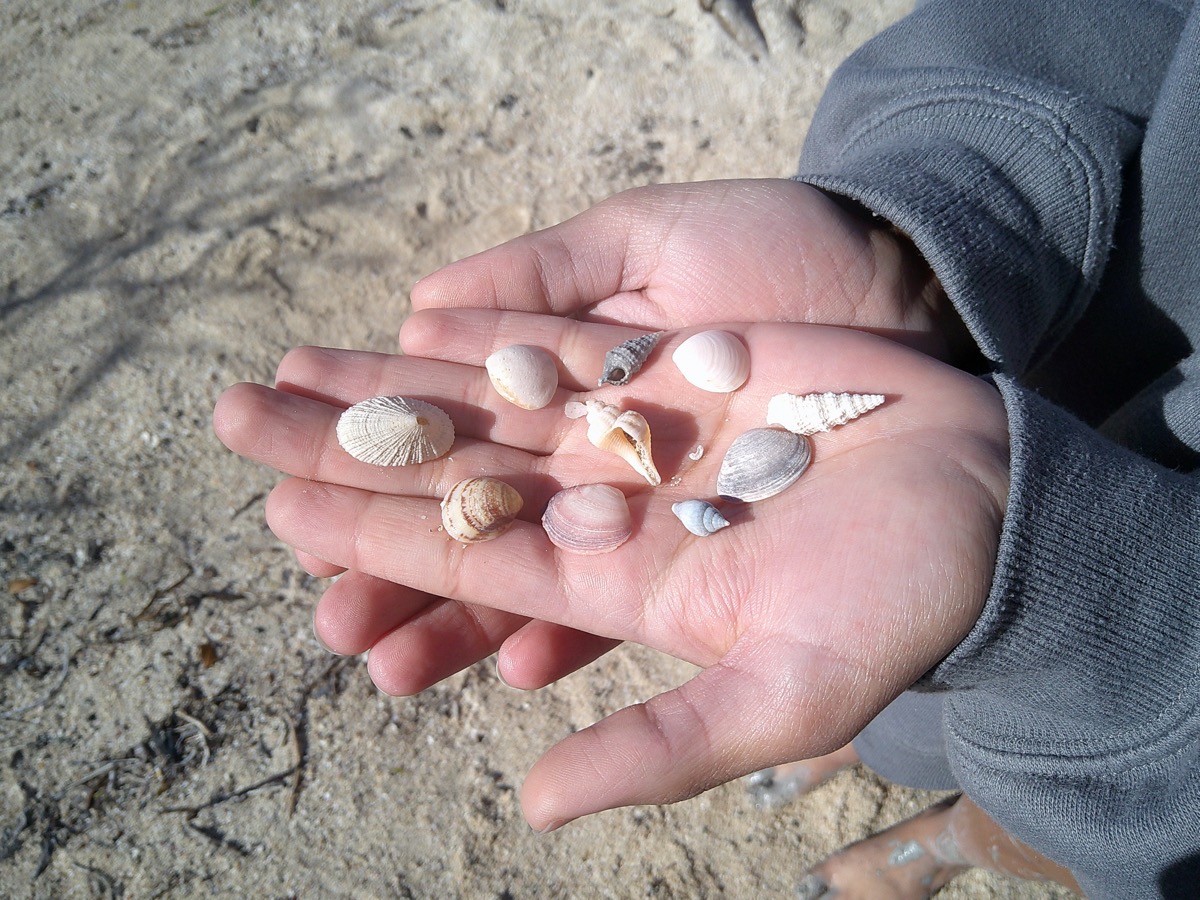
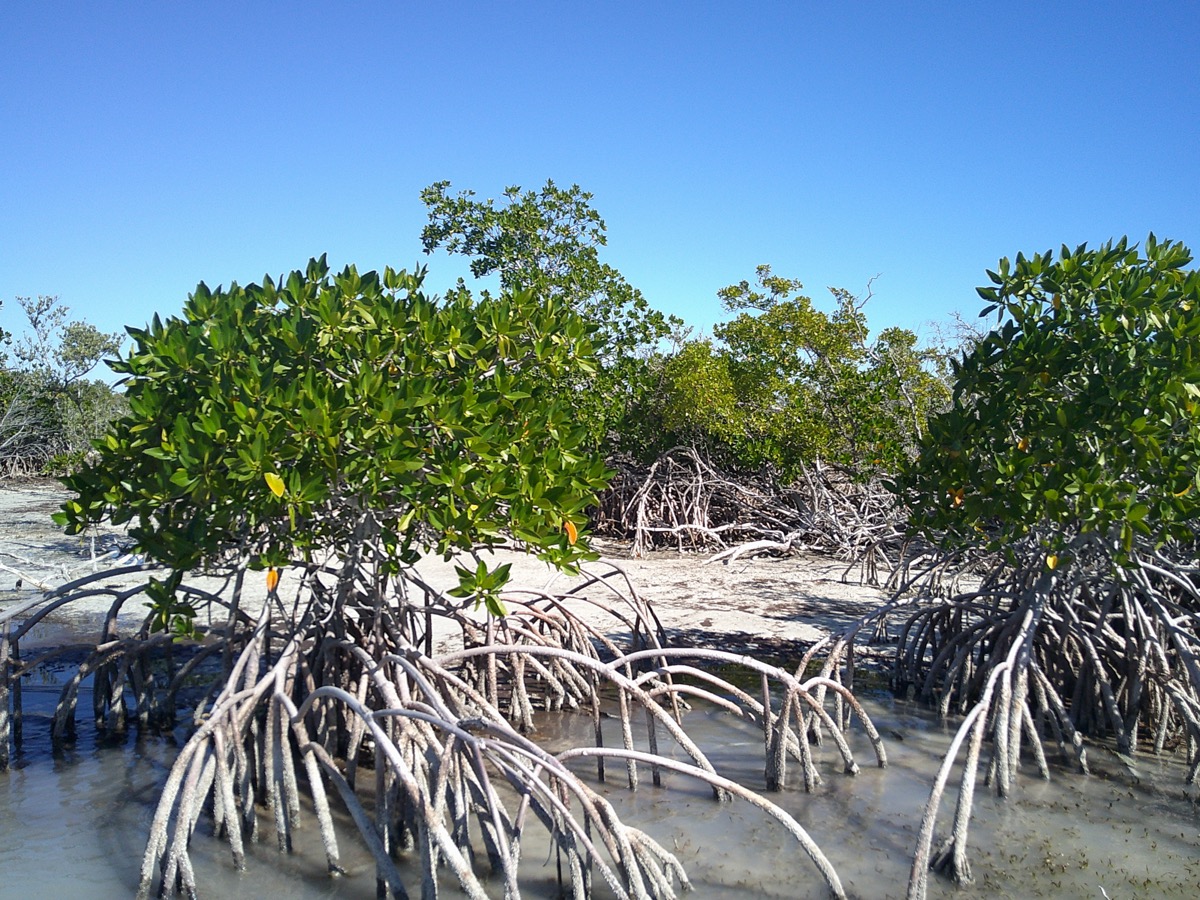
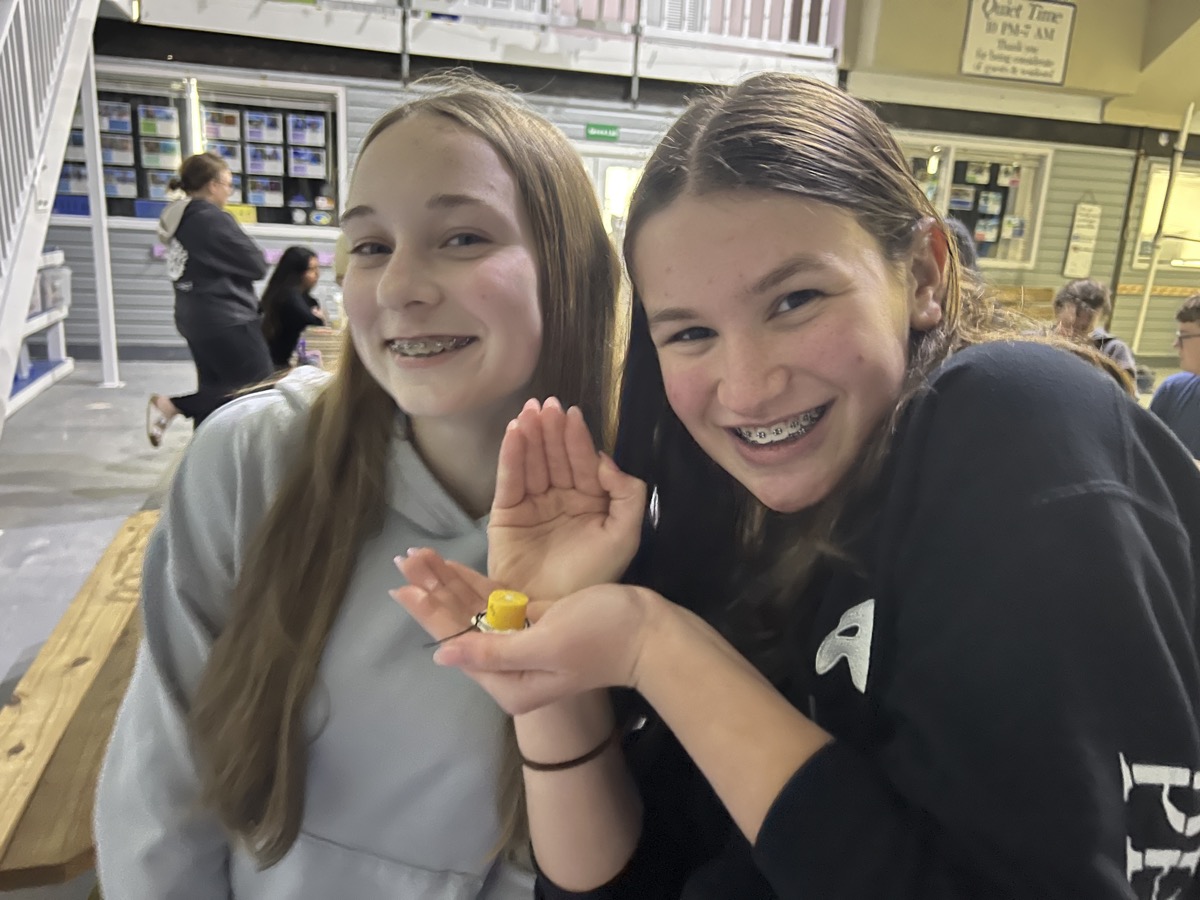
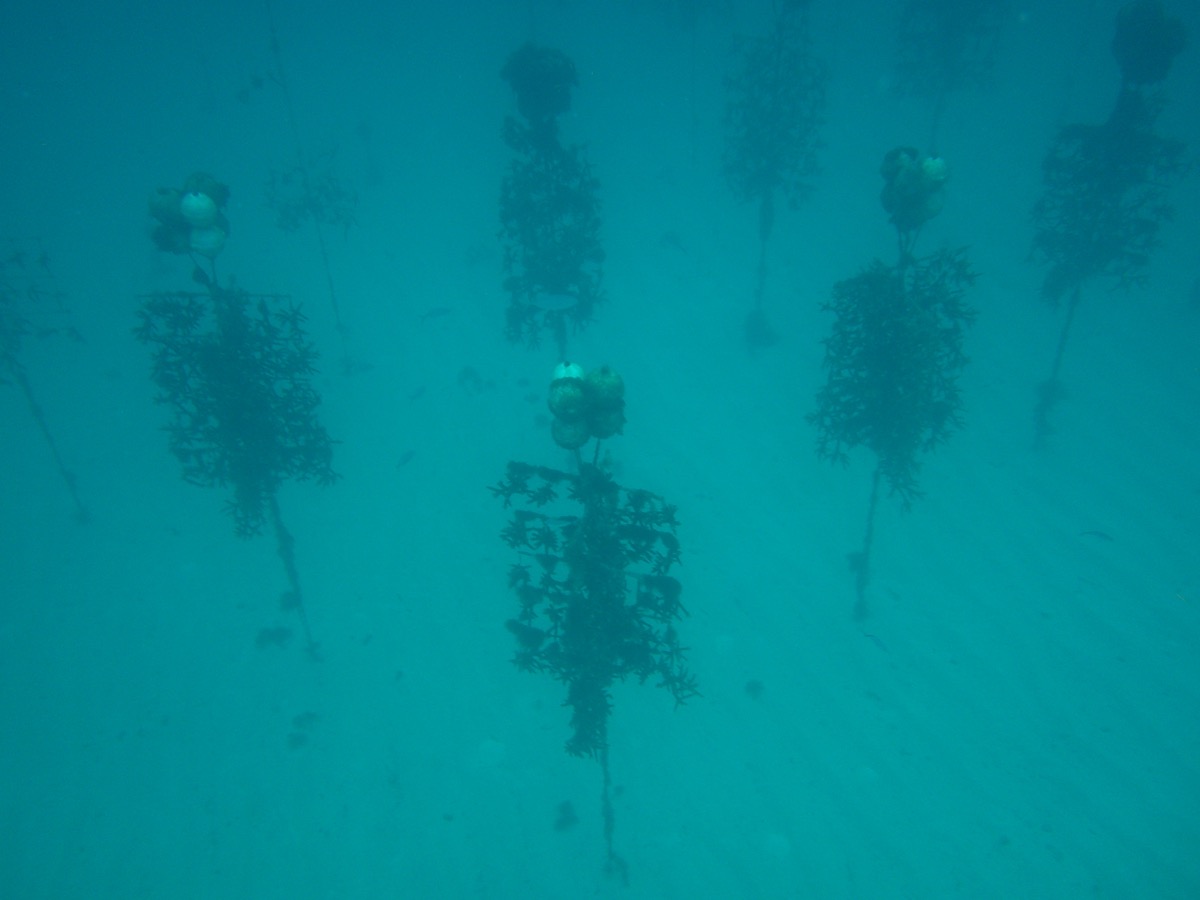
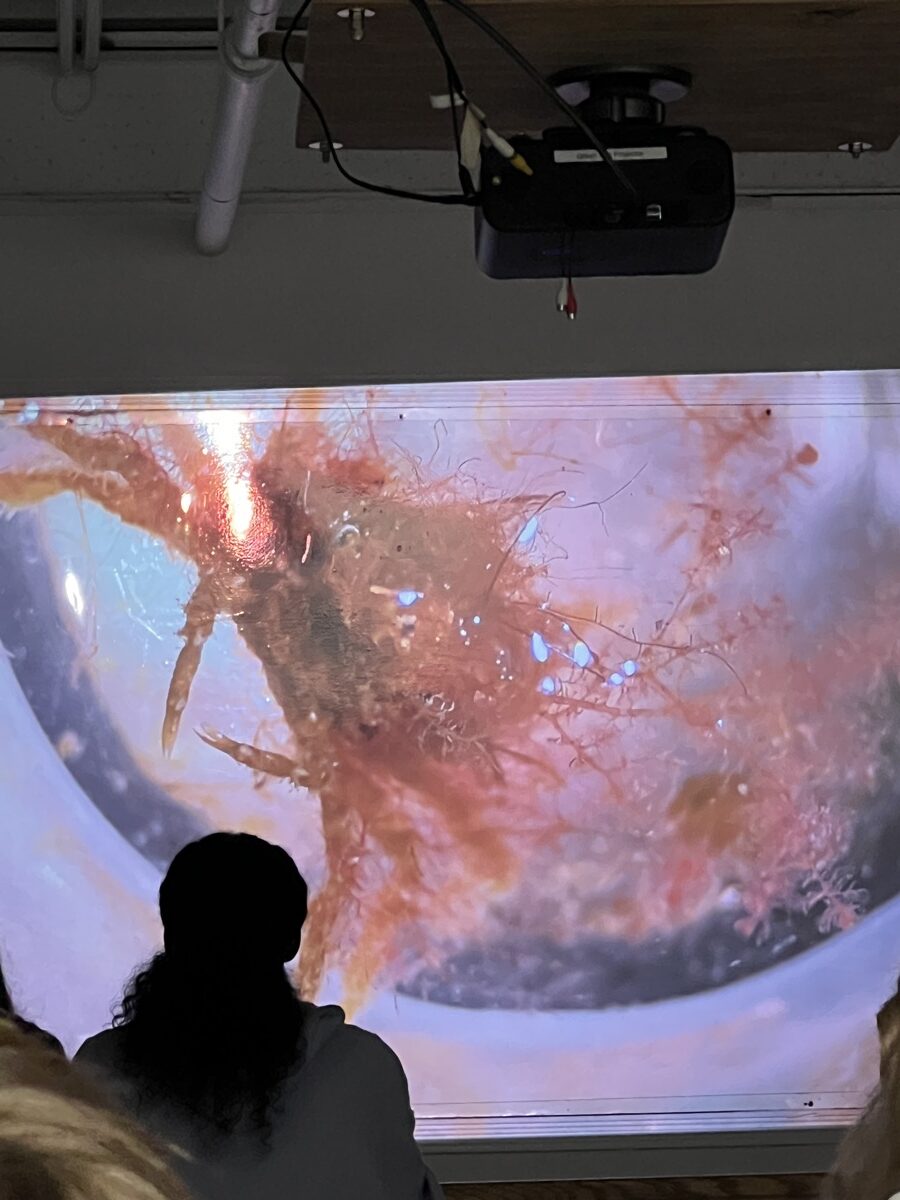
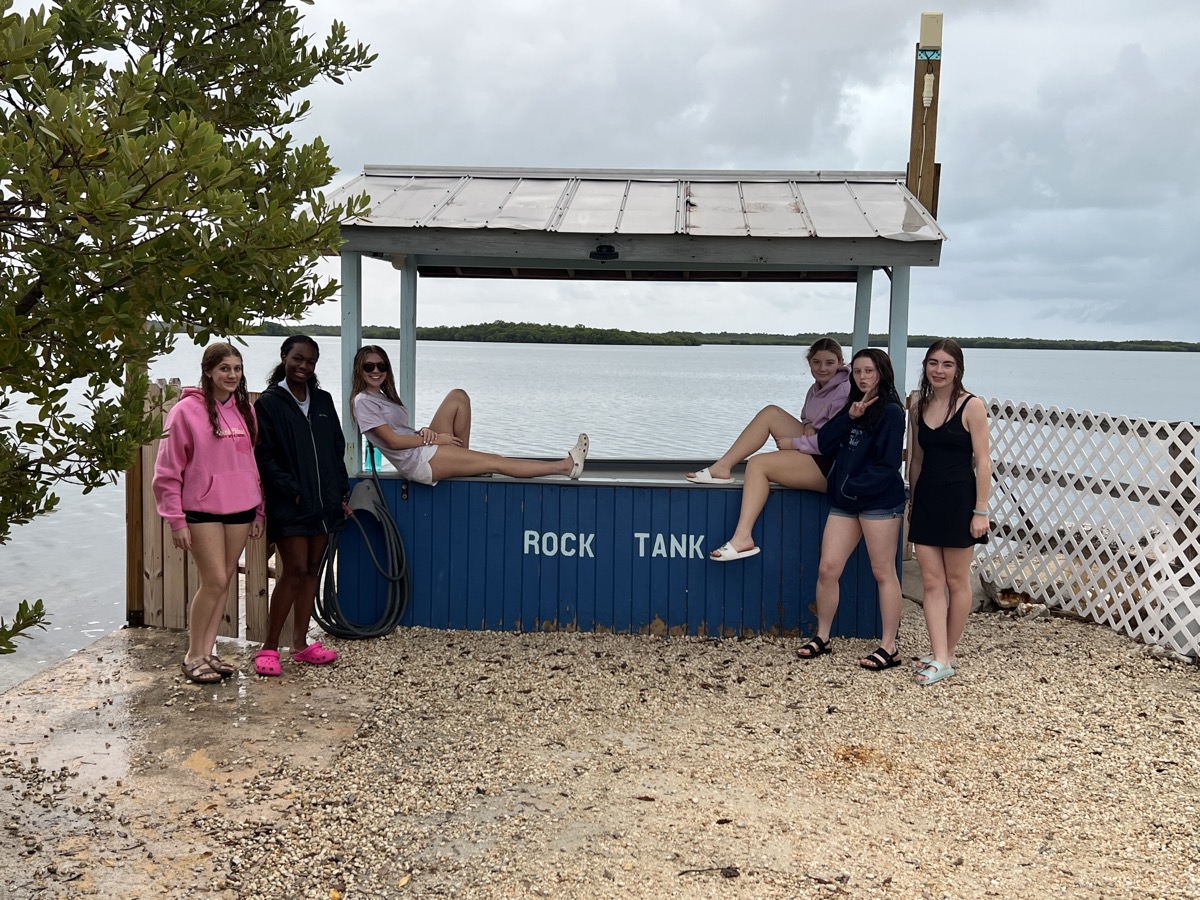
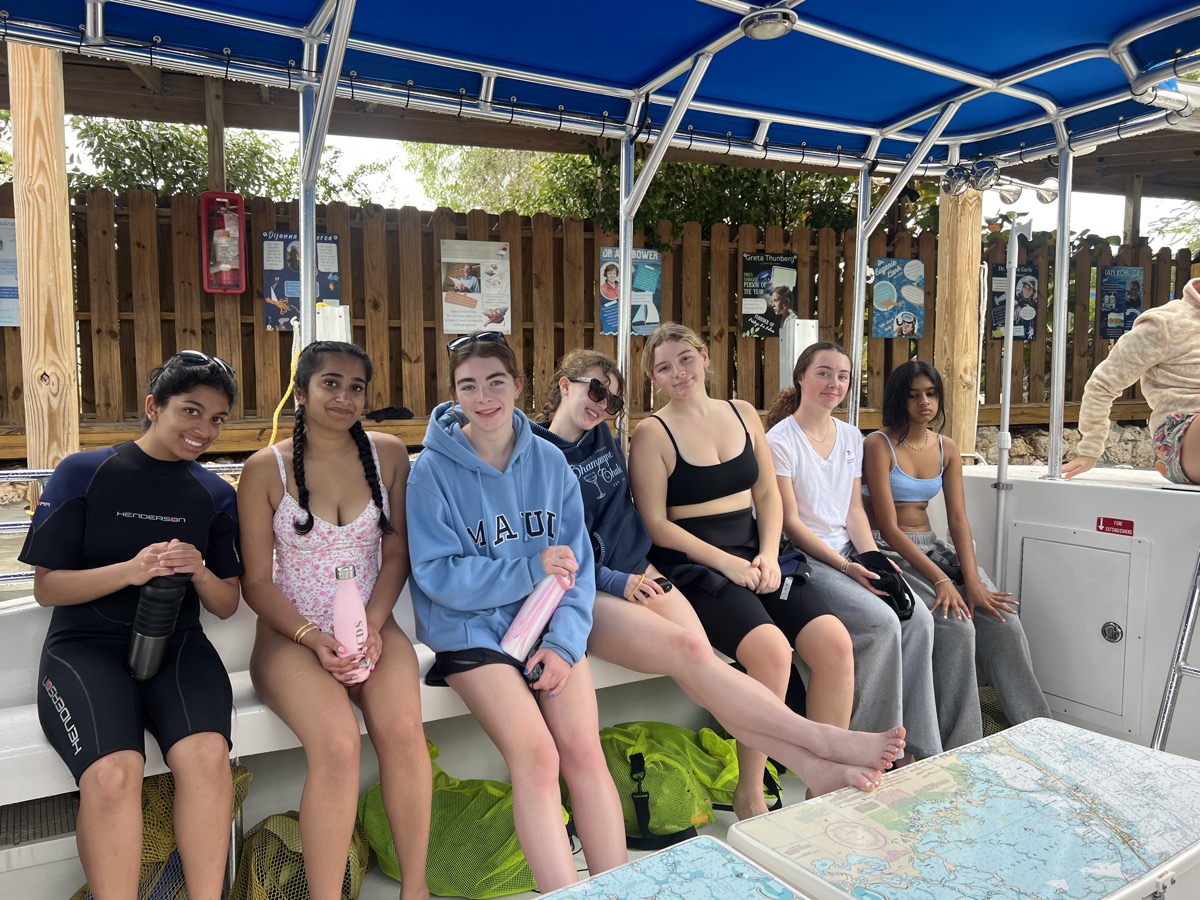
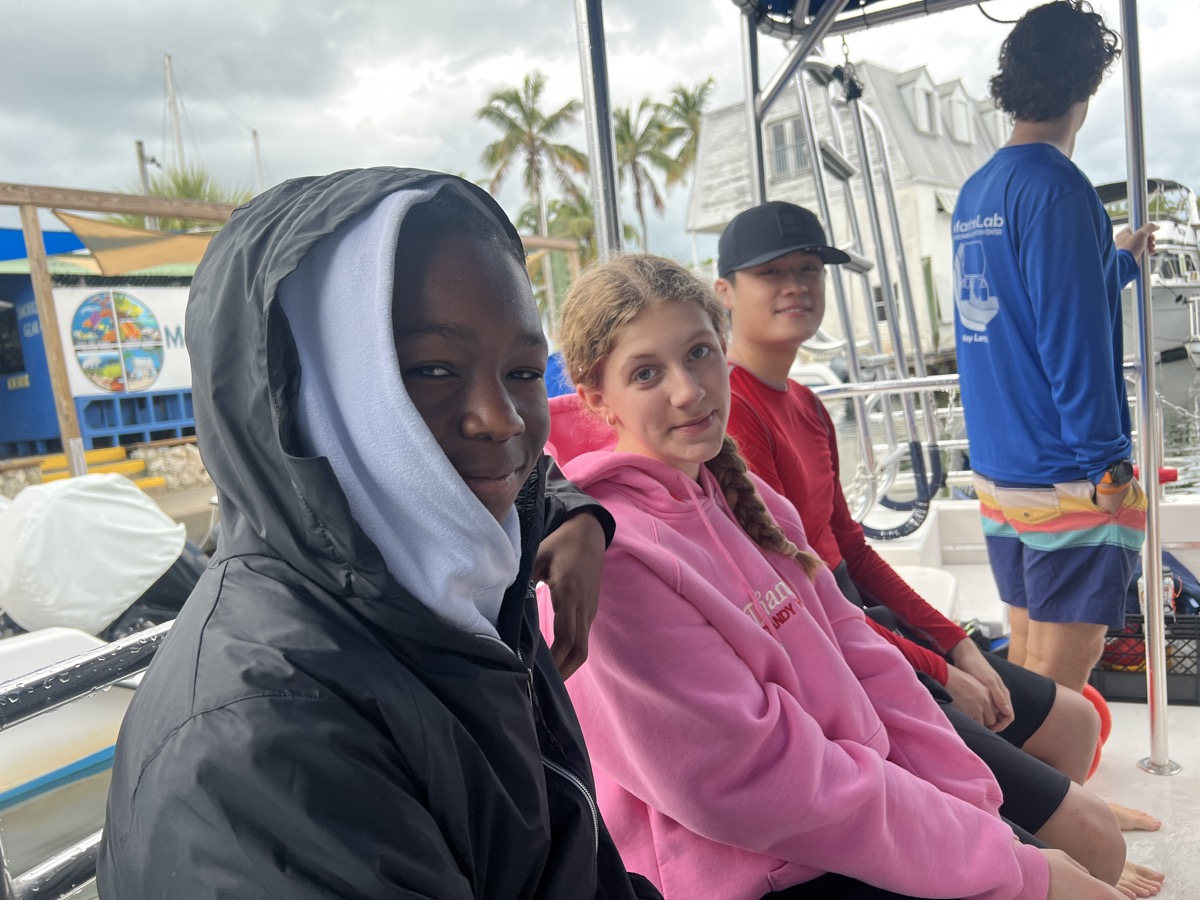
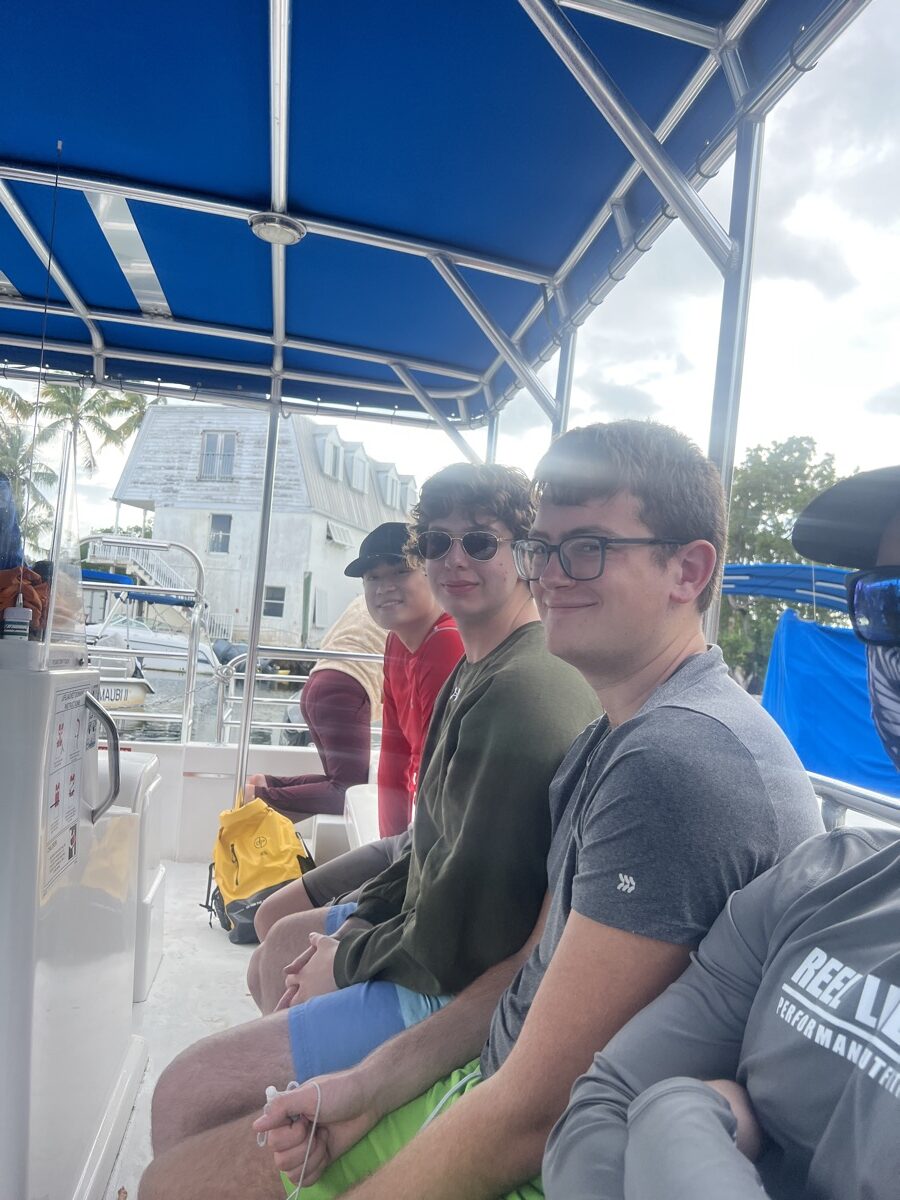
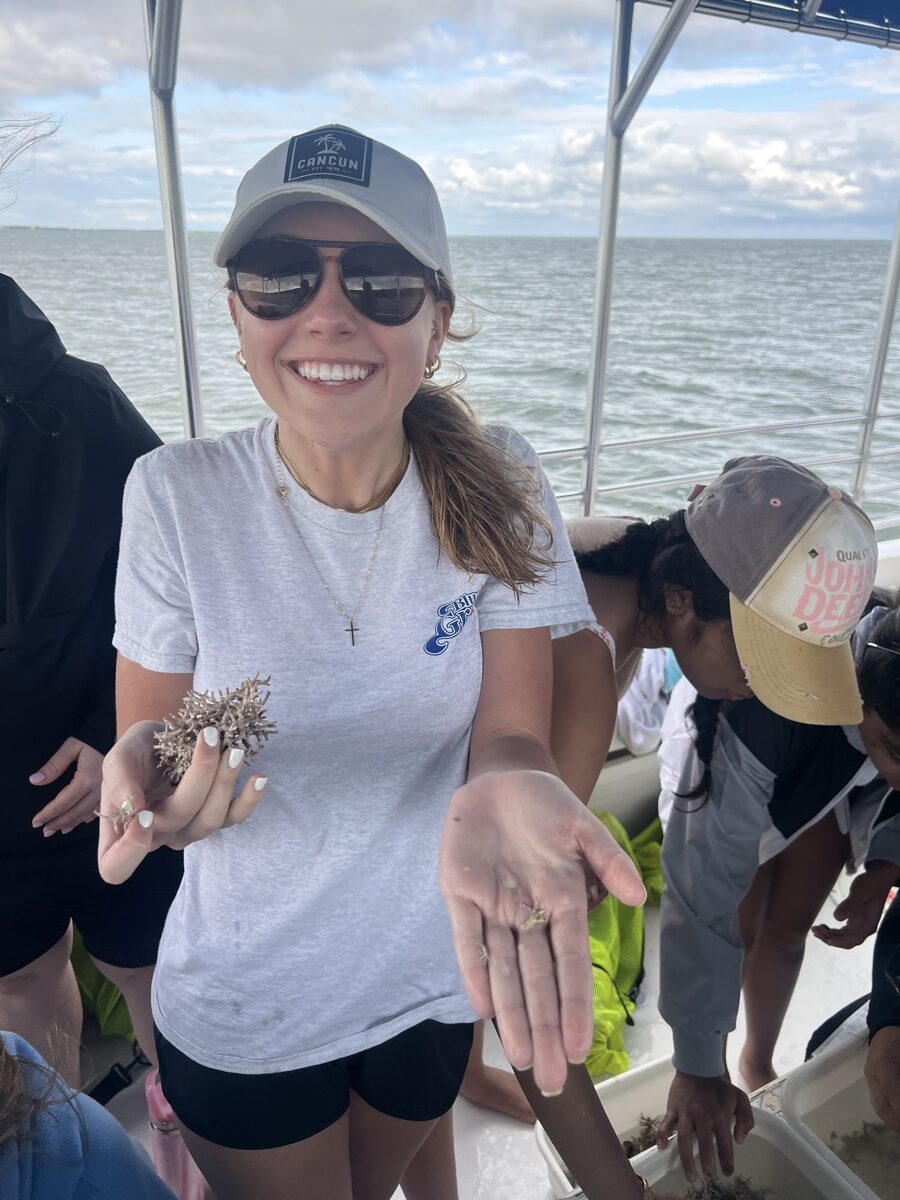
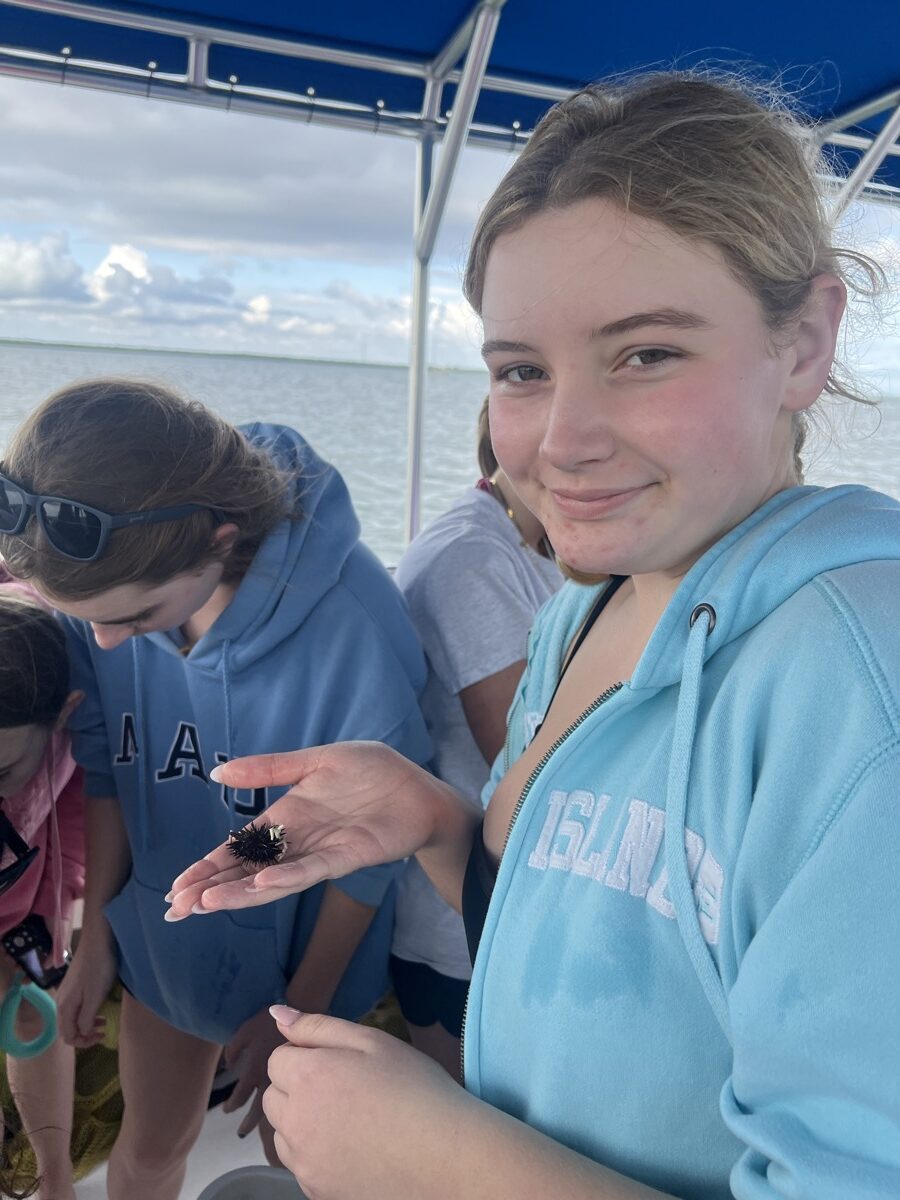
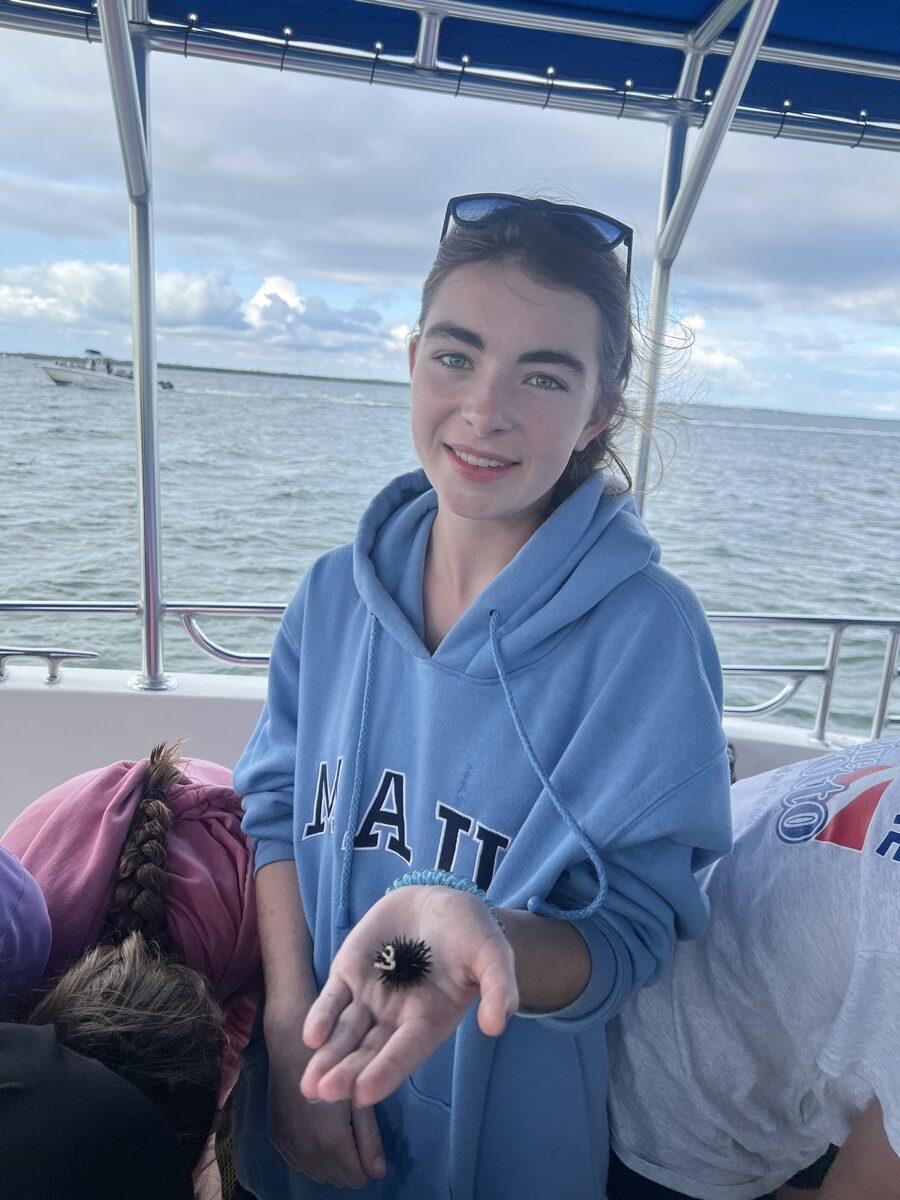
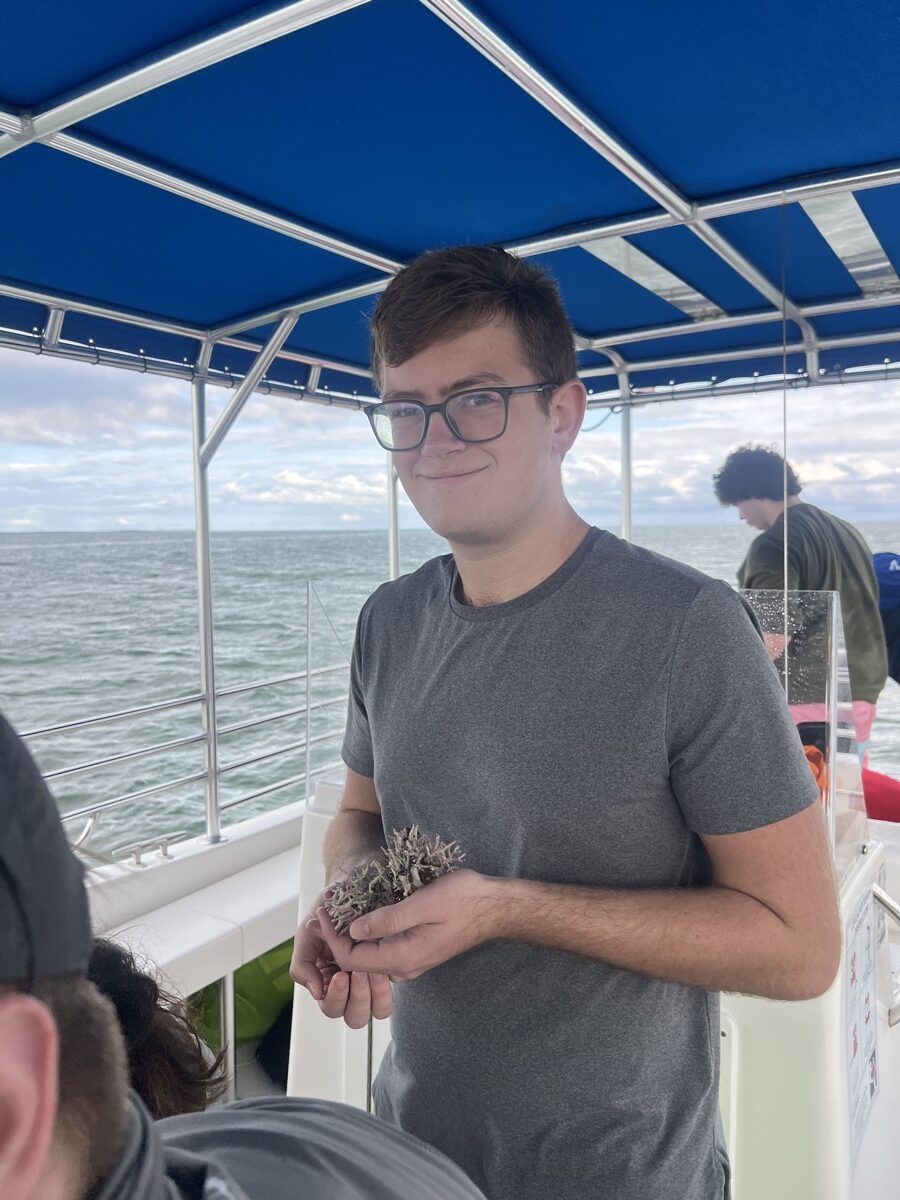
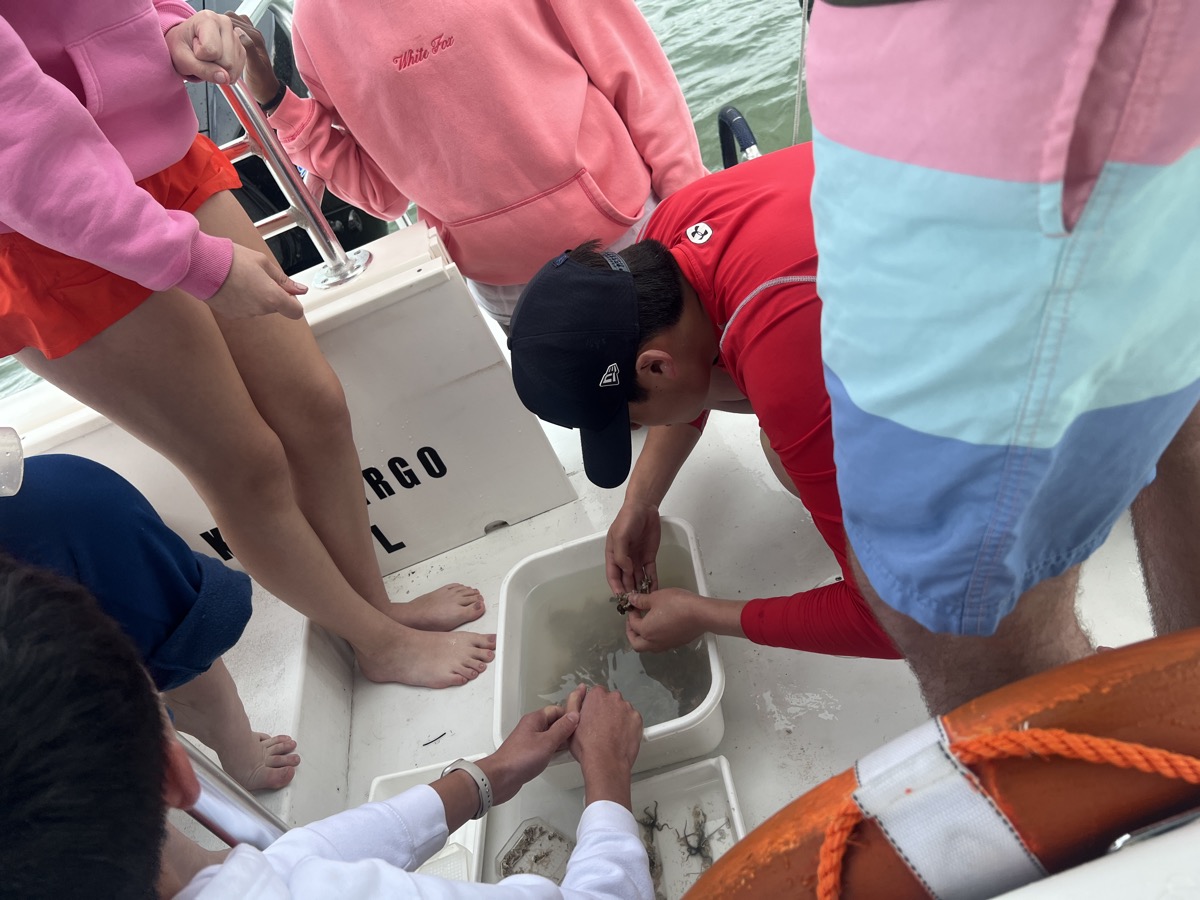
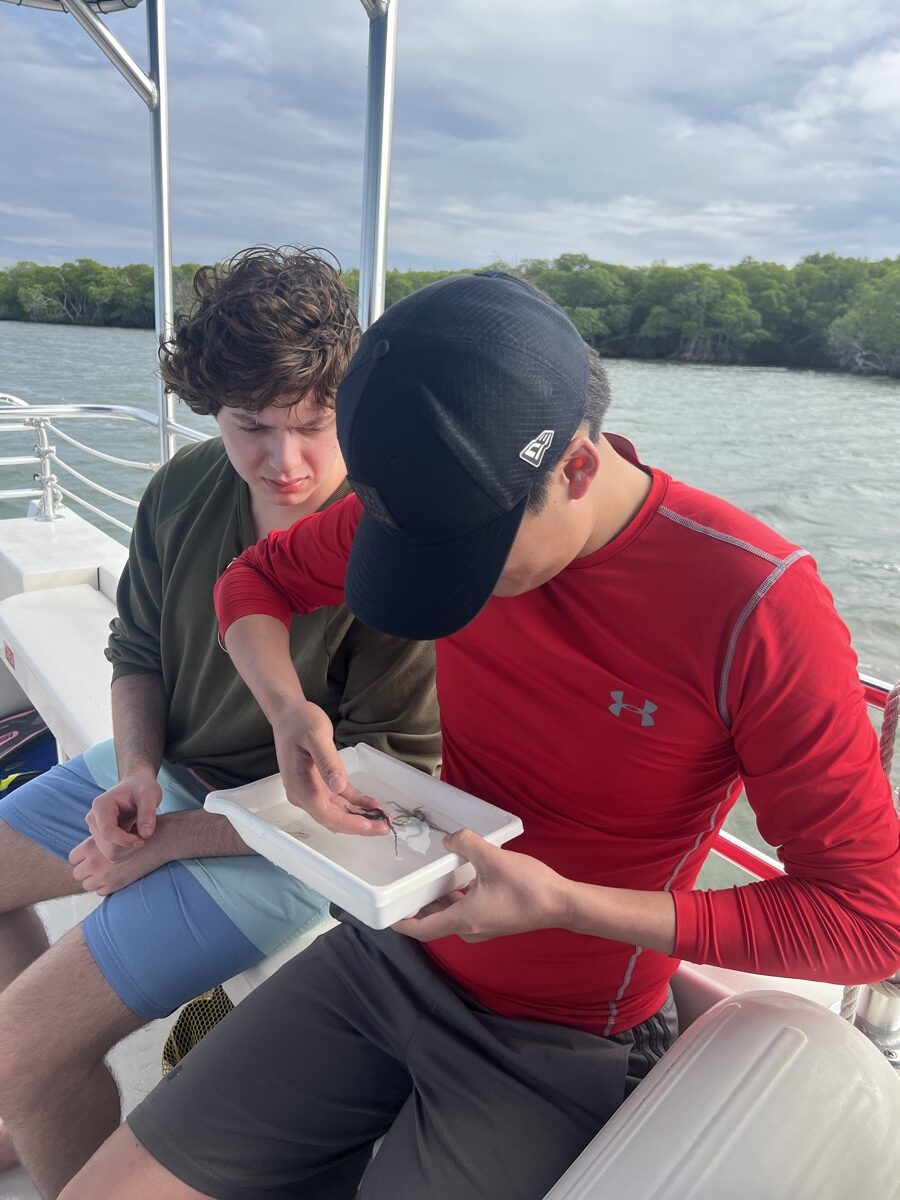
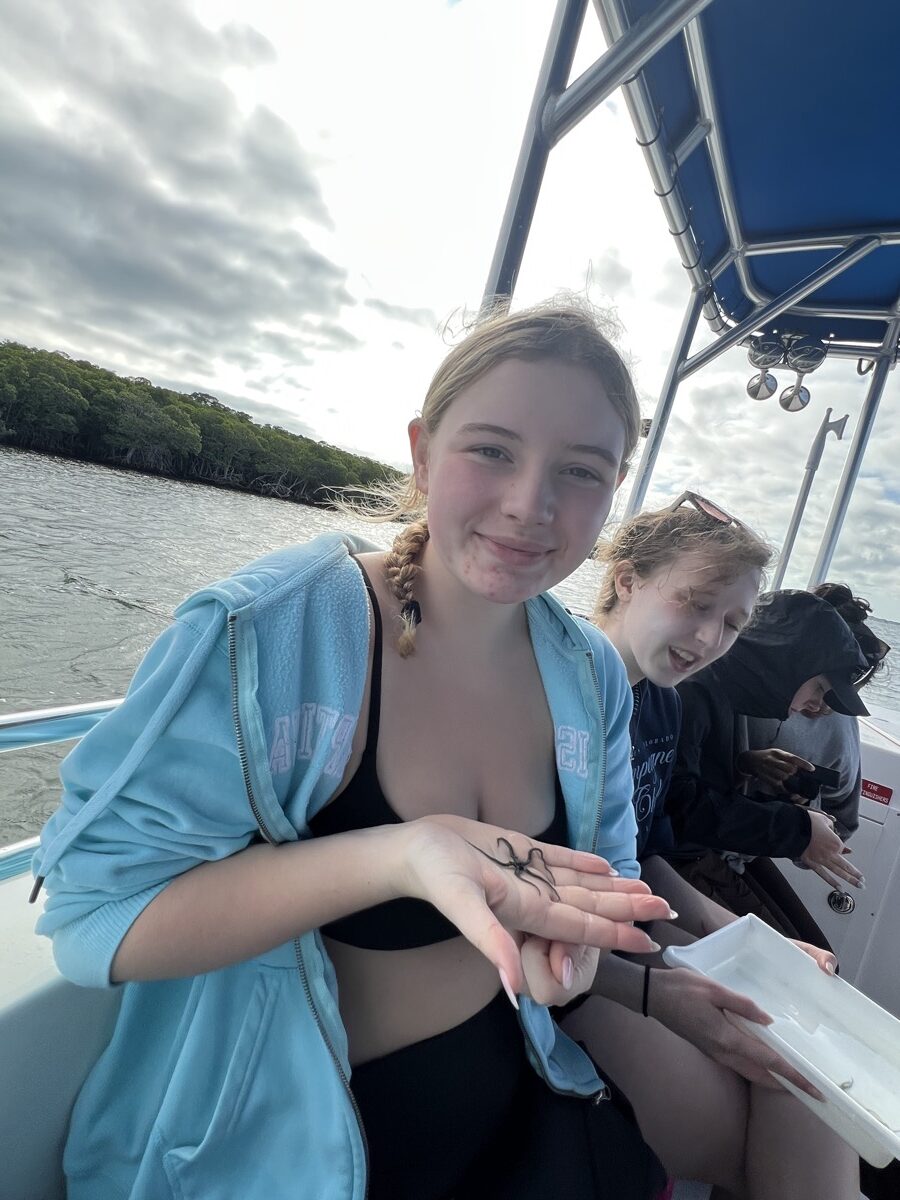
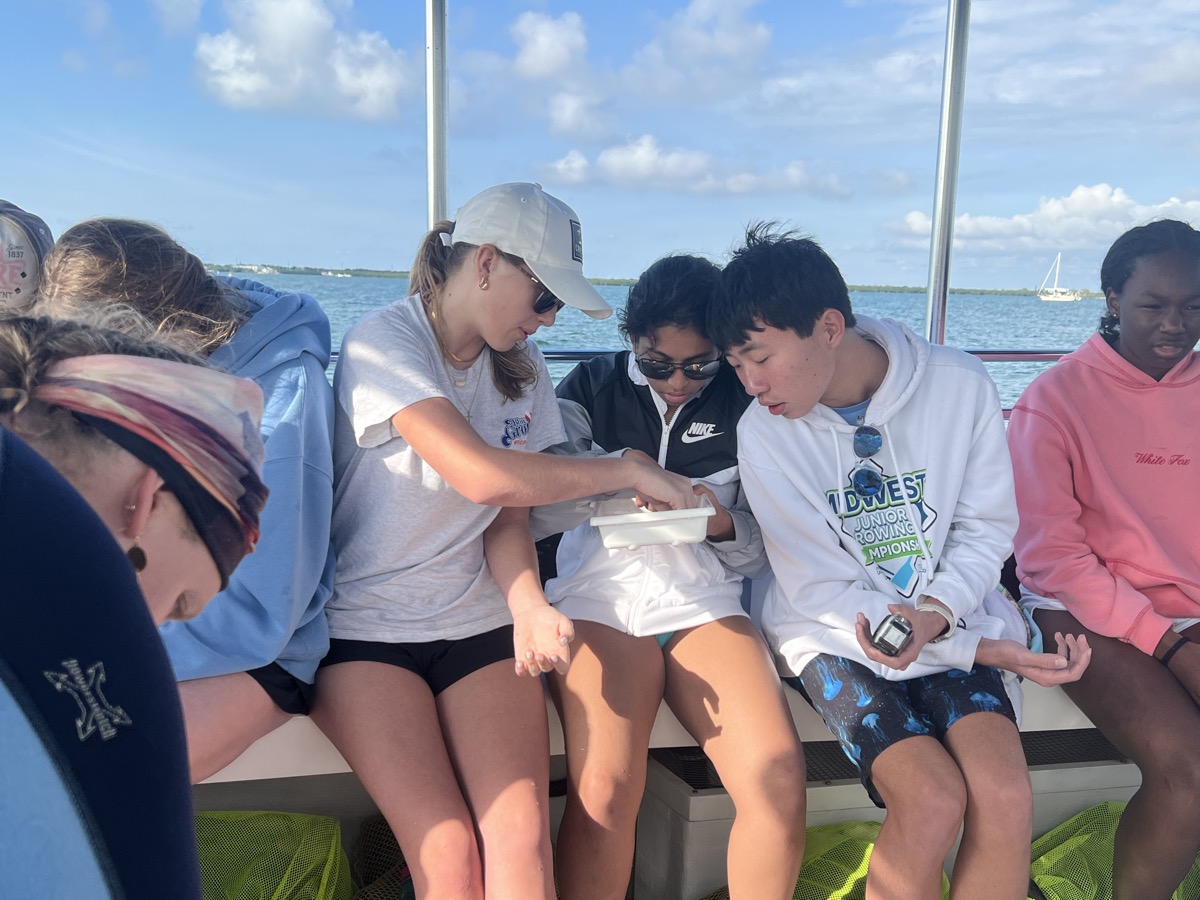
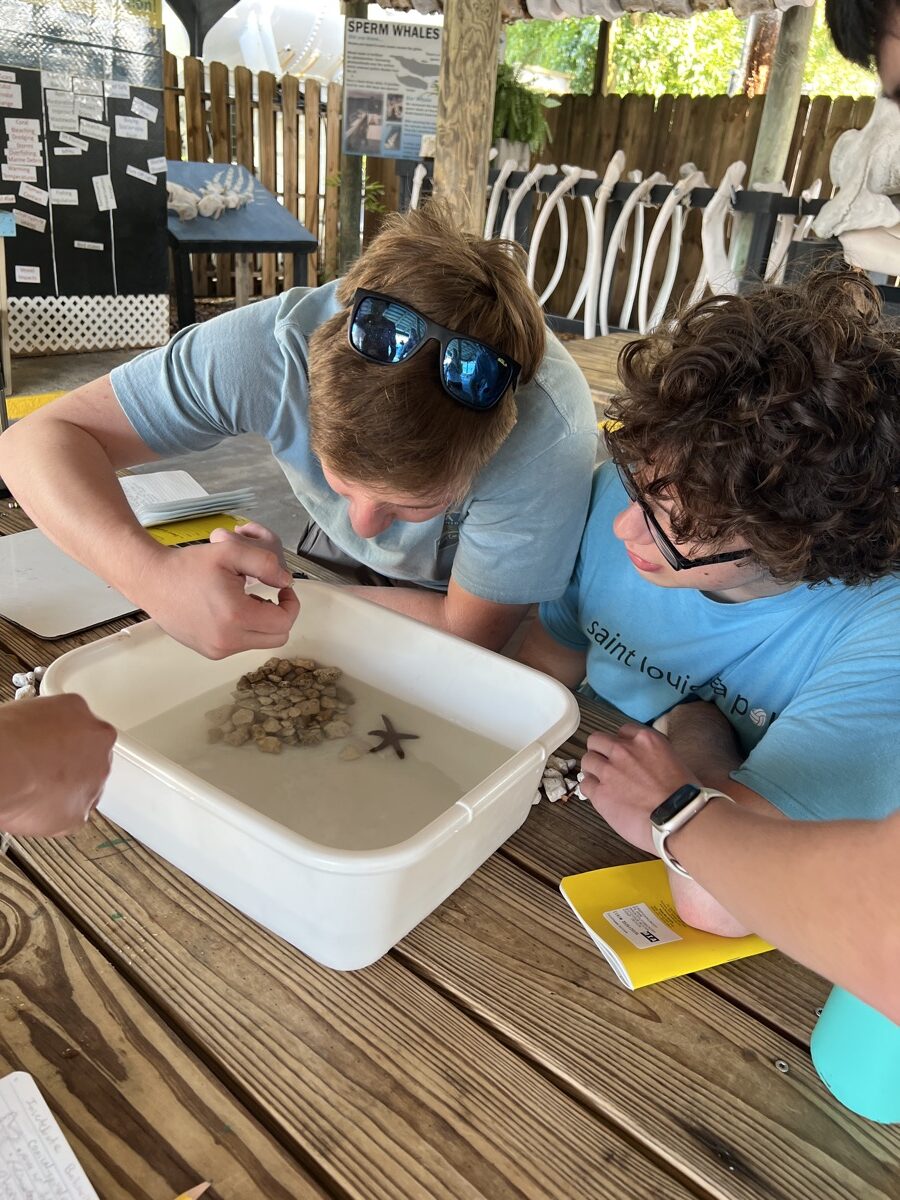
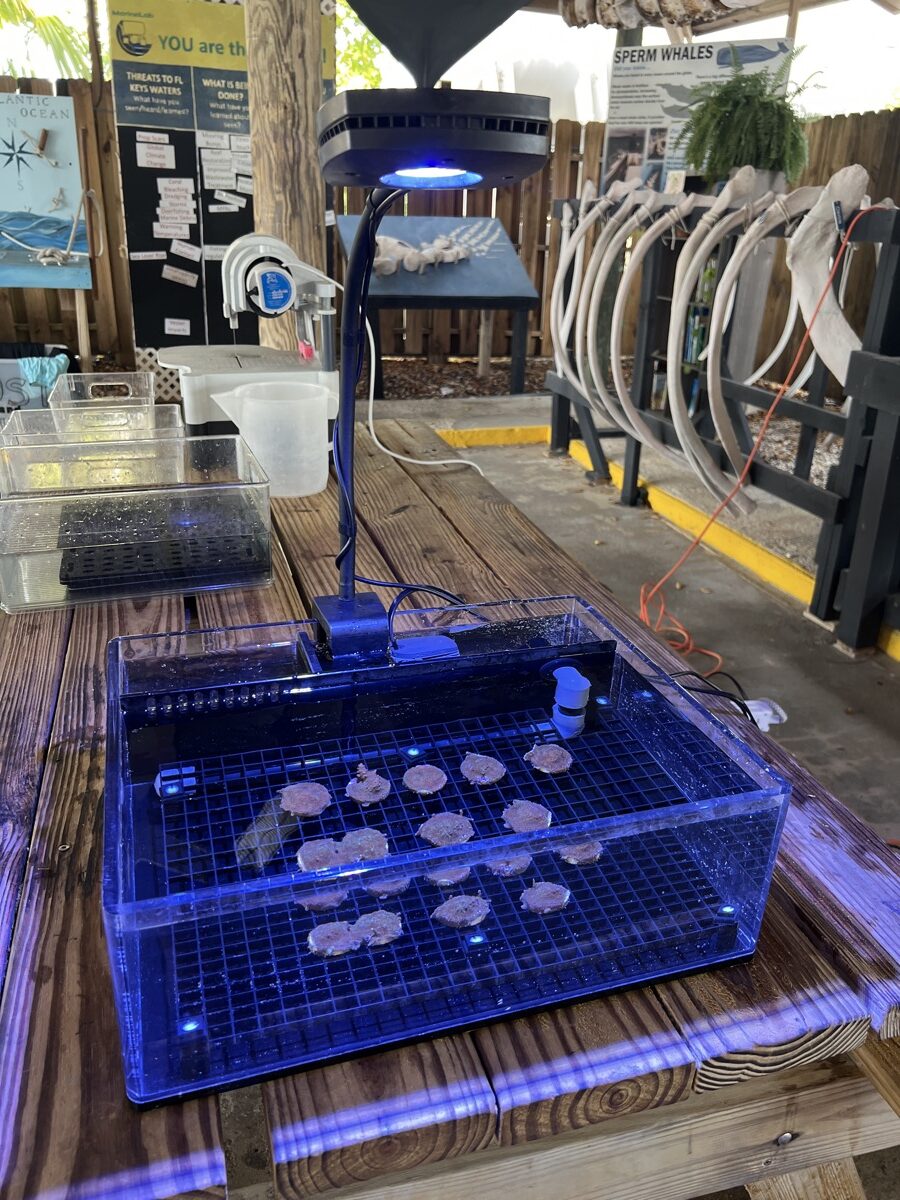
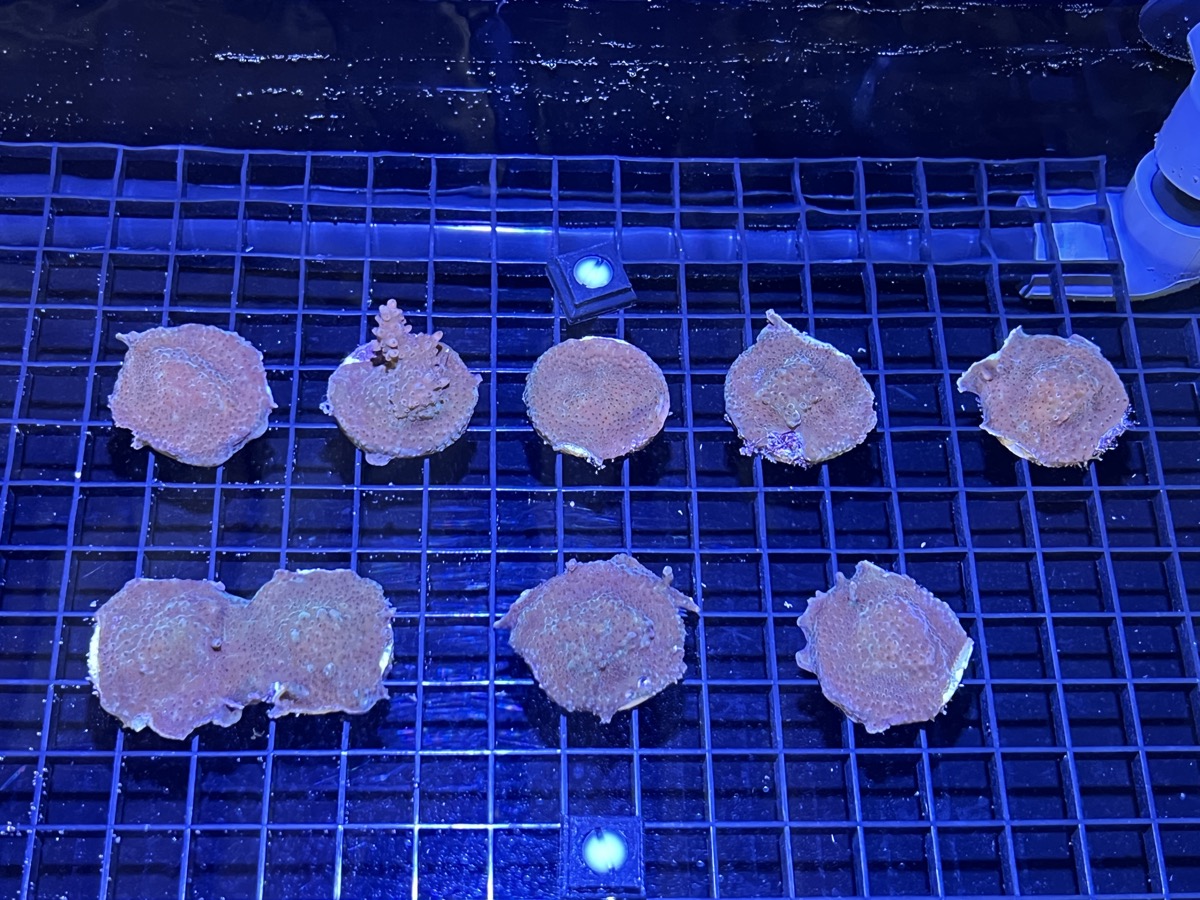
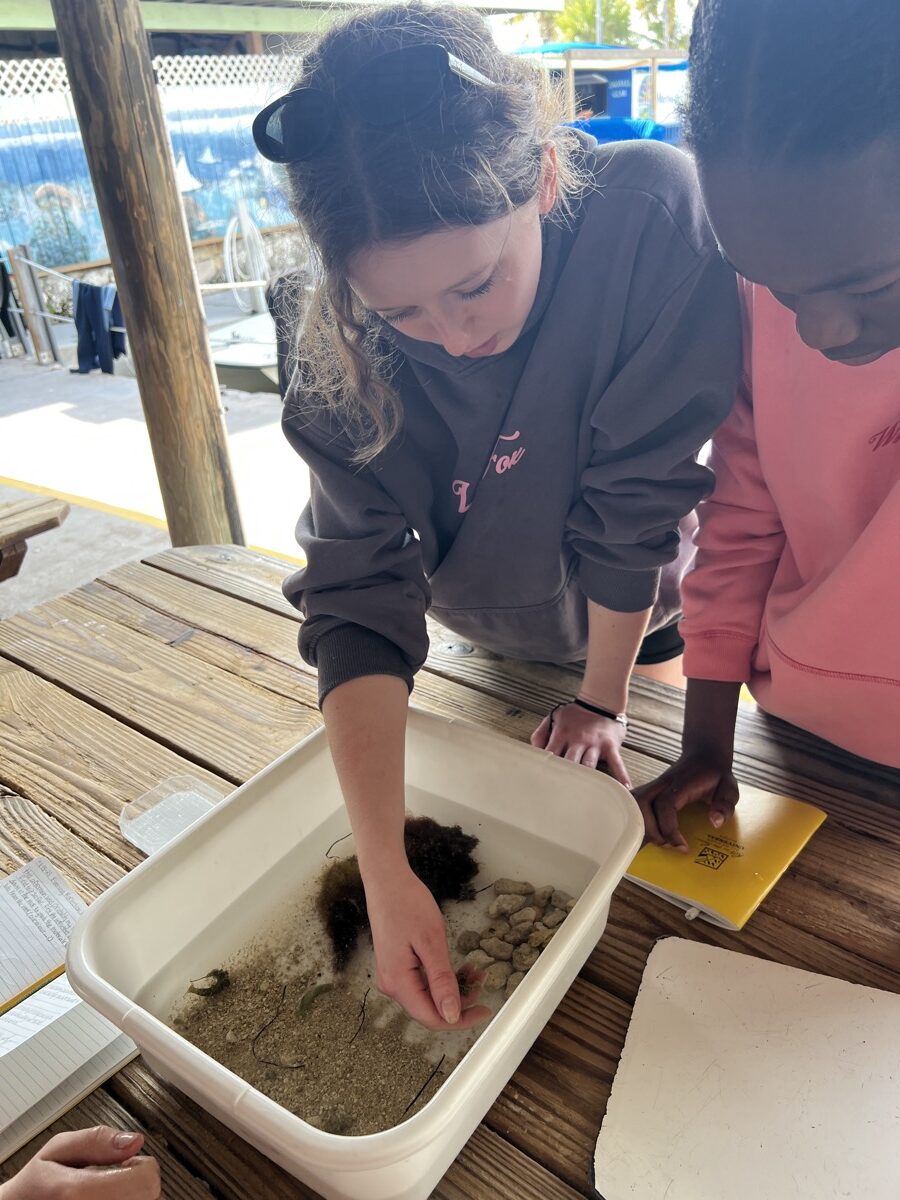
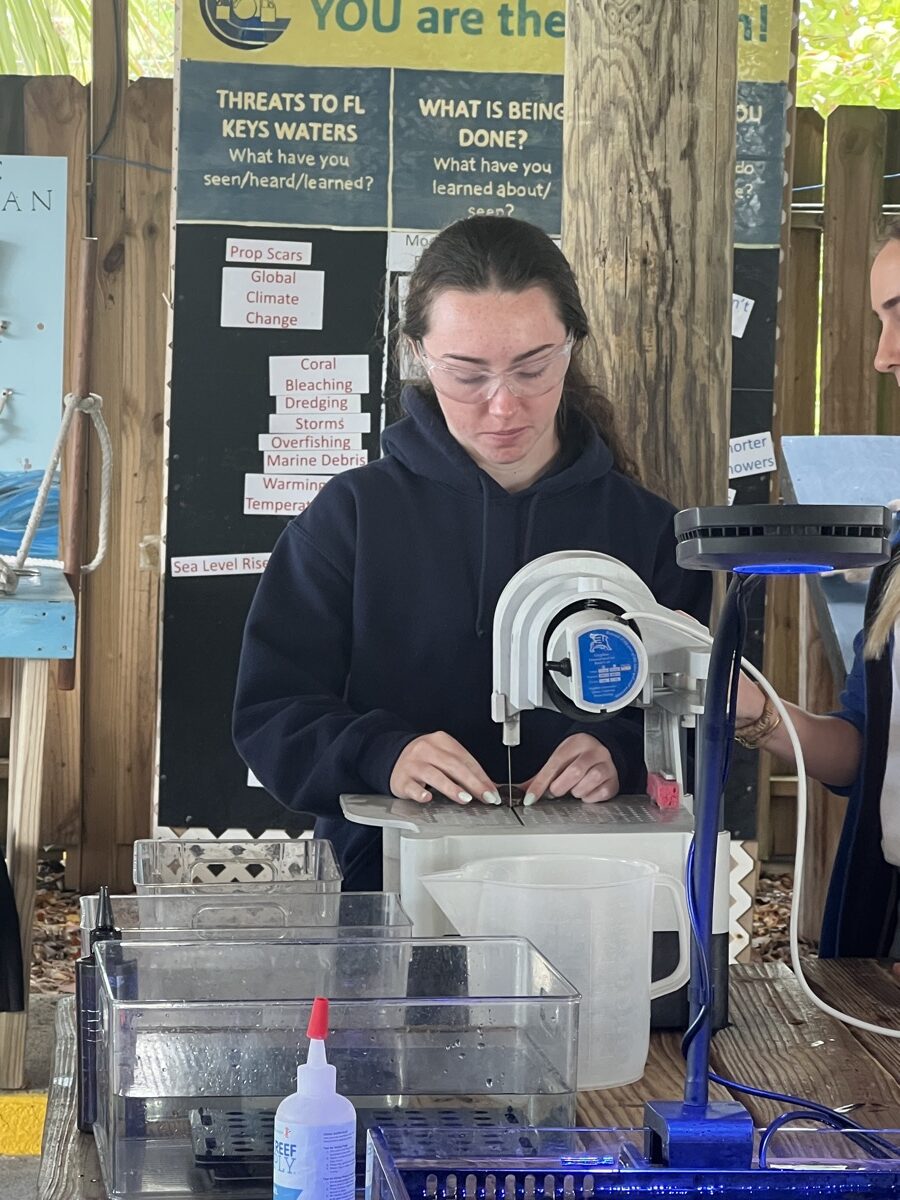
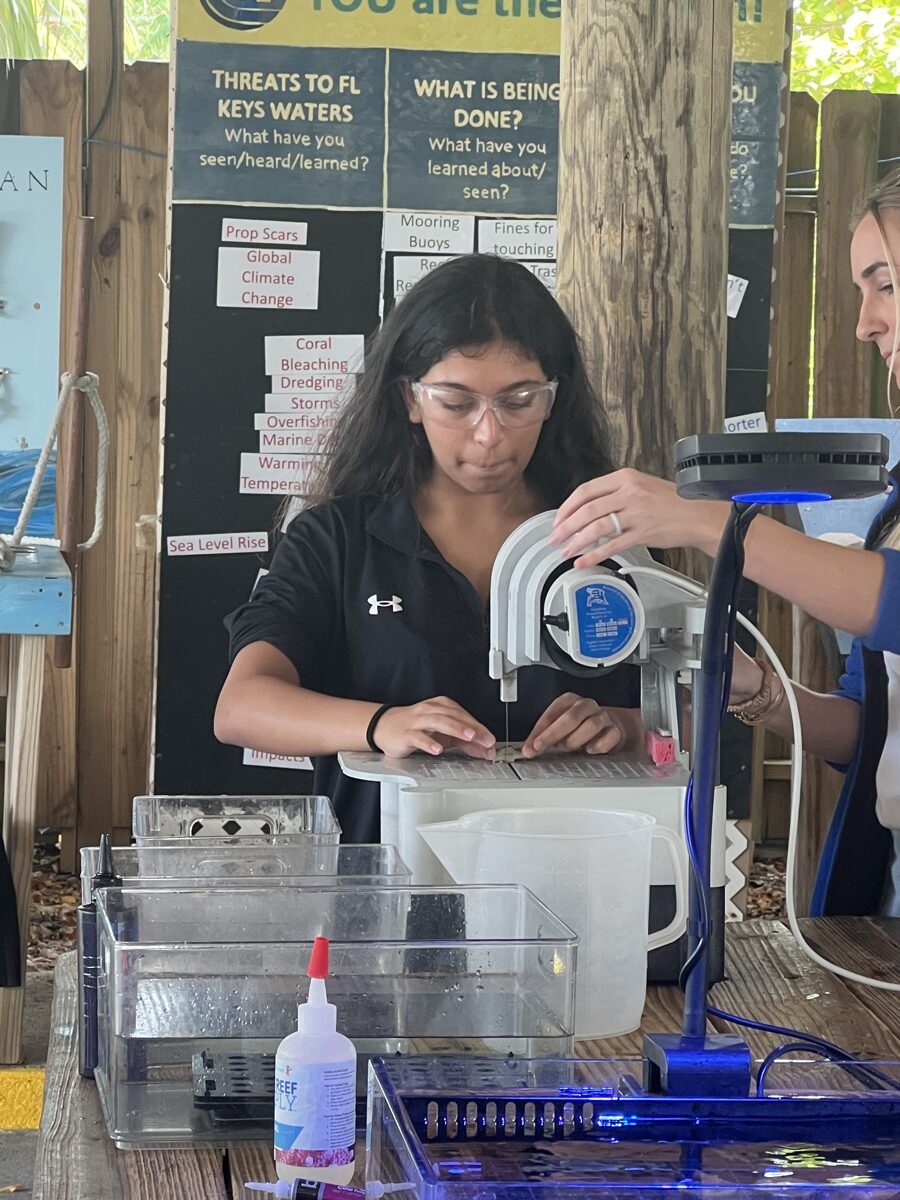
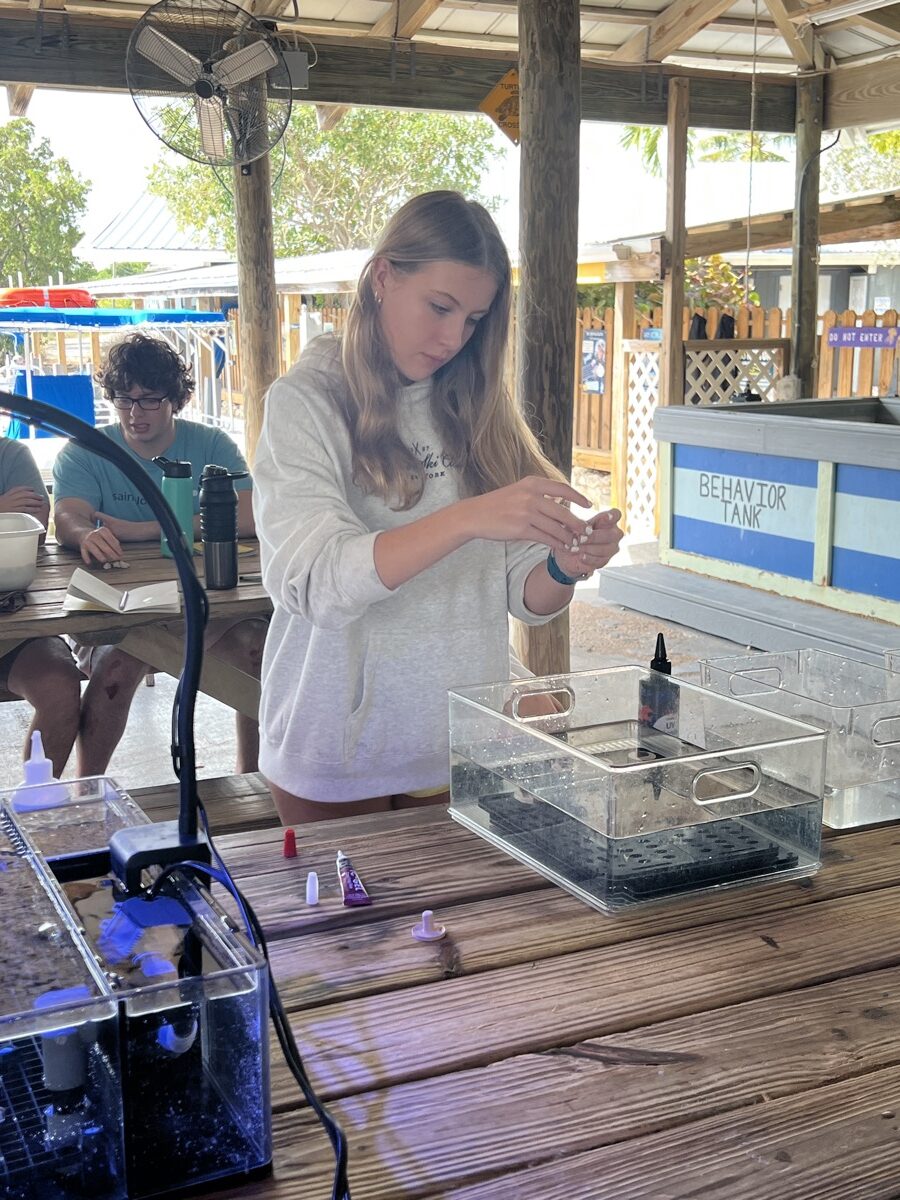
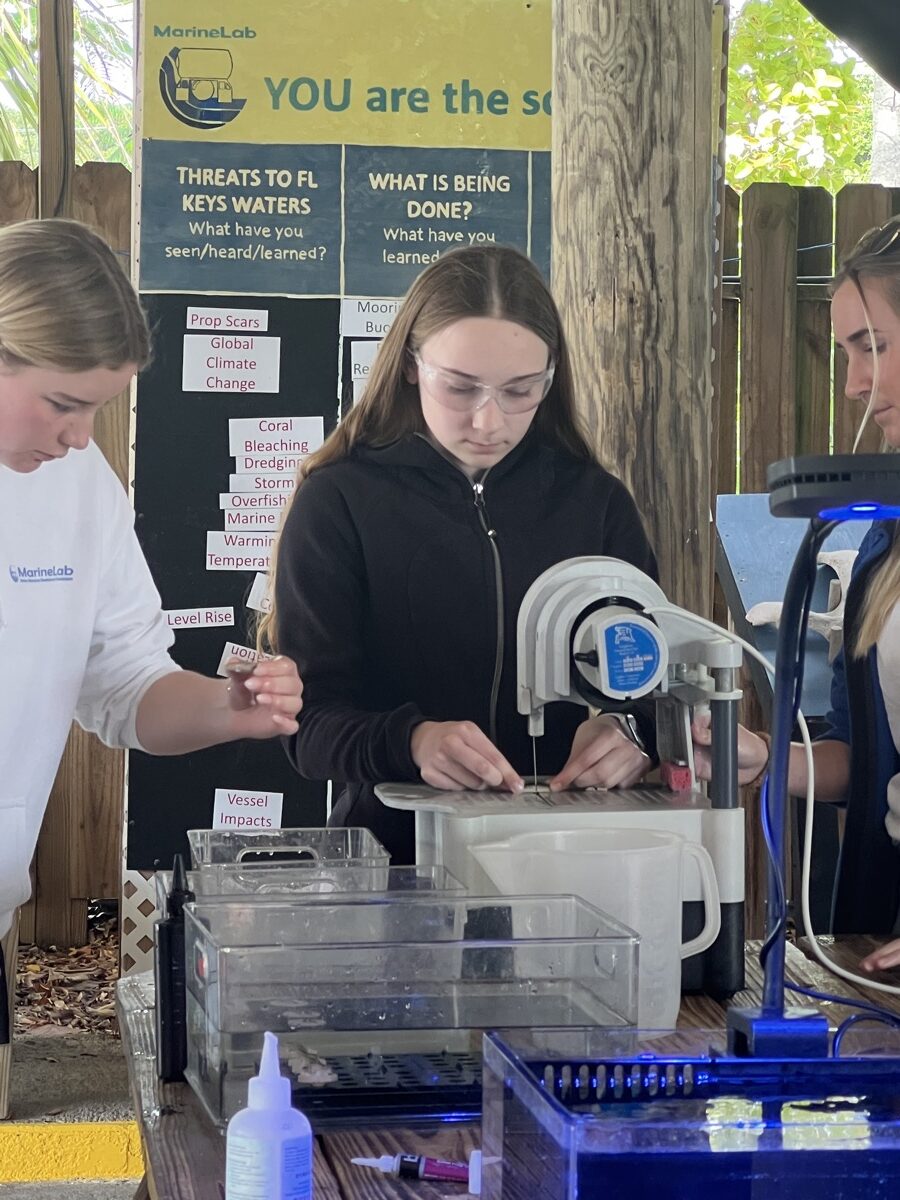
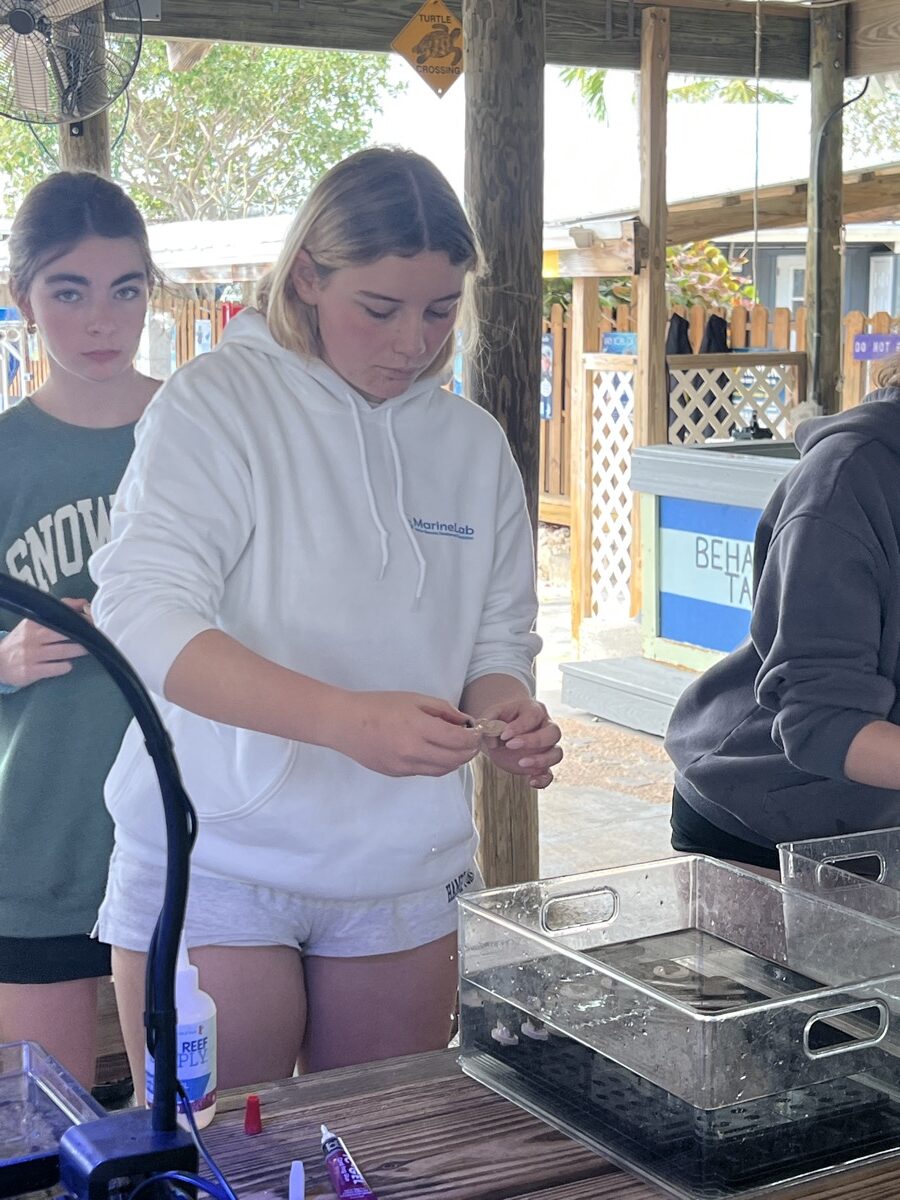
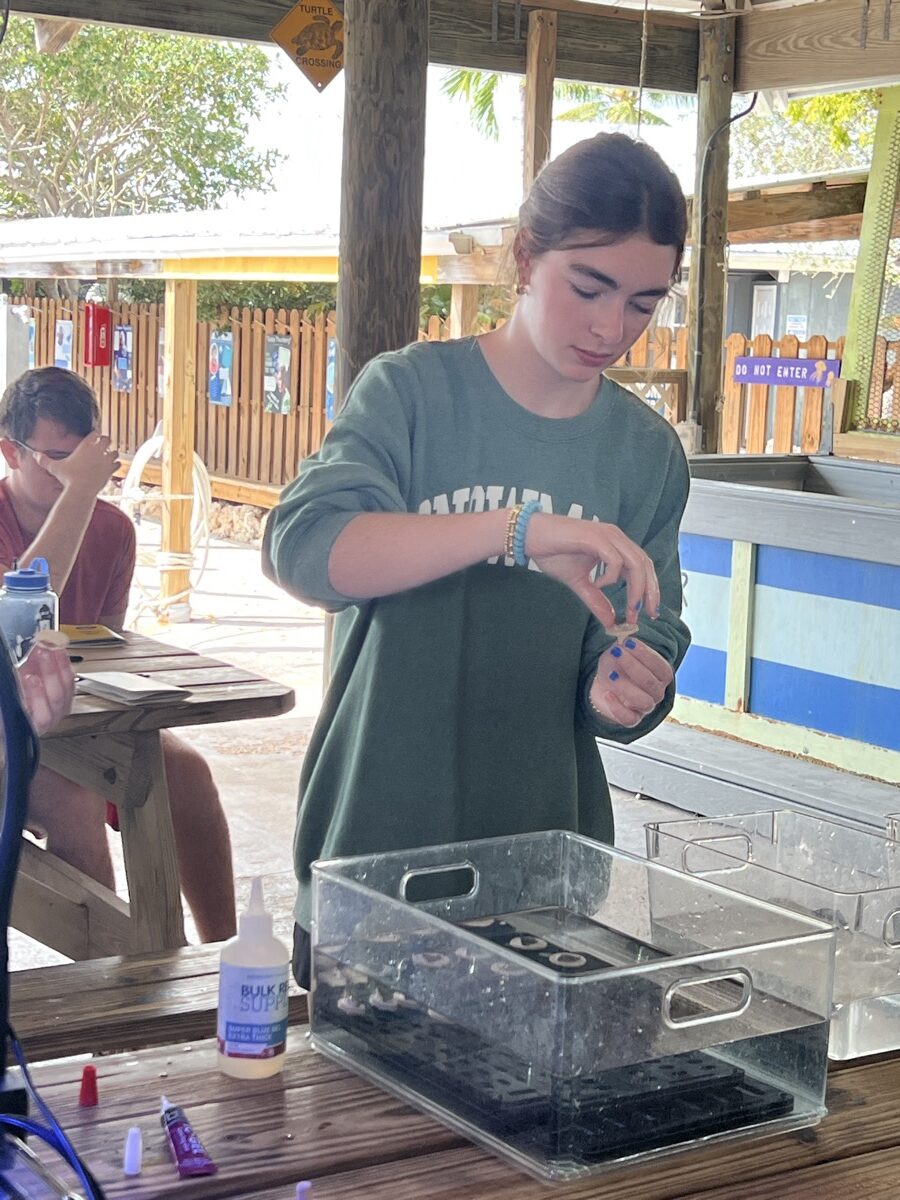
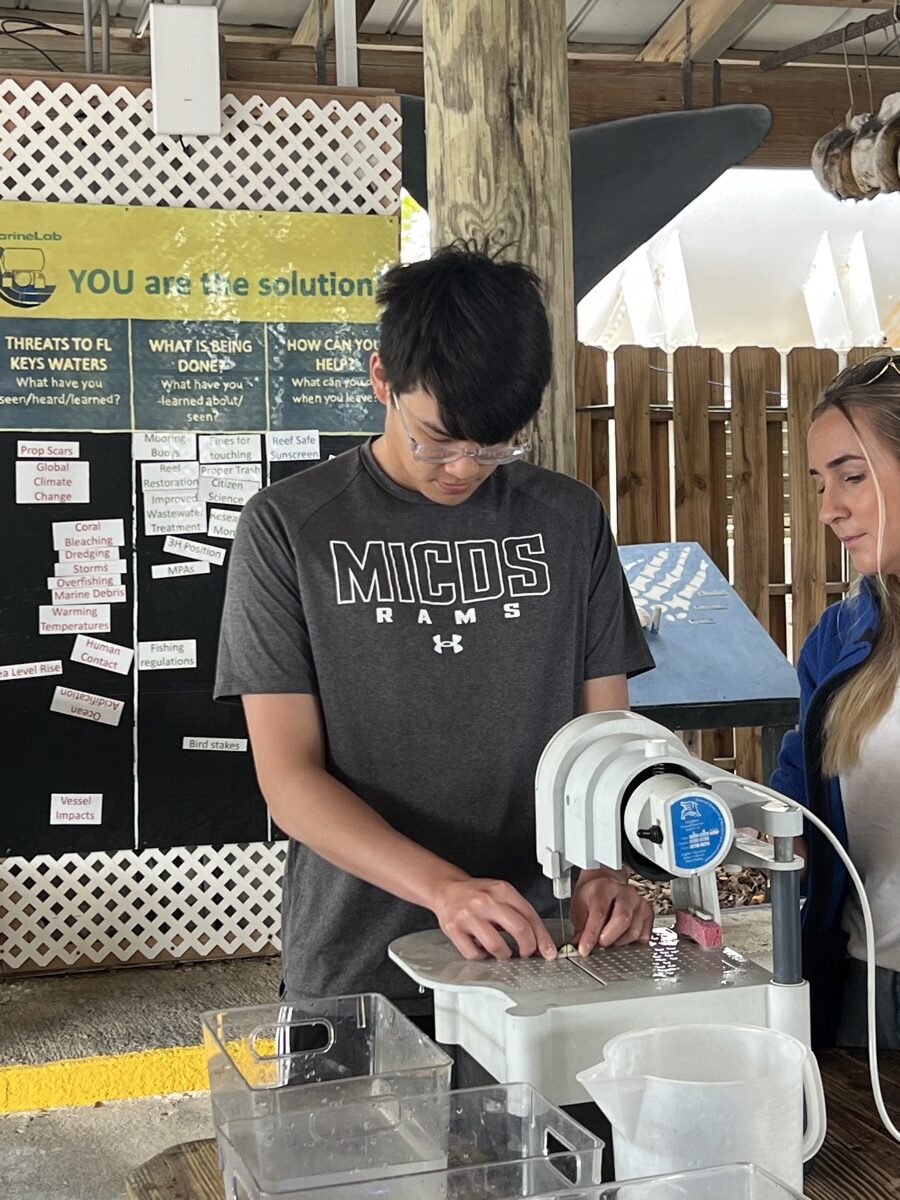
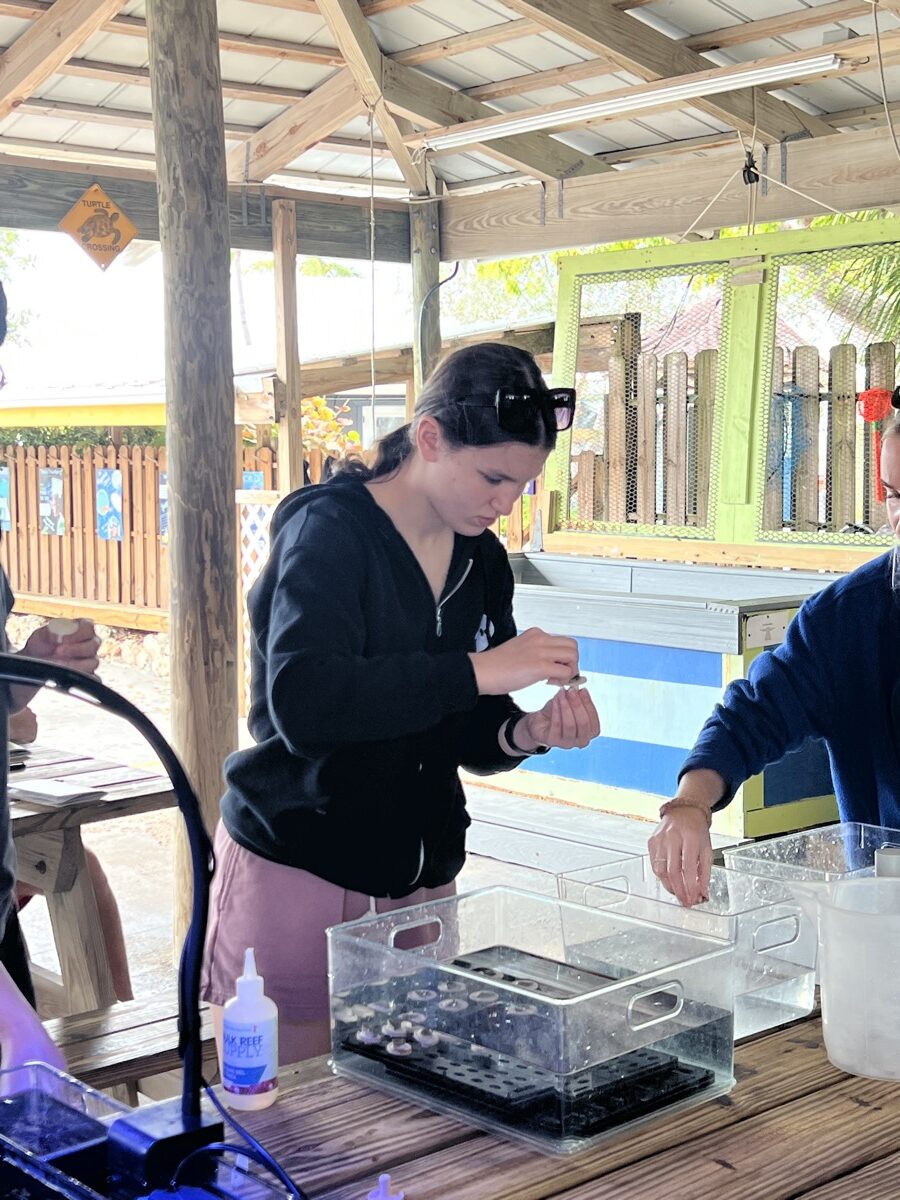
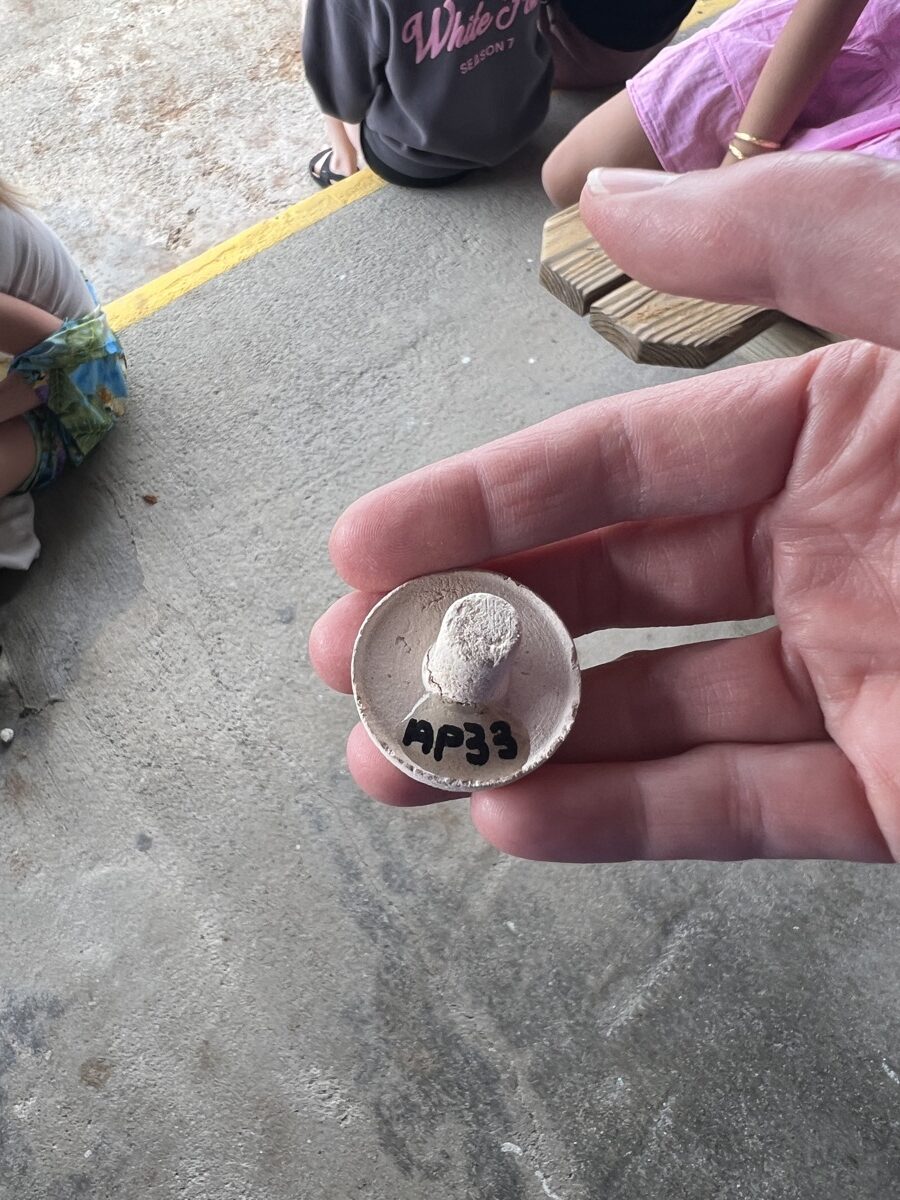
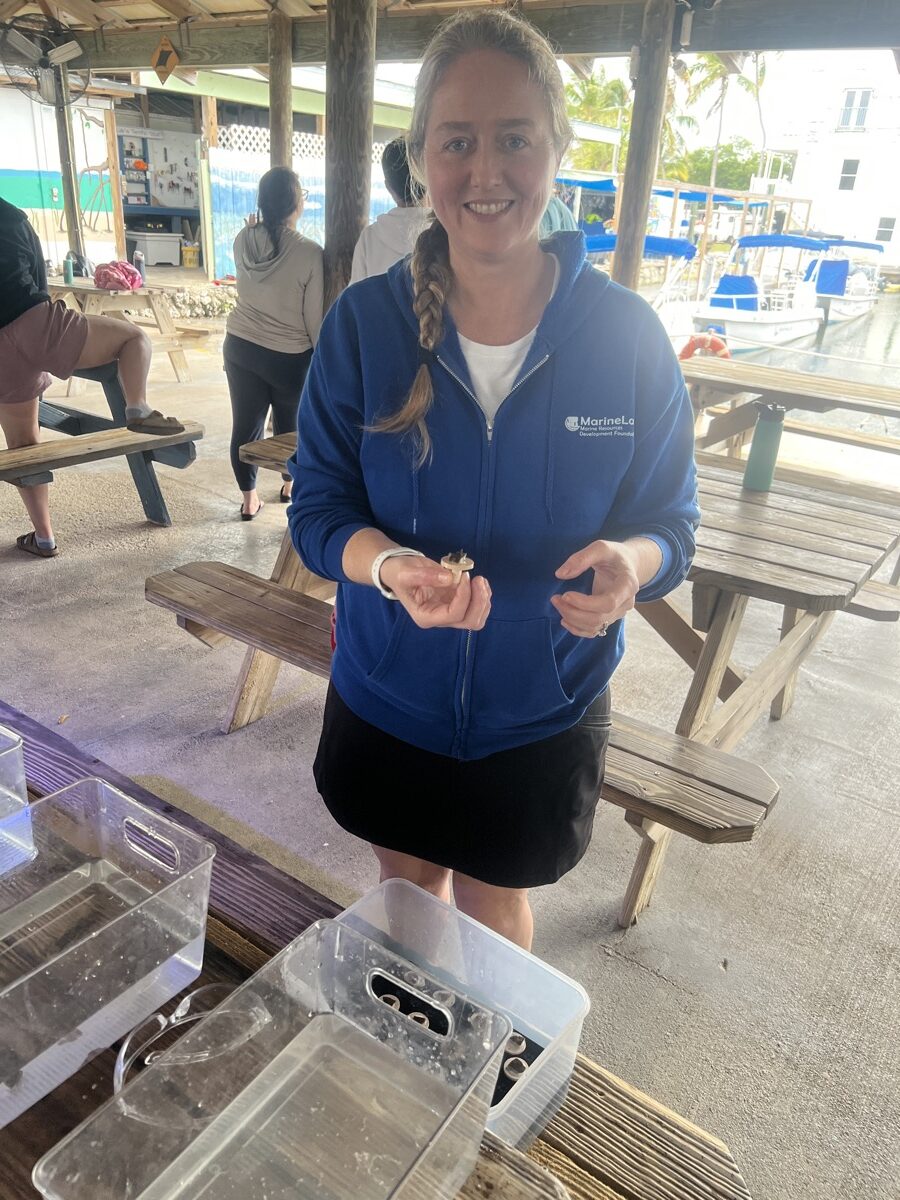
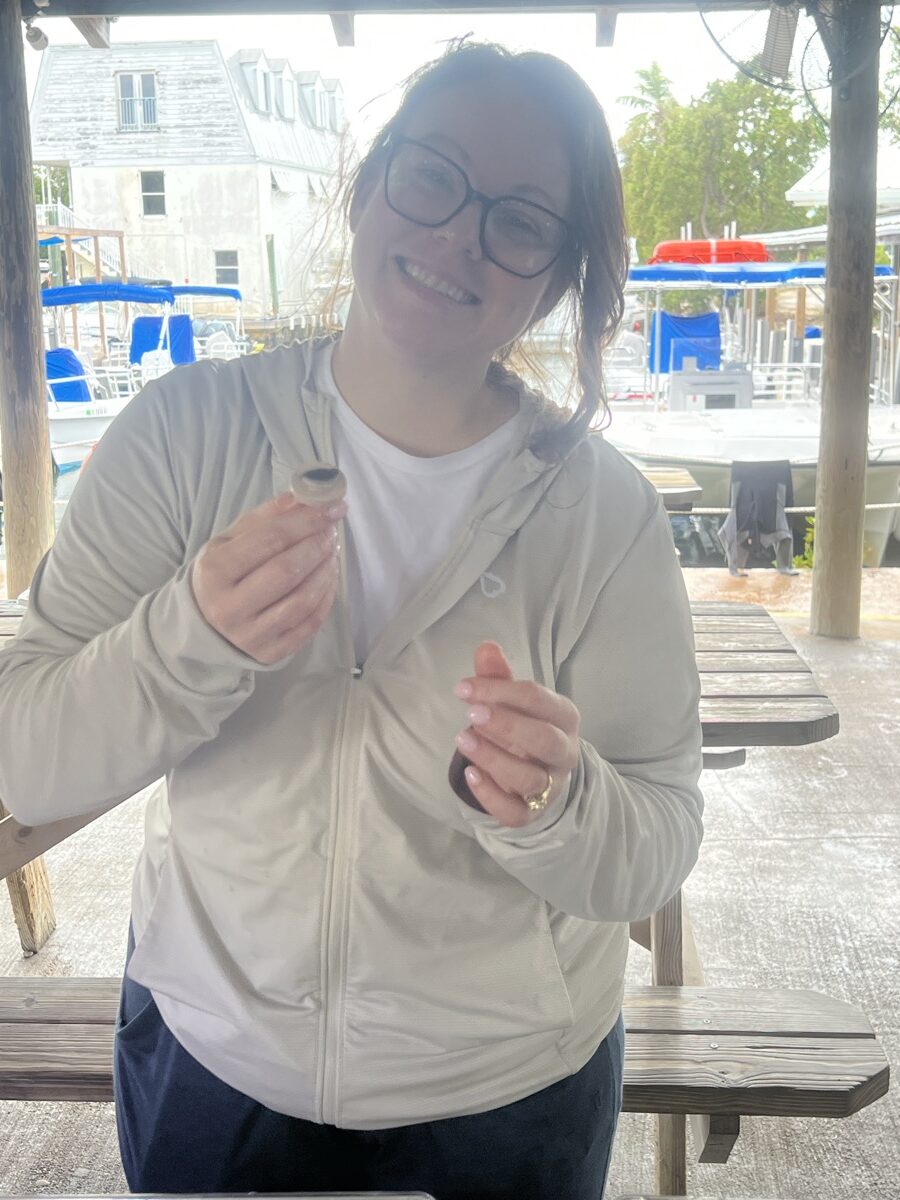
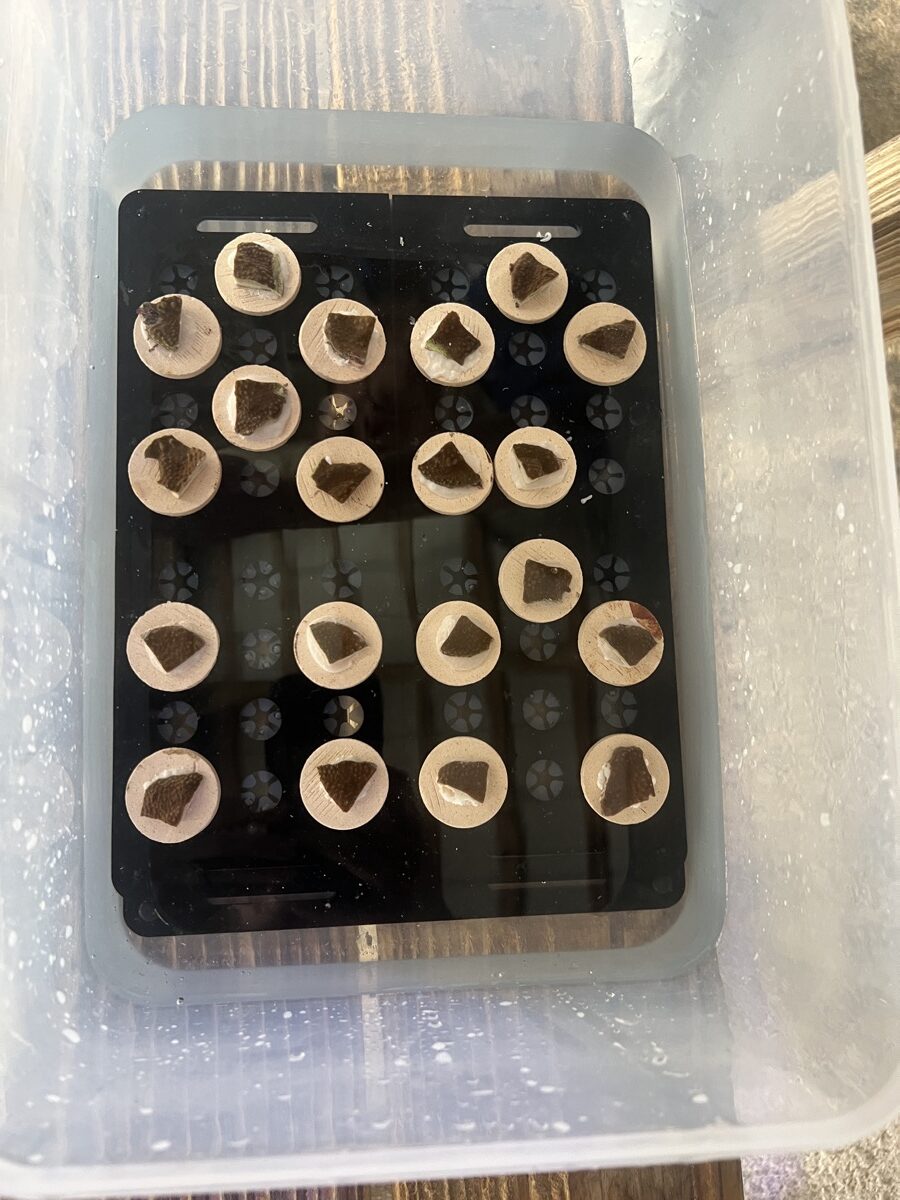
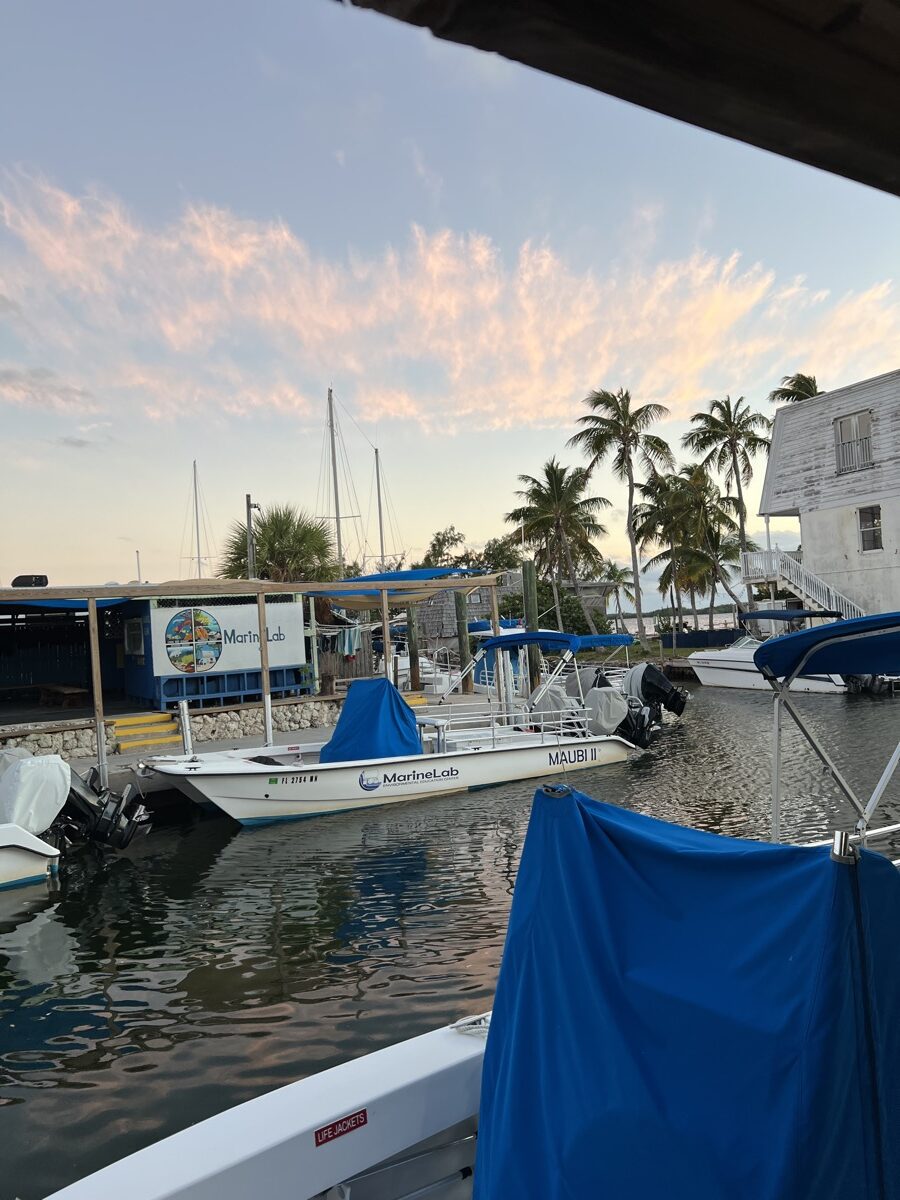
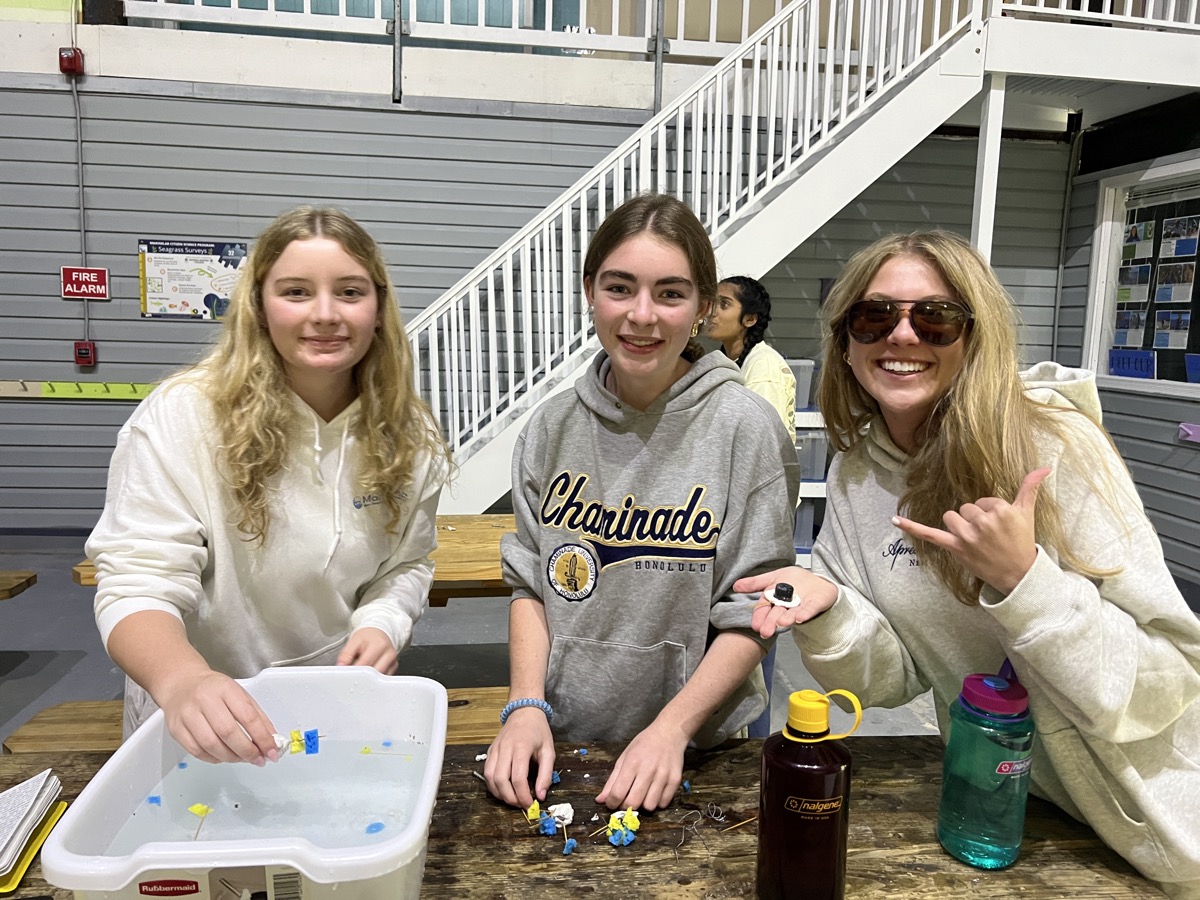
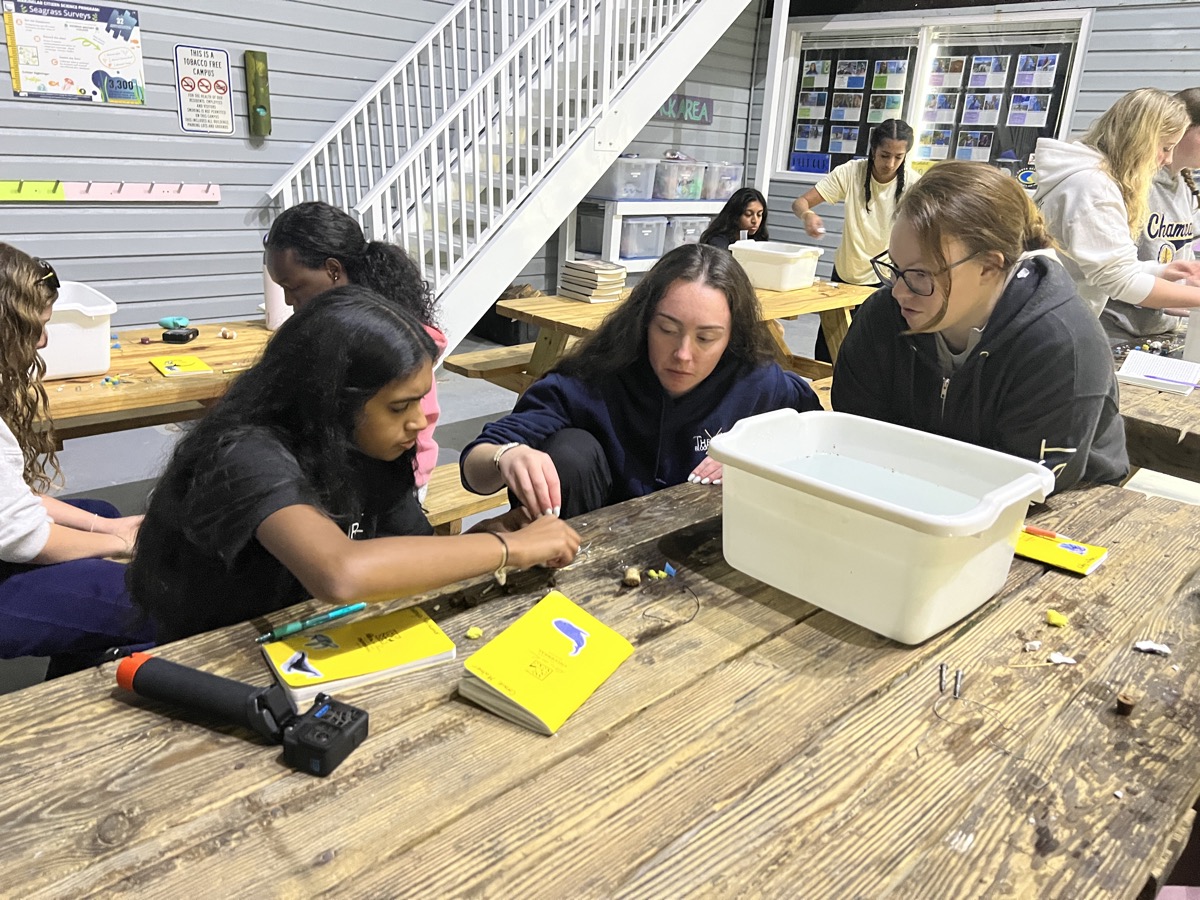
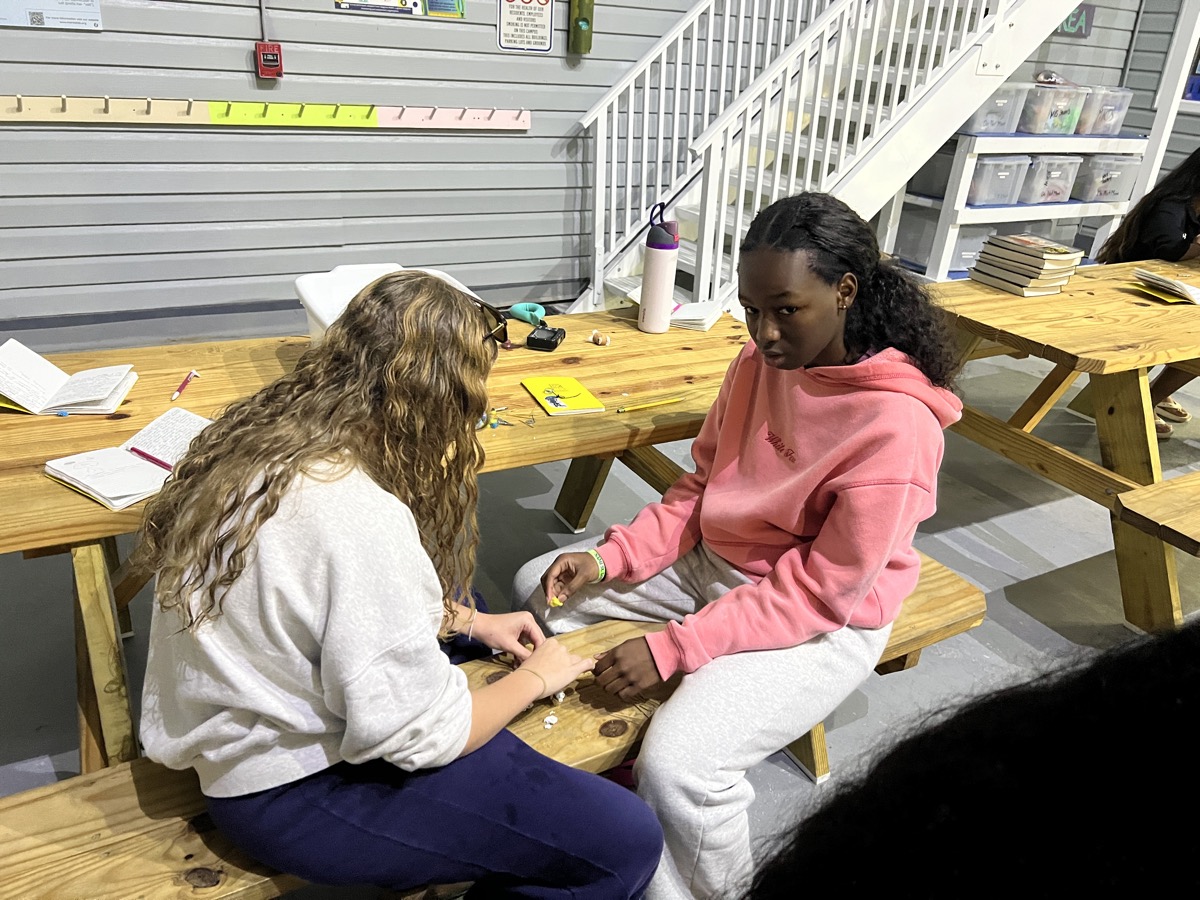
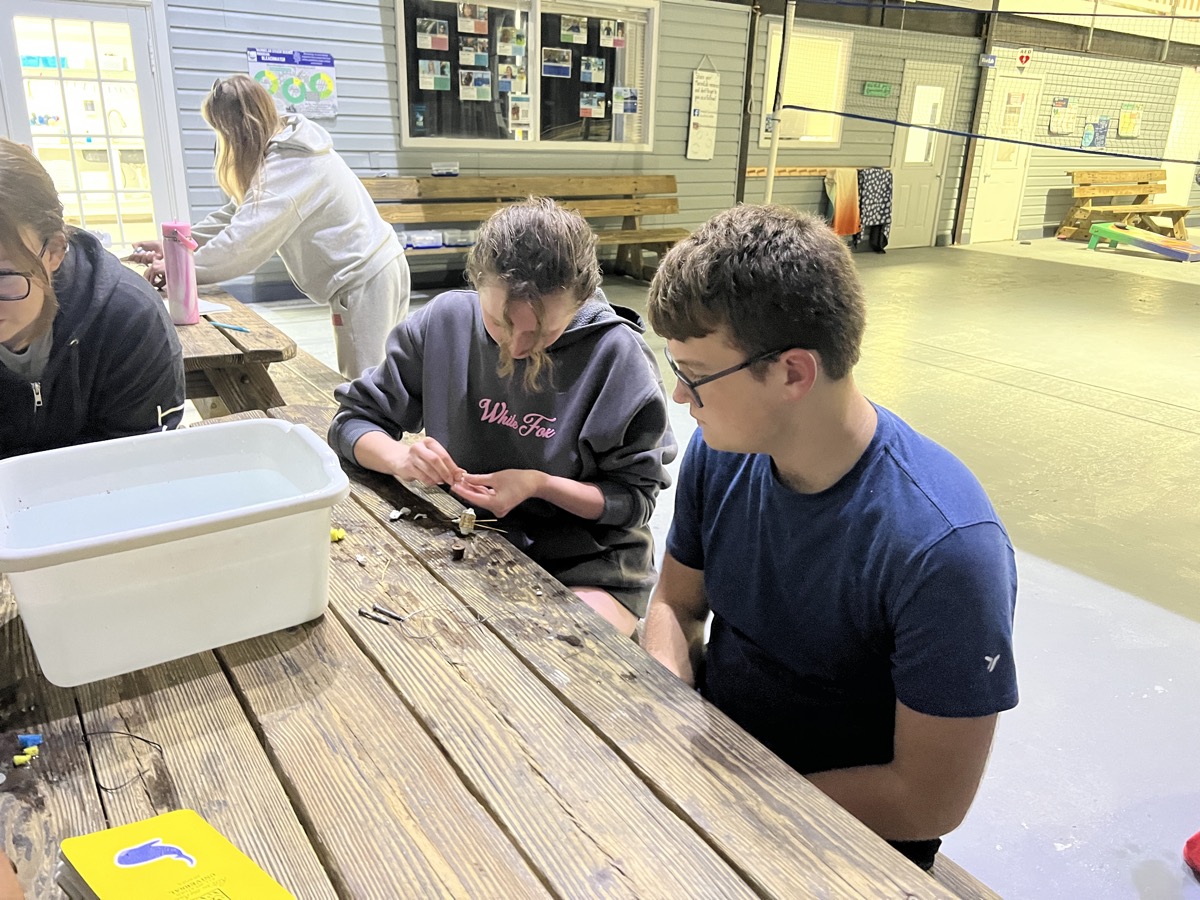
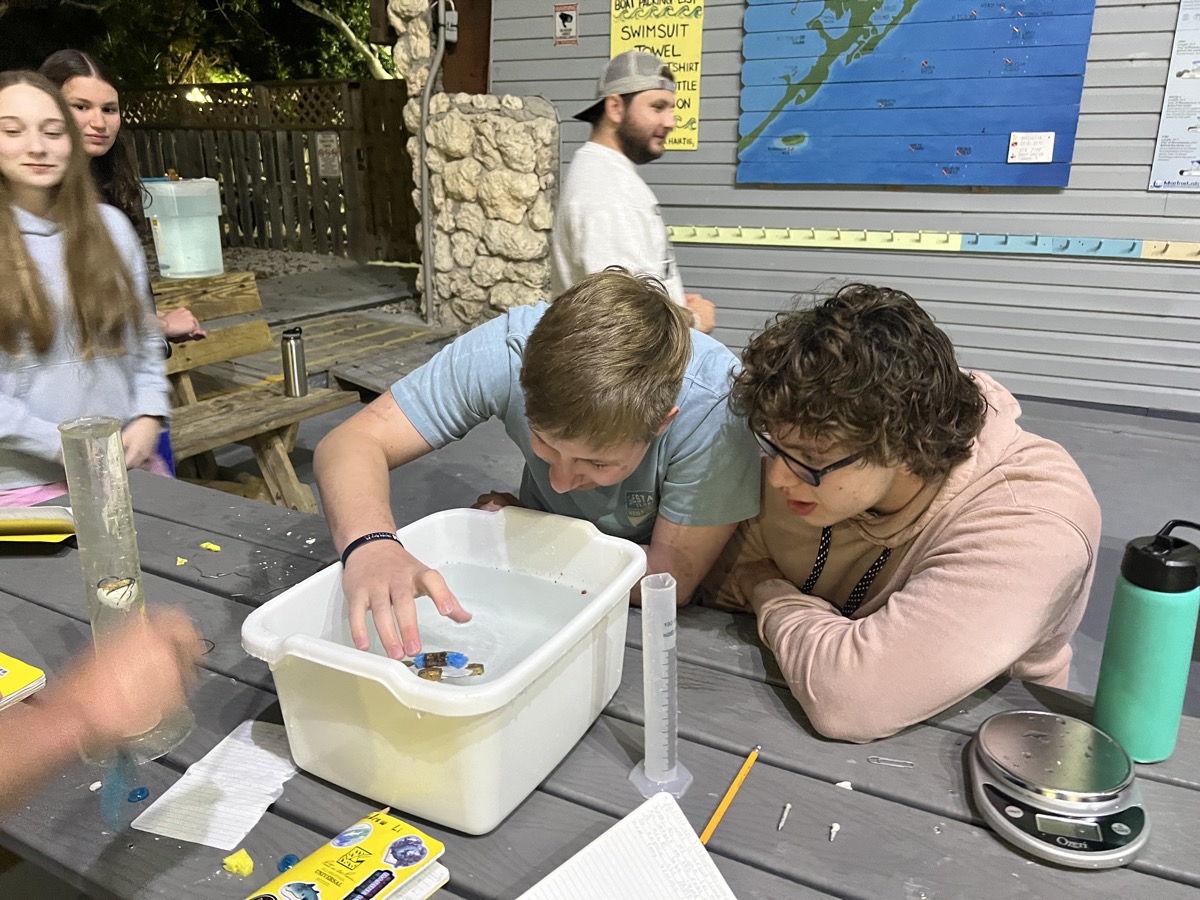
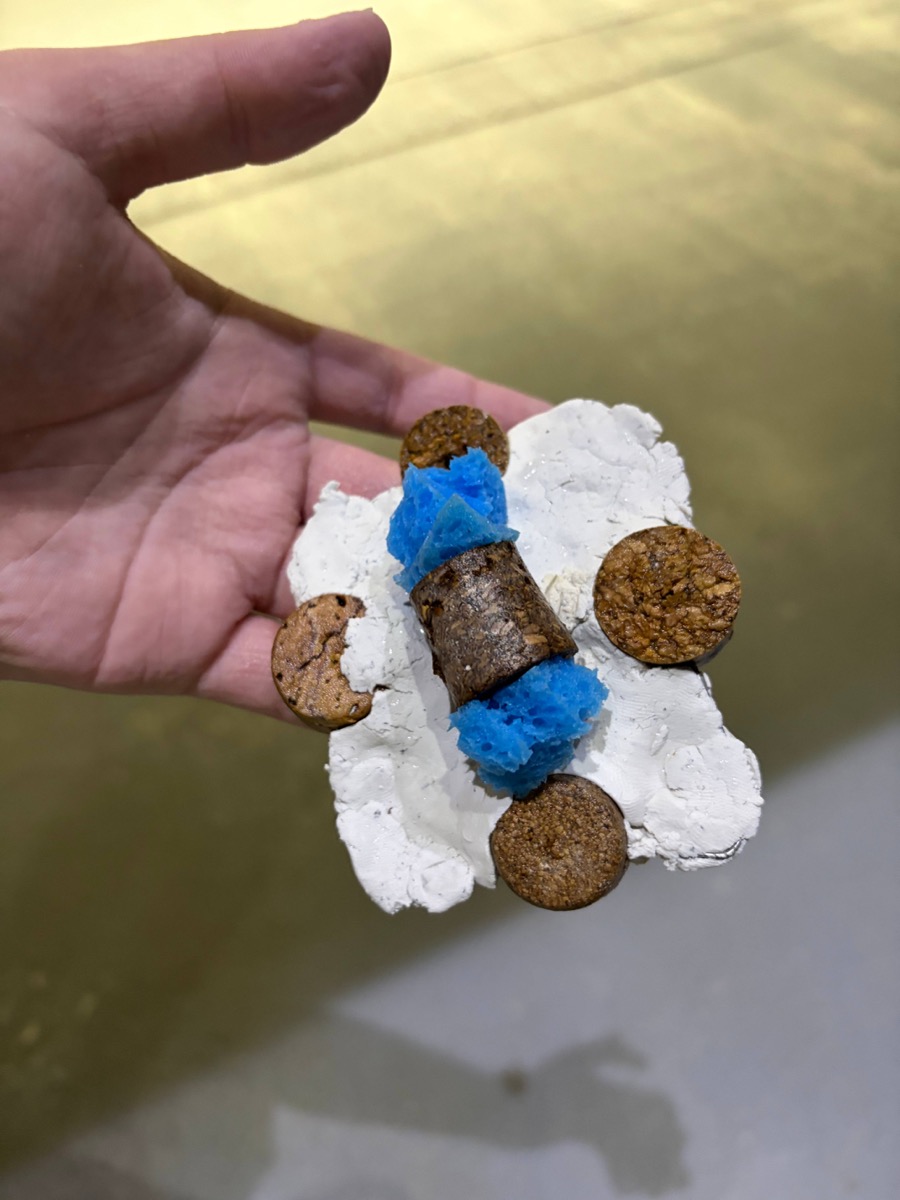
Students created their very own plugs for outplants to help rebuild Florida’s coral reefs. This do-it-yourself process, also known as “microfragmentation” or “fragging,” involves cutting pieces of coral and placing them on Ceramic plugs, which are then taken back to Mote Marine Laboratory and Aquarium for eight months of growth. Once they grow more, they can be transplanted to the coral reef in the ocean as an outplant, which is then monitored. “Our students made the plugs and collected data in the ocean on outplants that had been planted previously,” Dr. Pickett explains. “They were determining if the plugs were growing as individuals or if they were fusing together with other outplants (what we wanted to find). We also visited a coral nursery, which consisted of coral ‘trees’ that are growing corals on ‘branches.’ This is another method of restoration.”
Simone Glasser ’29 commented on the conservation efforts. “This trip showed me firsthand the effects of human interference in our oceans, and how marine life conservationists are trying to undo the damage that we have done.” The students also participated in a citizen science project in collaboration with Mote Marine Laboratory, where they assessed the coral successfully transplanted back onto the reef.
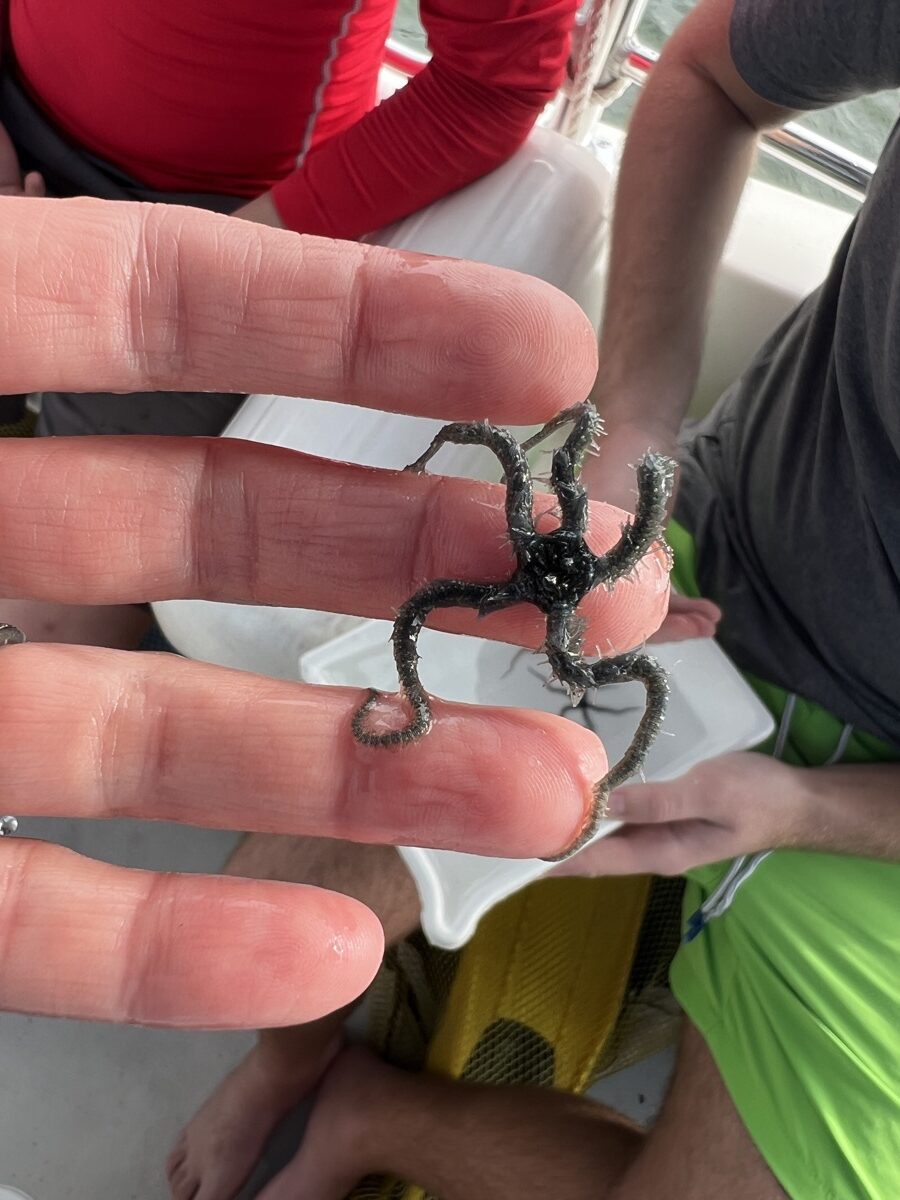
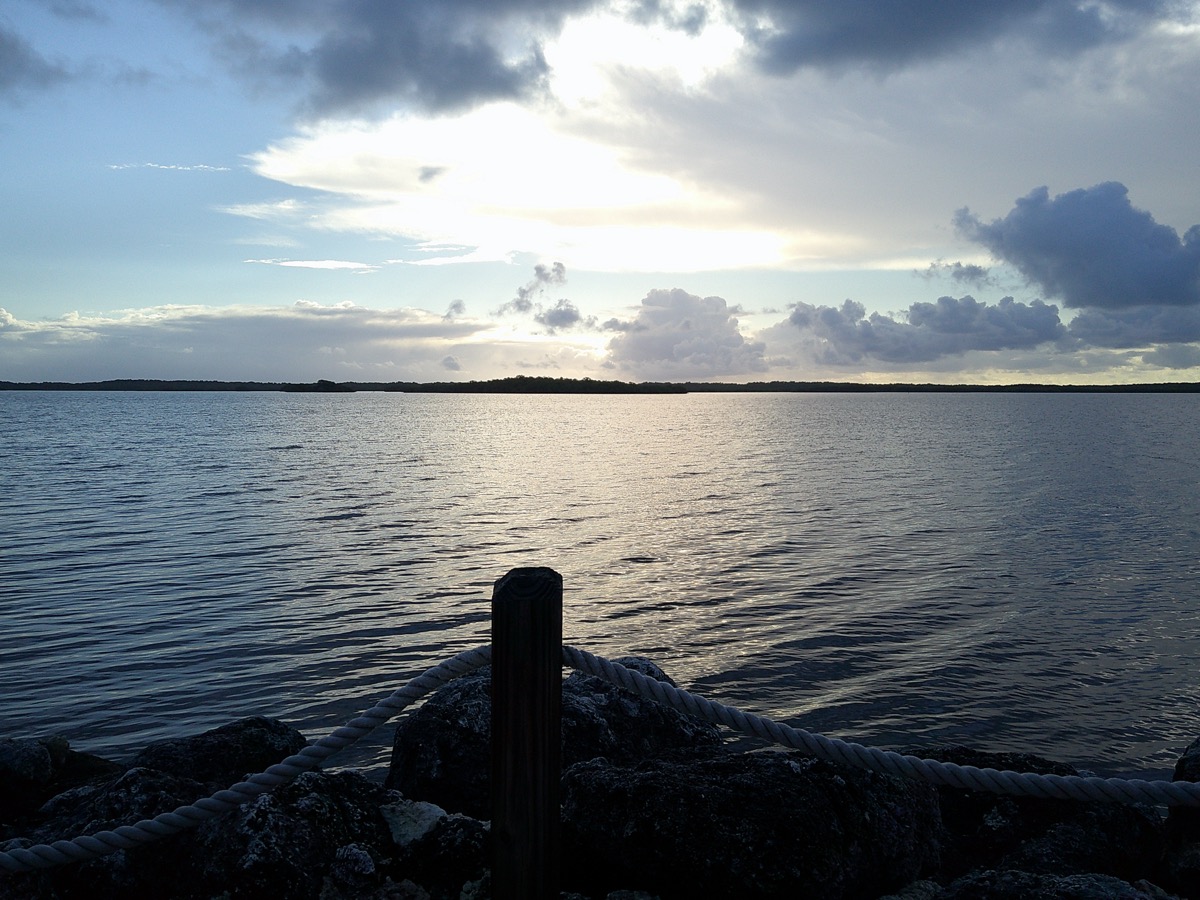
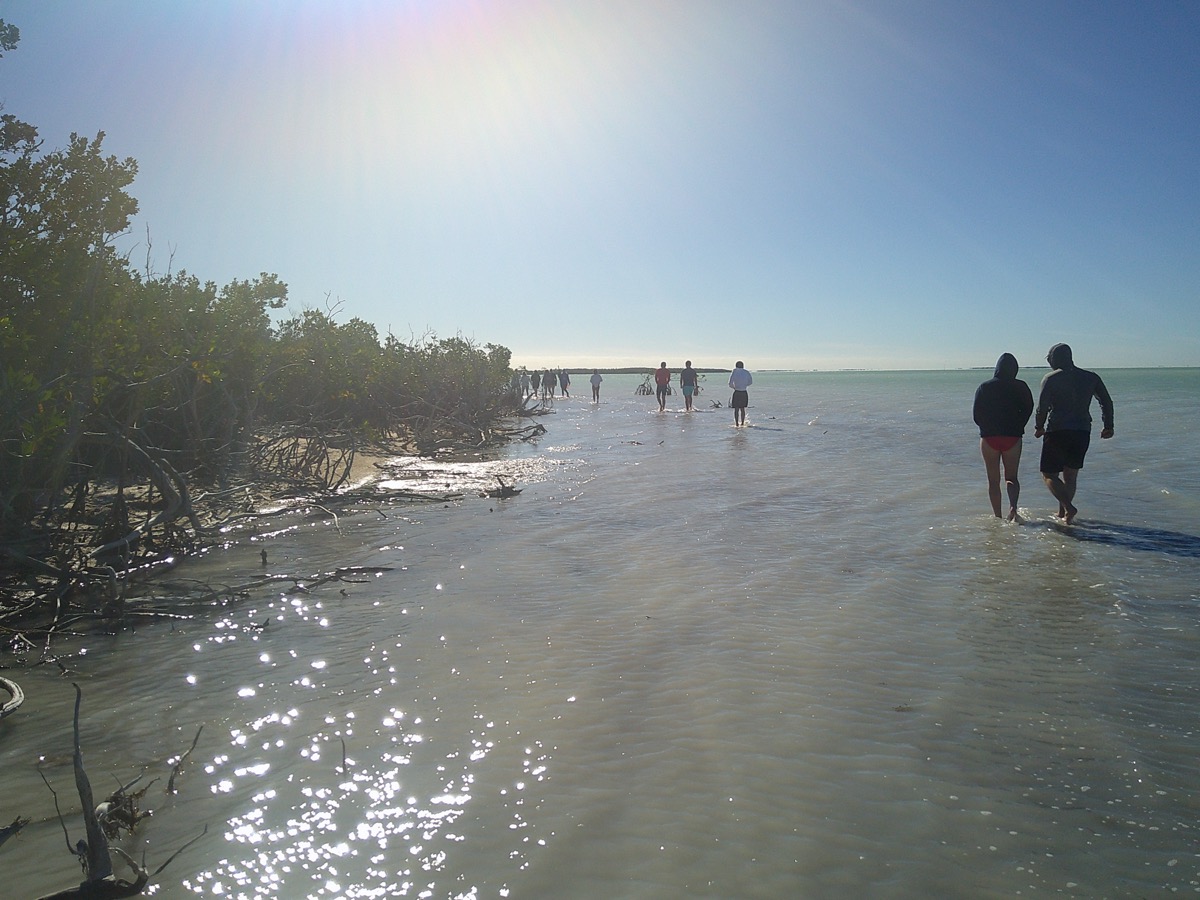
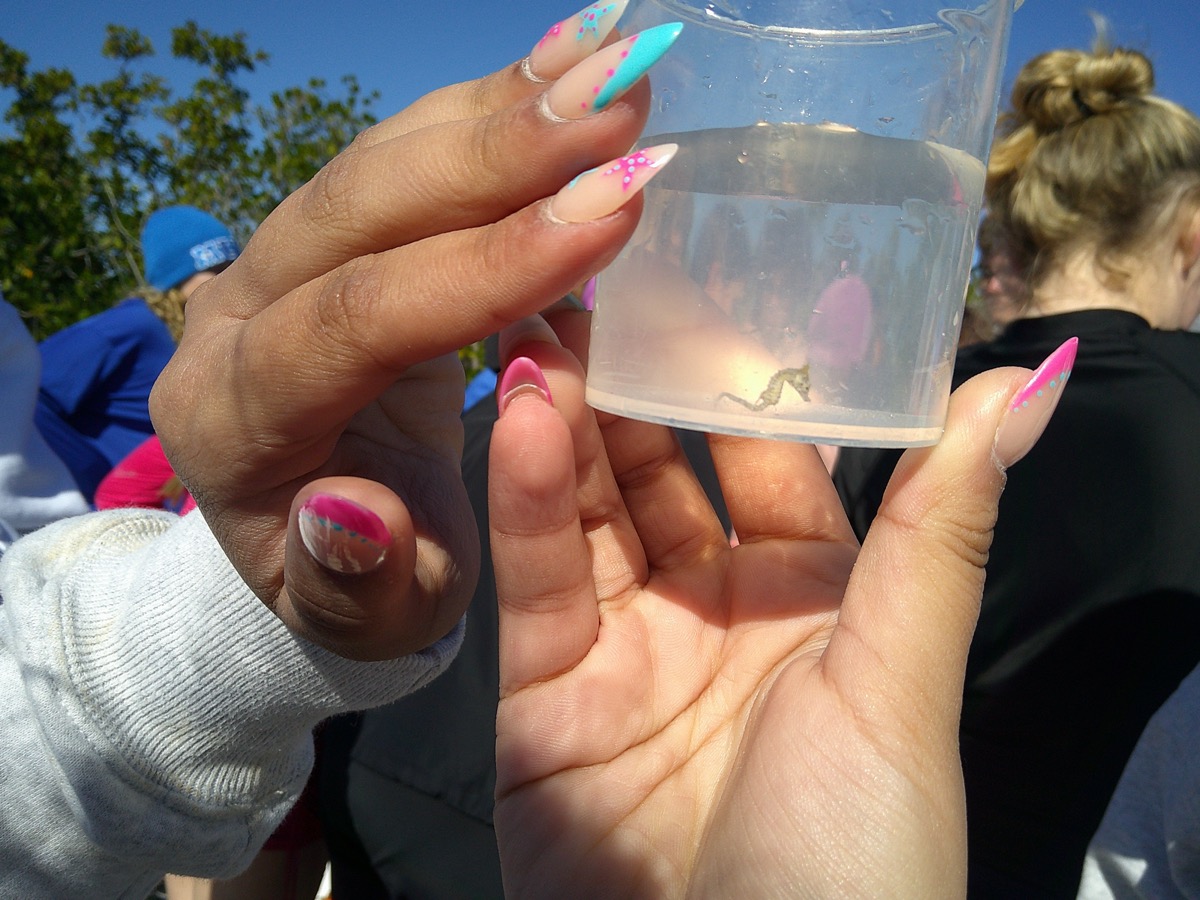
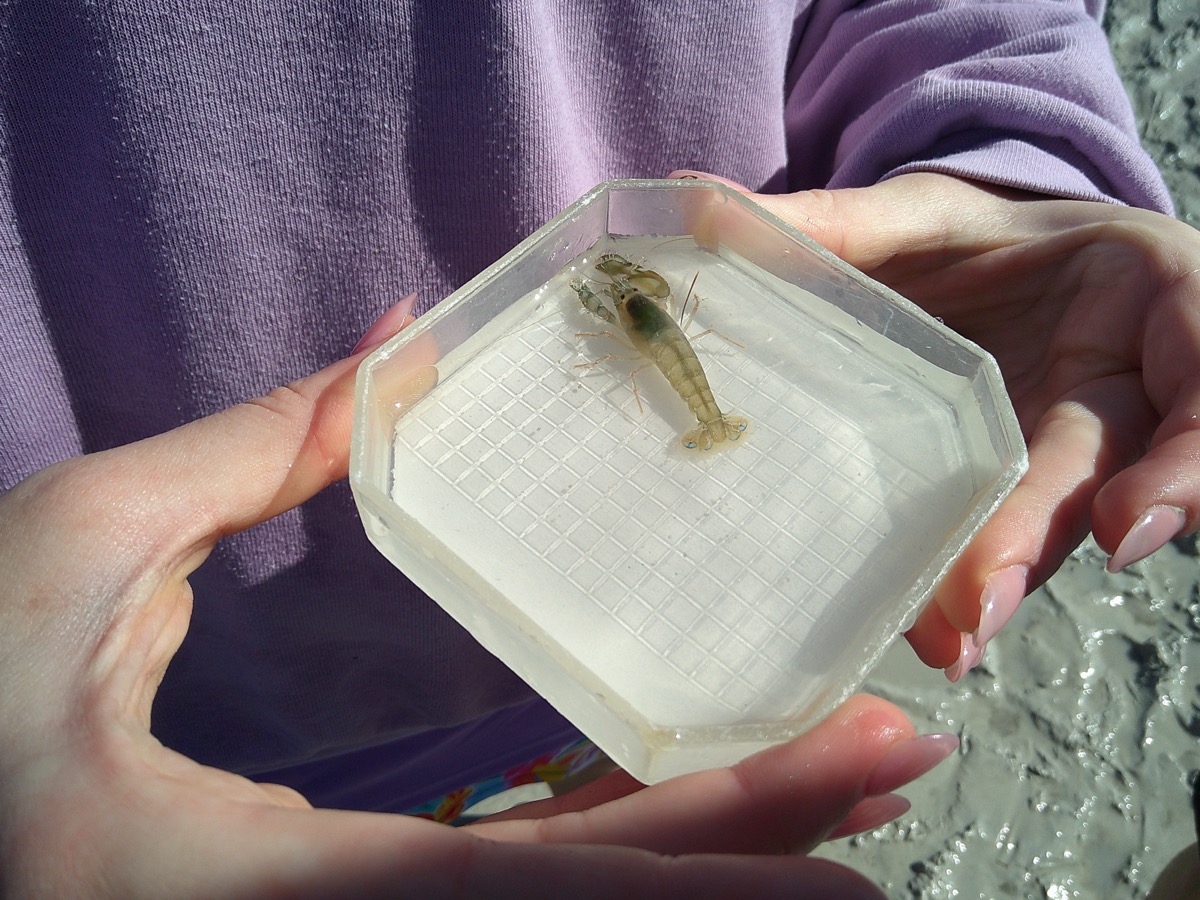
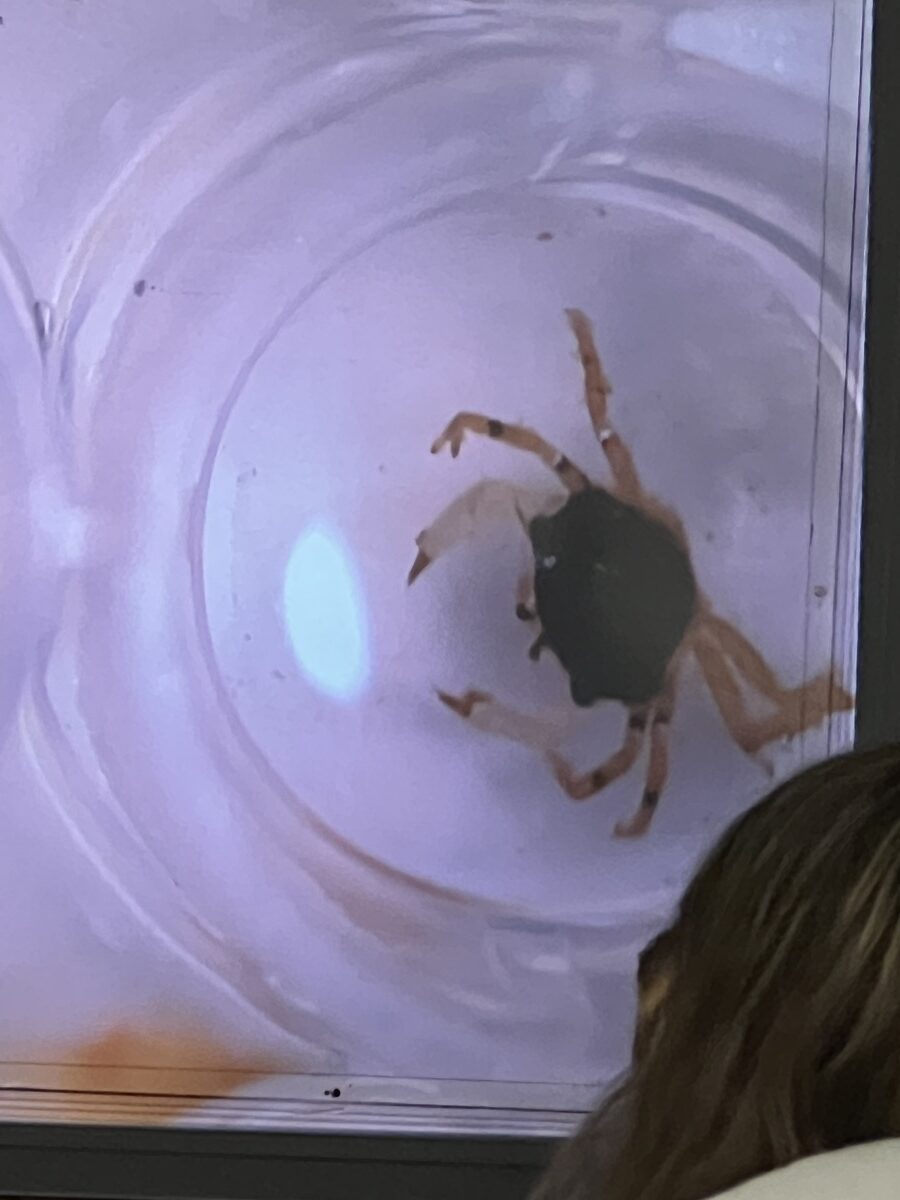
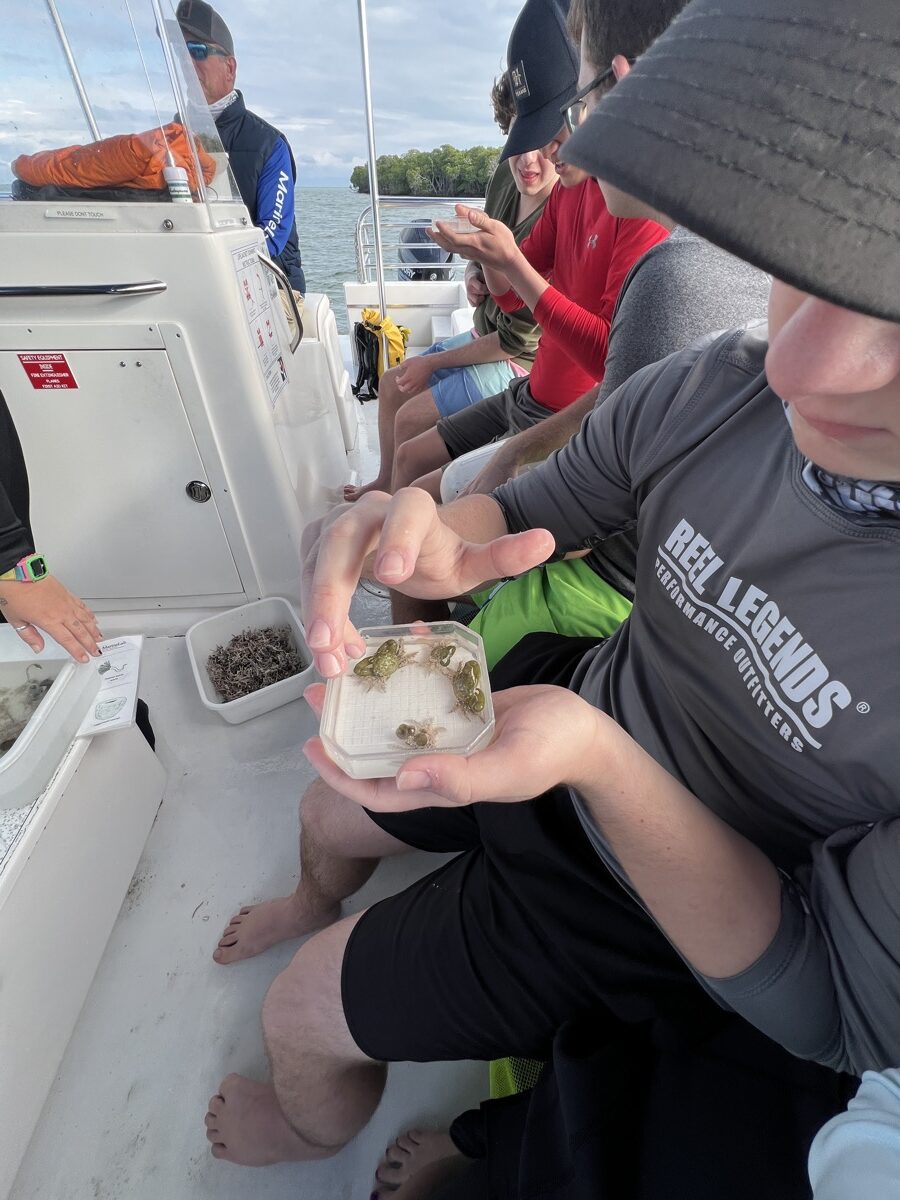
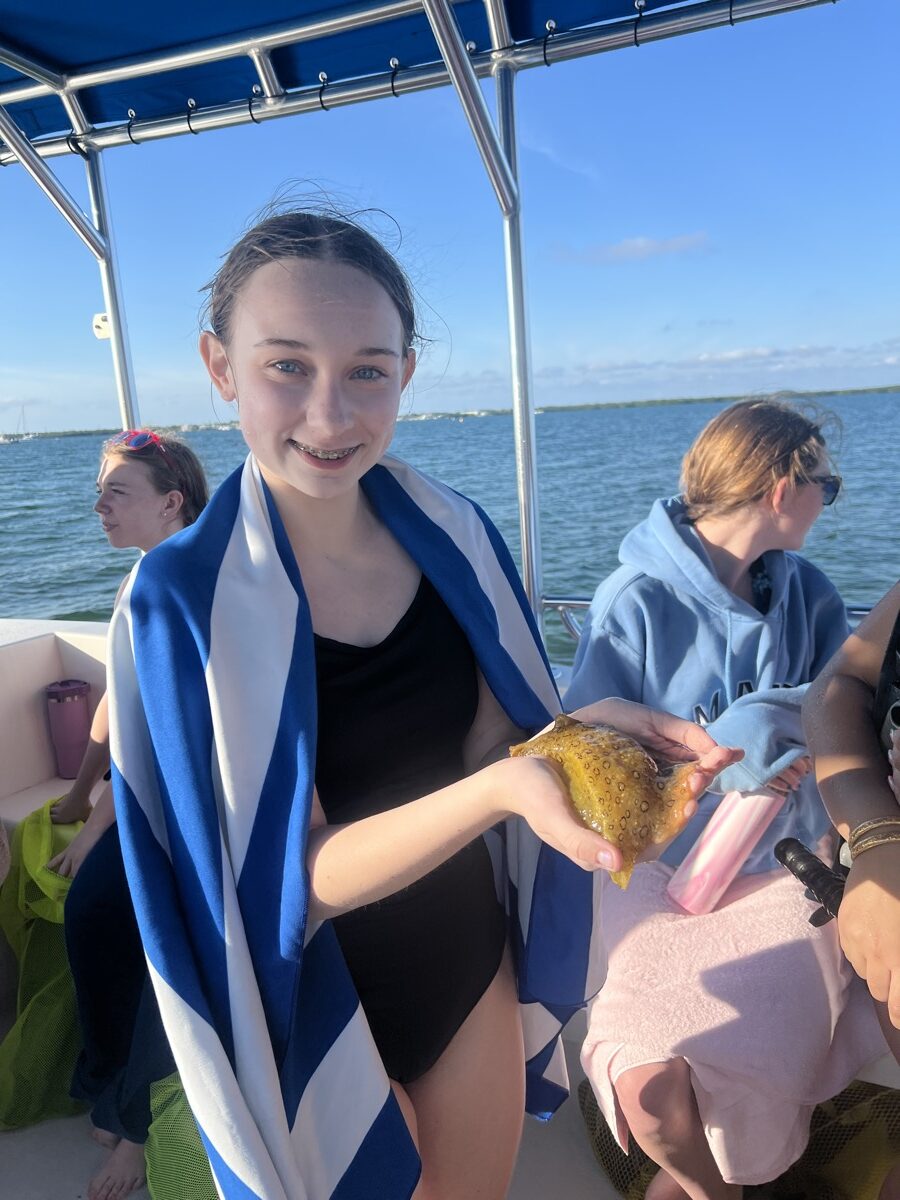
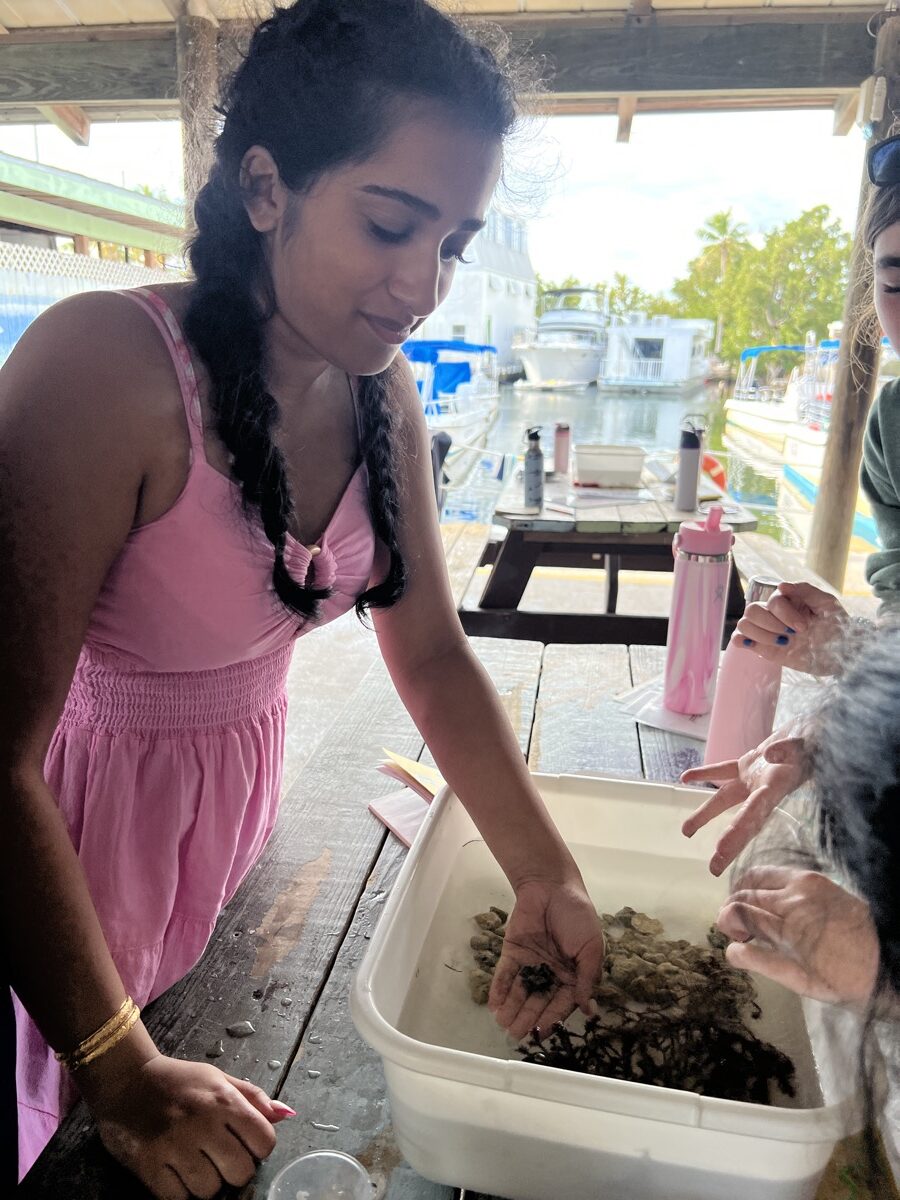
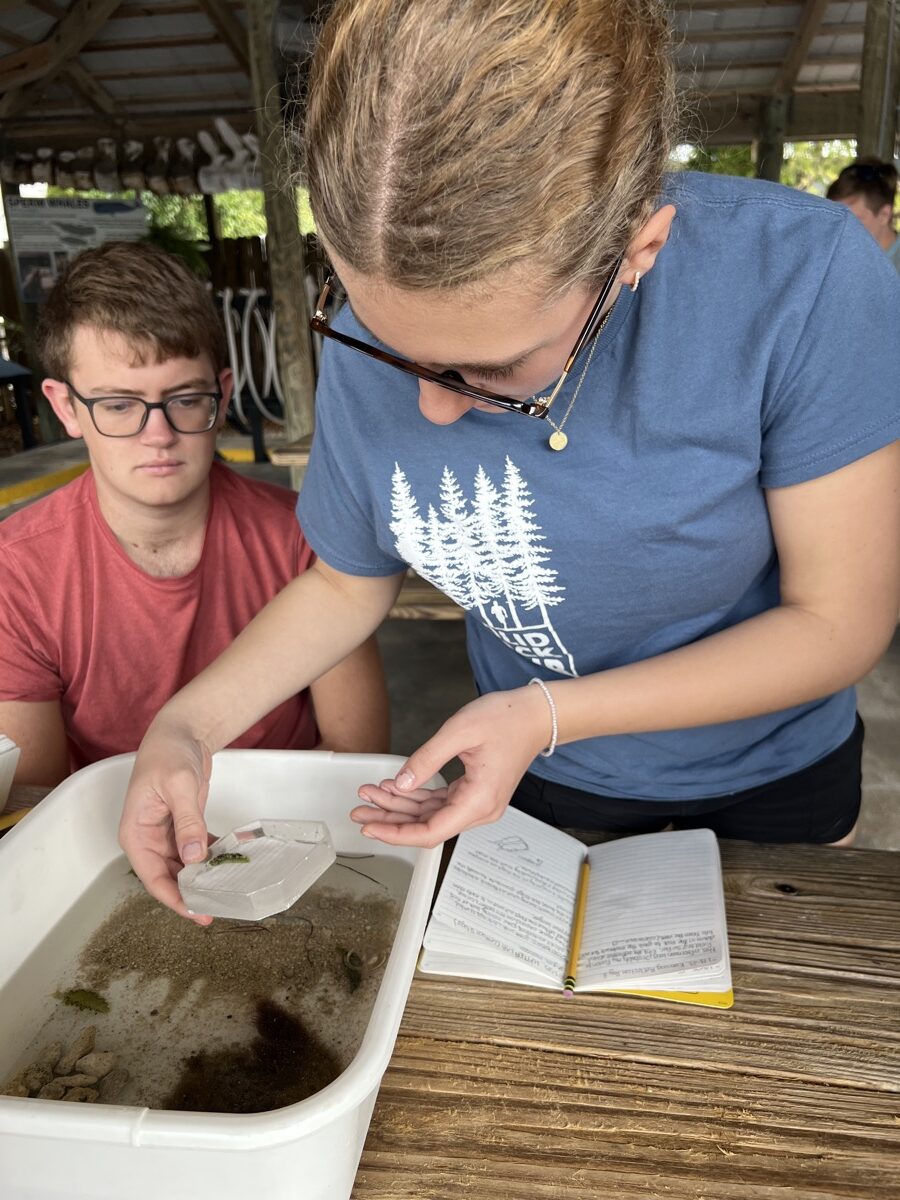
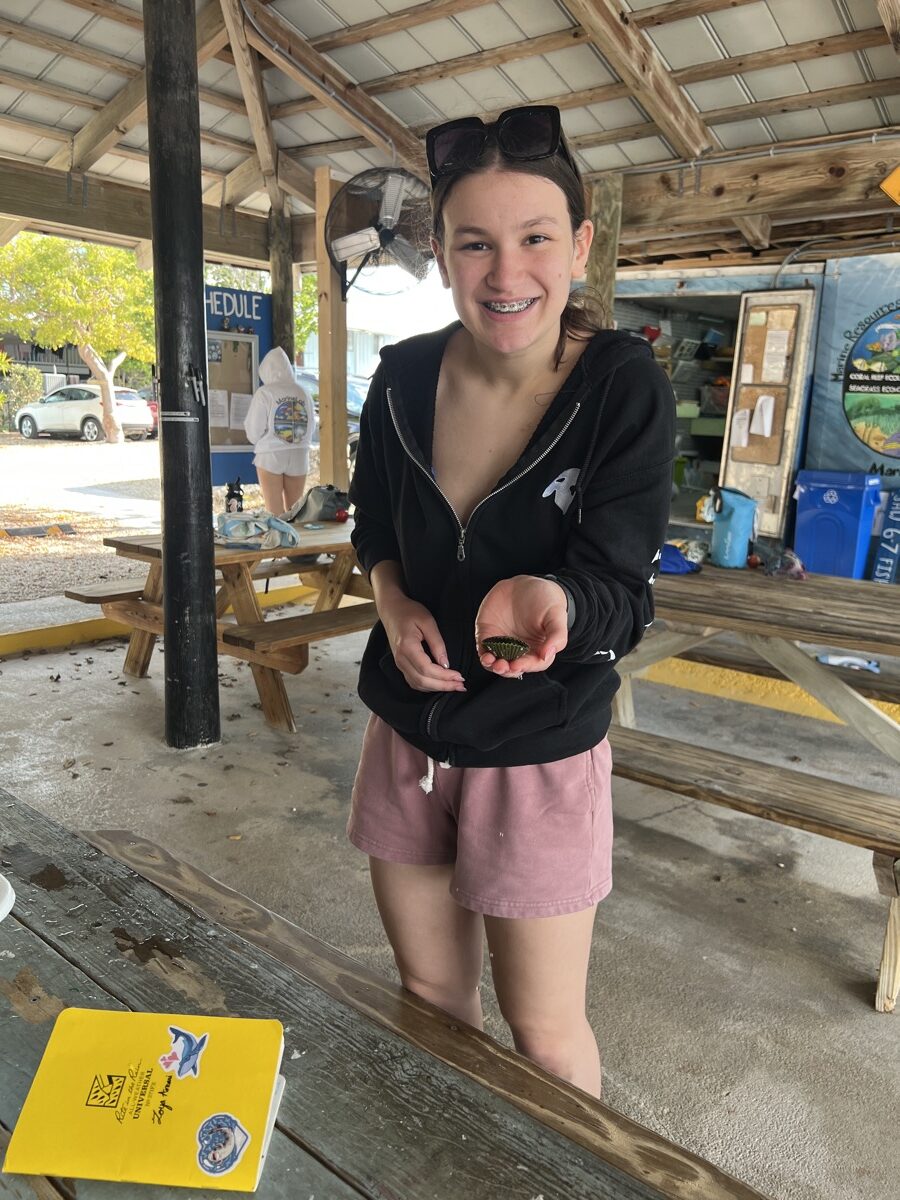
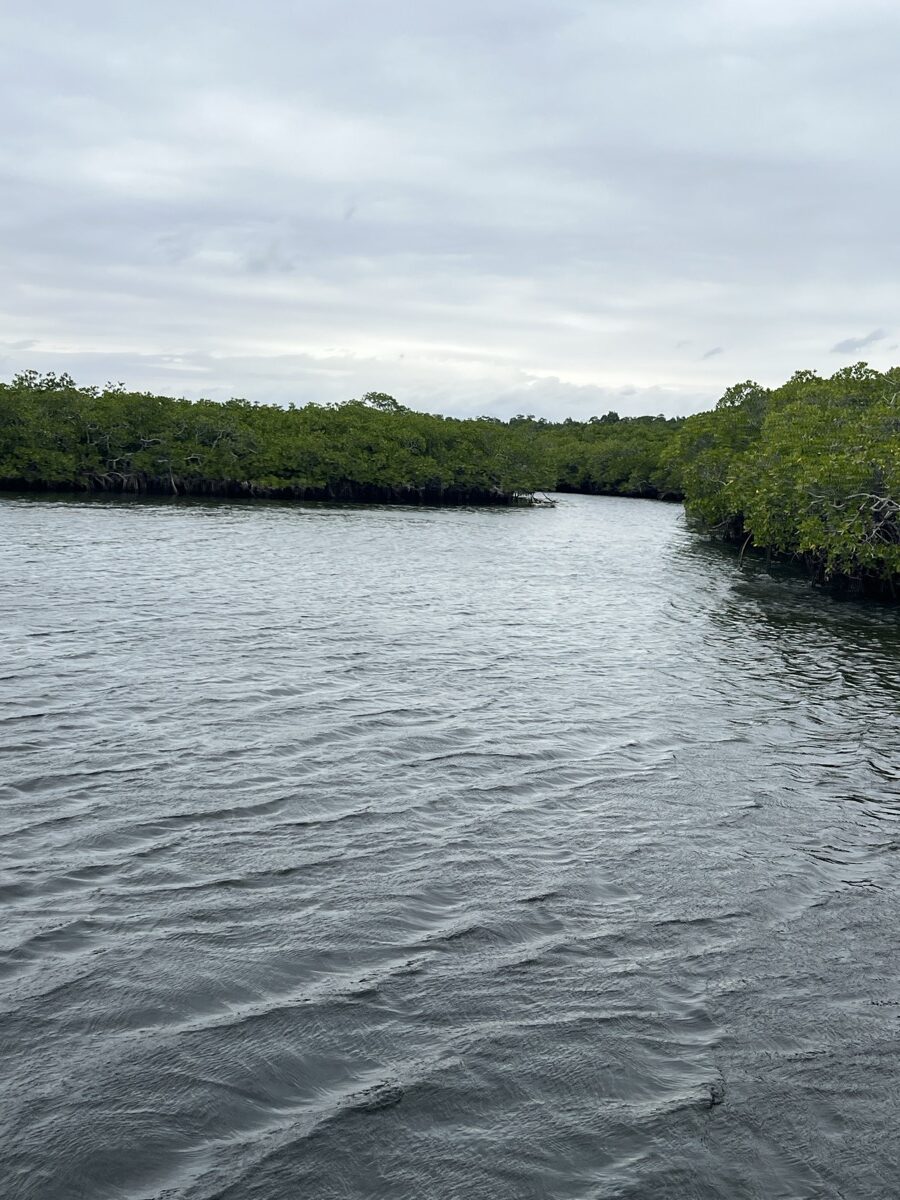
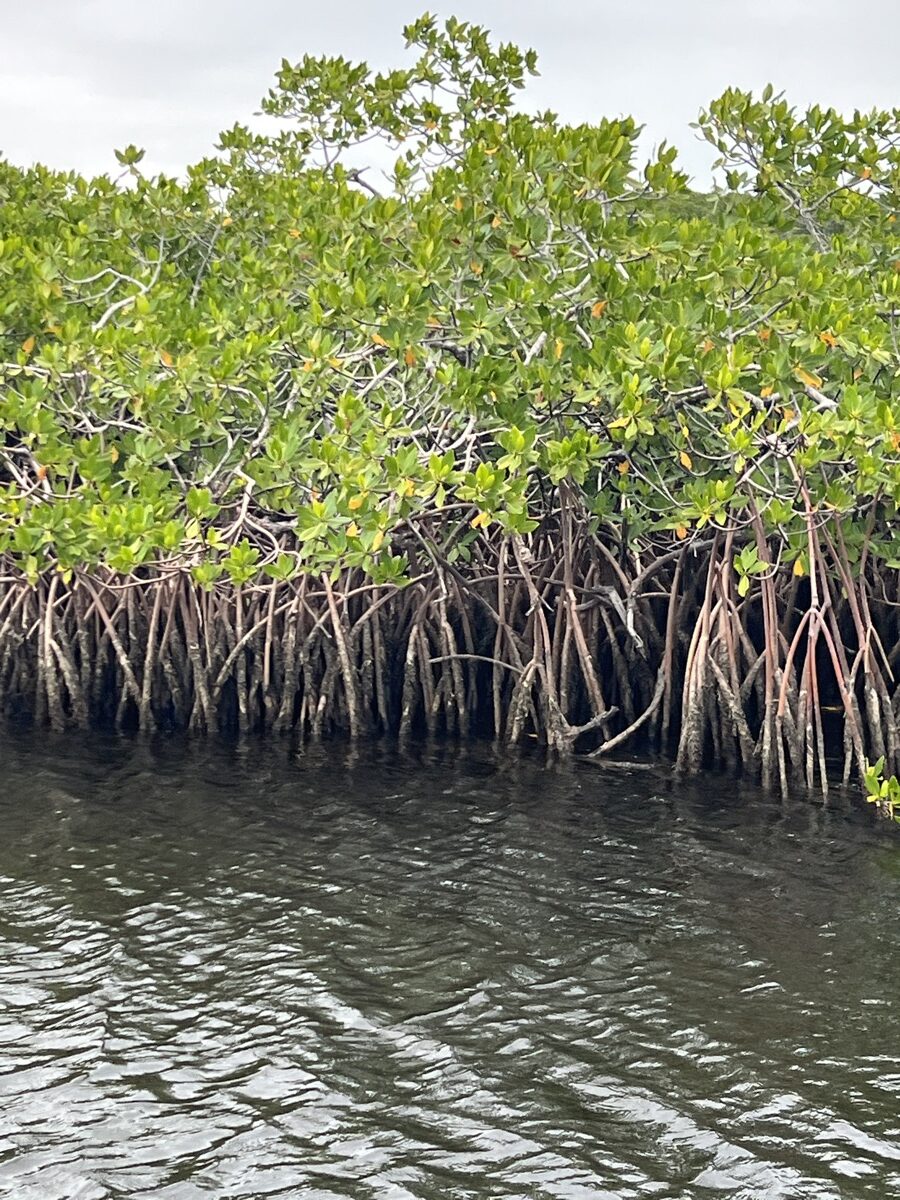
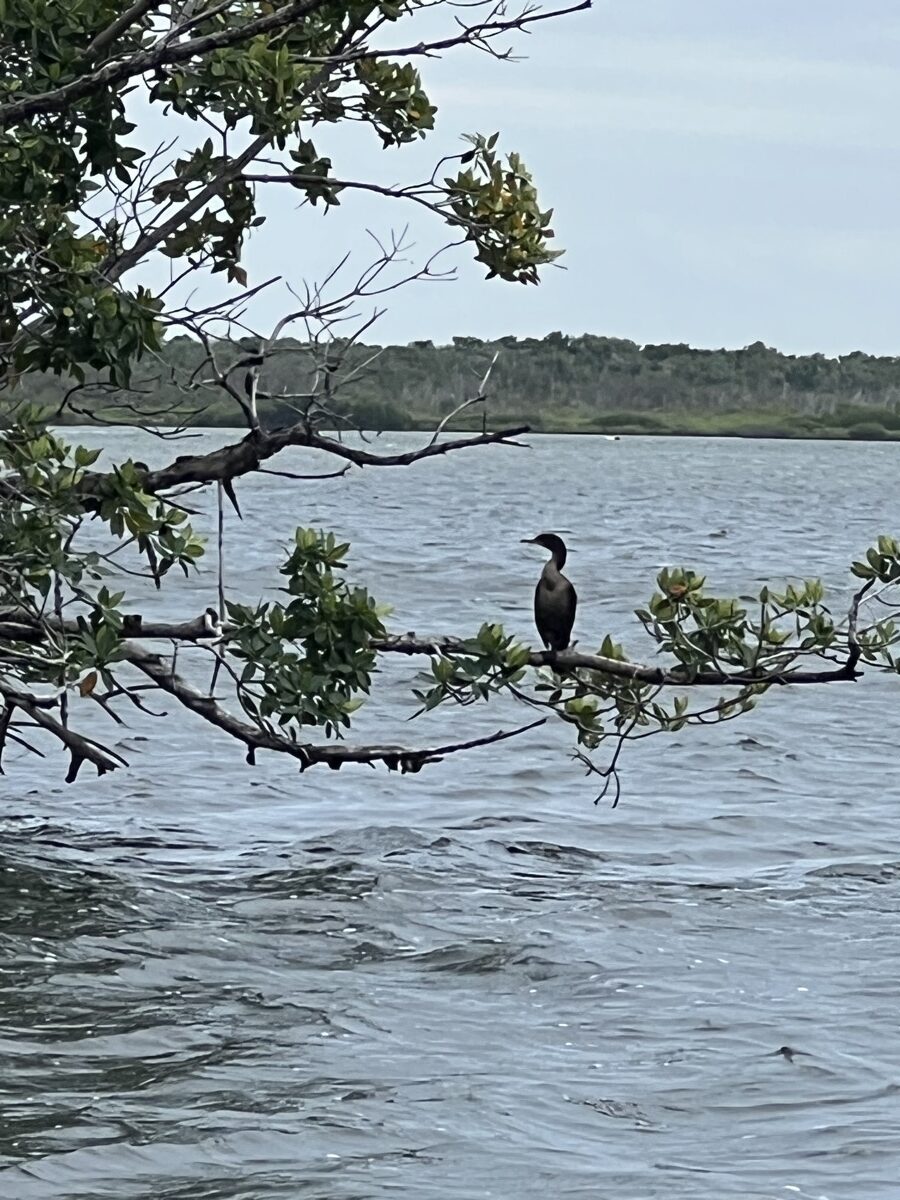
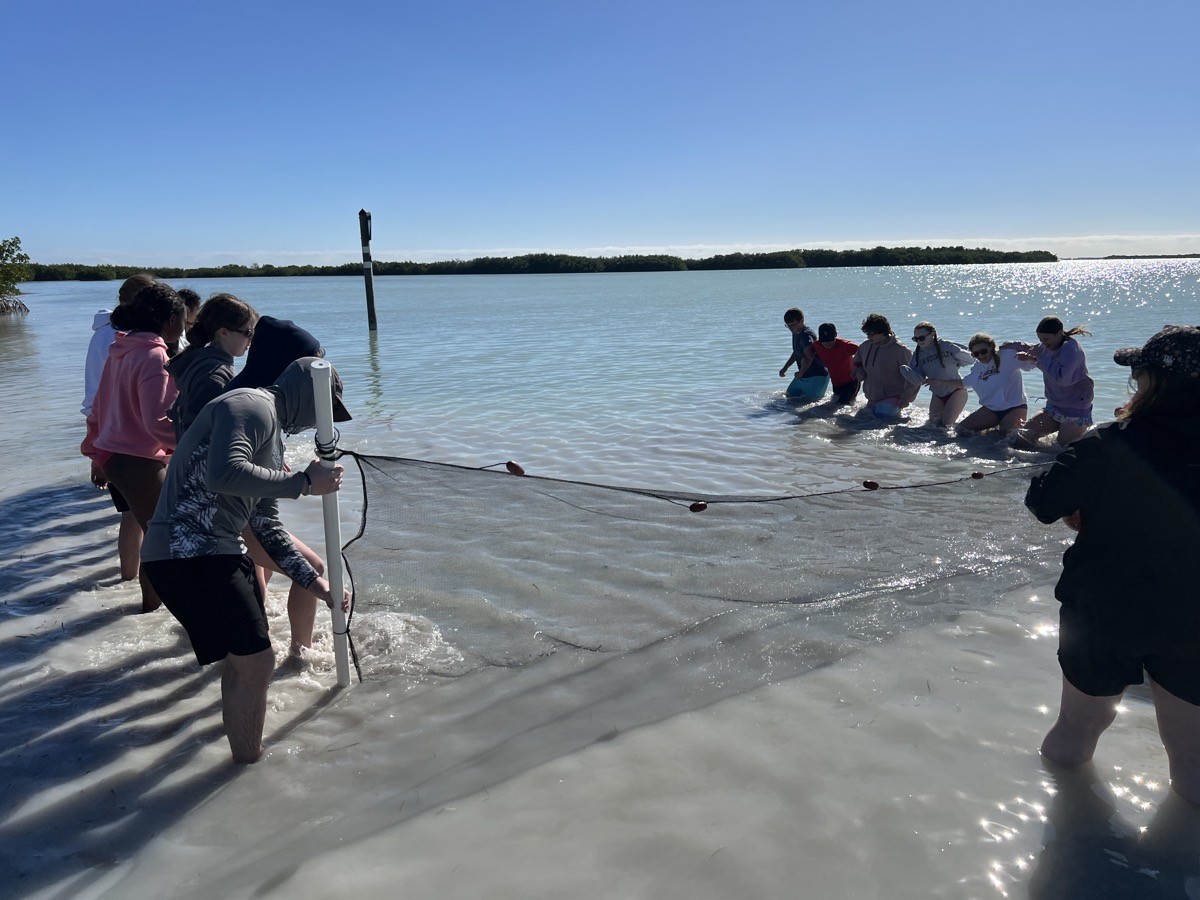
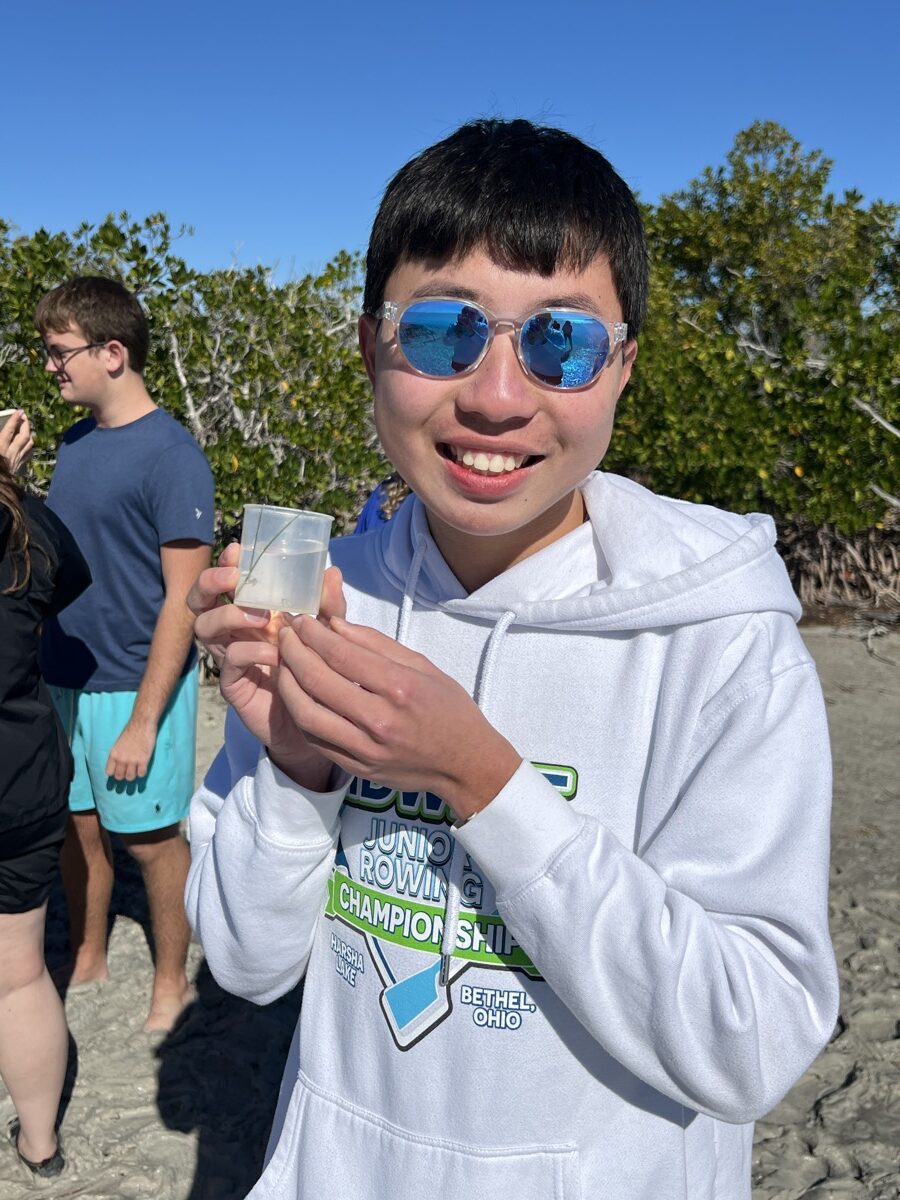
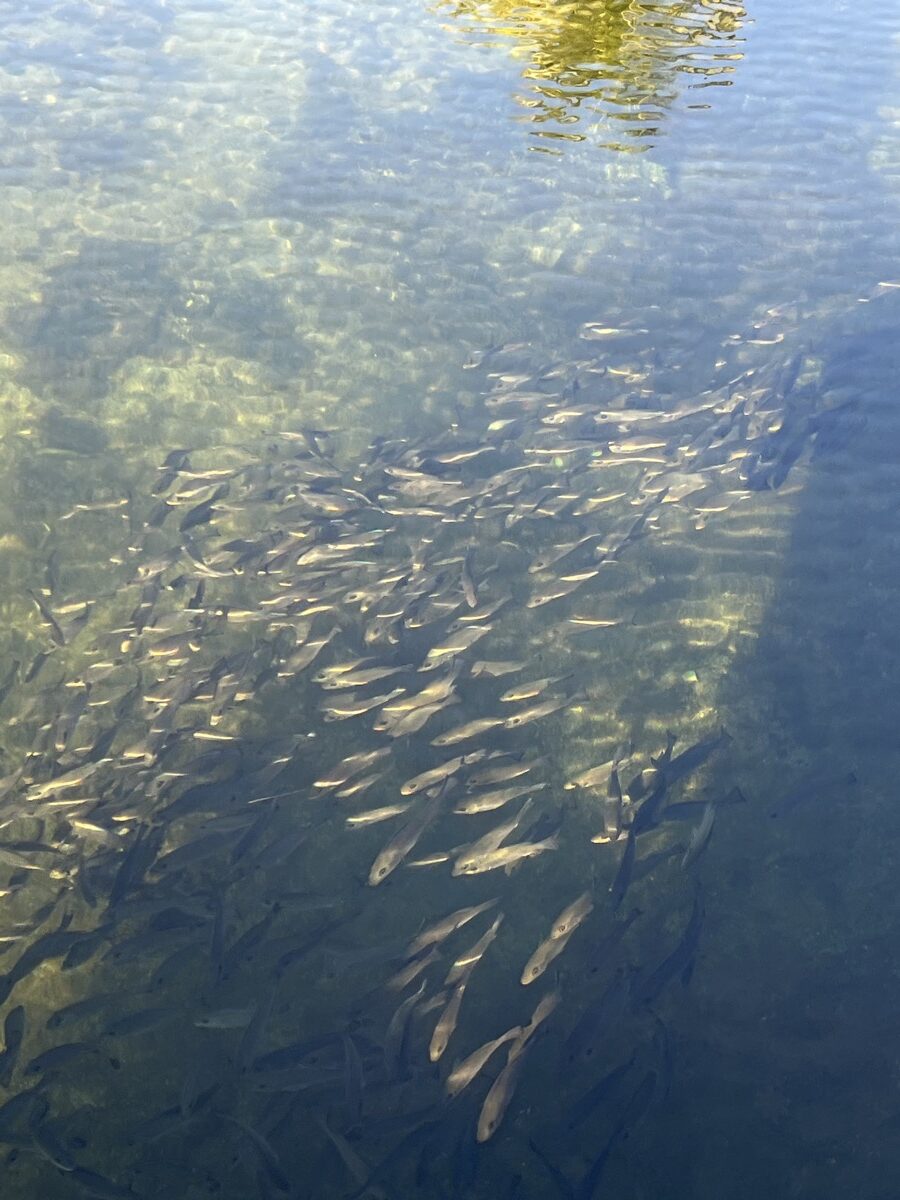
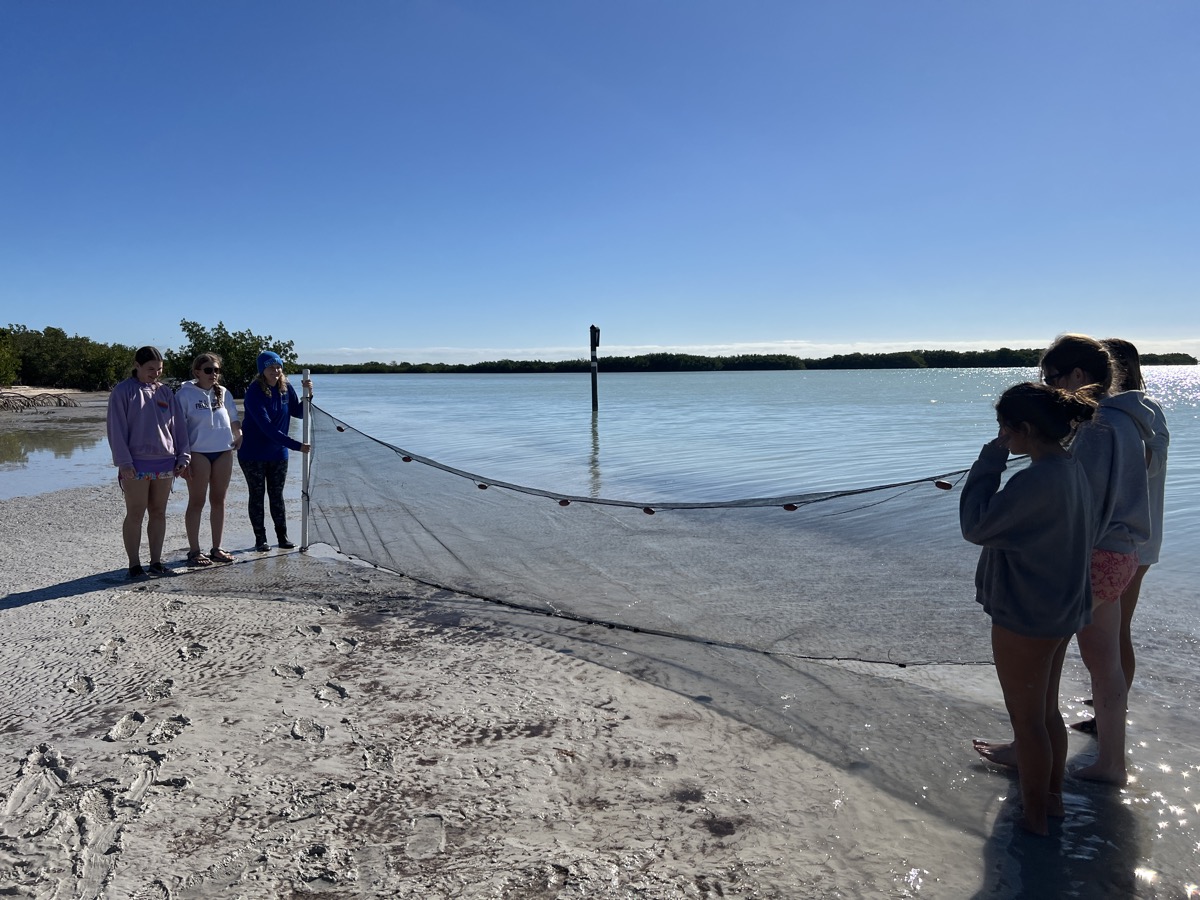
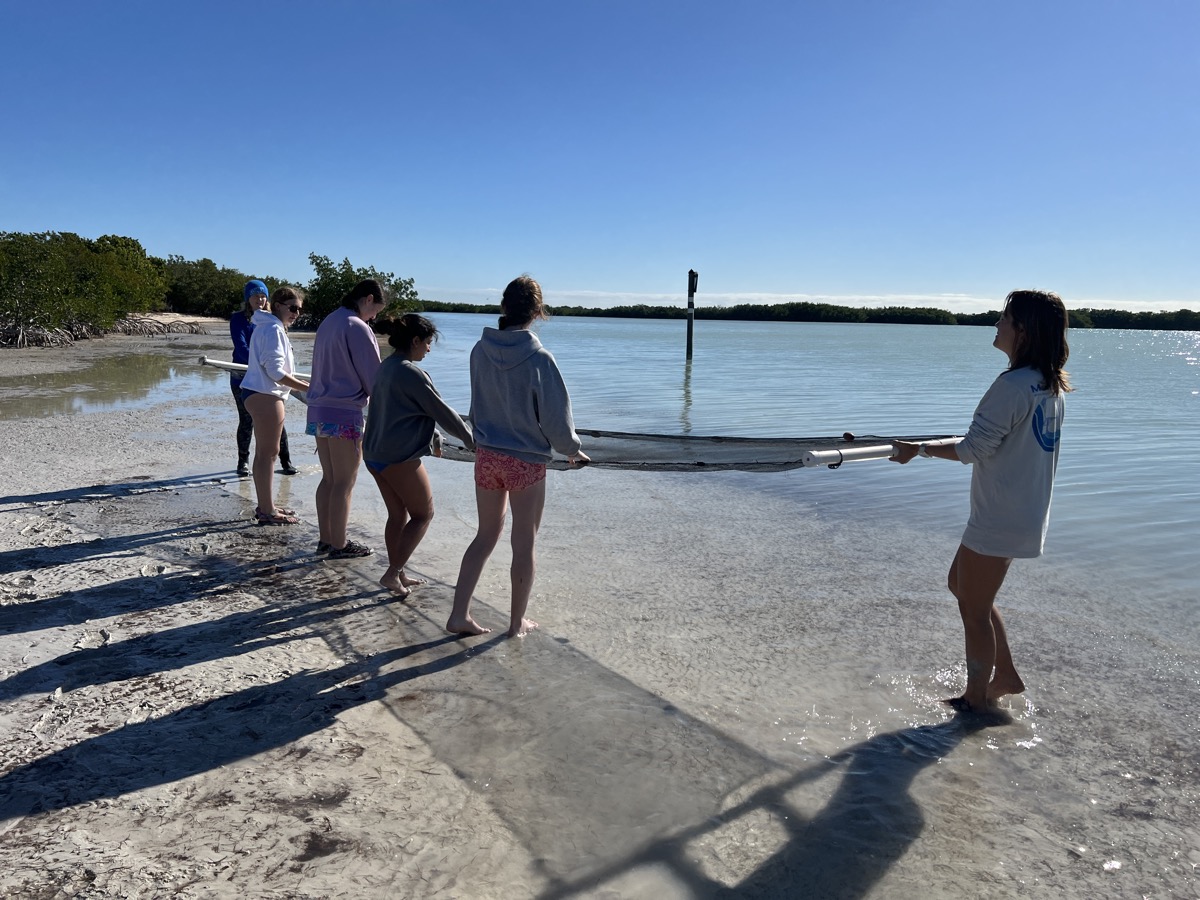
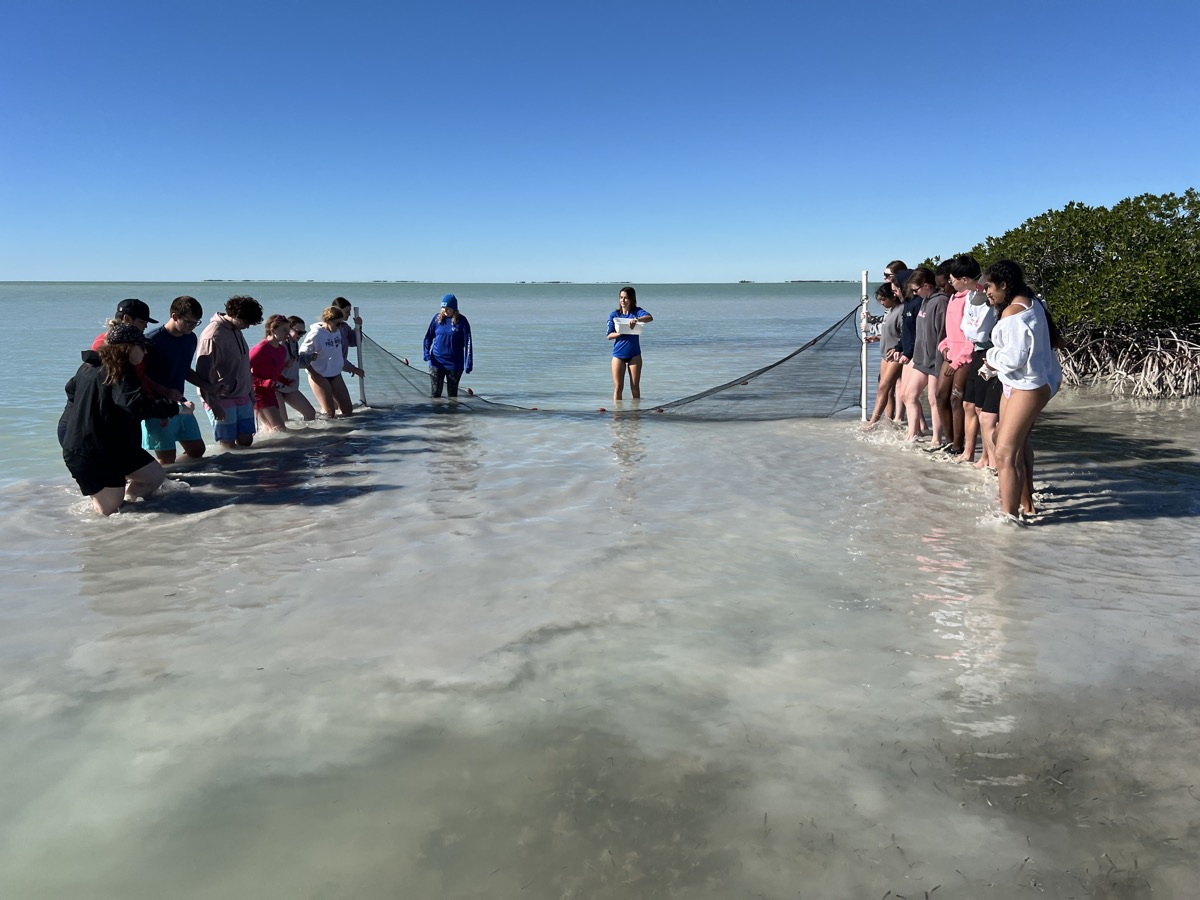
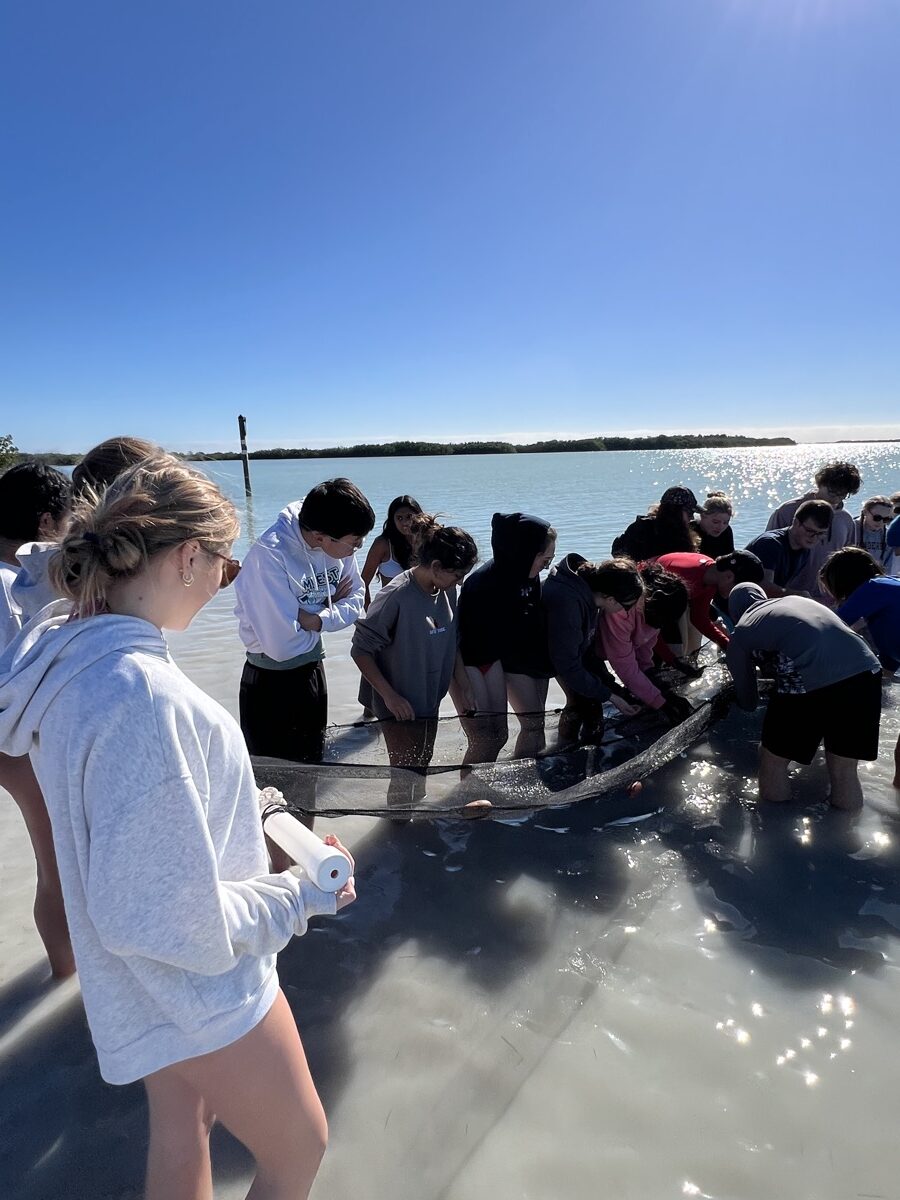
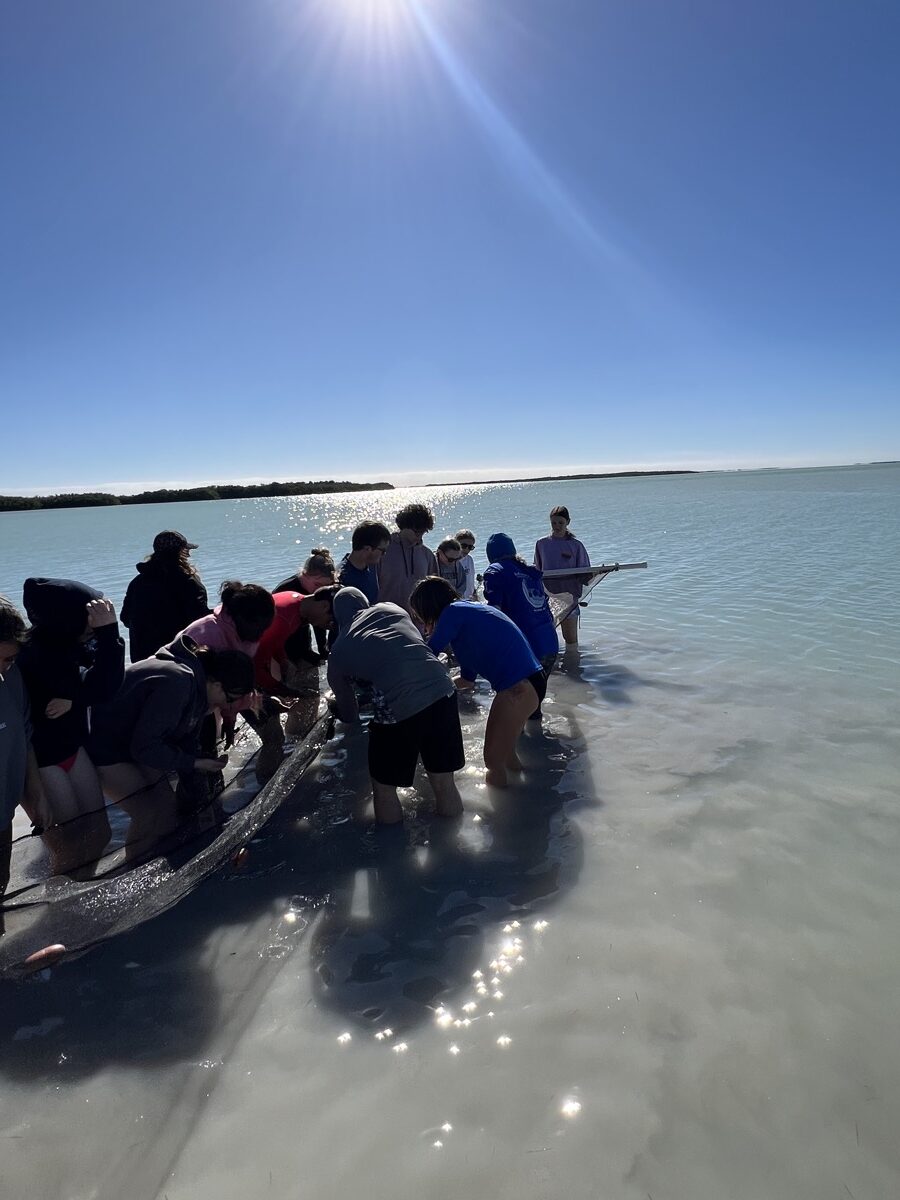
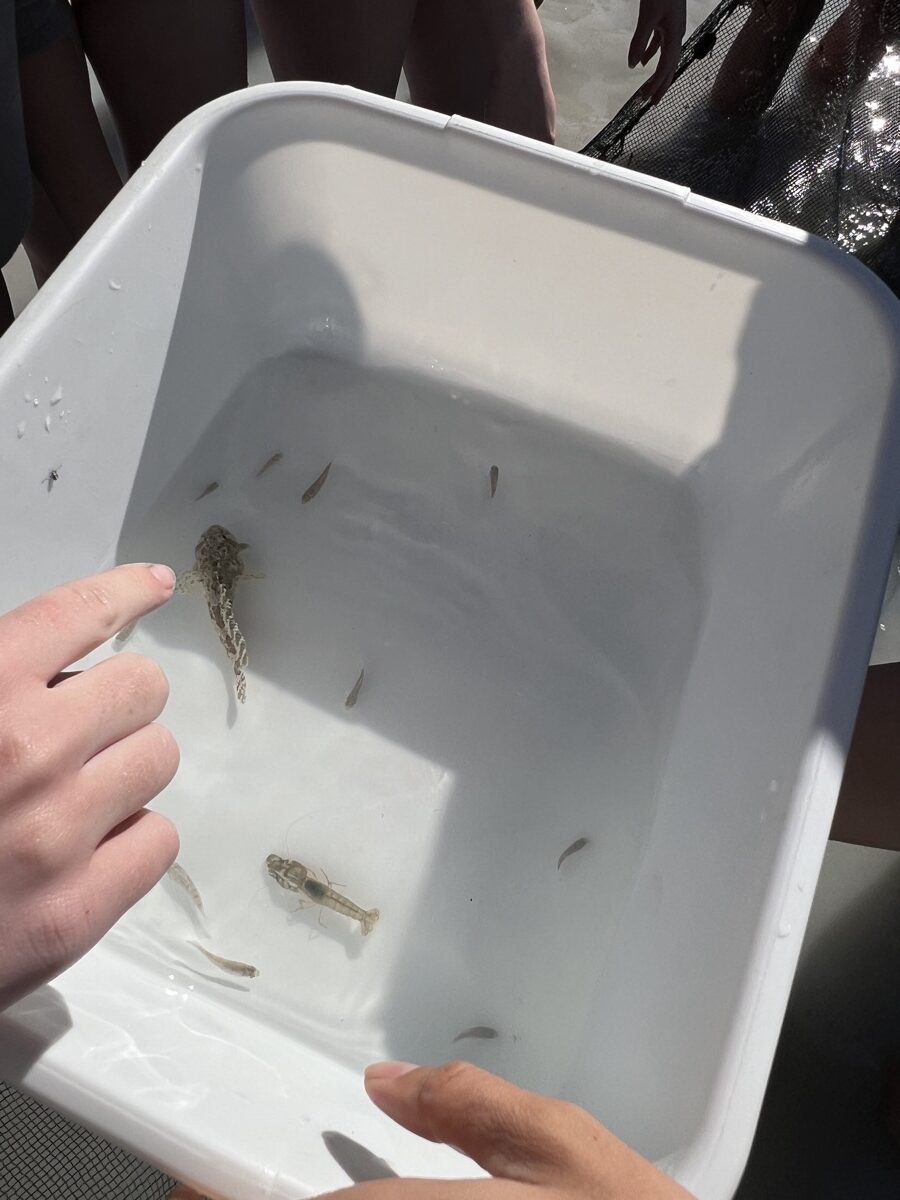
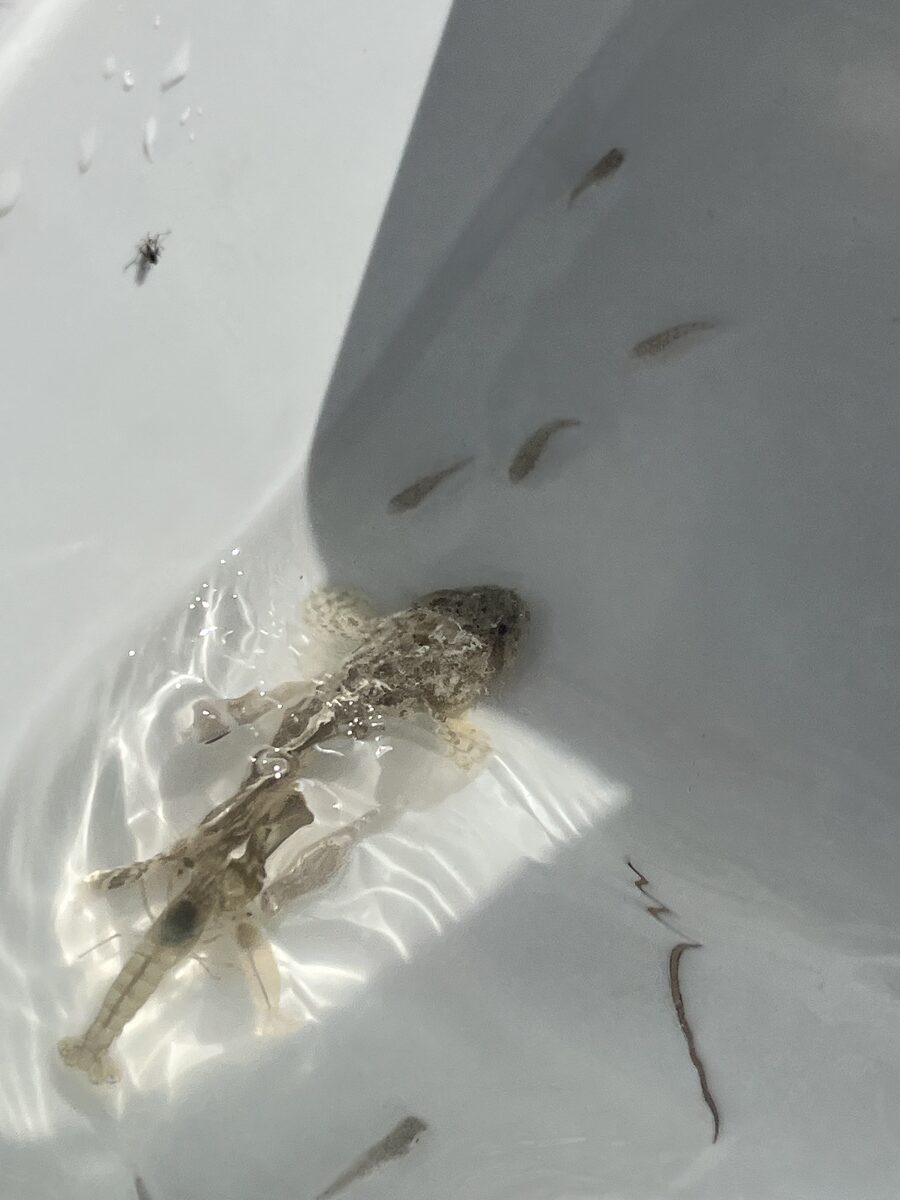
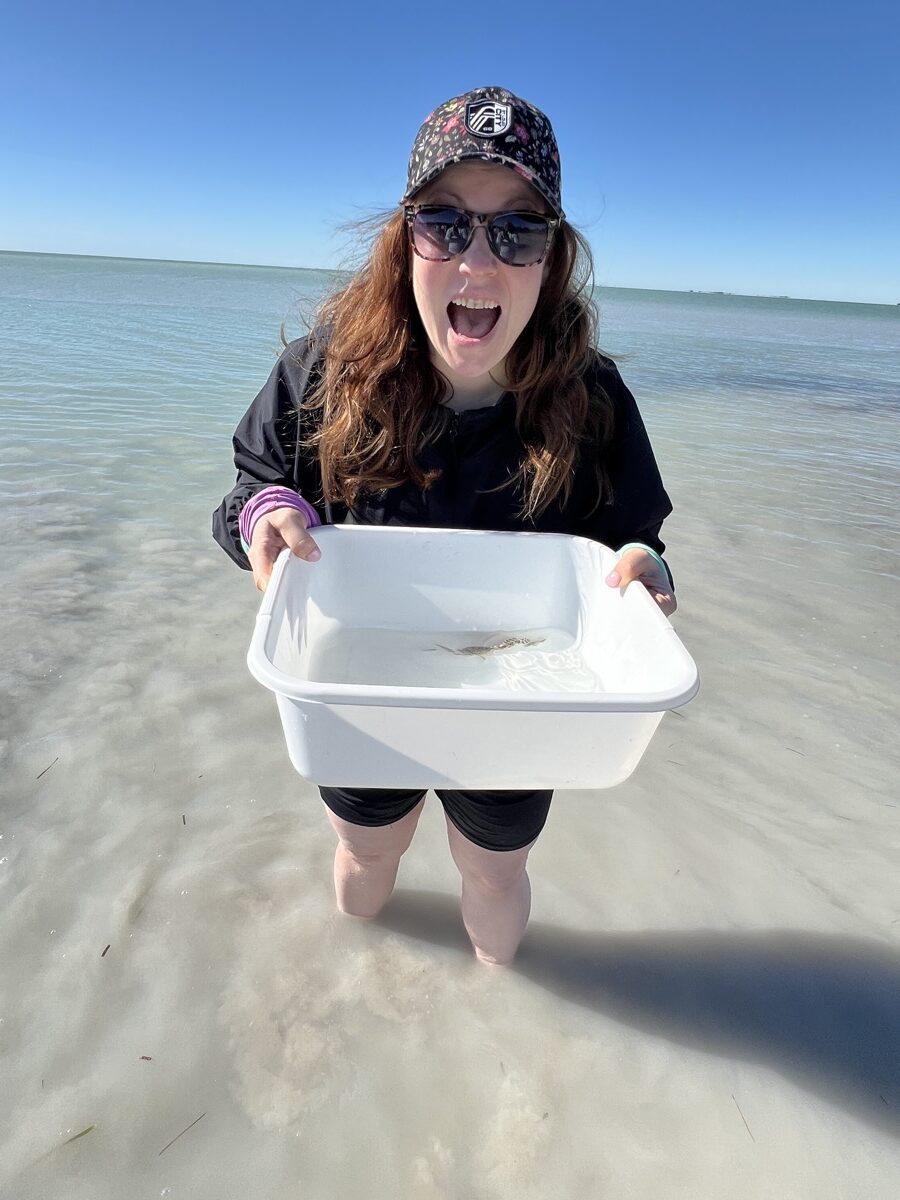
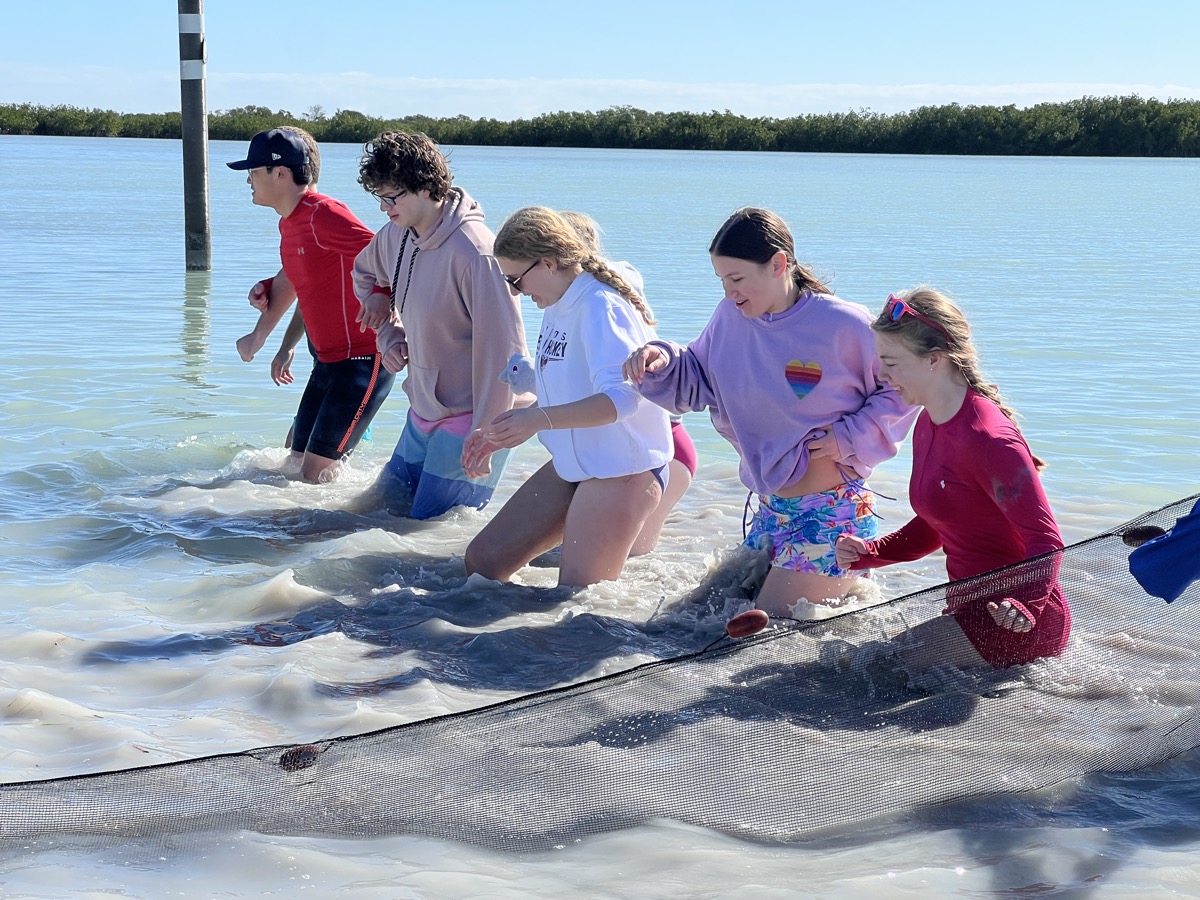
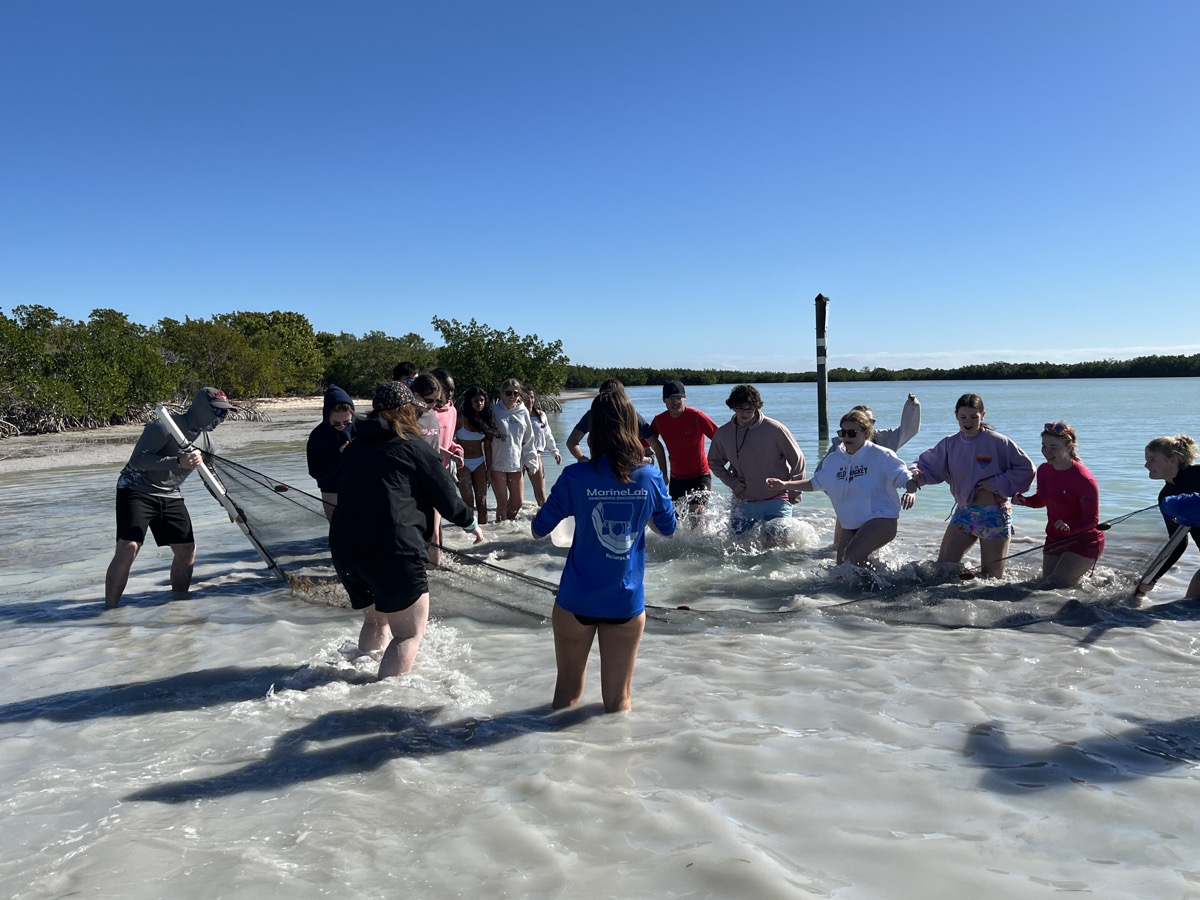
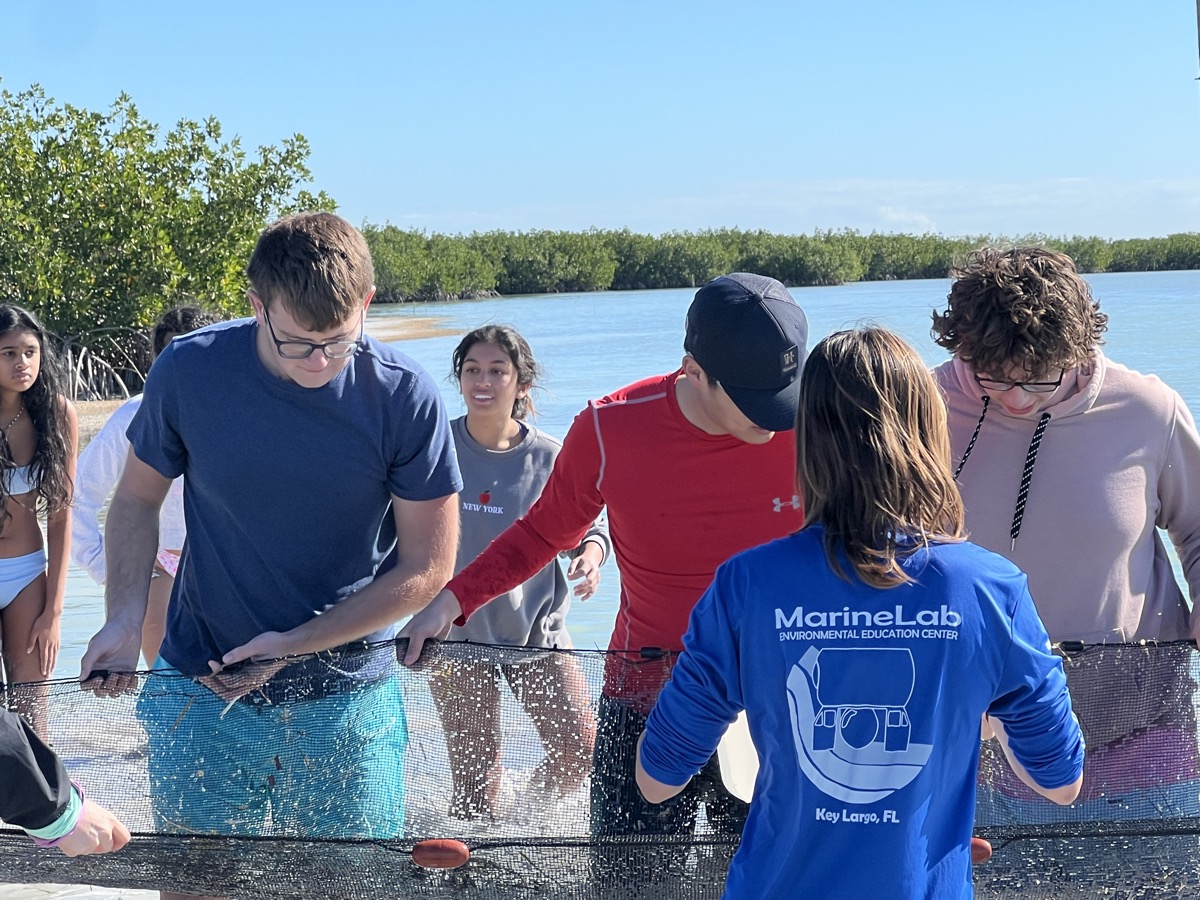
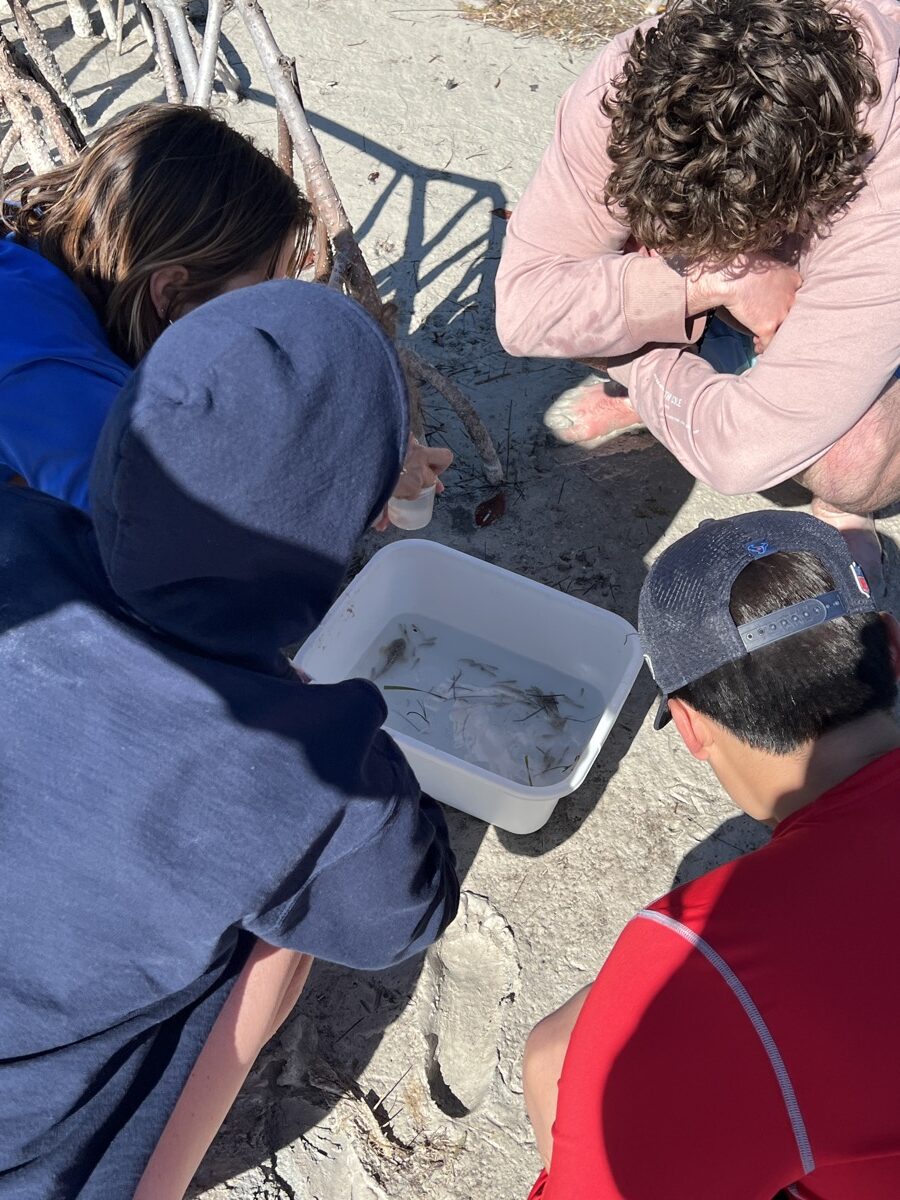
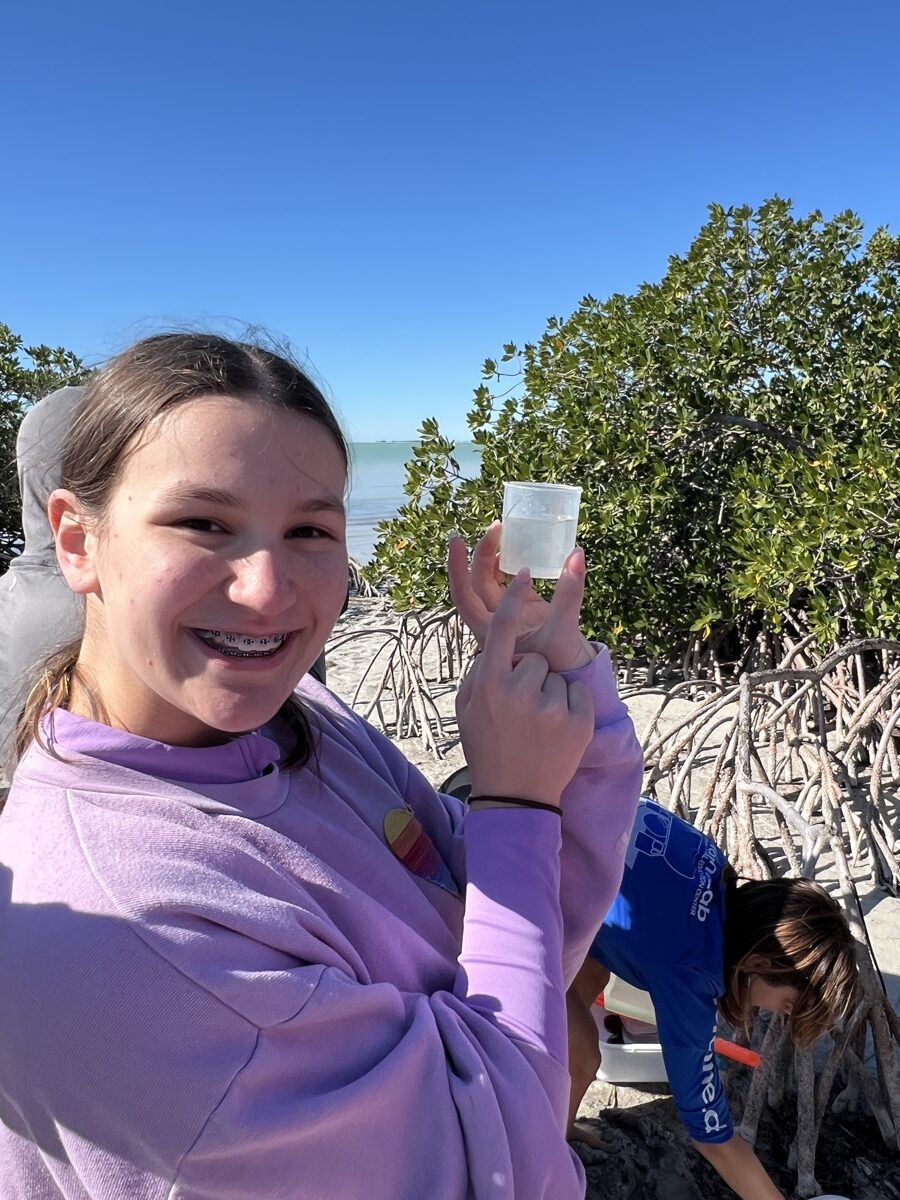
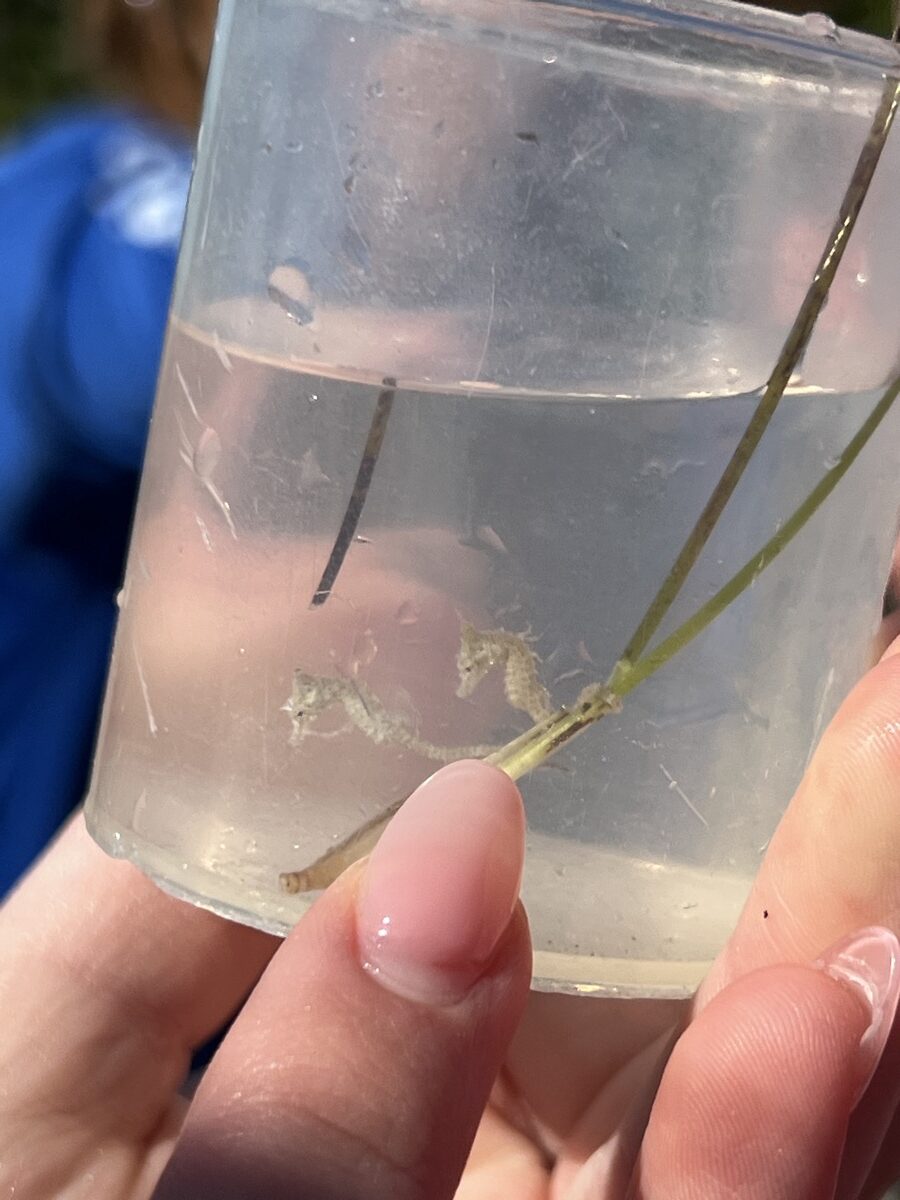
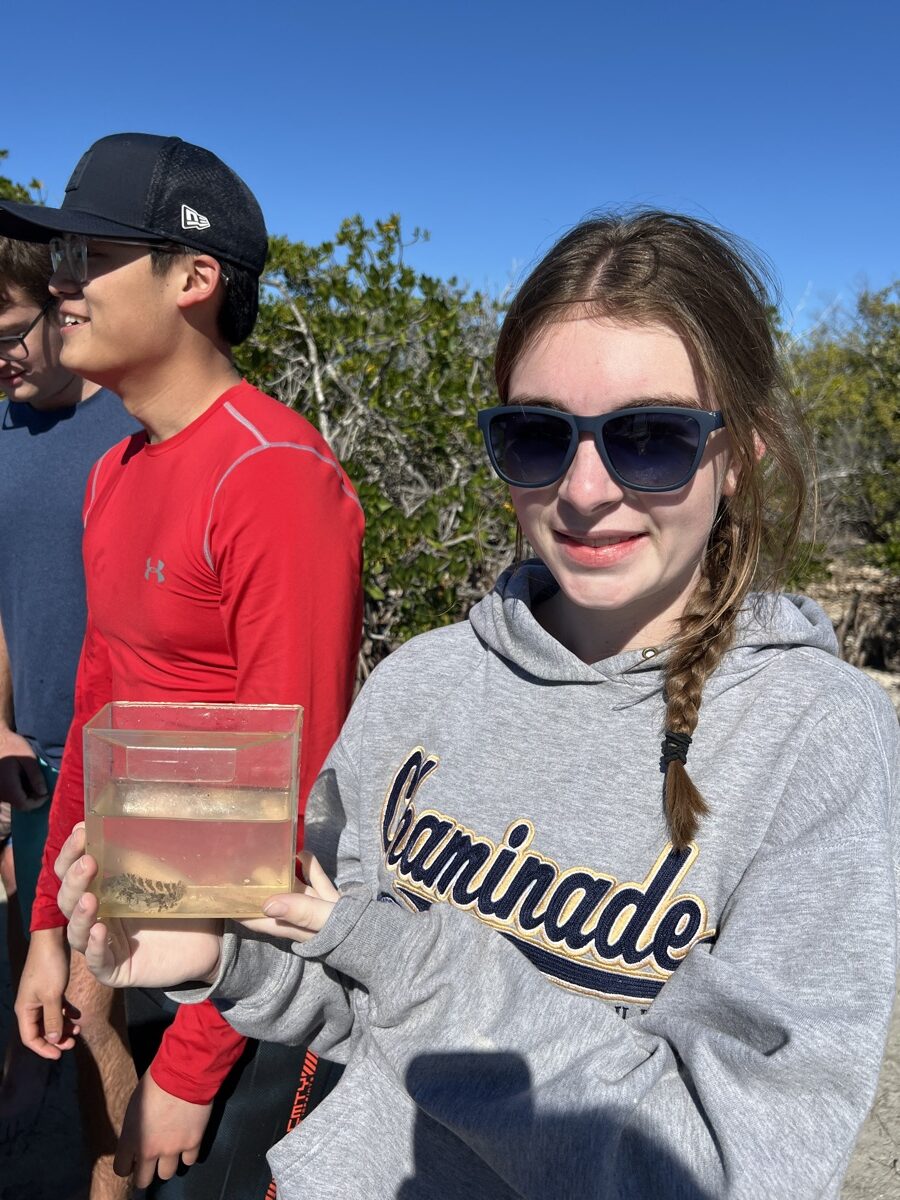
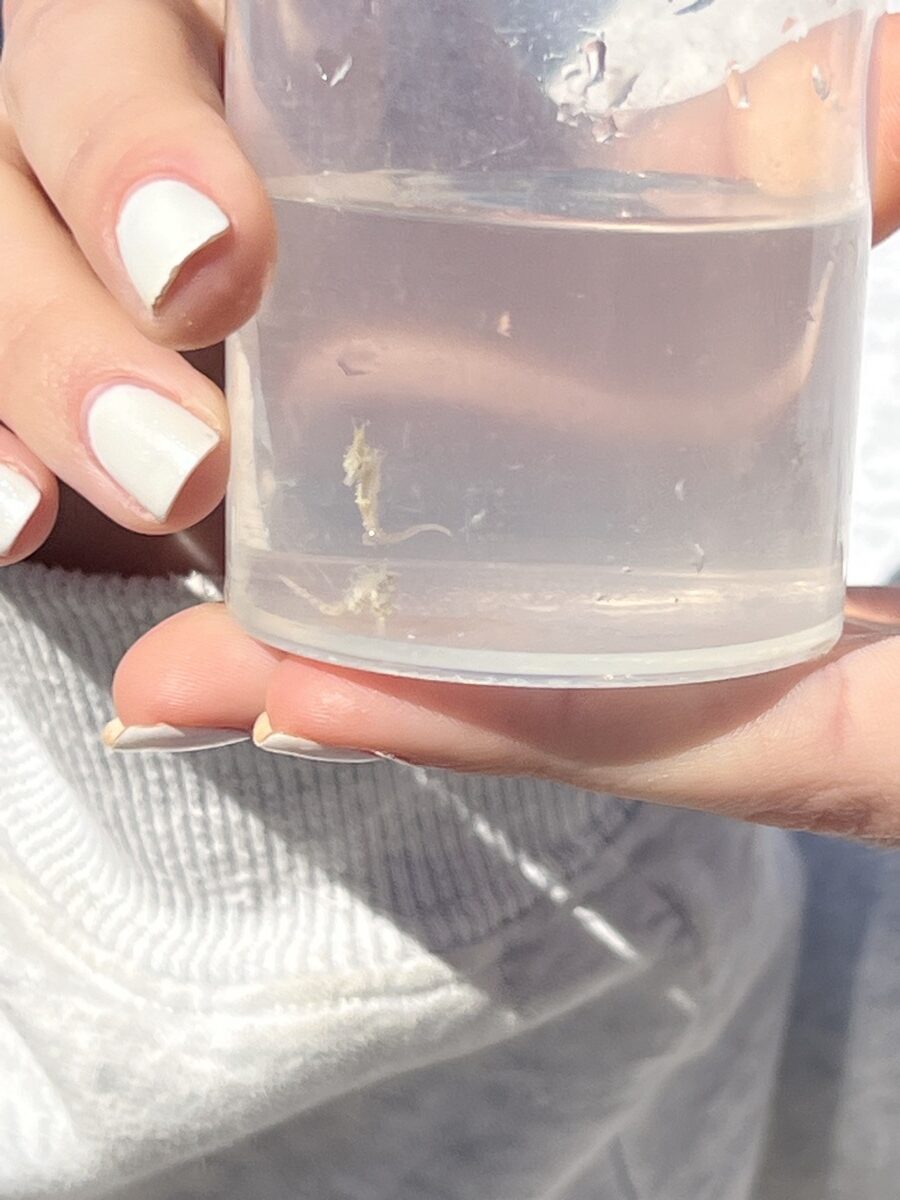
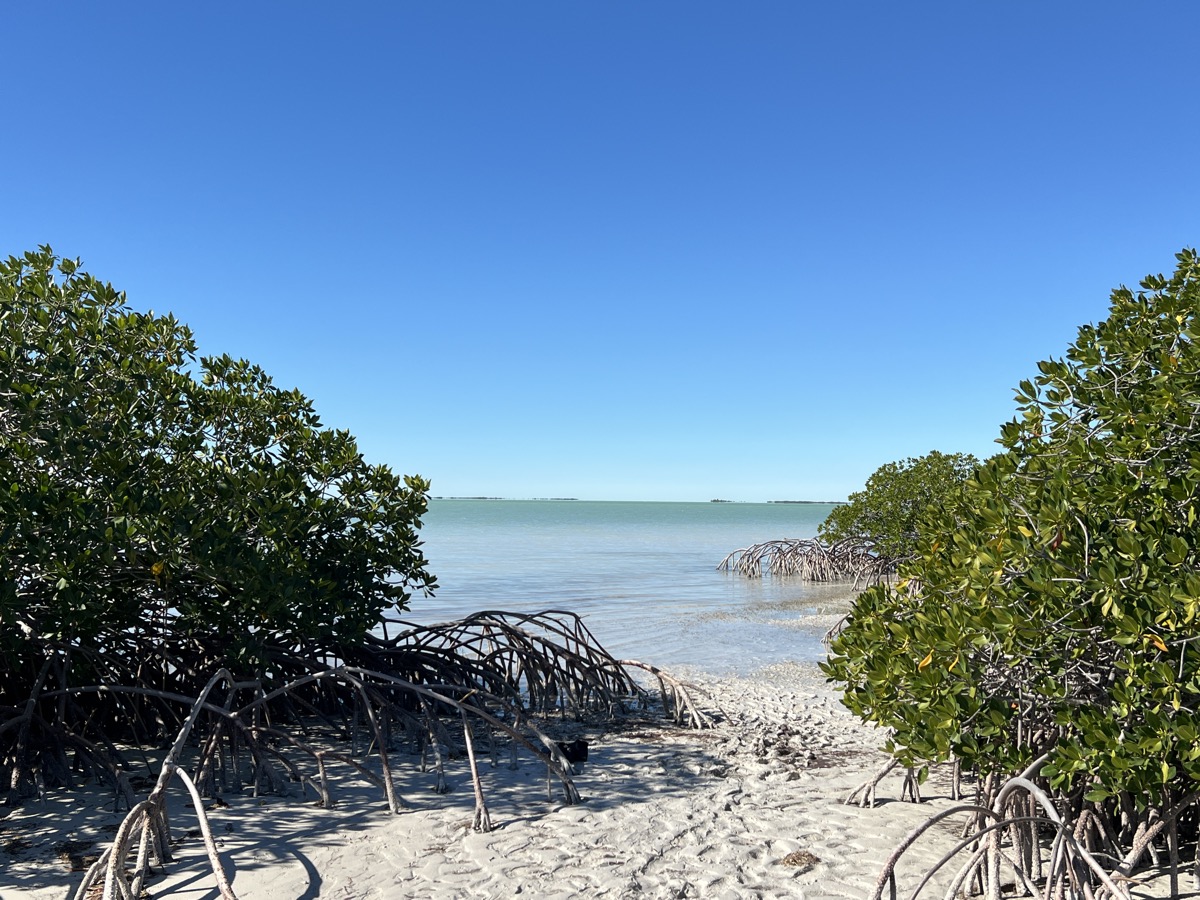
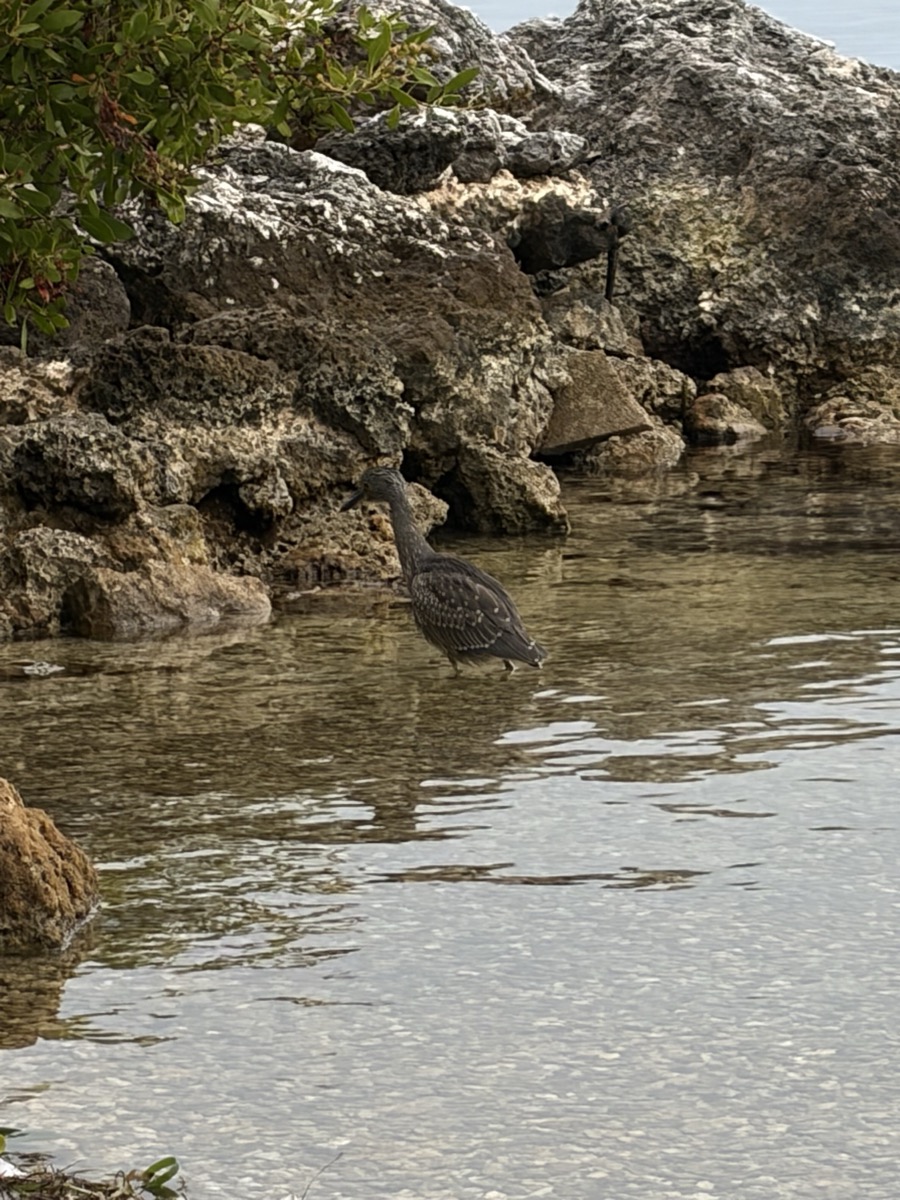
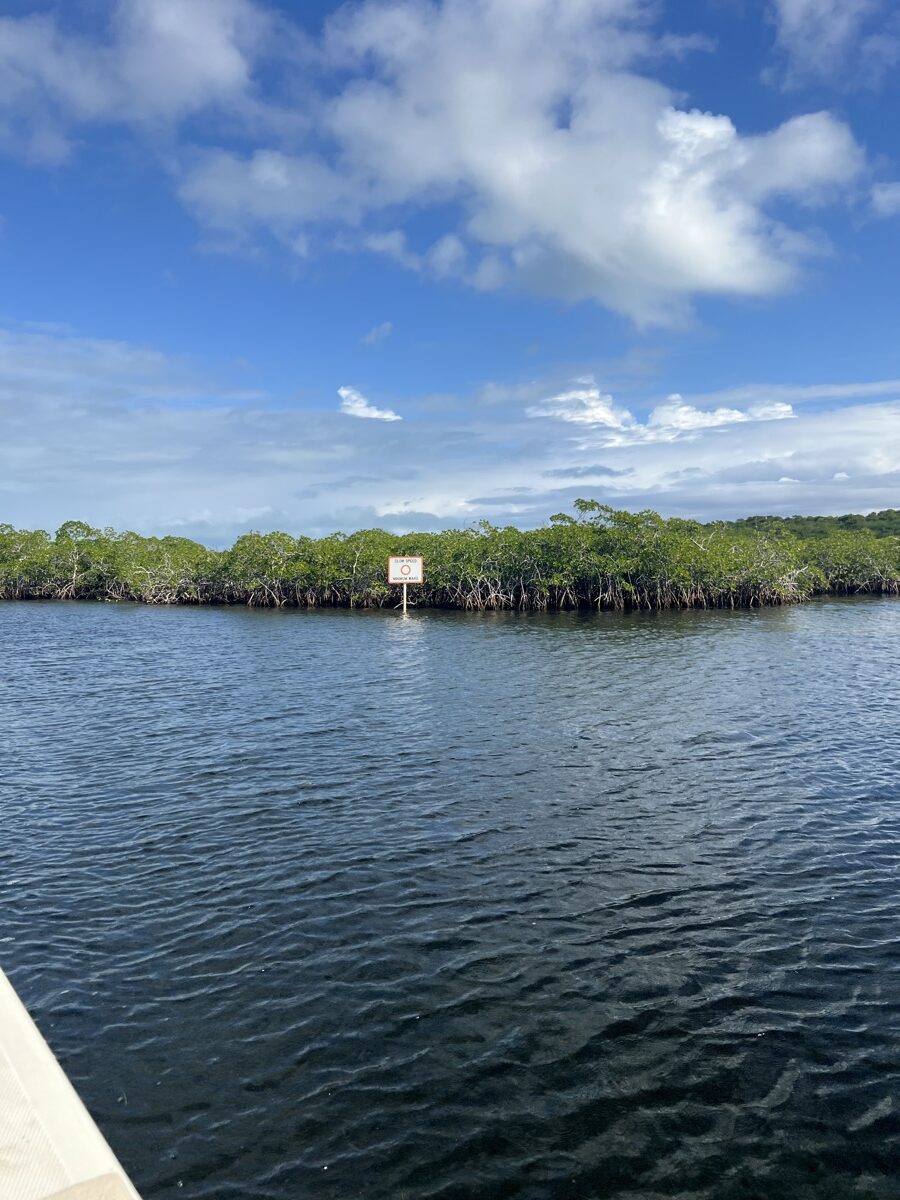
On Nest Key, students got the chance to use the seine fishing method, where a net with floats on the top and weights on the bottom is deployed in shallow water to catch various marine species. “We caught four baby seahorses plus other fish that were released,” said Dr. Pickett. Additionally, they had a Caribbean reef shark sighting, saw over 20 Caribbean spiny lobsters and a baby nurse shark in the seagrass and mangrove areas of Rodriguez Key, and dove into five snorkel field trips!
“Taking students to MarineLab is always an amazing adventure because students get to experience marine biology and participate in authentic research in a place known for its beauty, unique species and ecosystems, and restoration processes,” said Dr. Pickett. “Students get to learn cutting-edge techniques from professionals in the field and tap into a love that they can’t experience at home in St. Louis.”
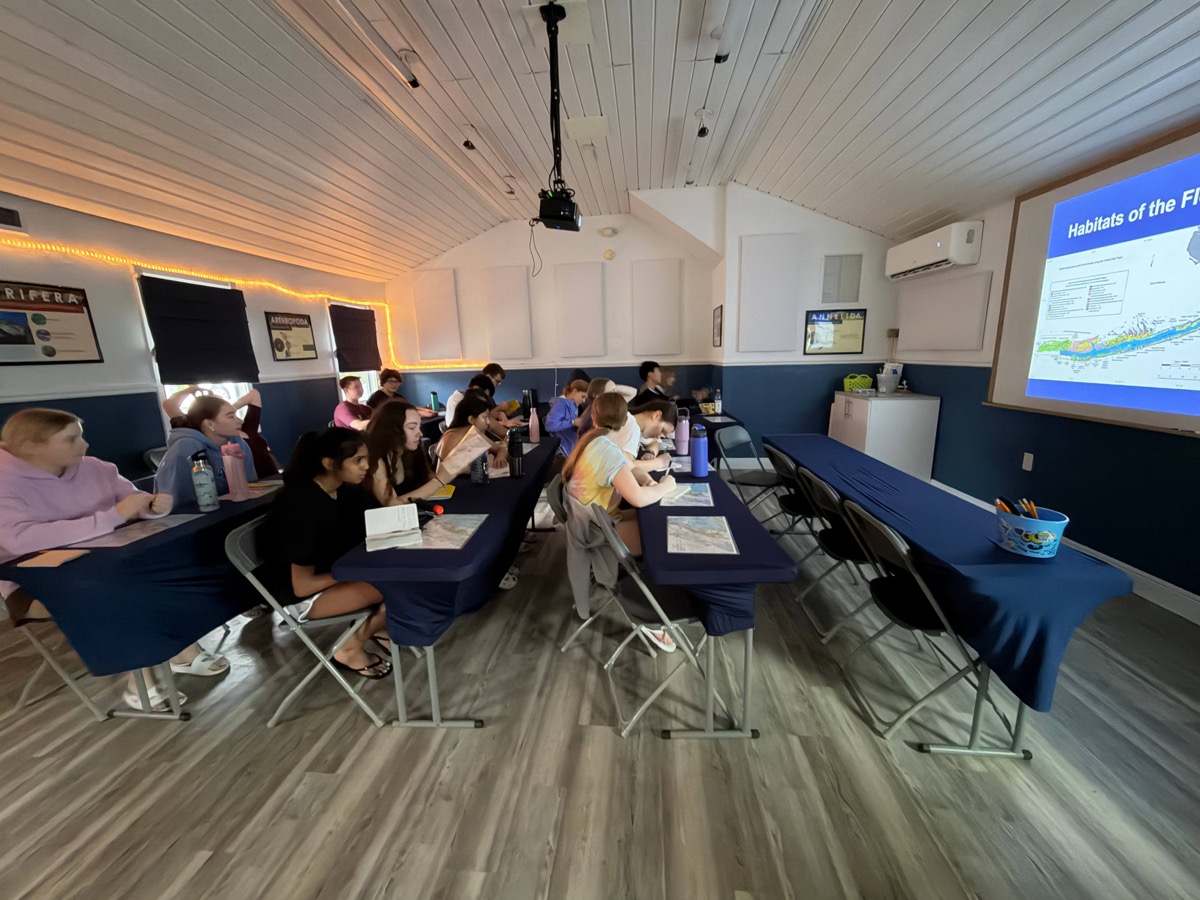
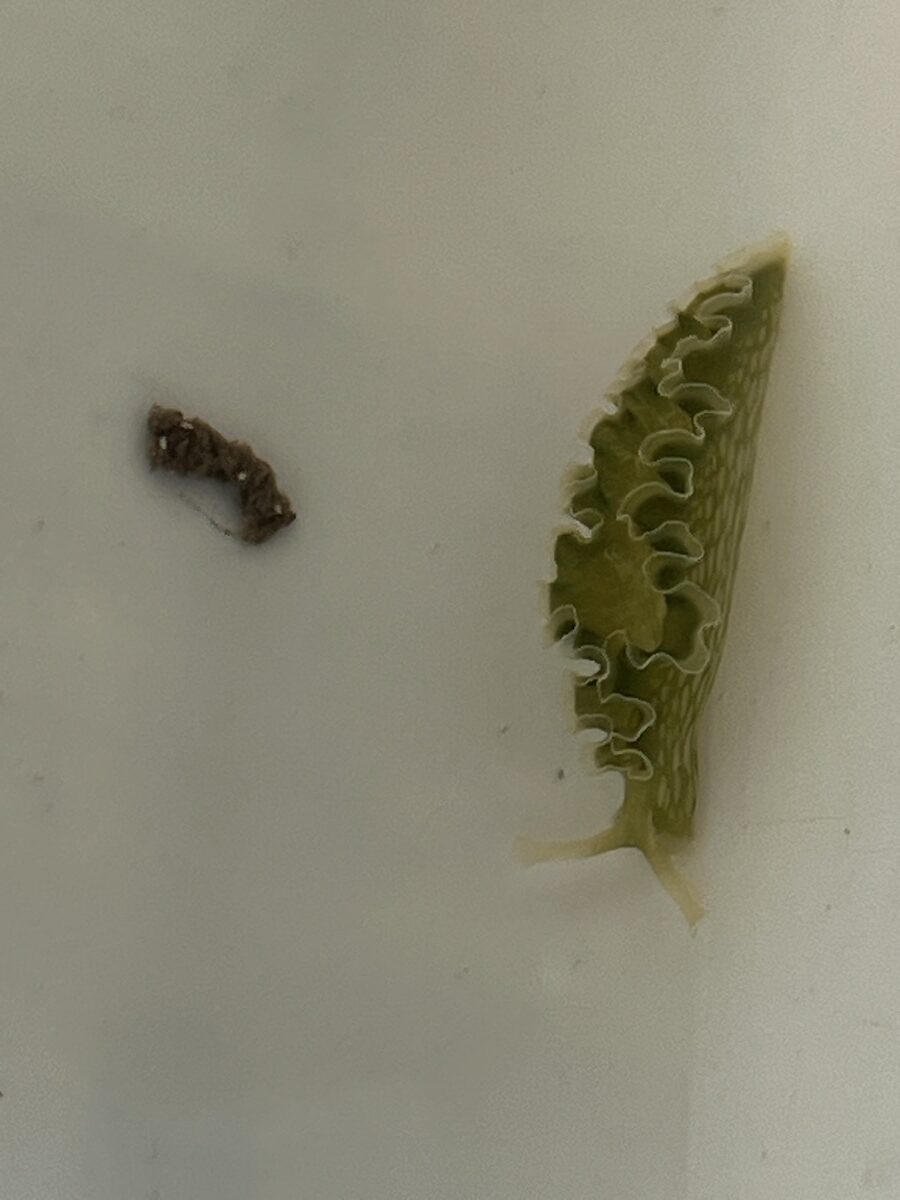
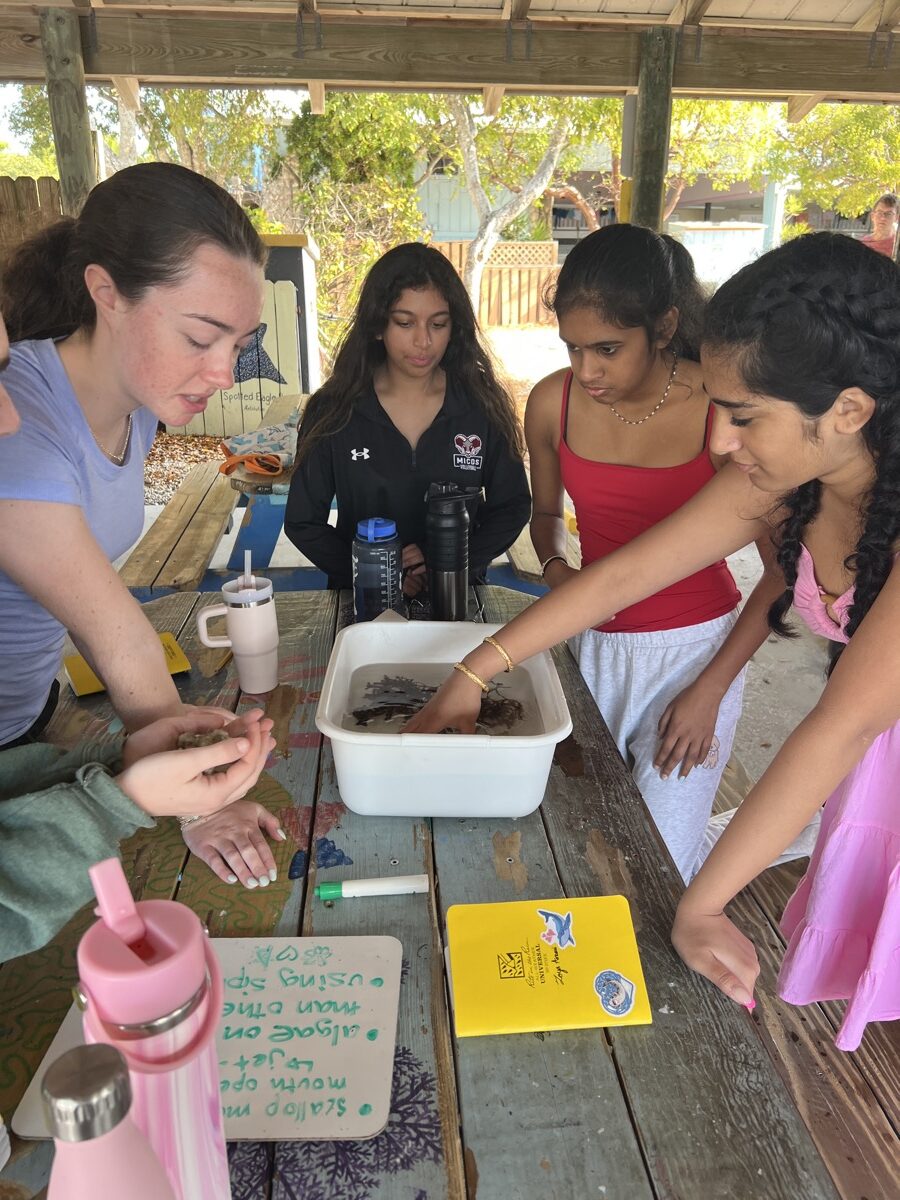
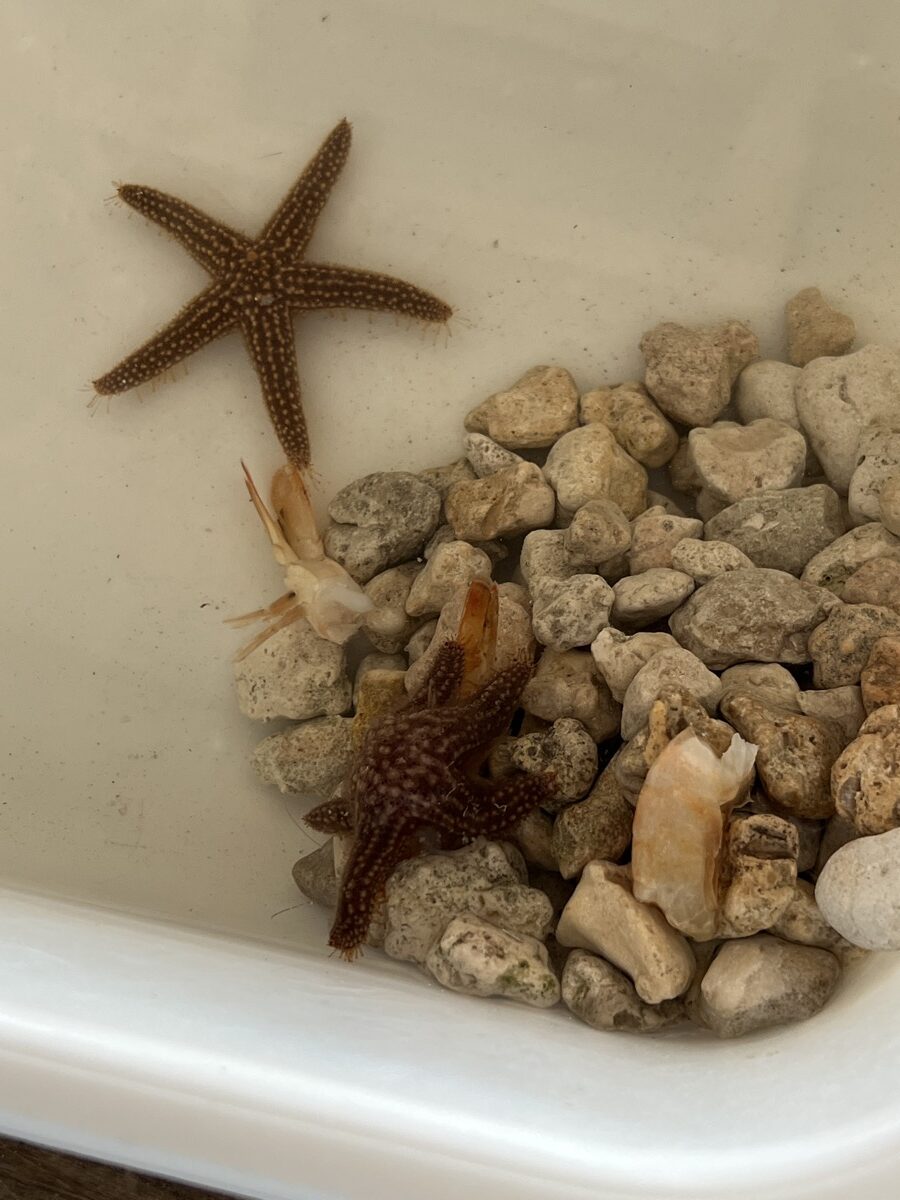
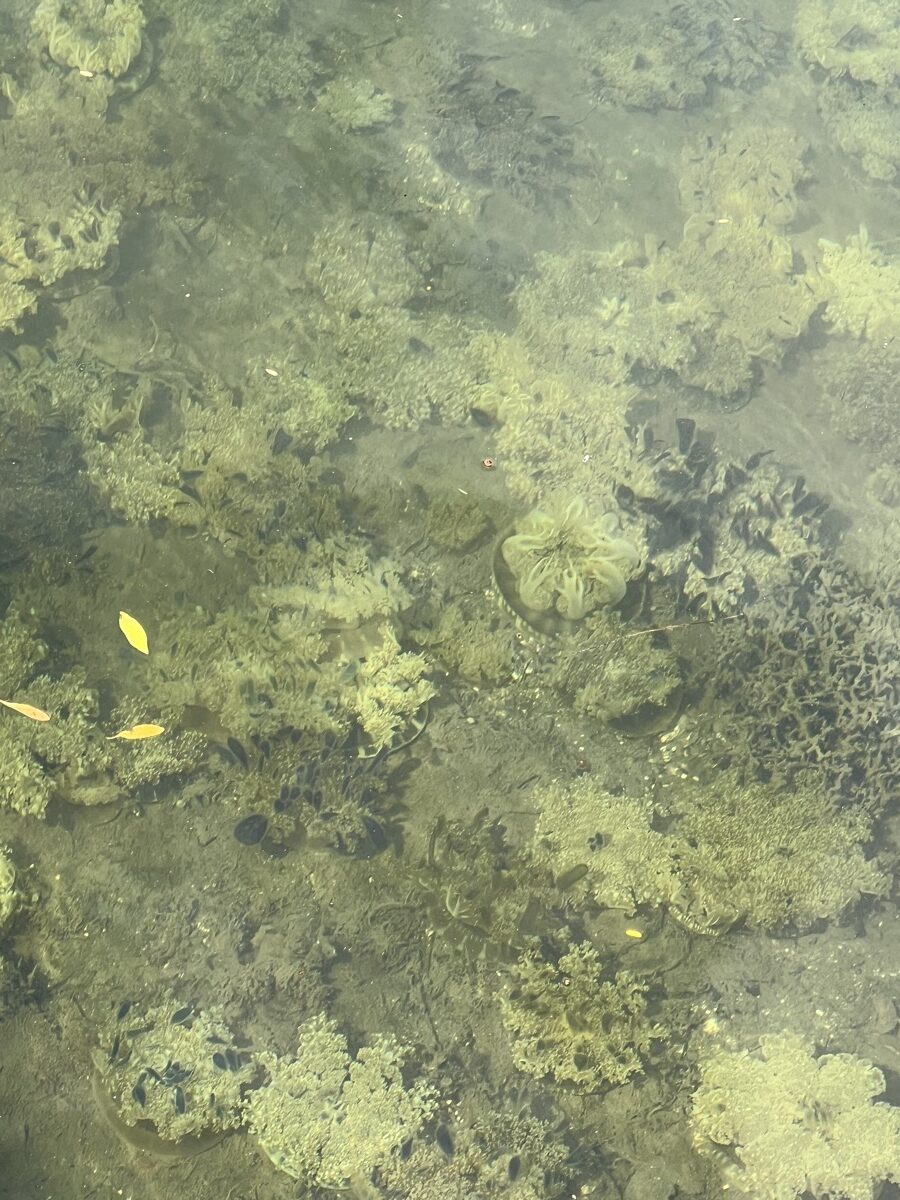
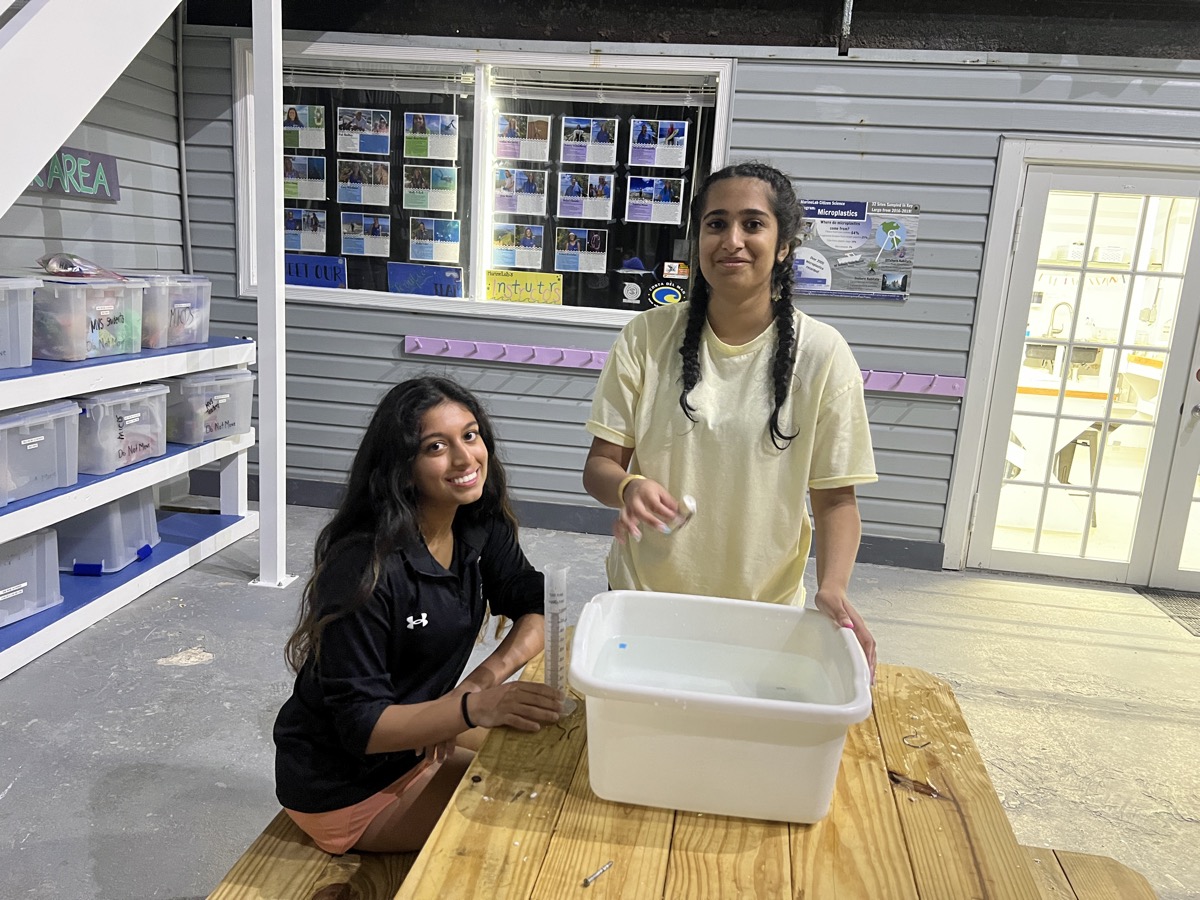
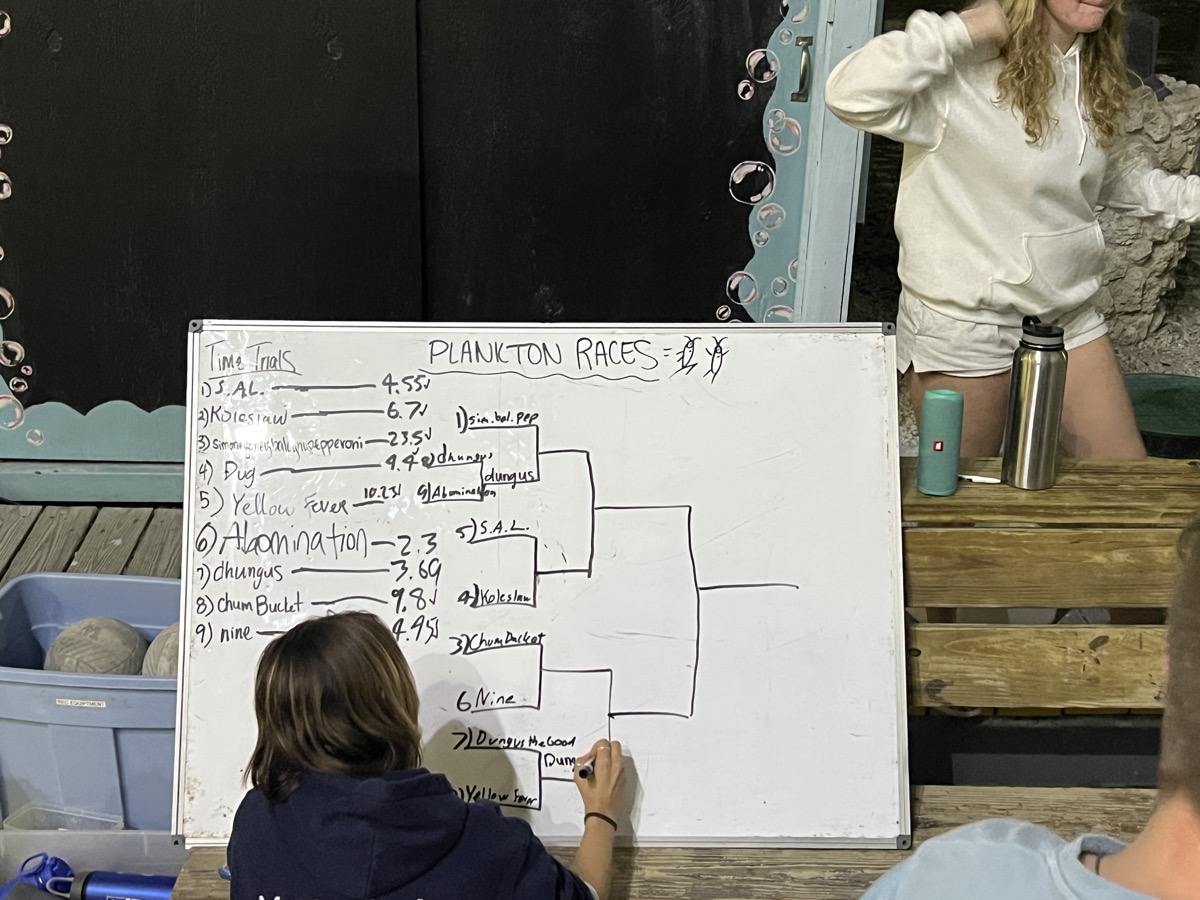
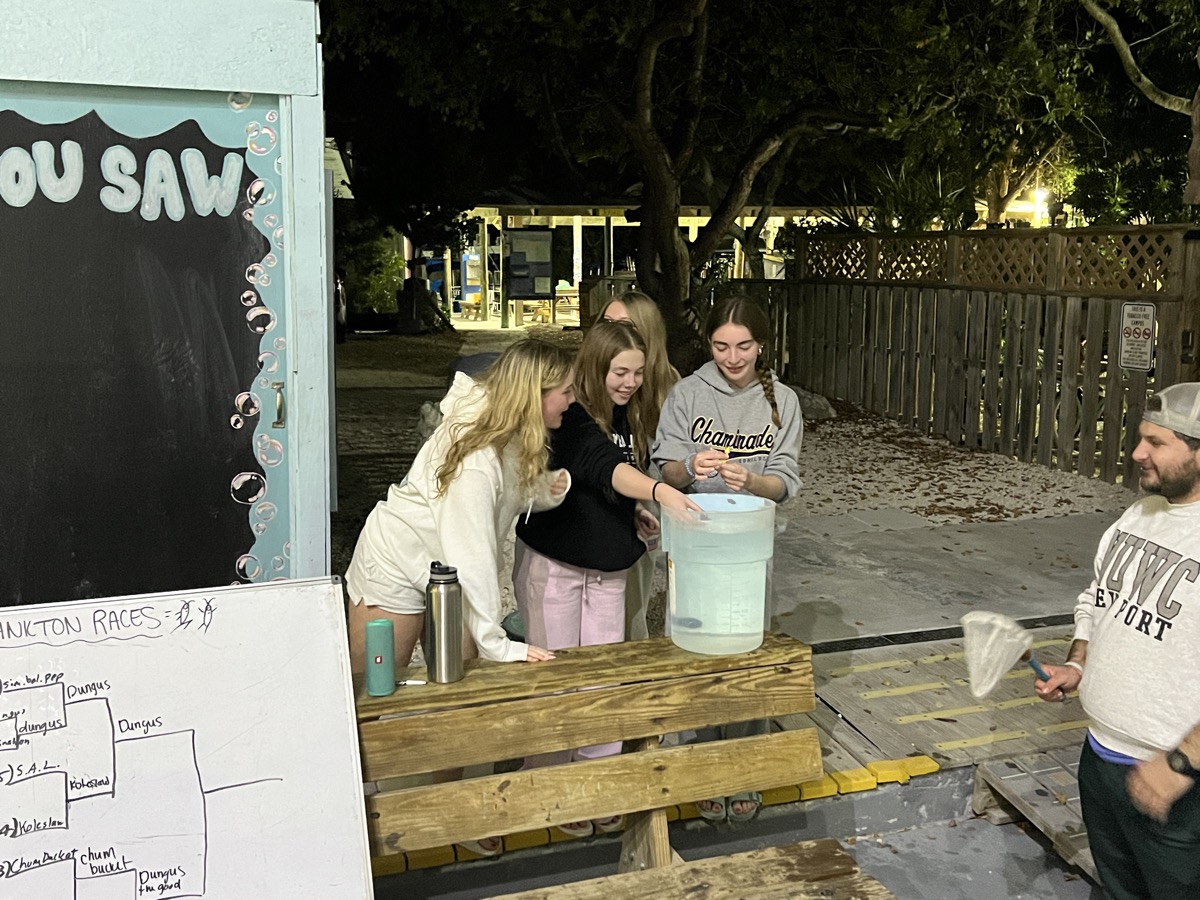
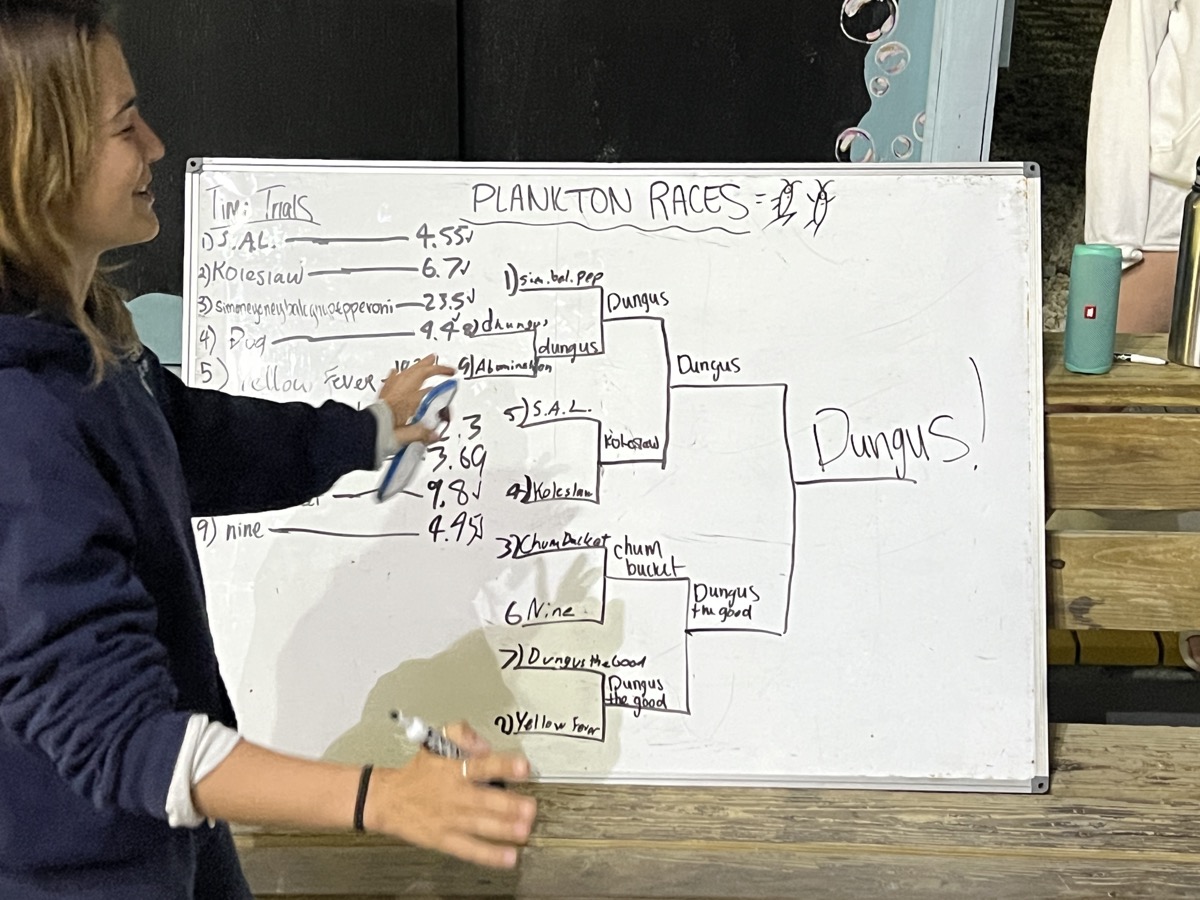
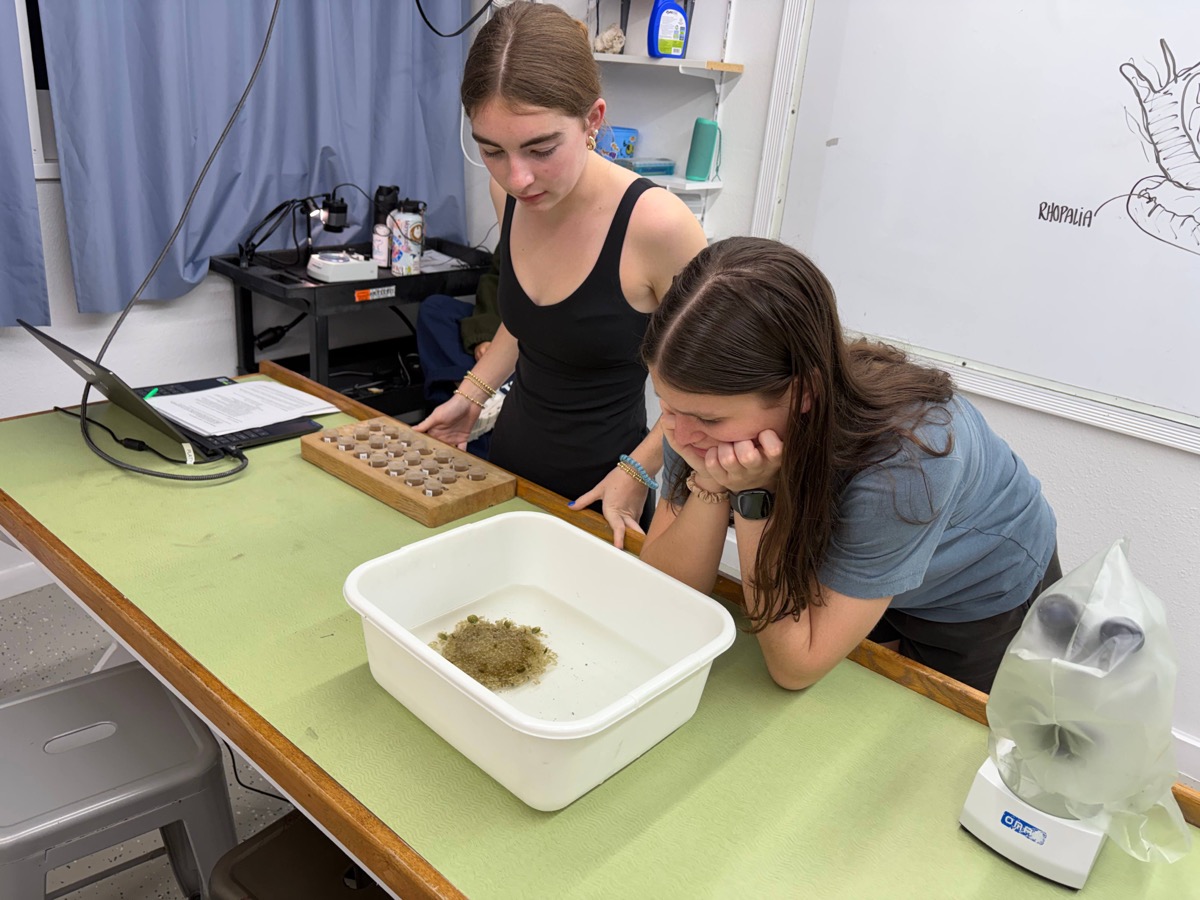
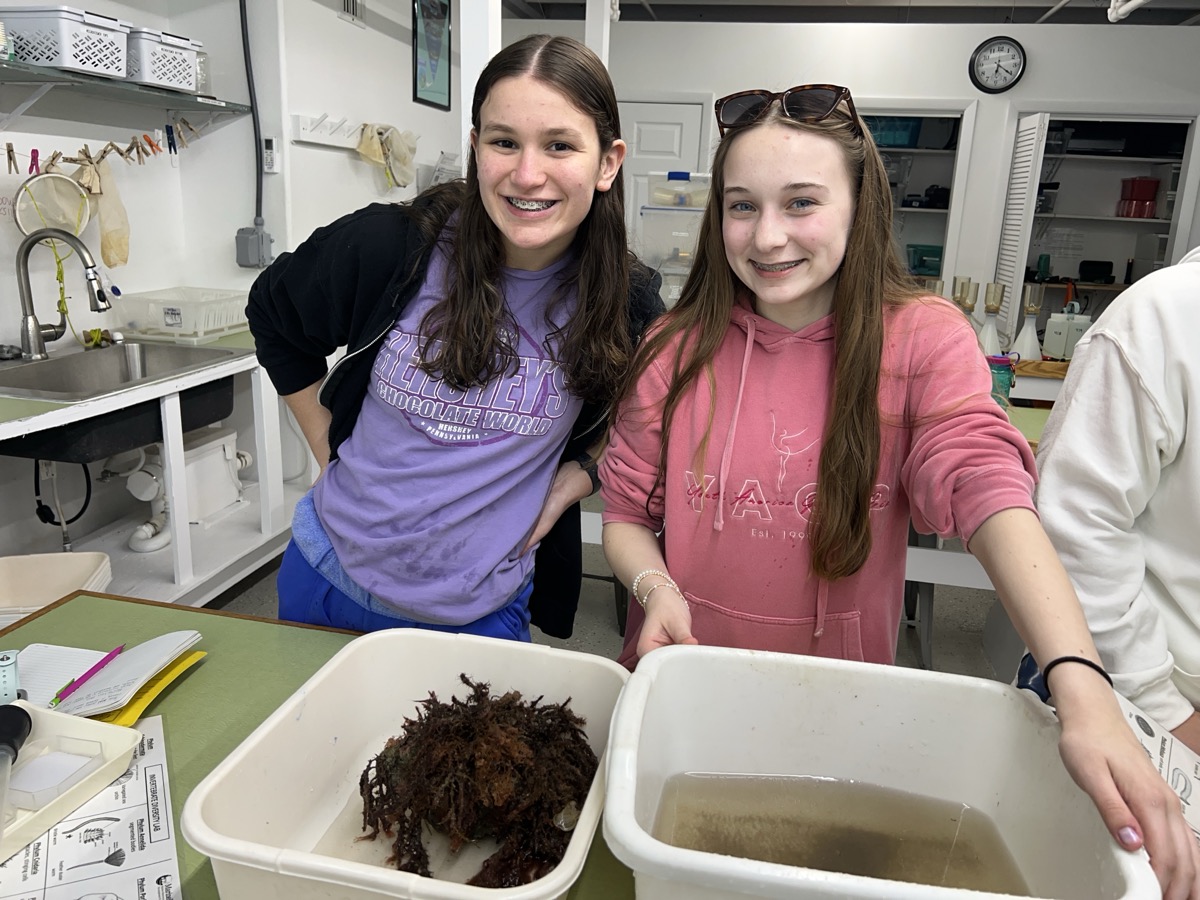
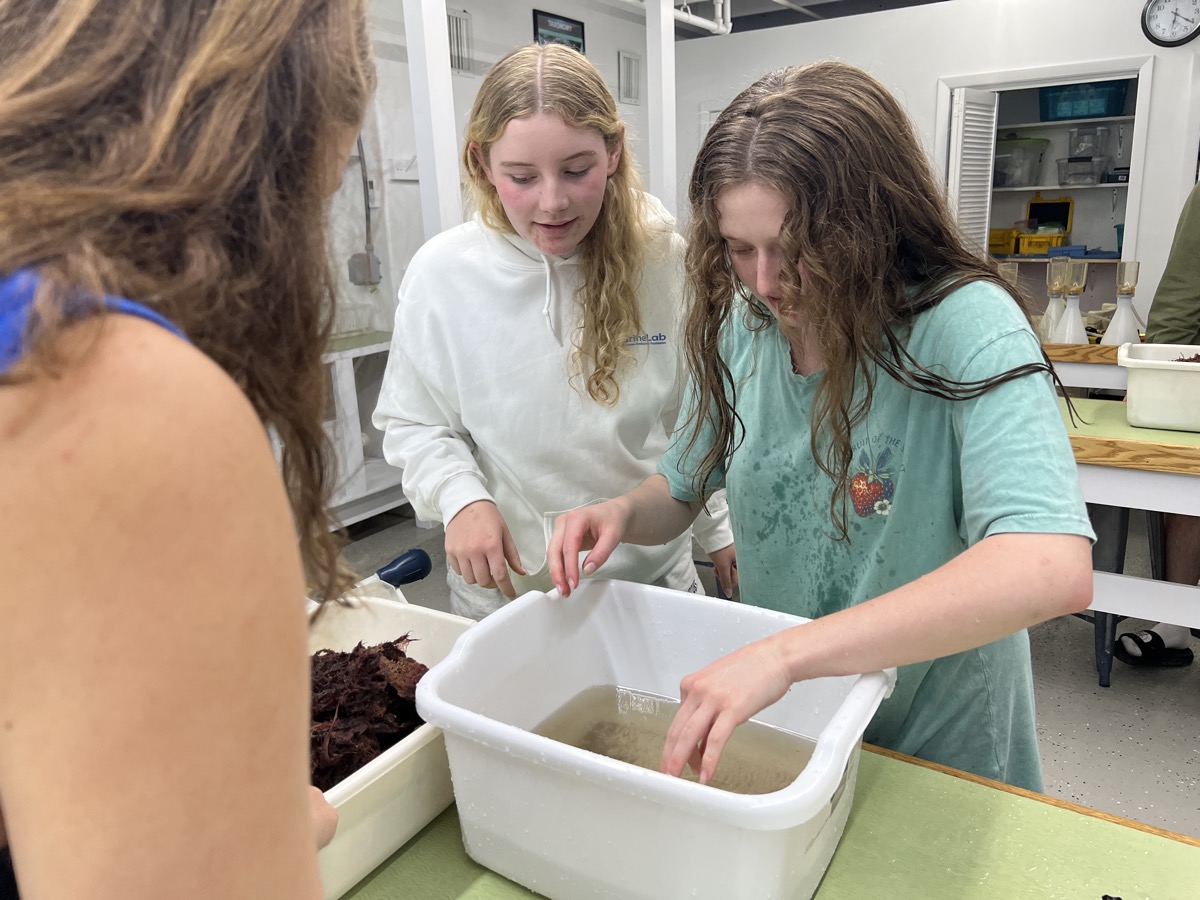
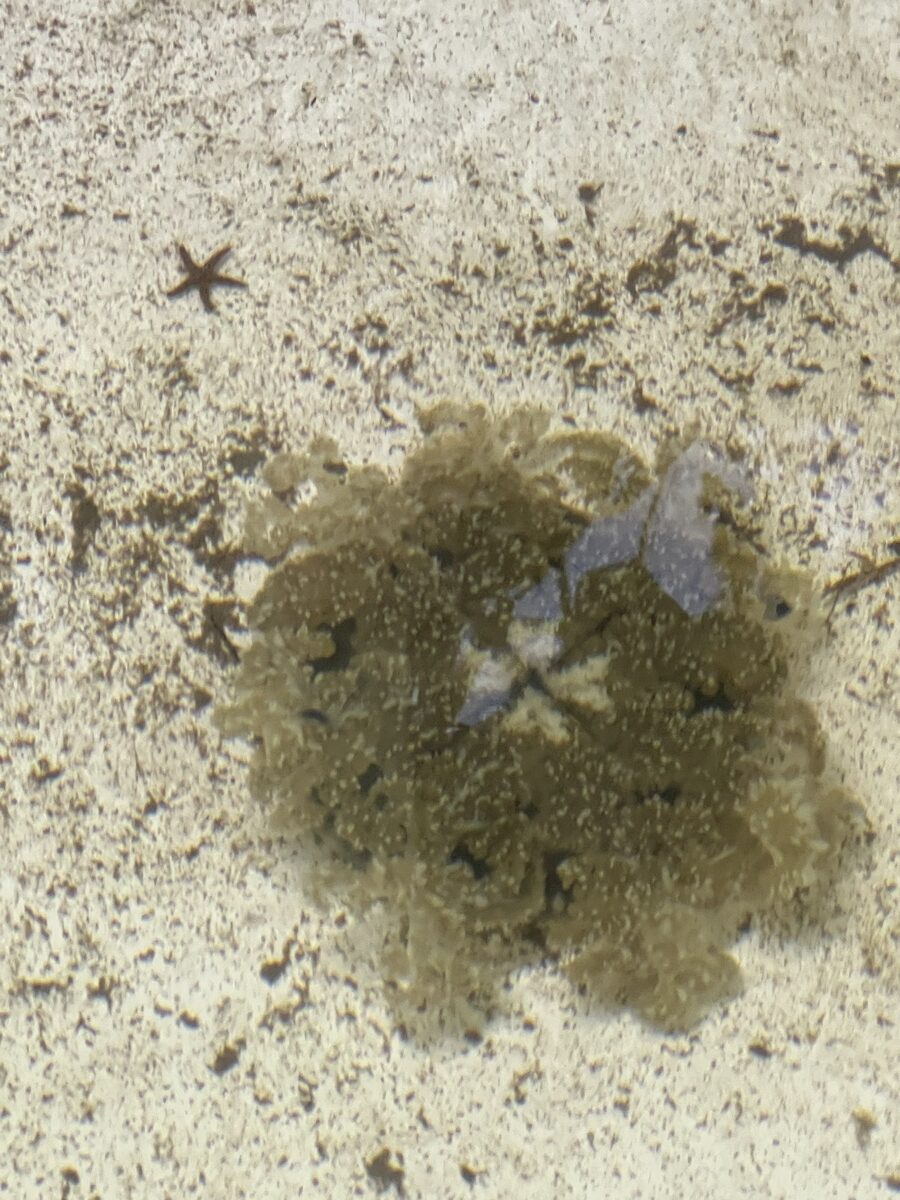
Some of the discussion topics throughout the trip included conversations around key habitats, seagrass ecology, coral reef ecology, and field identification of reef fish. They also enjoyed several labs: Cassiopeia Culturing, Invertebrate Diversity, Microplastics, Sponge Spicule, Invertebrate Behavior, and Zooplankton Identification. They even had plankton races!
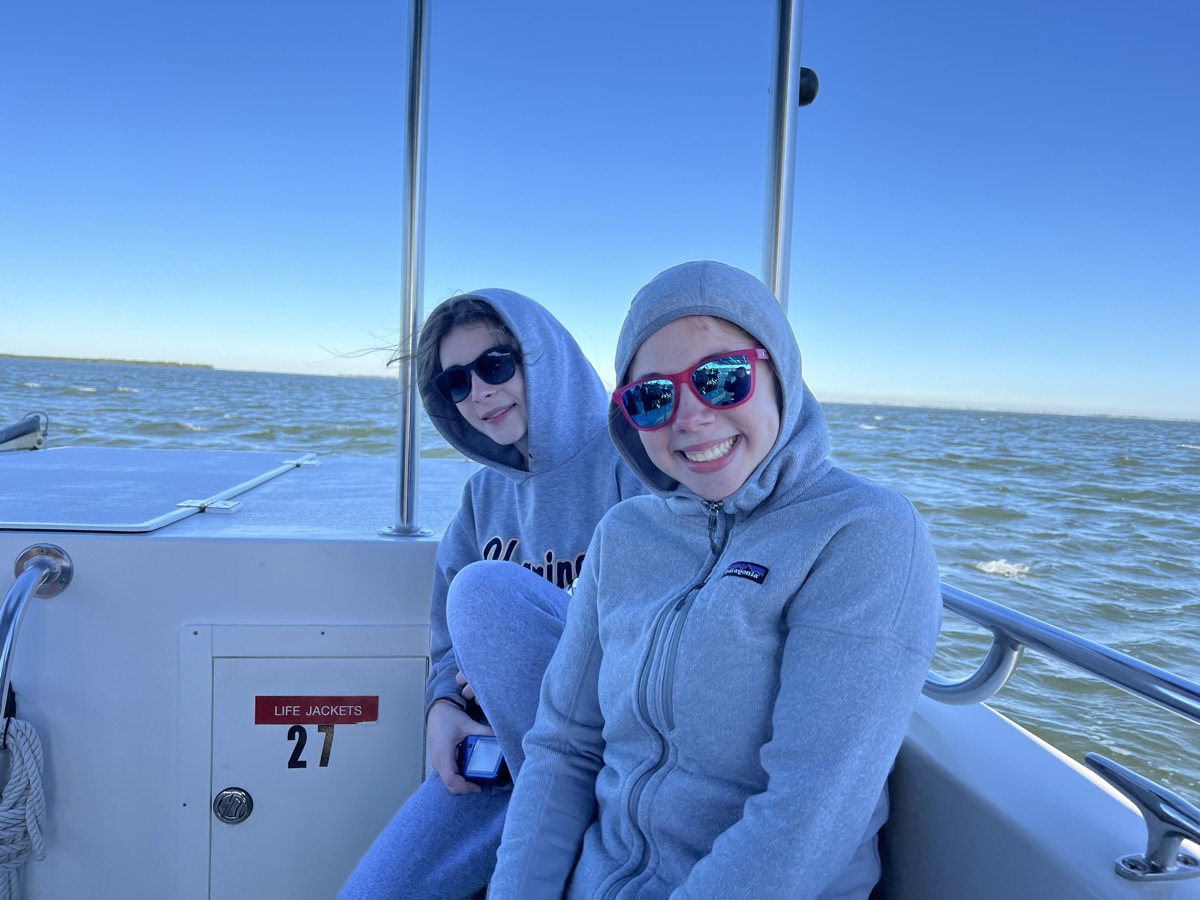
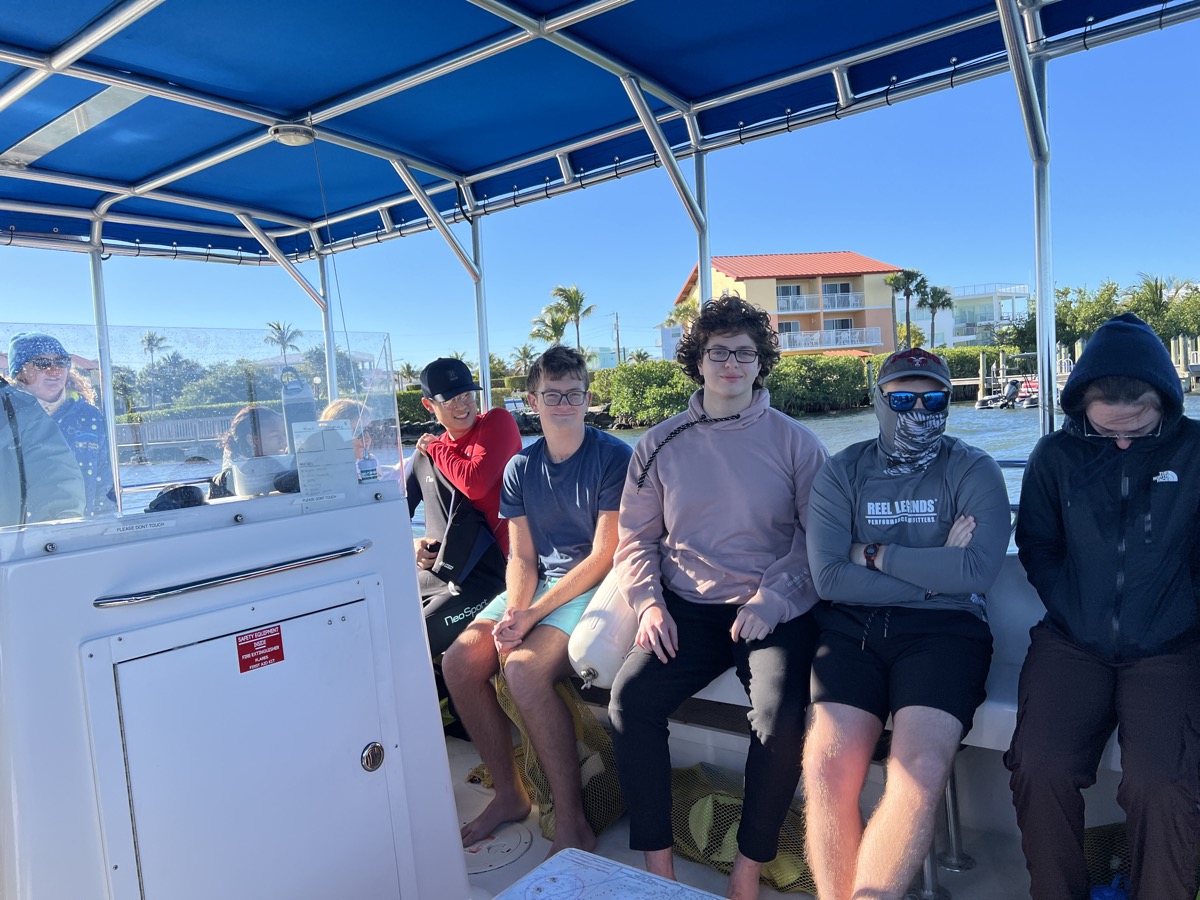
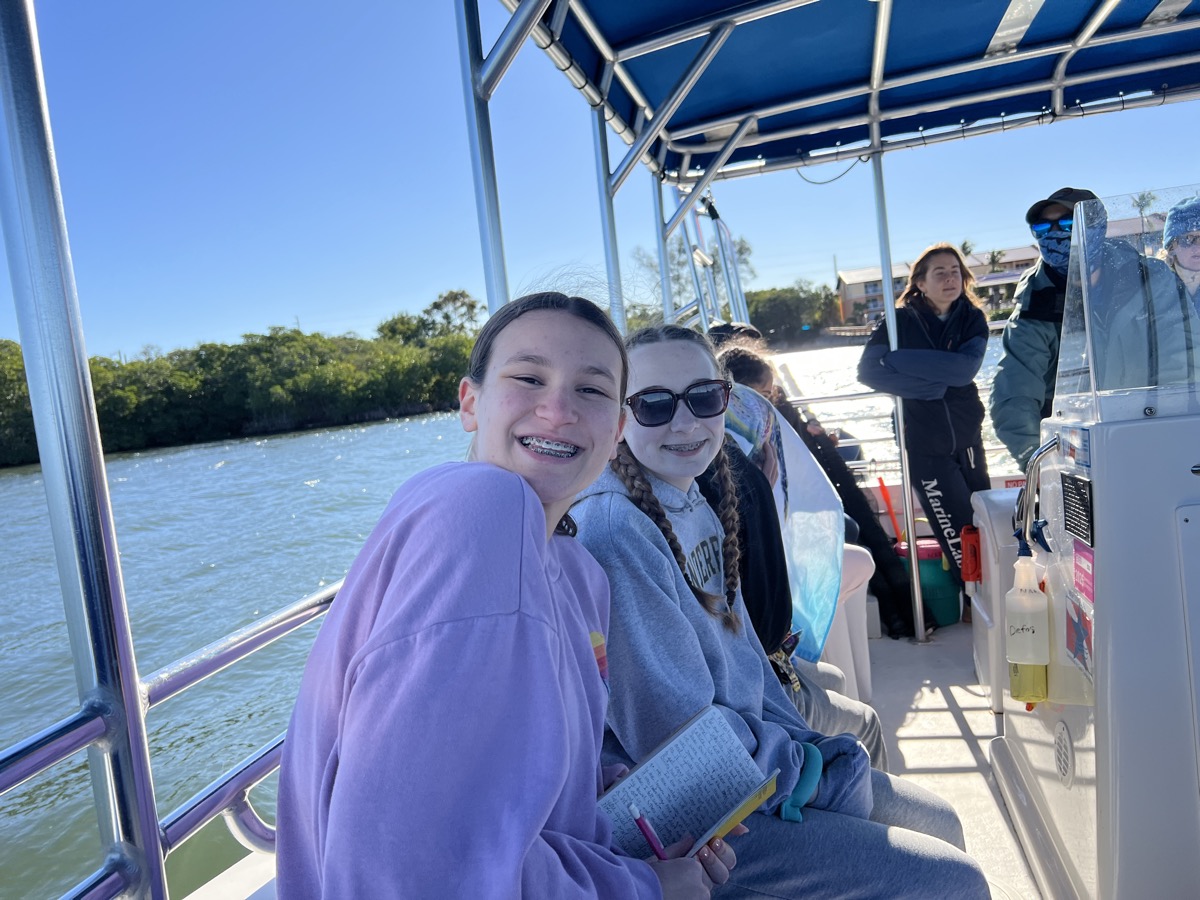
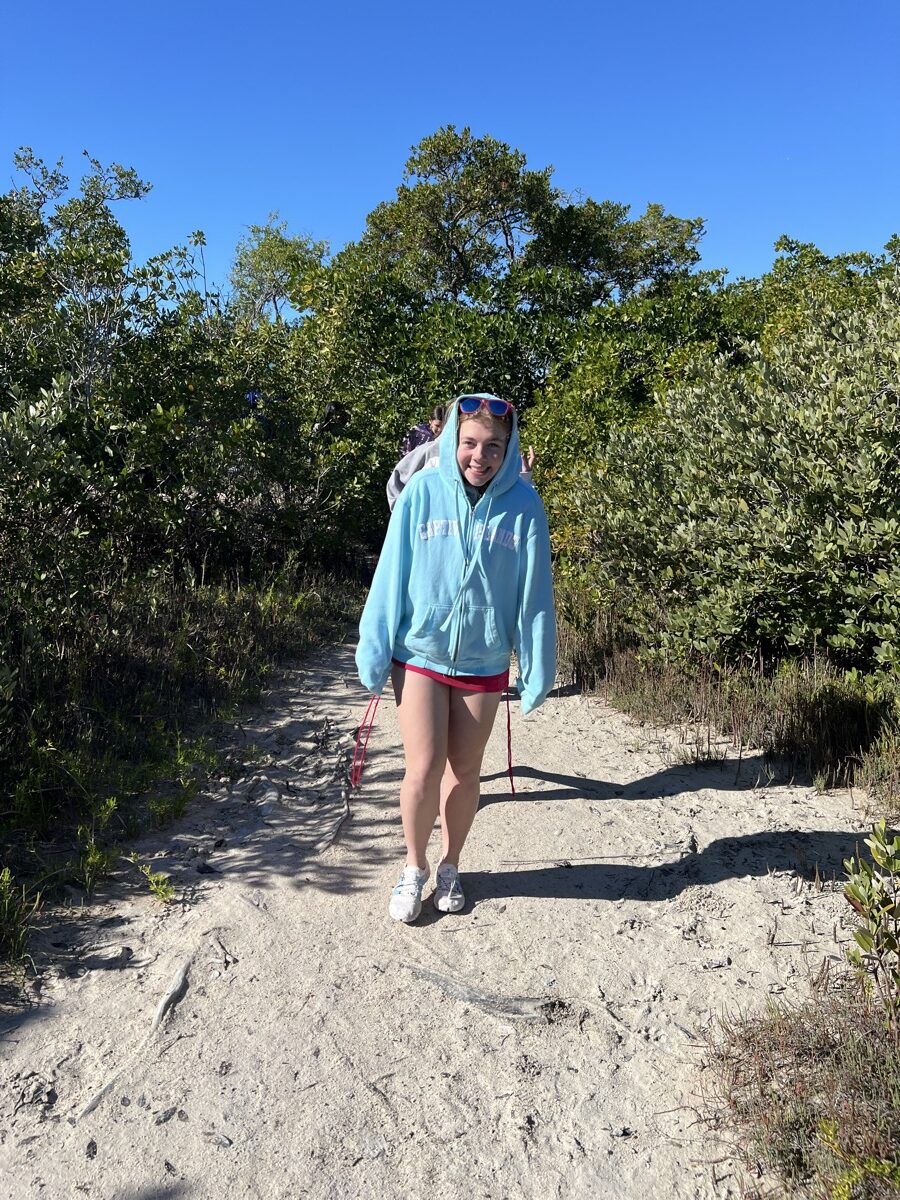
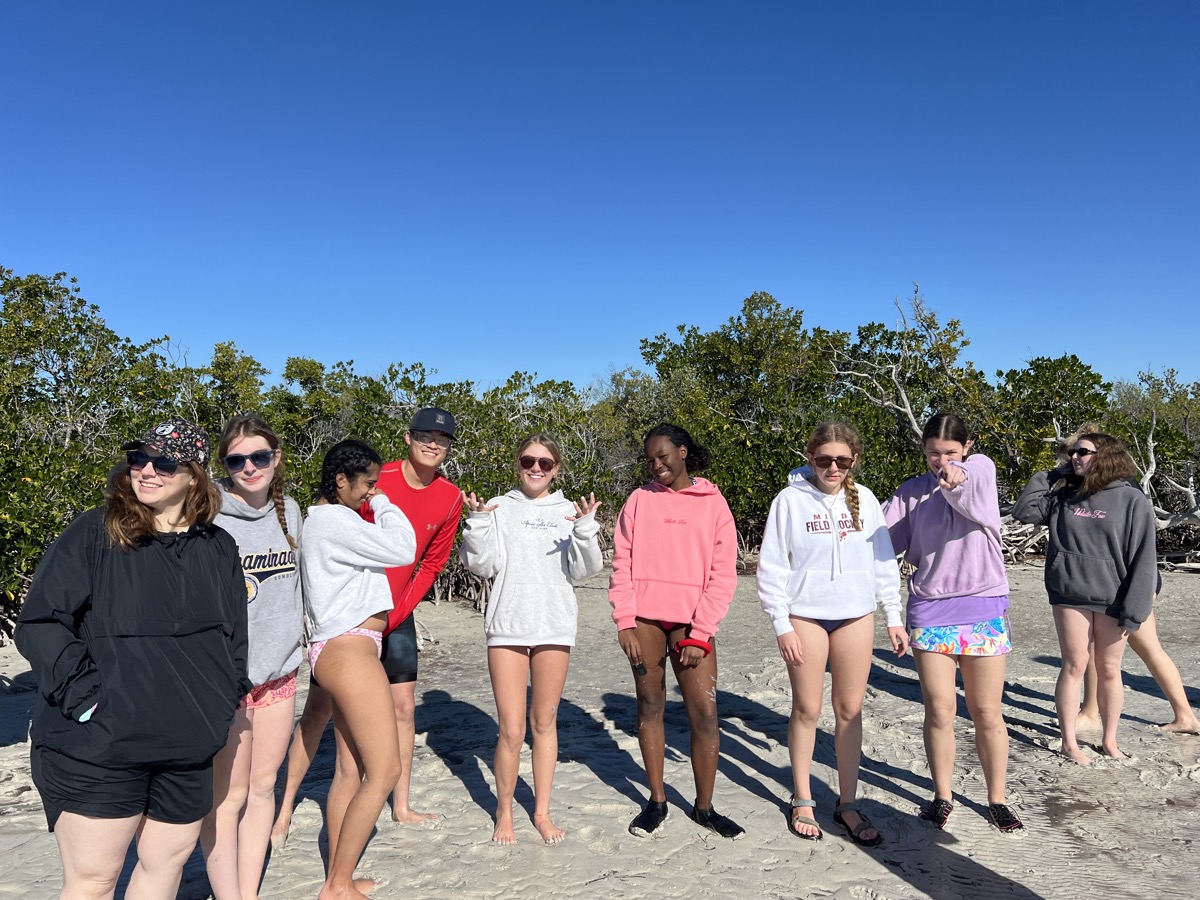
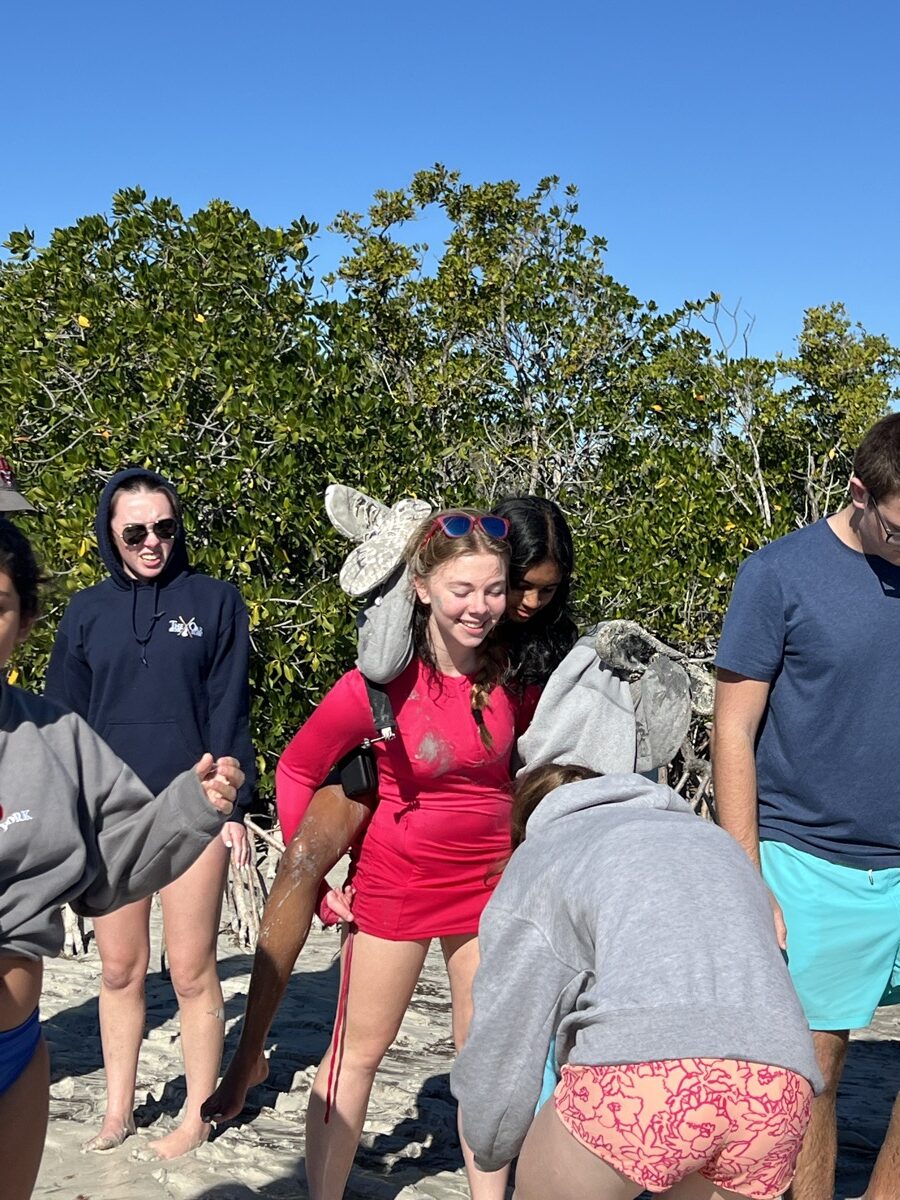
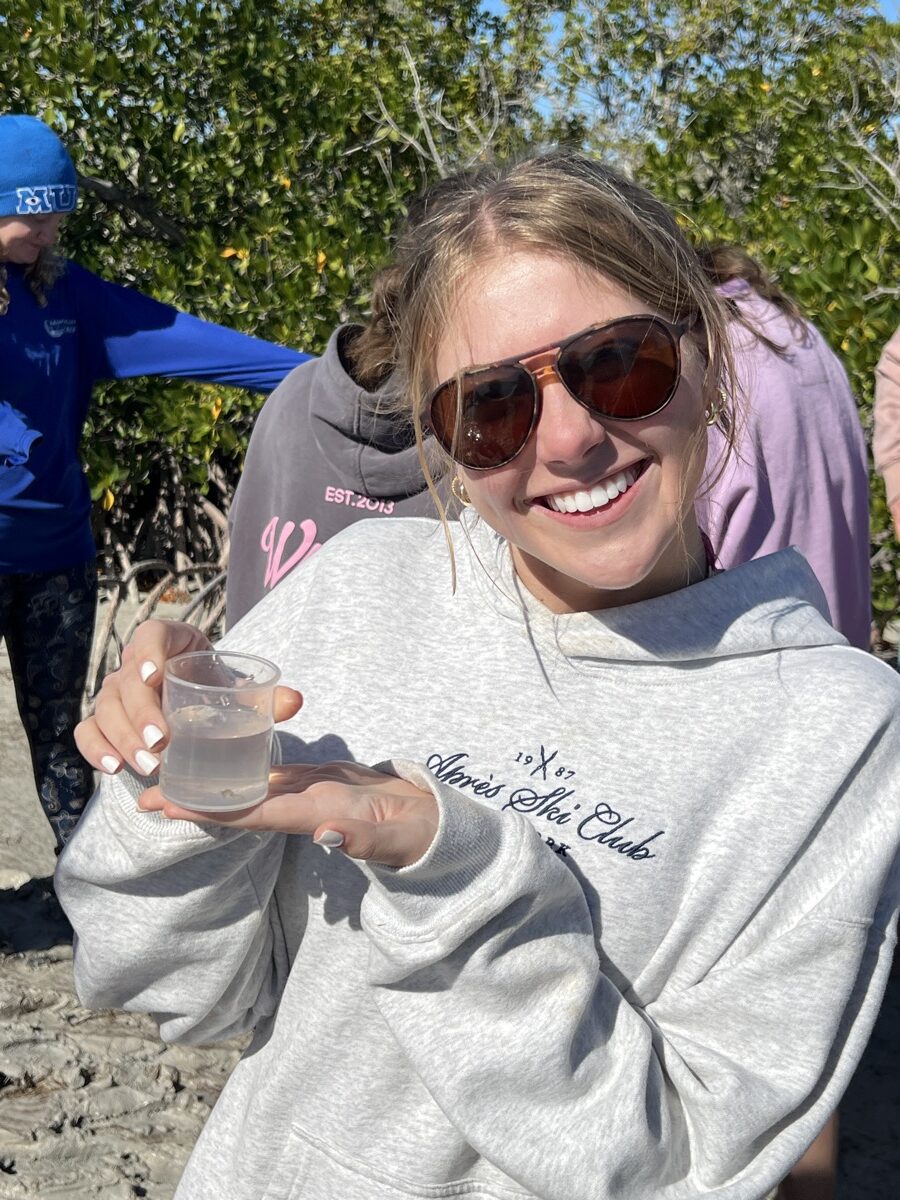
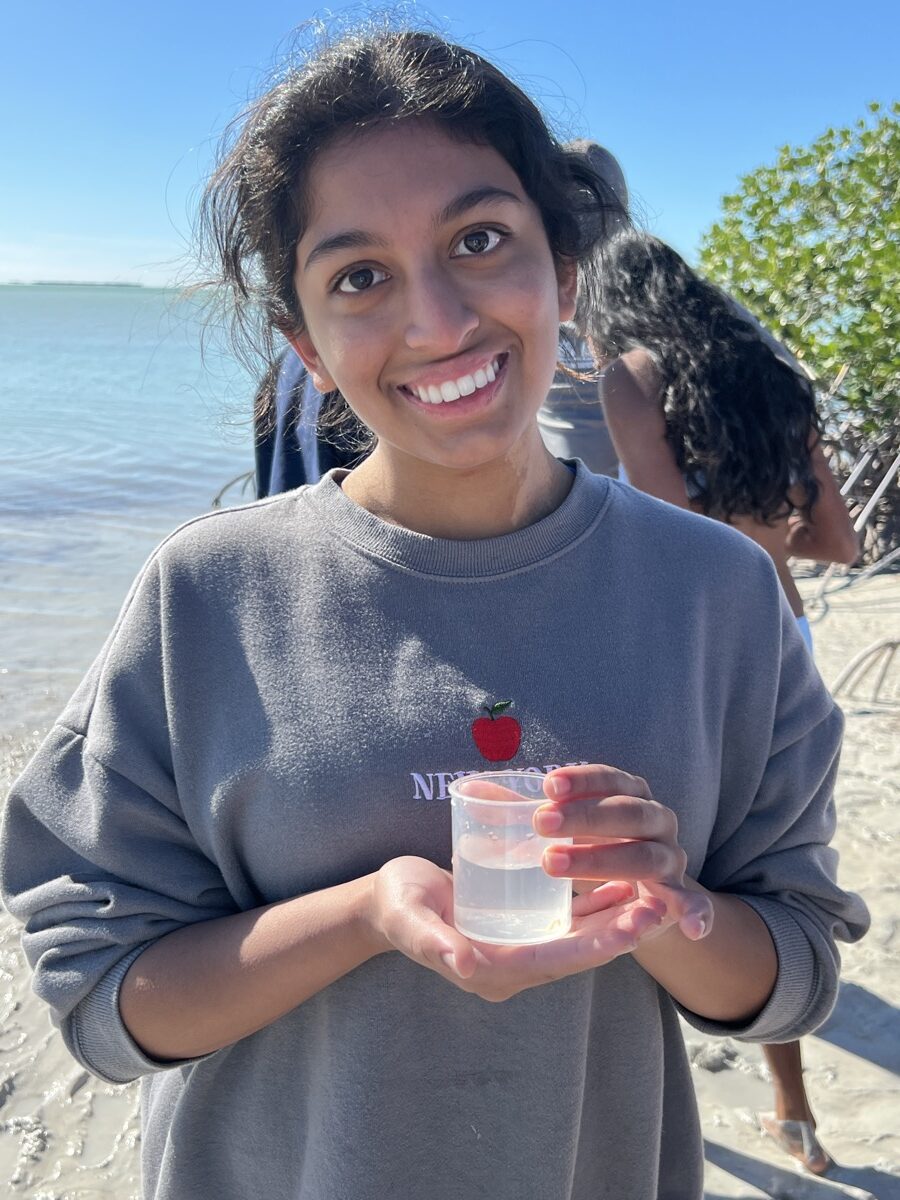
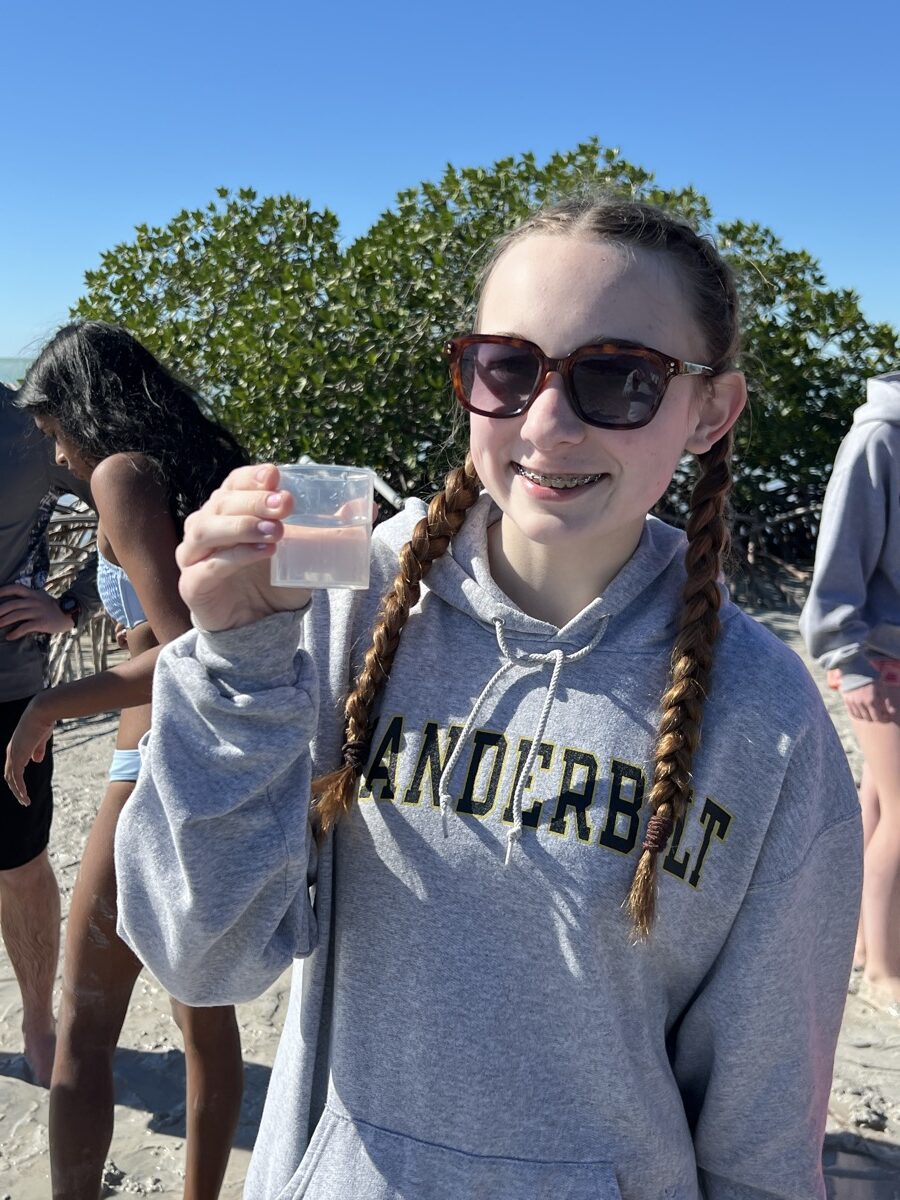
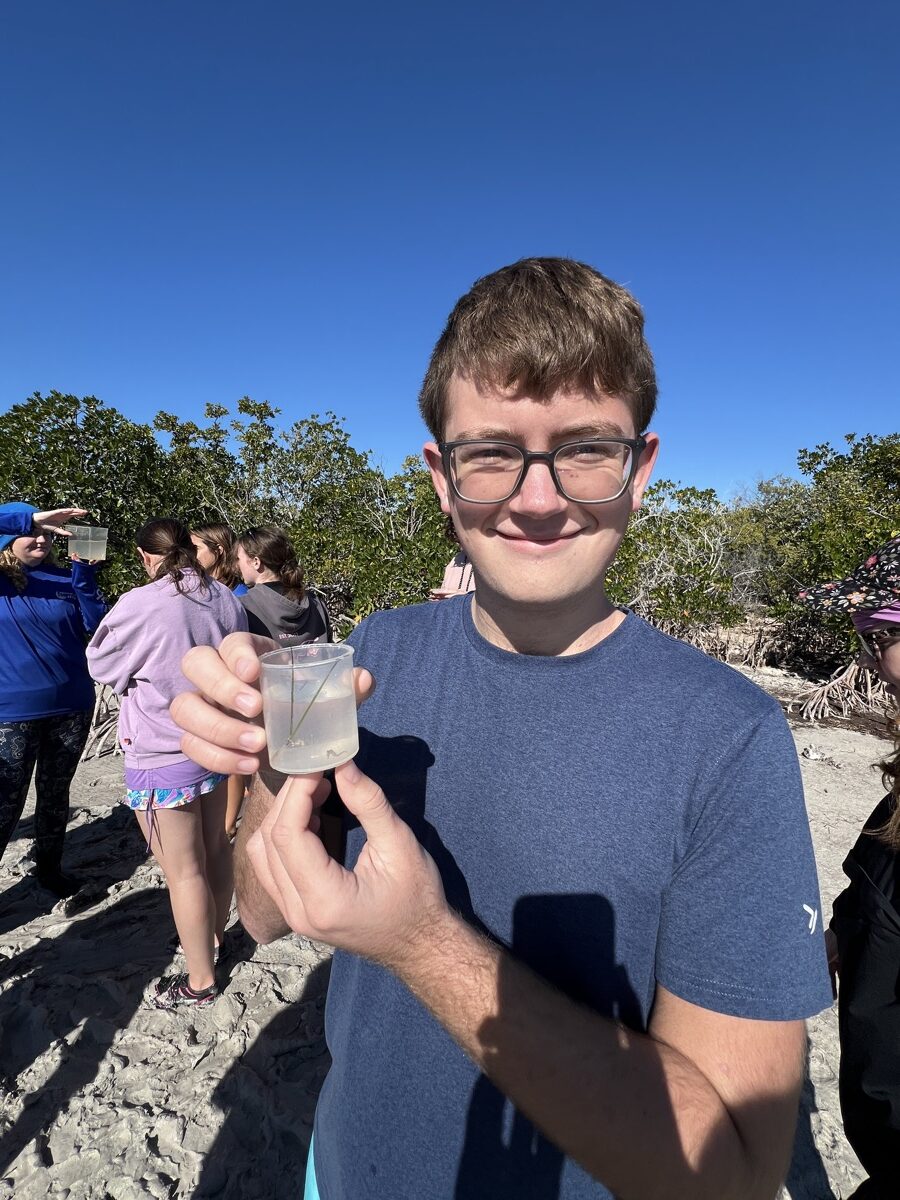
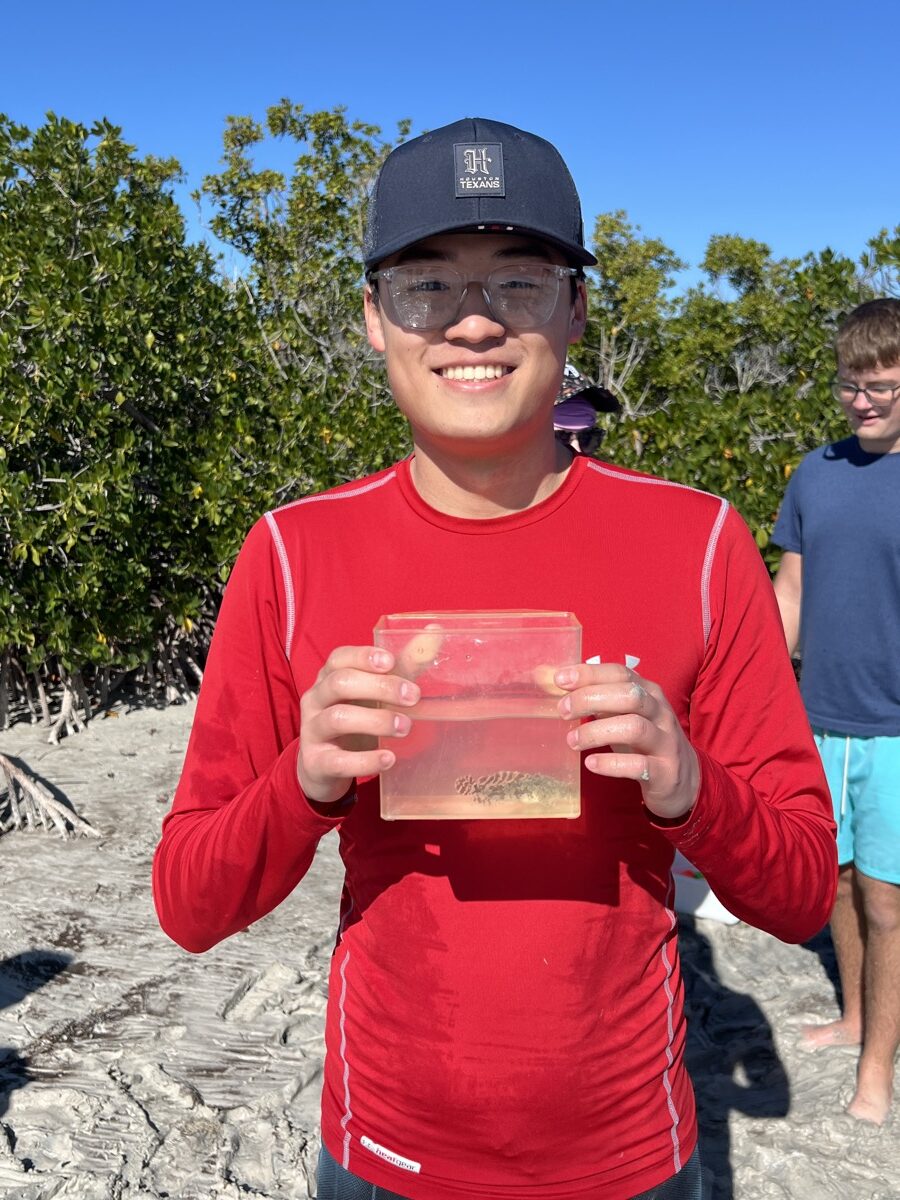
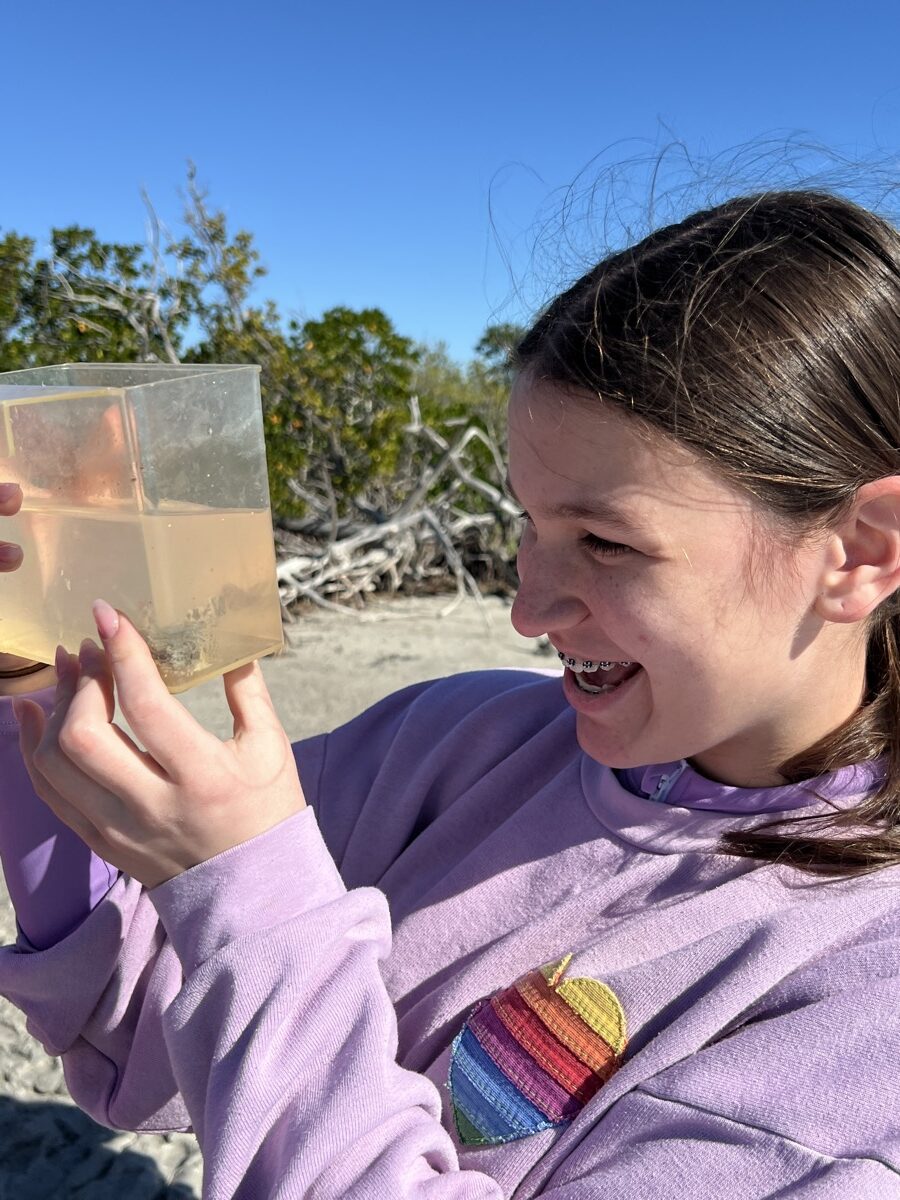
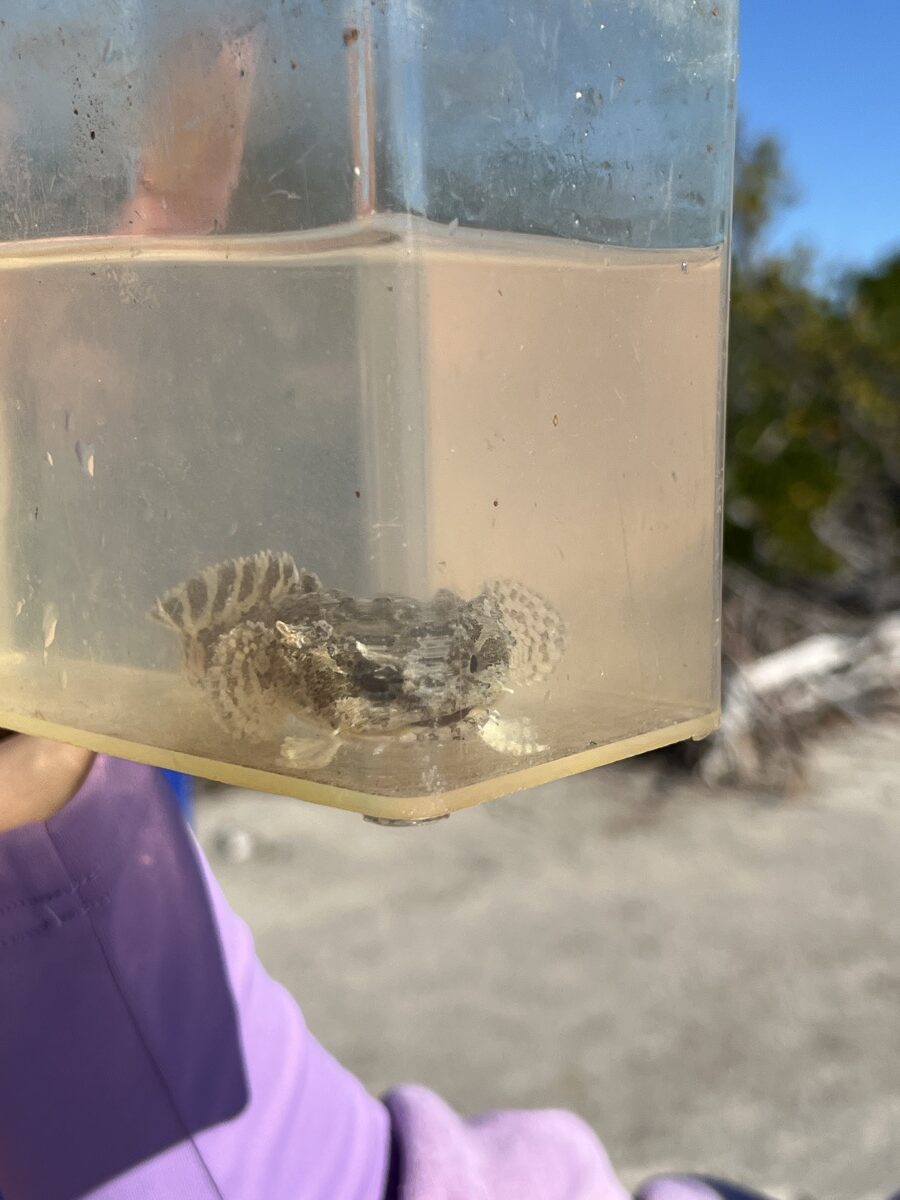
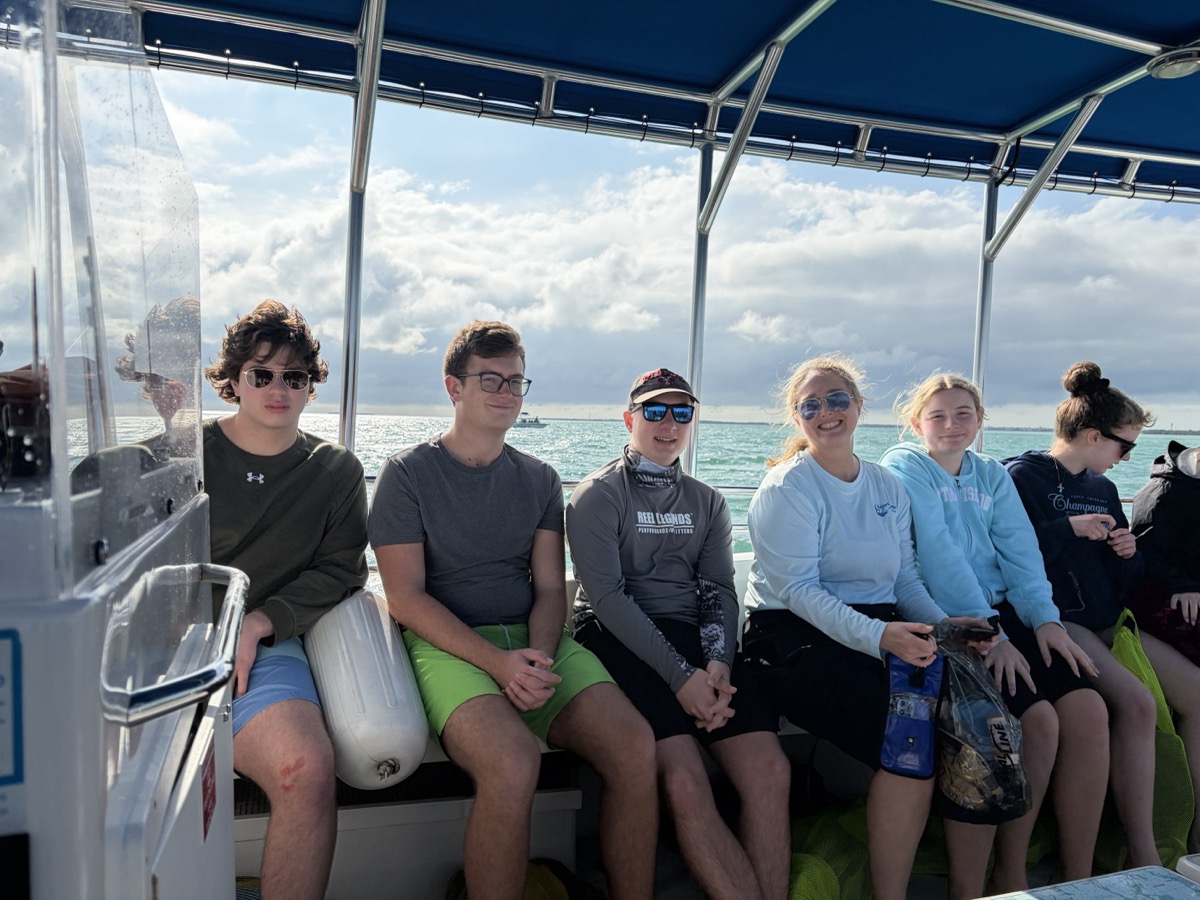
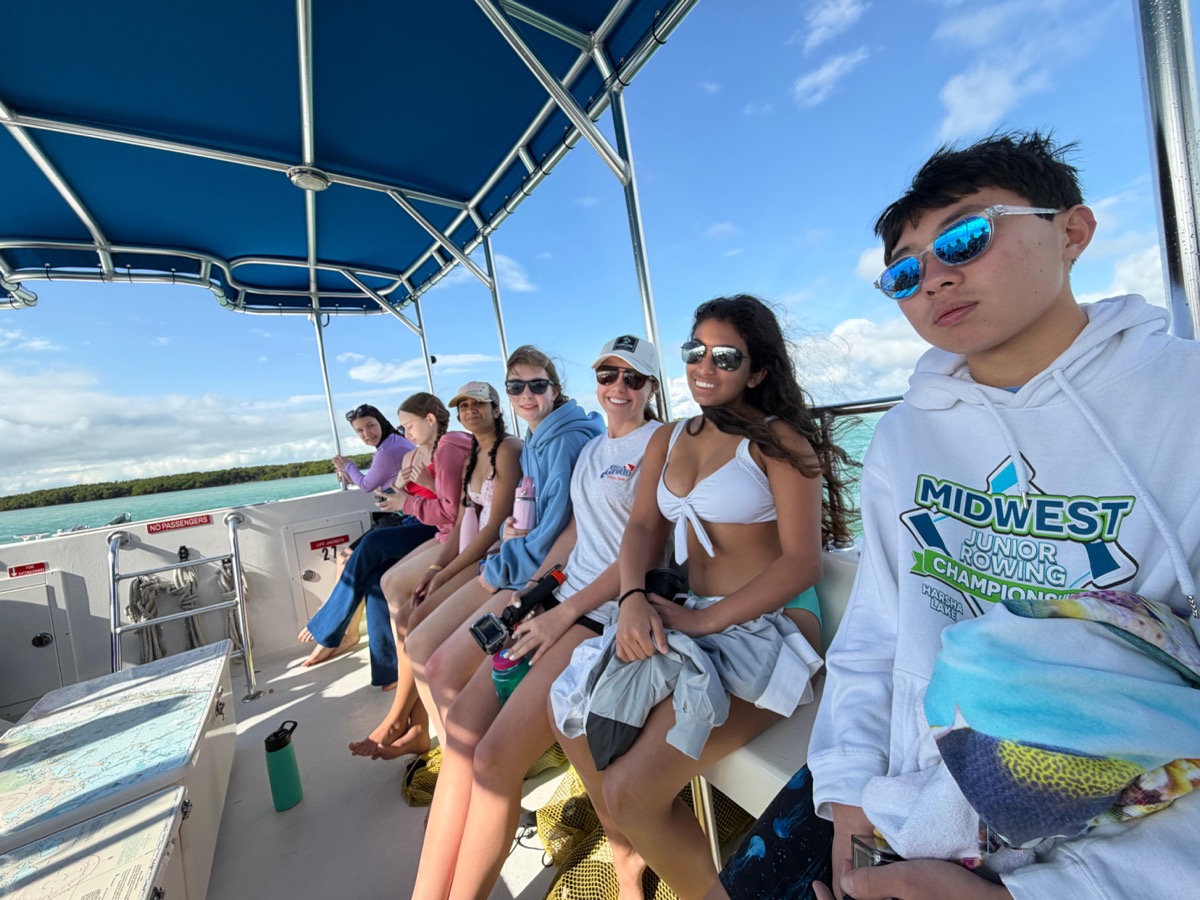
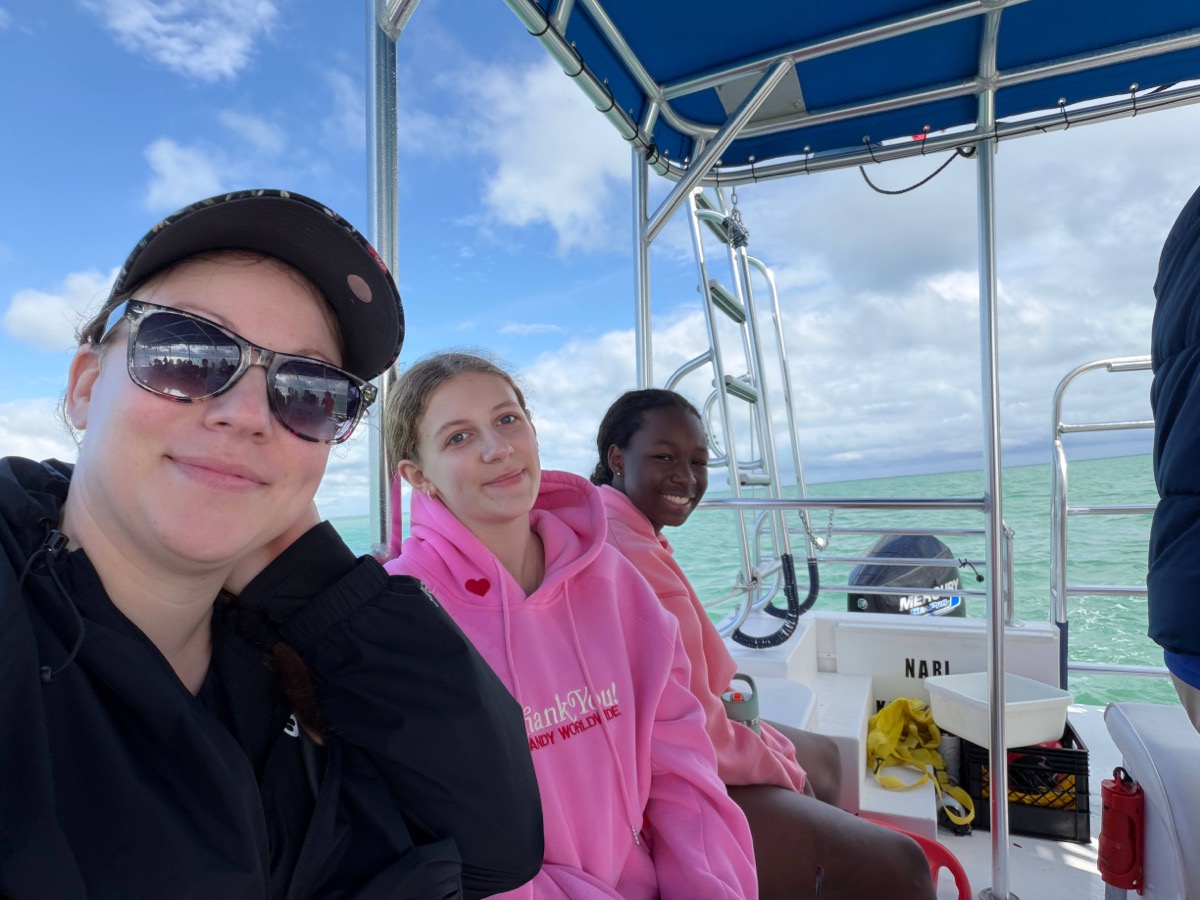
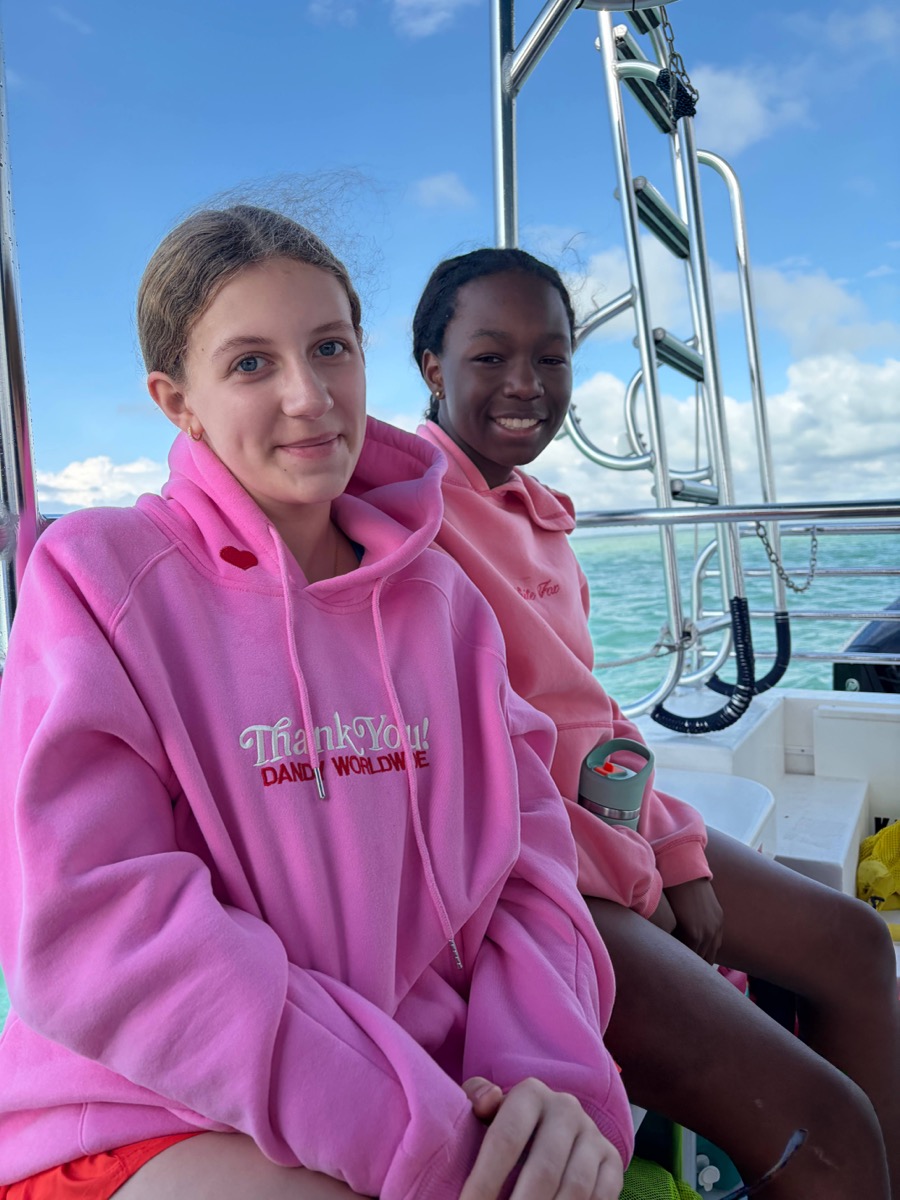
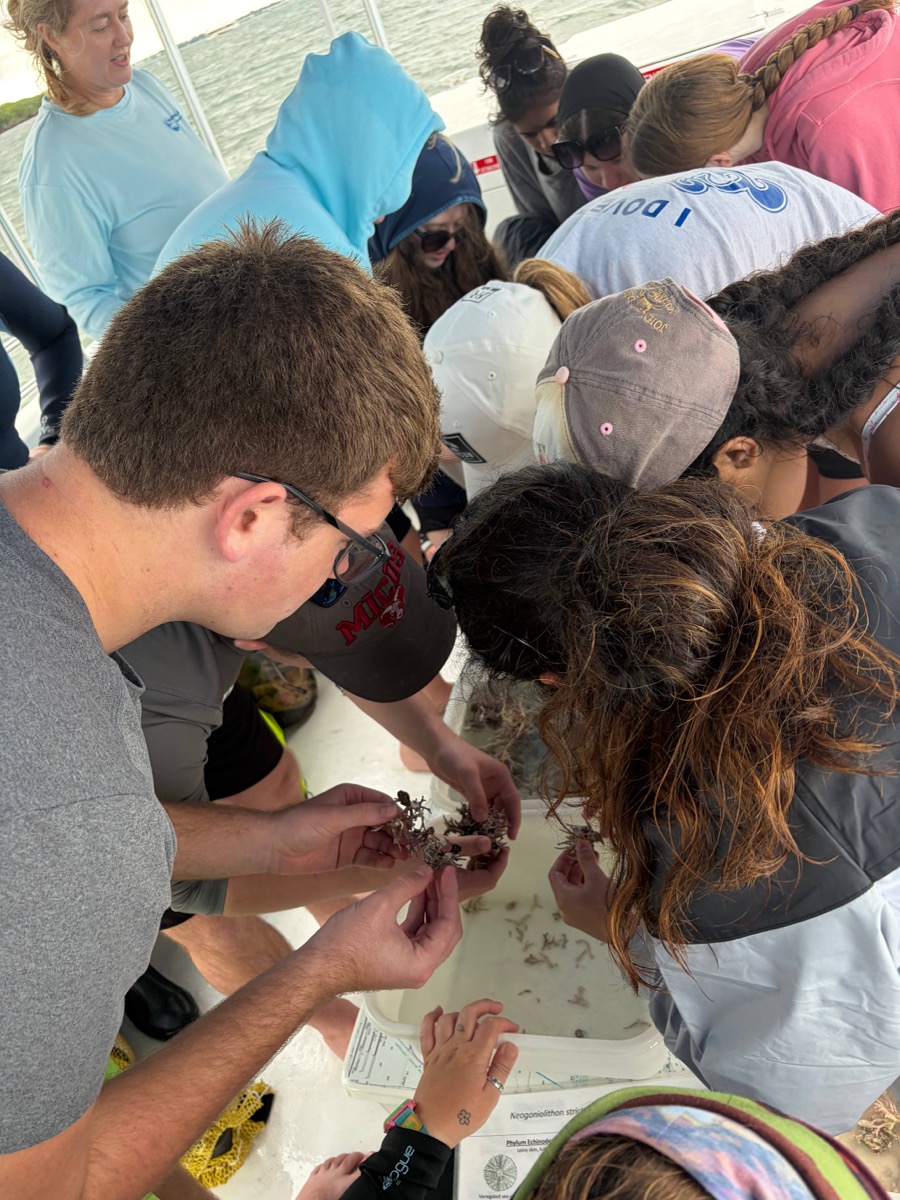
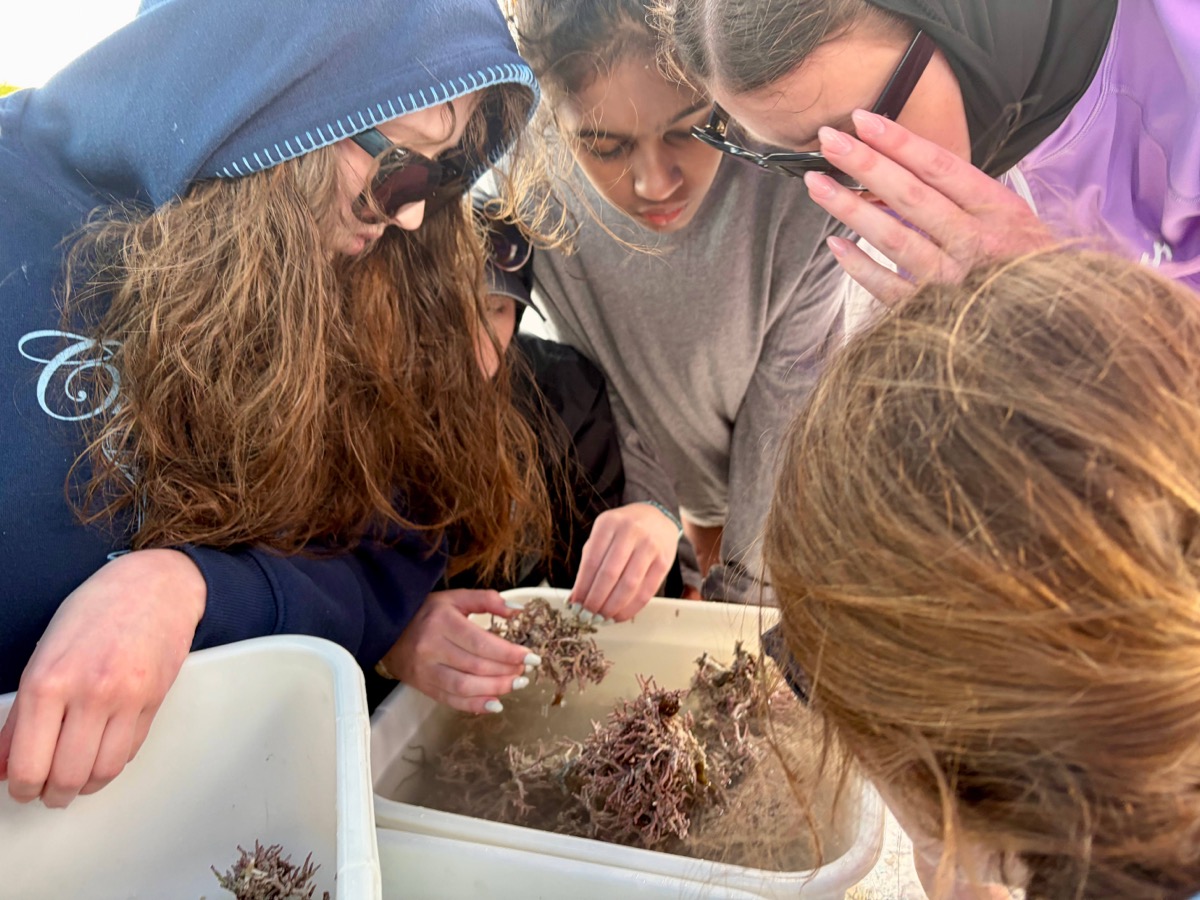
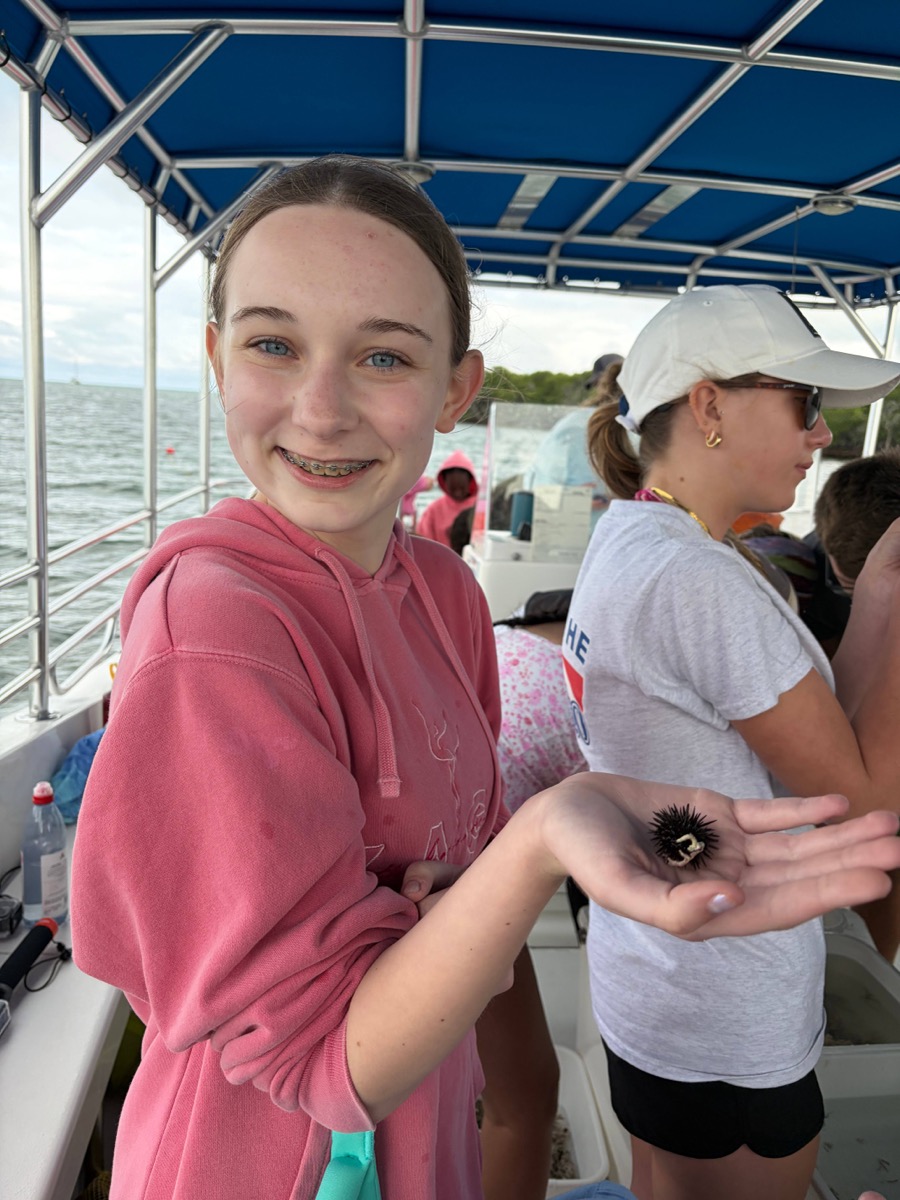
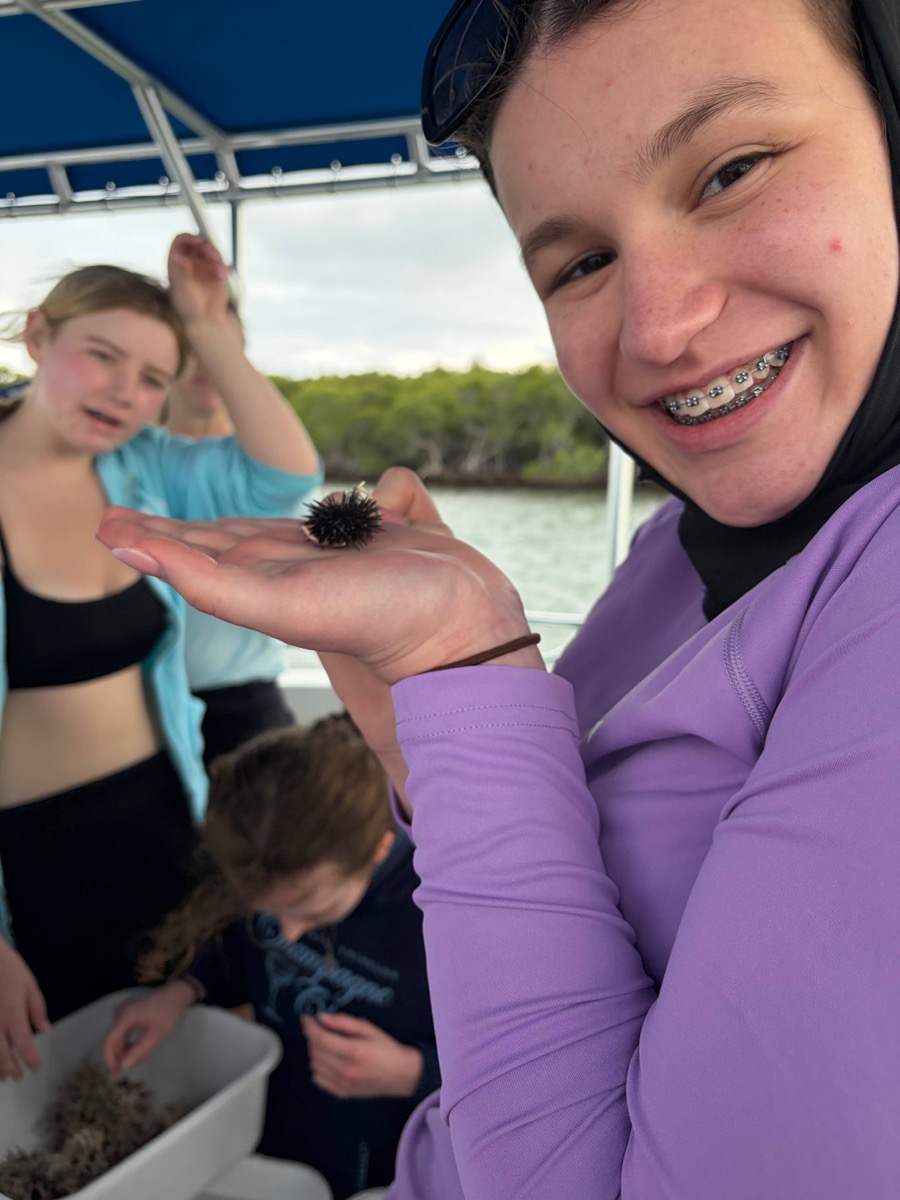
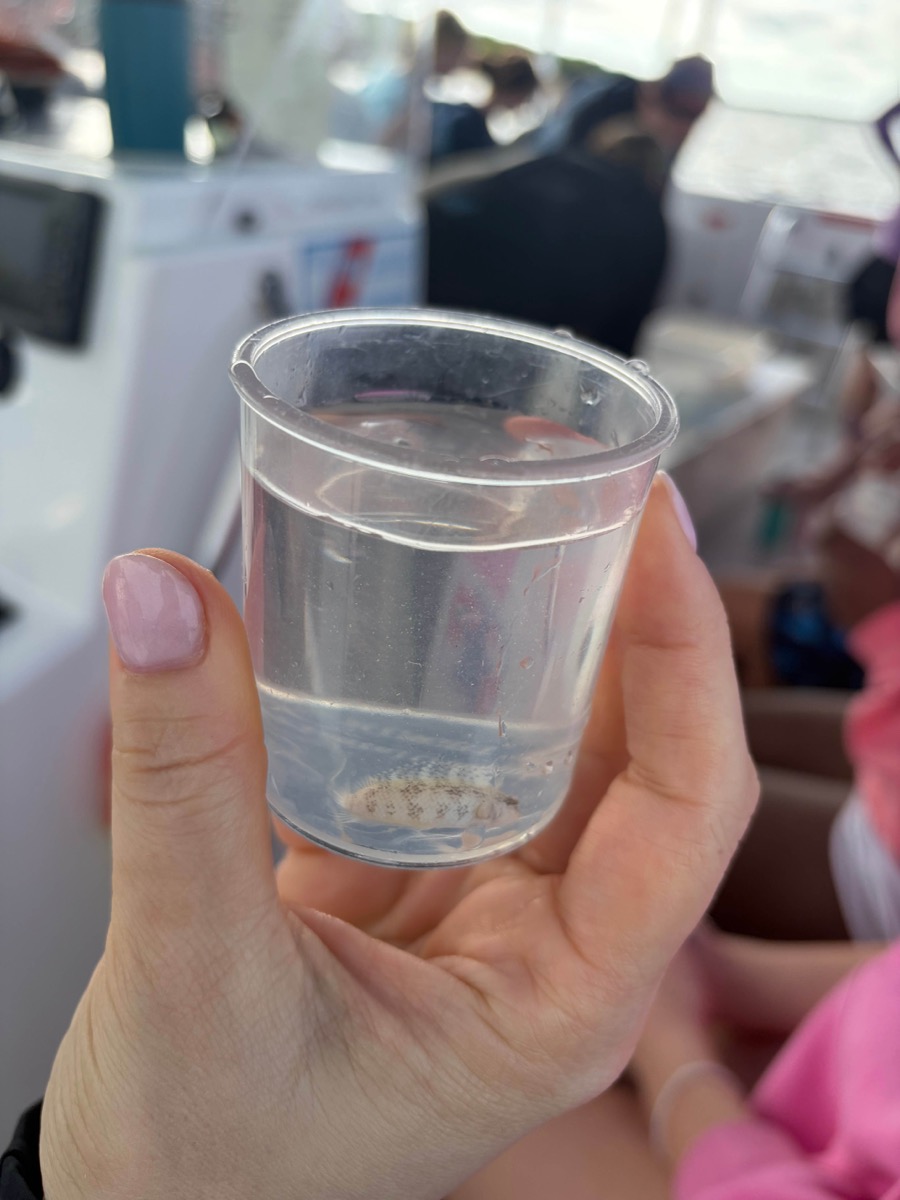
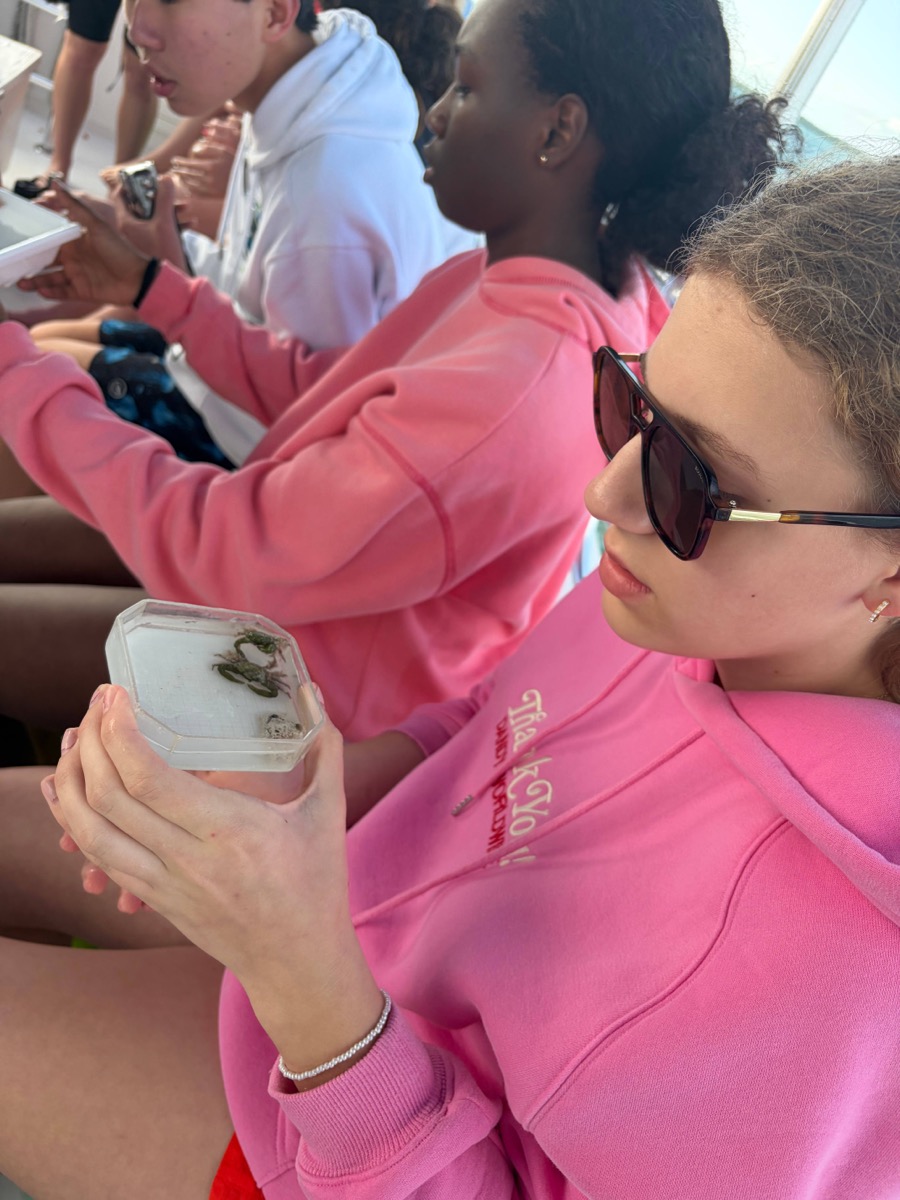
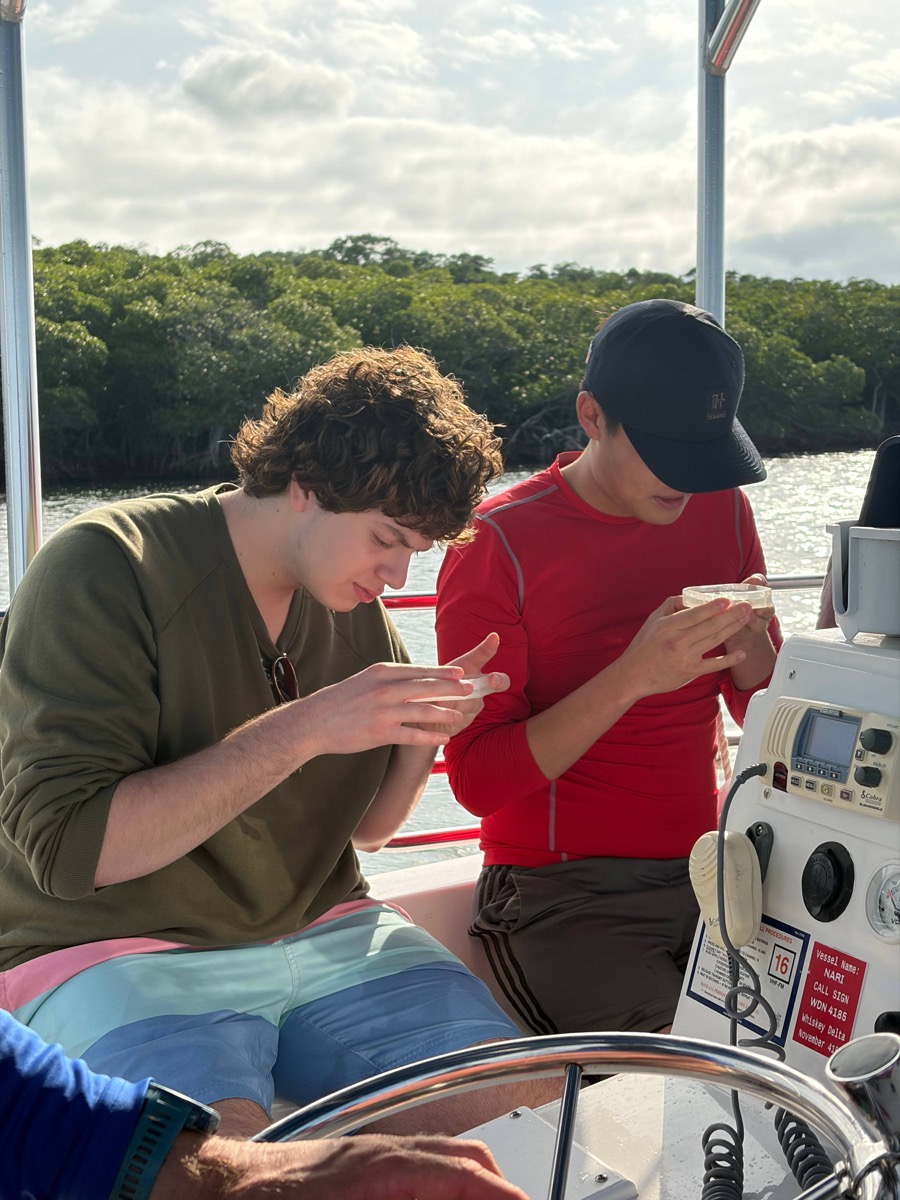
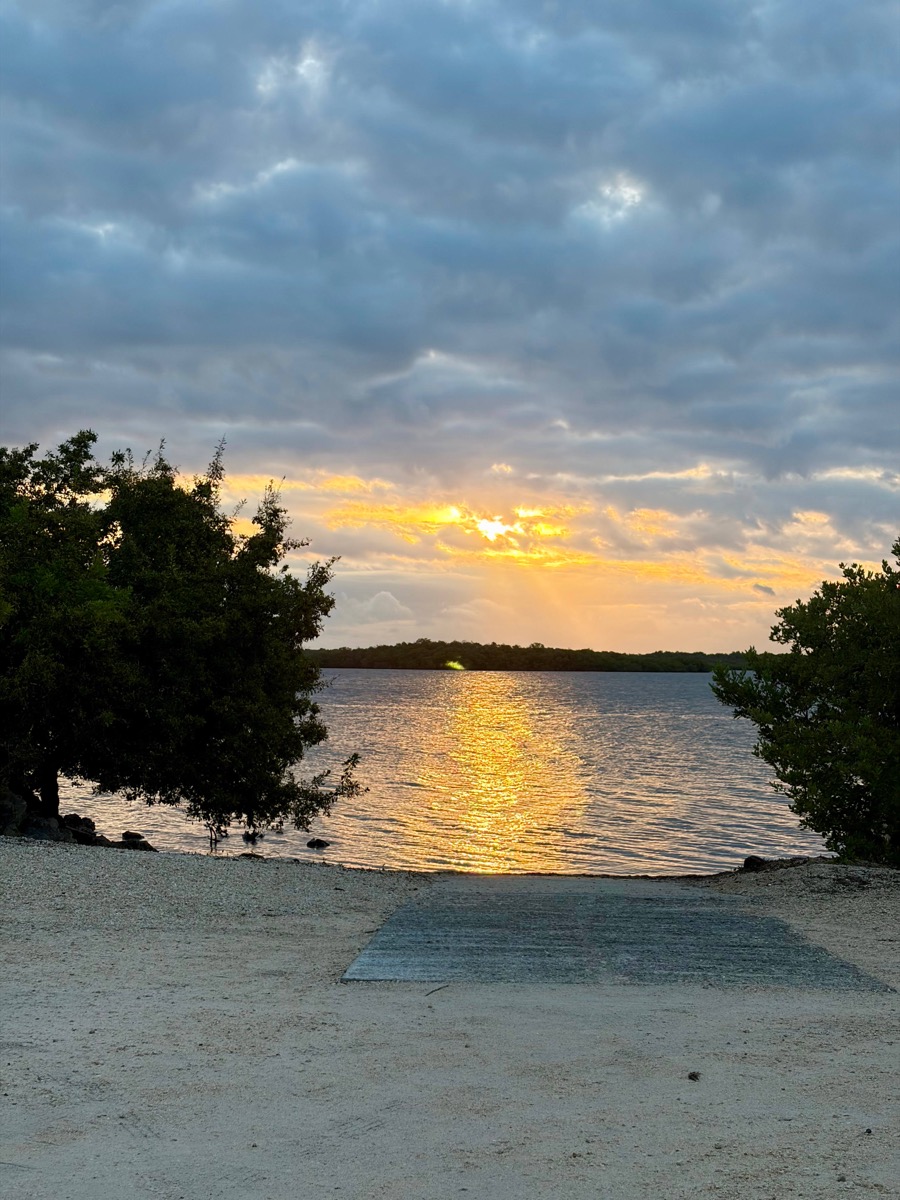
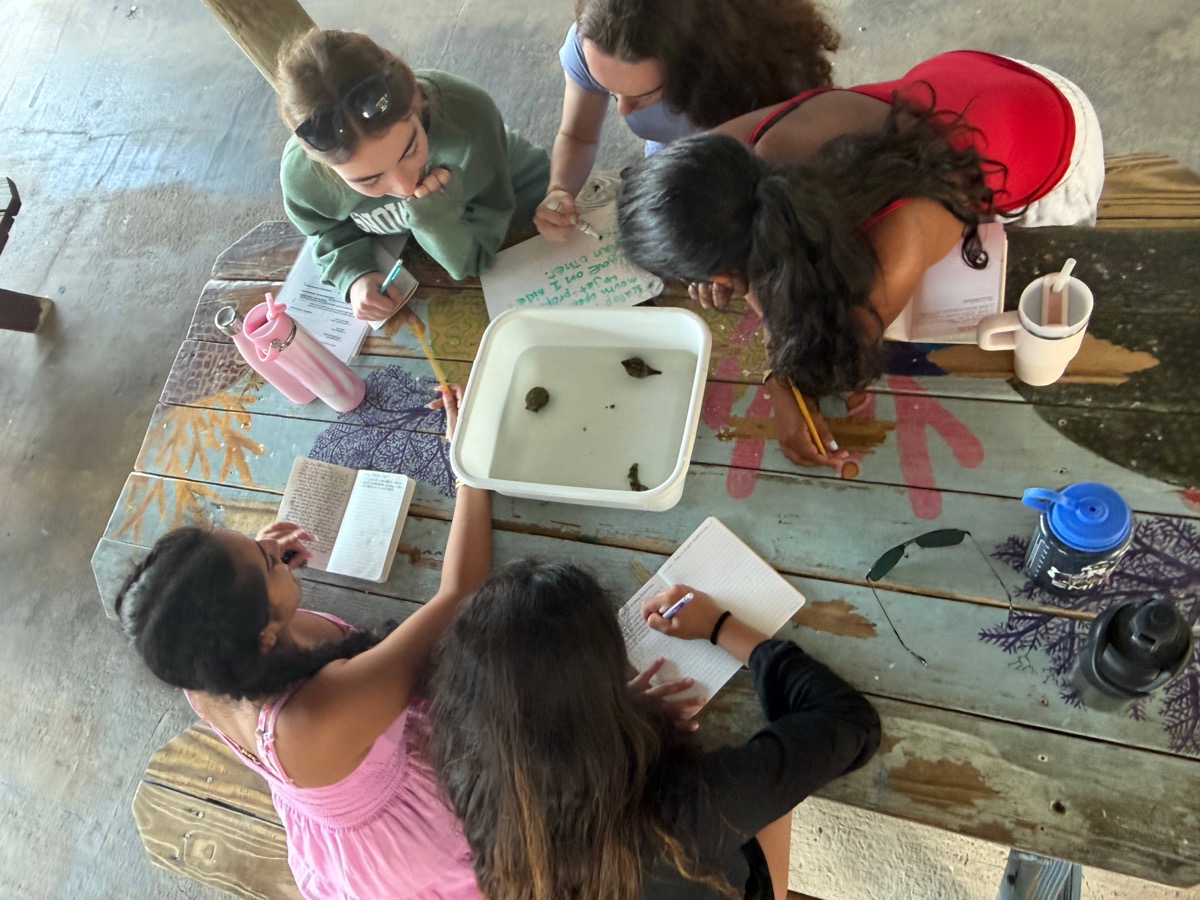
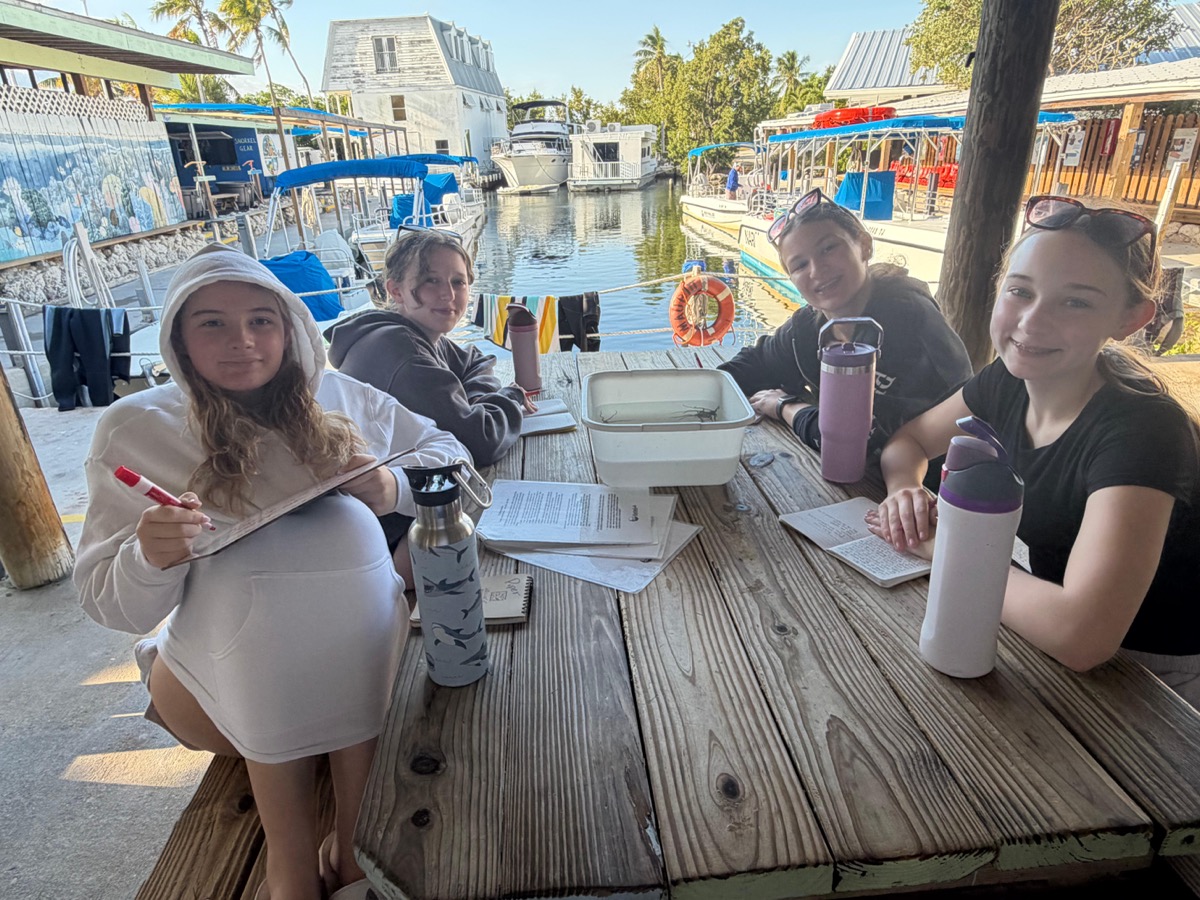
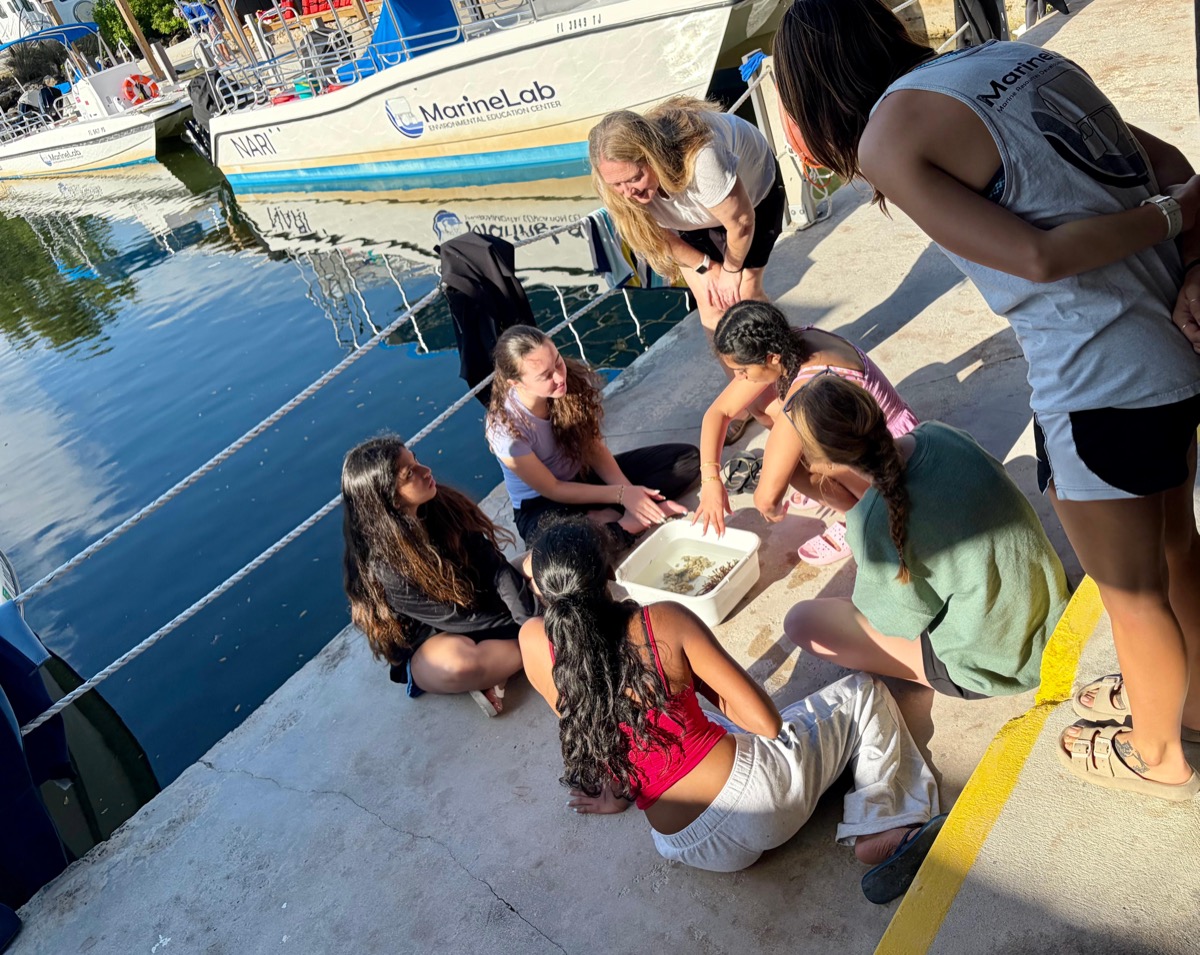
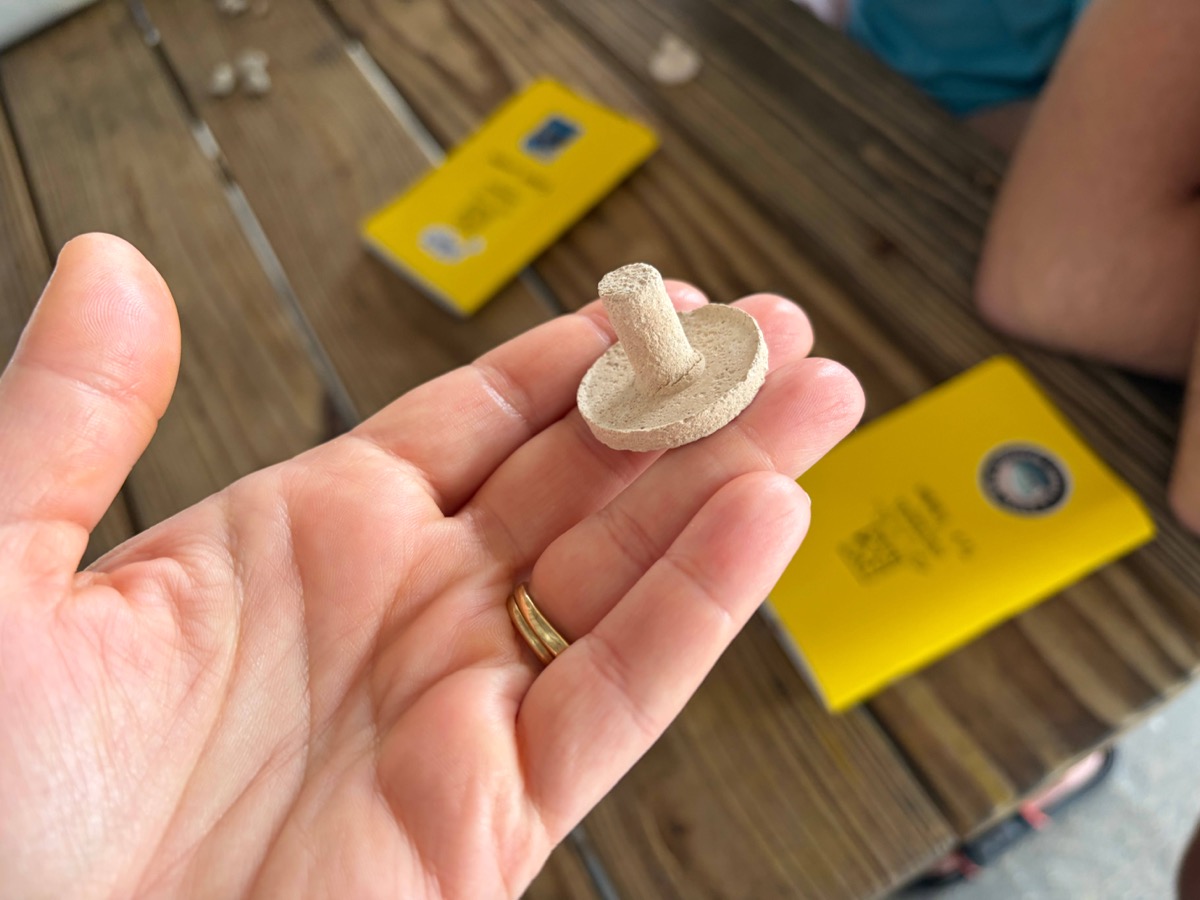
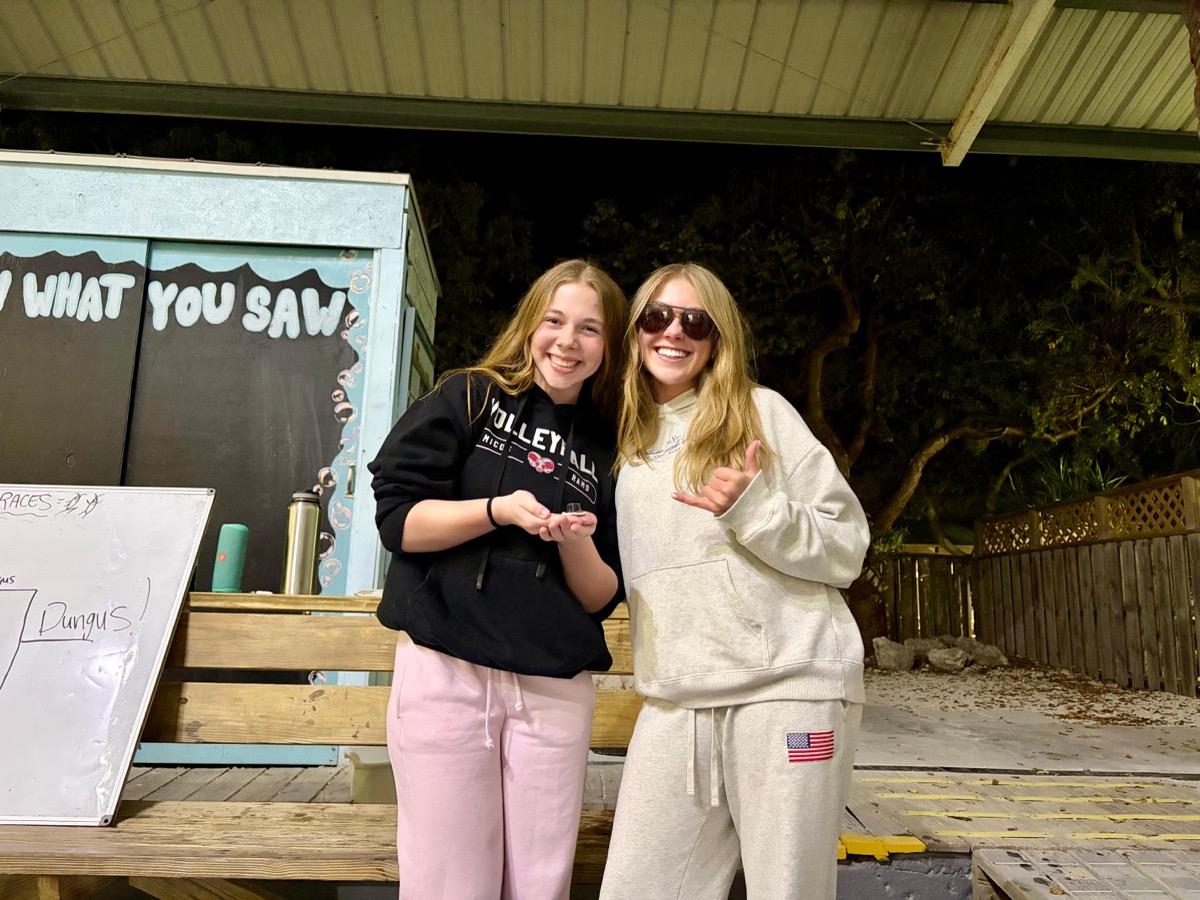
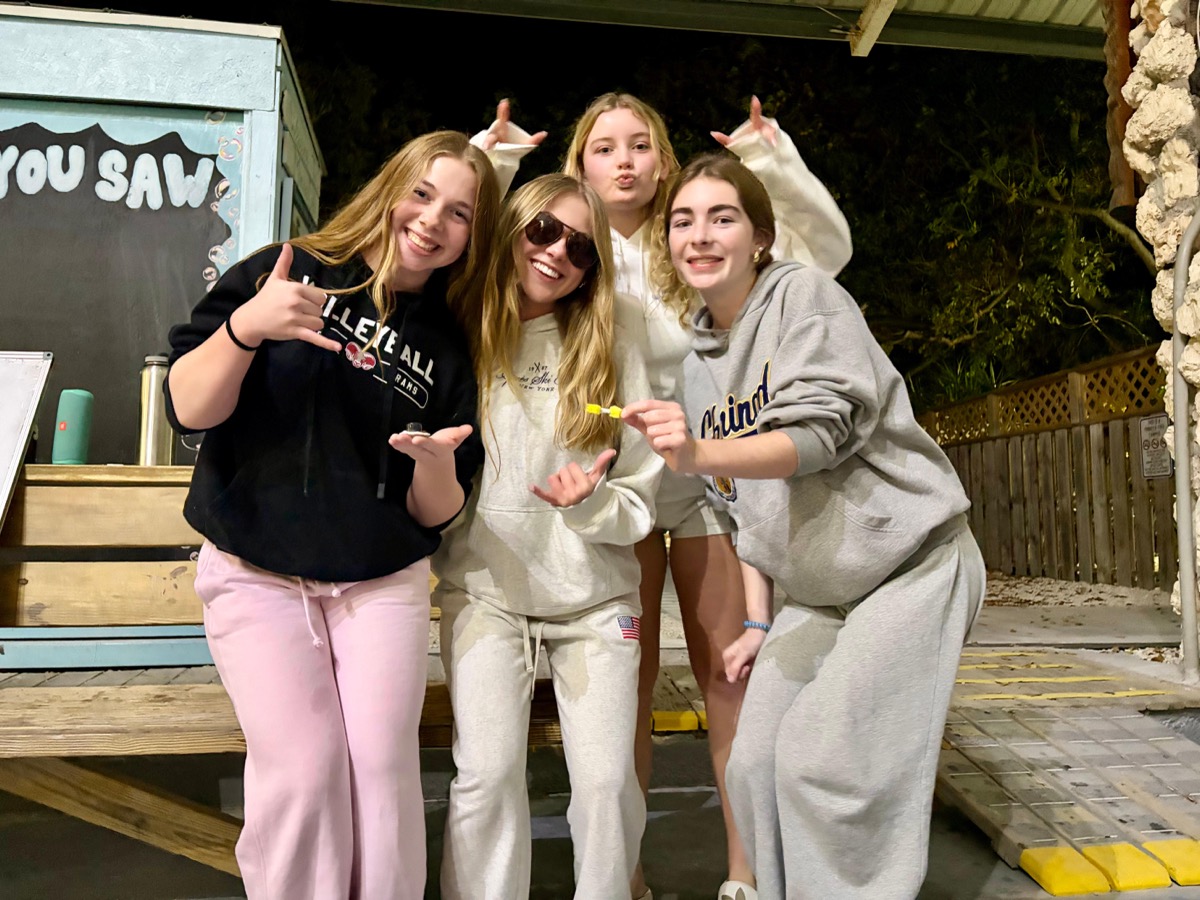
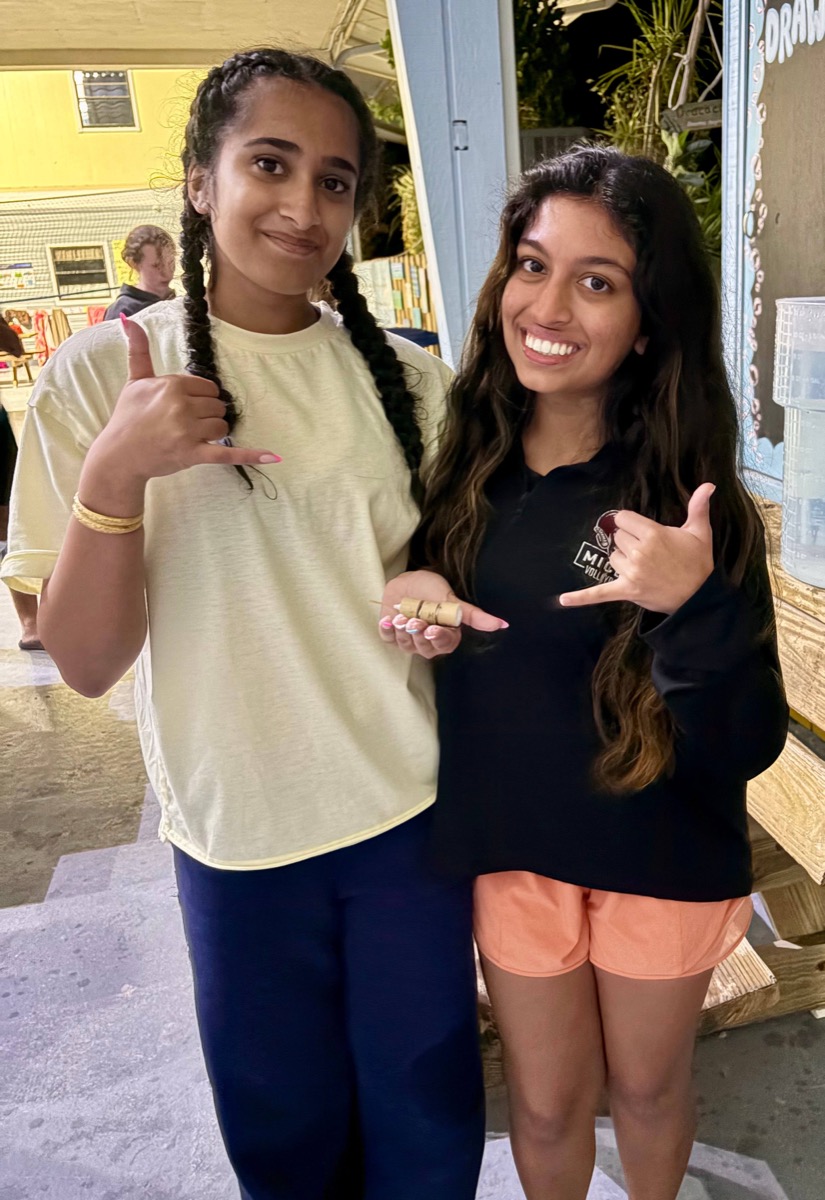
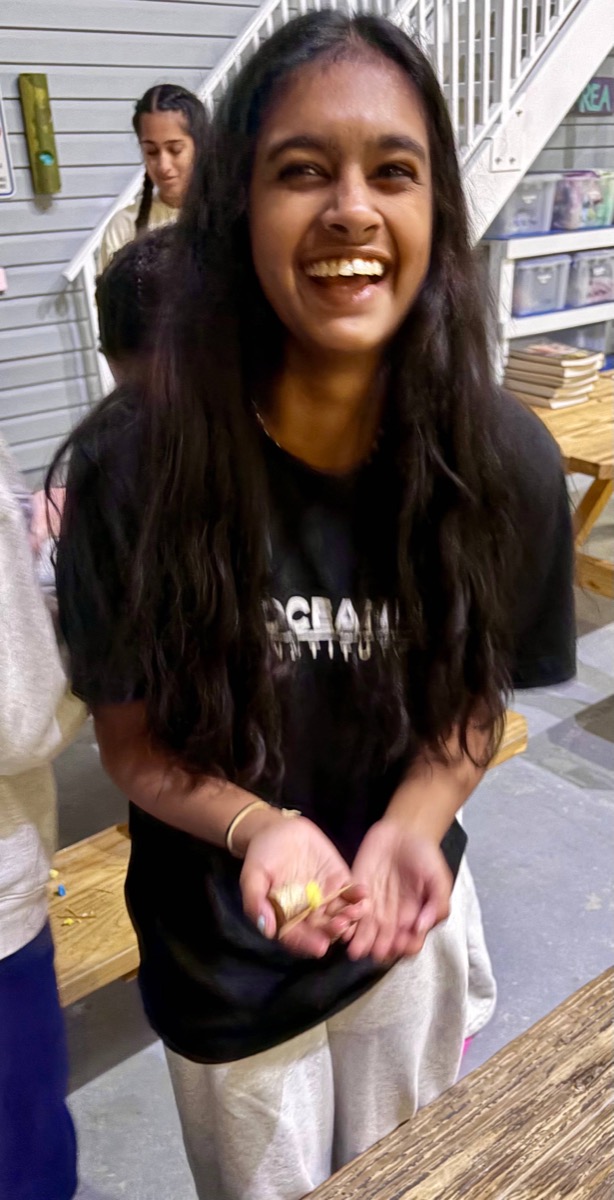
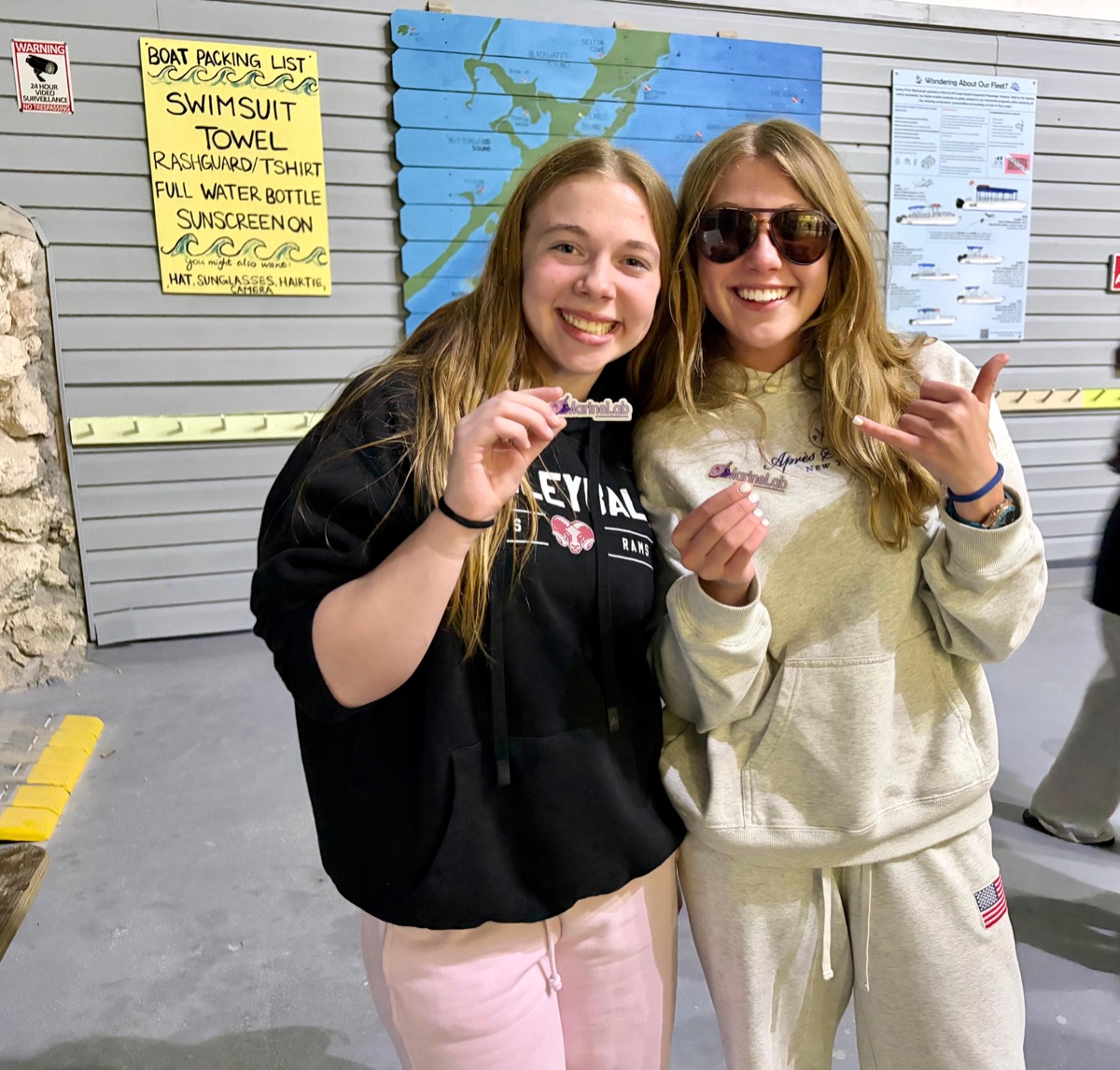
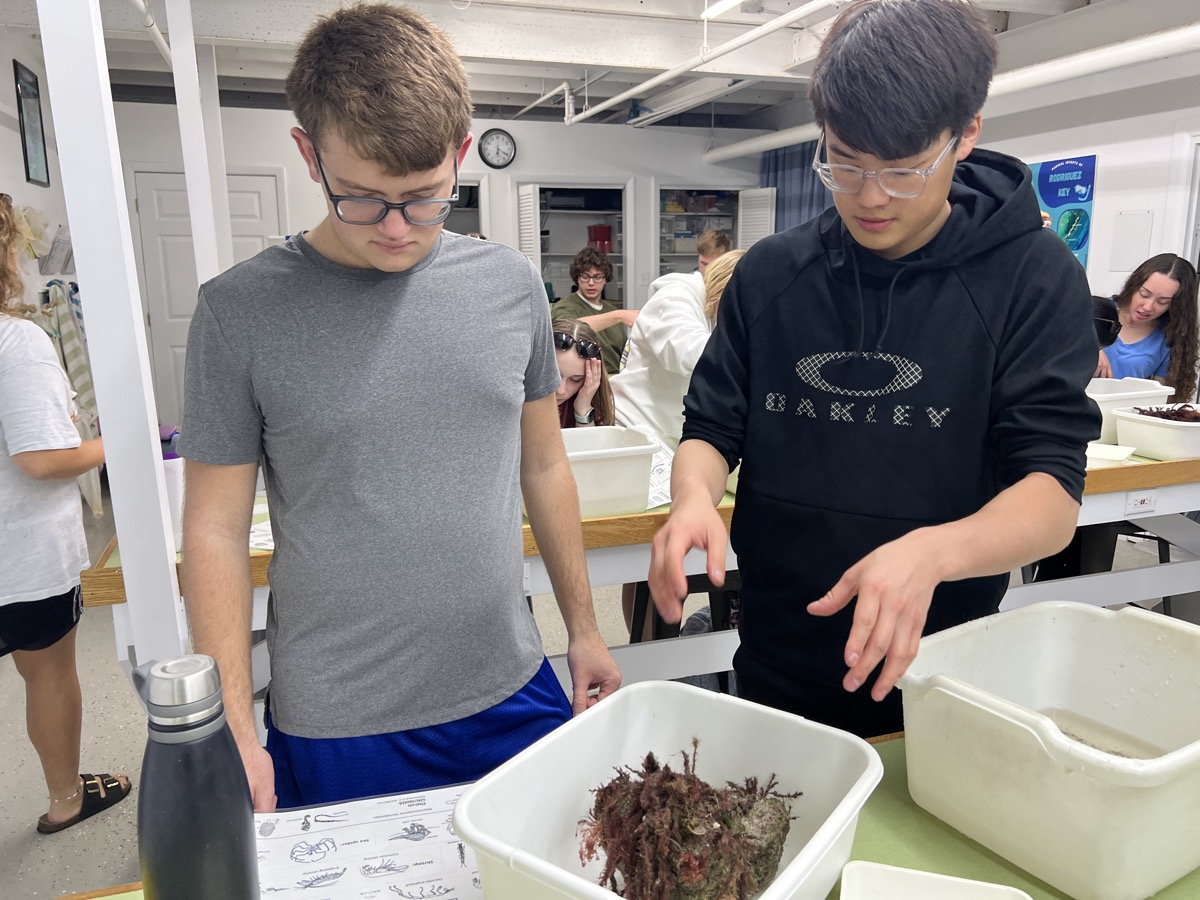
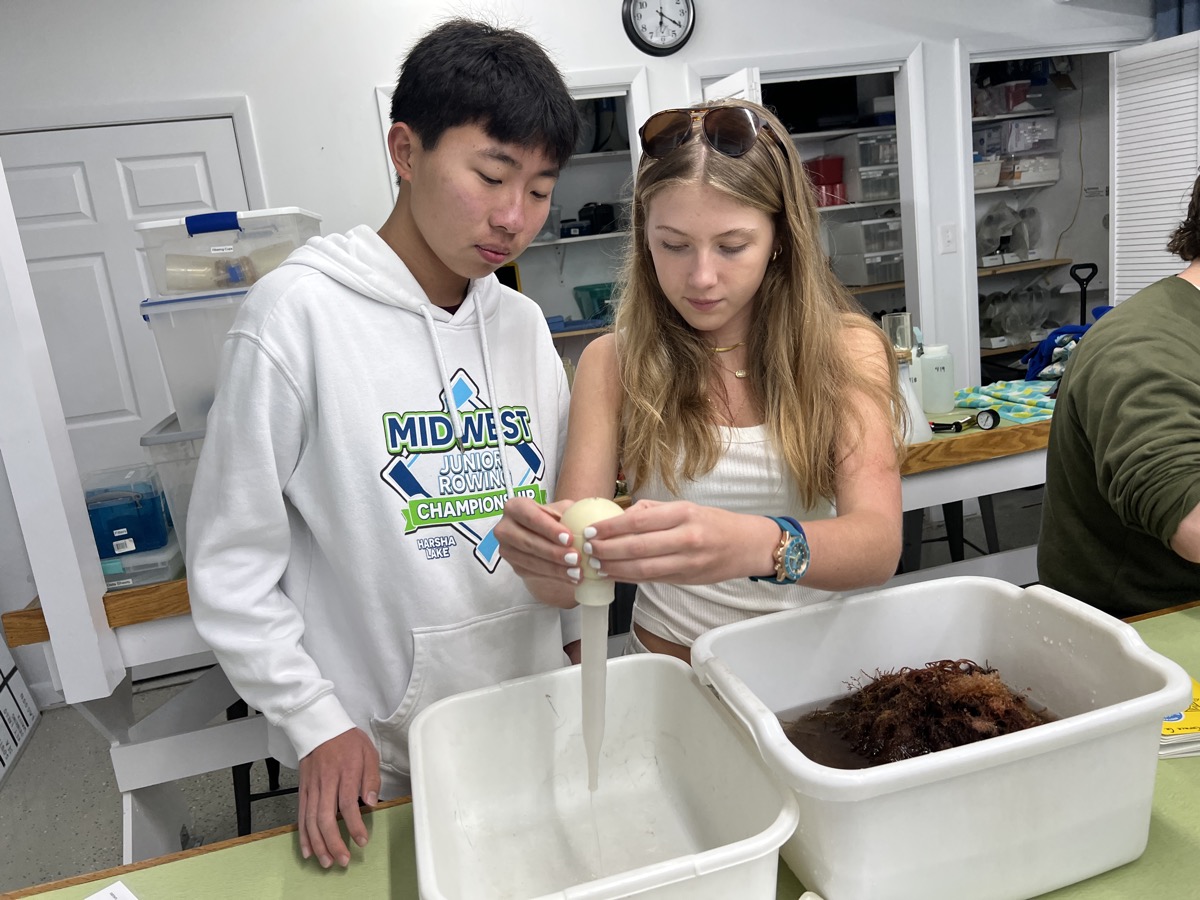
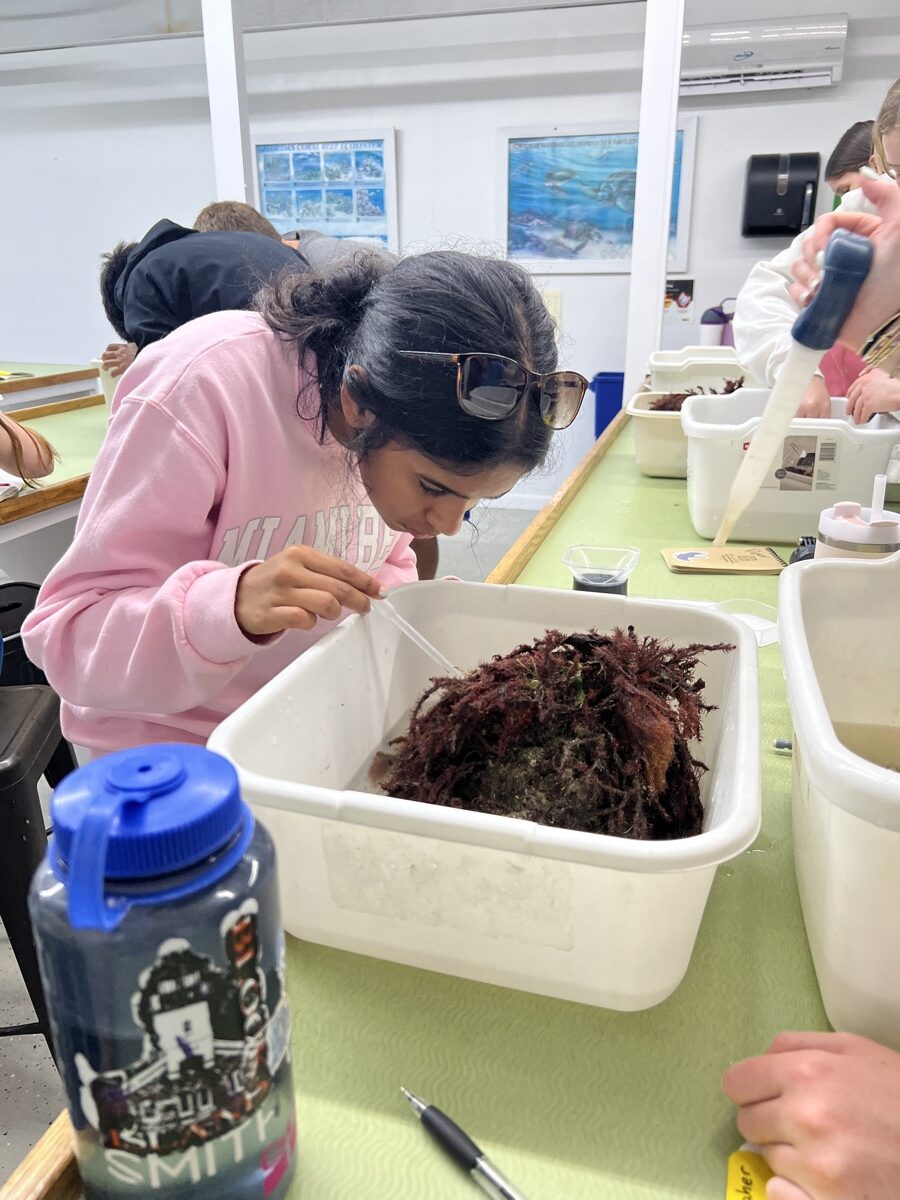
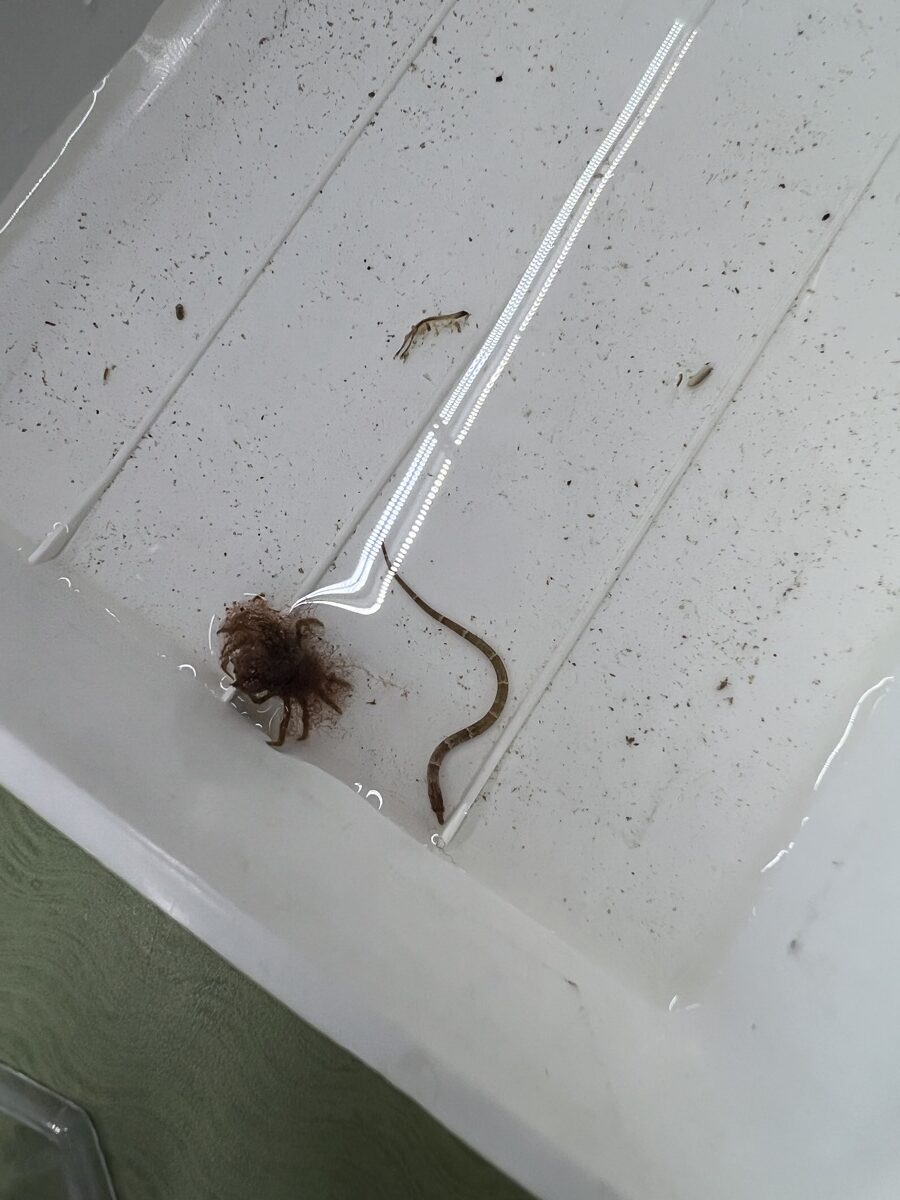
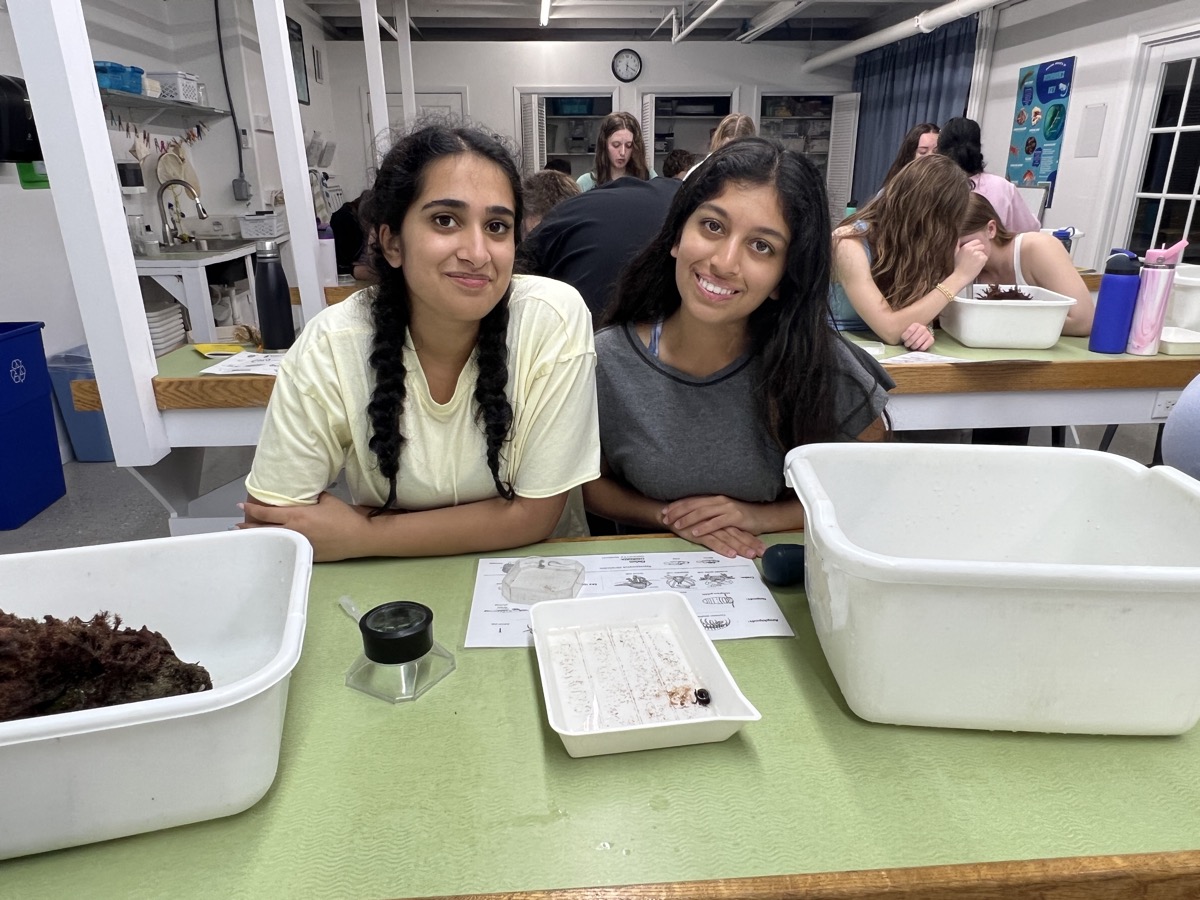
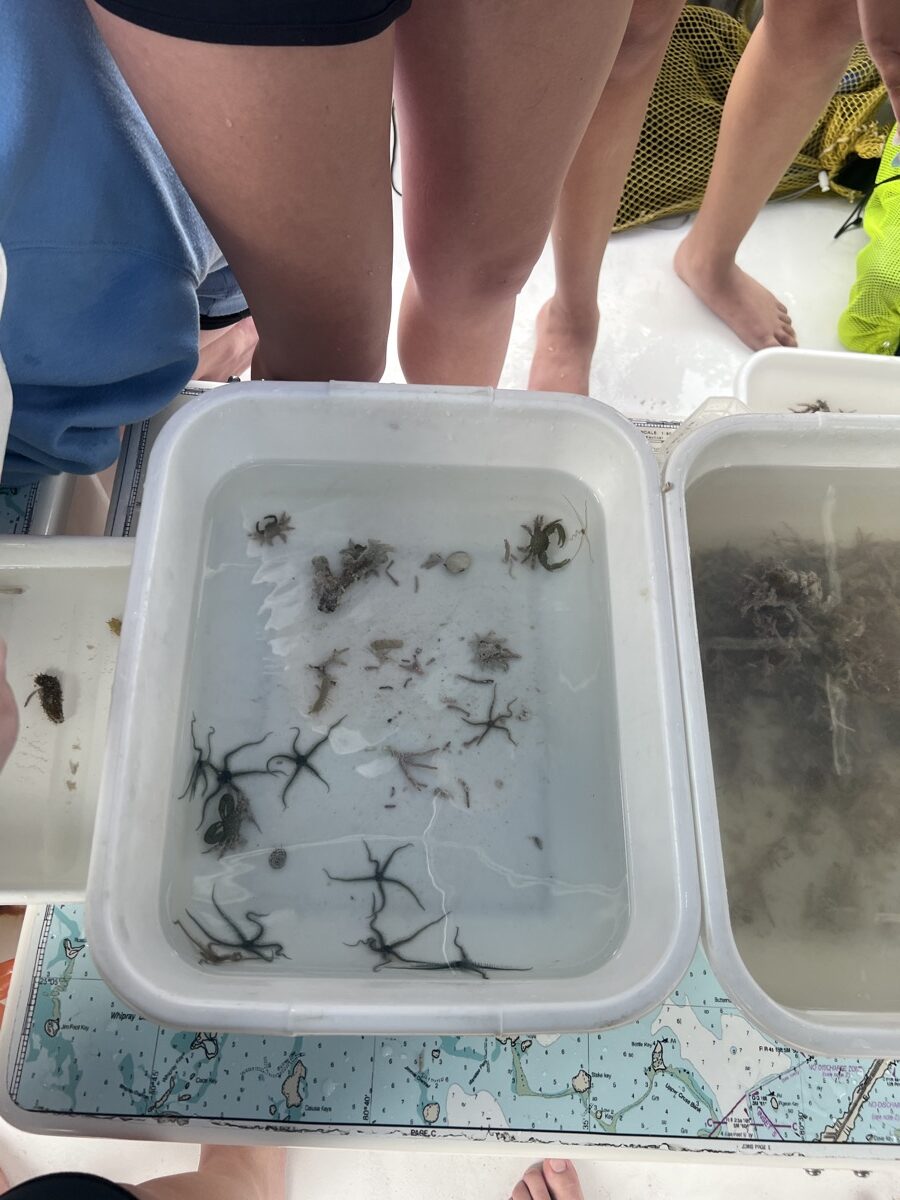
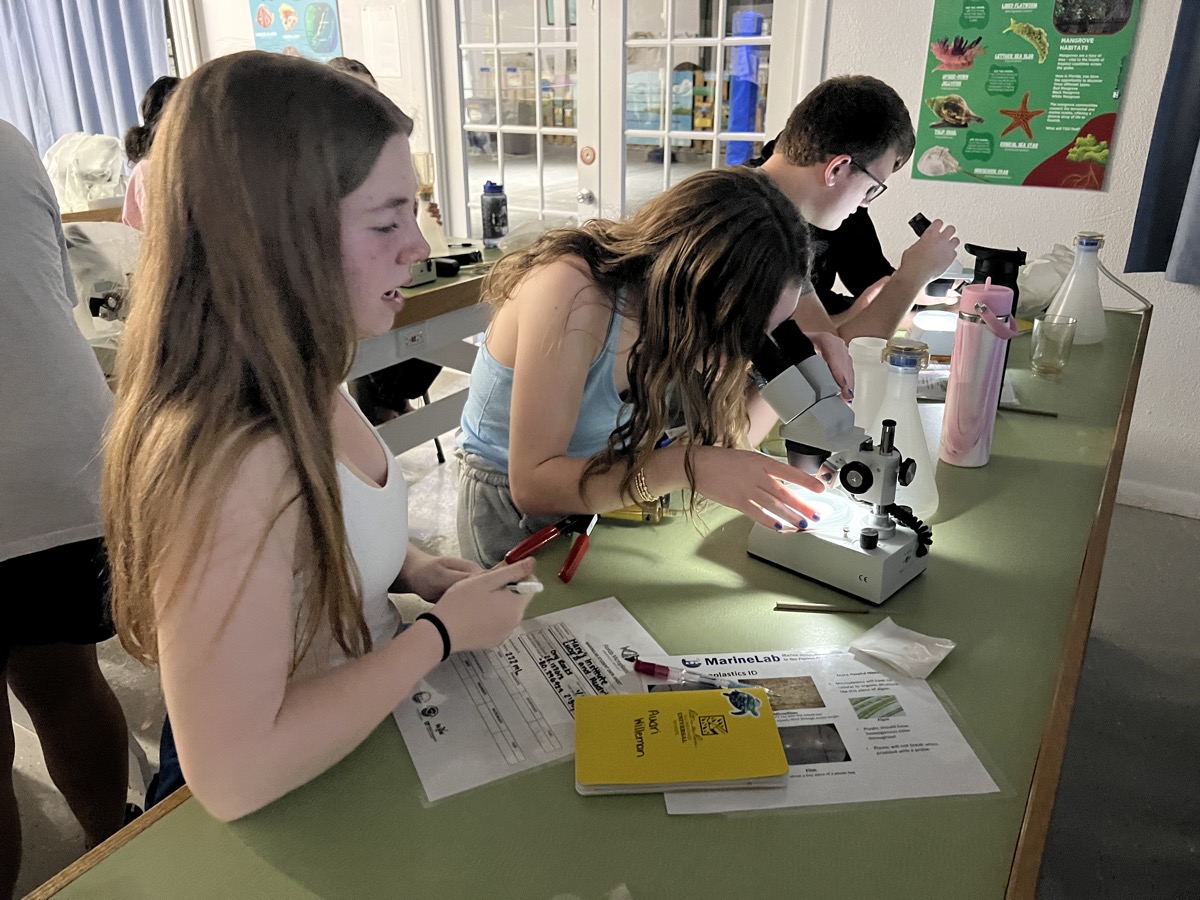
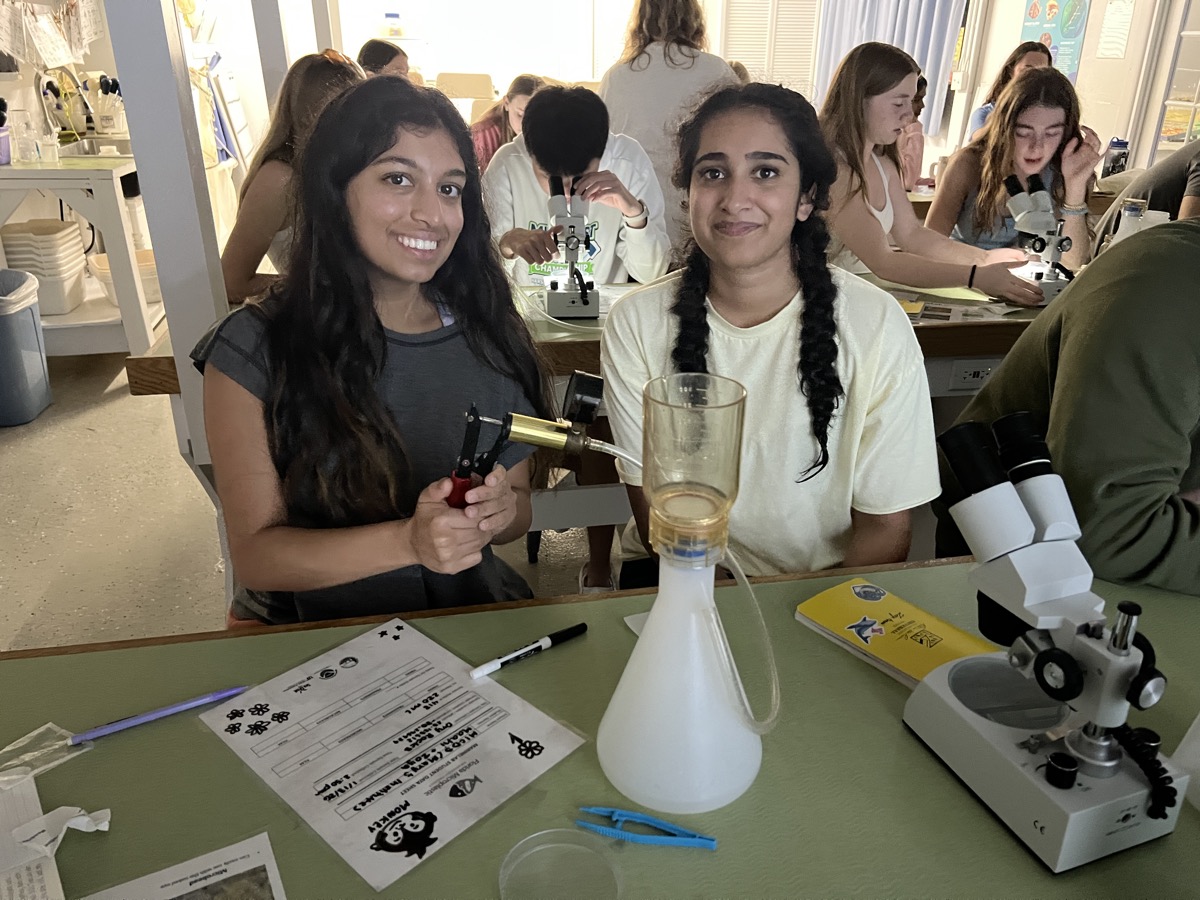
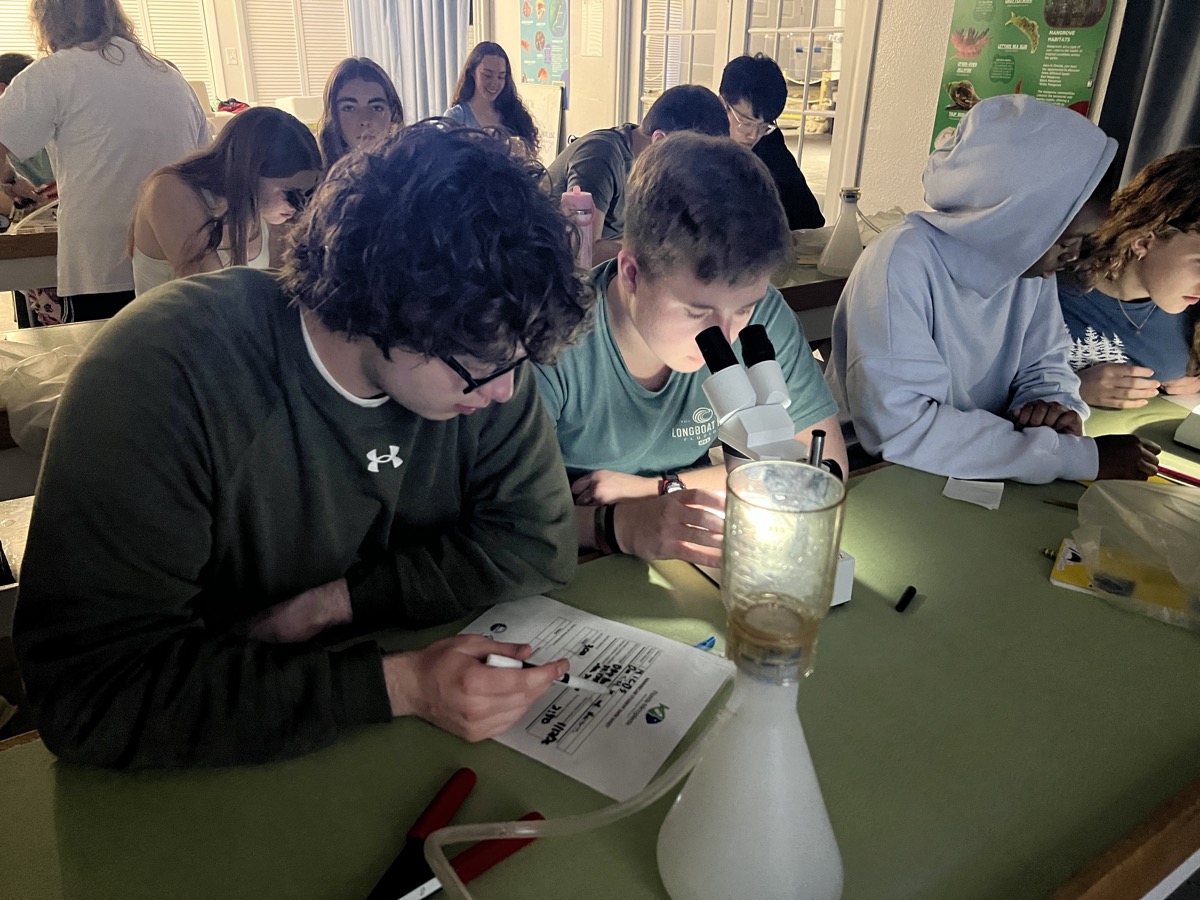
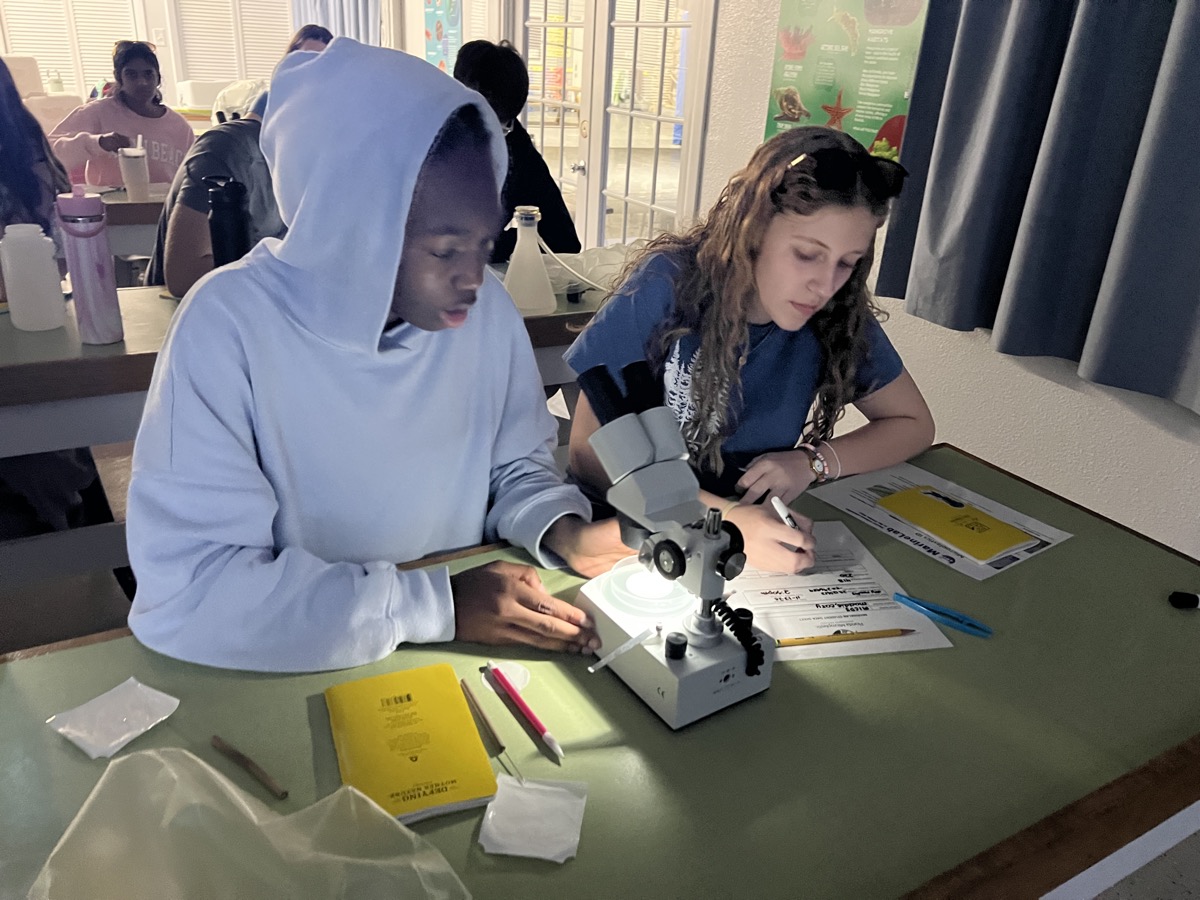
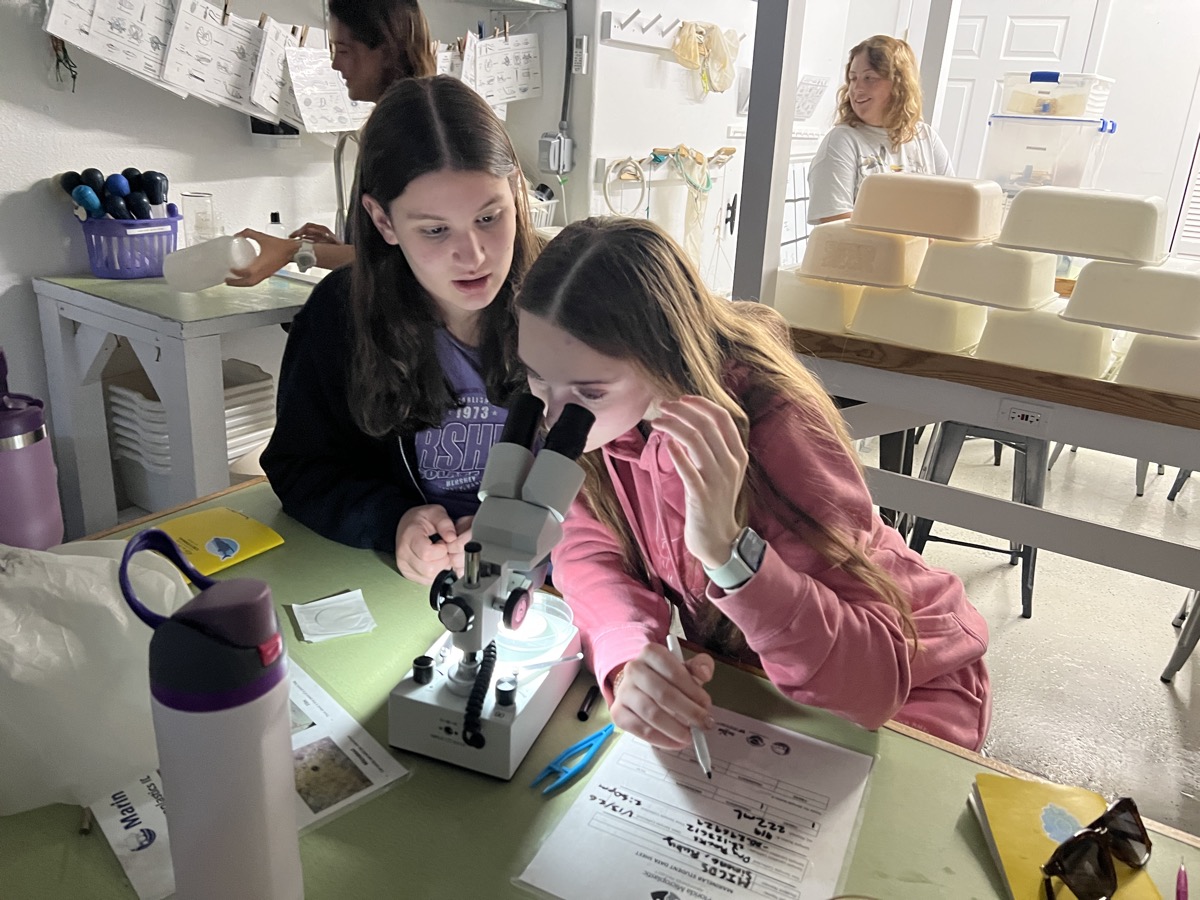
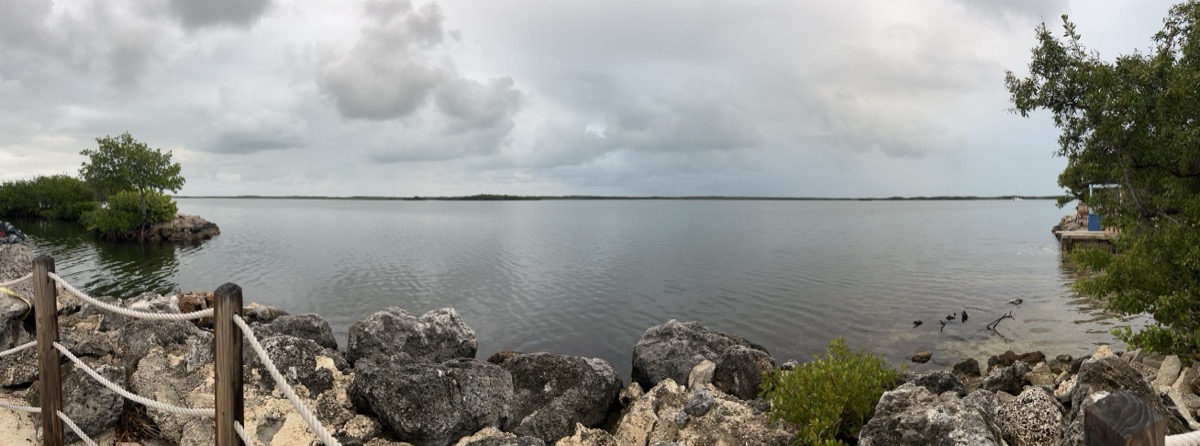
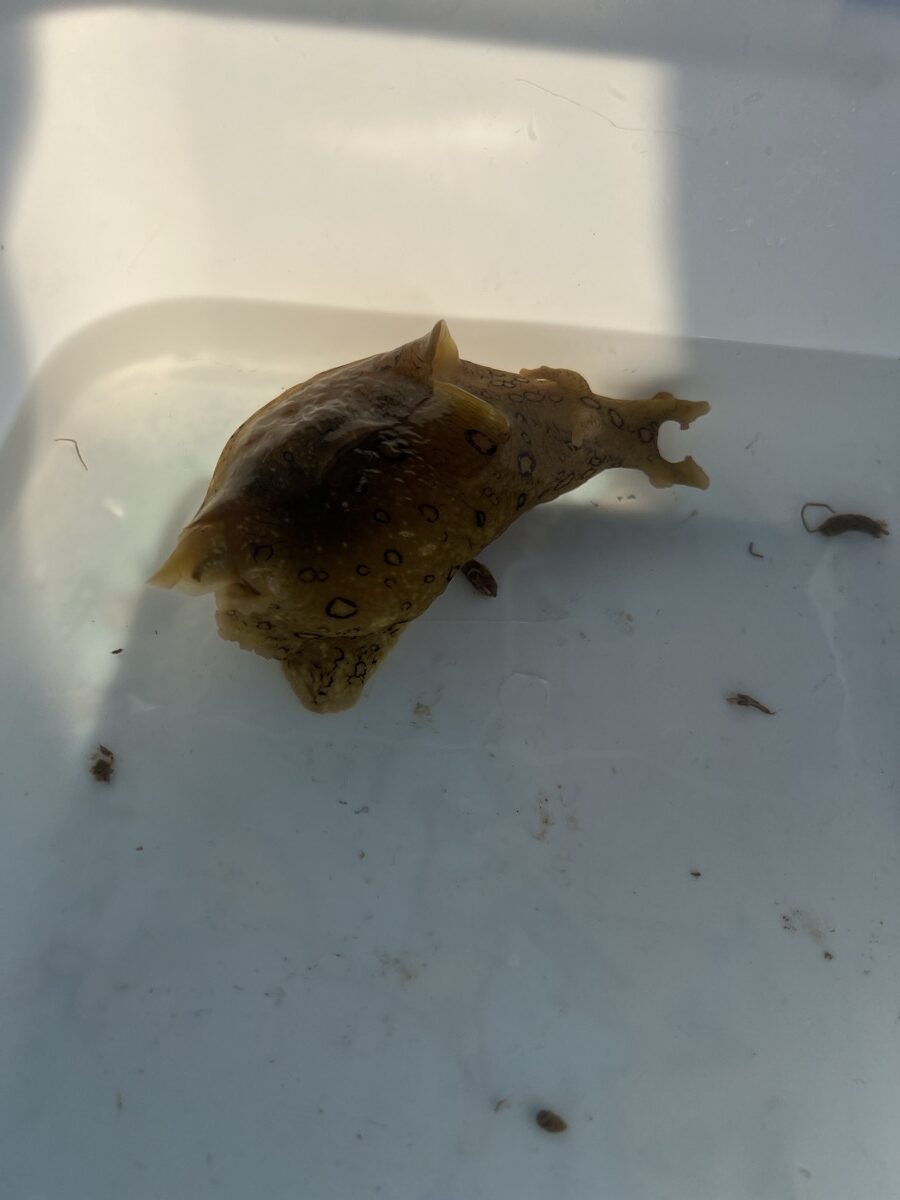
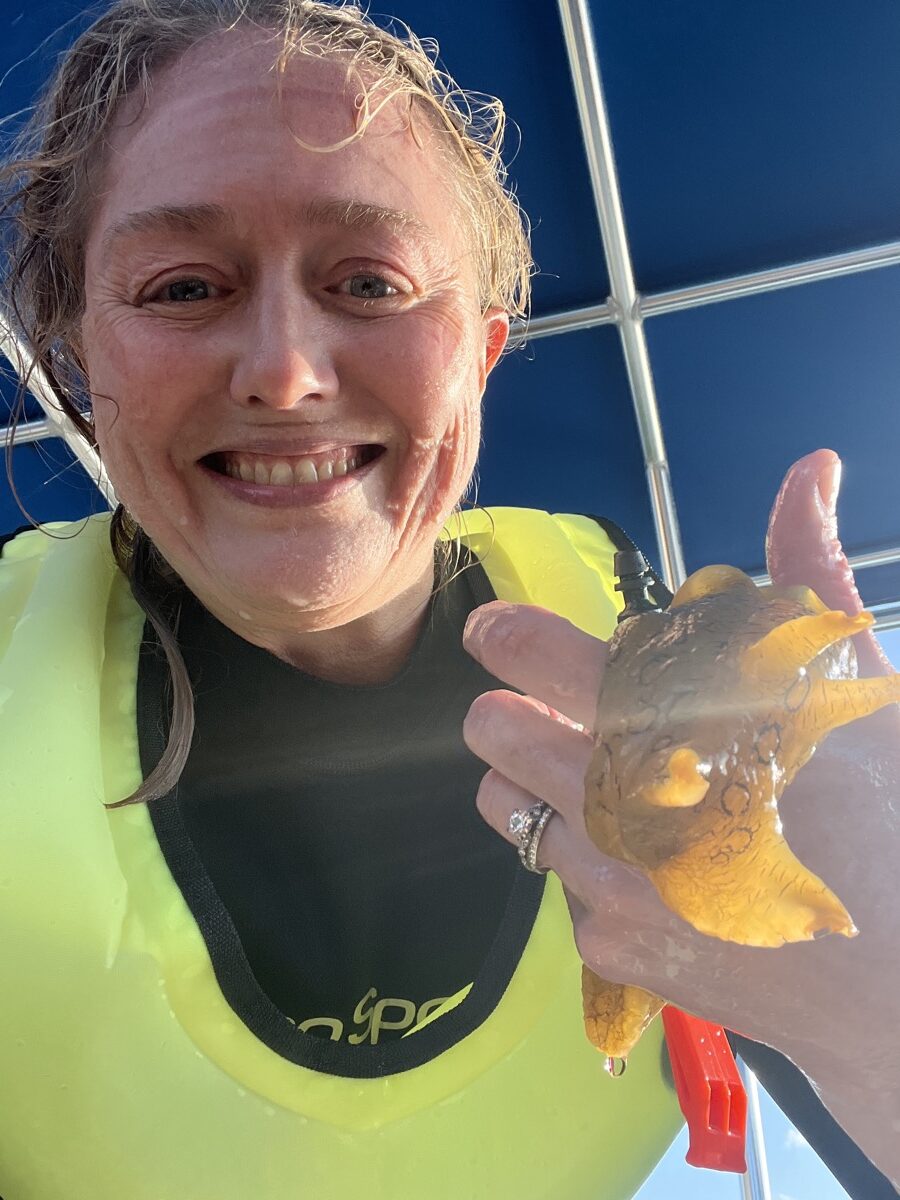
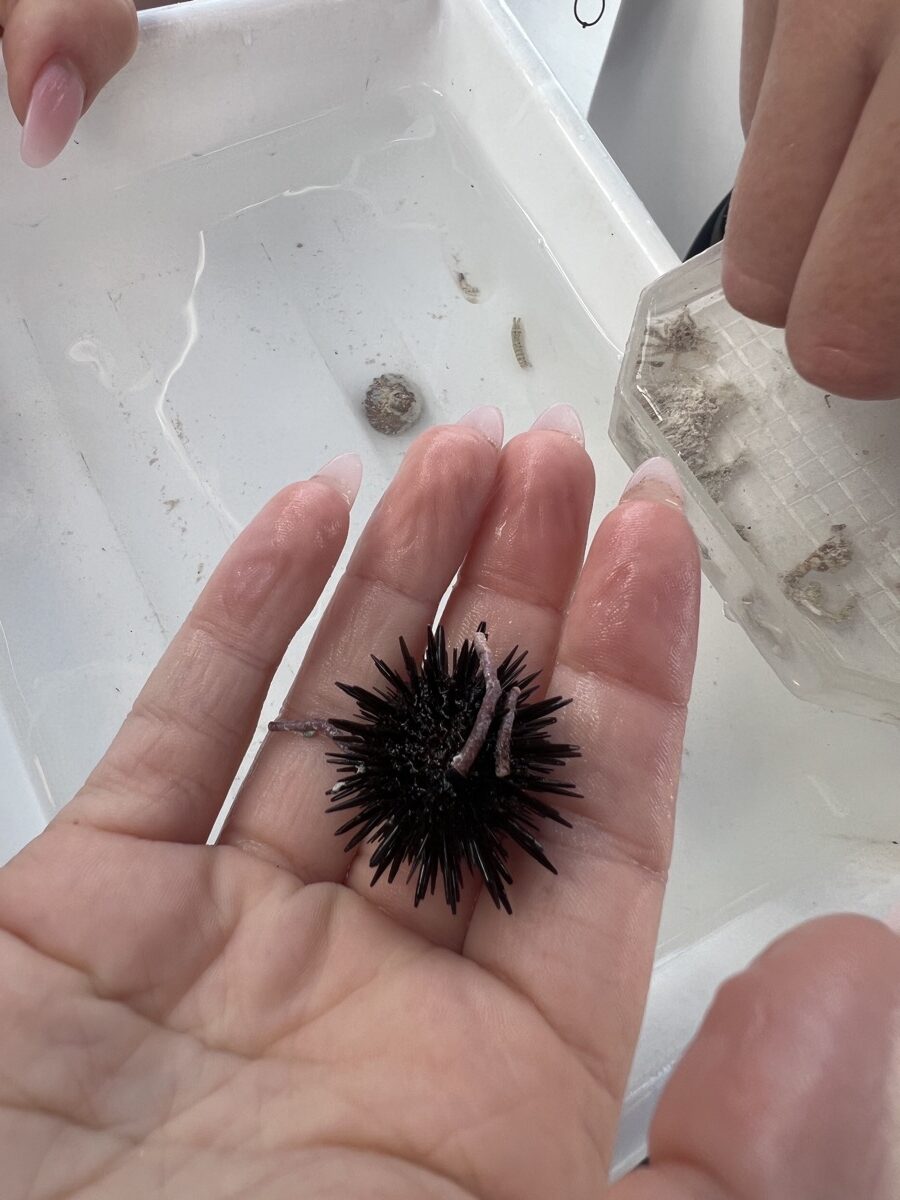
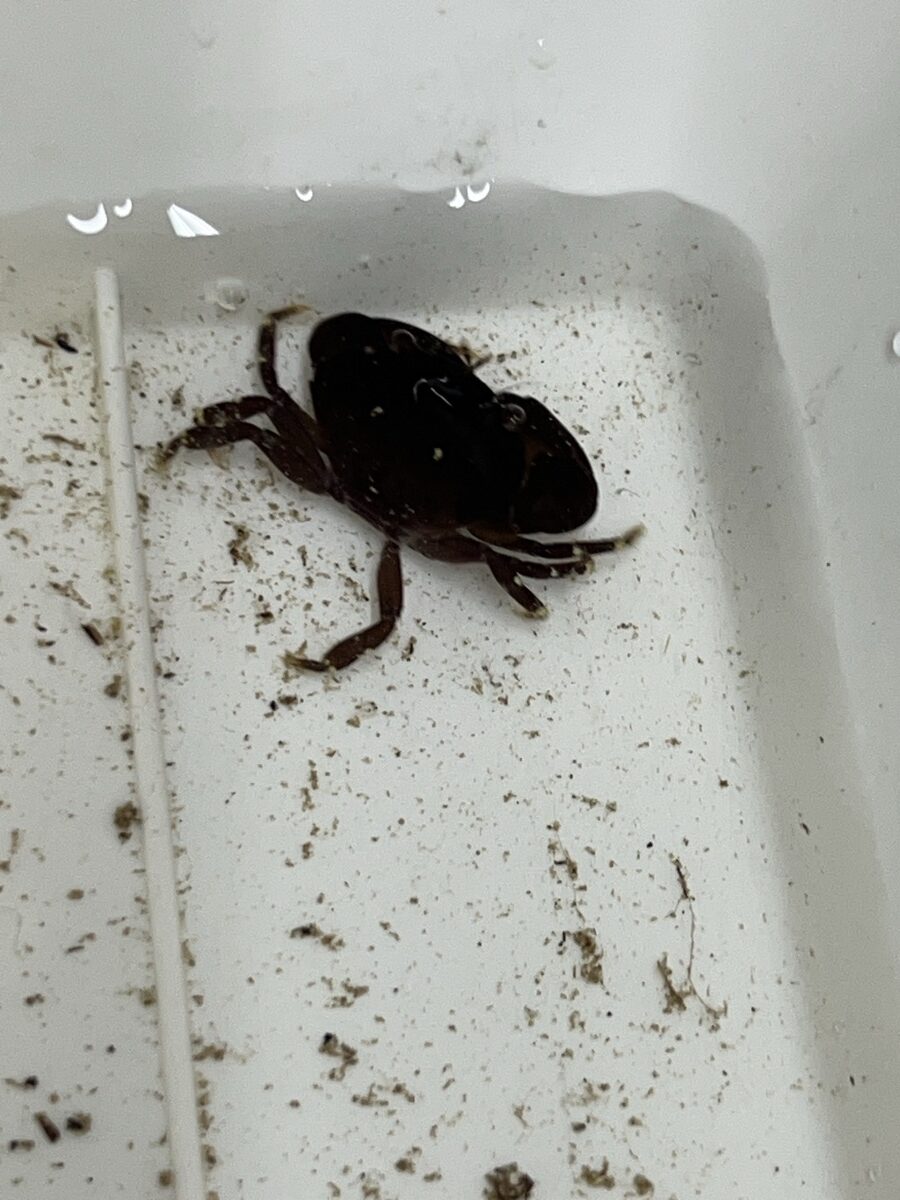
This trip impacted each of the 18 students in unique ways. Glasser has found a deeper comfort level with all-things ocean. “Before this trip, I was scared of the ocean, boat rides, and the animals that live in the water. After a week at the marine lab, I was no longer afraid of sea creatures, and I was calm on the boat, even when it was a bit bumpy,” she shared. “Also, my favorite thing that I saw on the trip was a pufferfish! It wasn’t puffed up, of course, but it was so cute with its big eyes! Close seconds were a reef shark, nurse shark, sea hair, and seahorses!”
Libby Hoffman ’28 really enjoyed this trip. “Getting to experience what it’s like to be a field biologist was invaluable to me; it granted me certainty on what I really want to do when I’m older,” she said. “My favorite part of the experience was every time I saw a new creature that sparked my interest or that I could identify. Snorkeling around and observing the wildlife was, without a doubt, the most precious hours of my time there. It really lit me up to be there, observing the world in labs, classes, and the field. I think anybody with an interest in biology, even if it’s not specifically marine bio, should consider applying for this trip!”