From summer institutes, conventions, and presentations to local theatre, AI, and immersive language programs, it’s an understatement to say that our teachers learned a lot this summer through a variety of professional development experiences. Many of our Lower, Middle, and Upper School faculty and staff members took to the stage to teach other teachers while others became students for a change as they studied, conversed, experimented, and even biked along the next stages of their teaching careers. They learned all across Missouri and in Pennsylvania, New Hampshire, Illinois, Colorado, New England, the Florida Keys, and Washington, D.C. Each teacher has returned from their summer adventures with newfound knowledge to bring into their classrooms, and they can’t wait to apply what they learned over the summer to their students in the new academic year.
Check out the plethora of unique experiences our teachers had this summer in the name of professional development!
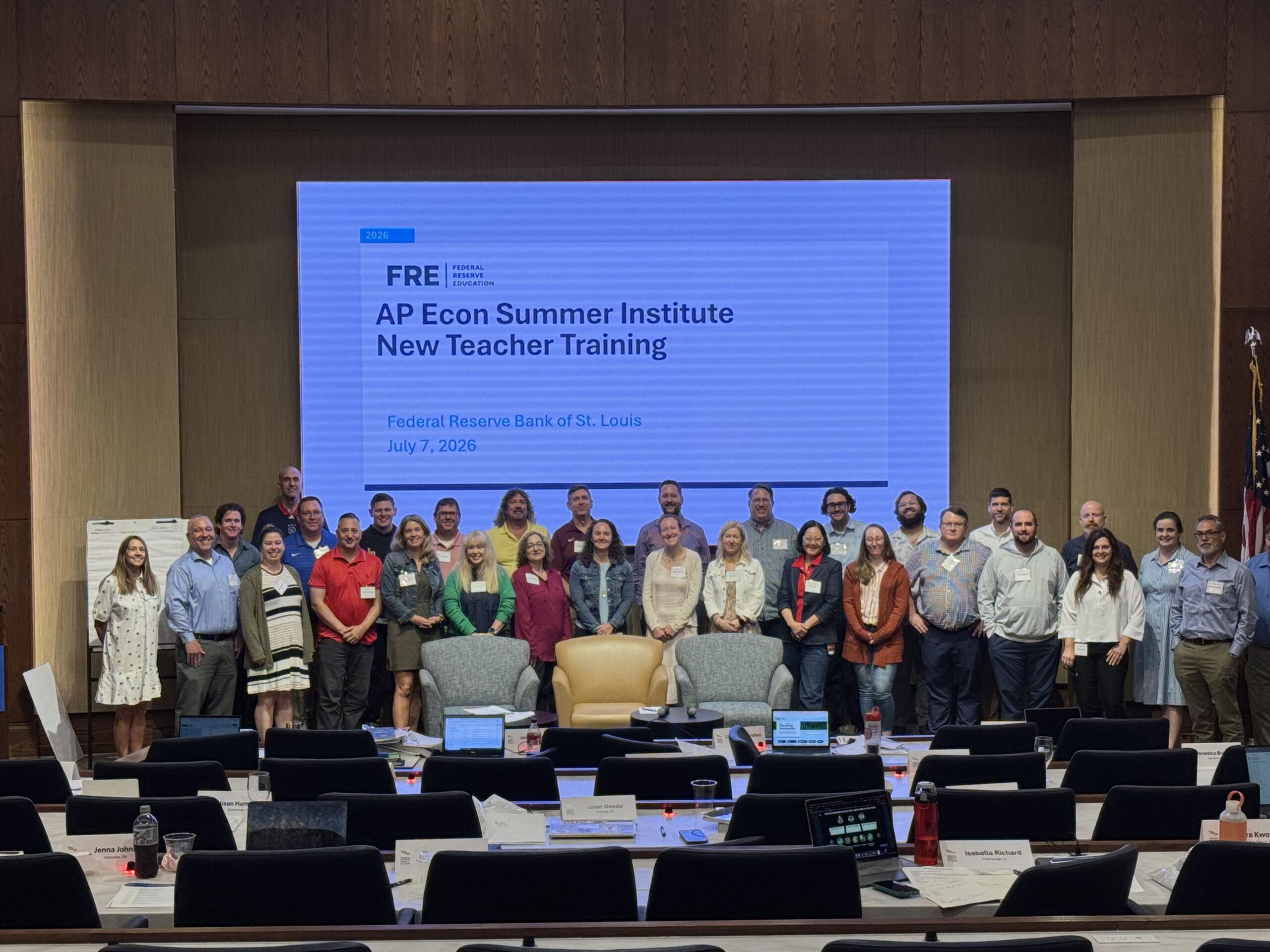
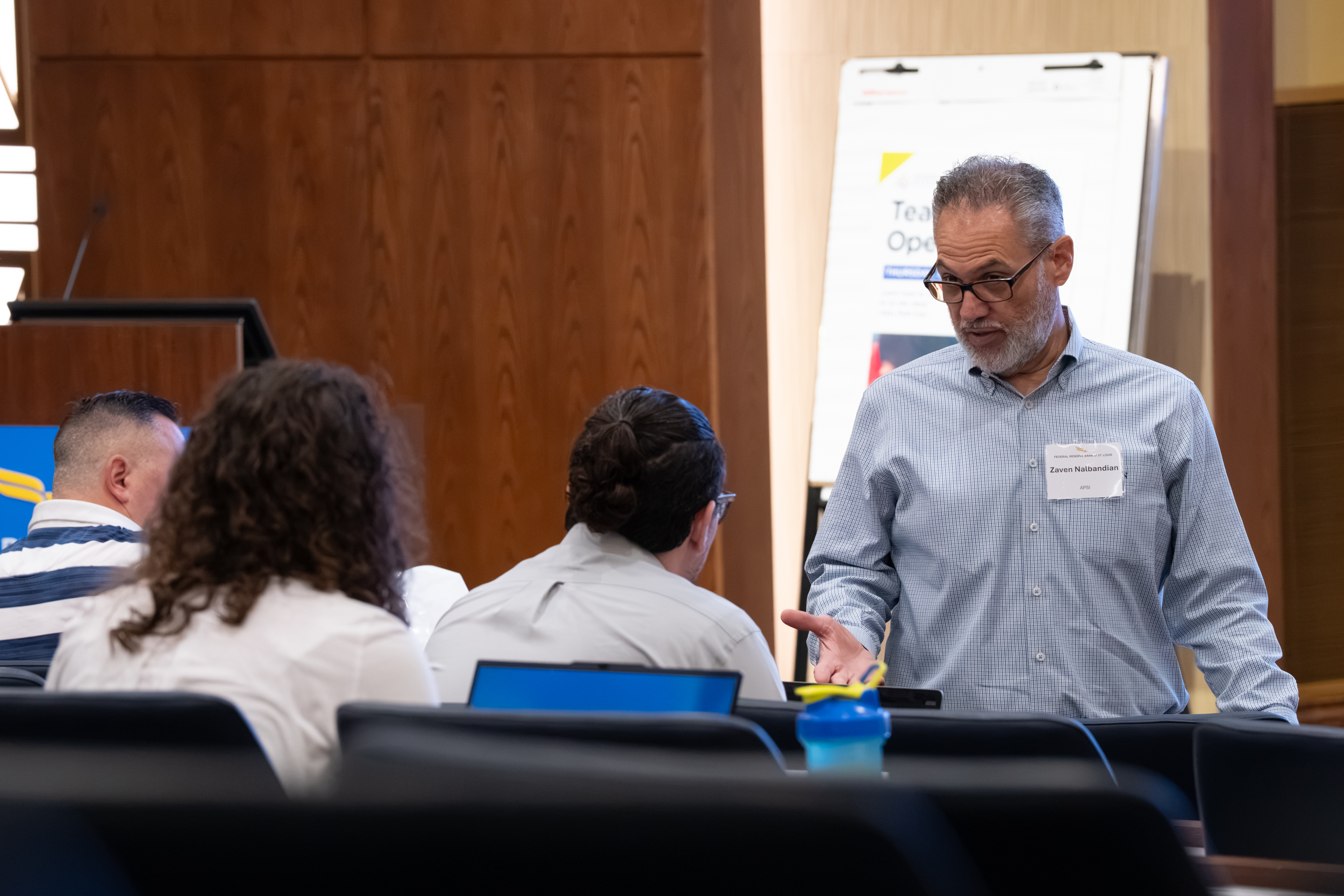
Zaven Nalbandian, Upper School History Teacher, Profits from the Advanced Placement Economics Summer Institute at the Federal Reserve Bank of St. Louis
By Mr. Nalbandian:
I attended the Advanced Placement Economics Summer Institute at the Federal Reserve Bank of St. Louis. This was my first time at the summer institute, and I thoroughly enjoyed the conference. I discovered that the Federal Reserve is now acting in a more proactive yet reactionary way to macroeconomic trends. Also, I learned that the skill of hand-graphing data is vitally important, but students are losing this skill as they become more reliant on AI. I am excited to bring my learning back to my class this year.
Additionally, while there, it was fun to see alumna Sophia Huddleston ‘25, who was an intern at the Federal Reserve Bank of St. Louis this summer.
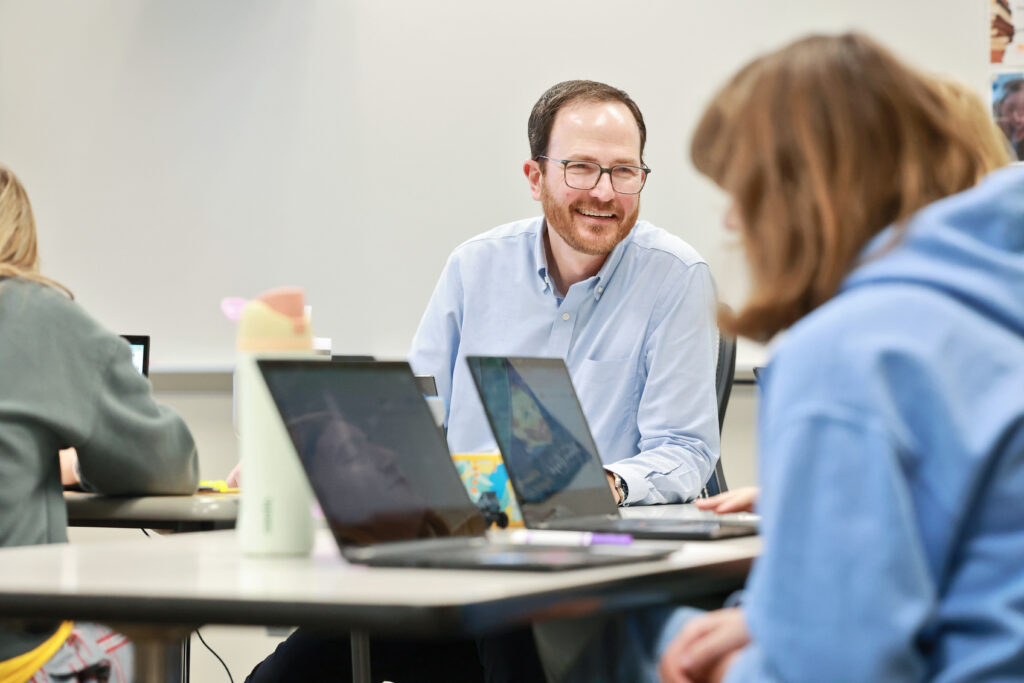
Tex Tourais, Dean of Digital Learning, Explores AI at AI Curriculum Corps
By Mr. Tourais:
I attended AI Curriculum Corps, which Washington University of St. Louis offers to its faculty. According to the website, this is a “summer program that equips faculty with resources and support to redesign or create new modules, assignments, and courses that thoughtfully integrate or critically examine AI.” WashU’s Institute for School Partnership offered about 15 local secondary school educators fellowships to attend. I spent the week working on MICDS policies as well as some science curriculum. I will continue to meet throughout the year with my cohort of attendees to continue these evolving conversations.
Dr. Kenya Goron was kind enough to let me use a piece of her curriculum—the Rube Goldberg Machine Project from her Integrated Physics Accelerated Freshman Science class—as I don’t currently teach any courses. The idea was to see what would happen if we integrated AI, specifically some Vibe Coding, into the project to add a secondary sensor and data capture unit after the building of the machine. I was also looking into how to streamline some of the building by incorporating 3D printing. Essentially, I used the existing project as a base and just built a ton of different elements on top of it, whether they made sense or not, so that I could get experience with each of the modifications. Afterwards, I circled back with Dr. Gordon, we took a look at all of the different options, and she’s thinking about which ones might exist logically within her course. What that means is that some element I tried to add into the Rube Goldberg Project might actually wind up in a History class or something.
A lot of the course was centered on WashU’s existing AI policies as well as some responses to student concerns about the environment, so that’s given me a lot to work with when discussing MICDS AI policies, when creating the two student AI Advisory committees (US and MS) and when offering SLMs as a greener alternative for people interested in using AI more.
There is a lot of anxiety and stress in colleges around AI Detection software and false flags and the negative impact of falsely accusing a student of AI misuse—both for the student and the faculty member. That really helped give me some direction about how we might frame AI use and misuse at MICDS, and I do feel that’s allowed us to begin to get ahead of a significant issue facing all educational institutions.
LLMs are not the only AI models out there. Using Gemini or ChatGPT or Claude for very simple queries is the equivalent of using a backhoe to pull a single weed. We all need to get smarter about which tools we pick for which jobs. Using SLMs–“Small Language Models” like PocketPal AI that sits on your cell phone and never reaches back out to a data center–can be a good first step to dialing back your own environmental impact. Even when we use LLMs, leveraging Claude’s “Always On Instructions” or Gemini’s Gems can reduce the number of queries we need to get the answer we want.
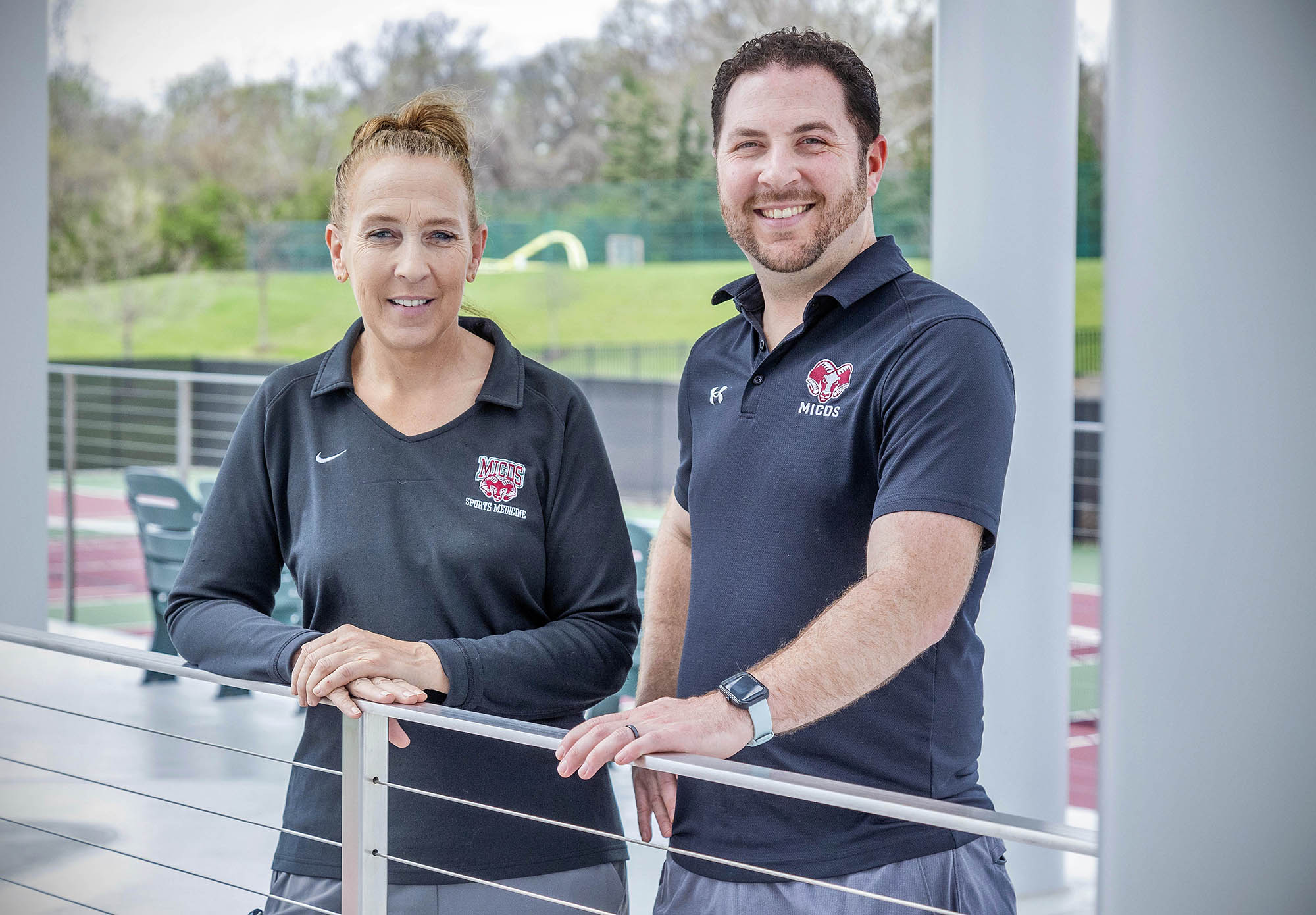
Stacey Morgan, Head Athletic Trainer & Upper School Science Teacher, and Ben Krueger, MICDS Athletic Trainer & Upper School Science Teacher, Acquire CEUs at National Athletic Trainer Association Convention
By Ms. Morgan:
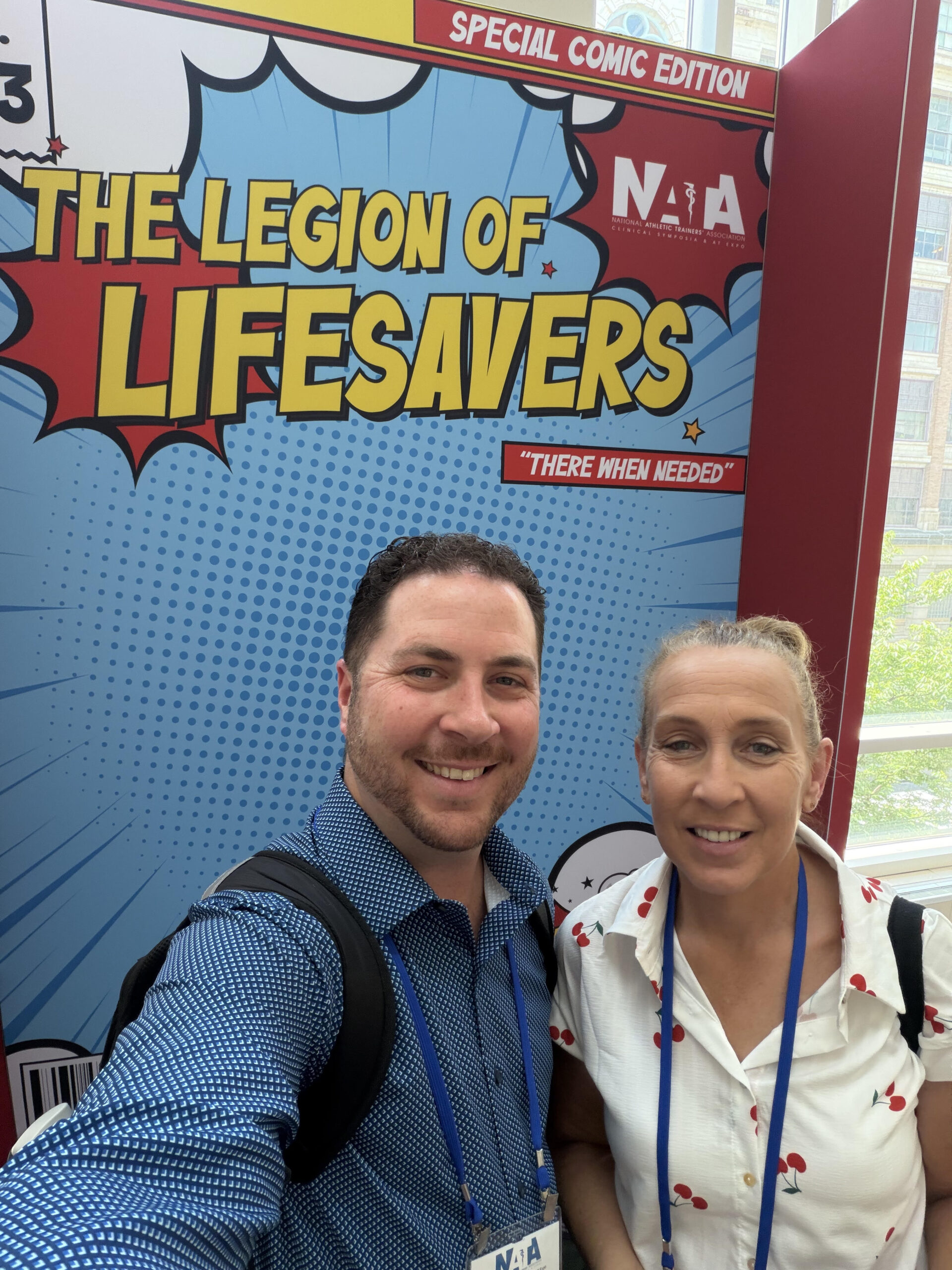
Ben Krueger, MICDS Athletic Trainer & Upper School Science Teacher, and I attended the National Athletic Trainer Association’s (NATA) Convention this summer in Philadelphia, Pennsylvania. The NATA convention is an annual convention that is attended by approximately 12,000 athletic trainers annually. It is four days of workshops, lectures, keynotes, and meetings that allow us the opportunity to learn, network, and much more.
Two things that stood out this year were two workshops that Ben and I both attended. We attended a gait workshop that dove deep into shoe analysis and how that would translate into the lower chain of the body. Shoes have always been a consideration, but we certainly have more depth to apply to our evaluations. The other workshop was a splinting workshop—it introduced us to new products and allowed us to create splints for a variety of injuries, which was a lot of fun.
Athletic Trainers are required to have 50 hours of continuing education units every two years. This conference allows us to get CEU’s, so we attend annually. It allows us to check out the latest products in the huge exhibit hall, network with other athletic trainers, and reflect on our own practices together.
Natalie Griffin, Middle School Latin & Spanish Teacher, Attends Spanish Language Immersion Program at Dartmouth College
By Ms. Griffin:
I received the Mary Institute Class of 1957 Endowed Fund for Faculty Continuing Education sabbatical. This endowed fund was established and endowed by gifts received from the Mary Institute Class of 1957 on the occasion of its 50th reunion. It allows members of the MICDS faculty to apply to receive funds to sponsor summer experiences that will enhance their personal and professional skill sets.
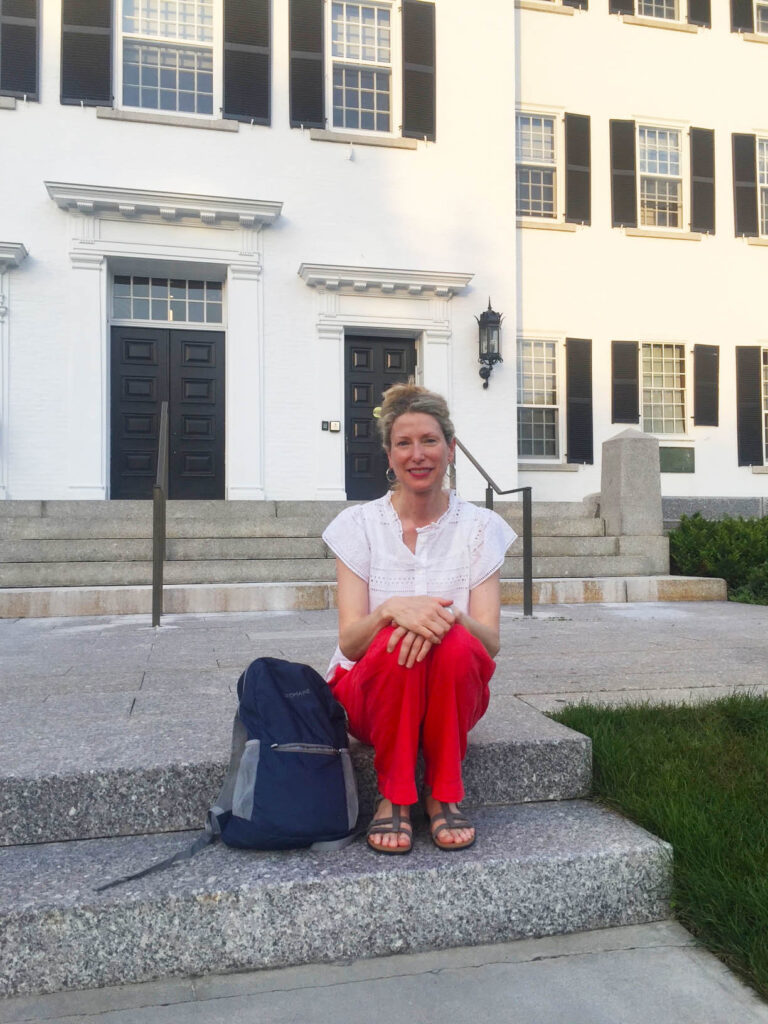
With the support of the sabbatical, I attended the Spanish Language Immersion Program (for adults) at Dartmouth College this summer. The program is “dynamic, durable, and dedicated to changing attitudes toward learning and the teaching of language and culture.” As a language teacher, I am continually looking to improve my teaching methods. This program afforded me the opportunity to practice my Spanish in an immersive environment while teaching me additional, effective ways to teach the language. Each day was filled with master classes, small group sessions, and cultural activities.
My goals in attending the program were: reinforce my Spanish fluency by utilizing advanced language structures and specialized vocabulary, expand my knowledge of world language teaching methods, familiarize myself with current cultural/social trends in the Hispanic world, and personally benefit from the rejuvenation that comes from purposeful and relevant professional development opportunities. I can’t wait to incorporate my expanded skill set into my own Spanish classroom at MICDS and have already shared what I learned with my colleagues.
I absolutely loved my summer experience! I am a firm believer that teachers benefit from being students from time to time, and this was definitely the case for me this summer!
William Bander and Kris Sontheimer, Middle School Science Teachers, Attend Teacher Camp at the University of Illinois Urbana-Champaign
By Mr. Bander:
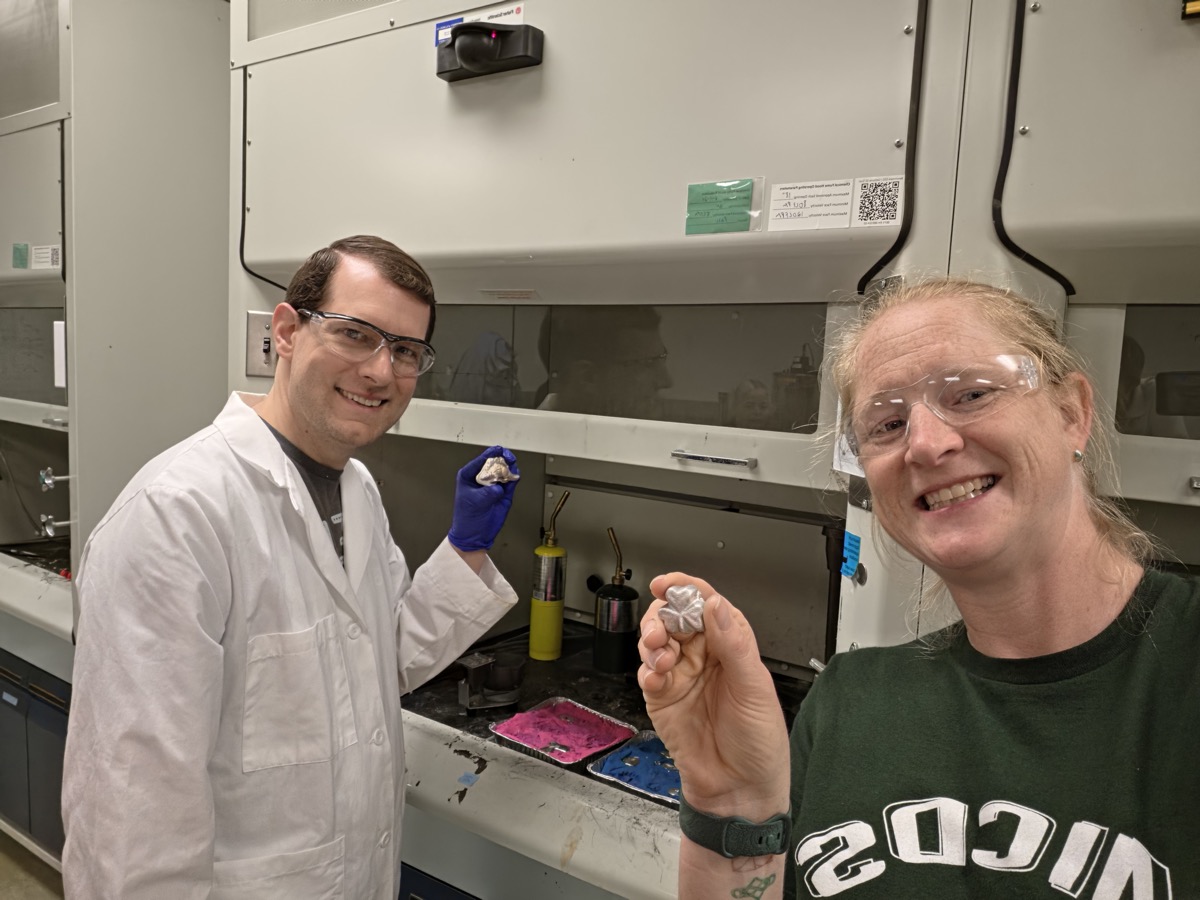
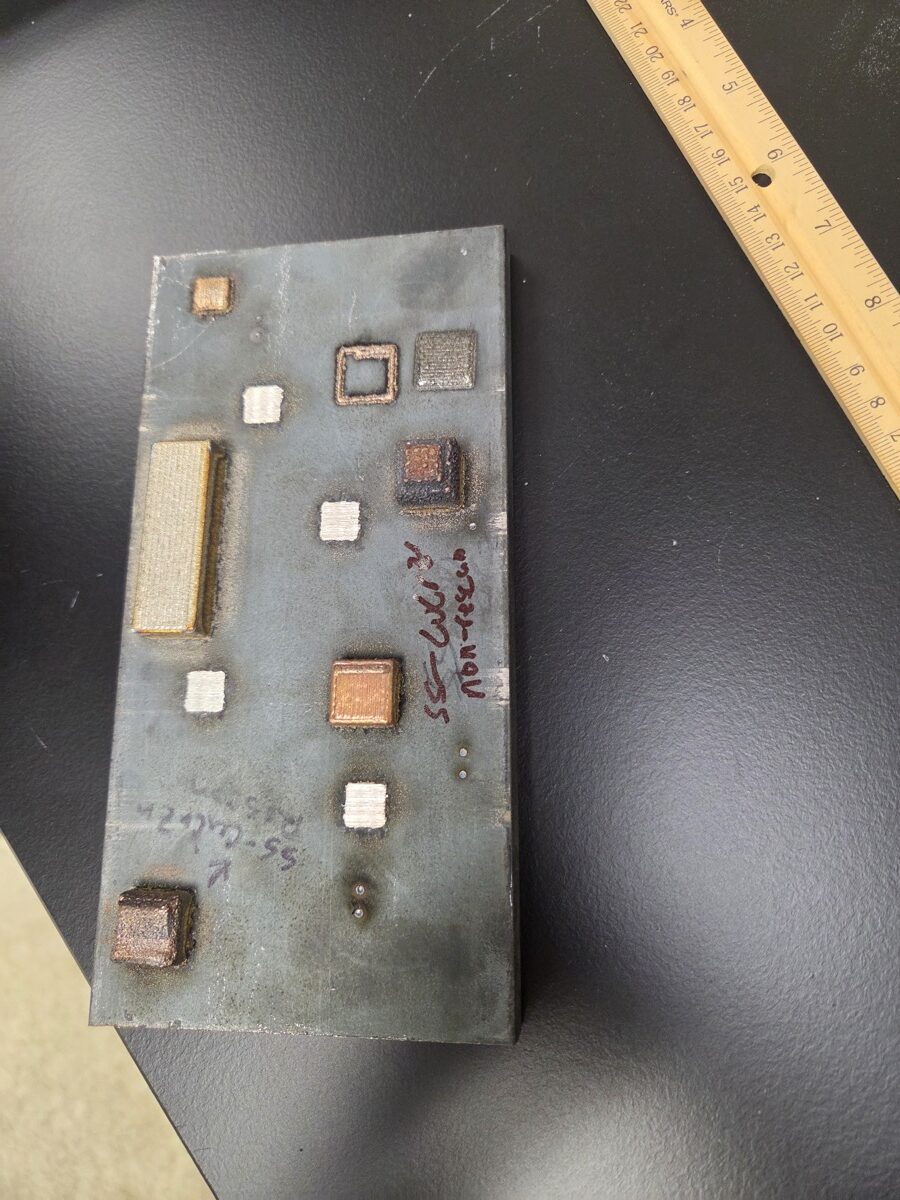
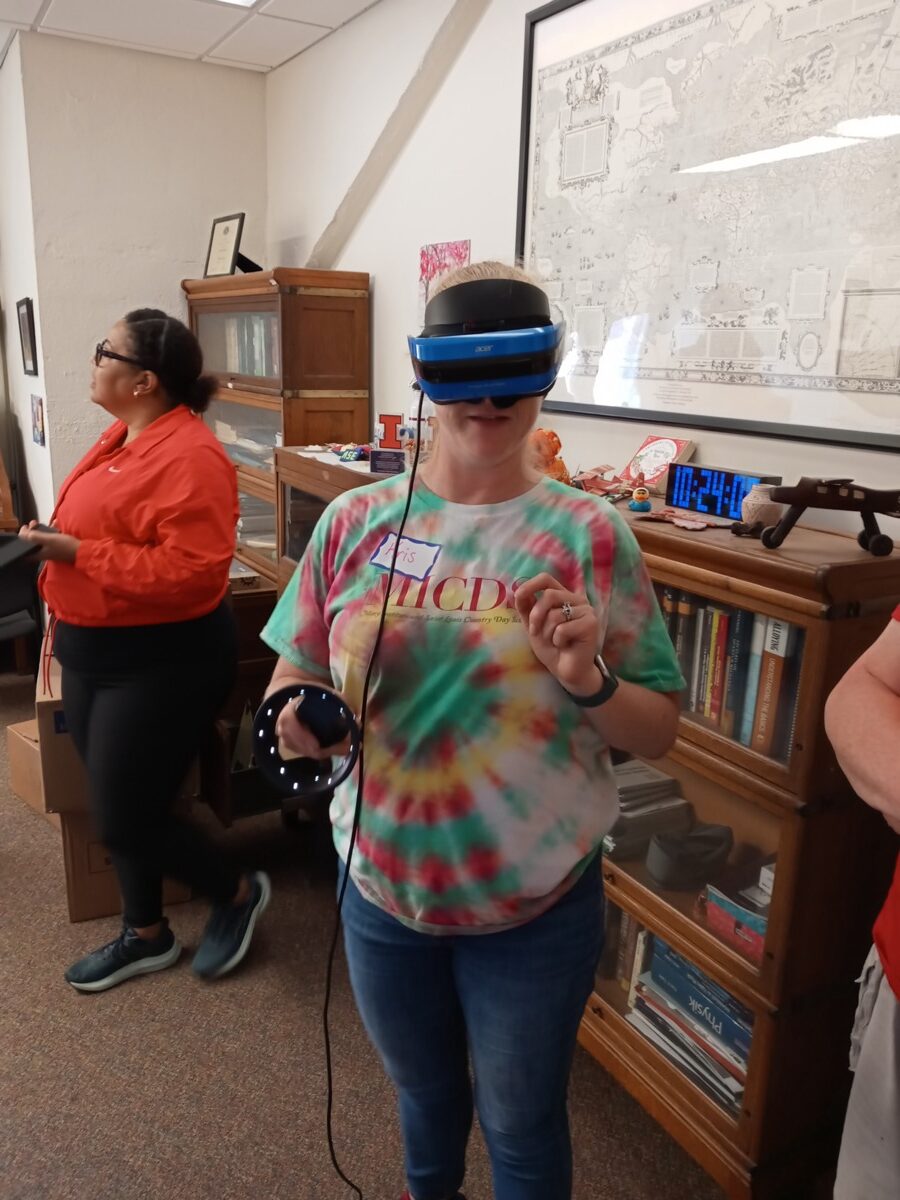
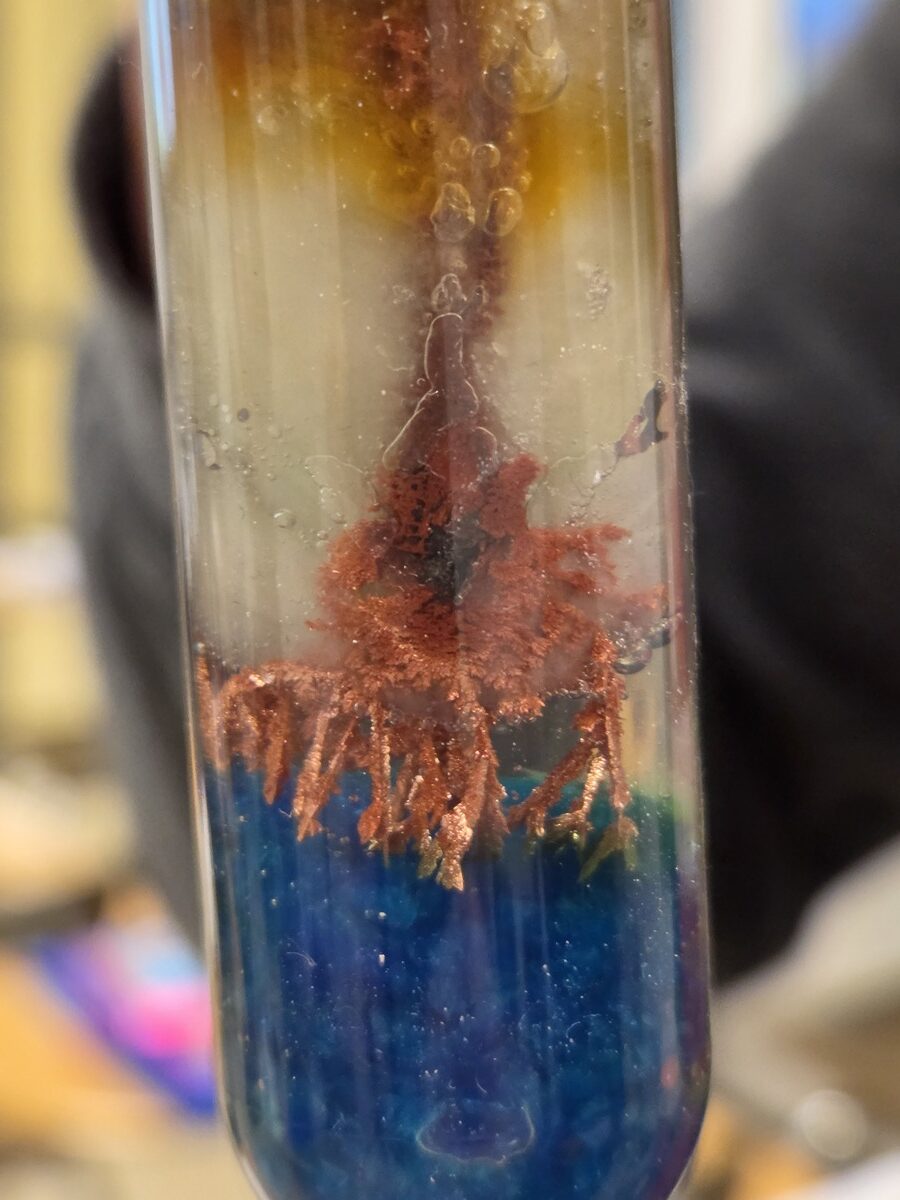
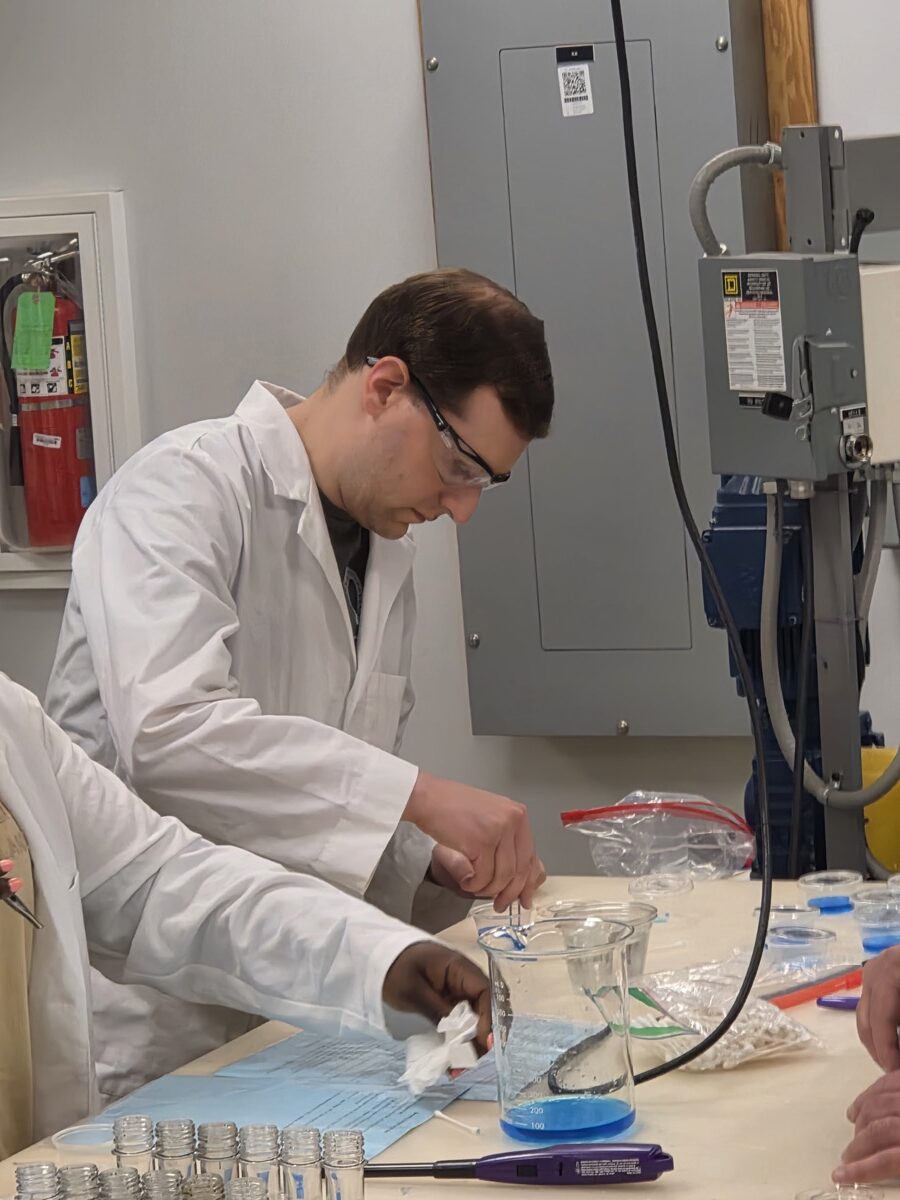
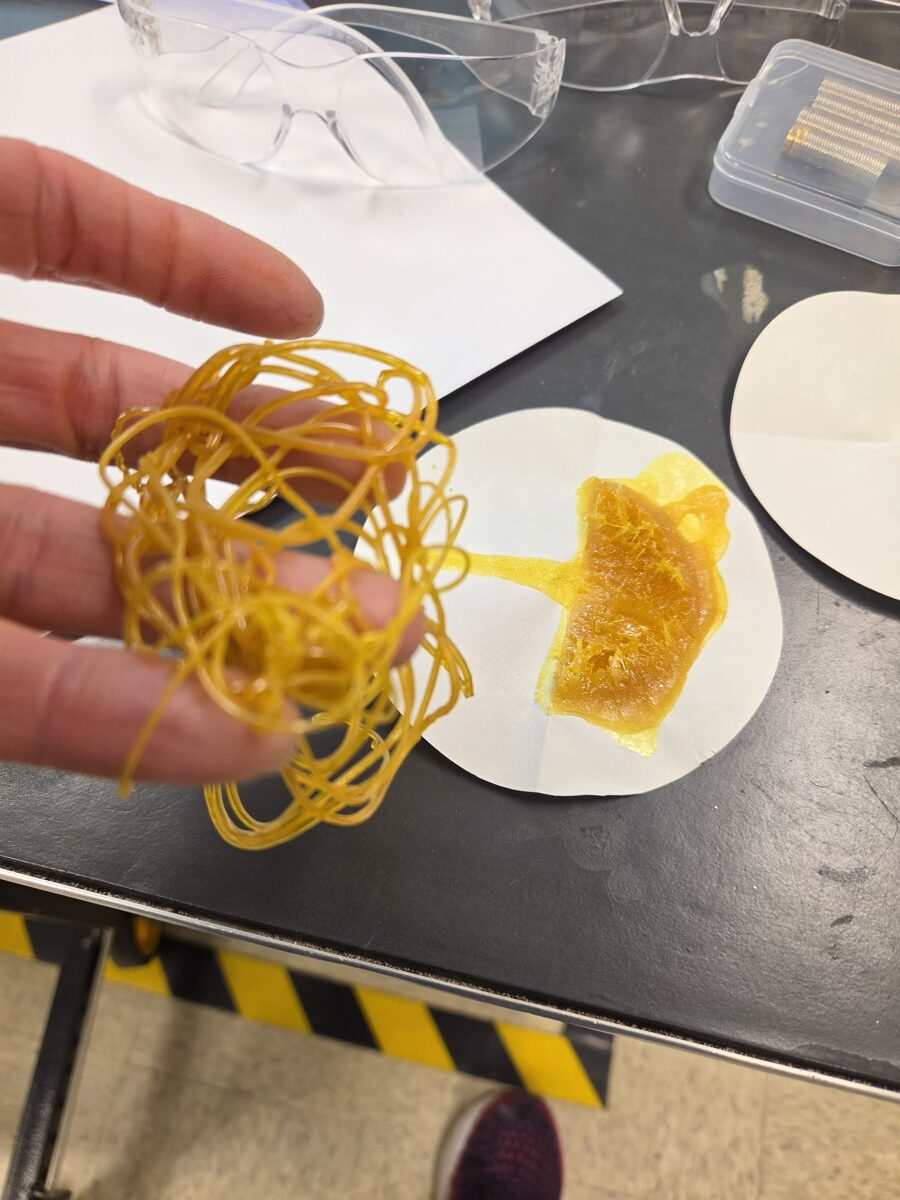
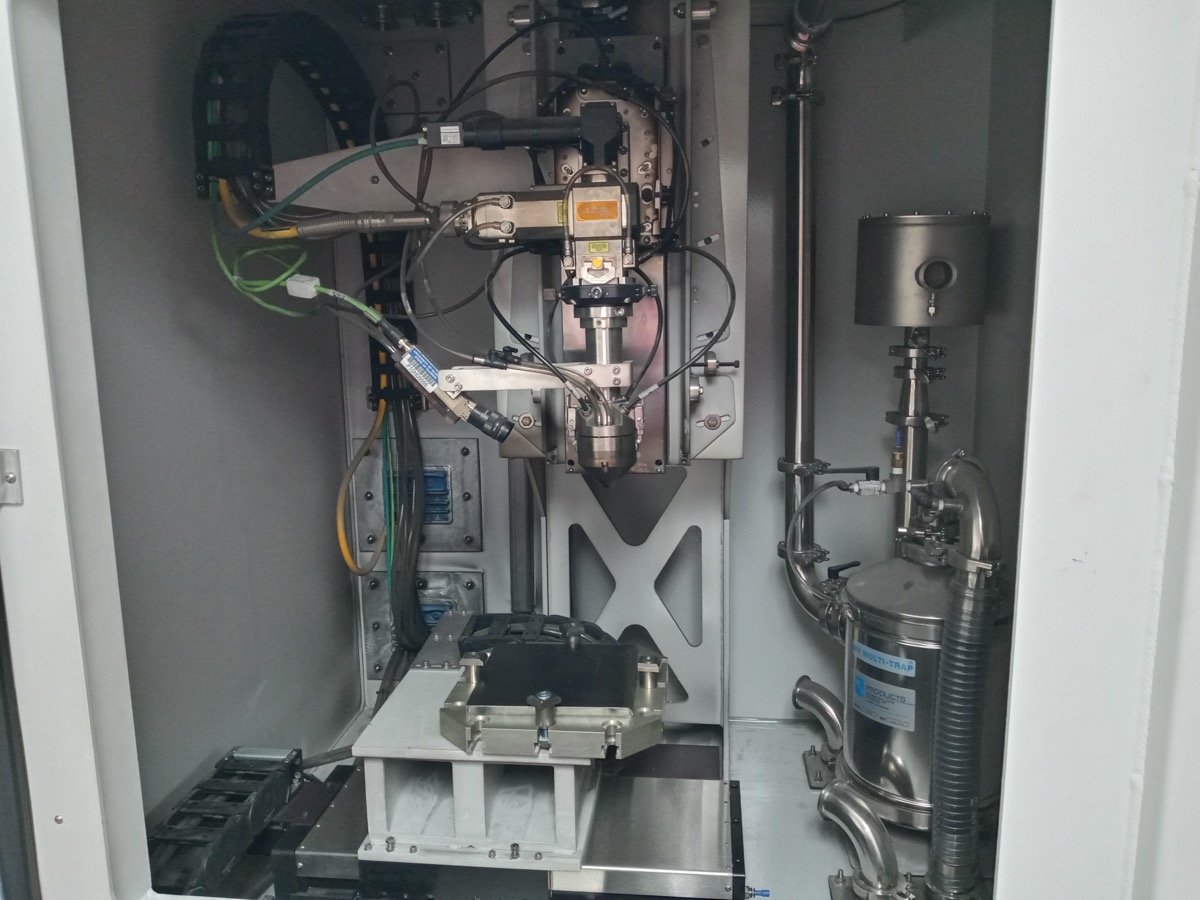
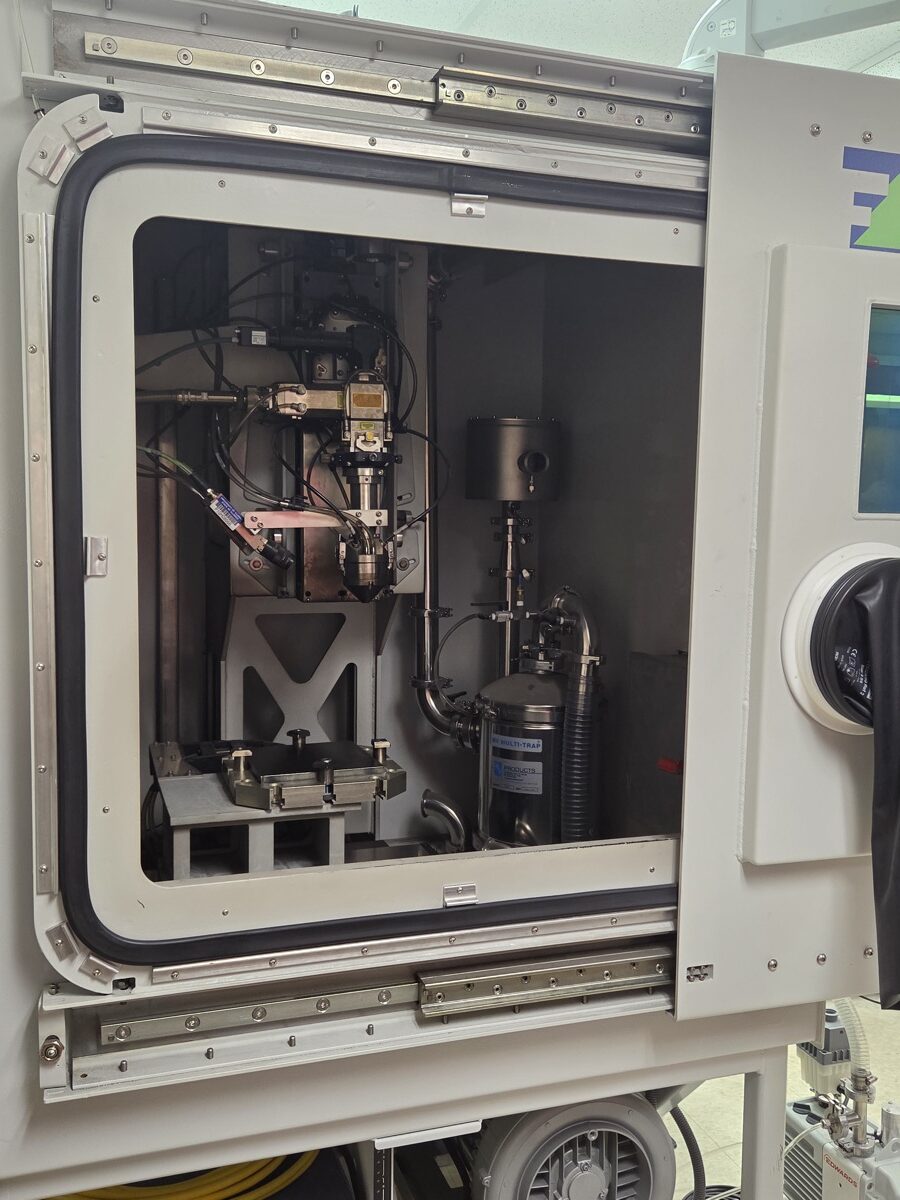
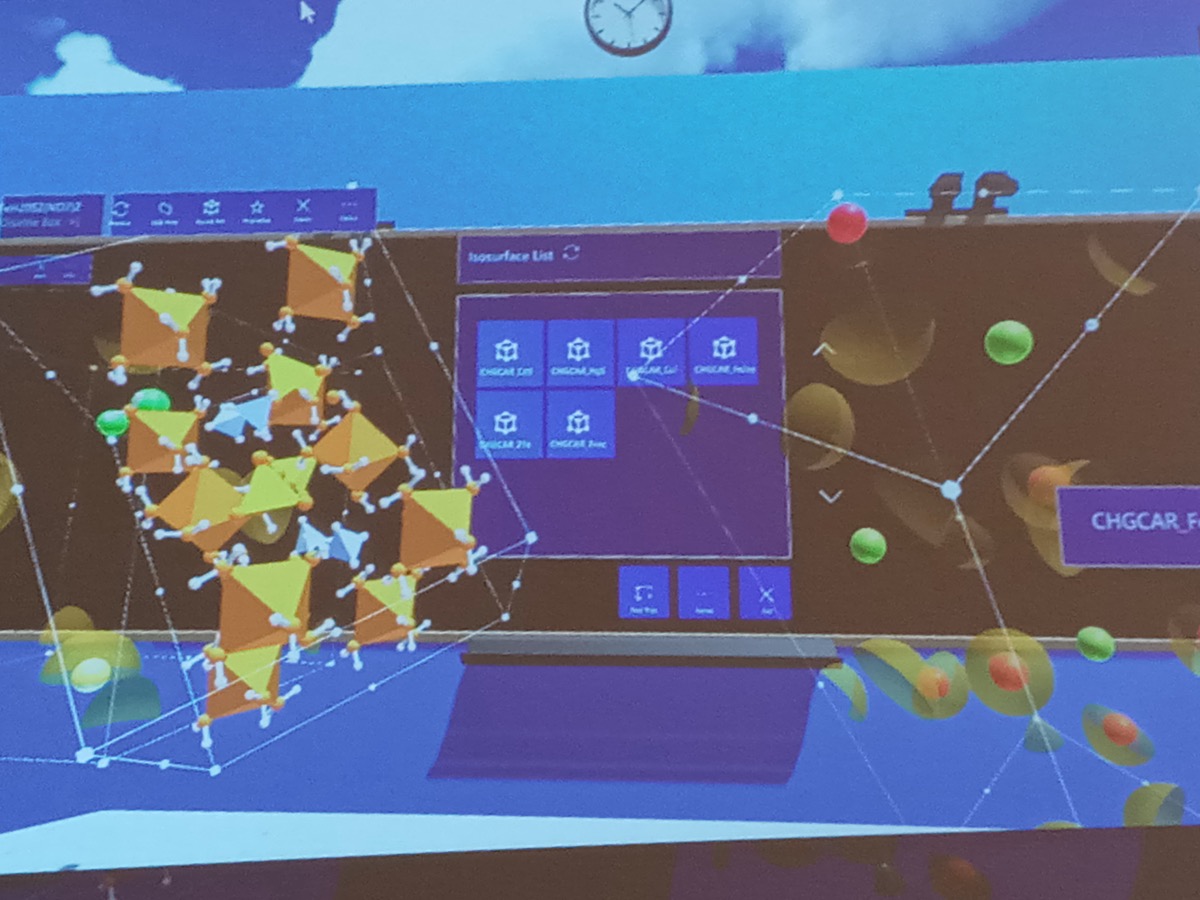
Kris Sontheimer and I attended a week-long teacher camp at the University of Illinois Urbana-Champaign. Instructors from the ASM Materials Education Foundation gave lessons on materials science that provided us with new strategies and techniques for teaching eighth-grade physical science in a more meaningful and applicable way. This included labs growing crystals, casting metal alloys, exploring the interactions between molecules using virtual reality, and getting to observe new materials technologies like 3D printers that use metal instead of plastic.
Liz Crowder, Lower School Literacy Coordinator, Pursues Certification in the Orton-Gillingham Approach
By Ms. Crowder:
This summer, I had the privilege of spending two intensive weeks in Kansas City pursuing formal certification in the Orton-Gillingham (OG) approach. The coursework provided a deep dive into the cognitive neuroscience surrounding dyslexia and dysgraphia—exploring how brain-based differences impact phonological processing, decoding, and written expression. While the summer intensive laid a strong foundation, my journey continues throughout this school year as I work toward full certification, which I will officially receive after my final class in April.
To support all learners, educators must first understand how neurodiverse brains process language:
- Dyslexia is a language-processing difference affecting how the brain decodes written print. Students with dyslexia often have strong verbal intelligence but struggle with automatic letter-sound mapping and phonological awareness.
- Dysgraphia impacts the neurological transcription process, making handwriting, spacing, spelling, and translating thoughts onto paper physically exhausting.
Decades of Cognitive Science and Science of Reading research show that struggling readers cannot rely on whole-language guessing or visual memorization. Instead, the Orton-Gillingham method relies on Structured Literacy—an explicit, systematic, and diagnostic approach proven to rewire neural pathways. The OG method focuses on multisensory engagement, explicit and systematic phonics, and scaffolded writing support.
Long days of rigorous study were balanced by incredible local experiences. Staying in Kansas City allowed me to explore unique neighborhood shops, sample famous local barbecue, and join thousands of international fans at the World Cup Fan Fest.
Combining top-tier professional growth with the vibrant culture of Kansas City made this training an unforgettable milestone in my career. Armed with these evidence-based strategies, I am excited to collaborate with fellow teachers to build an inclusive classroom where every reader thrives!
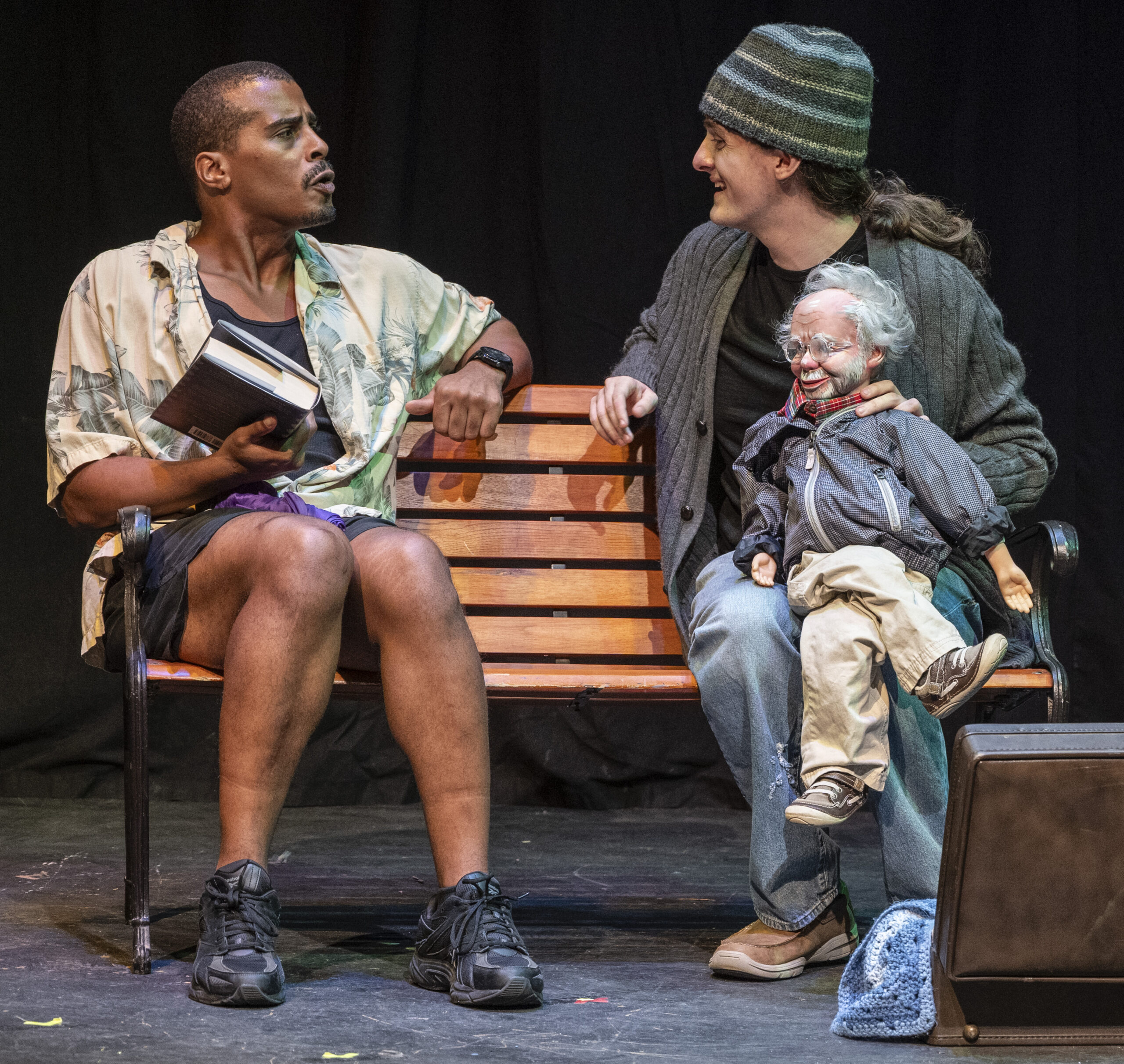
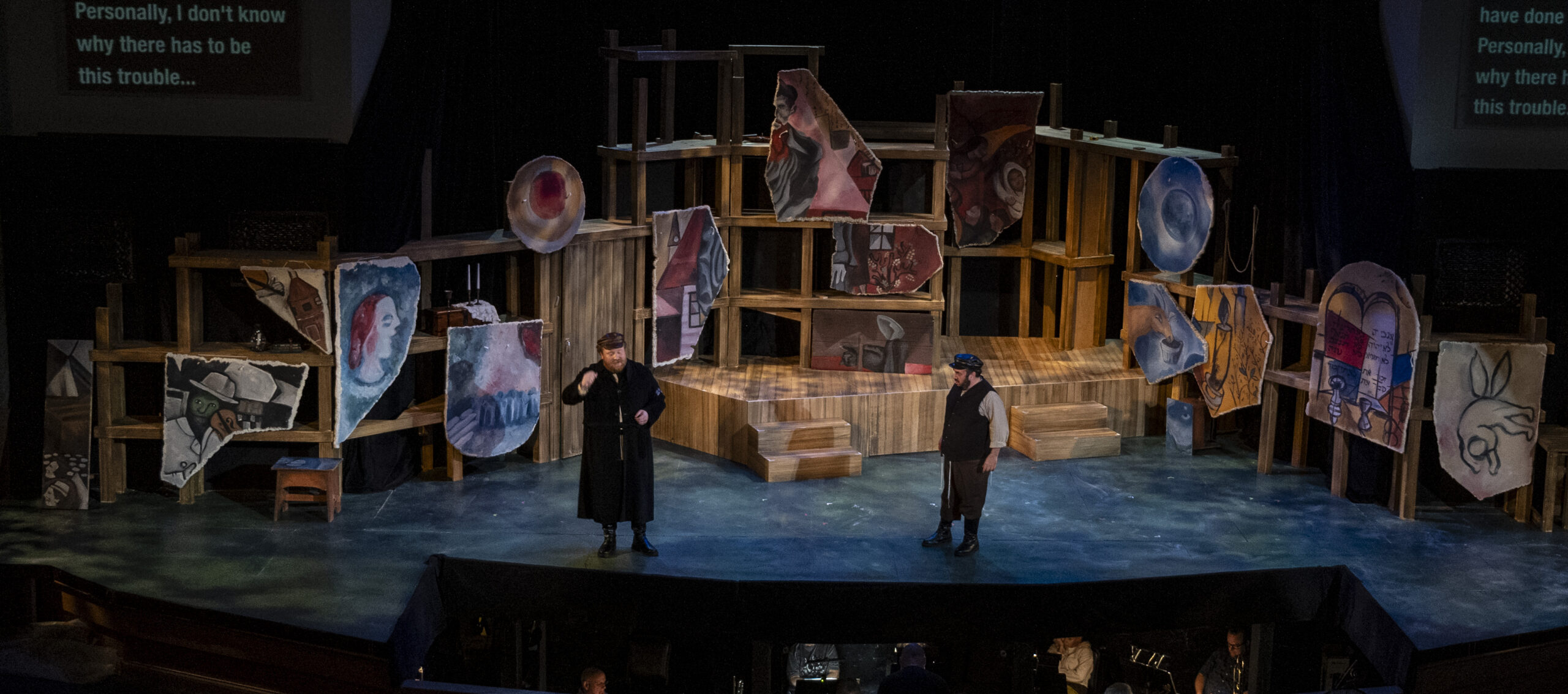
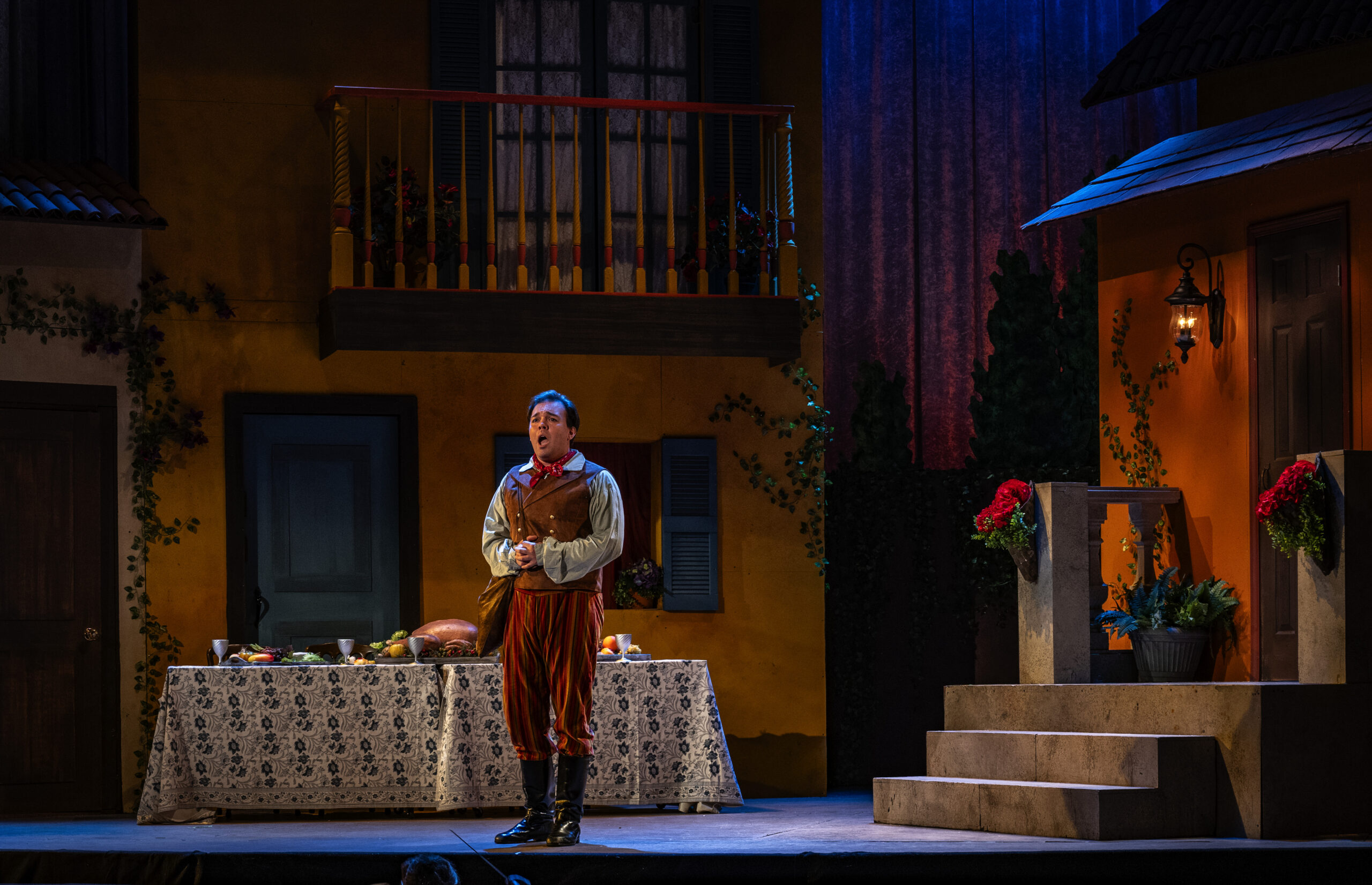
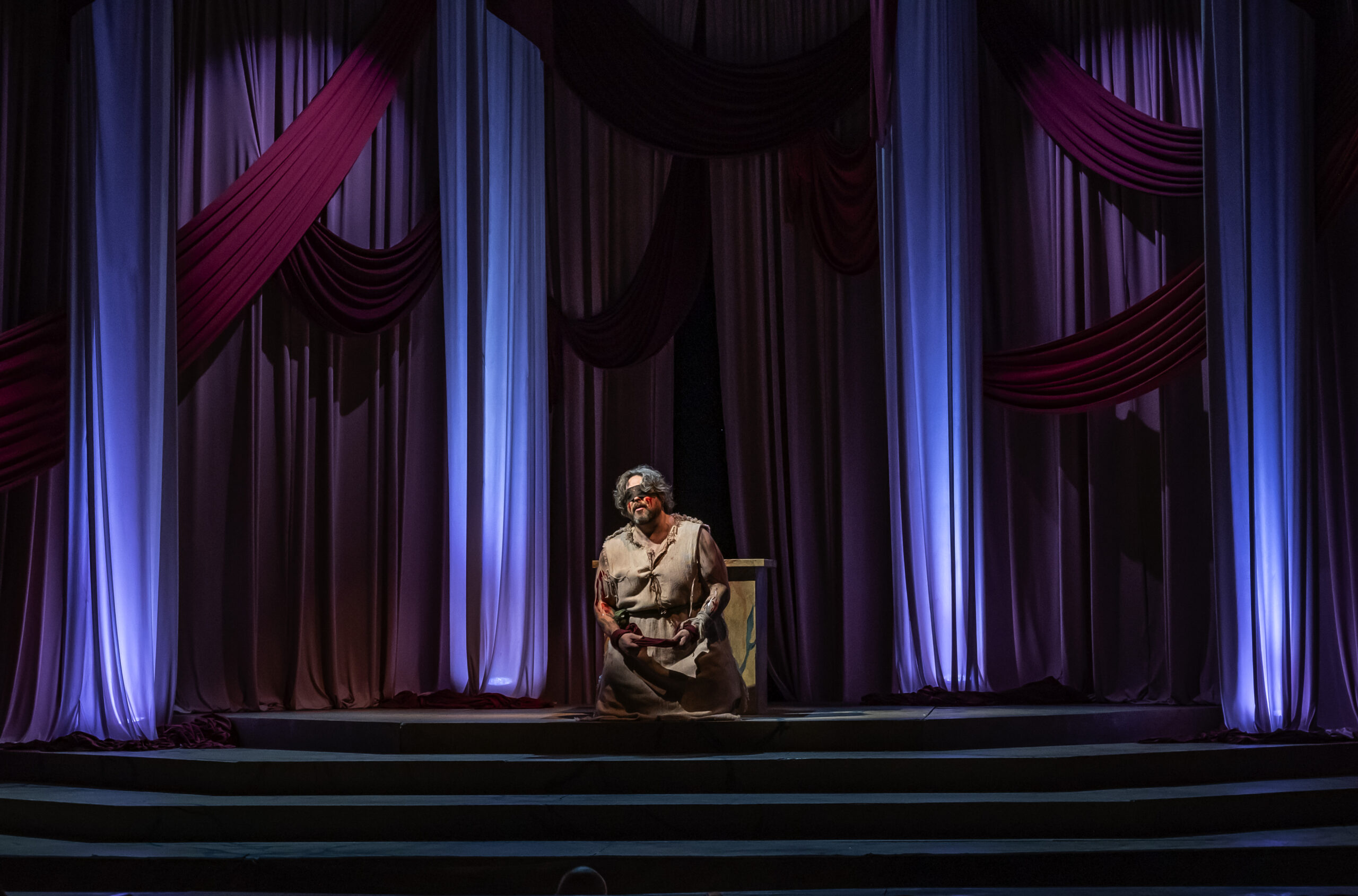
Patrick Huber, Upper School Visual Art Teacher, Designs Scenery and Lighting for Plays and Operas
By Mr. Huber:
Most of this summer, I was doing scenery and/or lighting for plays and operas. Check out some of the work in the productions below!
Diane Broberg, JK-12 Math & Computer Science Department Chair, and Dr. Jody Marberry, Middle School Math Teacher, Present at the Missouri Council of Teachers of Mathematics
By Dr. Marberry:
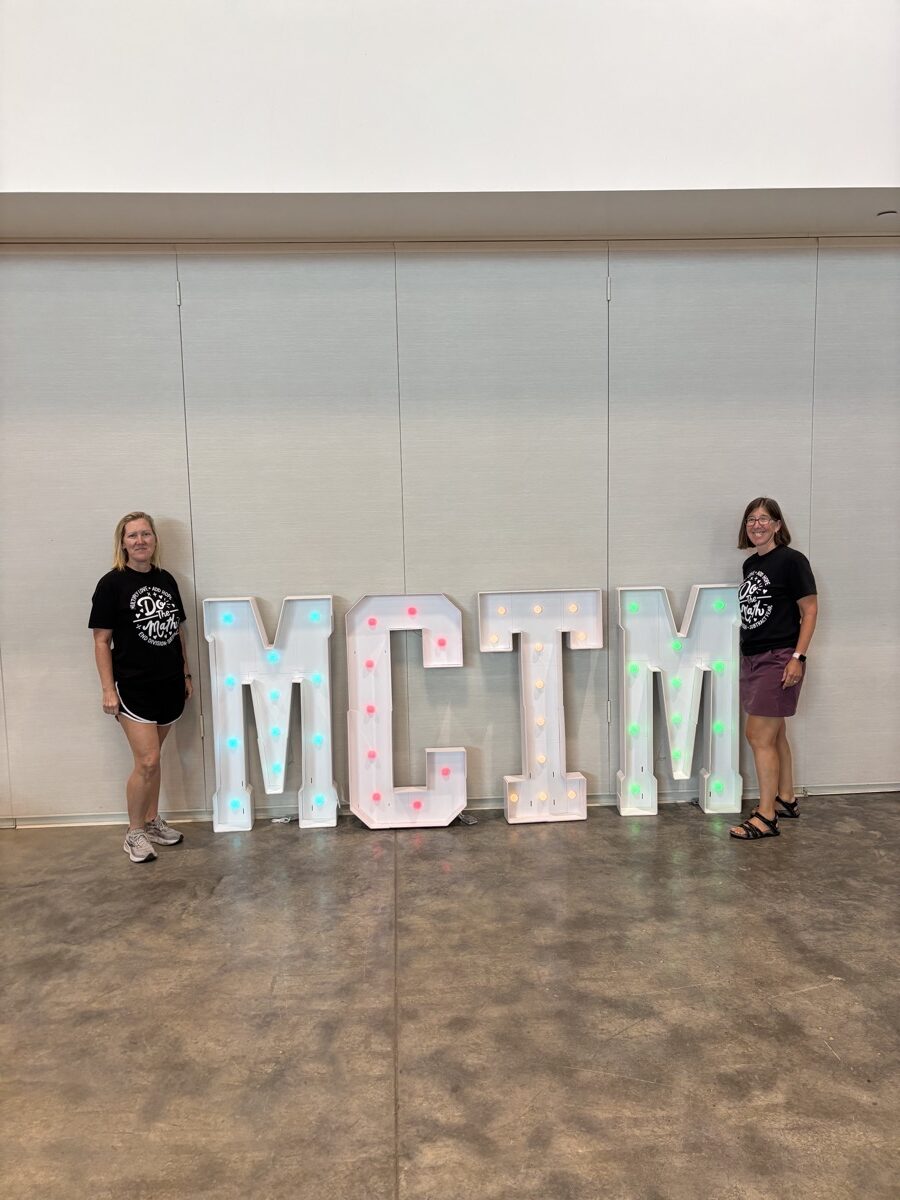
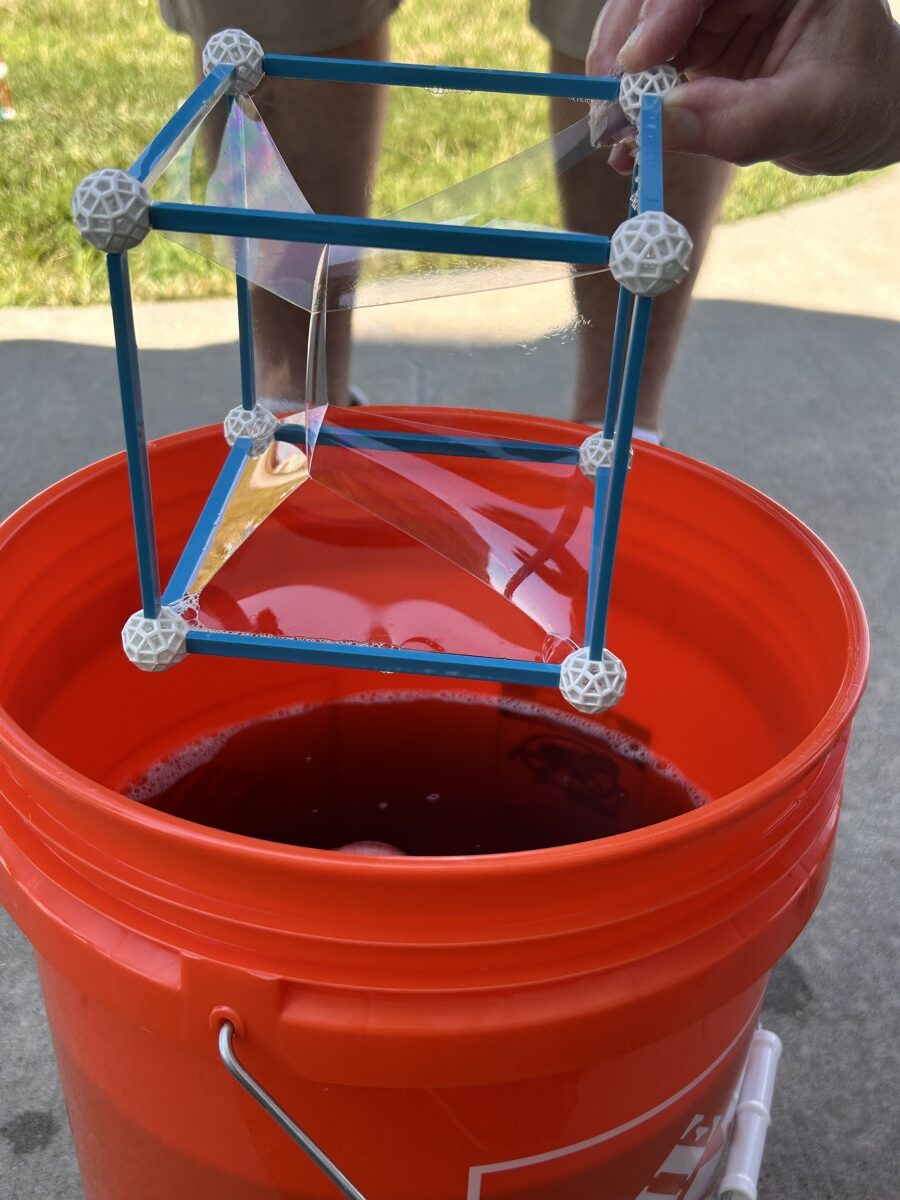
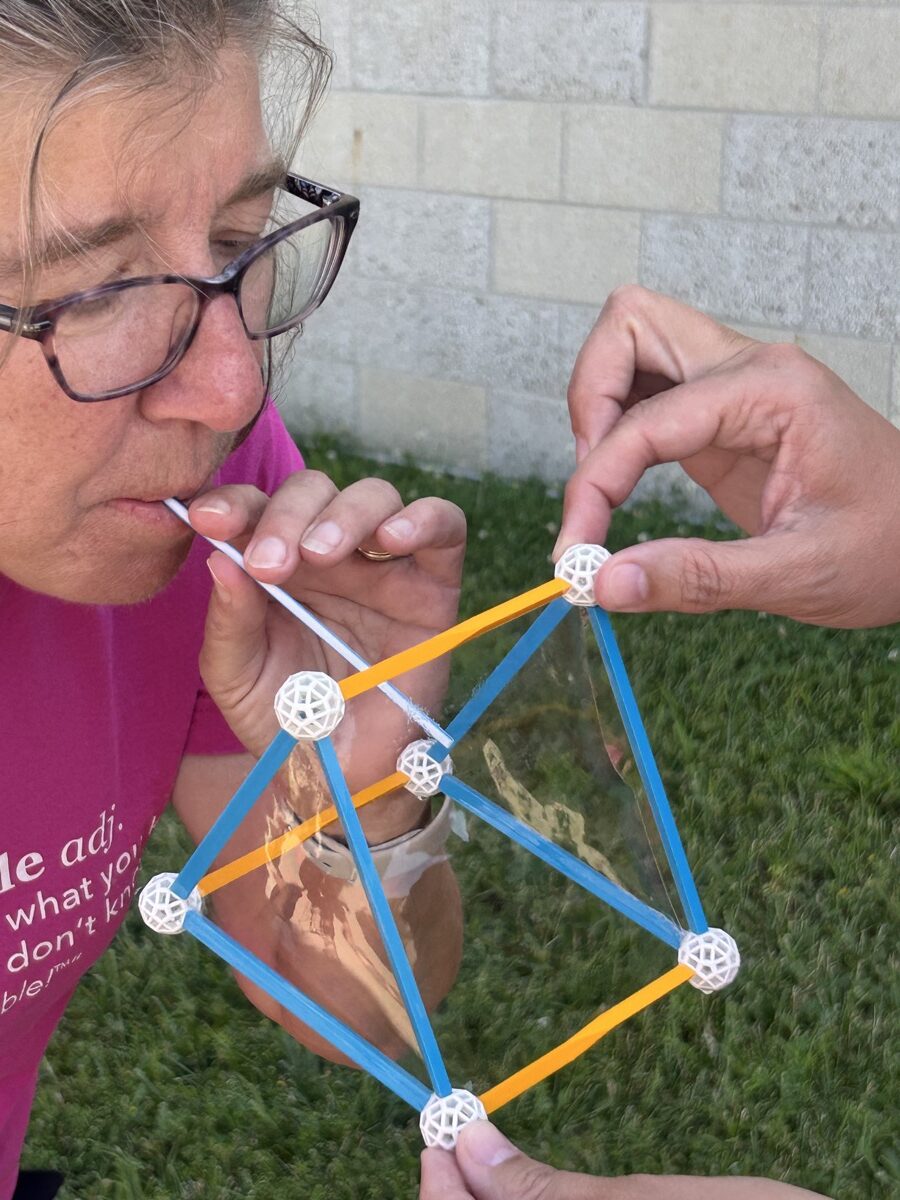
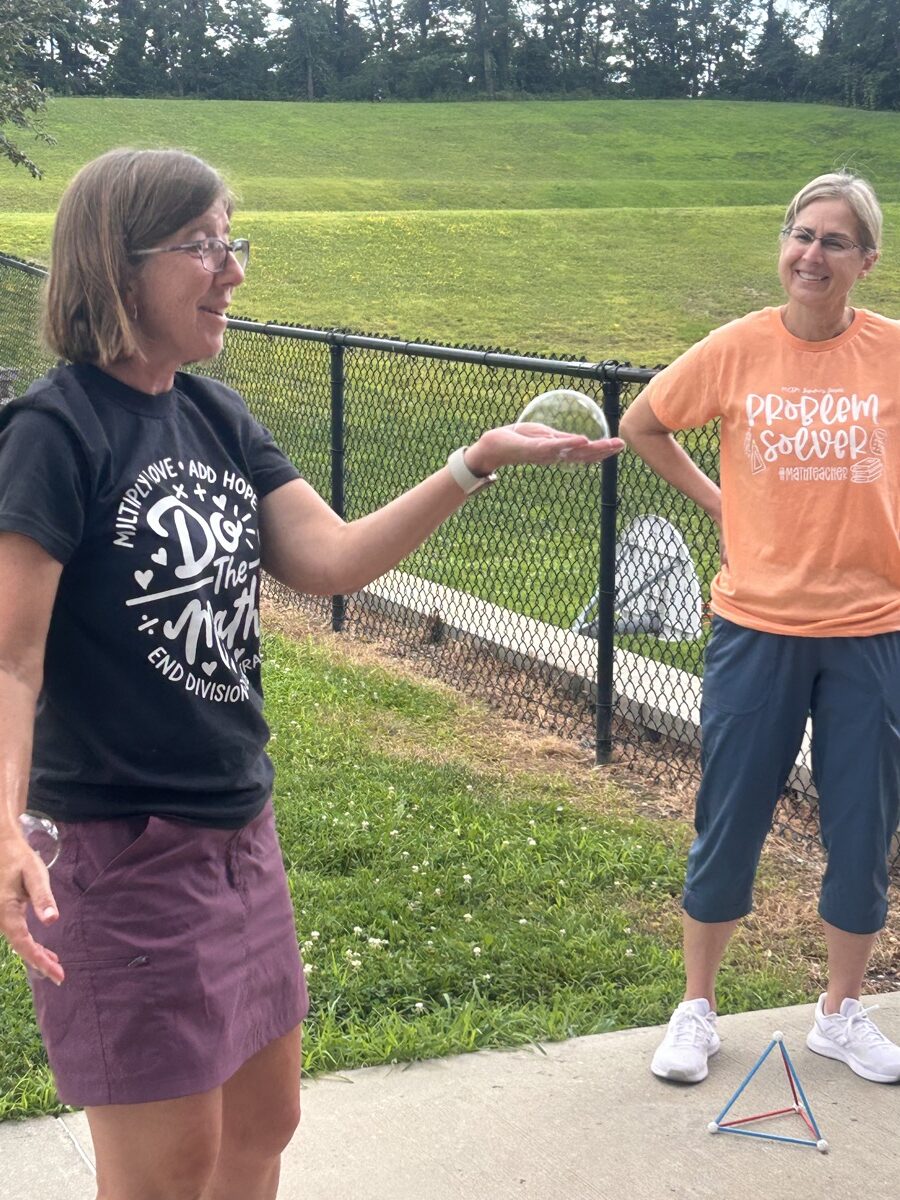
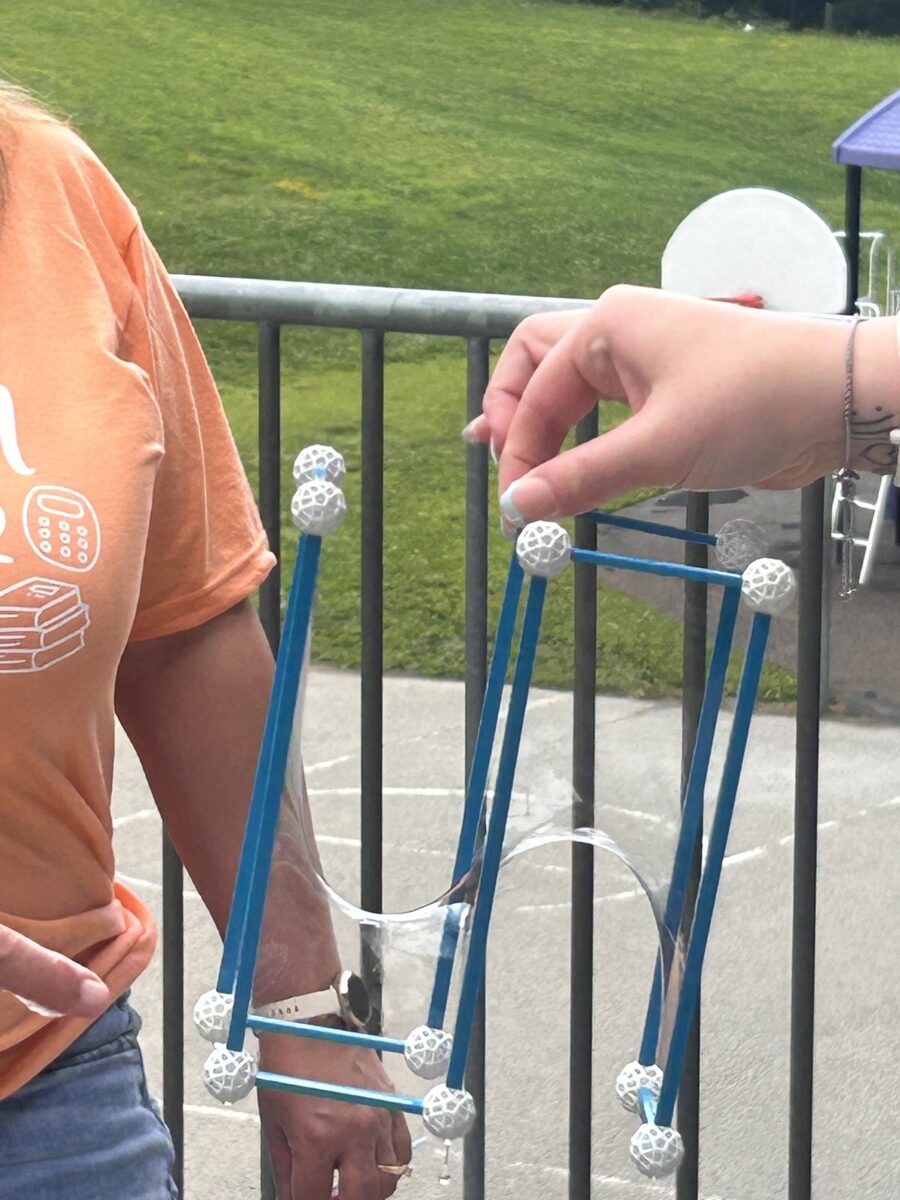
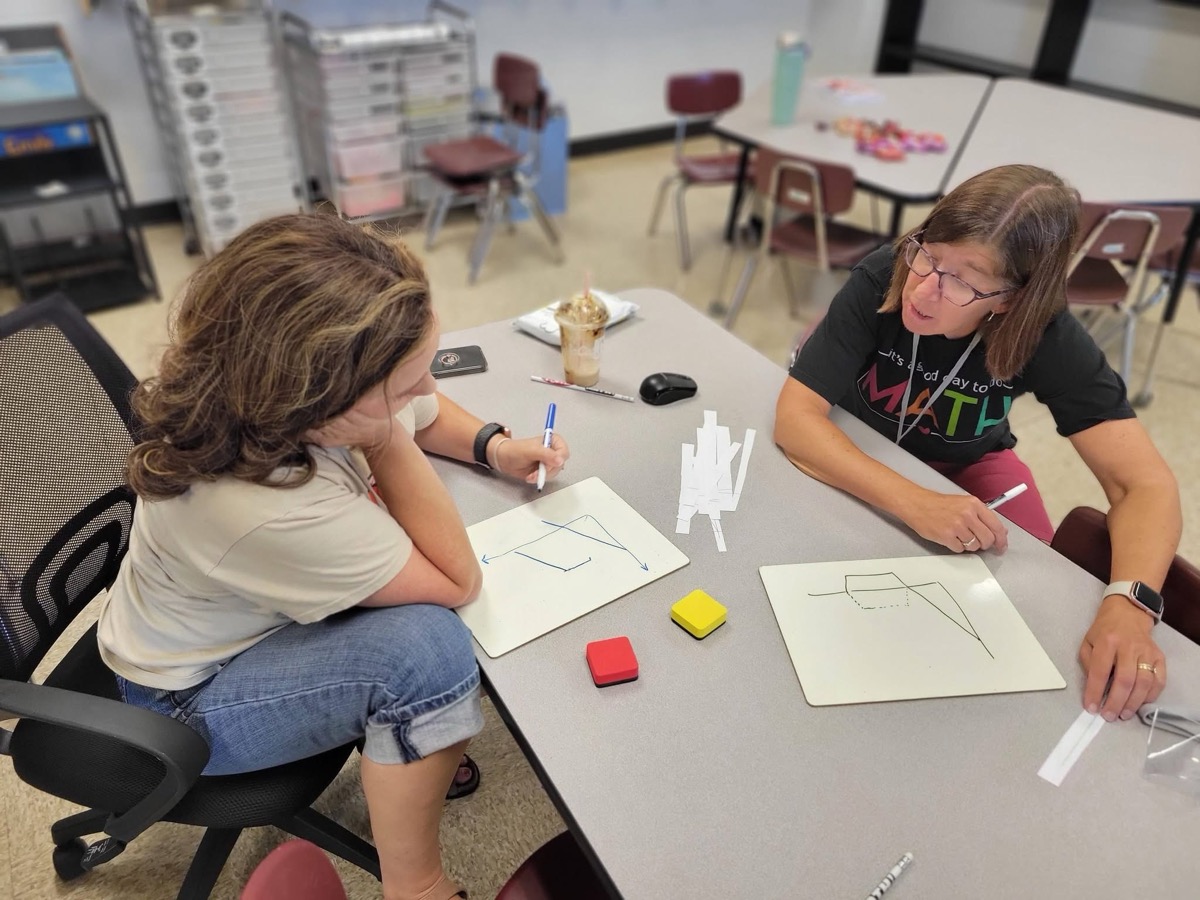
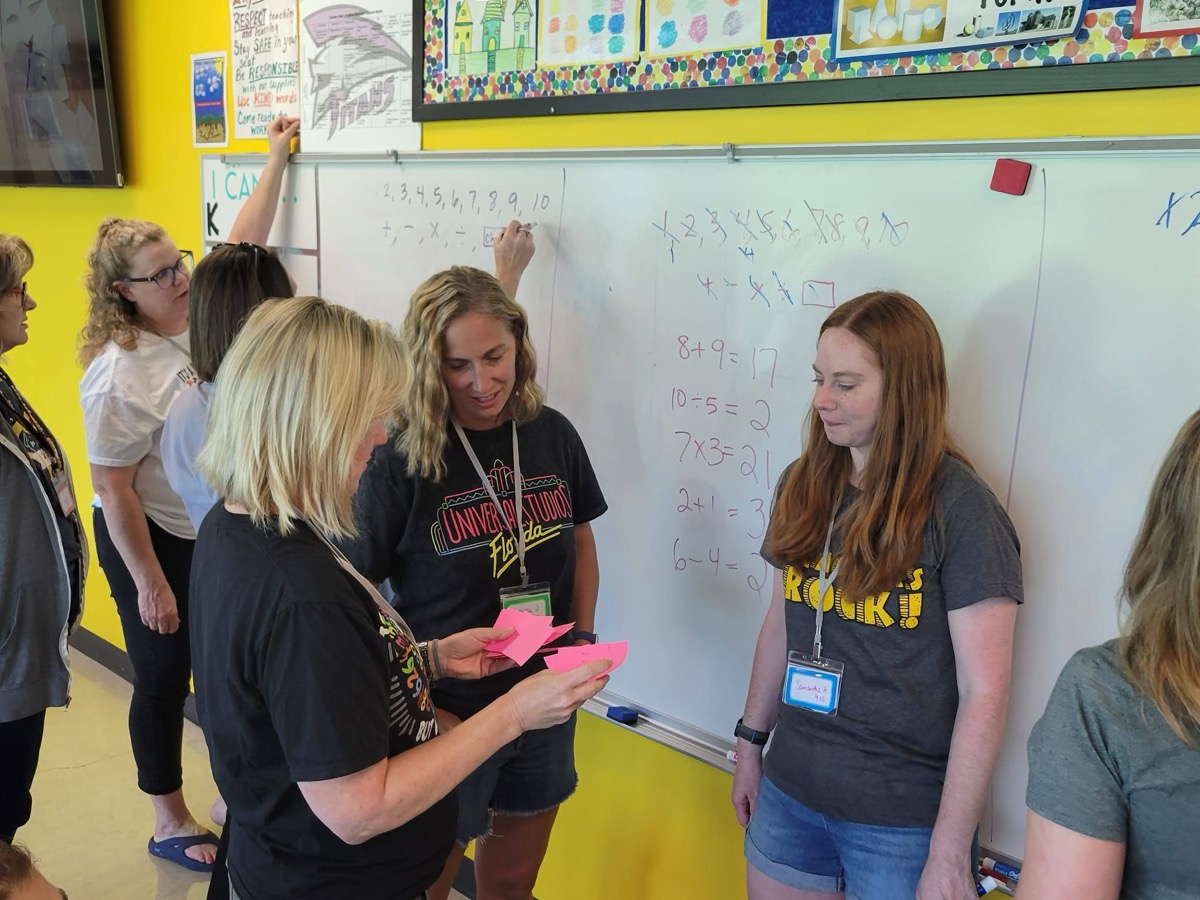
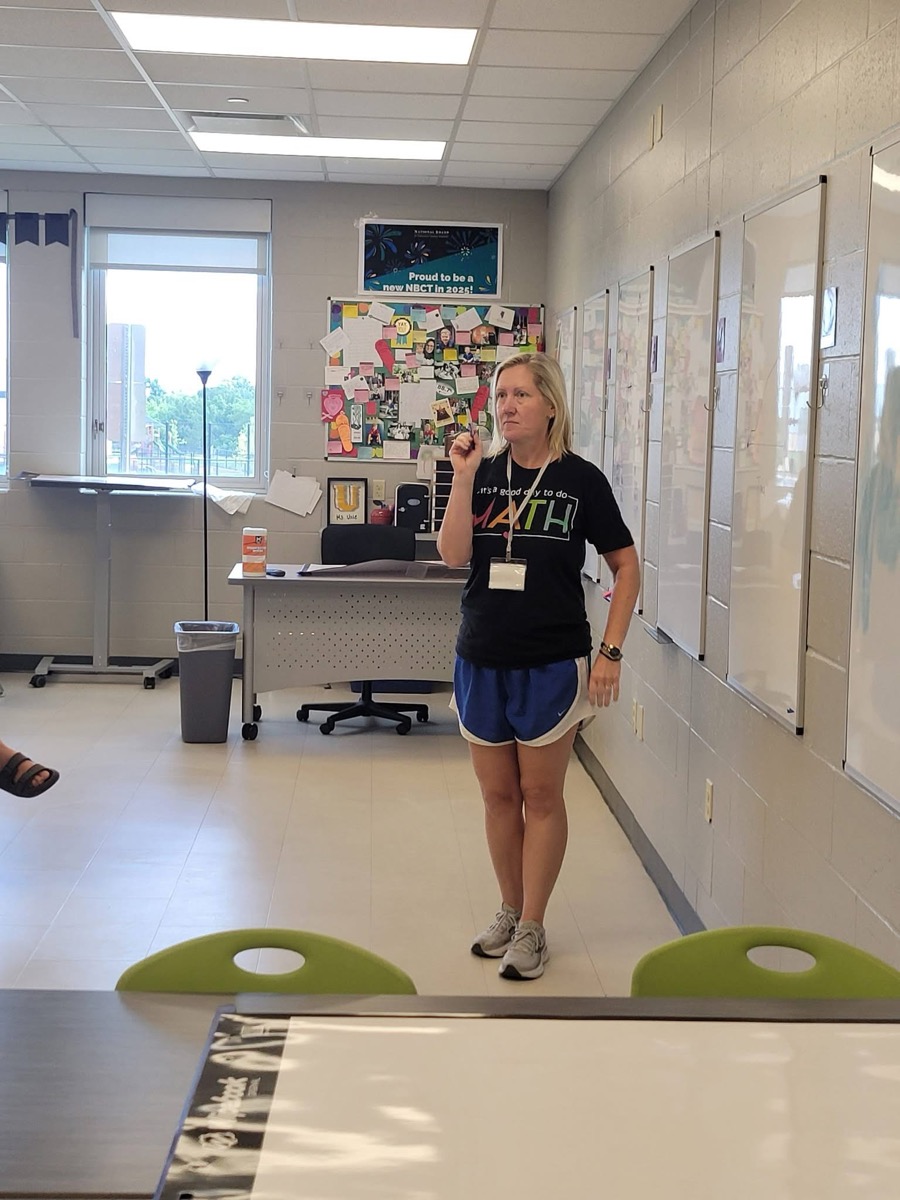
Diane Broberg and I were workshop presenters again this summer for the Missouri Council of Teachers of Mathematics (MCTM). We ran two full-day workshops for math teachers in grades 9-12. We both did the sessions in Columbia and St. Joseph, Missouri. Diane did the next week’s sessions in Poplar Bluff and Wanesville with another presenter since I was on vacation.
We used the Building Thinking Classroom model and focused on hands-on learning in the math classroom along with rich problem-solving opportunities and designing new ways for students to organize their thoughts from class called “making notes.”
Kevin Frankenberger, Middle School Math Teacher, Explores Math, Science, and Engineering in the Colorado Mountains
By Mr. Kevin Frankenberger:
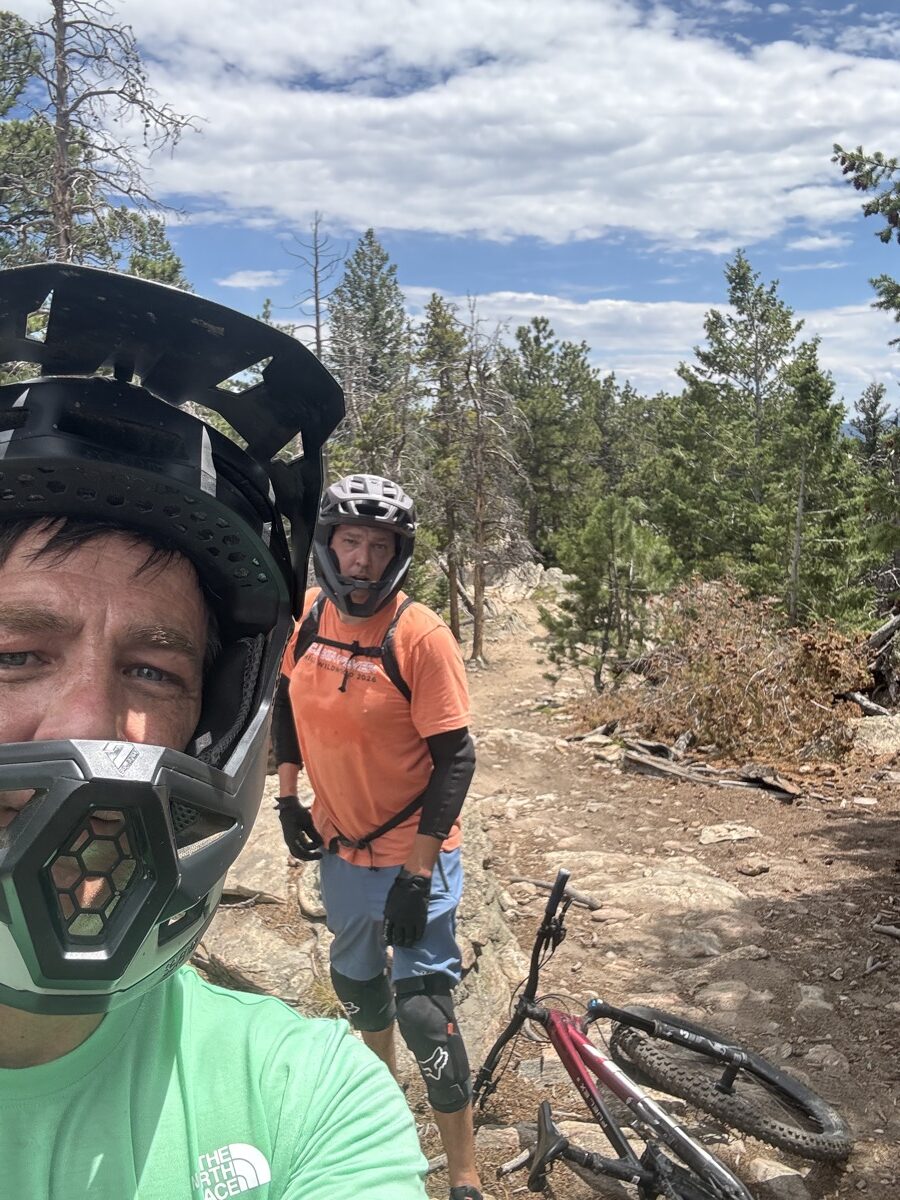
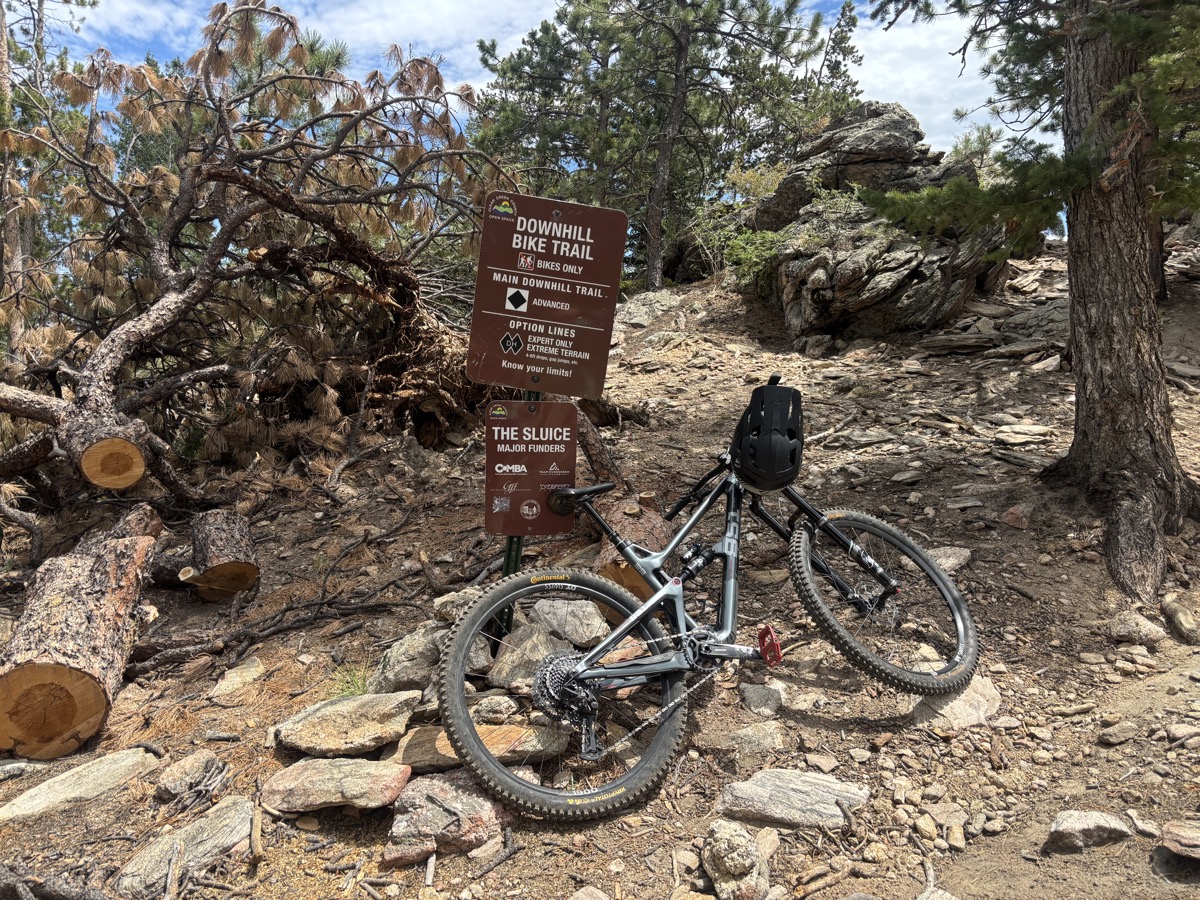
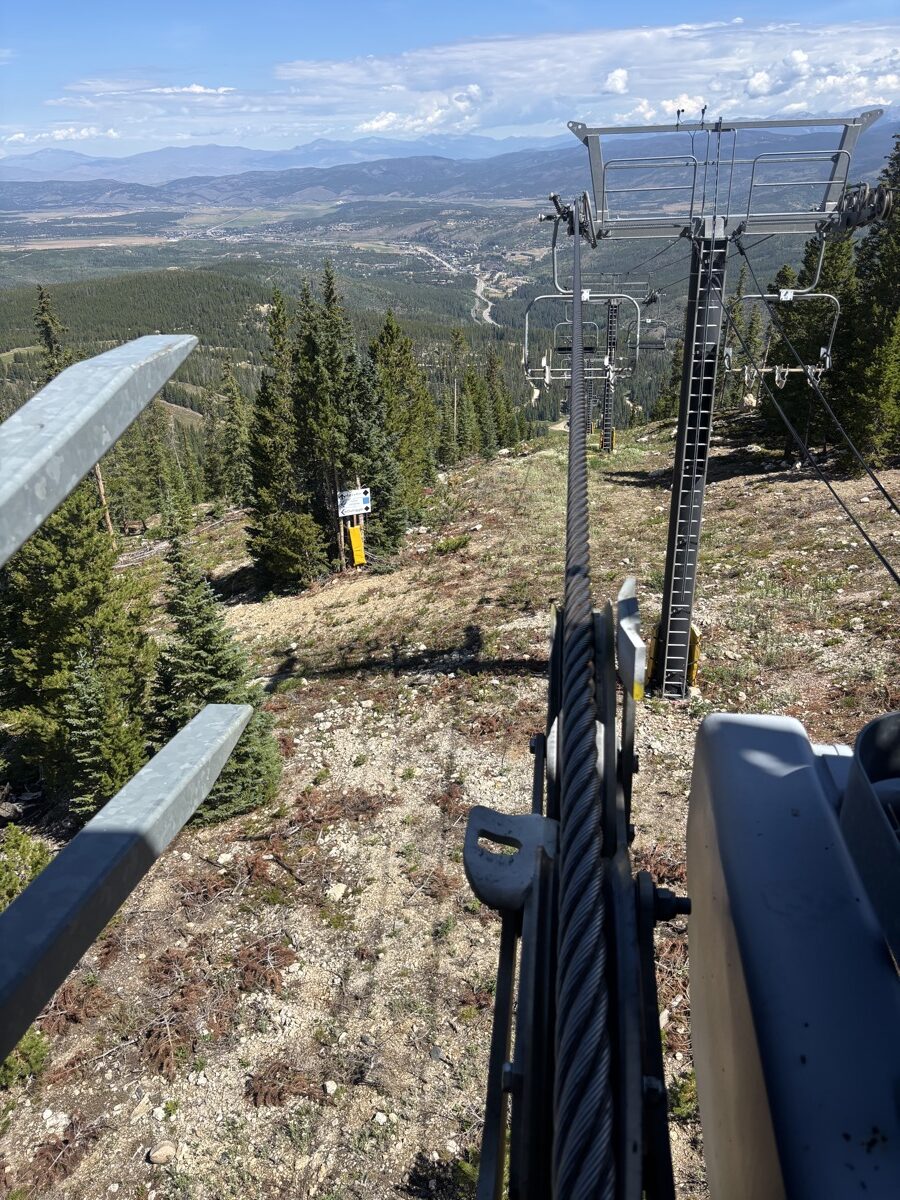
This summer, with the support from the Carol B. and Jerome T. Loeb Fund for Excellence in the Teaching of Mathematics, I had the opportunity to spend time in Colorado to experience how math, science, and engineering are integrated into every aspect of the outdoor experiences that the mountains have to offer. Once we started looking for ways that math was incorporated into mountain sports, it showed up in so many more ways than we had expected!
The most impactful experience came from personal interactions and talking with employees at the resorts. This was enlightening and exposed so many areas that incorporate math and science and gave me a greater appreciation for the complexity of what goes into what used to seem like just a chance to go skiing or mountain biking.
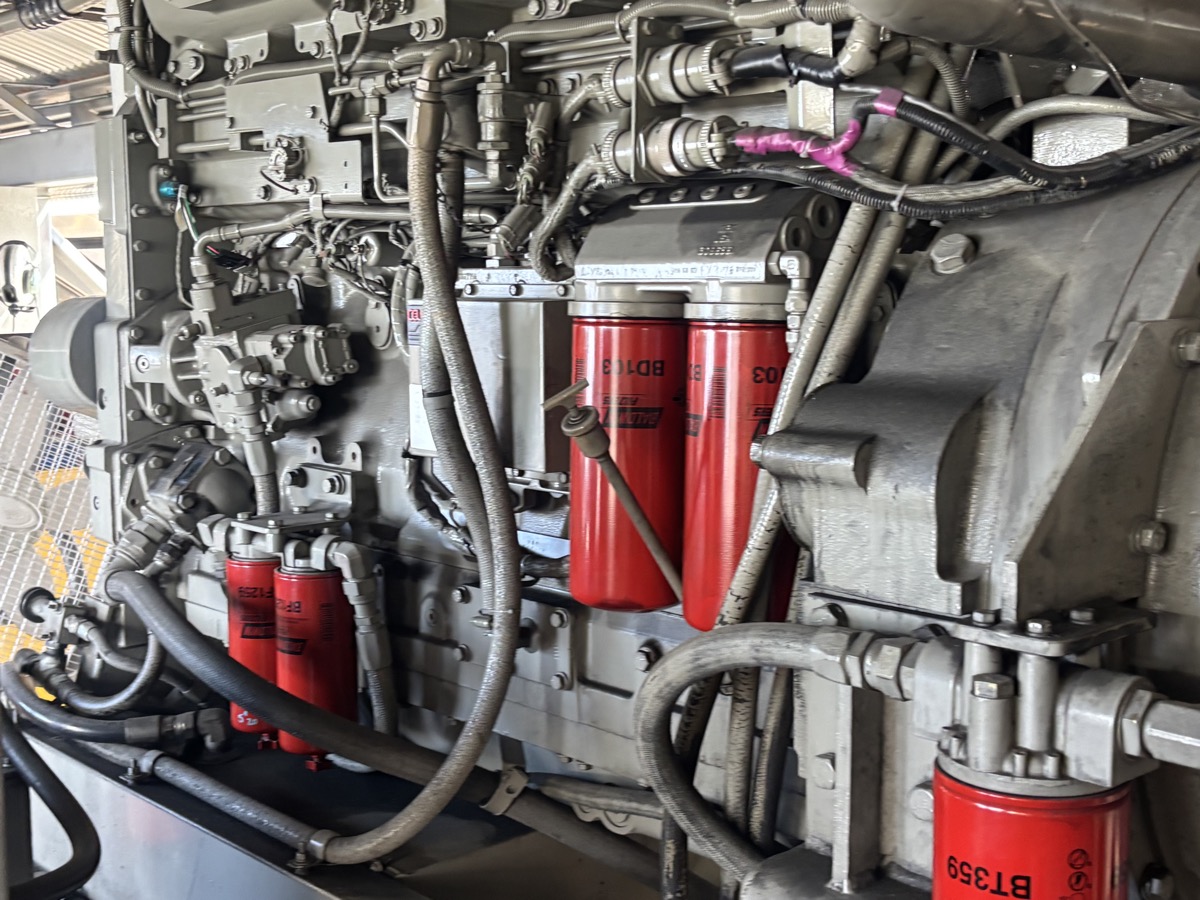
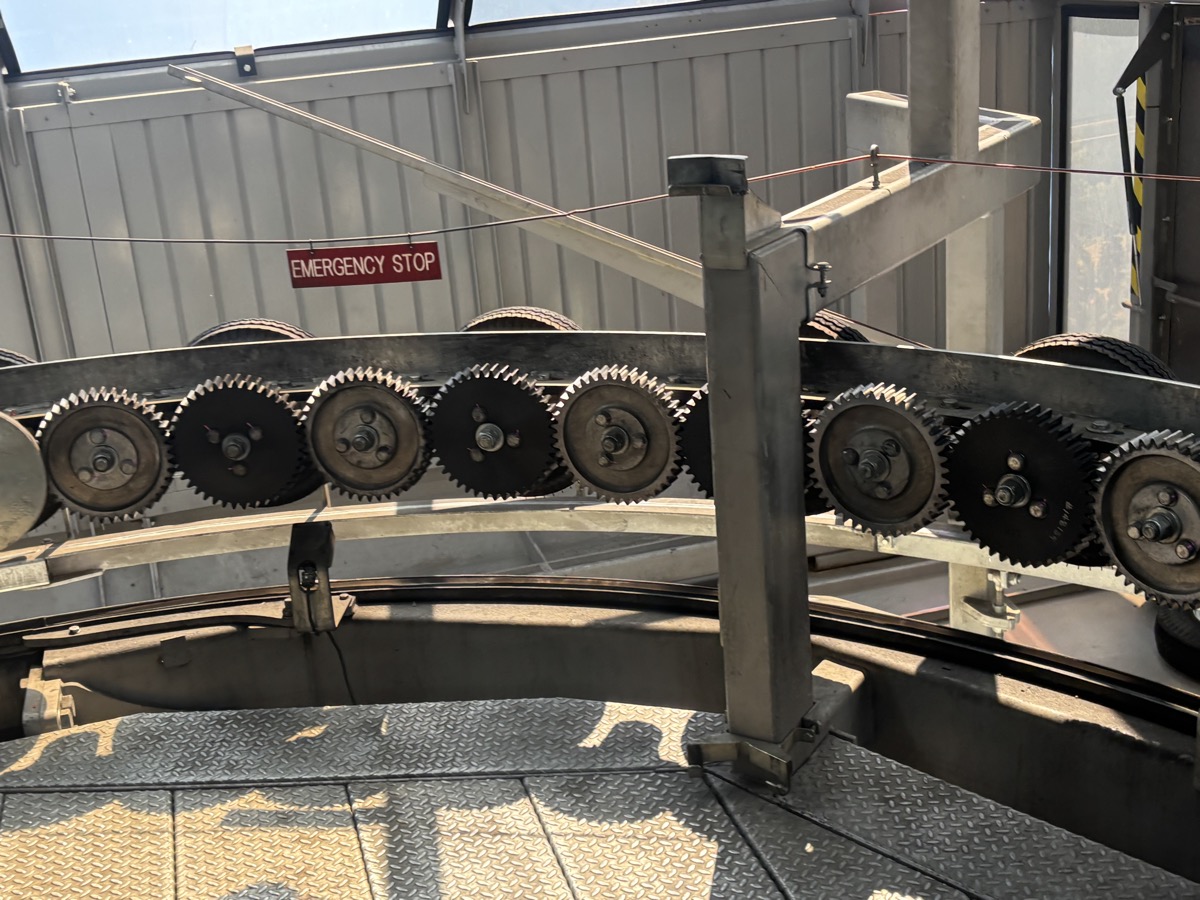
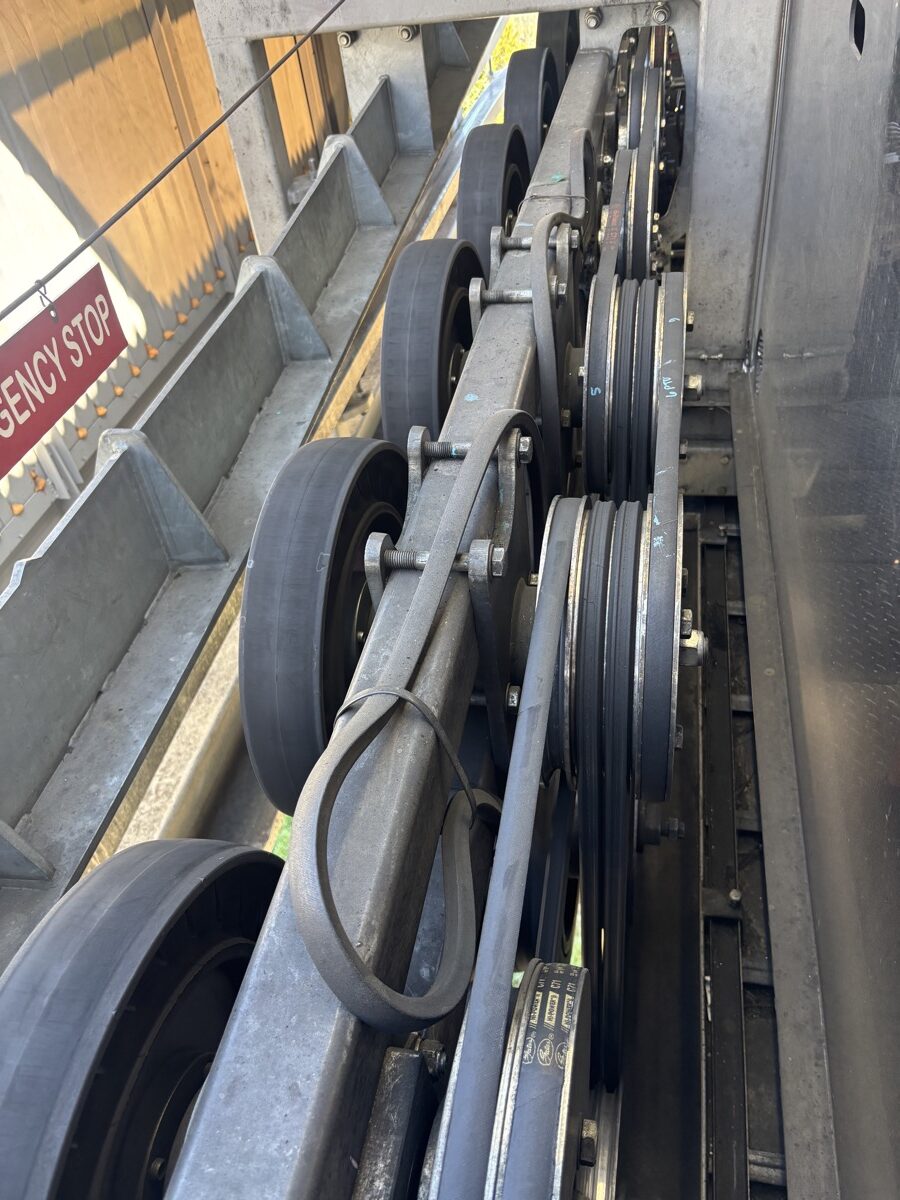
The experience that stands out most was the chance to talk with the director of Lift Operations, who took us into the lift terminal to see and understand the complex design of every part of a ski lift. The number of safety backups in place was astounding, as was the attention to every detail of the design and the constant checks of each aspect to see that everything was in proper working form.
While being fitted for a bike, graphs and charts are used to match equipment and tune the settings to each individual activity and person, so they have the appropriate fit. For mountain biking, the bike size, shock settings, and seat height are adjusted according to rider ability, height, and weight. On the trails, the angles, speed, slope, and distance are constantly being analyzed, measured, and tested as the trails are monitored, maintained, built, and assigned a rating for riders.
The opportunity to experience the math, science, and engineering that goes into biking and skiing in Colorado made me realize how they are such a significant part of everything we do and not just concepts and ideas learned and practiced in a classroom. I look forward to sharing and relating these experiences to students both in and outside of the classroom.
We are blessed to have such a supportive school community that encourages us to continue learning, and I am grateful for this opportunity!
Kelly Licon, Lower School Teaching Associate, Journeys through New England Children’s Museums and Discovery Centers
By Ms. Licon:
This summer, I was grateful to receive sabbatical funding to explore children’s museums and discovery centers in New England. Throughout my journey, I was inspired by the ways these spaces fostered curiosity, creativity, collaboration, and joyful learning through hands-on exploration. I saw many connections to the principles of Responsive Classroom, particularly the importance of creating engaging learning environments, honoring student choice, encouraging collaboration, and supporting children as active participants in their own learning. I returned with new ideas and inspiration for creating meaningful learning experiences that nurture both academic growth and a strong sense of community.
Laura Bradford & Stephanie Matteson, Upper School Science Teachers, Dive into the Marine Lab in the Florida Keys
By Ms. Bradford:
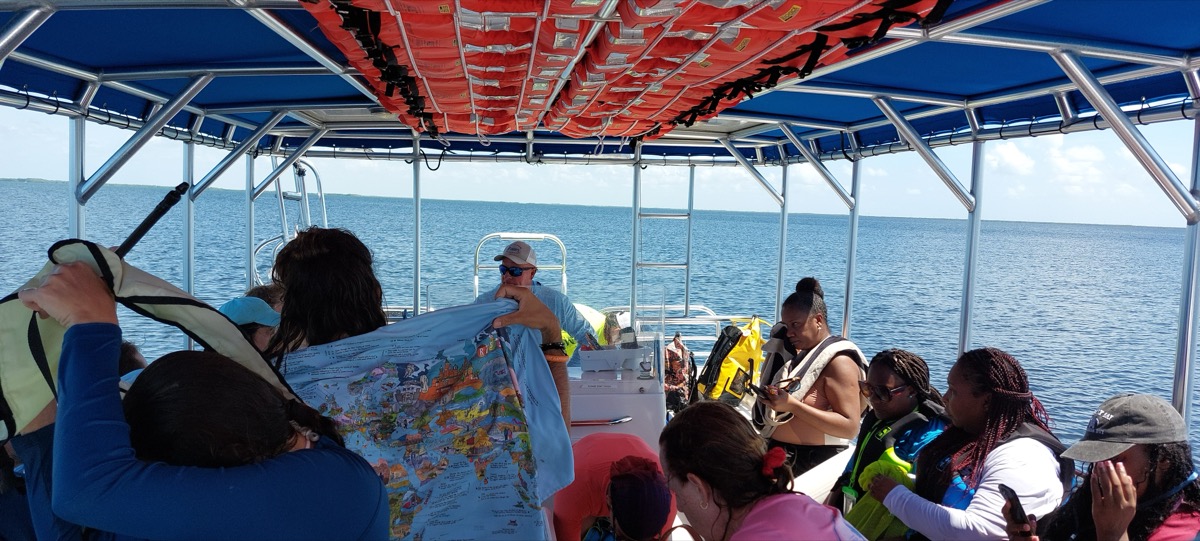
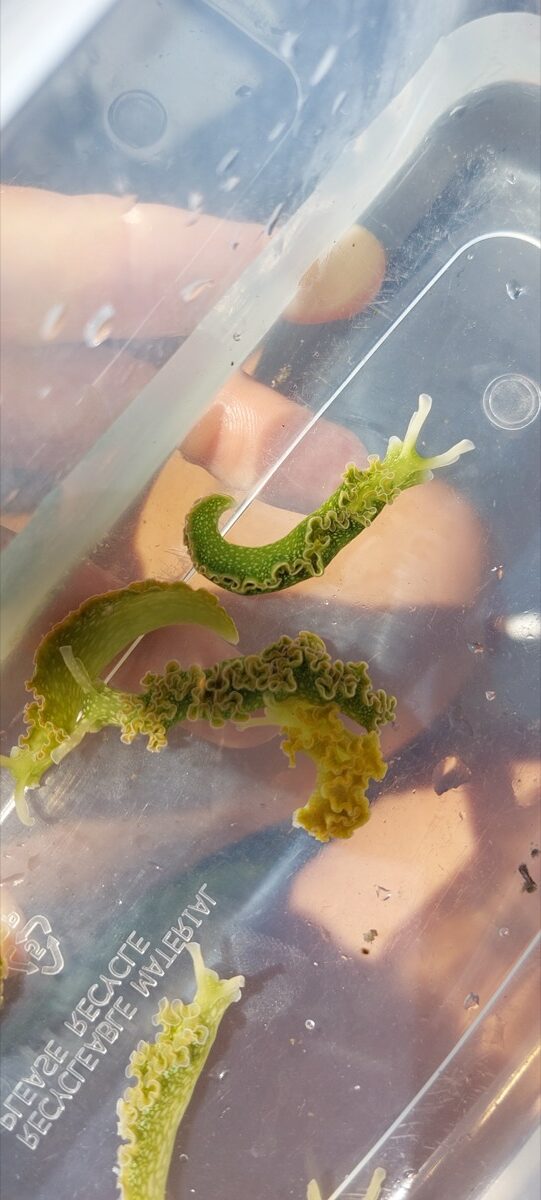
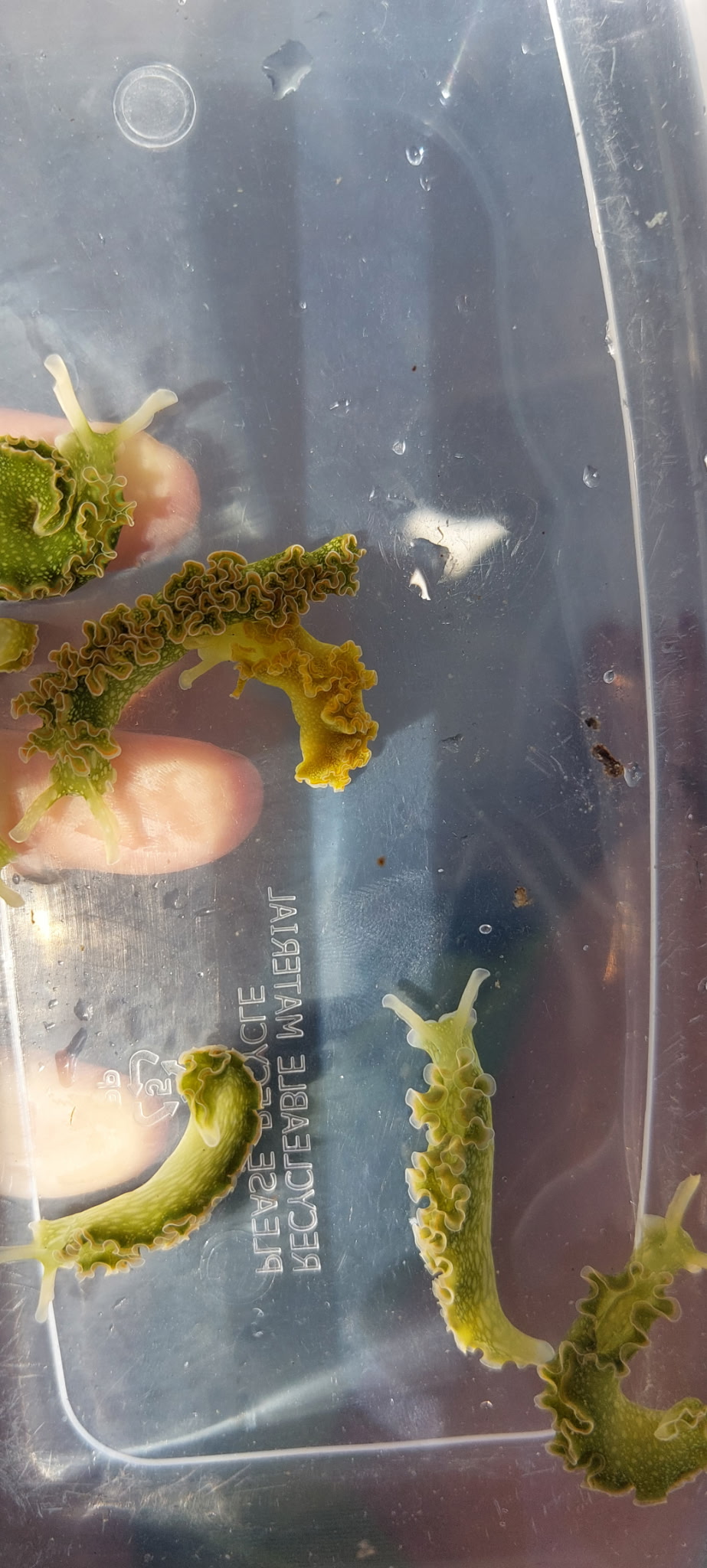
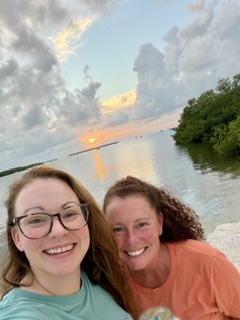
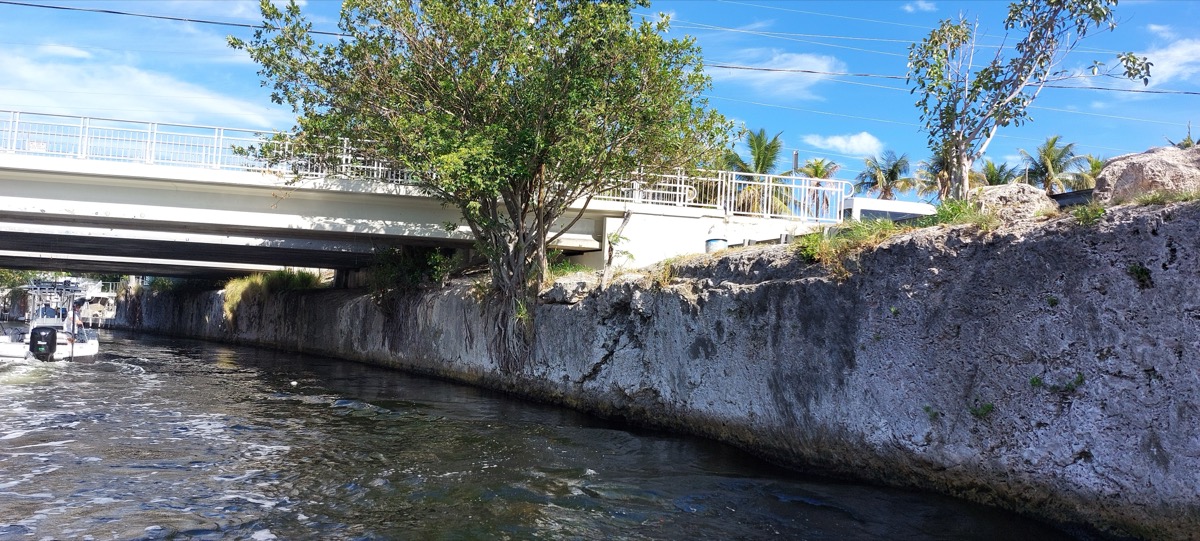
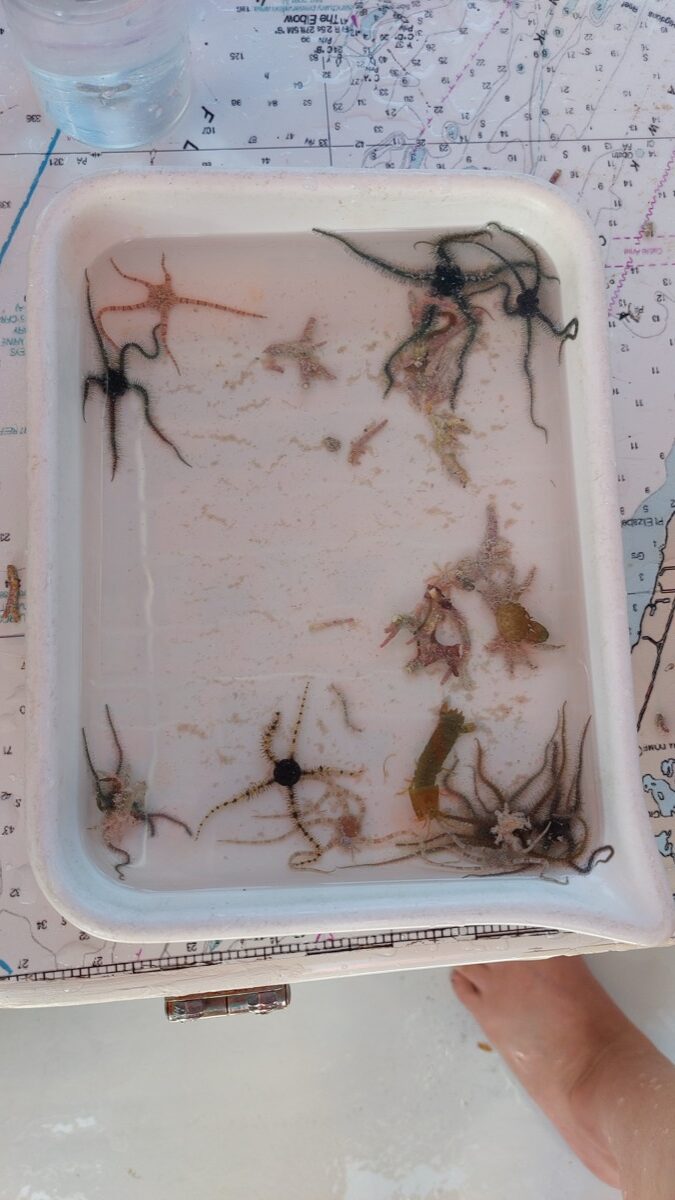
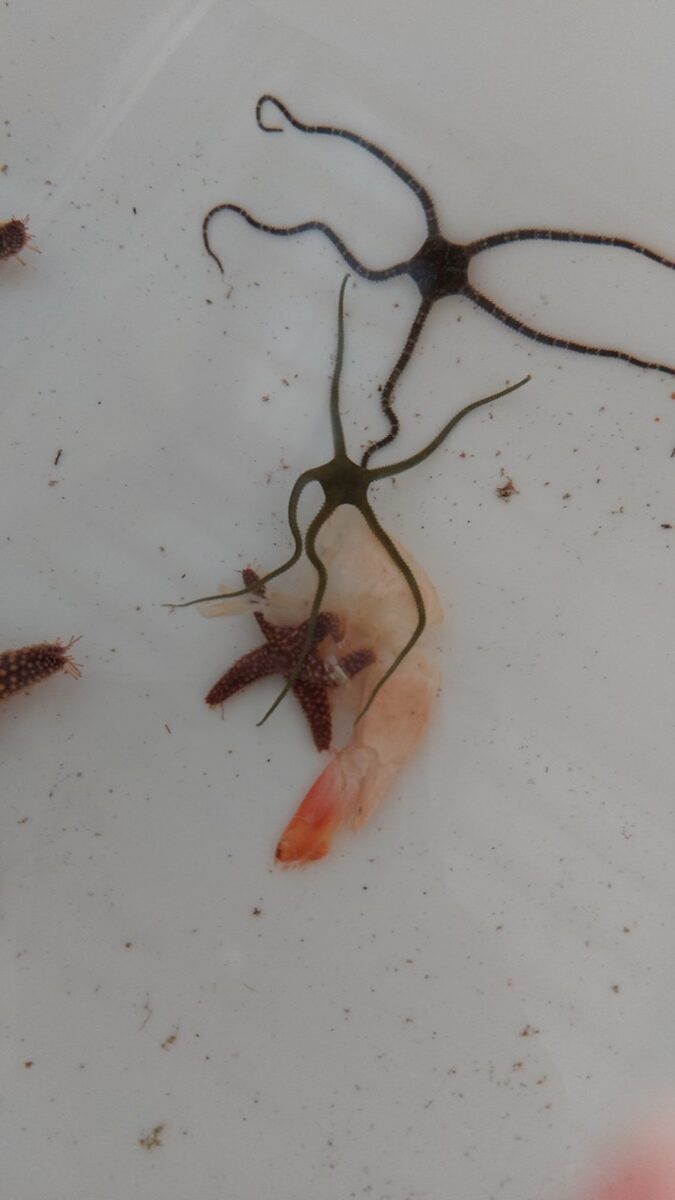
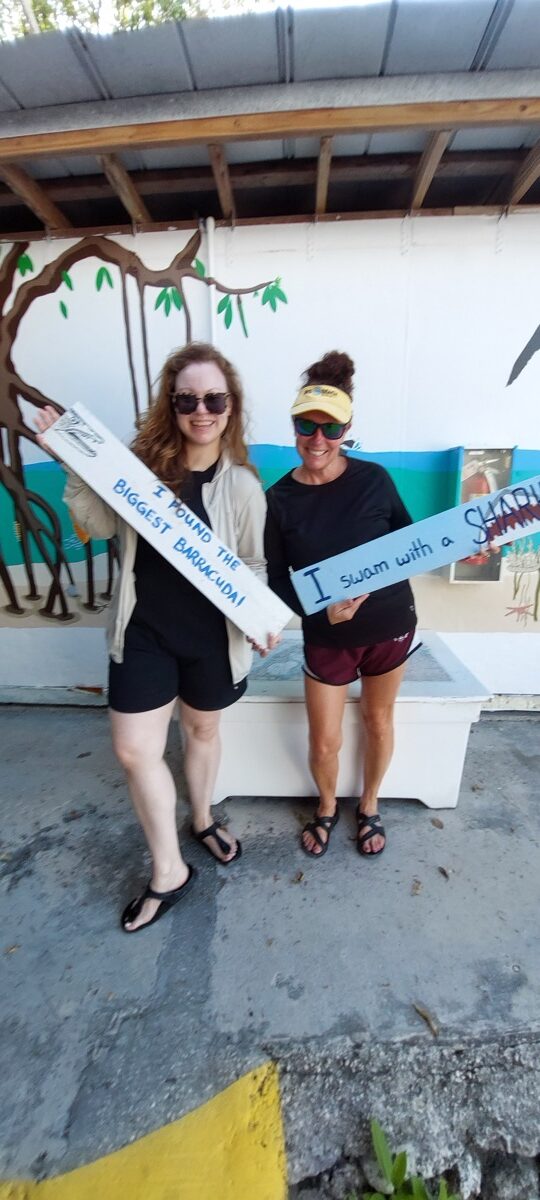
Stephanie Matteson and I were fortunate to receive a summer sabbatical award that allowed us to attend a week-long teacher workshop at the Marine Lab in the Florida Keys. Throughout the week, we studied reef fish identification, microorganisms living in the water, ocean chemistry, climate change, and the effects of changing ocean conditions on marine ecosystems. We experienced the same labs and field experiences that Marine Lab students participate in, getting out of the classroom and into the ecosystems we teach about. We snorkeled through Florida Bay and among mangrove roots, seeing firsthand how these unique ecosystems provide habitat and protection for marine life. We also snorkeled in open water over coral reefs, something I had never experienced before. Seeing a living coral reef up close made the challenges facing these ecosystems incredibly real. We learned about coral bleaching, reef degradation, and the ongoing efforts to restore damaged reefs. We also met with researchers from Mote Marine Laboratory and learned about current coral restoration efforts.
One of the most memorable experiences was microfragmenting a coral sample and mounting it onto a ceramic structure. The coral will grow for approximately a year before being transplanted back into the ocean, where it can help restore damaged reef areas and reestablish coral species.
Much of what we experienced connects directly to our 10th-grade Integrated Chemistry curriculum, particularly our work with climate change, ocean chemistry, carbon dioxide, and ocean acidification. This experience gave me firsthand knowledge of processes that I previously taught primarily through models, data, and classroom activities. I now have real-world experiences and real data to bring back to my students.
Perhaps most importantly, the experience changed how I think about teaching these units. I can now talk with students not only about what happens to coral reefs and oceans, but about what it looks and feels like to actually be there.
This sabbatical reminded me of the power of experiential learning. Being able to snorkel a coral reef, explore mangrove ecosystems, handle living coral, and learn from scientists doing restoration work has given me a much deeper understanding of the chemistry and environmental science I teach. I came home from the Marine Lab with more than just new lessons and resources; I returned with firsthand experiences that I hope will help my students see the chemistry of our changing oceans. I want it to be a story, not simply as something in a textbook, but something happening in the world around them.
Dr. Amy Reese, Upper School Science Teacher, Chairs and Presents Research at Subcommittee for the Status of Women in Microbiology
By Dr. Reese:
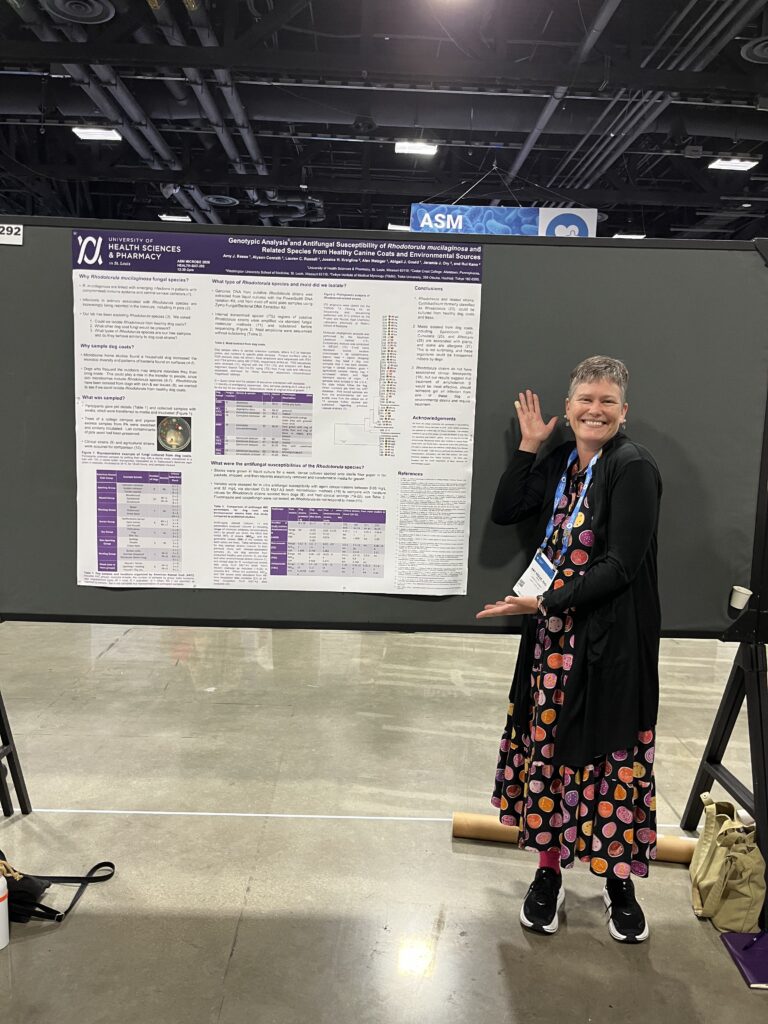
This past summer, I attended the ASM (formerly American Society for Microbiology) Microbe meeting in Washington, D.C. I have just completed my term as the chair of the Subcommittee for the Status of Women in Microbiology (SSWiM) and was still chair during that meeting. Our committee hosted a women’s reception and a panel about different jobs in microbiology. I also presented a poster entitled “Genotypic Analysis and Antifungal Susceptibility of Rhodotorula mucilaginosa and Related Species from Healthy Canine Coats and Environmental Sources,” which addresses one aspect of my former research lab’s area of inquiry. This work involved five former undergraduate students and collaboration with two other faculty members at other institutions.
Each year that I attend this meeting, I’m always looking for the newest/ongoing issues in the areas of microbiology and thinking about how I can help prepare students for addressing these challenges in their futures.
At MICDS, I’ll be offering a Micro Introduction to Microbiology course during Winter Term that will explore the range of impact (from bad to good) of microbes on our bodies, surroundings, and health. In my other courses here, I will be sharing how this material in class helps us better understand, explain, or predict solutions for current science questions and problems that I hope makes classroom topics (such as those in AP Biology that I have this fall) more understandable. I want my students to grasp that what they are learning has current and future value.
Olivia Halverson, Middle School English Teacher, Participates in Stanley King Institute
By Ms. Halverson:
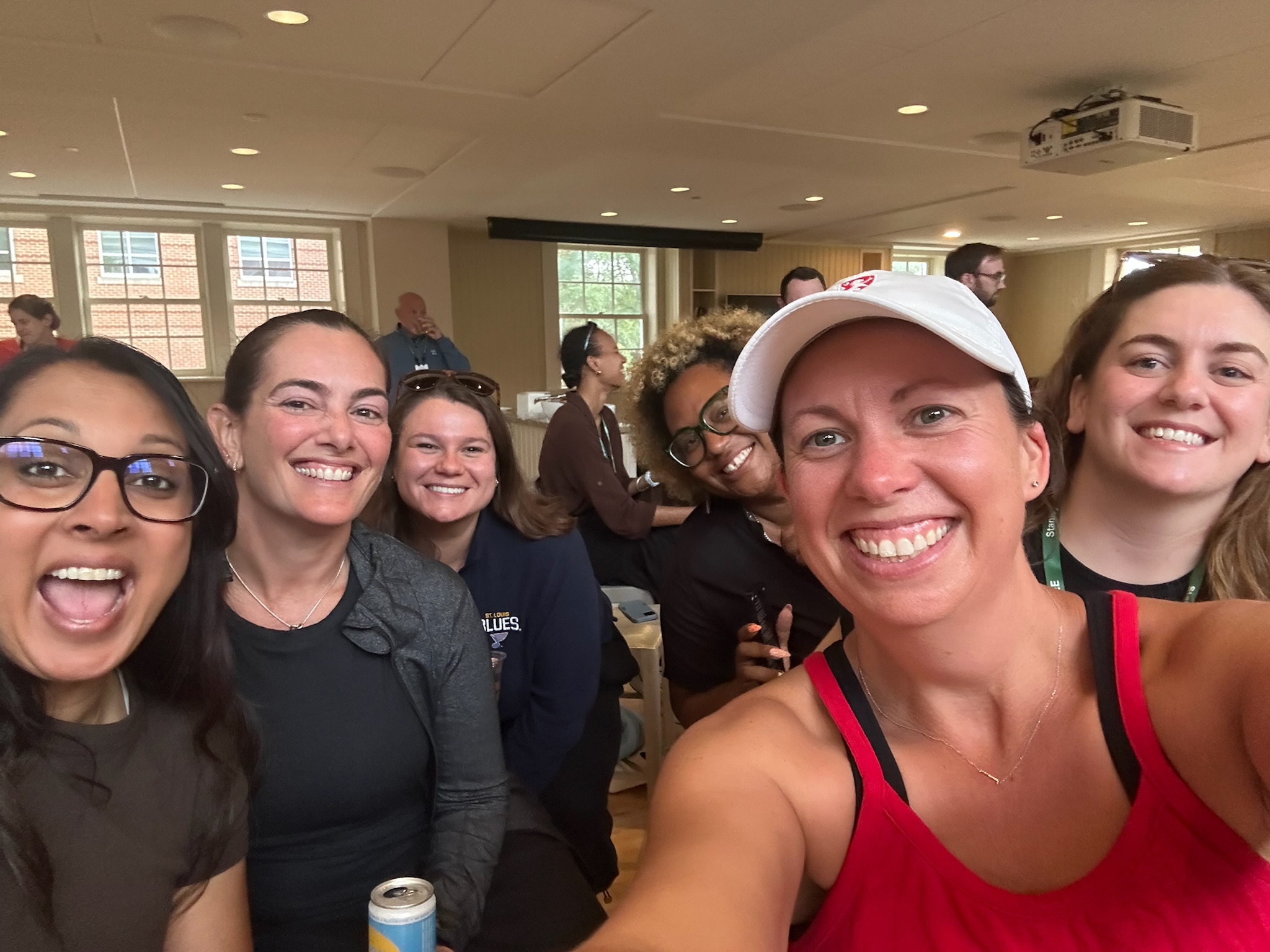
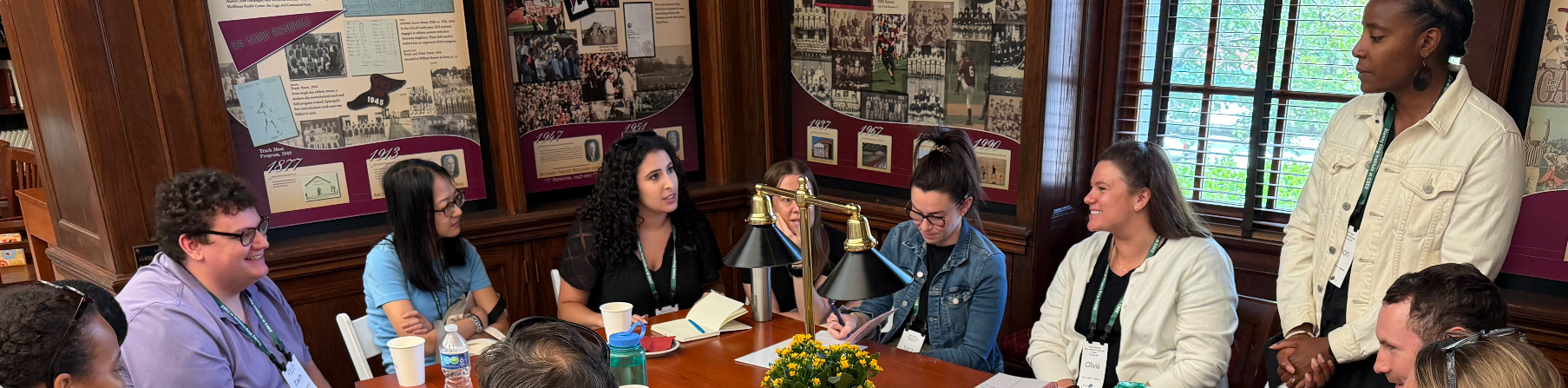
In June, I had the opportunity to attend the Stanley King Institute in Washington, D.C. for a week. I mentioned to Jen Schuckman that I loved being a mentor to new faculty in addition to my roles as Advisor, English teacher, Bible Study Club sponsor, etc. and that I wished to increase my knowledge and capacity regarding working with others. She recommended this conference to help me bolster my skills! After attending, I see how I can apply it in every setting that I enter at MICDS as well as in my personal life as I listen to and have conversations with others.
The focus of the conference was on deep listening and relationship building to help students grow. There were about 40 independent school secondary educators gathered for this conference, which was led by experienced mental health professionals and educational leaders, including psychologists, licensed family therapists, and clinical social workers.
The institute covered the following topics:
- Exploring social styles and baseline communication skills through dyad listening exercises.
- Applying core listening tools, active empathetic responses, and practical scenario vignettes.
- Navigating critical student challenges, including belonging, mental health, suicide prevention, sexual assault/harassment, and systemic listening barriers.
- Overcoming stereotype threat, addressing gender identity, and utilizing play as a protective factor.
- Understanding internal emotional alignment and practical reflection using walk-and-talk exercises.
We talked about shifting teacher mindsets to recognize that “listening is the fix” rather than trying to immediately solve every problem or “close the loop.” We went over practical communication techniques such as Gist, Paraphrase, Feeling and Source, Spotlight, and Joining. I got to also participate in small group scenario practice, large group skits, role-playing, lectures, and structured evening community-building events.
The Stanley King Institute gave me five listening tools that I will take into my conversations with students and colleagues on a daily basis. These tools help me understand the root of what people are saying and better empathize with their feelings. As I learned in the conference, “listening is the fix” – meaning sometimes people don’t need or don’t want another person to solve their problems, instead they want to be heard and be given space to work through their own feelings.
Carol Dalton, World Languages Teacher, Learns in France
By Ms. Dalton:
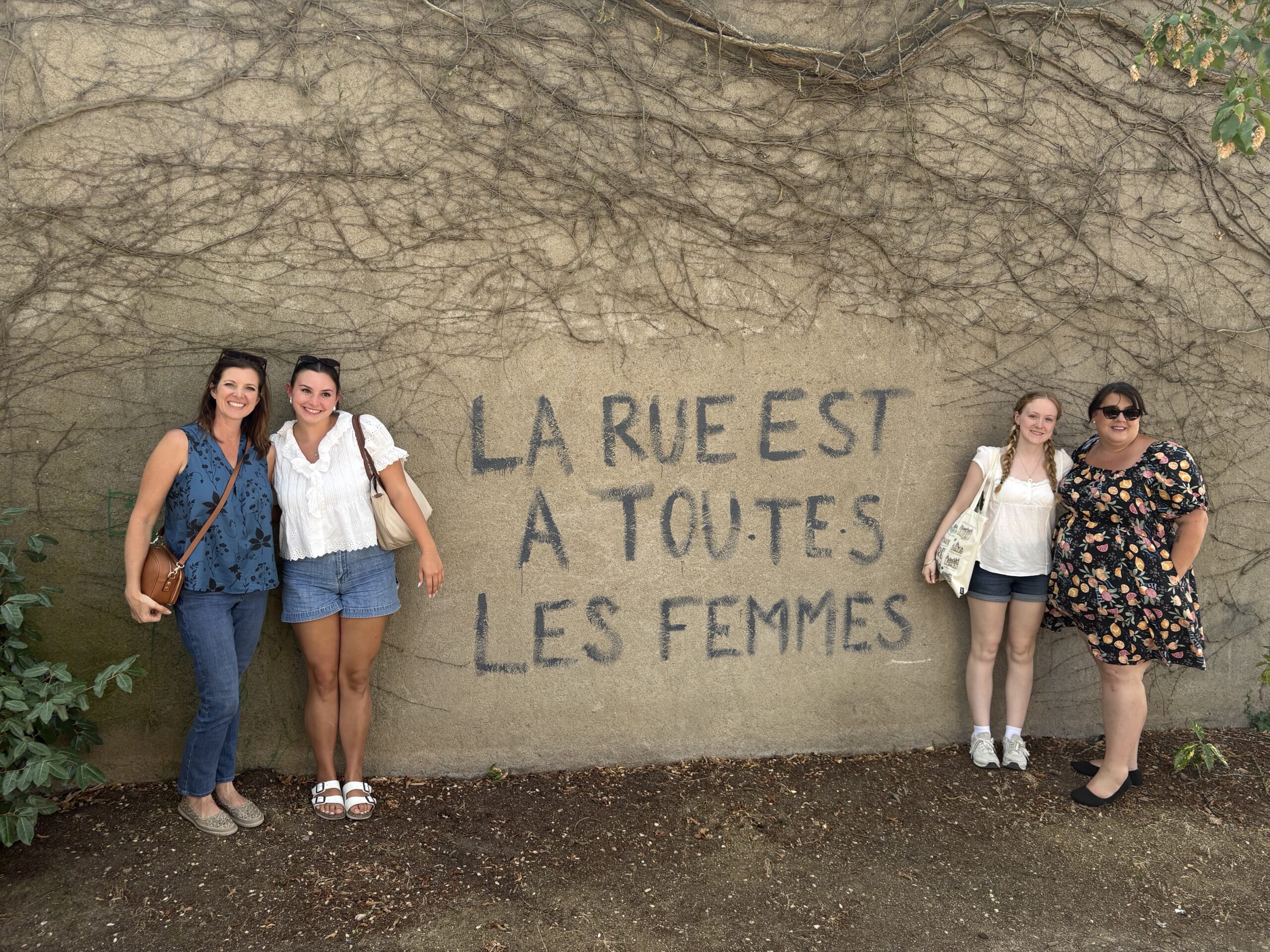
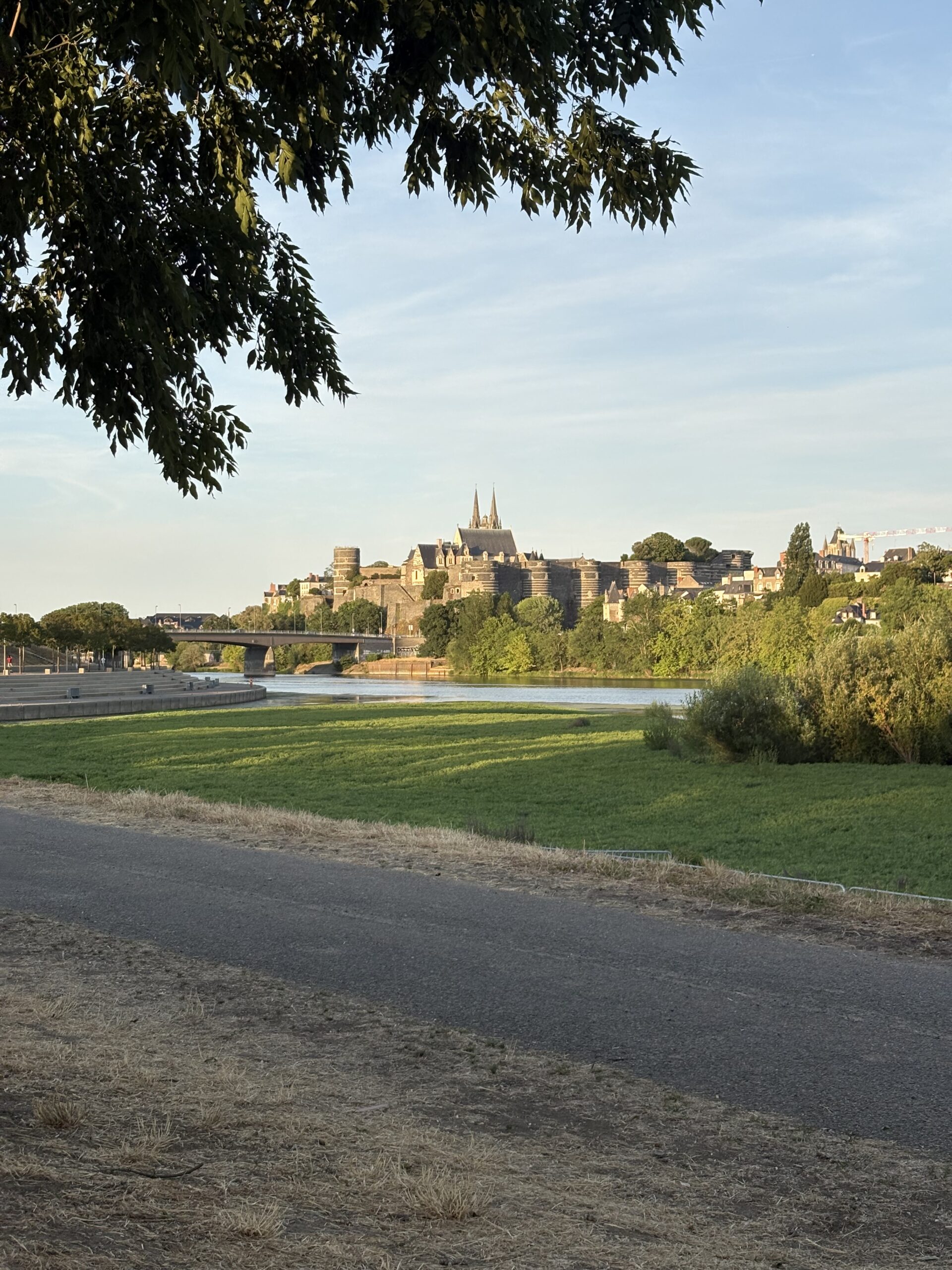
This summer, I had the incredible opportunity to spend five weeks in Angers, France, doing what I love most: learning more about how to help my students become confident, curious French speakers.
Through a three-year professional development program hosted by the University at Buffalo for French teachers, I joined seven other educators from across the United States, all with different backgrounds and experiences teaching adolescents. Being surrounded by teachers who share the same passion for language learning was one of the most rewarding parts of the experience. We challenged one another, shared ideas, laughed a lot, and returned home with new perspectives on what it means to teach a language in today’s classroom.
My coursework this summer focused on the principles of second-language acquisition and translanguaging—the idea that students can draw upon all of their linguistic resources to communicate, make connections, and deepen their understanding. These concepts gave me new ways to think about how my students learn and how I can create a classroom where they feel comfortable taking risks with language.
Of course, one of the greatest joys of studying in France was being able to learn in French and through French culture. We took a course with a professor from the Université Catholique de l’Ouest in Angers, where we explored contemporary issues facing France and the Francophone world. We discussed the French education system, current political issues surrounding the upcoming French elections, and global concerns such as climate change. Experiencing these conversations while living in France gave me a much deeper cultural perspective—one that I am excited to bring back to my students.
But my time in Angers was about more than coursework. It was about stepping outside of my own classroom and becoming a student again. It reminded me what it feels like to navigate a new environment, communicate in another language, make mistakes, and learn from them. Those experiences are incredibly valuable to me as a teacher because they help me better understand what I am asking my own students to do every day.
I returned home with a suitcase full of new teaching strategies, ideas, and resources—but also with new friendships and professional connections that stretch far beyond my own classroom. Most importantly, I came home energized and inspired to continue growing as an educator.
I cannot wait to bring a little bit of Angers back with me this year and put my newly discovered ideas into practice. My students may not realize it yet, but they are going to be learning some French that traveled all the way from France!
Dr. Tanya Roth Explores Colonial Williamsburg and More
Bonus Feature: Paul Colletti, Multimedia Specialist, and Paul Zahller, JK-12 Science Department Chair & Upper School Science Teacher, Kayak Across the Missouri River in MR340
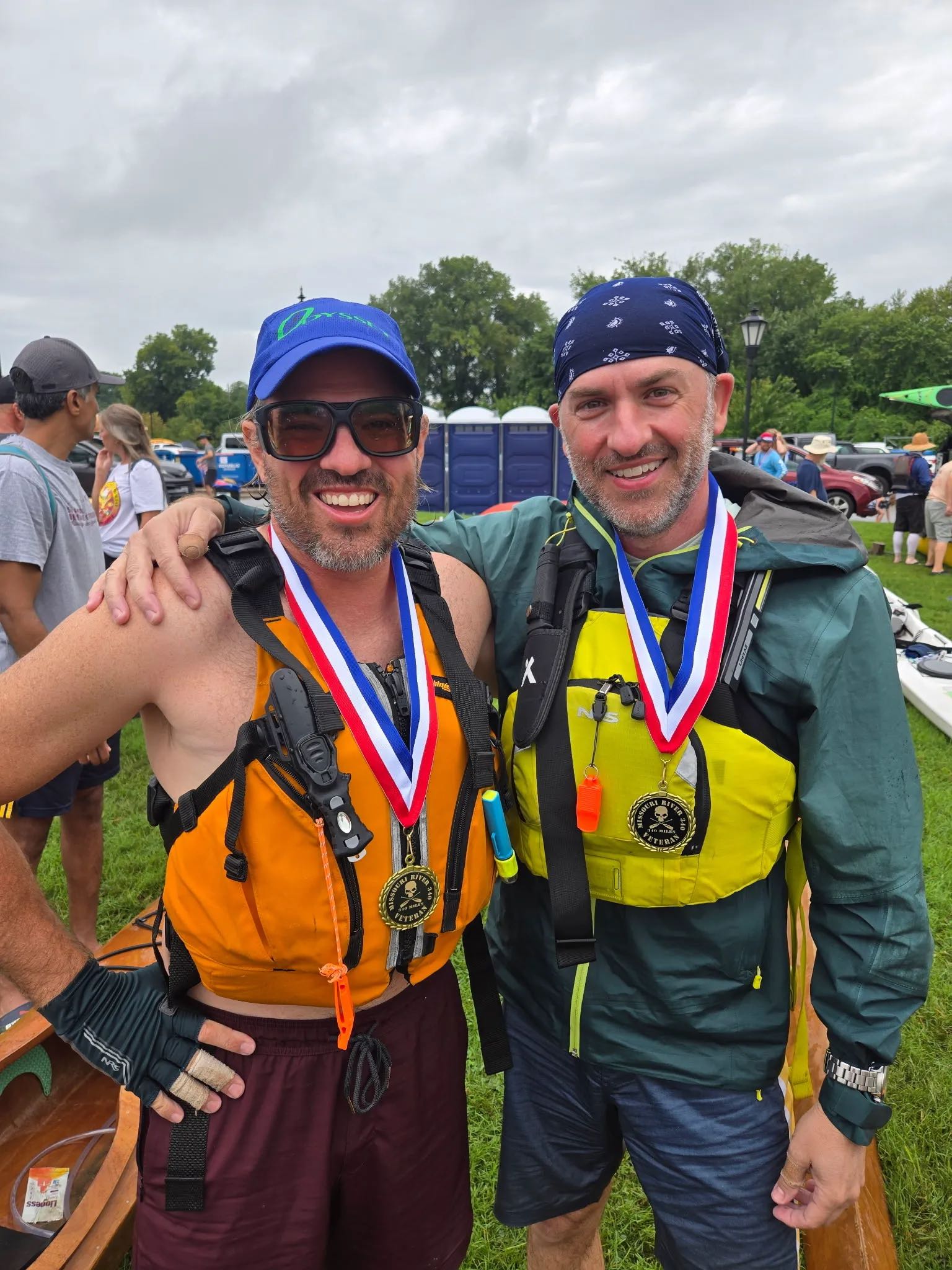
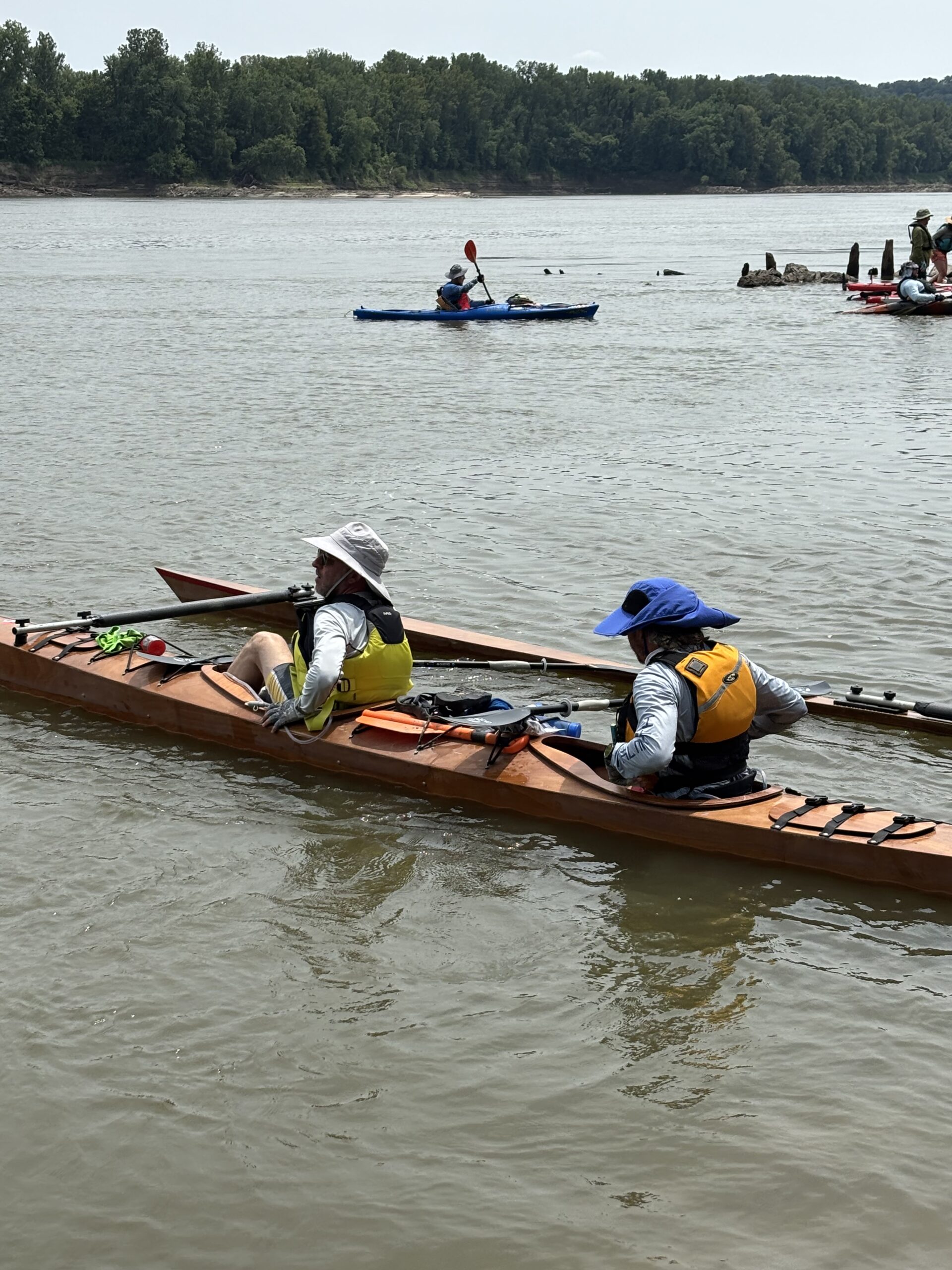
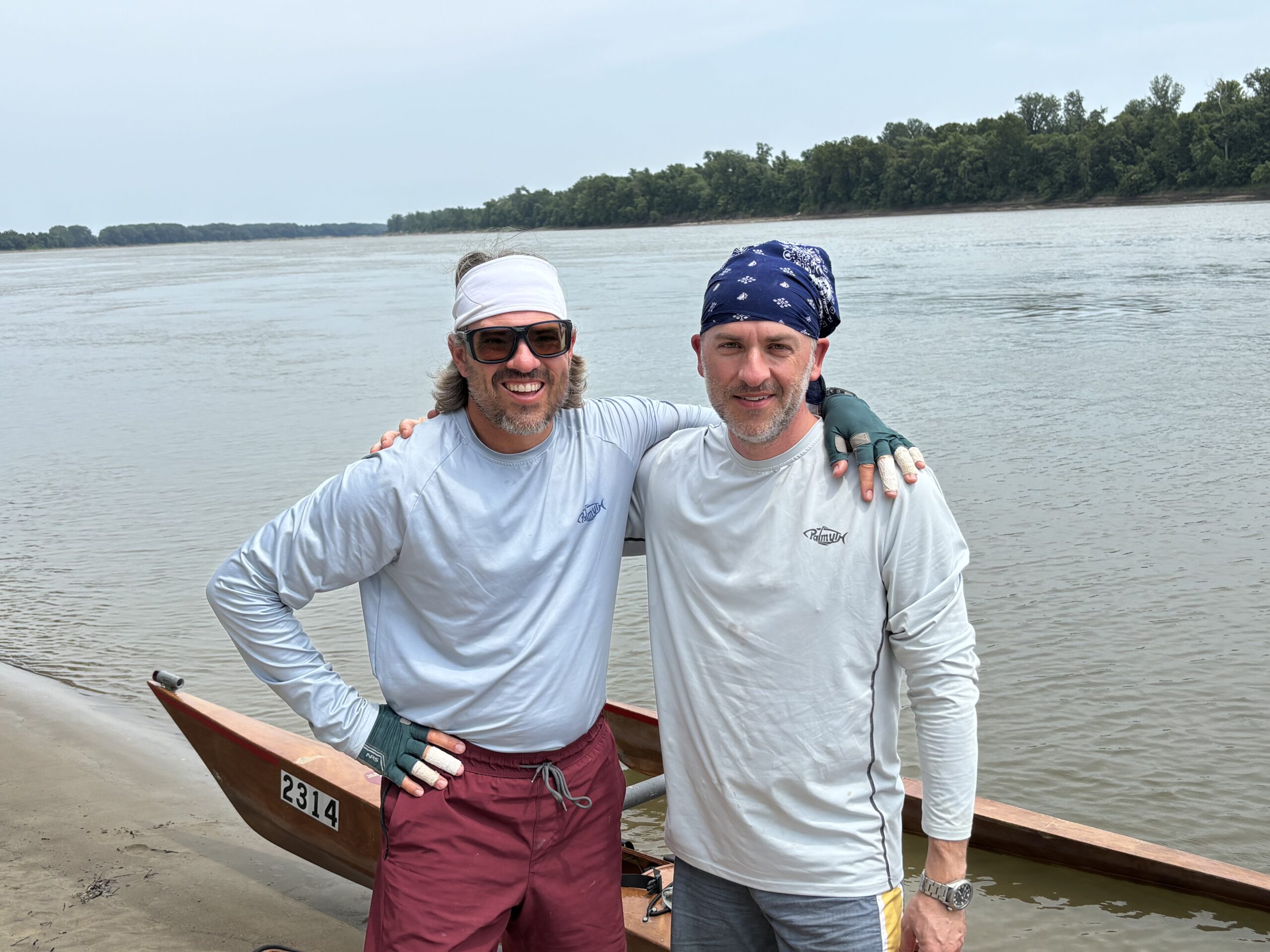
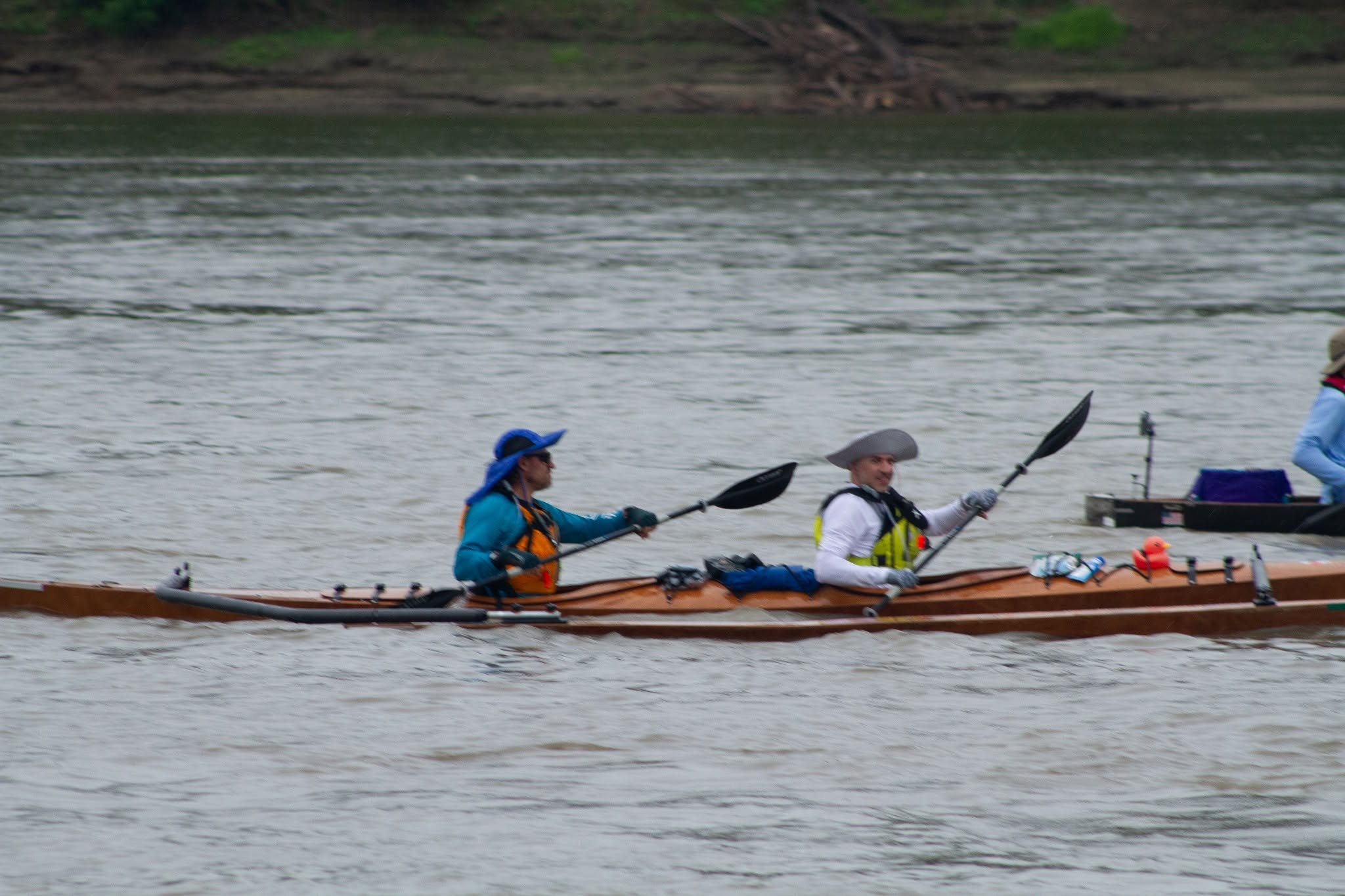
Two of our very own faculty and staff members, Mr. Colletti and Mr. Zahller, kayaked 340 miles across the Missouri River in the MR340, the world’s longest continuous, non-stop river race. They successfully completed the feat in a tandem kayak in just four days from July 28-31, 2026, making every checkpoint by racing through the night, overcoming rain, and all that comes with a long-distance race over four days. Congratulations to these Rams who are no doubt inspiring the rest of the community to show that anything is possible when you pursue your dreams, work hard, and support one another. Way to go, Rams!