To prepare for their upcoming spring concert, Community in Rhythm, MICDS JK through fourth-grade students have, of course, been practicing songs, but they’ve also been stepping into a container of living history. This week, the Lower School transformed into a vibrant hub of West African culture as it welcomed Theatre De La Rue School of the Arts for a soul-moving, two-part arts immersion.
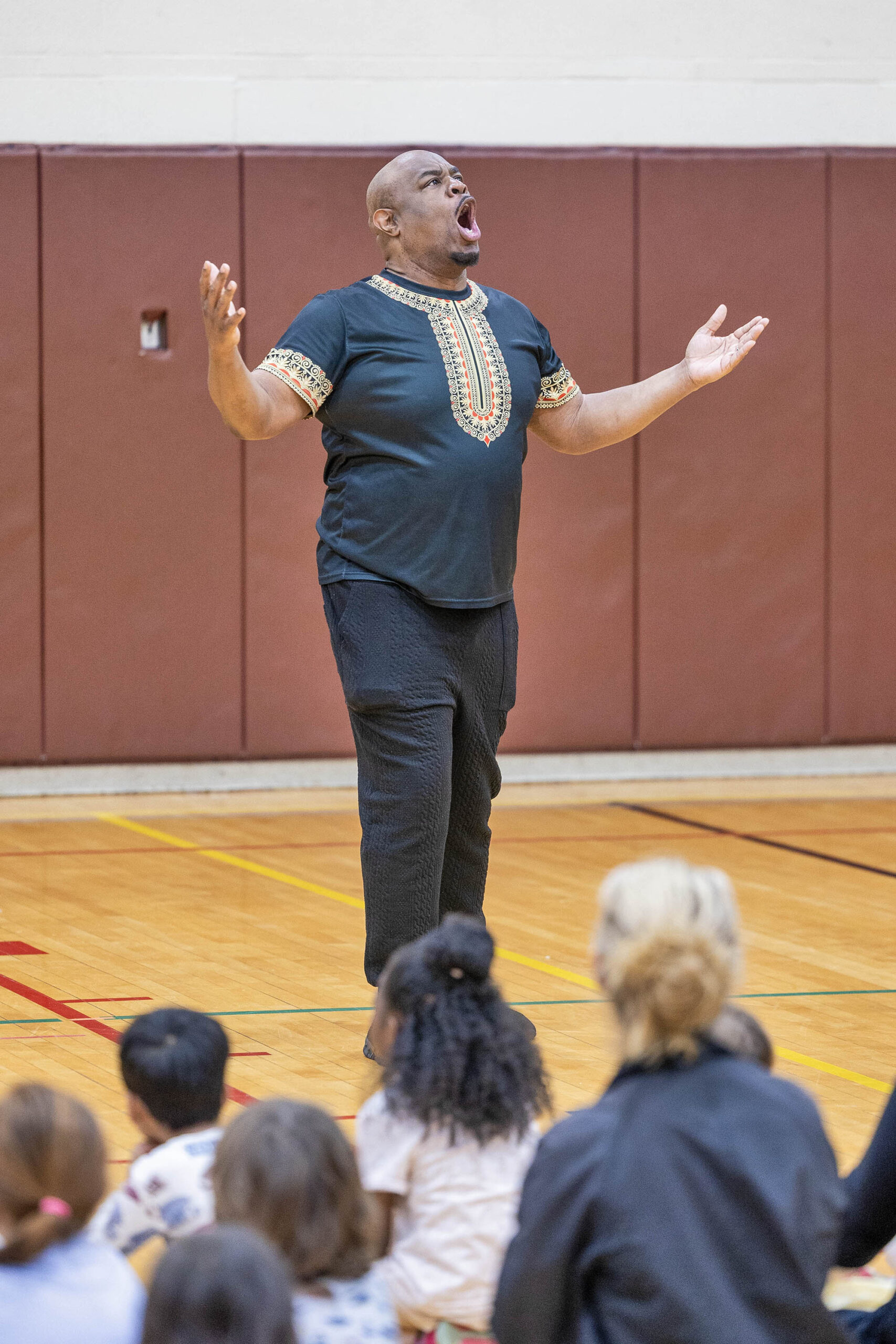
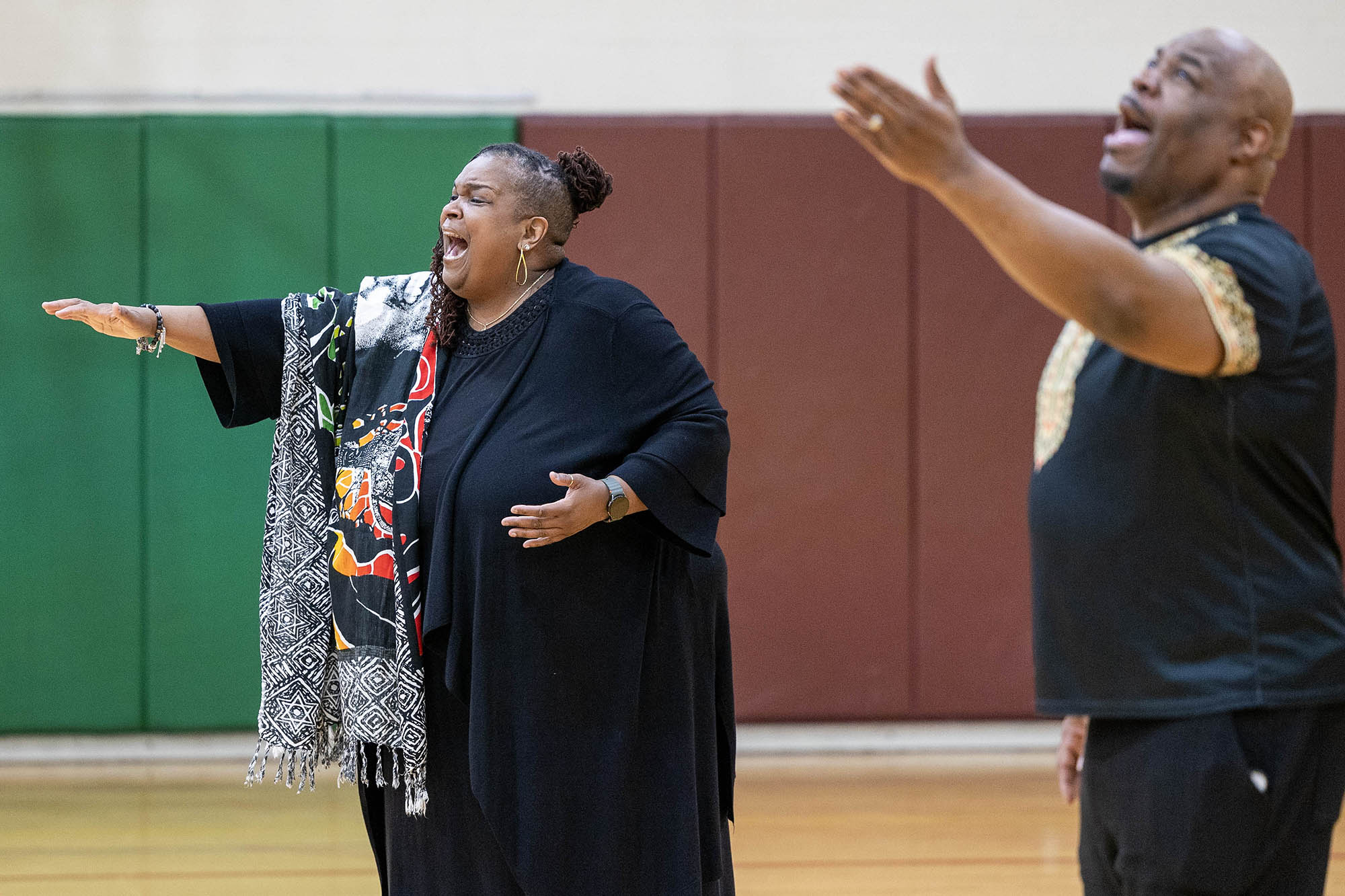
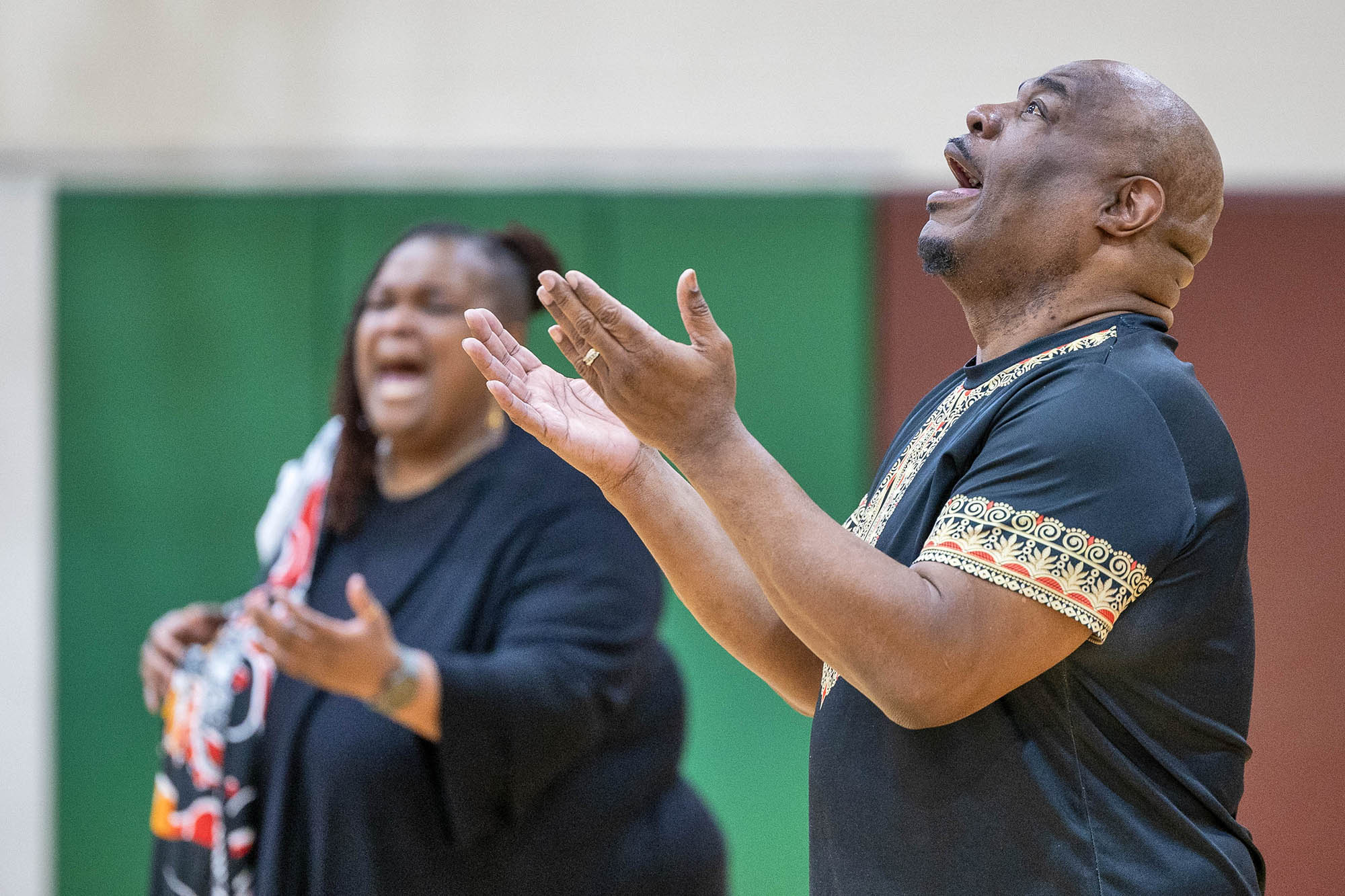
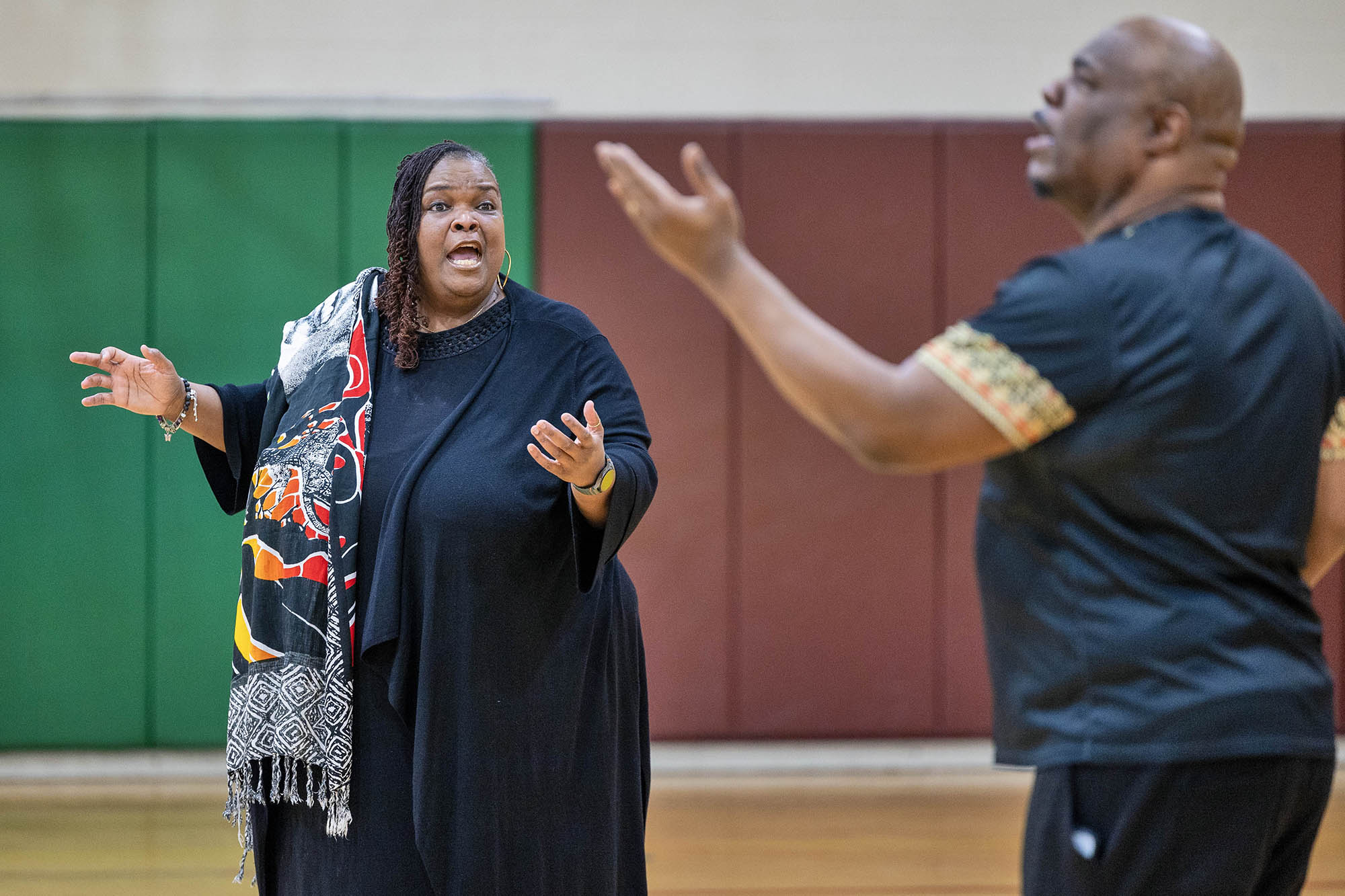
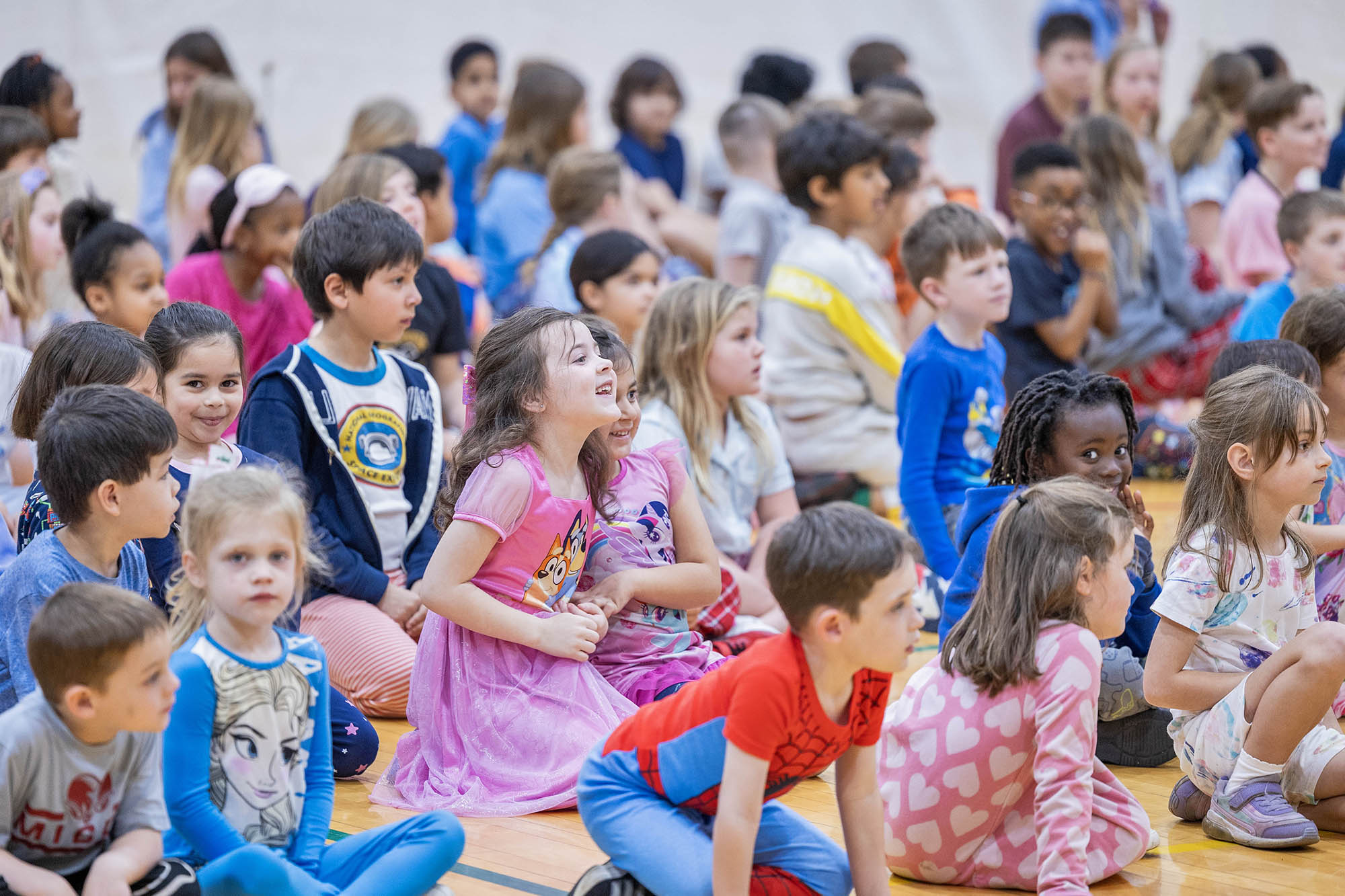
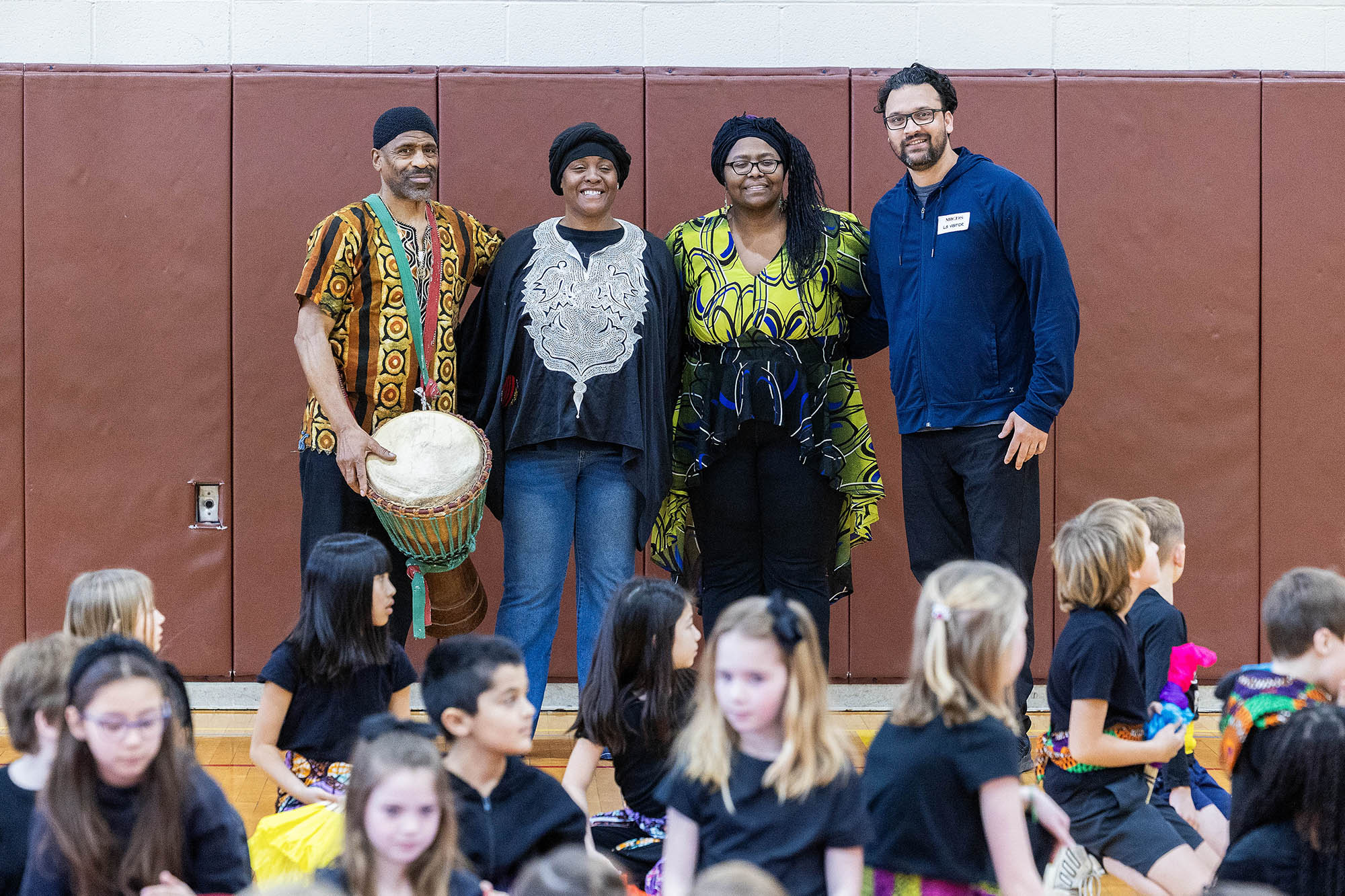
The energy was electric at the start of the week when students filed into the South Gym for the Theatre’s performance. Lower School Music Teacher Dr. Katy Nichols led a spirited warm-up song from East Kenya before introducing Mrs. Myah Maedell Singh, Director of Theatre De La Rue. Mrs. Singh, a celebrated artist and entrepreneur, founded the company to bring the power of performance to underserved areas, fostering creativity through the lens of cultural appreciation.
The Spirit of Sankofa
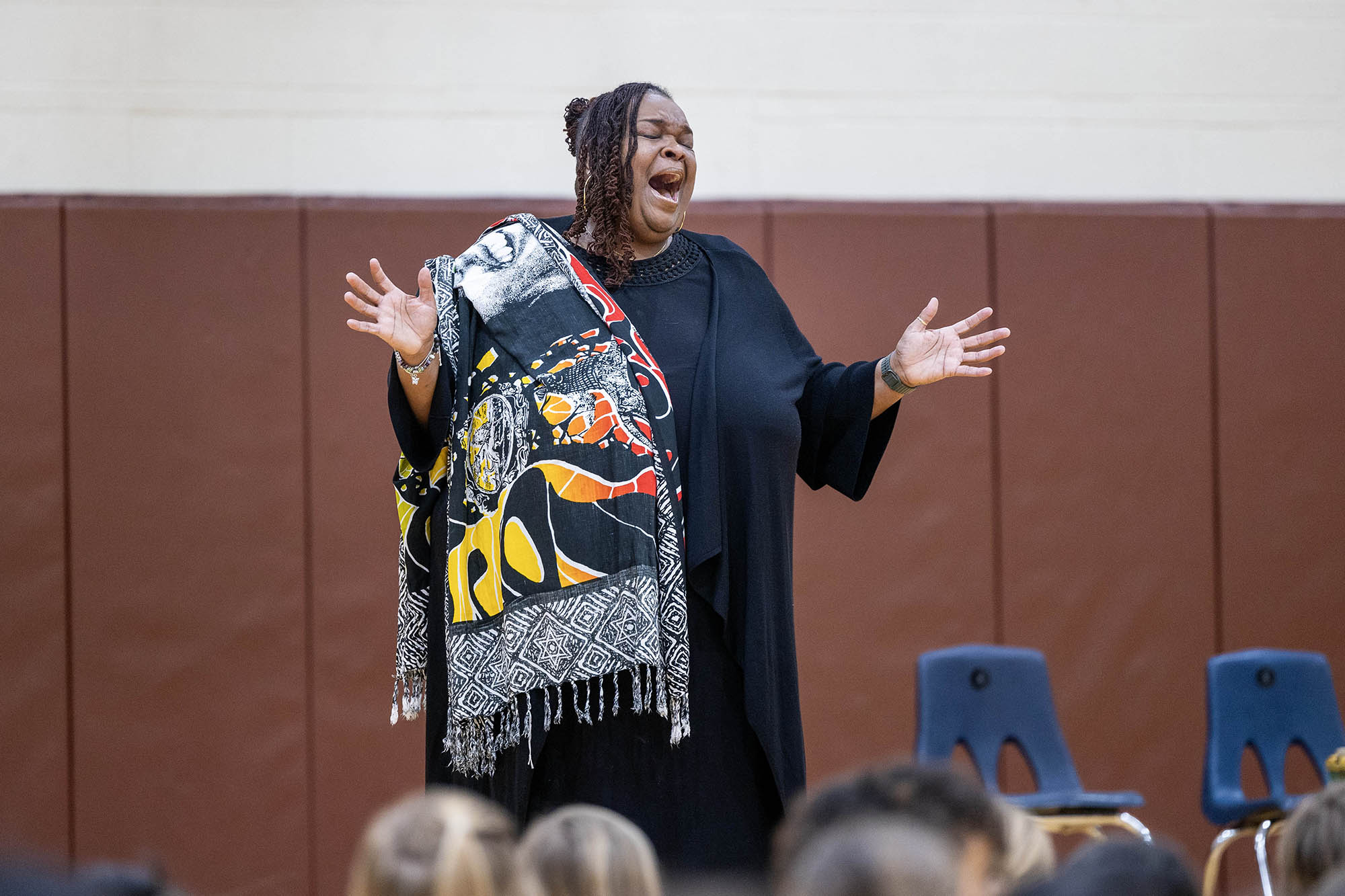
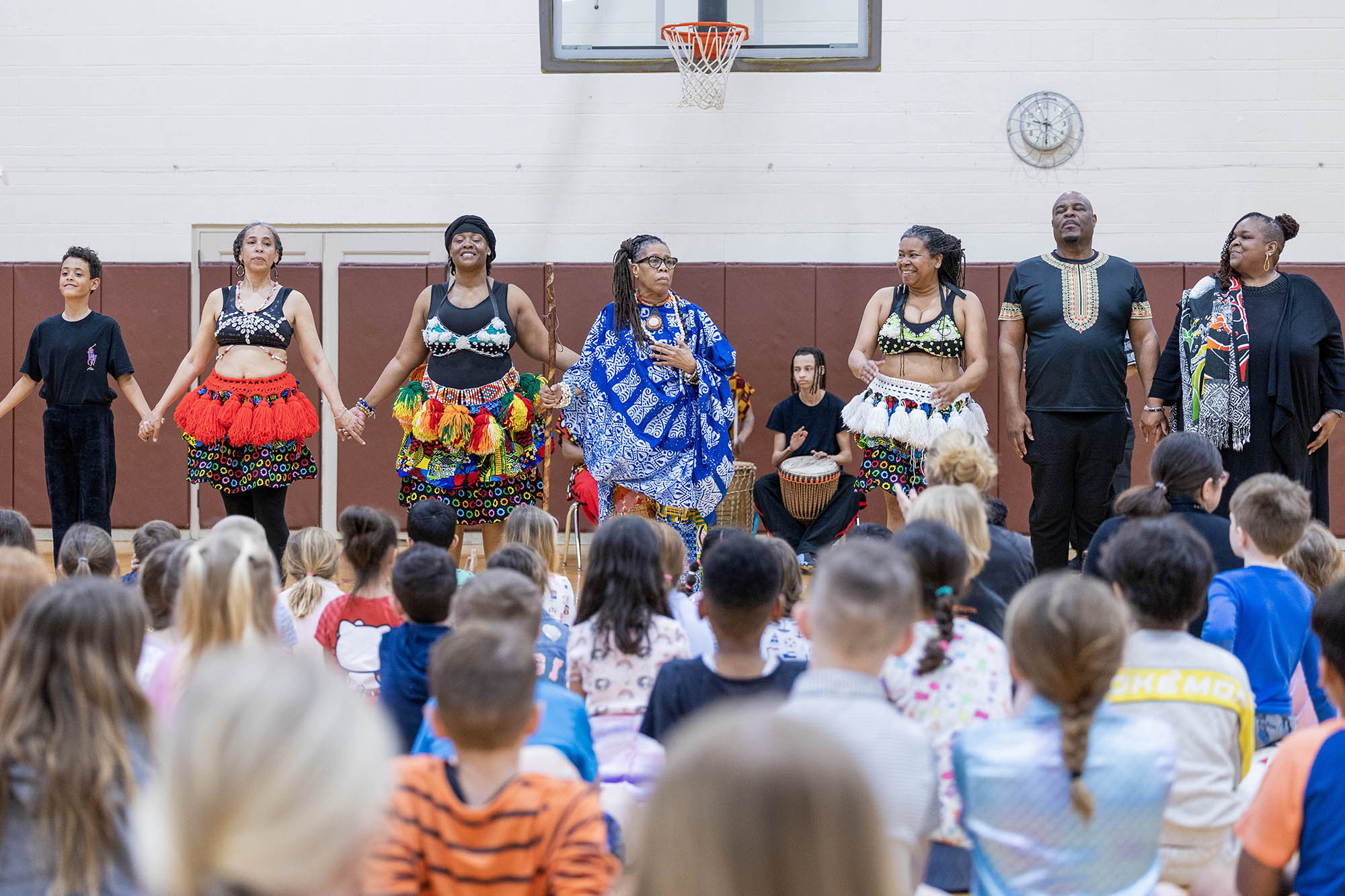
The visit began with a breathtaking excerpt from the company’s signature production, SANKOFA LIVE! In the Akan language of Ghana, Sankofa means “go back and get it,” which is a reminder to honor the past to inform the future.
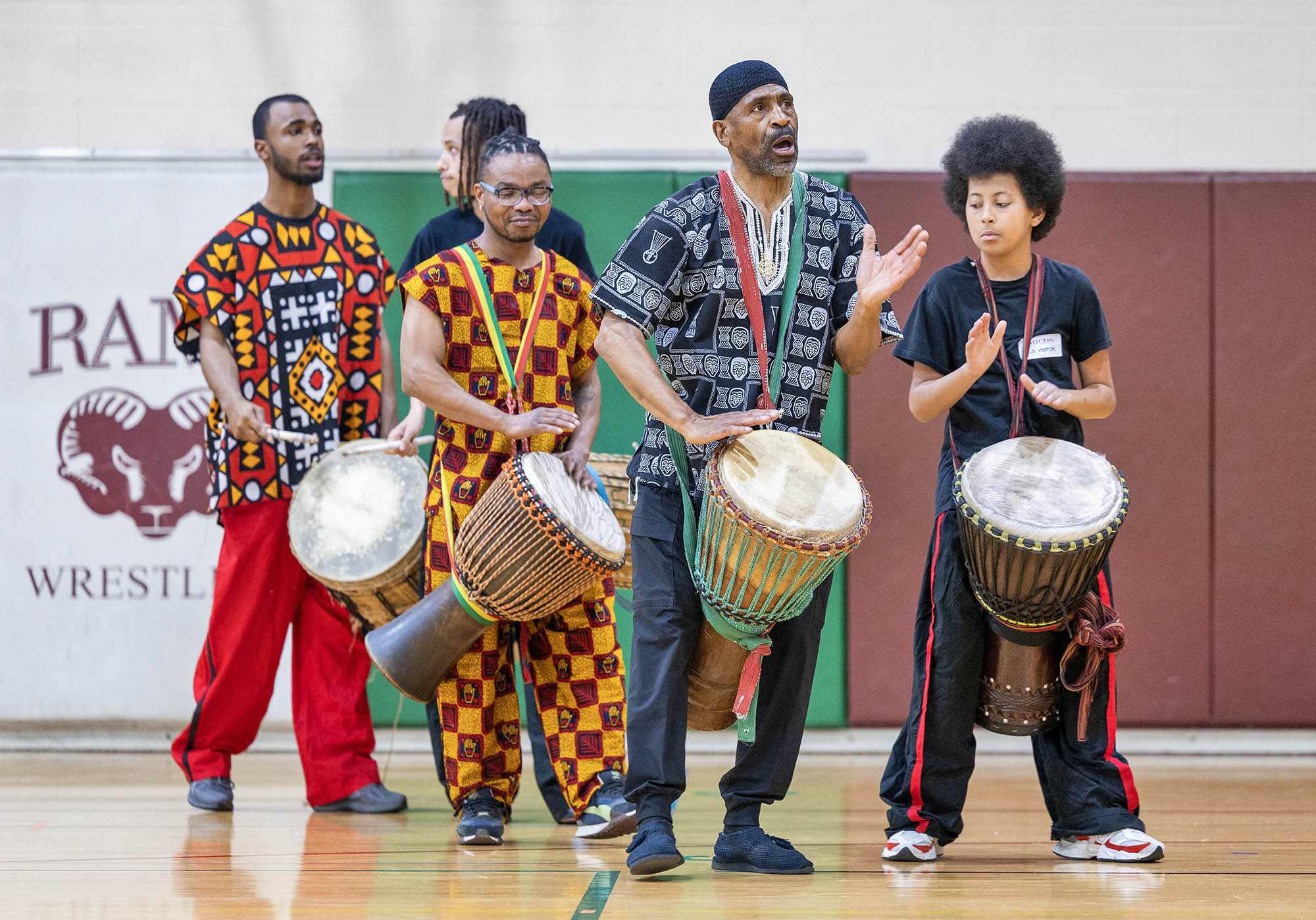
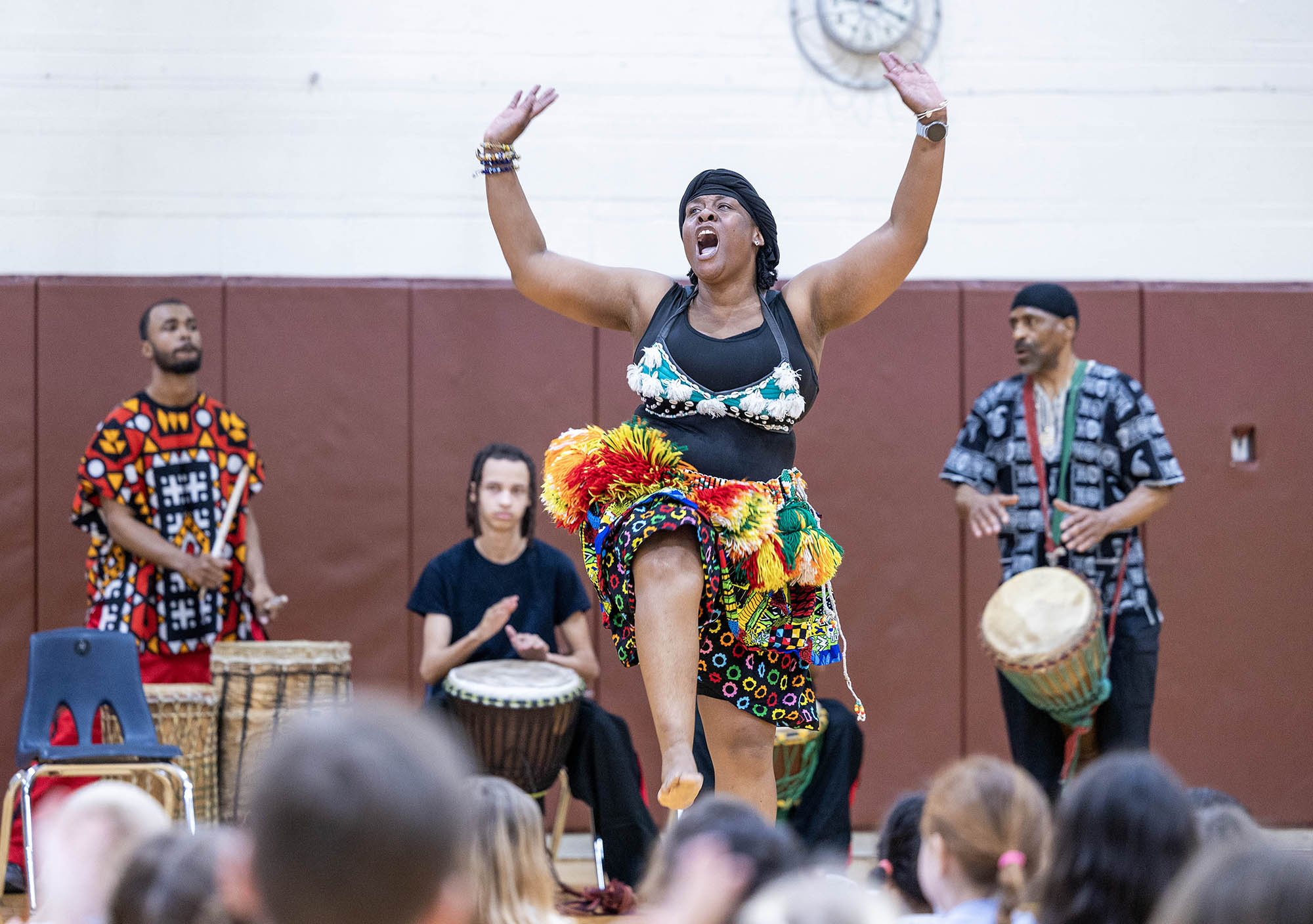
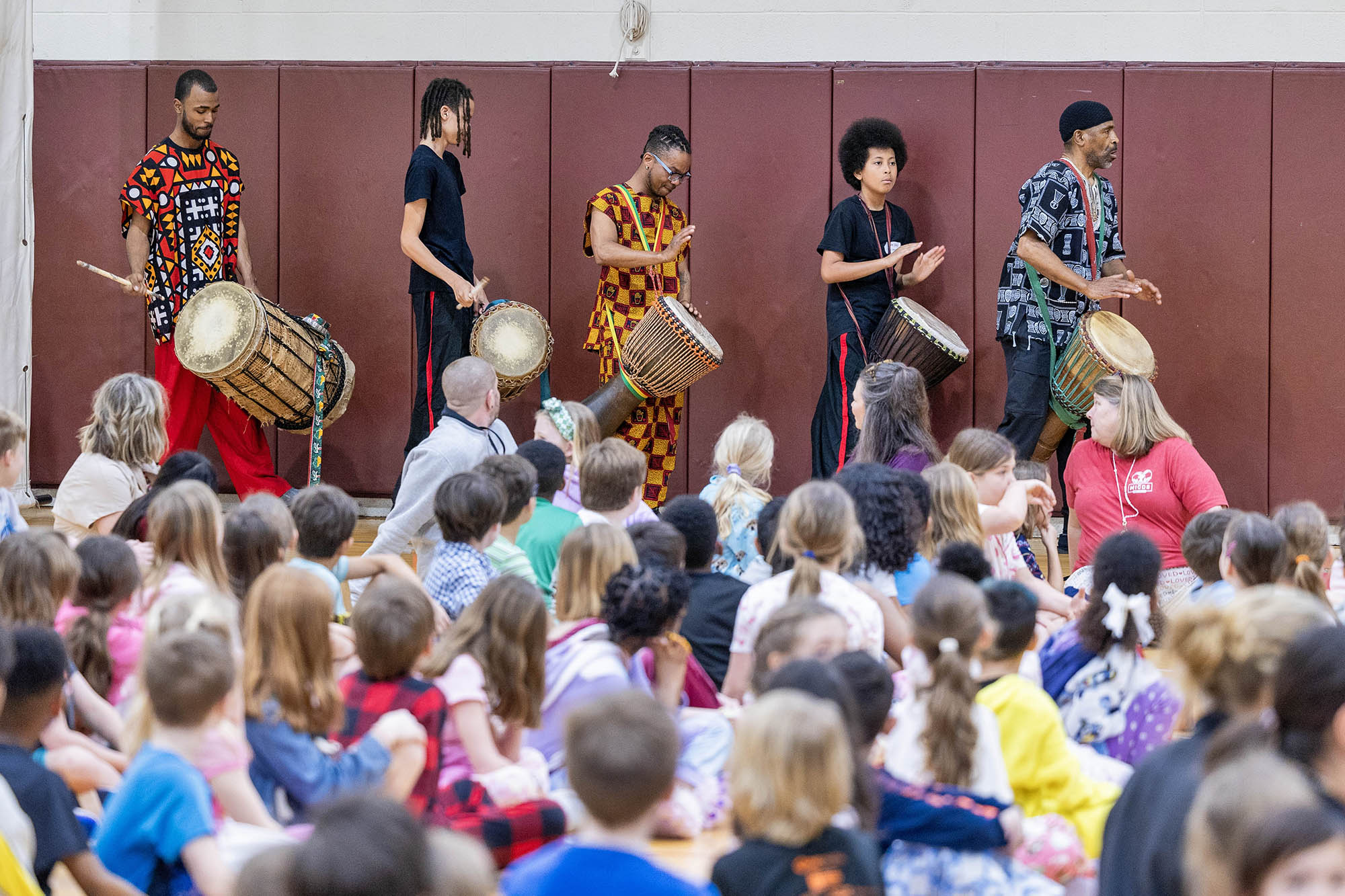
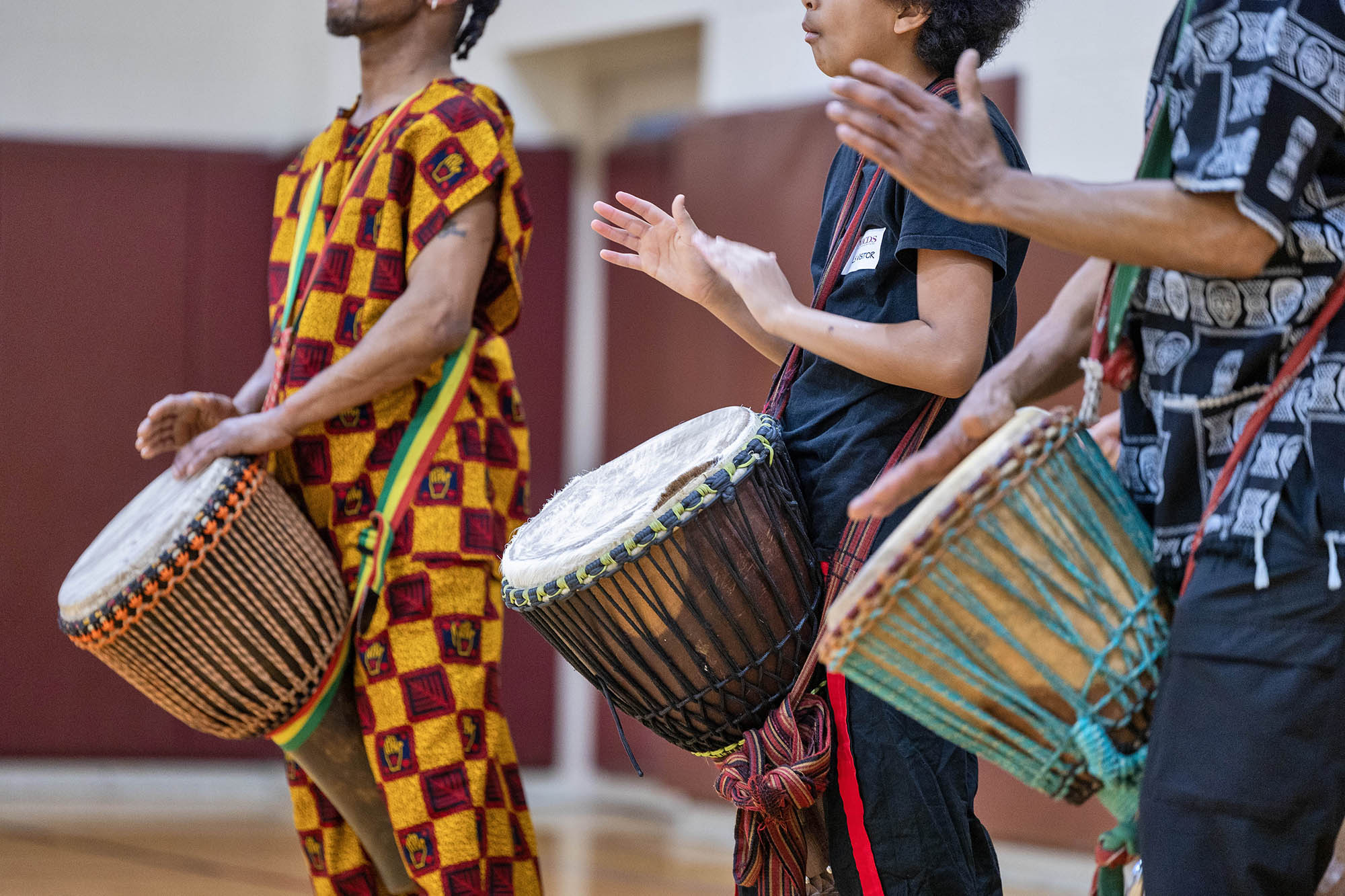
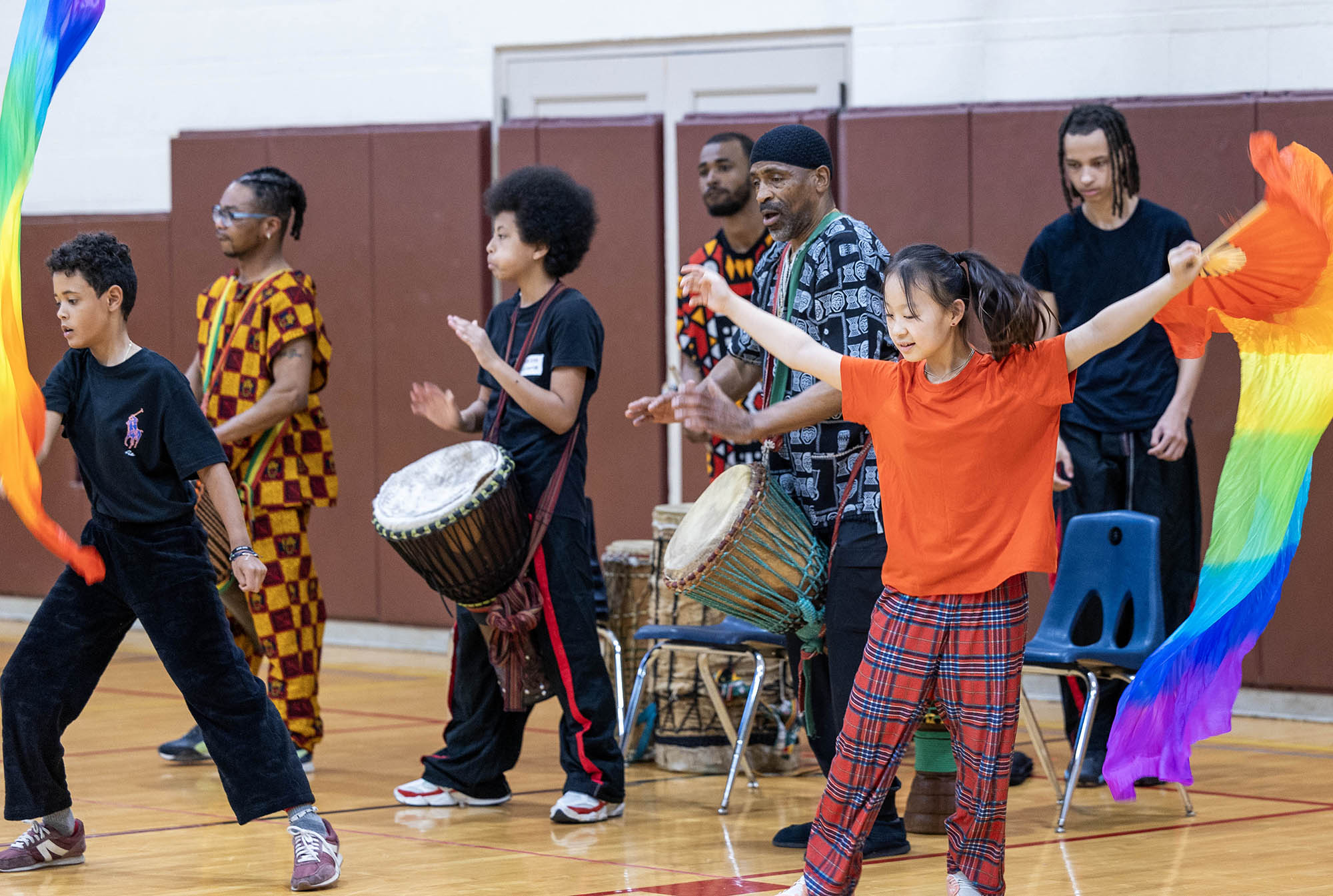
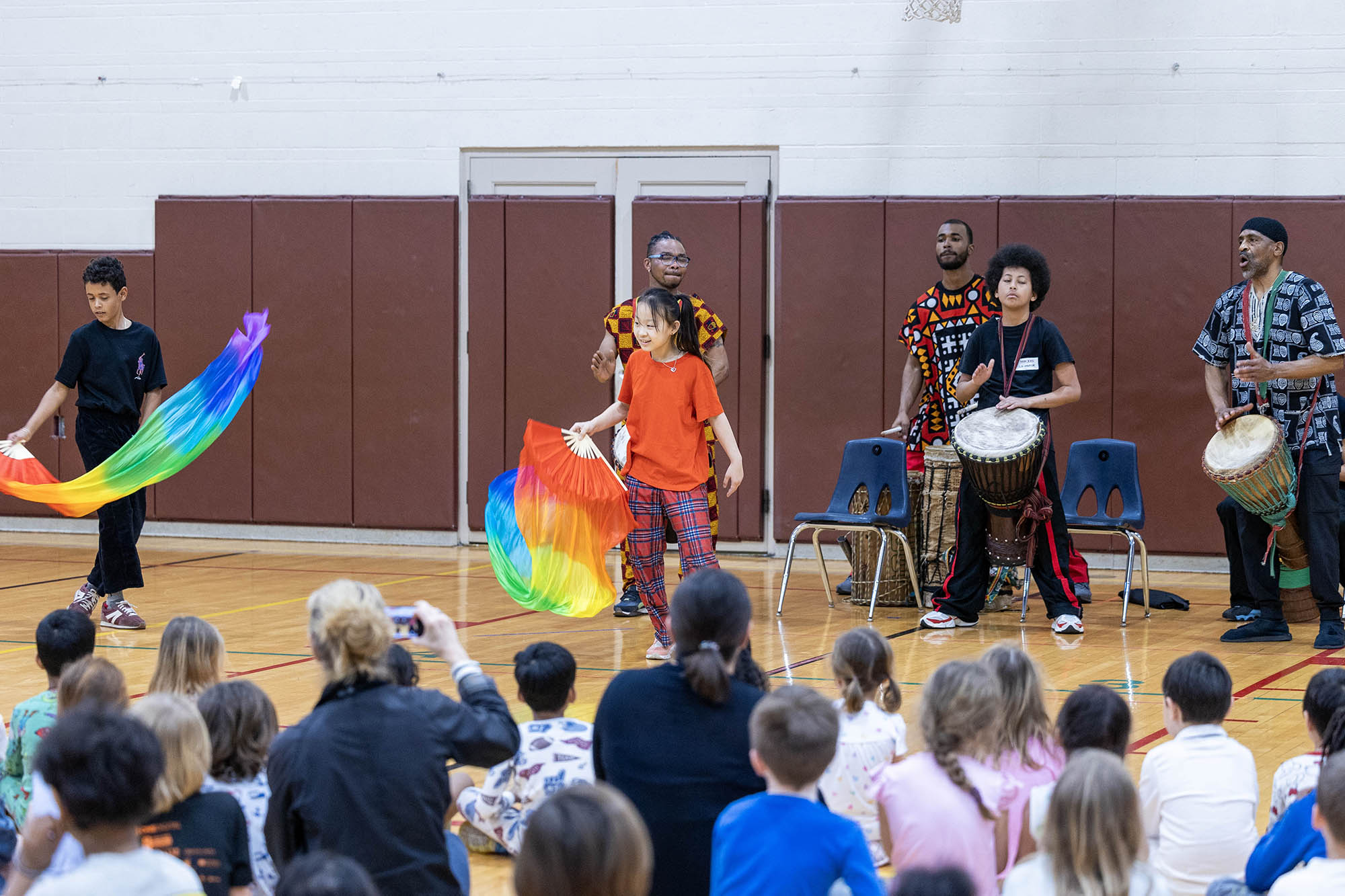
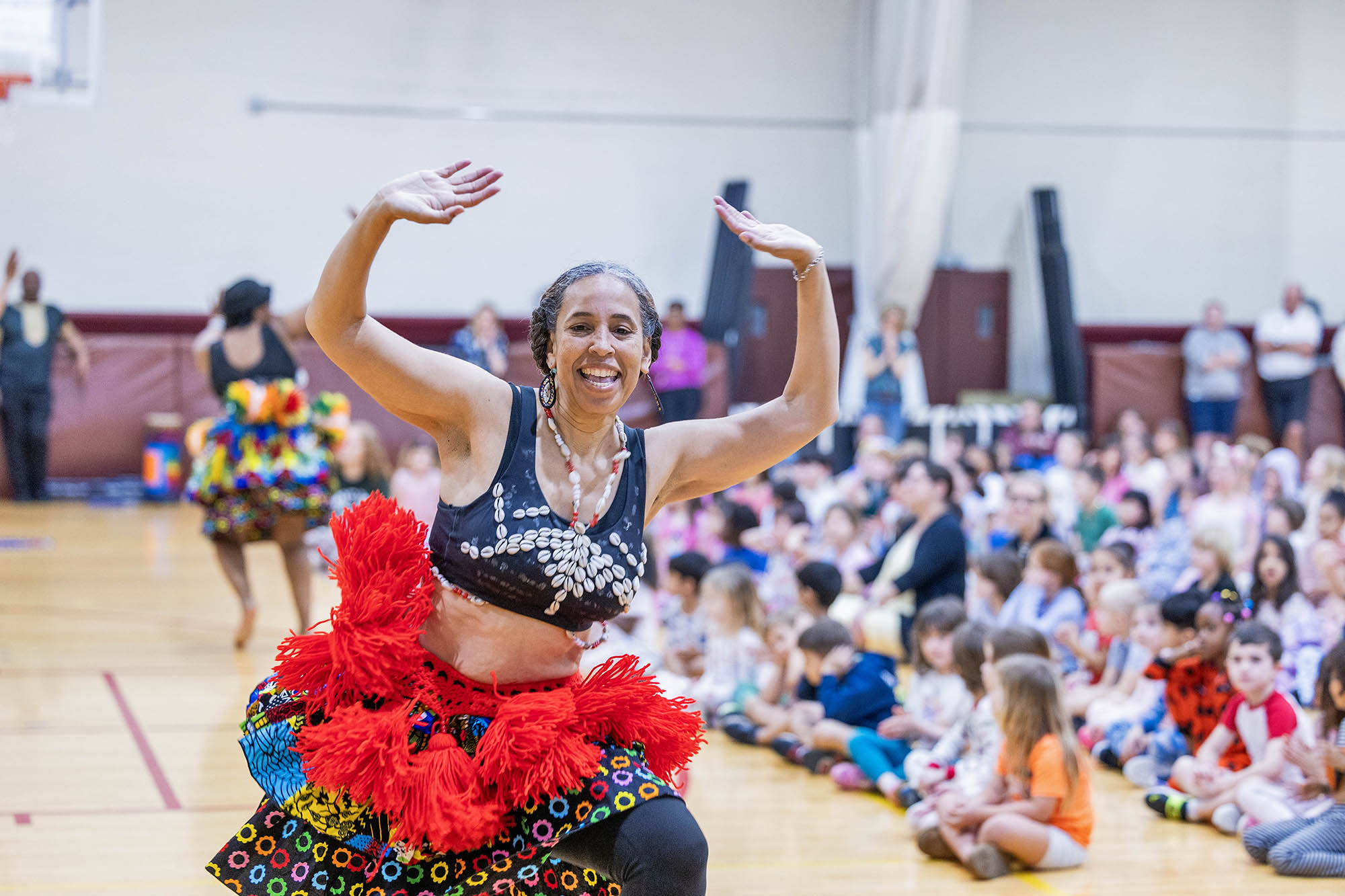
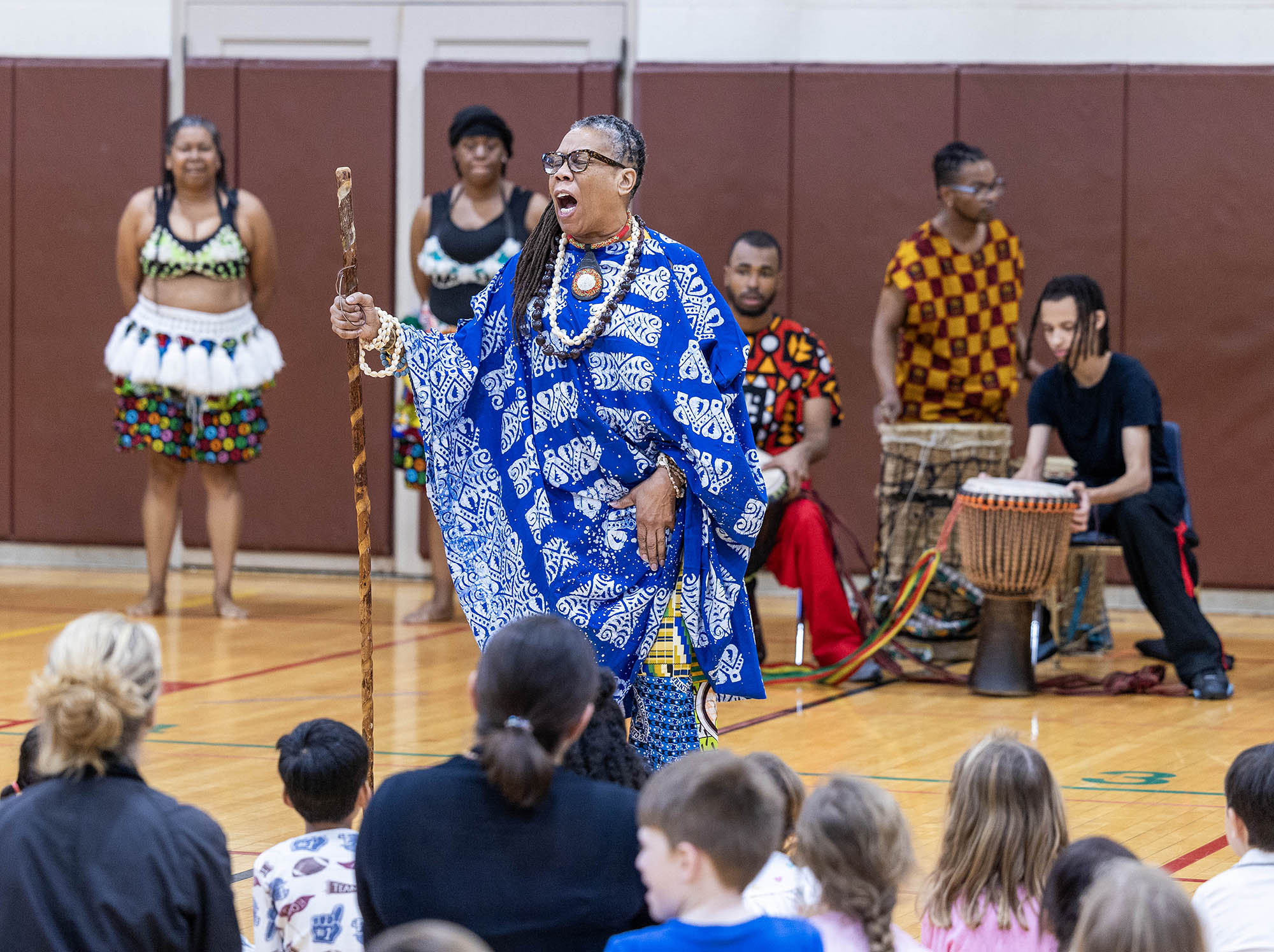
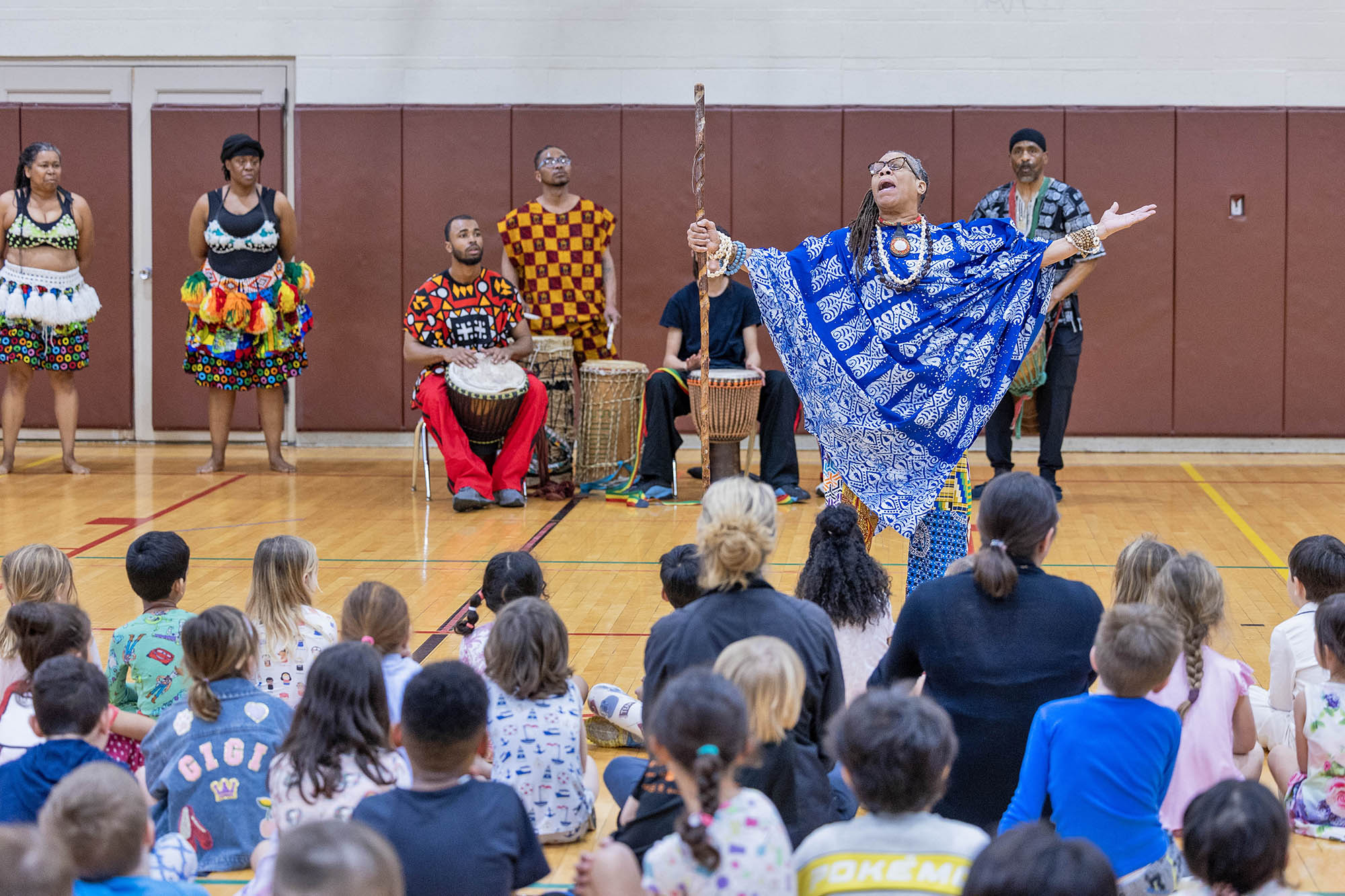
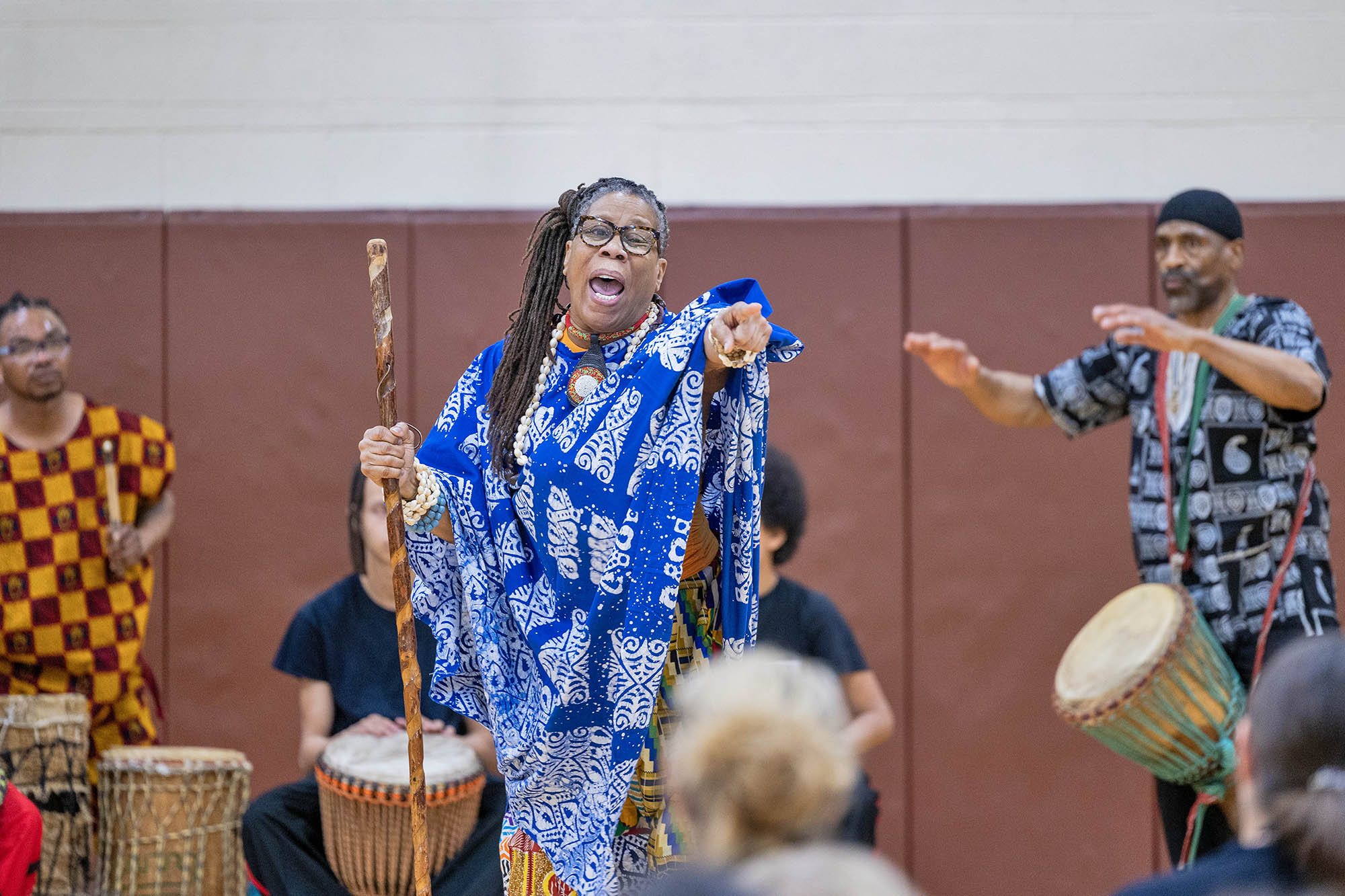
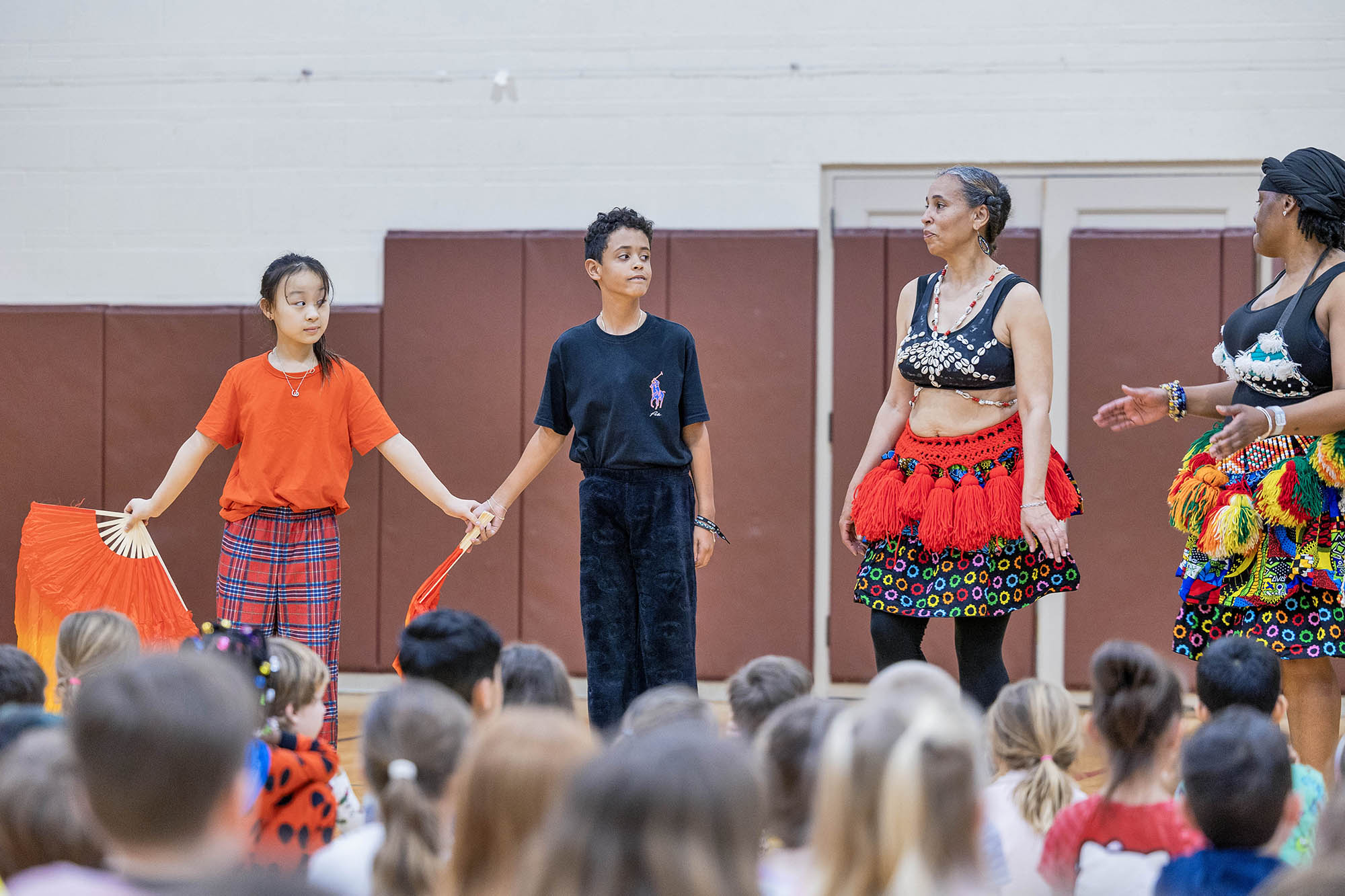
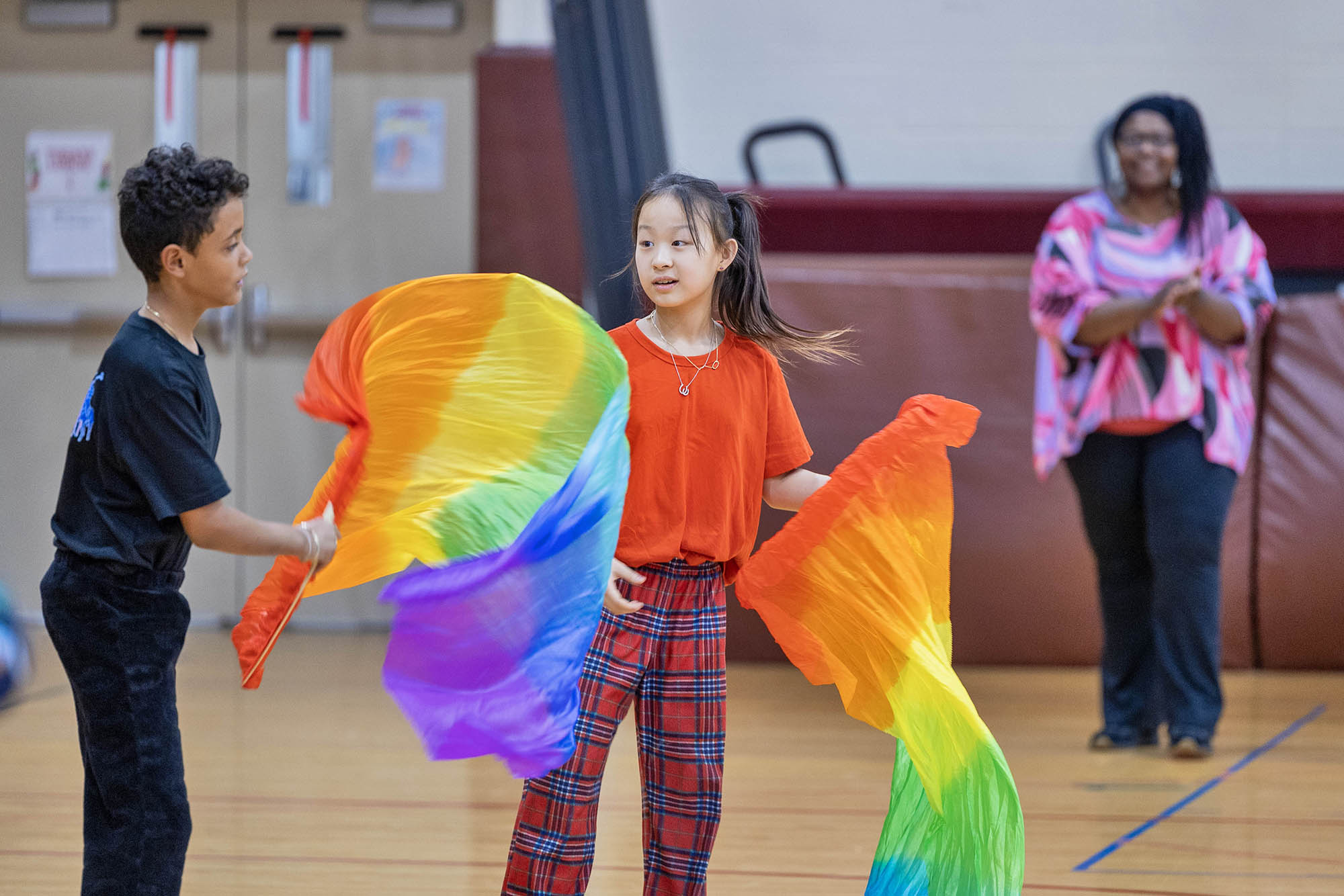
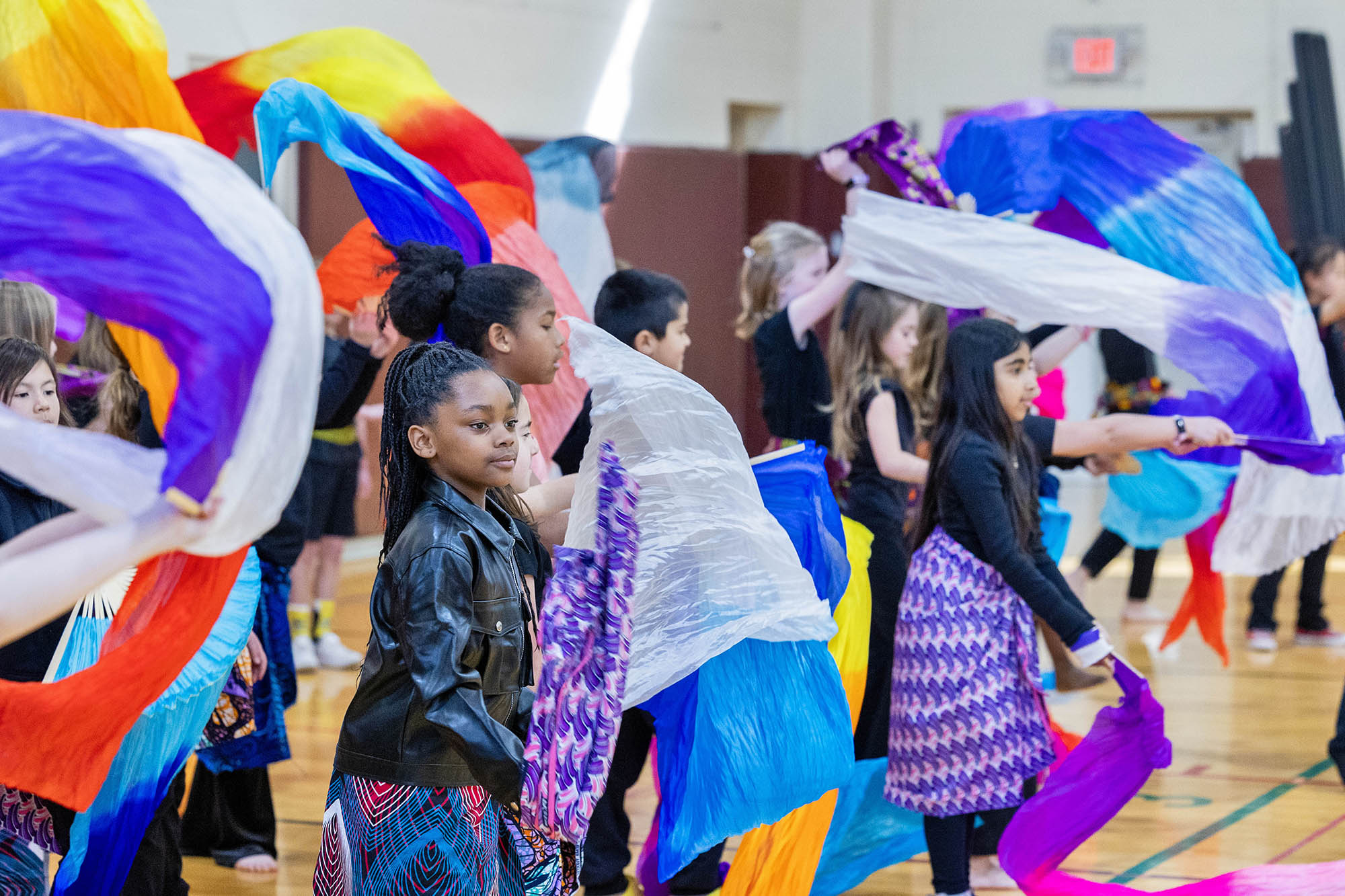
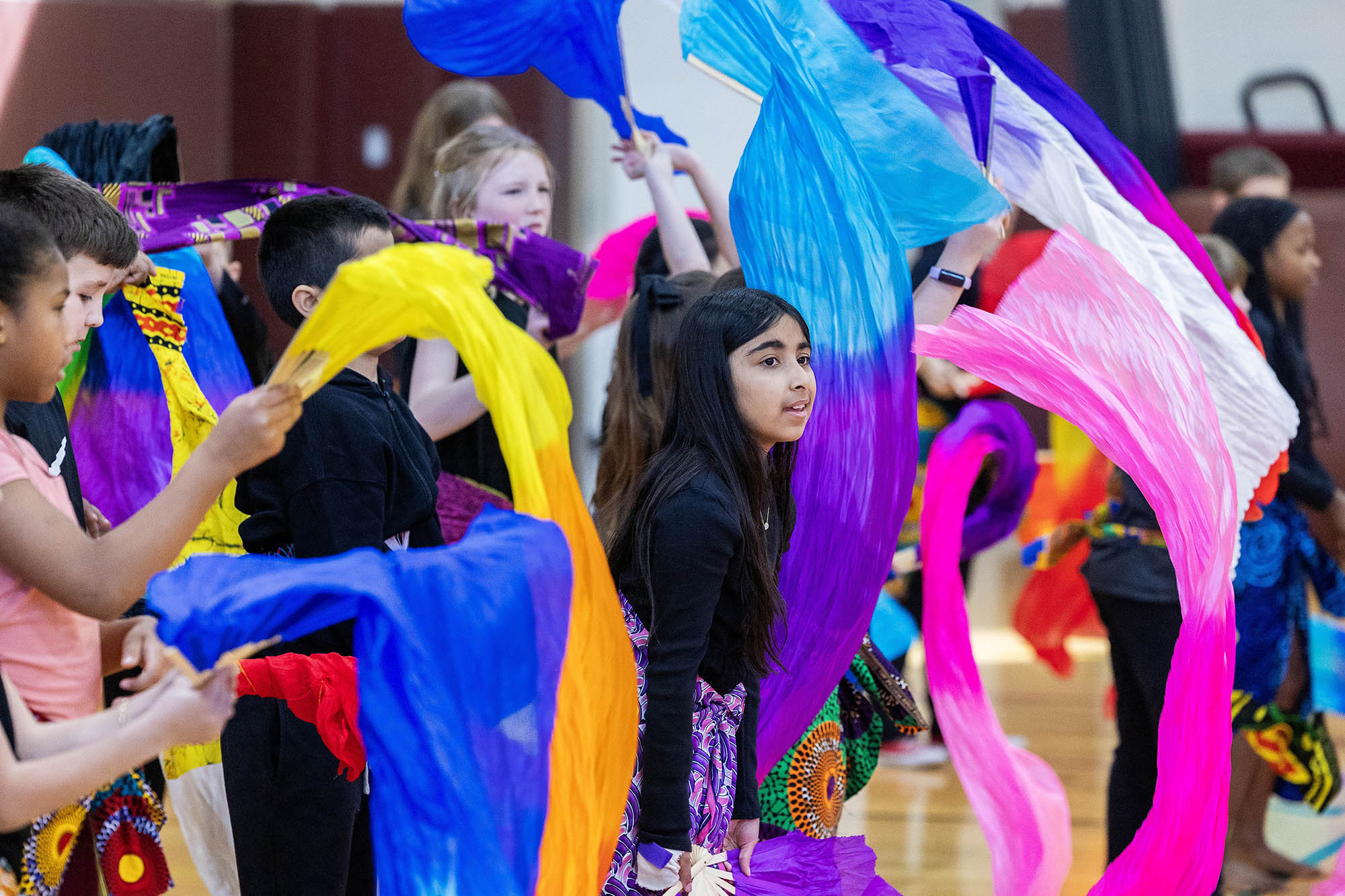
The South Gym vibrated with the “African Village” scene. From a moving a cappella opening that seemed to wrap the room in an energetic bubble to the thunder of traditional drummers, the performance was a visual and auditory feast. The audience was riveted as fourth-graders Julian S. ’34 and Addie Z. ’34 took the stage with colorful ribbons for an interpretive dance, joined by Theatre De La Rue performers.
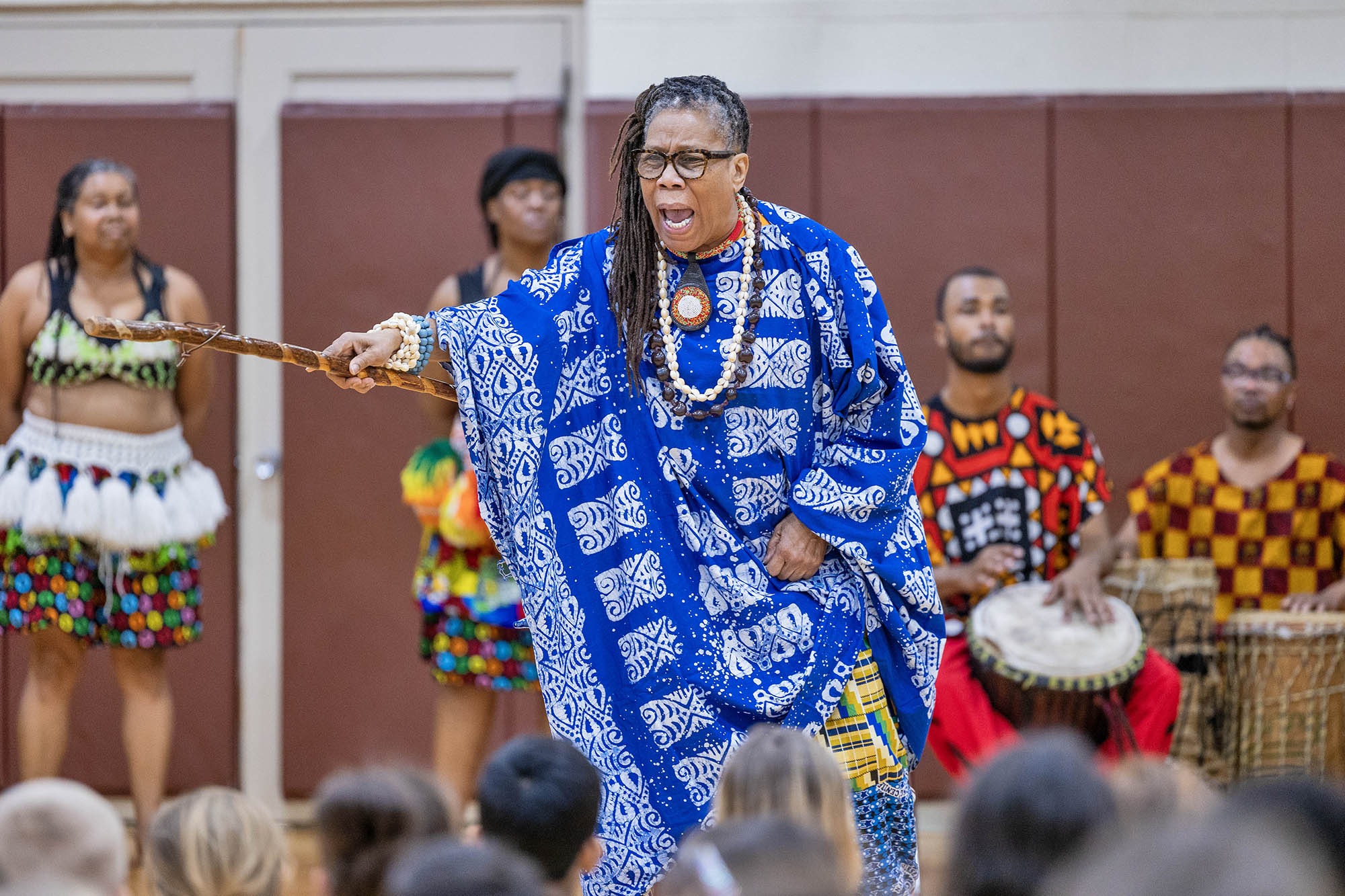
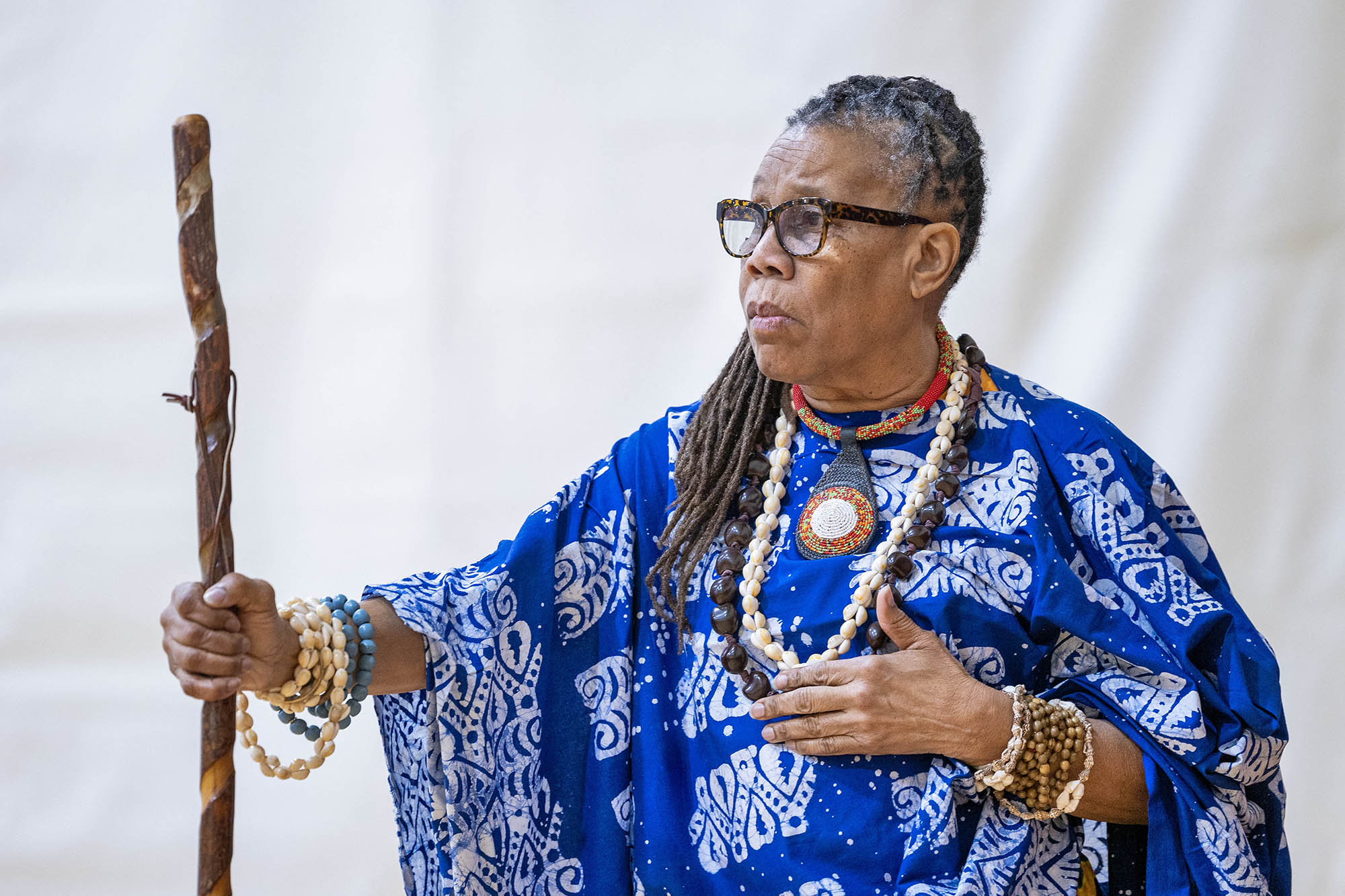
The climax arrived with a theatrical orator, as a vision in blue, who entered with a wooden staff, proclaiming the Spirit of Sankofa: “I am a moving refuge, clothed in the armor of freedom. I am the essence of social and cultural change. I am YOU. If we all work together and plant seeds, we can leave a legacy for this next generation of artists. We are Sankofa. We are one.”
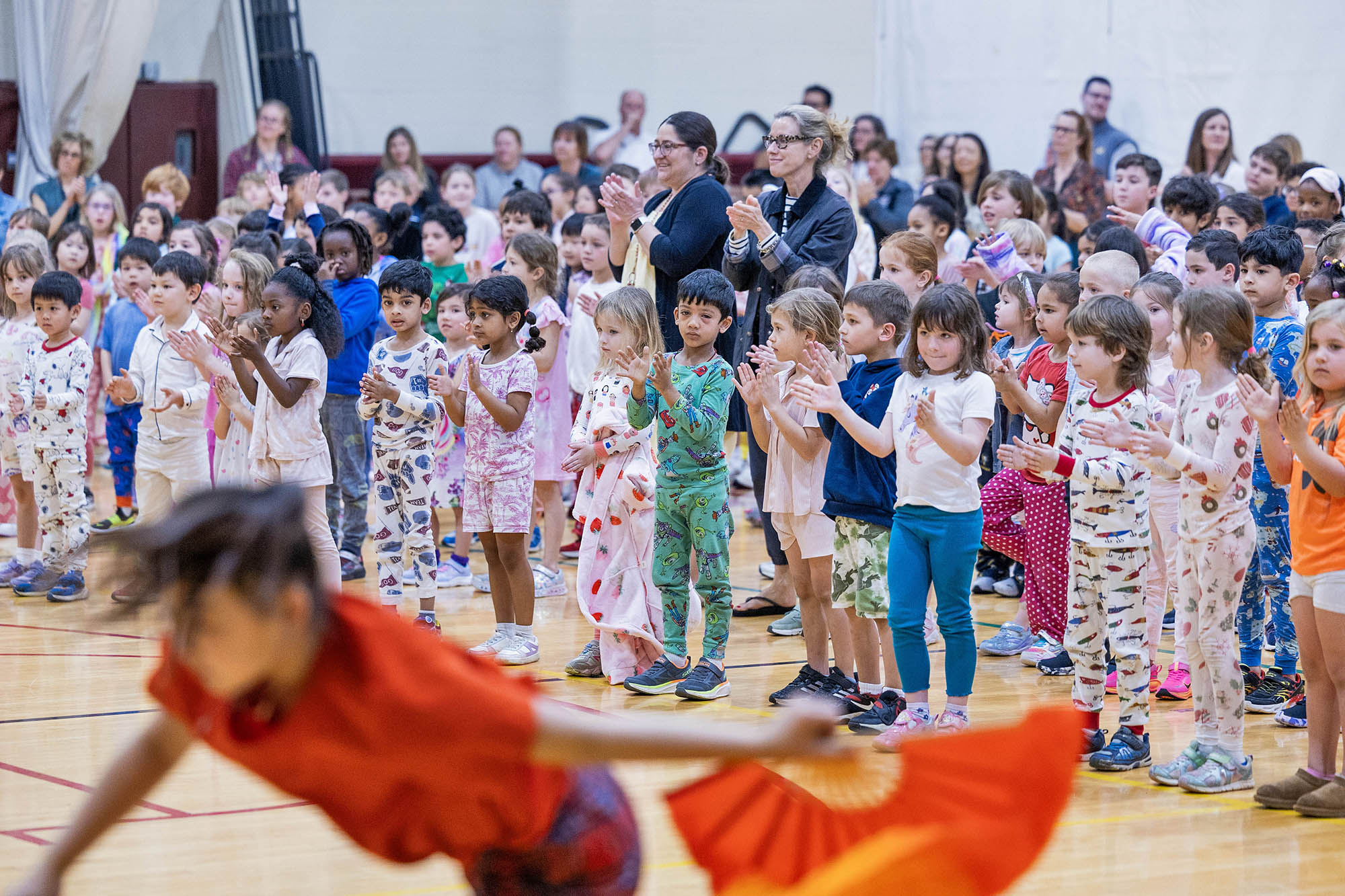
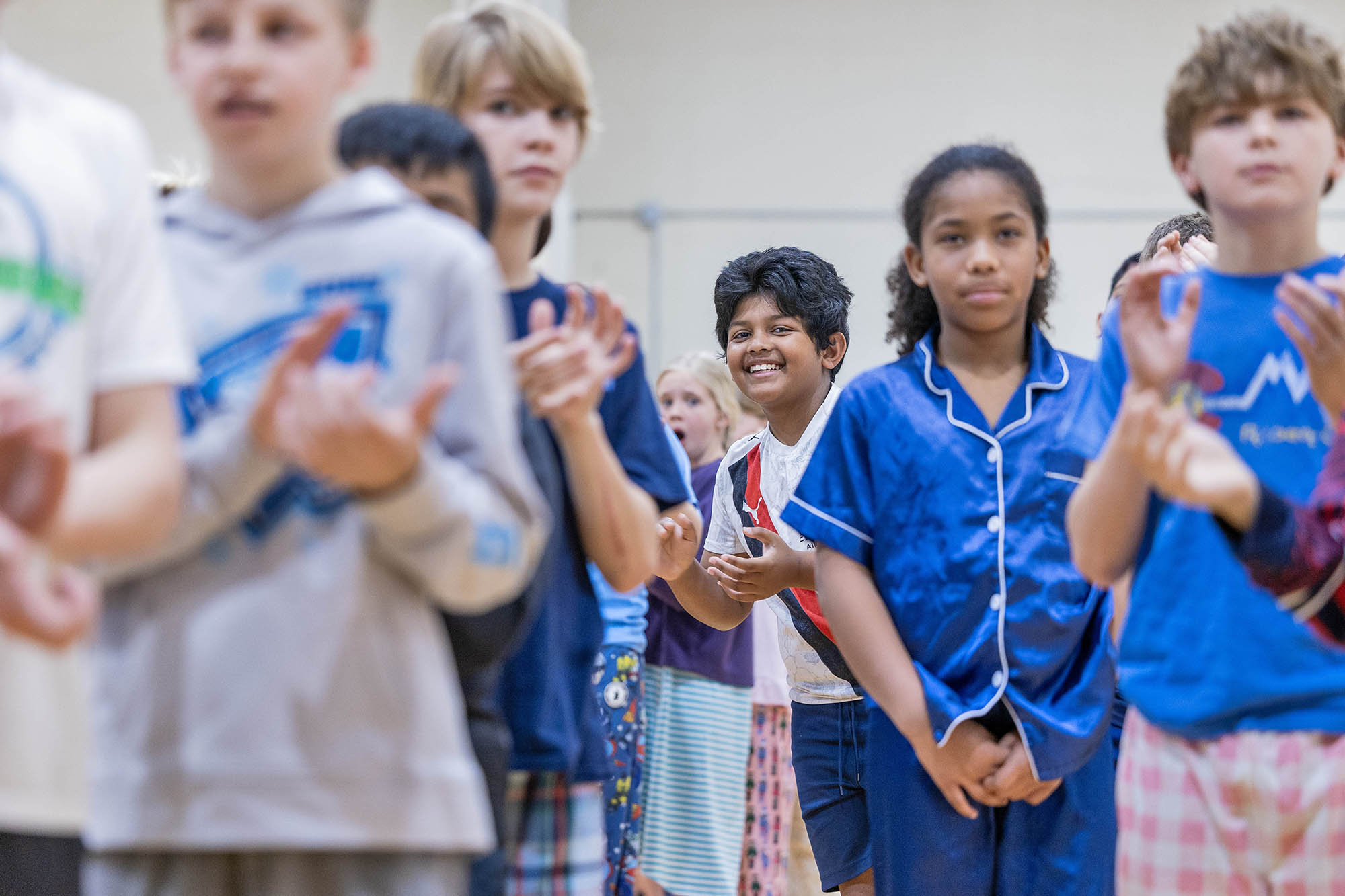
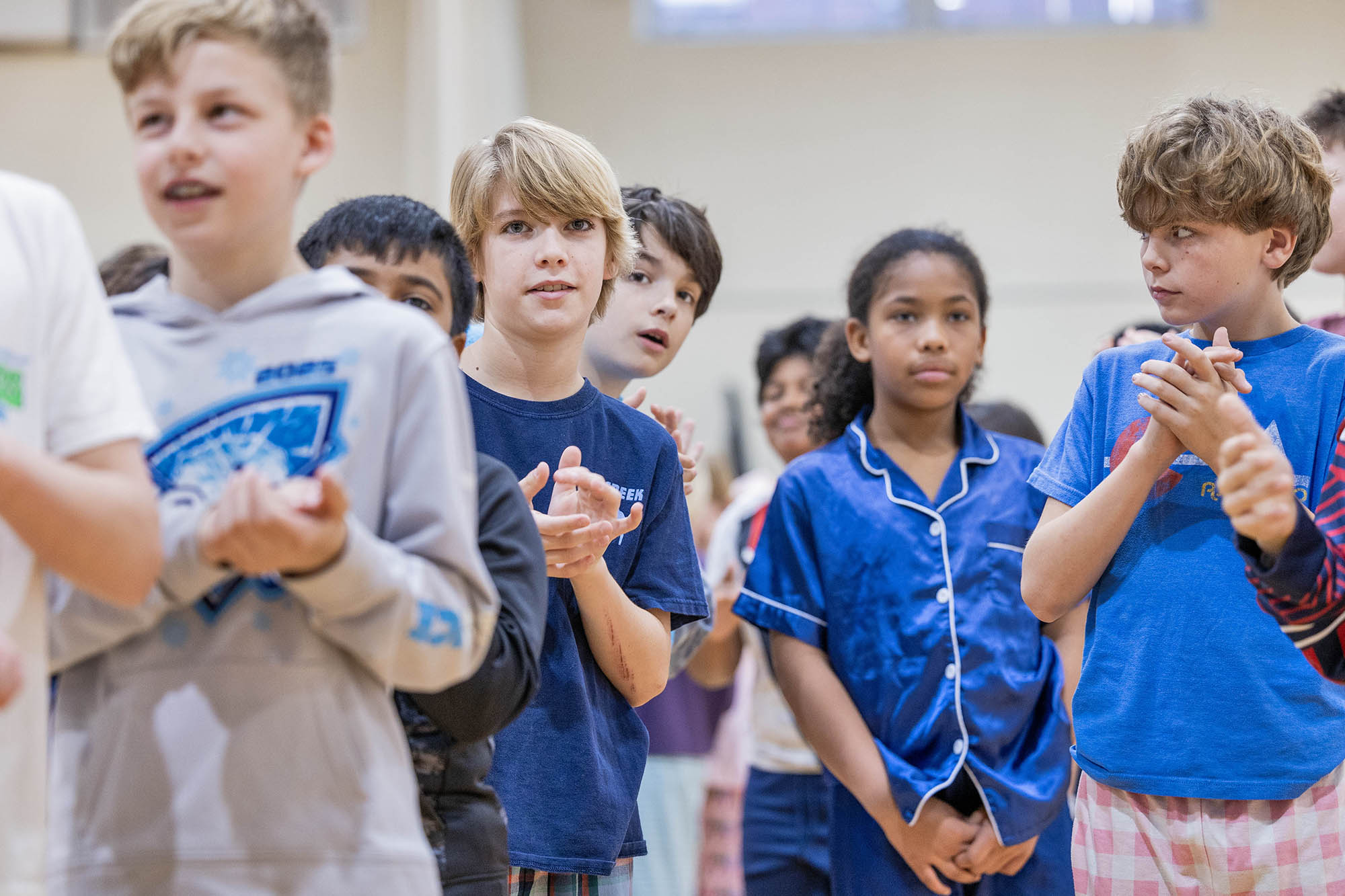
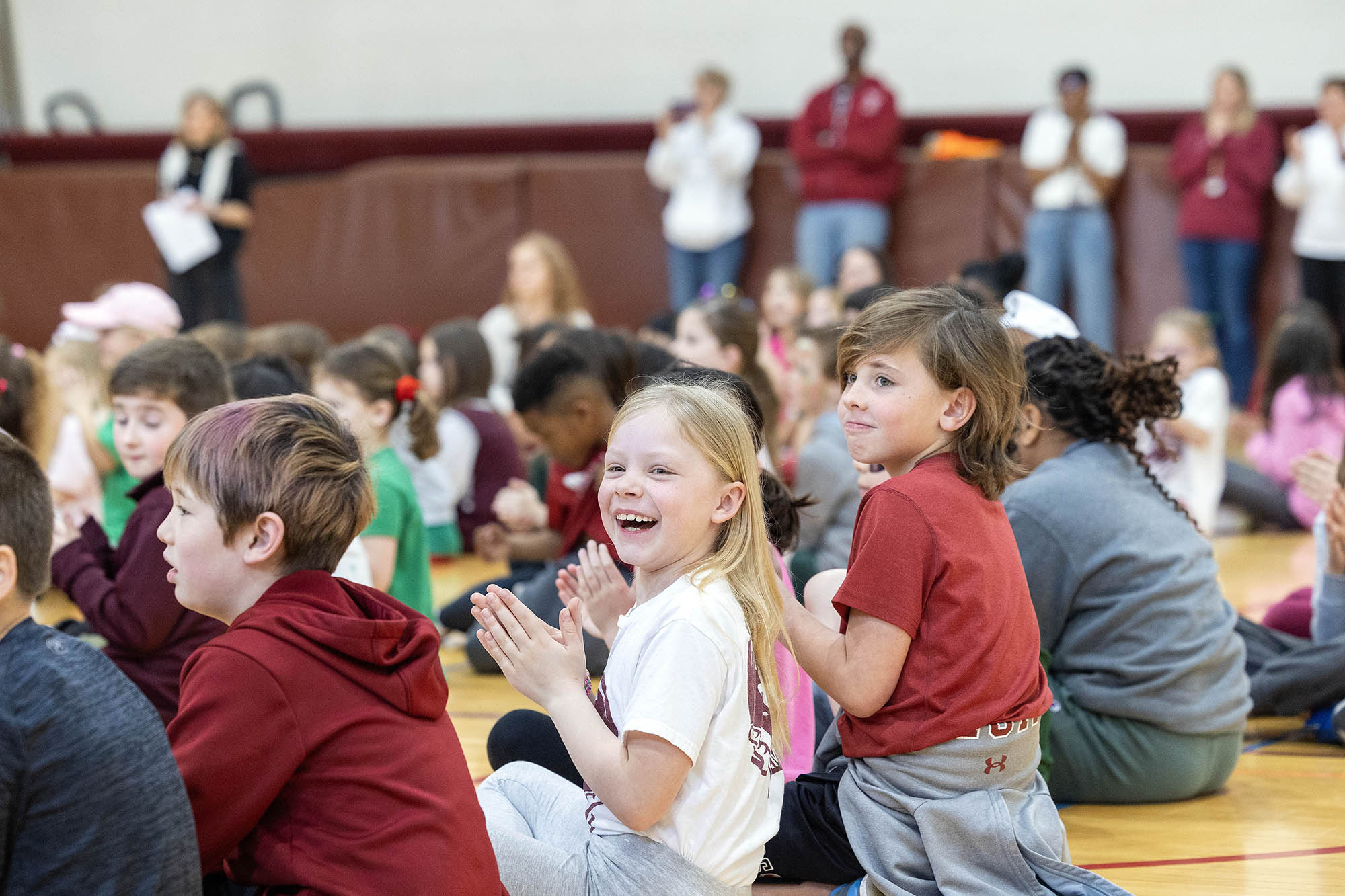
The performance ended in a standing ovation. The entire room, with 200+ students and faculty, danced and clapped as the performers exited.
From Spectators to Artists
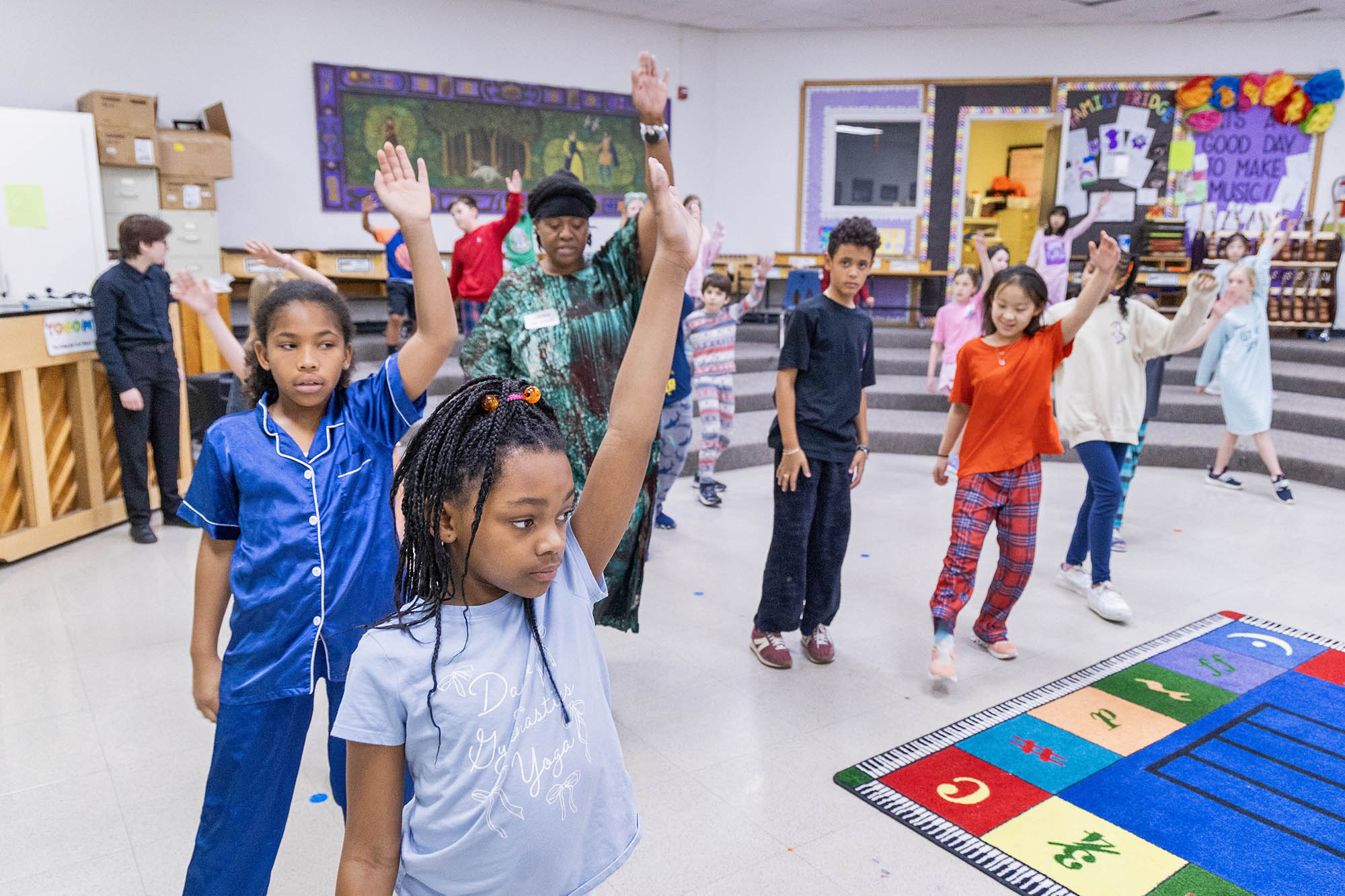
The experience then shifted from the stage to the studio. Third- and fourth-graders headed to the Beasley Studio for intensive workshops, assisted by the third- and fourth-grade teachers and several eighth-grade leaders. The students were divided into four creative groups:
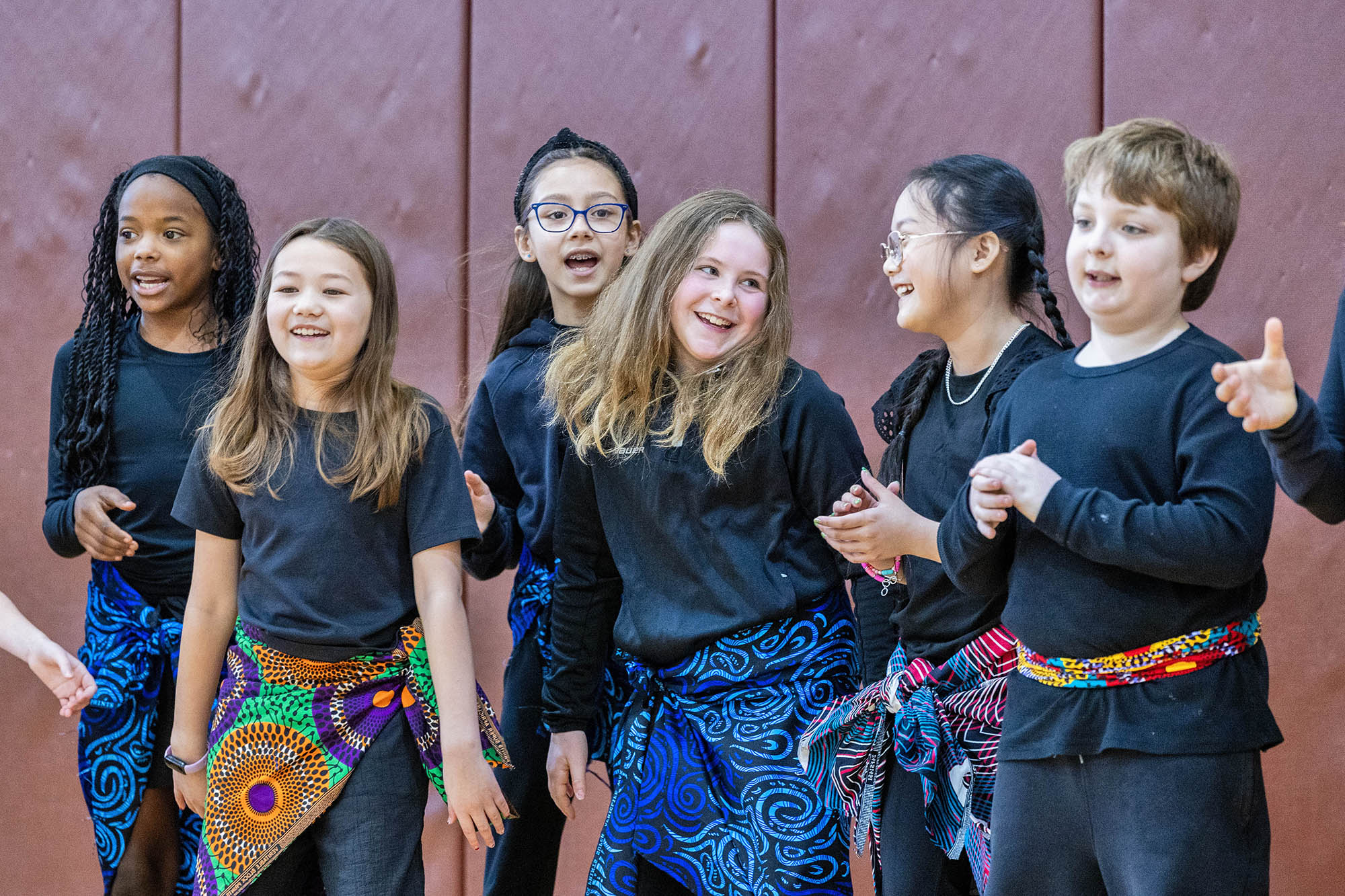
- The Singers worked with Mrs. Singh on tonal variations and elemental movements. When asked how the singing workshop was different than class, Alexander O. ’34 said, “It’s in a different language, but since we’ve been learning some in class, it’s becoming more familiar. Charlotte B. ’35 said, “With African songs, we learn how the songs bring us all together. I loved the first performance, and then I got really excited to hear that we were going to do that, too!”
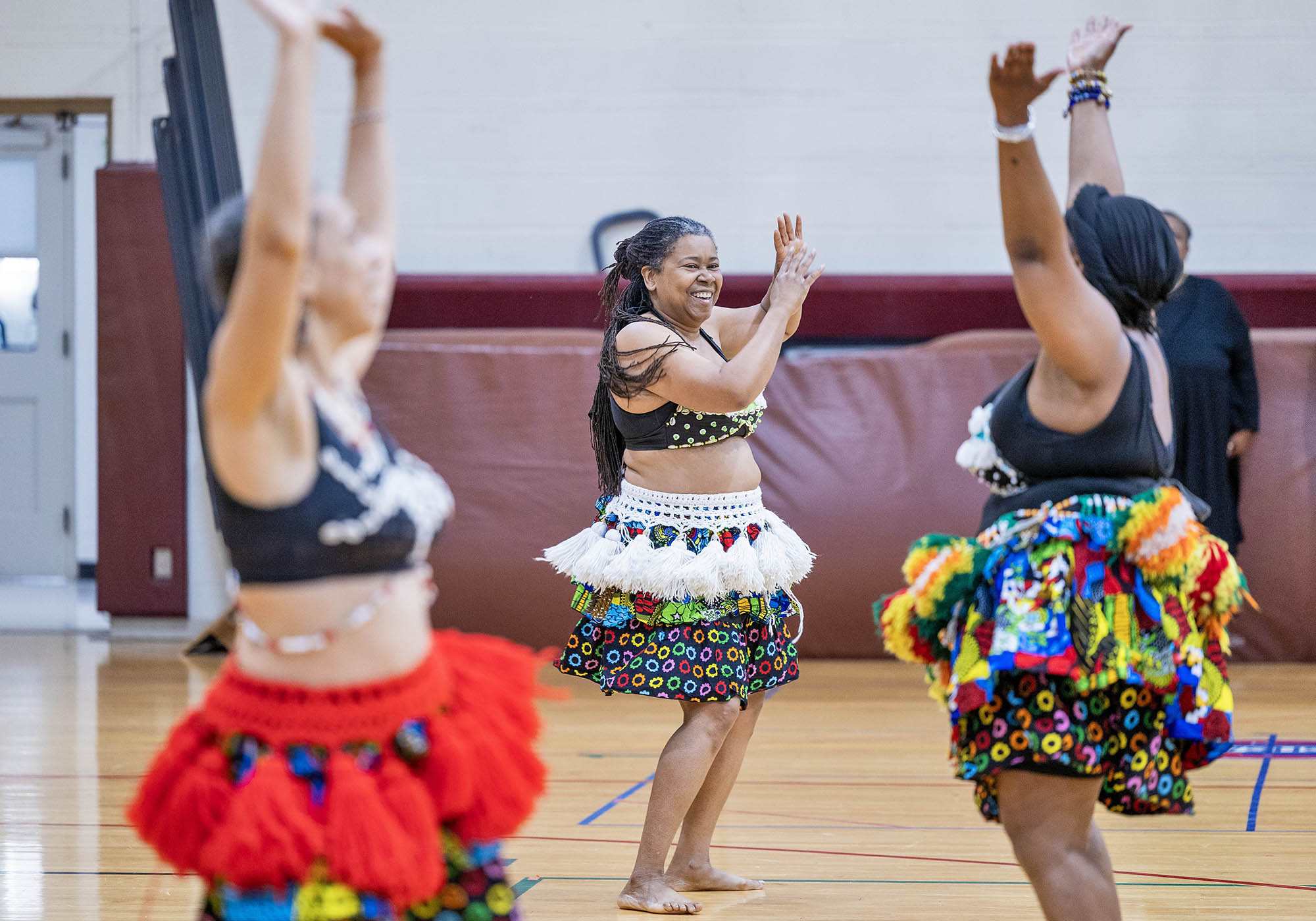
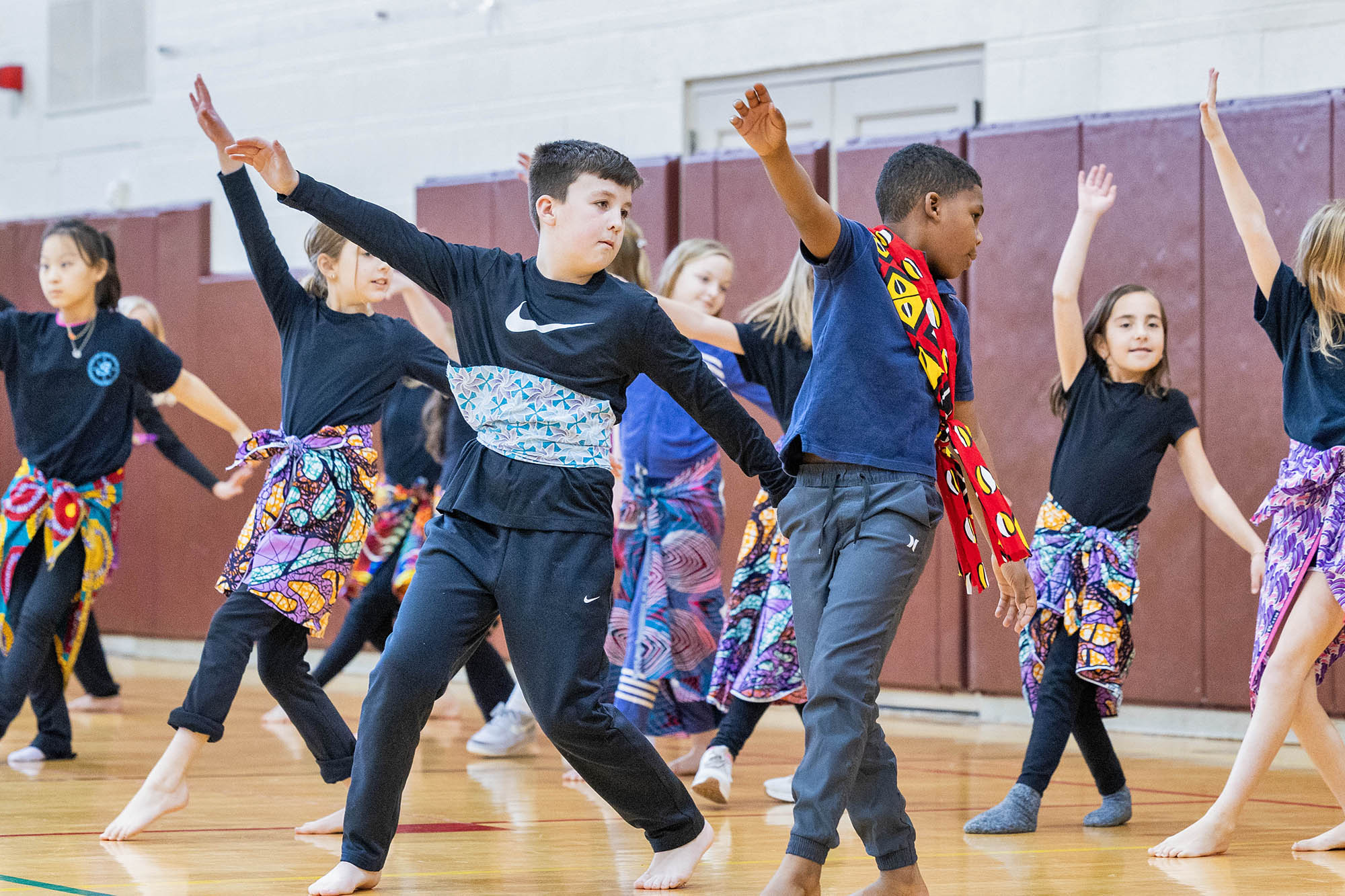
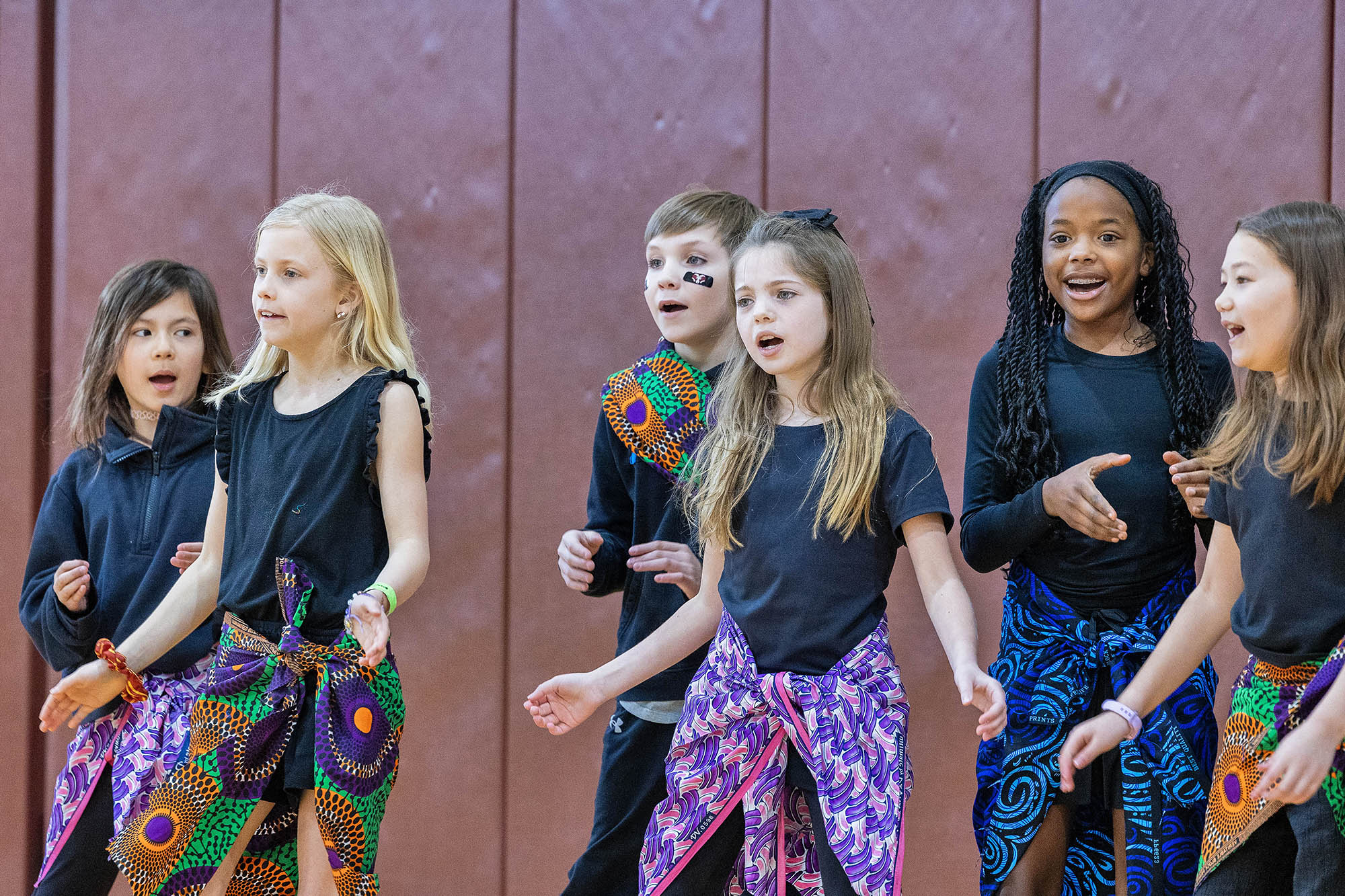
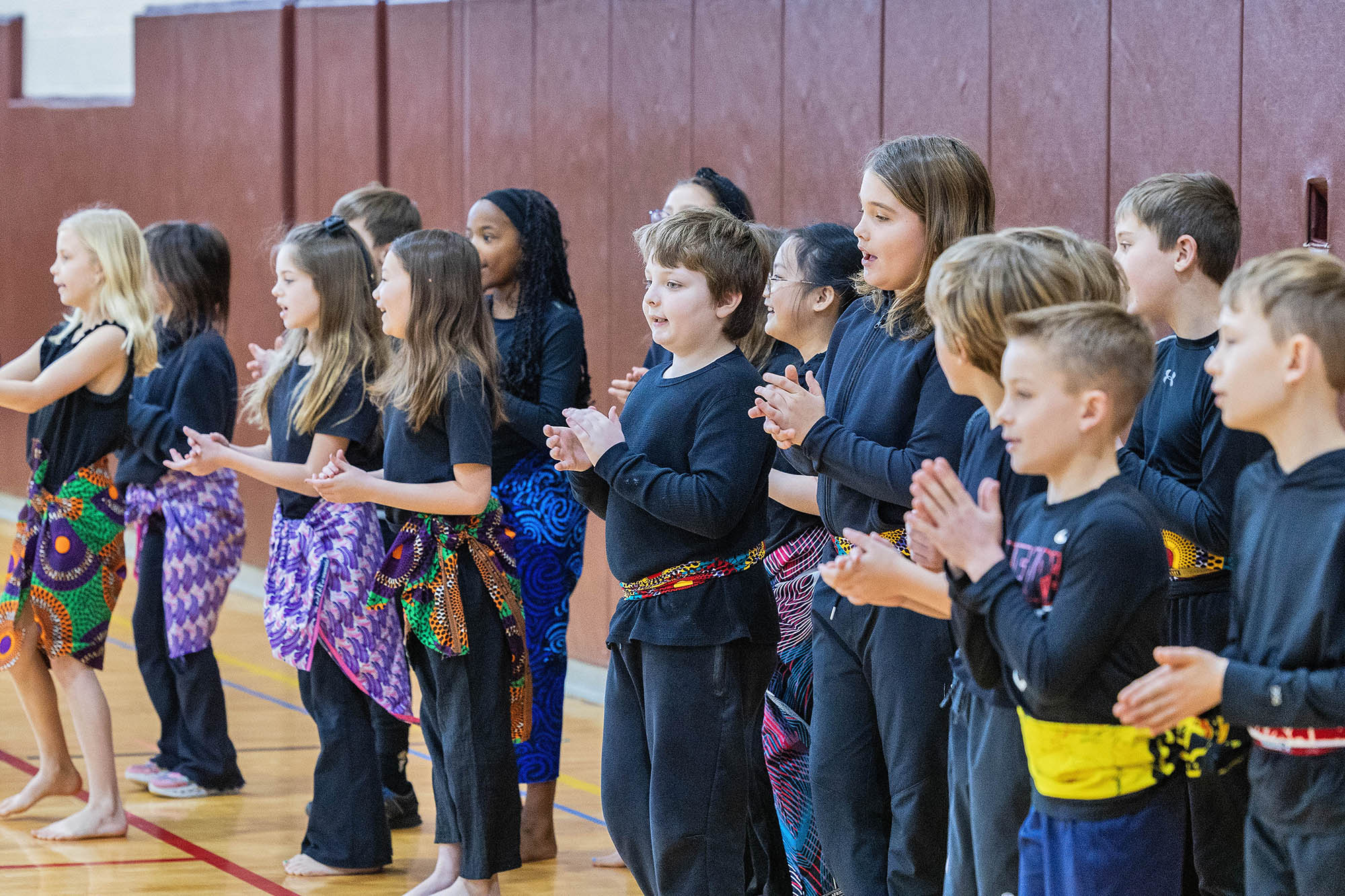
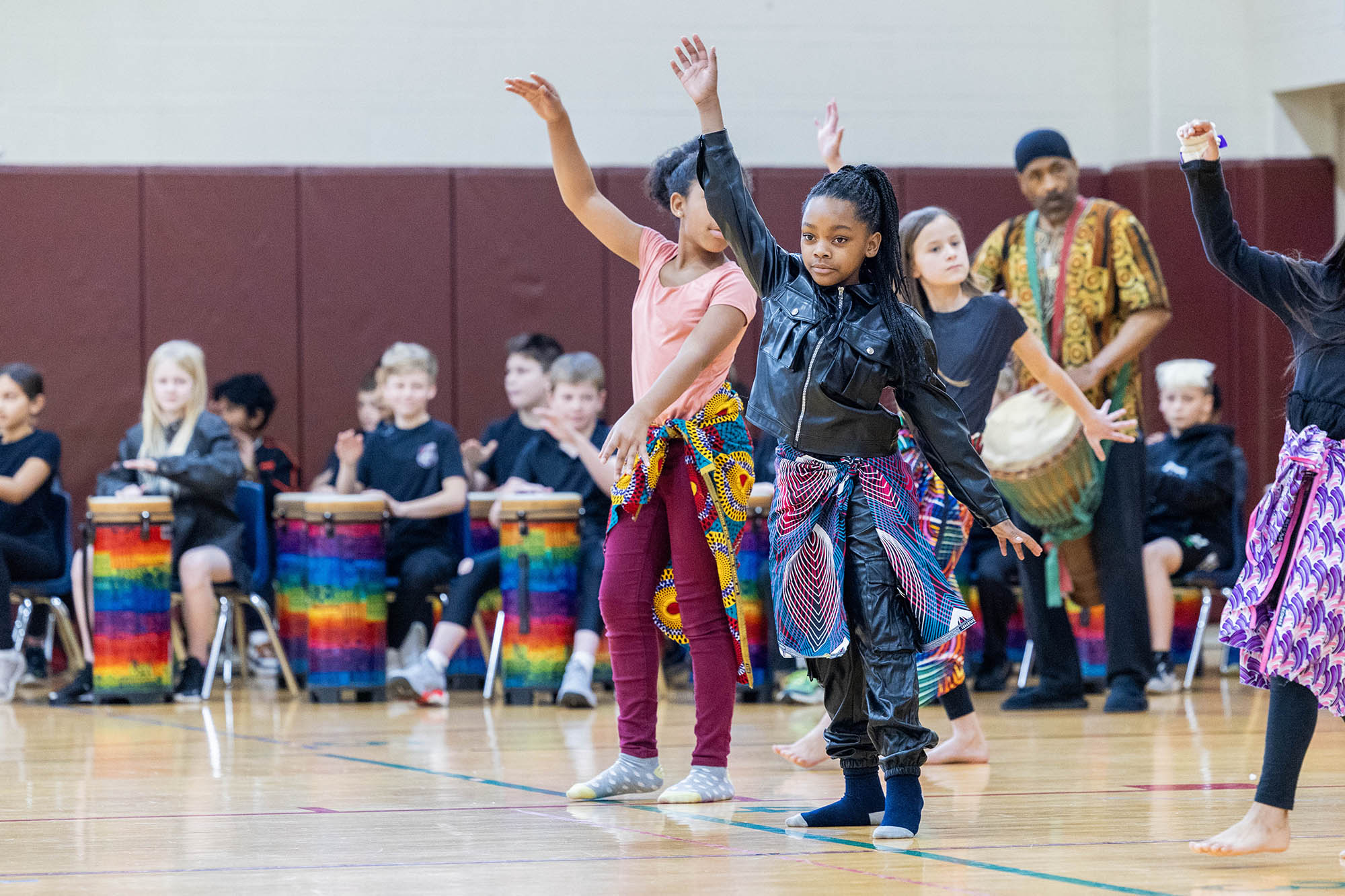
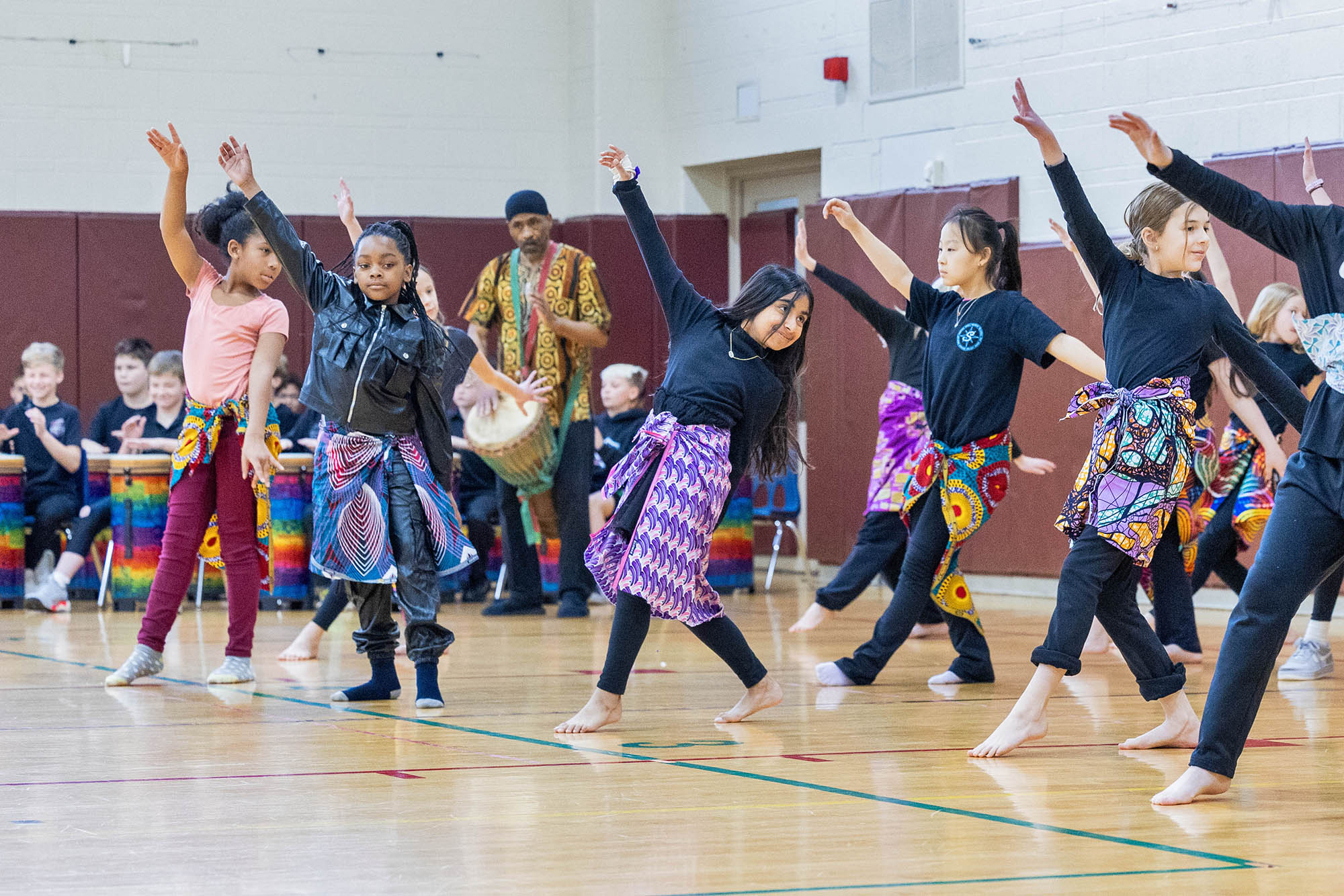
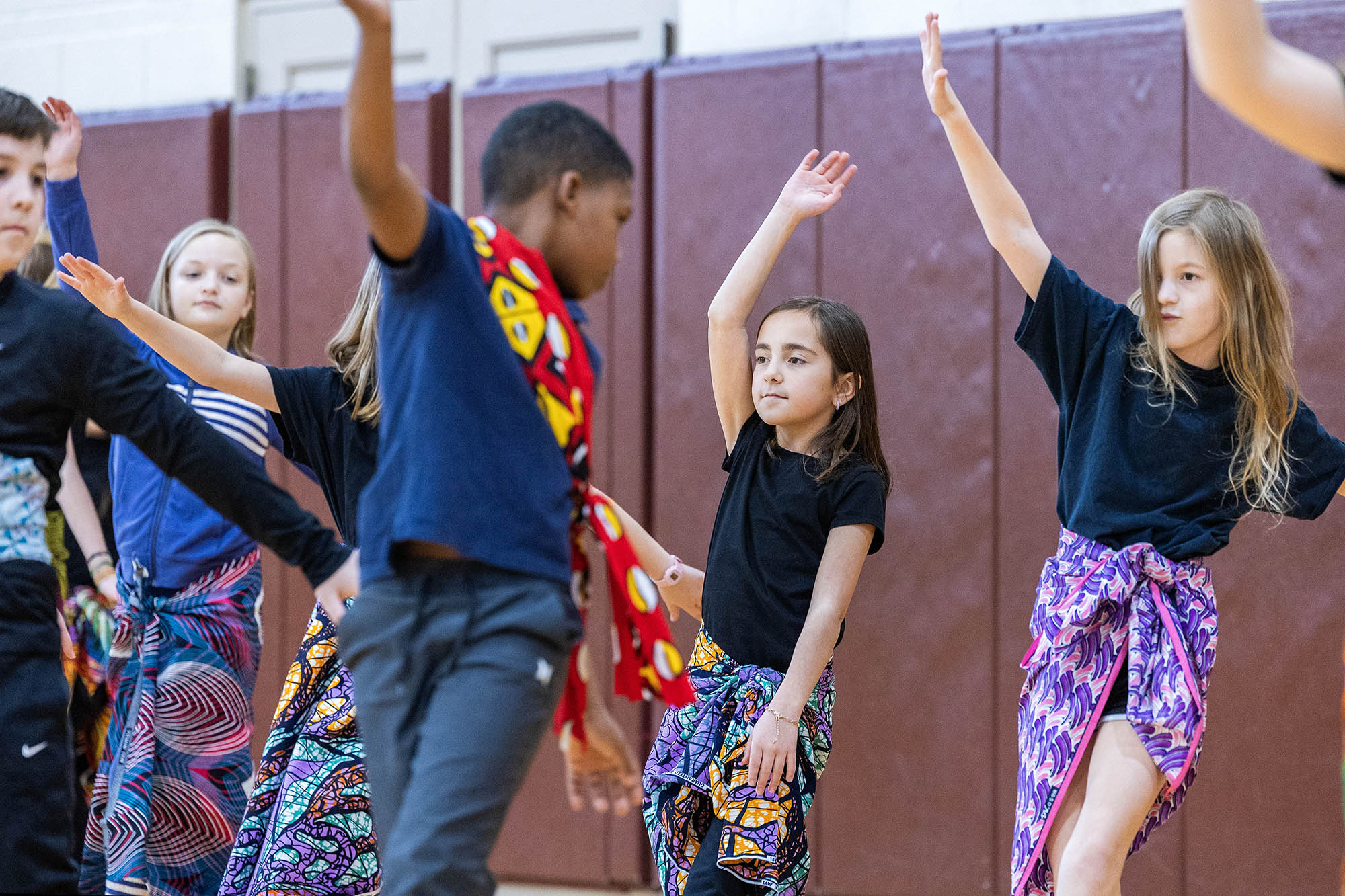
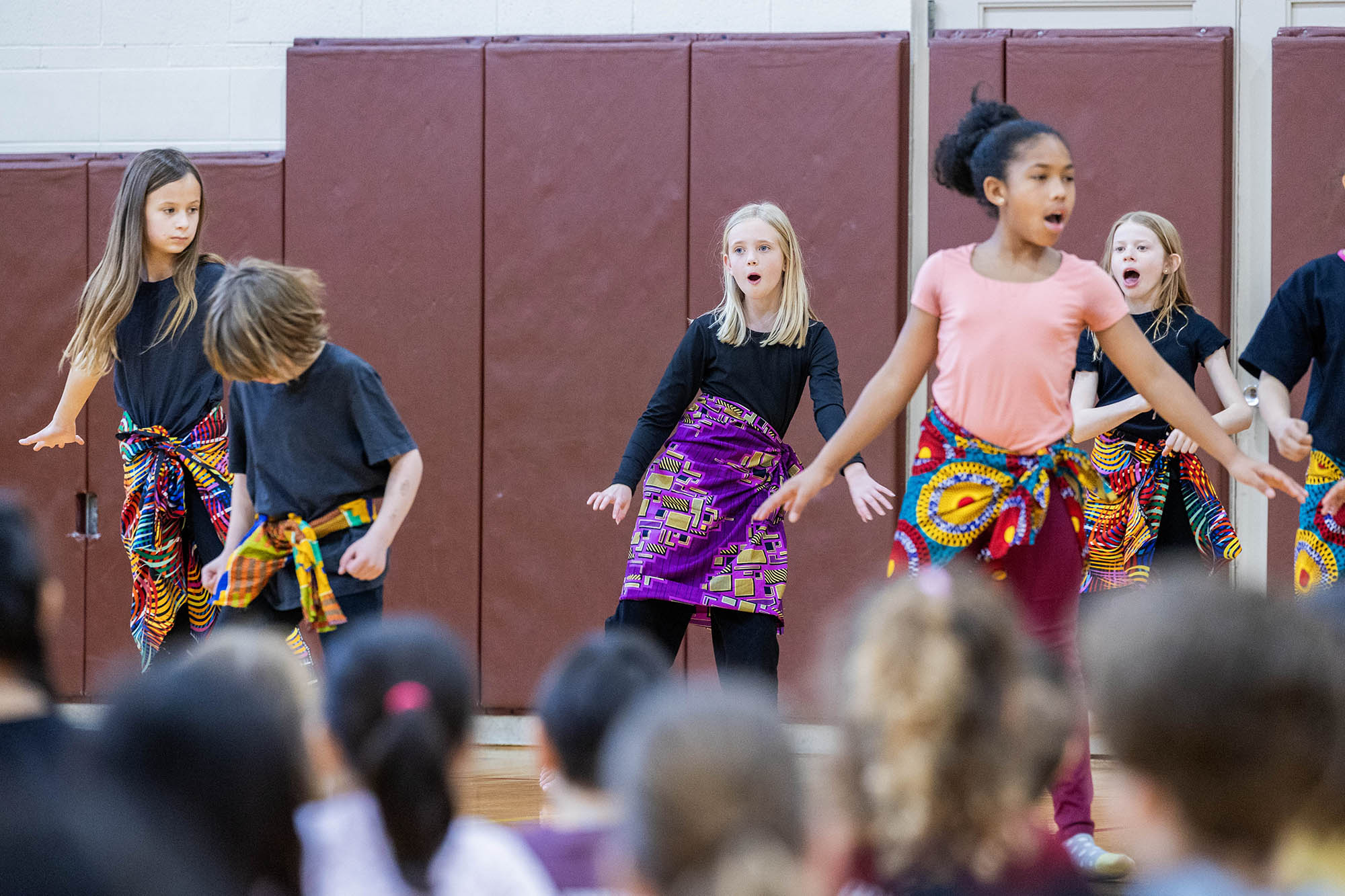
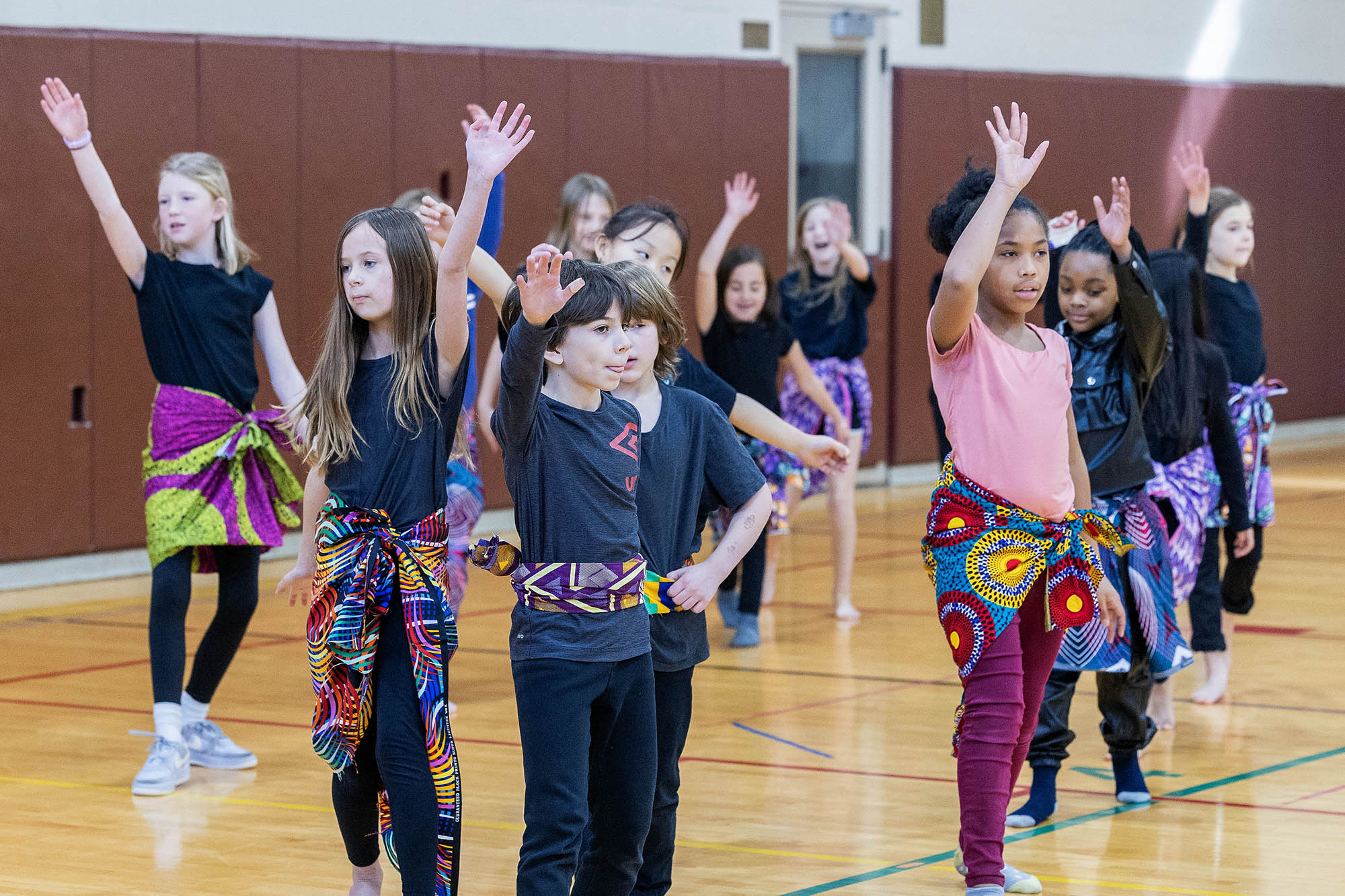
- The Dancers learned fundamental West African steps from Master Dancer Mama Tiffany, focusing on the synergy between coordination and expression. Julian said, “It’s fun to learn what people in other cultures do.” Arianna E. ’34 added, “The most challenging part of the dance was the last part where they sped it up, and we had to still follow the beat with the movement.” Ben P. ’35 agreed, “You have to align with the drummers, and it’s a lot of pressure.”
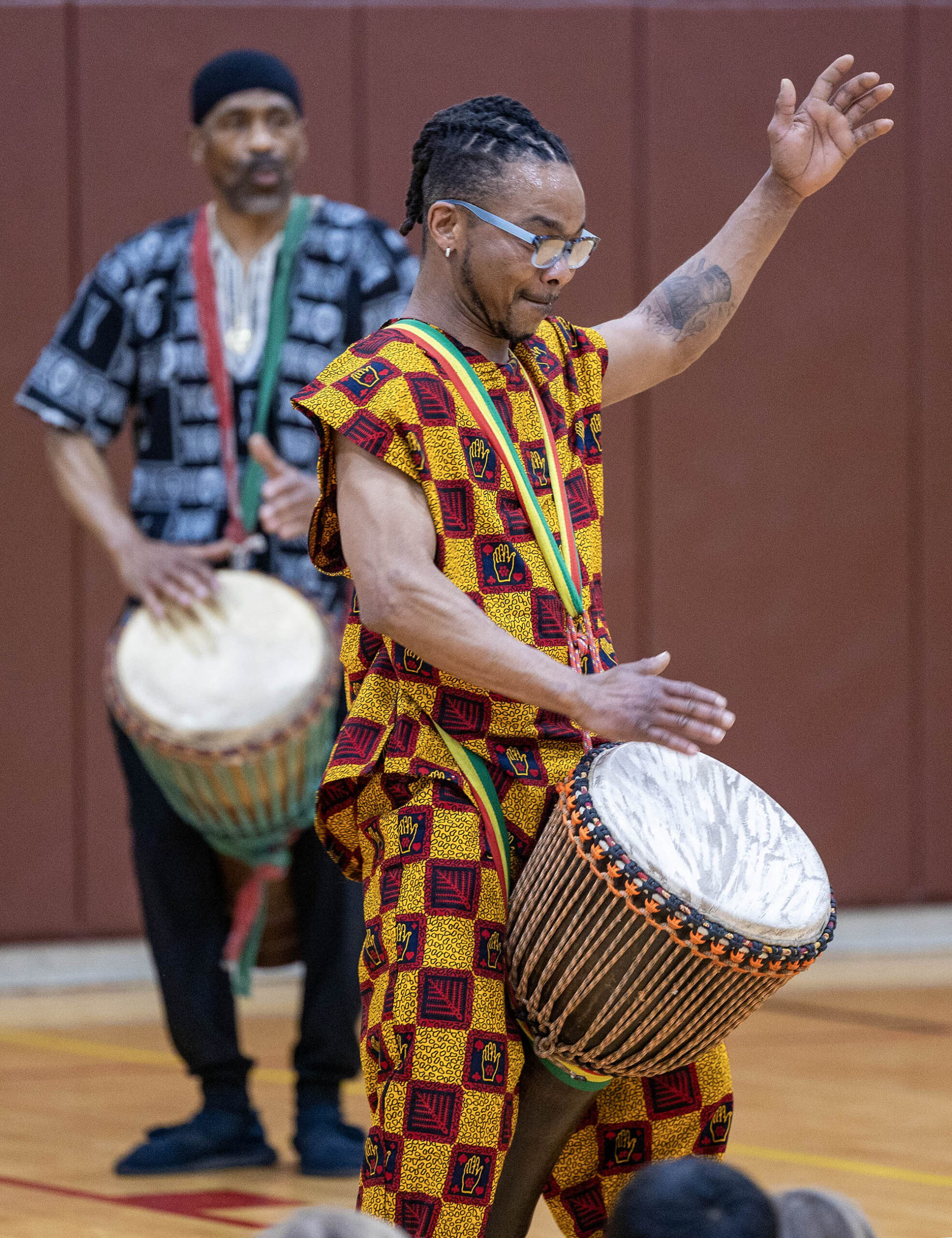
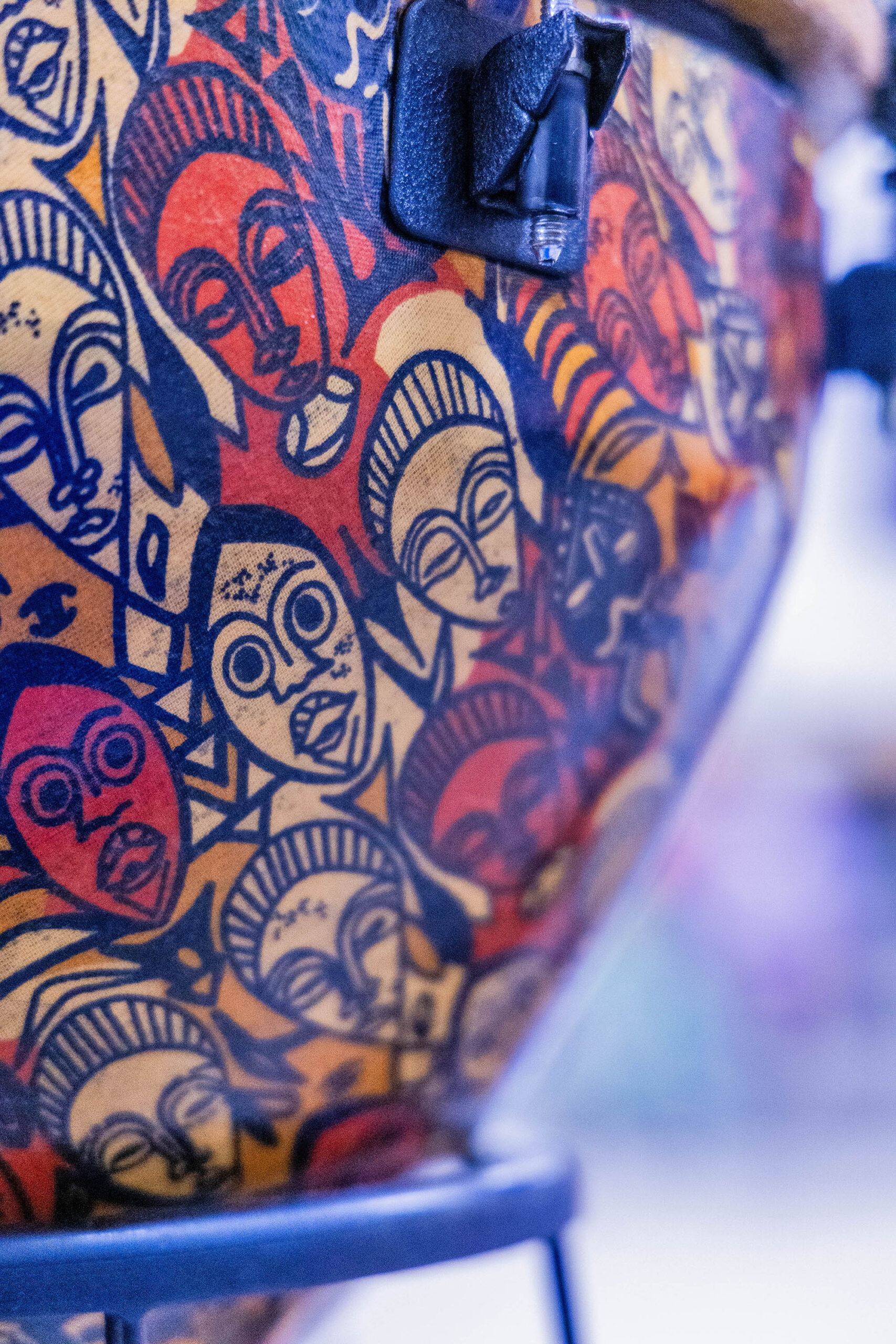
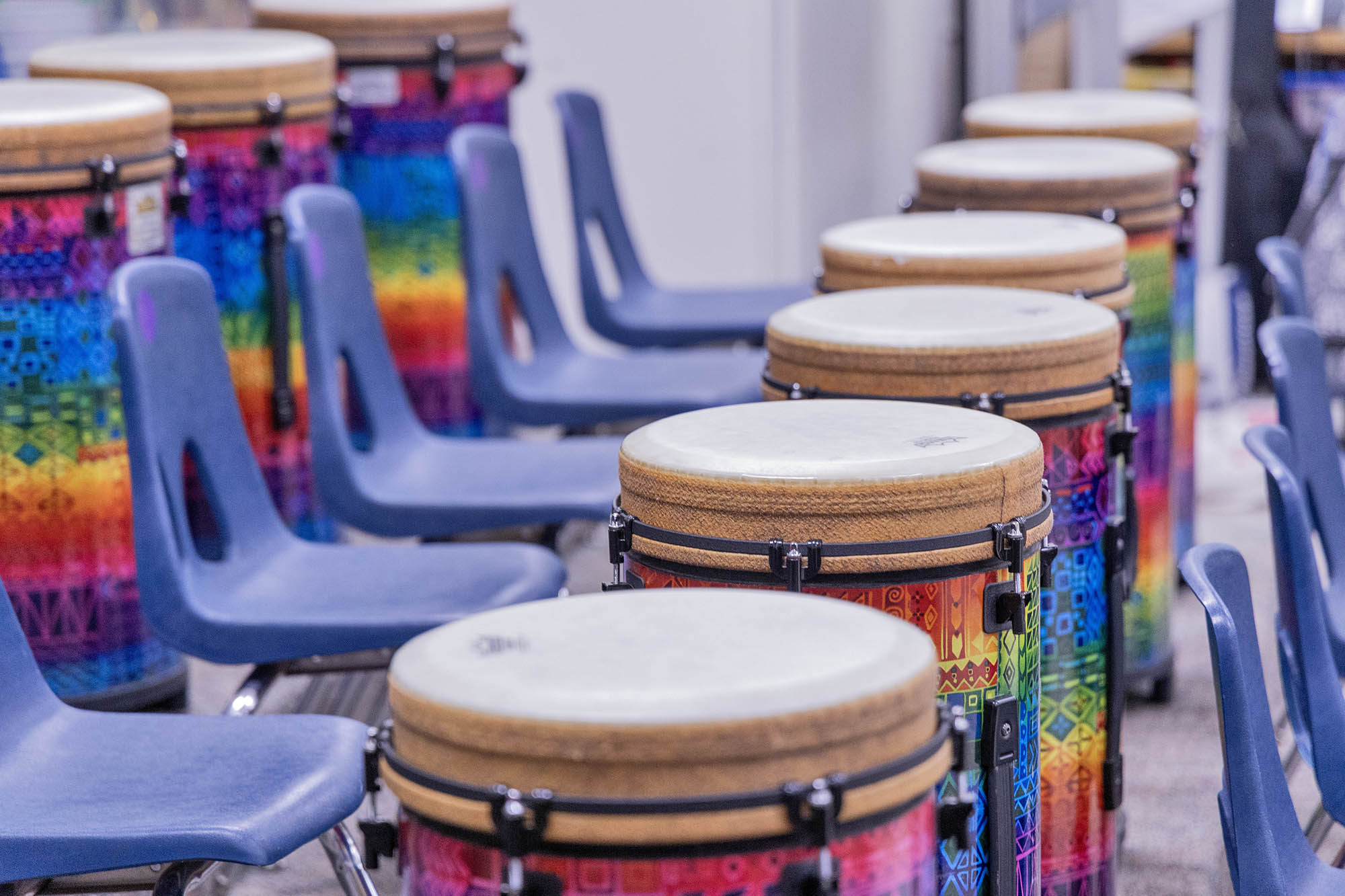
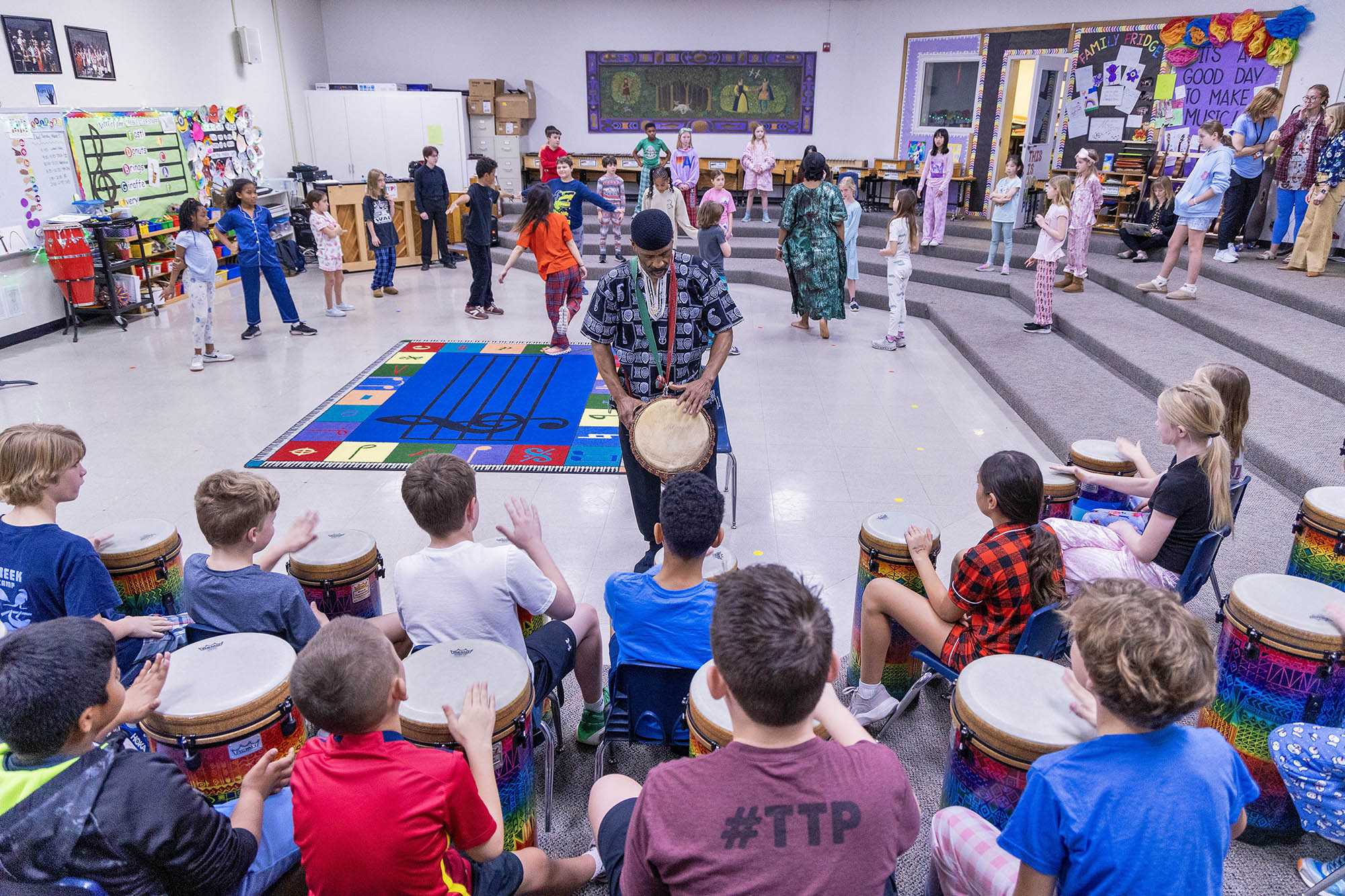
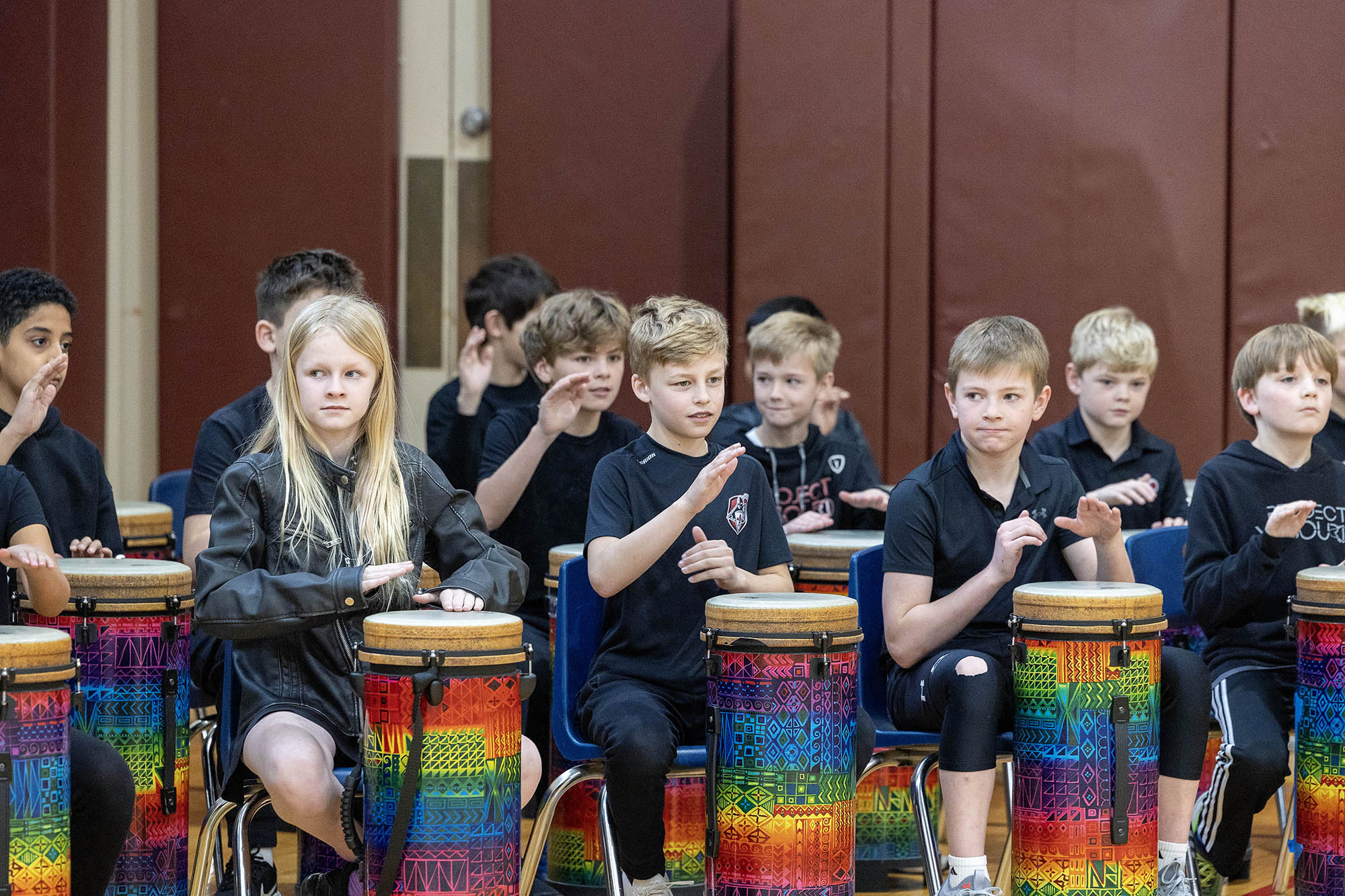
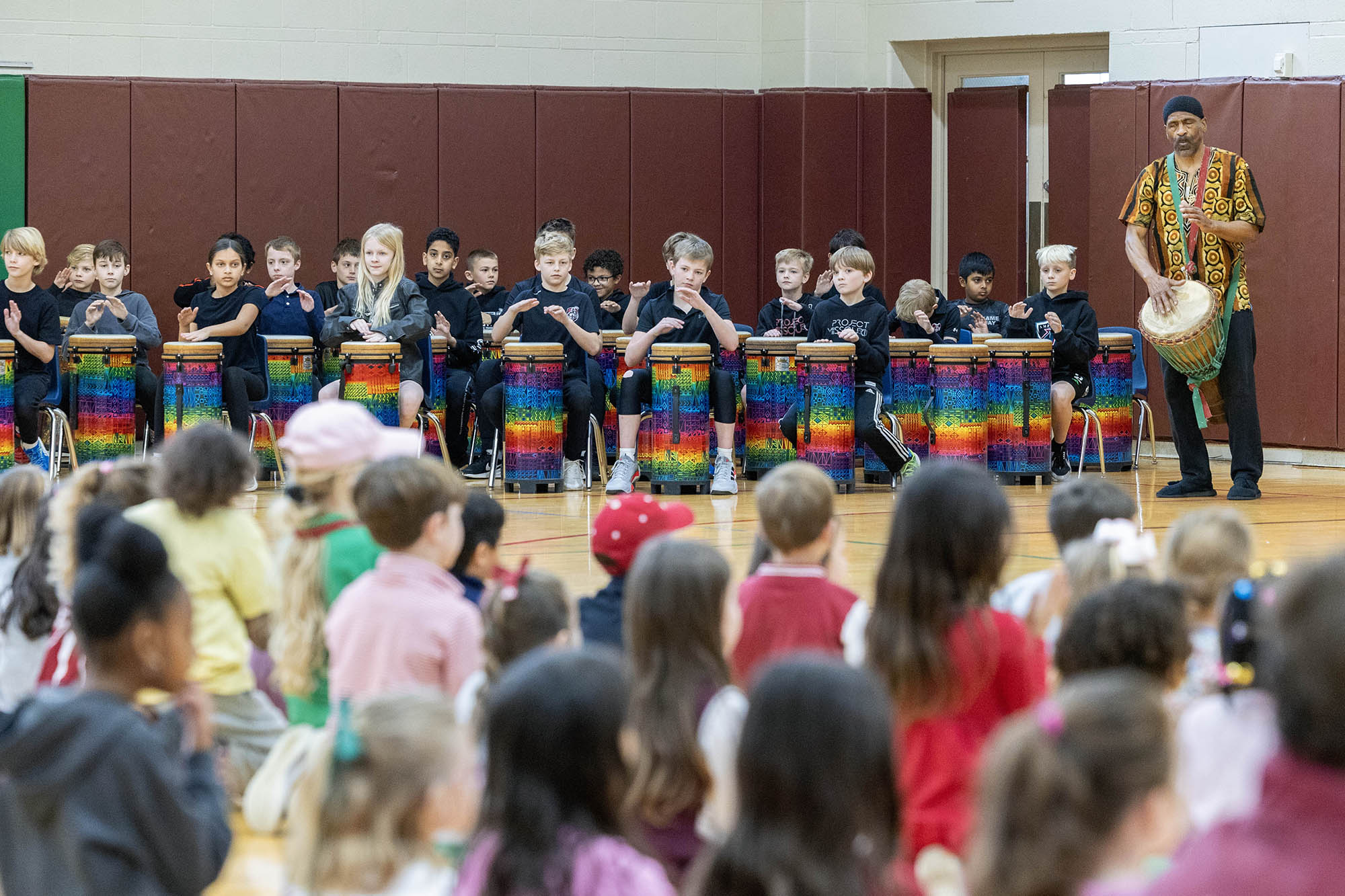
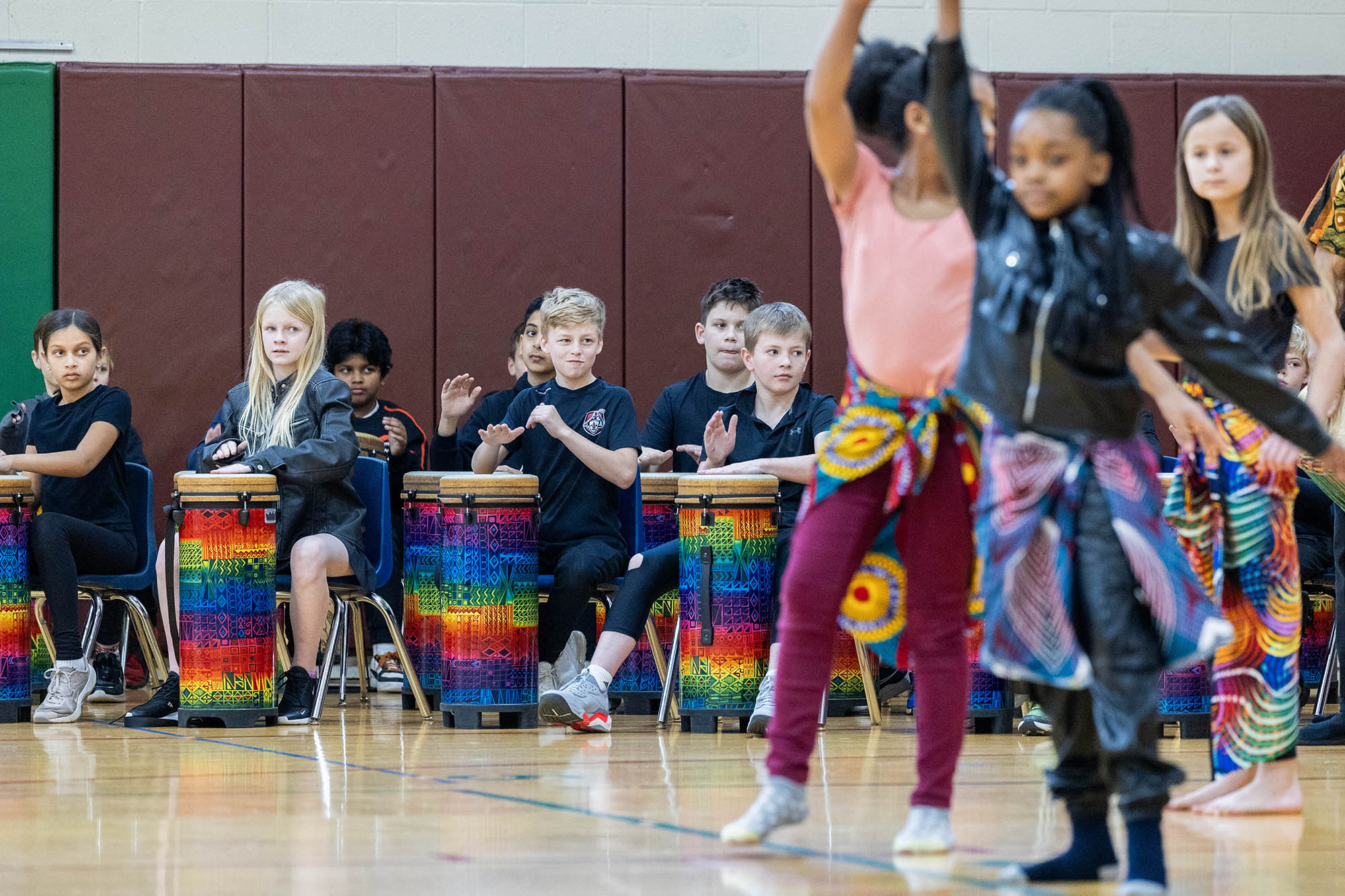
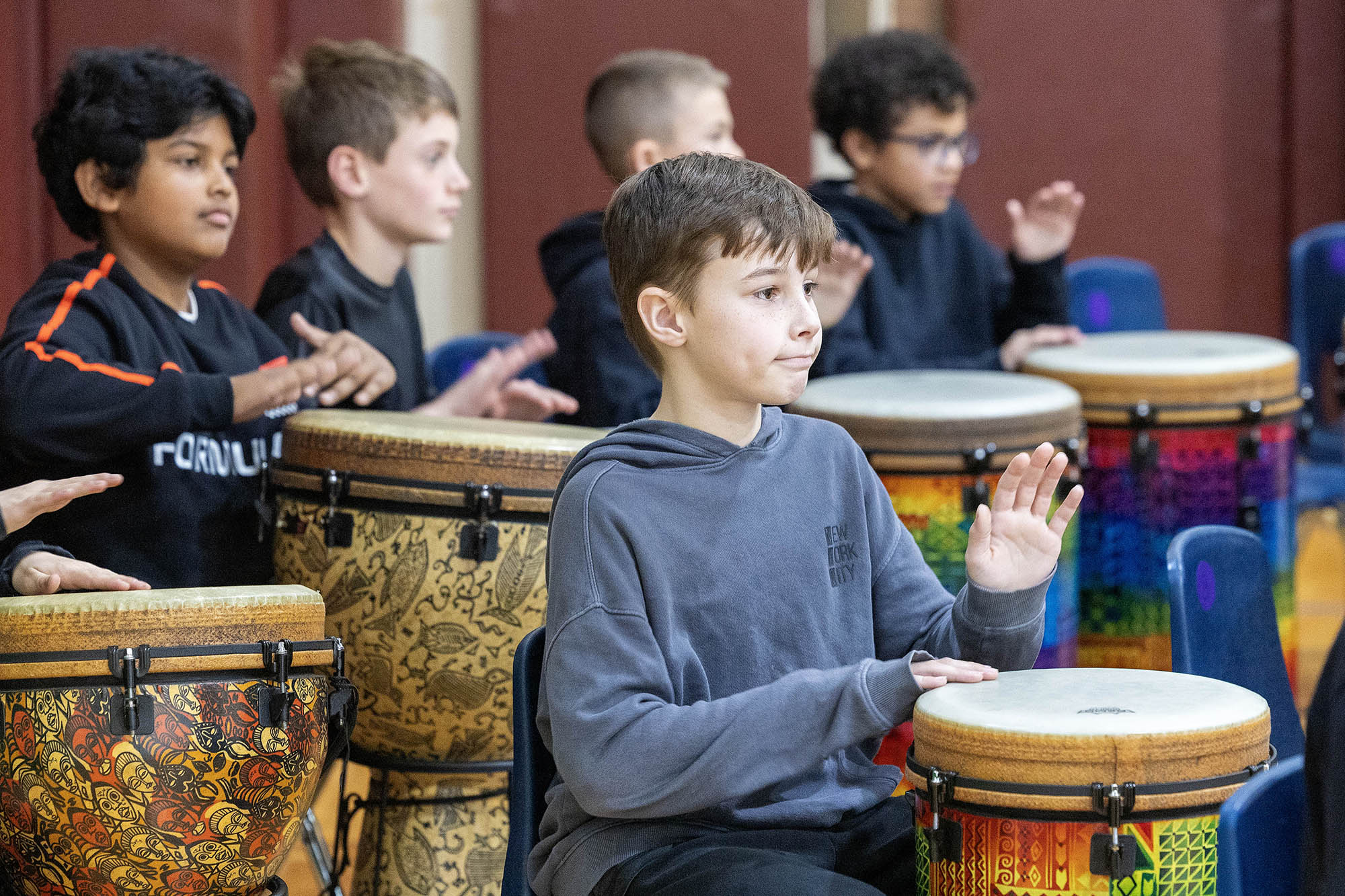
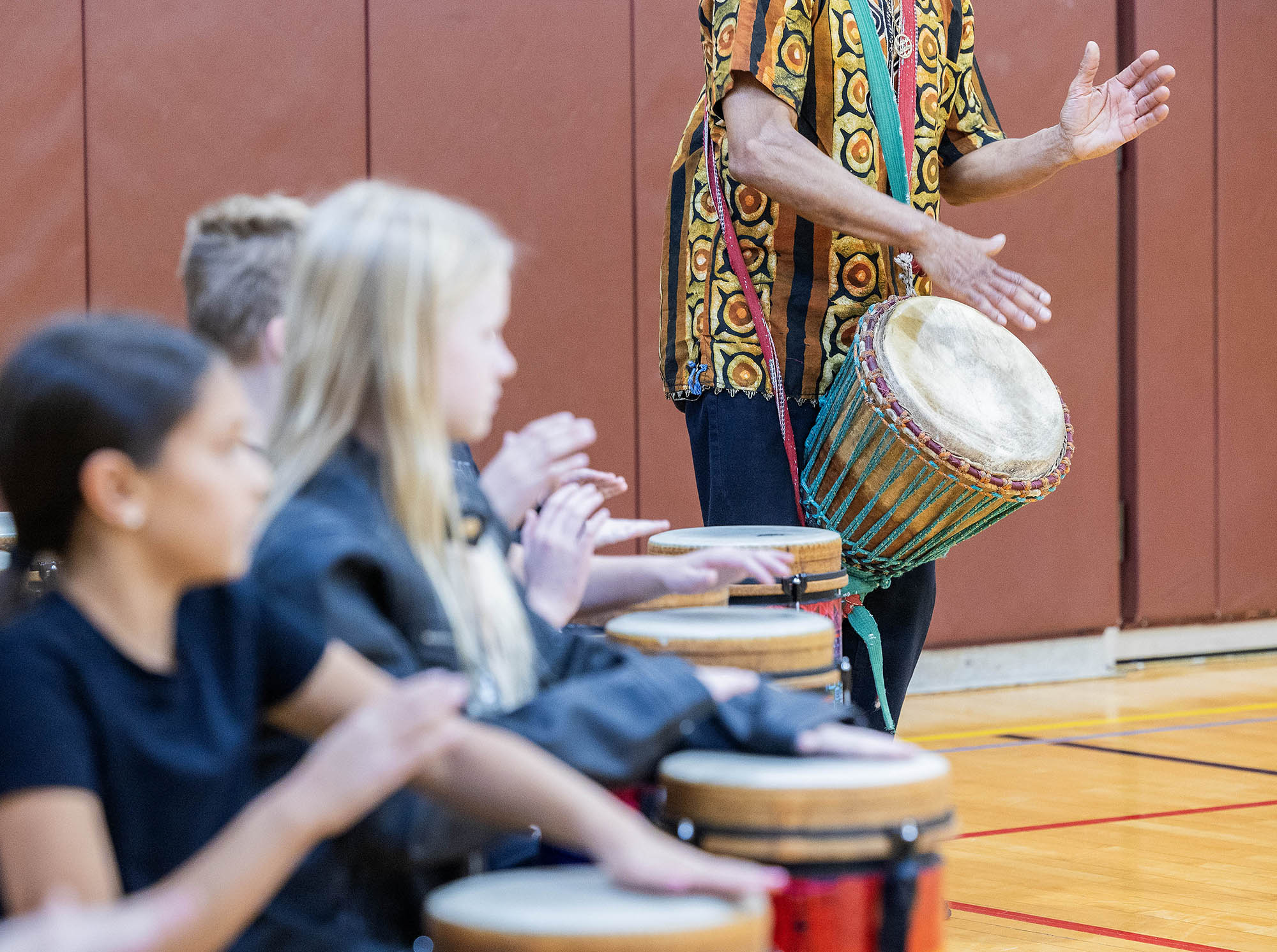
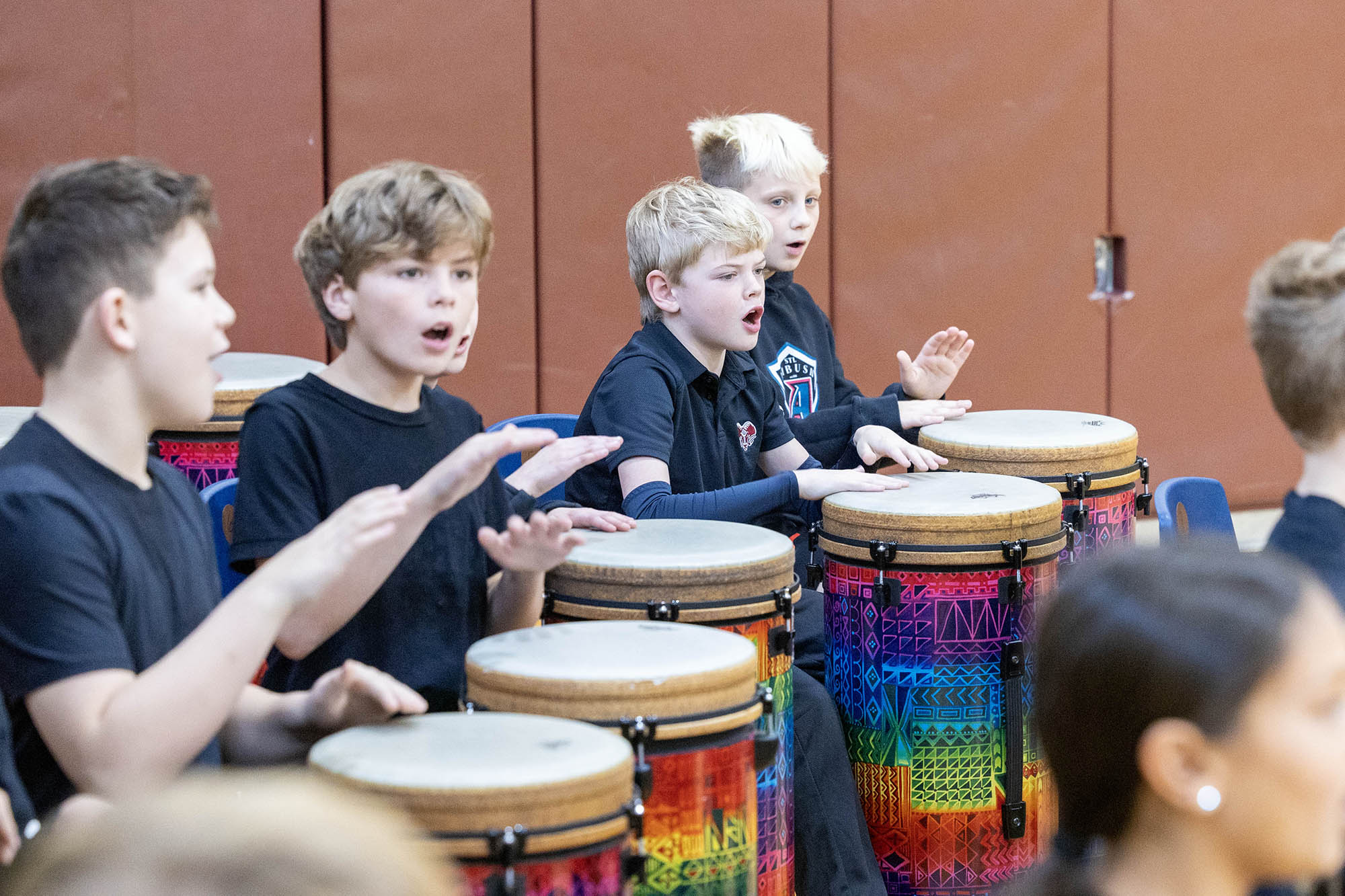
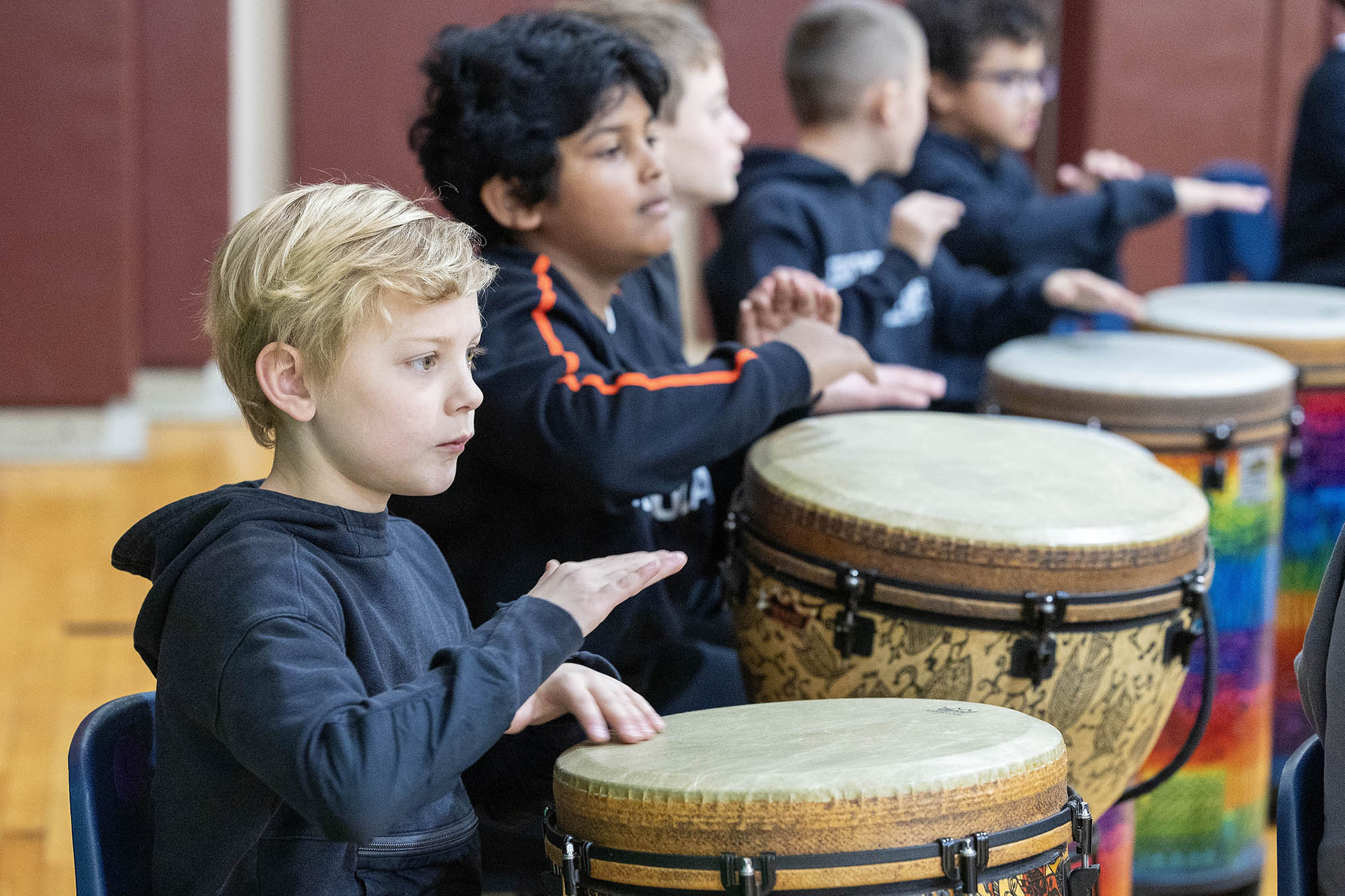
- The Drummers worked with Master Drummer Baba Eleeahsah to try Kakilambe, a traditional West African rhythm from the Baga people of Guinea, used to celebrate the harvest. Students worked diligently to practice the discipline of following the leader for crisp stops and starts. Joe M. ’34 noted that this style of drumming is different than what they learn in class. “It goes from slow to fast and gets harder and more challenging along the way. It’s hard to keep the beat steady. It’s helpful to look at the person who’s leading it,” he said. Connor H. ’34 added, “It’s a different sound, and Baba E. just had us copy him, which was a bit harder, but helped us learn faster.”
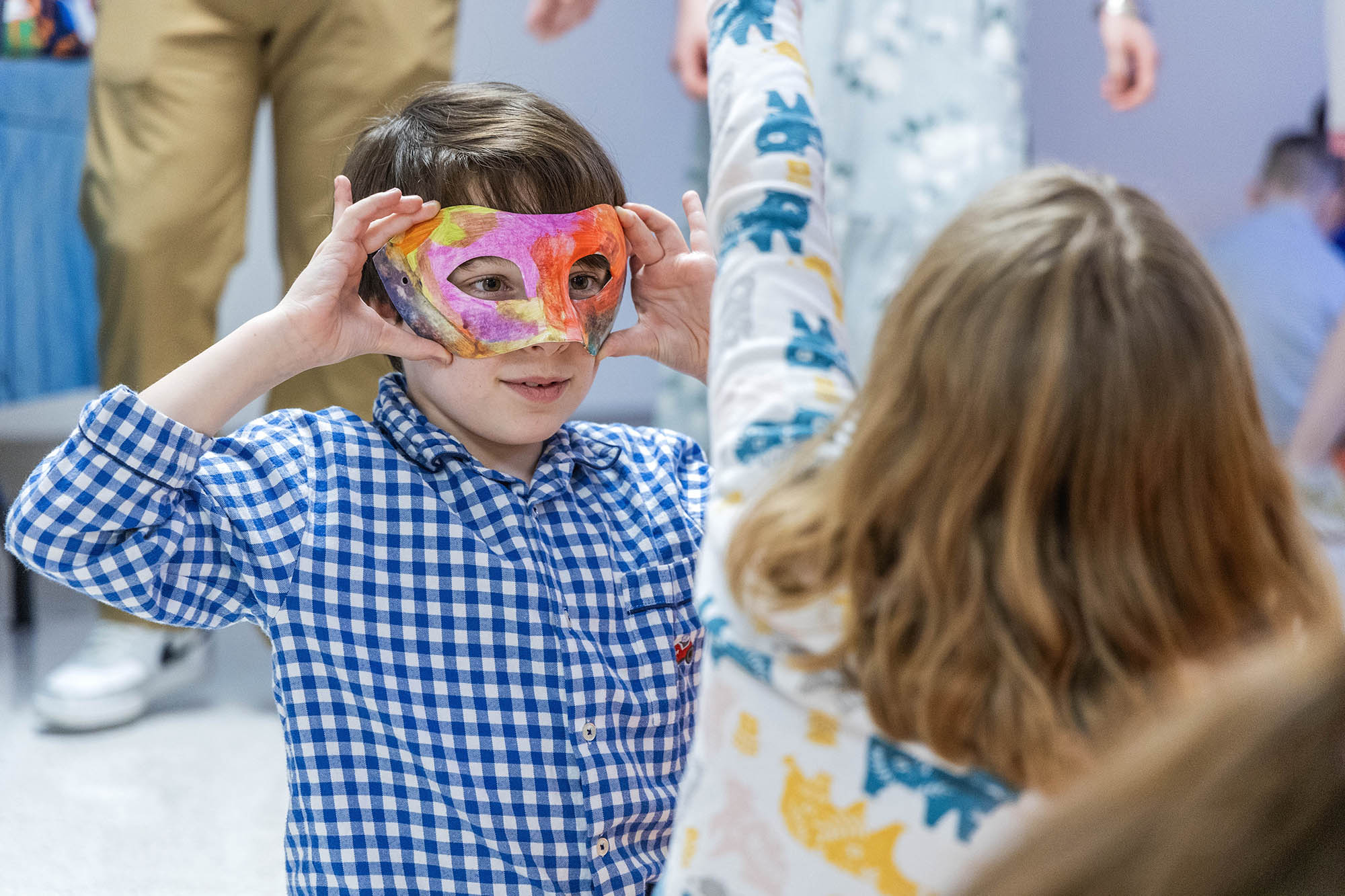
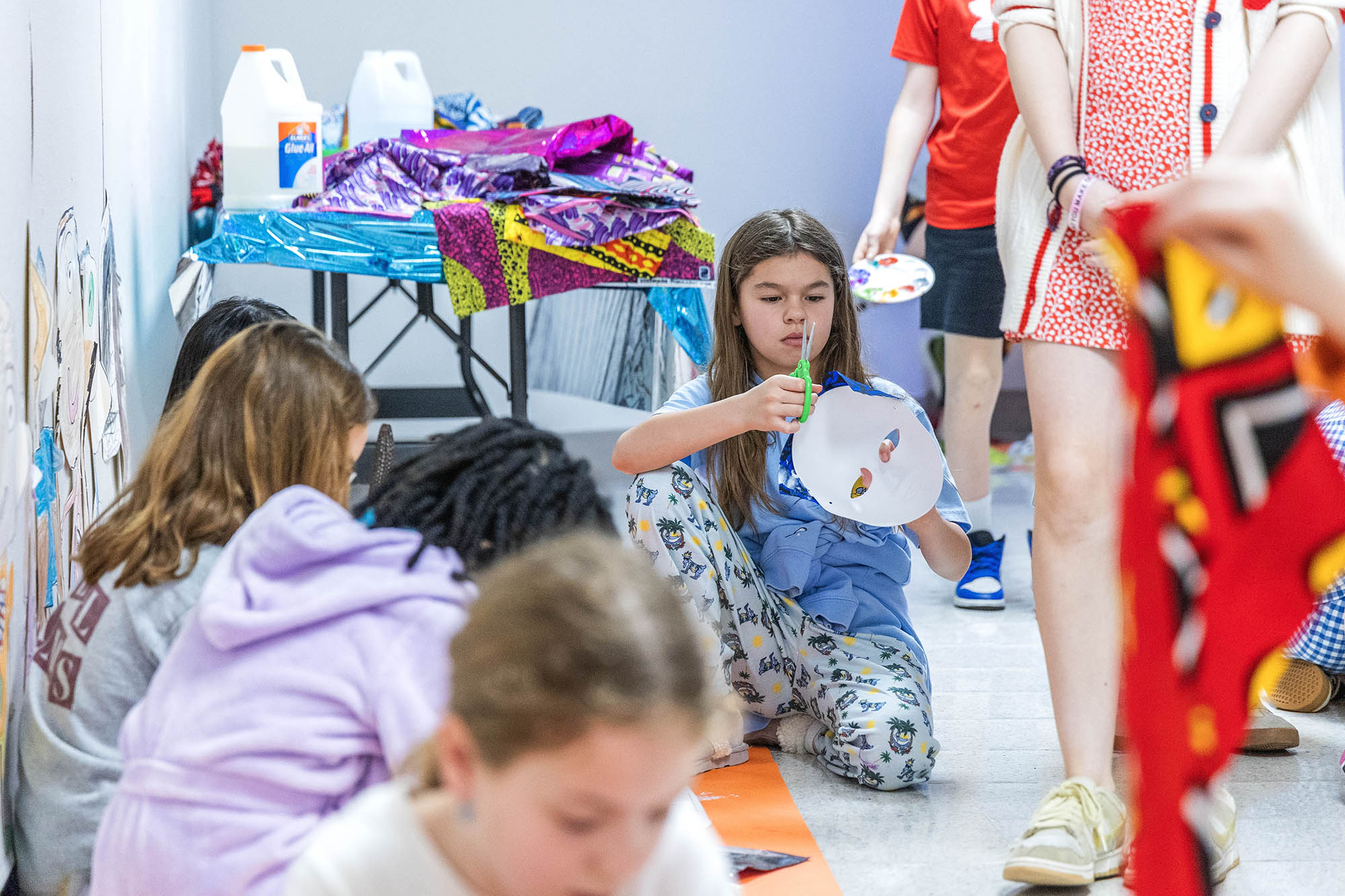
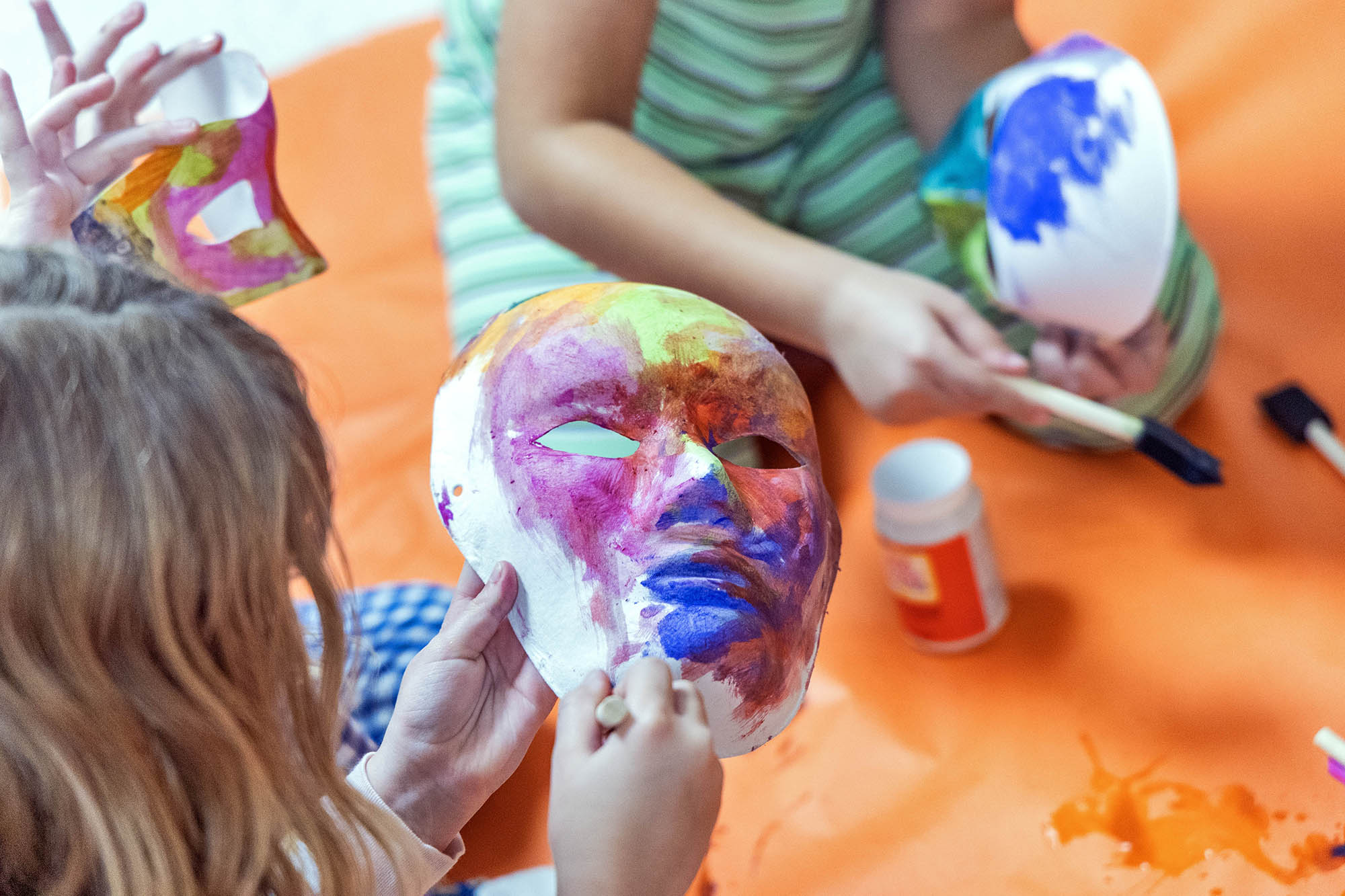
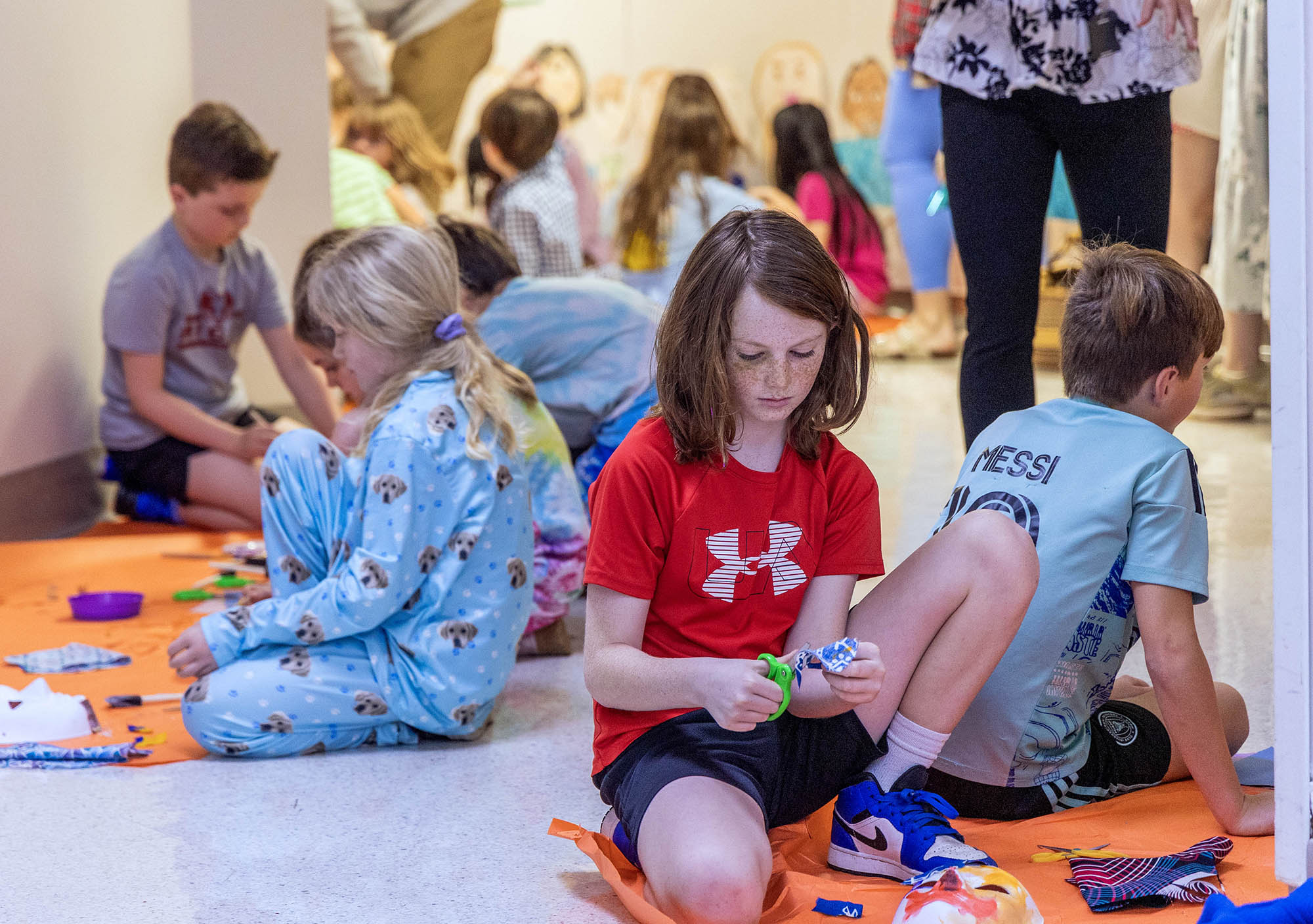
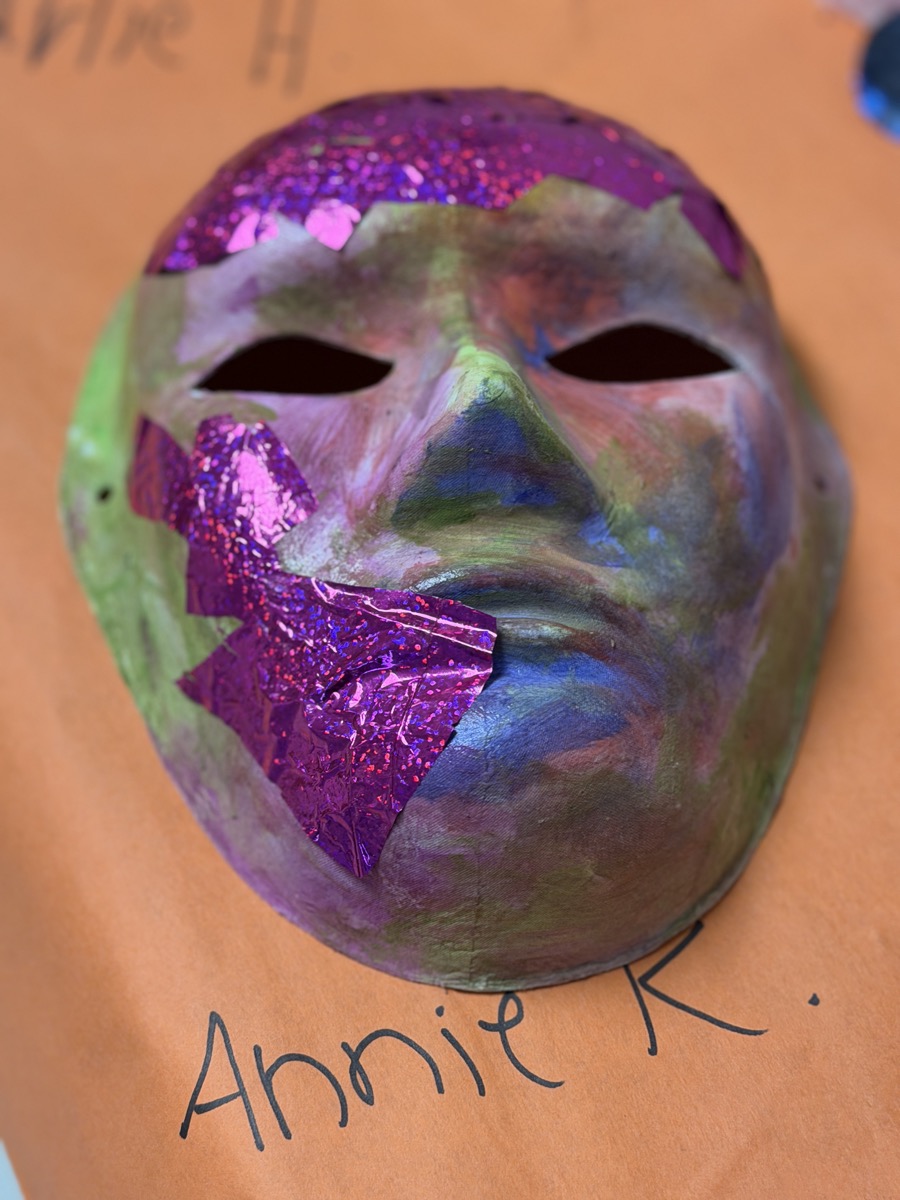
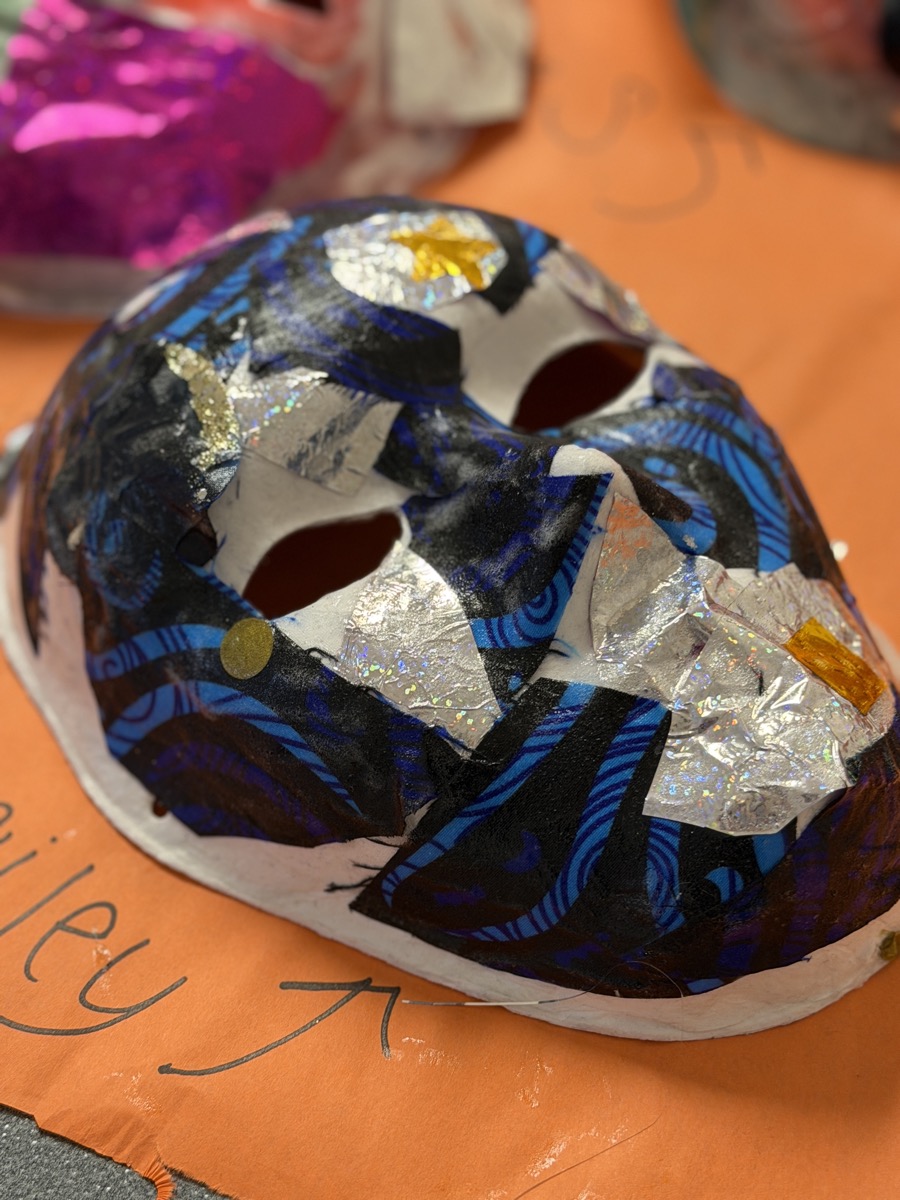
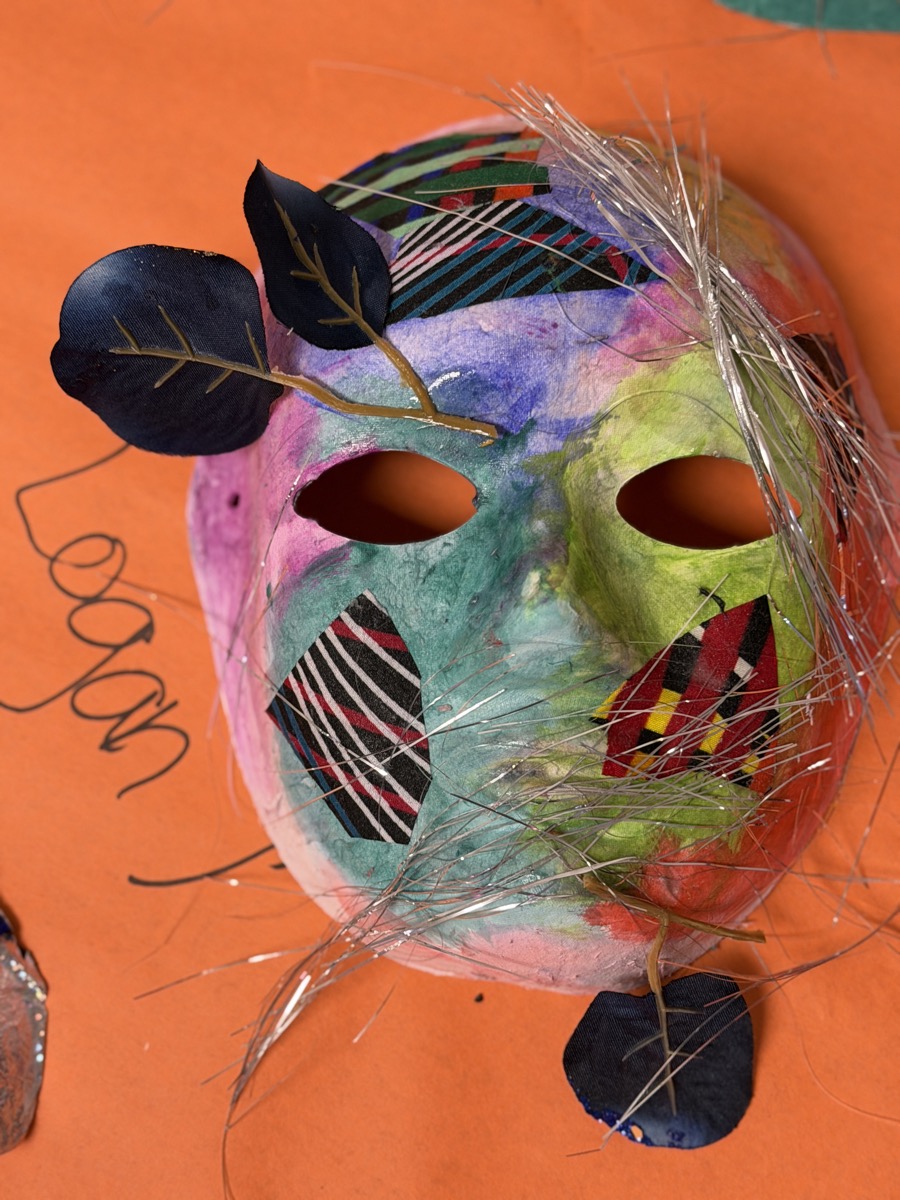
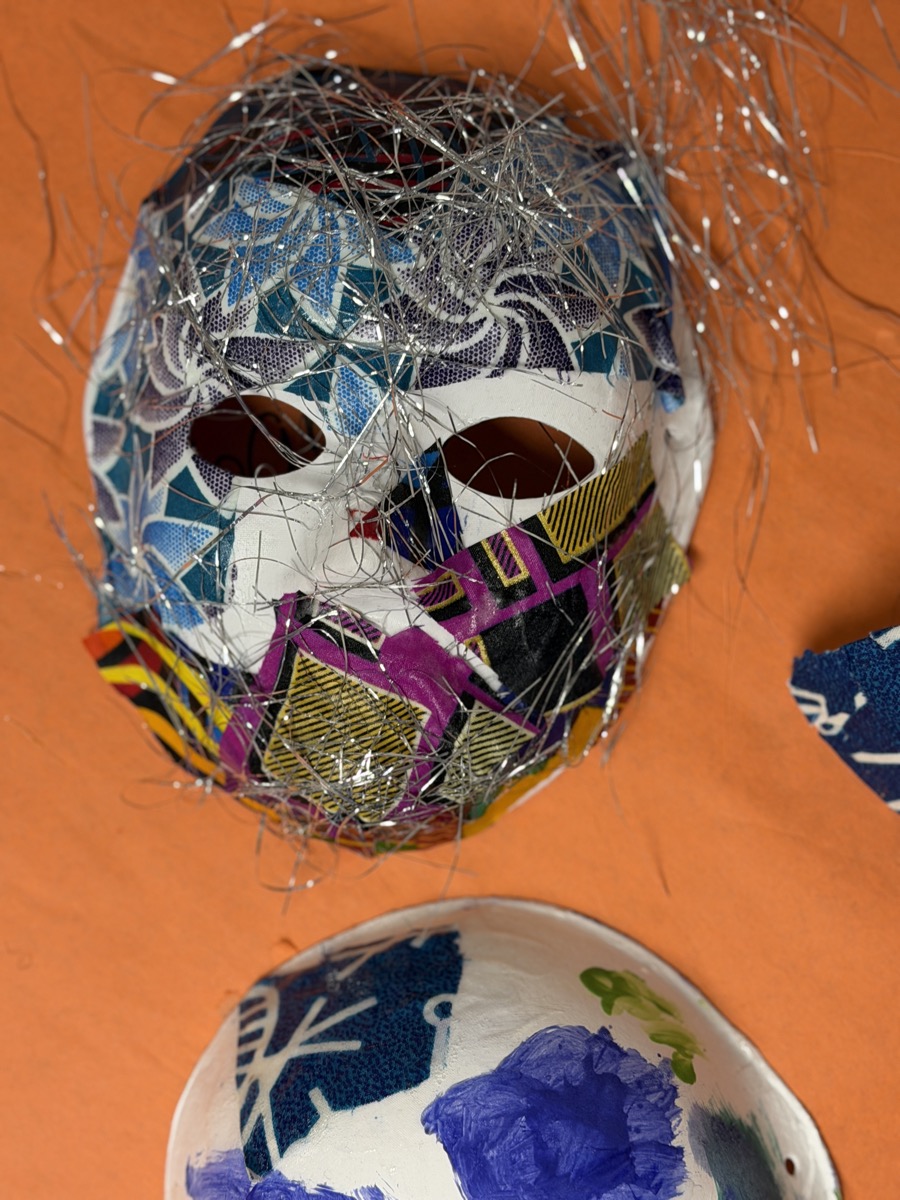
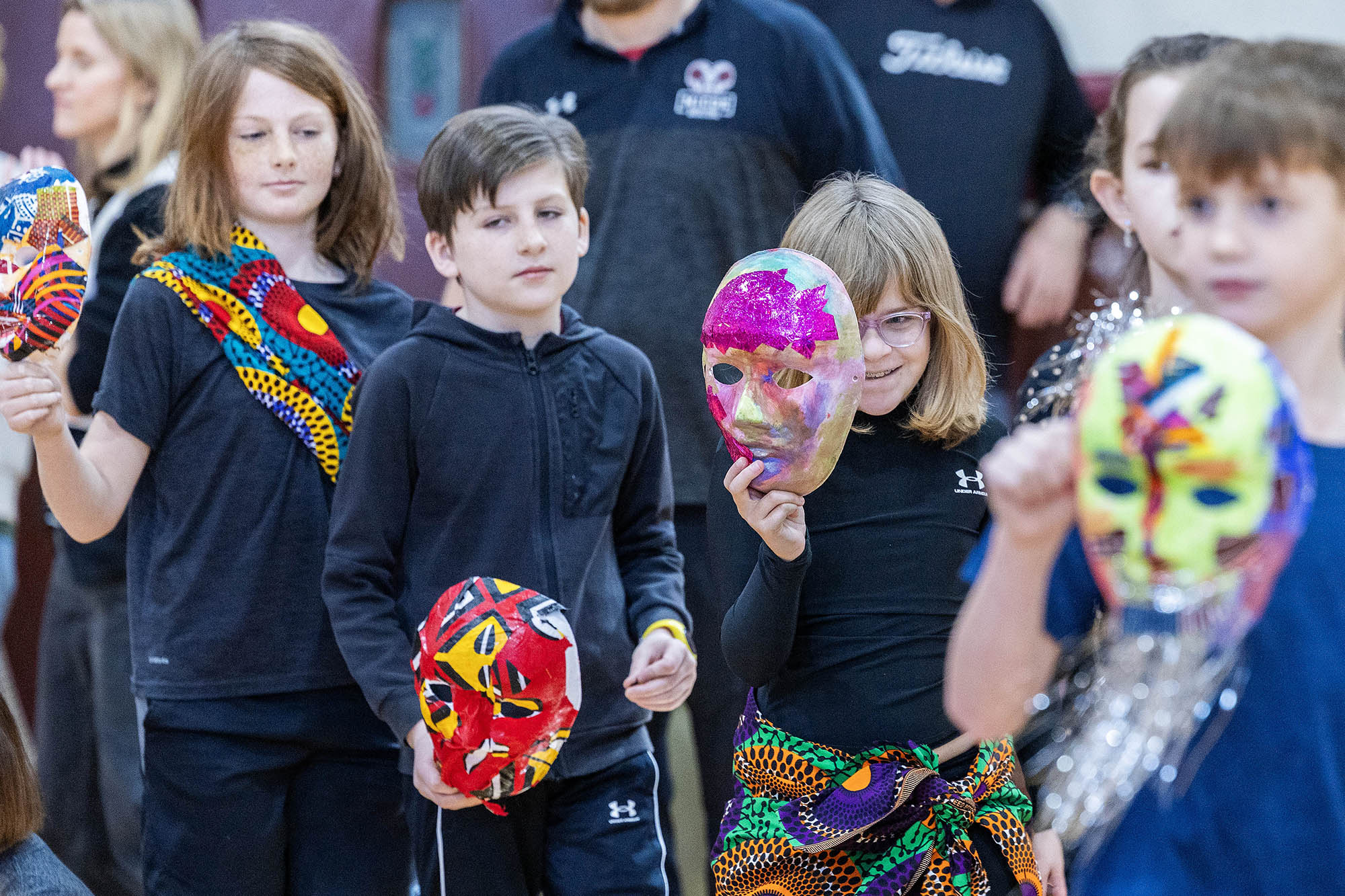
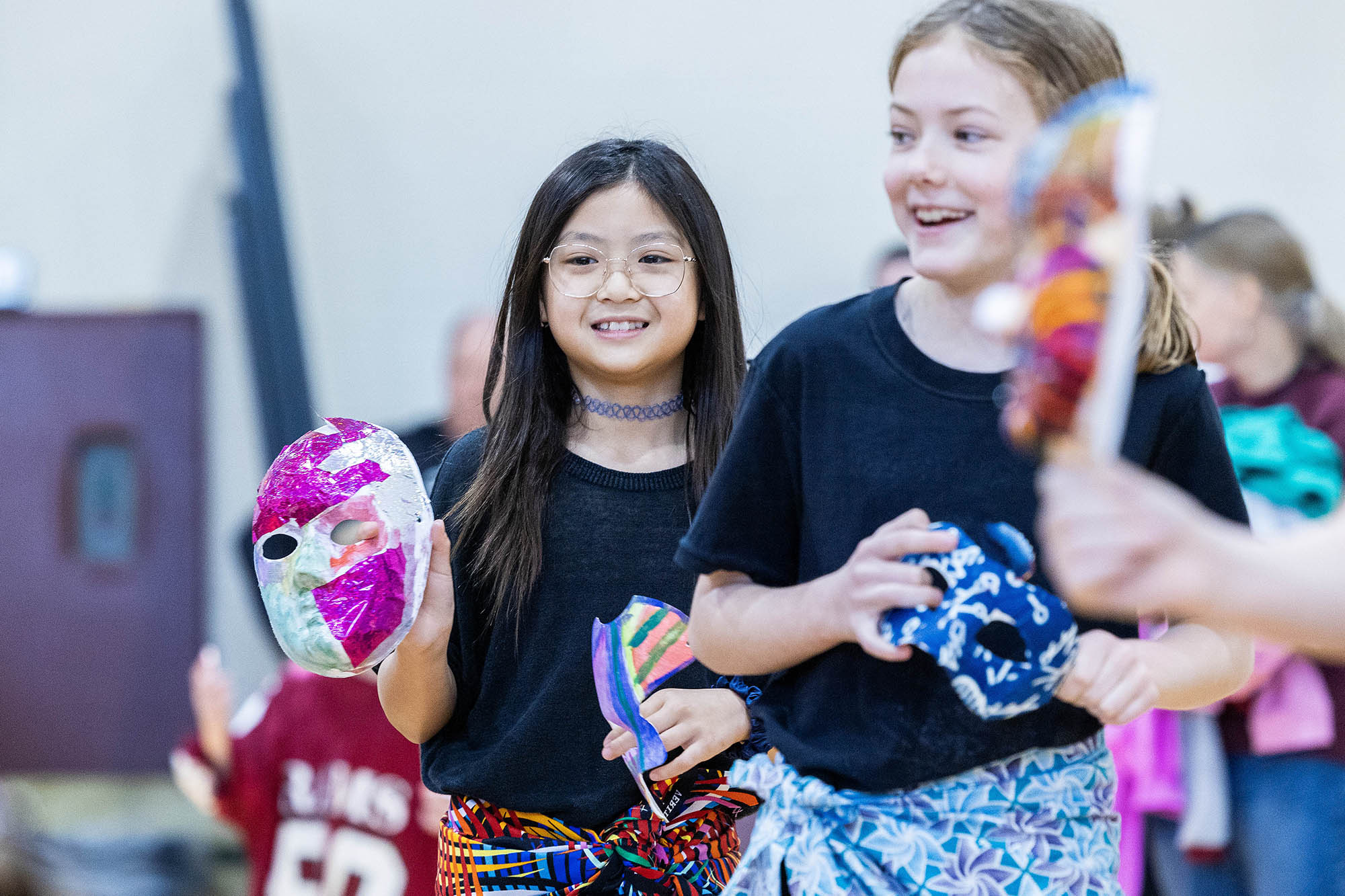
- The Textile Artists created fabric masks, echoing Mrs. Singh’s own background in textile arts, to tell their own unique stories. Annika L. ’35 said, “I like to have a lot of flavor in my masks. I wanted mine to be like opposites to show that there are different sides to each person.” With a mask of two different colors bridged by a colorful piece in the middle, she added. “It’s very interesting to weave the fabric to express yourself as a person. It represents who you are and what your personality is. The purple represents fantasy, and the silver is knowledge. When knowledge and fantasy come together, it forms a human.”
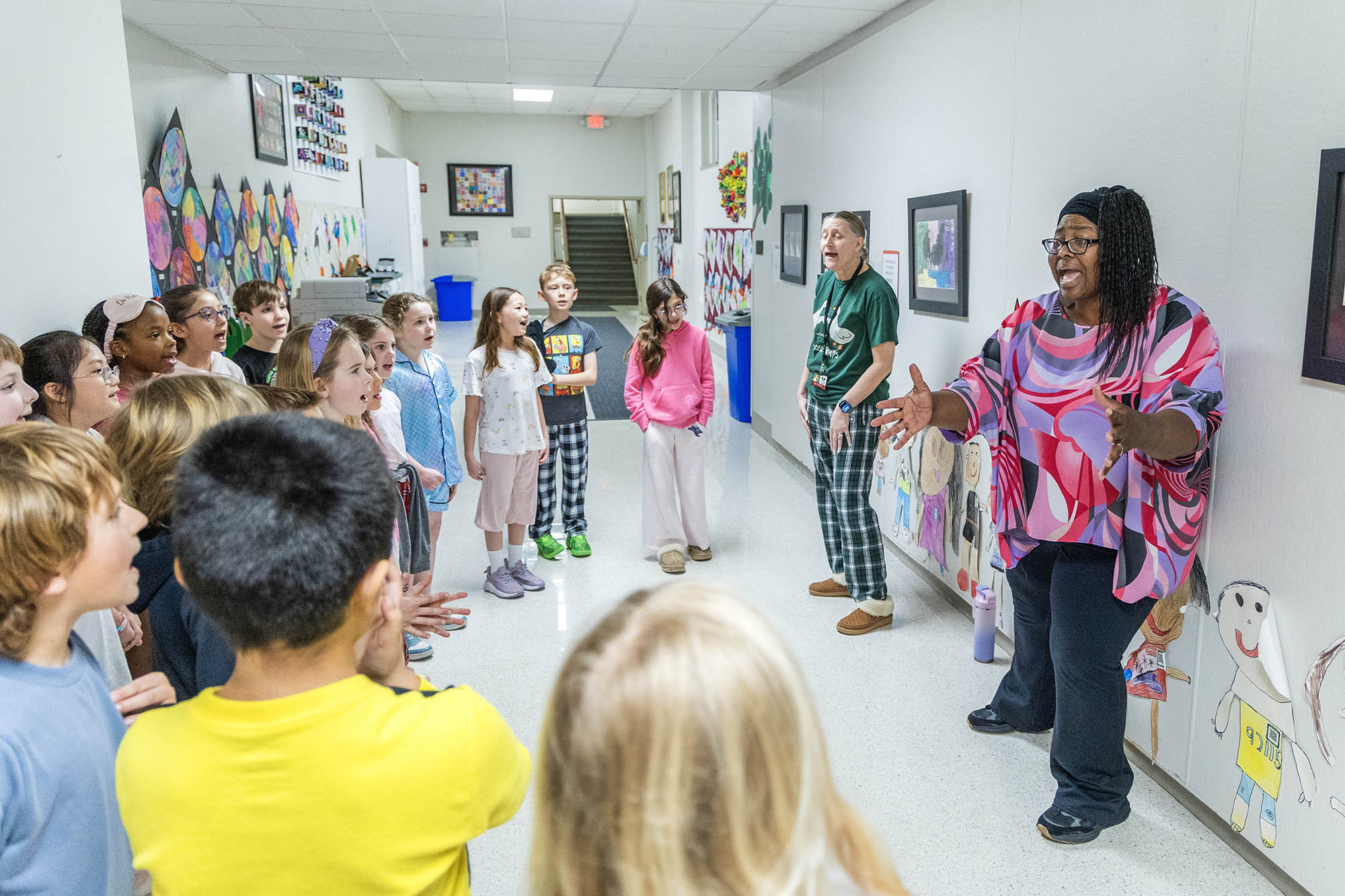
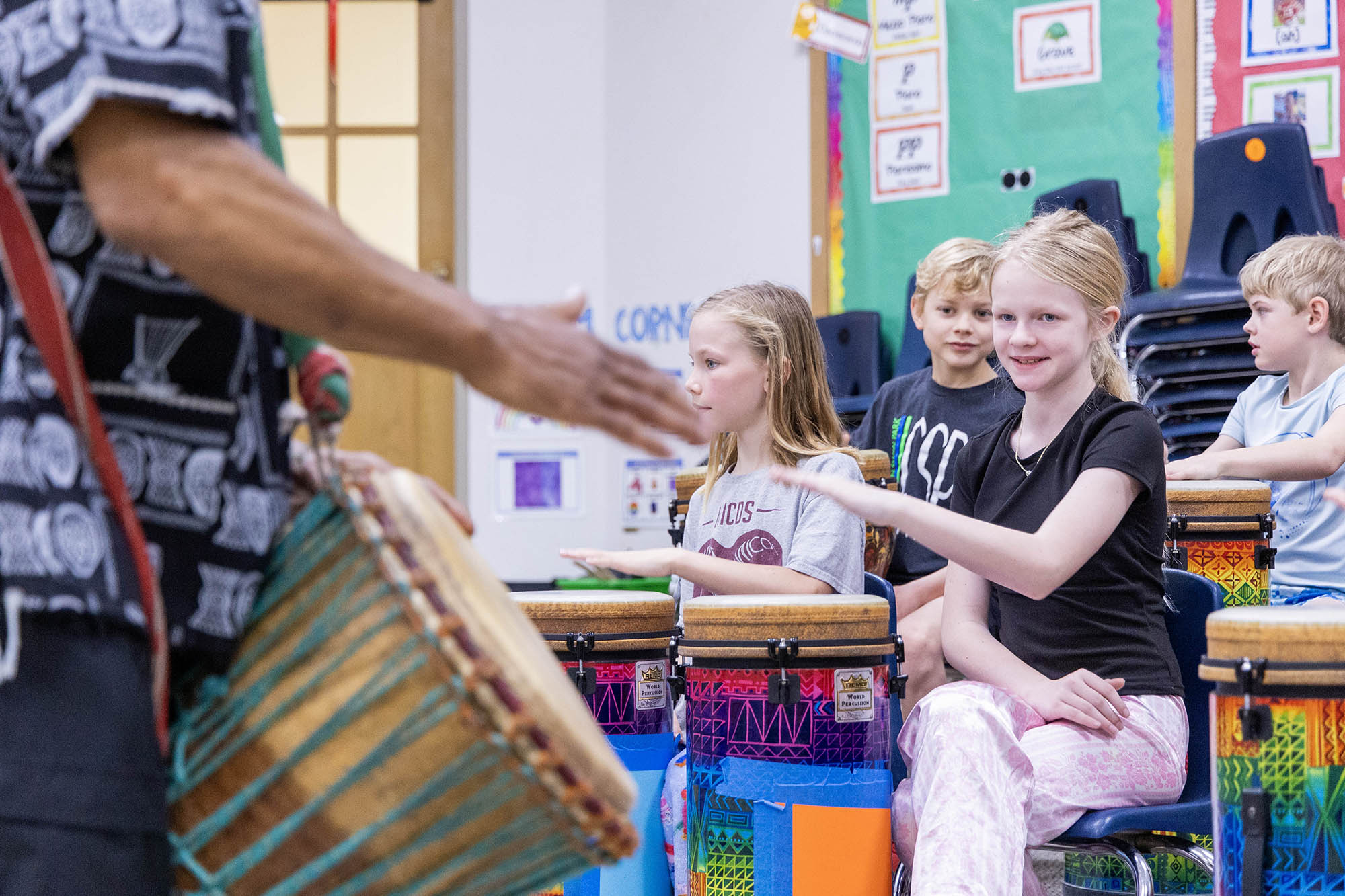
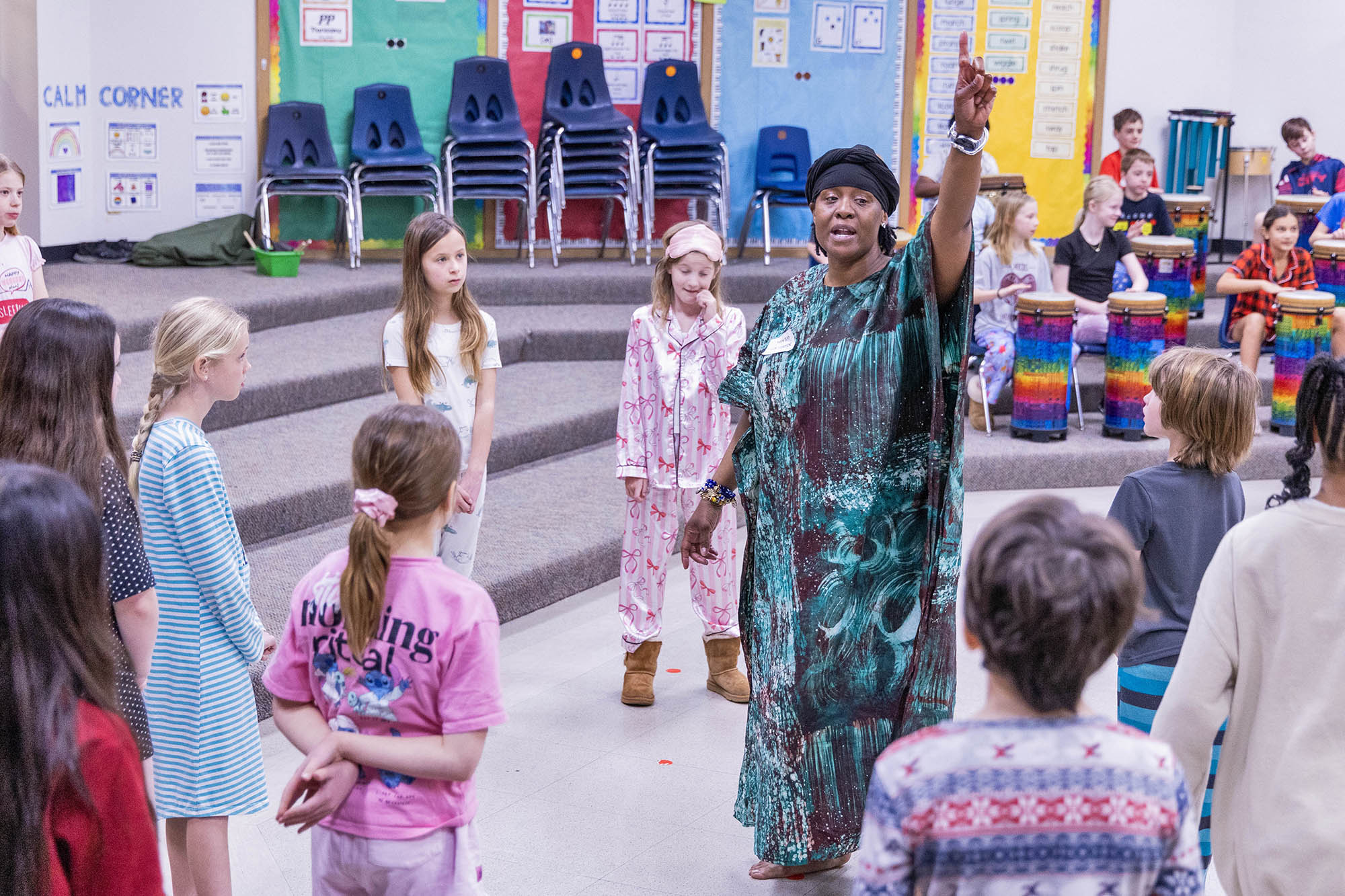
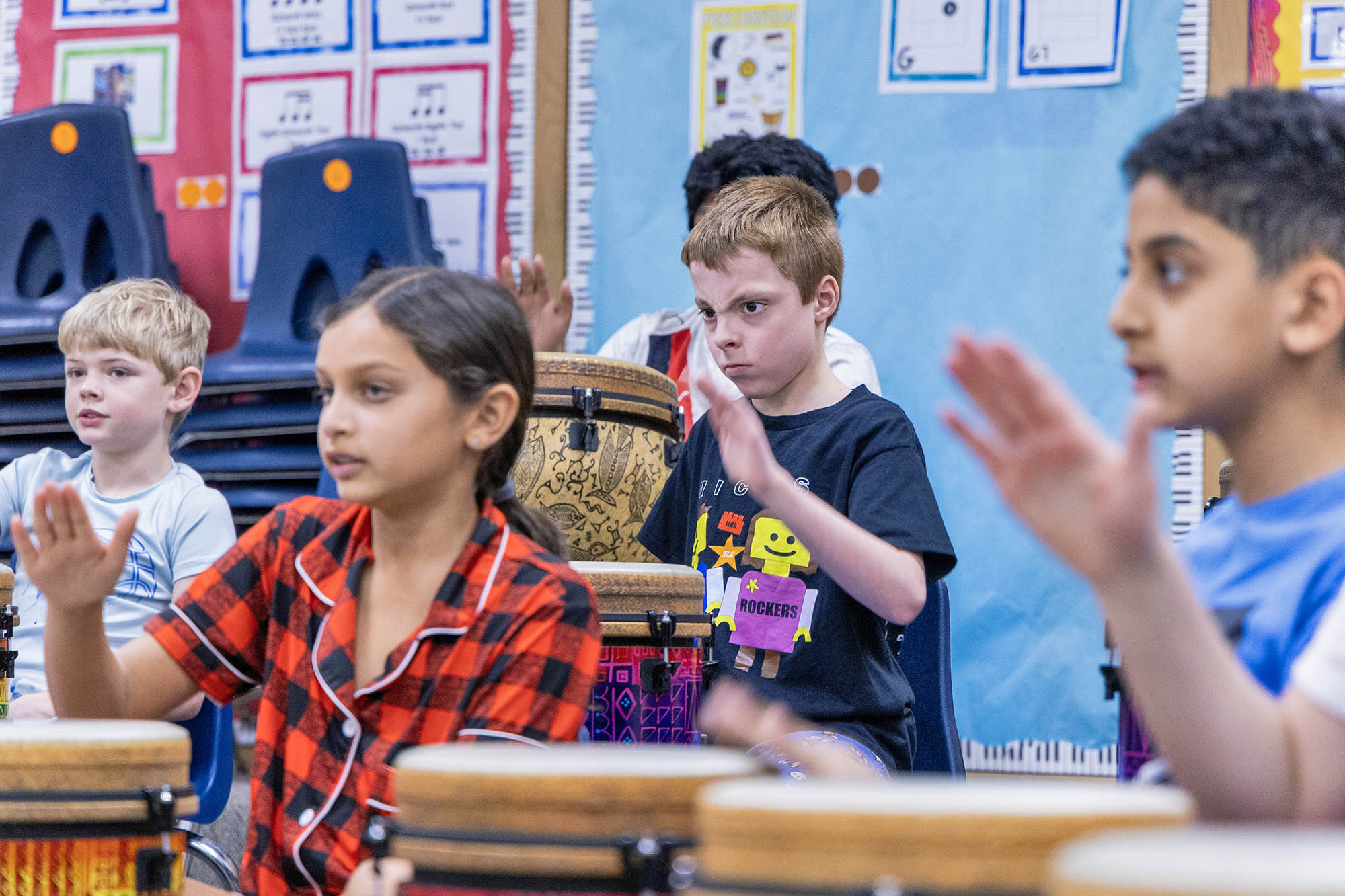
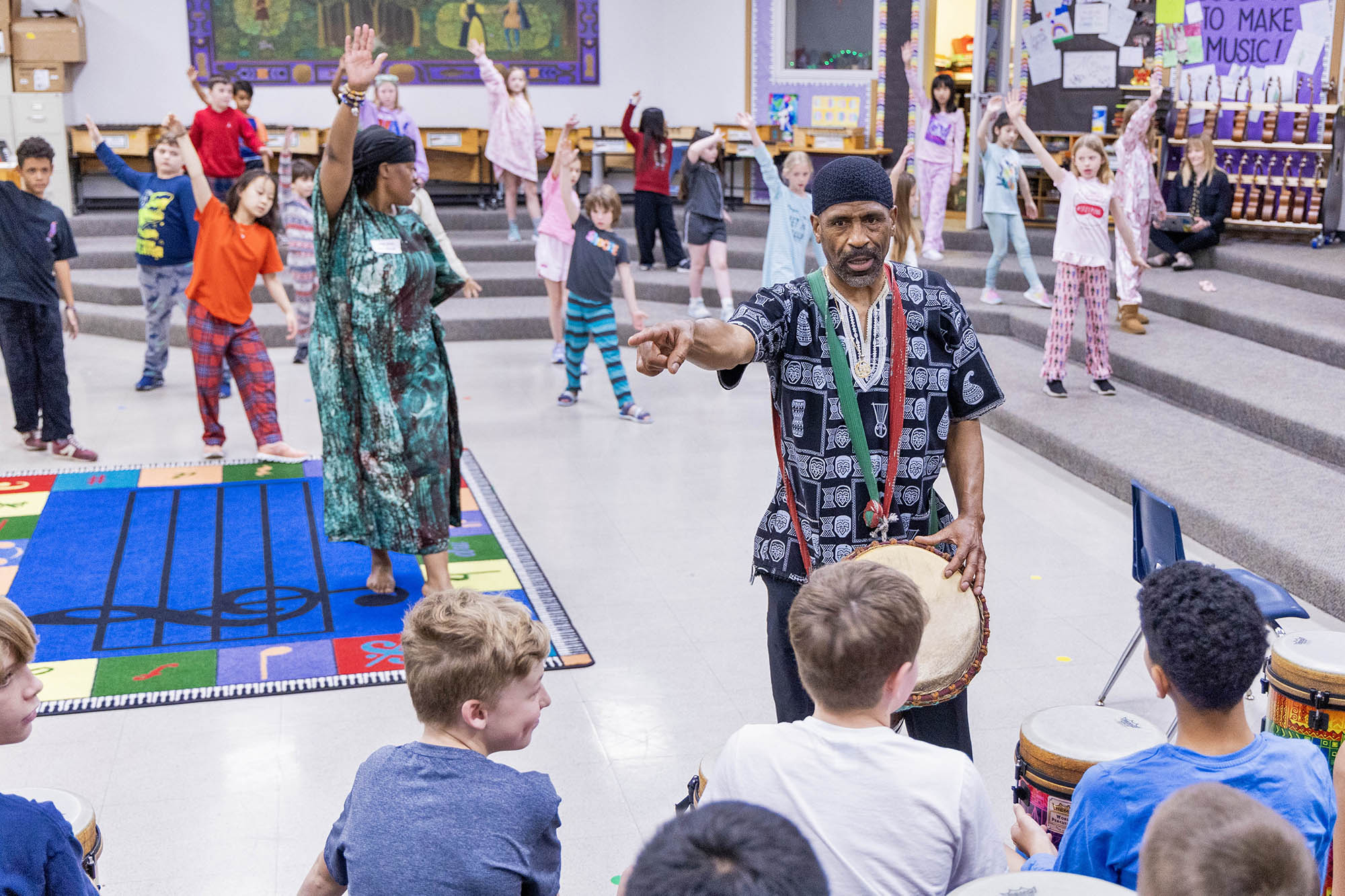
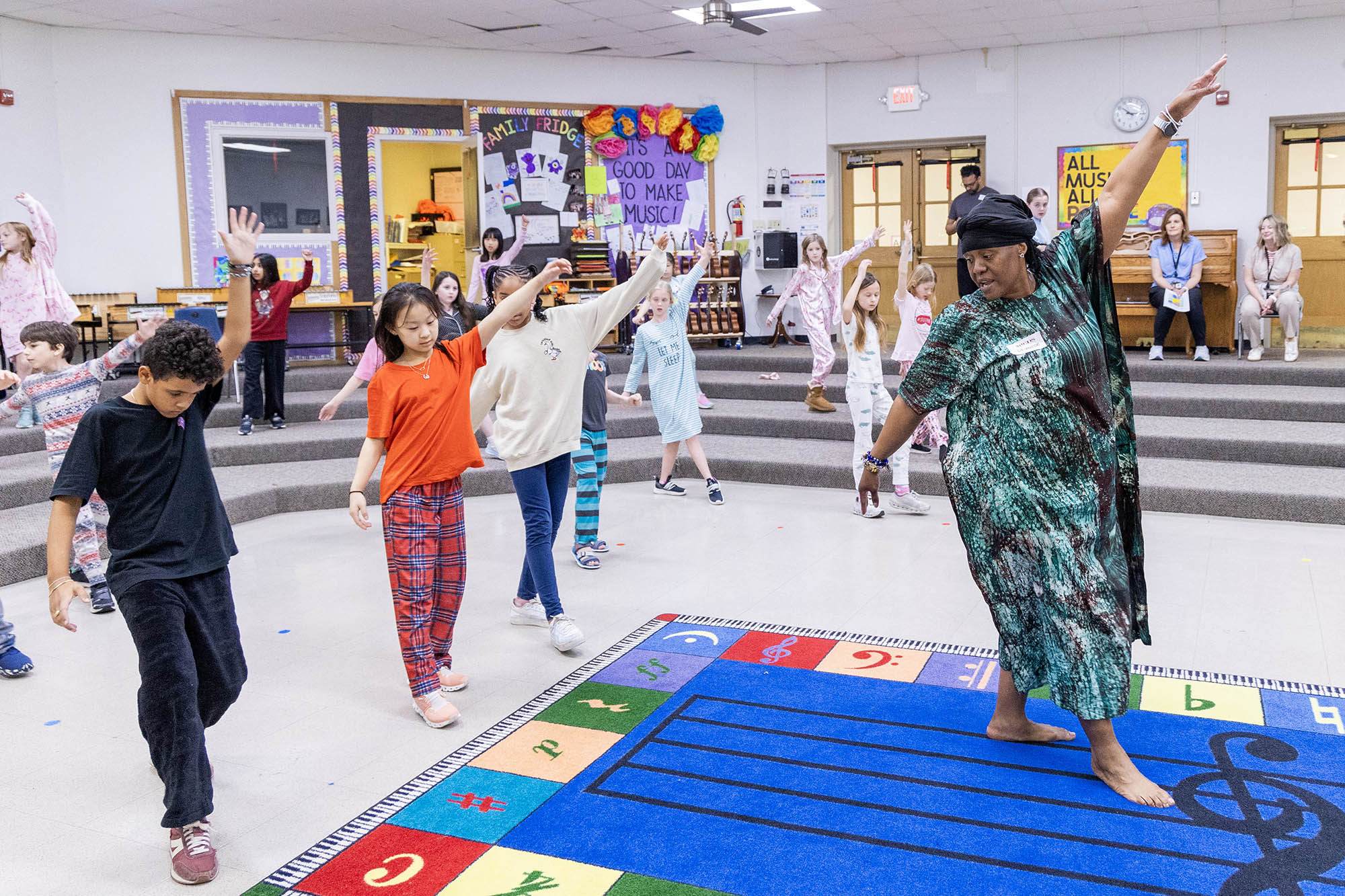
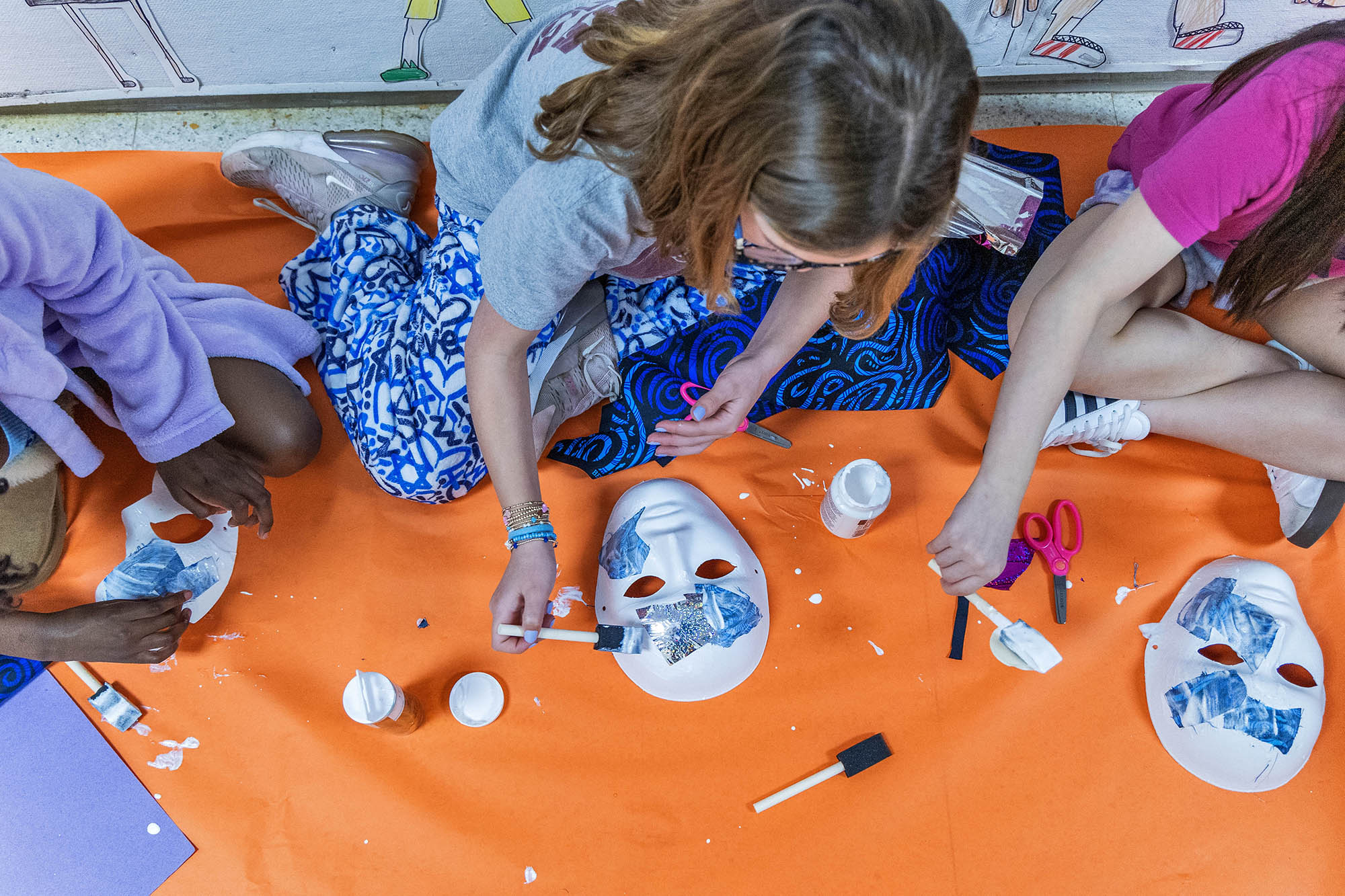
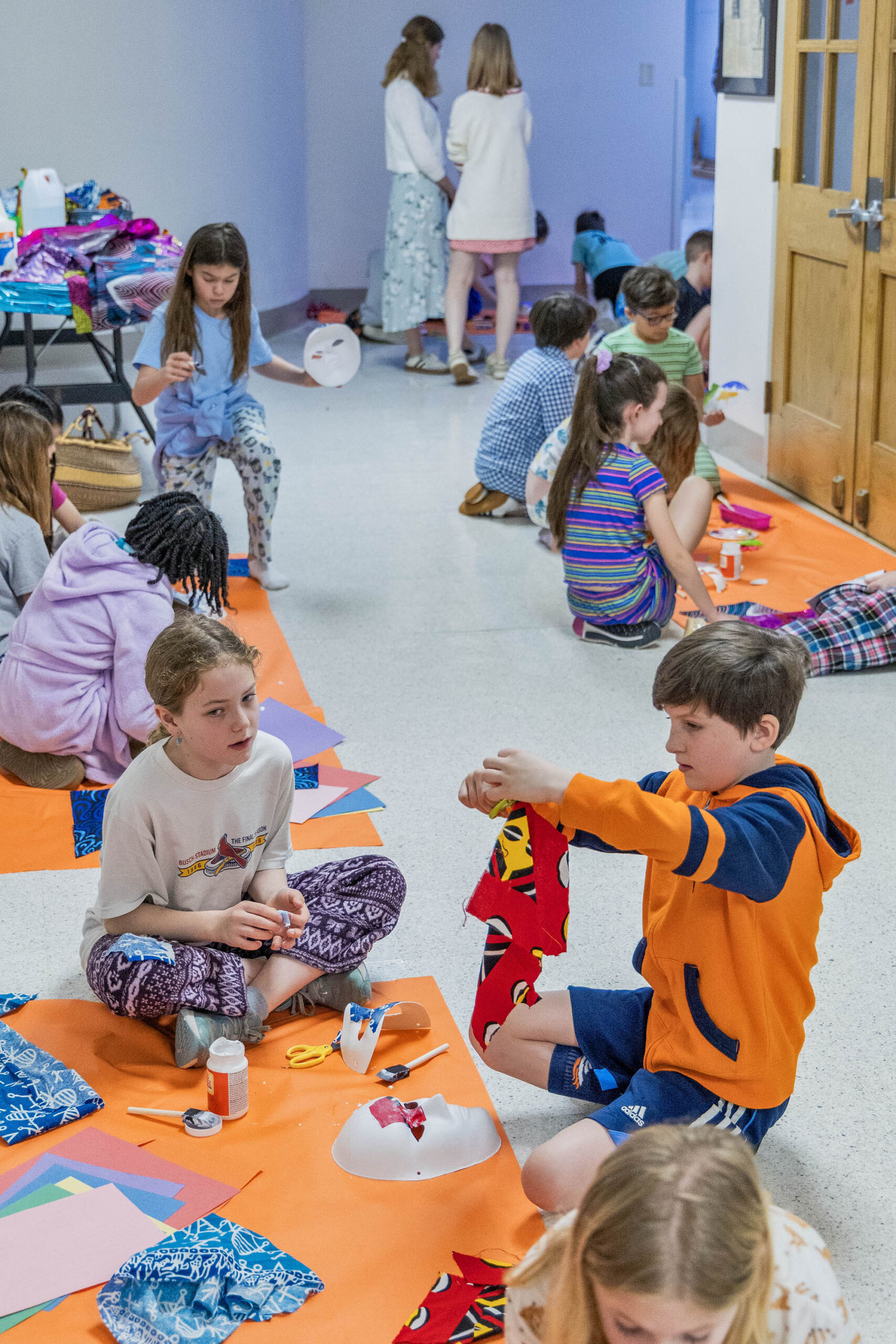
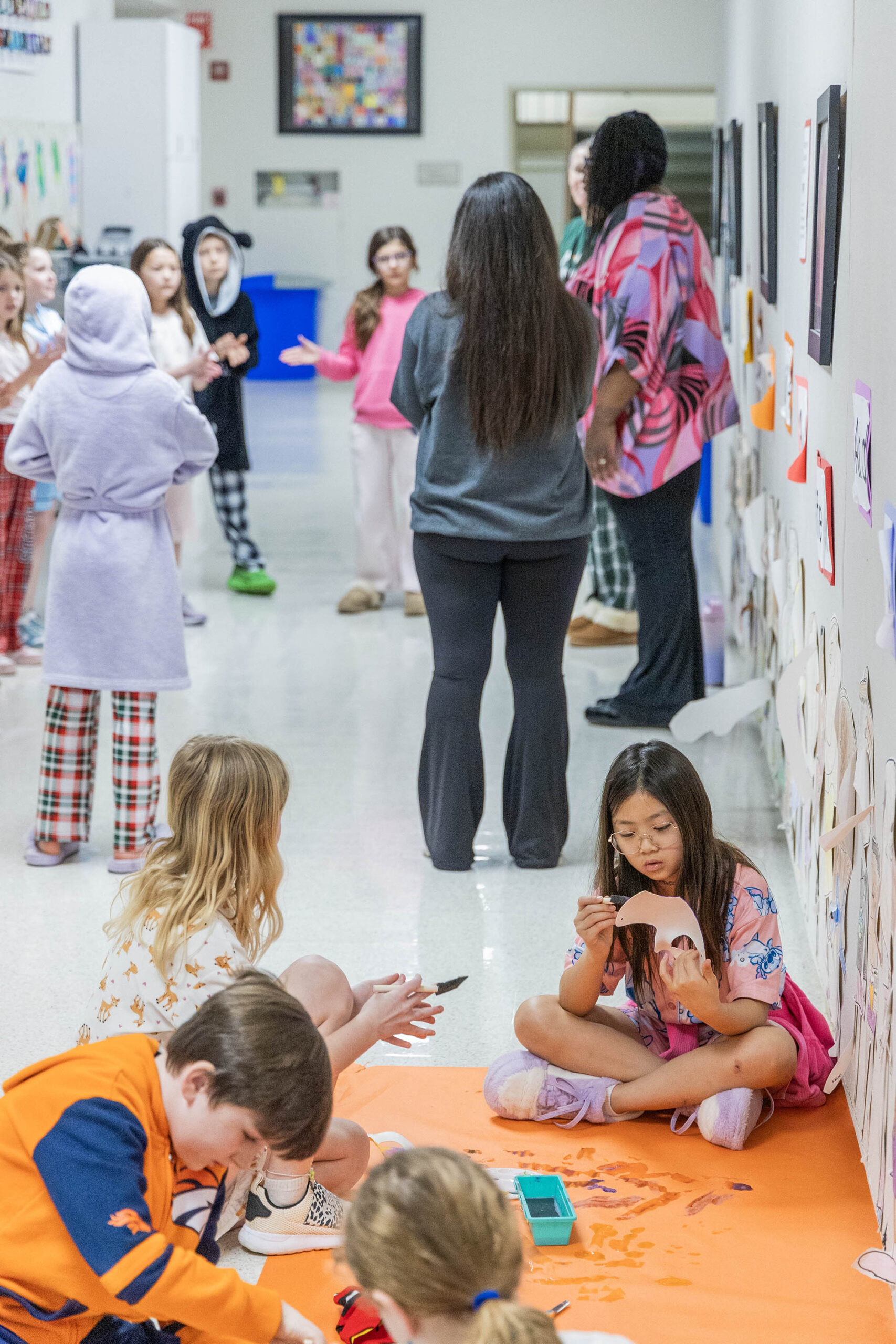
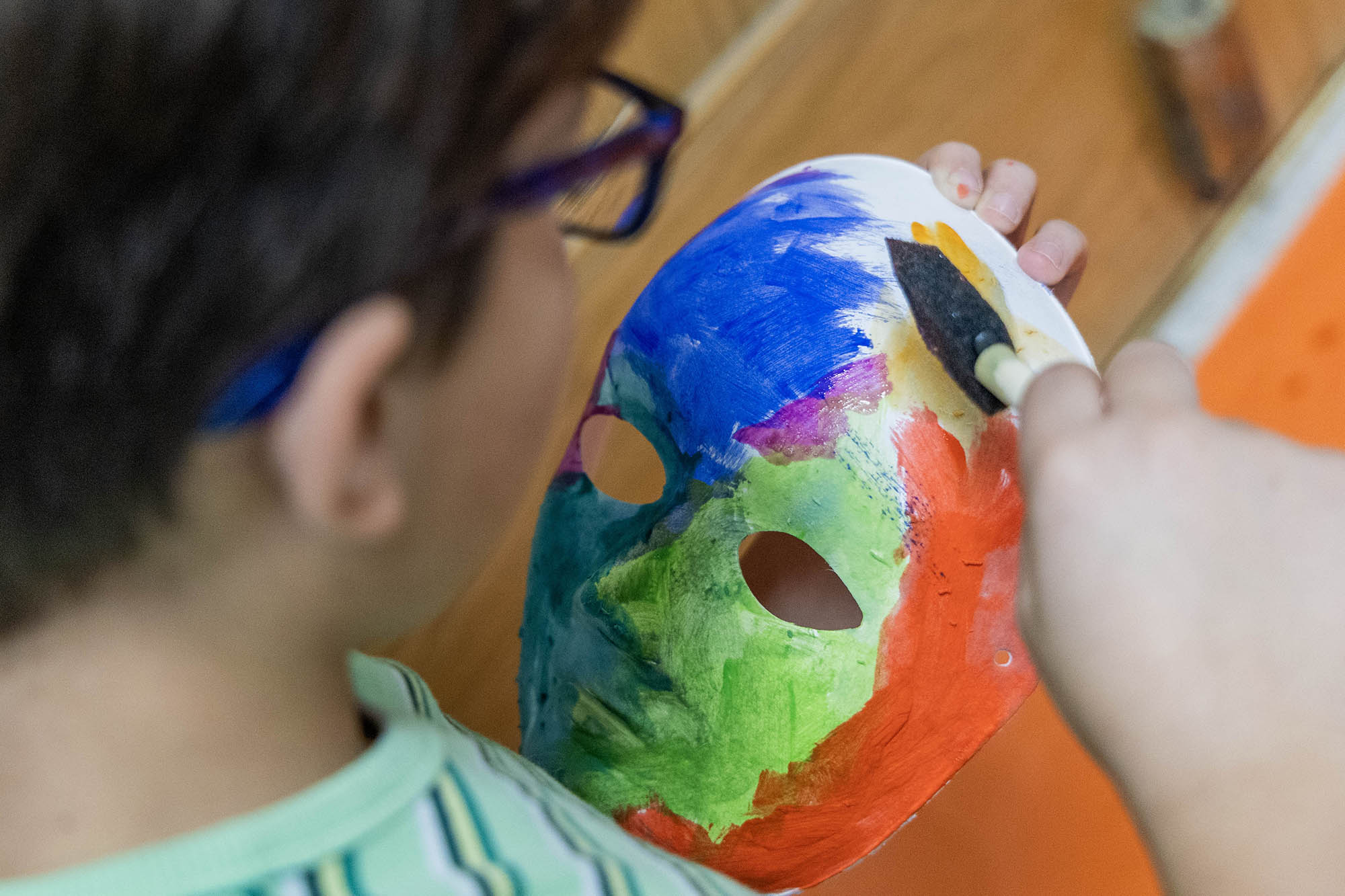
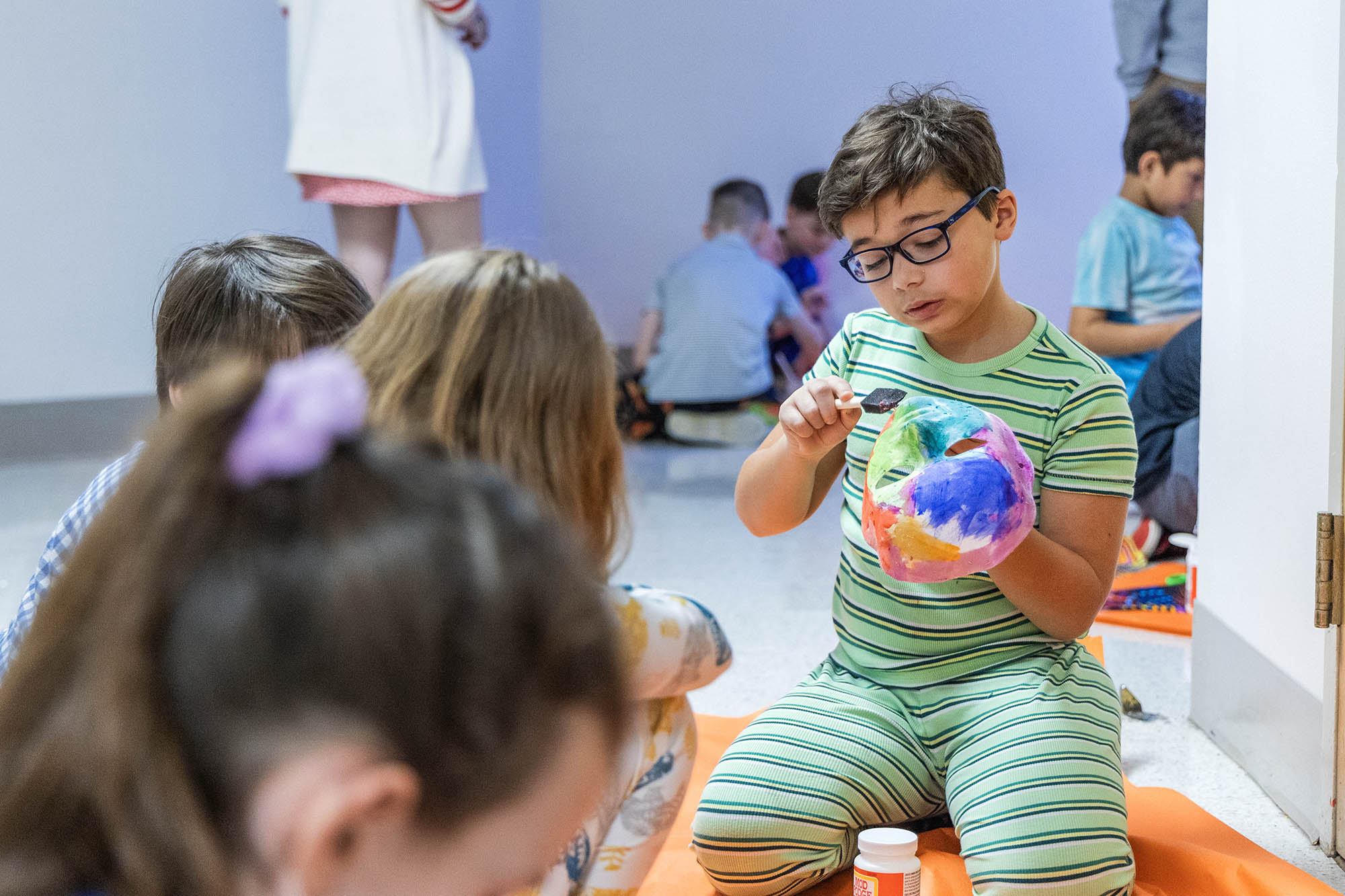
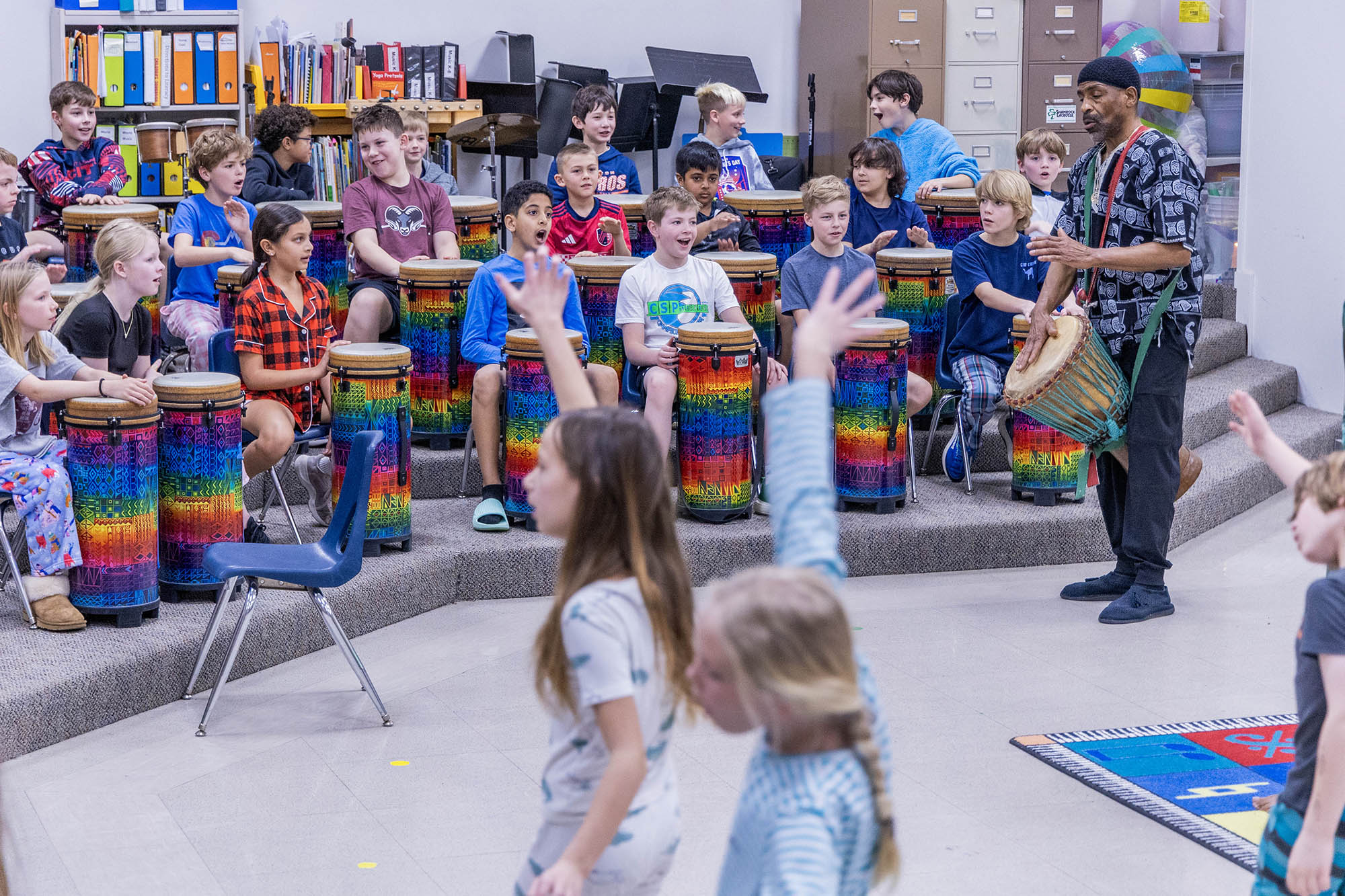
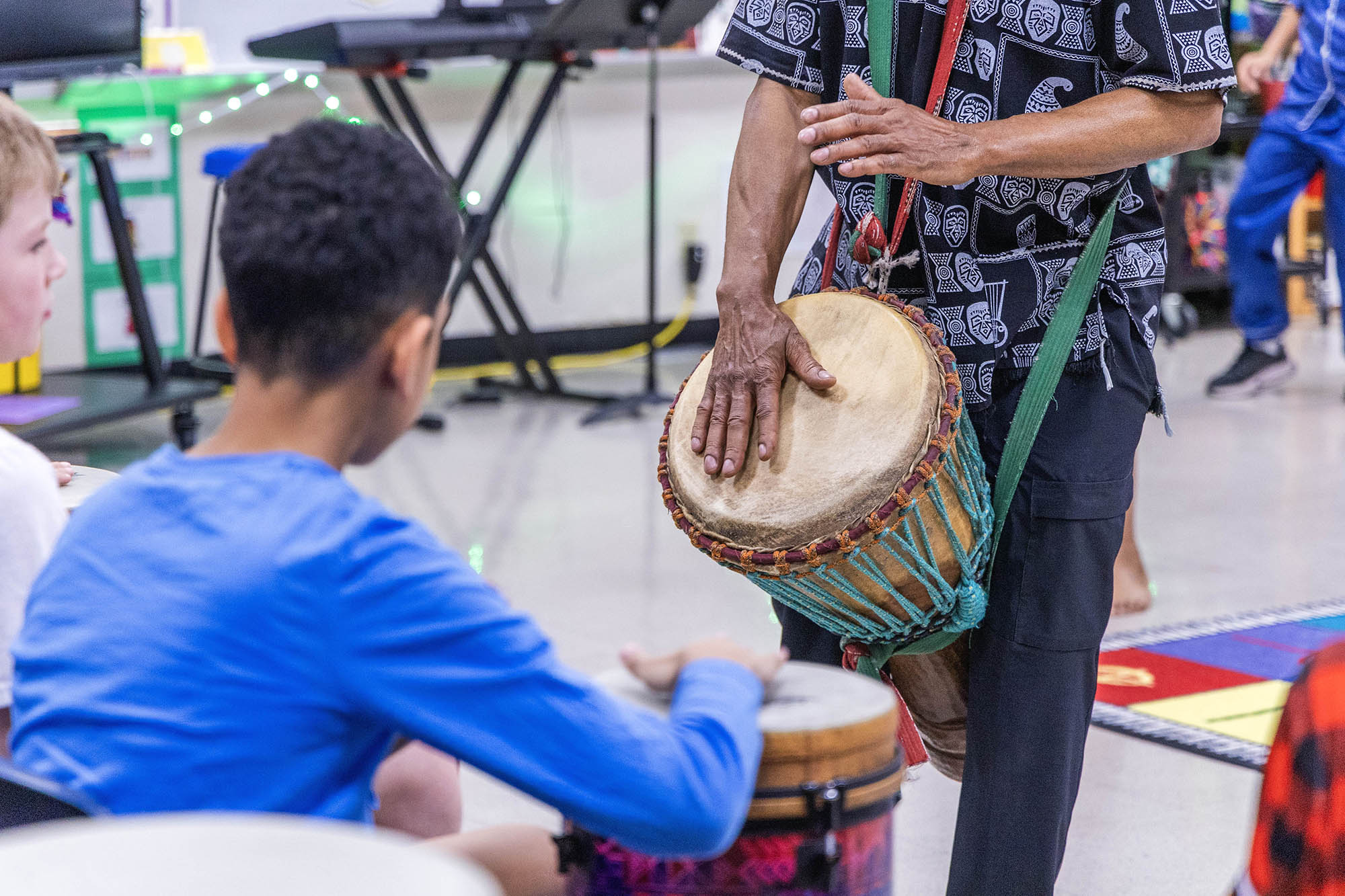
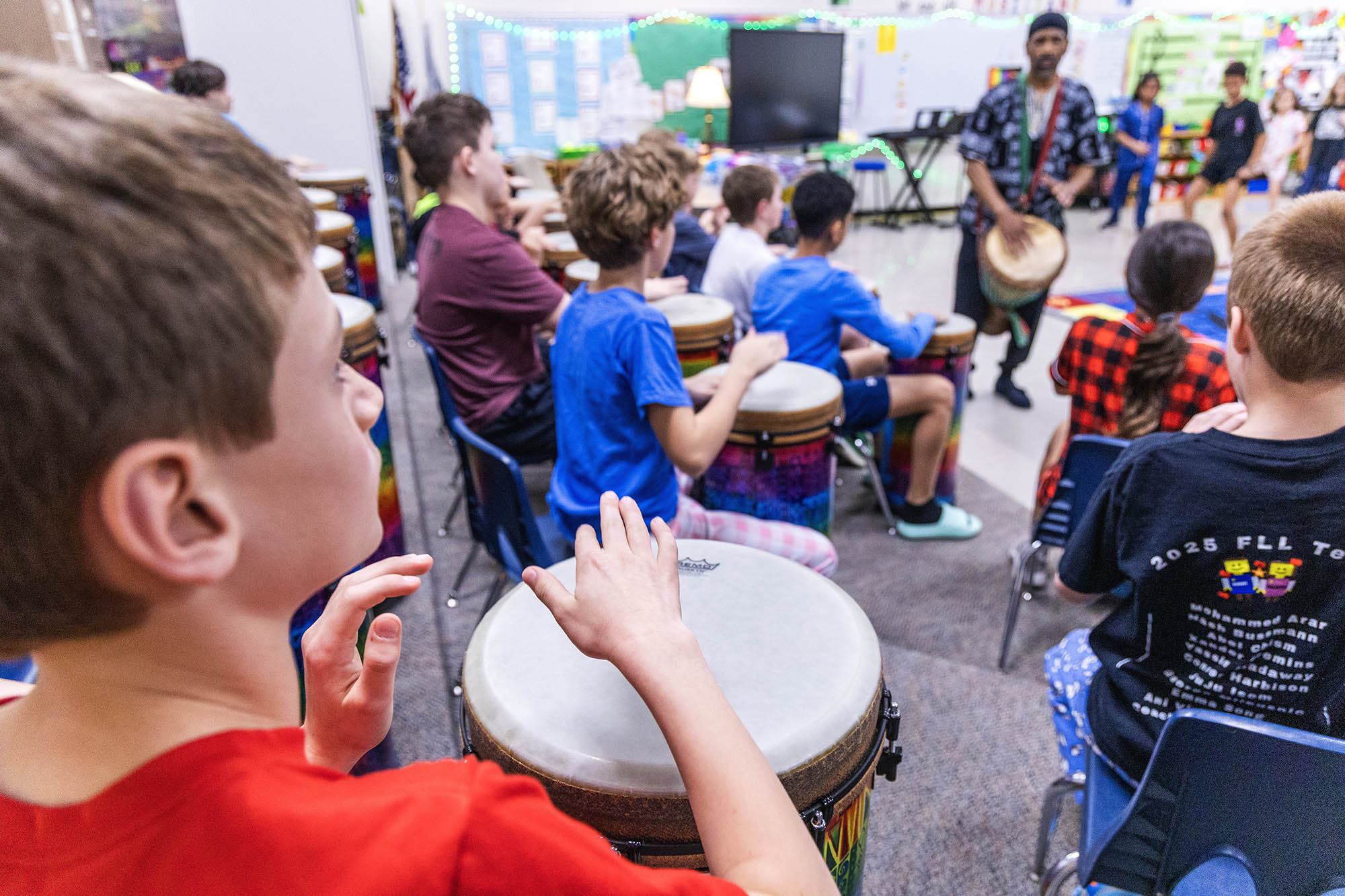
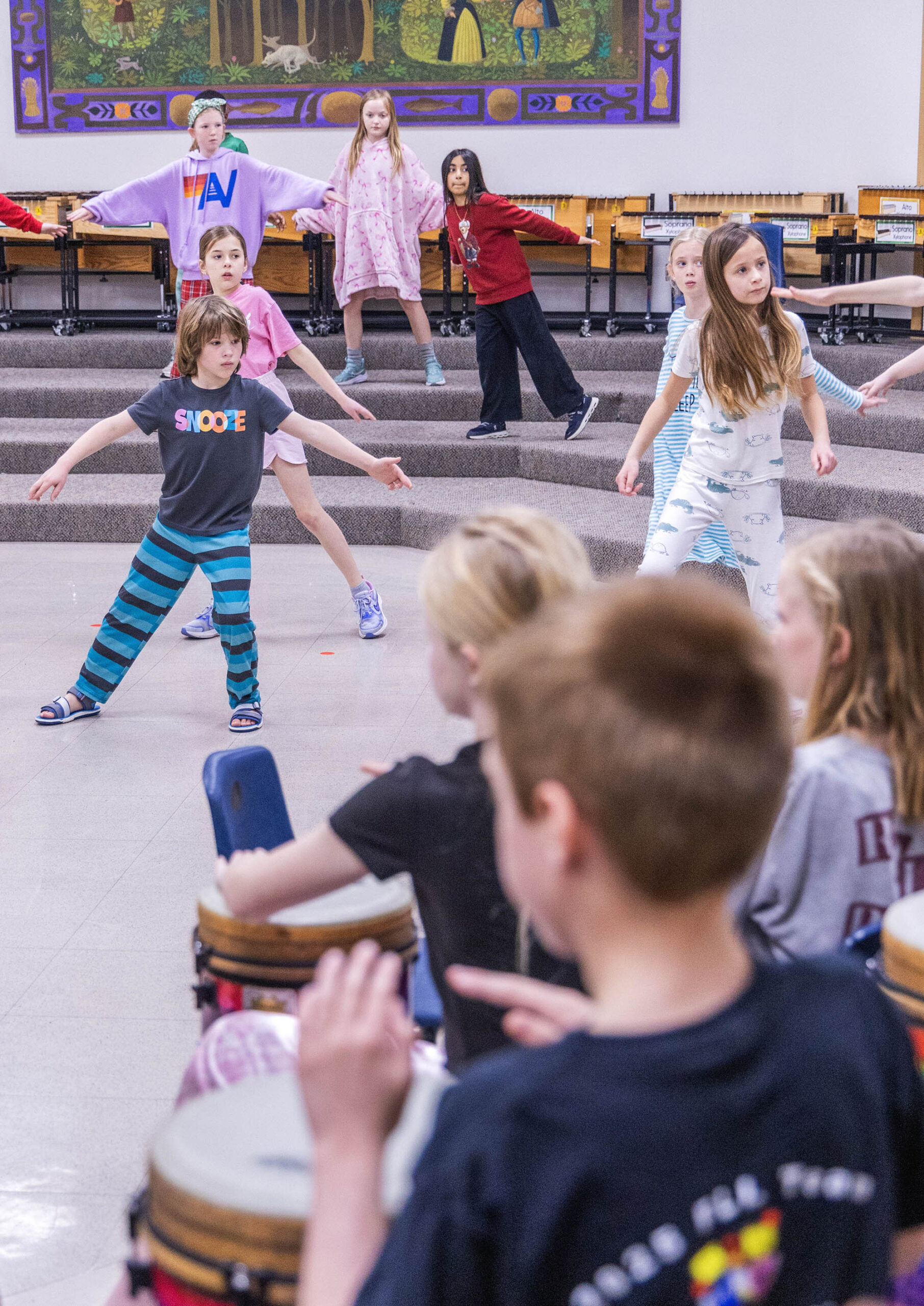
By the end of the session, the groups converged to rehearse for Friday’s performance for the rest of the Lower School. Through a call-and-response arrangement, they began to forge their own rhythmic ecosystem, layering the drumming, dancing, and singing into a unified piece of art.
When asked how it feels to have your work reflected by third- and fourth-graders, Mrs. Singh said, “It means everything. When I was their age, I didn’t have those opportunities. So to come full circle to teach the next generation is what it’s all about, so that they can carry it on.” Mama Tiffany agreed, “The ultimate goal is to ensure we carry on this tradition, and the lineage and history. You can see that the students learn something from the experience.”
Baba Eleeahsah added, “It’s a blessing to have this work reflected back, that you can learn something, appreciate it, and give it to someone else, and they keep it going.”
The Grand Finale
Theatre De La Rue returned today to help students polish their work before a short community showcase. “It brings me joy to know that the next generation is going to learn about a new culture,” said Mrs. Singh. “It’s something outside of what they learn every day, to appreciate the people, the music, and be a part of it.”
In the South Gym, the audience’s quiet anticipation was broken by a pronounced drumbeat from Baba Eleeahsah. He led the student drummers in, their faces serious, with their eyes locked on their mentor. Once seated, their confidence soared knowing what was coming next.
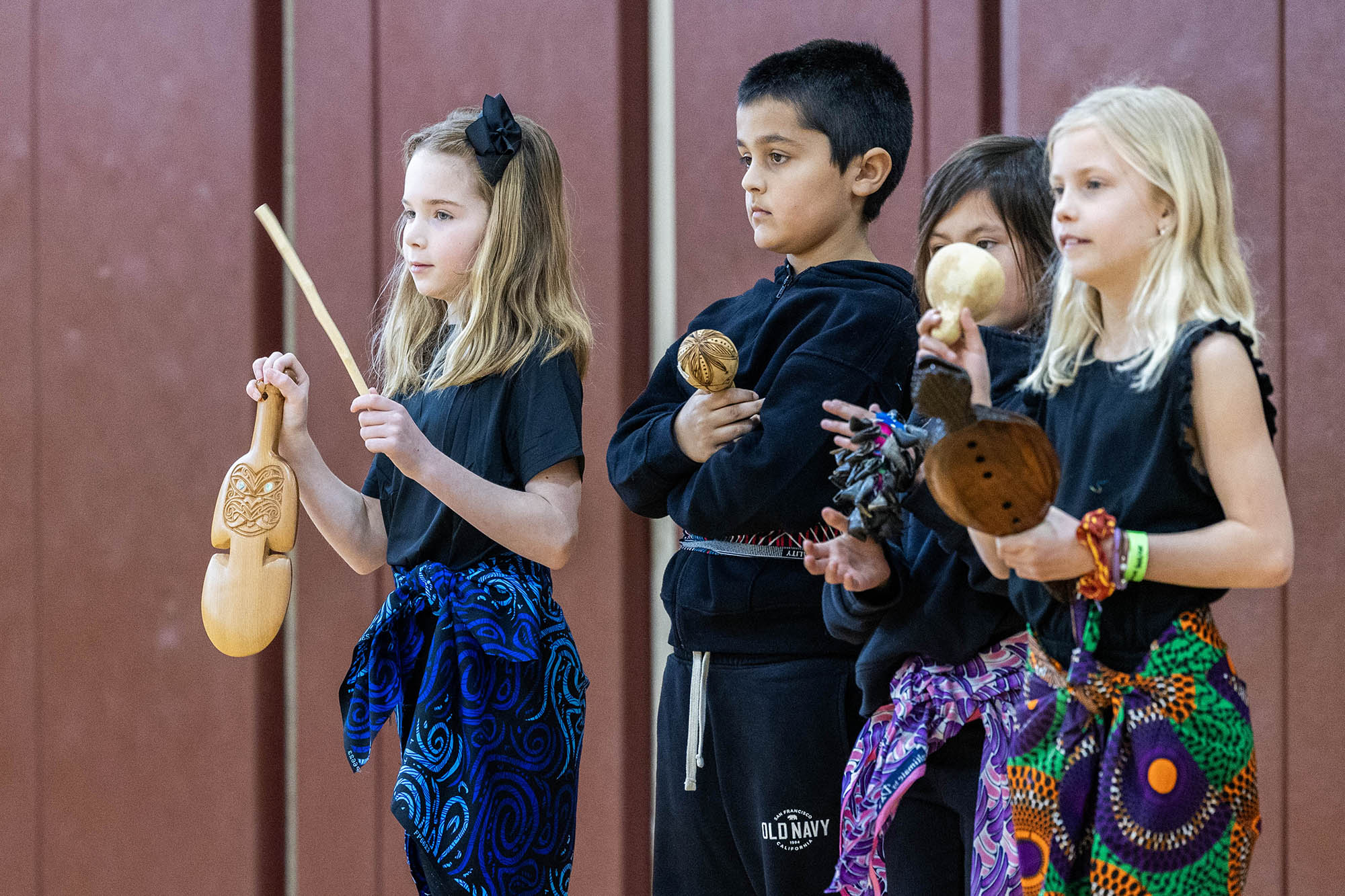
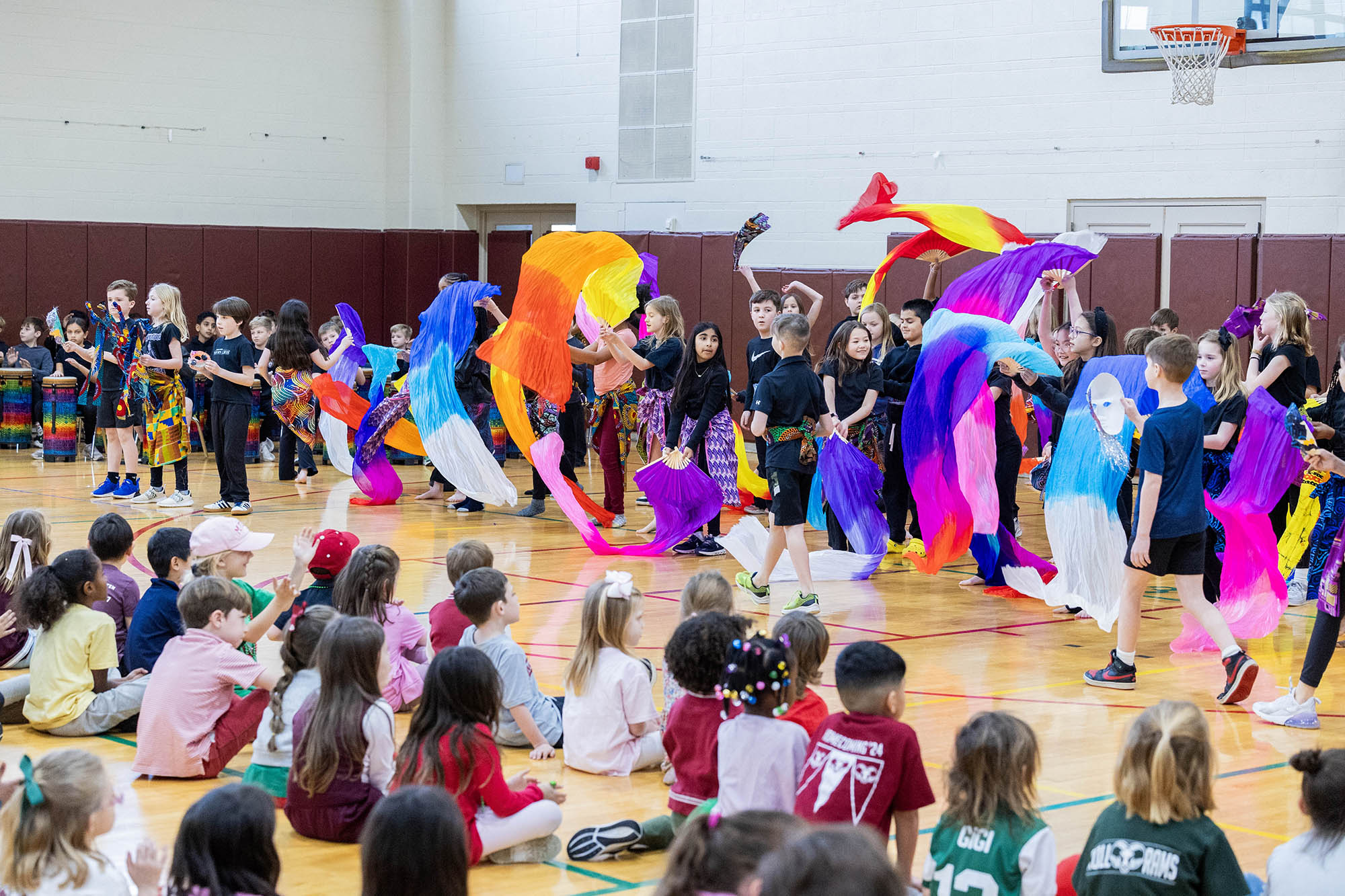
To the beat, the singers entered, weaving through the rhythm with traditional shakers and rattles. They began with a collective hum before their voices rang out, rising and falling with each movement, then exited the stage to the now-familiar beat of the drum. Next came the dancers. The steps they practiced earlier in the week became a cohesive groove, with wide smiles from end to end. The call-and-response filled the room, with the audience clapping in time with the accelerating beat.
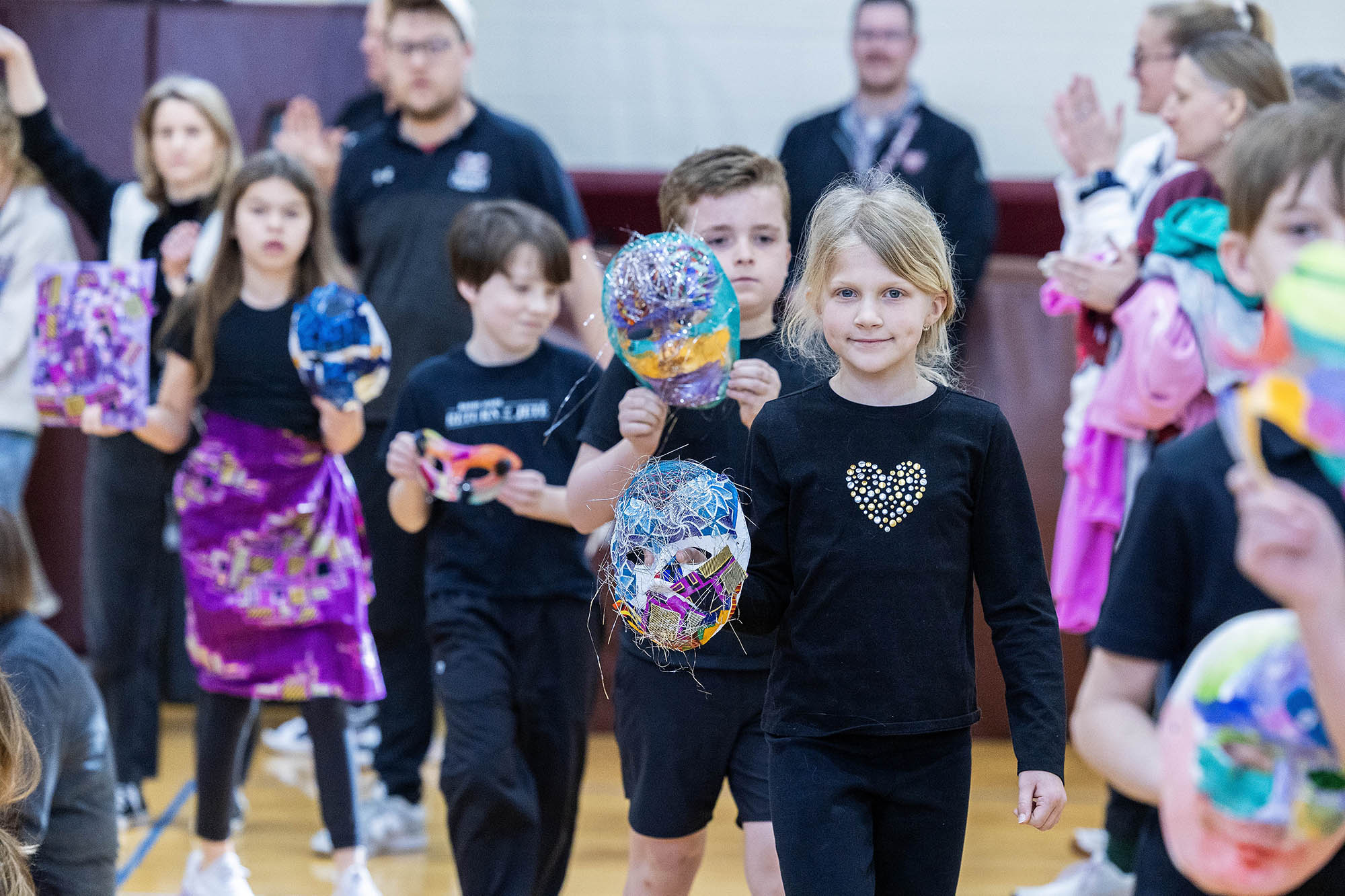
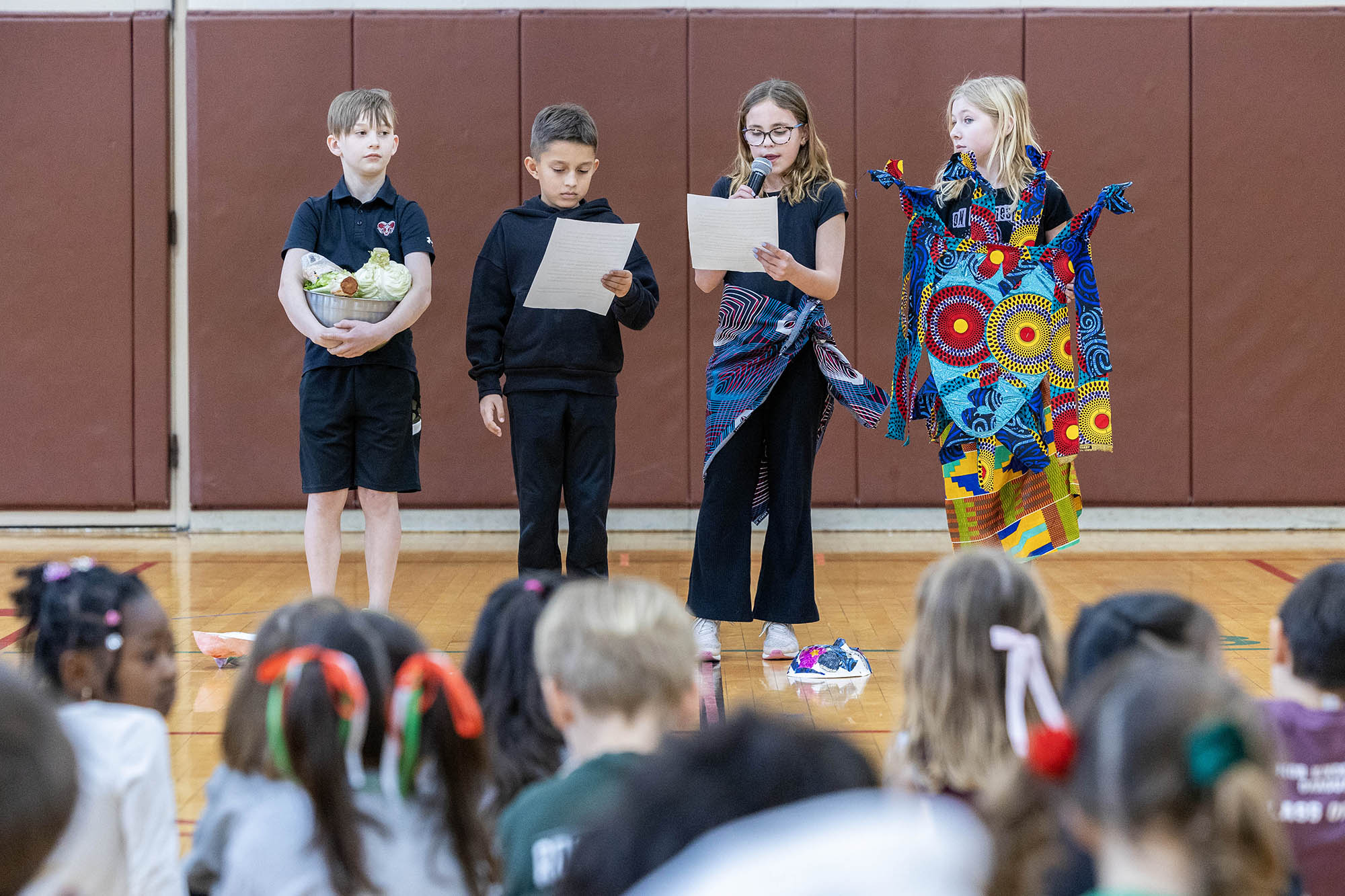
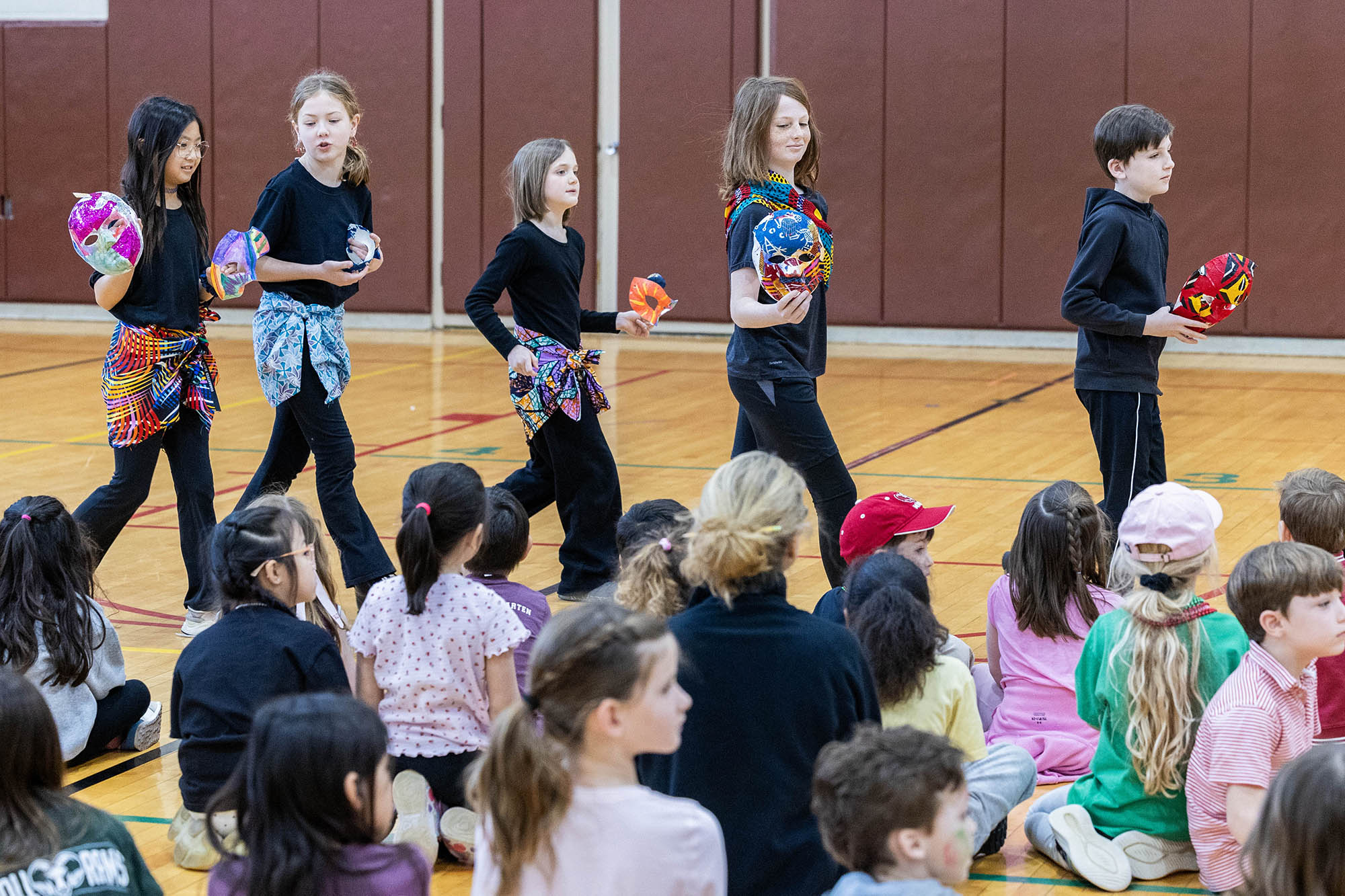
Before the final celebration, student speakers took the stage to share the deeper meaning of their work, explaining Kakilambe as a traditional blessing of protection and prayer for generations to come. A vibrant procession of textile artists paraded through the audience to showcase their masks, sharing designs that ranged from delicate and shimmering to bold and vibrant.
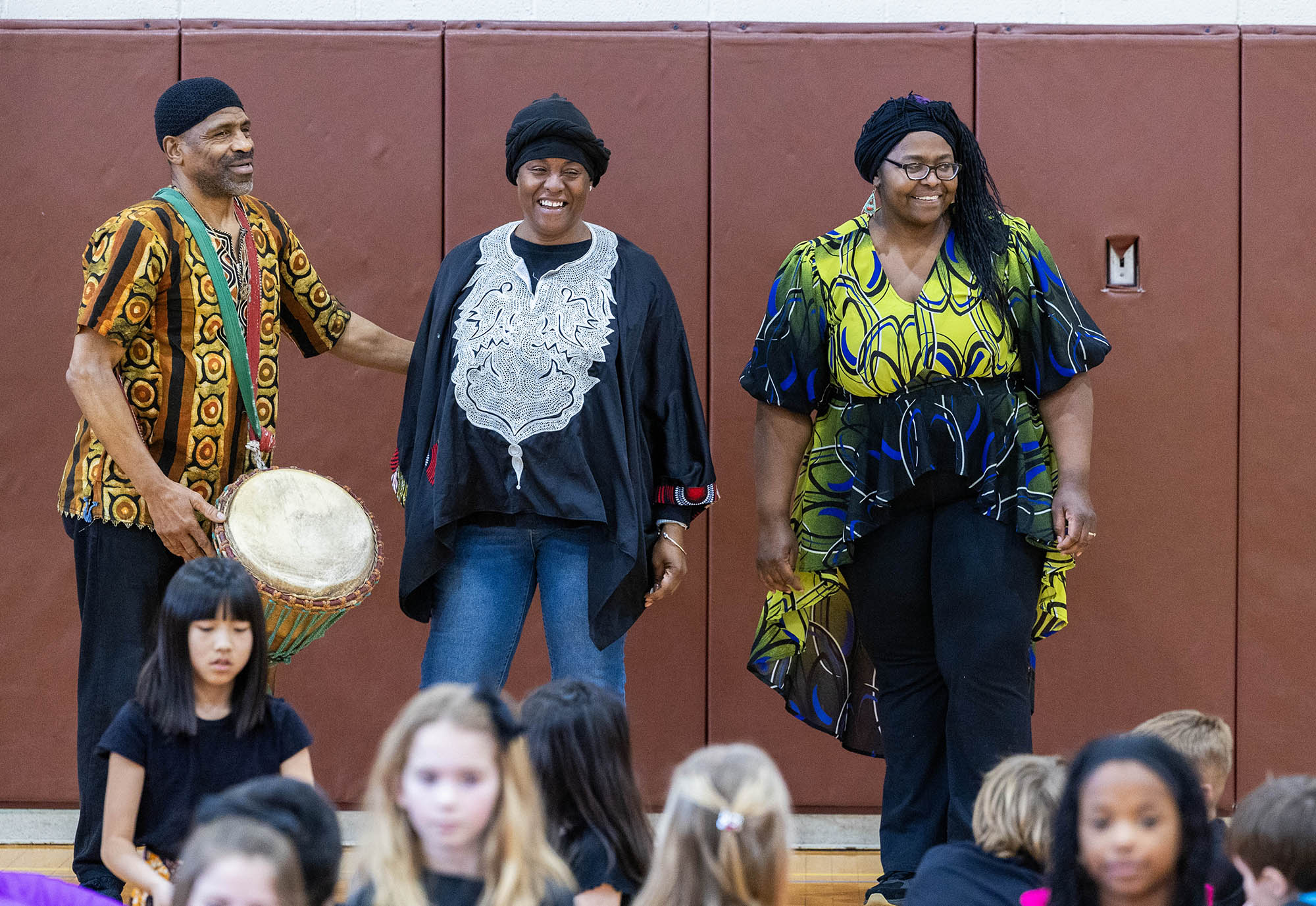
The performance culminated in a full company celebration. Dancers, singers, artists, and speakers returned to the stage, a sea of fabric fans and ribbons moving as one. Mrs. Singh, Mama Tiffany, and Baba Eleeahsah took their final bows alongside the students as part of a newly shared legacy.
Through this immersion, our students did more than learn about a culture; they became part of one, proving that when we go back to the lessons of the past, we create a much louder, more joyful rhythm for the future. Dr. Nichols noted the importance of this authentic connection: “We’re especially excited that students had the opportunity to learn directly from culture bearers and will bring these authentic musical experiences into their upcoming performances.”
“We all want to share in love and learn from one another,” Mrs. Singh said. “The generation coming up now is very eager to learn, explore, and discover.”
Our deepest thanks to Theatre De La Rue for helping our students form the connective tissue between the stories of yesterday and the rhythms of today!