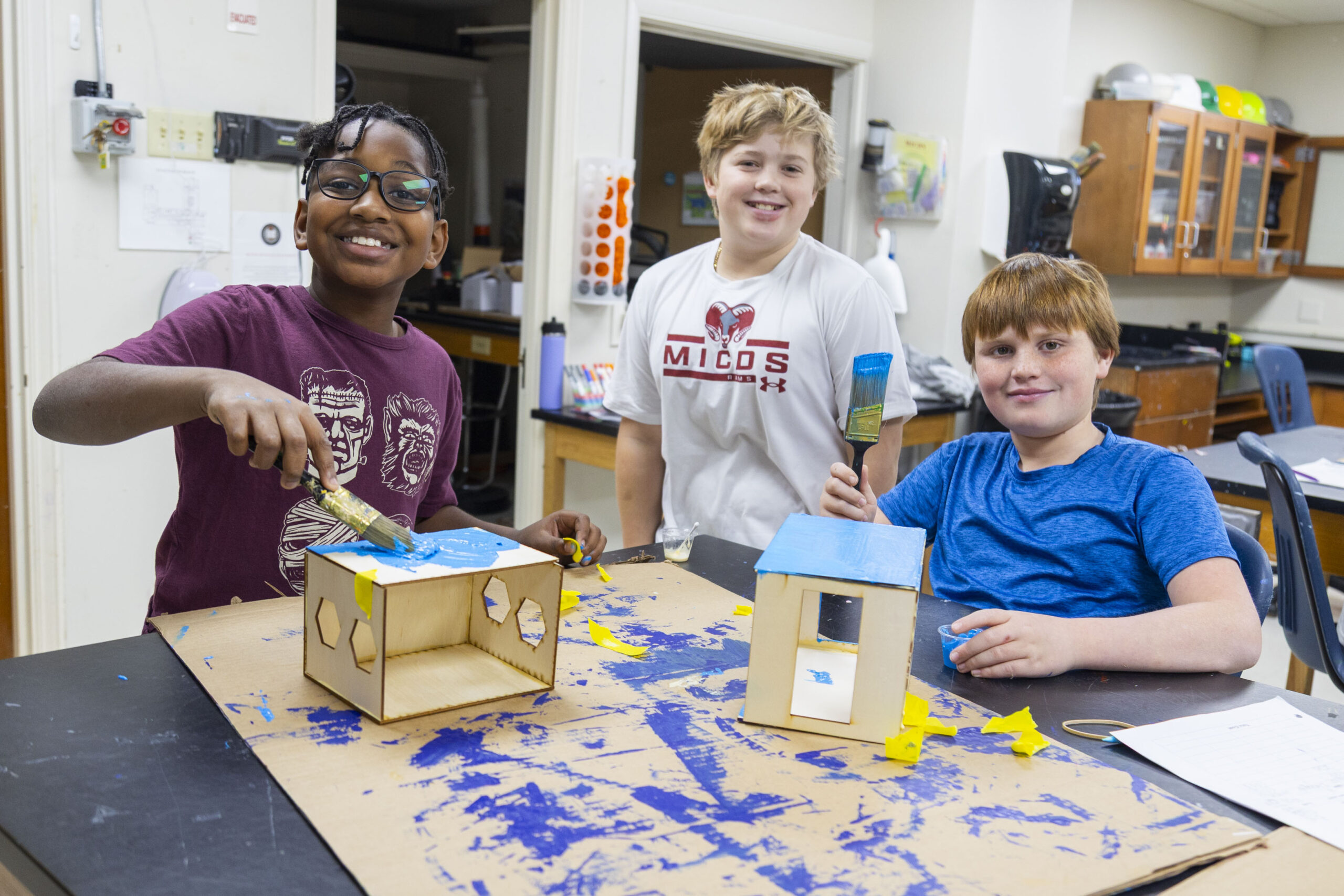
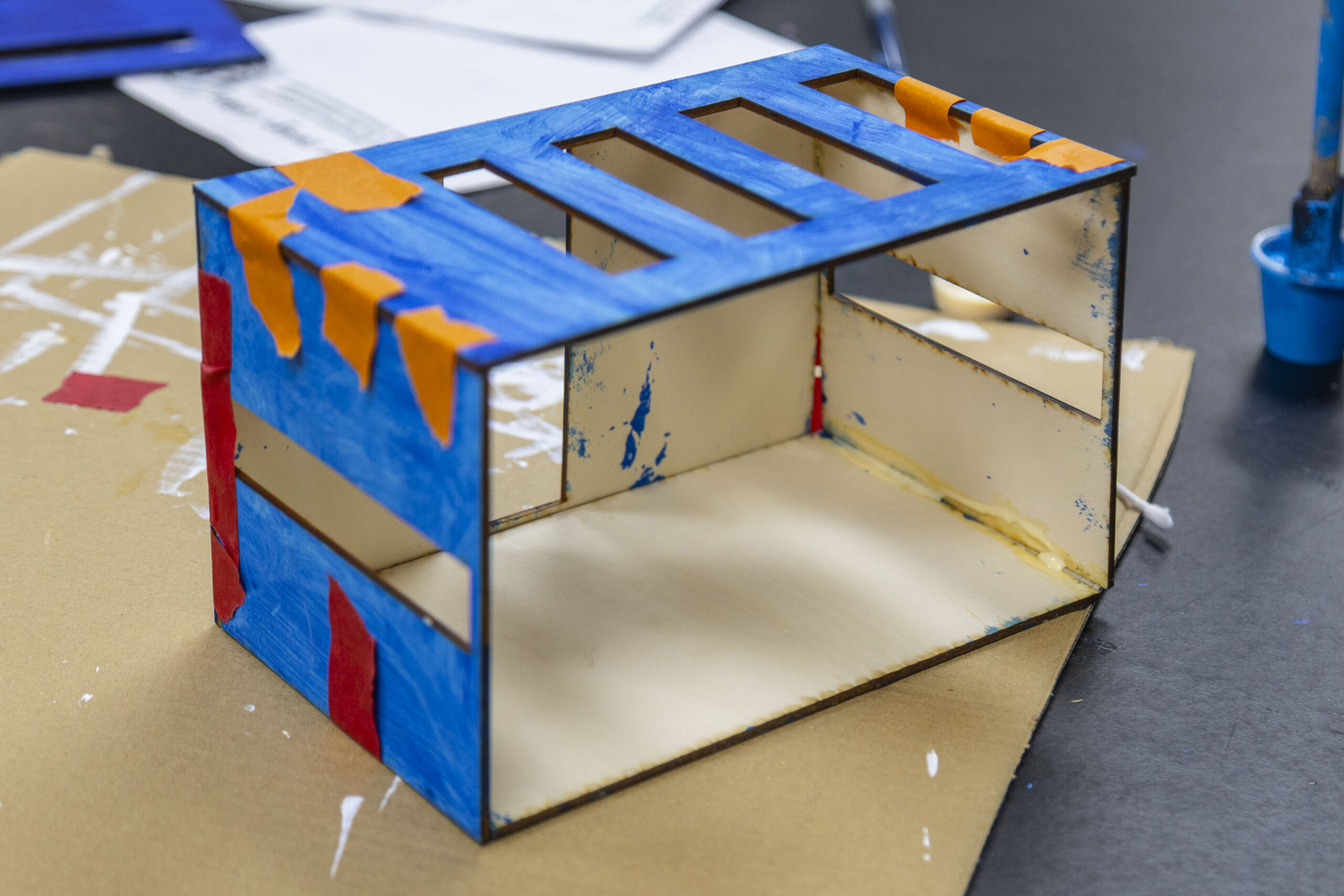
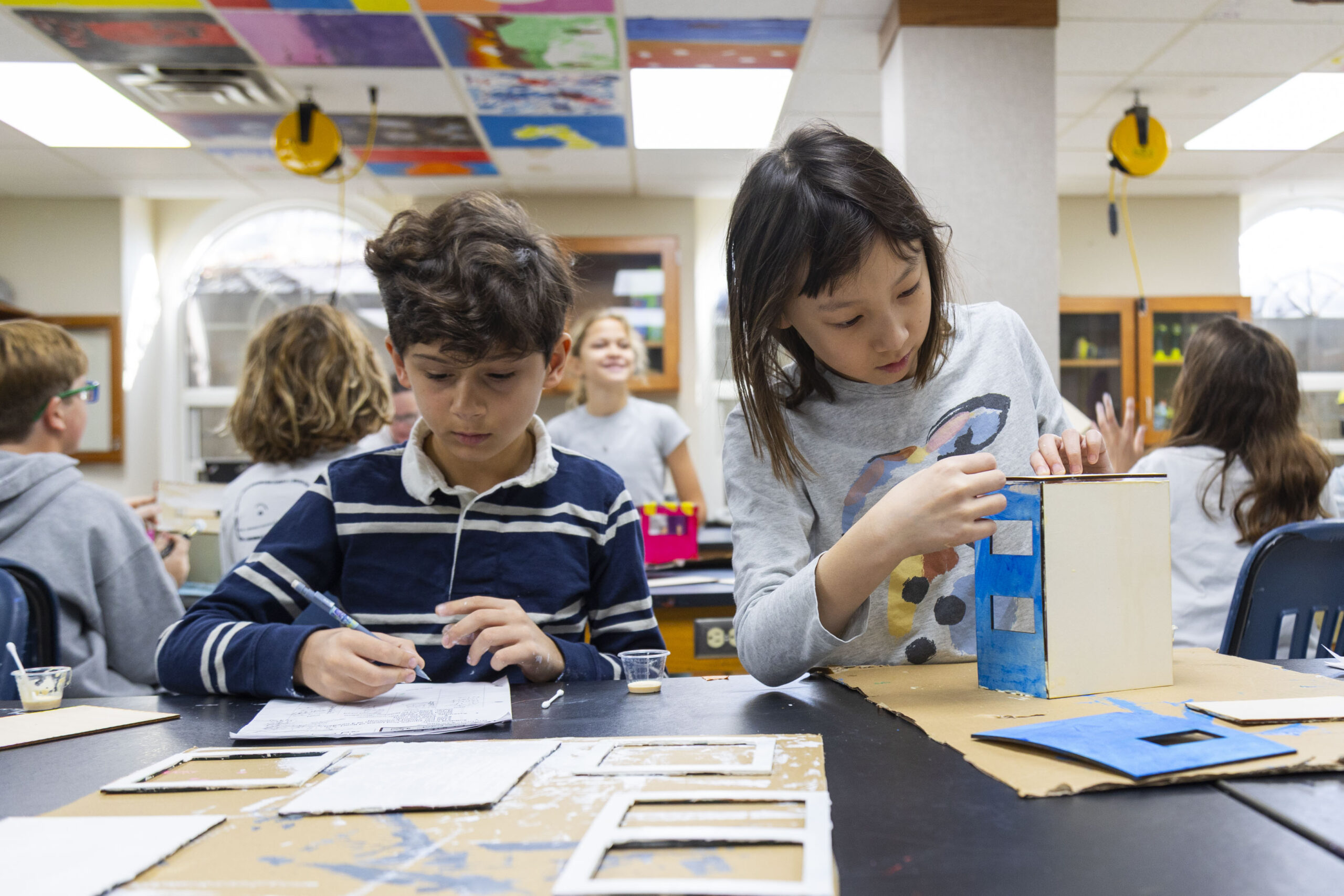
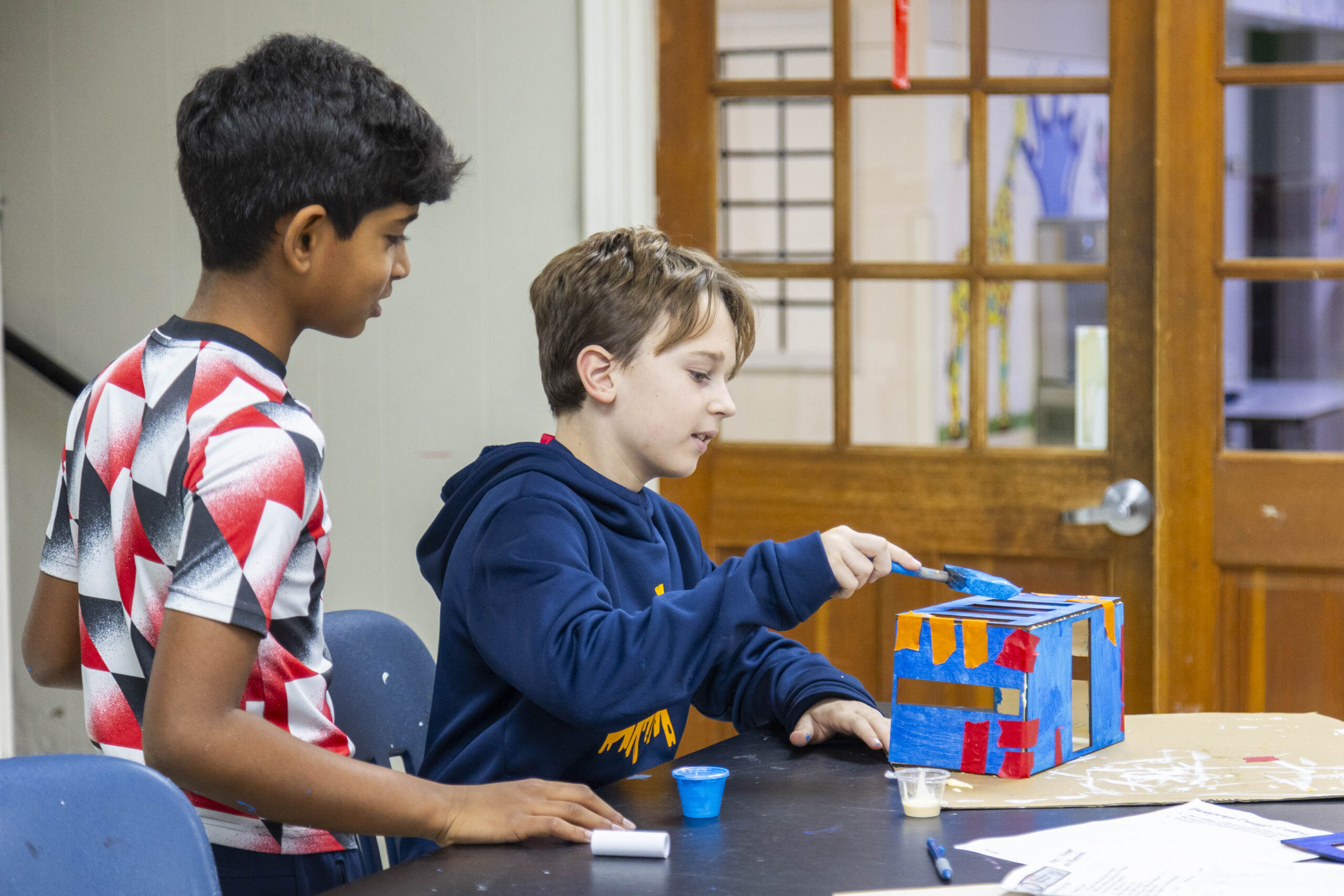
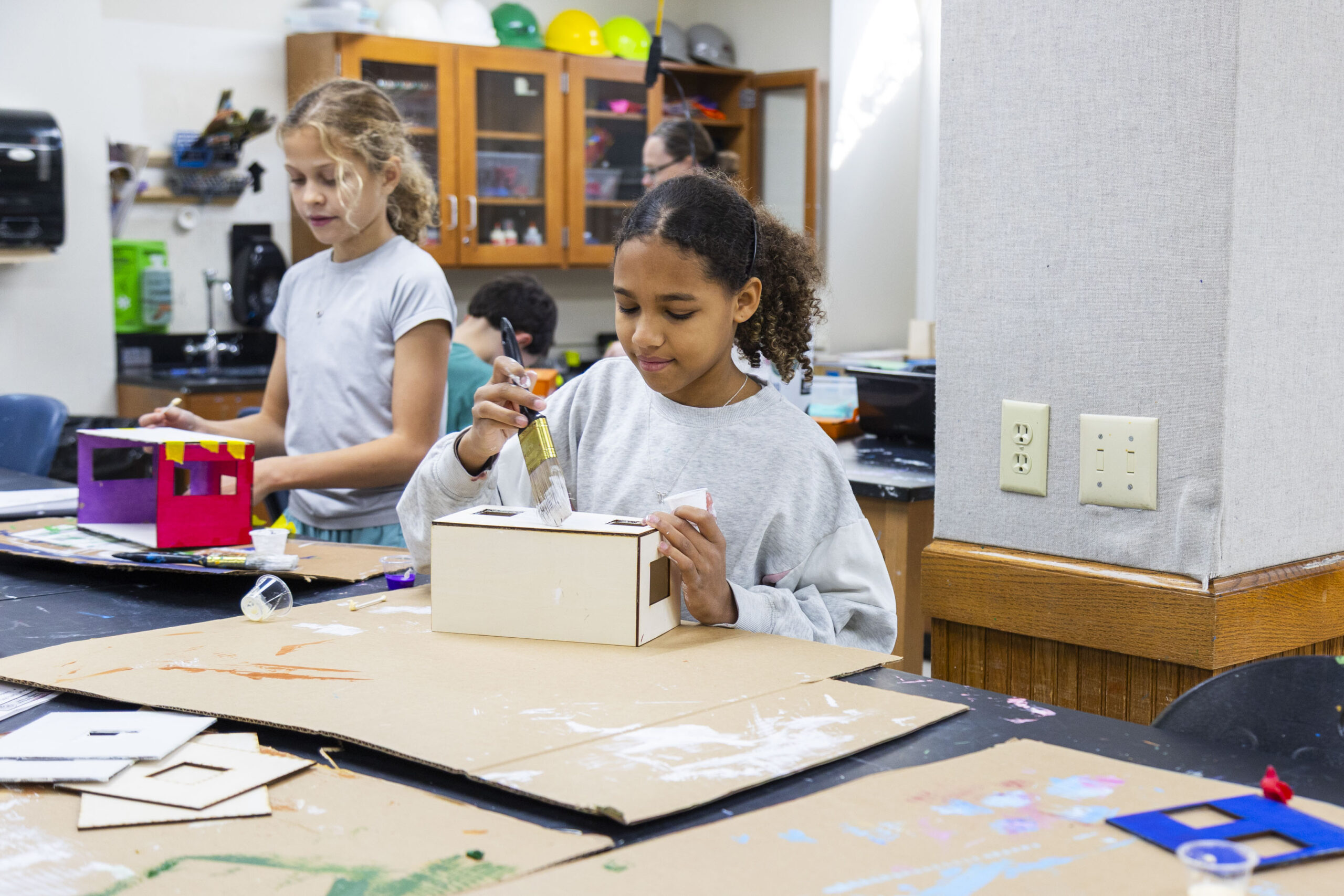
Fifth-grade students in the classes of Kristina Jones, Middle School Math Teacher, have been applying math concepts to an extremely fun, creative challenge. In the first semester of the school year, they were tasked with designing their dream bedroom and producing it at a small-scale level.
This project incorporated many math concepts: multiplying fractions and decimals, calculating the area of rectangles to measure surface area, using equivalent fractions for scale factoring, and conversions.
To get everything started, students used a circle map to dream up the many ideas they wanted to consider incorporating into their bedroom designs. Then, they sketched a rough plan of those ideas in their rectangular bedroom layout. Each bedroom designer had a budget of $45,000 and was given a list of expenses, such as $150 per square foot for floors and $500 per window, and a list of requirements, including that each room required a minimum of four windows.
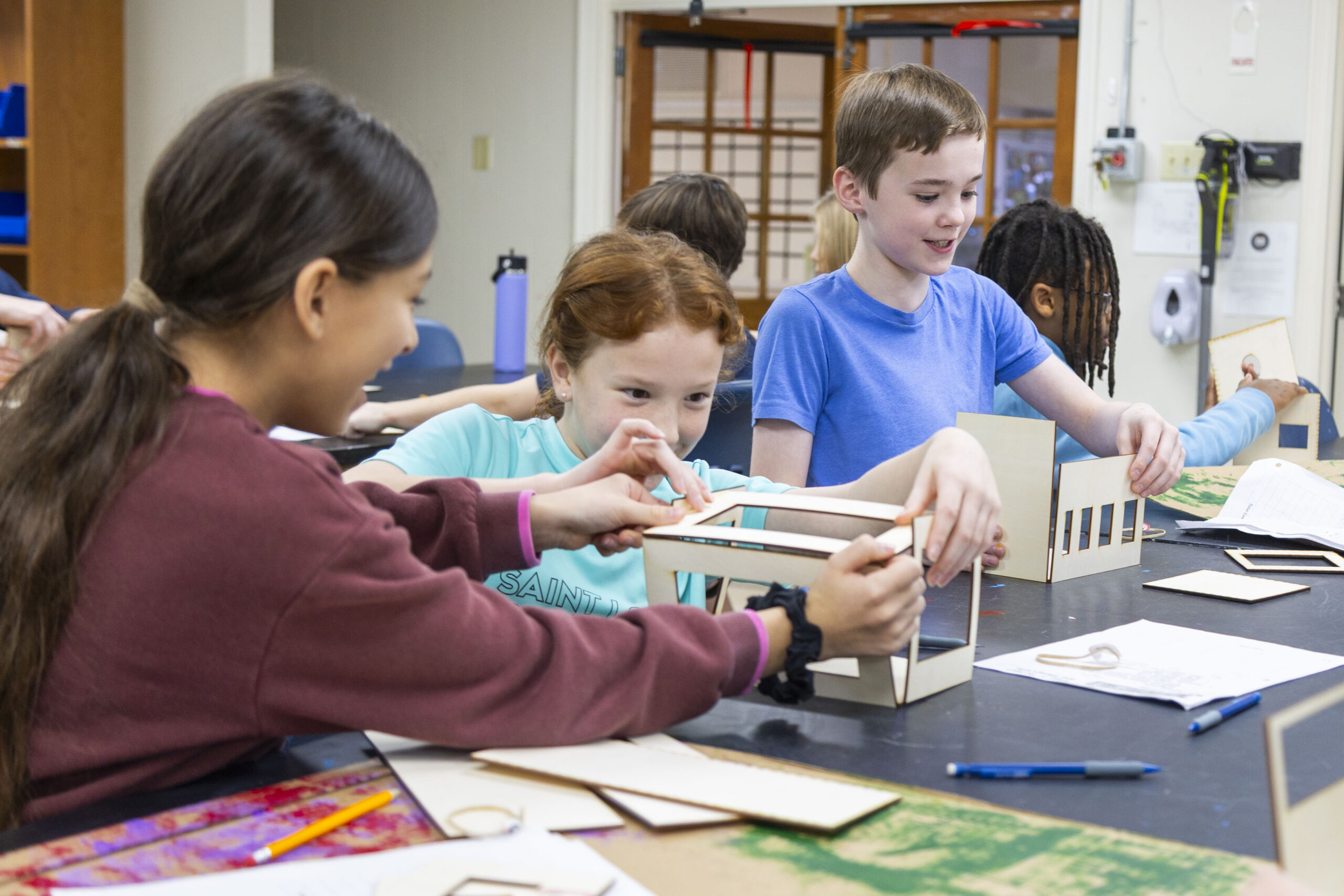
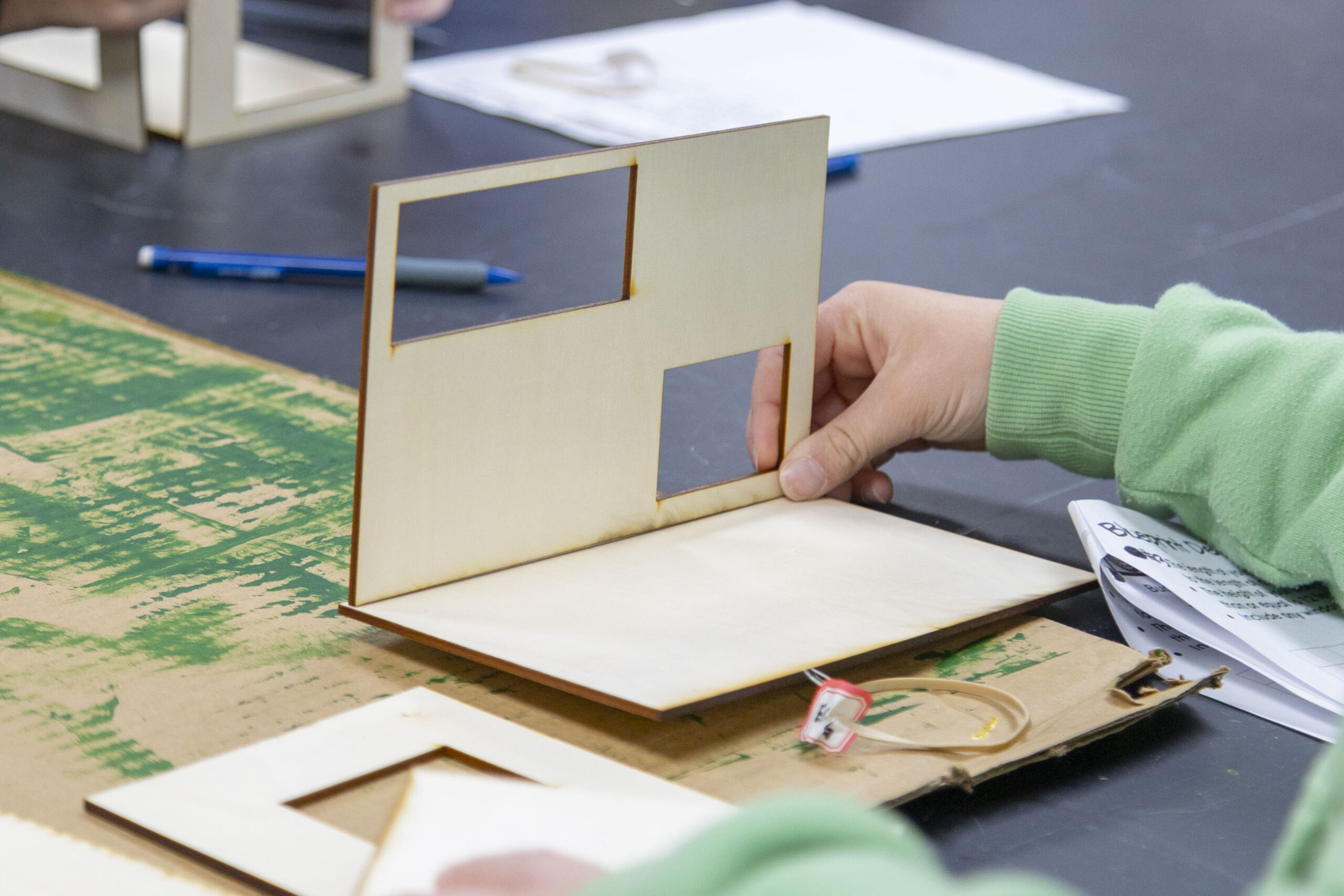
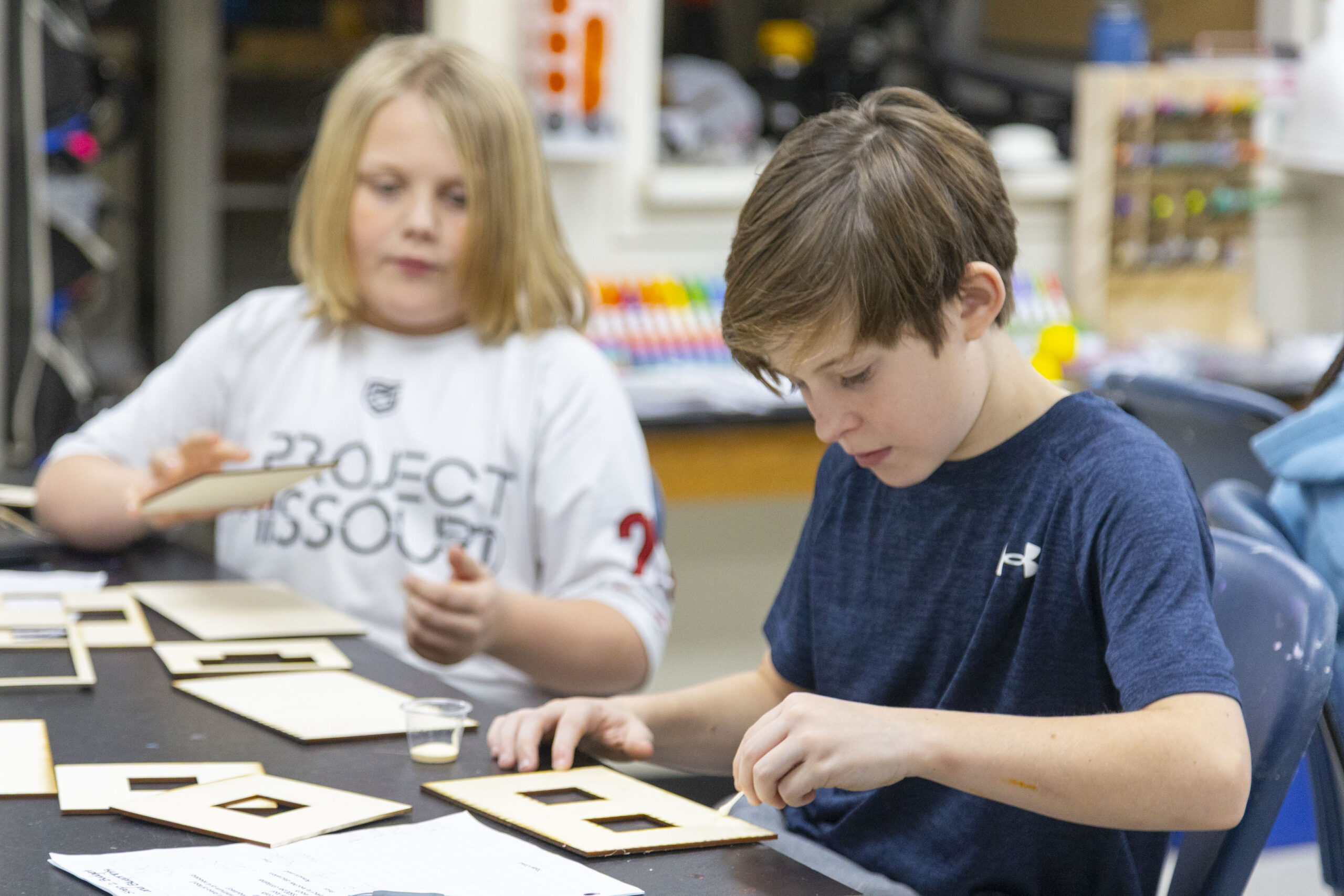


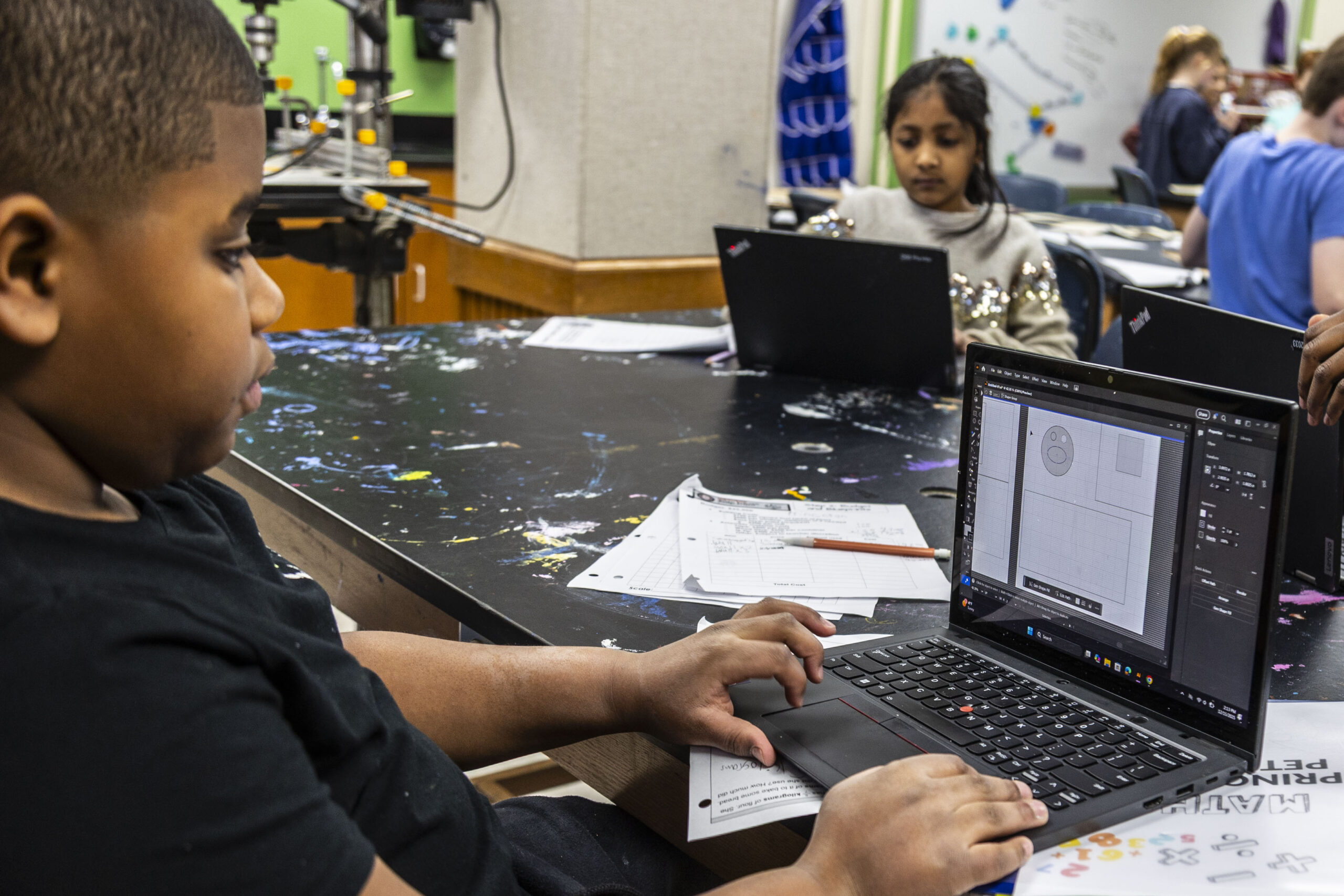
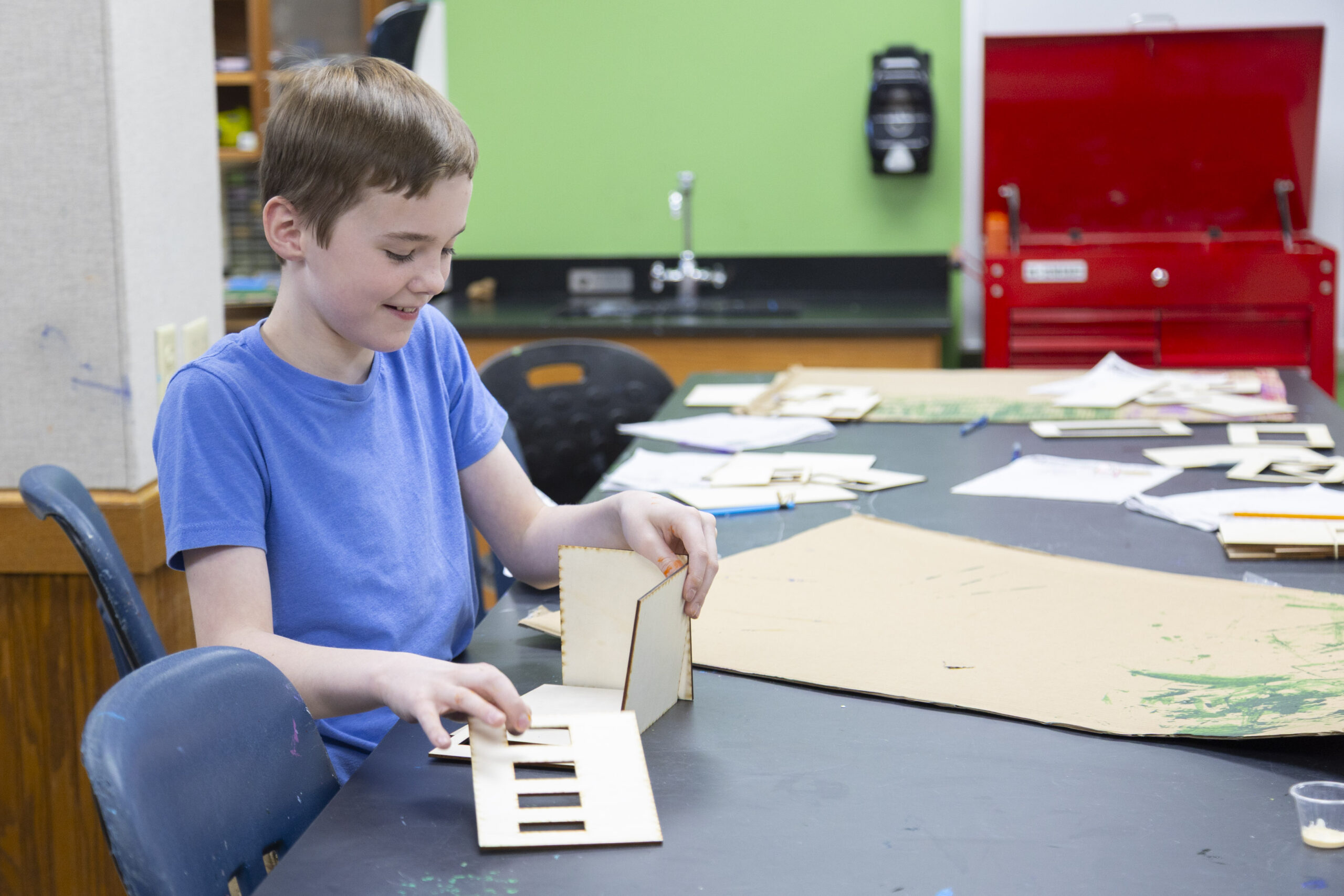



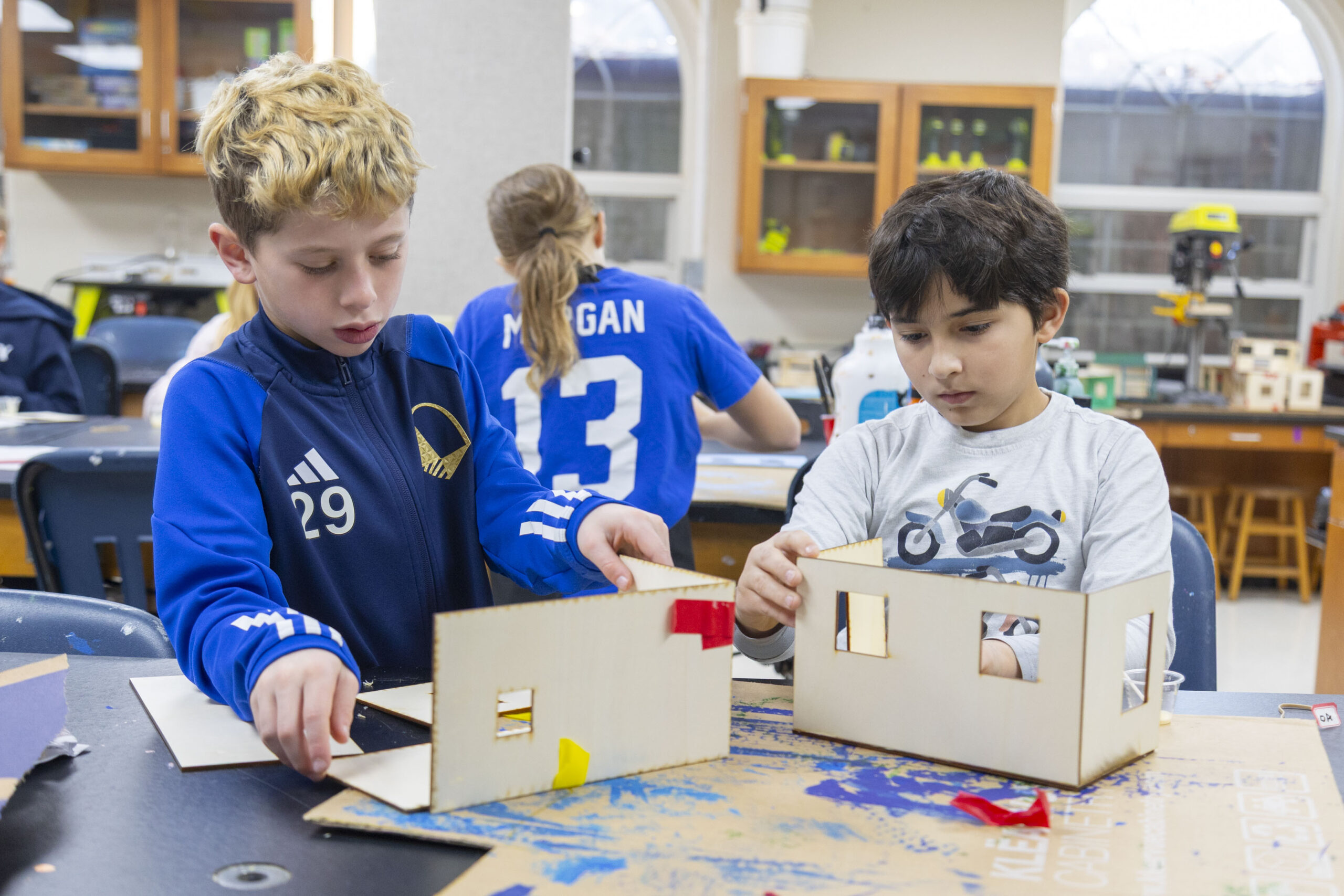

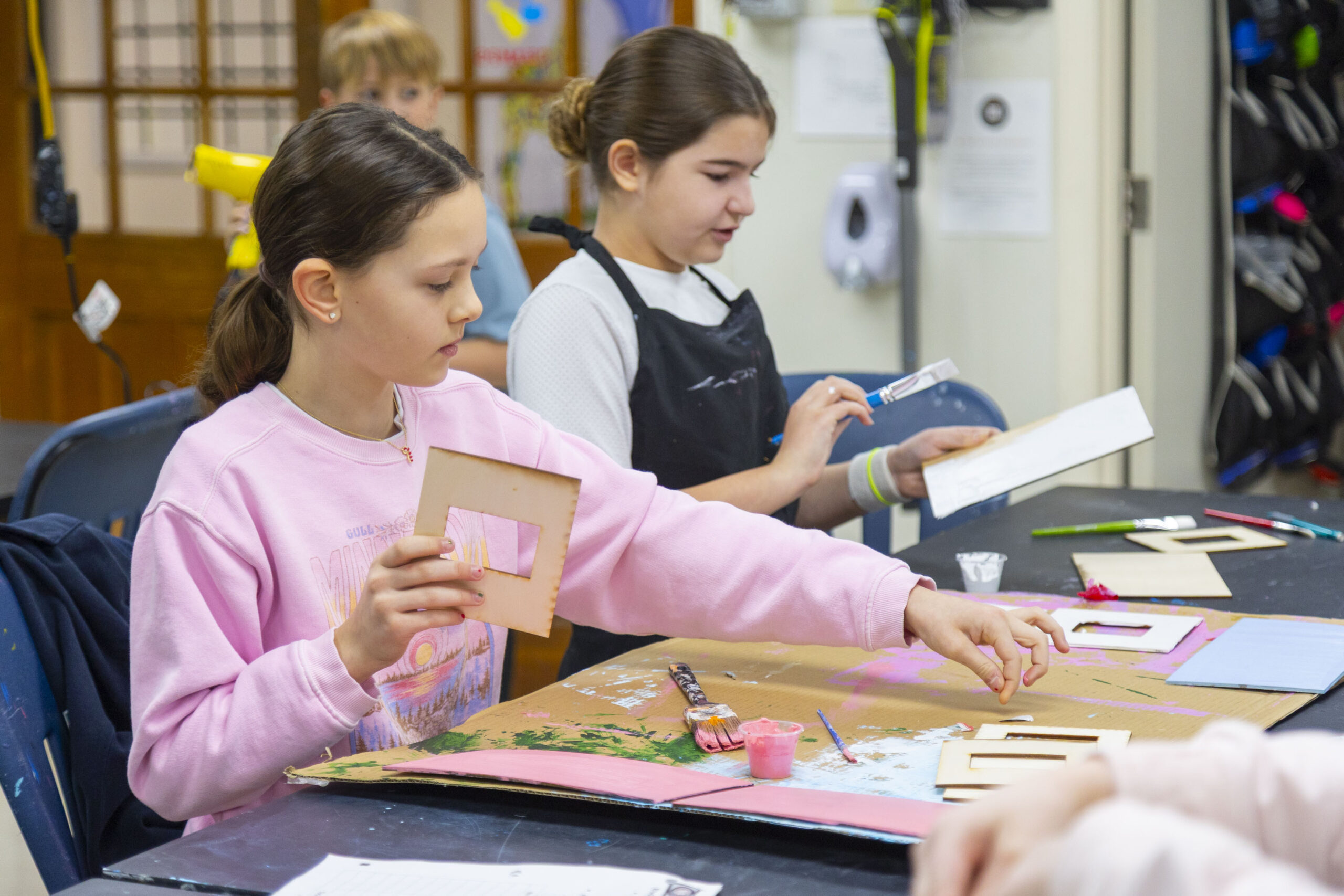
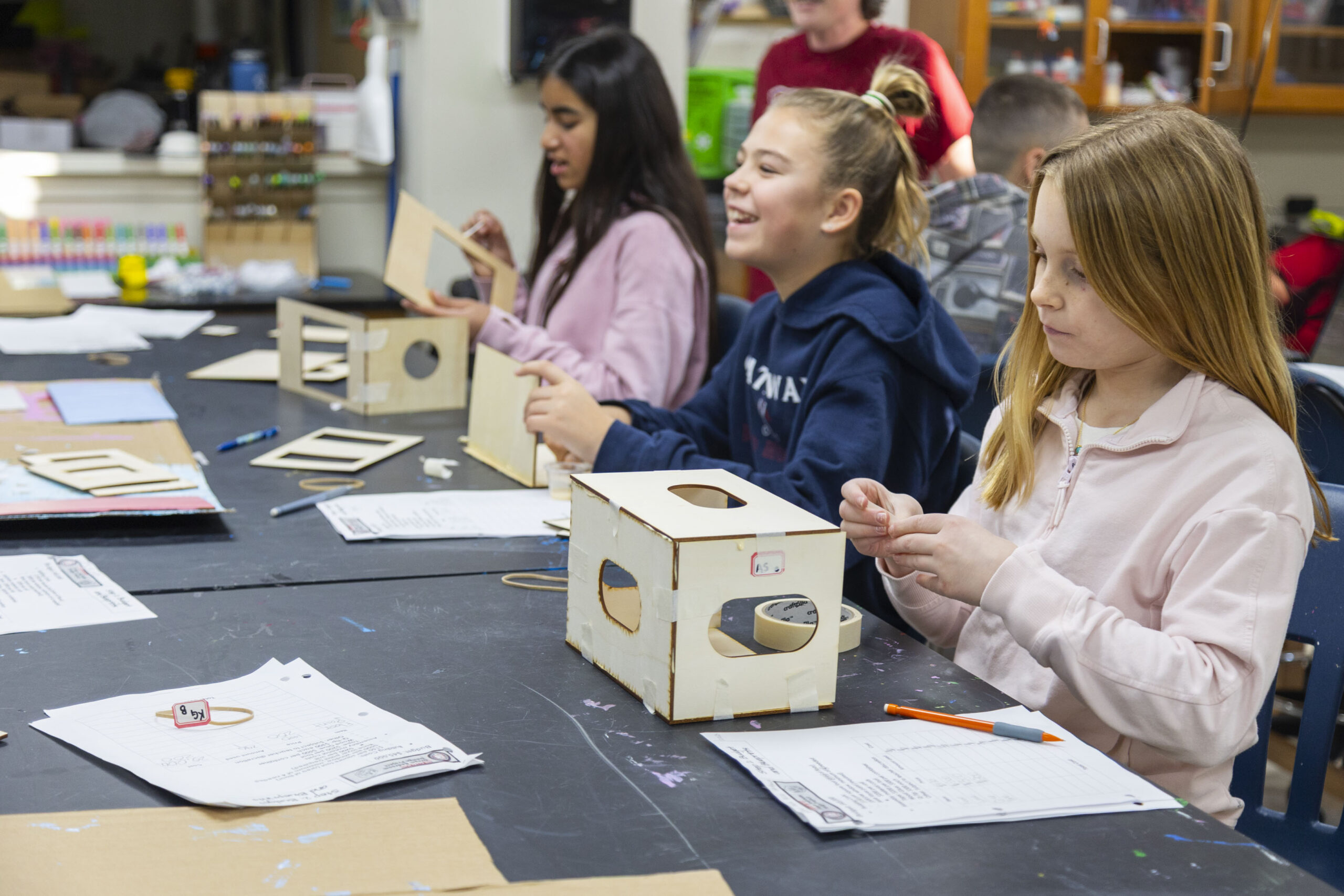
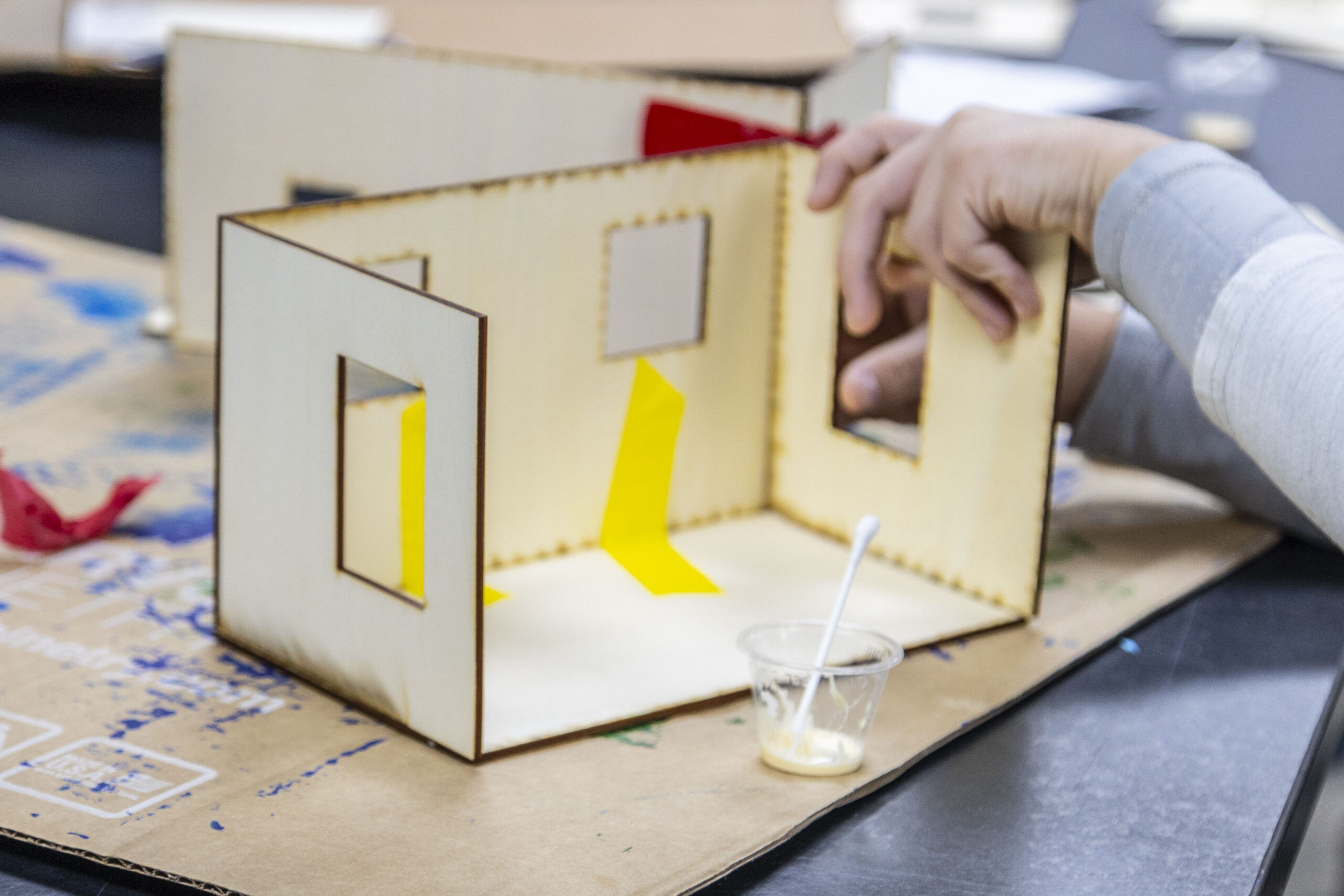
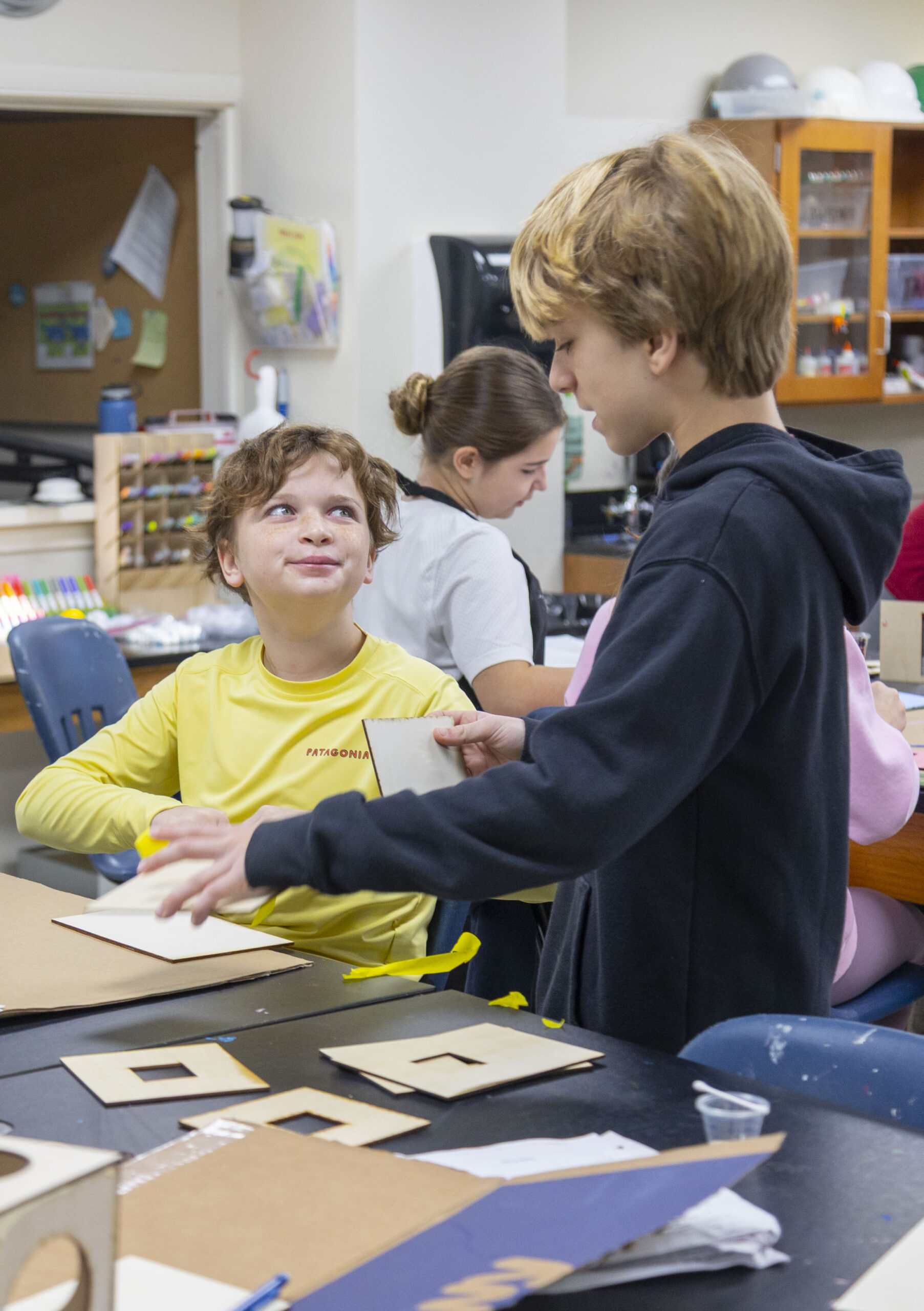
Next, they assumed the role of an architect, and each student developed blueprints for their bedroom creations. To do this, they were given graph paper with units of one square equaling a half foot and size parameters:
- No more than 24 feet in length
- No more than 12 feet in width
- A total floor area of no more than 260 square feet
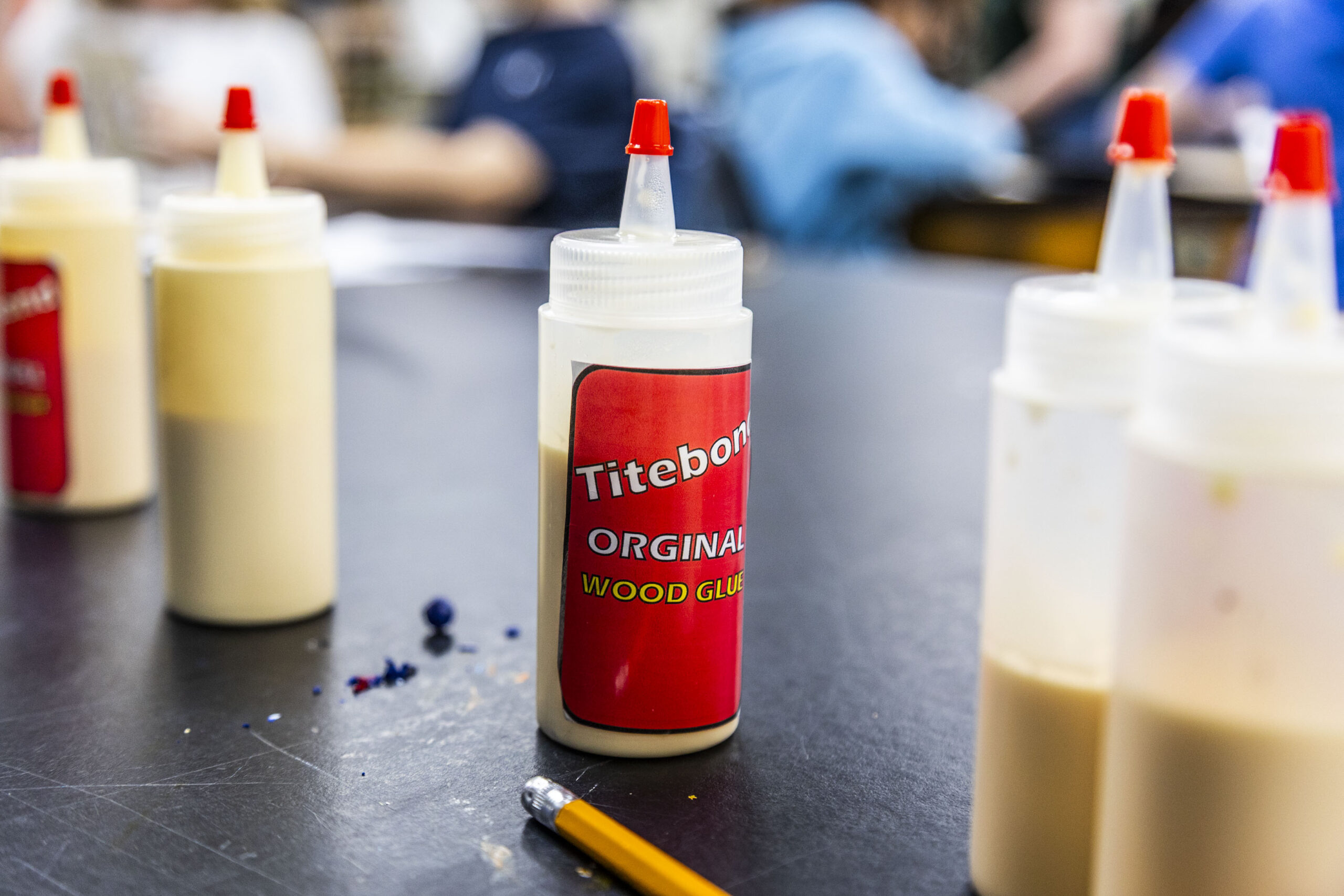
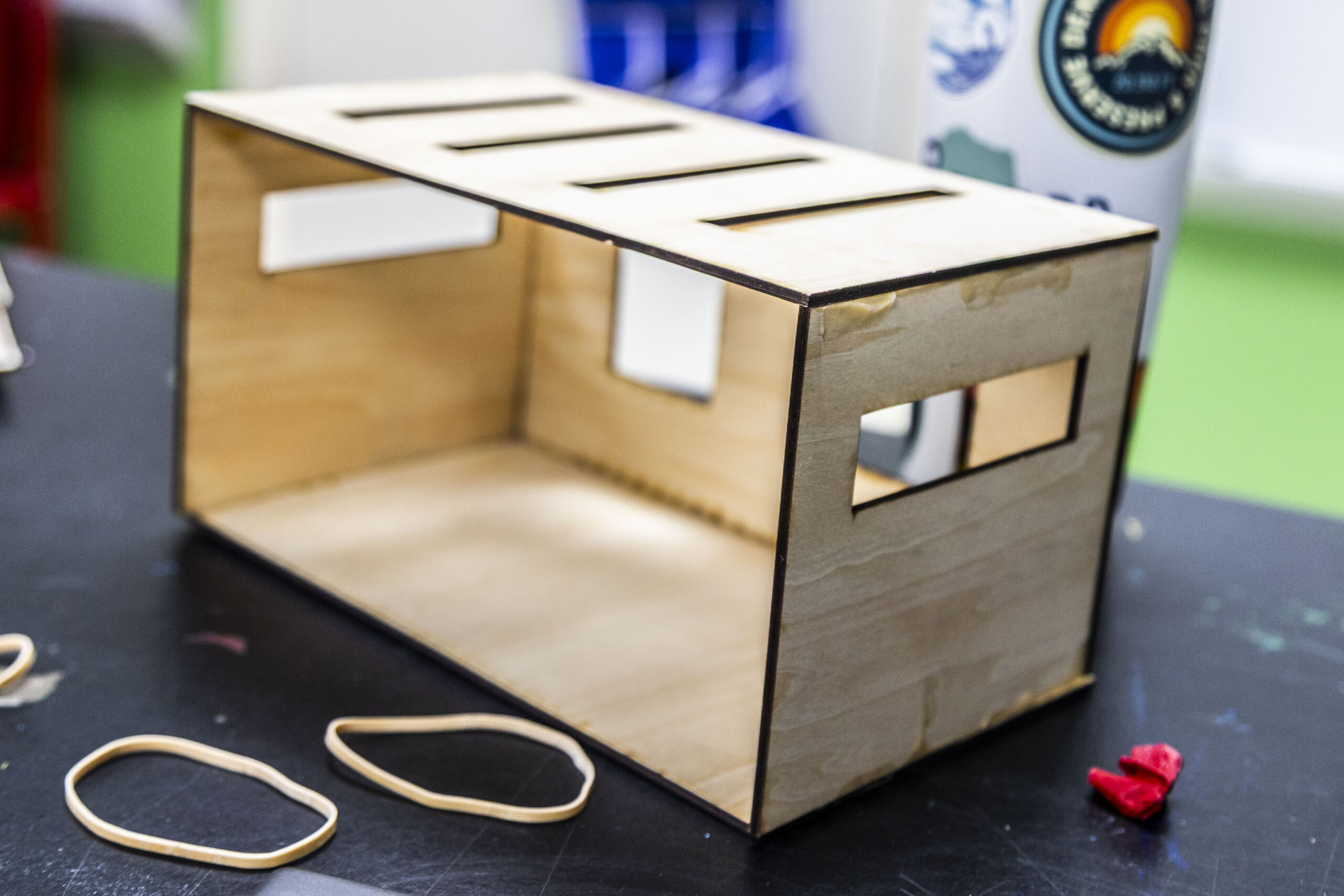
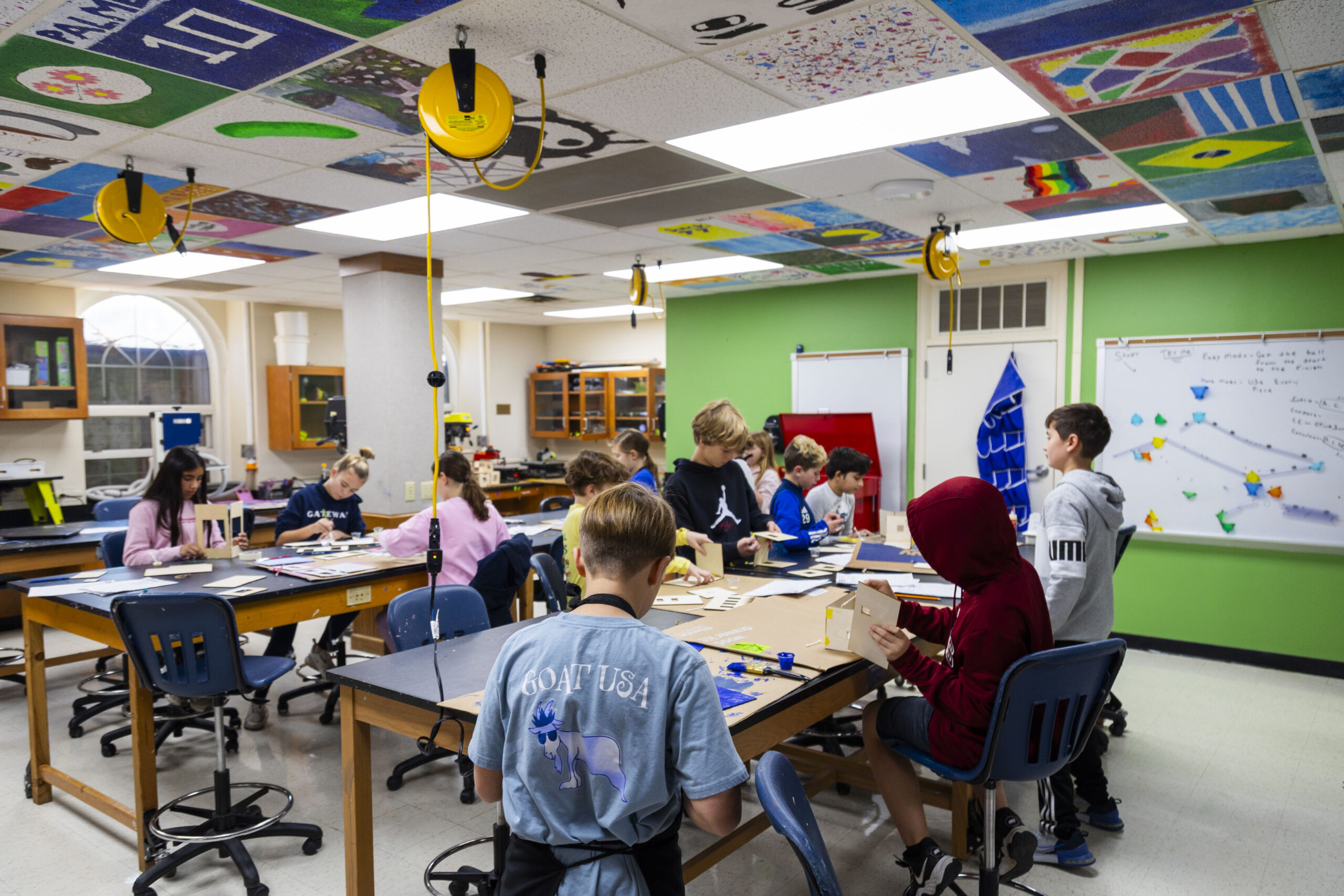
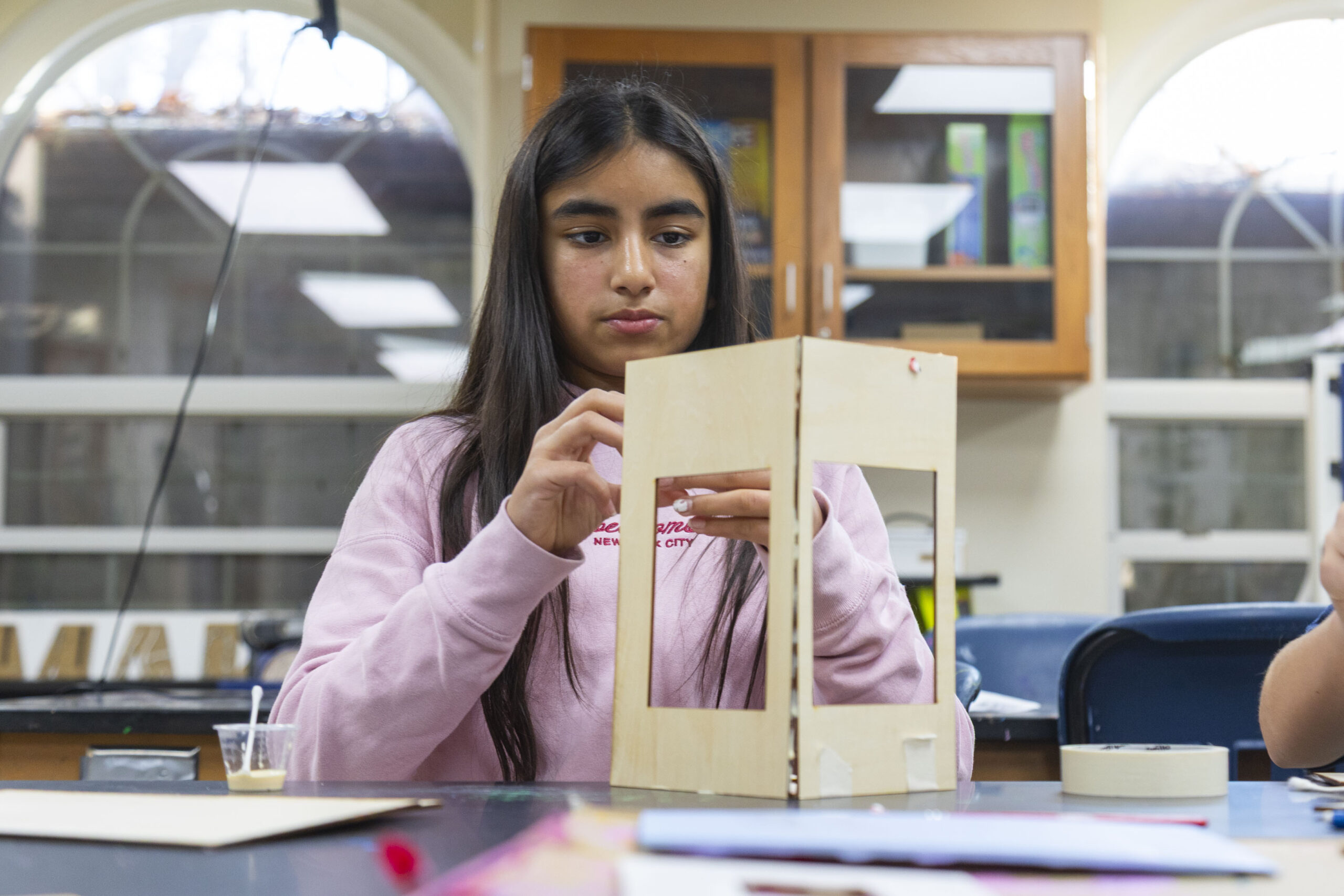
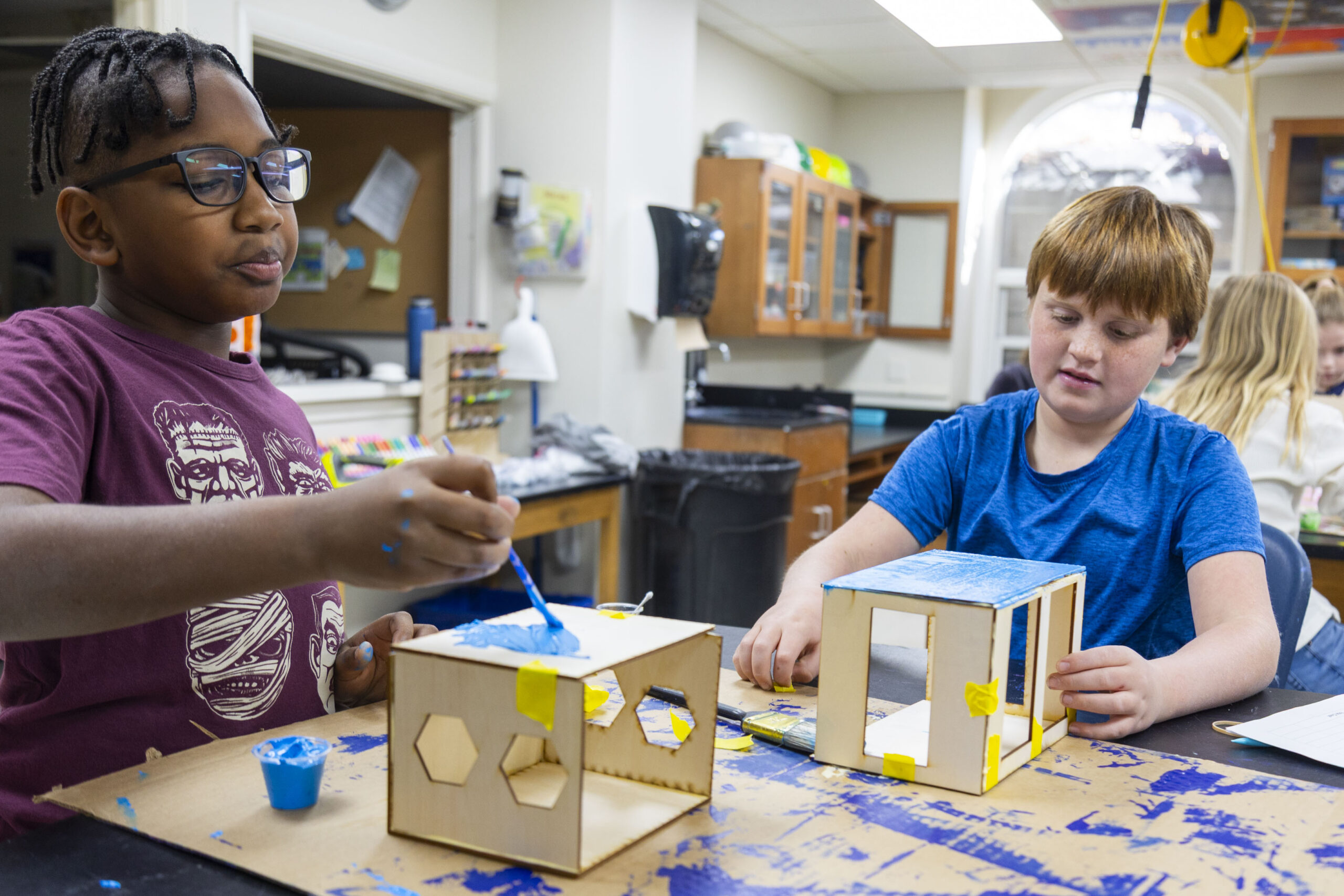
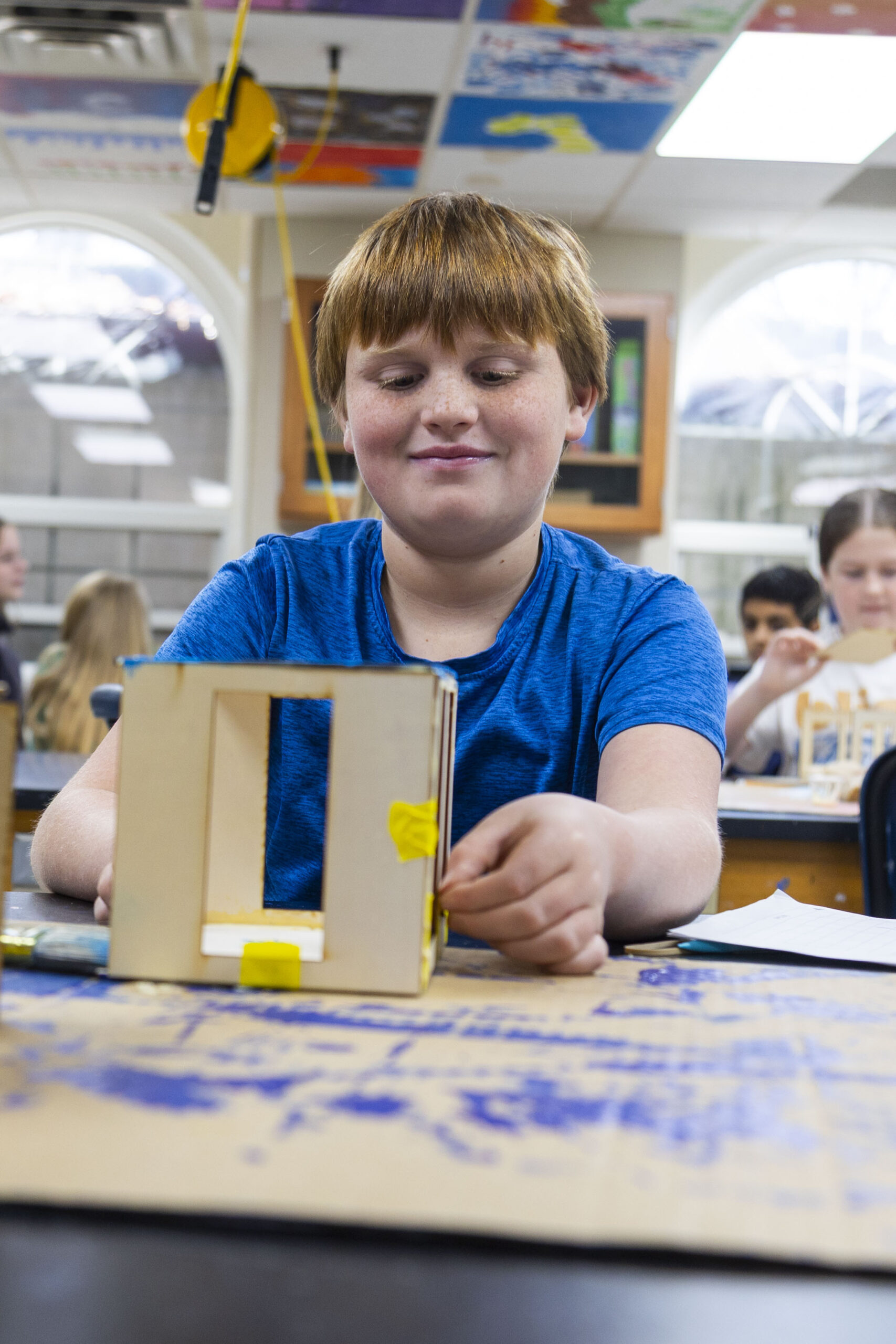
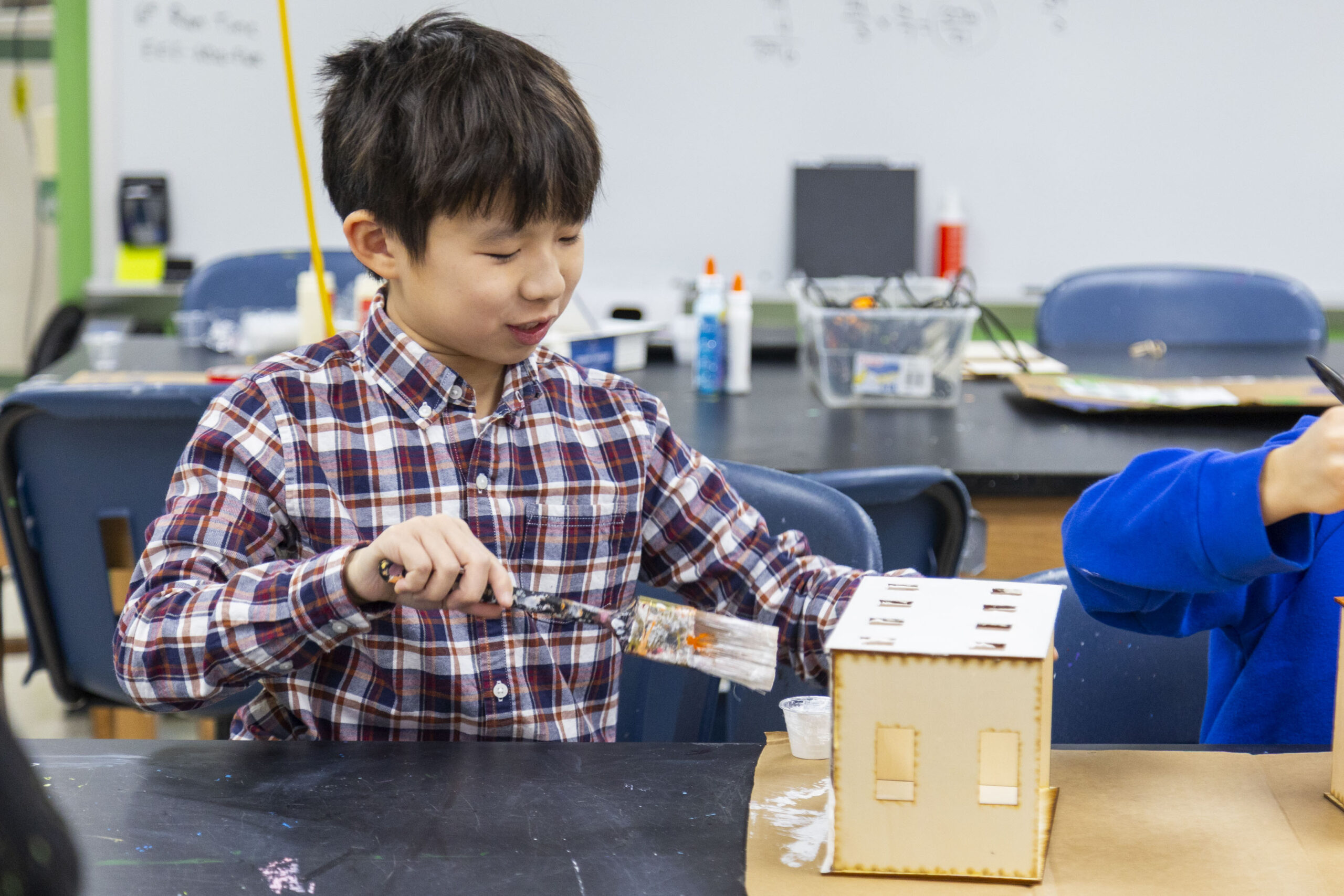
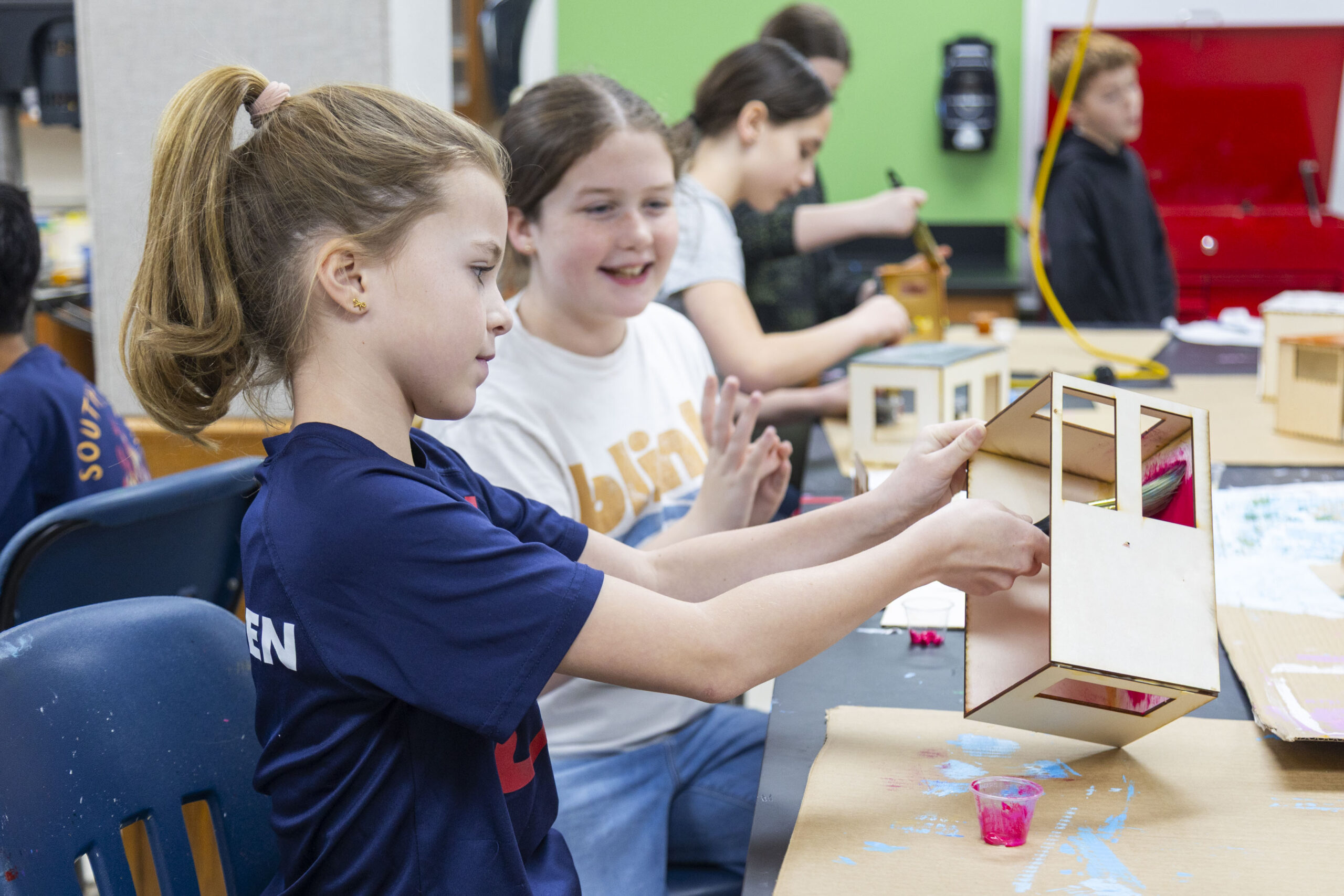
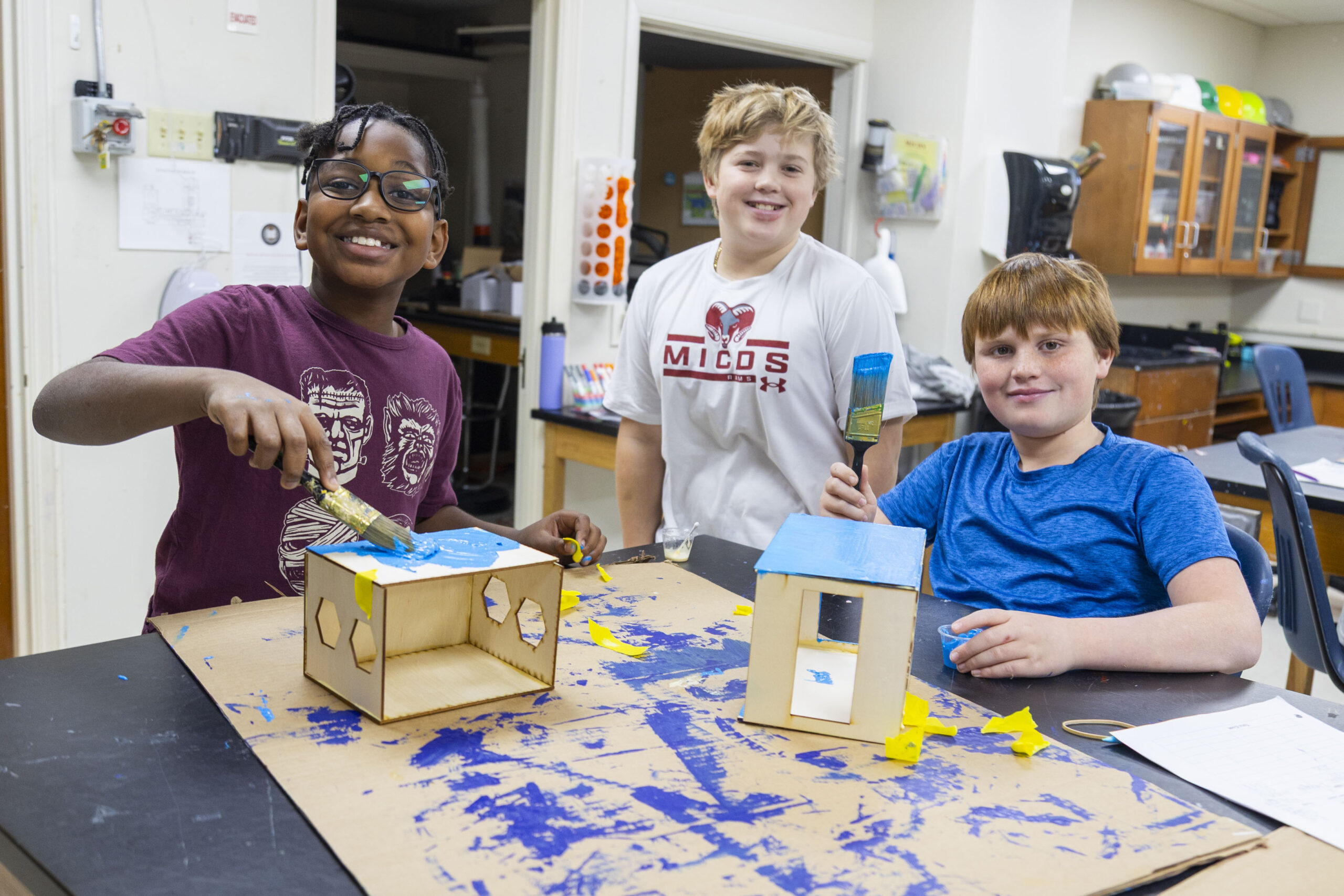
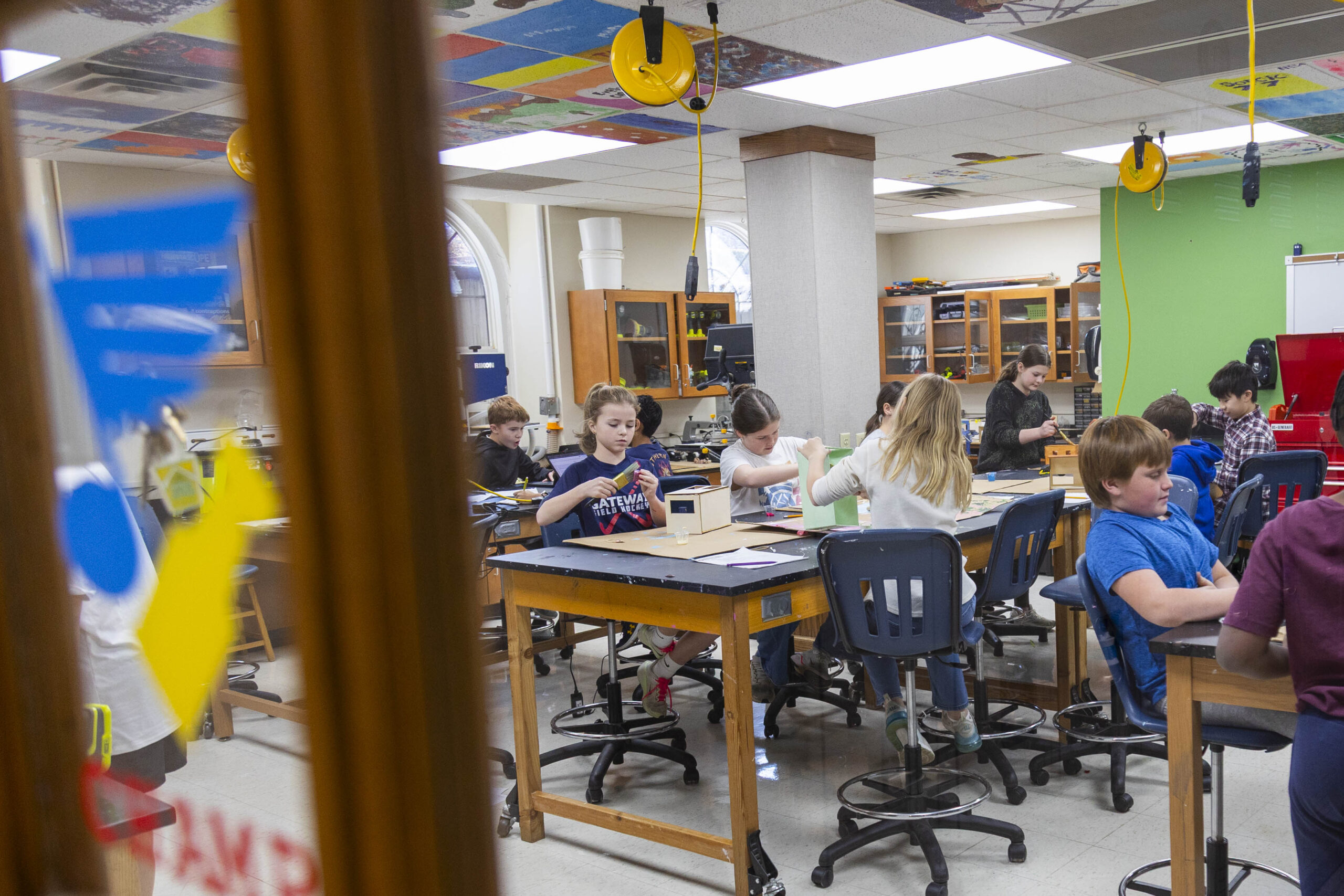
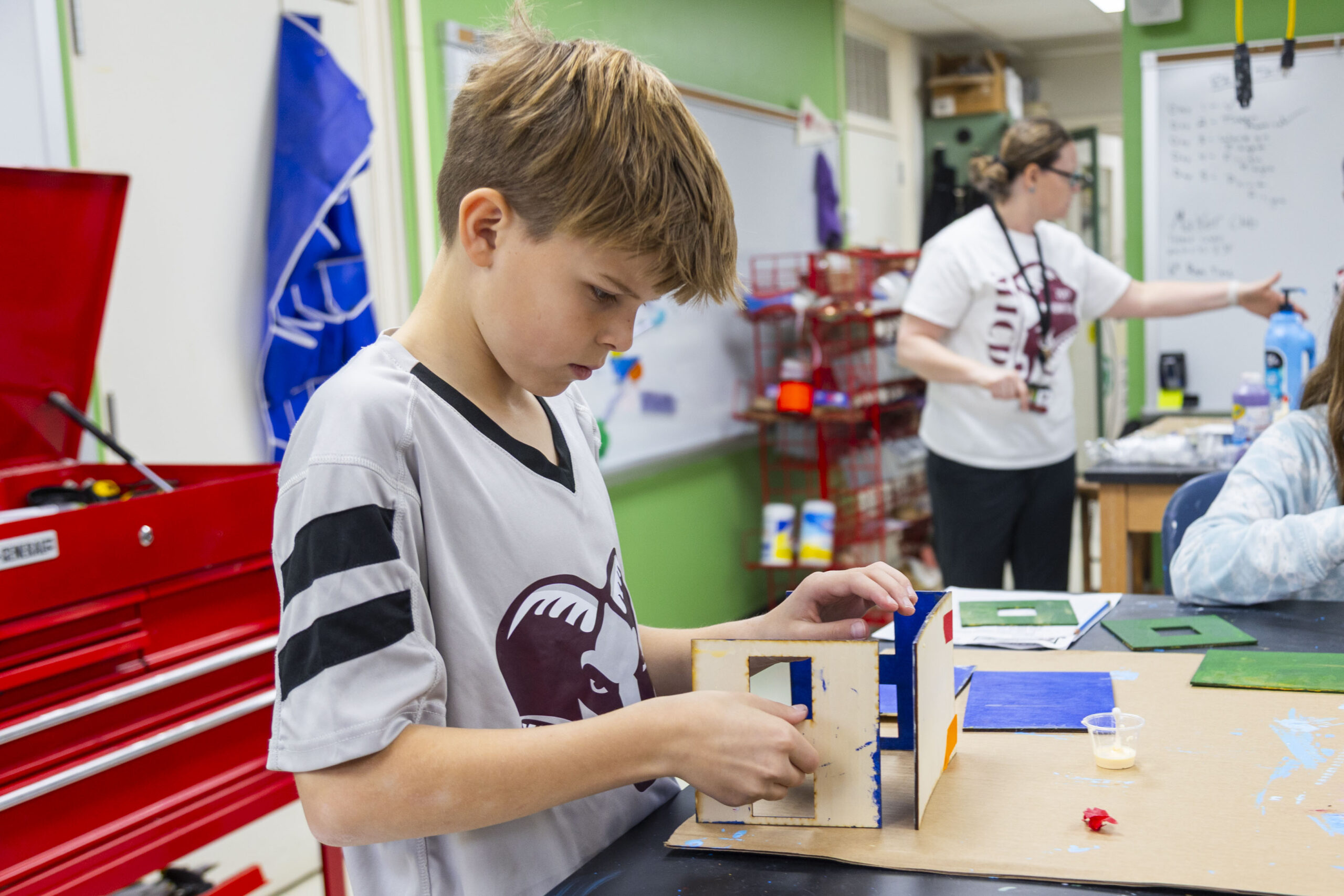
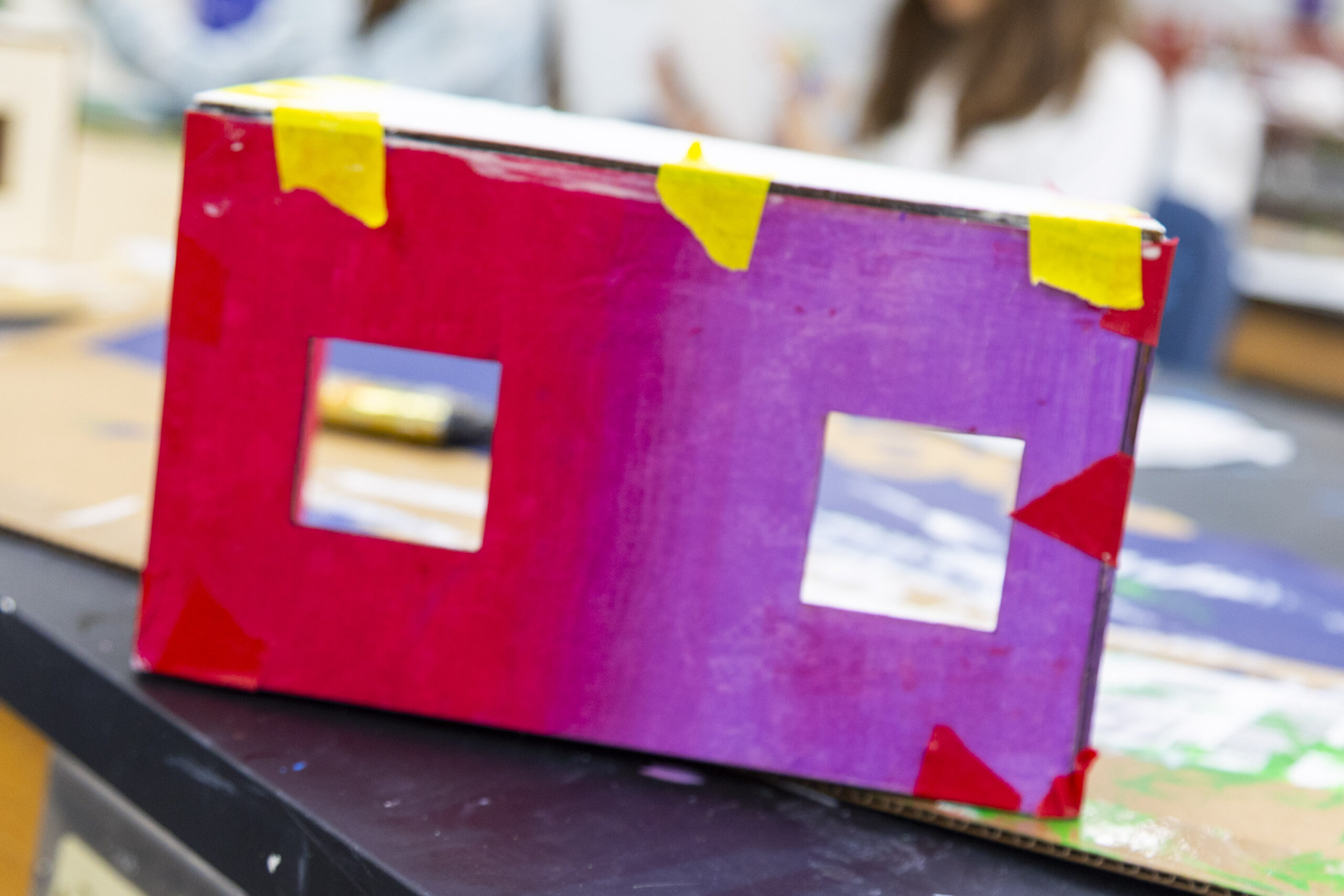
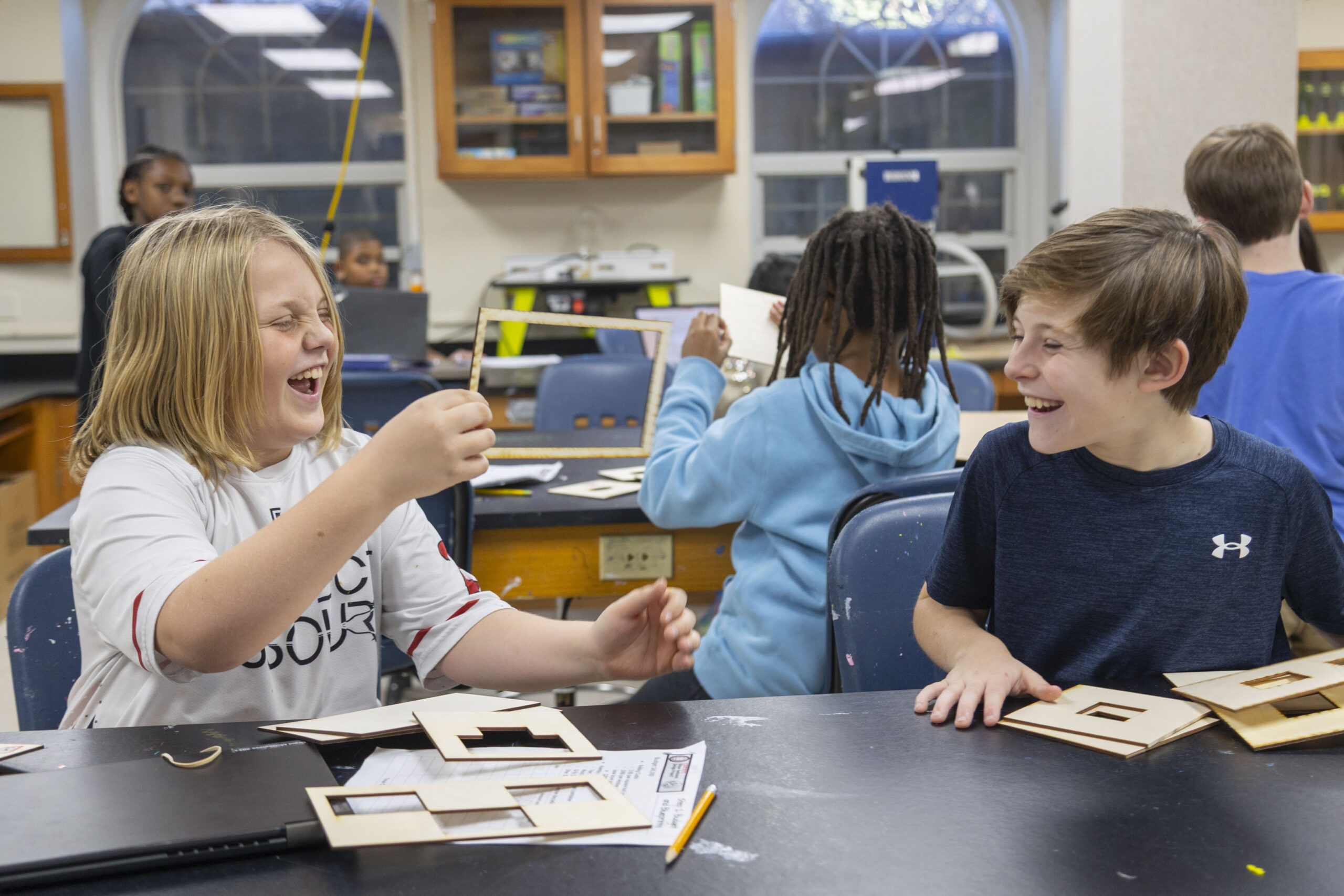
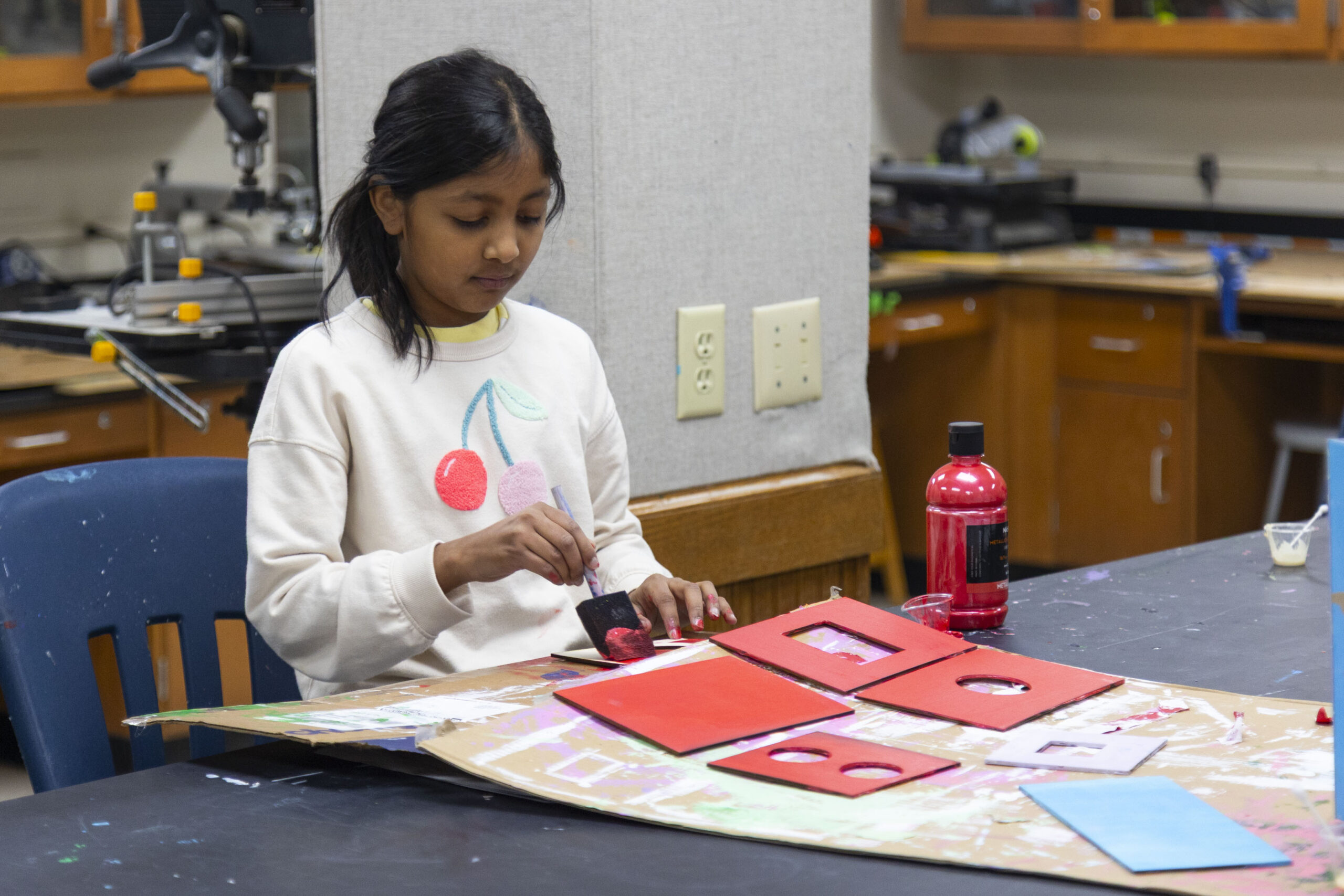
Once their floor dimensions were established, the student architects began designing the ceiling and each of their three walls with a height of less than or equal to 12 feet and with any windows or doors to scale. They only designed three of the walls, though. After finishing the plans for their room designs, they visited the makerspace to build the bedrooms! The missing fourth wall enabled them to assemble all the pieces of their dream bedrooms and share their work with their classmates and teacher.
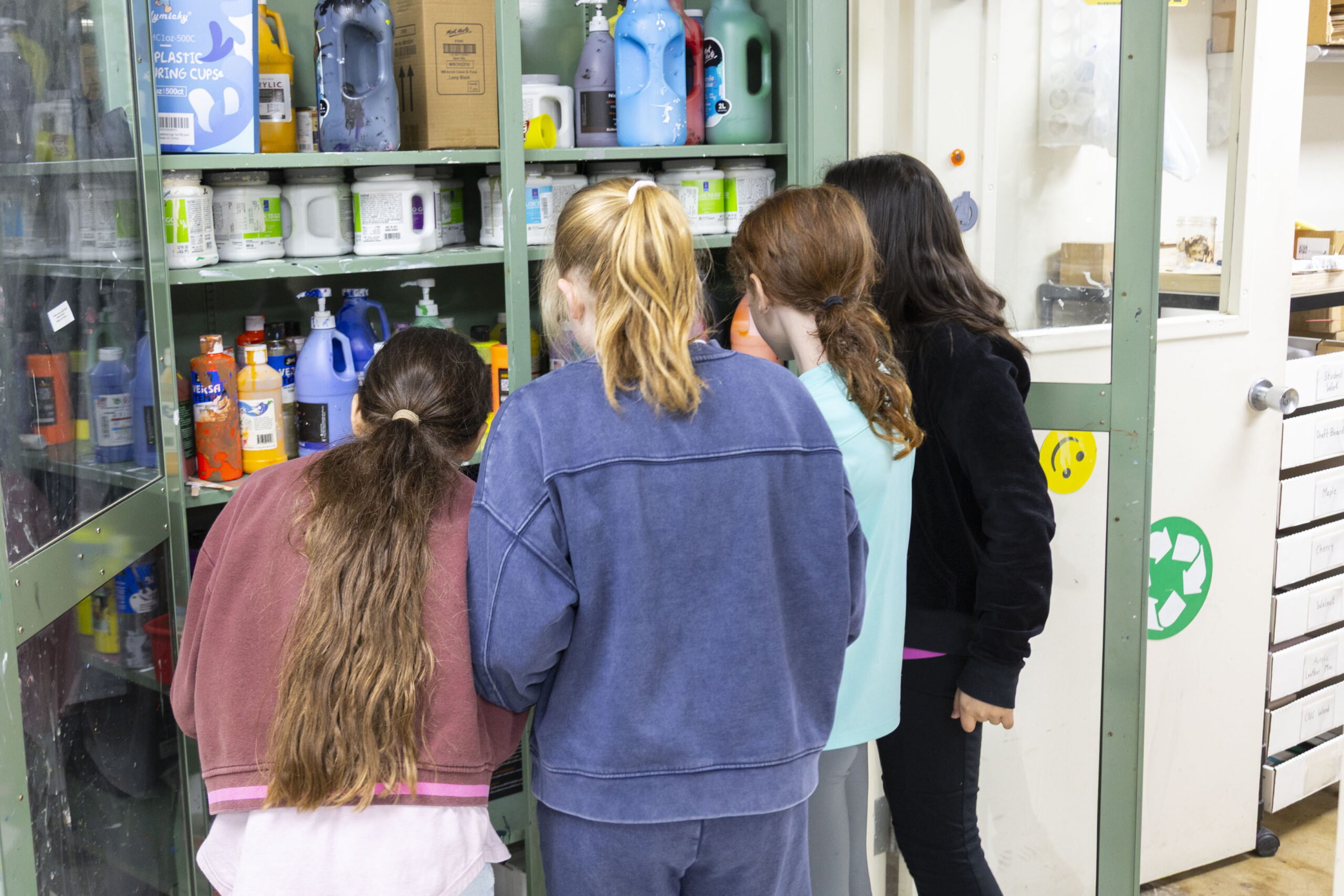
Now, in the second semester with finished blueprints in hand, students will use their math skills again to calculate the amount of each material needed. They’ll calculate their various costs based on the supplied pricing information, such as paint at $225/unit (one unit covers 50 square feet), wallpaper at $5.50 per square foot, carpet at $6.25 per square foot, and tile at $6.50 per square foot. In a grid format, they will note the surface area, material, amount purchased, and cost. With worksheet pages to help, they will calculate the square footage of the walls, being sure to subtract areas like windows and doors that don’t require paint or wallpaper.
Lastly, students will put the finishing touches on their bedrooms by deciding what furniture they need, using sizes to calculate what would fit, and where it will be located. Additionally, they used 3D printing pens to create and design a scaled-down bed. “They chose between twin, full, queen, and king actual measurements, deciding what would actually fit inside their room,” explains Ms. Jones. “They then scaled the dimensions down to fit our graph paper and ‘built’ the beds using the 3-D printing pens.” The 3D printing pens were an engaging, developmentally appropriate tool for the fifth graders. The pens allow students to have more control over the build, rather than a printer doing all the work. “It was a great challenge for them to figure out how to make the beds three-dimensional,” Ms. Jones adds. “They also enjoyed choosing colors and patterns. Some students even made pillows, blankets, rugs, and bedside tables.”
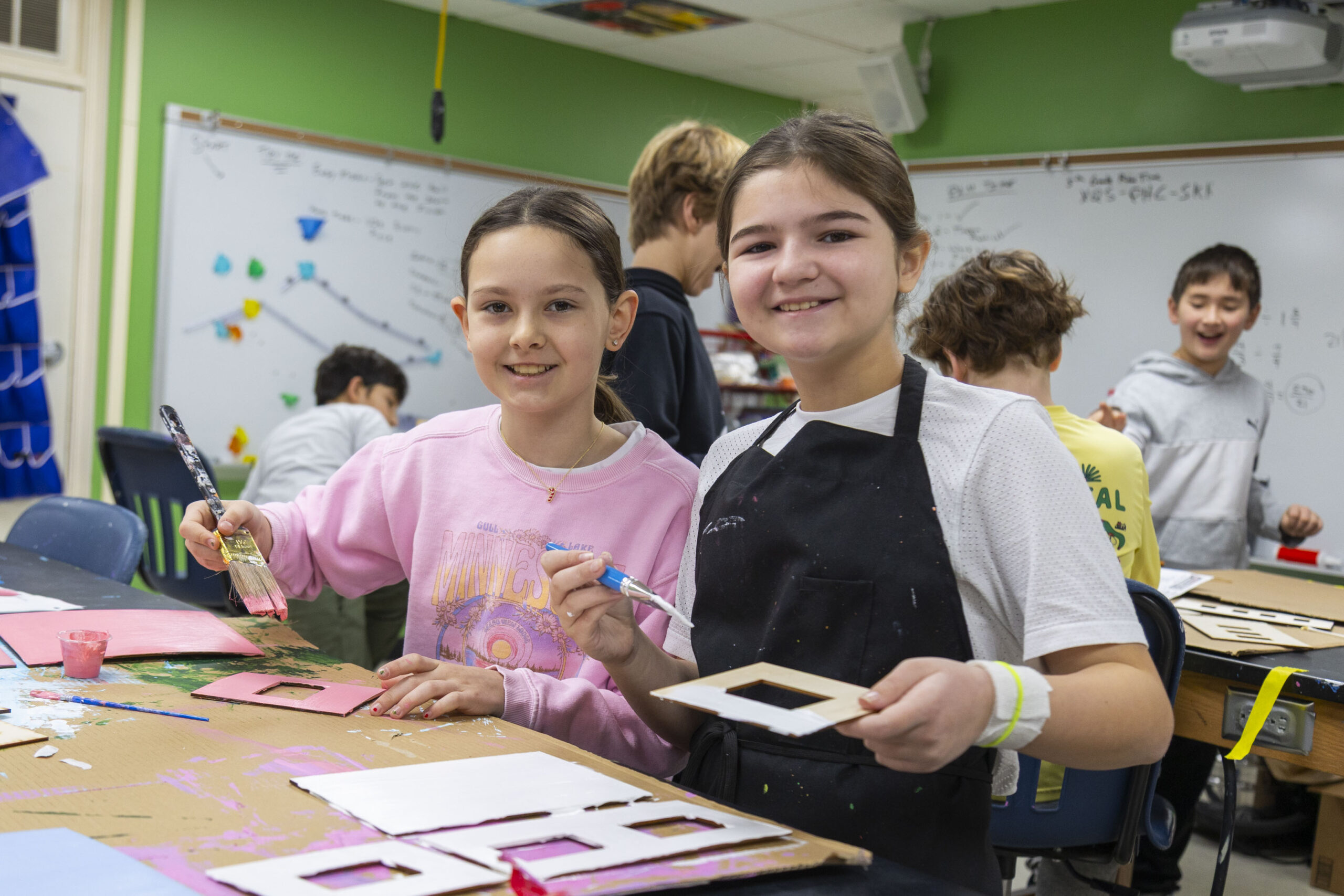
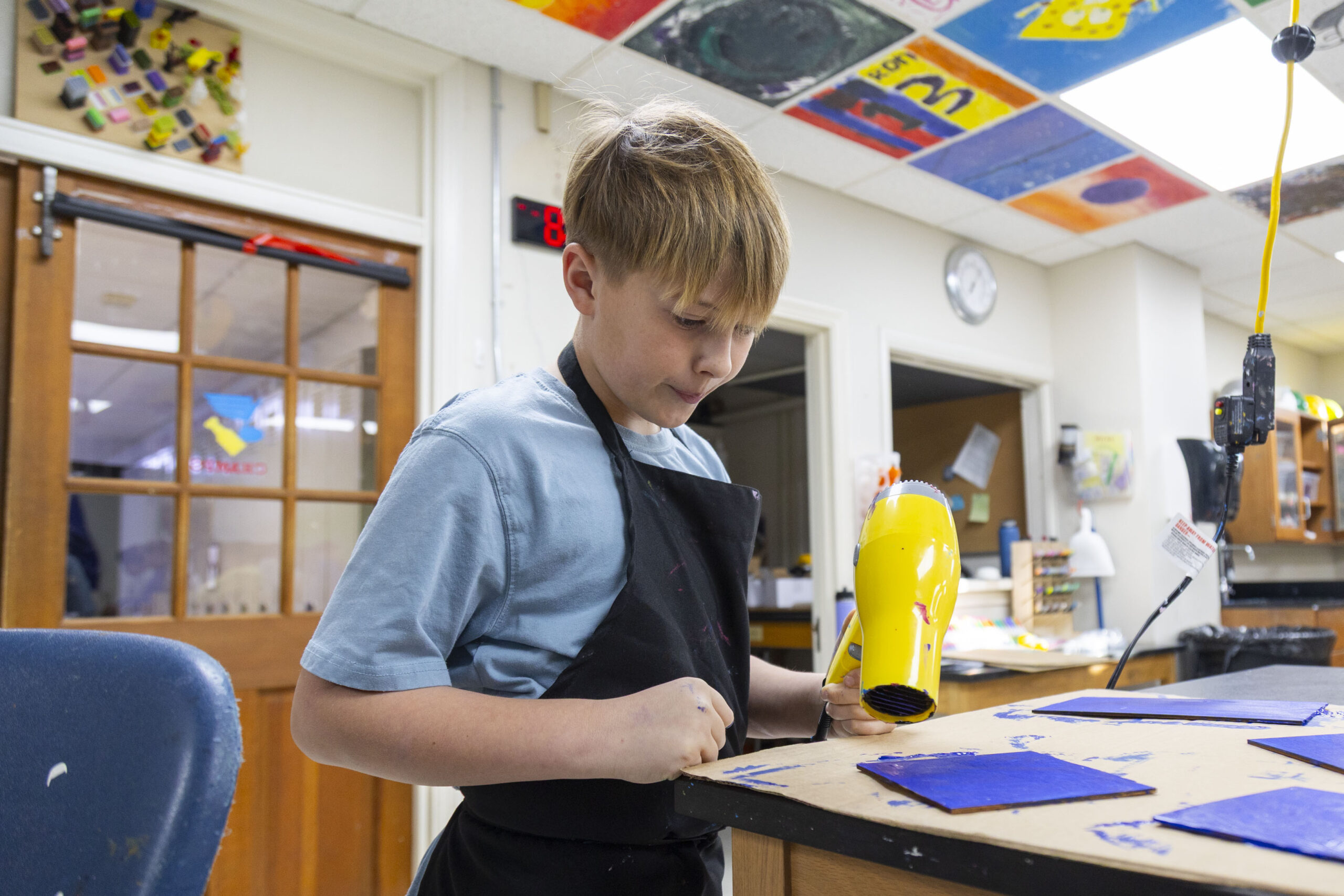




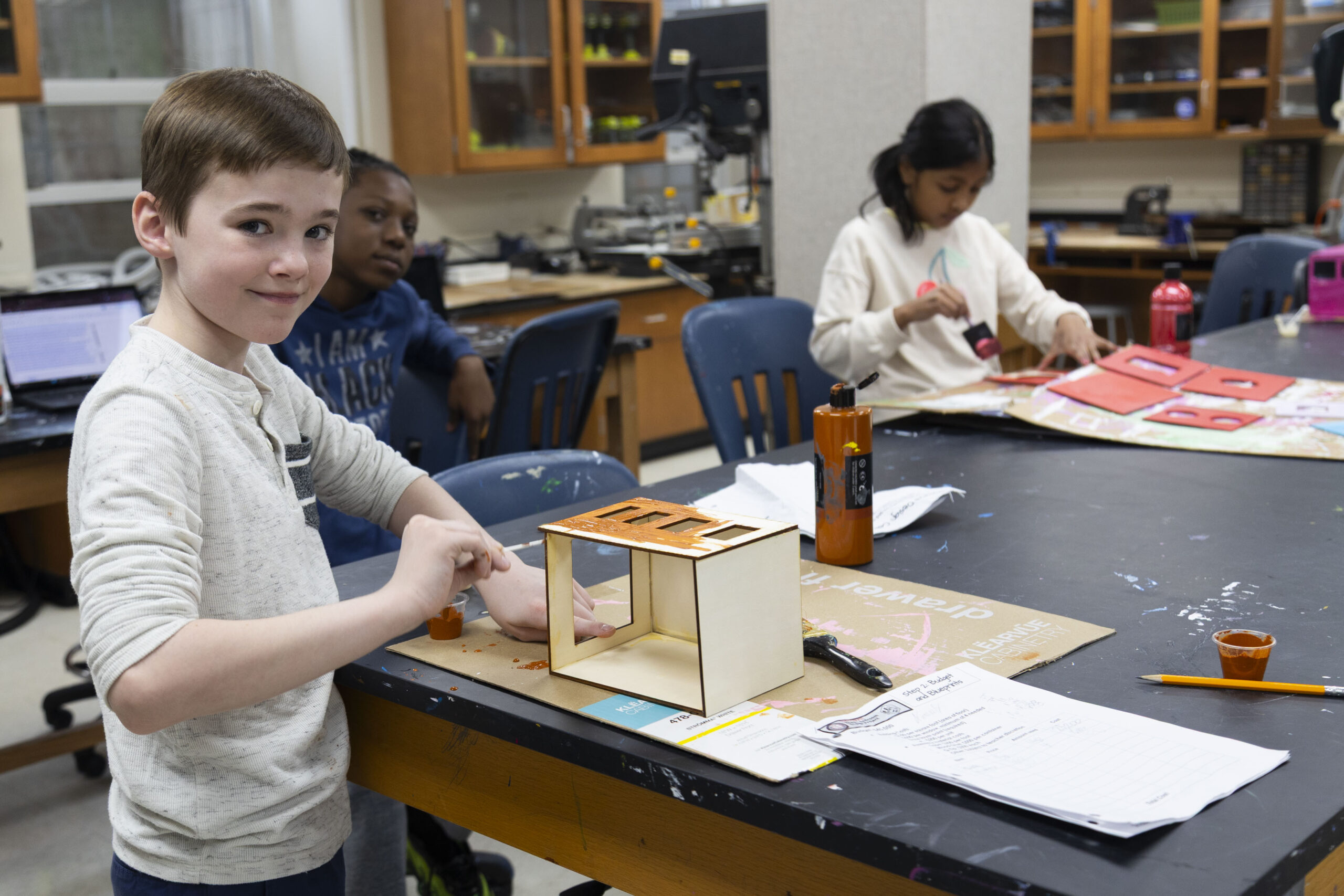
We are excited to see these fifth-grade students continue perfecting their dream bedrooms with their budding math skills. Ms. Jones reflects, “I really enjoy seeing the kids apply the math we learn in the classroom to actual situations they will encounter in life.” Who knows—perhaps one of these students will be an architect or interior designer one day!
Way to go, fifth-grade mathematicians and architects!