How Content-Based Literacy Instruction Empowers Students to Demonstrate Learning Through High-Stakes Projects
By Liz Crowder, Lower School Literacy Coordinator
Did you know? Reading, research, and critical thinking skills are built directly into Lower School classroom projects—from our fourth graders building a medieval village to our third graders researching an animal—allowing students to demonstrate deep understanding and creativity. Our Content-Based Literacy Instruction integrates literacy skills (reading, research, comprehension, vocabulary, text structure) directly into project-based learning. What is Content-Based Literacy? Simply put, it means students learn reading, writing, and research skills while studying interesting topics like history and science. They are learning how to learn through the content. This allows students to demonstrate deep content mastery, critical thinking, and collaborative skills in tangible ways. The focus will be on the evidence of literacy skills embedded within the project design and creation process.
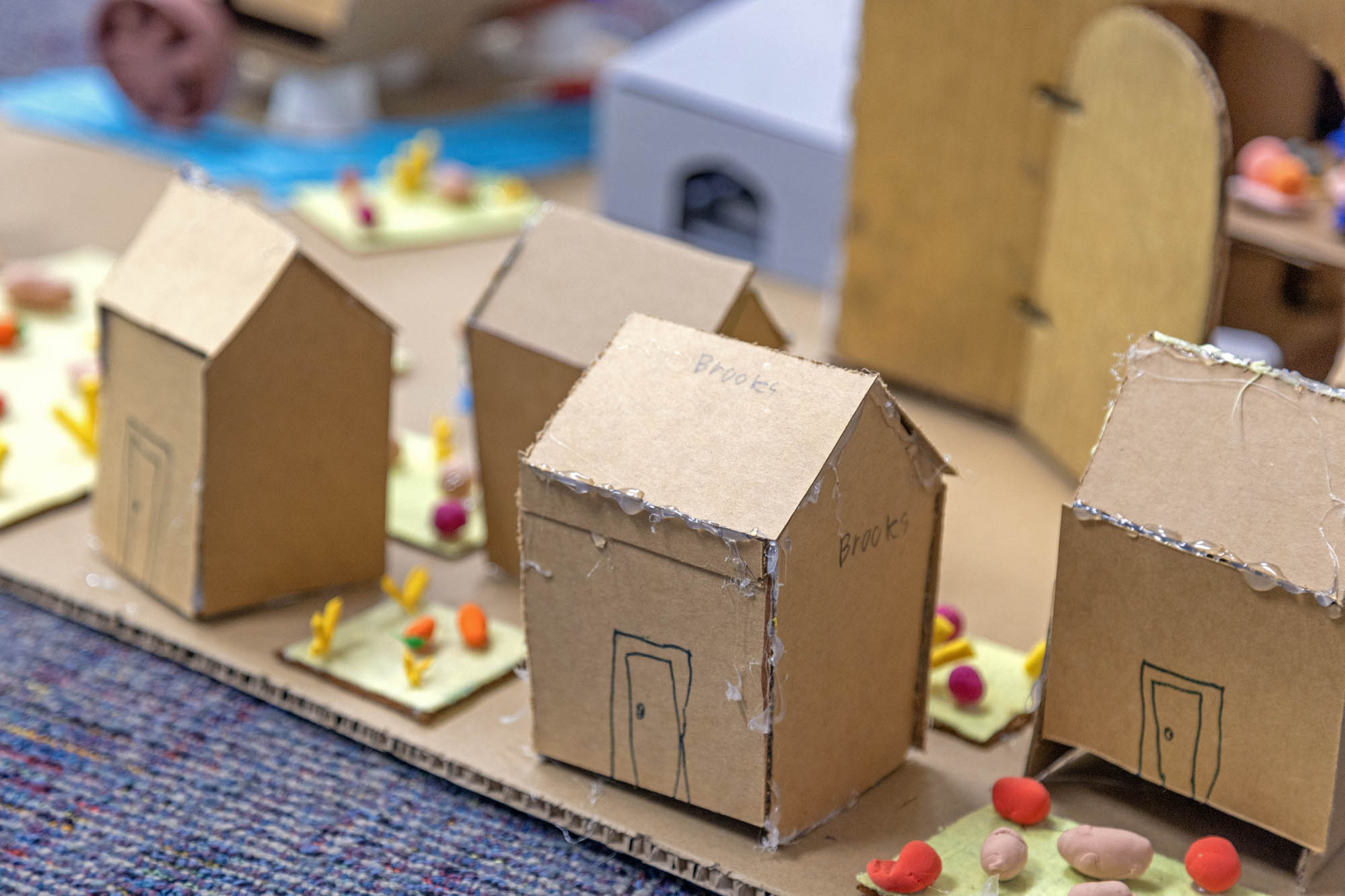
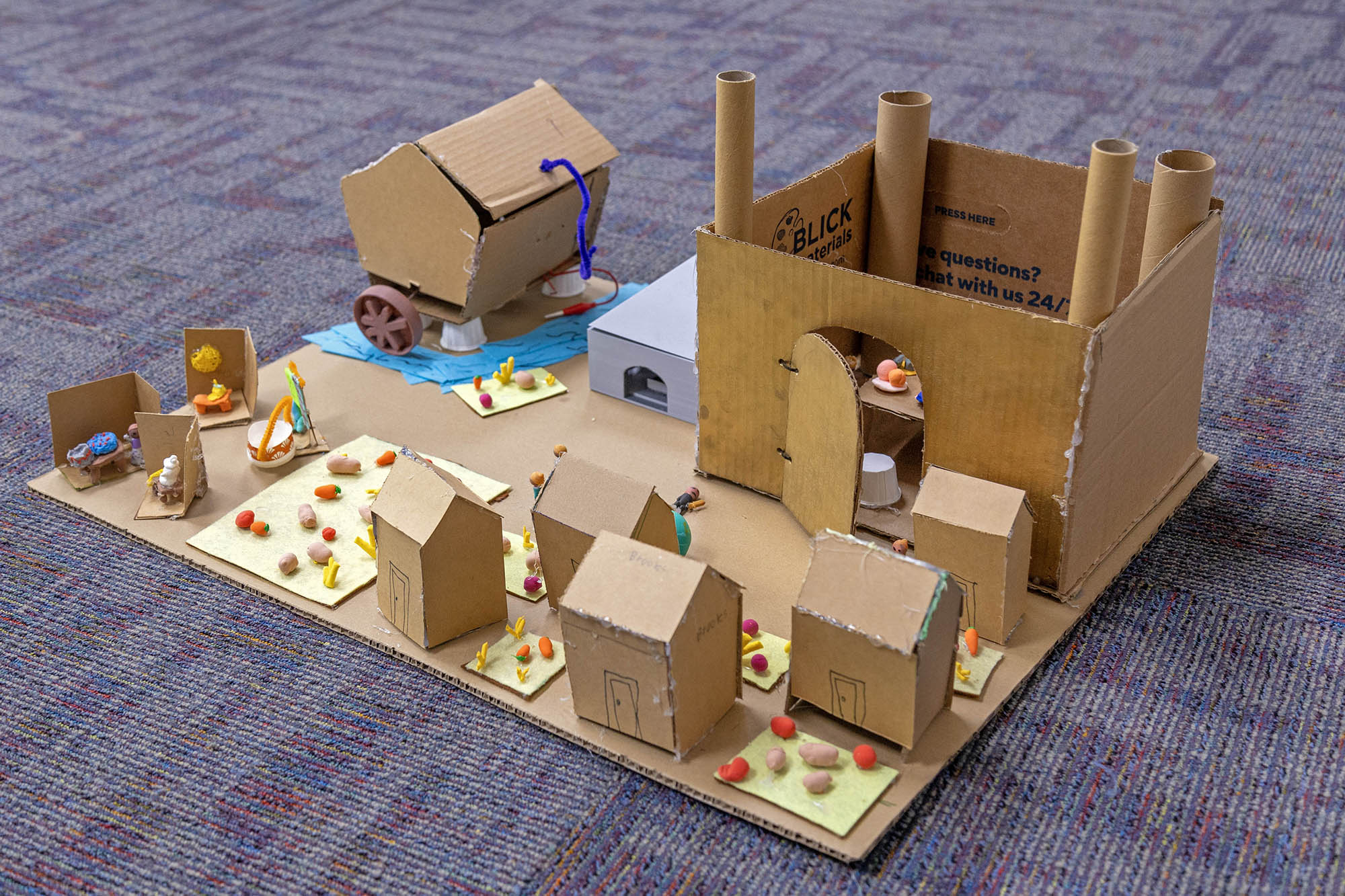
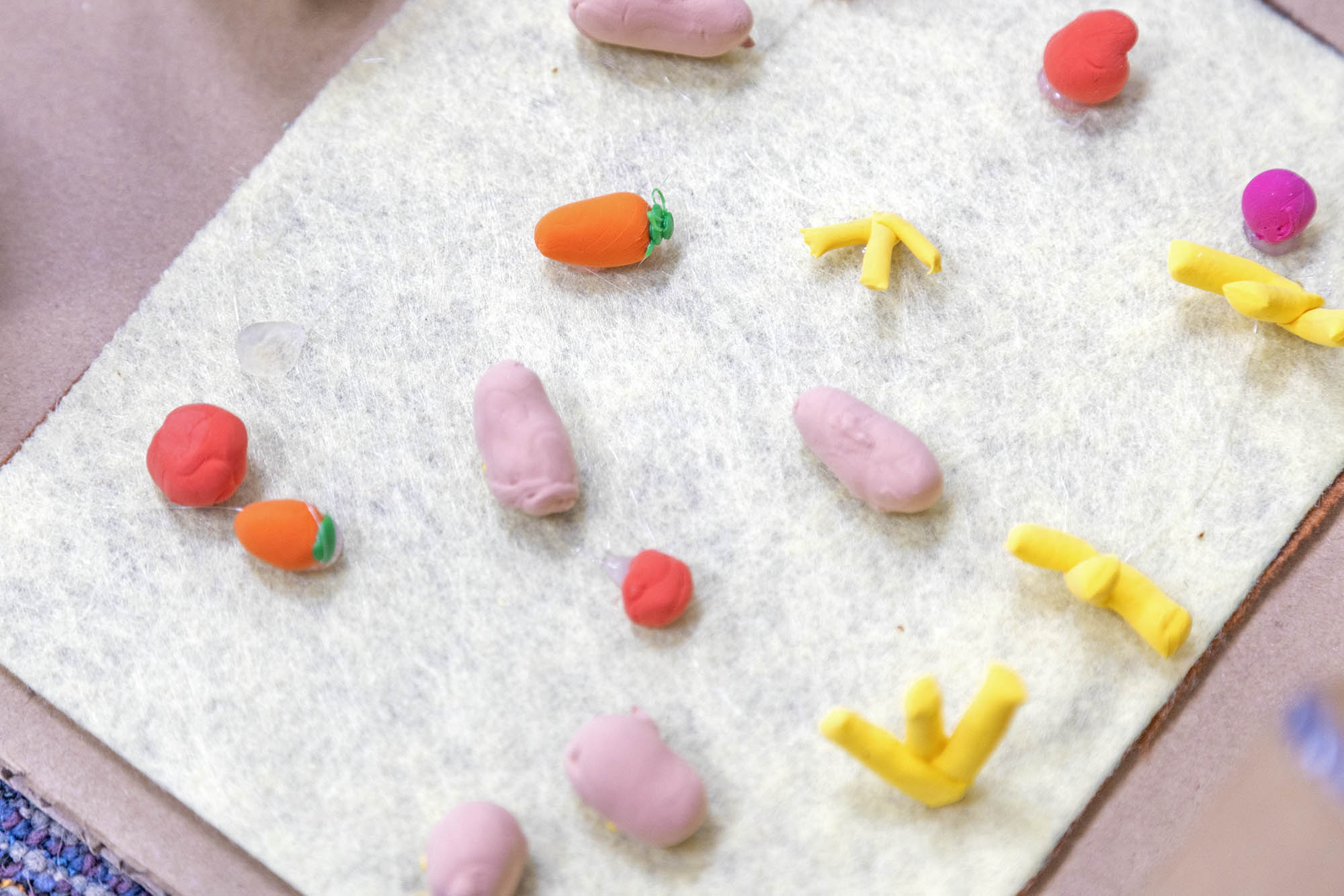
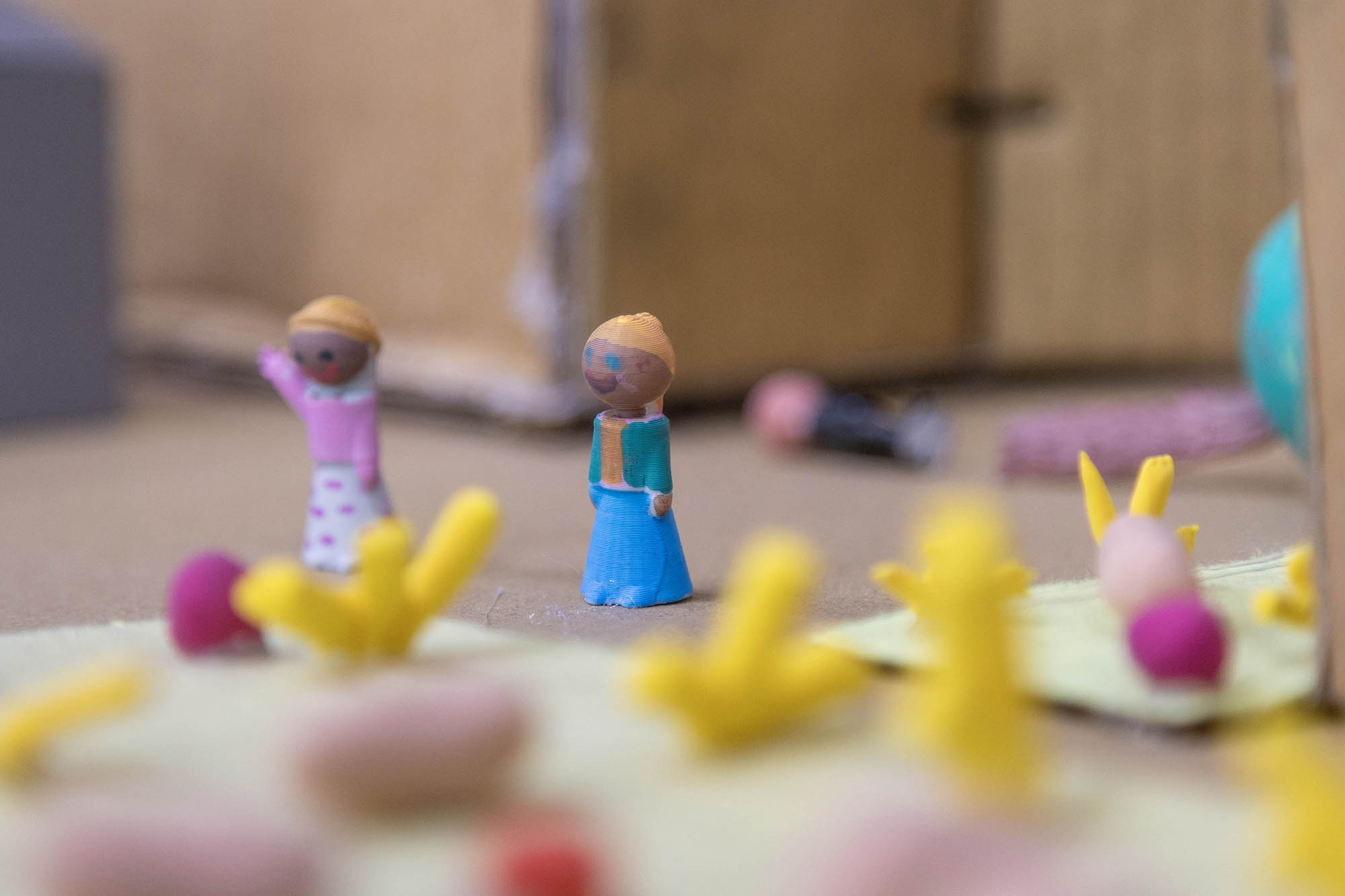
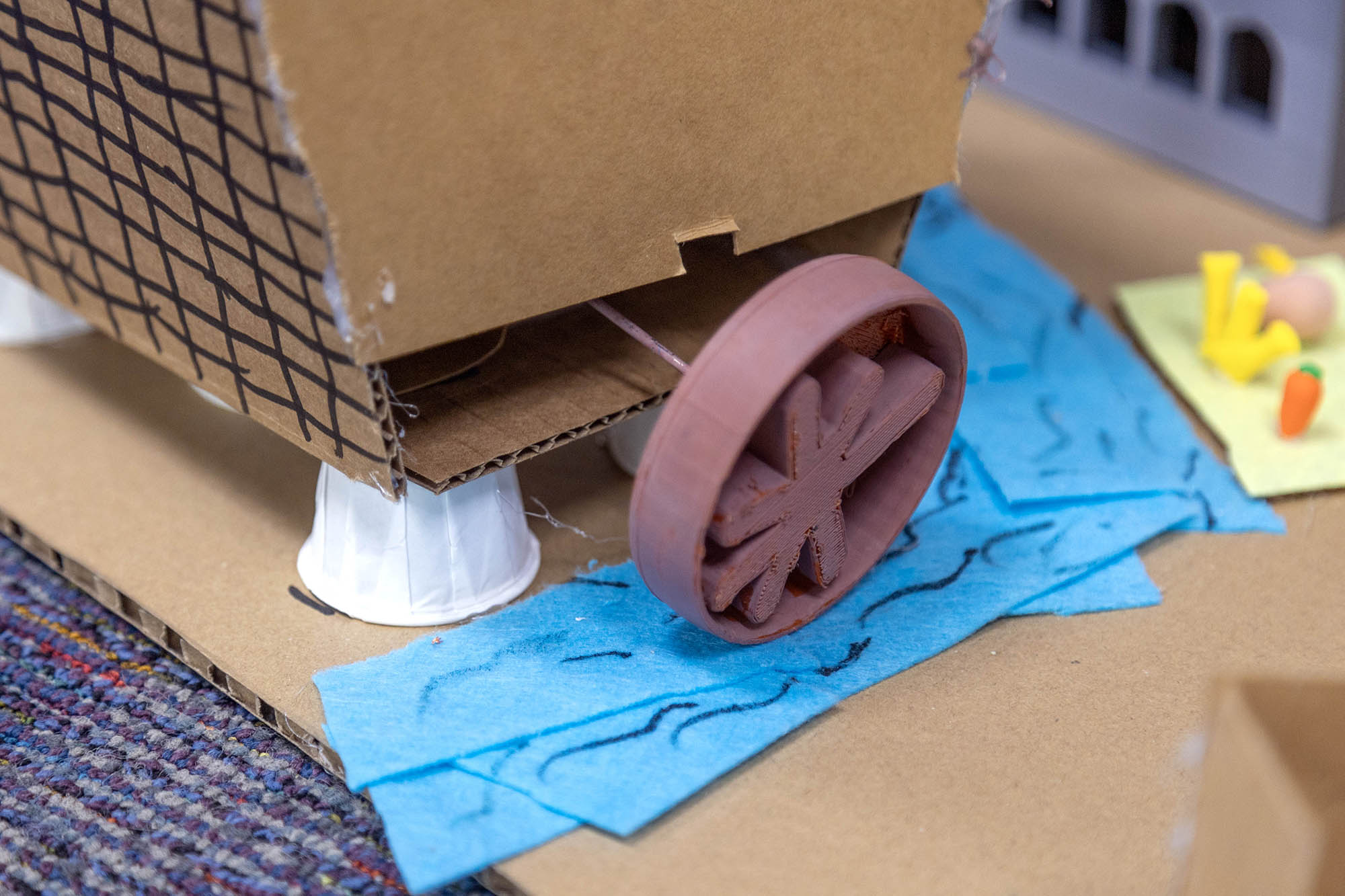
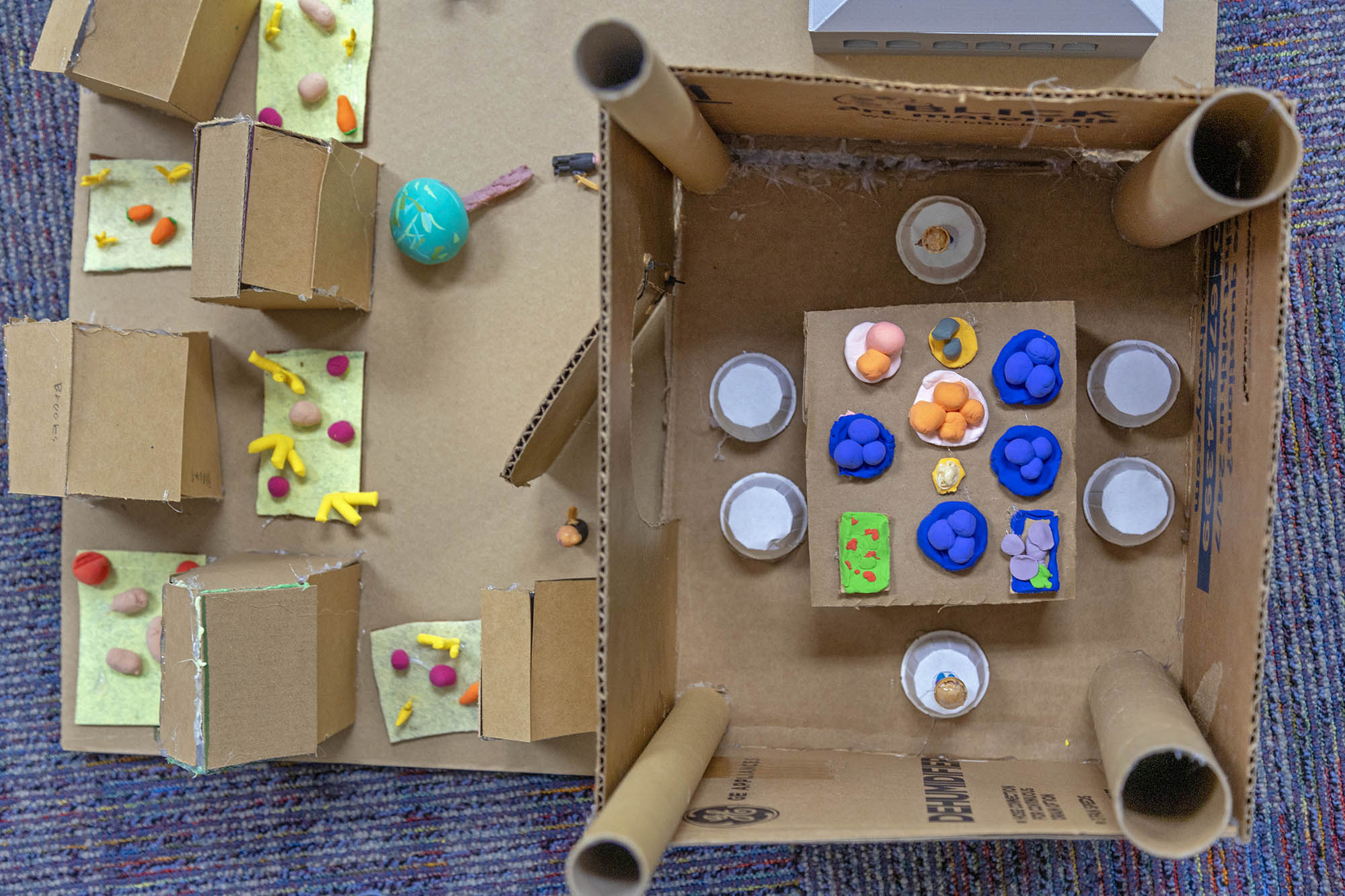
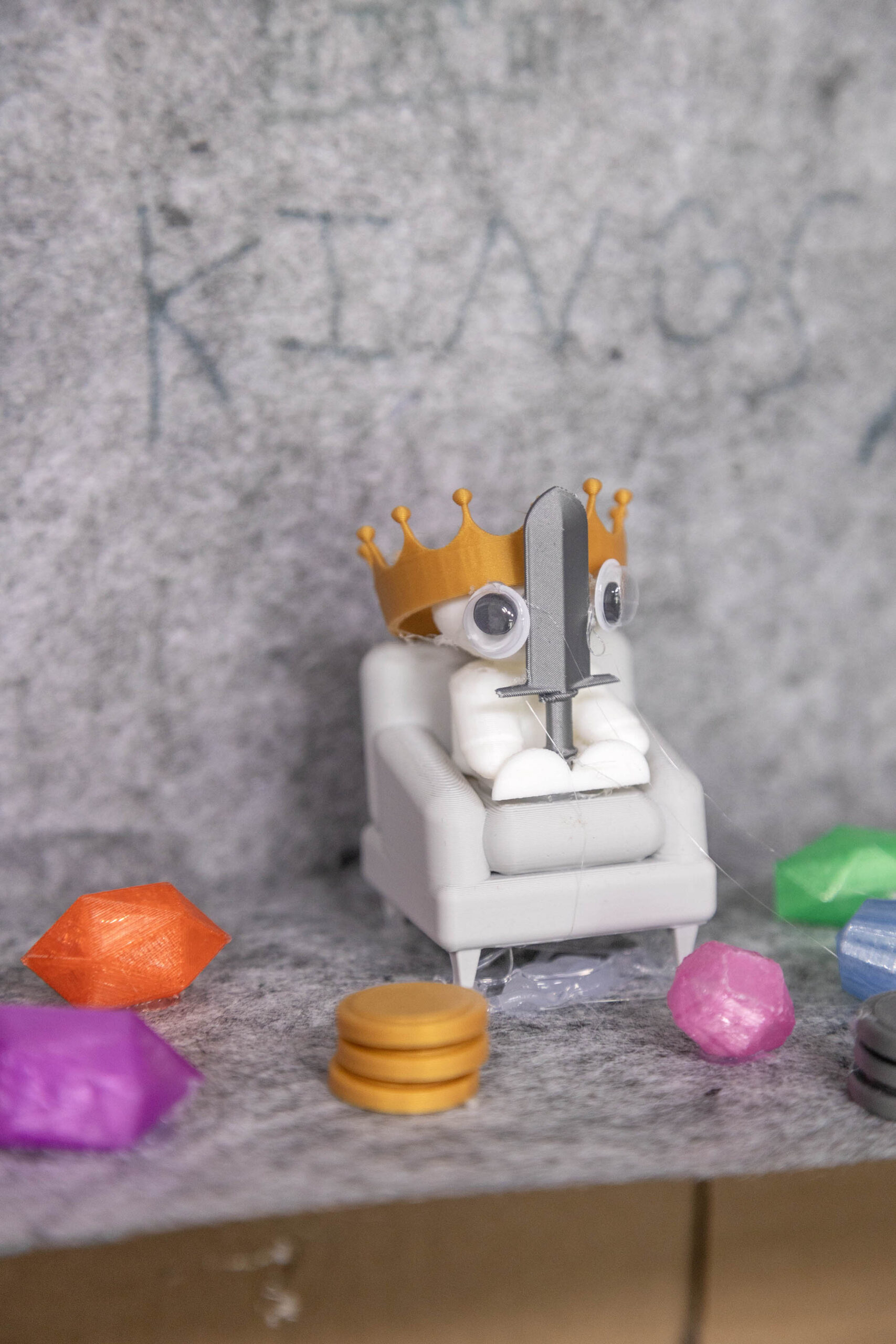
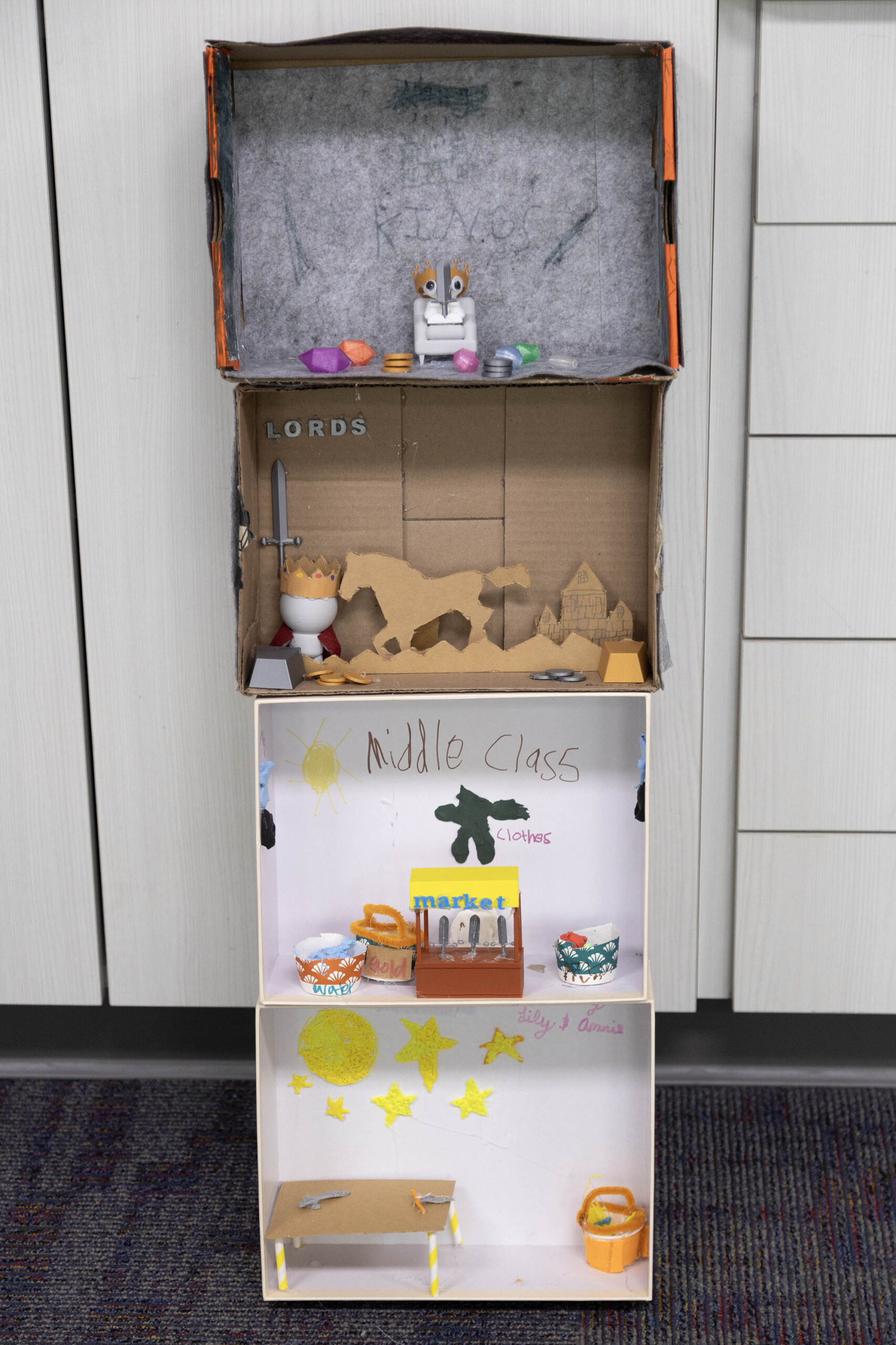
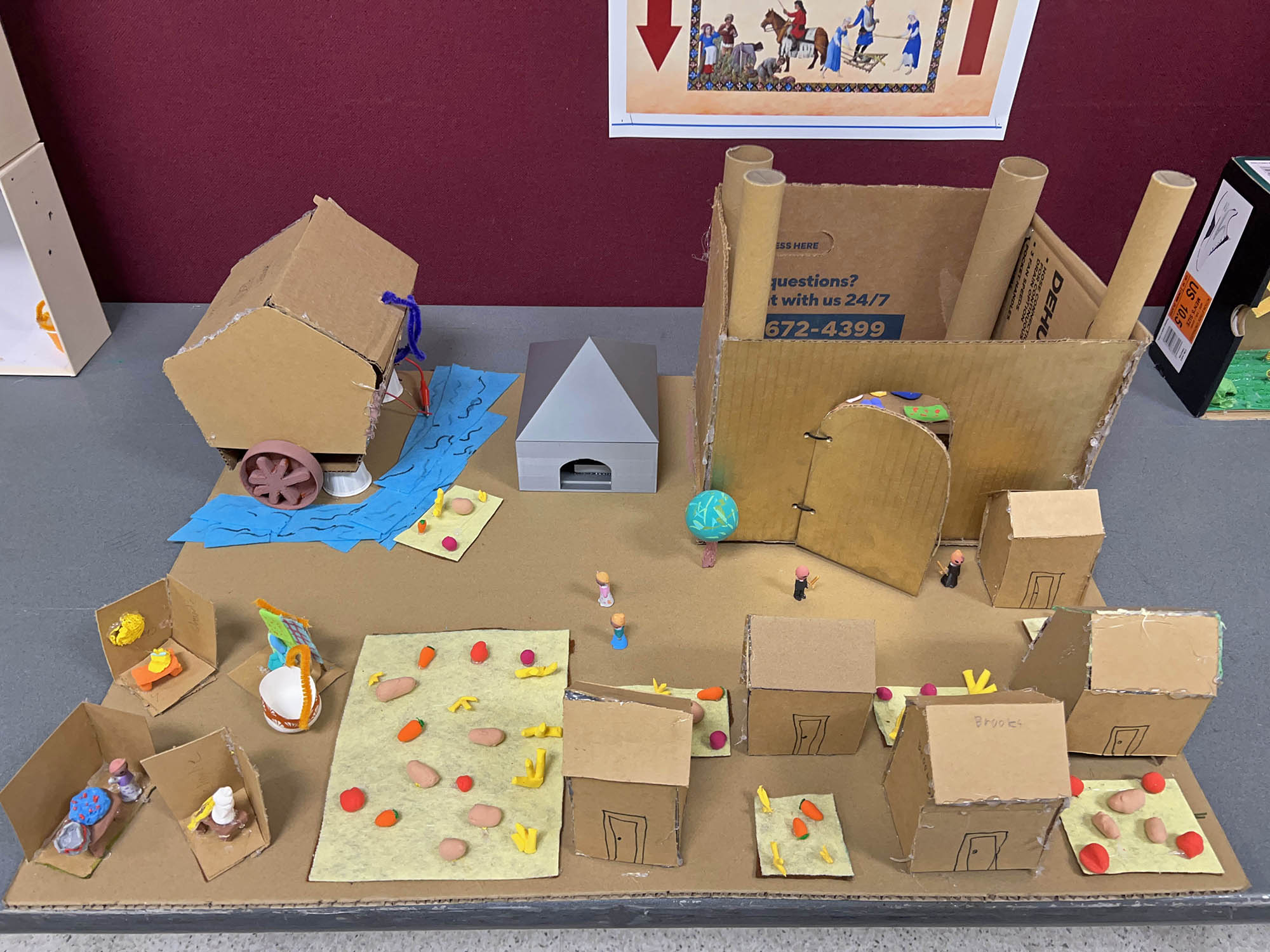
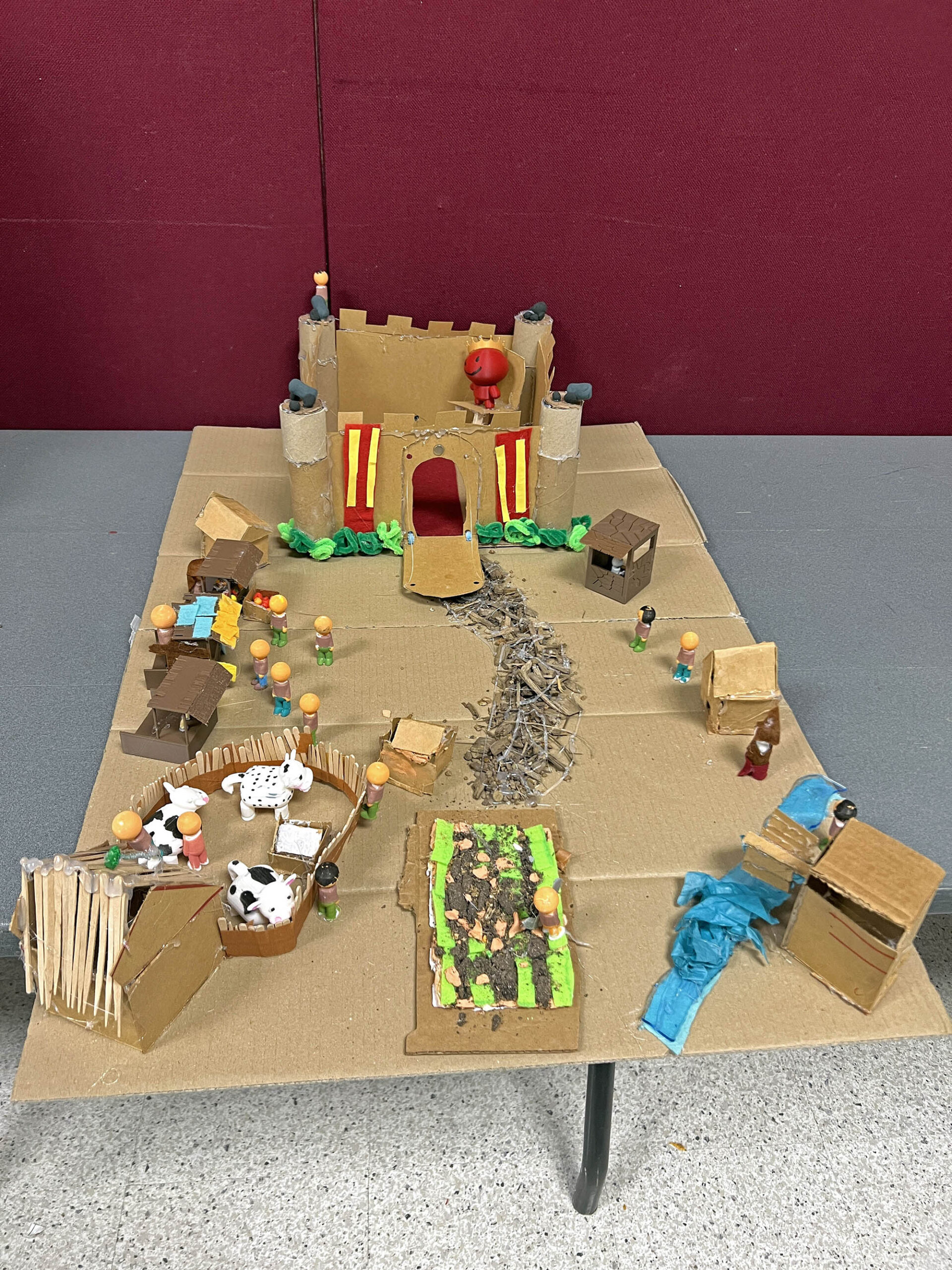
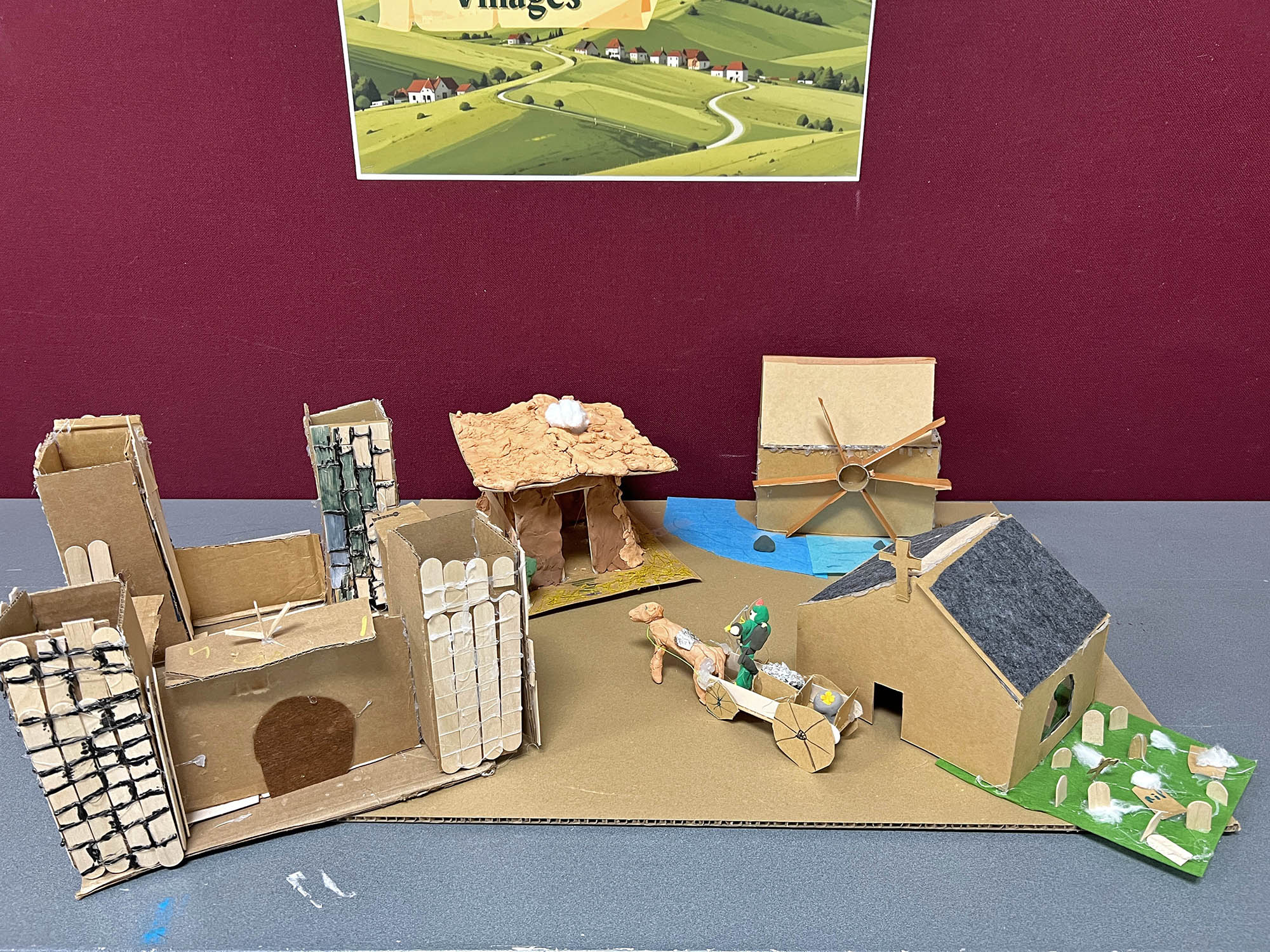
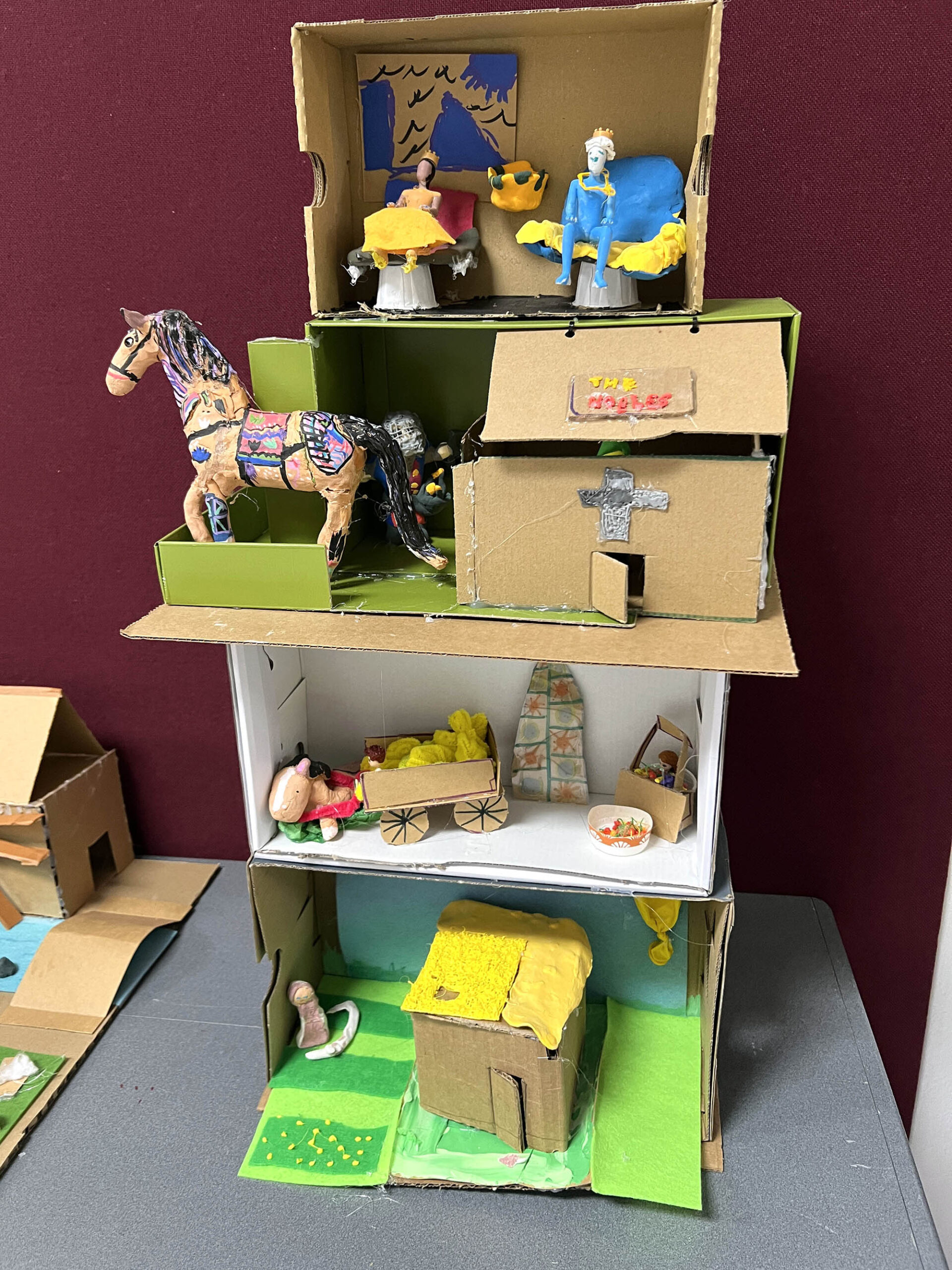
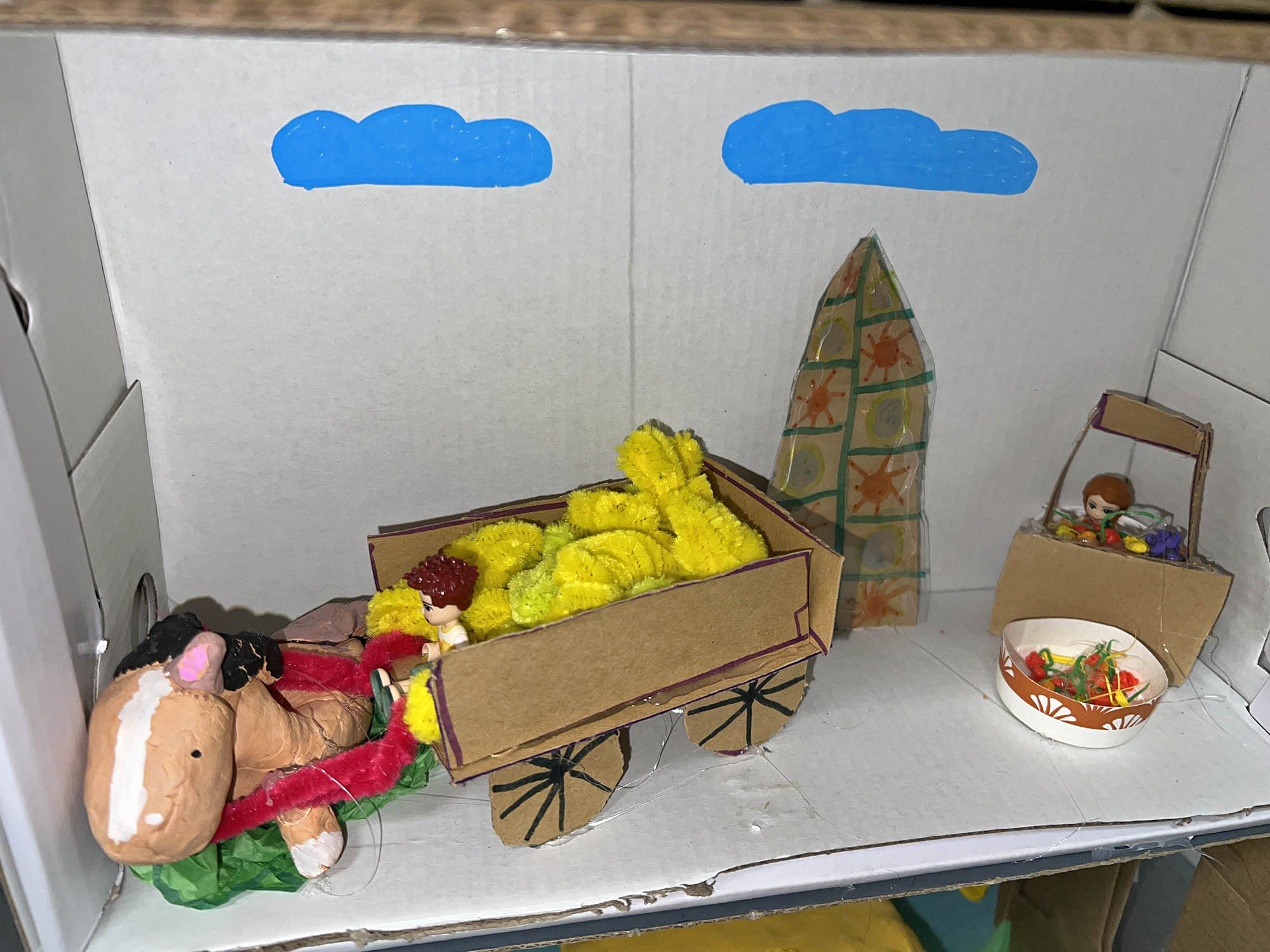
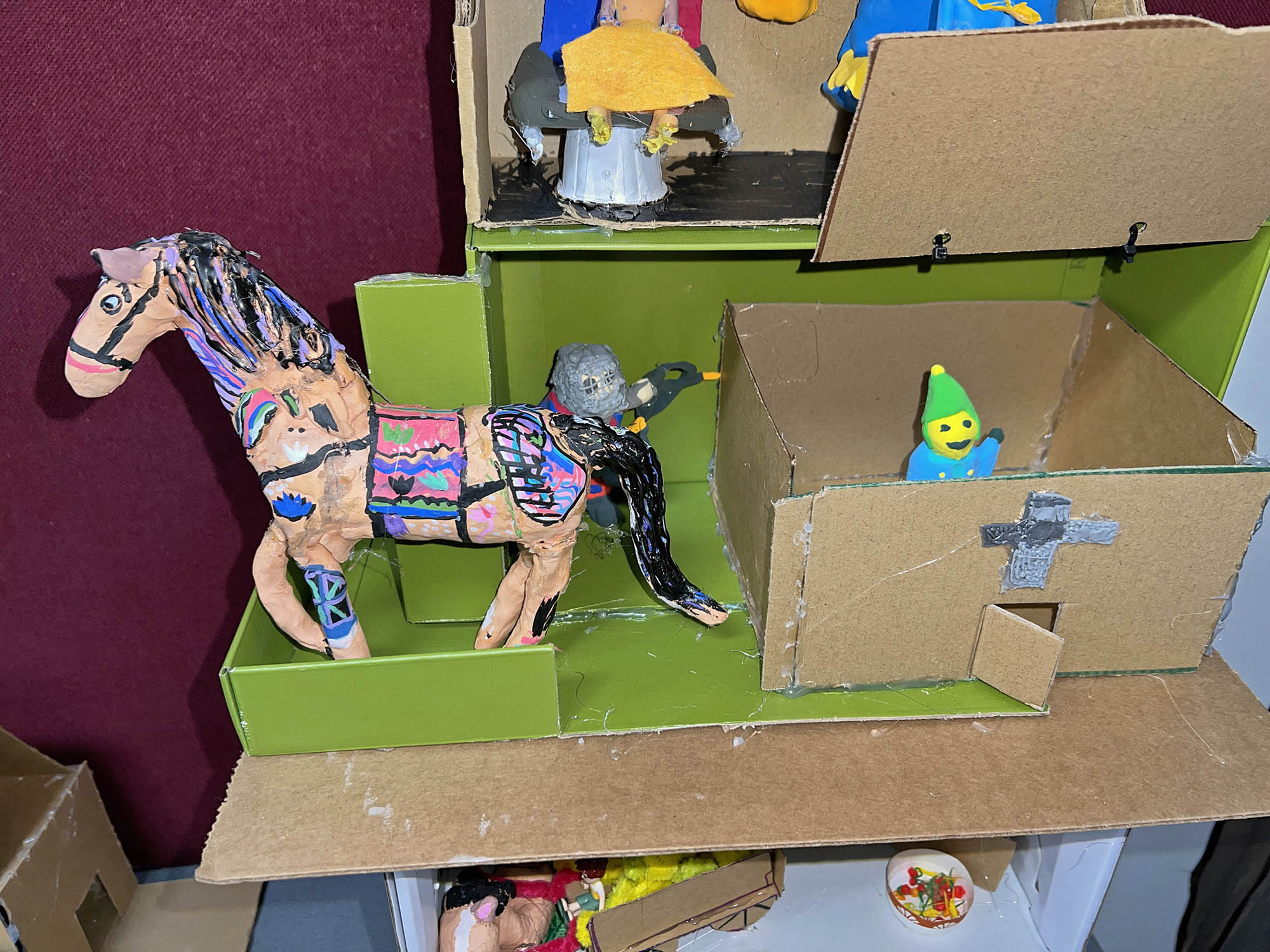
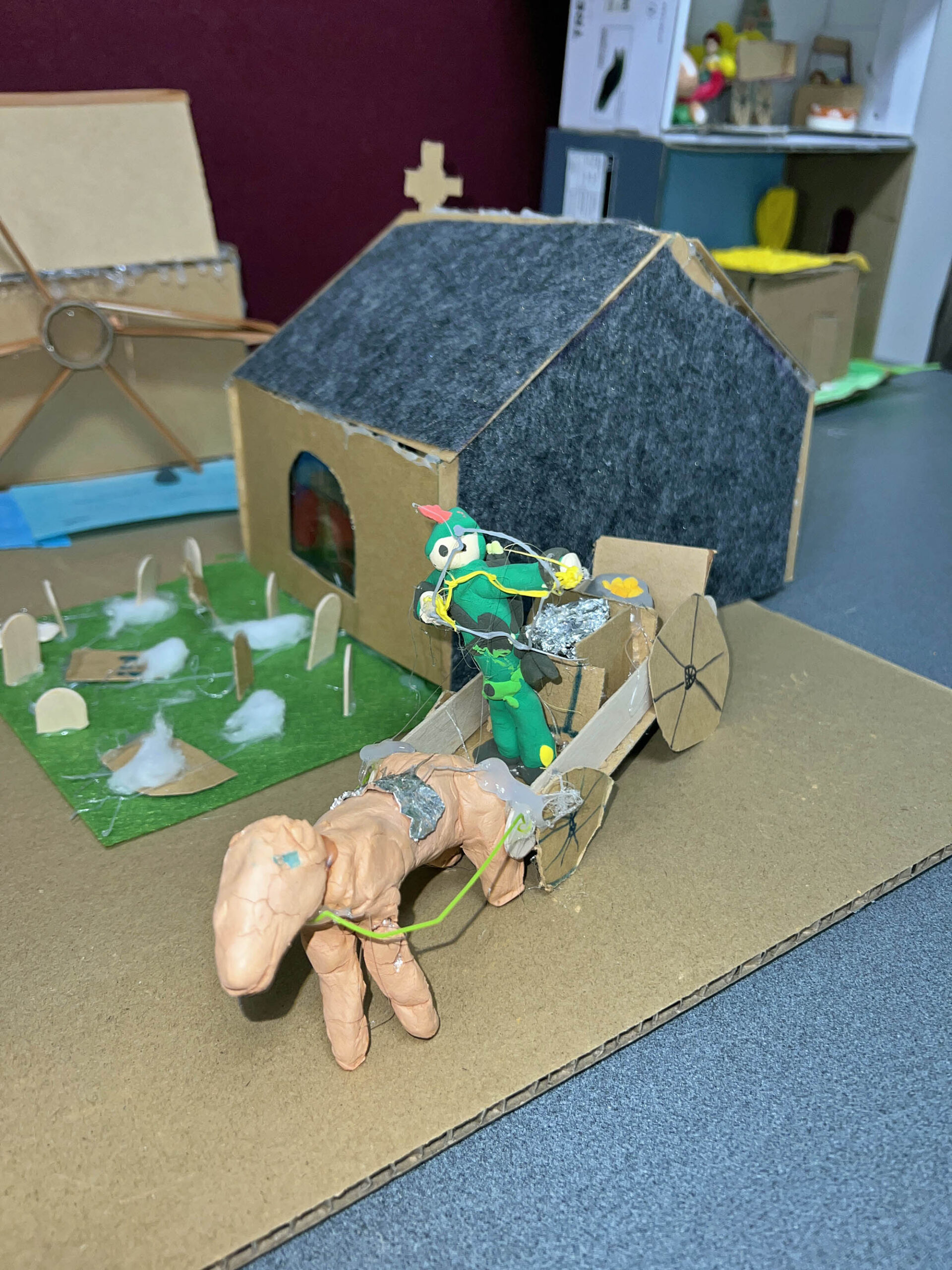
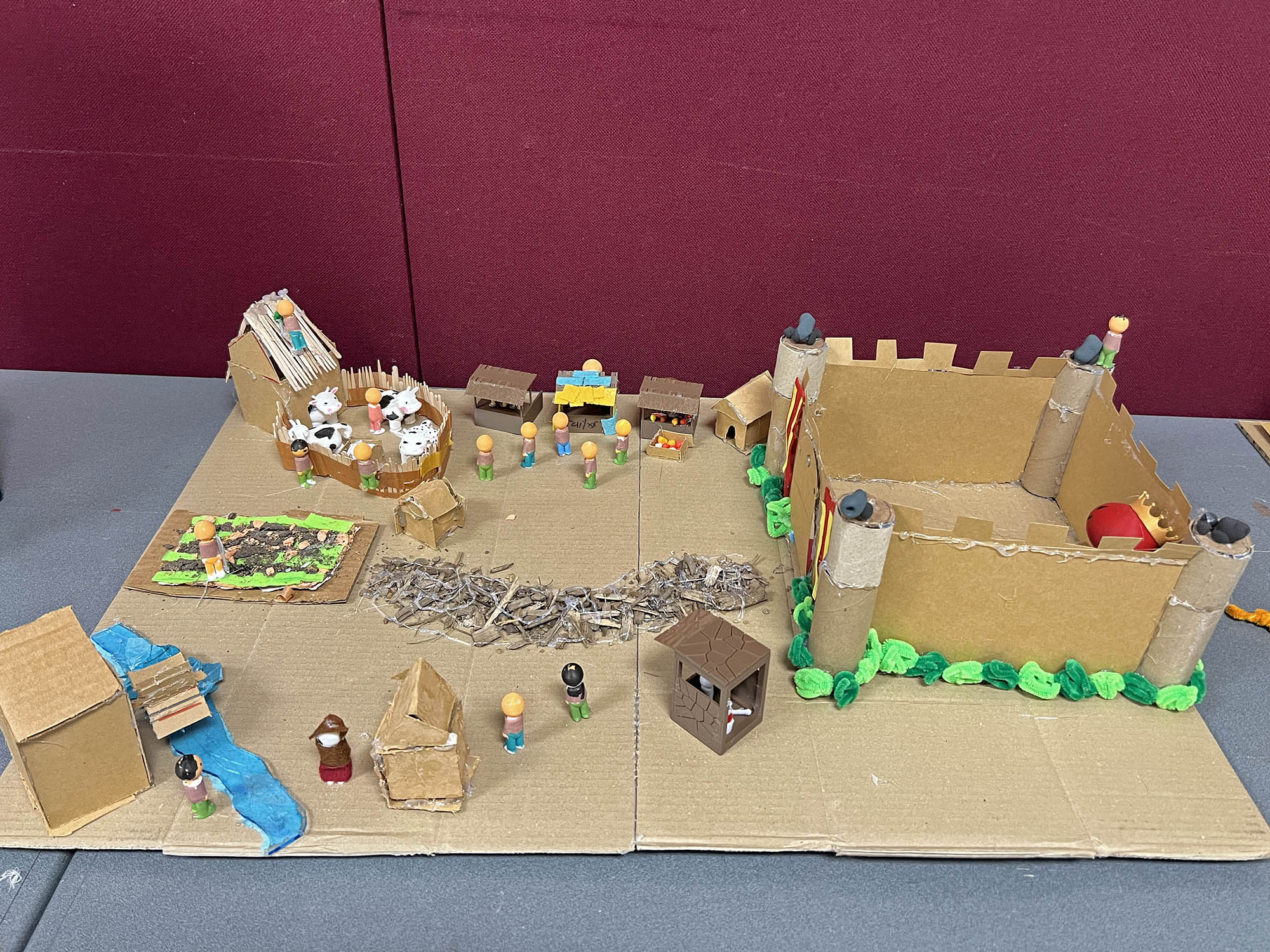
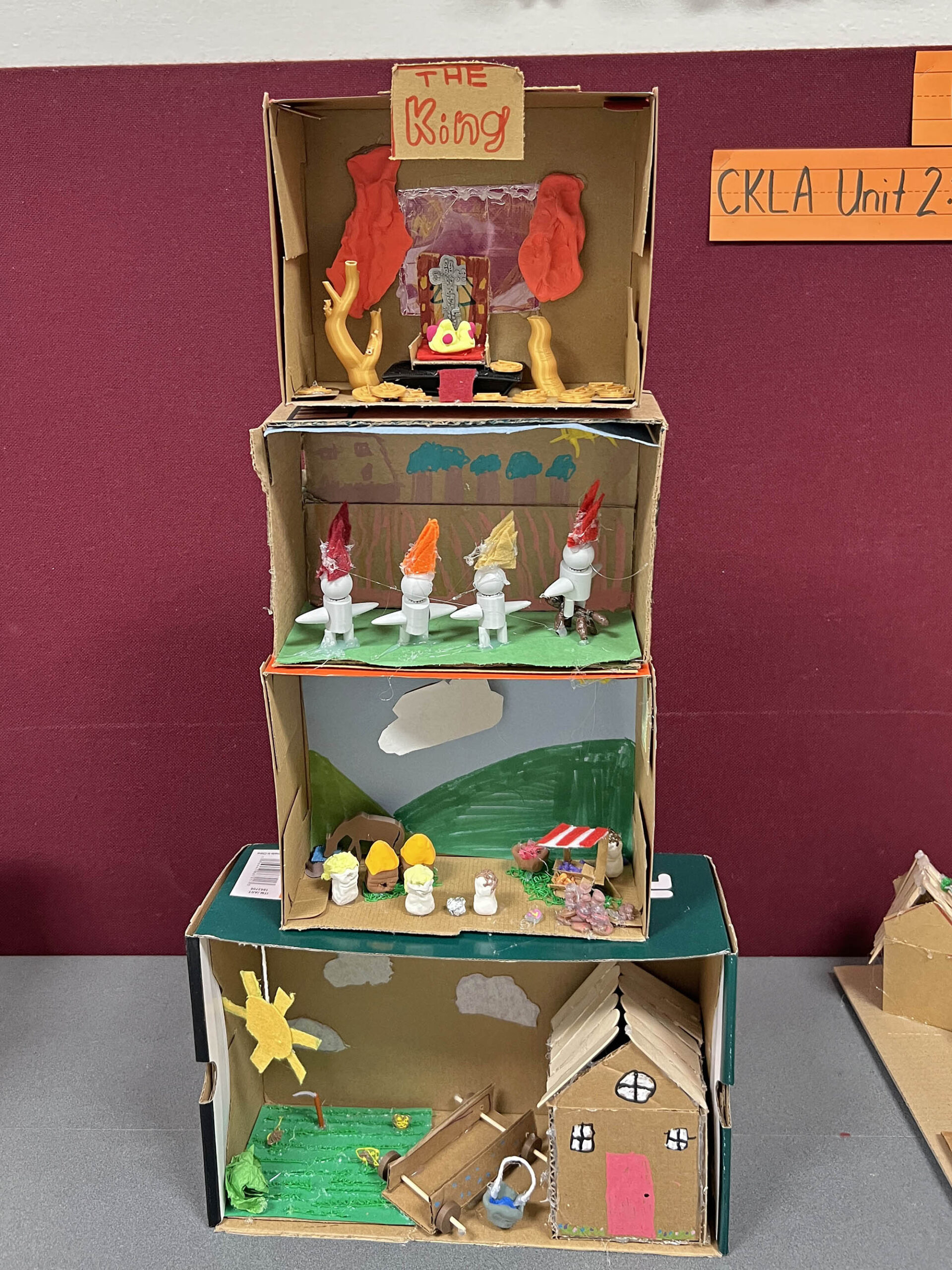
Our Fourth Grade students demonstrated how history comes alive through their Medieval World Project. These students study The Middle Ages in our ELA CKLA curriculum. Our fourth-grade teachers—Donna Waters, Allison Antolik, and Jen Van Dyken—along with Instructional Technology and Digital Literacy Coordinator Robyn Williams, took the learning even further. Students weren’t just reading and writing about the Middle Ages; they were building it. The goal was to understand the different roles people played and how society was organized. The students put their literacy skills in action! Fourth graders worked together in groups to create either a medieval village or a tower that demonstrated the power of hierarchy in society. To build their piece, students had to read and research to answer questions such as, “What does a church need to look like, and why is it located near the center of the village?” (Group 1: The Medieval Village) or “How is the king’s power different from a serf’s, and how can we show that difference using a physical model?” (Group 2: The Power Hierarchy). Whether they used a 3D printer, cardboard, or clay, the accuracy of their structures (e.g., the high placement of the king, the simple design of the serfs’ homes) is evidence that they successfully understood the complex historical texts.
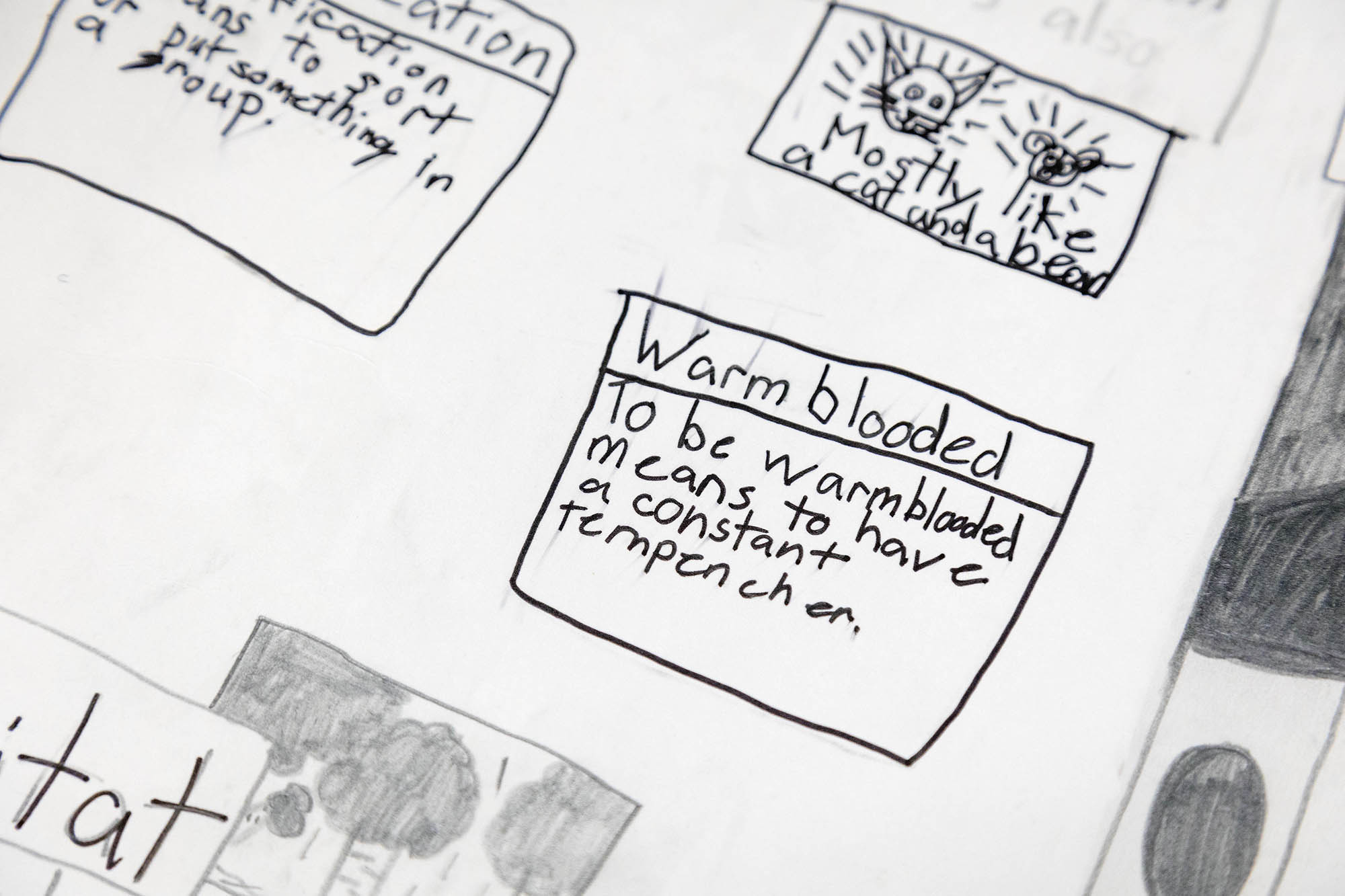
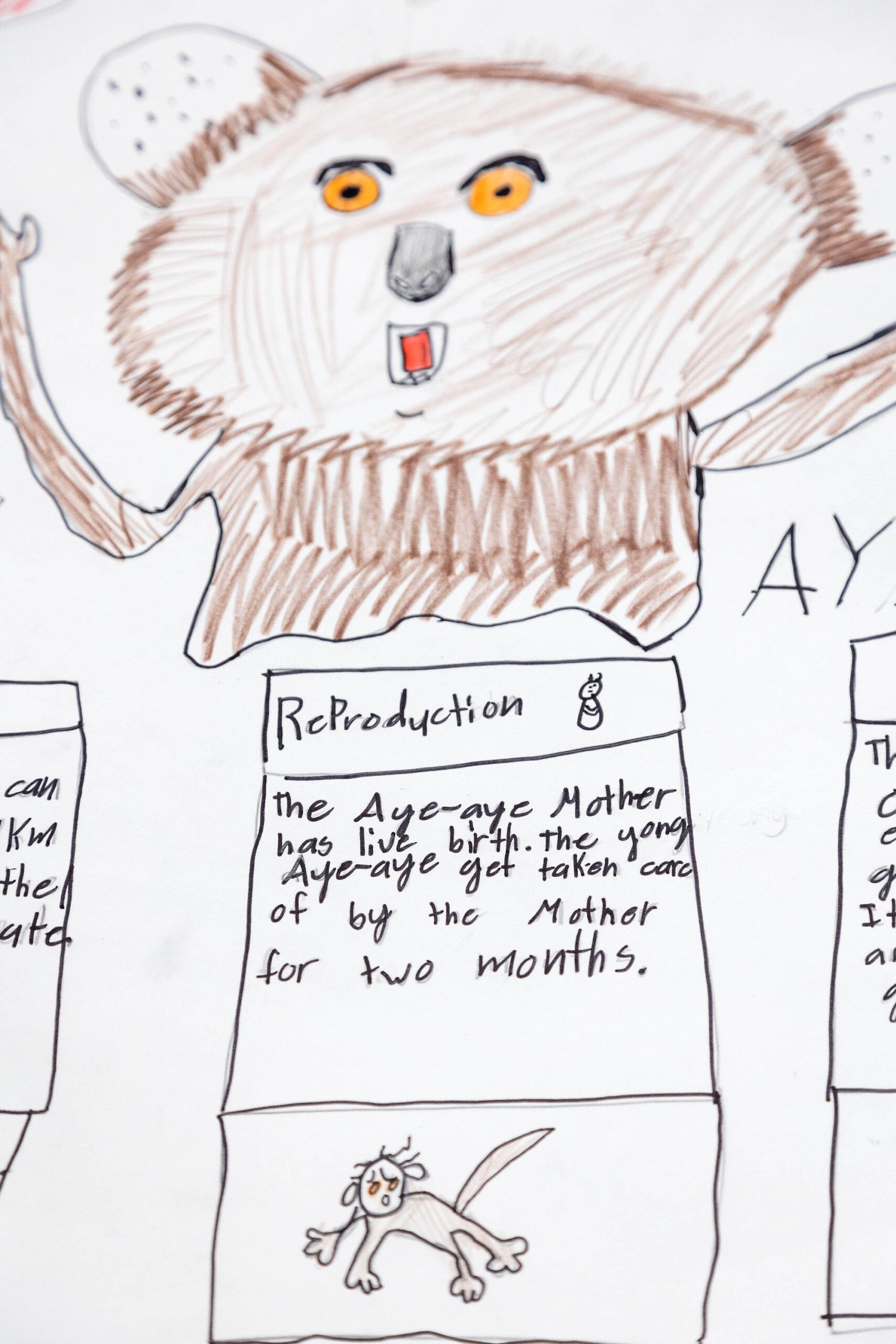
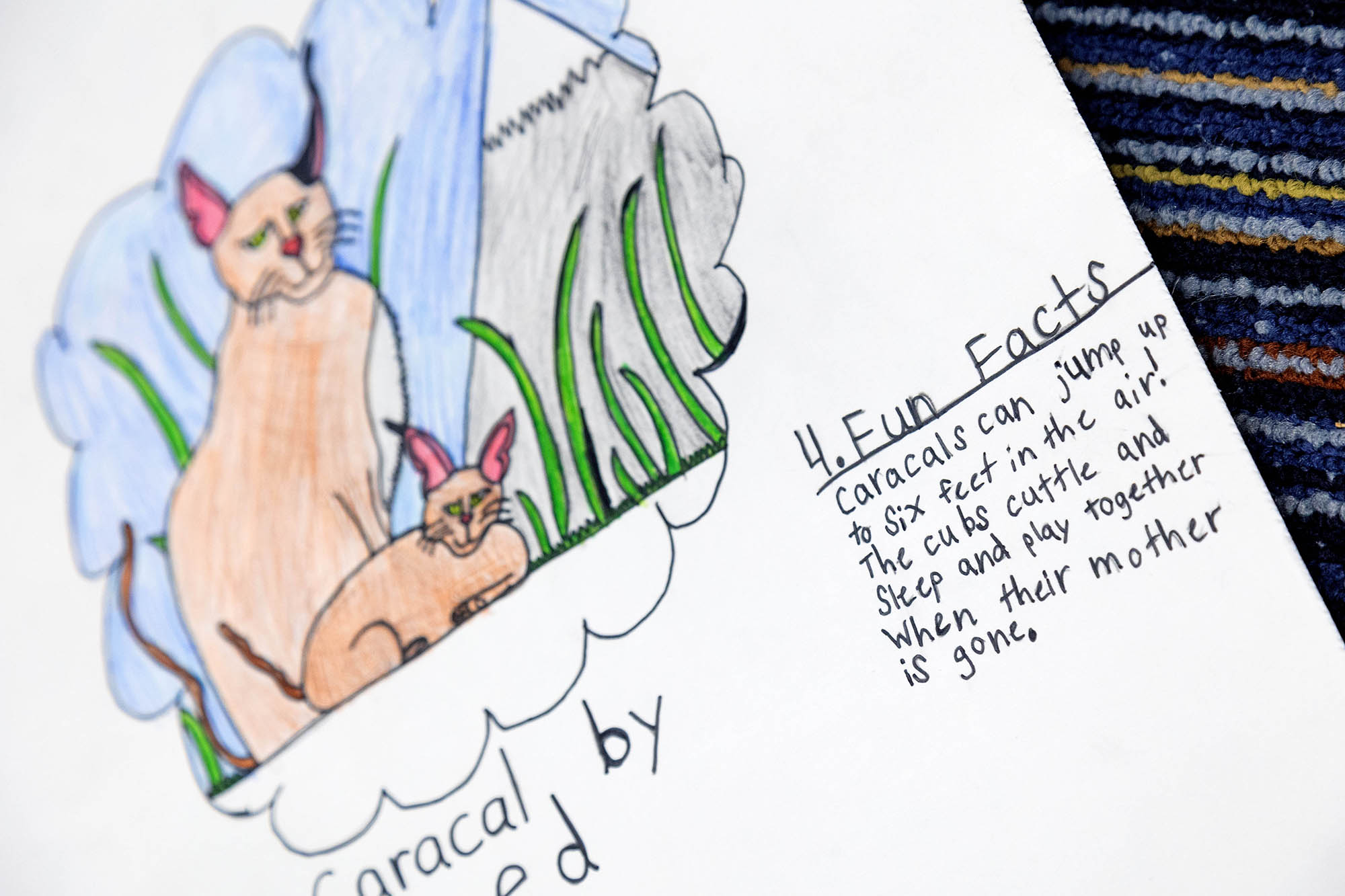
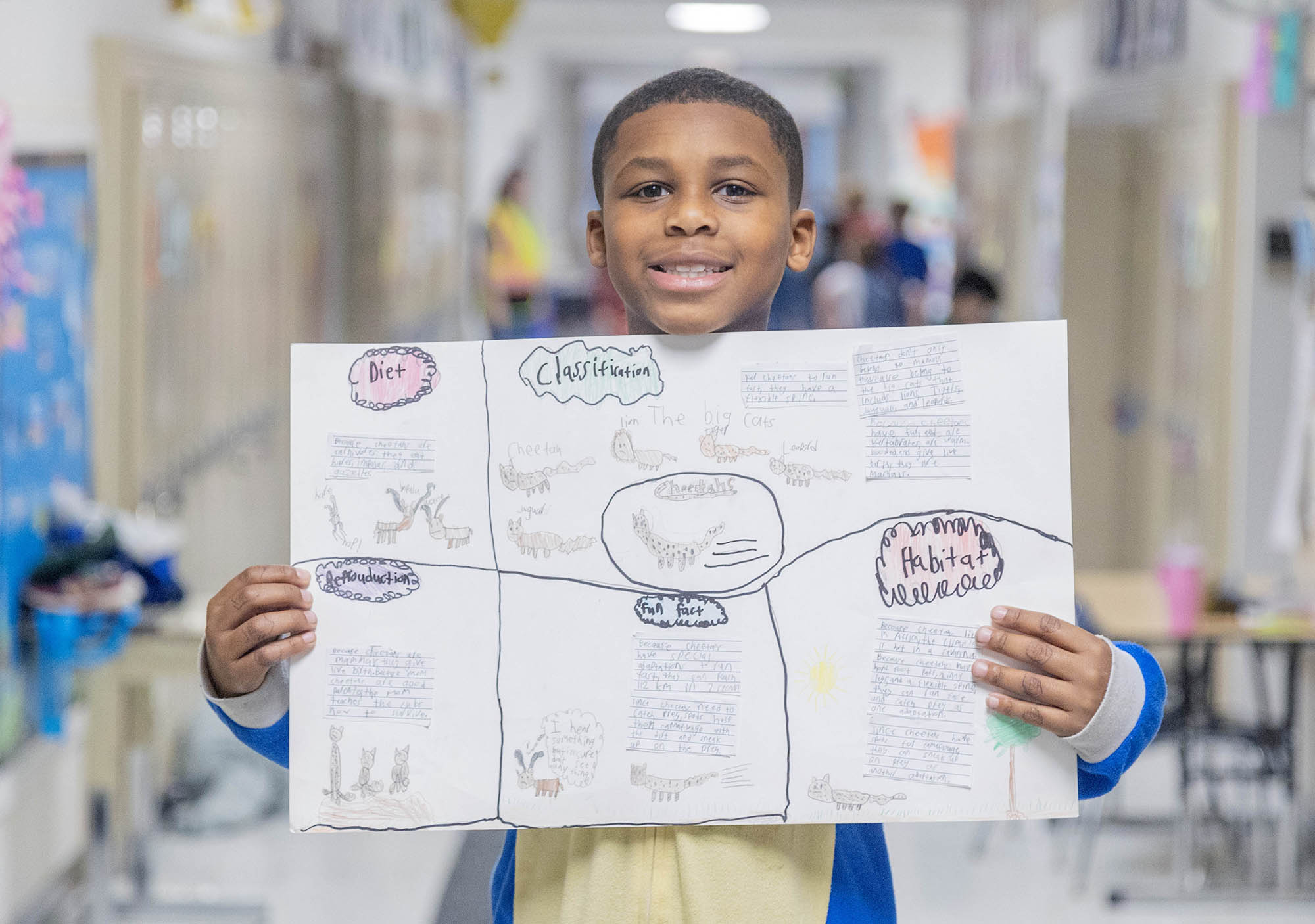
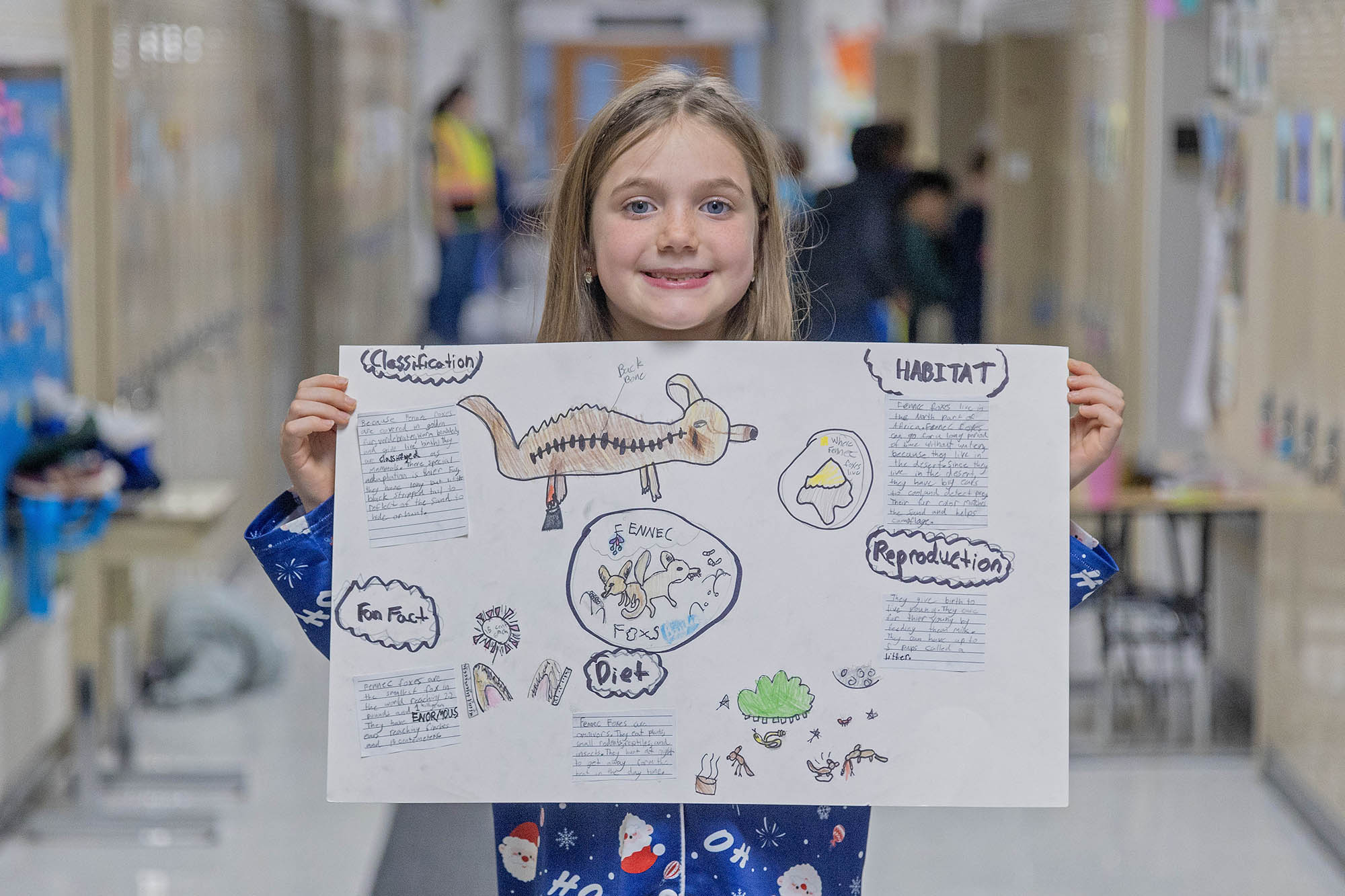
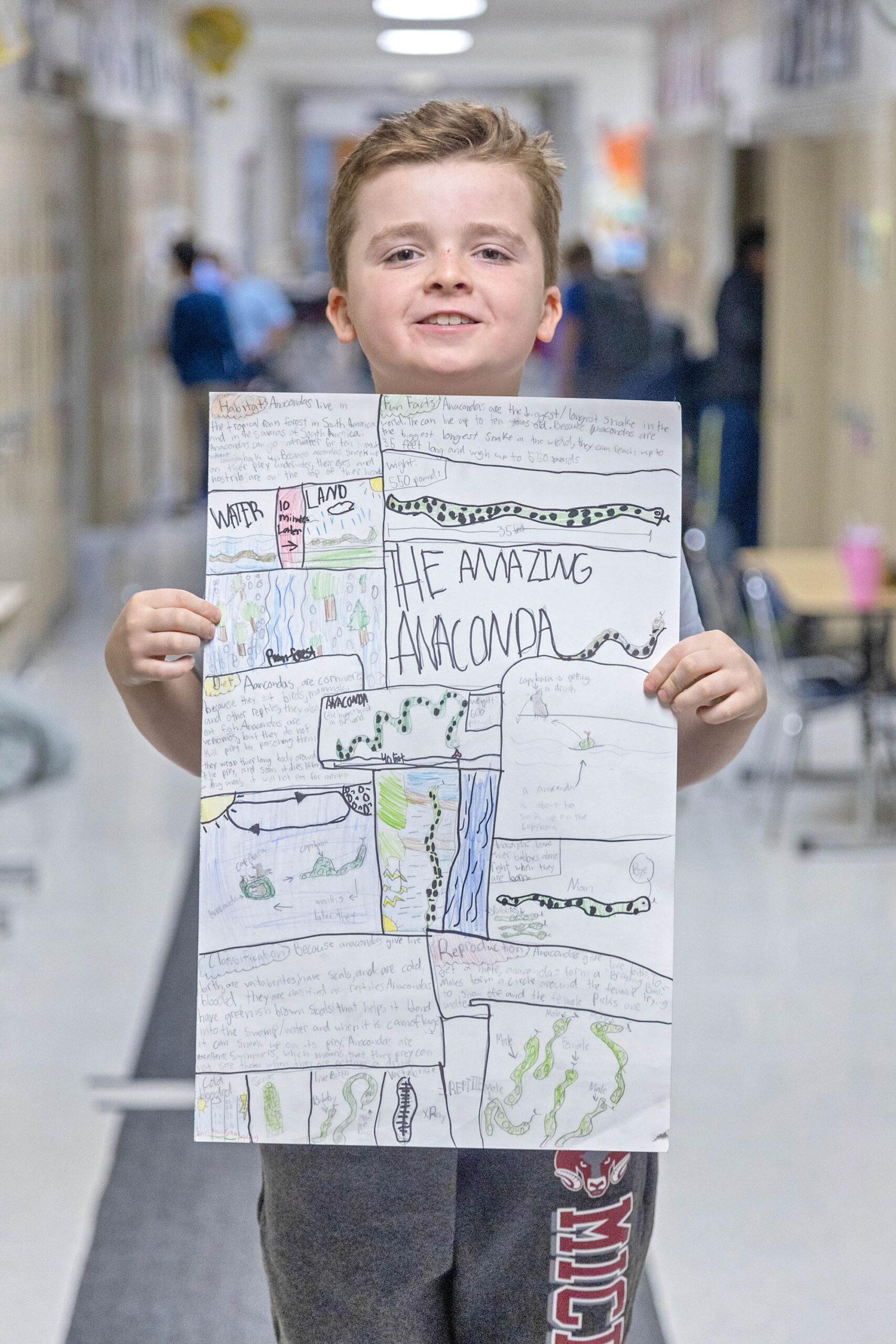
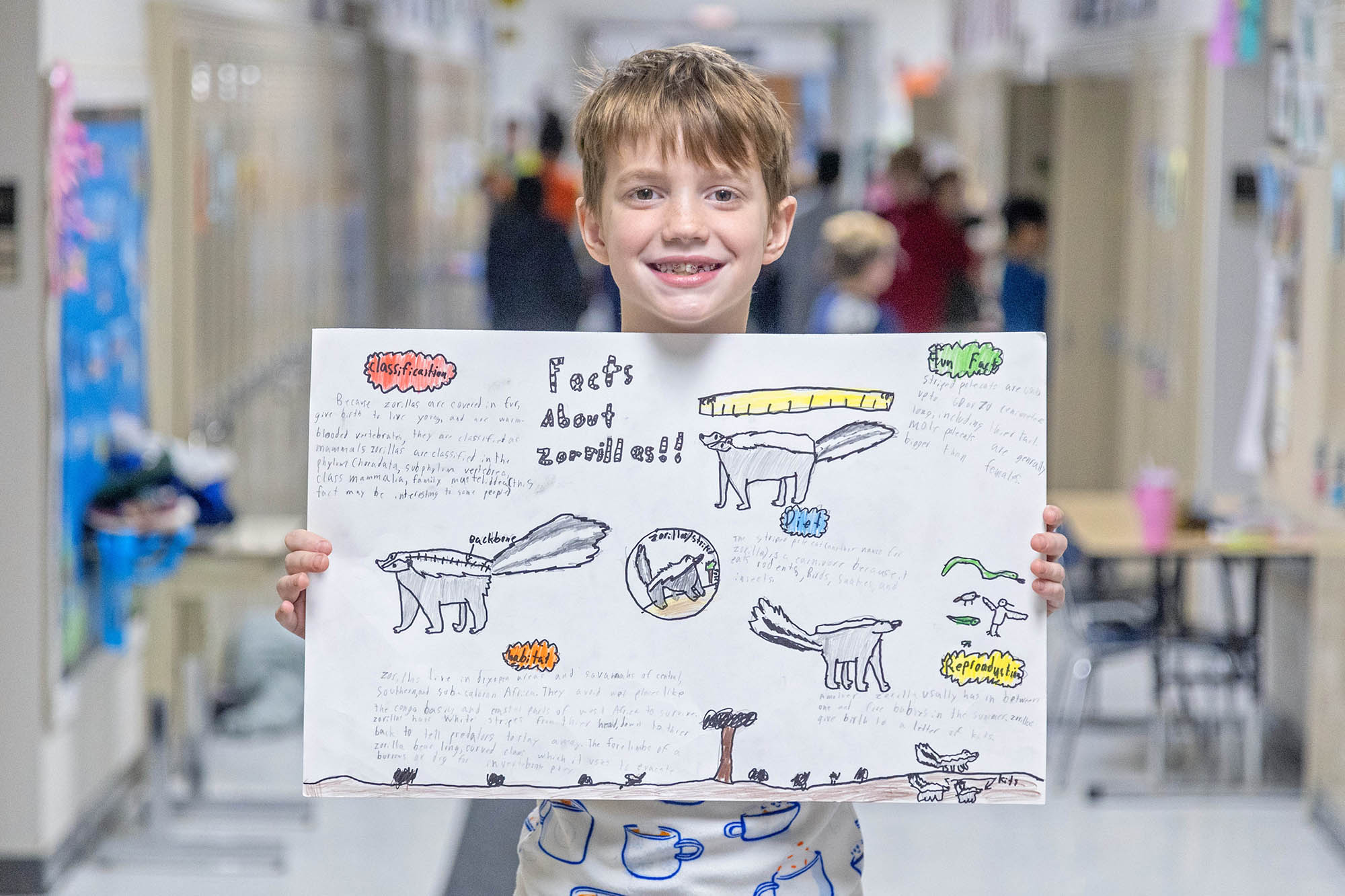
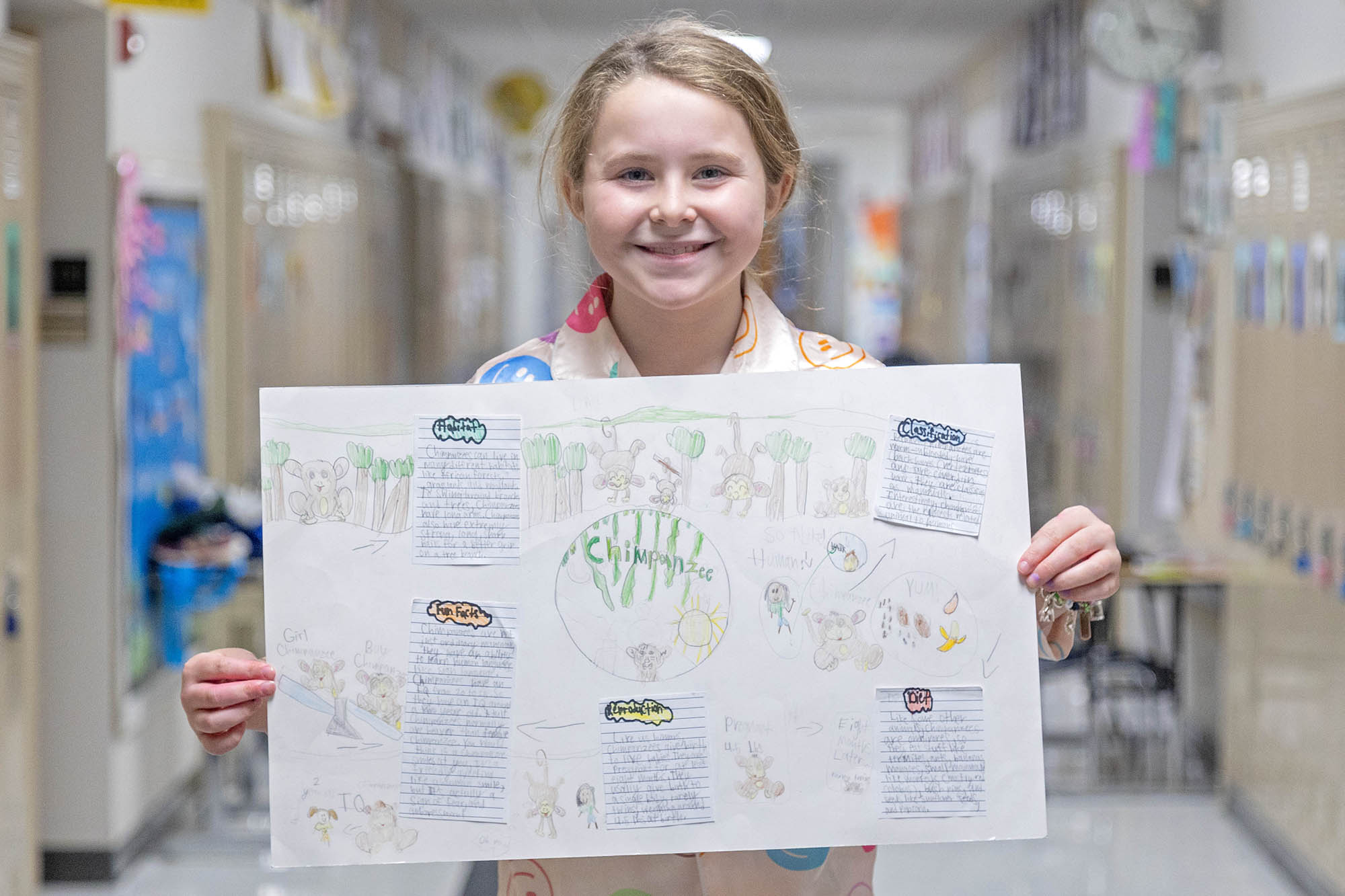
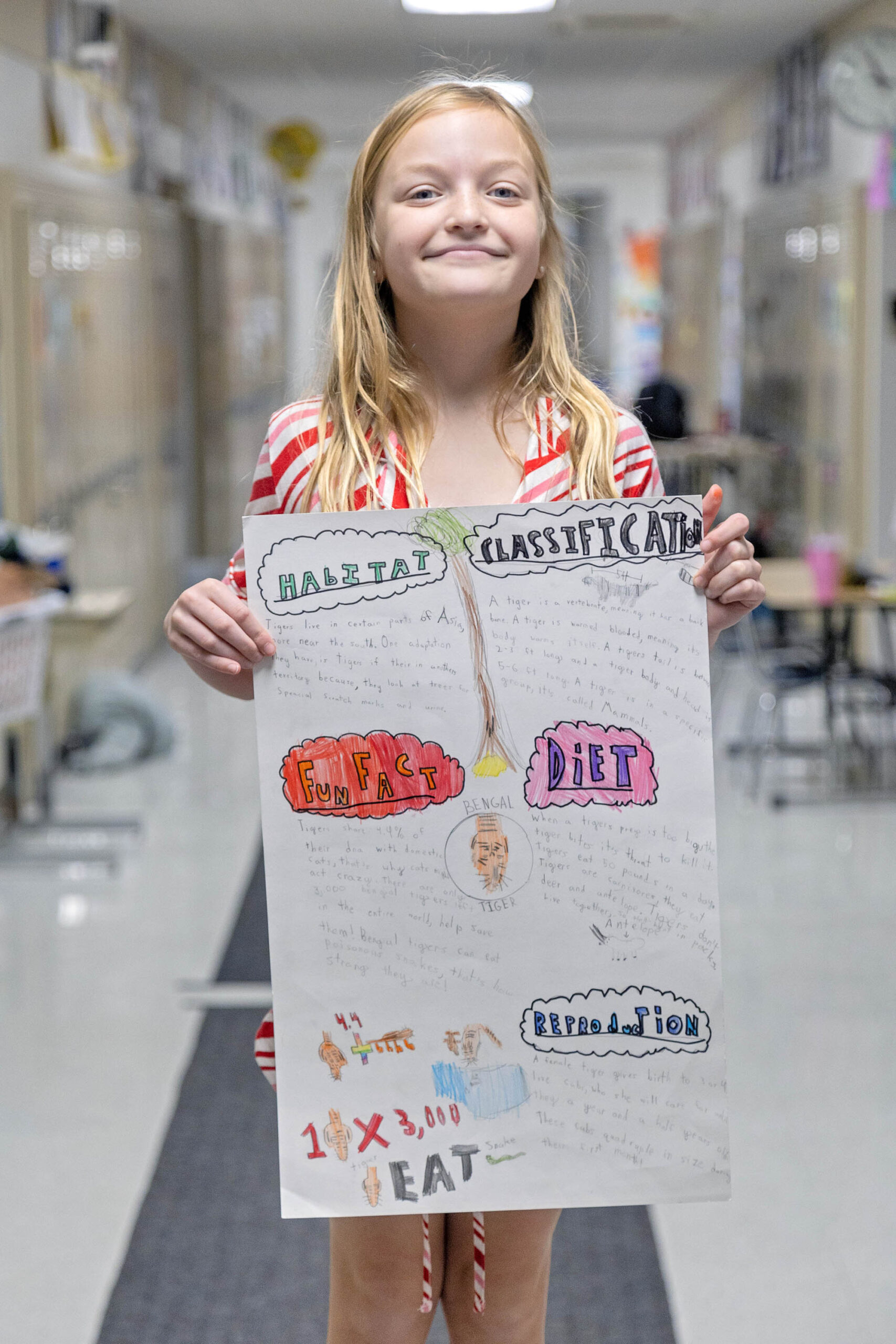
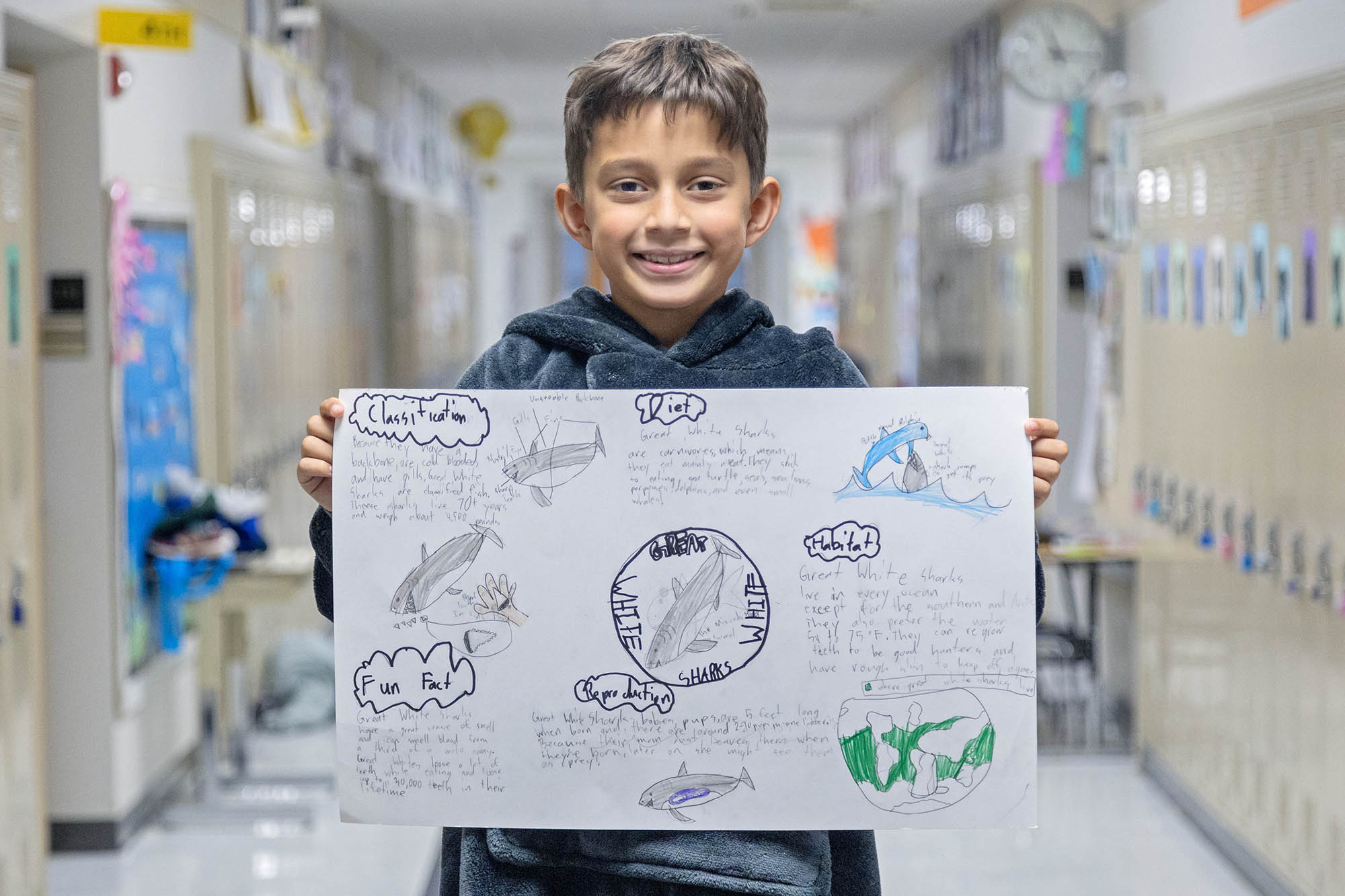
Our third graders demonstrated science skills in practice through their Vertebrate Research Project. The students, led by Third Grade Teachers Meg Mottl and Jessica Lloyd, studied animal classification in our ELA CKLA curriculum. Instead of writing one final essay, students were challenged to become individual scientists and researchers. They completed a project specifically designed to strengthen language skills alongside science knowledge. Students identified root words and suffixes (helpful for understanding scientific terms), mastered correct sentence structure and proper grammar, and expanded their vocabulary. Students were able to choose their own vertebrate to research. They had to include the following information: detailed notes on specific categories (e.g., habitat, diet, classification) and perfectly structured sentences for each piece of collected information. The final outcome: The research notes, and the quality of their sentences, are the clearest demonstration that they understand both the science concepts (classification) and the literacy skills (sentence structure and evidence gathering).
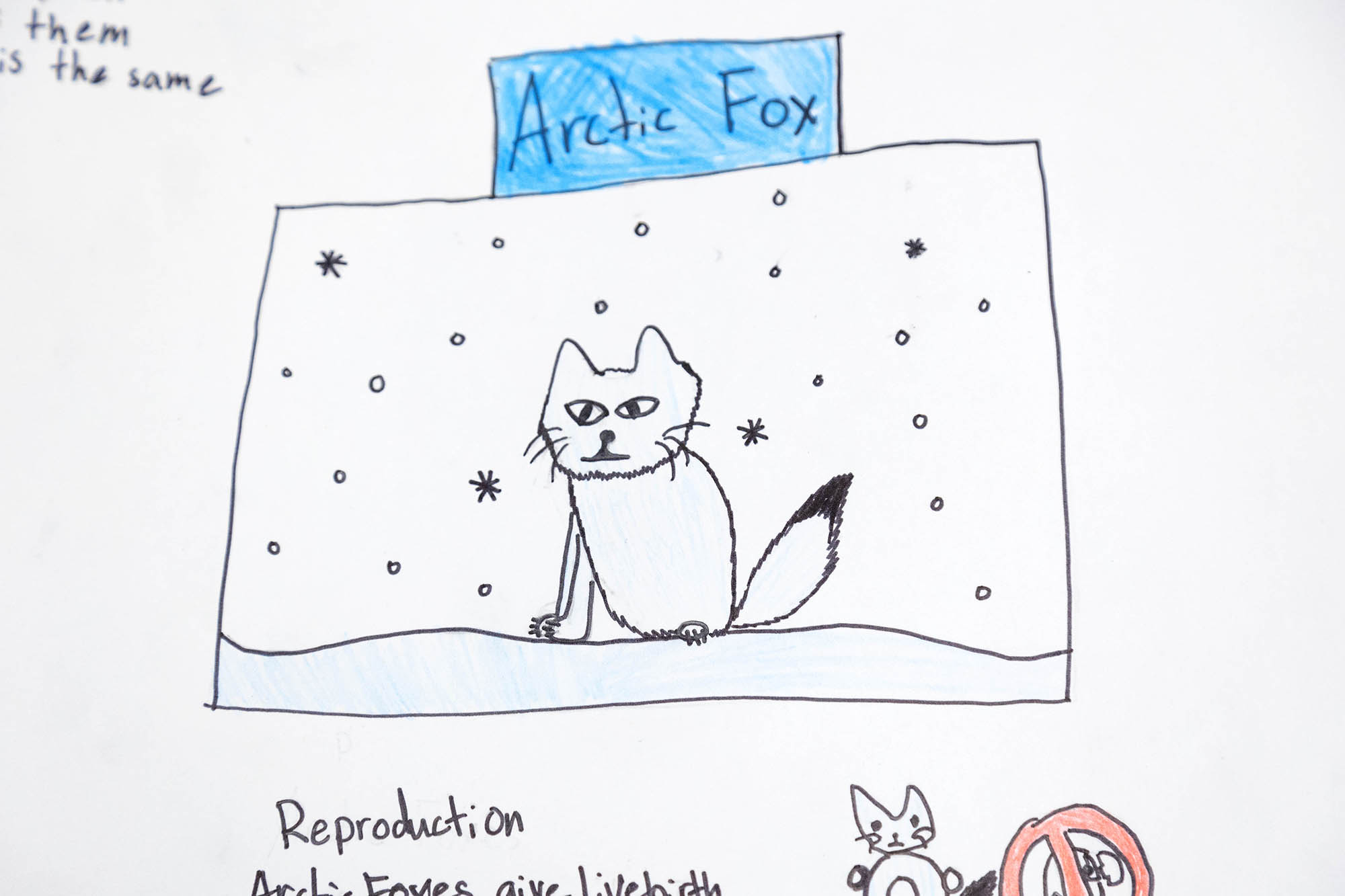
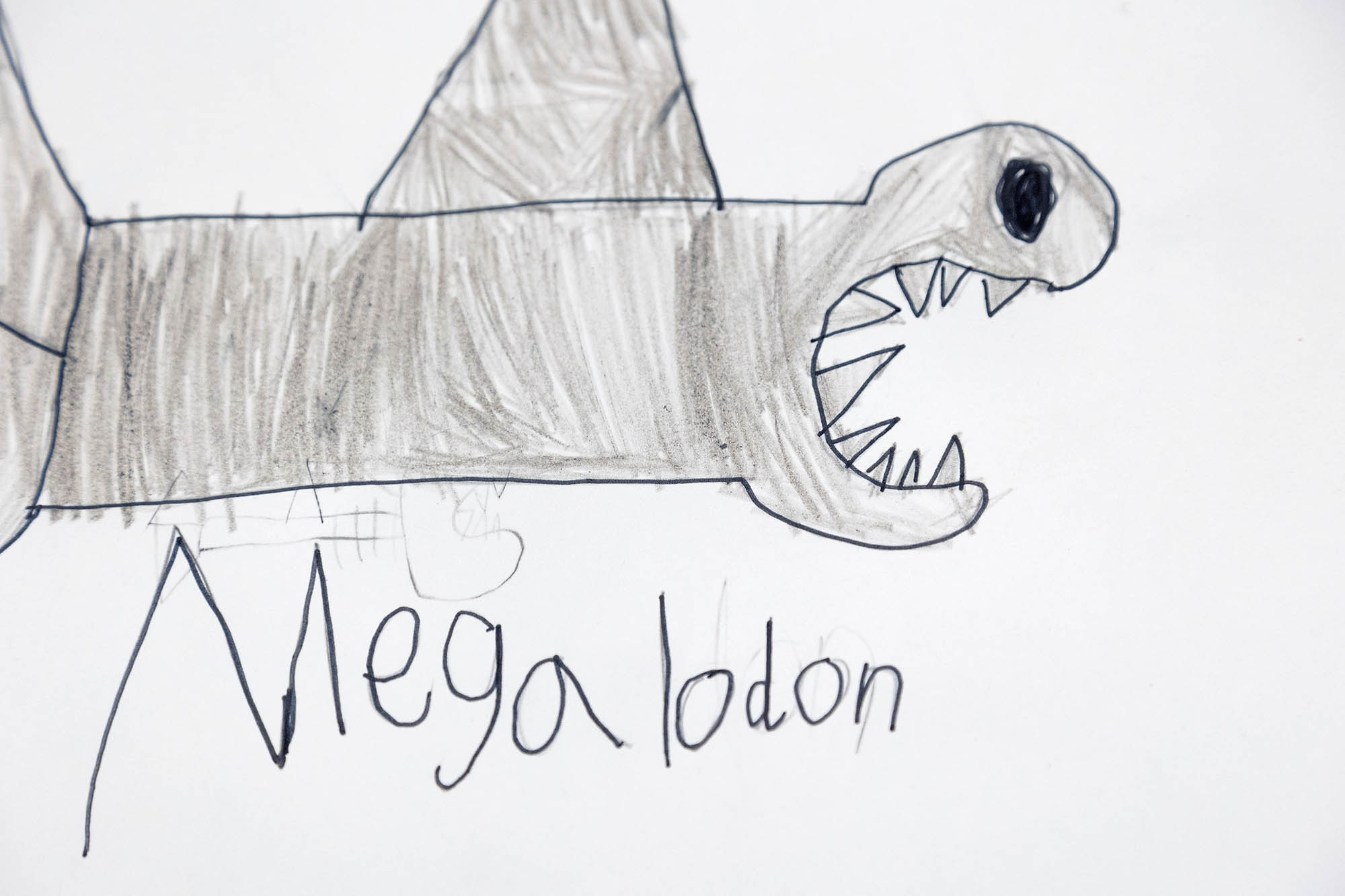
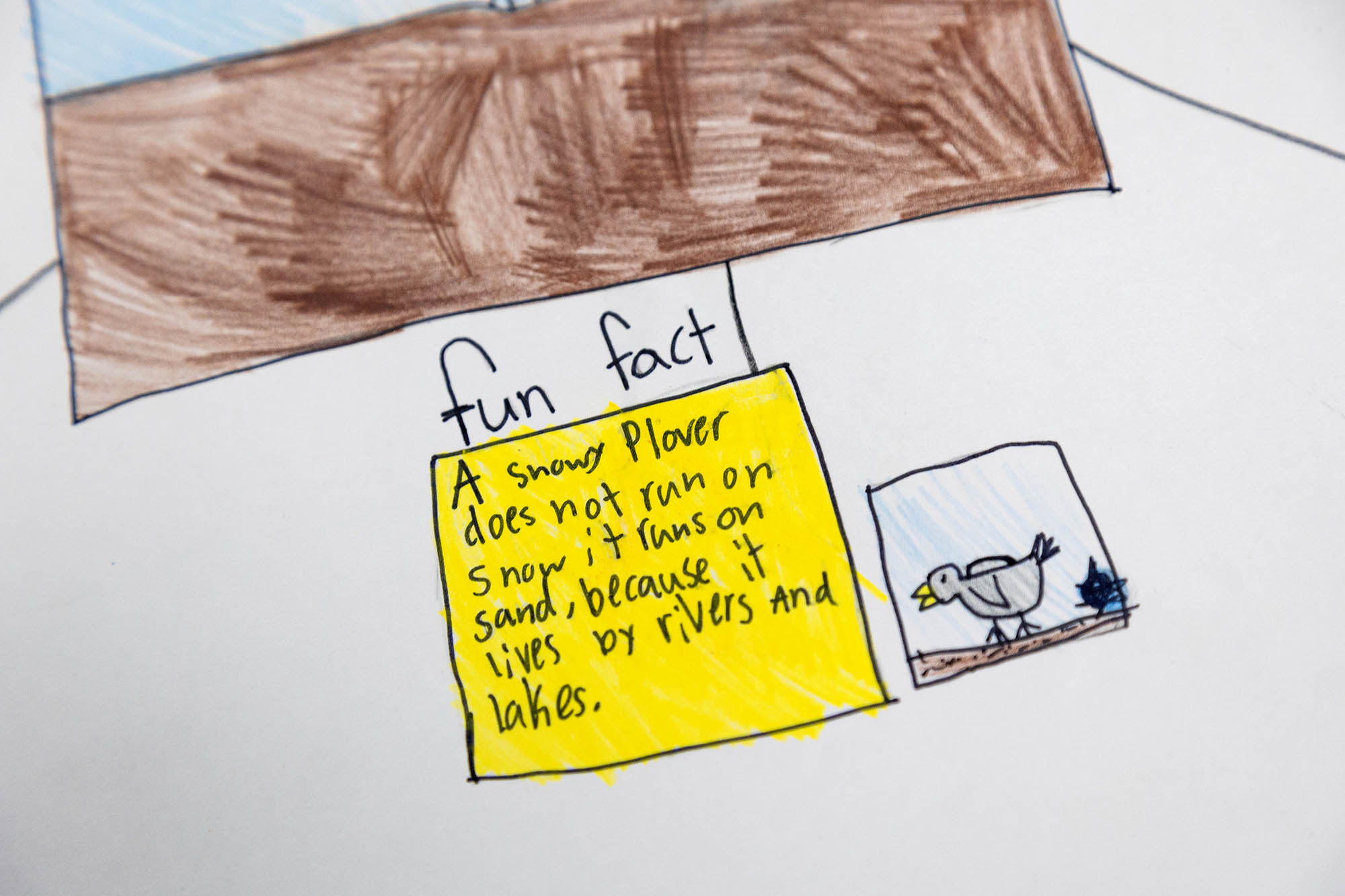
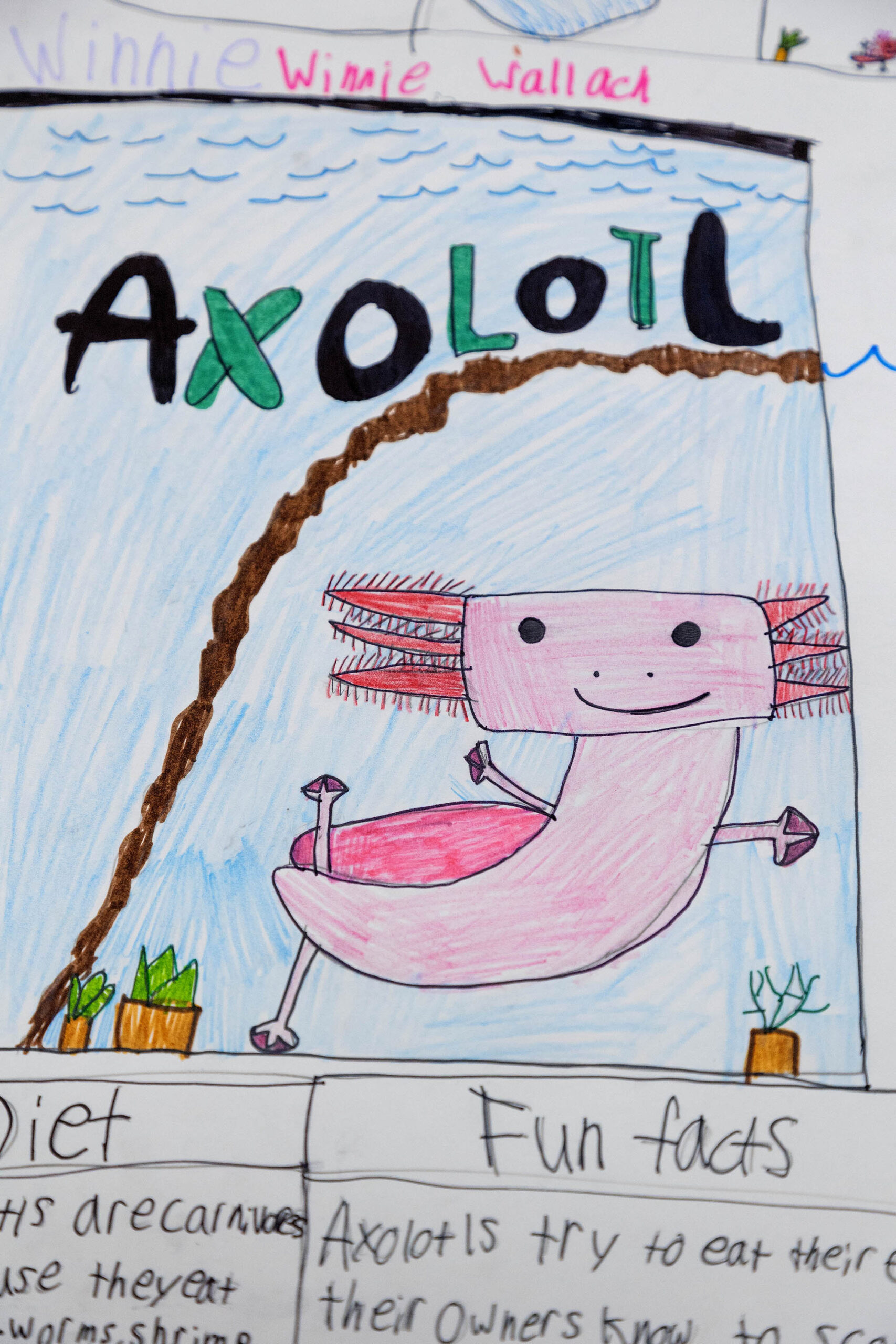
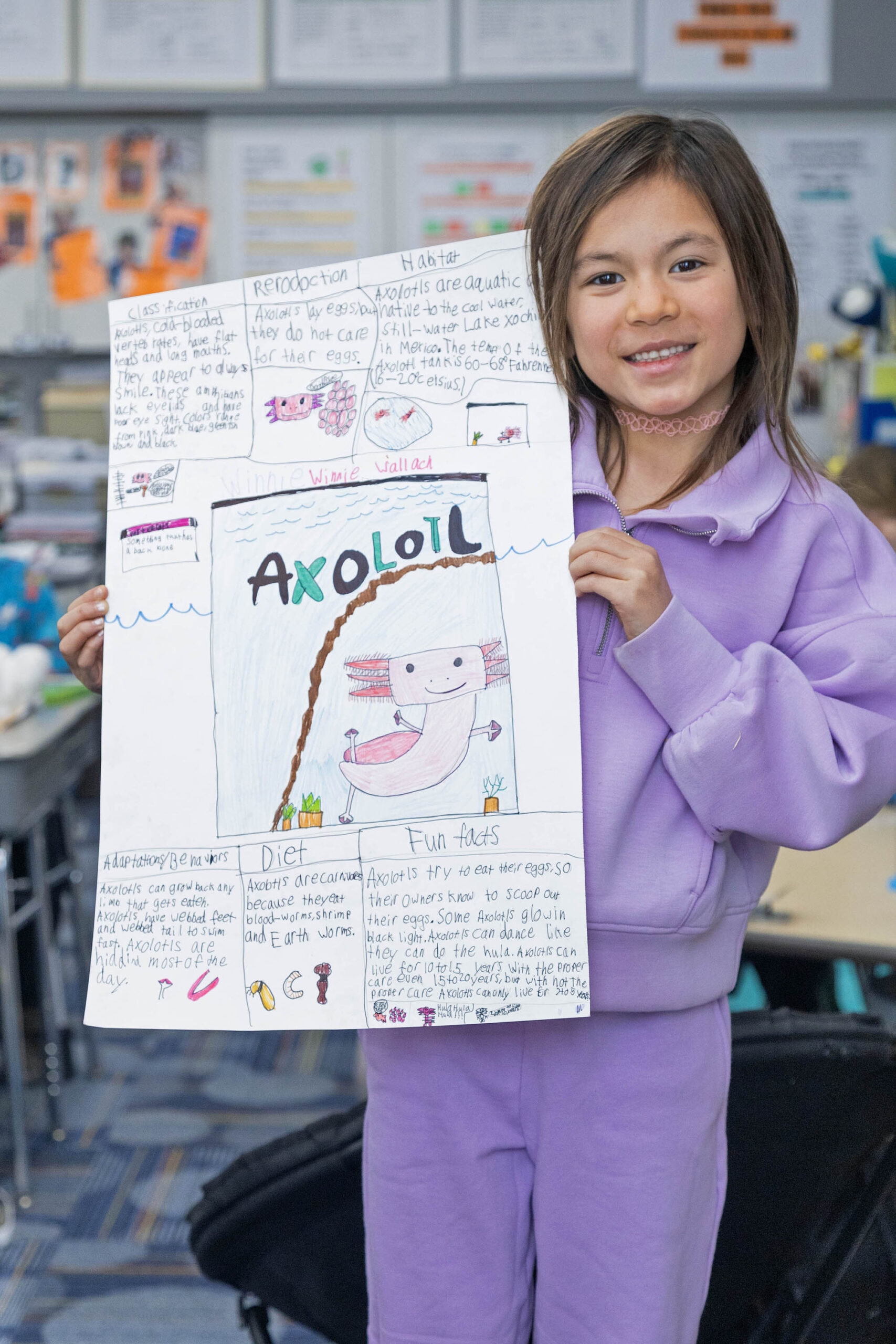
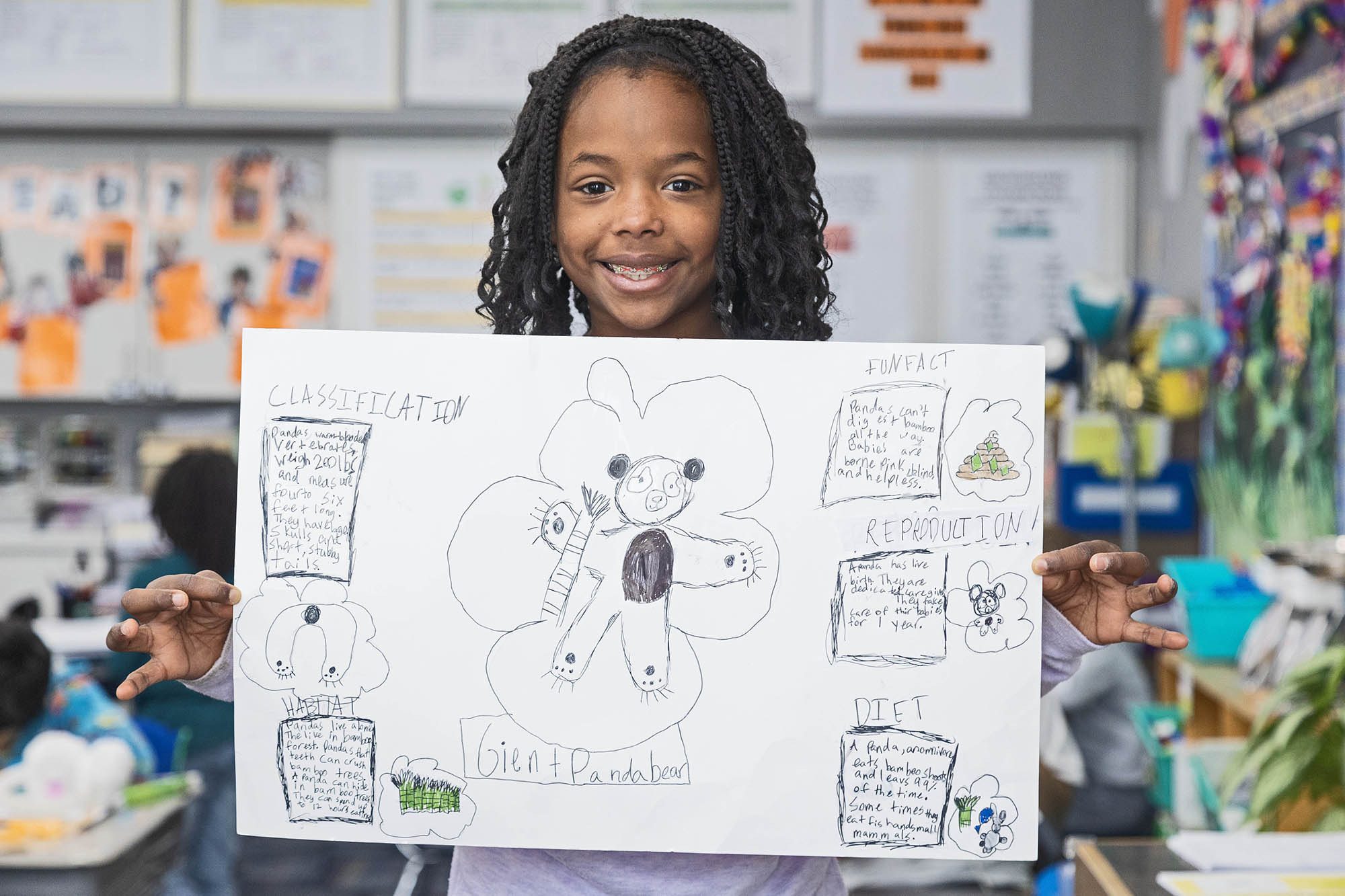
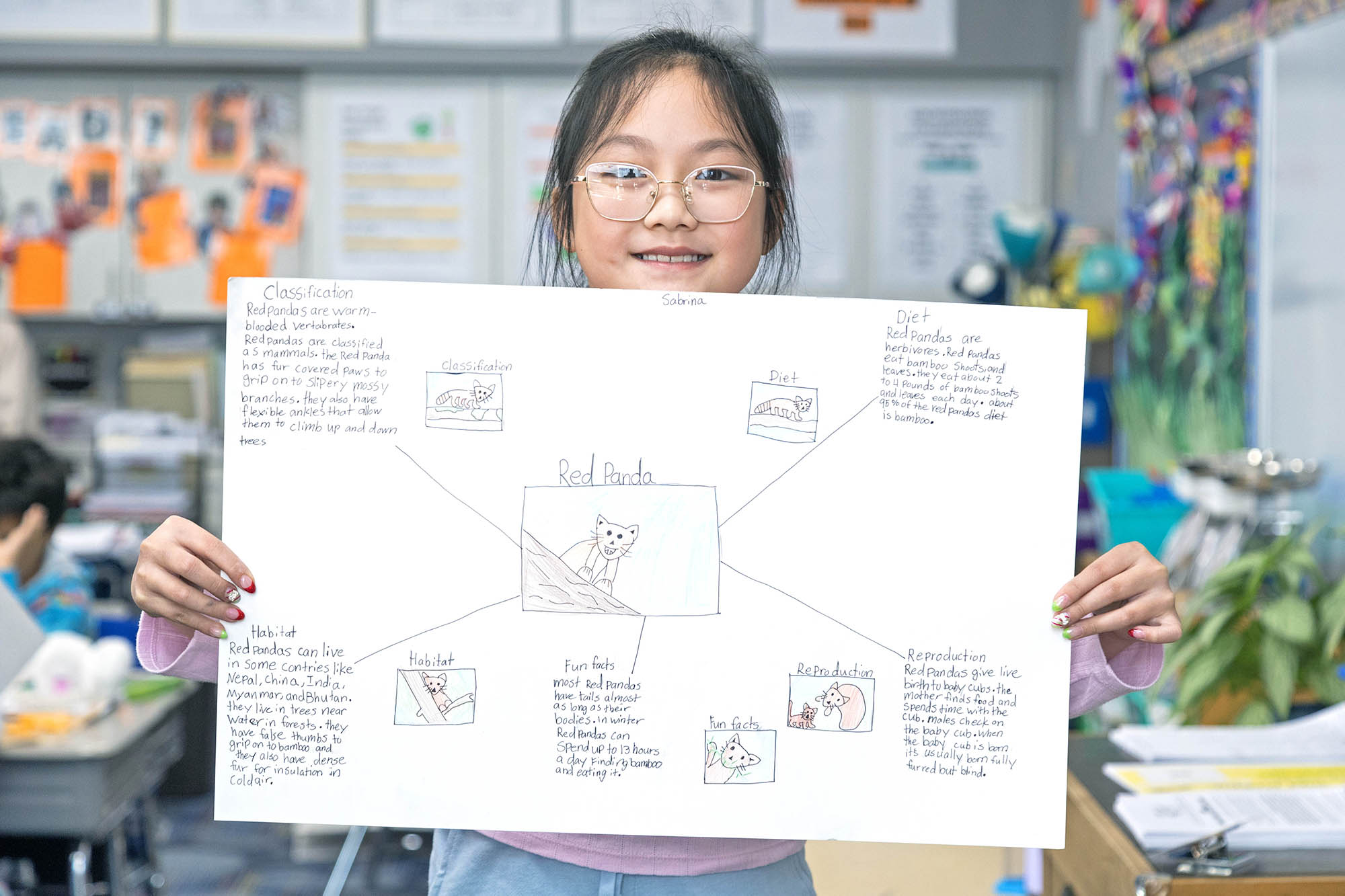
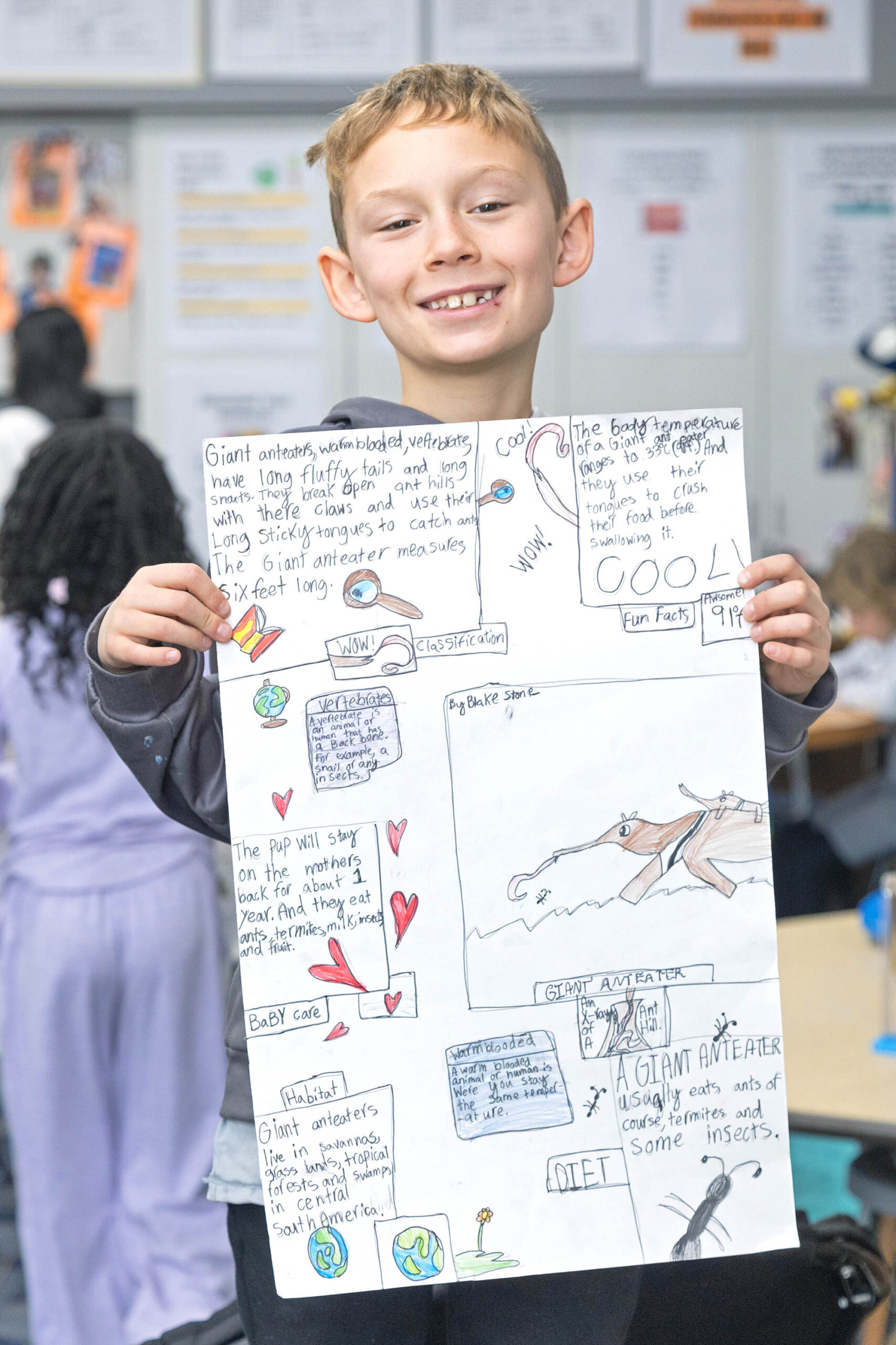
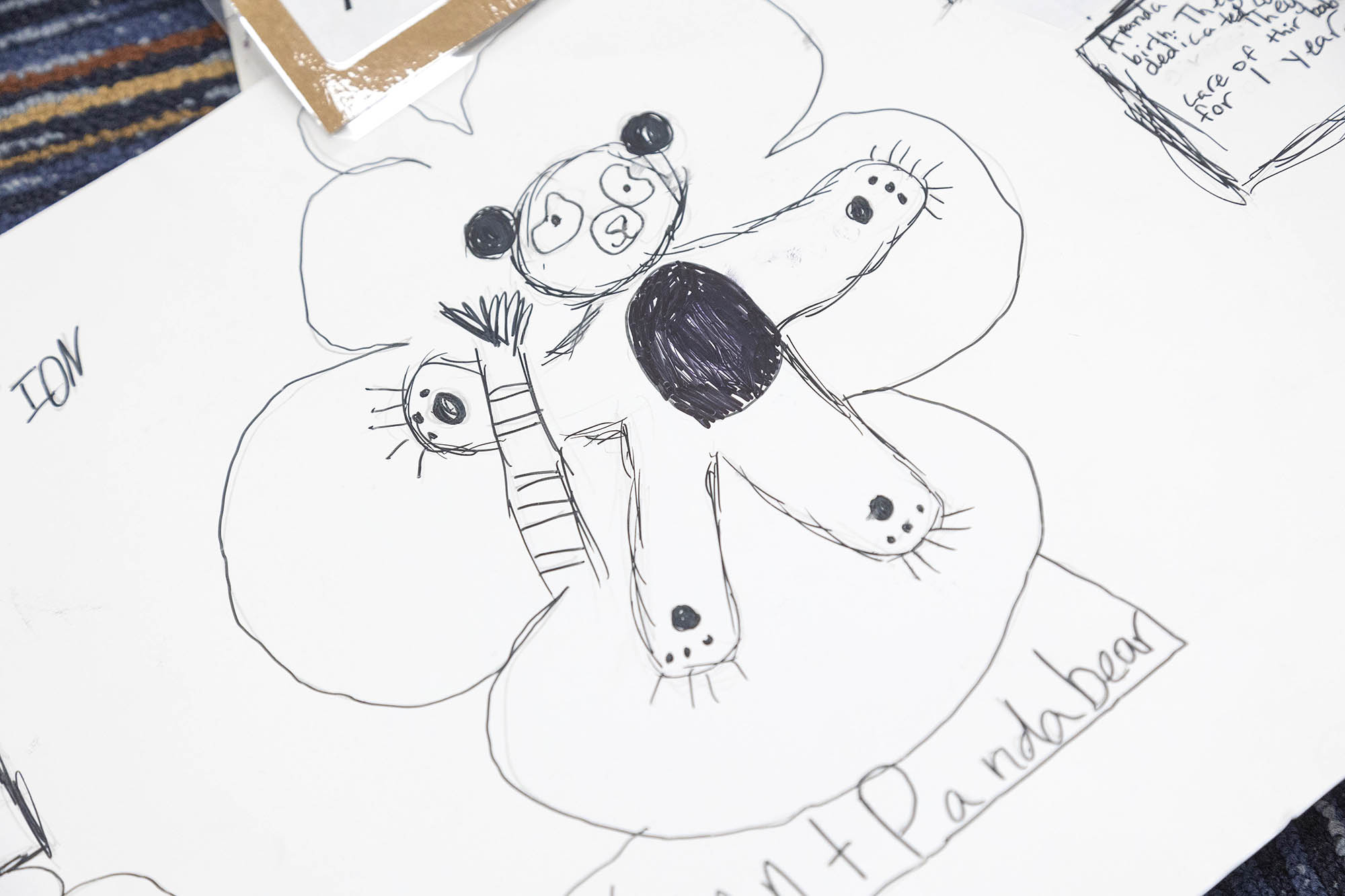
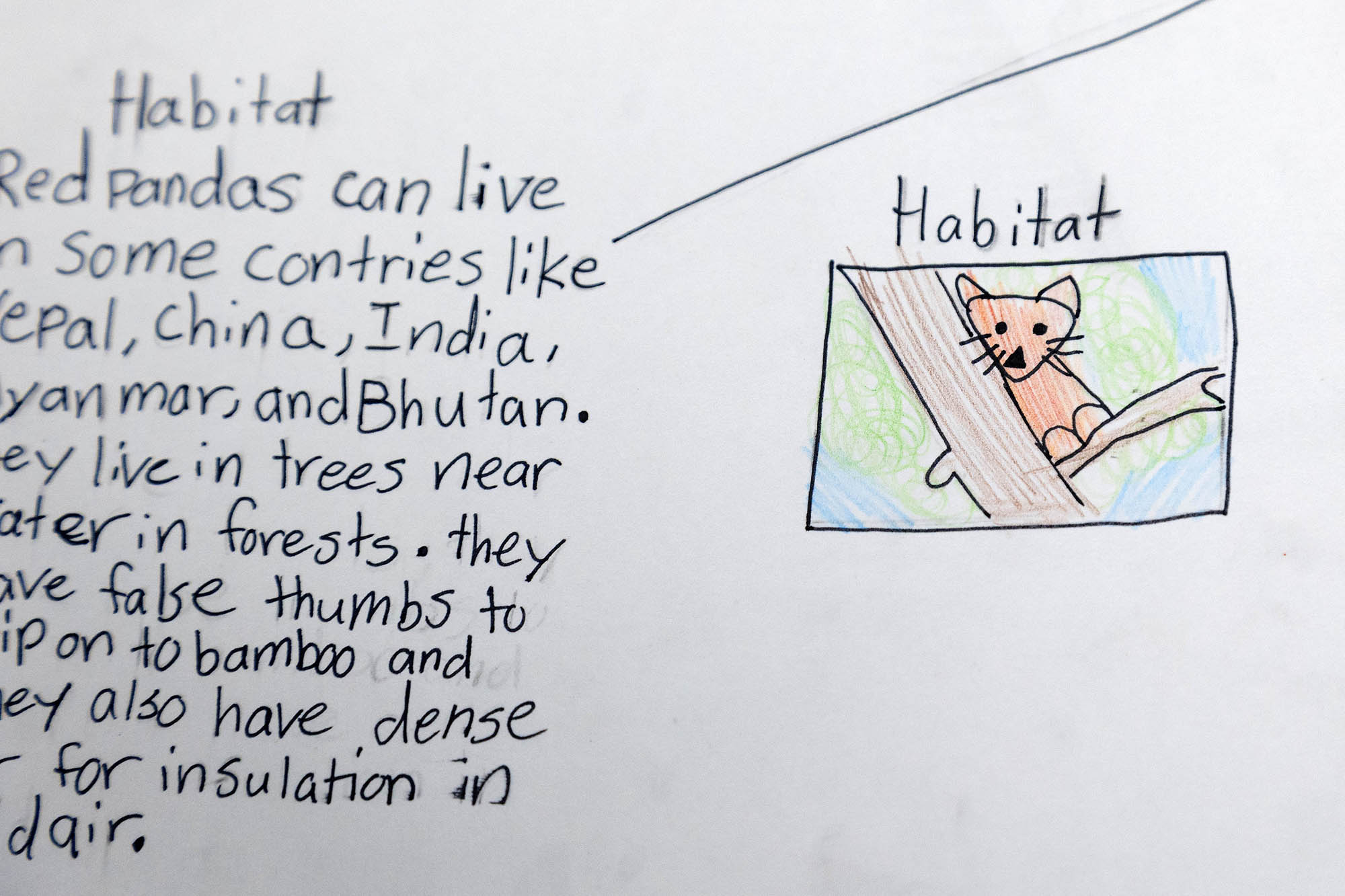
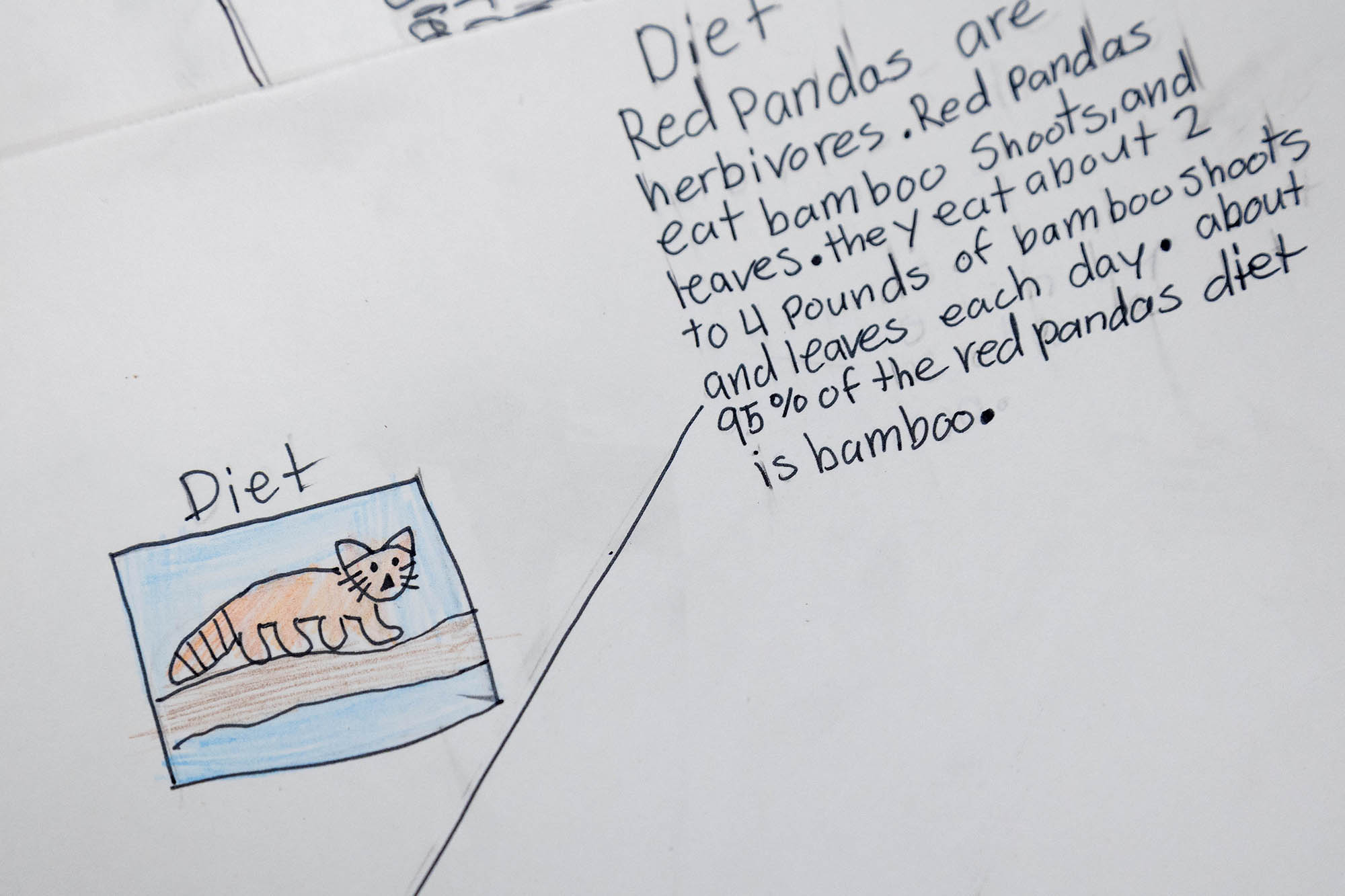
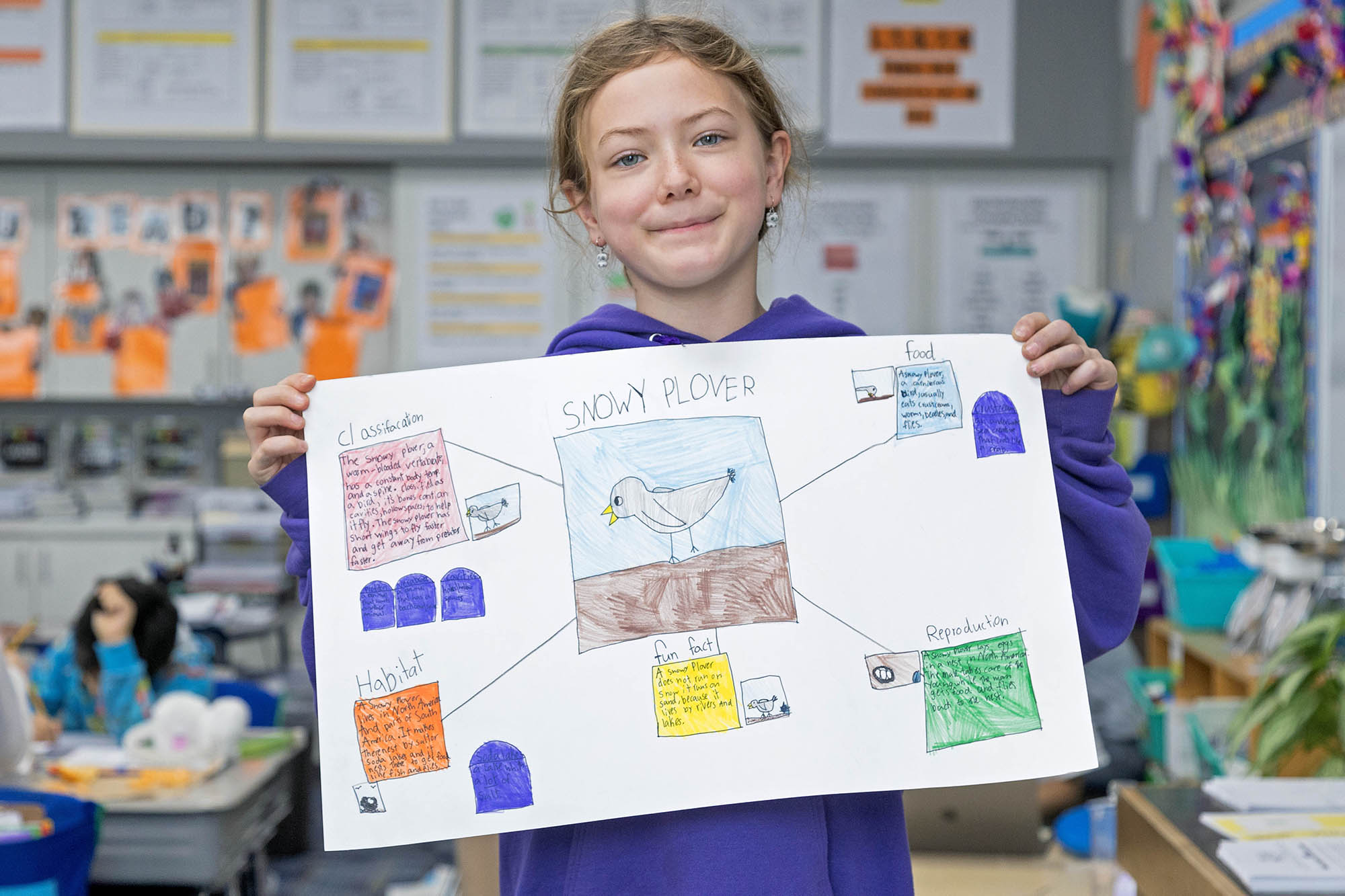
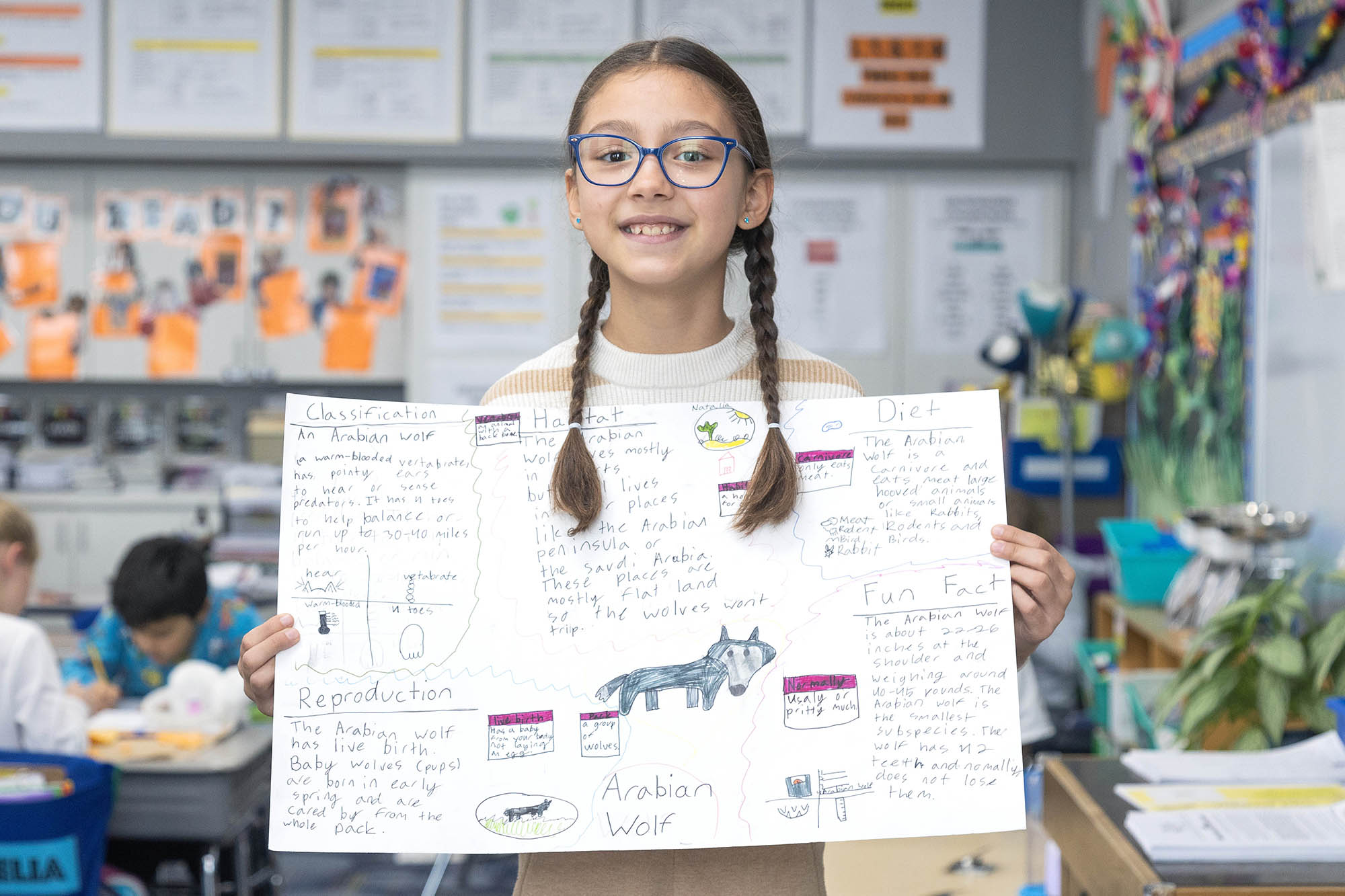
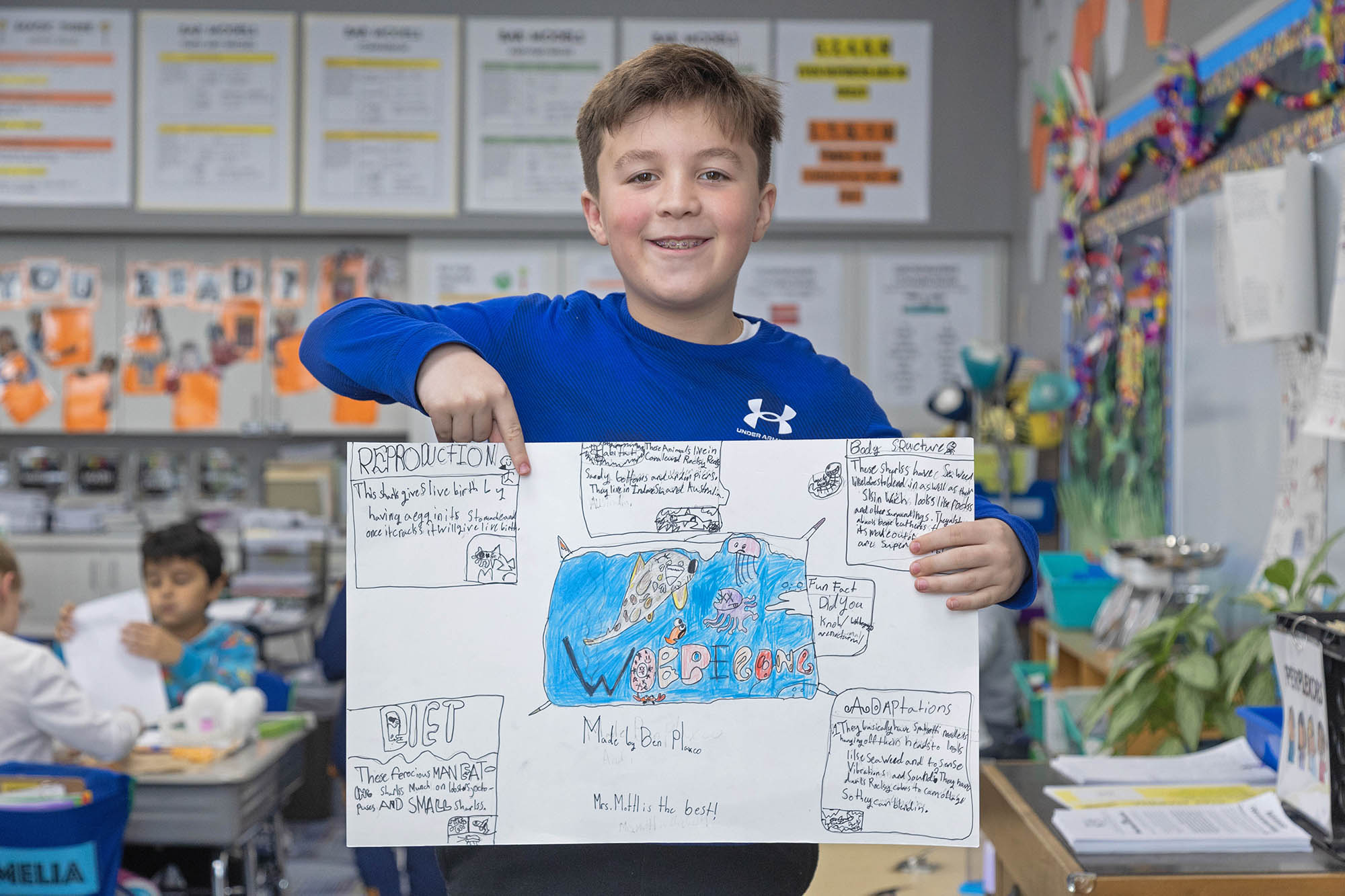
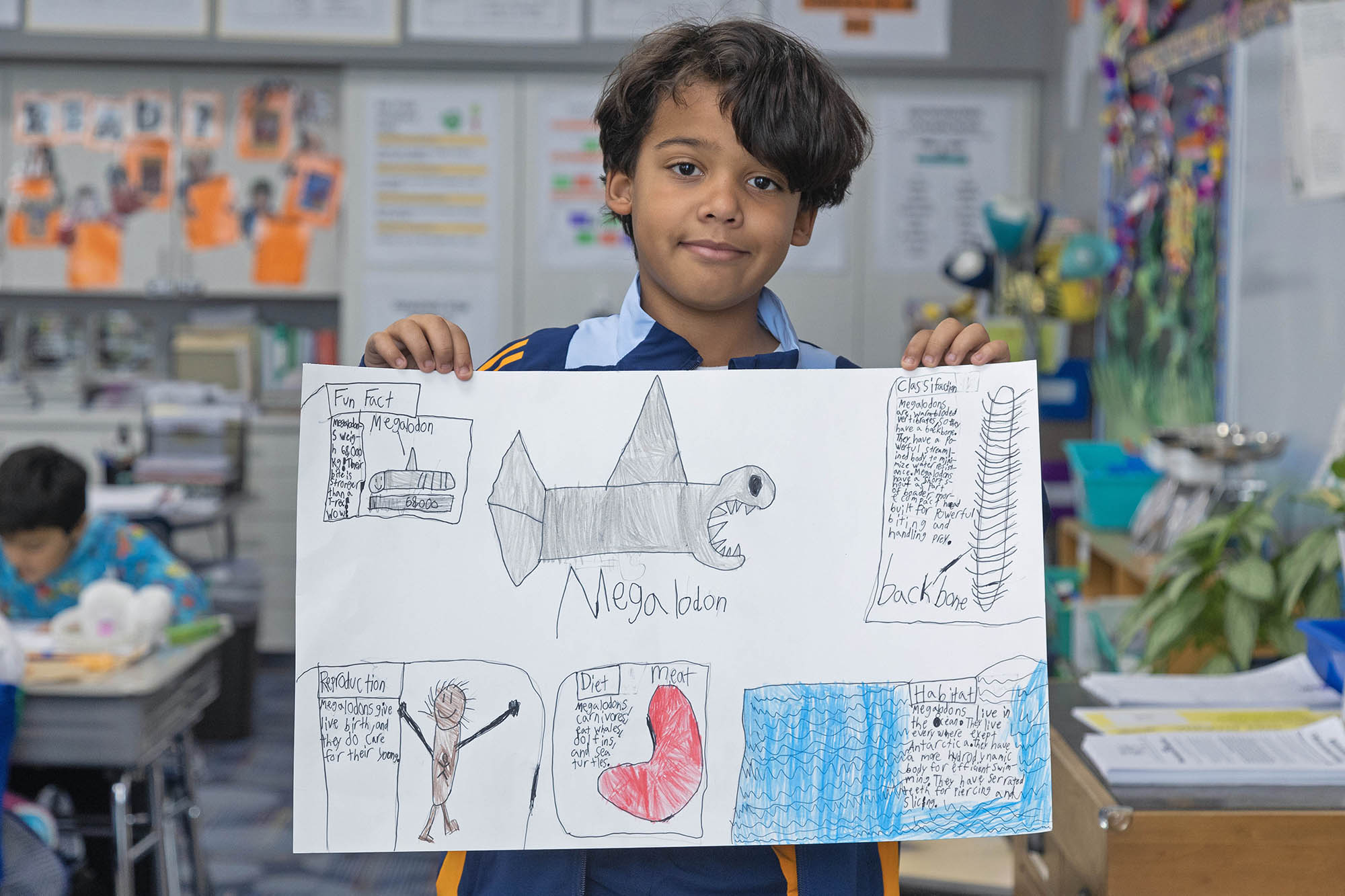
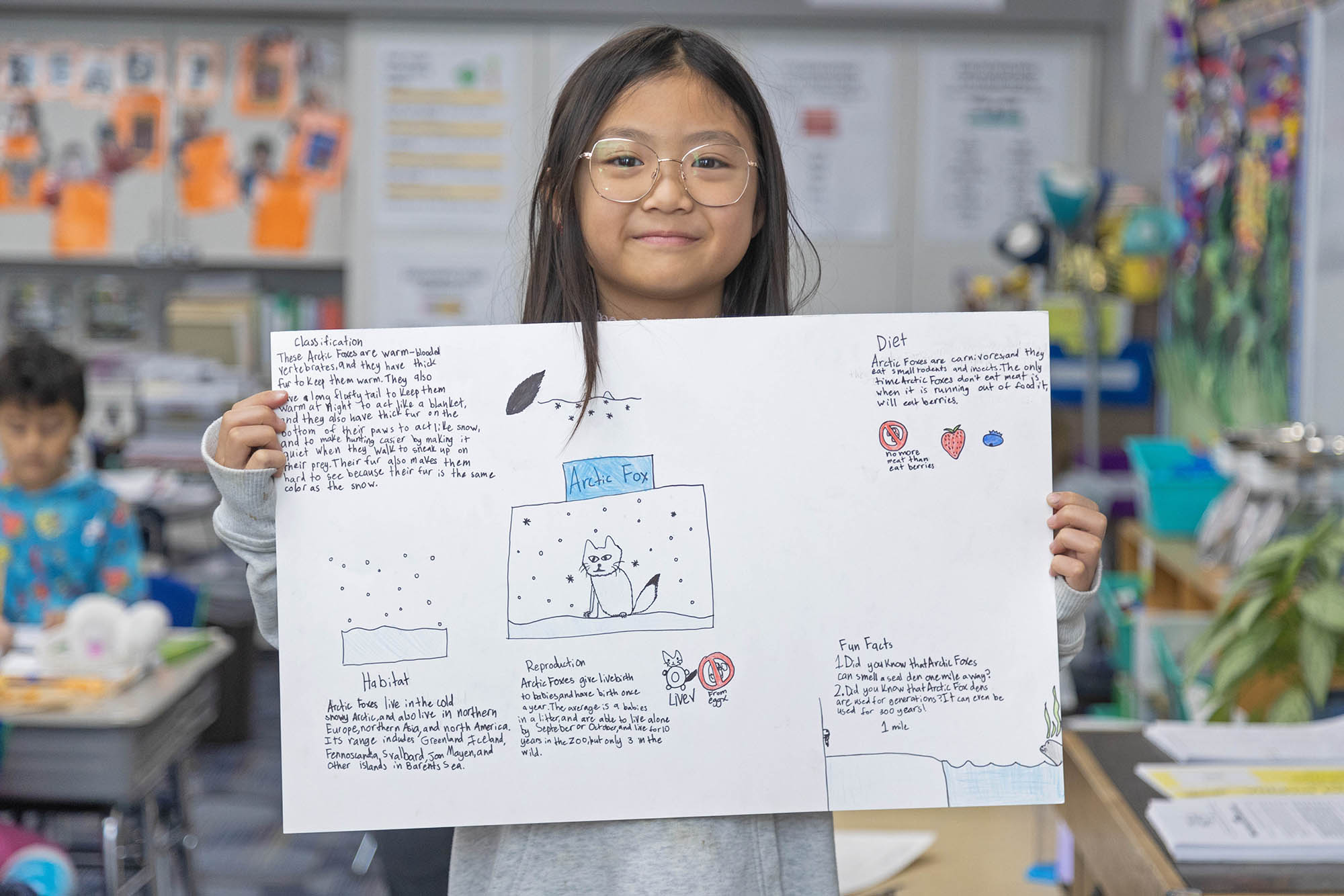
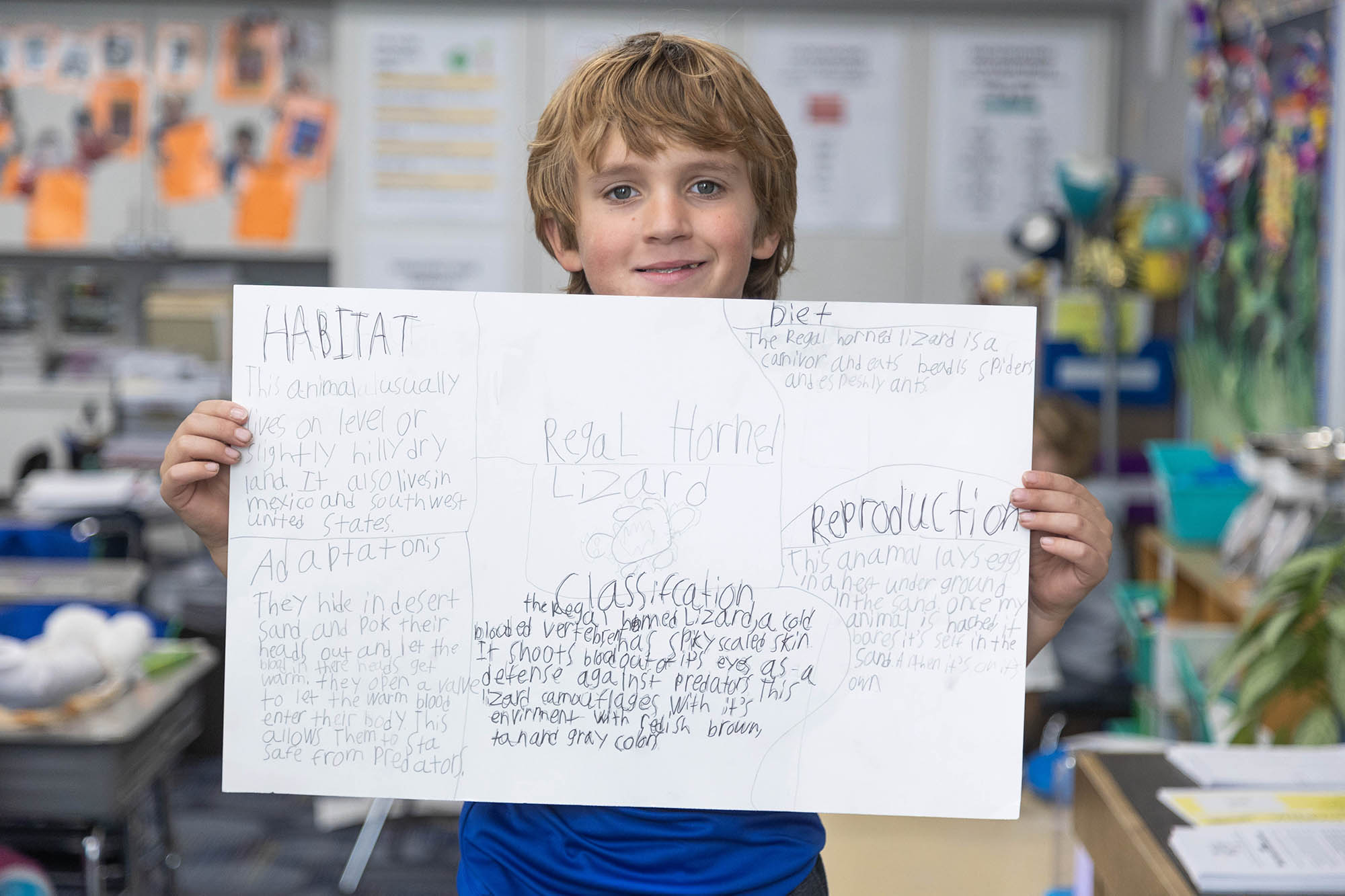
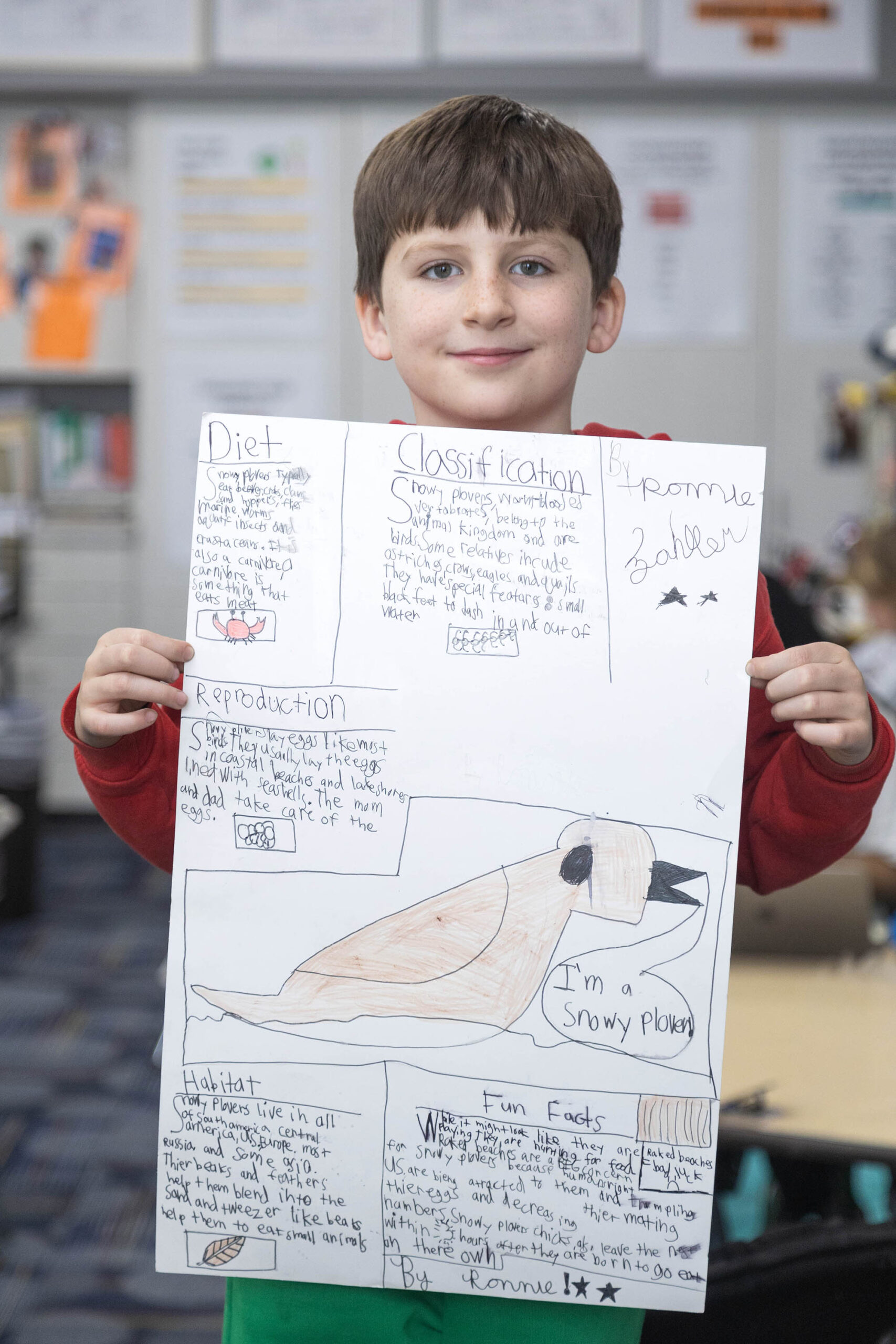
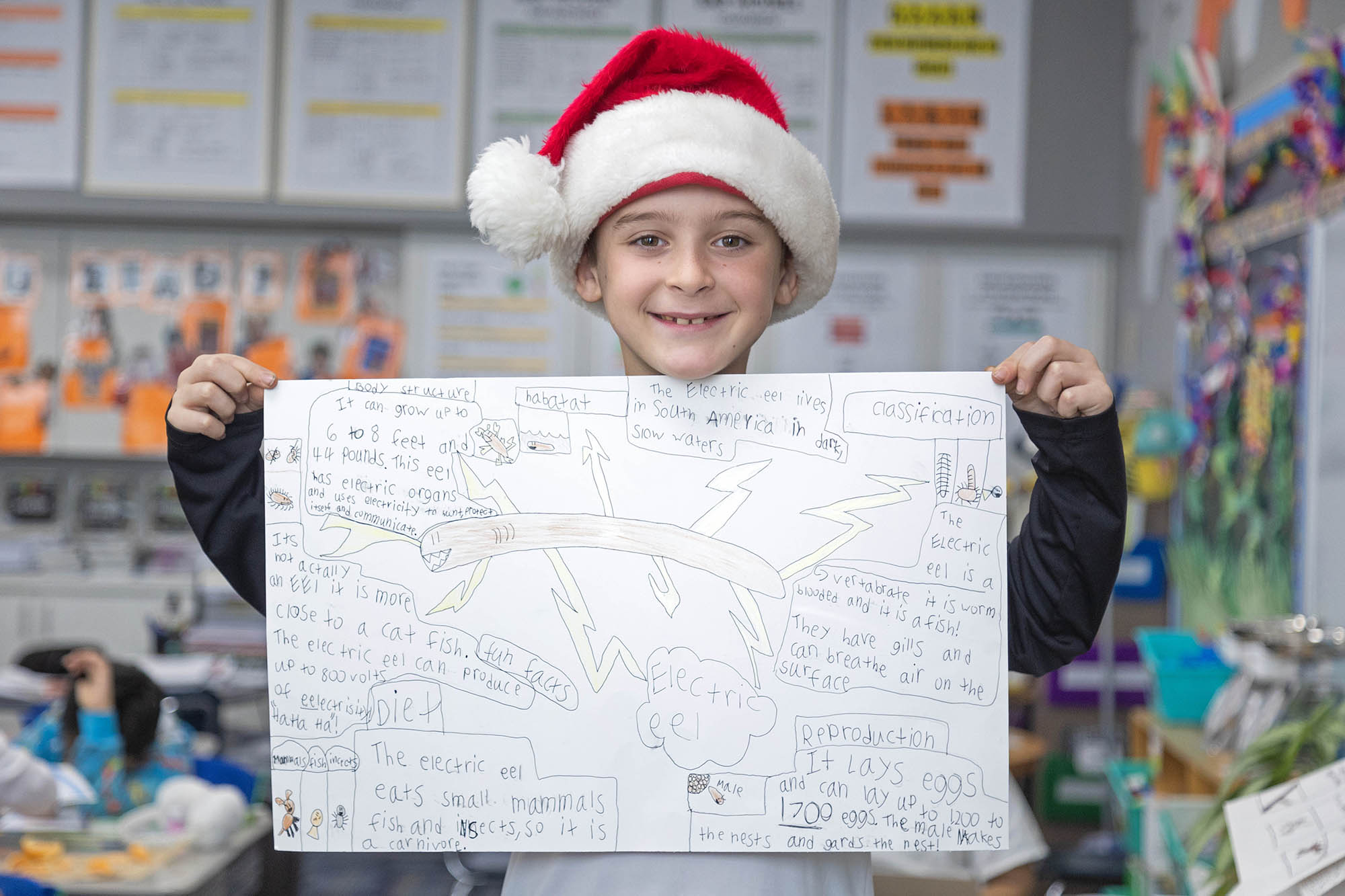
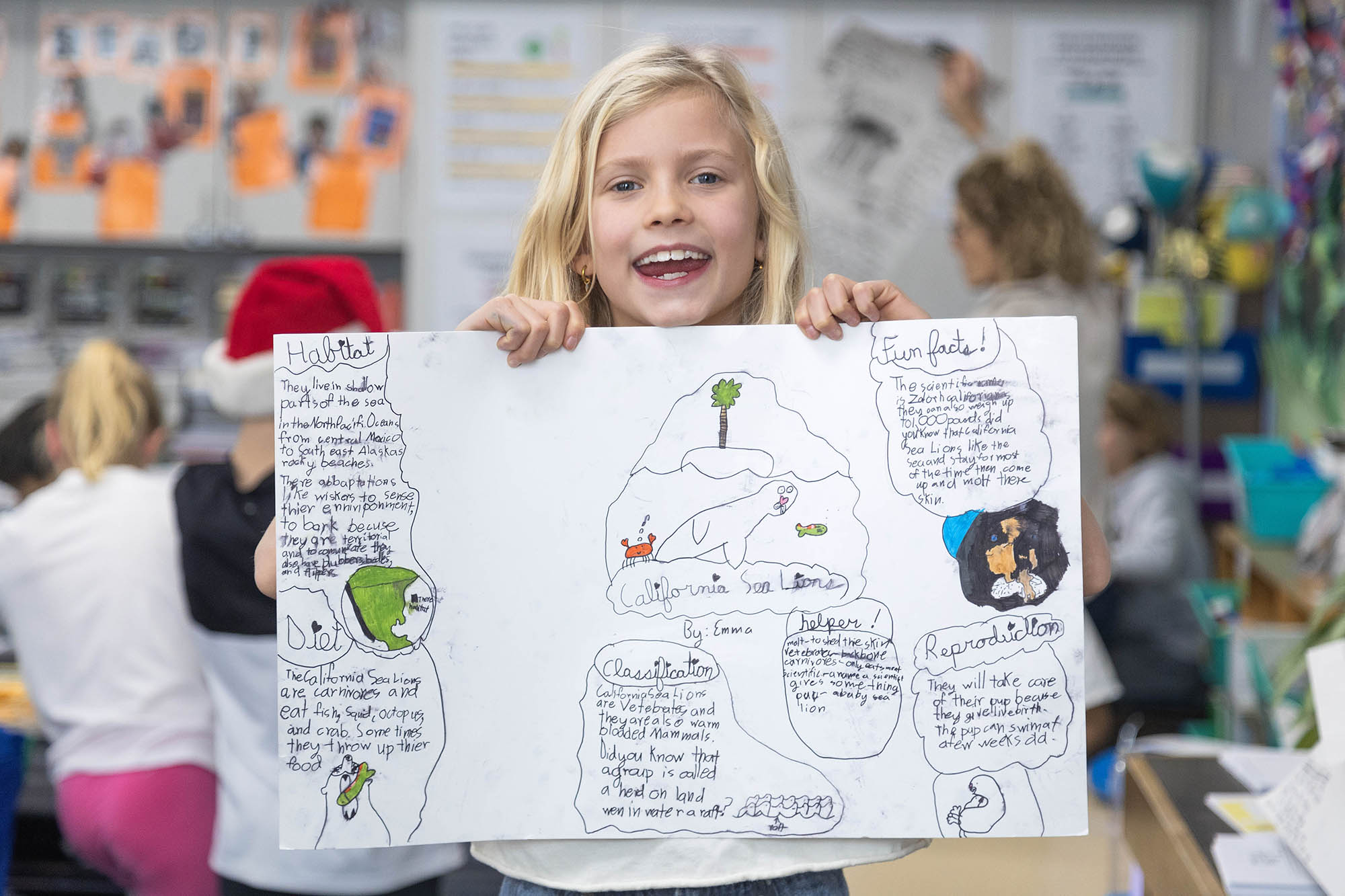
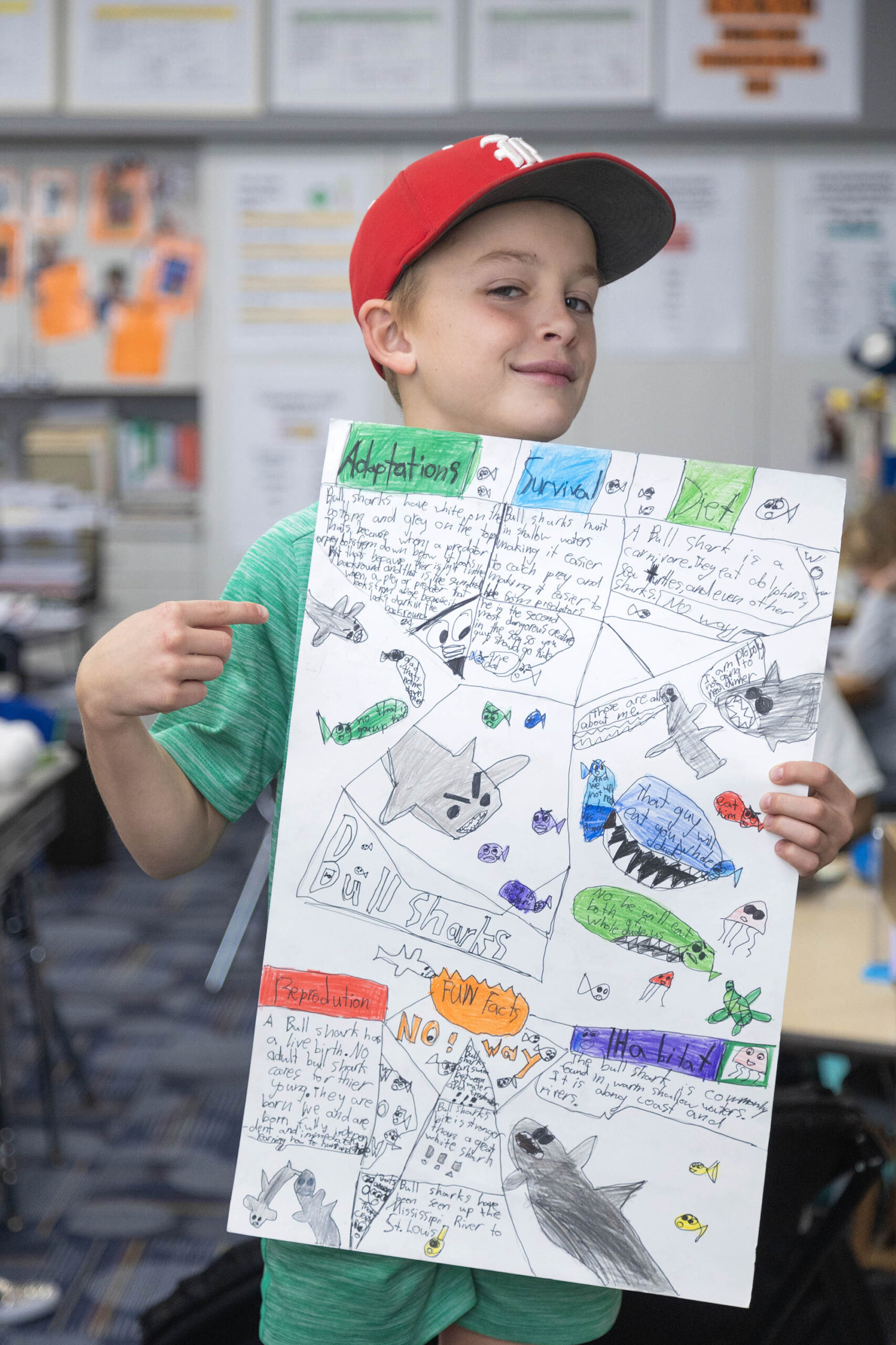
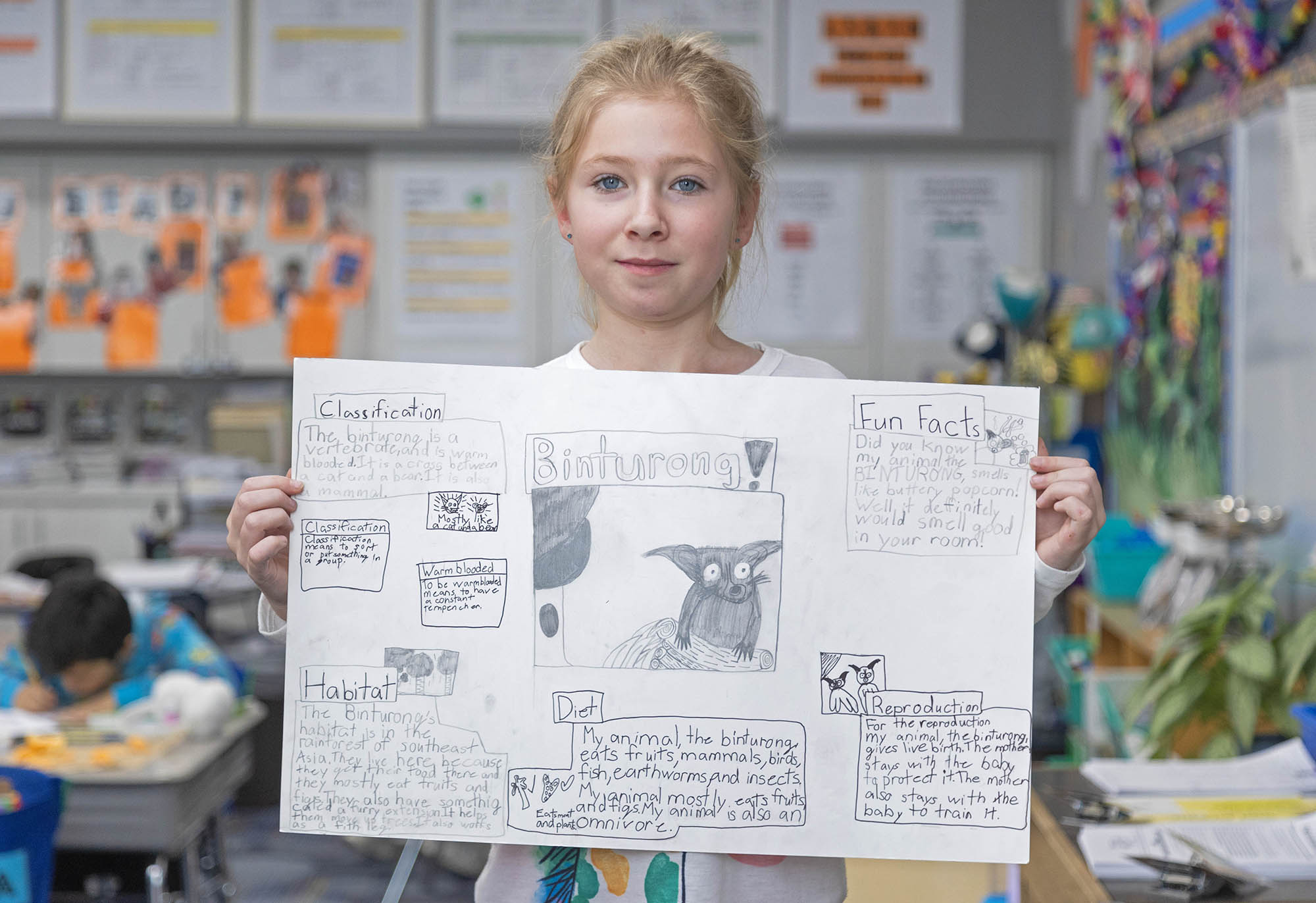
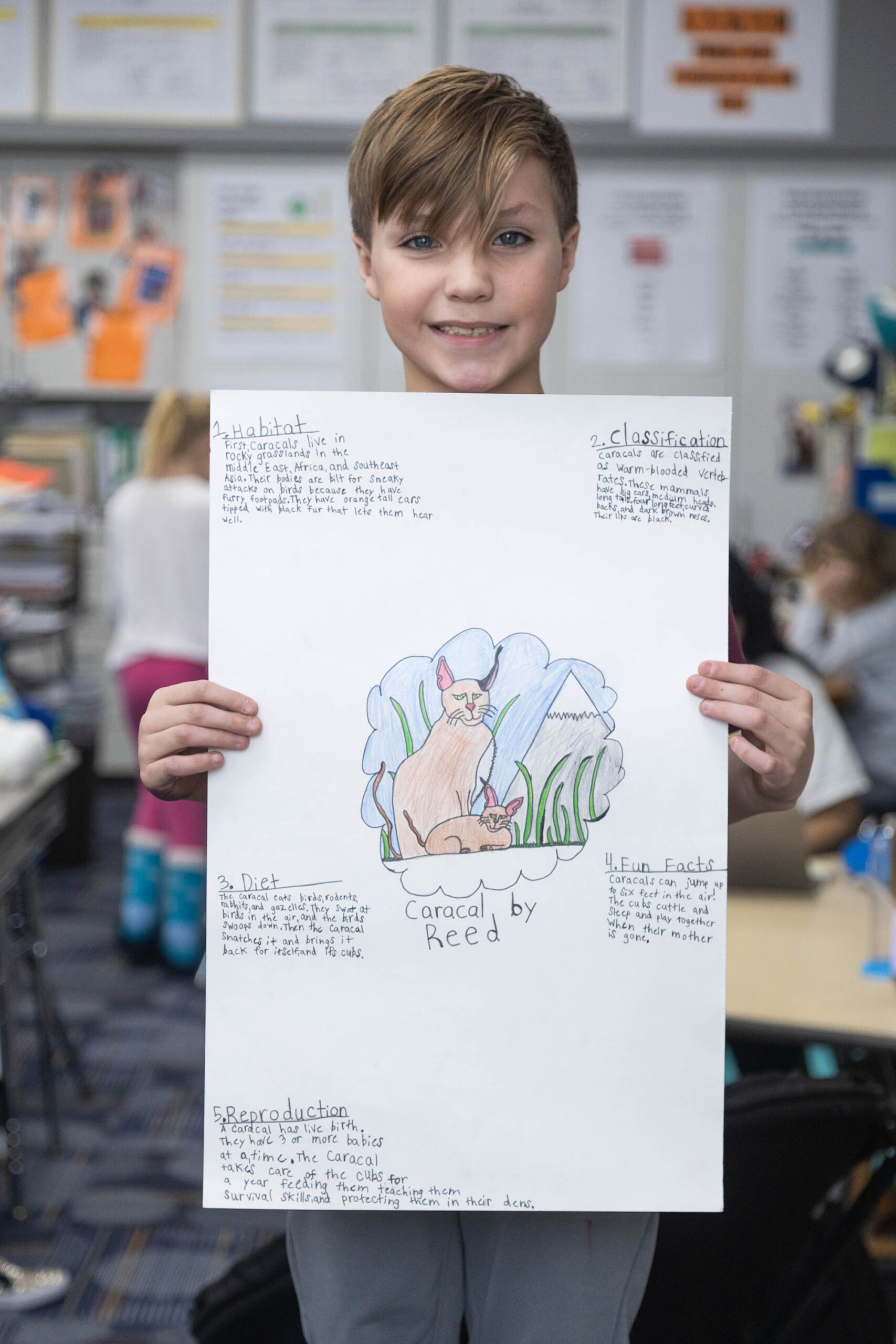
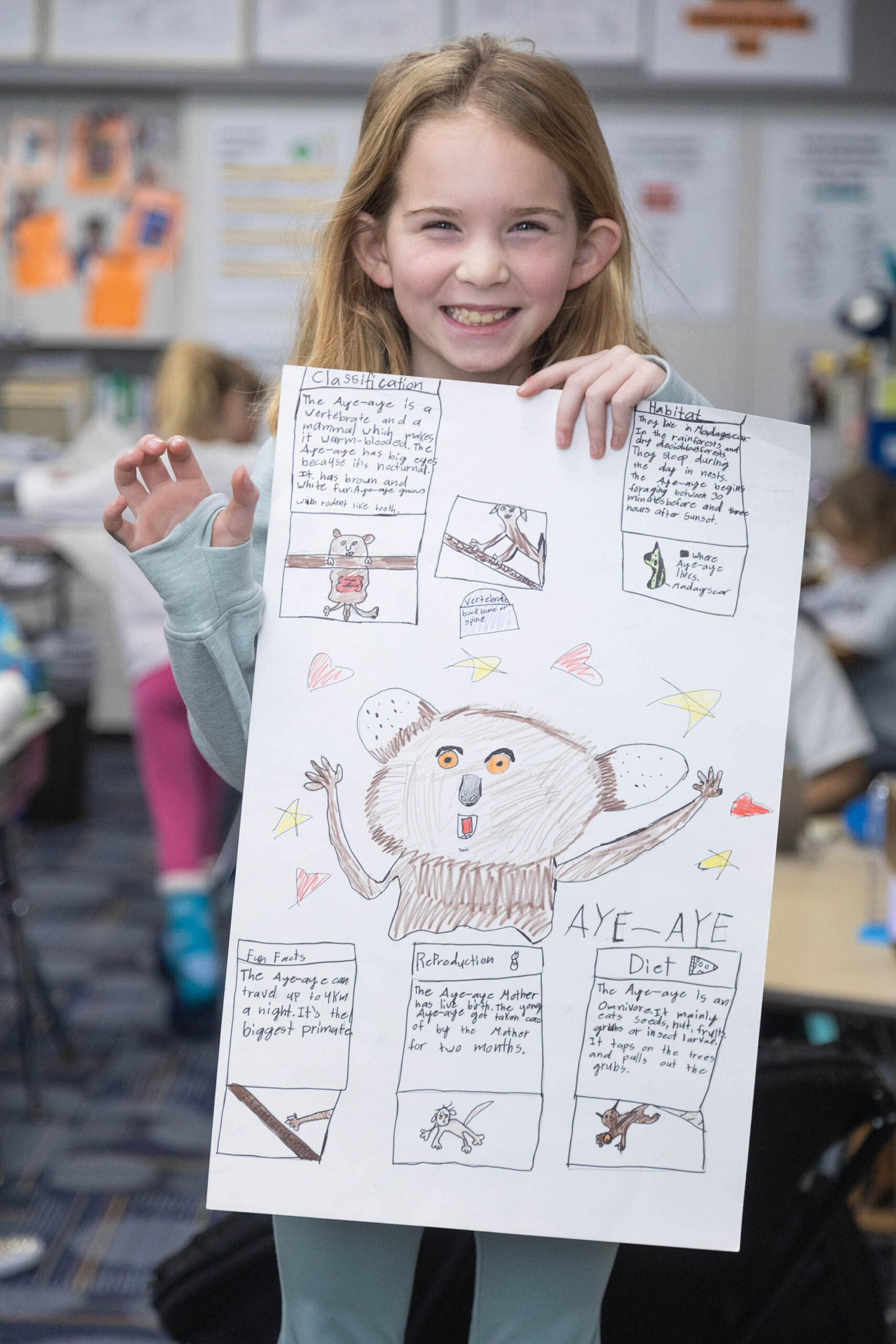
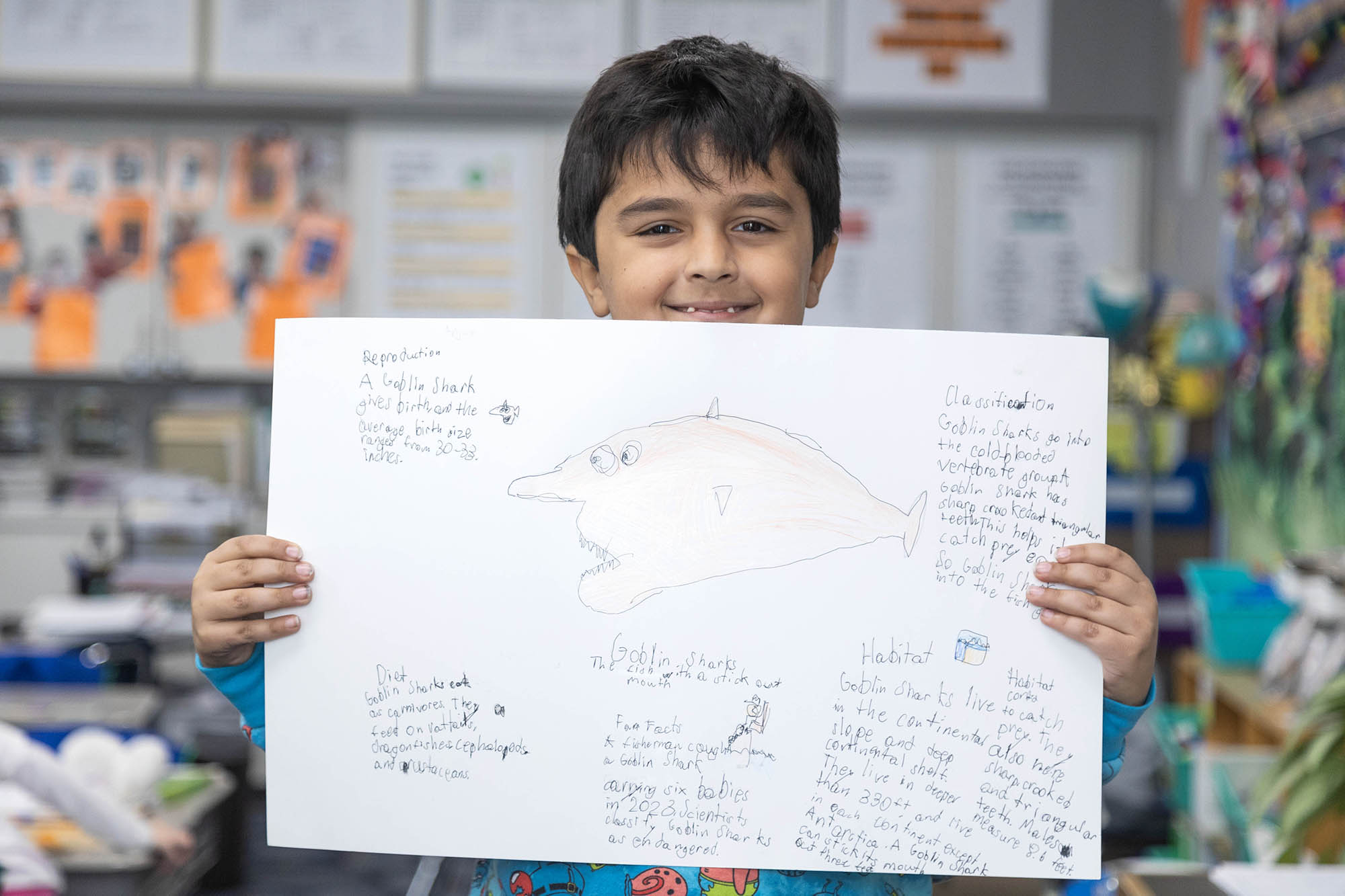
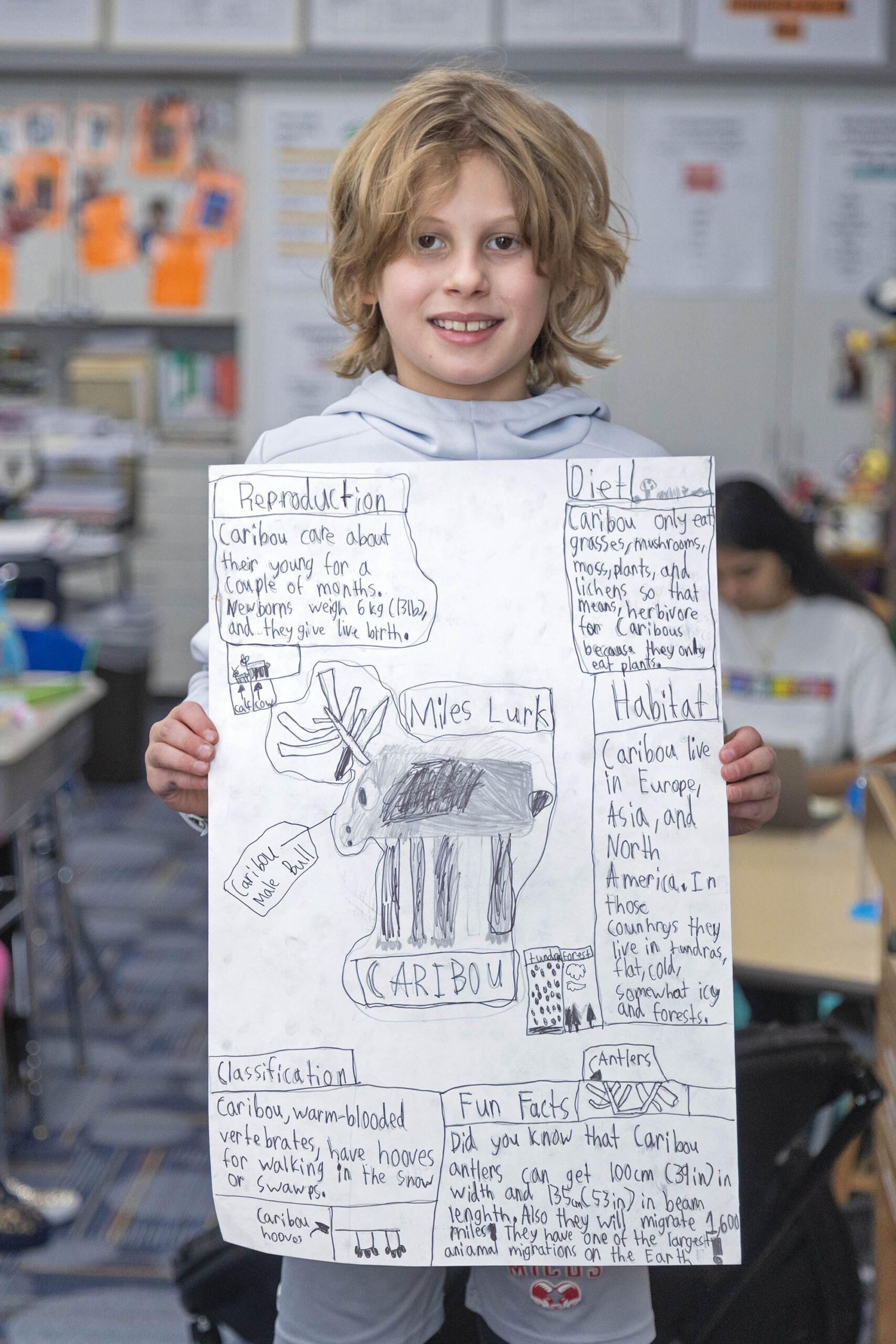
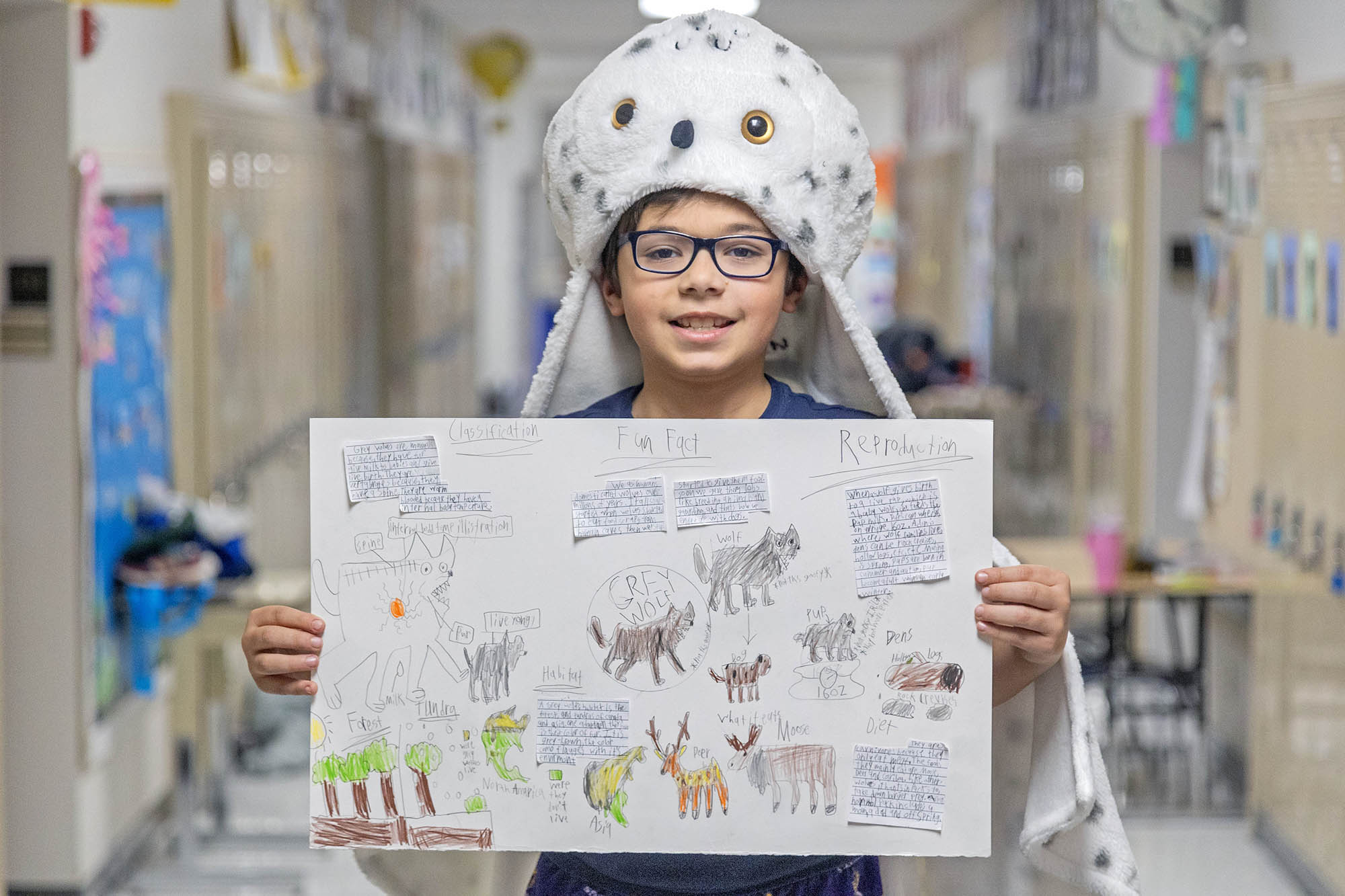
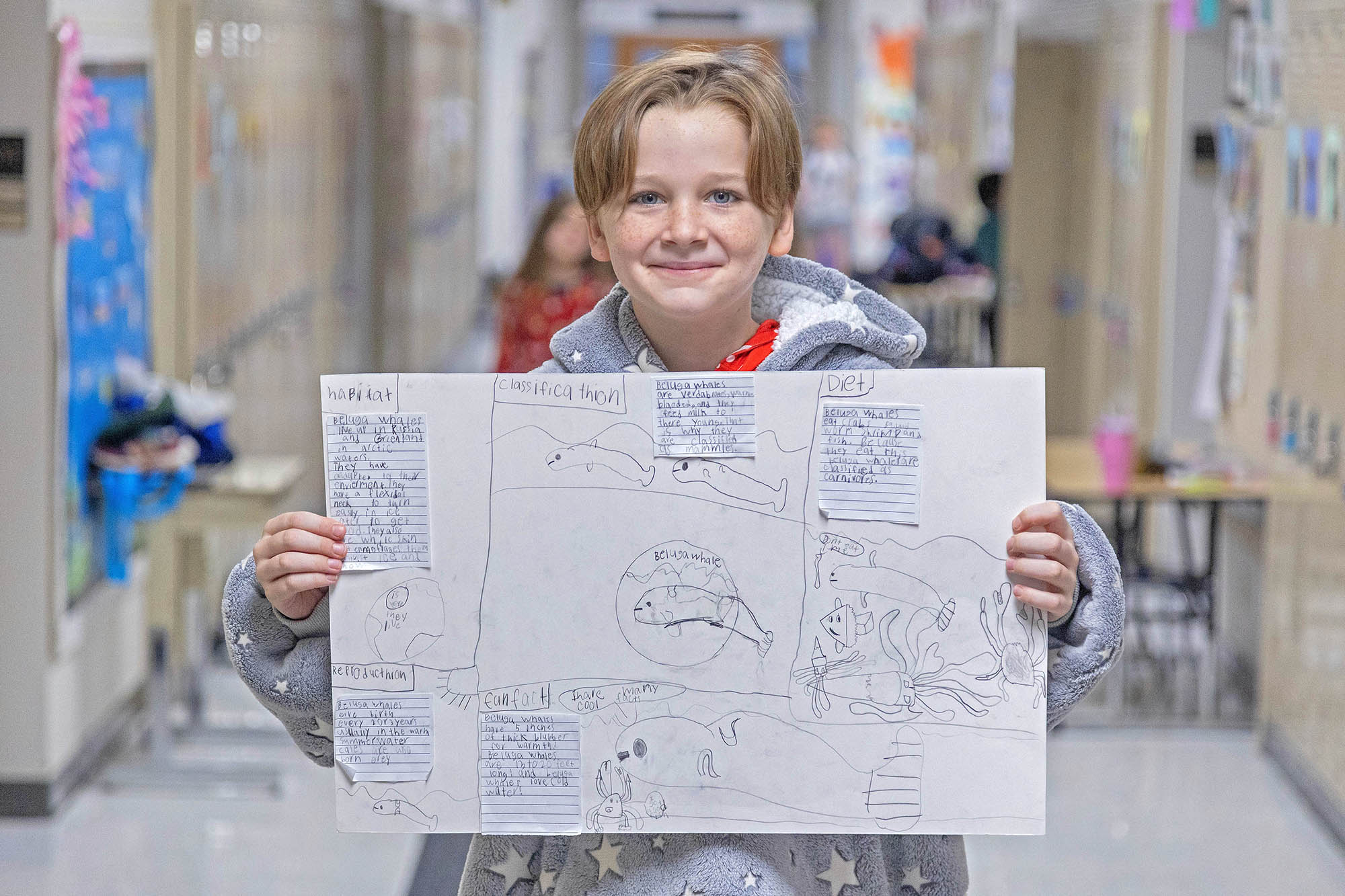
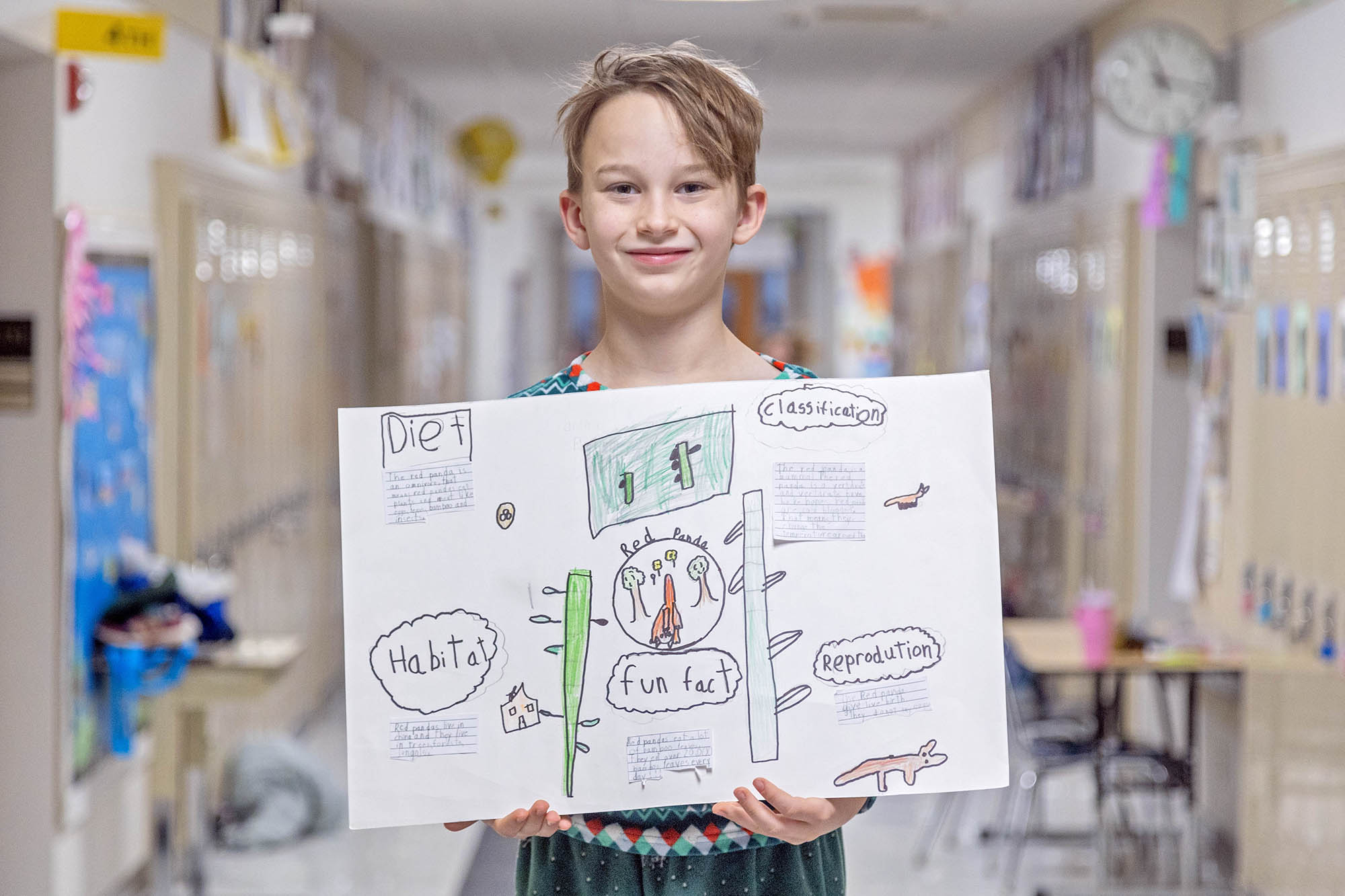
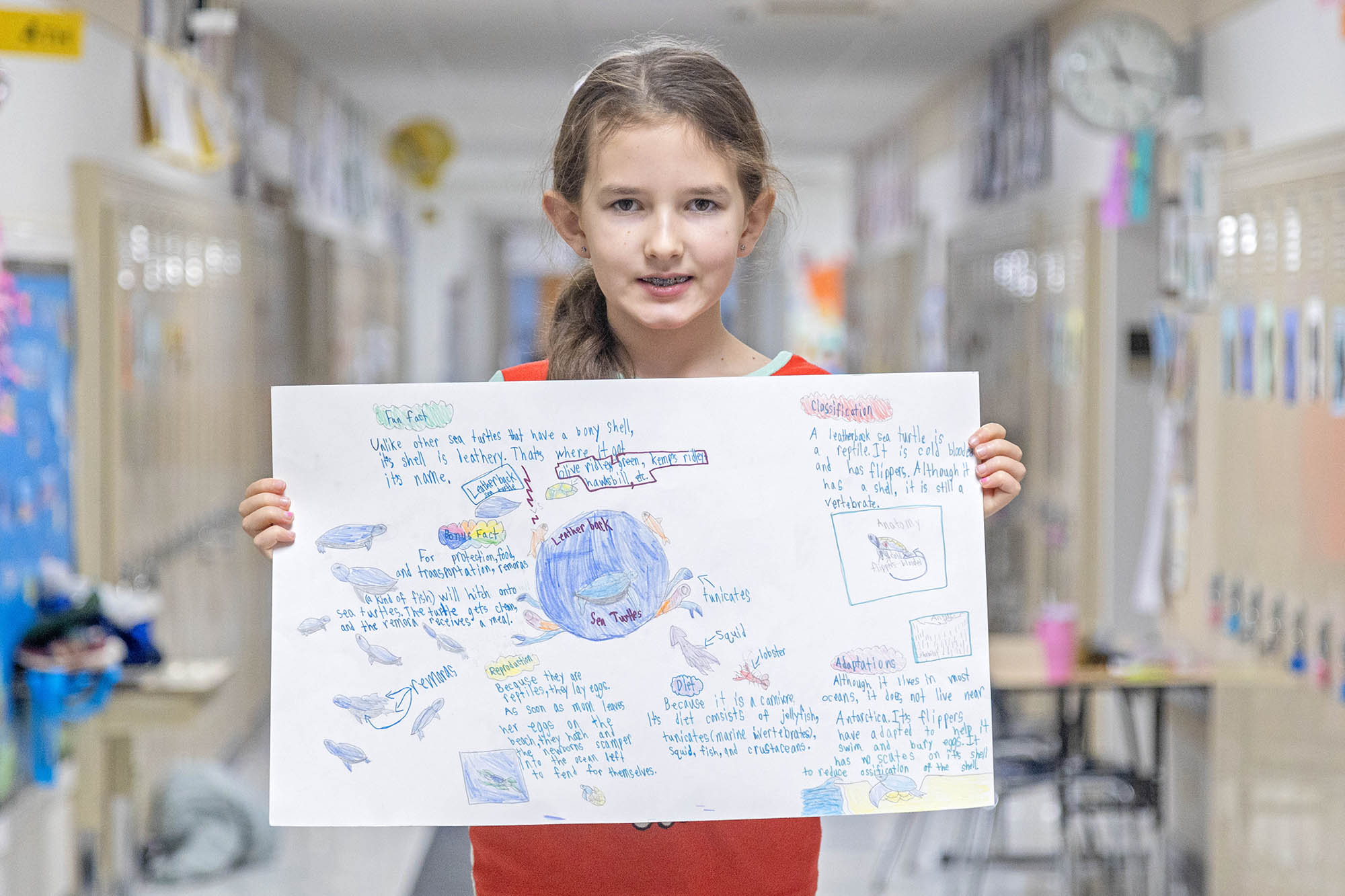
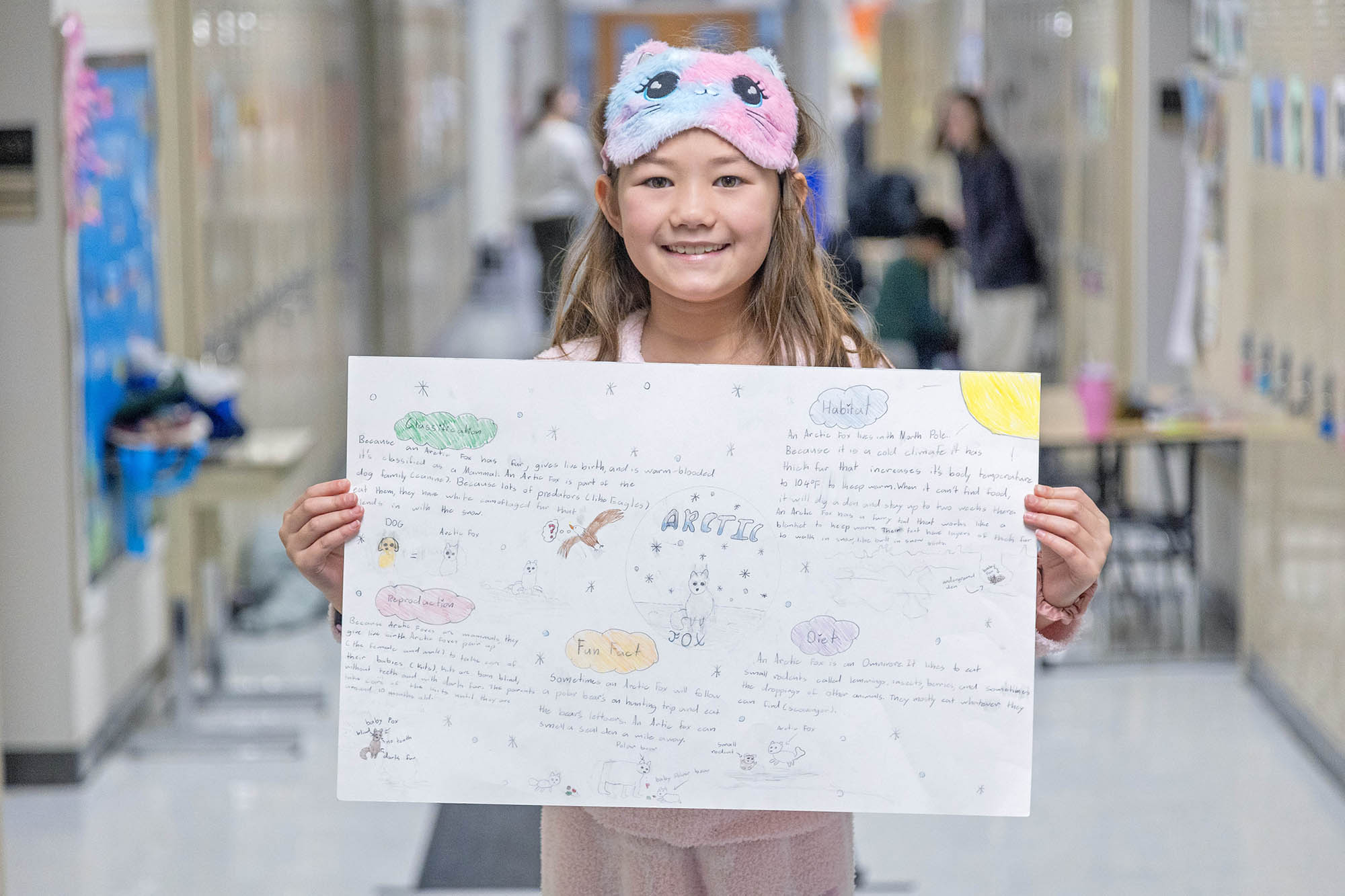
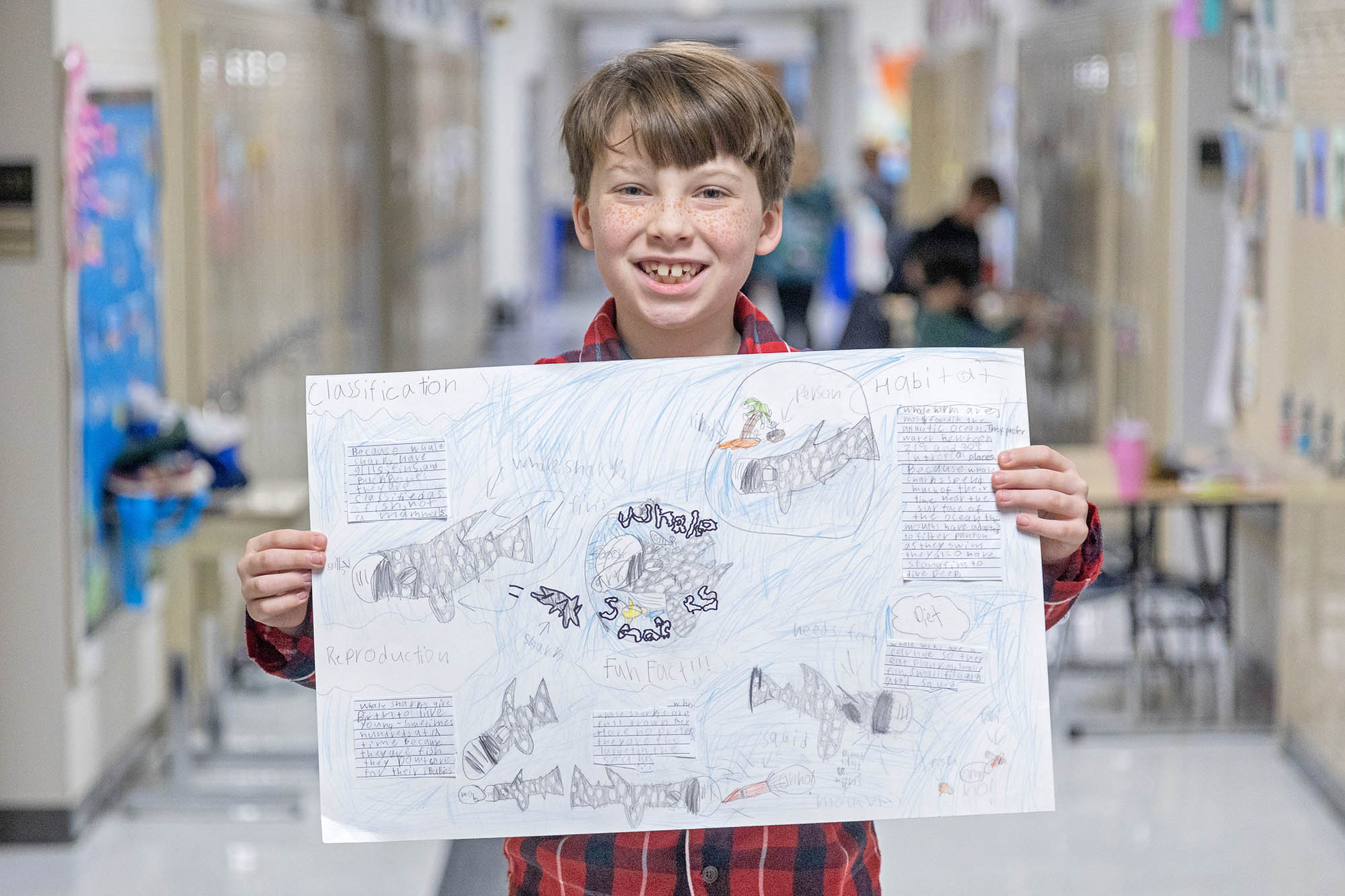
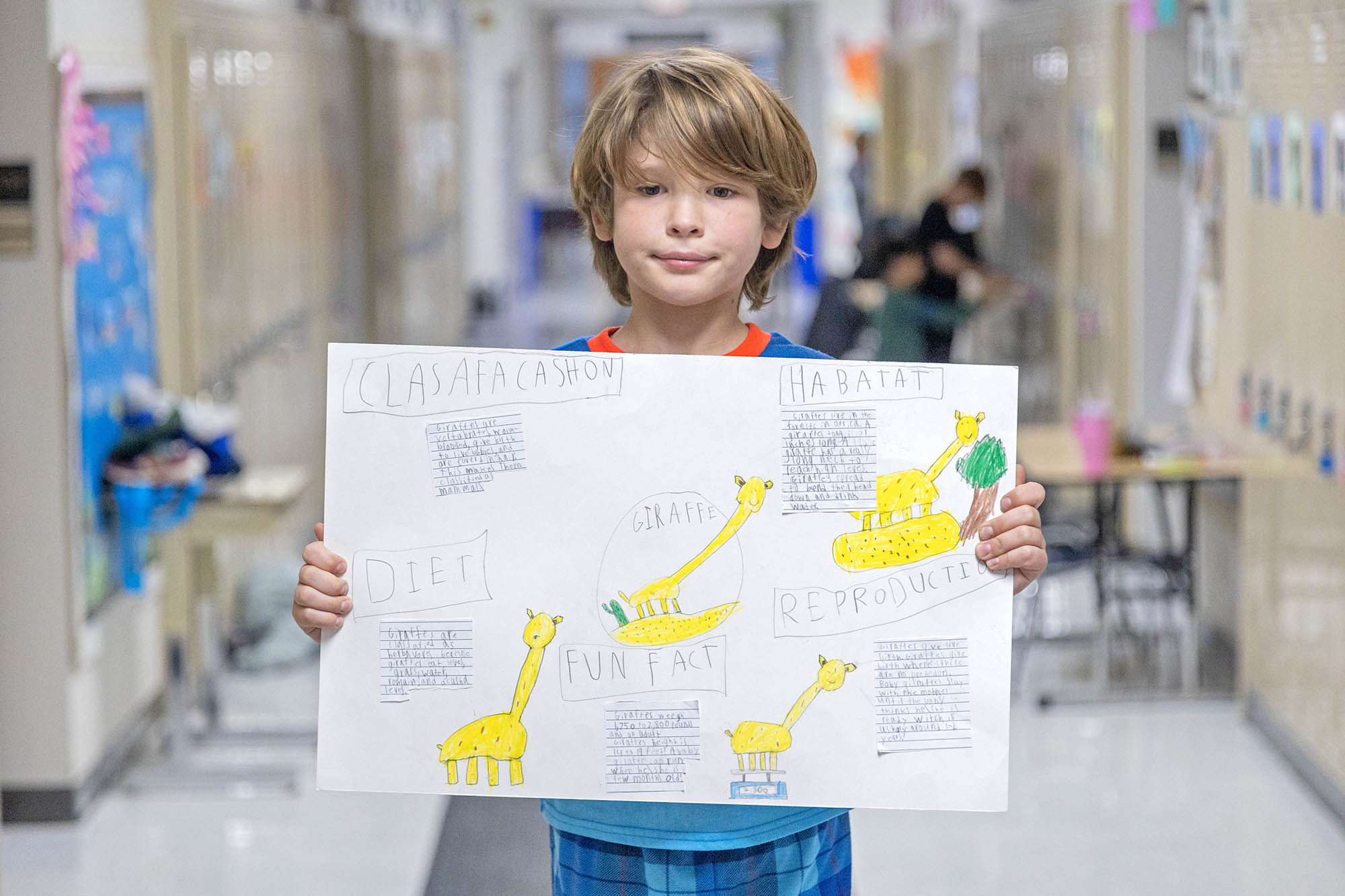
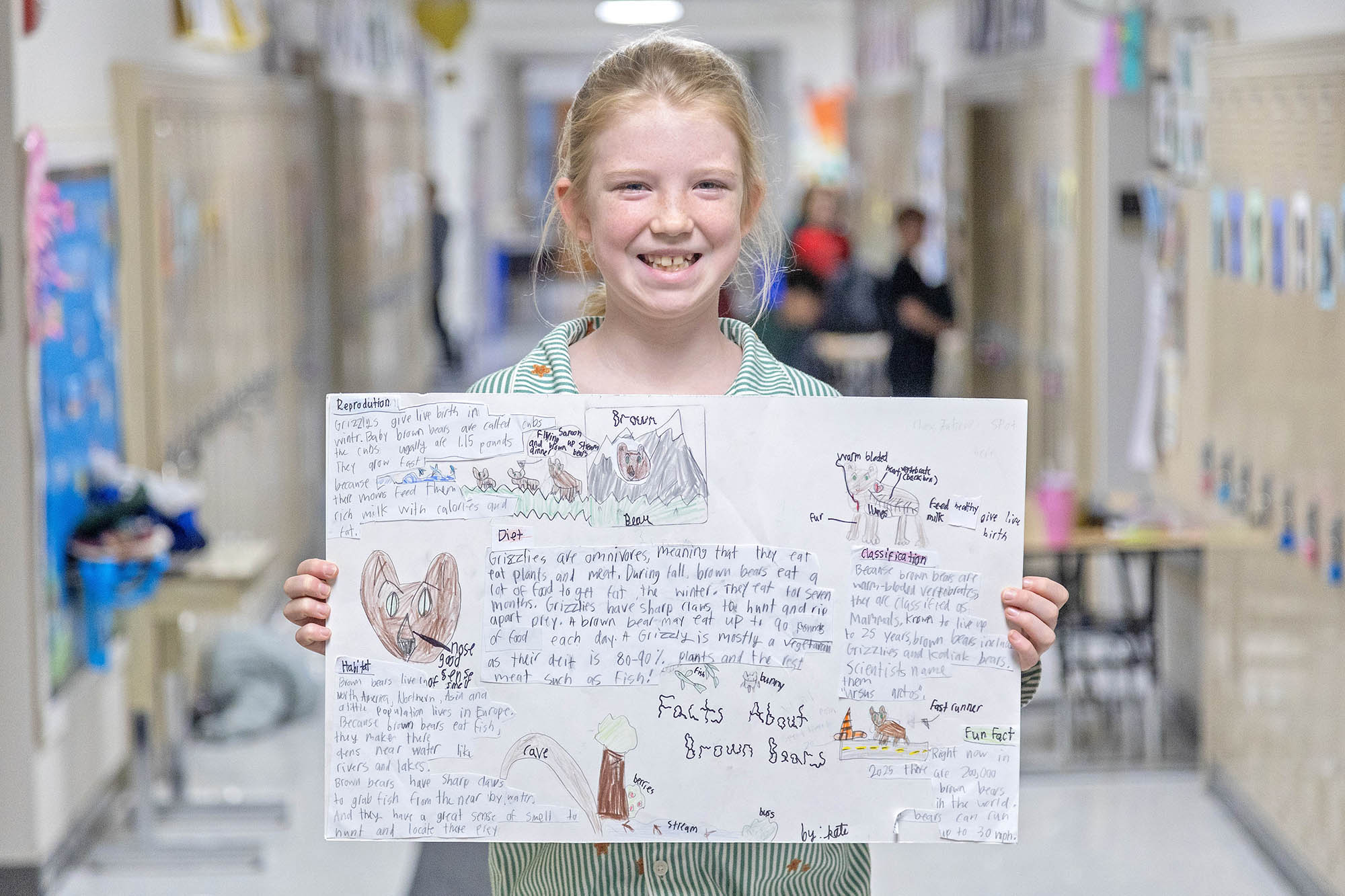
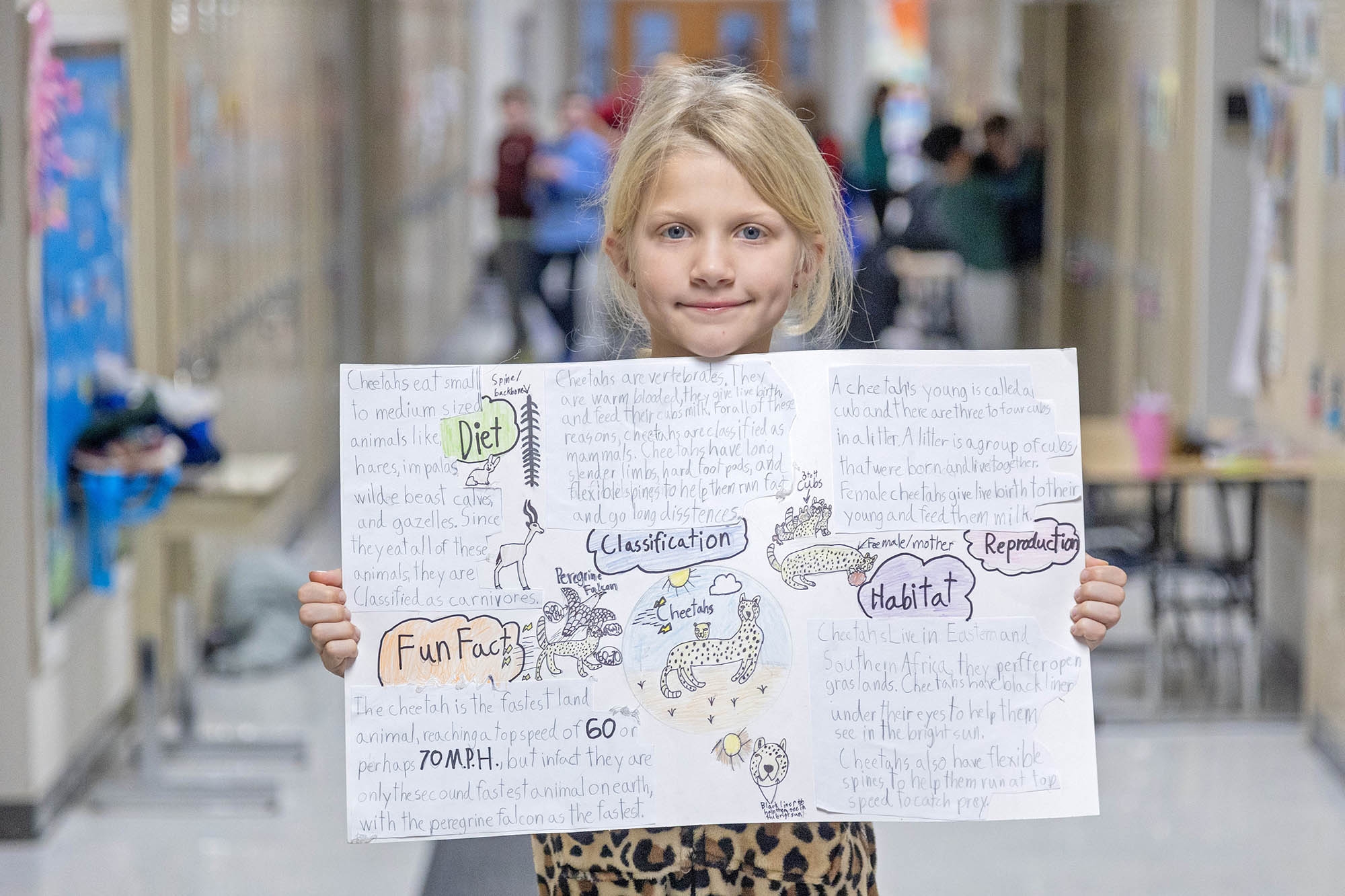
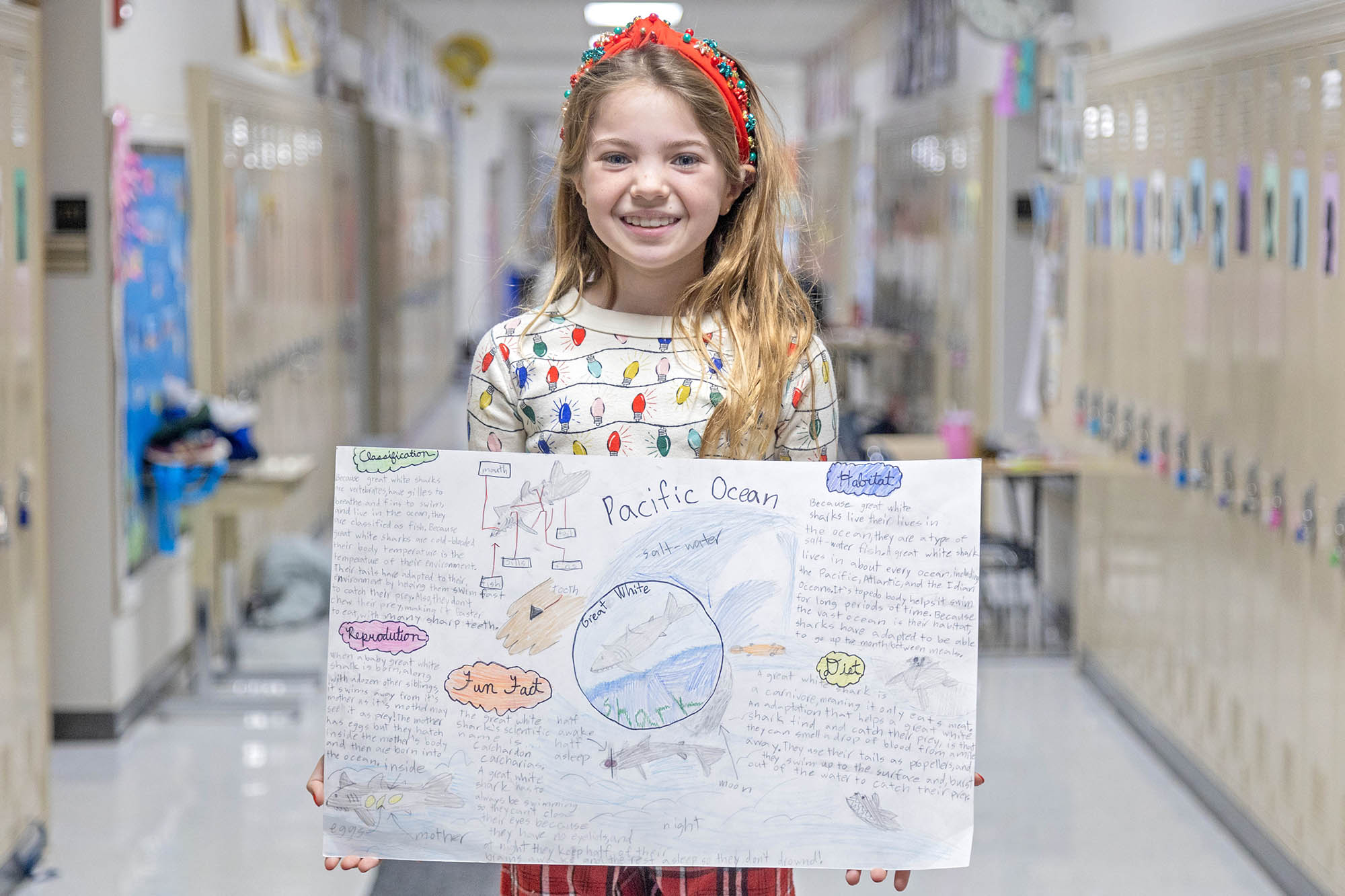
These projects prove that when learning is real and hands-on, students don’t just consume information—they apply it, analyze it, and own it. Our students are building skills crucial for their future, such as research and note-taking, critical thinking and problem-solving, collaboration and communication, and creative construction using materials like 3D pens, felt, and clay. We encourage you to ask our third and fourth-graders to teach you about the medieval village or their chosen vertebrate. Their ability to explain their creation is the ultimate measure of their learning.