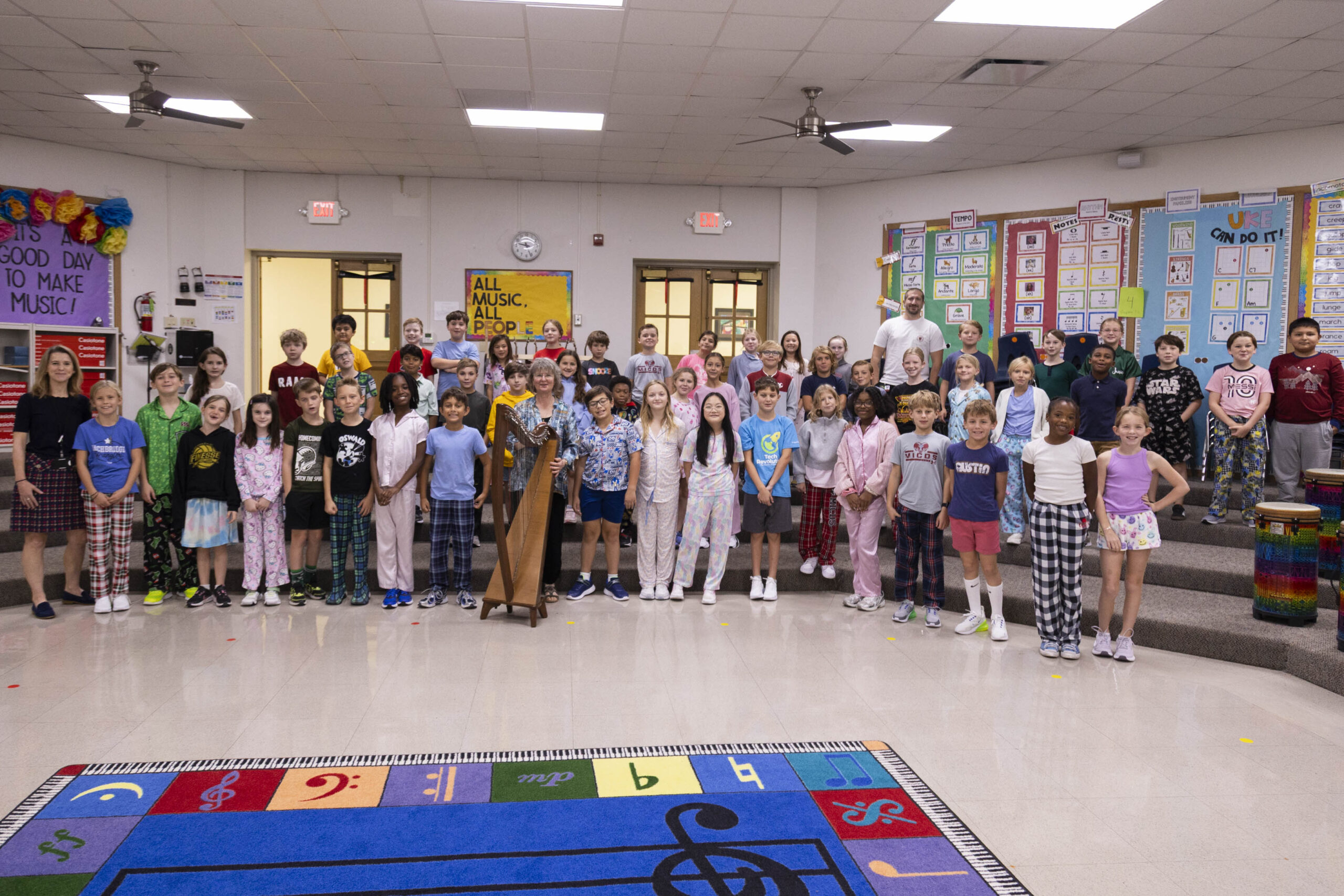
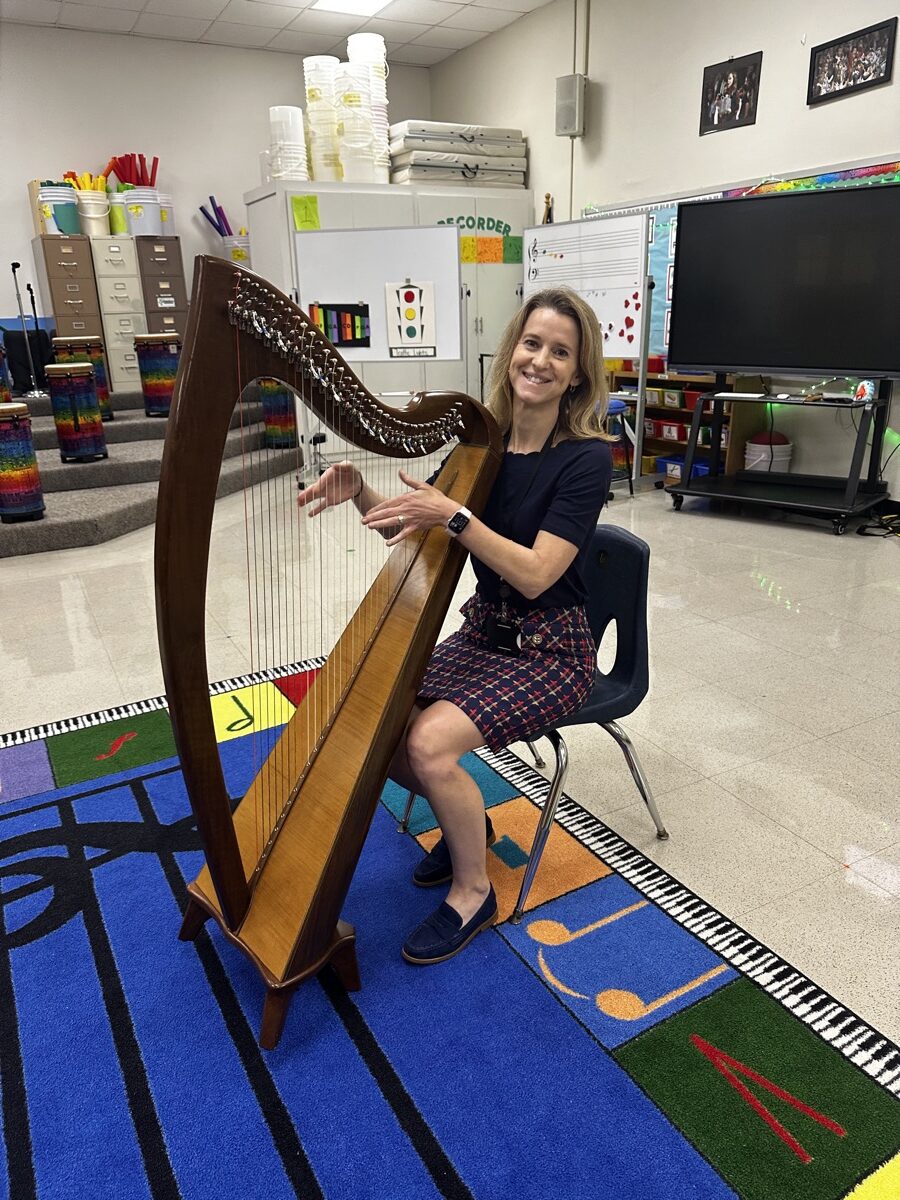
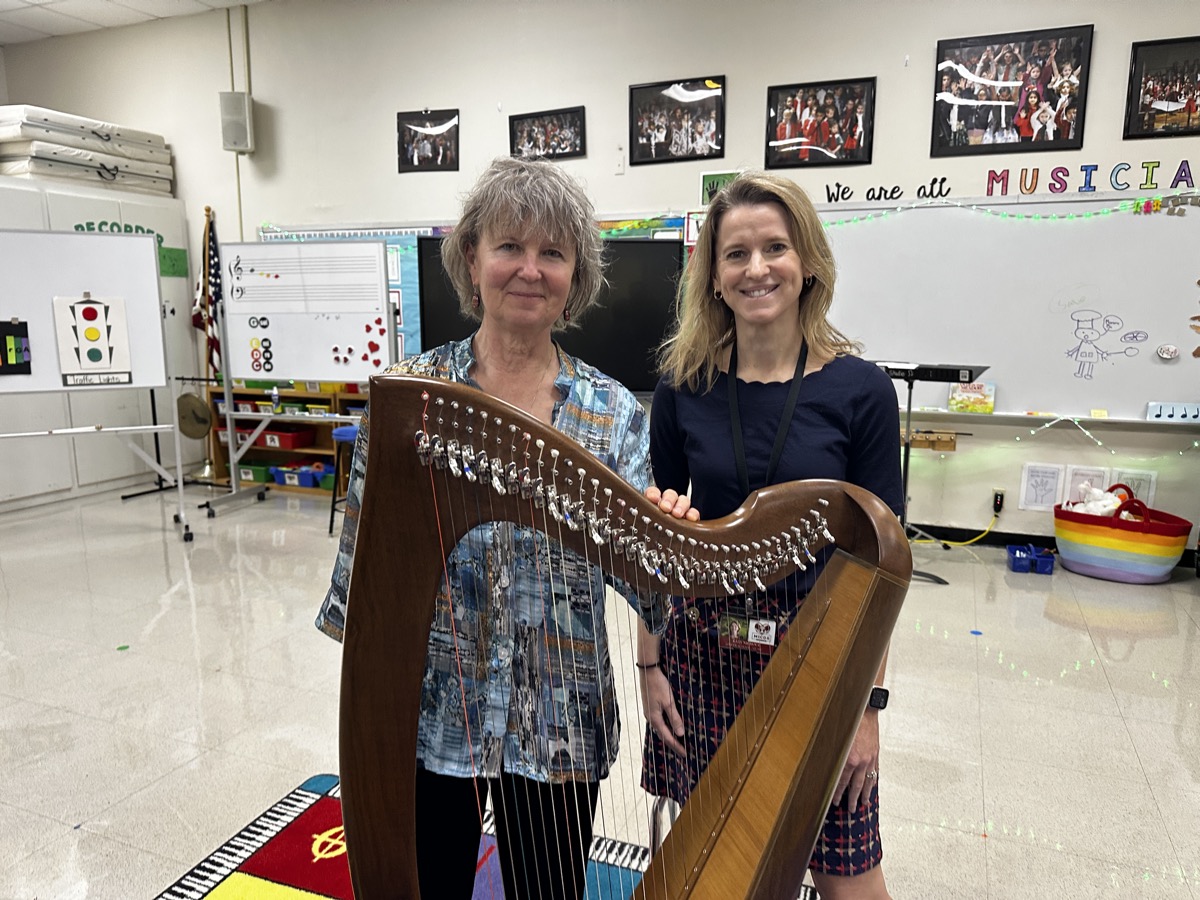
It’s not every day that you get to play a harp at school. Fortunately, our fourth-grade students had the chance to do just that, thanks to a very special guest: renowned harpist Sunita Staneslow.
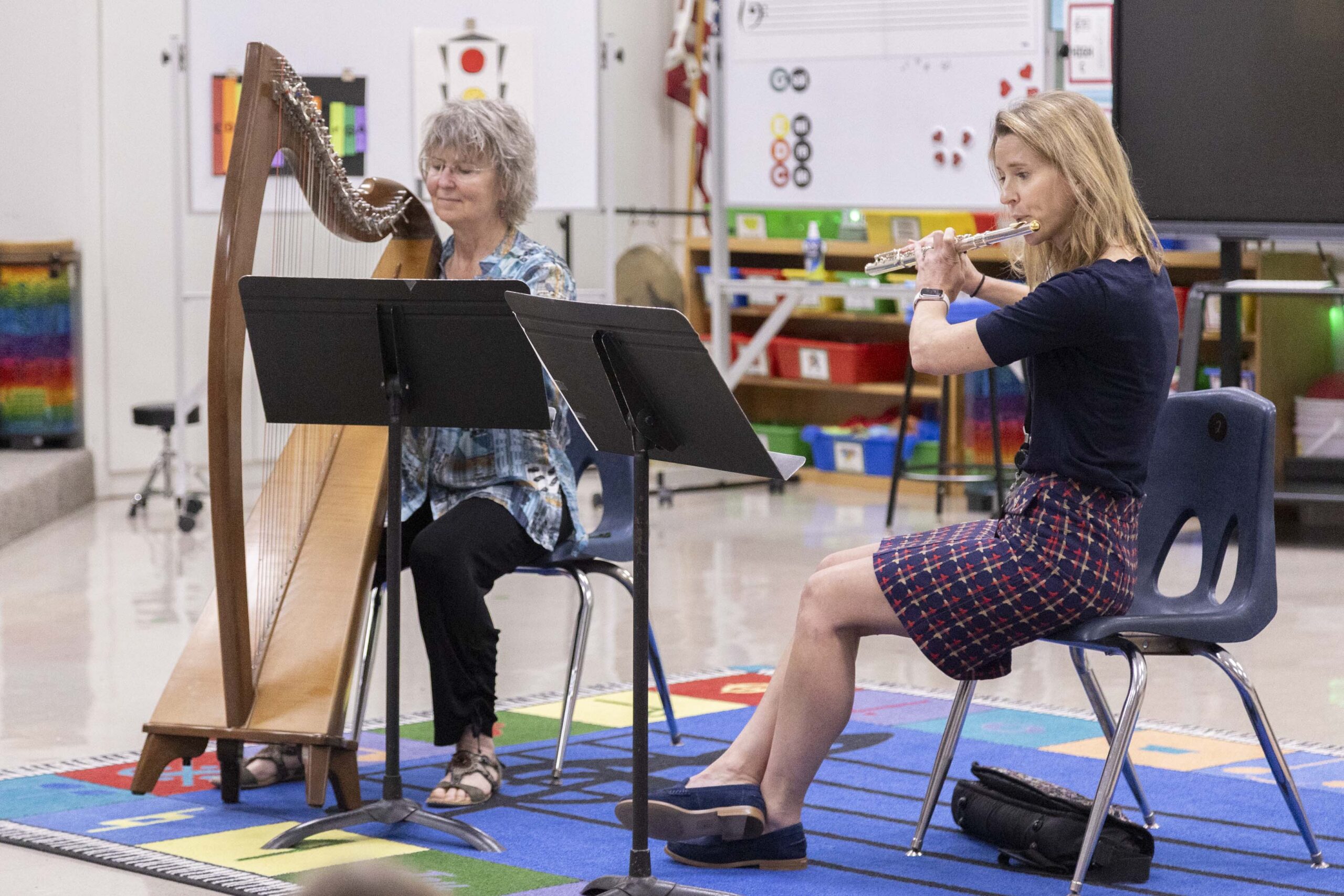
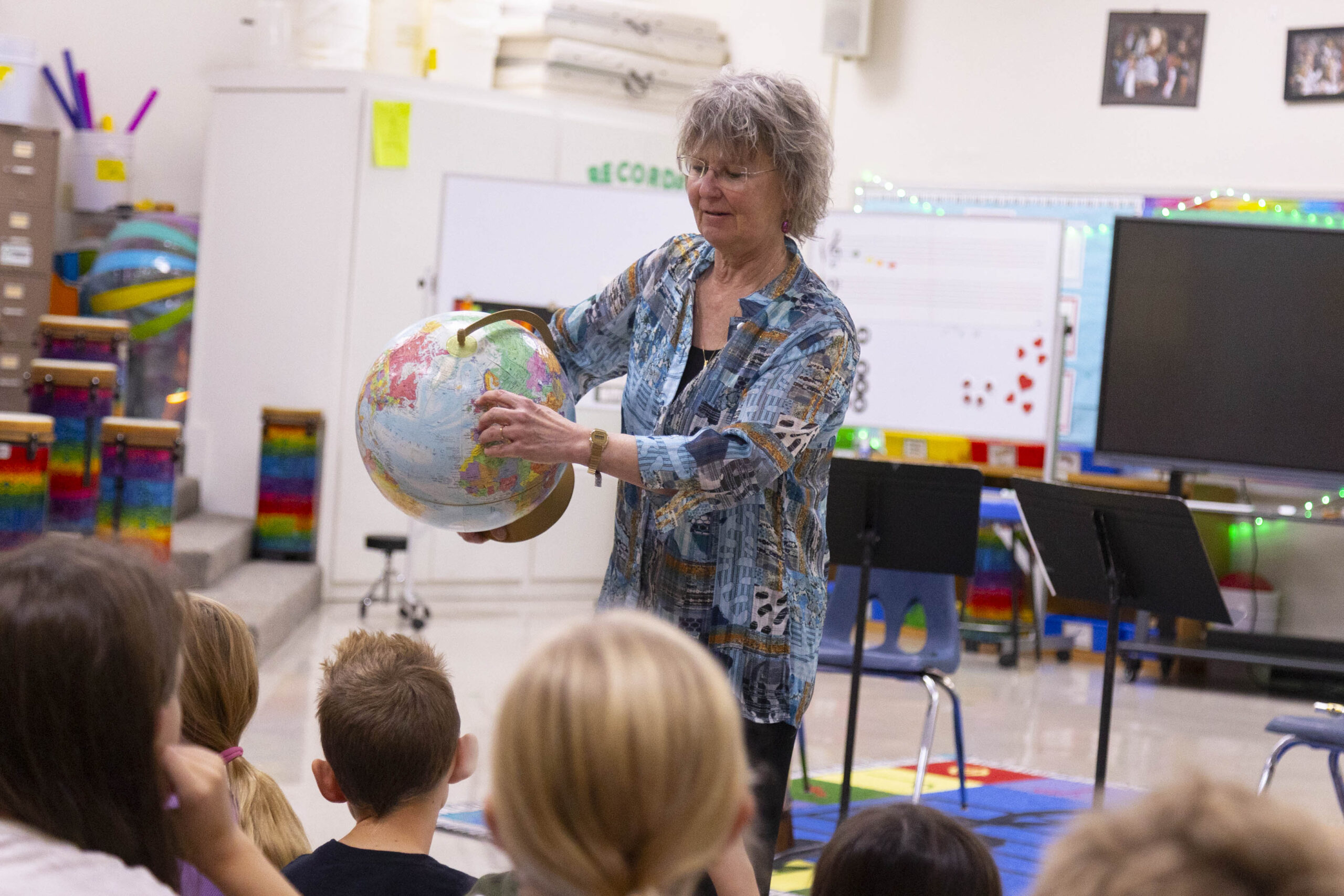
On Tuesday, September 22, Sunita, grandmother of Logan S. ’35, visited the Beasley Studio. In front of his peers, Logan got to introduce his grandmother, saying that she plays the harp around the world. She currently lives in Shetland, a group of islands north of Scotland near the Arctic Circle. After showing students where she lives on a globe, she played two beautiful duets, Willafjord and Mari’s Wedding, with Lower School Music Teacher Dr. Katy Nichols. Nichols joined Sunita on the flute.
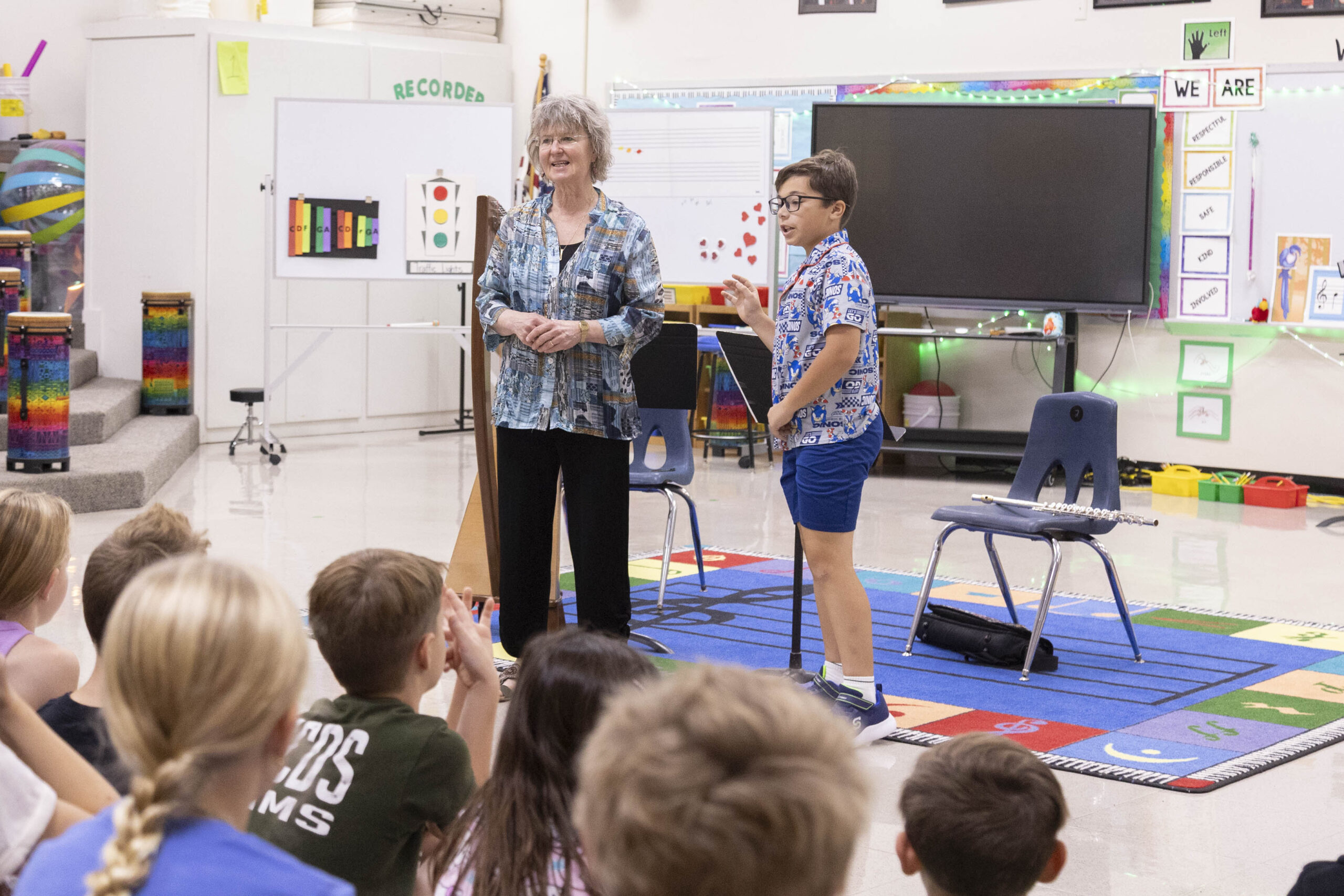
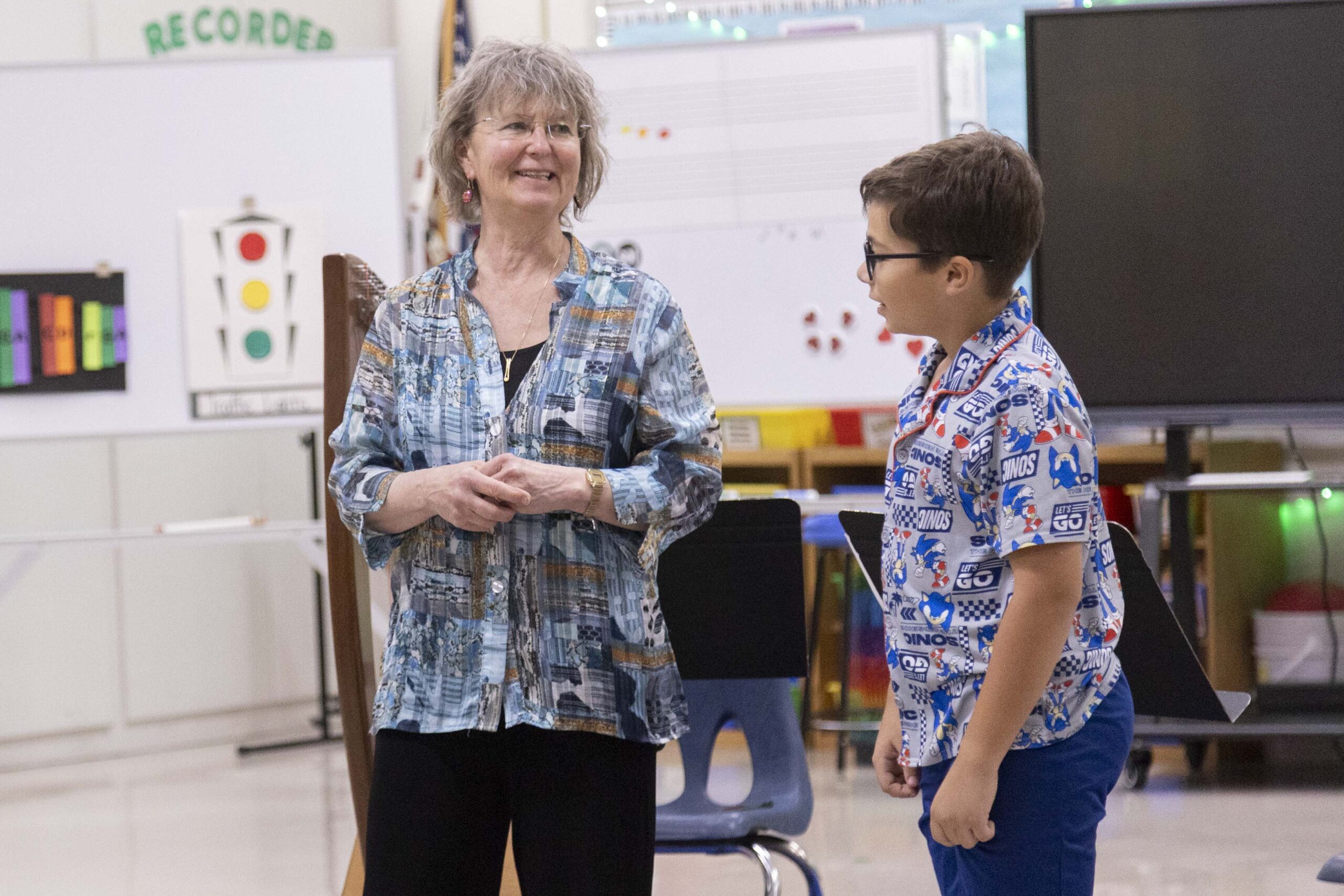
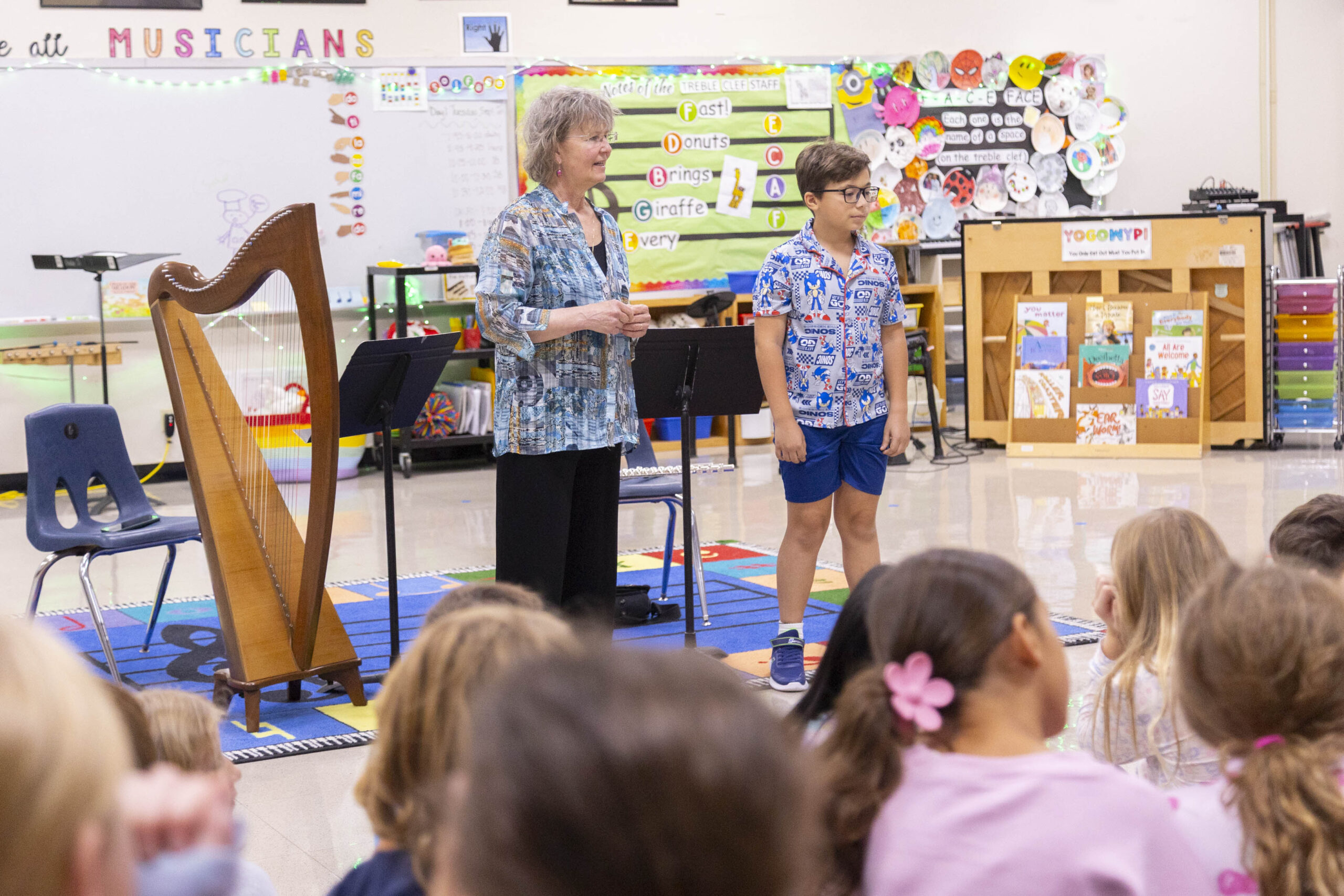
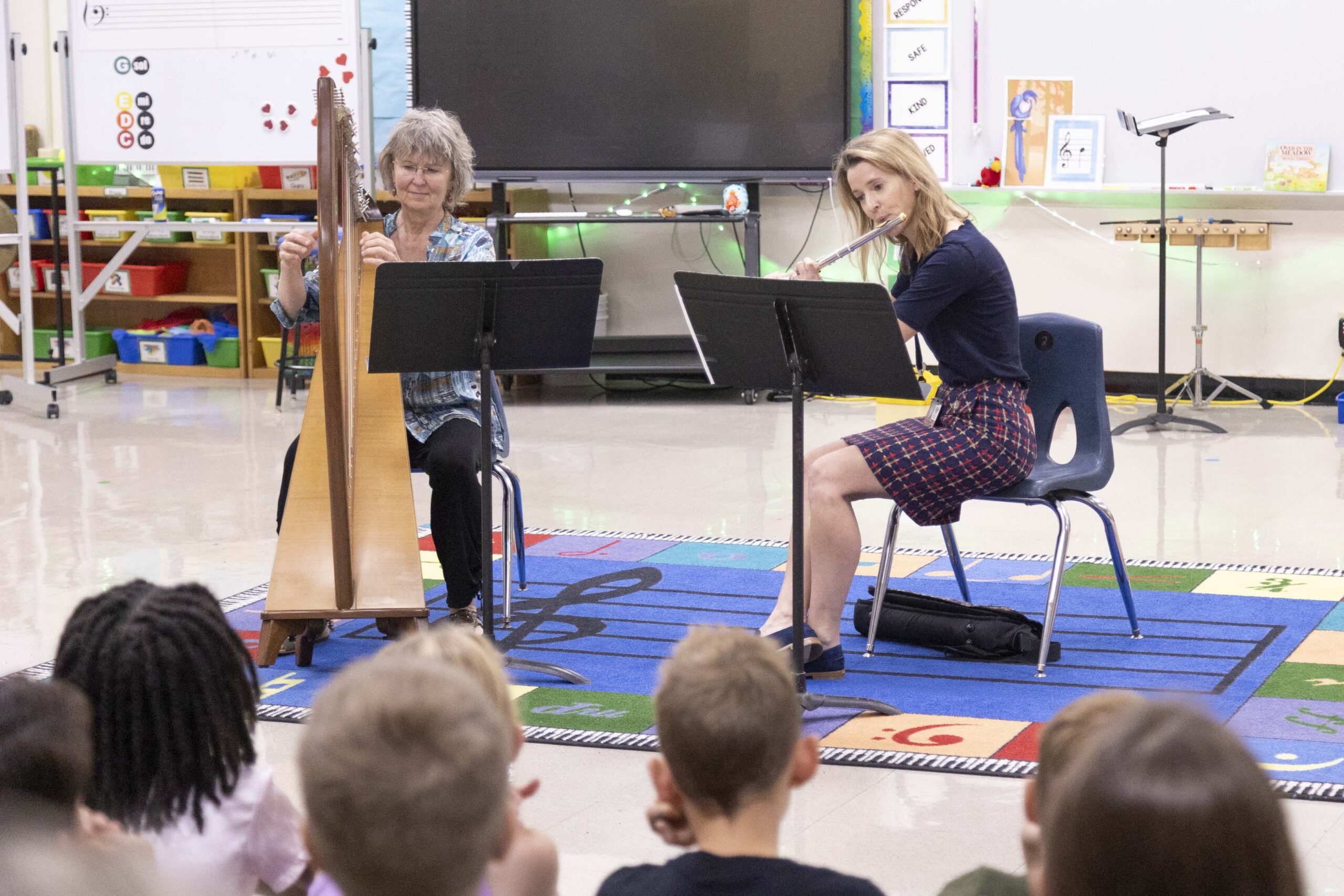
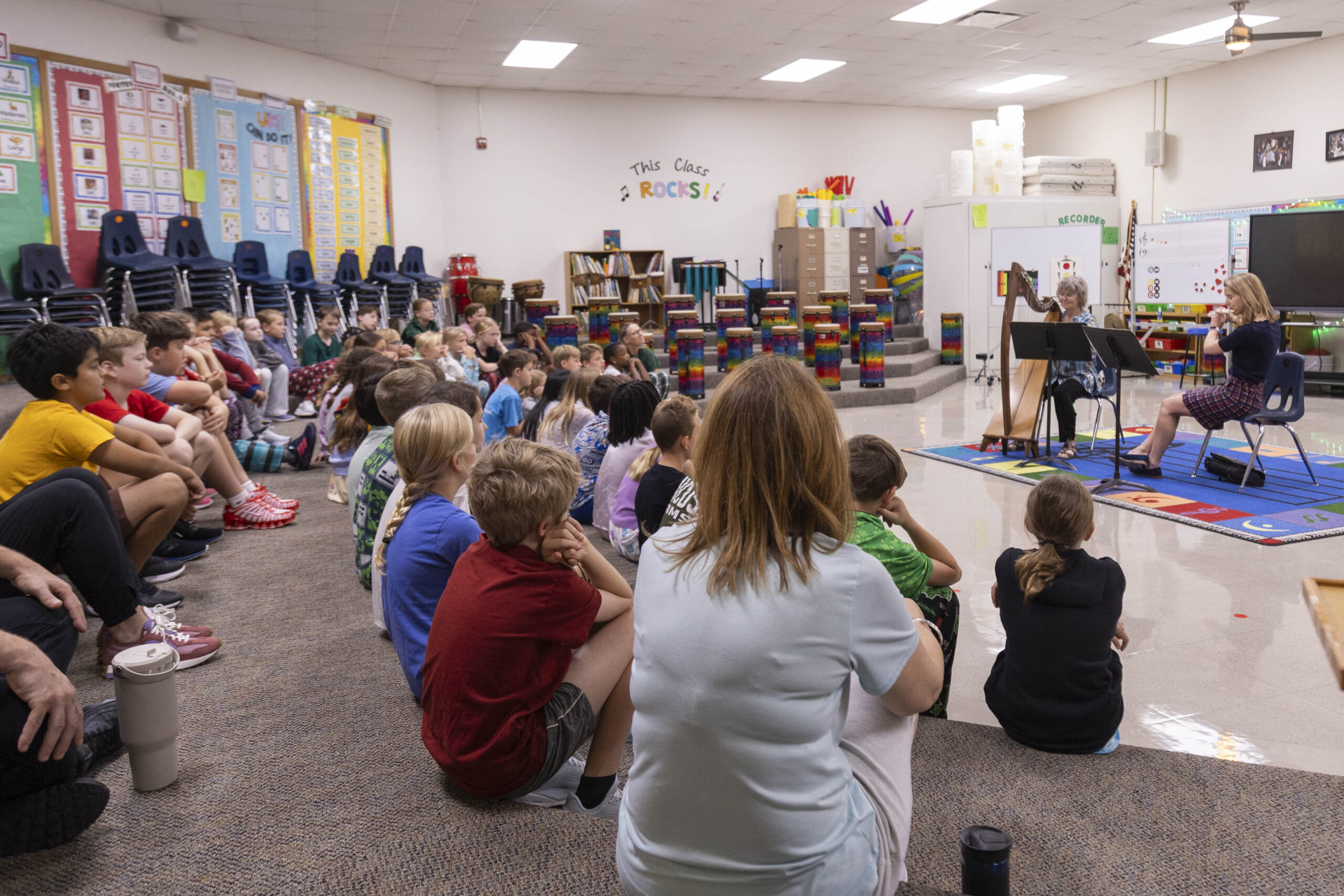
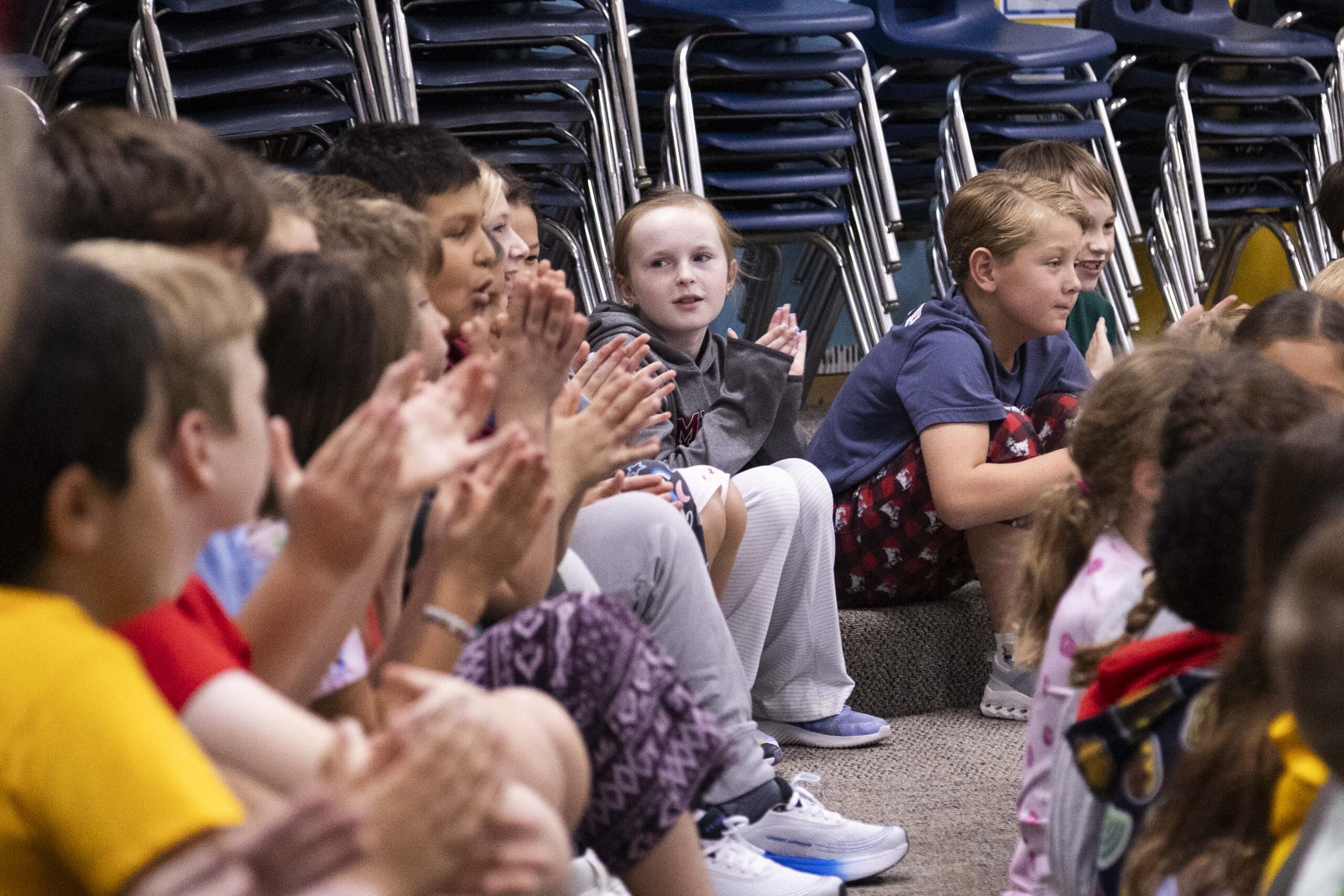
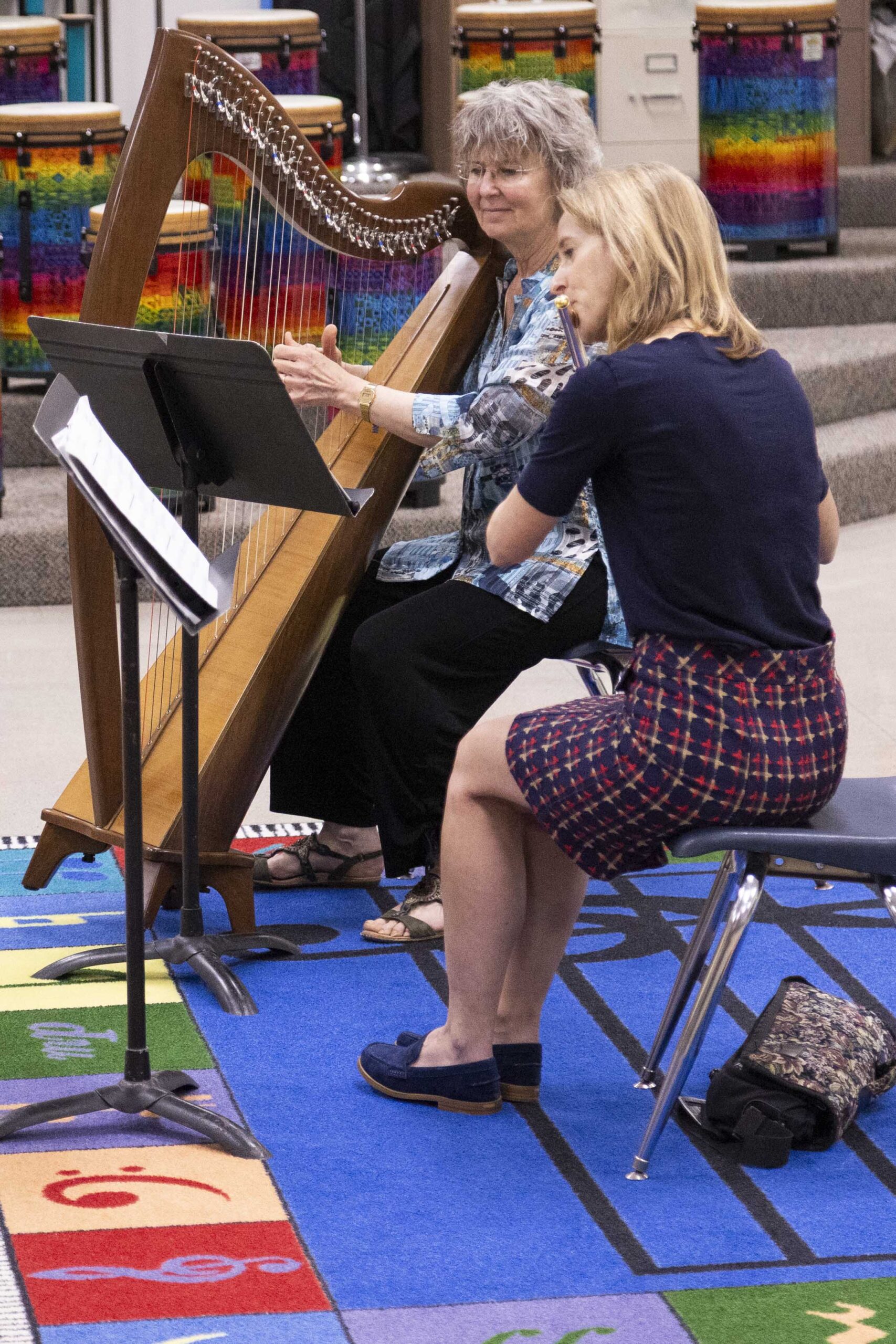
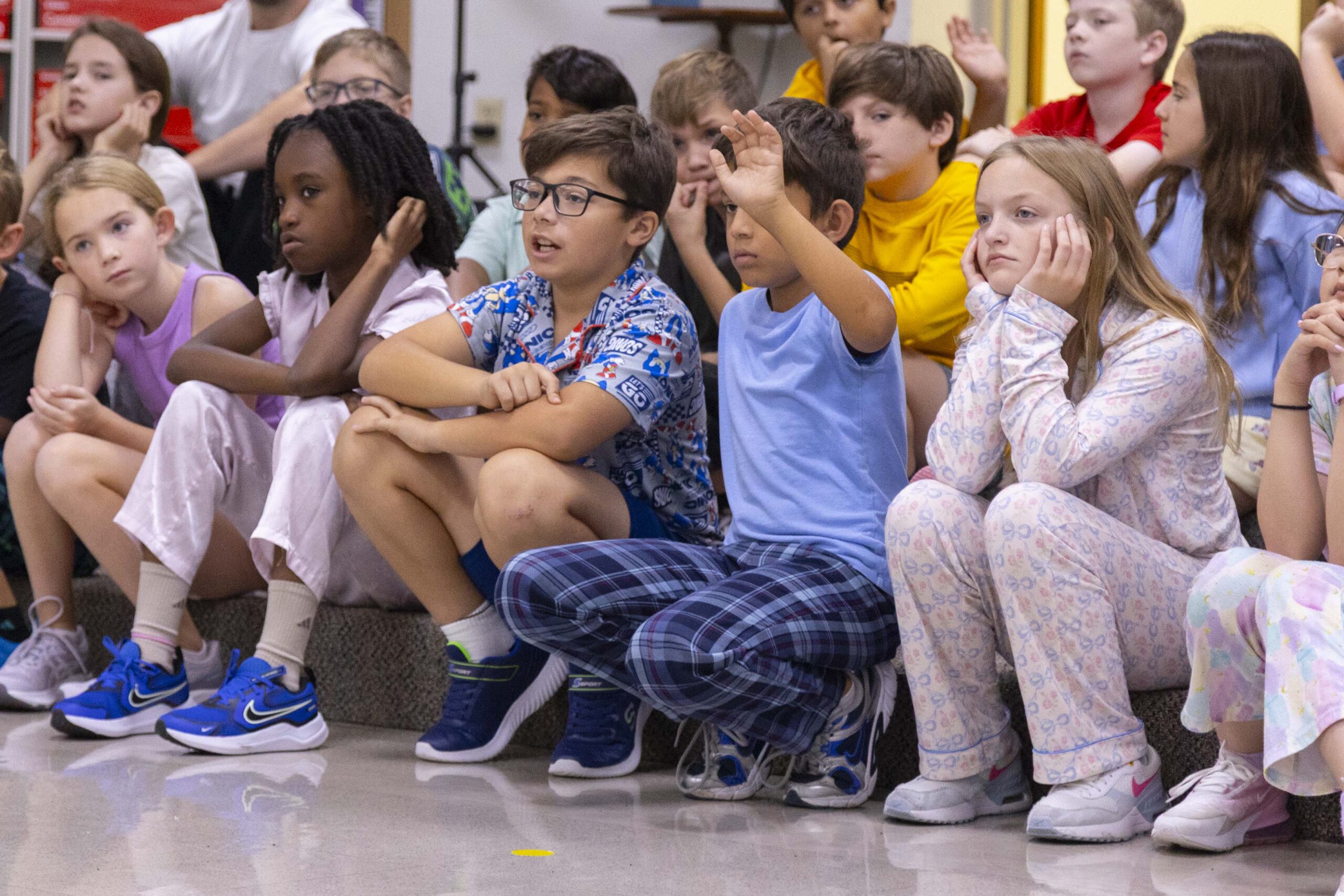
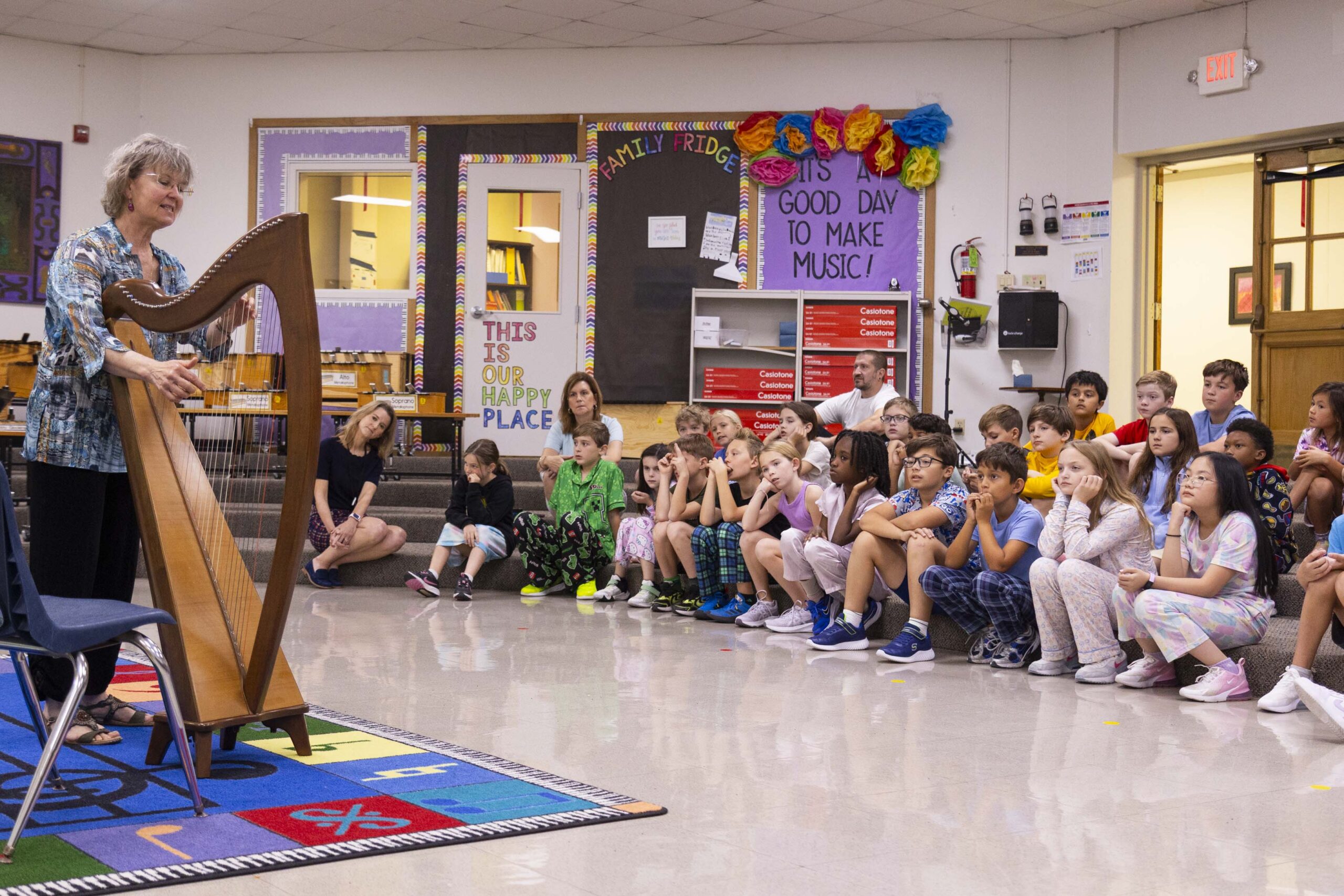
Sunita asked the students how she and Dr. Nichols could play so well together even though they had not talked prior to that day. Many thought they must have chatted on the phone or practiced on FaceTime, but she revealed that they both know how to read music. Sunita shared, “Music is a great connector because people all over the world, who even speak different languages, can play music together if they know how to read music!”
Next, Sunita dove briefly into the history of the harp. She talked about the origin of the word “harp” being from the word “arpeggio,” a musical technique where the individual notes of a chord are played sequentially—one after another—rather than all at the same time. Kids were surprised to hear that the harp is thousands of years old.
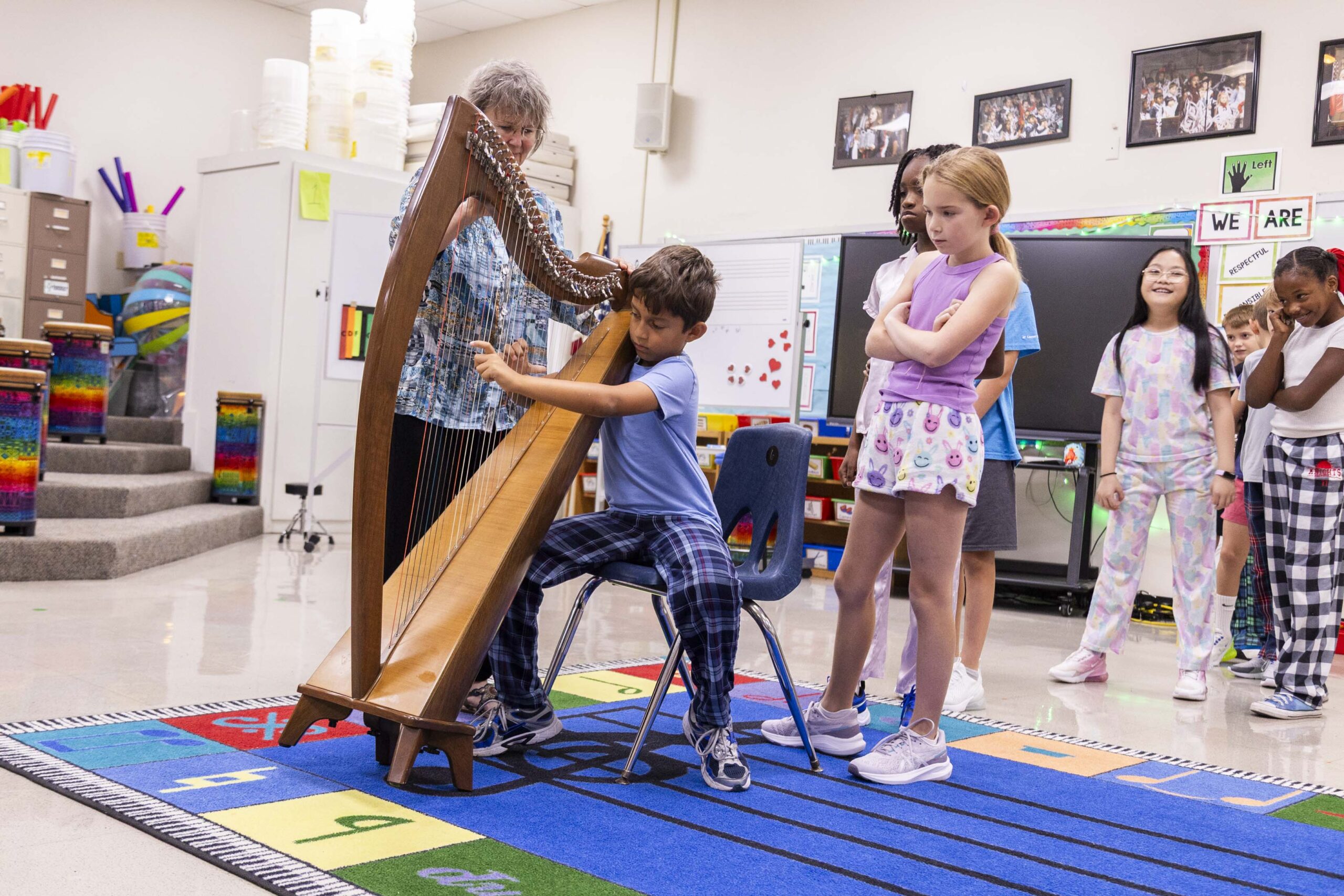
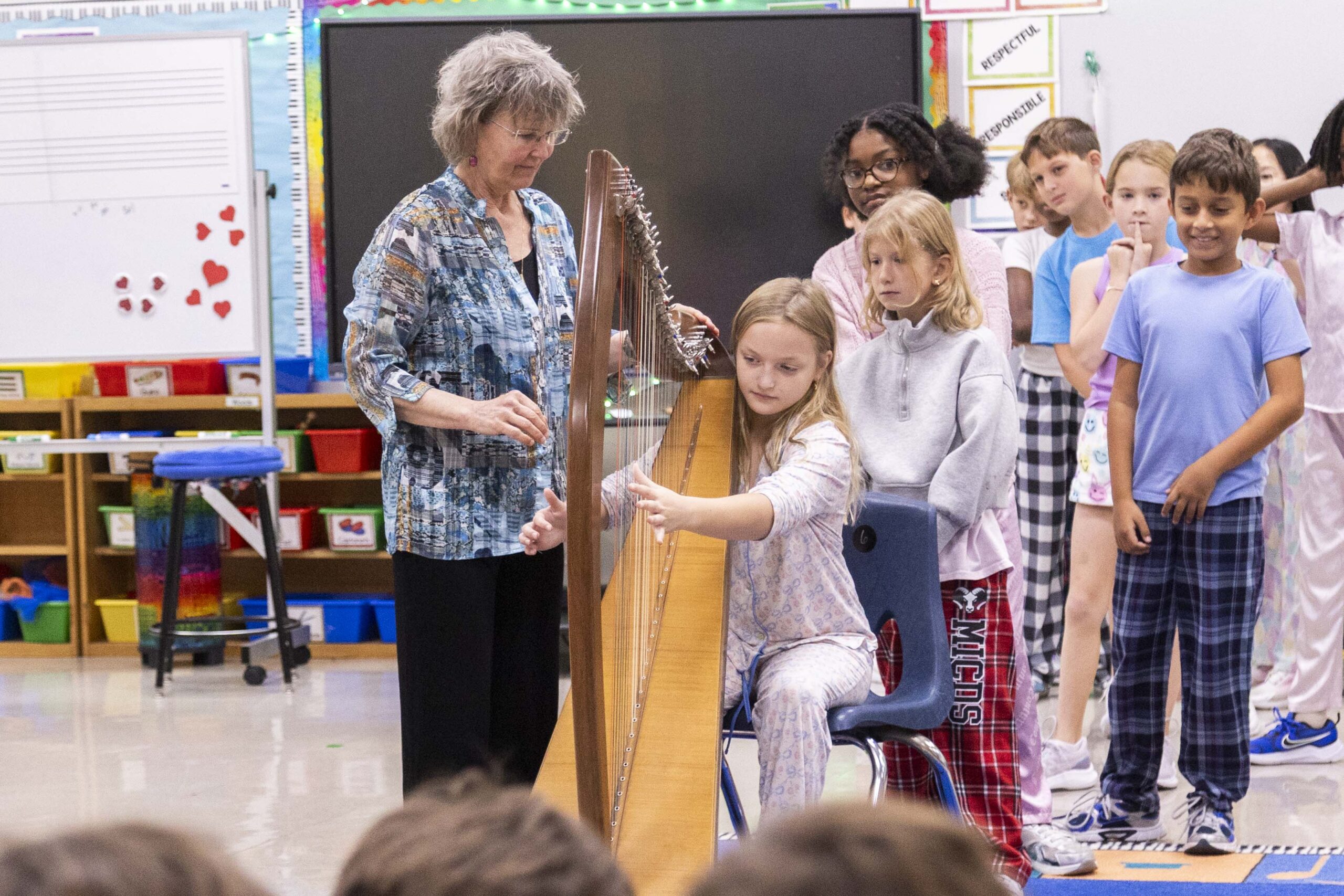
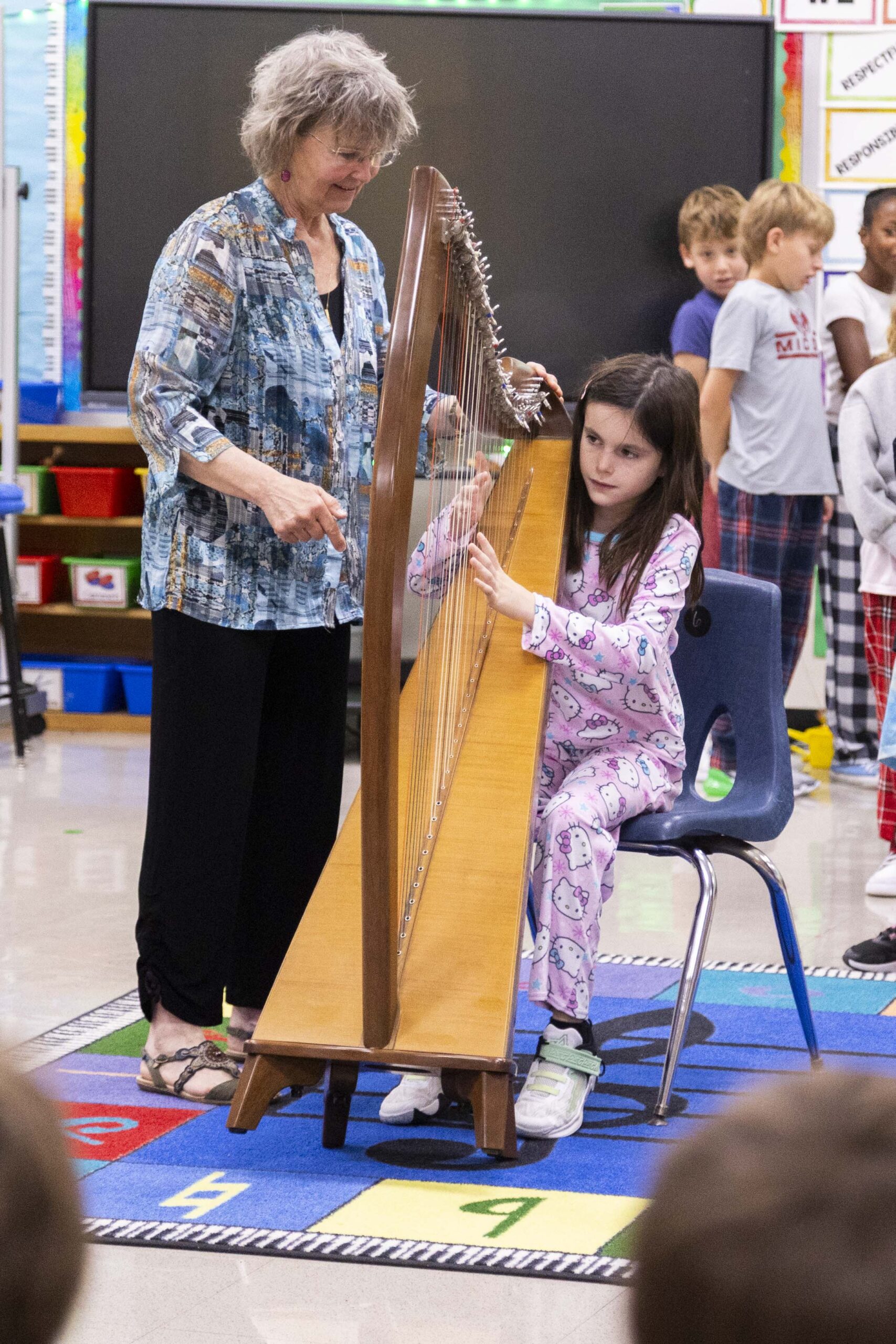
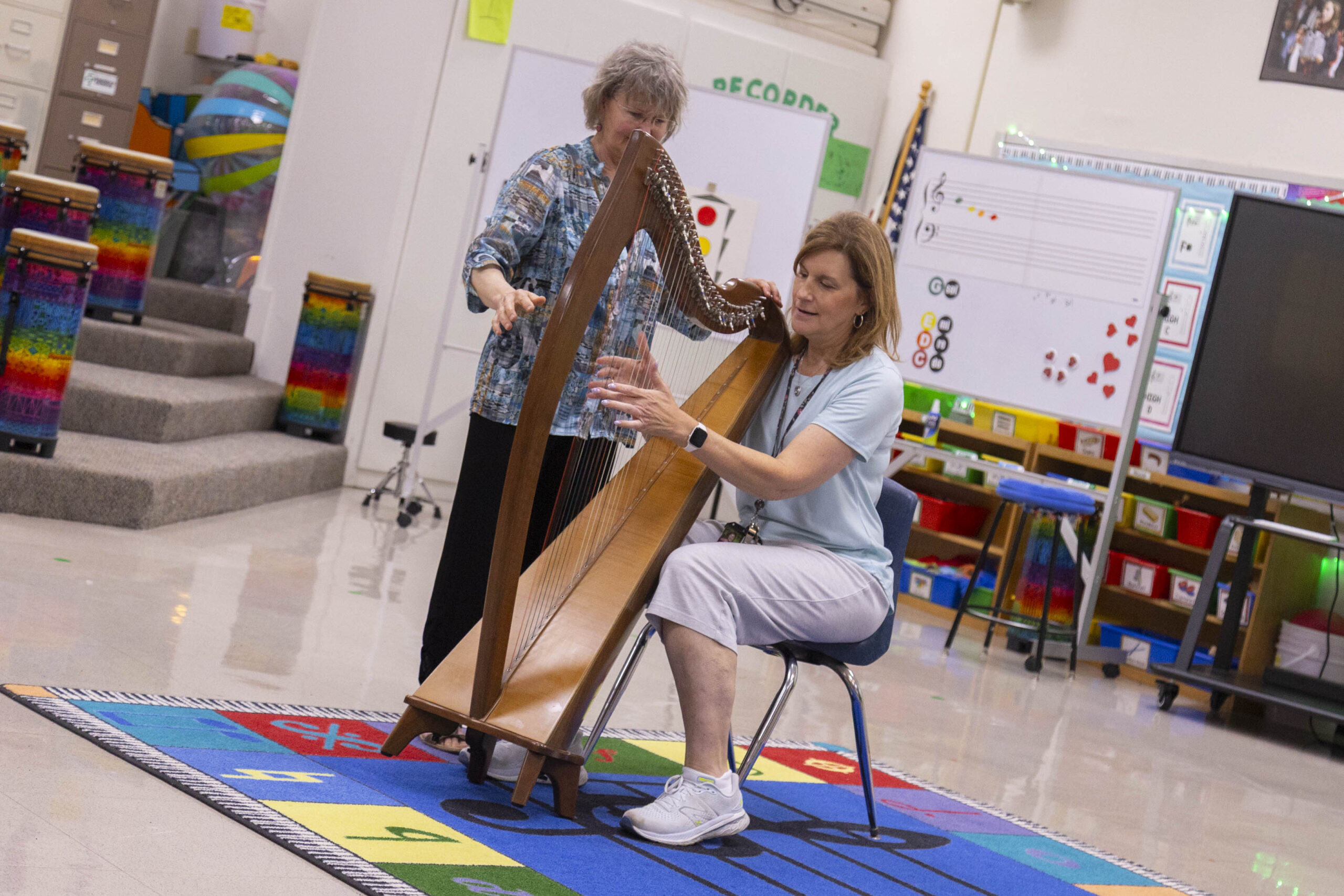
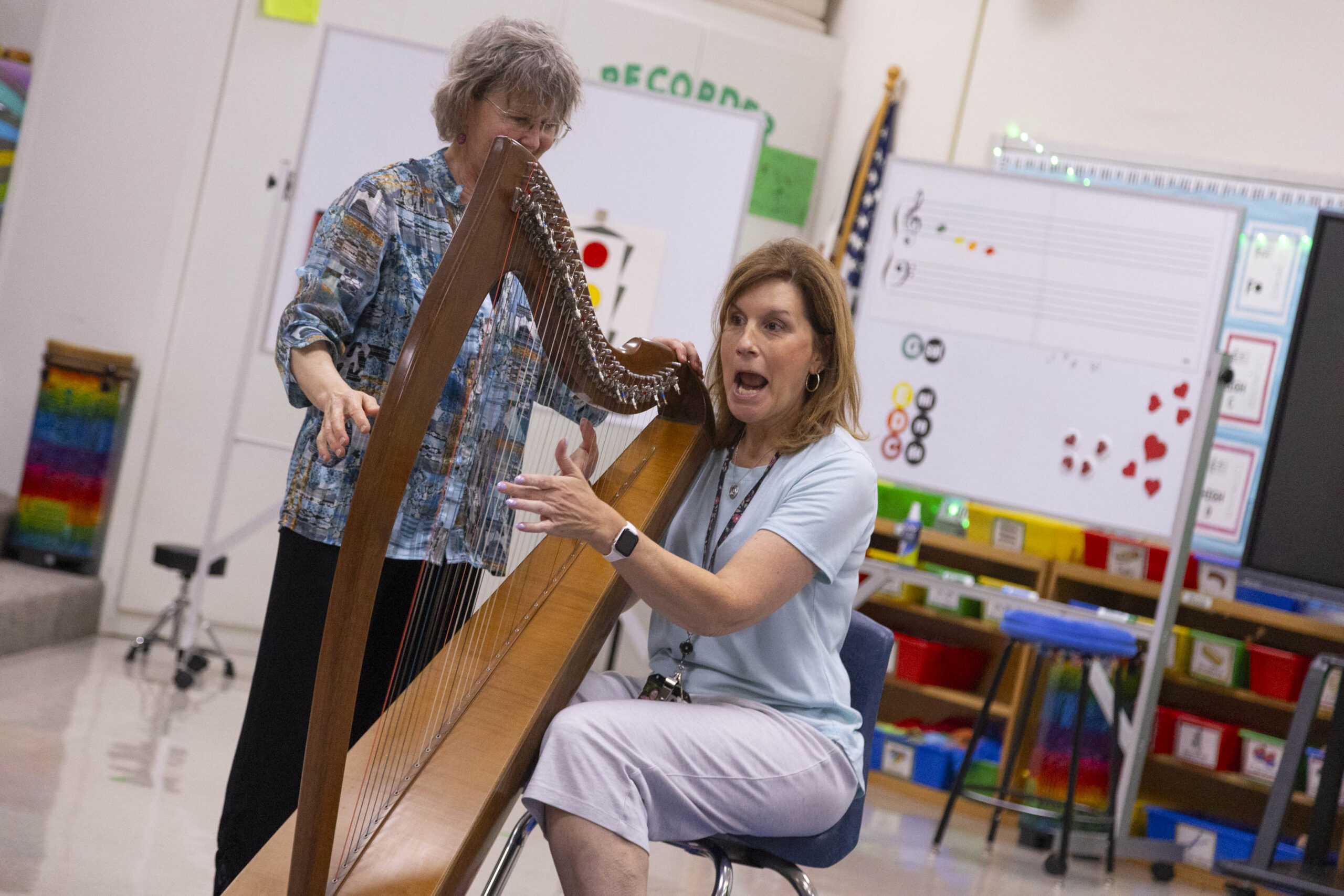
Did you know that the harp can be played upside down? Sunita carefully flipped her harp over to show that the sound stays the same because of how the strings resonate. She also talked about the triangular shape of the harp with the curved neck—this shape intentionally supports the unique physics and tension of the strings. Next, students noticed that the strings of the harp are different colors. C strings are red and F strings are black. There are also levers that can be raised and lowered to adjust the sound. Sunita explained that lifting the levers raises the note by a half step, and lowering them lowers the note by a half step.
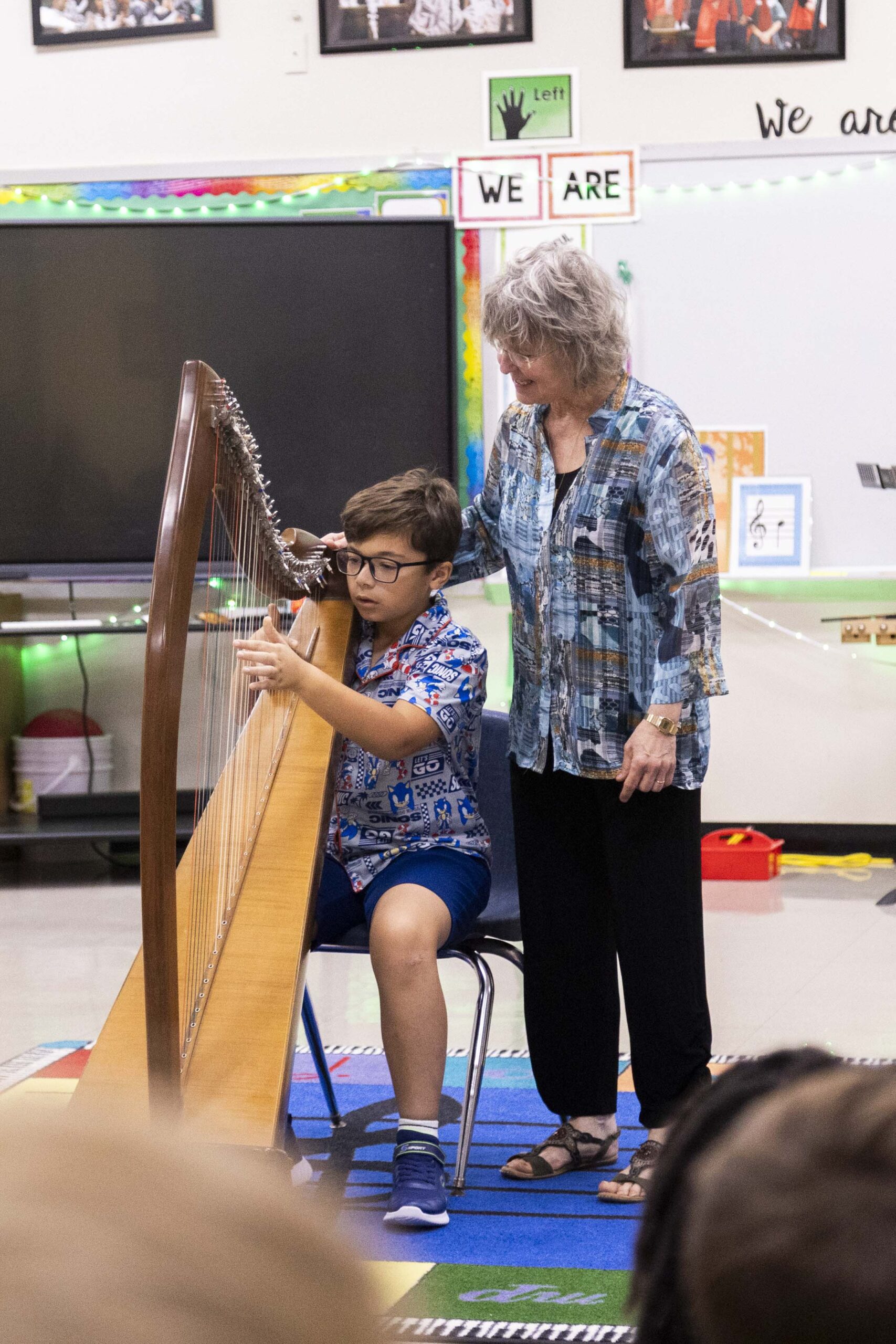
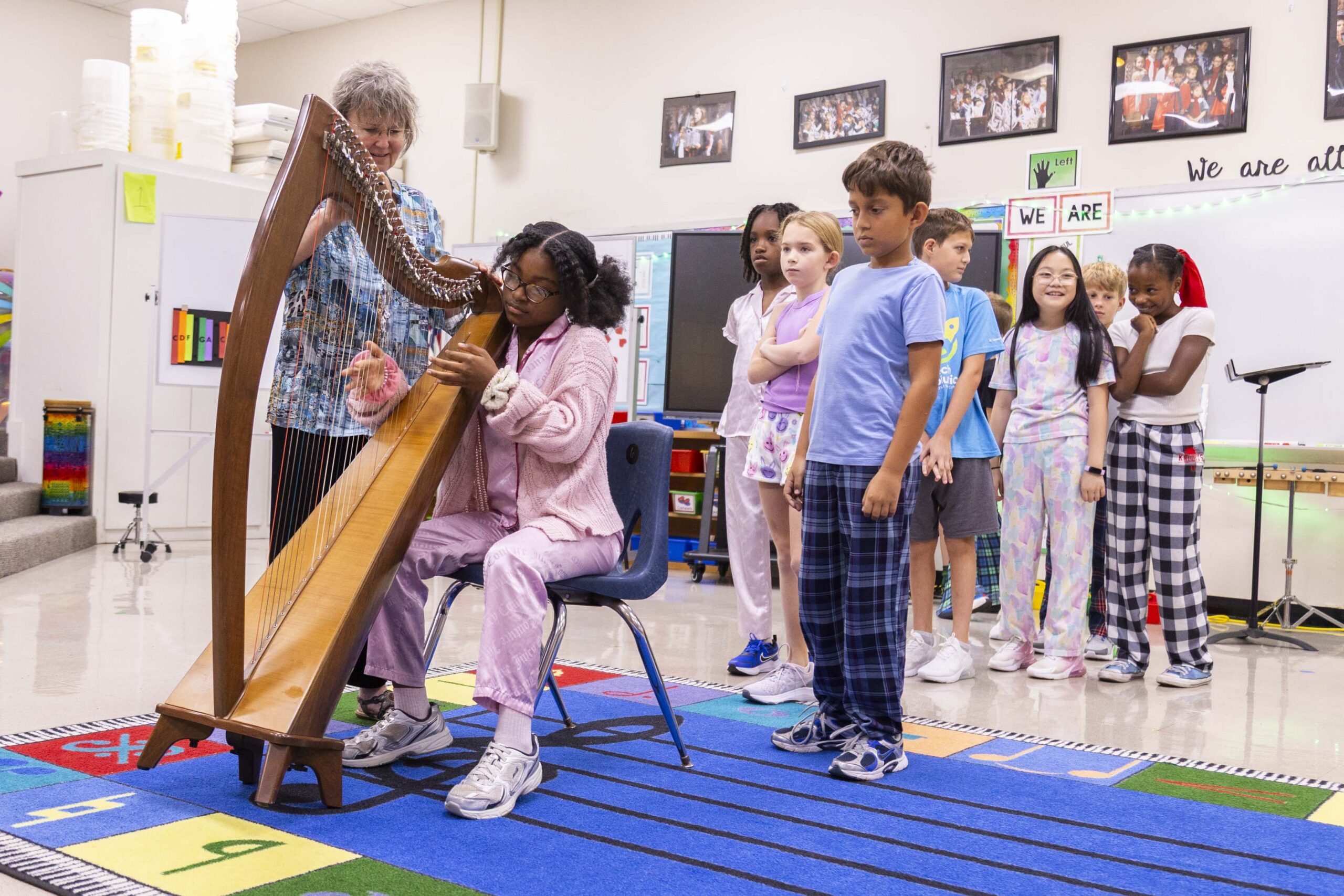
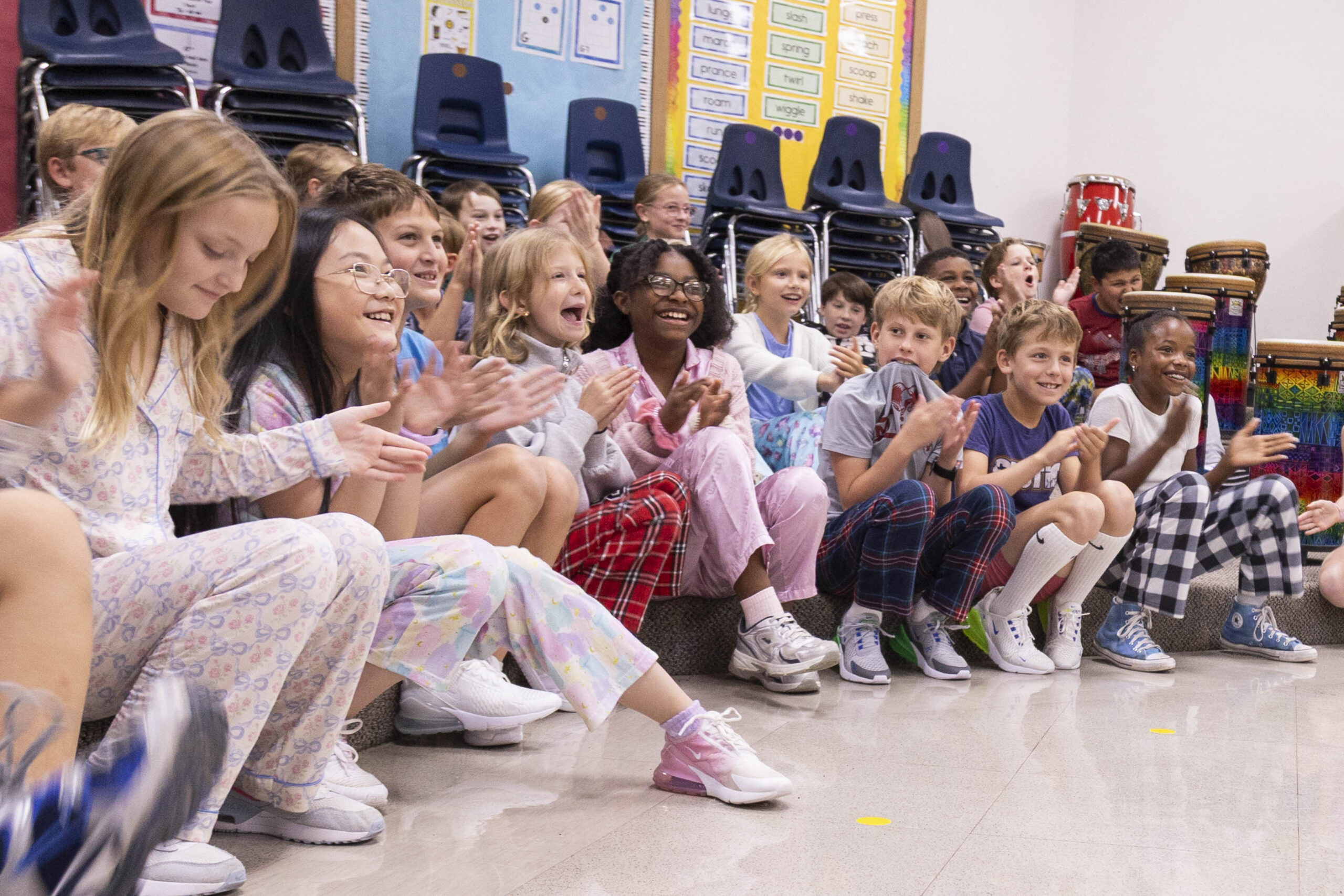
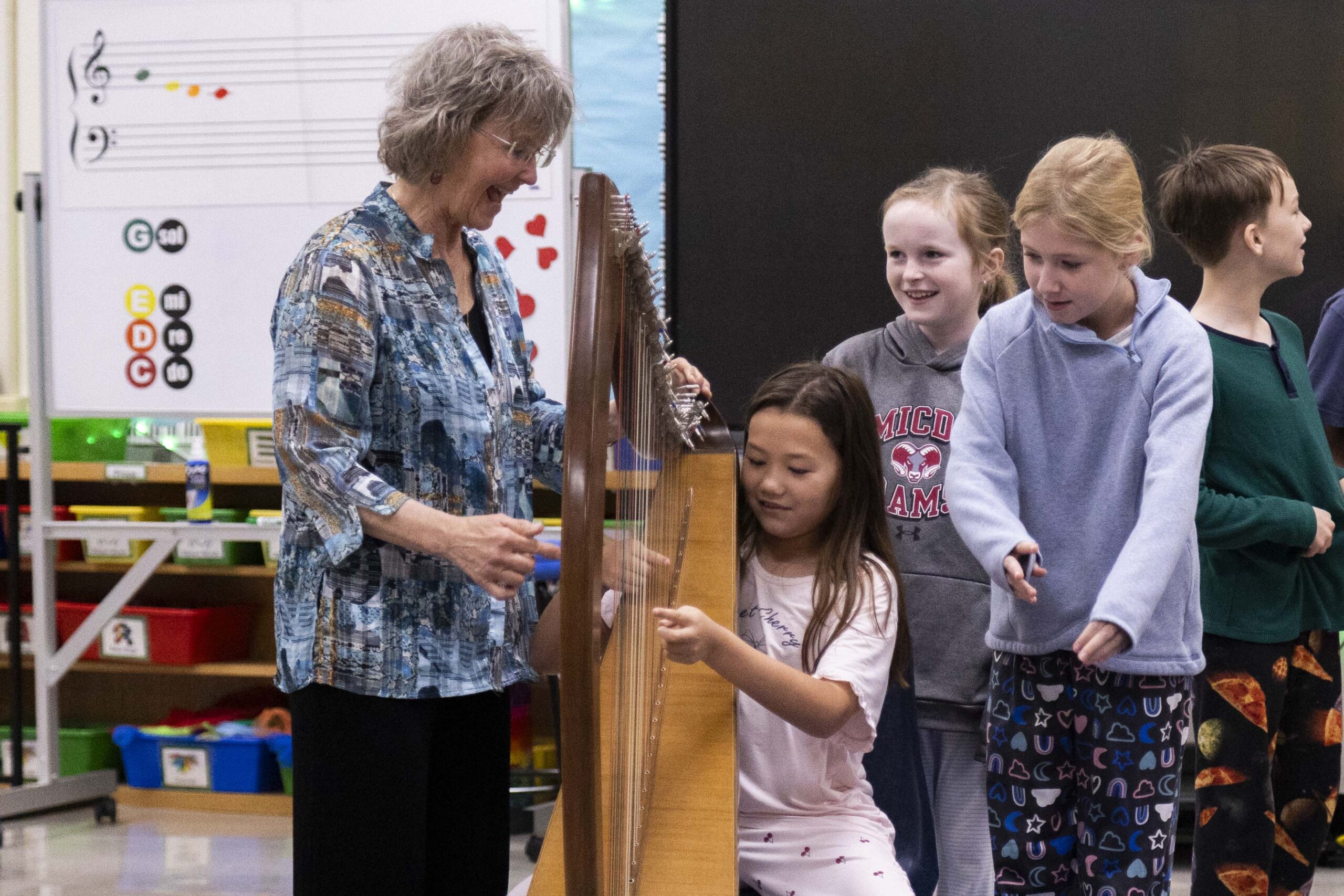
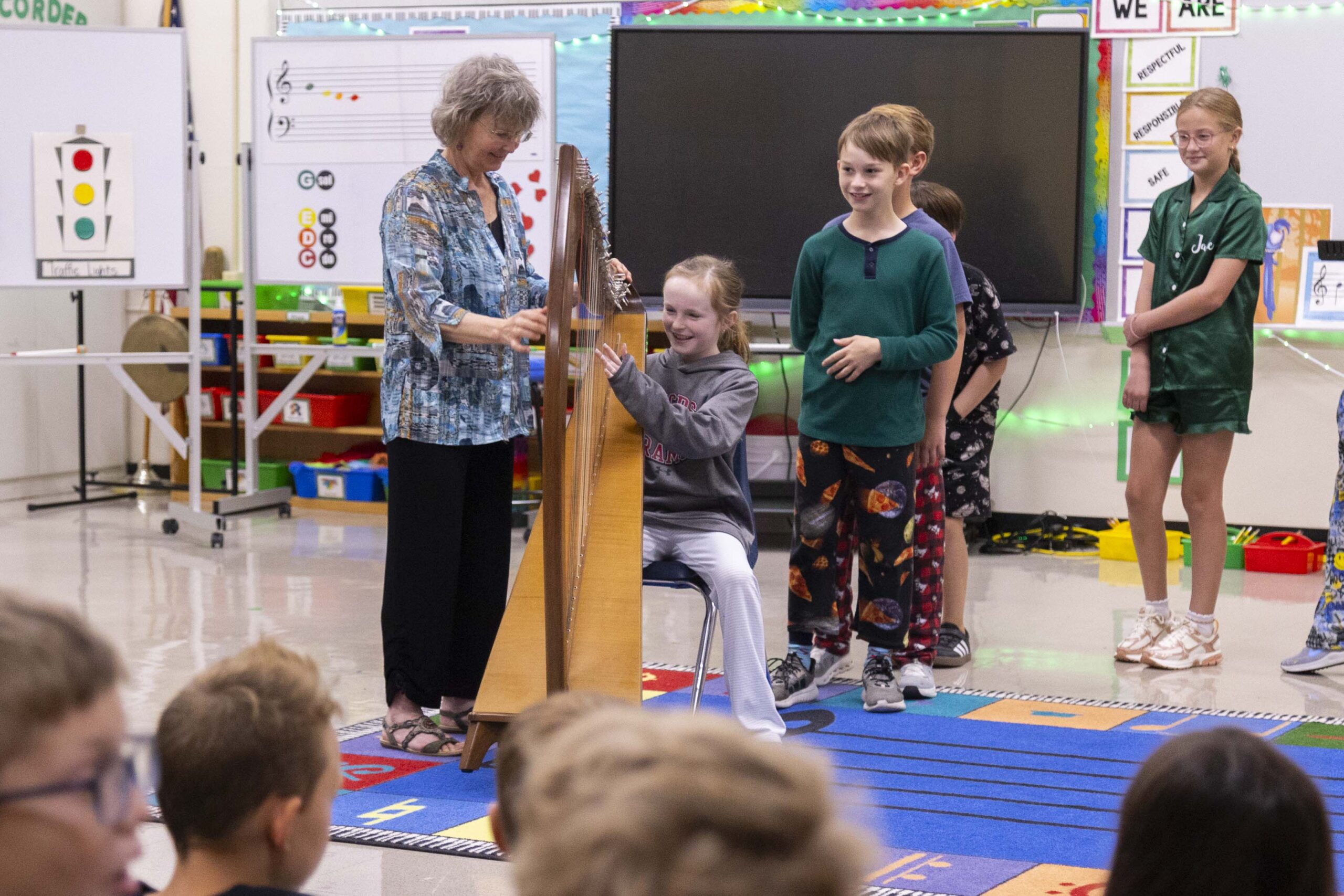
Then, it was the moment the three fourth-grade classes were waiting for! Every single fourth grader got to play a “glissando,” gliding their fingers across the harp strings to rapidly go from one pitch to another. “This was such a lovely experience for our fourth graders!” expressed Dr. Nichols.
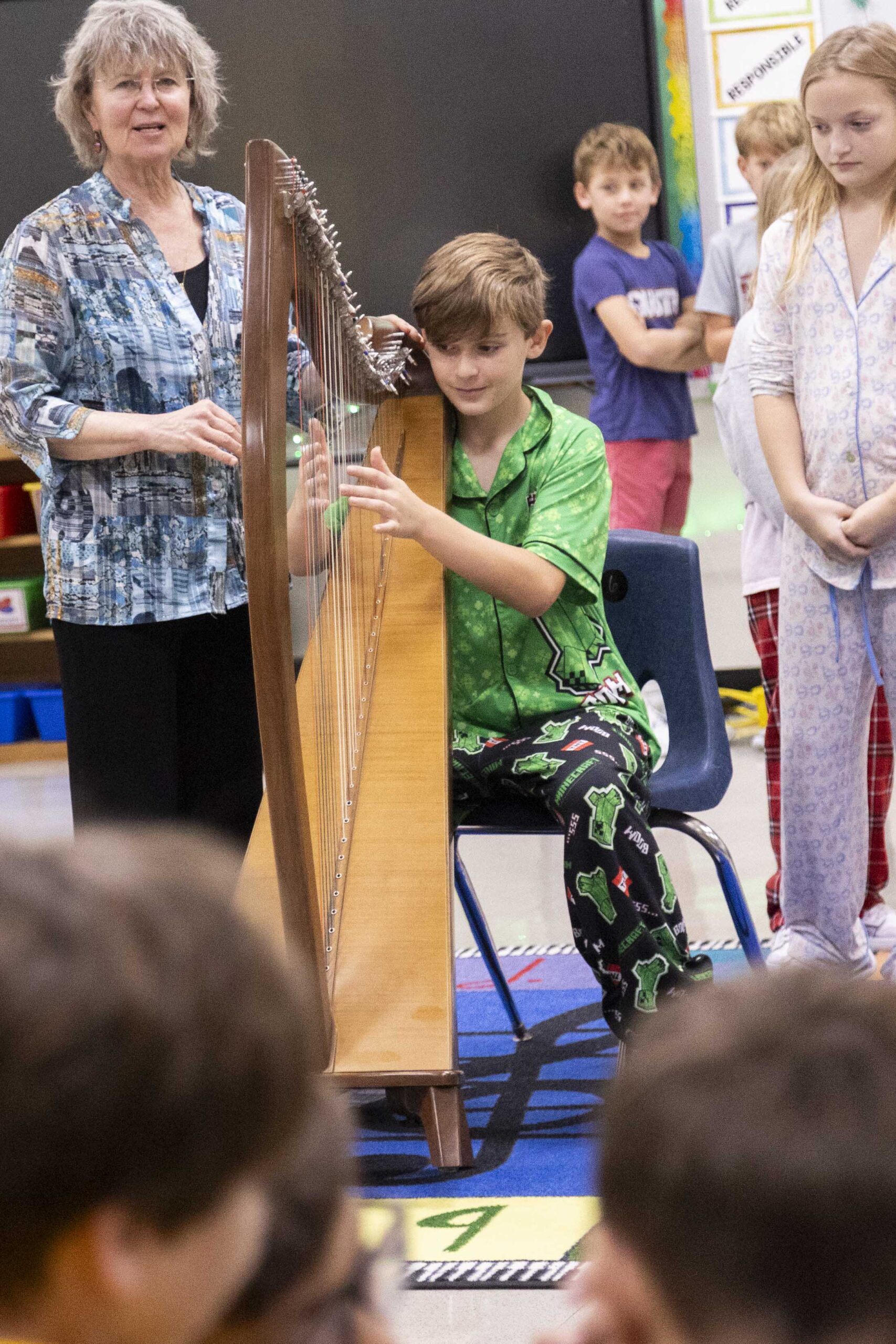
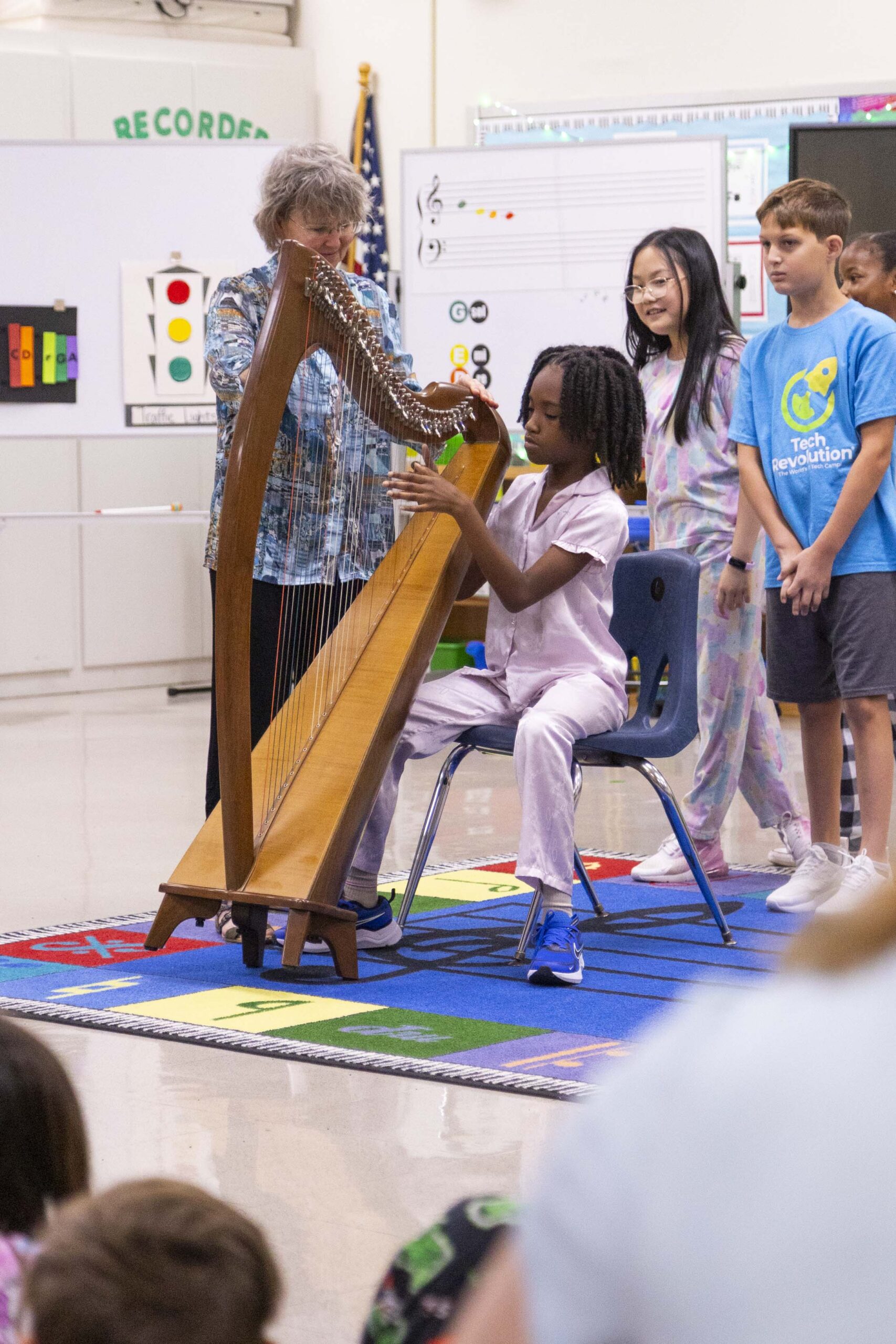
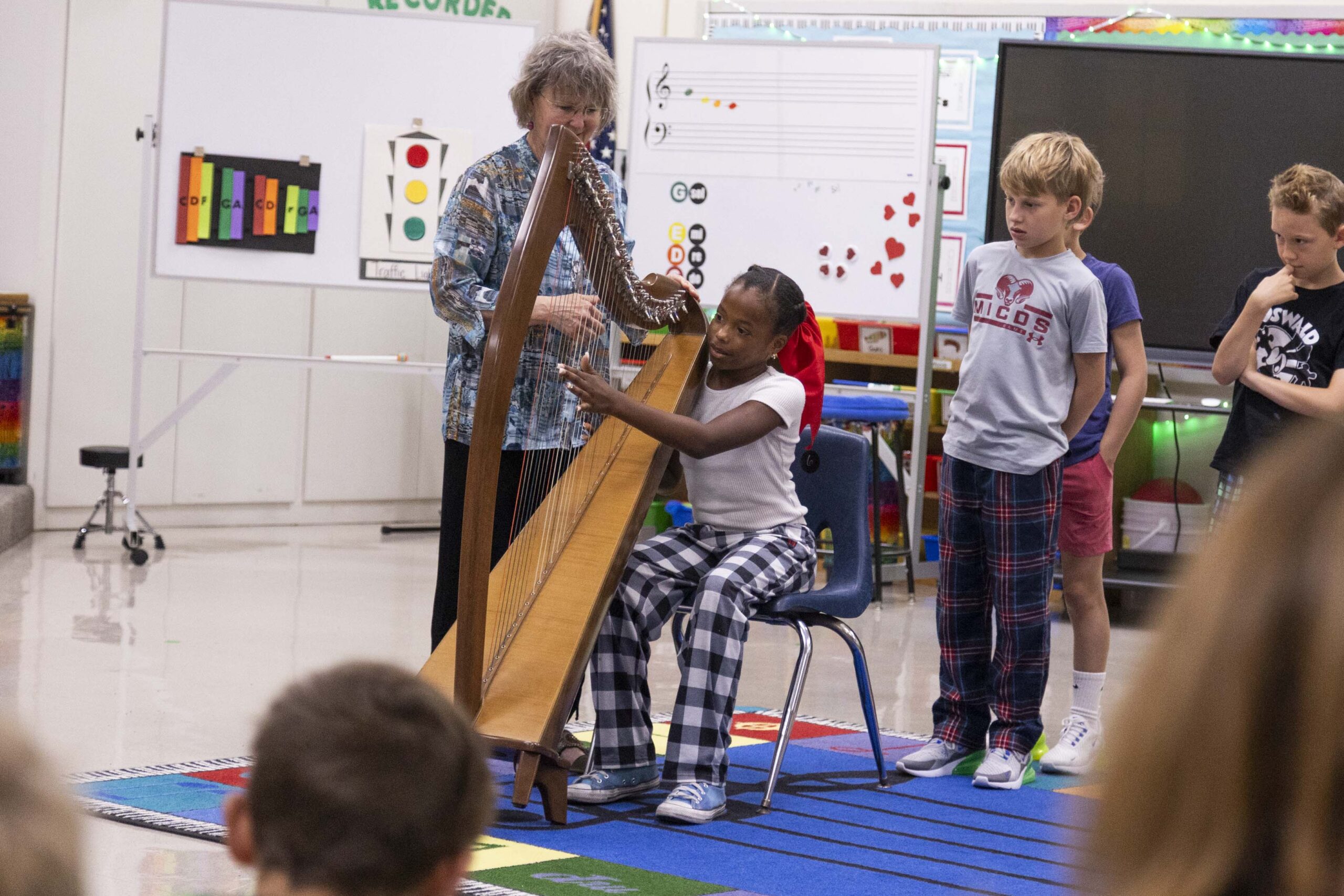
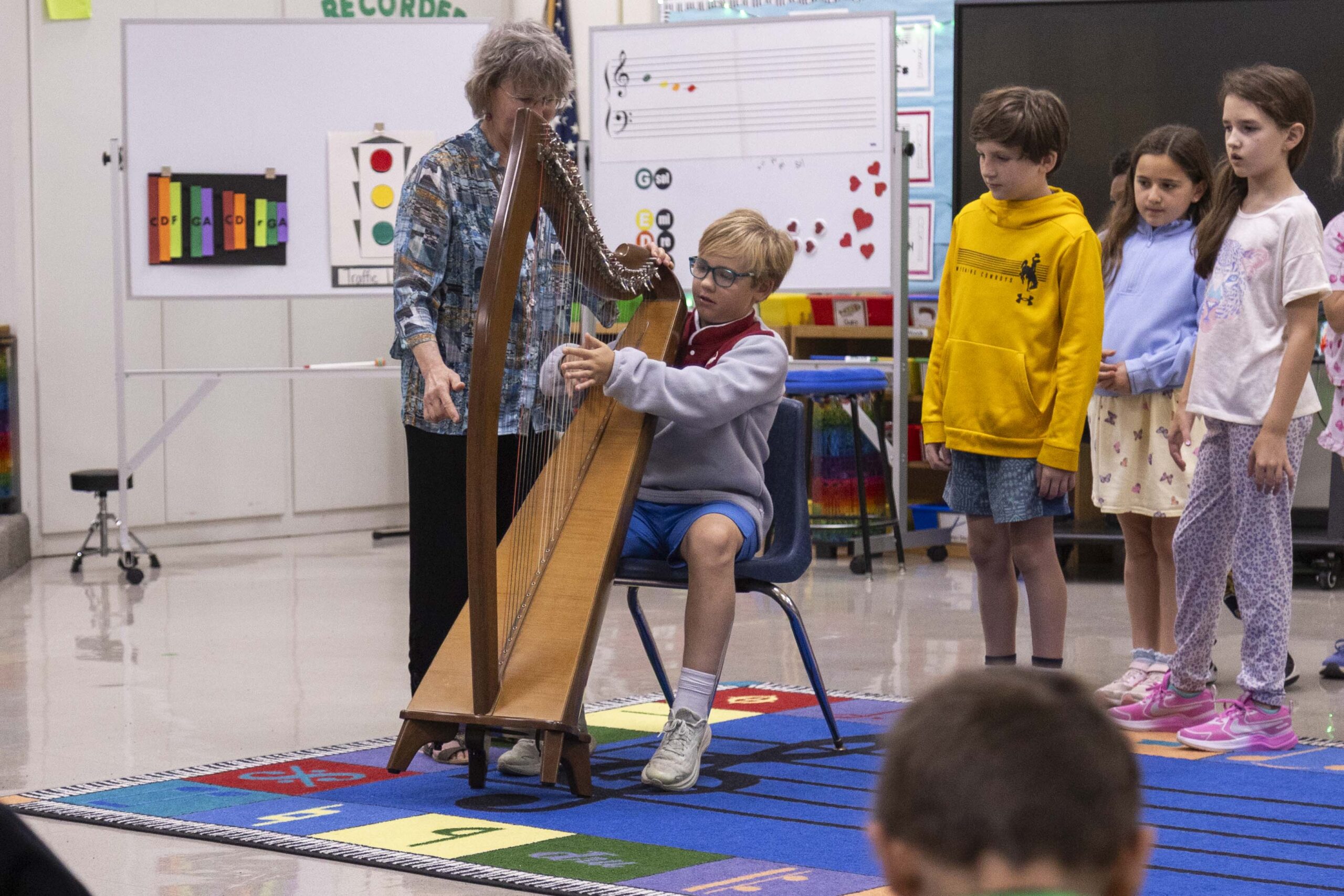
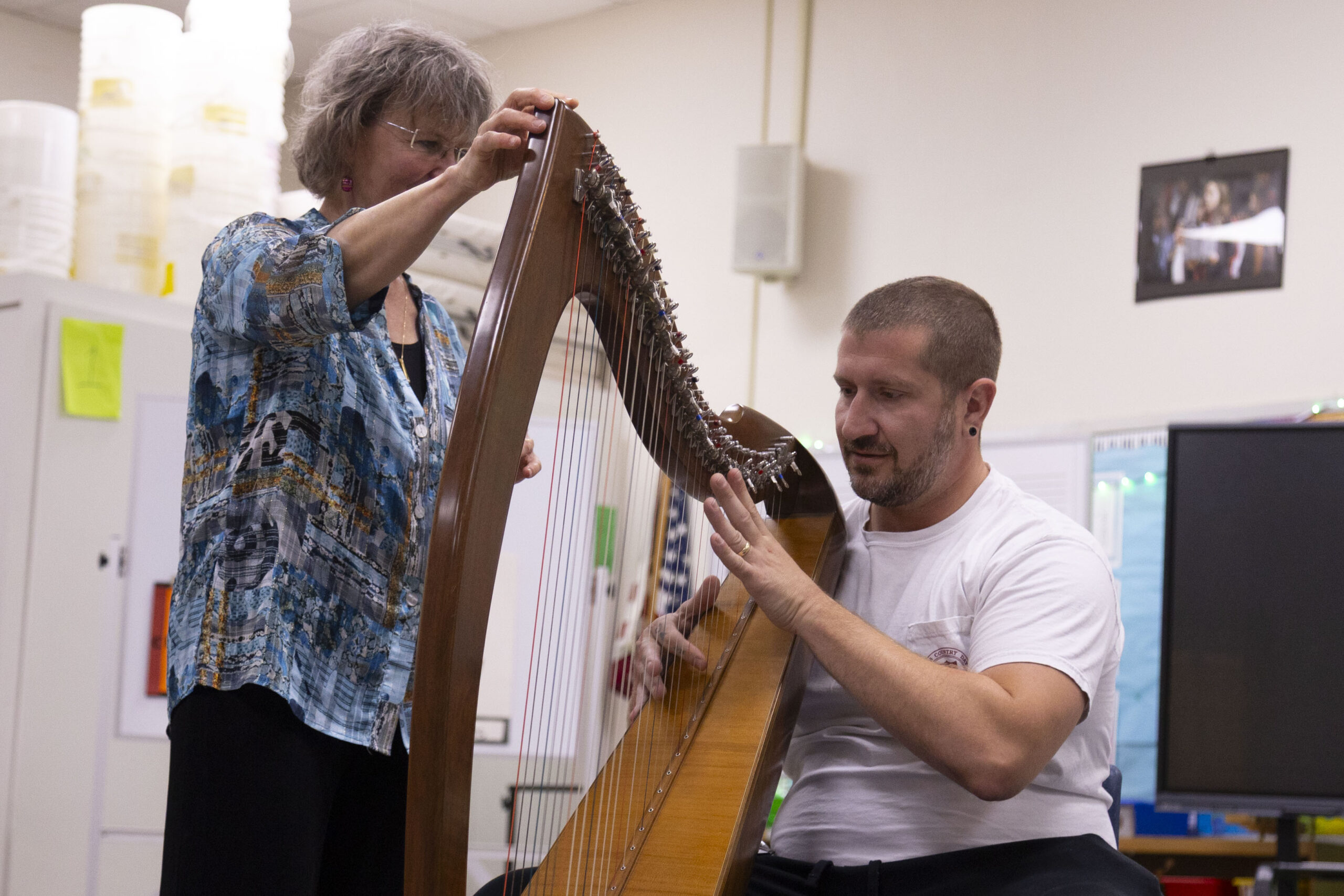

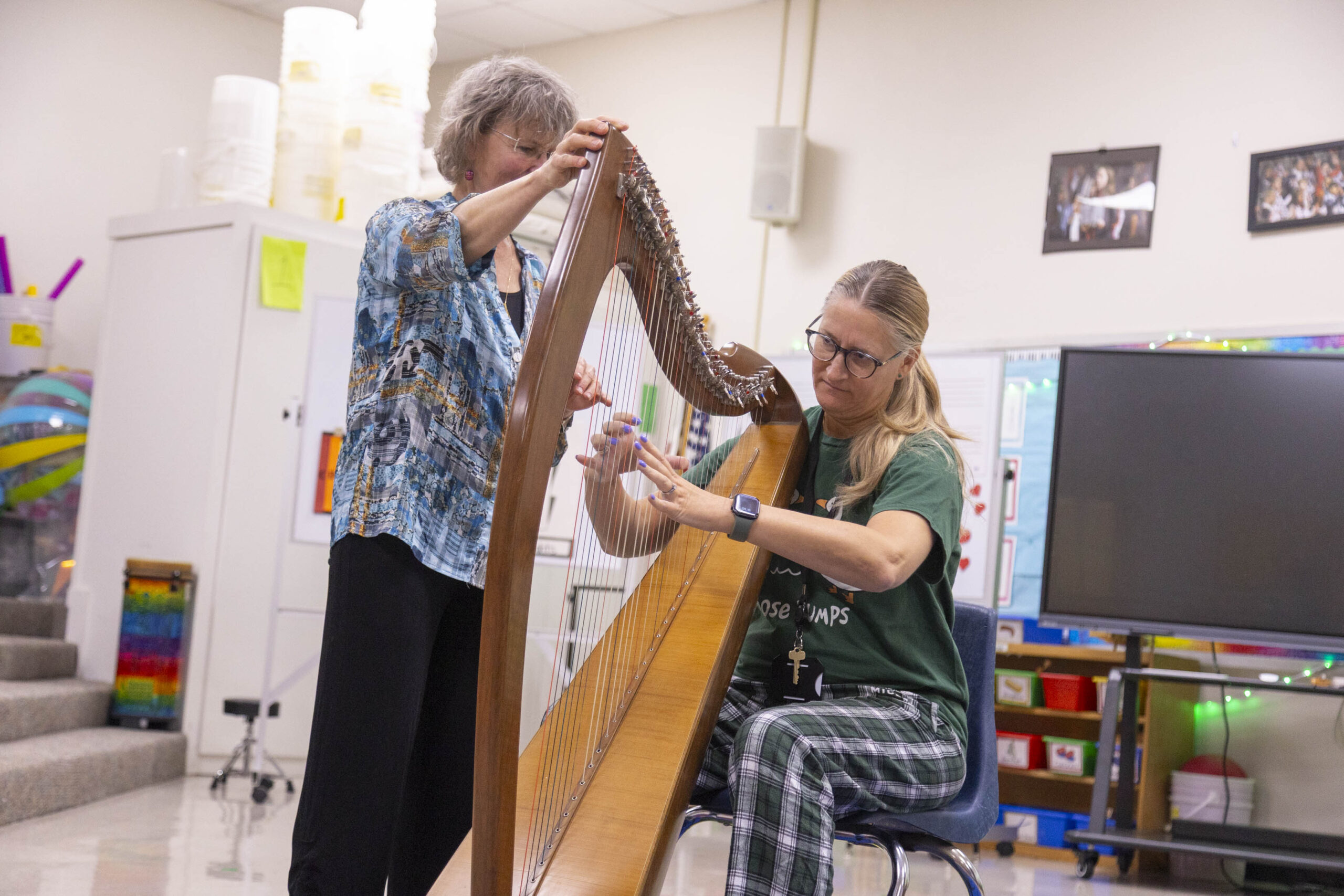
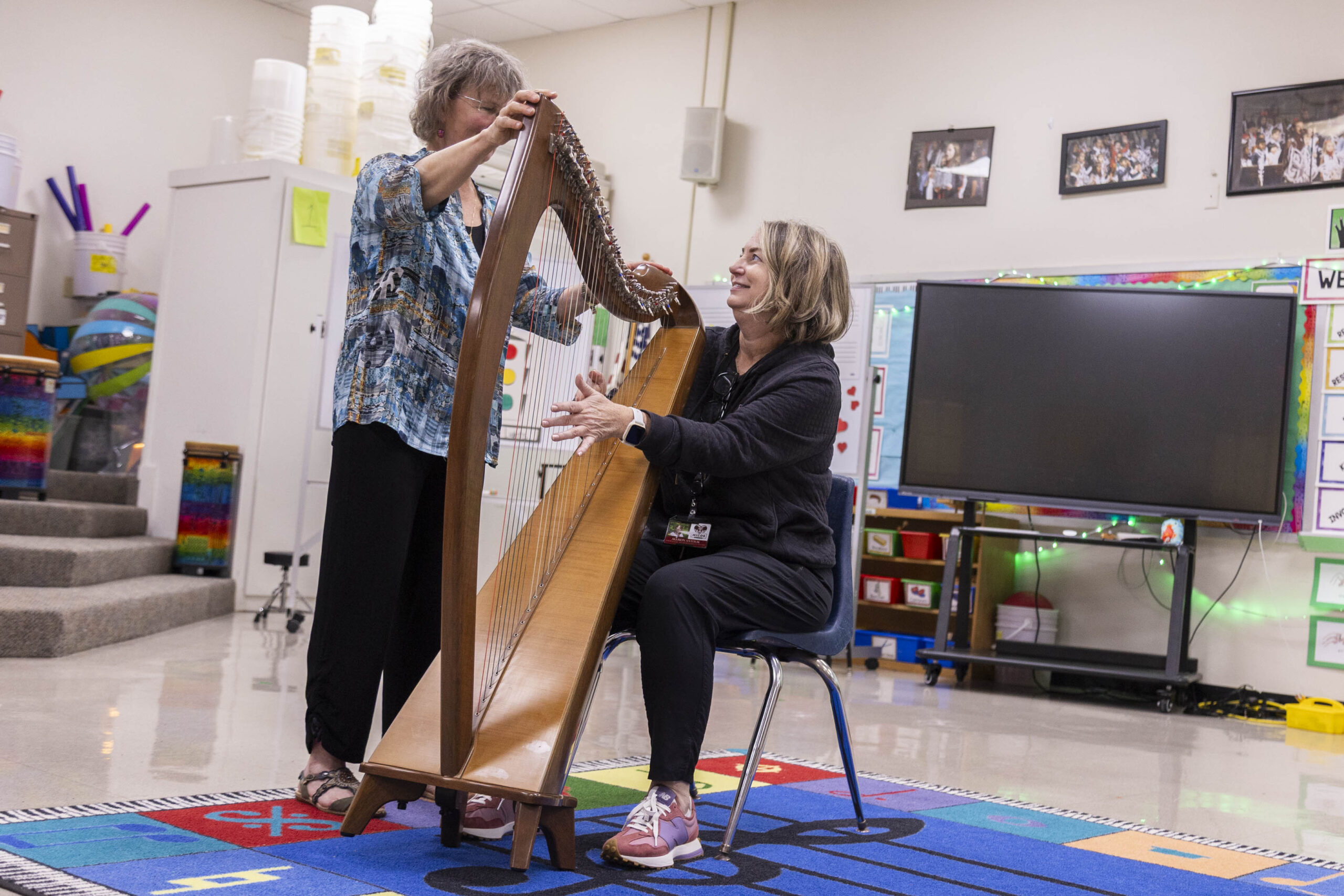
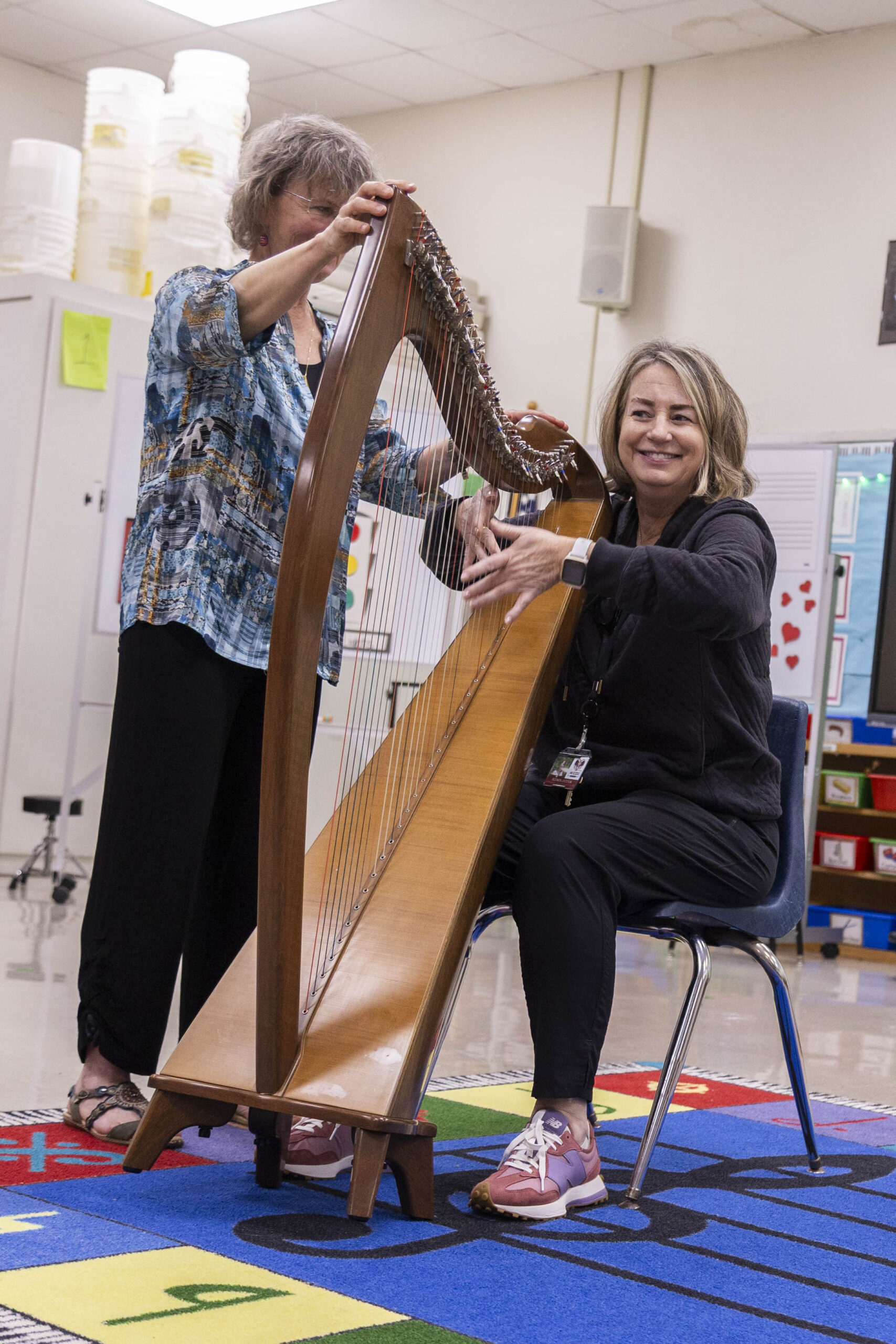
To close out the special visit, Sunita took a group photo with the fourth graders and played a Northern Lights piece as they exited, inspired by how beautiful Northern Lights are from the Shetland Islands. Thank you for this very special visit, Ms. Staneslow! We have no doubt that your visit struck a chord with our students.