Beyond the “pretty” aesthetics of viral skincare tutorials is a biological reality: the skin is the human body’s largest organ. Spanning two square meters, this vital outer covering is a sophisticated barrier that regulates temperature, synthesizes Vitamin D, and serves as the primary line of defense against infection.
In the Winter Term course Cosmetic Science, taught by Upper School Science Teacher Rachel Tourais, students explored the cellular mechanics of the skin, viewing skincare as more than just a vanity project but a critical practice for maintaining the organ that protects us from the world.
While ancient Egyptians and Greeks relied on the healing properties of honey, milk, and essential oils, today’s formulations offer probiotic microbiome balancing and nano-encapsulation fueled by a science-driven, global market. It can be overwhelming, to say the least. Distilling the modern innovations into simple concepts empowered the students to use their knowledge to create their own products.
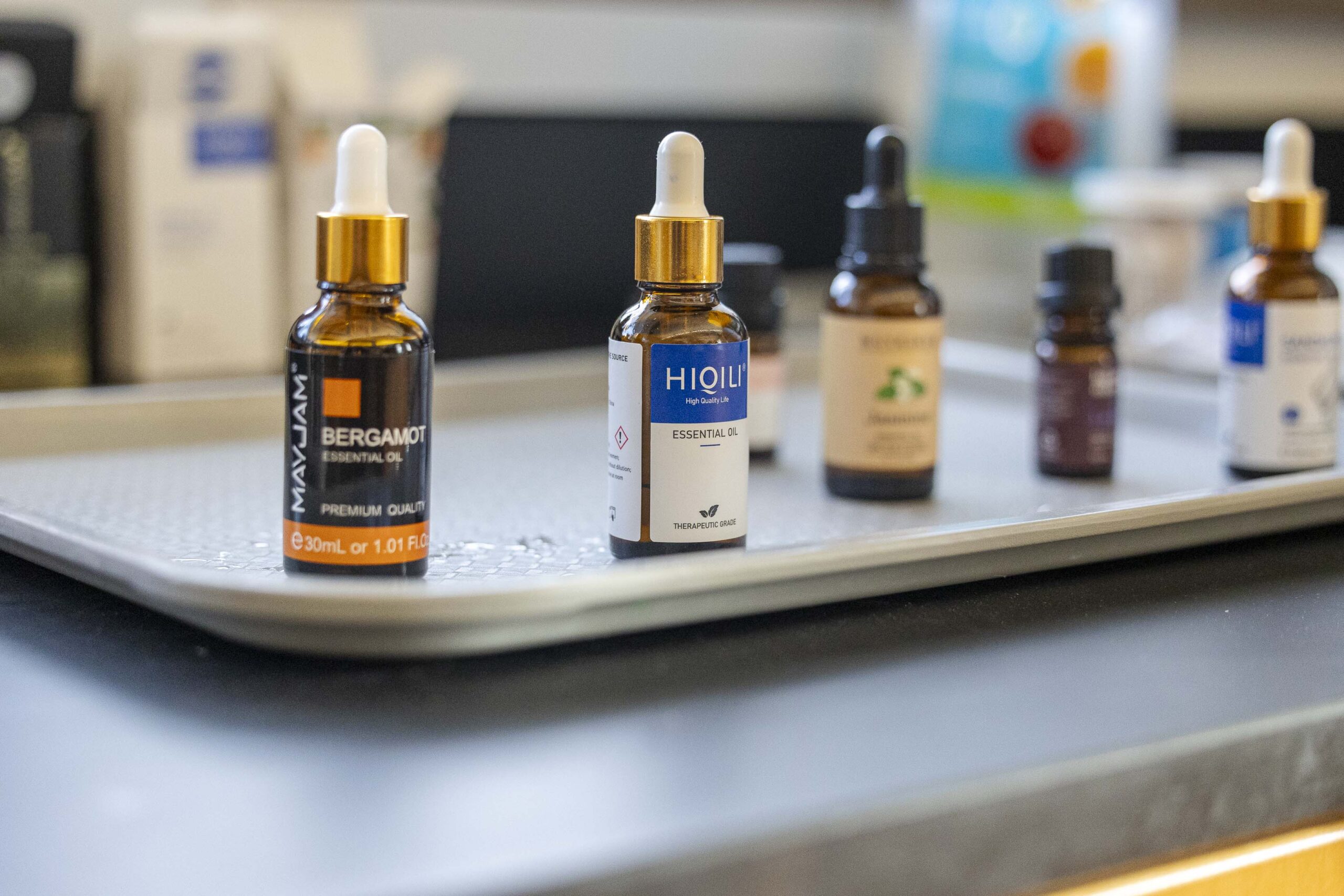
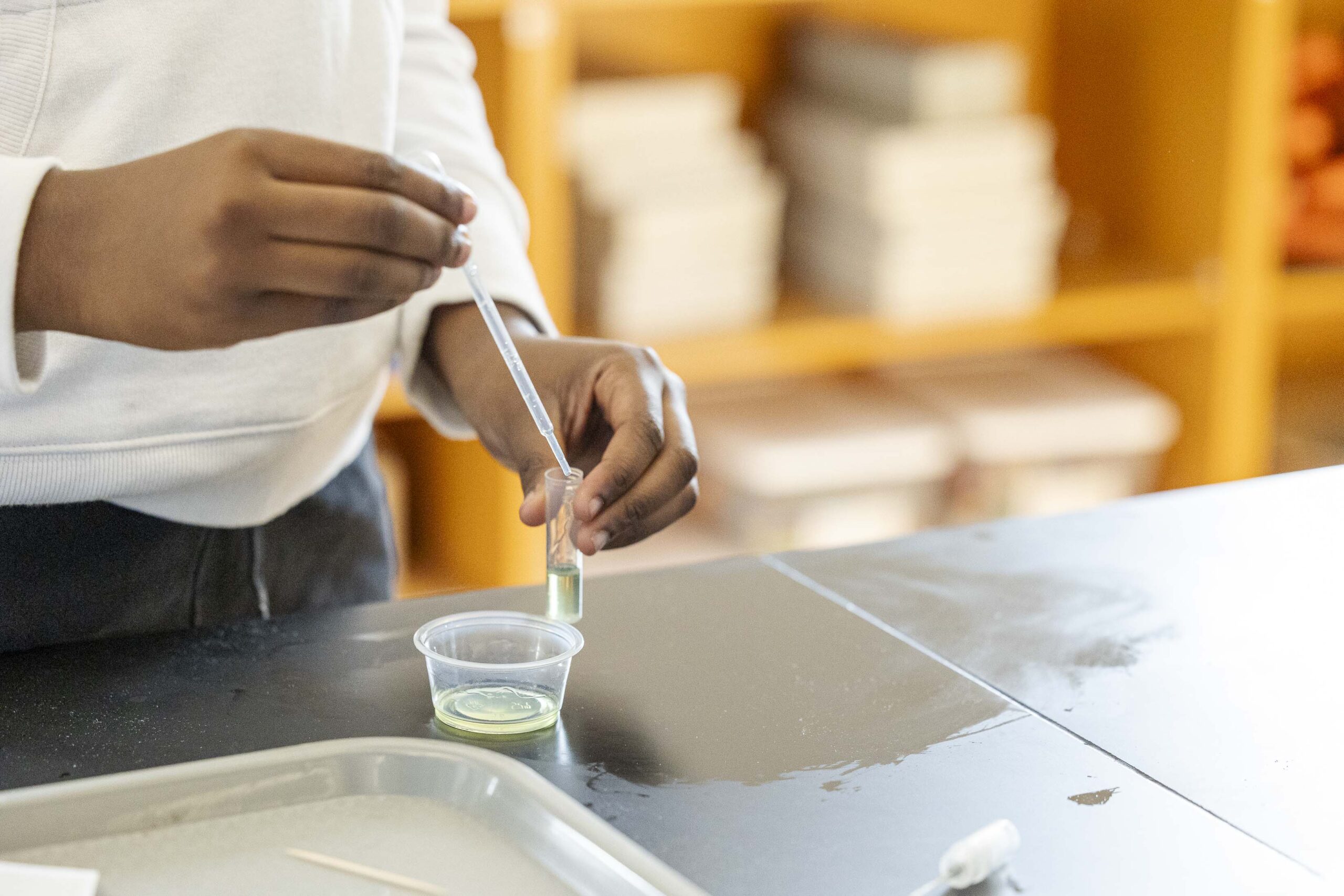
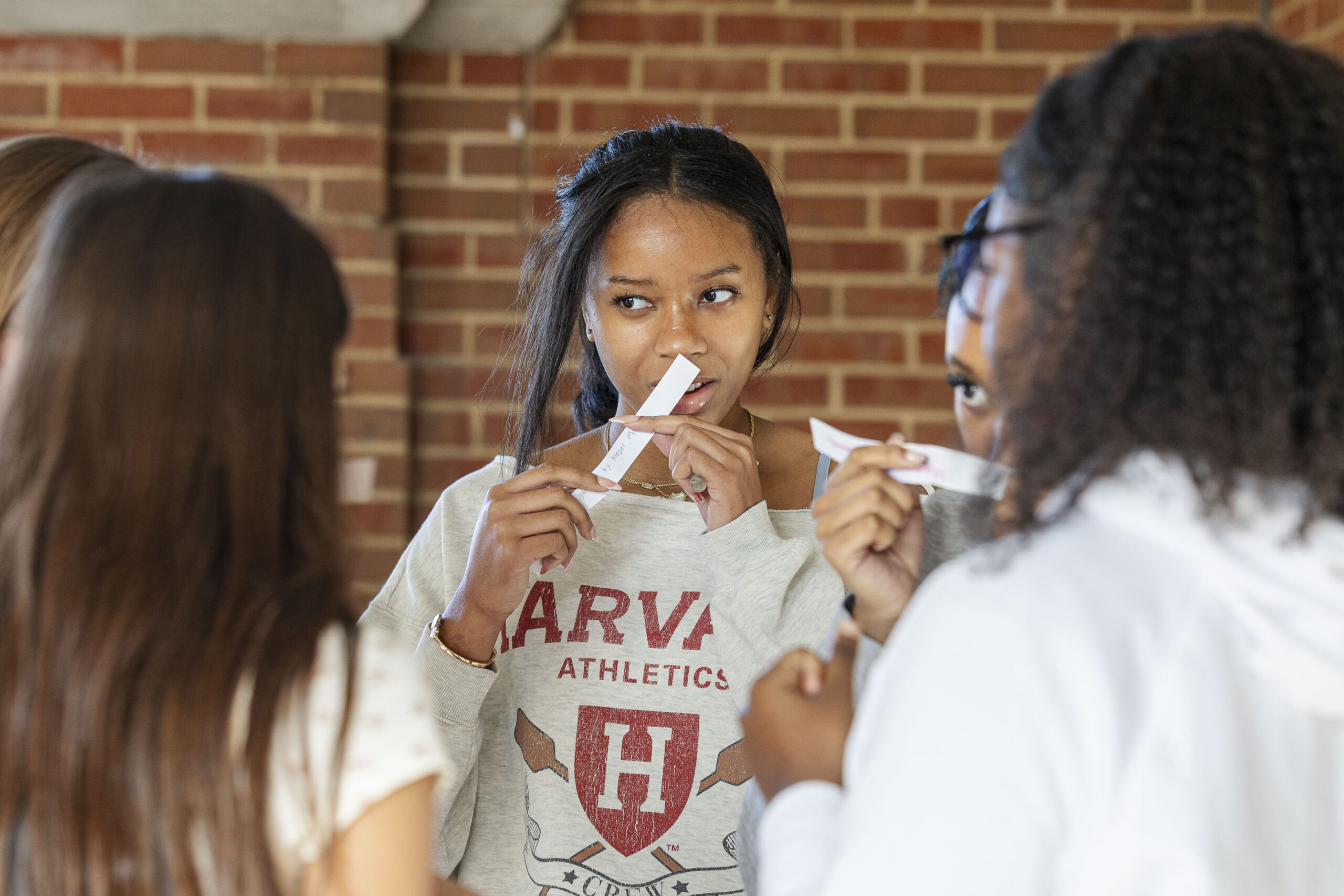
First, students learned the chemistry of key cosmetic ingredients and the industry standards for safety. Before diving into specific labs, students studied the chemistry of surfactants and emulsifiers found in cleansers and lotions, the biology of olfaction for fragrance, the architecture of fragrance using the smell pyramid, and the physics and biology of sight for color perception.
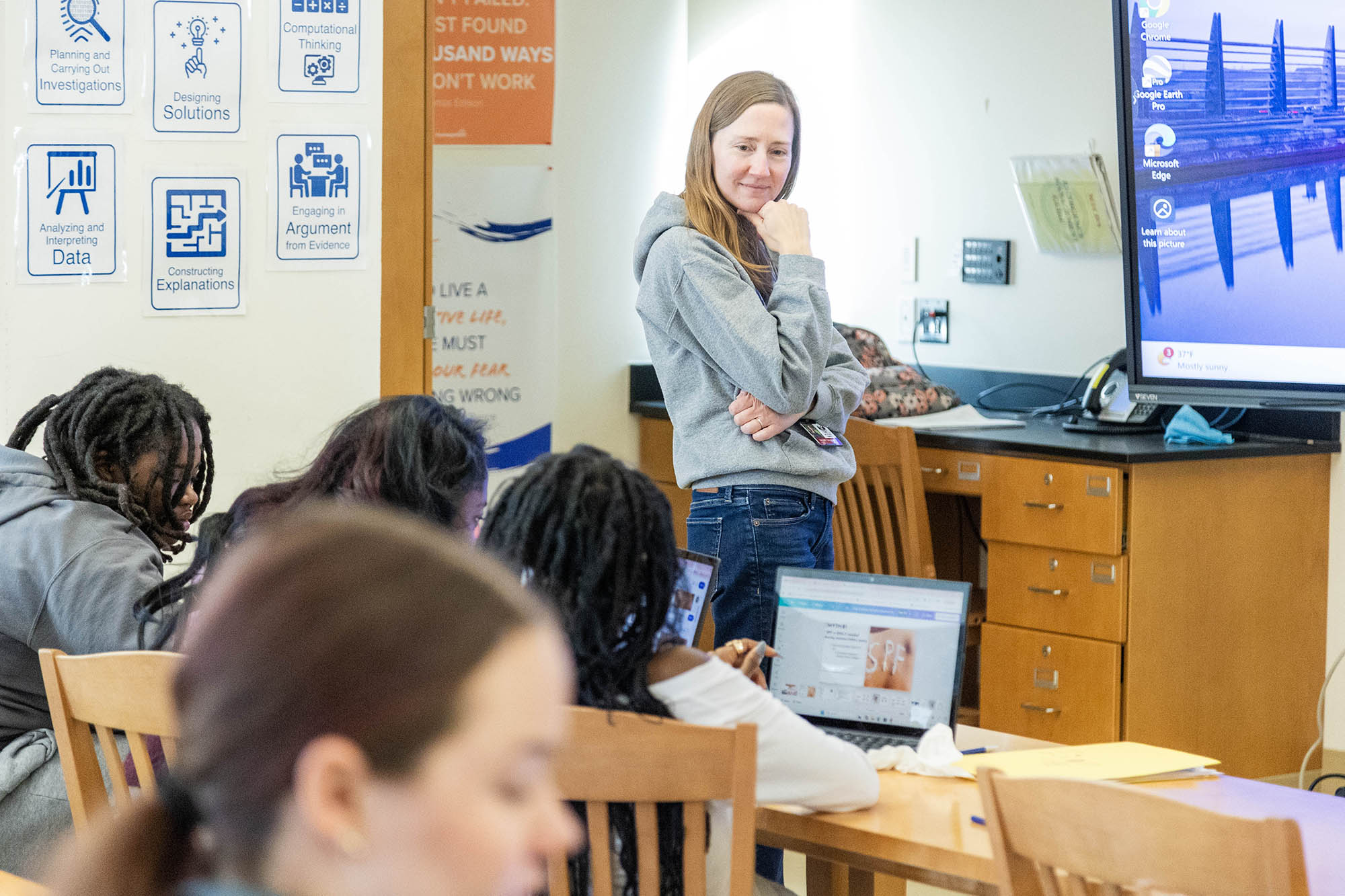
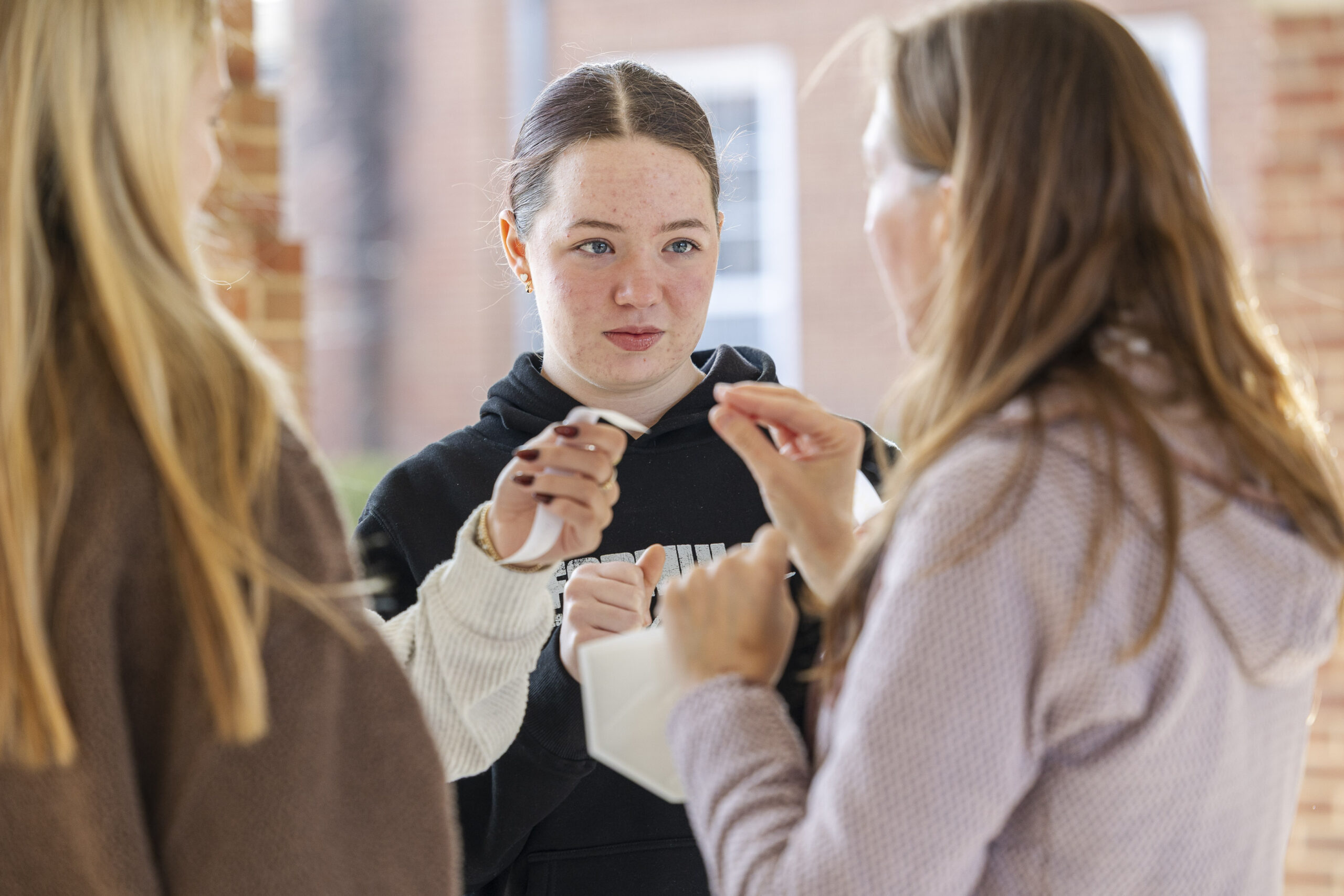

A visit from local dermatologist Dr. Angela Sutton enhanced their knowledge of skin and its related issues. She amplified the importance of SPF for sun protection and using simpler, more basic products. She also shared key information about when to see a dermatologist and the educational path to becoming a dermatologist.
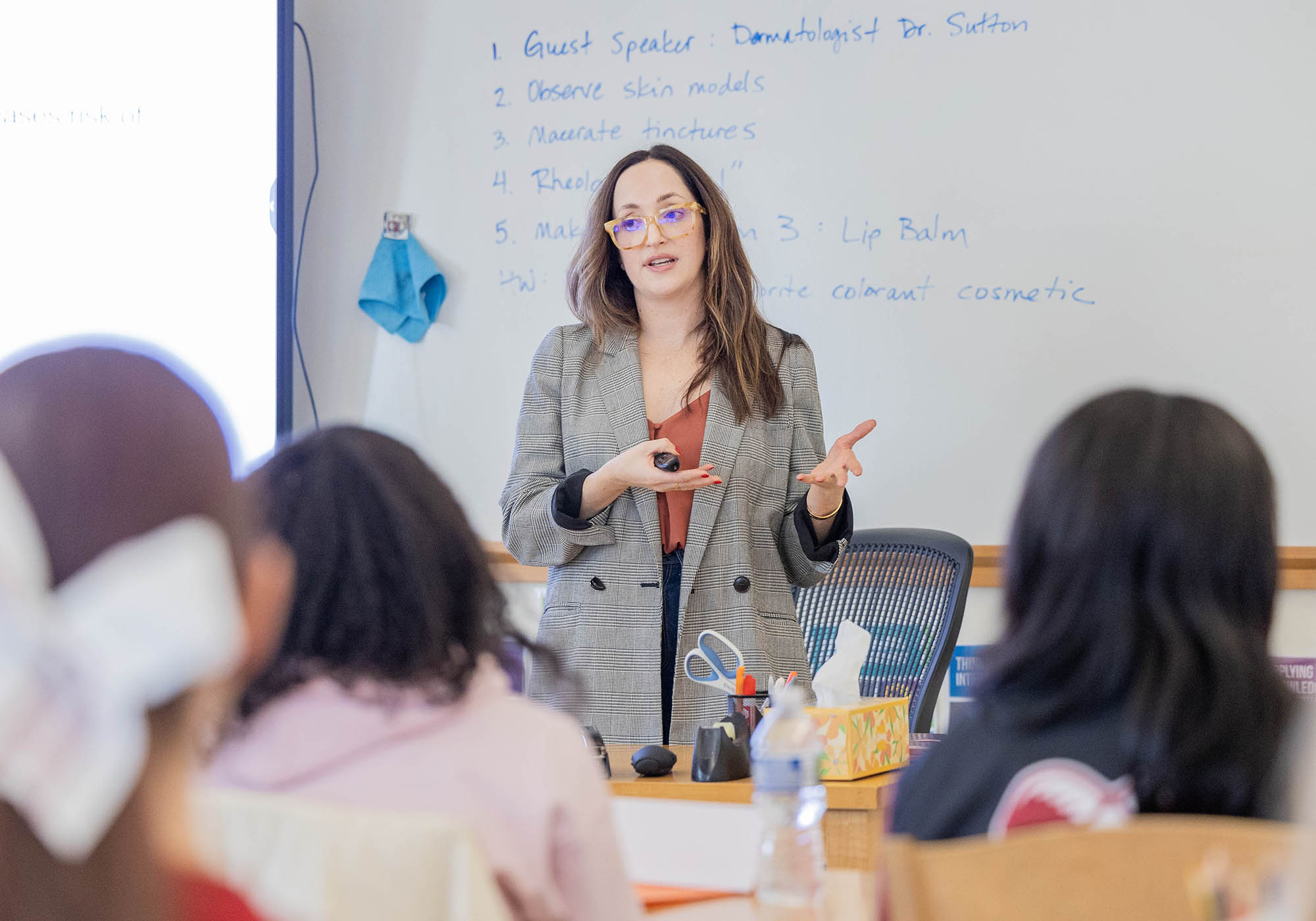

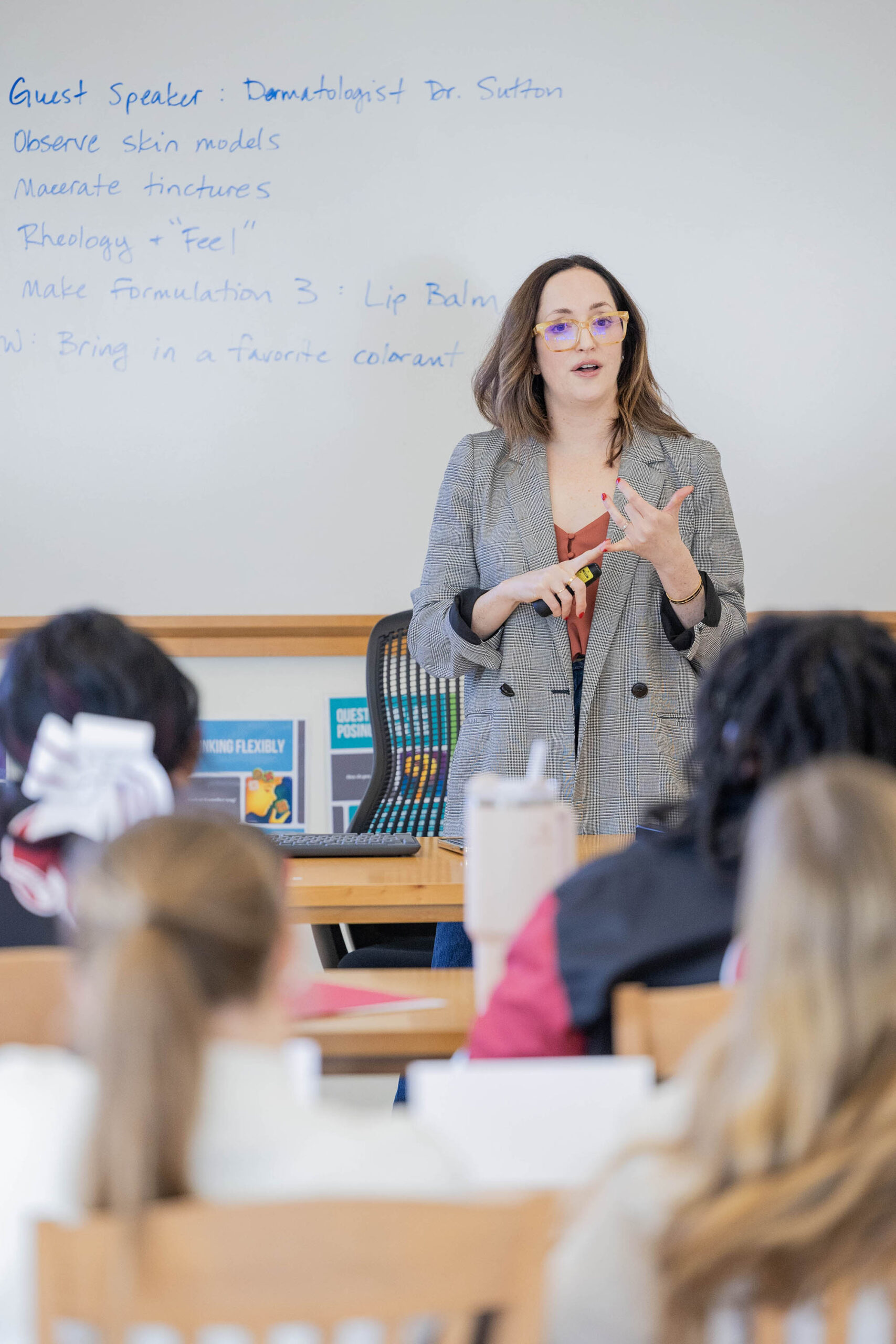

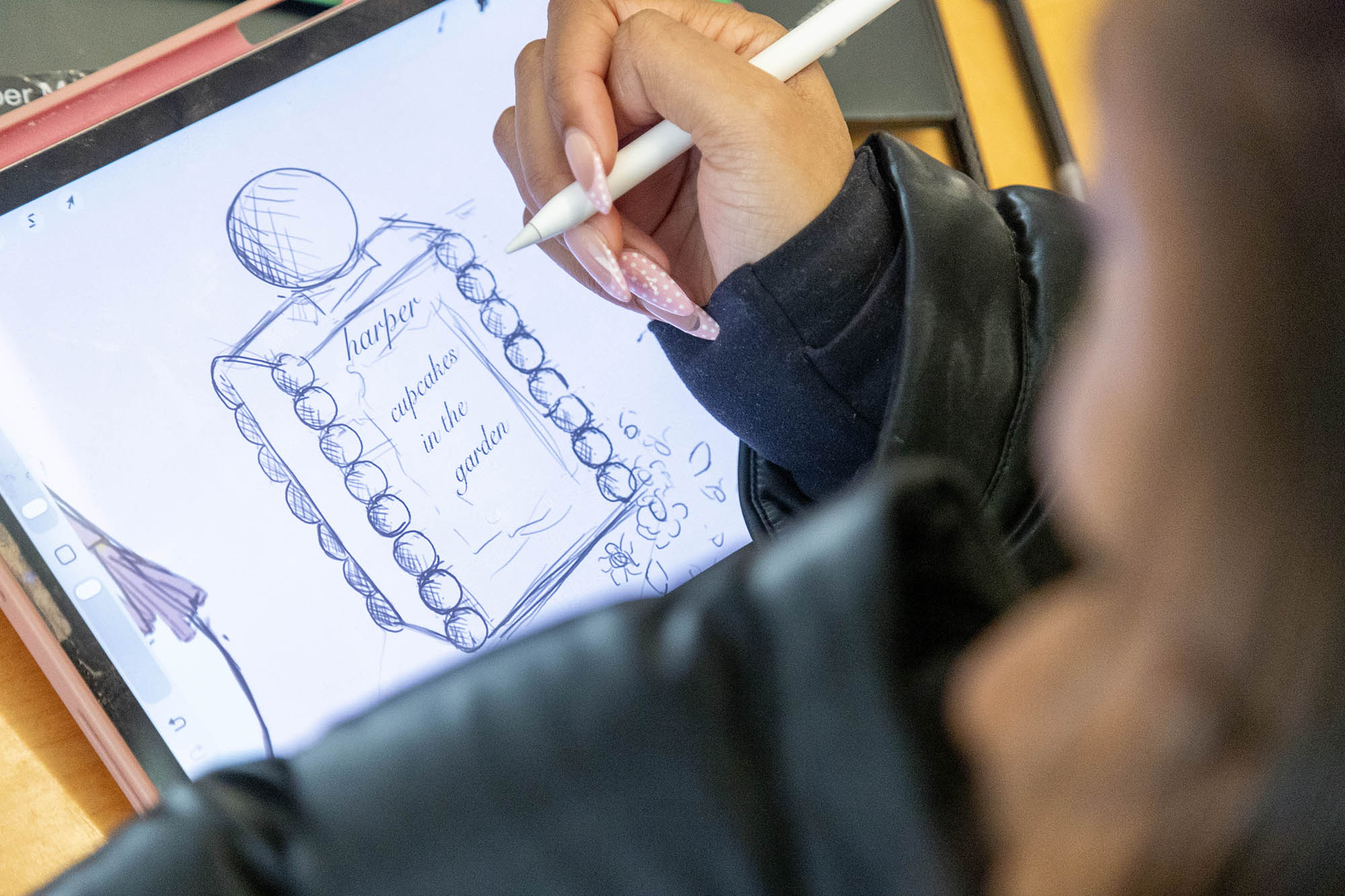
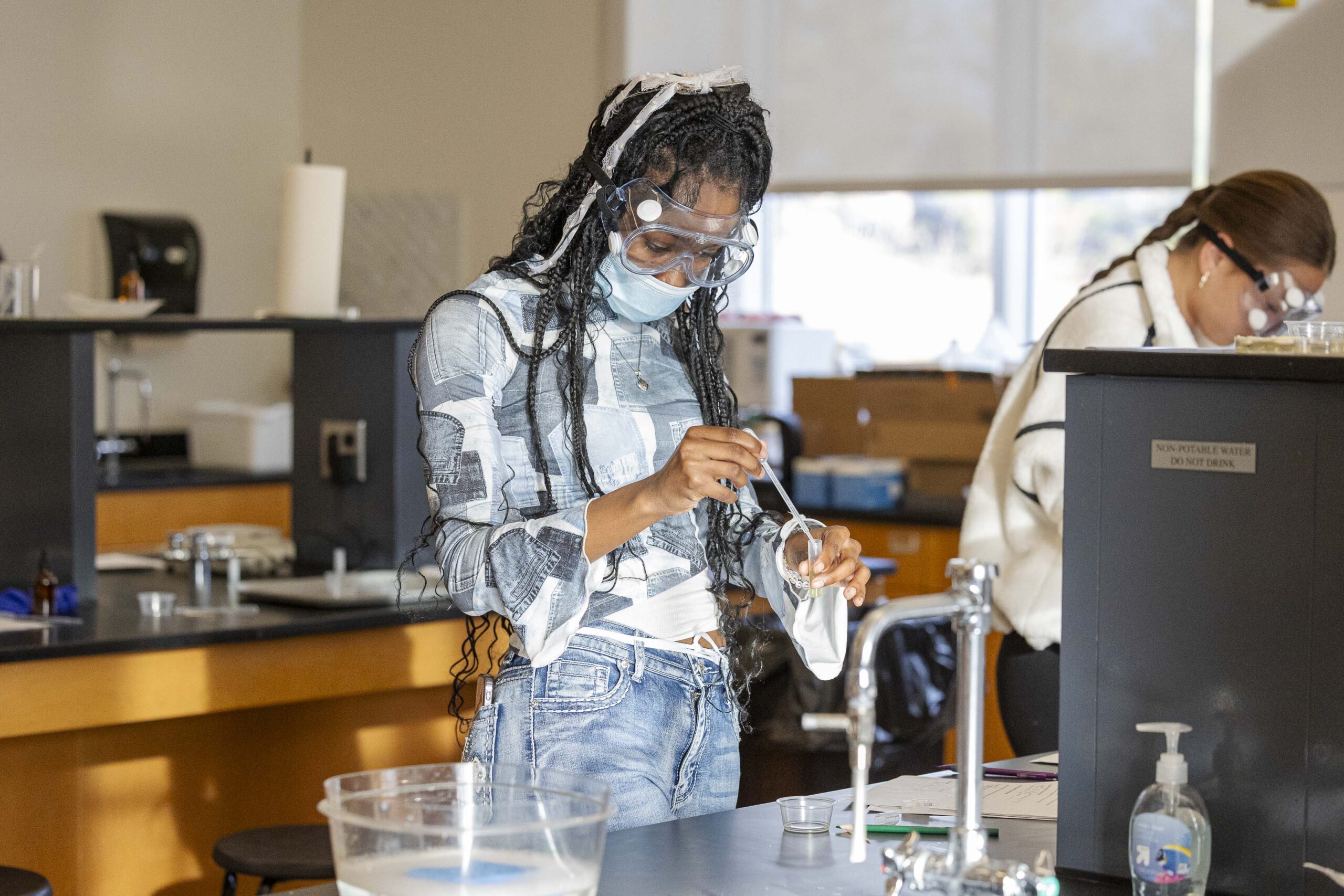
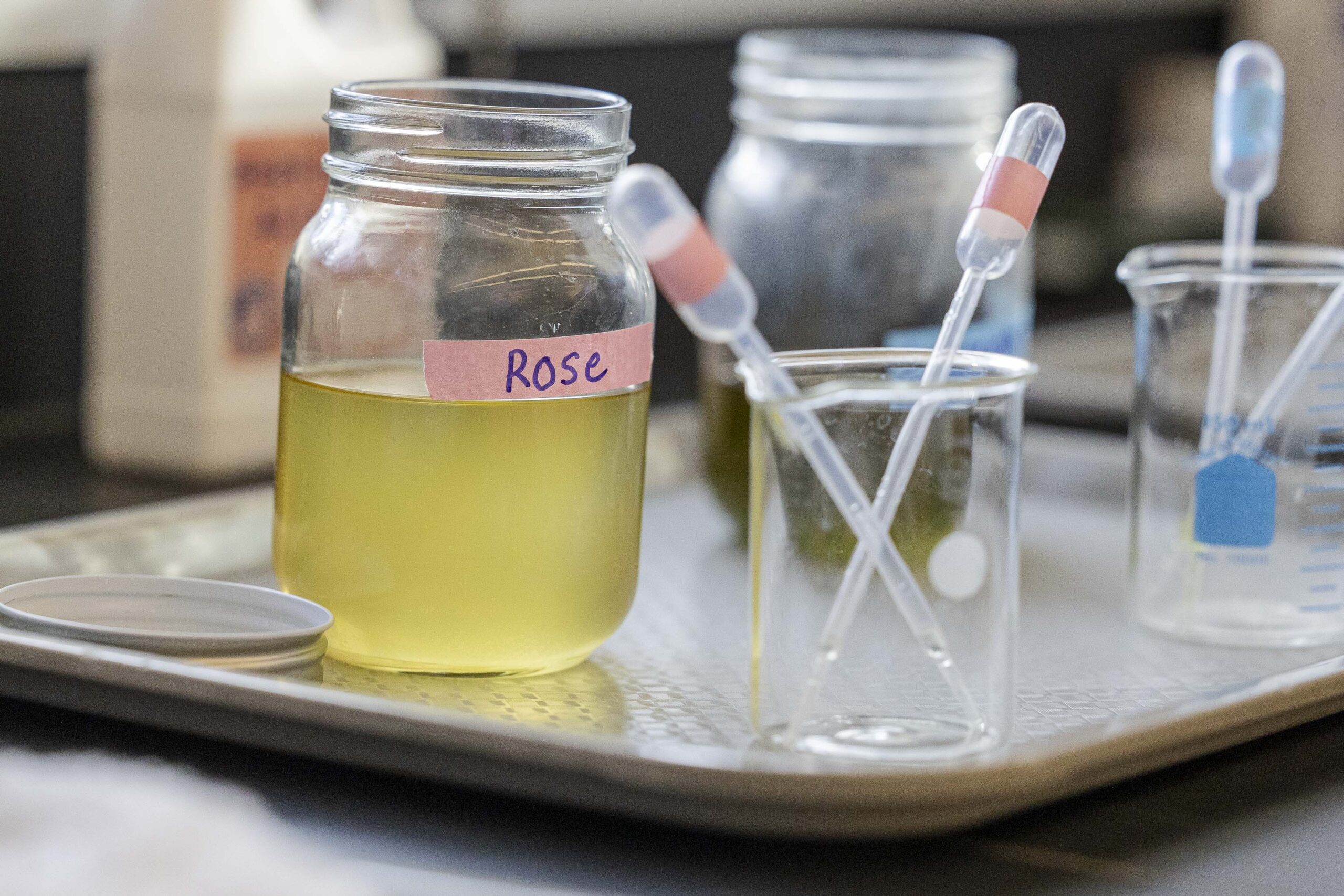
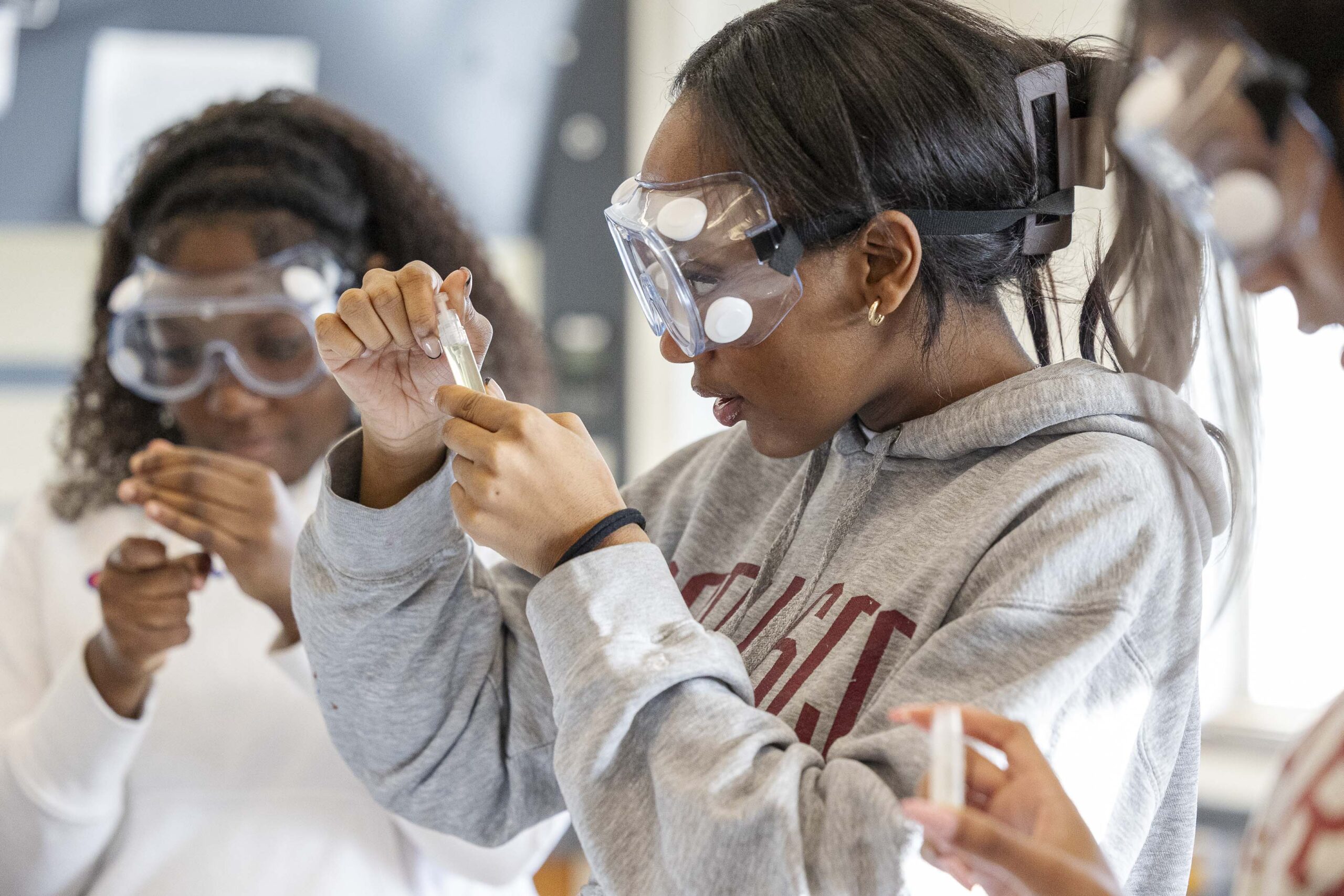
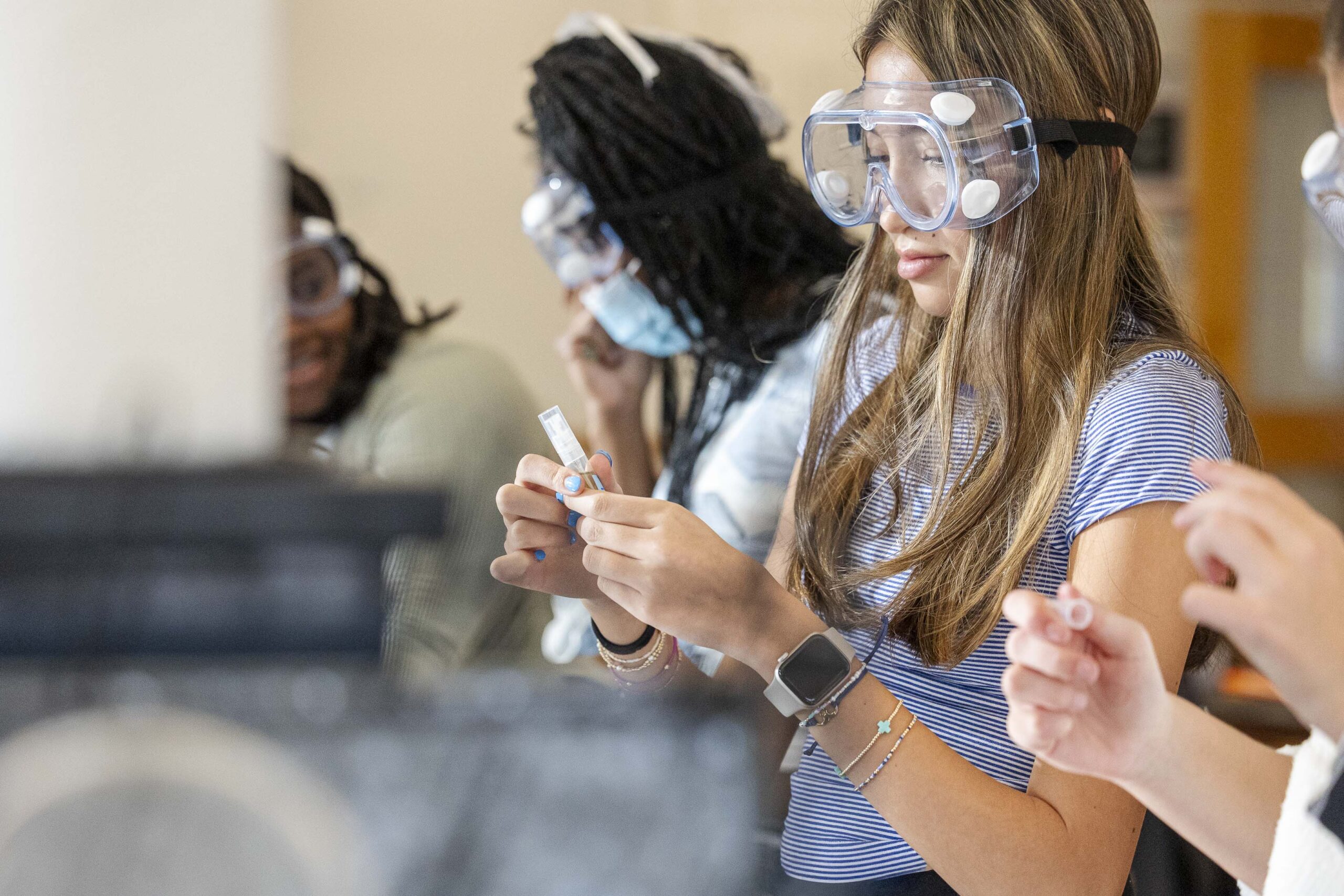
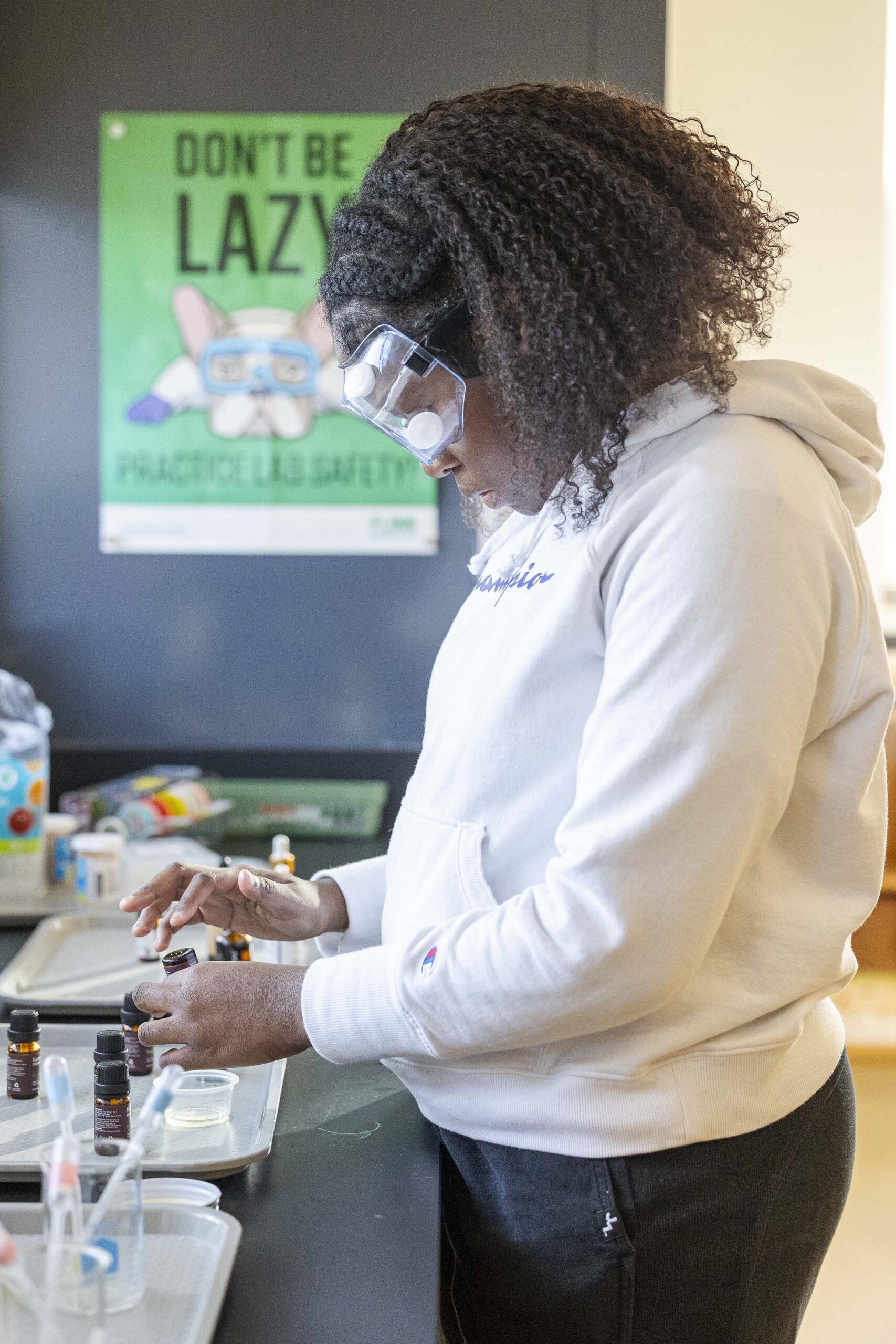
With knowledge in hand, the labs provided students the opportunity to formulate their own products, such as DIY body lotion, lip balm, loose powder, blush, and fragrance. The course culminated in the creation of a formulation portfolio. Students could choose to develop educational content, a distinct brand concept, or a personal skincare line for this capstone project.
Peyton Cox ’29 said, “I really enjoyed making our own products. Many of the products we made, I still use. The chapstick we made was surprisingly moisturising and smooth. The hardest lab we did had to be when we made lotion. We had to mash water-based products and oil-based products using emulsifiers. It took a really long time for all the products to mix together, but it had satisfying results.”
“I most enjoyed when we made our own perfumes. Learning about the science behind fragrances and combining different scents to make our own was really fun,” said Harper Martin ’27.
Kristiana Rogan ’28 also enjoyed the hands-on cosmetic-making experience in the lab. She said, “The labs were surprisingly simple, and I was intrigued by how few ingredients were needed to make things like lotions and lip balms.
“For the last few days of the course, we were given freedom to explore, research, or design some sort of deliverable for the final showcase. I chose to research color theory and light interaction to help me design a series of eye shadow palettes with complementary and contrasting colors for each shade.”
Tourais said, “This was the first run of the class, and I would call it a huge success. The students learned some science, practiced some lab skills, and had a lot of fun.”