Are you ready for the ultimate math adventure? Then grab your calculator, your TI-rover, and a favorite numbers game, and add yourself to Middle School Math Teacher Dr. Jody Marberry’s Winter Term course, Mathapalooza!
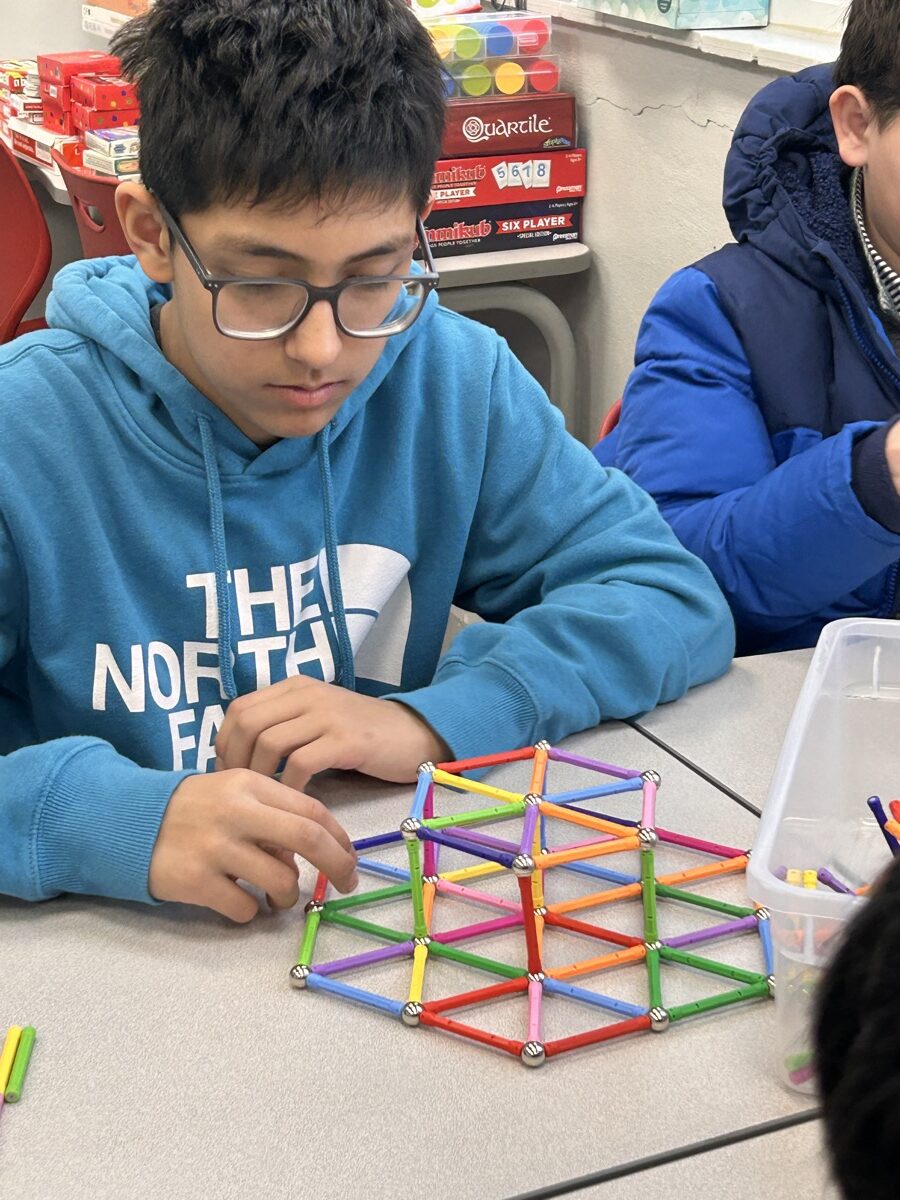
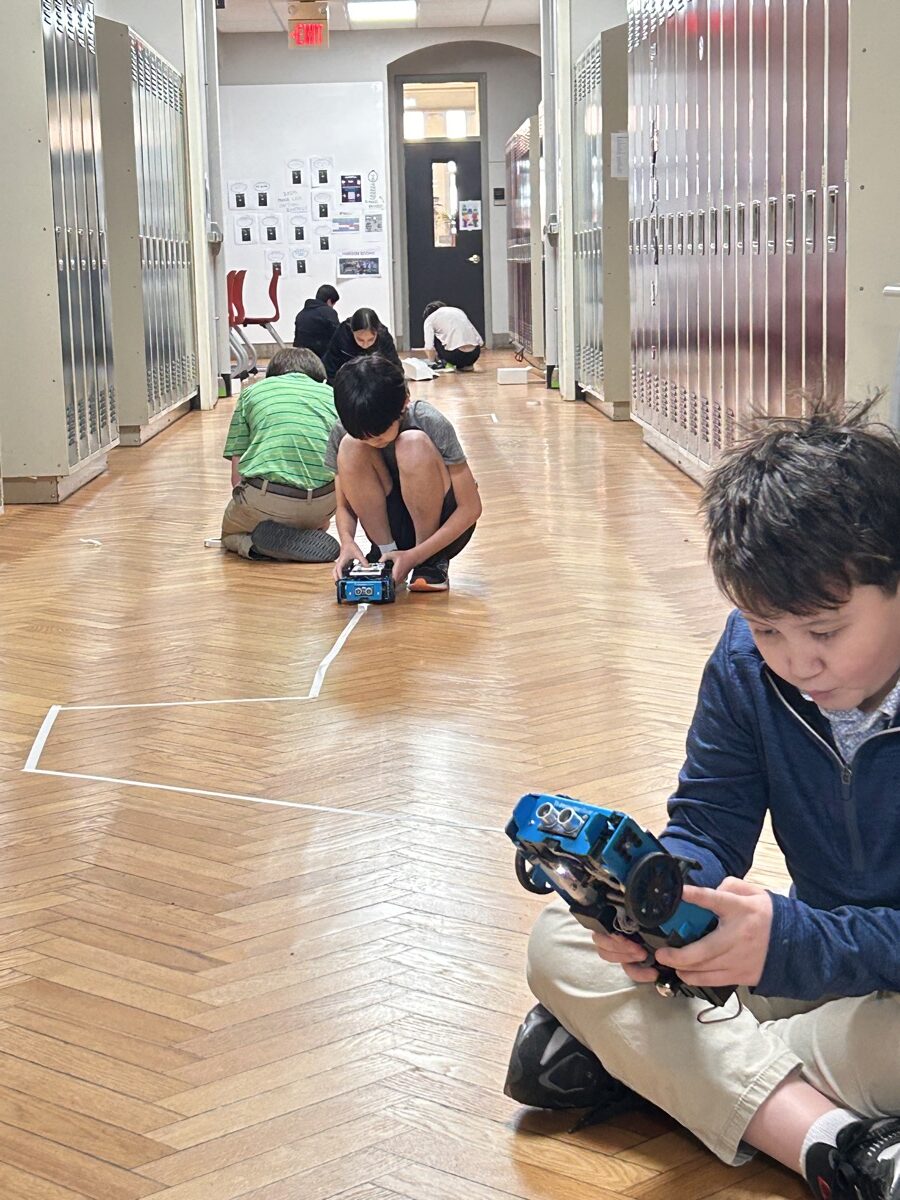
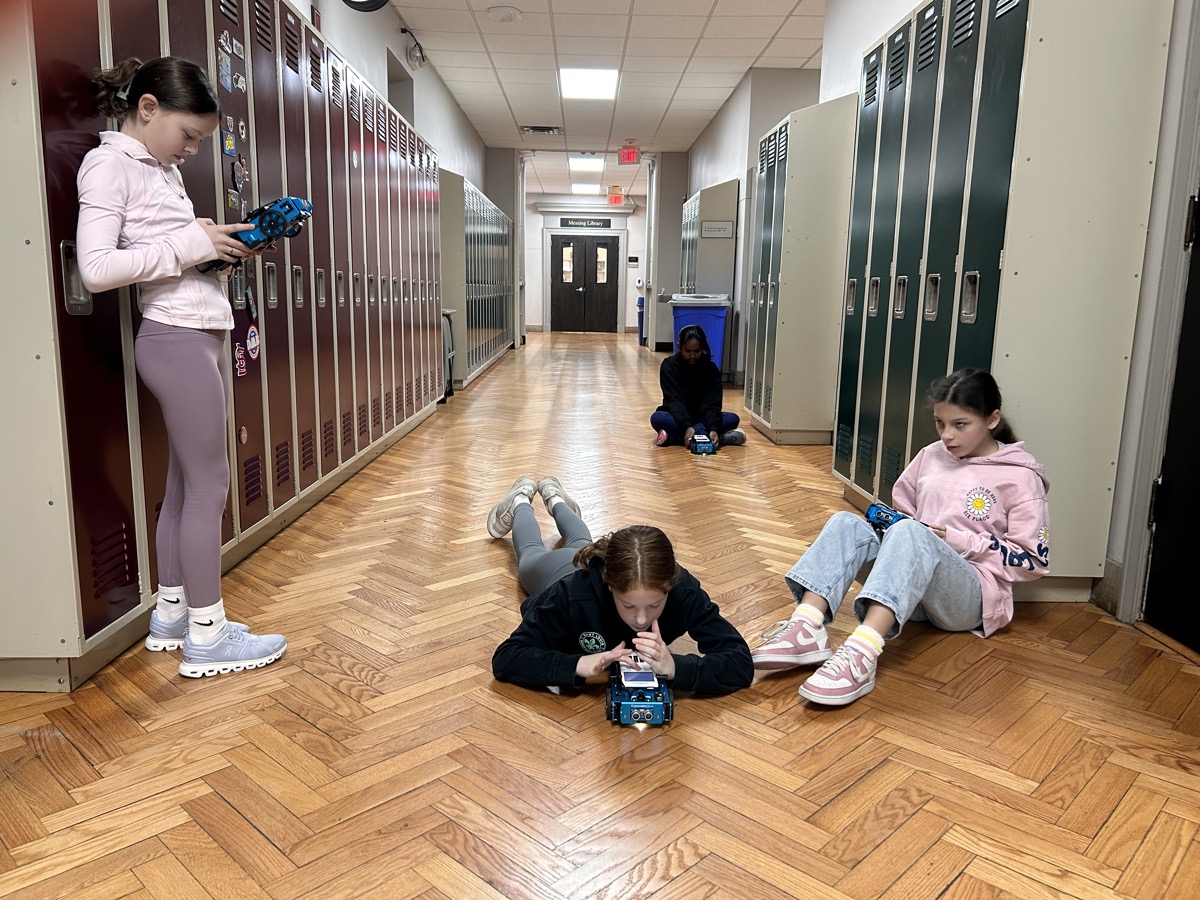
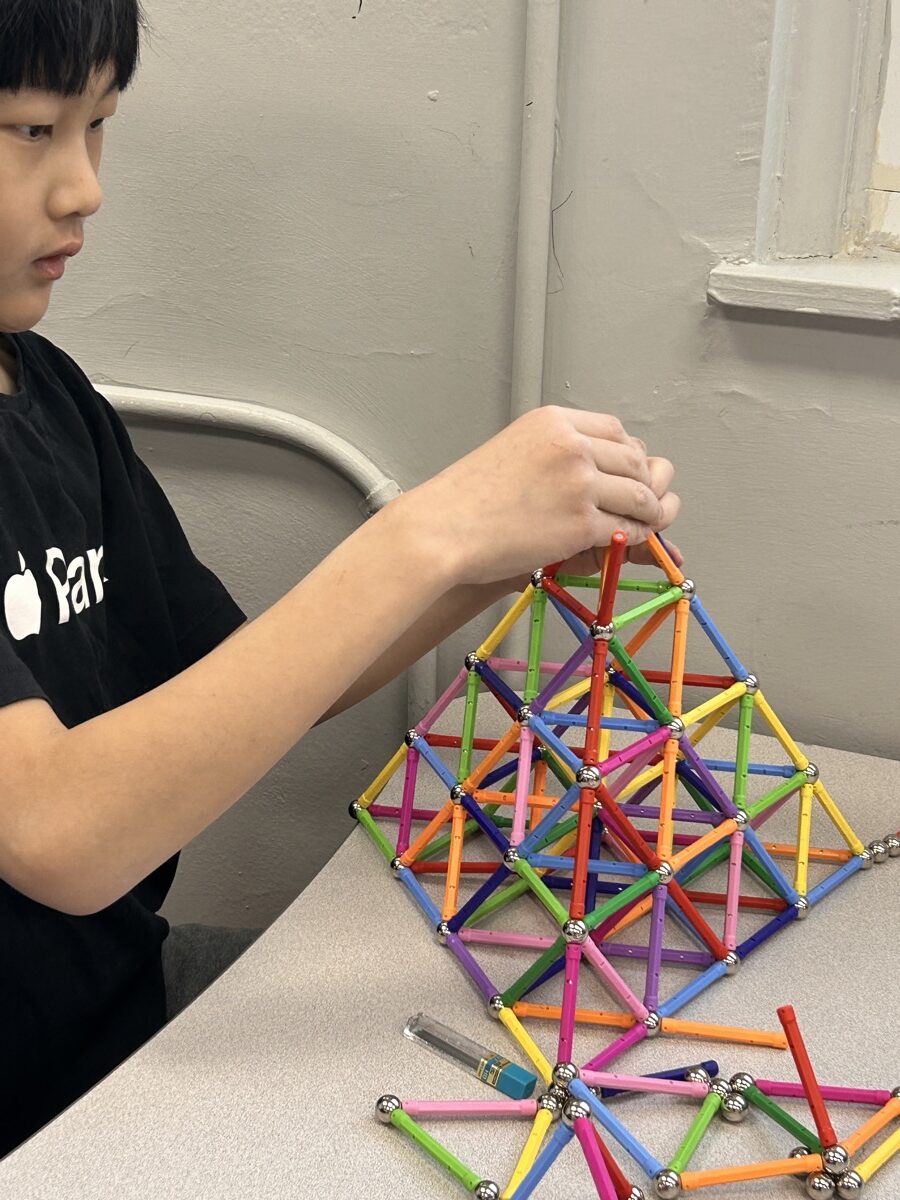
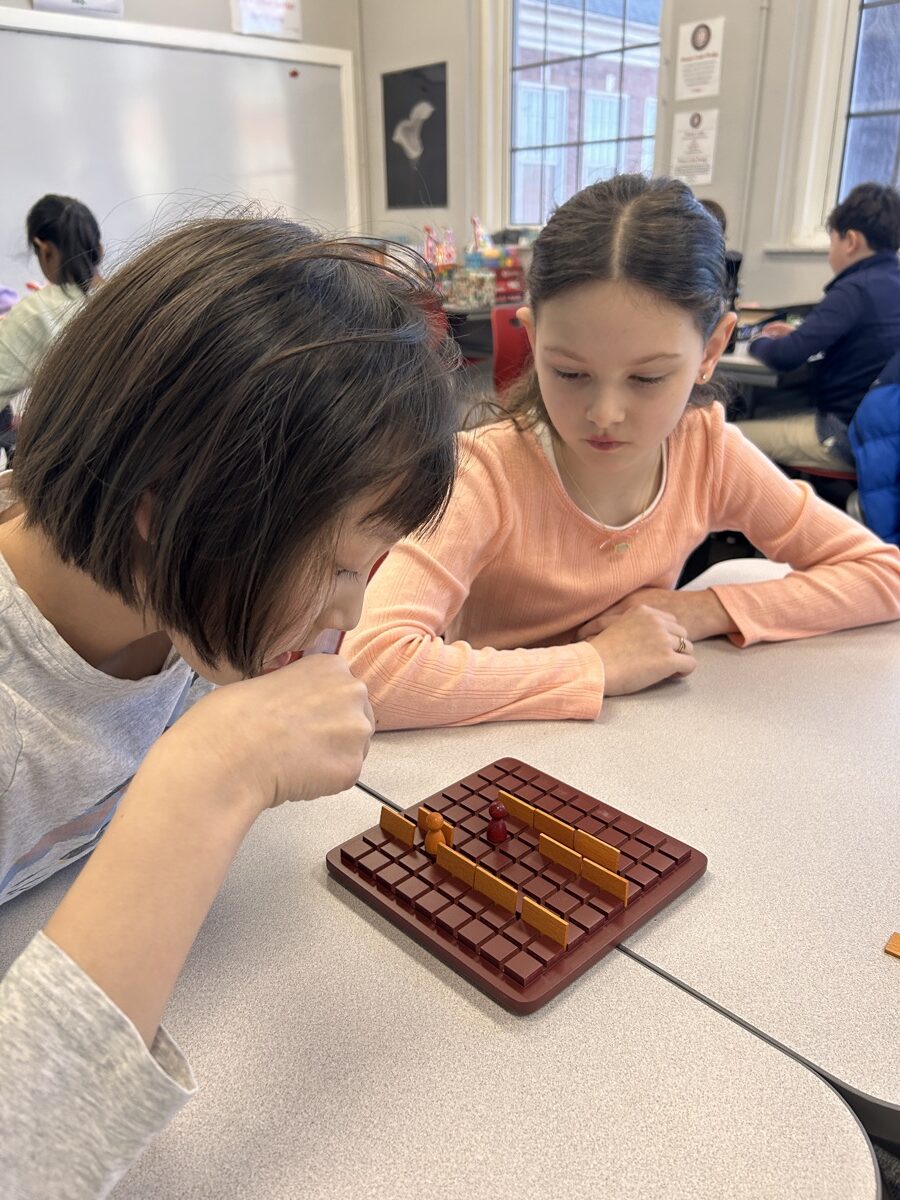
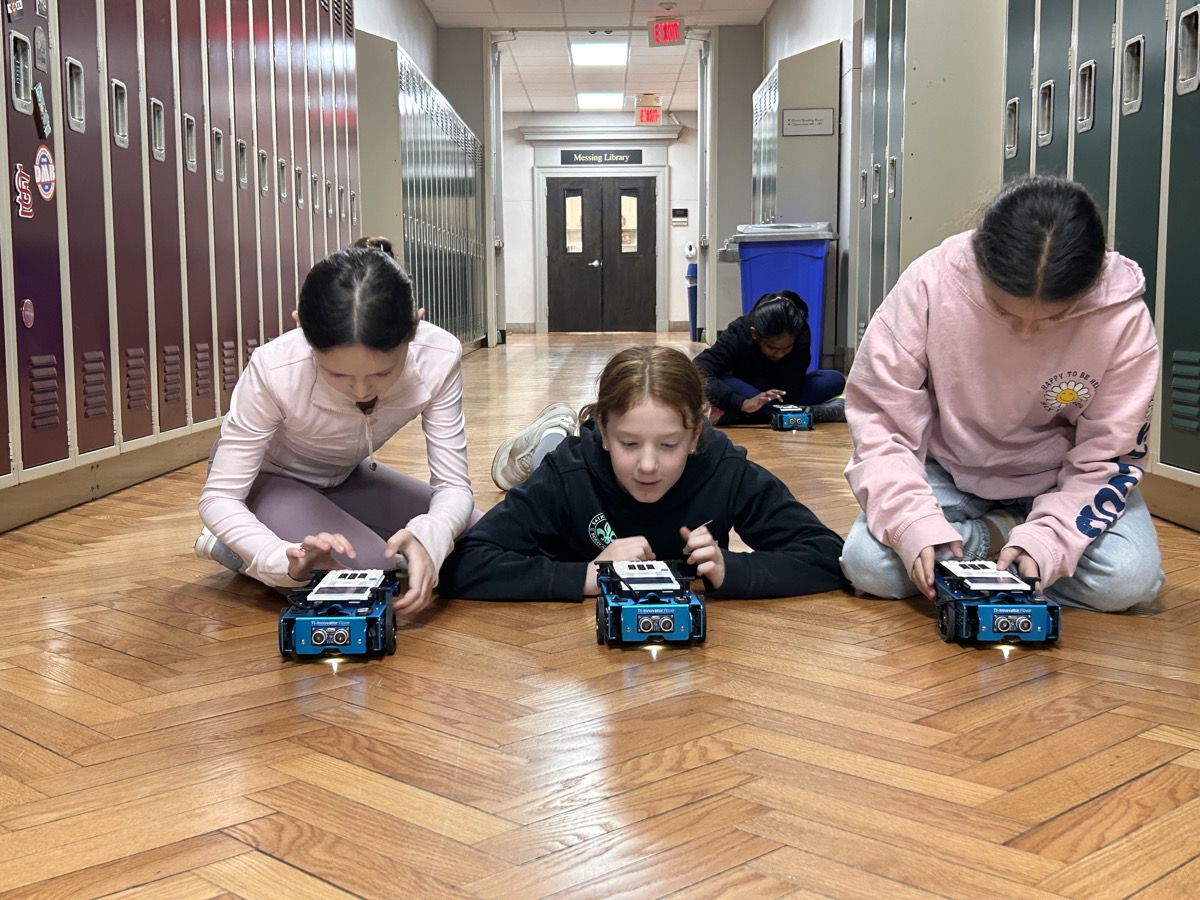
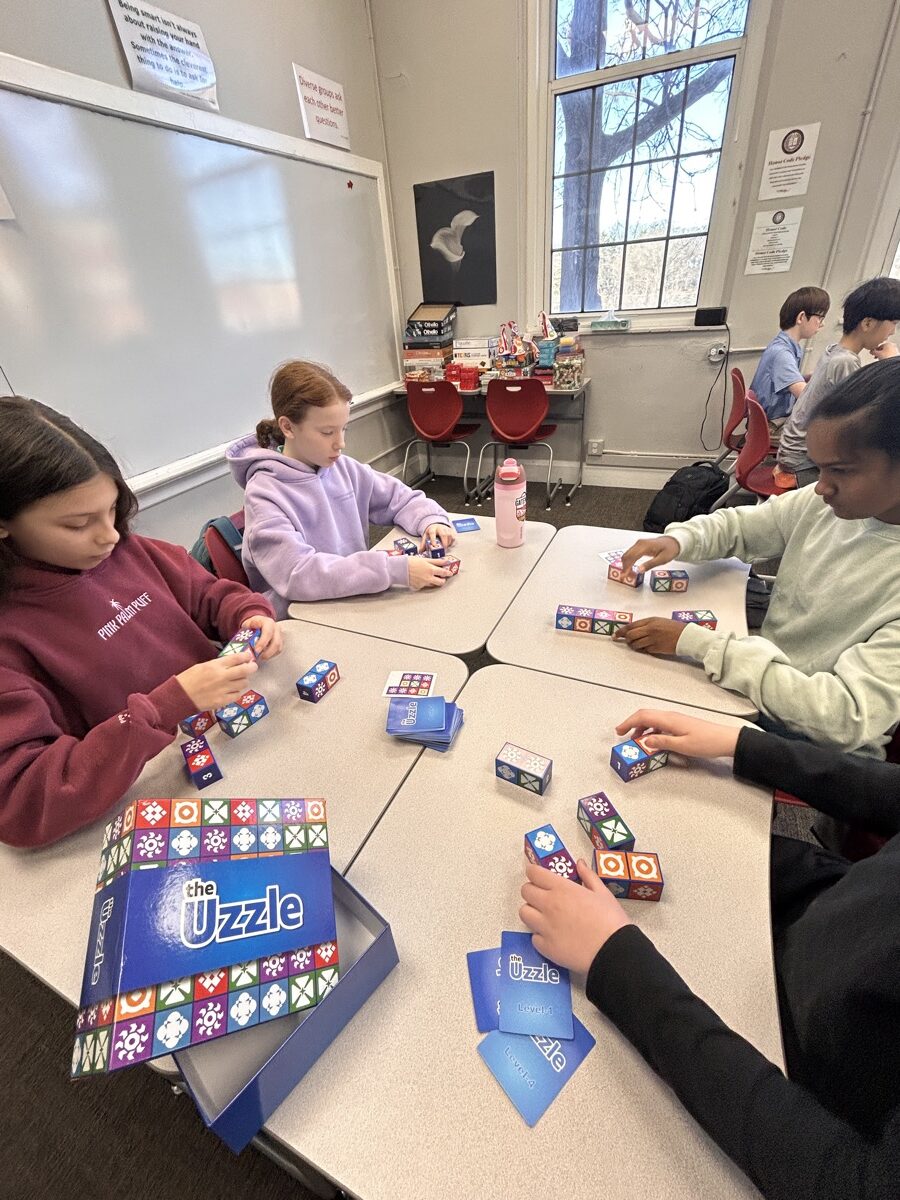
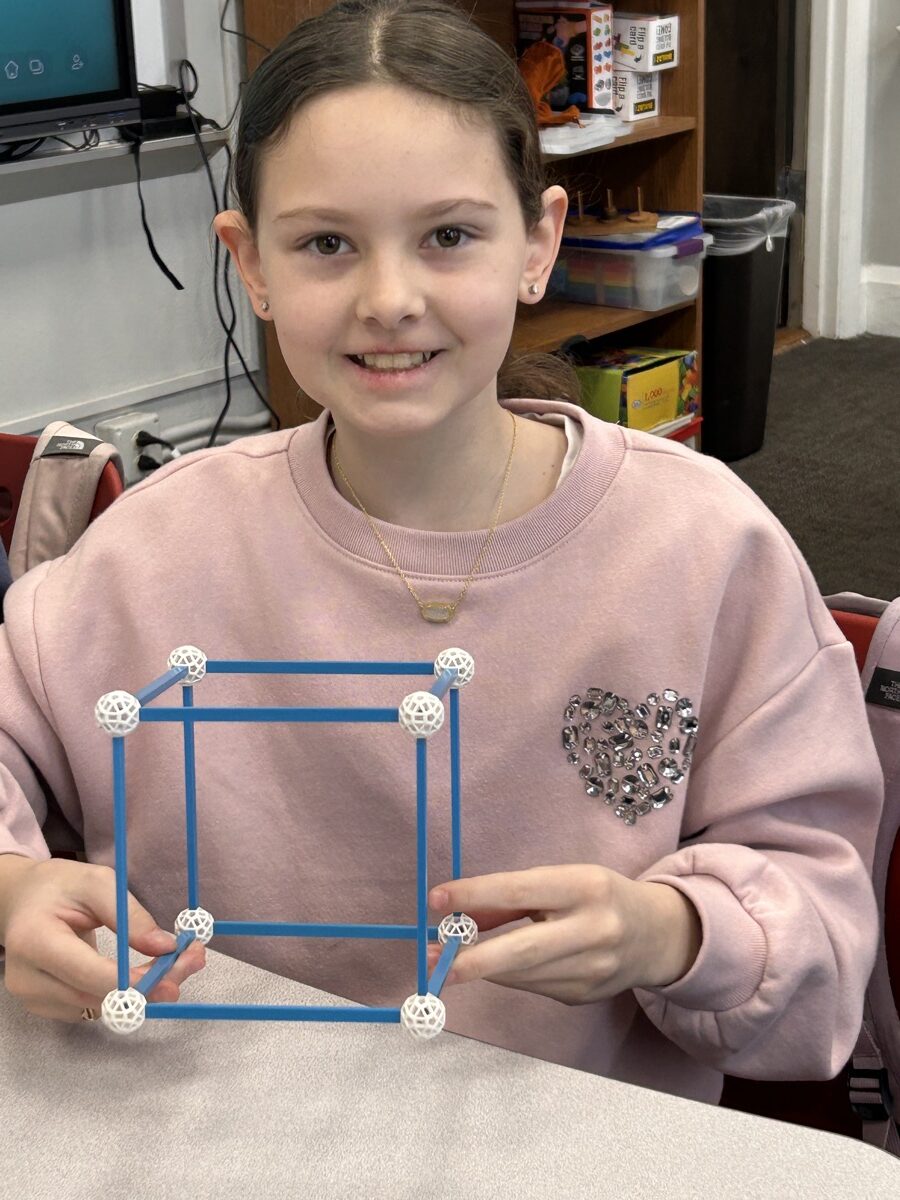
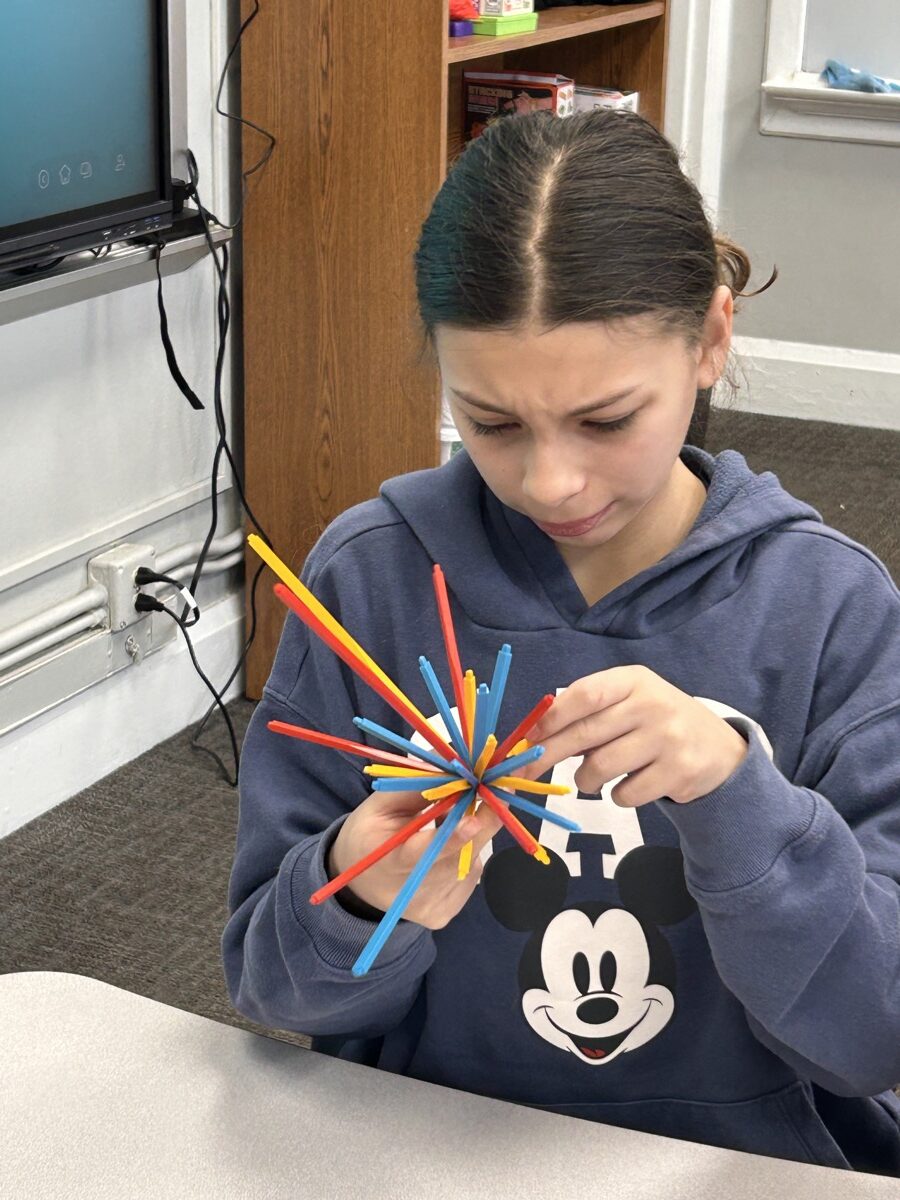
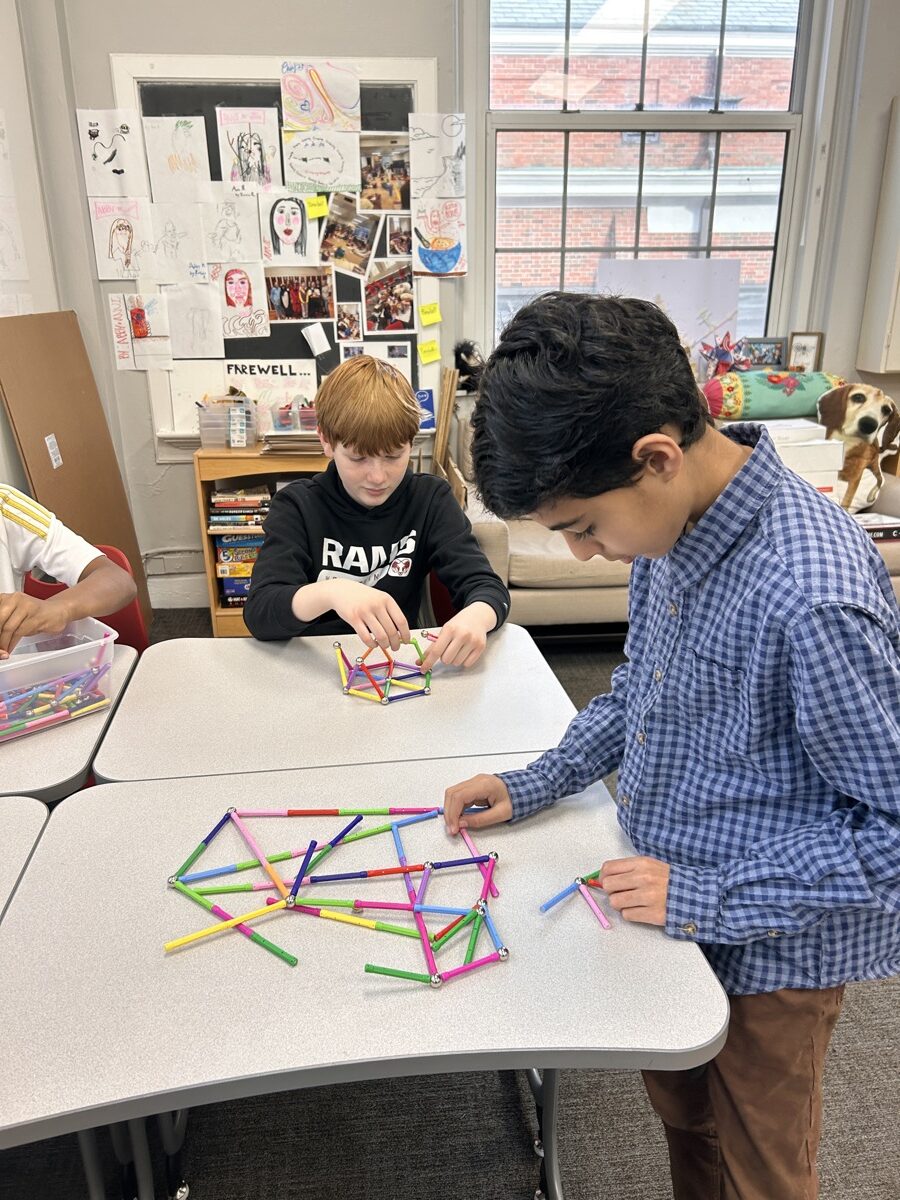
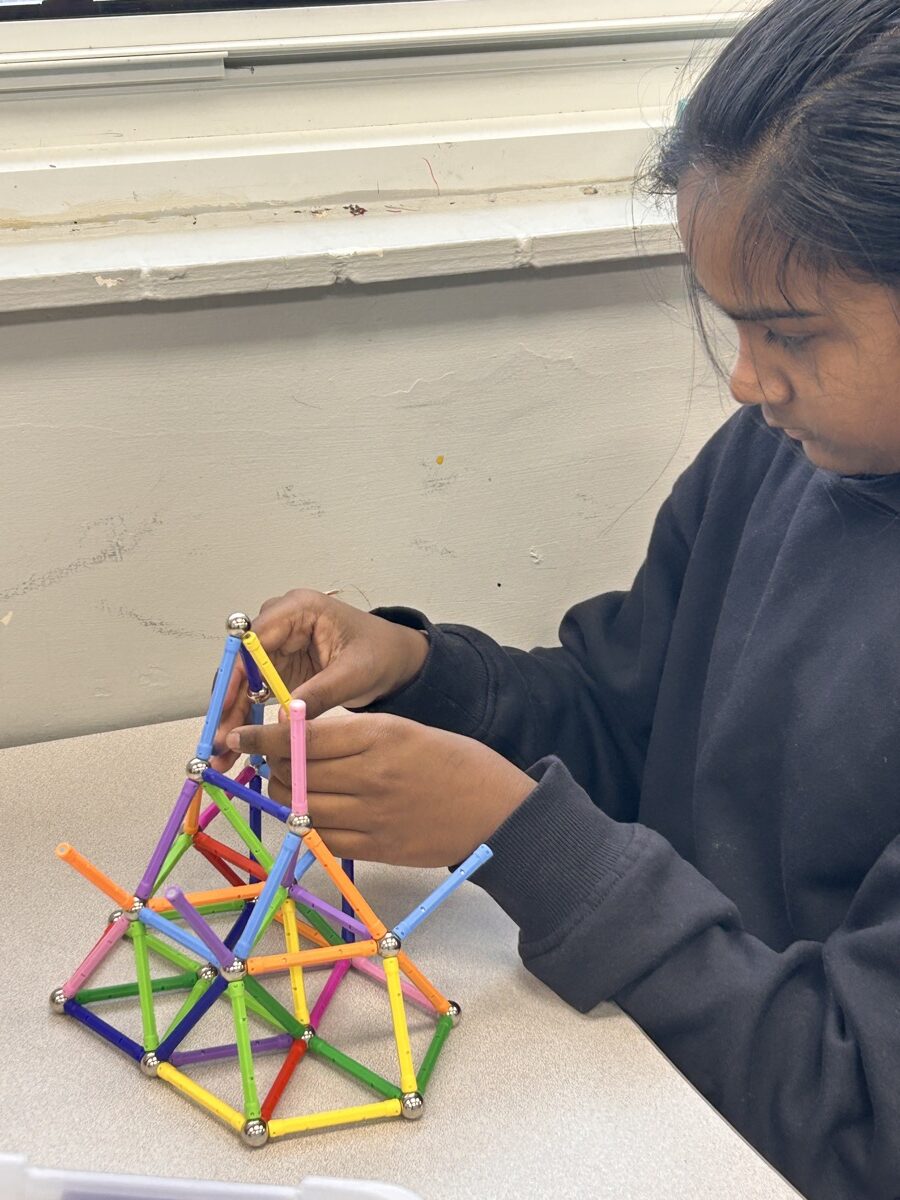
In this exciting, hands-on class for fifth and sixth graders, students dive into the world of patterns, puzzles, and problem-solving through games, coding rovers, and building amazing 3D shapes with Zometool. They compete in fun challenges to earn their math black belts, team up with friends, and explore how math is everywhere—from logic games to real-world designs. Whether they are simply fans of math or just love to play, explore, and build, this course is packed with activities for each Ram to enjoy!
This is Dr. Marberry’s first year teaching this Winter Term course, and she took the time to share the inspiration for the class: “I love to do puzzles and play games, and math is often a big component in doing these things. I wanted kids to see that math is more than just computation; it’s playful, creative, challenging, social, and can make you laugh.”
Dr. Marberry is not alone in her affinity for mathematics. “I signed up for Mathapalooza because one, I love numbers, and two, it is always good to practice your math skills,” shared Silas Ward ’32.
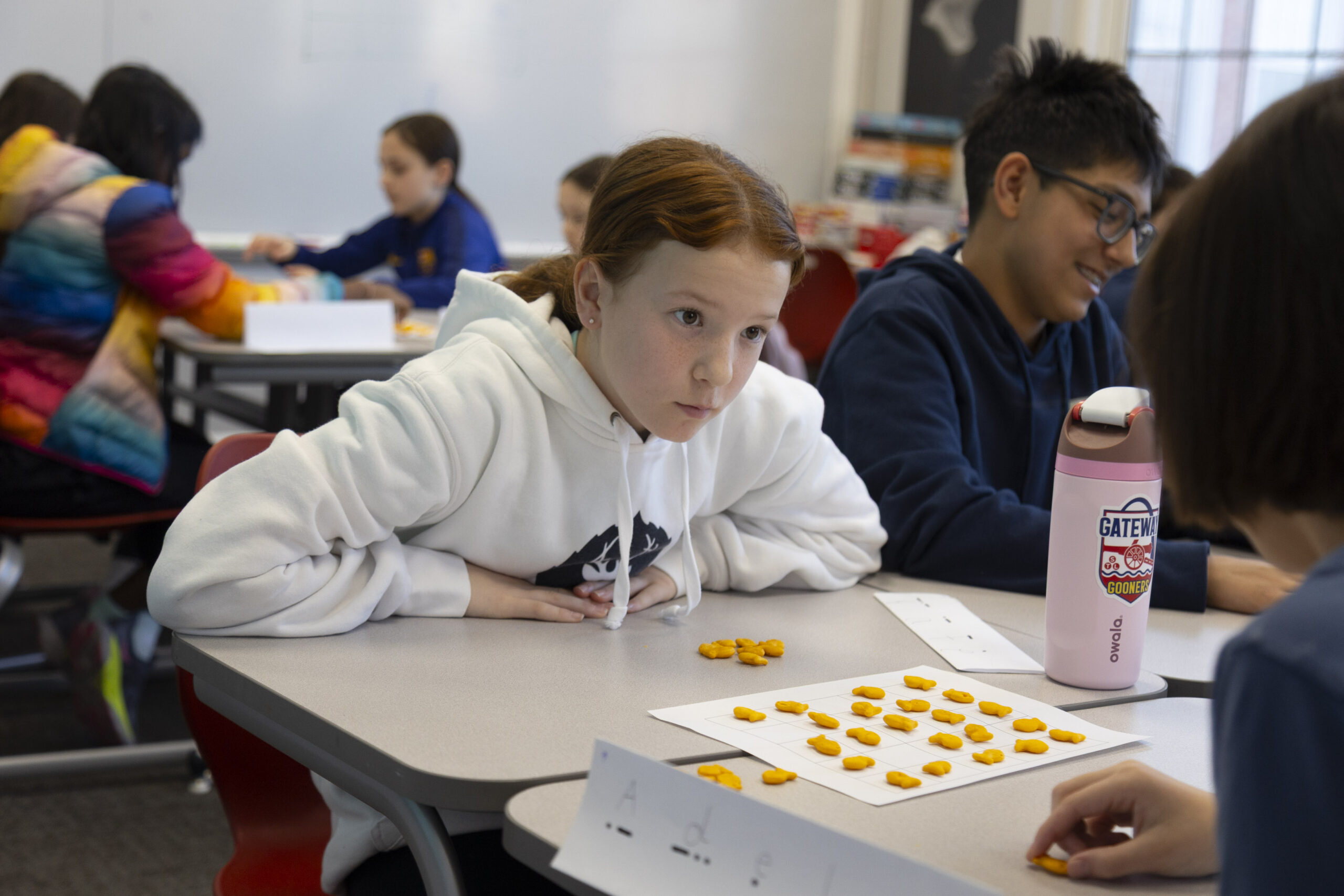
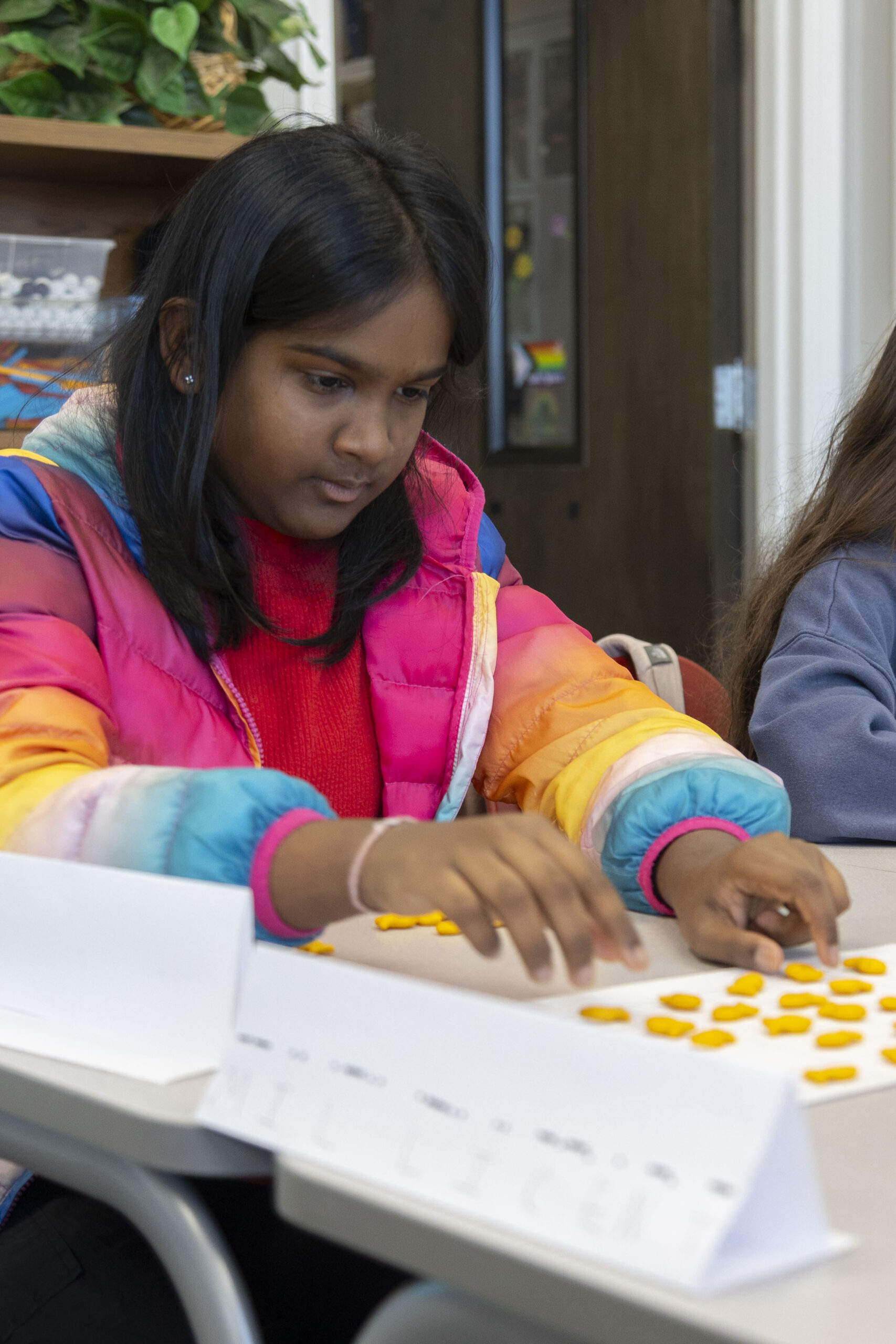
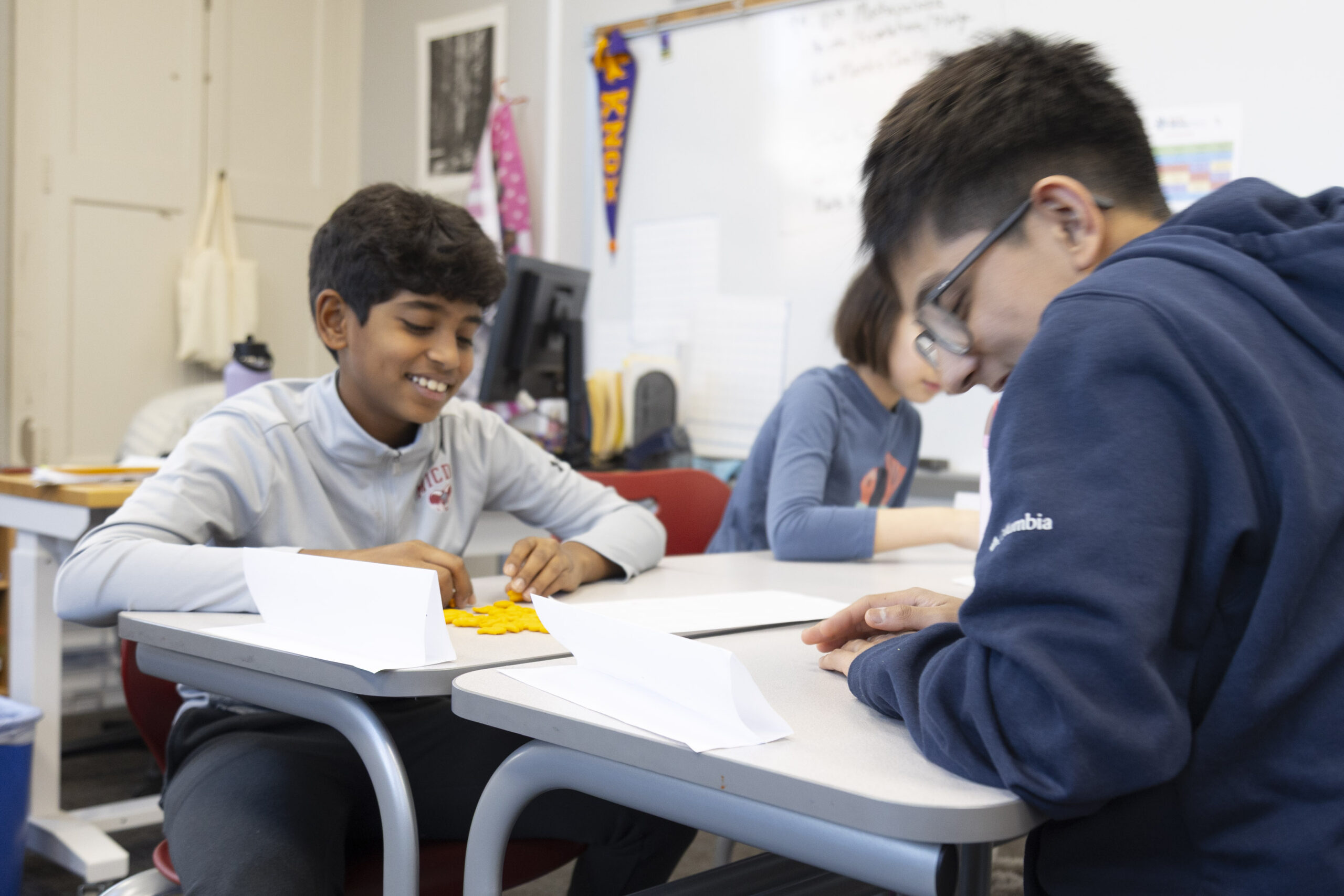
During the two weeks of Winter Term from January 6-16, Mathapalooza students embraced a daily math theme that was tied to different activities and games to support a specific type of mathematical thinking. On the first day, students had to decode their nametags by looking for patterns and working together without the use of any websites or resources. All their names were written in Morse Code.
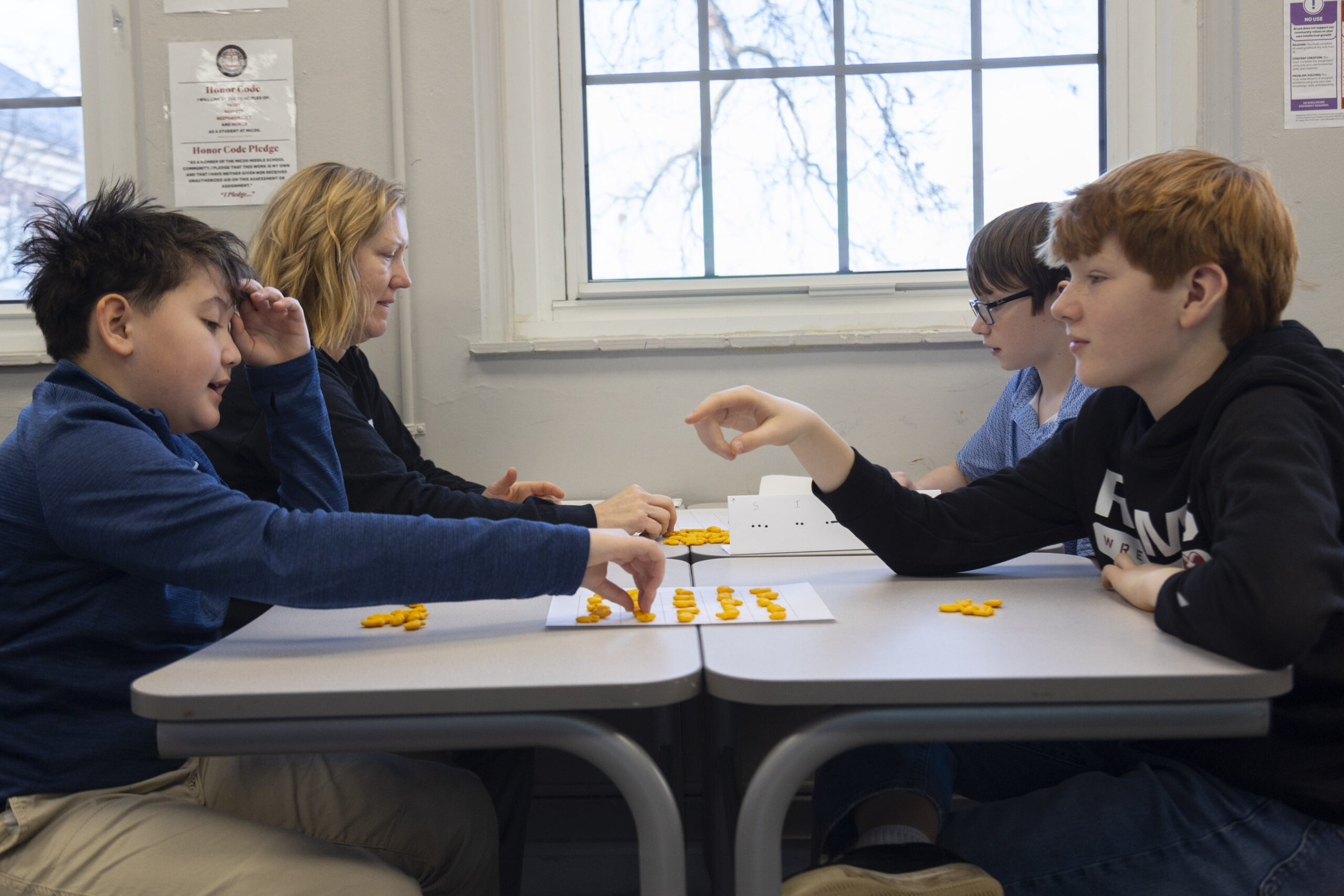
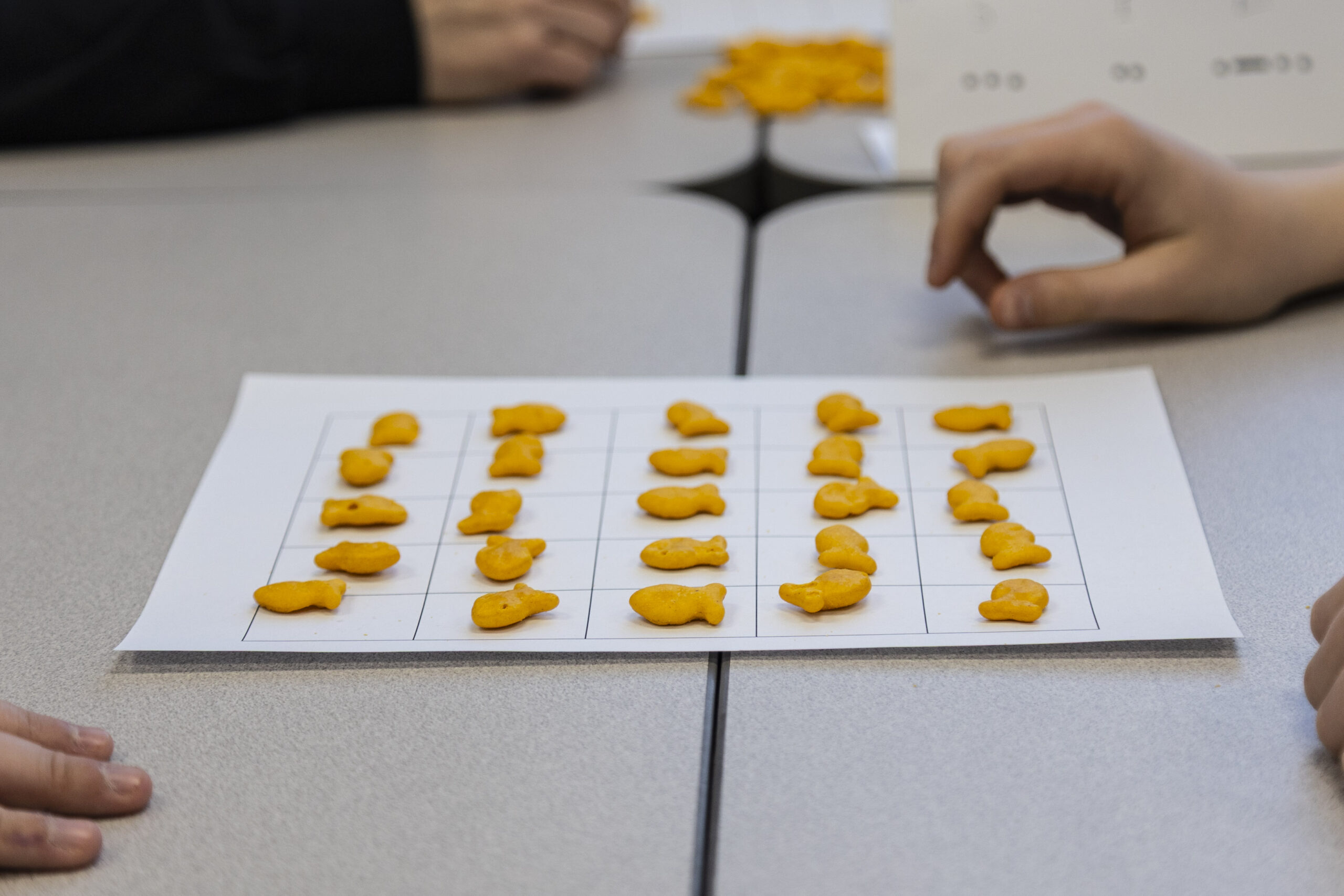
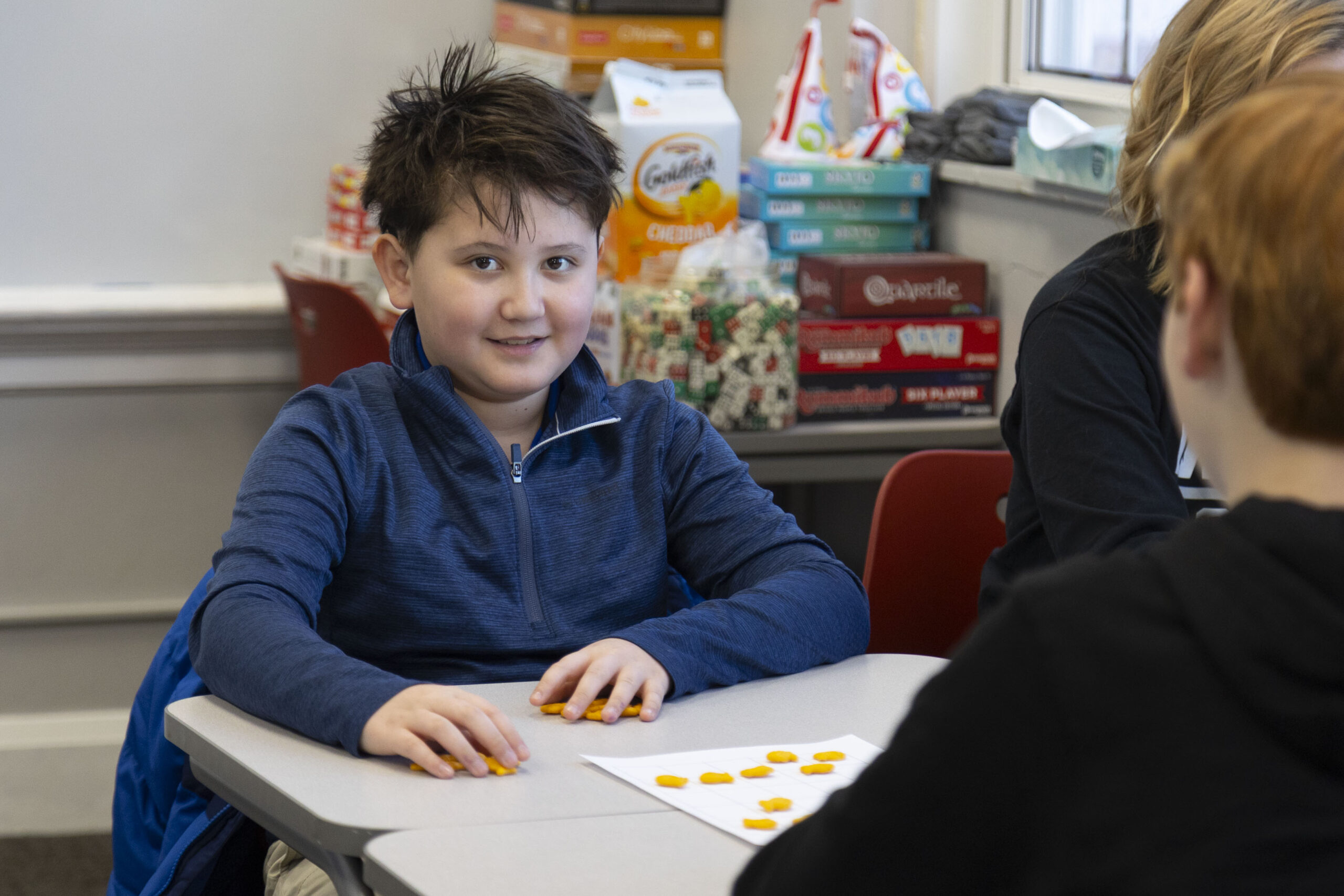
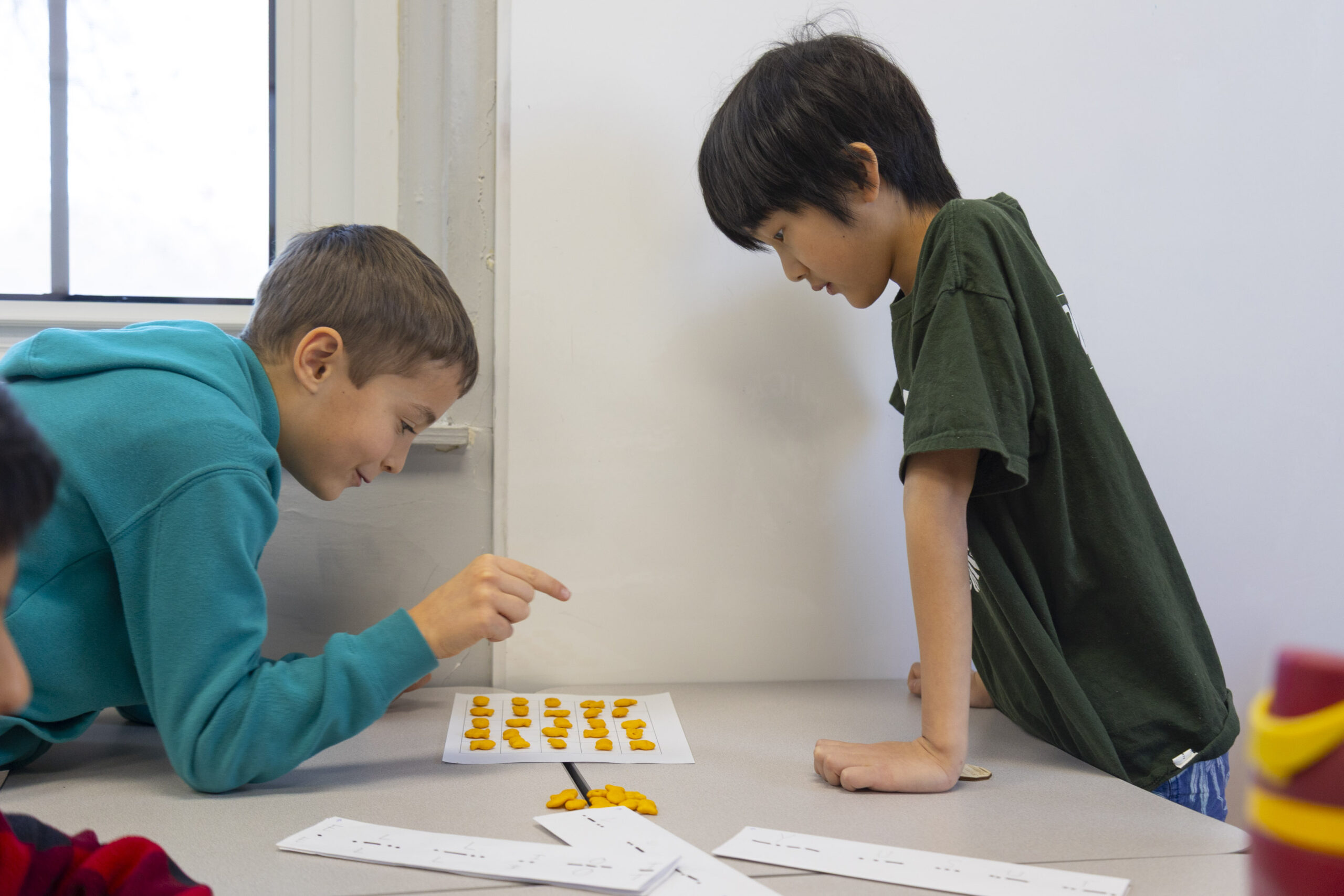
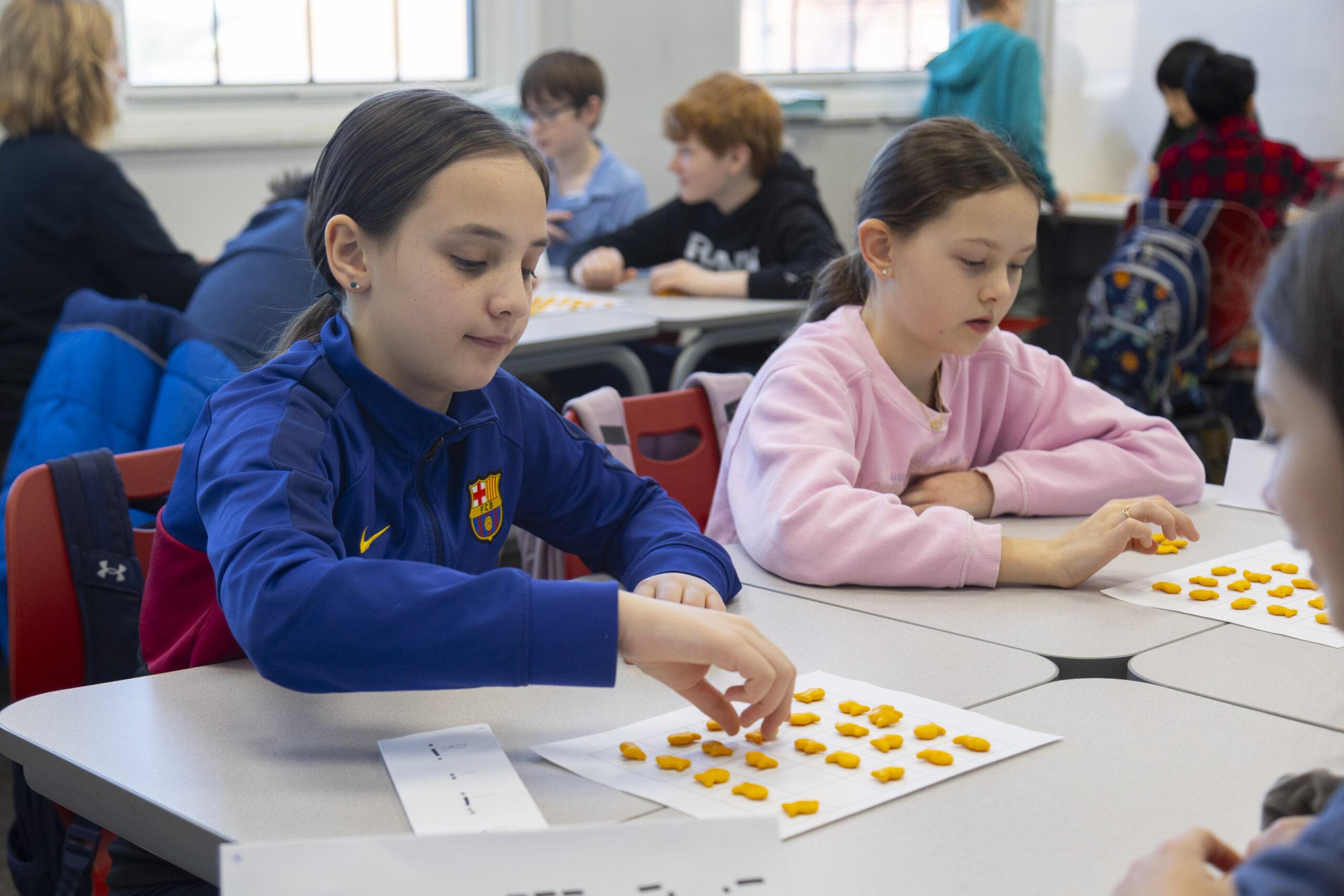
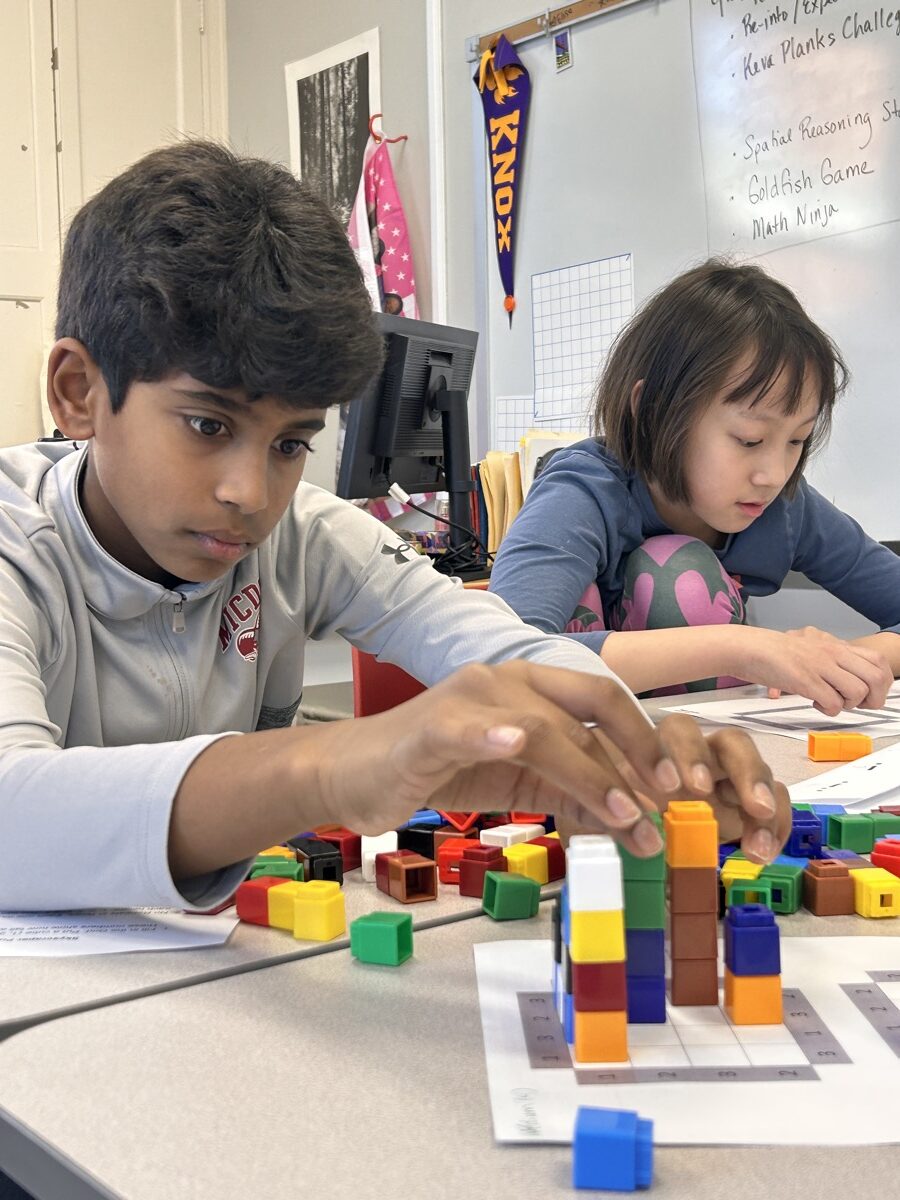
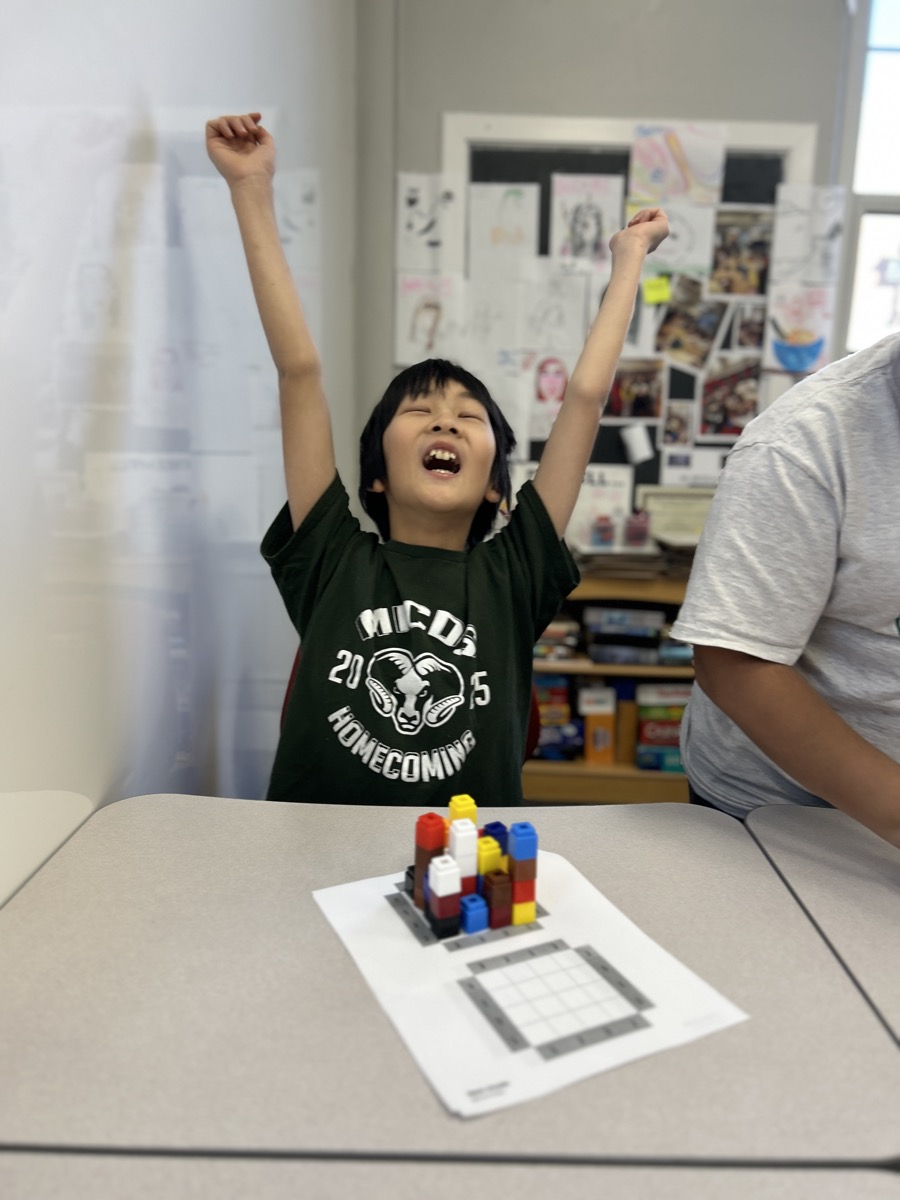
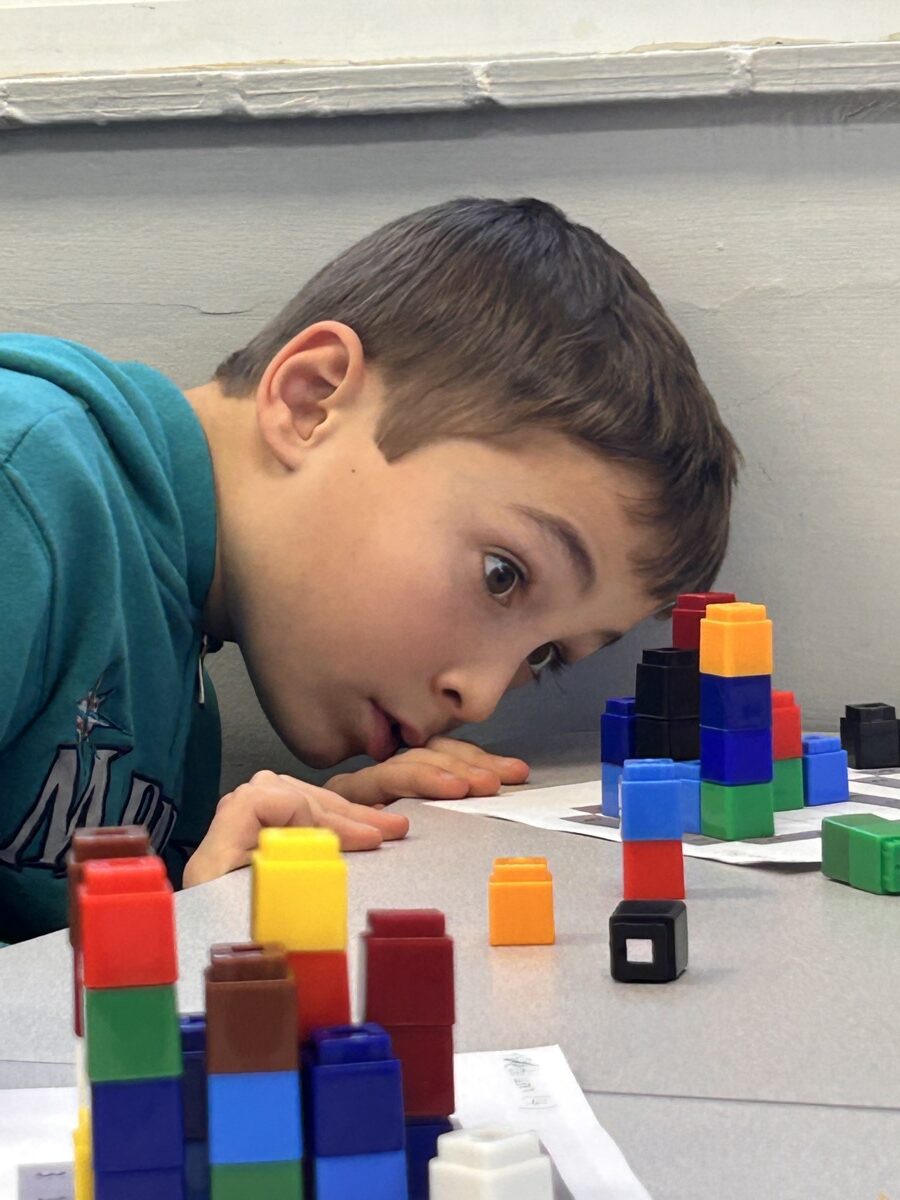
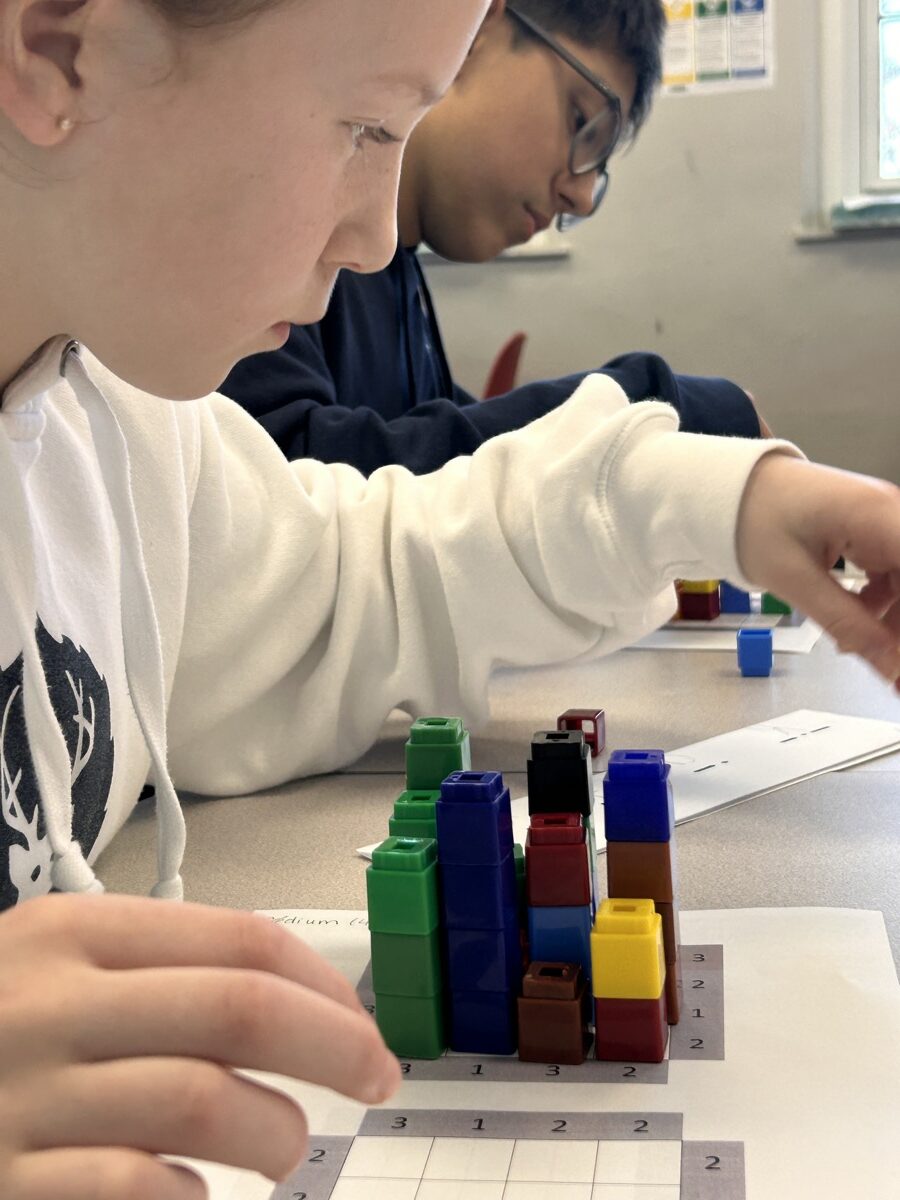
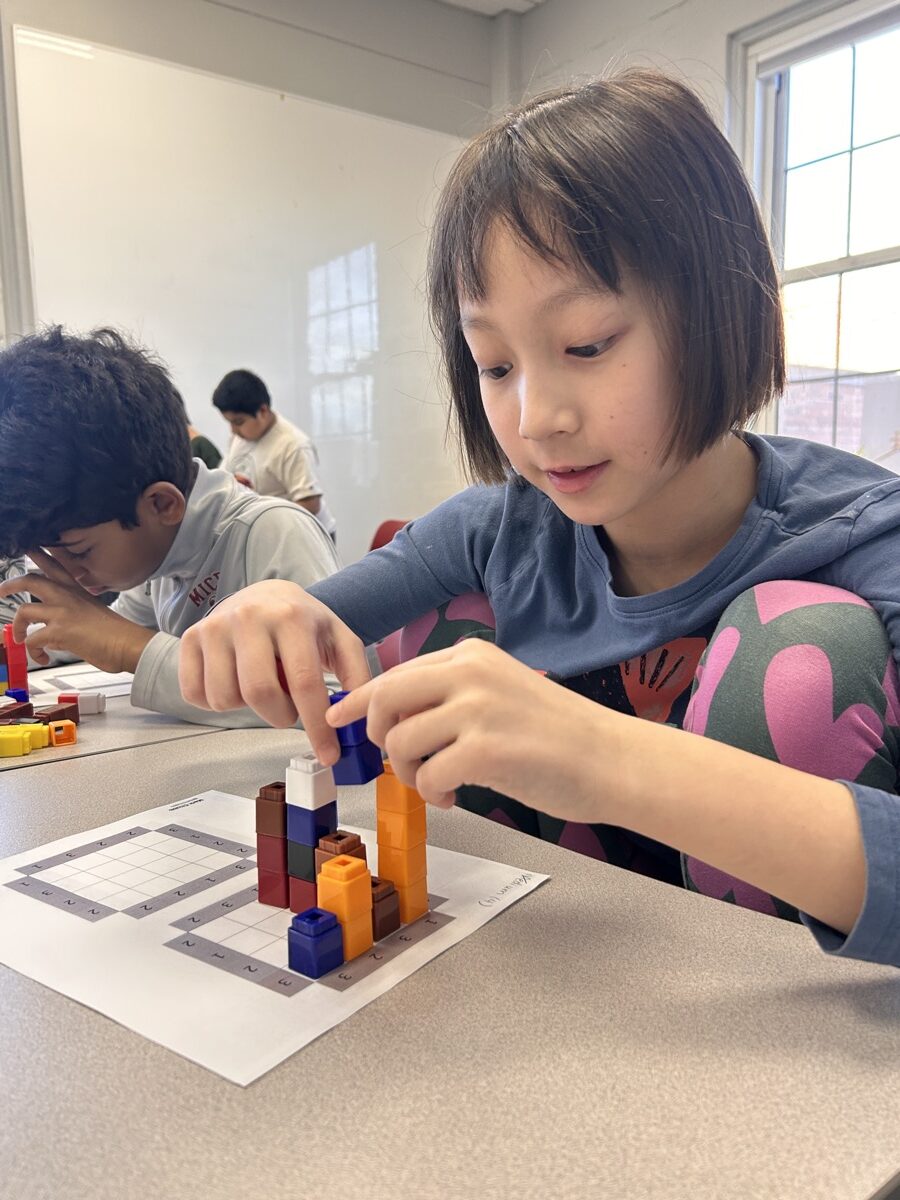
Day two was all about spatial reasoning, which incorporated the Goldfish game from the book Math Games with Bad Drawings by Ben Orlin. Students place goldfish on a 5×5 grid facing any of the four directions. When a goldfish faced an adjacent goldfish, that fish had to rotate 90 degrees clockwise, which sometimes causes a domino effect. In the end, the player with the most goldfish facing them wins. Students also did the Skyscrapers Activity. In a 4×4 grid, each side had a number corresponding to the number of skyscrapers visible from that perspective.
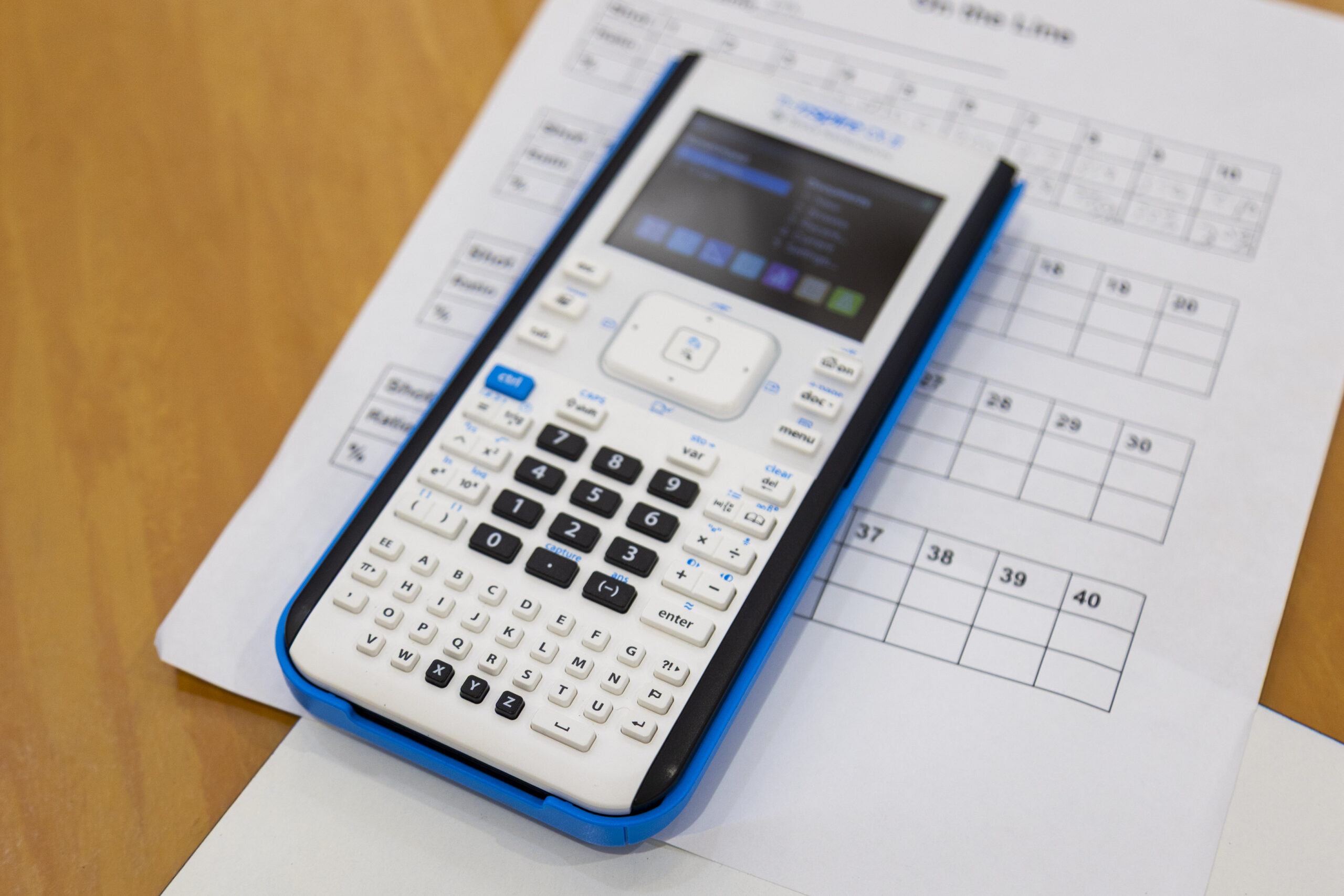
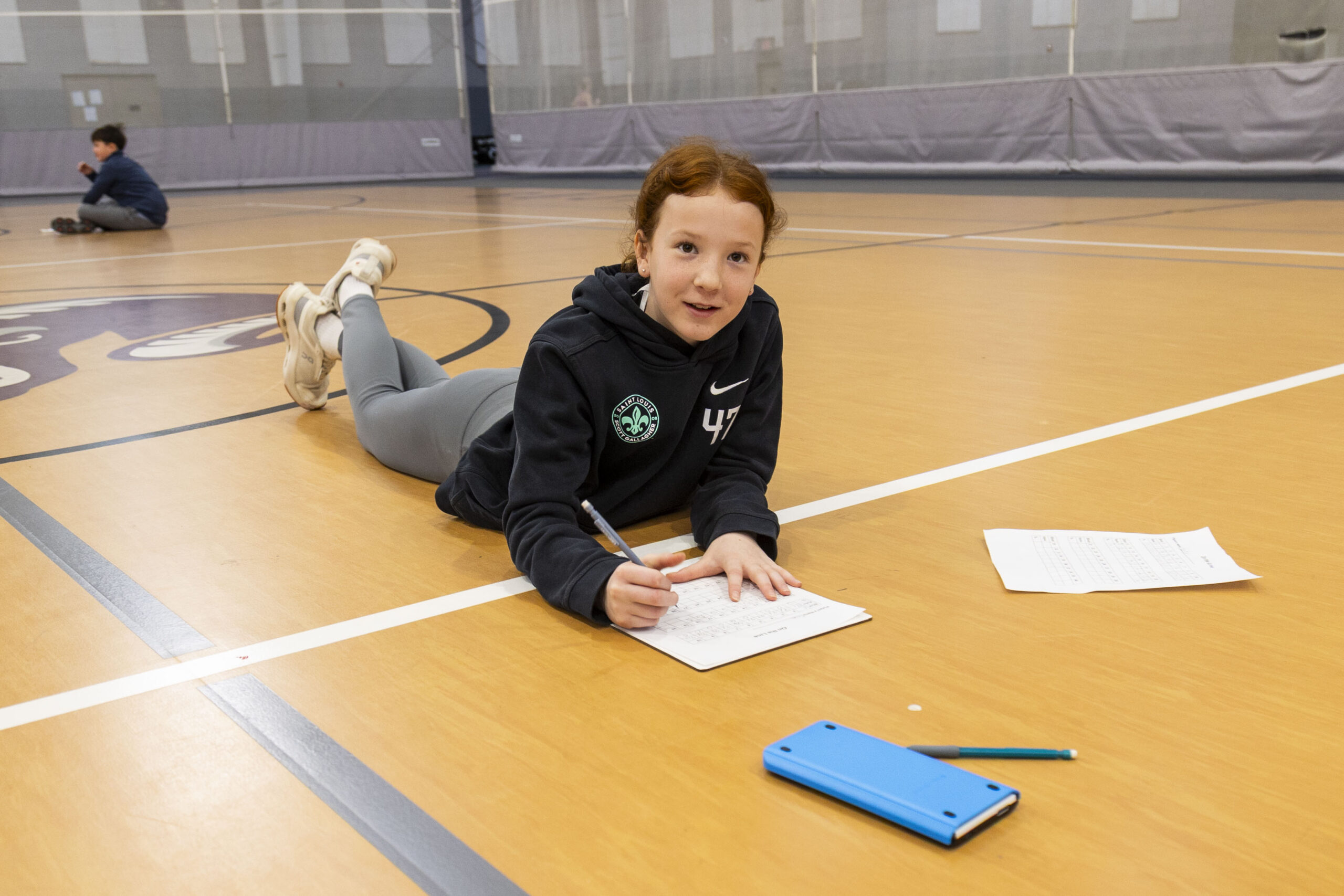
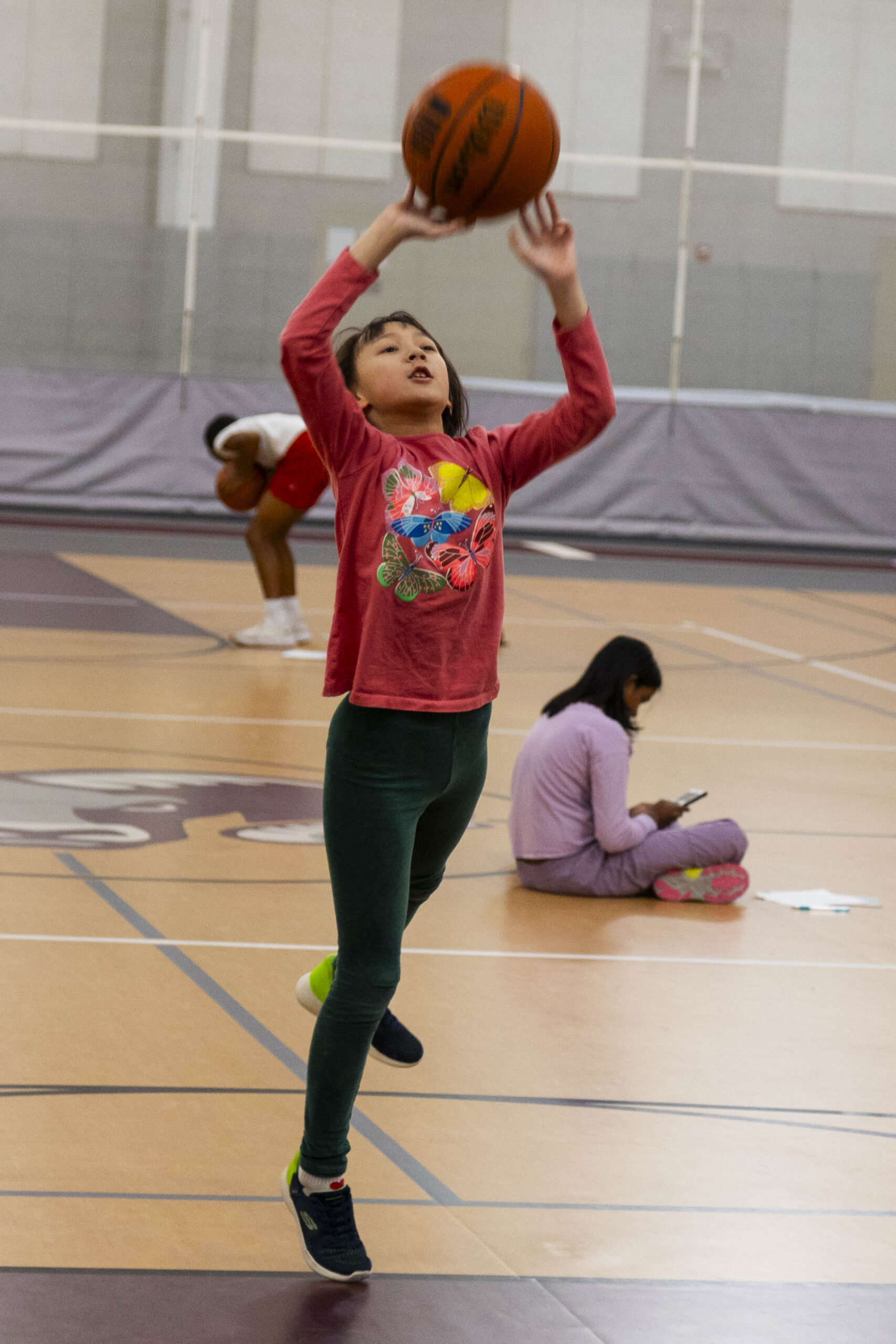
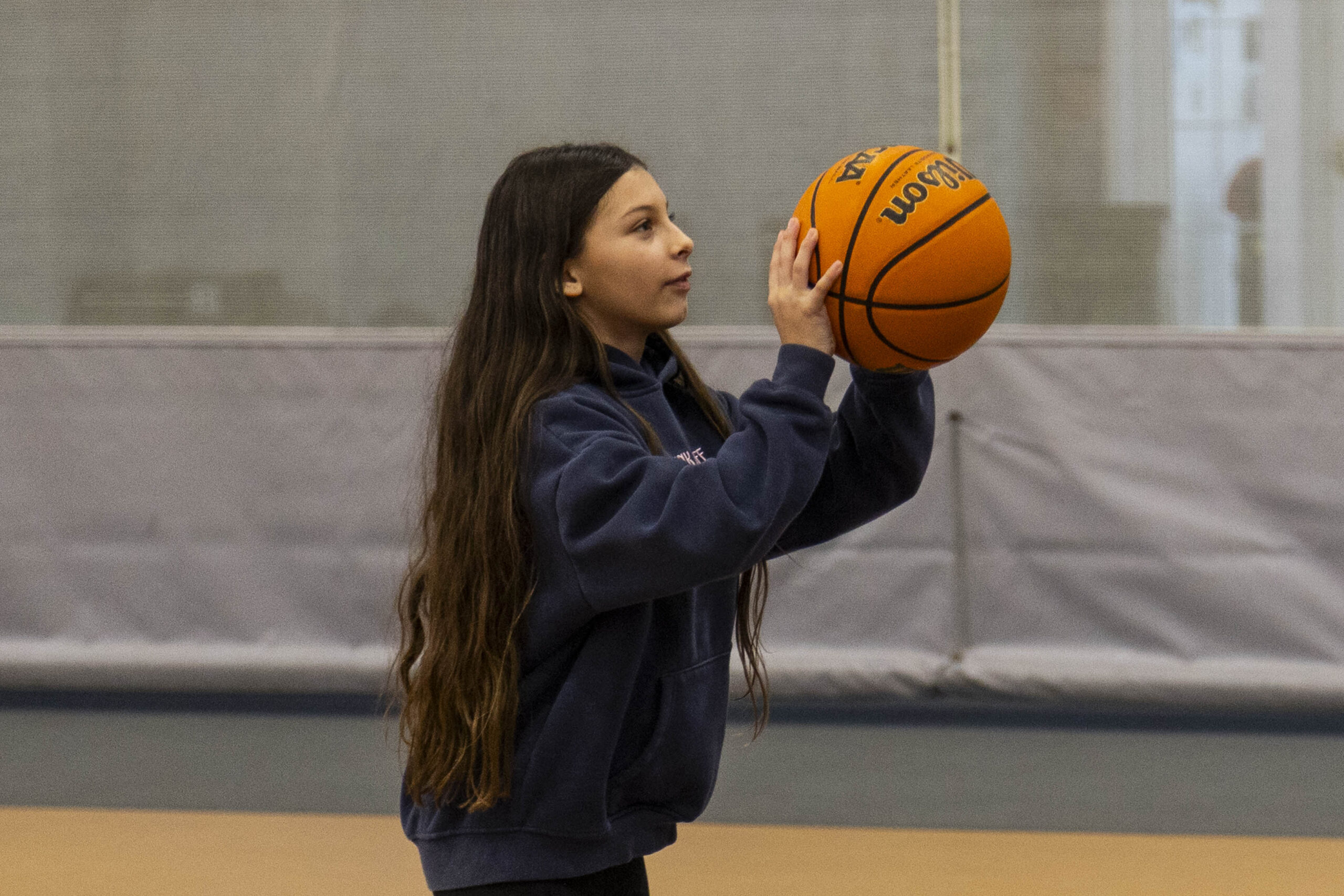
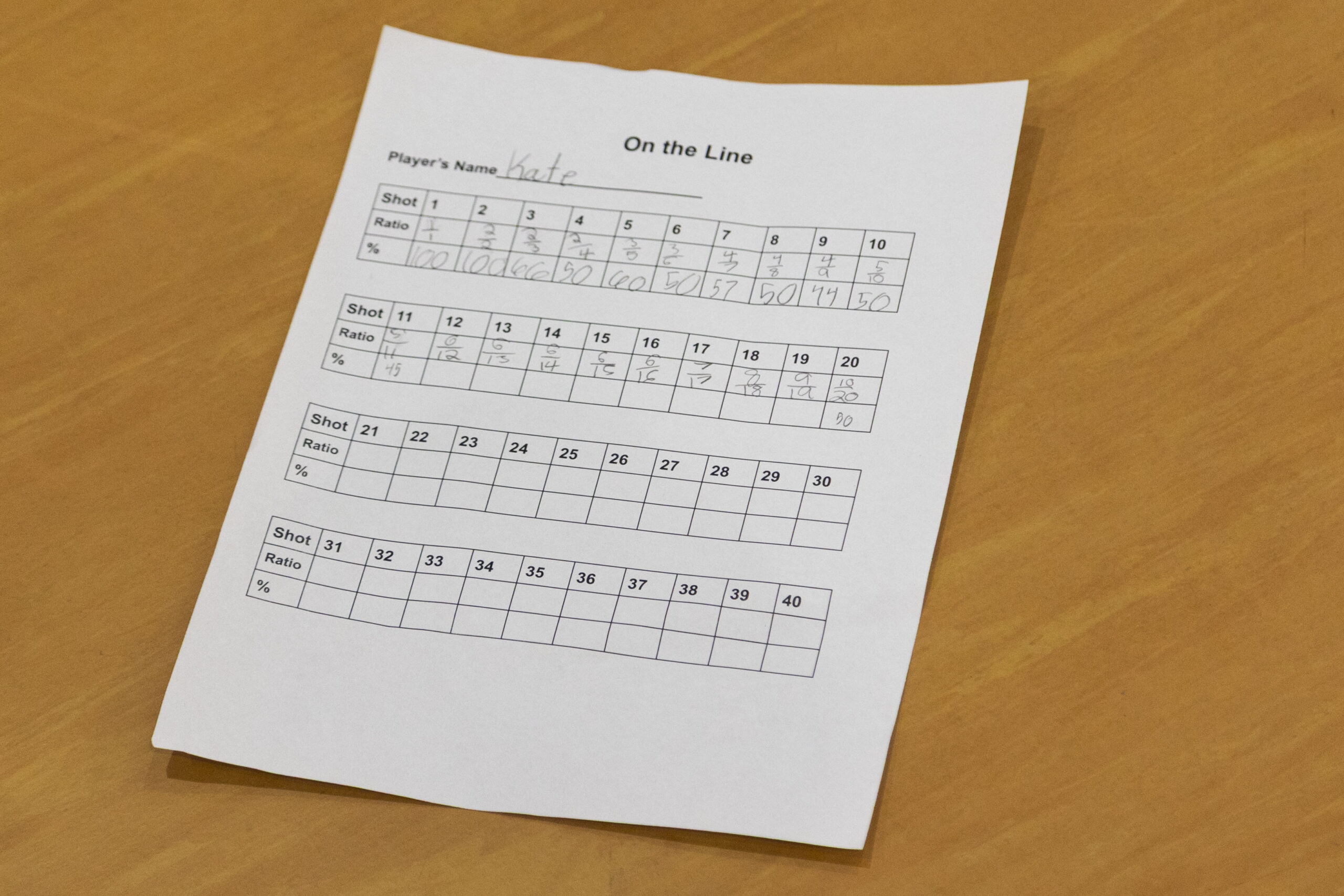
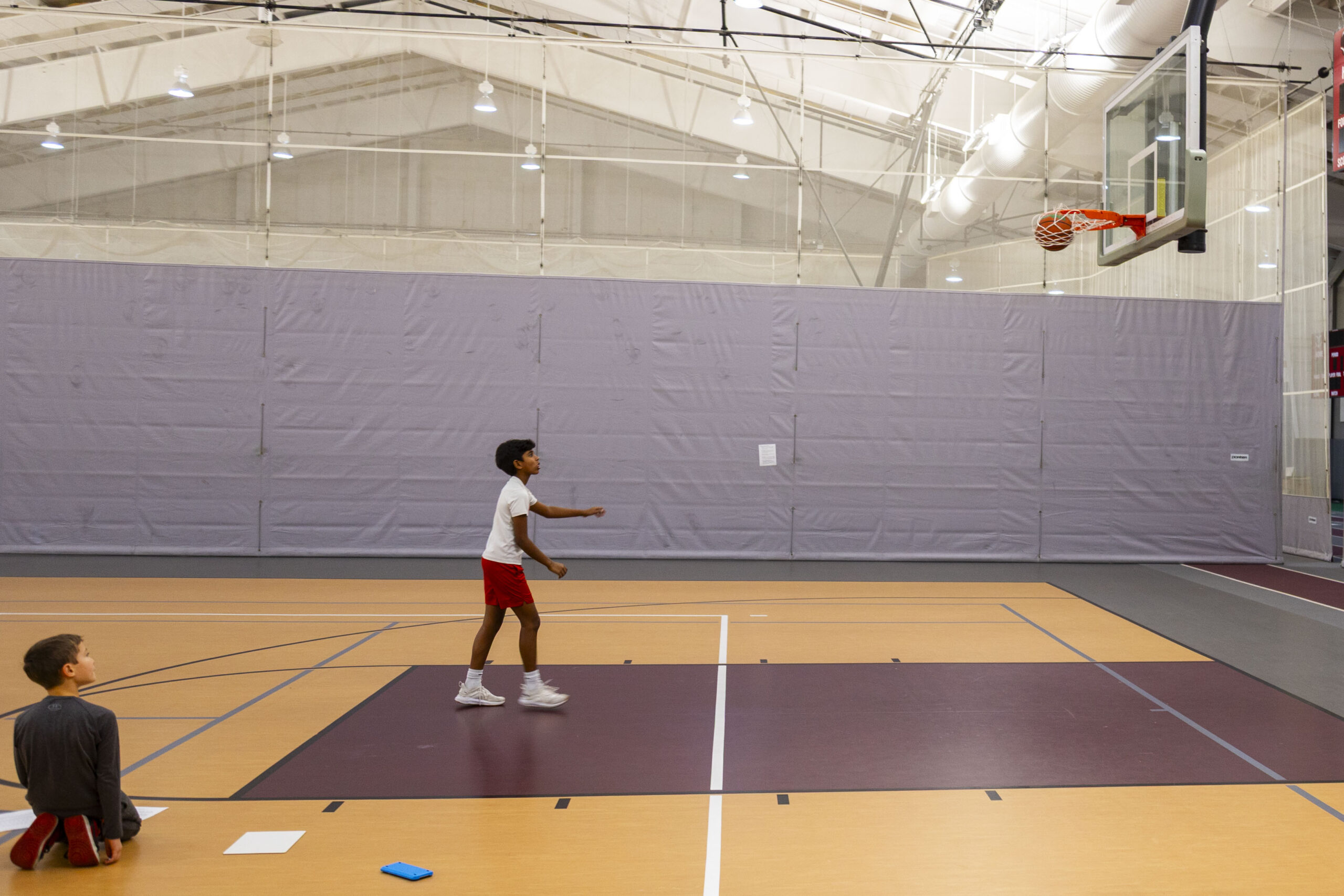
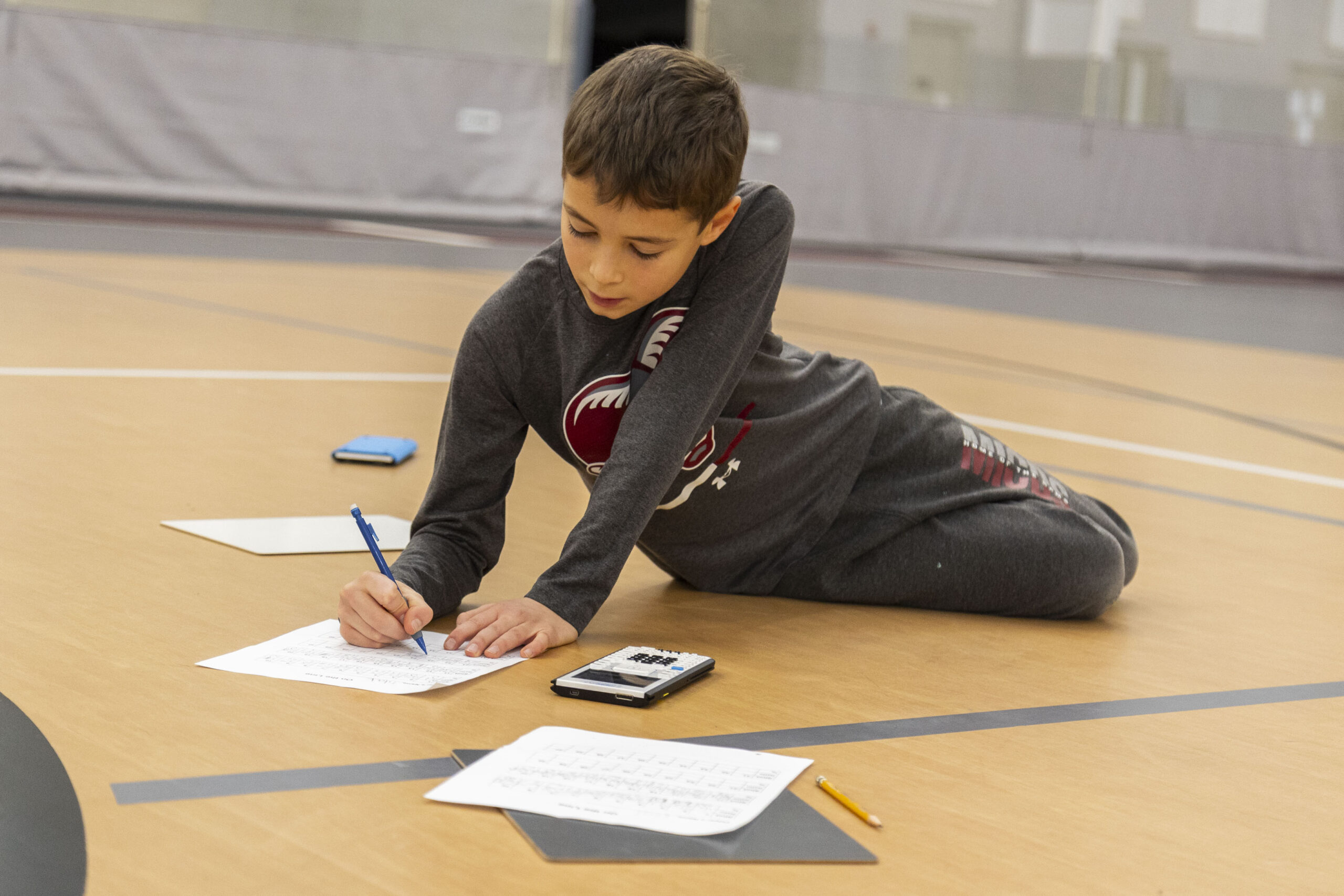
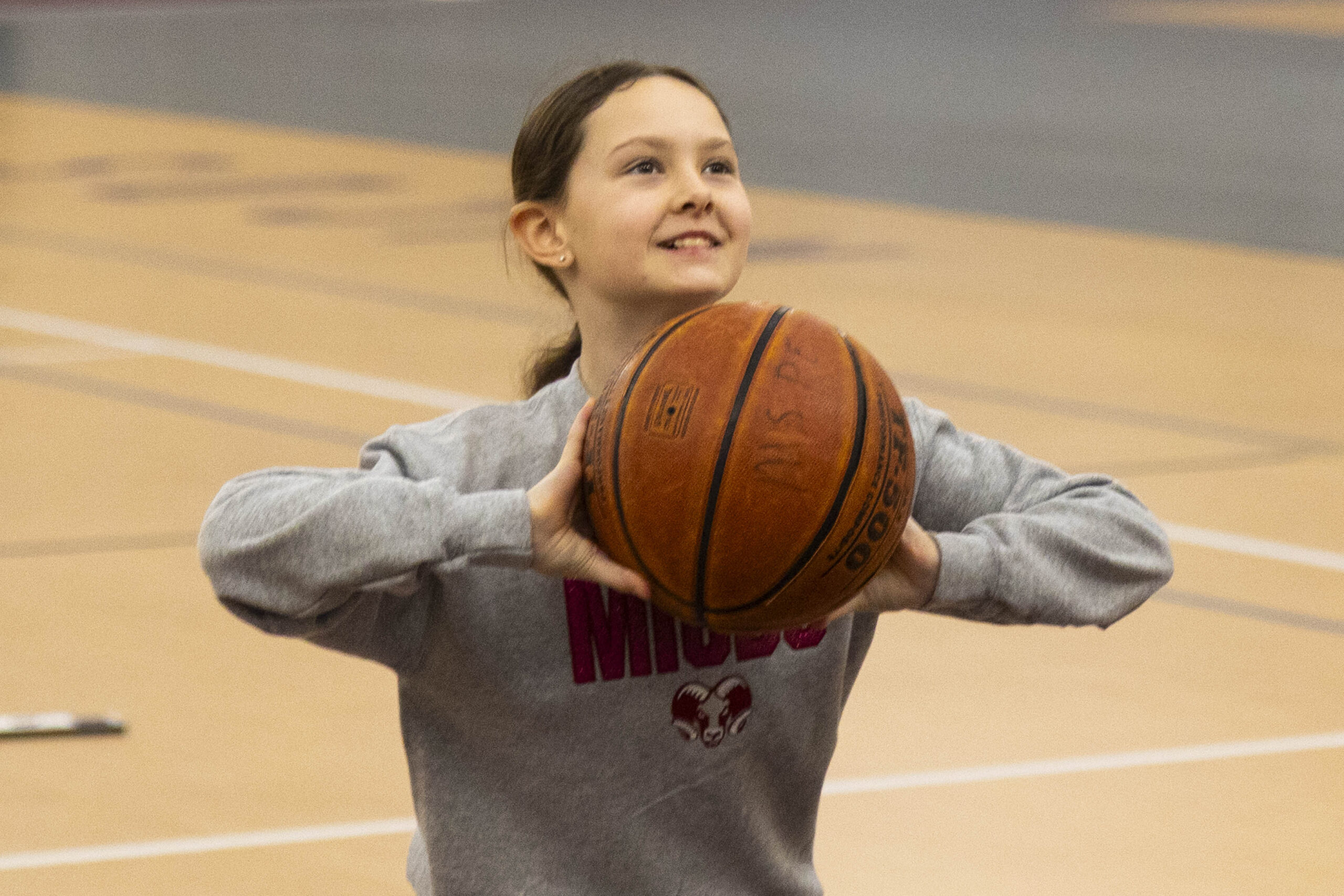
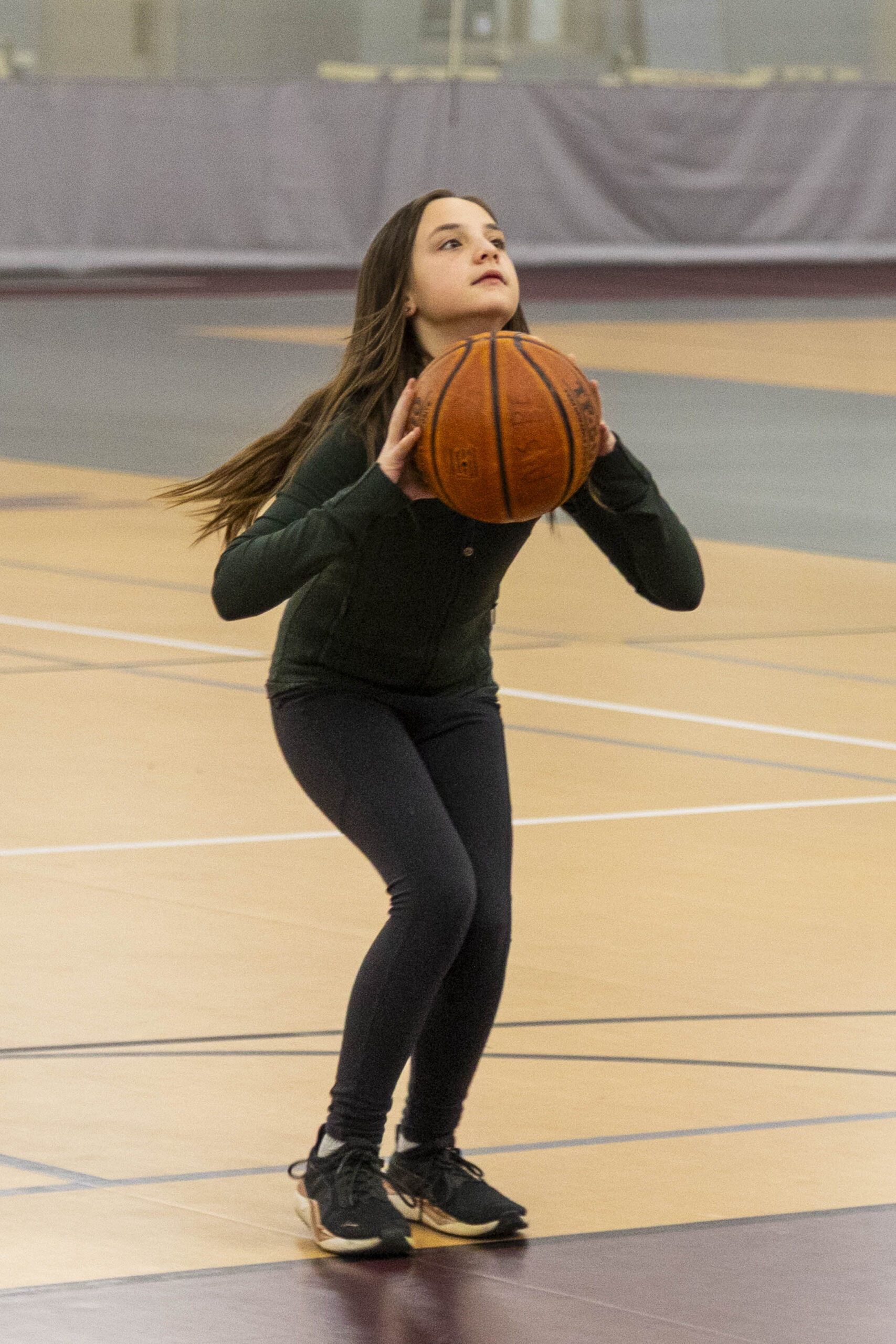
Our mathematicians focused on calculations for day three, and for the first time, they got to use the Ti-Nspires. TI-Nspires are advanced graphing calculators from Texas Instruments known for their color screens, interactive features, and the ability to handle math and science tasks at the middle school level all the way up through the college level. With calculators in hand, students traded the classroom for the McDonnell Athletic Center, where they set about determining who had the best free-throw percentage. Then, to wrap up the day, they played Skyjo, a card game where the goal is to have the lowest score by revealing and swapping cards to create rows with minimal point values.
Day four centered on probability. “We determined why people think seven is a lucky number and then played several games of chance, determining the probability of a desired outcome as we went,” explains Dr. Marberry. The games they played, which incorporated the probability theme, were Across the Board, Skunk, Flip 7, and more!





In week two, students tried to earn their math black belts. They completed a timed math worksheet that measured mental math skills, times tables, and key skills. Based on their accuracy and speed, they receive a score associated with belt levels, with black belt being the highest—a perfect score.
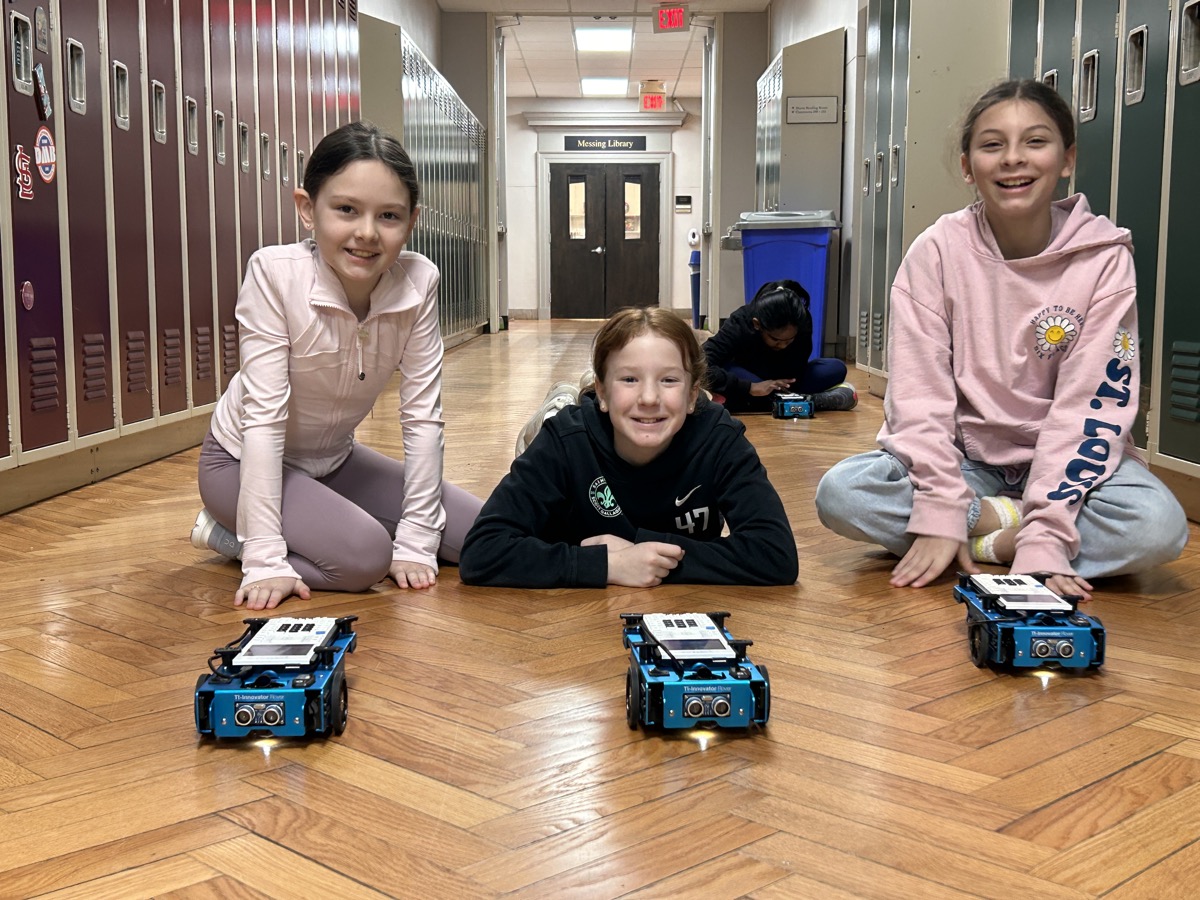
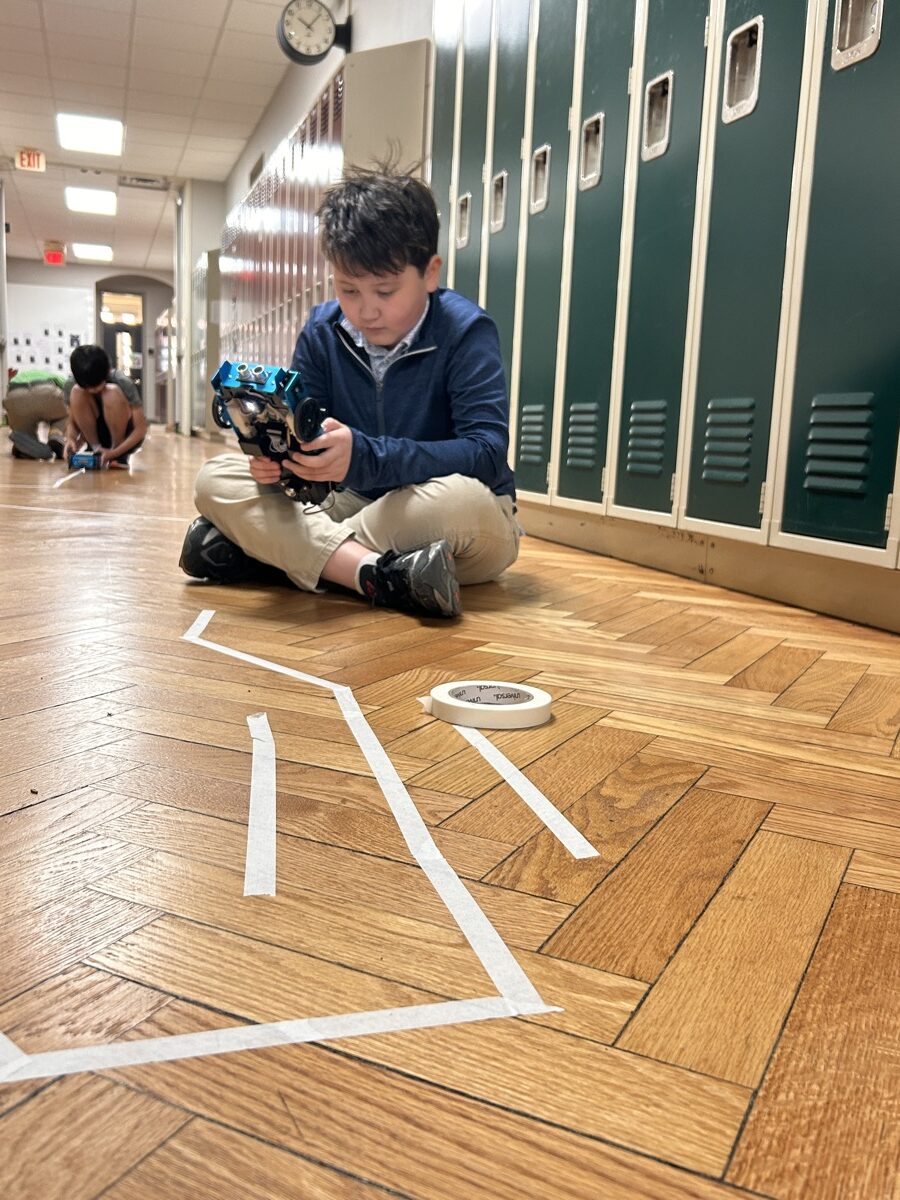
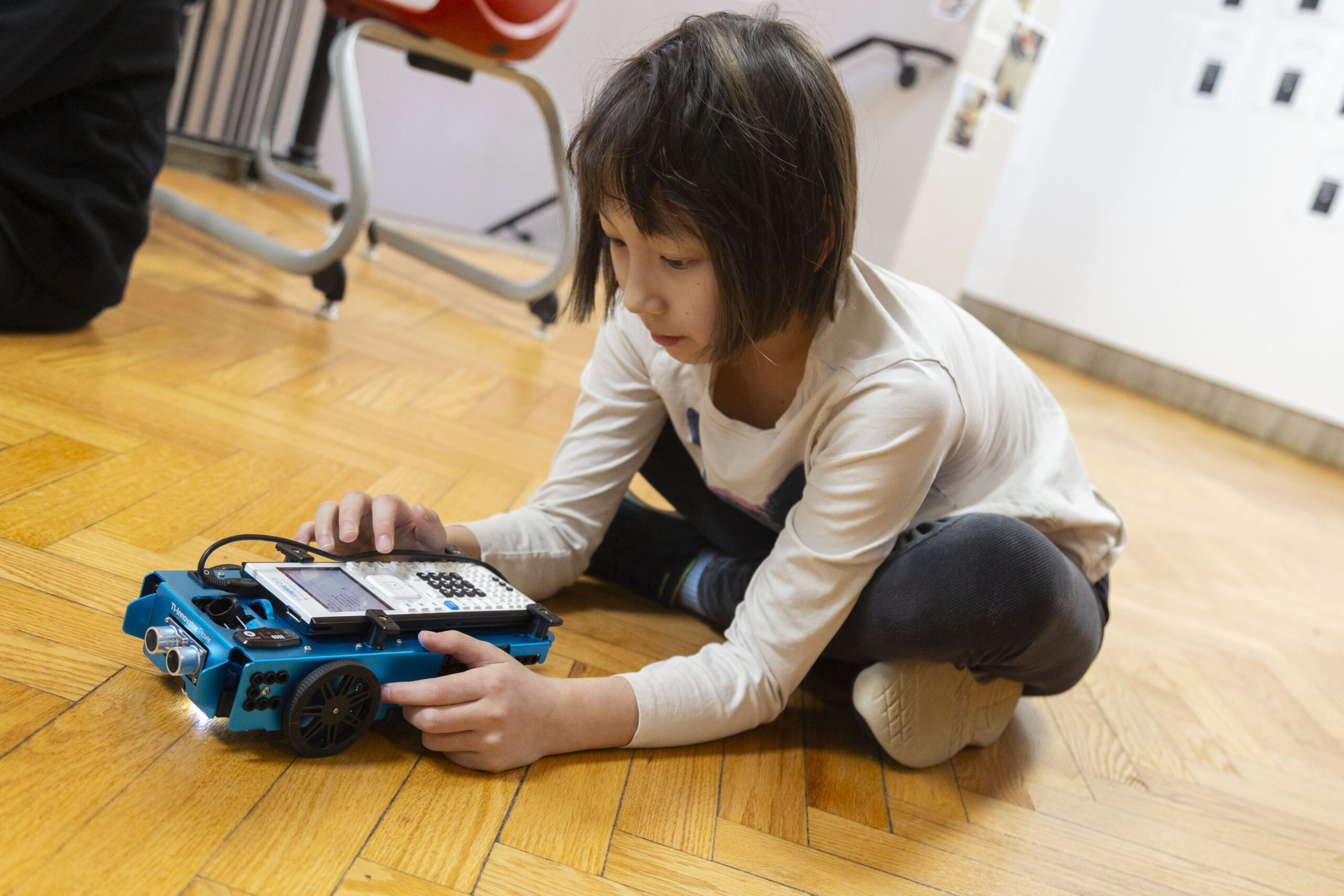
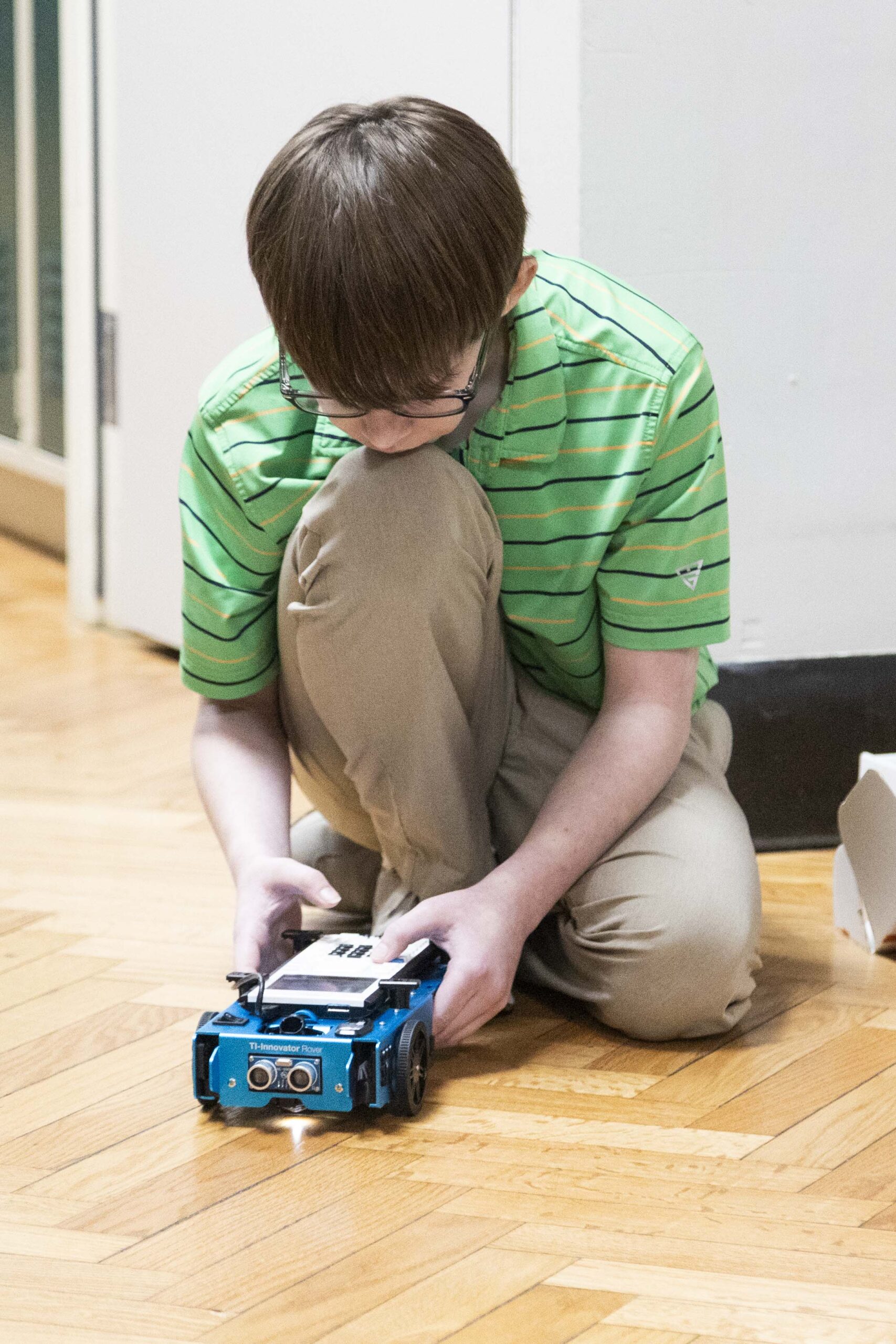
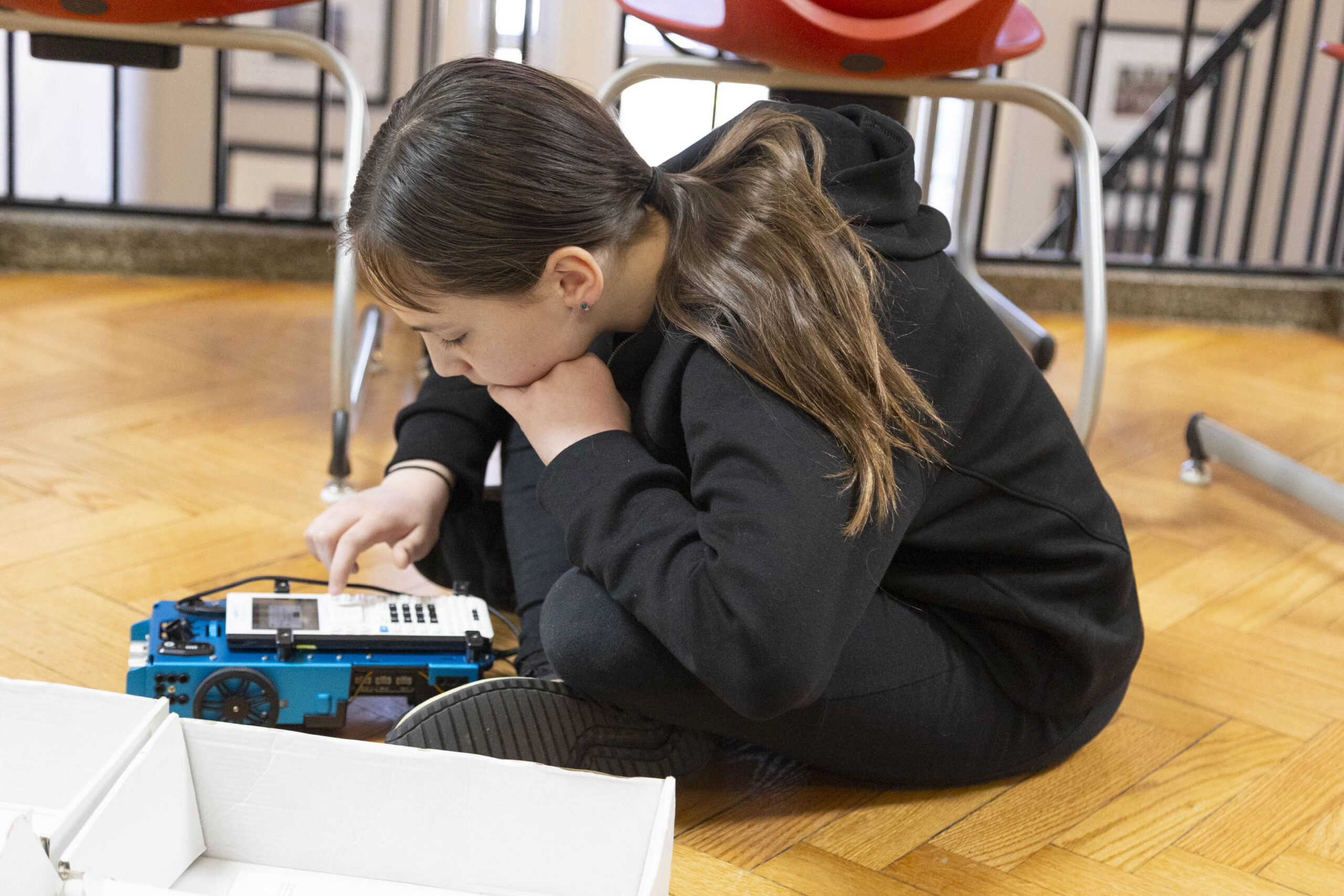
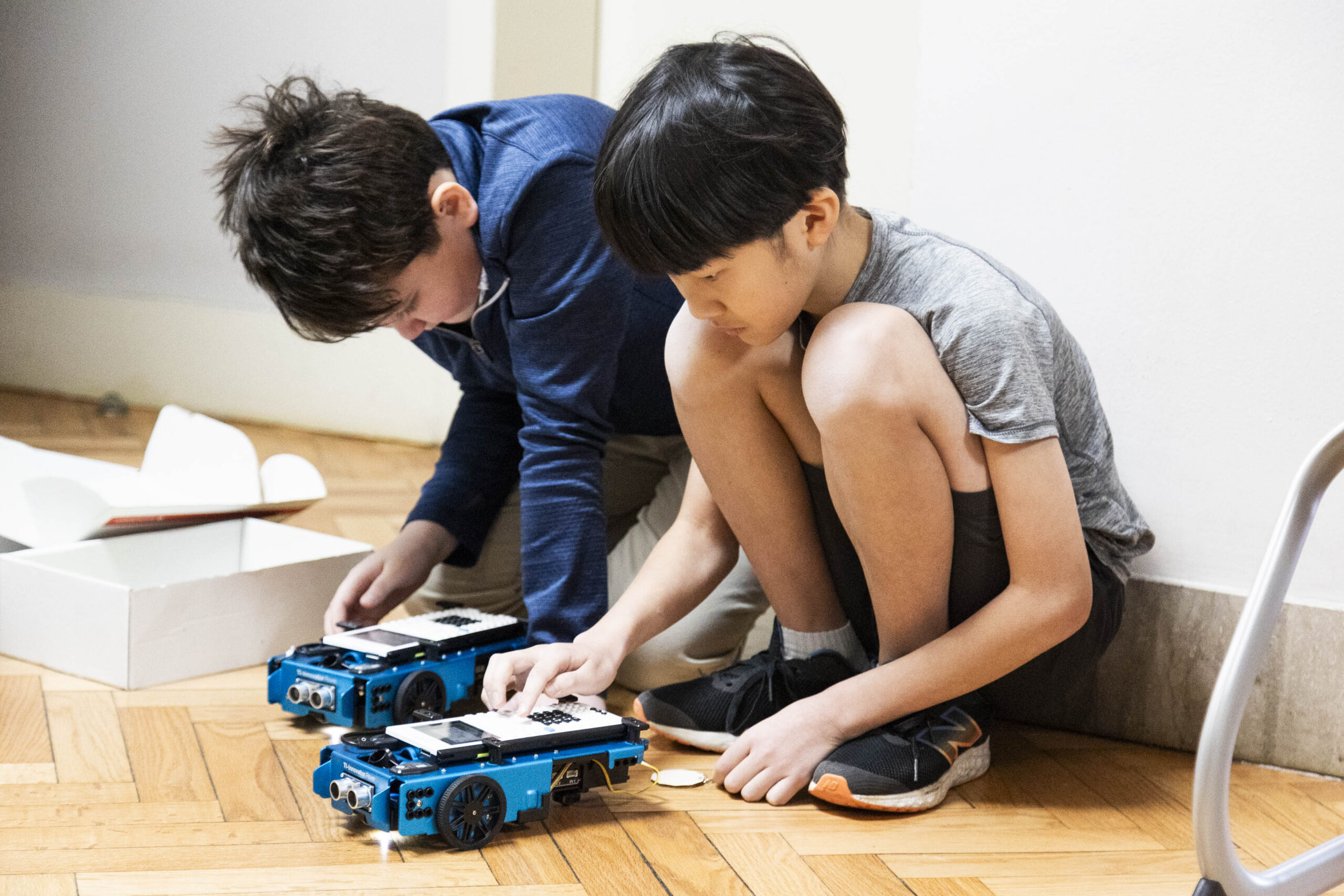
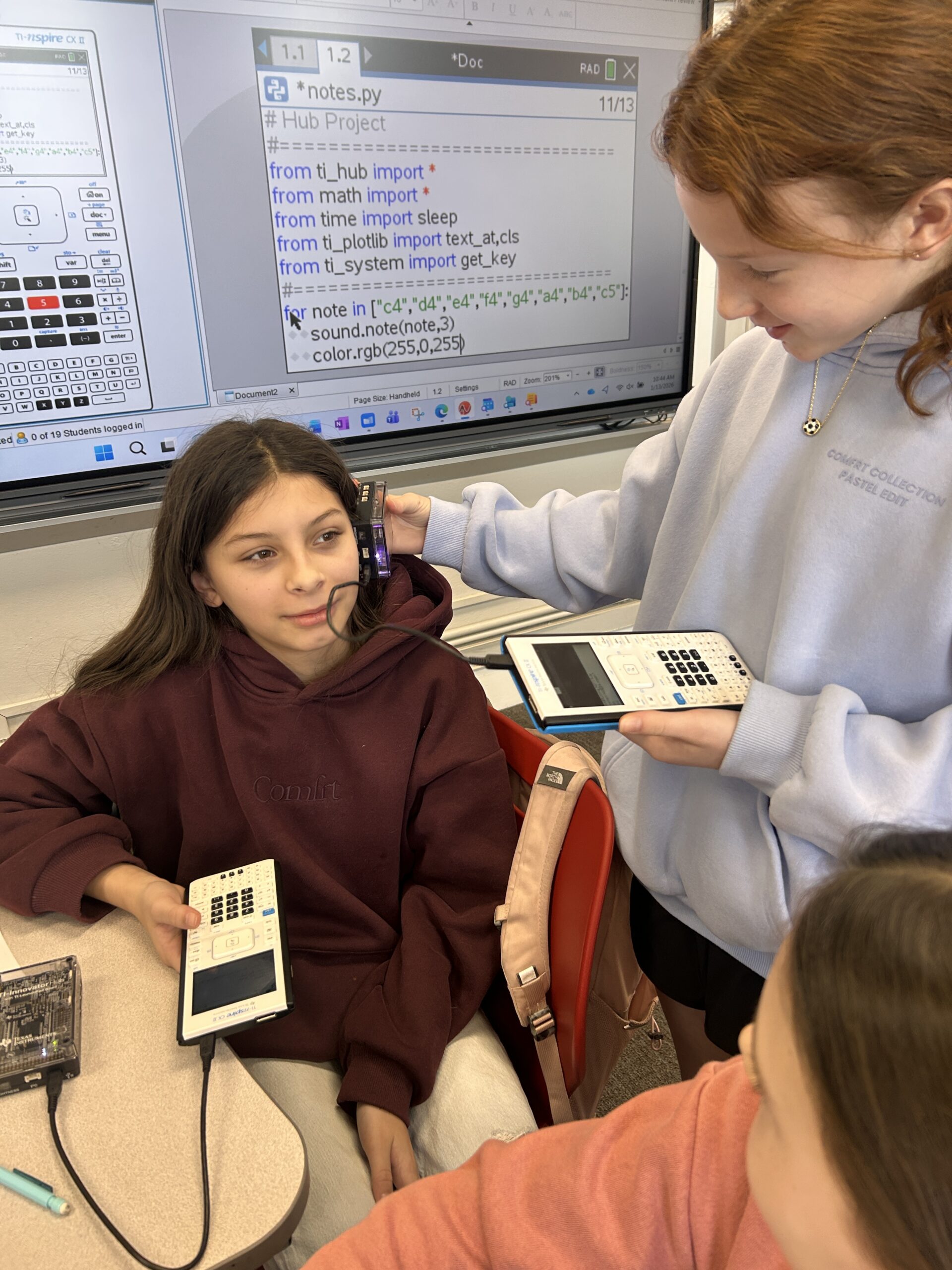
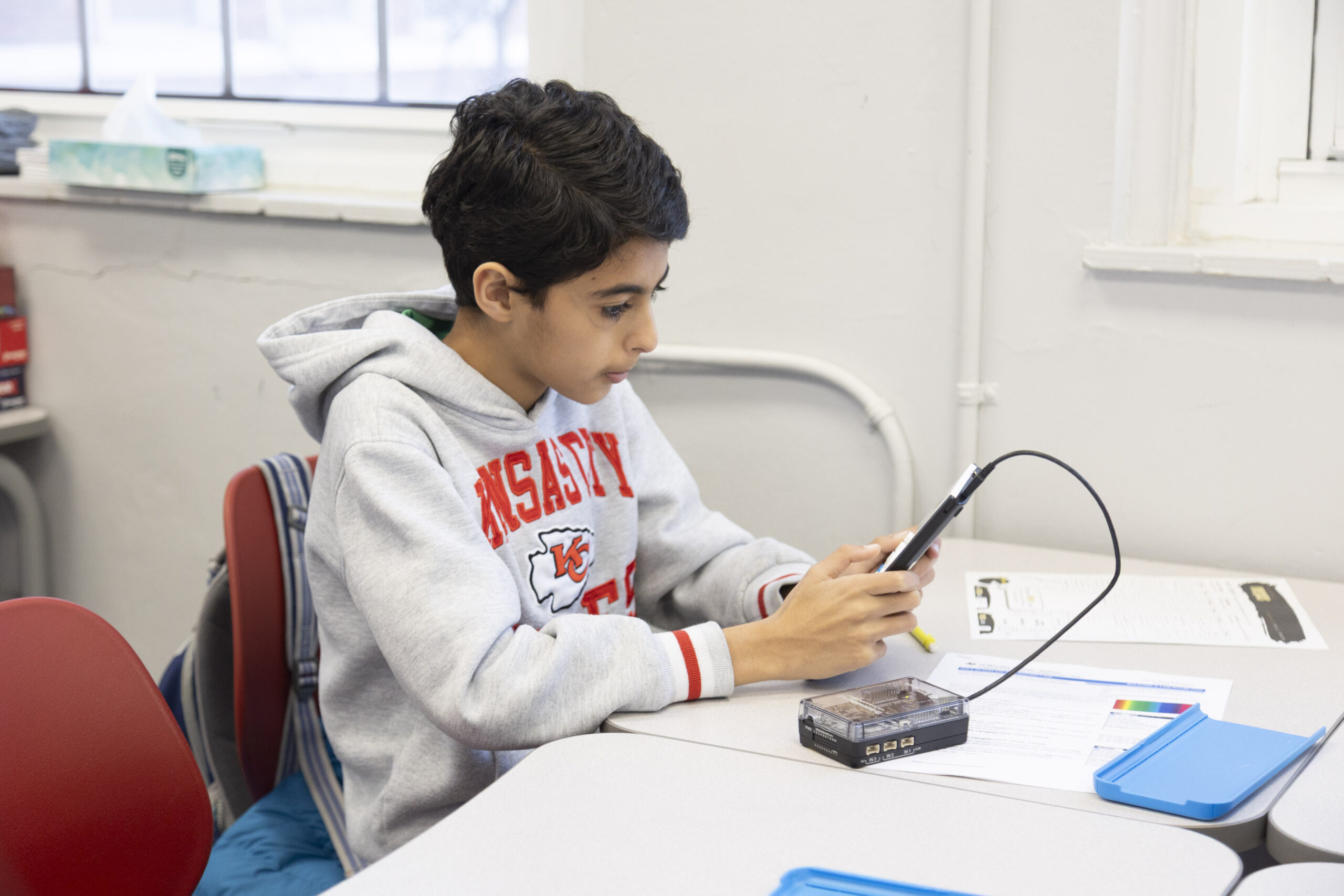
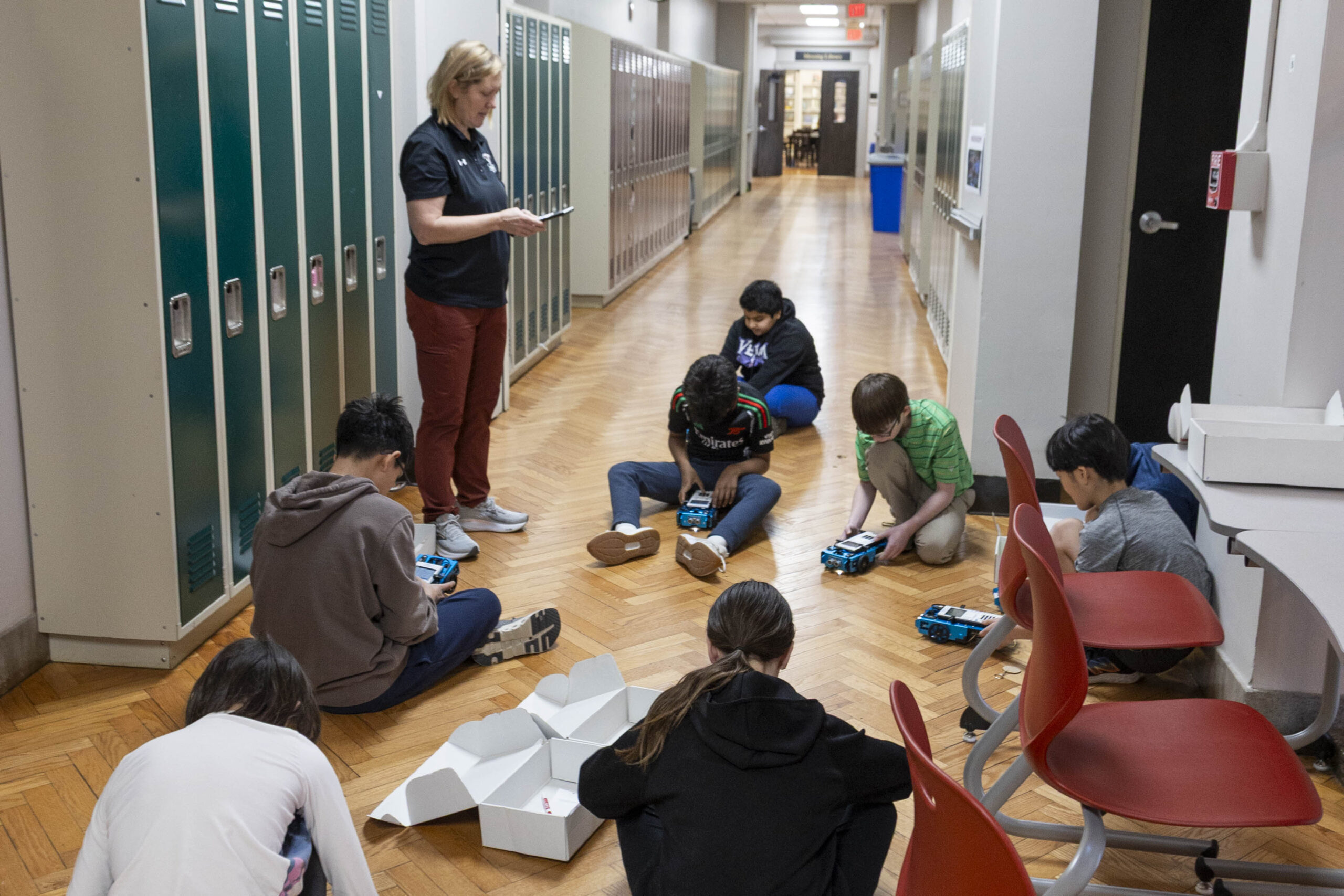
Other experiences in week two focused on coding and problem-solving. Students wrote basic Python code on their TI-Nspire calculators using TI-hubs and TI-rovers. Through the code, they could control a light, programming it to blink and change colors. Ultimately, they composed songs with flashing lights.



Adding all of these activities up gave the new math students countless memorable experiences during Winter Term, some of which surprised them. Ward said, “I was surprised we didn’t do many traditional arithmetic
Way to discover the playful side of patterns, puzzles, and real-world activities, MICDS math wizards of Winter Term 2026!