Students in Middle School Math Teacher Dustin Delfin’s Sustainable House Design Winter Term class became environmental engineers, gaining hands-on experience learning to live efficiently and effectively on Earth.
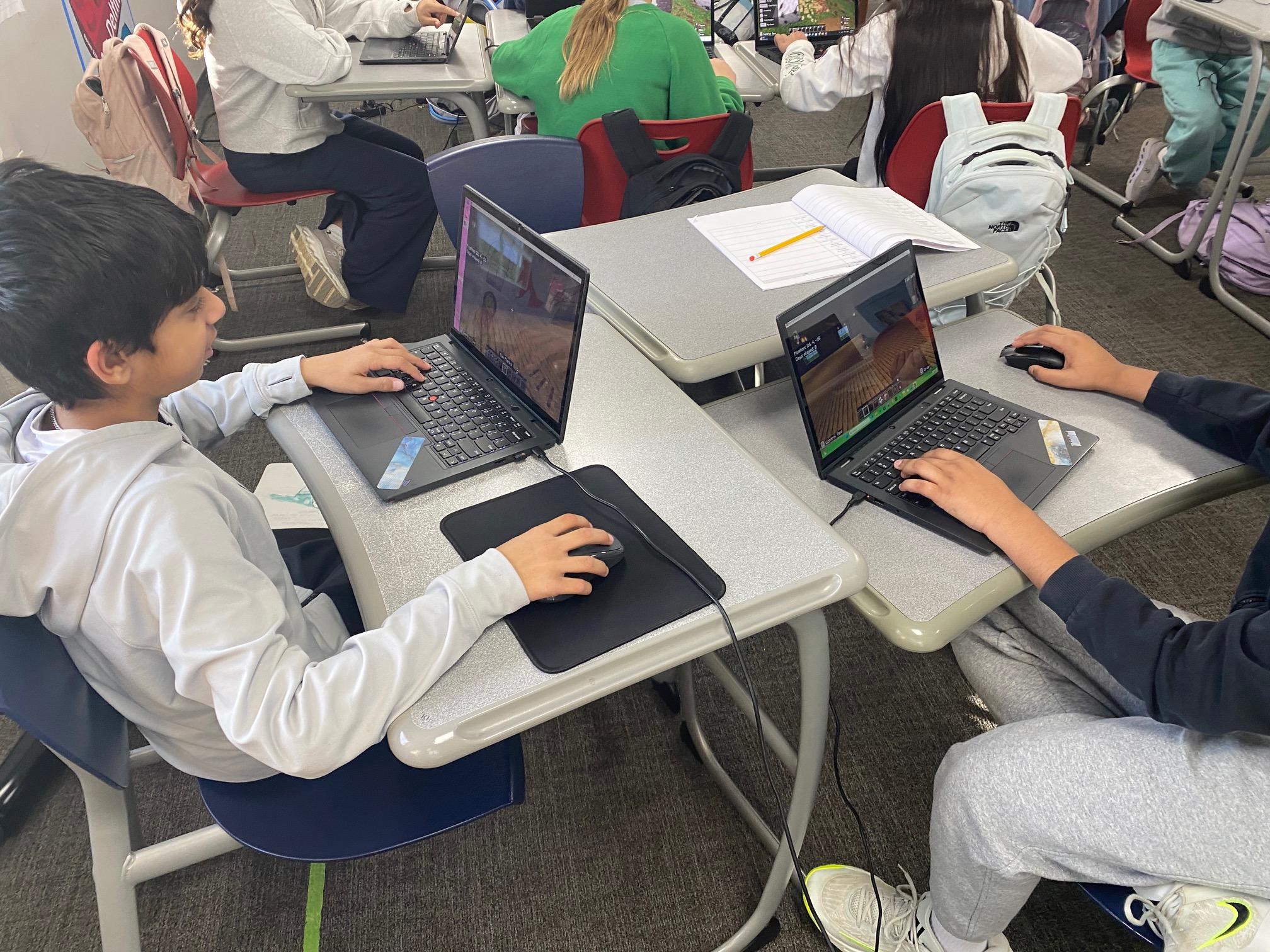
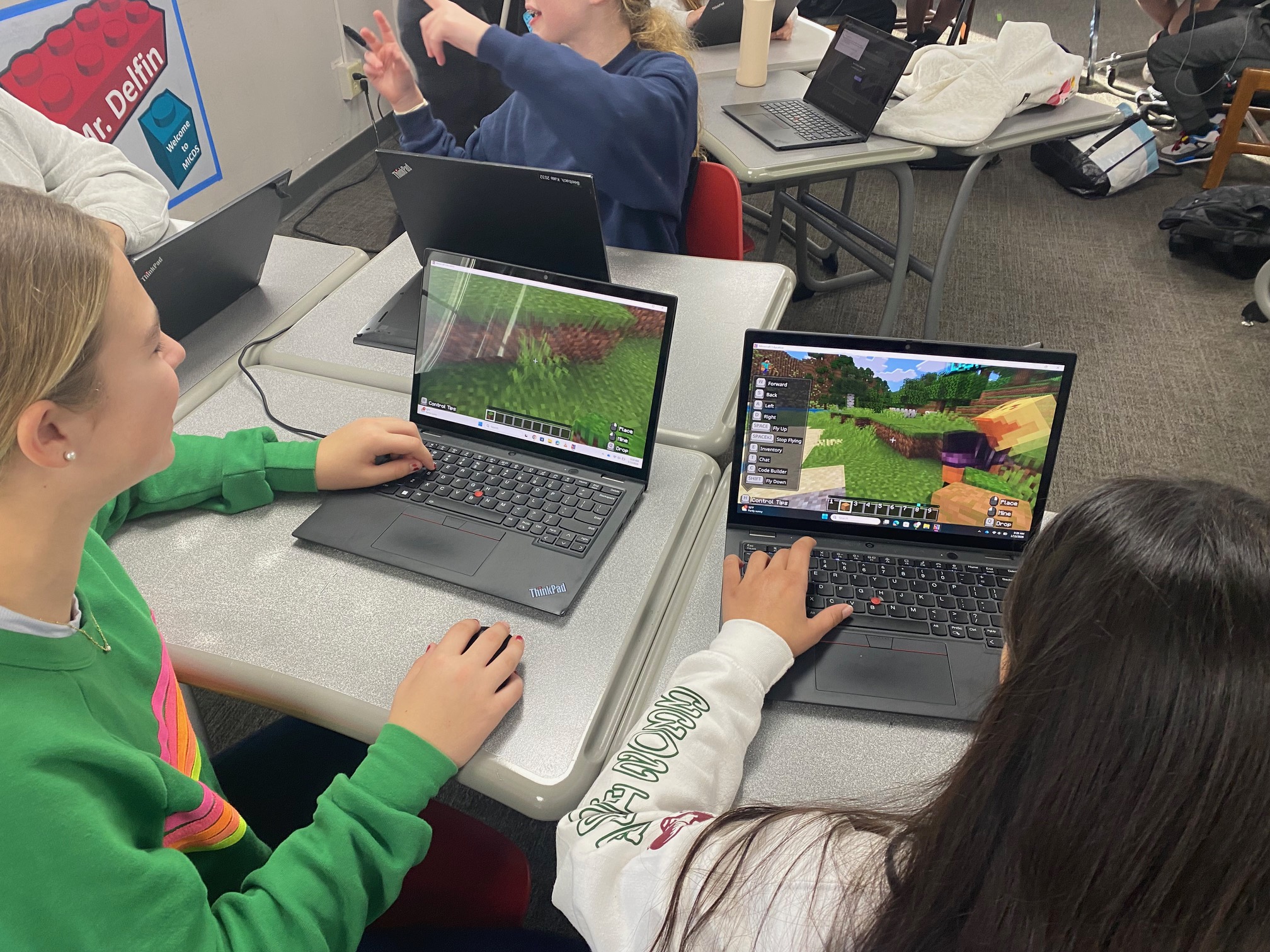
They spent the first couple of days researching various sustainable systems through Minecraft Education, which offers prebuilt worlds where students can explore and learn about different sustainability features. The Sustainable Minecraft City includes the lessons on food production, water treatment, green building, sustainable forestry, and energy-efficient housing.
Students were asked to explore the Minecraft worlds and document their research for each lesson, which helped them learn about sustainable strategies that are friendly to our Earth. They learned about using renewable resources such as wind, solar, and geothermal energy, and about using renewable building materials such as bamboo and recycled materials like glass and wool.
“This was the third year of implementing this course, and we wanted to ensure a balance between screen time and hands-on learning,” explained Delfin, who co-taught the course with Dhaniela Sousa-Charleville, Middle School World Languages and Culture – Spanish Teacher.
Food Production
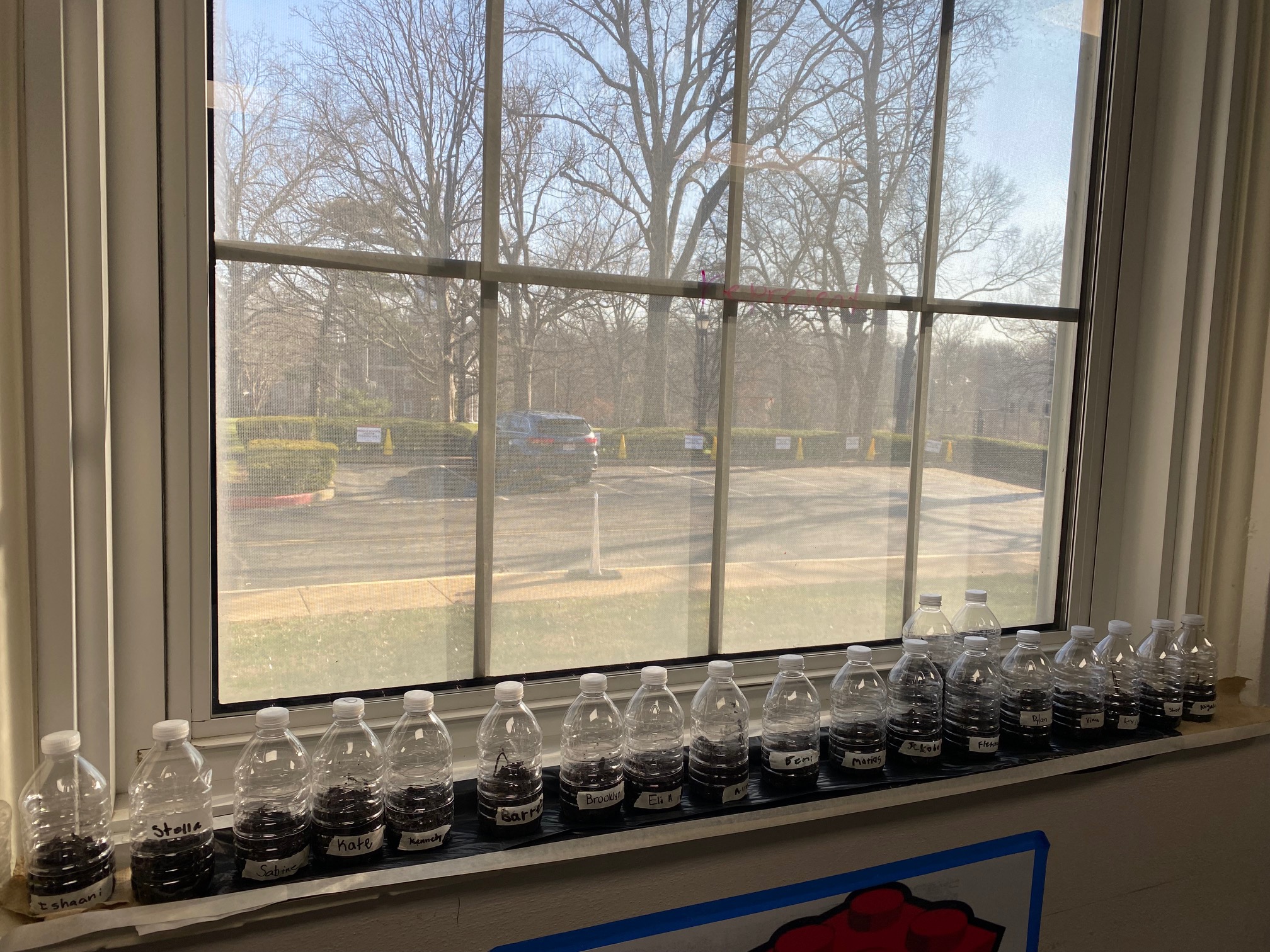
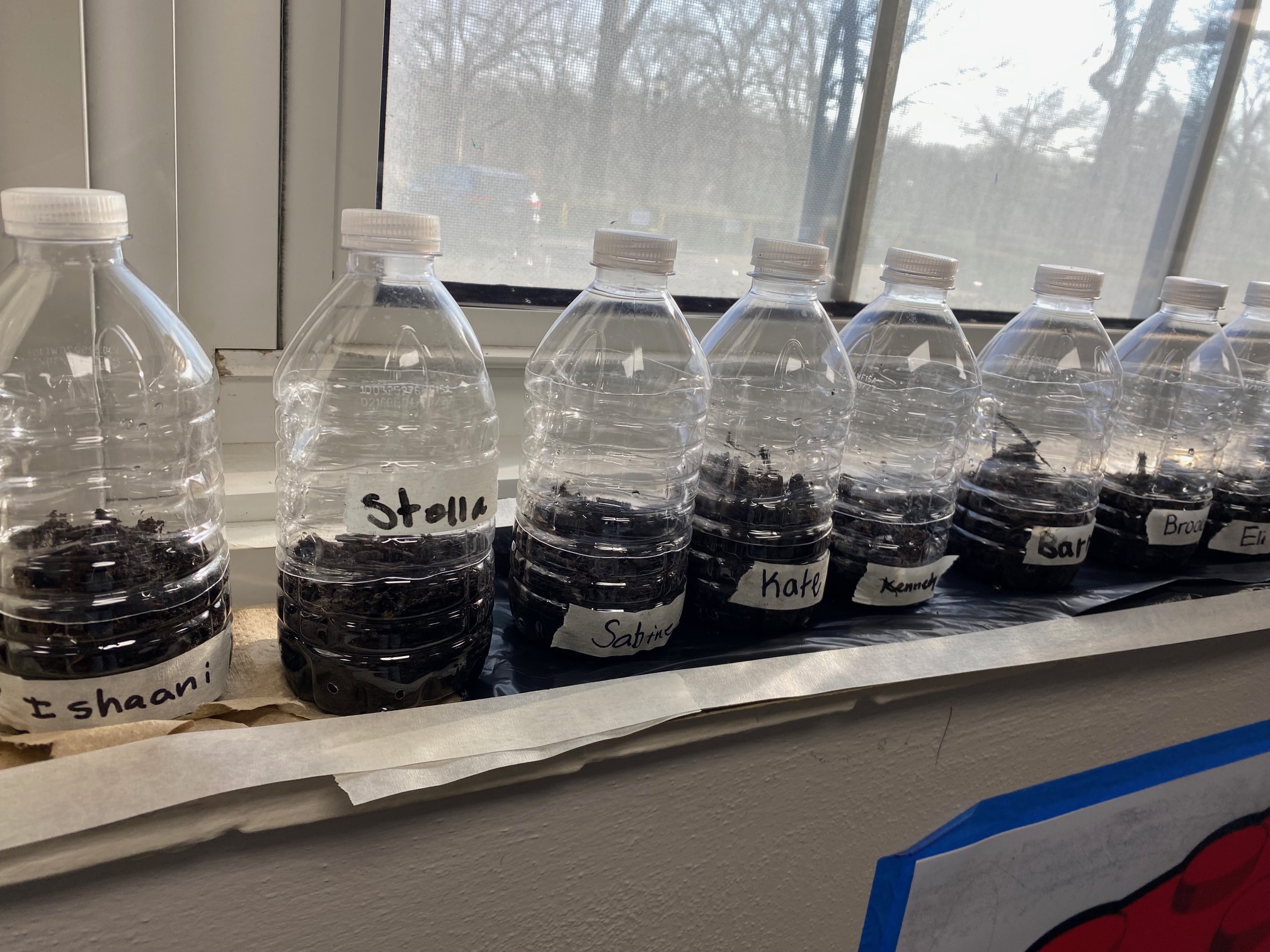
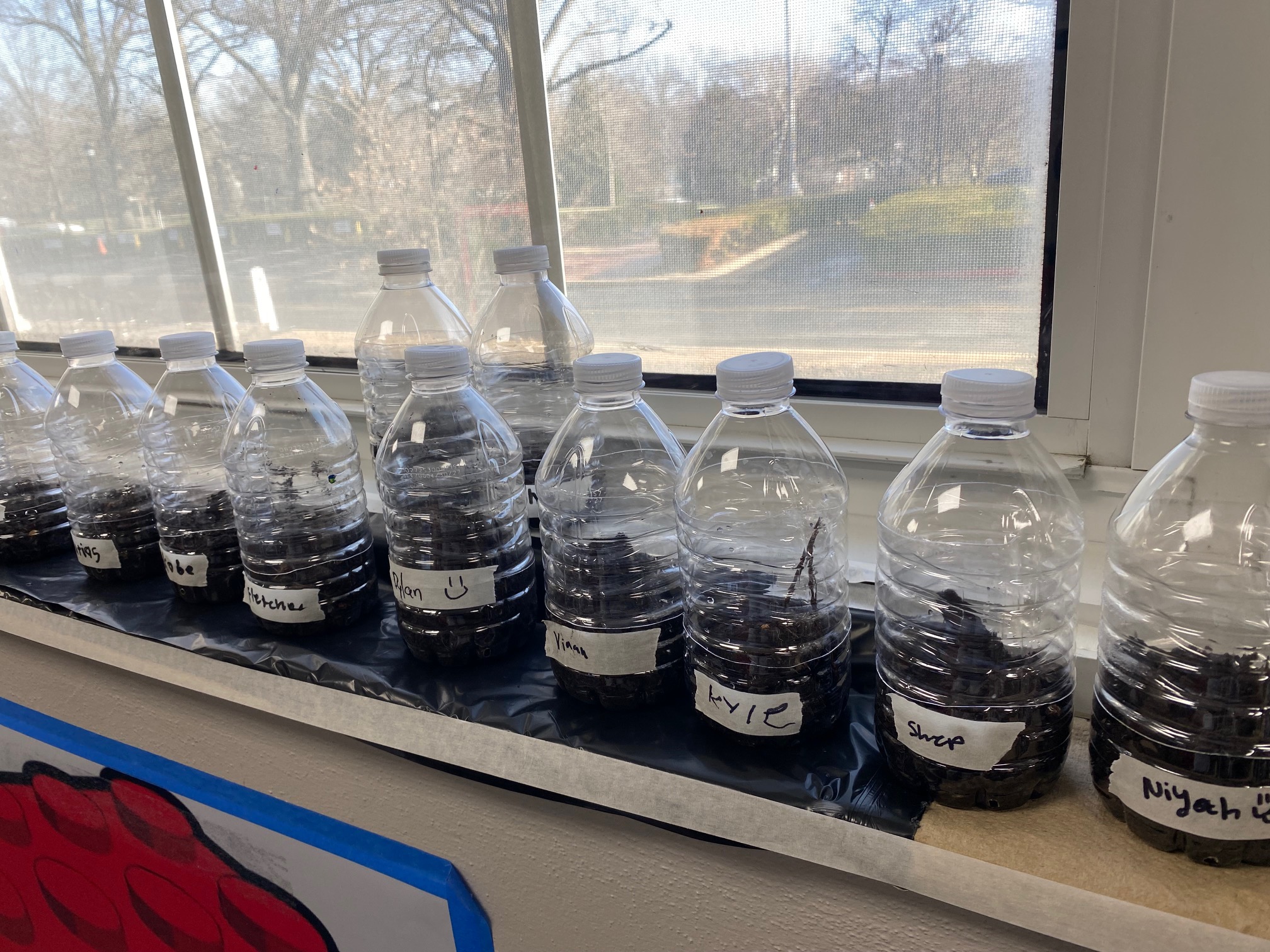
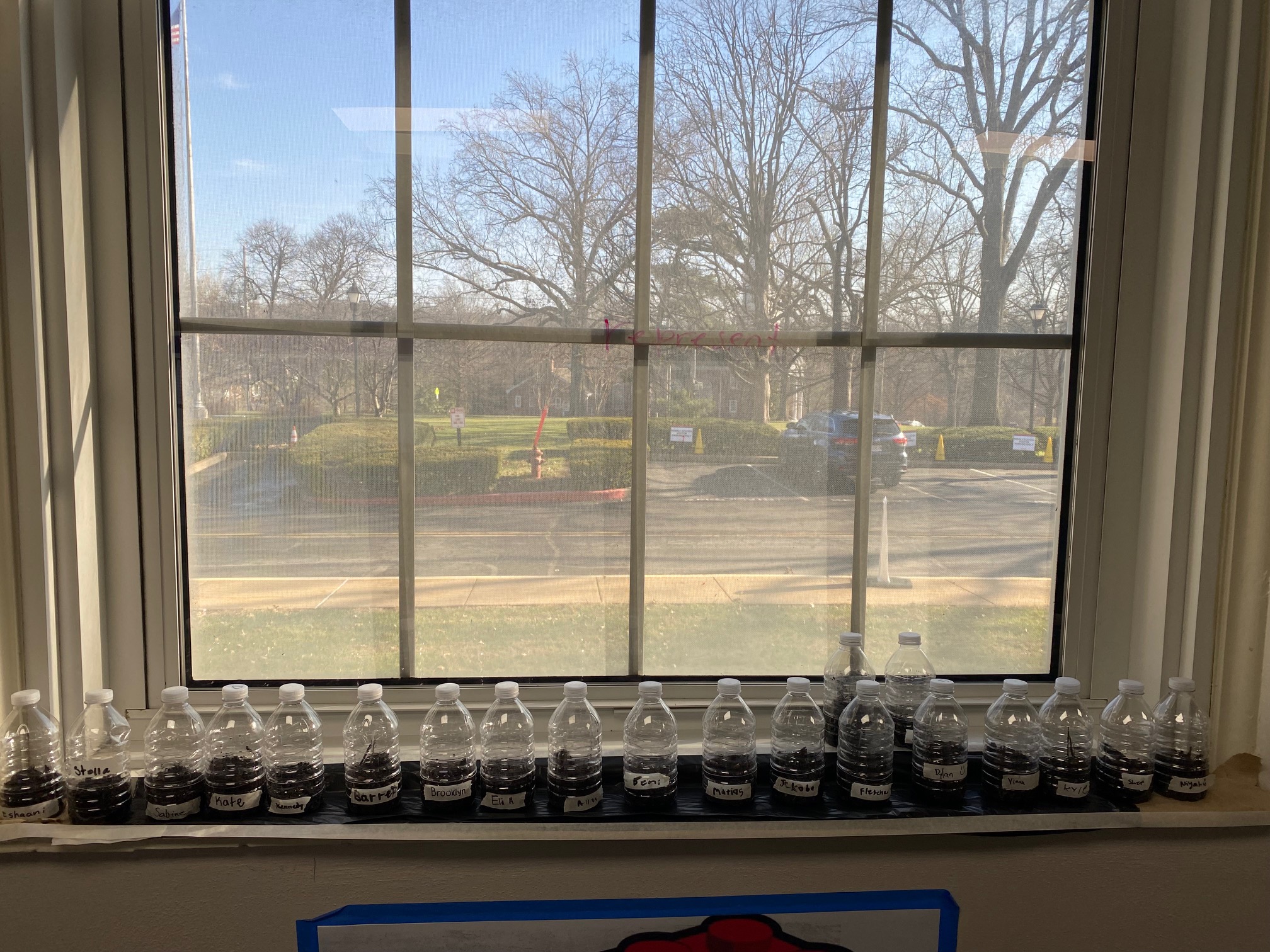
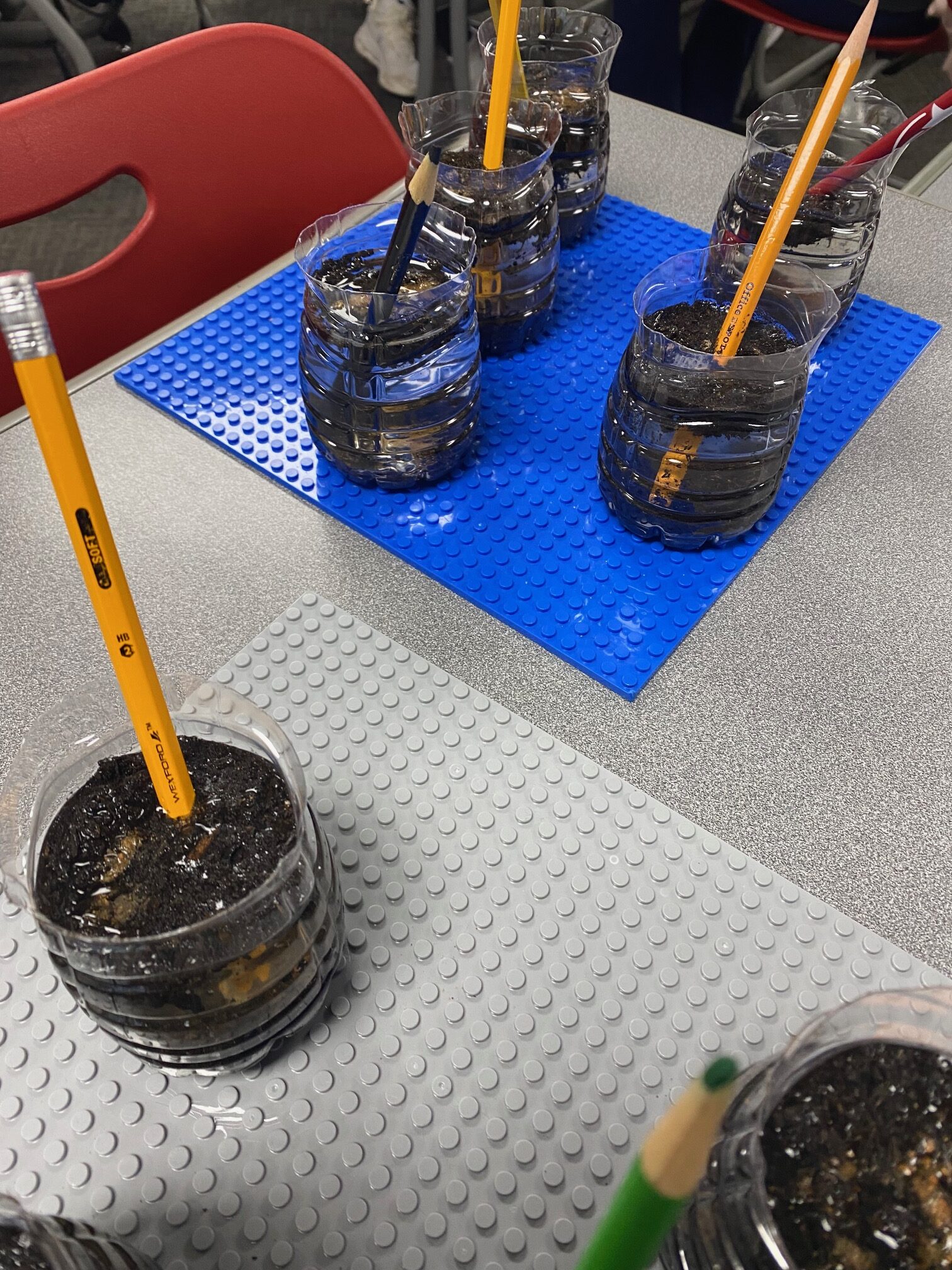
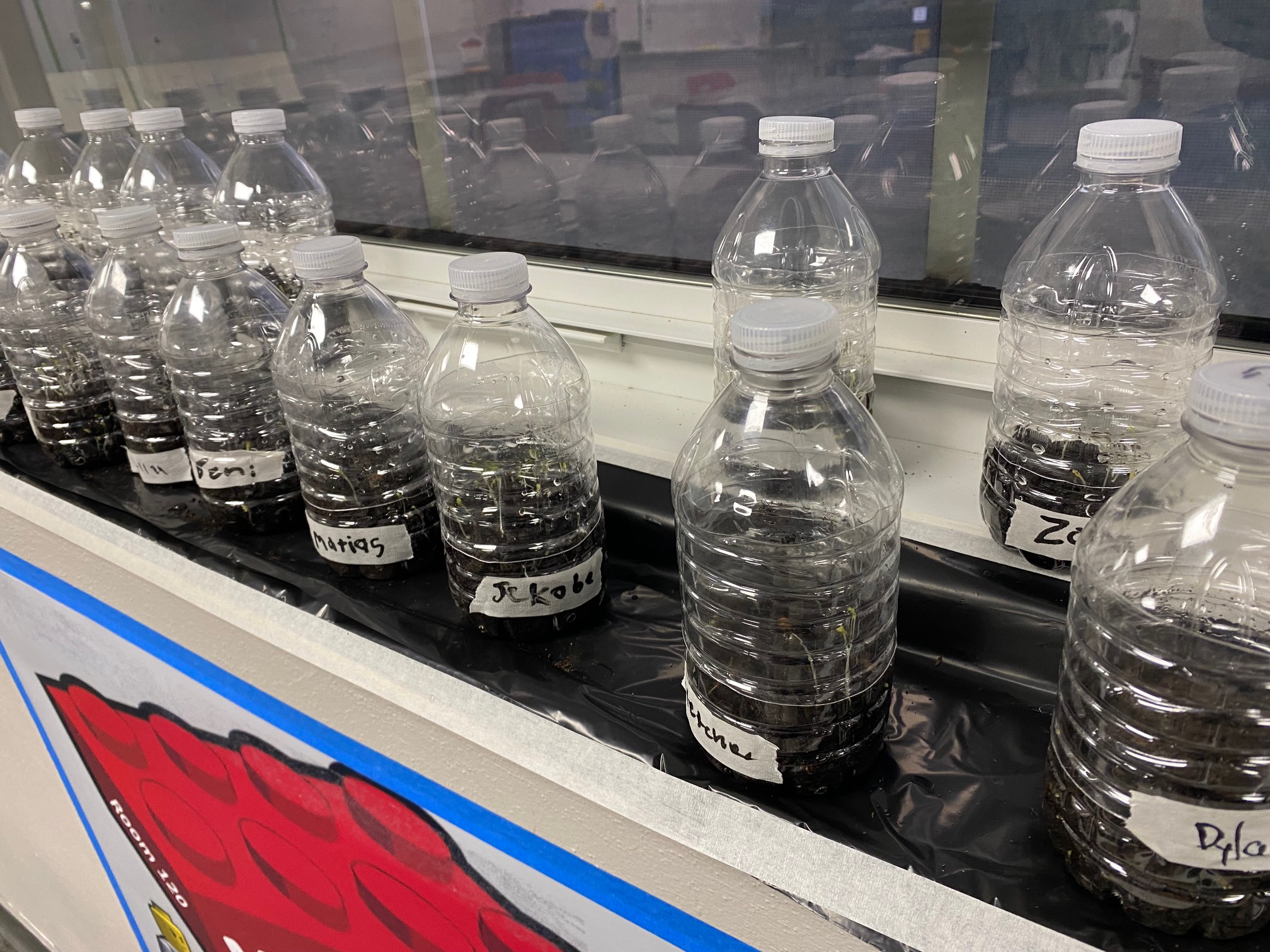
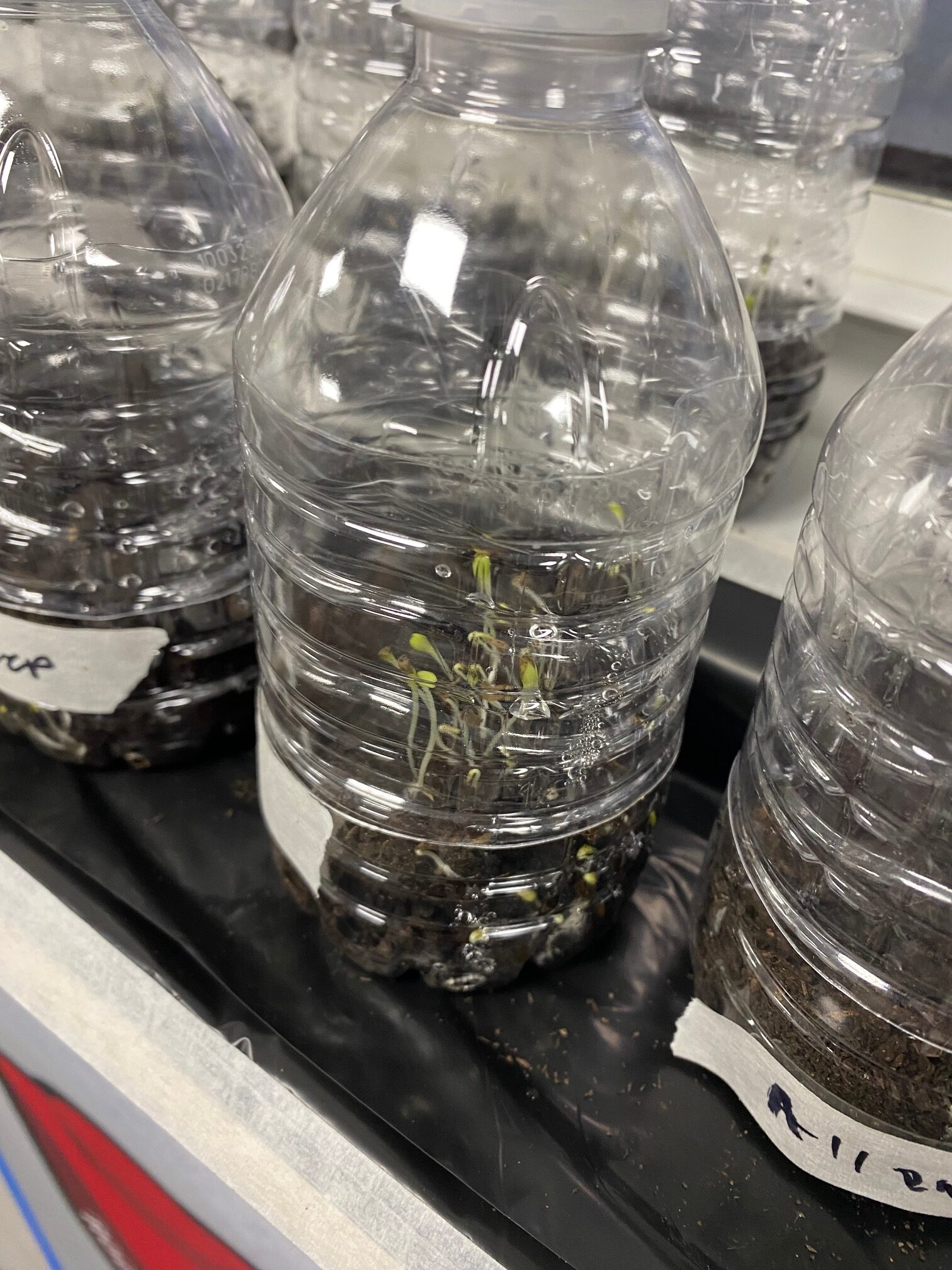
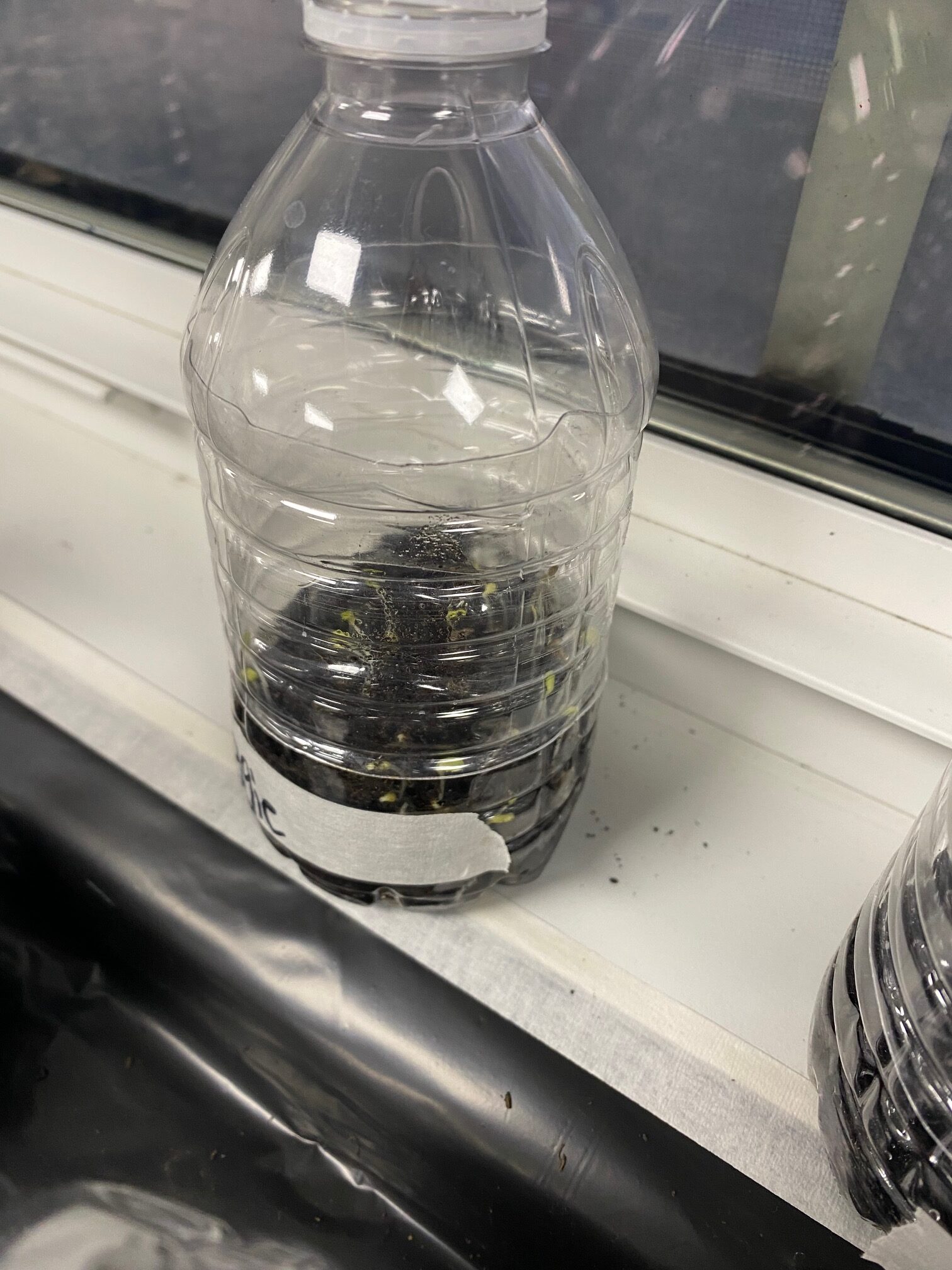
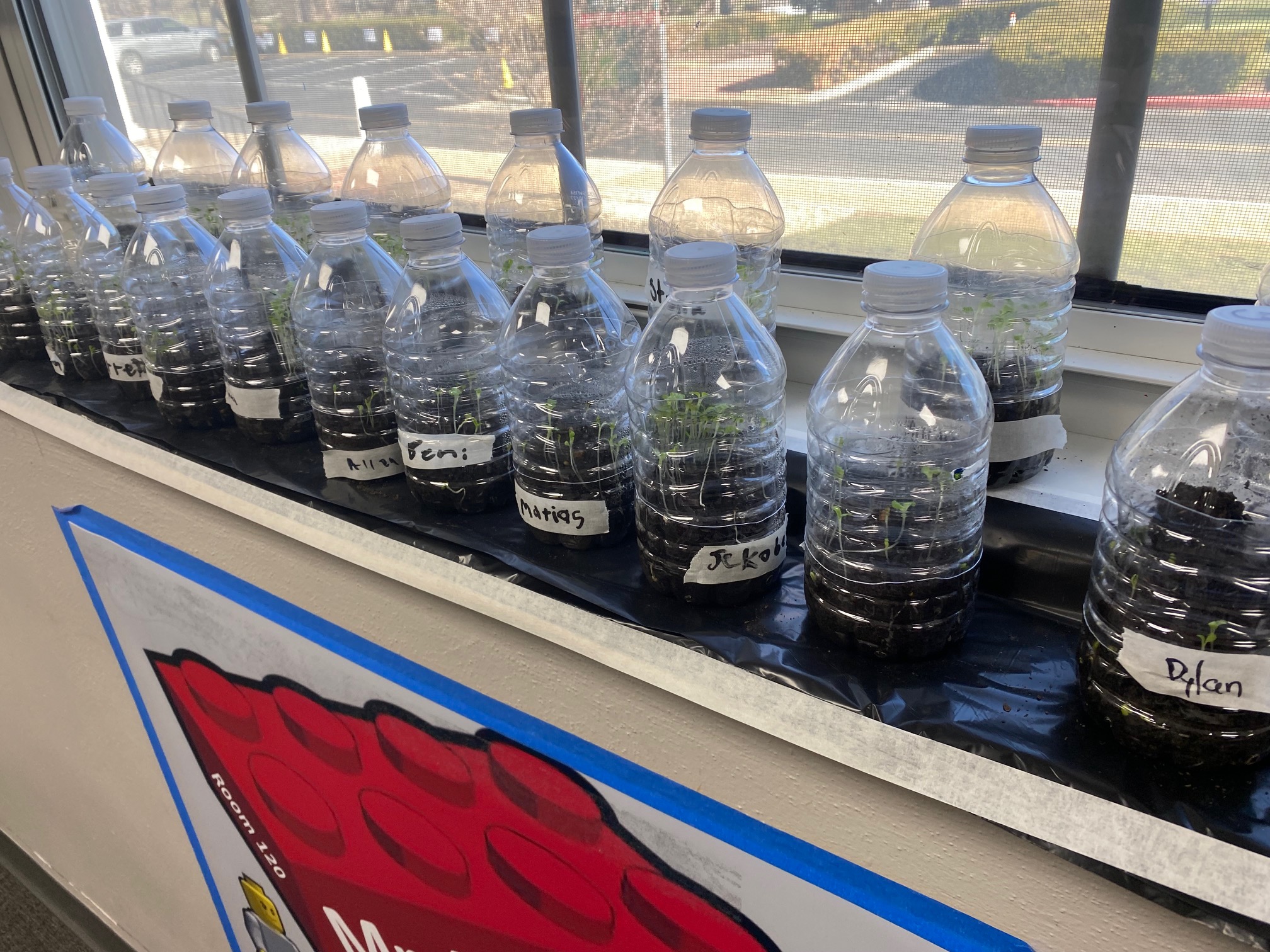
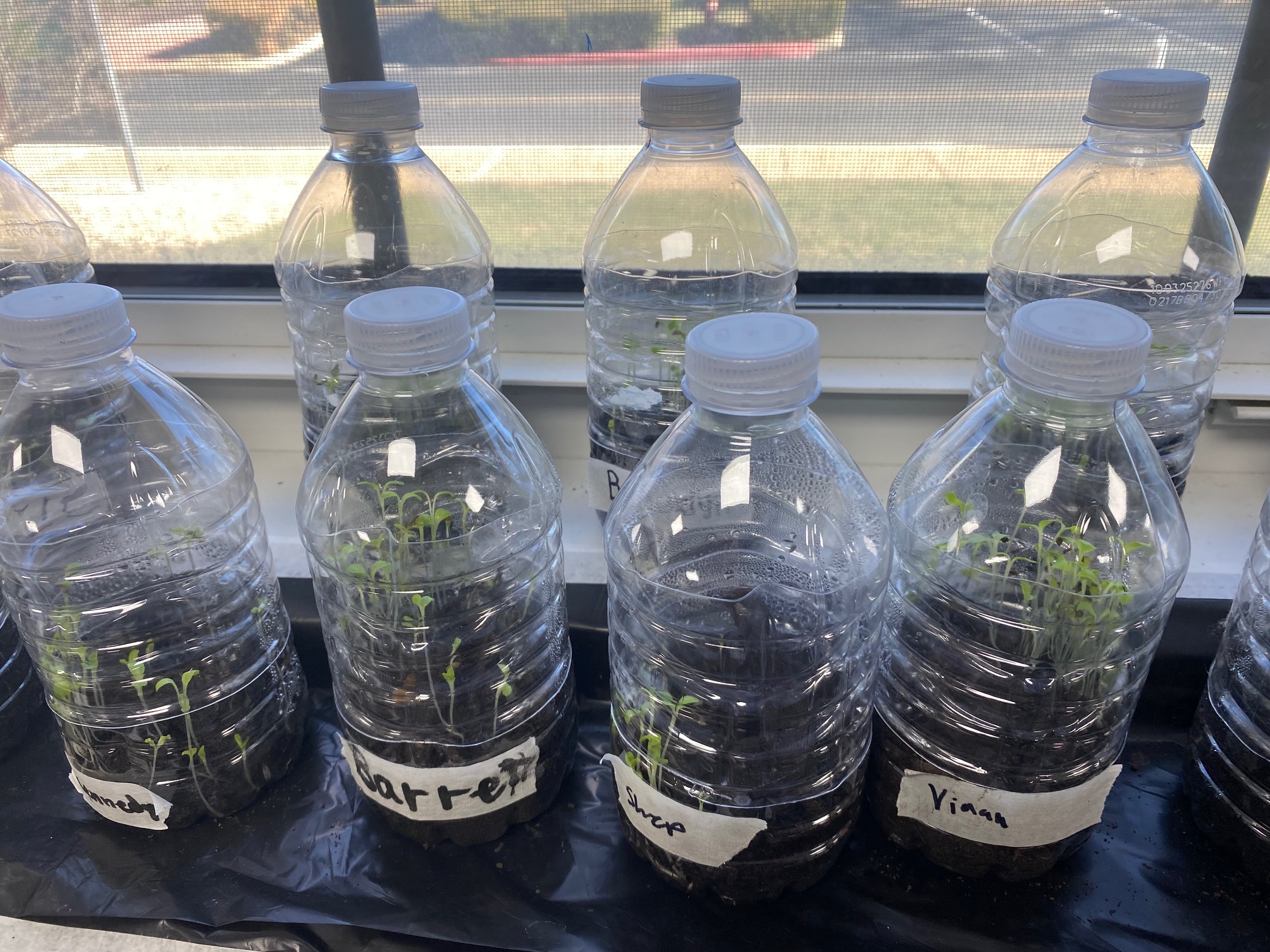
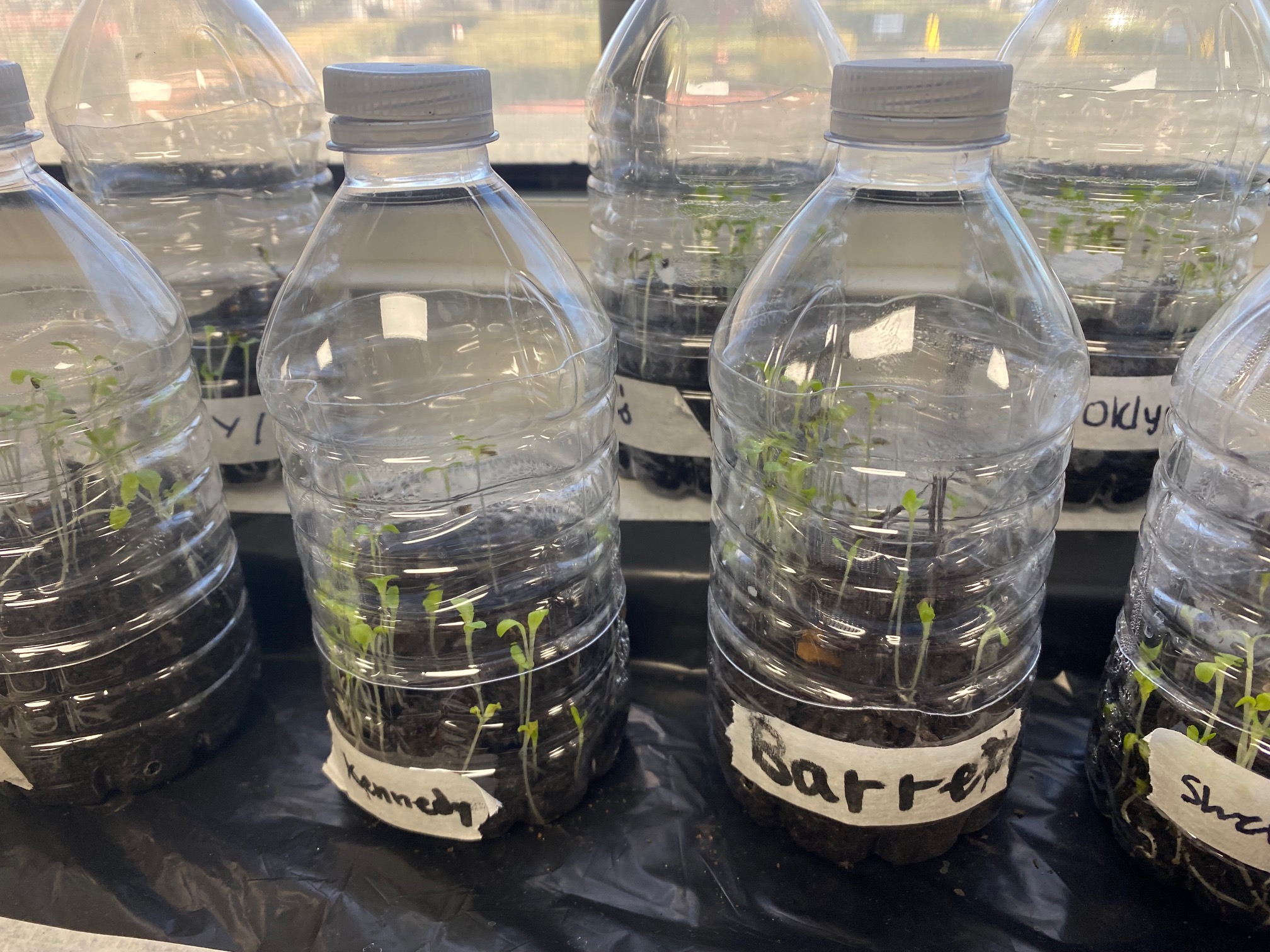
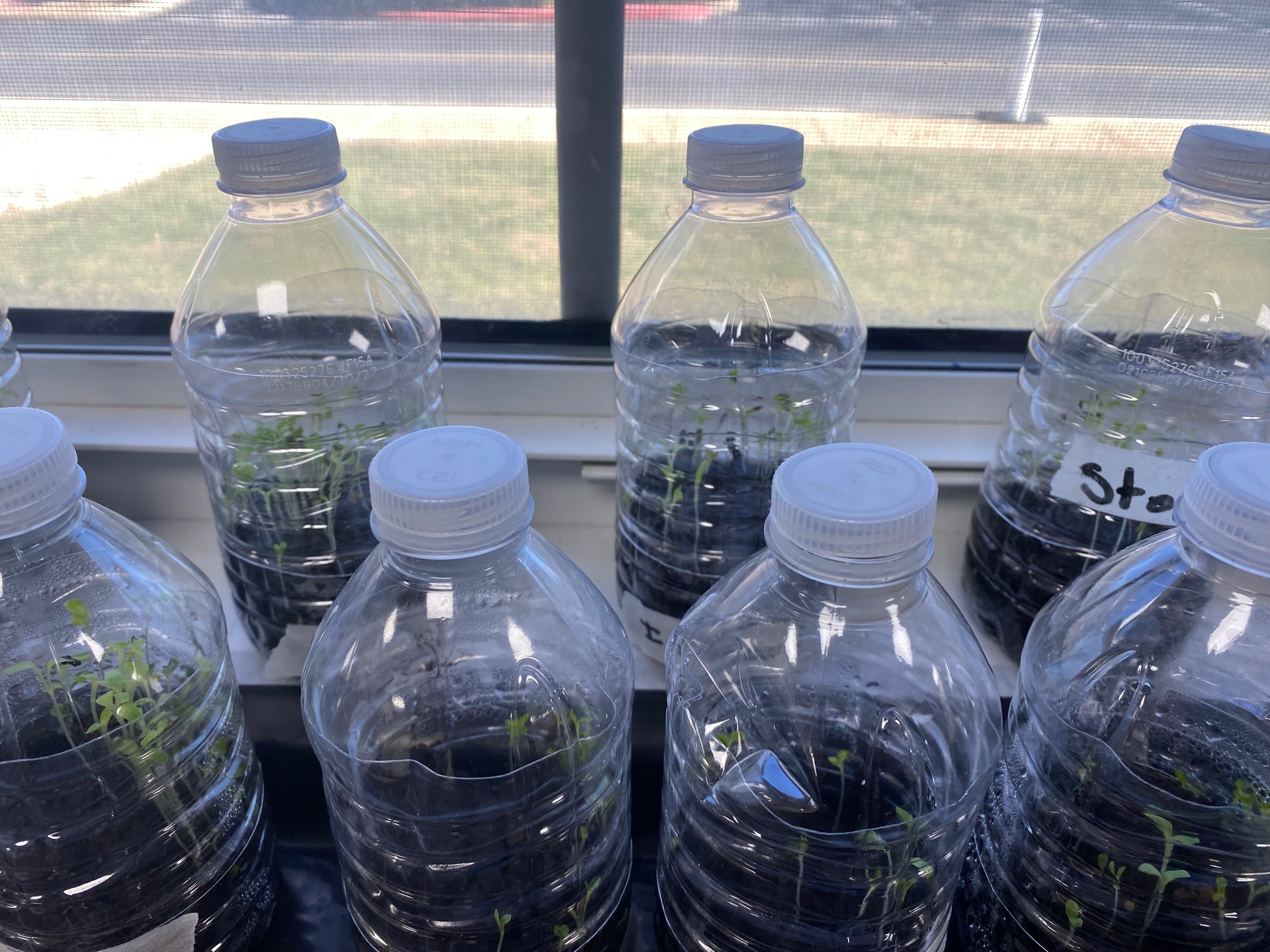
As part of the Food Production lesson, students set out to build their own greenhouses using recycled water bottles. Using water bottles cut in half, students placed potting soil, lettuce seeds, and water in the lower half, then slipped the upper portion back on to create a closed, controlled environment. Each day, students checked on their plants to observe growth. “Growing their own food, along with replanting resources, helped students make connections to replenishing renewable resources,” said Delfin.
Water Treatment
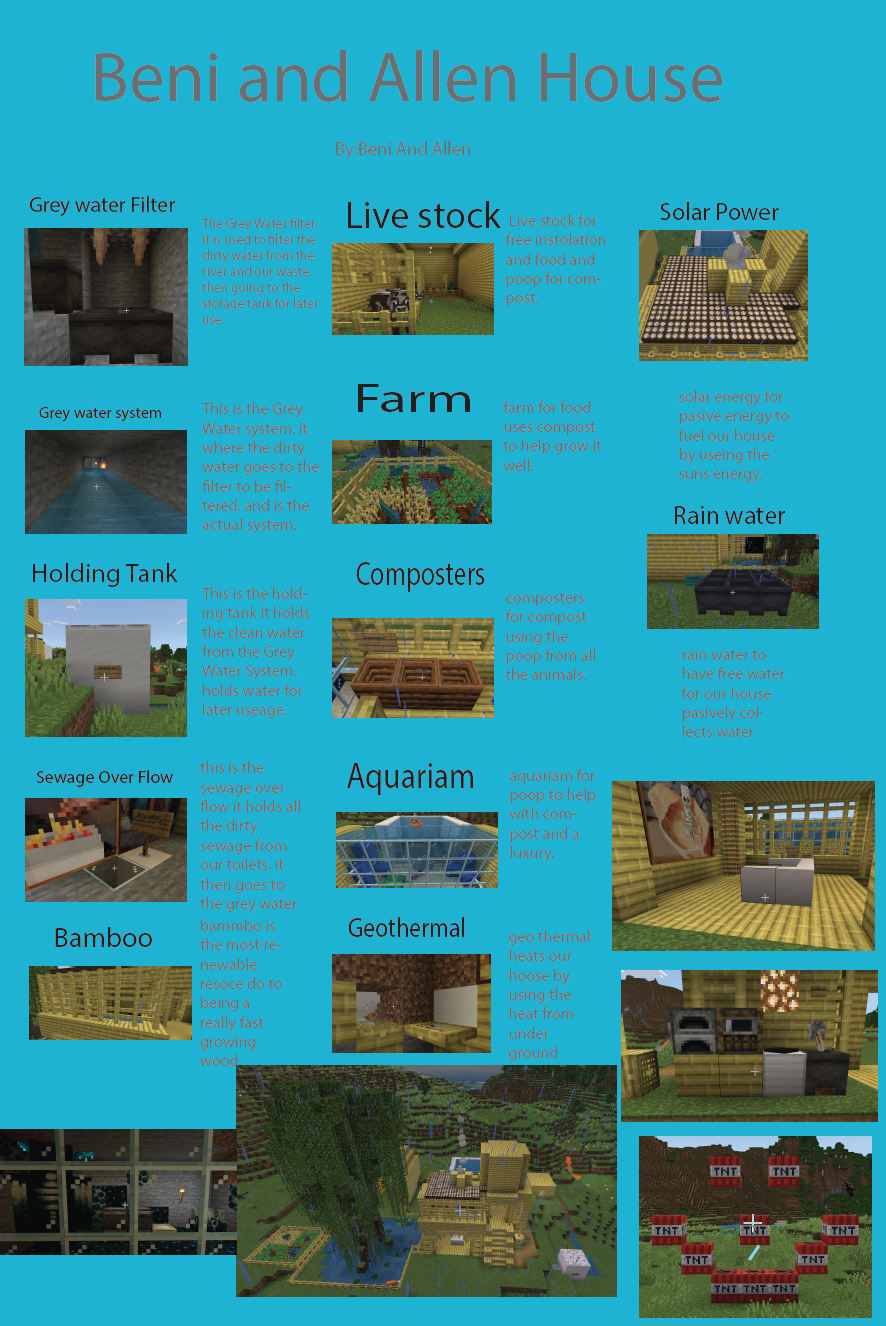
After students explored the Minecraft world focused on water treatment strategies, they learned about greywater systems. This system takes lightly used water from sinks or showers, stores it in an underground tank, runs it through pipes to a filtration system, then sends the cleaned water to a storage tank before returning it to the house for reuse in toilets, for laundry, and for watering lawns or gardens. While this is a complex system involving significant engineering, students built a diagrammatic version in Minecraft to help them better understand how the system works to conserve water.
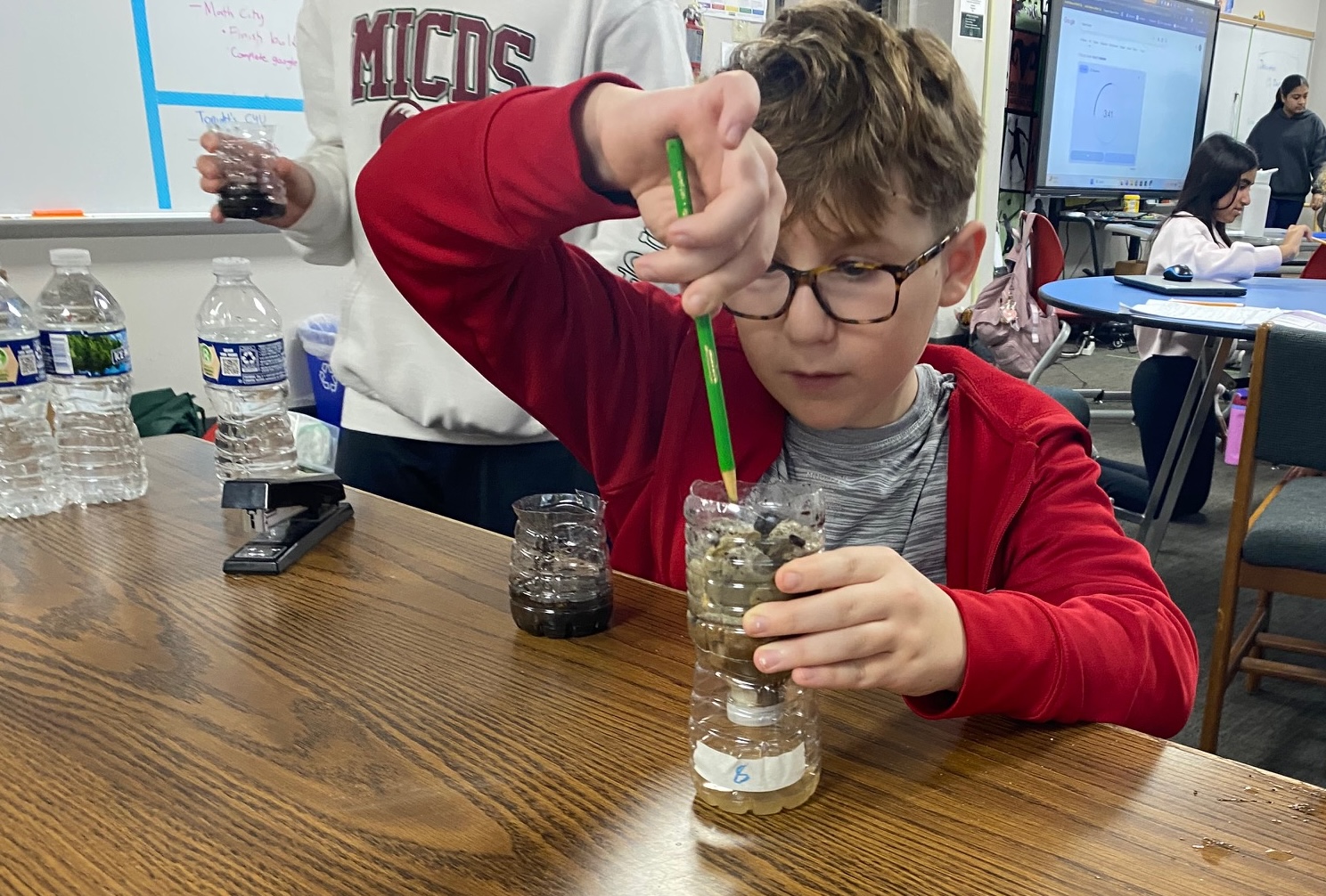
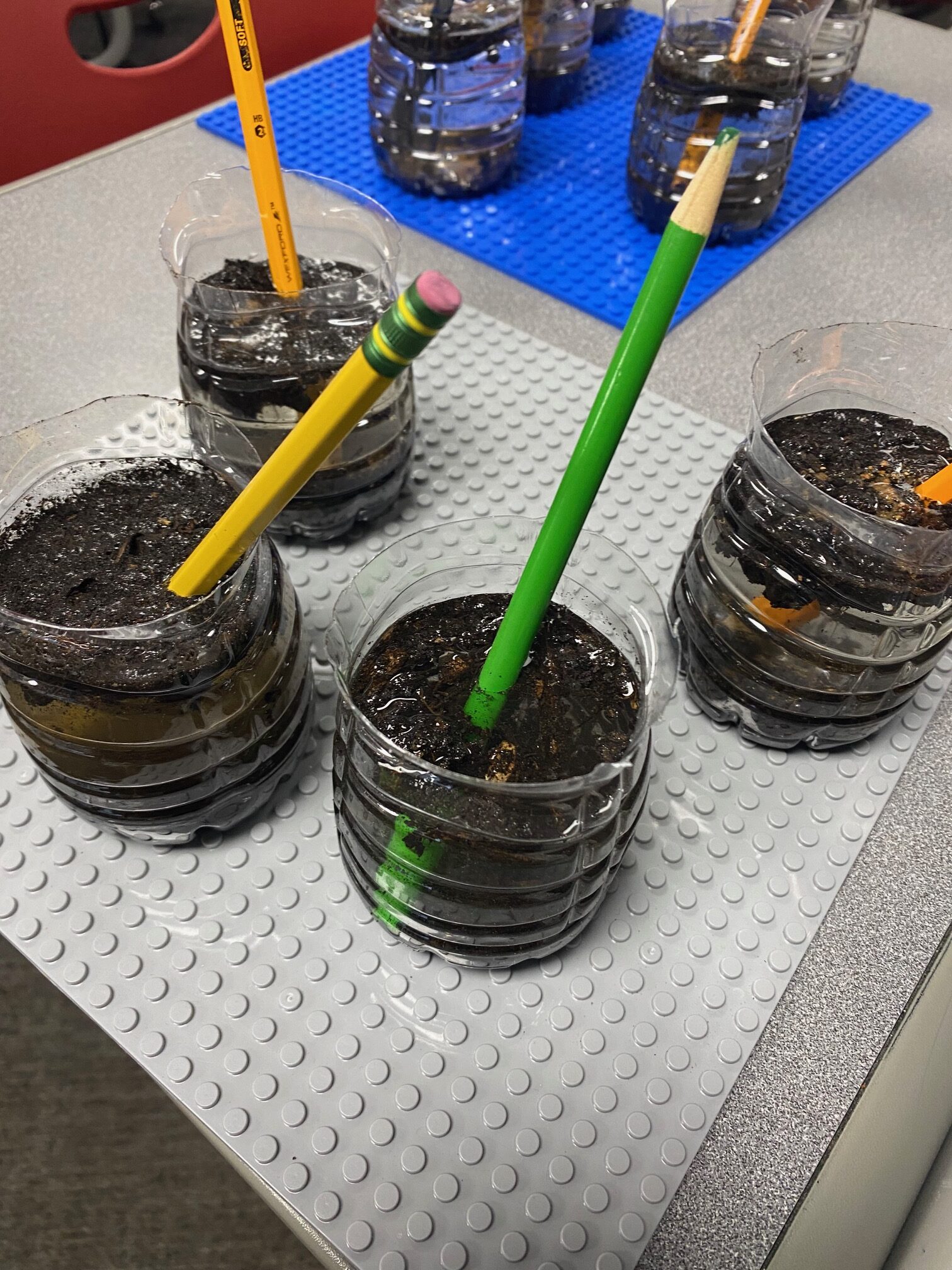
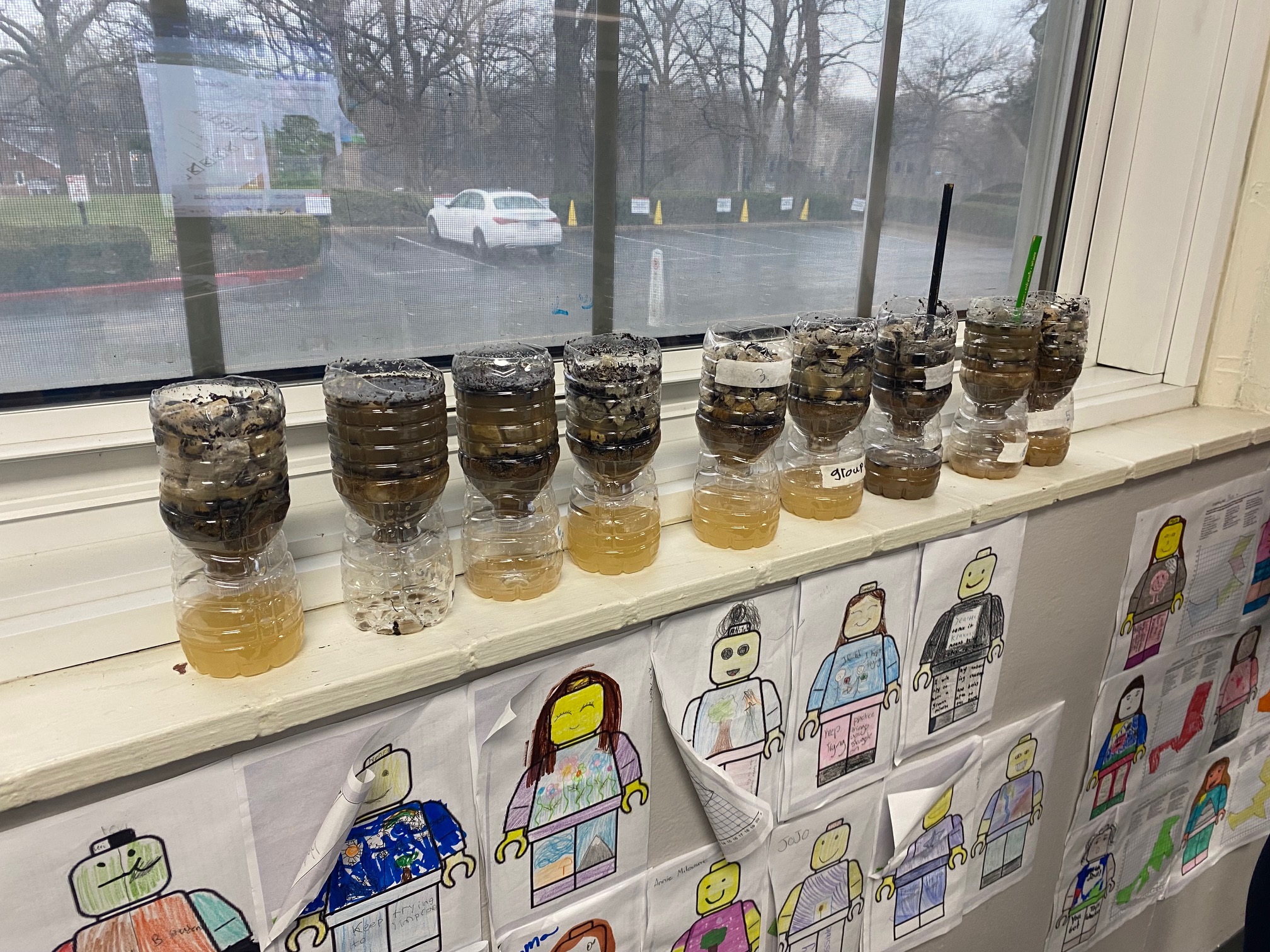
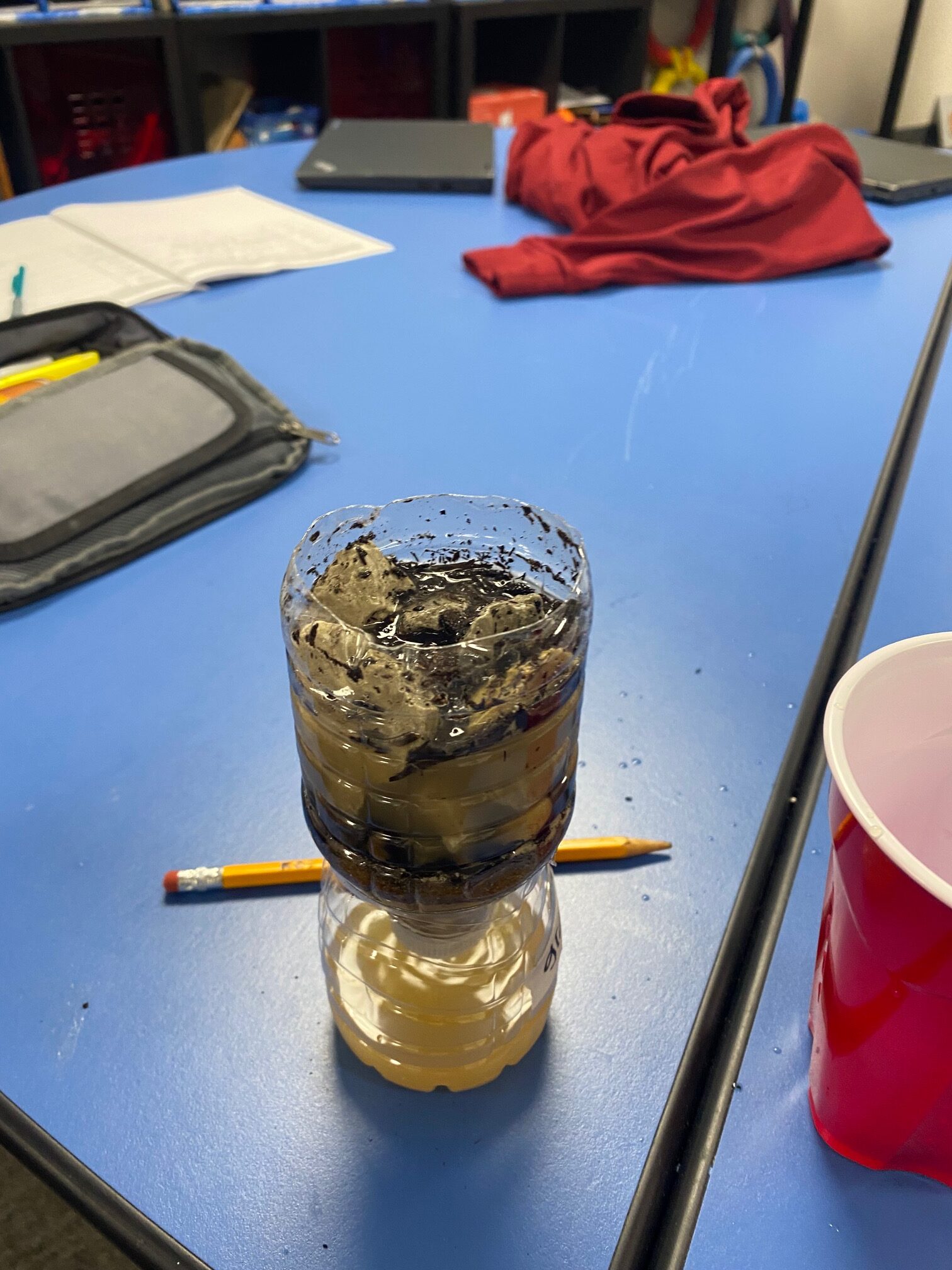
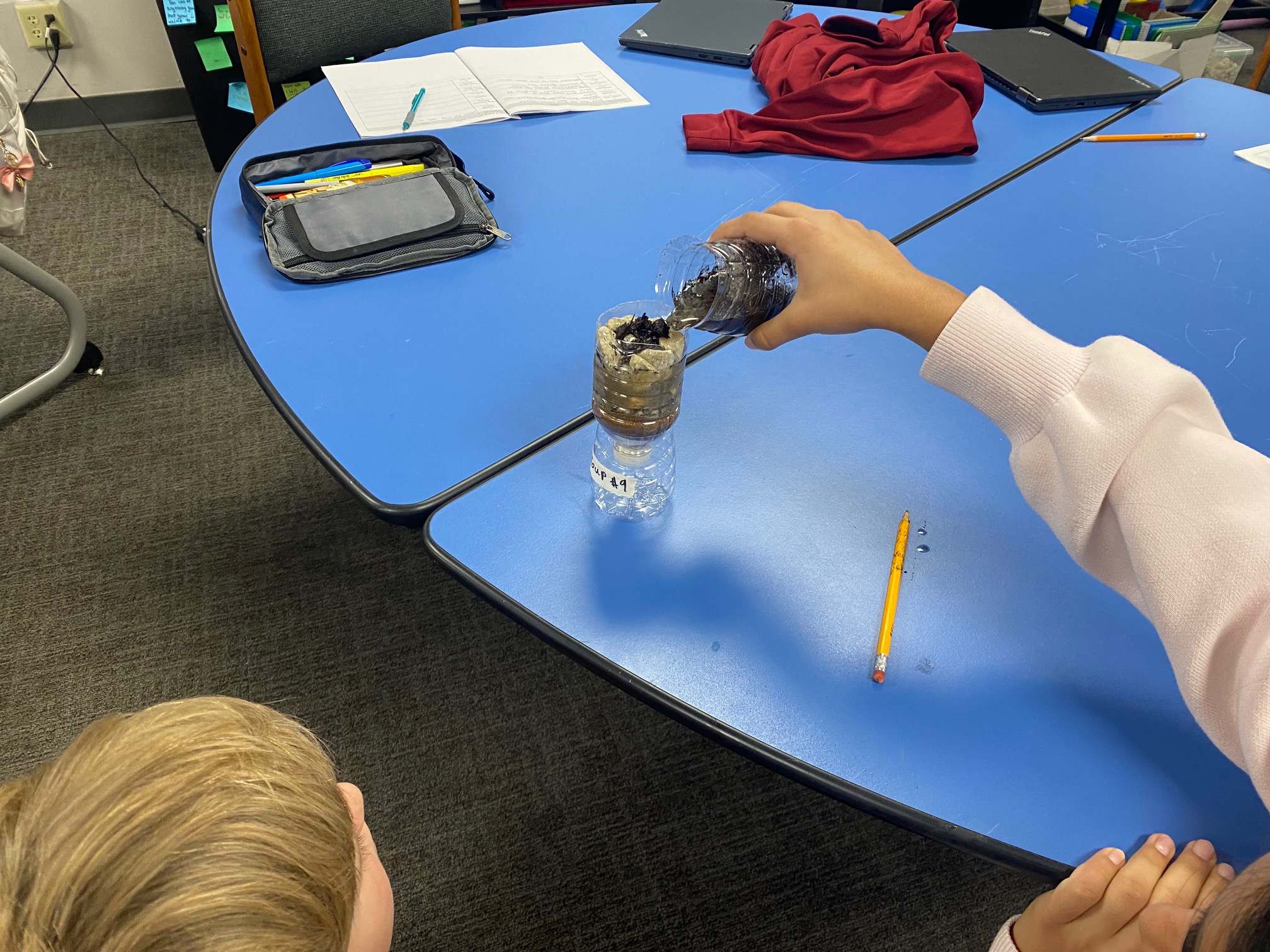
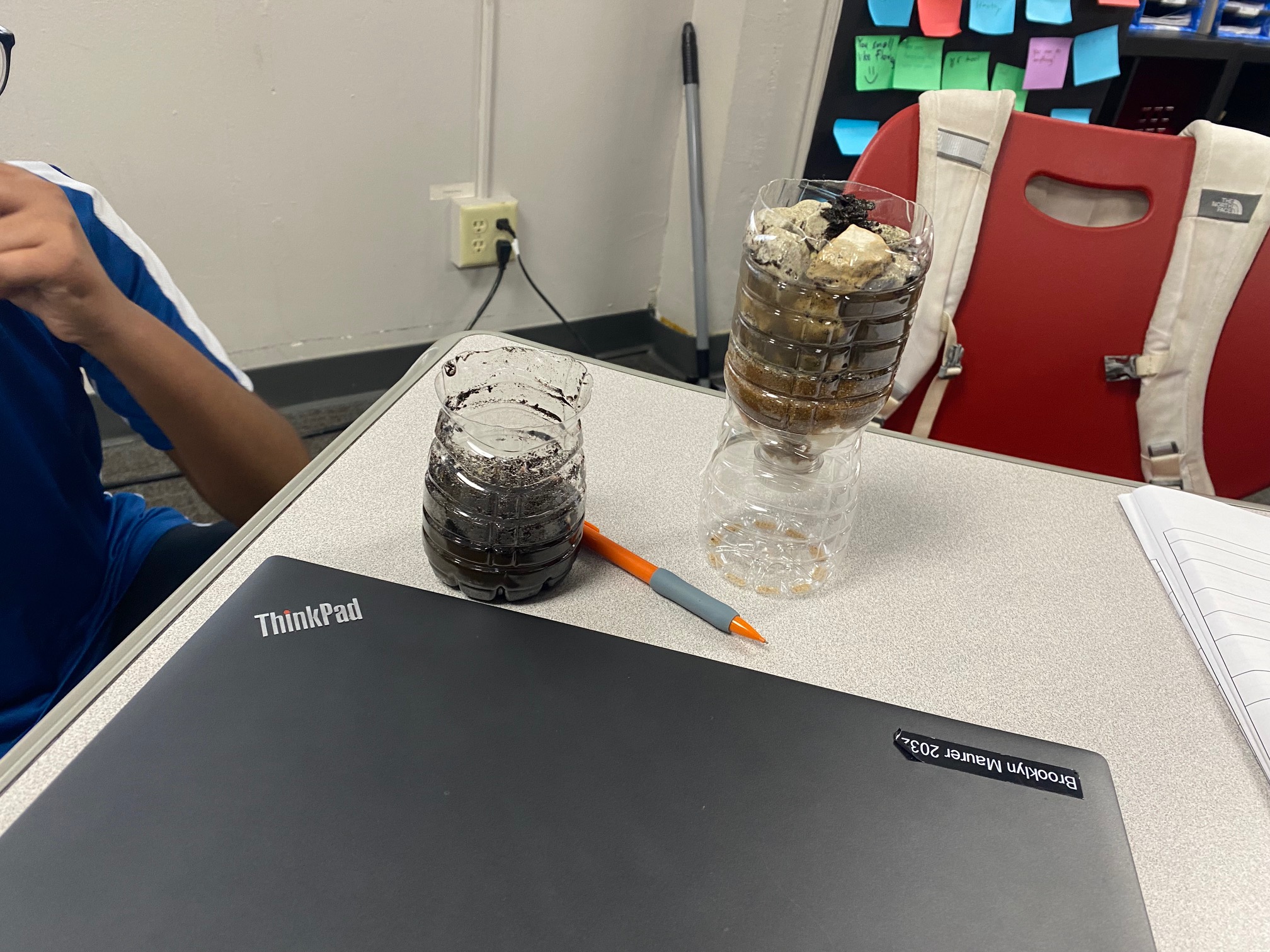
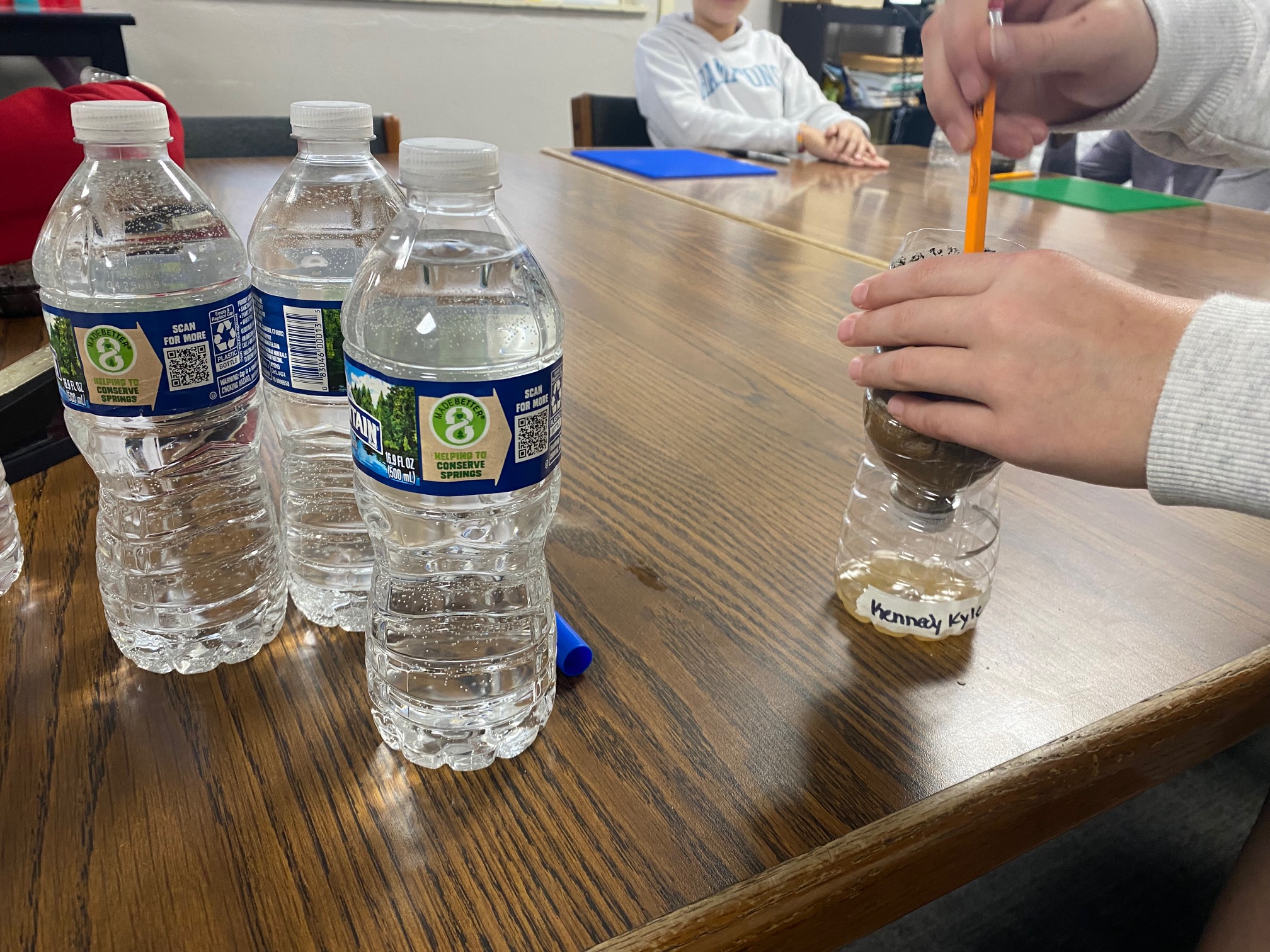
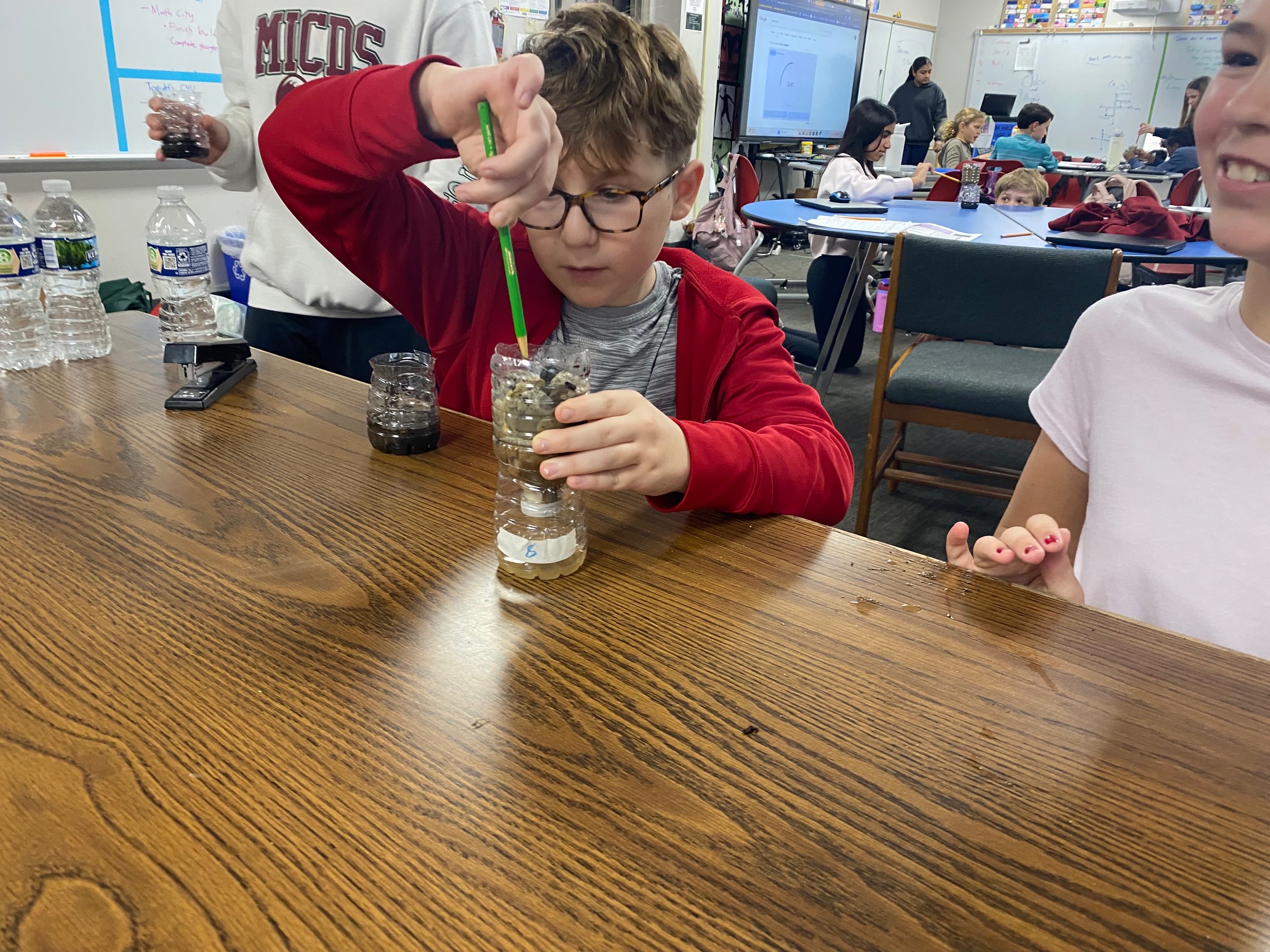
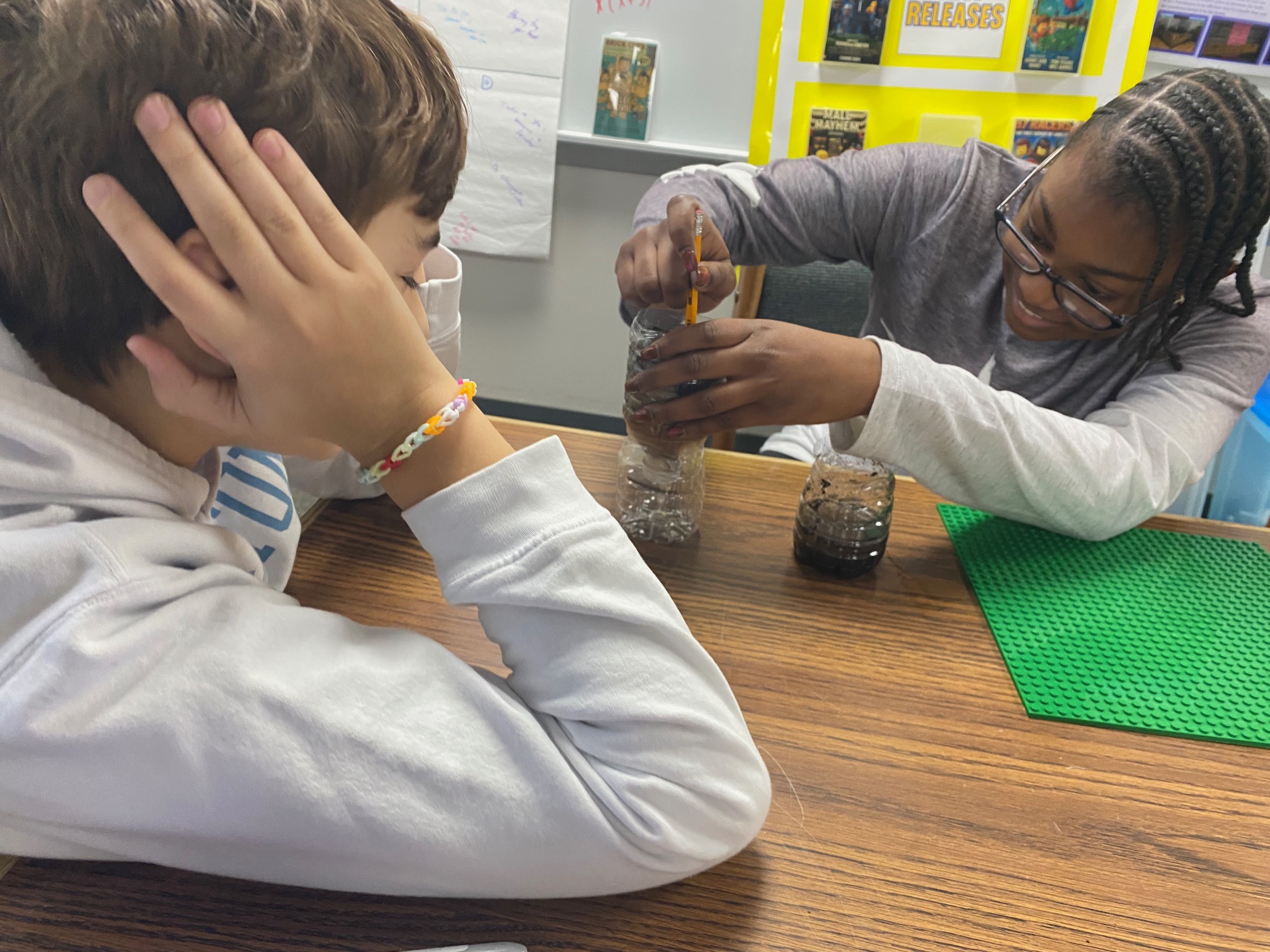
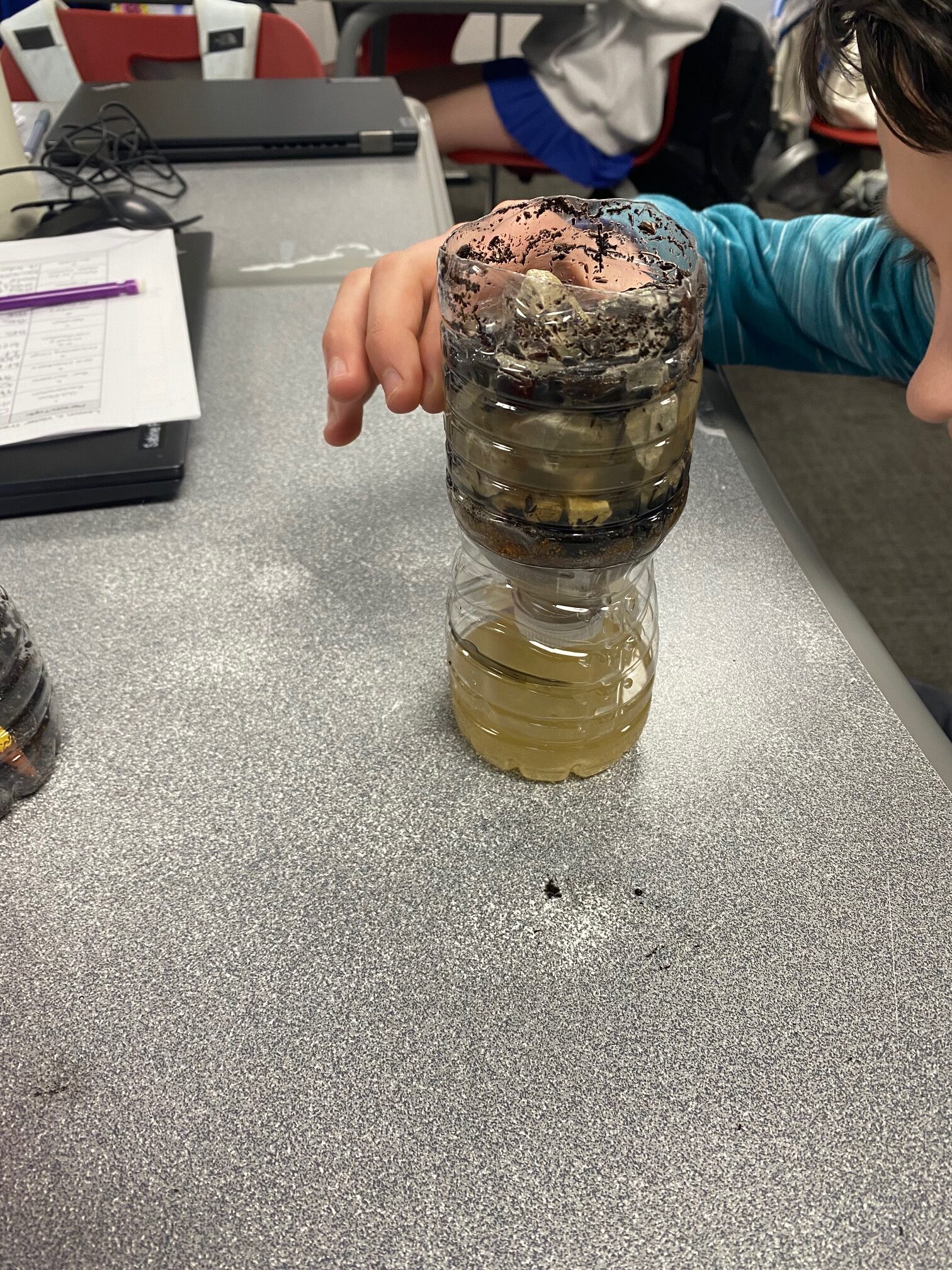
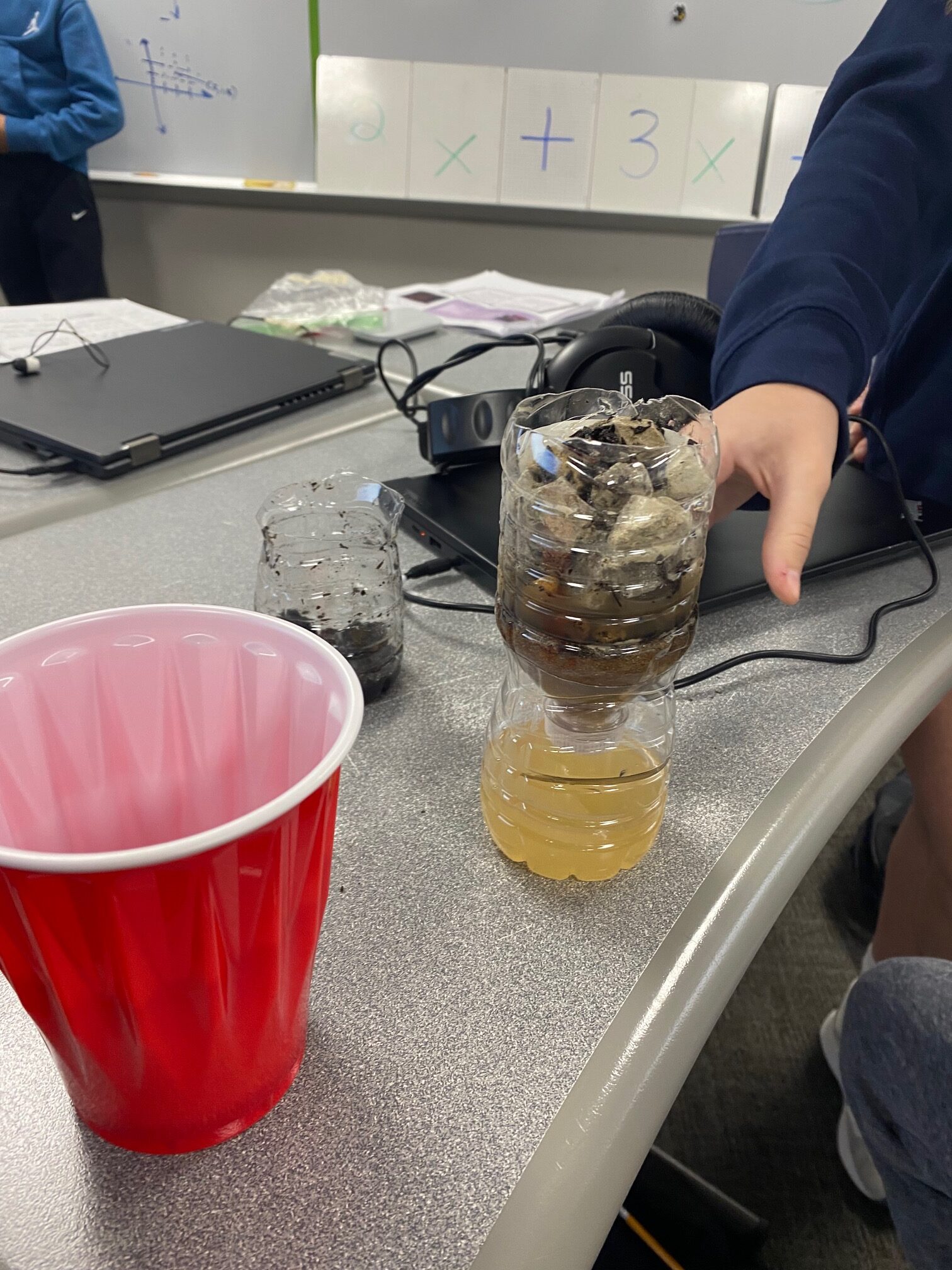
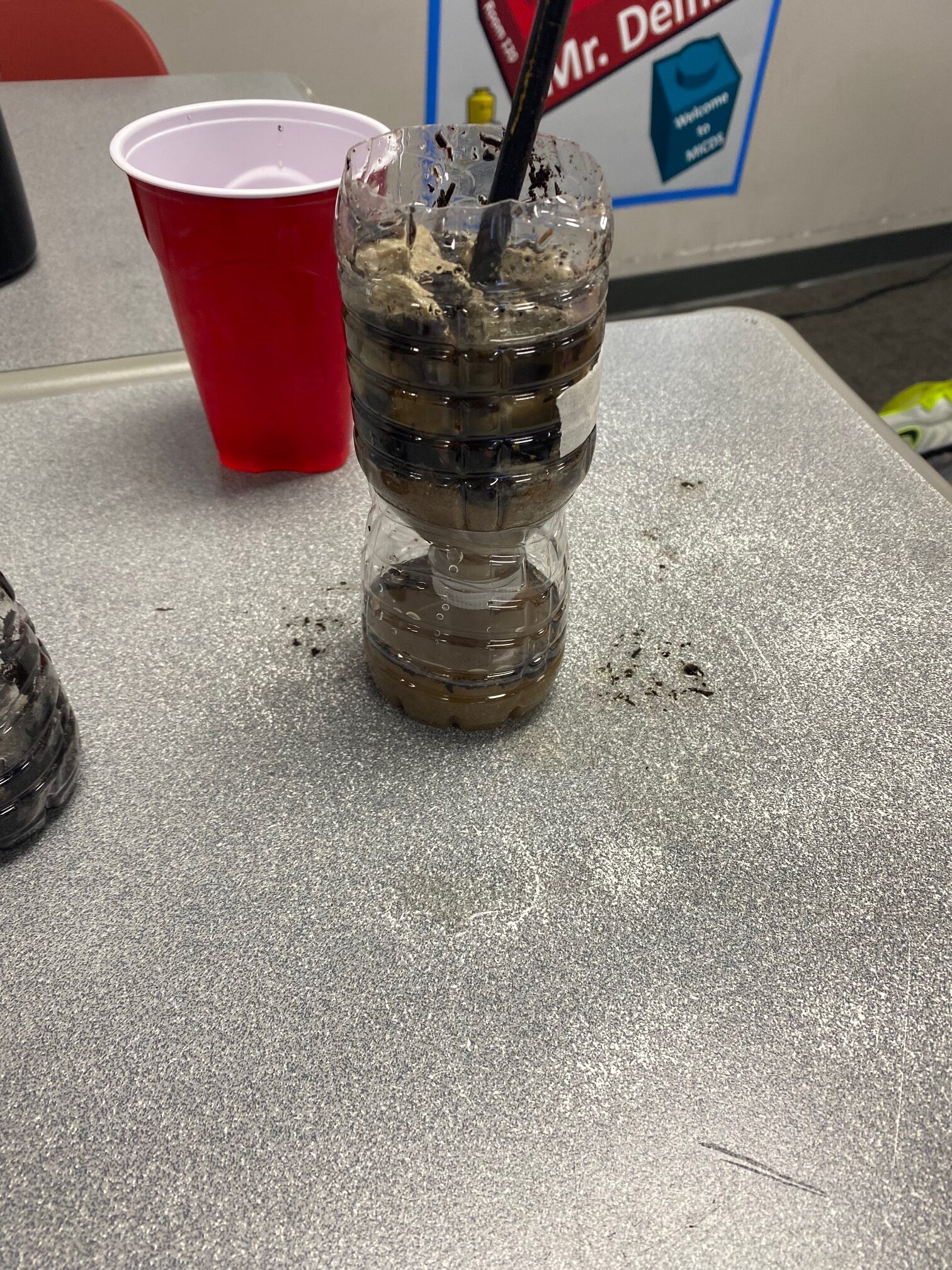
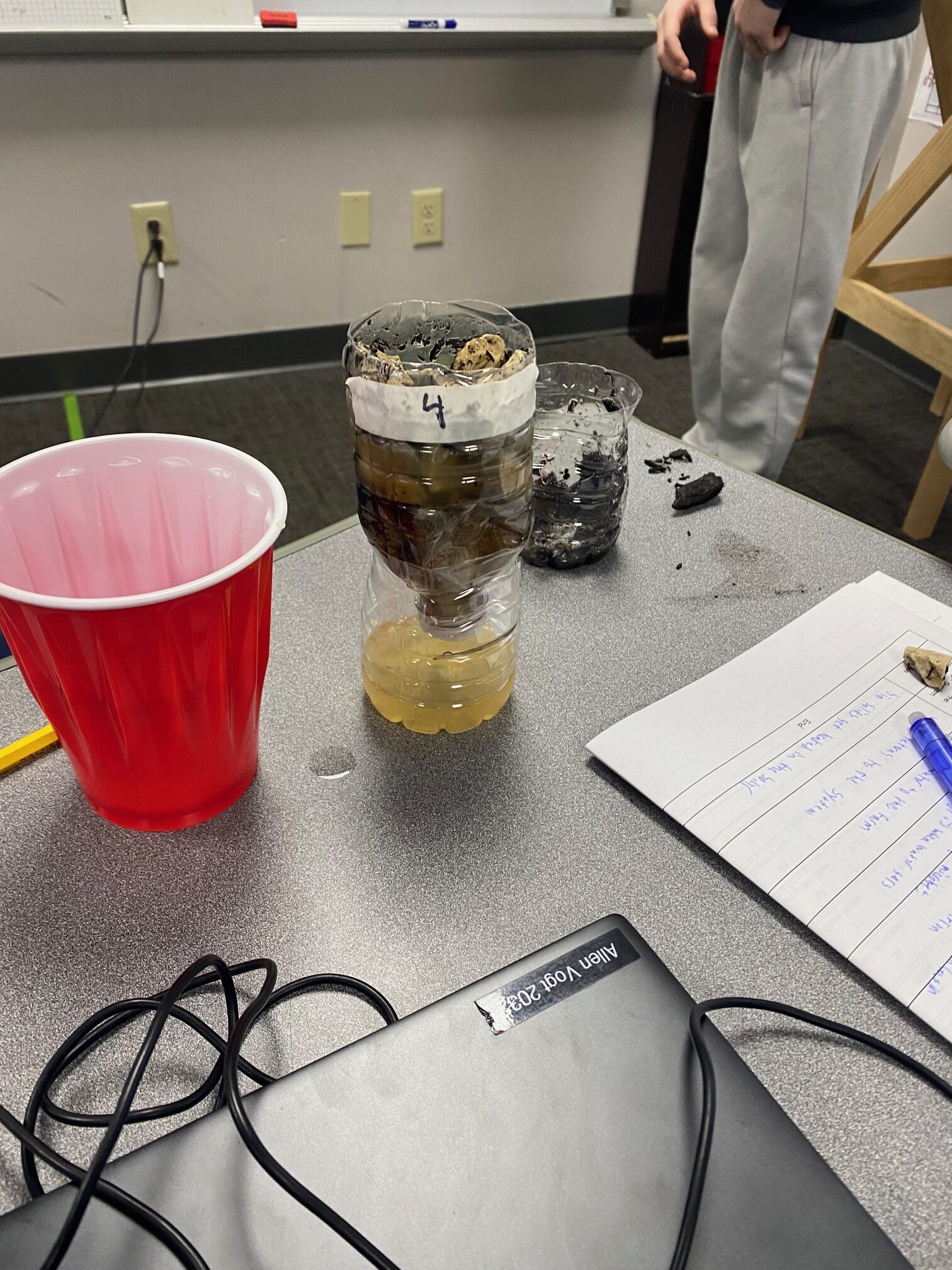
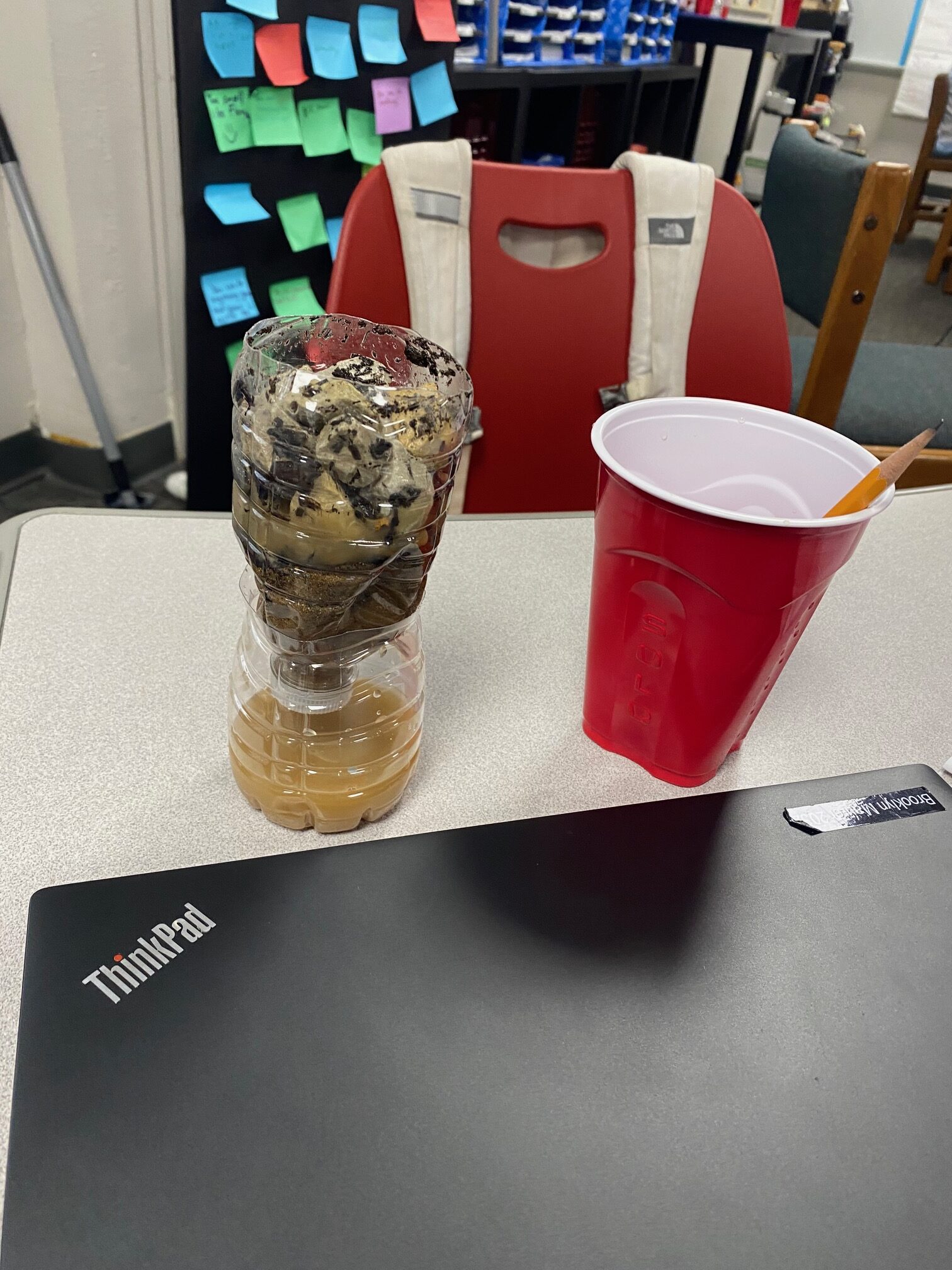
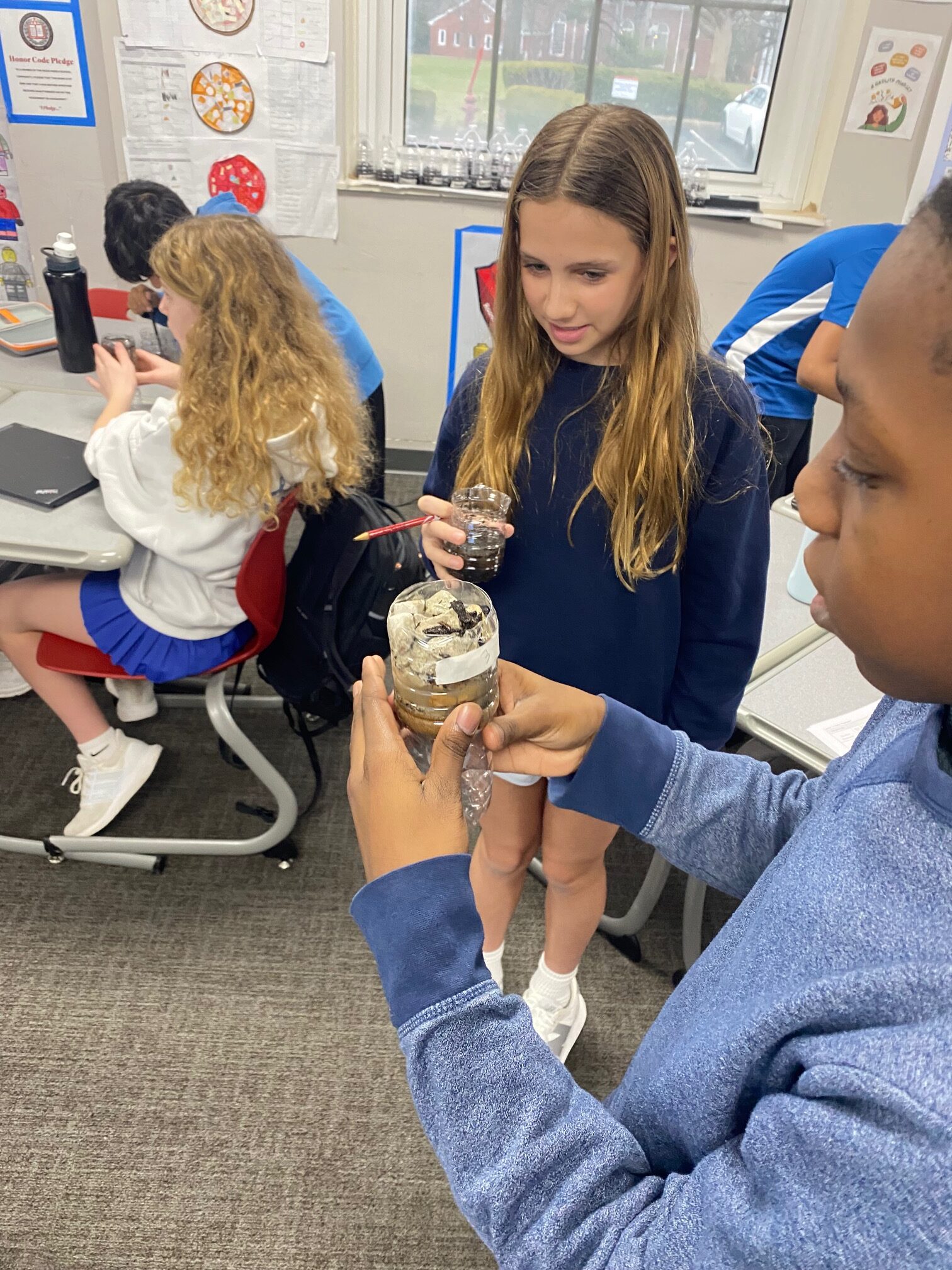
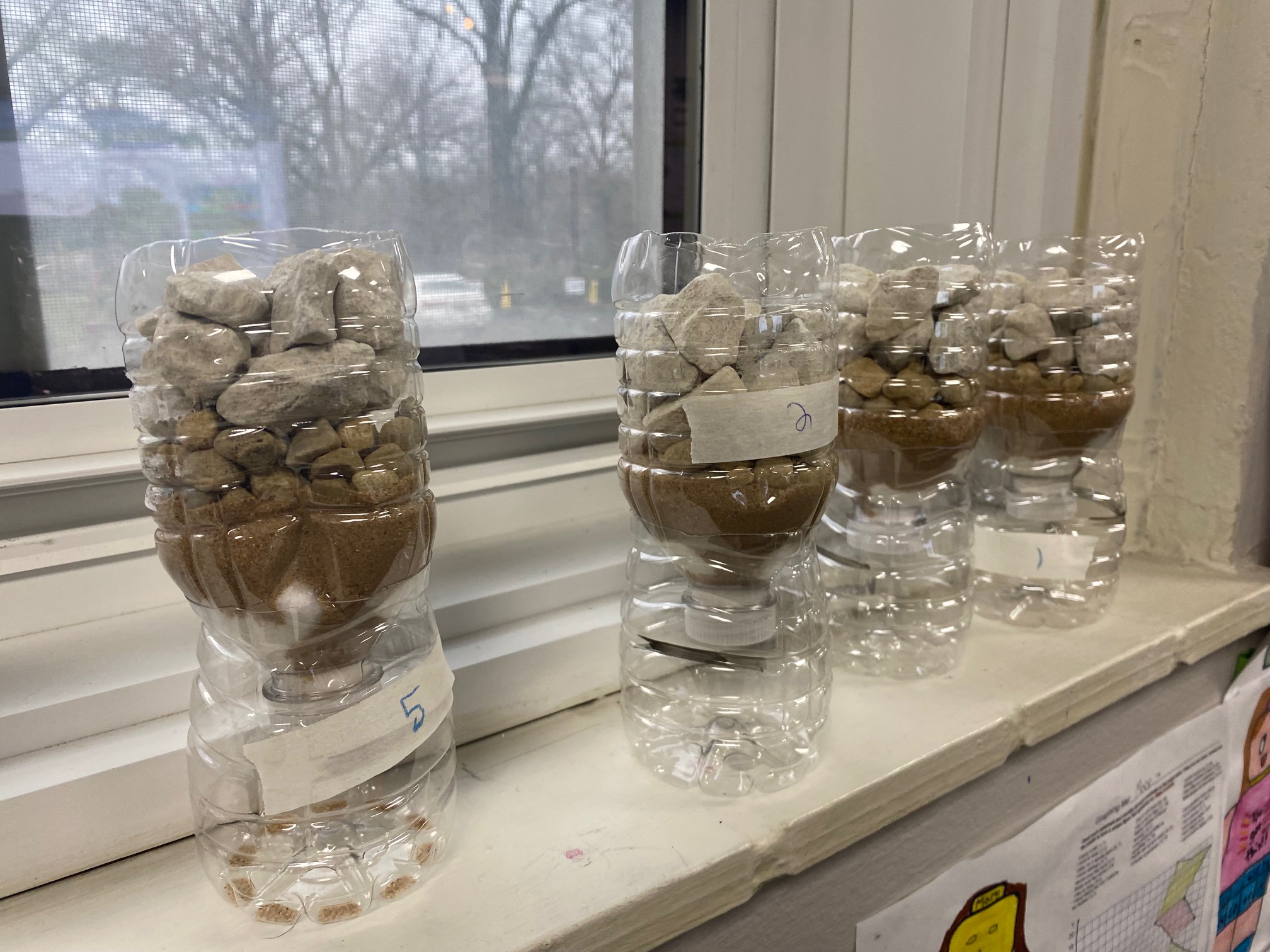
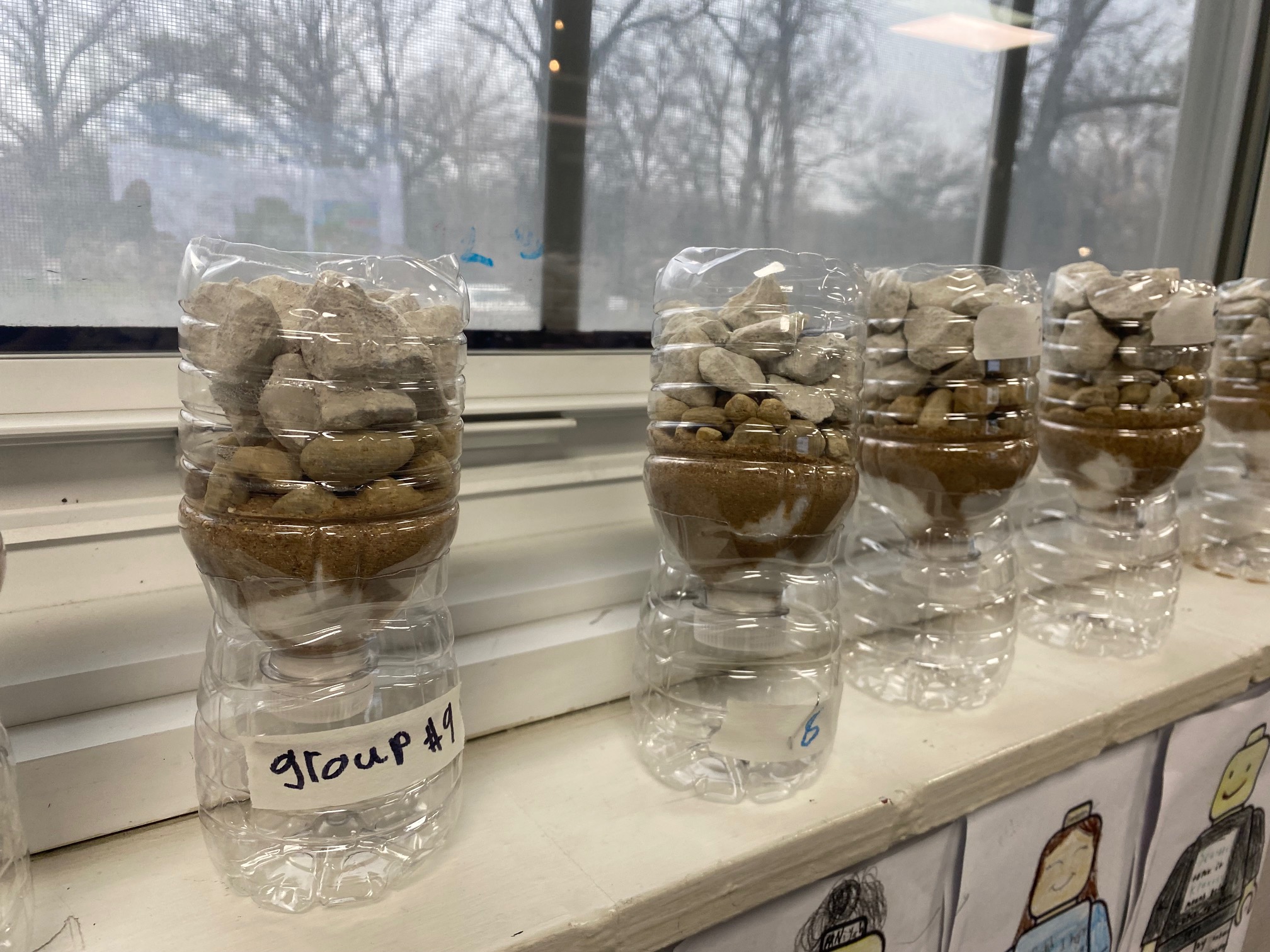
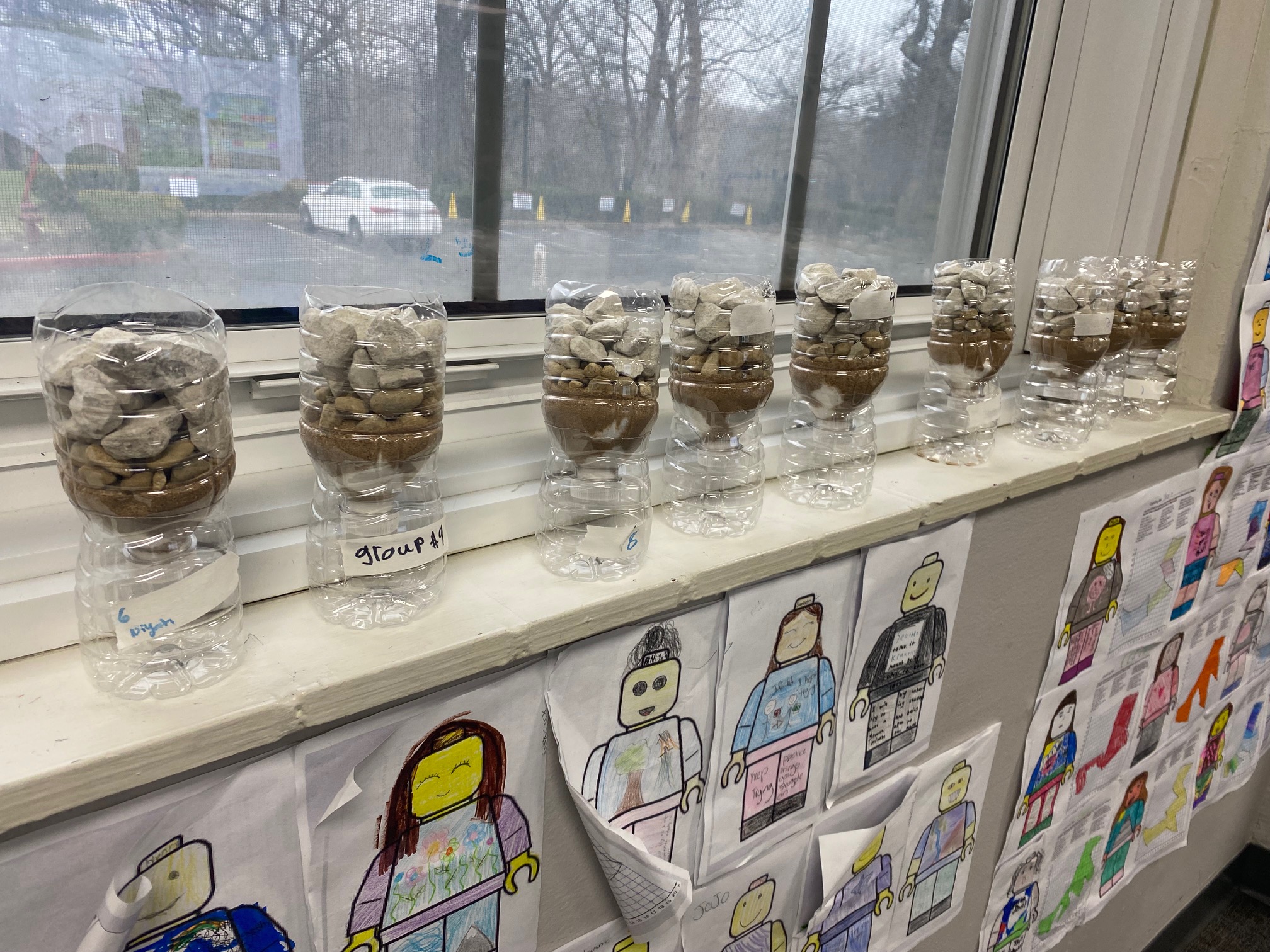
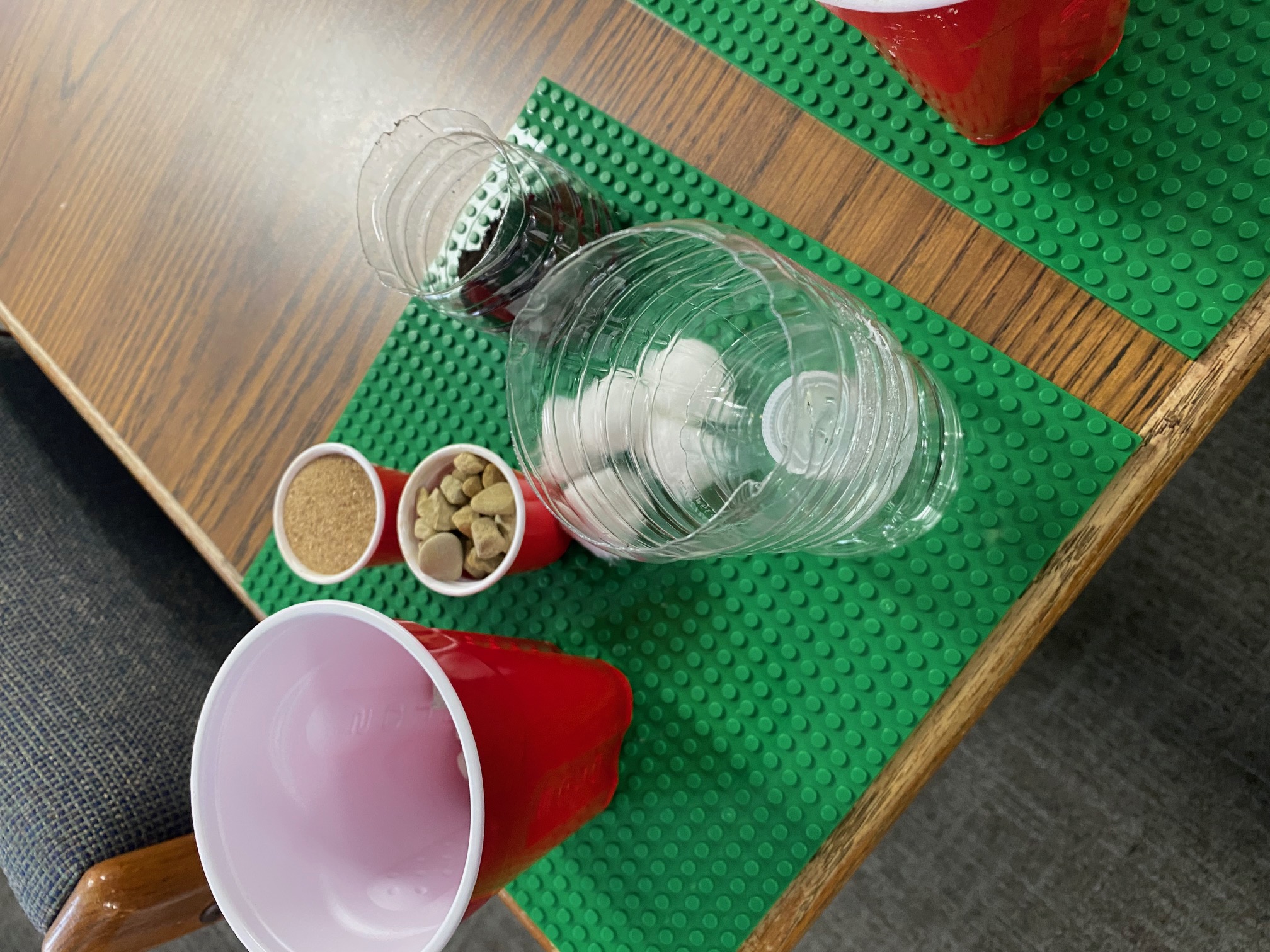
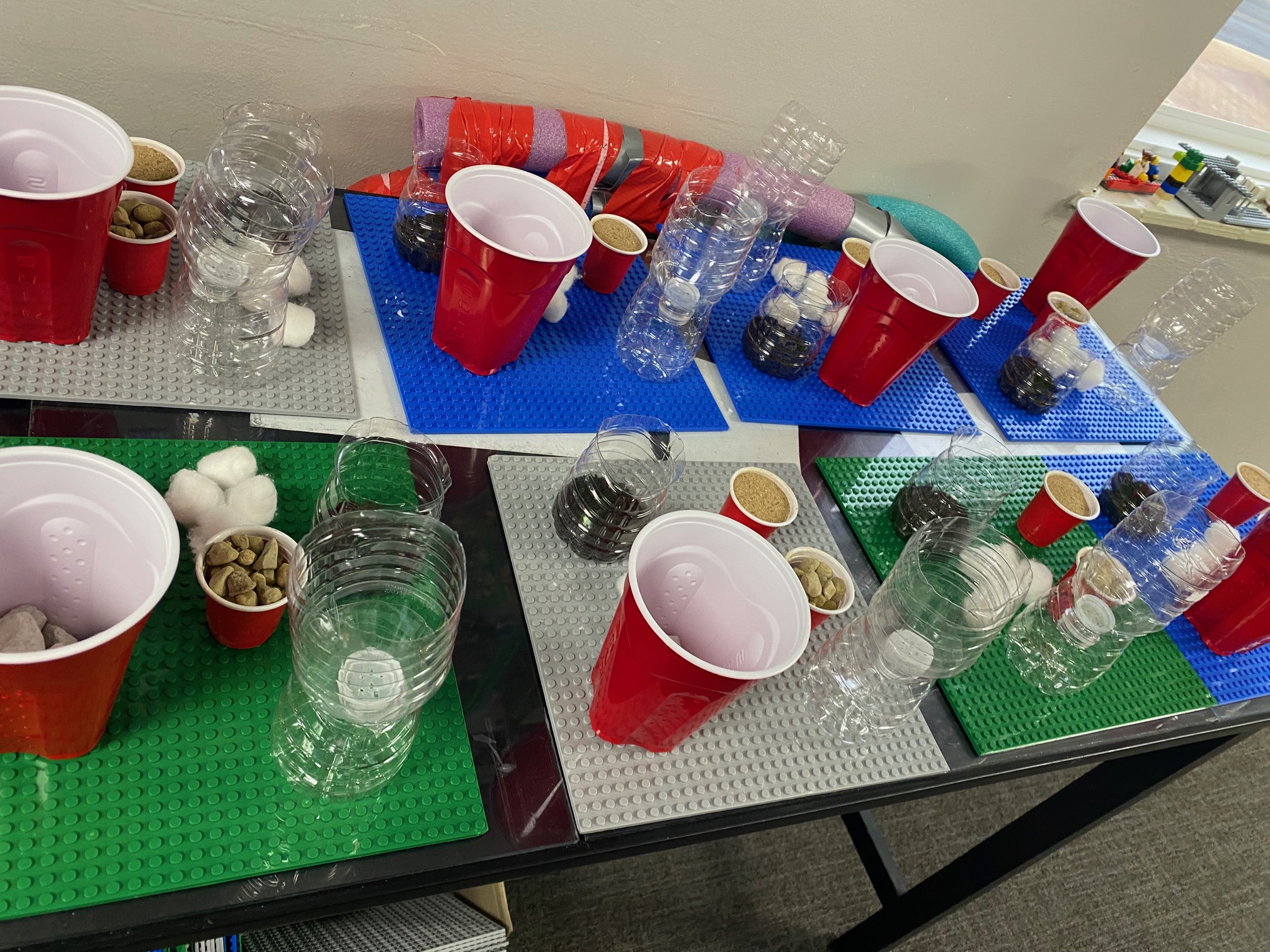
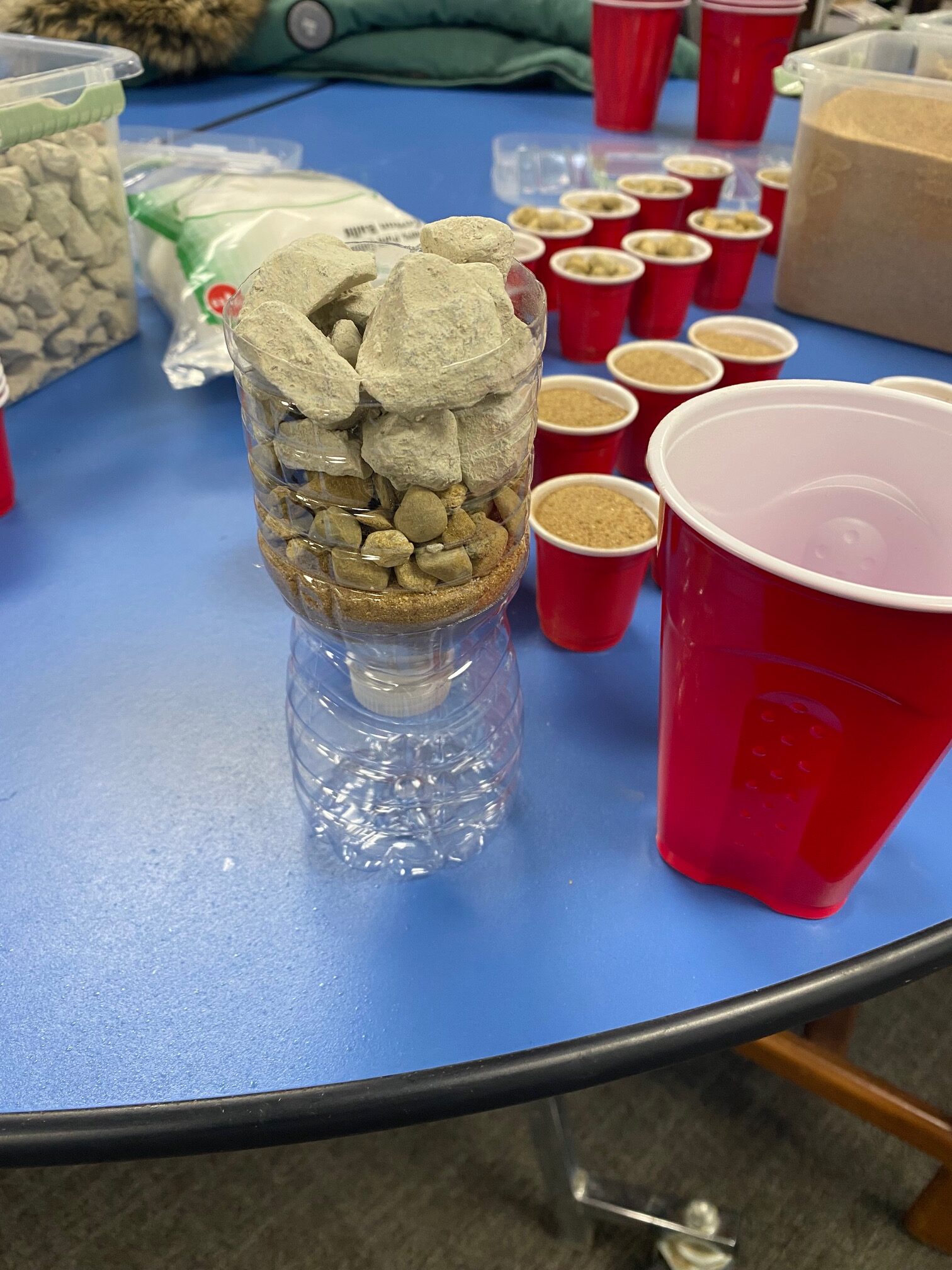
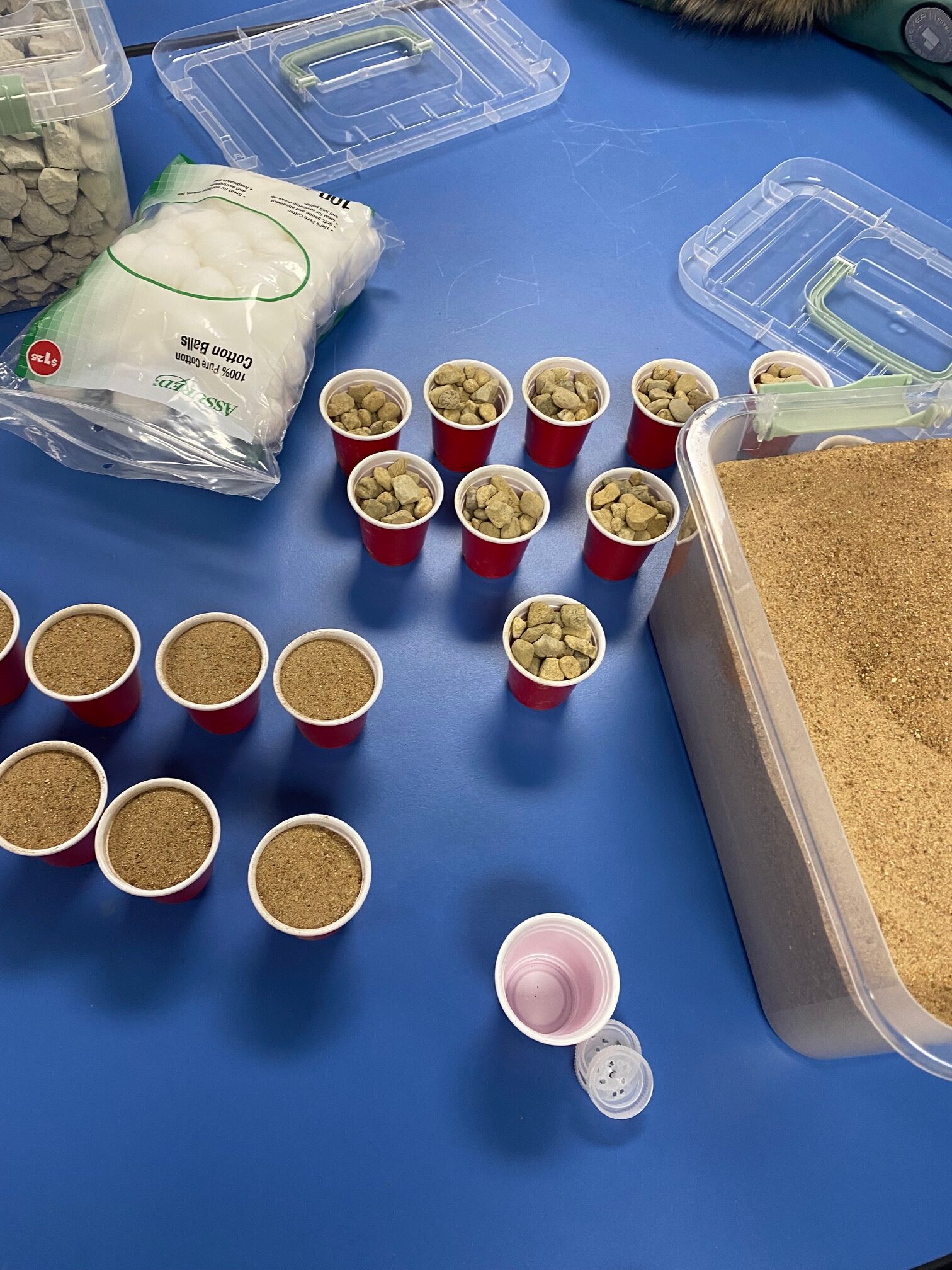
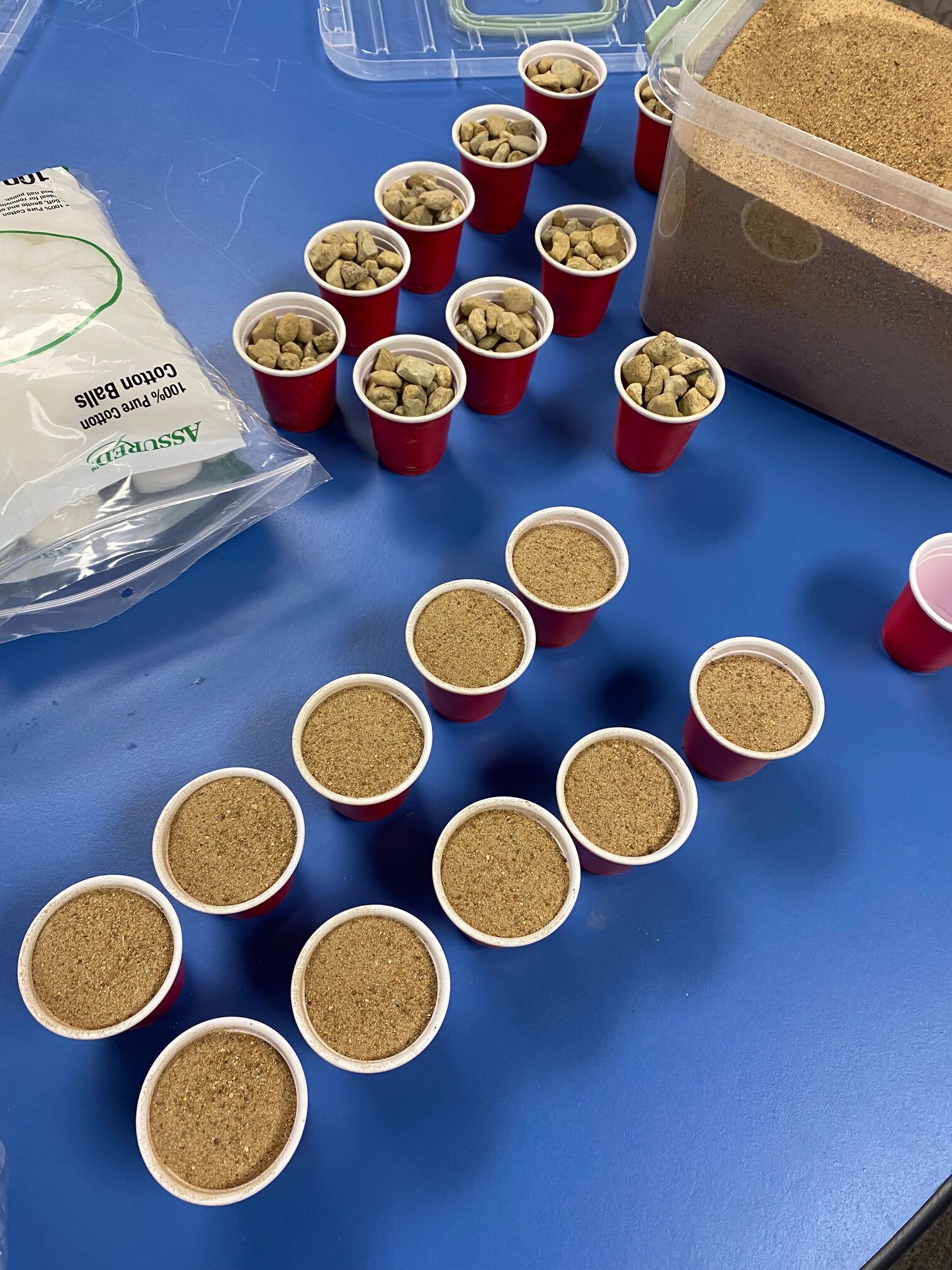
These young engineers then created their own water-filtering systems using recycled water bottles. After cutting the bottles in half, students flipped the top portion upside down and layered various materials inside. The bottom layer consisted of cotton balls, followed by sand, small pebbles, and, finally, larger rocks at the top. This activity demonstrated how filtration systems can help clean dirty water.
Reuse and Recycle
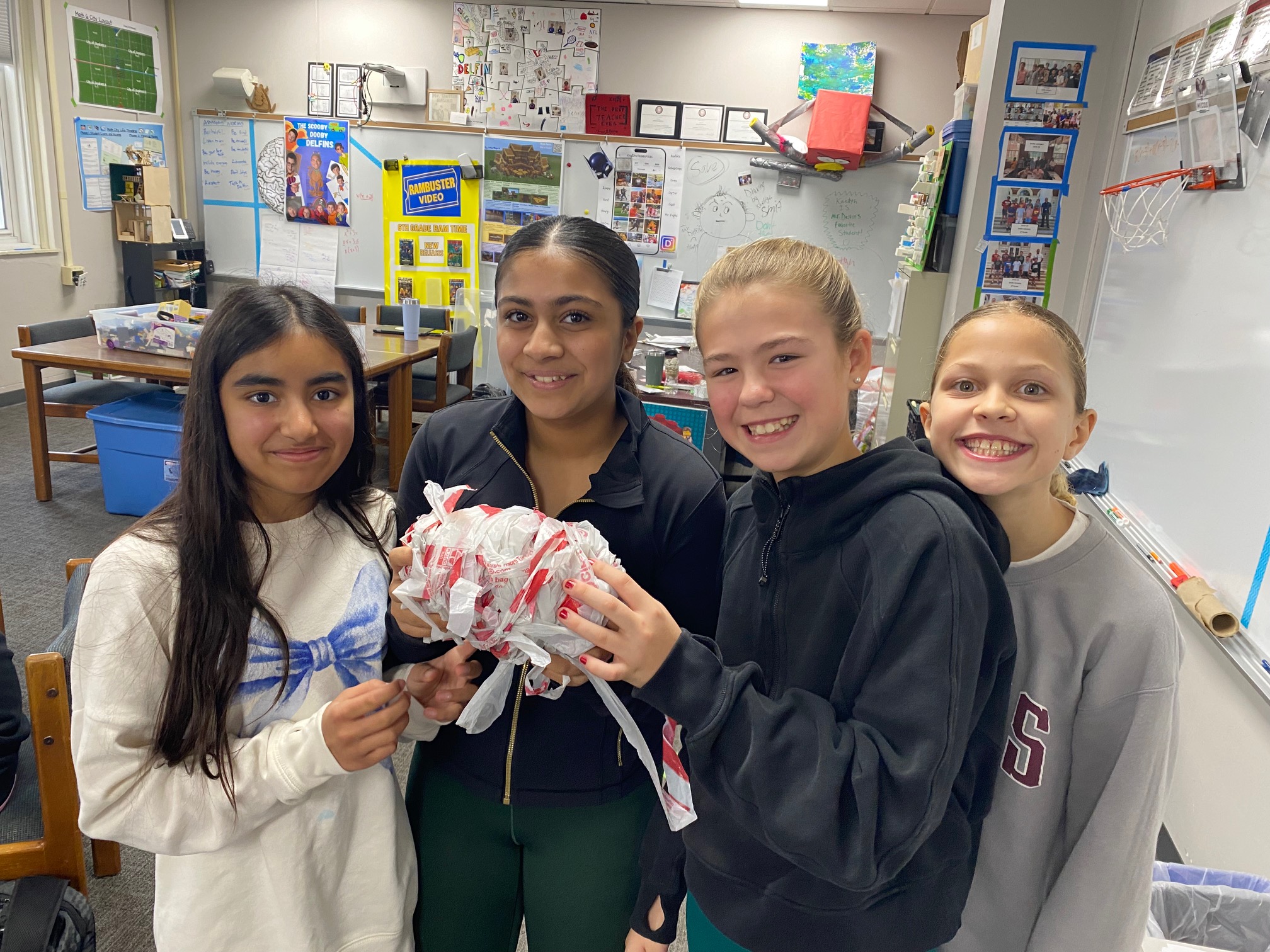
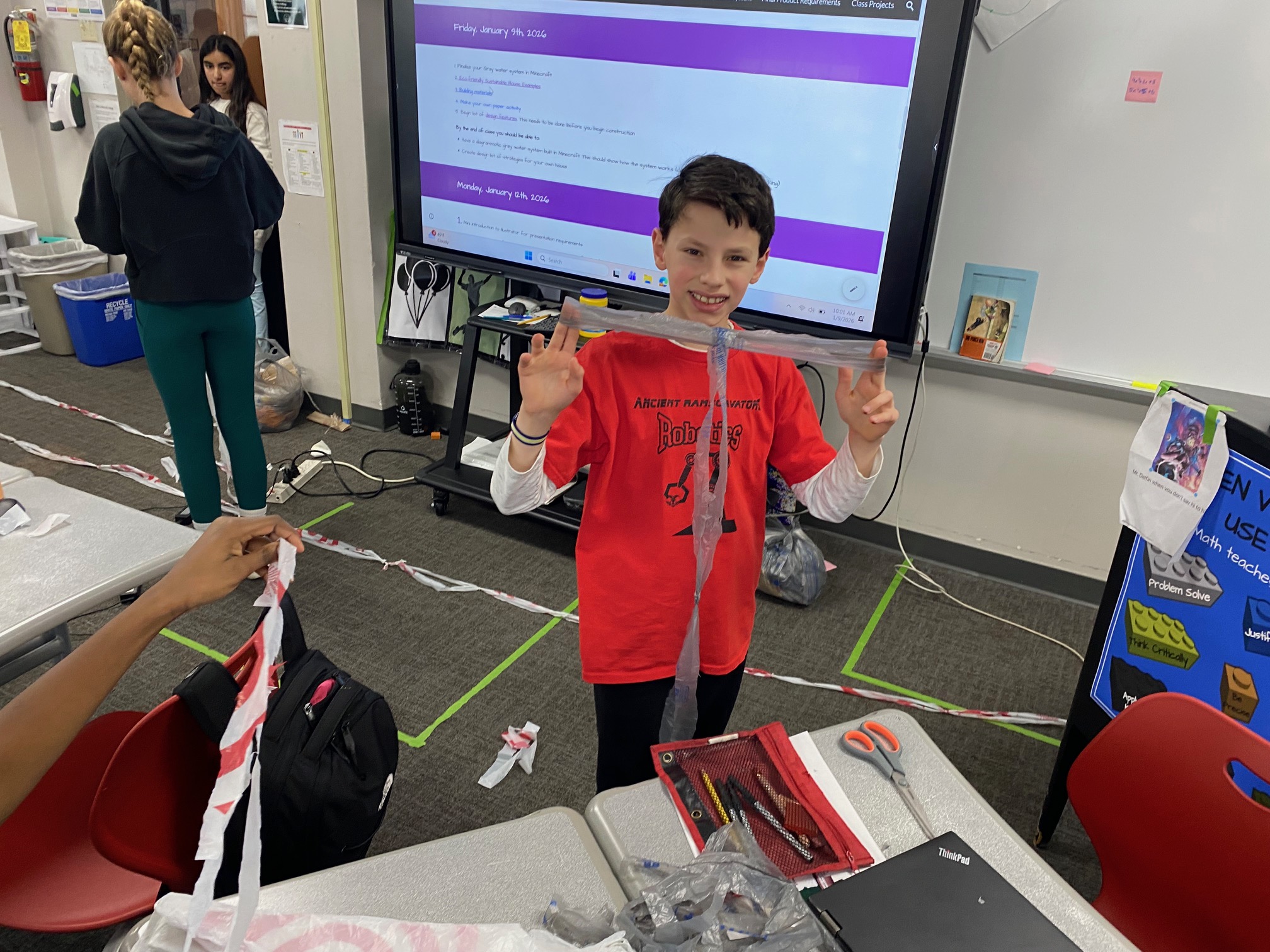
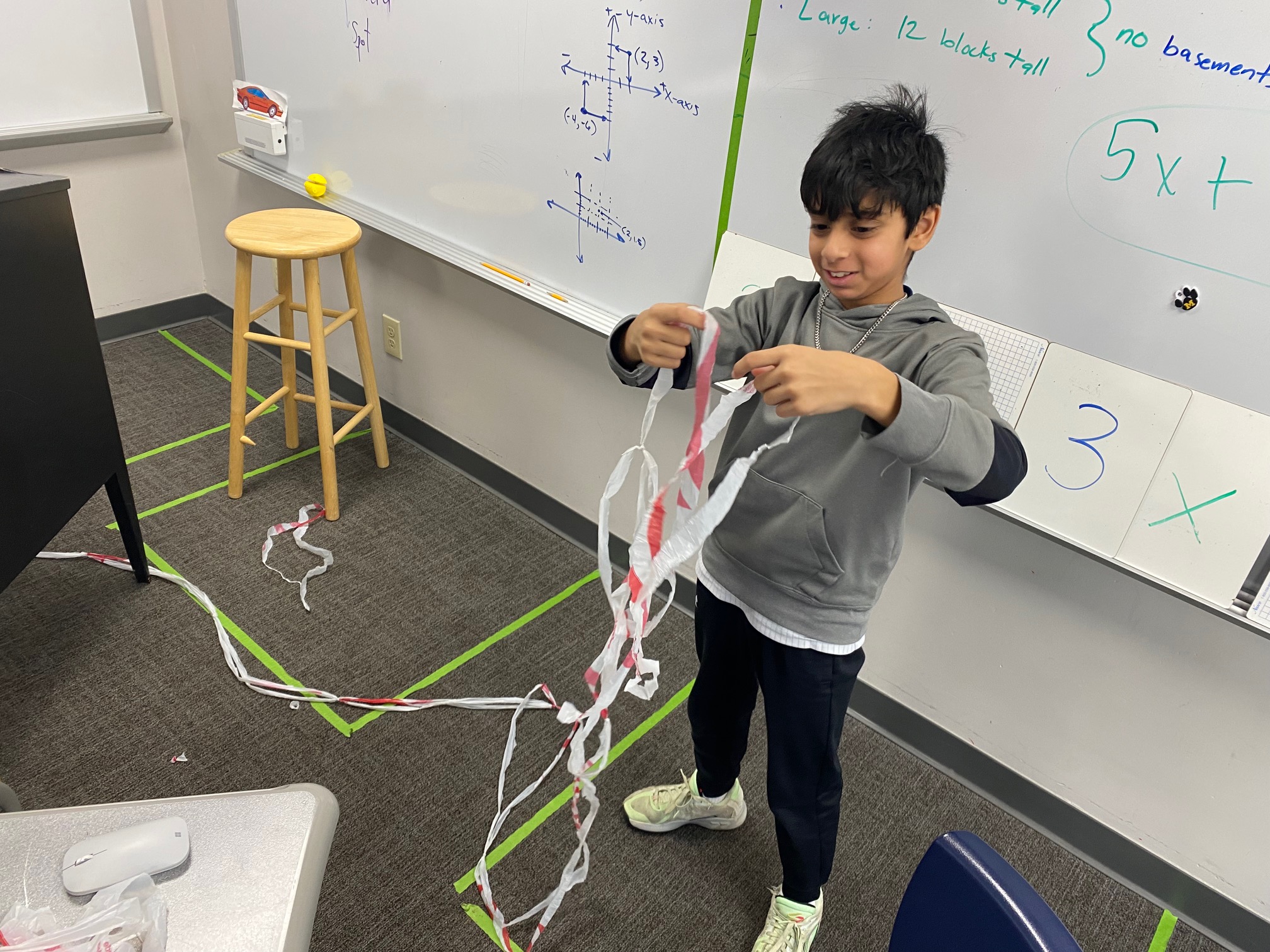
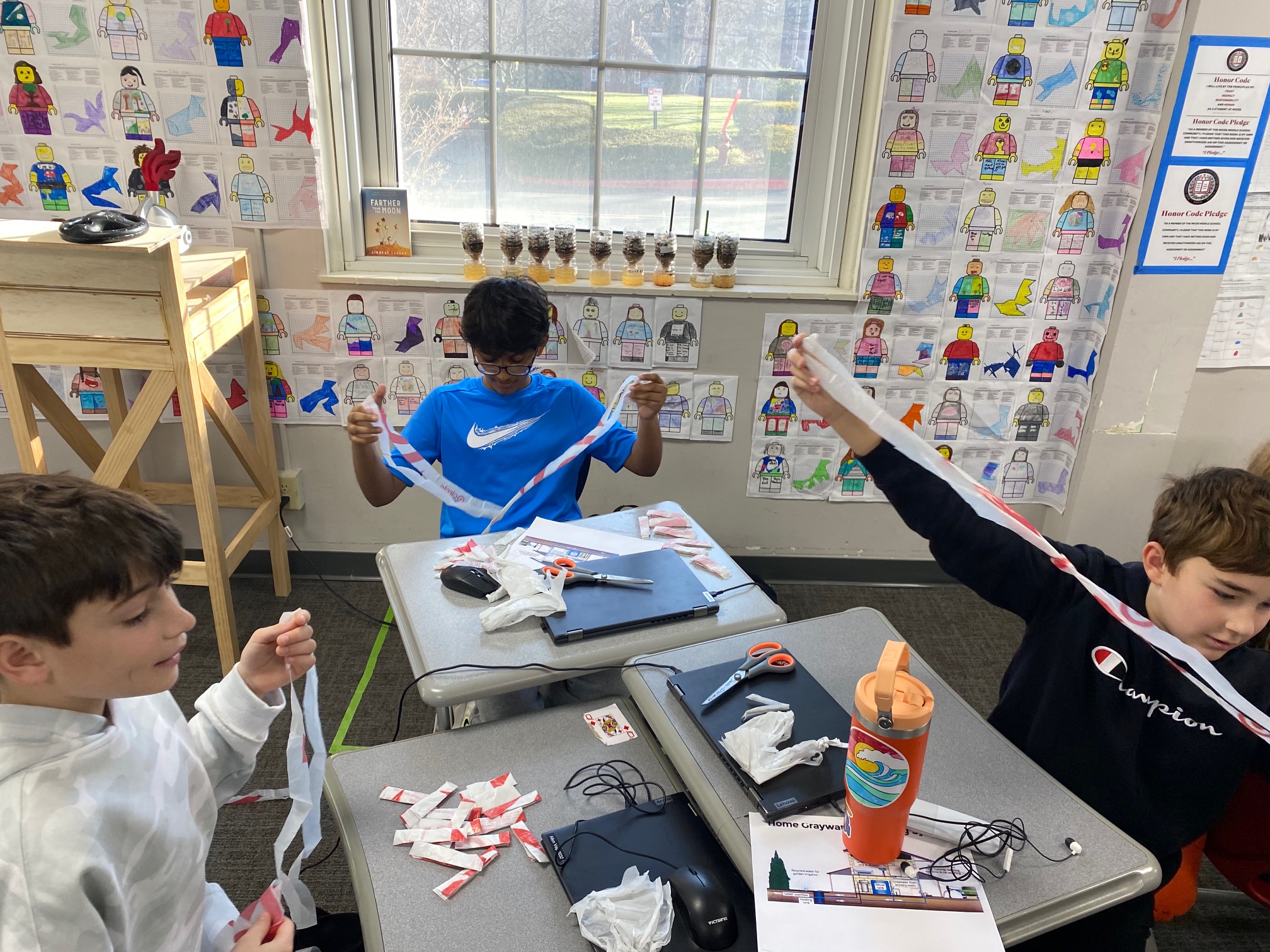
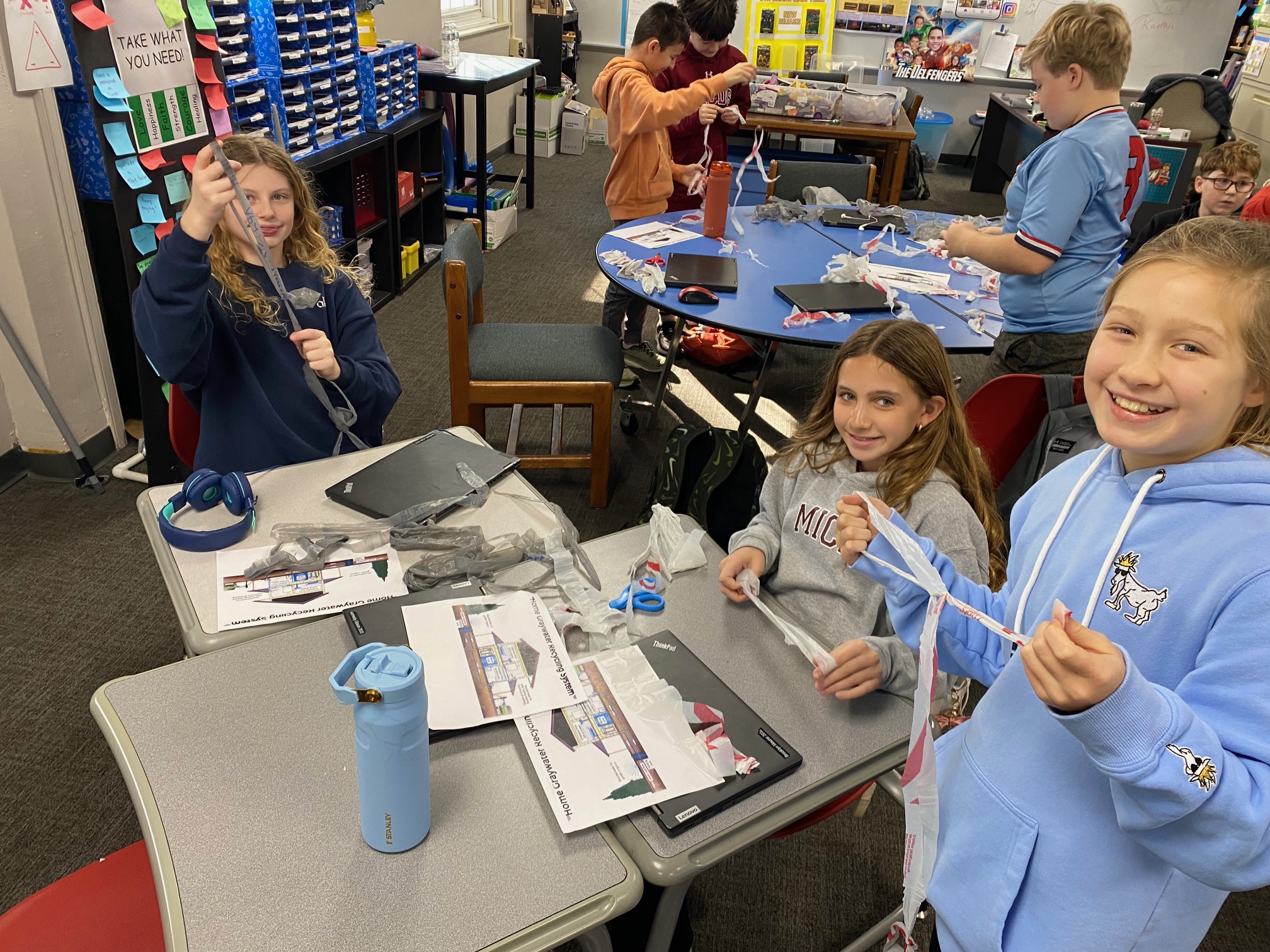
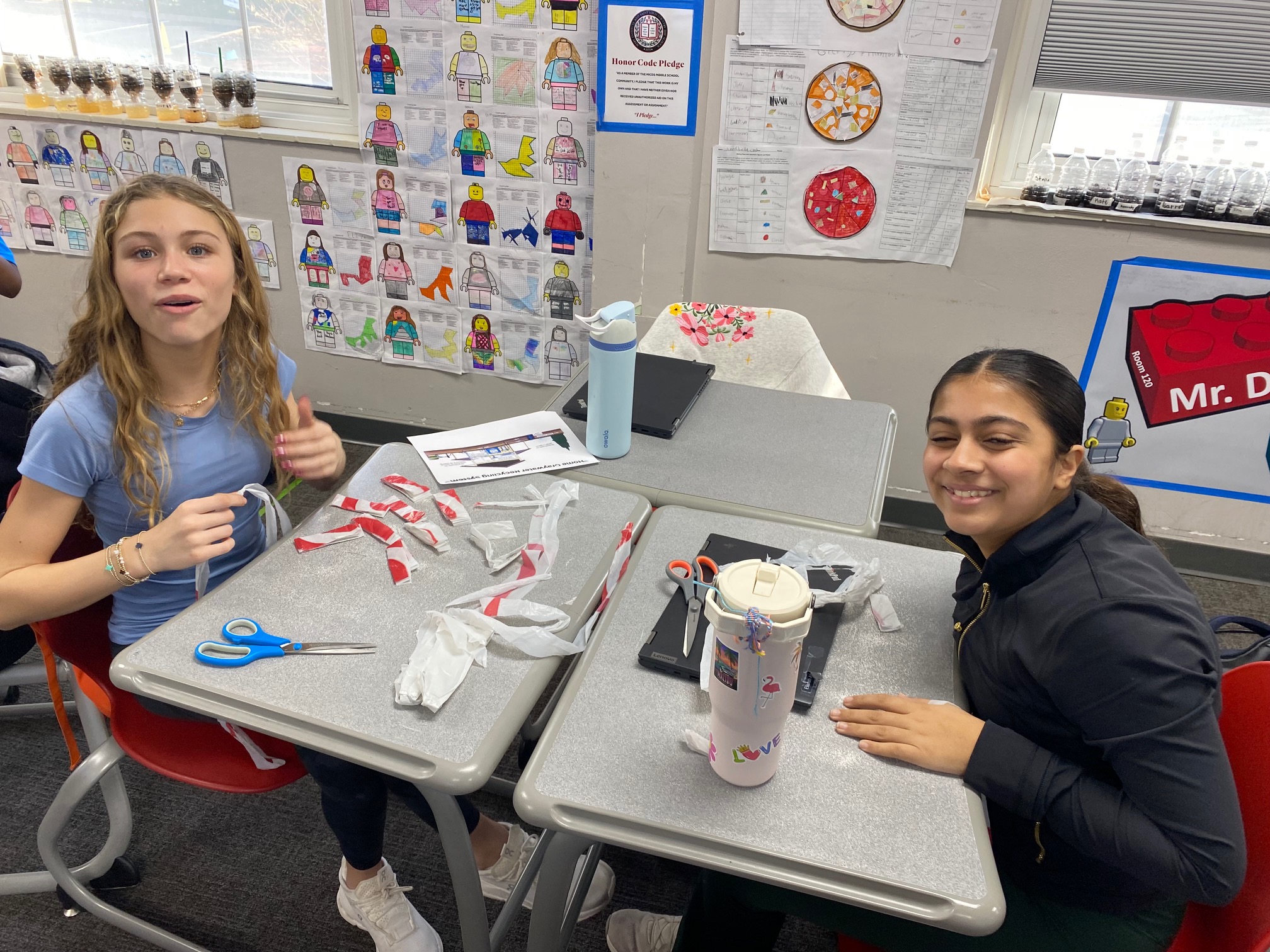
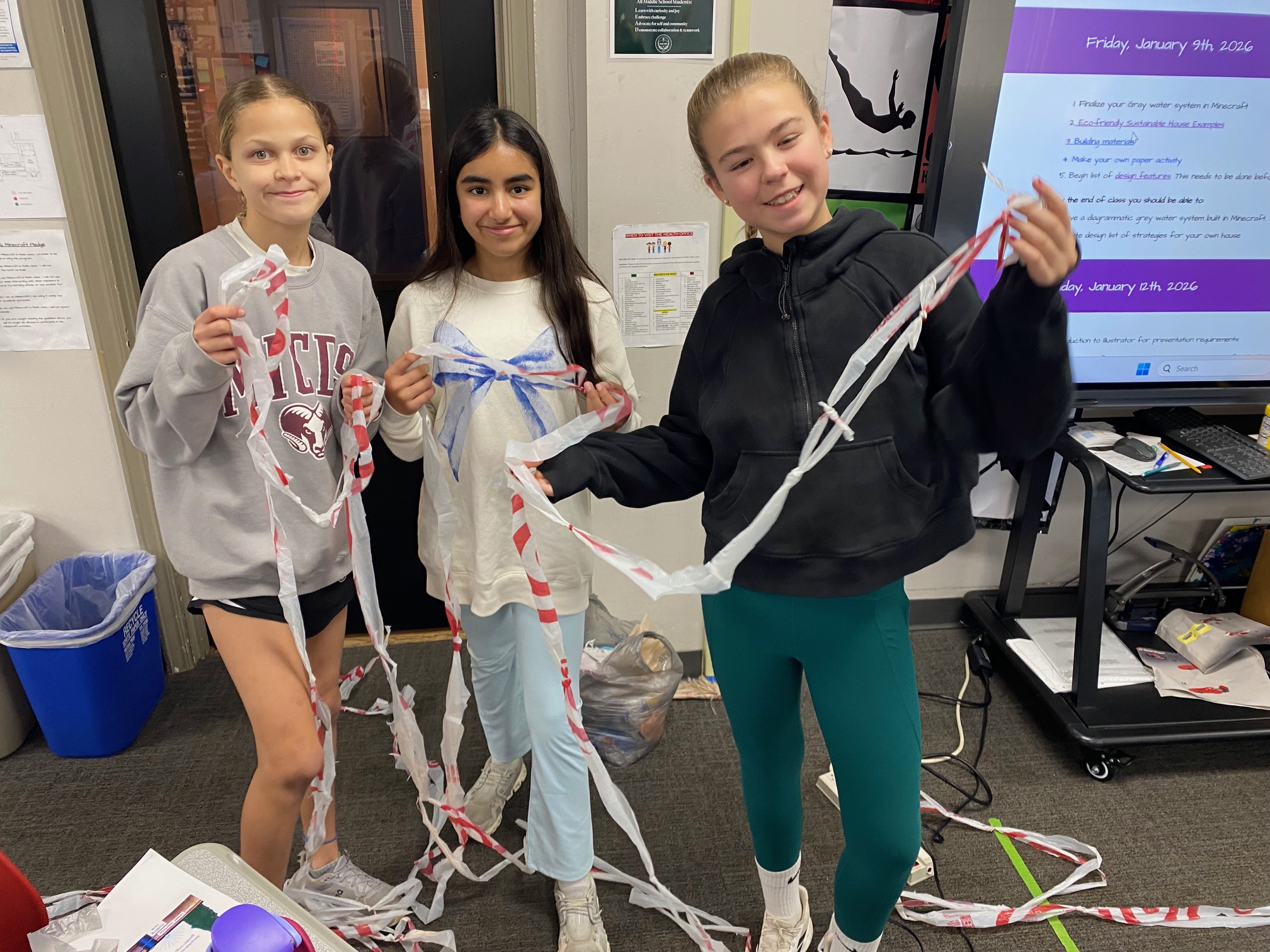
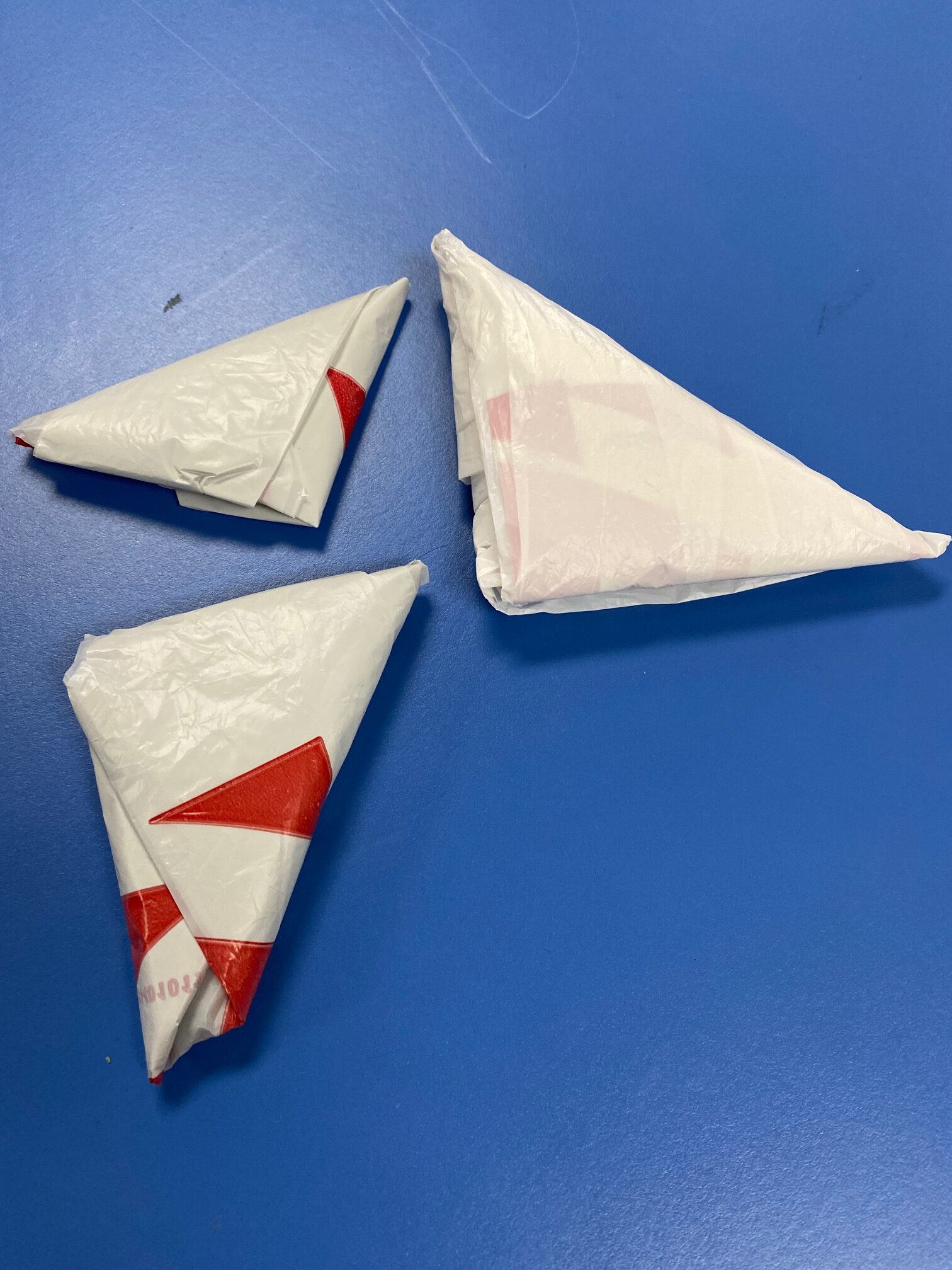
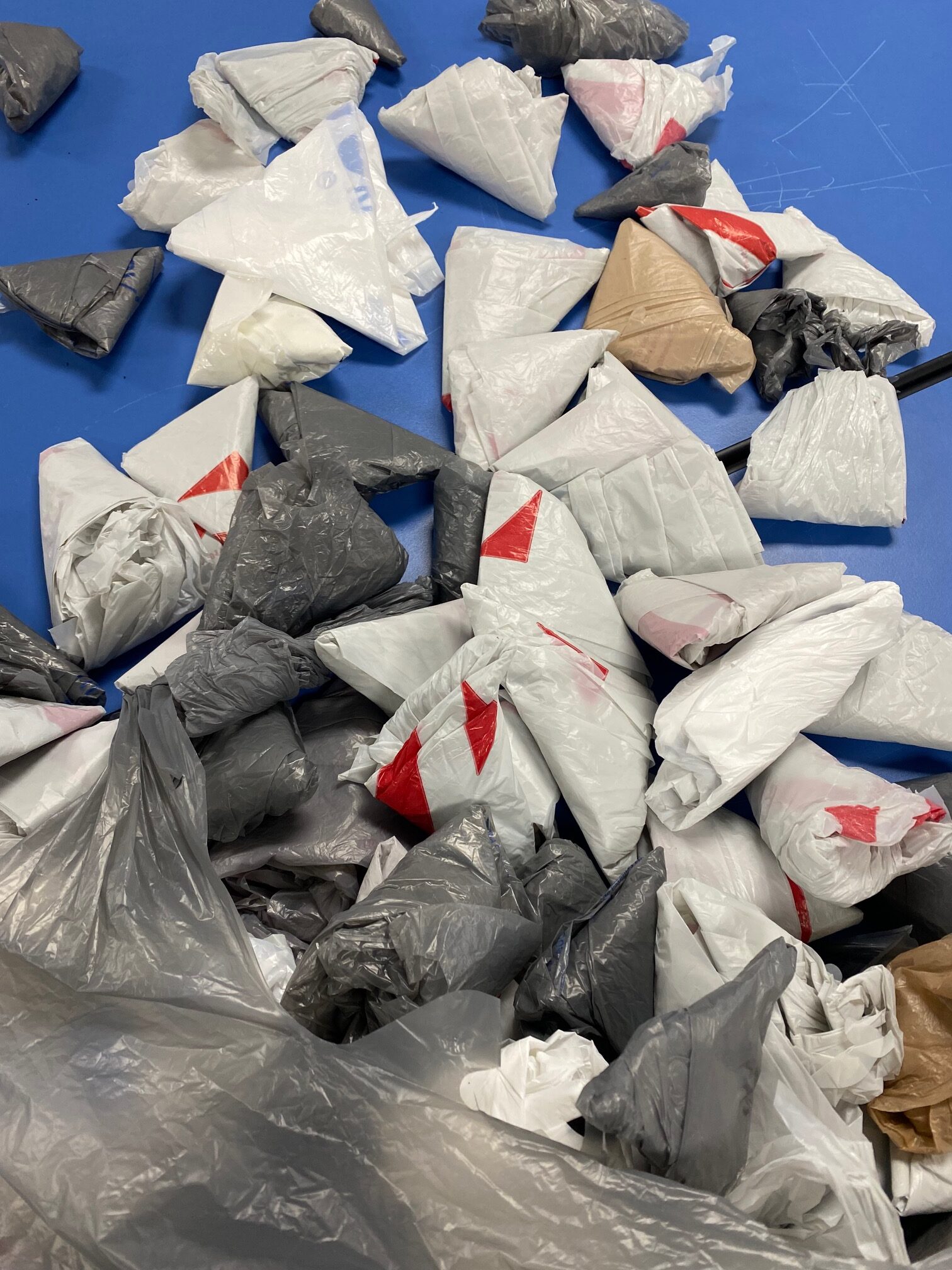
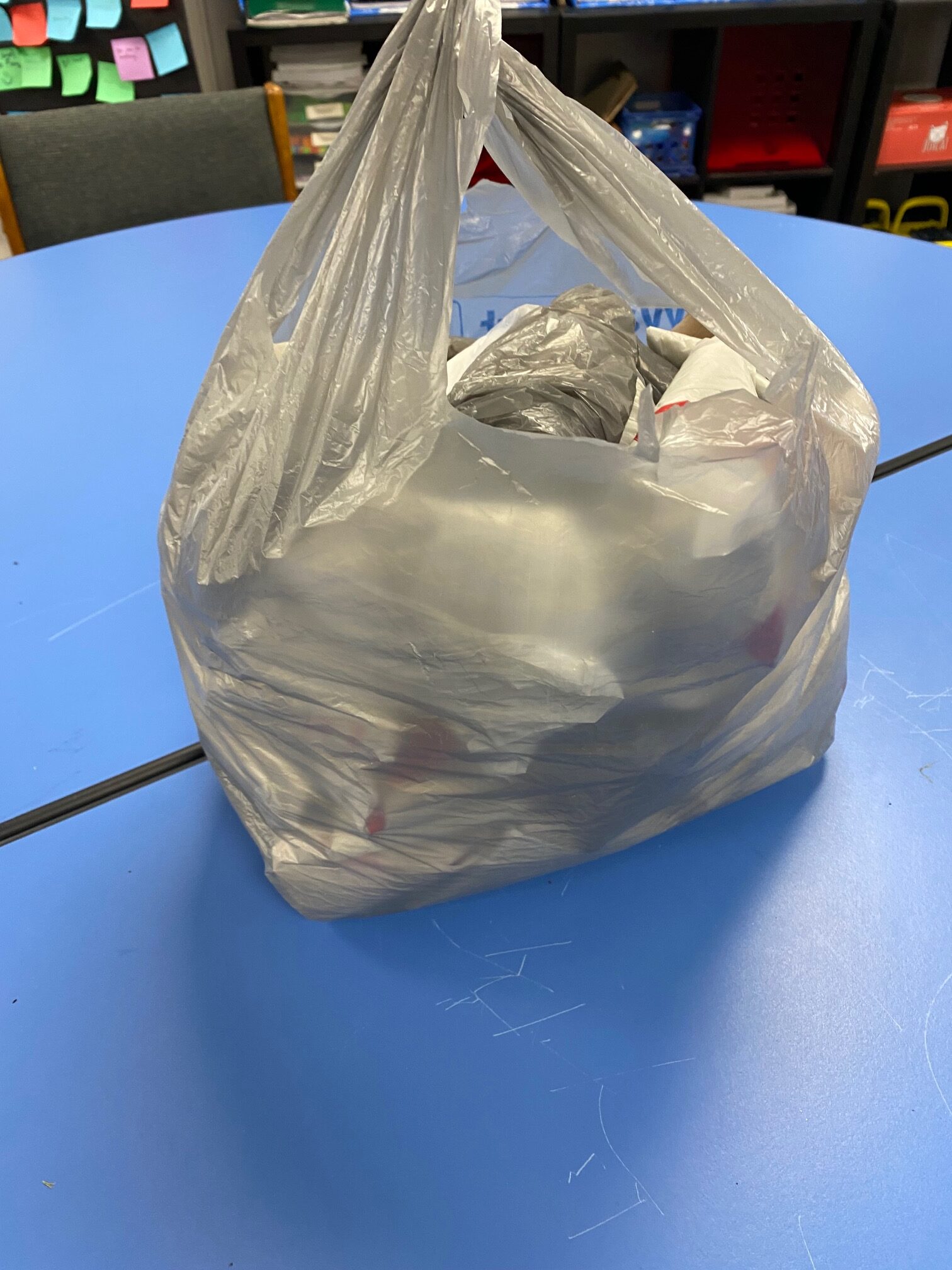
It’s important to reduce the reliance on single-use products, so the teaching team brought in a large number of plastic shopping bags. Sousa-Charleville showed students how to fold the bags into small triangles, reducing their volume and making them easier to store for reuse later. Students also cut the recycled plastic bags into strips that could be tied together to create a large ball of plastic yarn. This yarn could potentially be reused to create placemats, rugs, or reusable grocery bags. “With more time, students could have further upcycled the plastic yarn into finished products,” Delfin said. “This activity highlighted the environmental impact of plastic grocery bags, which are not biodegradable.”
Sustainable Design
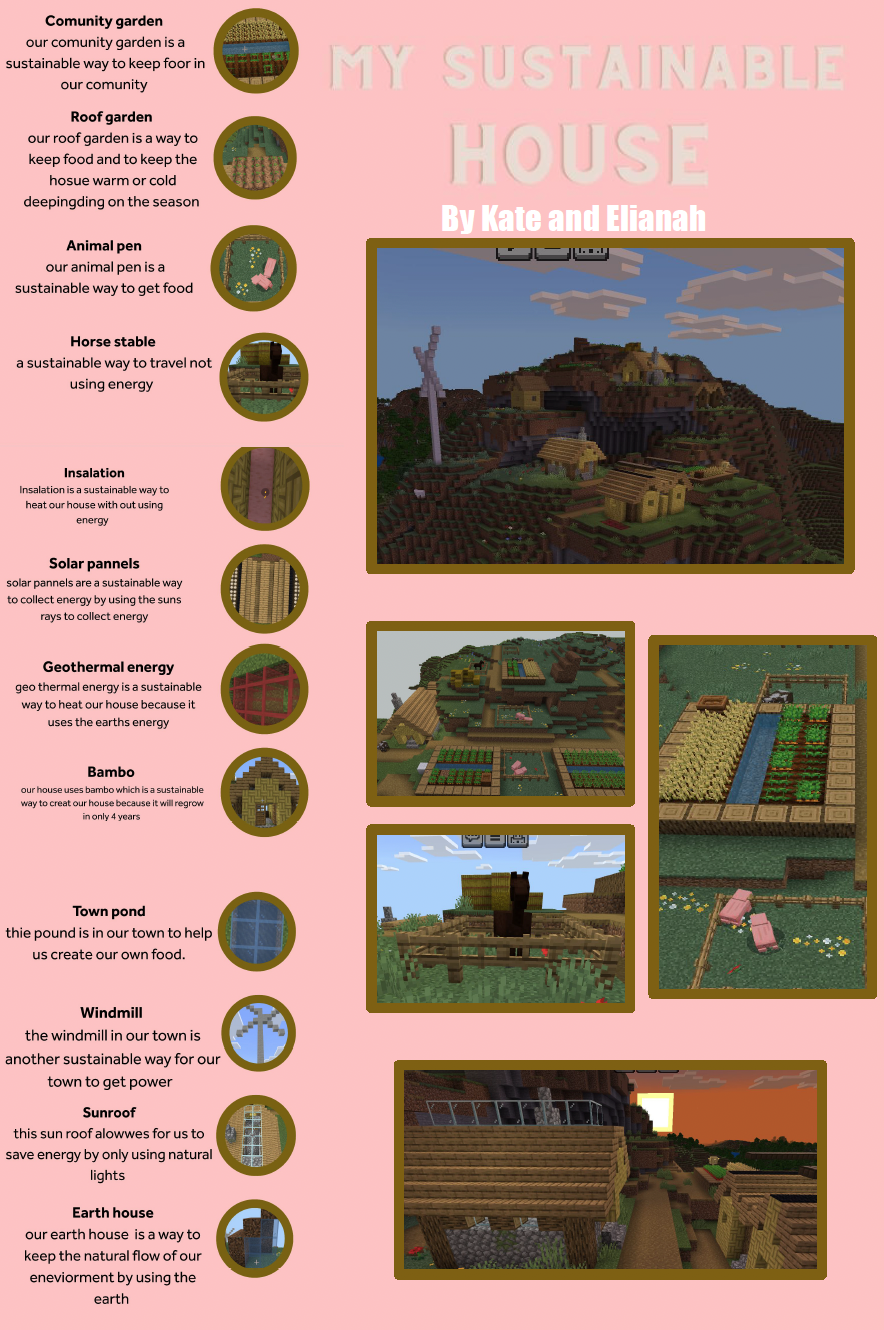
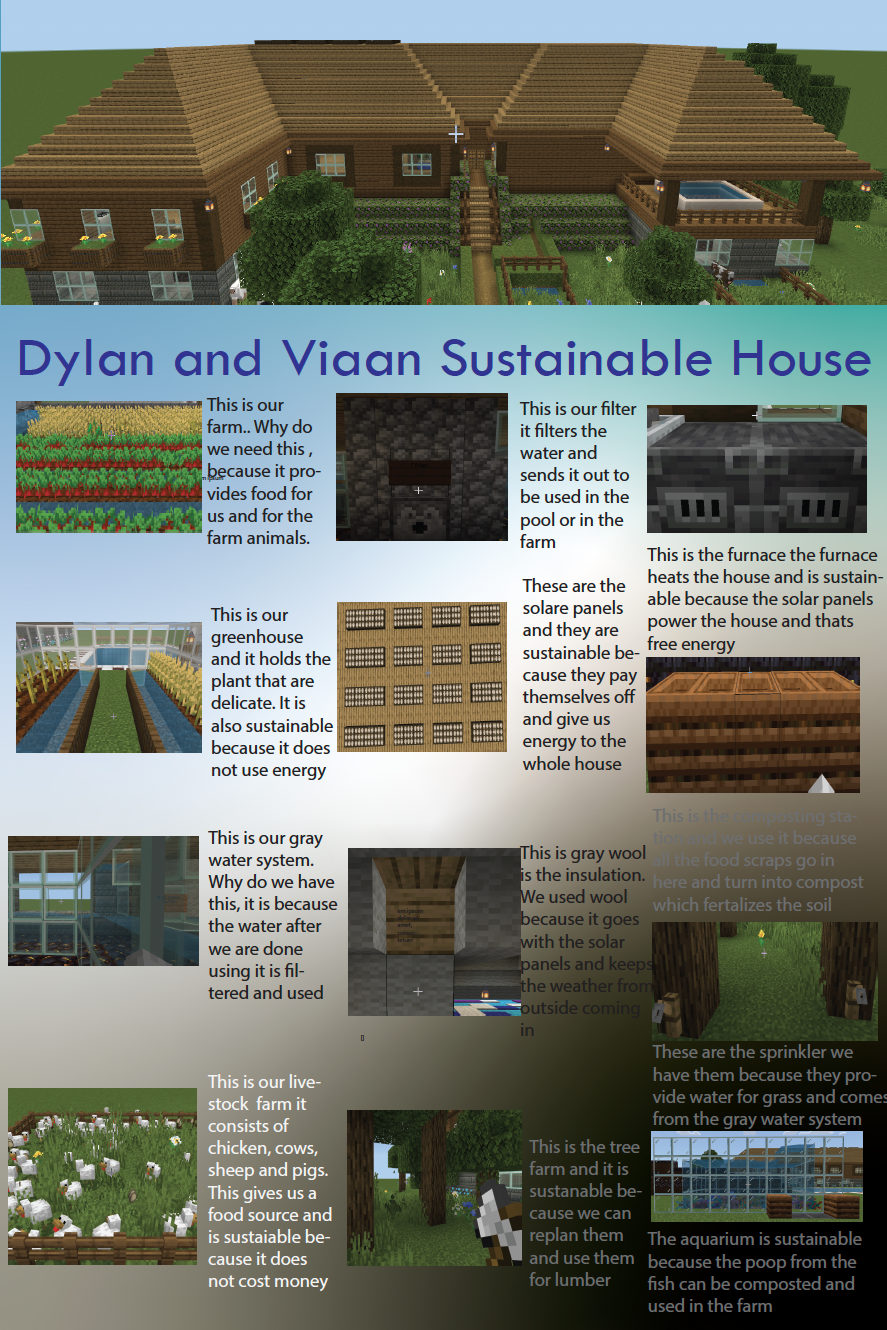
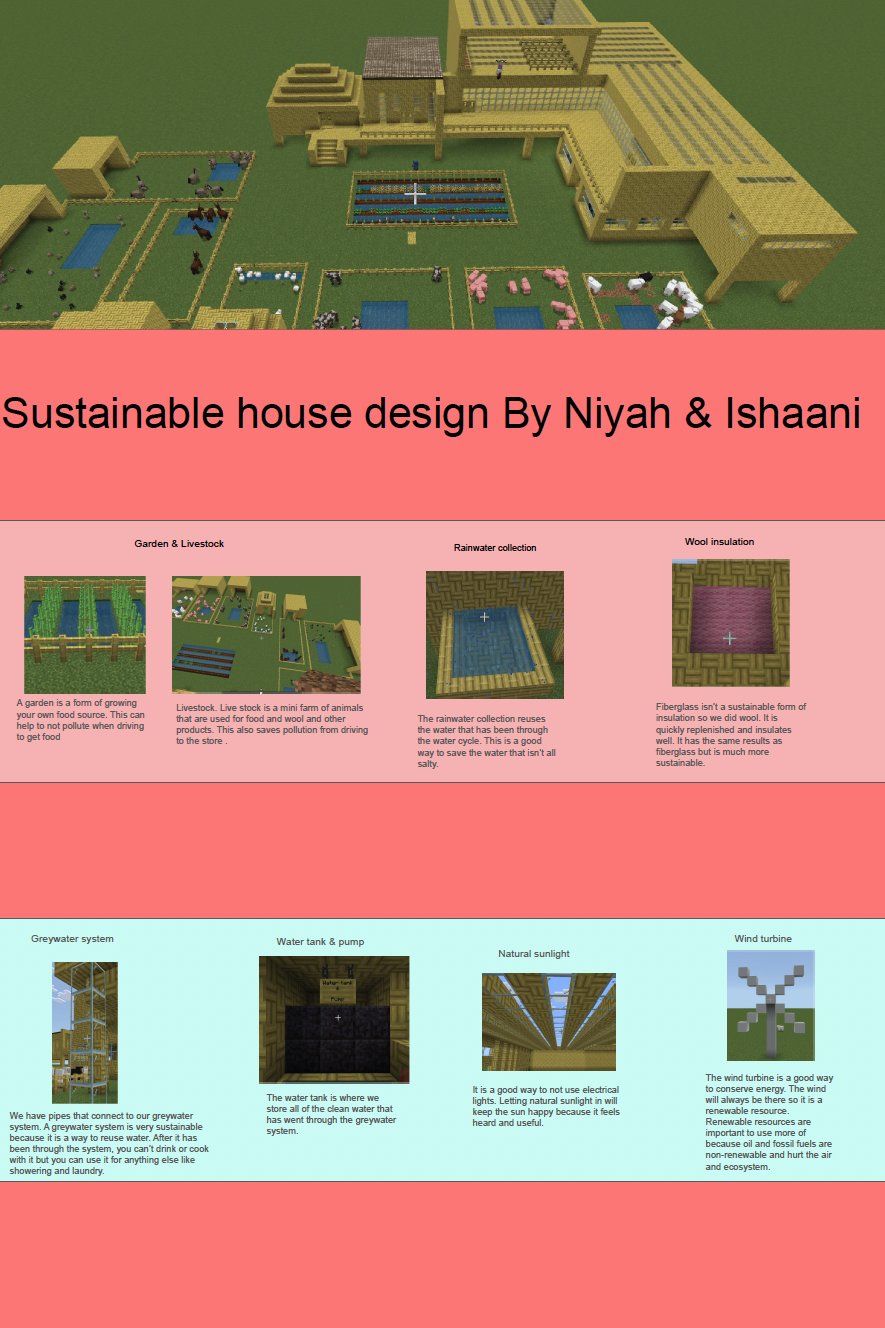
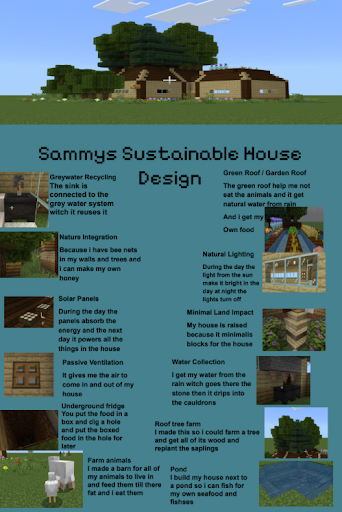
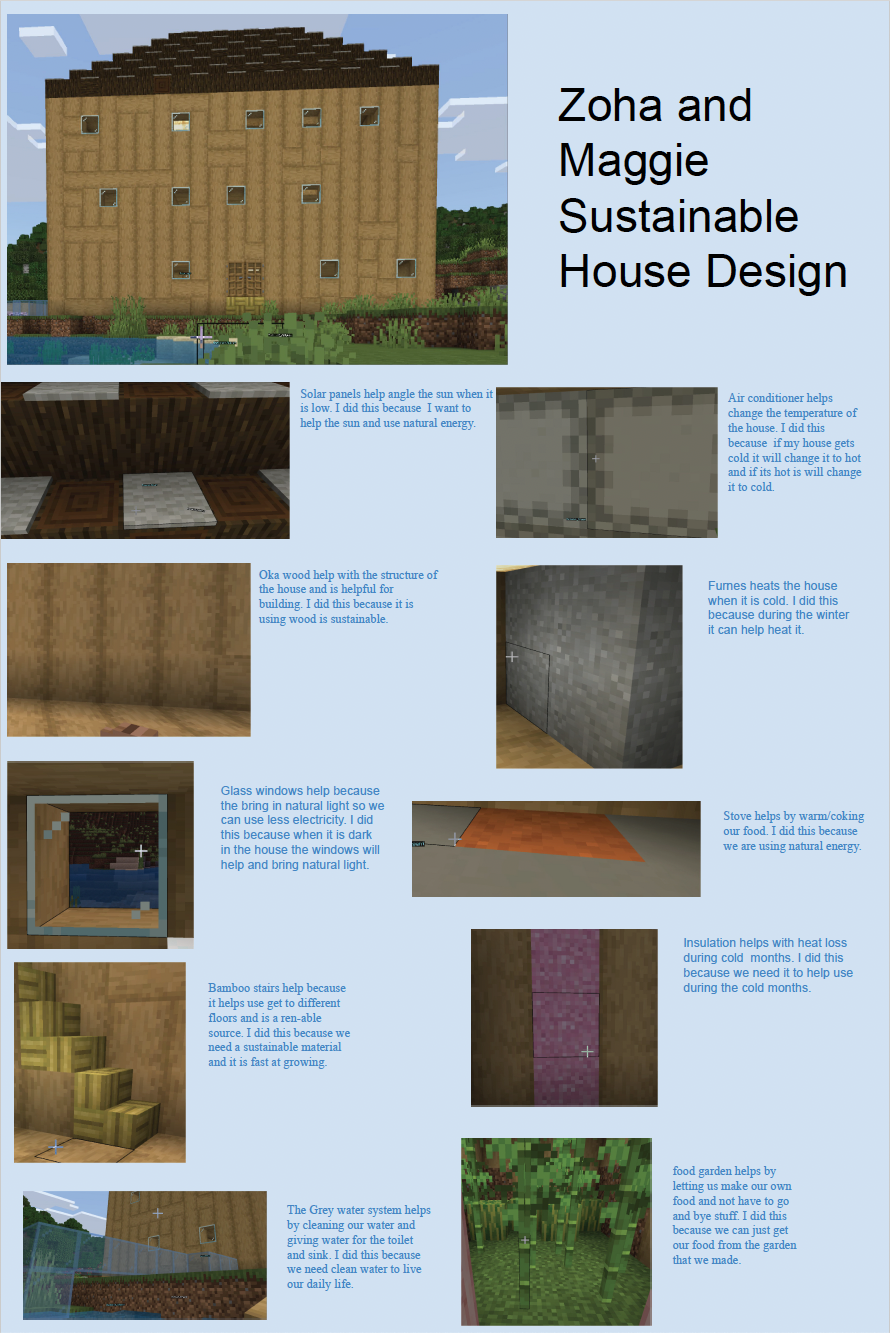
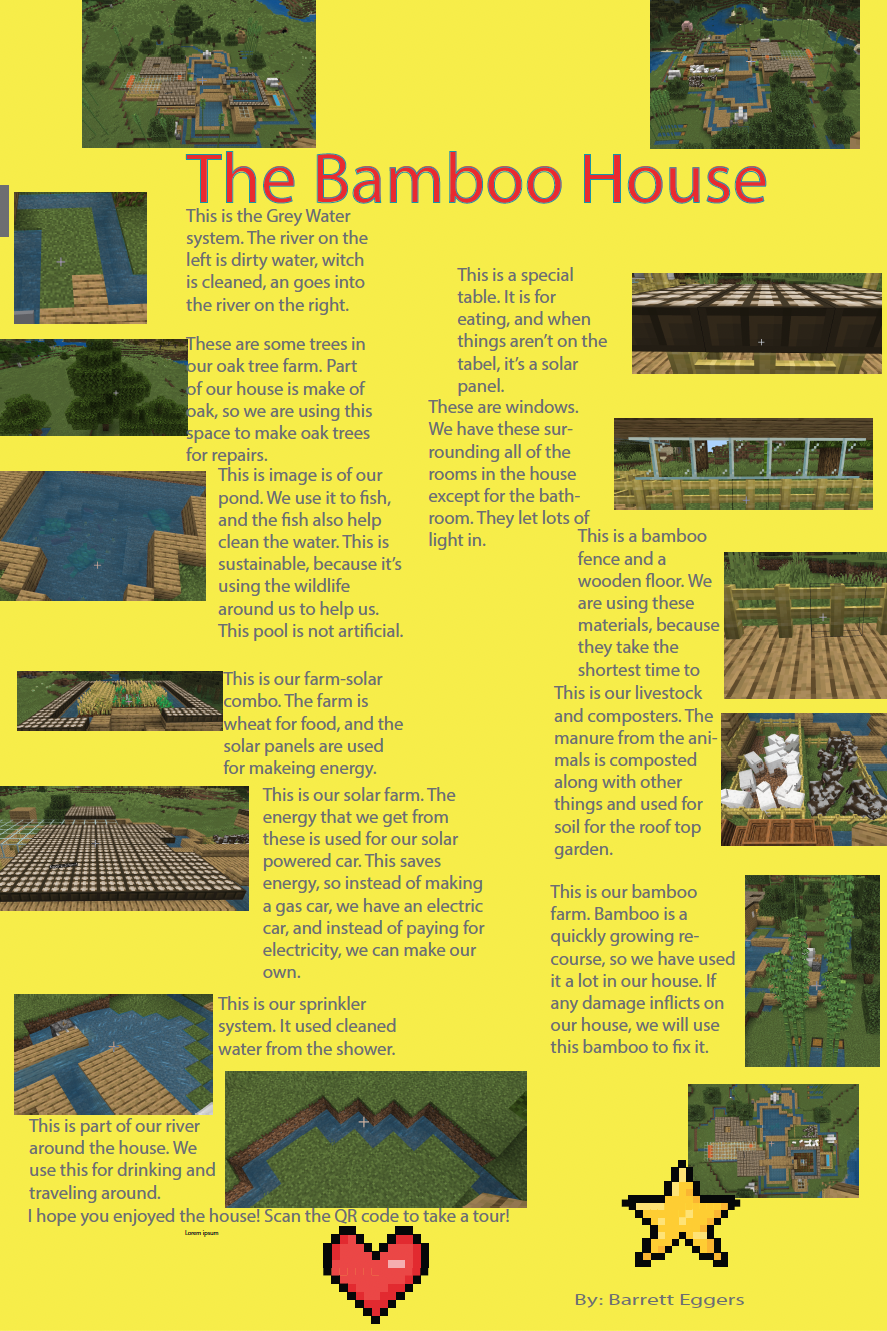
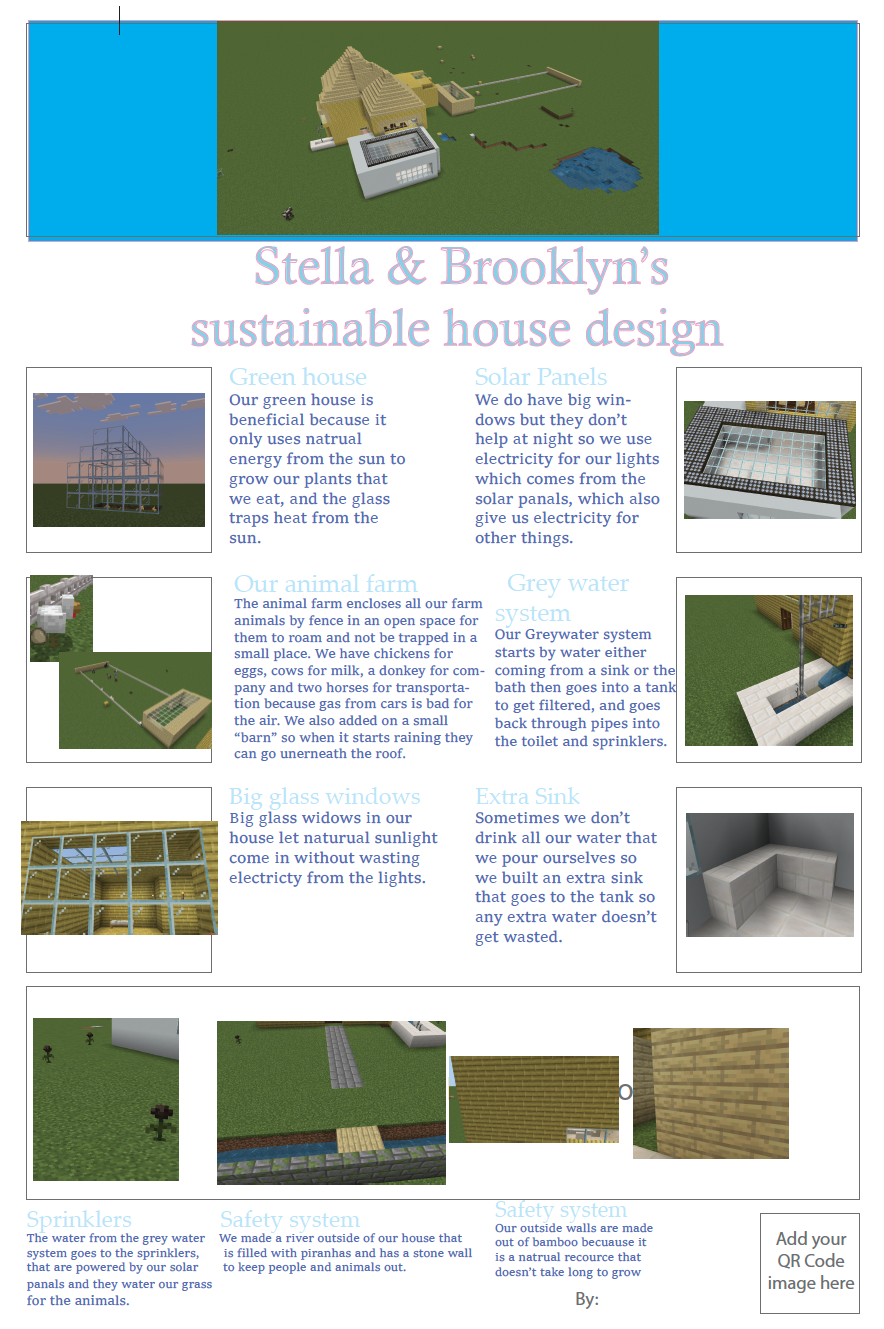
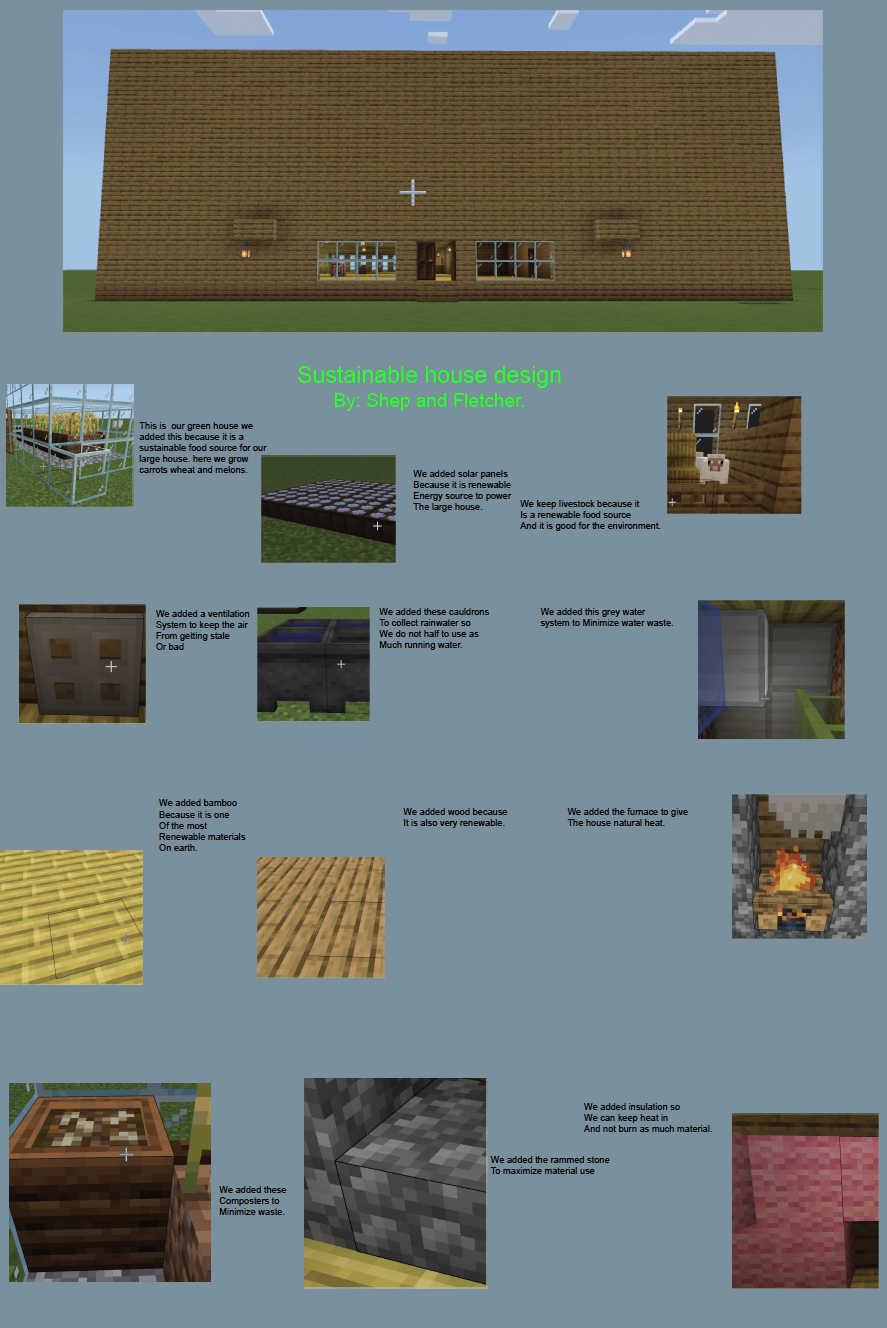
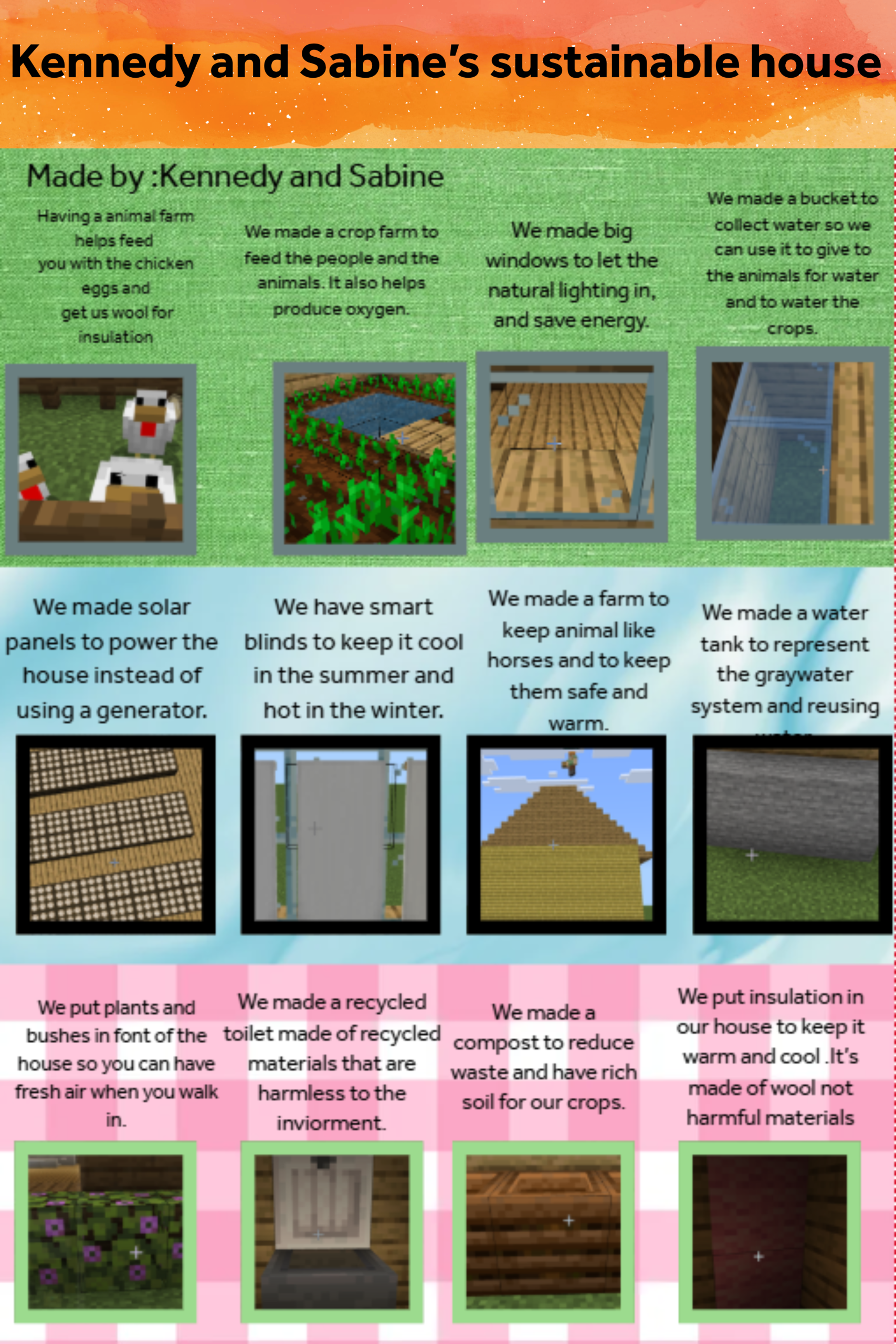
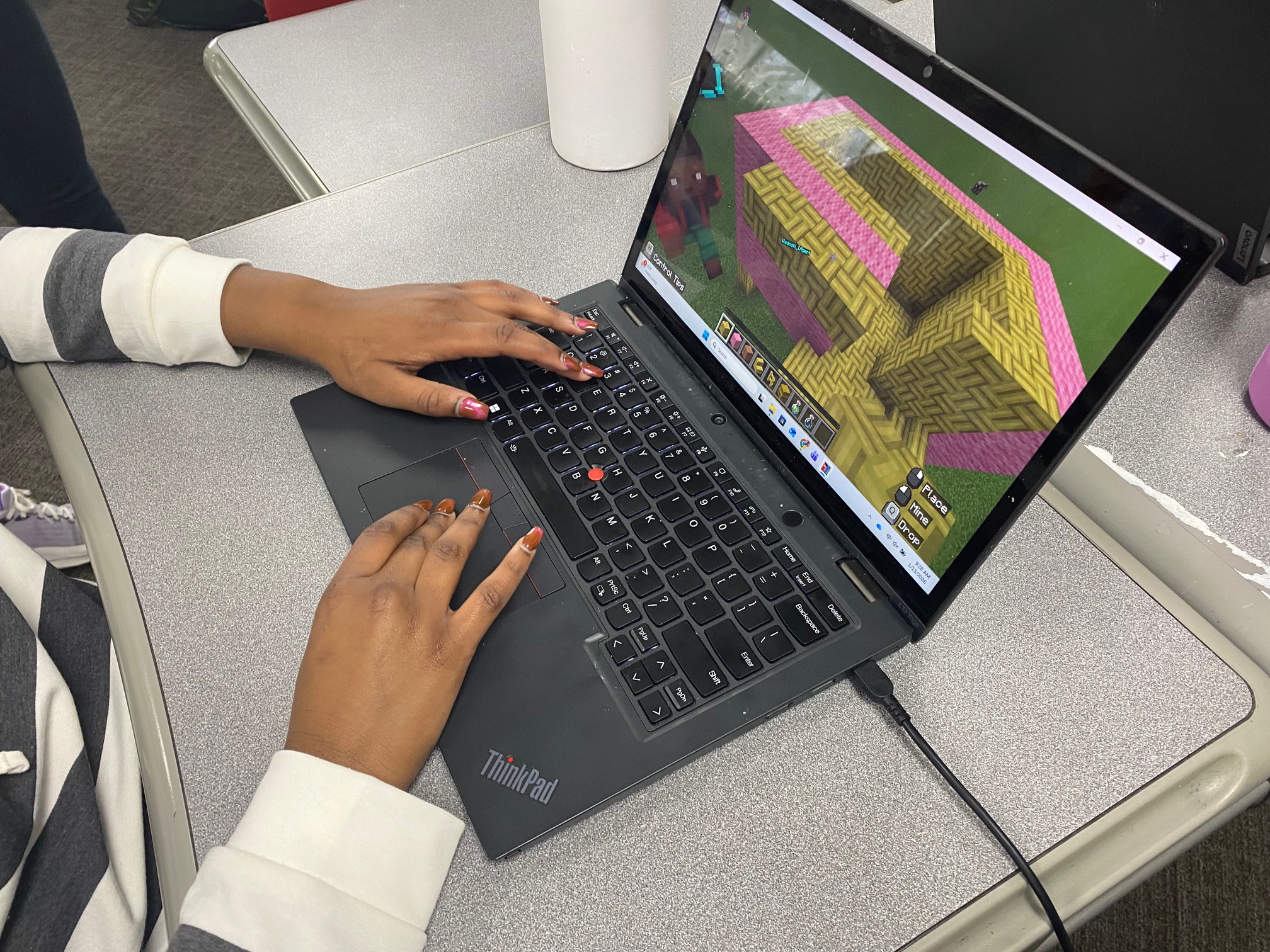
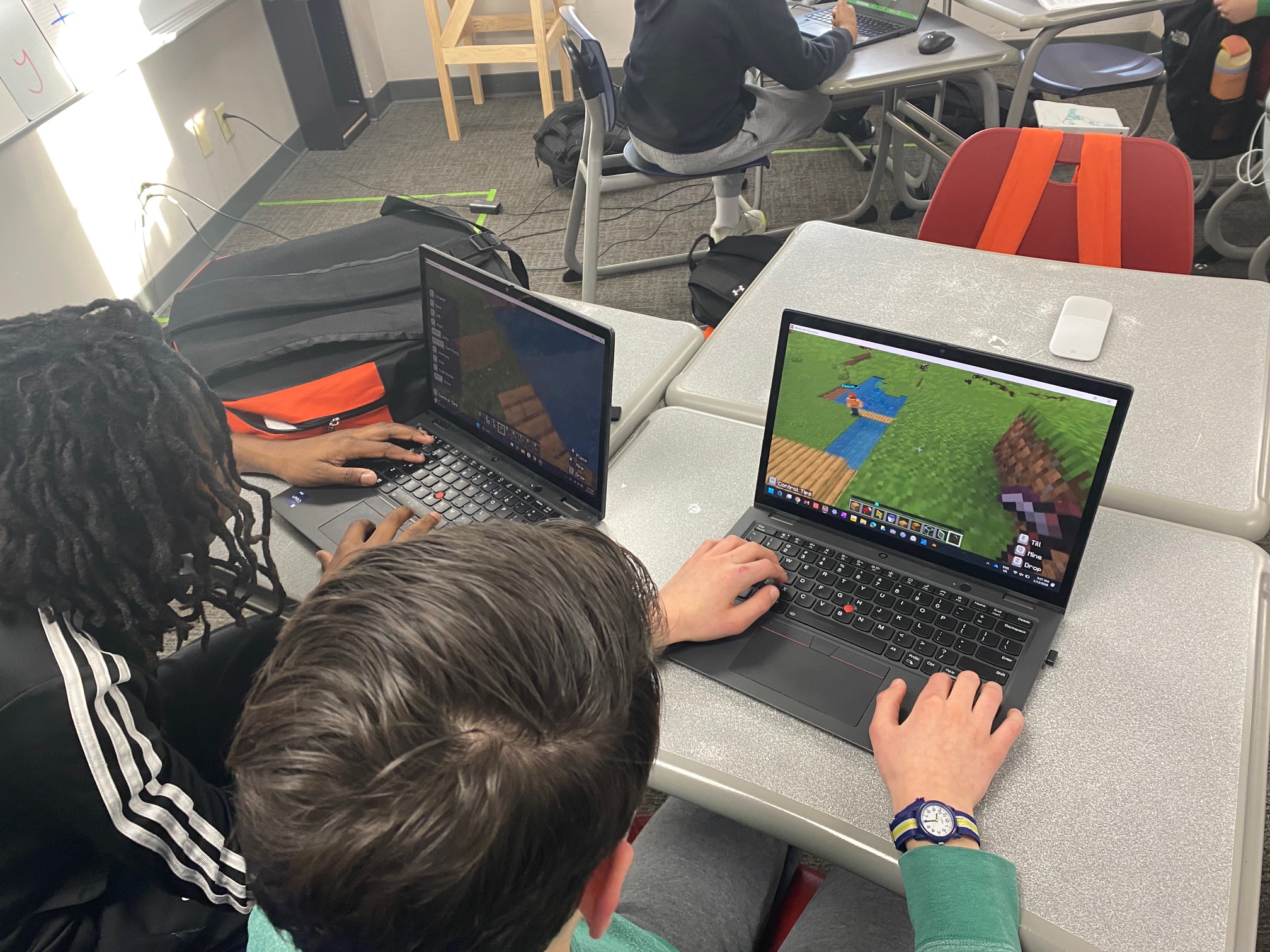
The final project for this course required students to document at least 12 sustainable features they had learned about and incorporate them into their own house design. Working in pairs, they crafted sustainable “dream homes” in Minecraft. “Listening to their conversations about which features to include, why they were important, and how they functioned provided an informal way to assess student understanding,” said Delfin. “Students engaged in meaningful discussions while problem-solving and using critical-thinking skills to successfully meet the project expectations.”
Maggie Bambenek ’33 leaped into learning Minecraft, tackling a whole new world. “My favorite part was being able to learn how to do Minecraft, and doing sustainable projects, and just learning about sustainability,” she said. “I would recommend this class to people who want to learn more about sustainability, and using Minecraft. I didn’t know how to even go on Minecraft before this class, so I liked being able to try and do that new thing!”
“I really enjoyed the Sustainable House Design course, because it was fun to learn about sustainability and how we can make the earth better,” reported Barrett Eggers ’33. “I would recommend this course because it is fun, interesting, and engaging.”
“Ultimately, this course encouraged students to think about the impact they have on the world and what they can do to help make it a sustainable place for future inhabitants,” said Delfin. Given everything they tackled, we’re positive these students will make a difference in the world as they continue to grow and learn. Well done, environmental engineers!
Check out these amazing dream homes created by our talented students: