Dreaming of the “next level” is easy for young student-athletes, but the map to get there is cluttered with information overload from parents, coaches, the internet, and social media. How do they cut through the noise?
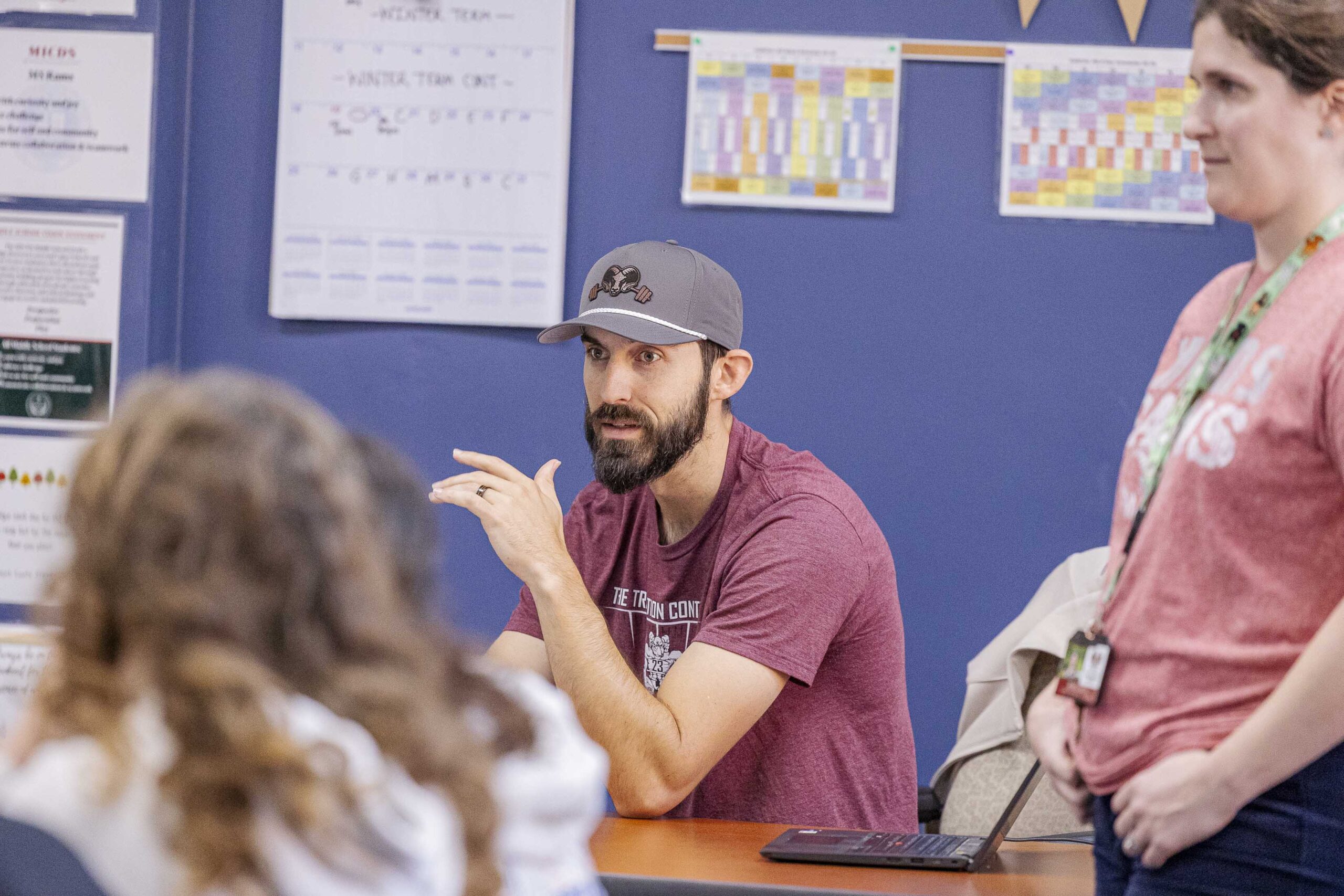
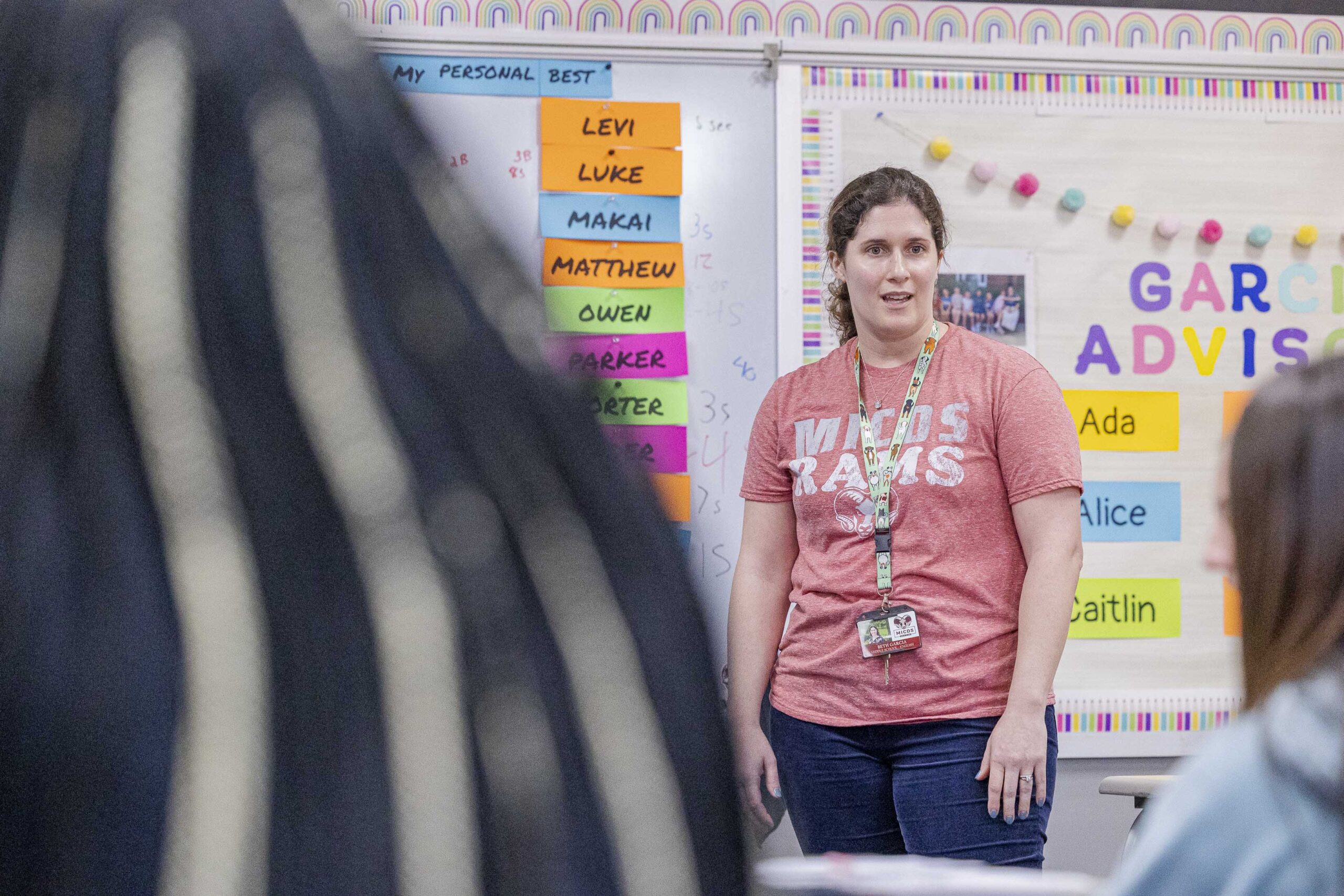
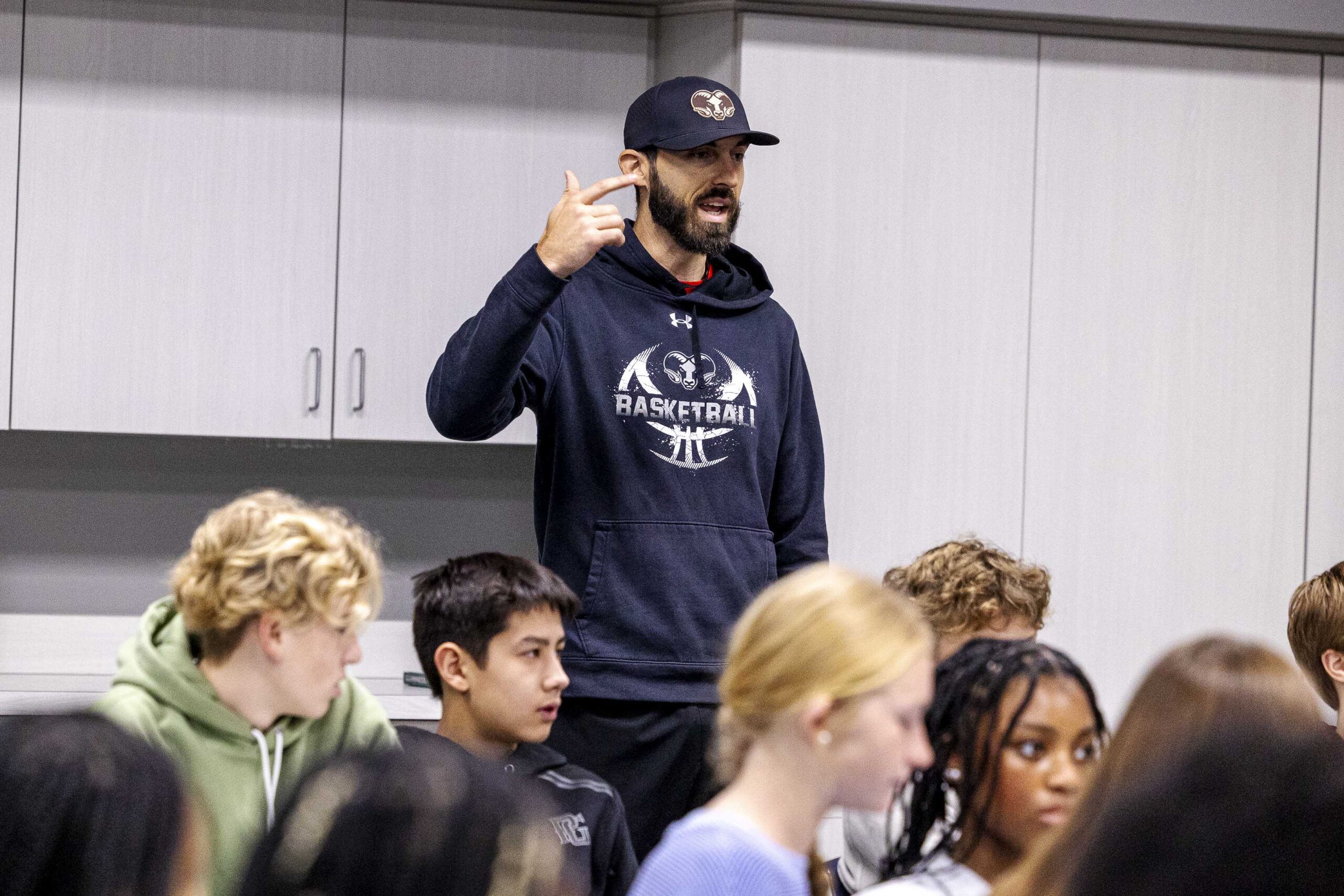
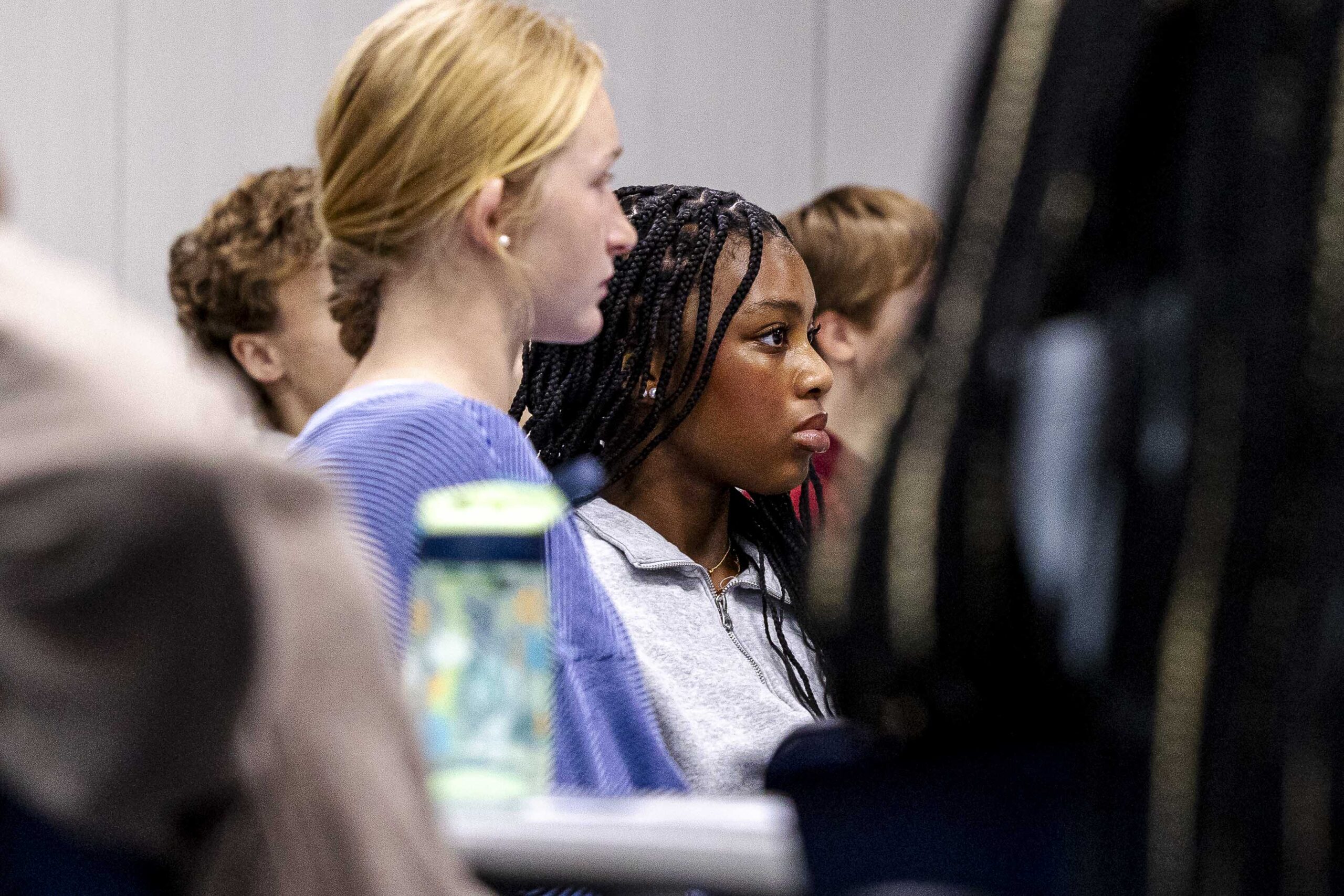
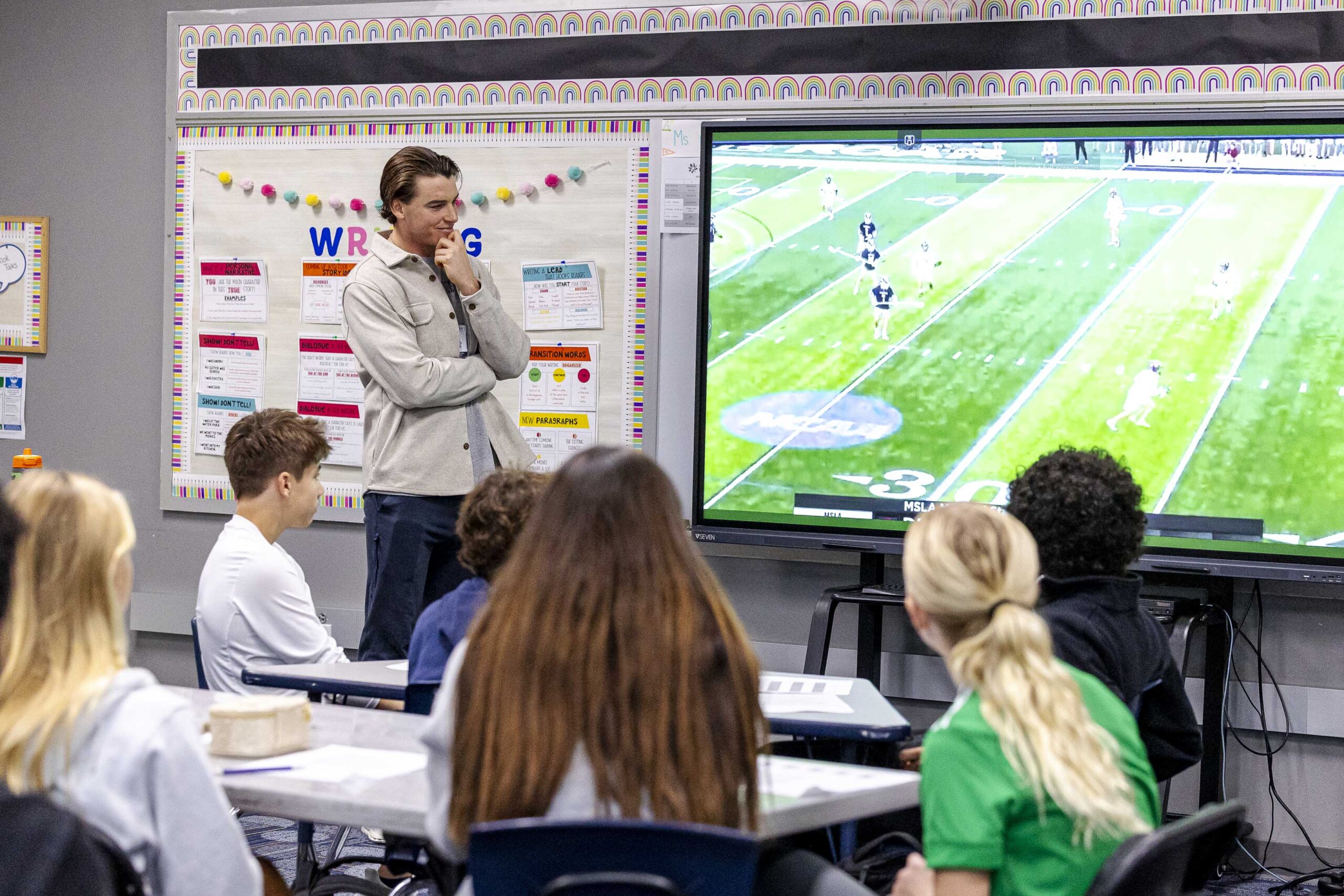
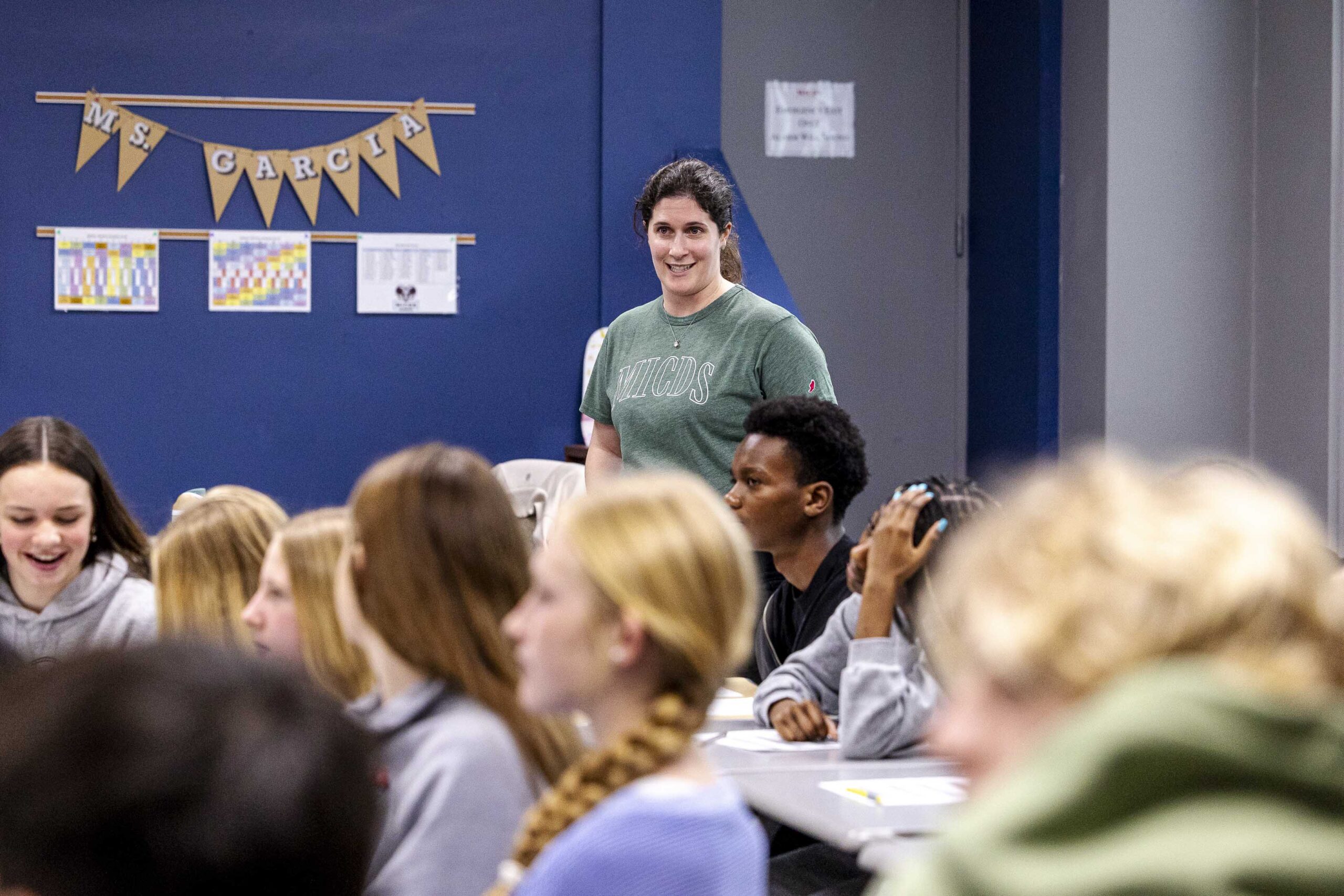
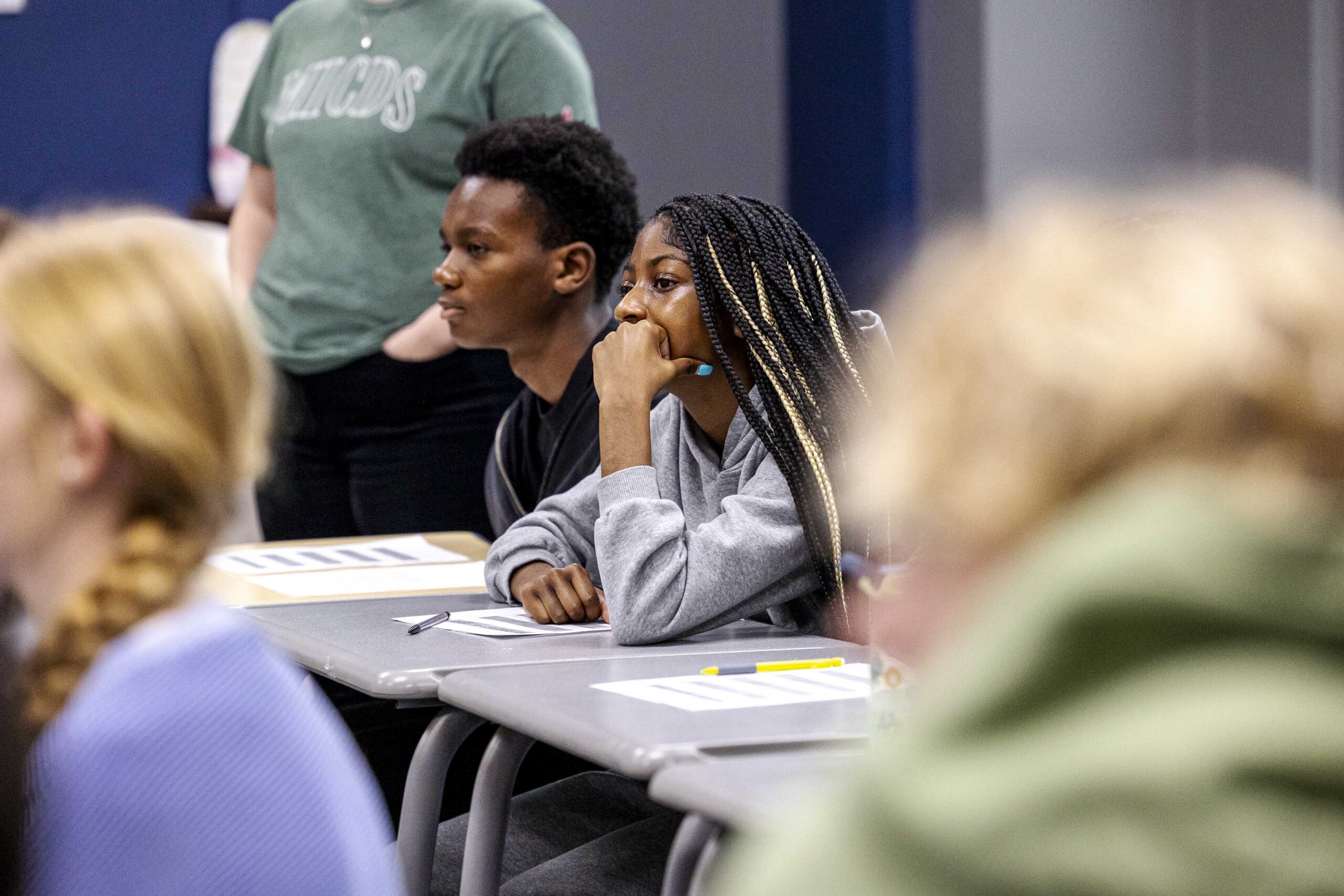
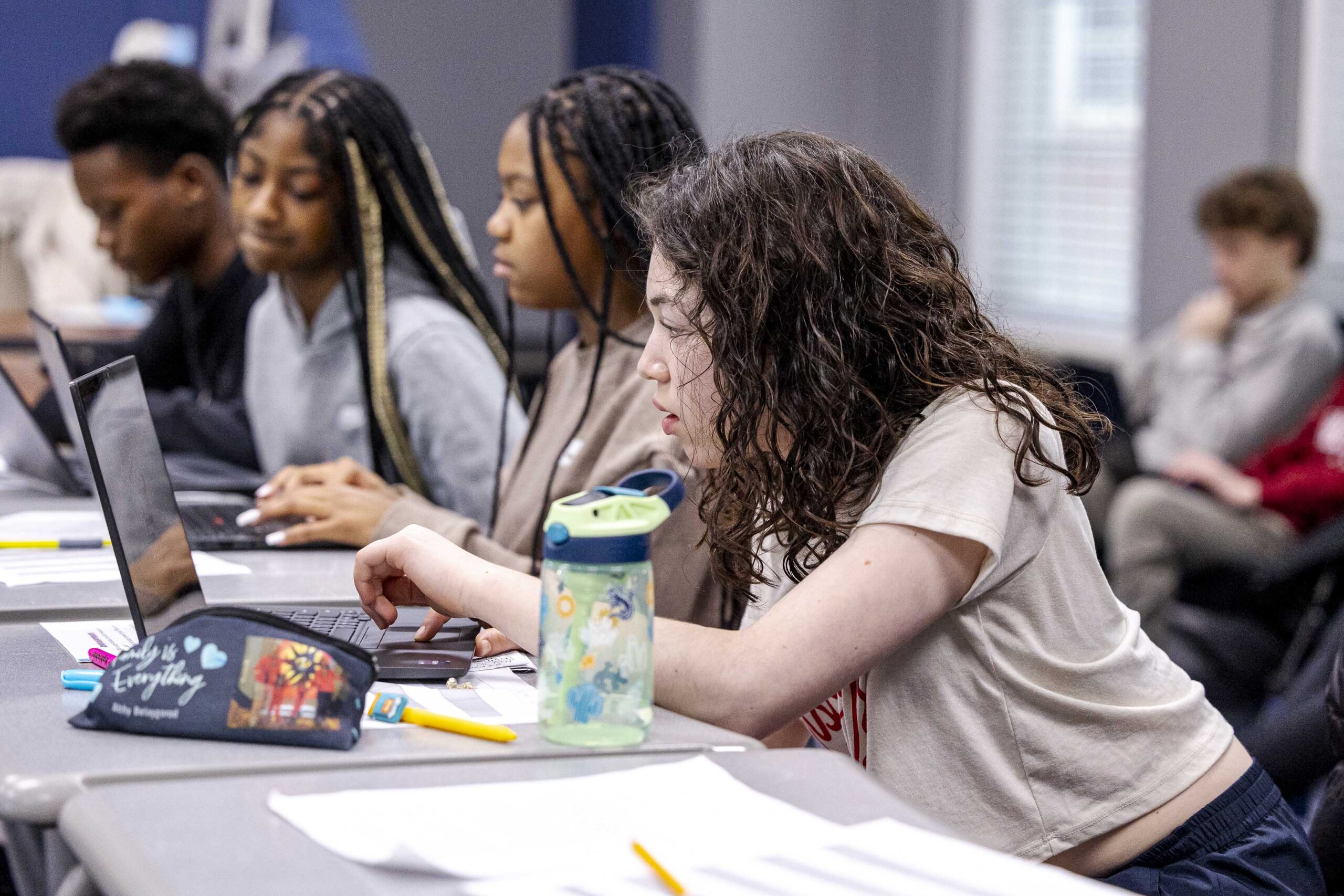
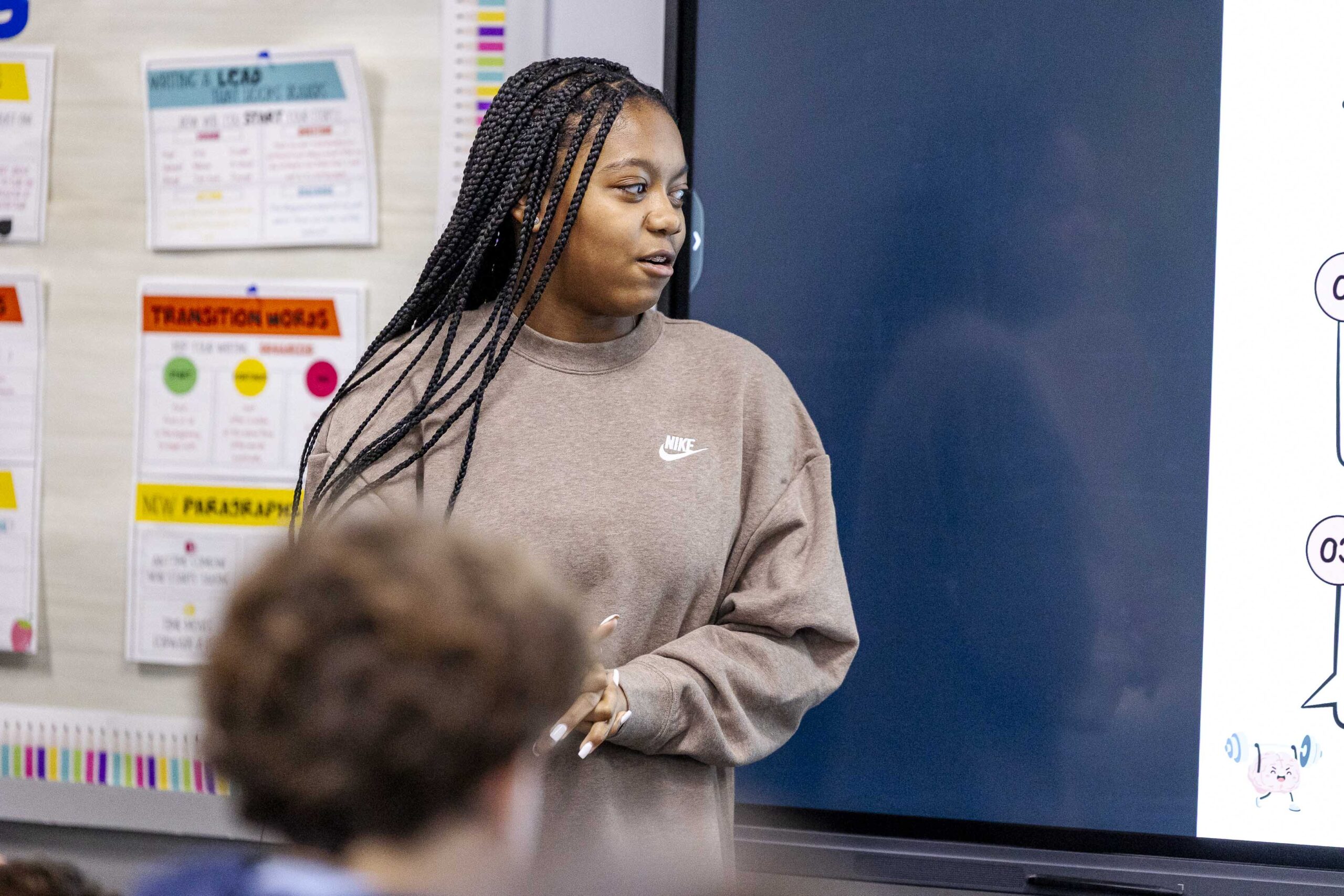
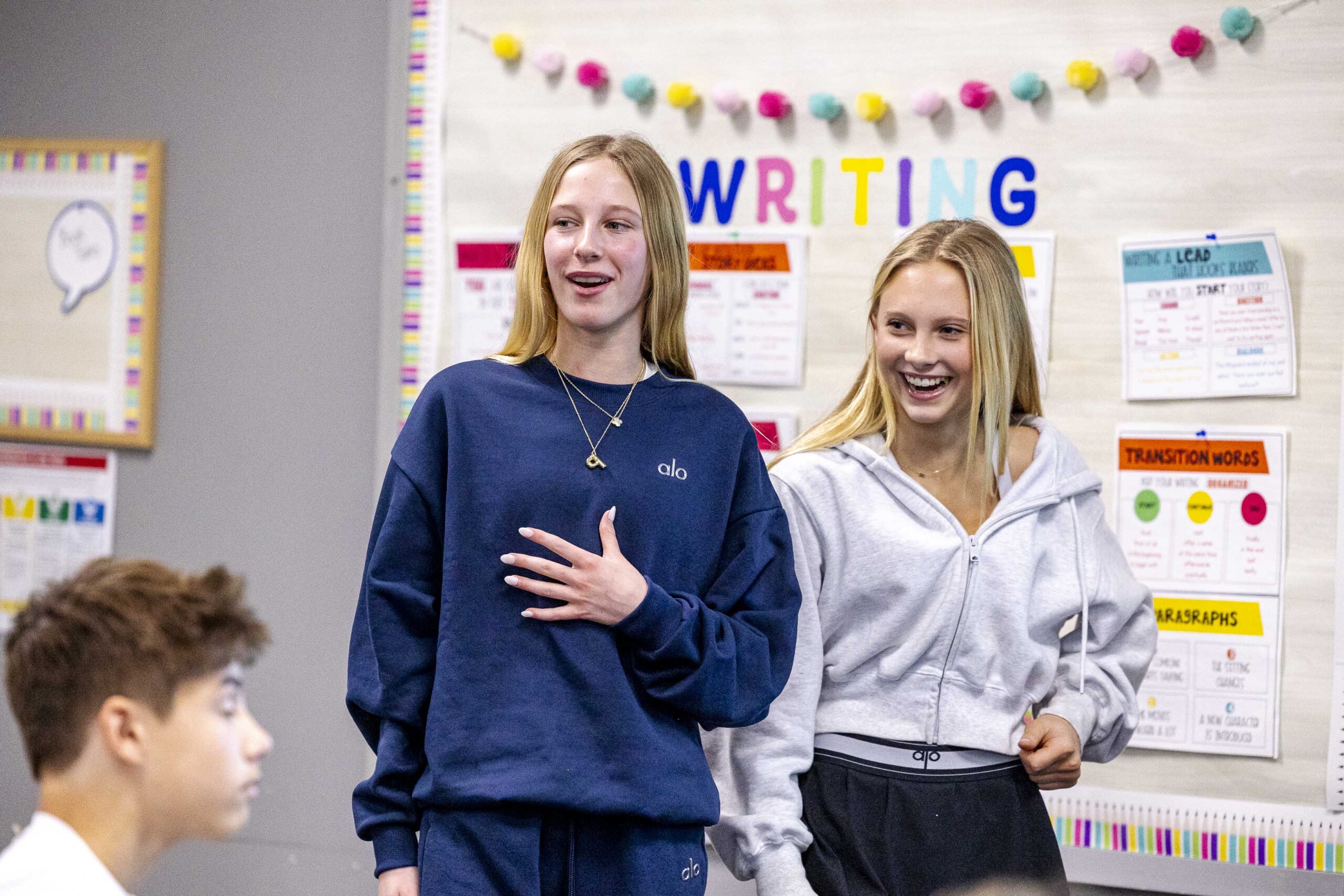
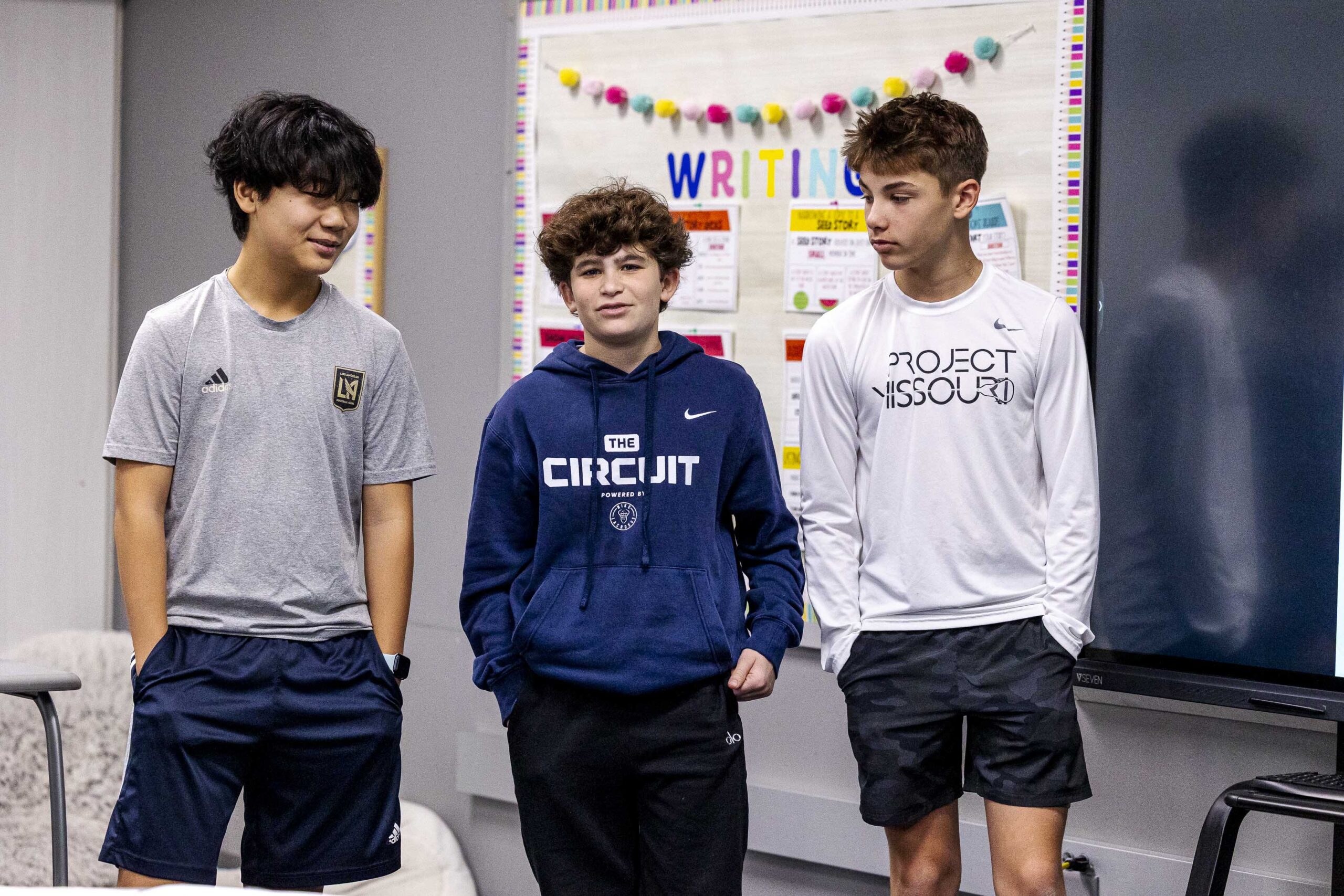
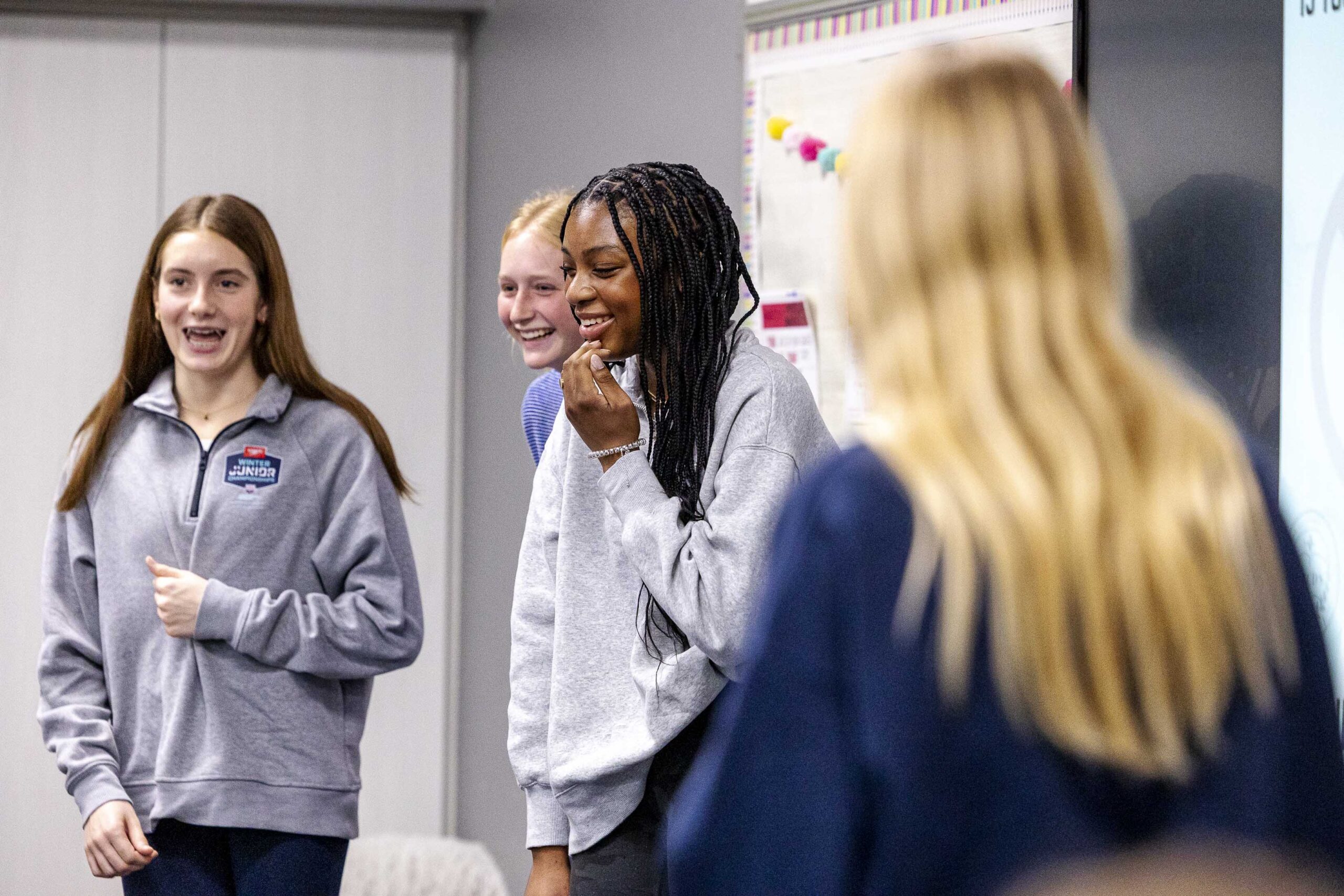
Recognizing the unique power of peer-to-peer inspiration, the Middle School Winter Term course Peak Performance turned MICDS alumni who are college athletes into mentors. Led by Middle School English Teacher Beth Garcia, a former multi-sport standout and coach, and Middle School PE Teacher and Strength & Conditioning Coach Everett Goldberg, a former D1 football player at Norfolk State, the class offered students a real-life blueprint for success.
“By introducing students to this important content as middle schoolers, they can begin establishing the healthy habits they will need to be at the top of their game as high school and then collegiate athletes,” said Garcia. Goldberg, who spent years coaching at the collegiate level before joining MICDS, notes that the leap to ninth grade is a critical junction. “I wish I had this information before going into high school,” he said. “I didn’t learn most of this until graduate school, and by then my playing career was over. I feel like if I had had this information earlier in life, I would’ve had more success in my high school and collegiate careers.”
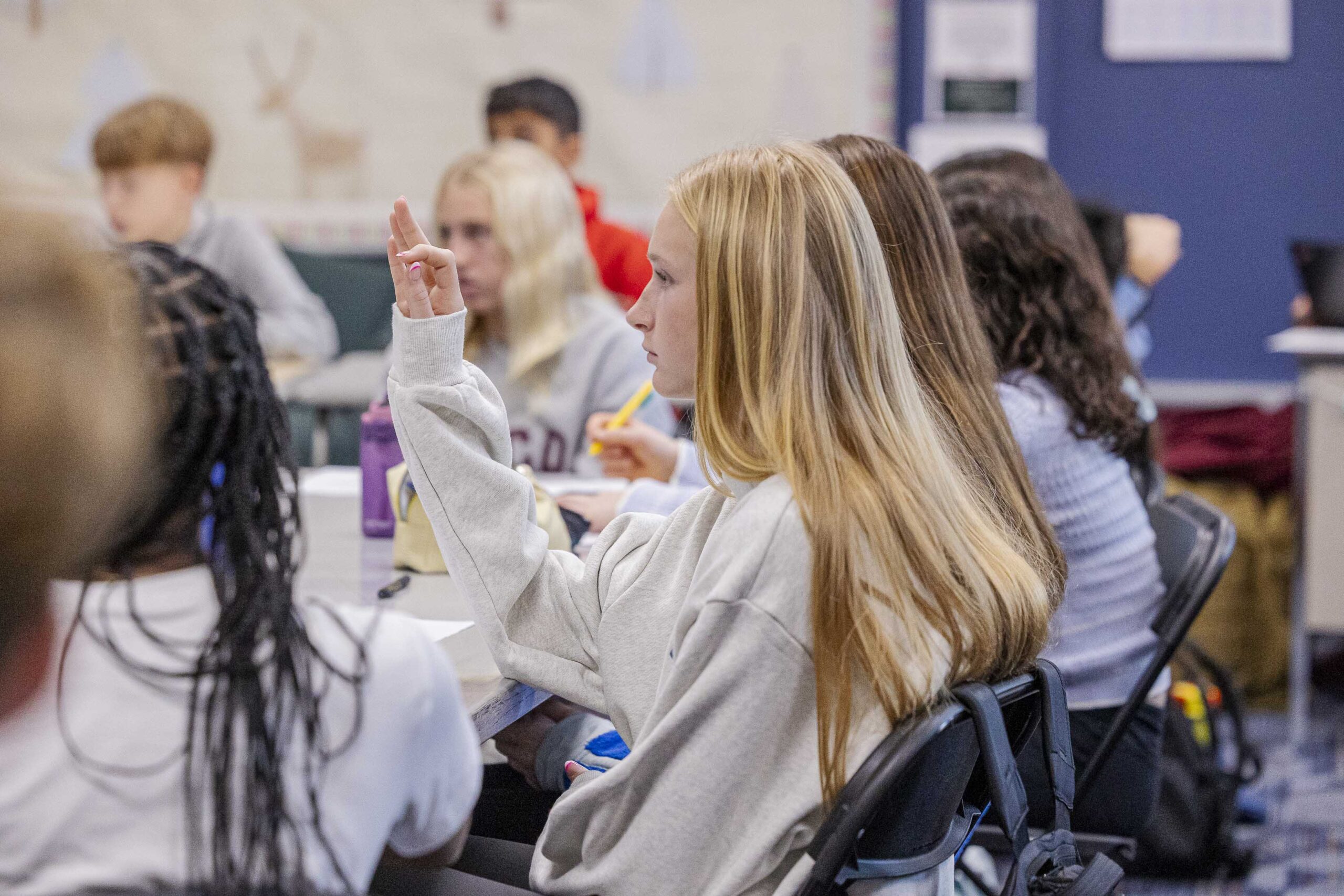
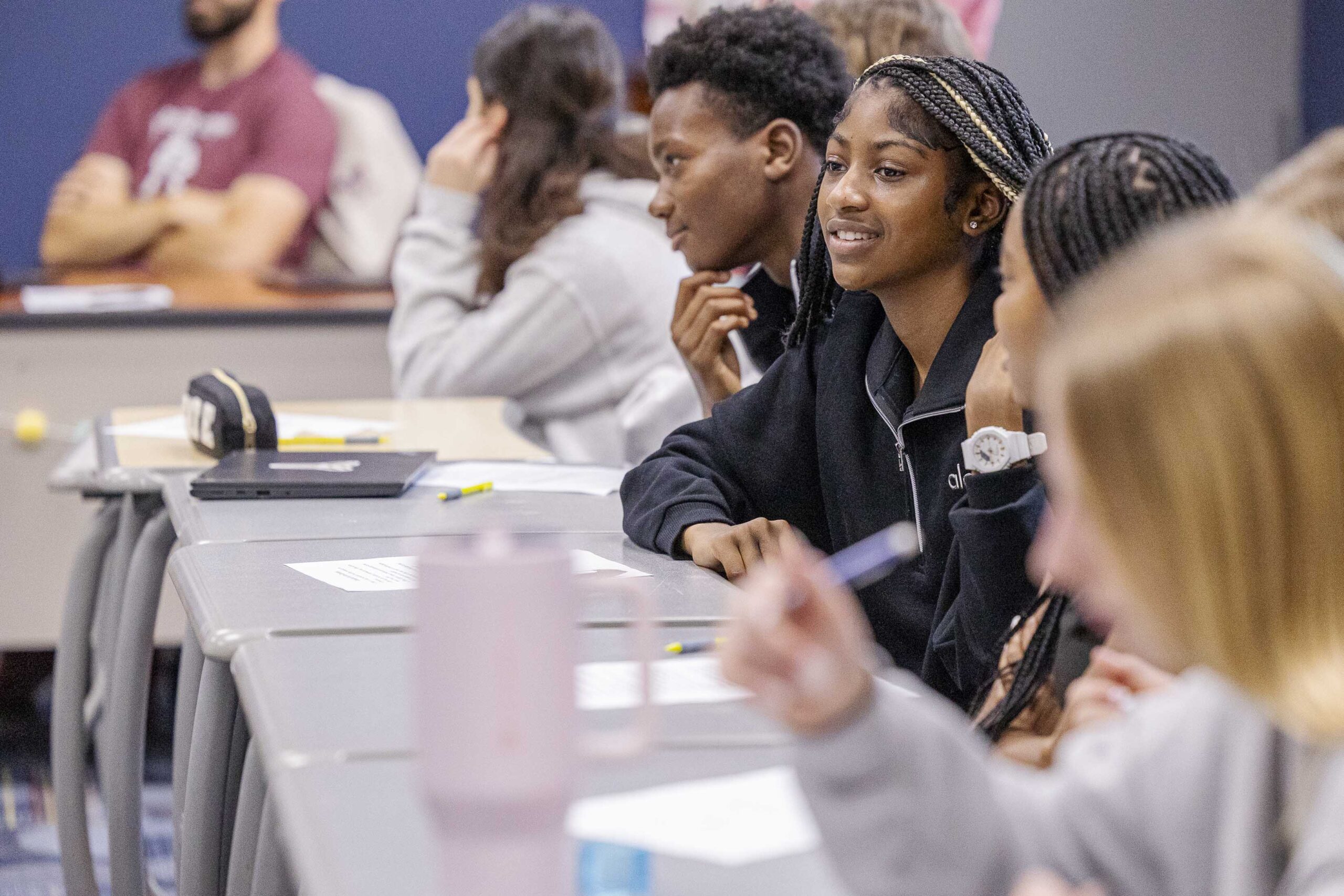
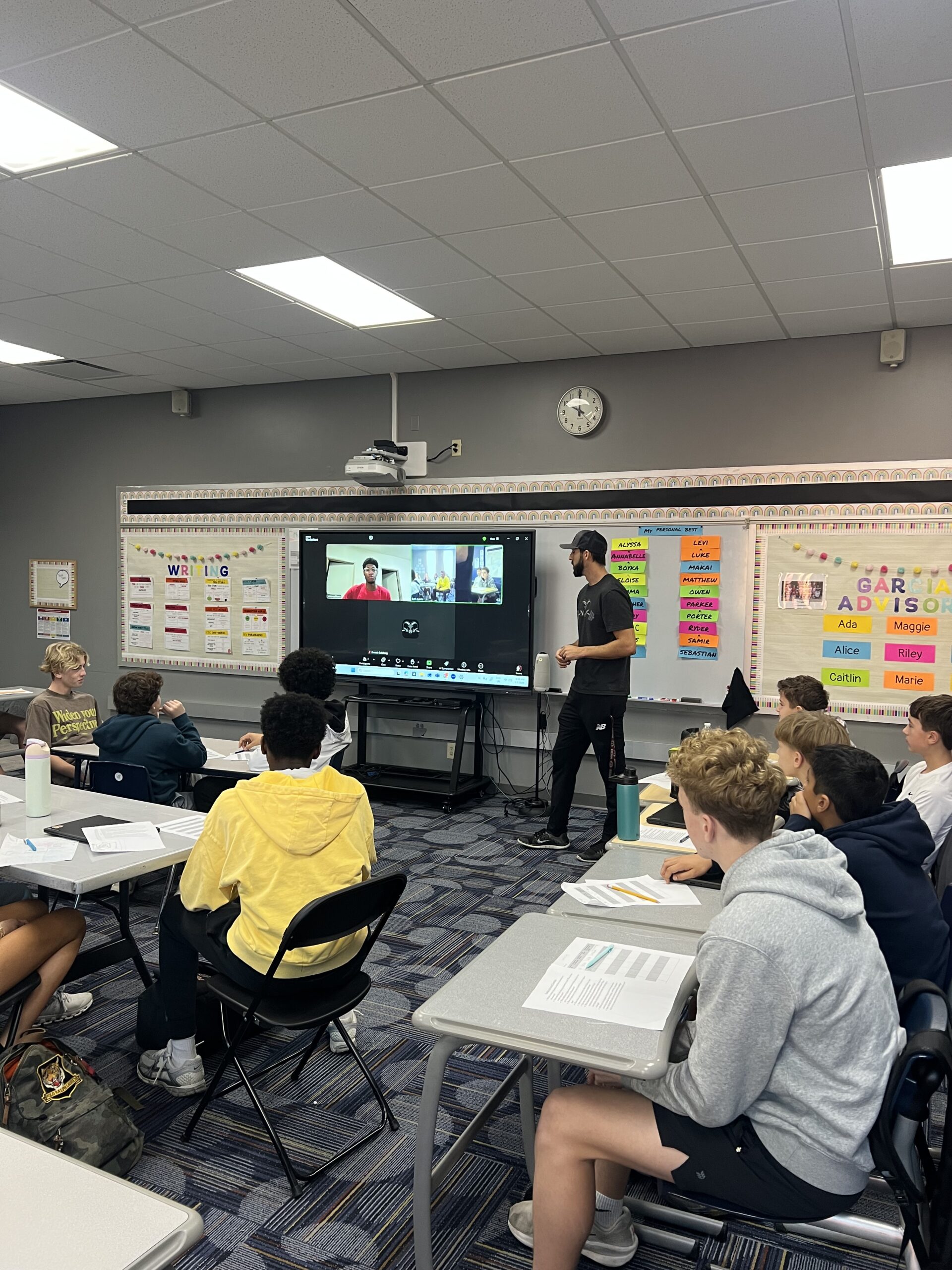
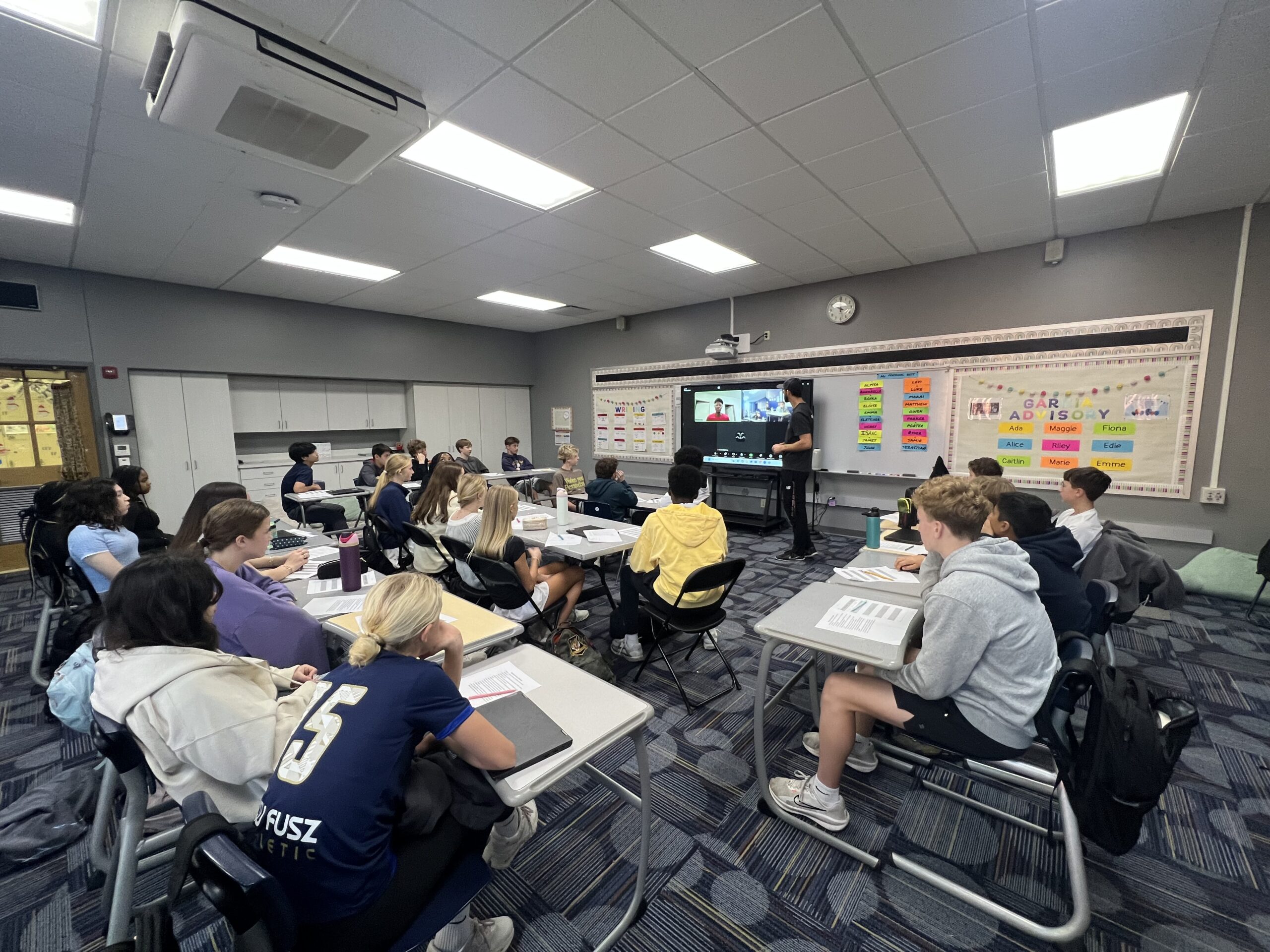
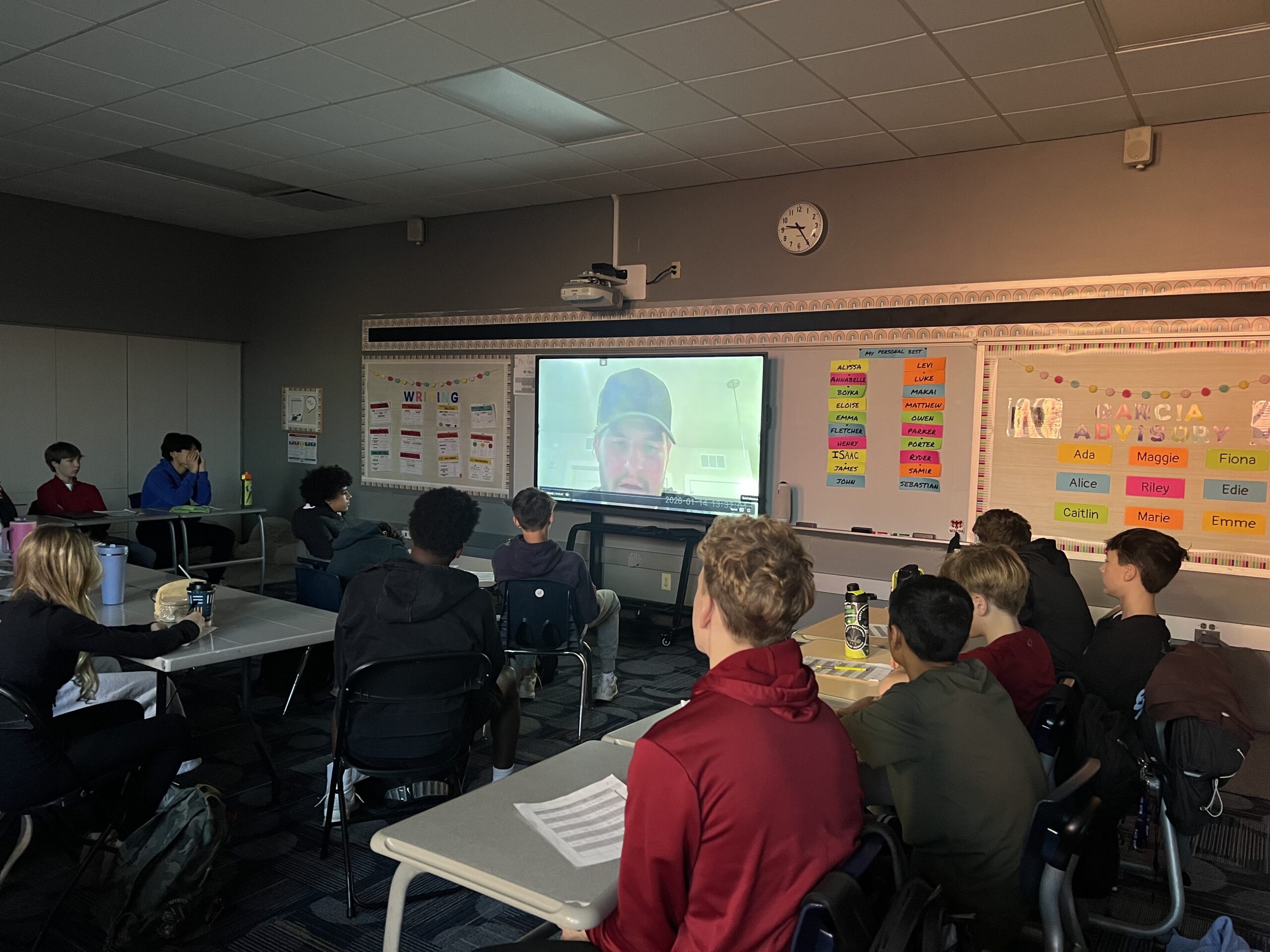
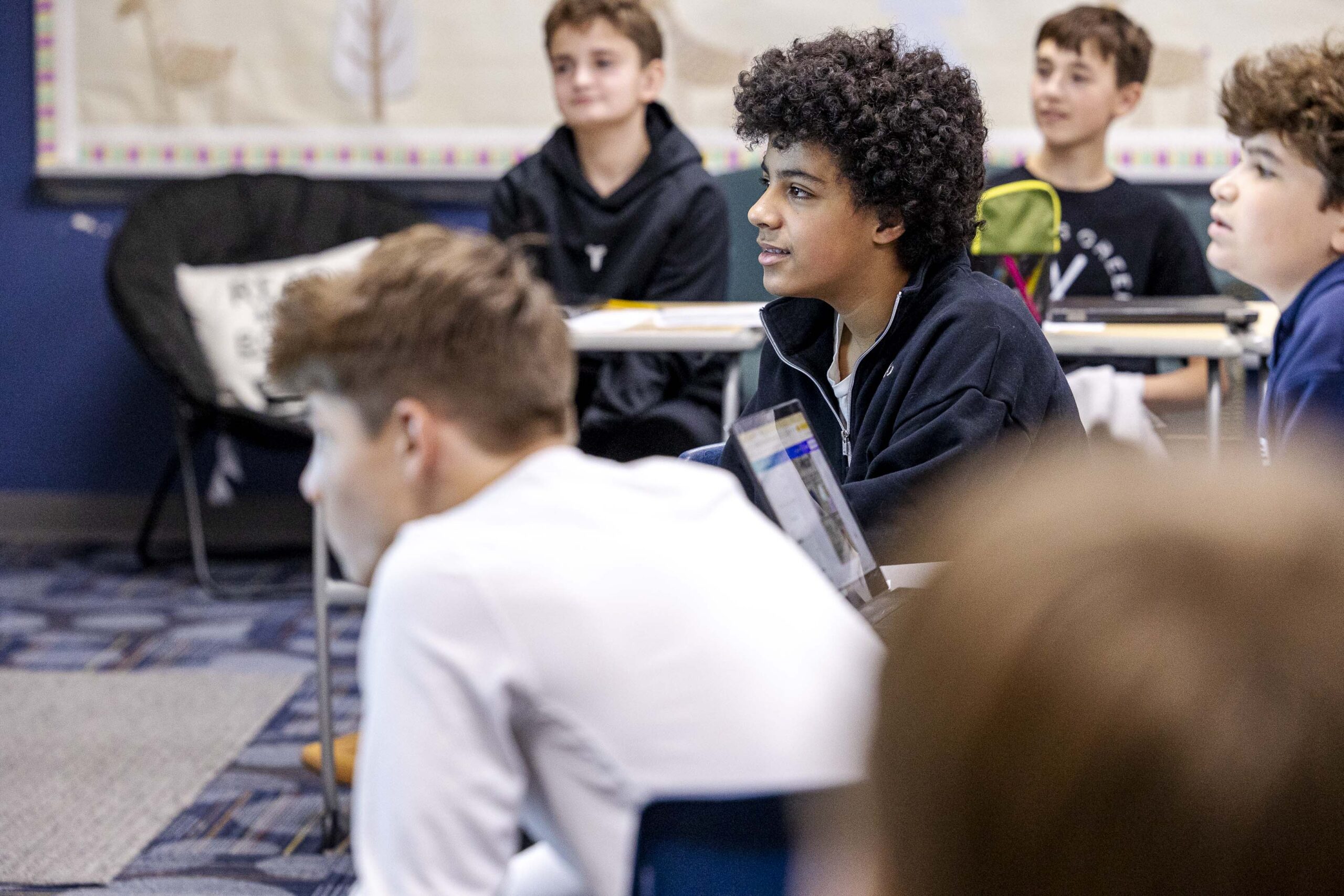
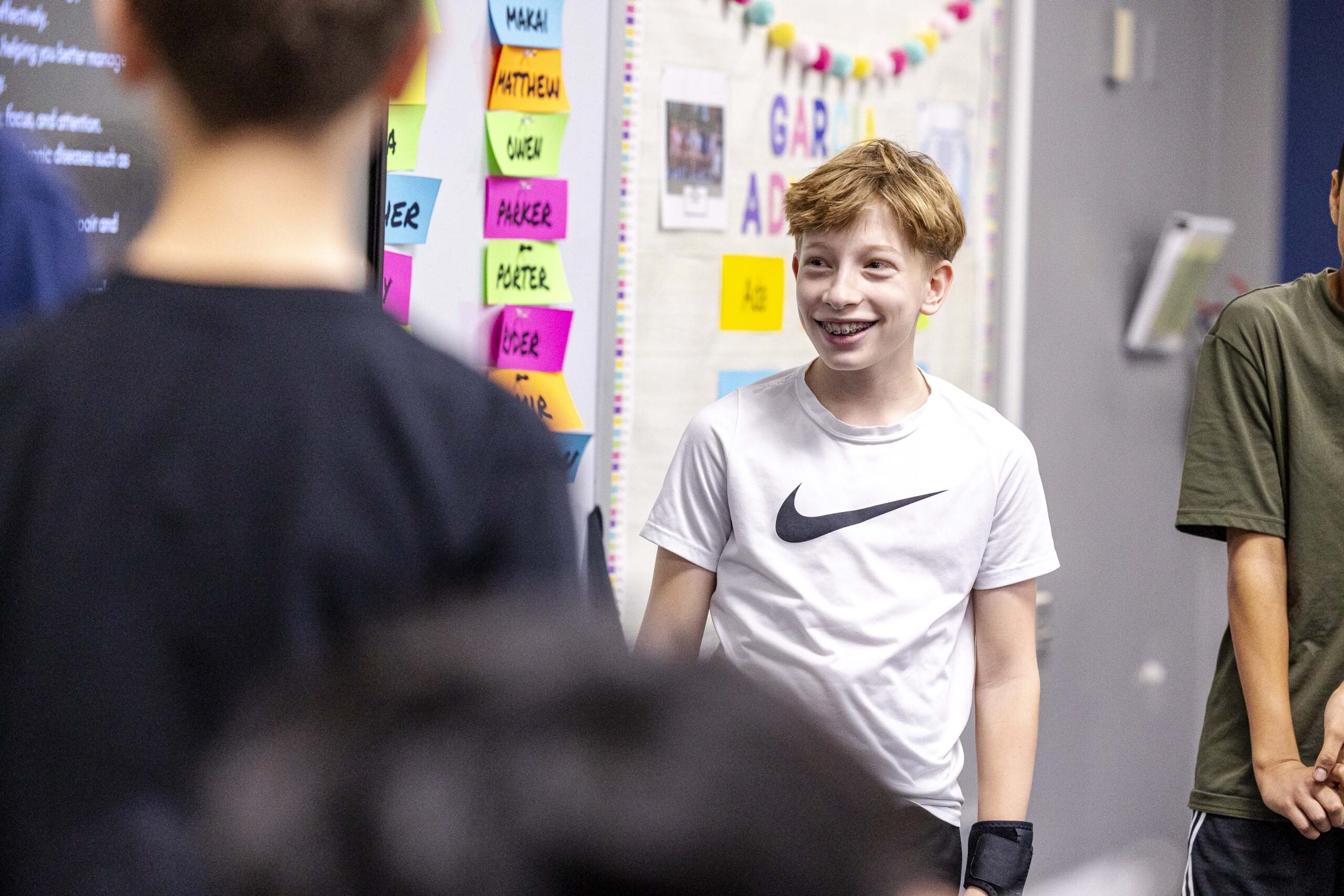
Through group projects and candid conversations with former Rams now playing at the collegiate level, students gained clarity through learning the tools of the game: sleep, nutrition, training, recovery, and the complex world of recruiting.
The Roster of Mentors
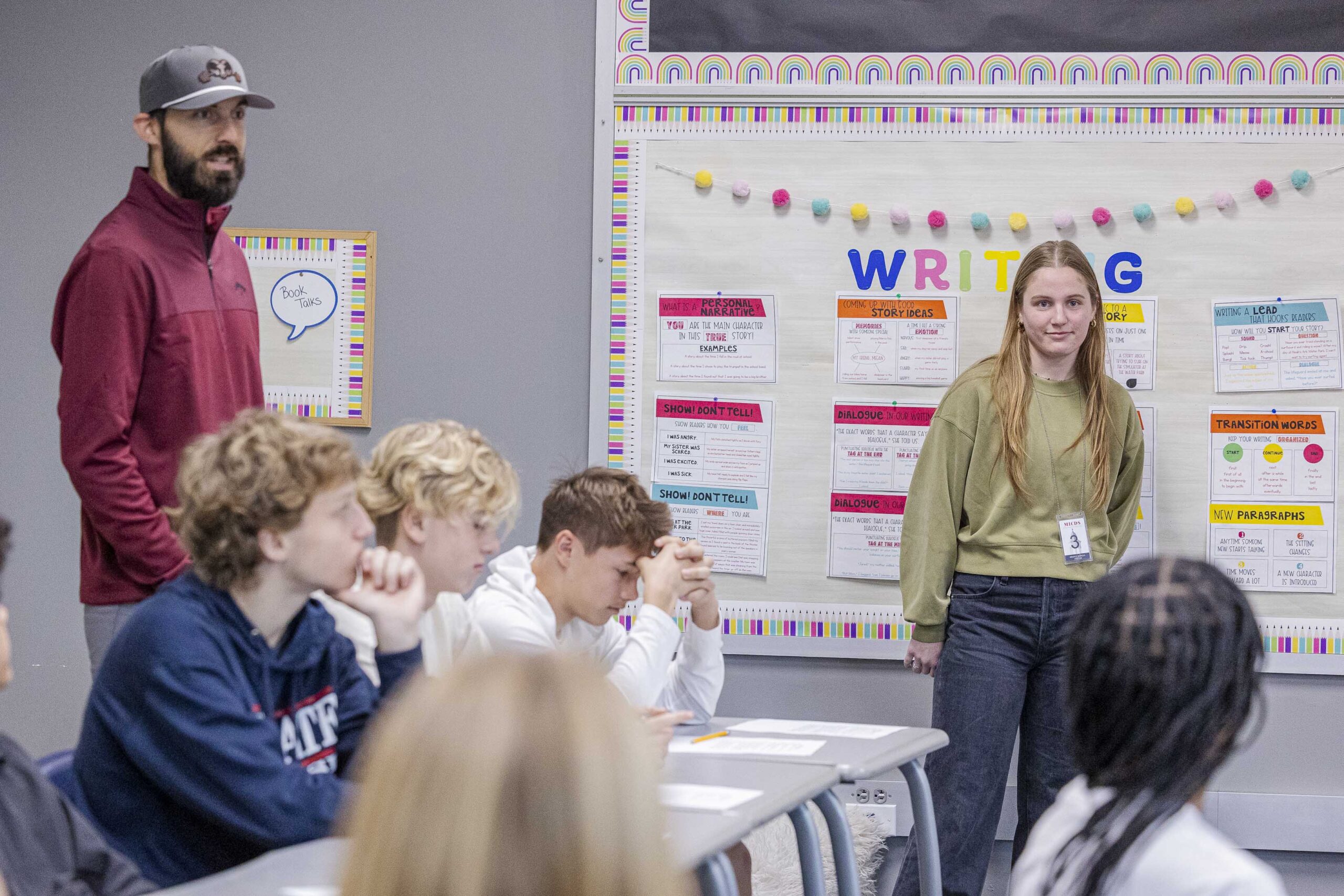
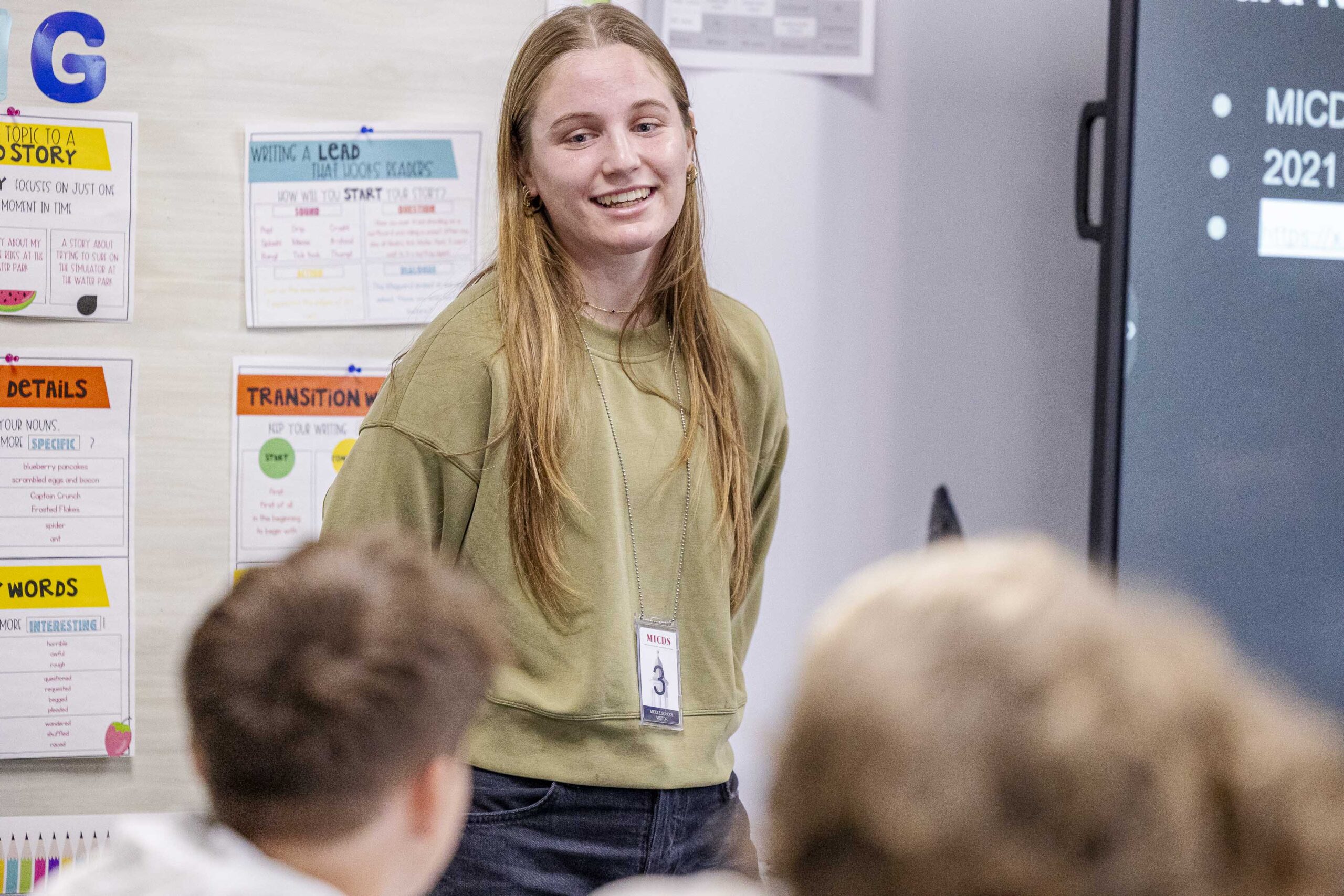
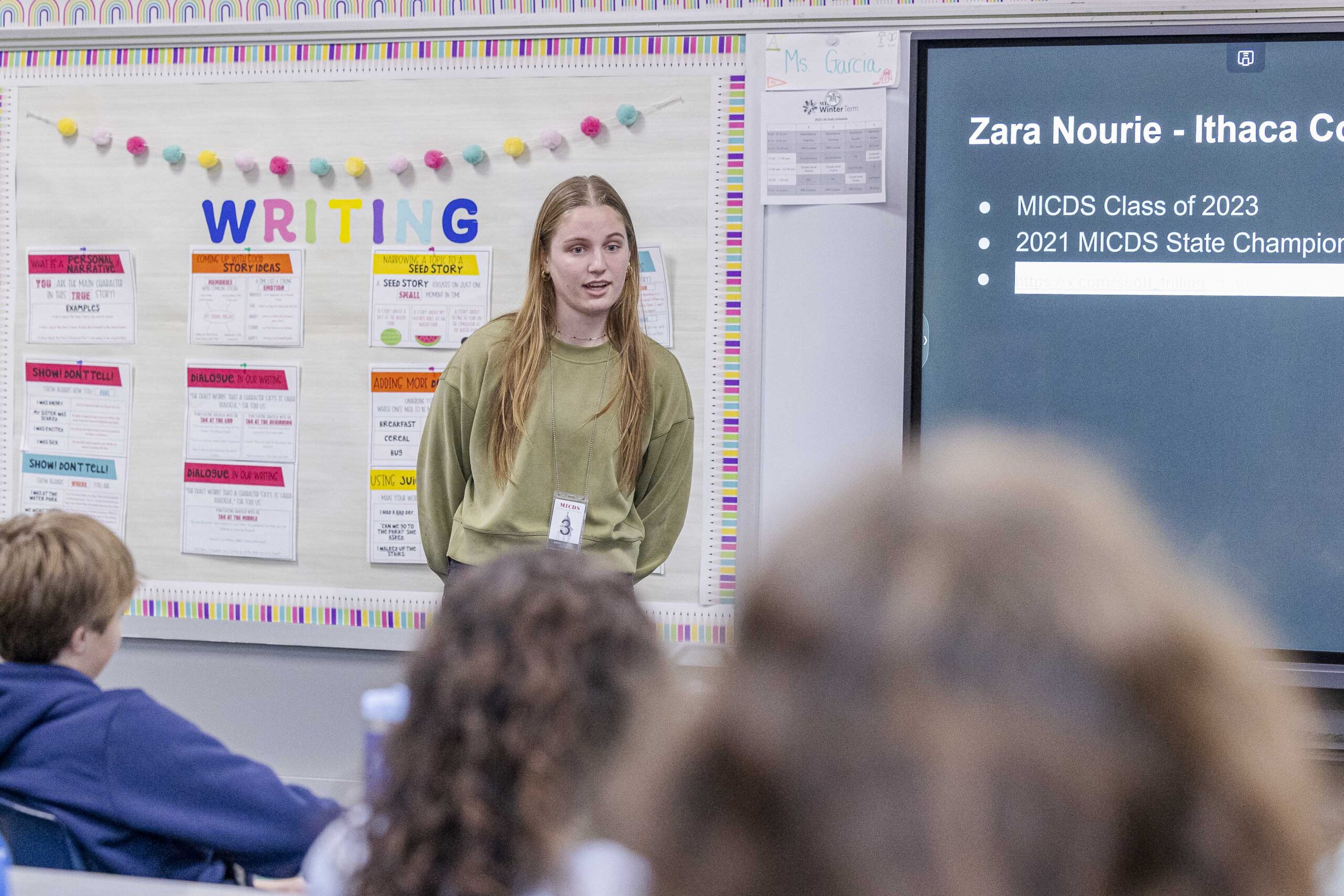
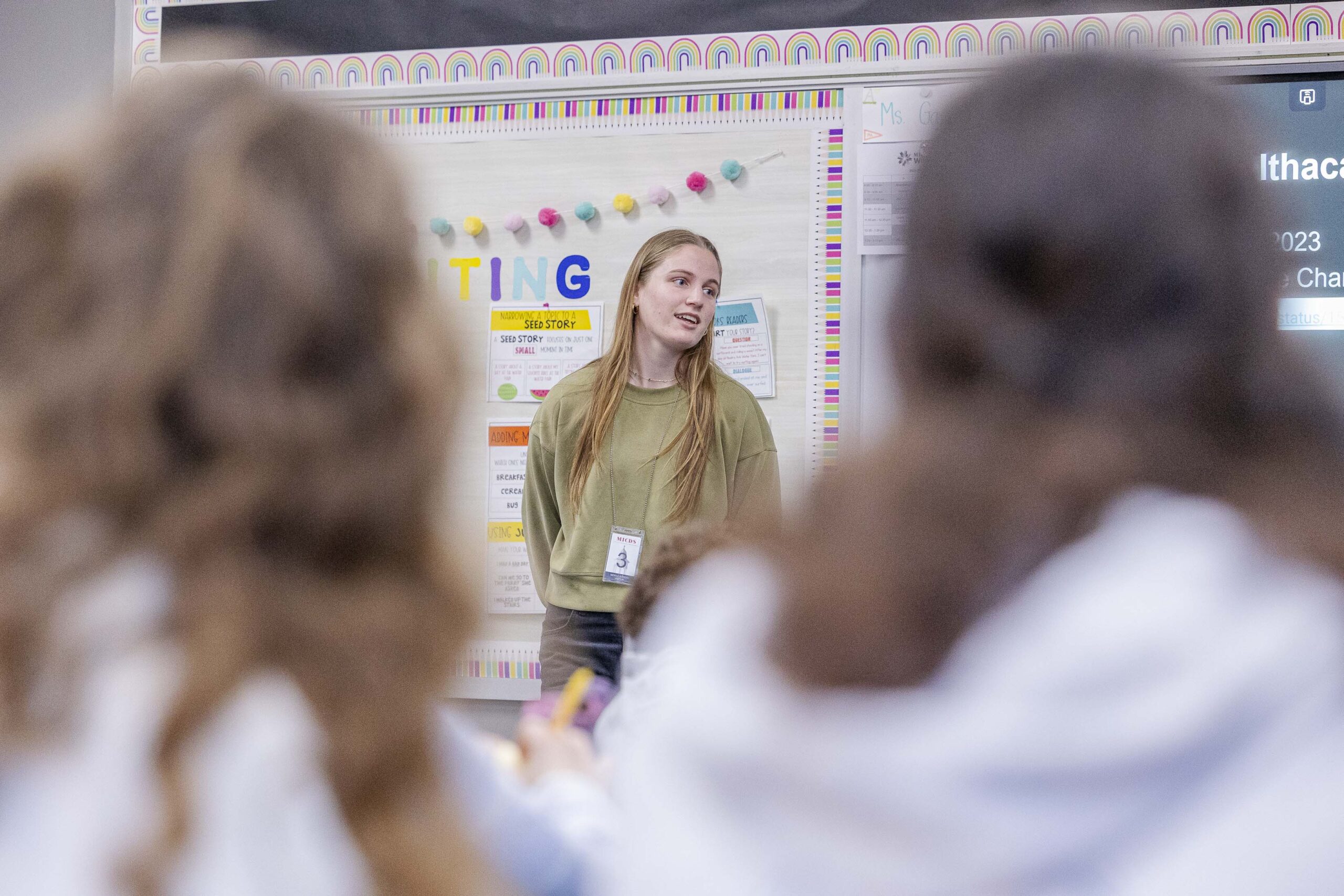
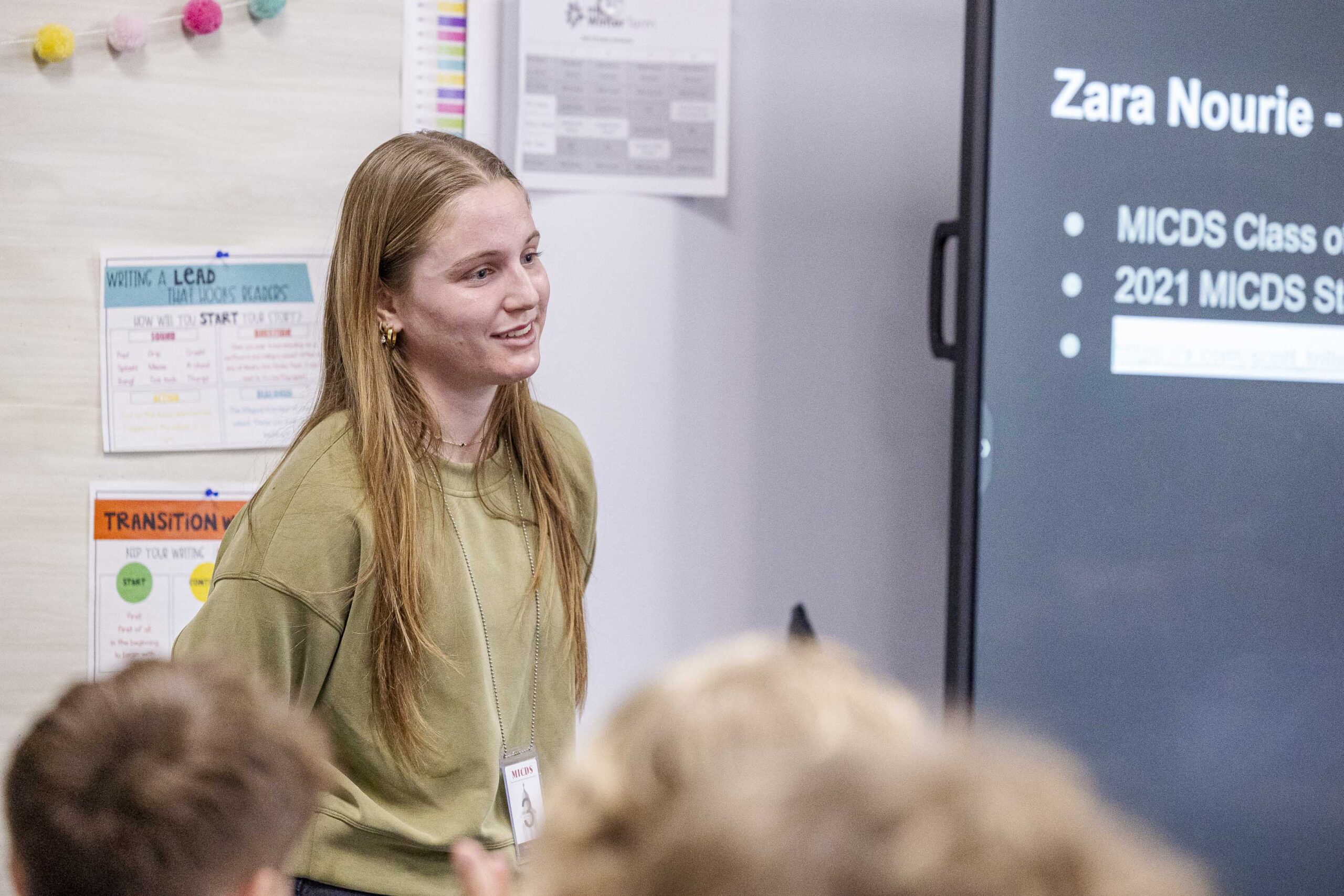
Zara Nourie ’23, Soccer, Ithaca College
Nourie, a 2021 State Champ at MICDS, focused on the invisible work of peak performance. Her key takeaways included shifting from 4x/week off-season lifts to in-season maintenance, replacing “running for the sake of running” with sport-specific conditioning, and adopting a phone-down lifestyle to stay focused on the recruitment cycle.
Tristan Williams ’24, Track & Field, University of Kansas
Williams emphasized that the “best ability is availability,” warning students that neglecting recovery or skipping workouts in college can result in lost scholarships. He reflected on his own journey, from regretting a late start in the recruiting process to overcoming recurring hamstring injuries, to stress the importance of taking high school strength training seriously. His performance pillars include a 100% effort mindset, home-cooked nutrition (trading Cherry Coke for water), and utilizing resources like trainers and massage guns to survive the grind of 7 a.m. practices.
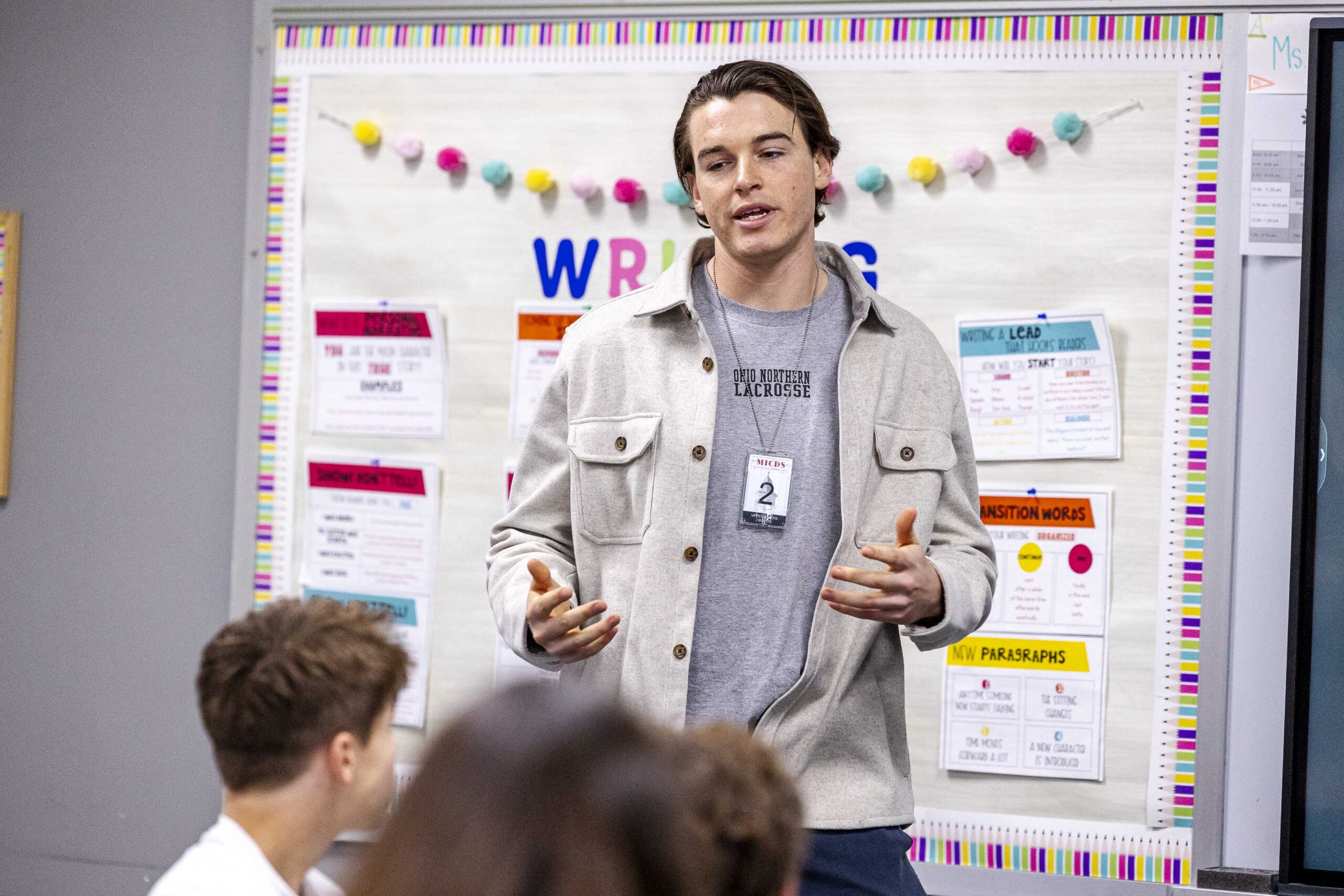
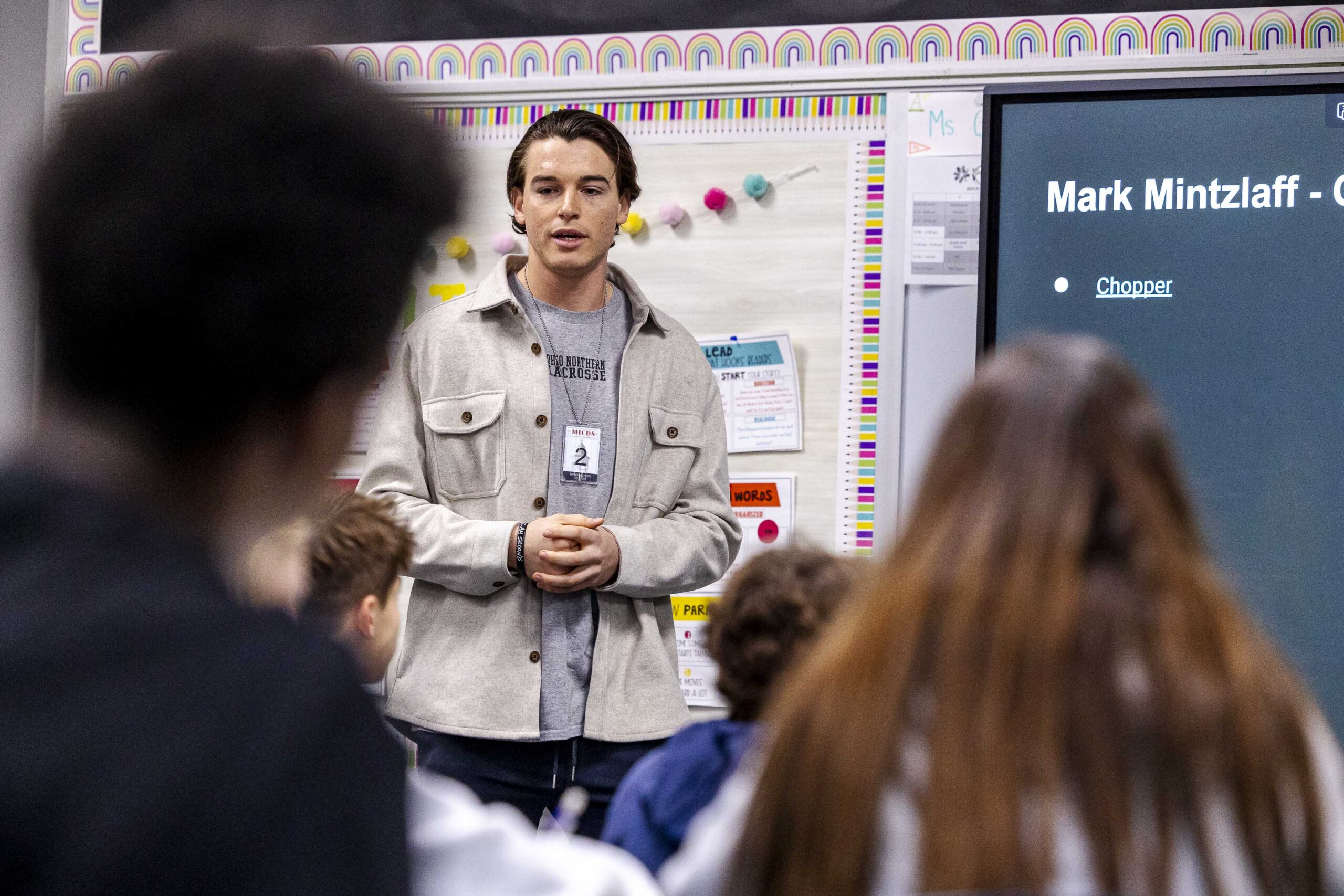
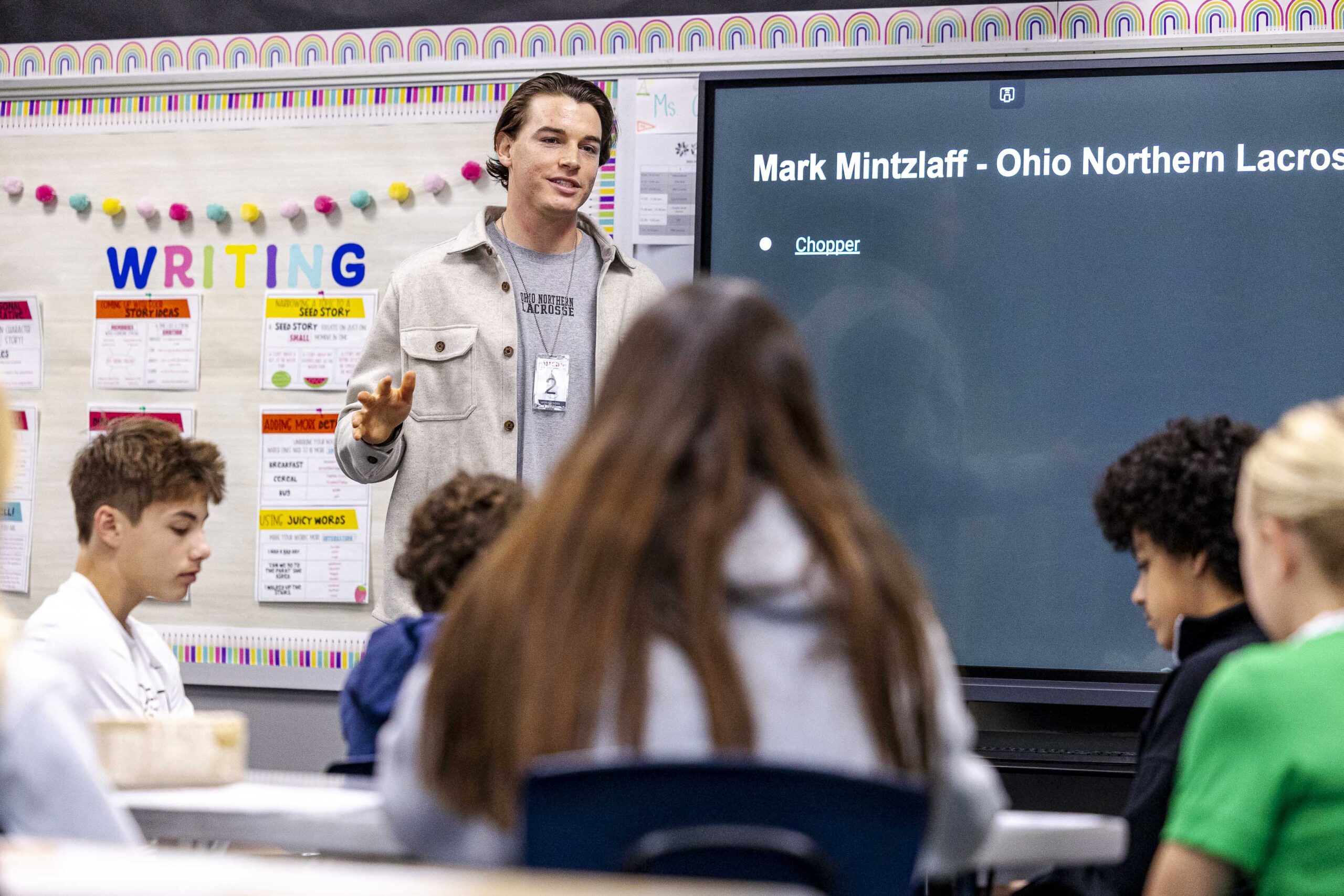
Mark Mintzlaff ’22, Lacrosse, Ohio Northern University
As a college lacrosse player, Mintzlaff noted that coaches recruit for character and work ethic just as much as skill, advising students to use firm handshakes and direct introductions. Having waited until his senior year to commit to college, he credited his time as a multi-sport athlete (playing four years of basketball) with making him a better lacrosse player. His peak performance pillars include a strict nine-hour sleep schedule, using advanced recovery tools, and arriving at college with a work-your-way-up mindset to overcome the humbling ego check of freshman year.
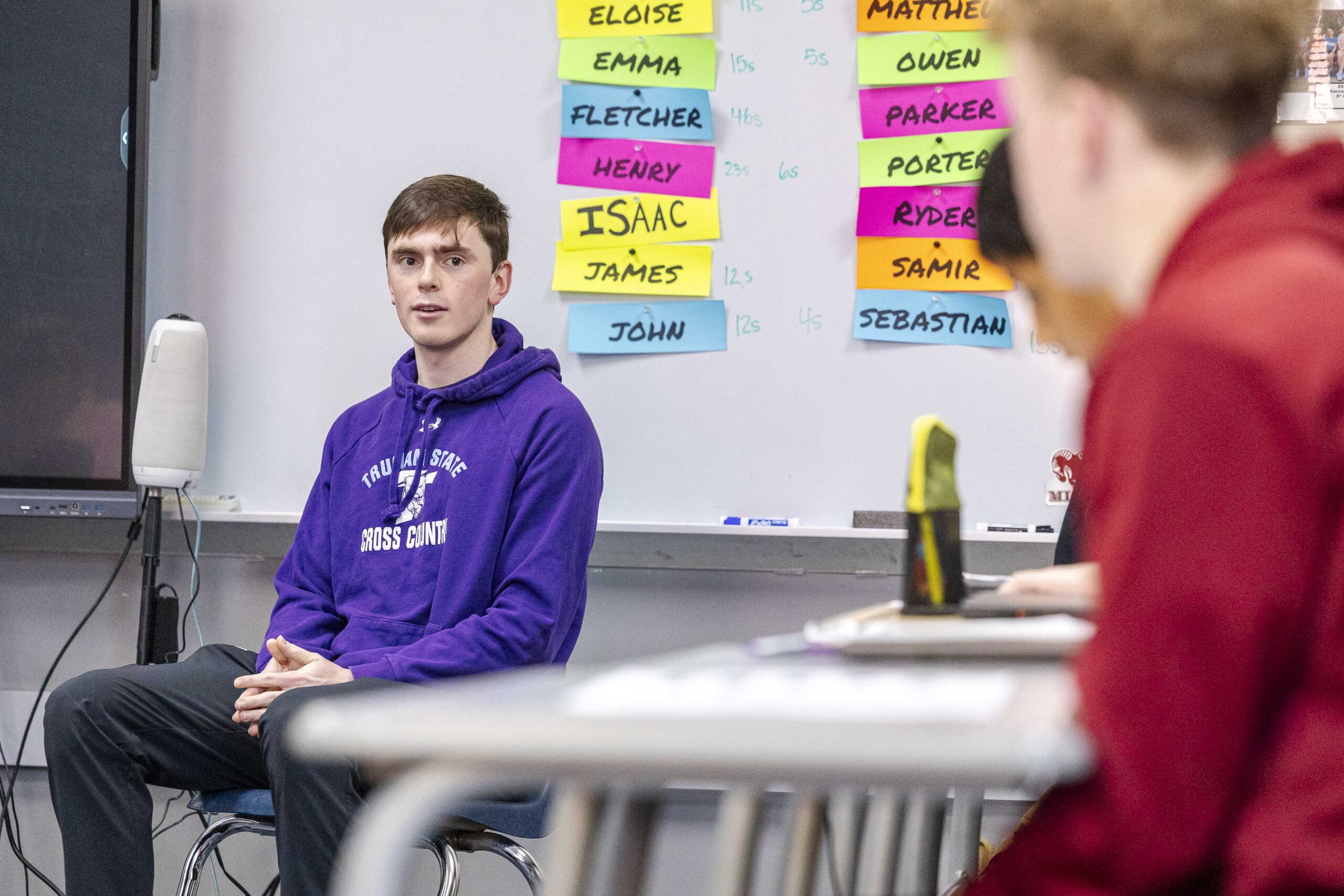
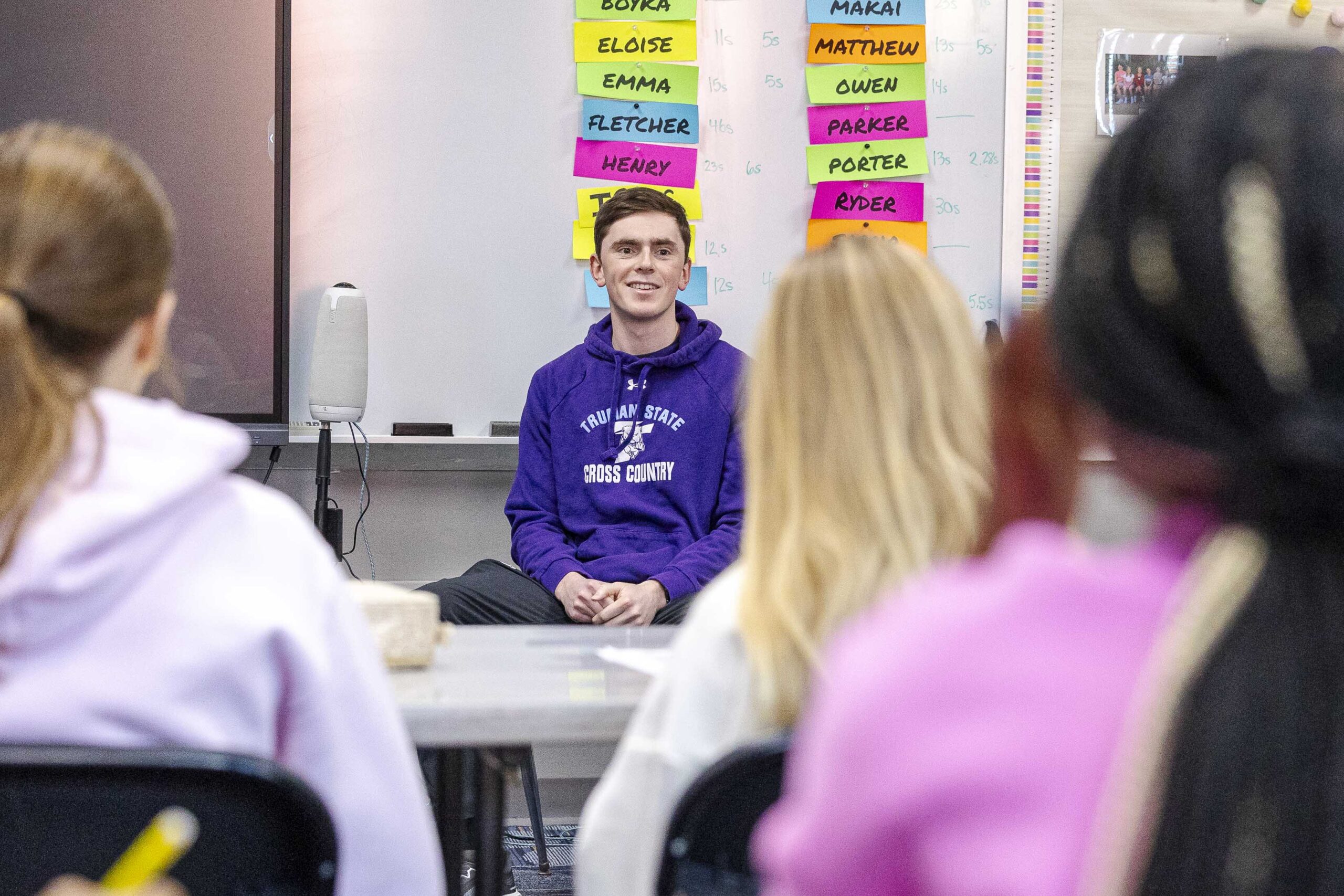
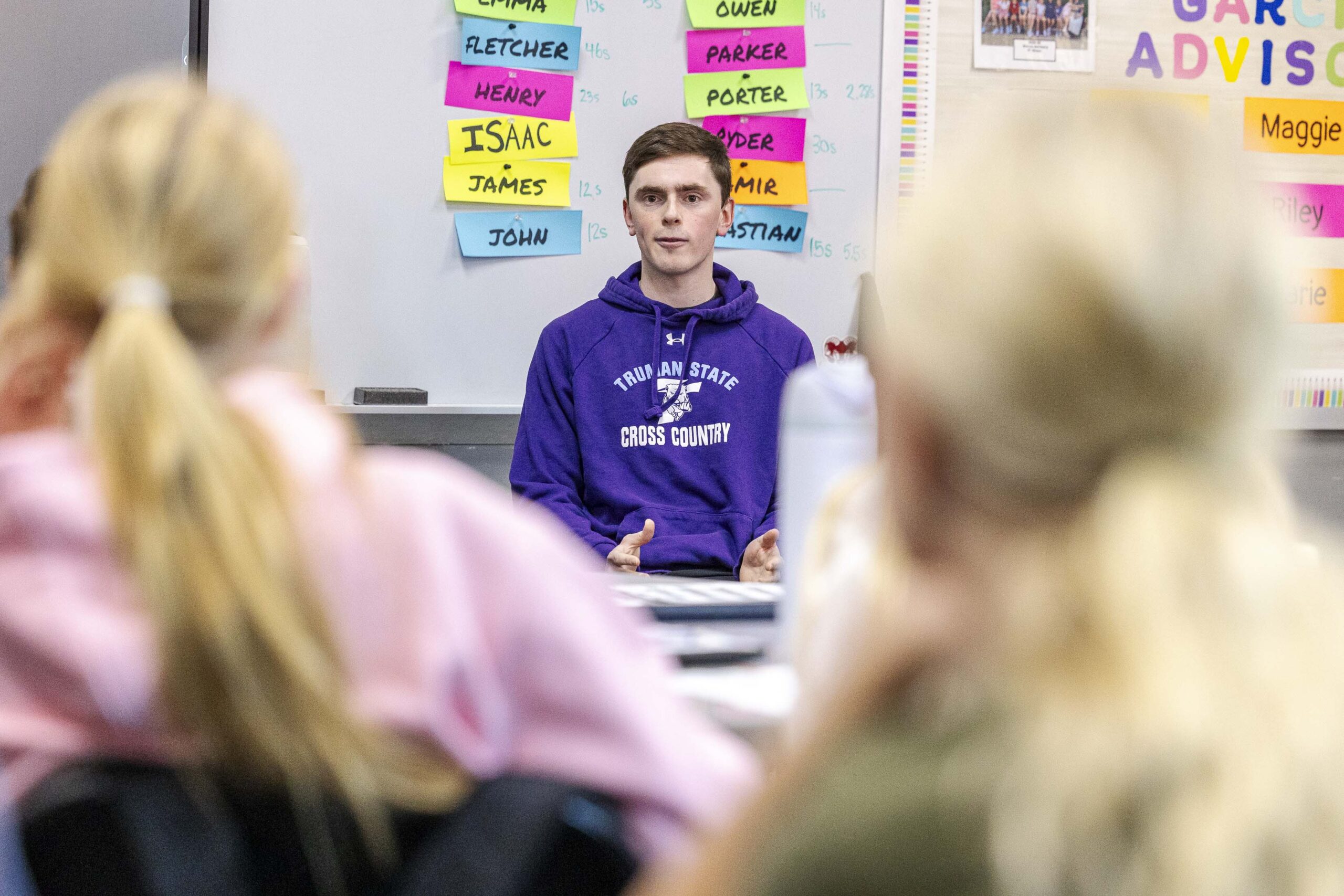
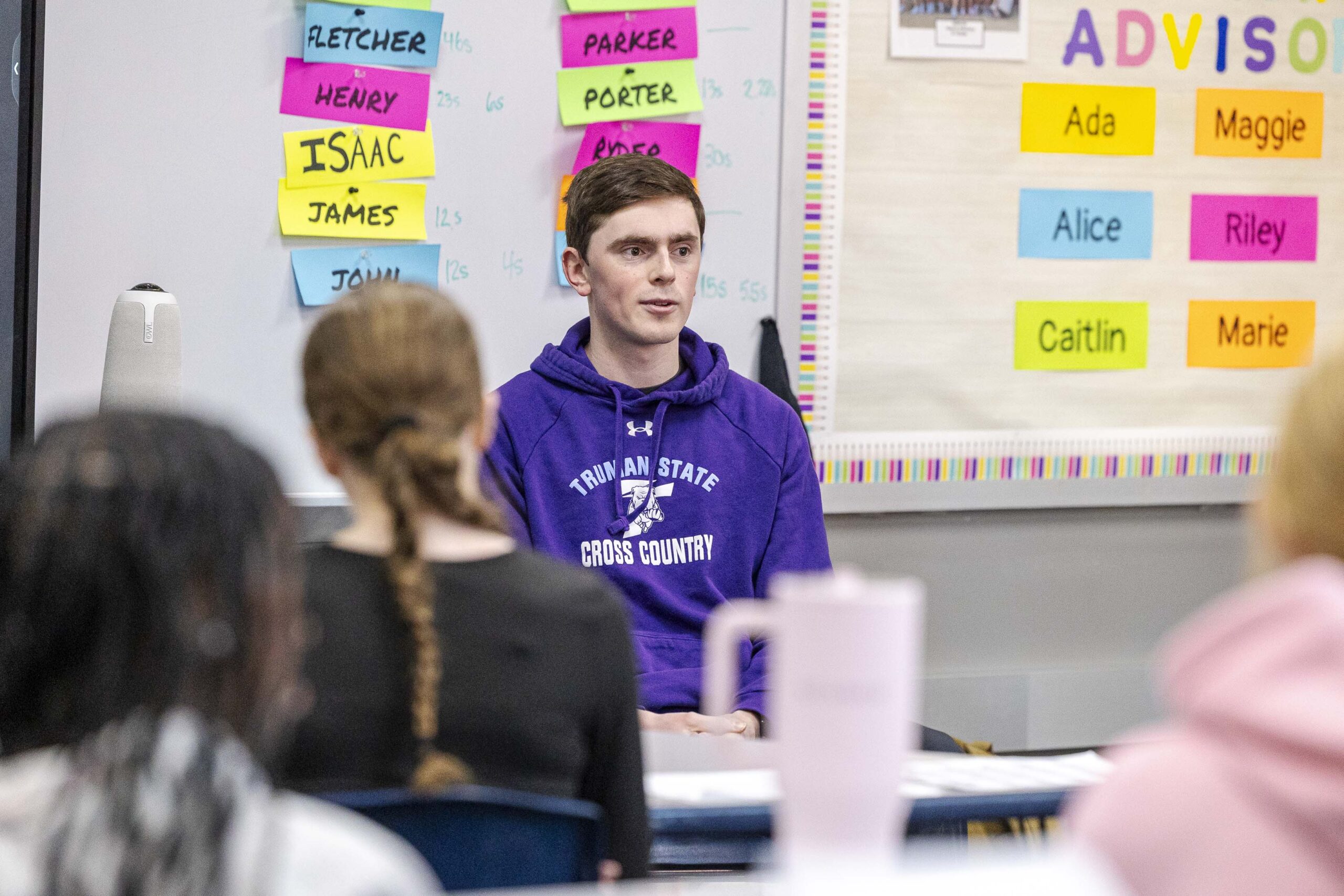
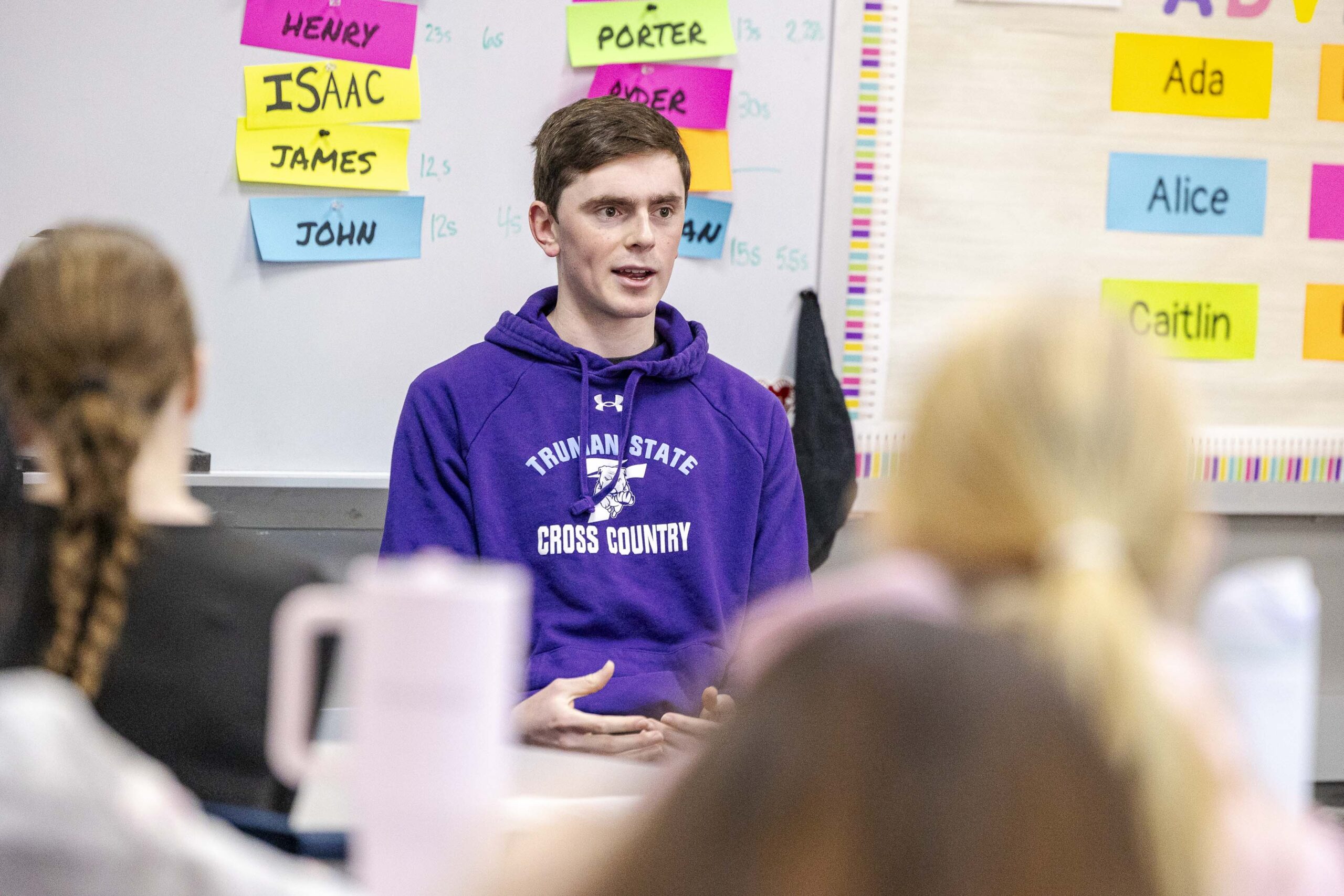
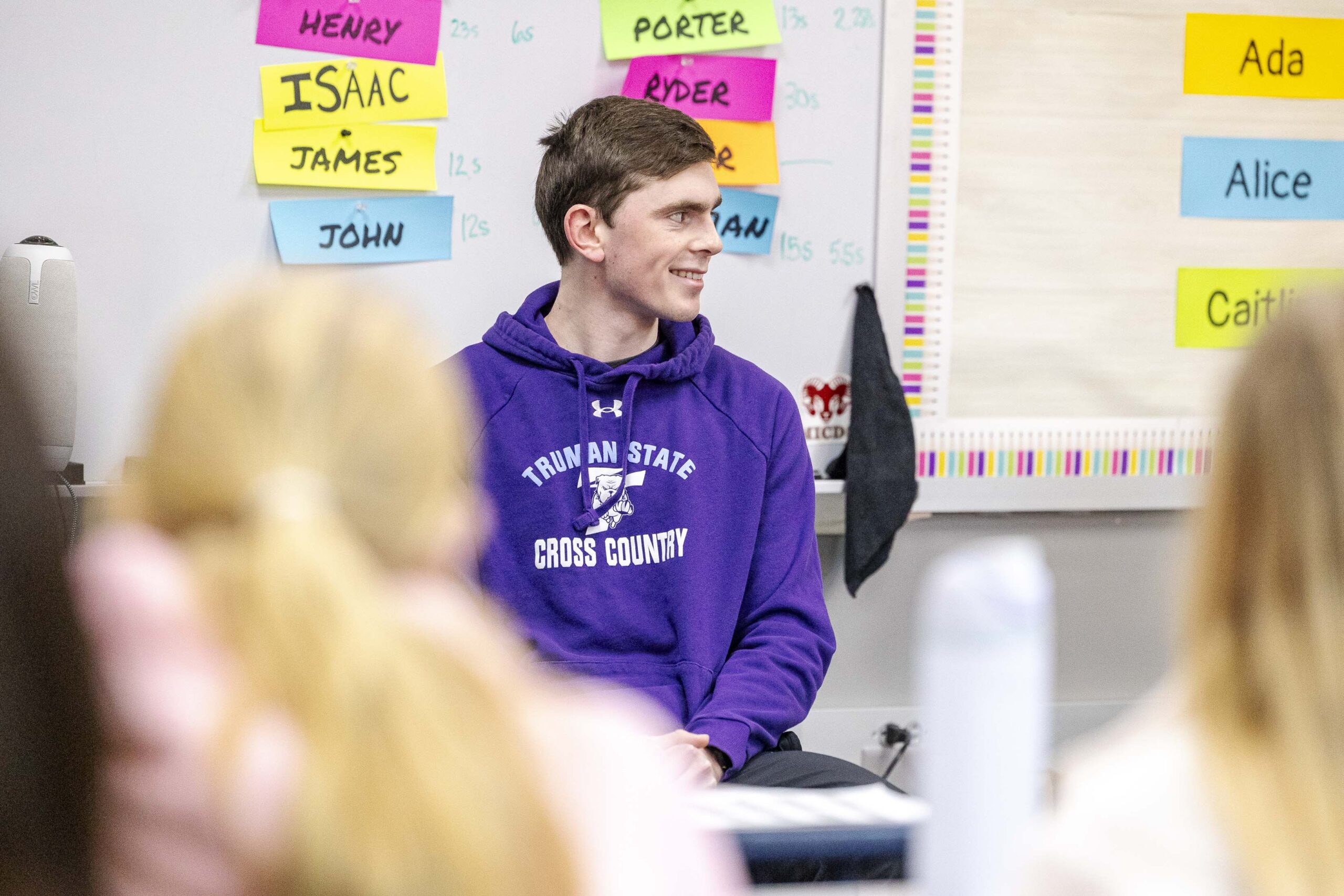
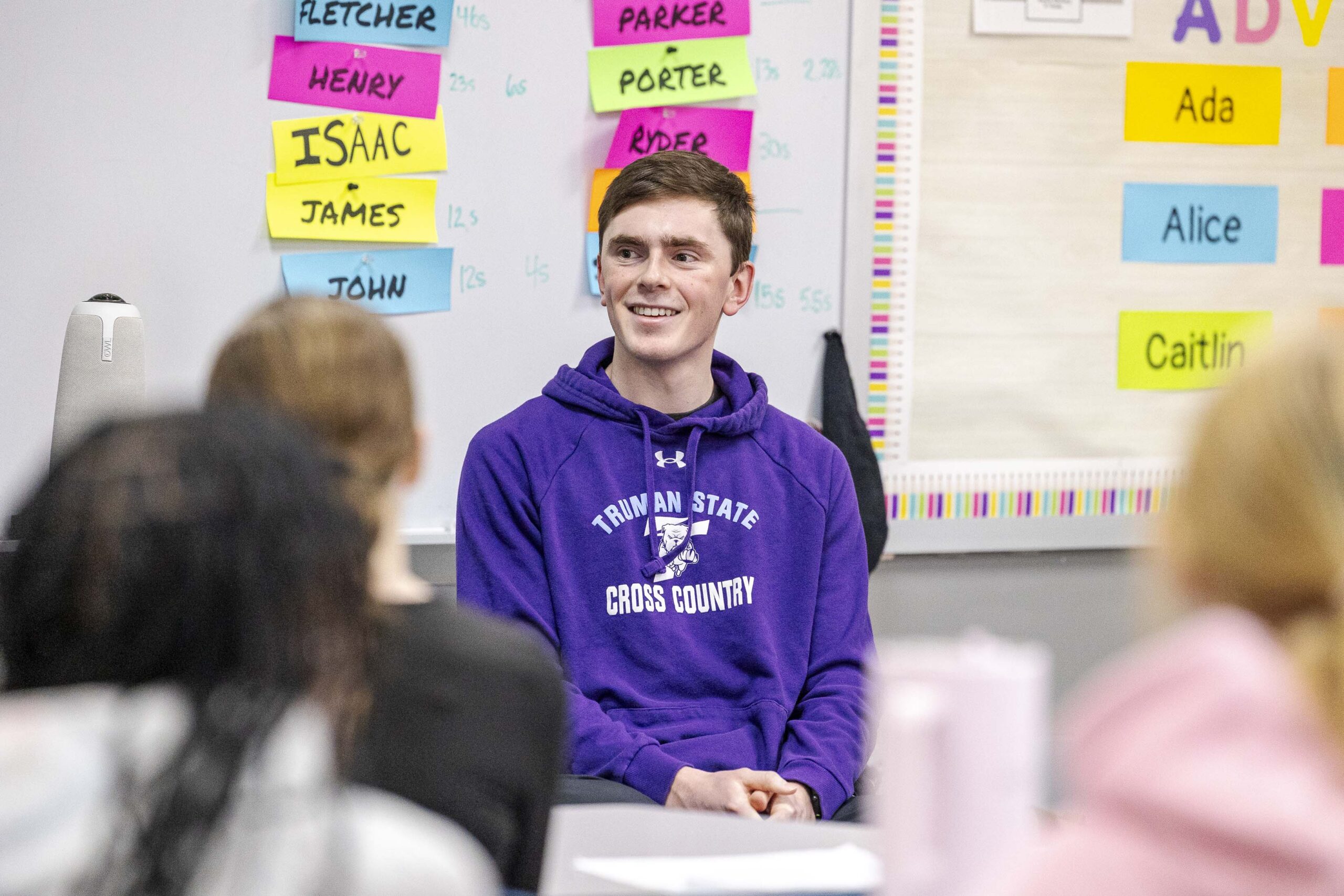
Liam McCarthy ’24, Track & Field, Truman State University
McCarthy illustrated the intense double-day schedule of a collegiate athlete, which includes early morning runs followed by afternoon lifts and second sessions. He credited his success to the grit of working through common distance-running injuries, like stress fractures and patellar pain, and utilizing his MICDS free periods to master the lifting movements he now performs at the college level. McCarthy’s journey proves that the academic foundation at MICDS pays off, as he jumped from a 3.3 GPA in high school to a 3.9 at Truman through disciplined time management.
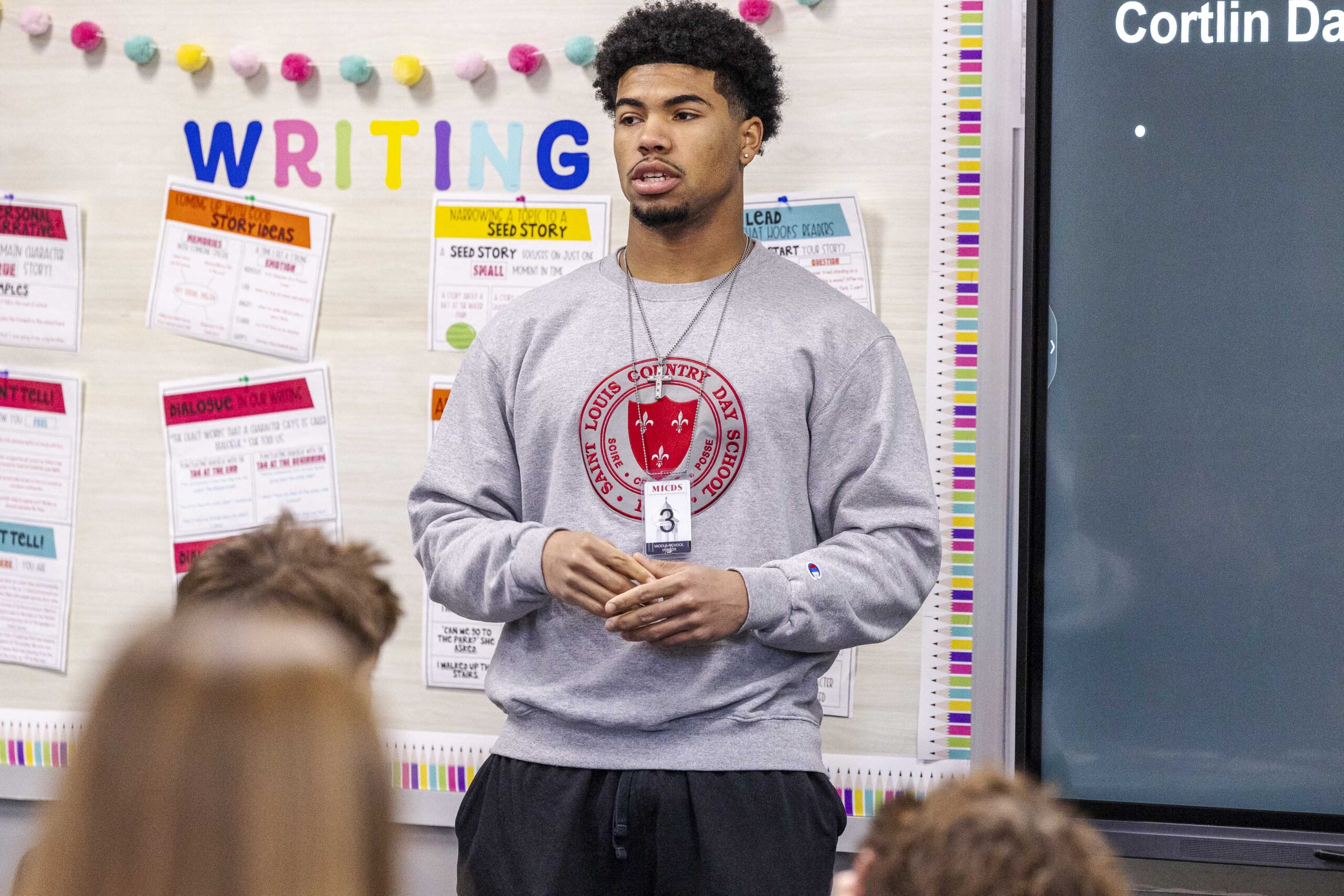
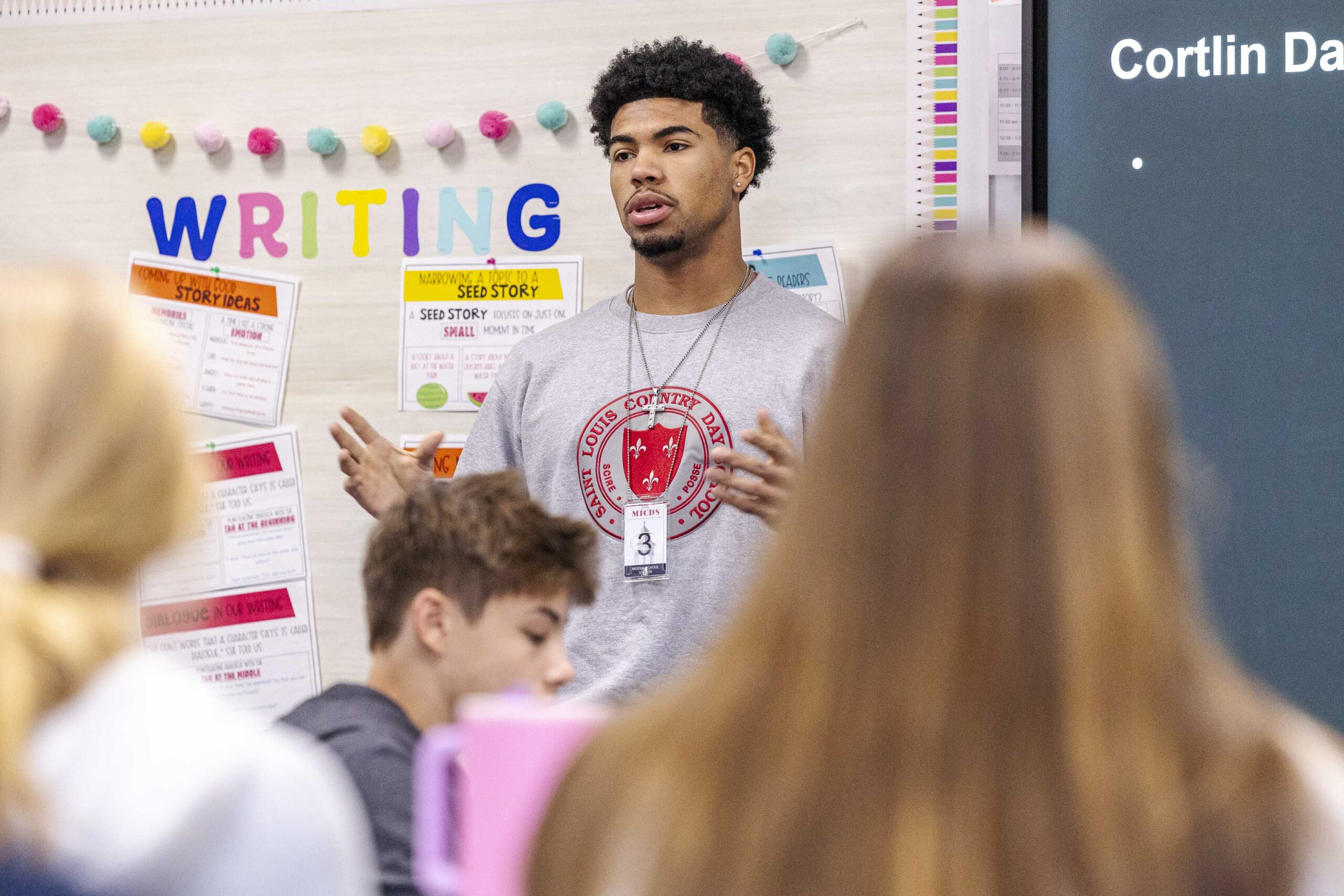
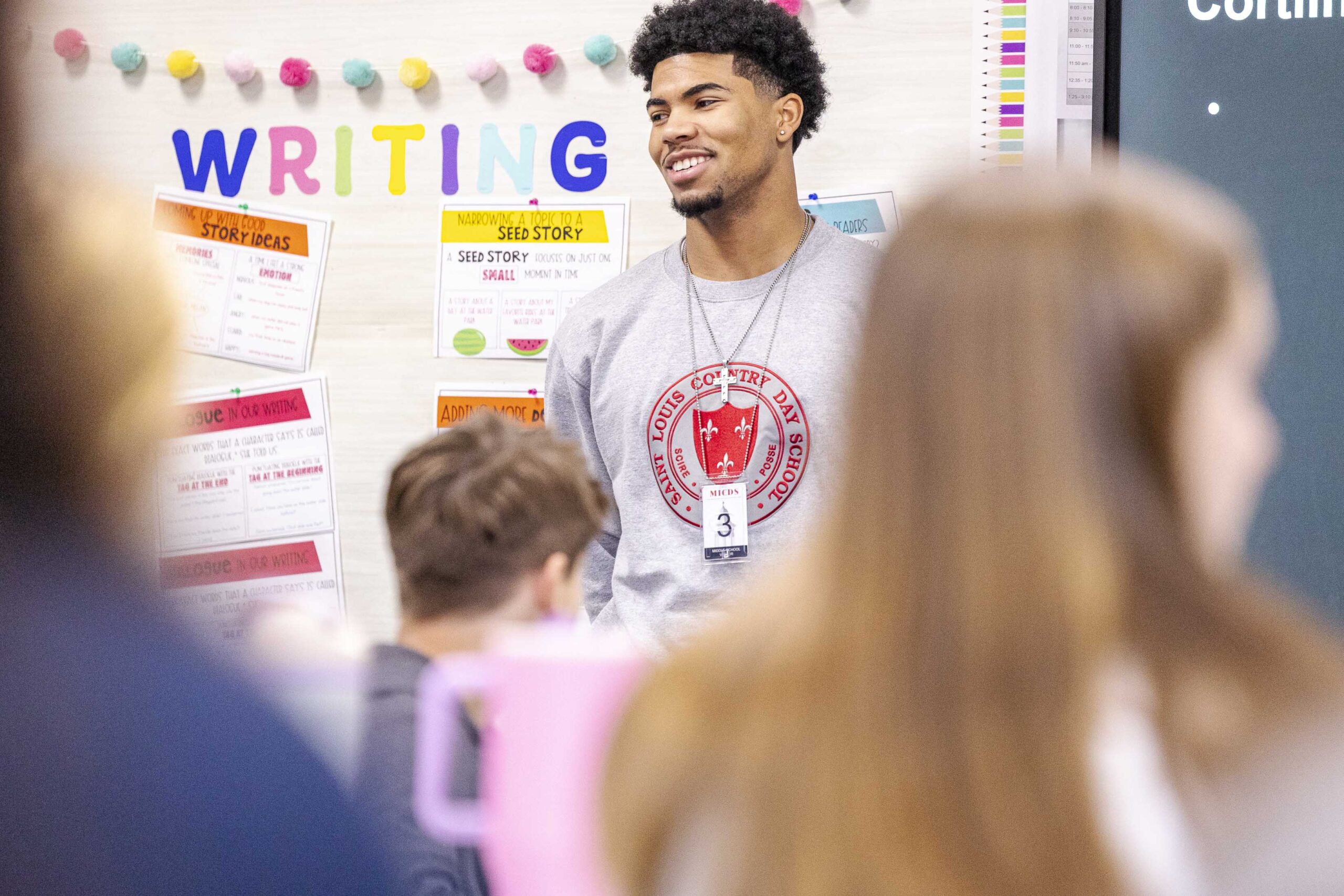
Cortlin Dalton ’23, Football, Washburn University
A walk-on who earned a scholarship at Washburn University, Dalton’s journey is a lesson in adaptability. He transformed his body by gaining 30 pounds through a grueling nutrition plan and adapted to a new position to fit his team’s needs. Dalton highlighted the importance of your own personal brand and networking, noting that his MICDS coaching connections helped bridge the gap to college. His advice for athletic longevity: treat recovery like a job, prioritize 9-10 hours of sleep, and master the mindset of embracing competition even before the sun comes up.
Davis Schukar ’24, Football, University of Chicago
Schukar’s strategy was built on the academic approach using a stellar 34 ACT score, achieved through months of disciplined prep, to open doors to elite programs. He highlighted the unique balance of the D3 level, where coaches prioritize classes over practice, but players must be self-reliant in their nutrition and in player-led off-season lifts. His advice to middle schoolers is to embrace the challenge of facing older, faster opponents as a learning tool and to build a rock-solid scheduling system to navigate a college workload that, thanks to MICDS, actually felt lighter than high school.
Willy Carpenter ’24, Lacrosse, Washington & Lee University
Carpenter intentionally chose a D3 powerhouse over the D1 path to balance elite national title runs with global opportunities like studying abroad. He cautioned middle schoolers that D3 offers are contingent on academics, sharing that his own commitment was tied to his performance in AP Chemistry. A firm believer in “pre-hab over rehab,” Willy credits MICDS with his writing skills and giving him a head start in the weight room, and advises athletes to use a checklist approach to manage high-pressure schedules and prioritize the 8-10 hours of sleep essential for collegiate success.
Will Kacmarek ’21, Football, The Ohio State
Kacmarek started at Ohio University and changed schools via the transfer portal to Ohio State. He cautioned students that the leap to the highest level is huge and requires an obsessive focus on detail. He emphasized that recruiting isn’t just about showing off highlights, but also about how an athlete responds to coaching and conducts themselves off the field. Kacmarek’s pro-level mindset involves using AI-powered nutrition apps to track every calorie, utilizing academic advisors to manage workload, and learning to treat the sport like a job. His biggest takeaway: stay off social media before big games, communicate early with professors, and treat every drill like your last.
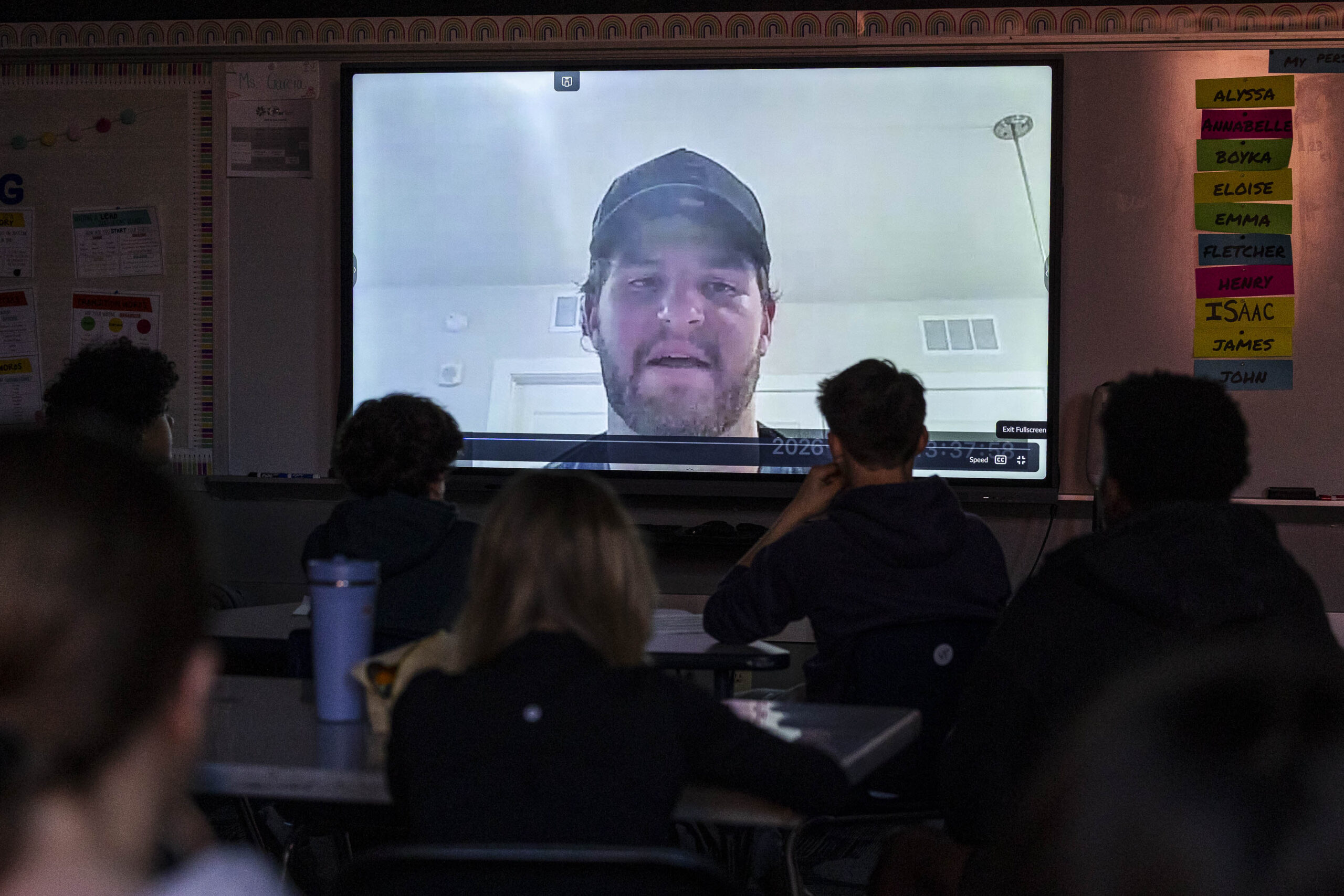
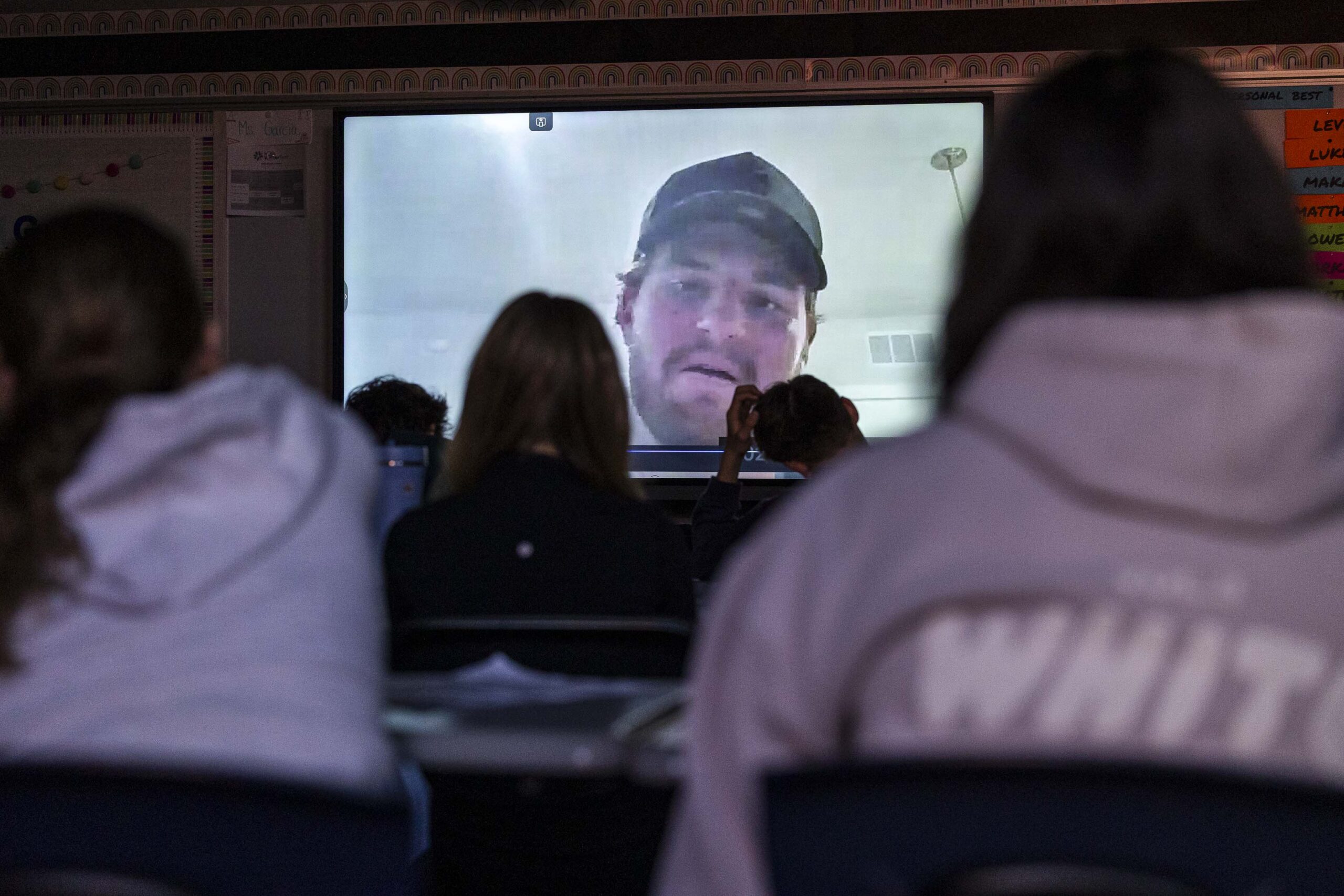
Zaire Harrell ’22, Basketball, University of Missouri – Kansas City
Harrell, a graduate student and athlete, delivered an important message to middle schoolers: homework is still waiting for you after the game. She emphasized that while teachers are supportive, the ultimate accountability rests on the student. Even as a 5’8″ athlete, she is one of the strongest on her team, which is a testament to the strength-and-conditioning foundation she built at MICDS. Harrell’s performance pillars include a sophisticated recovery routine involving cryotherapy and red-light therapy, a strict no-junk-food rule trading Pop-Tarts for beef jerky and meal prep, and the discipline to turn off TikTok to prioritize sleep. Her message to the next generation: be the first in line for sprints, master your hip mobility, and understand that water is an athlete’s best friend.
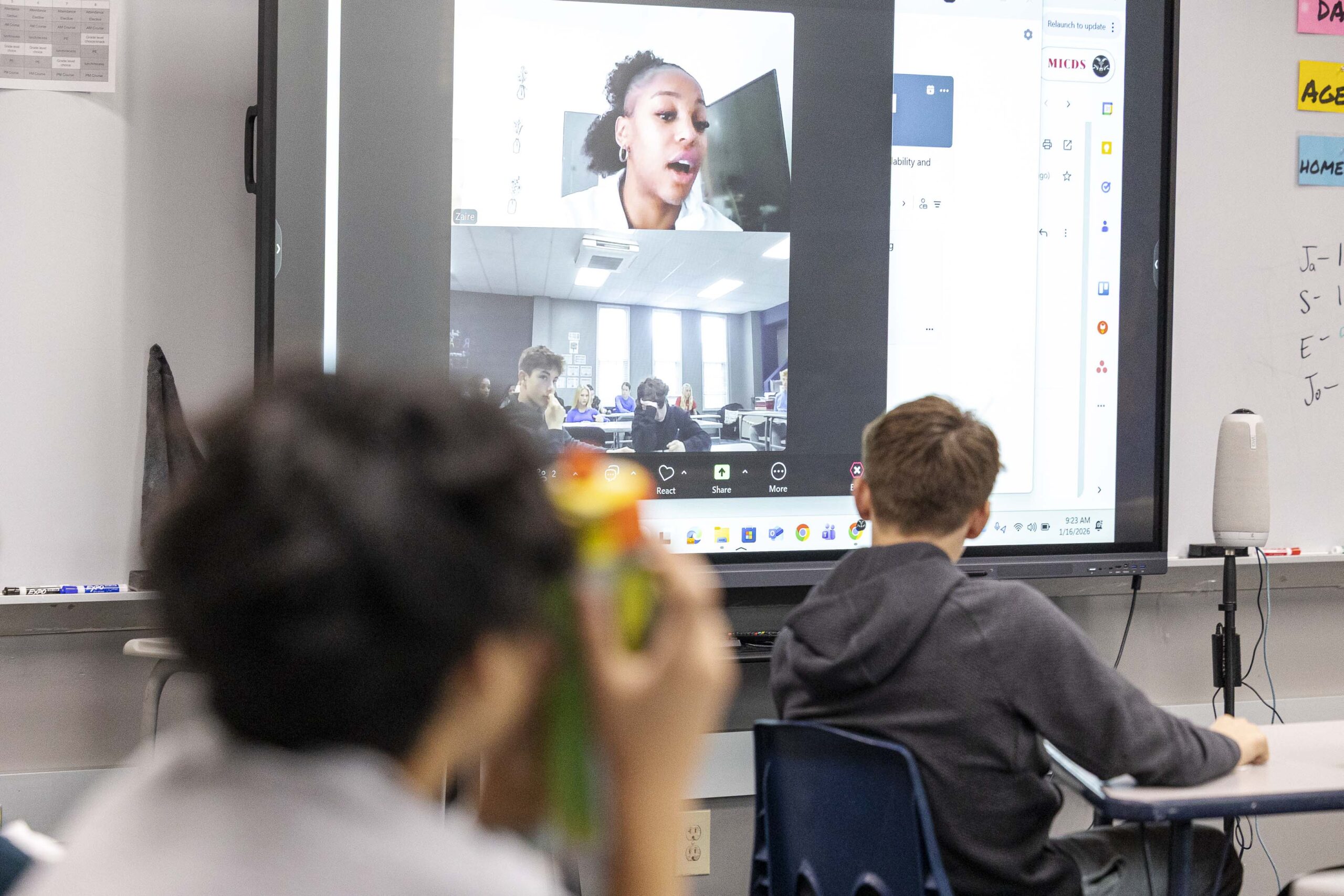
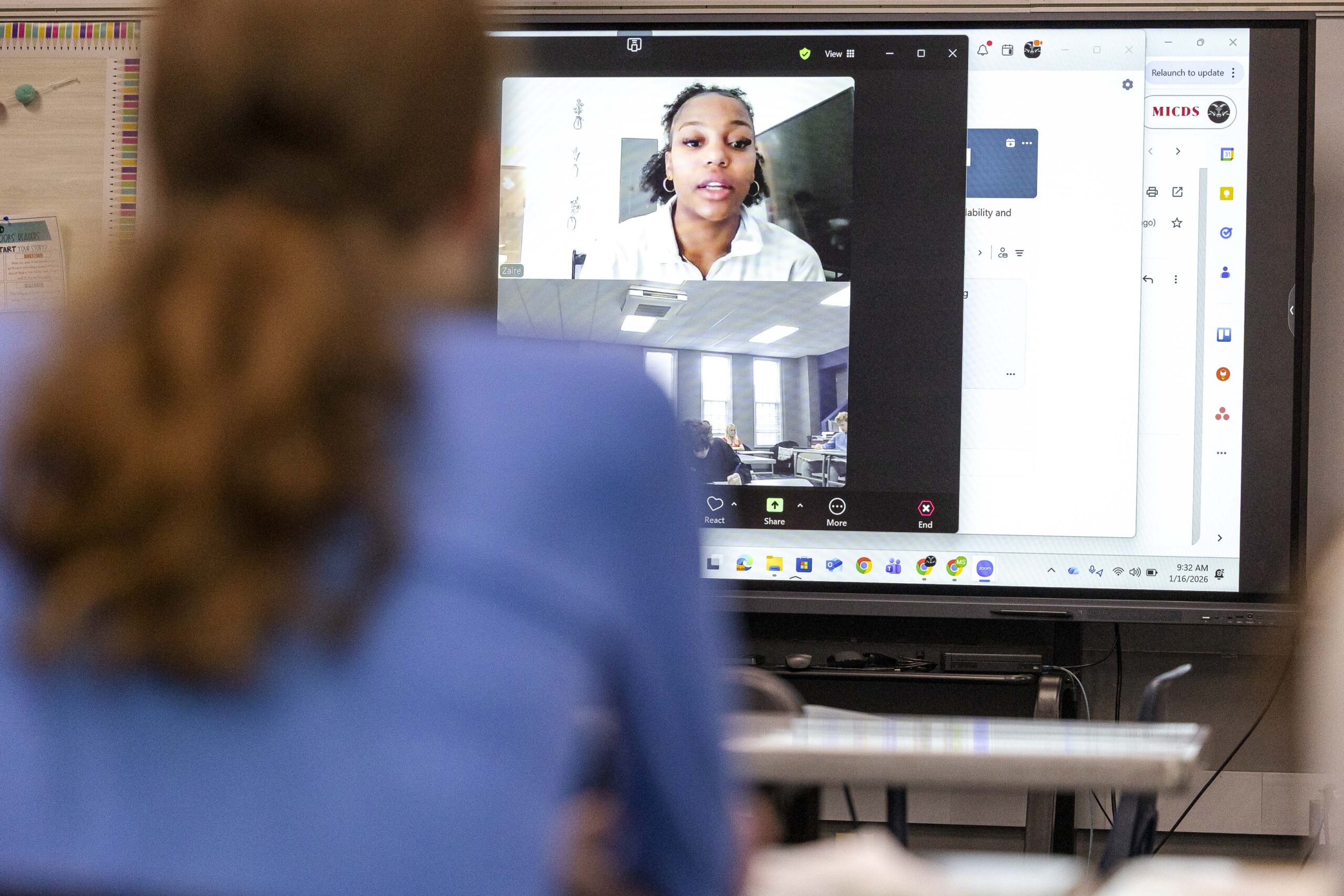
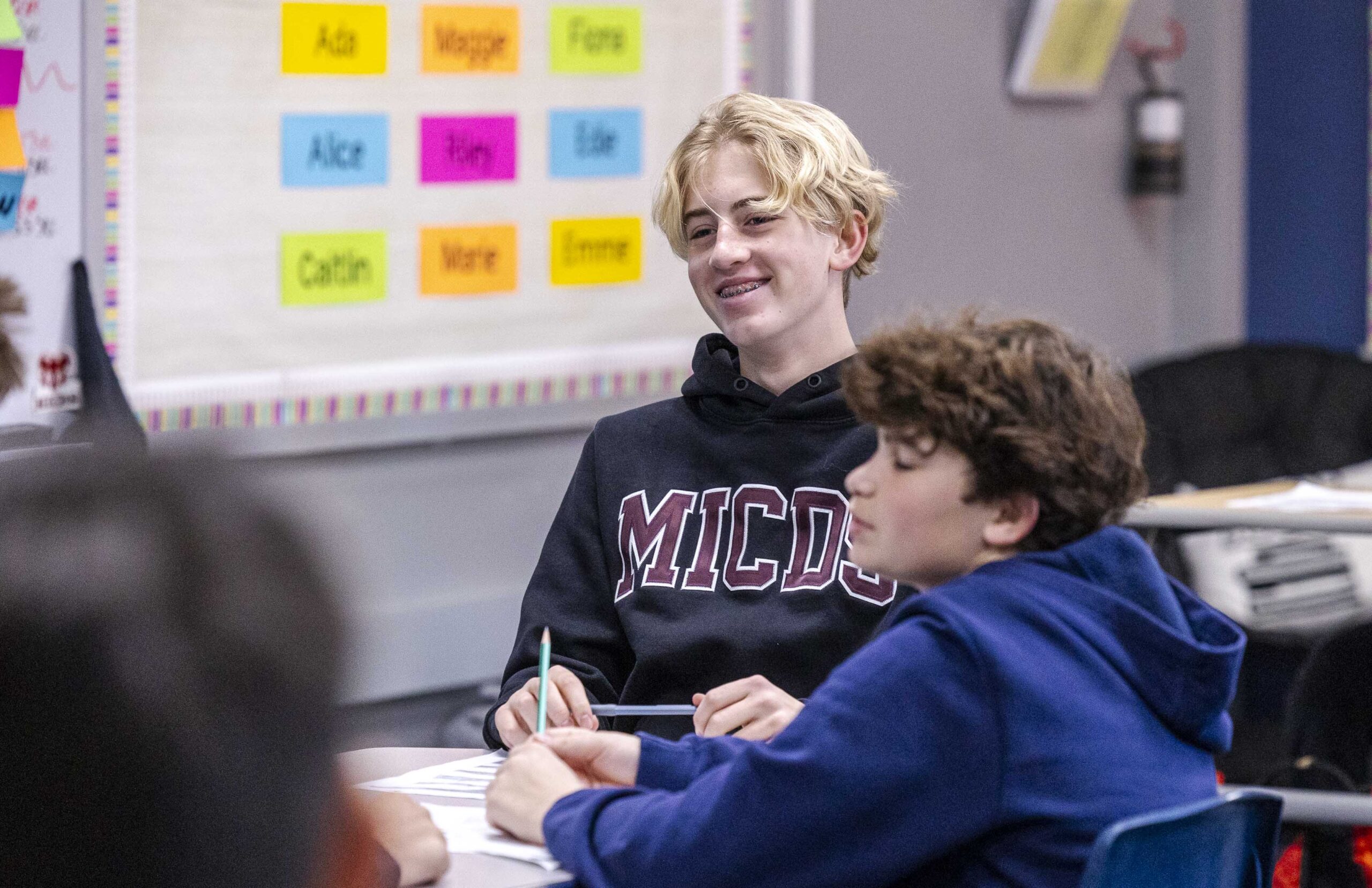
“I enjoy talking to all the alums who ended up playing sports in college, where they came from, and their growth,” said Mason Thomas-Anderson ’30. “My top three takeaways are: academics, consistency, and leadership. This class is so different and more significant than any other Winter Term class.”
While the MICDS alumni provided the day-in-the-life inspiration, the class curriculum delivered the scientific details behind what makes an athlete elite.
Mastering the Sleep Cycle
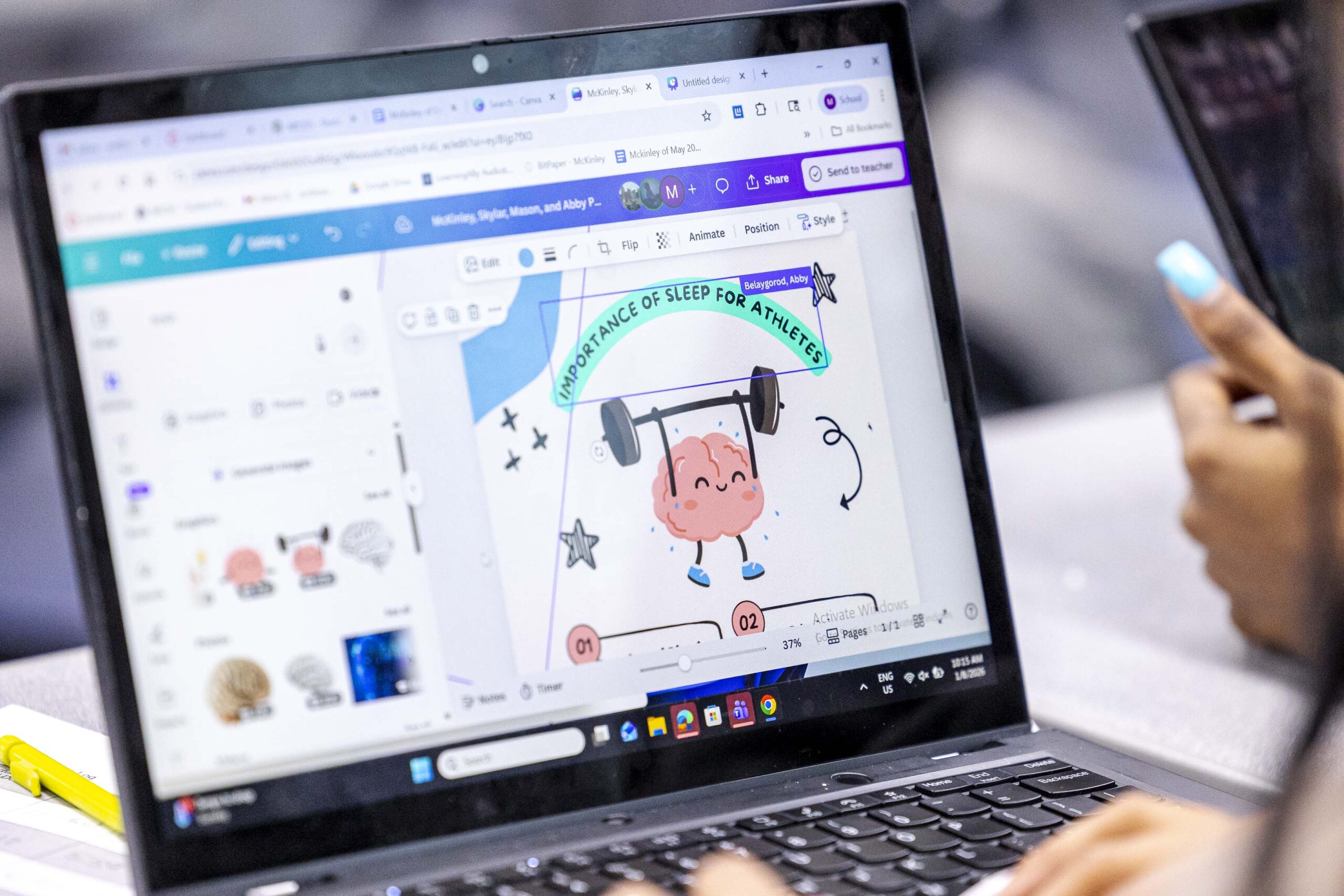
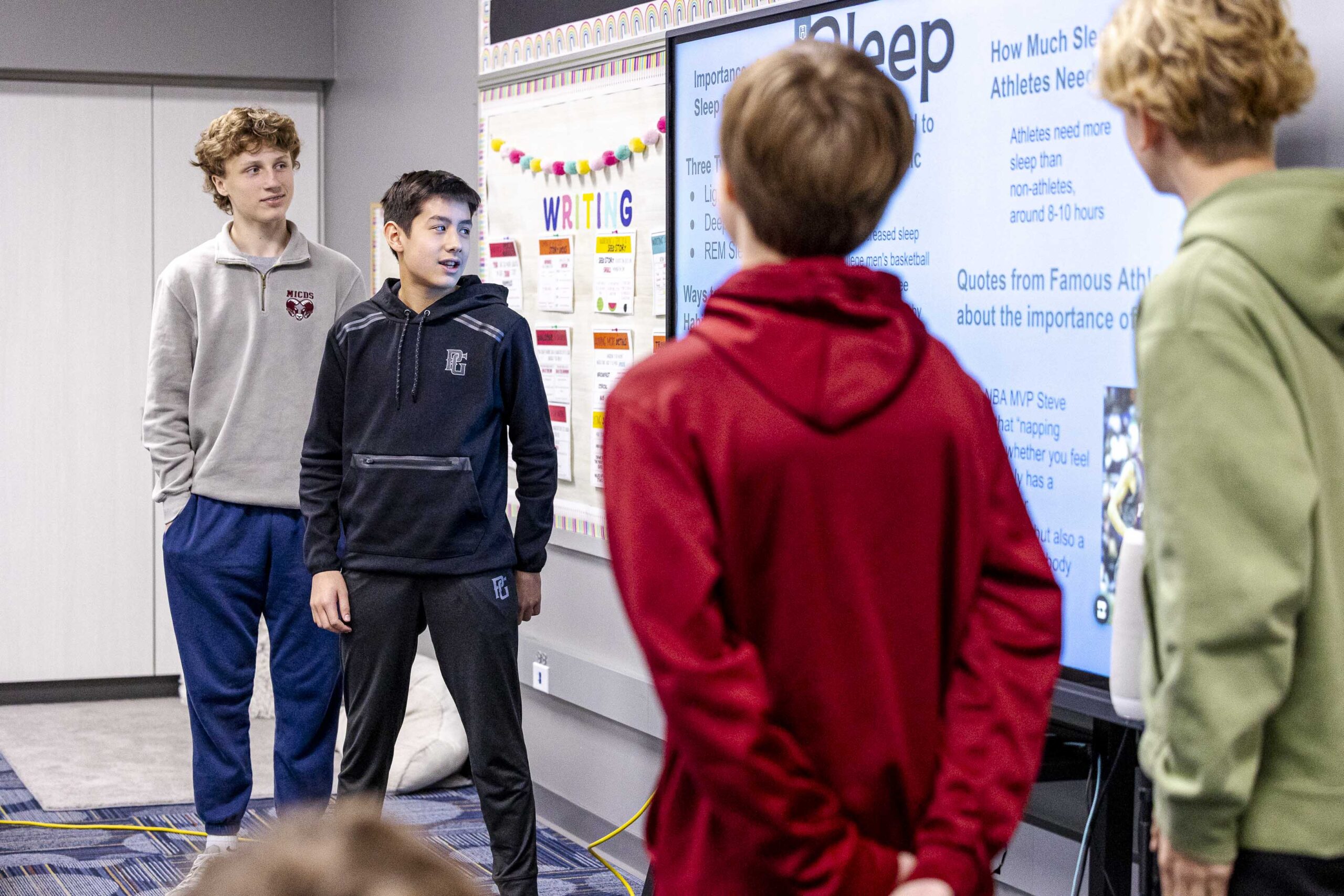
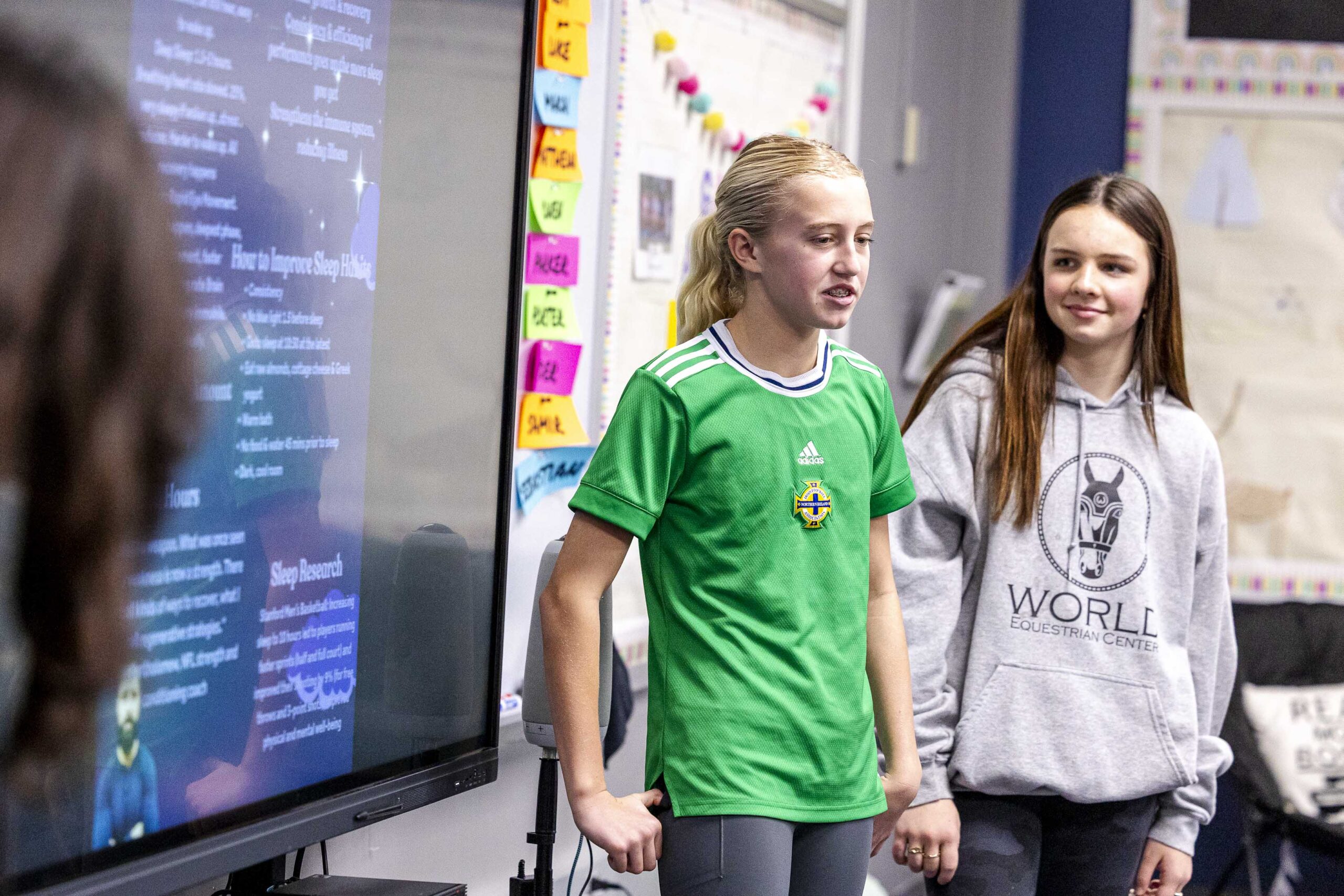
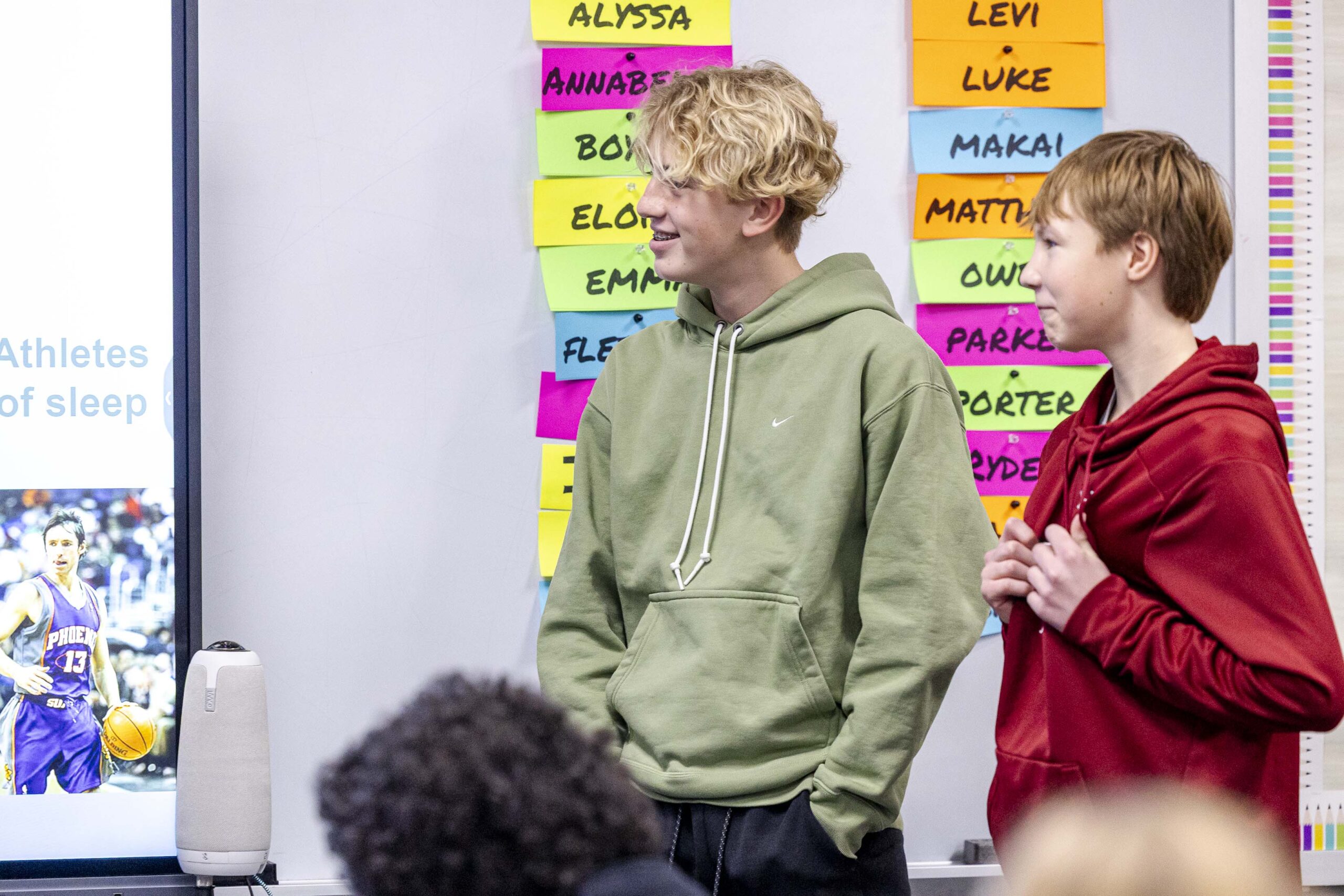
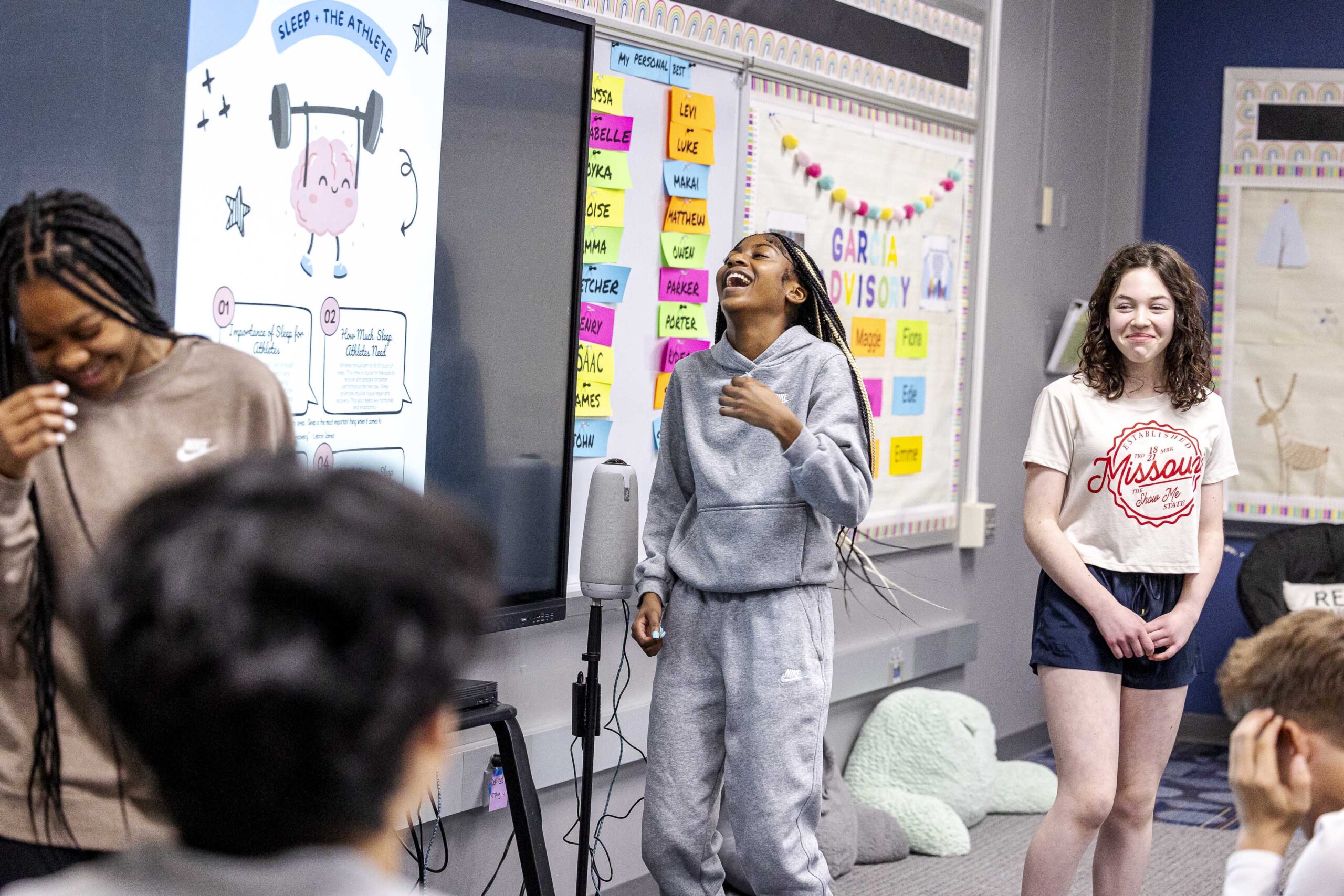
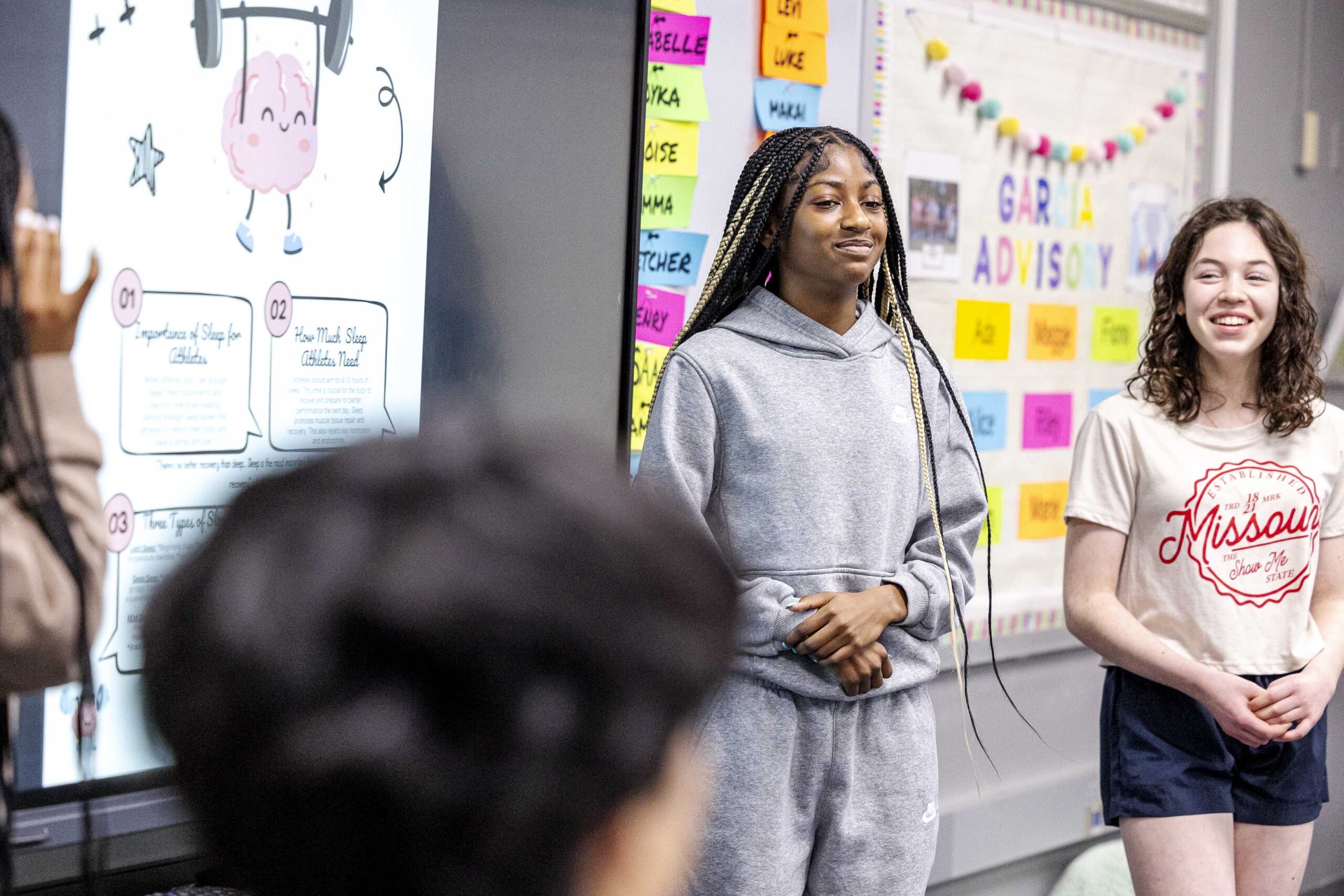
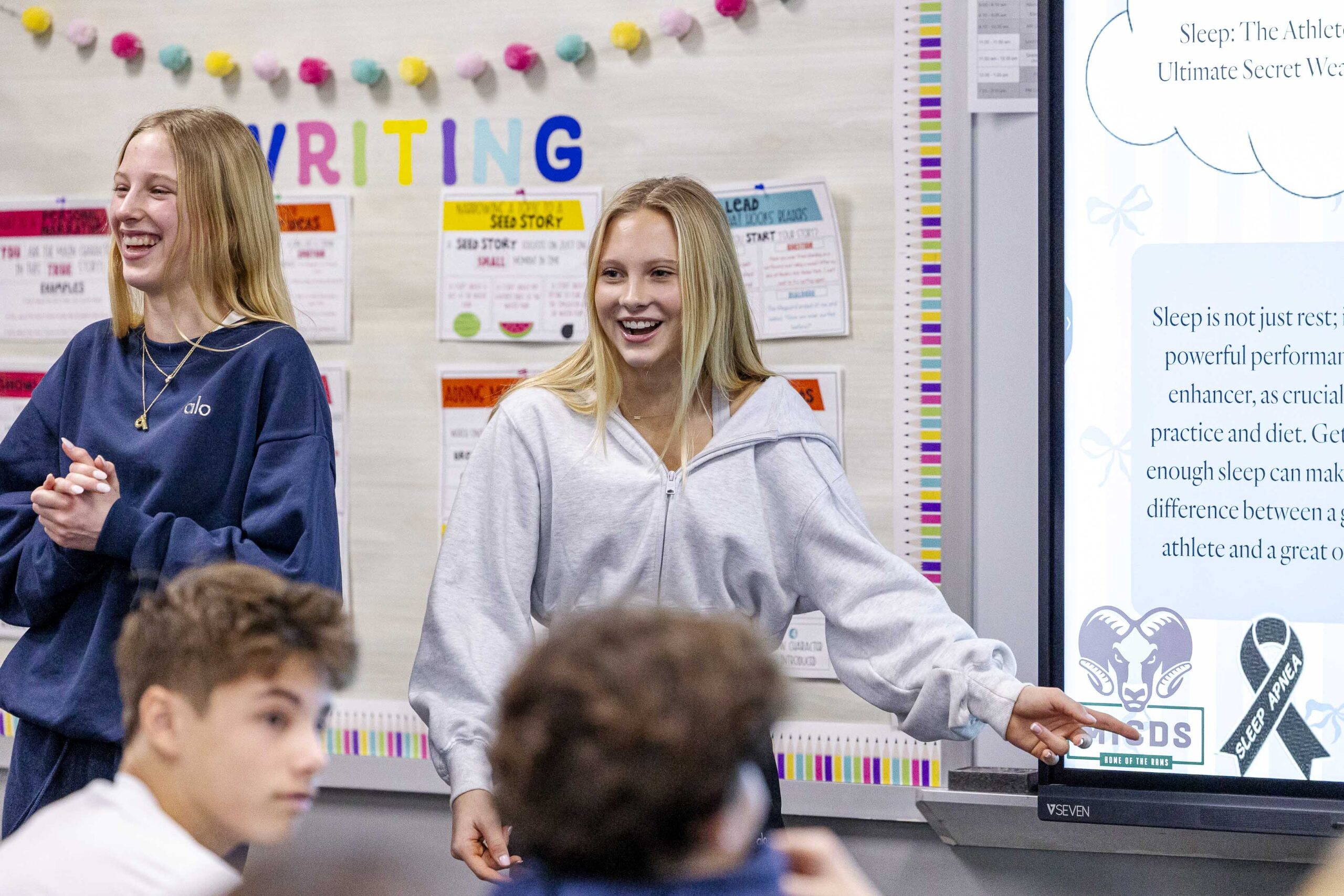
Many students don’t realize that sleep is an active reset essential for overall well-being. Goldberg and Garcia shared that sleep is the primary window for resetting endorphins and hormones while allowing the heart to rest and cells to engage in vital muscle repair. Students explore the architecture of sleep through its three distinct cycles—light sleep, deep sleep, and REM sleep—all of which improve recovery, cognitive processing, memory consolidation, and brain development. Fun fact: Stanford basketball players saw a 9% increase in shooting accuracy simply by extending their sleep to 10 hours!
“One challenging part was seeing what I eat, how it can affect me, and how much sleep I get,” said Savannah Harris ’30. “I’ve enjoyed the athletes coming in and telling us what it’s like to actually play D1, 2, and 3 sports in college.”



Food is Fuel
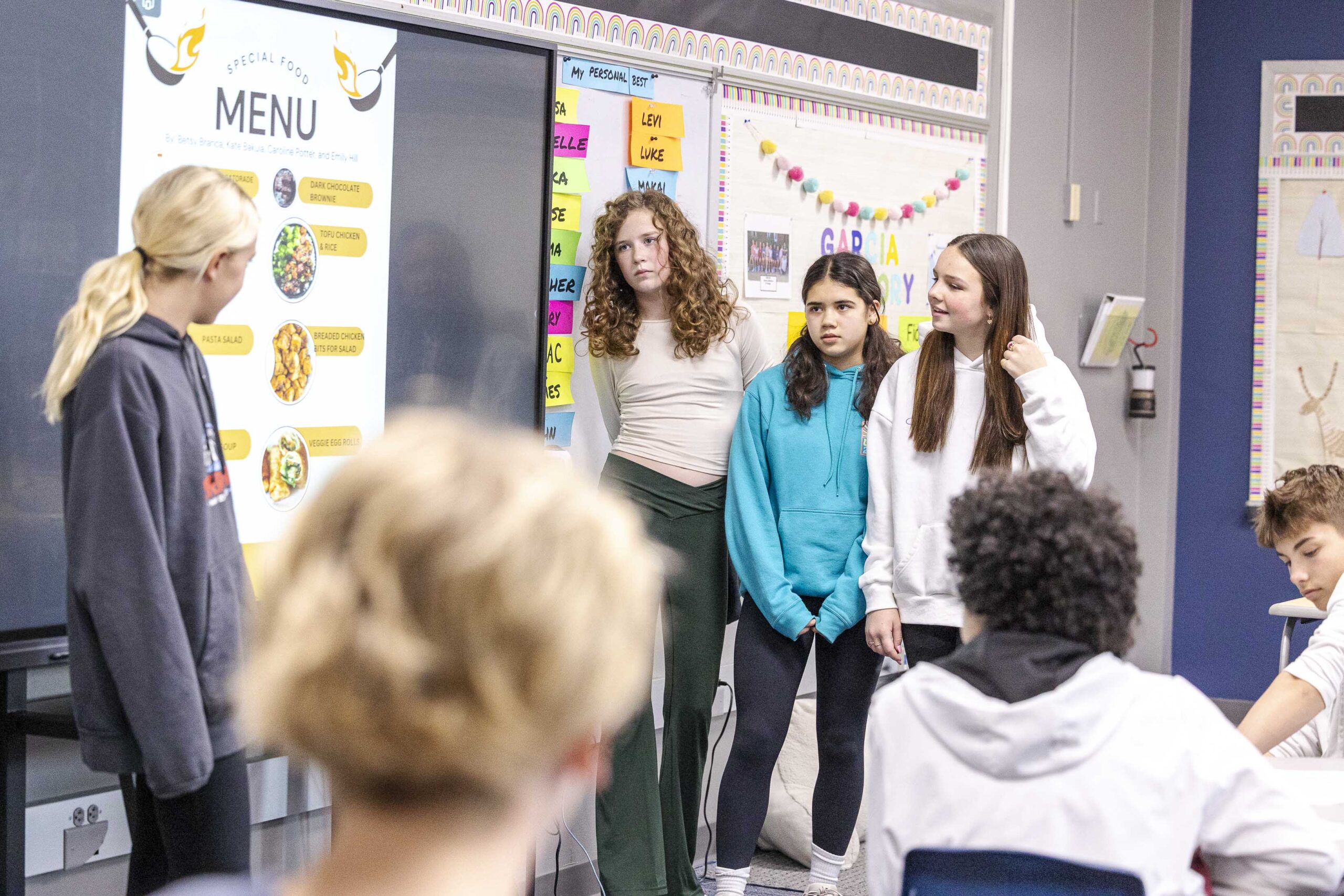
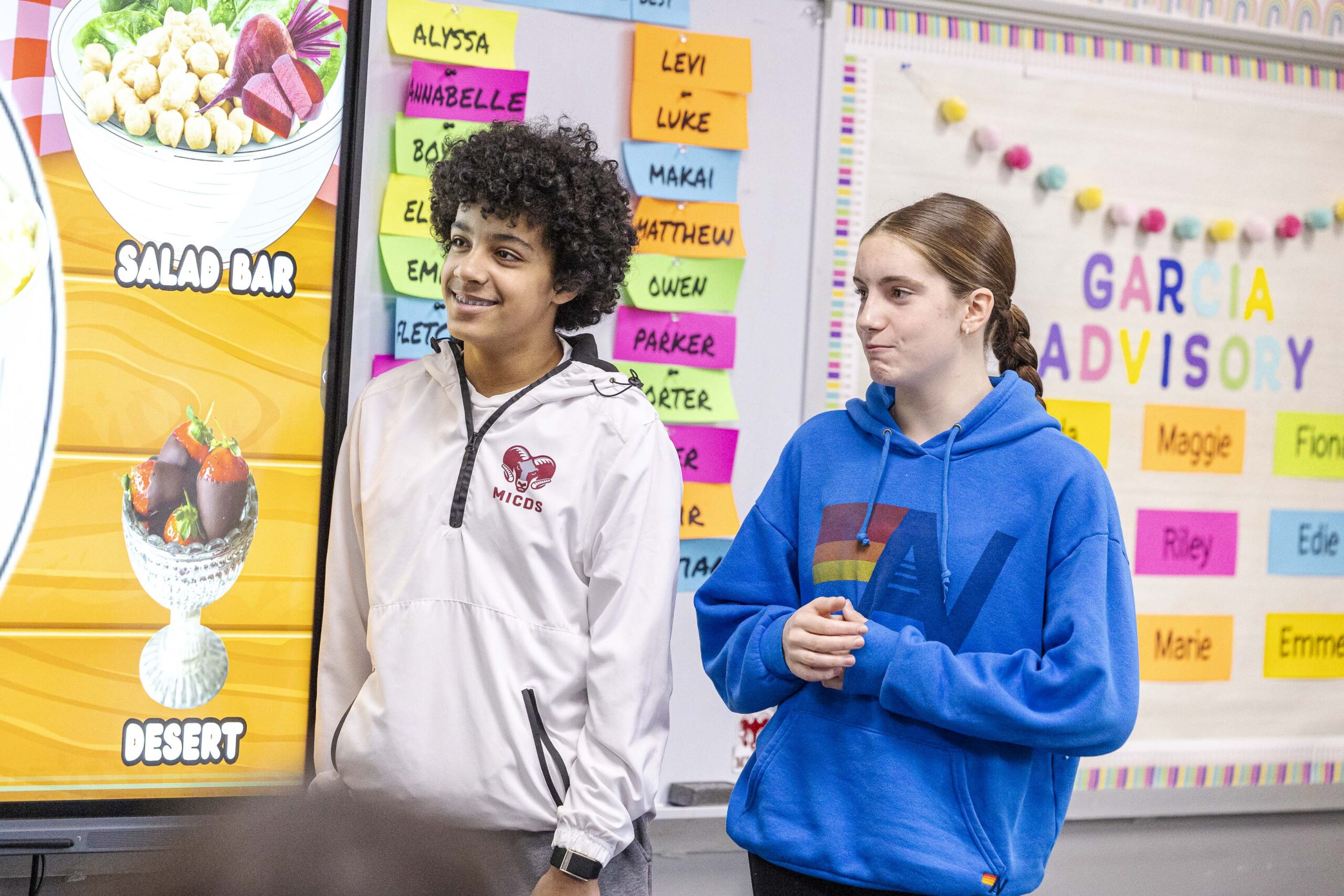
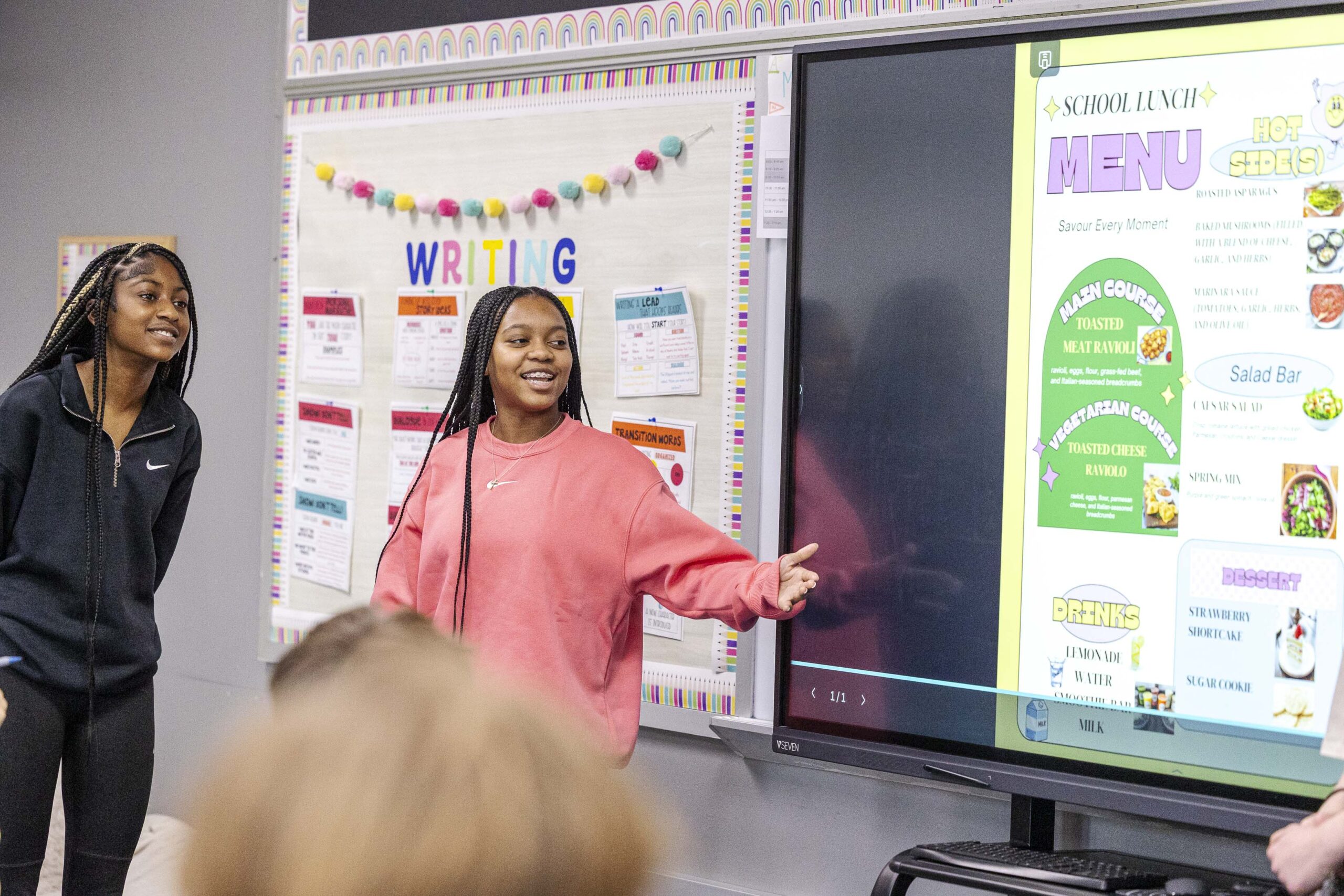
In the nutrition unit, students begin with the school dining hall and a critical evaluation of their own lunch choices. They reflect on how a specific meal affects their afternoon performance and on viewing food as high-grade fuel rather than just a midday break. Maddie Mauch ’30 found the self-reflection valuable: “I’ve been looking more at how you’re supposed to eat, like what would be healthy, and comparing it to how I’m currently eating. I would definitely like to make some adjustments, but it’s good to know what I need to change, like probably adding more protein.”
Cooper Novik ’31 agreed, noting: “It was surprising to learn that everyone should be eating lots of protein every day, like more than you think. I also noticed a common theme of how MICDS has prepared them both physically and academically. It’s just a great example of how good a school this is.”

Hydration & The Roadmap
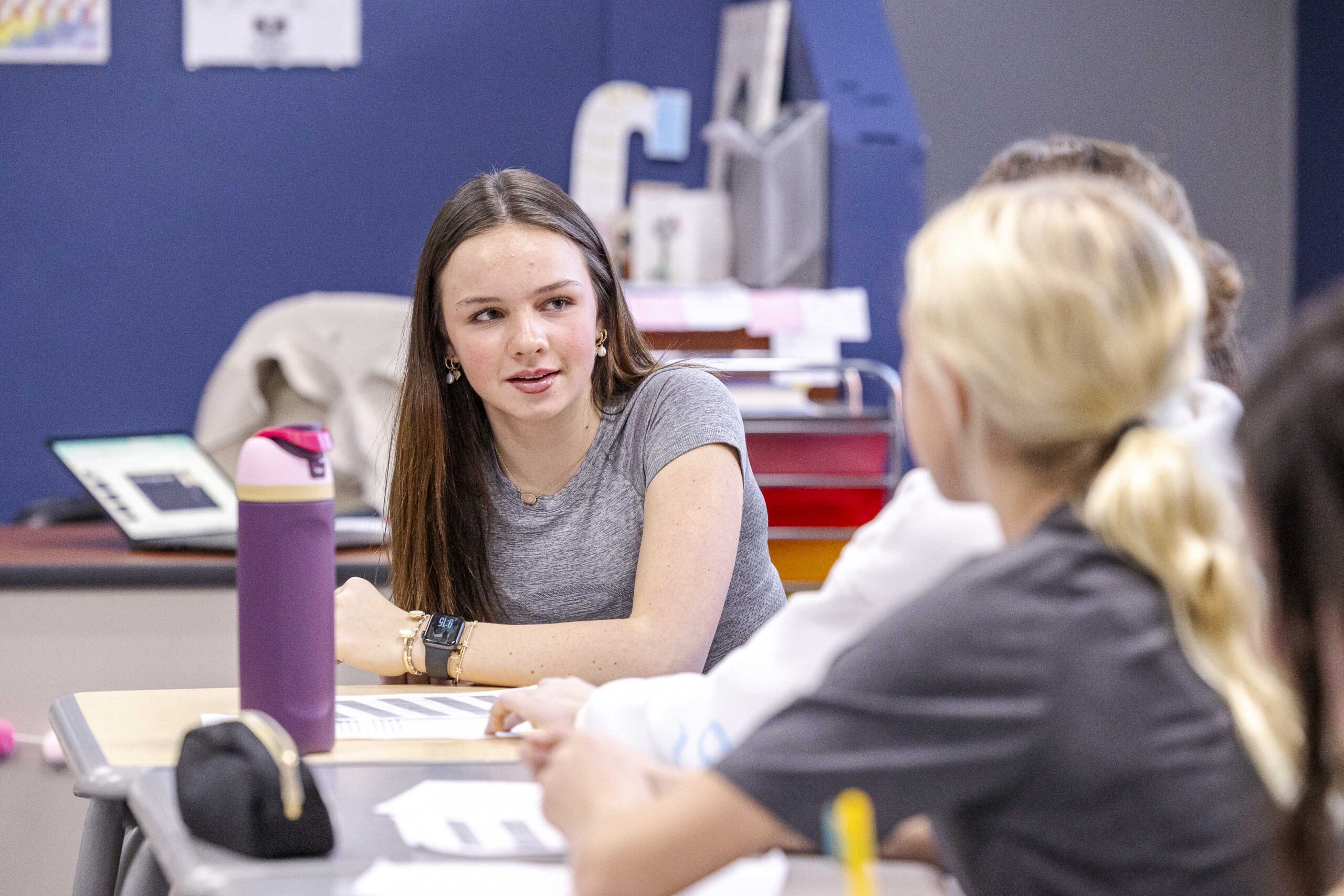
In this unit, the curriculum goes beyond “drink more water” advice to a specialized formula: athletes should aim for a daily intake of at least half their body weight in ounces. This baseline can change according to the athlete’s environment, activity level, and even their diet. By tracking these variables, students learn that hydration is a moving target that requires constant adjustment to maintain peak physical and cognitive output. A simple water bottle is often the most important piece of equipment an athlete owns.
Payton Timme ’30 reflected on the complexity of the college-athlete lifestyle: “There are so many factors you need to reach to be at the top level of a D1 college athlete. I’ve enjoyed learning about nutrition and sleep…it’s so important to fuel and recharge your body for practices and games.”
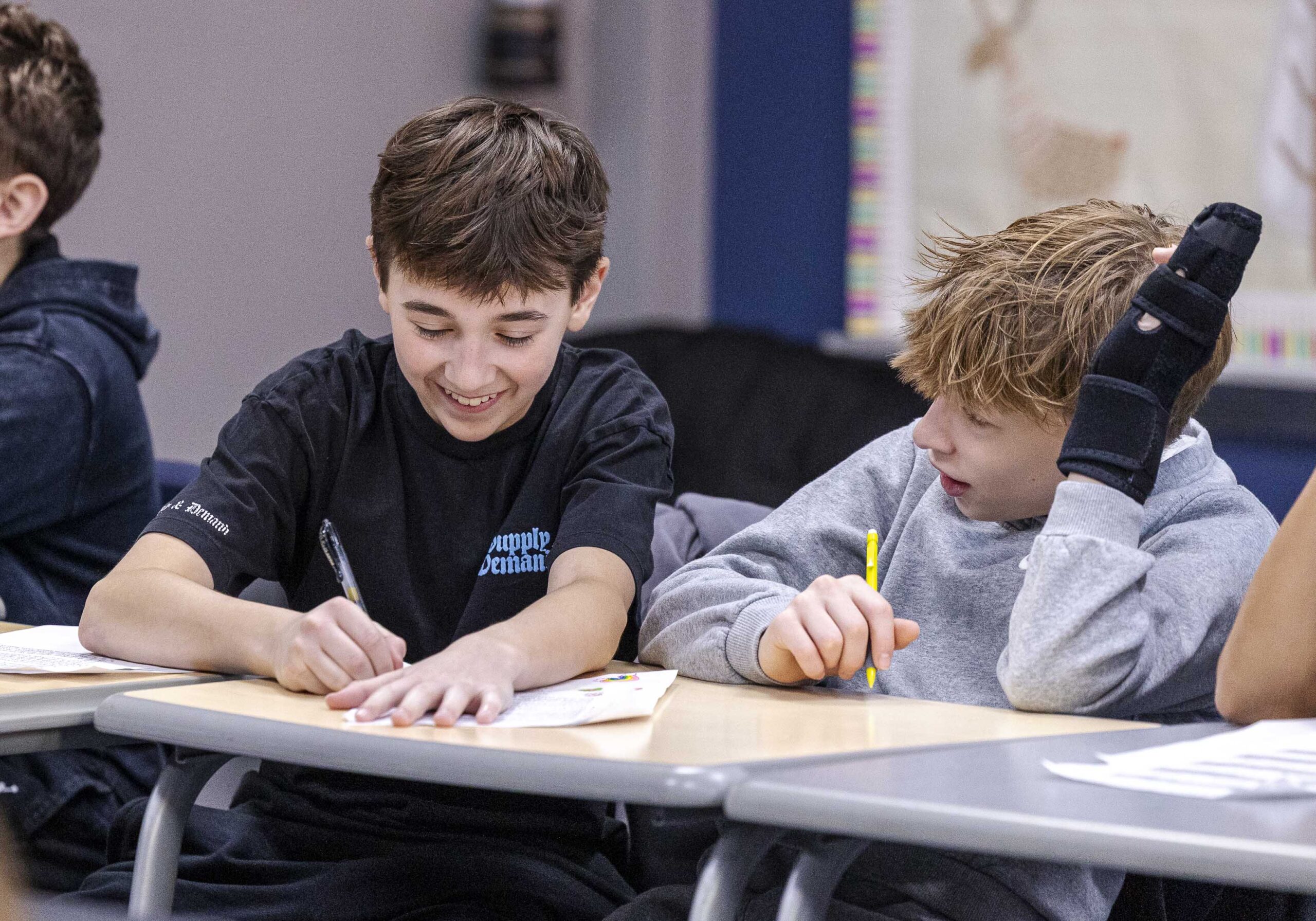
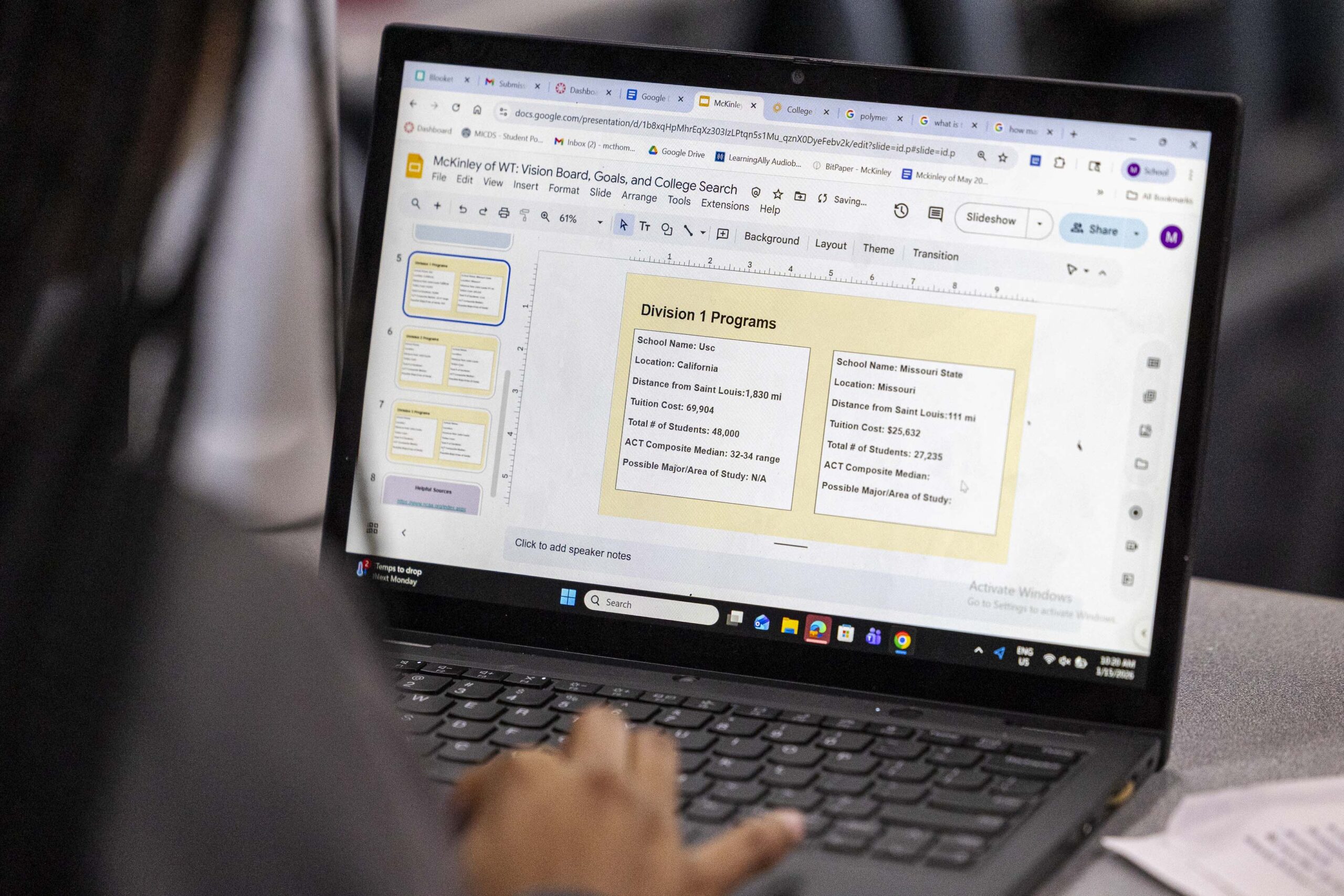
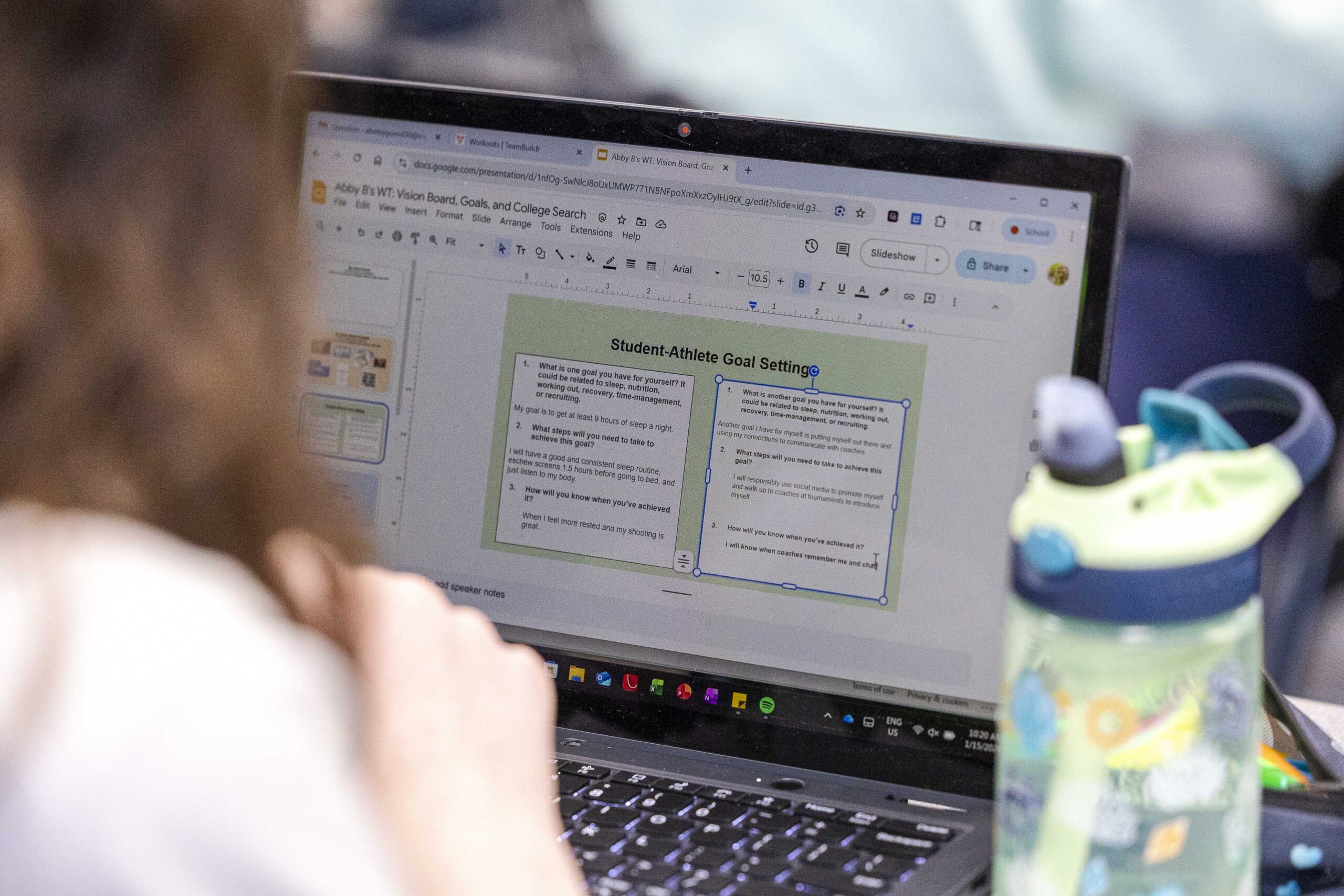
The course culminated in a final project where students created vision boards and conducted intensive college searches. “This was the coolest class I have ever taken,” said Jordan Soshnik ’30. “It was so fun to talk with former MICDS student-athletes who play at the next level and to see the different journeys they’ve taken, all with similar themes.”
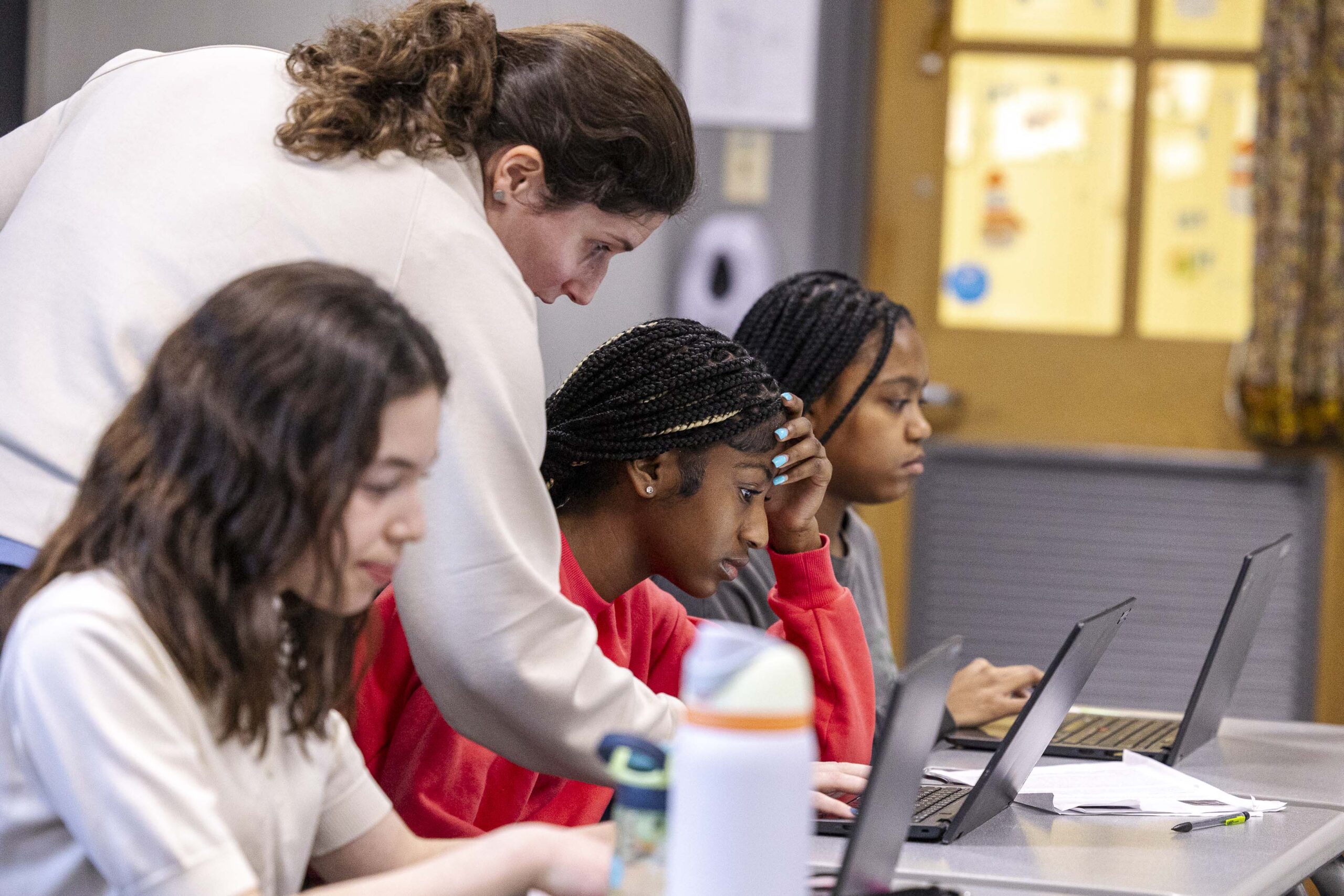
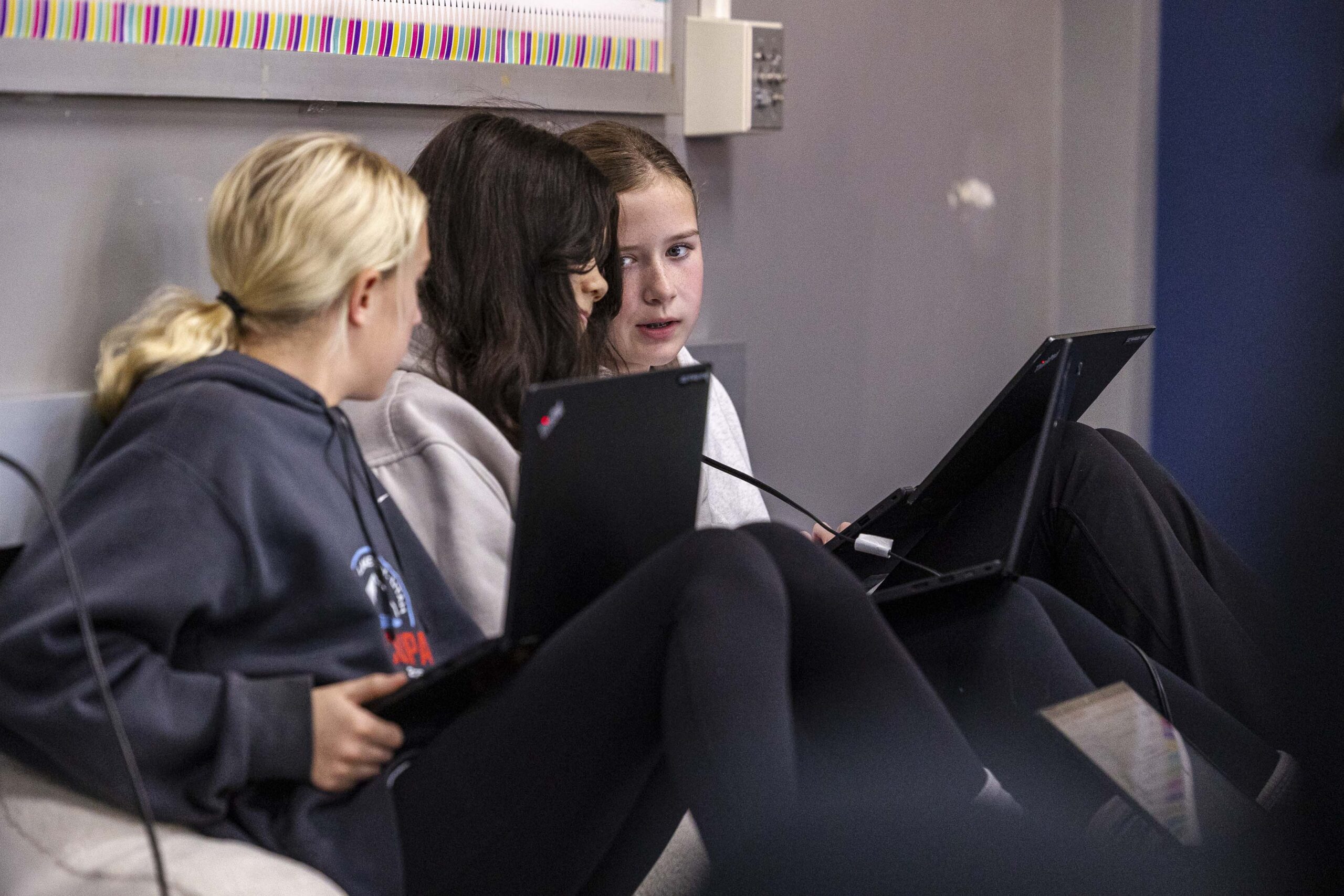
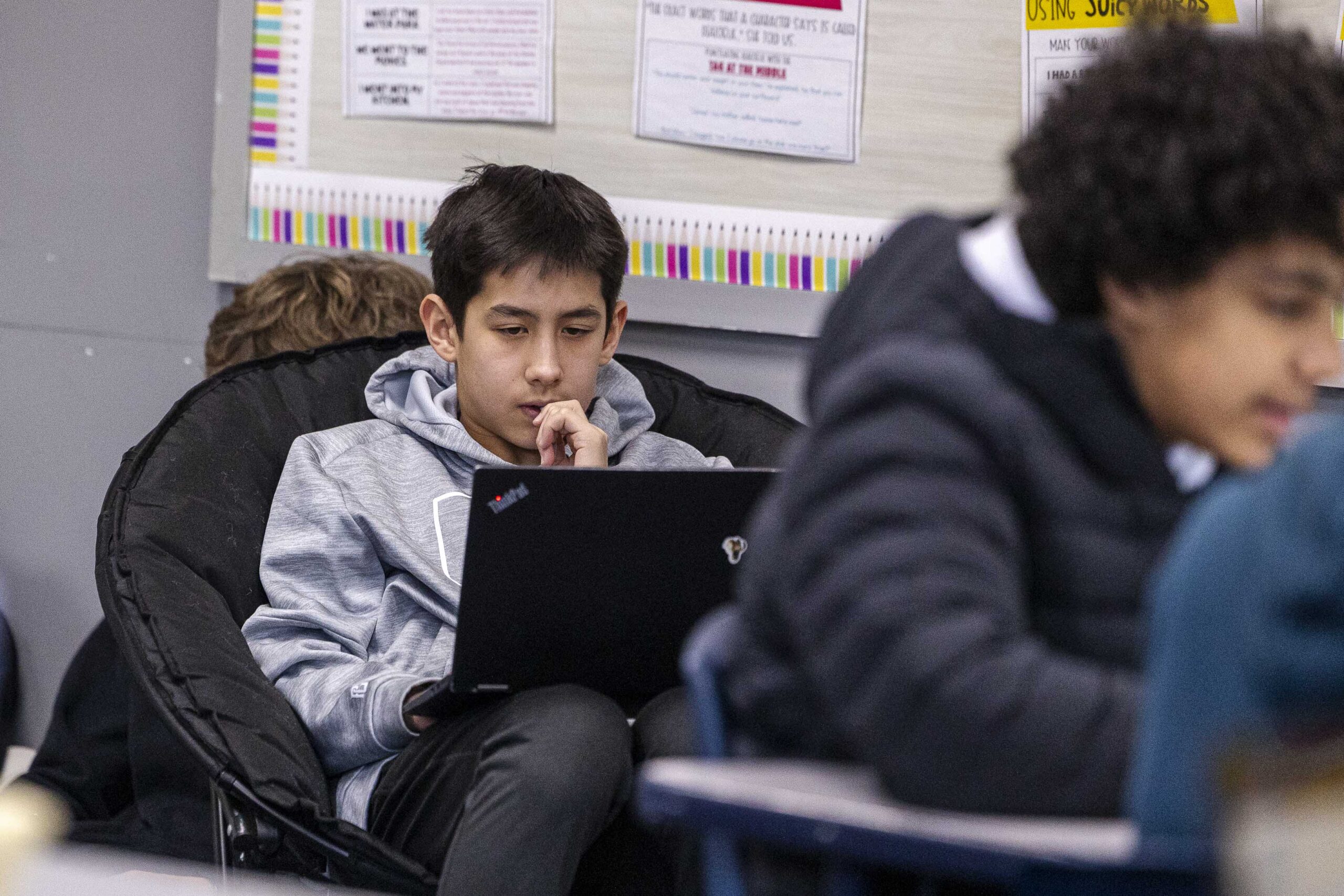
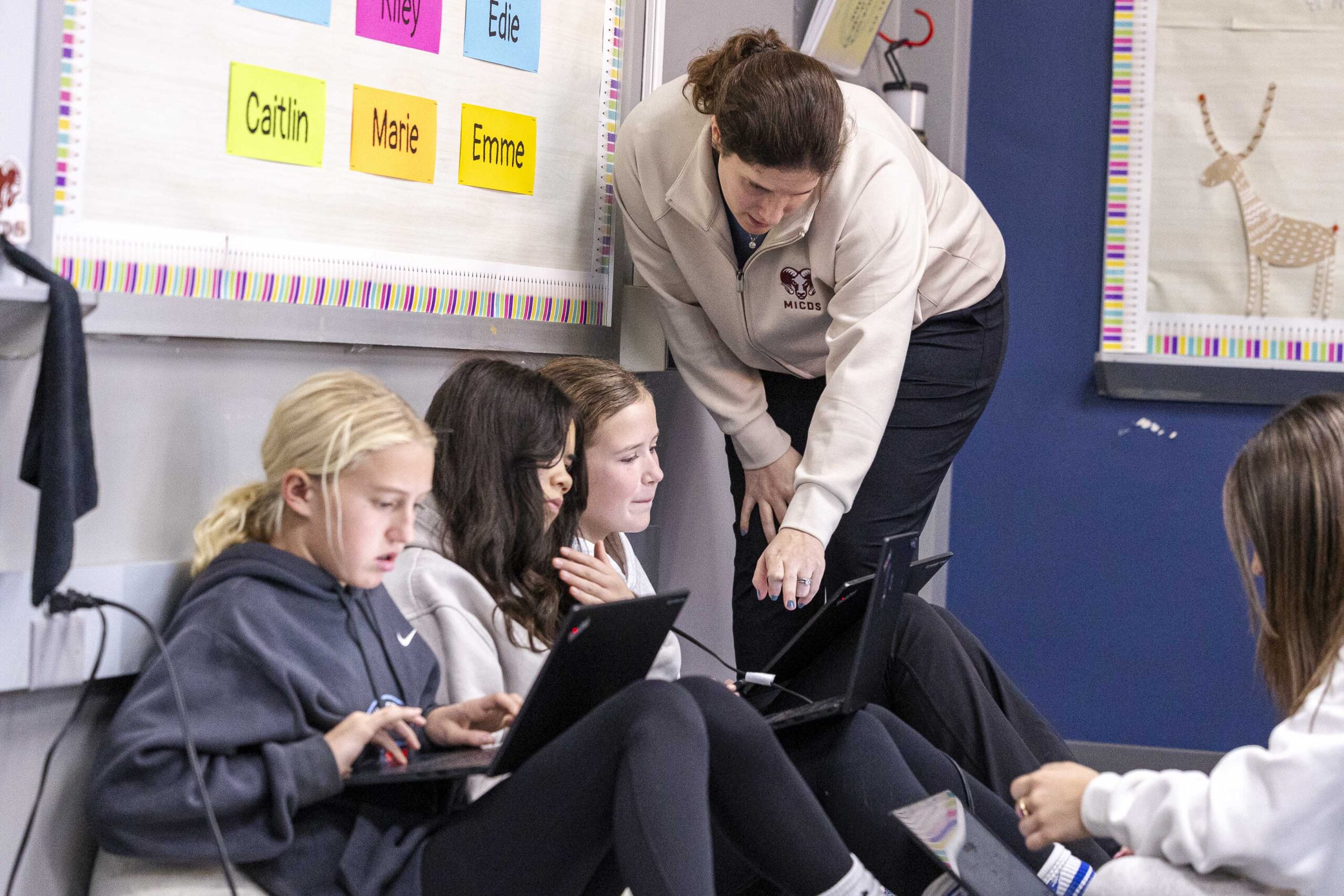
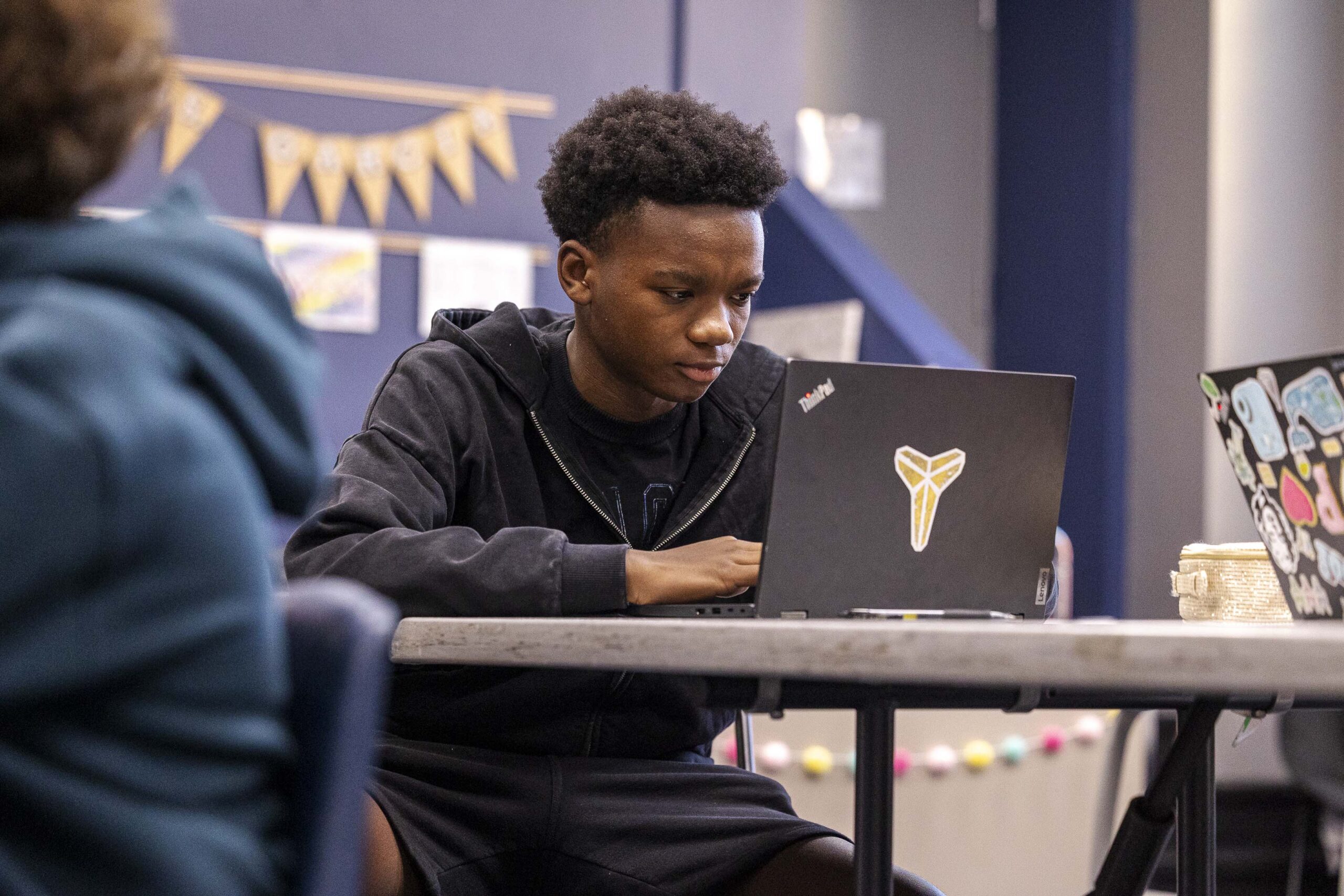
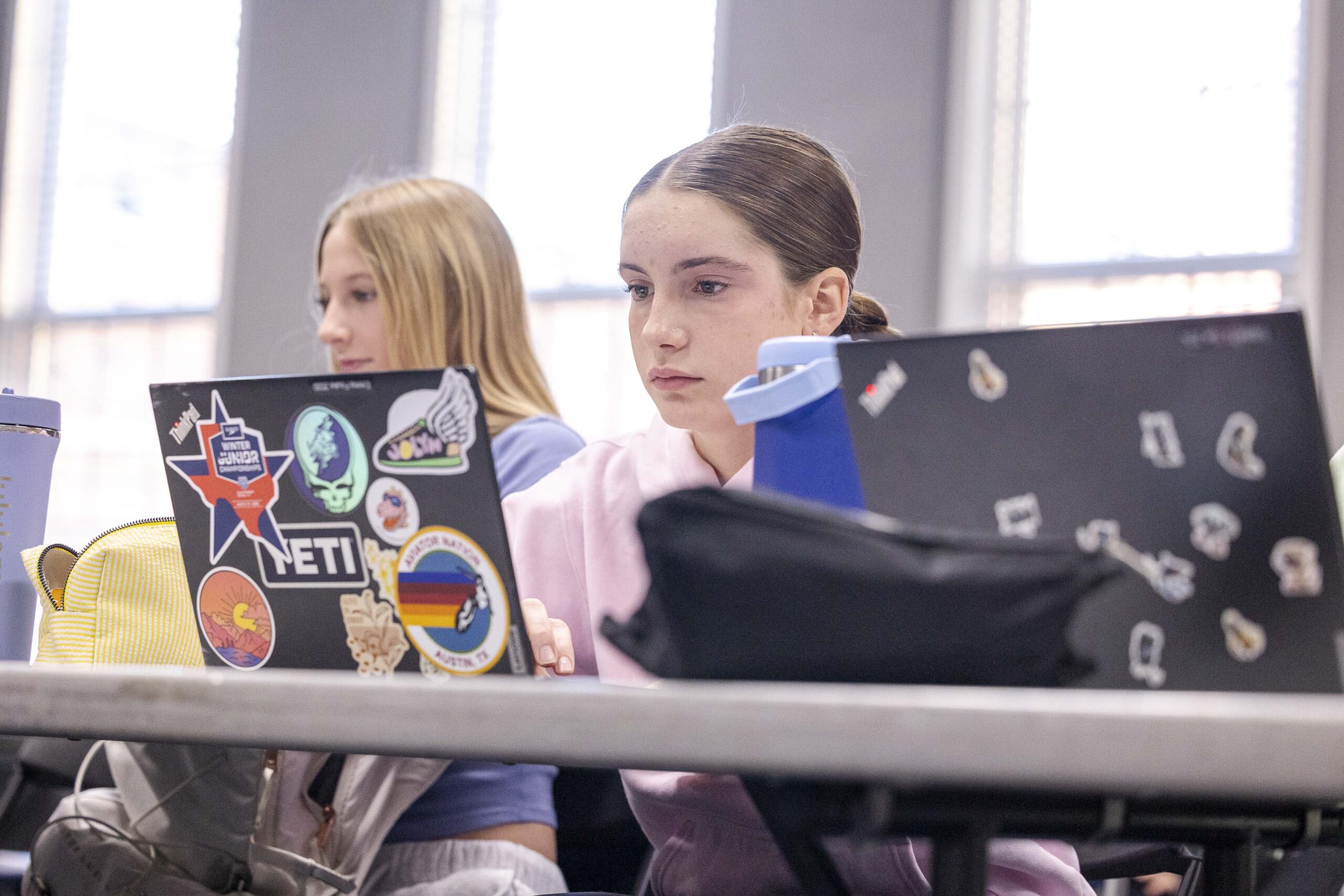
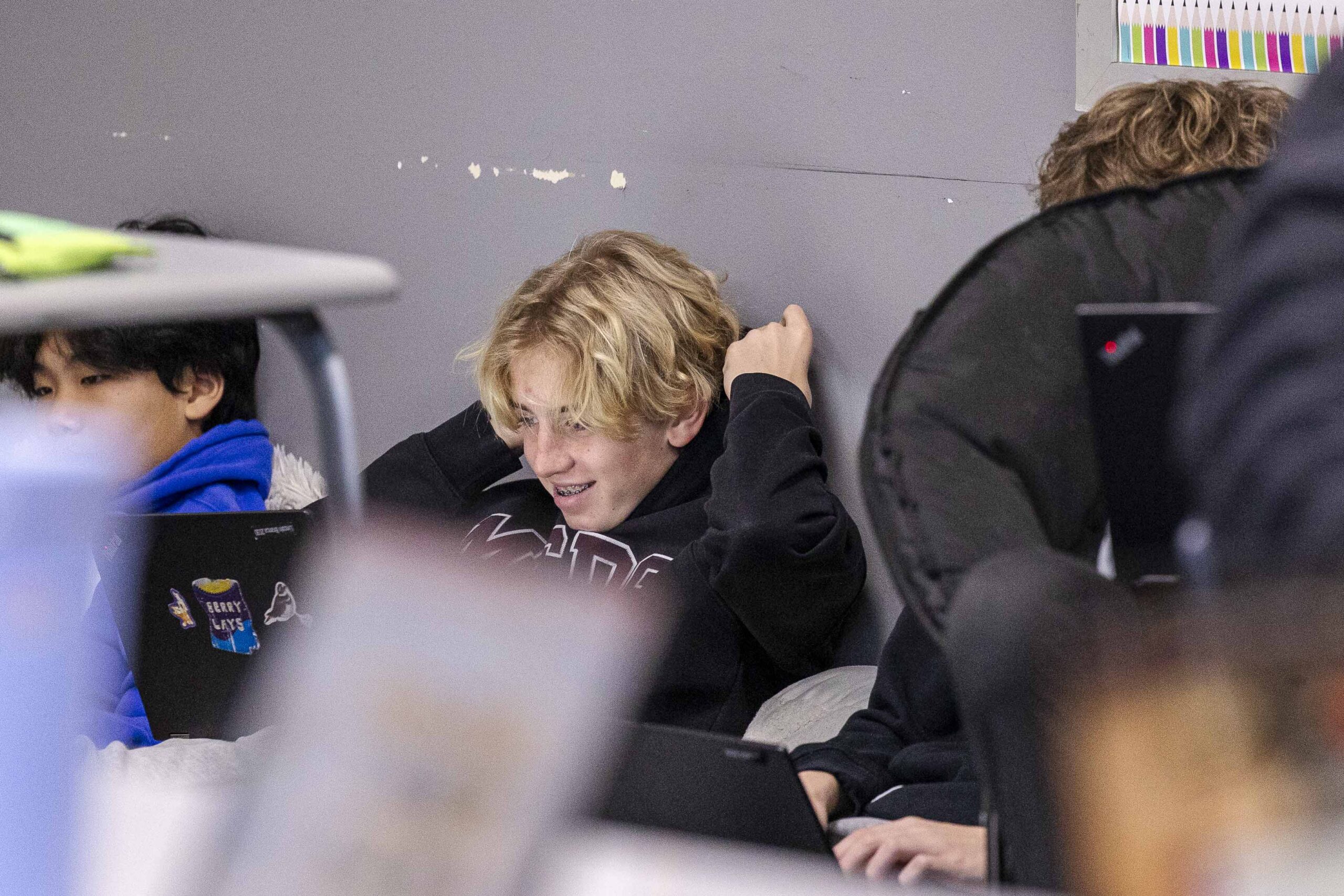
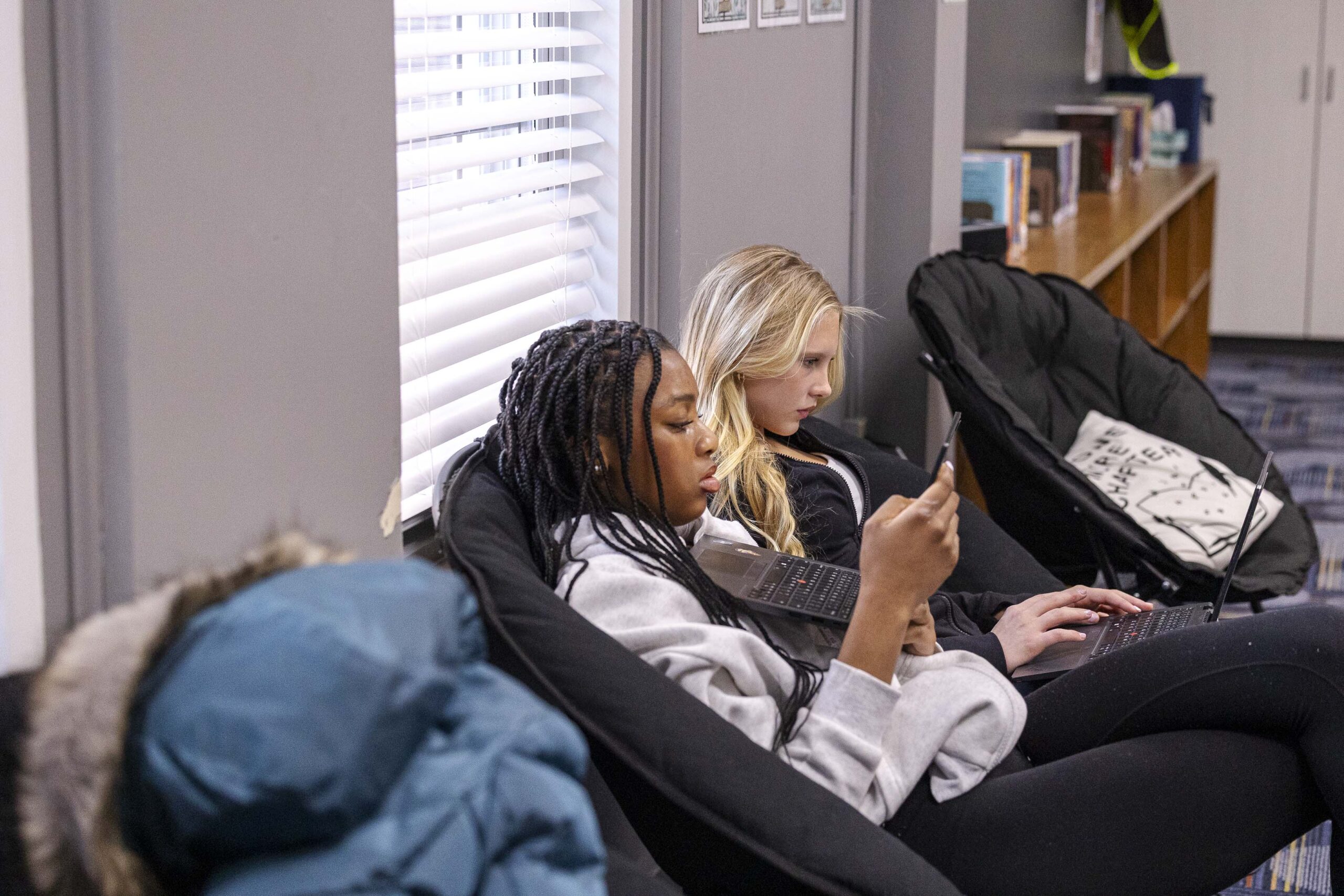
Whether their paths lead to championships or leadership, these students left the course with a map. As Garcia noted, “The students took the class very seriously. They asked thoughtful questions to each of our guest speakers and dove into each of the projects with enthusiasm. All 26 said in the survey that they would recommend the course to a student for next year.”