For MICDS students who remain on campus after the school day, the end of the day doesn’t mean a pause in learning. It shifts how that learning happens. For working parents, extended day programs for younger students are essential, whether they provide Lower Schoolers a space for creative play or offer Middle Schoolers teacher-supported study sessions that turn stressful homework hours into collaborative wins. Together, along with the more independent Upper School activities, arts, and athletic offerings, the hours between 3:00 and 6:00 p.m. are an important third space in a student’s school day. These after-school programs create intentional environments for supervision, independence, and empowerment at all developmental levels.
Lower School: Social Discovery & Side Quests
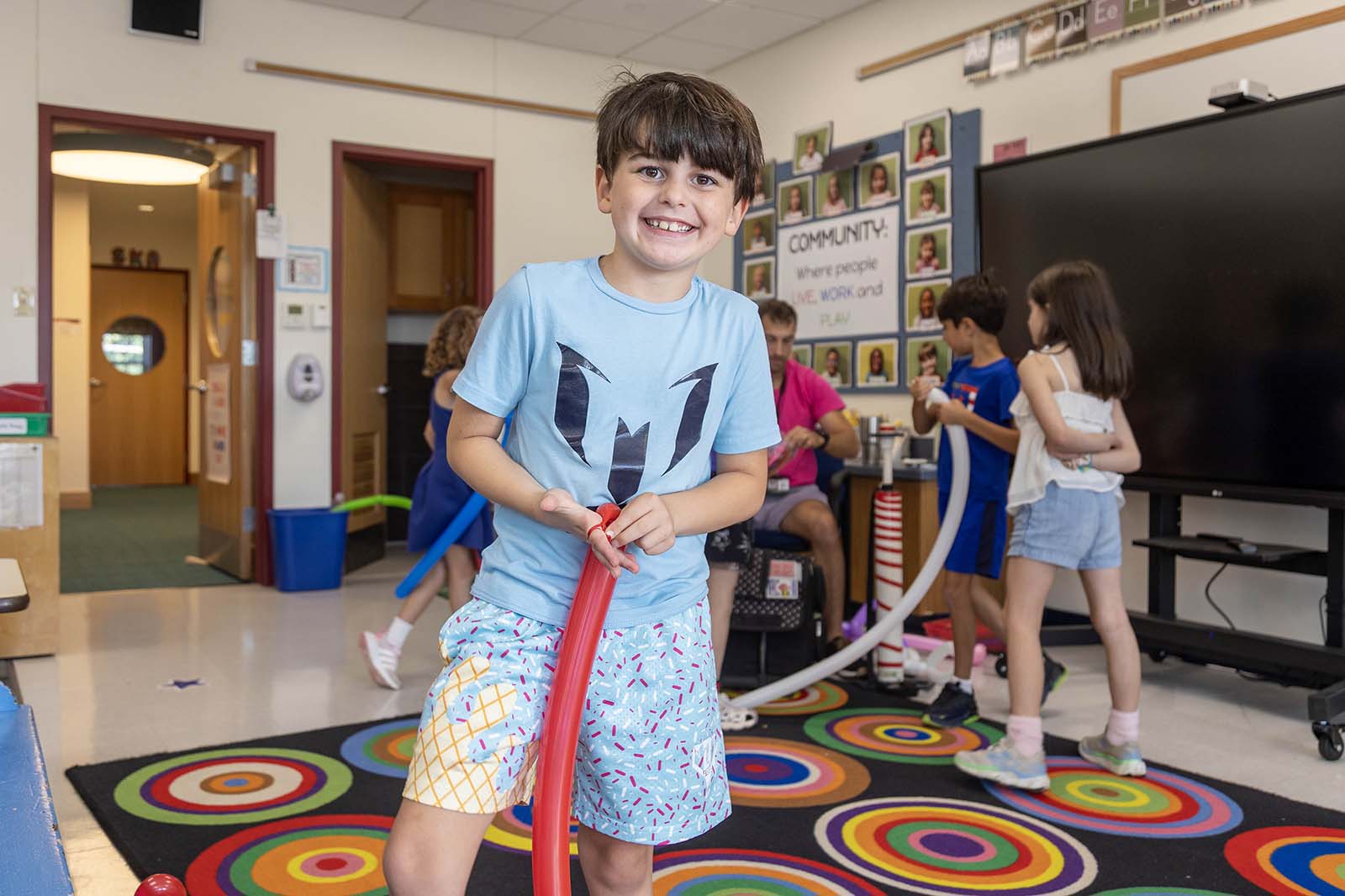
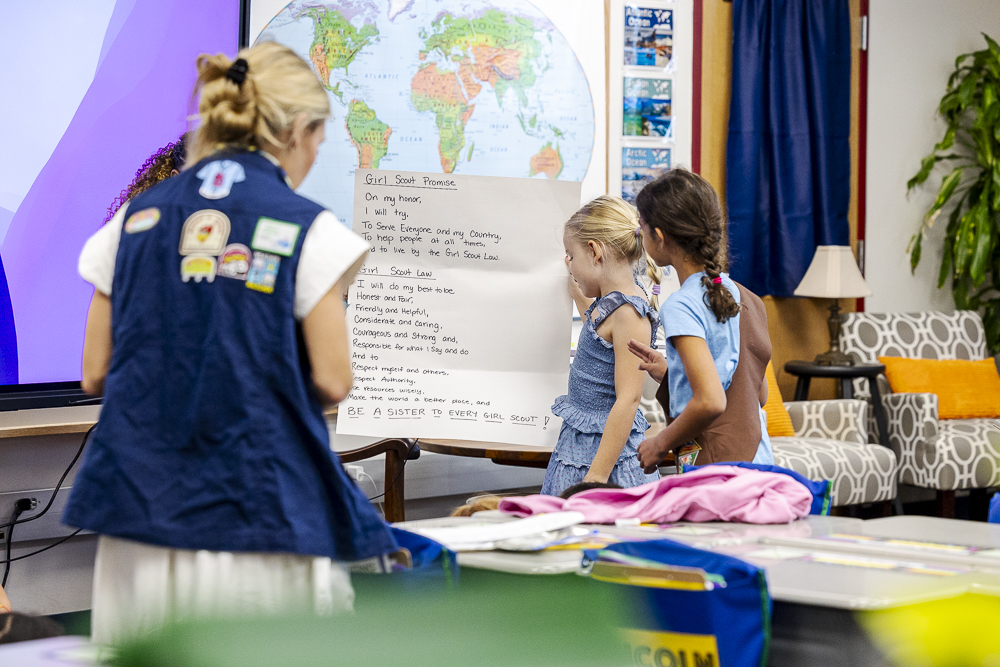
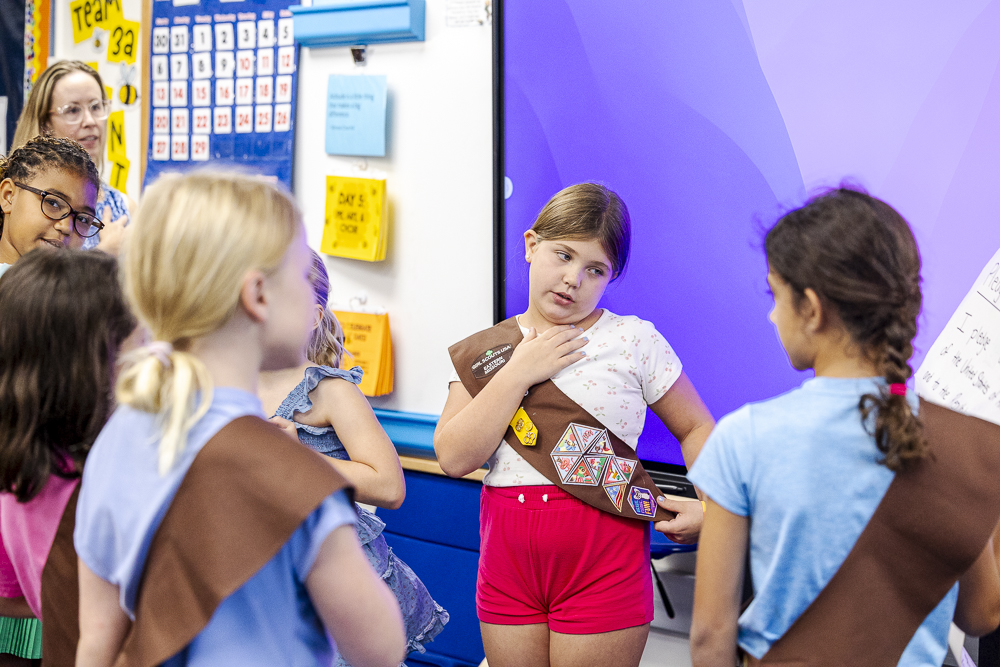
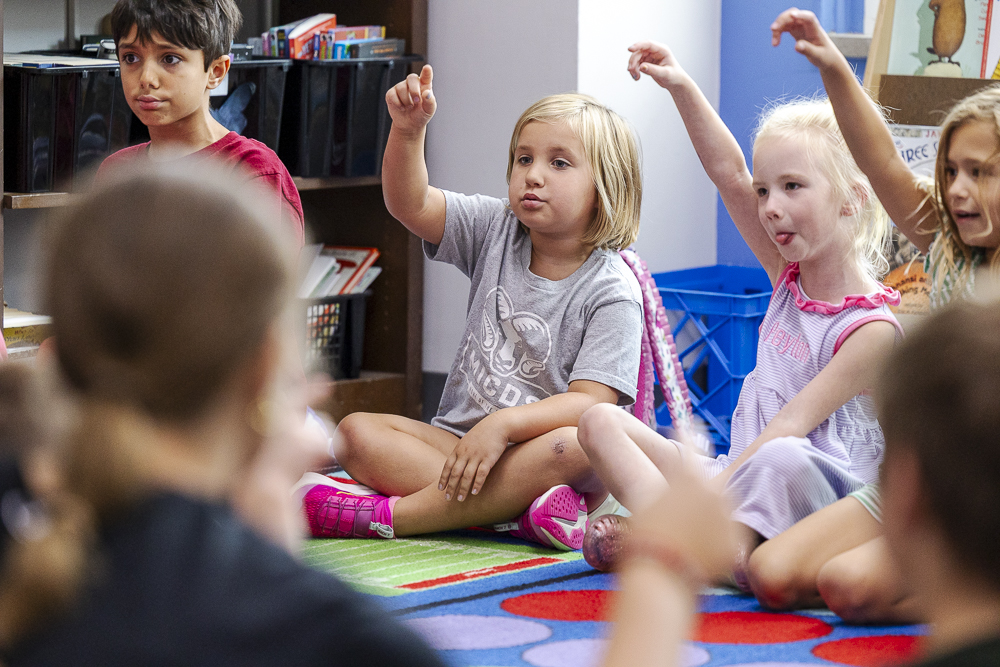
The rise in dual-income households has increased demand for after-school care, which requires staffing and programming beyond “just babysitting.” Matt Blair, Director of Extended Day, says, “Parents appreciate that we prioritize outside, tech-free time as much as possible. During the school day, the students have recess with classmates in their own grade. But in Extended Day, you can find JK students playing with second graders at any moment, which is exciting for everyone. It’s different, it’s new, it’s fun.”
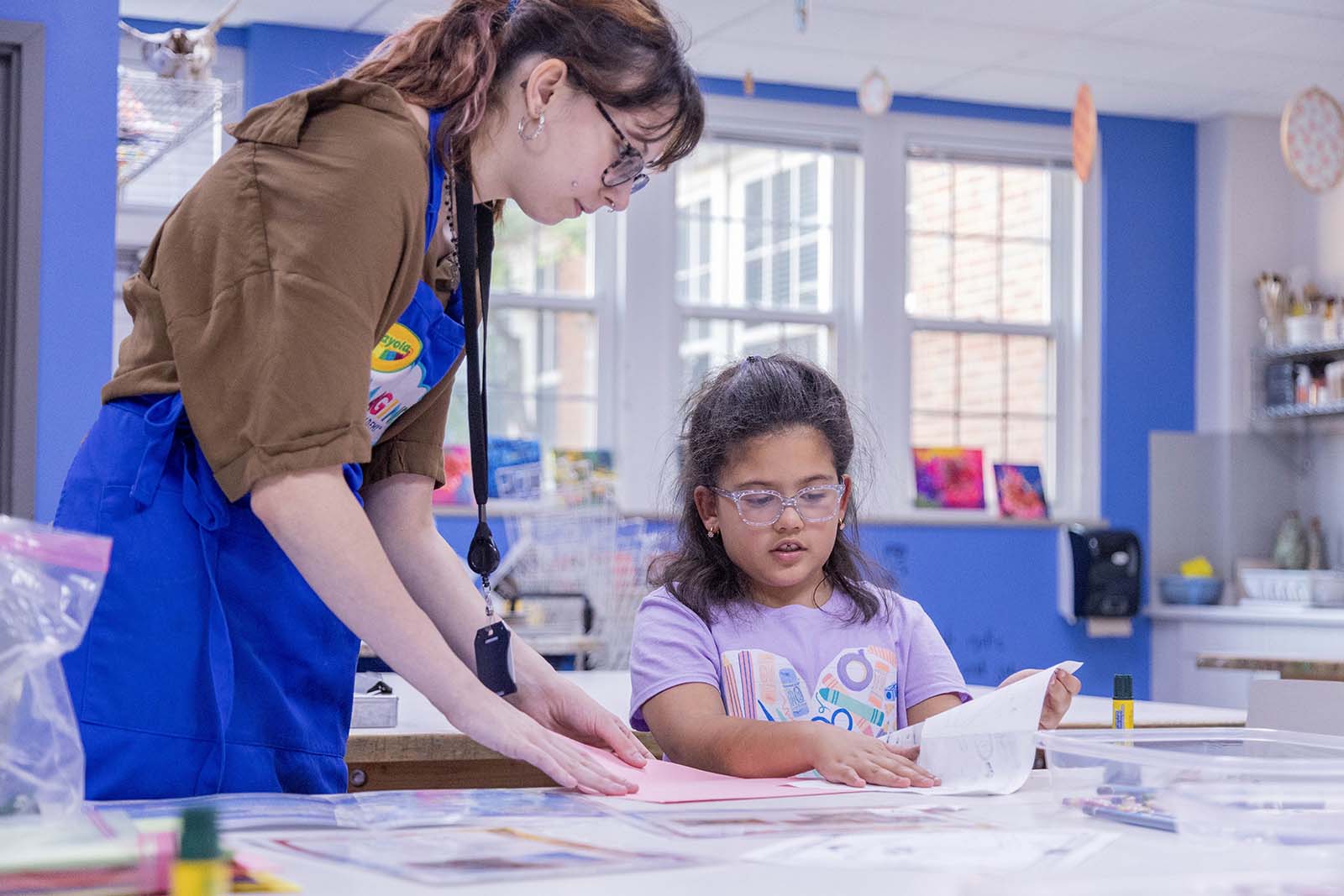
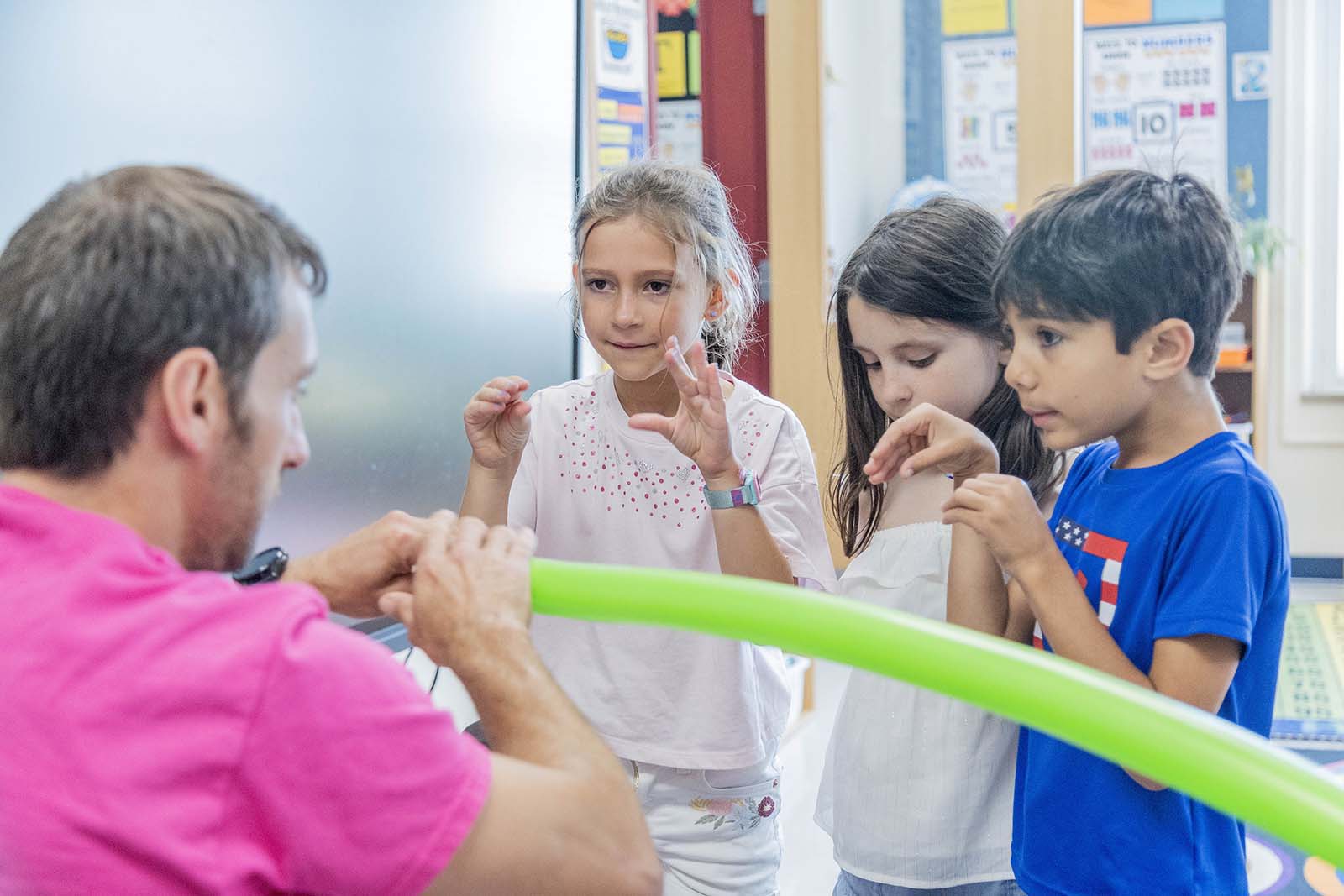
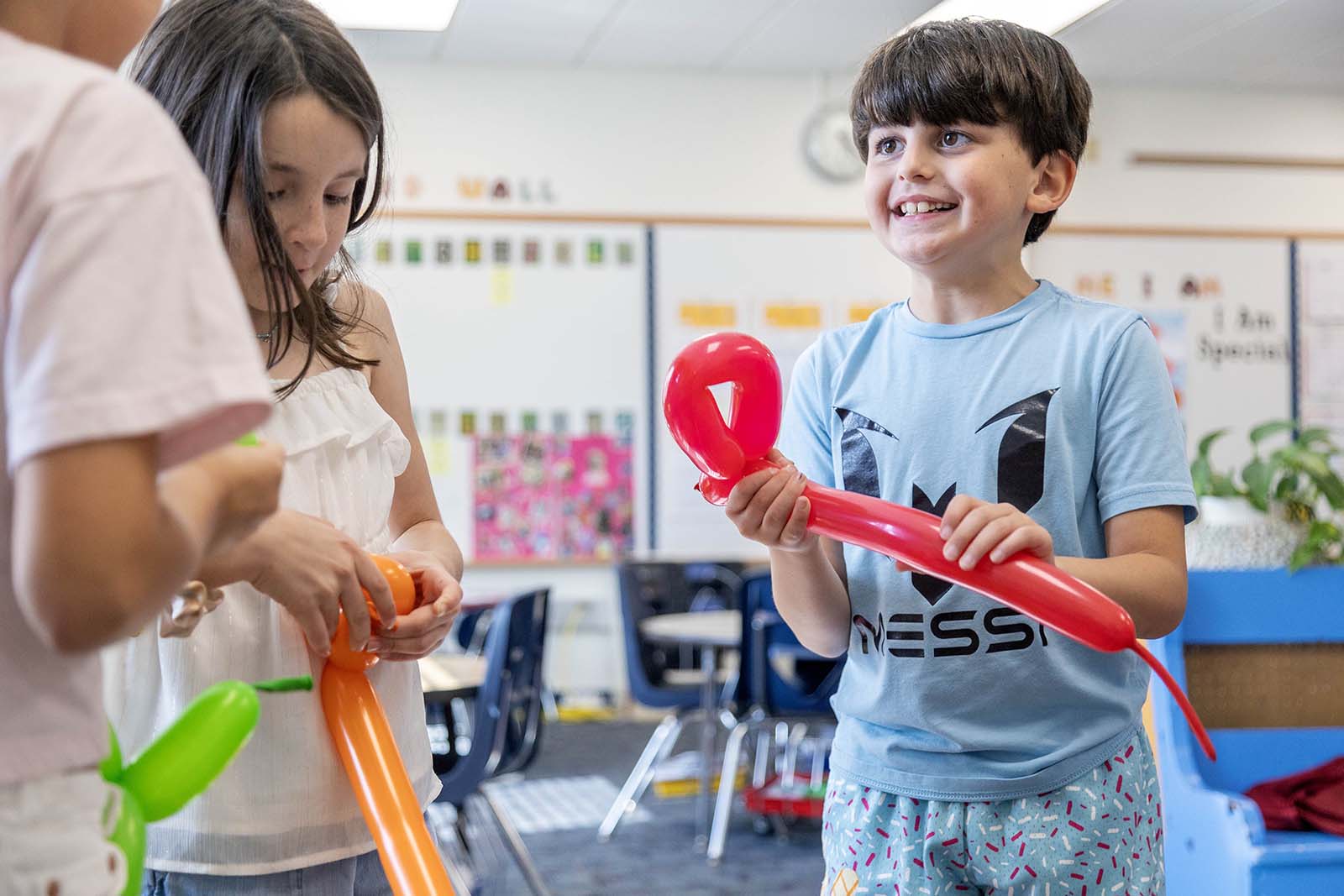
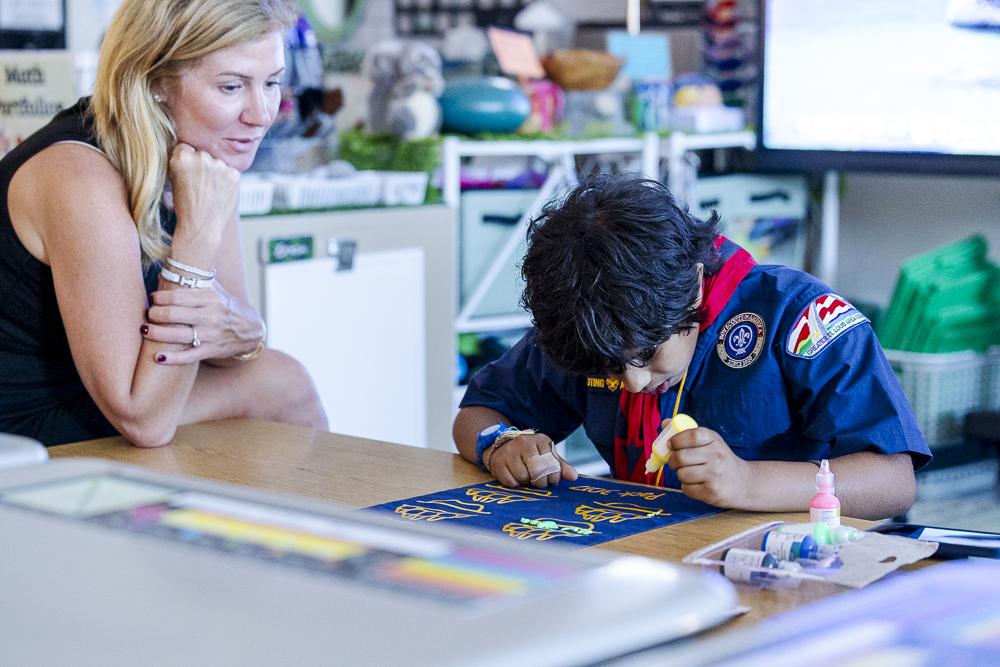
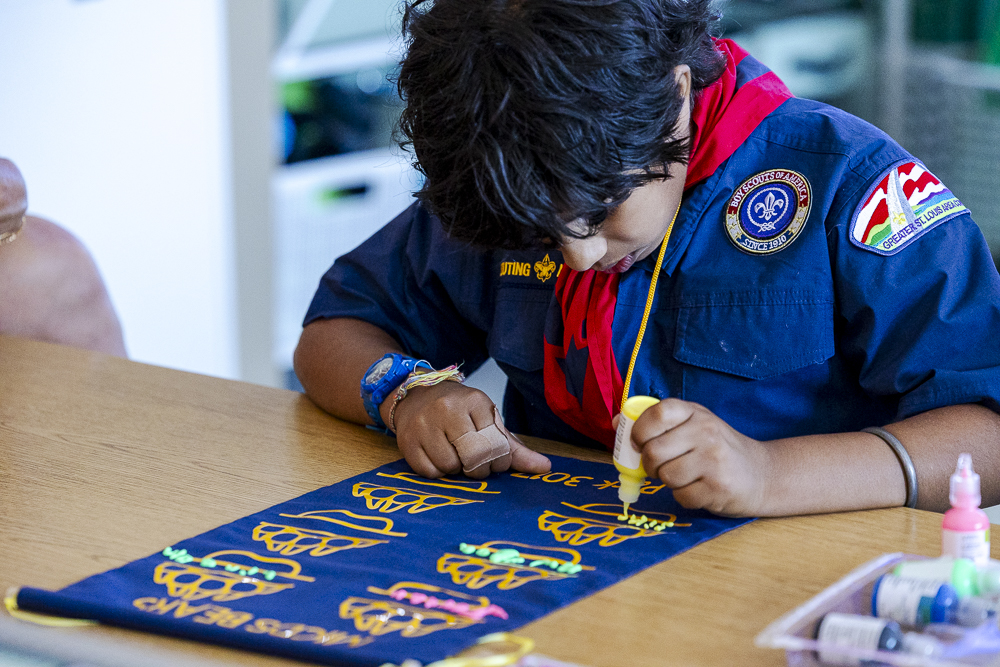
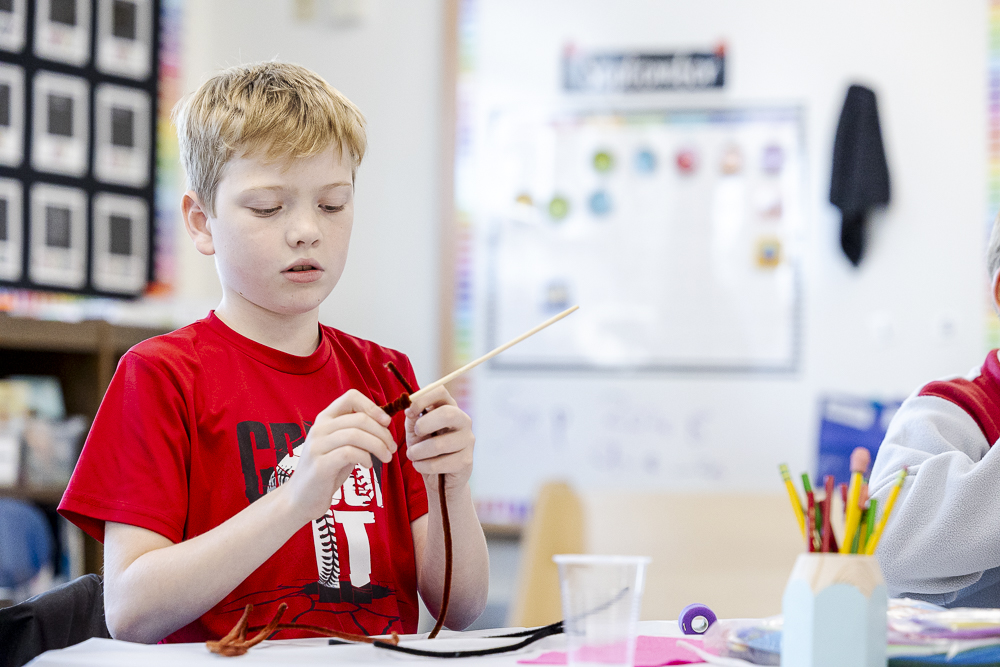
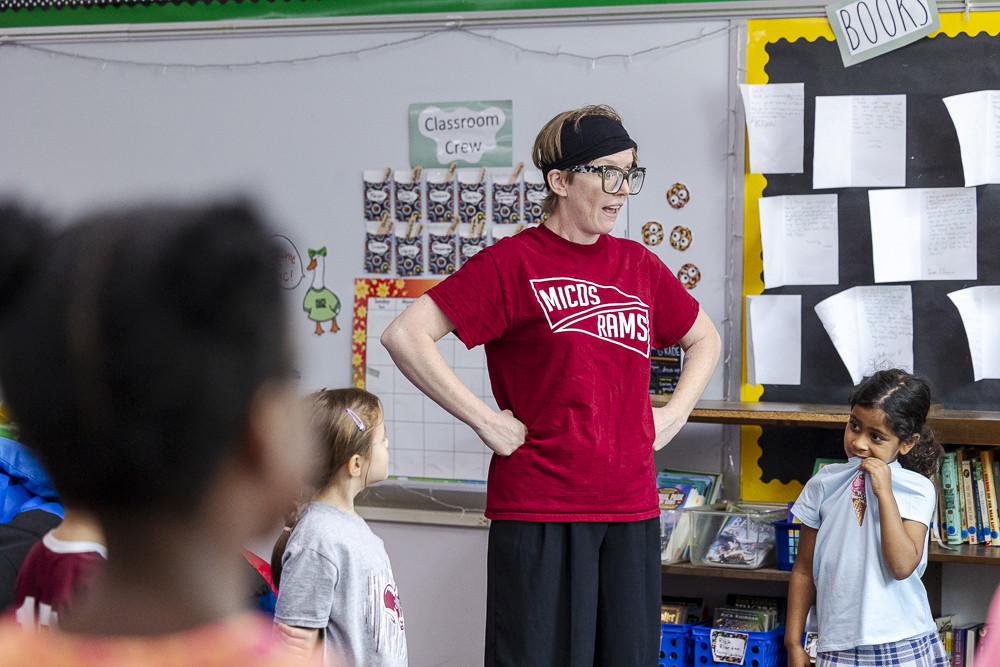
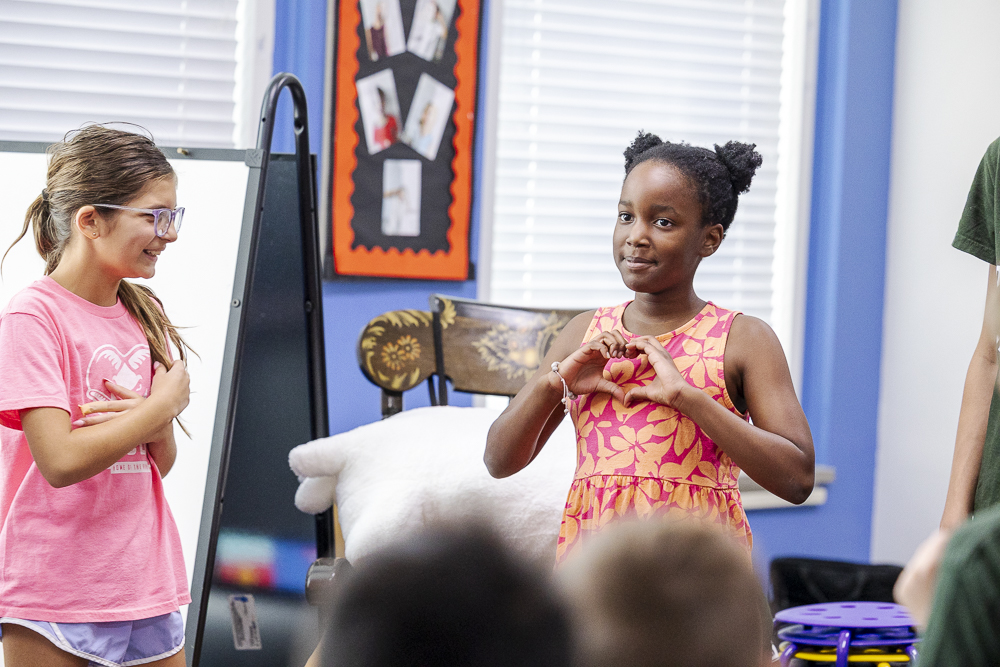
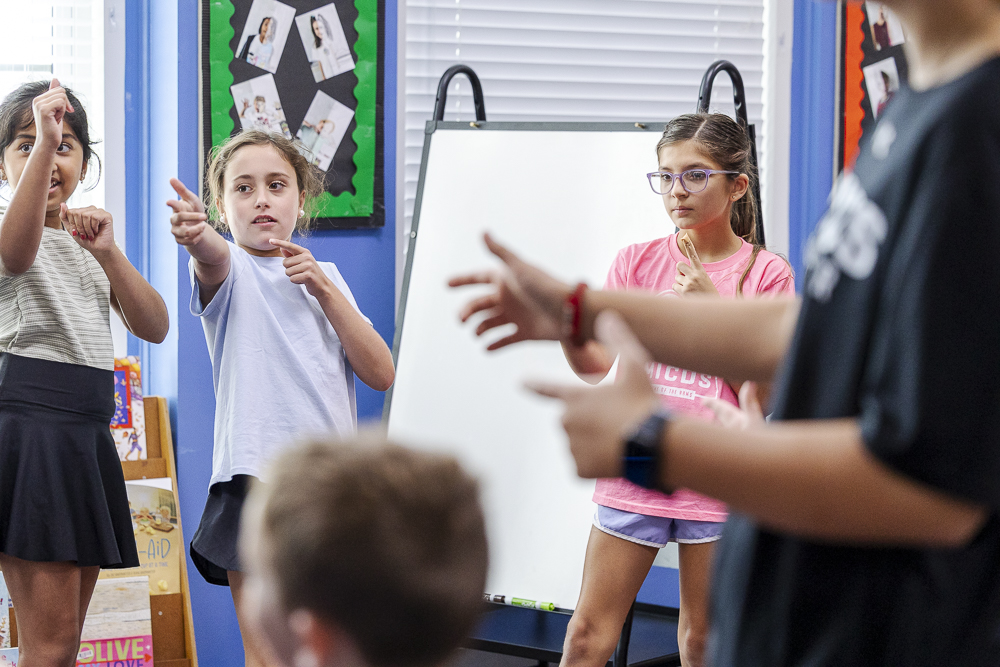
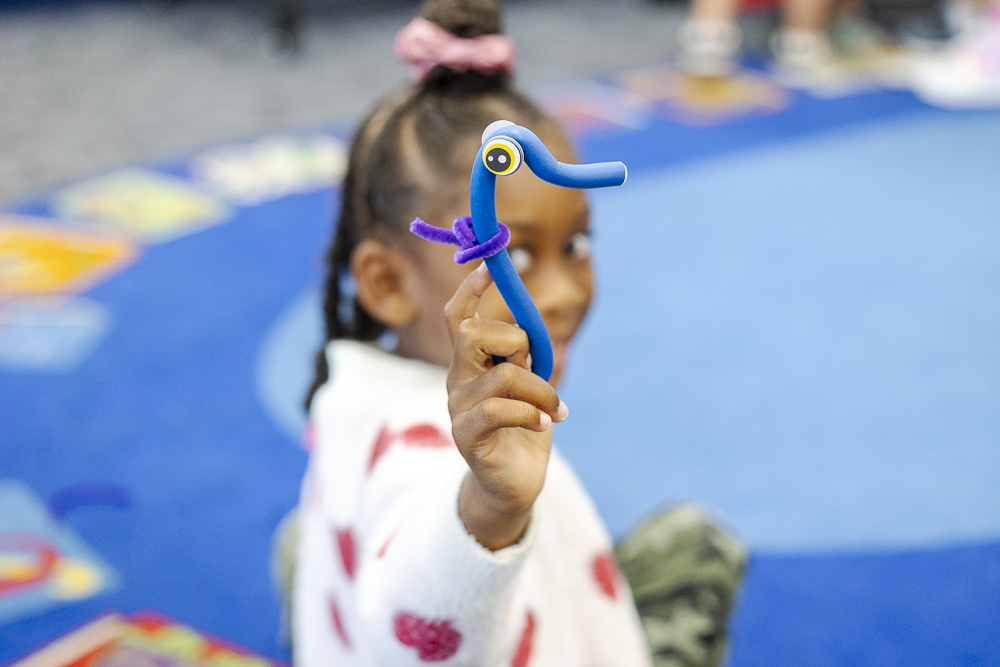
Alongside the intentional free-range play with fellow students and after-school staff members, Blair offers dedicated enrichment courses for students and families who do want a dose of rigor after school. Course offerings change each fall, winter, and spring, letting students explore something off the beaten path. It also exposes students to instructors and teaching styles different from the adults they interact with during the school day.
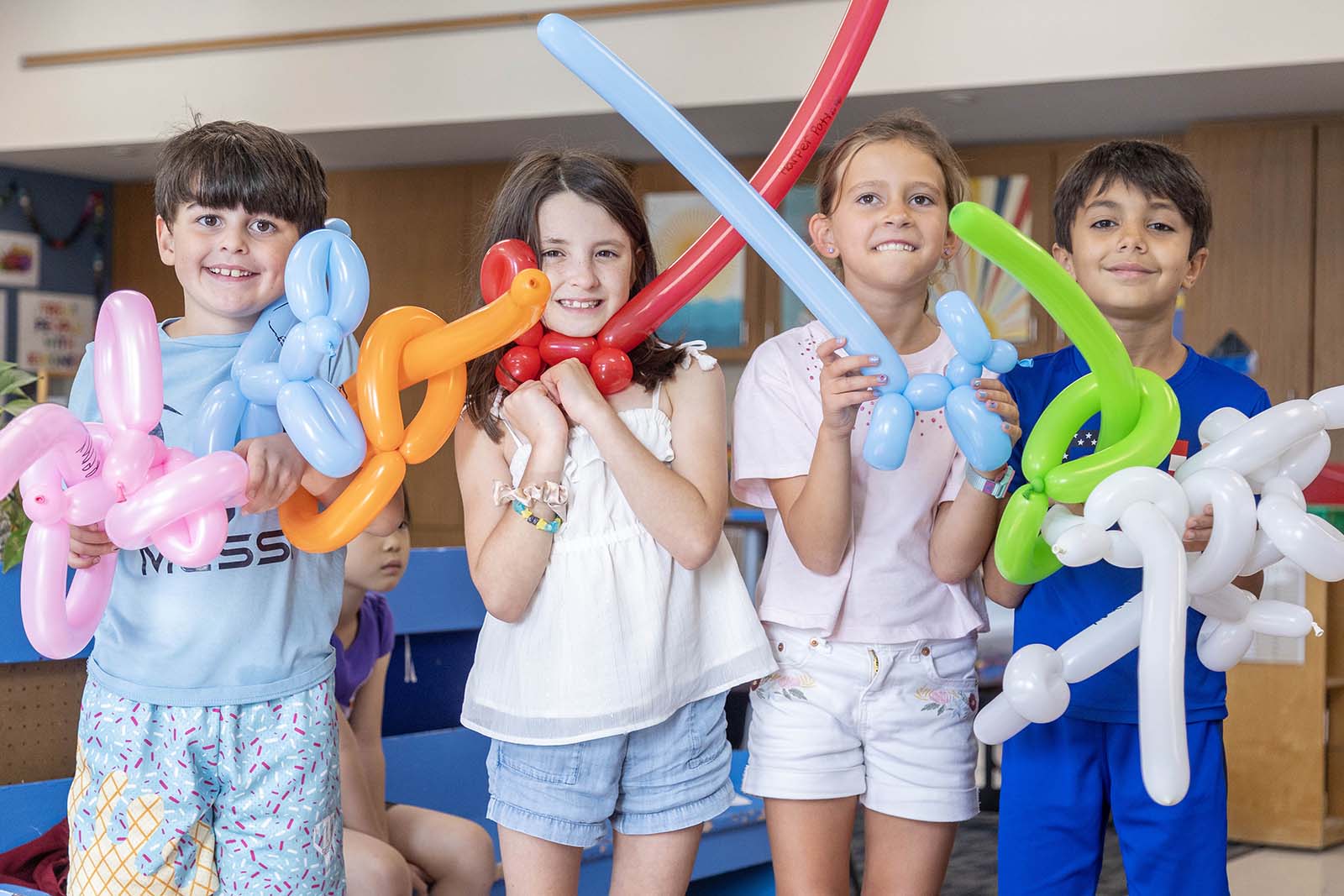
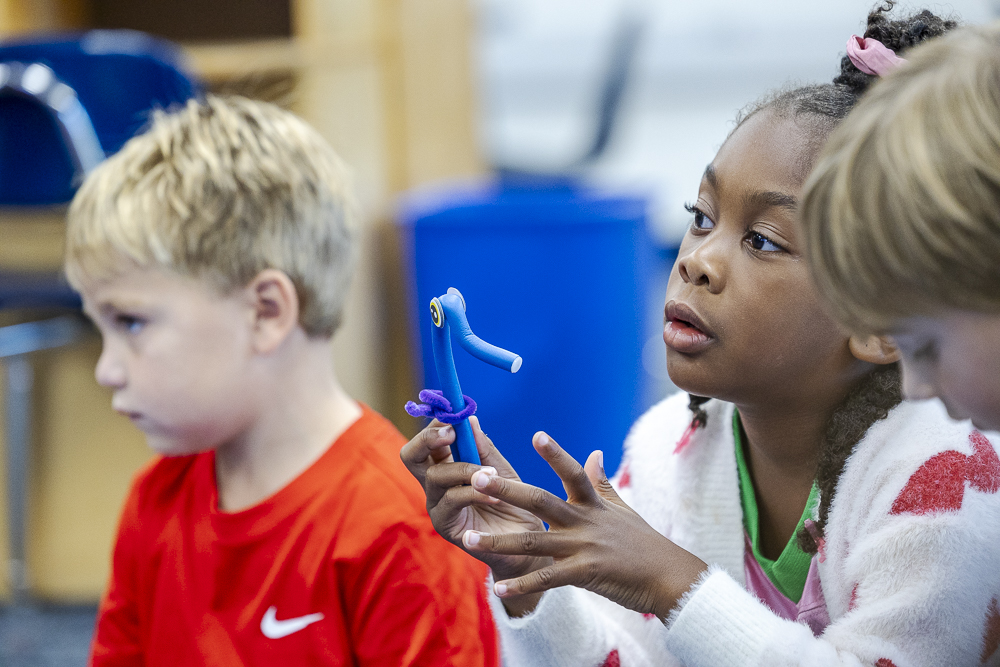
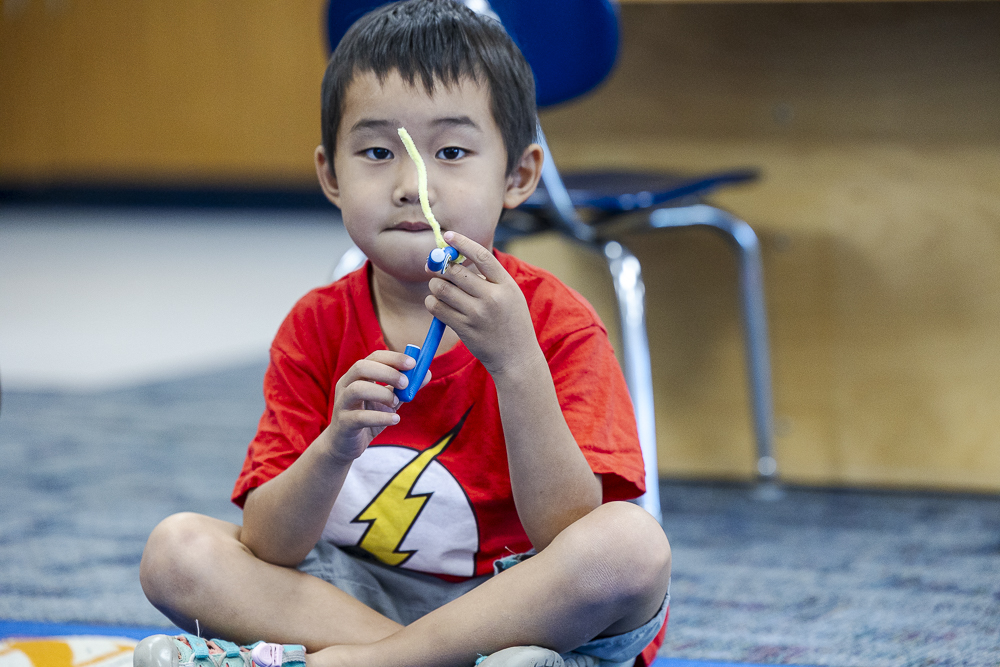
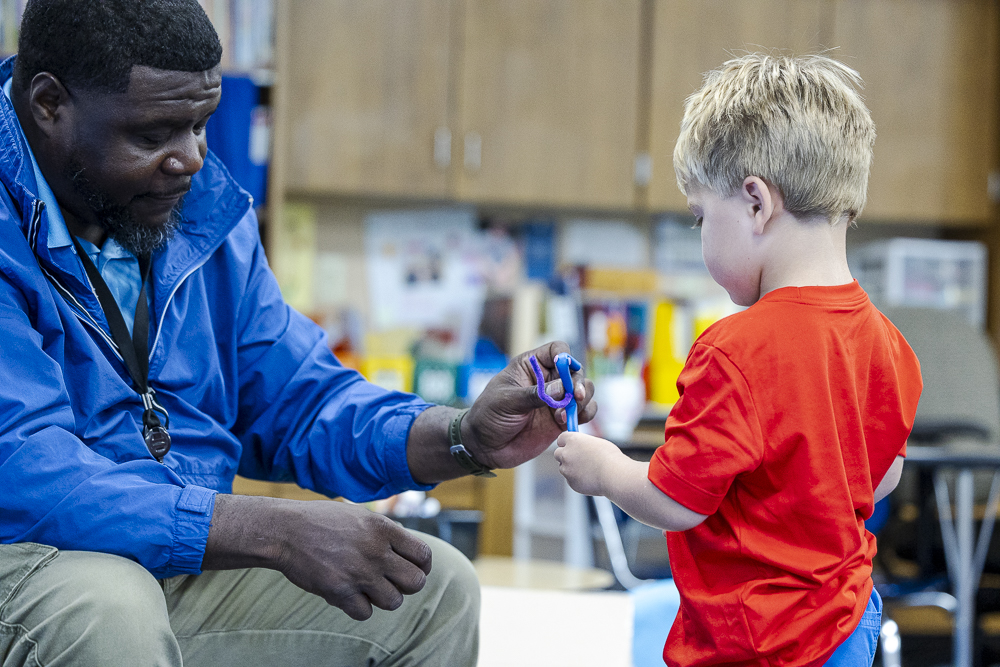
Students go on side quests like learning how to make balloon animals or diving deep into the Harry Potter universe. Popular classes like chess are repeat favorites. “Seeing kids struggle with abstract math is hard, but chess gives them a visual strategy that helps everything click into place,” said Blair.

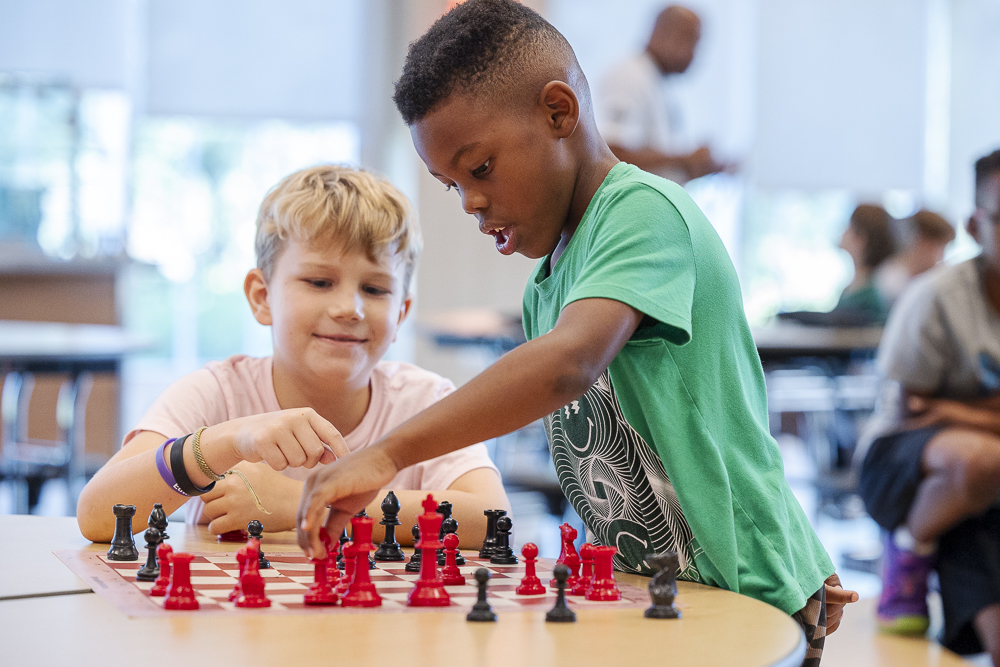



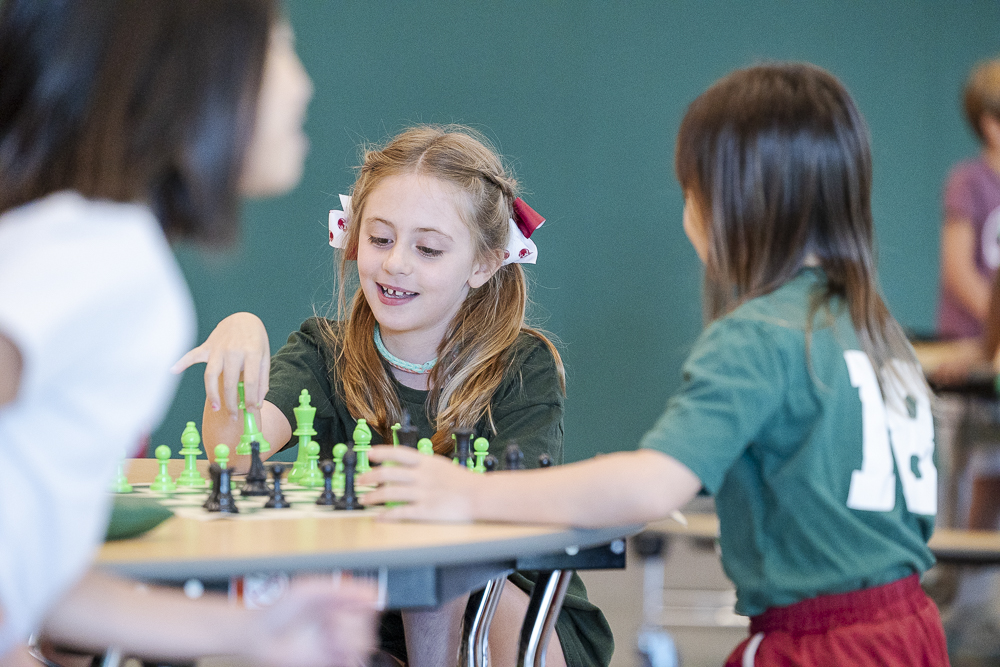
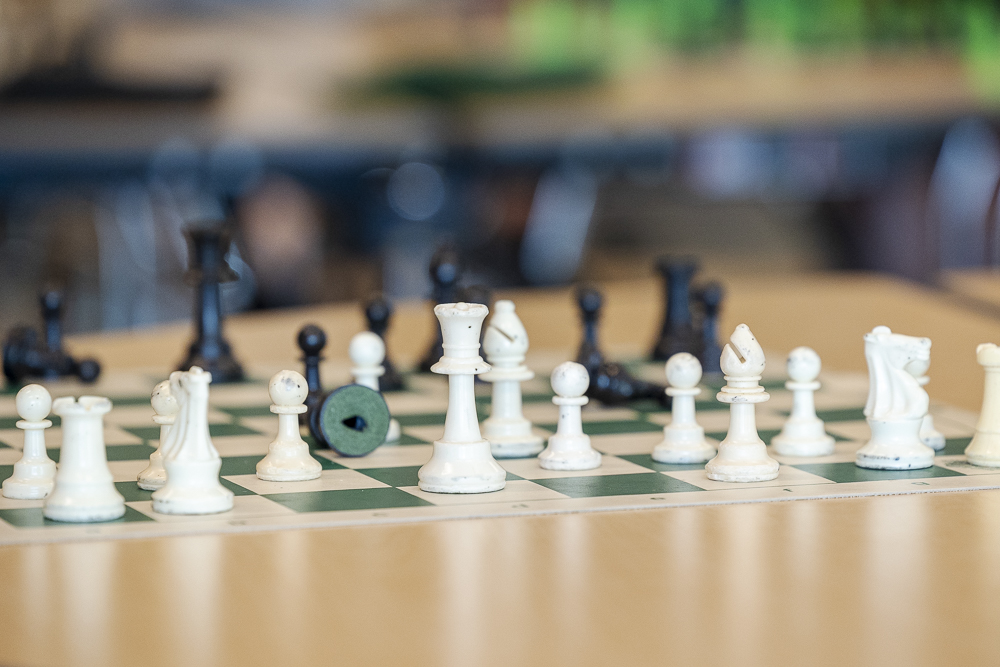
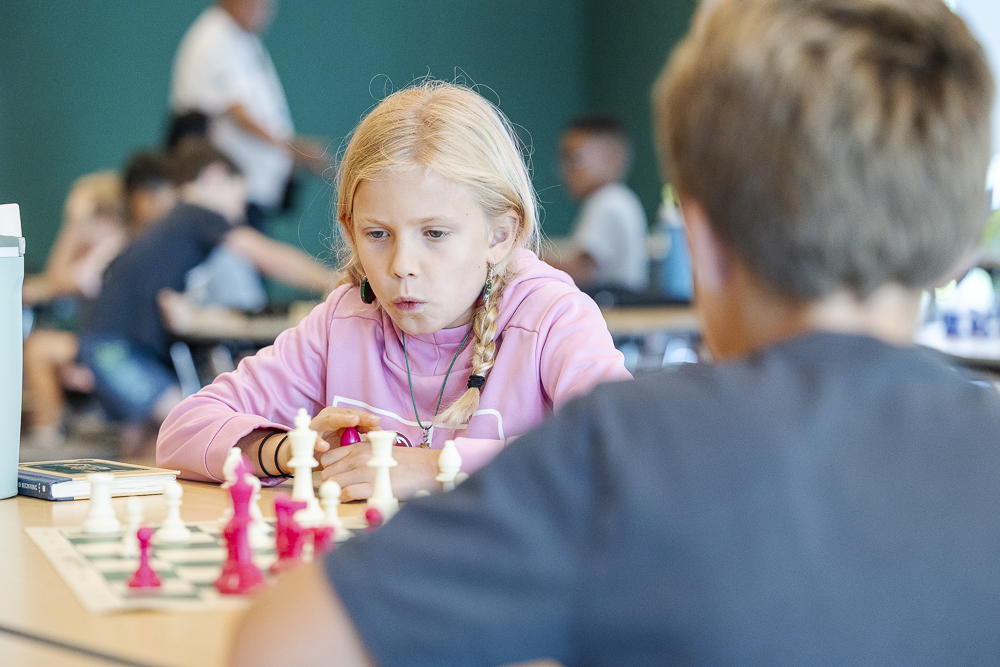
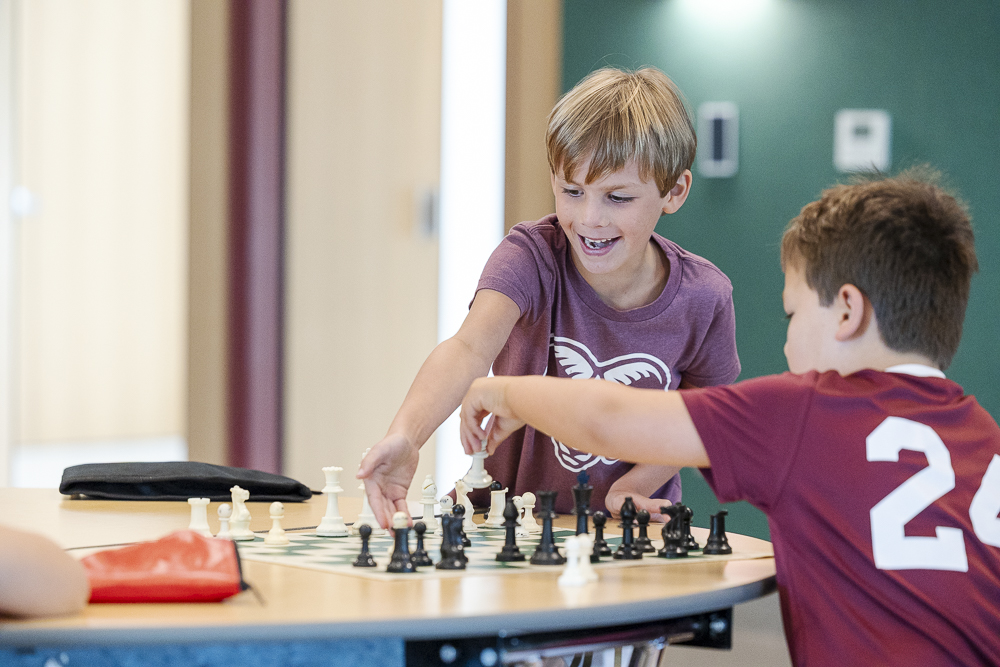
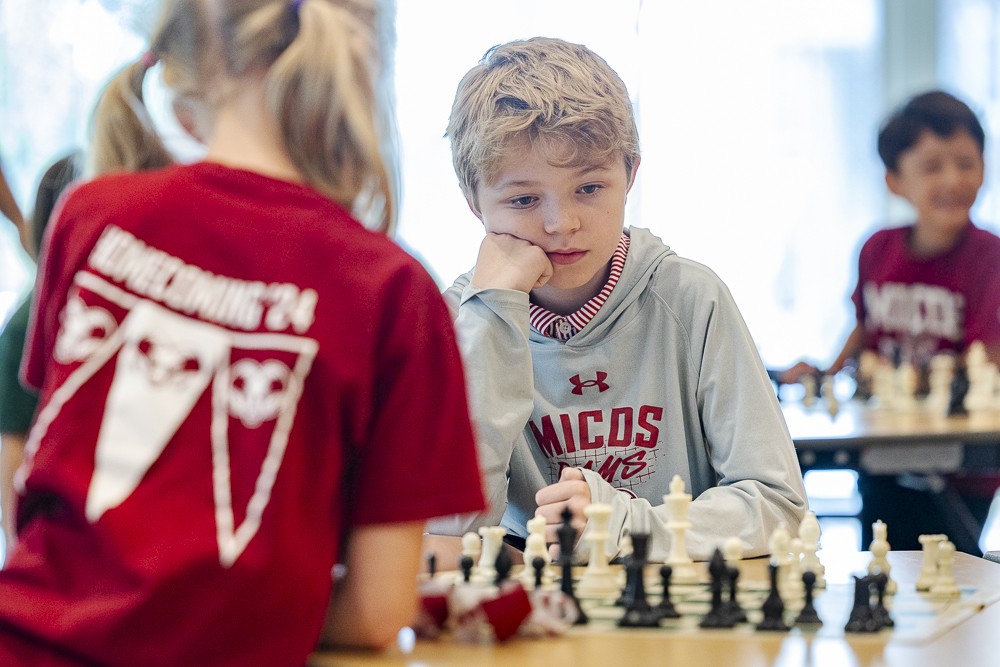
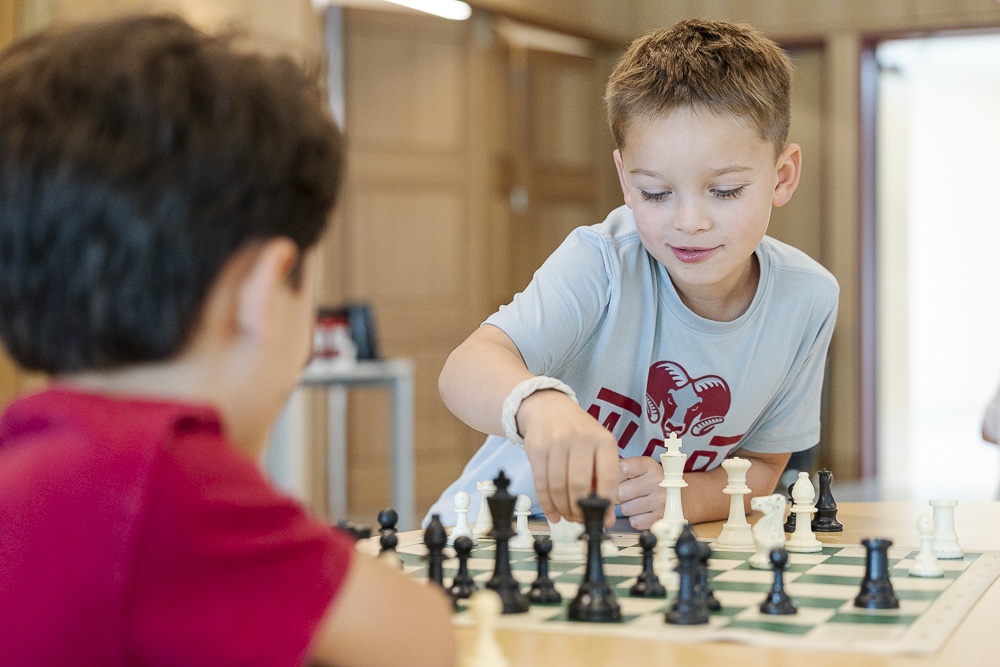
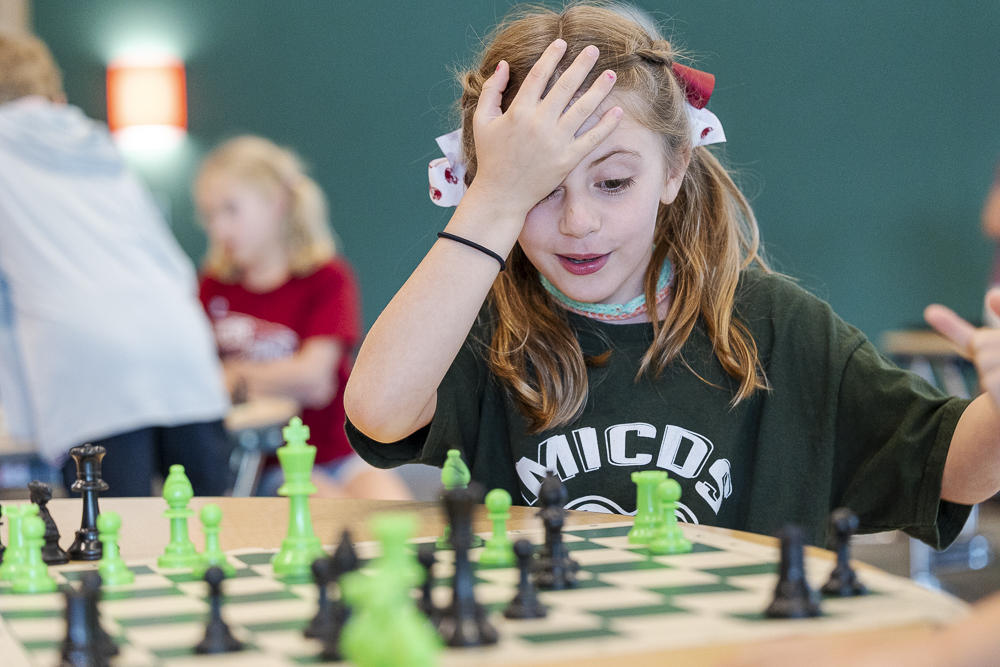
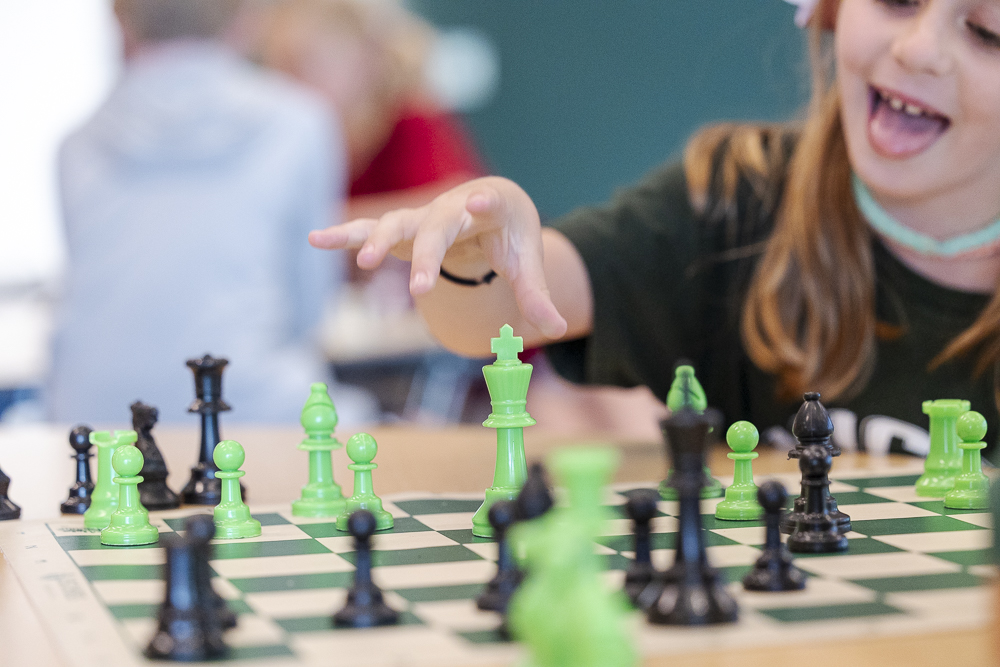




Yan Wen is a parent of students in all three divisions at MICDS, two of whom play chess in Extended Day. She said, “My two younger students enjoy the chess club a lot. They have fun, and they apply the strategies they learn because they want to win. They practice good sportsmanship because a sour opponent will surely ruin a game. Mr. Boyd [the chess coach] is amazing. He has the unique character of being both gentle and firm. He matches them with partners at an appropriate level and has very clear rules. Chess provides my children with excitement and focus.”
Jacque Mileusnic agreed, “Chess has been such a positive experience for our sons. It has taught them patience, focus, problem-solving, and how to think ahead, while also showing them how to handle both winning and losing with grace. They have enjoyed the challenge, the competition, and the friendships that have come with playing. Most importantly, chess is a lifelong game, and we hope they will continue to enjoy it for years to come, even if they choose not to play competitively.”
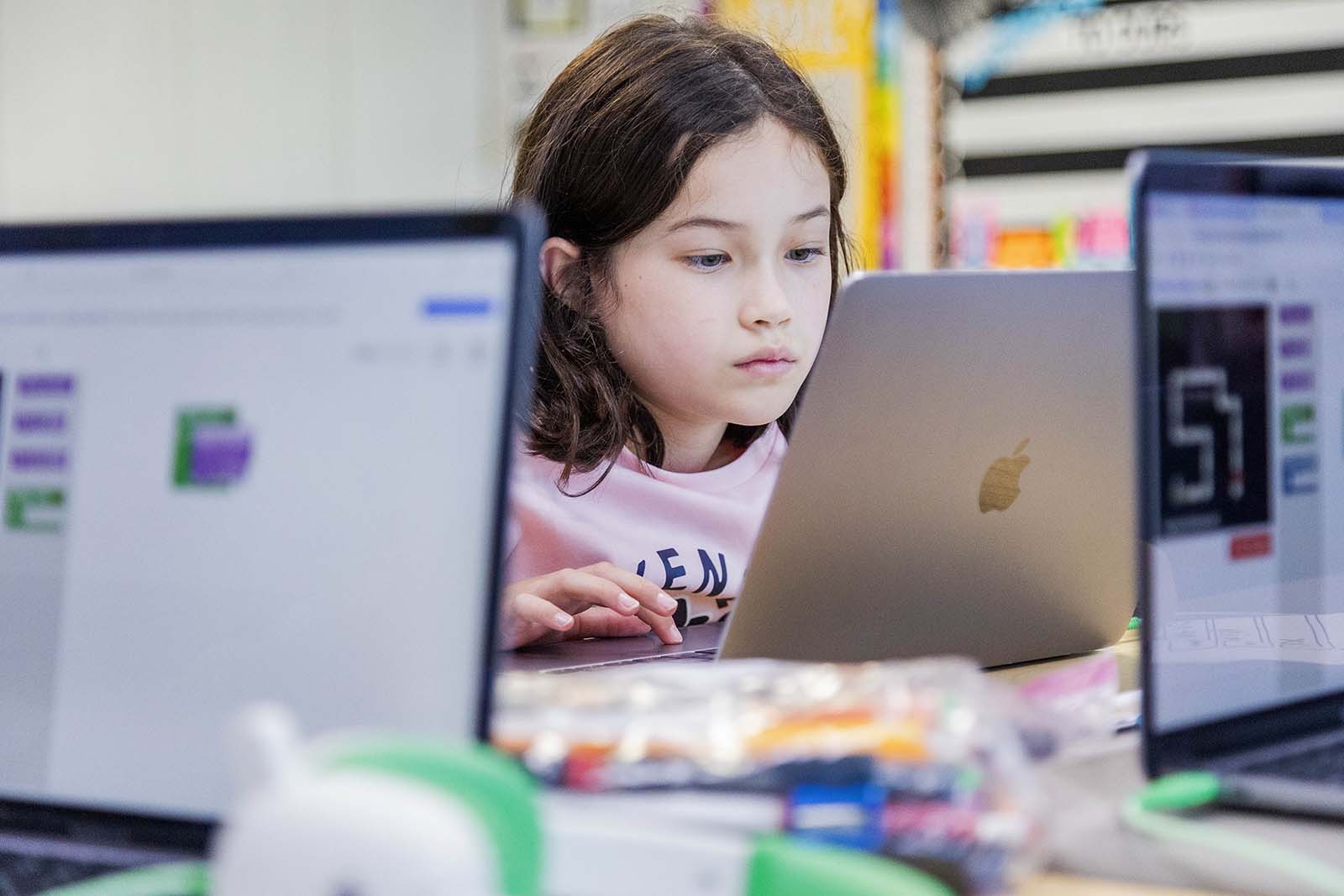
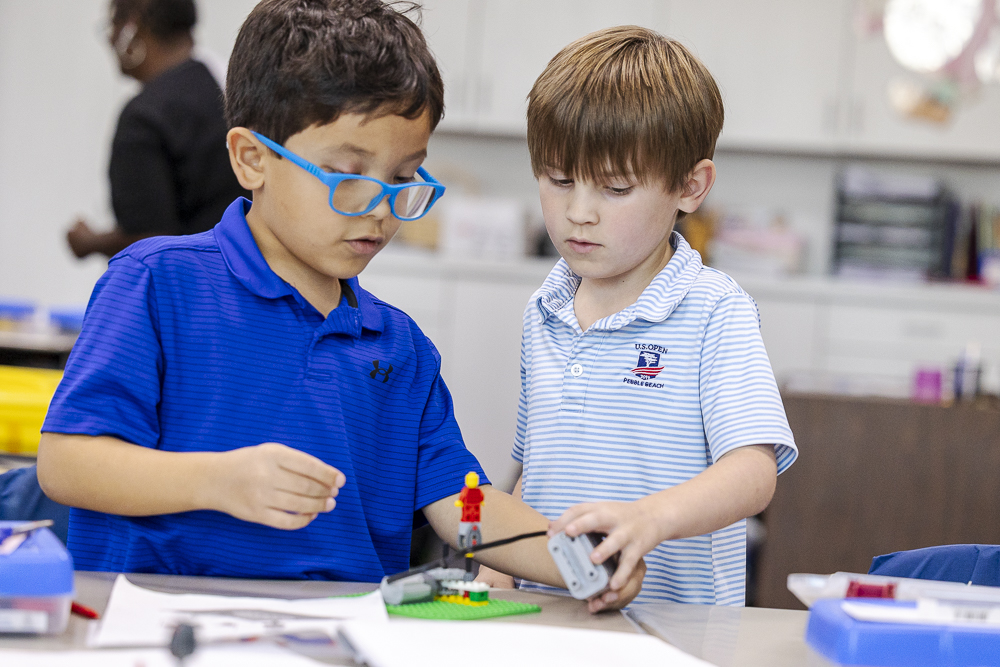
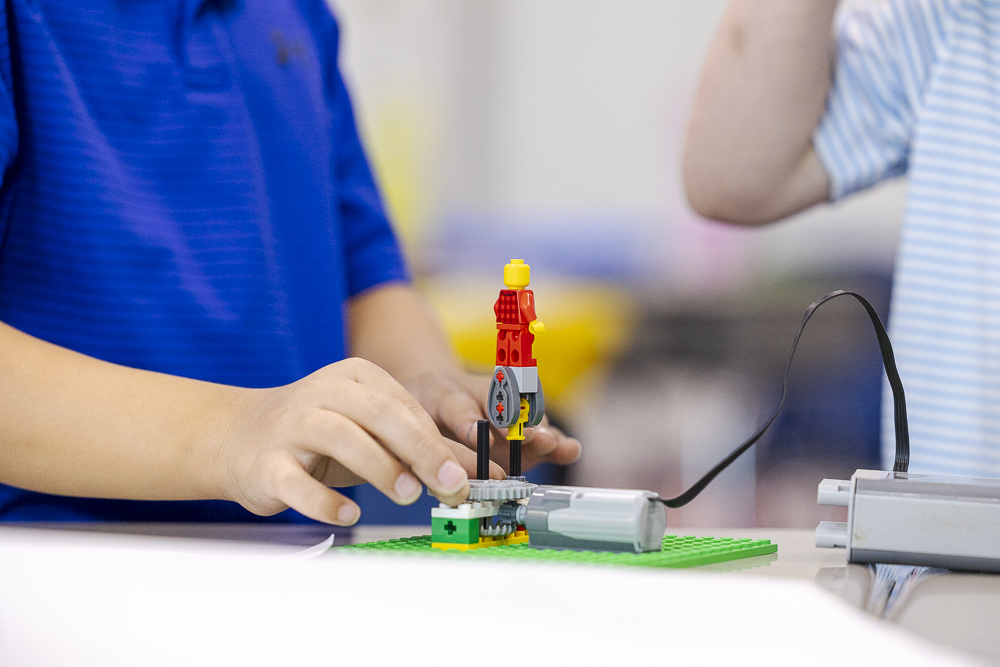
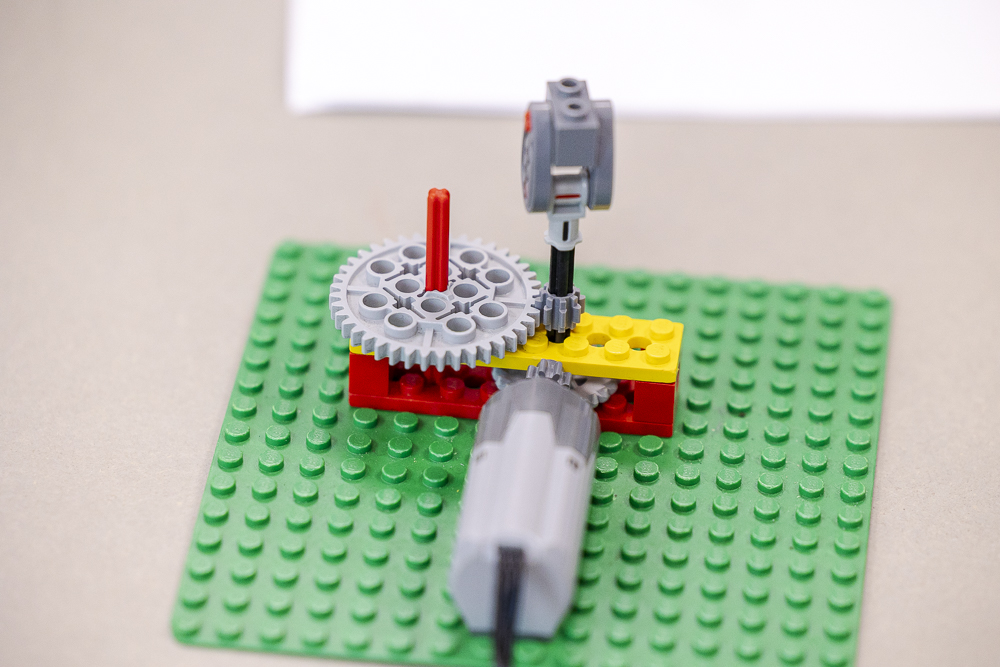
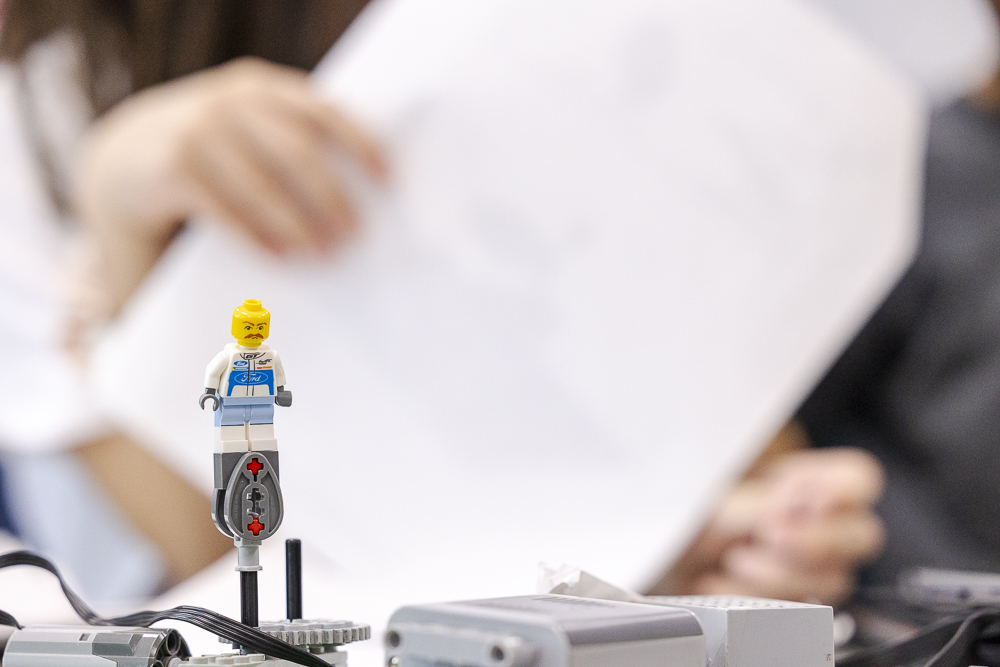
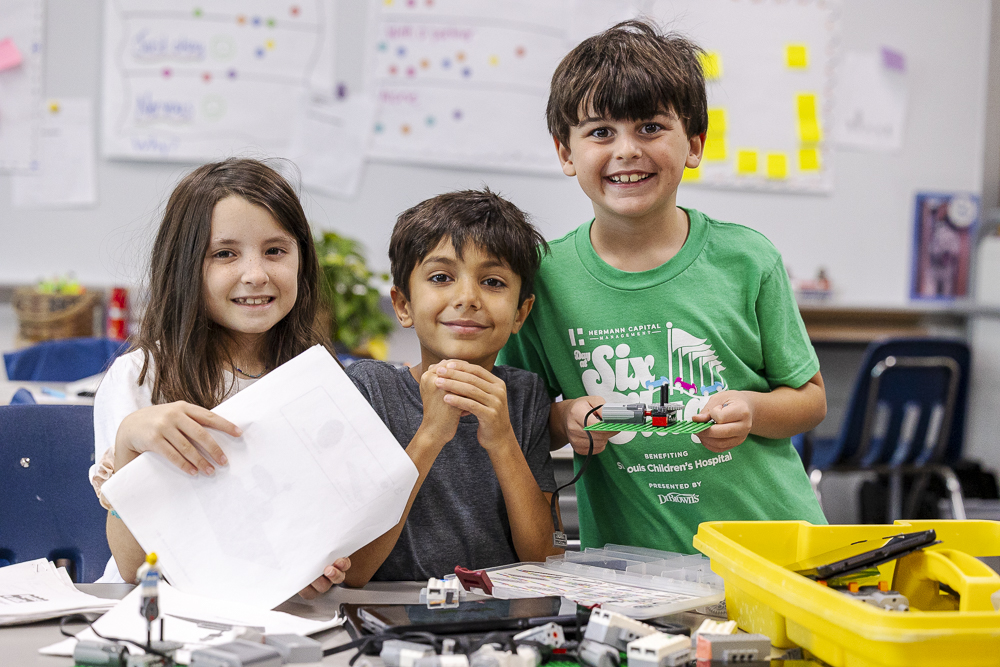
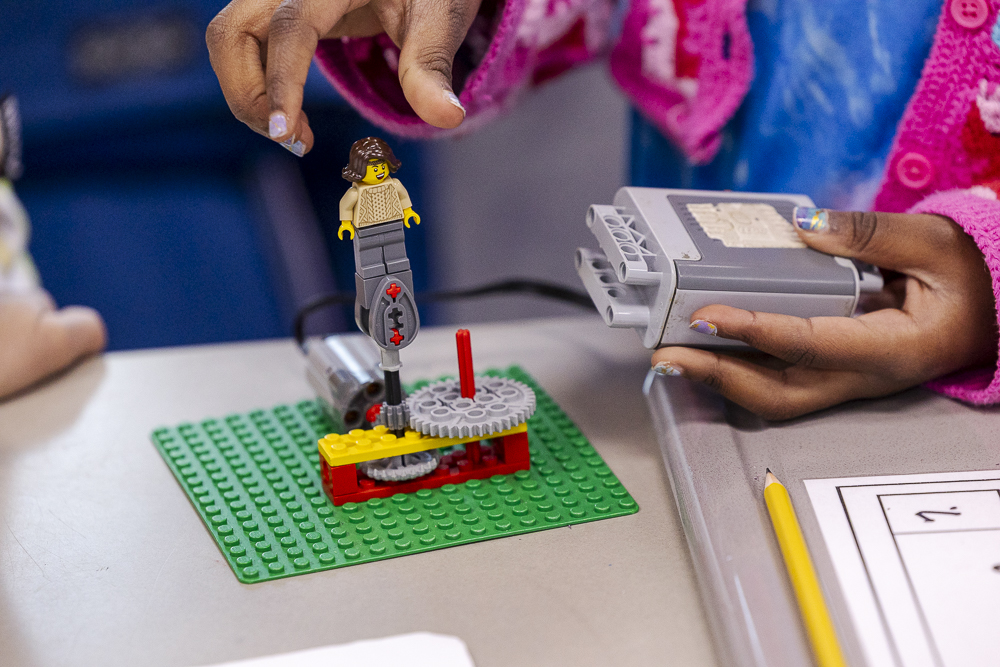
Learning how to code is a regular part of third- and fourth-grade science and makerspace activities during the school day. For students who want to take it a step further, enrichment classes with flashy names like Game Design and Hacking 101 achieve simple but practical skill-building through exposure and practice. (And no, they do not hack into computers.)
What does Blair, now in his 15th year at the school, love the most about his role? “I get to know the entire Lower School. I’m not confined to one classroom of students. I like watching them grow up. It’s bittersweet when you see a kid that you’ve known since JK graduate.”
Middle School: Executive Function & the “Plan of Attack”
Middle School students have more homework than younger students and benefit from a dedicated space to complete it. ASAP/ASAP Jr. (Academic Support After-school Program) meets that need for fifth-through eighth graders. The program includes MICDS faculty members who serve as academic coaches or proctors, supporting students in a variety of subjects.
Jason Roberts, Middle School Choir Director and Director of ASAP, said, “Most kids don’t intuitively know how to use a planner. So we teach them: ‘Let’s assume you have a big math test on Friday, you have a big soccer game on Thursday that will go late, and Wednesday is Grandma’s birthday dinner. When will you study for the test?’ It’s a skill set. If students utilize their Flex [a free academic period during the school day] and ASAP time, they should be able to go home with very little to no homework. Once they get to Upper School, it’s challenging. Their time is sacred and limited, and by then, they’ve learned how to use it wisely.”
Seventh grade is the largest entry point for new students at MICDS. While they are navigating a new campus, figuring out where the dining hall or restrooms are, and making new friends, having academic consistency, like ASAP, can help them integrate new skills more easily and support their transition.
Beyond completing assignments, the biggest transformation Roberts sees in the 120+ students is learning how to approach their workload. “We have several kids who have come from other schools that did not assign homework. We give them a snack and ask, ‘What’s your plan of attack?’ It’s all executive function on how to do life. We don’t care what you use to plan/organize; you just have to use something.”
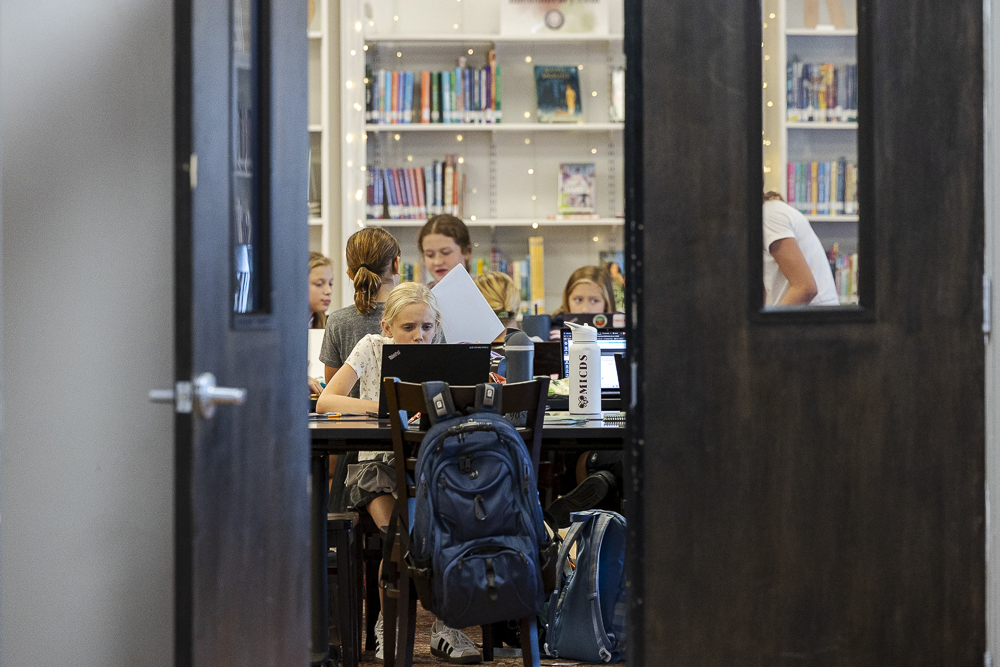
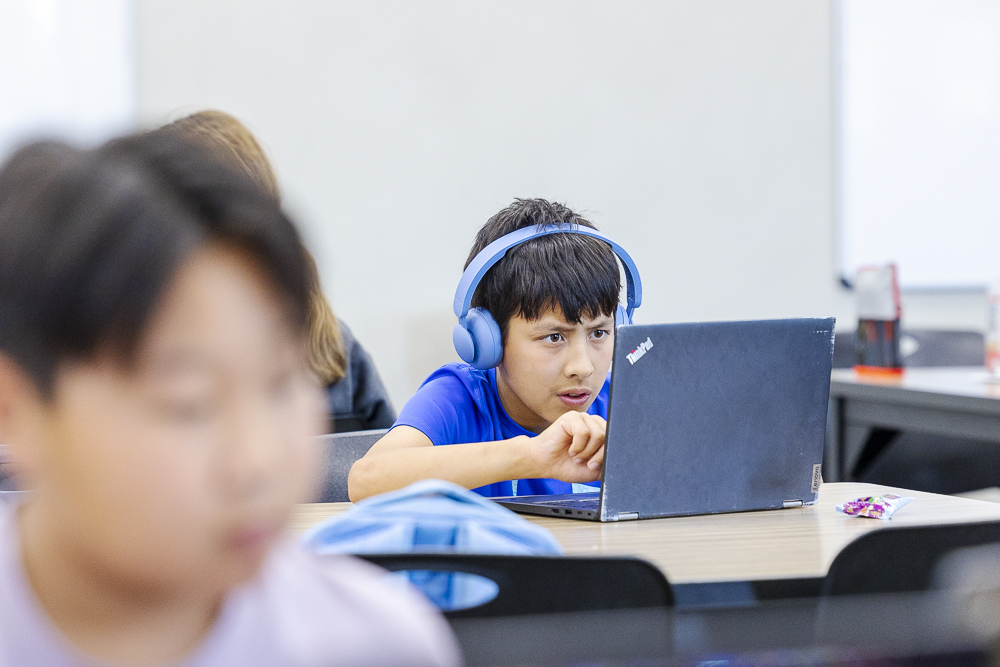

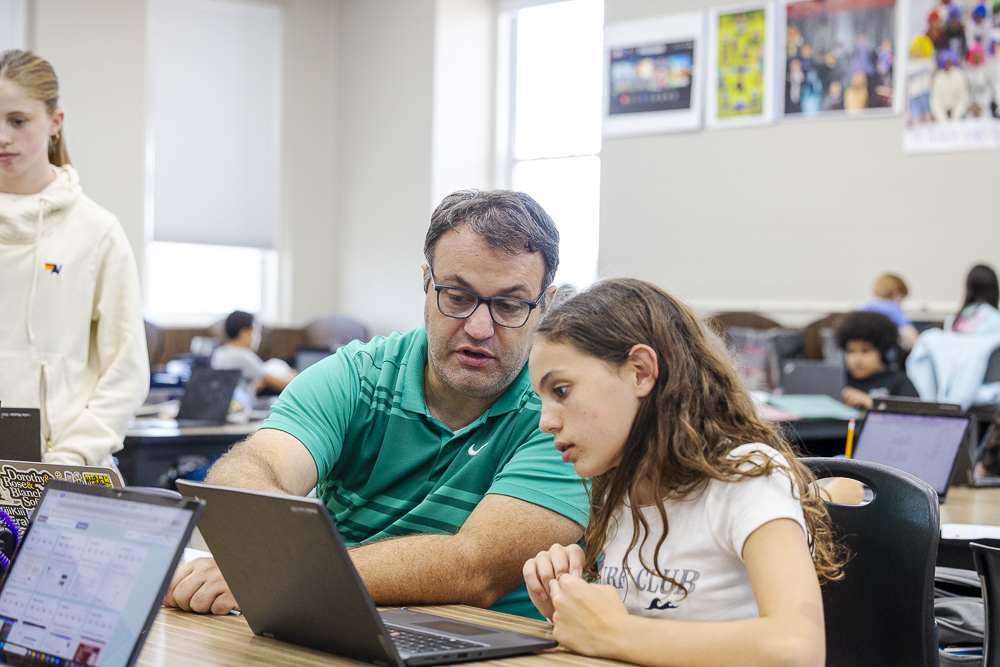
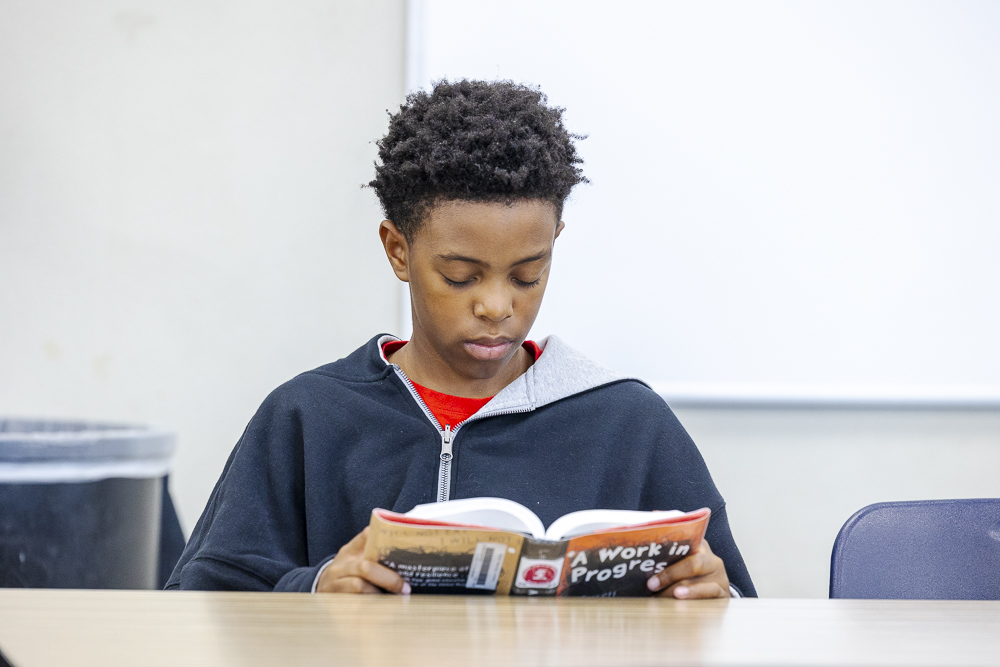

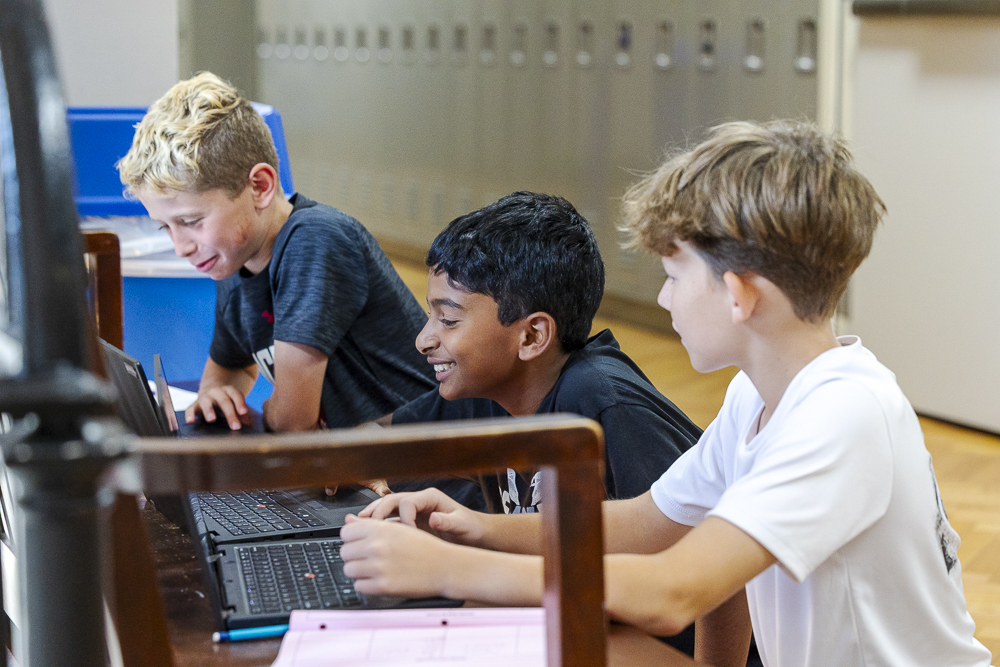


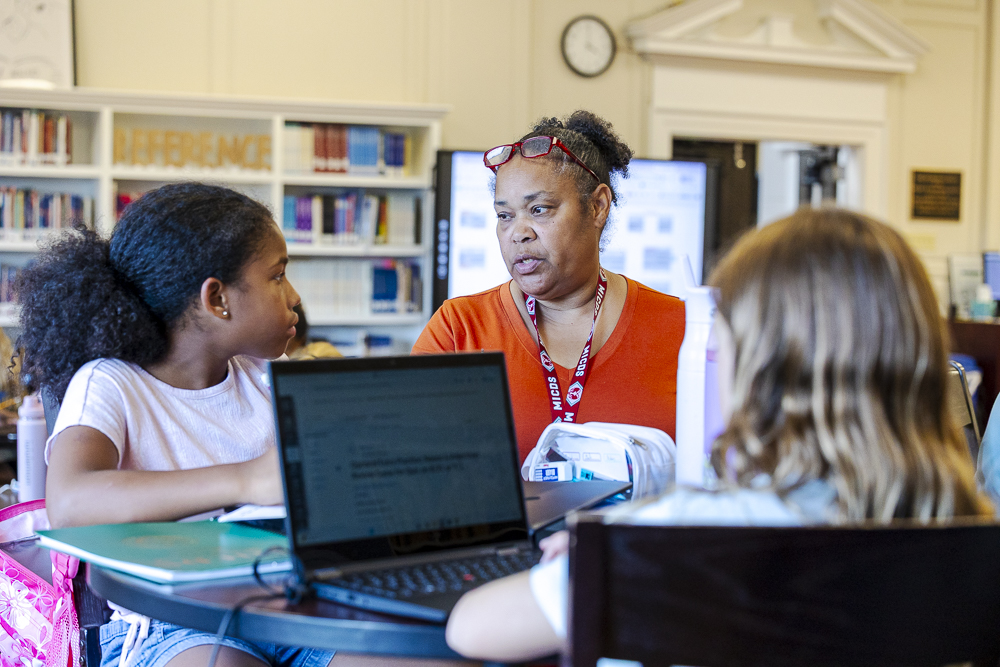



In addition to outside tutors doing 1:1 work with students in the Learning Center, Upper School students in the Peer Tutoring club work with Middle Schoolers in ASAP, providing extra academic support, either 1:1 or in small groups.
What does Roberts love about the back half of his day? “The ASAP team is awesome. I like that we have a place for 10- to 12-year-olds to go. It’s a place they can be safe and where they belong. It’s necessary and awesome. Kids love structure and safety even if they don’t ‘like the rules.’ Half of what we teach in Middle School is how to be a good human and stay organized as a student of life.”
Head of Middle School Jen Schuckman added, “The program serves so many purposes all at once—students have access to MICDS faculty outside of class, they can make up assignments and assessments due to absences, and they can be productive. Childhood moves fast, and we want our students to enjoy their hobbies and interests, have time for family meals, and maintain reasonable bedtimes.”
Upper School: The Power of Independence
Once in the Upper School, the executive functioning skills that students built in Lower and Middle School play out independently during free periods, Collab (similar to Middle School’s Flex period), and quiet time in the library before, during, or after school. With required athletic credits, arts activities, part-time jobs, and service opportunities that often happen after school, most Upper Schoolers capitalize on these windows during the school day to complete homework and stay on top of their “plan of attack.”
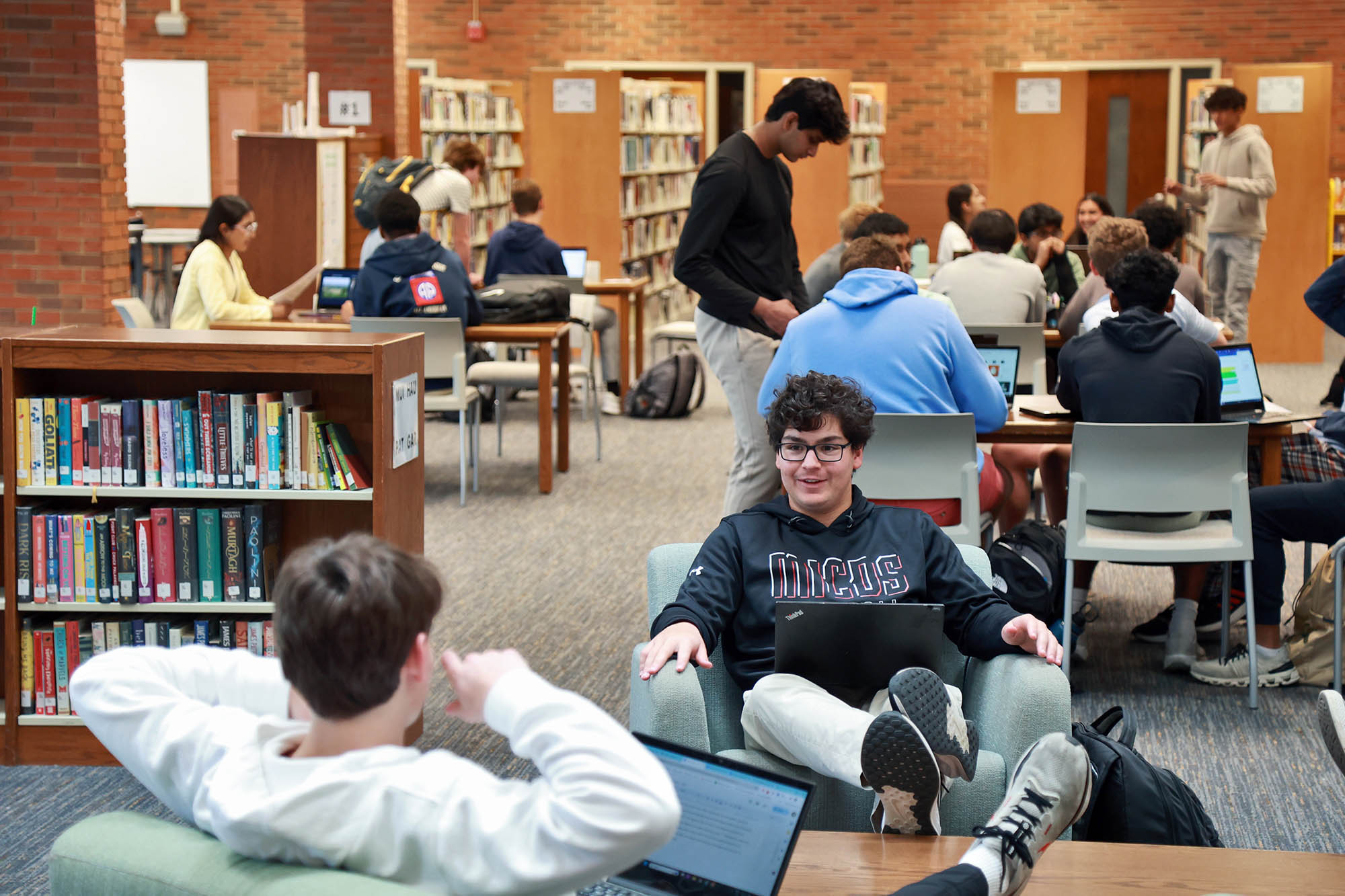
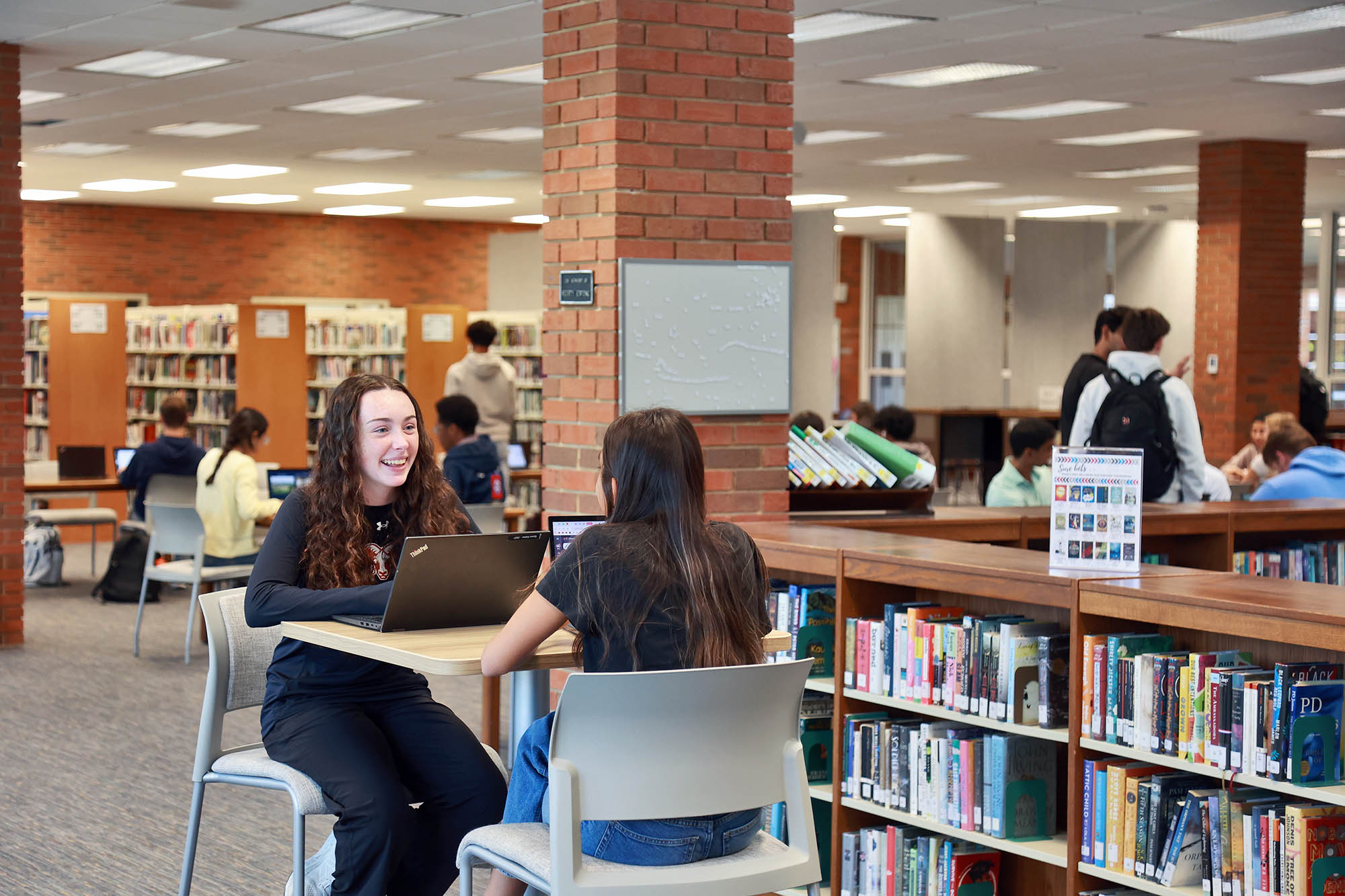
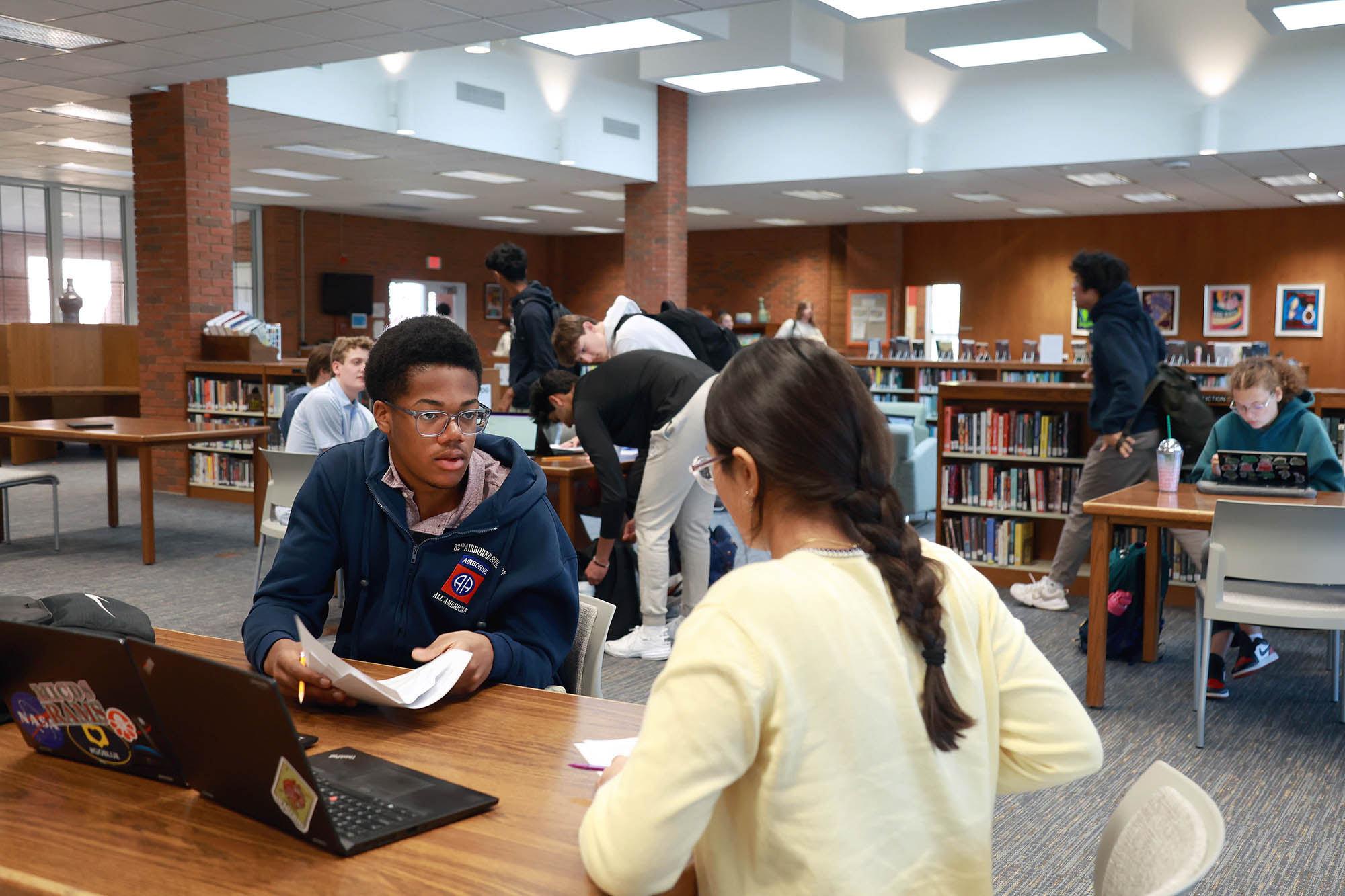
When students step into these after-school spaces, MICDS ensures they aren’t just passing time until pick-up; they master self-advocacy, explore new interests, and learn to manage their own productivity in preparation for life.