Eleventh-grade Integrated Biology students took full advantage of both the resources on our own campus and those of a local partner to study prairie restoration, taking learning out of the classroom and into the wild.
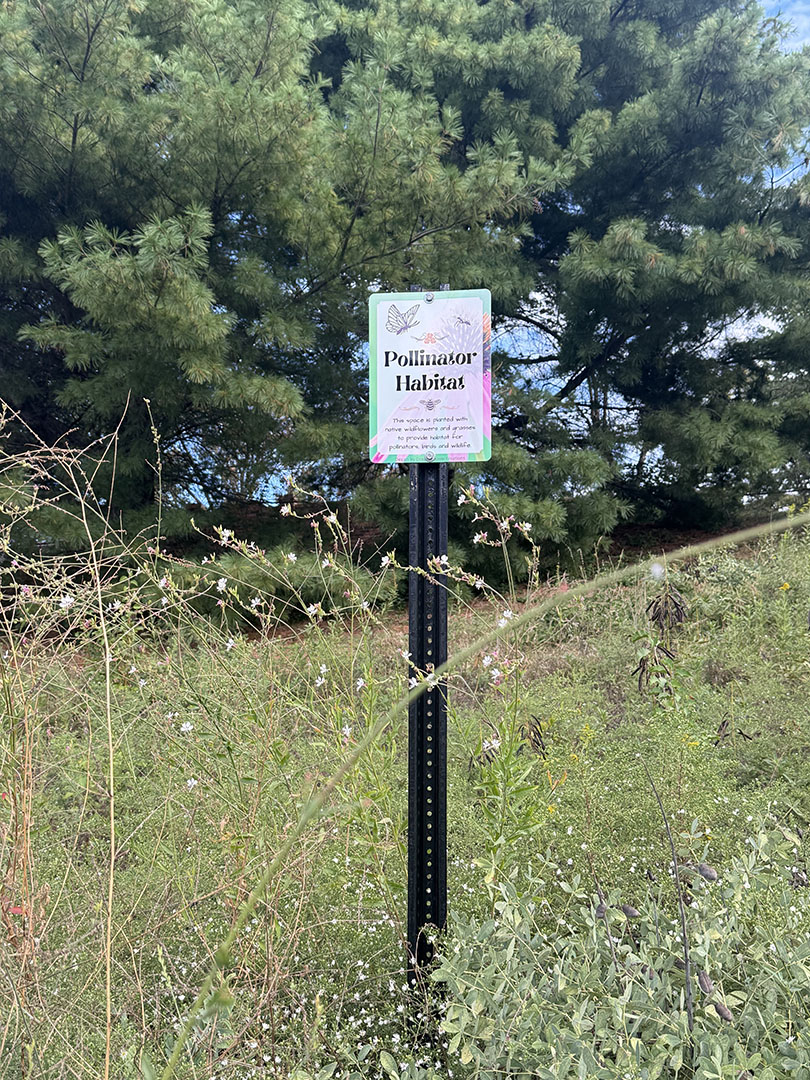
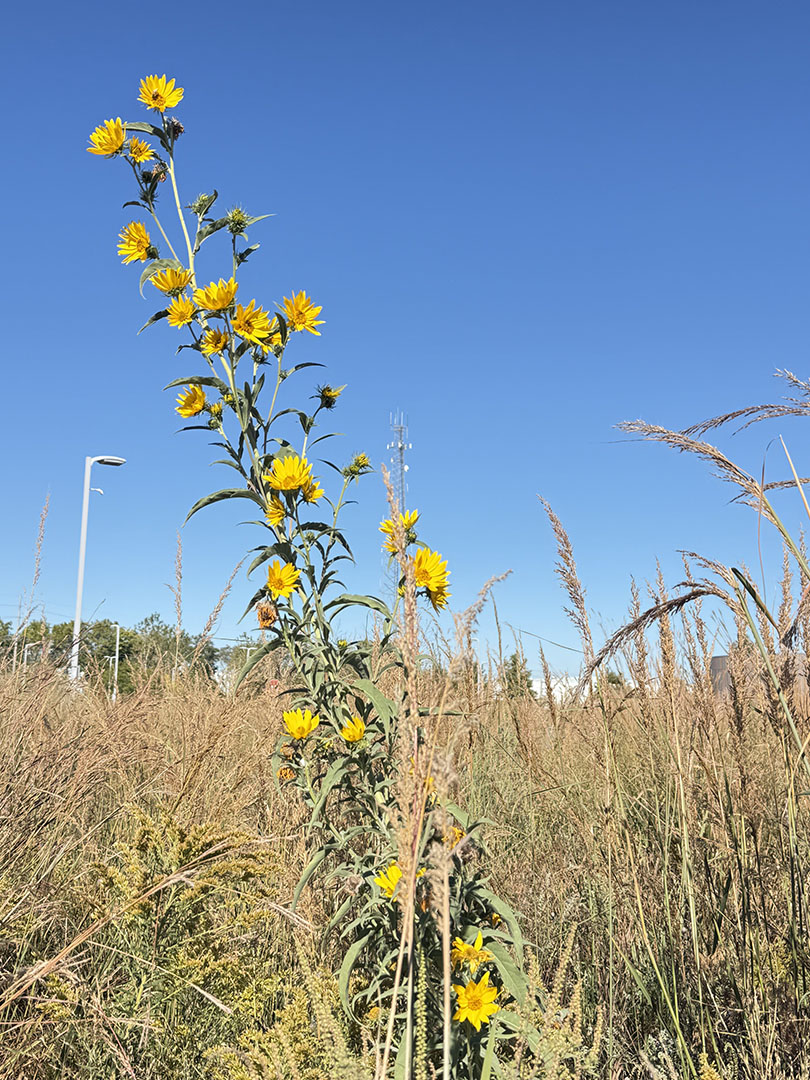
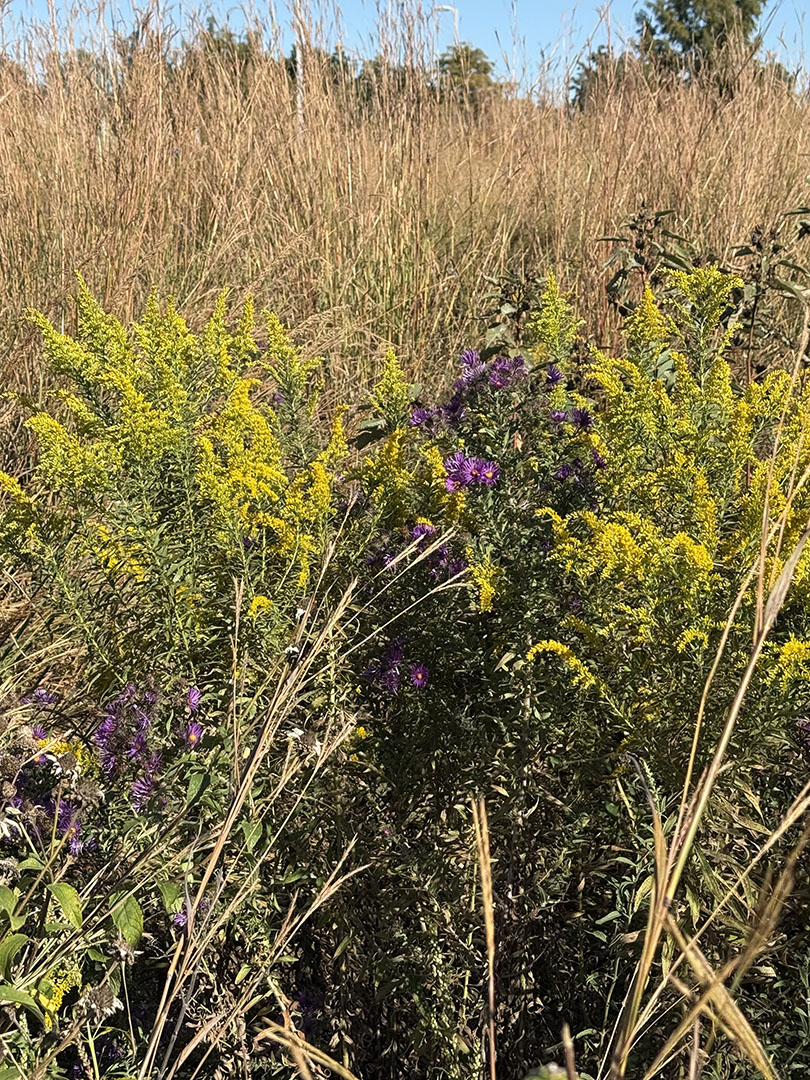
The north end of campus, just past a parking lot, sits a prairie restoration zone. This piece of our campus, carefully curated by our dedicated grounds crew, offers students the opportunity to observe how a natural habitat functions. In a sea of cultivated lawns and landscapes, the prairie is bursting with native species friendly to insects and animals. Just up the road, a restored prairie habitat blooms at the Danforth Plant Science Center. Just how healthy are these two prairies? Our students used Integrated STEM Practices (ISPs) to find out!
“This is our main project in our Ecology Unit,” explains Dr. Ethan Graf, Upper School Science Teacher. “During the Unit, students learn about different types of ecosystems and what makes an ecosystem healthy, with a particular focus on the importance of biodiversity in an ecosystem.” Taking full advantage of local resources, Dr. Graf and fellow Science Teacher Dr. Whitney Anthonysamy focused their classes on the prairie ecosystem.
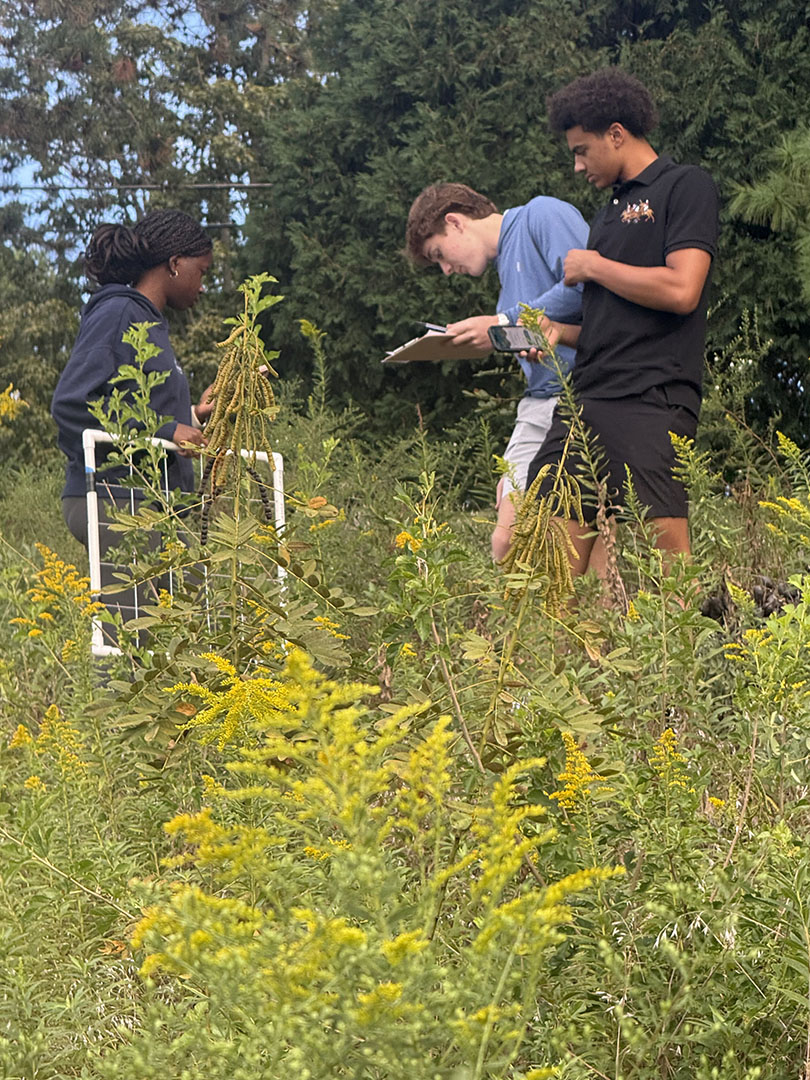
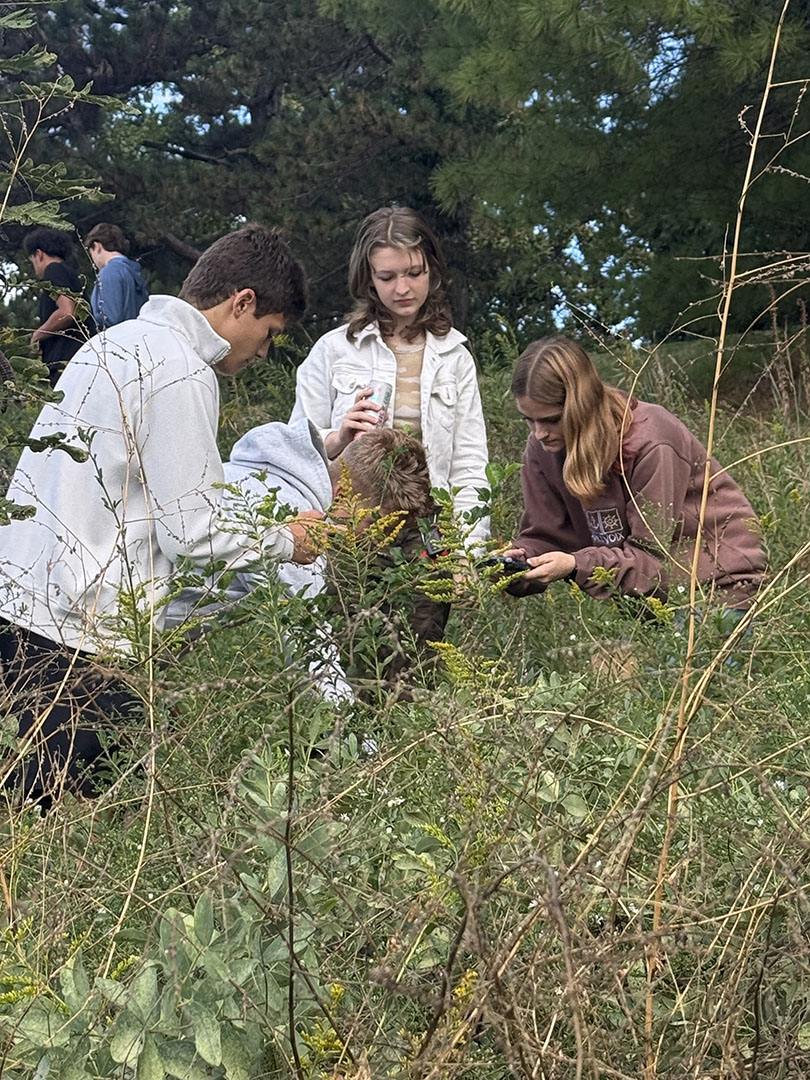
During the project, students analyzed the MICDS restored prairie and compared it to another restored prairie at the Danforth Plant Science Center. Students first built quadrats to make their observations measurable. A quadrat allows them to determine the percentage of groundcover in areas of the prairie restoration zone. They identified plant species using the Seek app and analyzed quantitative data related to species biodiversity in the process. “The goal is for students to determine how the health of the MICDS prairie compares to the restored prairie at the Danforth Science Center and to research and suggest ways that MICDS could make our prairie healthier and more representative of a native prairie, similar to what Danforth has done,” said Dr. Graf.
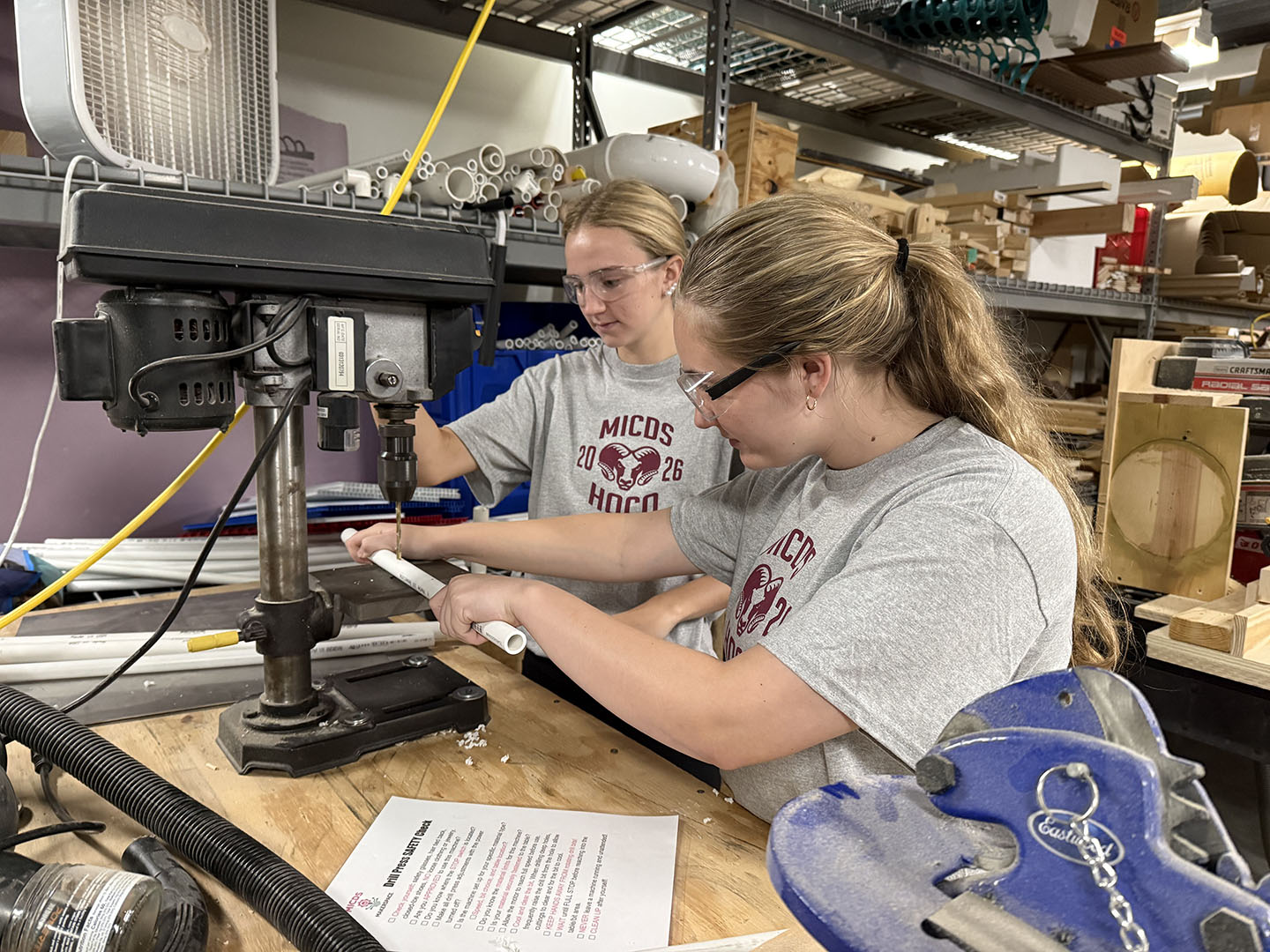
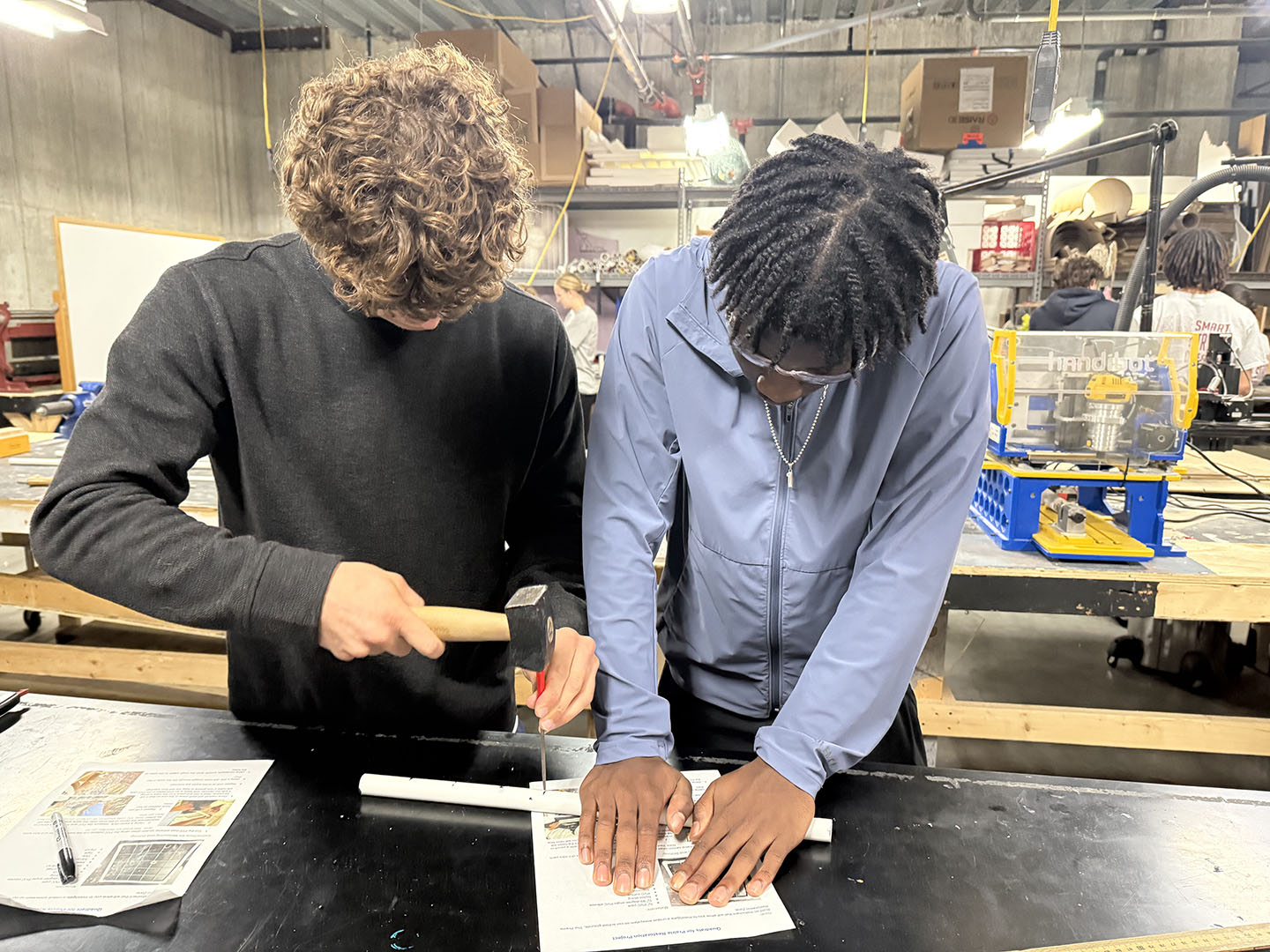
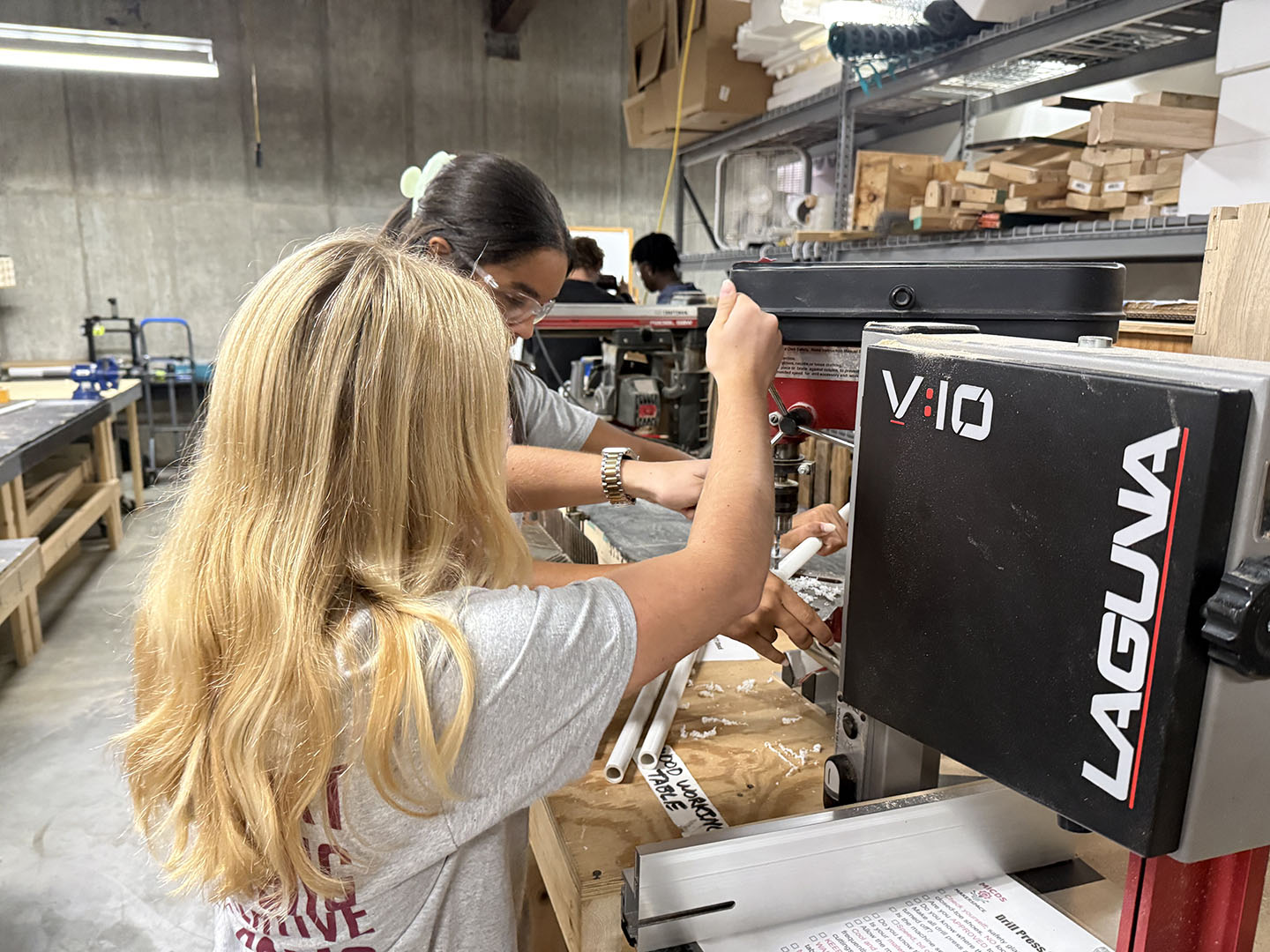
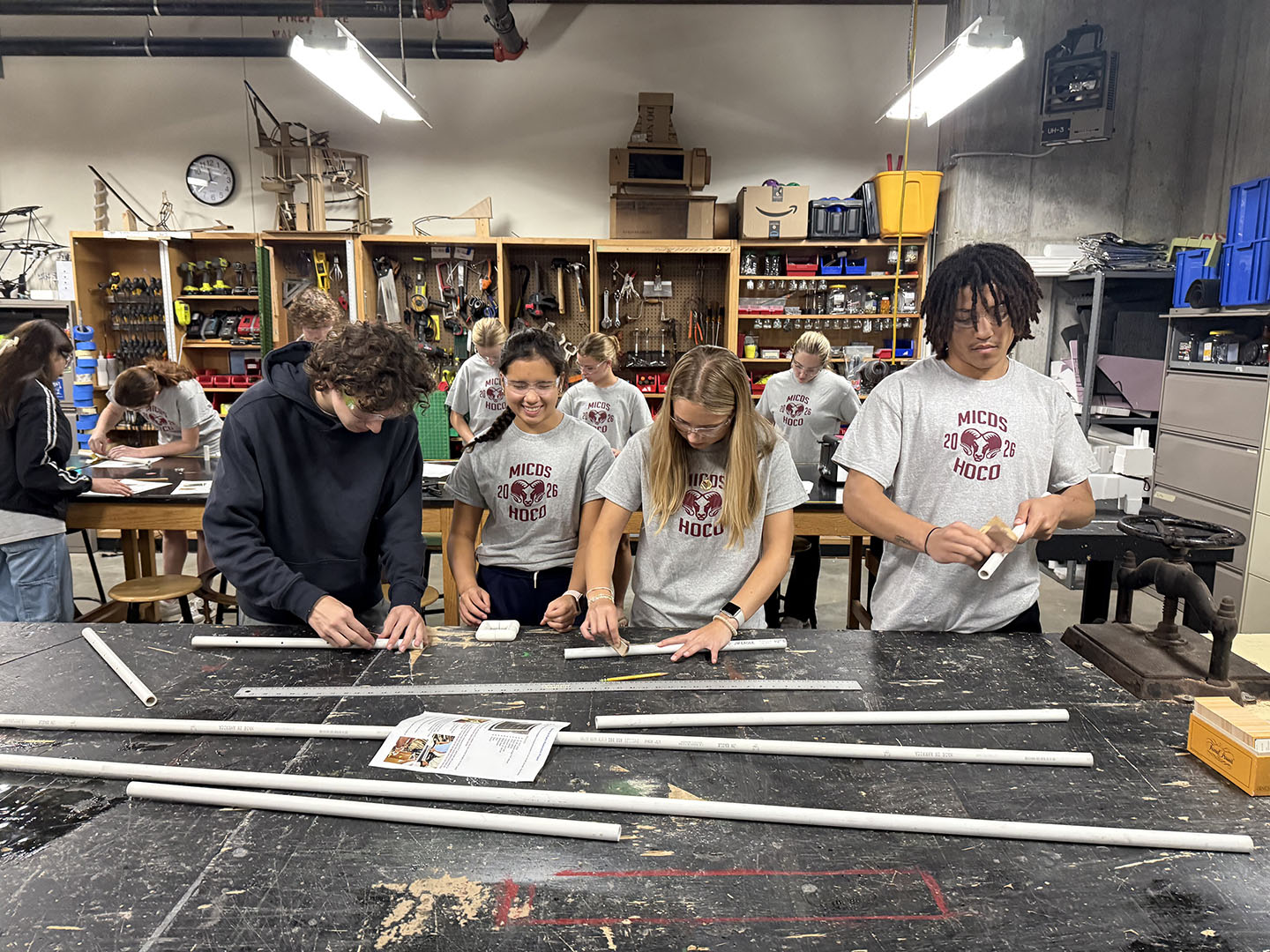
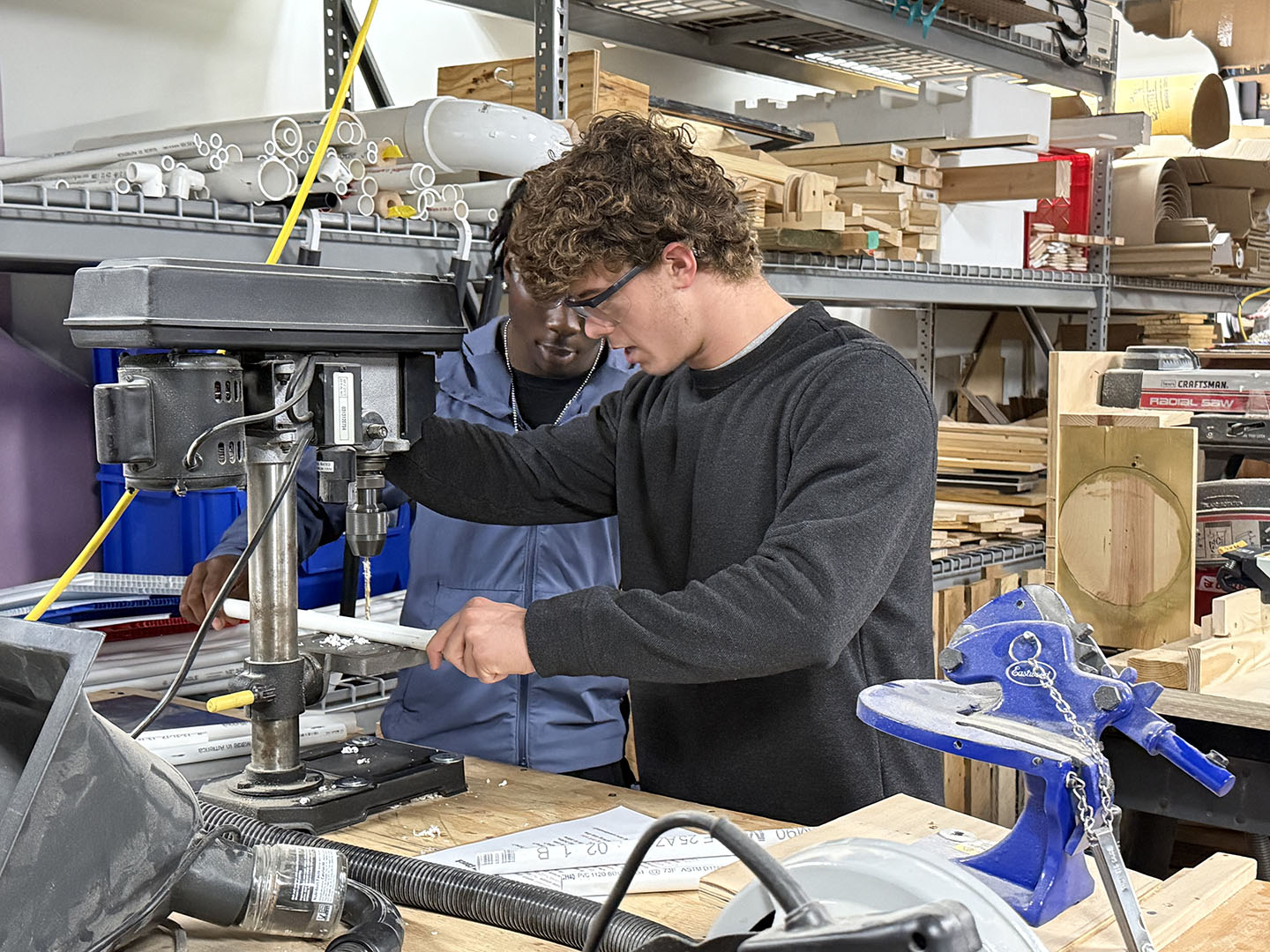
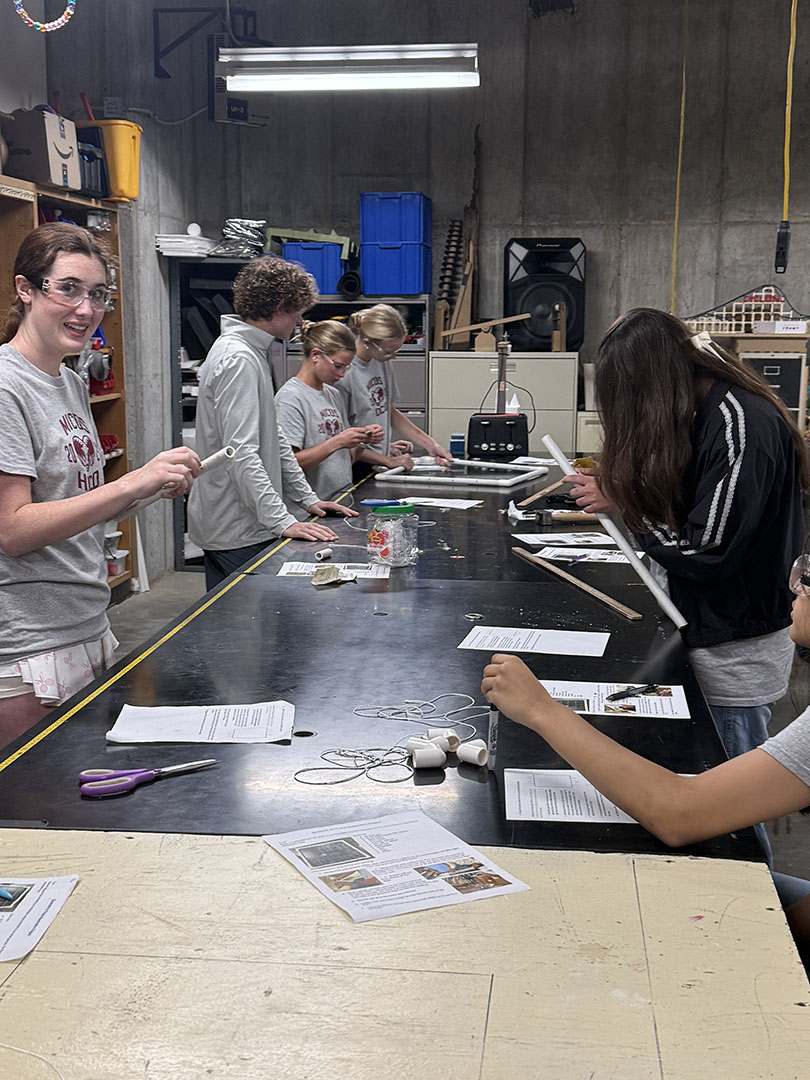
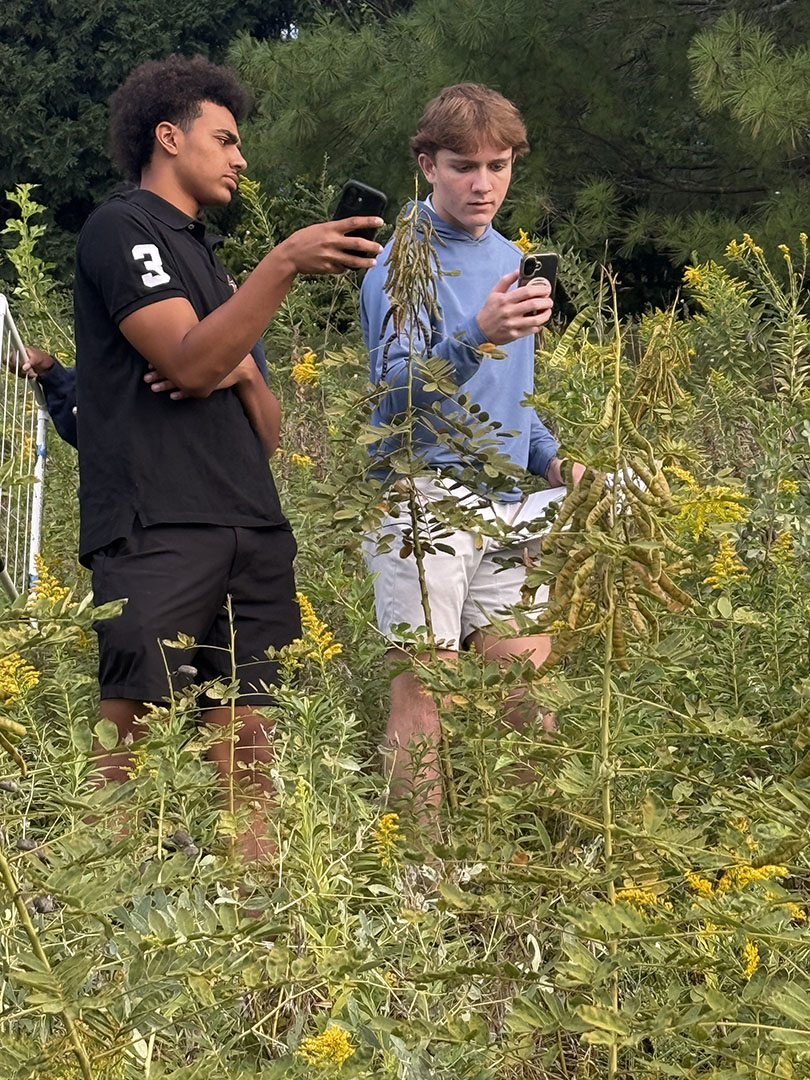
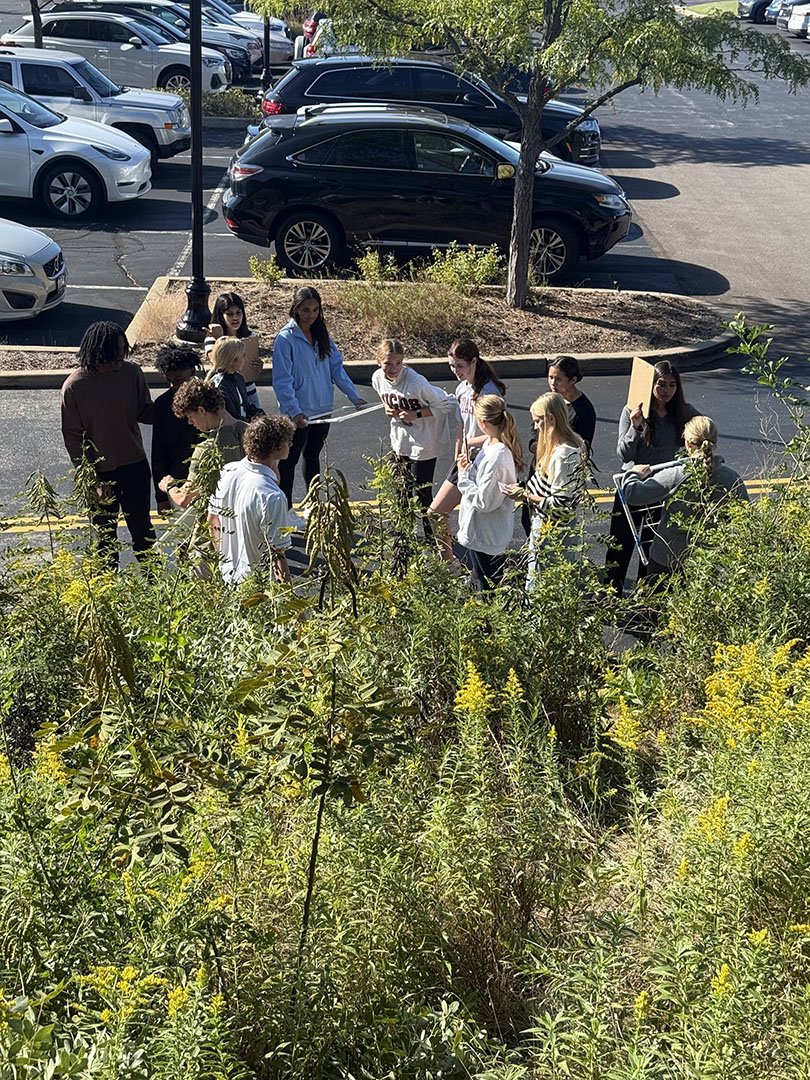
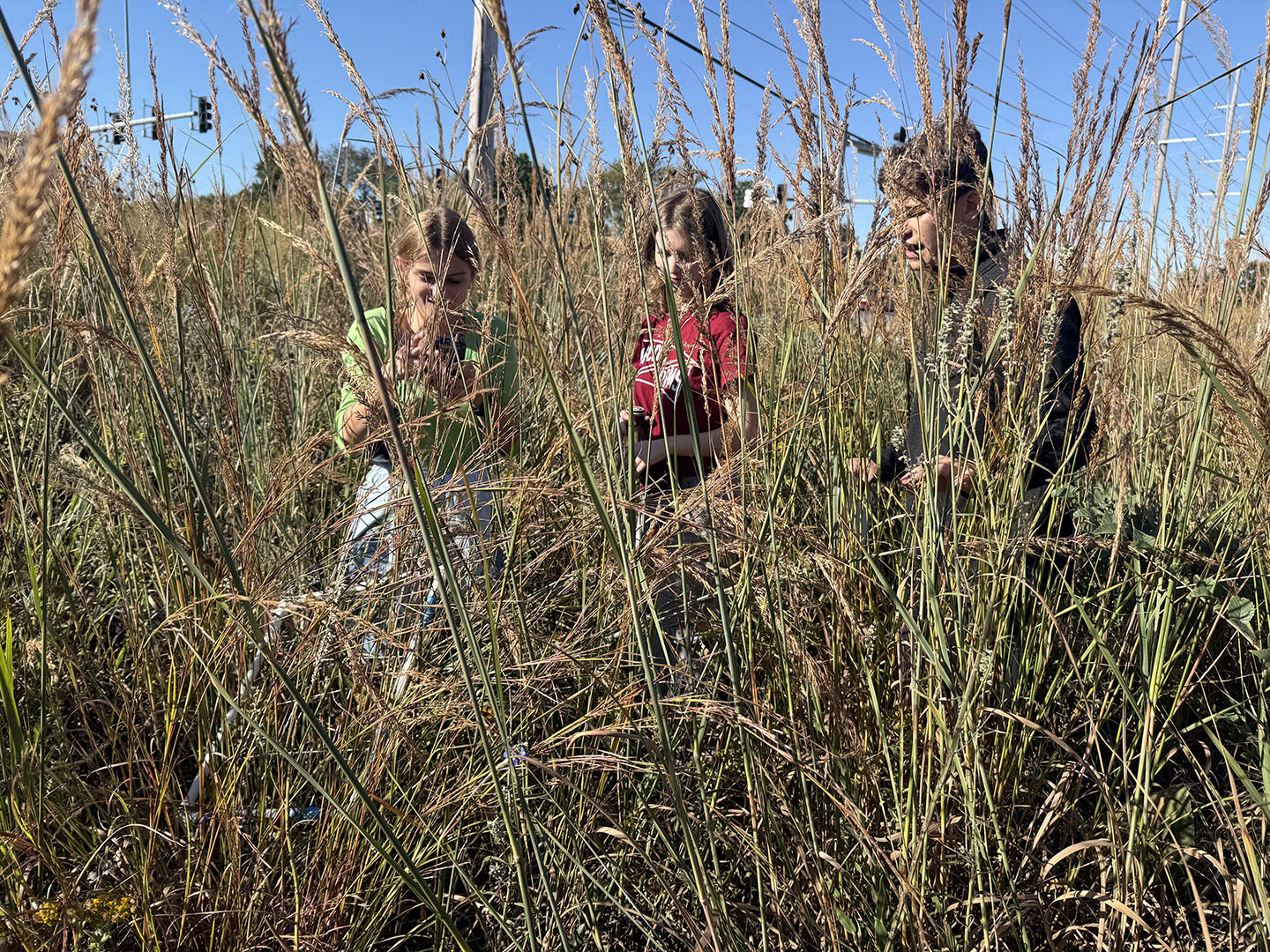
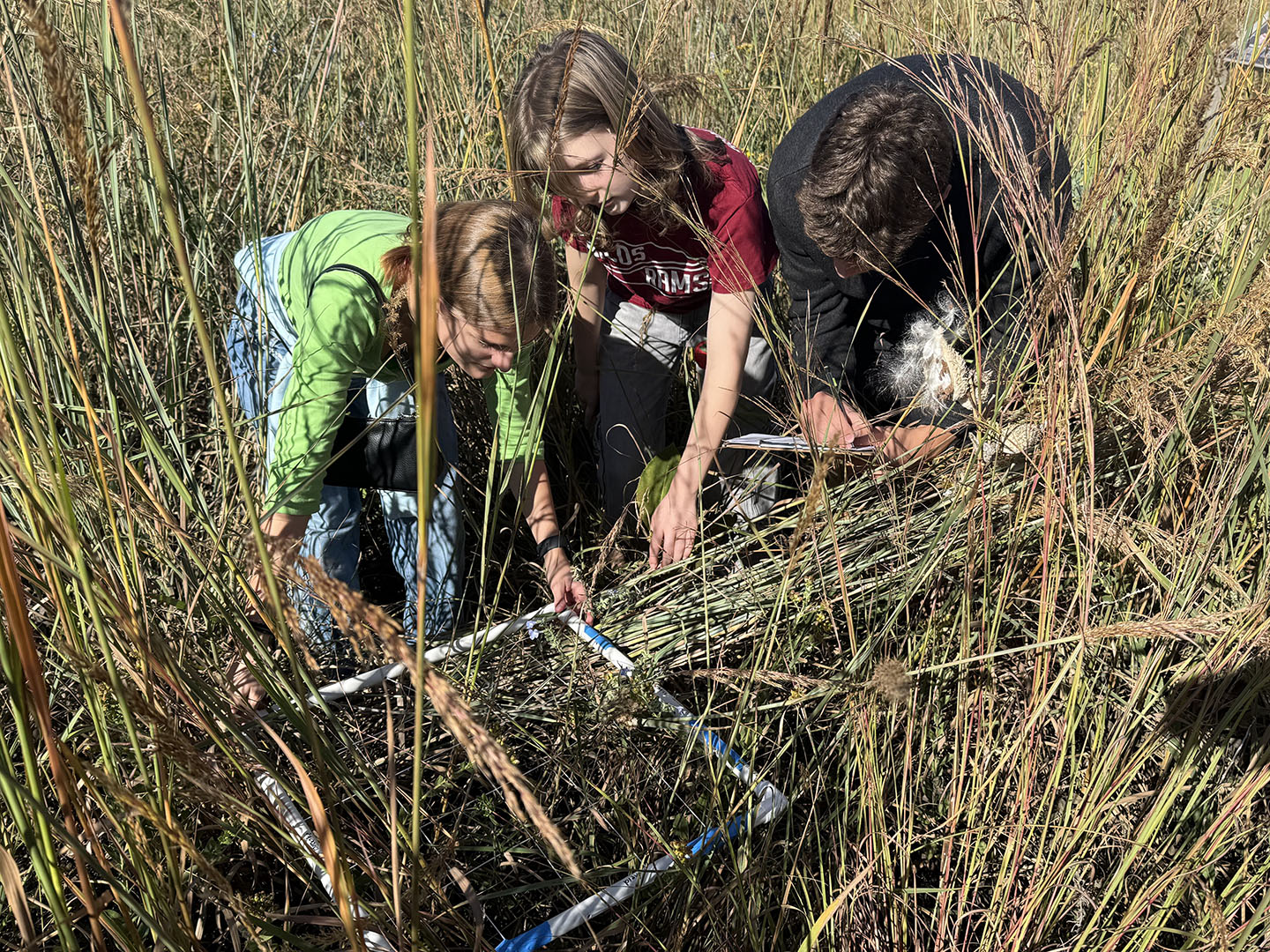
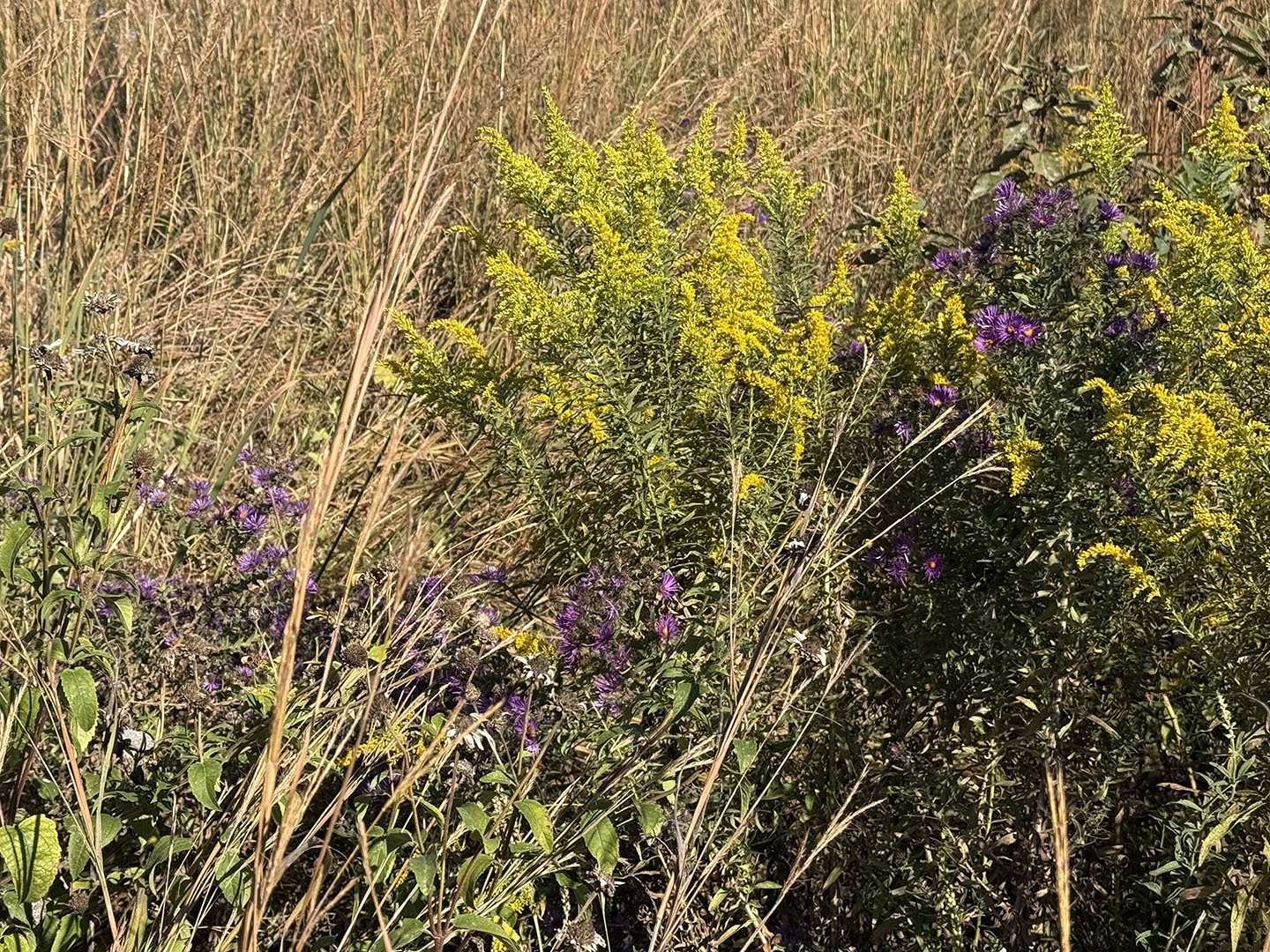
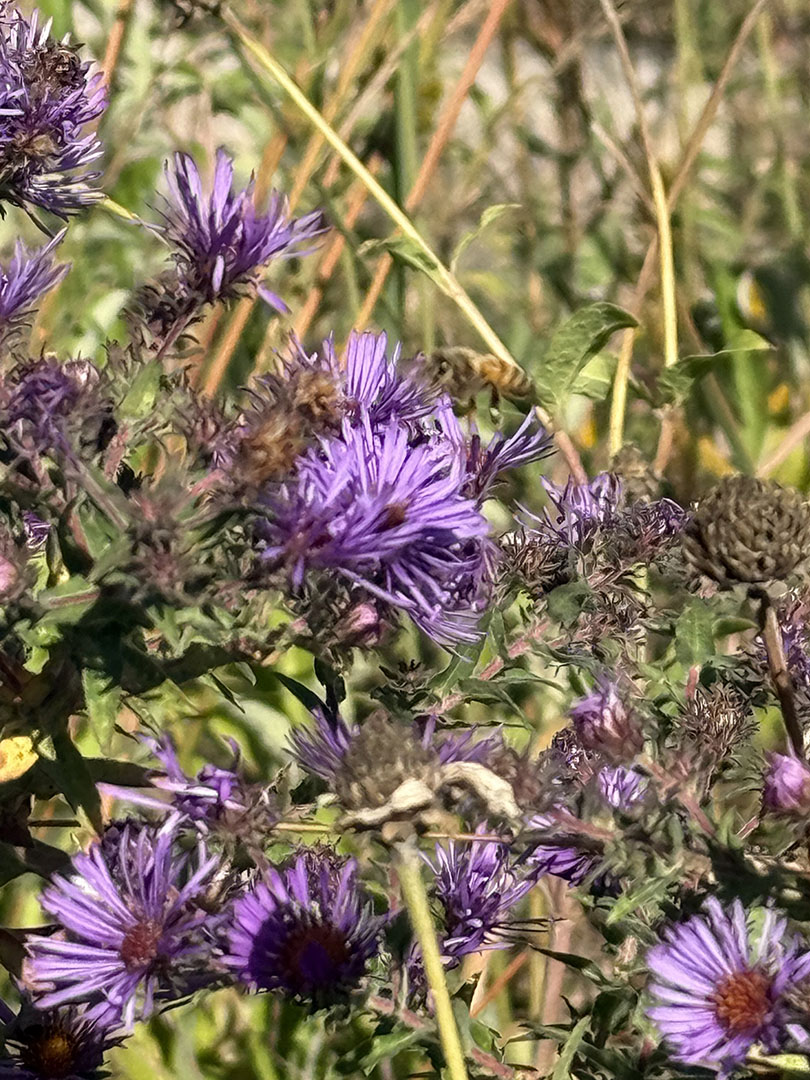
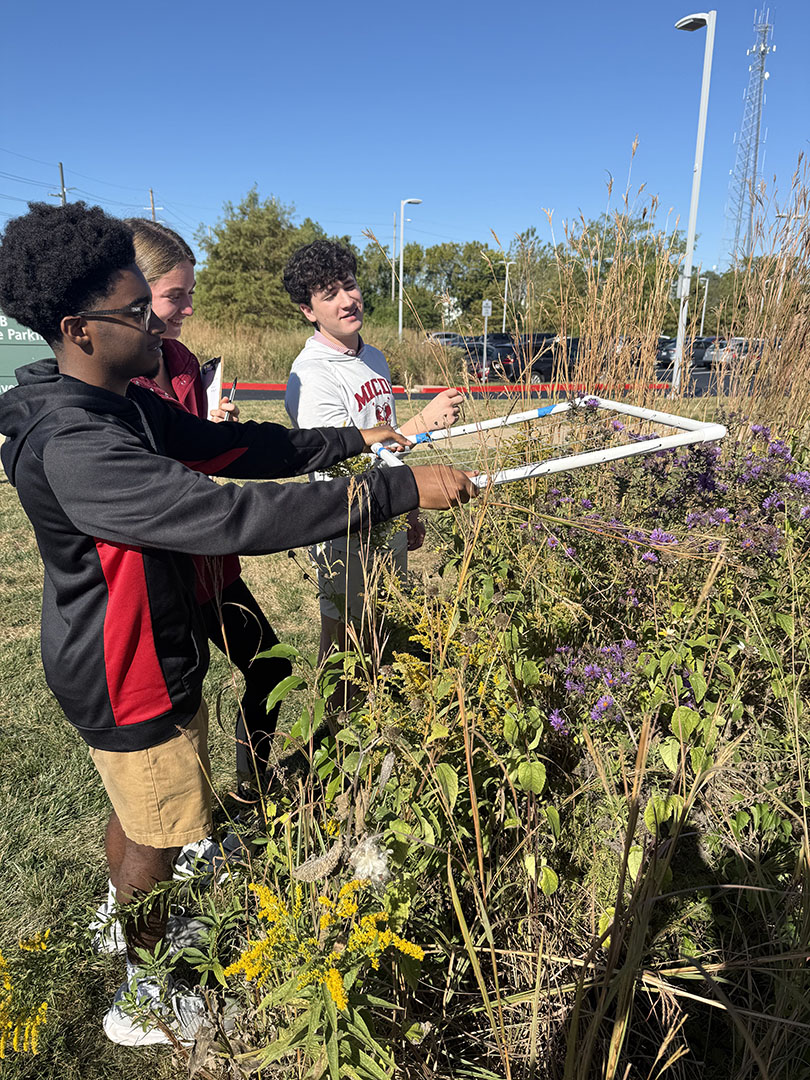
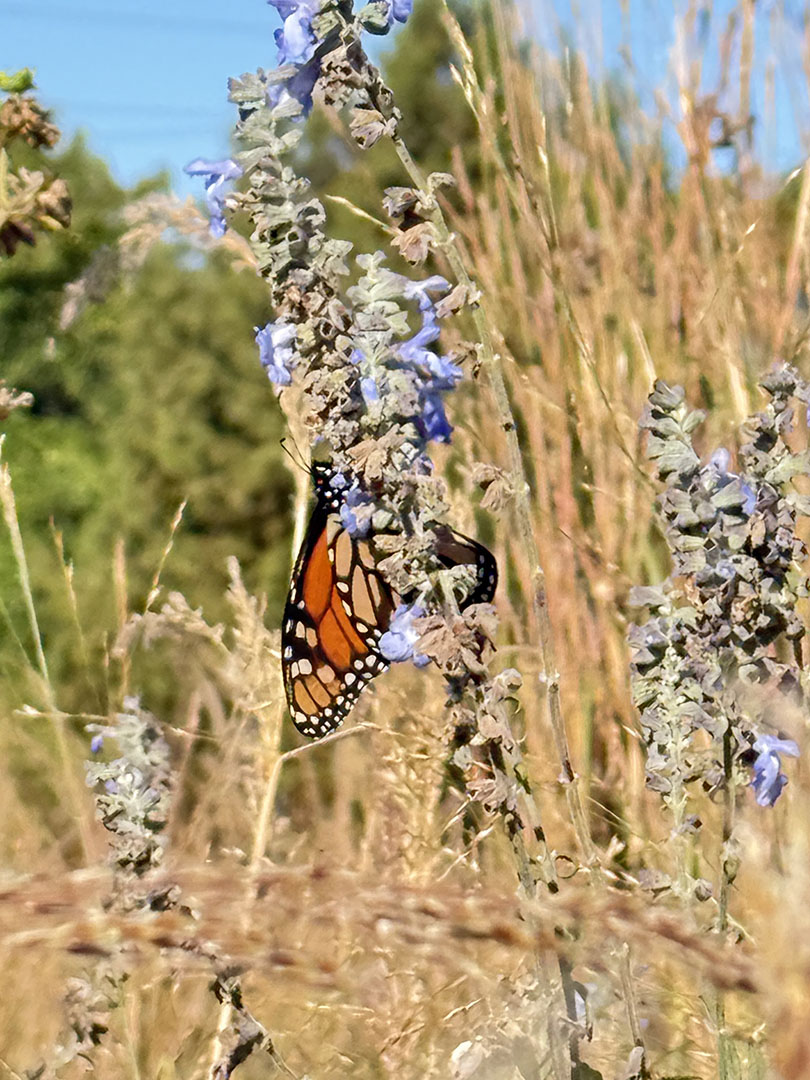
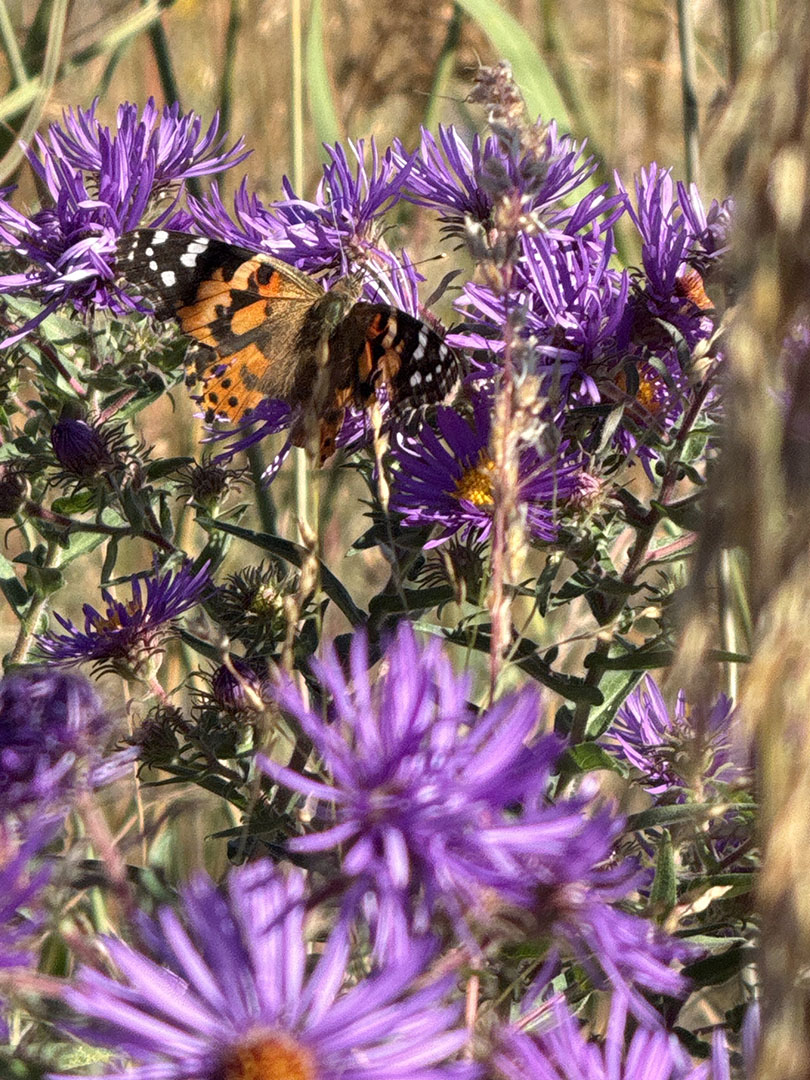
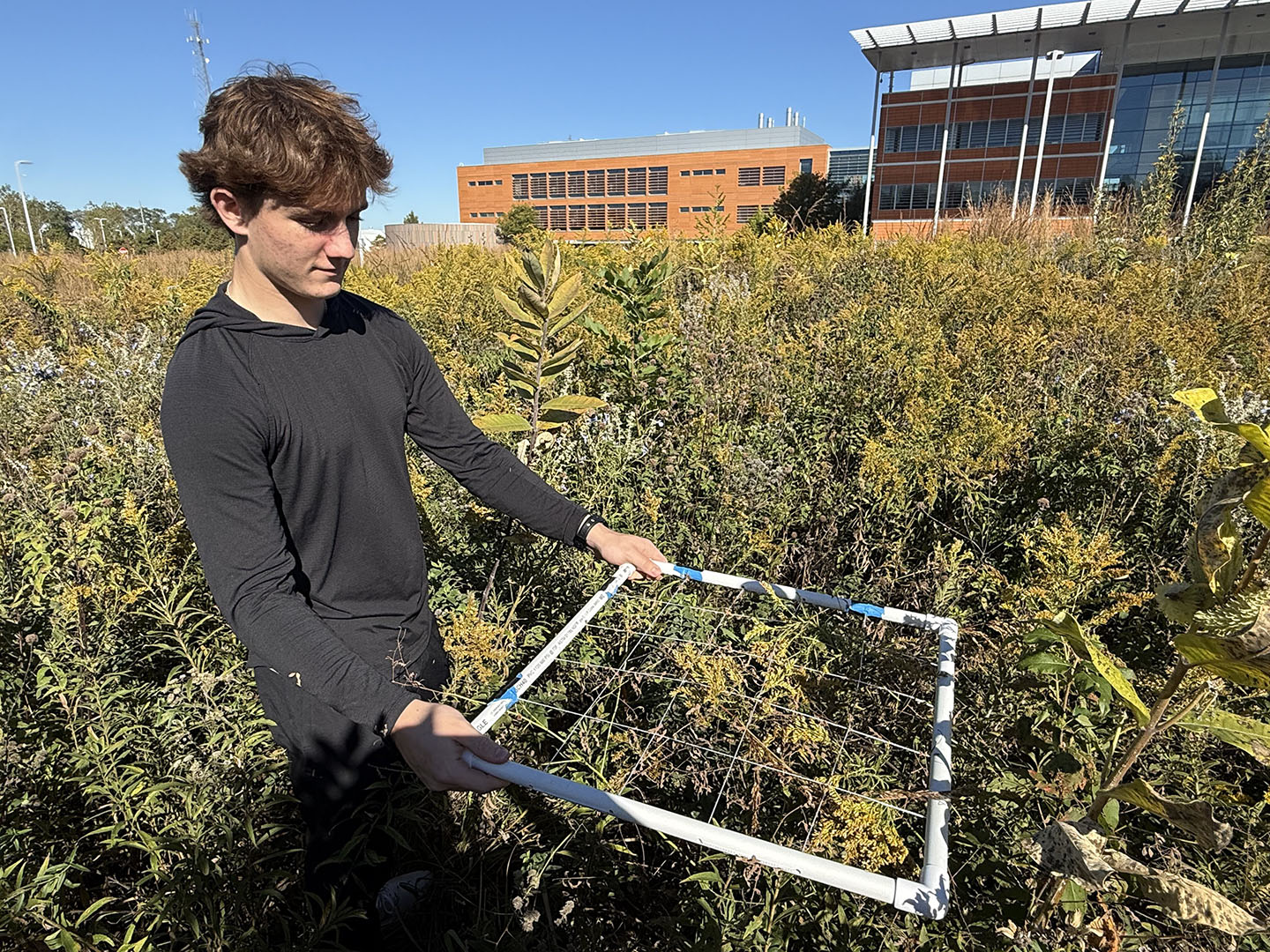
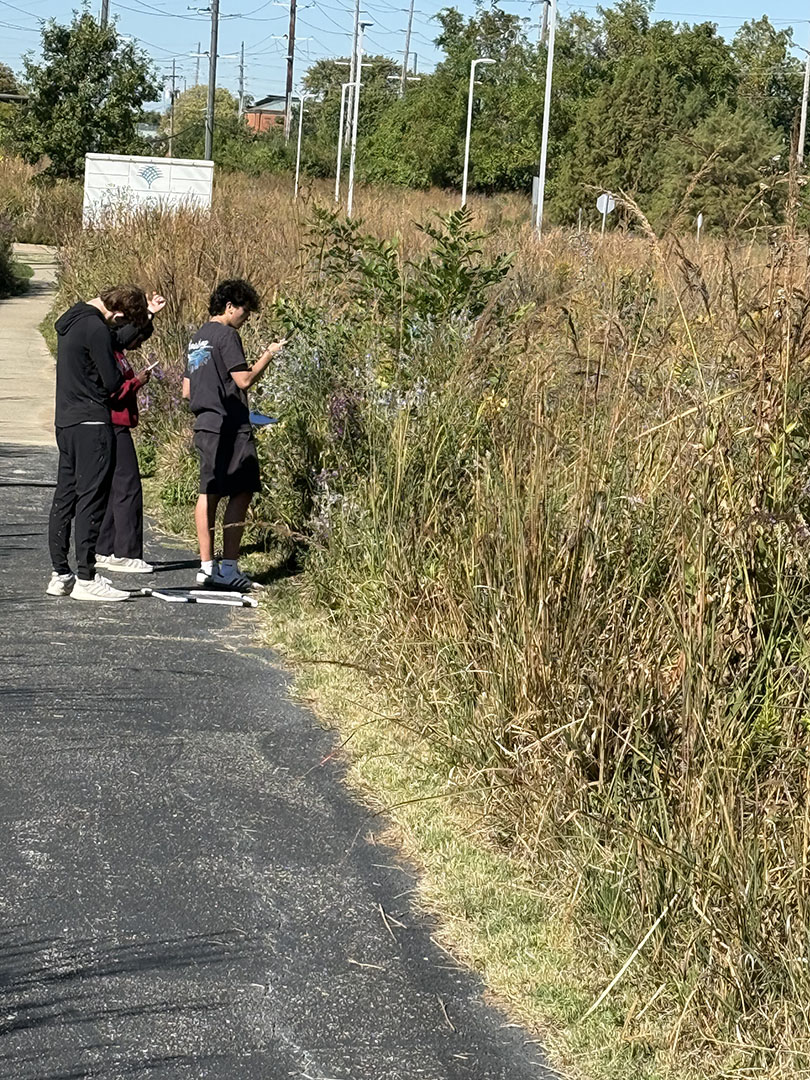
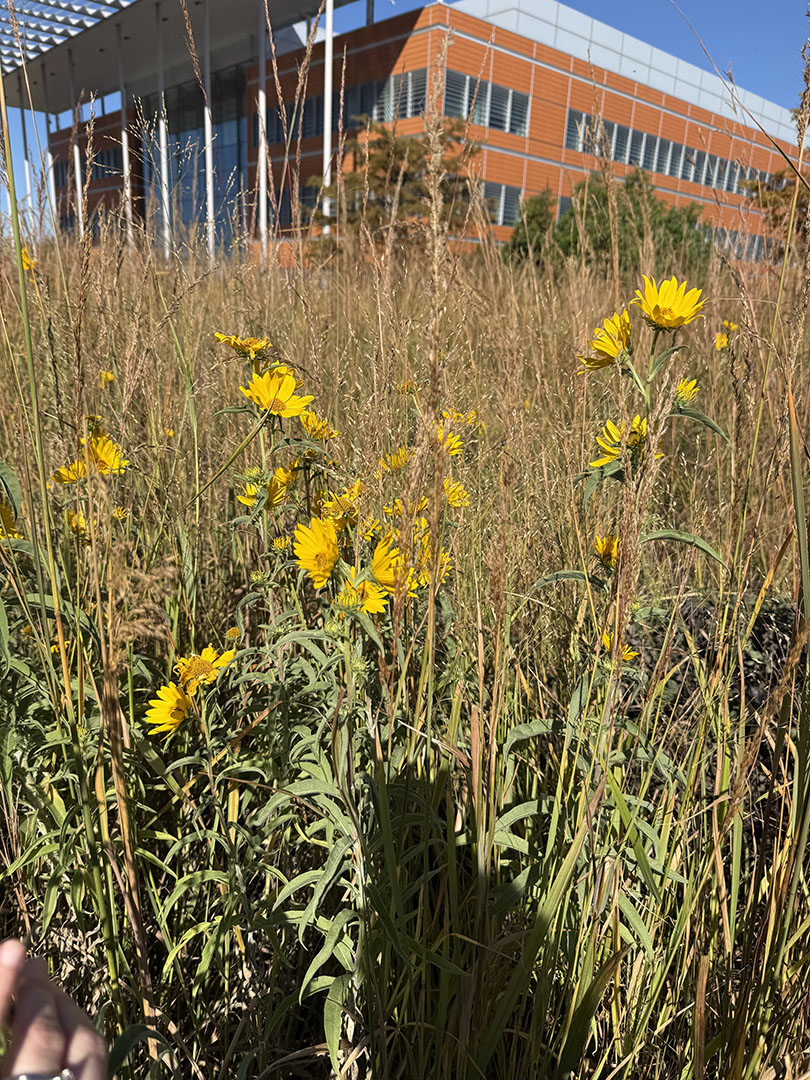
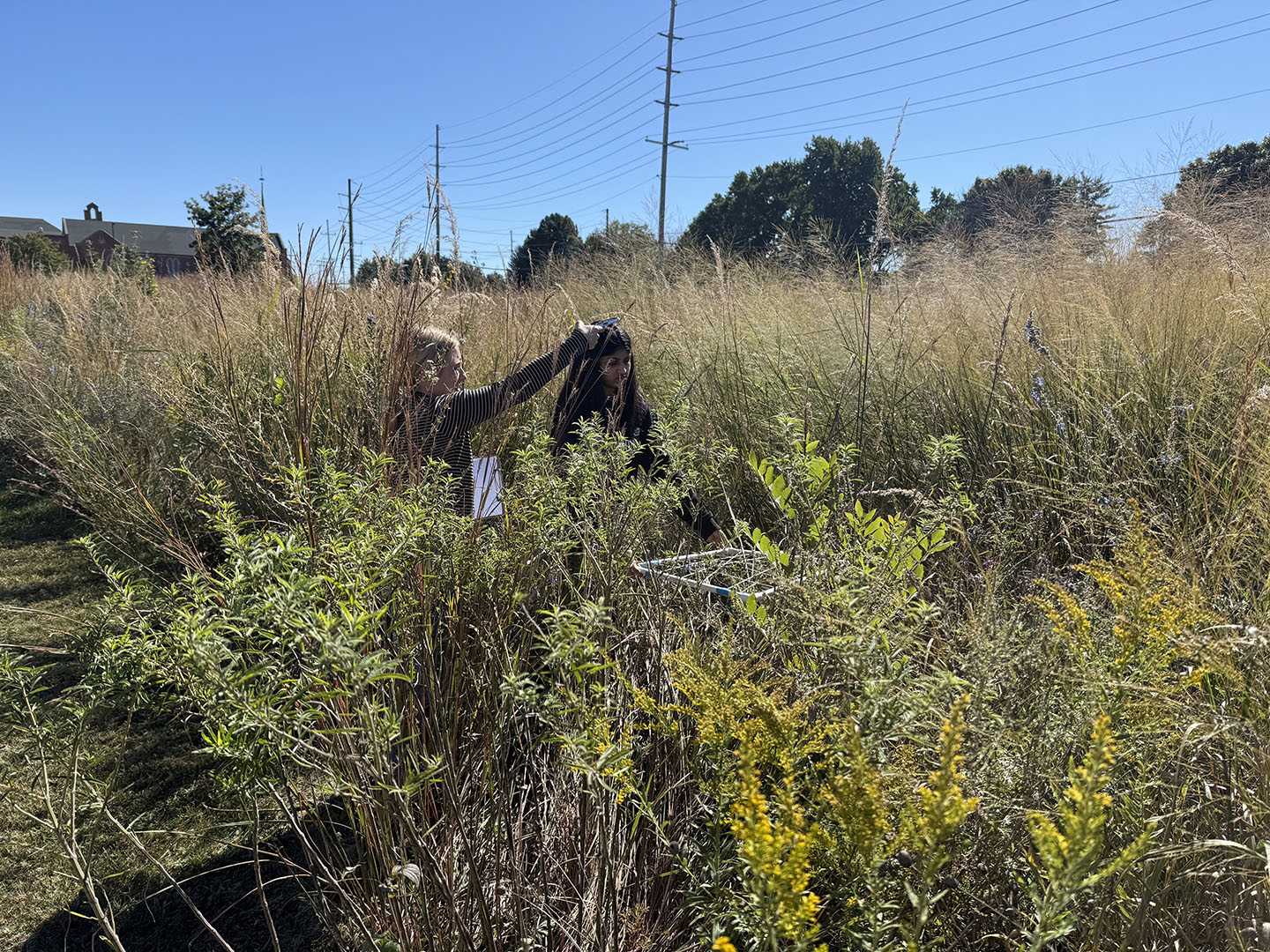
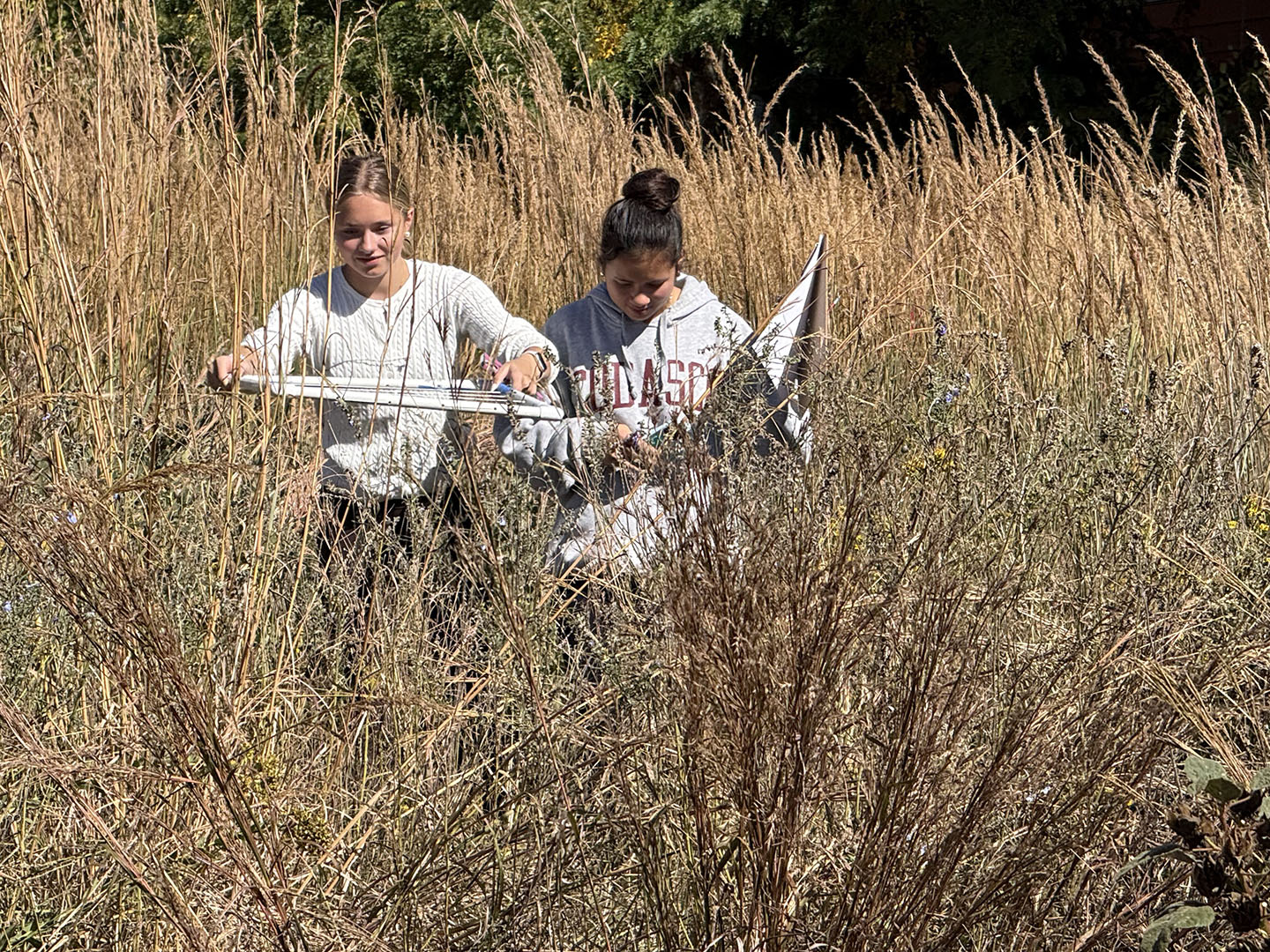
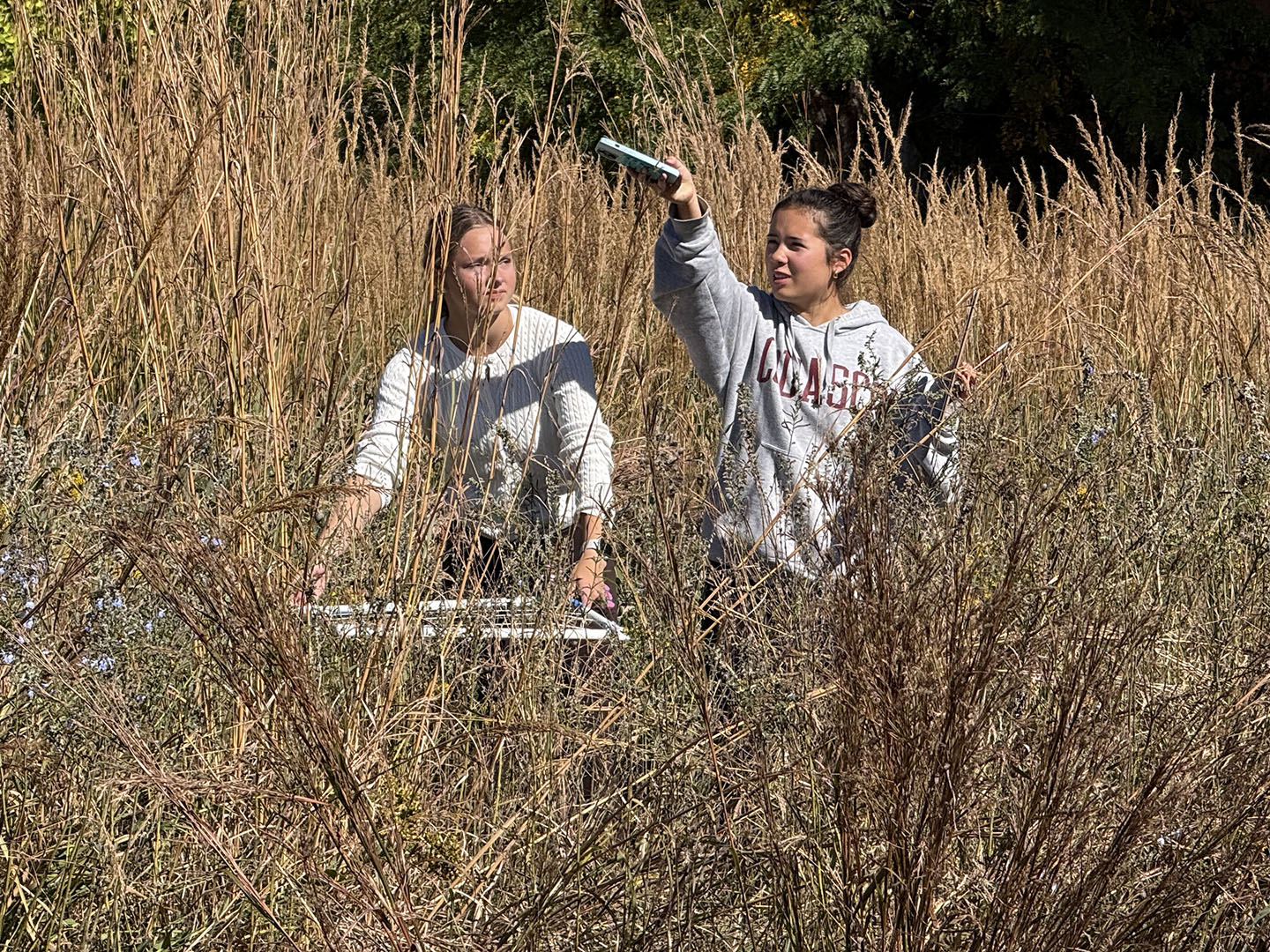
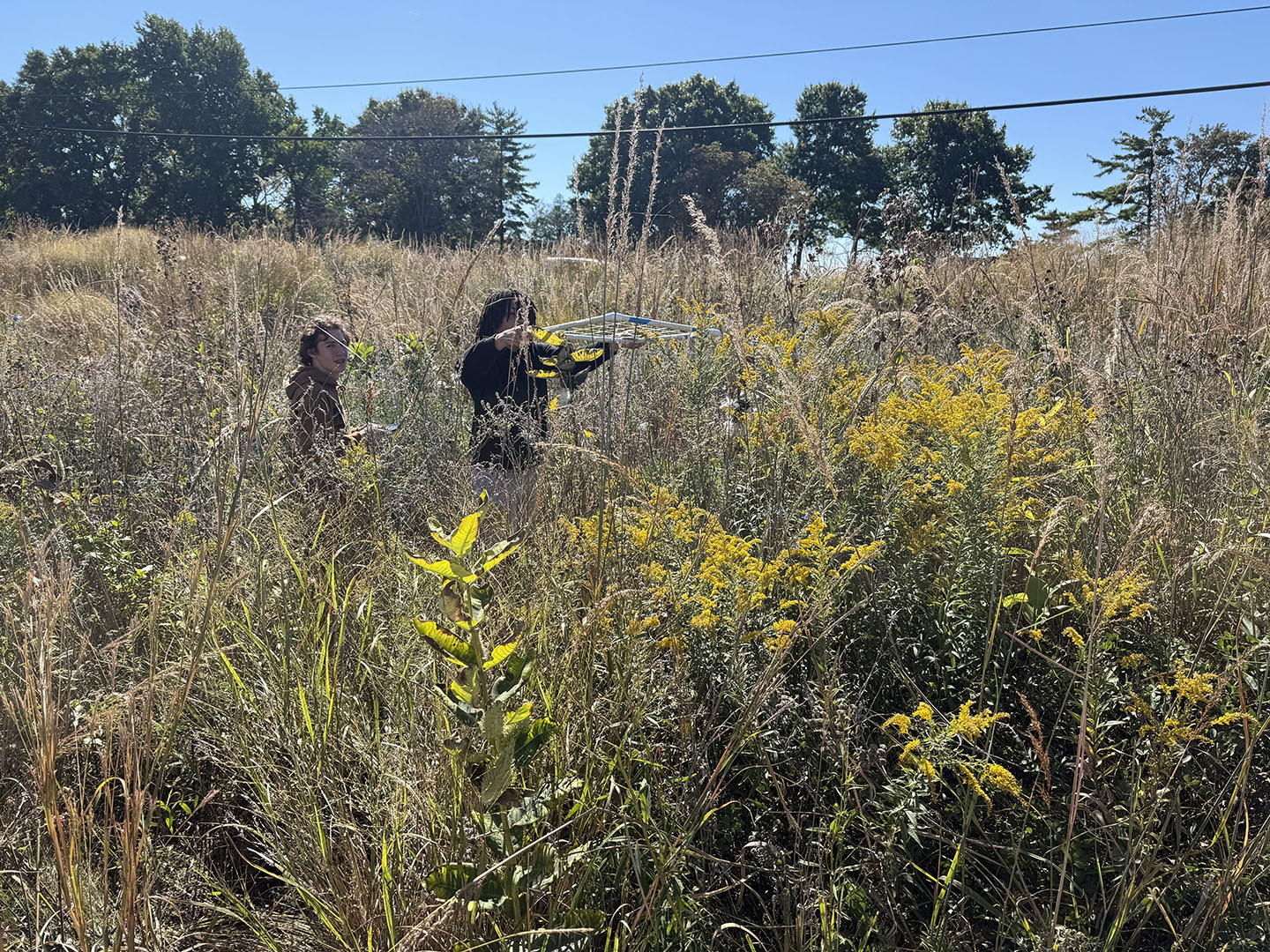
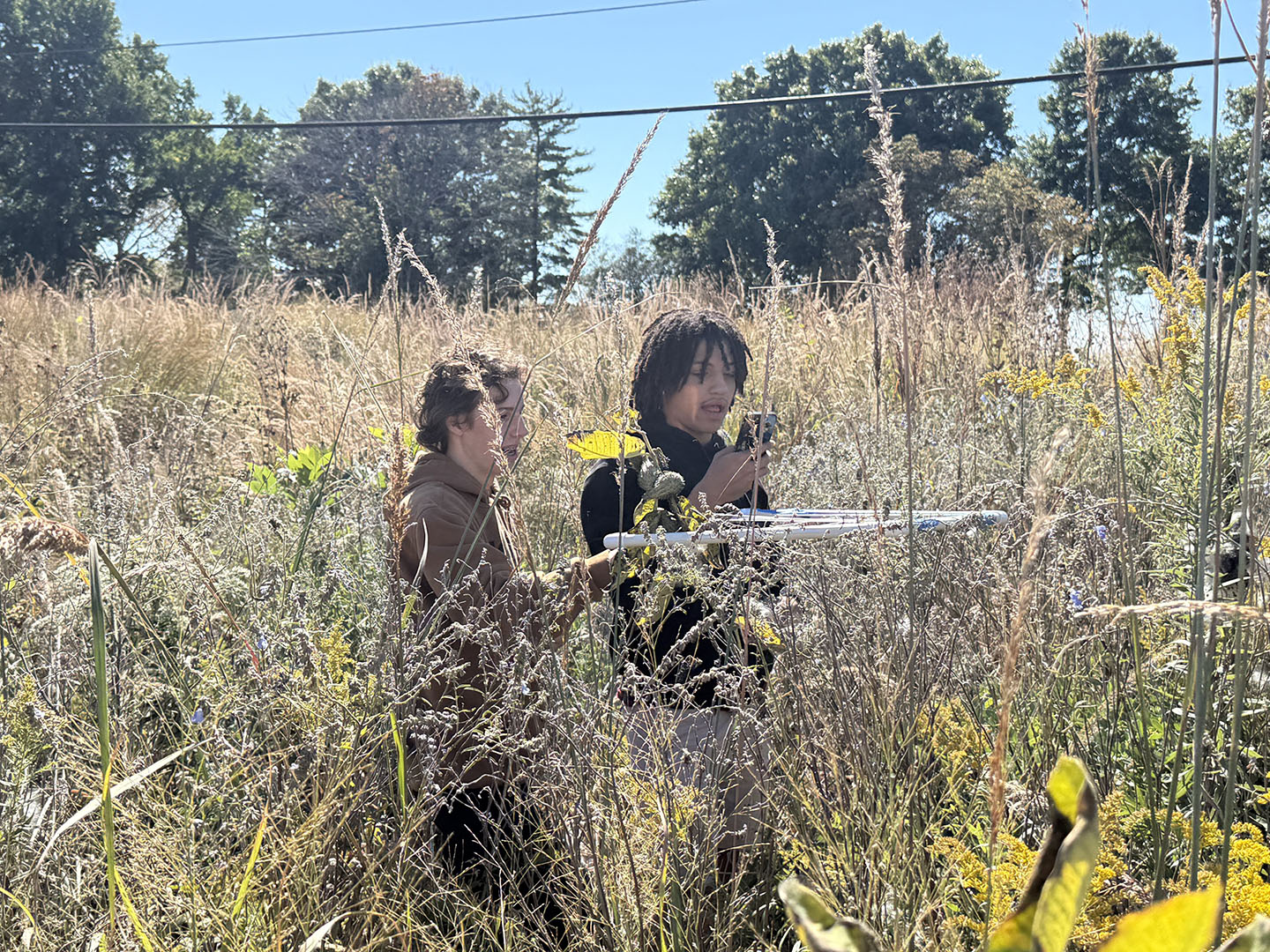
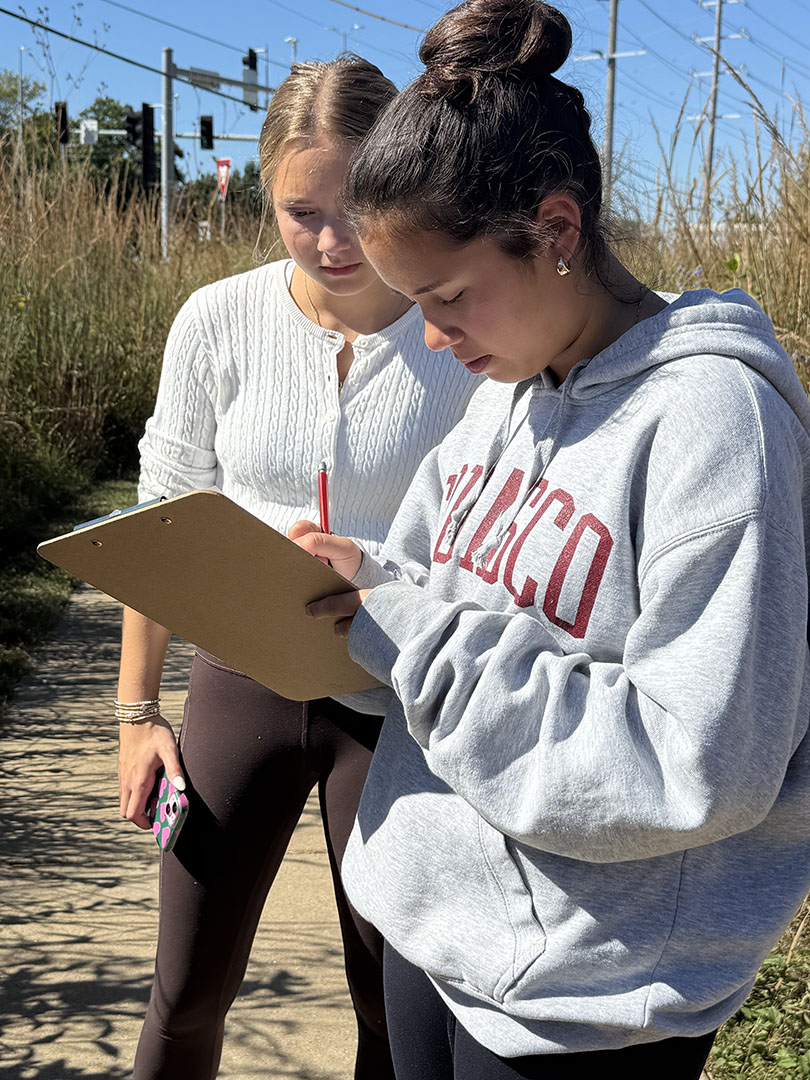
The ISPs students developed include using critical and creative thinking to define challenges and seek solutions, collaborating and using appropriate tools to engage in iterative design, communicating solutions based on evidence and data, and recognizing and using structures in real-world systems. They learn to become comfortable with messy data, since actual fieldwork rarely goes perfectly. Students are learning to handle variability, imperfect results, and open-ended questions with no single right answer, and they were trusted to work independently. “I think that the most surprising challenge that we had to face while going into the project as a whole, was probably the fact that it was a completely independent project,” said Keon M. ’28. “So we kind of had to figure out ideas and solutions to things ourselves, which was a fun challenge to overcome, especially while finding a way to get a solution to fix our prairie without burning it.”
After gathering data at MICDS, students took their quadrats up the road to the Danforth Plant Science Center, where they observed randomized locations to collect more data on species. Tess T. ’28 learned first-hand just how persistent plants can be. “I would say the biggest challenge of the project was getting rid of the tick trefoil seeds all over my clothes. As my group was traversing the prairie, I was going in first, and as a consequence, I was attacked by a tick trefoil plant,” she reported. “When leaving the patch of prairie, my entire body was covered with seeds and my pants were sticking together. To this day, I still find seeds in my pants and around my house.” Using the same process as on campus, students then had two complete data sets to compare and contrast. Finally, they created individual websites to document their investigation and provide solutions and/or actions to share with an authentic audience of school community stakeholders for continued restoration of the school prairie ecosystem.
This project goes well beyond simply collecting data; students are actively diagnosing the health of an ecosystem and proposing fixes, moving them from “what is” to “what could be.” Their work in comparing data sets teaches students how scientists actually gather evidence and avoid bias, a skill that carries into every discipline. Finally, students are developing and honing their communication skills; students write and present knowing their recommendations could actually influence campus decisions, which is a very different motivation than writing a report for a grade alone. “It felt really good to finally find a good source to use for information, and slowly completing each section of the website was like milestones getting ticked off,” said Keon. “A key takeaway from this project would be to really understand what is happening in the class, the class time is super important for getting good responses on your website, as I understood the specific factors that are implemented into prairie care and other aspects of prairies, which I would say tenfold helped my website. My favorite part was the decorative part of the website, adding in pictures and naming them.”
Tess enjoyed getting out of the classroom to conduct fieldwork. “My favorite part of the project was going out to the Danforth prairie and seeing all the plants and wildlife,” she said. “My group’s app thought a vine was a snake and we were all freaking out. It was so fun!”
This project promotes students beyond learners and into contributors to their community, activating a sense of agency and civic responsibility that shows how their suggestions could shape the future of the school prairie. Keon enjoyed the work, reporting, “The project was a fun exploration of ecology and how prairies are actually super important. Prairie ecosystems have deep roots, which actually protect the environment from more carbon exposure, which is something that happens in real time without us actually realizing it.”