During the Winter Term Course entitled Hispanic Food and Culture in STL, Upper School students connected with influential organizations and community leaders in St. Louis’ vibrant Hispanic community. The course was led by Patrick Huewe, JK-12 World Languages & Cultures Department Chair and Upper School Spanish Teacher, and Kelly Weidenmiller, Upper School Spanish Teacher. Students engaged with dynamic guest speakers, enjoyed immersive field trips to local restaurants and businesses, and collaborated with renowned organizations like the International Institute. Students were encouraged to use their proficiency in Spanish (from novice to advanced levels) beyond the classroom walls to make connections with the local community and beyond.
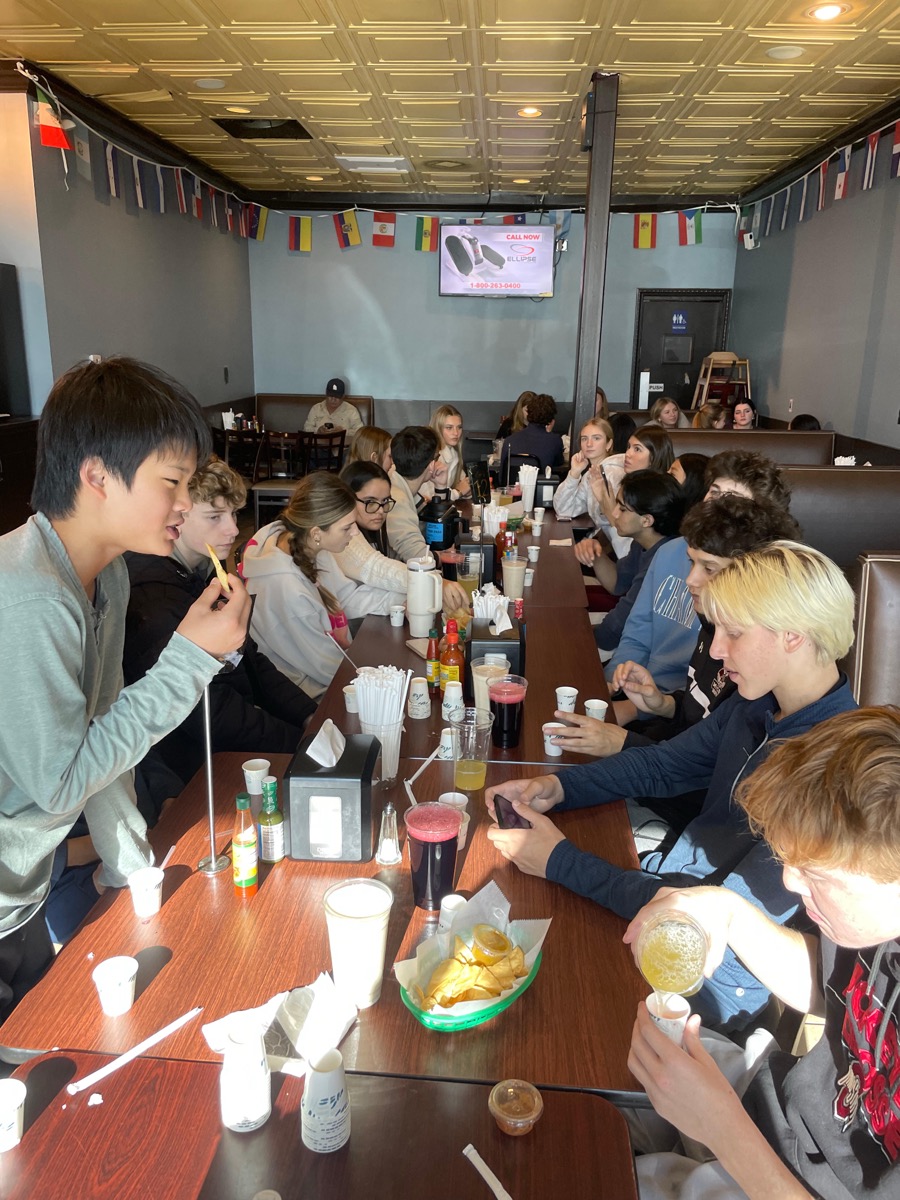
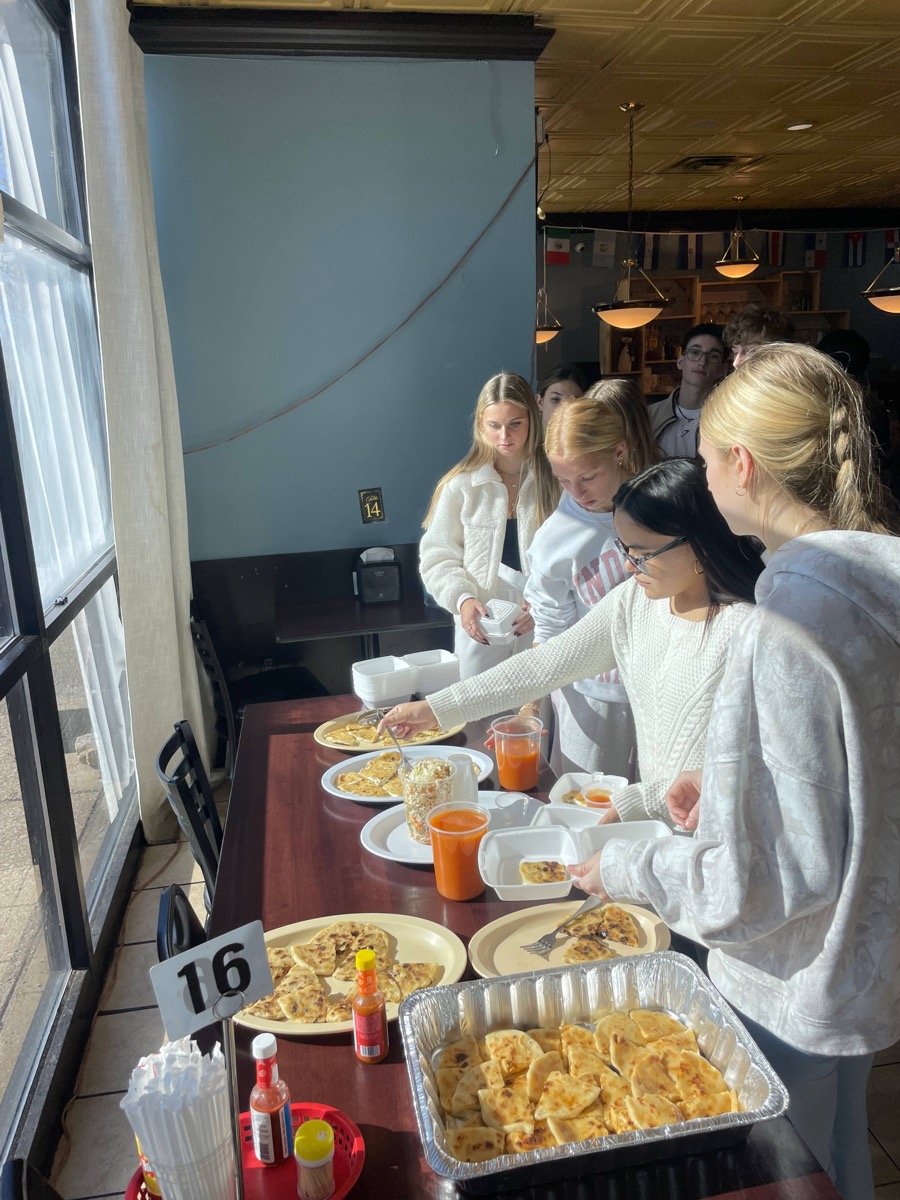
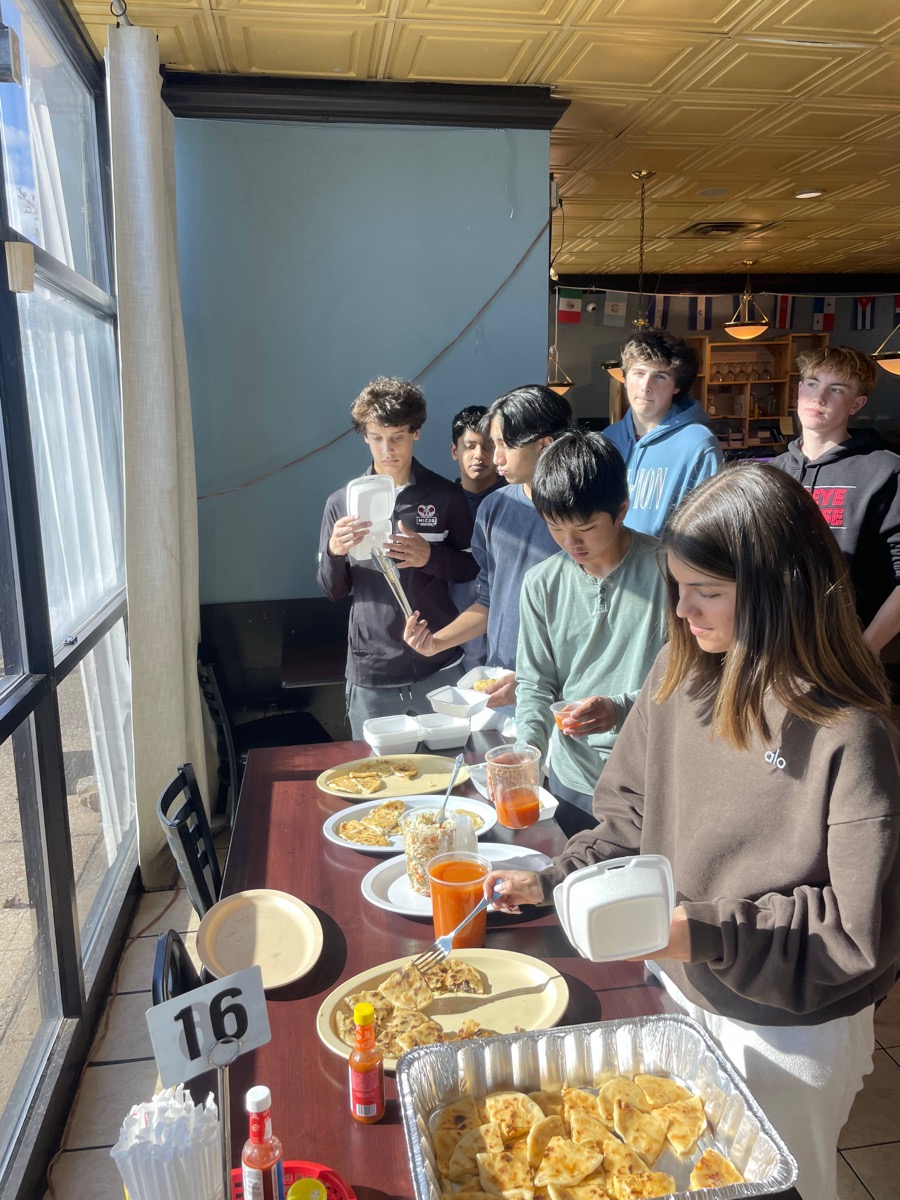
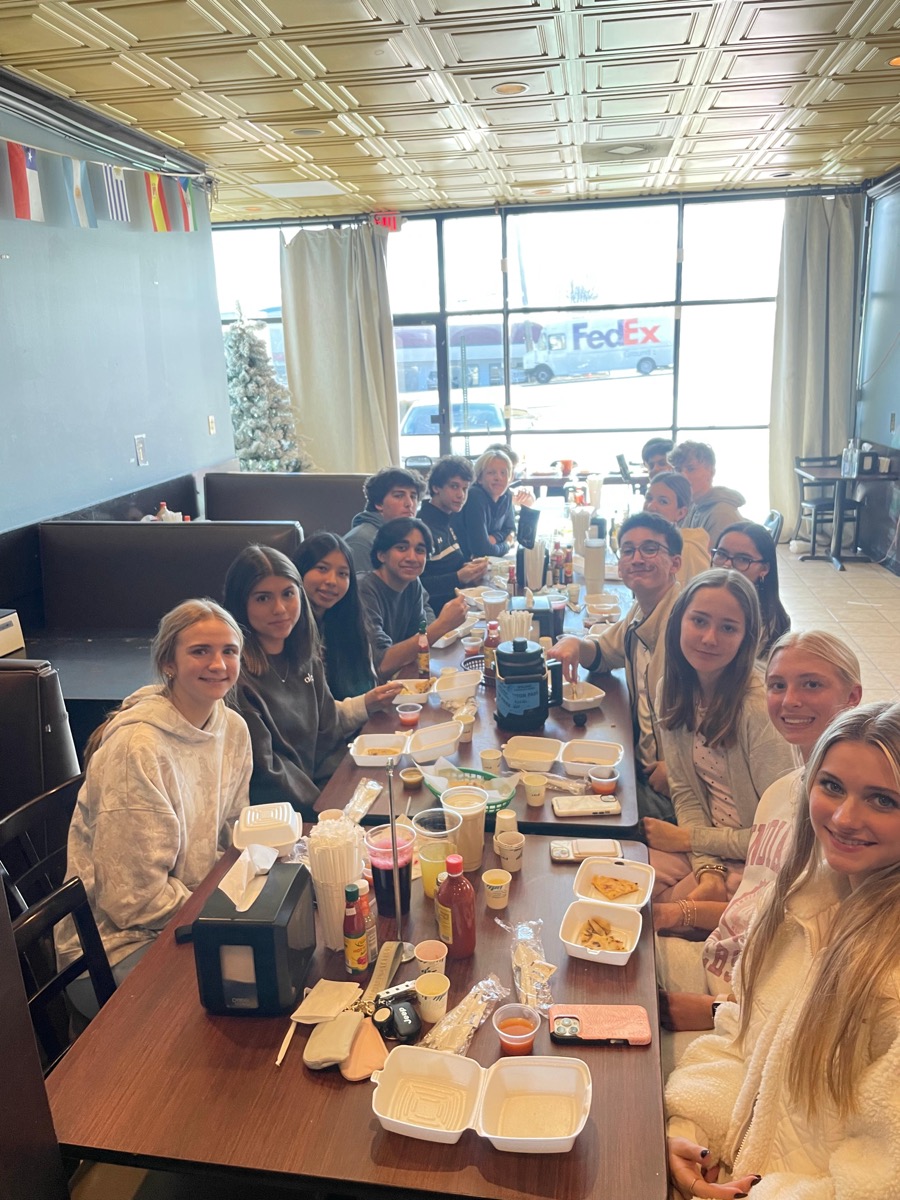
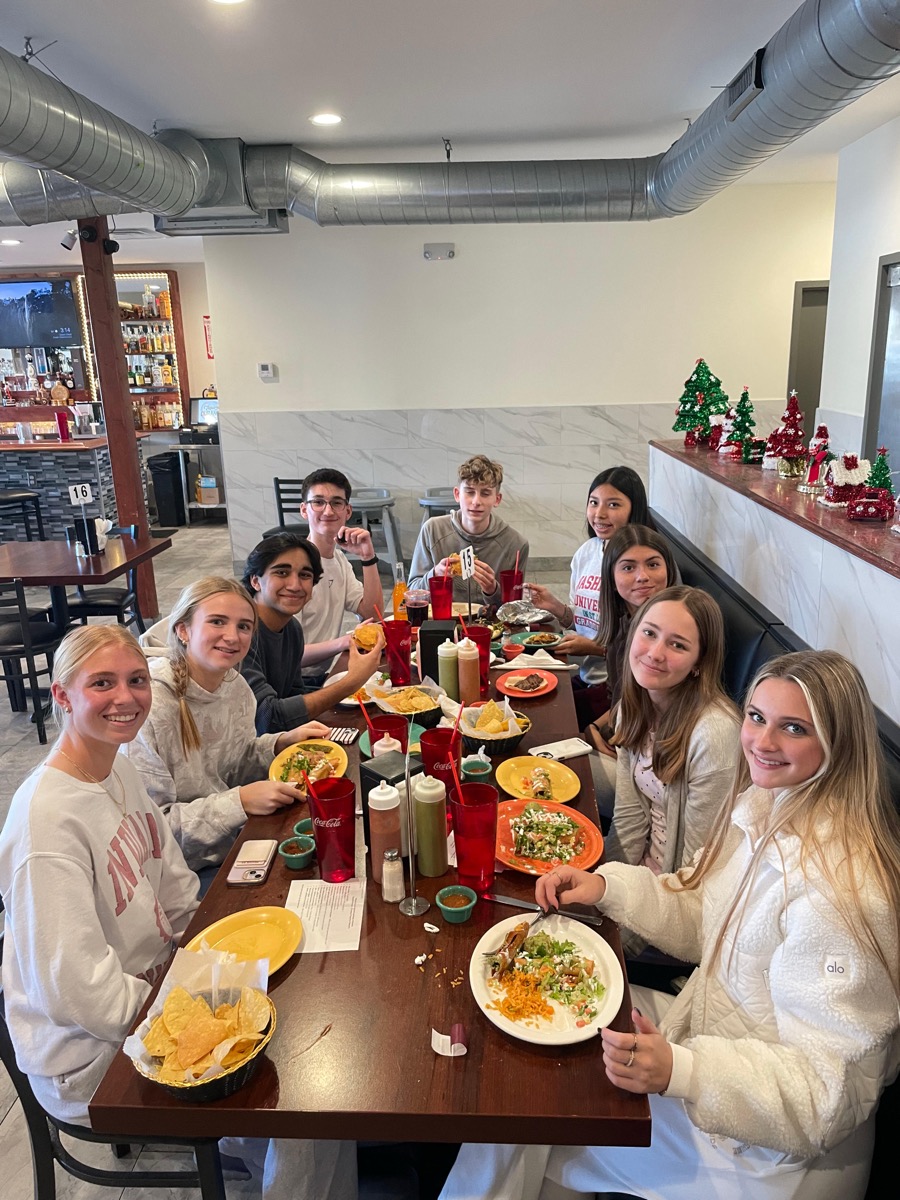
As part of the course, Upper Schoolers worked in groups to research the various Hispanic cultures and cuisines represented in the city and its surrounding areas, including which restaurants to visit to experience each cuisine and what each offers as its specialties. They also got to dine at two such restaurants: Taqueria Durango (Mexican) and El Guanaco (Salvadoran). Check out this Hispanic Food Guide to STL pamphlet, created by Isadora Yokoo ’28, Ava Cervera ’27, and Daniel Haas ’27. It features the restaurants the entire class found and studied. They hope others can use this to explore new cuisines and support the Hispanic community in St. Louis.
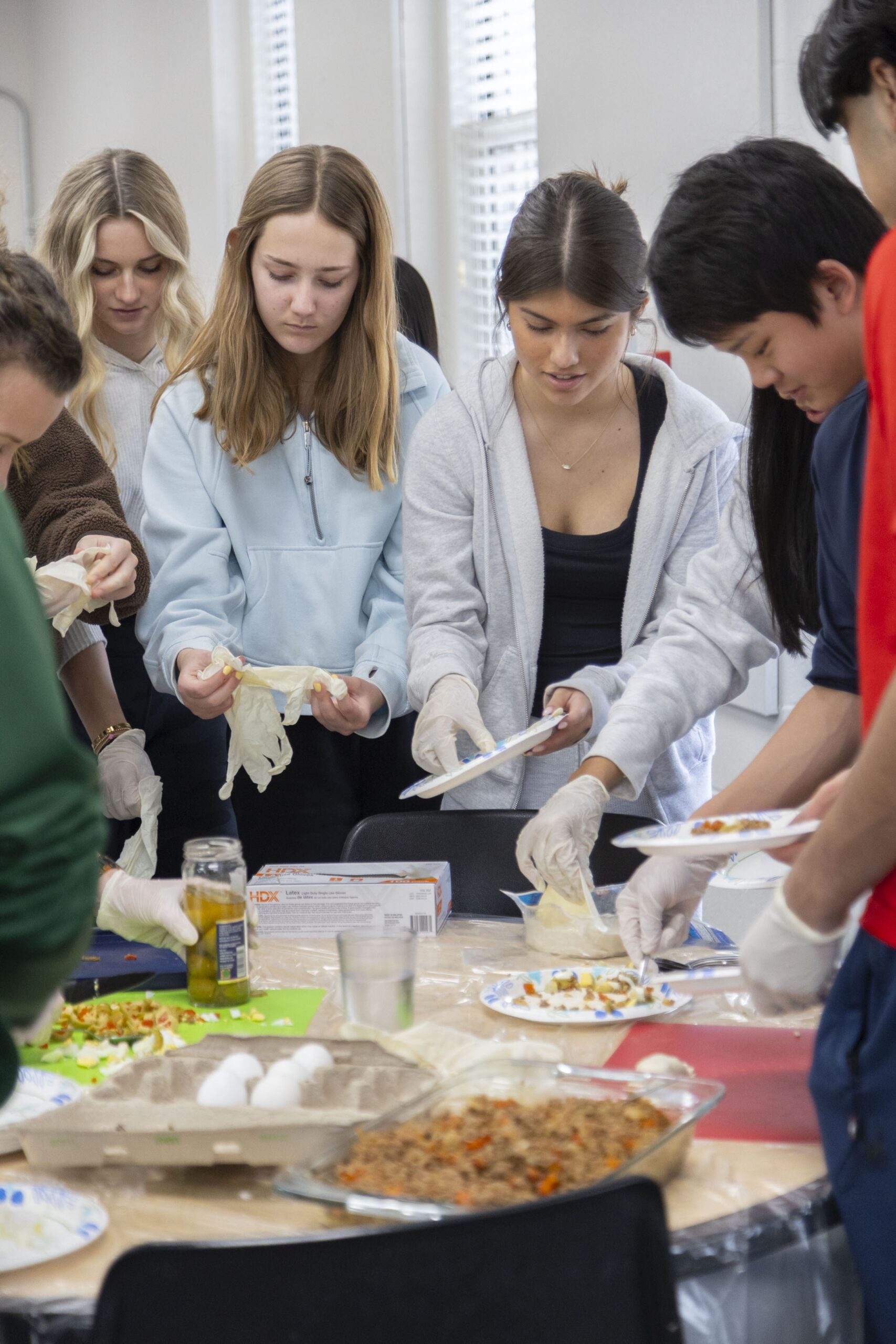
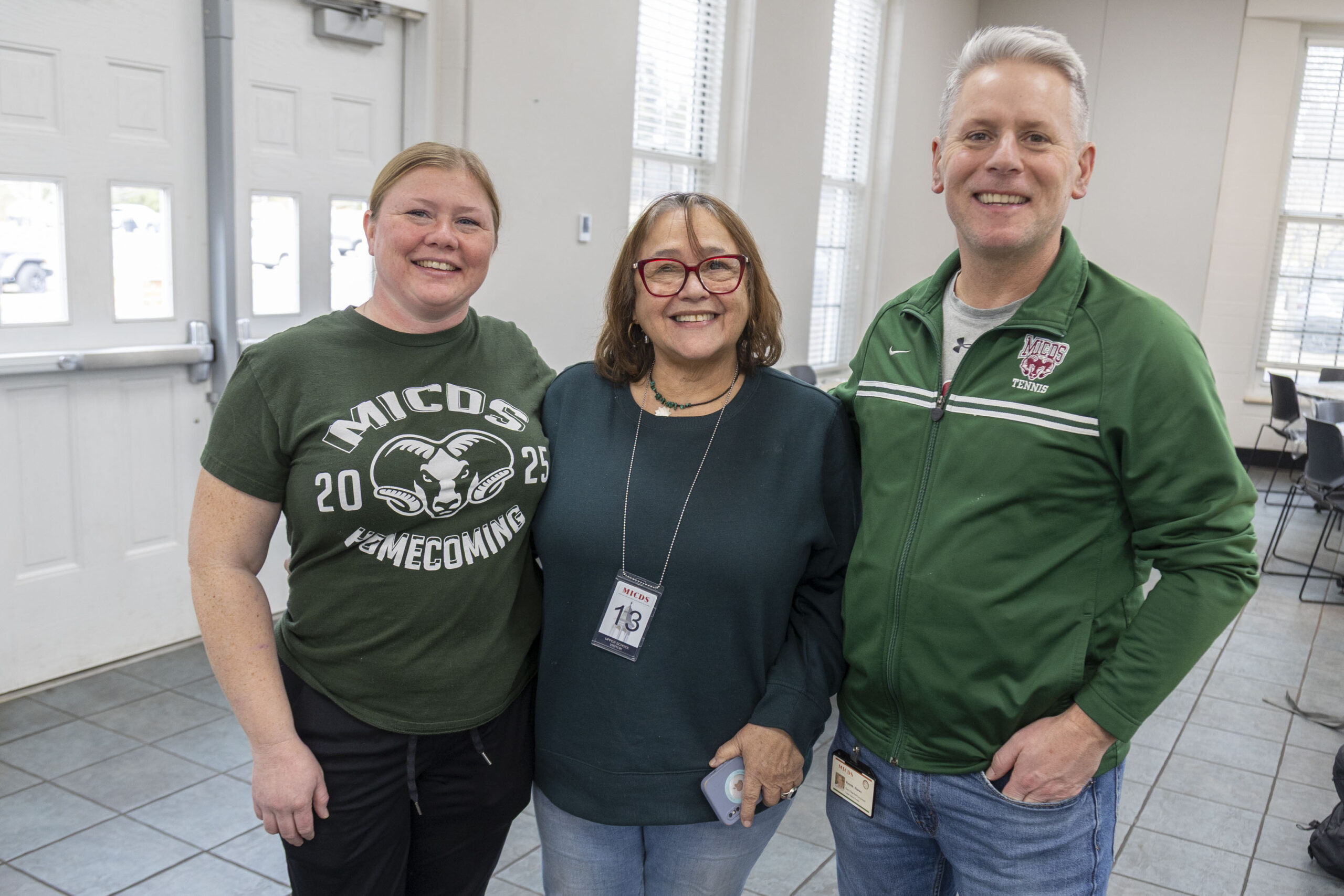
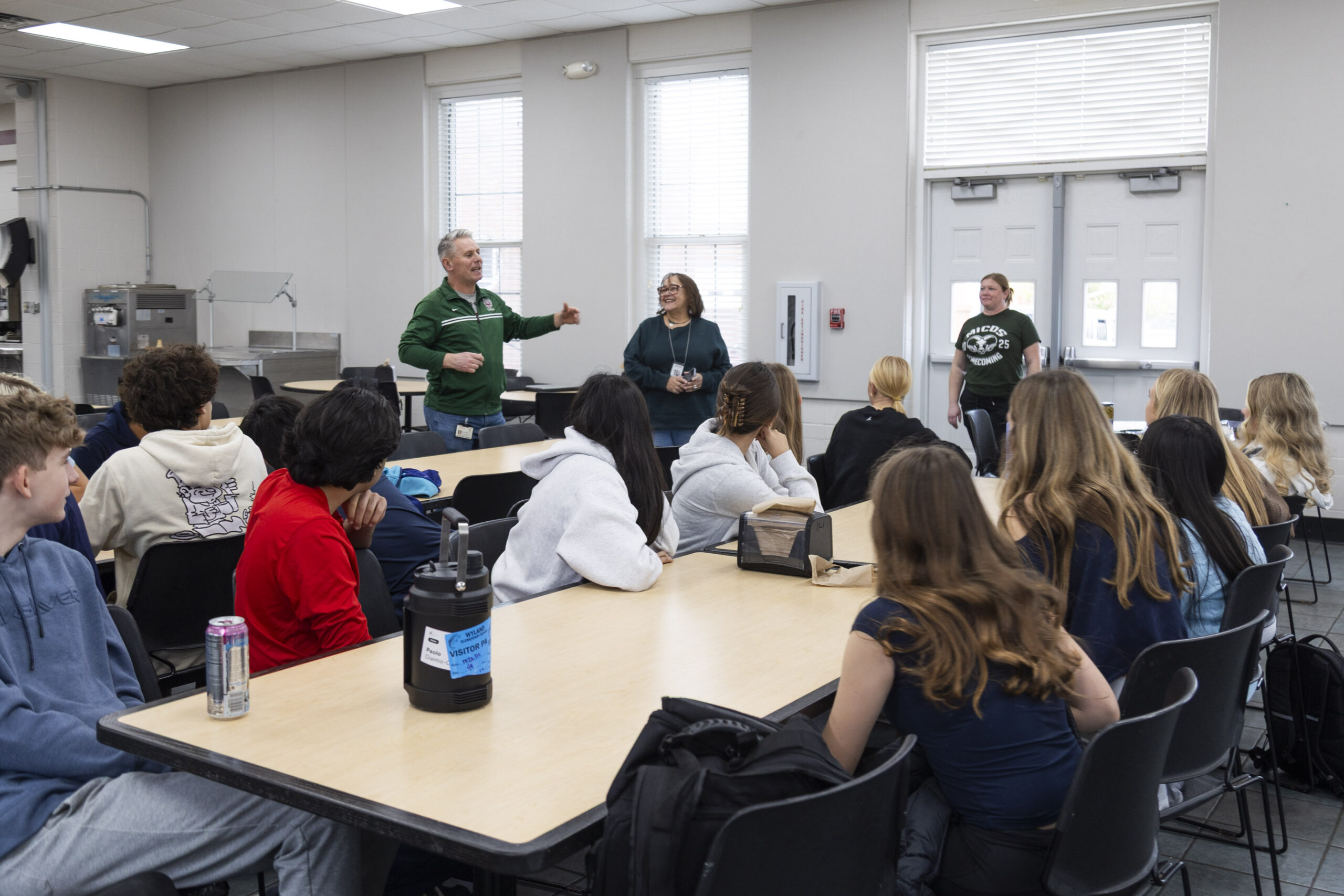
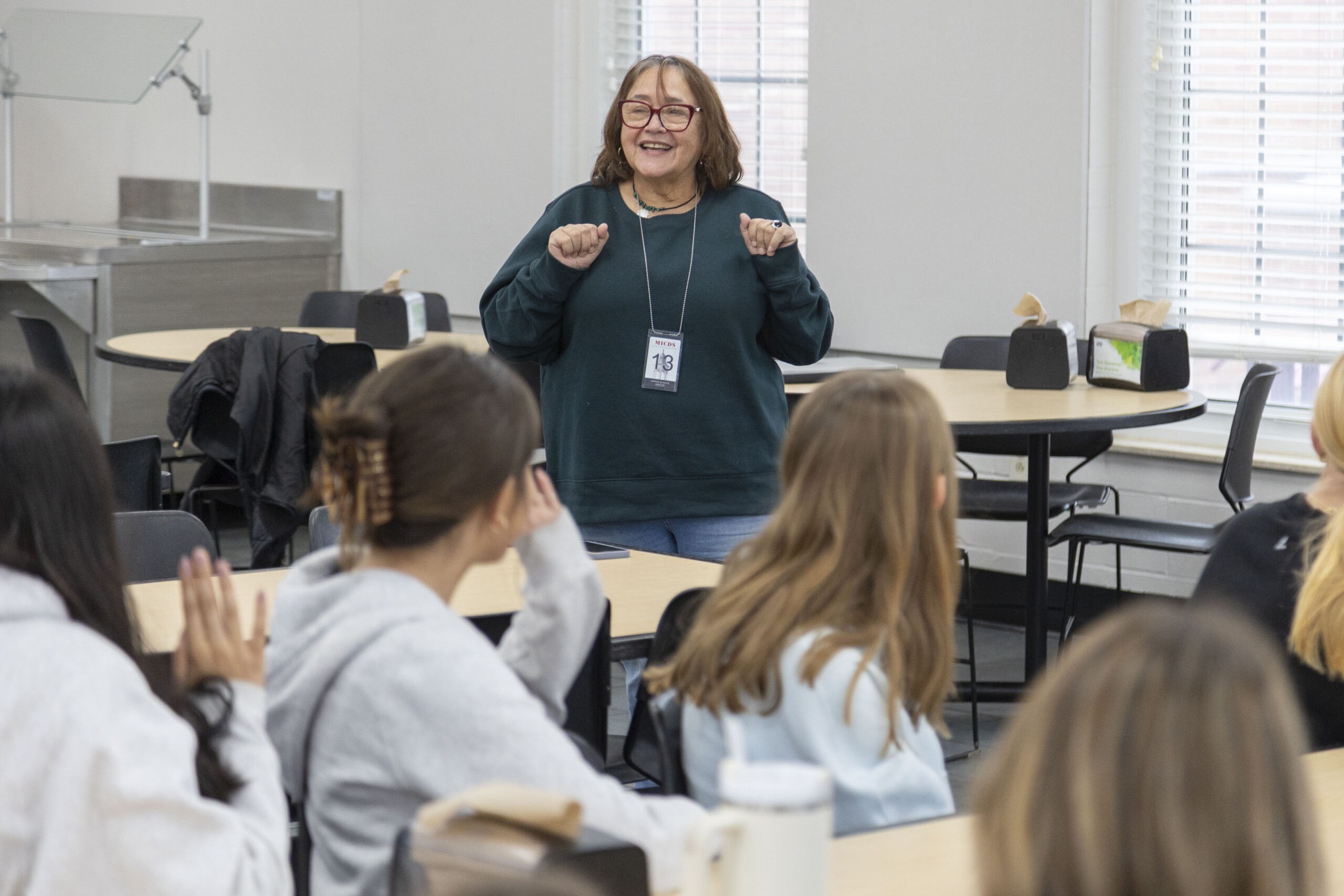
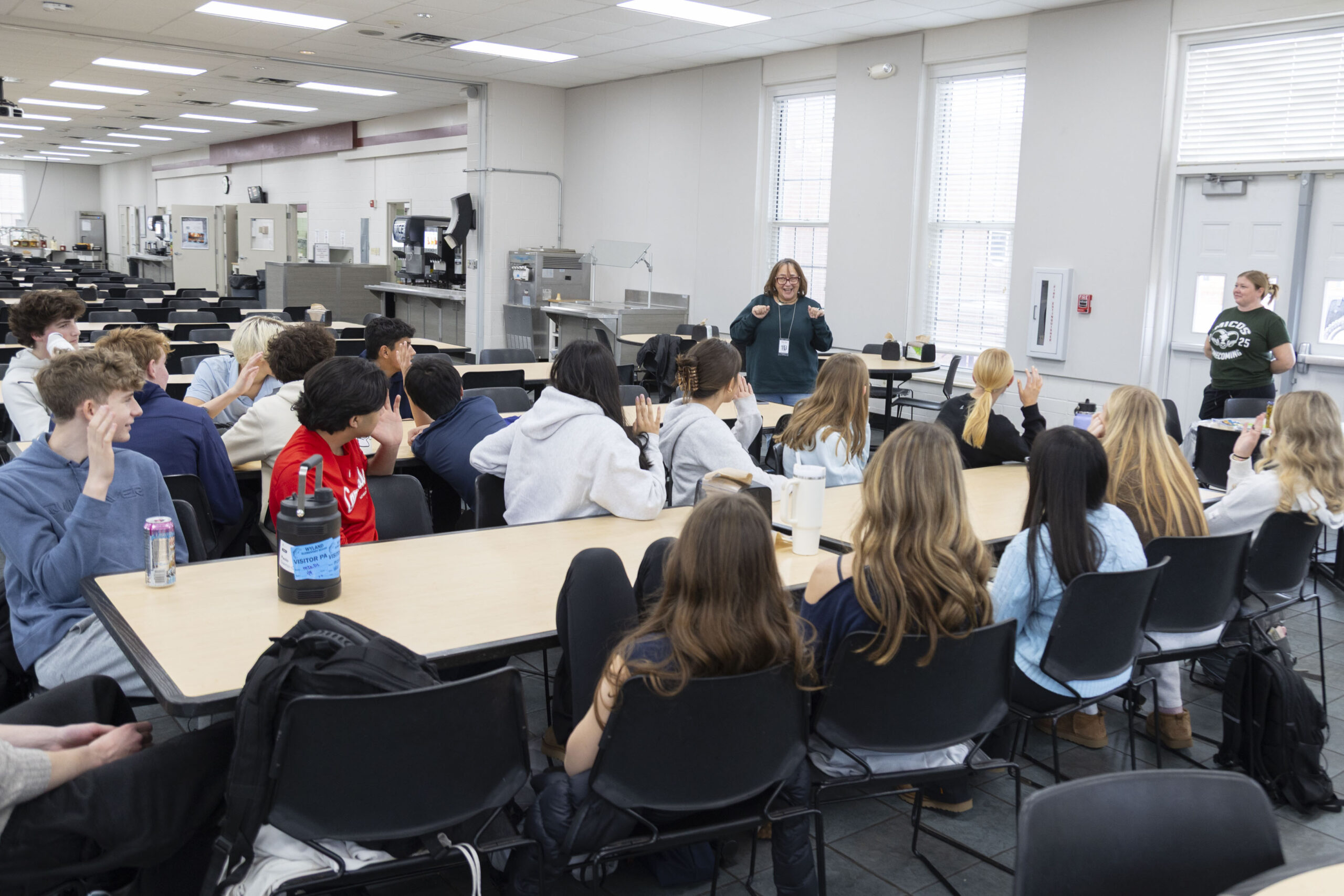
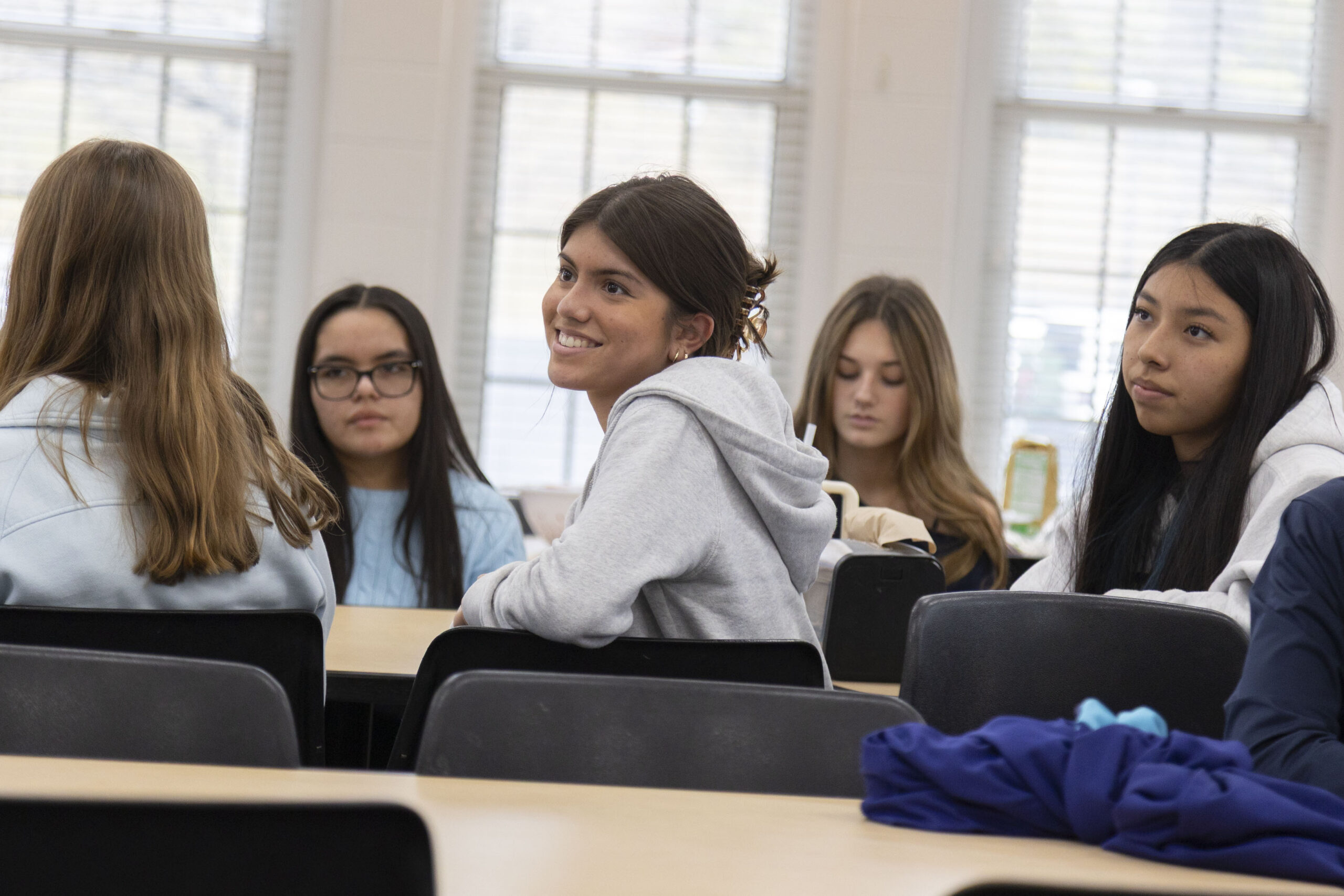
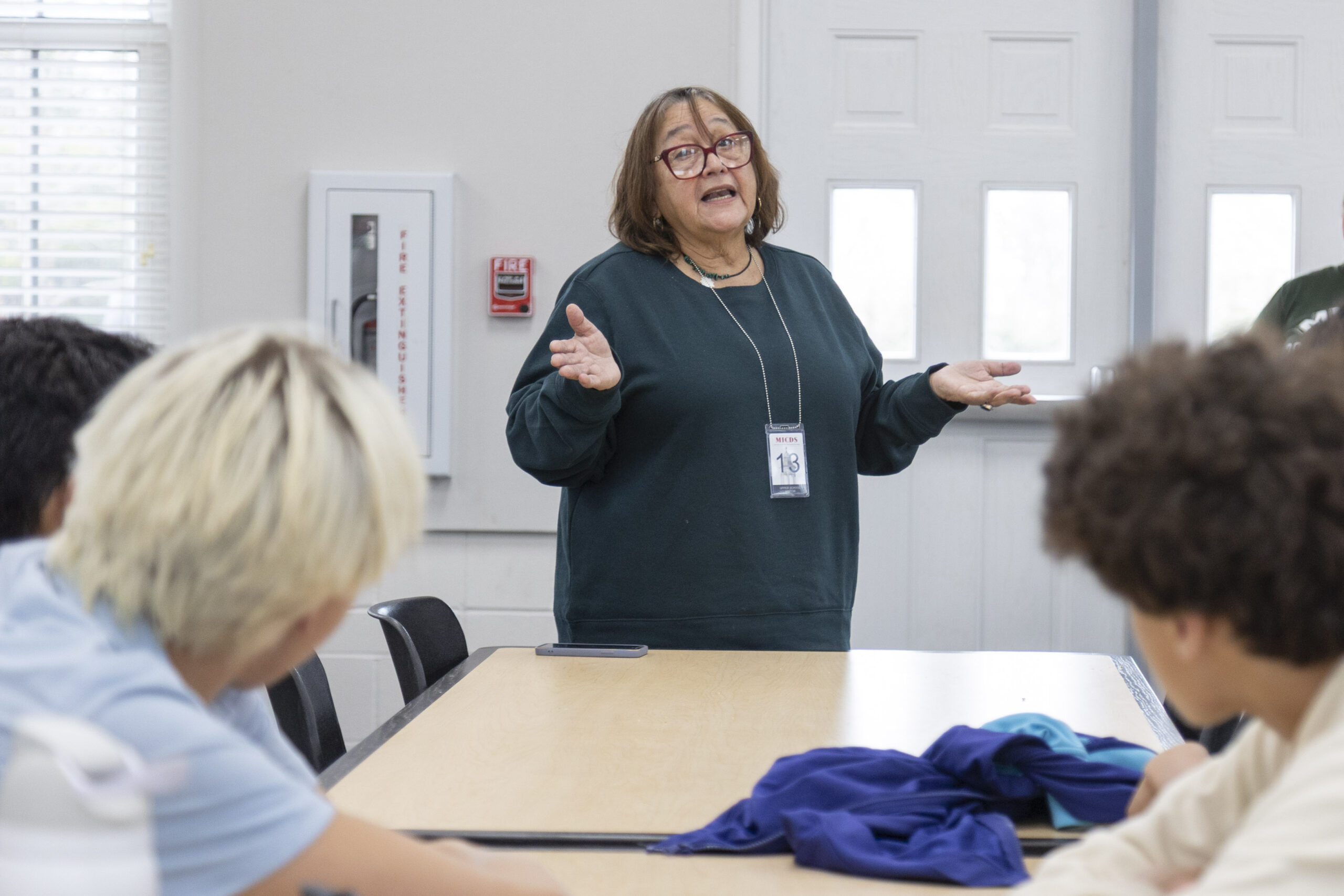
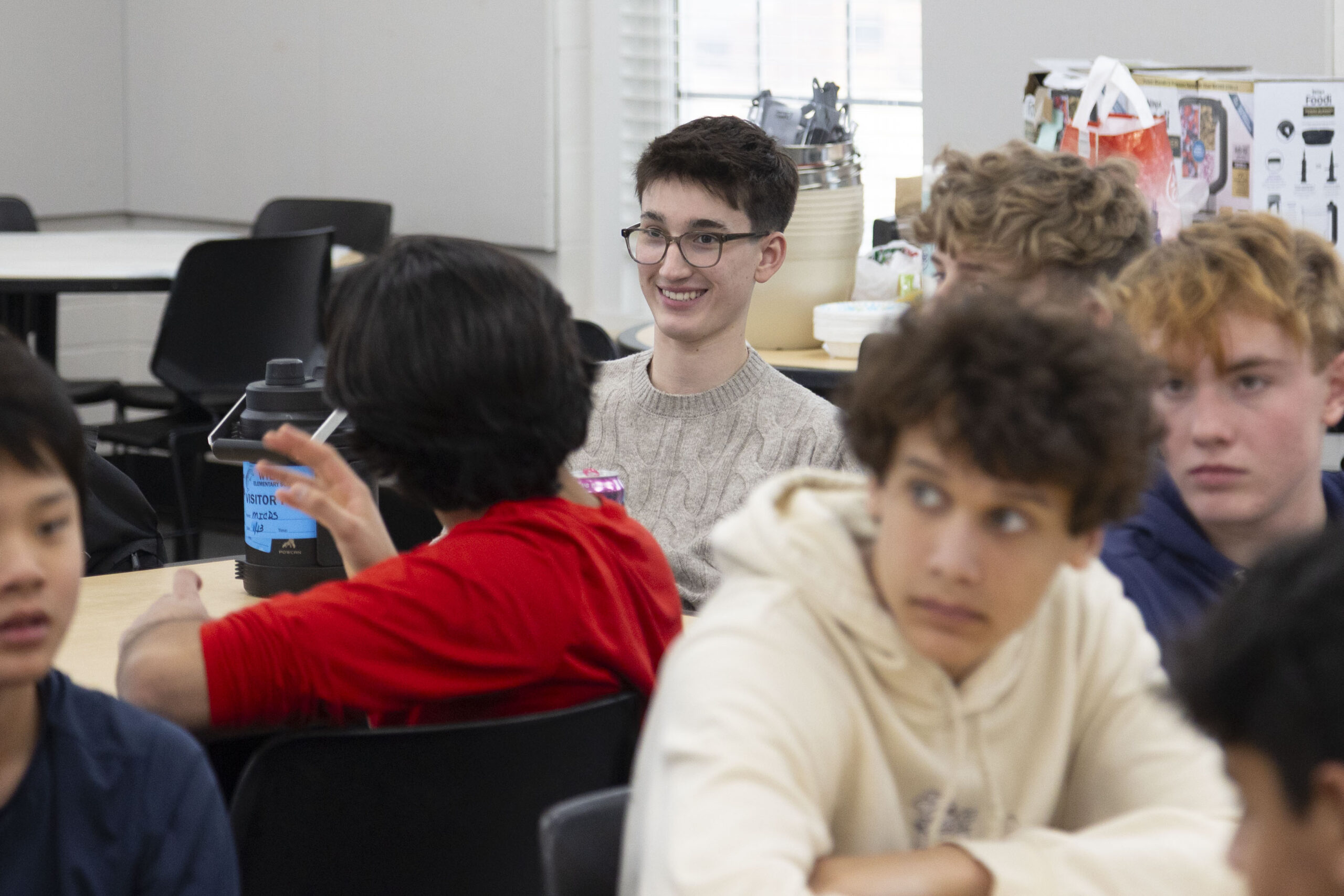
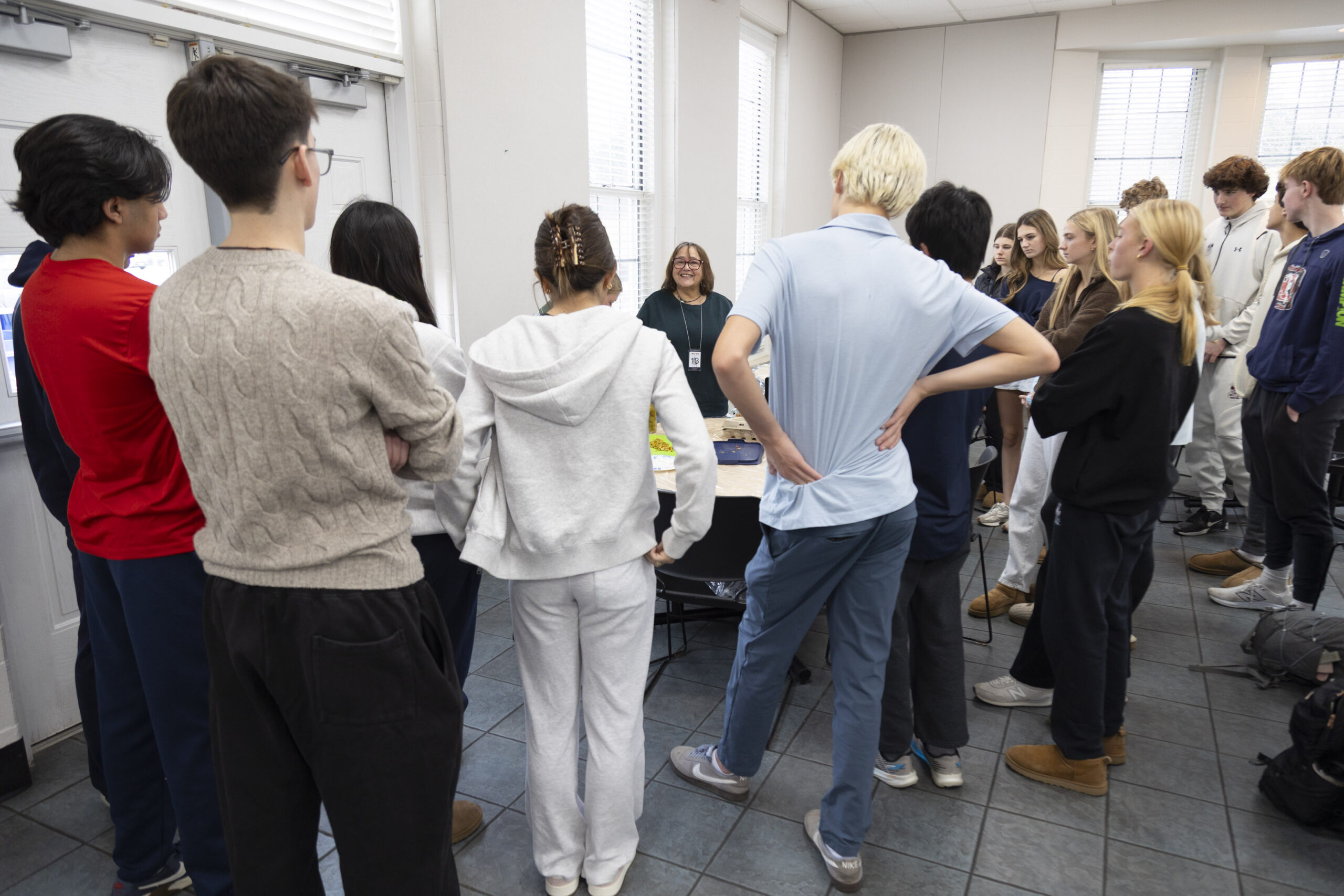
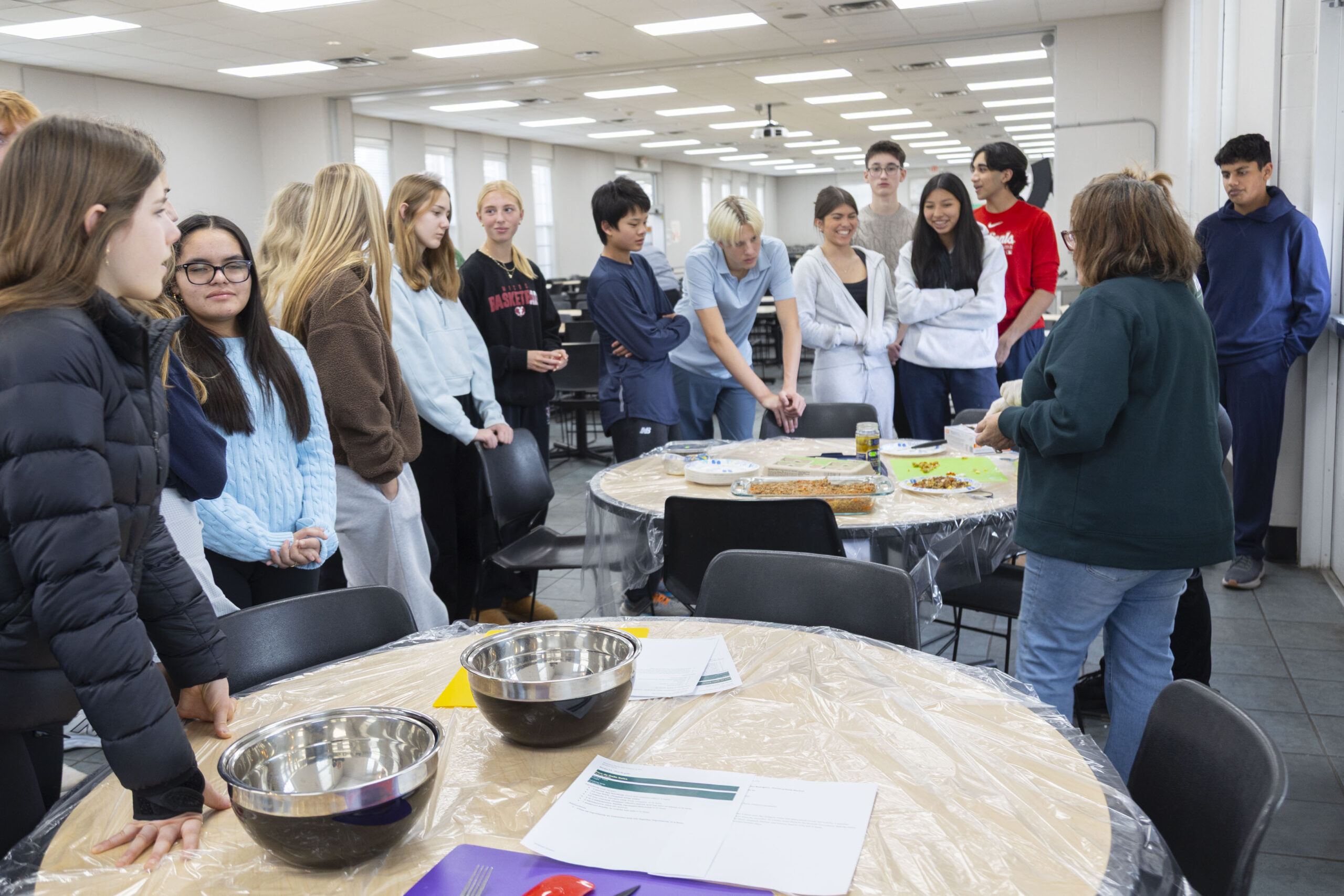
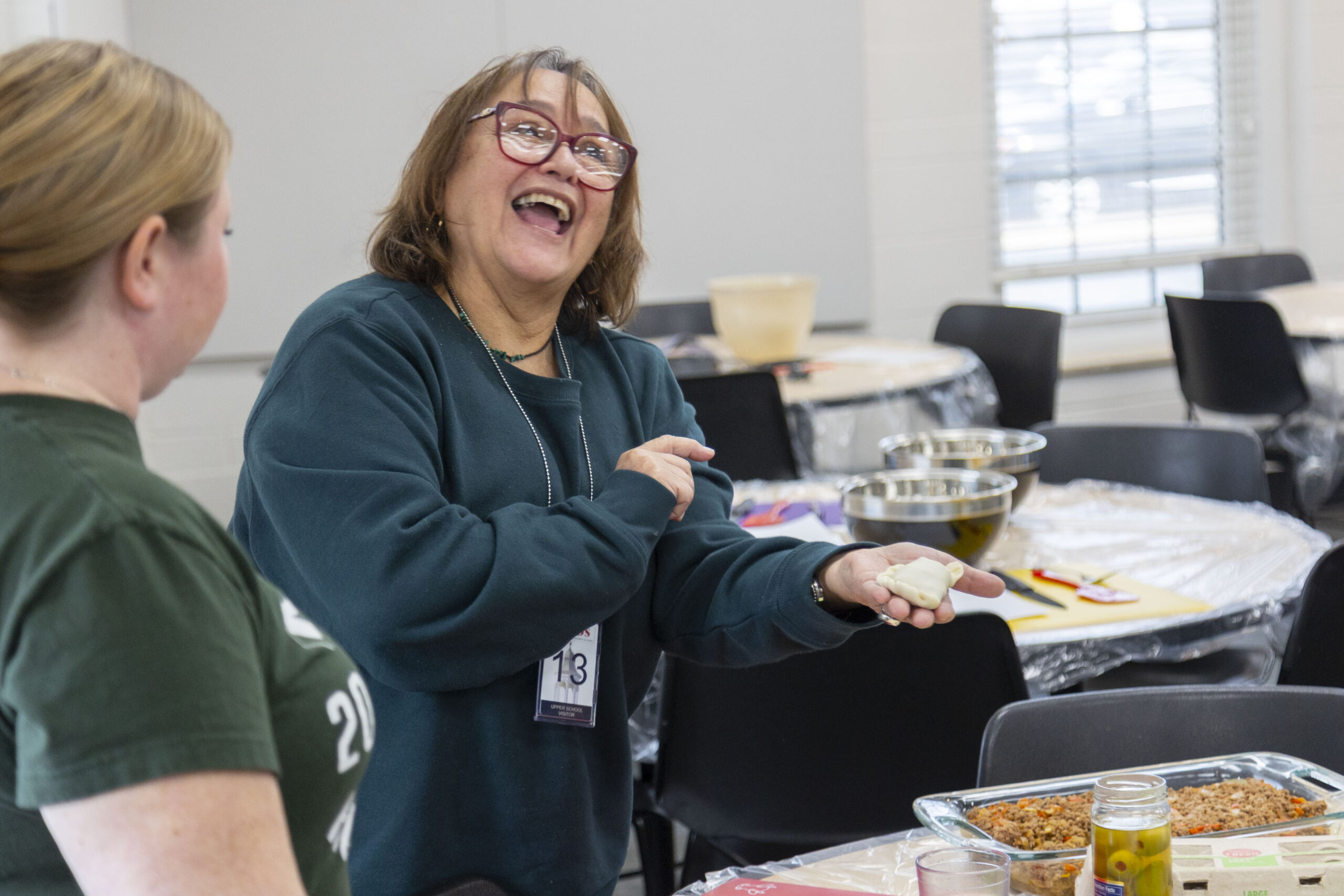
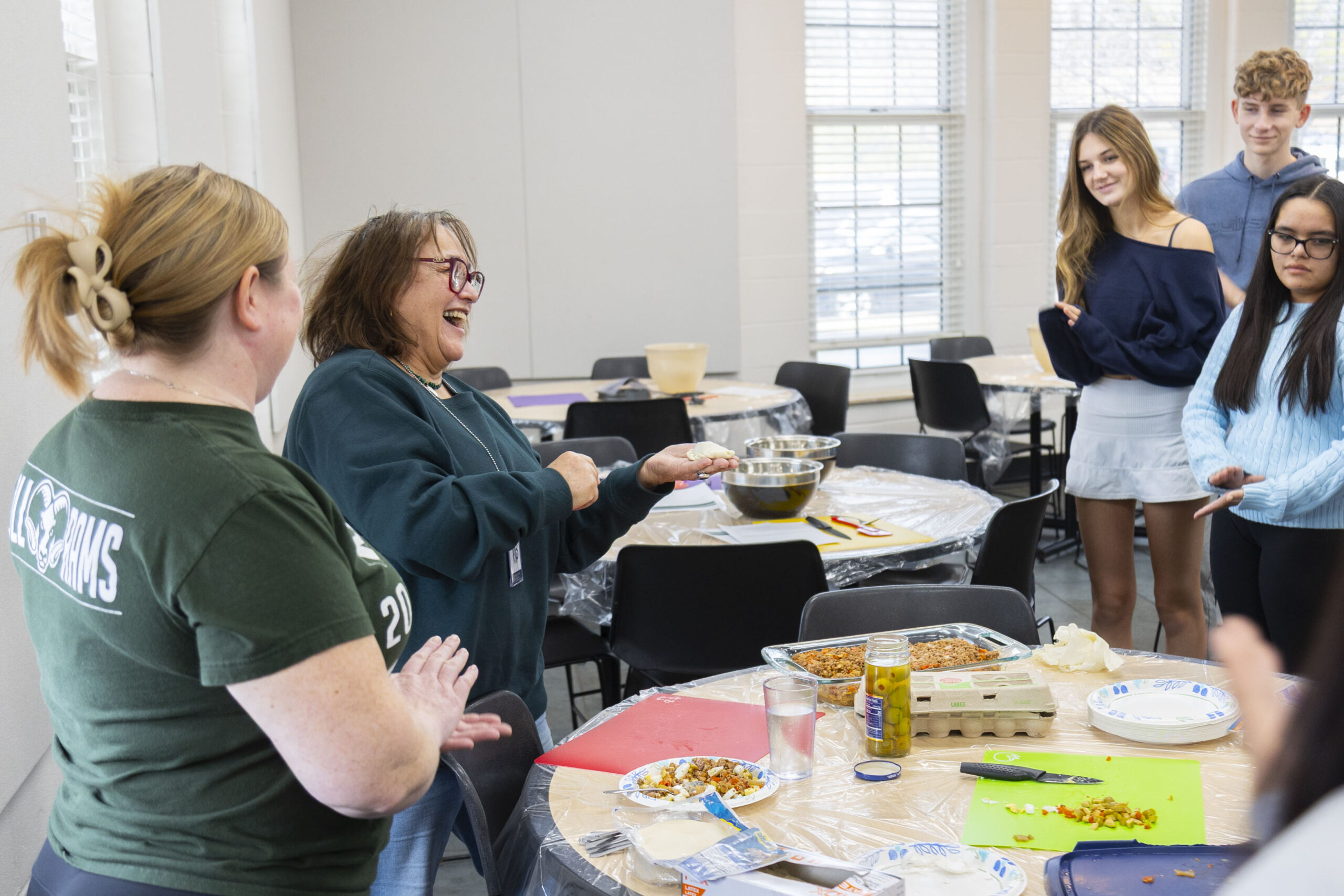
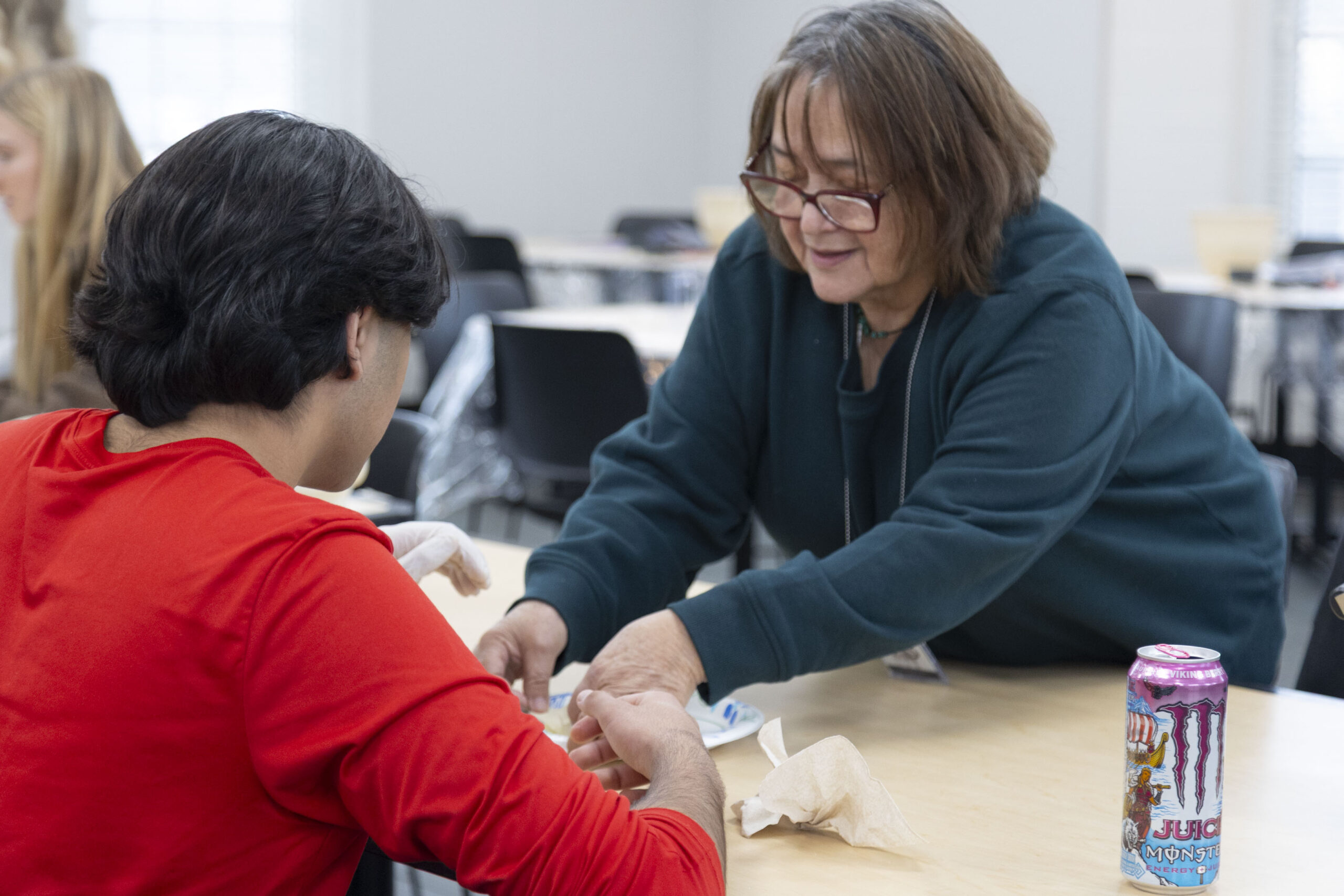
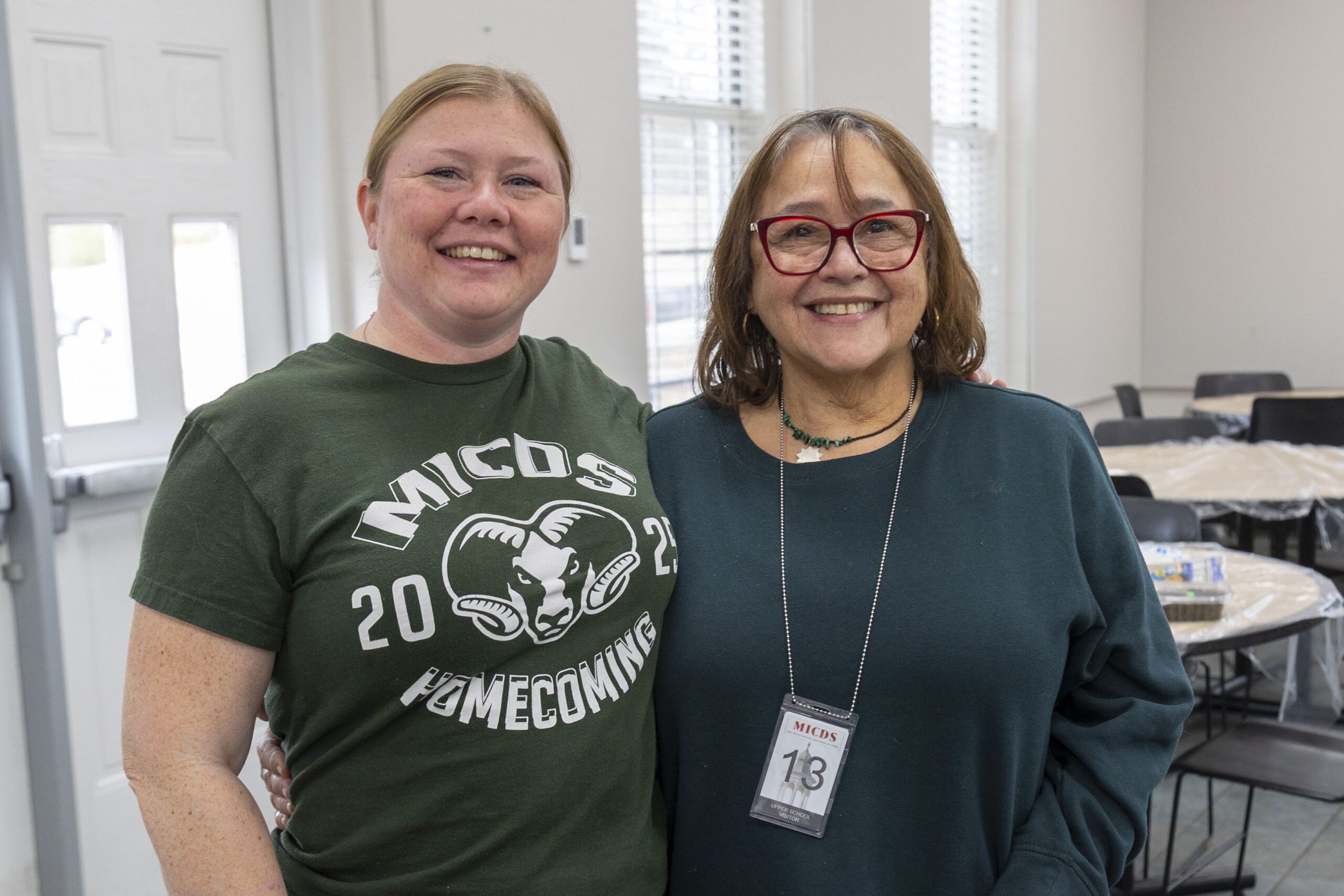
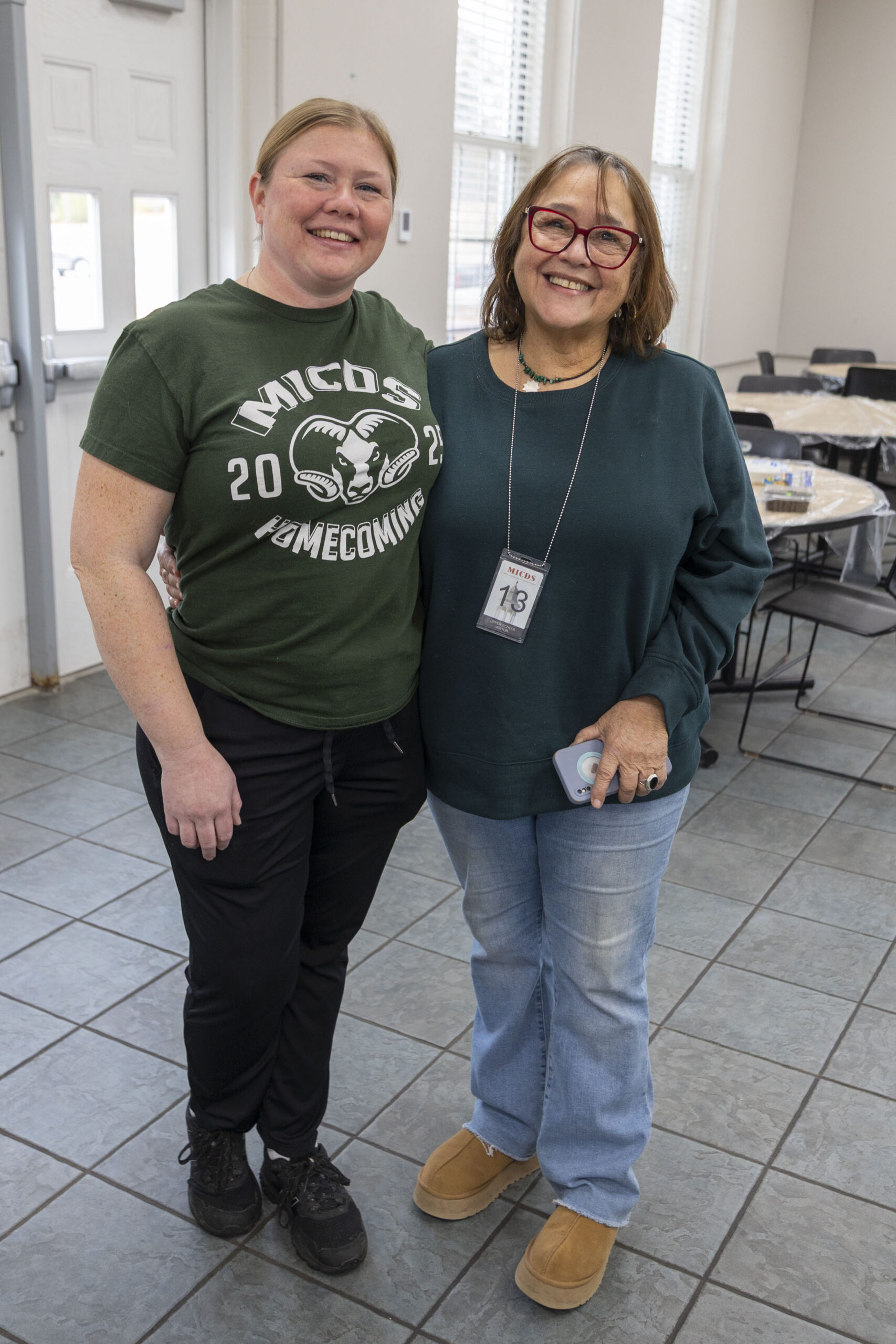
On Tuesday, January 13, guest speaker Norma West visited the class in the Upper School Dining Hall. West is a friend of FLIK Independent School Dining’s Executive Chef Julie Wilson, who joined the post-presentation cooking lesson. West shared her experience as an immigrant coming to the United States. She talked about family traditions around food and celebrations. Also, she talked at great length about the Spanish language, asking students about their level of Spanish and if they had used it in another Spanish-speaking country. She also taught them key words and ideas. West explained the culture around the empanada in Argentina. She examined the varieties and flavors and demonstrated the technique for making them. Students then made their own empanadas, which Wilson fried in the dining hall. What a fun, informative, and delicious class session it was!
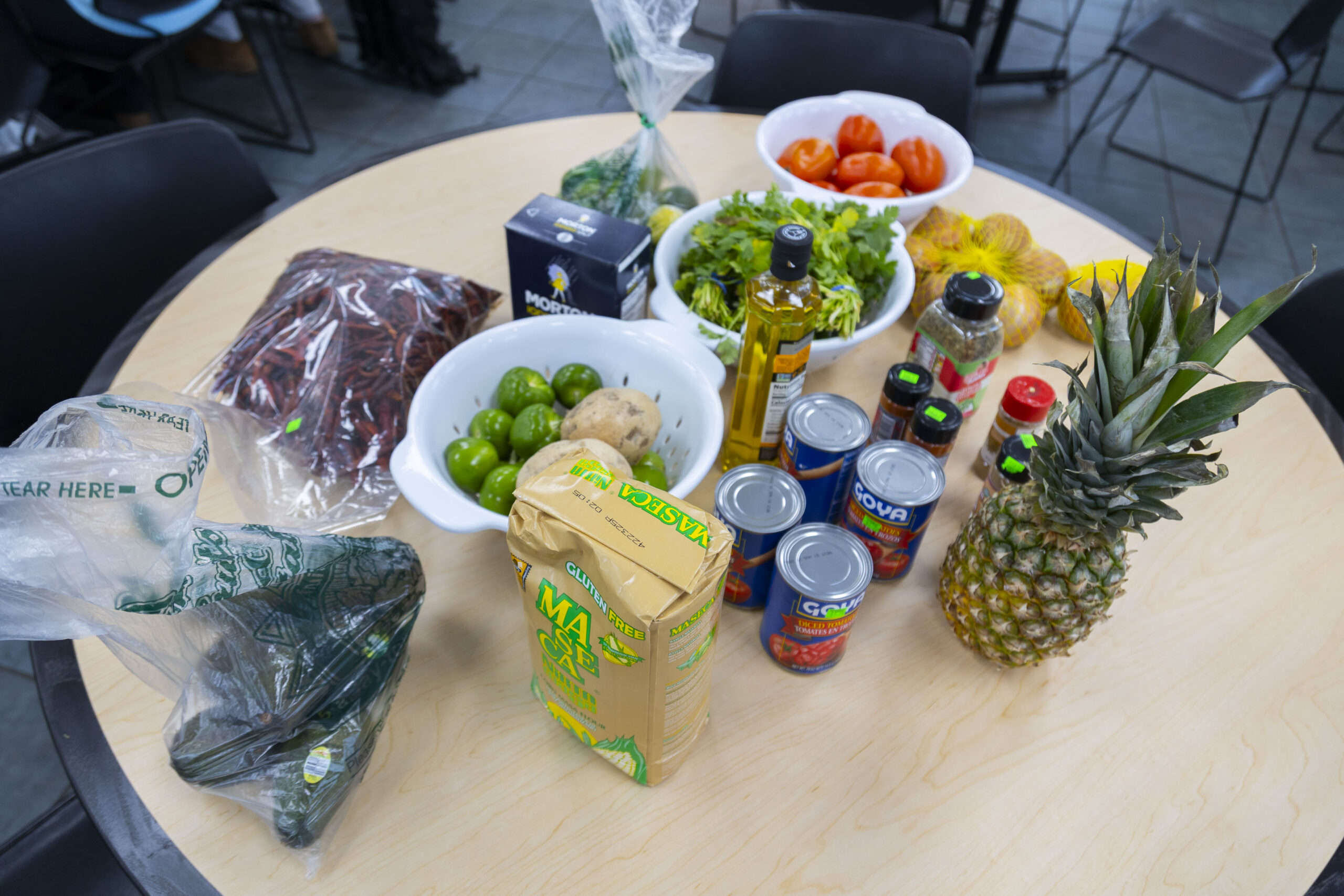
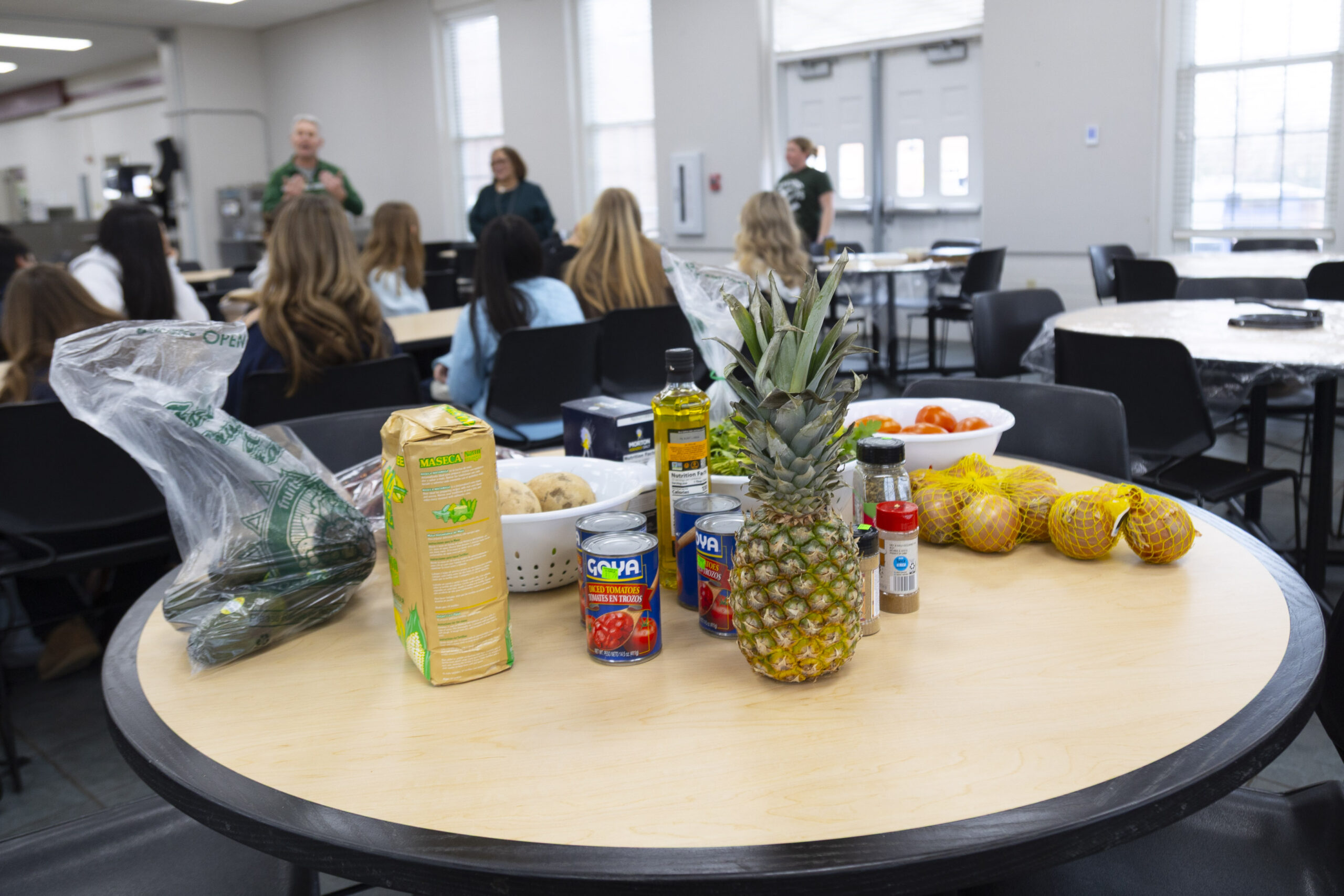
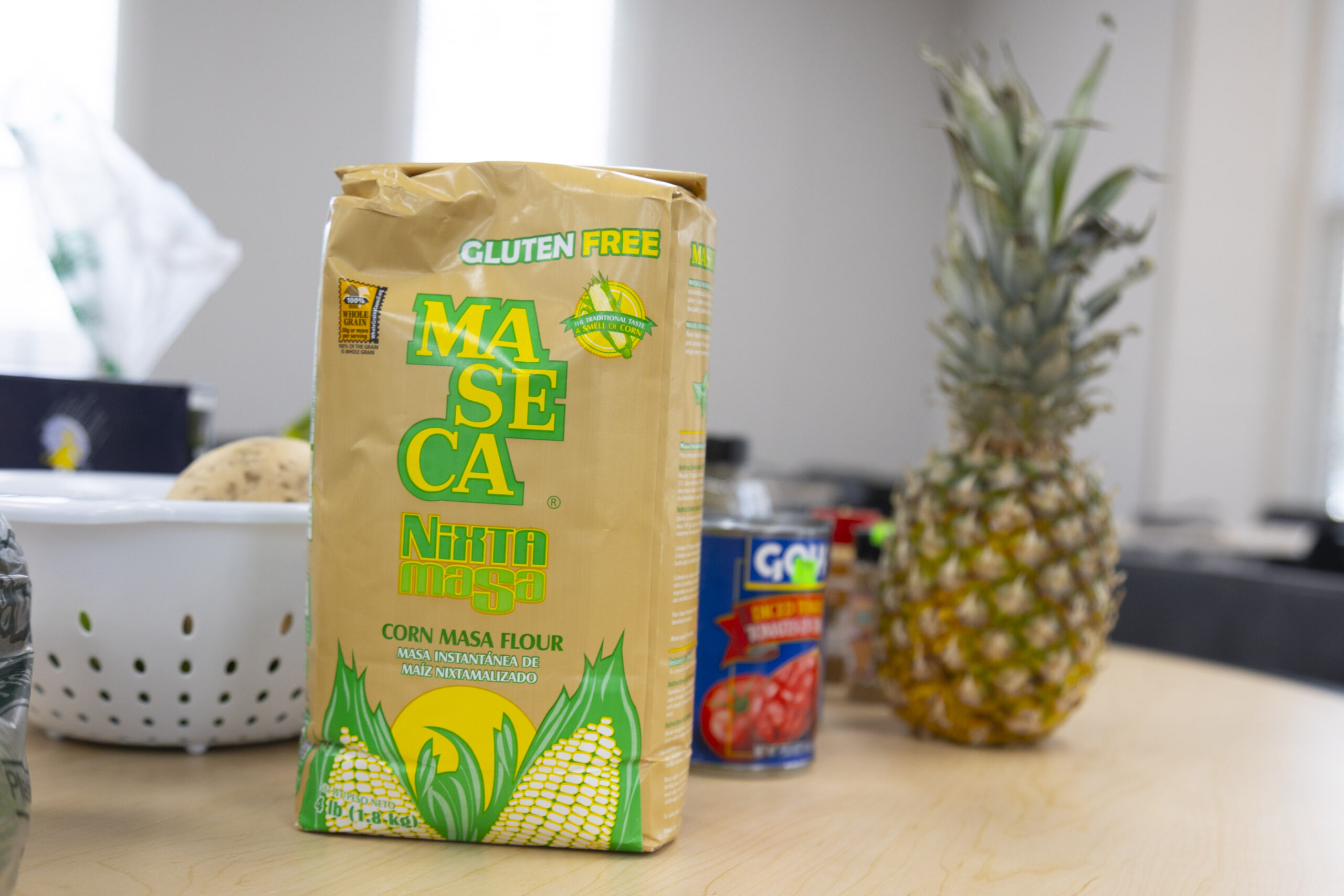
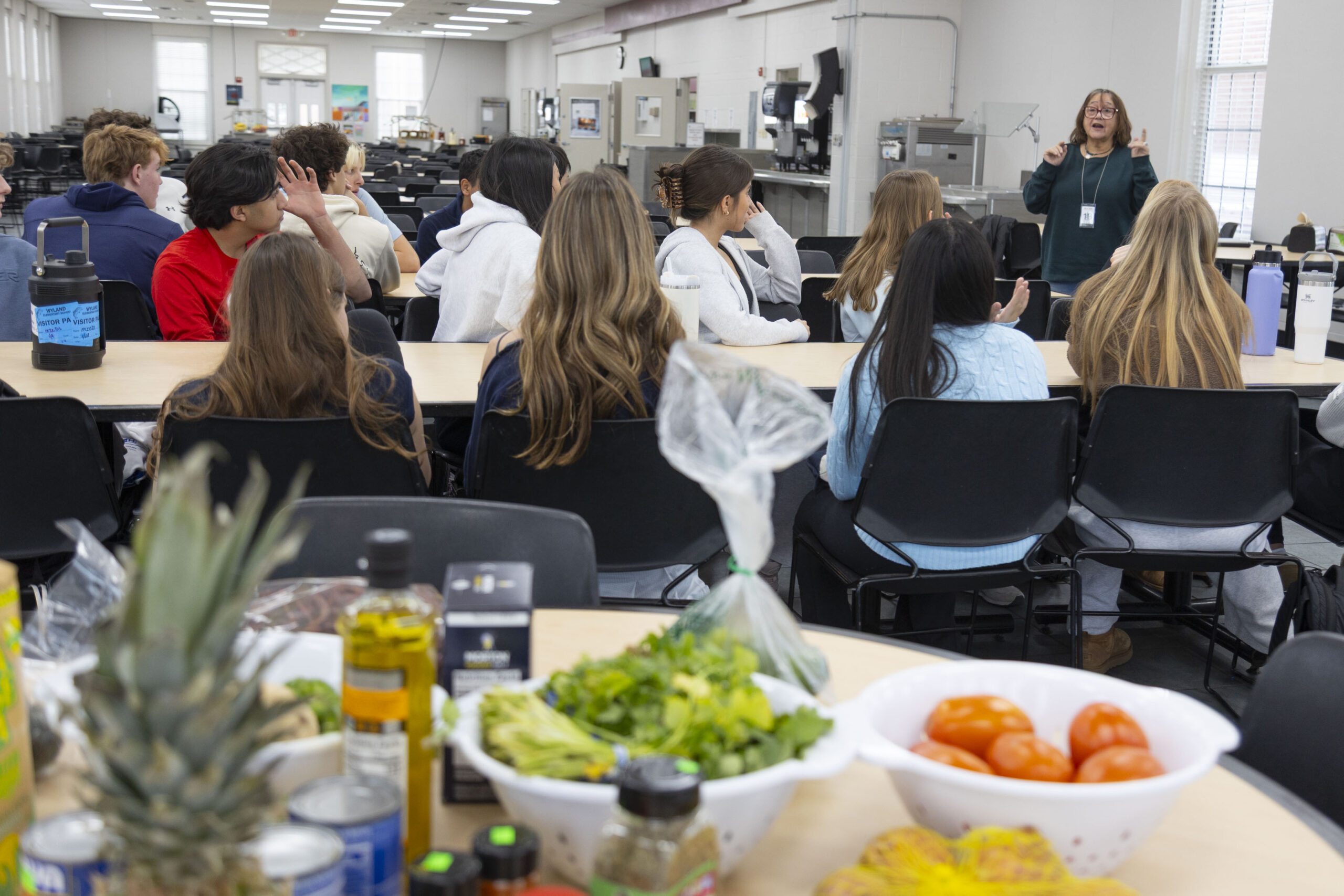

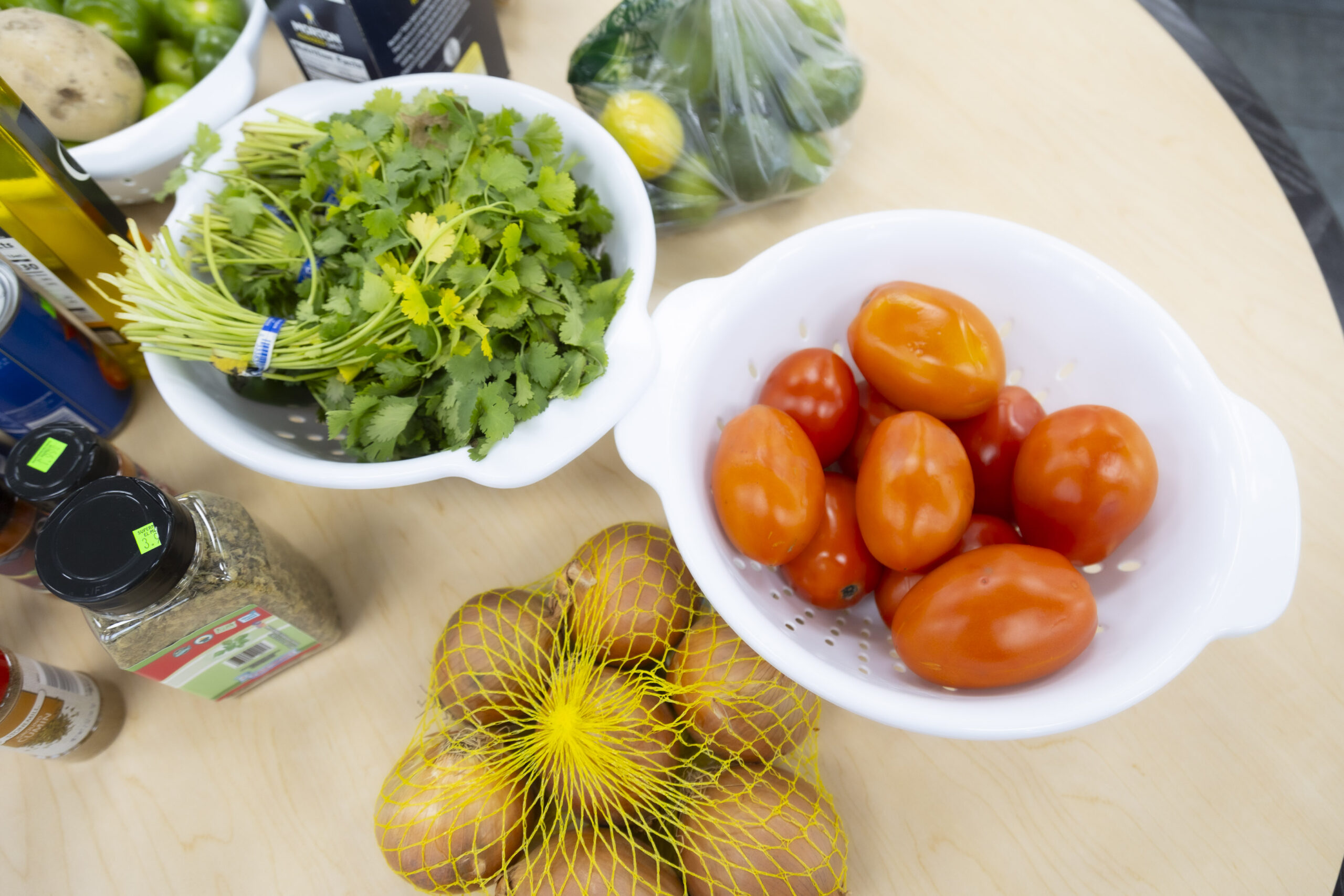
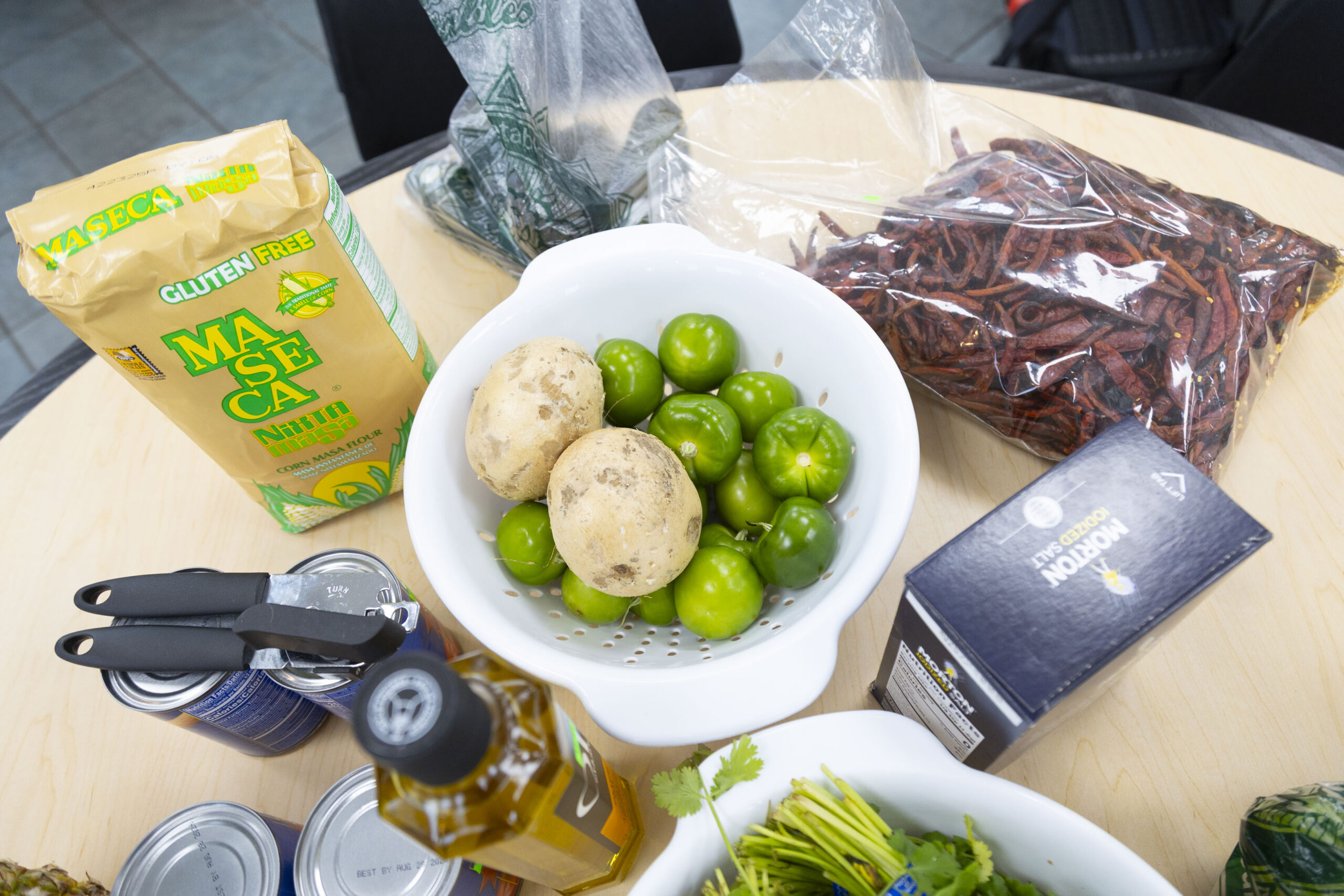
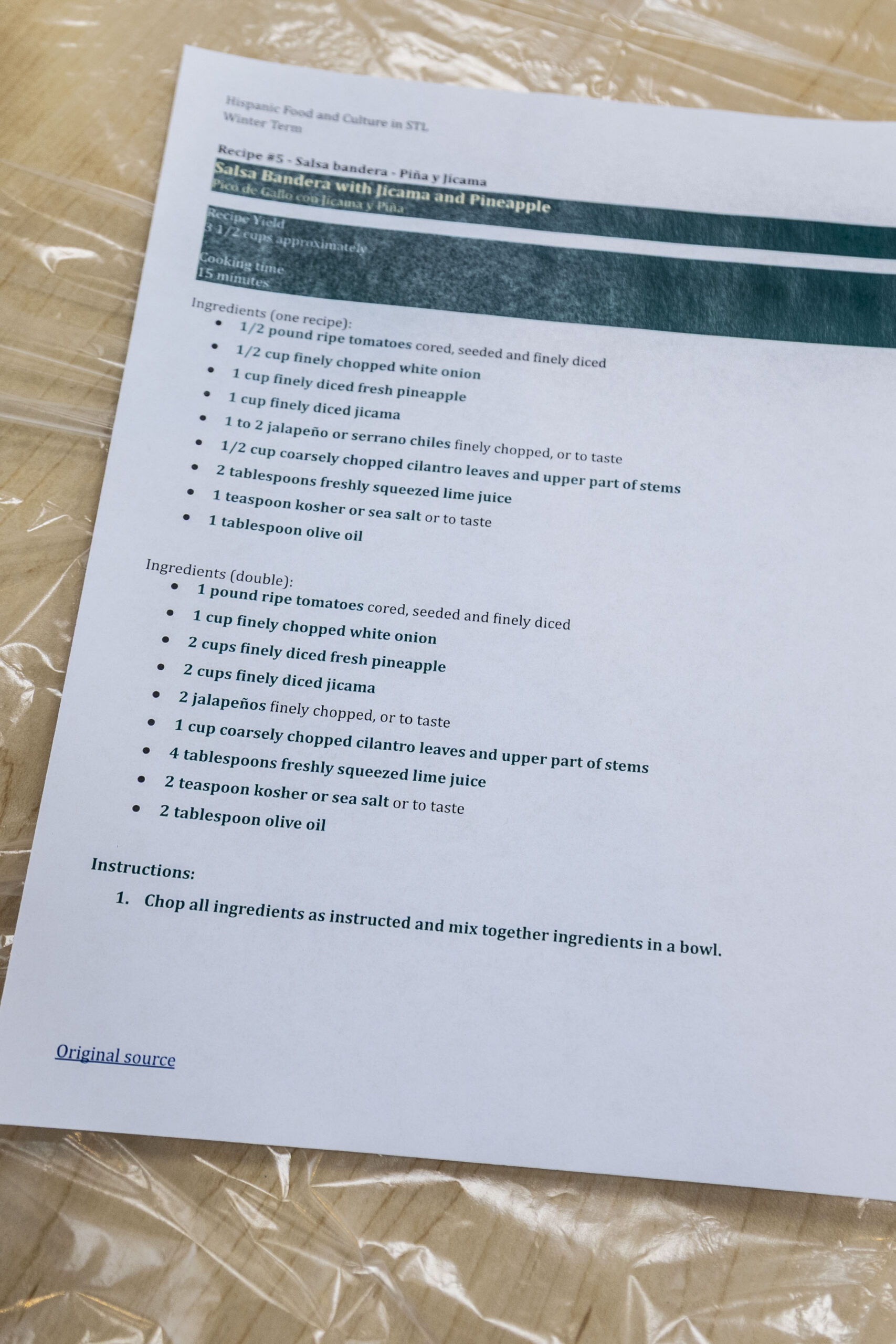
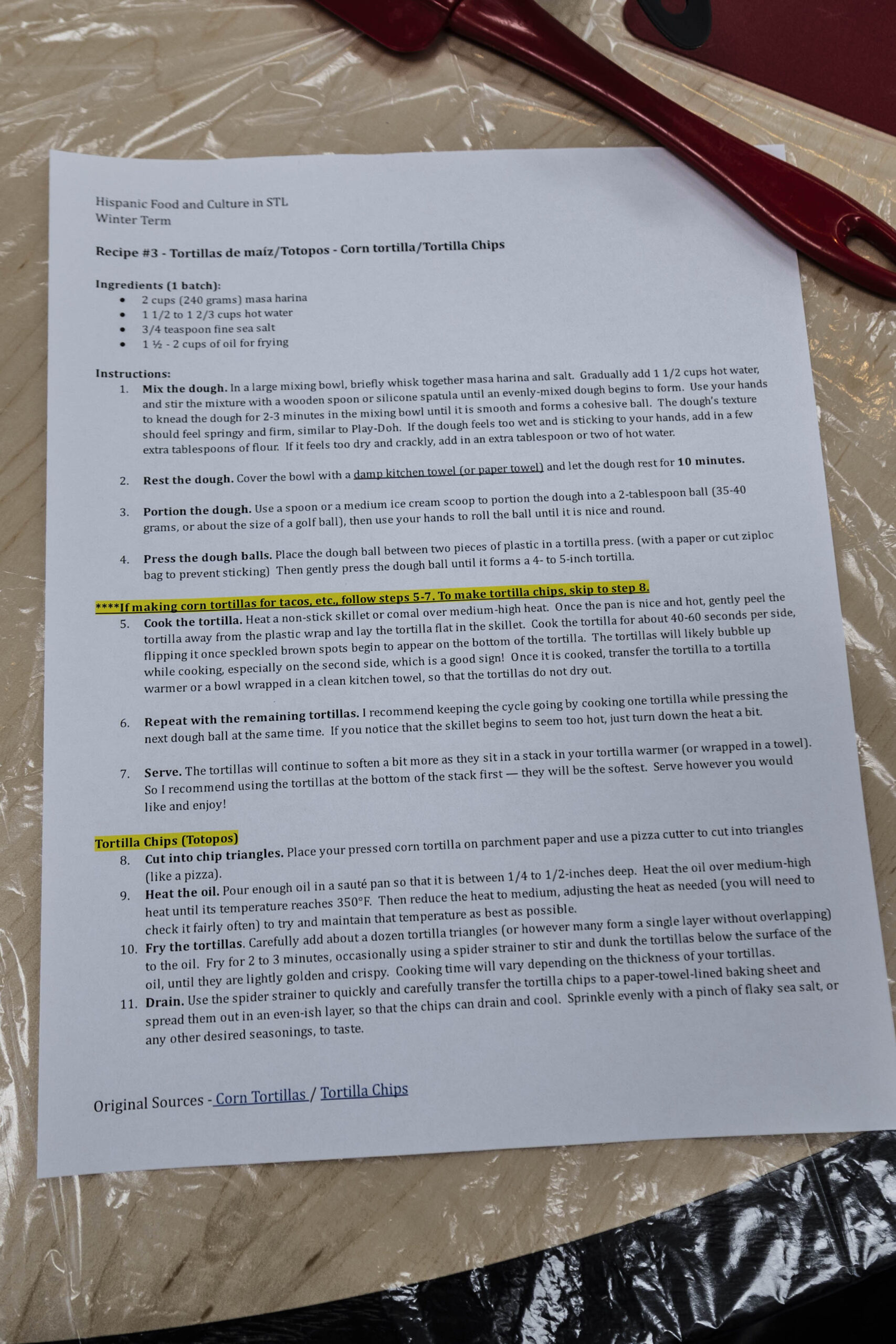
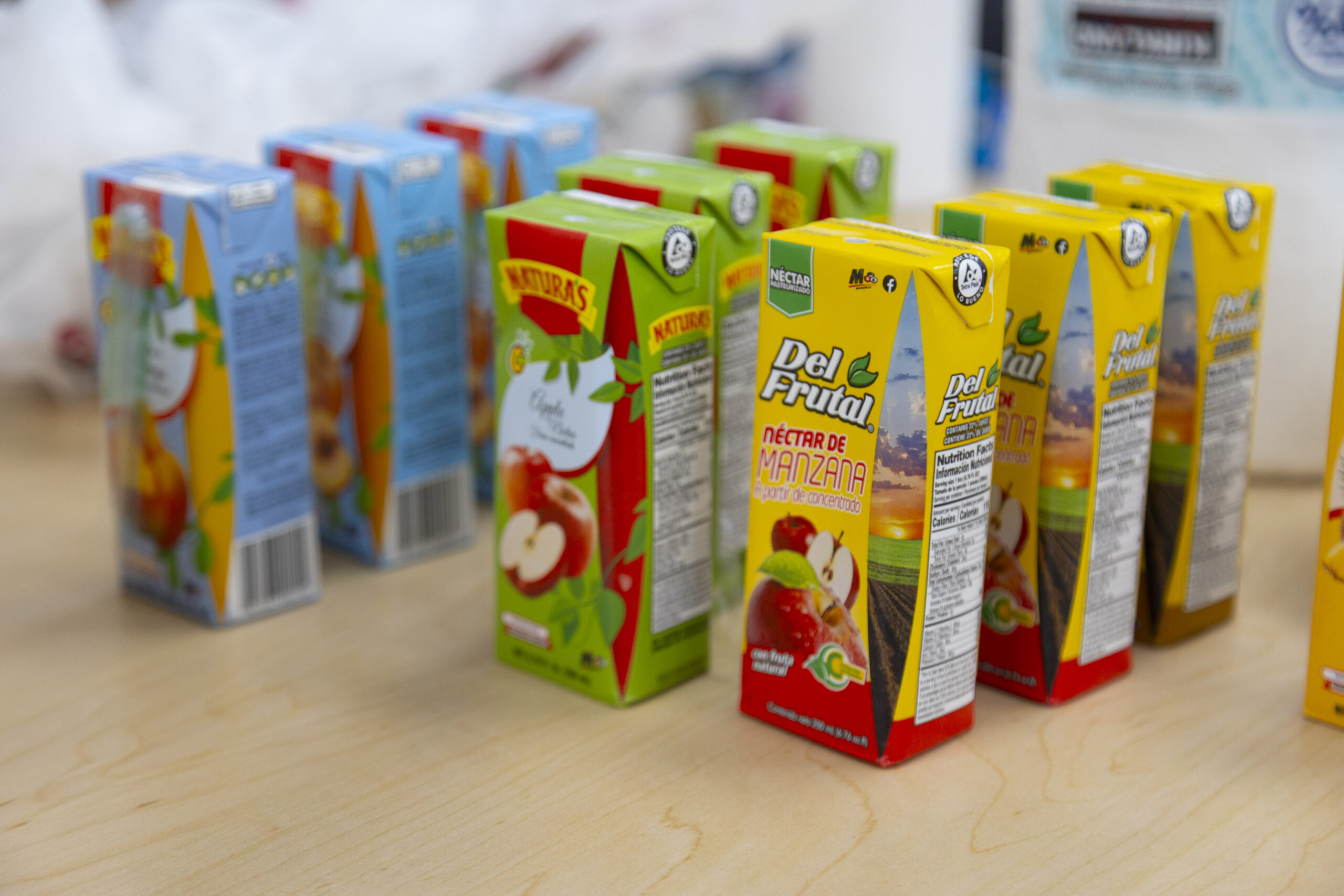
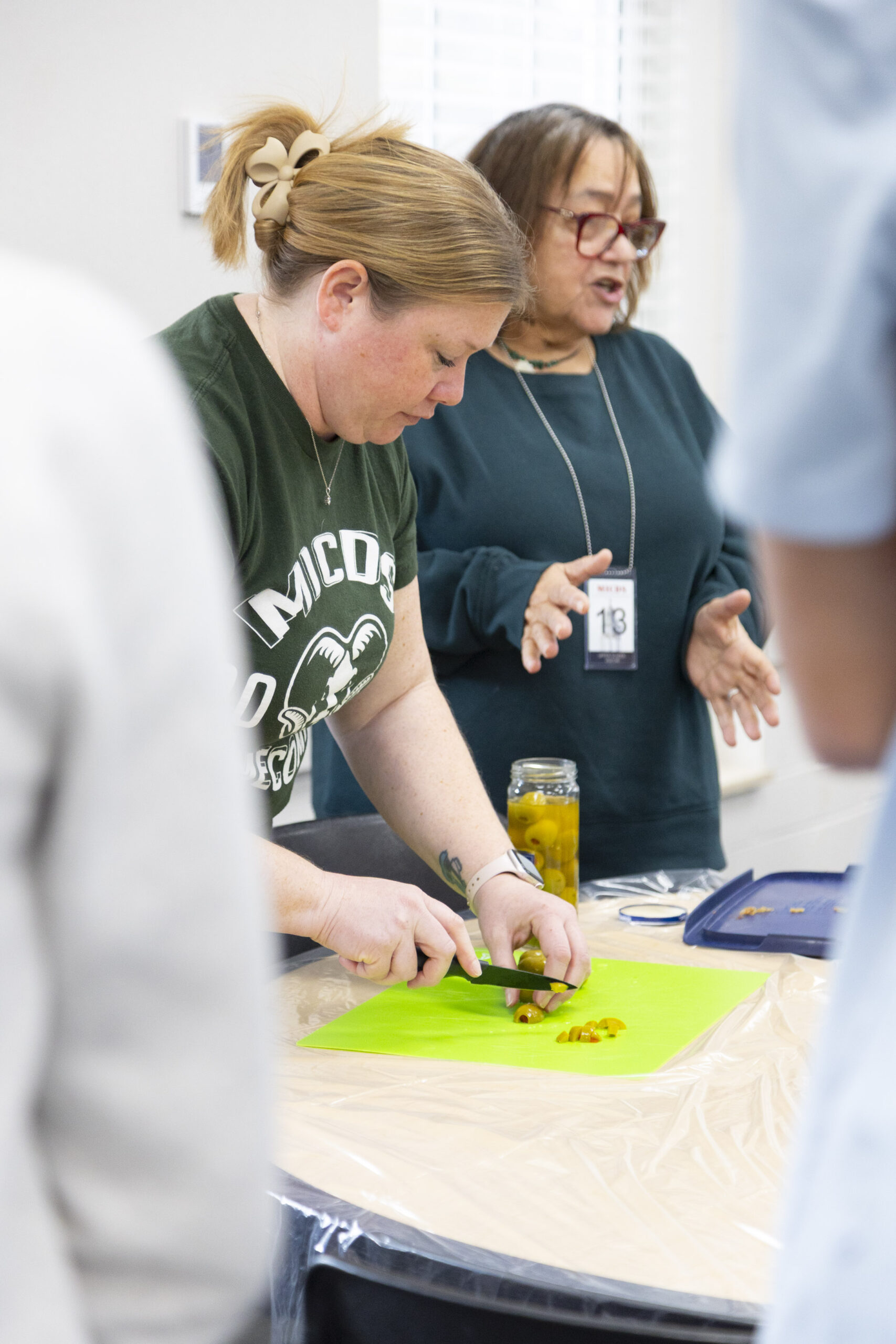
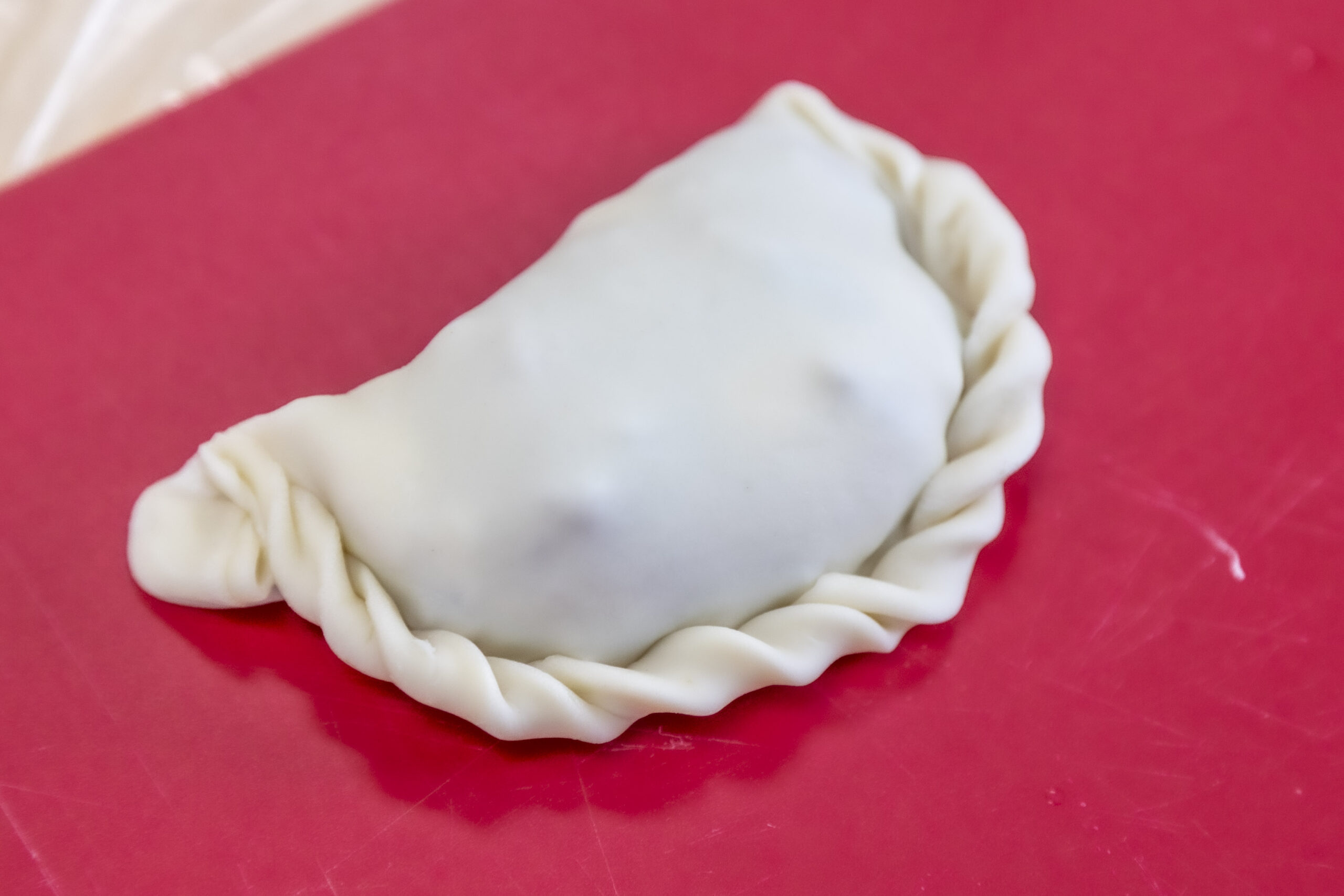
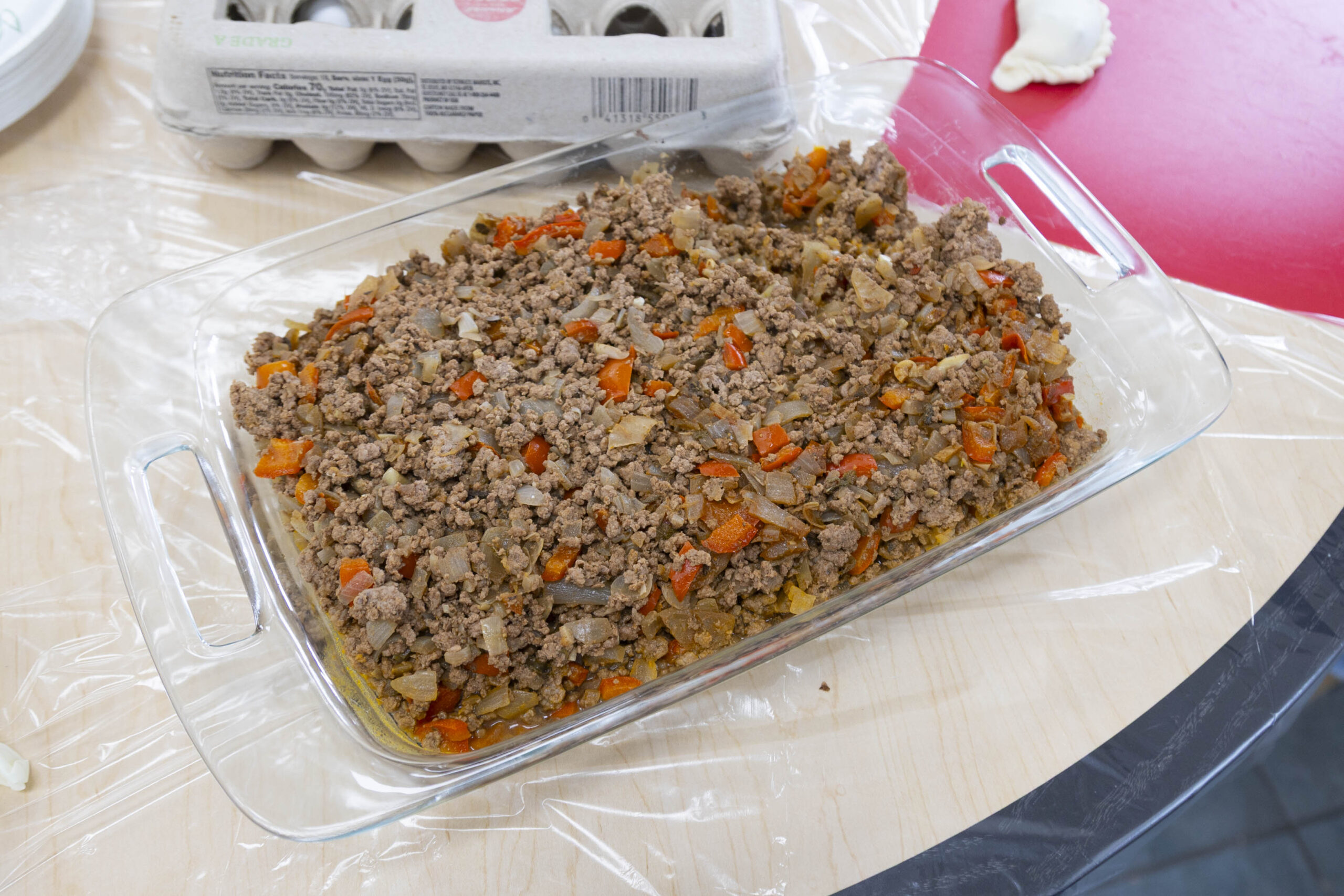
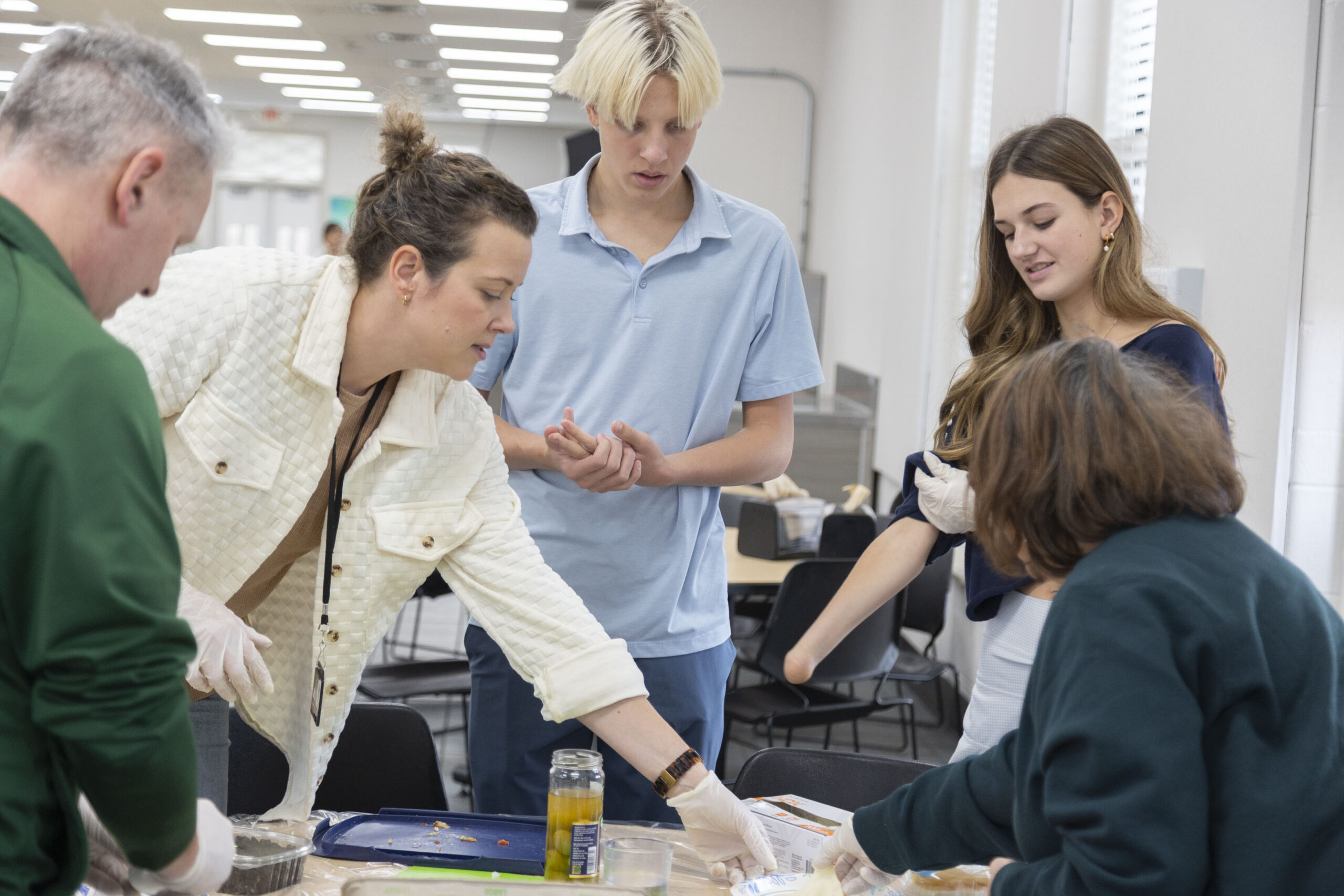
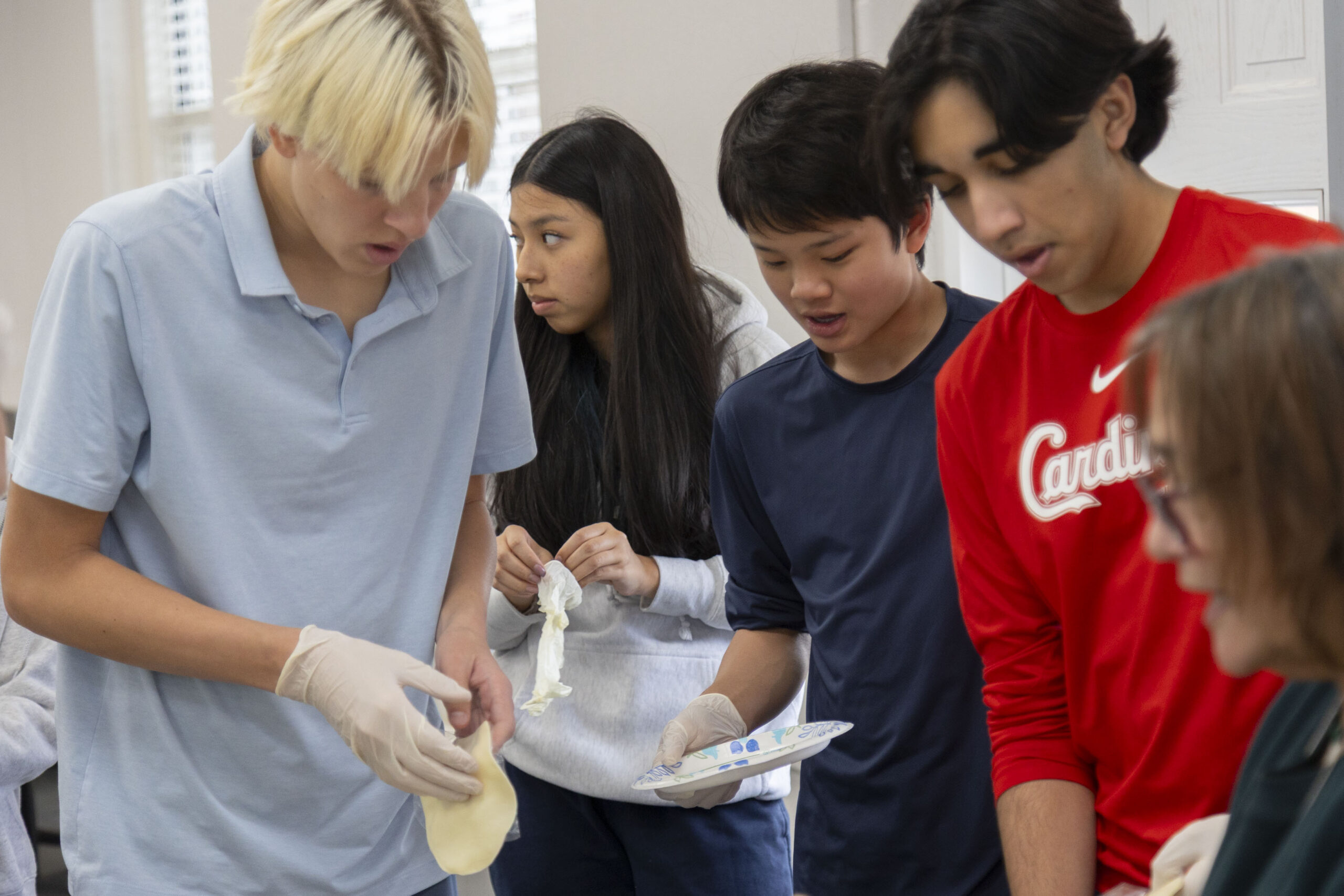
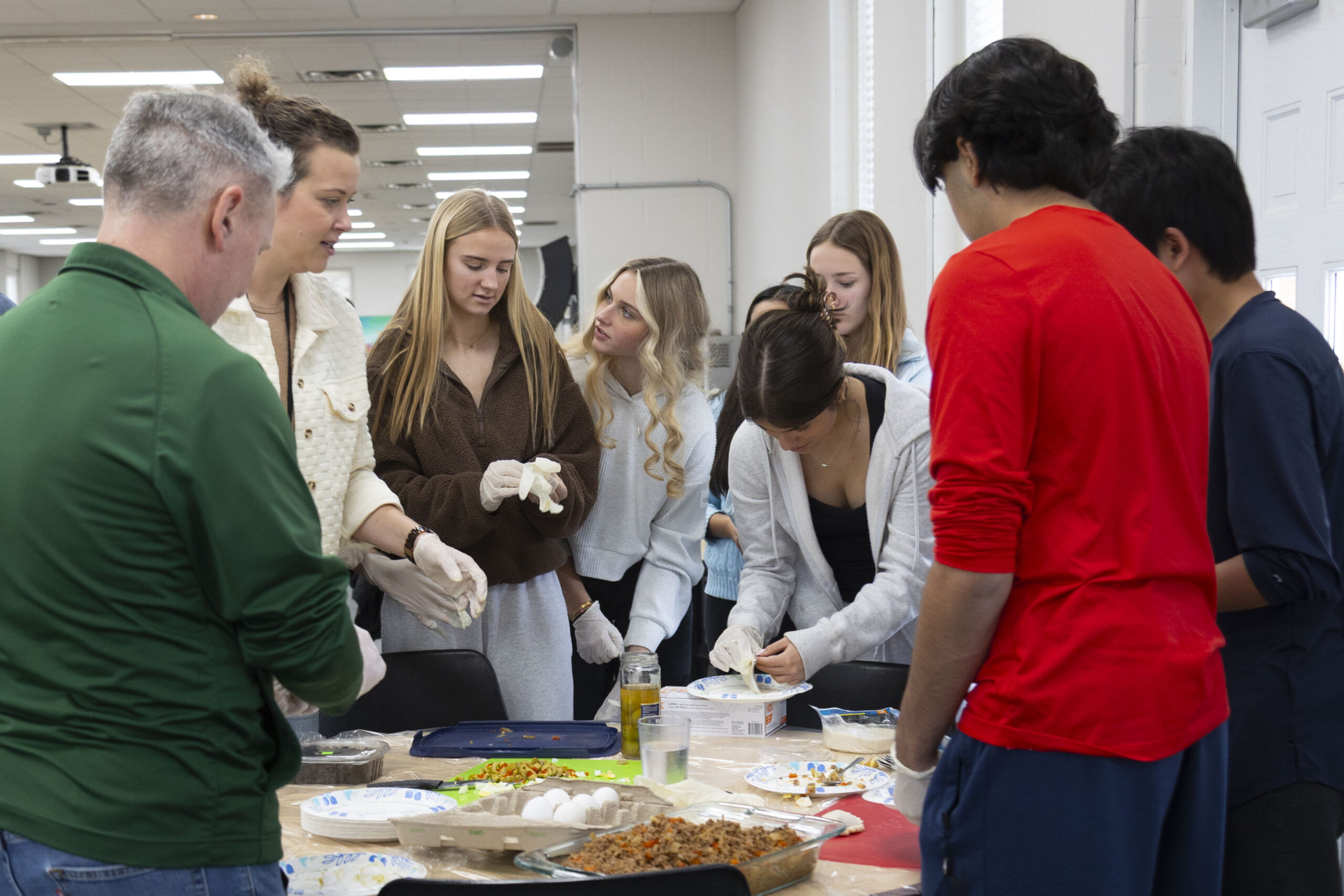
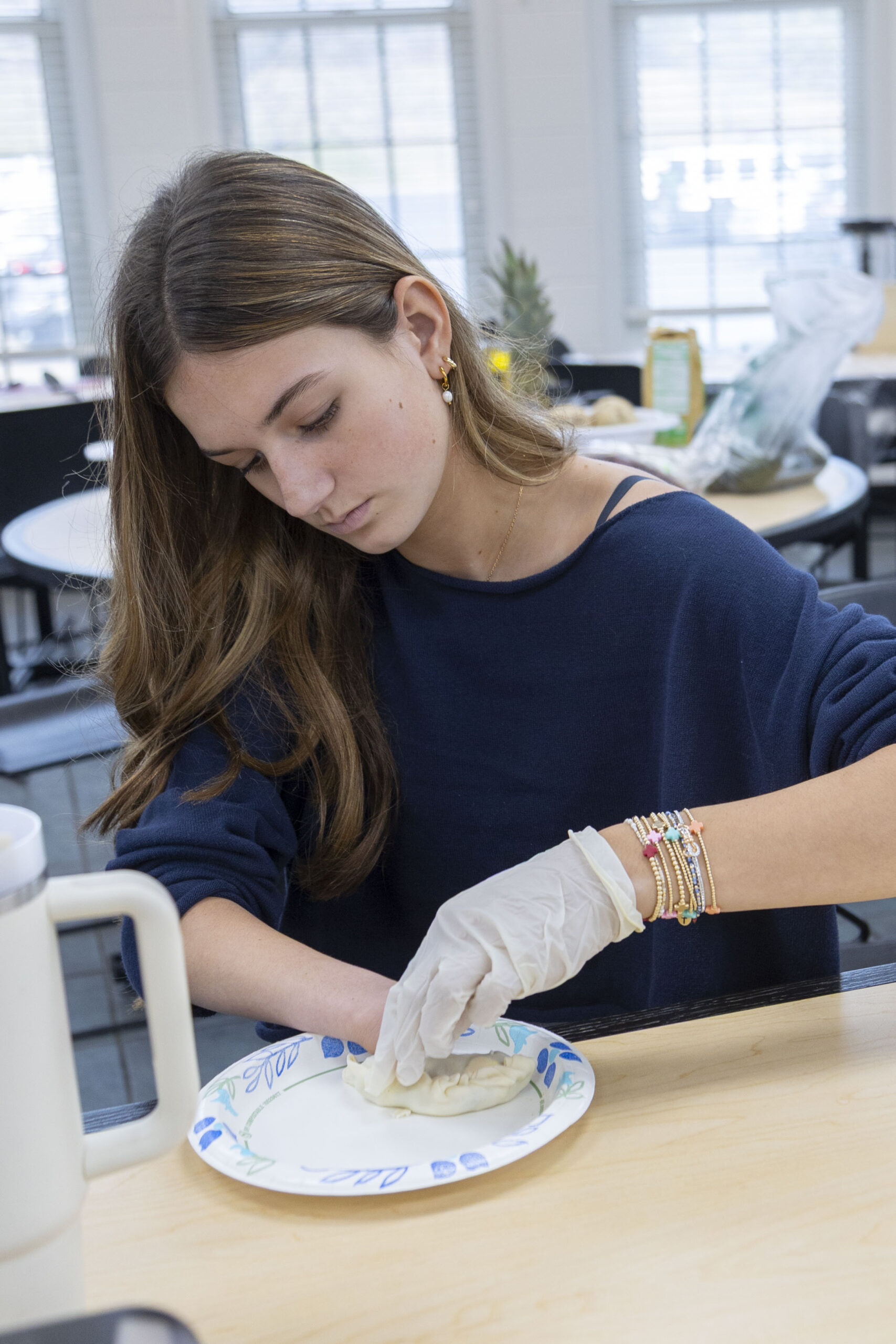
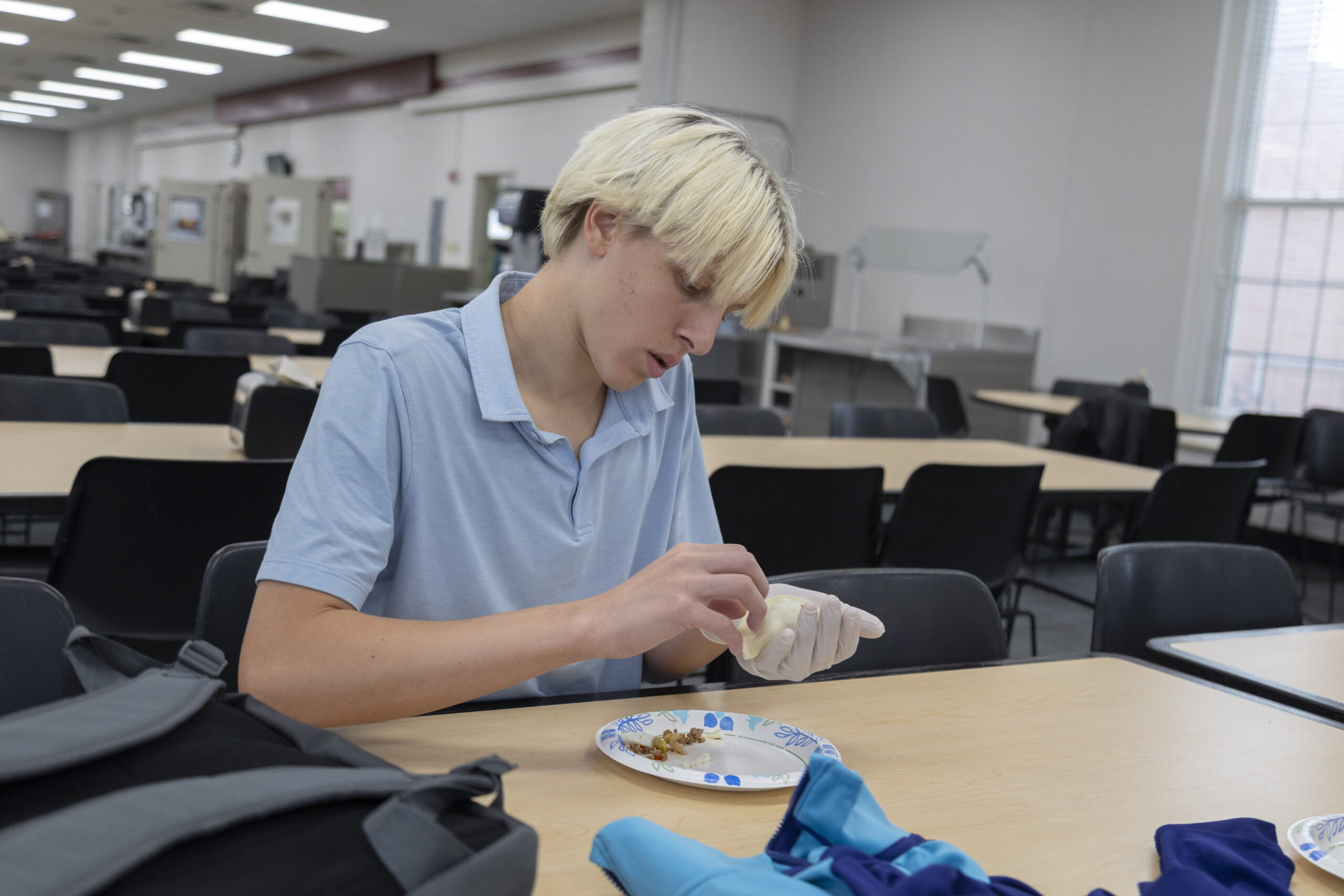
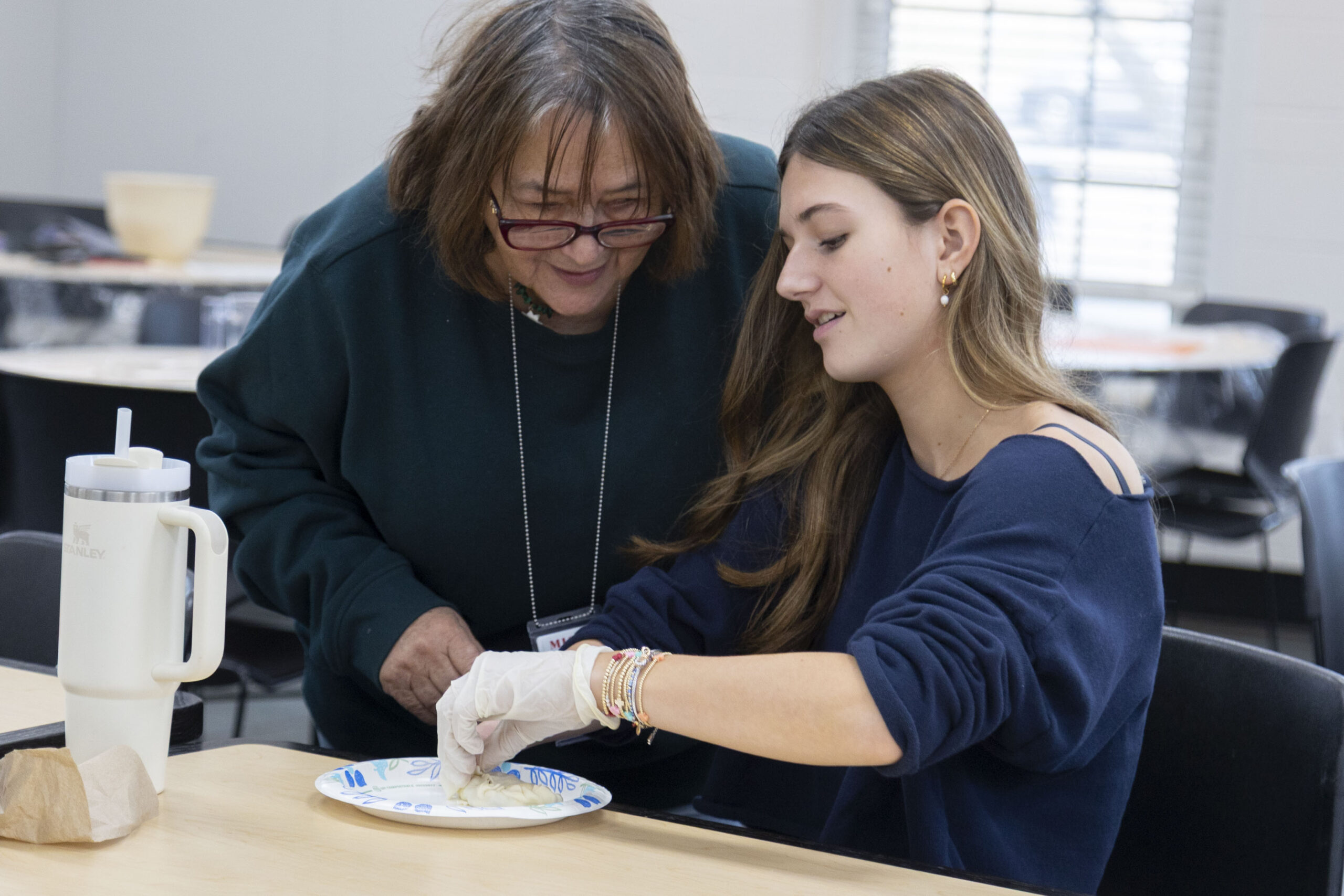
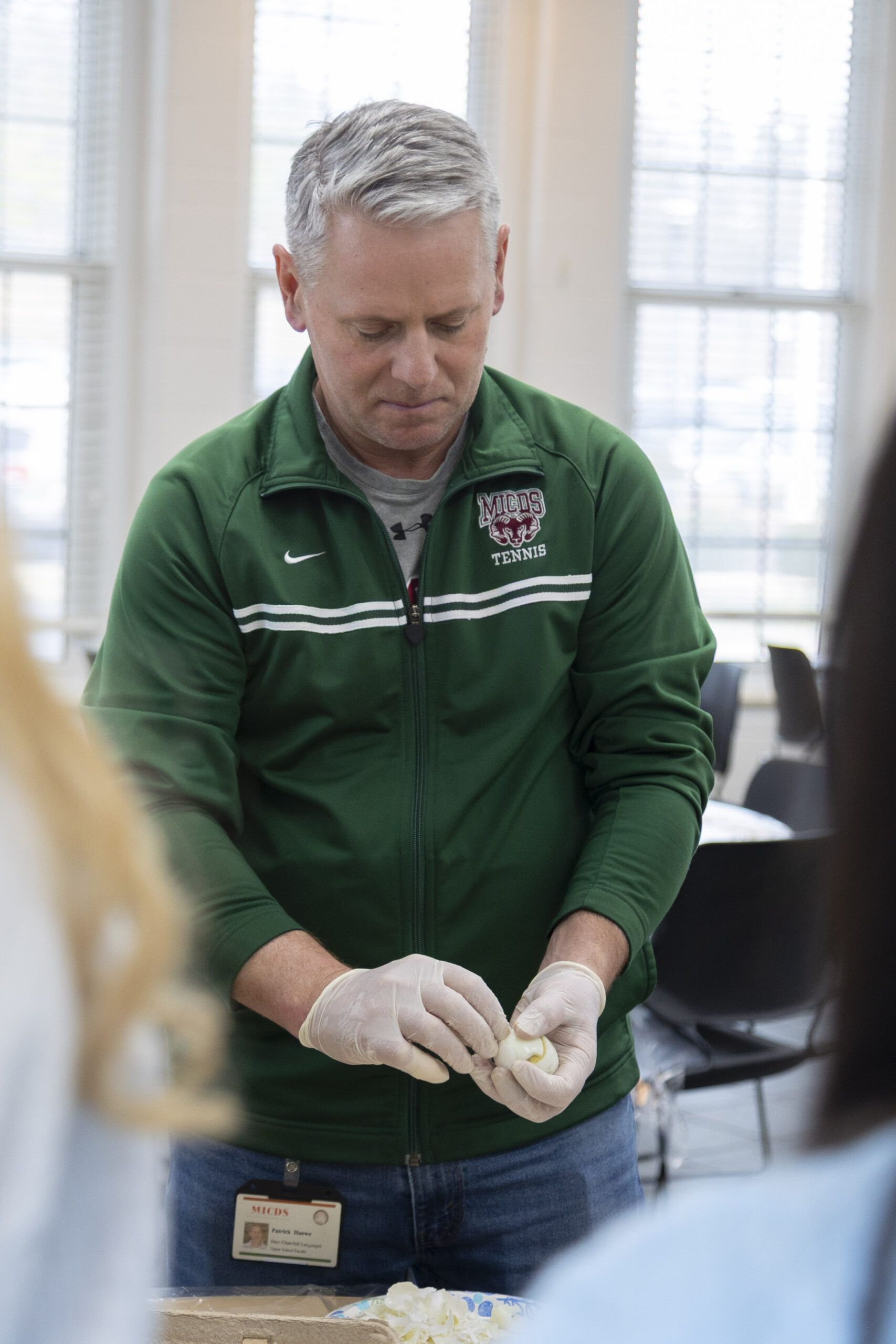
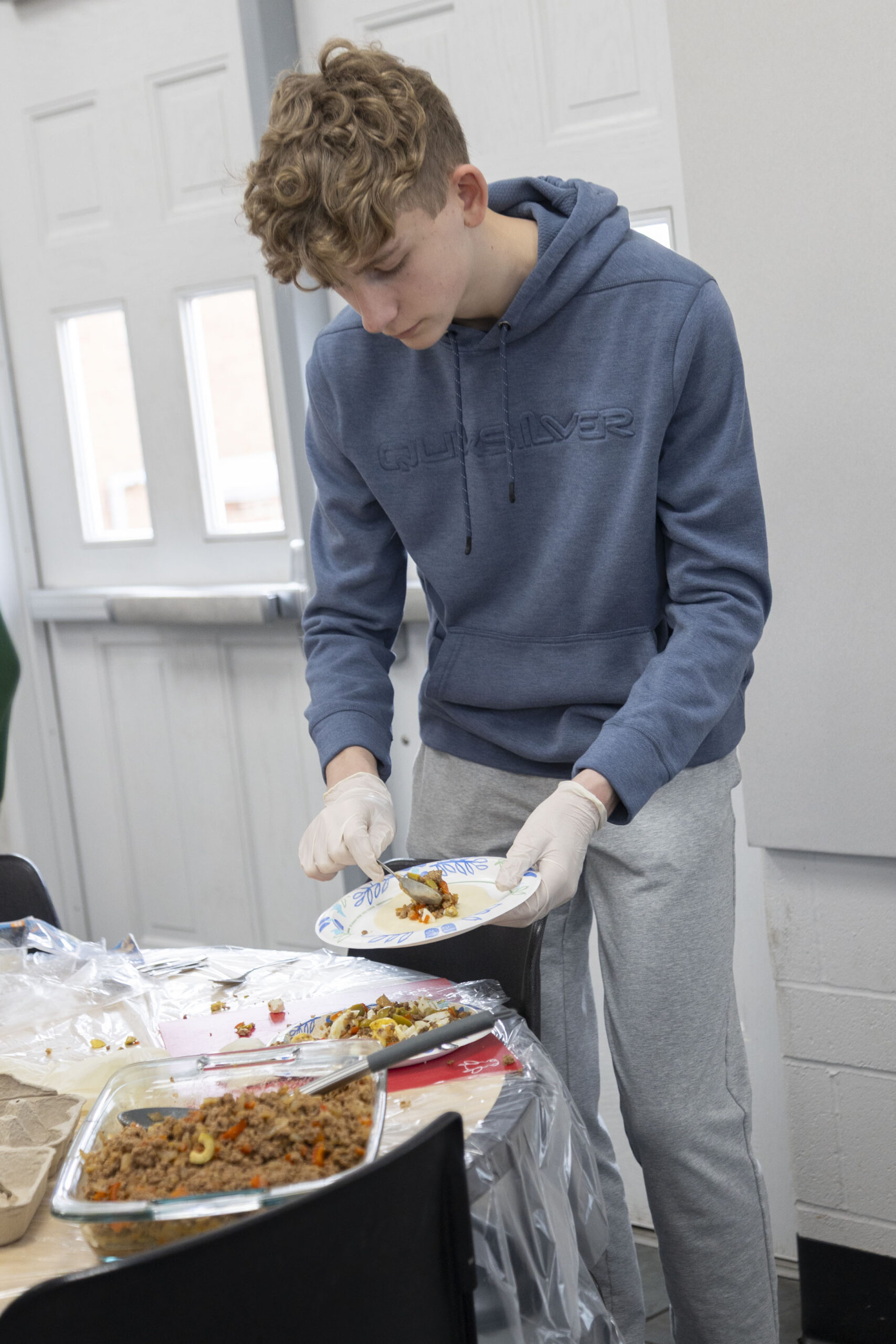
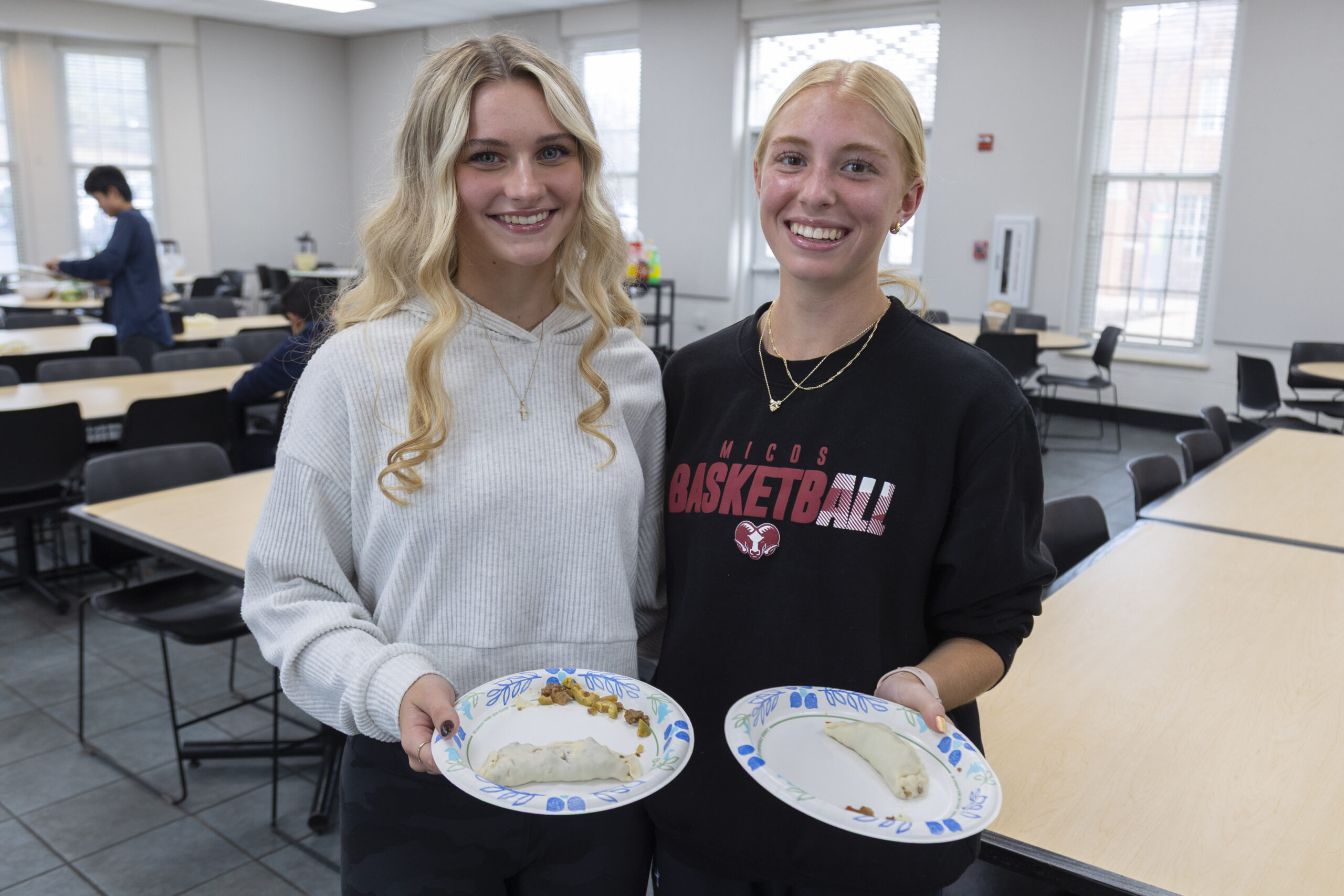
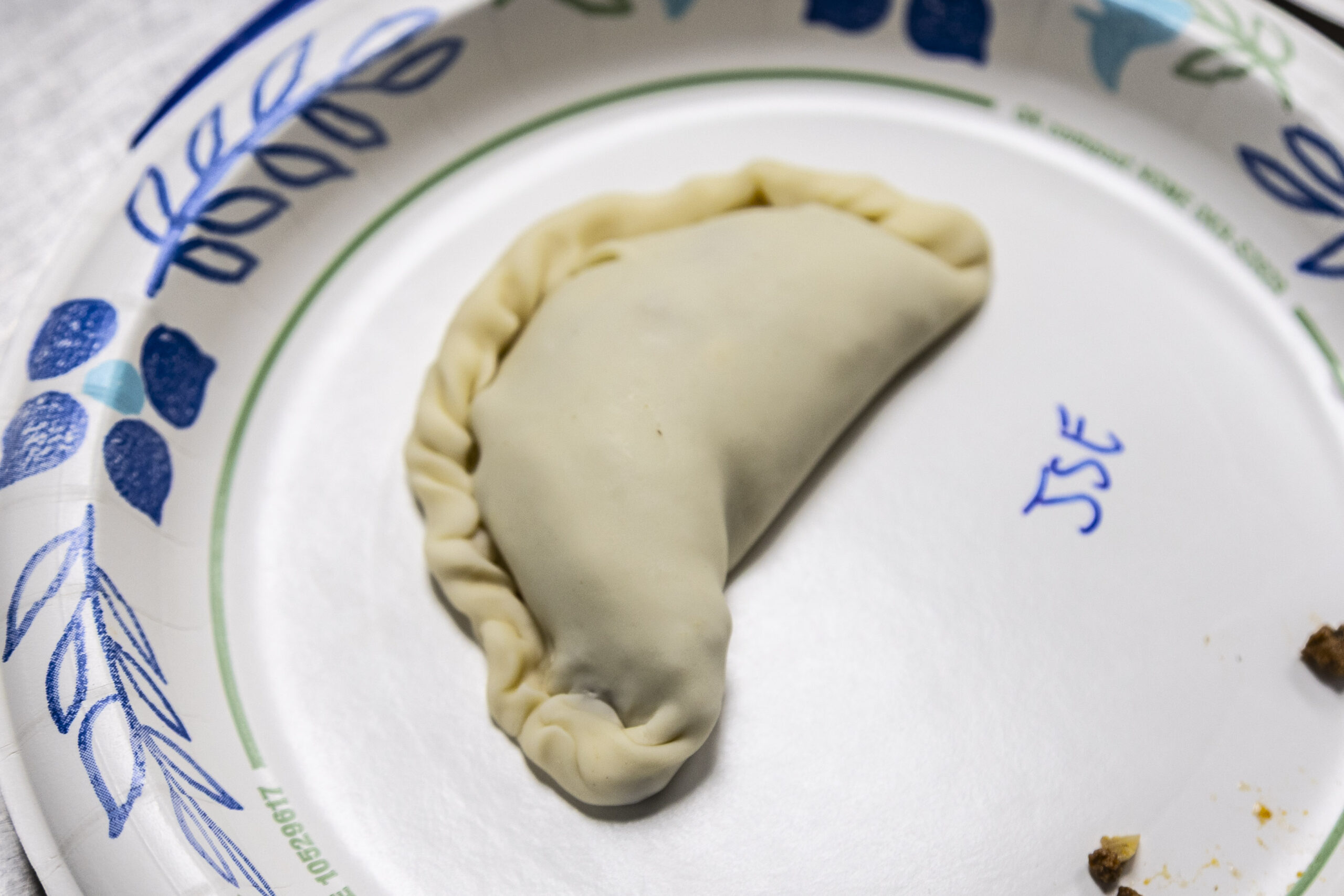
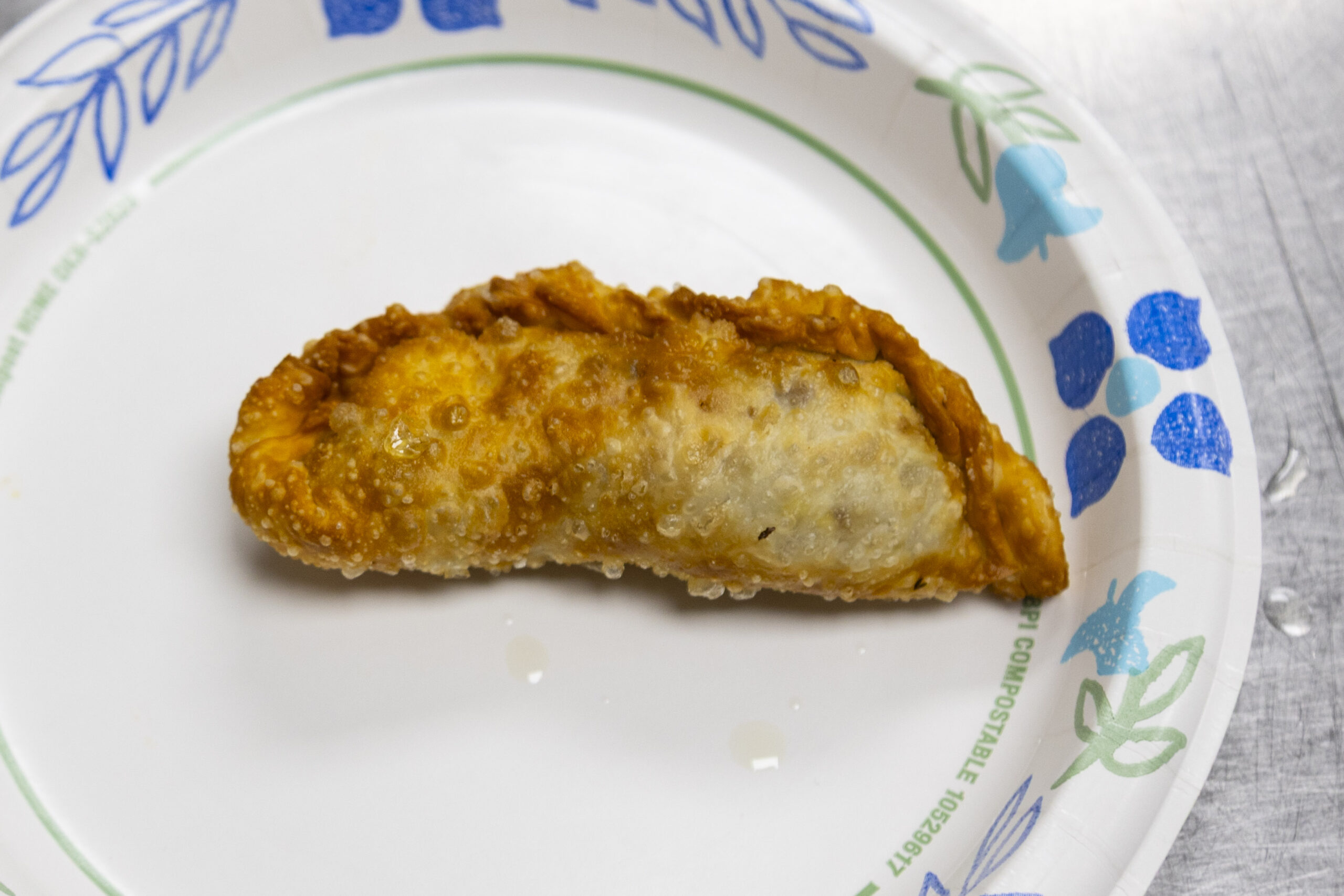
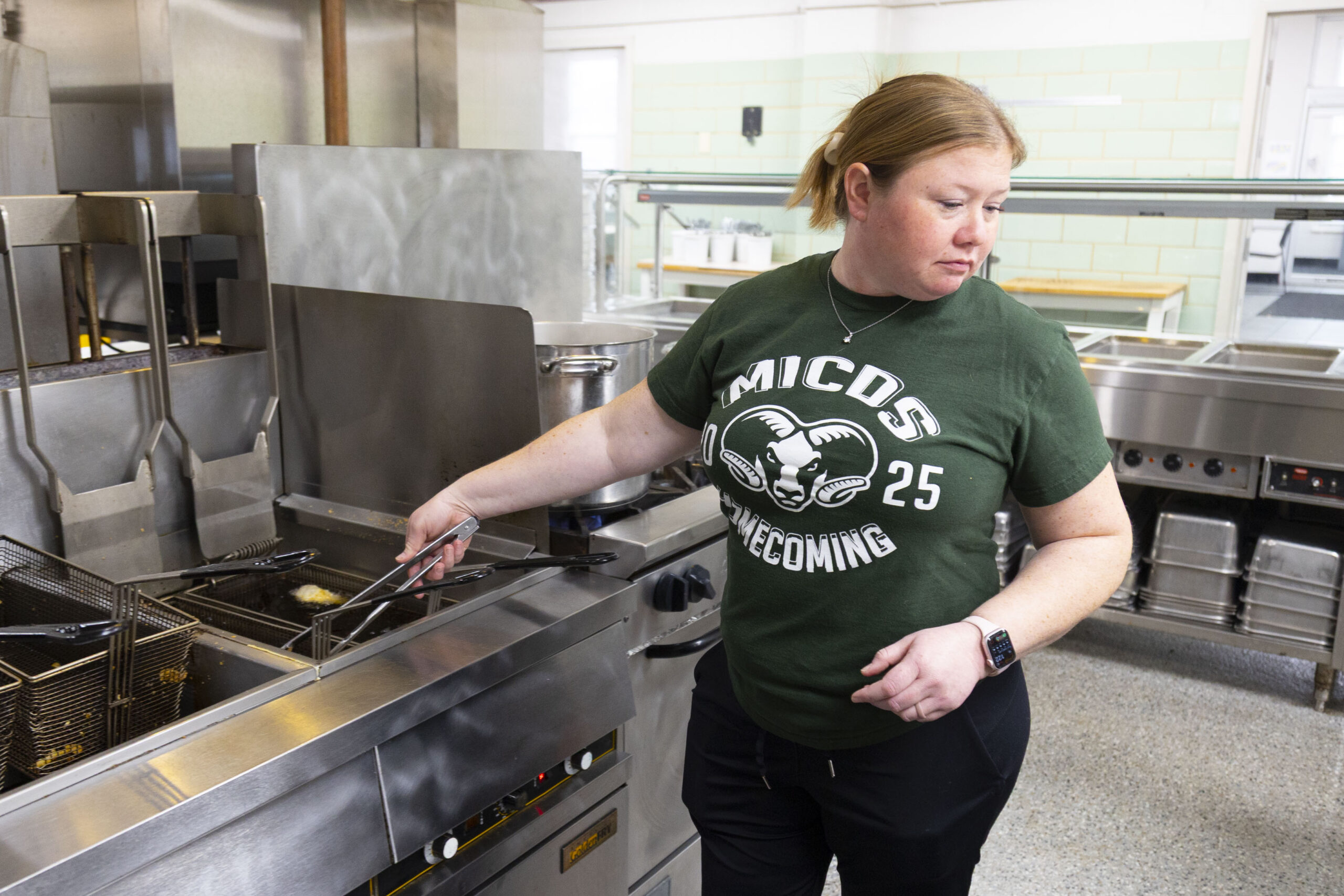
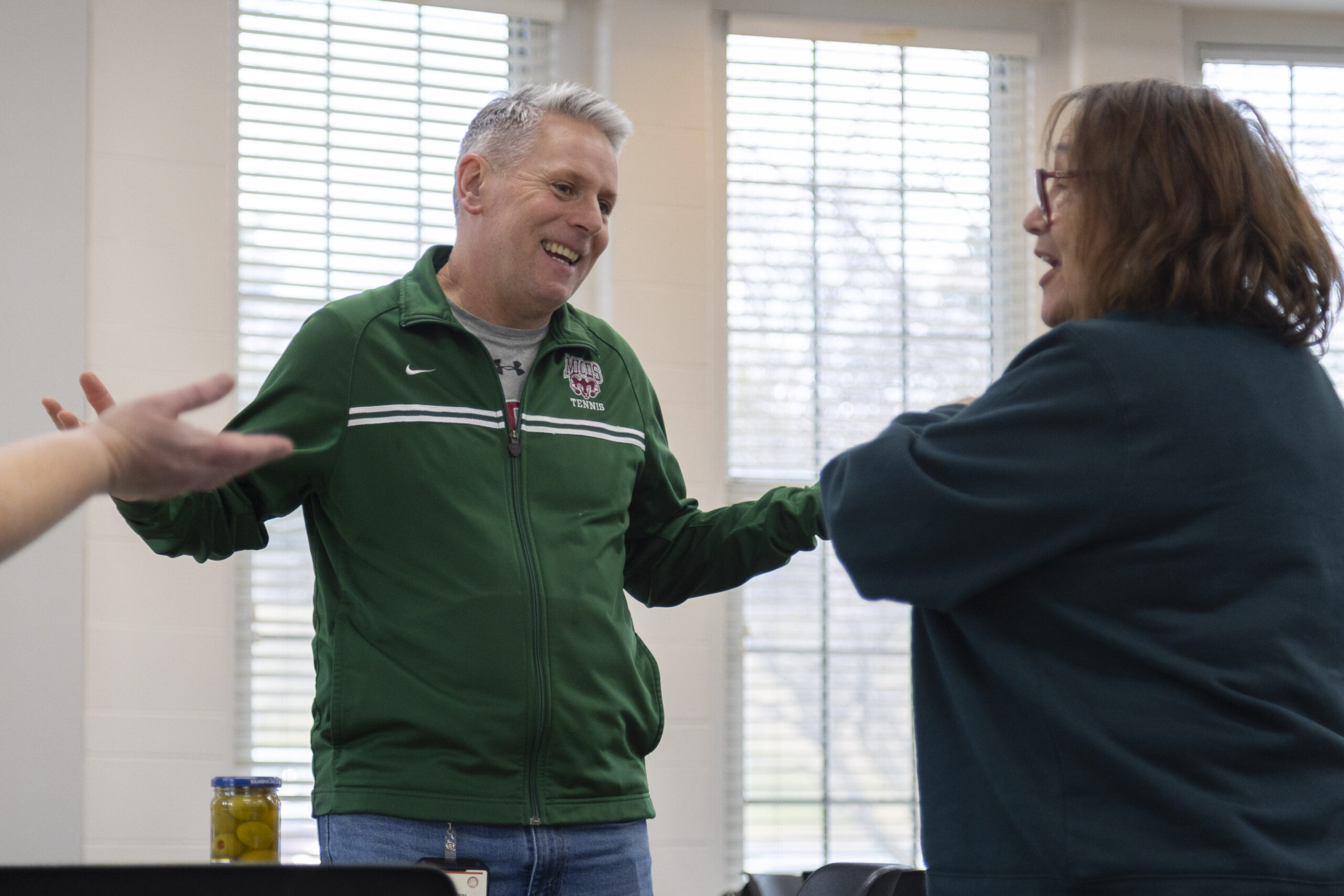
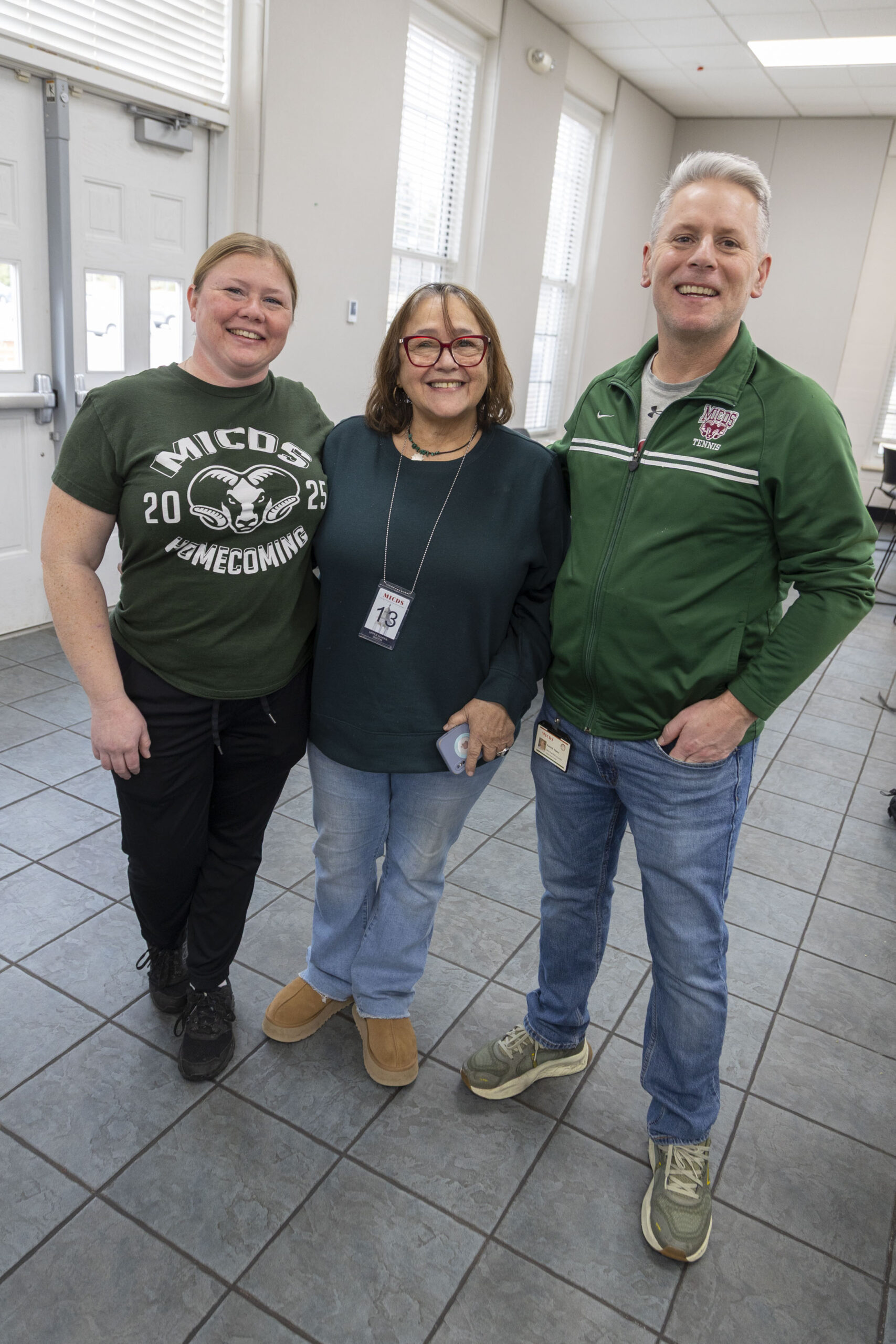
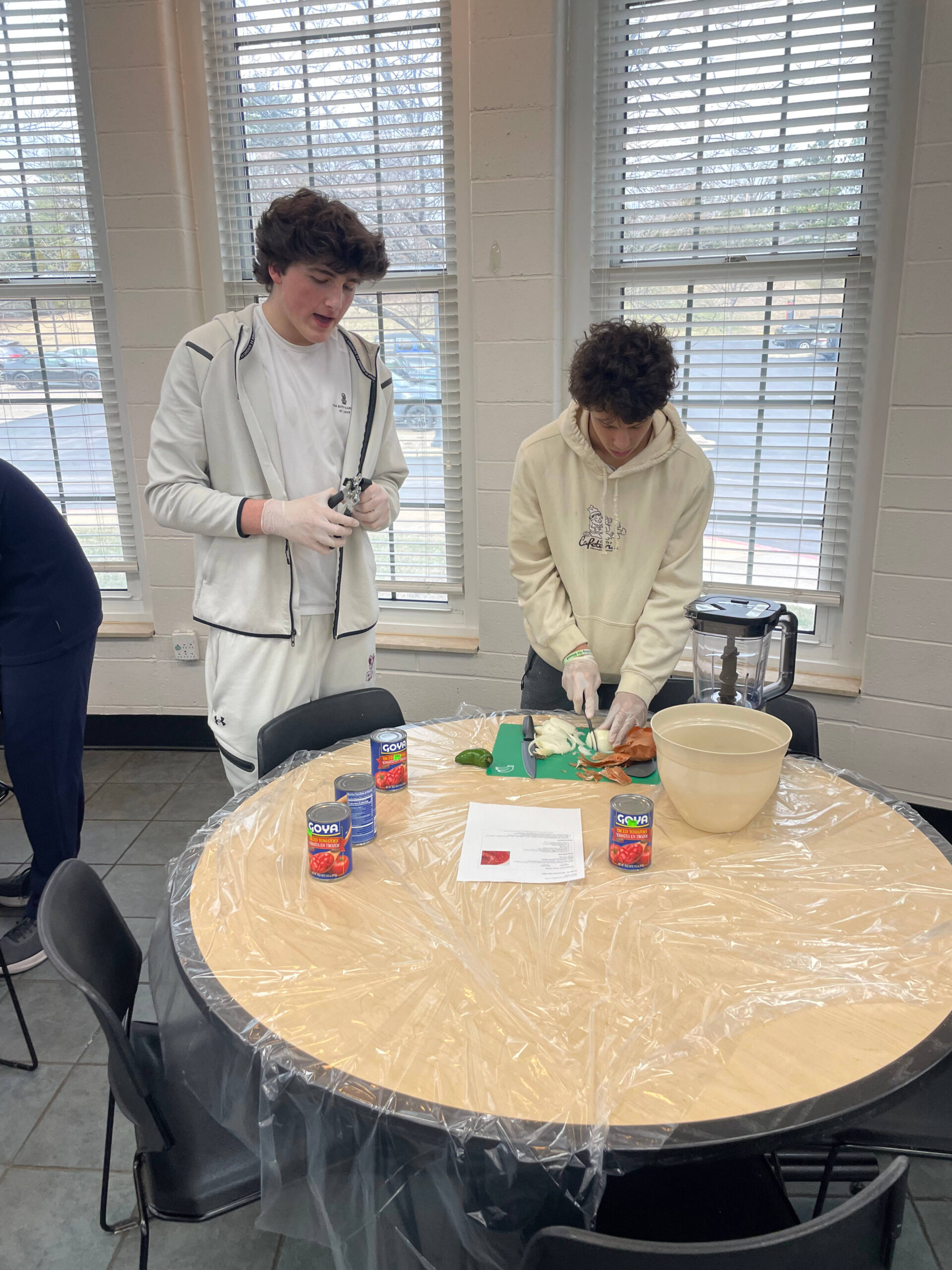
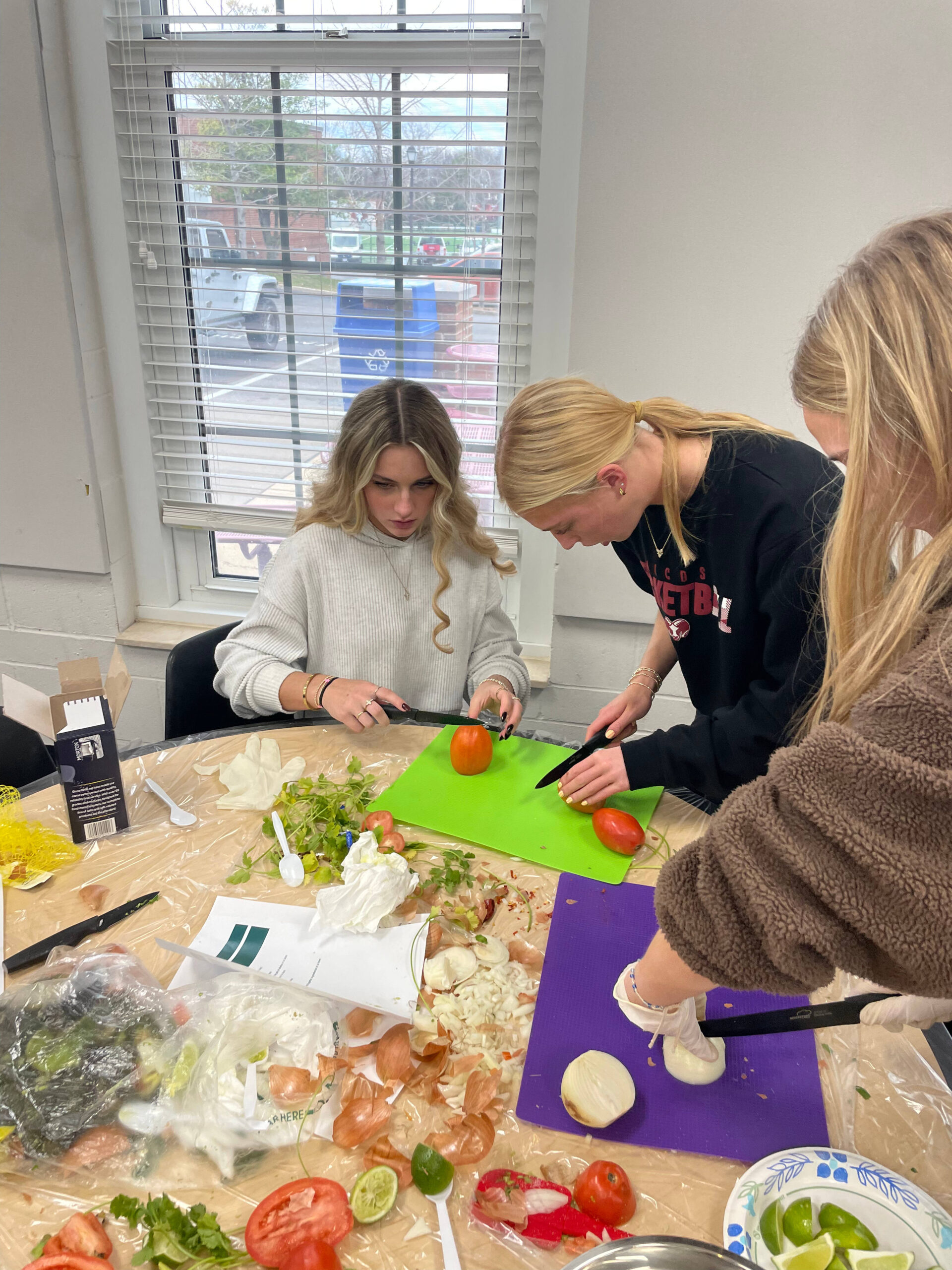
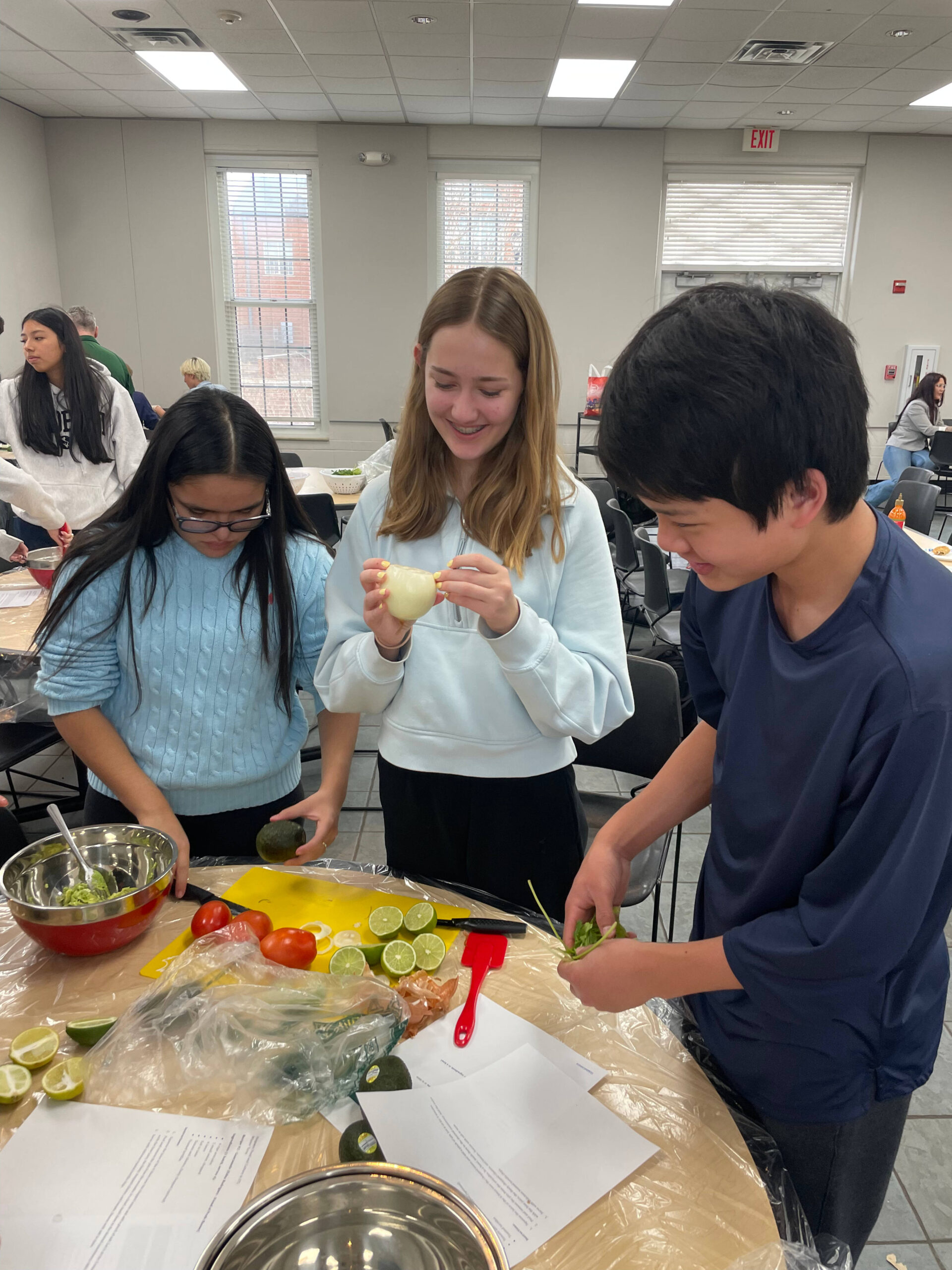
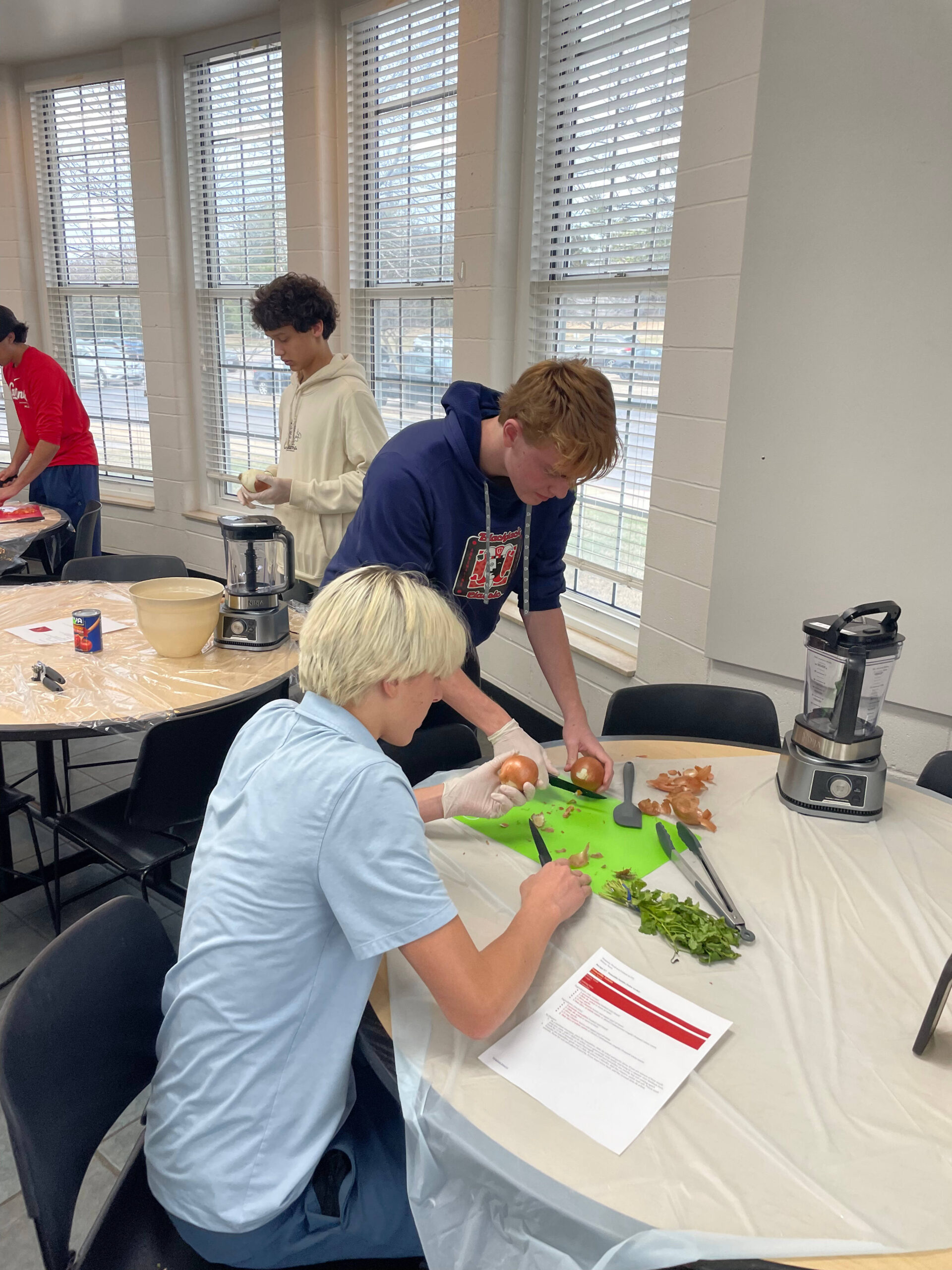
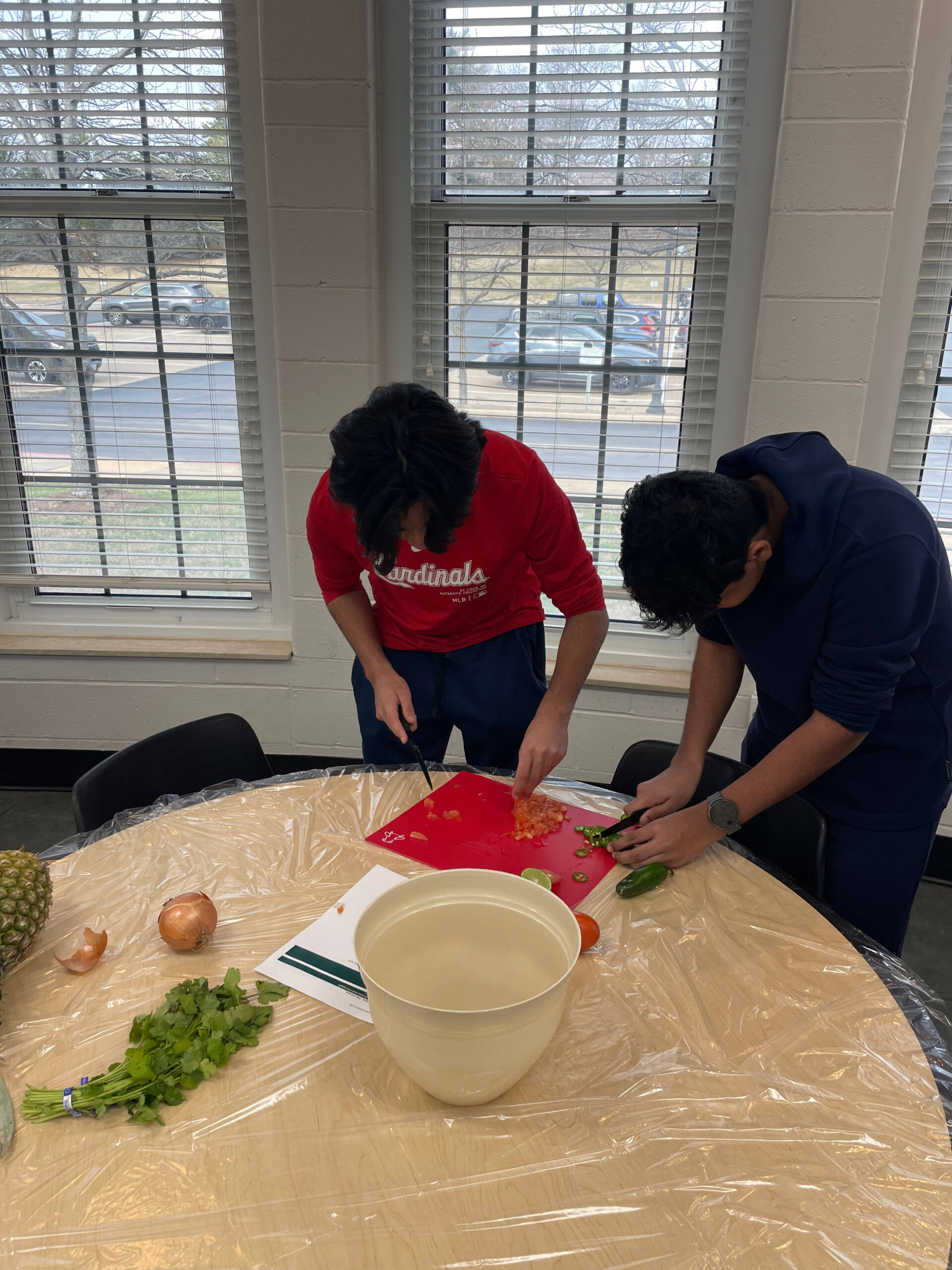
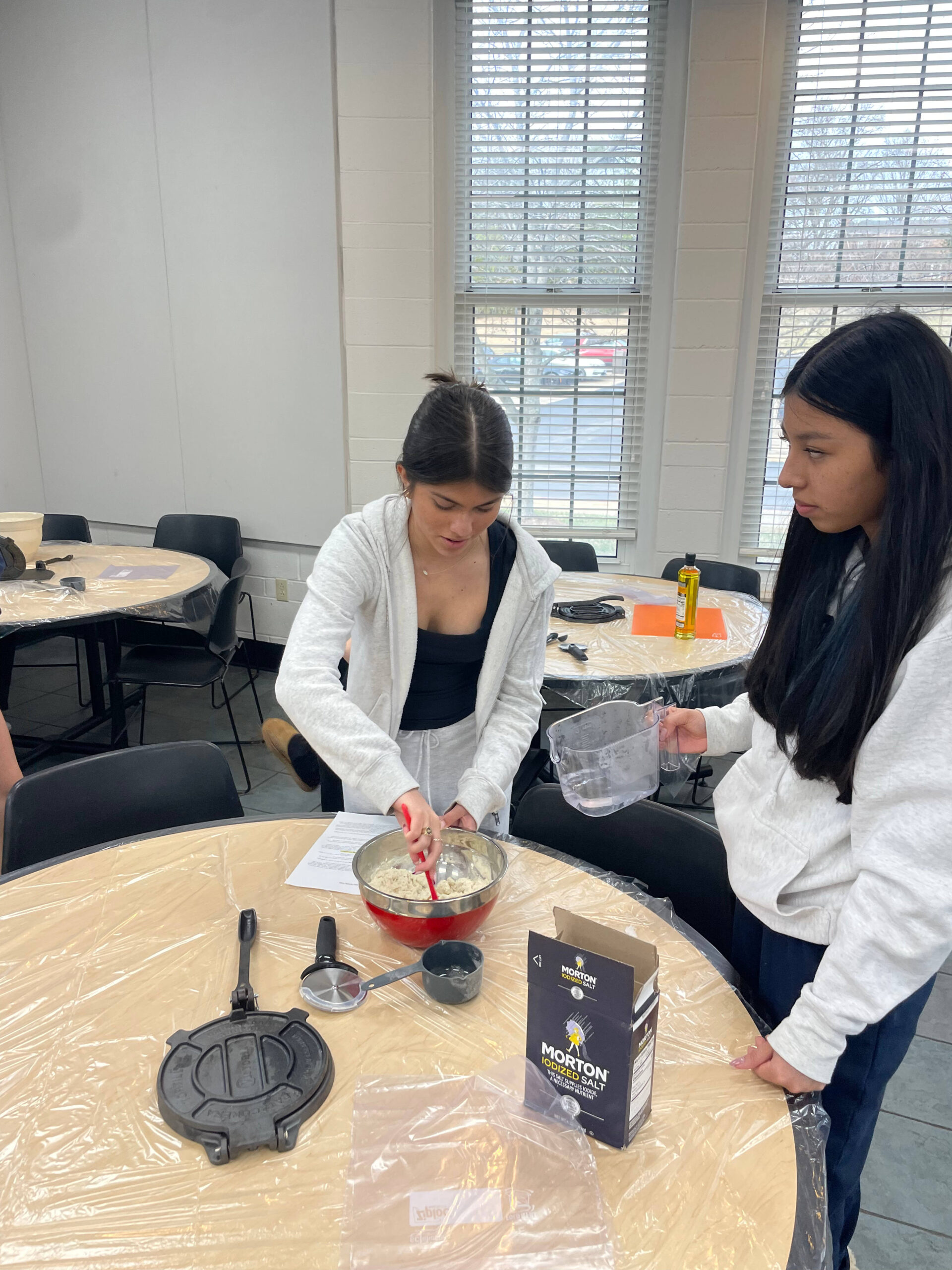
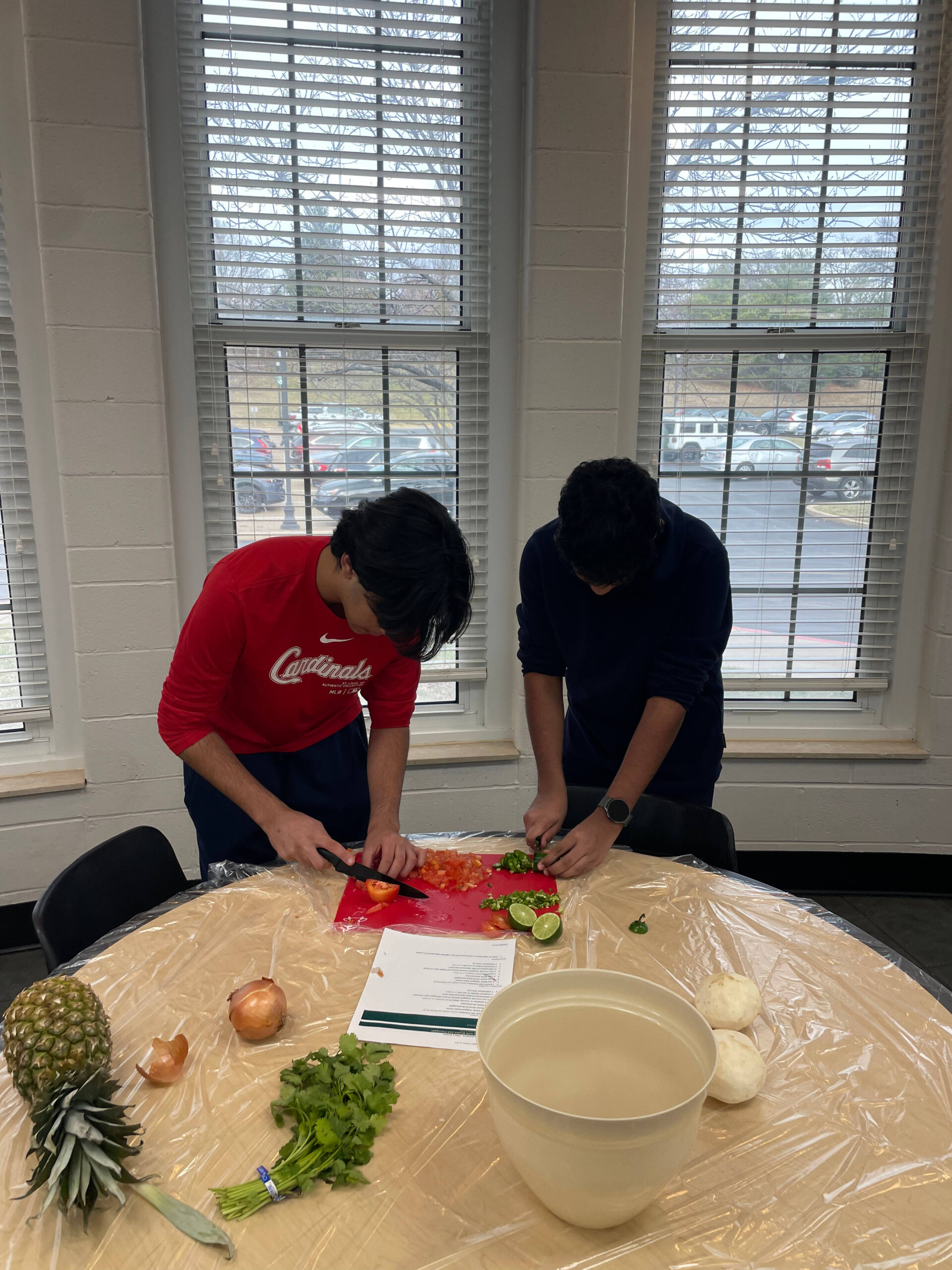
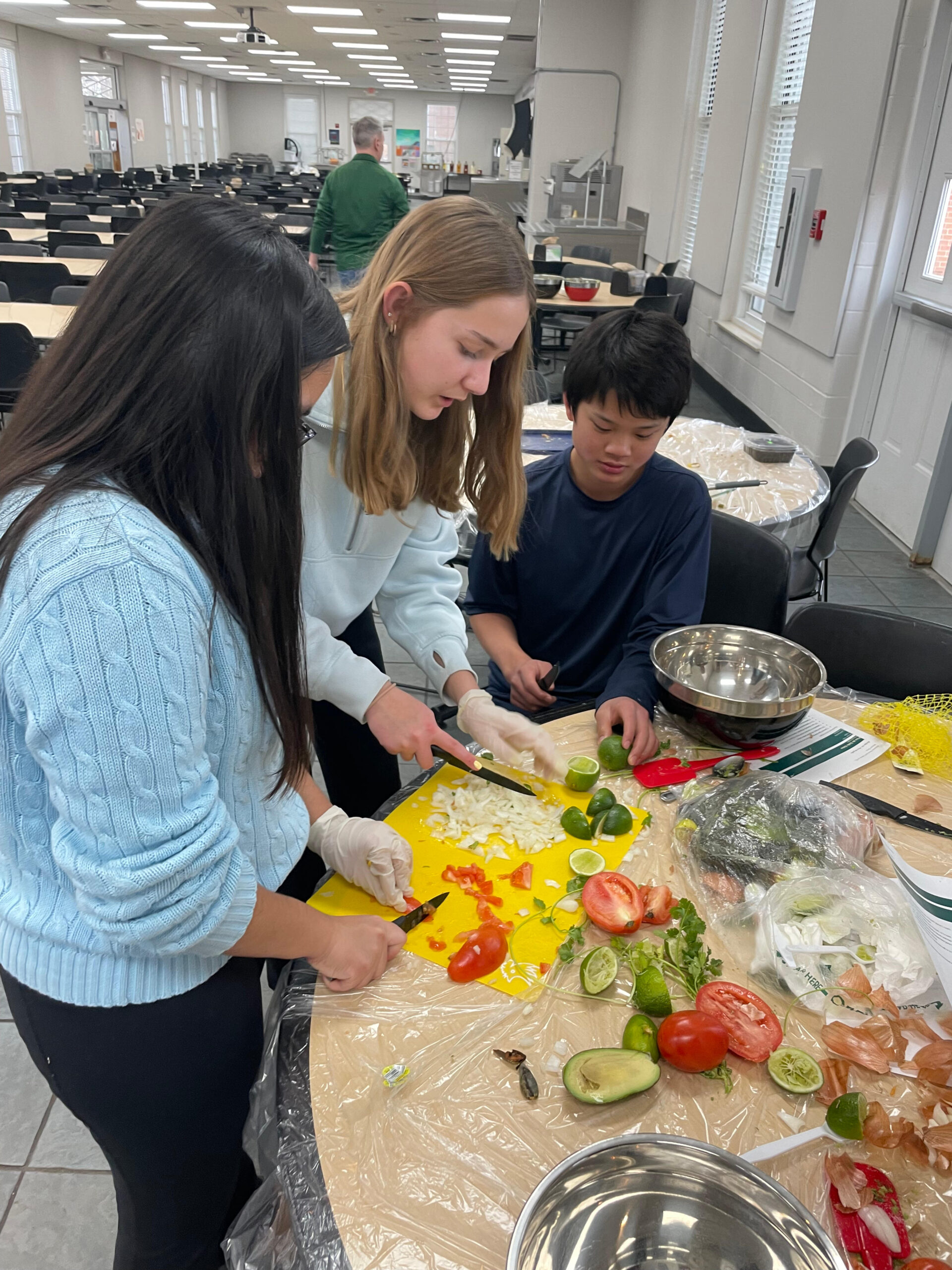
In addition to empanadas, students made other dishes during the course that are favorites of Hispanic culture, including guacamole, corn tortillas/chips, pico de gallo, jicama/pineapple salsa, restaurant-style salsa, and salsa verde. All in all, with the empanadas included, students prepared seven recipes through this class. ¡Que delicioso!
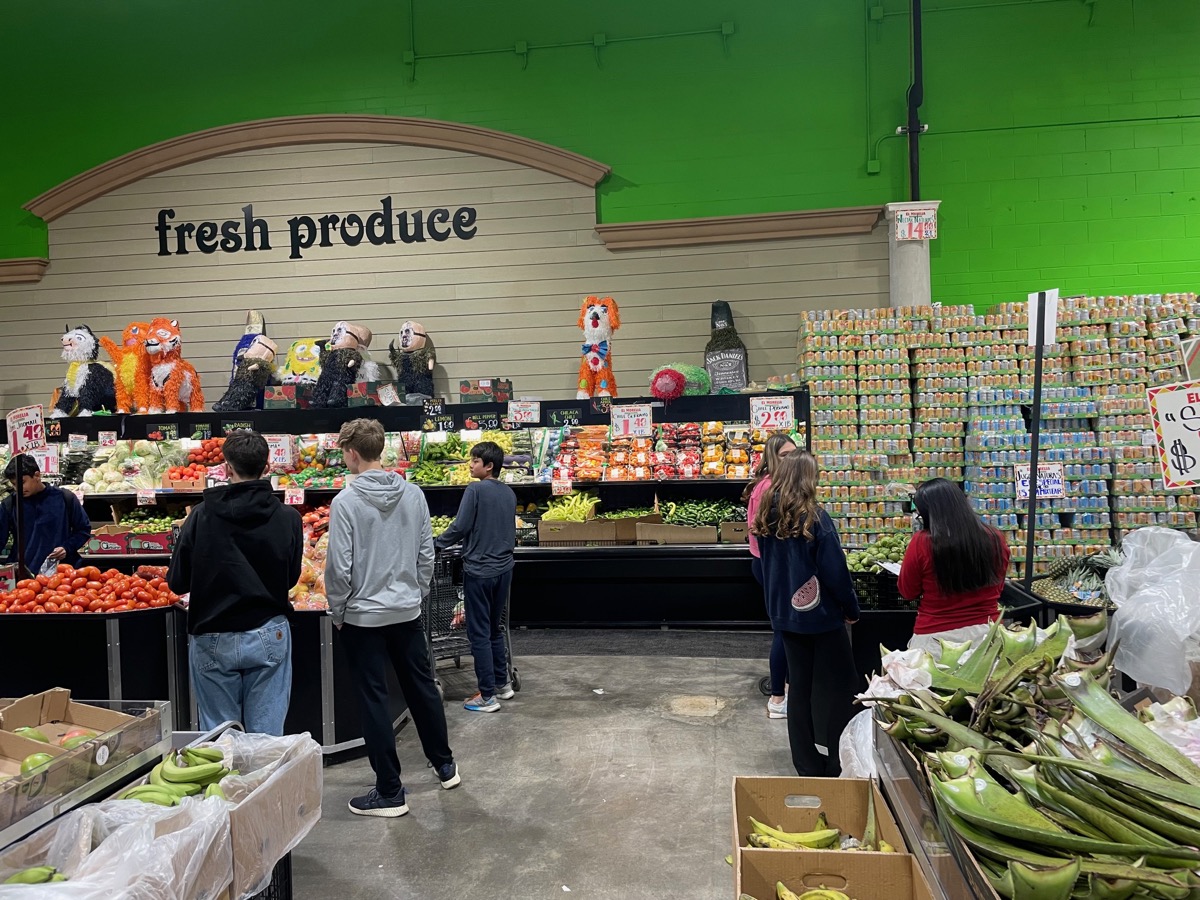
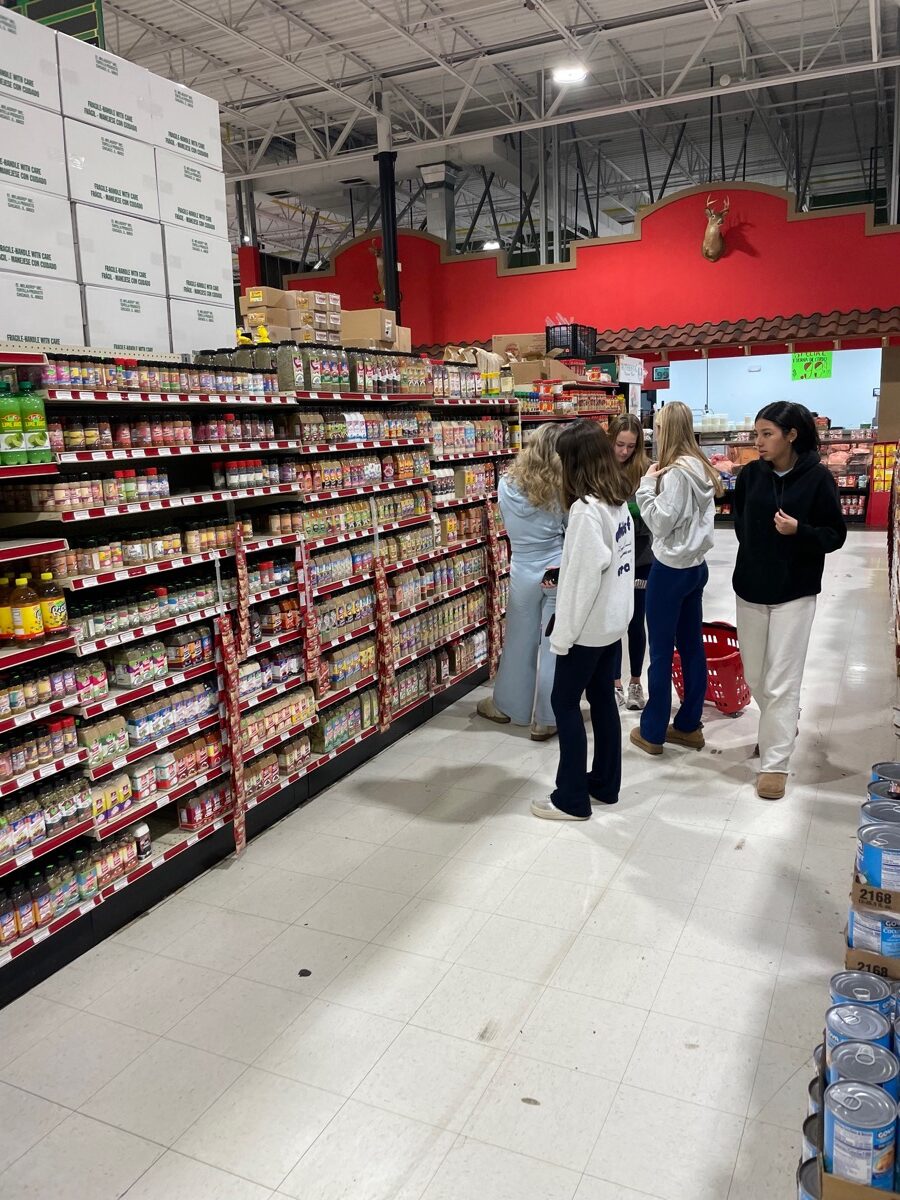
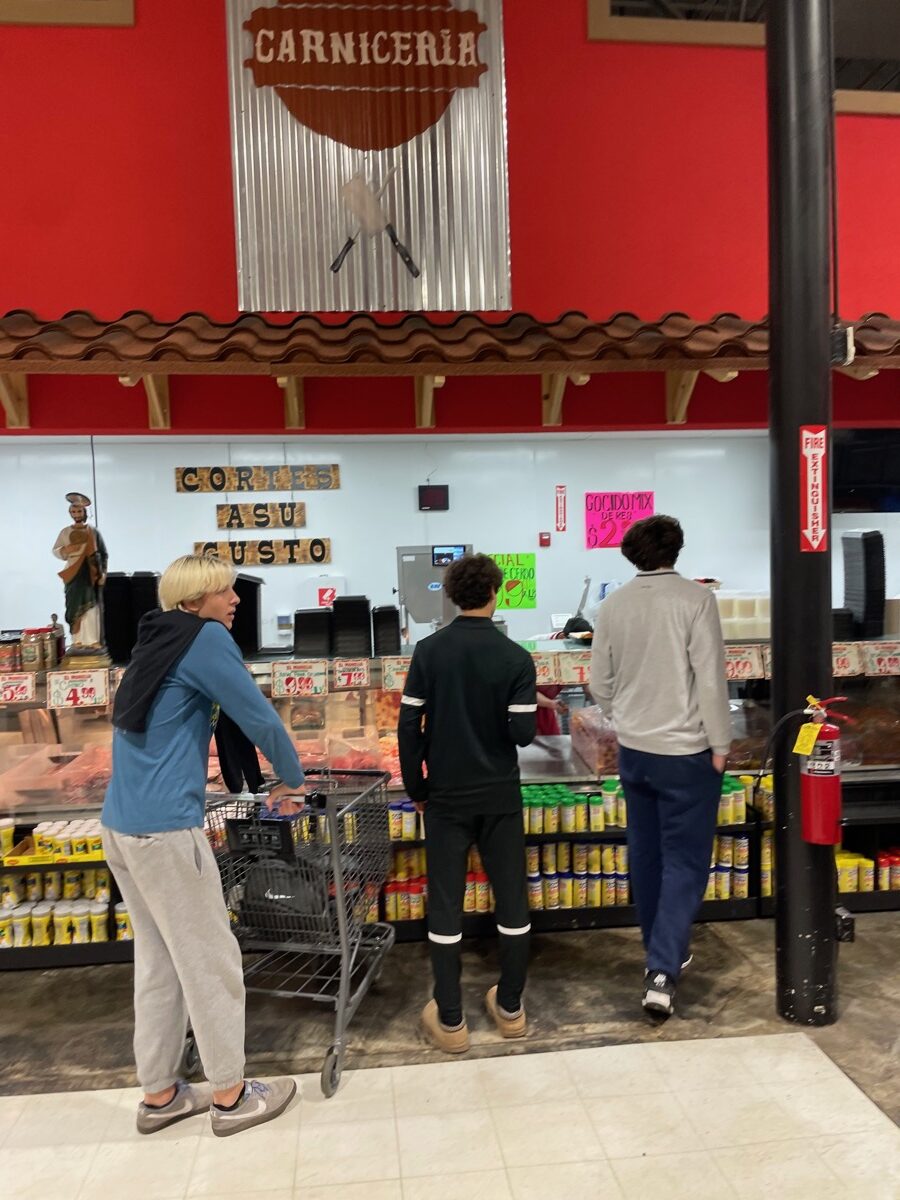
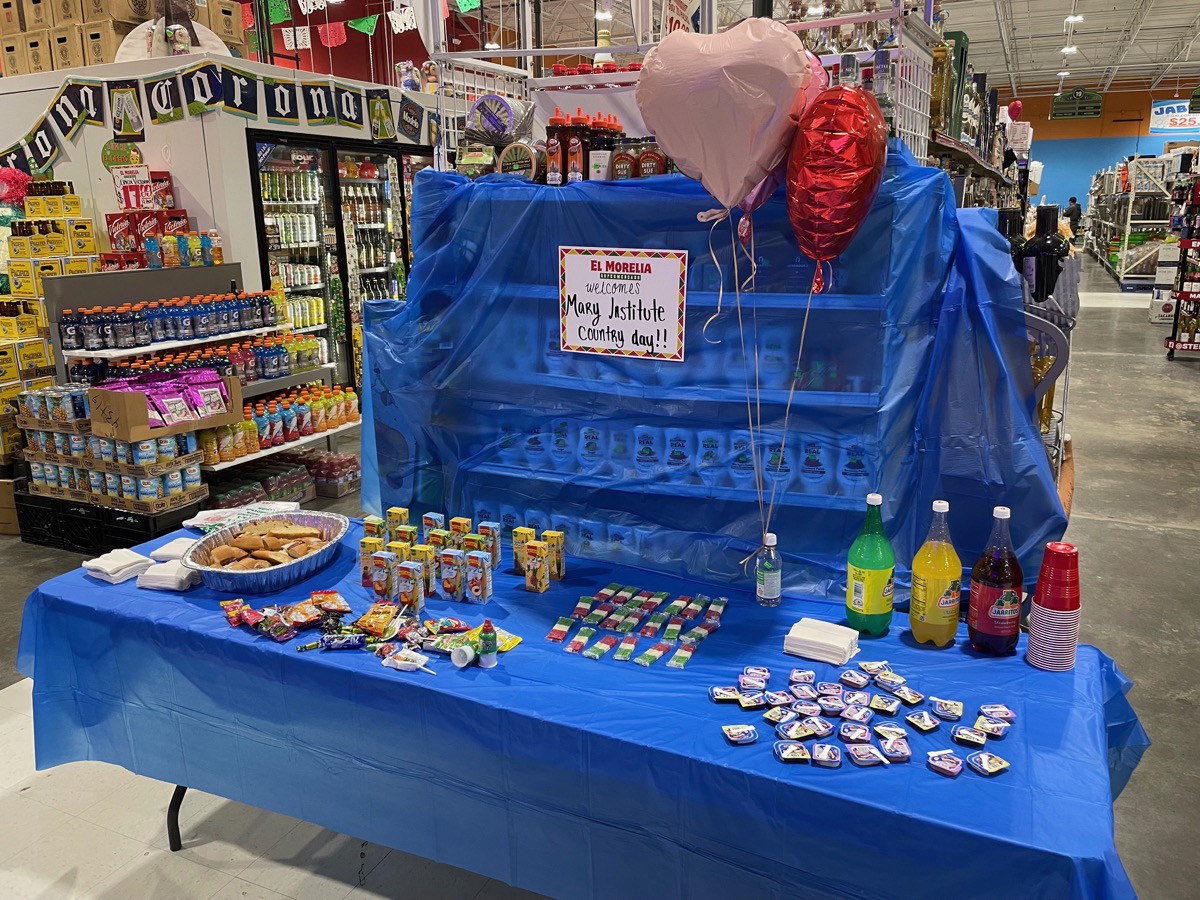
Students also explored the premier Mexican supermarket in the St. Louis area, El Morelia in Bridgeton.
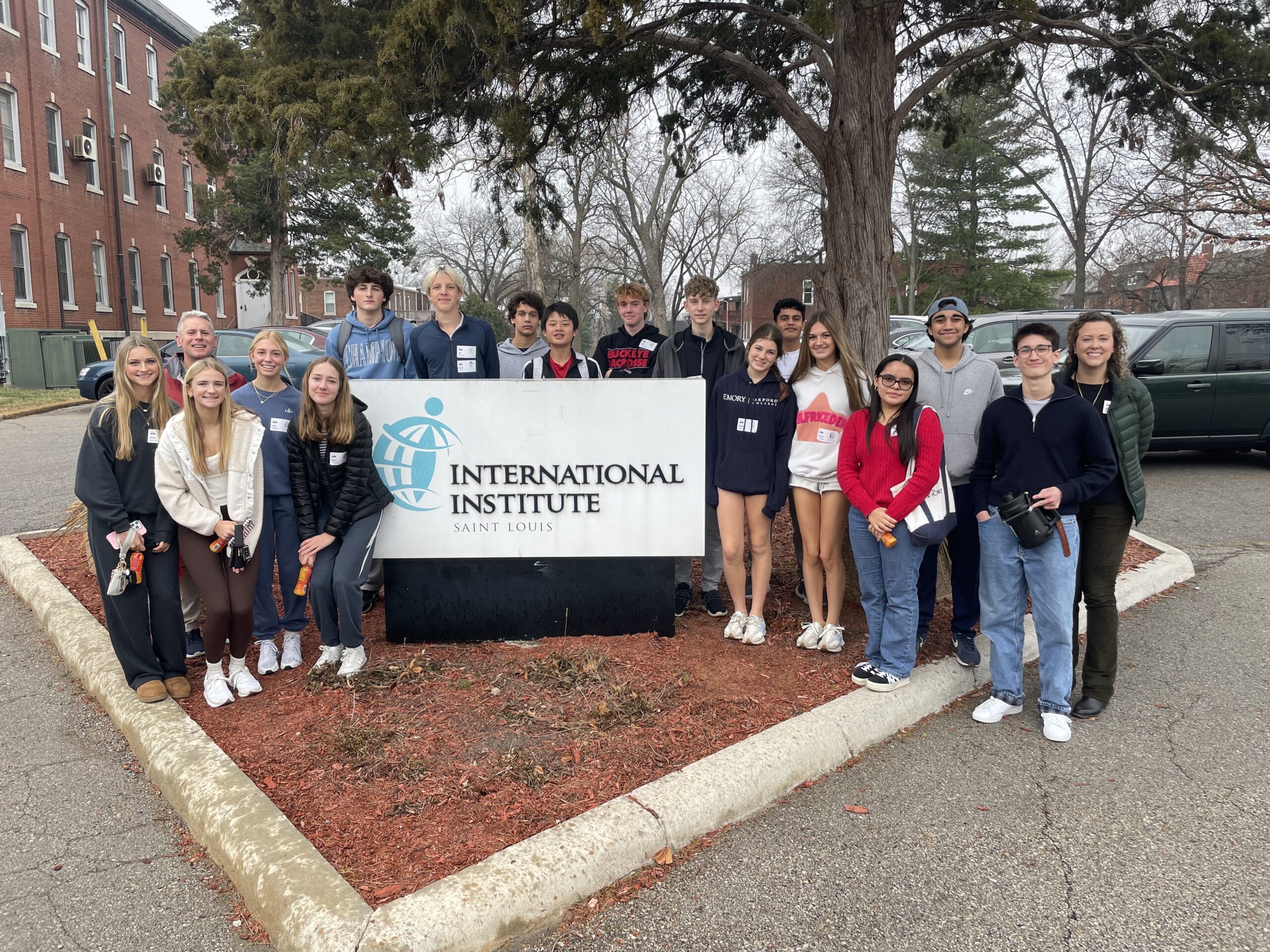
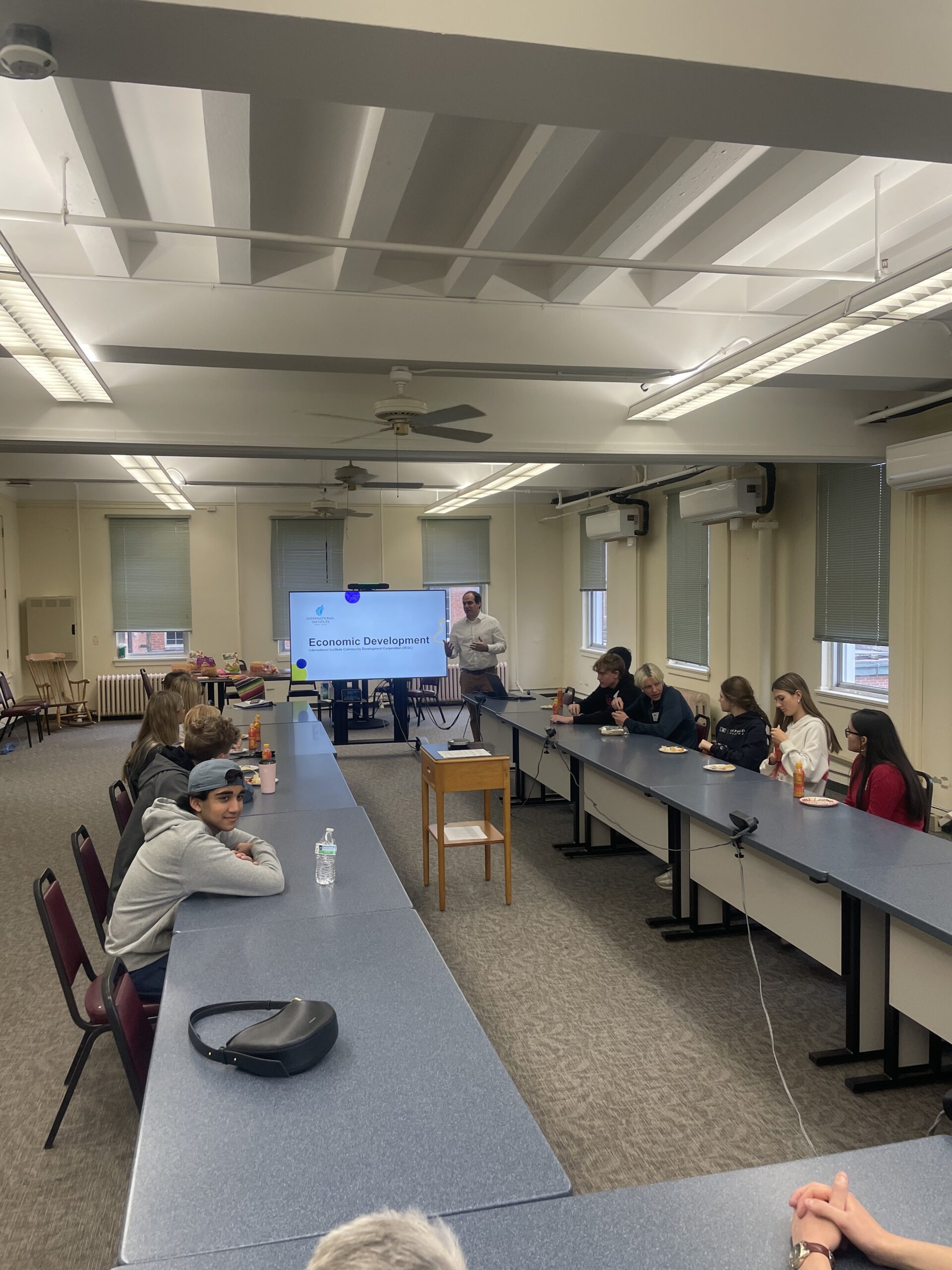
On another field trip, students visited the International Institute, where they learned about the process of food distribution to families and the many other important services the institute offers to immigrants and refugees.
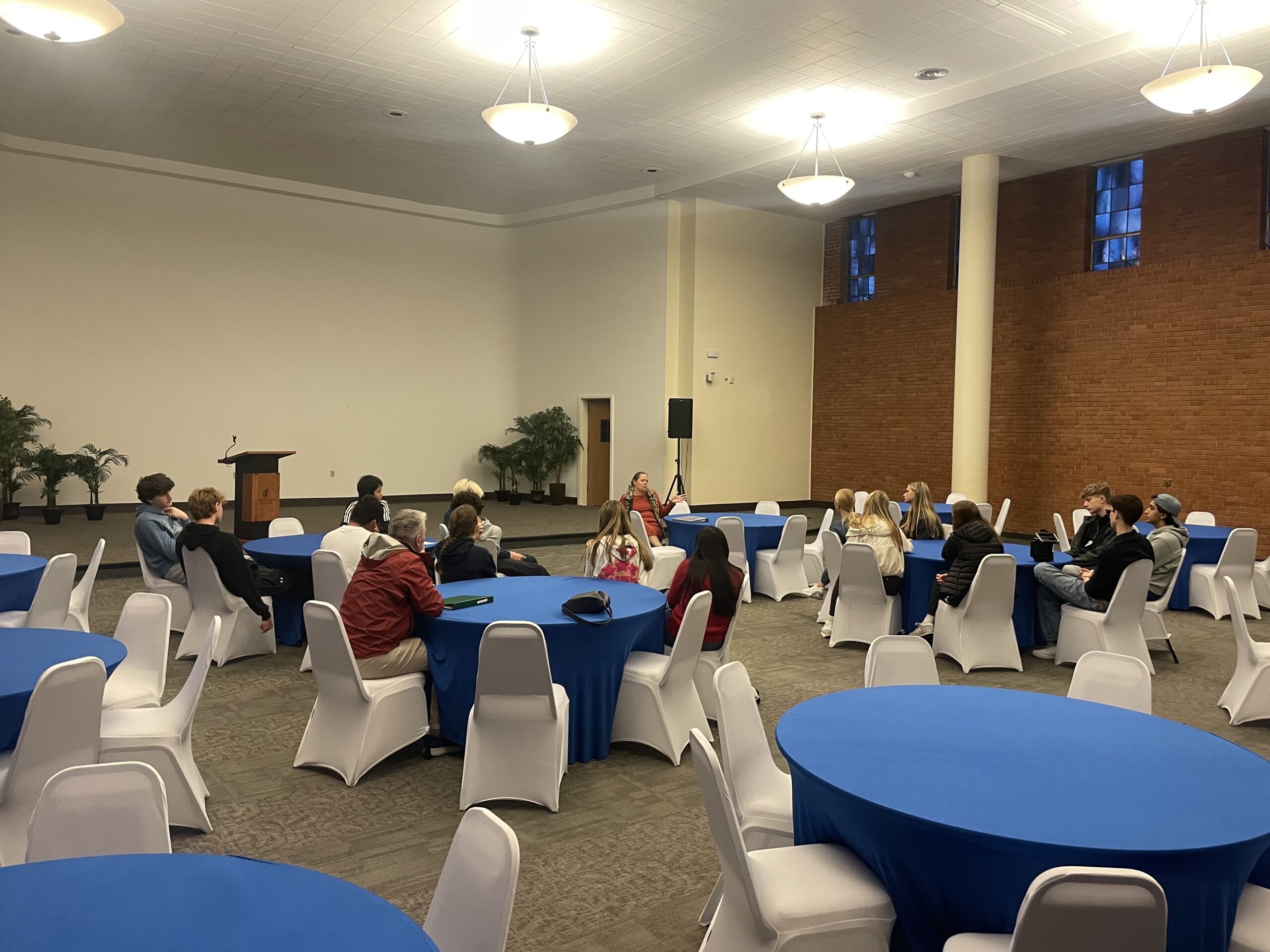
Wrapping it all up, students and teachers took time to share some of their favorite experiences and what they learned in this class. “This year in the Hispanic Food and Culture course, we were so excited to see the enthusiasm from students to explore language, cuisine, cultures, and communities of people in our city, which normally don’t materialize in our normal courses,” reflected Huewe. “The combination of lessons learned by our students for becoming global citizens are so valuable, and the relationships we continue to strengthen are examples of why Winter Term can be a transformational experience!”
Abby Selner ’28 shared about connecting more deeply with the culture. “My favorite part of this class was meeting new people and going to new places. I really enjoyed going on field trips to the International Institute and to different restaurants. This surrounded me with the culture and people involved in the culture in St. Louis,” she said. “This class has added to my understanding of Hispanic food and culture in the St. Louis area because I was able to see how present the Hispanic culture is in the area surrounding me. I saw the real-world struggles that immigrants and refugees have to experience and go through. I experienced new types of Hispanic foods instead of only Mexican foods. The food we ate was authentic and very good!”
Shaurya Maru ’28 grew in his understanding of the depth and breadth of the culture and Hispanic community as well. “[The class showed] me that the community is made up of people with unique backgrounds. Hispanic culture in St. Louis stems from the cultures of many different countries, not just one.”
“My favorite part of this class was going to all of these different restaurants and expanding my knowledge of Hispanic culture outside of the culture that I already know from my Argentinian culture,” said John Patrick Dohm ’29. “One lesson that I learned that has really stuck with me is how different Hispanic cultures celebrate when they eat the foods that are so special to their culture; this makes it so special because it is more about the family and friends rather than the food.”
“The most profound lesson I learned was to be curious and to try every food and cultural practice that comes your way! I have a new understanding of what separates authentic Hispanic food from American. The places in St. Louis that I had gone to before the class, I had believed were truly authentic. After the class and tasting truly authentic food, I realized that it was a mix of American and Hispanic,” said Elise Tourais ’28. “I also understand how big a role food plays in keeping their culture alive. The recipes that are passed down from generation to generation tie the family together.”
Jen Salazar Estrada ’29 has much to say about this class. “Looking back on this class, it was such a privilege to be a part of it. Every day, Professor Huewe and Señora Wiedenmiller gave us opportunities to get us out of our comfort zone to try new things. It was such a joy for me to be able to share a part of my culture with my classmates and to be able to see their reactions to foods I eat all the time. This class showed me the effort that people are making to get to know my culture and my heritage; it made me feel seen by not only the St. Louis community but by MICDS as well. The teachers and students in this class had the energy and desire to try new things, which made for a welcoming environment for everyone. I want to thank the teachers personally for all the effort and engagement they had for this class. They put so much effort into buying us snacks, finding restaurants, and they strived to get all of the students in the class to try something new!”
How fun and meaningful it was for our Rams to be immersed in the thriving, diverse Hispanic cultures around our region!