By Dustin Delfin, Middle School Math Teacher
The Class of 2032 continued the tradition of working on the business project for their sixth-grade math class. In this real-world project, students utilized the mathematical skills they learned to run a business and tracked their profit. The project was introduced when we returned from spring break and it will last until the last week of second semester.

Phase 1:
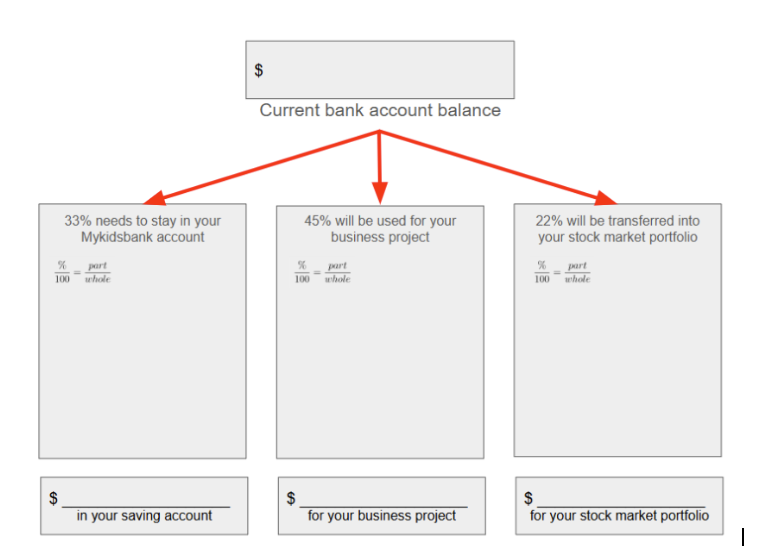
During the first half of the school year, students designed a fictional math city, where they were tasked with managing their fictional bank accounts. To kick off this project, students split money in their Mykidsbank accounts into three different categories. They relied on finding a percent of a number to calculate these values. For example, students calculated 33% of their bank account to stay in their savings, 45% for the business project, and 22% for their stock market portfolio. From there, students withdrew these funds from their accounts and transferred them to the appropriate locations.
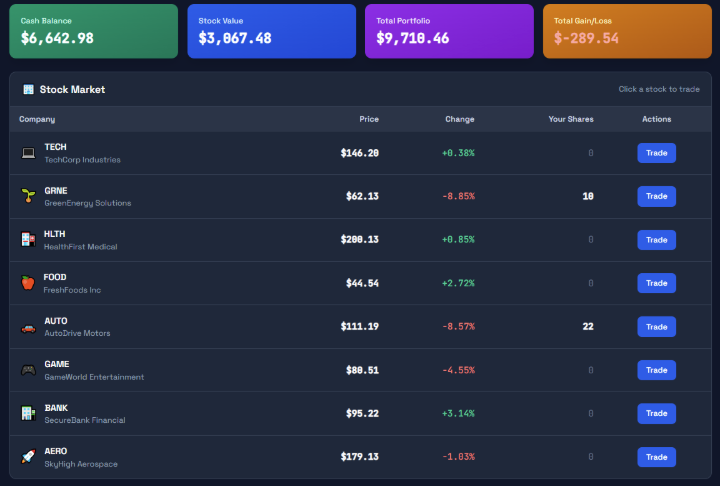
In the Math 6 stock market, students also took on roles as investors and purchased shares from various companies within their math city. Students monitored the stock market’s constantly changing rates and made financial decisions to strengthen their portfolios. This served as a fun way for students to make real-life decisions using their fictitious finances.
Phase 2:
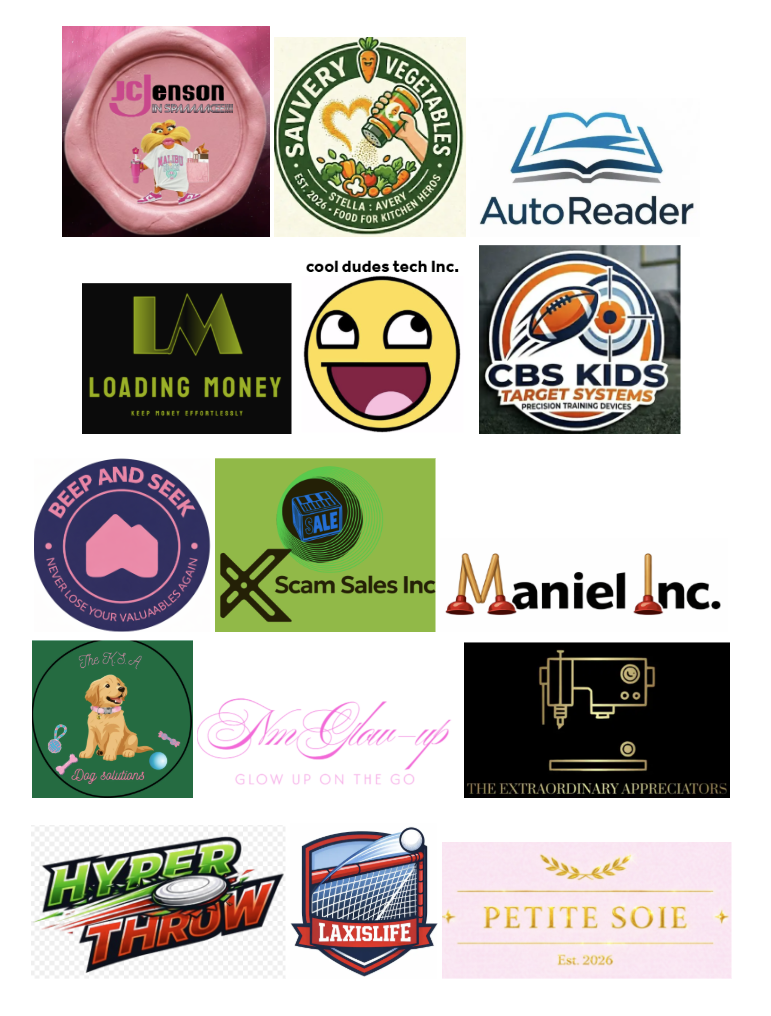
Next, students found a business partner to consolidate their business project funds, which led them to establish a company start-up value. From there, they created a company name, designed a company logo, and were given a new shared bank account for their business finances.
Phase 3:
Once students established their companies with their business partner(s), each company was asked to research a problem that currently exists and develop a “realistic” product or invention to help address it—no teleporting machines or magic wands. They were given a list of possible problems to explore, including (but not limited to):
- Everyday life problems
- School-based problems
- Environmental problems
- Home and family life
- Health and wellness
- Social and global issues
Caleb Trankler ’32 tapped a passion he has in real life for his project. “My partners, Sam McGinness ’32 and Braxton Lurk ’32, were looking for things that we have in common, and we all like to play football, so we made our company a football target system,” he said.
“What inspired me to create my product is the amount of athlete injuries and the effect on the rest of their career,” said Eloise Morris ’32.
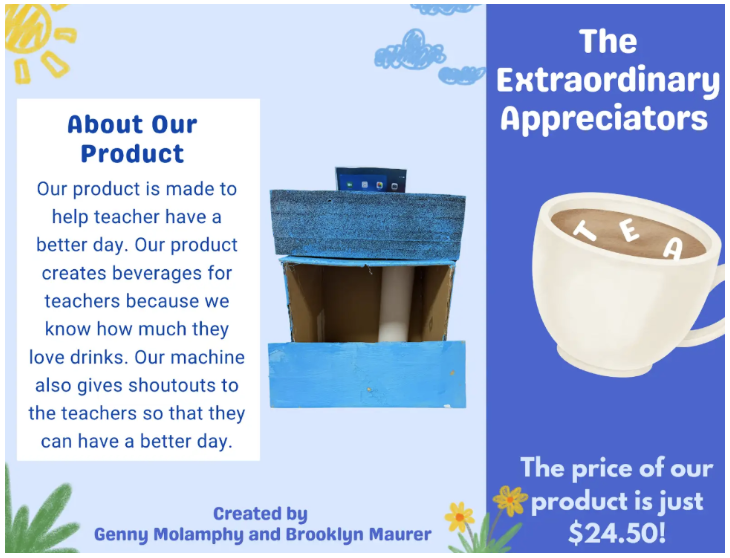
Genny Molamphy ’32 and her team found inspiration in her school. “What inspired me to make my project was how teachers do so much for us, so we needed to do something for them.”
Once teams selected a topic, they researched three facts/interesting information to enhance the motivation of their product idea. Next, they wrote a description explaining what their product is intended to do and created a sketch of what it might look like.
Phase 4A:
Middle School Math Teacher Cameron Youngman was a great collaborator, and his idea to make this project more realistic was implemented in Phase 4. We also partnered with Middle School History Teacher and Makerspace Coordinator Blake Whitney to help bring student products to life, assigning dollar amounts to the tools, materials, and resources (paint, ink, filament, cardboard, etc.) available in the makerspace.
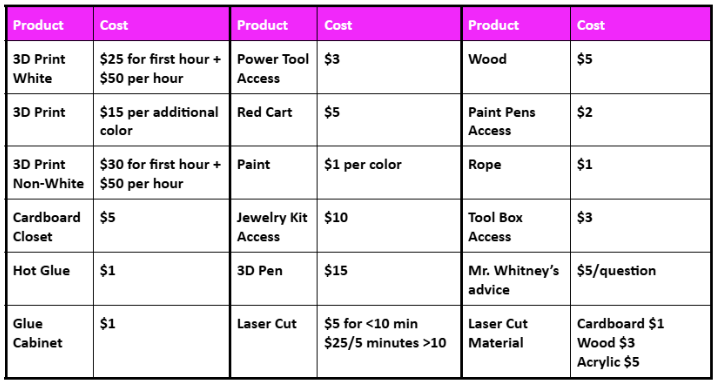
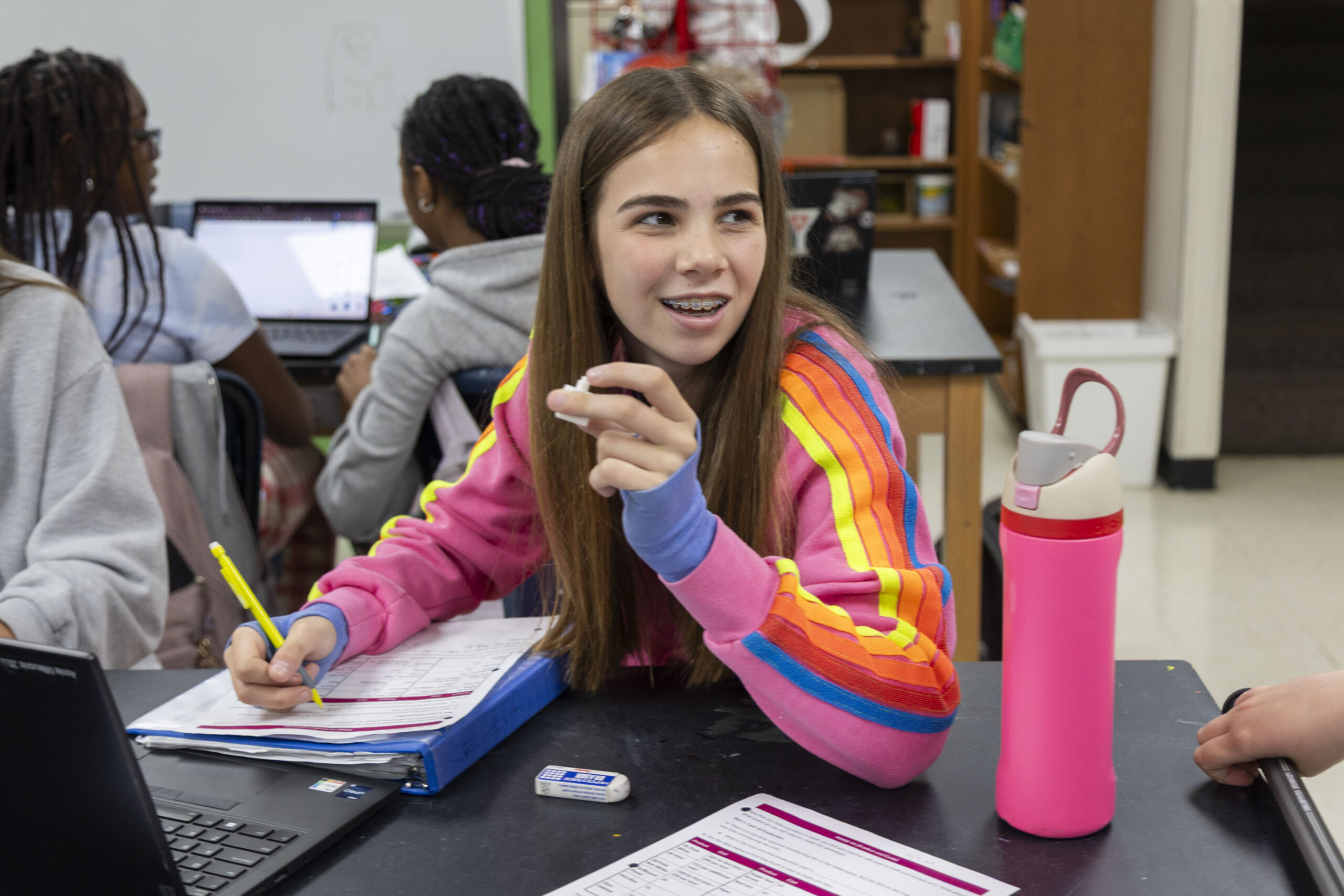
Students tracked which materials and resources they used, and this total represented the cost to produce one product. Using this information, they priced their product with a minimum 50% profit margin. In addition to production costs, students accounted for Mr. Whitney’s one-time makerspace membership fee and a one-time advertising fee for a later phase. Morris said, “The most challenging part was calculating the prices of our item and making our item profitable.”
From there, students created a linear relationship between the number of items sold (independent variable) and their profit (dependent variable), which led to writing a linear equation. They used this equation to determine how many products needed to be sold to break even and recover their business expenses.
Phase 4B:
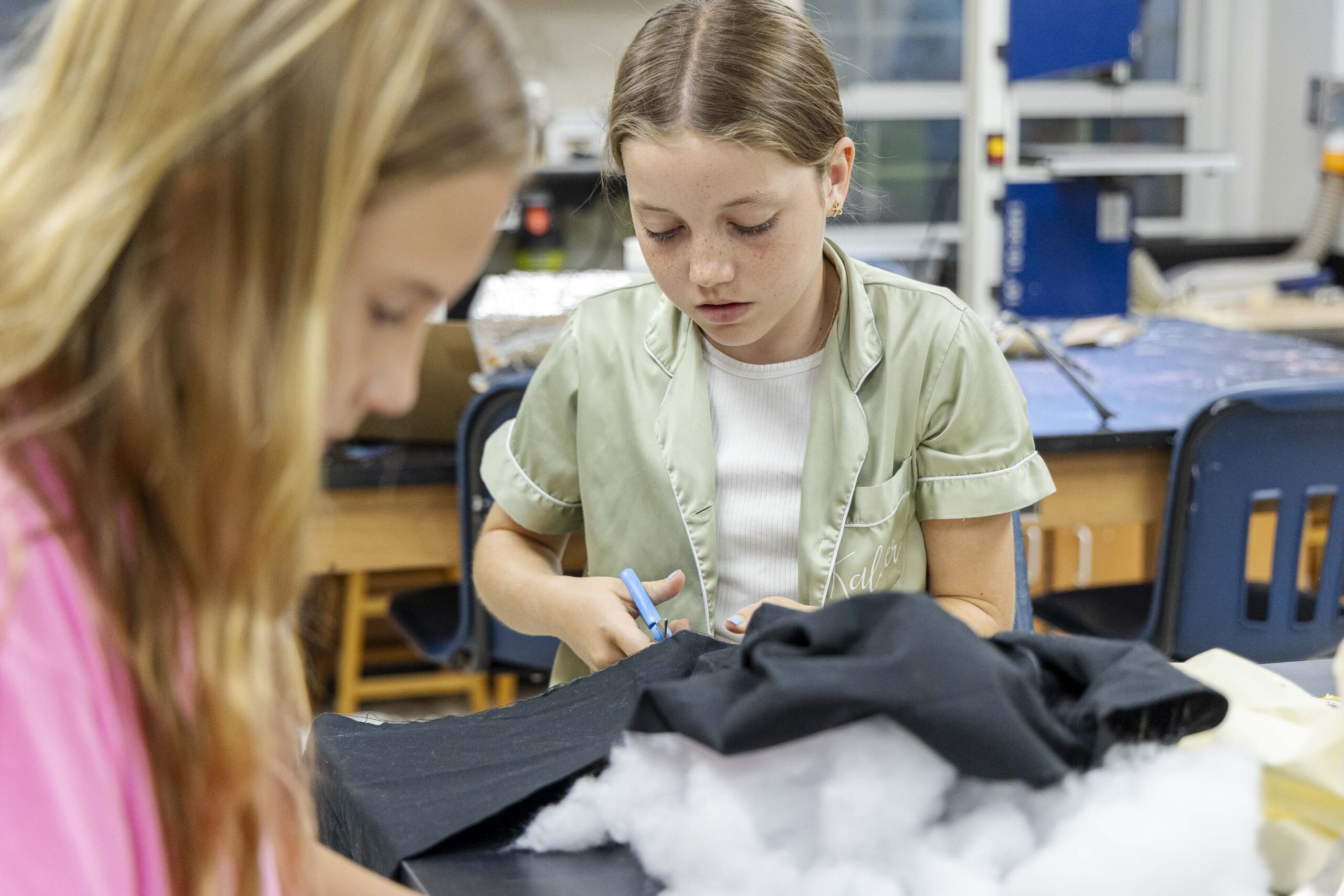
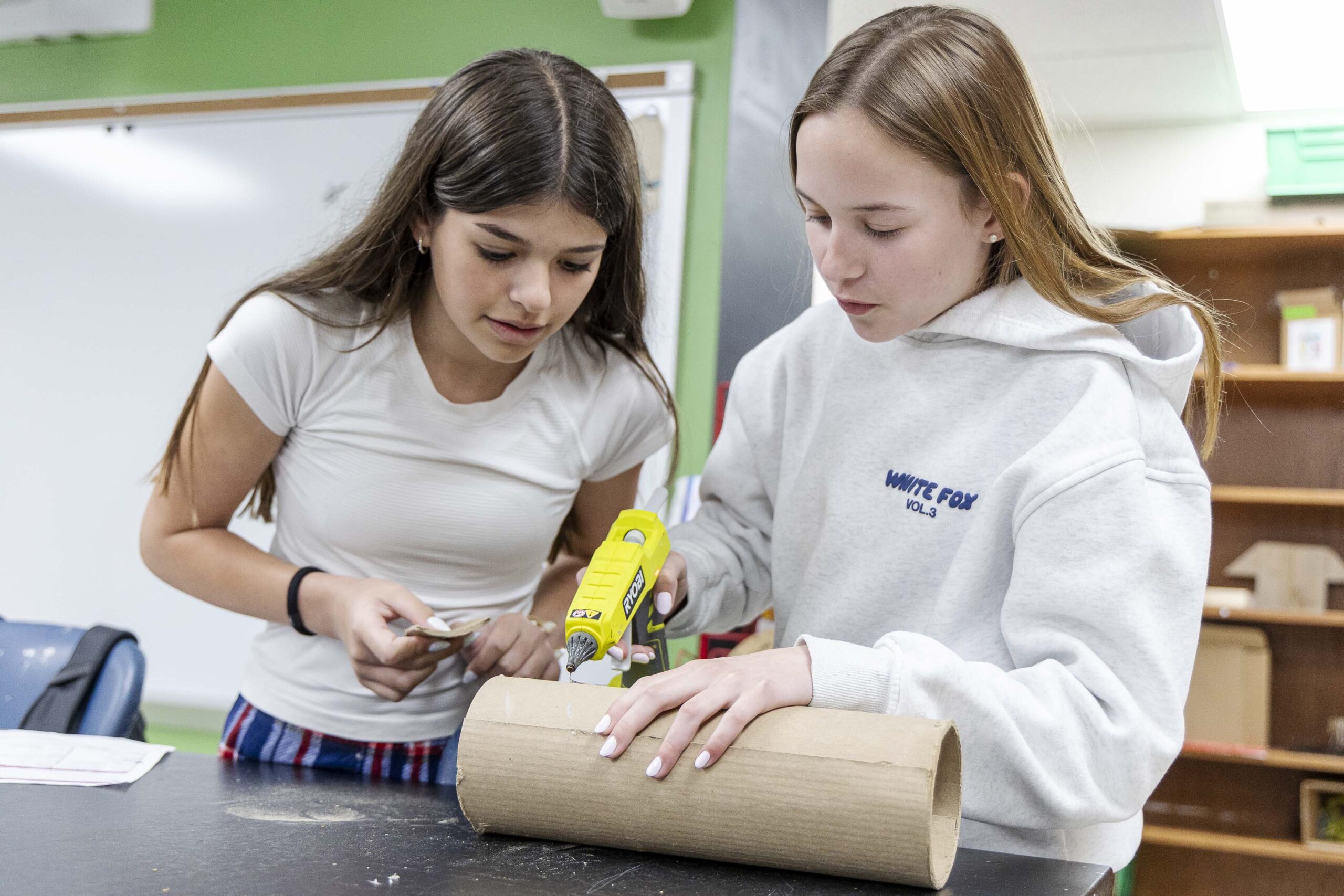
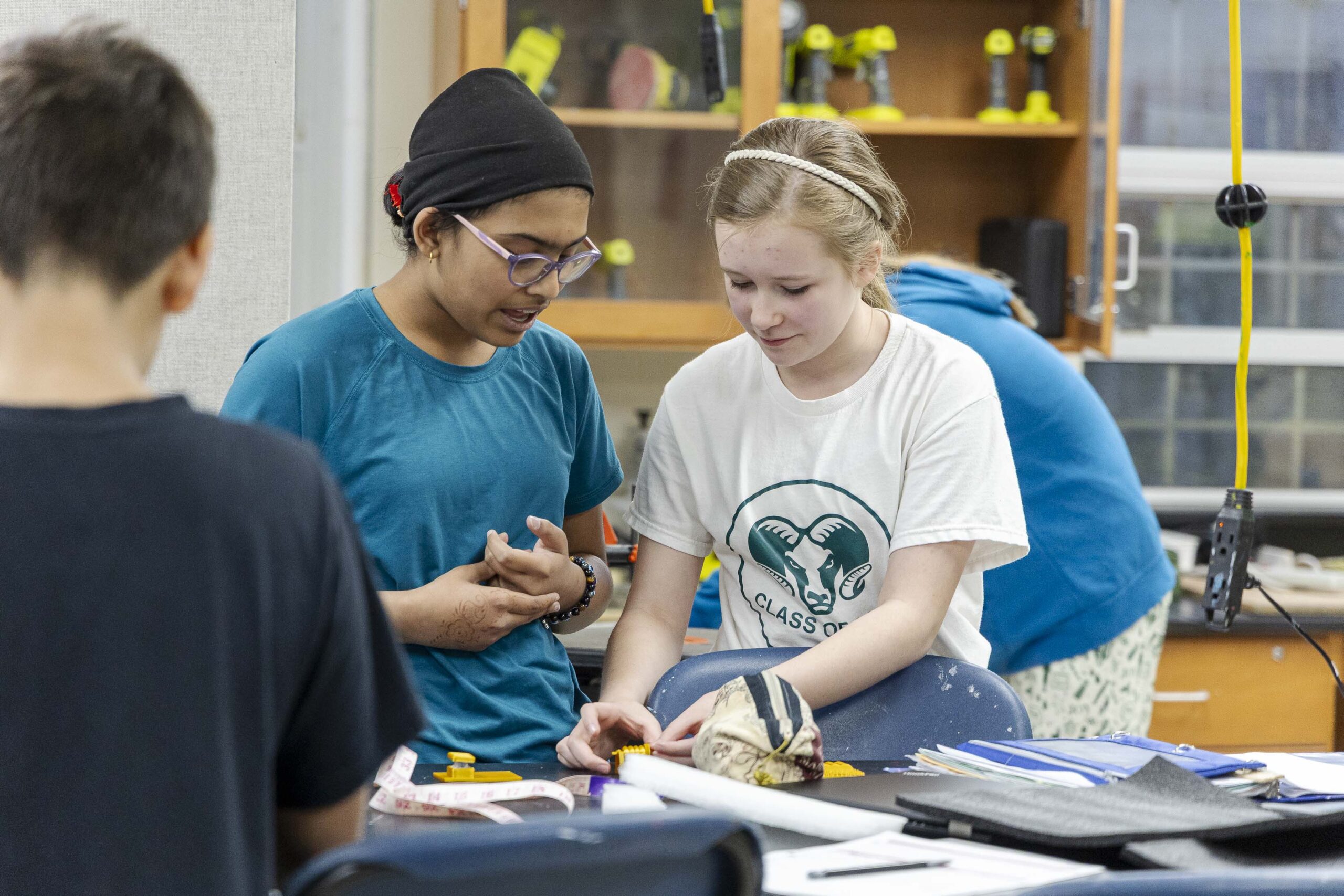
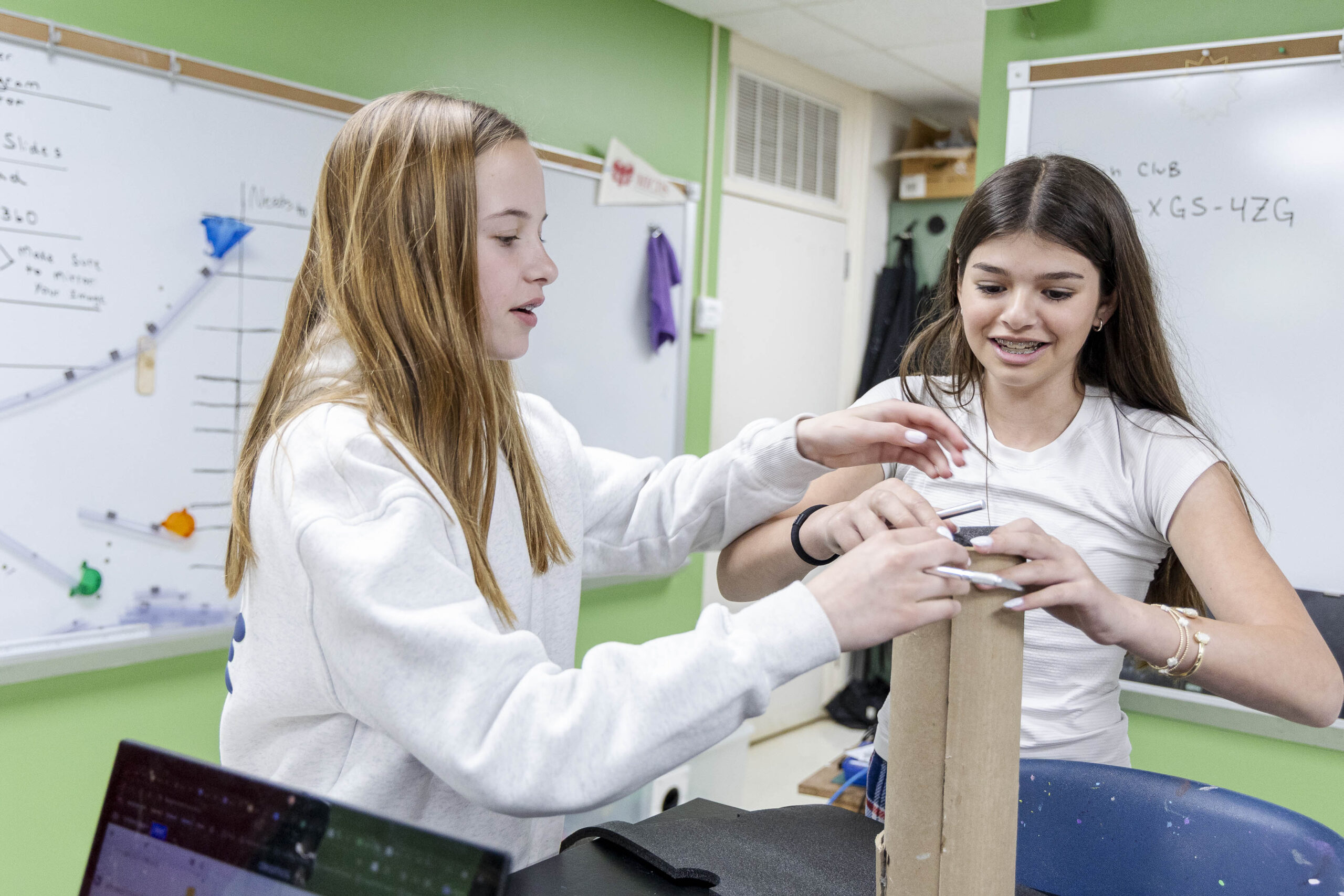
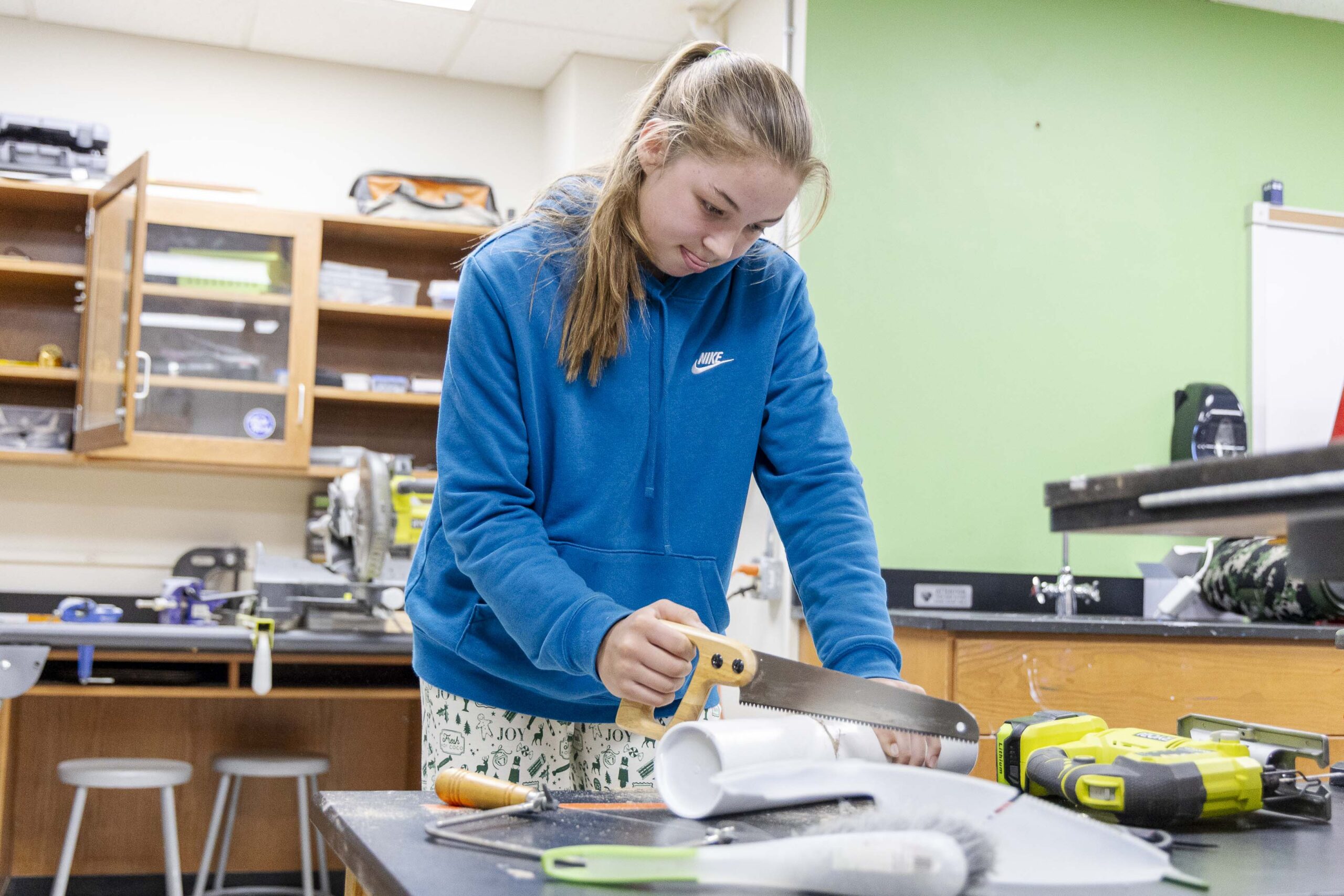
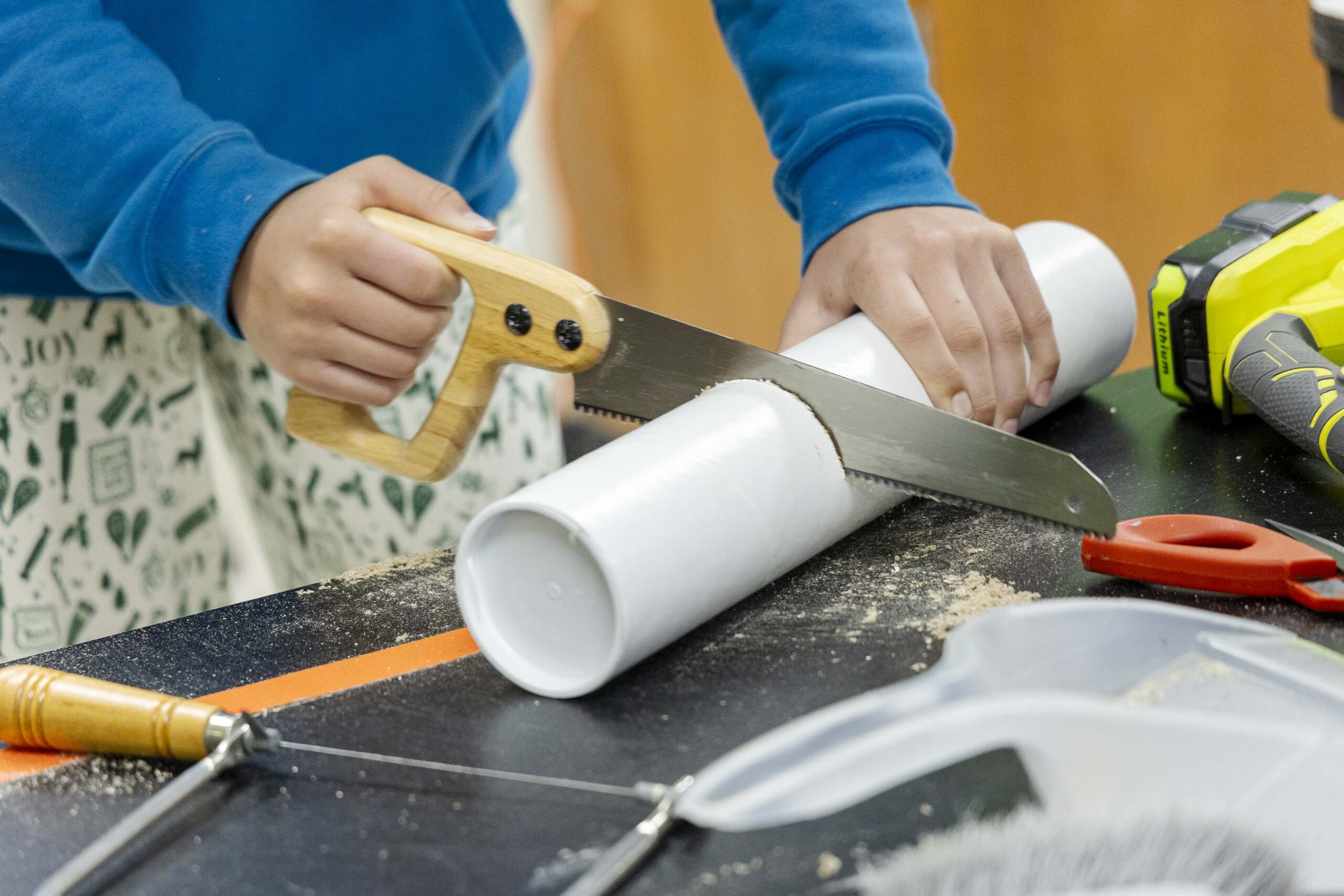
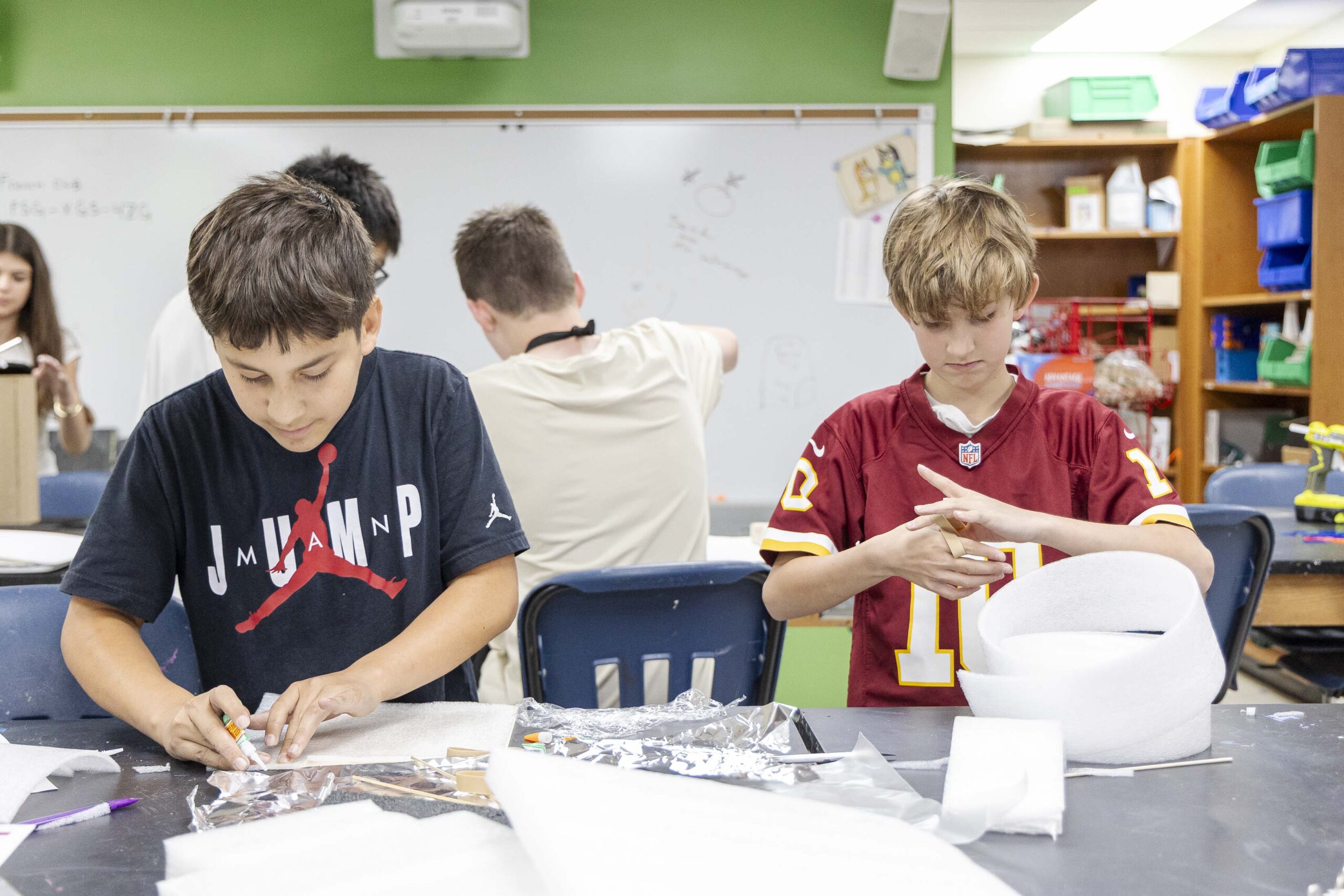
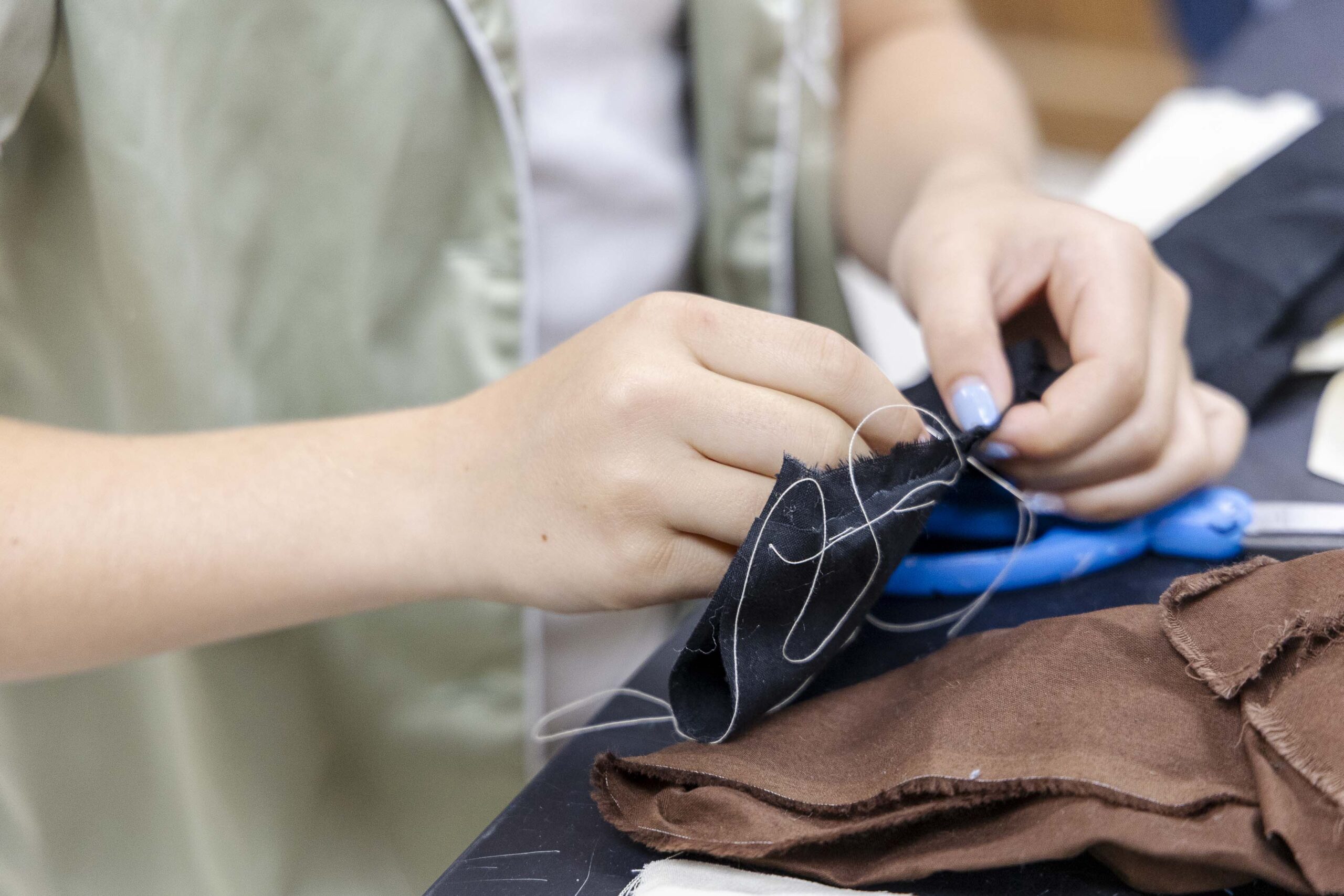
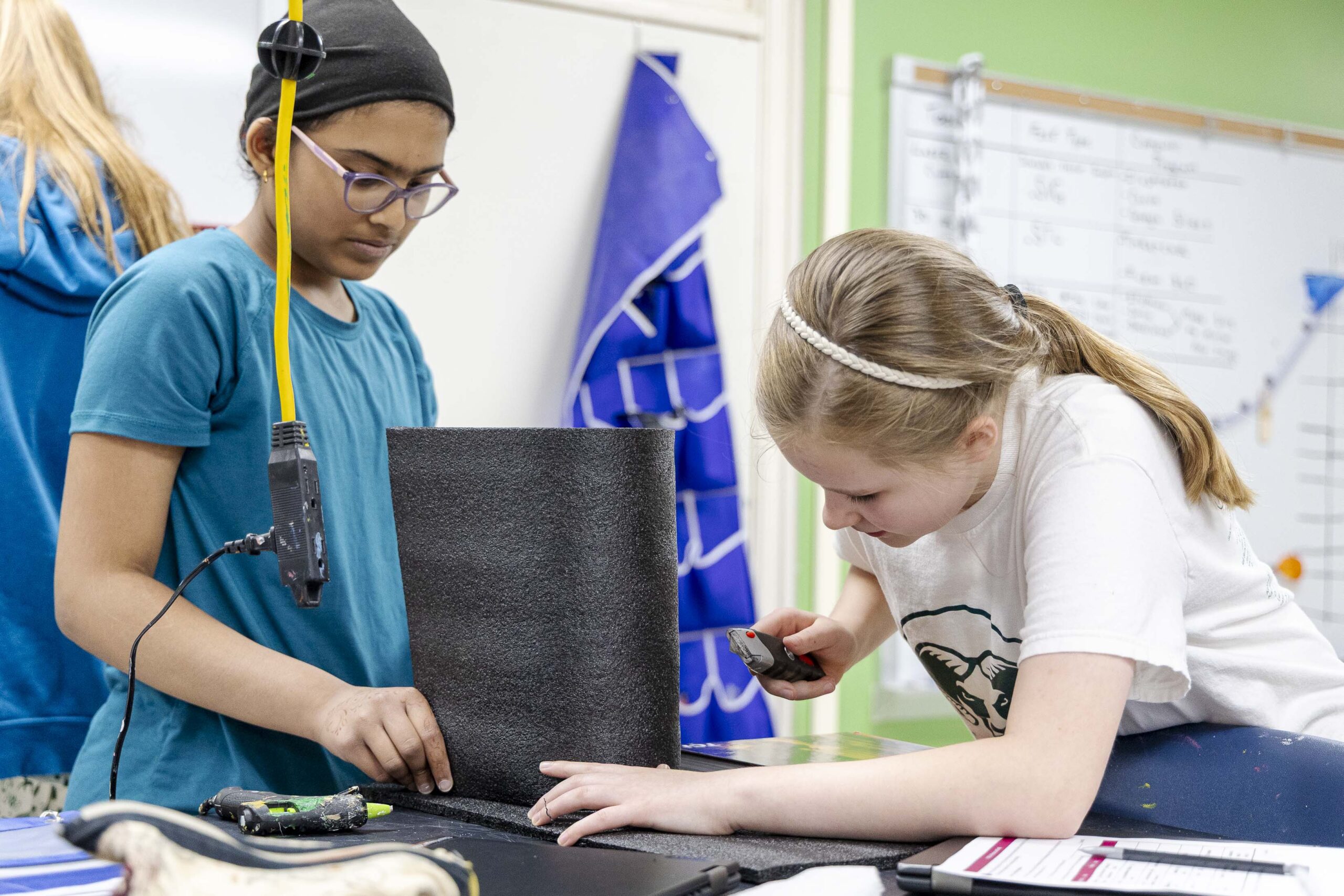
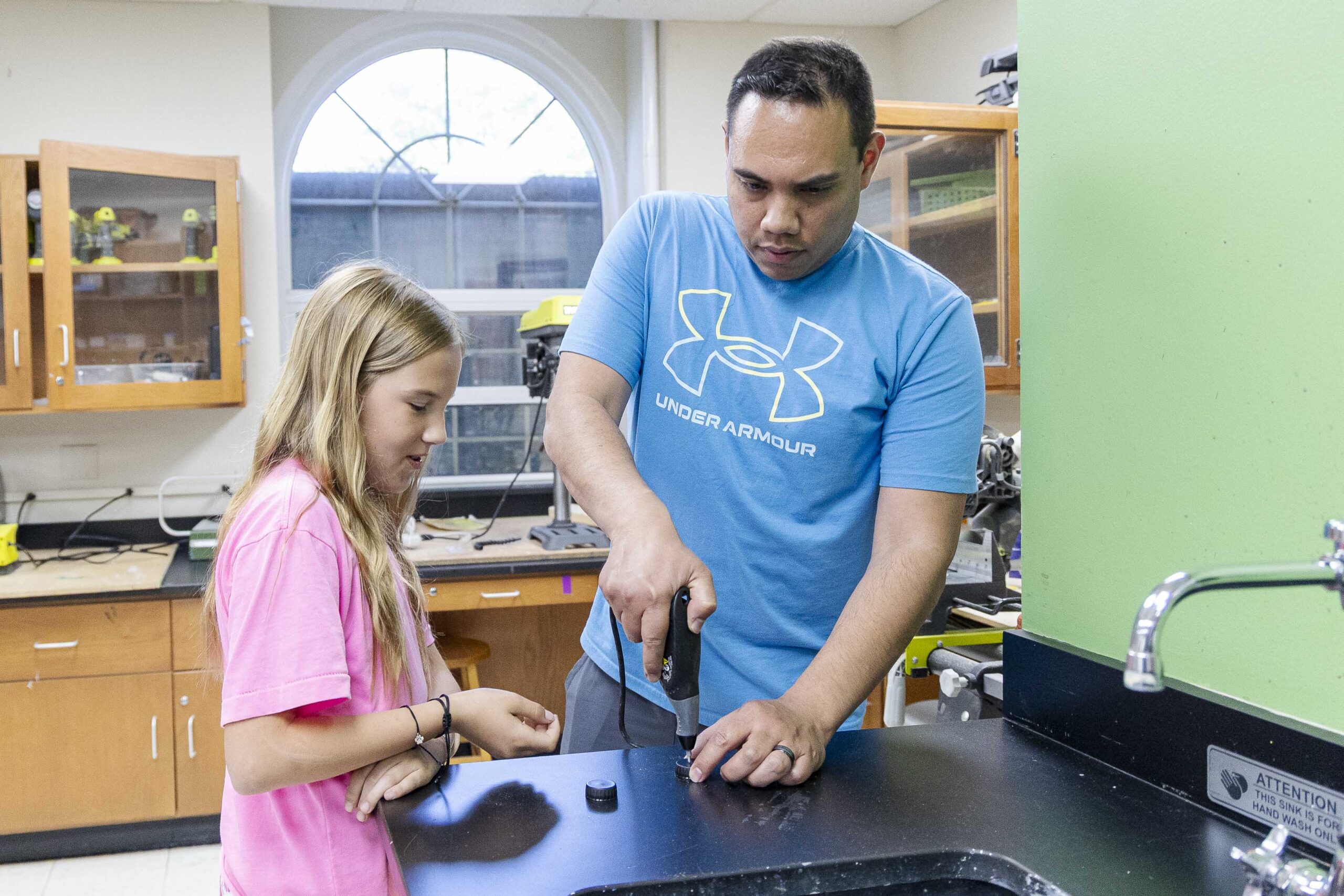
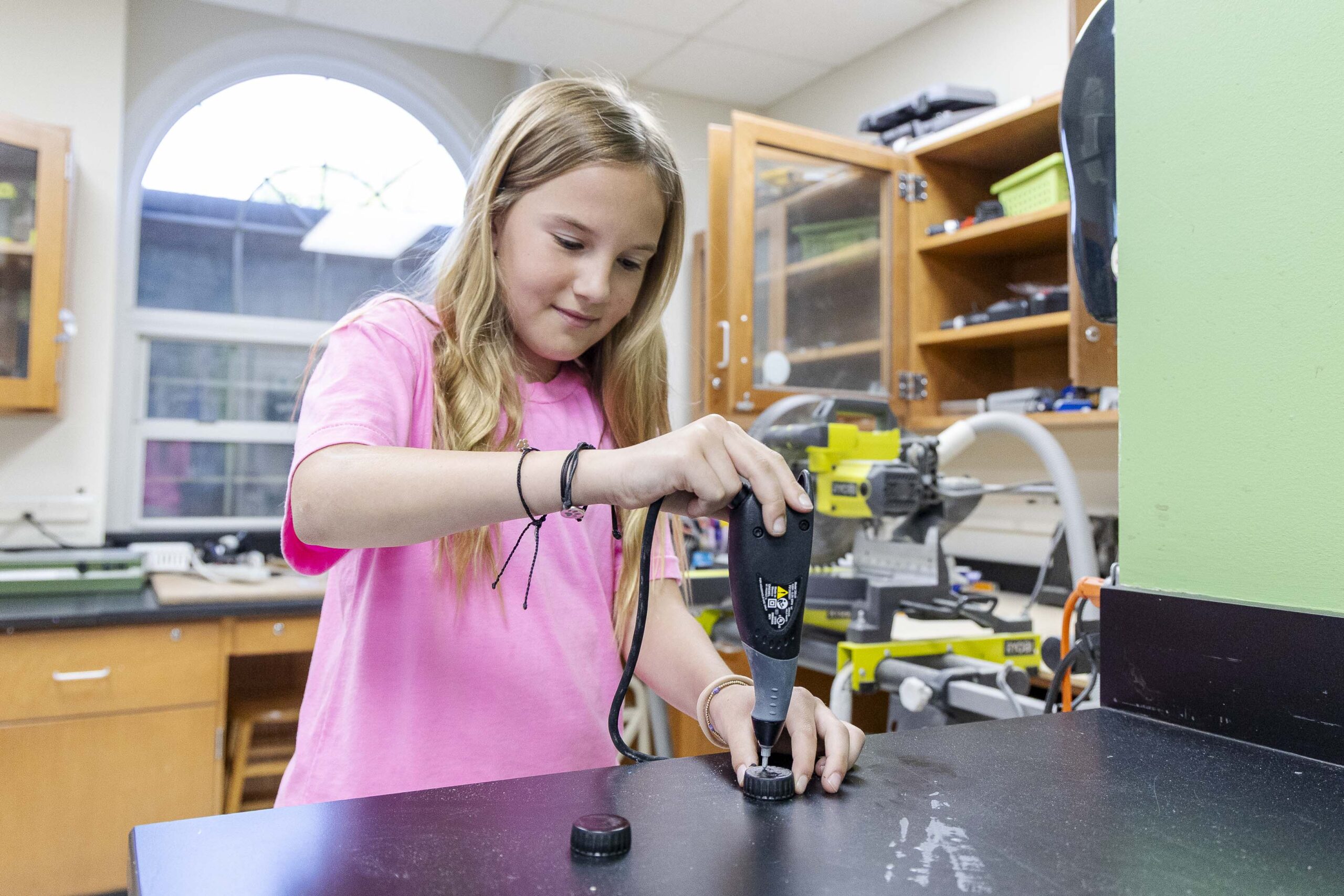
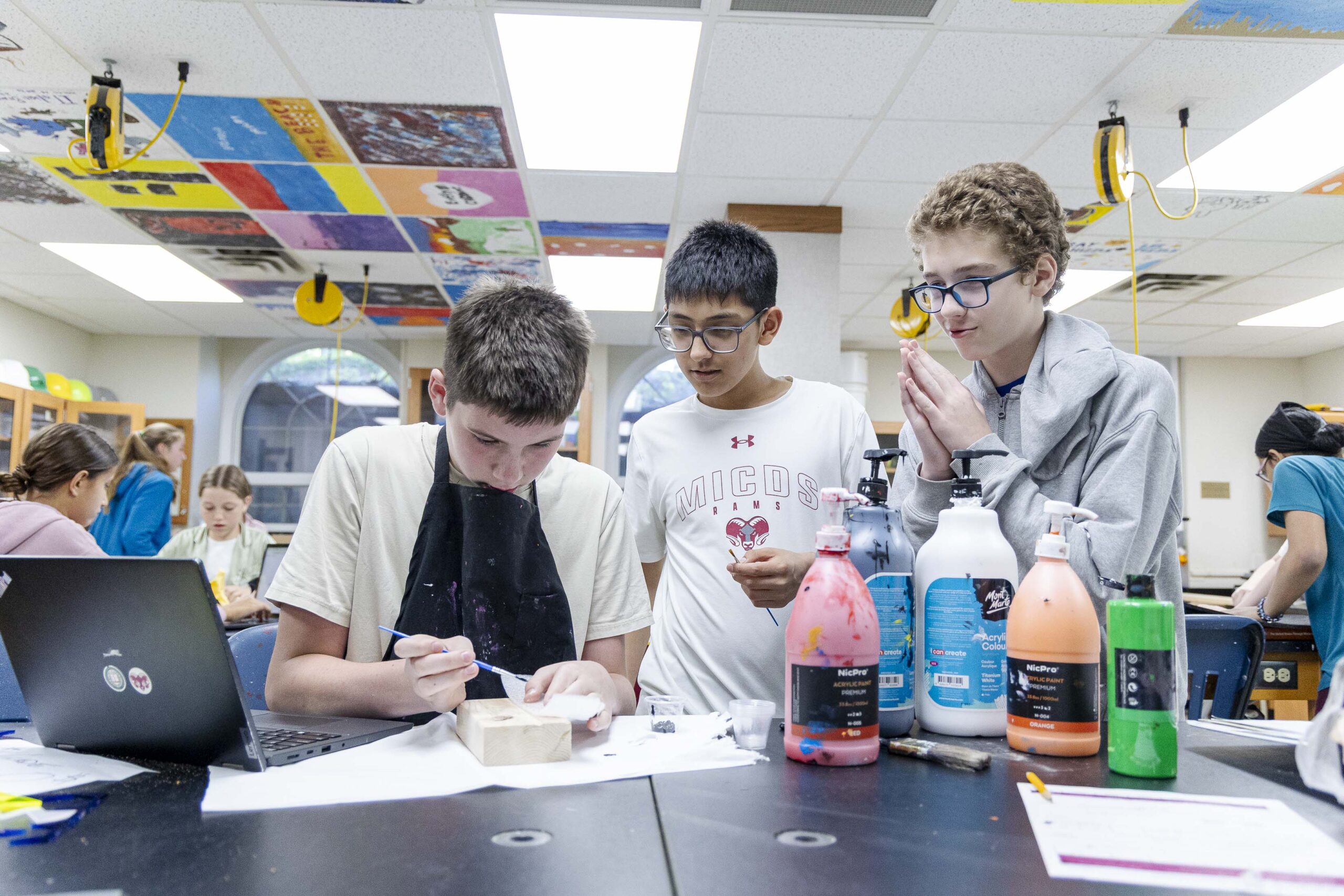
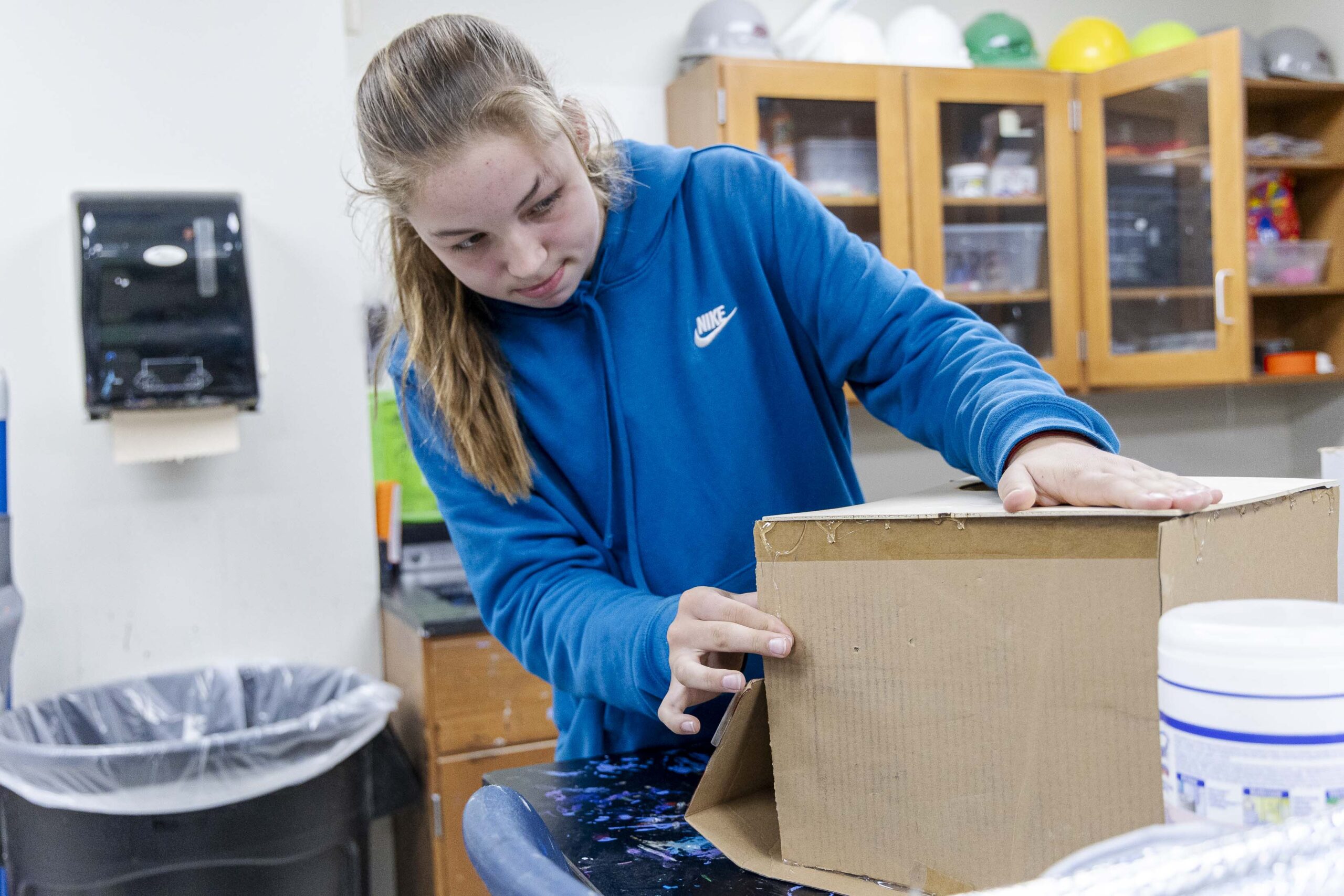
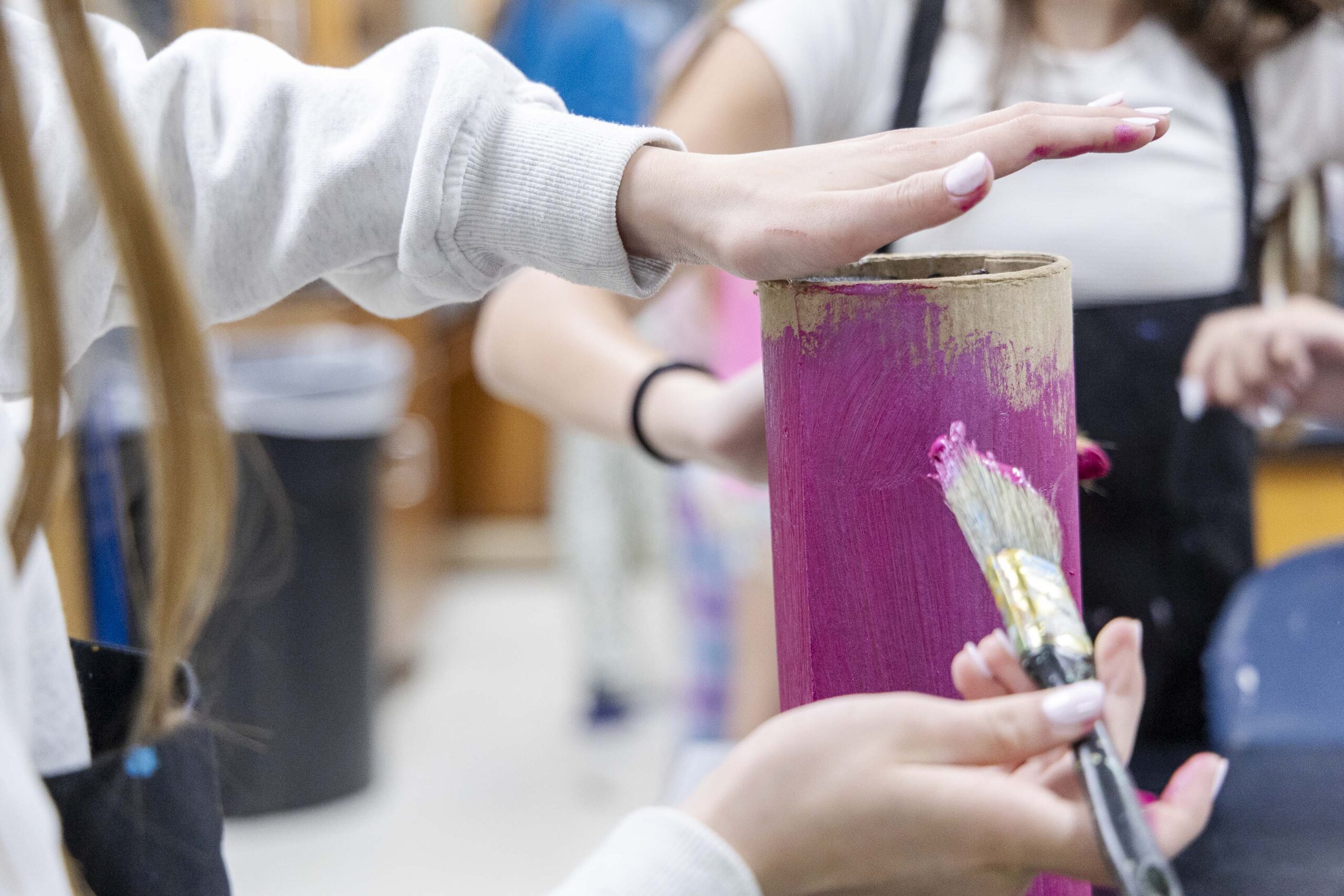
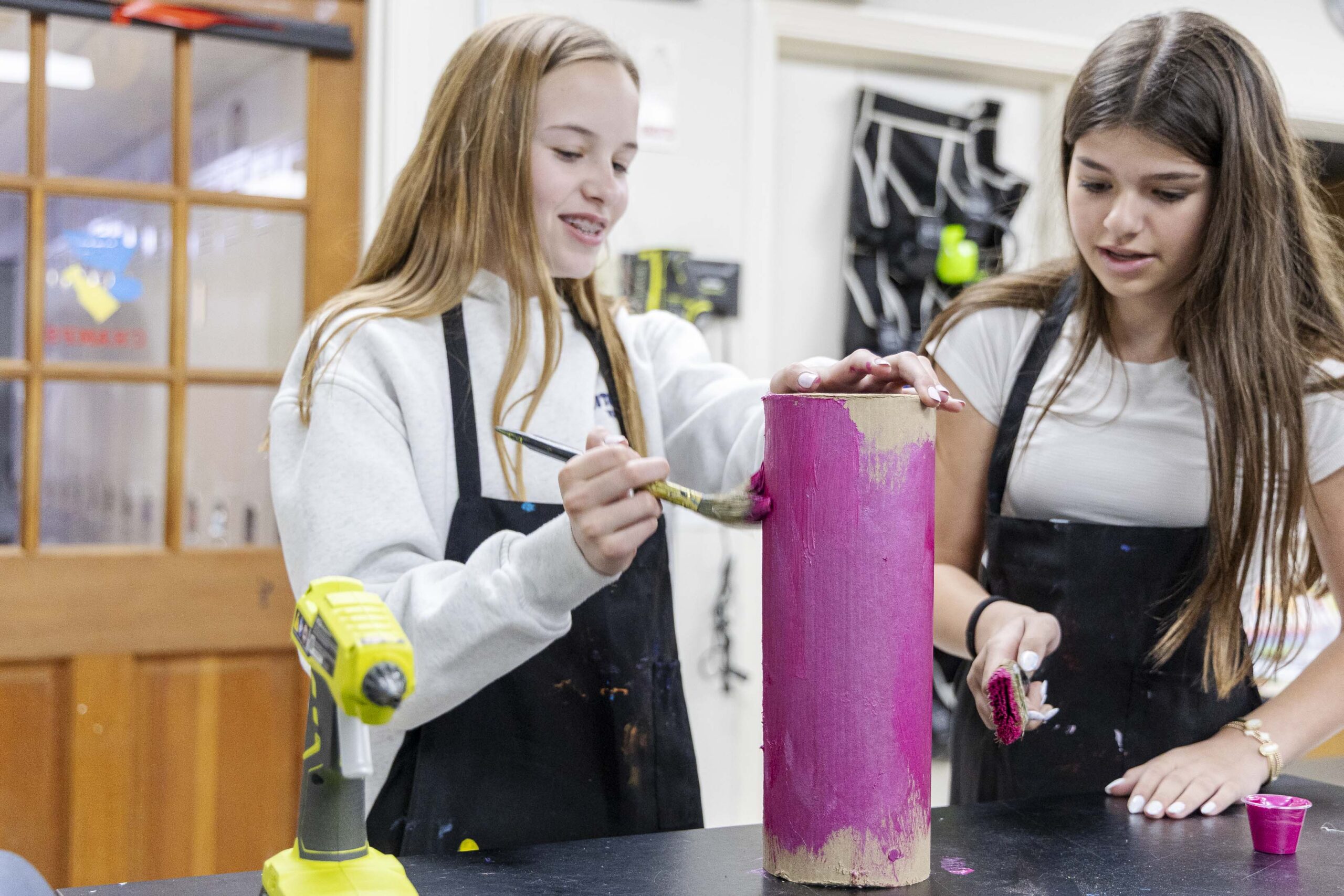
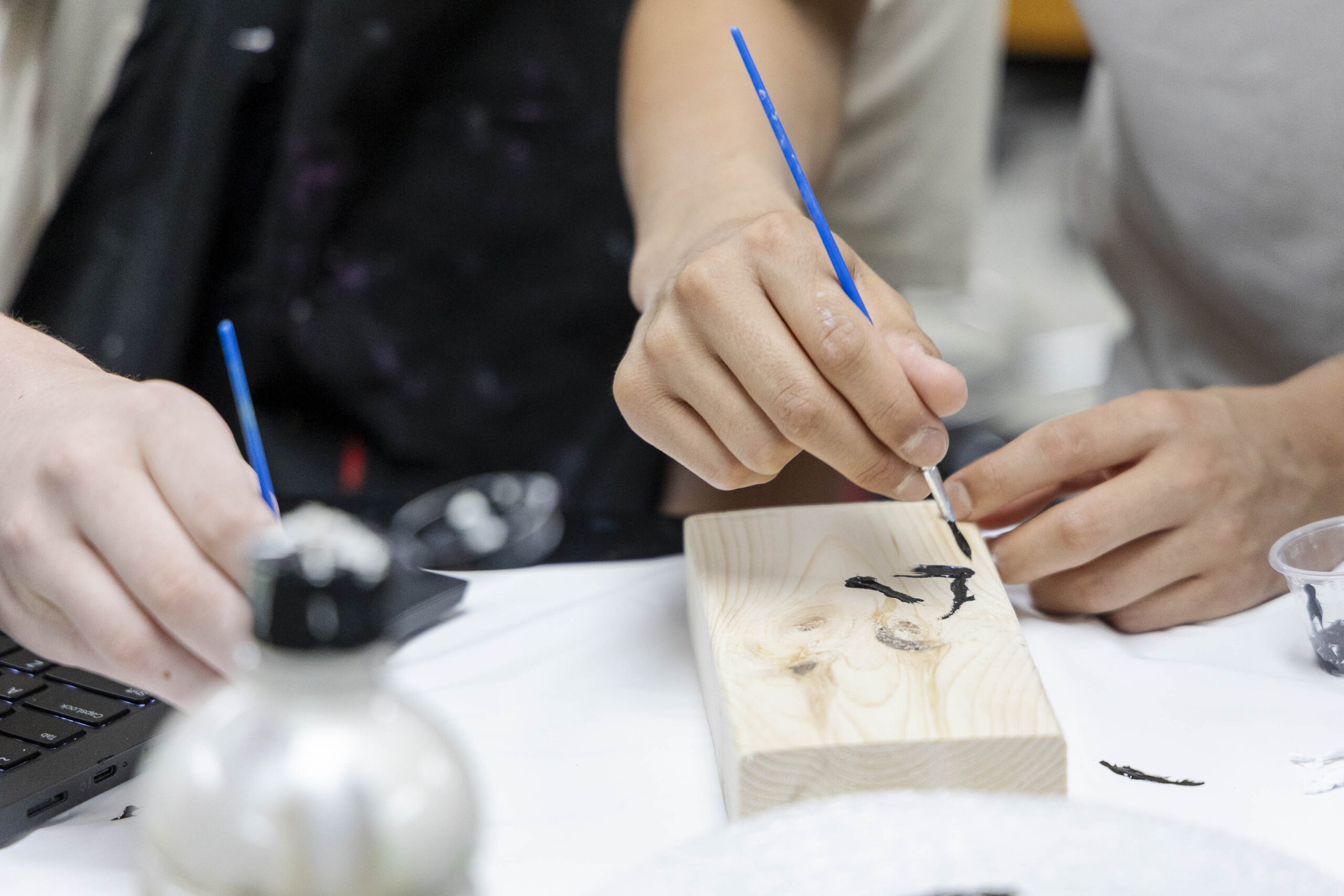
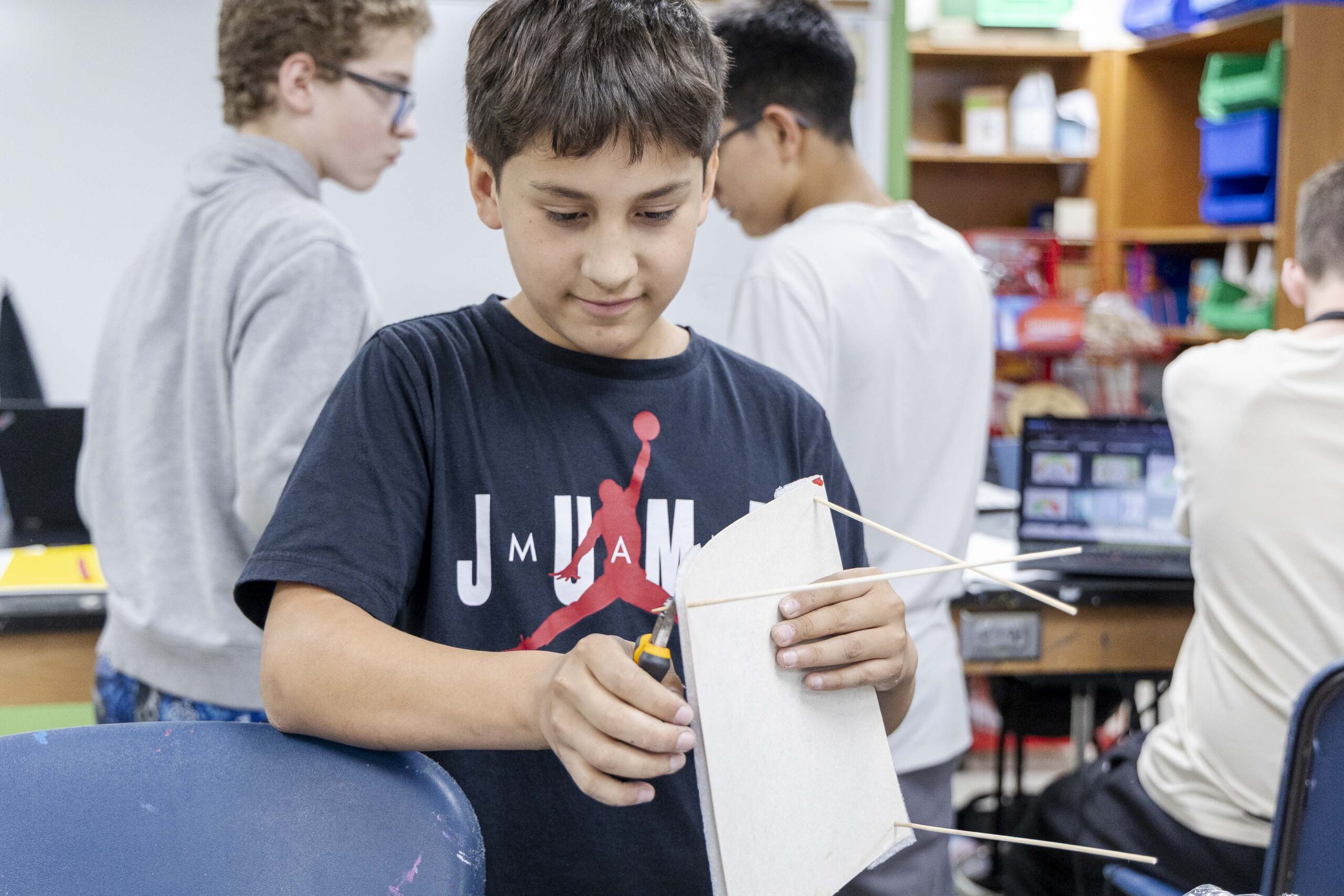
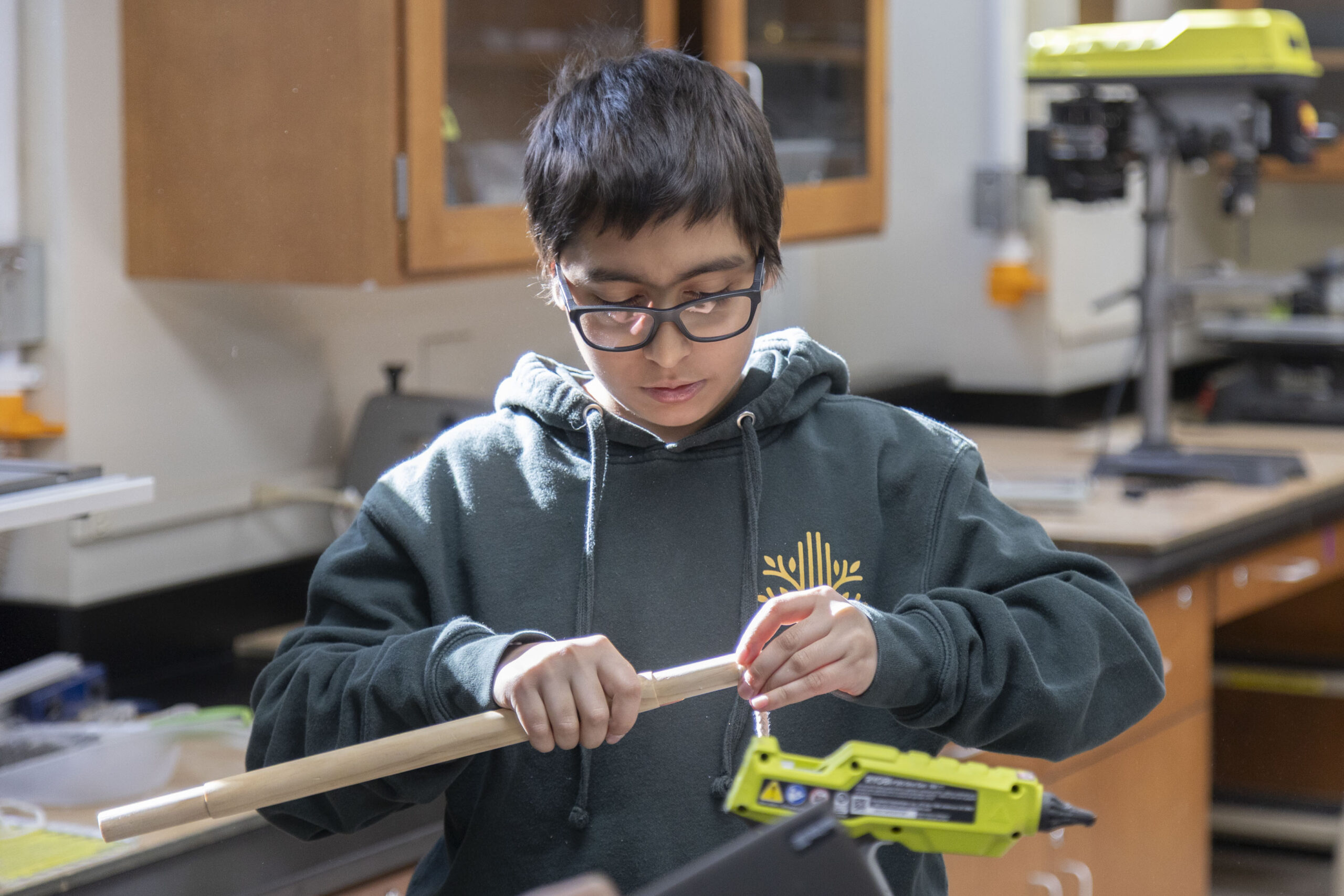
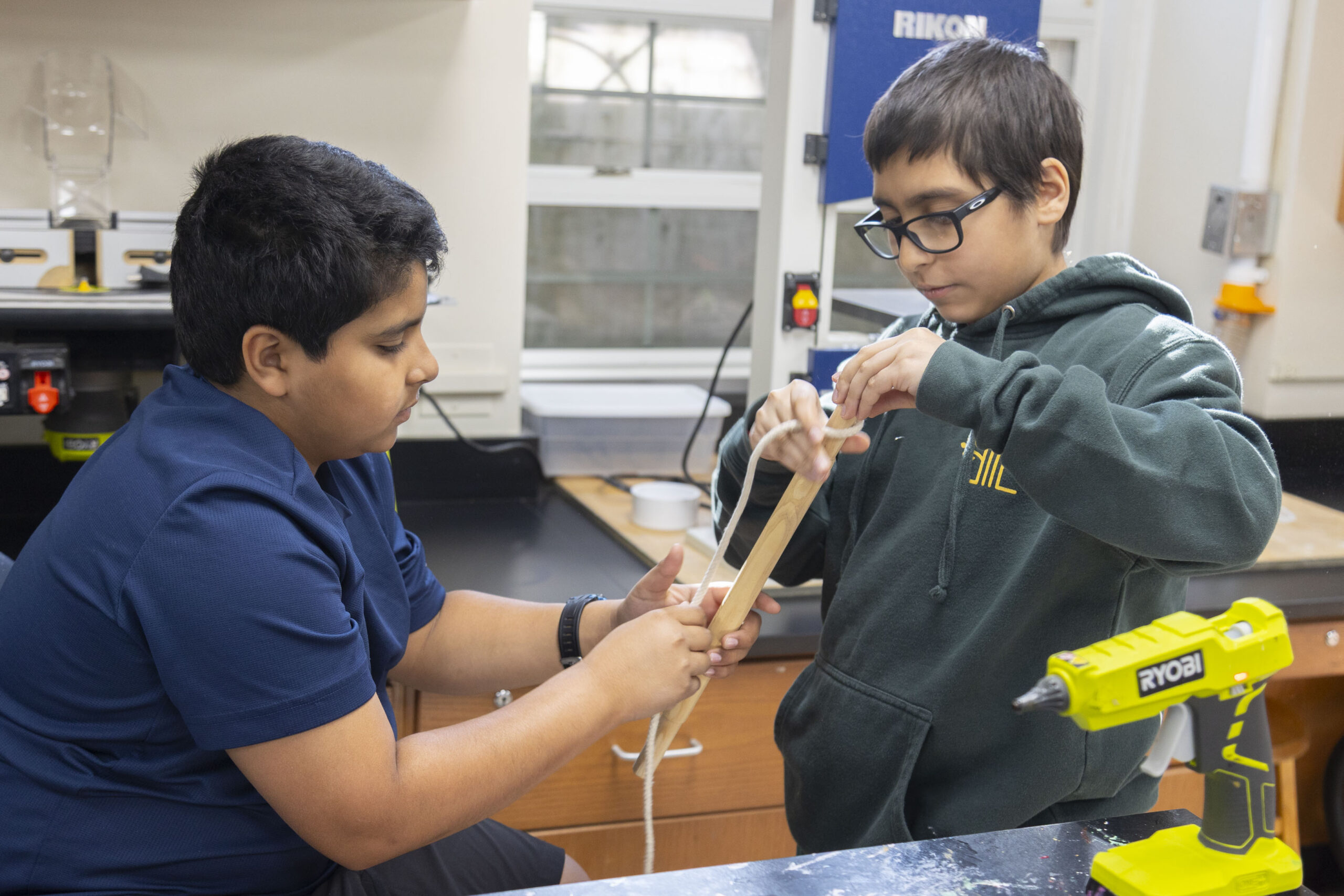
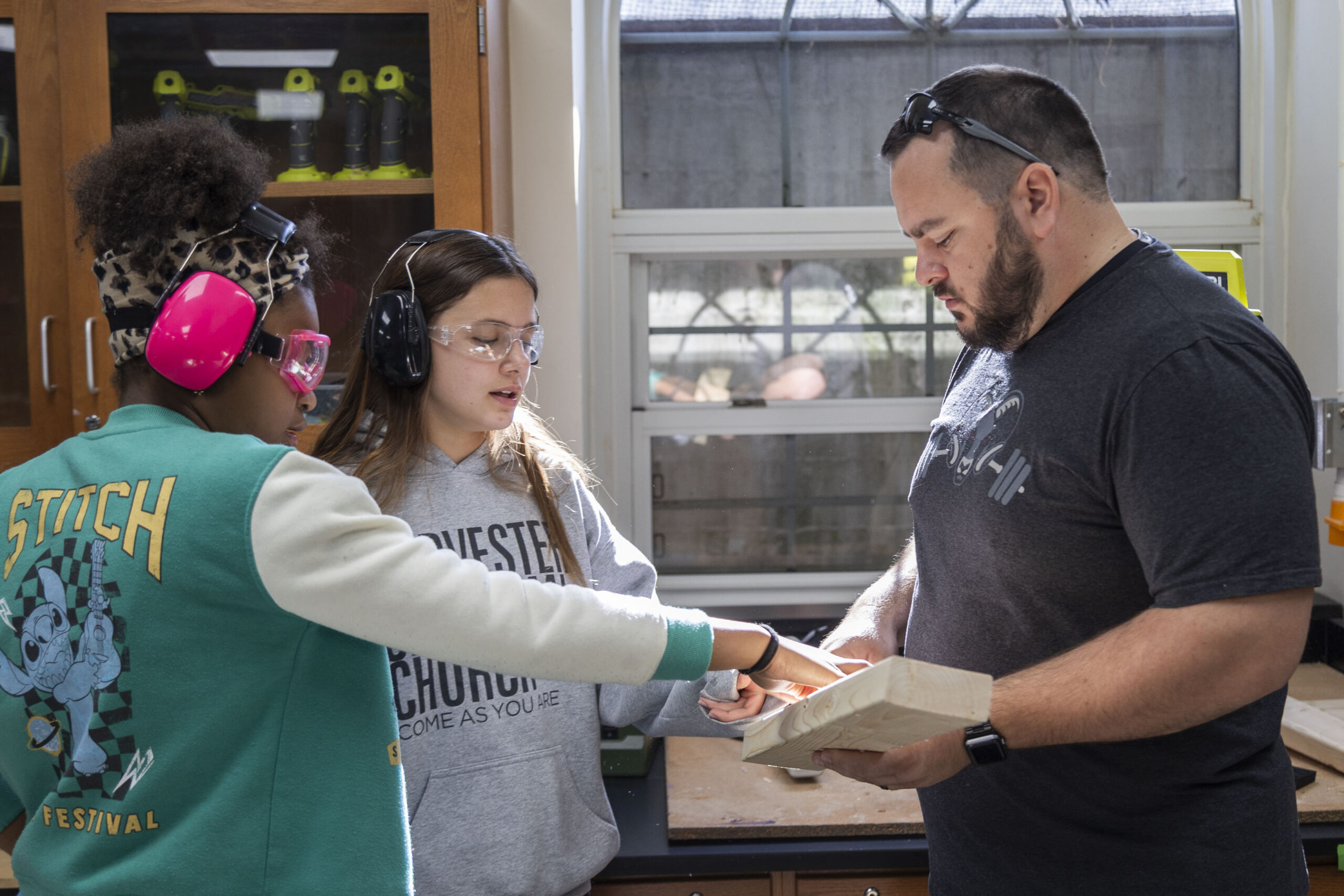
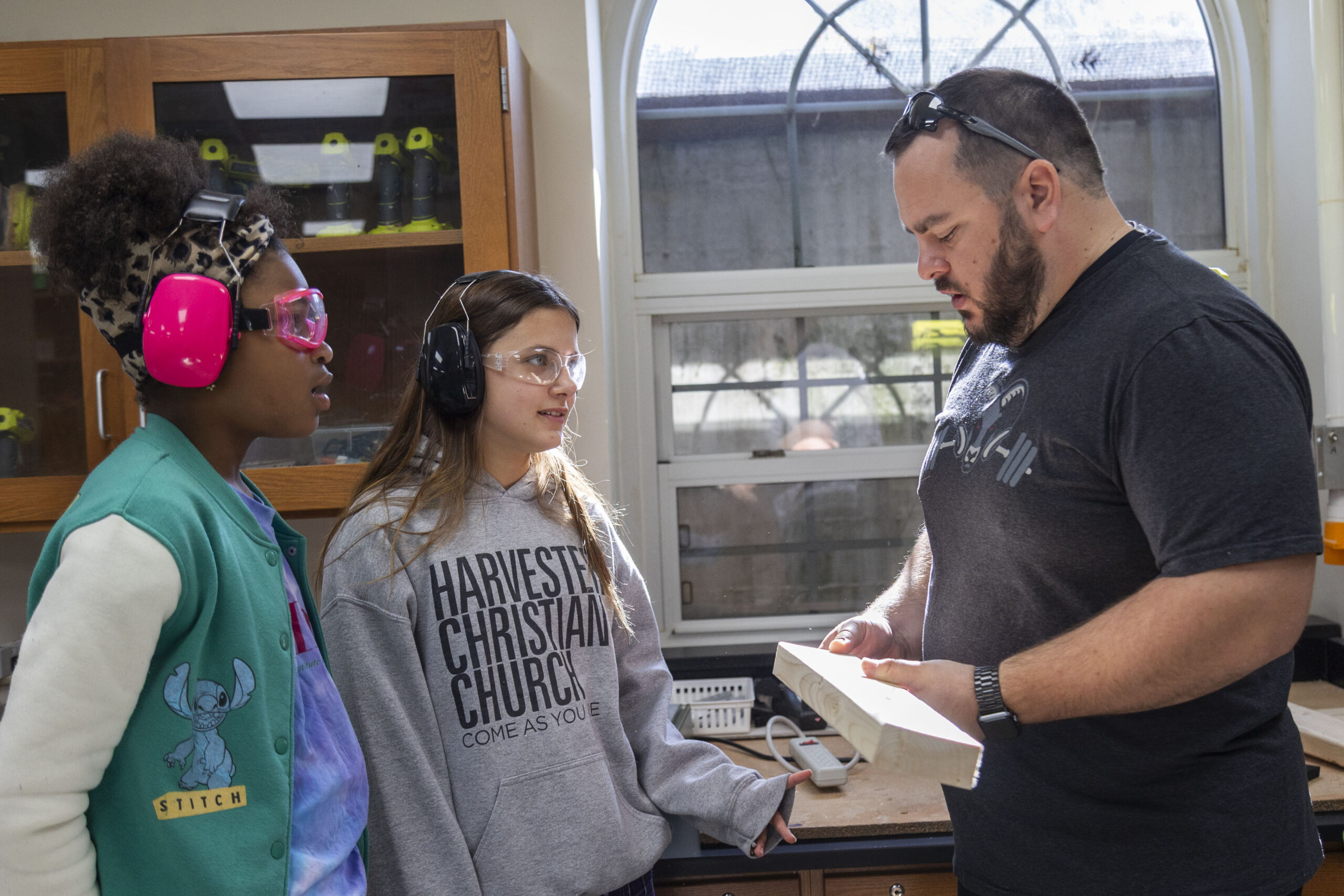
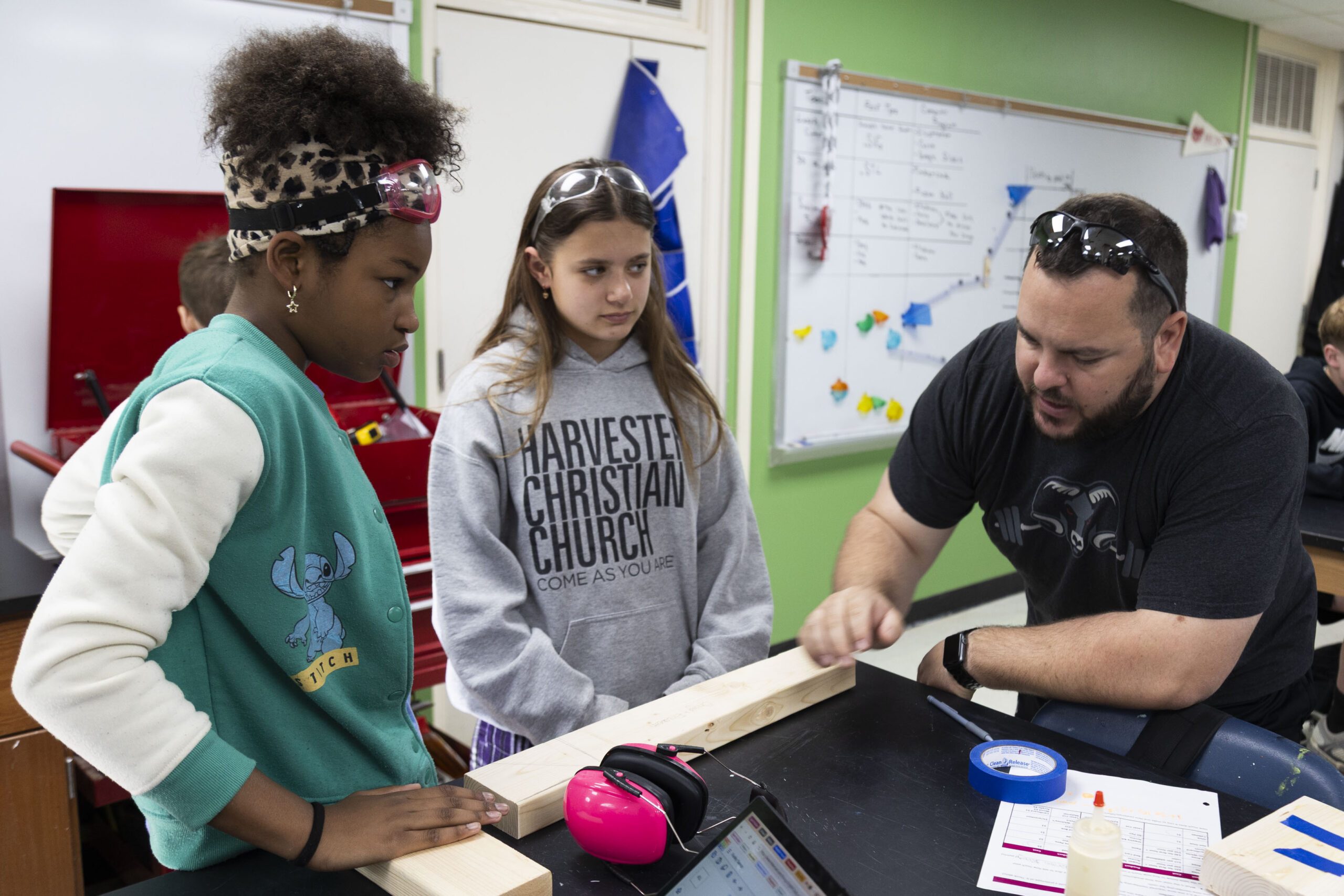
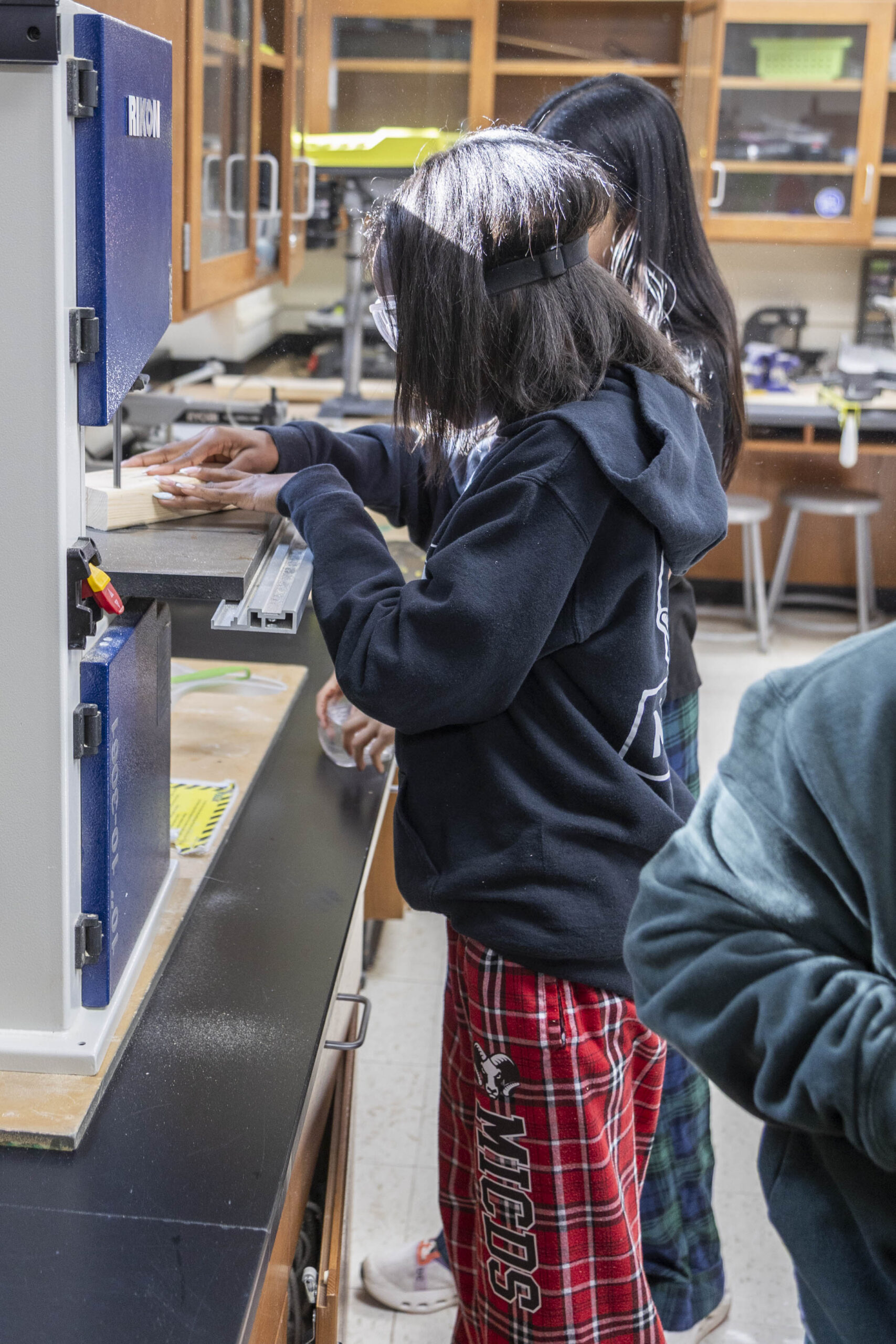
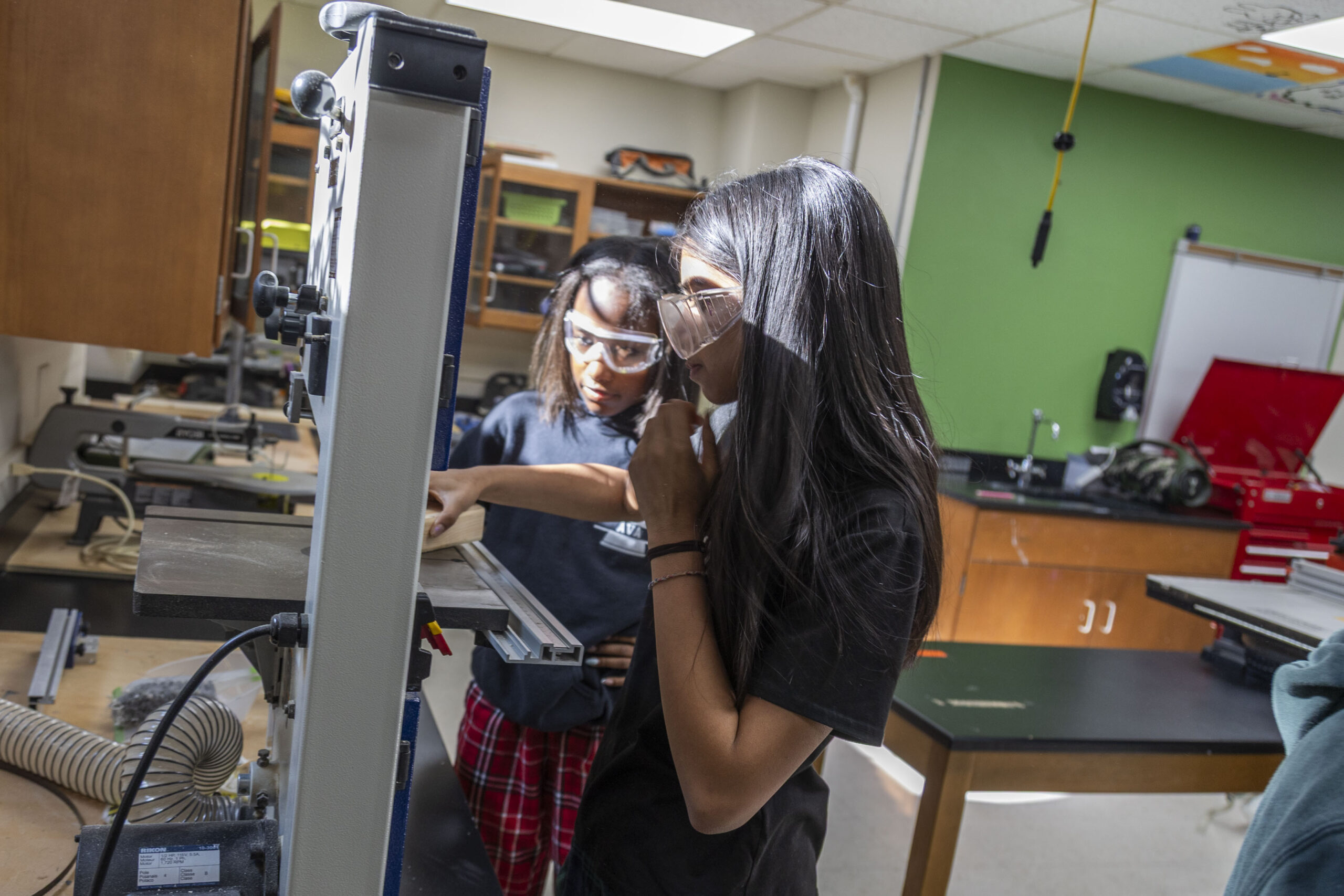
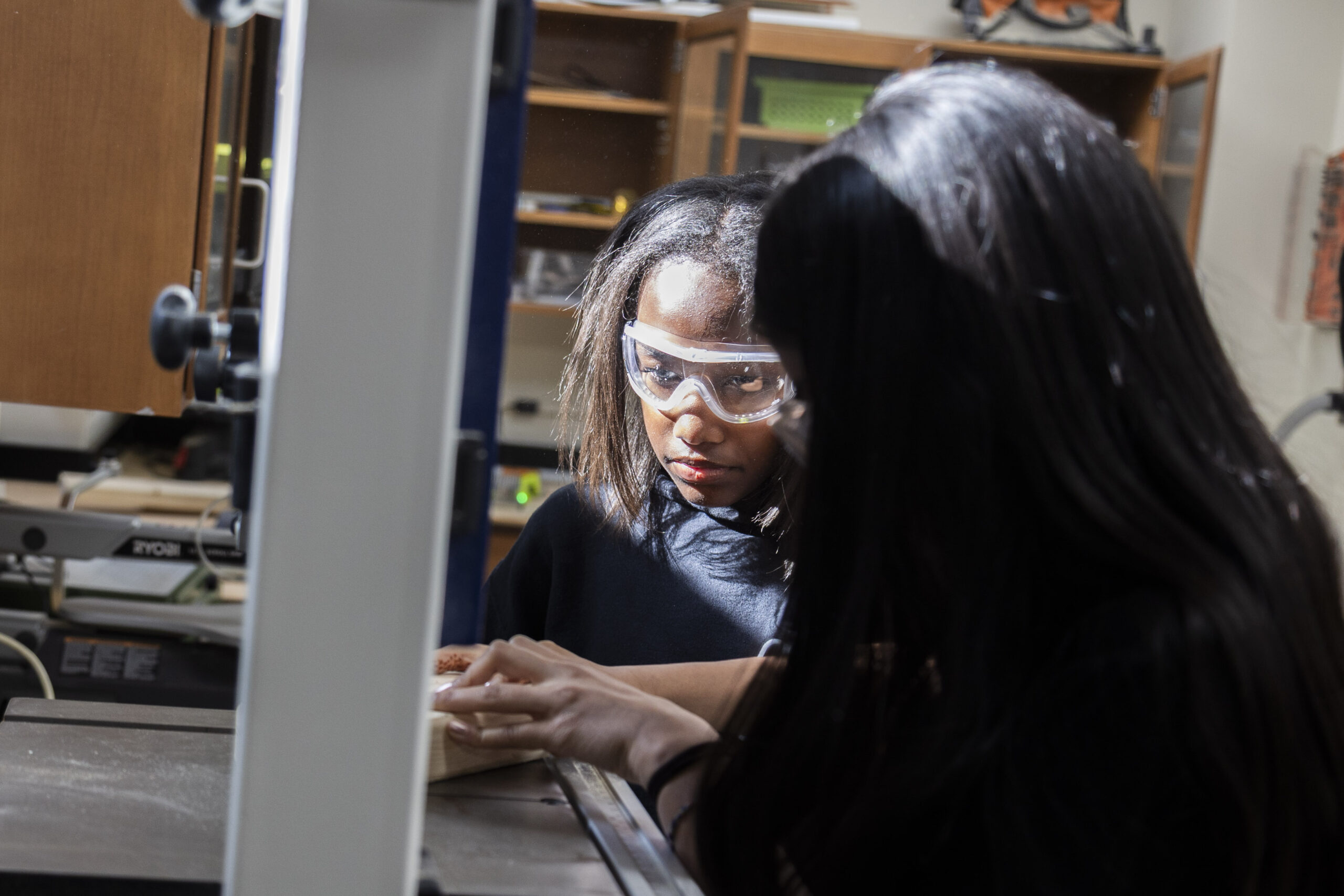
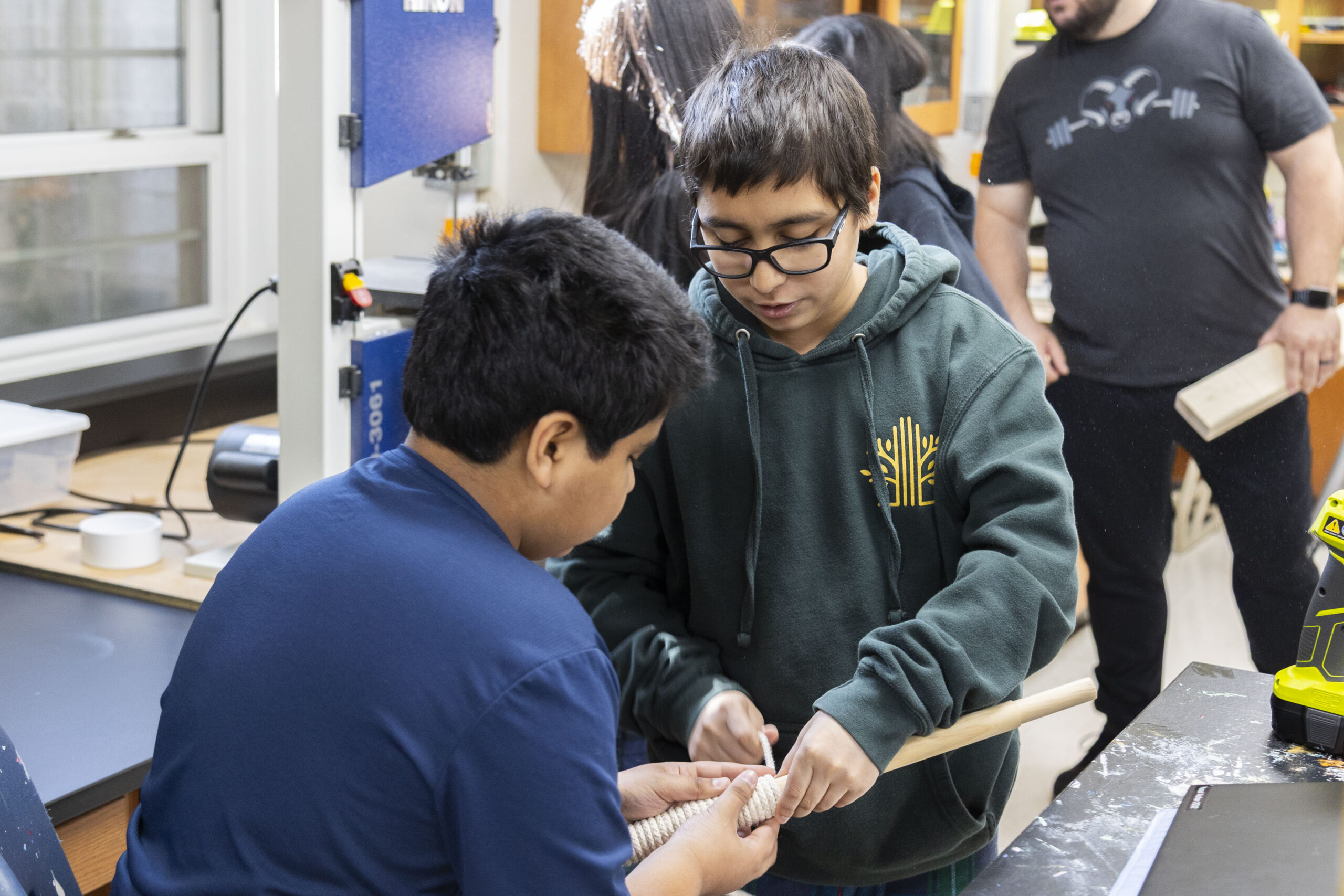
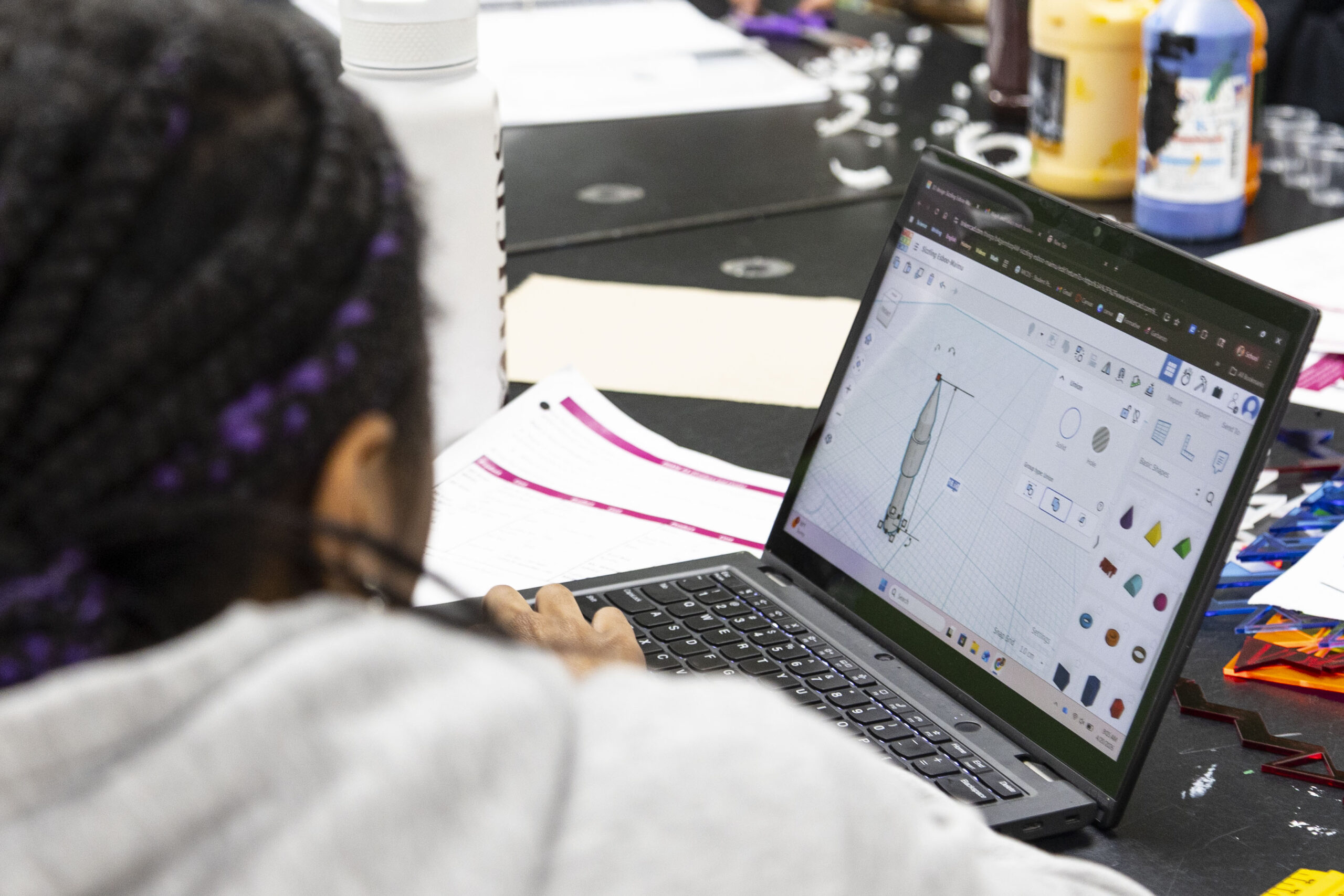
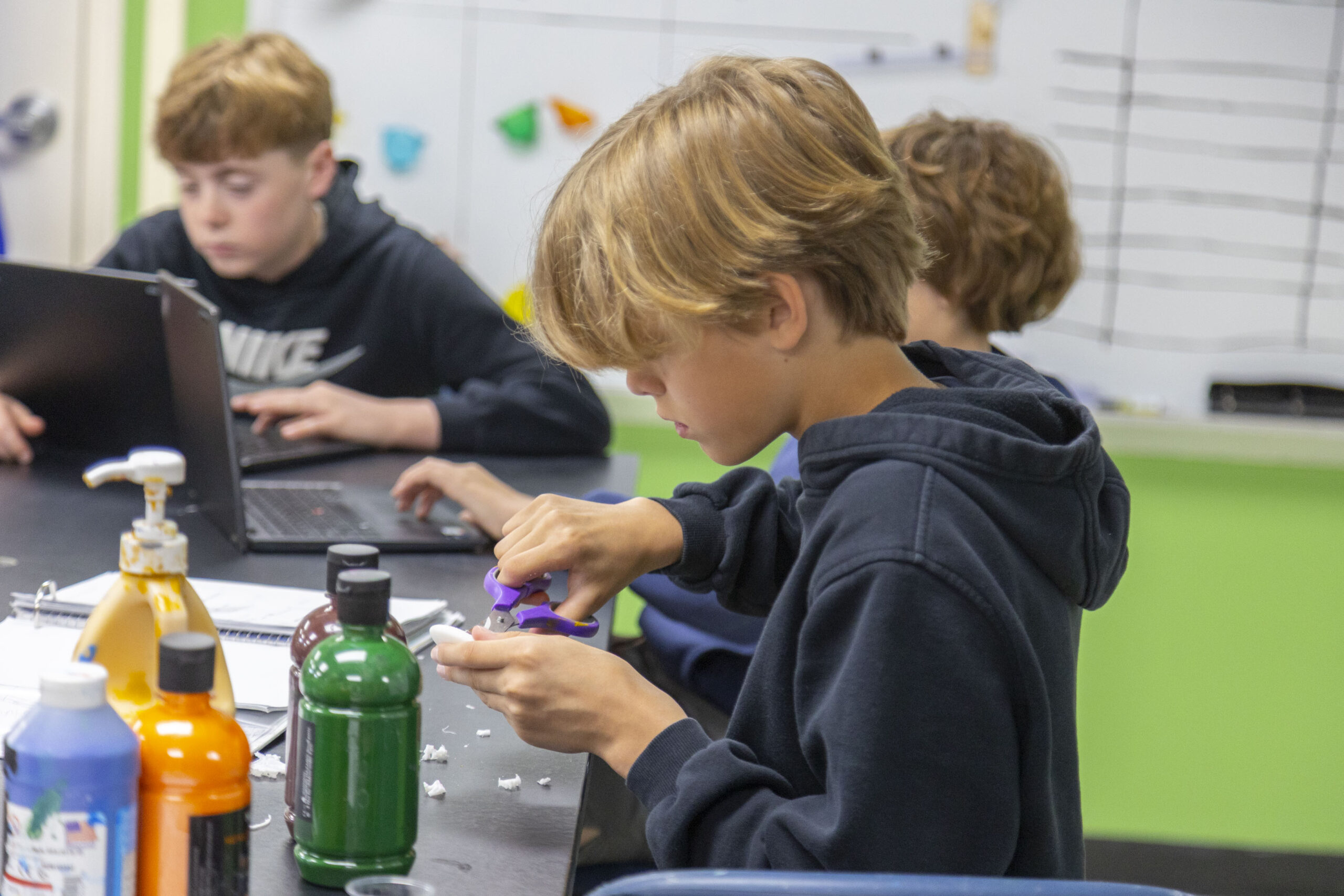
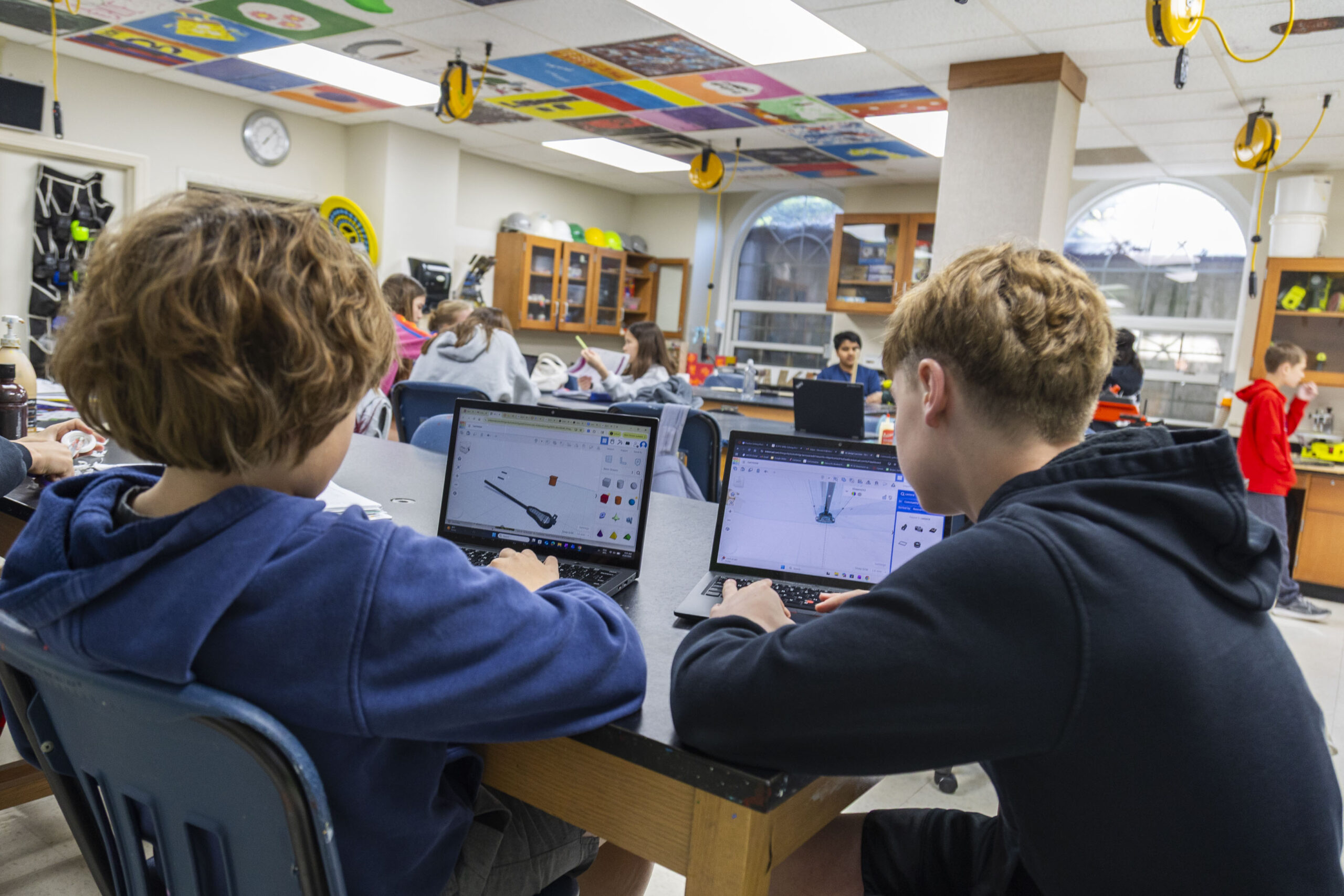
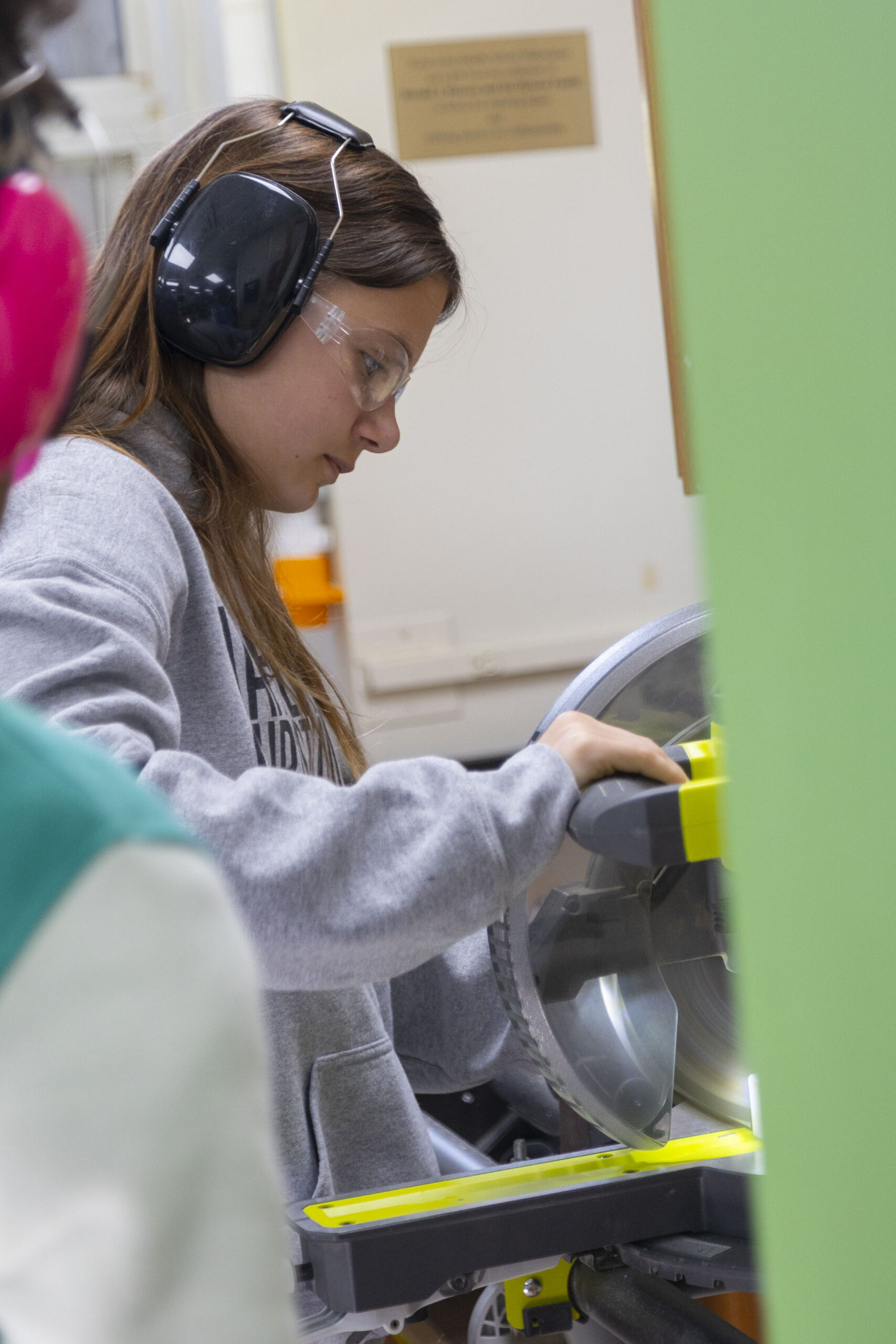
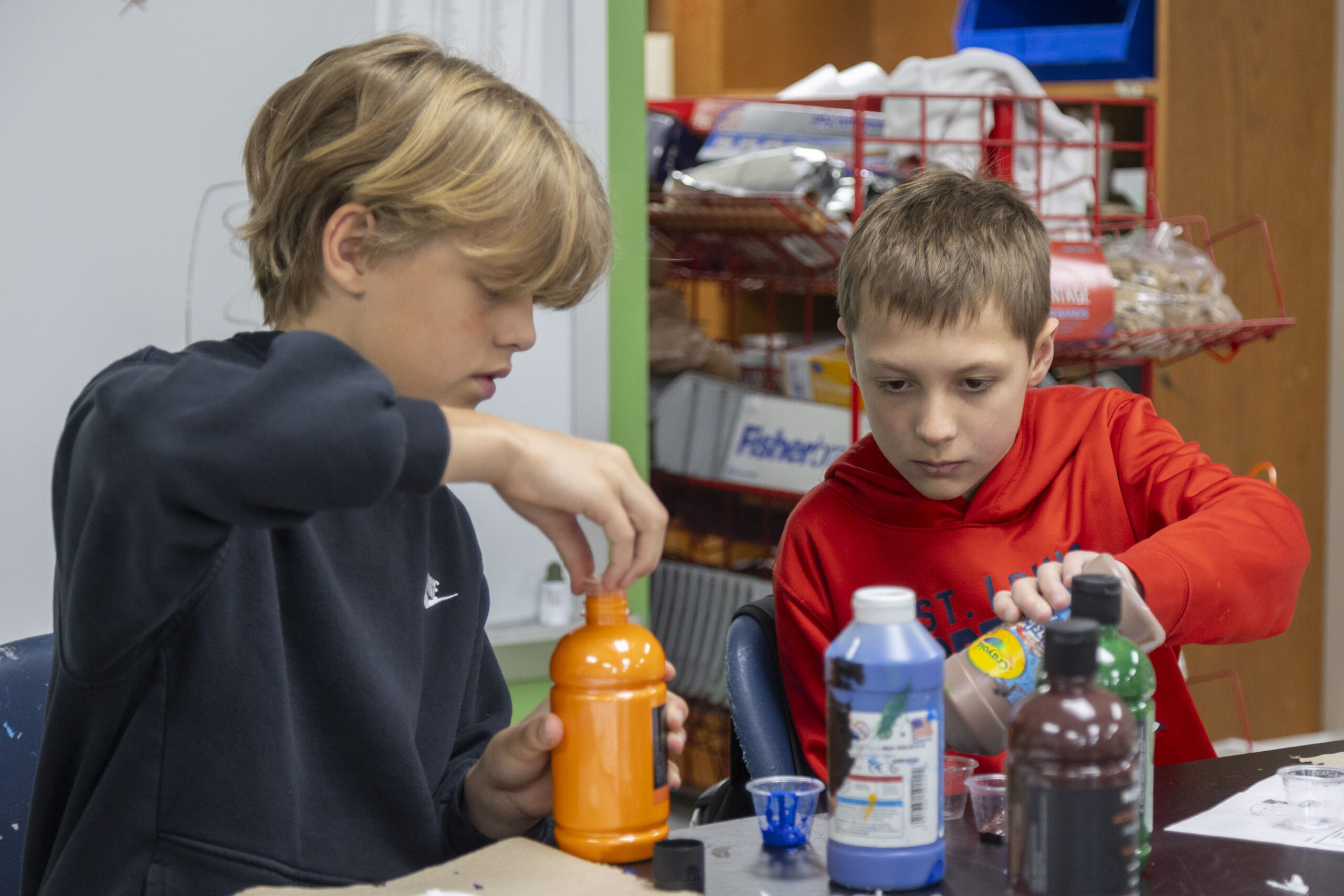
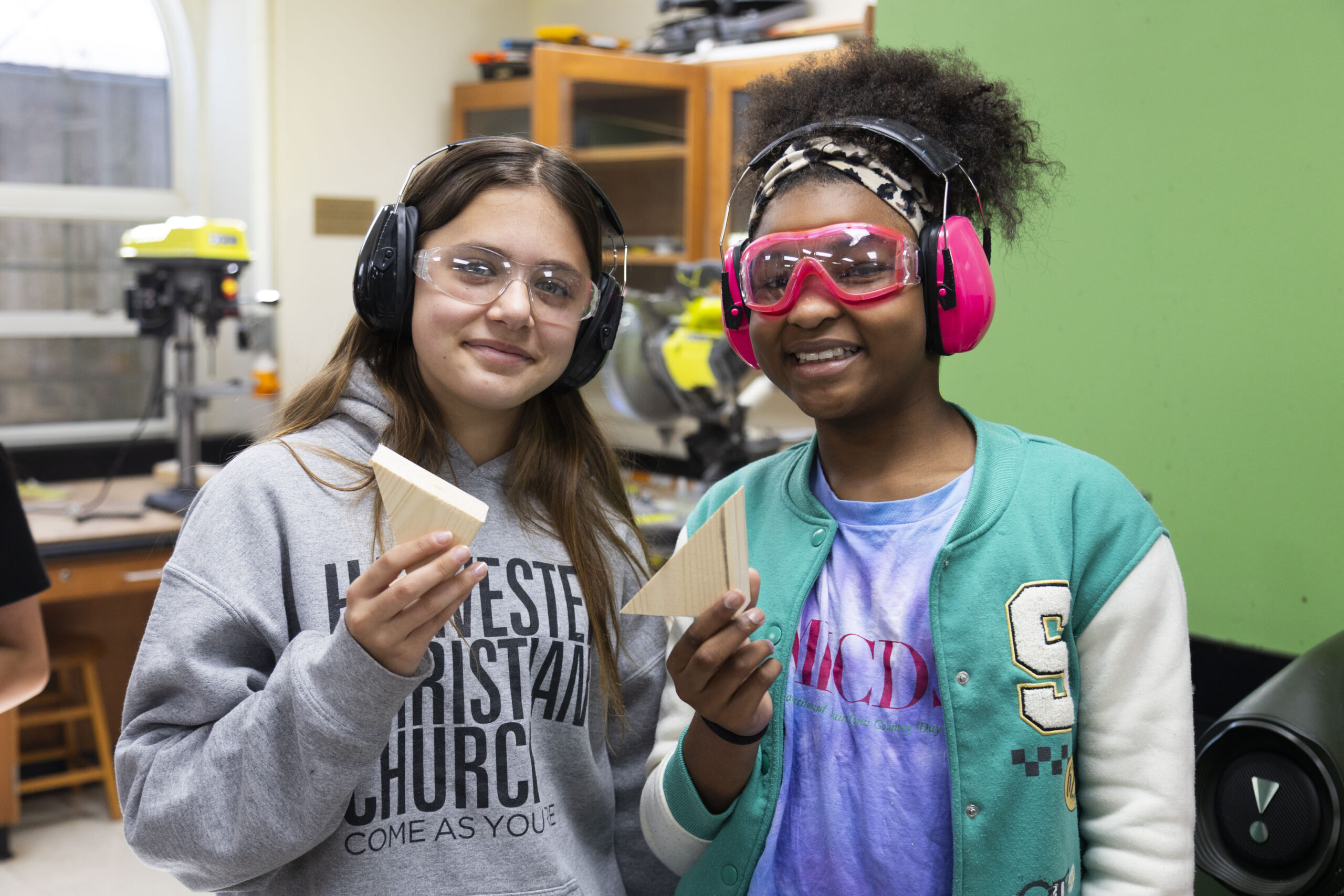
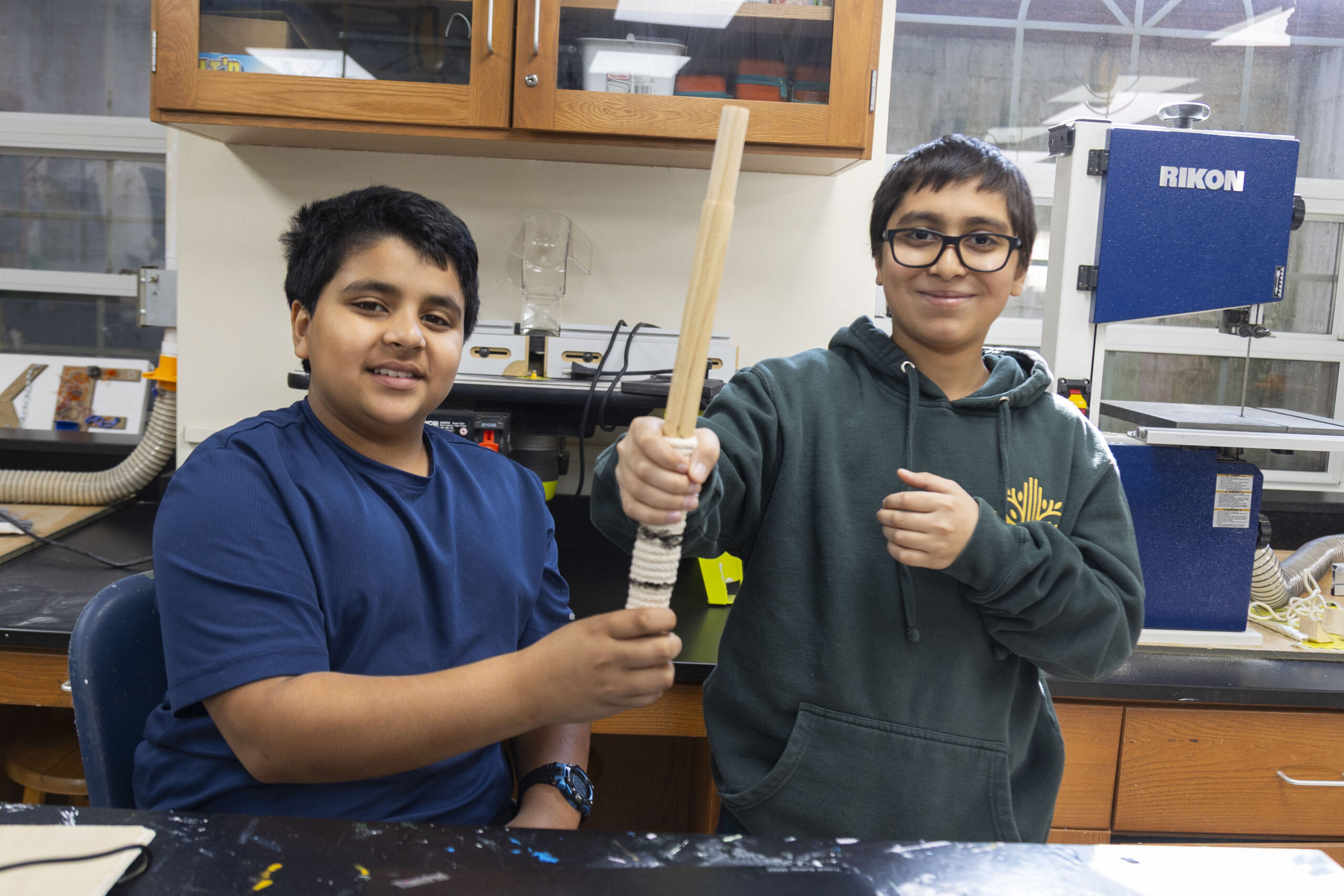
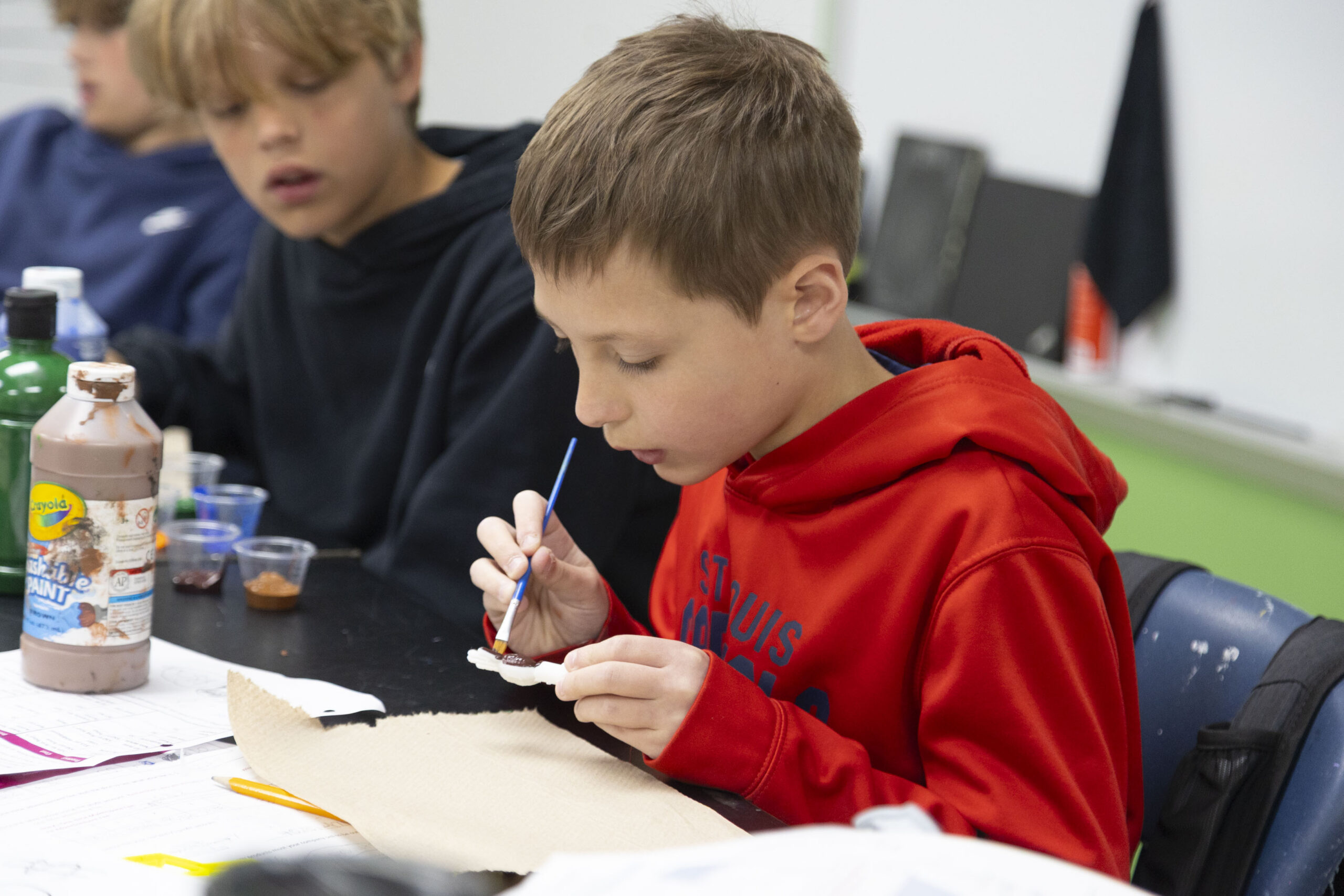
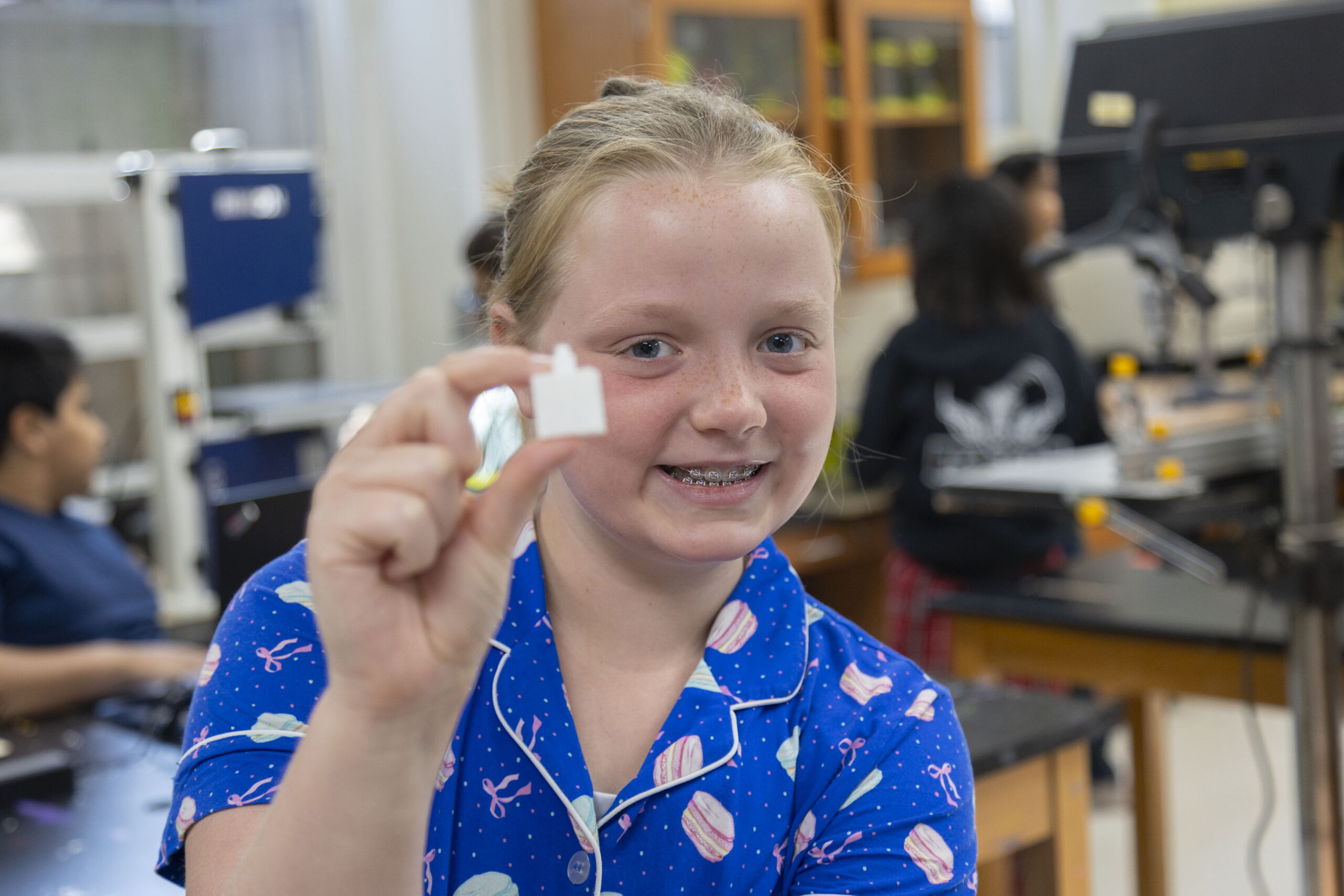
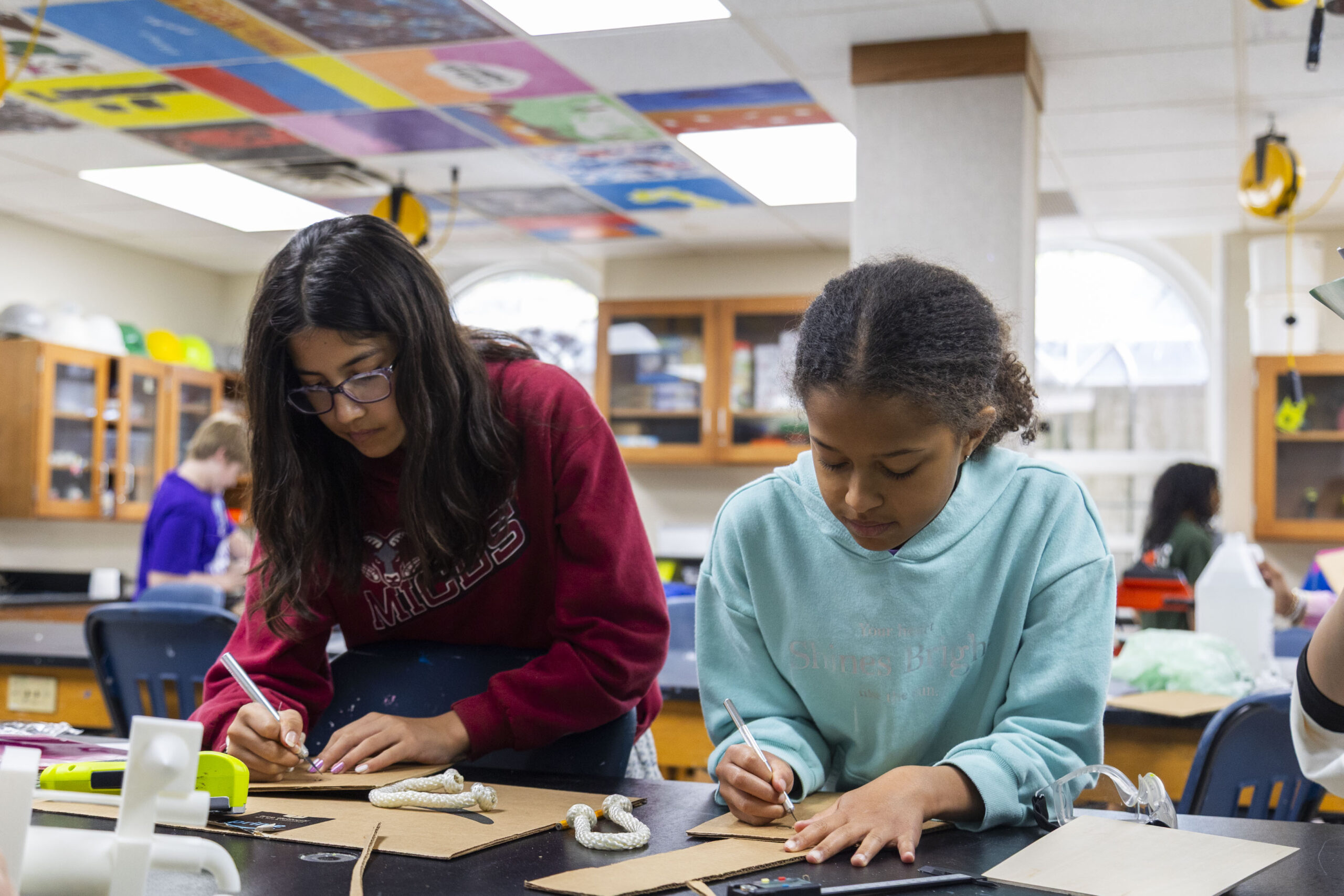
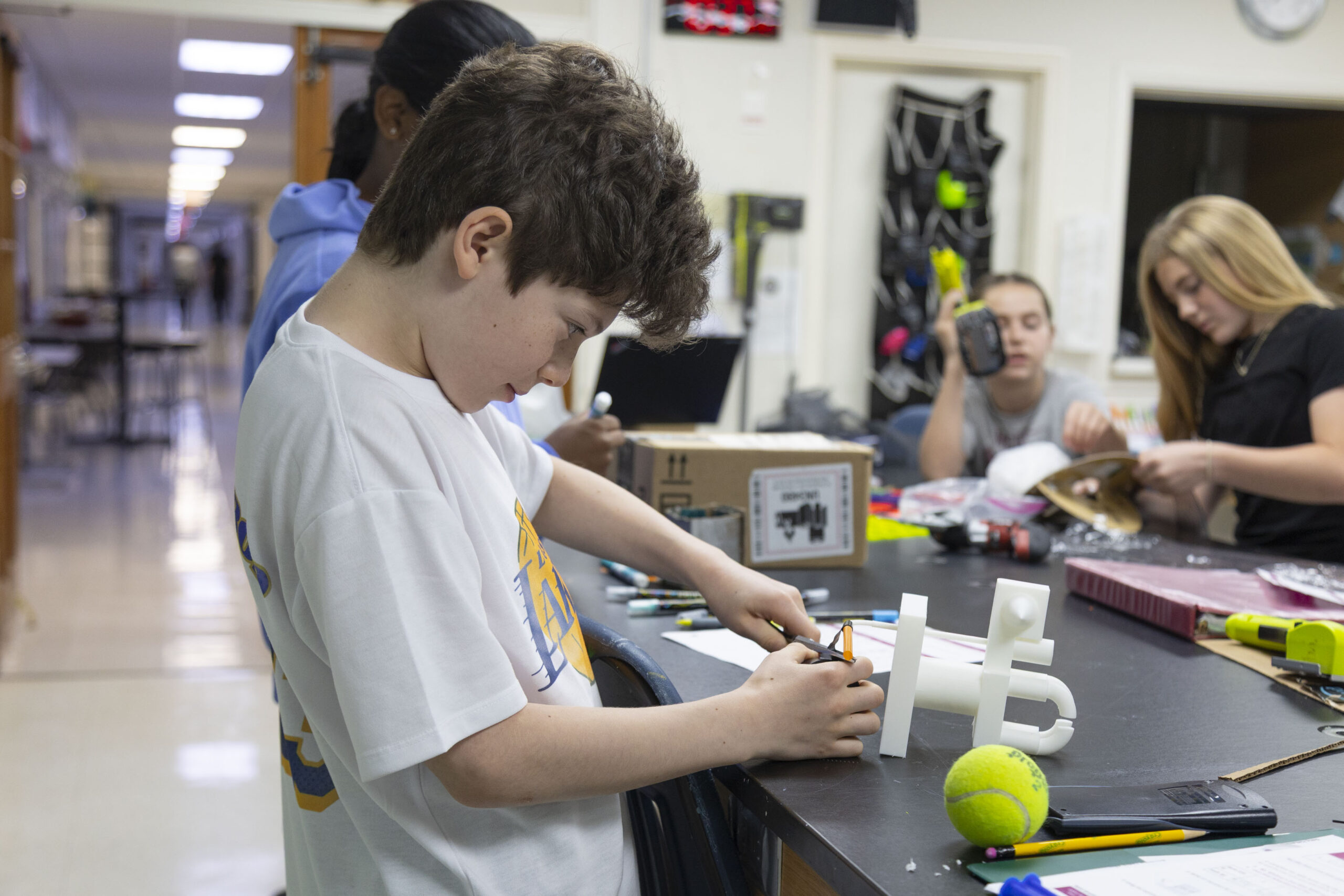
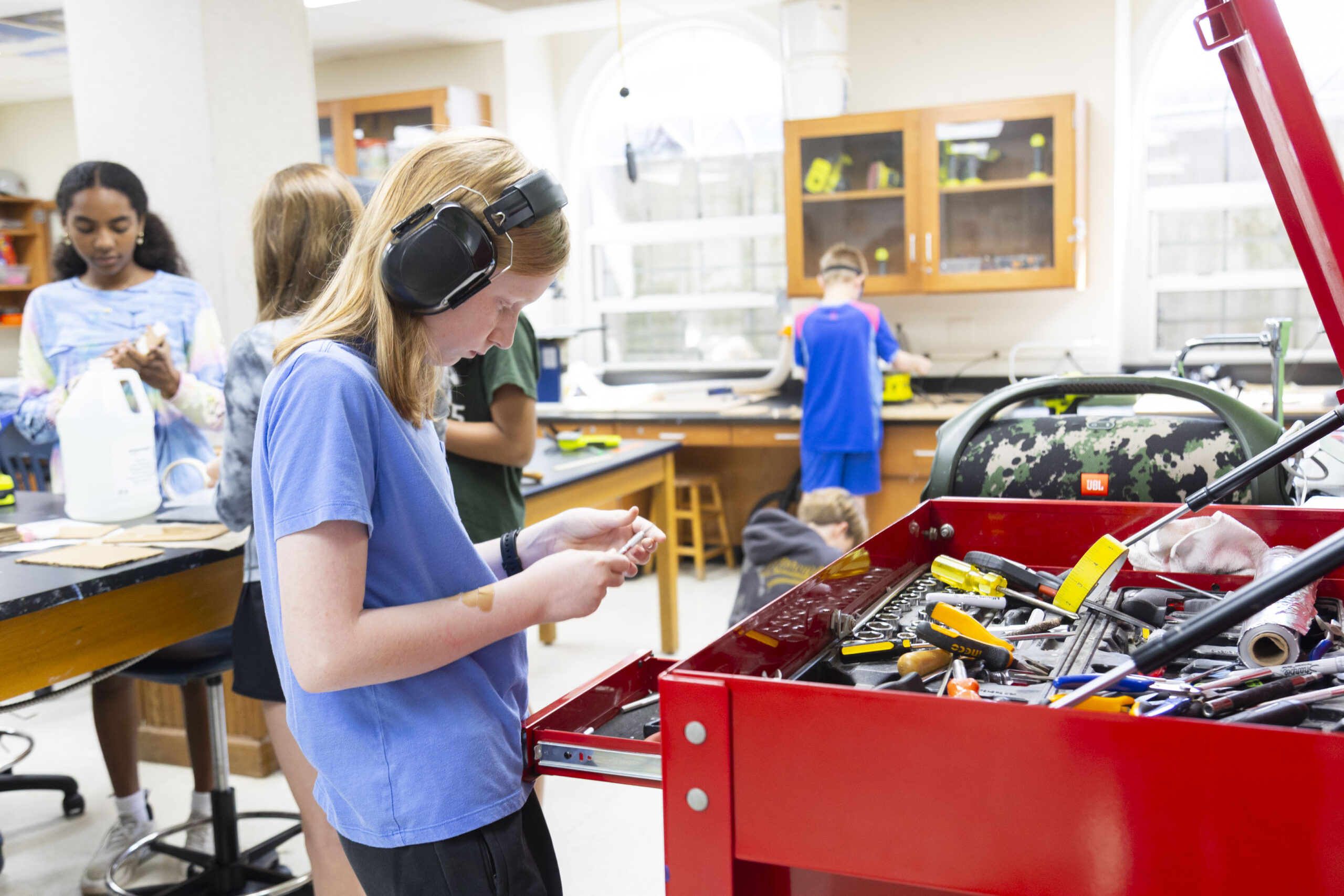
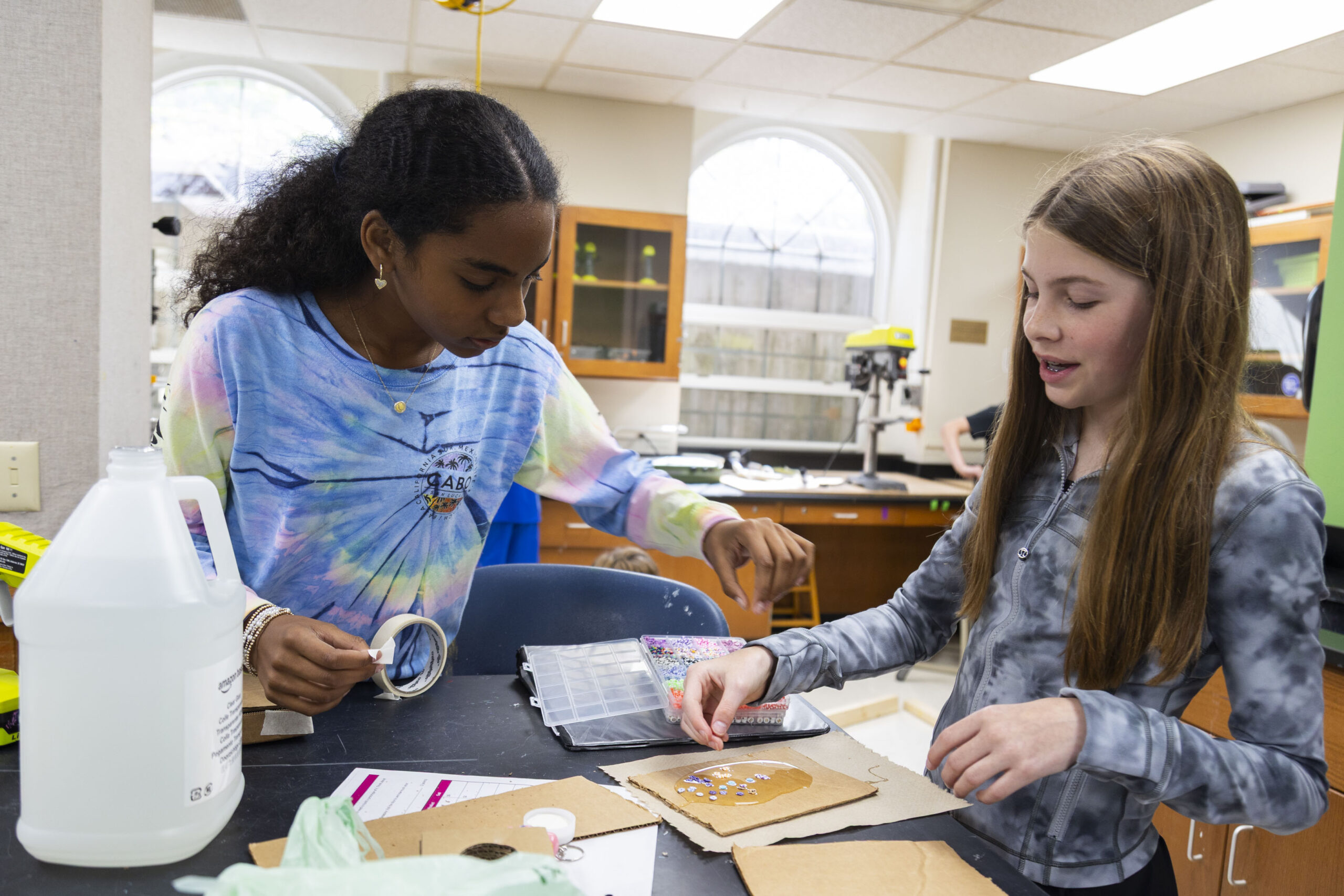
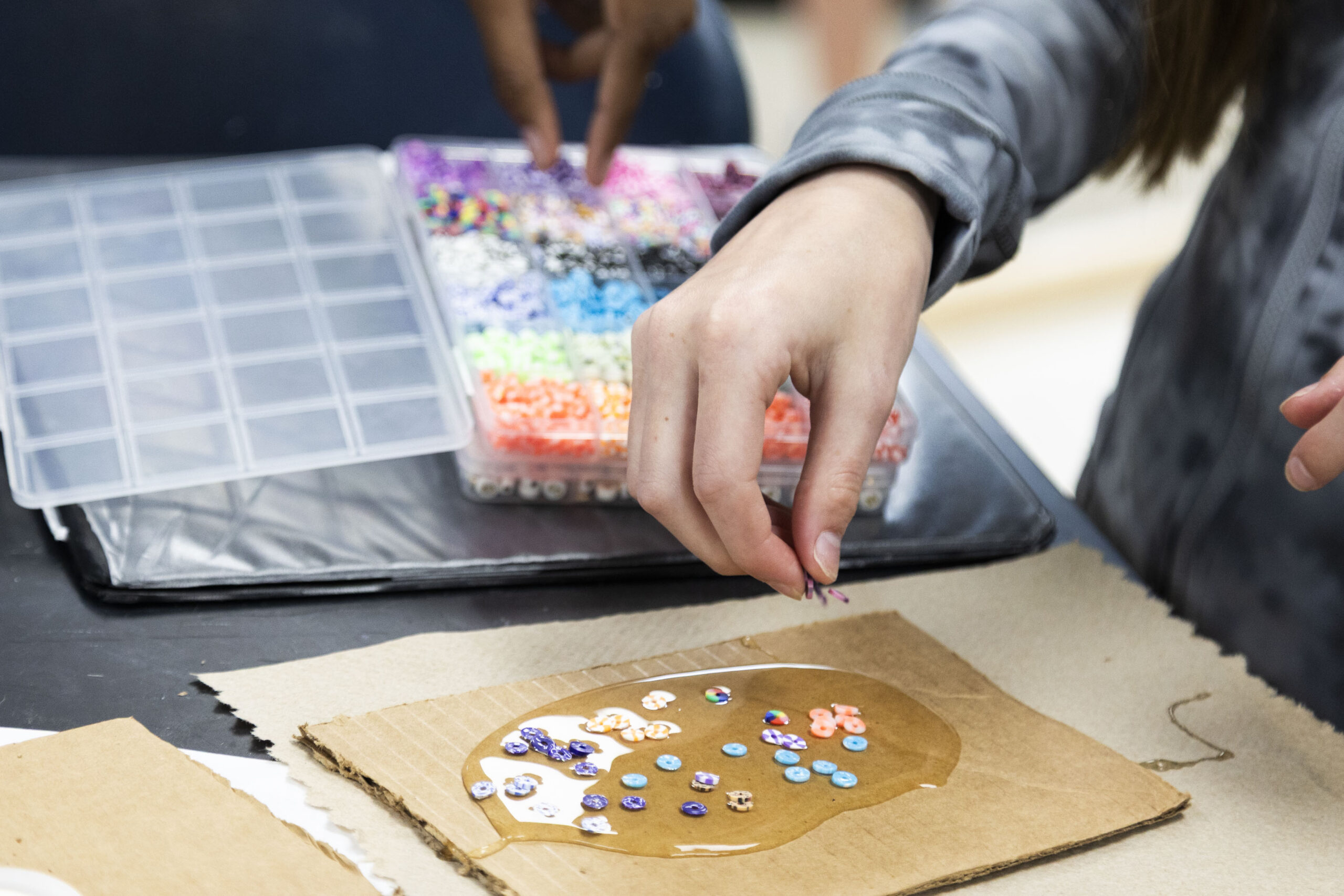
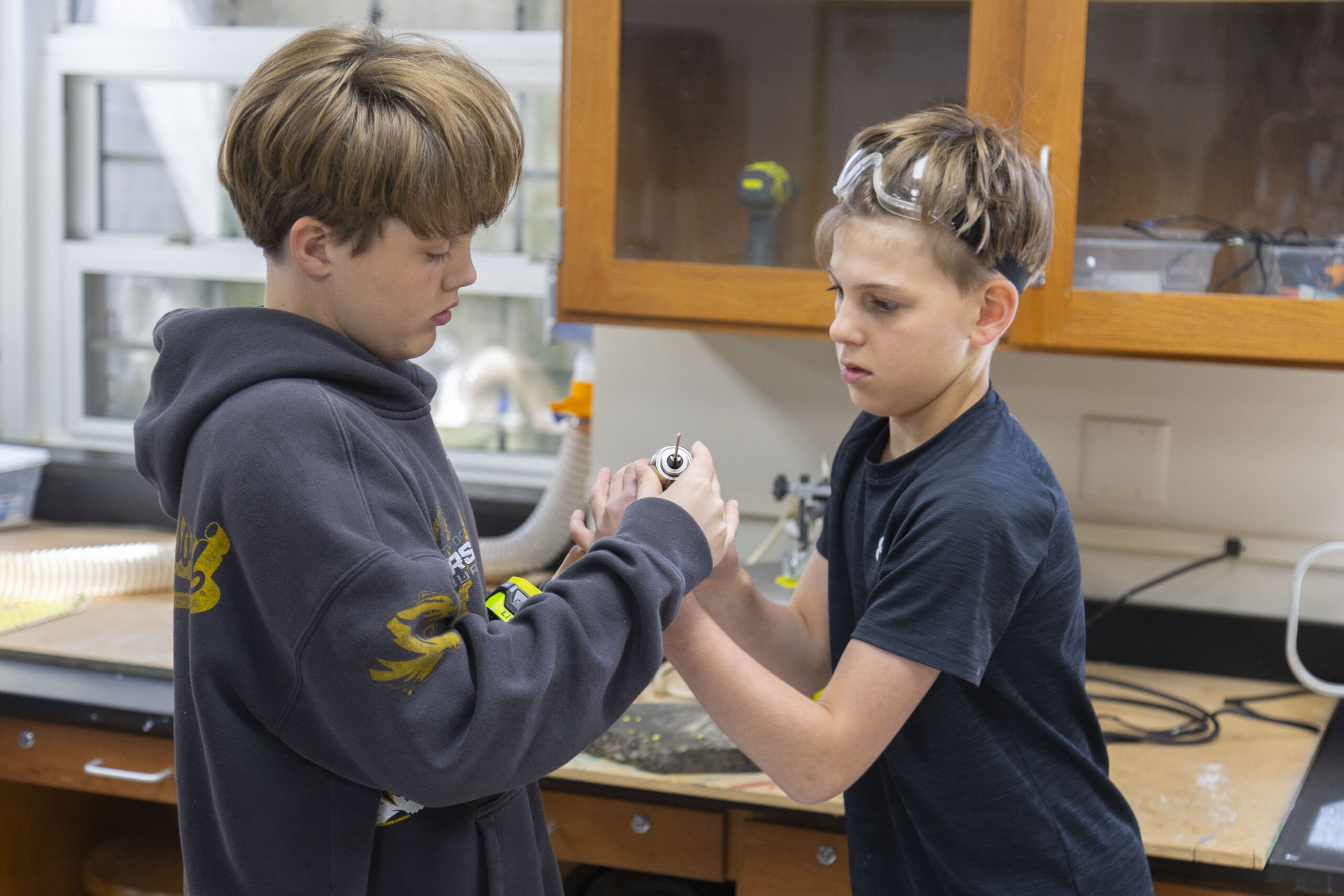
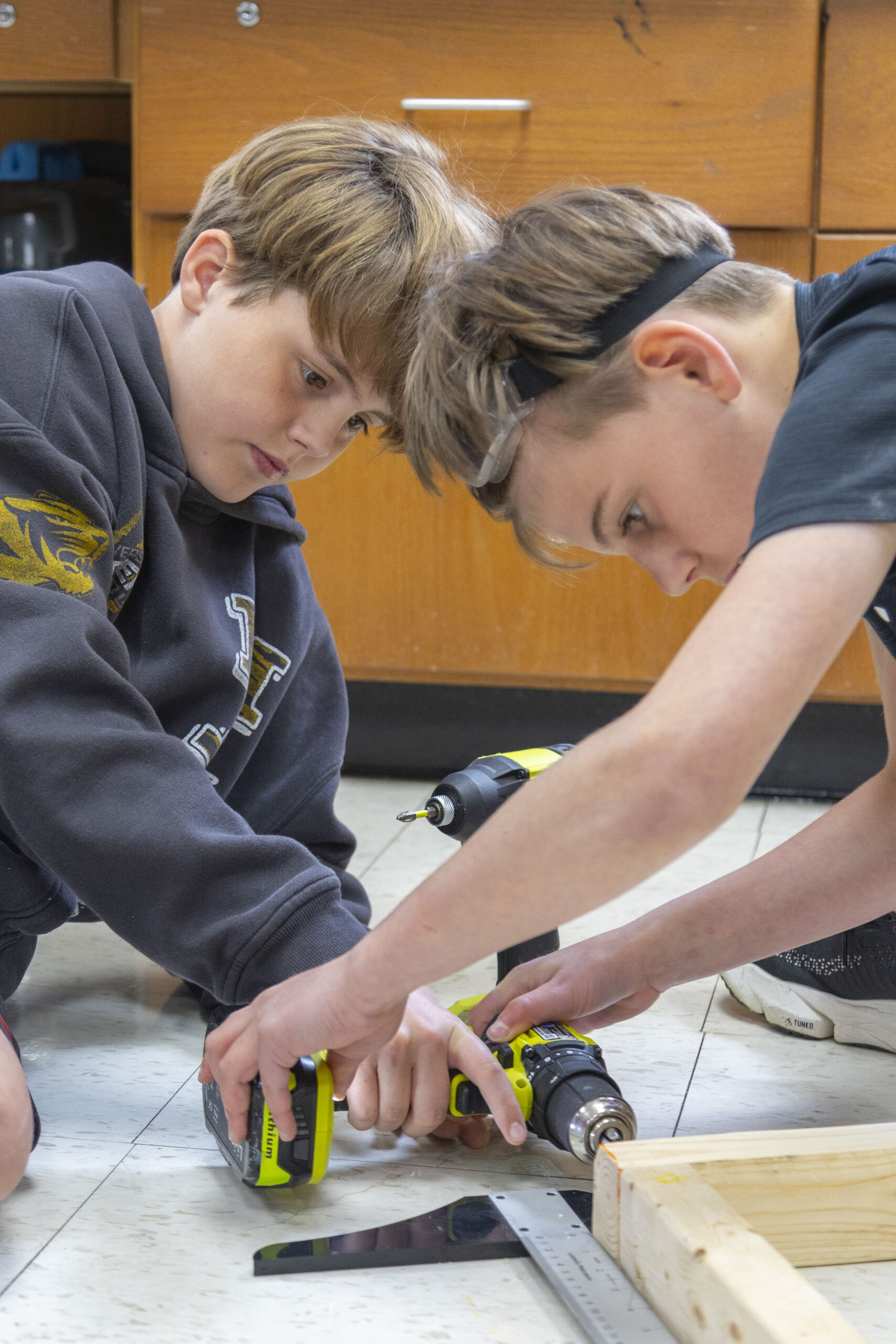
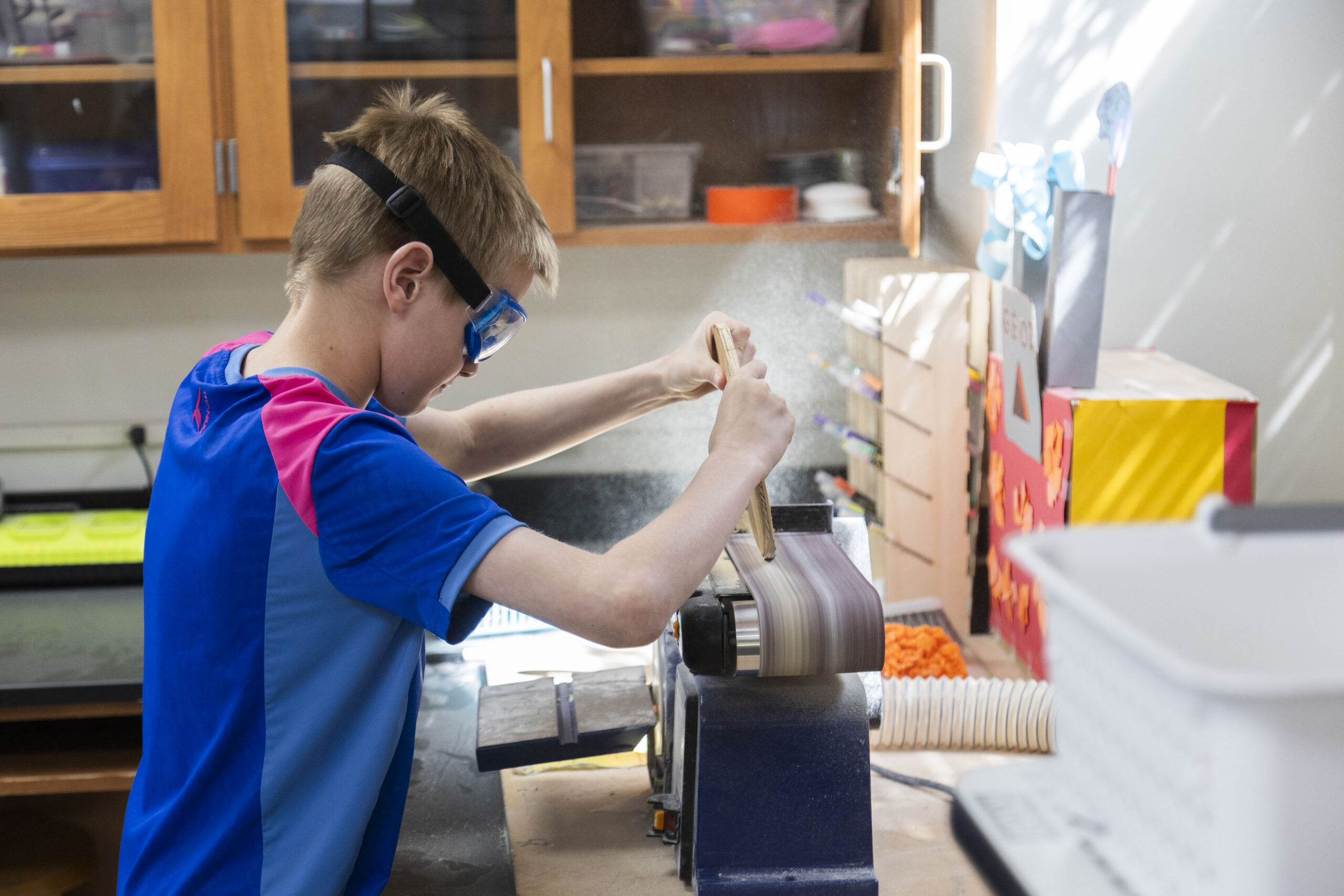
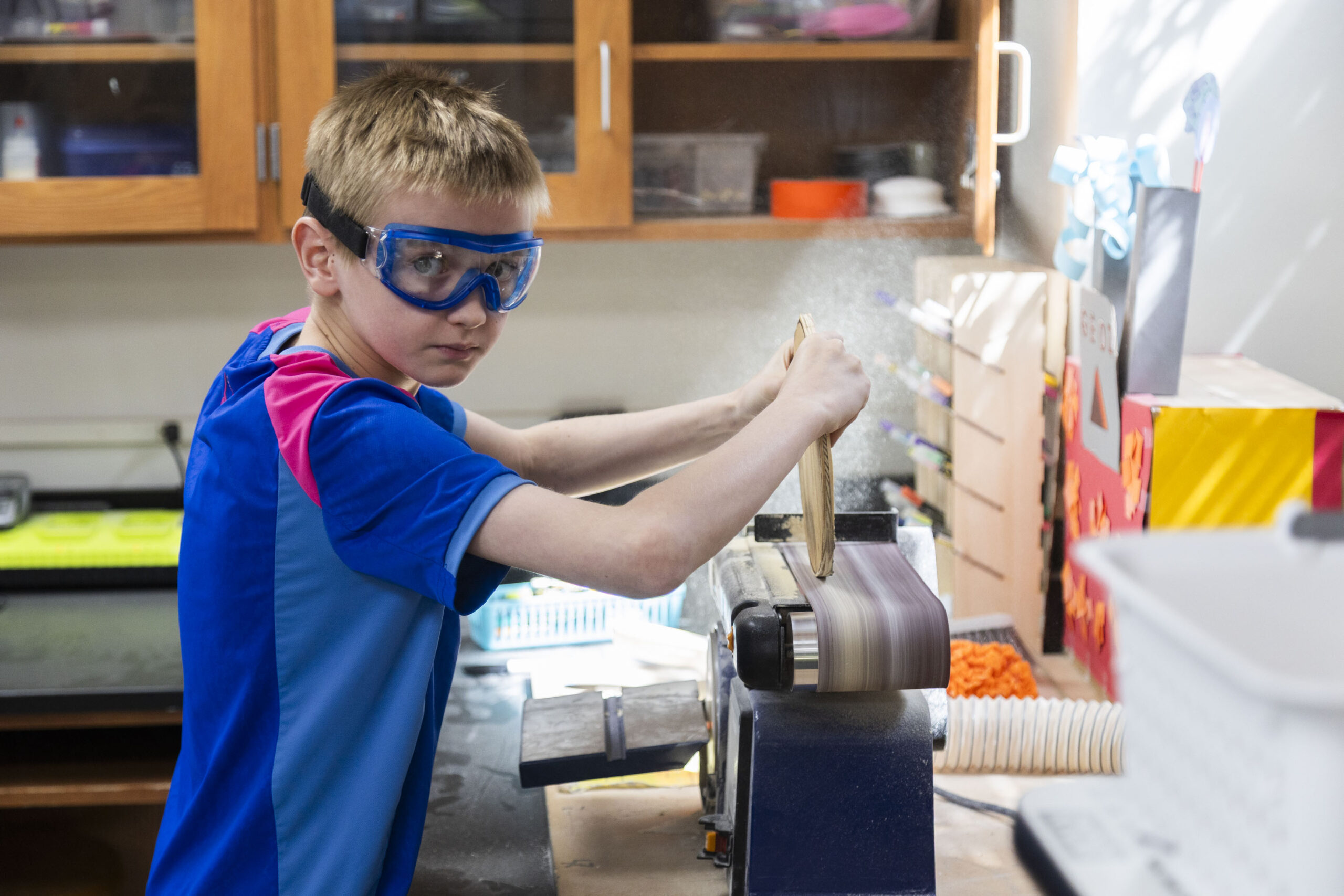
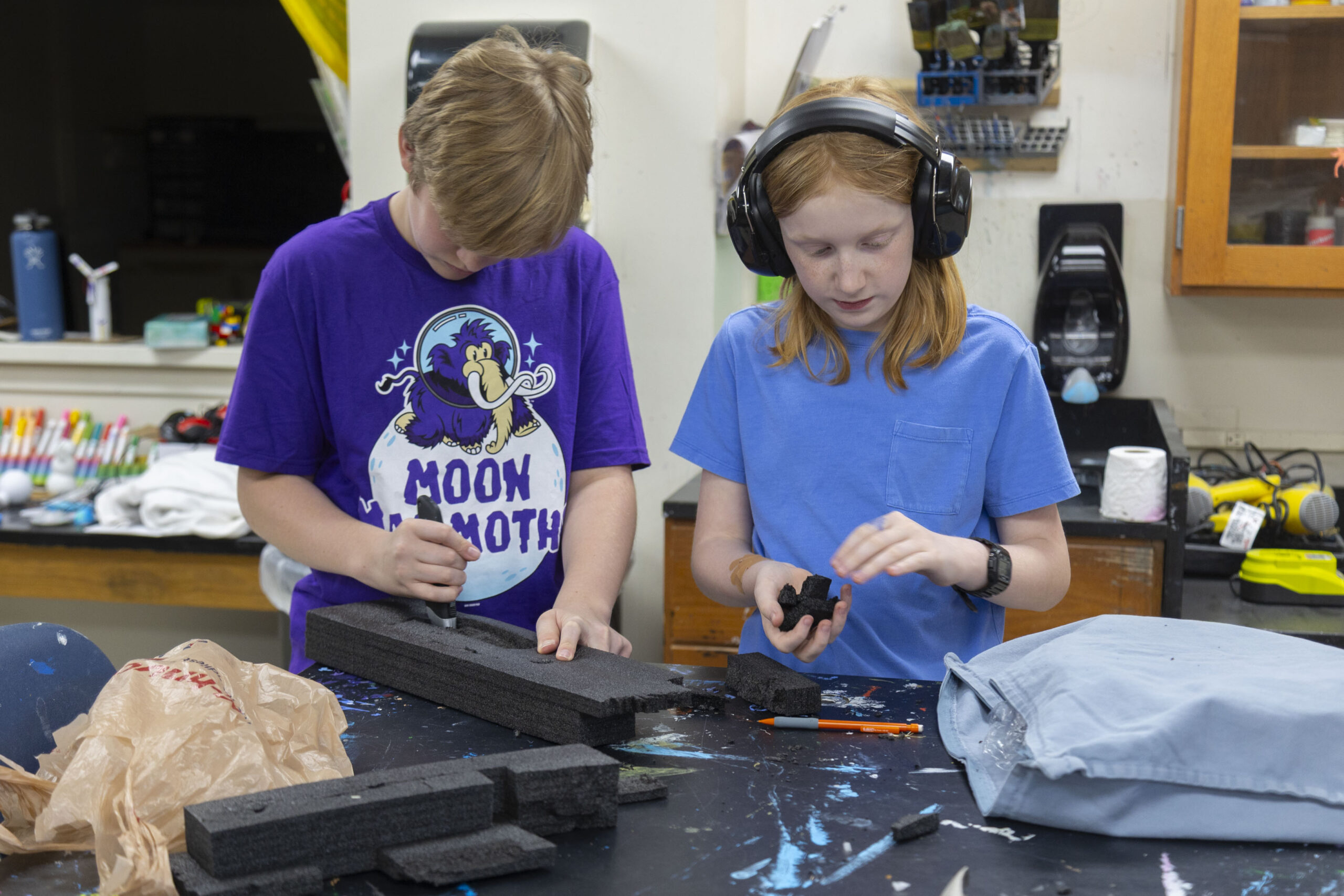
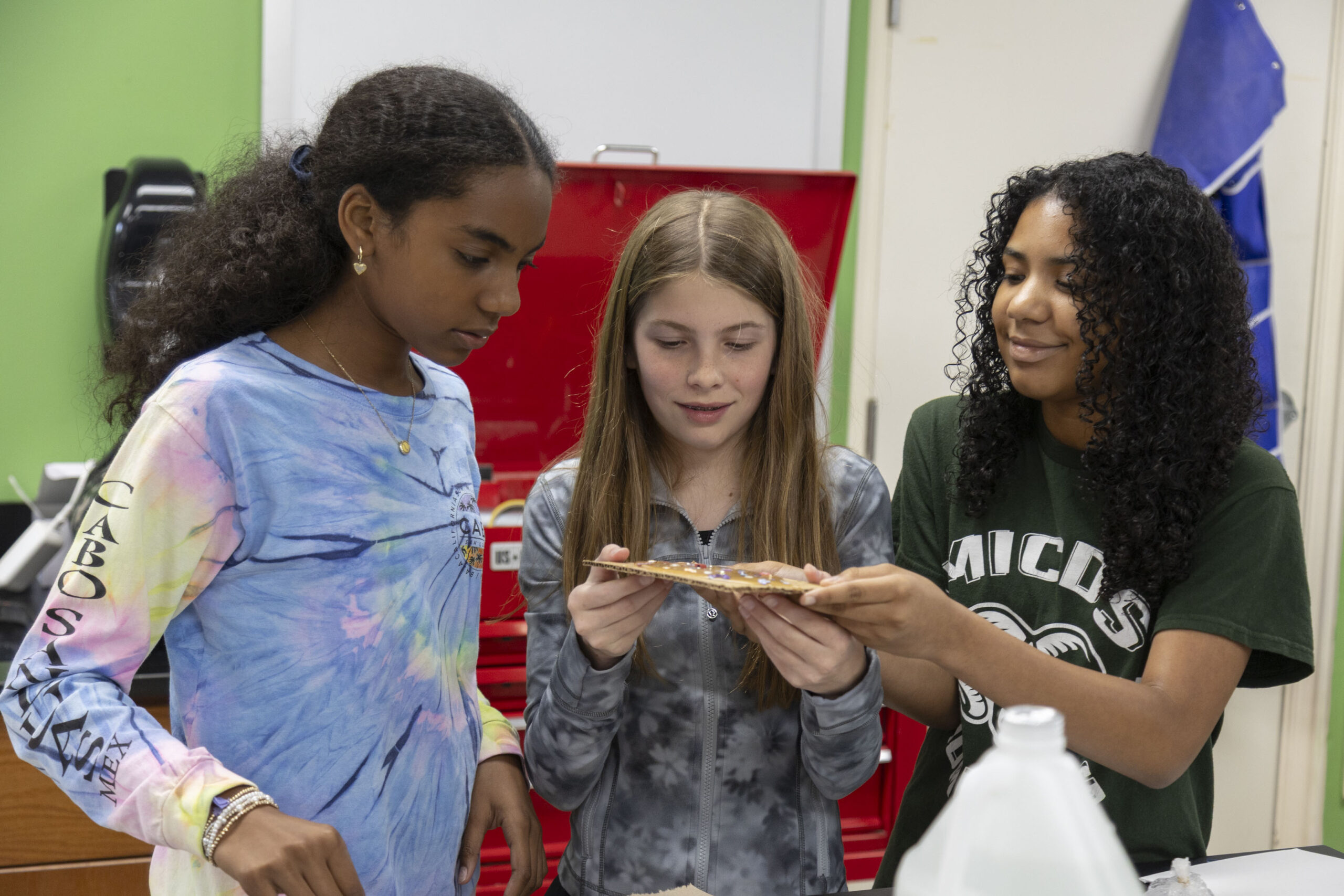
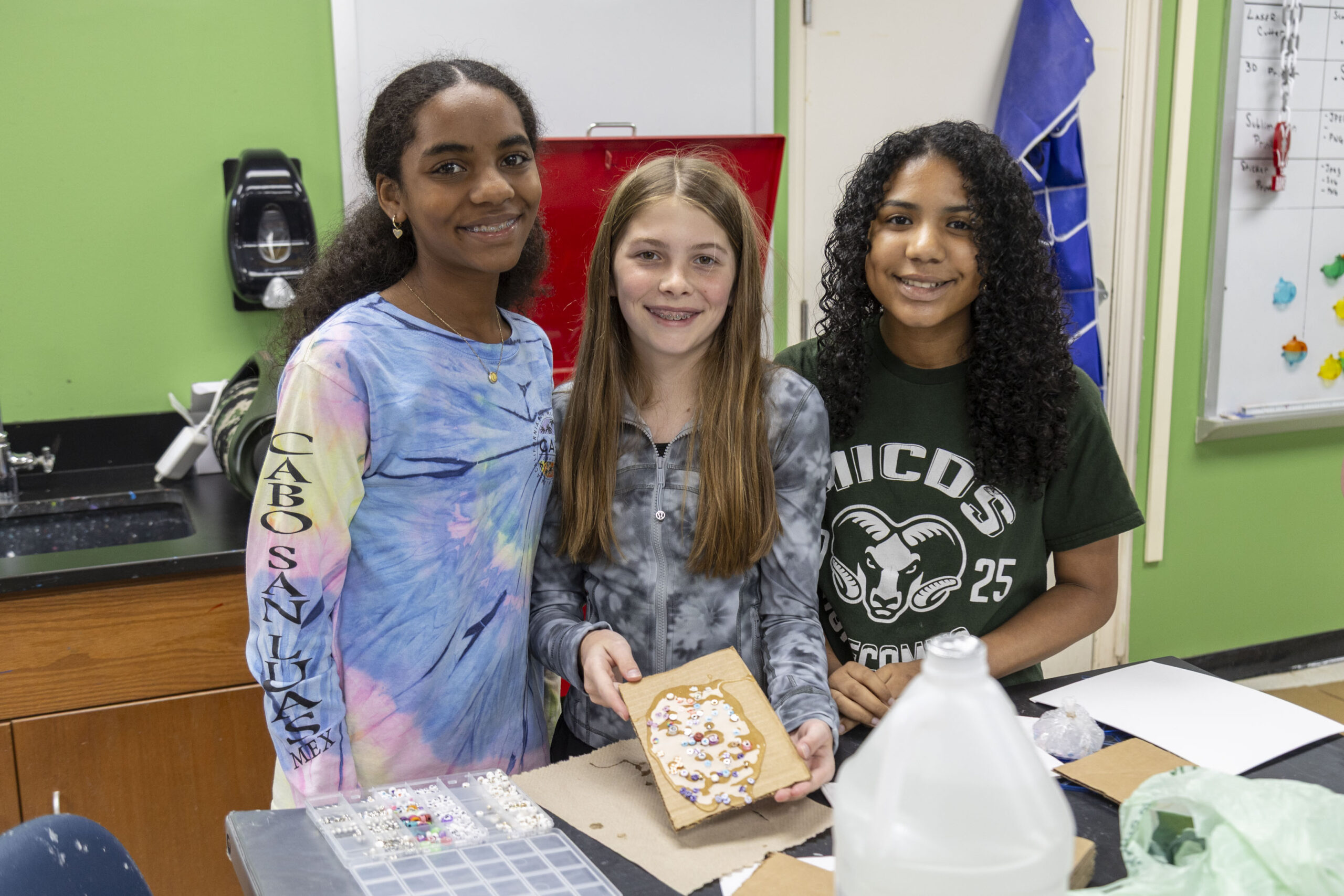
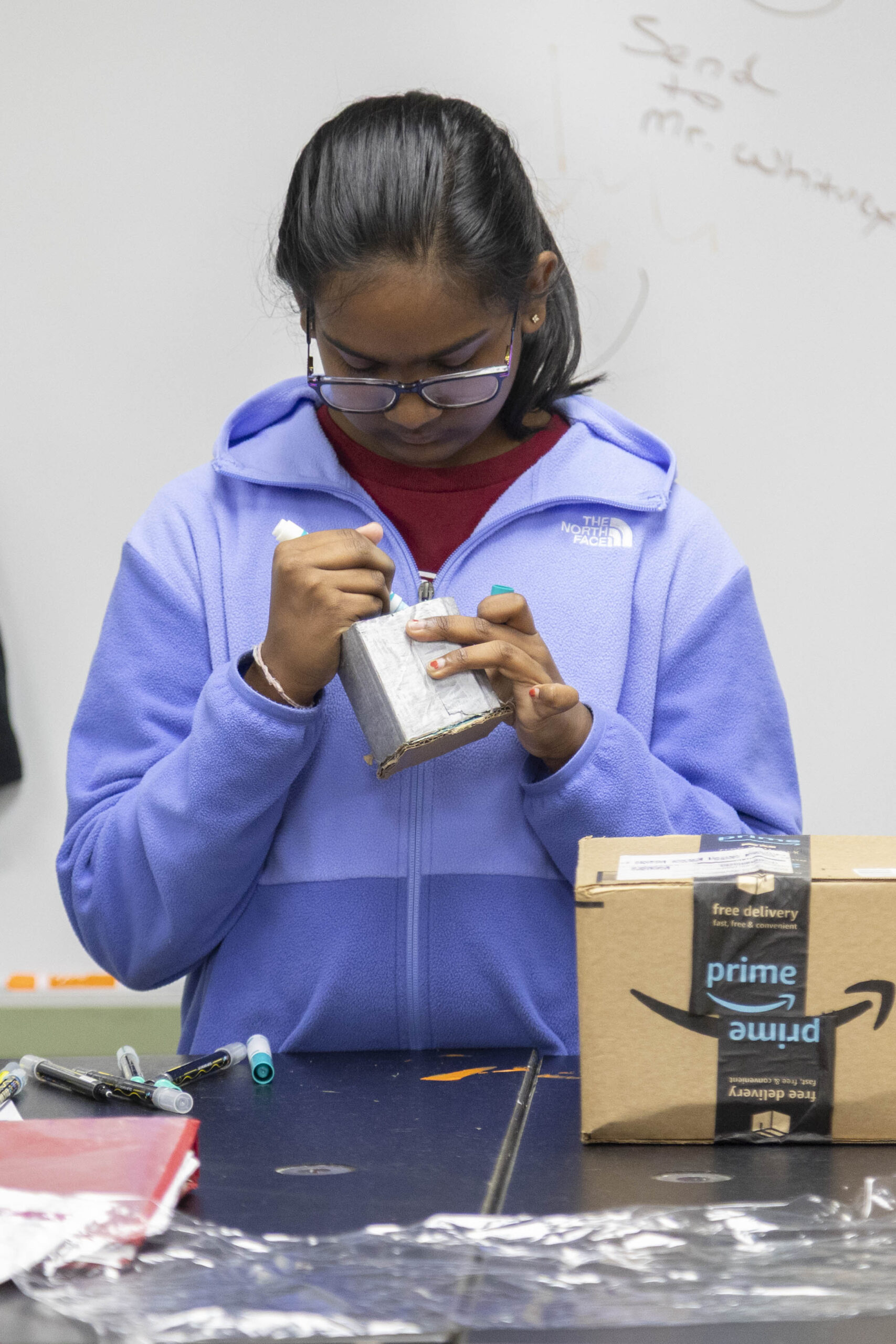
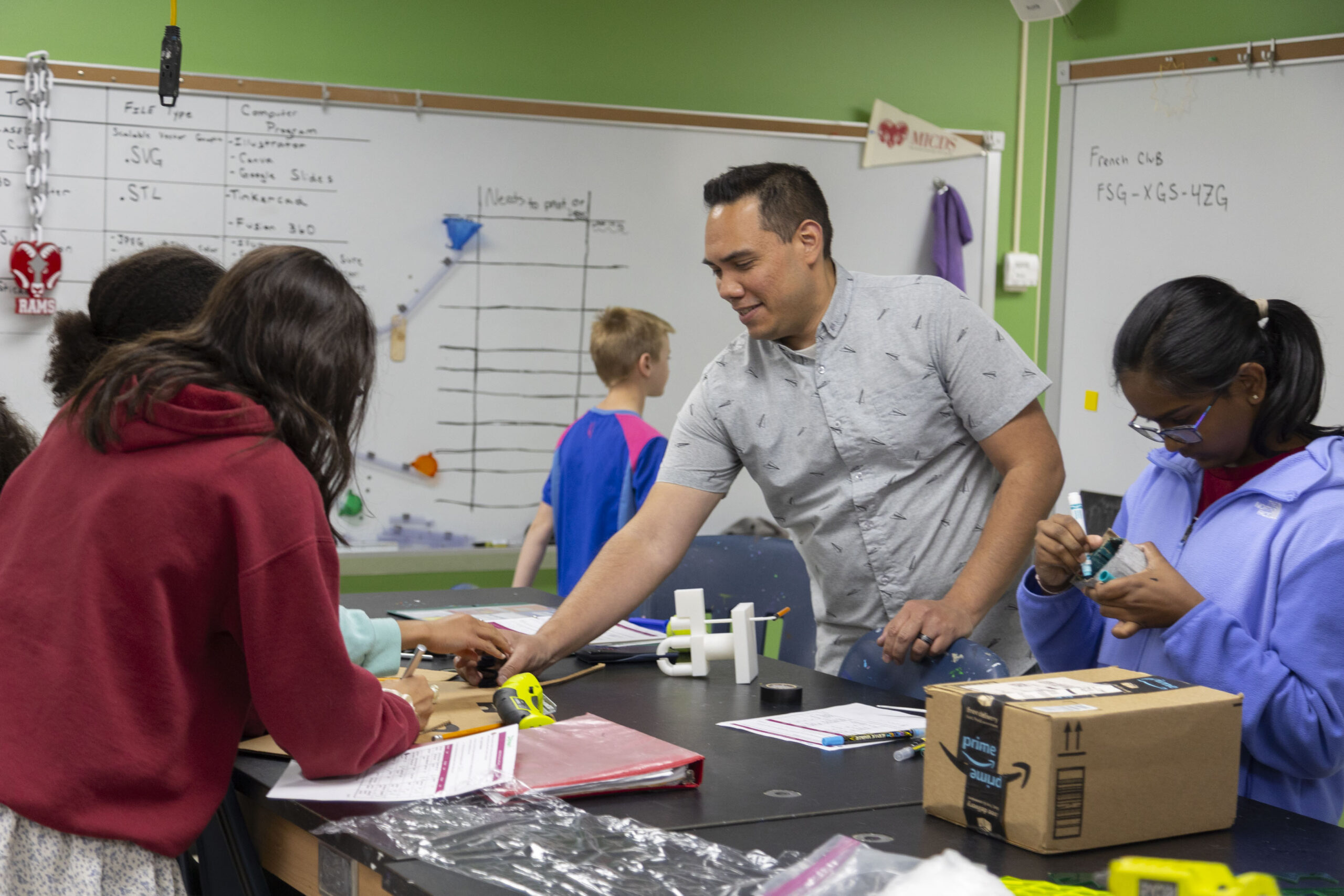
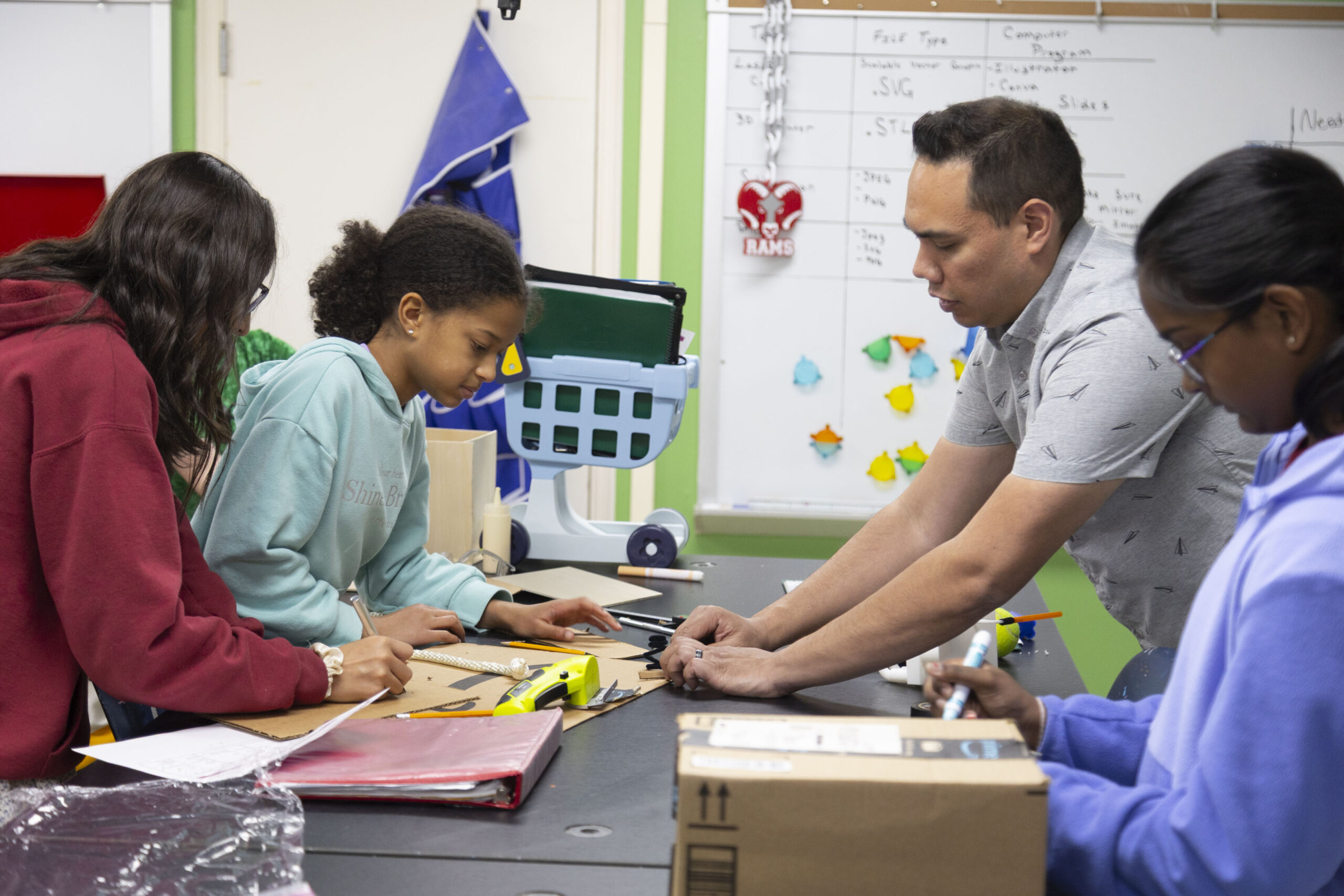
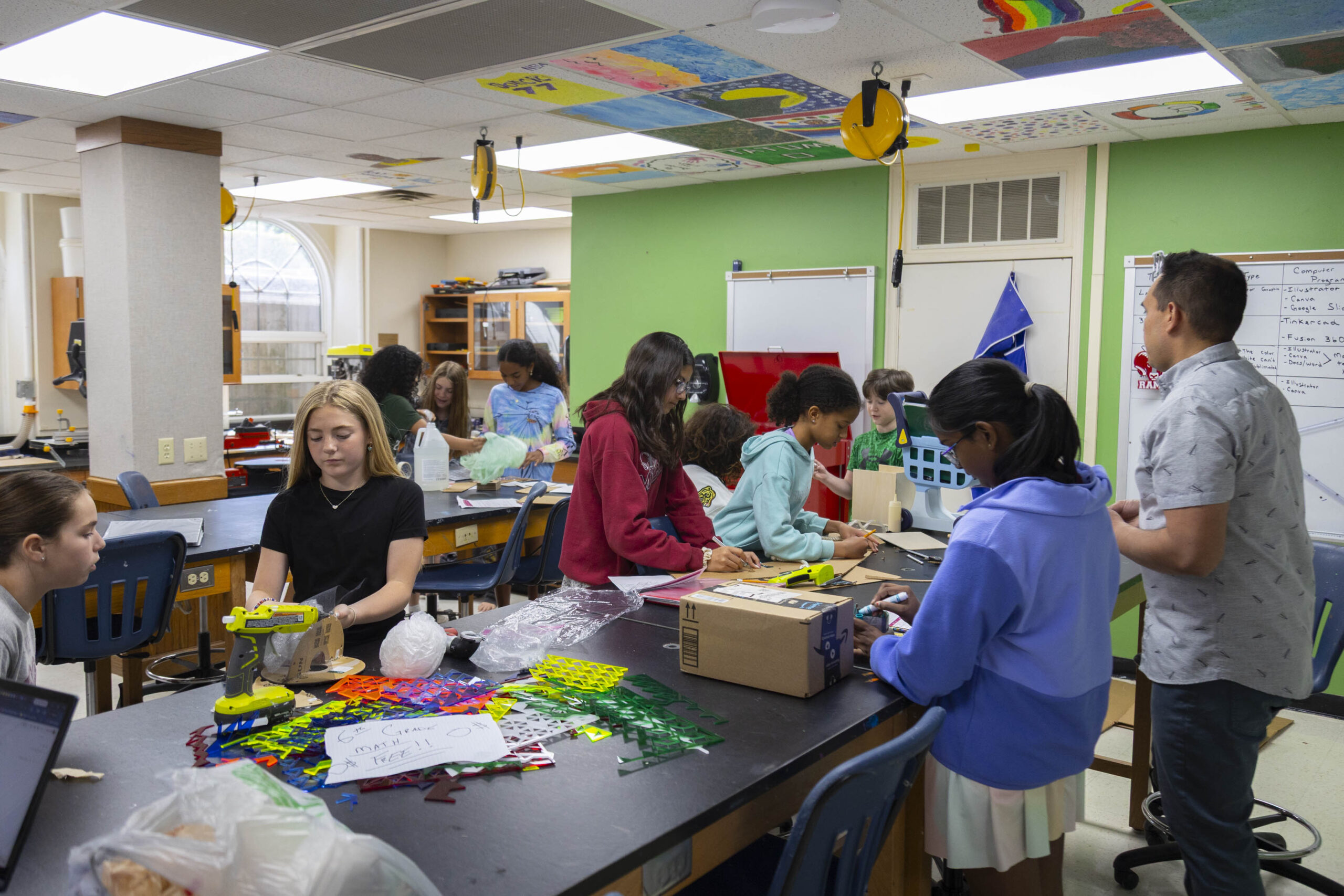
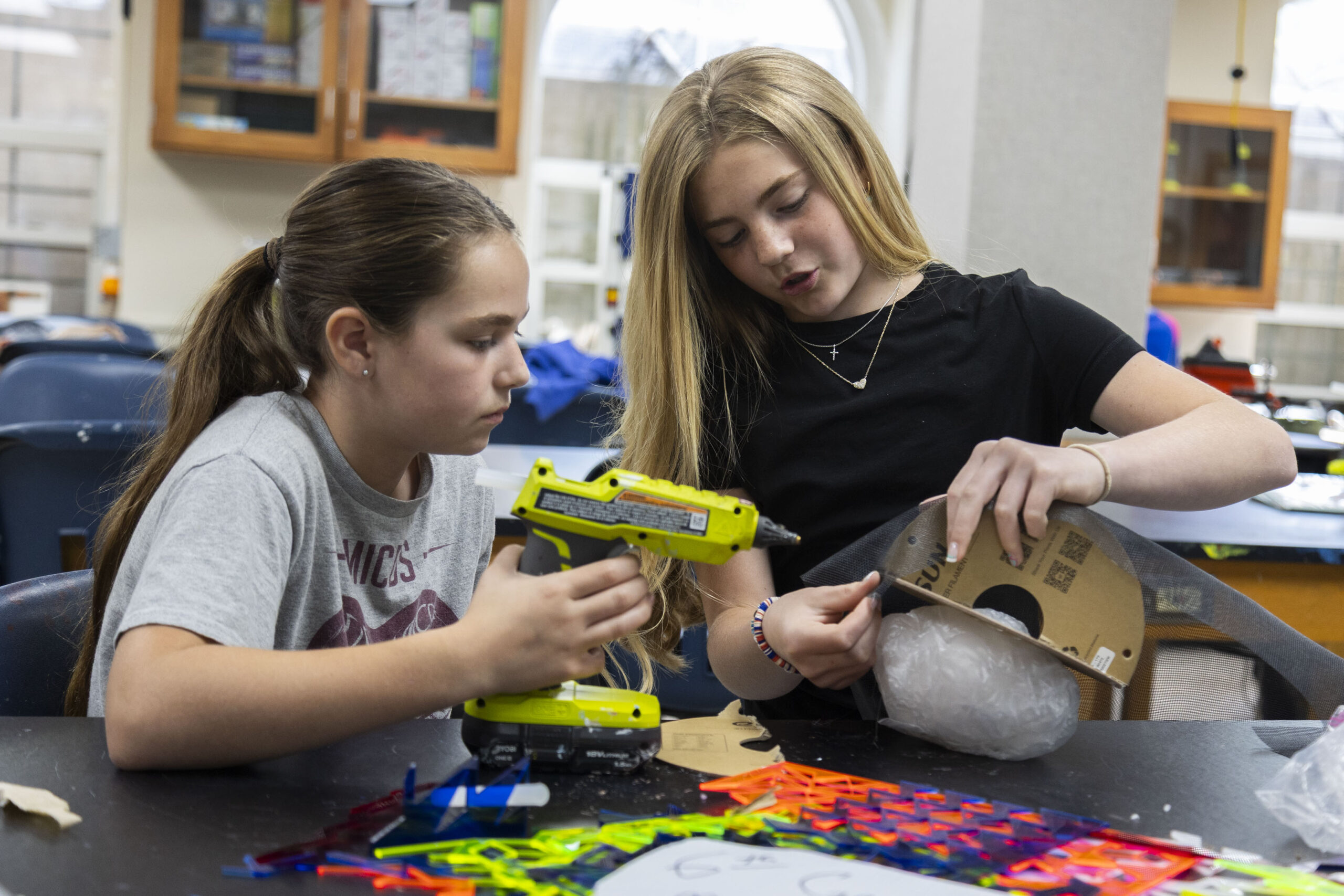
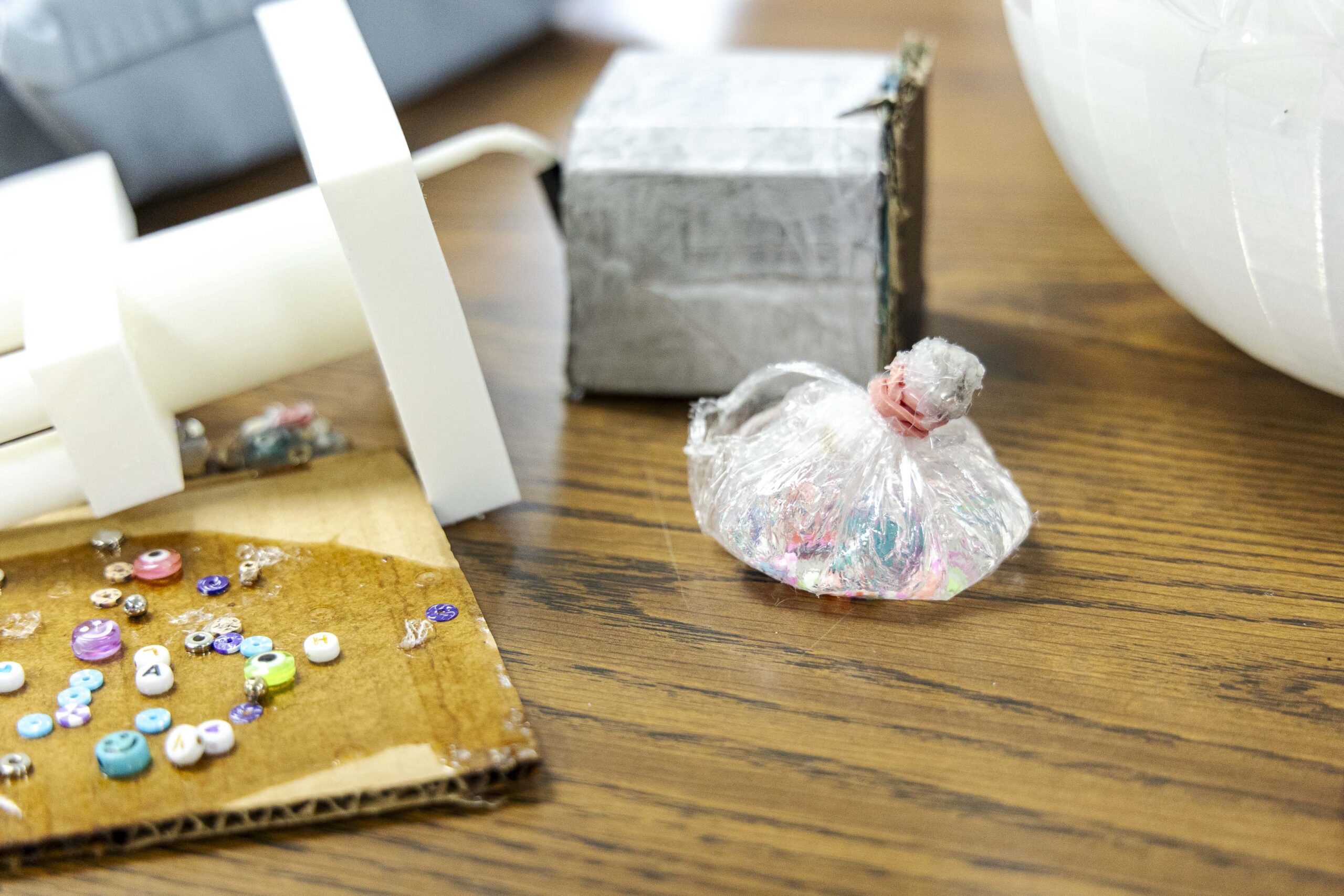
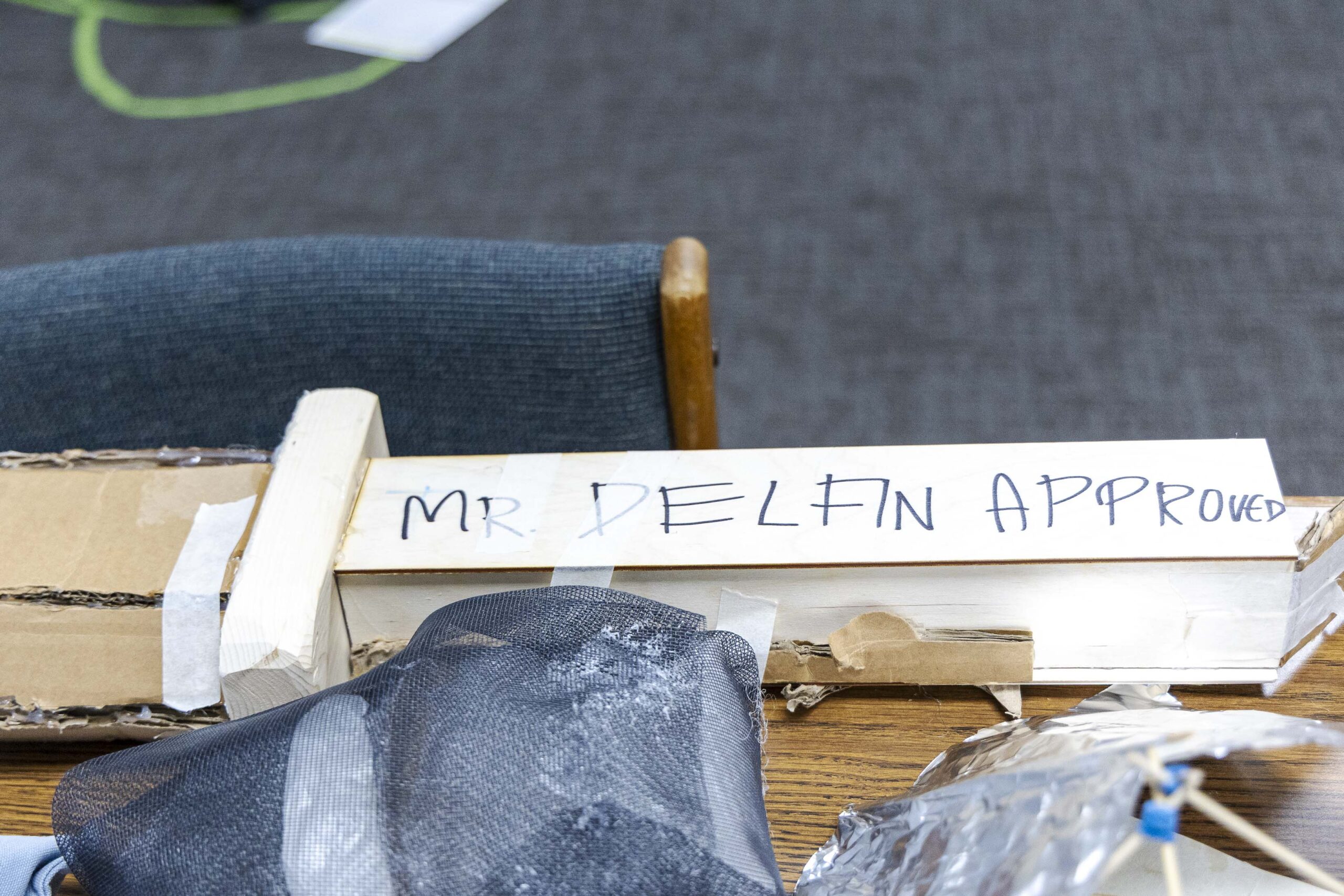
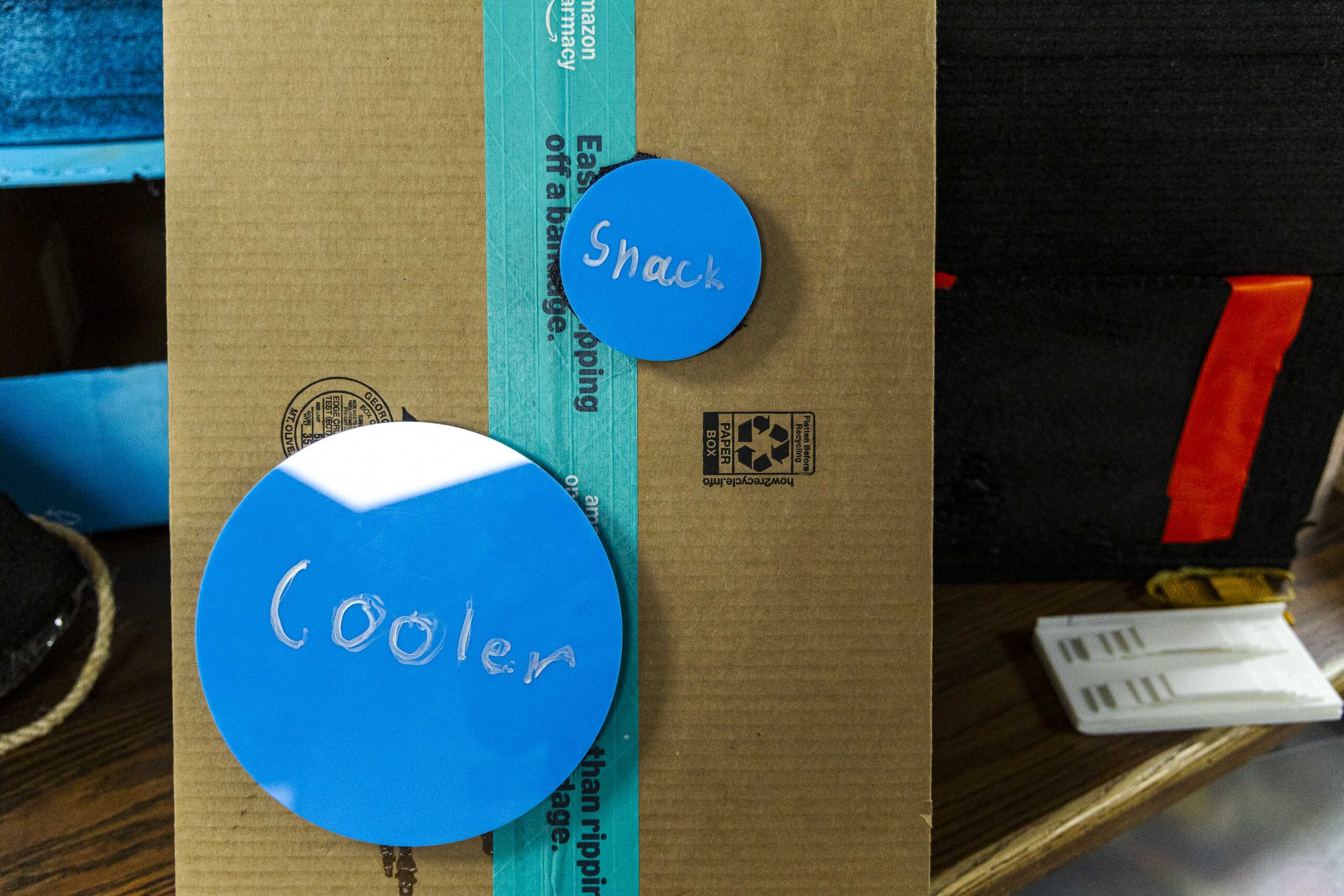
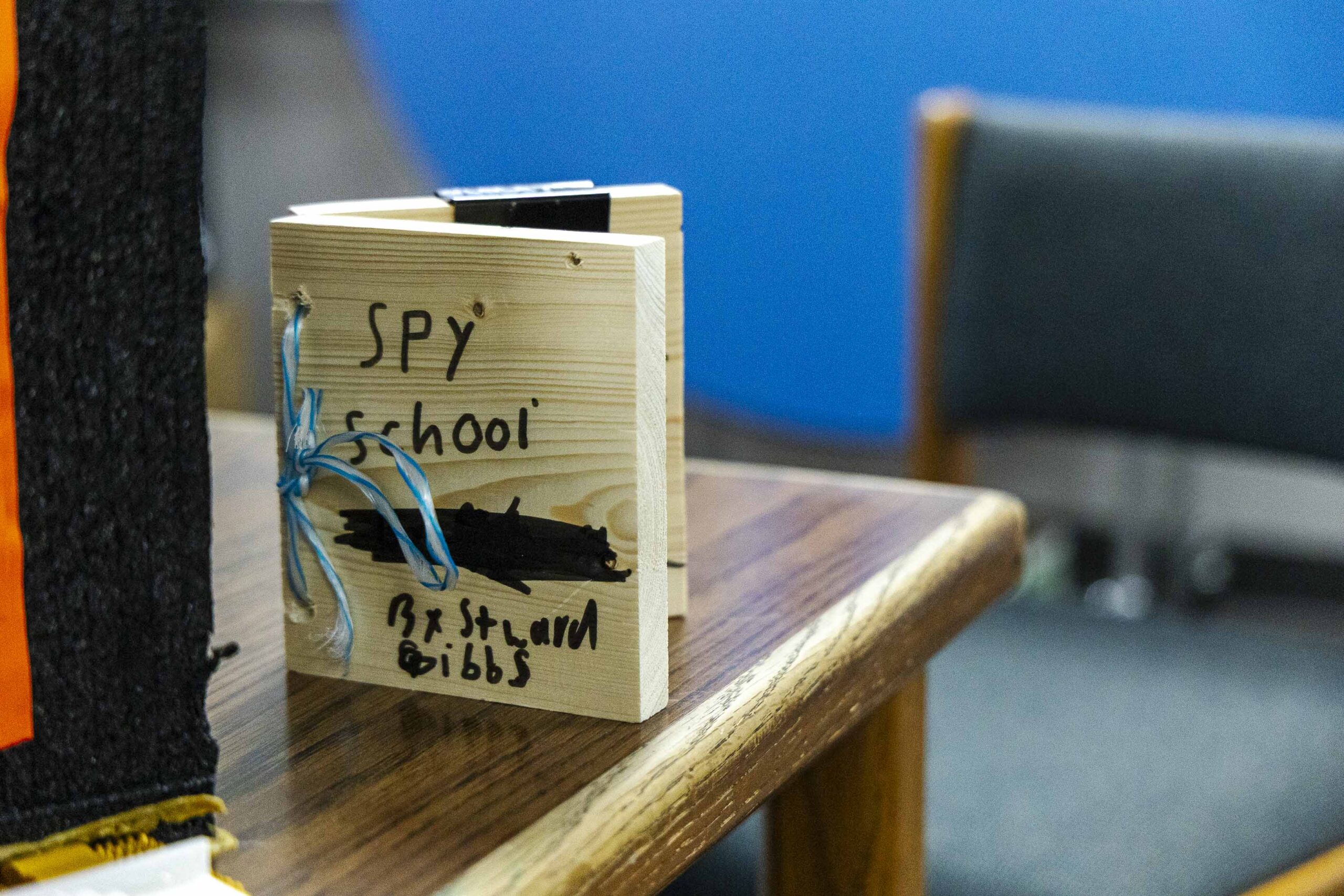
Students visited Mr. Whitney’s makerspace to build prototype models of their products. The students enjoyed their time creating physical examples of their ideas. Morris said, “My favorite part of this project was being able to create our model and make our ideas really come to life.” The makerspace was also Trankler’s and Molamphy’s favorite part.
Phase 5:
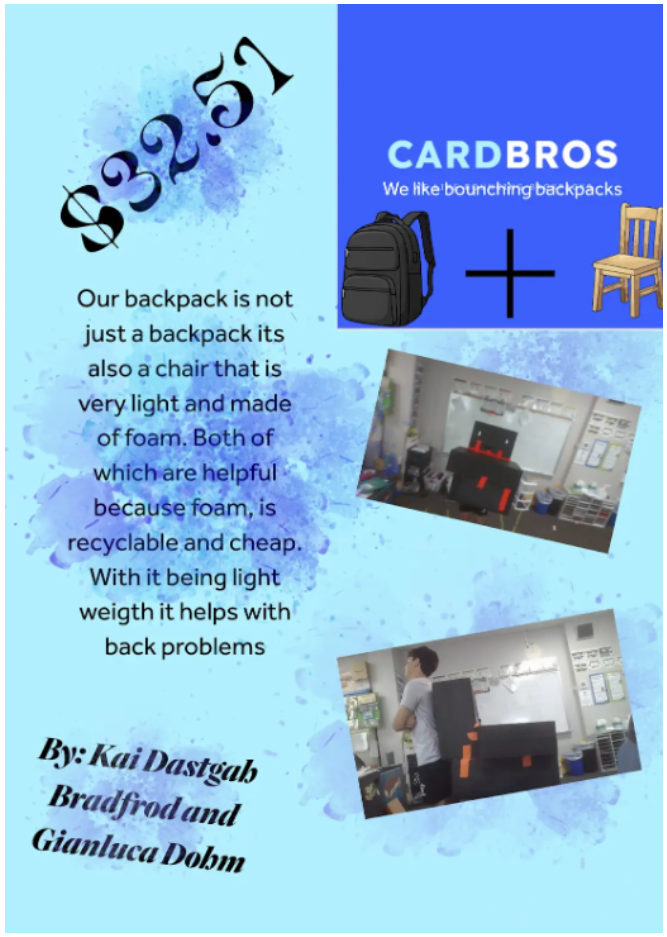
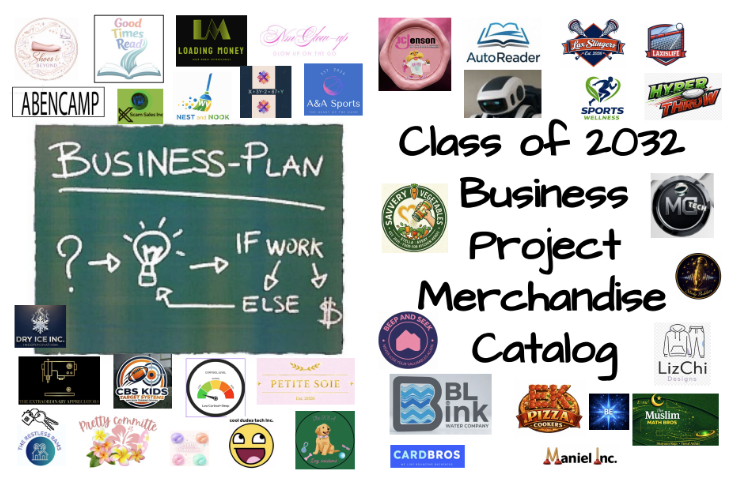
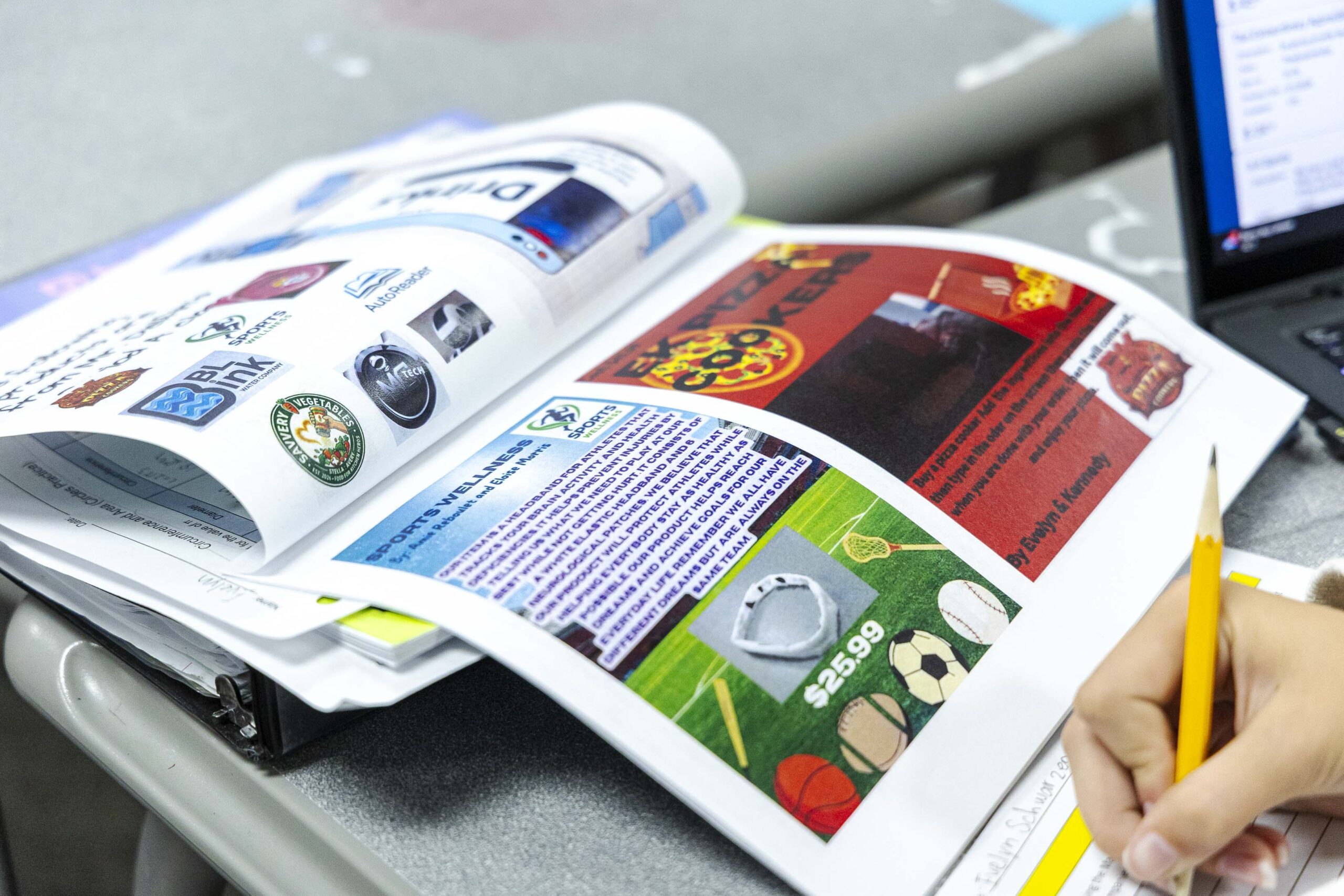
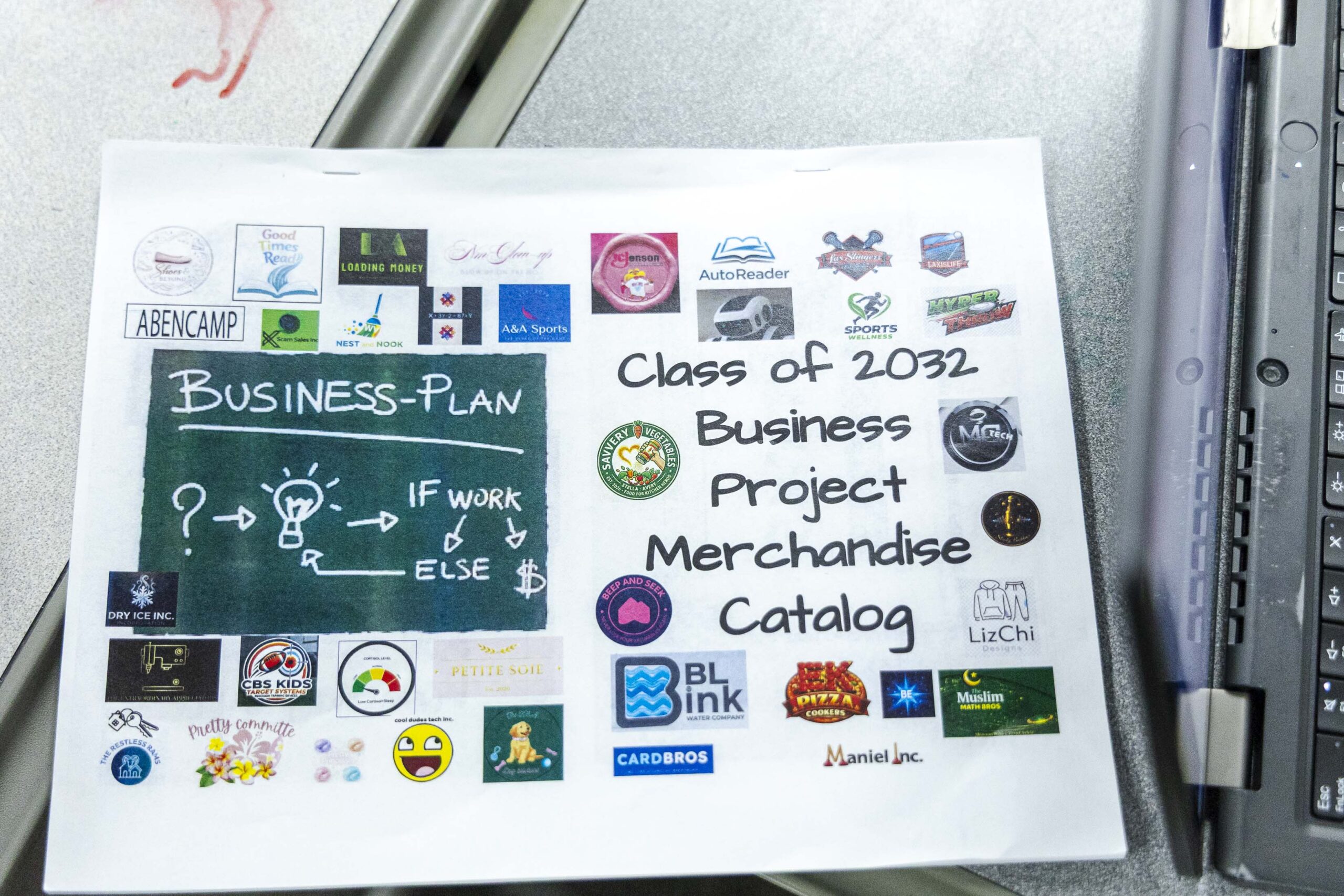
Since students paid an advertising fee, the next phase required them to design an advertisement to promote their product. Each company’s advertisement was compiled into a catalog, which students used in the next phase.



Phase 7:
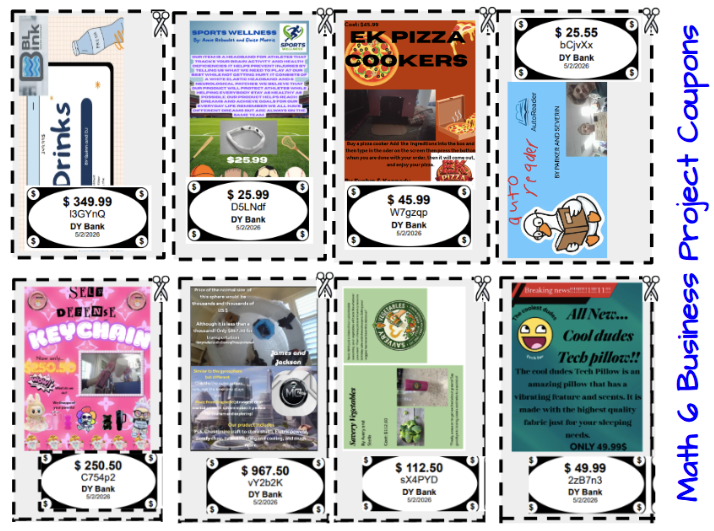
As we worked on the business project, students simultaneously worked on their circles and statistical units. Students were given class time to work on practice problems in preparation for an upcoming assessment. Every time students completed a checkpoint in that activity, they could select coupons for various businesses. These coupons gave students an advantage when it was time to move on to Phase 7. Due to time constraints, Phase 6 was skipped, and we moved on to Phase 7.
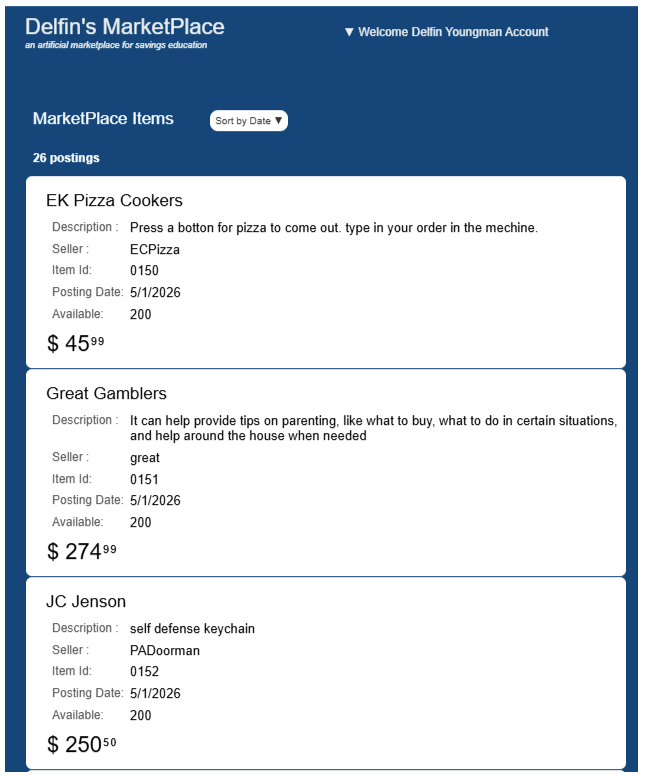
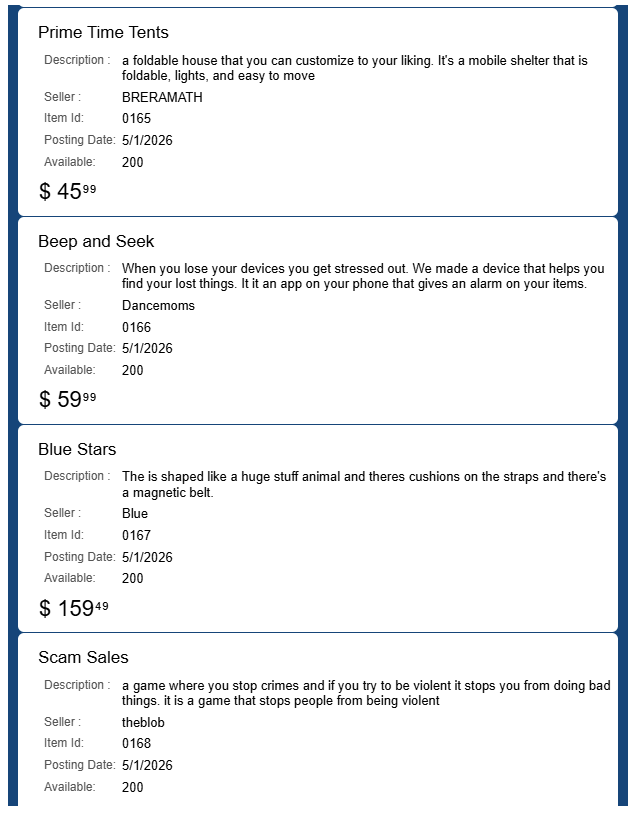
Using a compiled catalog of all the advertisements created in Phase 5, students participated in a shopping spree. In the MyKidsBank Marketplace, students made online purchases in which they were required to buy at least 16 different products from 16 different companies.
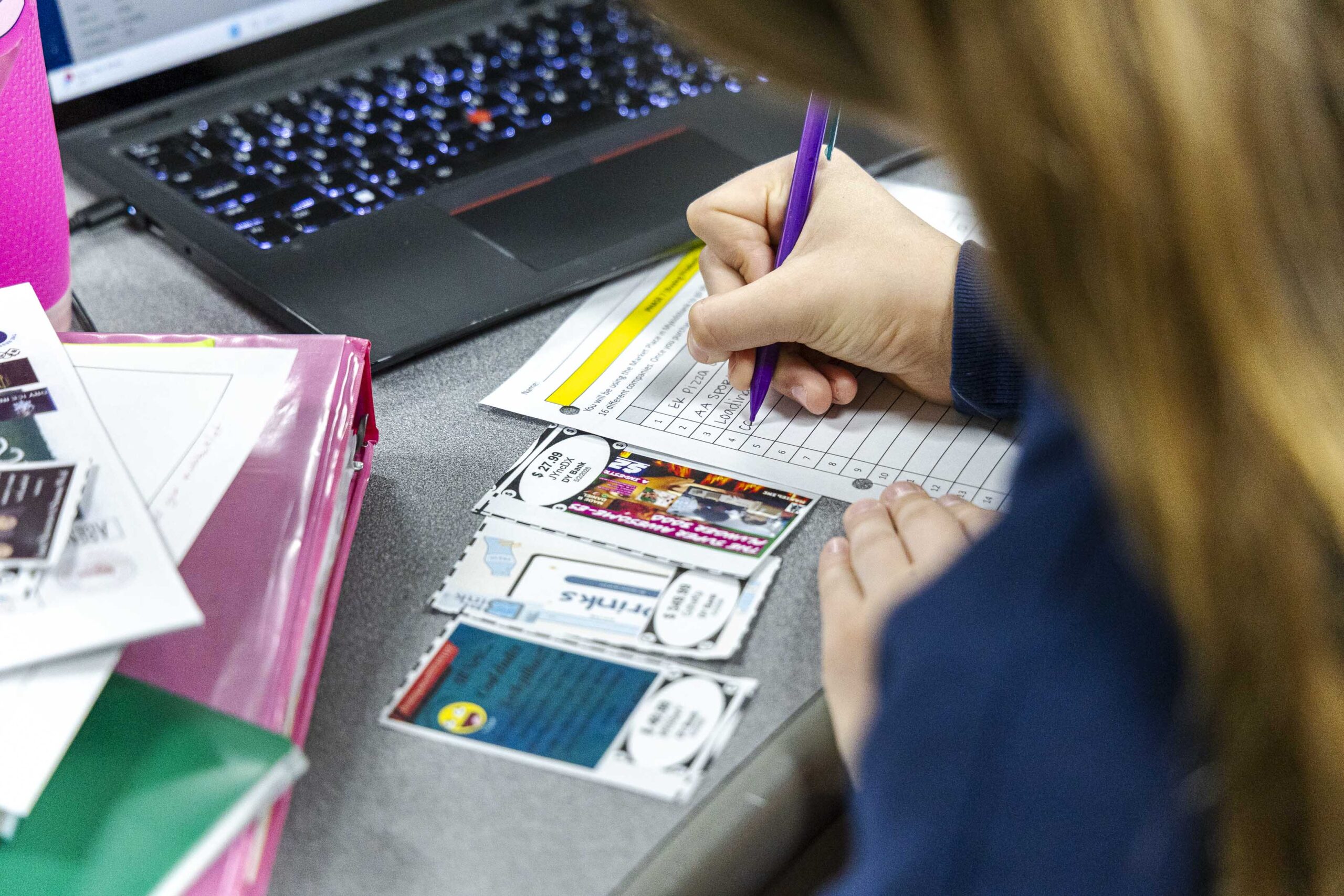
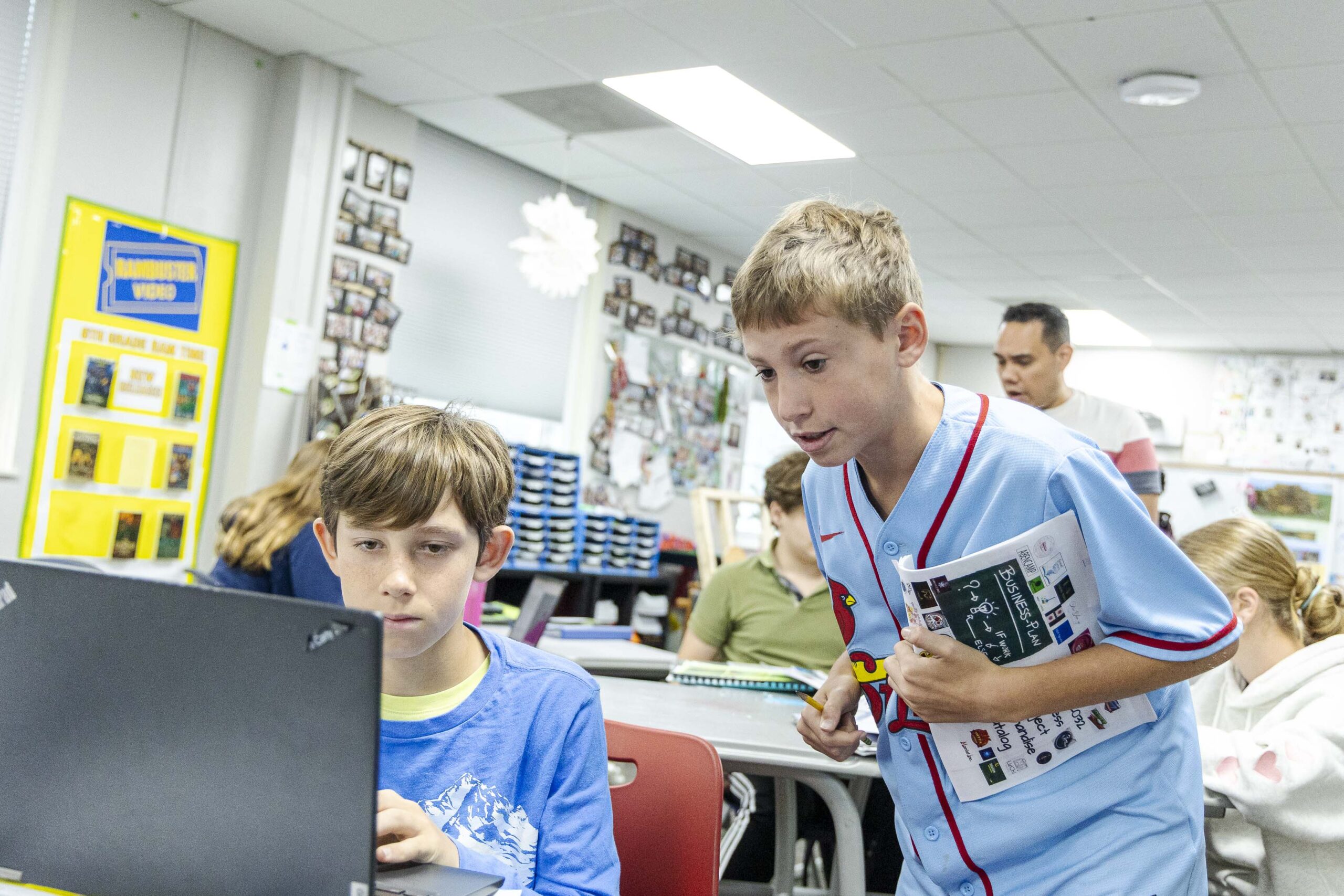
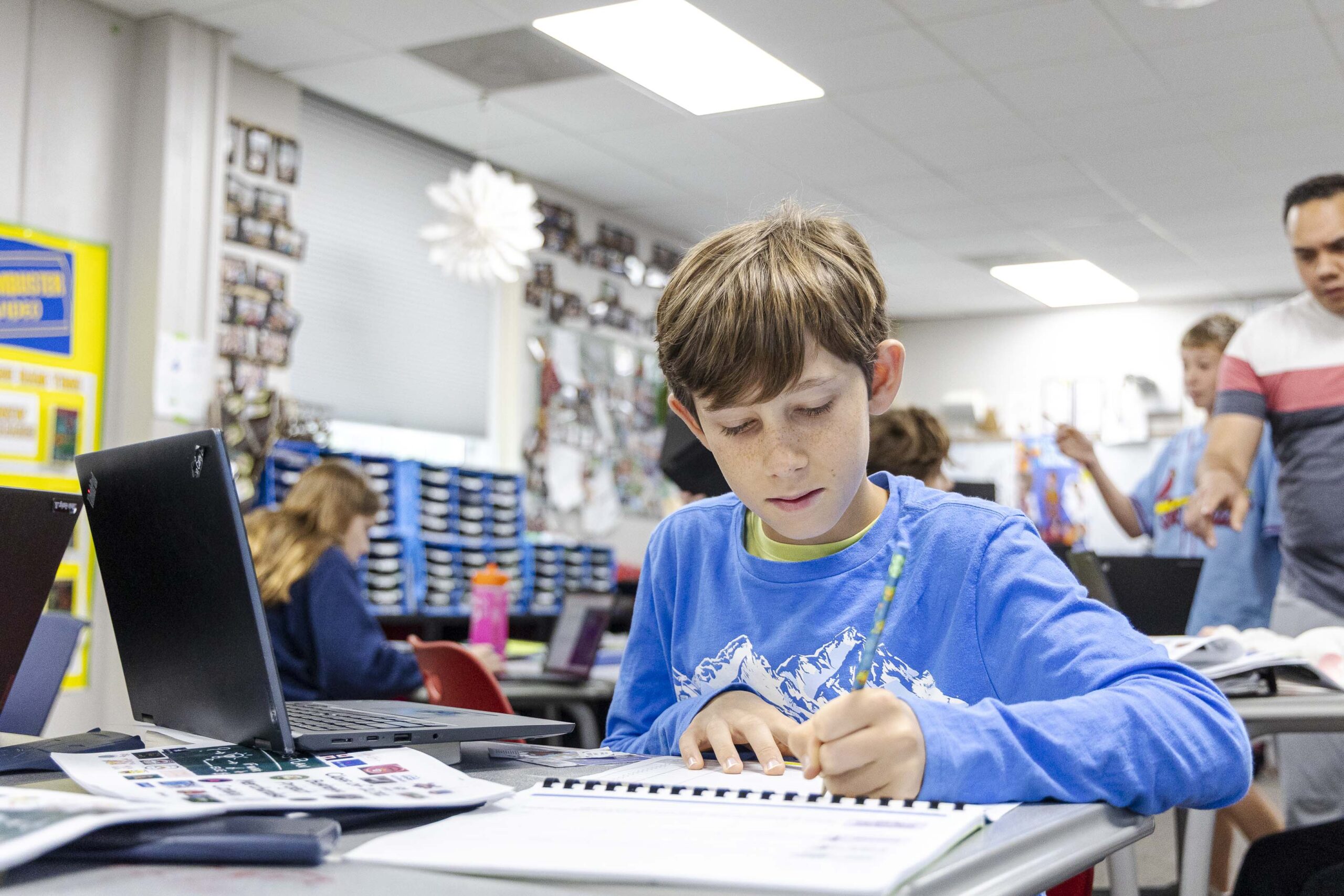
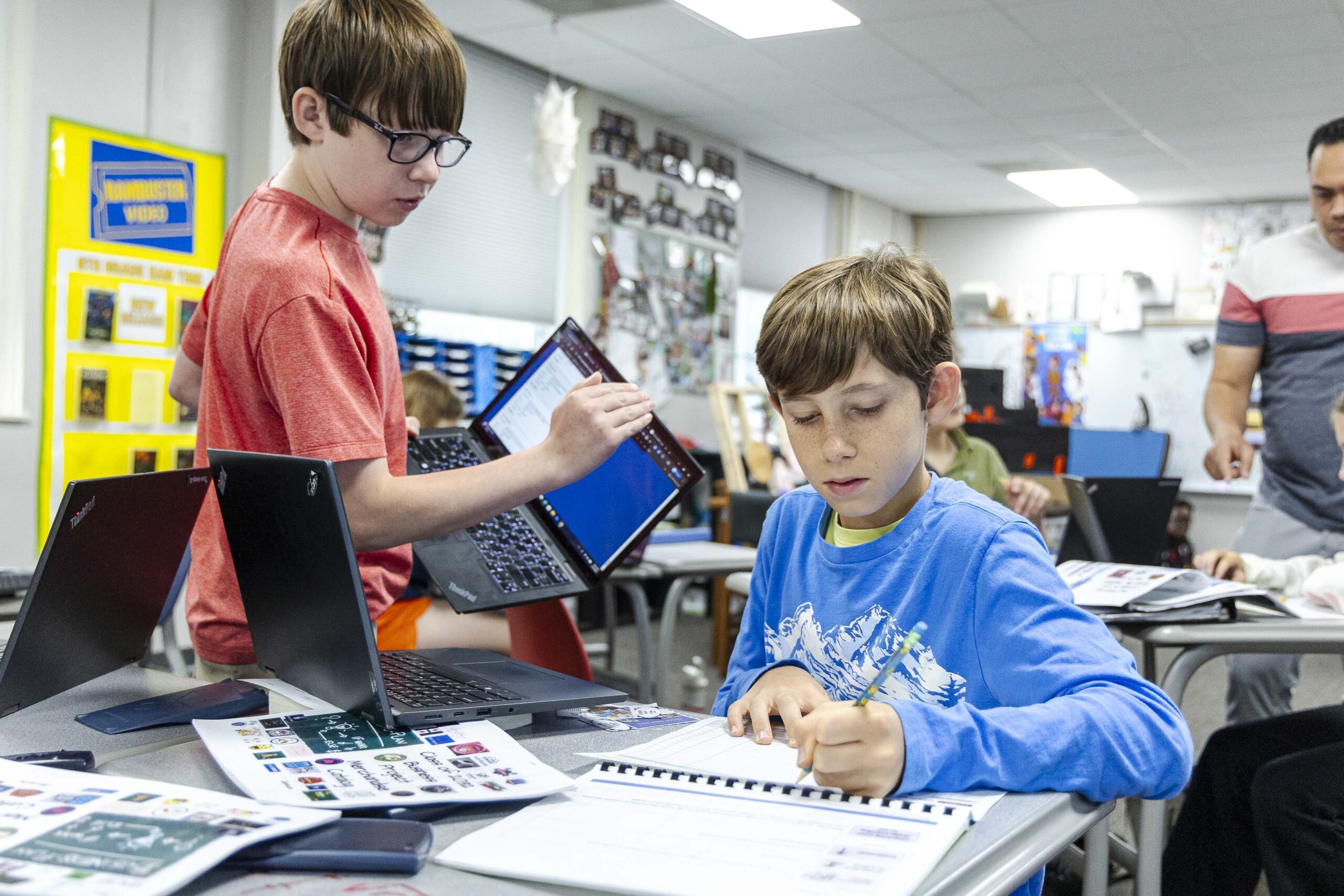
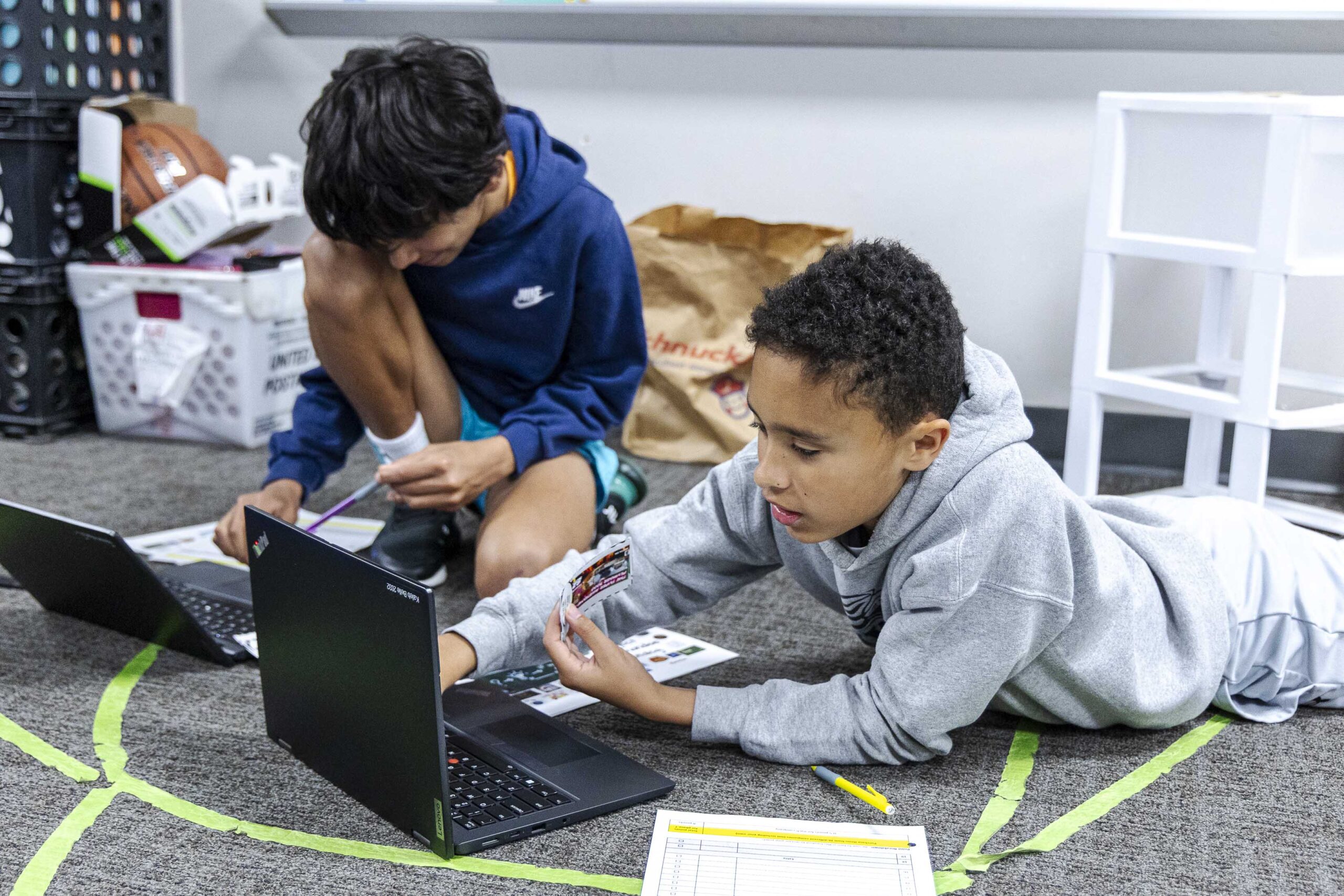
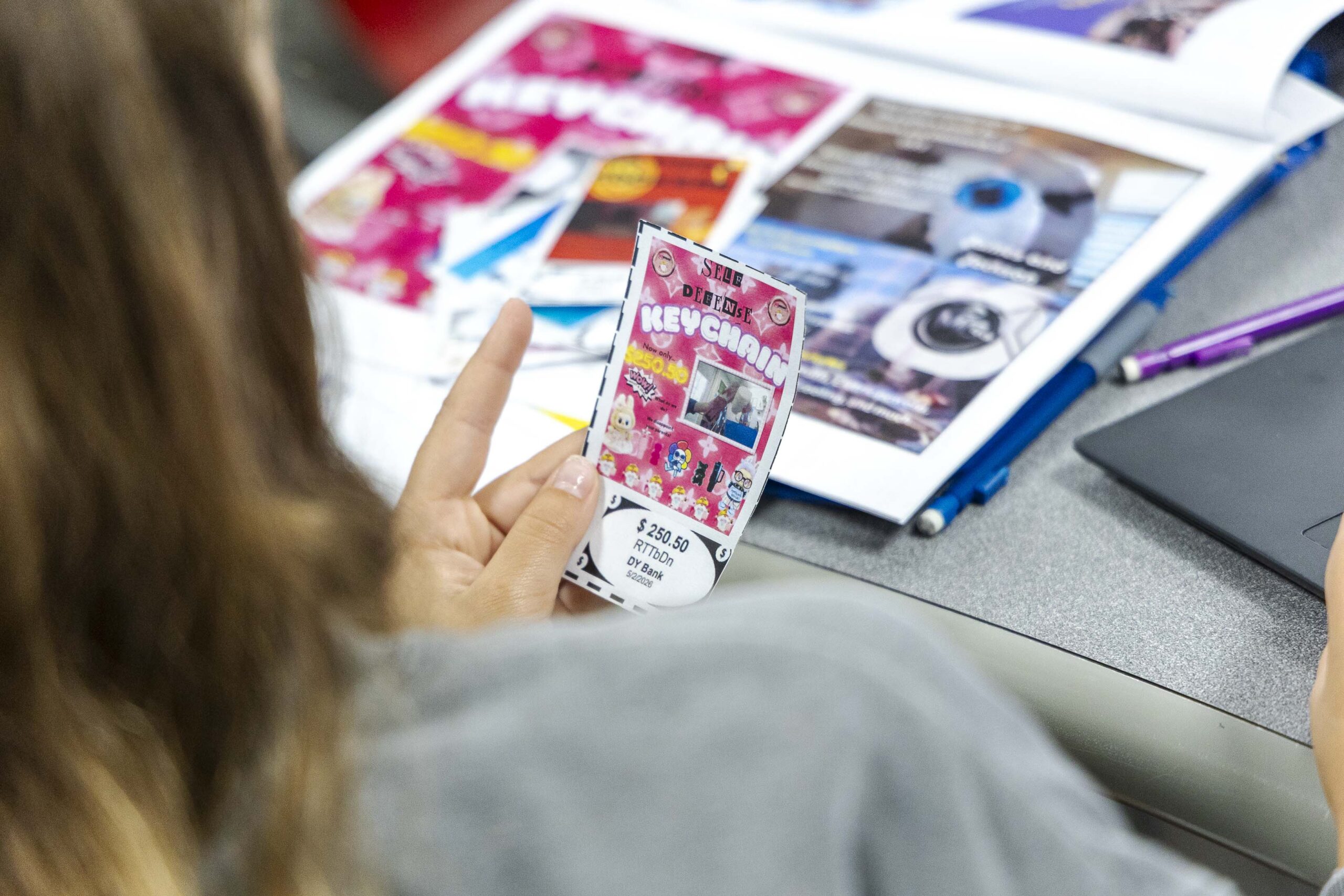
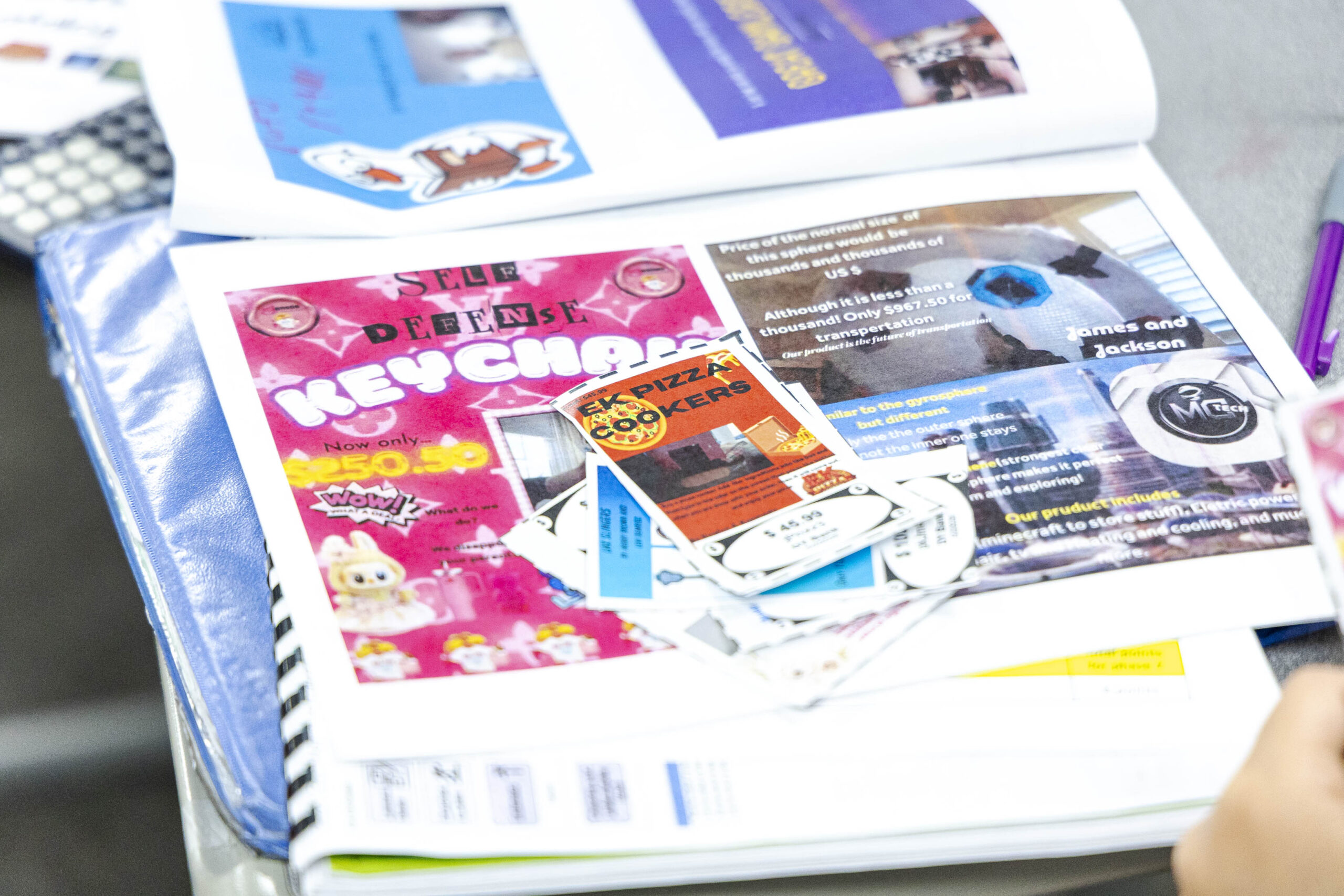
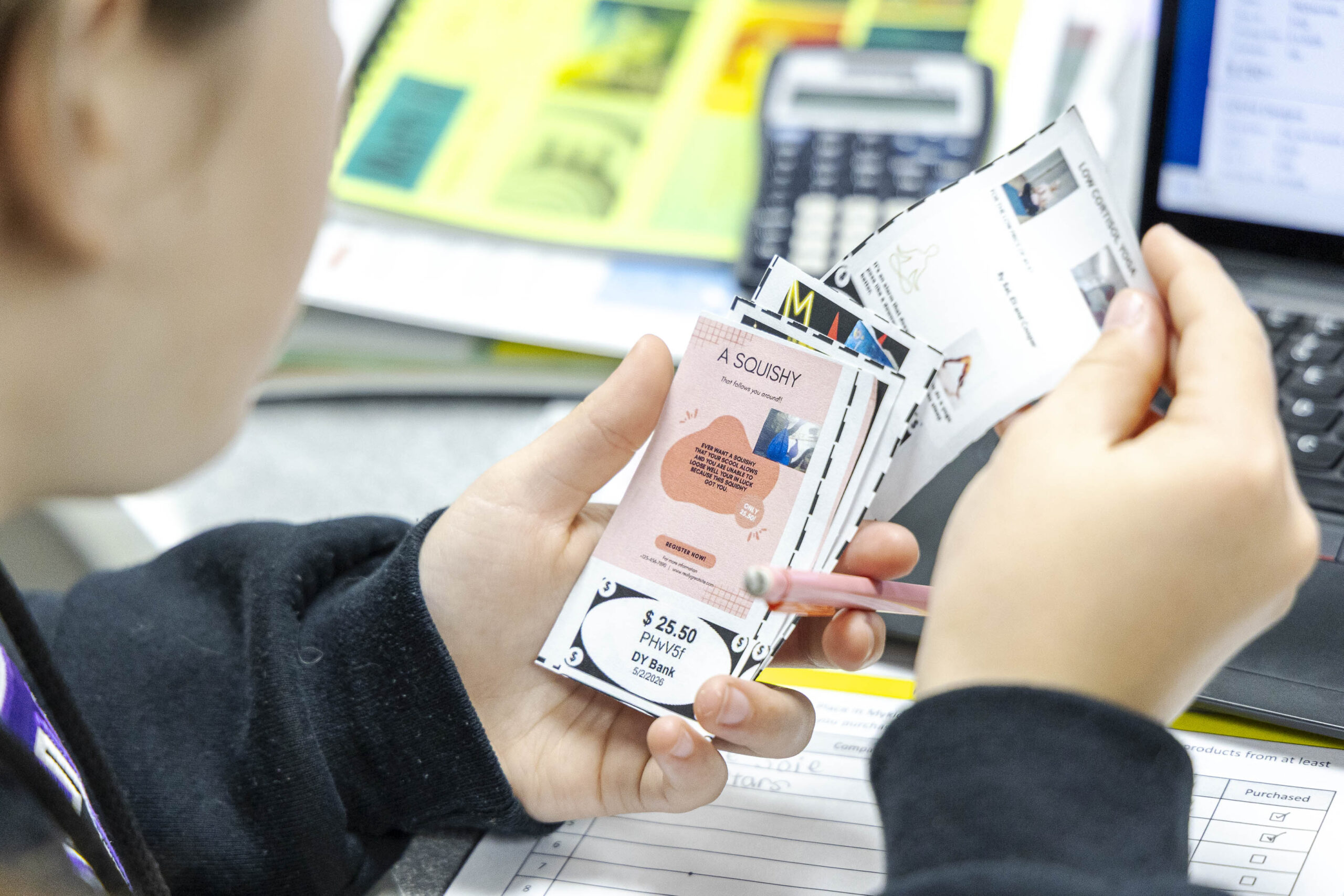
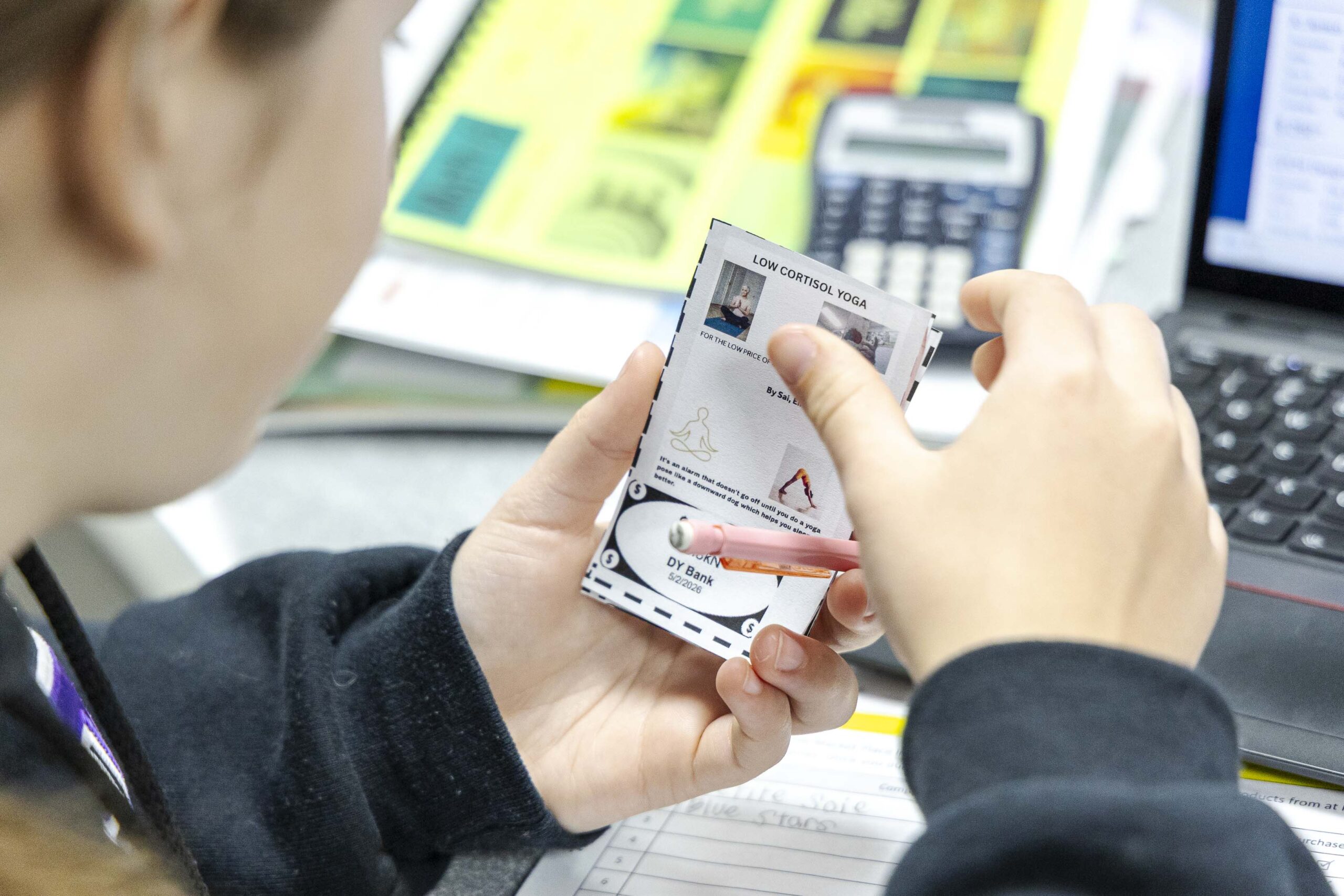
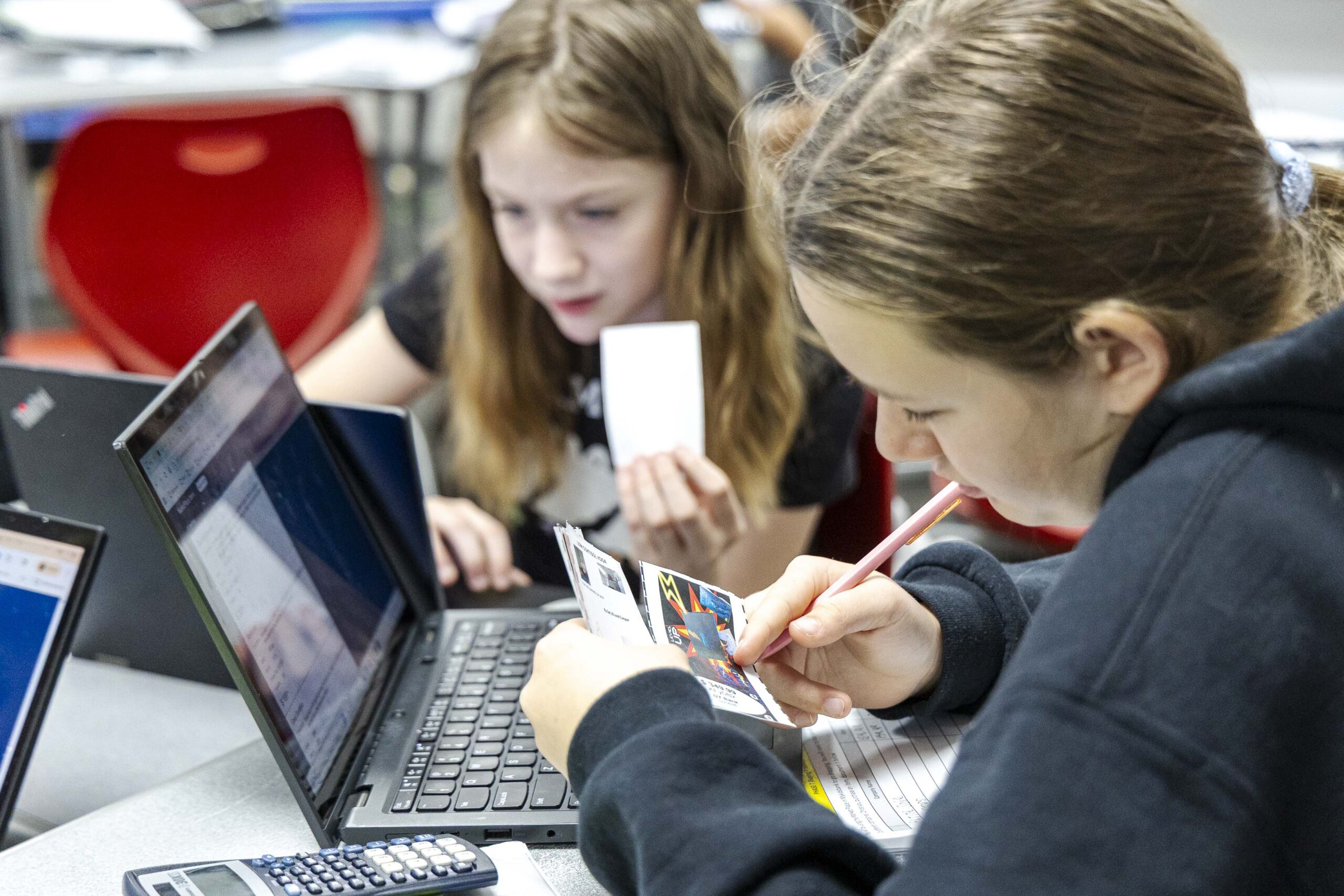
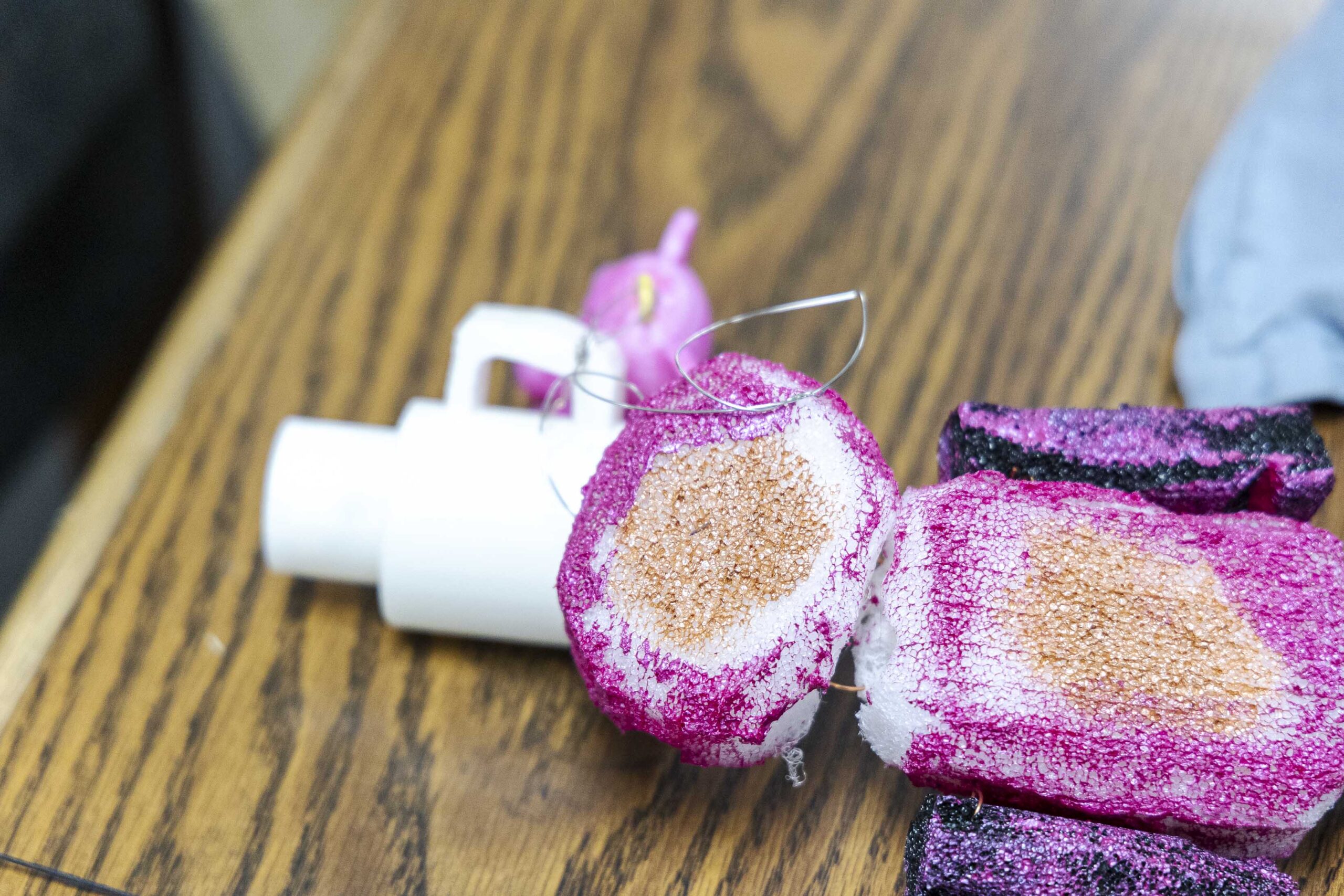
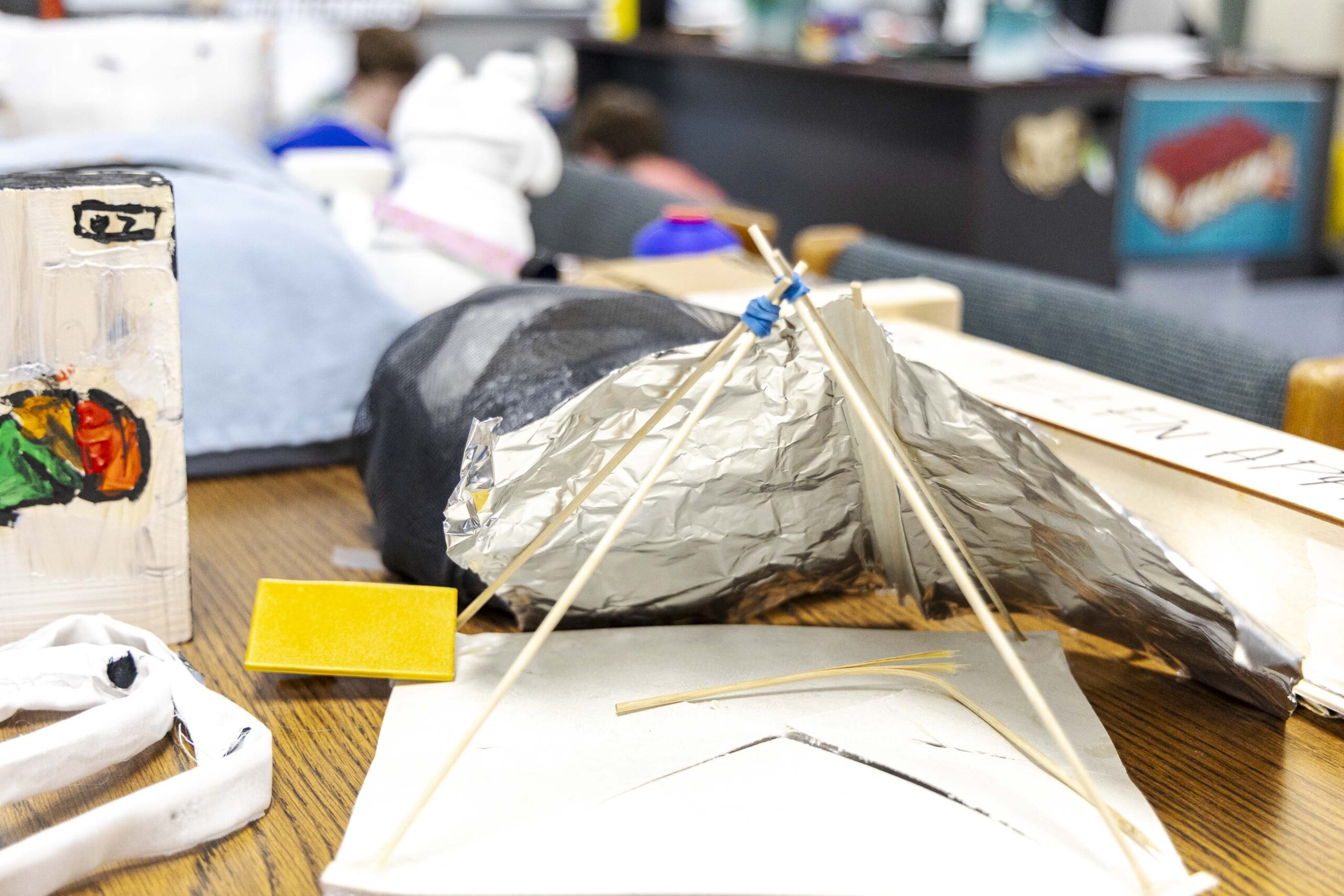
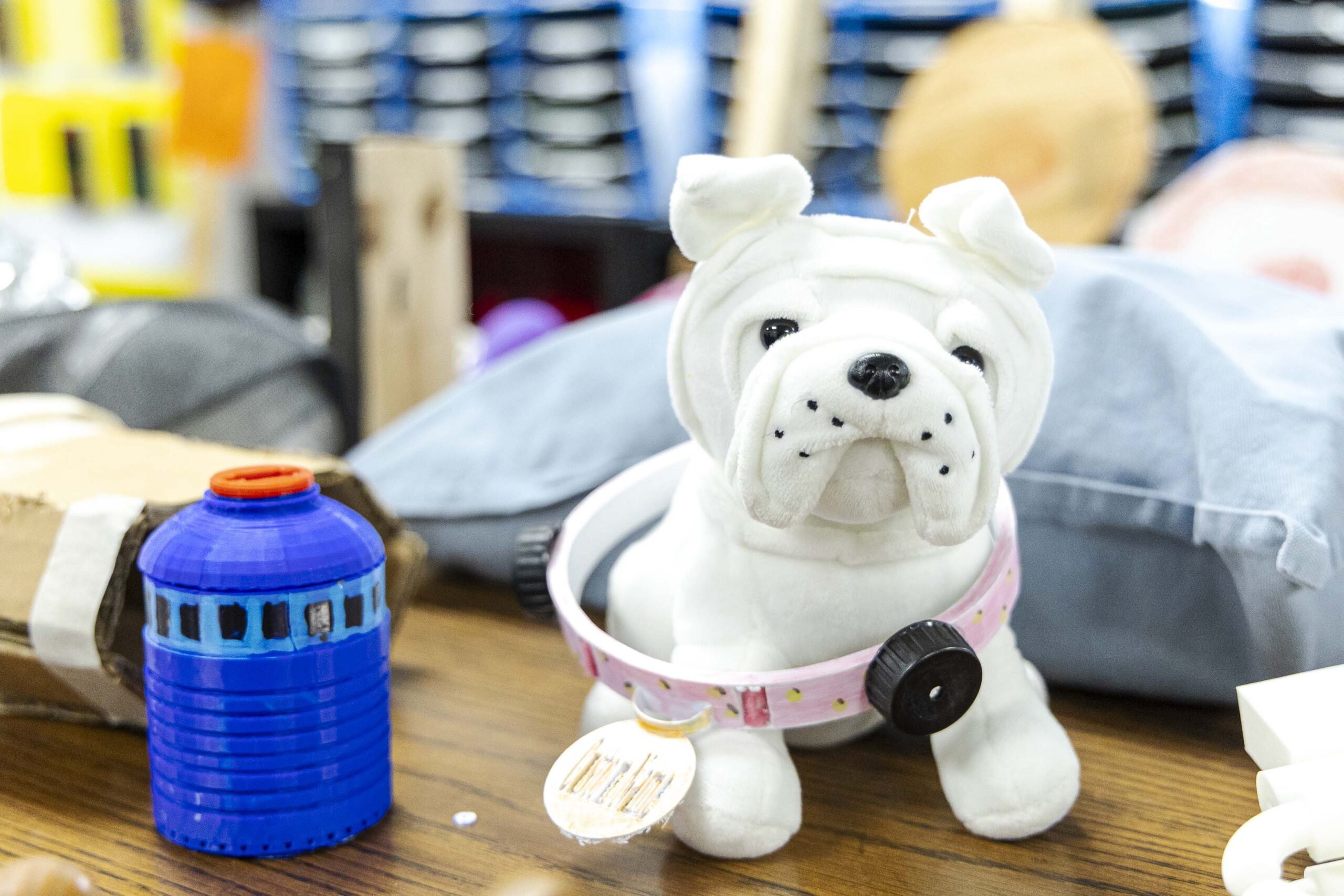
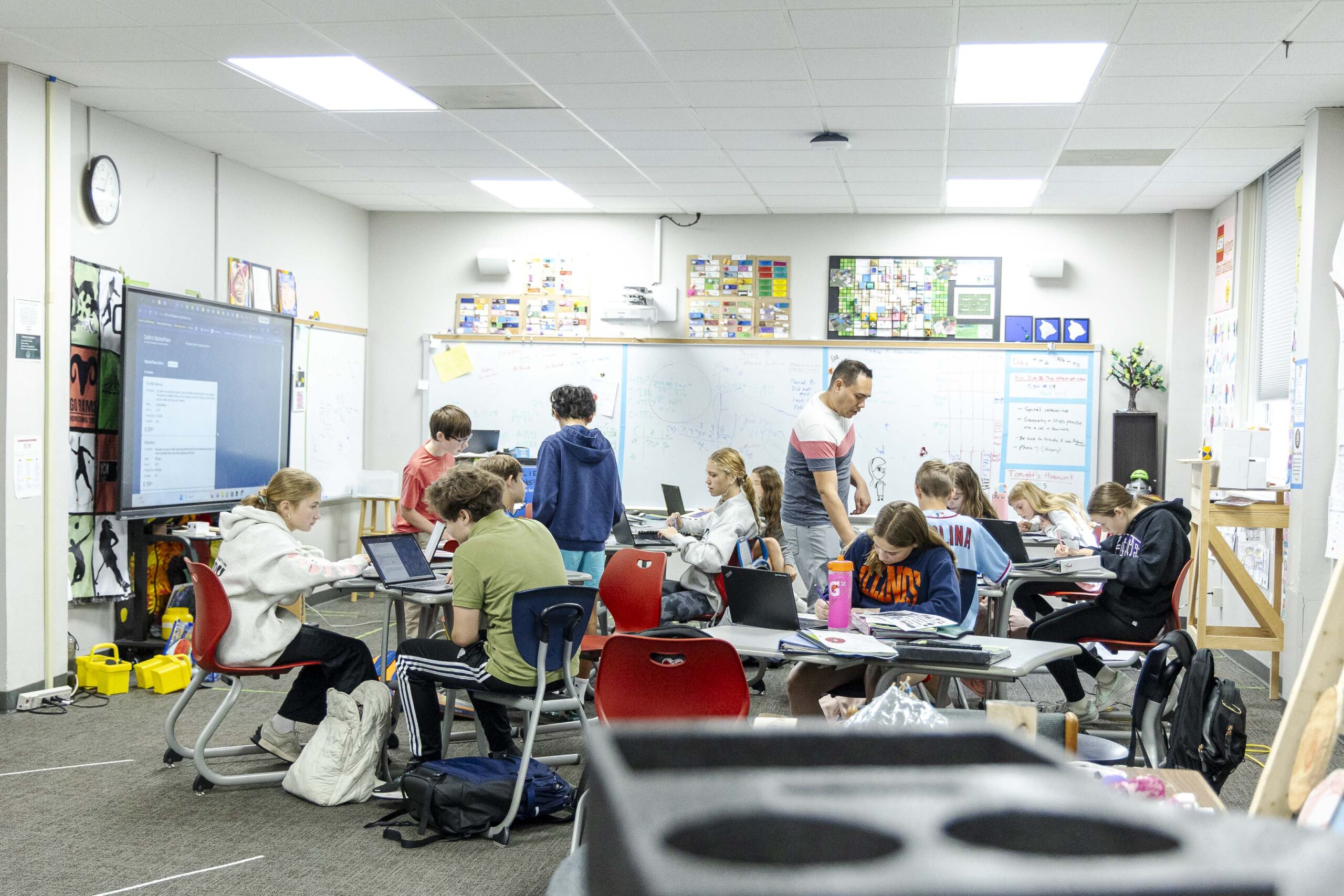
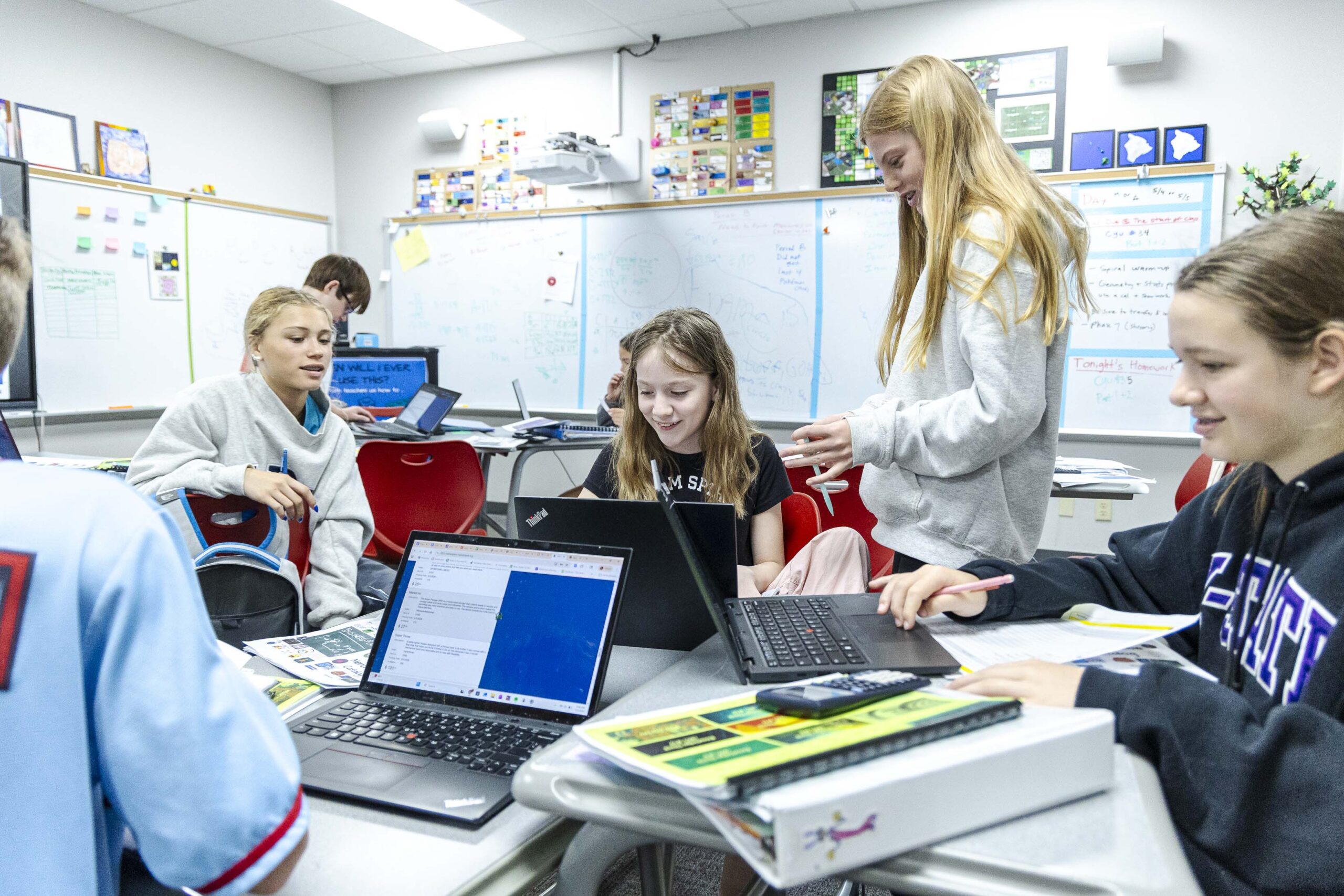
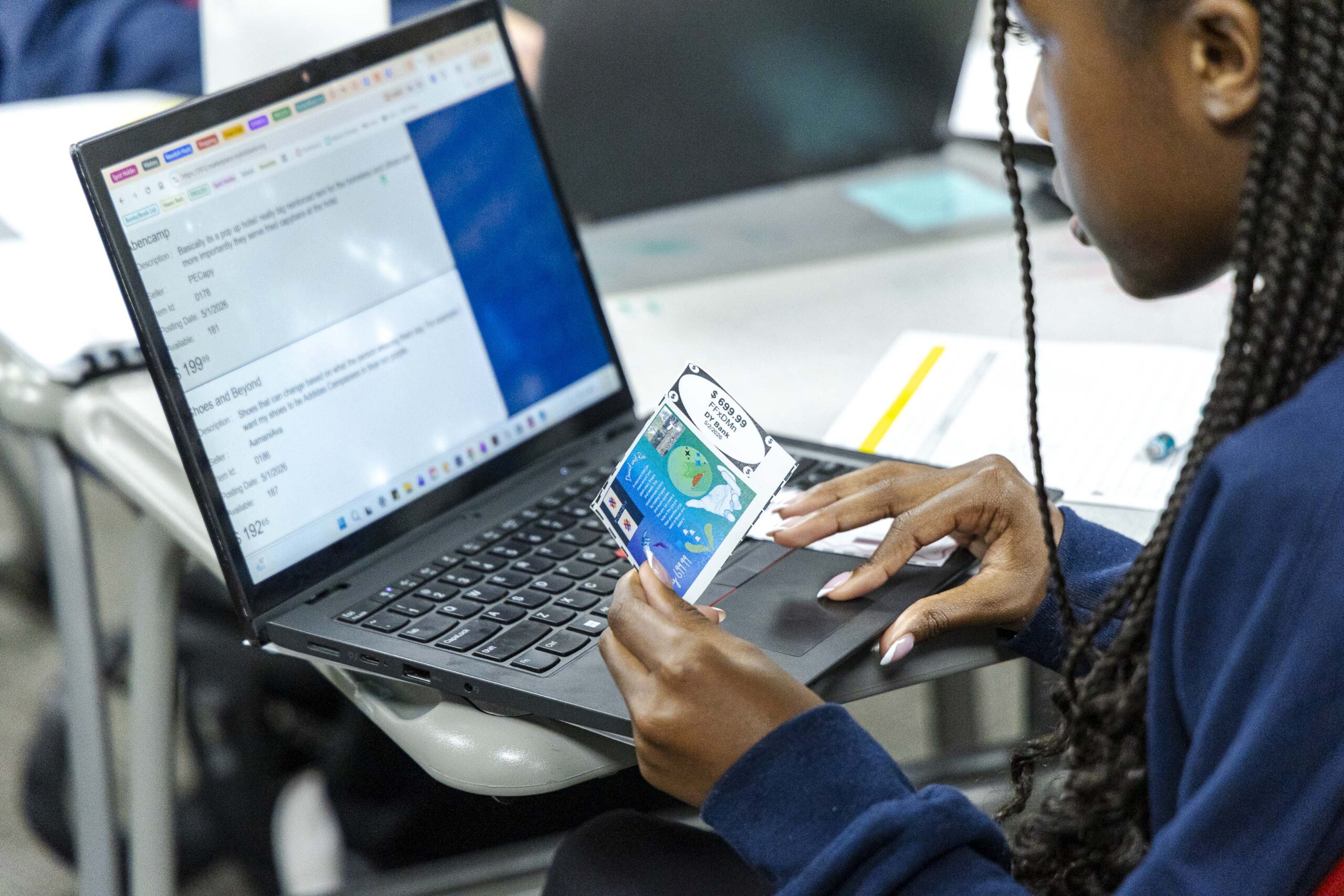
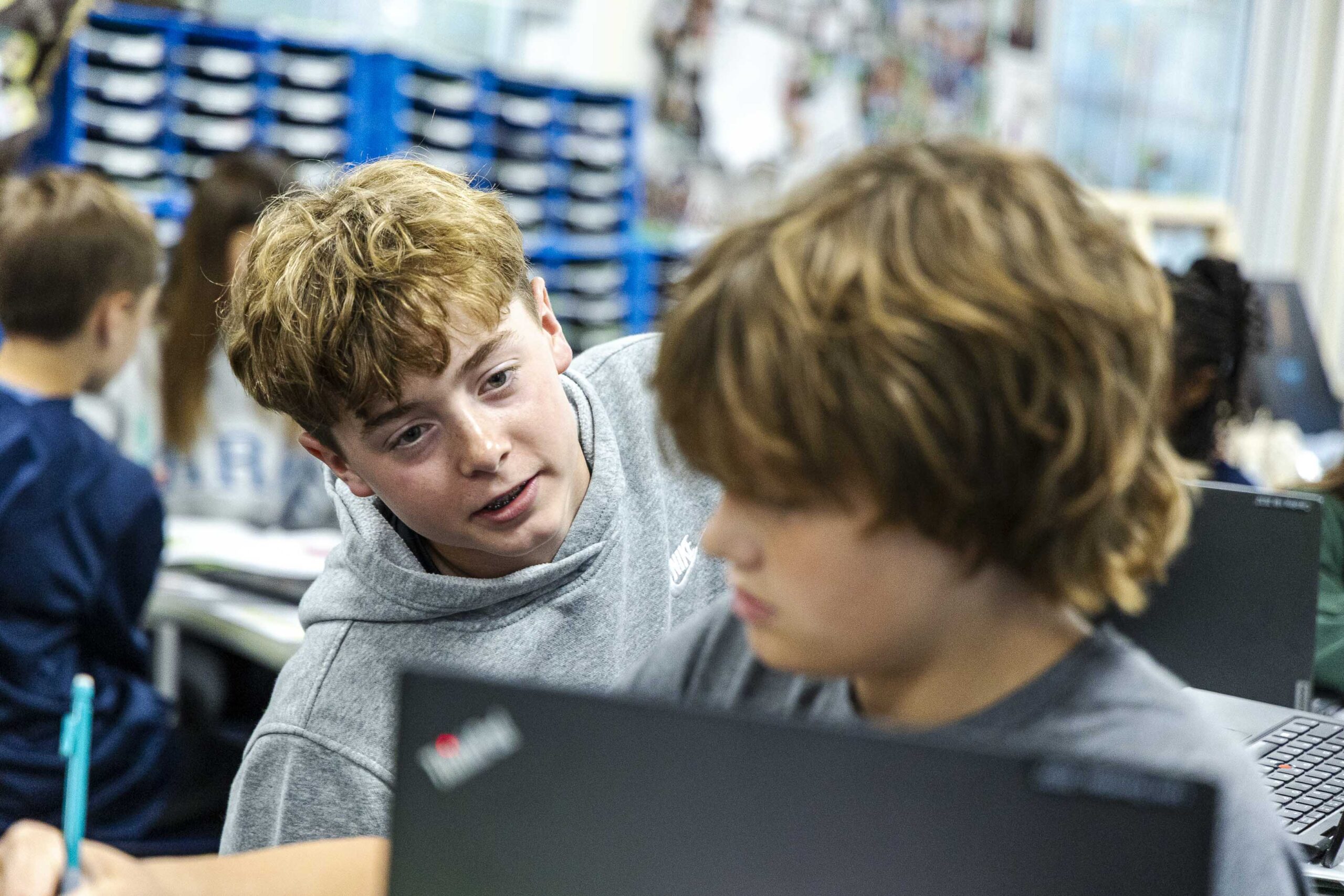
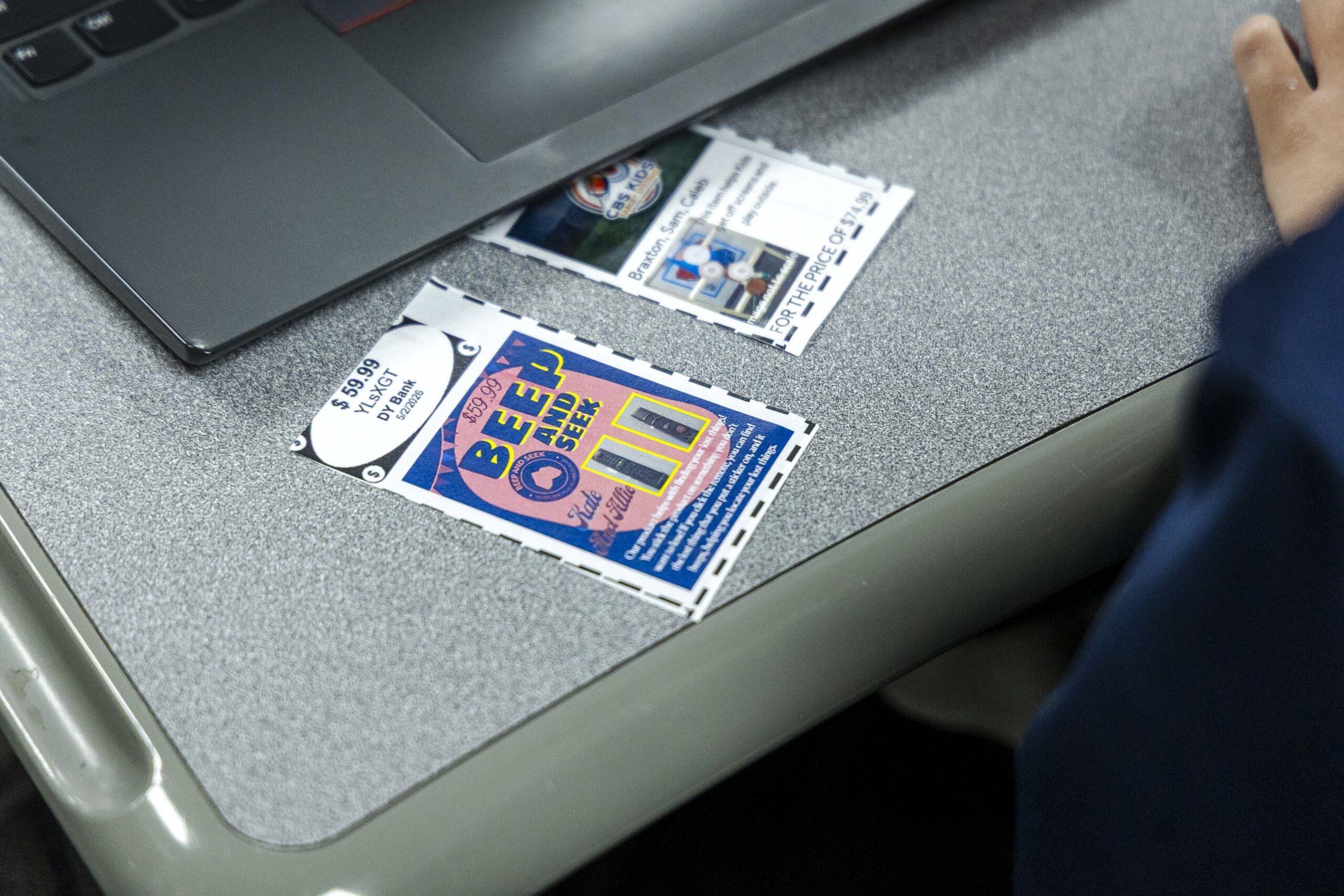
This created a mini economy in which goods were exchanged using funds from their bank accounts. The coupons in the activity mentioned above helped students financially complete this task while they documented their purchases in a graphic organizer.
Phase 8:
After completing their purchases, each business logged in to its MyKidsBank account to document the sales. Students entered this data to review their sales data and the total profit their company earned. “The most challenging part was calculating the total amount of money that people purchased,” Trankler shared.
Phase 9:
Students used their sales data to write another linear equation, with the independent variable the number of items sold and the dependent variable the amount of money in their bank account. Students used their company start-up value, factored in the fees for advertising and Mr. Whitney’s makerspace, and determined how many products their company must sell to reach $1,000,000. They relied on a table of values to graph their linear projections on a coordinate plane.
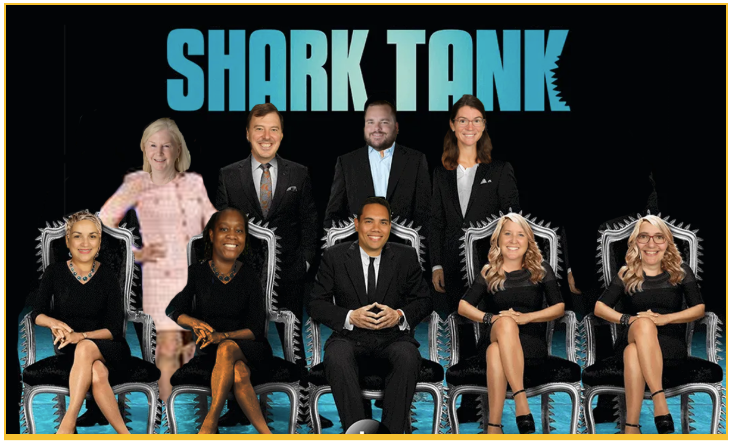
With sales data recorded, it was time to attract investors. Students watched examples of Shark Tank pitches to understand how to present their ideas effectively. Each company evaluated its sales and profit performance to determine a projected company value.
Each business completed the statement:
“We are asking for $__________ in exchange for ______% of our company!”
During the final week of school, students will present their products to “Sharks,” who are sixth-grade advisors and other members of the community. Each company completed a template with its own business information. The goal is for each company to use the information calculated above and secure a deal with at least one investor, with many aiming to attract multiple offers.
Project Impact:
This project is the highlight of sixth-grade math because it gave students the opportunity to connect real-life applications to the mathematical concepts explored in class. It also provided a fun and engaging way for students to take ownership of their learning by creating something that solves a problem in everyday life. Getting to partner with Mr. Youngman and Mr. Whitney to make this project effective and work well for our students helped enhance its parameters. I also appreciate how we got the entire sixth-grade community involved with this project, with other sixth-grade advisors taking on the role of sharks to listen to projects their students have developed.