To truly understand history, it helps to embody the major players in a particular moment, event, or period. Upper School History Teacher Alex Rolnick uses this immersive experience effectively in his African History class, challenging his students to become delegates at the 1958 All African People’s Conference (AAPC). The exercise encourages students to consider European colonialism, independence, political units, negotiation strategies and tactics, and more.
“This game has become one of the centerpieces of the class, and is my ode to African history and the history of people of African descent,” explains Rolnick. “It features the writing of some of the most influential Black thinkers of the 20th century: W. E. B. Du Bois, Marcus Garvey, Kwame Nkrumah, Patrice Lumumba, Nelson Mandela, Frantz Fanon, and Funmilayo Ransome-Kuti (who might be more well known as the mother of Fela Kuti who is having his own moment of resurgent interest).”
Each student assumed the role of a particular delegate who actually participated in the conference long ago. The delegates ranged from a representative of the Ethiopian Emperor and a trade unionist leader from Kenya to a representative of a French Cabinet member and the Democratic Party of Côte d’Ivoire. Each had specific goals to achieve during the conference. Rolnick said, “It’s one thing to read texts by these figures, but taking on some of them as roles and discussing their ideas in an embodied way brings them to life in a way that students don’t typically get to experience in history.”
Jackson Hunter ’27 said, “The African History class All African People’s Conference simulation has helped me gain a perspective on the challenges you face when you are trying to get 15 people with different agendas to agree on something. I represent Tom Mboya, who is the chairman of the steering committee. This means there is added pressure on me to make sure everyone is heard and most people are happy. Overall, the game is super intriguing and keeps me interested during every class.”
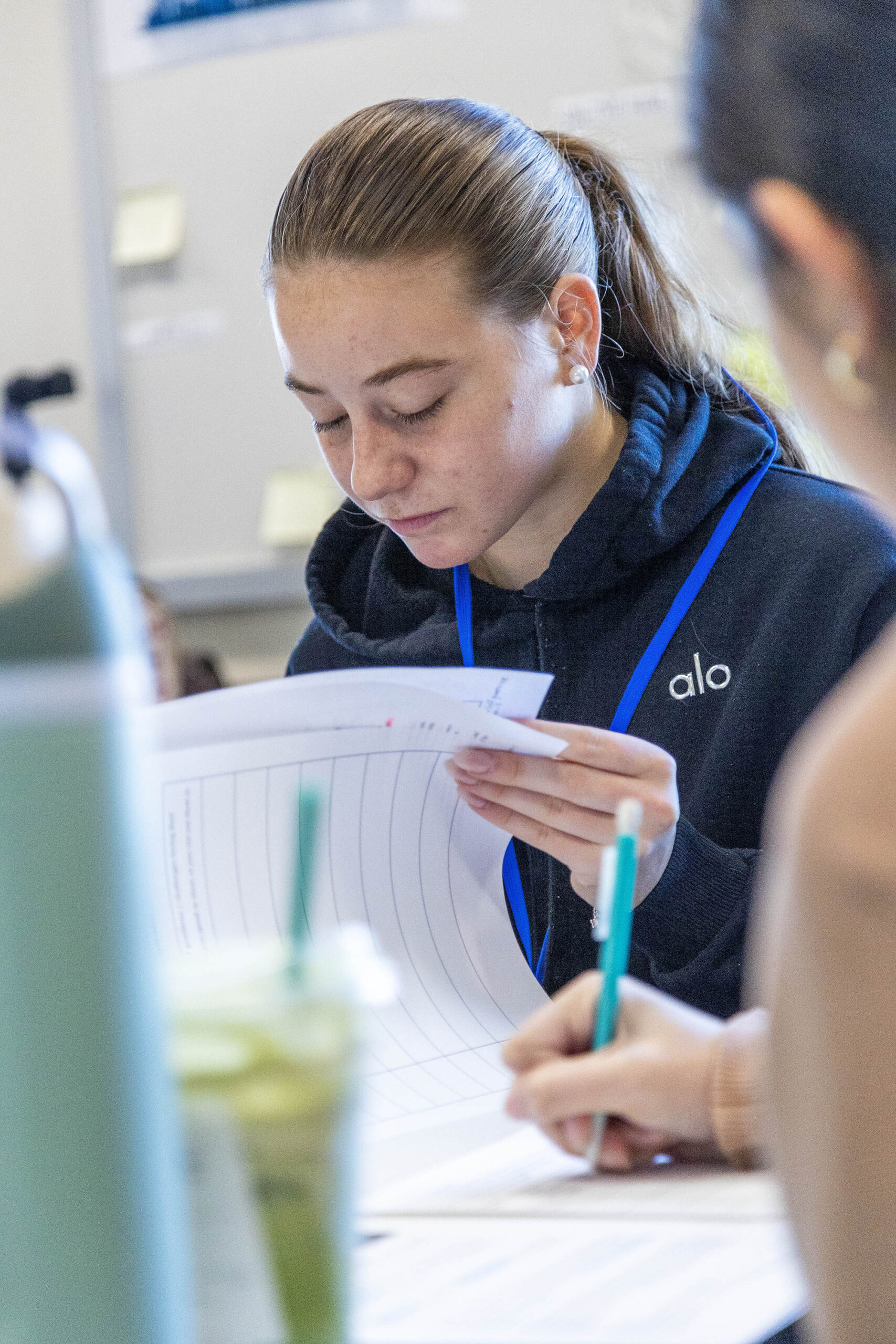
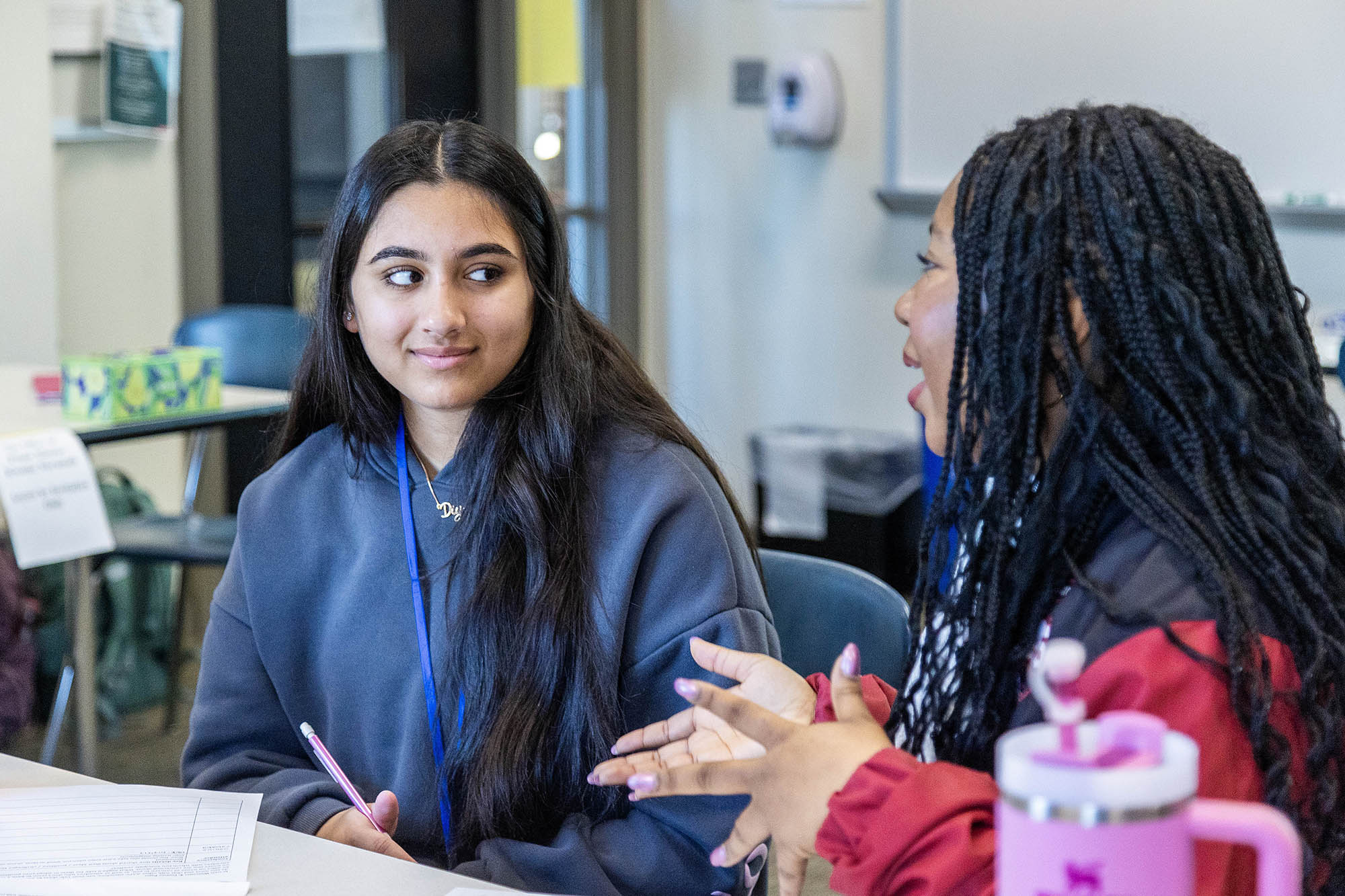
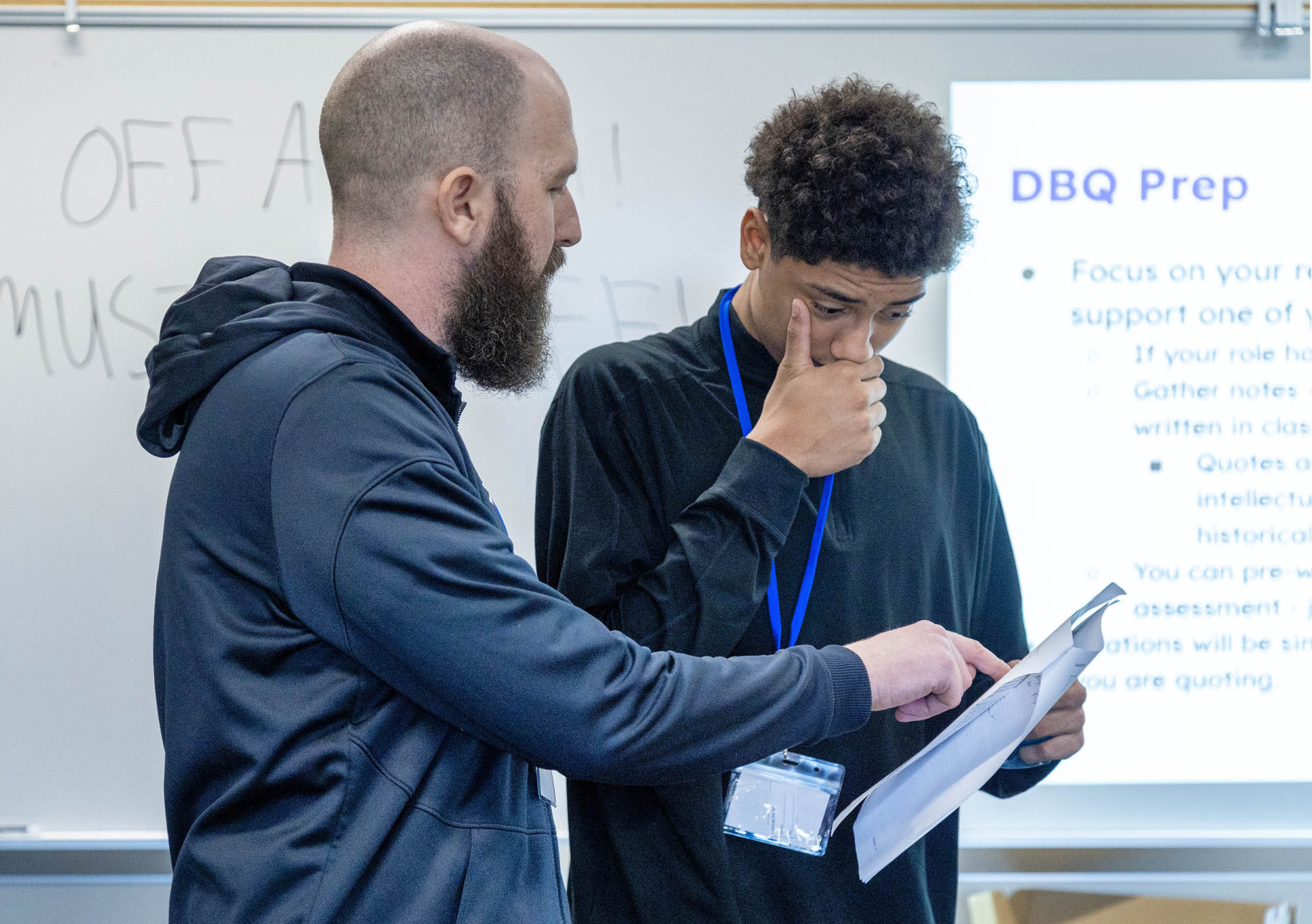
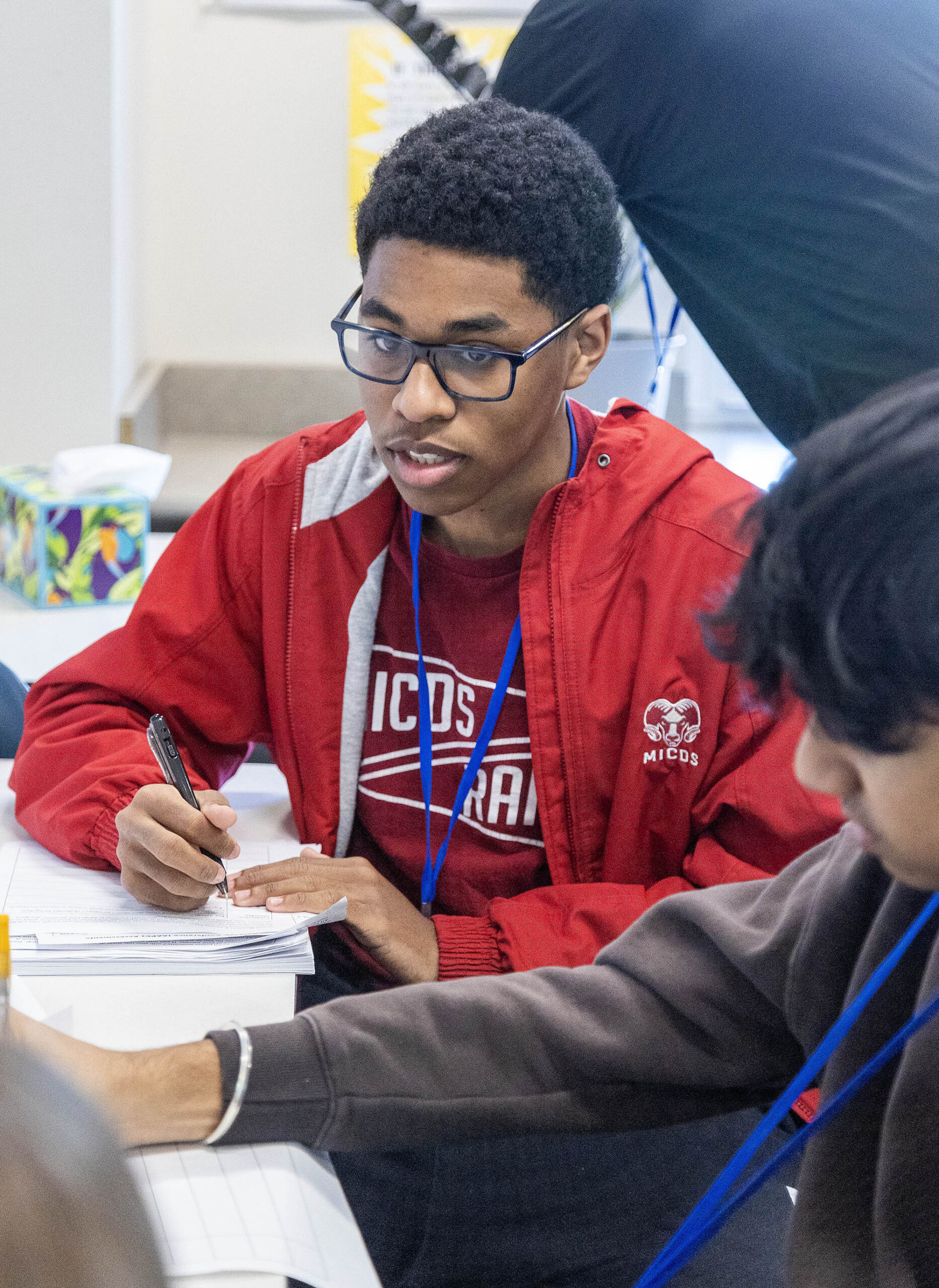
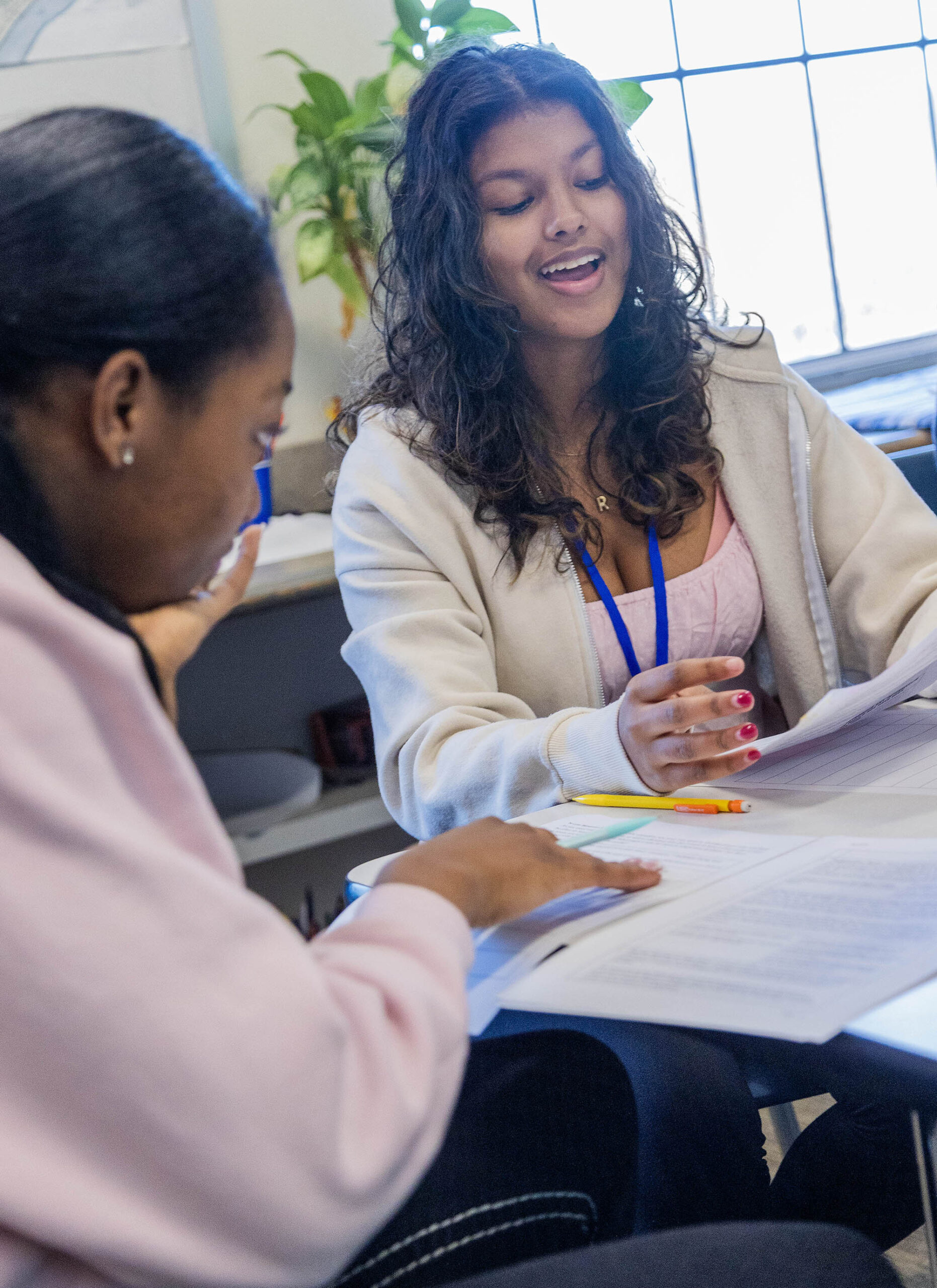
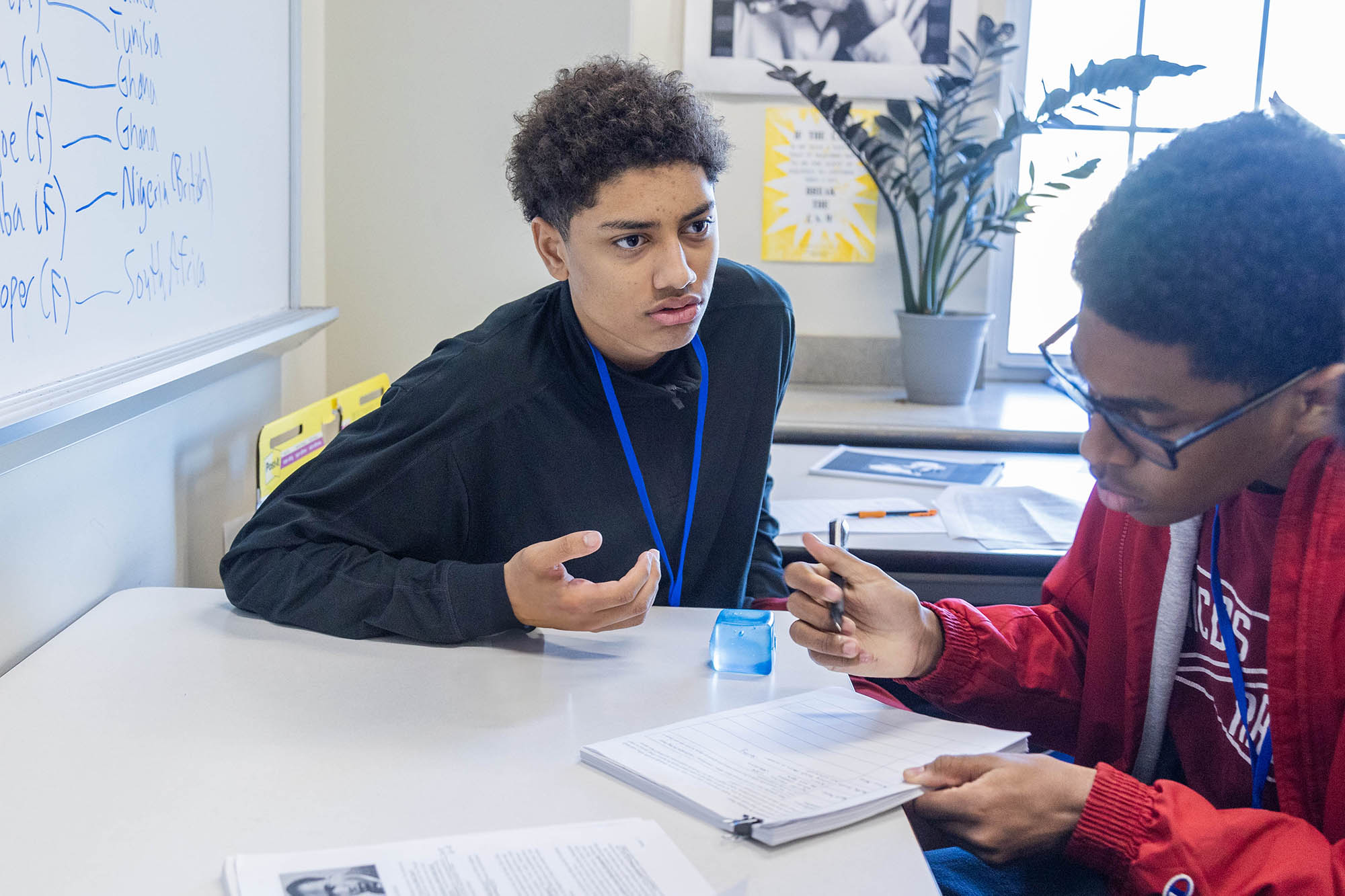
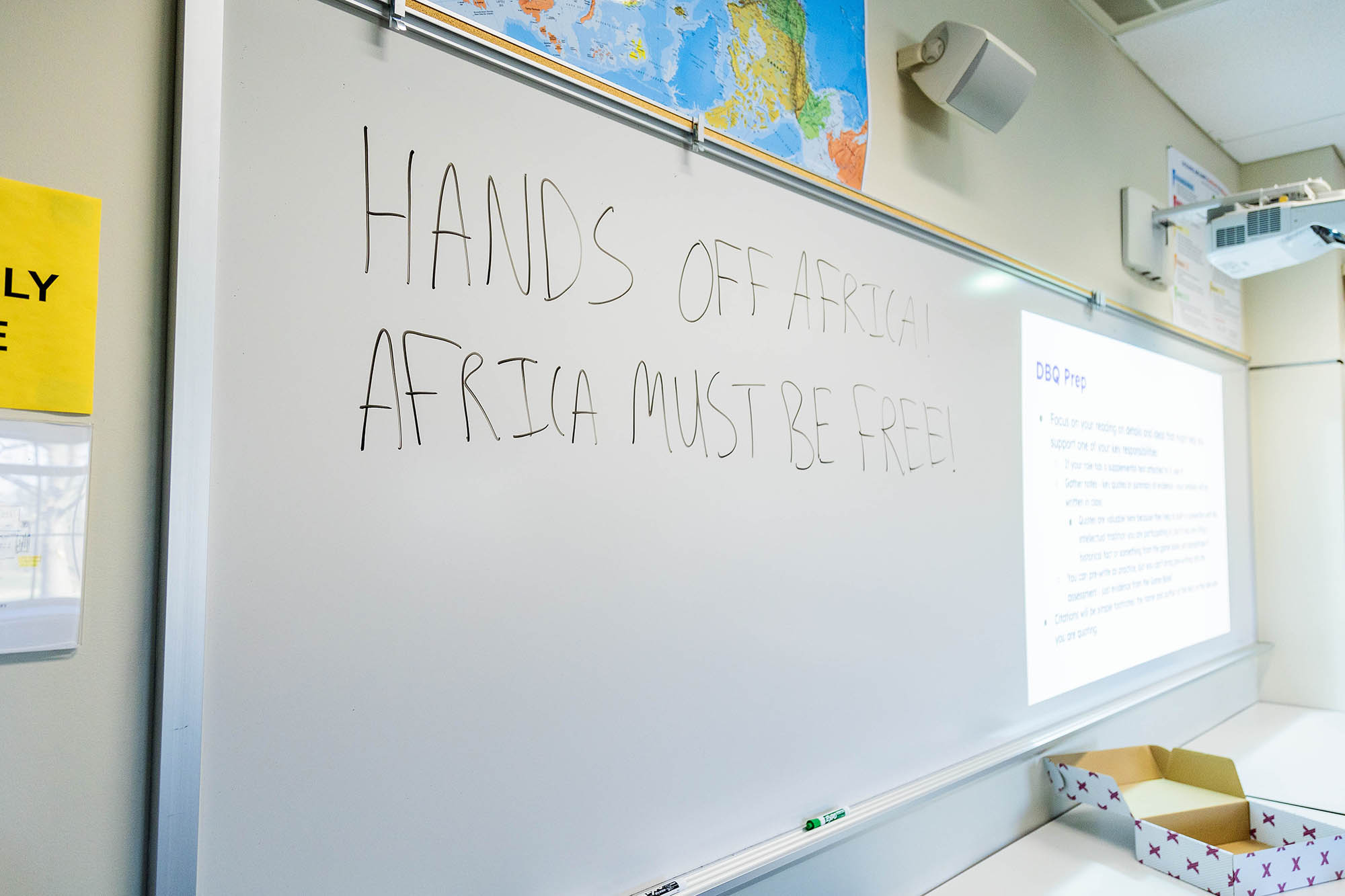
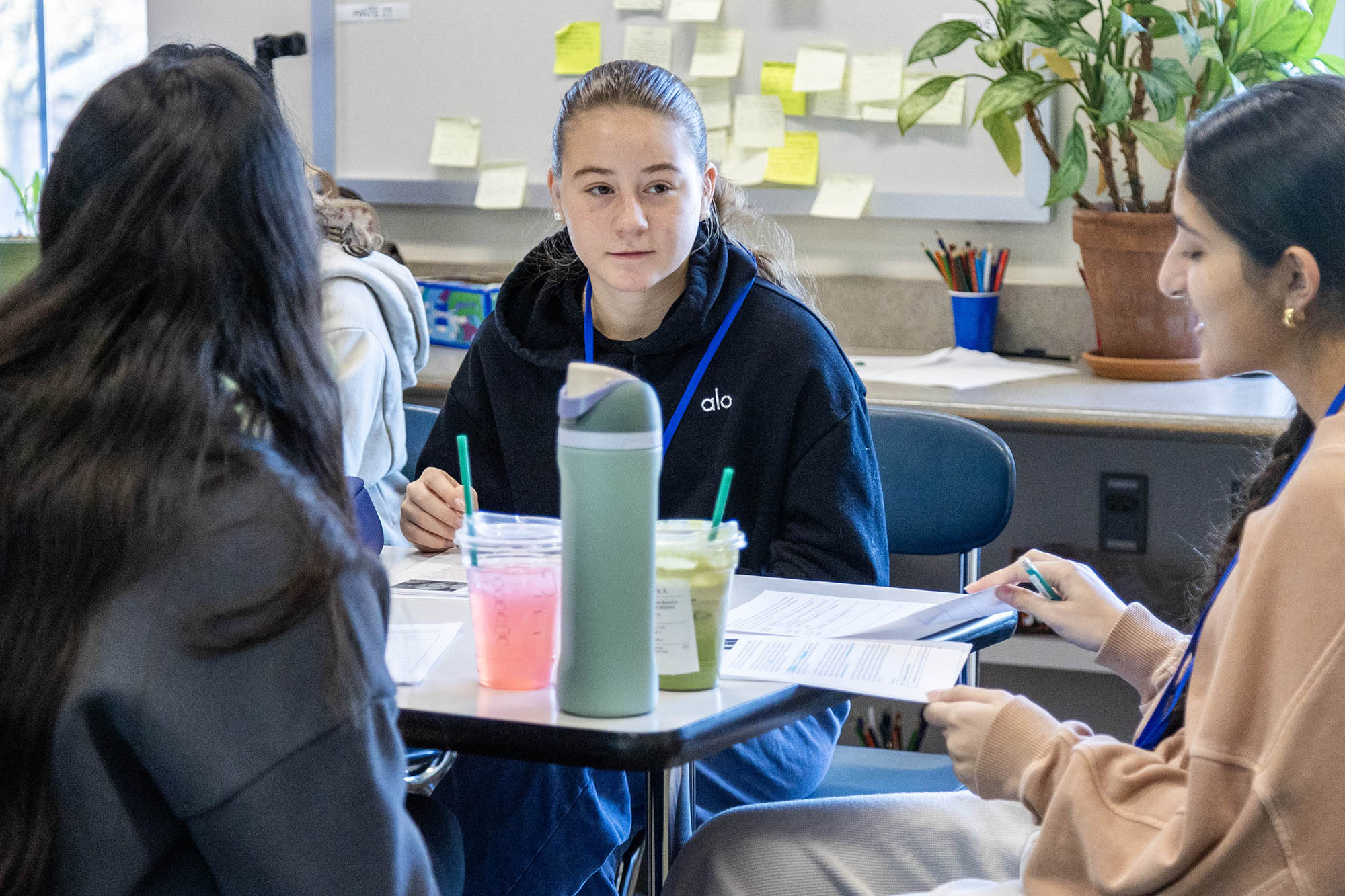
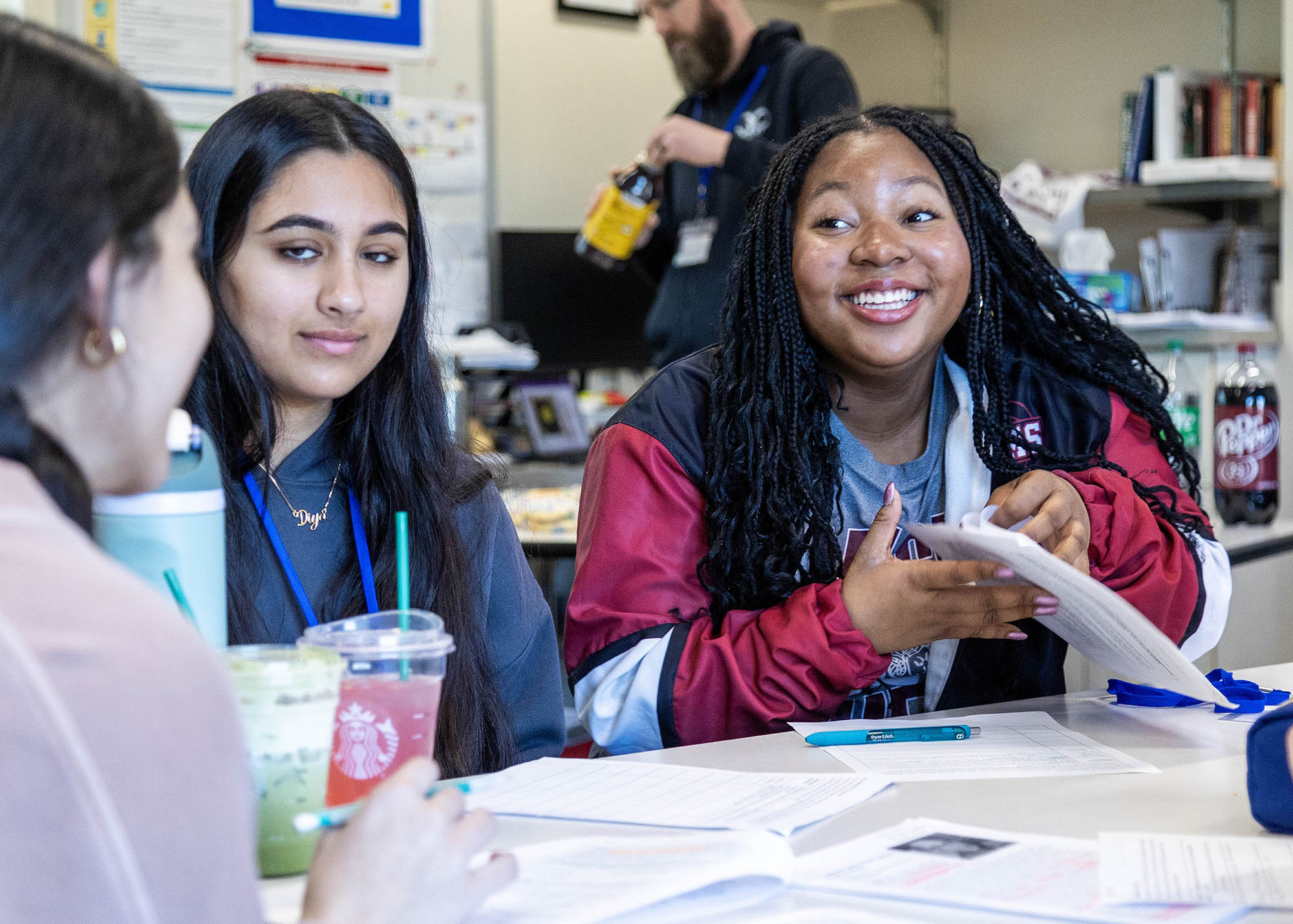
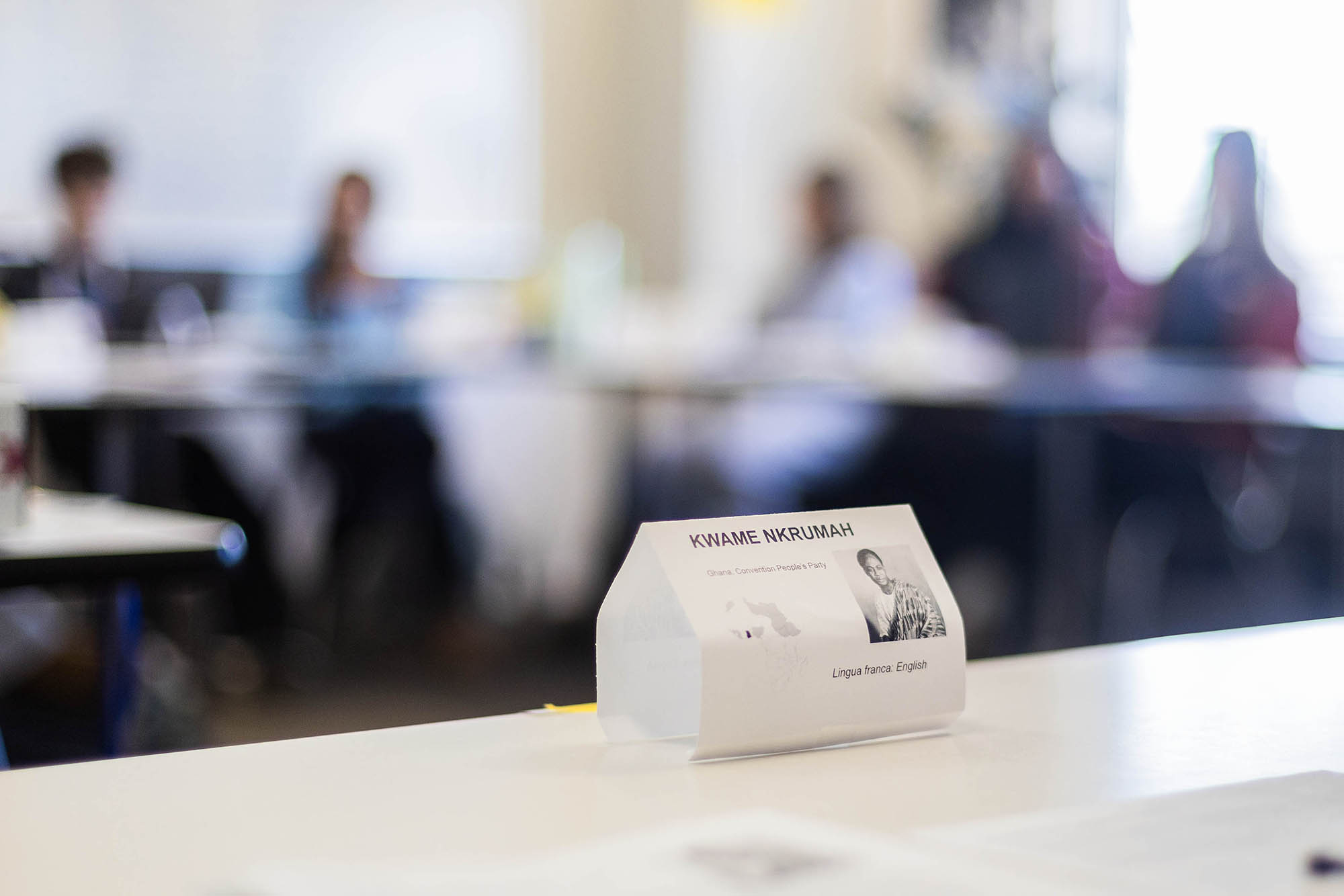
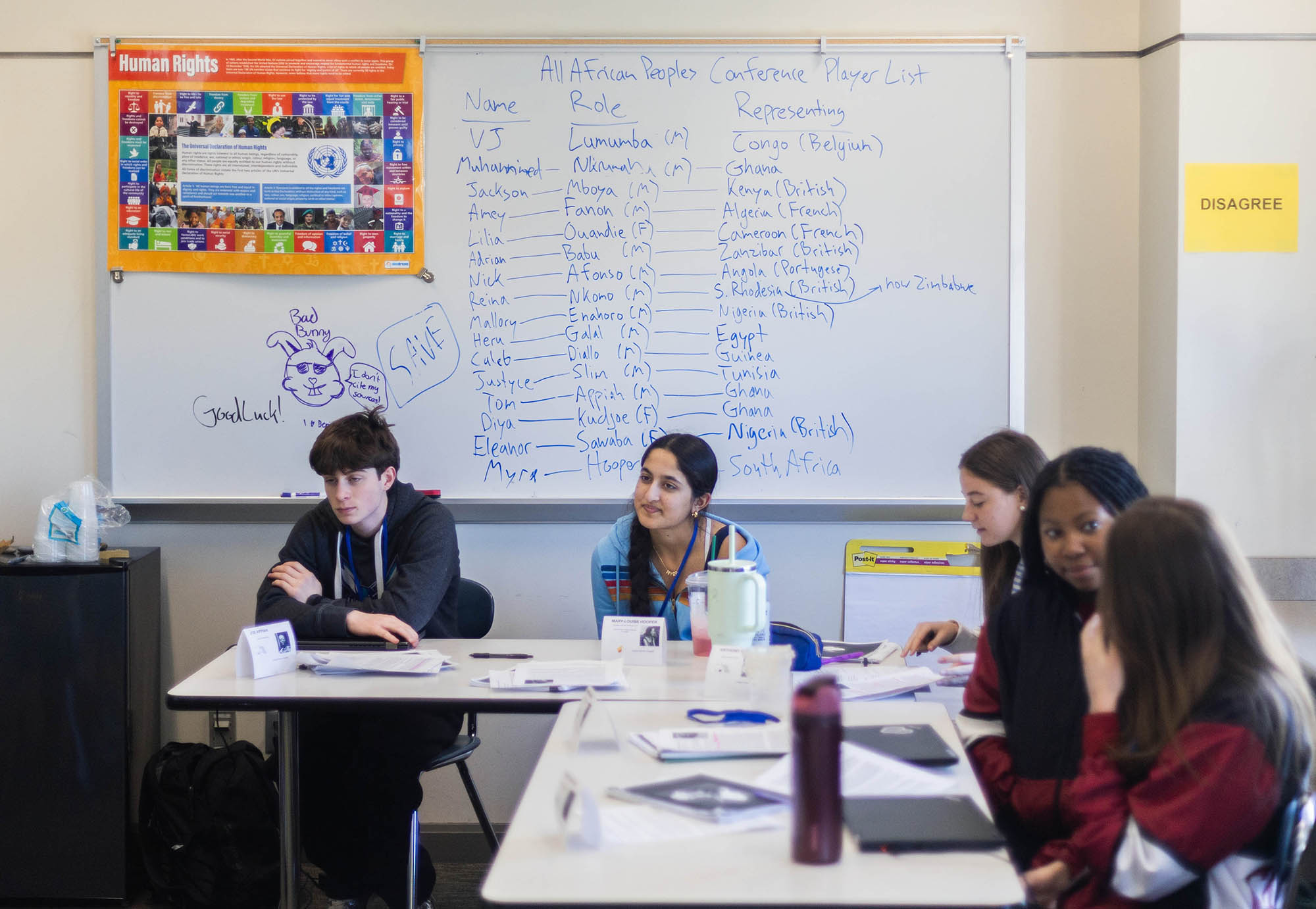
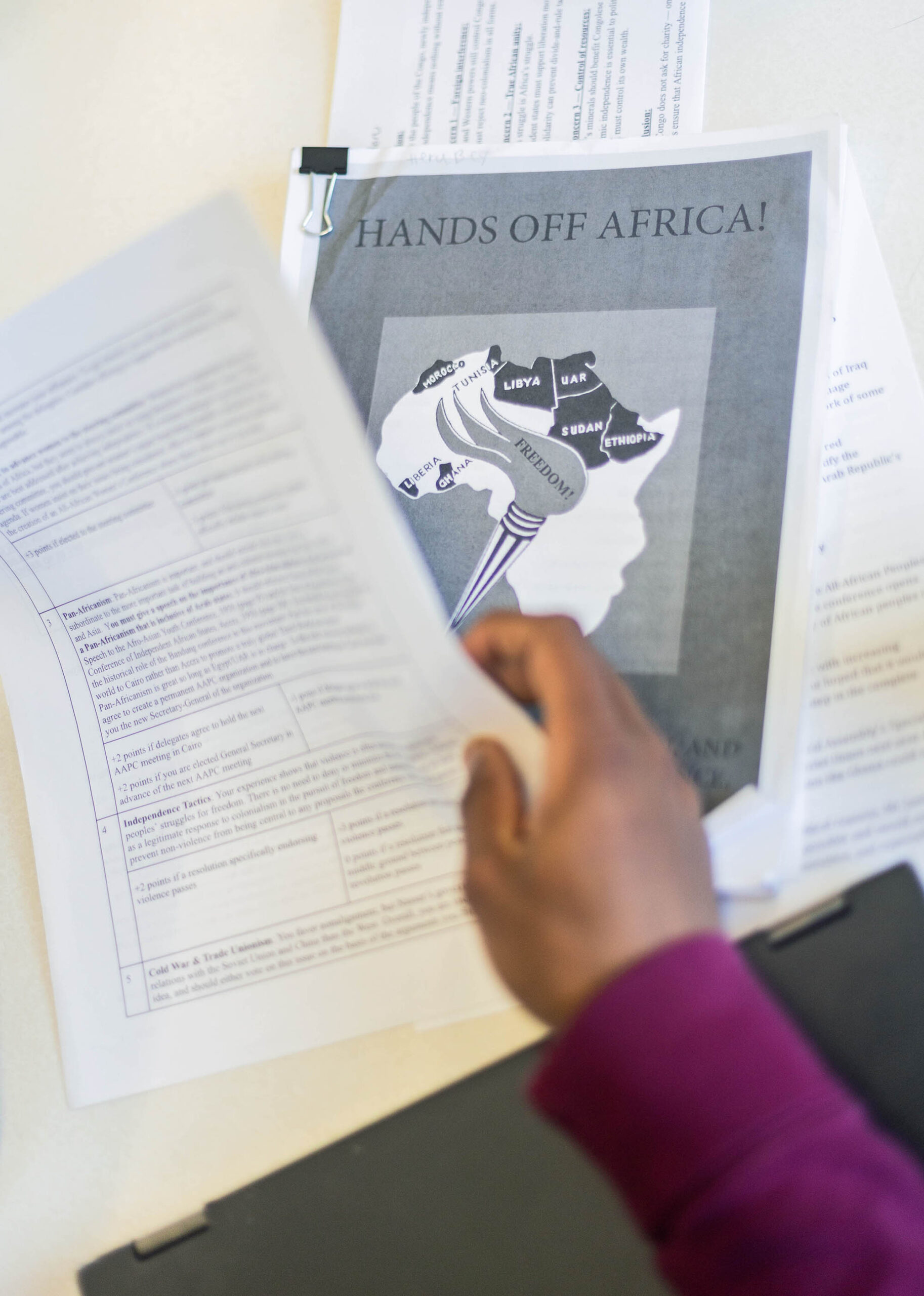
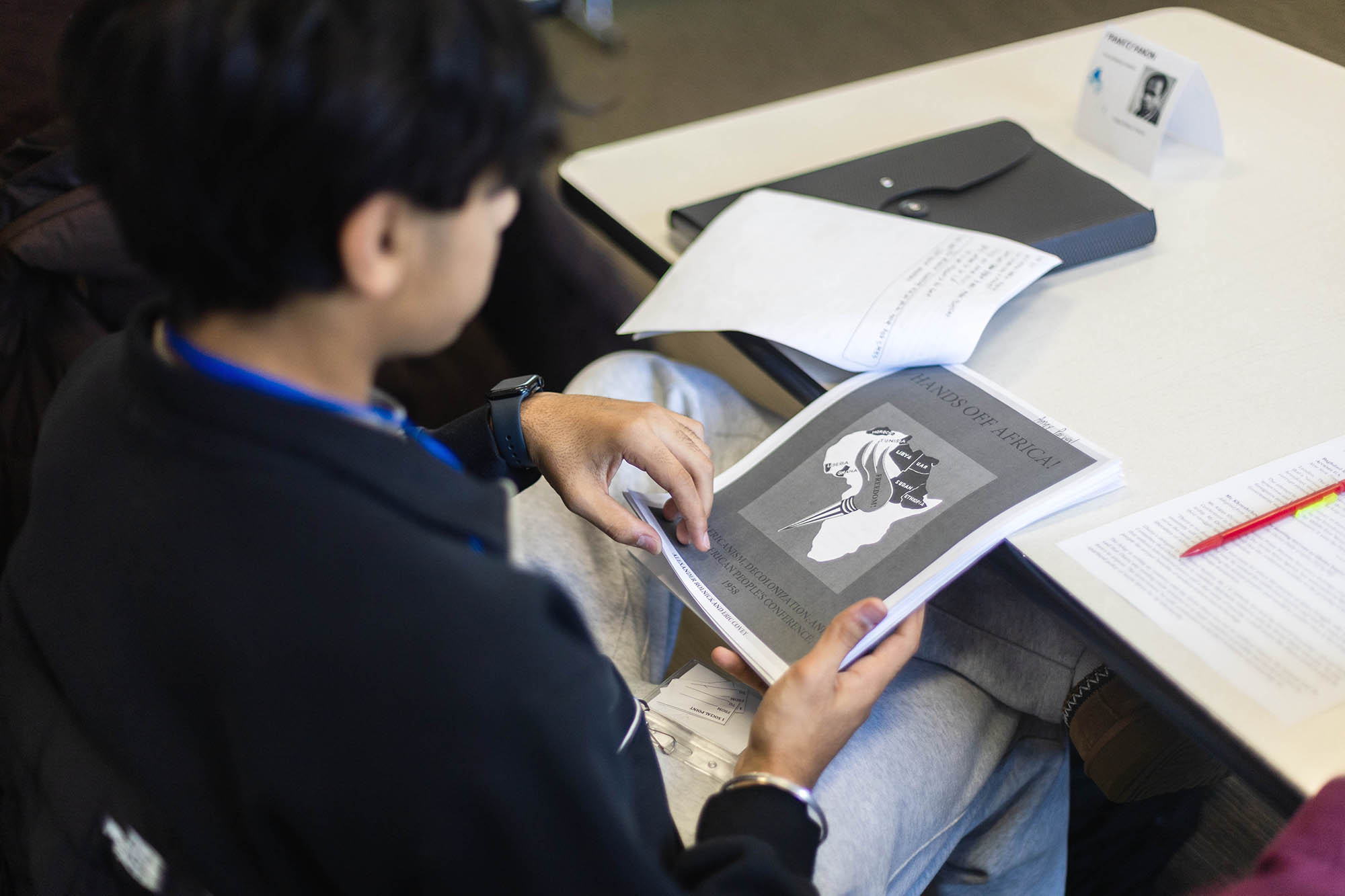
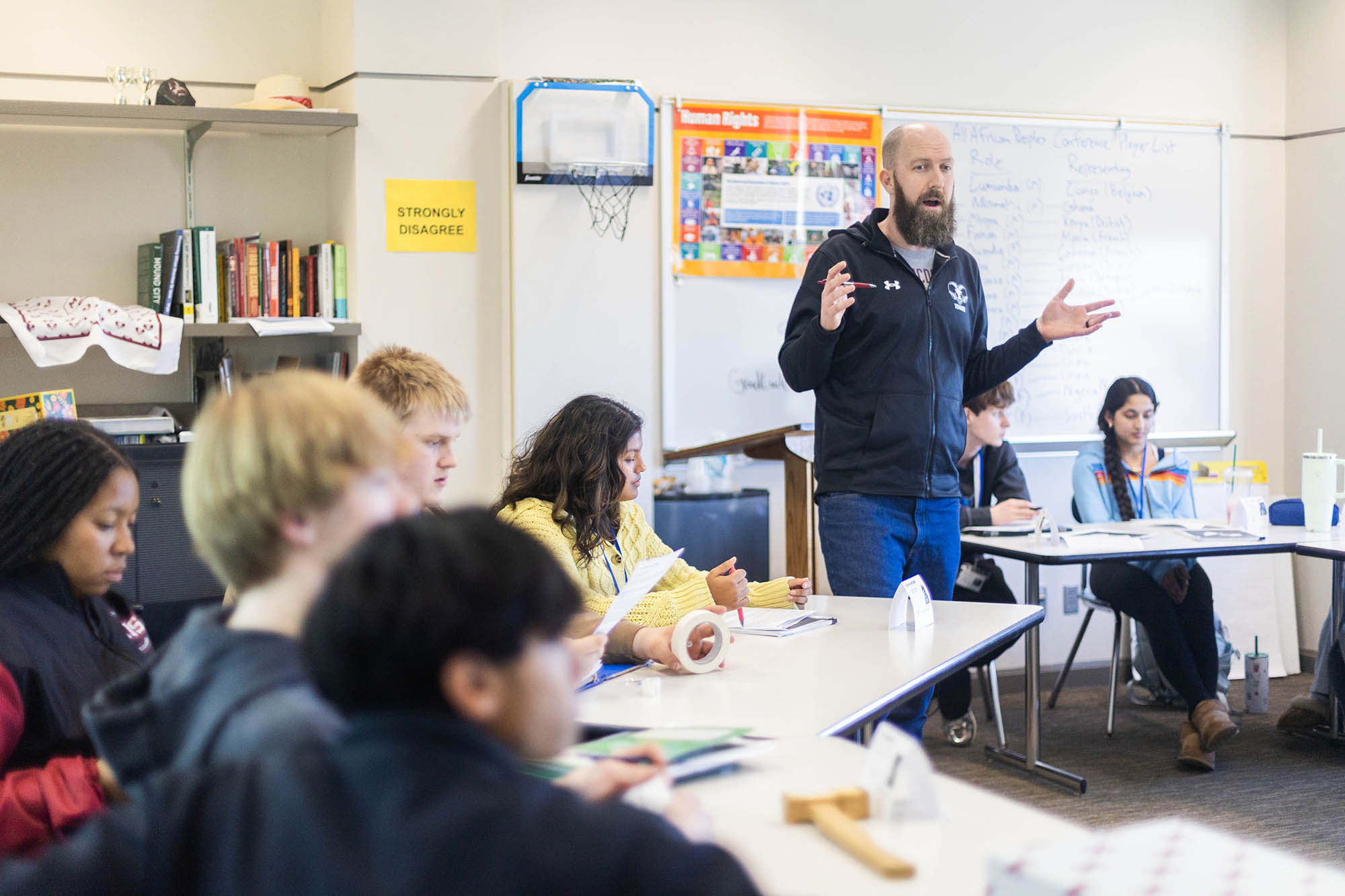
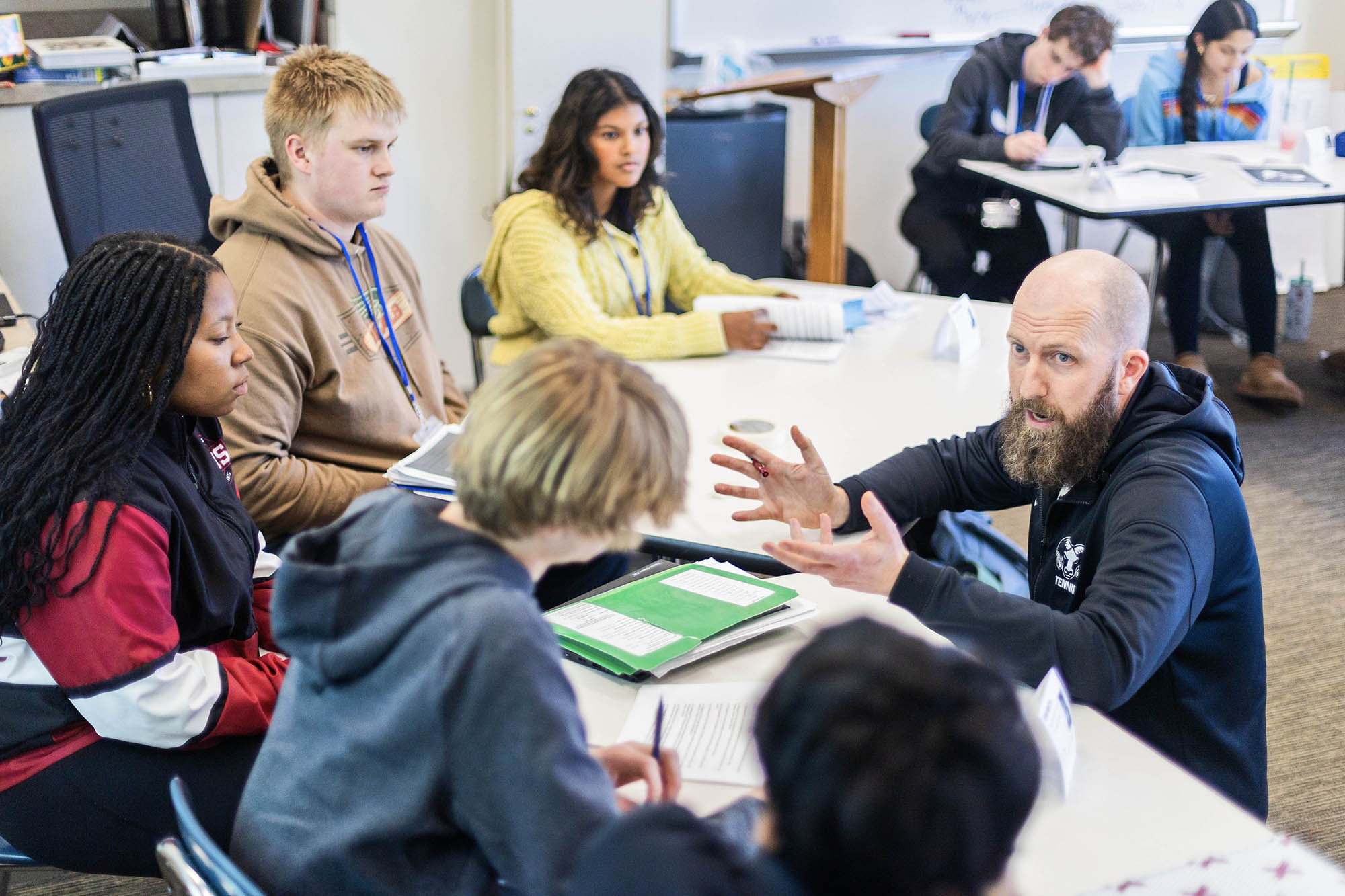
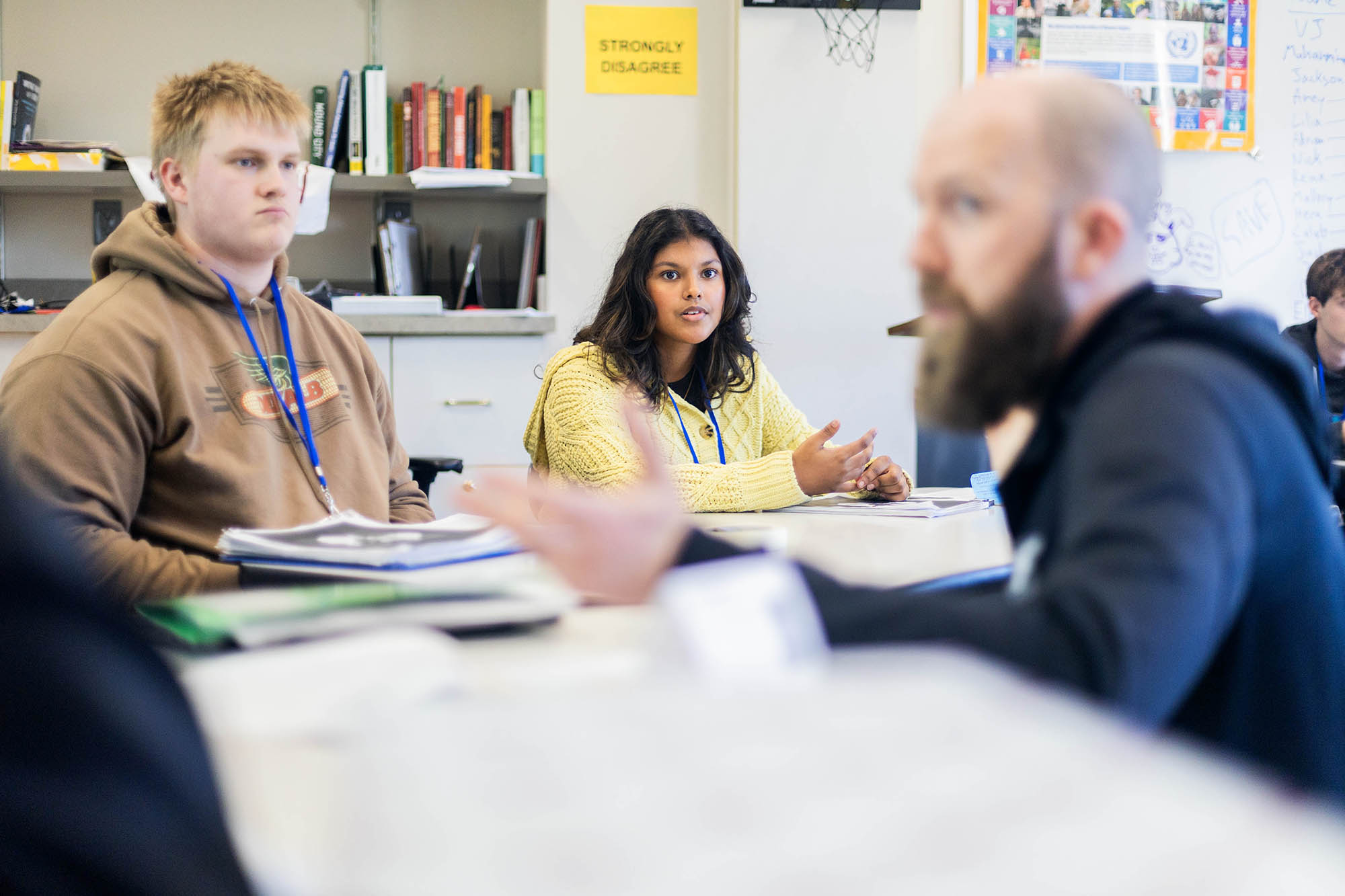
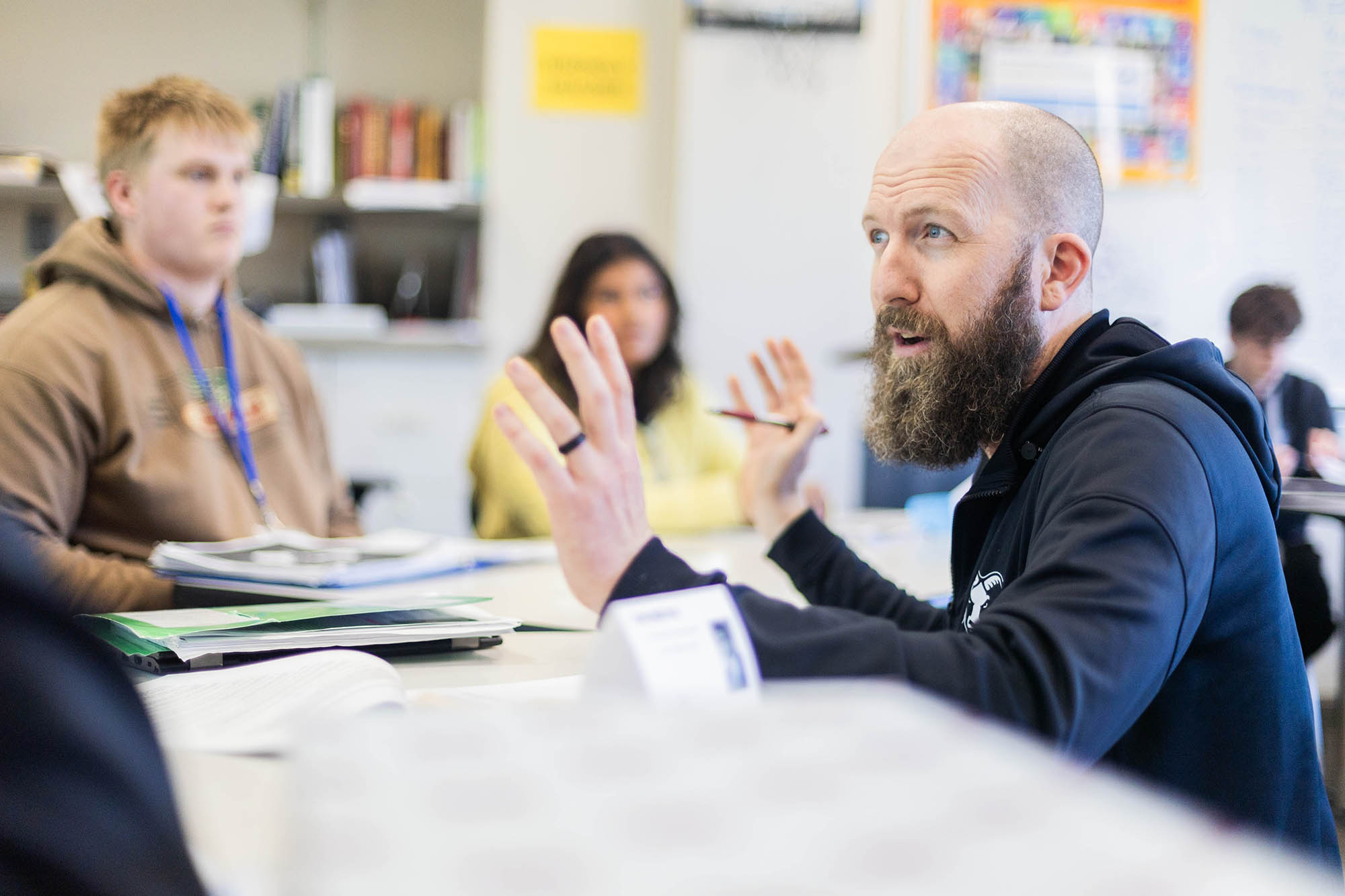
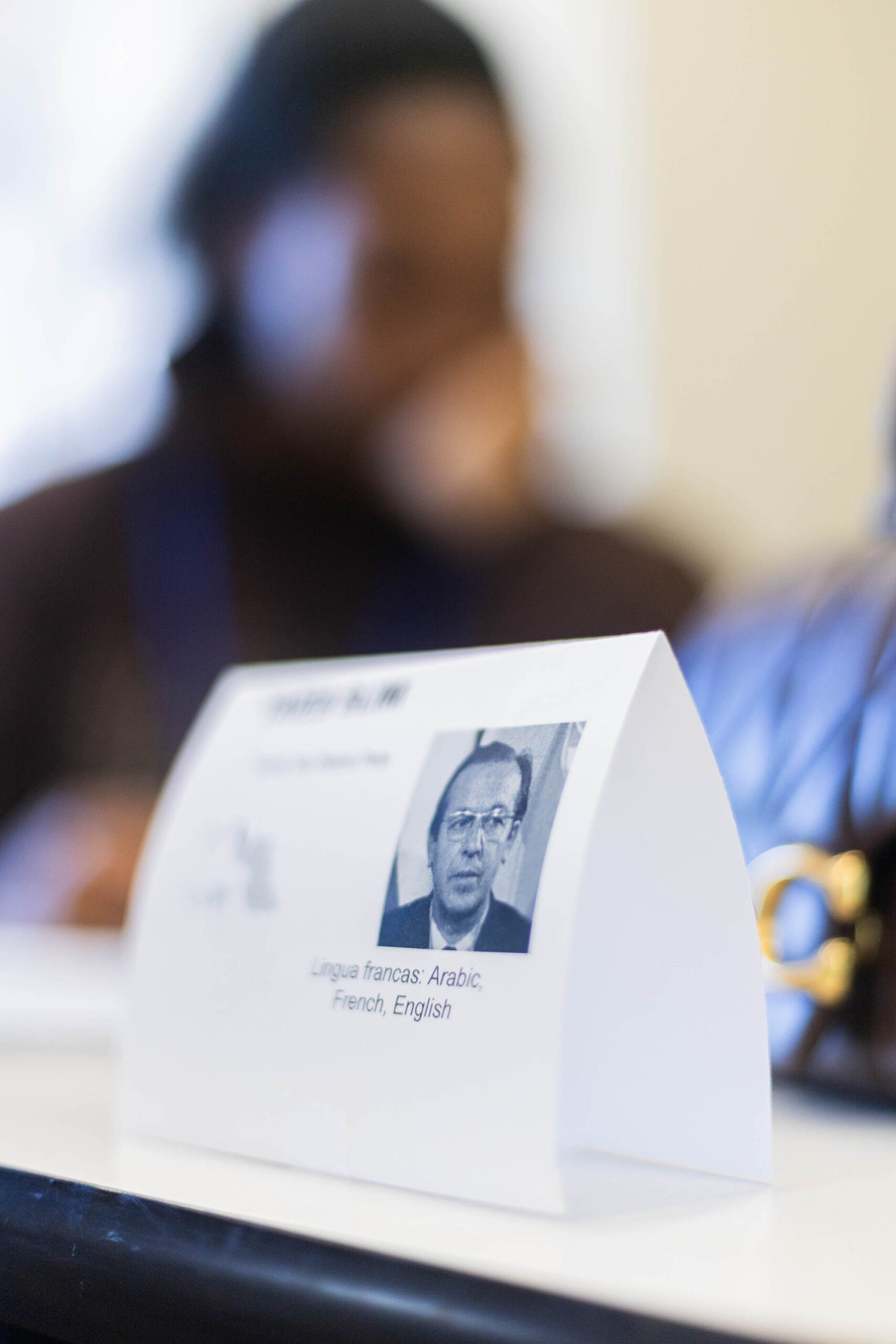
For their first meeting, Rolnick hosted a “mocktail party,” where delegates mingled and enjoyed a variety of beverages, including orange and apple juice. They discussed their goals, aspirations, and concerns with regard to pan-Africanism, independence, decolonization, apartheid, economic blockades, a freedom fund, collaboration, relationships with other countries, allies, violence and nonviolence, capitalism, socialism, imperialism, nationalism, the idea of a “United States of Africa,” and more. Each student engaged in active listening to different points of view.
Later, the class met to engage in a formal debate, proposing language to meet their goals while their fellow delegates voted to approve or reject each new initiative.
Caleb Otten ’27 played the role of Abdoulaye Diallo, Guinea’s Resident Minister in Ghana, and credits Rolnick’s clearly stated goals and helpful information packets as making it easy to learn. “This activity is very fun, and I am learning a lot about this part of history that is often overlooked,” he said. “This activity is so fun, I often find myself wanting to work and talk about it outside of class with my classmates, and it makes me happy when I have history class. The meetings and creating the agenda for the meetings are very fun, and a main reason why it is so fun is that everyone is so invested in the meetings.”
Reina Banerjee ’27 represents Joshua Nkomo, Chairman of the Southern Rhodesia African National Conference. “To approach learning and embodying Nkomo, I read and took notes about his goals, and I fully considered how all of his own goals would align with other people’s interests,” she said. “I was very surprised by how crucial loose alliances can be when it comes to other people’s decisions as well. For example, for most of Nkomo’s goals, I speak to others about their positions, and I support them while also suggesting that they support me. This strategy has been surprisingly beneficial, and I think that the alliances that we must form to achieve our goals have been my favorite part so far because it pushes people to collaborate with others and work together!”
“One of the big lessons I hope students take away is the interconnected relationship between African American History and African History, and the significance of all these thinkers to decolonization,” said Rolnick. “The game provides a framework for students do things that are typical of a history class: learning historical detail, close reading and analyzing source material, and using it to develop historical arguments. However, what I’ve come to appreciate most about it is how the game gives students an opportunity to practice so many soft skills they’ll be using for the rest of their lives: networking, politicking, making intentional choices about what to say and what not to say in different contexts, compromising, collaborating, and speaking in front of peers. That they can do it ‘in role’ in an alter ego gives them an opportunity to practice these skills with a little separation from their actual selves, which enables a lot of students to engage in ways they might not otherwise.”
Rolnick has worked for several years to develop the game for use by other teachers, both in the high school and secondary education settings. “The latest update is that it is officially a Reacting to the Past Game in development that has been approved for general use, and both high school teachers and college professors from institutions as varied as Pepperdine to Texas A&M have used it in their classes,” shared Rolnick.
“I’m also grateful for MICDS for supporting my investment in this pedagogy in the form of the MI57 sabbatical I received a few years ago to go to Ghana, which allowed me to do some archival research that contributed to the game.”
What a creative way to be immersed in an influential part of history while developing life skills!