MICDS teachers, in addition to being creative and dedicated, are also flexible. They are willing to adapt their curriculum to new learning and to take advantage of fleeting opportunities. This was the case for our 10th-grade history students, who are currently studying U.S. history in the first half of the 20th century. They’re exploring themes of urbanization, migration, race, and culture. And they took full advantage of a current exhibit at the Missouri History Museum to supplement their learning.
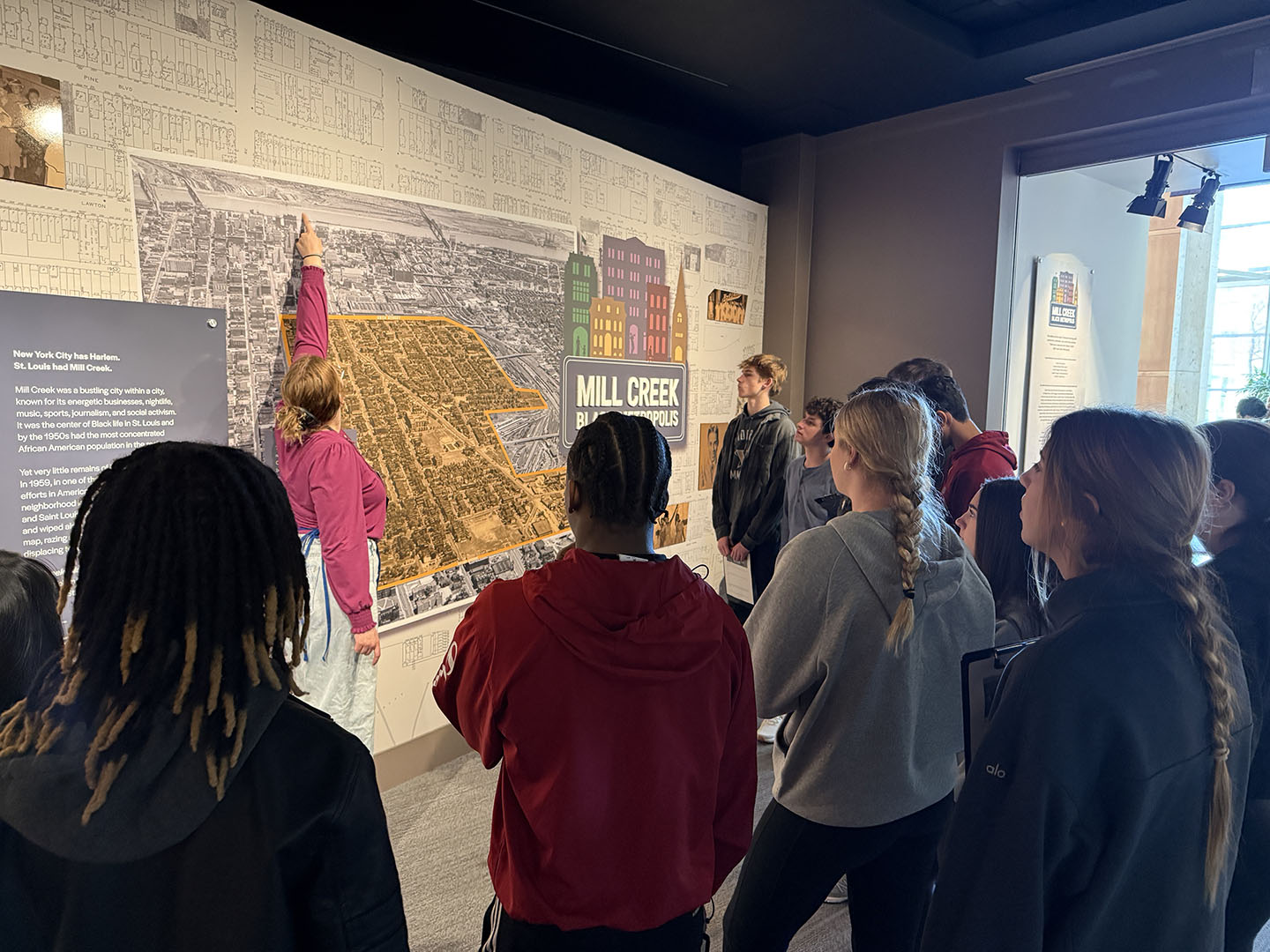
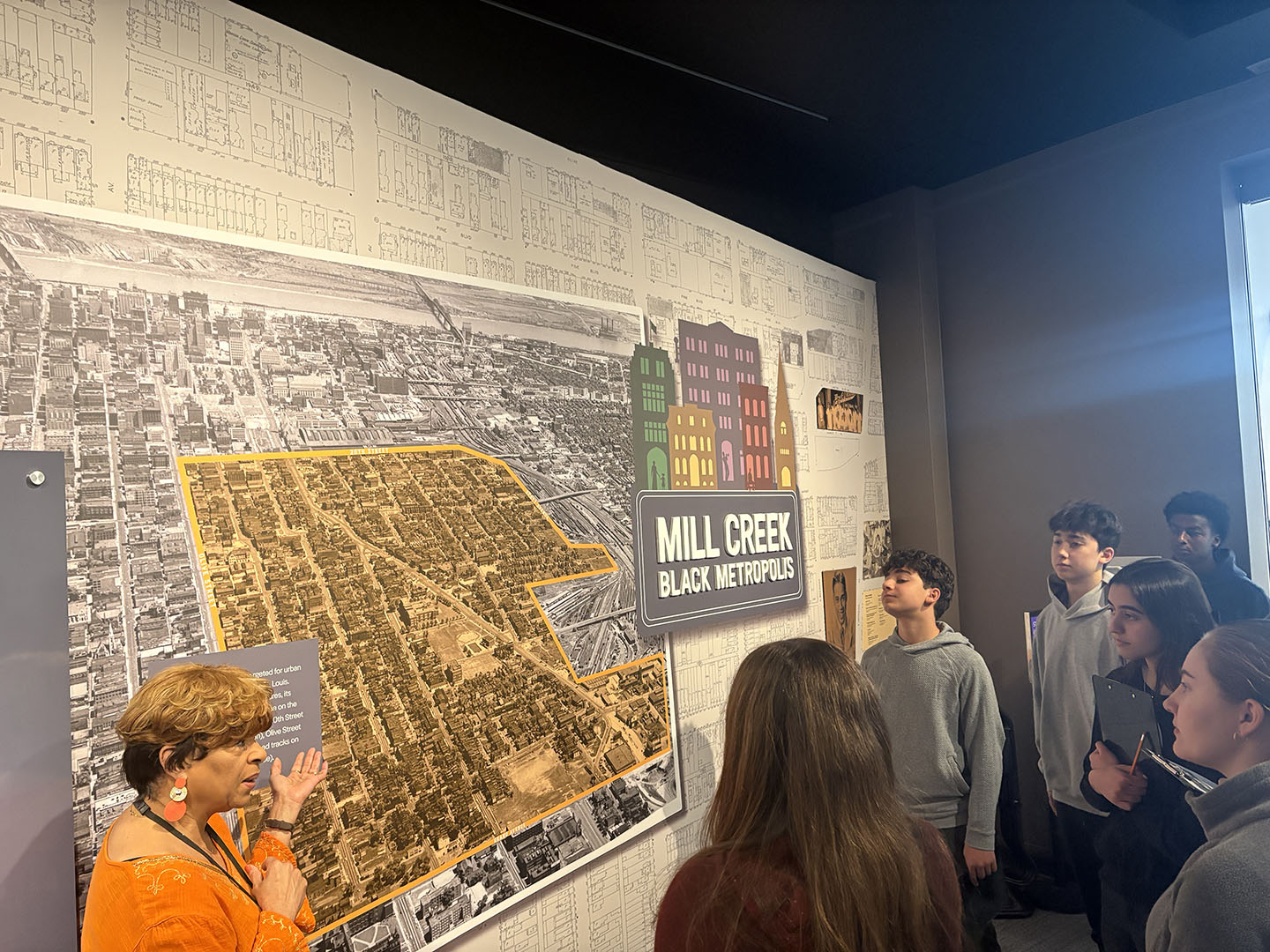
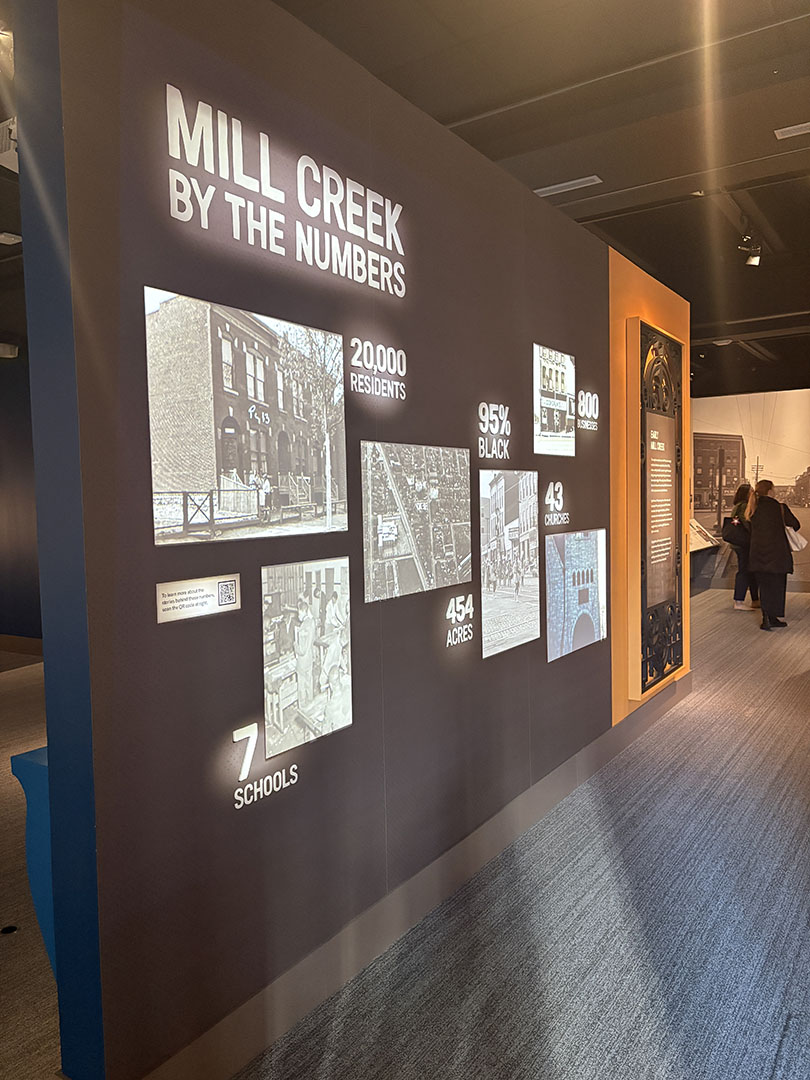
The Mill Creek: Black Metropolis exhibit reviews a historic neighborhood destroyed in the name of “new development,” displacing Black residents, over 800 businesses, and dozens of churches. The Missouri History Museum says, “From its origin at the turn of the 20th century to its destruction in 1959 in the name of urban renewal, Mill Creek Valley was the center of Black life in St. Louis. With a population of nearly 20,000 people and more than 5,000 buildings, Mill Creek was a city within a city, noted for its vibrant commercial life, rich culture, and popular entertainment venues.
Mill Creek: Black Metropolis explores the rich history of a St. Louis neighborhood that historians have likened to New York’s legendary Harlem. It was the cultural and economic hub of Black St. Louis, the center of Black journalism and social activism, and the birthplace of ragtime. All this richness thrived amid and despite racial segregation, providing African Americans common ground and refuge from the daily slights and indignities of a stark color divide in 20th-century St. Louis.”
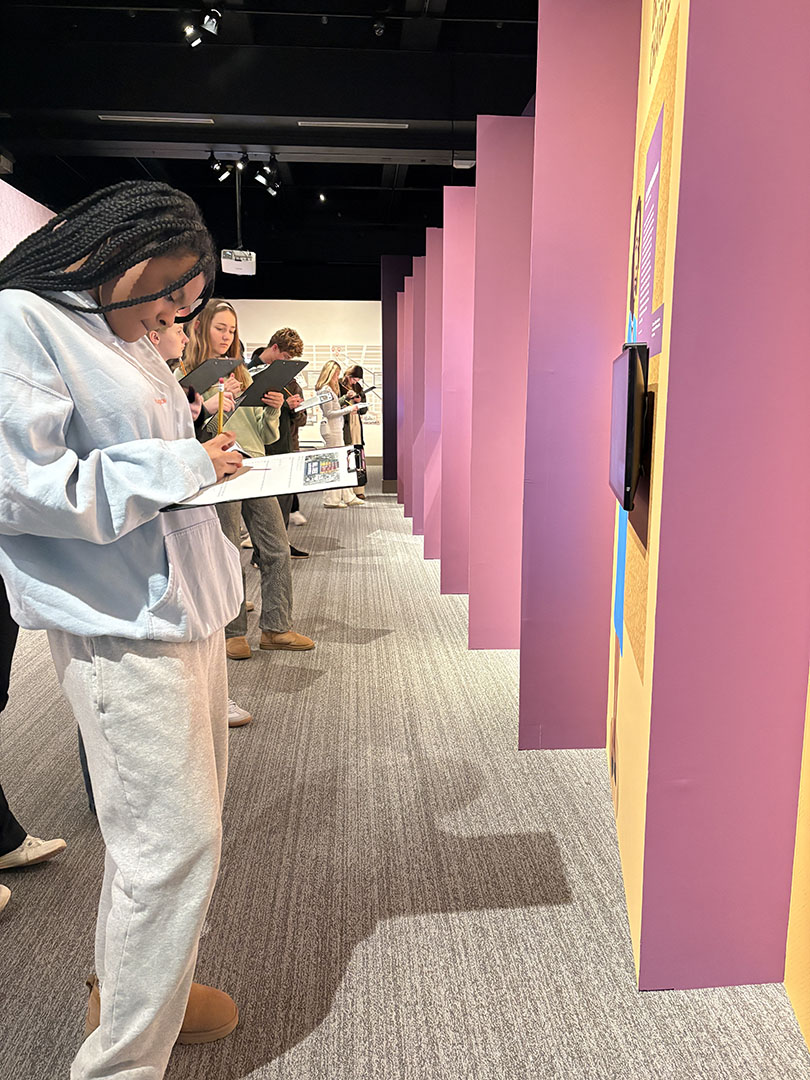
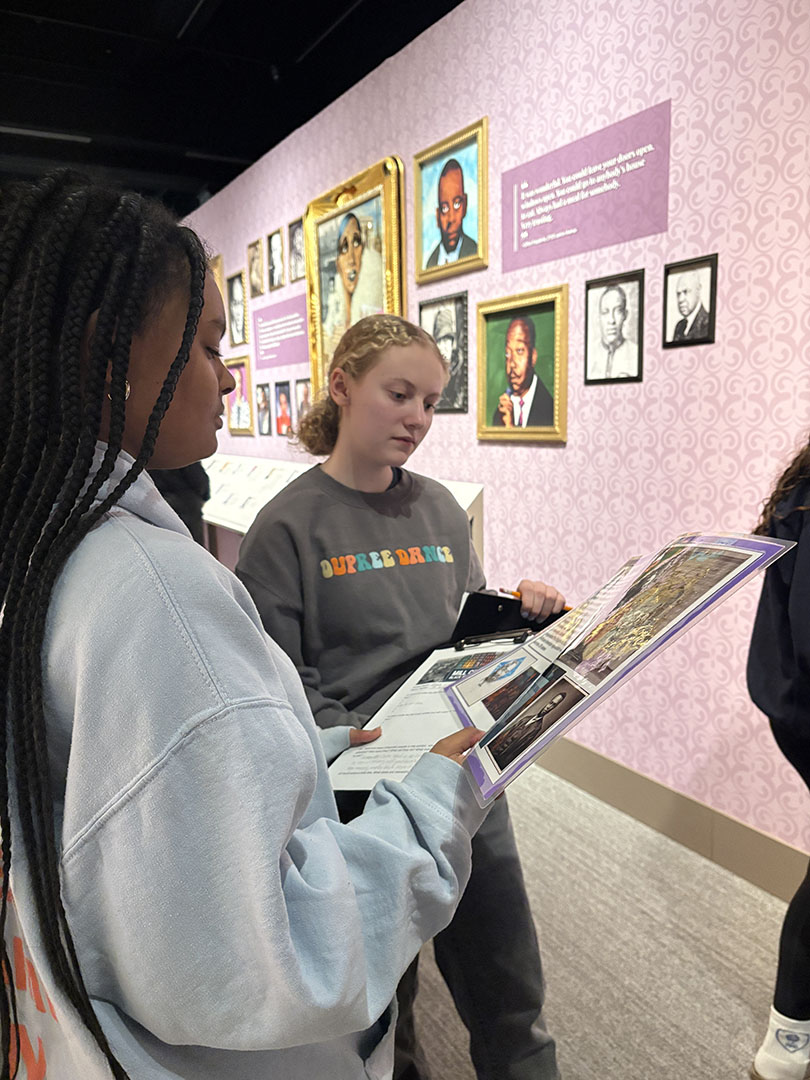
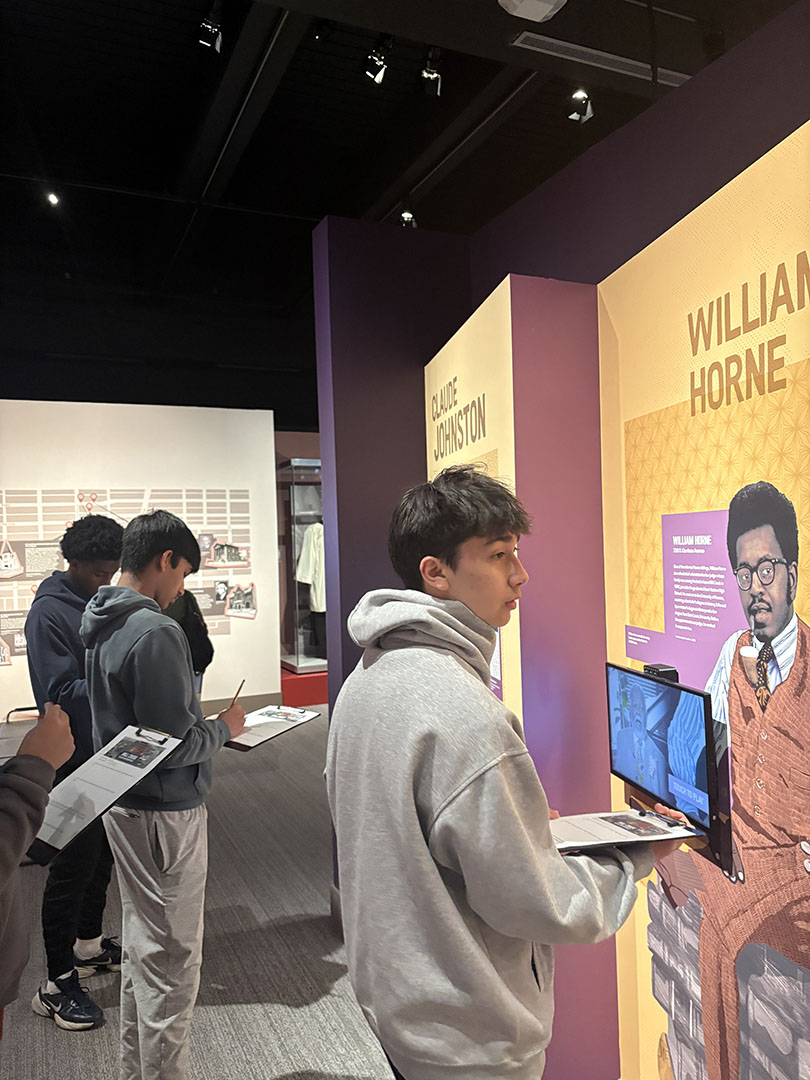
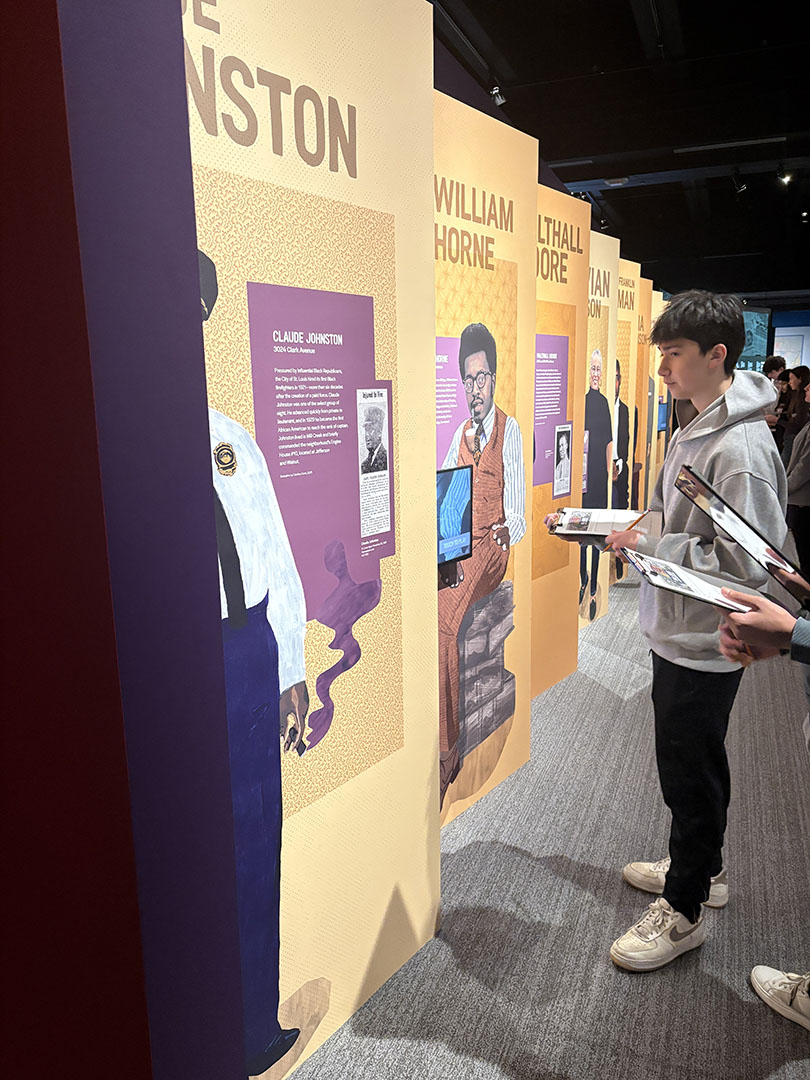
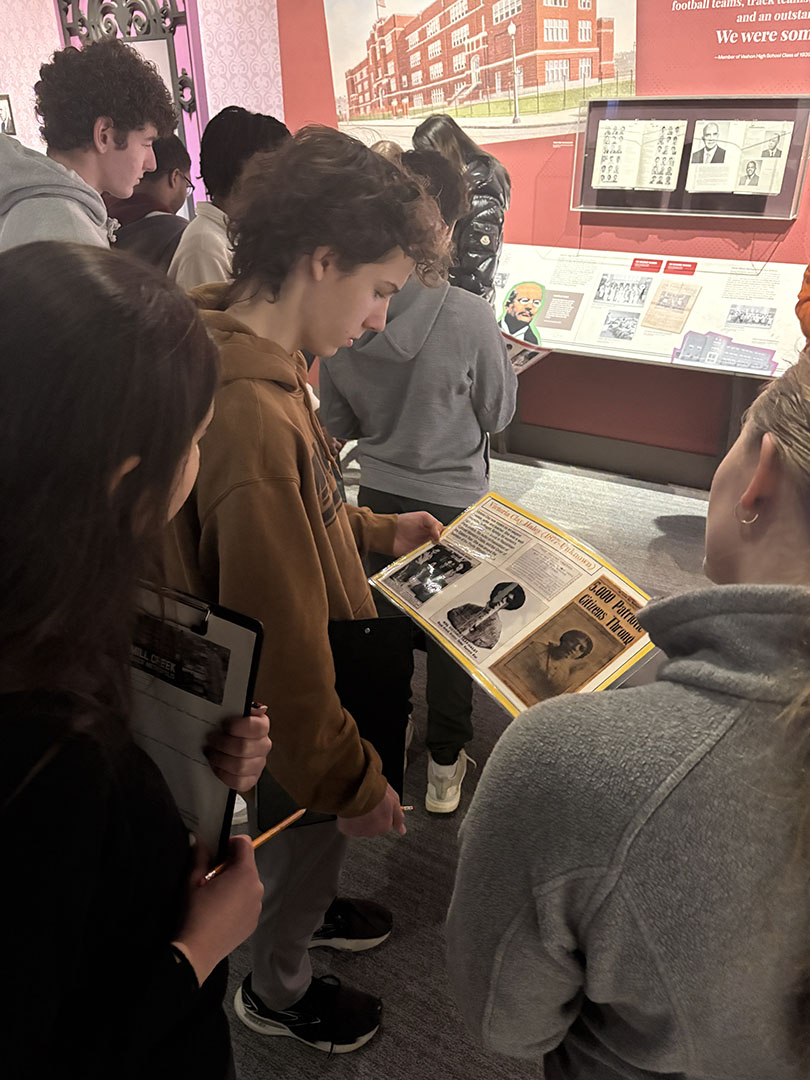
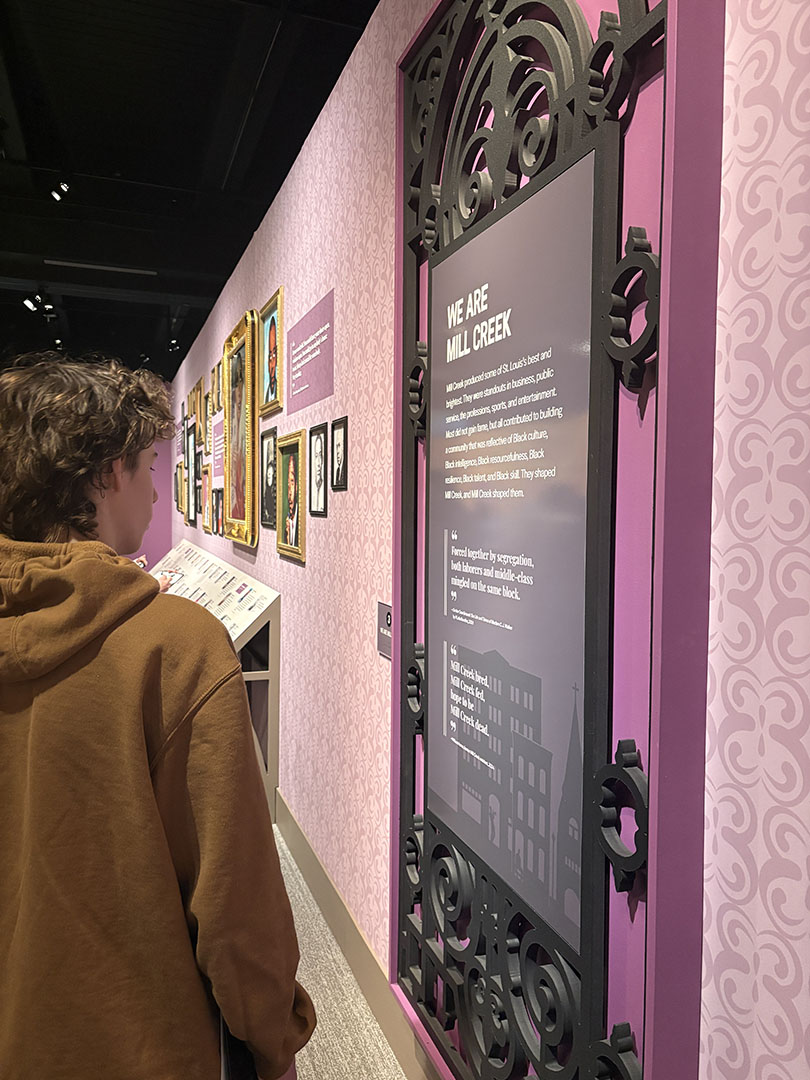
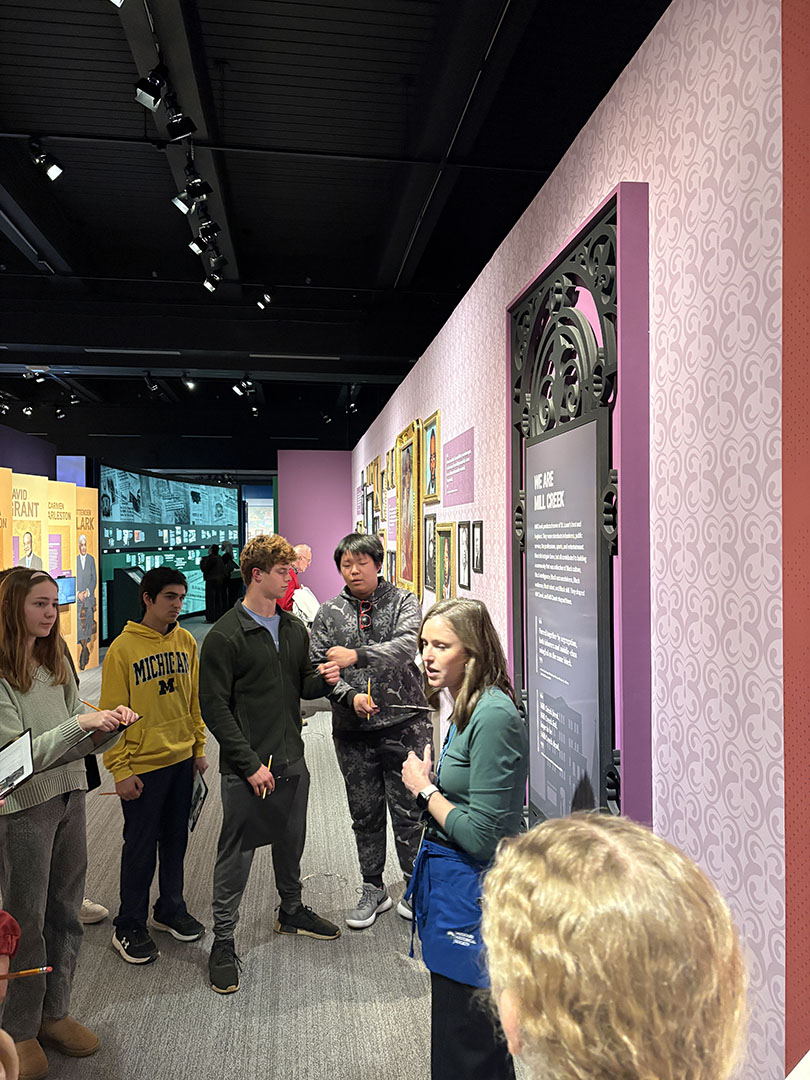
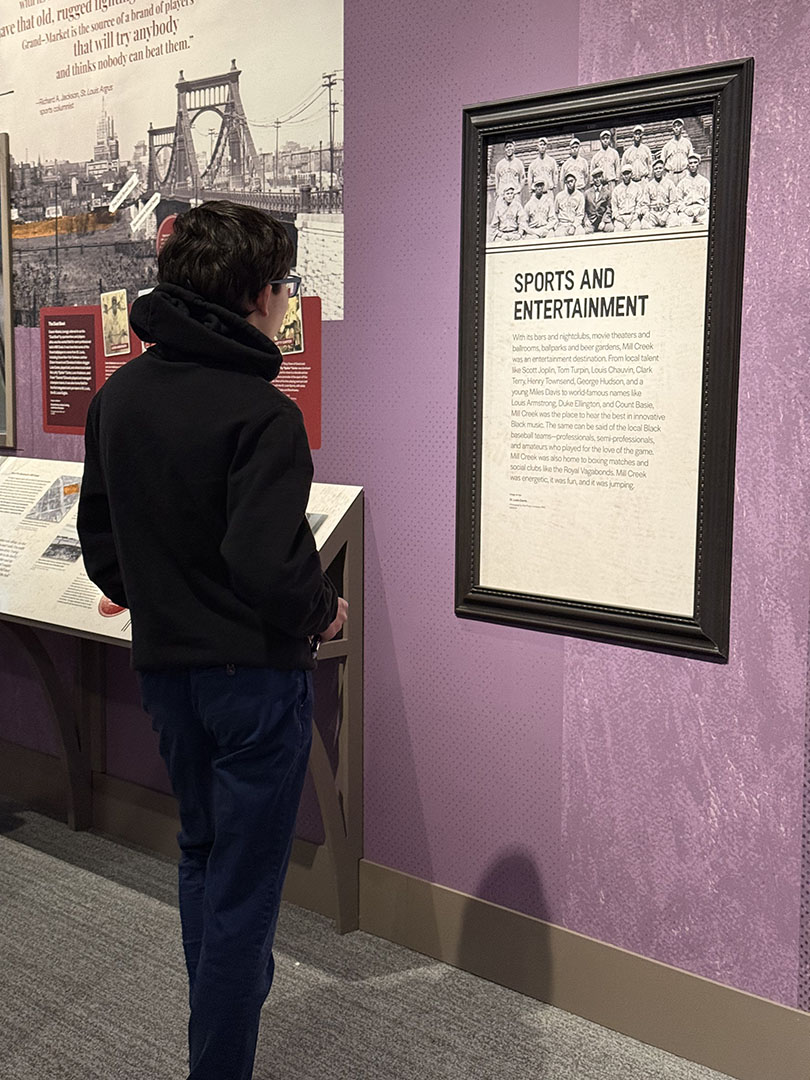
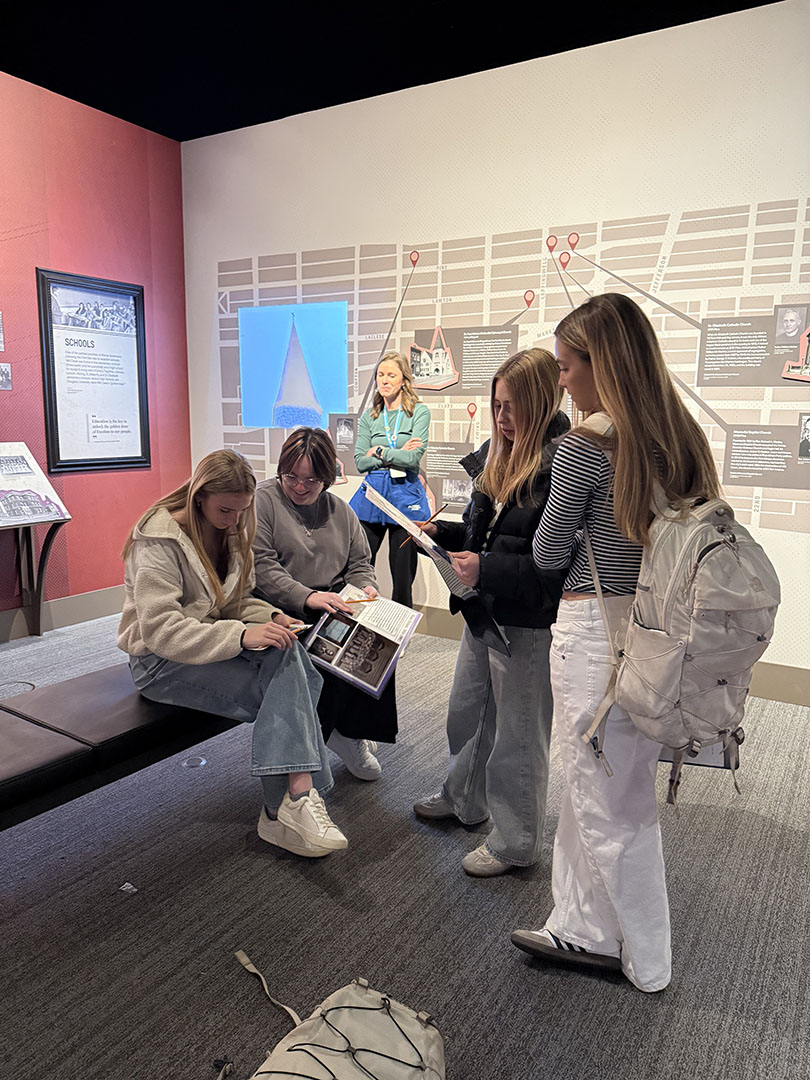
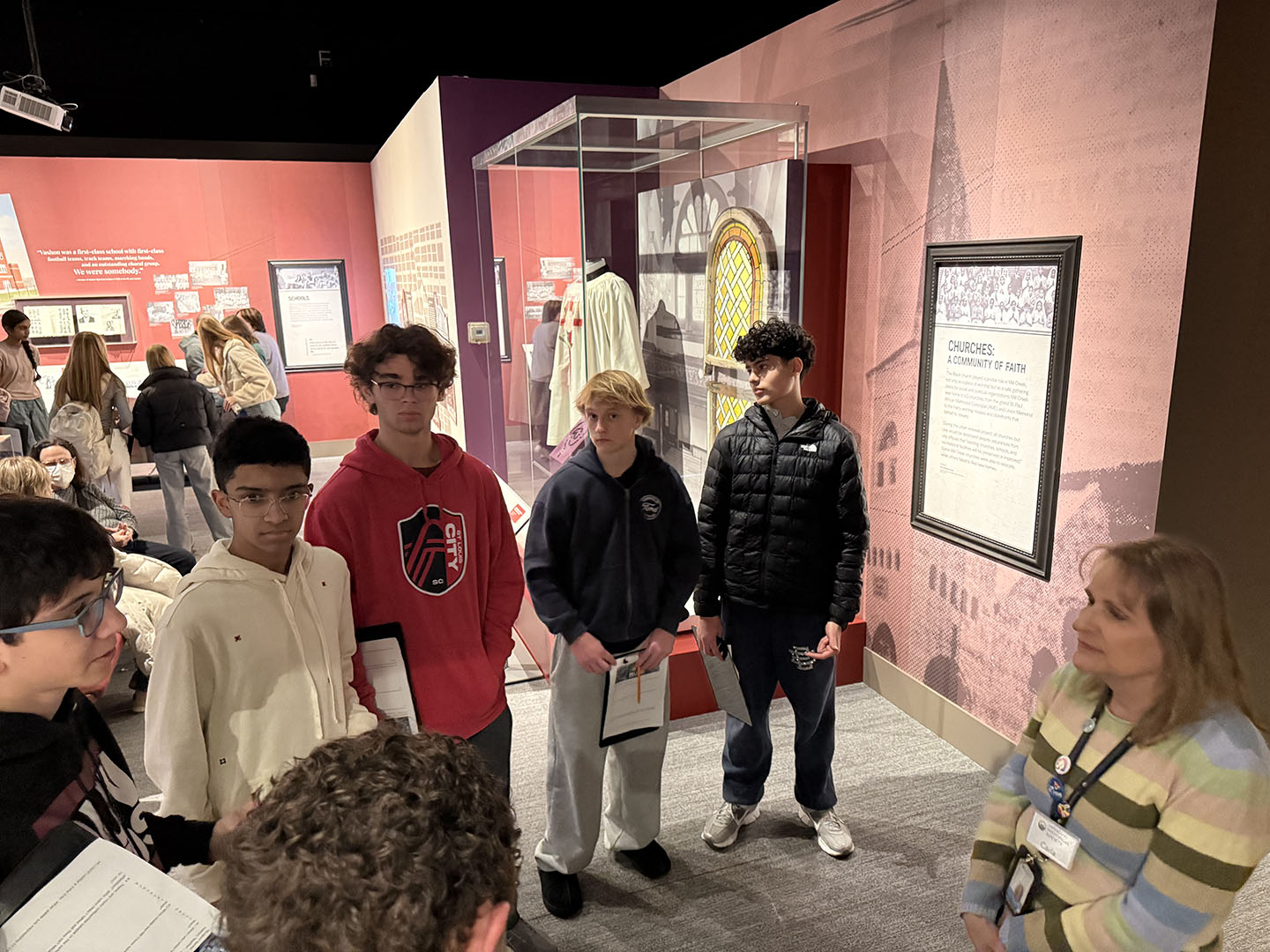
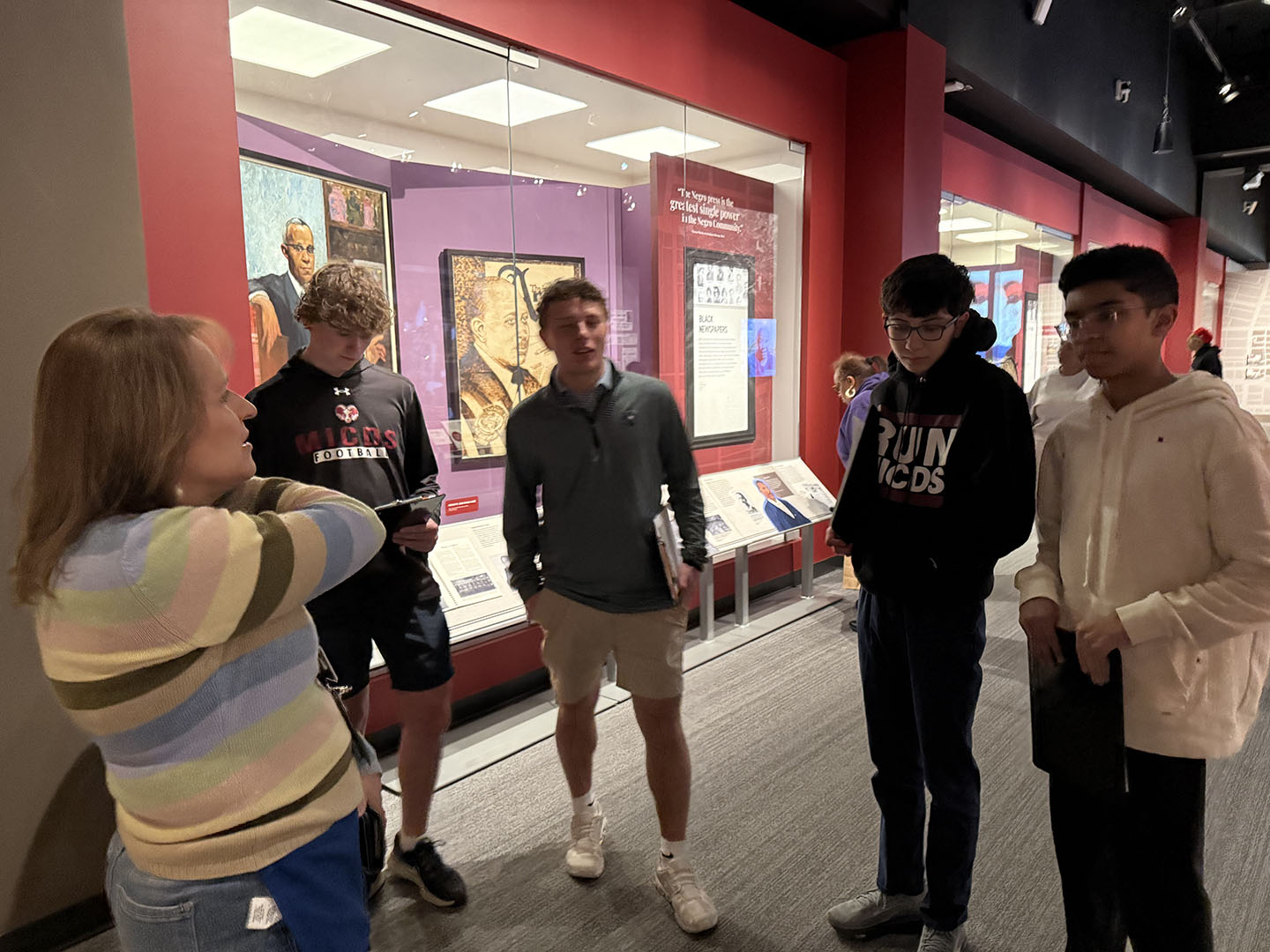
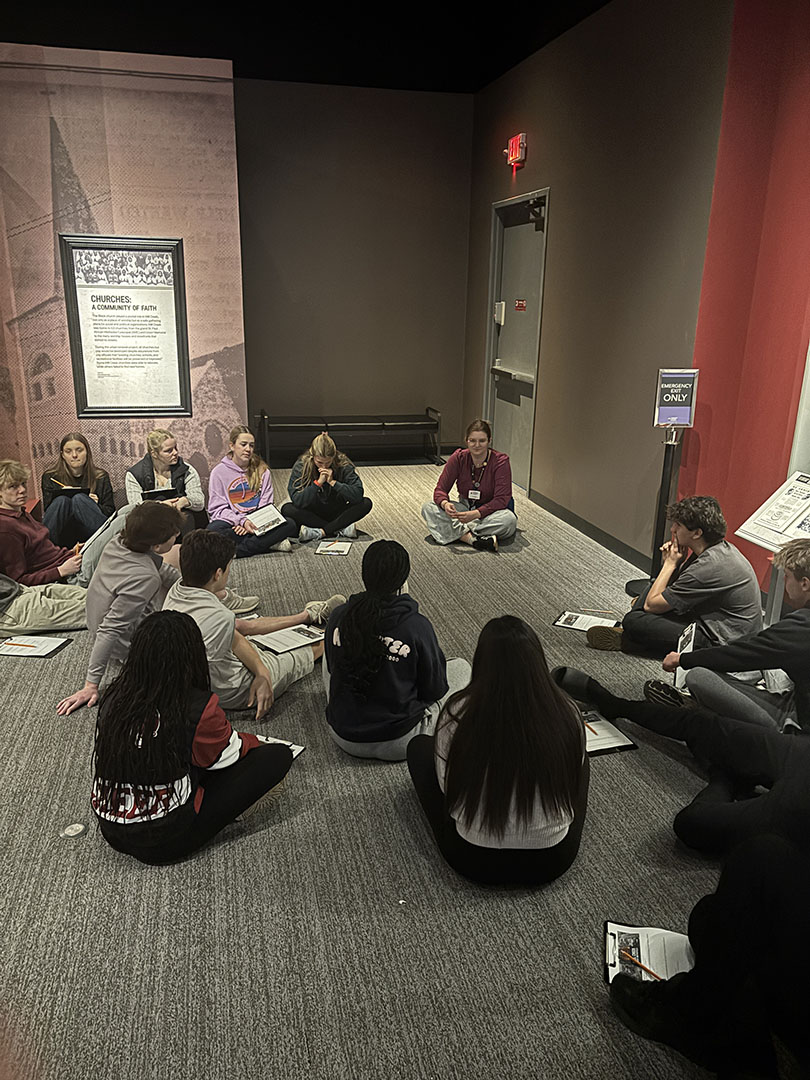
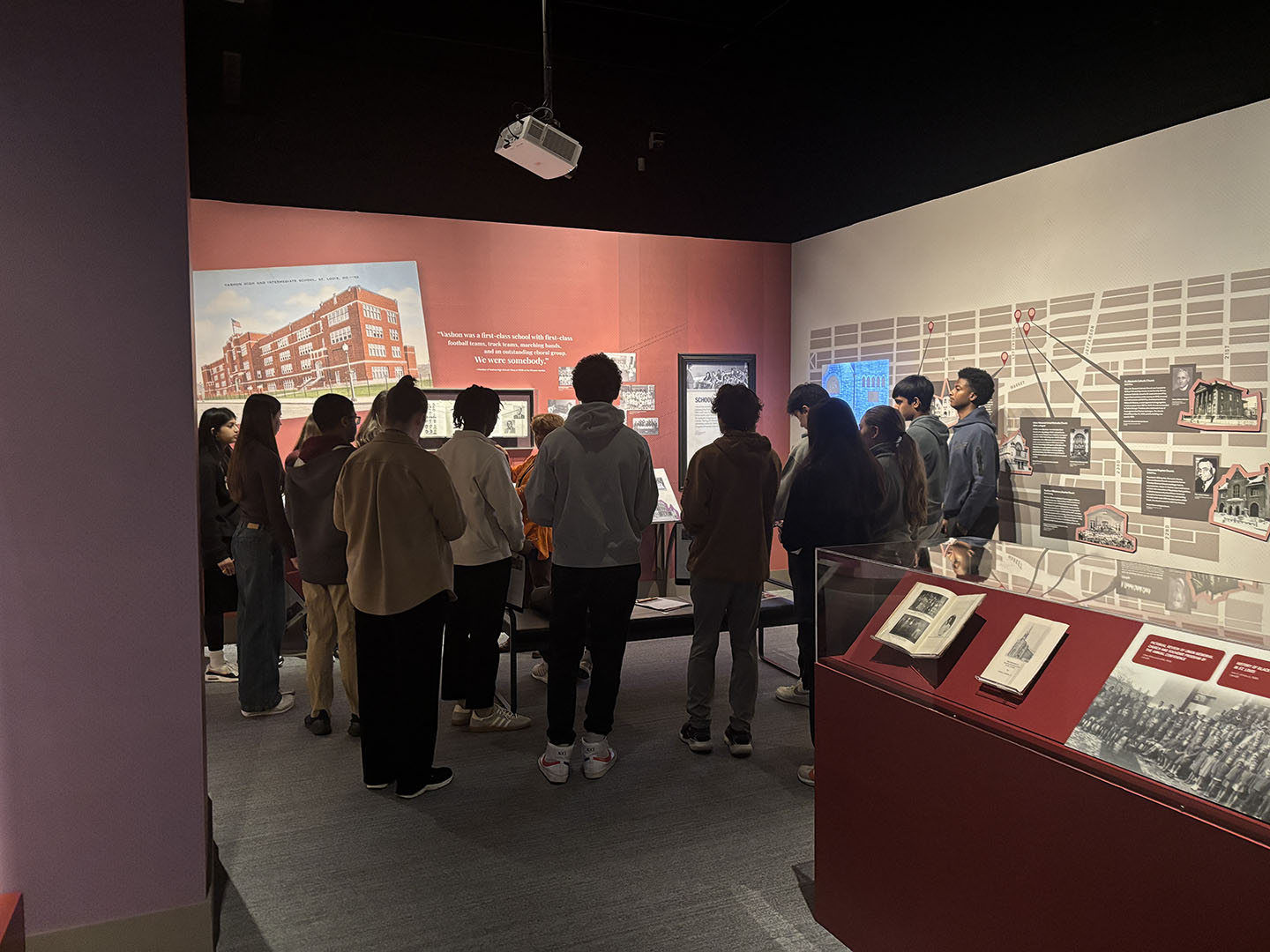
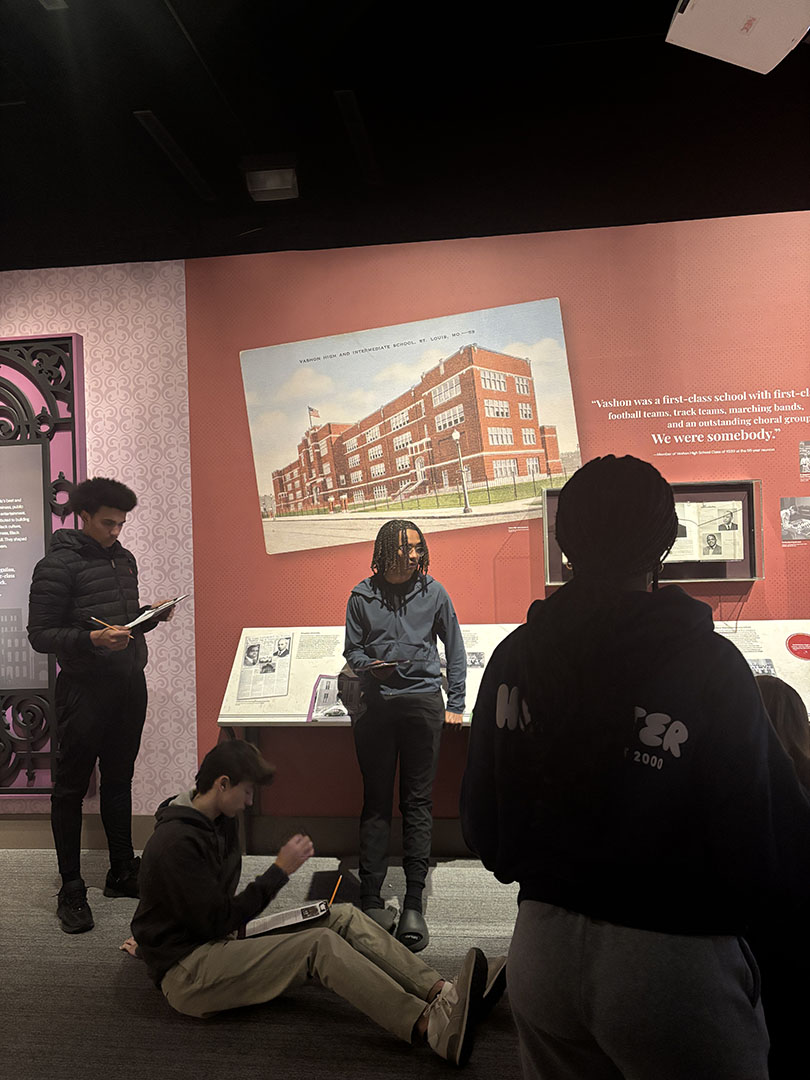
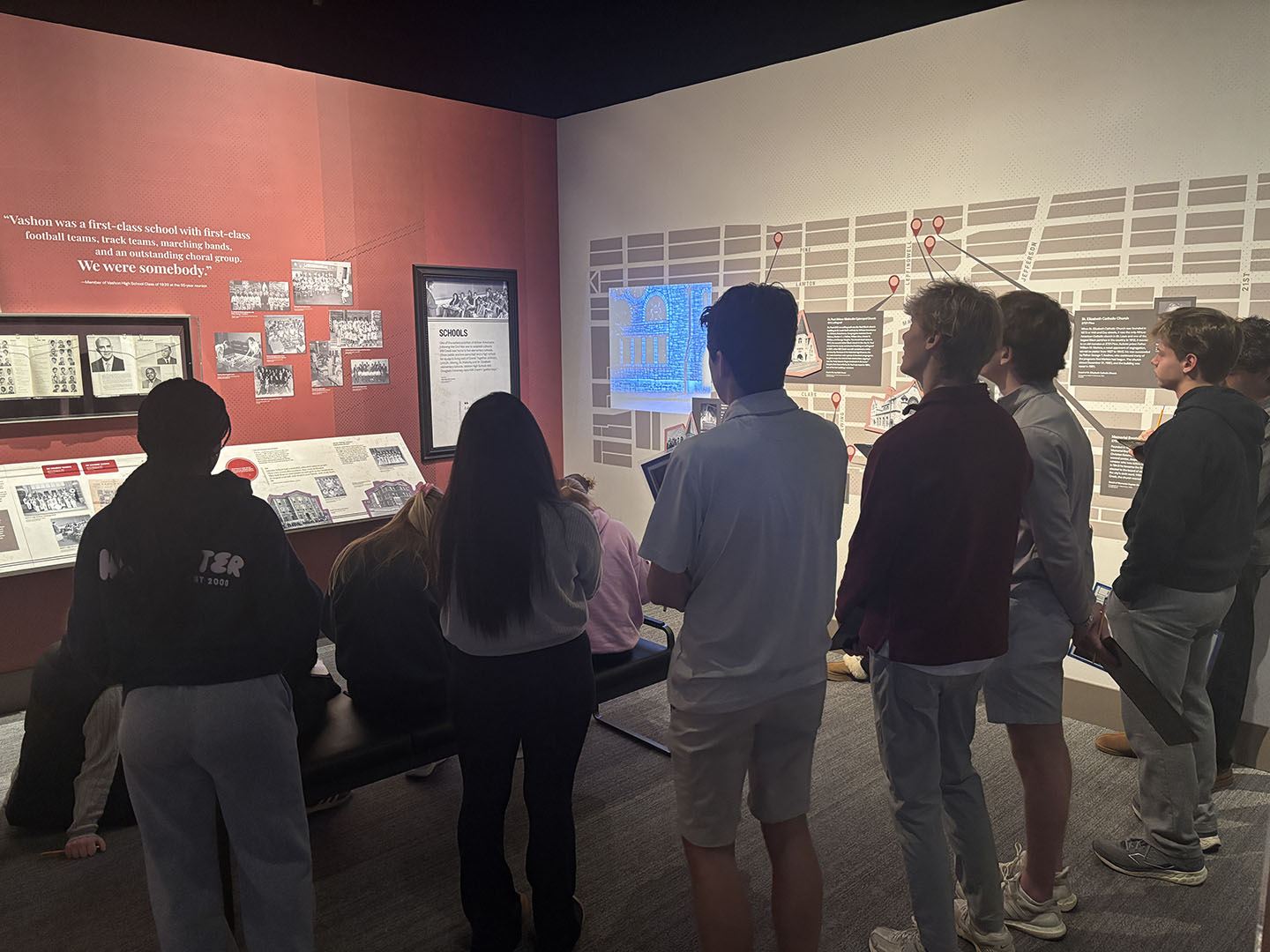
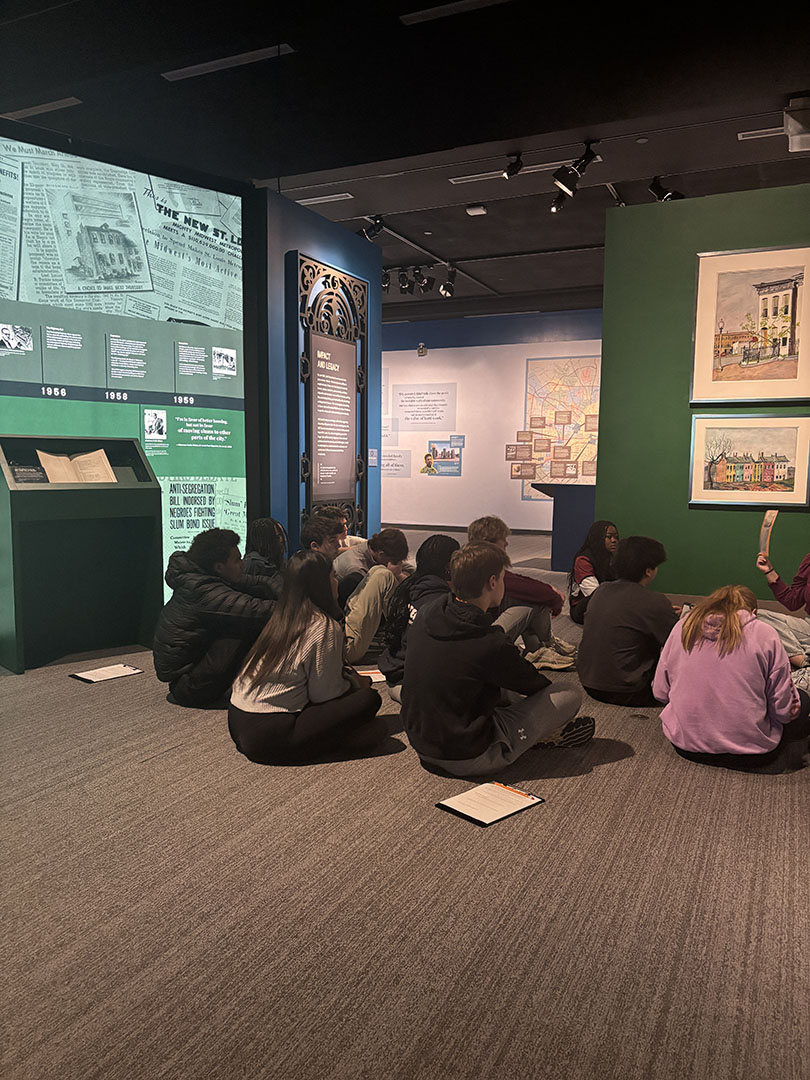
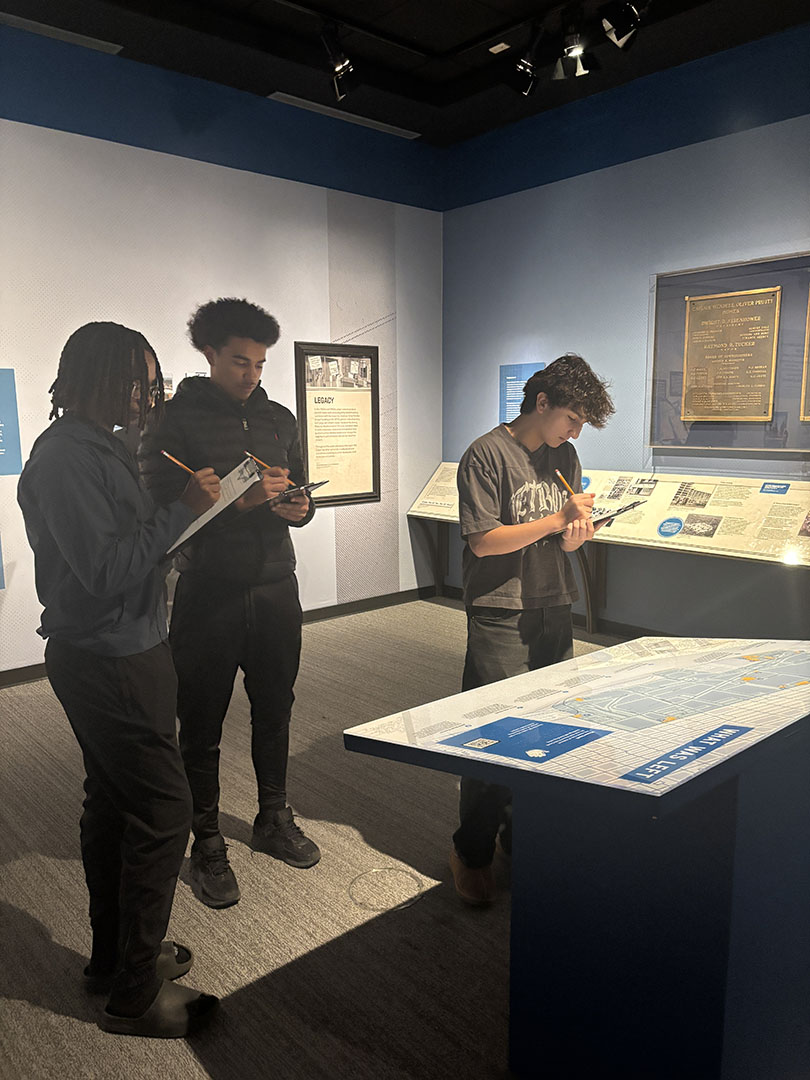
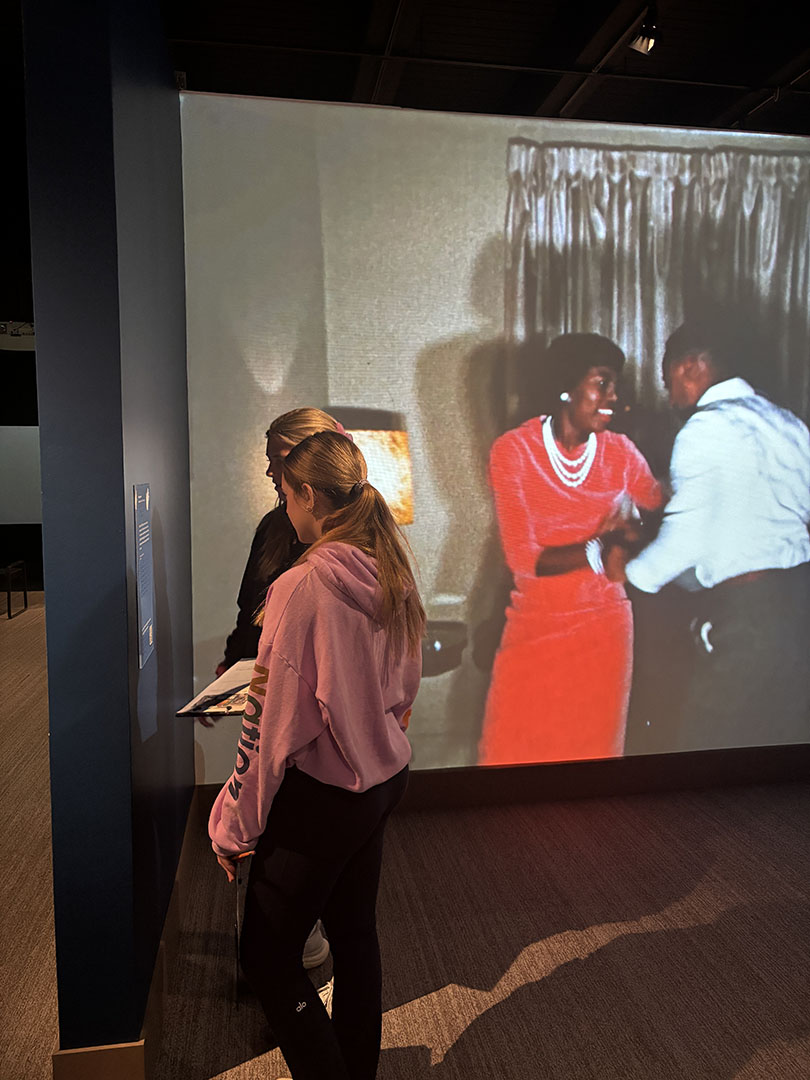
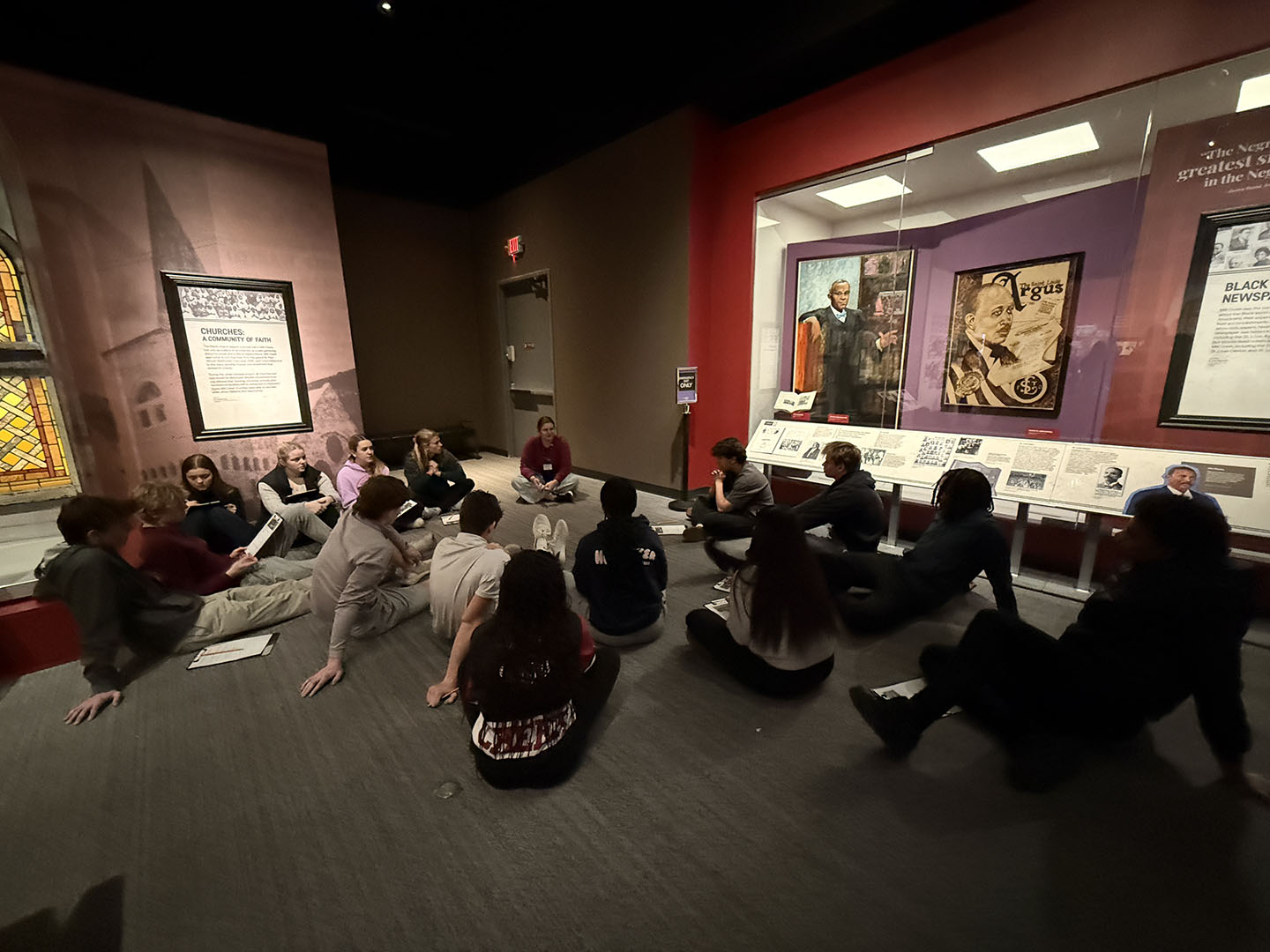
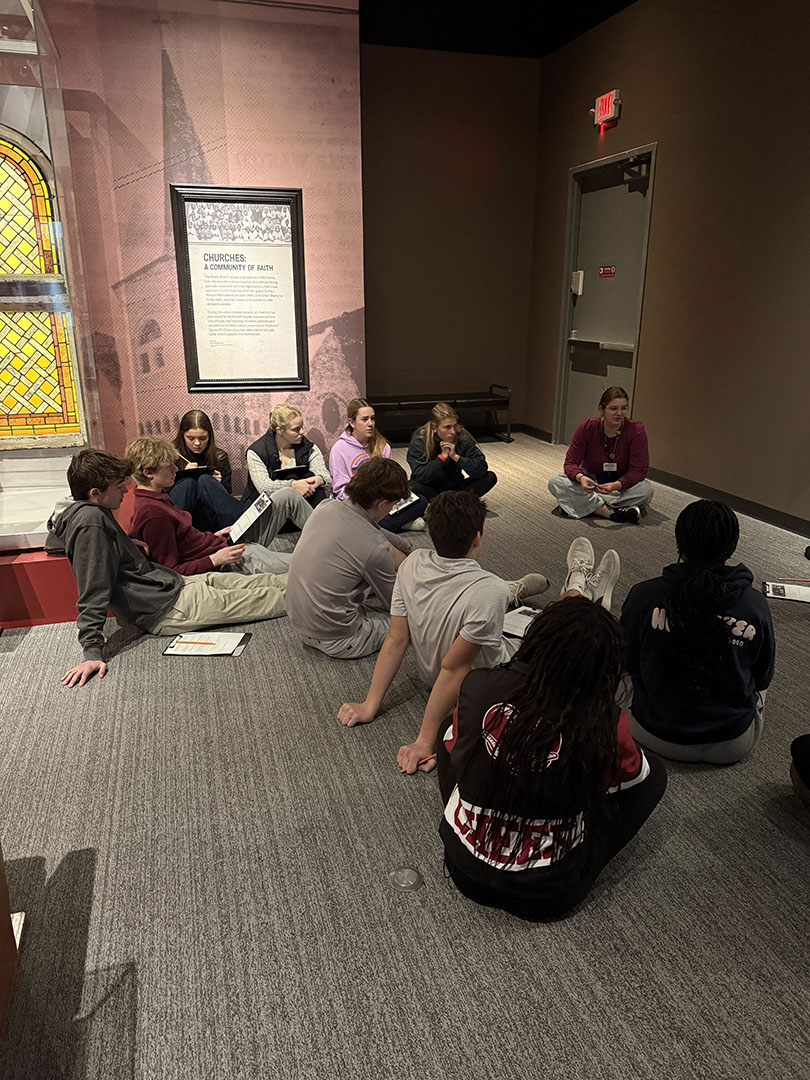
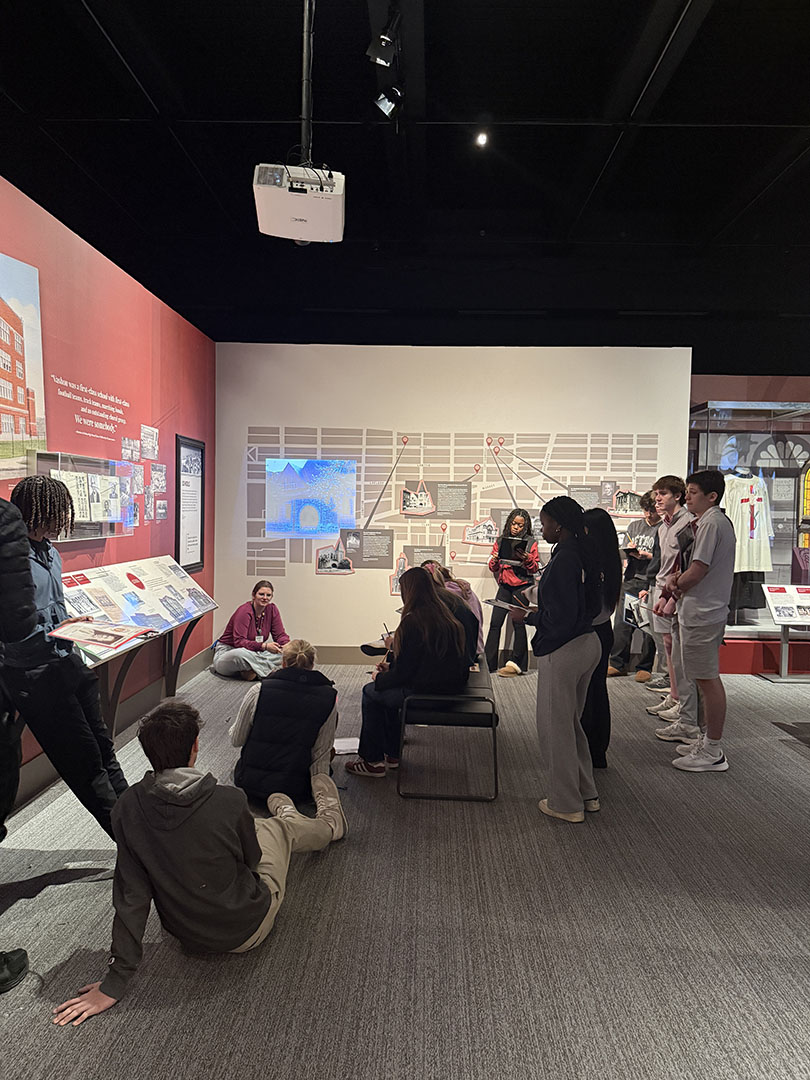
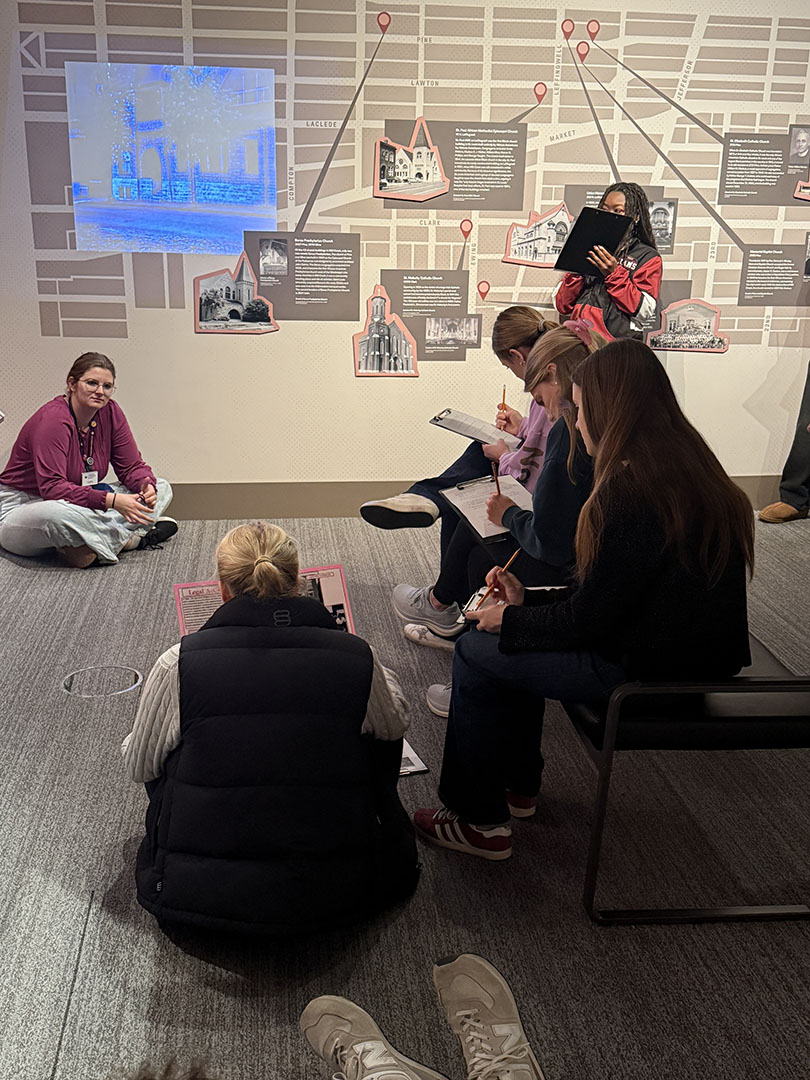
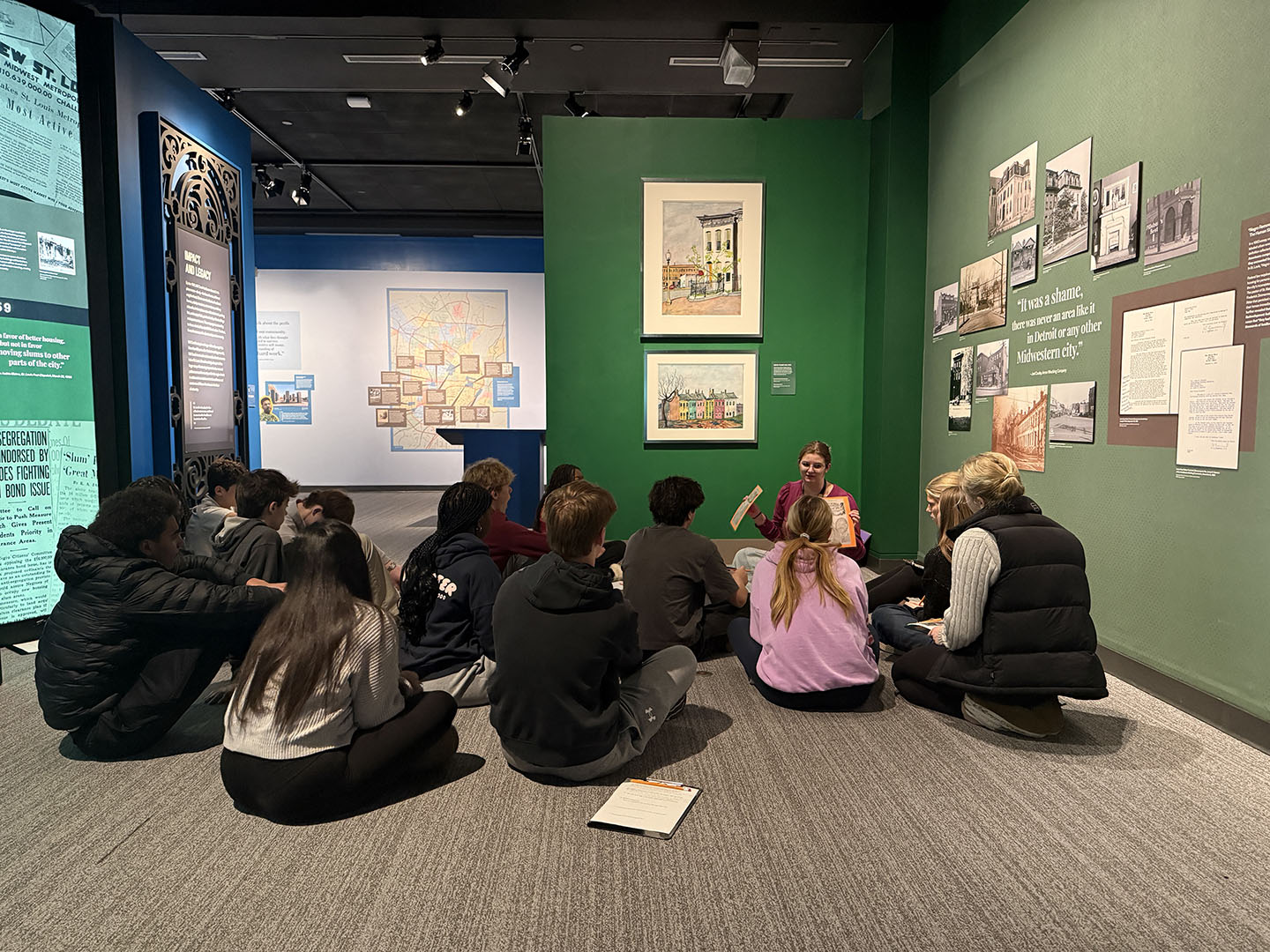
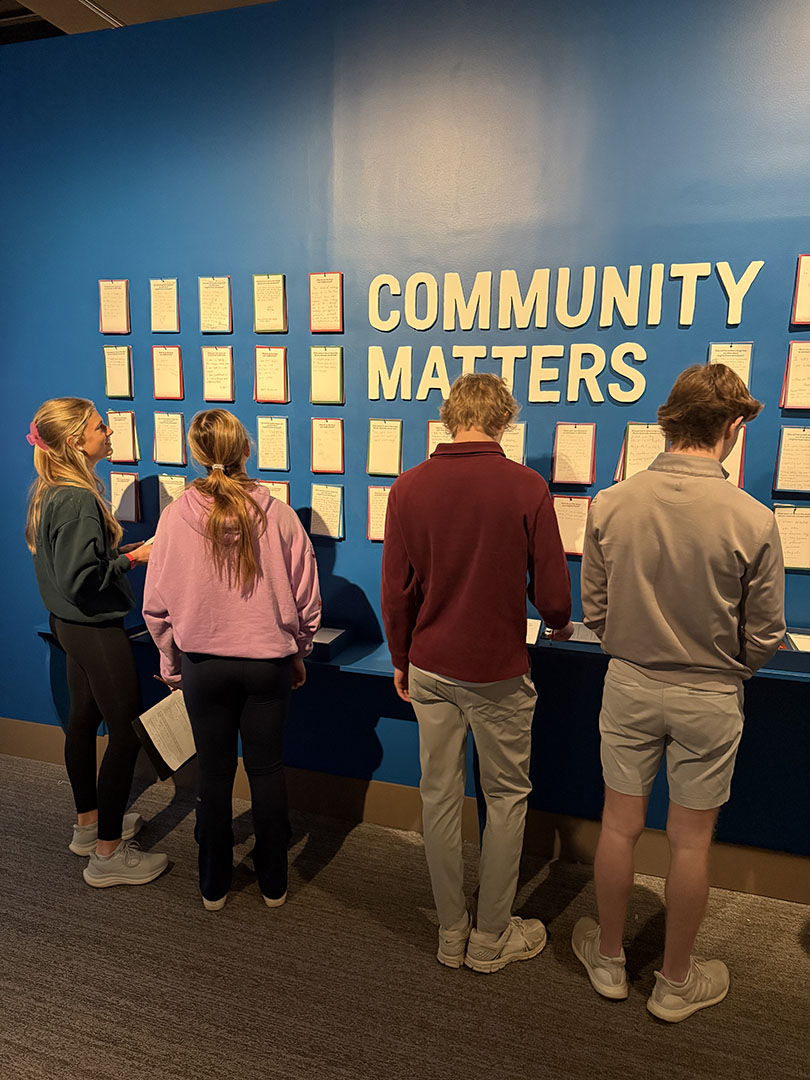
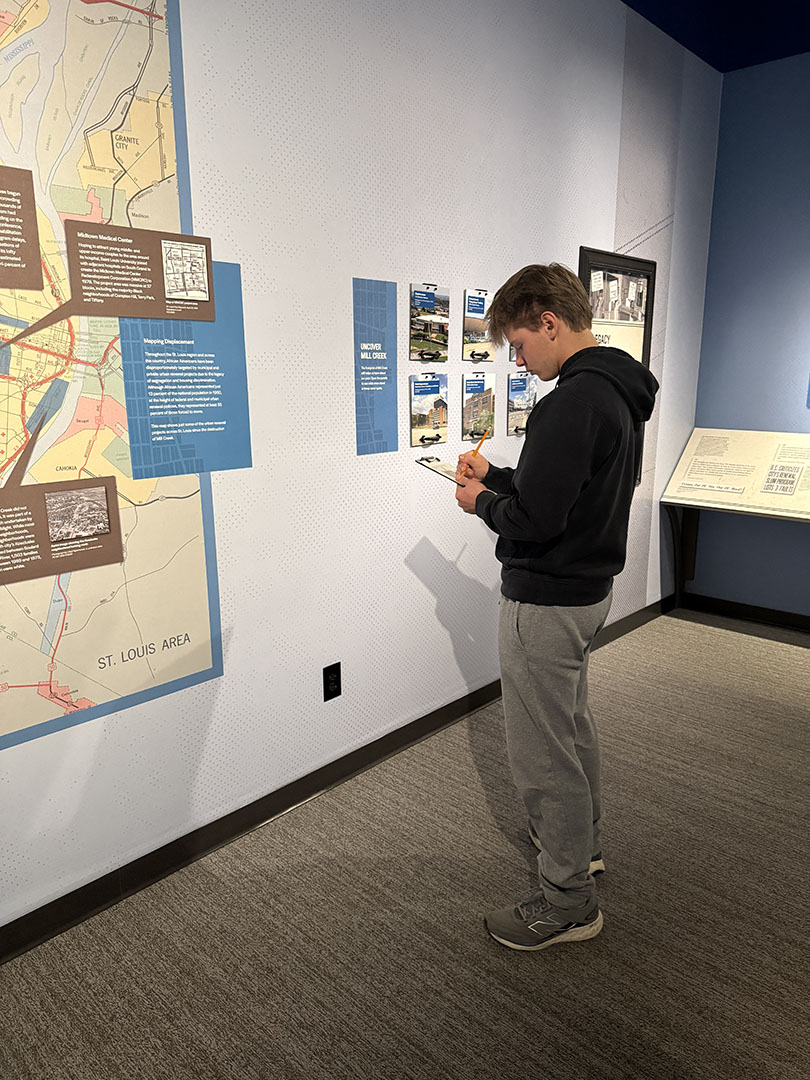
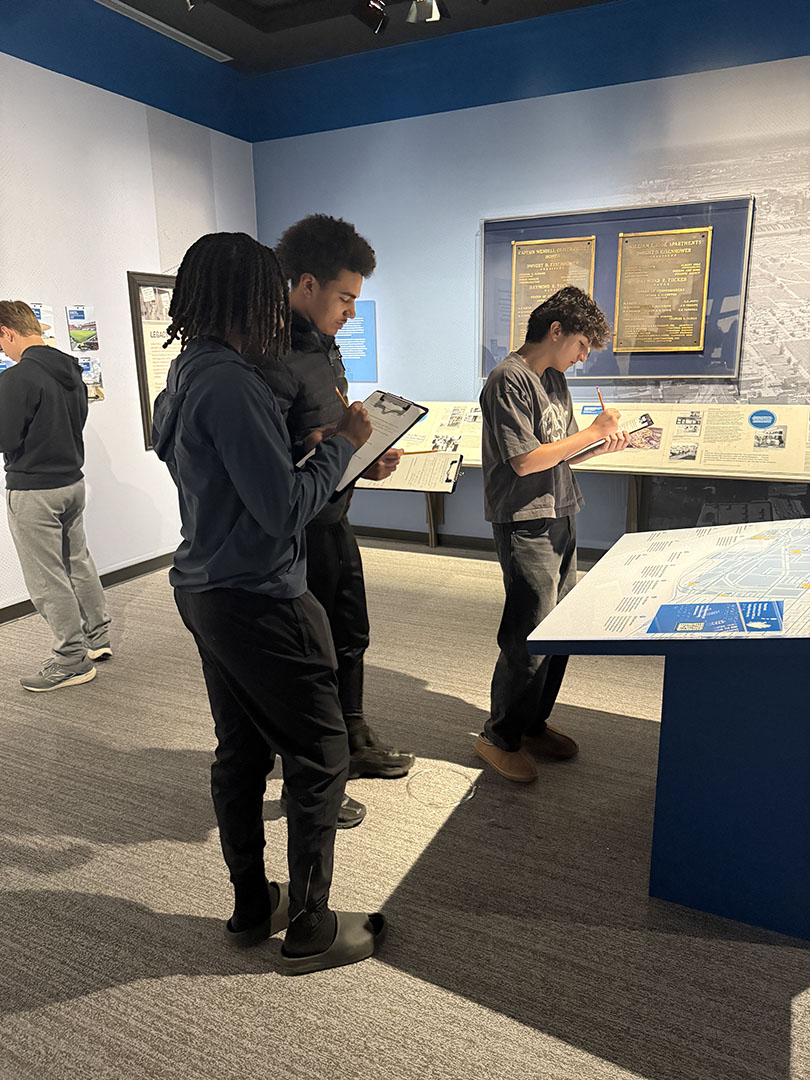
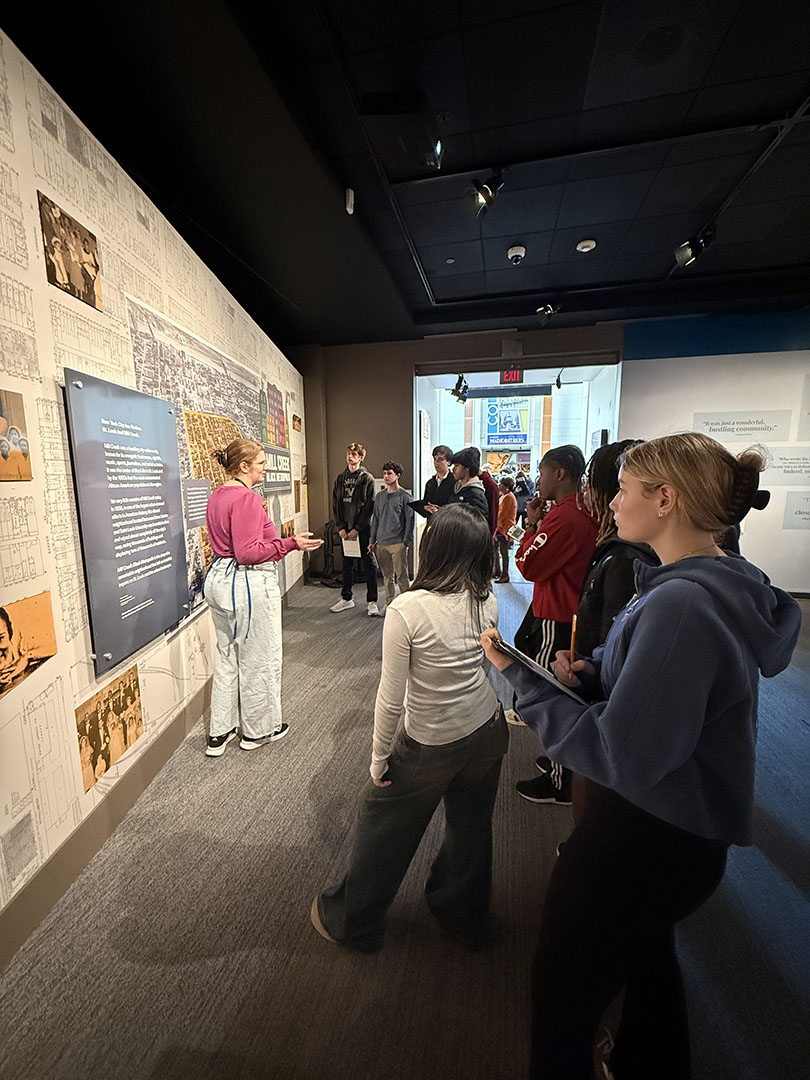
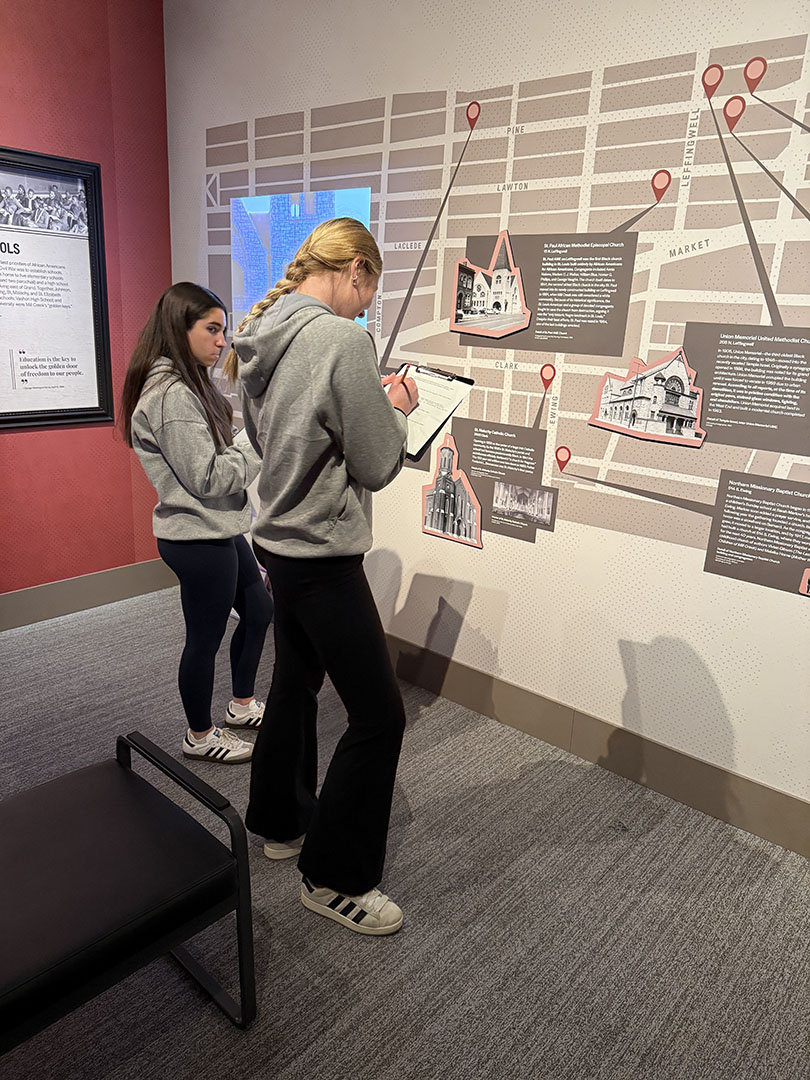
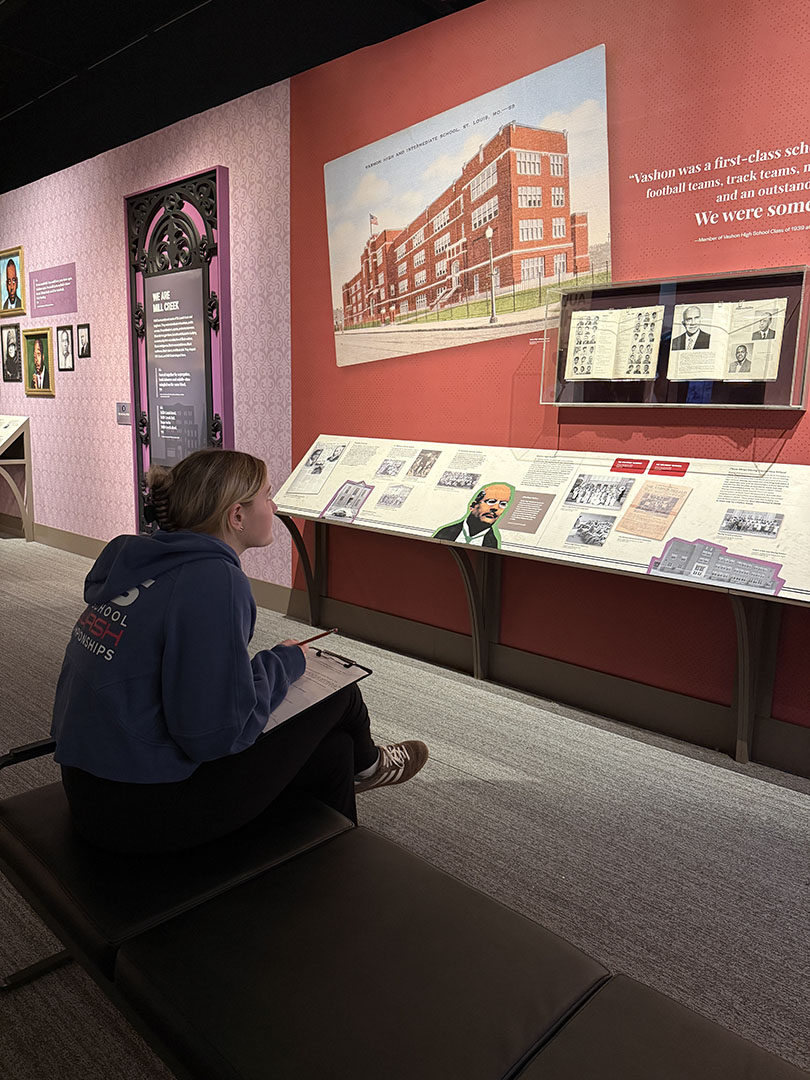
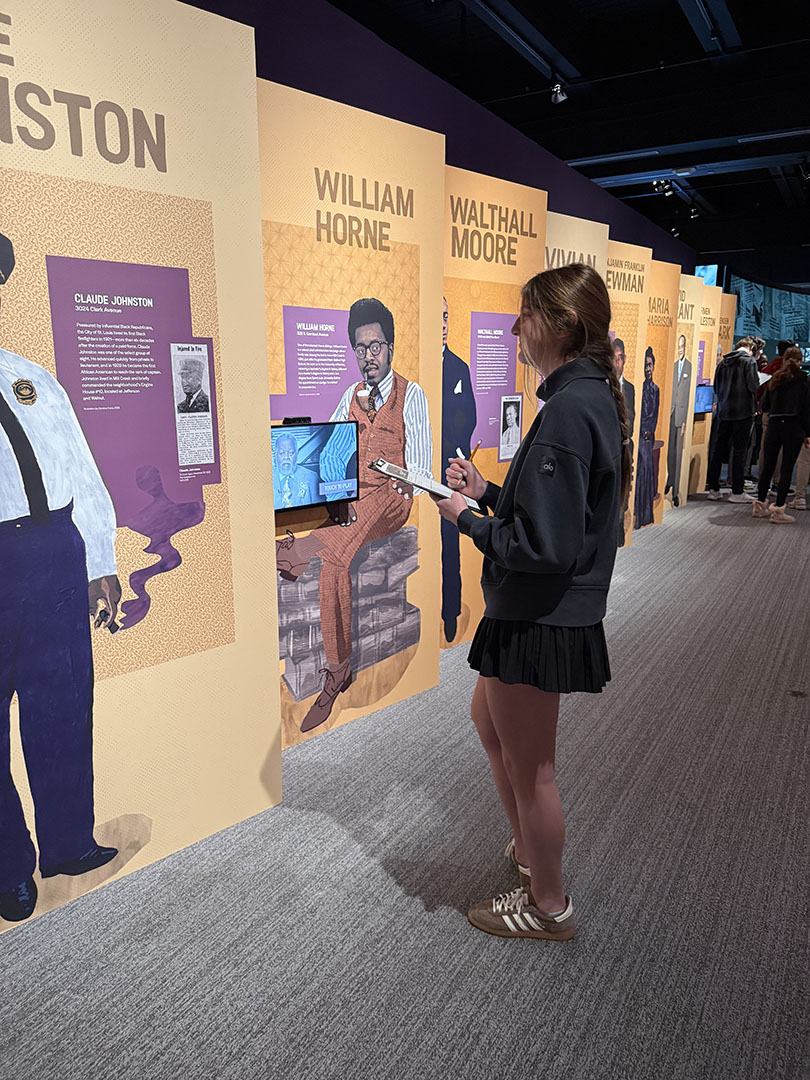
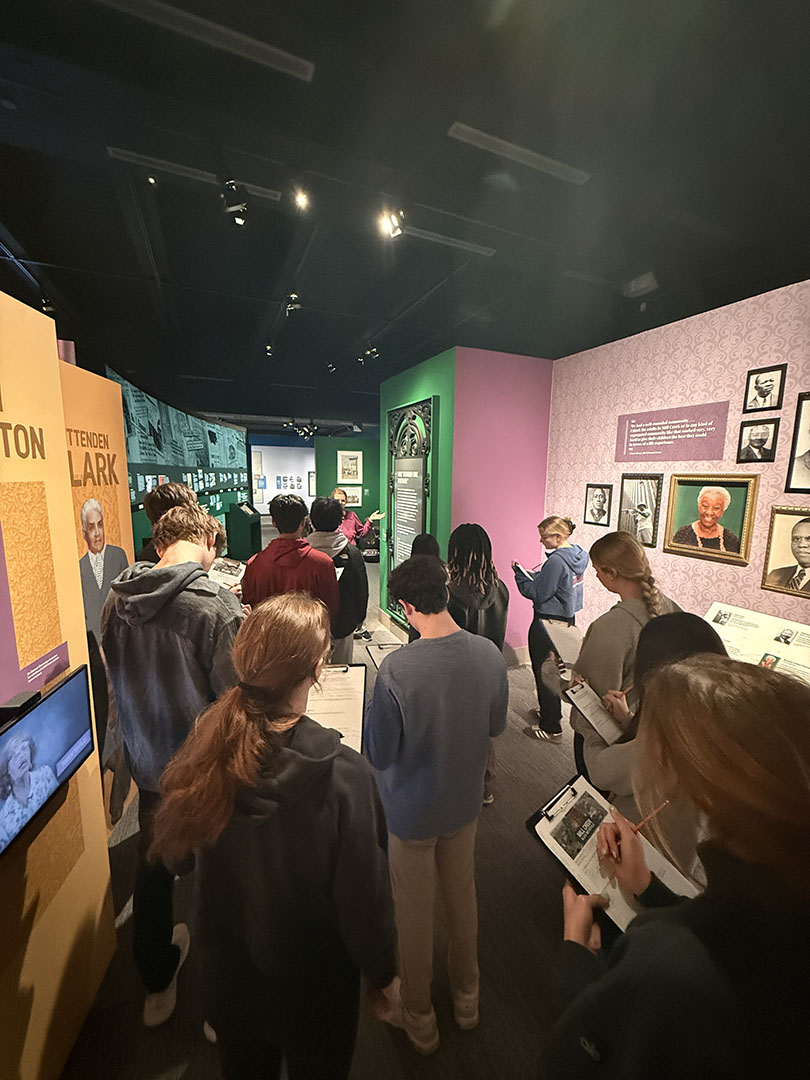
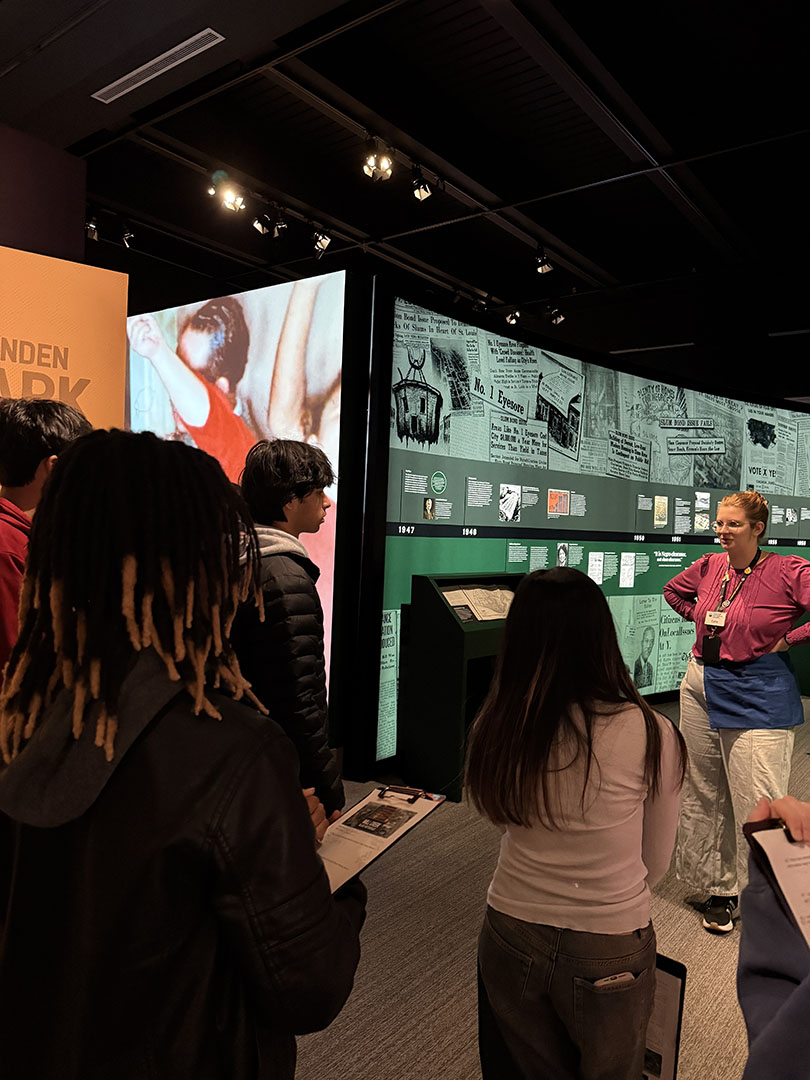
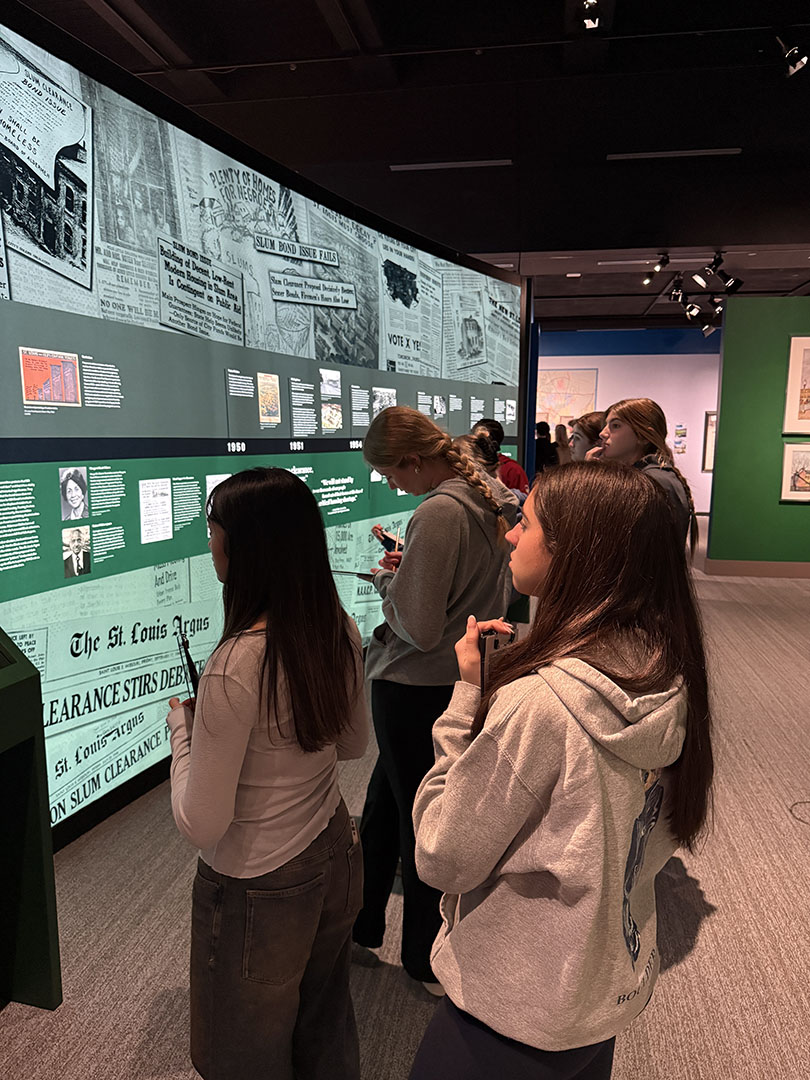
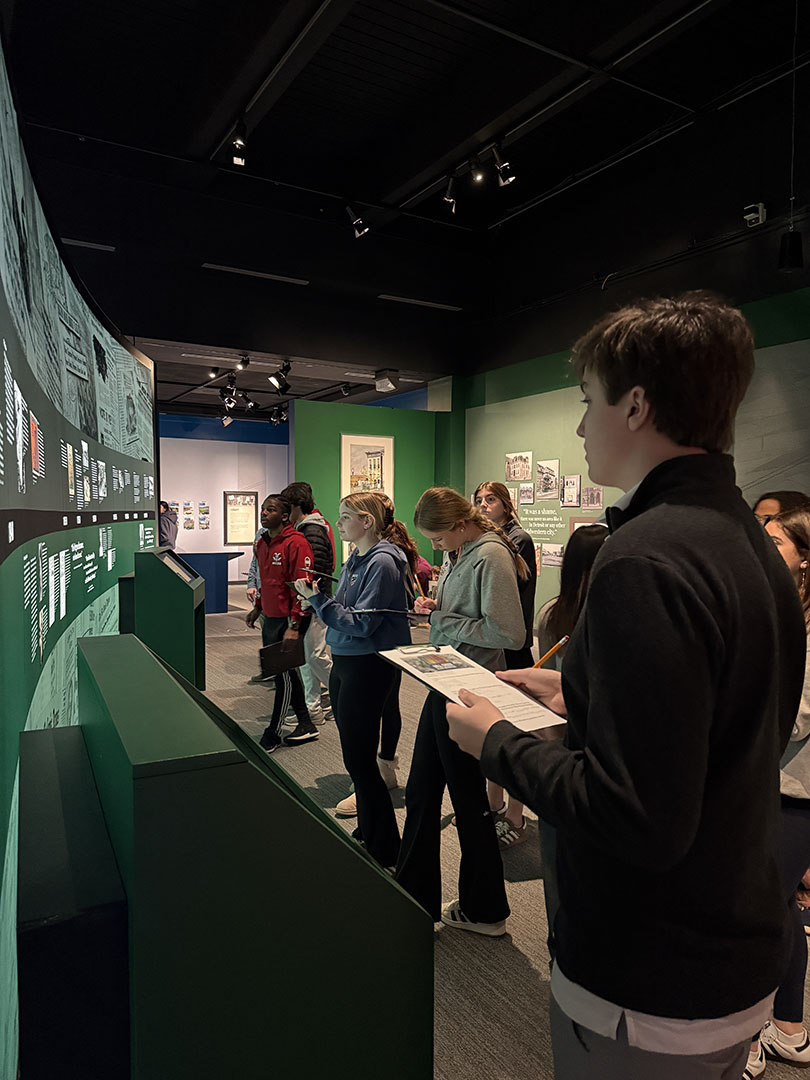
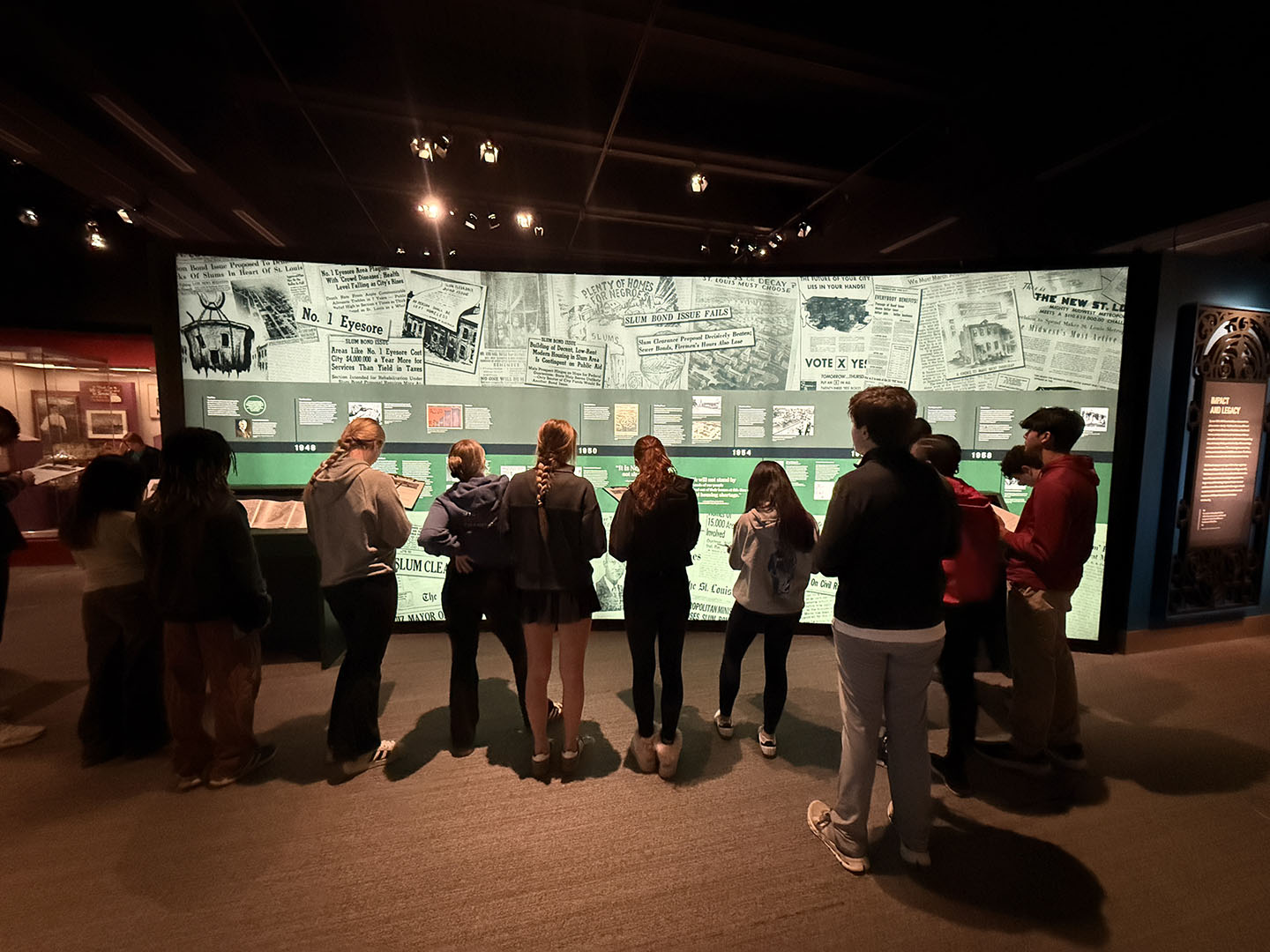
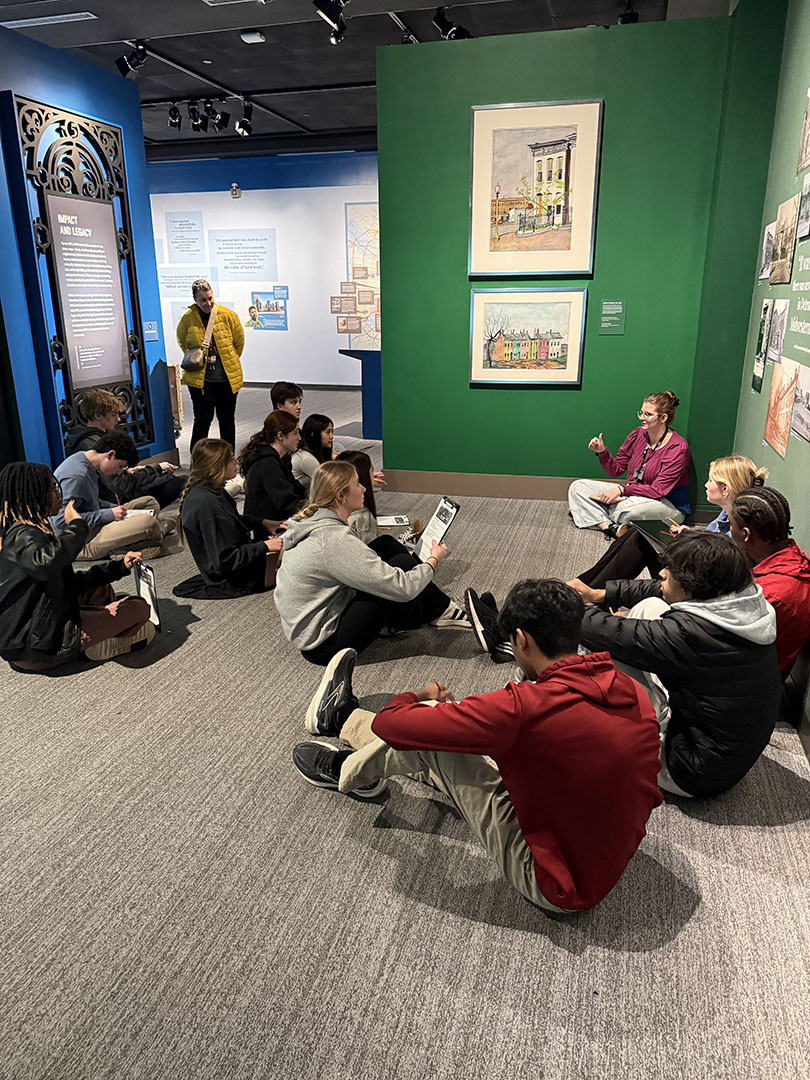
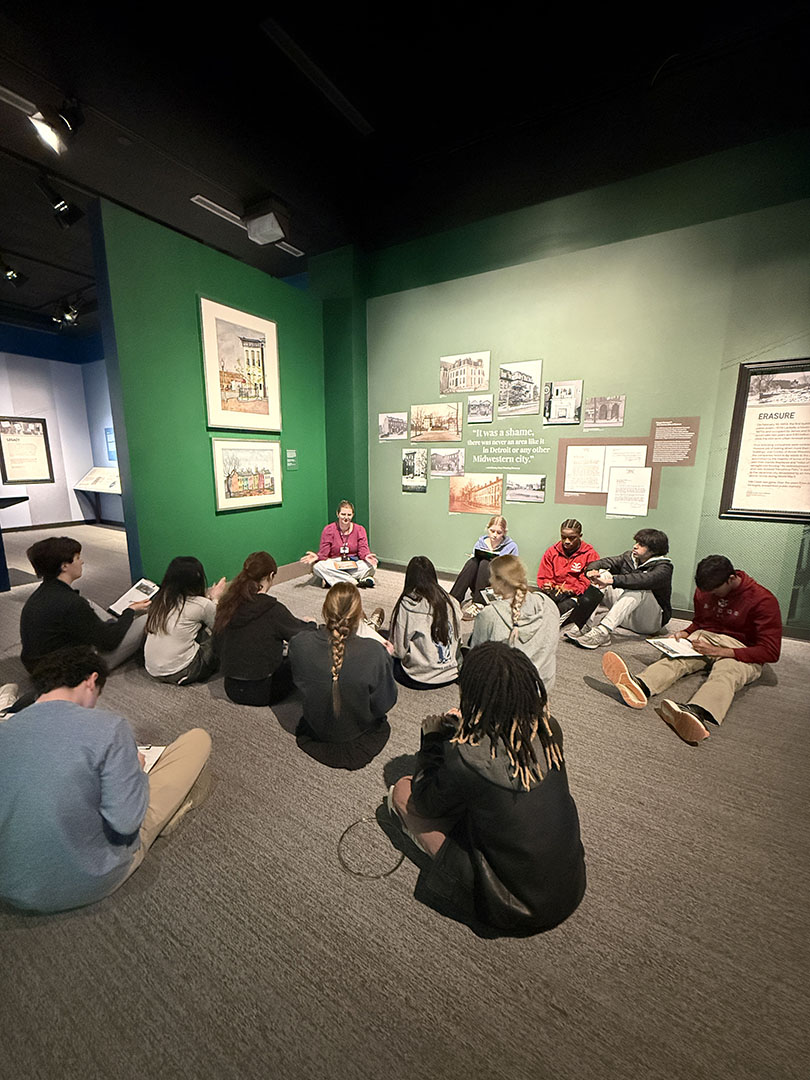
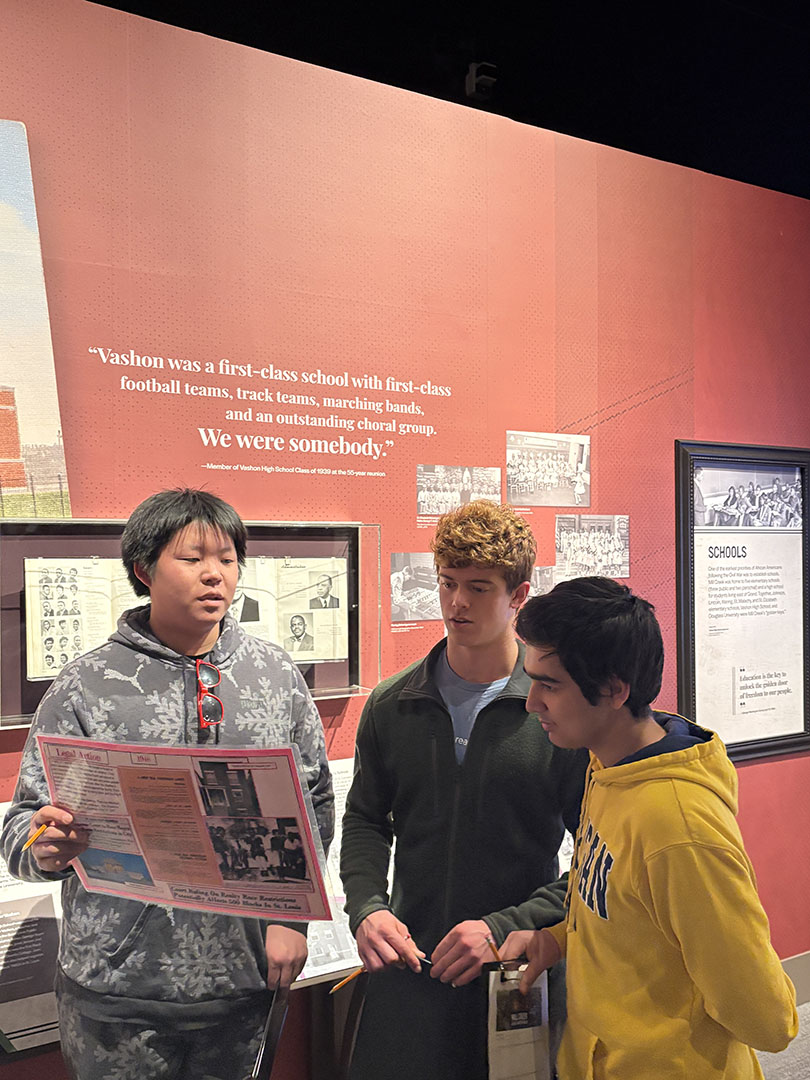
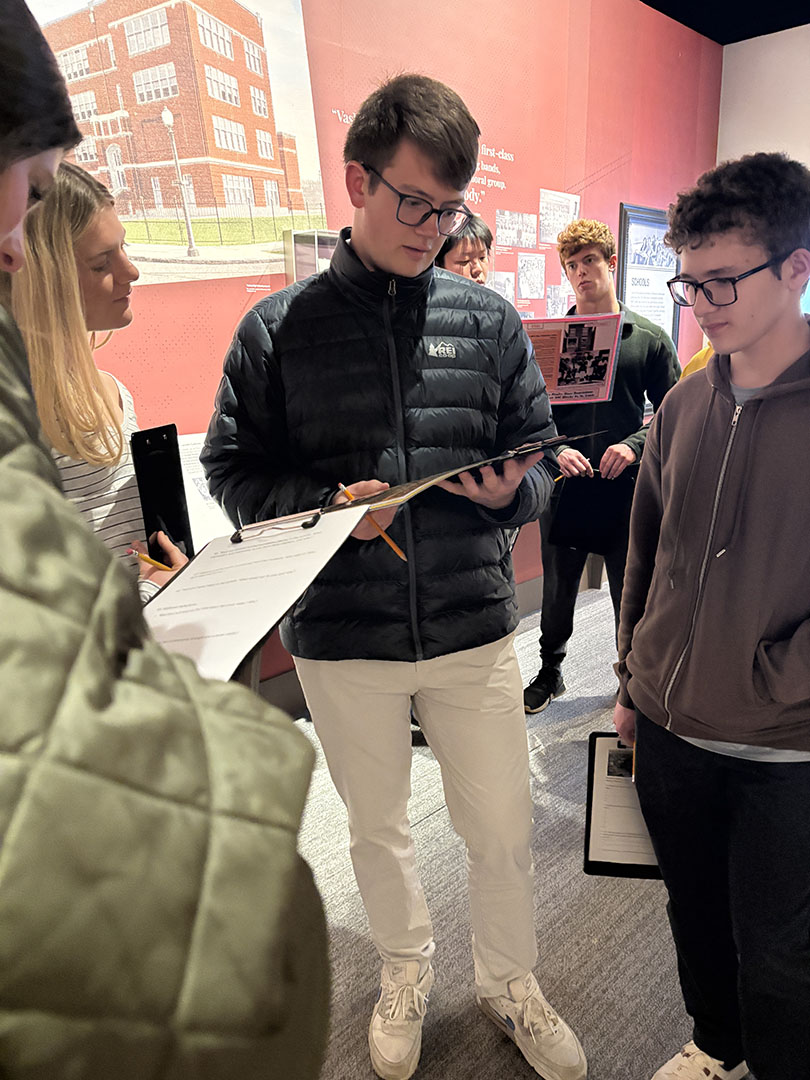
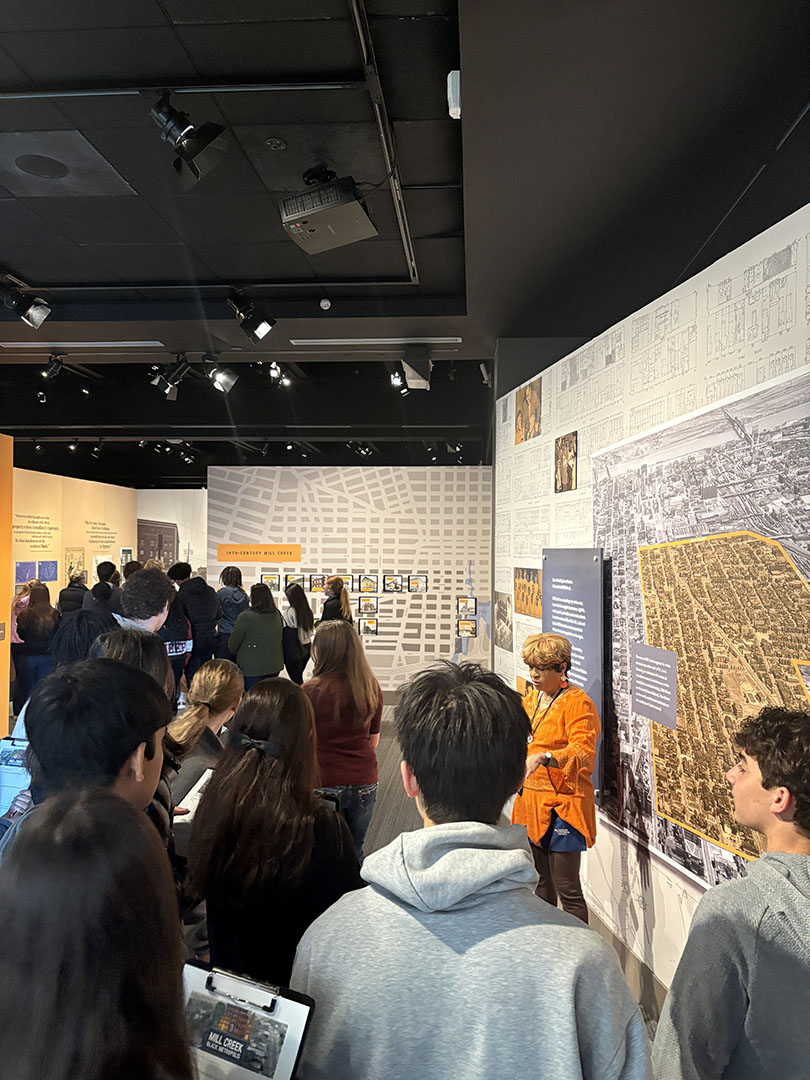
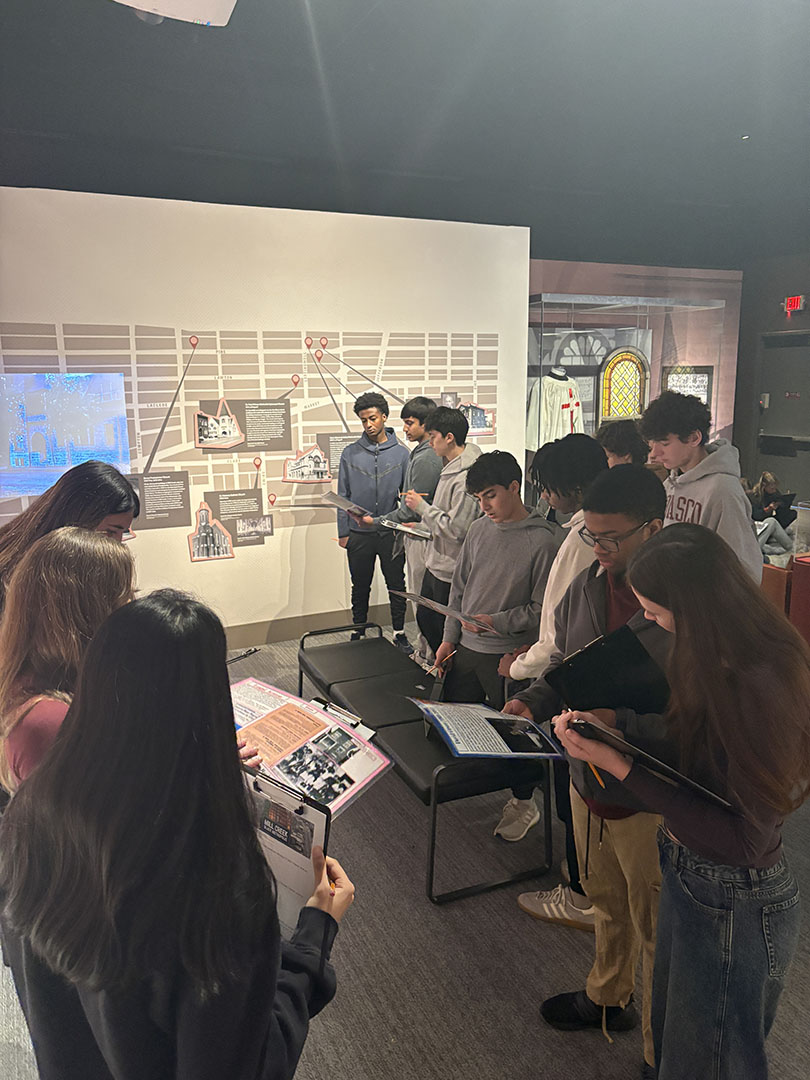
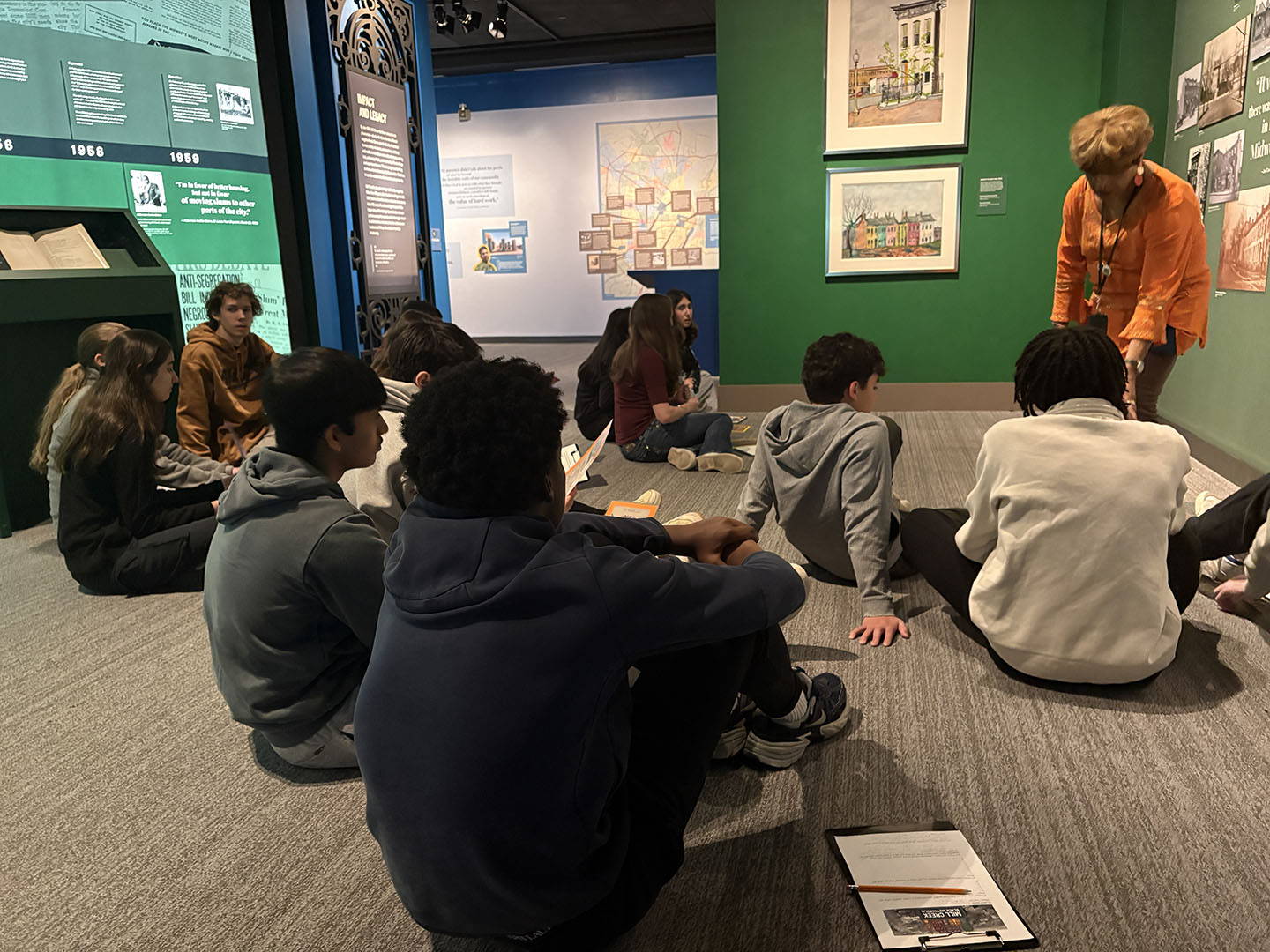
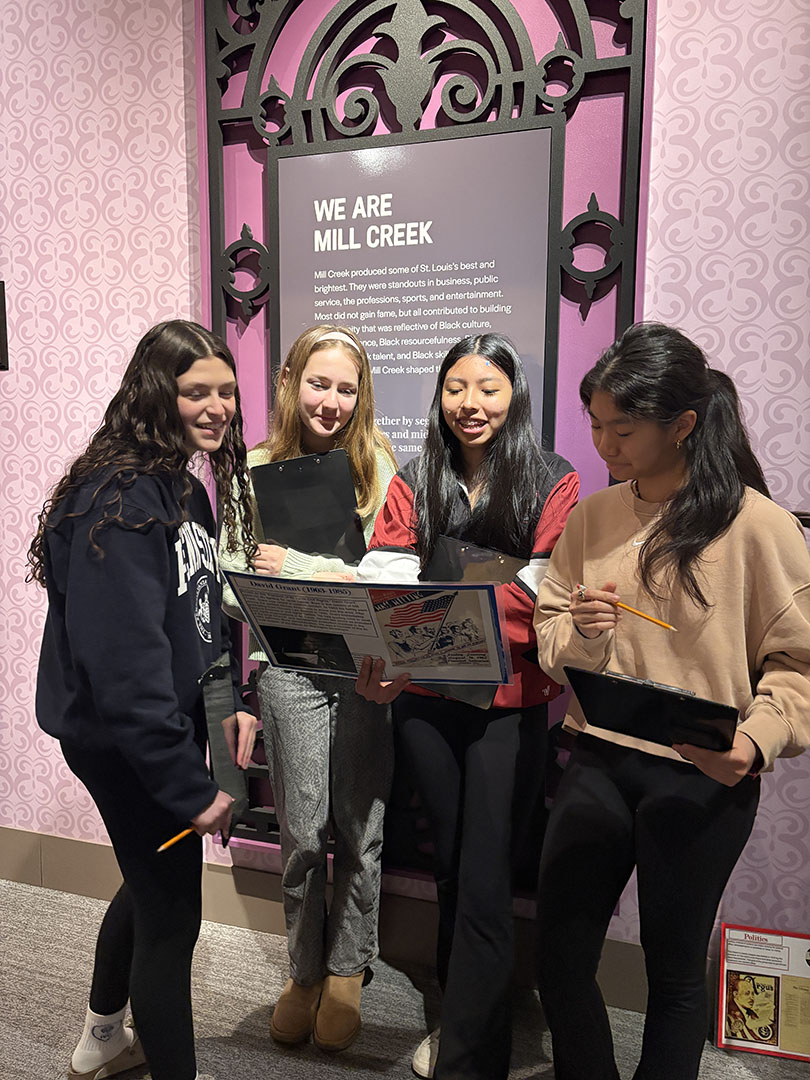
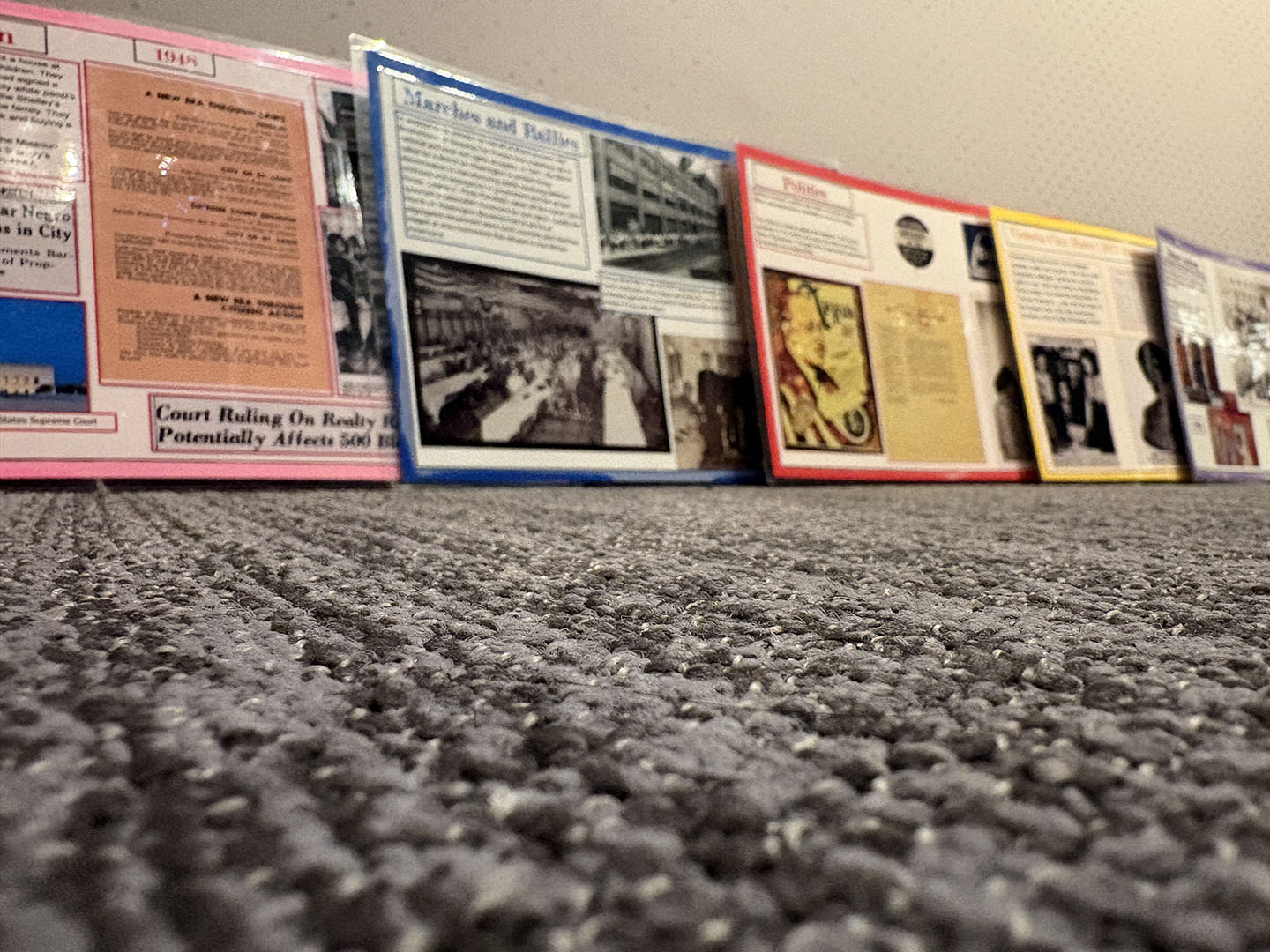
In addition to providing valuable context for the themes they’re currently studying, the content prepares students for the History of St. Louis course they’ll take during junior year. “Because this is a limited-time exhibit, we are fortunate to be able to attend while it is still on display,” said Melanie Duffy, Dean of Students.
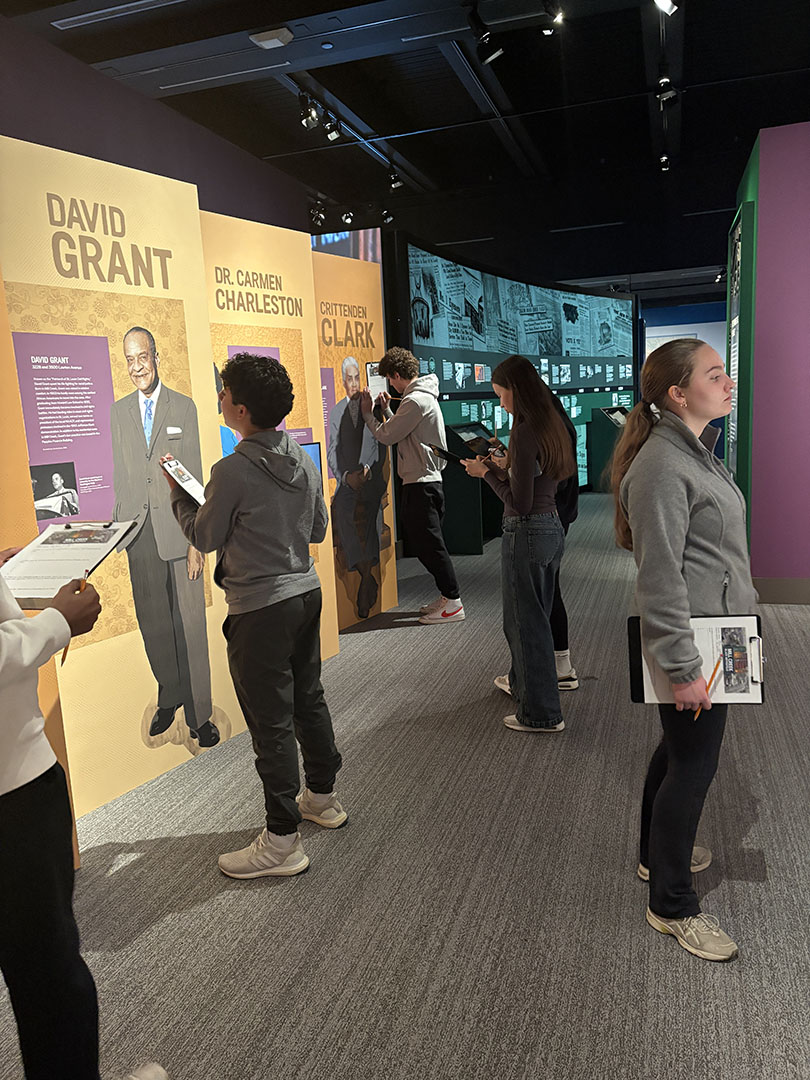
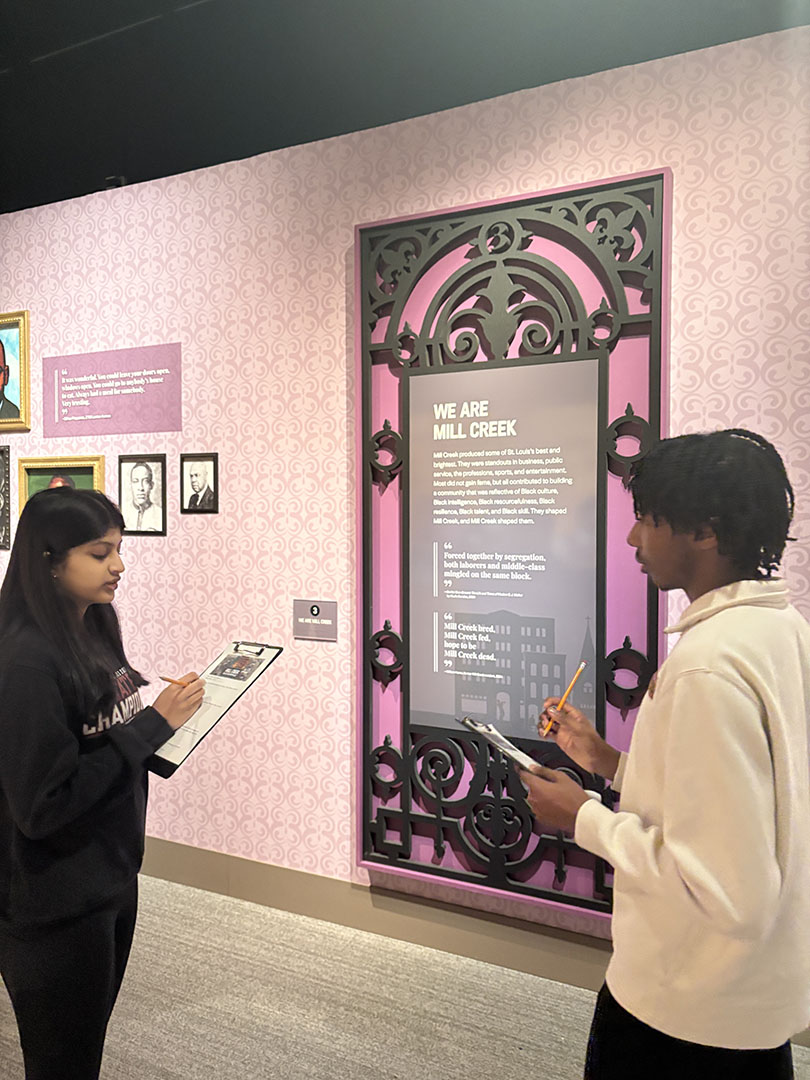
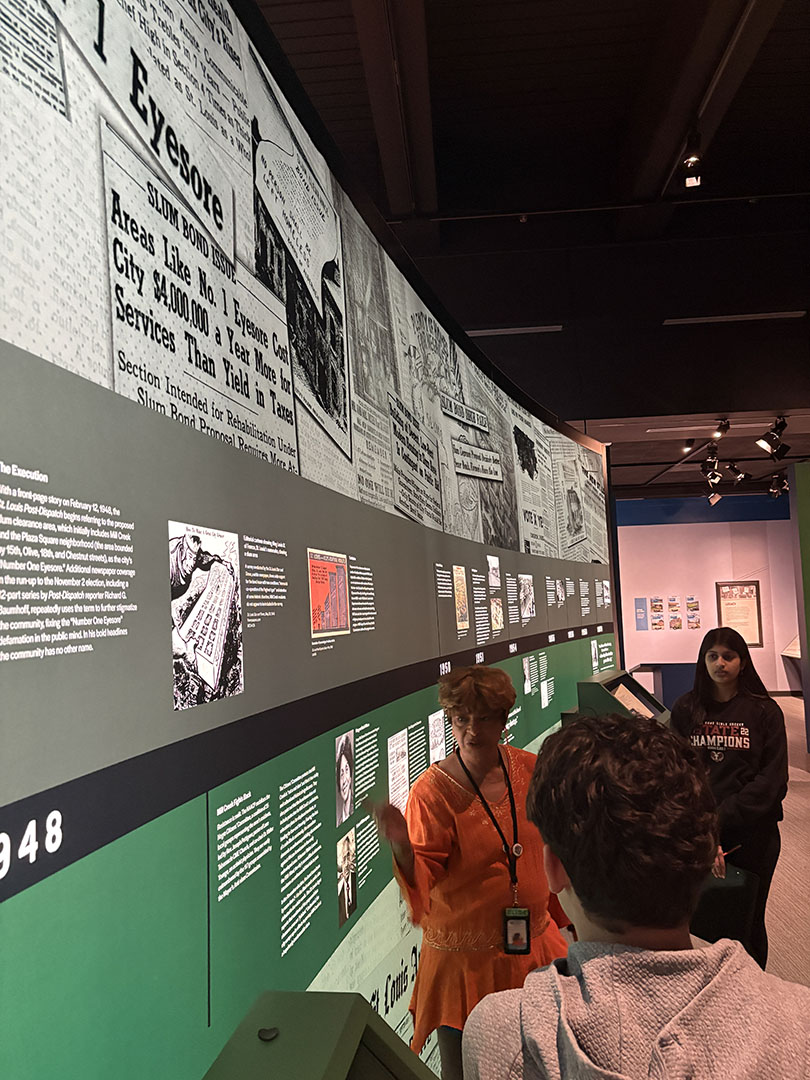
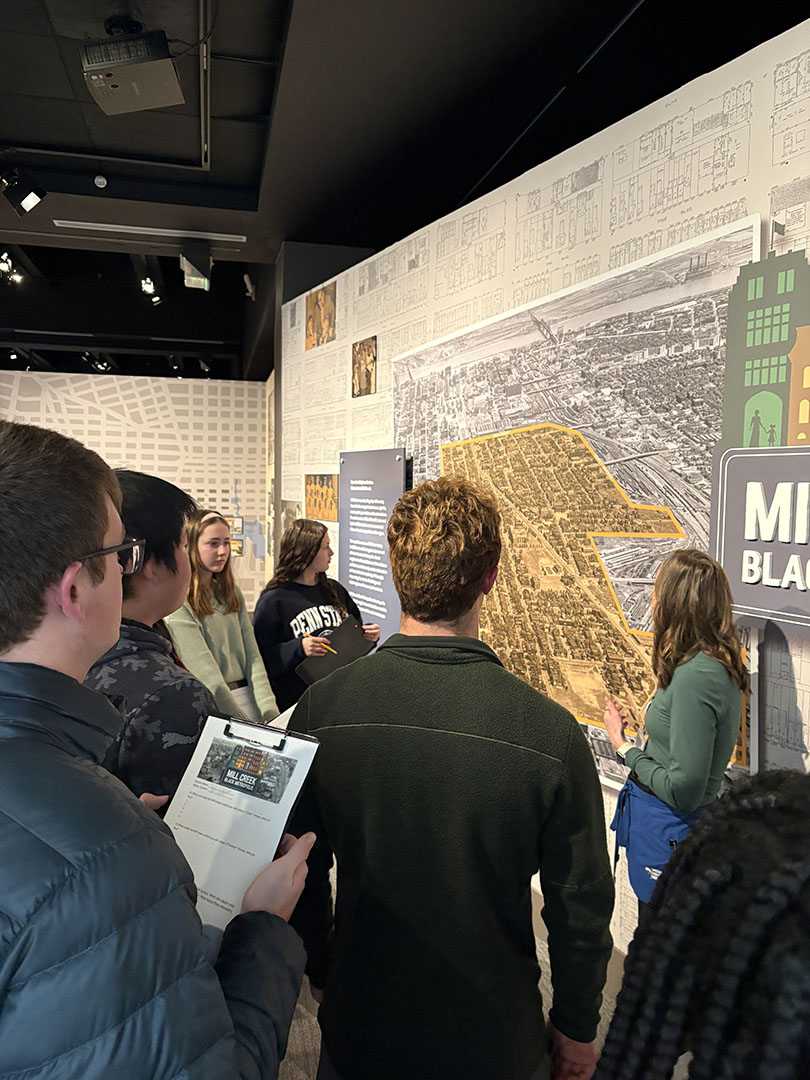
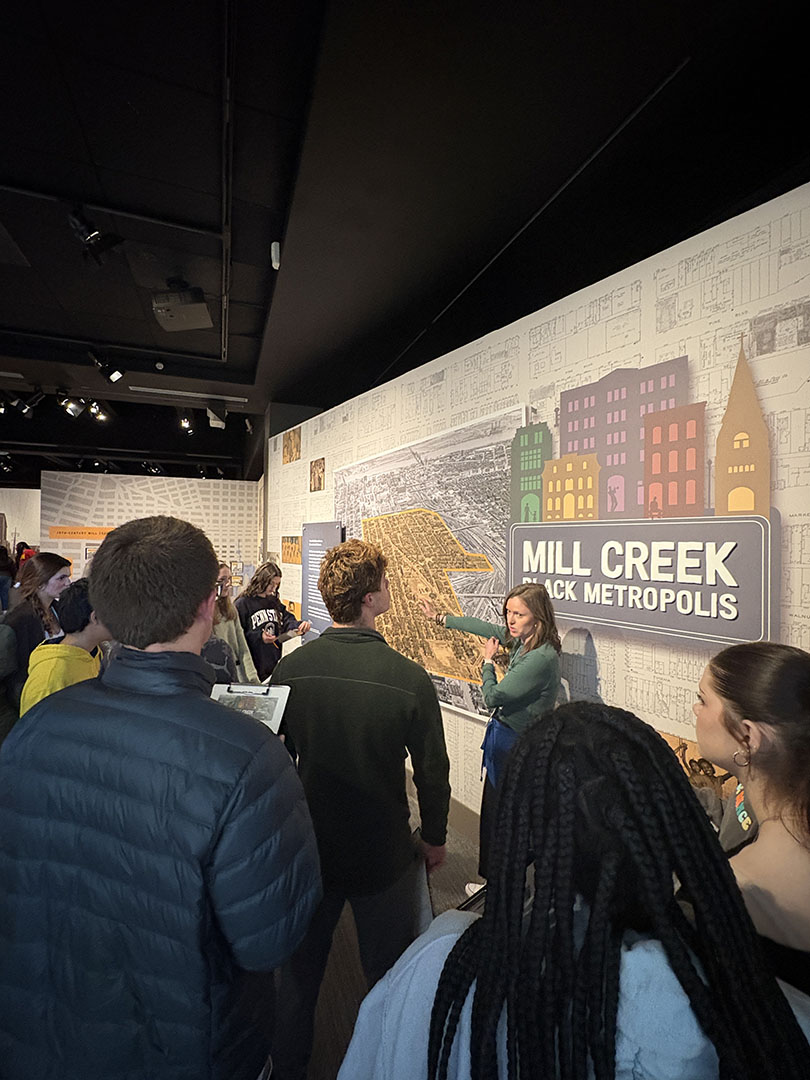
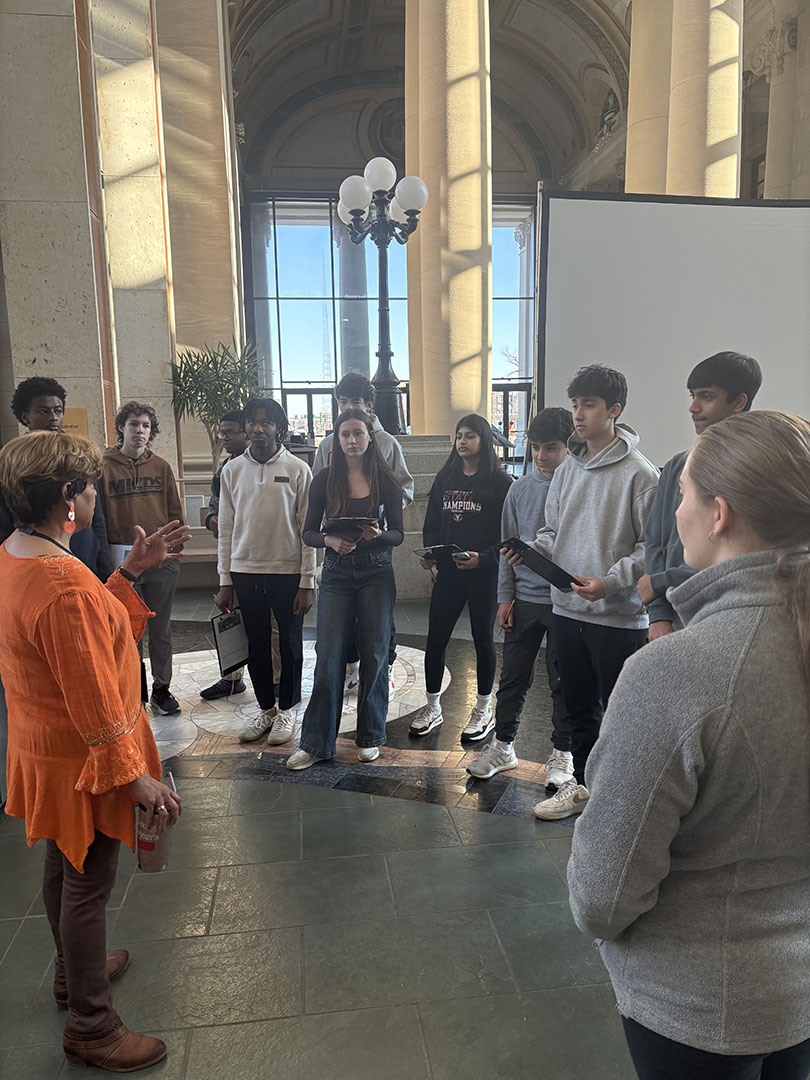
Students visited the museum on Wednesday, February 25, during their regular U.S. History class period and participated in a guided tour led by a museum docent. They also had time to explore the exhibit independently.
Lillian Ott ’28 learned about how culture is destroyed when buildings are razed. “In a lot of situations, all you hear about is the physical things that get destroyed, so the focus on the people and community was really unique and allowed for more meaningful perspectives,” she said.
“One of my favorite parts of the field trip was the different types of media that contained the information. There were timelines, videos, quotes, maps, and so much more, allowing for variety in content while still maintaining a consistent feel throughout the exhibit. Together, this allowed for the exhibit to be enjoyed by everyone.”
“One thing I love about MICDS is the opportunity for students to have place-based learning,” said Duffy. “Having the St. Louis History Museum only 20 minutes away is an awesome opportunity for students to connect with local history and to learn more about the people who were influential and their stories, and to explore and see artifacts from a thriving community in our city.”
Ott recommends visiting the exhibit “because it showed a side of St. Louis that is not often talked about. Even though I grew up in St. Louis, I never really knew much of the history or things that happened, so learning about this was really interesting and made the exhibit very impactful.”
For more information about the exhibit, check out the Missouri History Museum website and these write-ups from St. Louis Magazine and The New York Times.