Everyone’s family history is unique, so as part of the third-grade social sciences unit on immigration, students became citizen curators and learned about their families’ ancestral journey to the United States. They chose a single branch of their family tree to investigate why and when they settled in Missouri. Students chose one family member to interview, which served as a resource for all other project components.
A virtual field trip with the St. Louis History Museum kicked off the project. The visit helped provide students with design ideas to create their exhibit showcasing their family history. Students then learned why people move around the world, how they adapt, and how these experiences shape perceptions about ourselves and each other.
For the interview, students asked questions such as:
- Where did our family come from before immigrating to America?
- Why did they come here?
- What was life like for our family before coming to America?
- What unique traditions does our family celebrate?
- What languages besides English, if any, did our ancestors speak?
- What were challenging or joyful moments in our family’s immigration story?
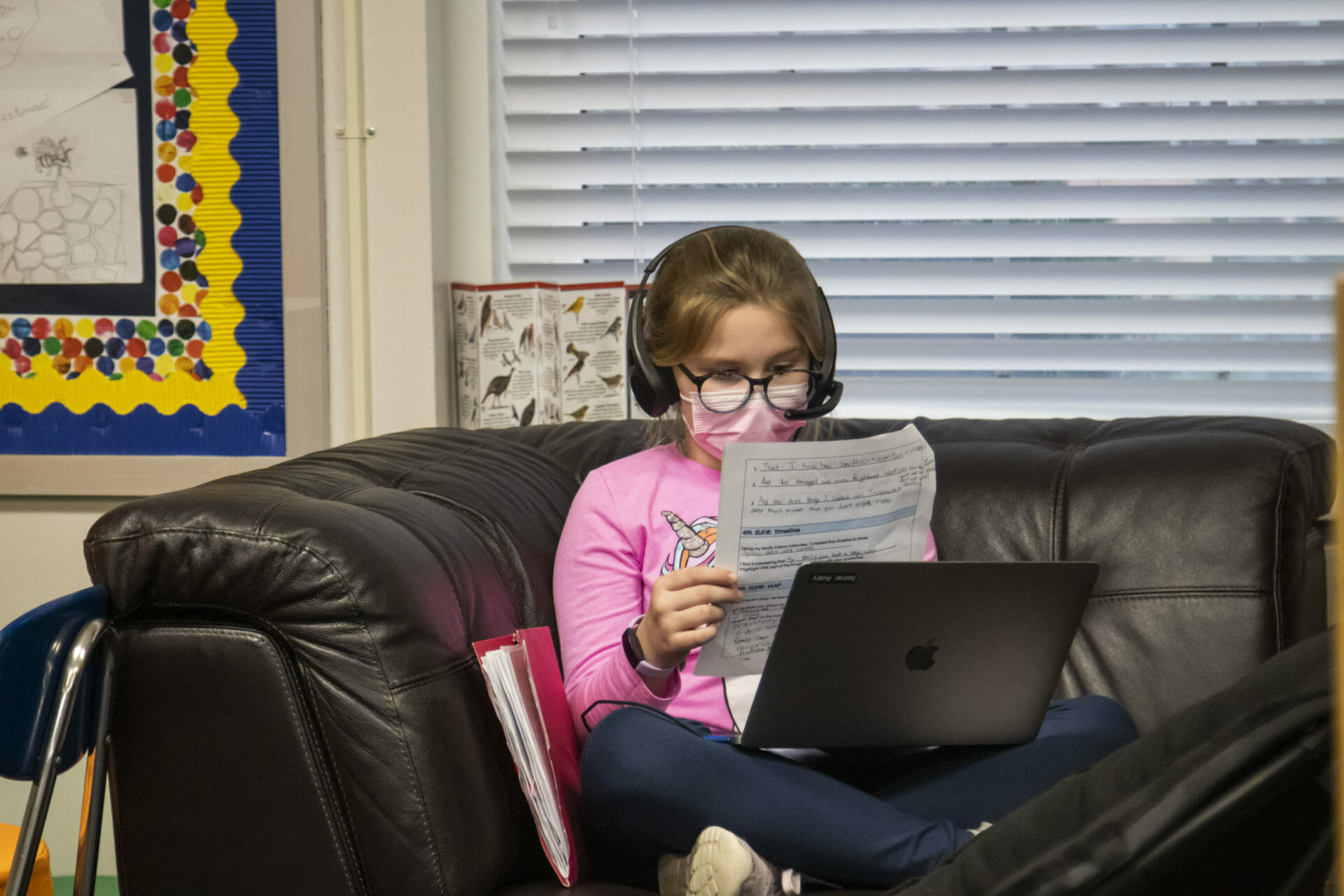


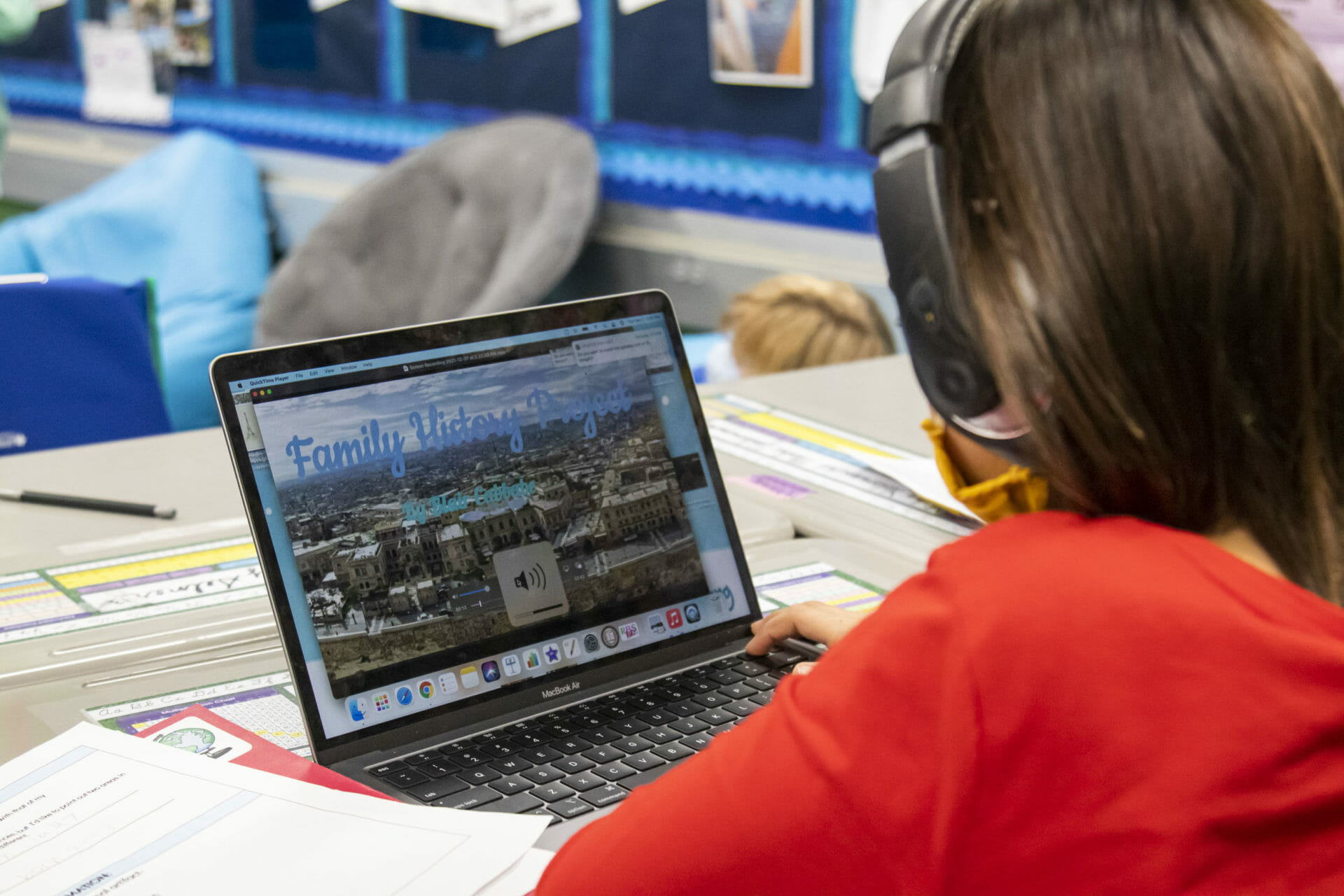

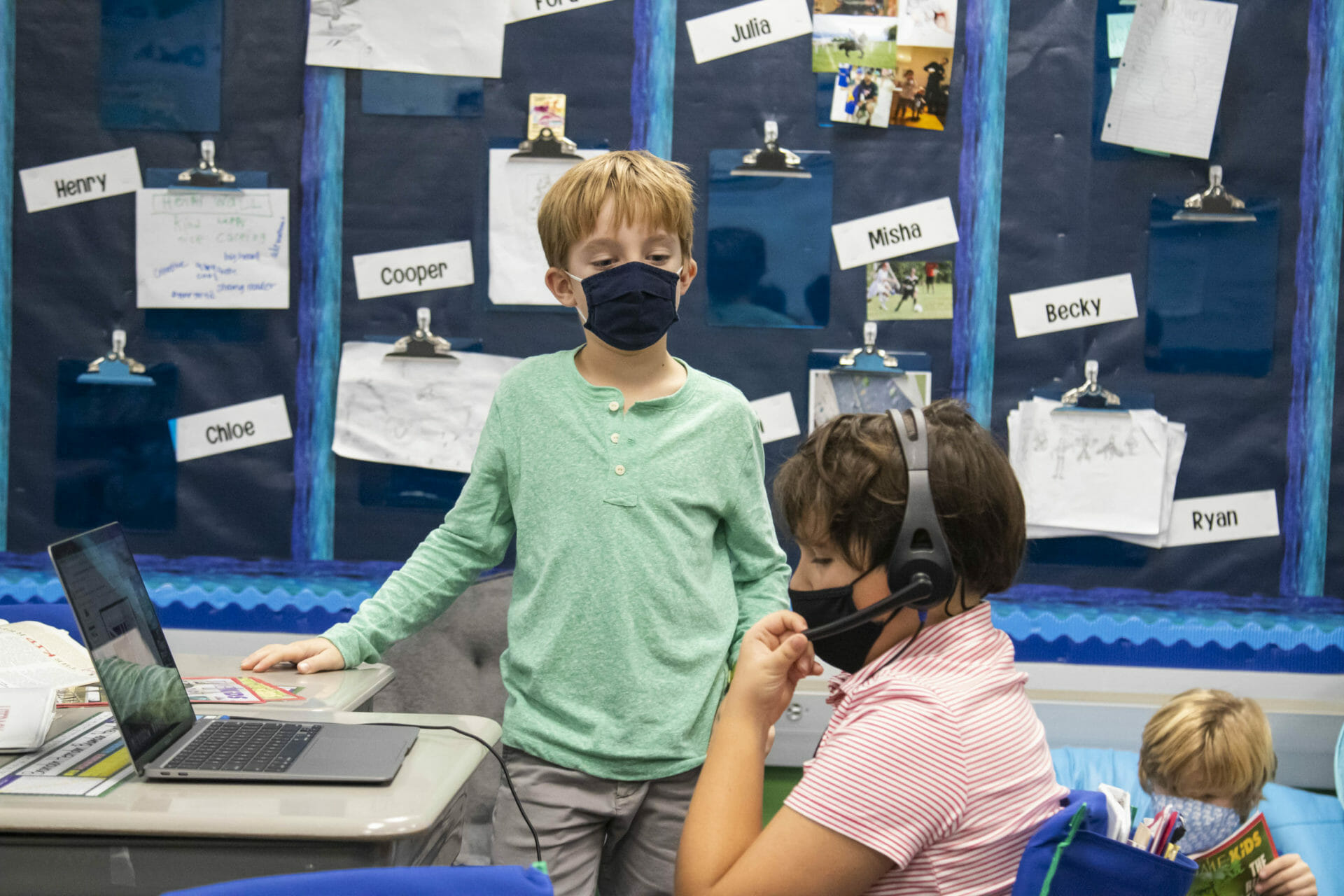


Once their interviews were complete, students ventured into creating their exhibits. As curators of history, they were the decision-makers on what information to include that their audience would find most interesting, how they would design it, and what artifacts to present. They also created timelines and Venn diagrams to represent commonalities and differences between their current day life and the life of their ancestor. Check out some sample slides below!


Then it was showtime. Students jumped online to record their presentations navigating the viewer through their family history and, thanks to Google Maps, the path their ancestors traveled.
Many students shared that their favorite part of the project was learning stories about relatives they hadn’t heard about before. Congratulations, young curators, on creating informative and fascinating exhibits!