On Wednesday, September 16, our Upper School community spent the day in grade-level activities focused on intellectual and social learning opportunities beyond the classroom. Students connected with each other, with their advisors, and with the broader community. While some of these programs were led by experts in their field, others were organized by our talented student leaders. All programs were thoughtfully designed to emphasize our commitment to further living into our Upper School Vision Statement and Core Values and Attributes and Mission Statement, as well as building community.
Ninth Grade: Who Am I at MICDS?
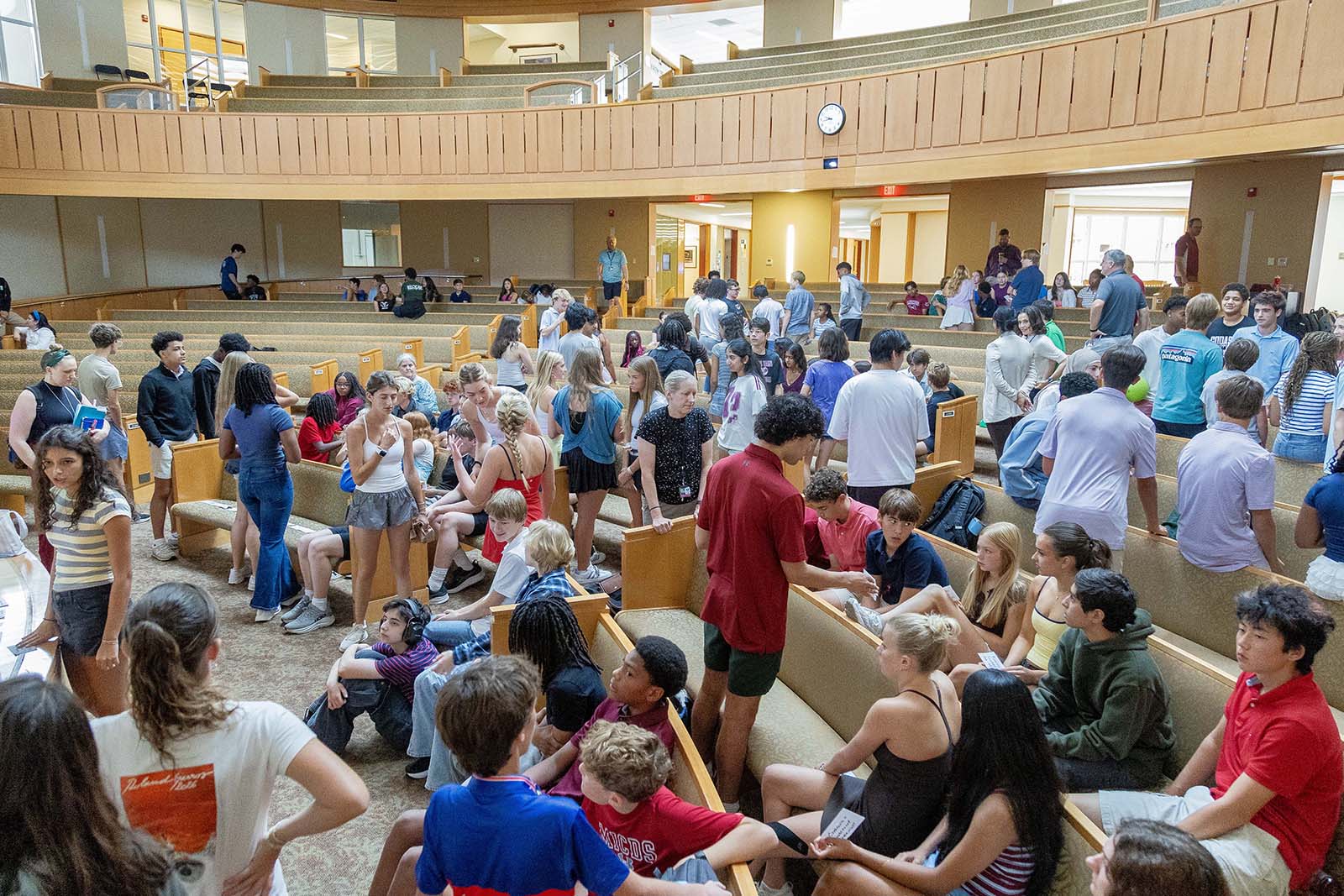
The Class of 2030 embarked upon a great day of learning, service, and community. Their three-pronged program was designed to build connection, strengthen character, and put our values into action:
- Explore responsible technology use
- Build community across generations
- Turn community values into action
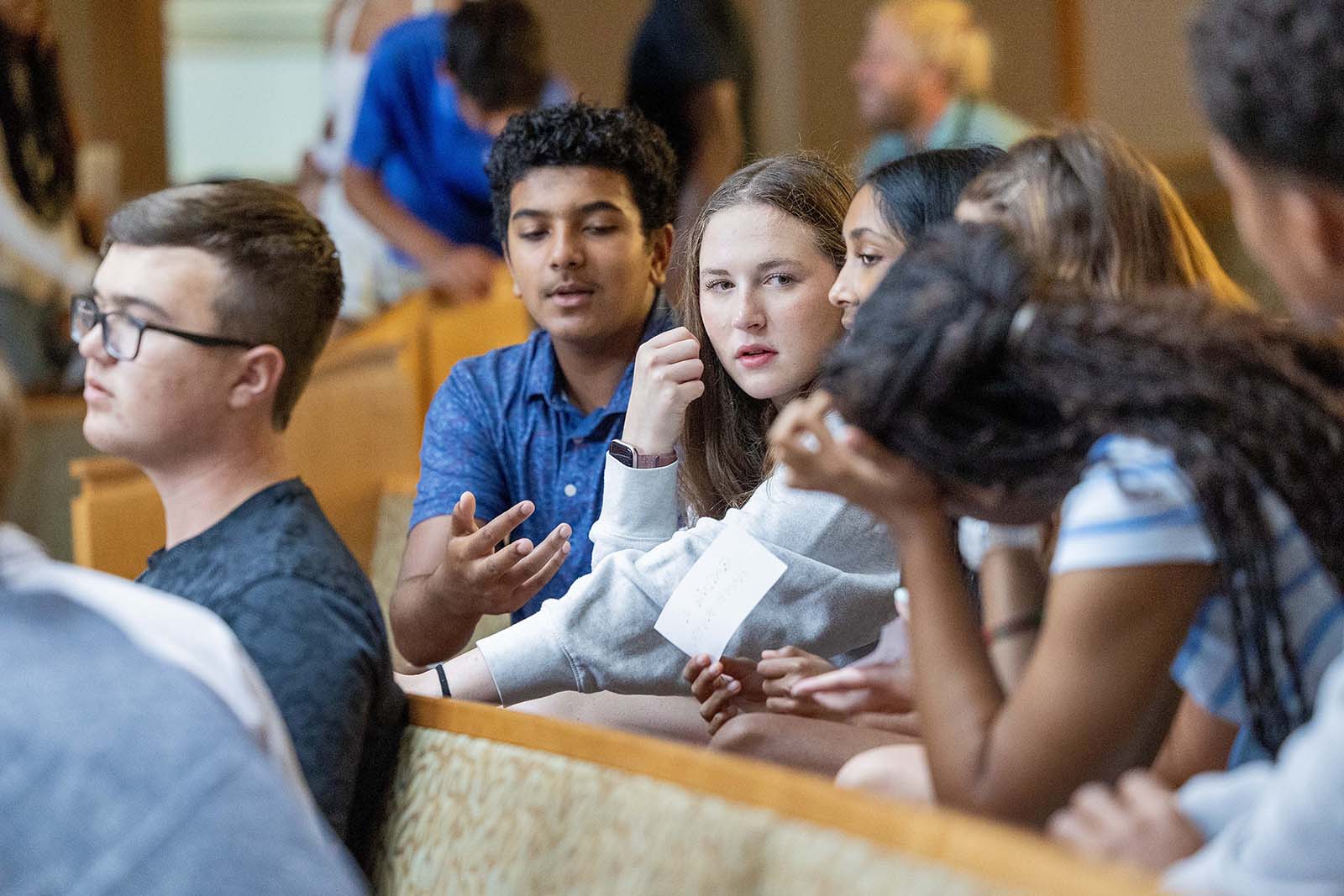
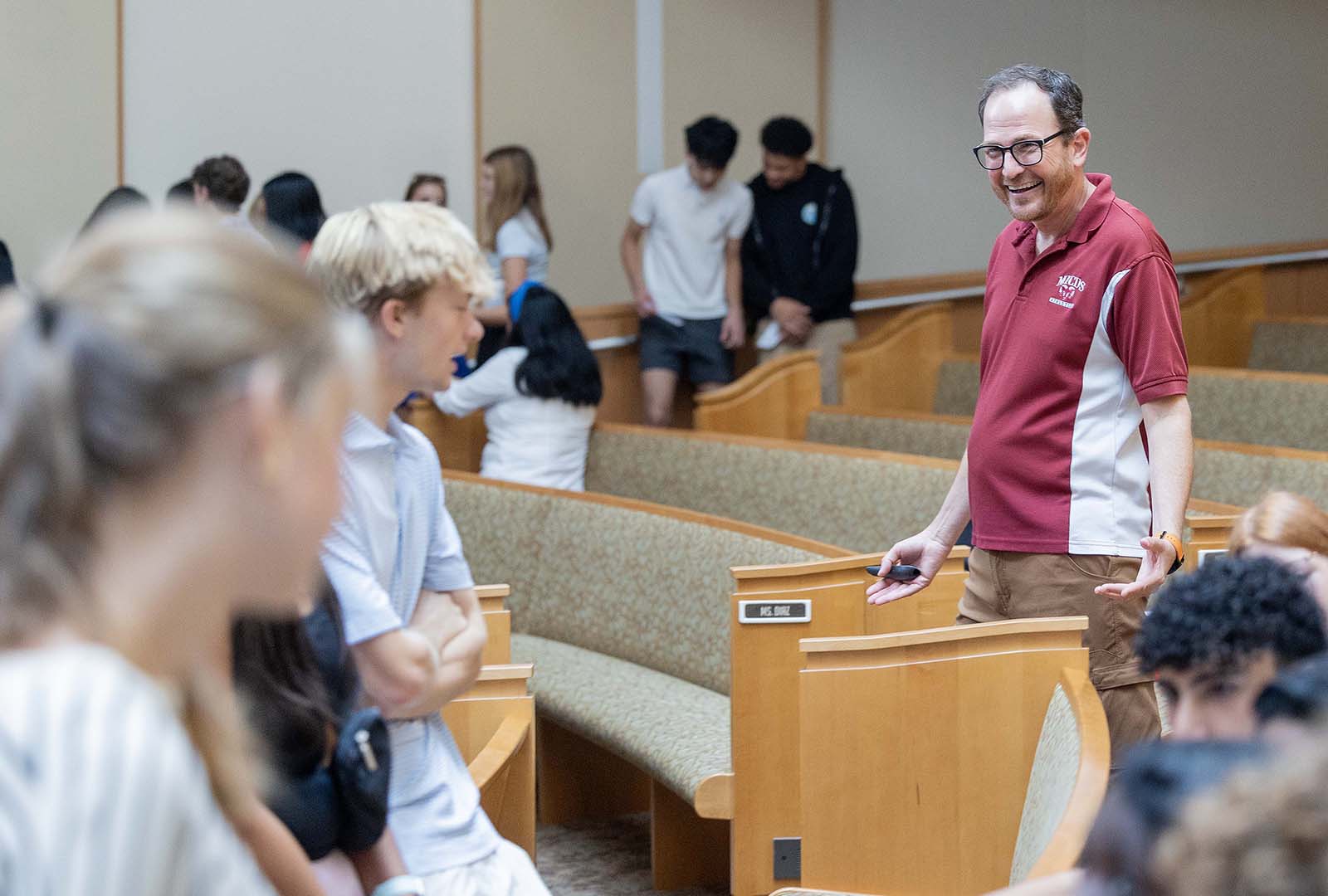
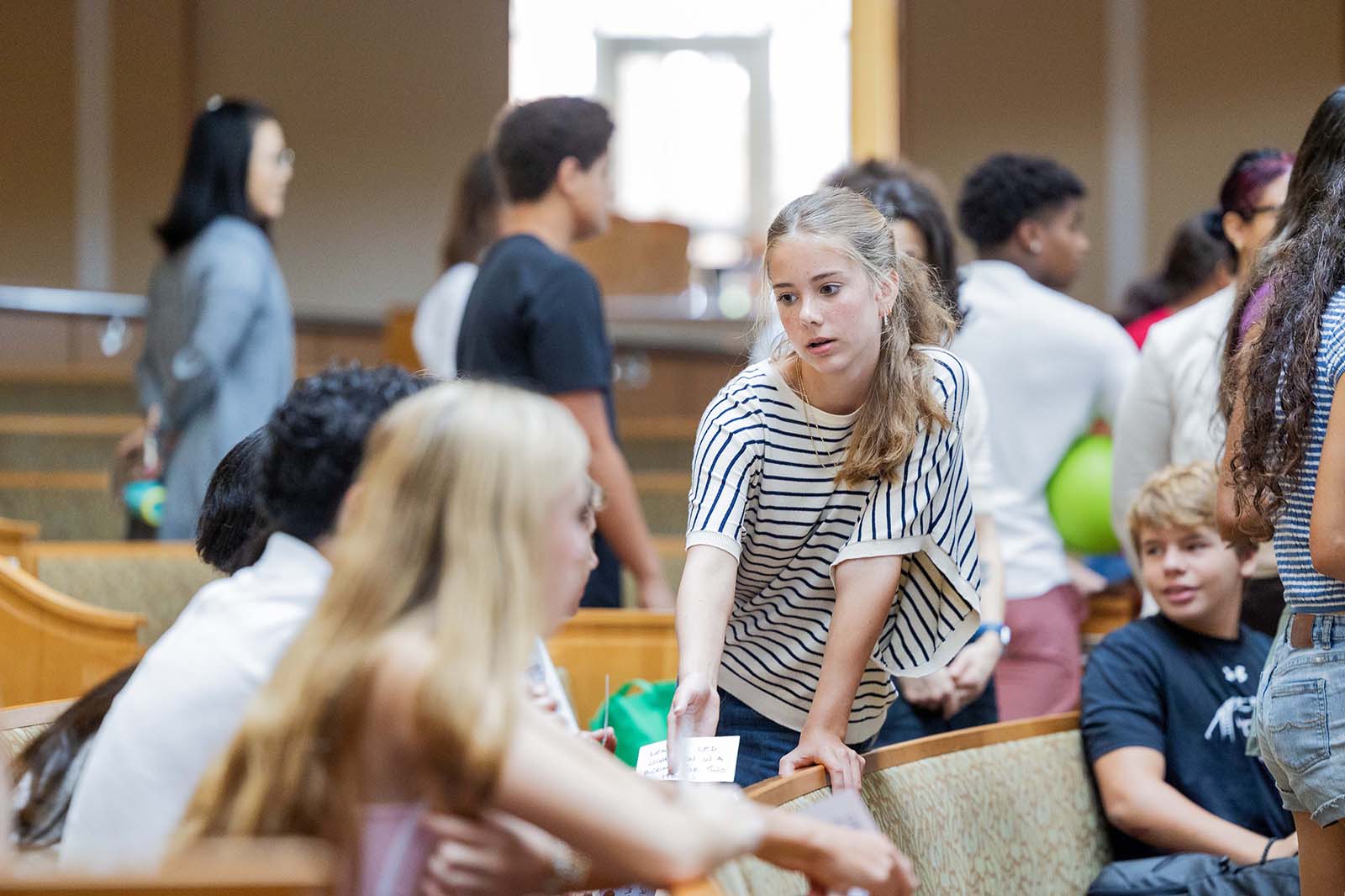
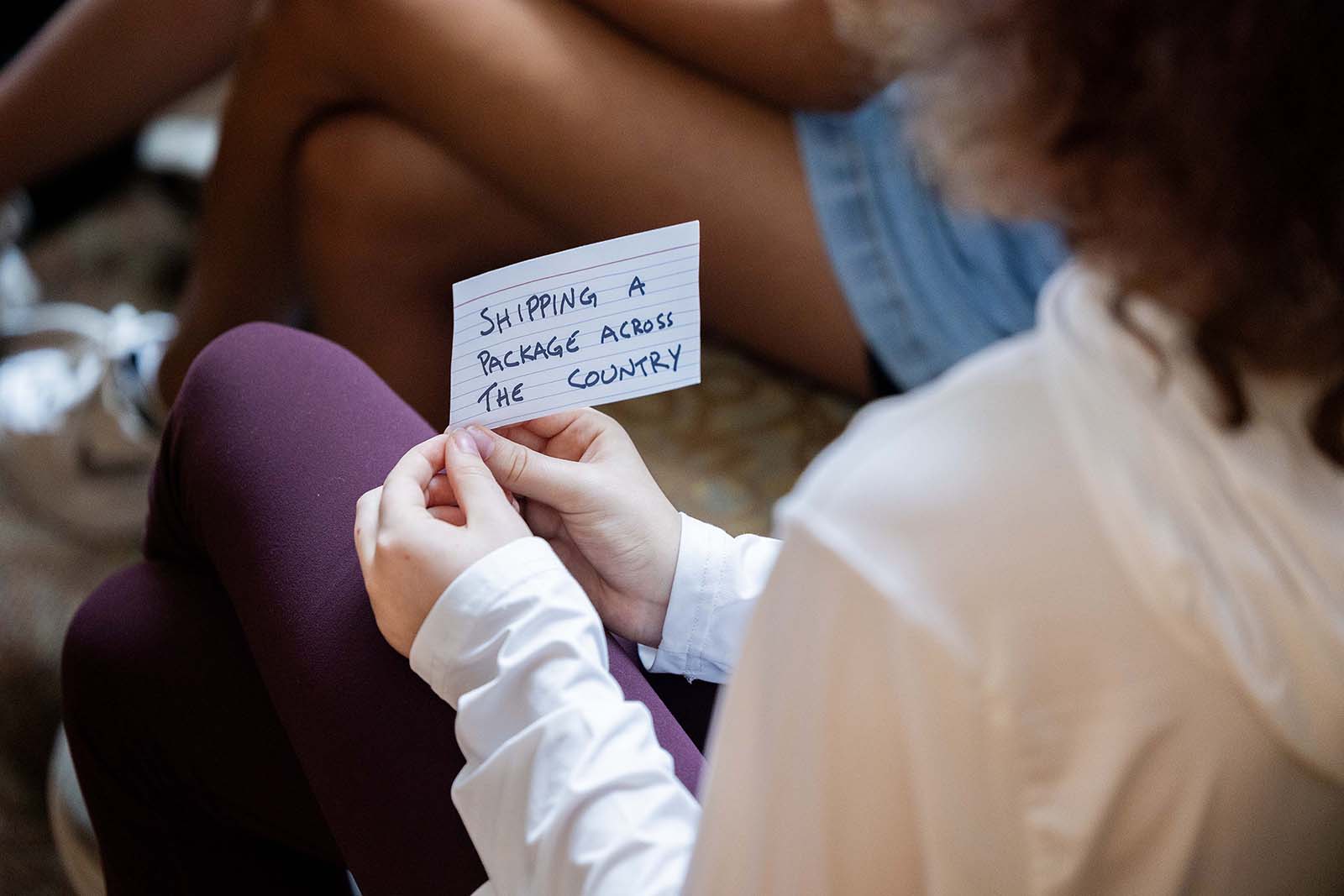
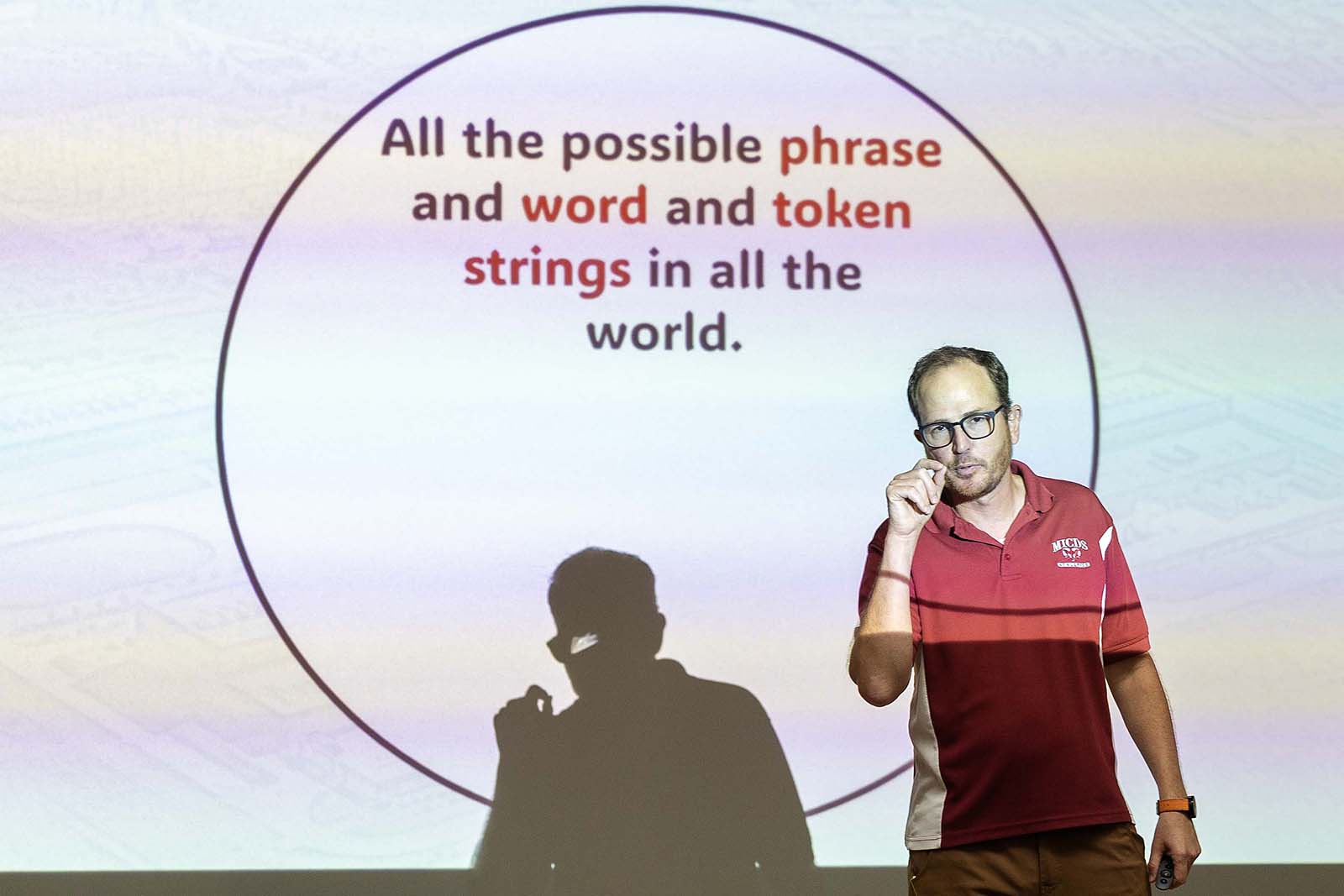
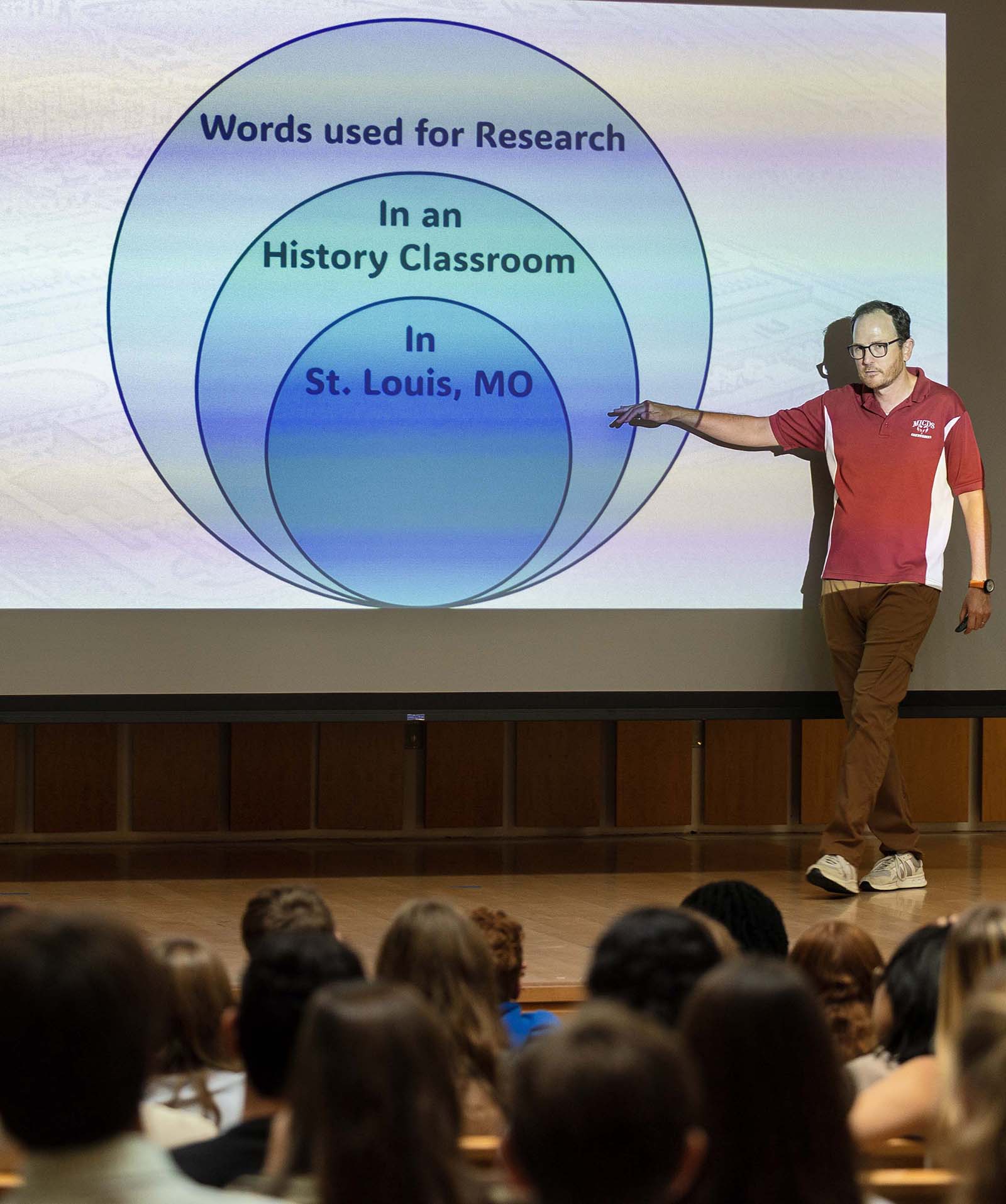
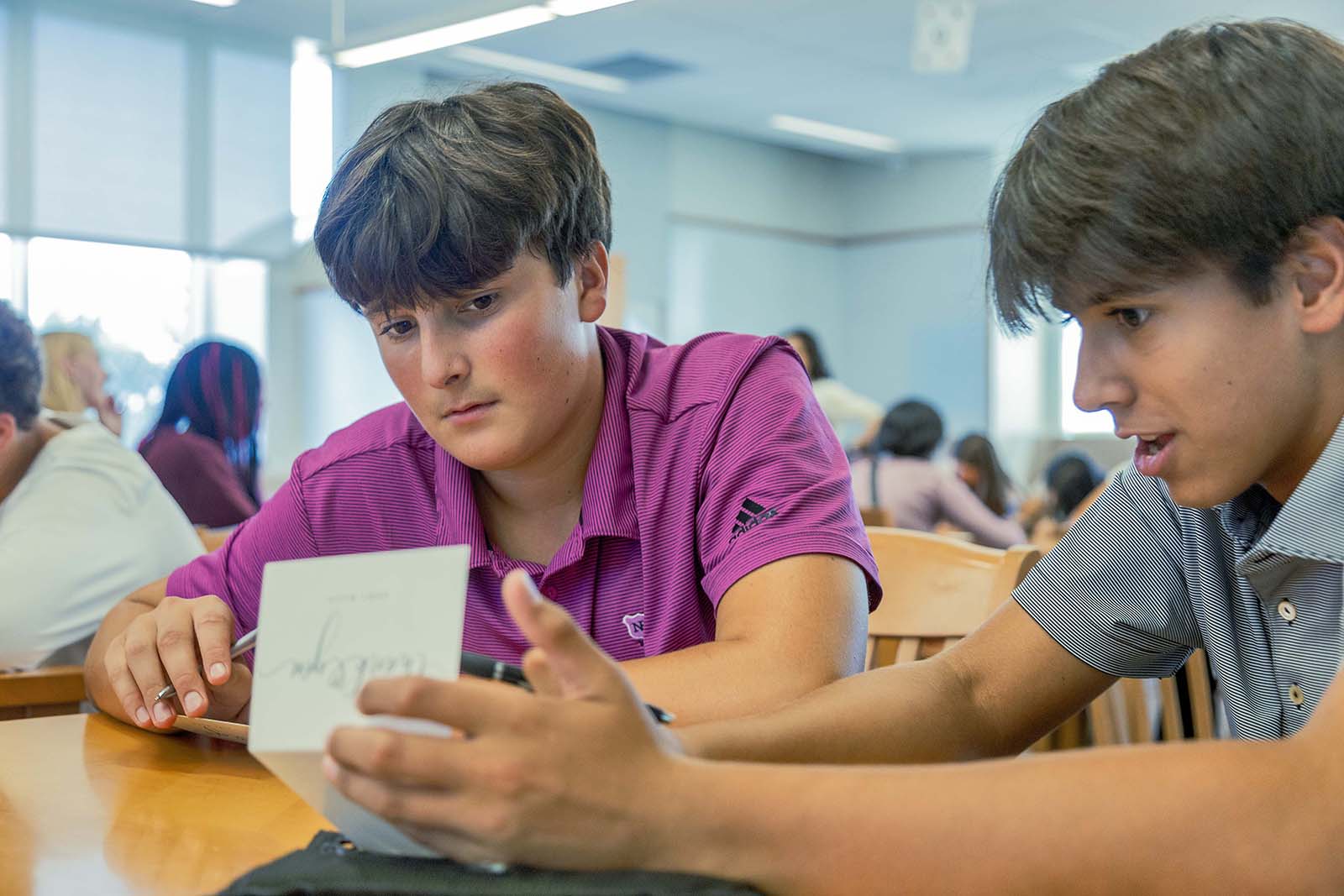
Dean of Digital Learning Tex Tourais led two sessions for our freshmen, covering both the impact of using Artificial Intelligence and how to calibrate your moral compass. In between, ninth-grade students bonded with MICDS seniors in activities designed to help them discover who they are and who they want to be as they begin creating a new sense of community together as Upper School students. The Class of 2027 brought a commitment to build class camaraderie, leveraging the respect and admiration of their younger schoolmates to inspire and motivate. Freshmen also took time to learn about the work of the MICDS Honor Council through case studies.
Then, advisories spent some time collaborating to create their advisory crests. This unique crest or flag reflects their Advisory community while embodying the values and mission of MICDS, keeping in mind that the goal of the day was to start figuring out where “I” fit into MICDS. They considered what makes their advisories unique, which MICDS values they represent best, what symbols and colors reflect them, and whether a motto or phrase represents them.
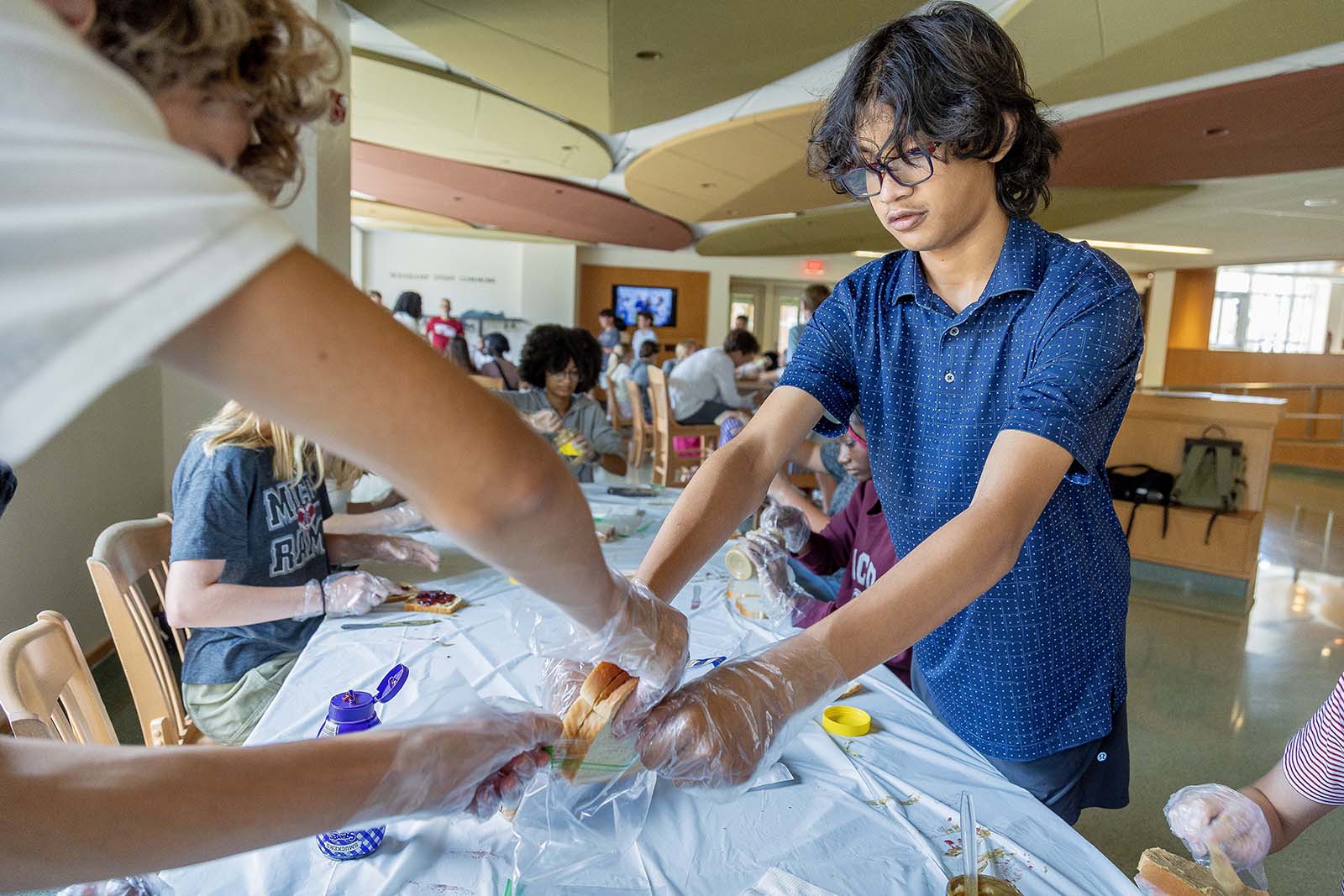
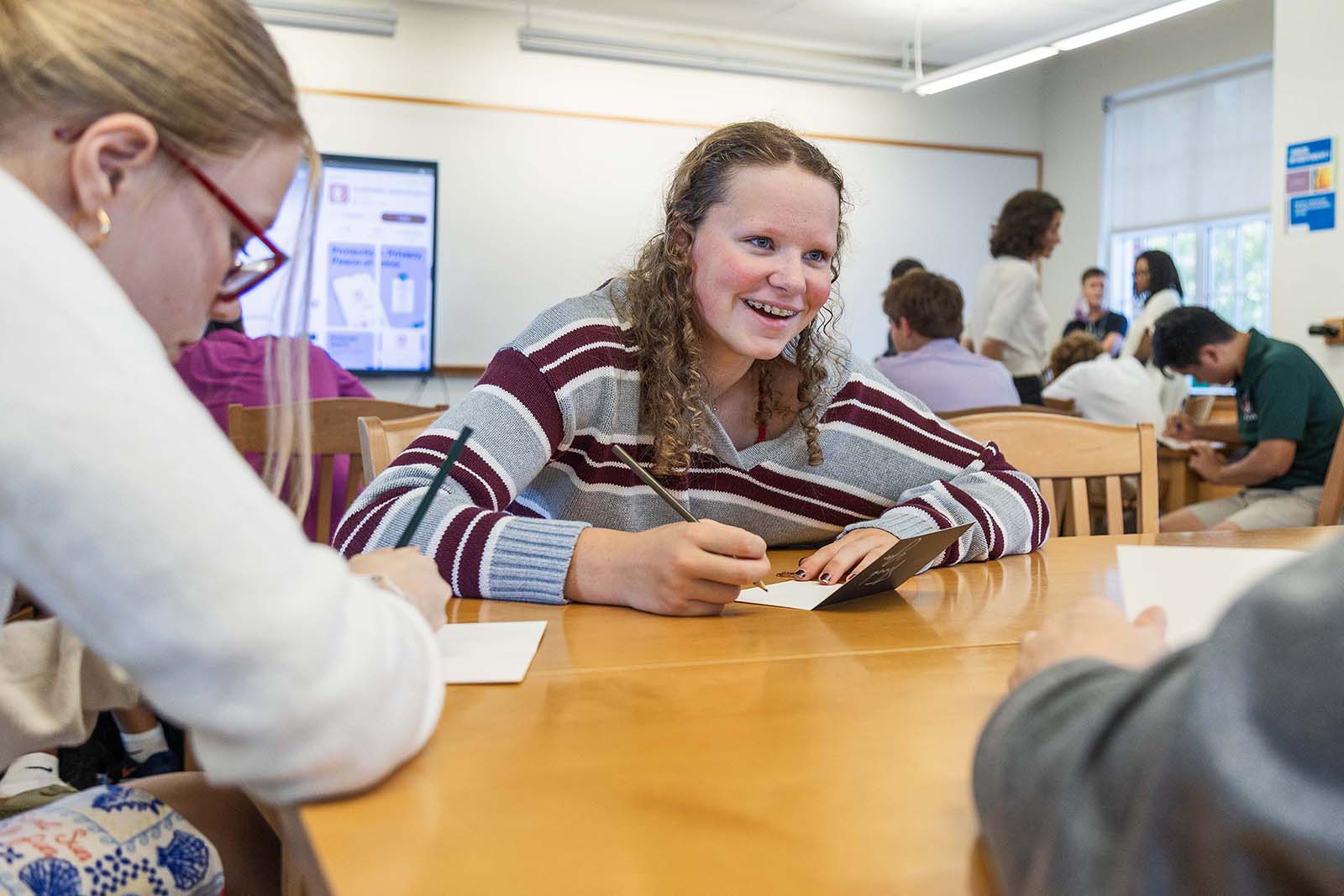
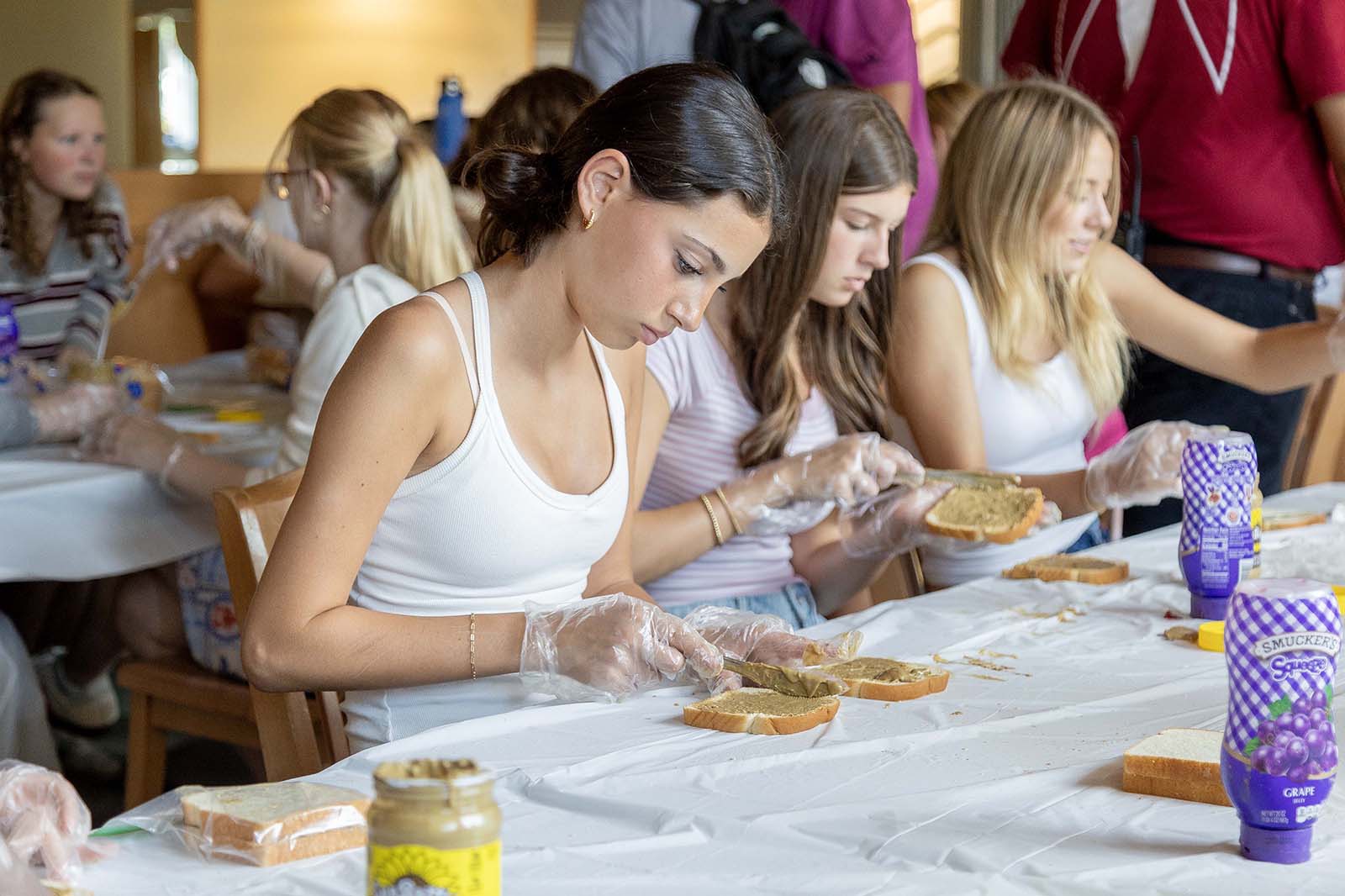
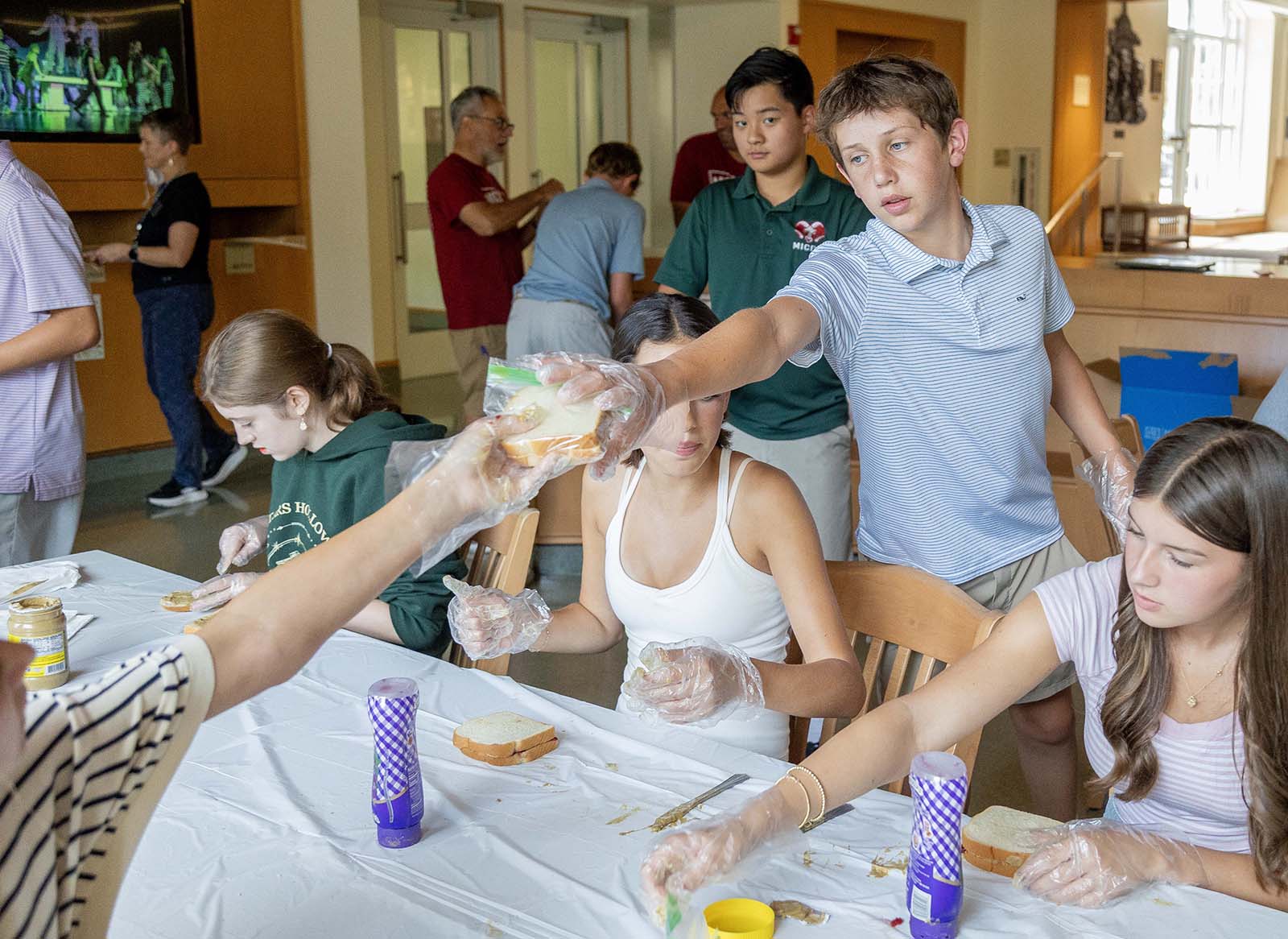
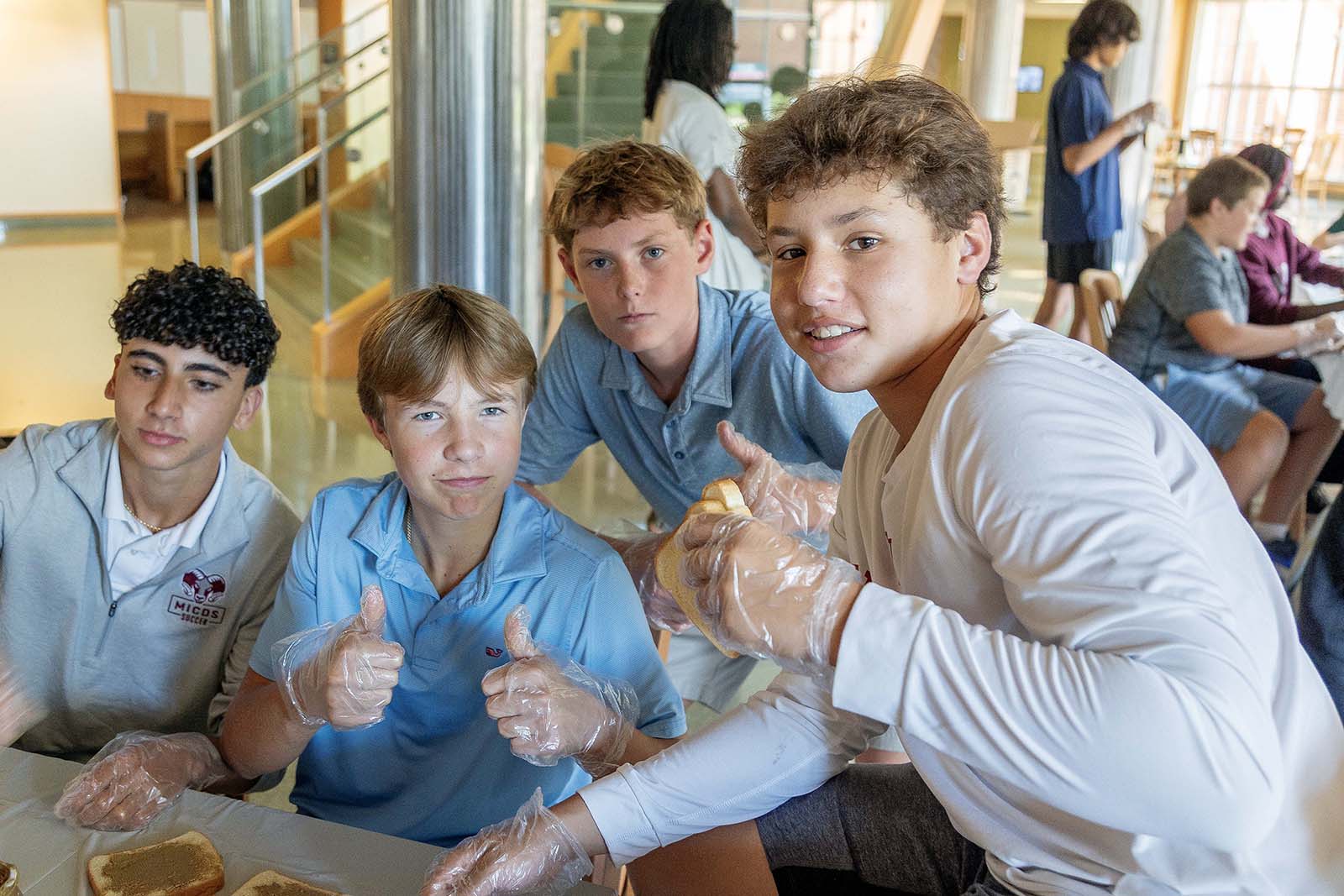
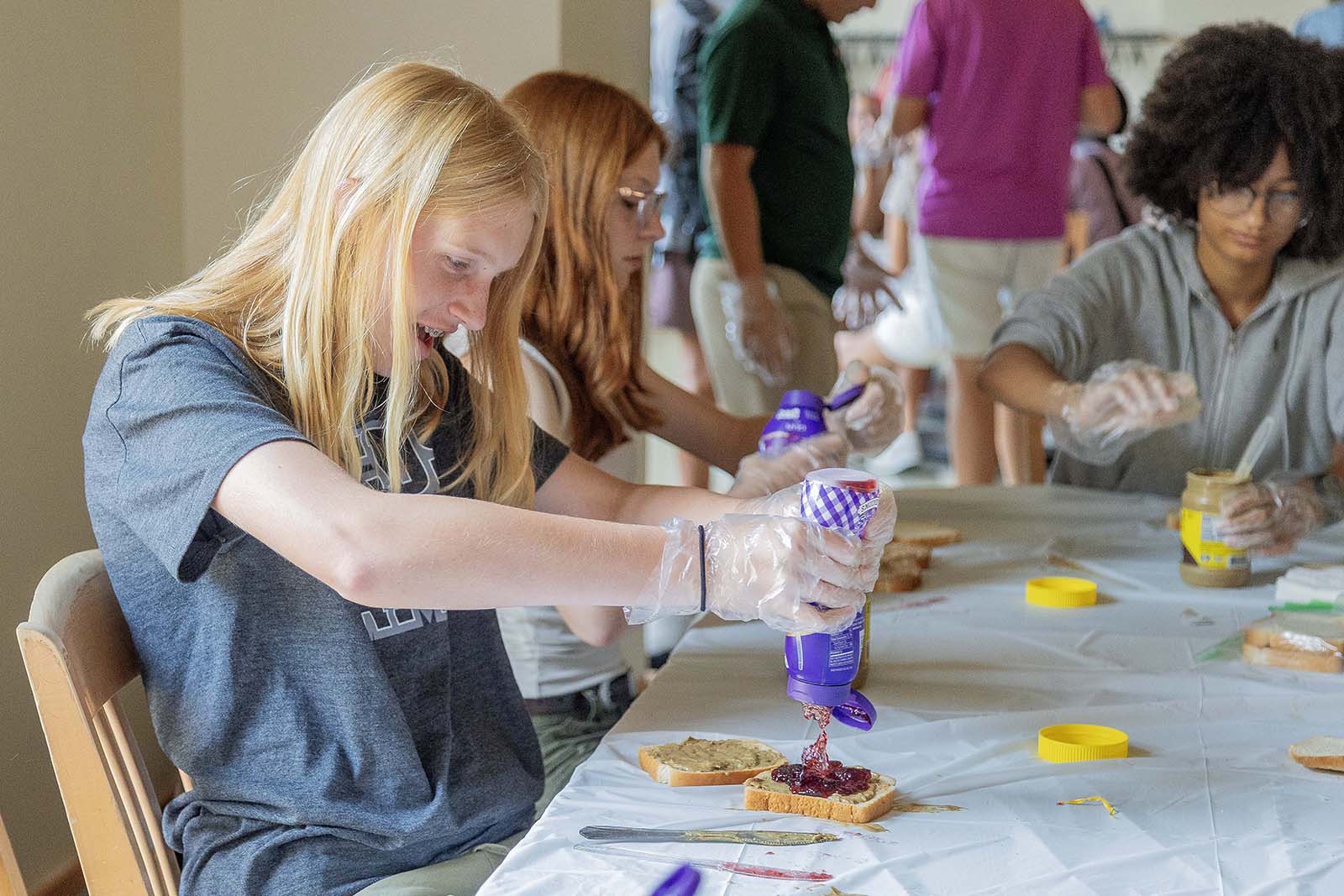
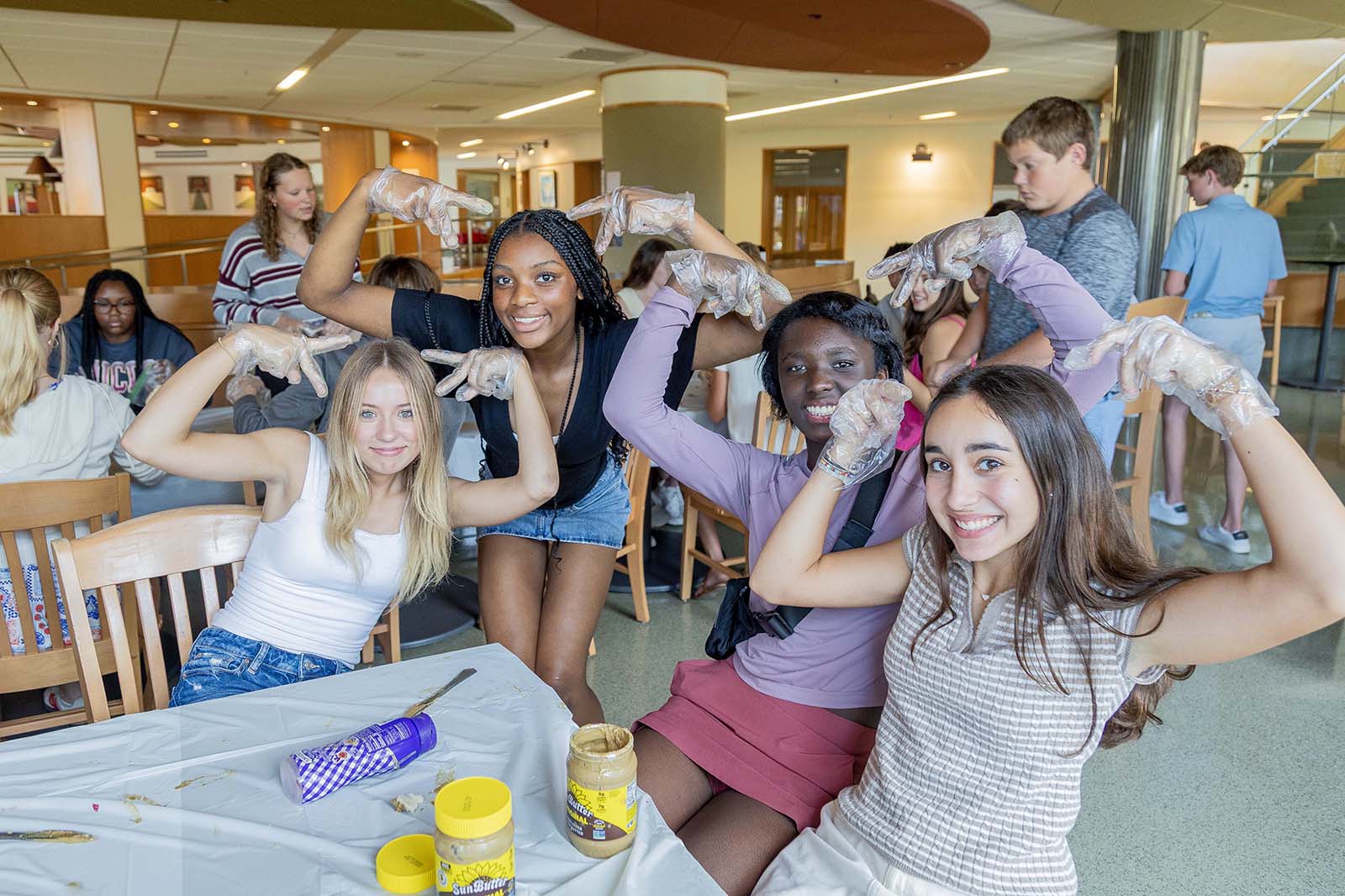
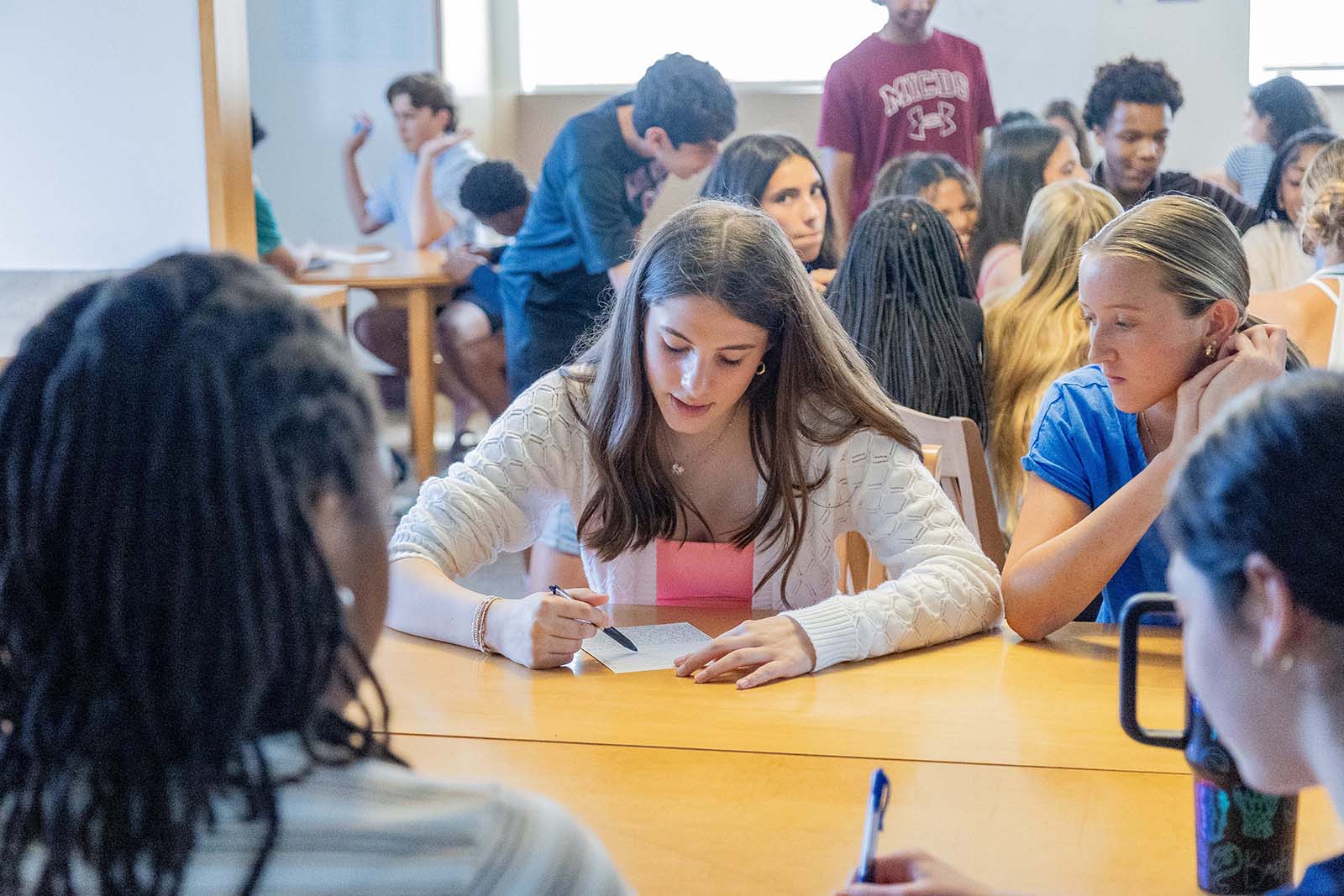
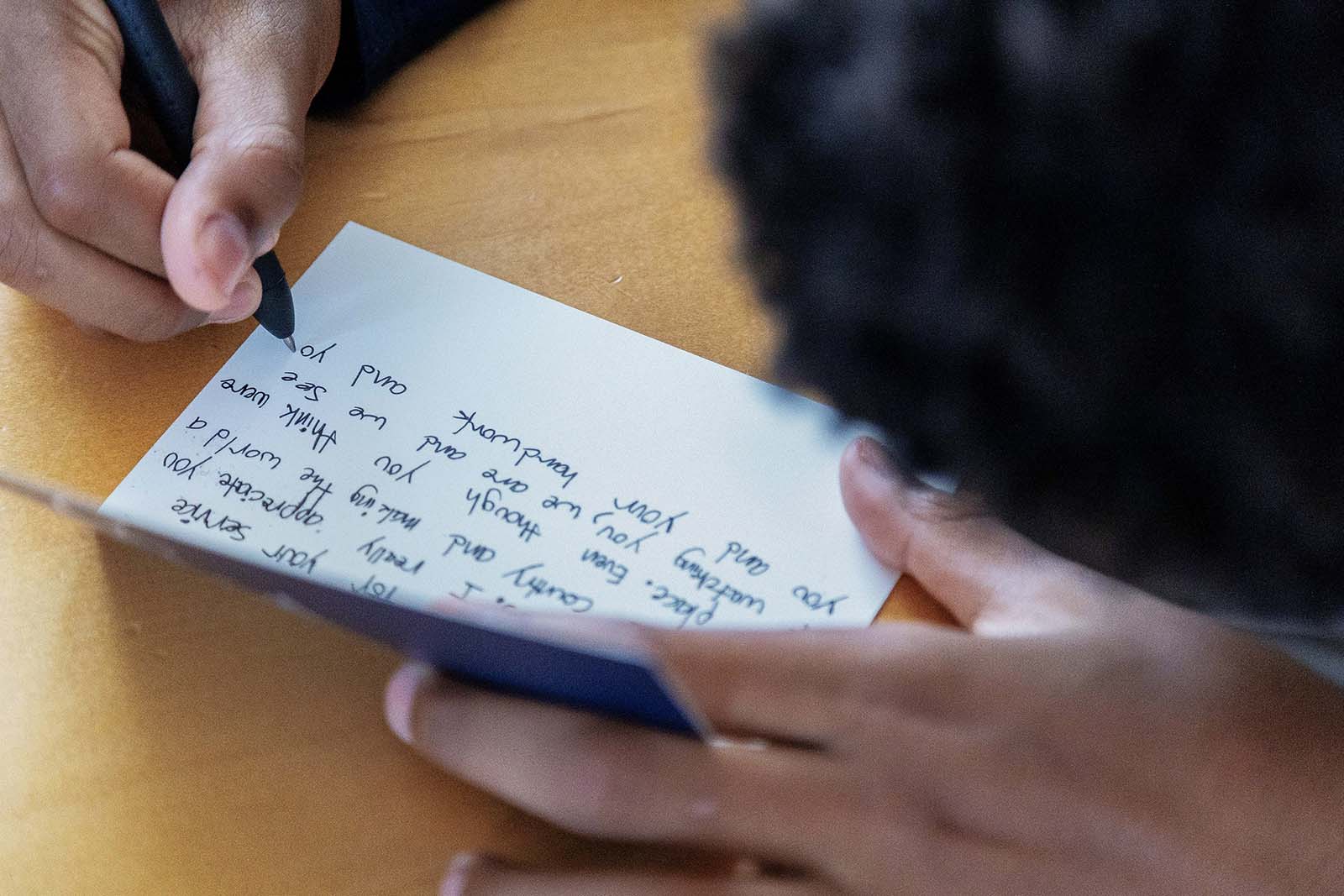
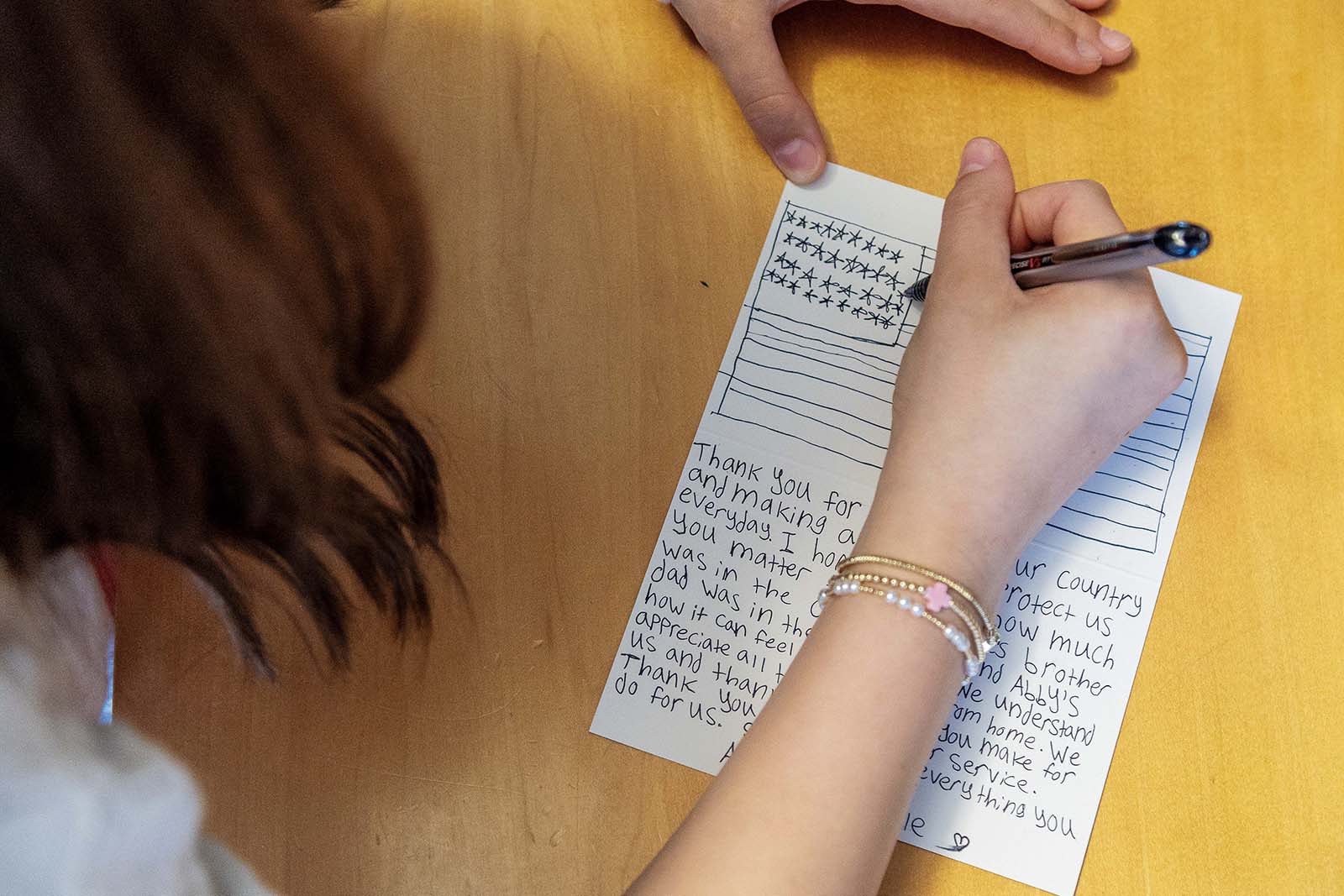
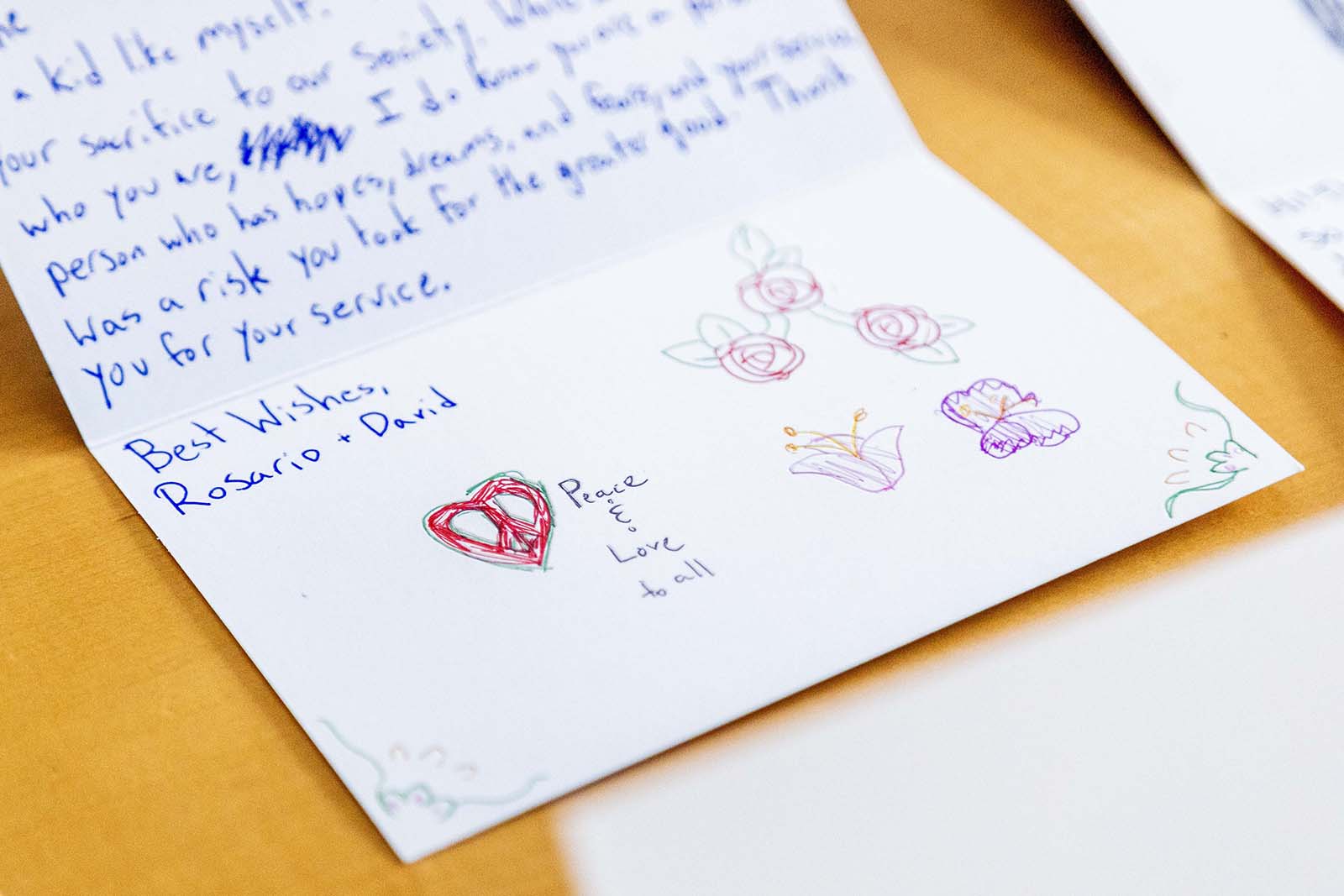
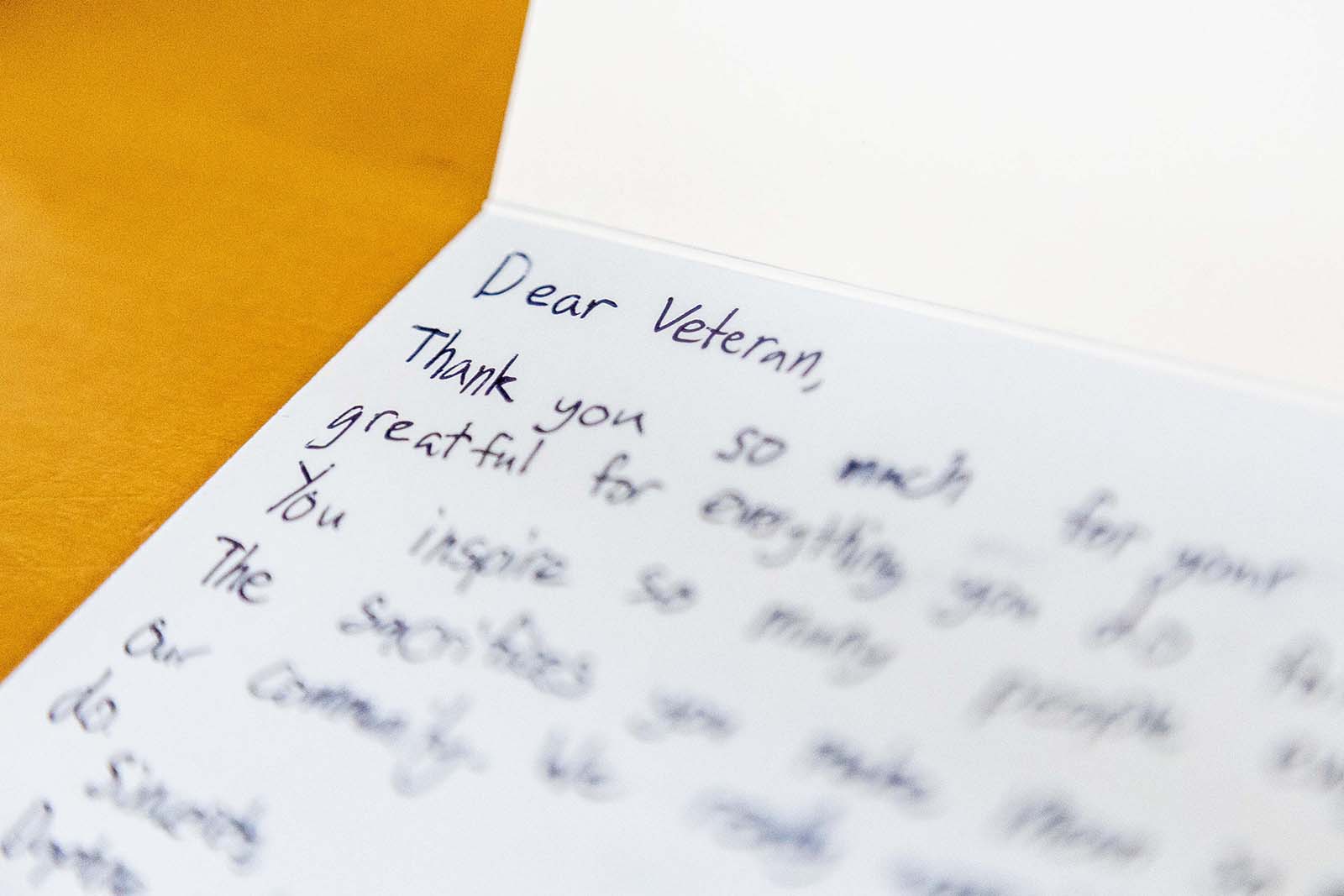
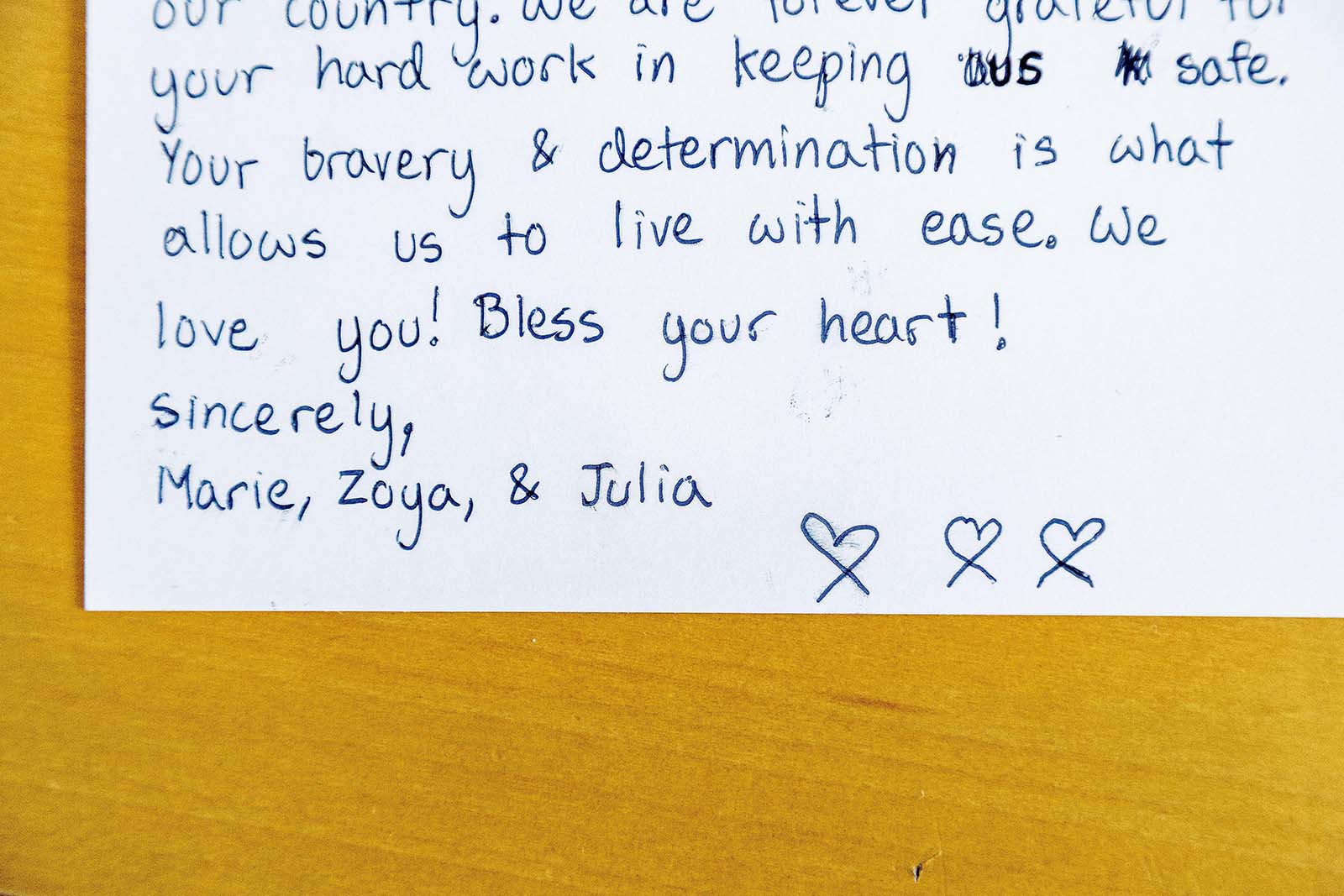
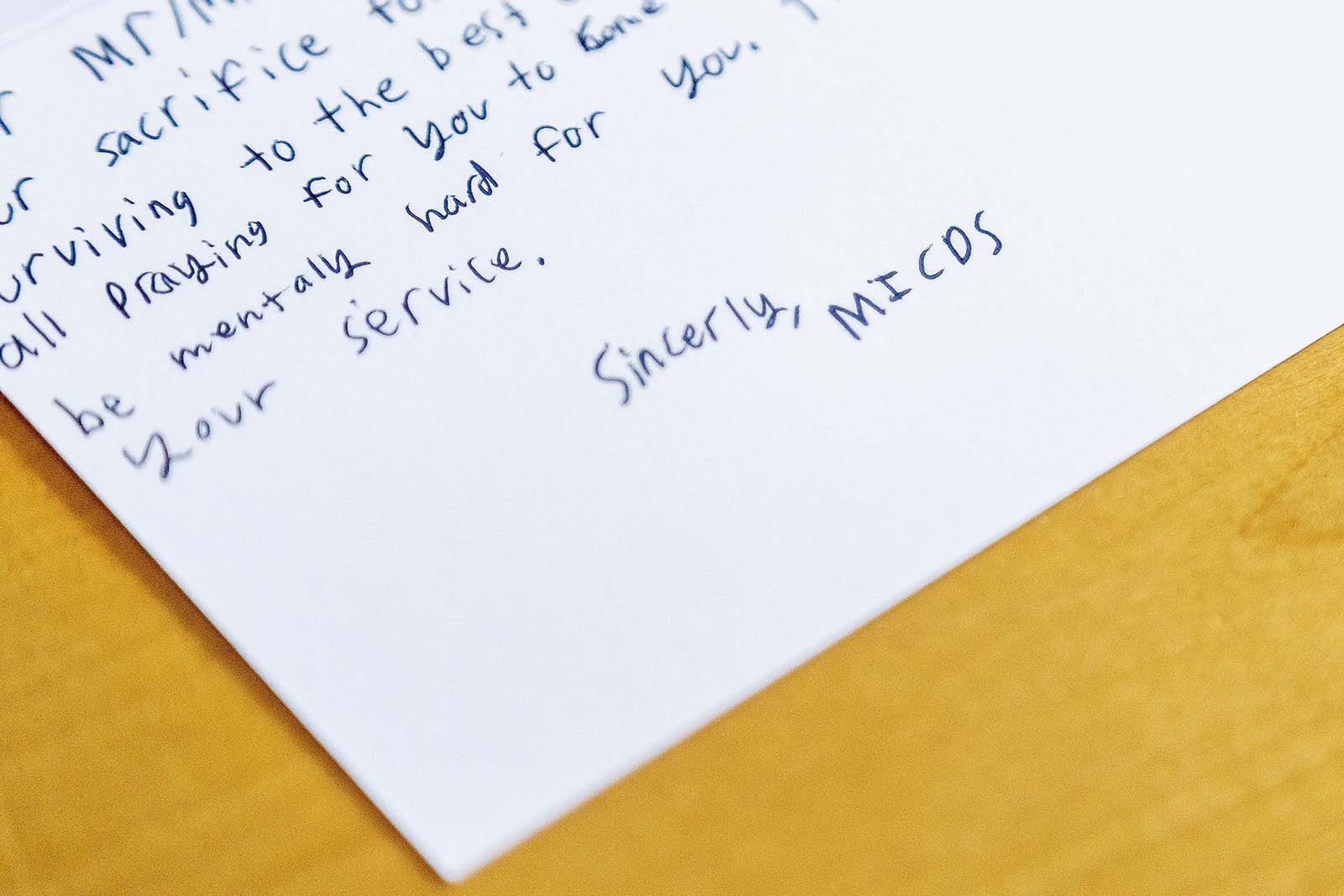
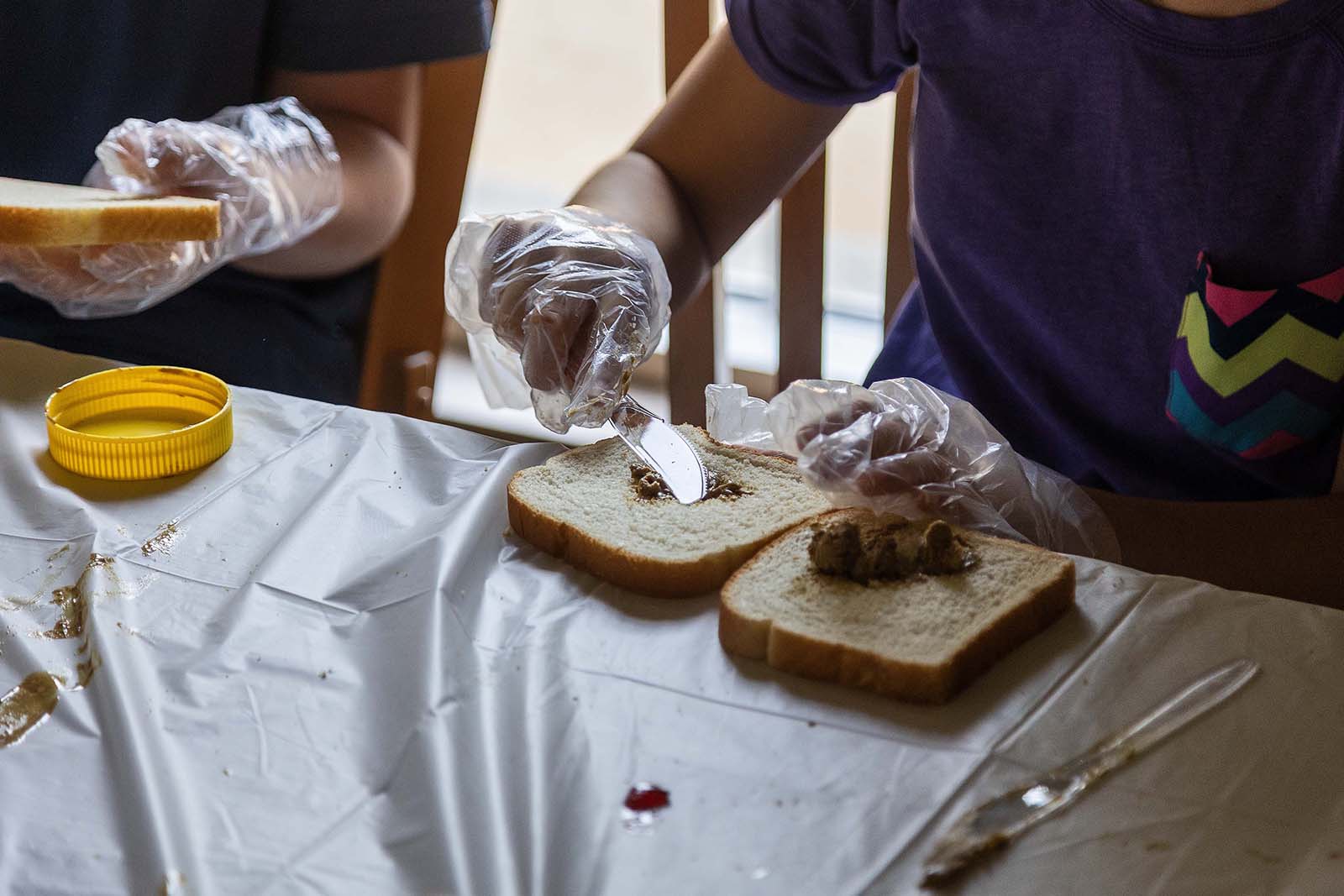
Finally, the Class of 2030 expanded their work to include the broader community. Each student crafted a sunbutter-and-jelly sandwich, resulting in 150 sandwiches for St. Patrick Center, a social service organization that combats homelessness in the St. Louis area. They also each wrote a letter to deployed military troops as part of the “A Million Thanks Letter Writing to Our Troops” campaign.
Rosario K. ’30 said, “I felt that Community Day helped our advisory bond. I like that the conversations about AI, the sandwiches, and the card-writing for veterans helped us to think outside of ourselves. I really enjoyed working on our advisory’s crest. I hope we get to show it off. I didn’t expect to bond with my advisory, but I can feel that we are becoming more comfortable with each other.”
Amari R. ’30 appreciated learning more about AI and enjoyed the time outside a traditional learning environment. He said, “The day was important for our students to relax out of the classroom and to learn new things and help outside of the MICDS community. My favorite part of the day was making sandwiches for those less fortunate, because I know I’m doing something good and helping someone who needs it.”
Community Day for ninth graders encouraged students to think deeply, connect meaningfully, and contribute positively to the MICDS community.
10th Grade: Emerging Leaders
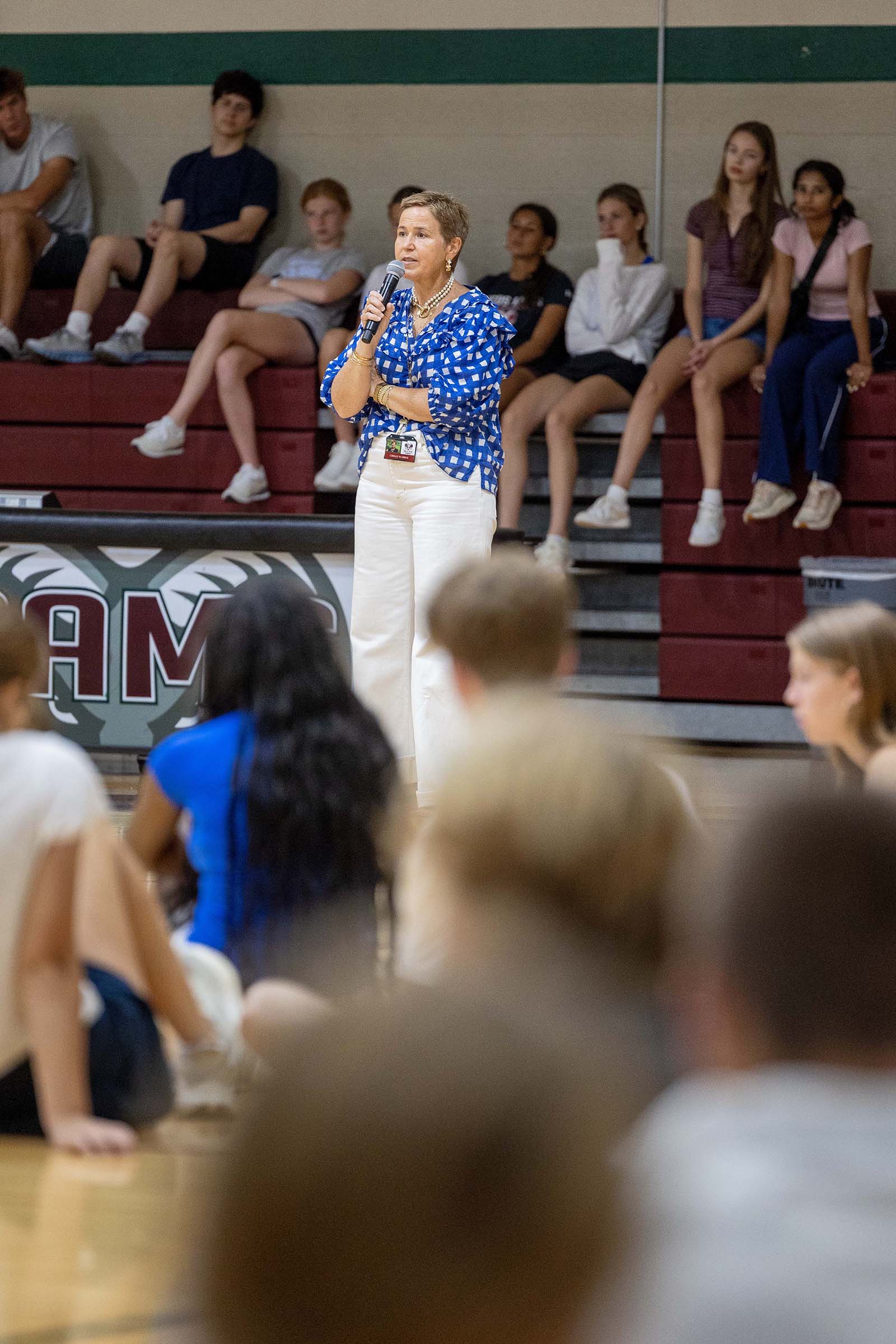
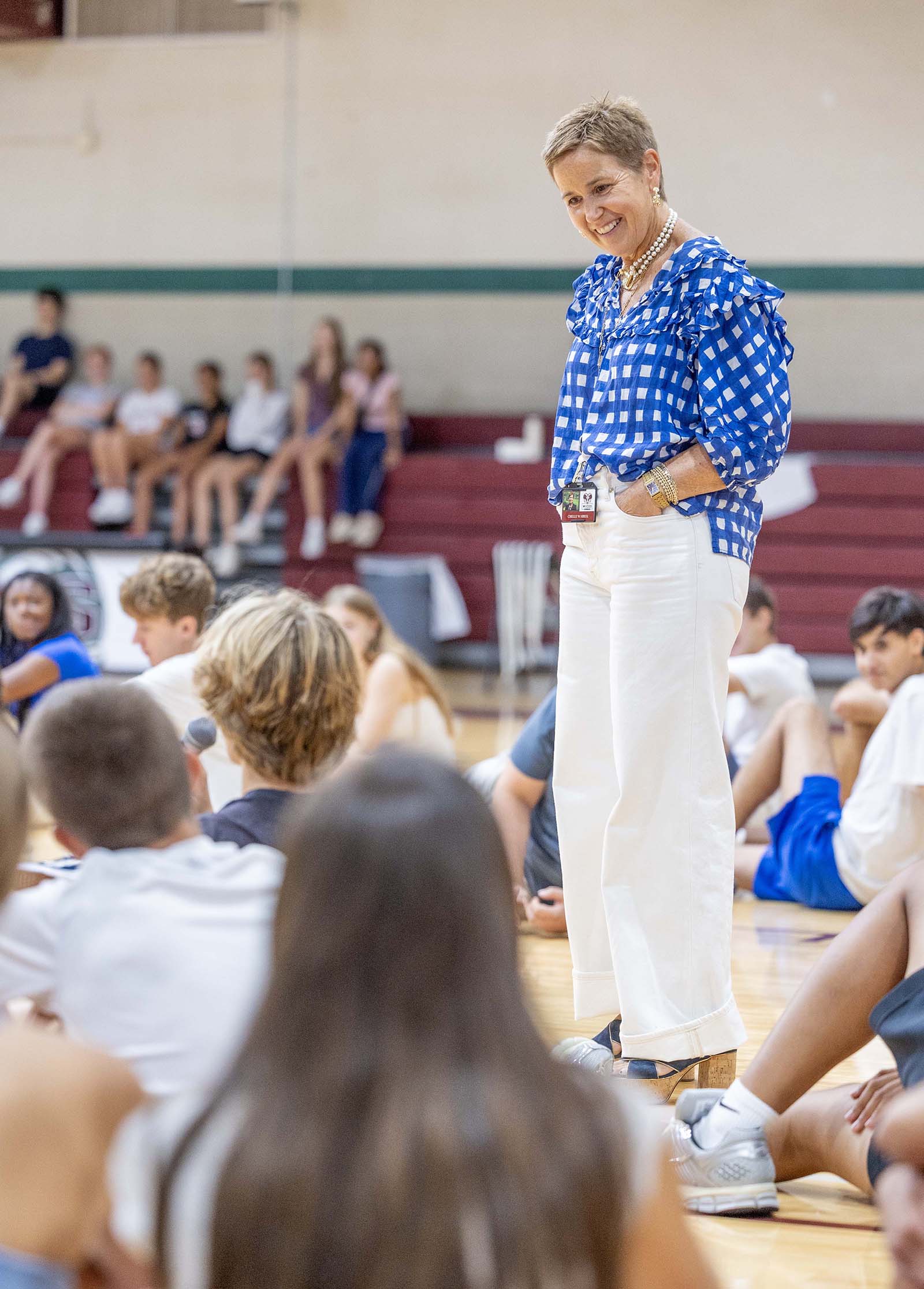
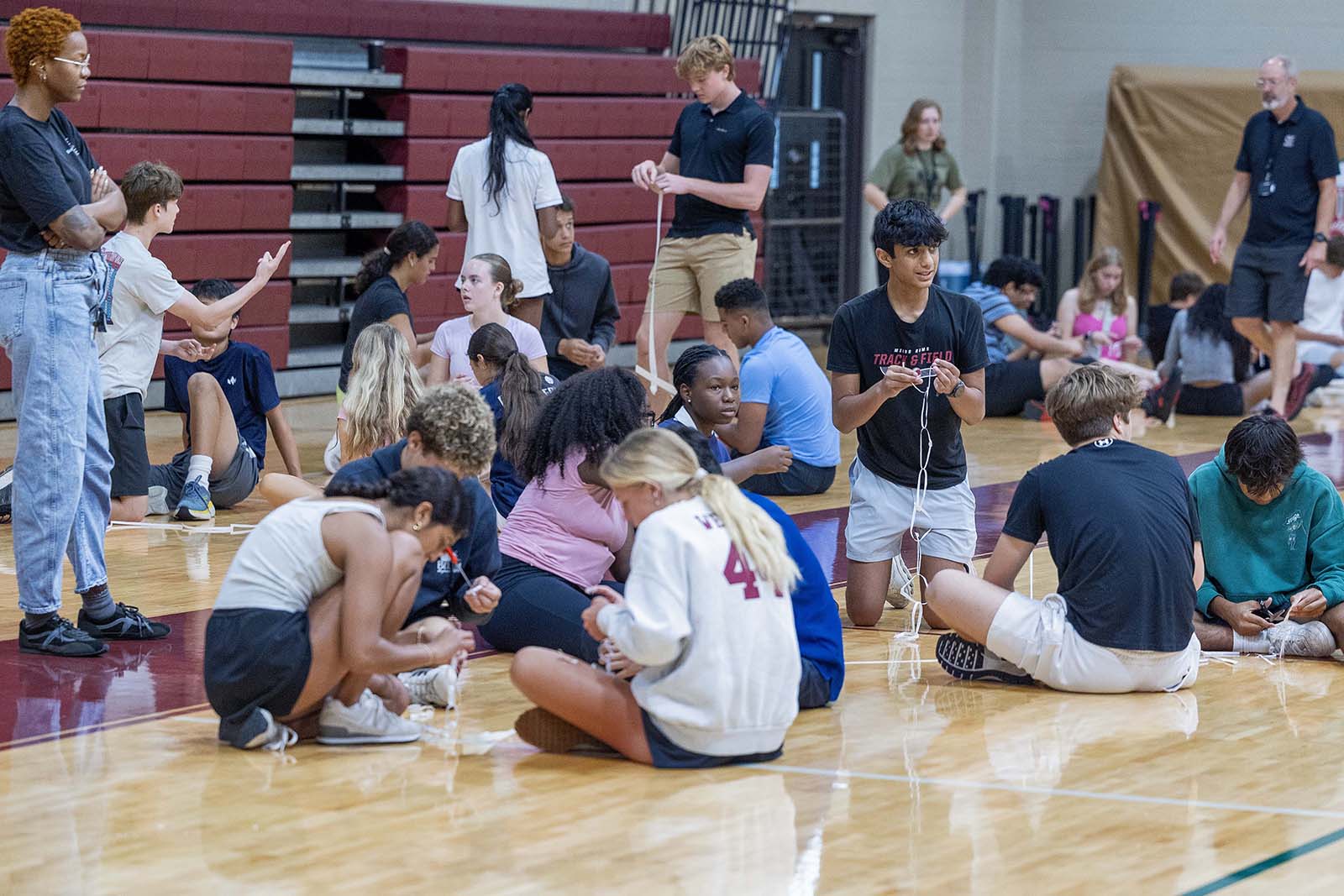
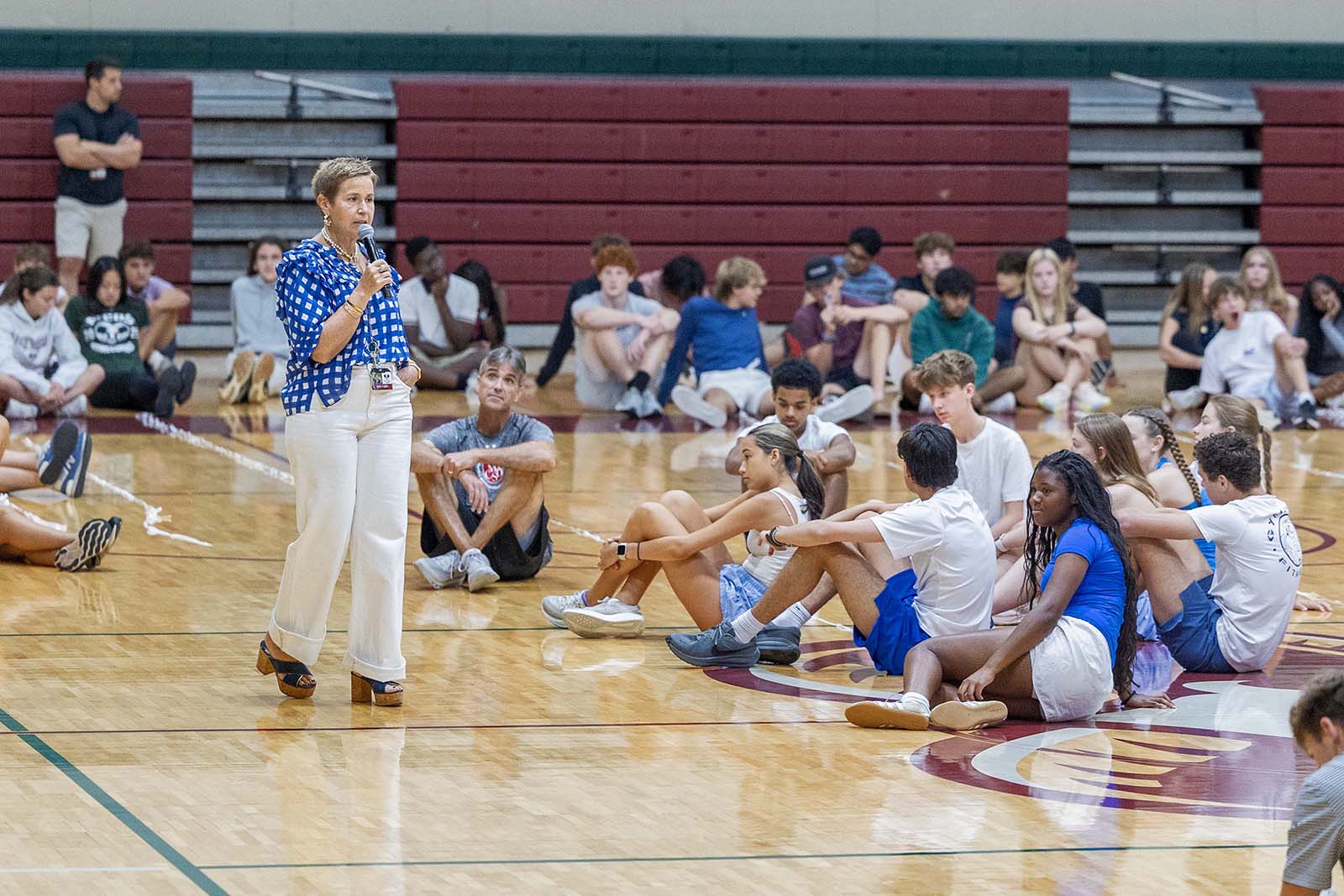
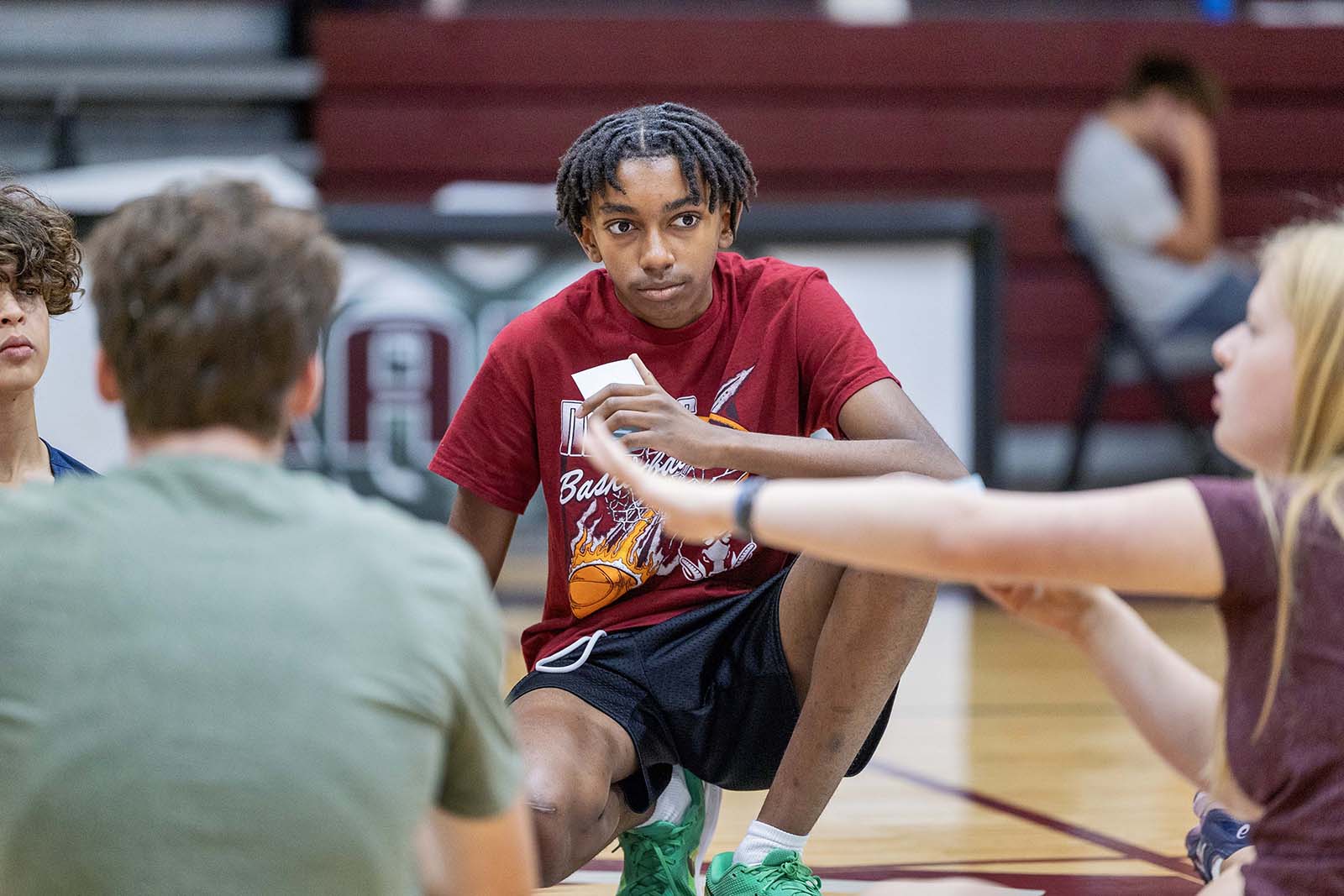
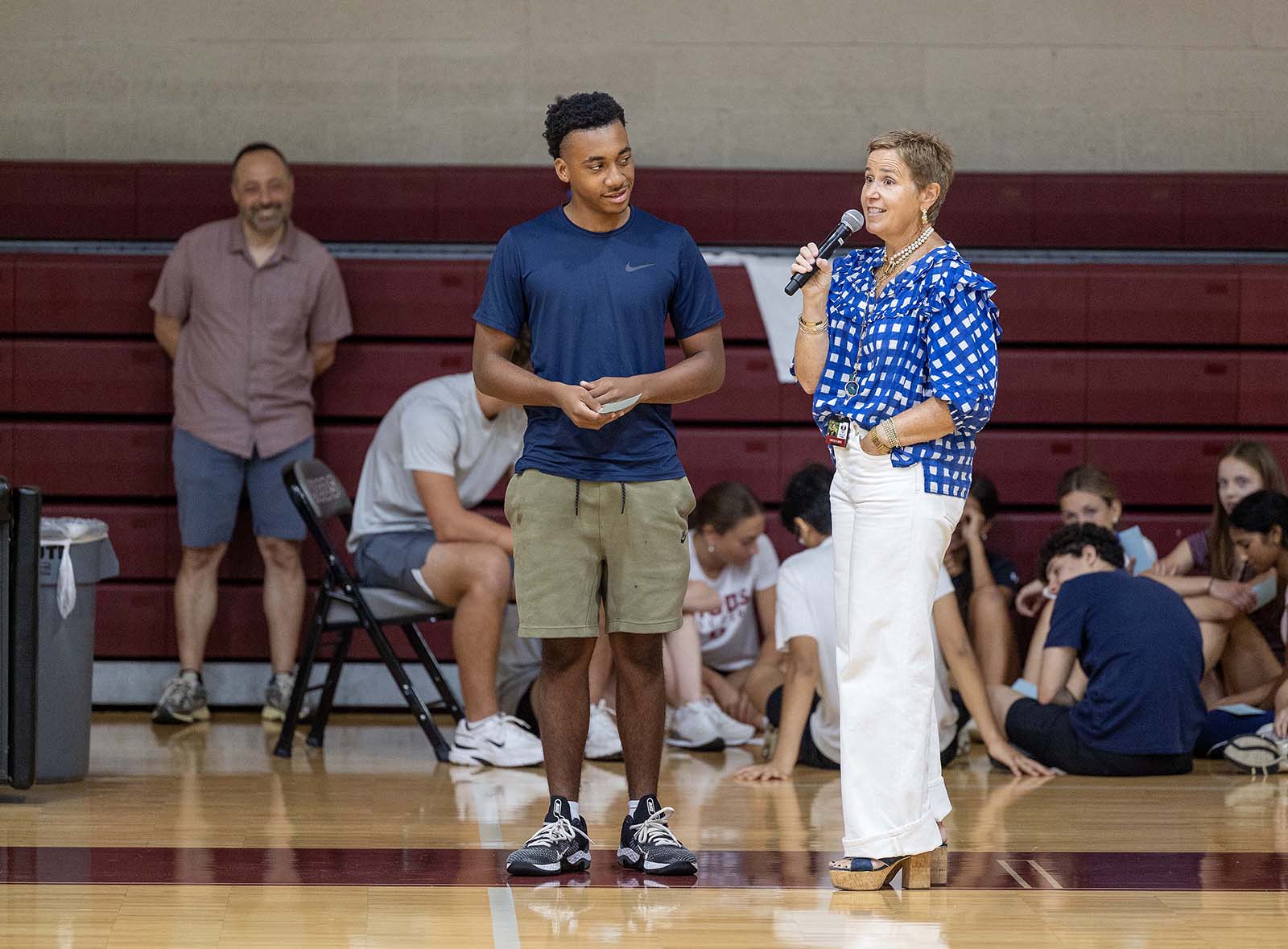
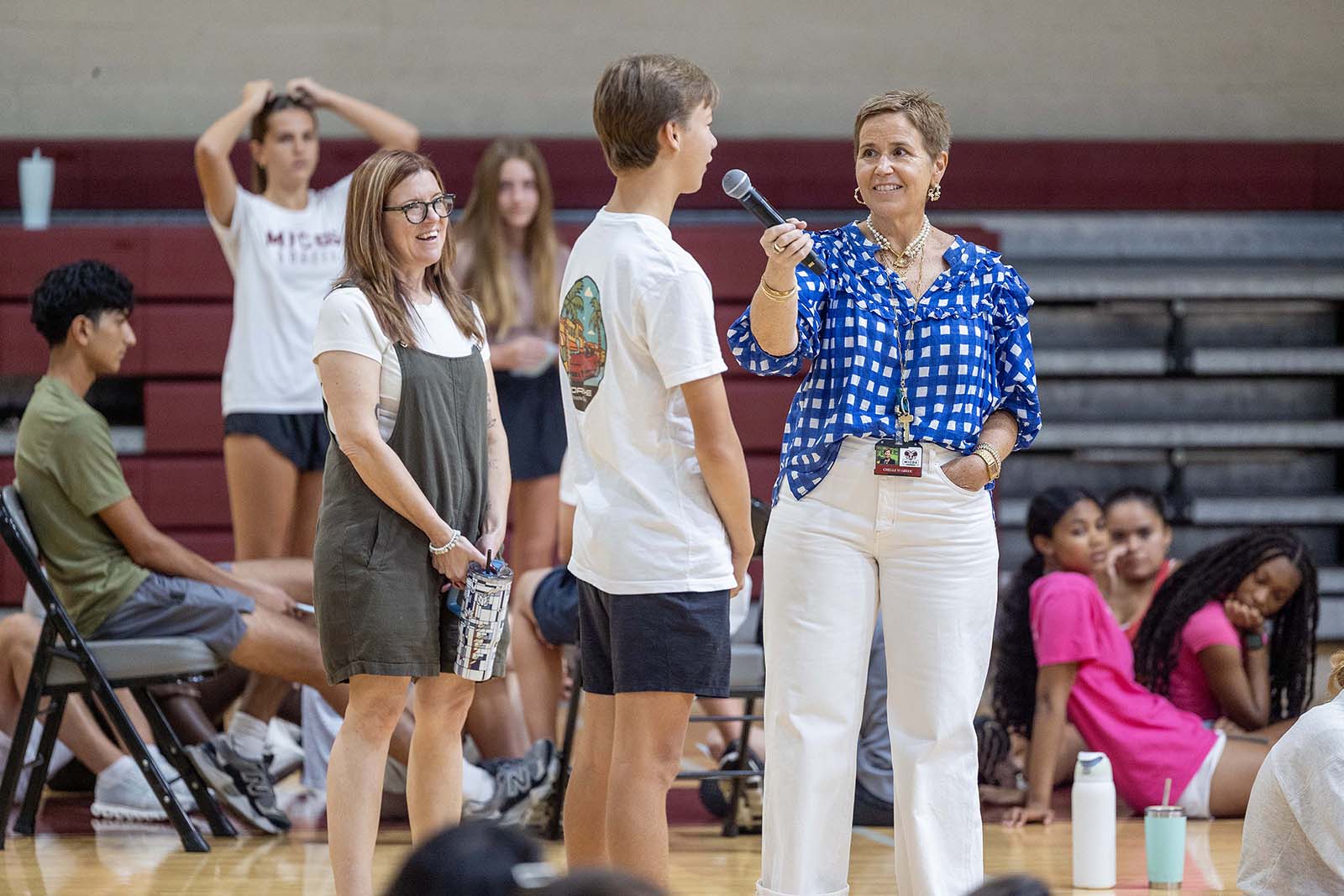
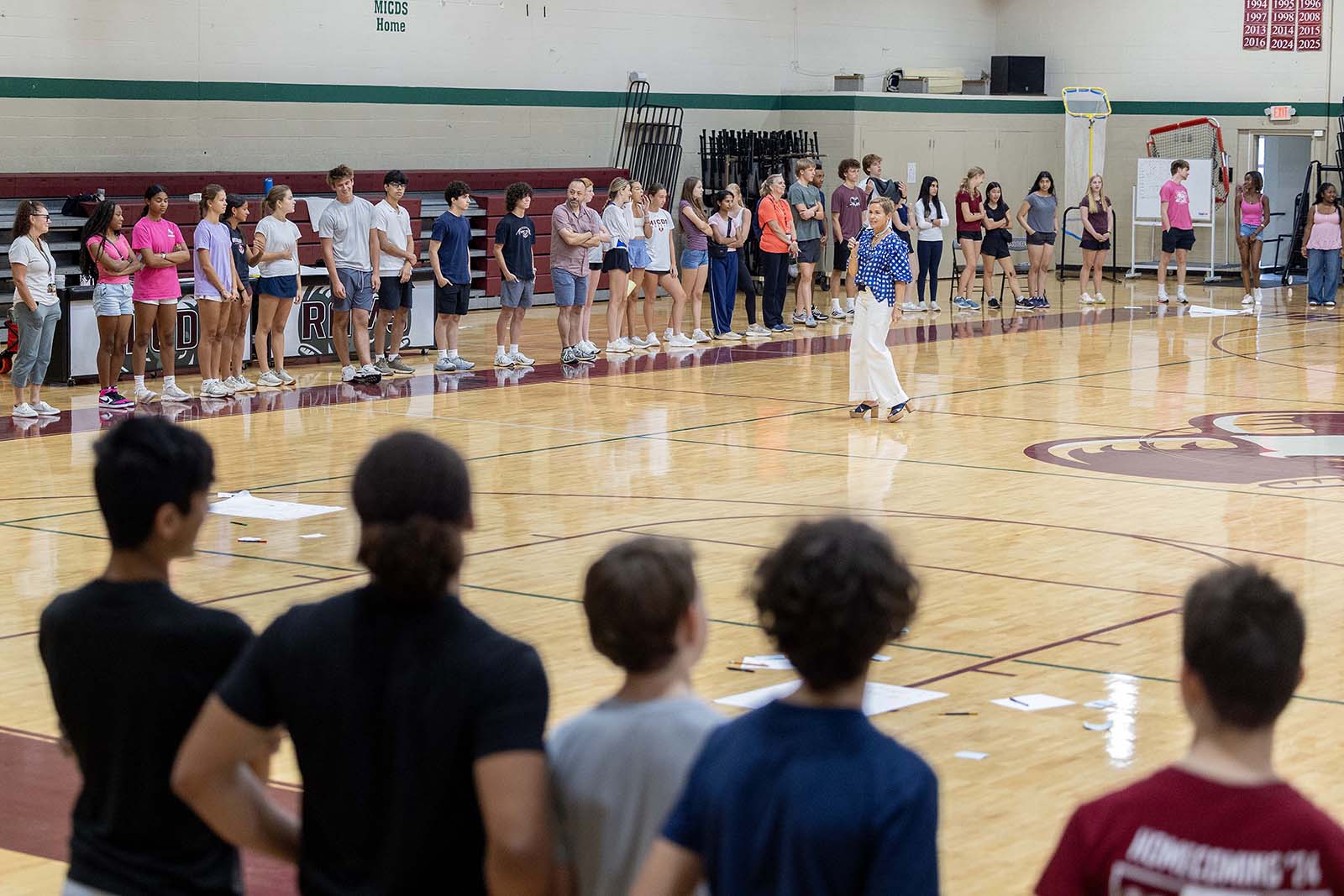
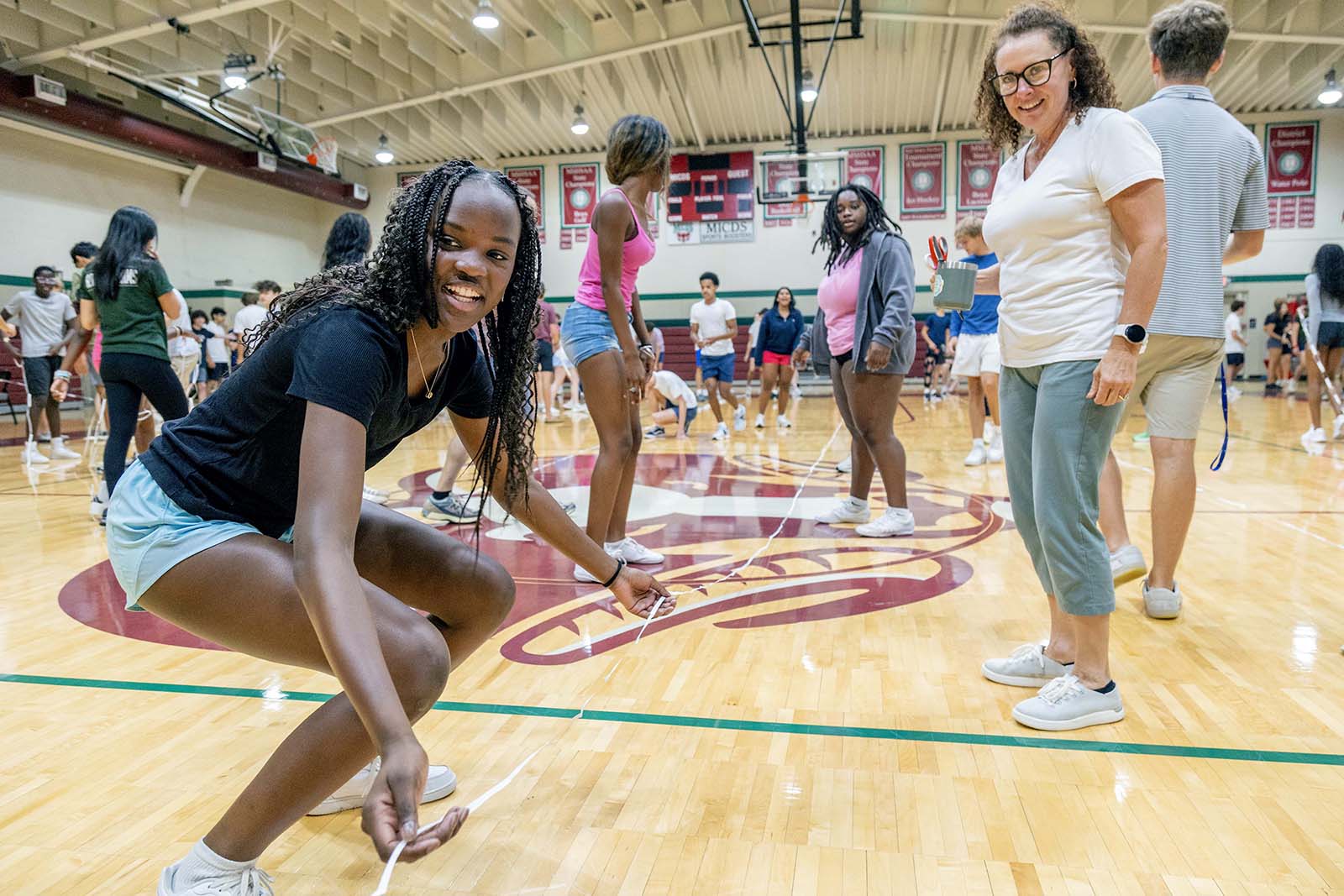
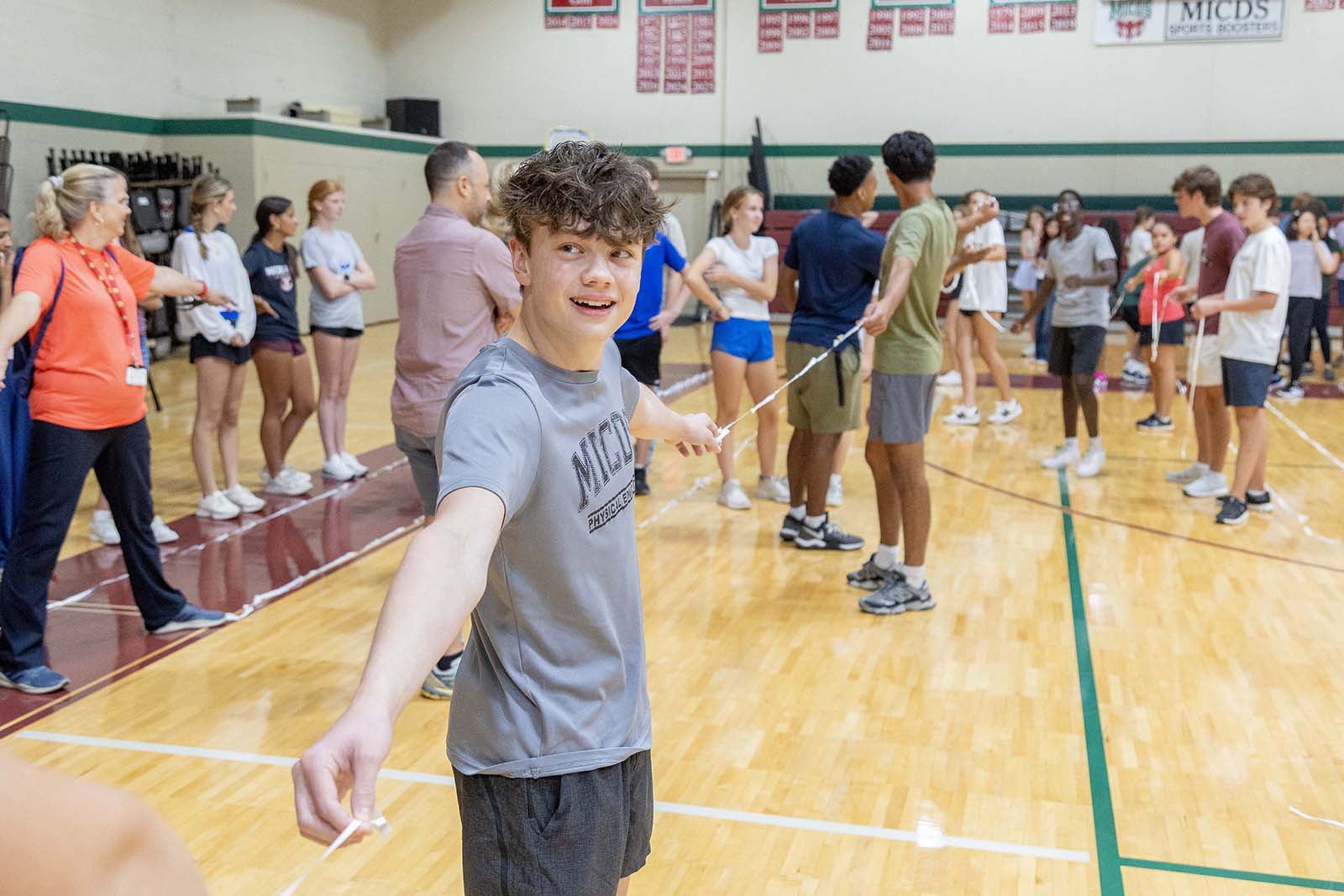
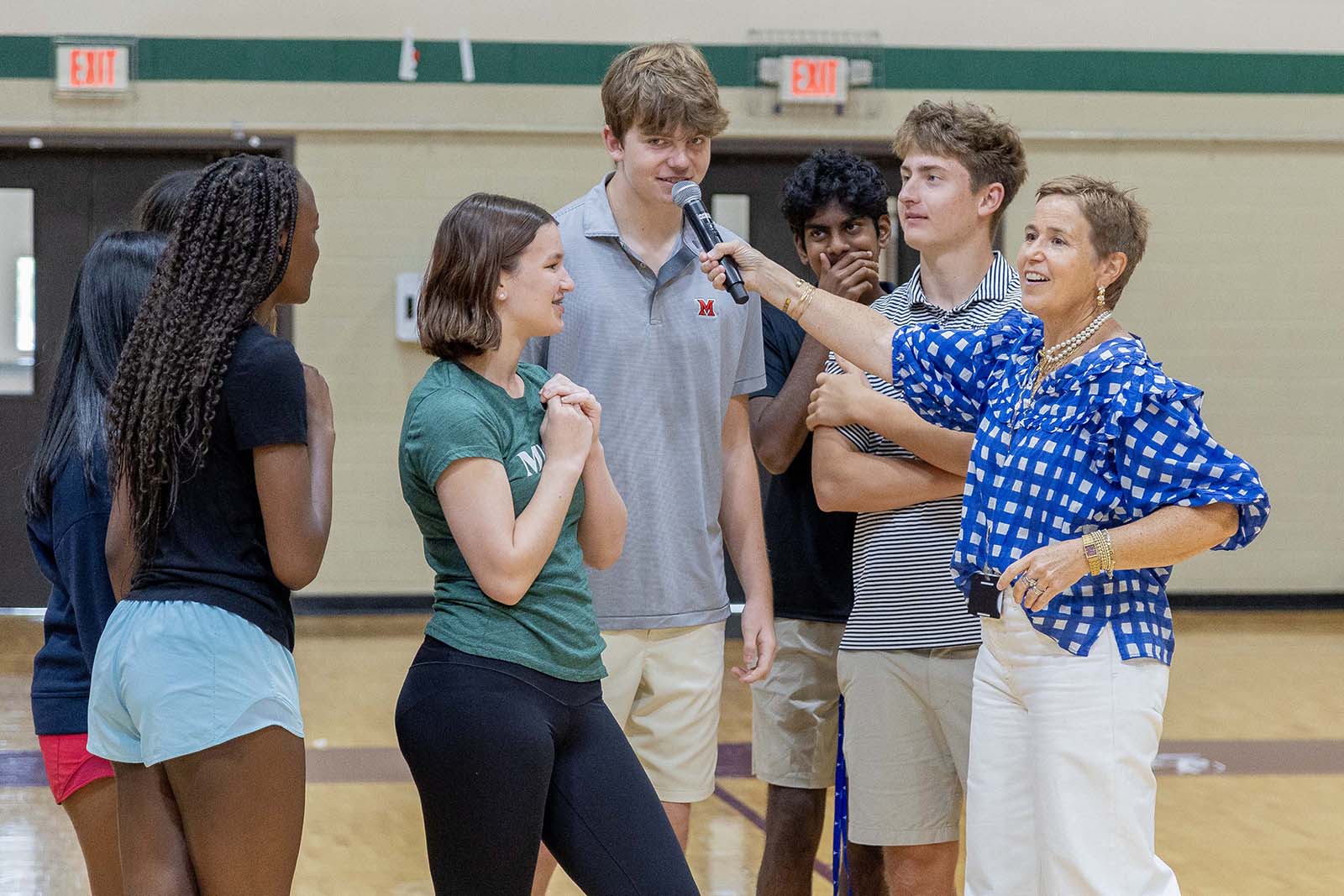
Tenth graders spent the morning on campus working with Head of School Chelle Wabrek, their advisors, and fellow advisees through a series of discussions and activities designed to support the development of leadership skills. Chris Ludbrook, Dean of the Class of 2029, said, “The class spent the morning with Mrs. Wabrek investigating different dimensions of leadership through a variety of activities and reflection. While some of the ambiguous tasks flummoxed the sophomores, they stuck with the task and took the time to identify the ‘dance floor’ and ‘balcony’ moments as they wrestled with the challenges.”
They considered questions such as: What does it mean to be a leader? What do leaders actually do? What qualities make a good leader? Do organizations or groups need a leader, or would they be fine without one? What are different kinds of leadership? Key takeaways included learning that strong leaders cultivate success by recognizing and supporting the needs of their teams, adjusting plans as needed, and putting people in situations where they can be successful.
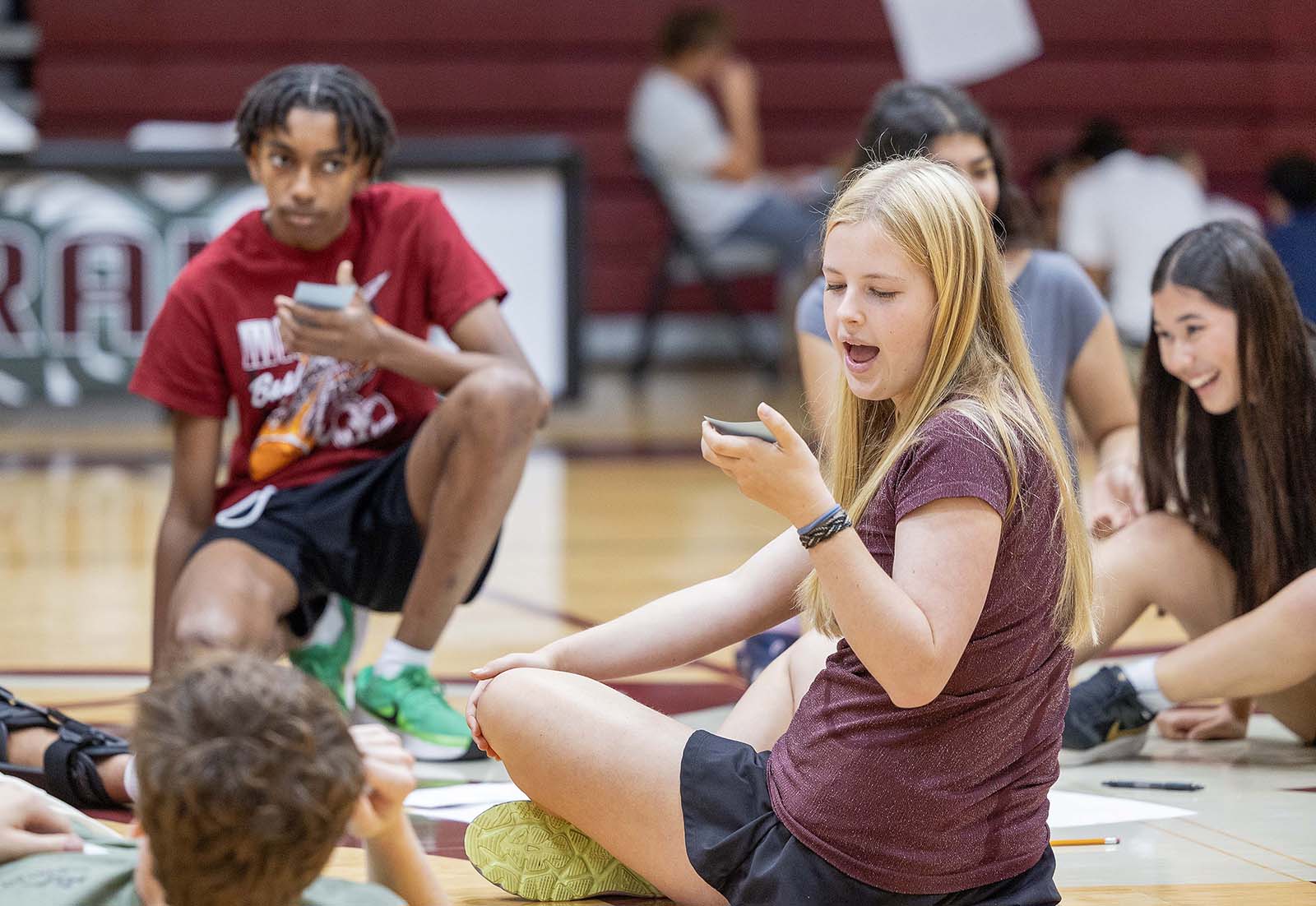
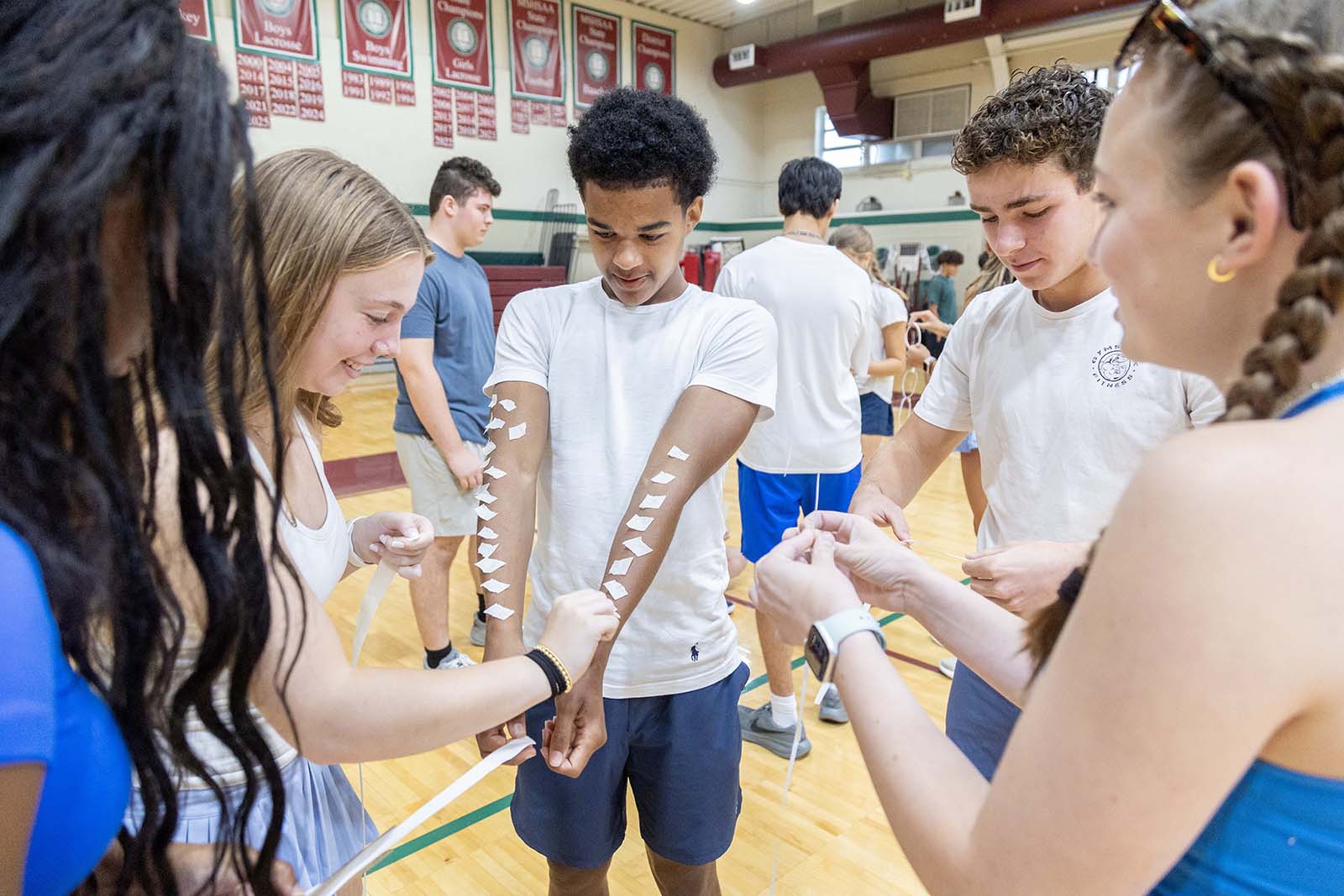
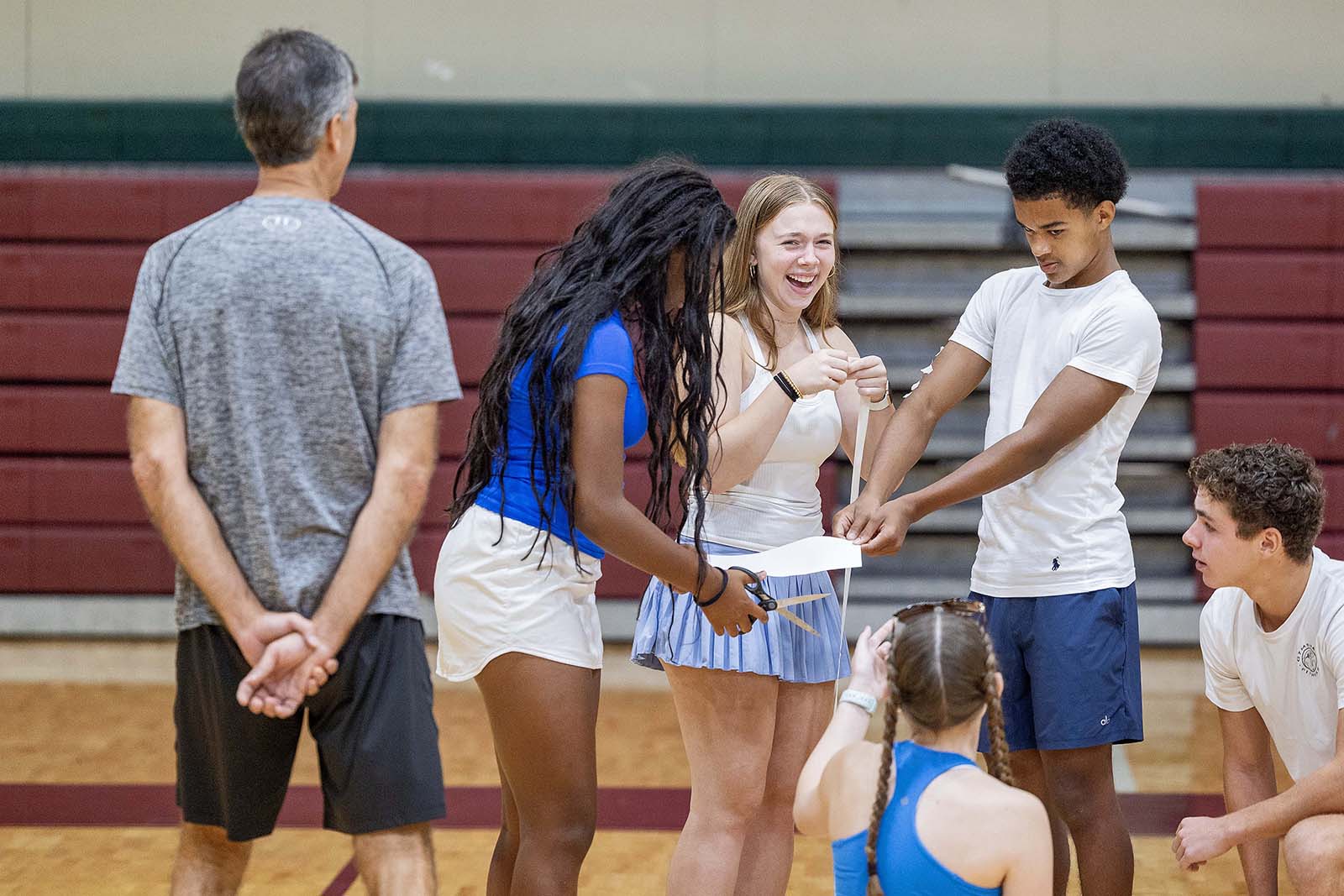
After an on-campus lunch, the class boarded buses to head to the City Museum, where they looked for moments, both big and small, of leadership within their class as they continue to build community. They divided into teams and set about completing four of nine challenges presented by their teachers. They had to work together, take a photo showing completion of each activity, and provide a brief written reflection discussing how the challenge connected to leadership.
The Leadership Challenges
- The Problem Solver: Find something at the Museum that requires you to figure out how it works.
- The Encourager: Find a challenging activity that requires some courage, persistence, or effort. Have one Advisee attempt it while the rest of the group provides positive encouragement.
- Switch the Leader: Choose an activity that requires your Advisory to make a decision. The person who normally takes charge cannot lead this challenge. Someone who has been quieter or less involved must take the leadership role.
- The Communication Challenge: Find a situation where your group needs to communicate in order to accomplish something. For 30 seconds, only one Advisee may give instructions while everyone else listens. Then attempt the challenge.
- The “We” Challenge: Find an activity that your Advisory could reasonably do individually. Instead, figure out how to accomplish it as an entire Advisory.
- The Adaptable Leader: Find an activity or obstacle that doesn’t go according to your original plan. Your Advisory must change its strategy and try a different approach.
- The Inclusive Leader: Situation: You notice that one person in your Advisory hasn’t had much opportunity to contribute. Challenge: Find a location where your entire group can gather. Have each person contribute one idea about something your group should do during the scavenger hunt.
- The Servant Leader: Find an opportunity to make someone else’s experience better without being asked. Examples could include: helping a member of your group navigate something, letting another group go ahead of you, helping someone who is struggling, making room for another visitor, and encouraging someone.
- Leadership Is Everywhere: Find something at the City Museum that could serve as a metaphor for leadership.
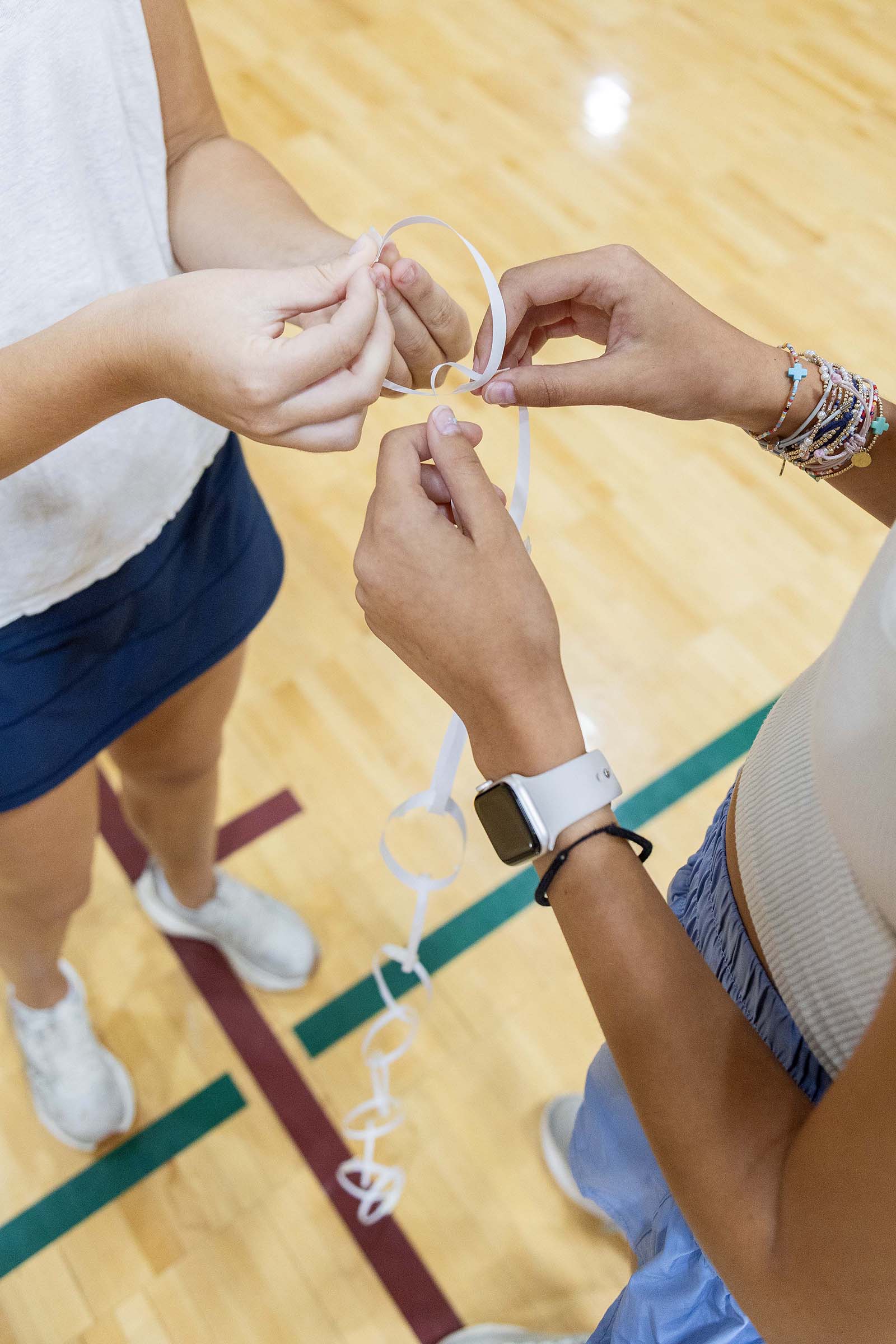
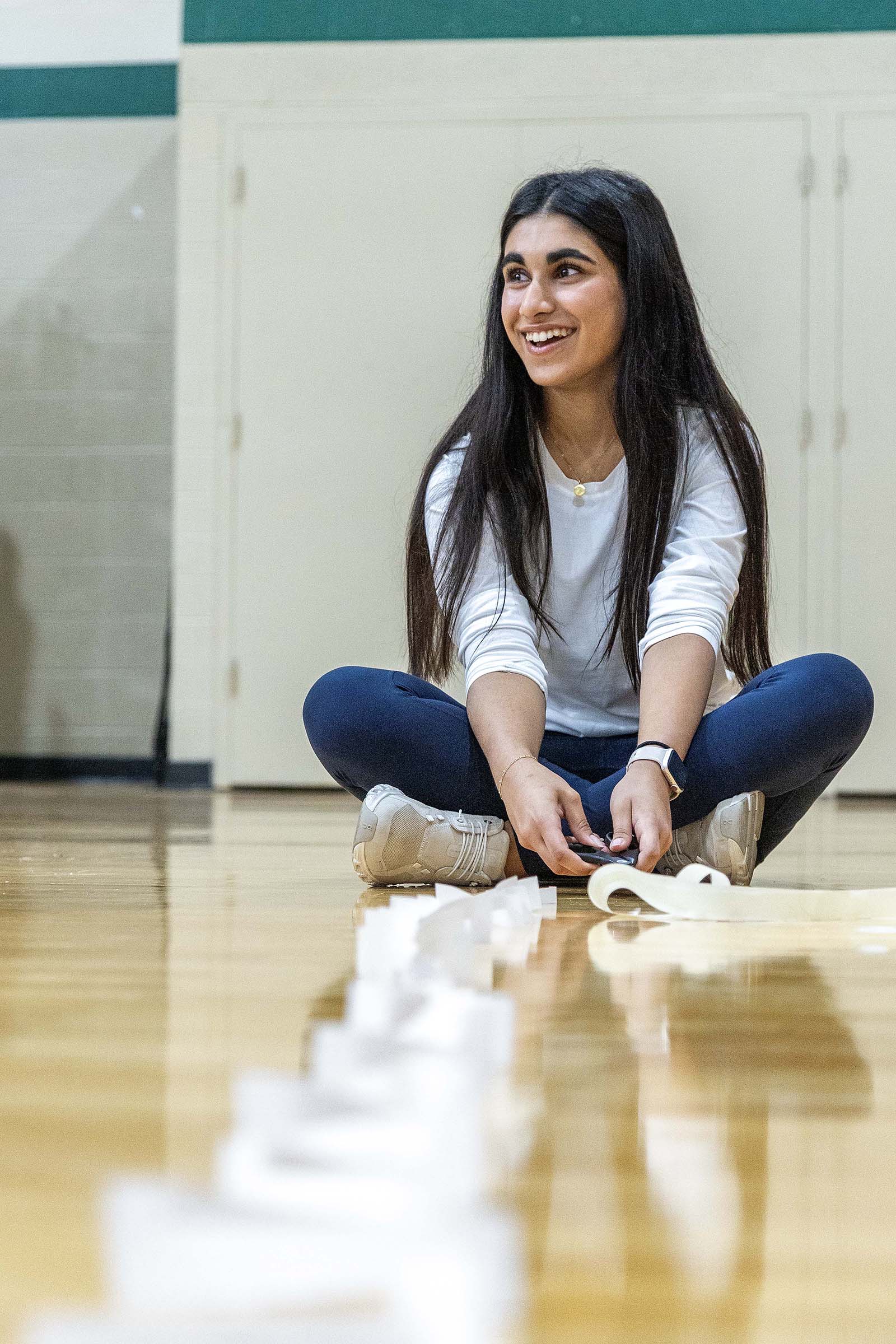
Sky D-B. ’29 said, “One thing I thought was important to learn was how much more you are able to accomplish when working with a team than just doing something yourself! The advisory activities we did with Mrs. Wabrek highlighted this even more; no activity could have been accomplished without your team to back you up along the way. My favorite part was the chain activity we did in advisory groups where the challenge was to see which team could make the longest chain in a certain amount of time. This activity allowed us to be really creative and work together to compete against other advisories, and highlighted that in order to succeed we had to work together!”
Simone G. ’29 said, “Going to the City Museum helped us build community as a class, not only just being outside of school together, but by helping and encouraging each other while crawling through the catacombs or other crevices the City Museum has. It was very reassuring and comforting to see people helping others through the space with supportive words!”
“Even the most reticent sophomores can’t help but smile and laugh while exploring the tunnels, slipping down the five-story slide, and getting a gentle exfoliation from little fish,” said Ludbrook.
11th Grade: Digging Deep in STL
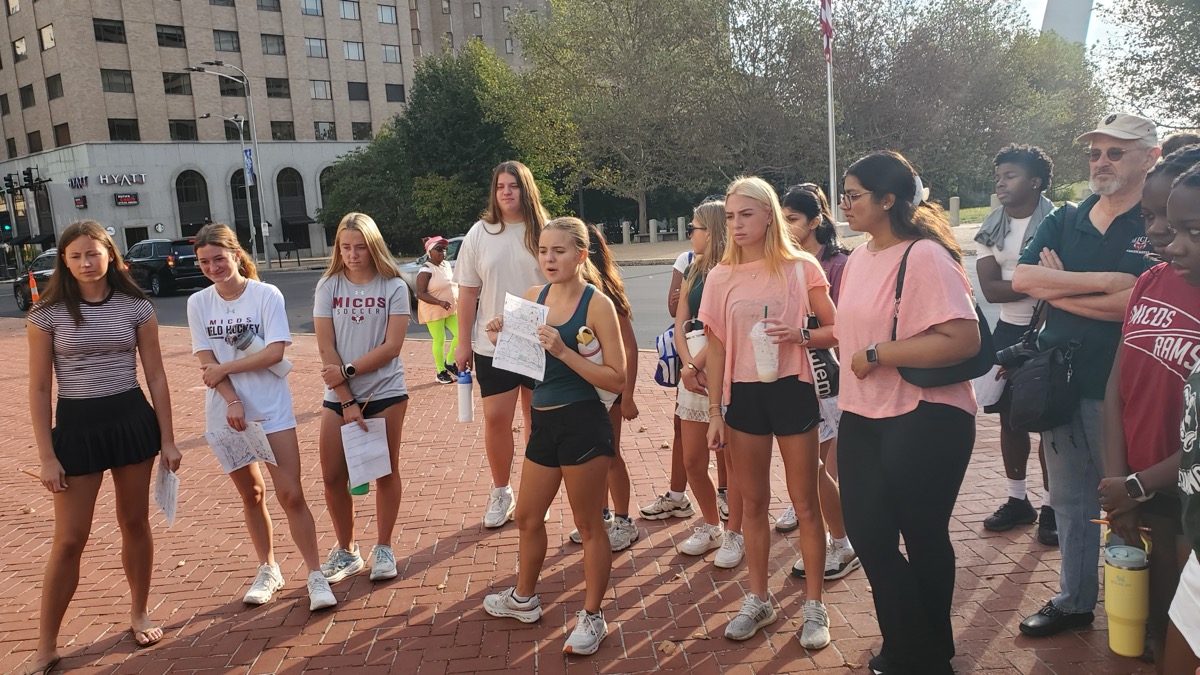
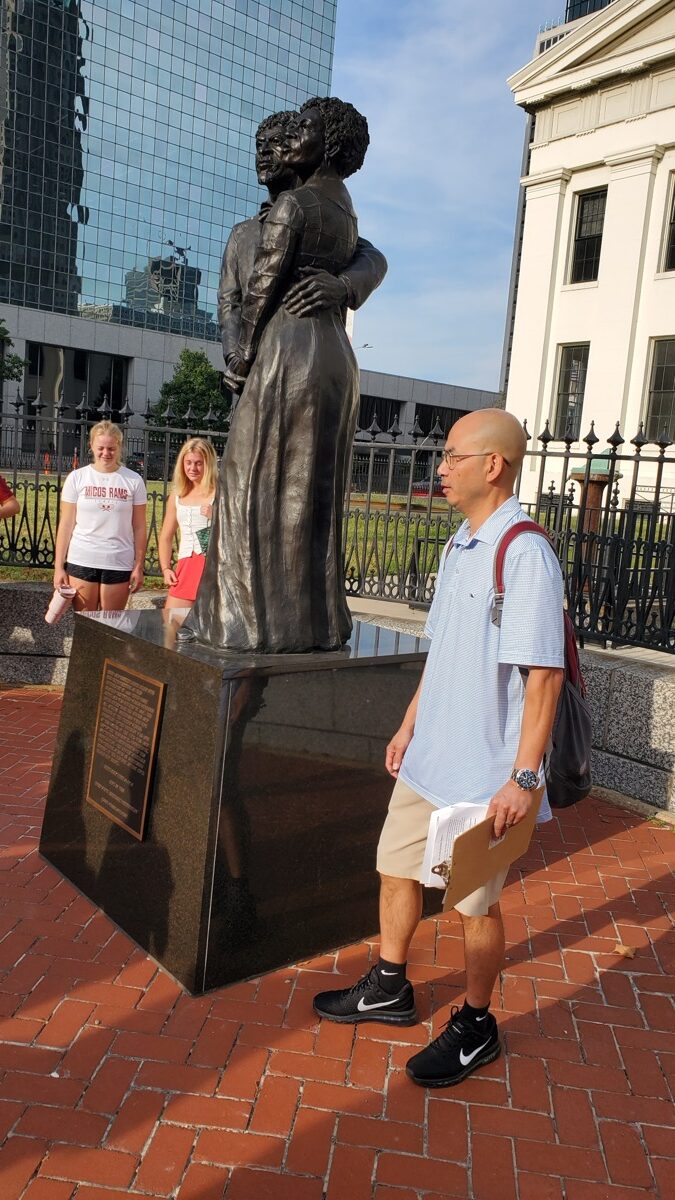
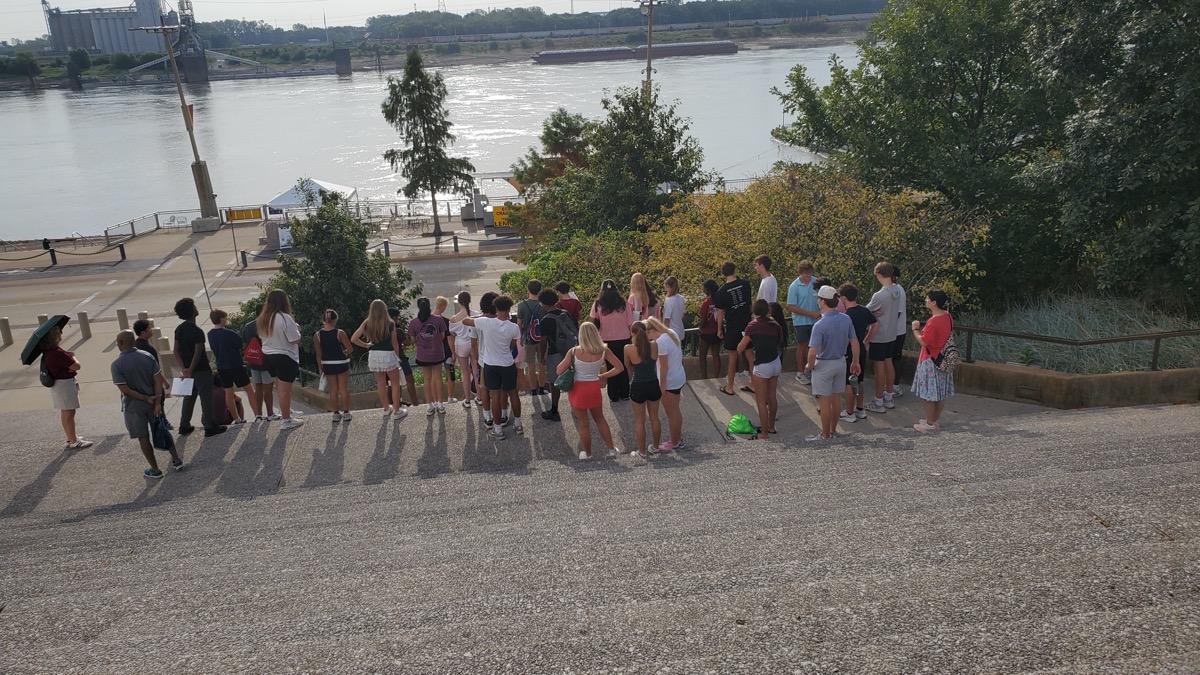
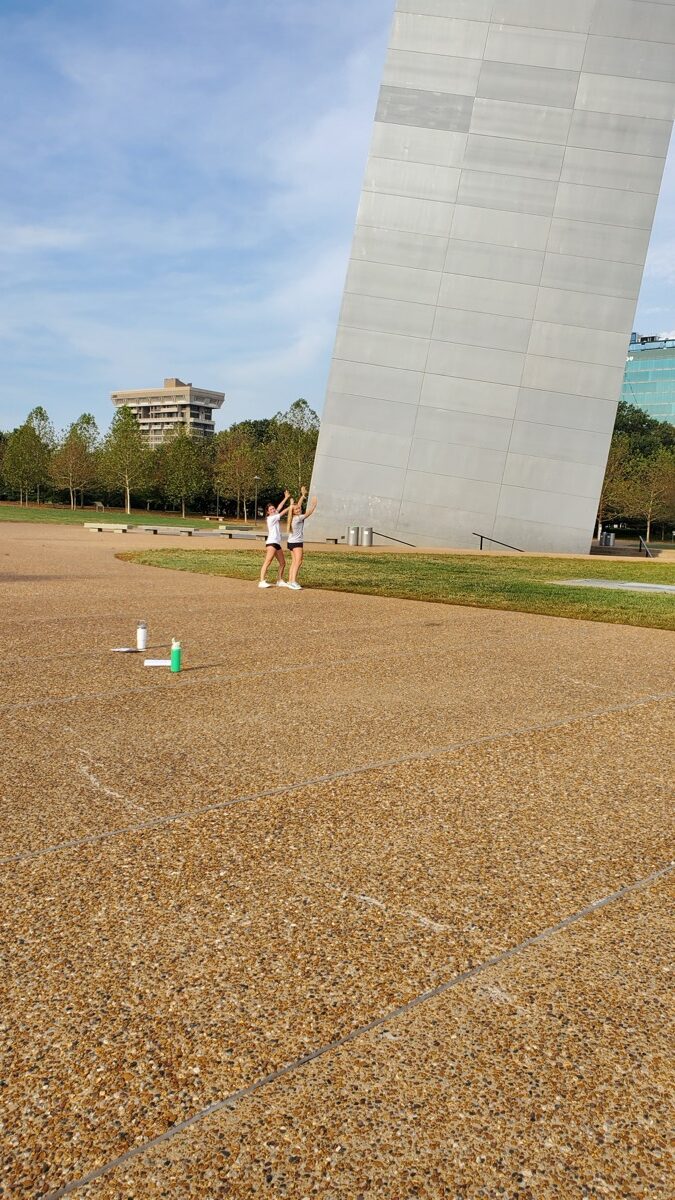
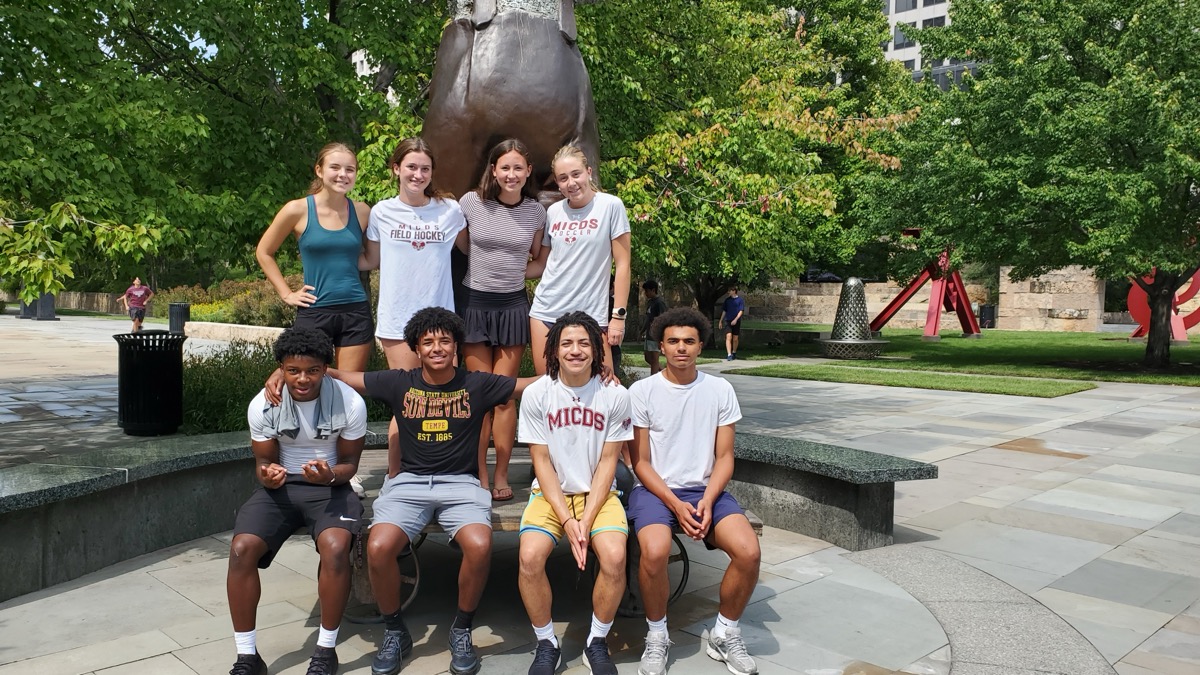
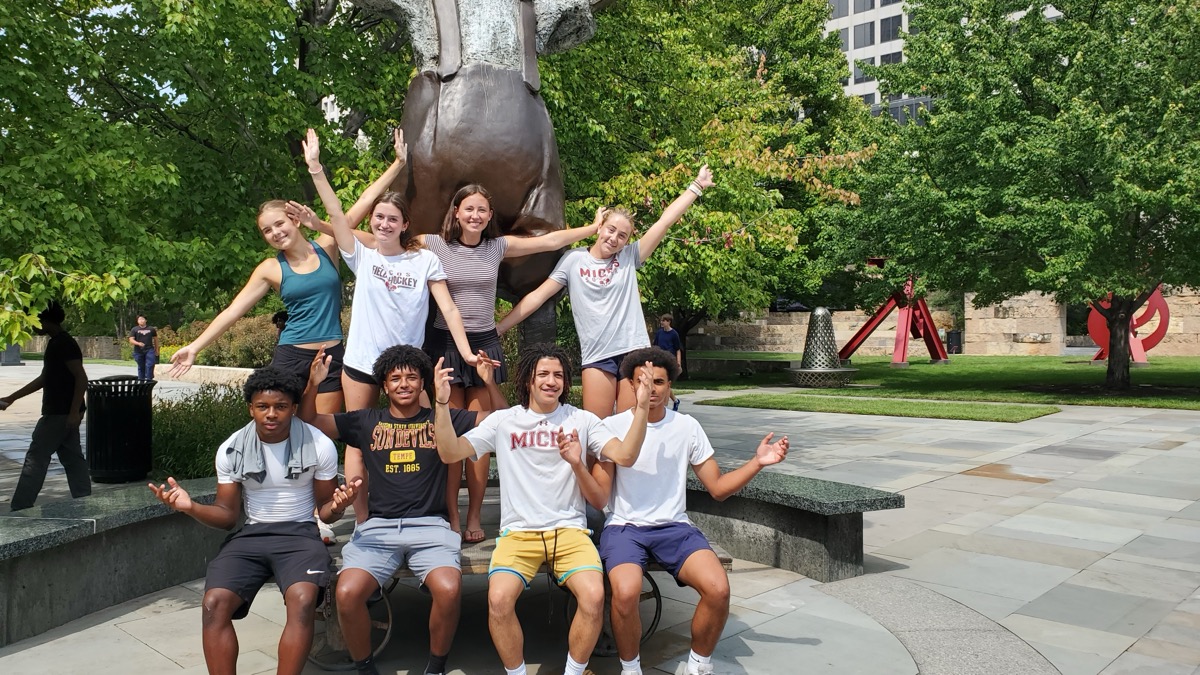
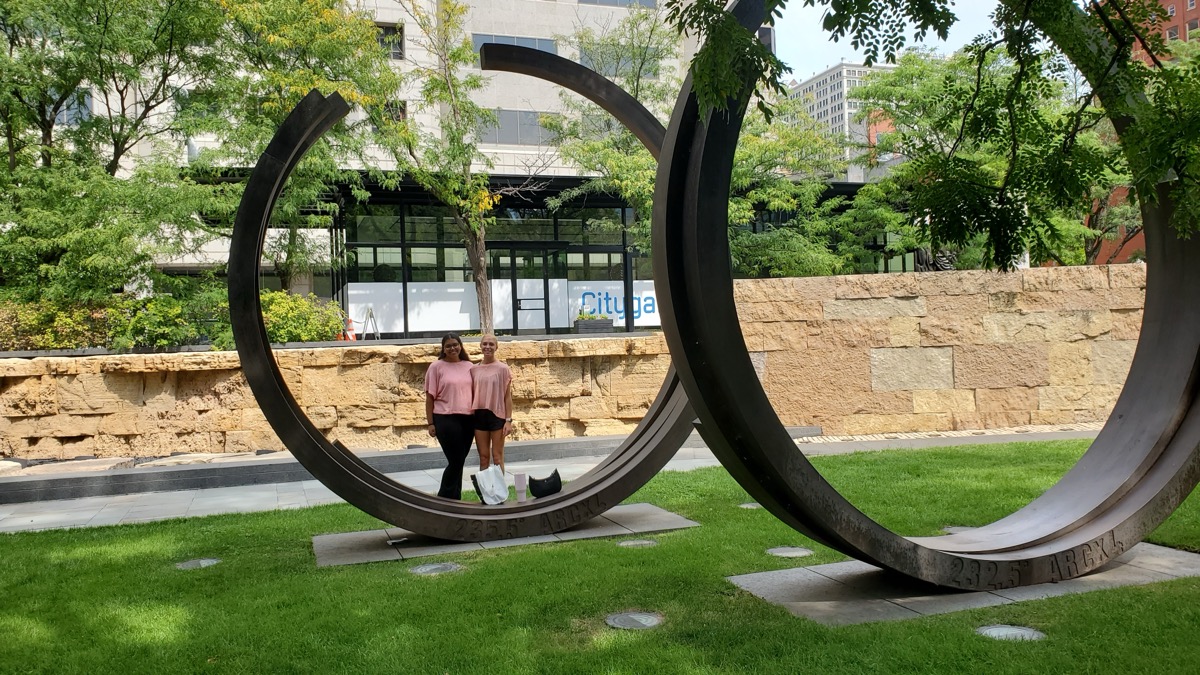
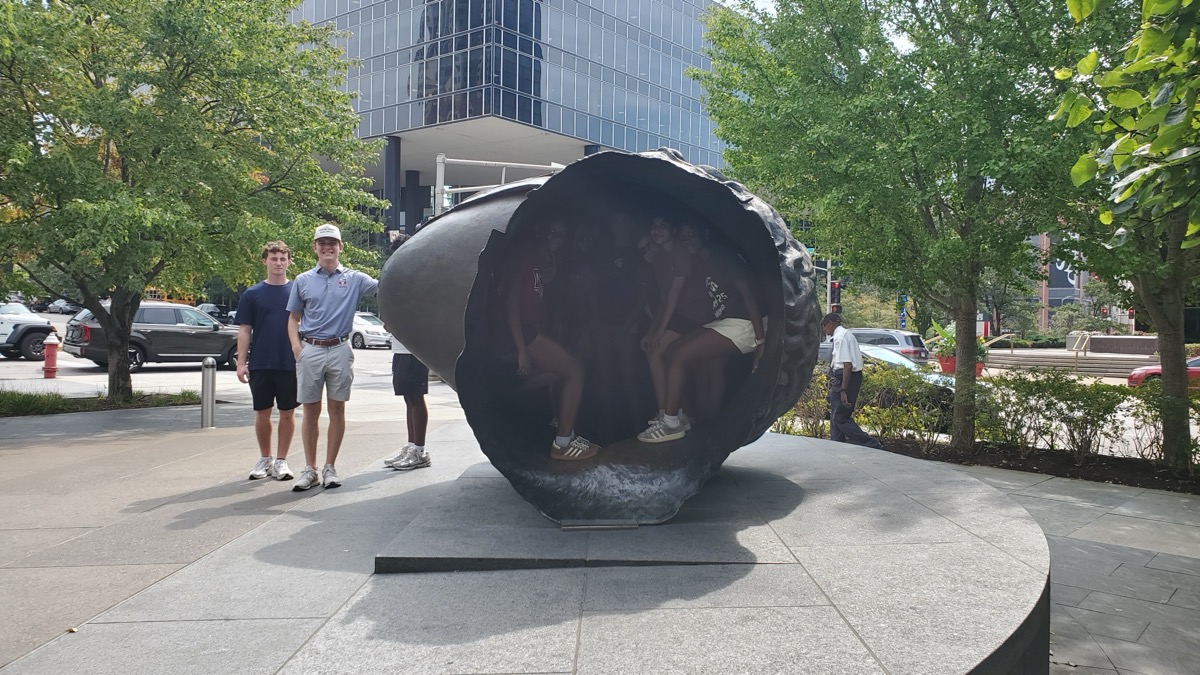
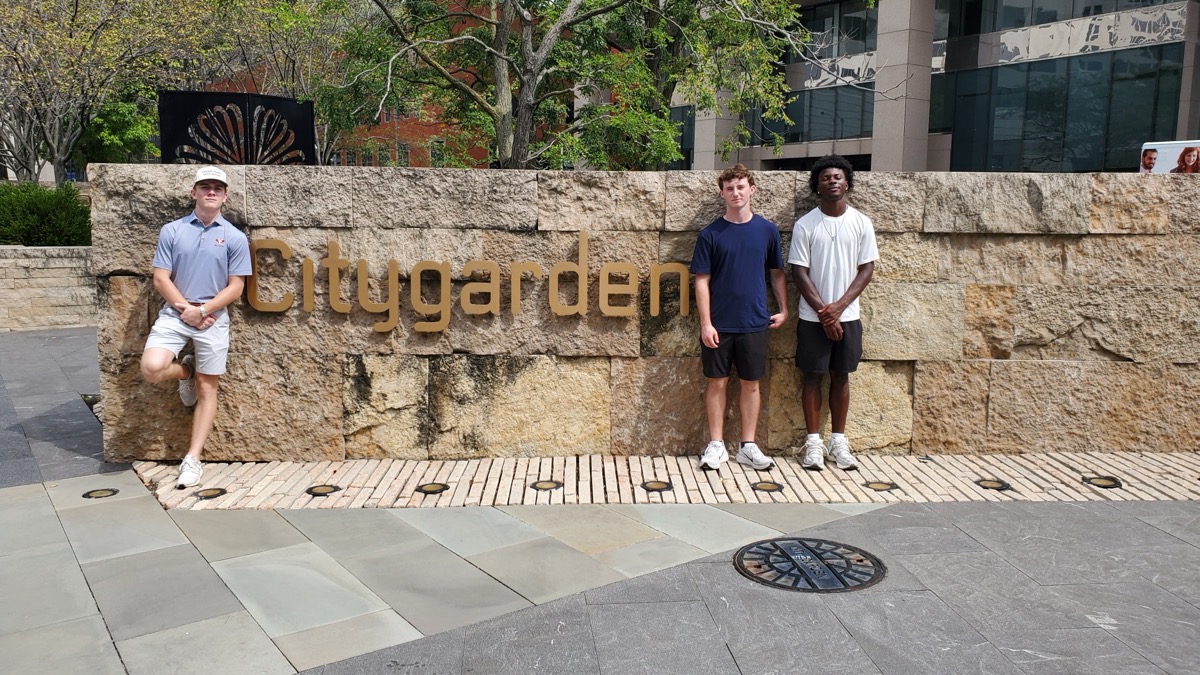
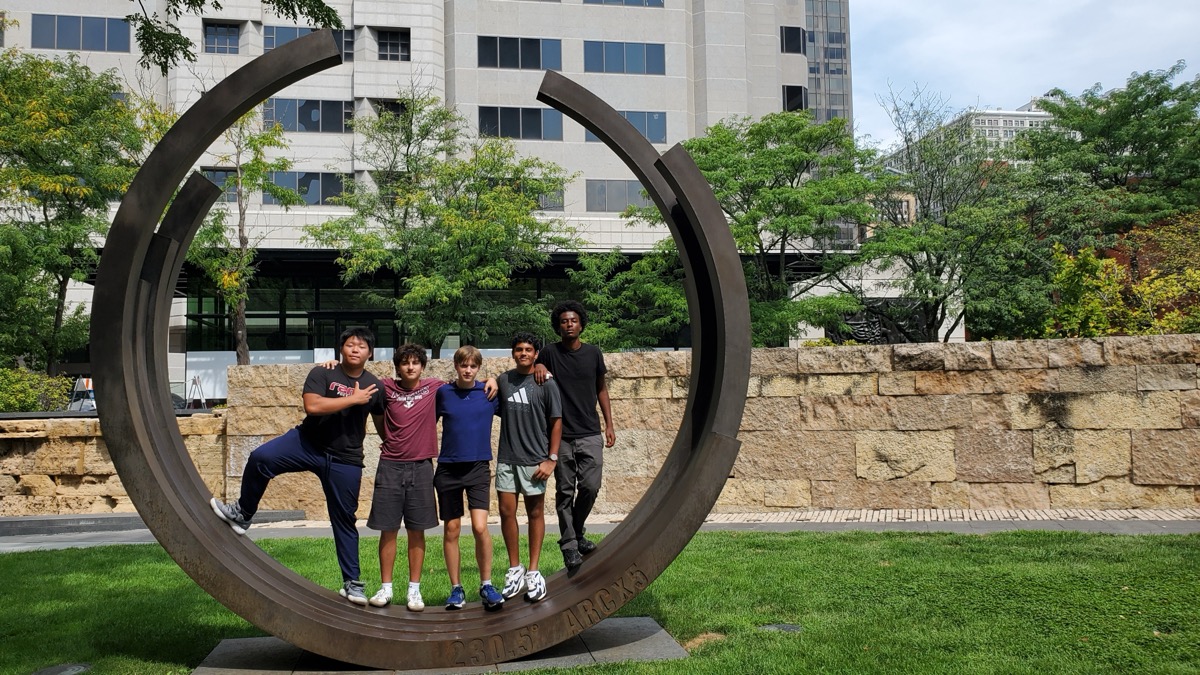
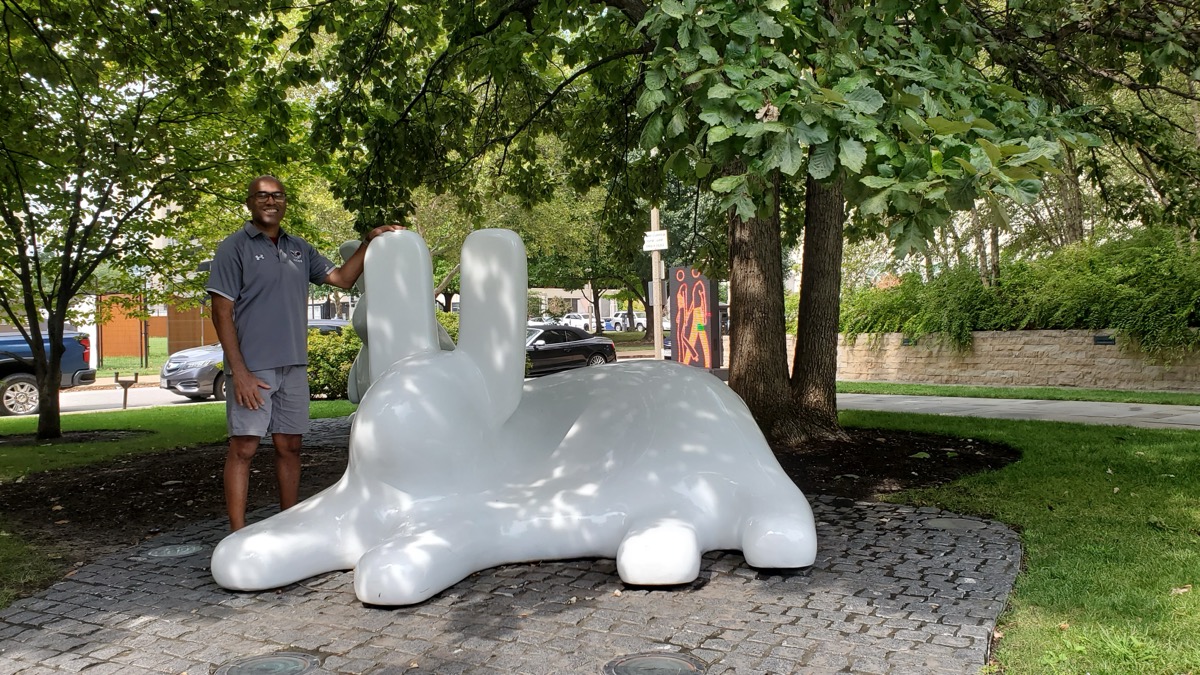
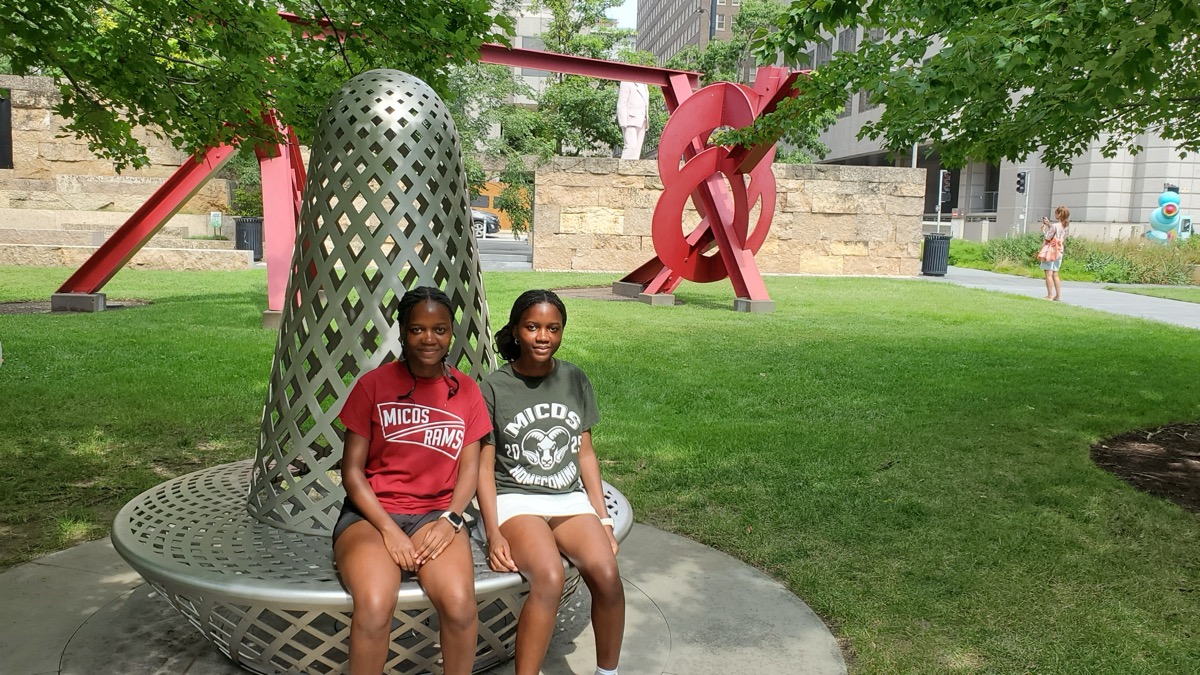
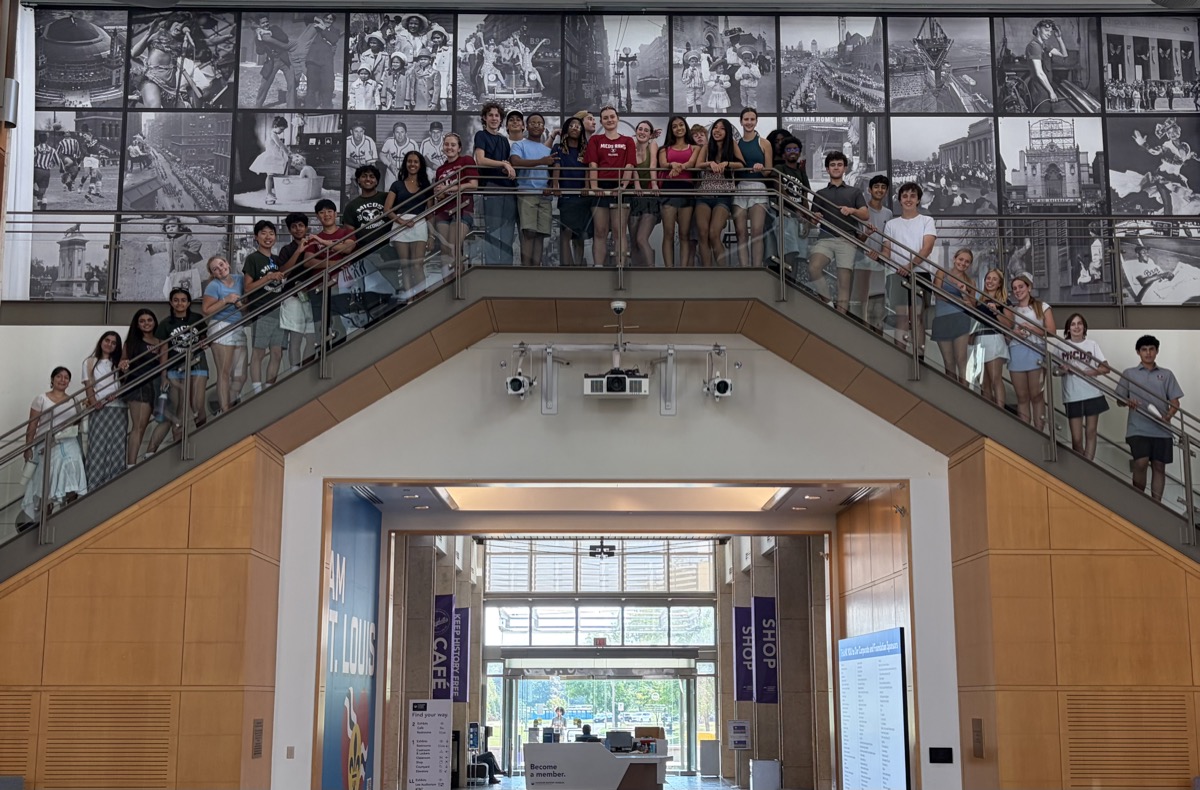
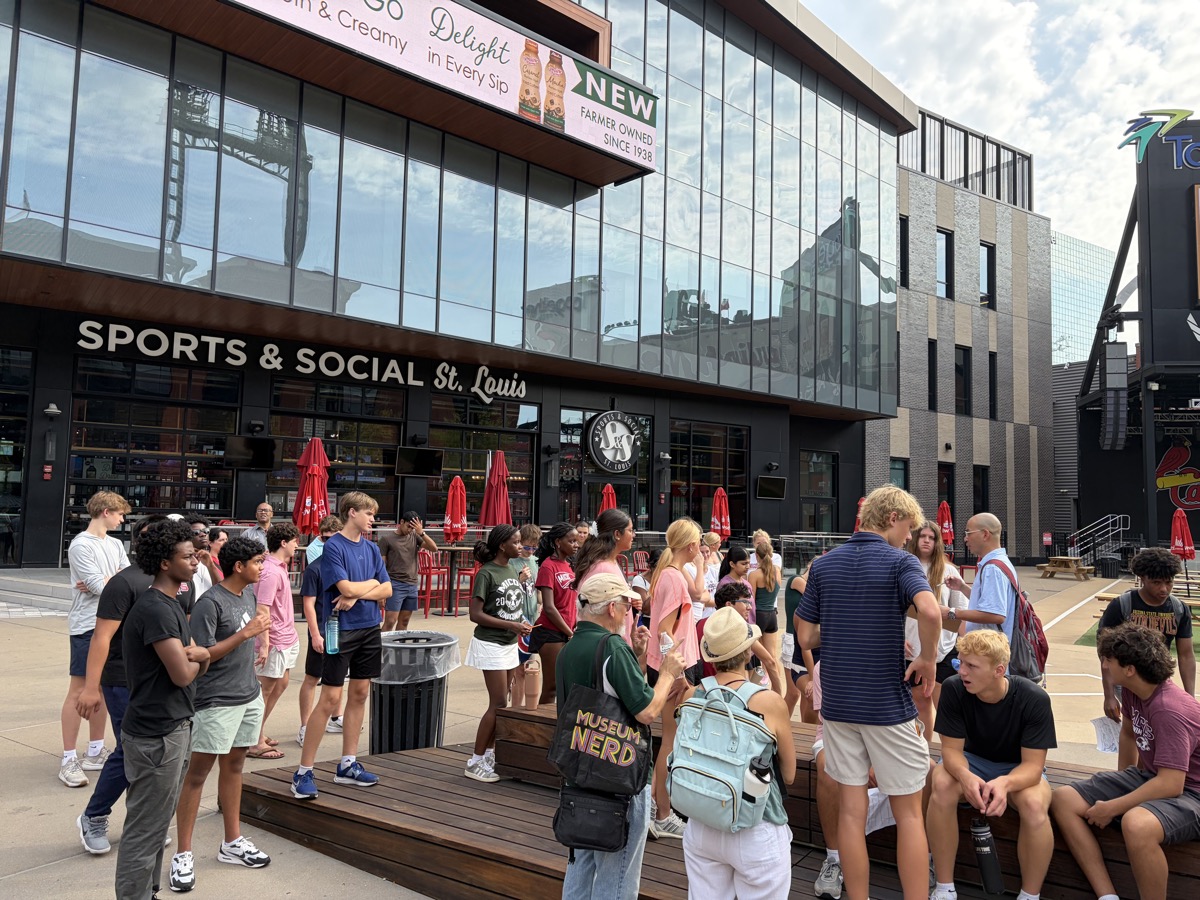
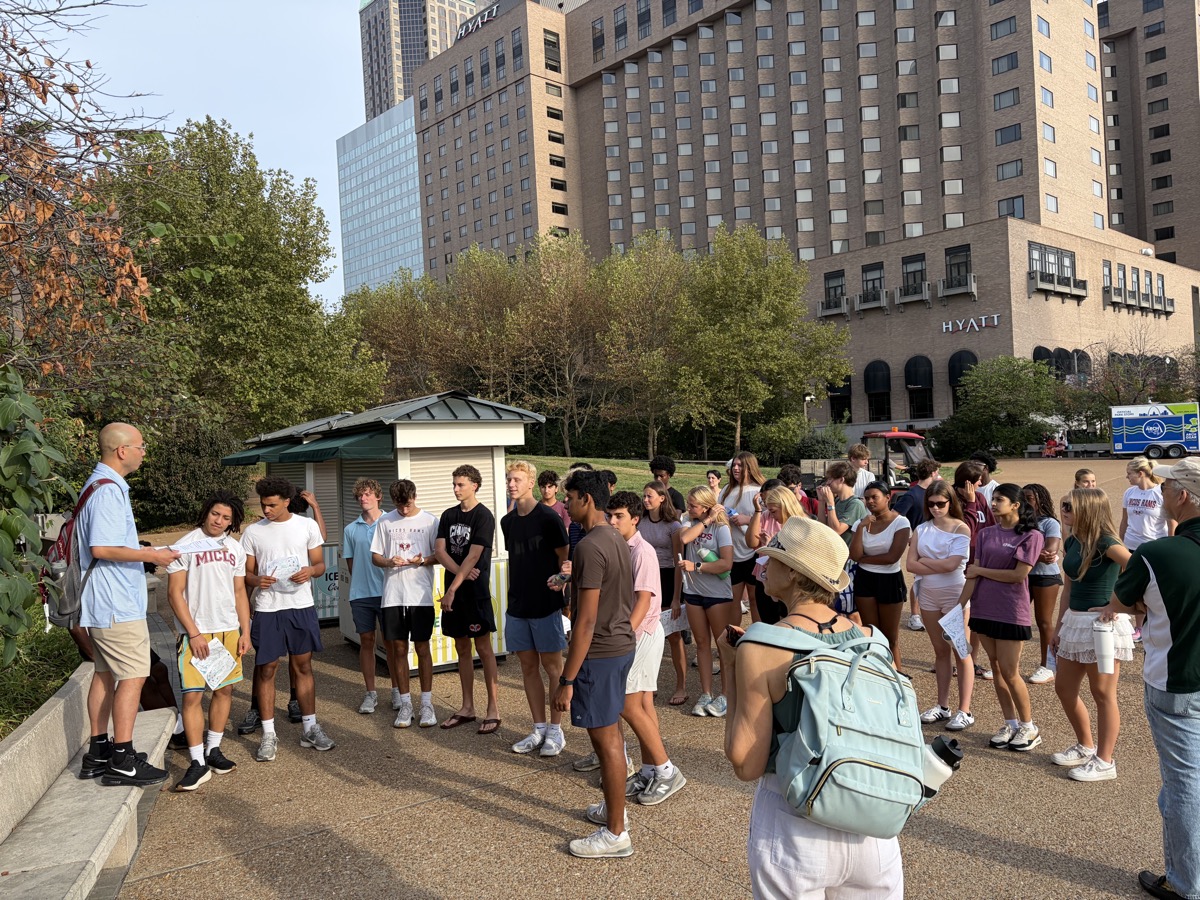
The juniors, all of whom are taking the required History of St. Louis class, participated in various tours in and around the city, stopping at historical sites. These experiences were directly tied to the content that they are covering in their course.
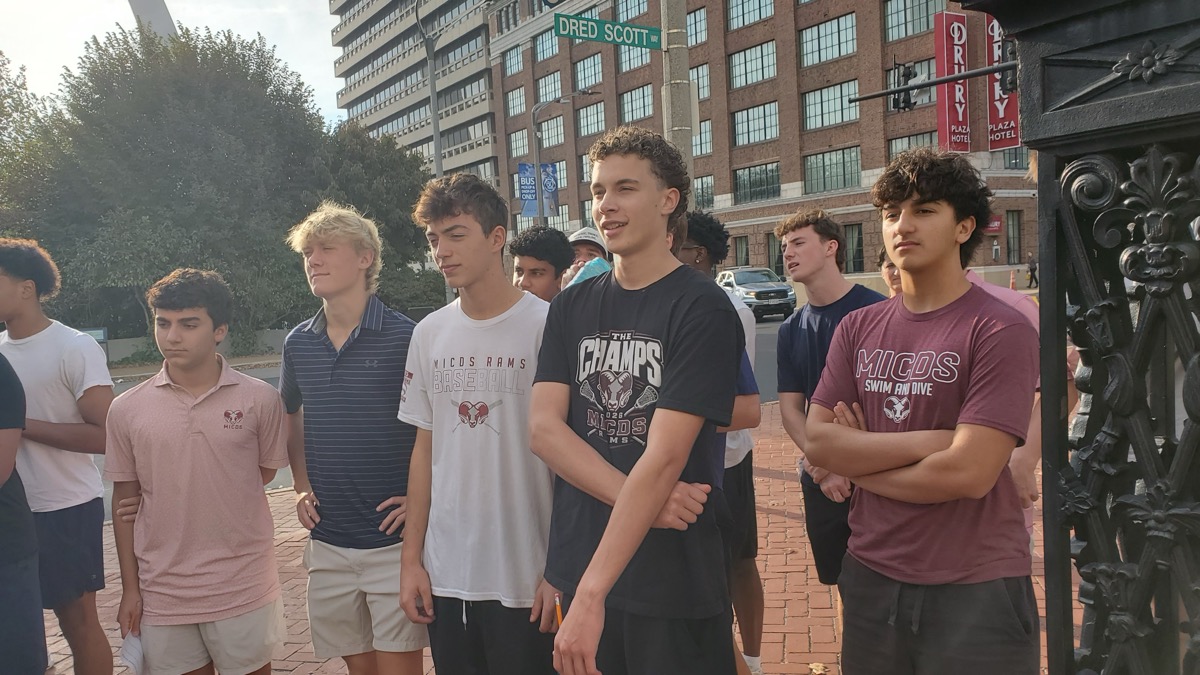
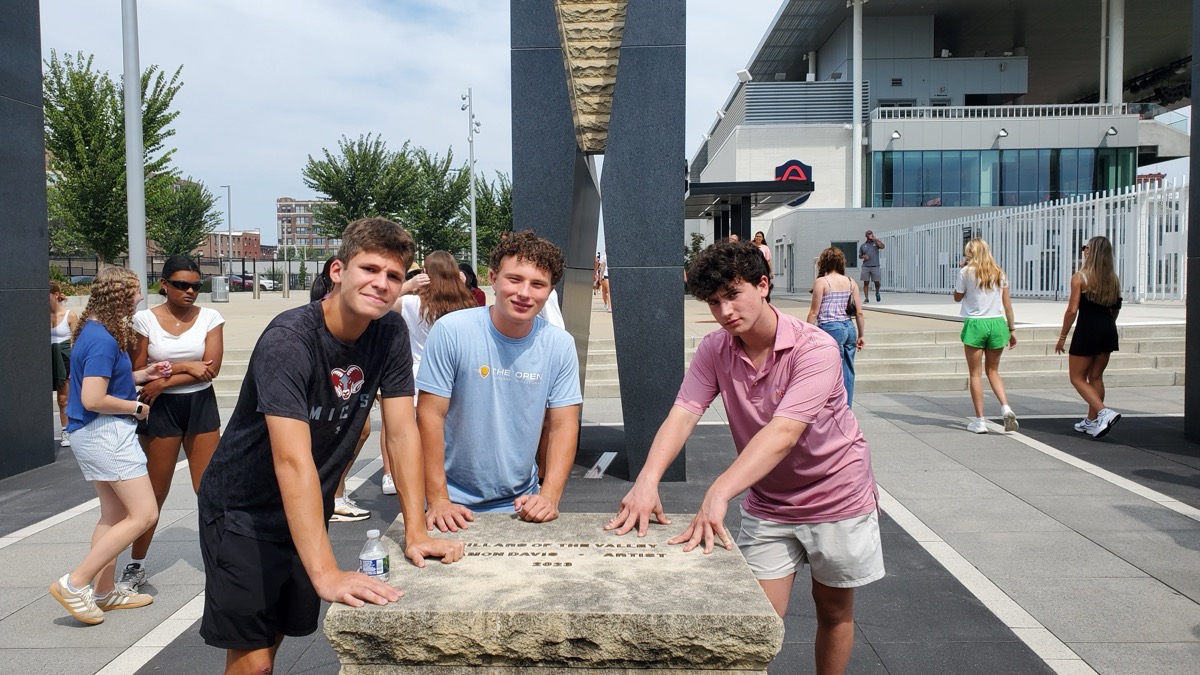
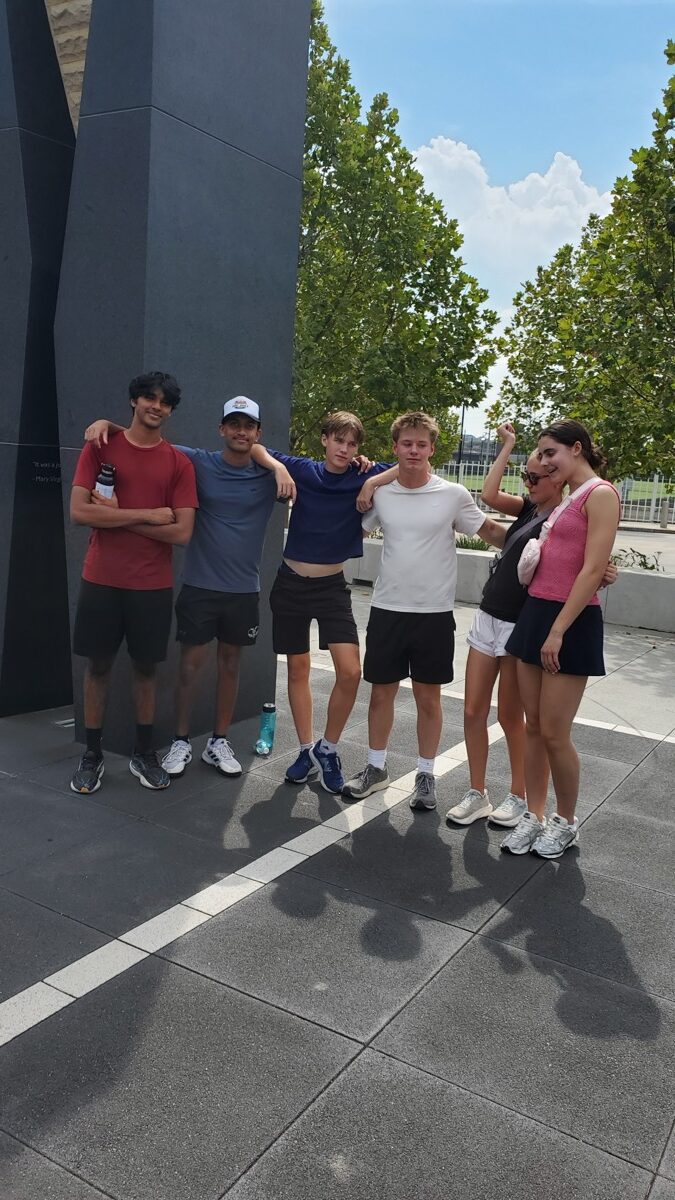
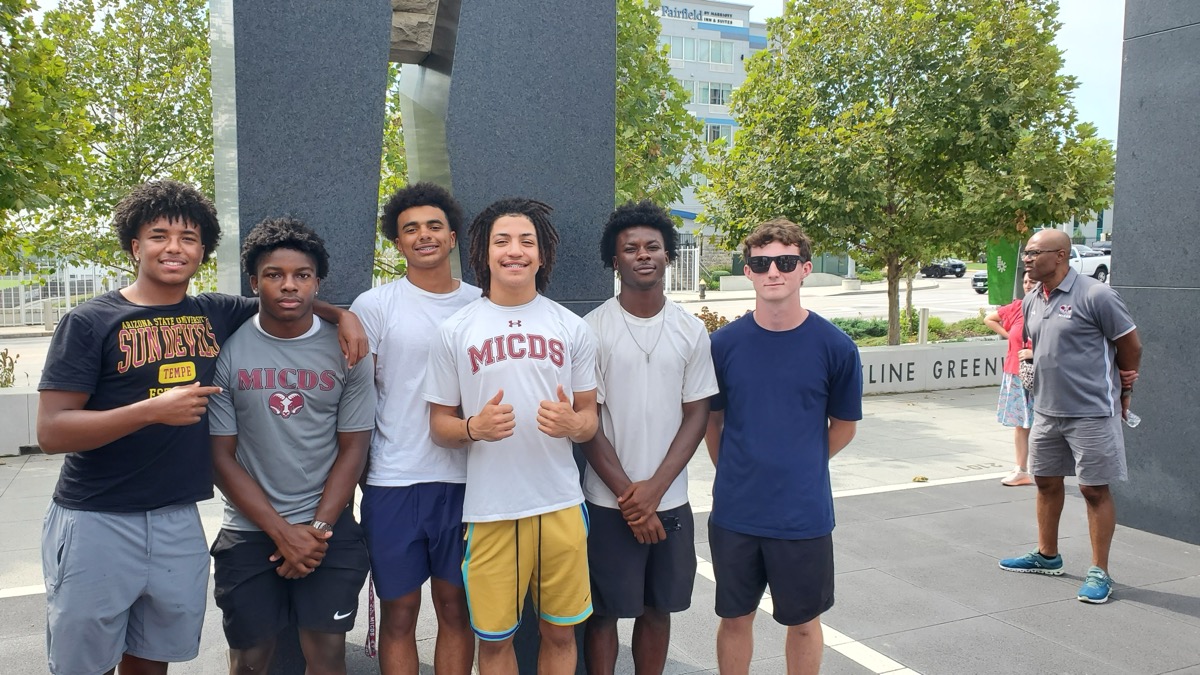
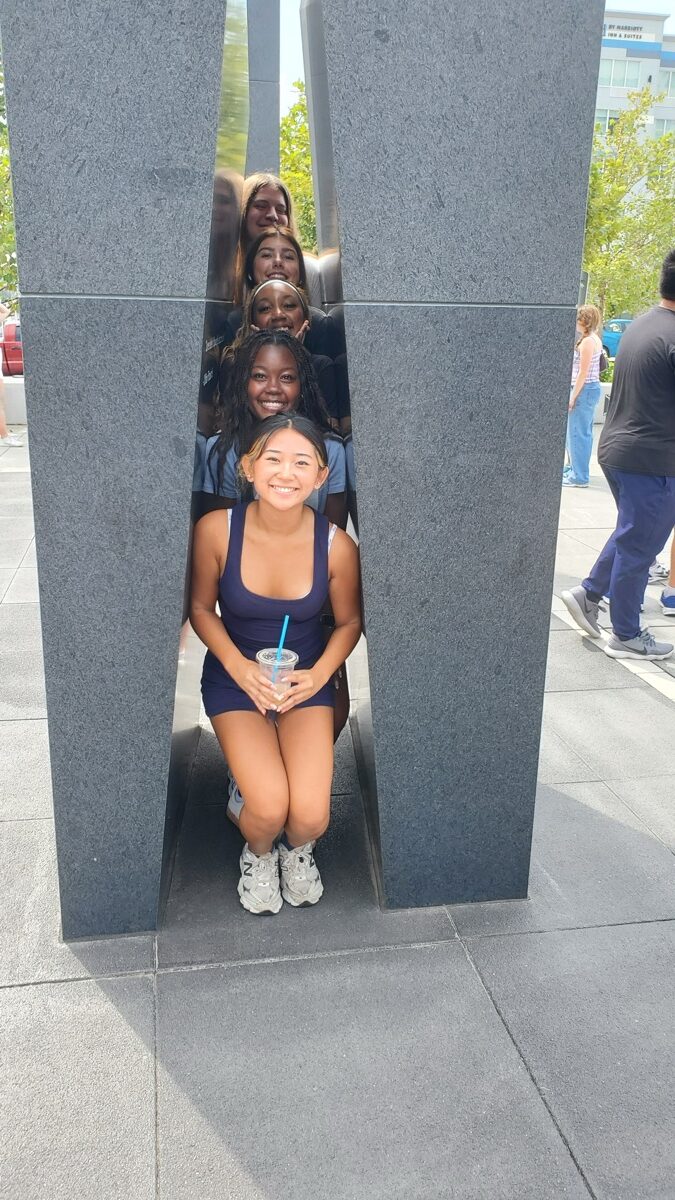
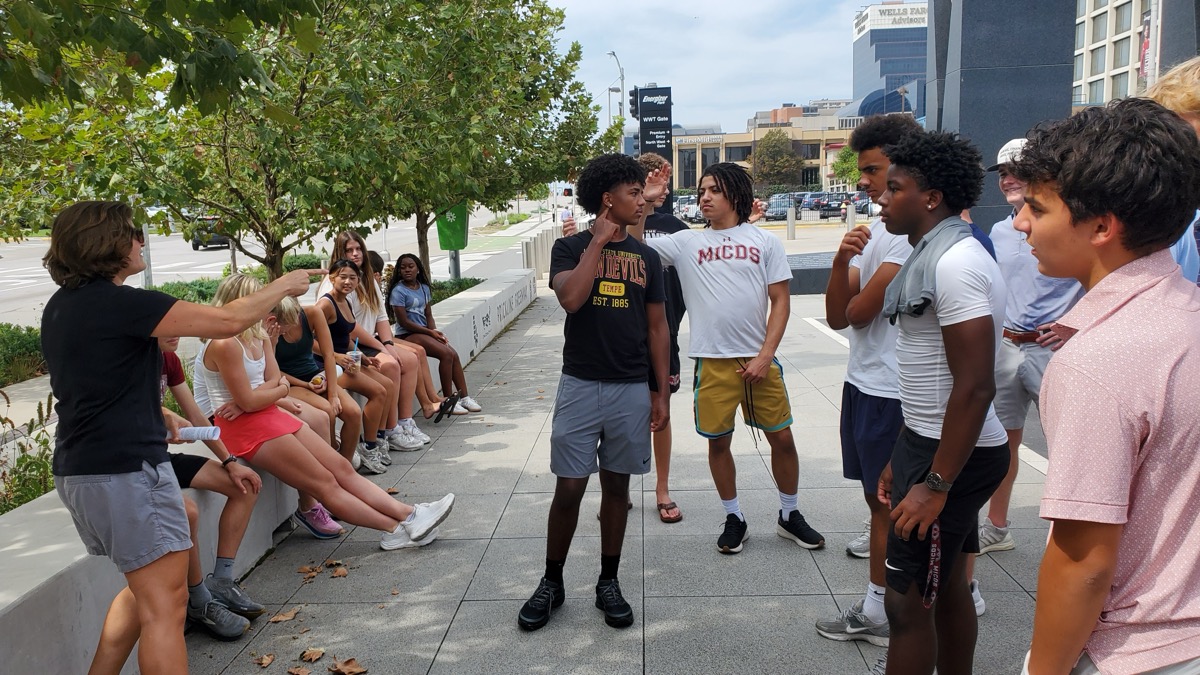
Students started the day on a bus tour led by a History Department teacher that took them to Bellefontaine Cemetery (where they got a tour from a docent), through North City to Fairground Park, the National Geospatial-Intelligence Agency (NGA) site, and the old Pruitt-Igoe location, across Delmar to Washington St. and downtown, to CityPark and Kiener Plaza, and to Energizer Field to see the Pillars of the Valley exhibit. They spent time at the Missouri History Museum exploring the World’s Fair exhibit before enjoying lunch at The Foundry. The afternoon was filled with walking tours of various neighborhoods, including Soulard, Downtown, The Ville, and Cherokee Street.
JK-12 History Department Chair Carla Federman said, “In the classroom, we look at St. Louis past and present, thinking about the different parts of our region, city, and county. We hope that by experiencing parts of the city they are less familiar with, students will understand its different aspects, form new ideas, and find places and histories they want to return to.”
Emmaus T. ’28 said, “My favorite part of Community Day was walking around Cherokee Street. We got to enter some of the stores, and a couple of friends and I went into a saxophone shop and listened to a little performance, as well as an antique store, which was fun to look around. For me, it was nice to learn about and visit areas of St. Louis I haven’t been to before.”
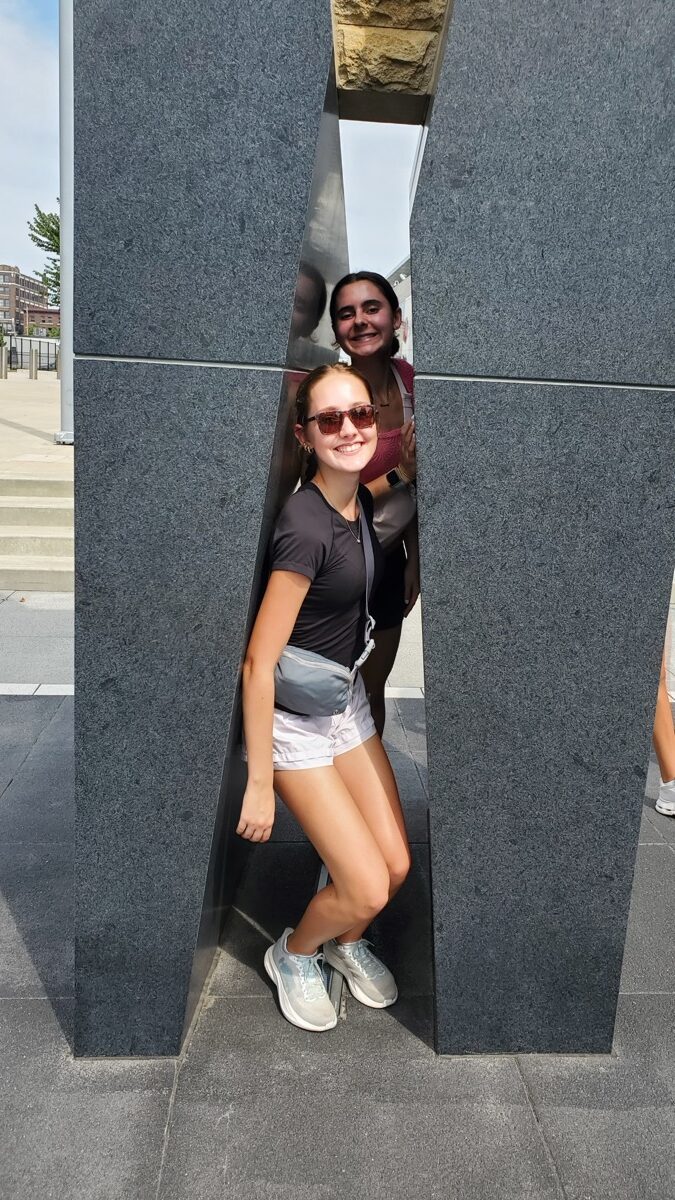
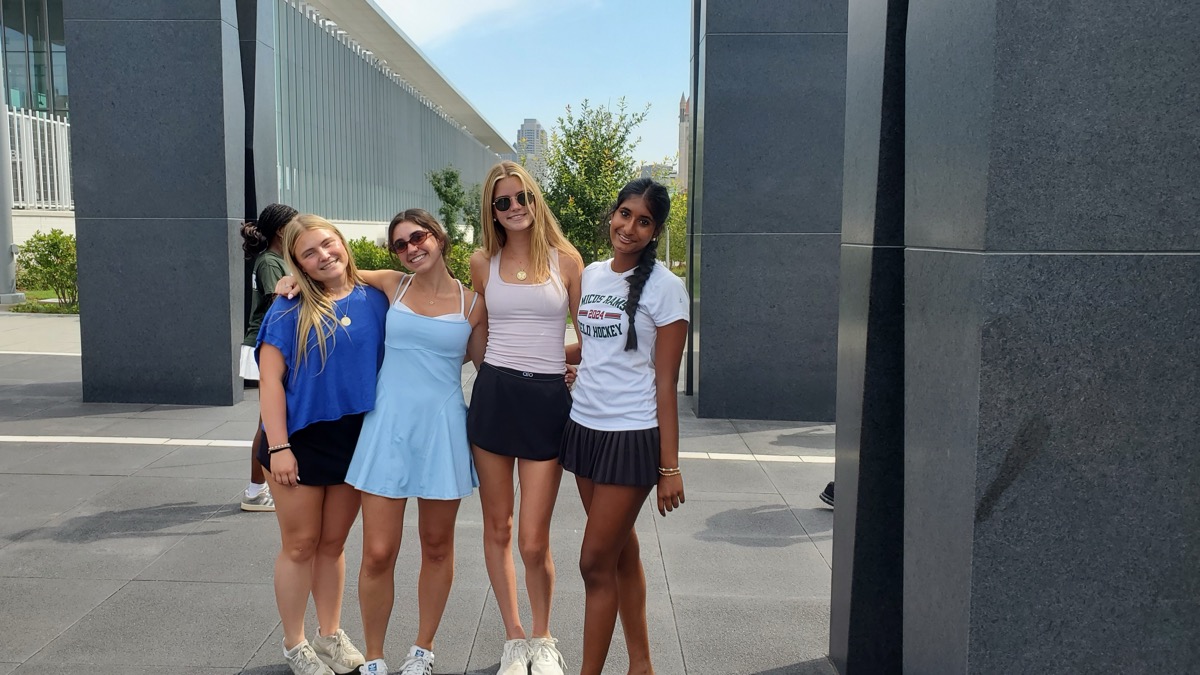
Neel T. ’28 shared, “I had a fun experience learning about St. Louis on Community Day. My favorite part of the day was probably when we went to the Pillars of Valley by the City SC Stadium. It was cool to see the quotes between the pillars from people affected by the destruction of Mill Creek Valley. Something that surprised me on our trip was that students at Sumner High School could ‘see many possible futures’ from their school. I went to The Ville for my walking tour, where we visited Sumner High School. From where we stood, colleges for various fields were visible, like a law school and a med school. The big takeaway from Community Day is that the history of St. Louis is filled with the rich history of its people, as well as the mistakes that people in St. Louis have made.”
12th Grade: Serving Locally & Celebrating as a Class
Some members of the Senior Leadership Group led group discussions with ninth-grade advisories, then participated in several bonding activities with their younger schoolmates. Others participated in community service projects with their advisories at various organizations in the St. Louis area. The Class of 2027 then rounded out the day with a trip to the Saint Louis Zoo for an afternoon of class bonding and fun together.
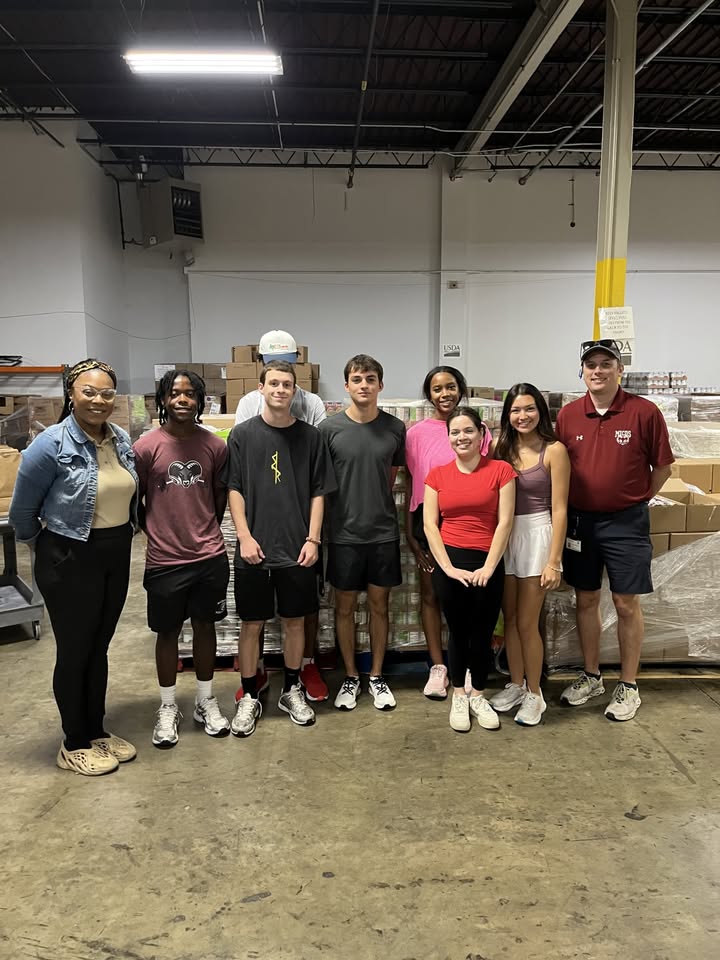
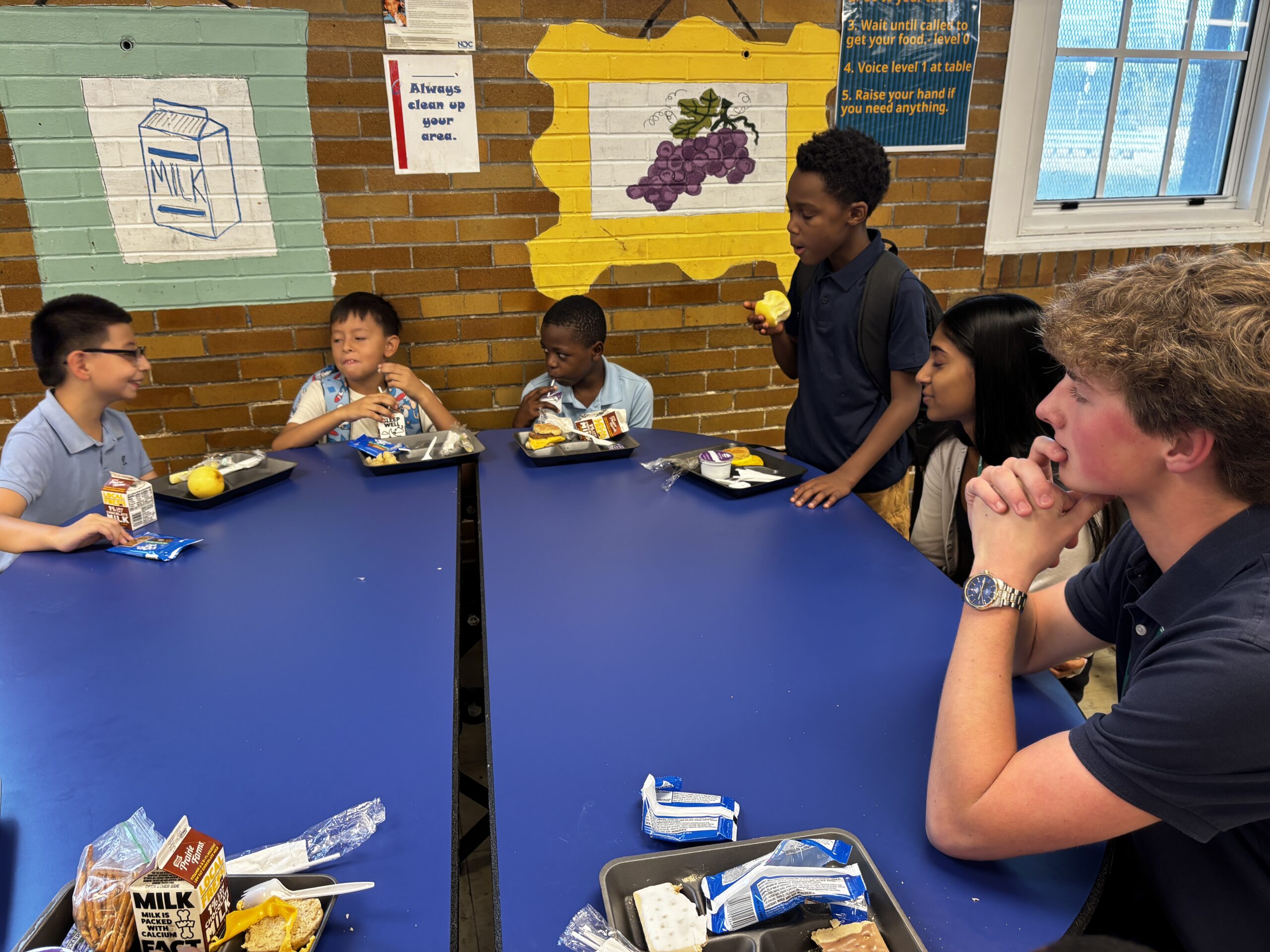
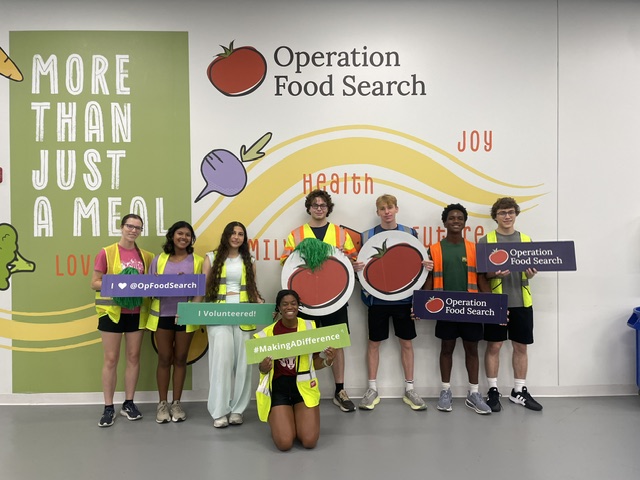
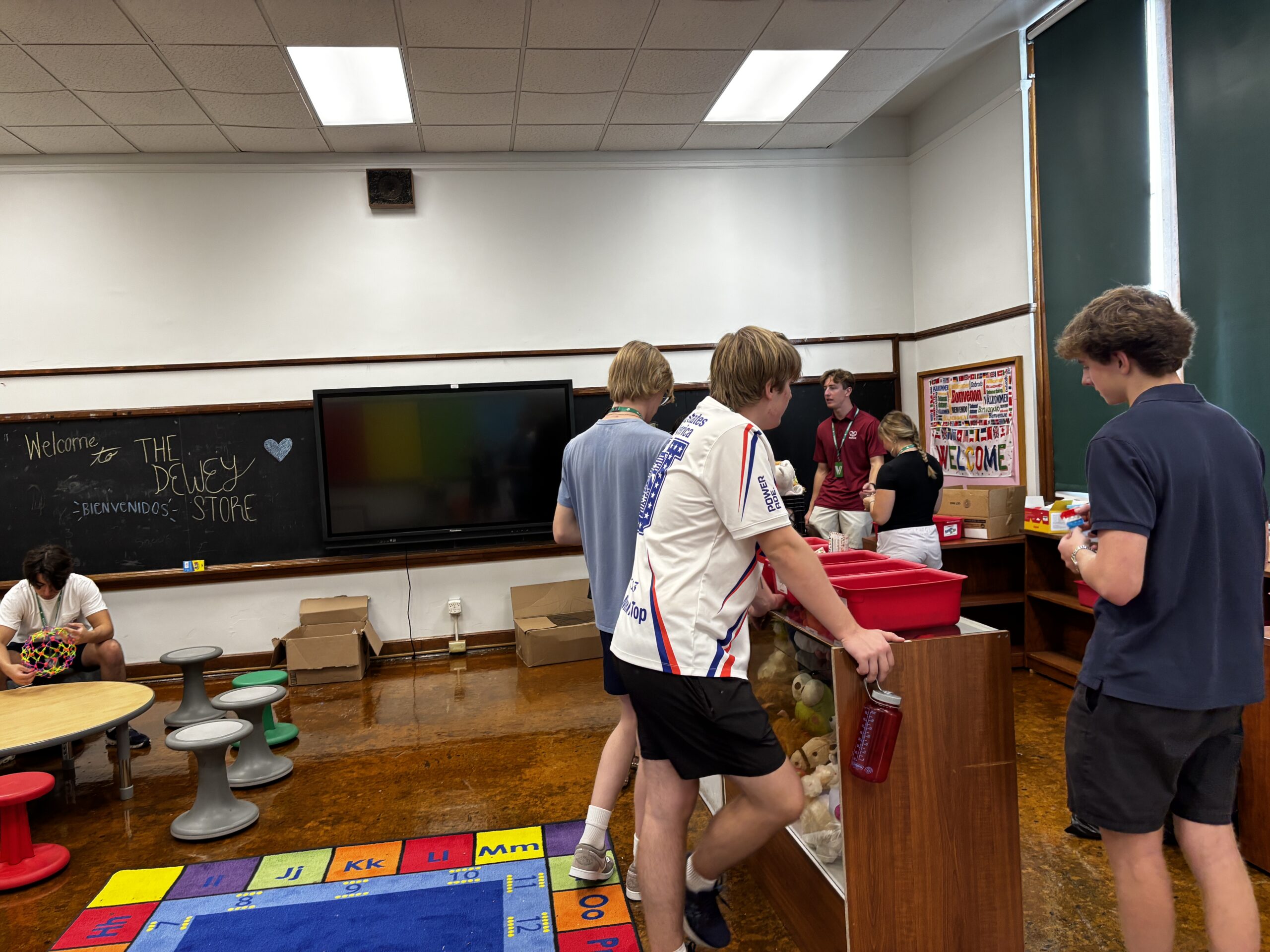
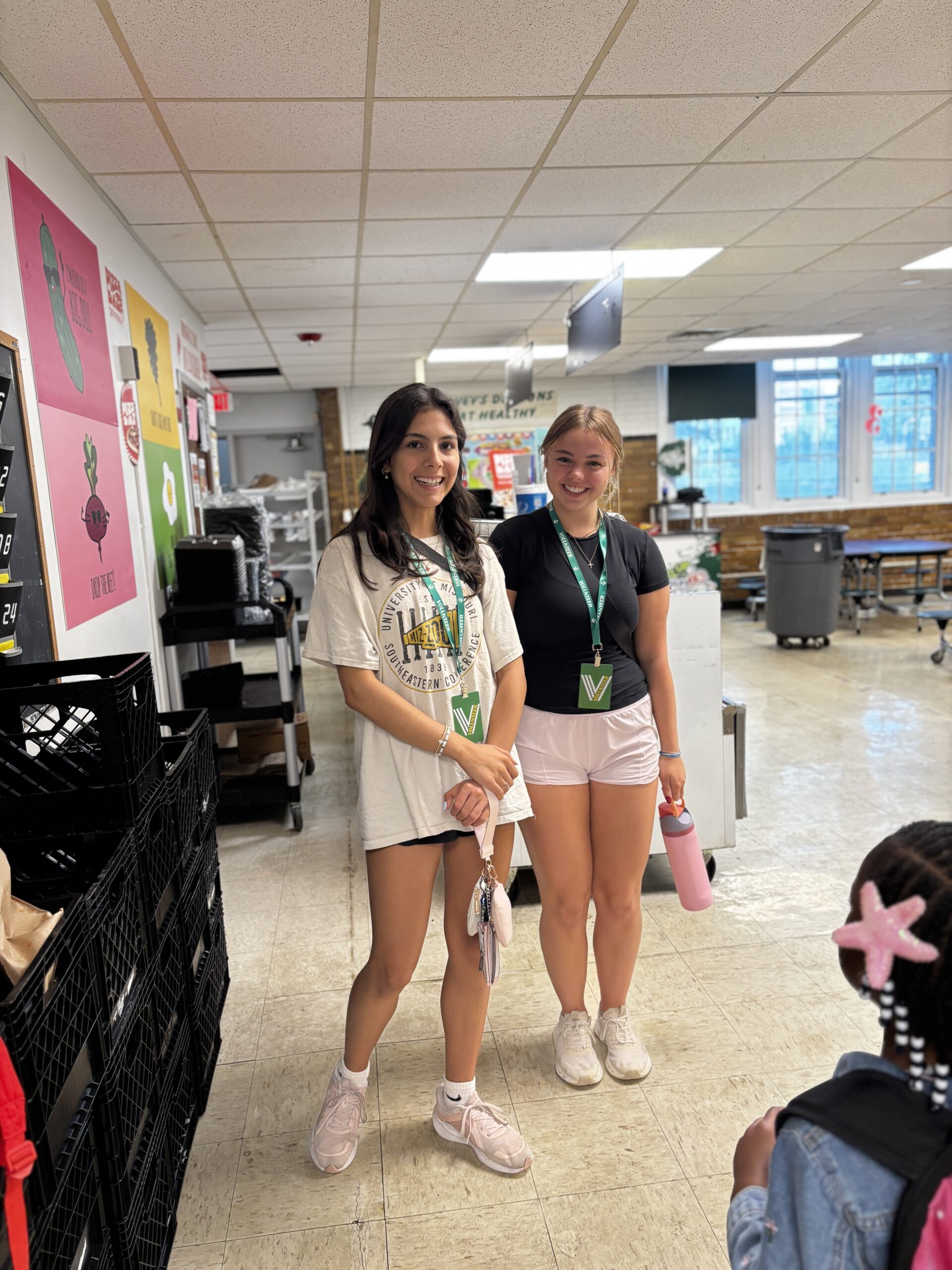
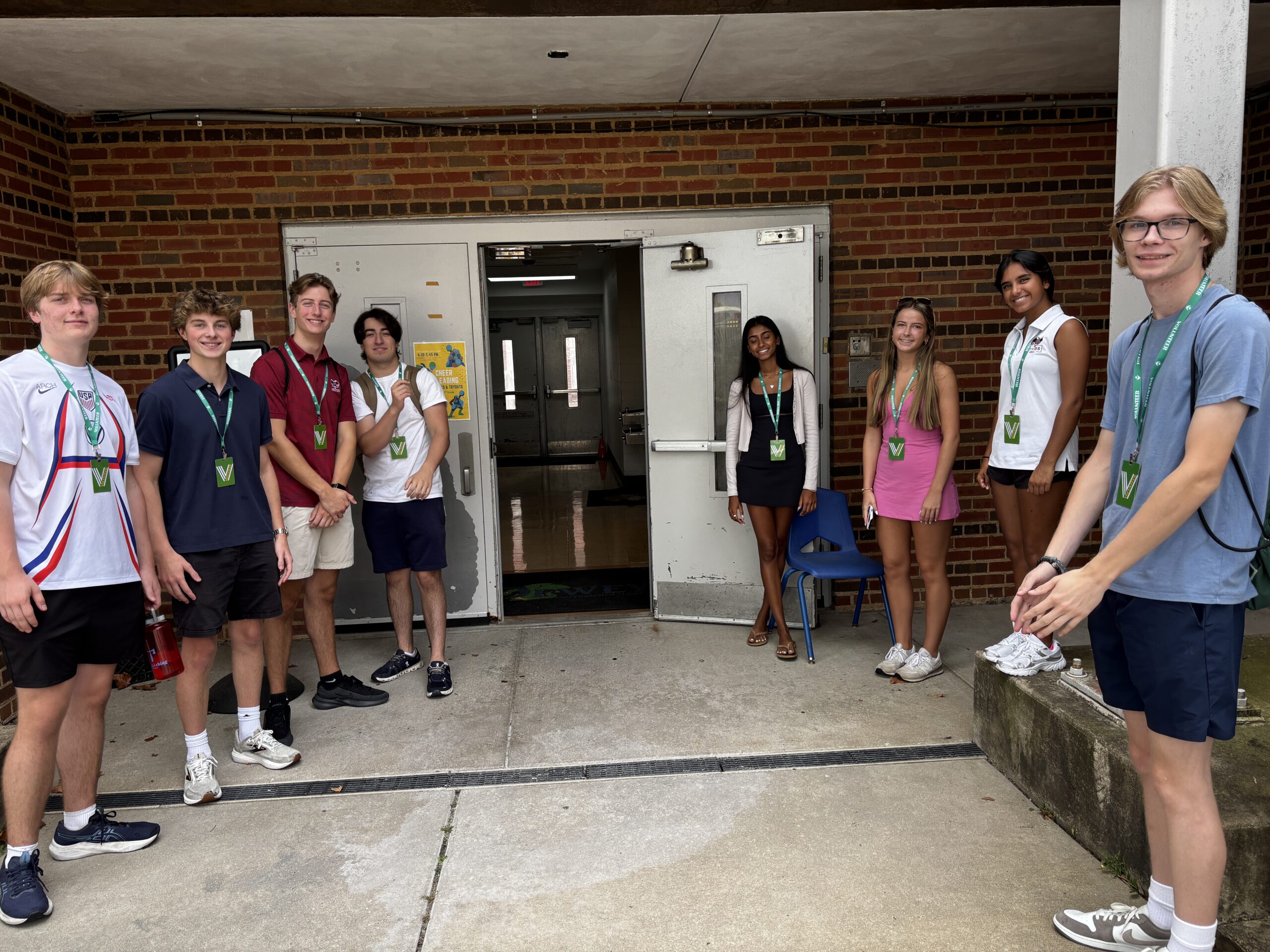
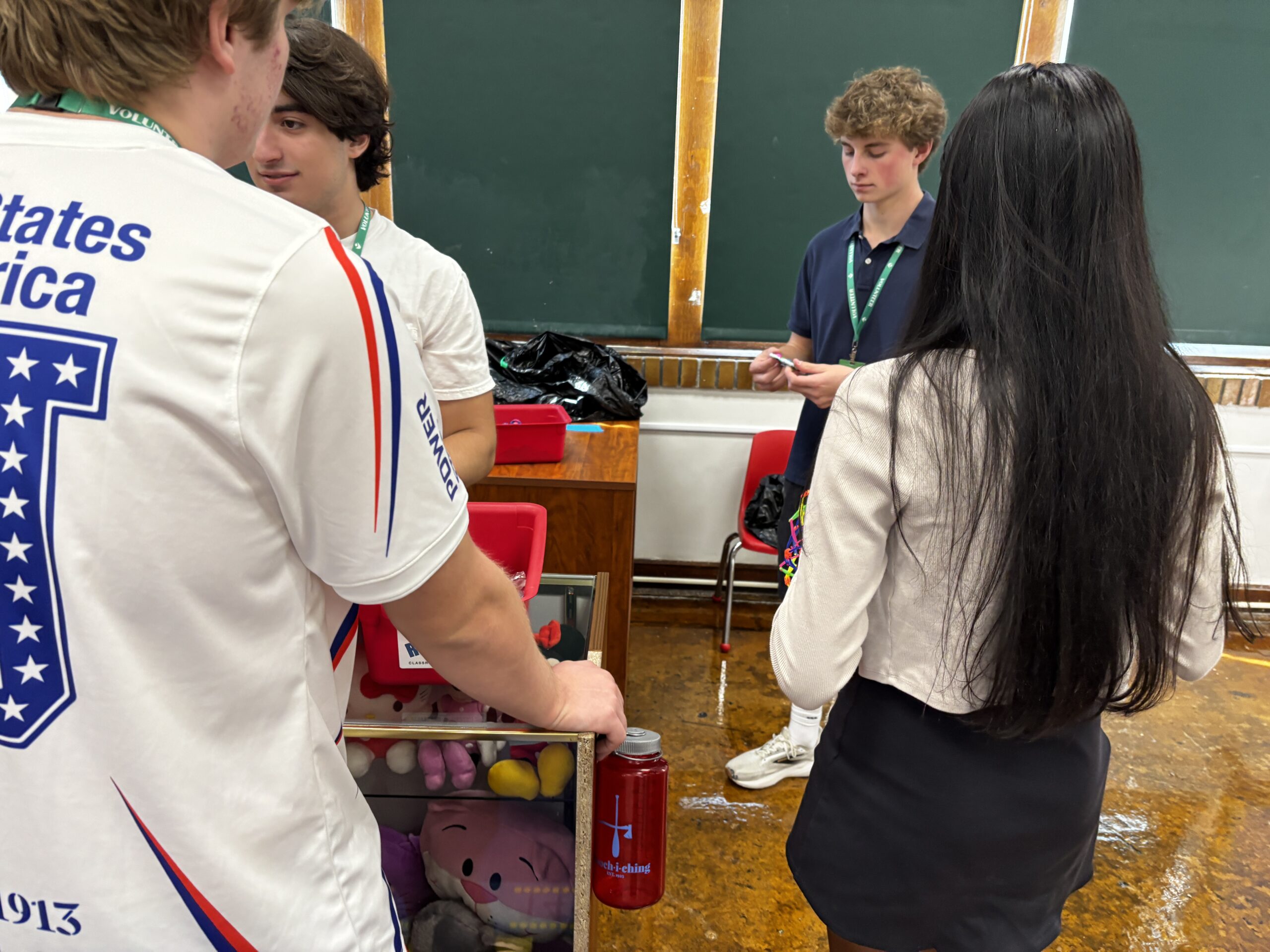
The senior class gathered on campus in the morning before splitting off into a variety of adventures. Some members of the Senior Leadership Group led group discussions on campus with ninth-grade advisories, then participated in several bonding activities with their younger schoolmates. Others participated in community service projects at various St. Louis-area organizations. From packing food and doing landscape cleanup to sorting donations and working with younger students, their service was a welcome relief to each organization.
- St. Louis Area Foodbank
- International Institute
- Dewey International School
- Nurses for Newborns
- UCCC/Youth in Need
- Operation Food Search
- St. Louis Crisis Nursery
- KidSmart
- Harvey Kornblum Jewish Food Pantry
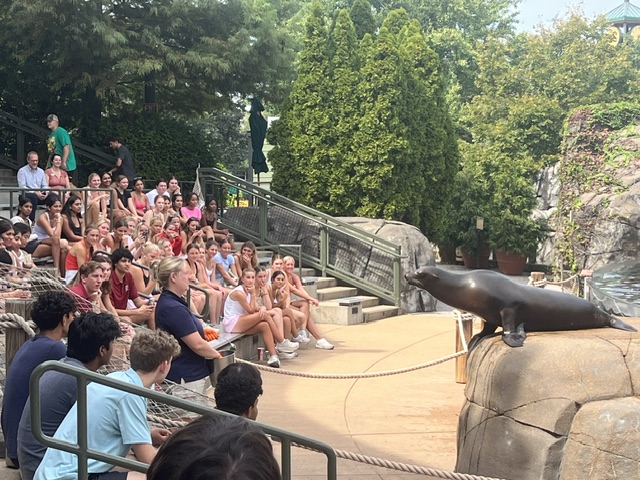
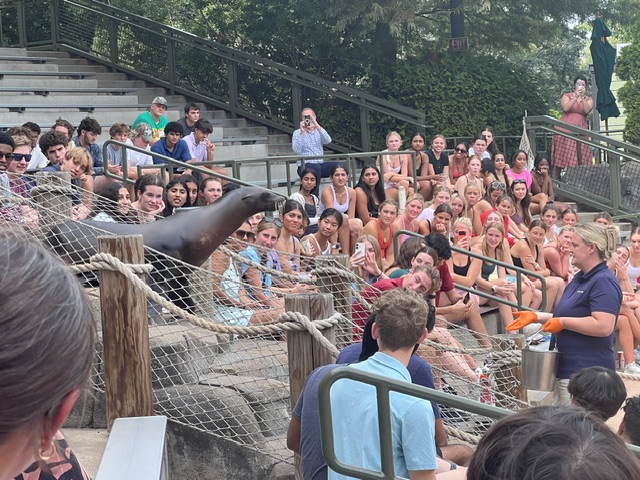
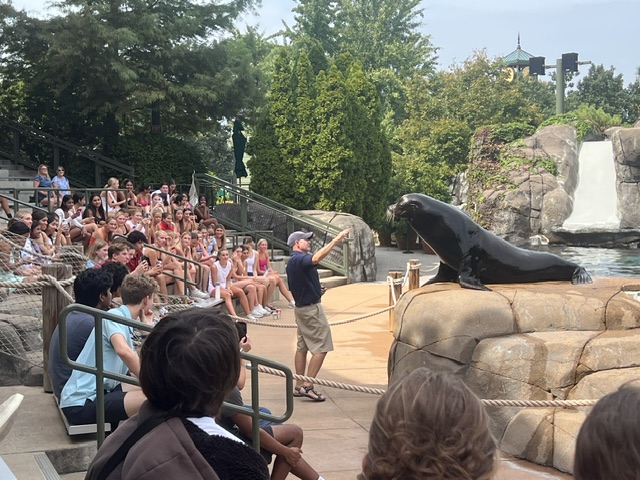
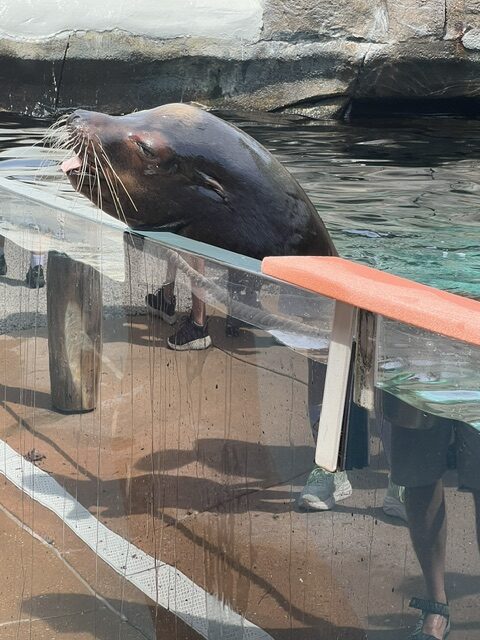
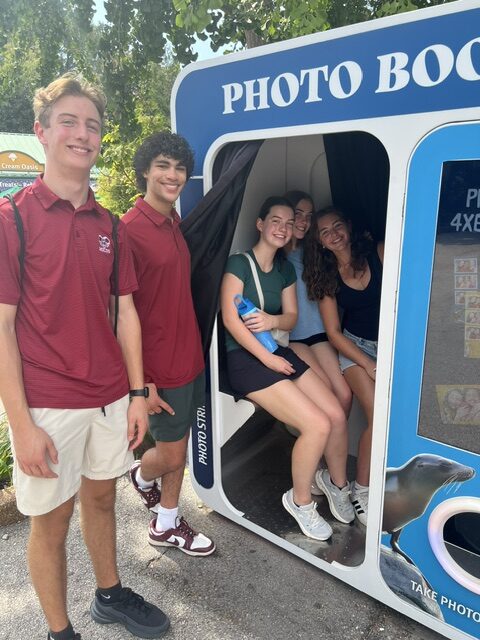
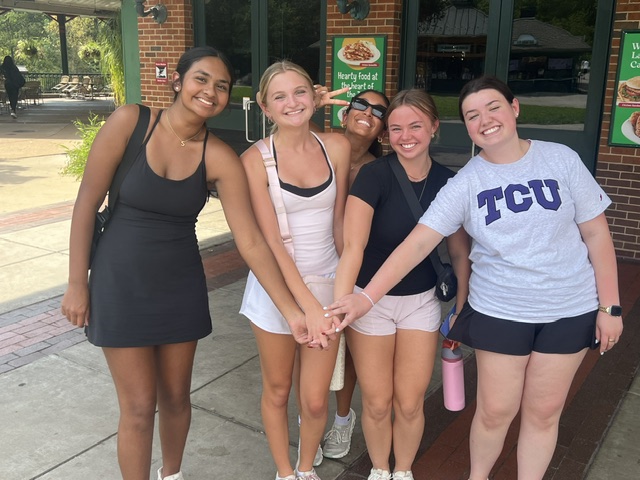
The Class of 2027 then rounded out the day with a trip to the Saint Louis Zoo for lunch, ice cream, and an afternoon of class bonding and fun, including a sea lion training demonstration and a zoo-inspired scavenger hunt.
Head of Upper School Scott Small recognizes that Community Day is an opportunity for teachers to stretch different muscles in their work with students, and stresses the importance of this work. He told them, “I hope you were able to enjoy, both in real time and in reflection, the fruits of that effort as our students engaged each other and the community in unique and critically important ways.” He also emphasized why Community Day is important: “It was affirming from my vantage point to be able to watch so many of them joyfully participate in on-campus activities and to see others disembark from buses expressing far more enthusiasm for their day than many of them were demonstrating at the outset of the day!”
Community Day continues to surprise both students and teachers in the best possible way, strengthening bonds within our community and with organizations and areas off campus.