Students taking Contemporary American Literature and Culture dove deep into current topics and inspired thoughtful discussion with their peers during a recent project.
Groups of scholars selected a contemporary issue, curated a group of related texts that their peers read, crafted discussion questions, and then hosted a seminar. Sample topics included AI, social media, and consumerism. English Teachers Julia Hansen ’01, Jenna Heng, and Jenn Sellenriek hosted the seminars over two days, and Head of School Jay Rainey attended one seminar in which the students selected his Upper School assembly speech as one of the texts.
The description for this English course promises space and time for students to develop responses to the following questions: How do we process the moment we are living in? How can literature help us understand and live meaningfully in “The Now?” To support this work, their teachers selected a diverse set of texts that speak to the questions, experiences, and crises of our moment. And yet one text draws attention to the problematic act of selection itself: Theodore Martin argues that when we study contemporary literature and film, we also need to study “what it means to call things like literature and film ‘contemporary’” in the first place. If “the contemporary” is not a self-apparent category but a conceptual problem, as Martin proposes, then we need to consider how our thinking about contemporary literature and culture would change if we selected and included different texts—including not only different literary texts but also songs, music videos, online writing, visual art, comics, speeches, TV shows, and films.
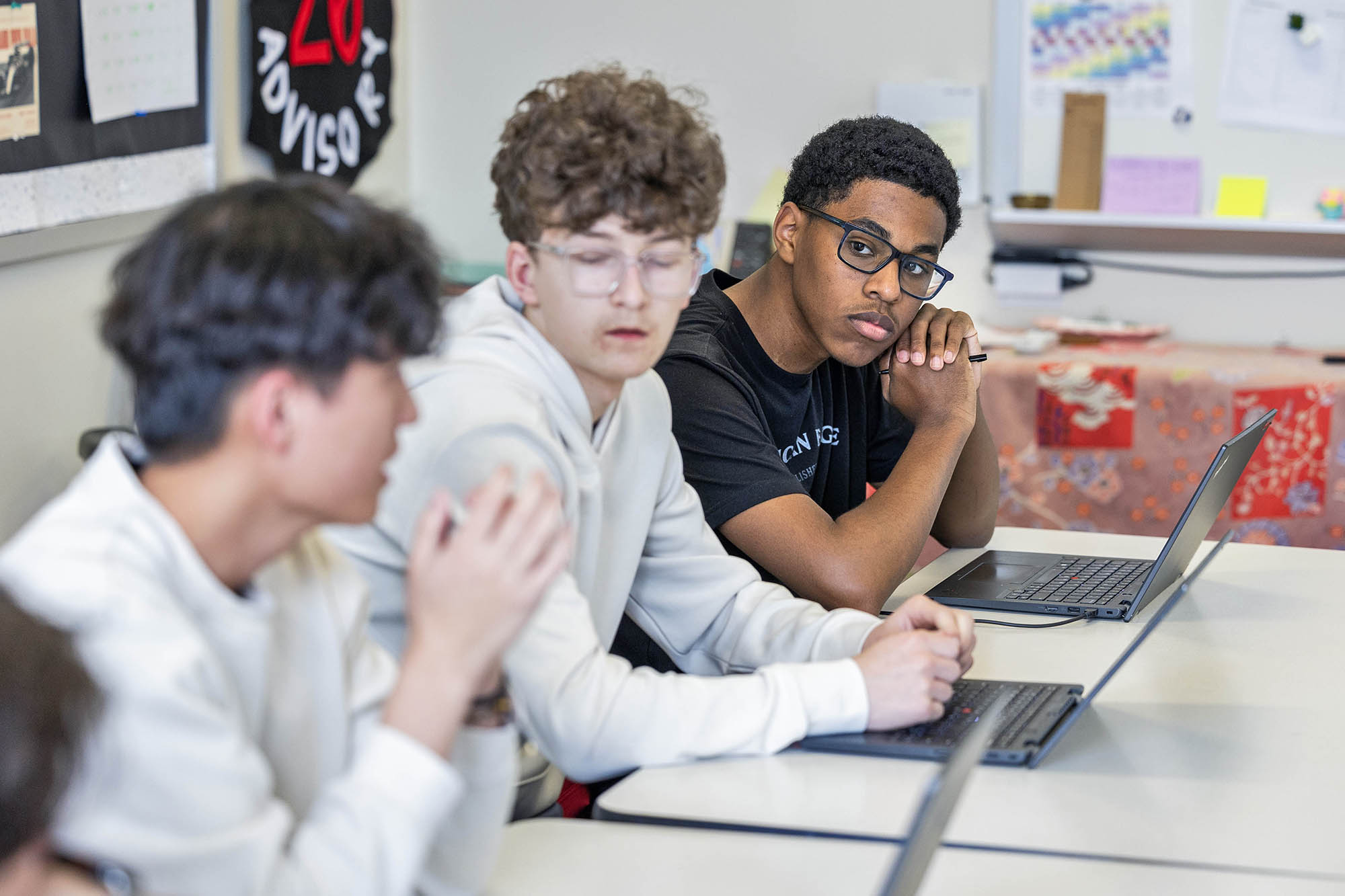
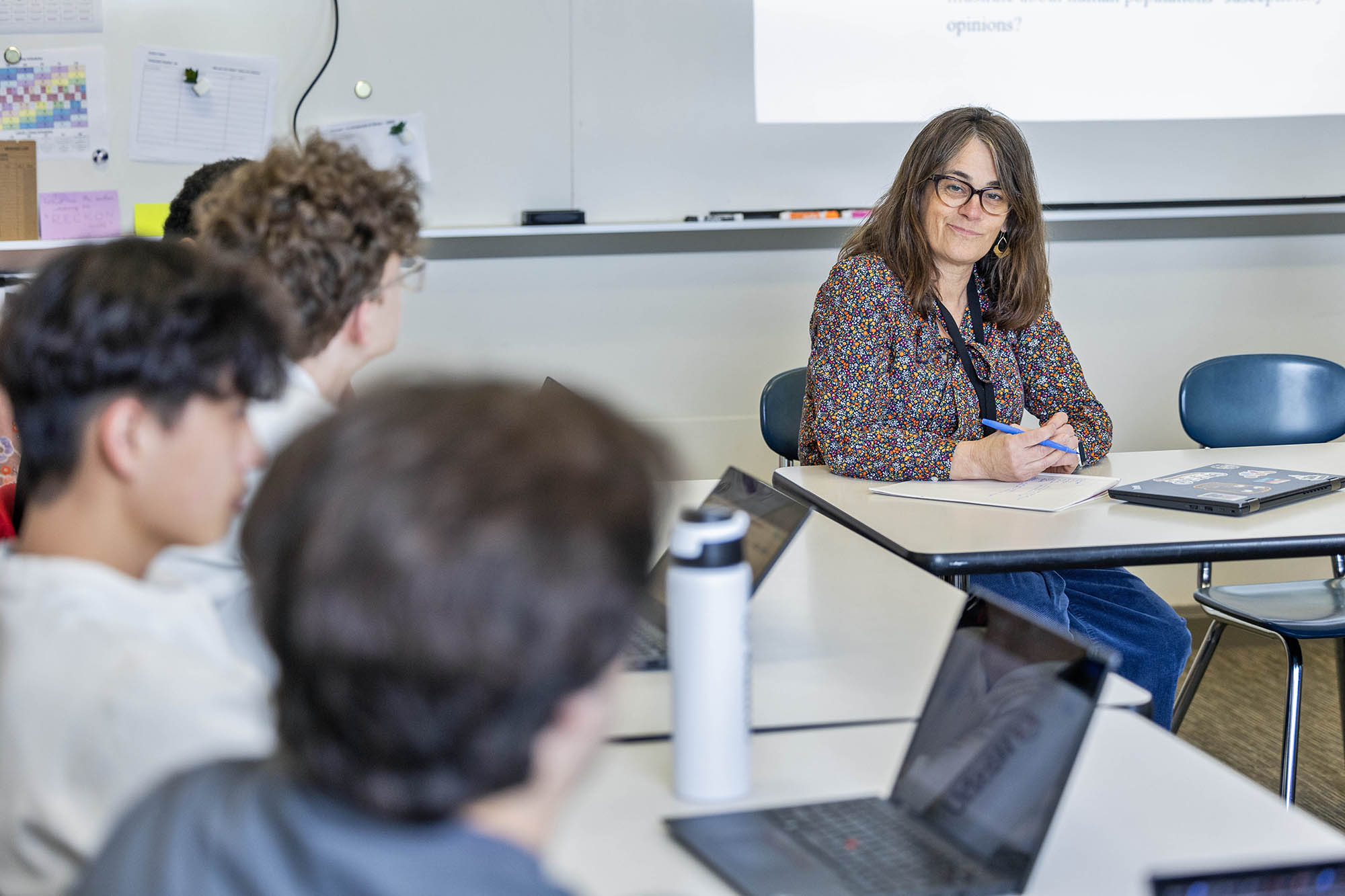






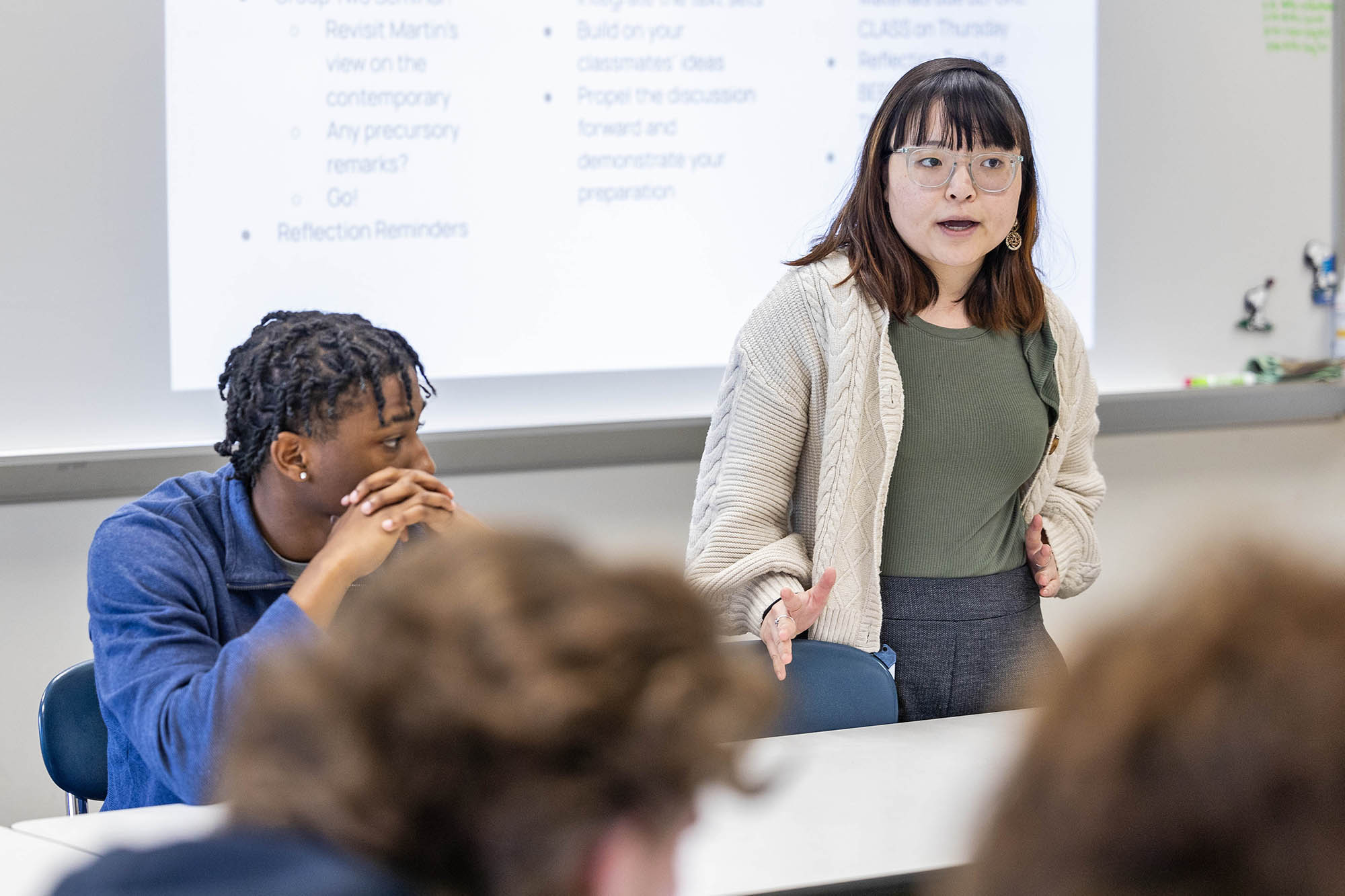








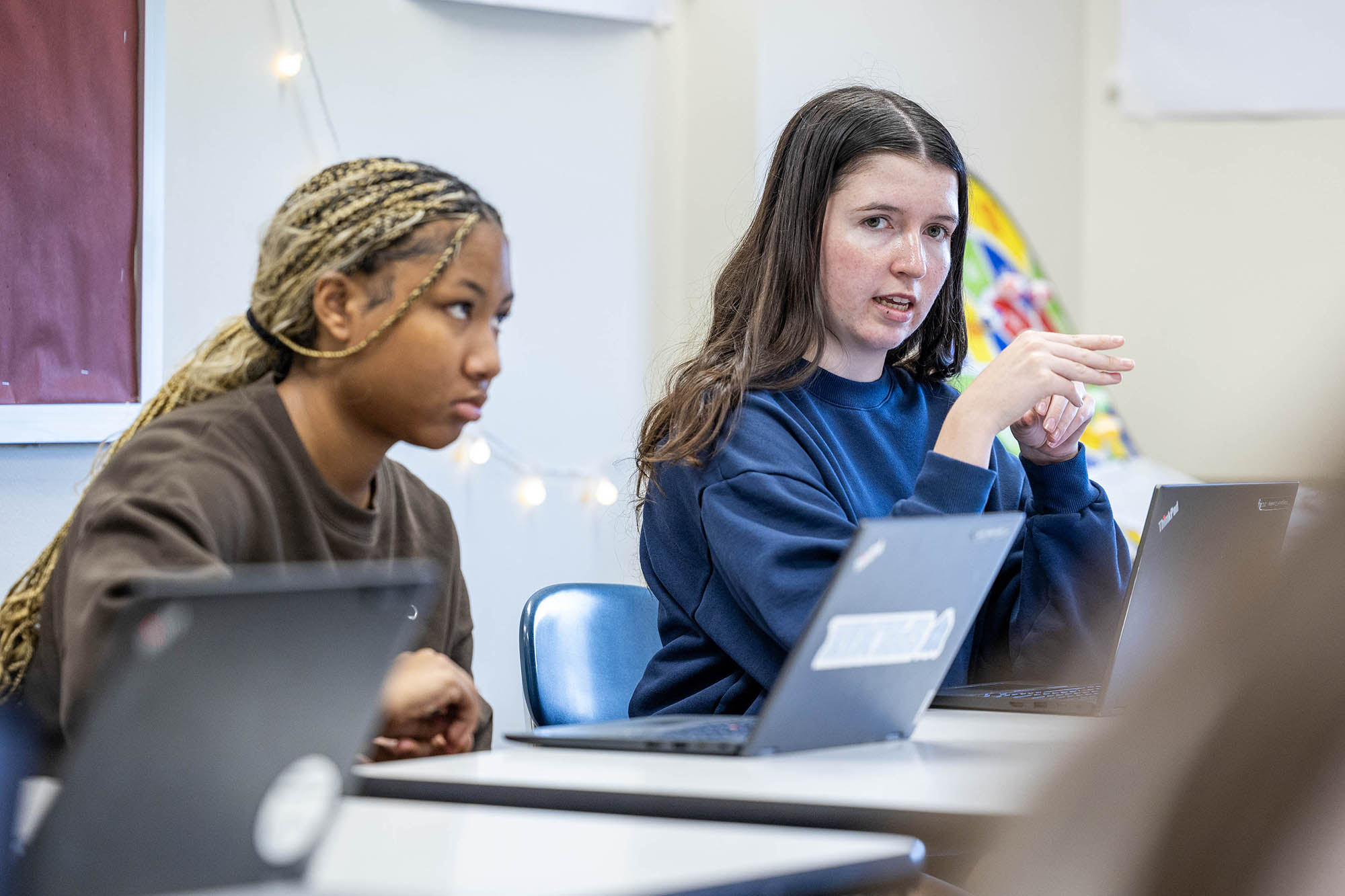

That’s where this assignment comes in! Three times this semester, the class has participated in a “seminar” around a relevant term or idea in “The Now.” The goal of each seminar is to provide an opportunity for students and their peers to reflect on texts that are already part of their present, to see how their chosen texts interact with shared texts and course concepts, and to revisit the course’s Essential Questions and track how their responses to these questions evolve (especially in relation to the assigned/chosen term or idea).
Before each seminar, a small group of students gathered a set of three short texts to provide to their classmates in advance. One of these texts needed to be written, one verbal, and one visual. The groups also prepared a short (100- to 130-word) framing statement explaining why they thought this term or idea is especially relevant to our lives now, three to four questions they hoped these texts could help us respond to in thoughtful ways, and clear citations for all sources consulted. In class, the groups decided which of these questions would open their seminar.
After the seminar, each participant completed an individual reflection responding to the following questions:
- What do you think is the most important quote/image/clip or pair of quotes/images/clips from this text set? Why?
- How, if at all, has this text set or our discussion of it helped you understand and live meaningfully in “The Now”?
- If we draw on Martin’s sense of what it means to call a text “contemporary,” what do you think this text set might suggest matters or is important in our present moment regarding this relevant term/idea?
- What is one way that this text set extends a text/idea that we have explored in class and challenges a text/idea that we have explored in class? What makes you say so?
Students were challenged to reference a specific perspective or comment they heard during the seminar that got them to re-evaluate their own ideas about the text set or relevant term/idea.
Deep reflection and collaboration in English class lead to the creation of responsible leaders with critical thinking and communication skills, ready to meet the challenges of the world with confidence and to embrace all its people with compassion. Ready to engage in thoughtful discussion? Just ask one of our juniors in Contemporary American Literature and Culture!