By Laura Pupillo, Lower School Science Teacher
Third- and fourth-grade students at MICDS use a hidden but valuable campus resource to learn more about their world: a stream that runs across our 100 acres. Their science teacher, Laura Pupillo, extends learning beyond the classroom each year and takes full advantage of all the educational opportunities offered by Pebble Creek. Here’s more about her Stream Team work, in her own words.
Fieldwork experience goals
As living things, we require water for survival. There can be a disconnect between water quality and its direct impact on humans, as we’re fortunate to live in a part of the world with running water. Even with that reality, we are ultimately tied to the watershed and the local water quality. Most drinking water comes from our local rivers before reaching the water treatment facilities and then our faucets. What we do in our watershed directly affects the quality of water coming out of our local rivers.
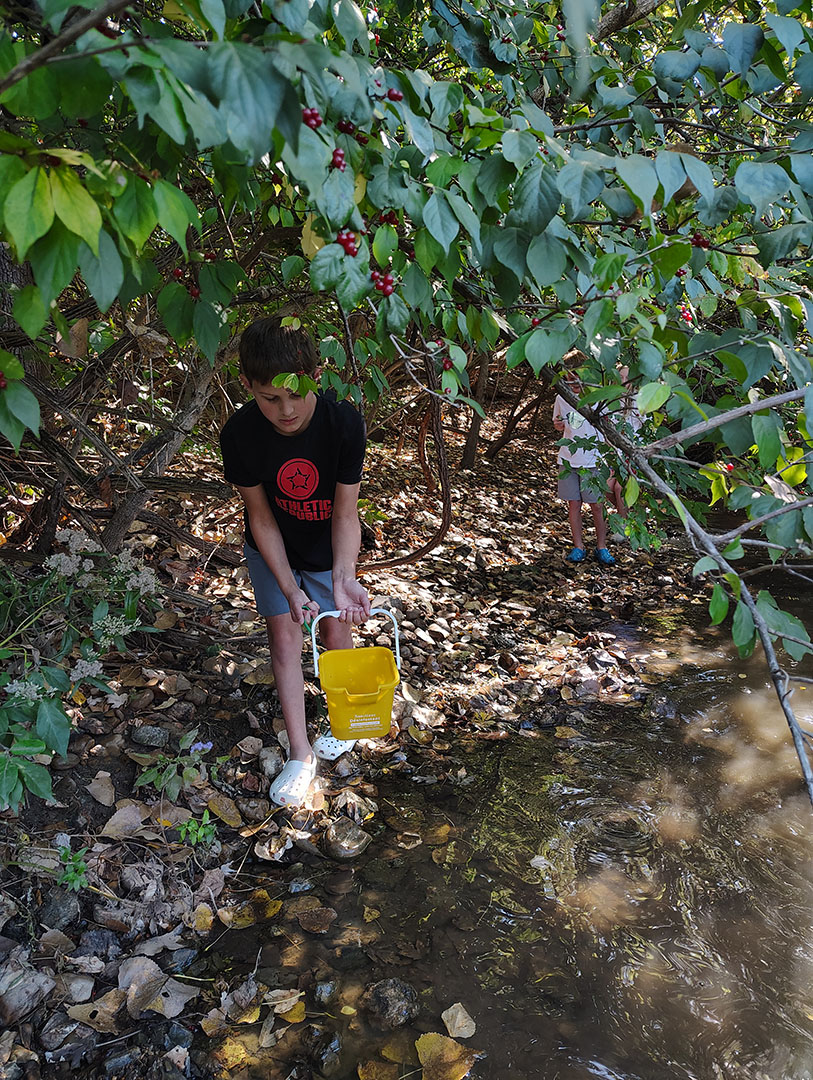
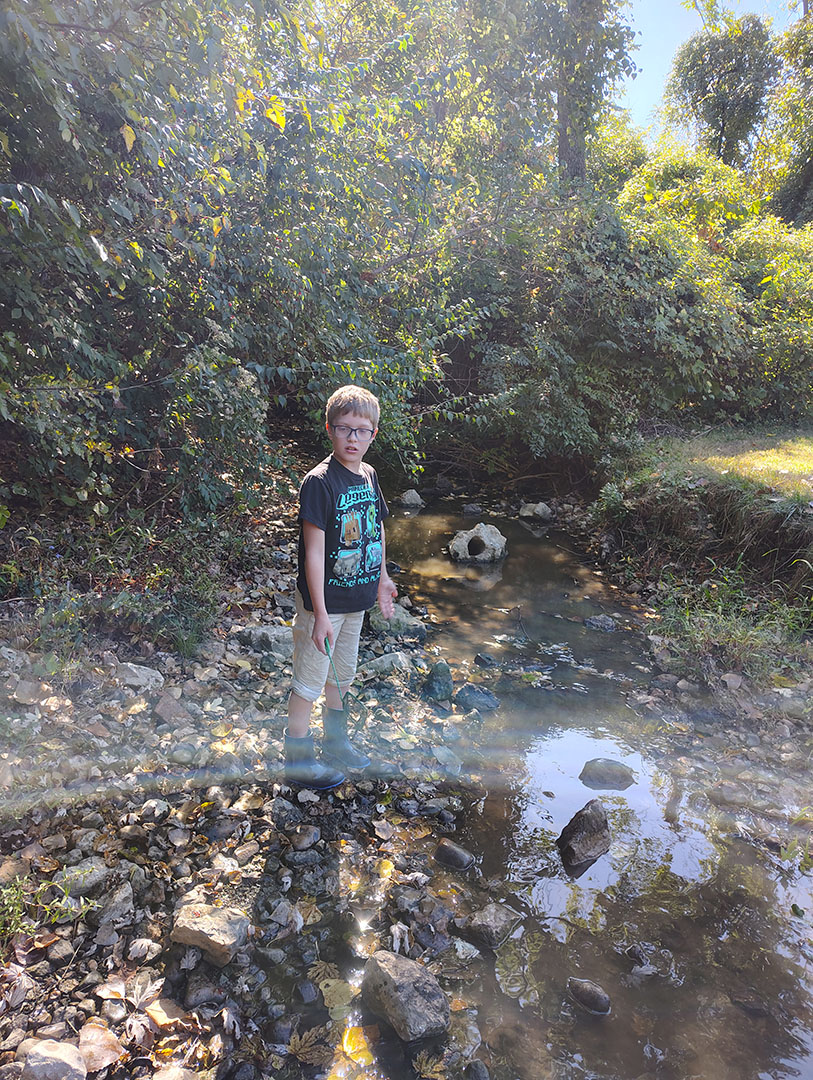
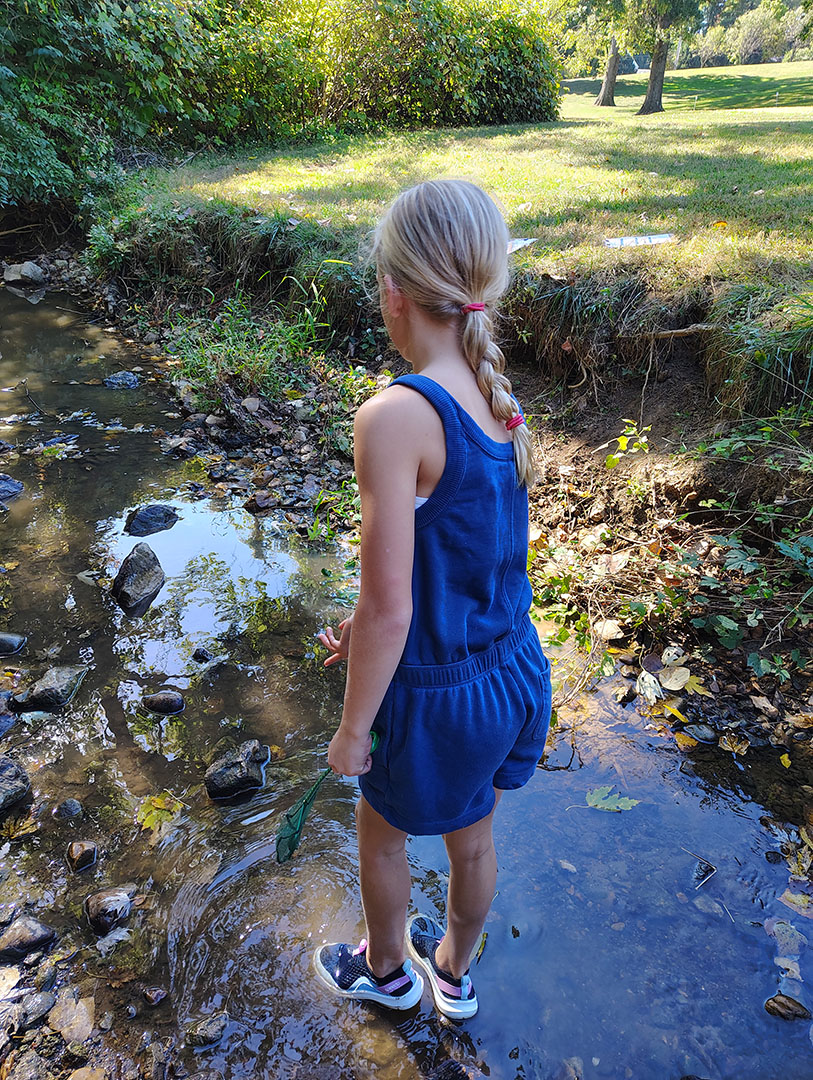
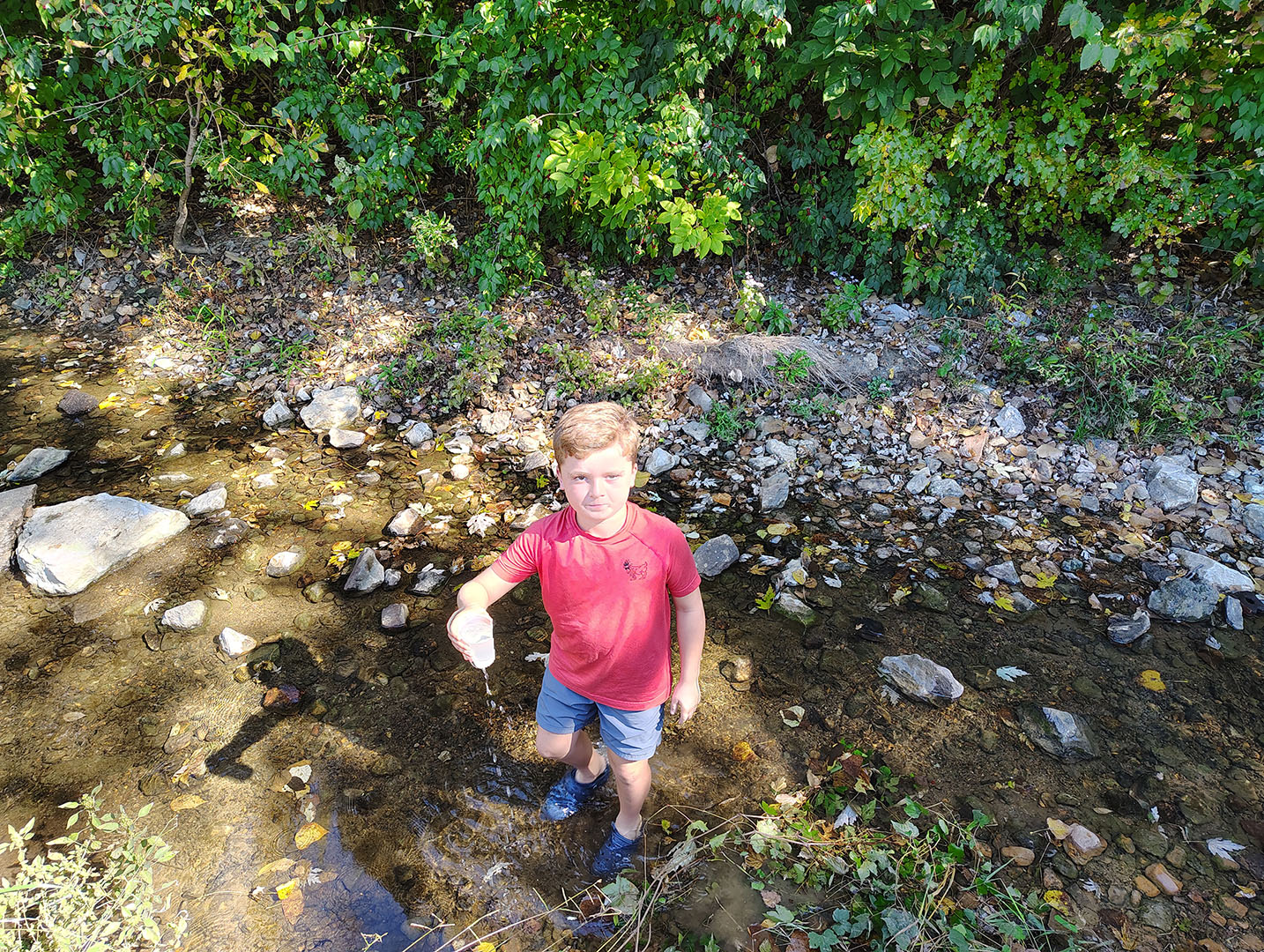
A first goal for third-grade students is to develop curiosity and awareness of our local creek, Pebble Creek. Third-grade students know what living things need to survive and know that living and nonliving things interact together in an ecosystem. While visiting the creek, third graders had the opportunity to see firsthand the ecosystem connections that exist in our creek. They were also able to draw connections with our campus pond. At this age, an initial health determination of an ecosystem is often whether or not life is present. Thankfully, there are living things in both our stream and pond.
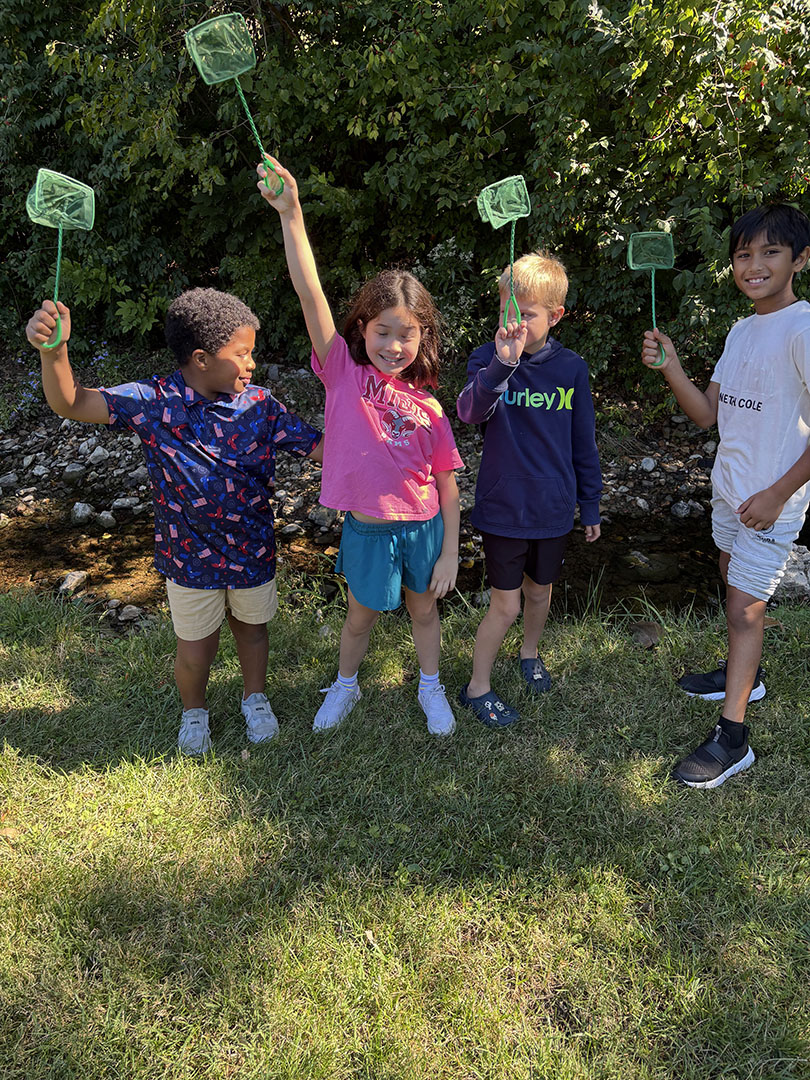
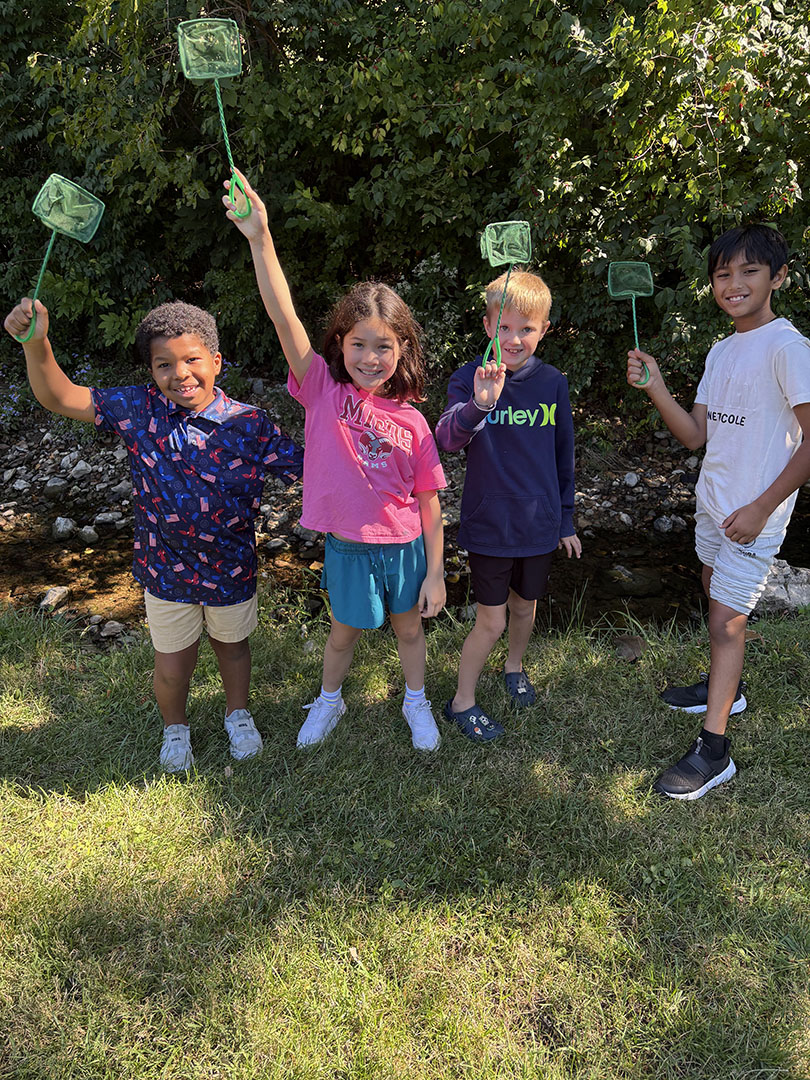
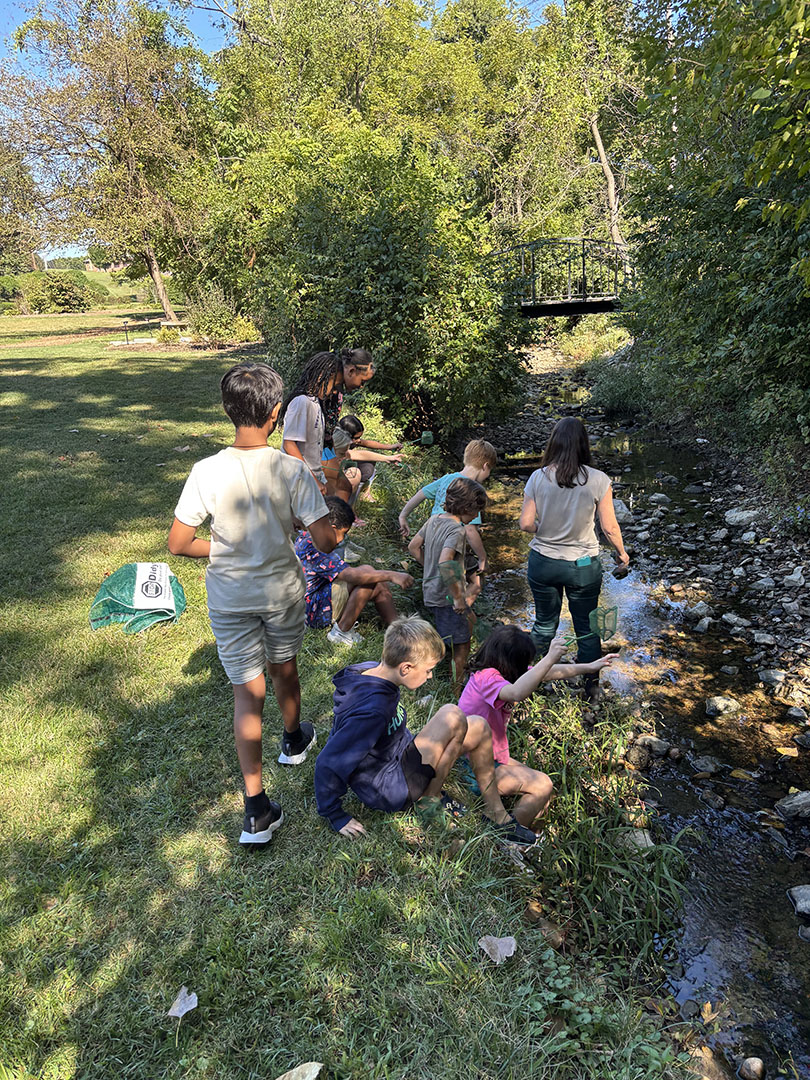
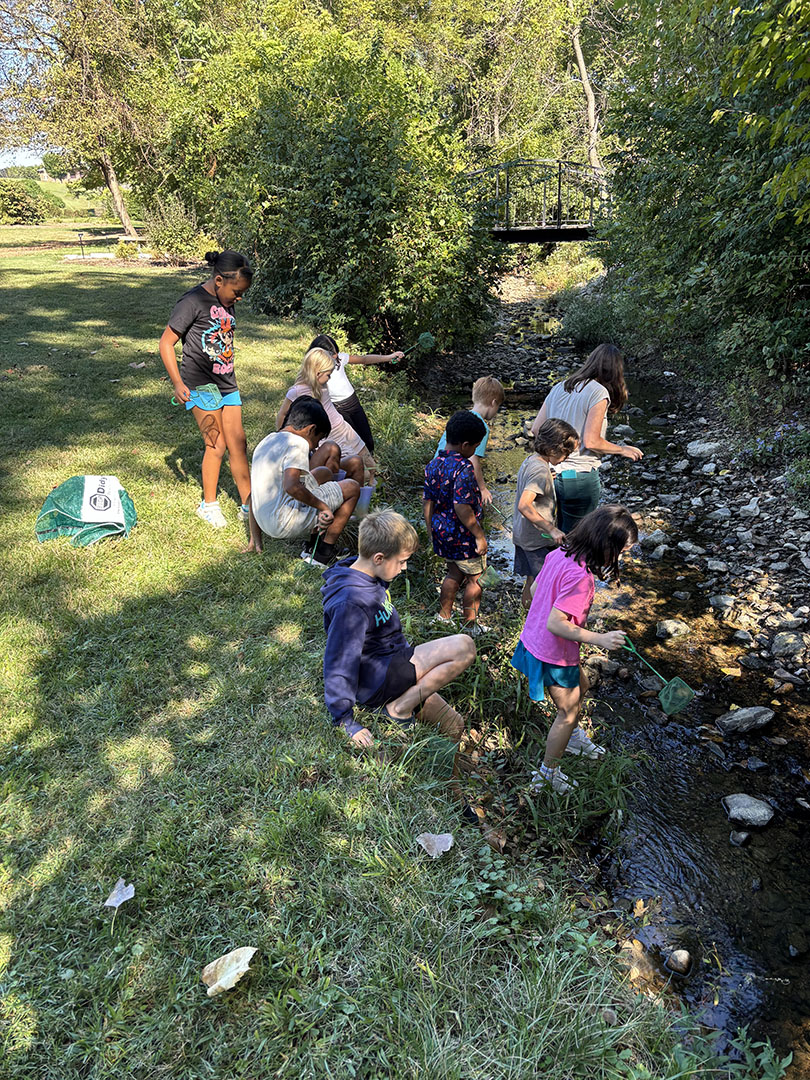
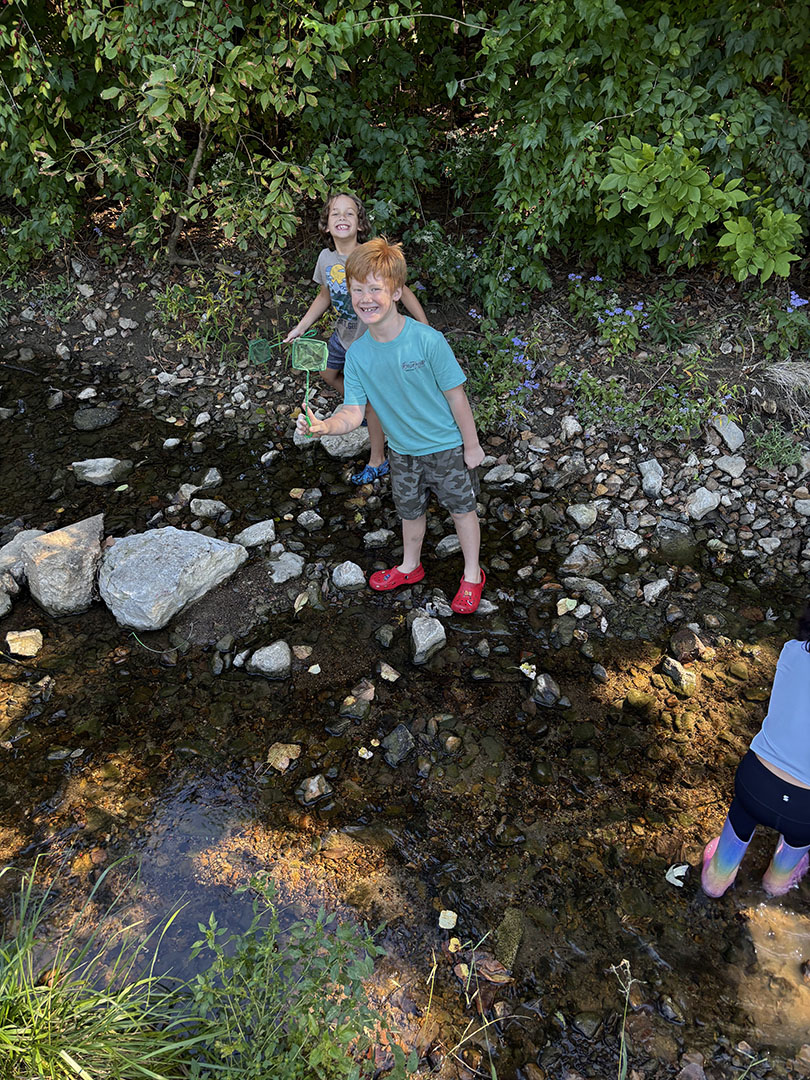
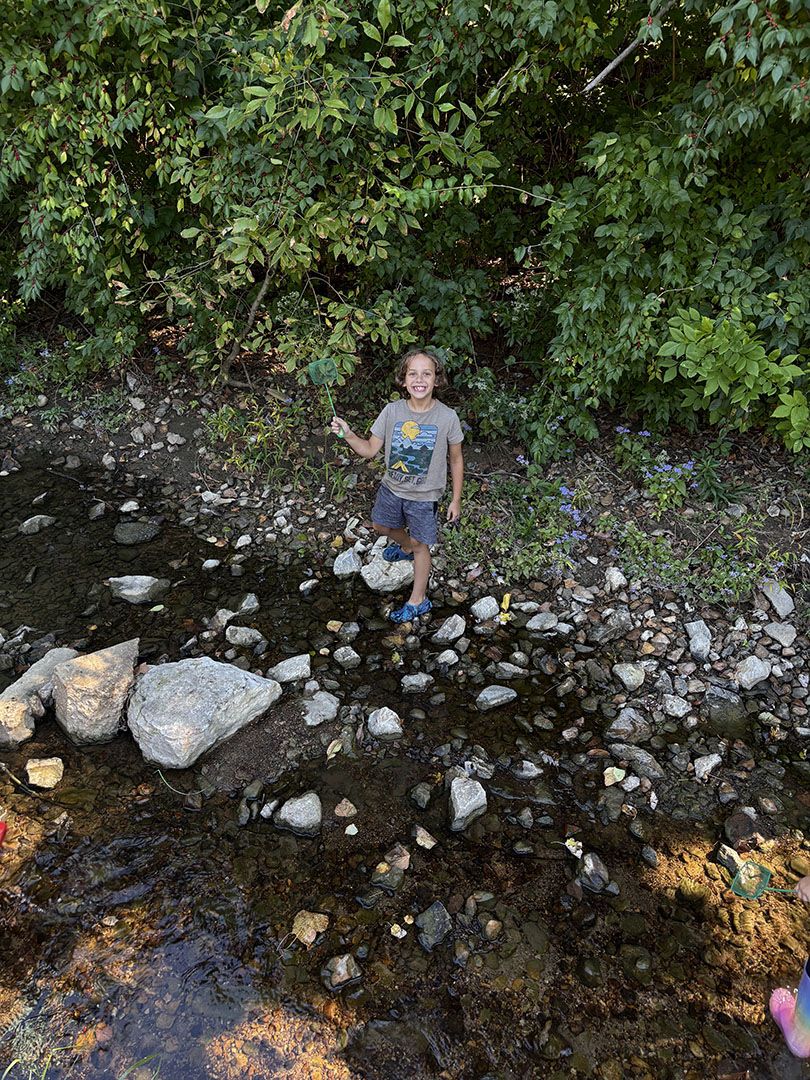
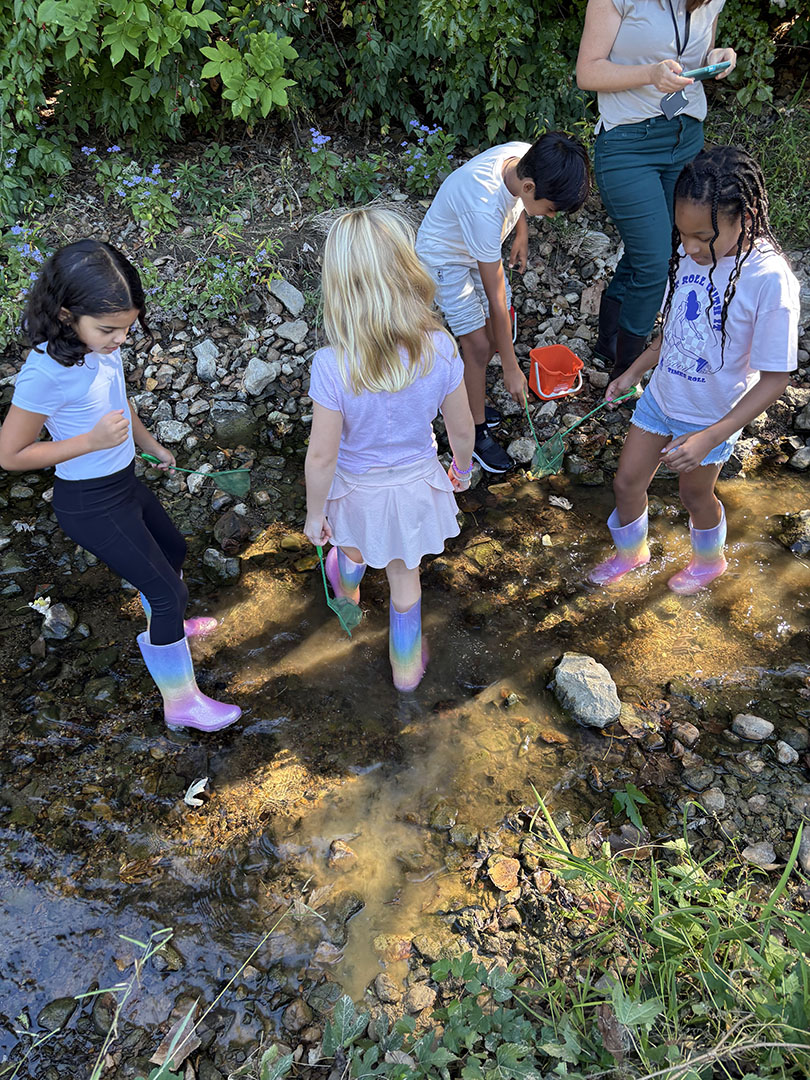
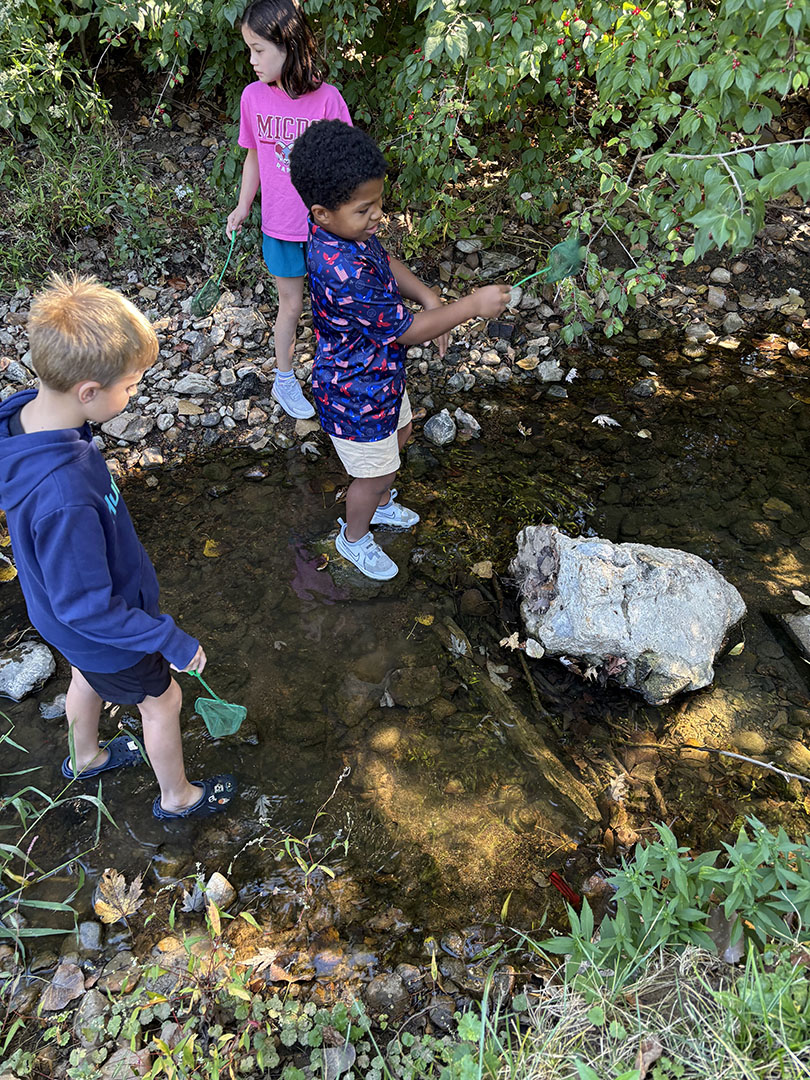
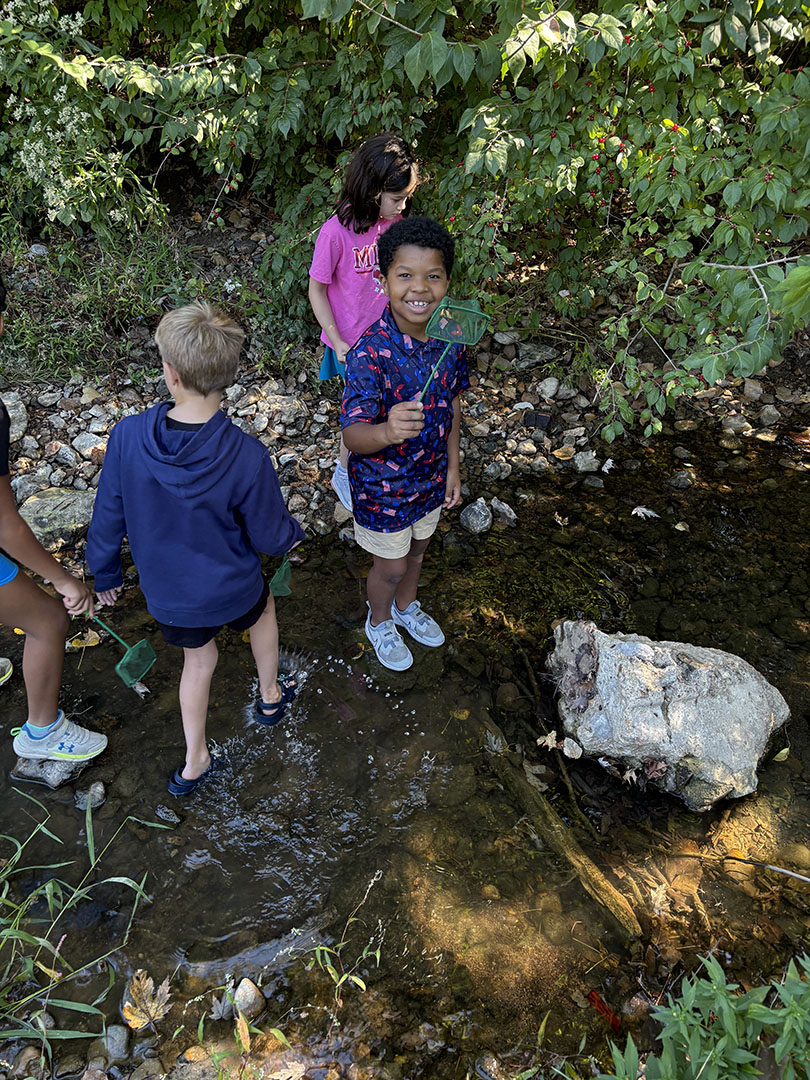
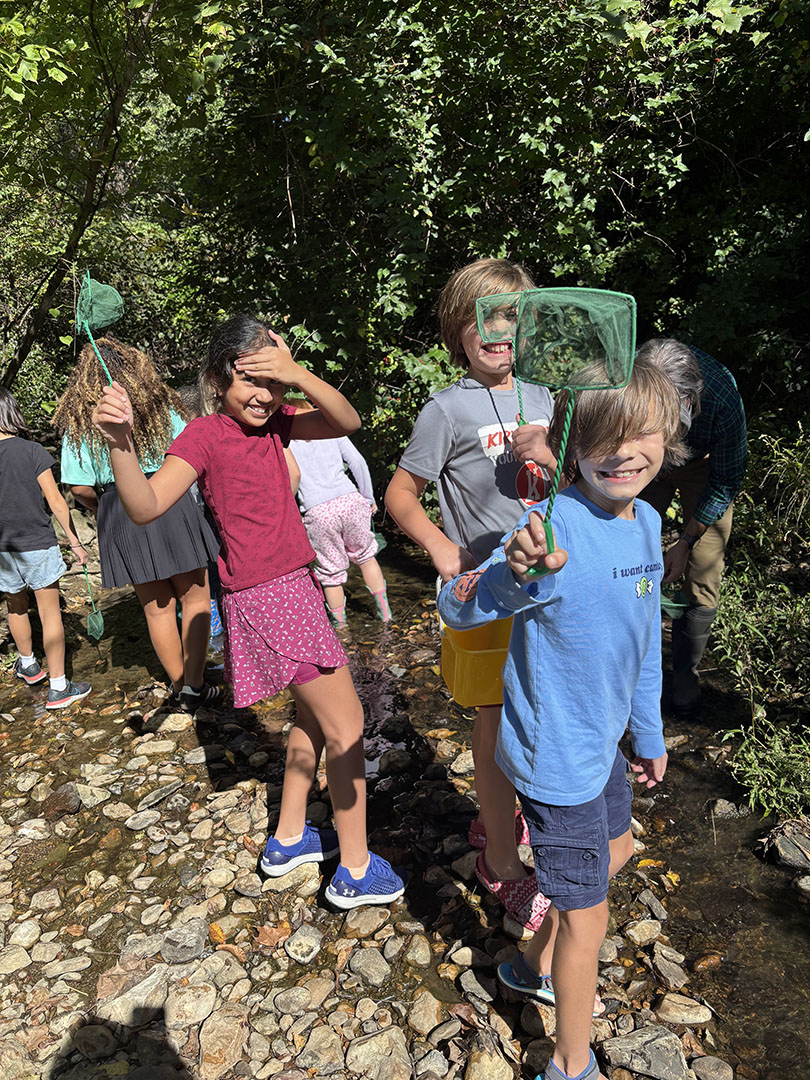
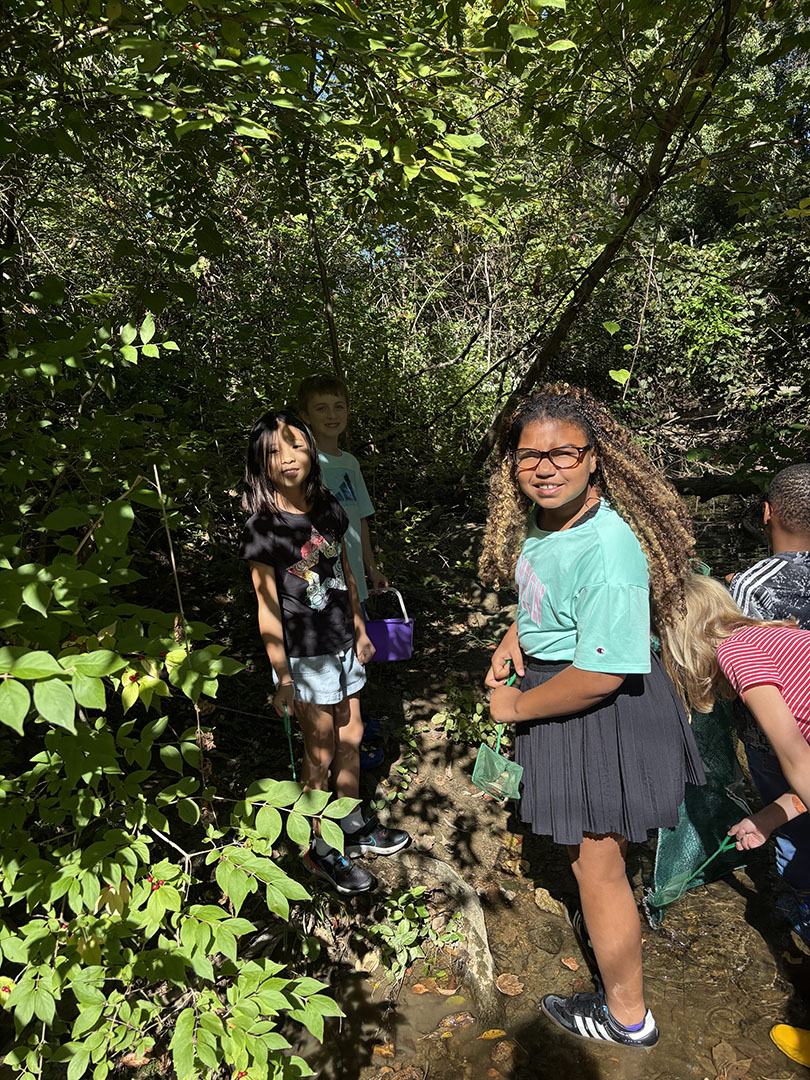
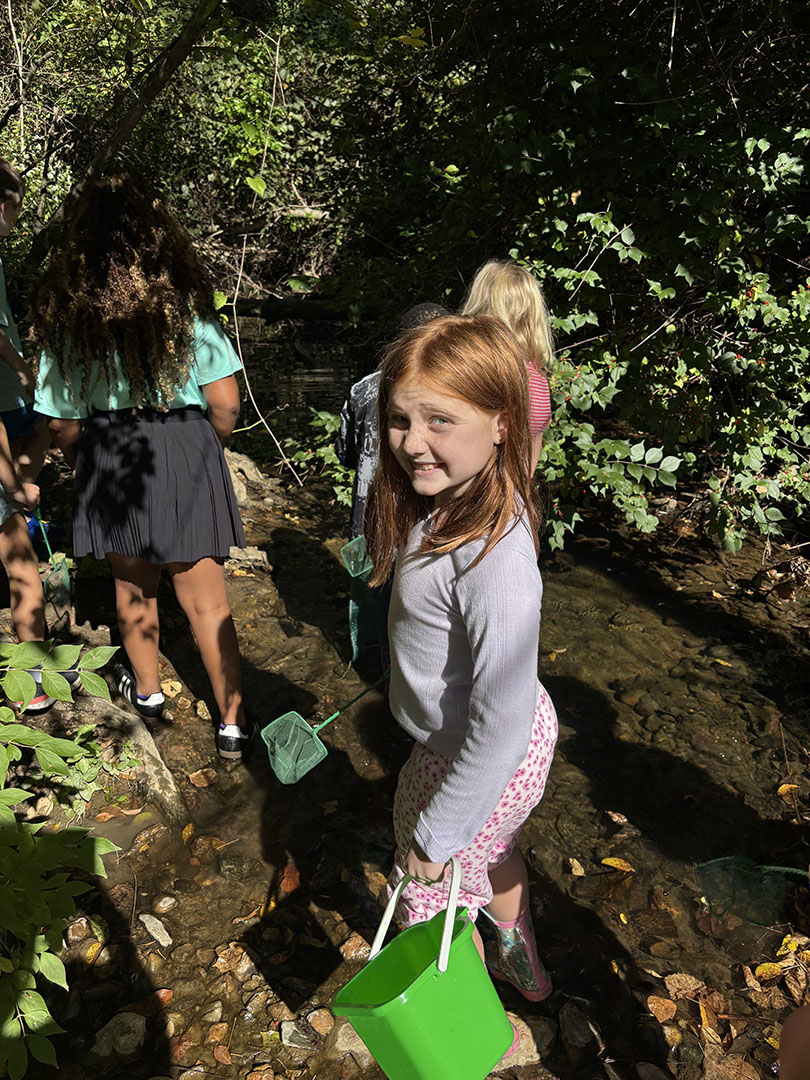
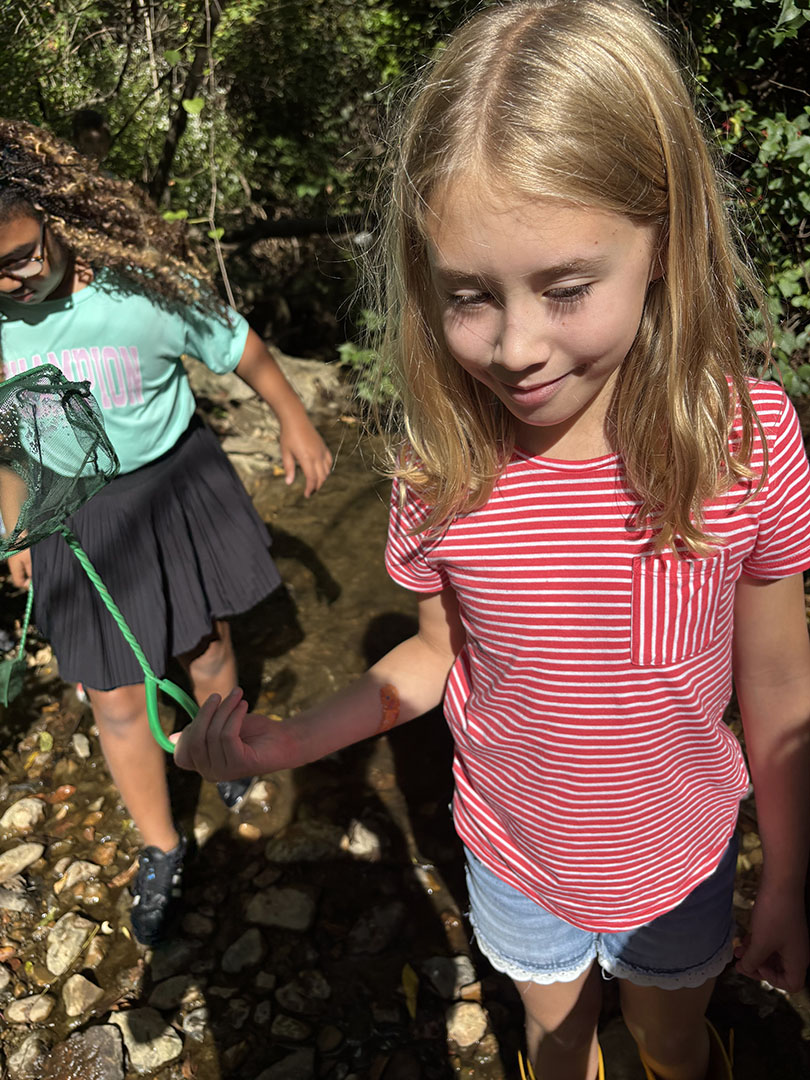
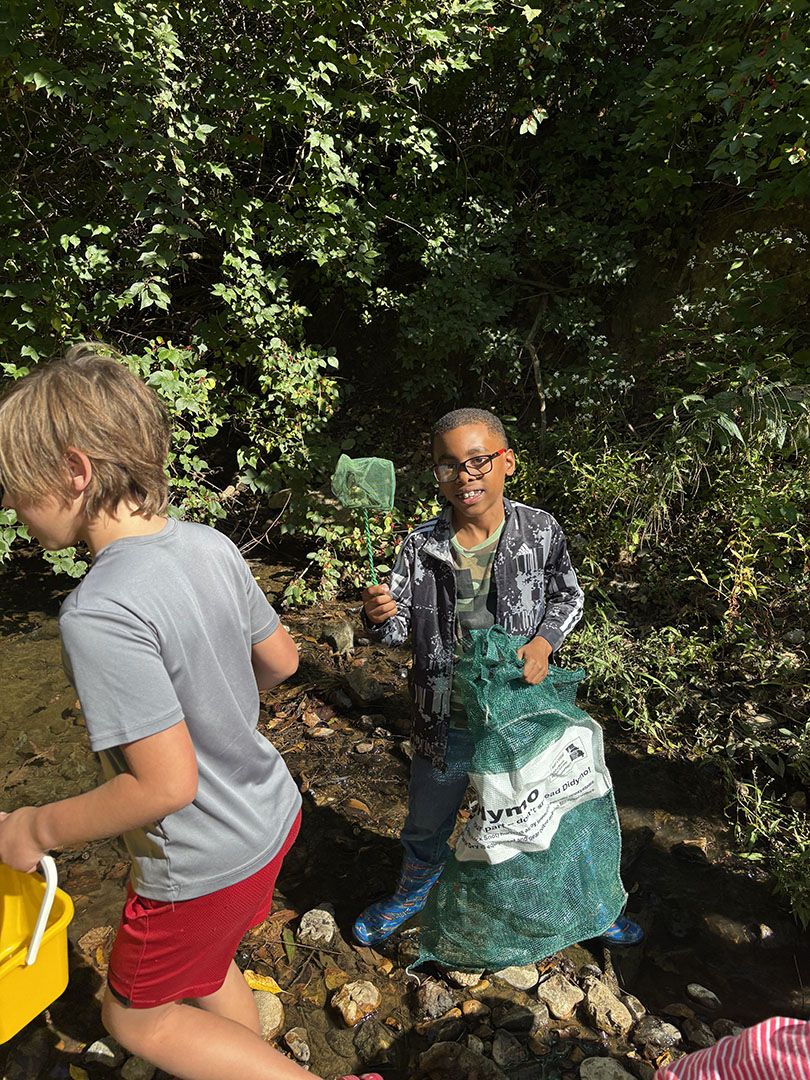
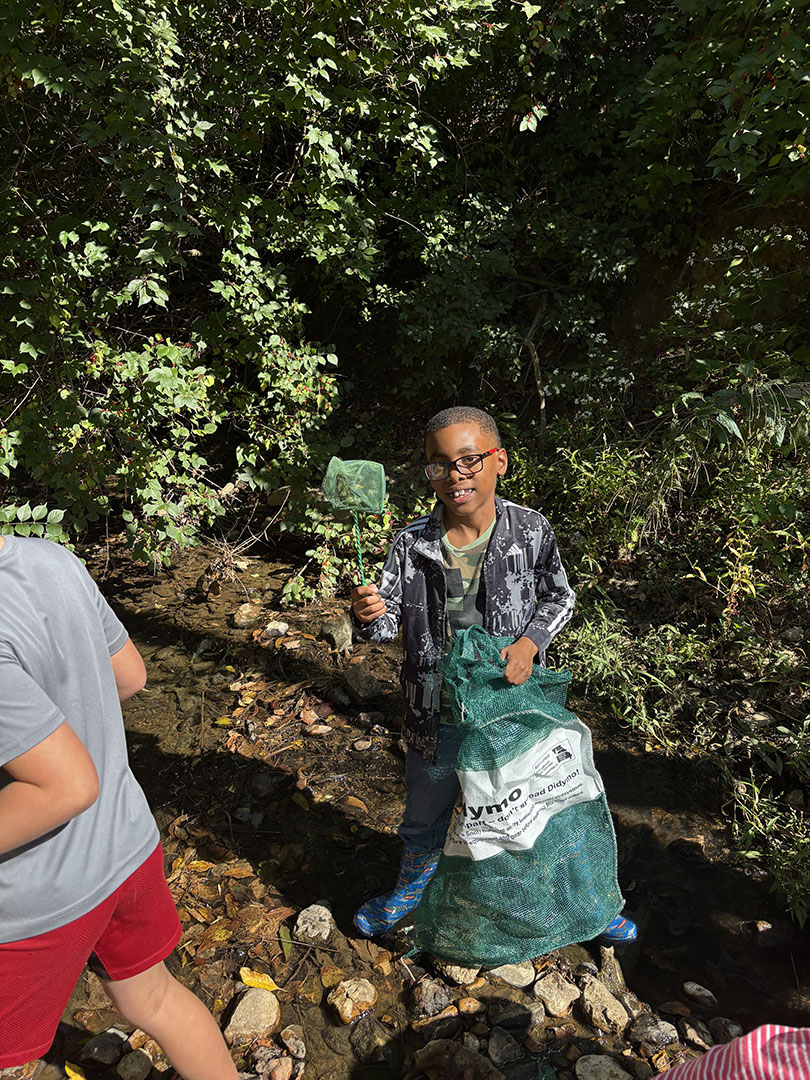
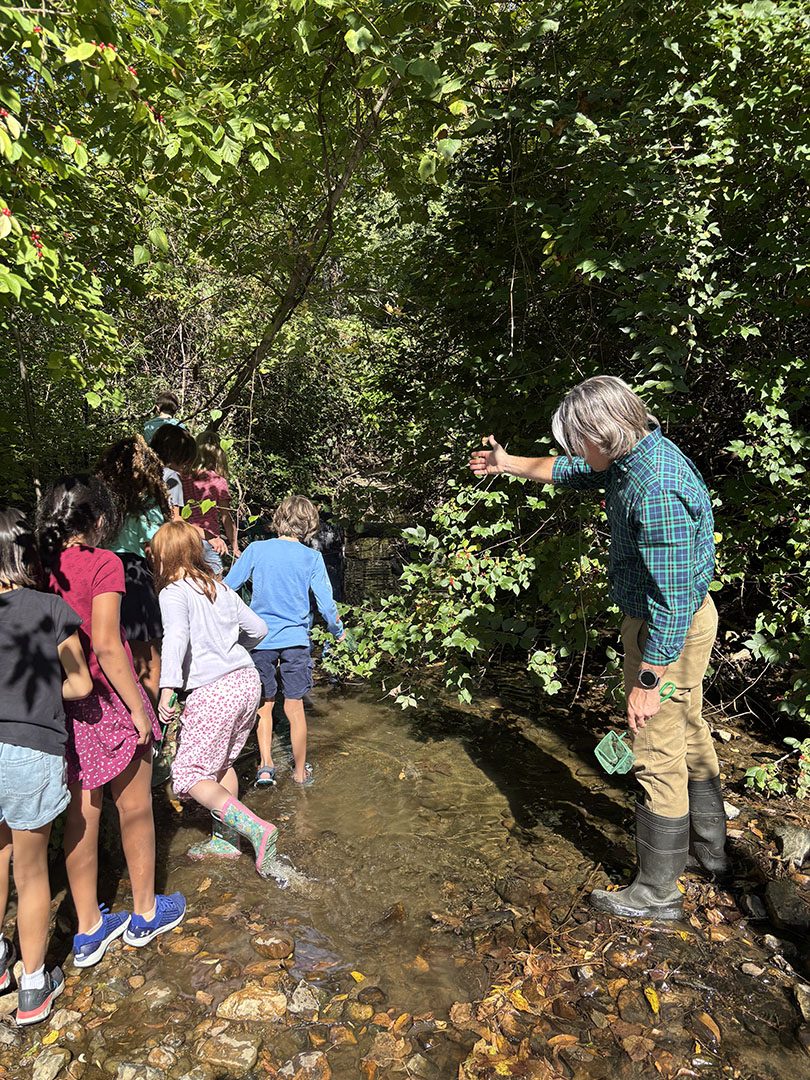
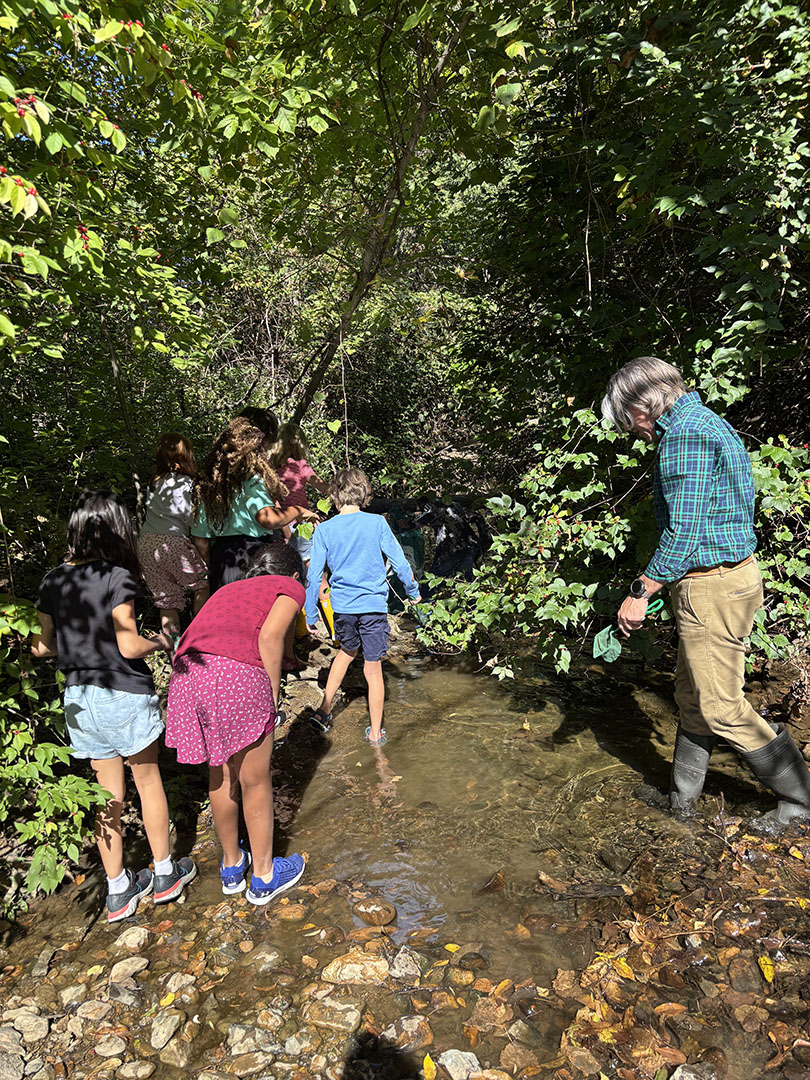
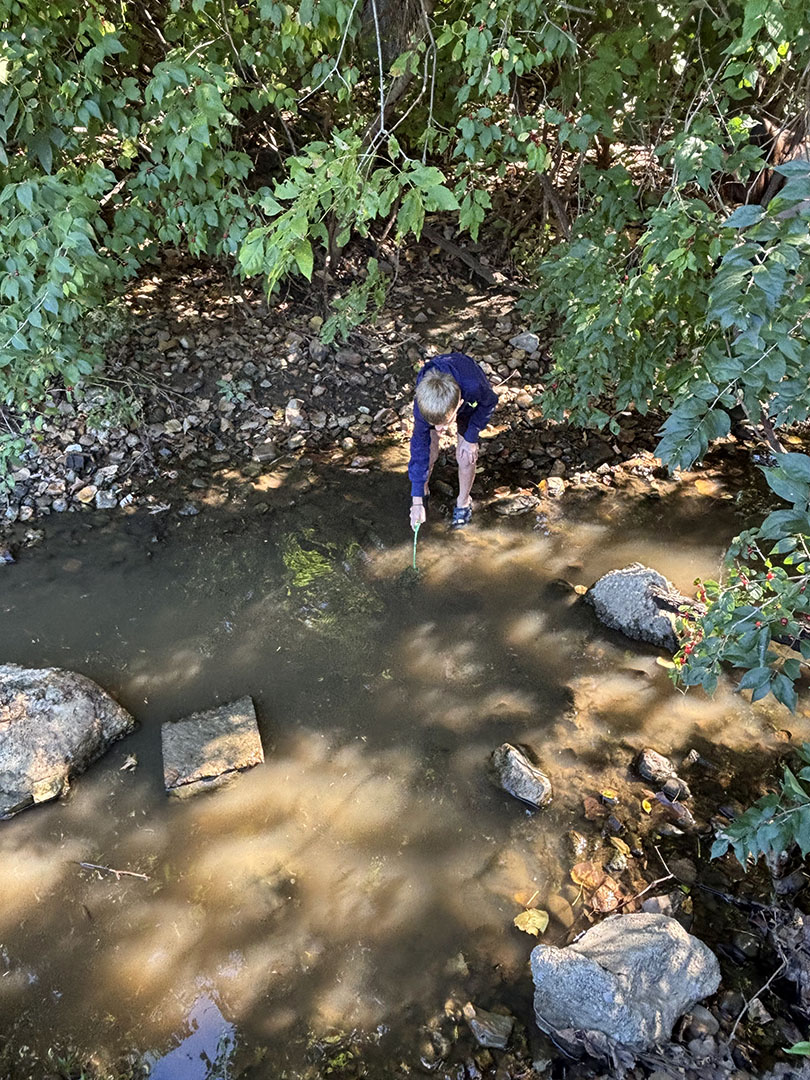
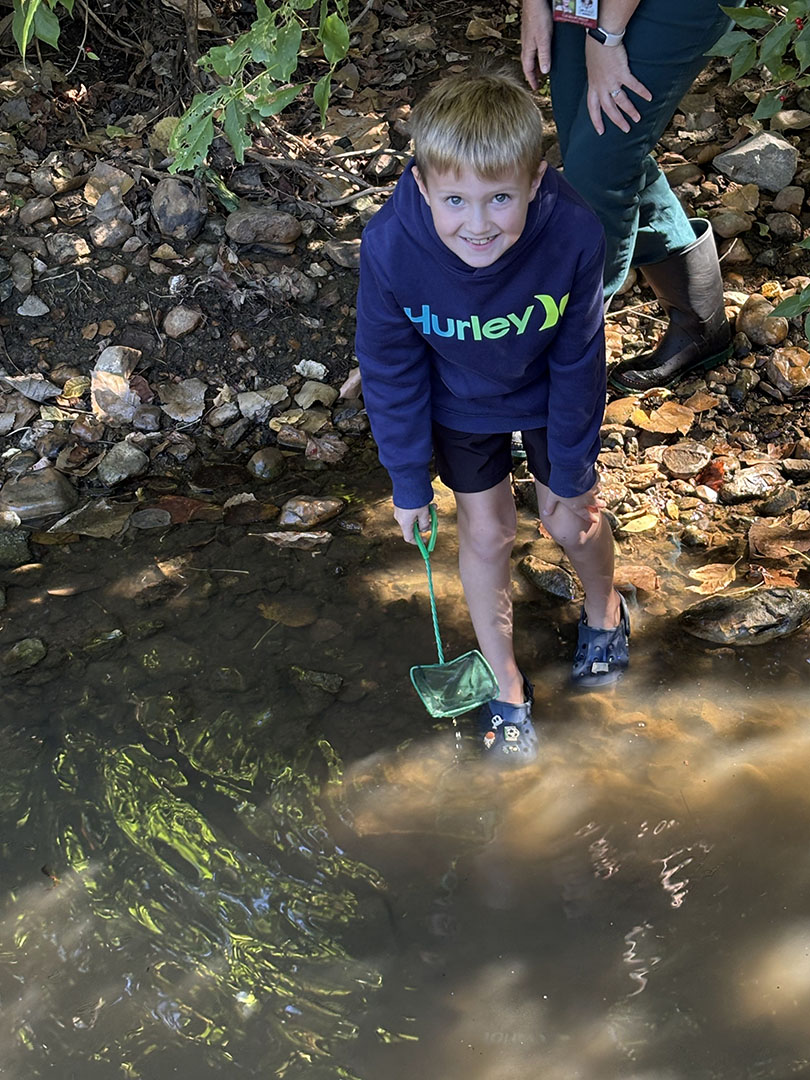
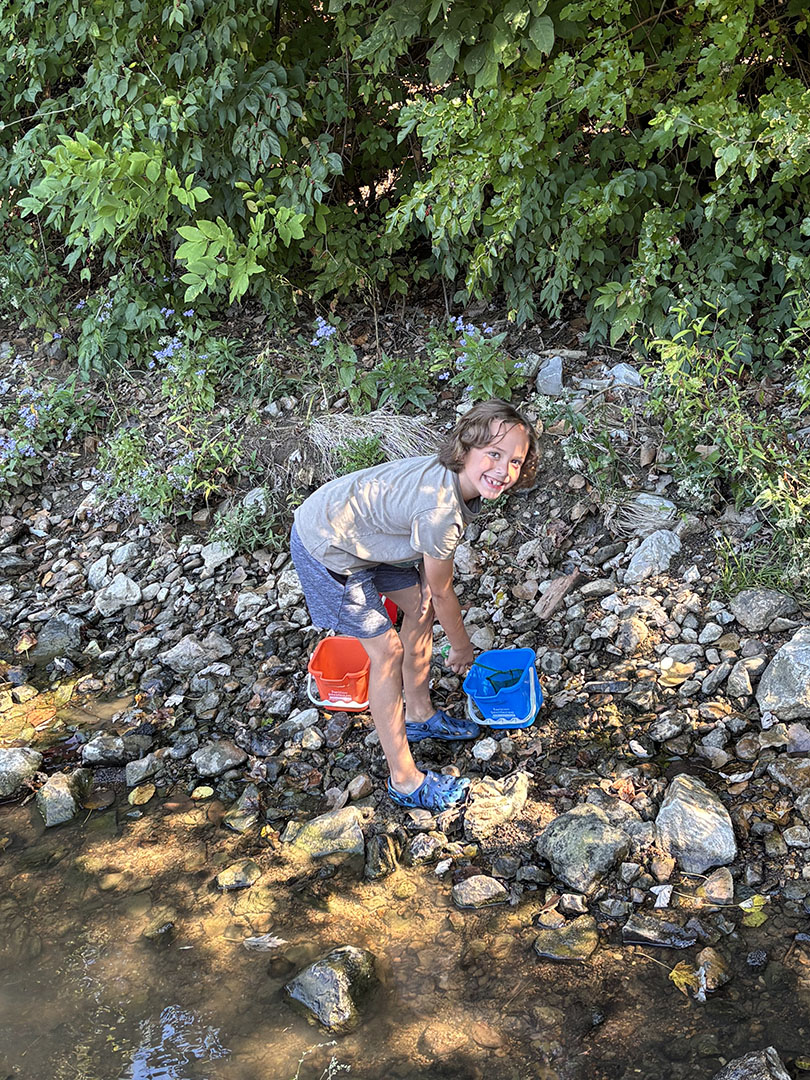
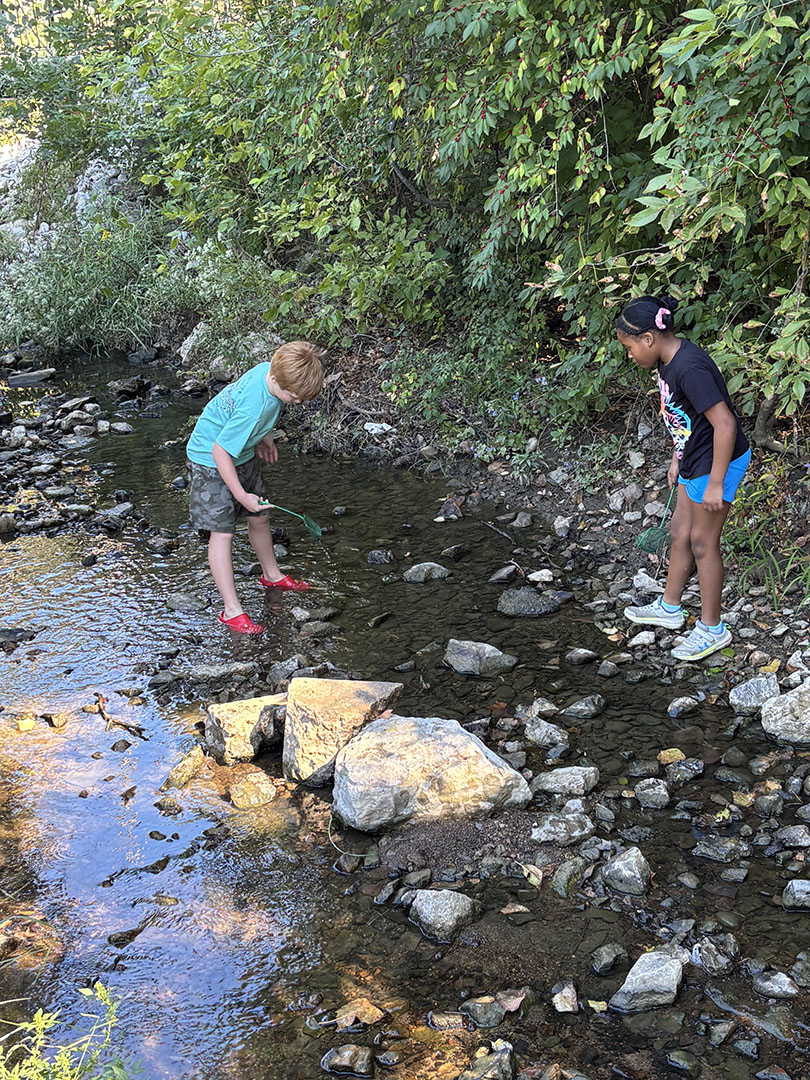
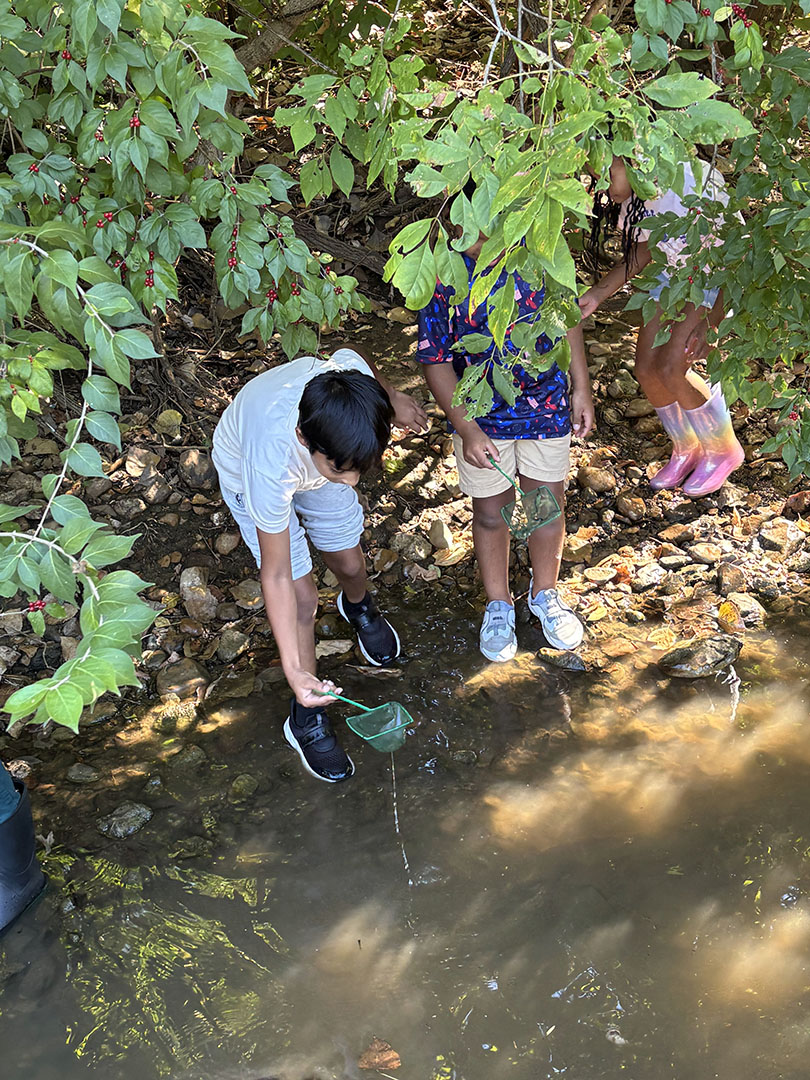
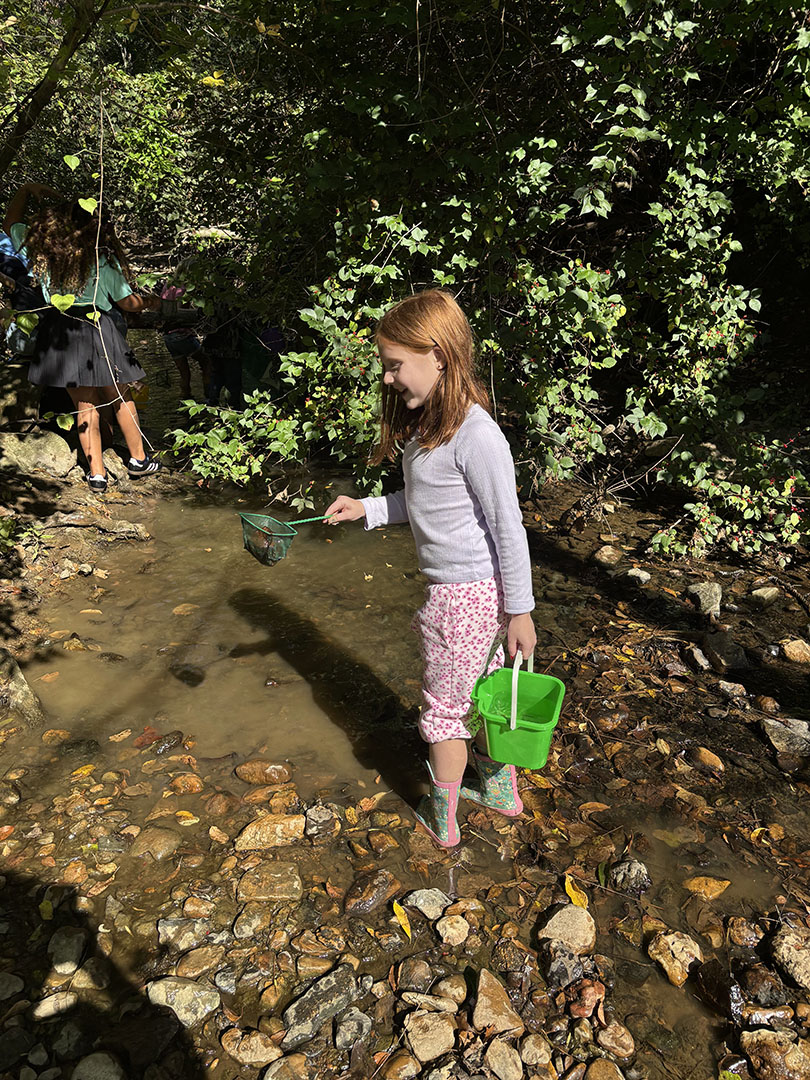
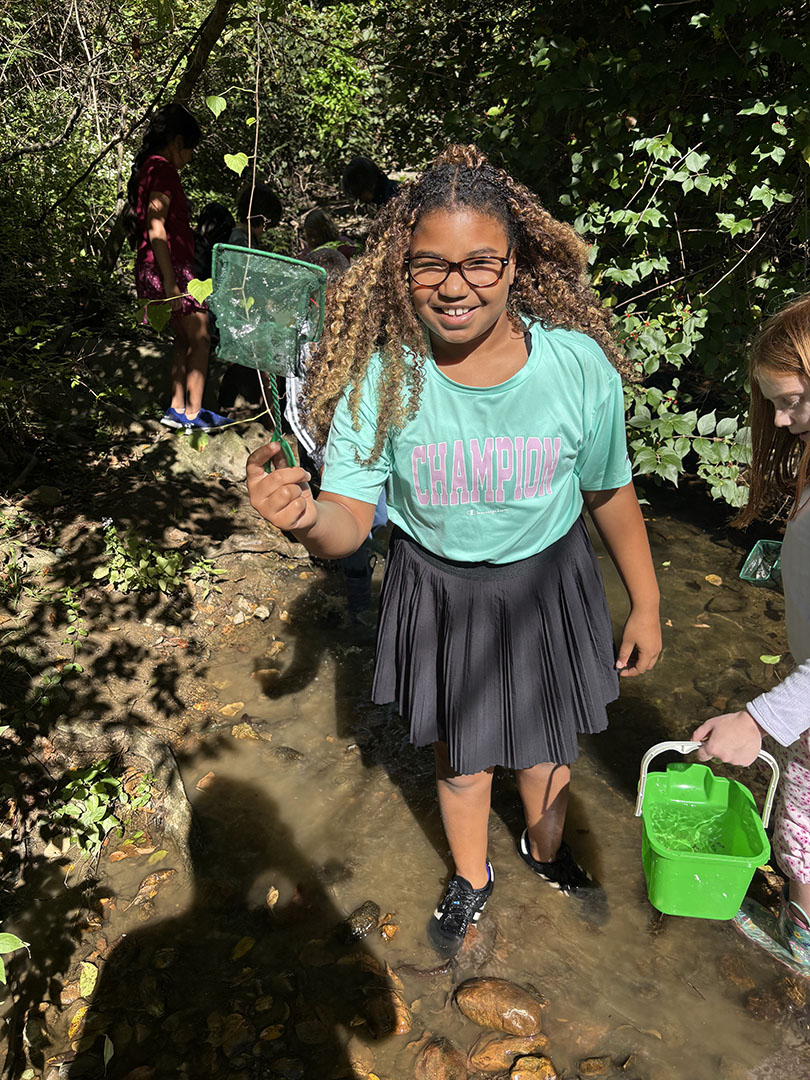
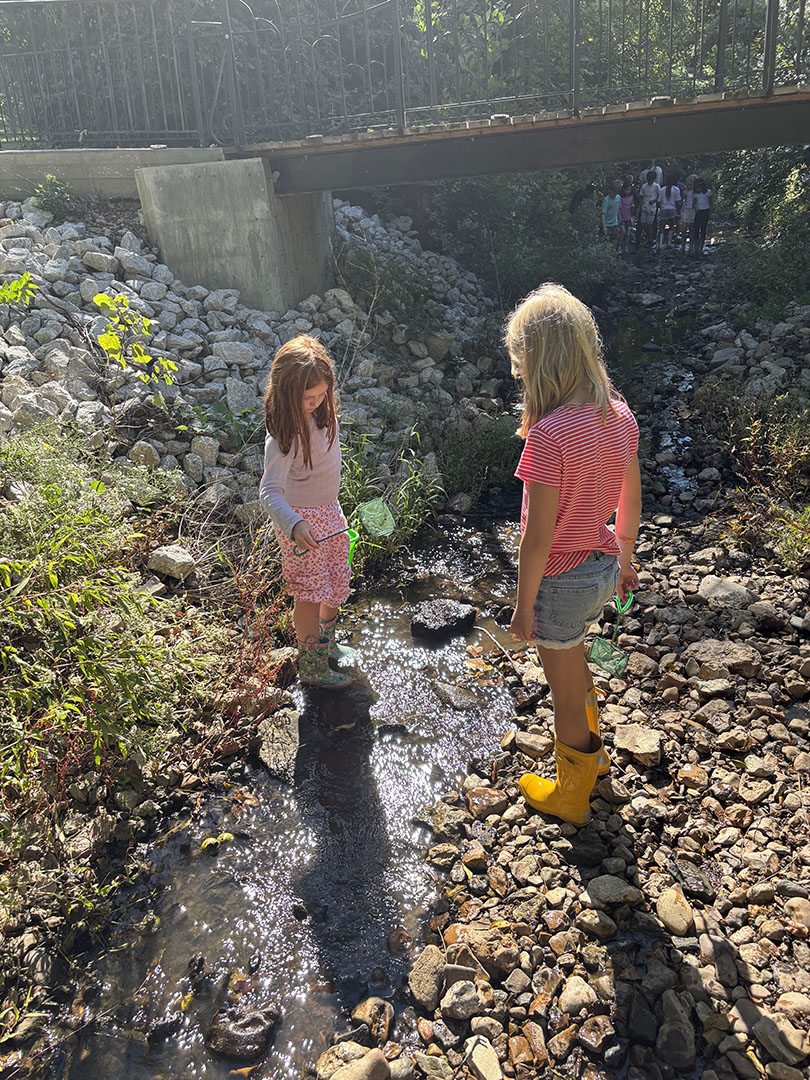
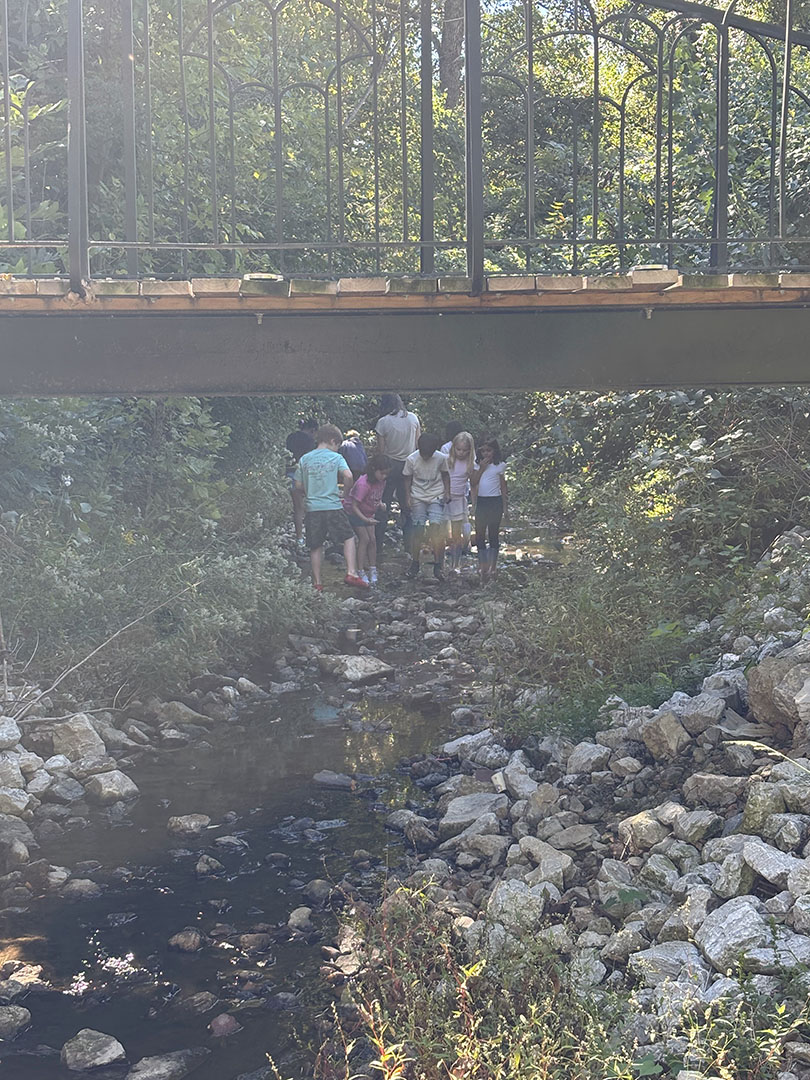
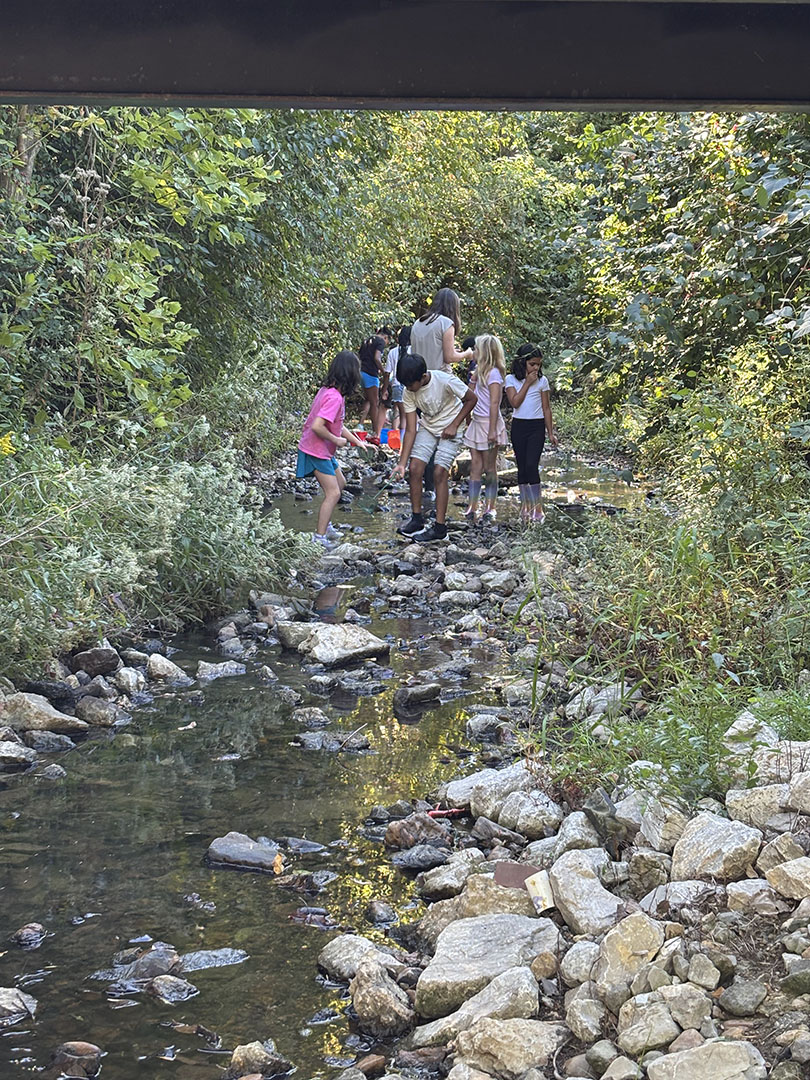
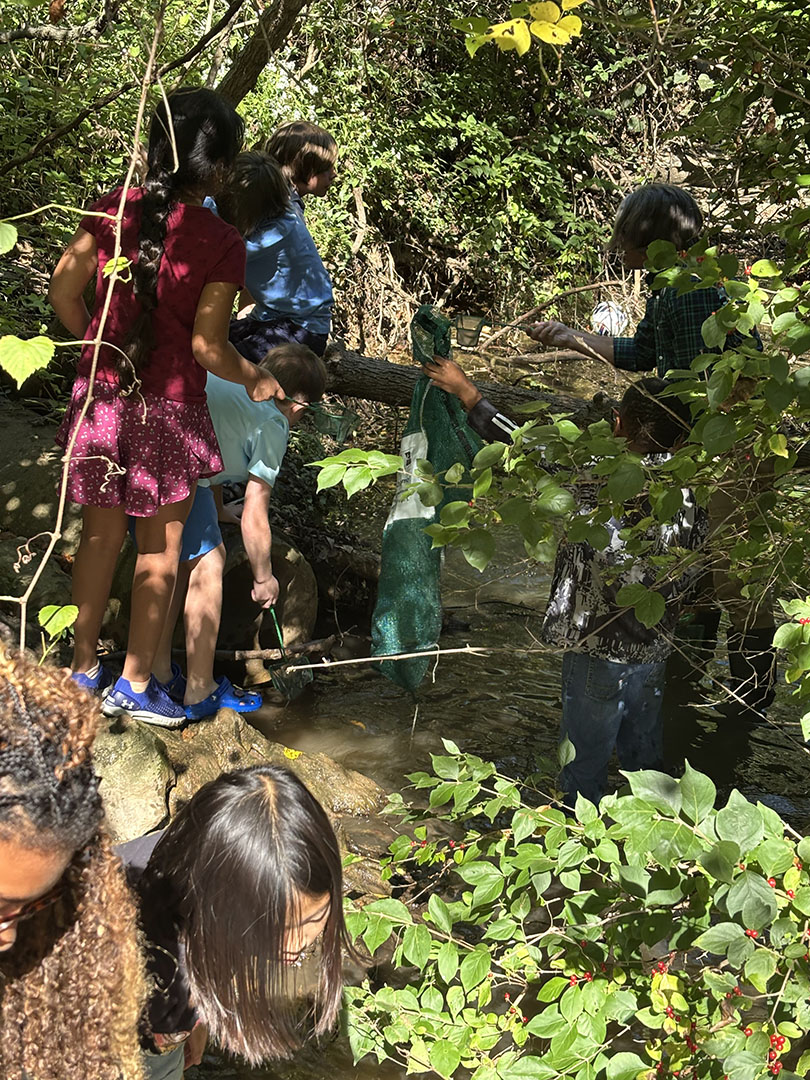
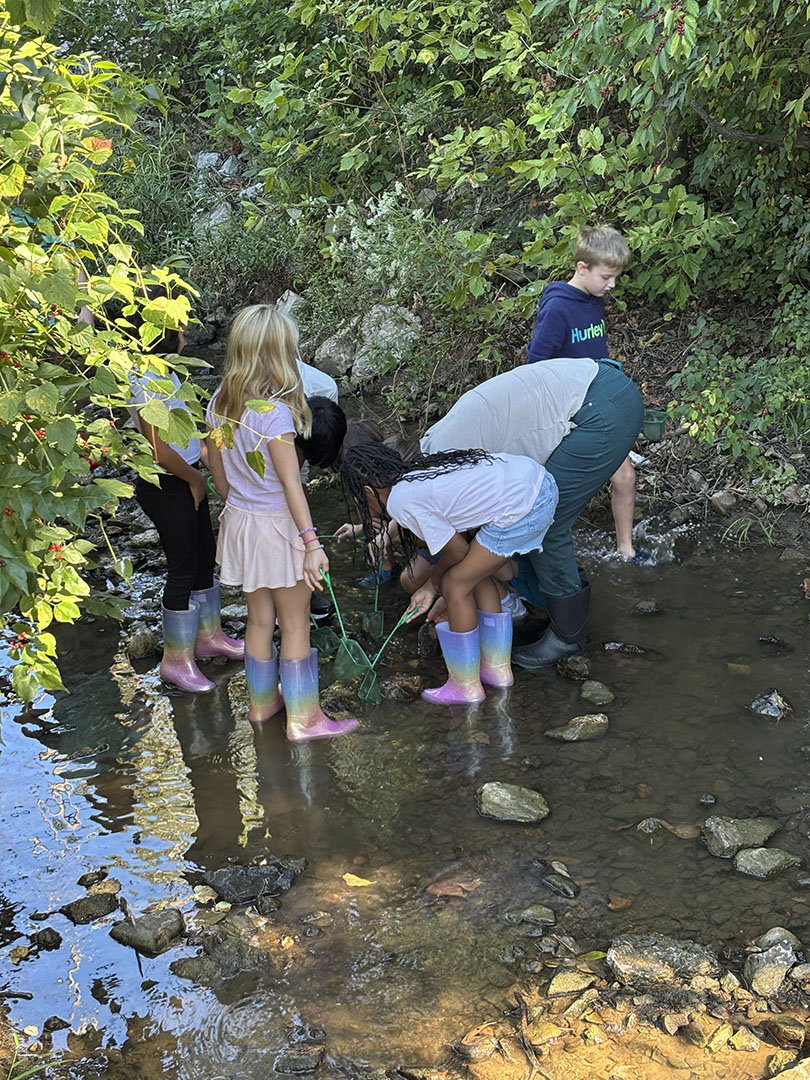
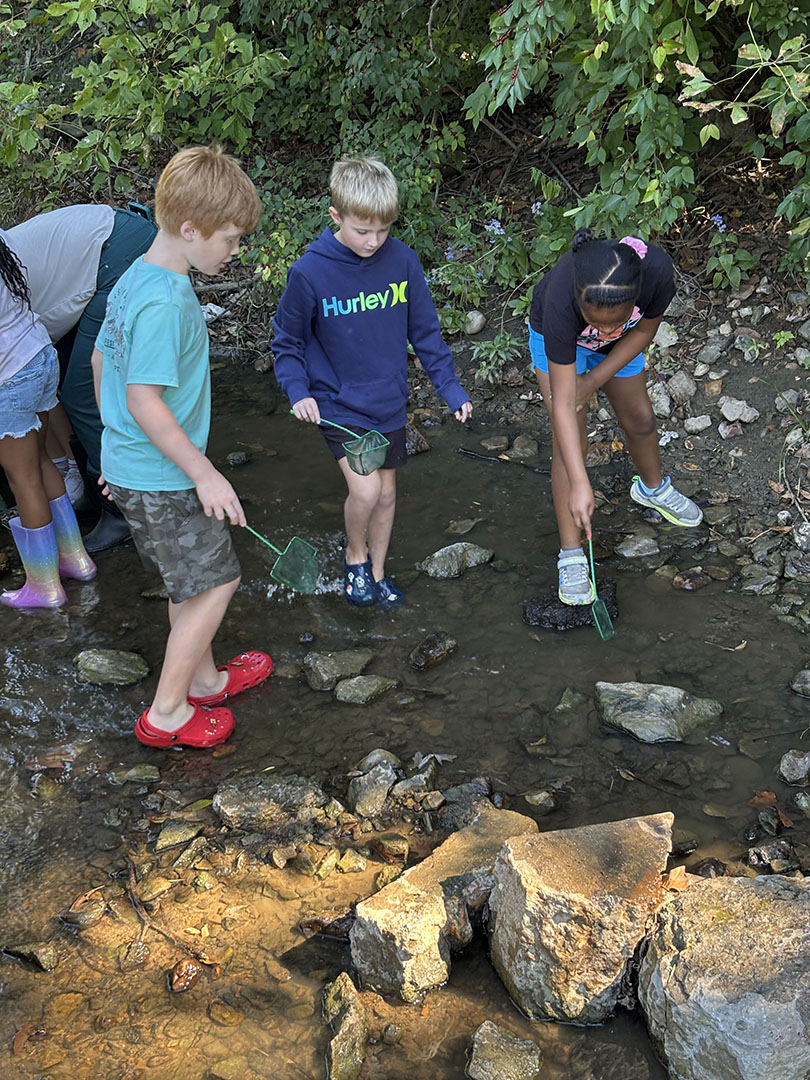
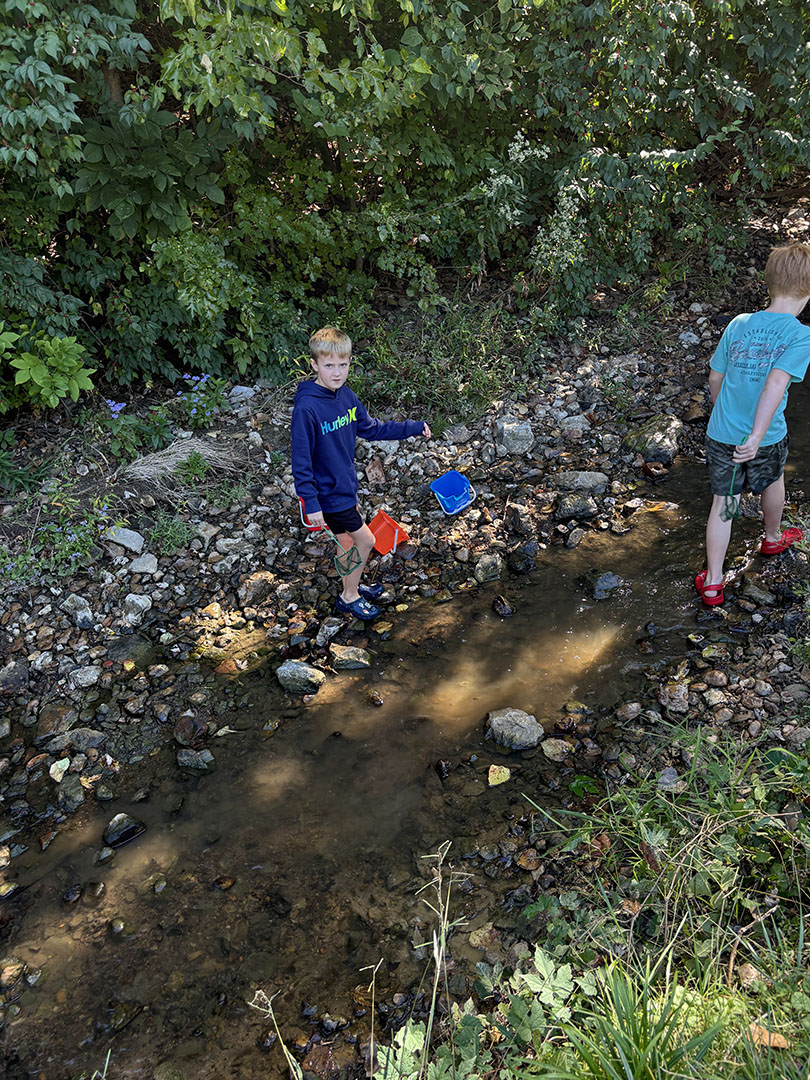
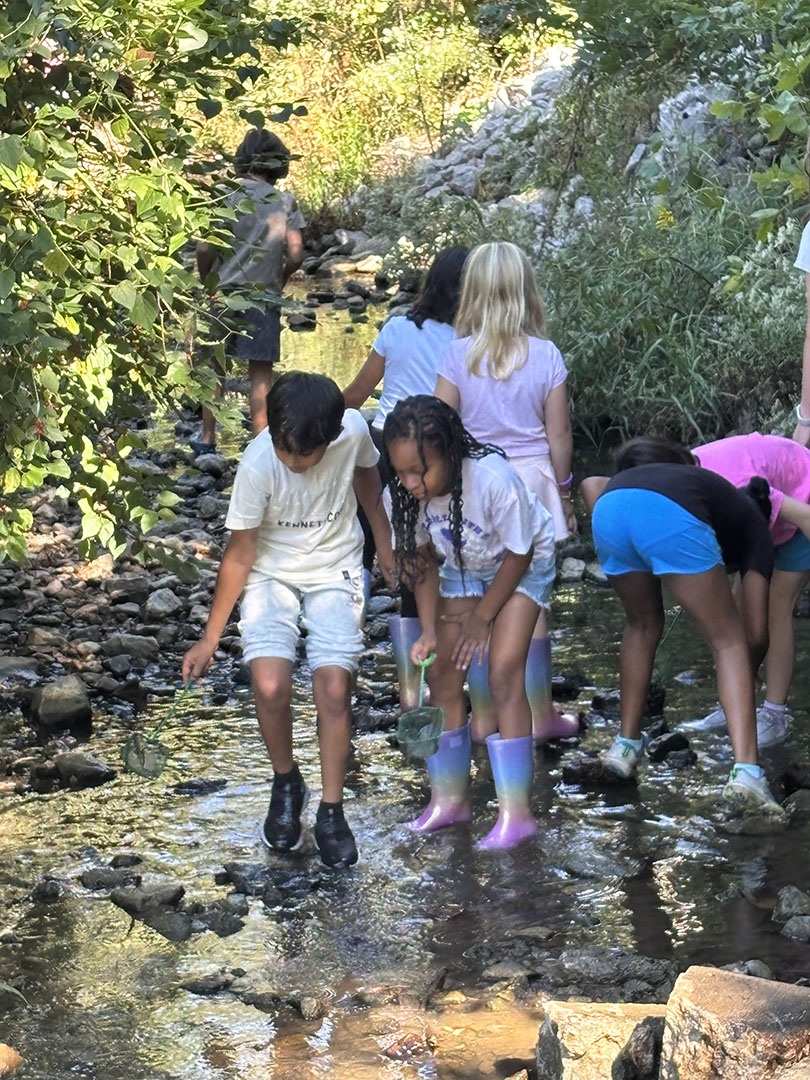
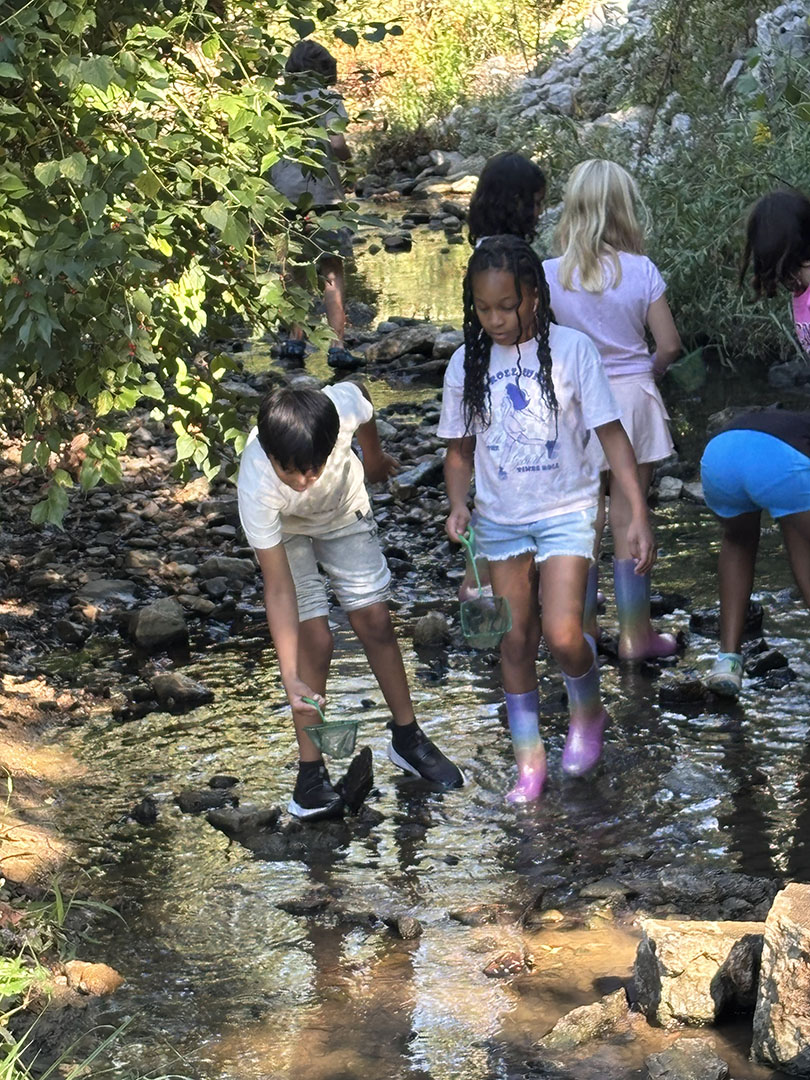
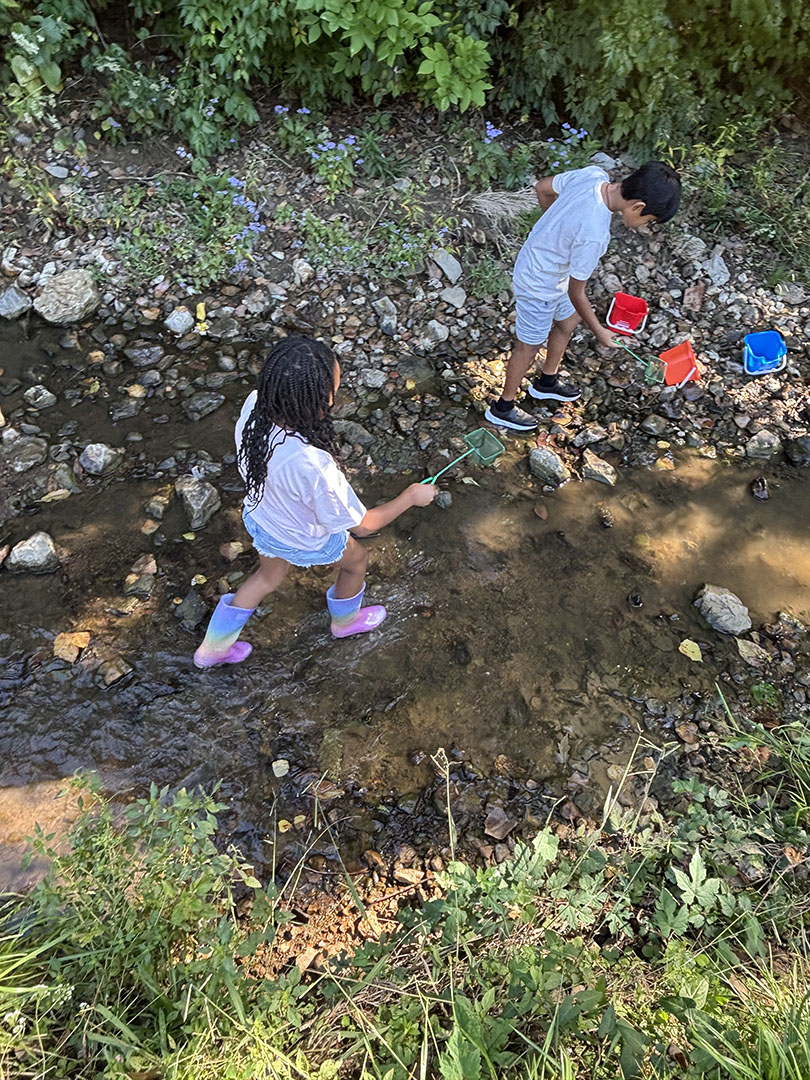
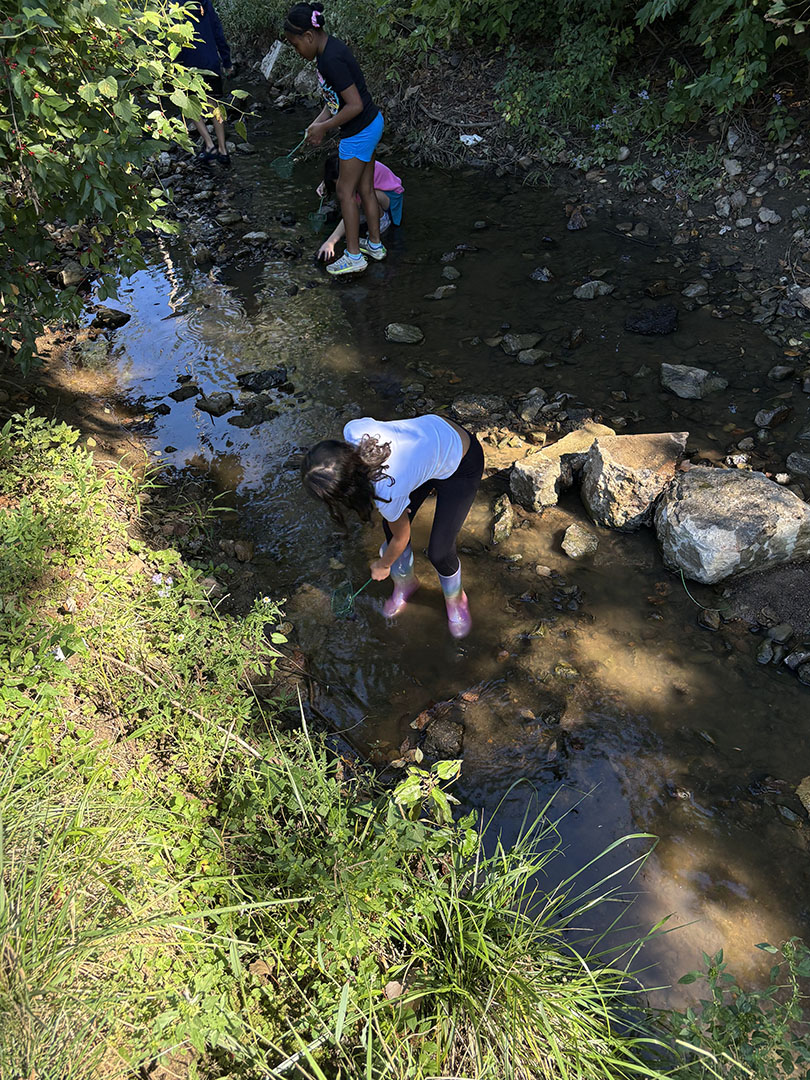
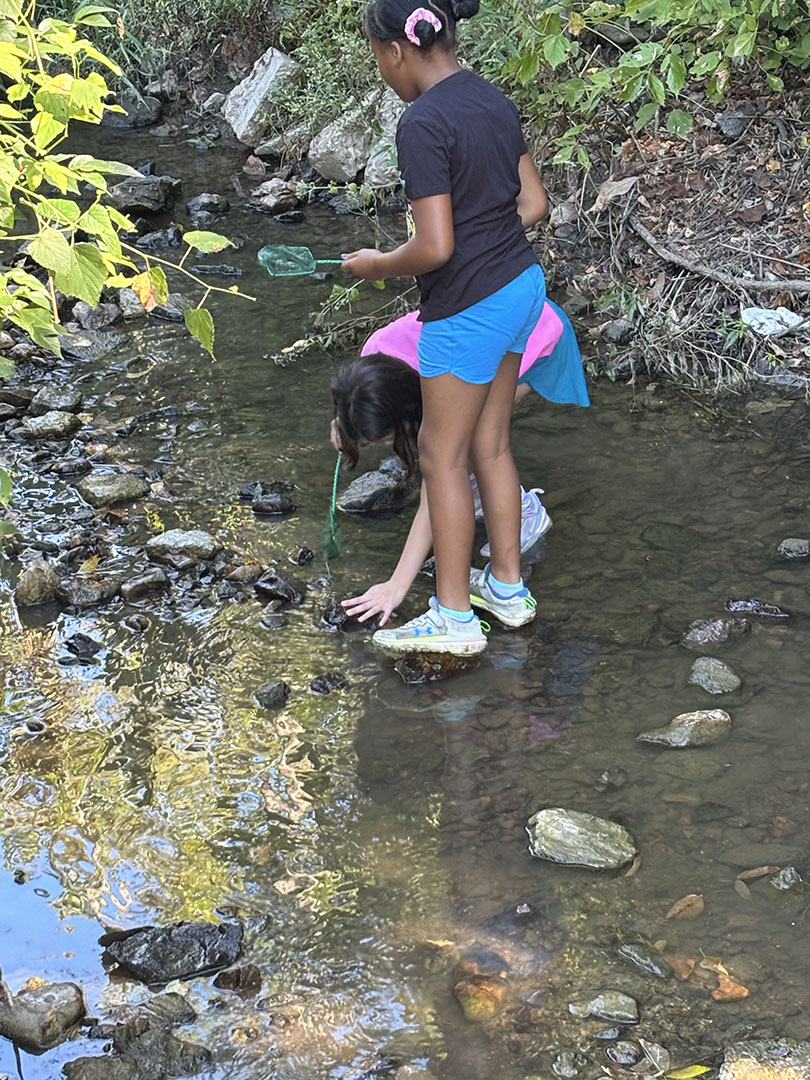
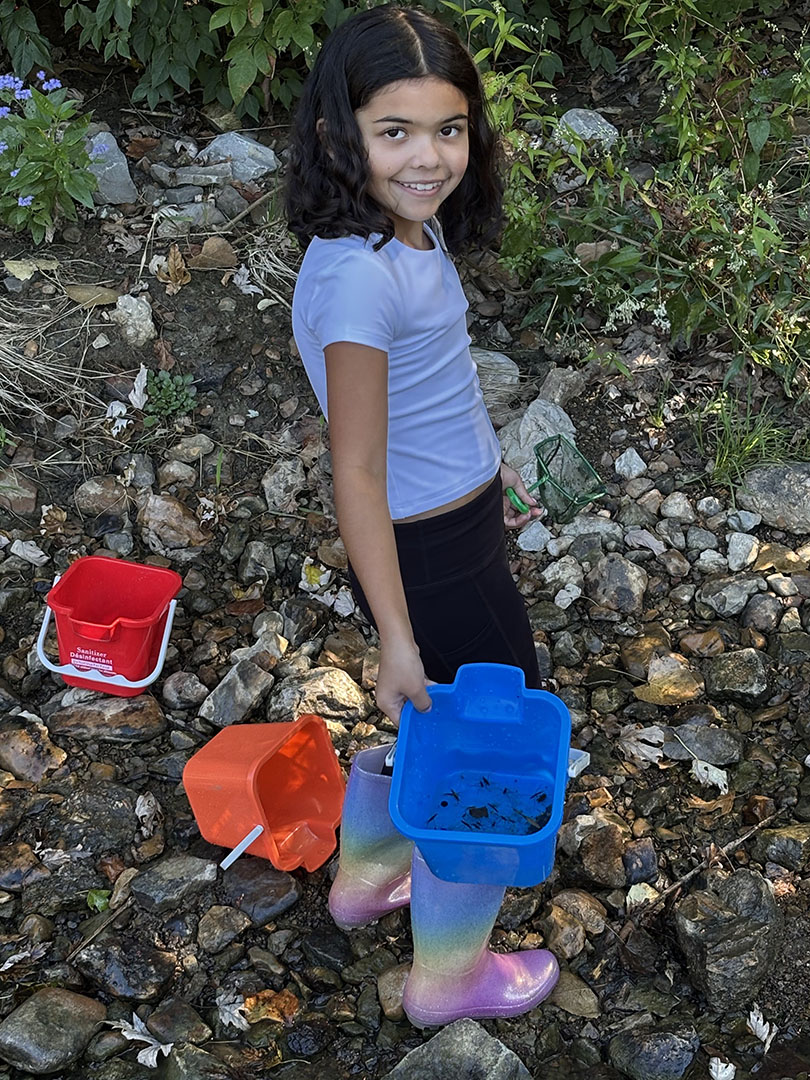
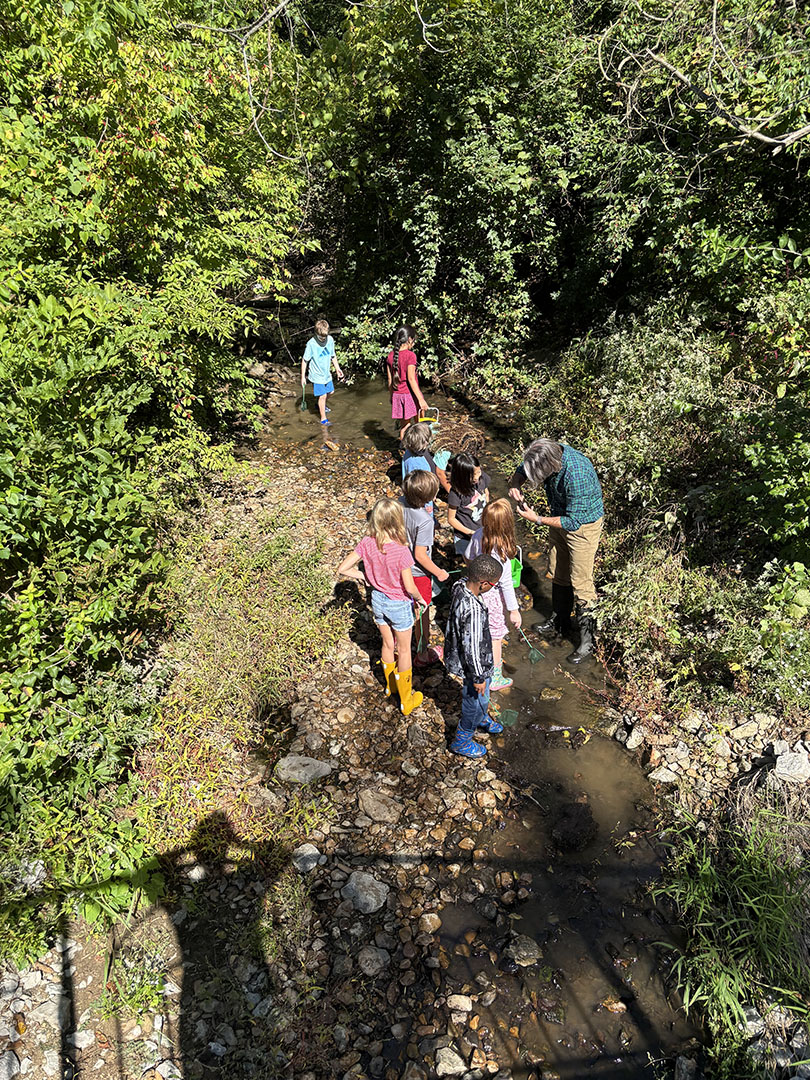
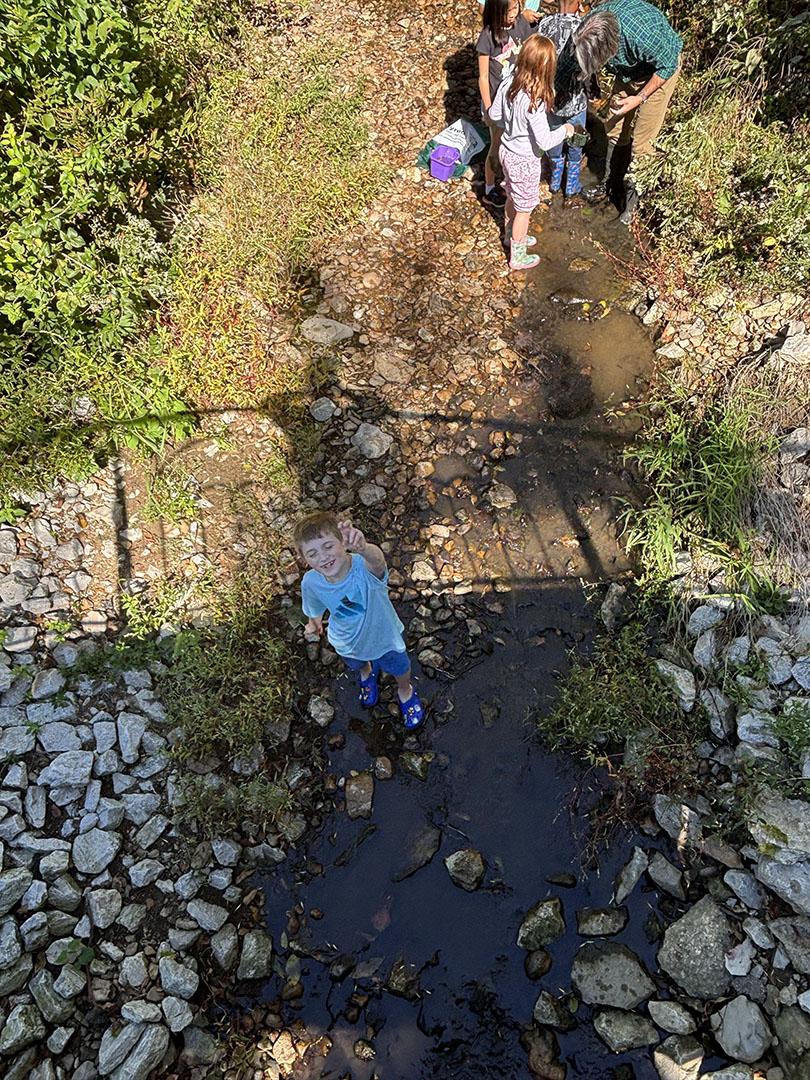
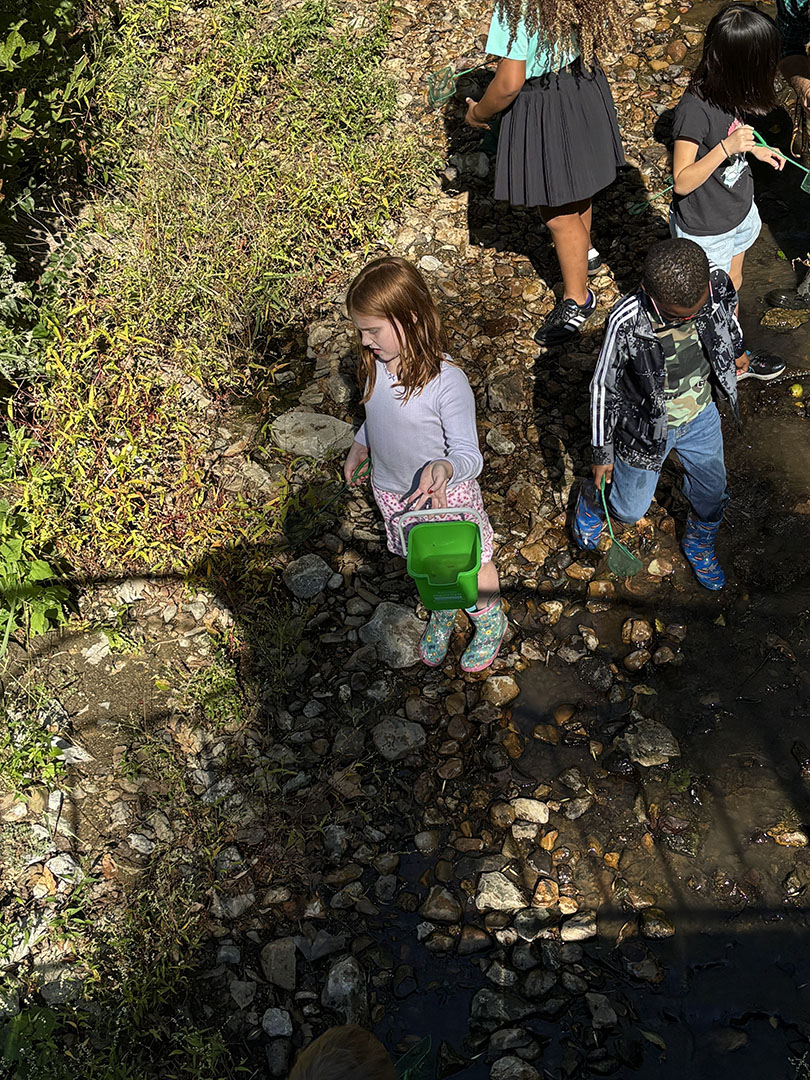
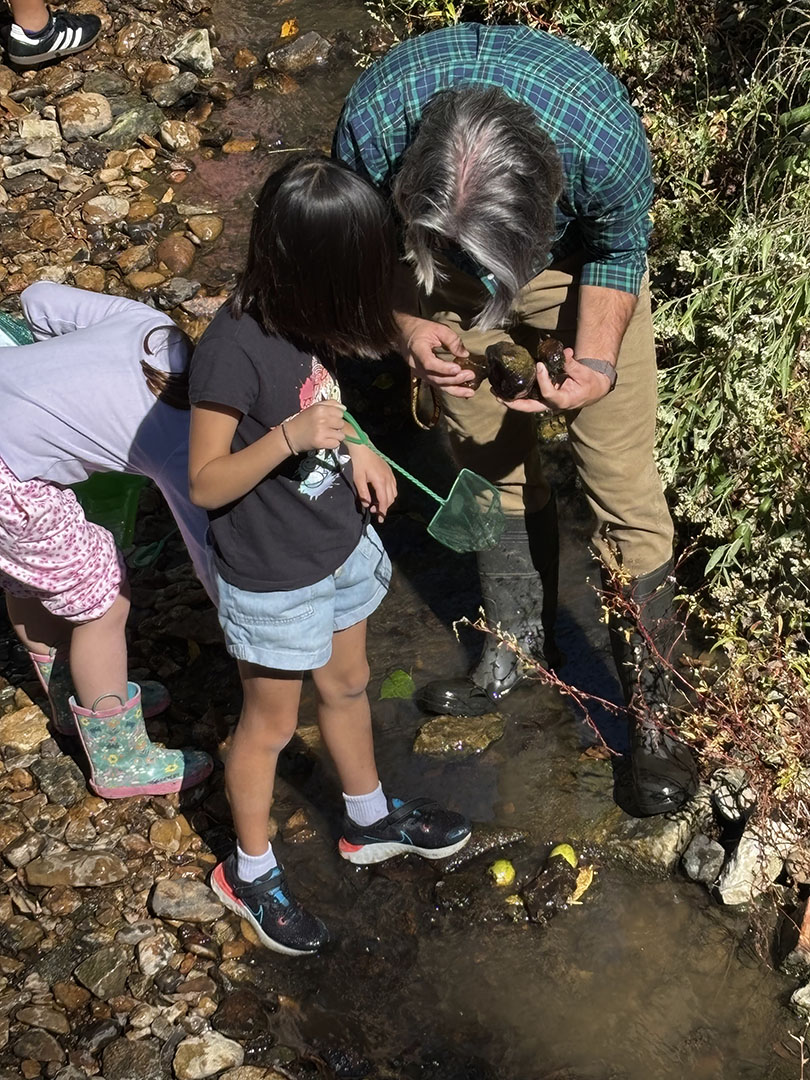
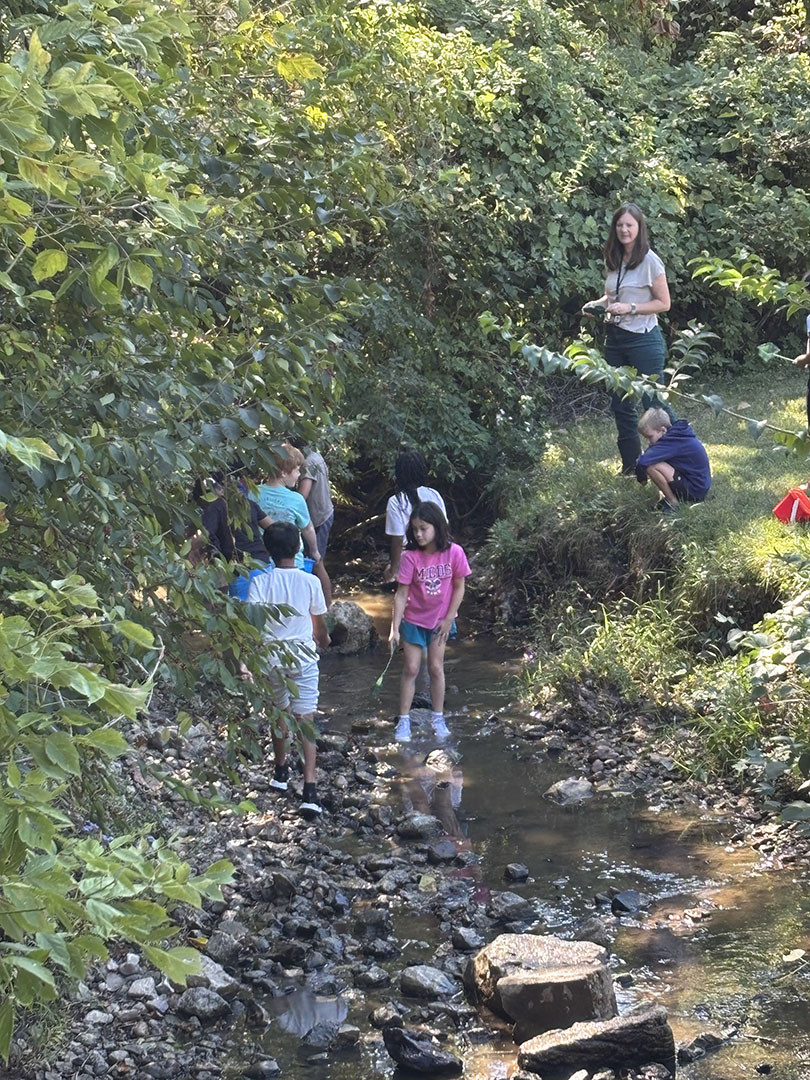
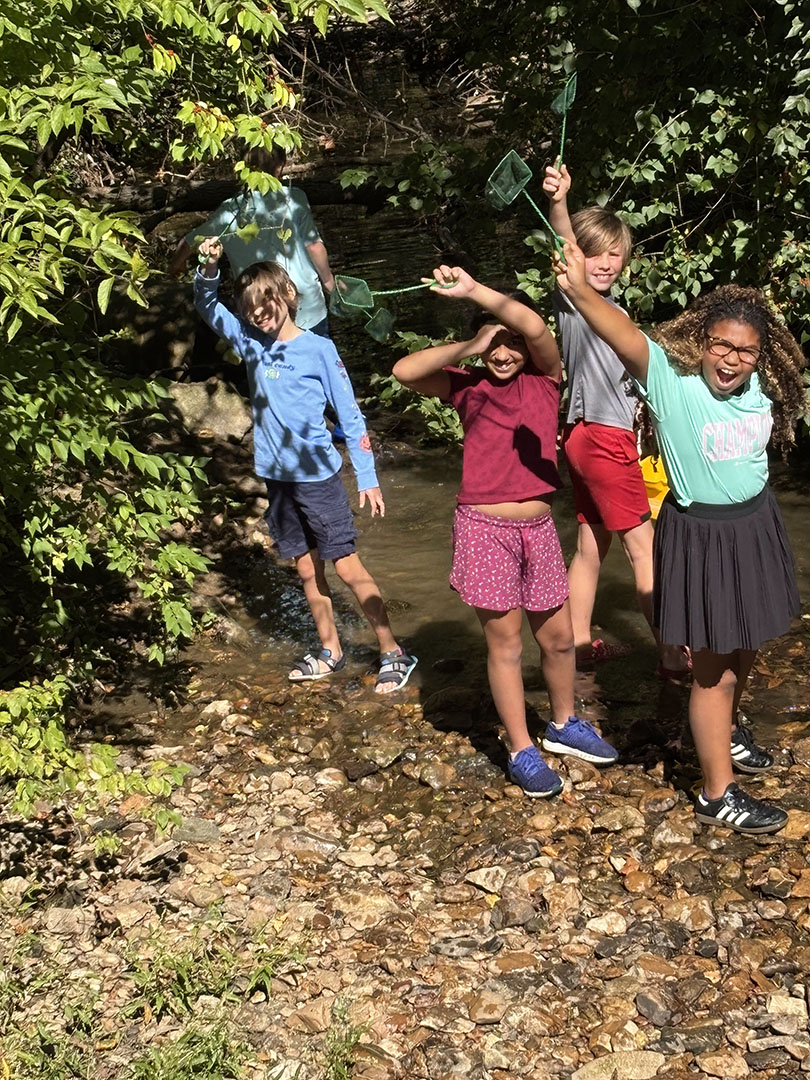
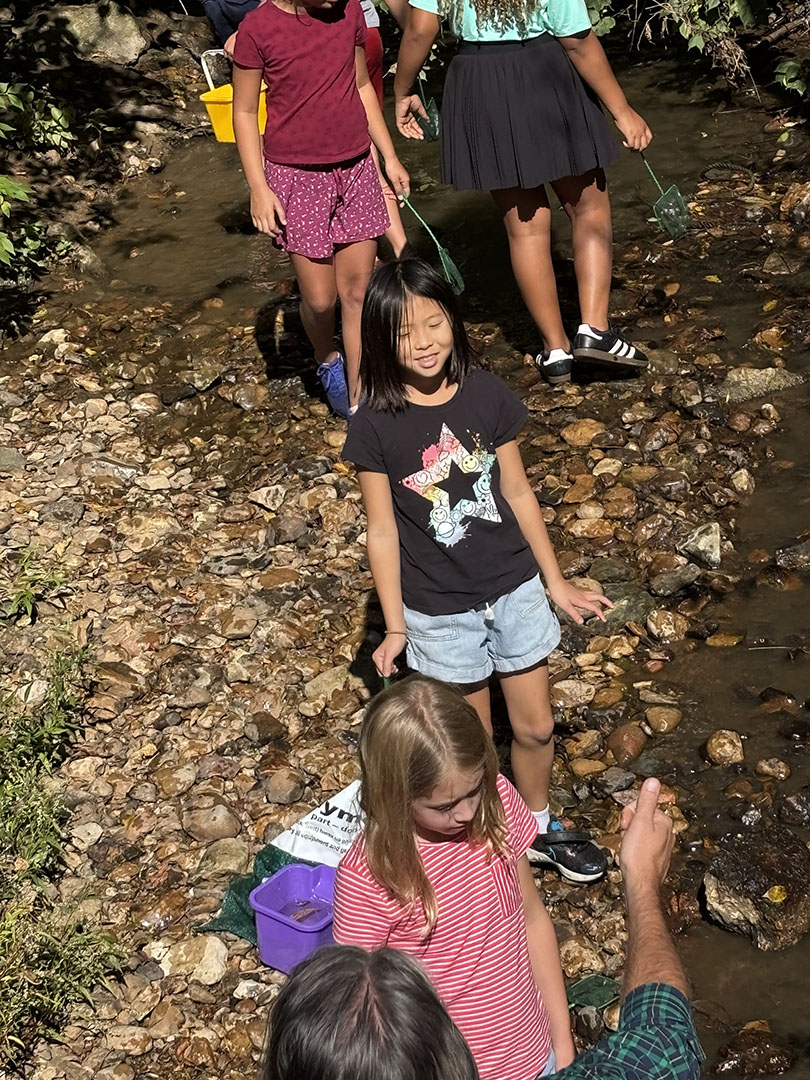
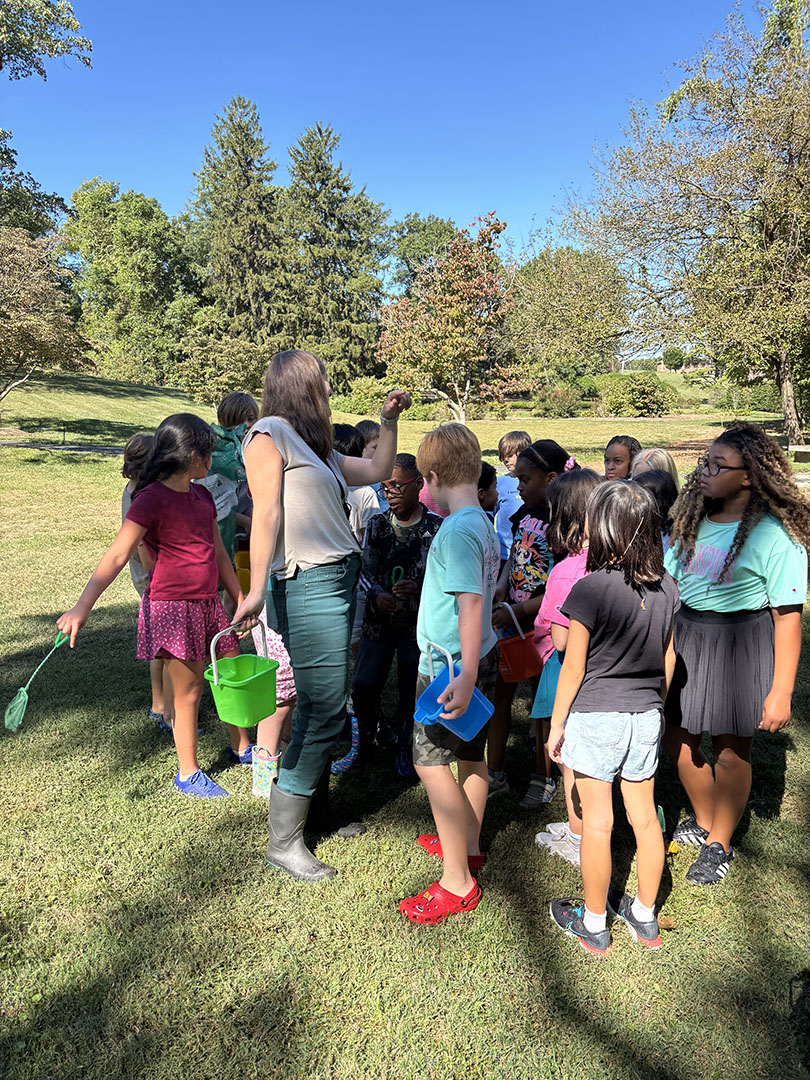
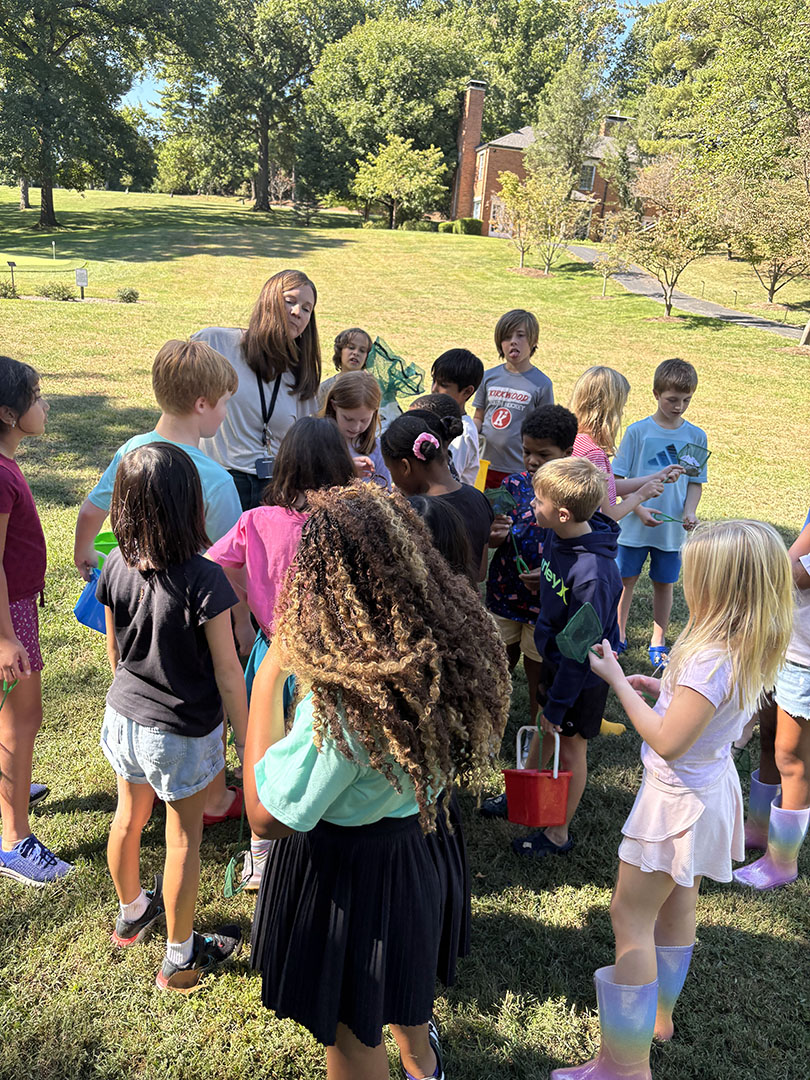
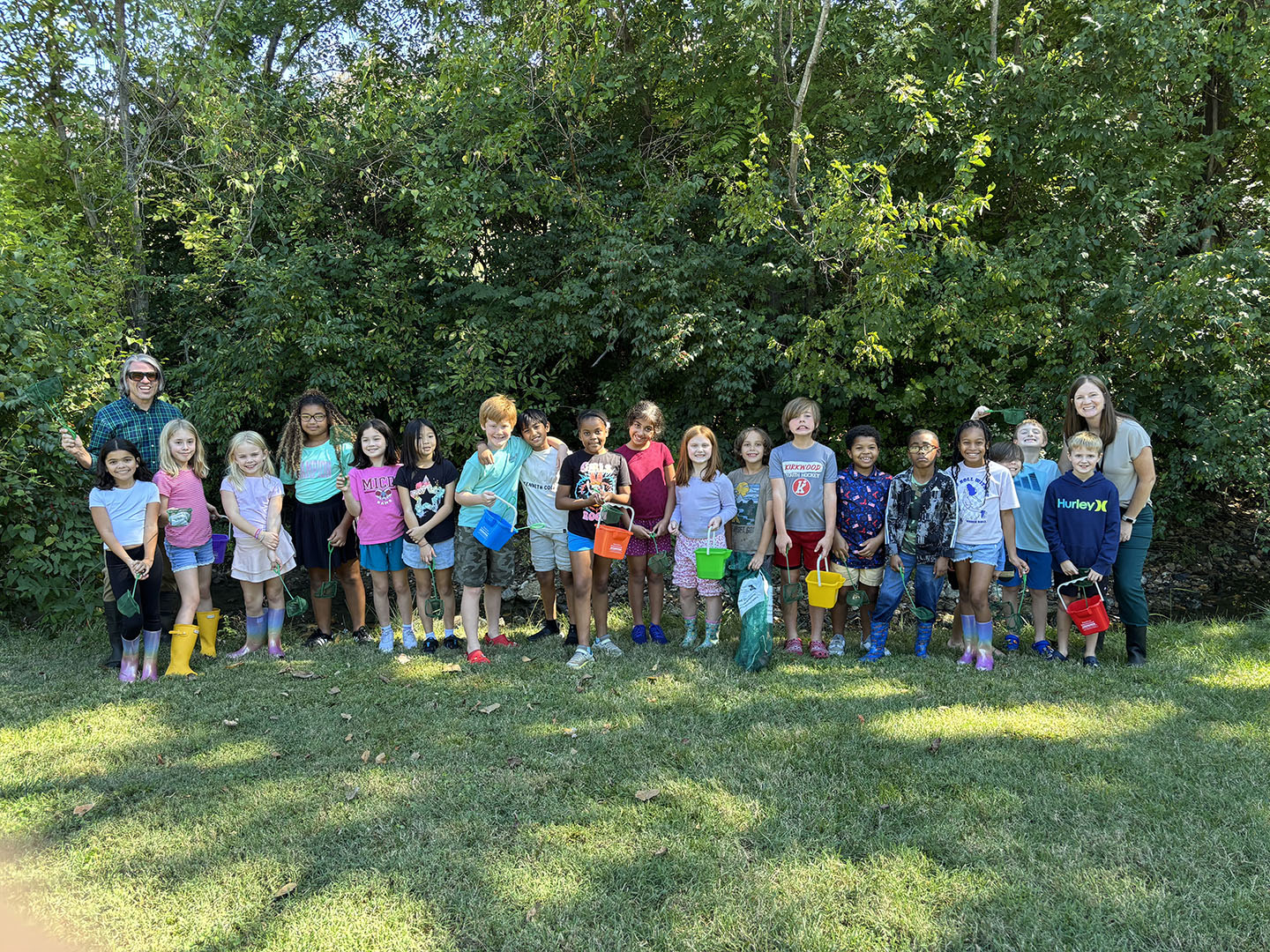
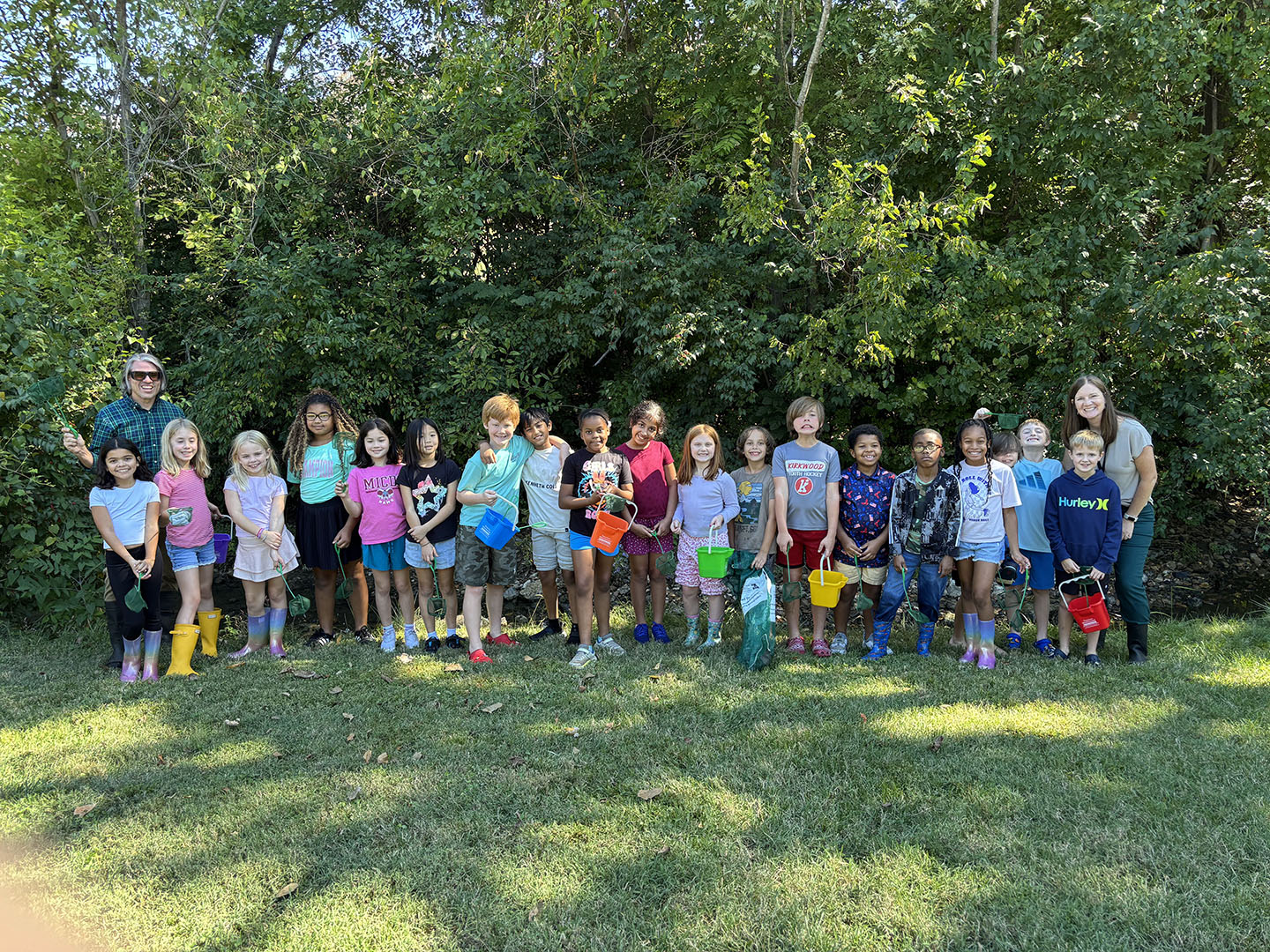
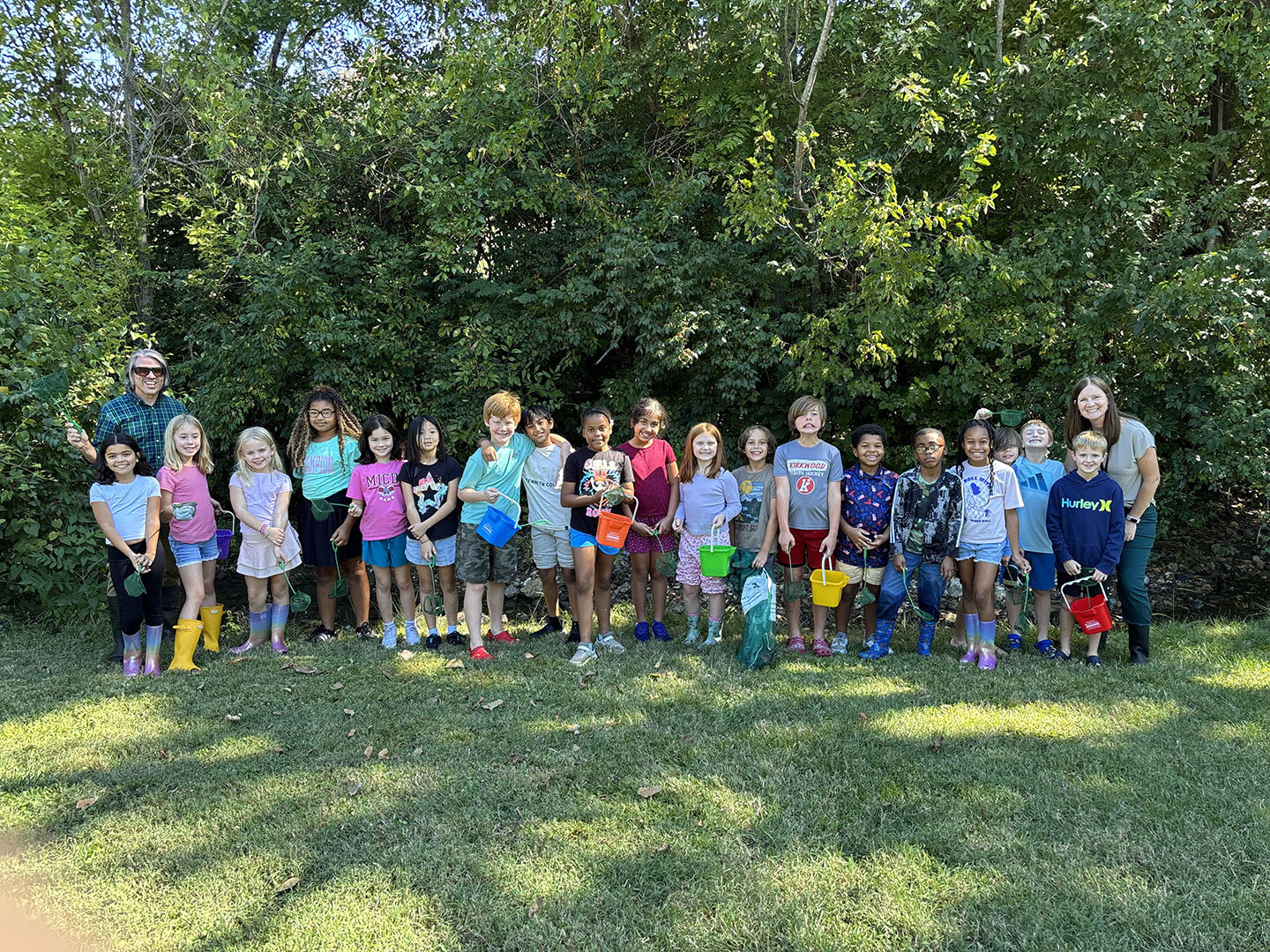
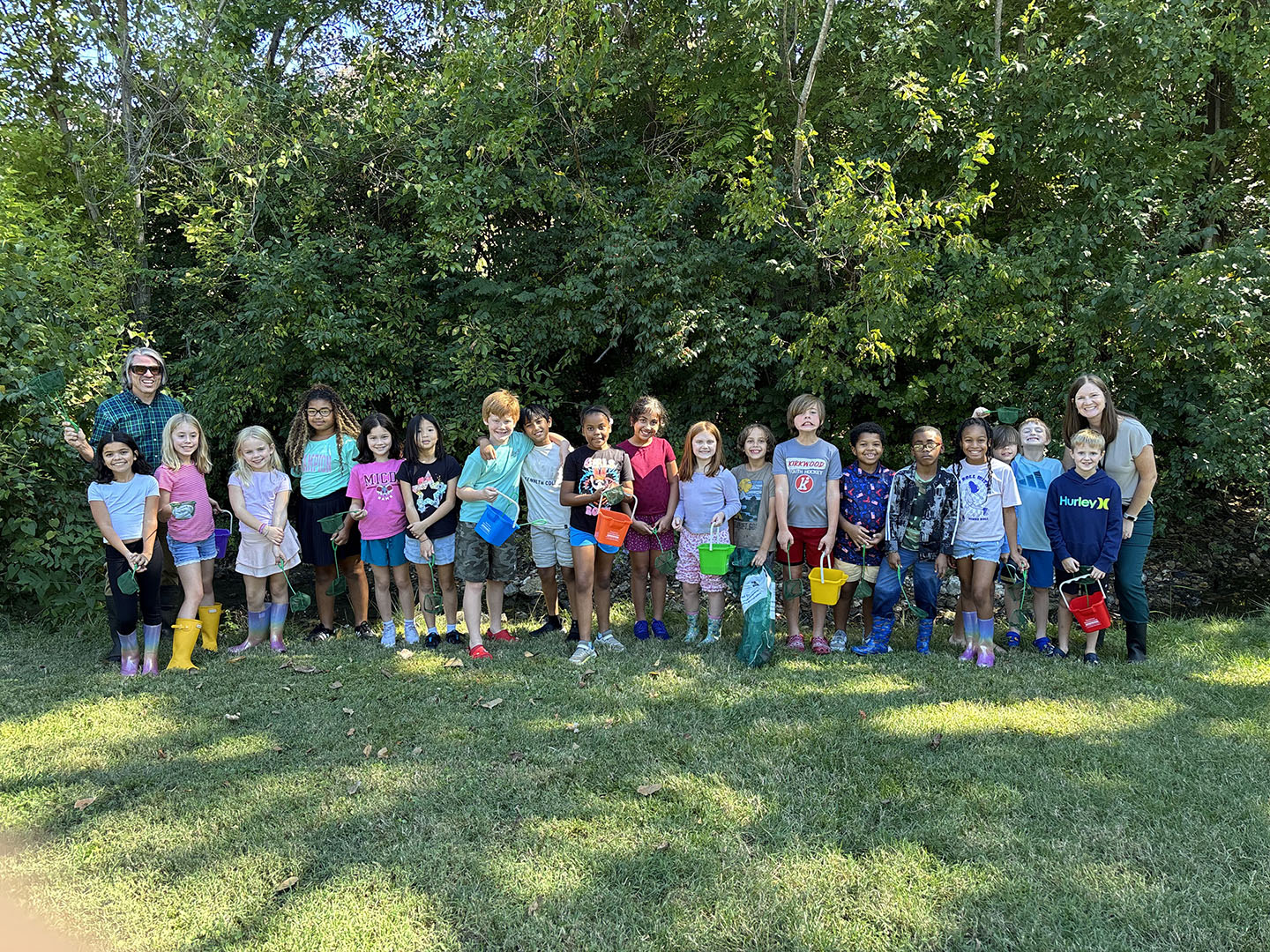
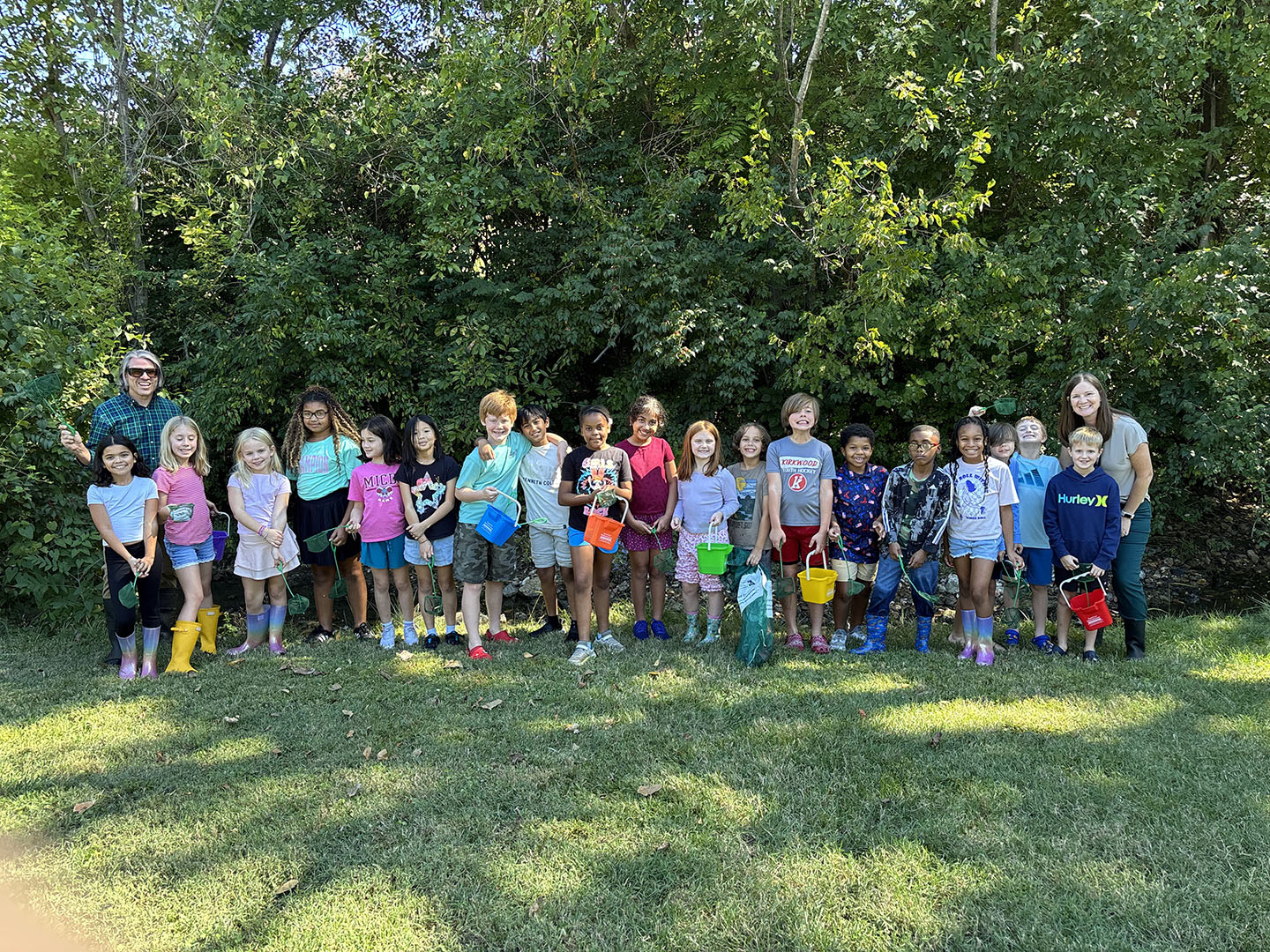
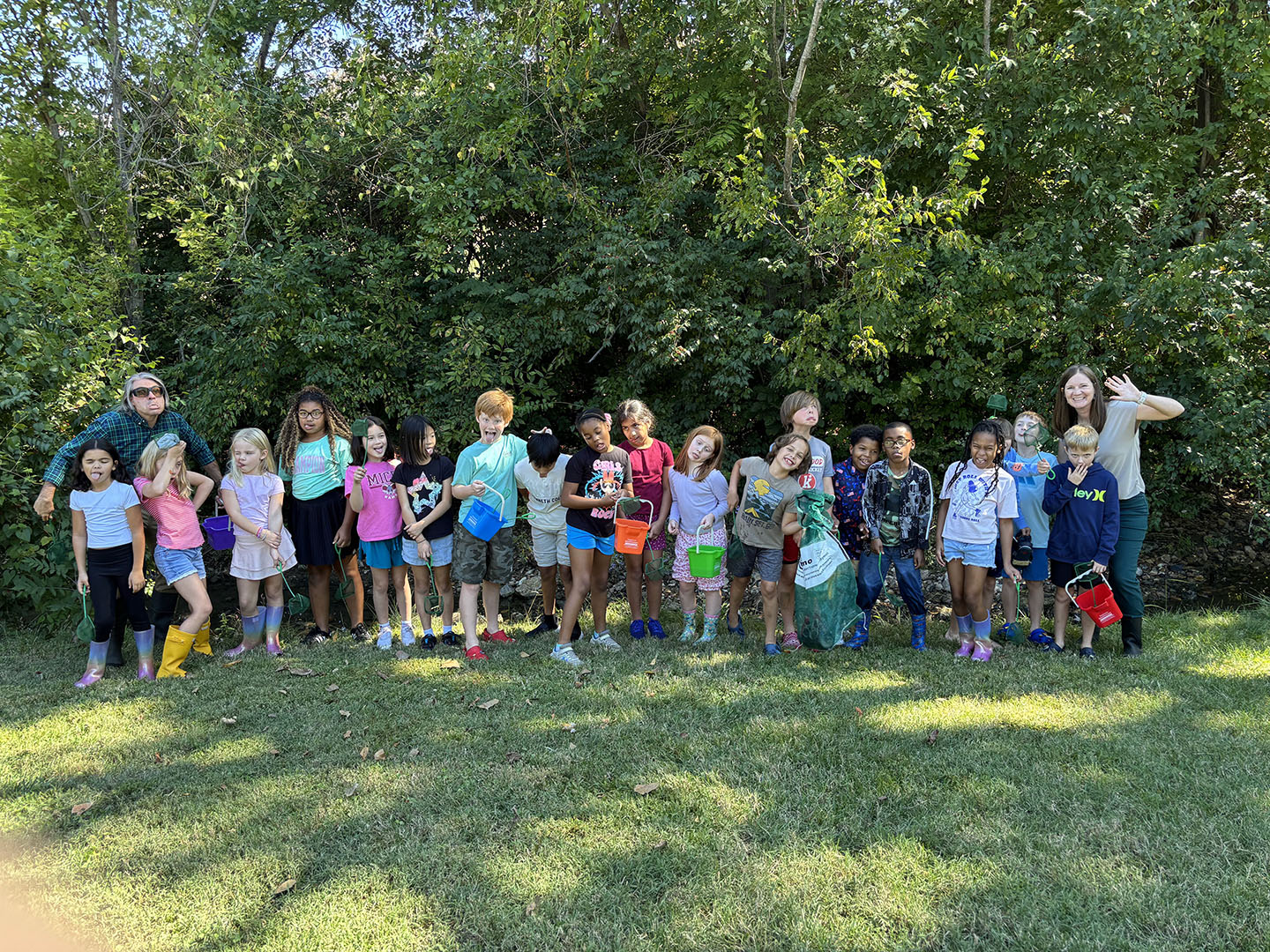
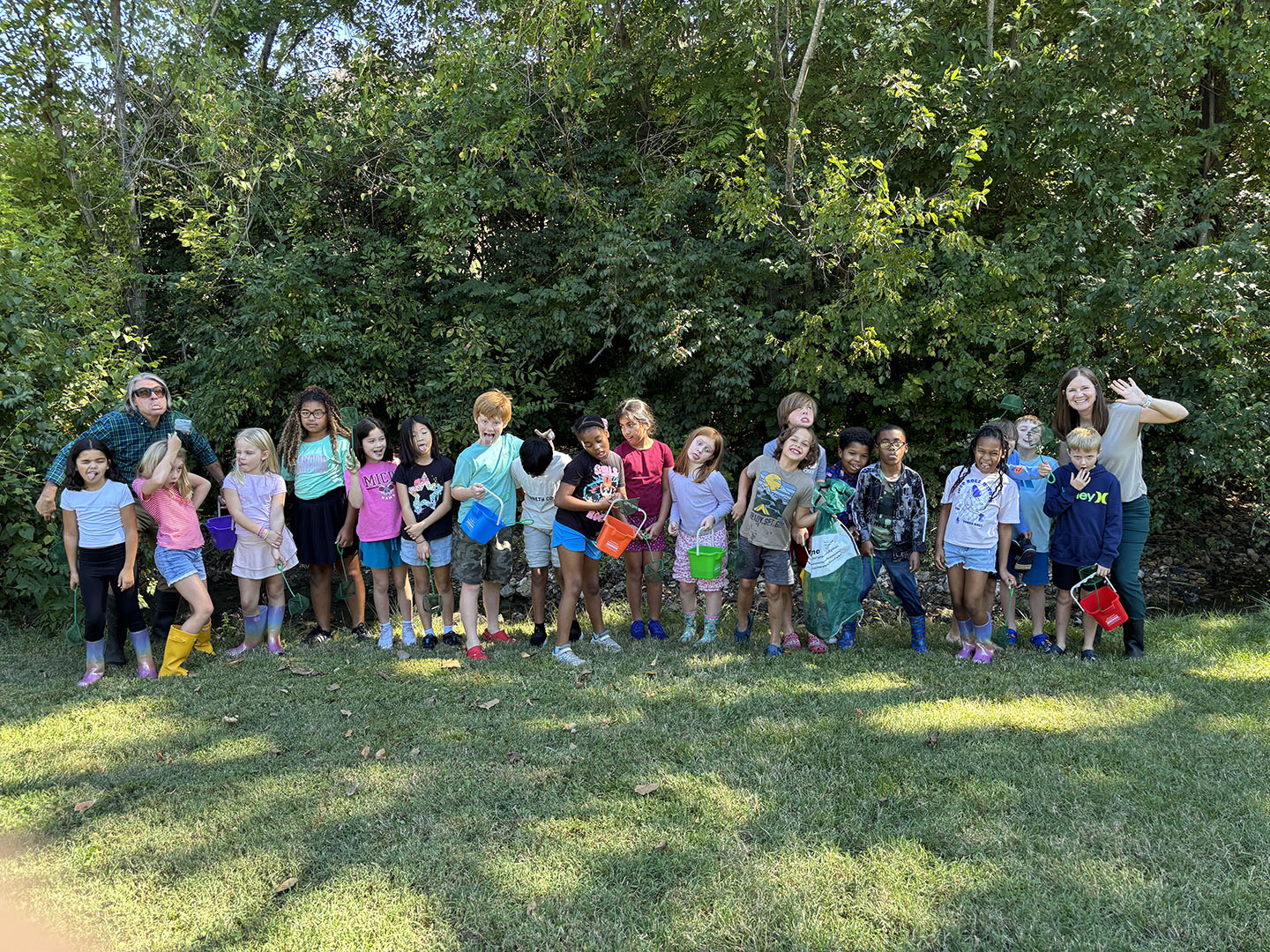
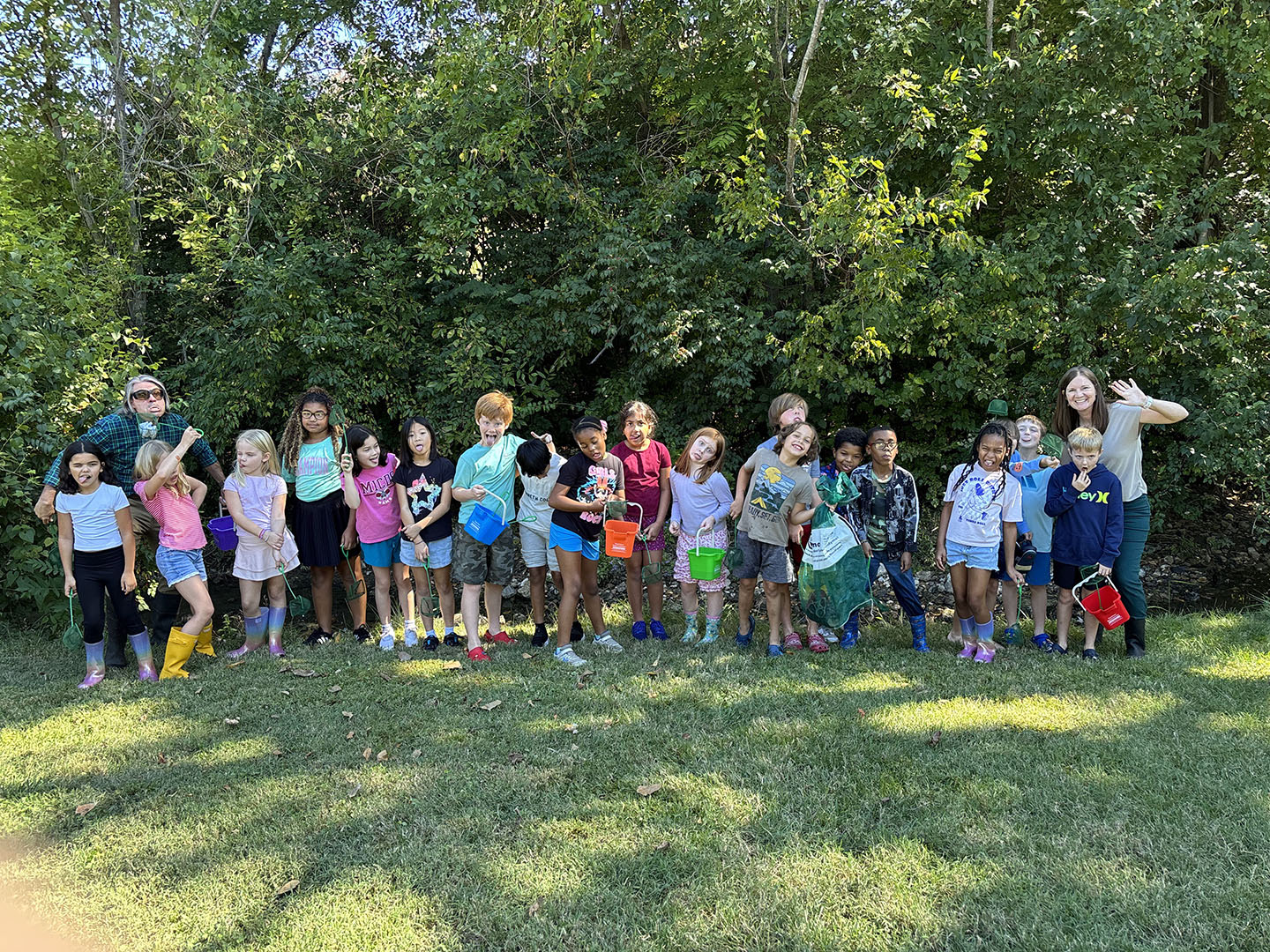
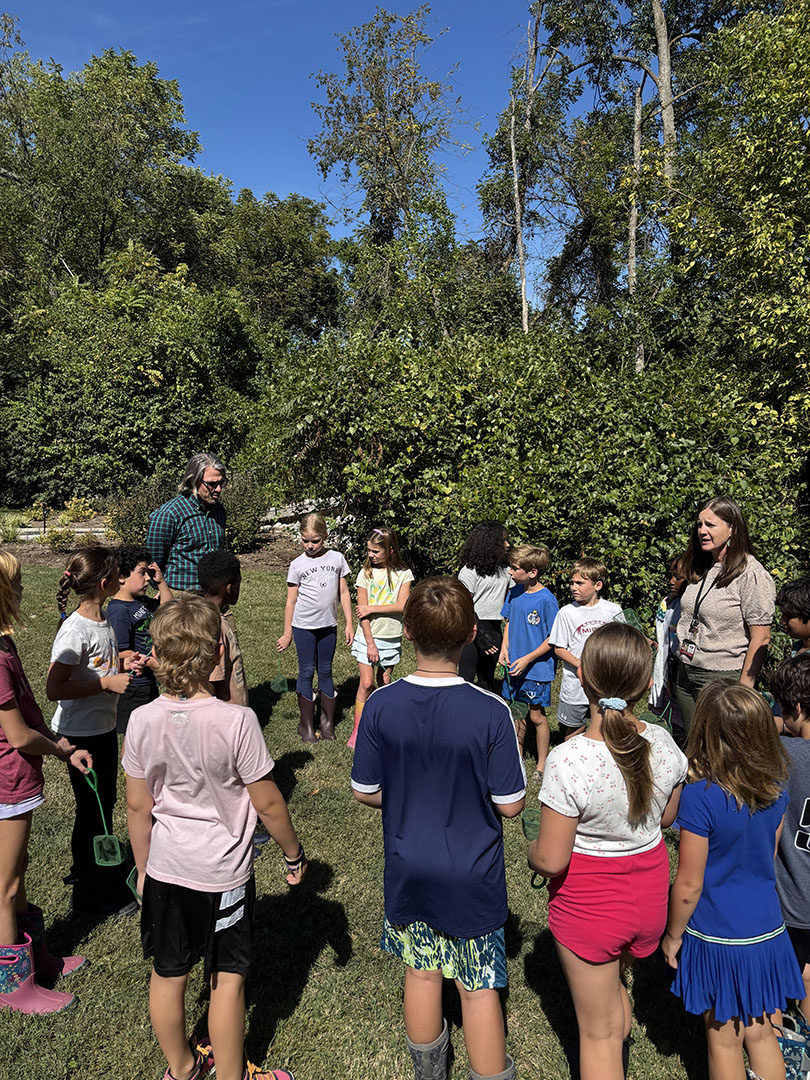
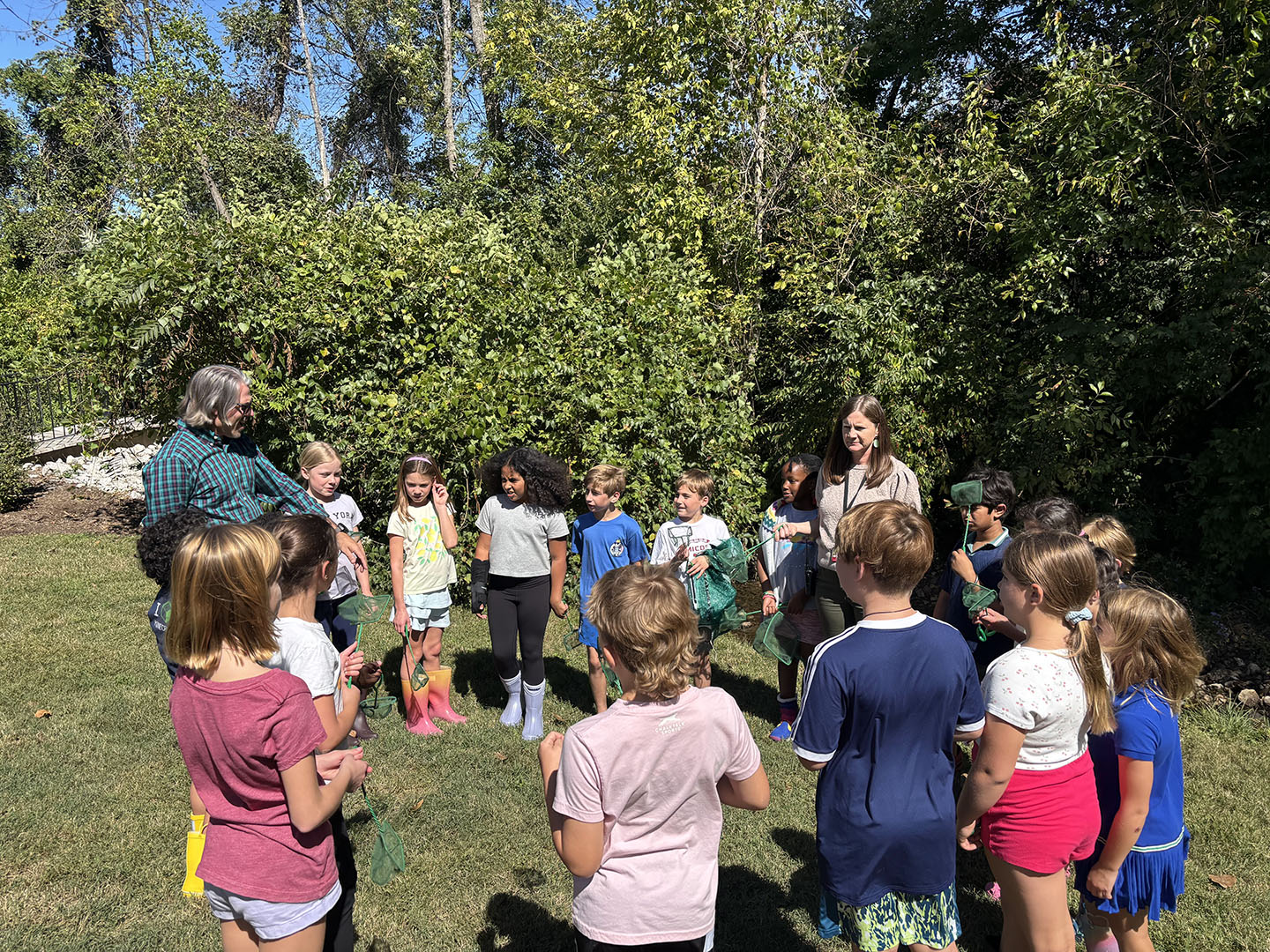
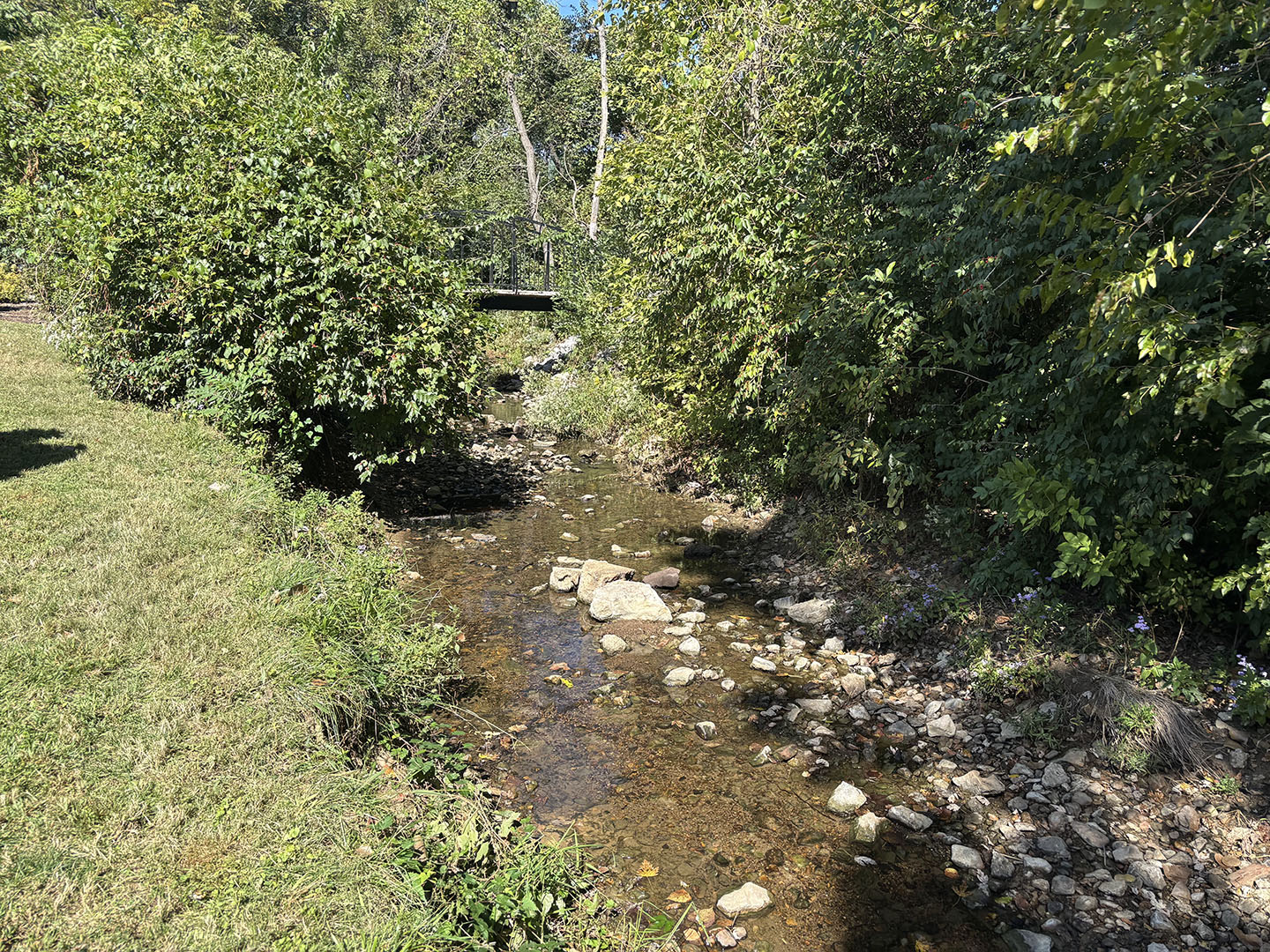
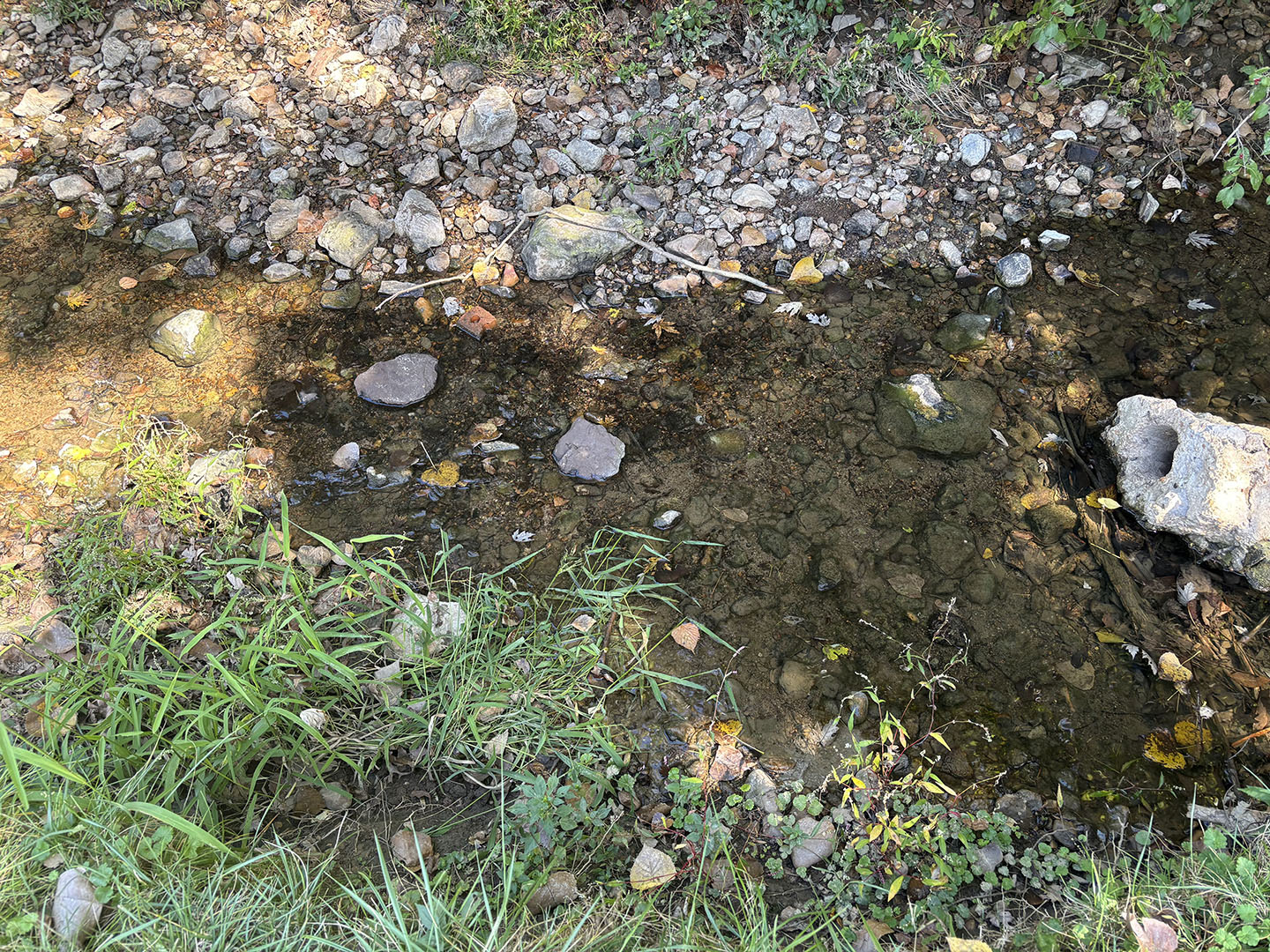
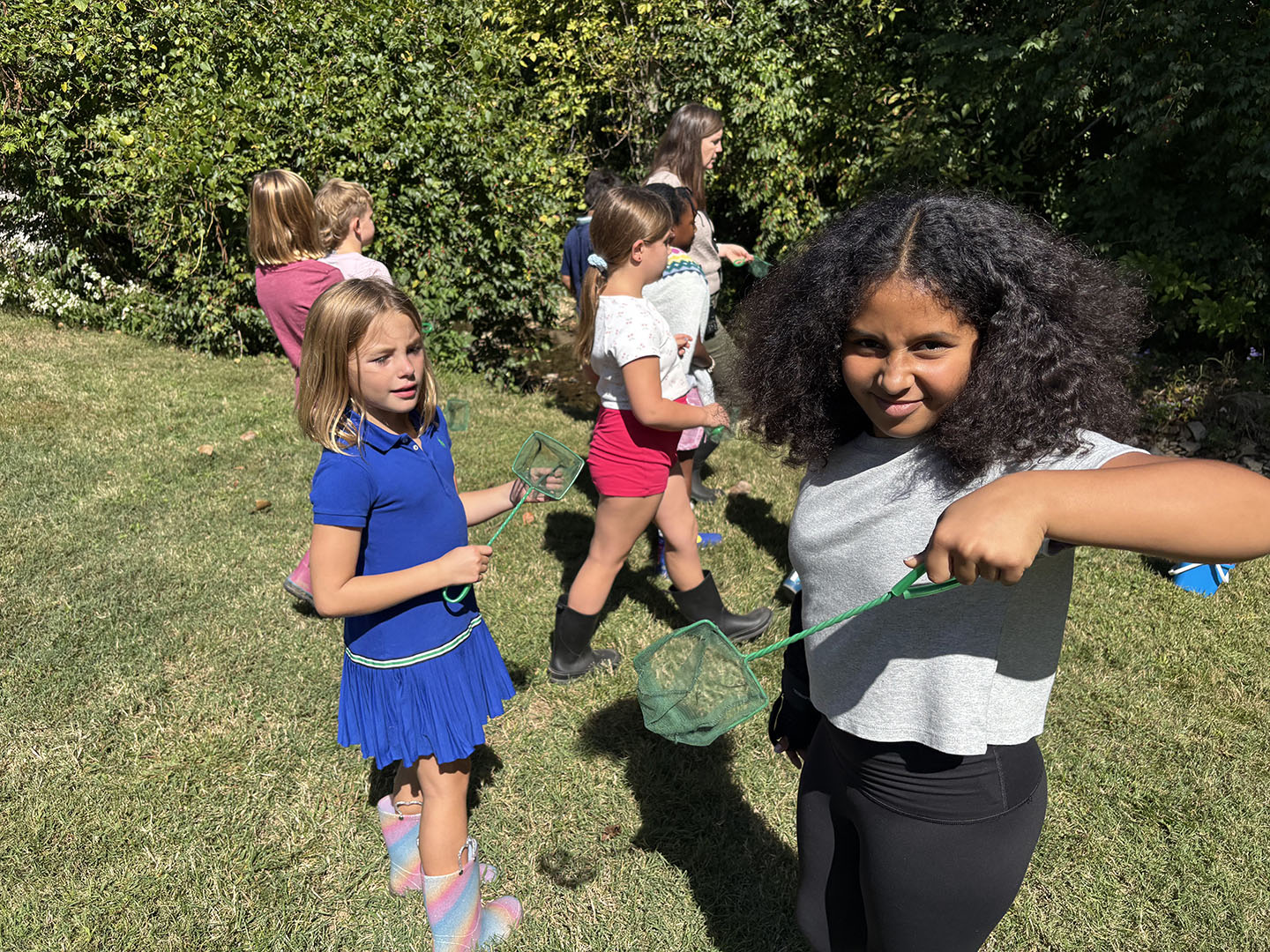
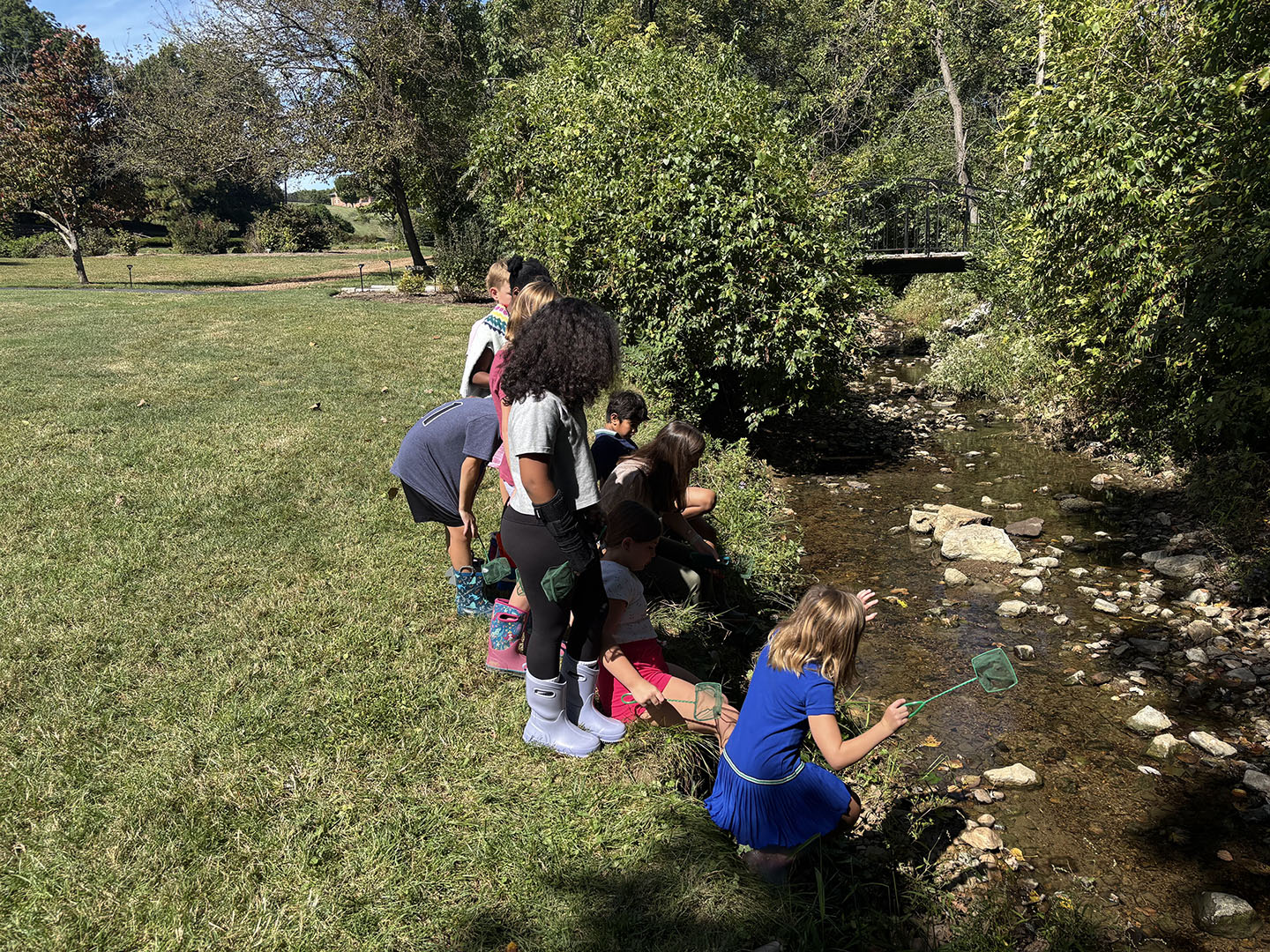
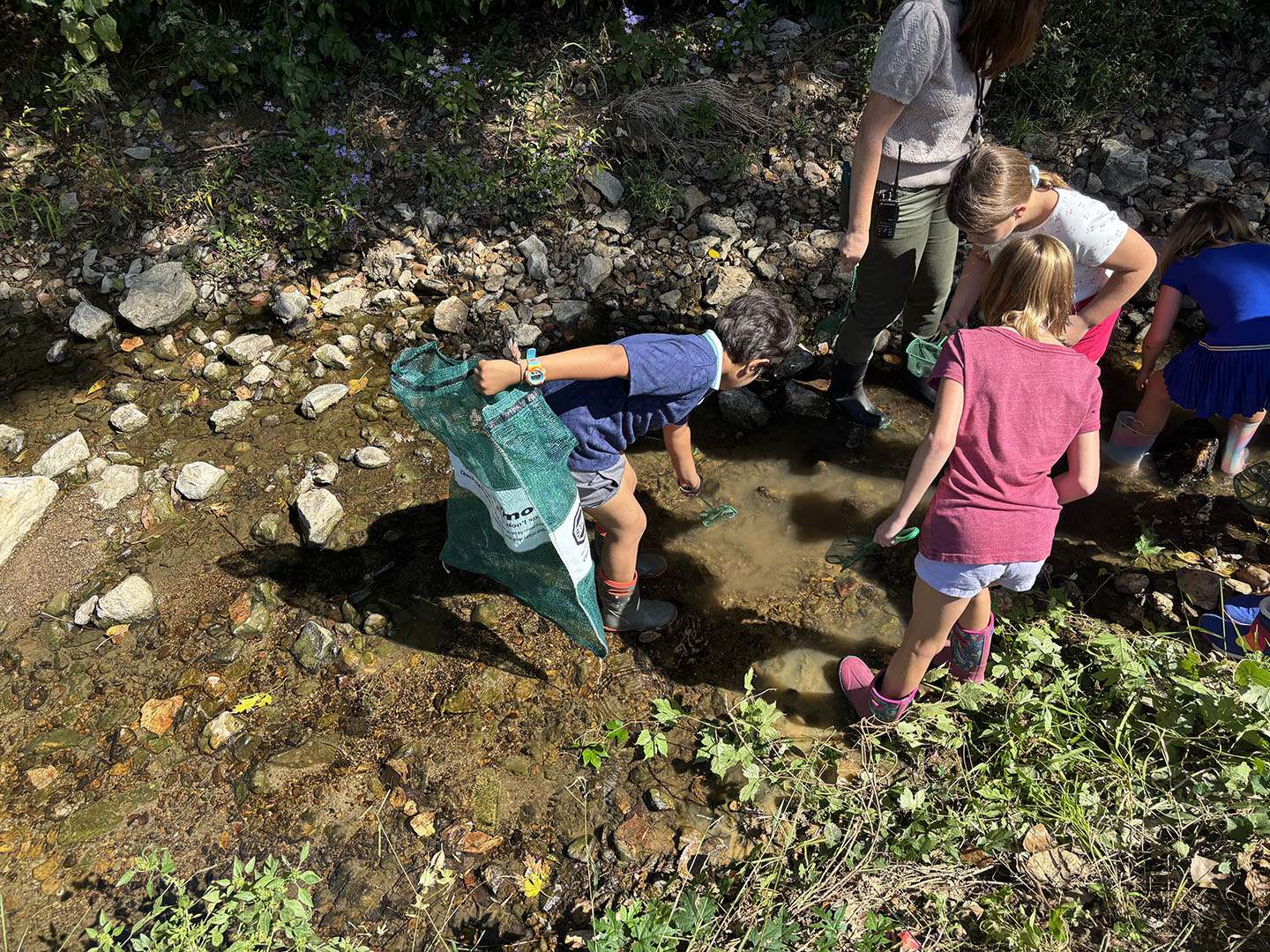
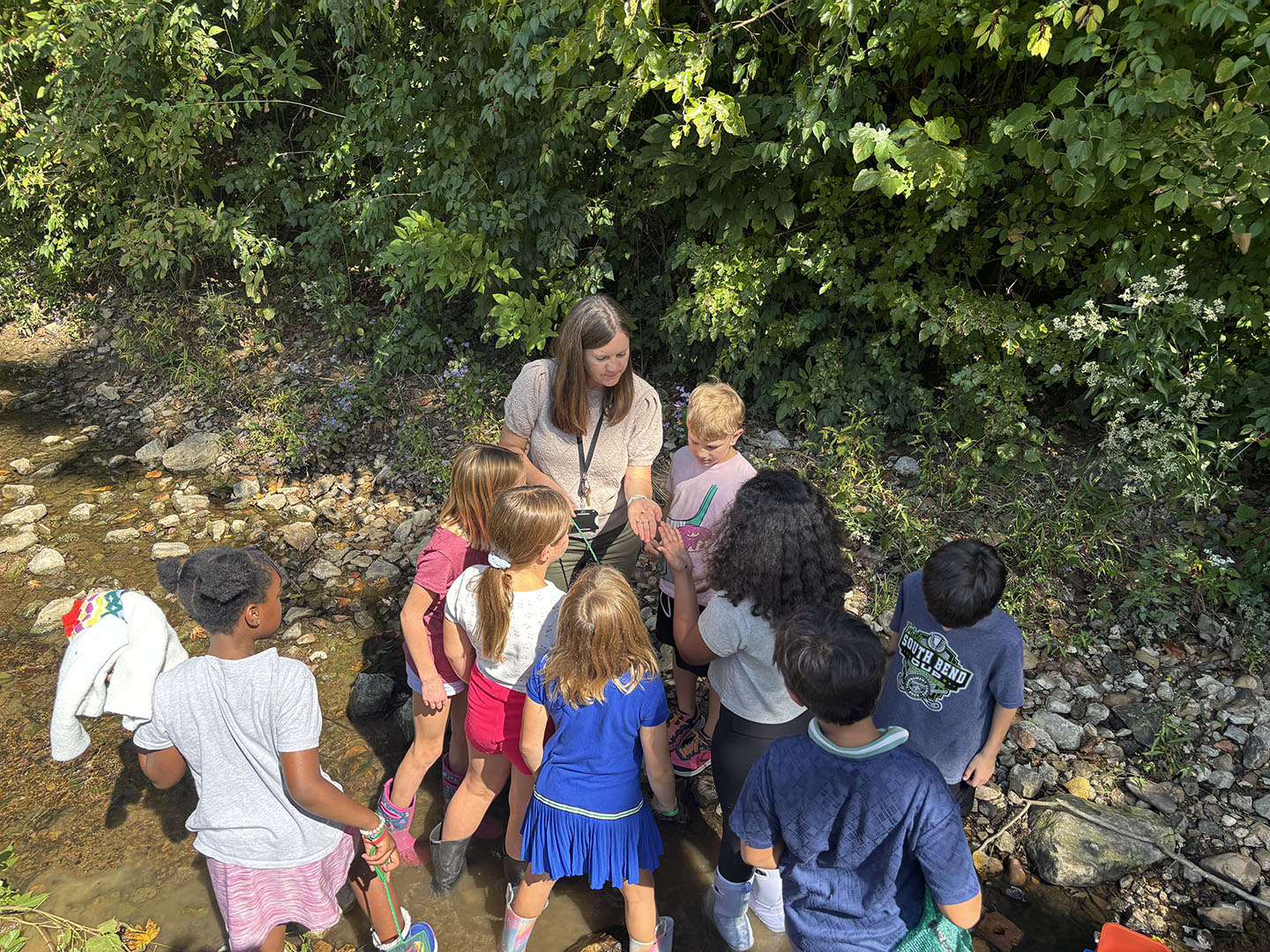
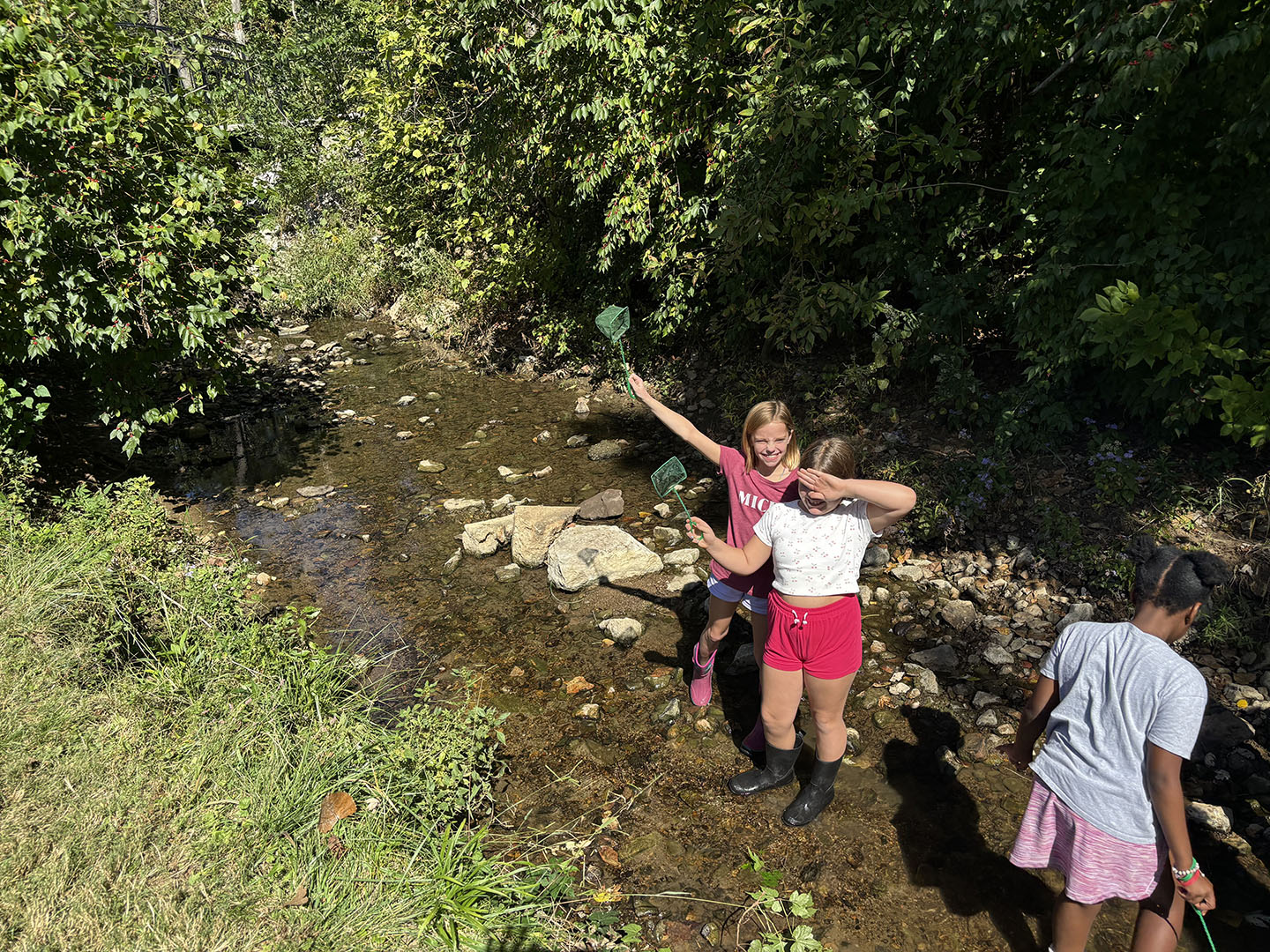
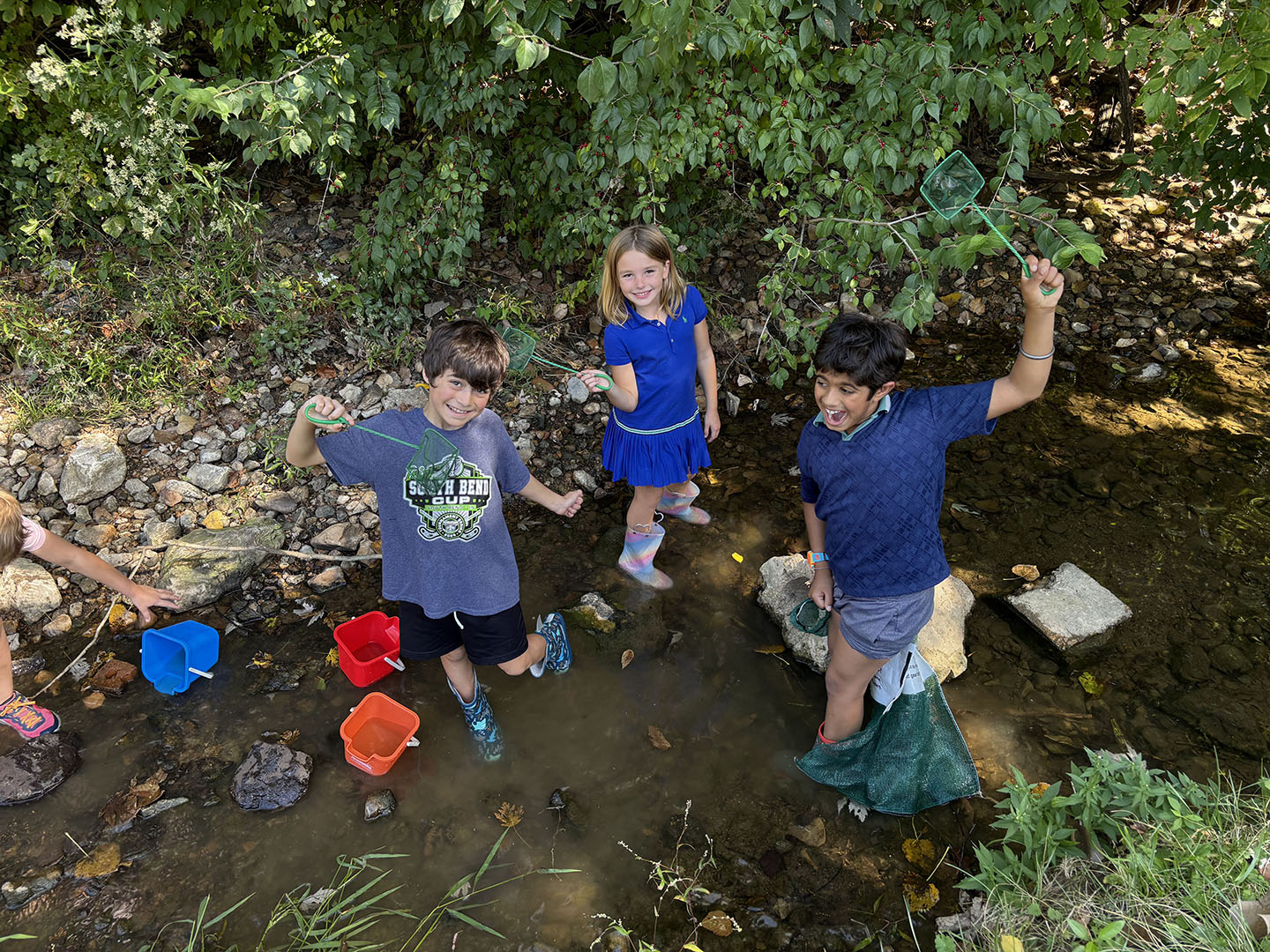
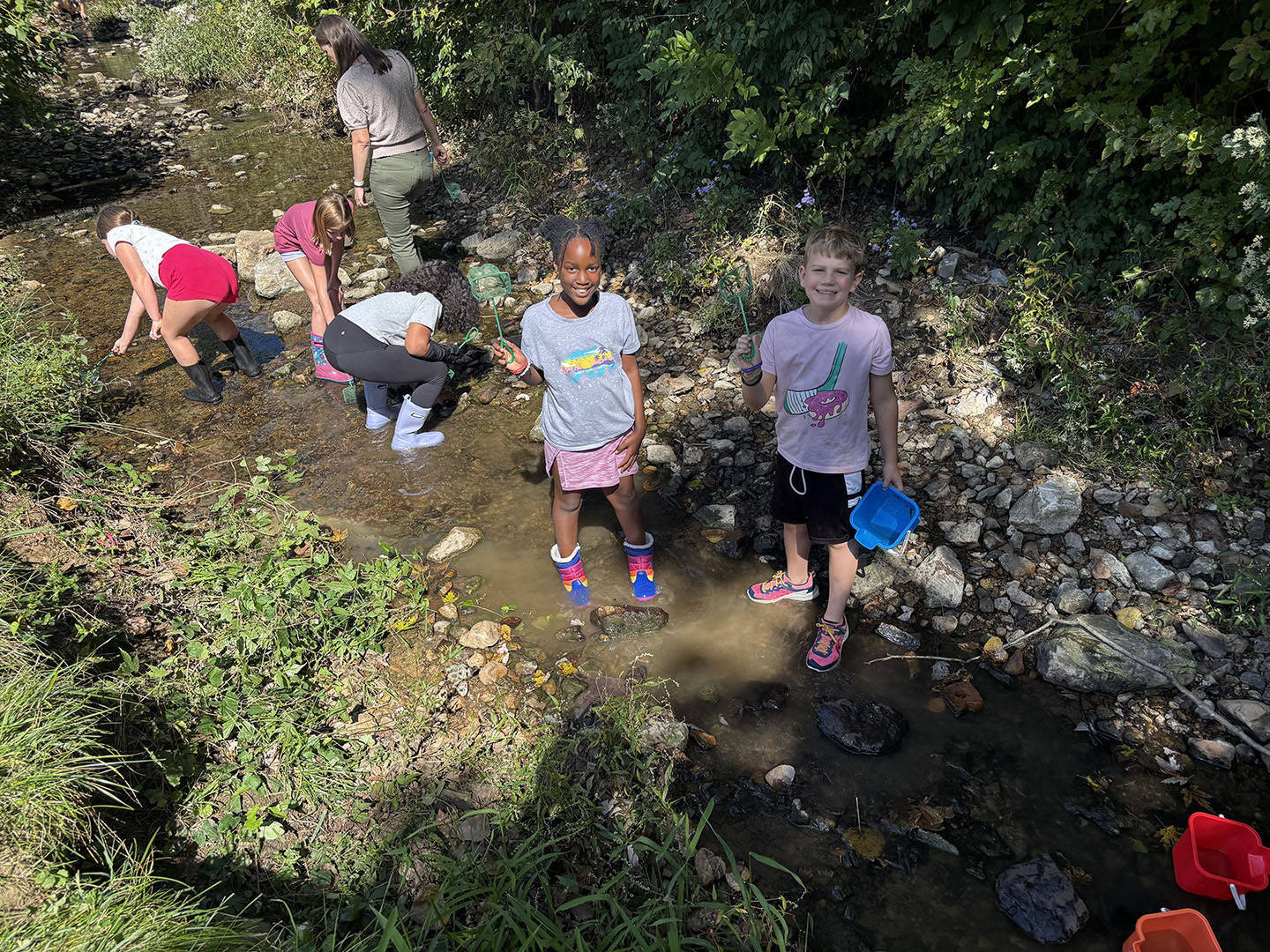
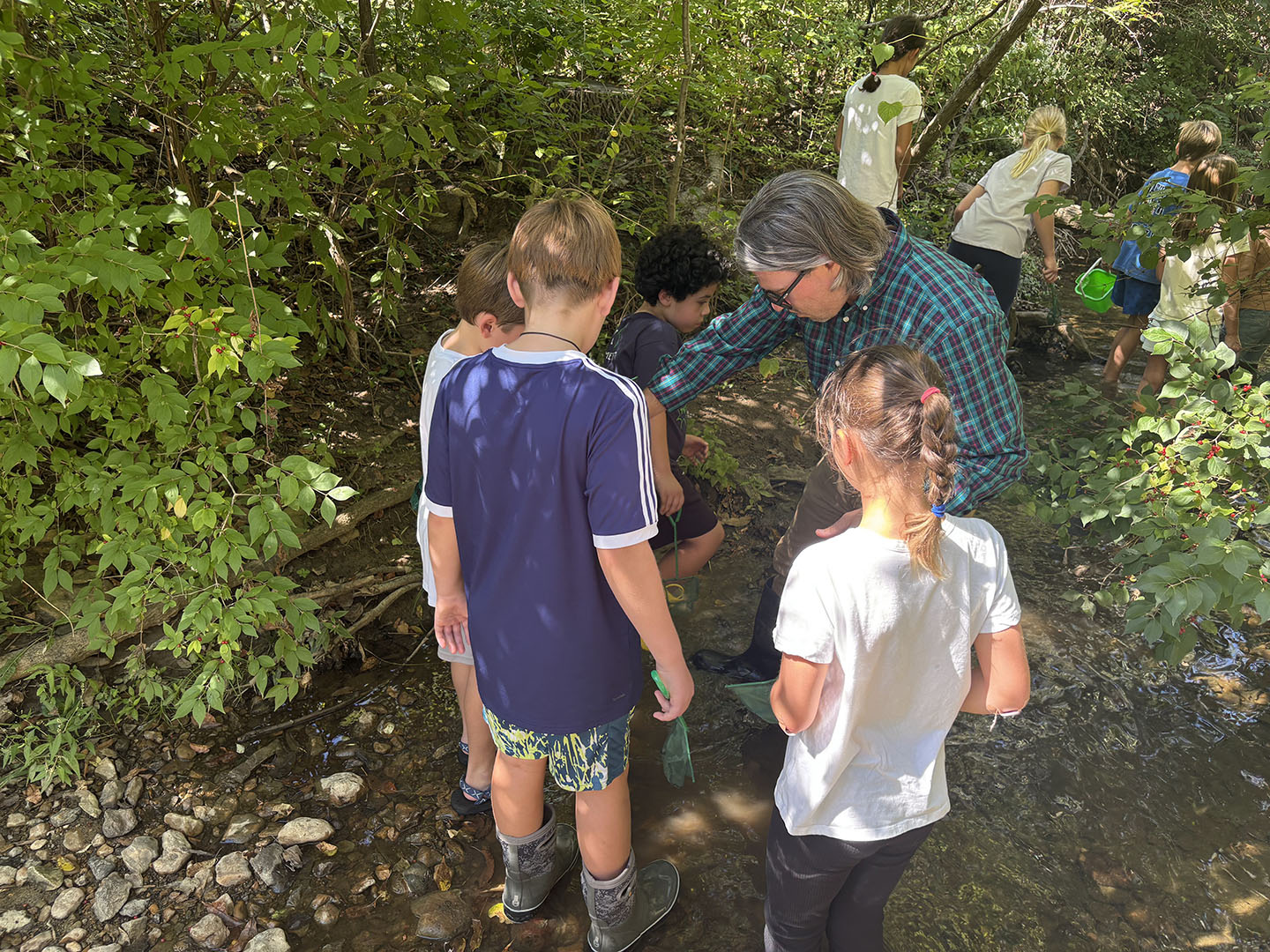
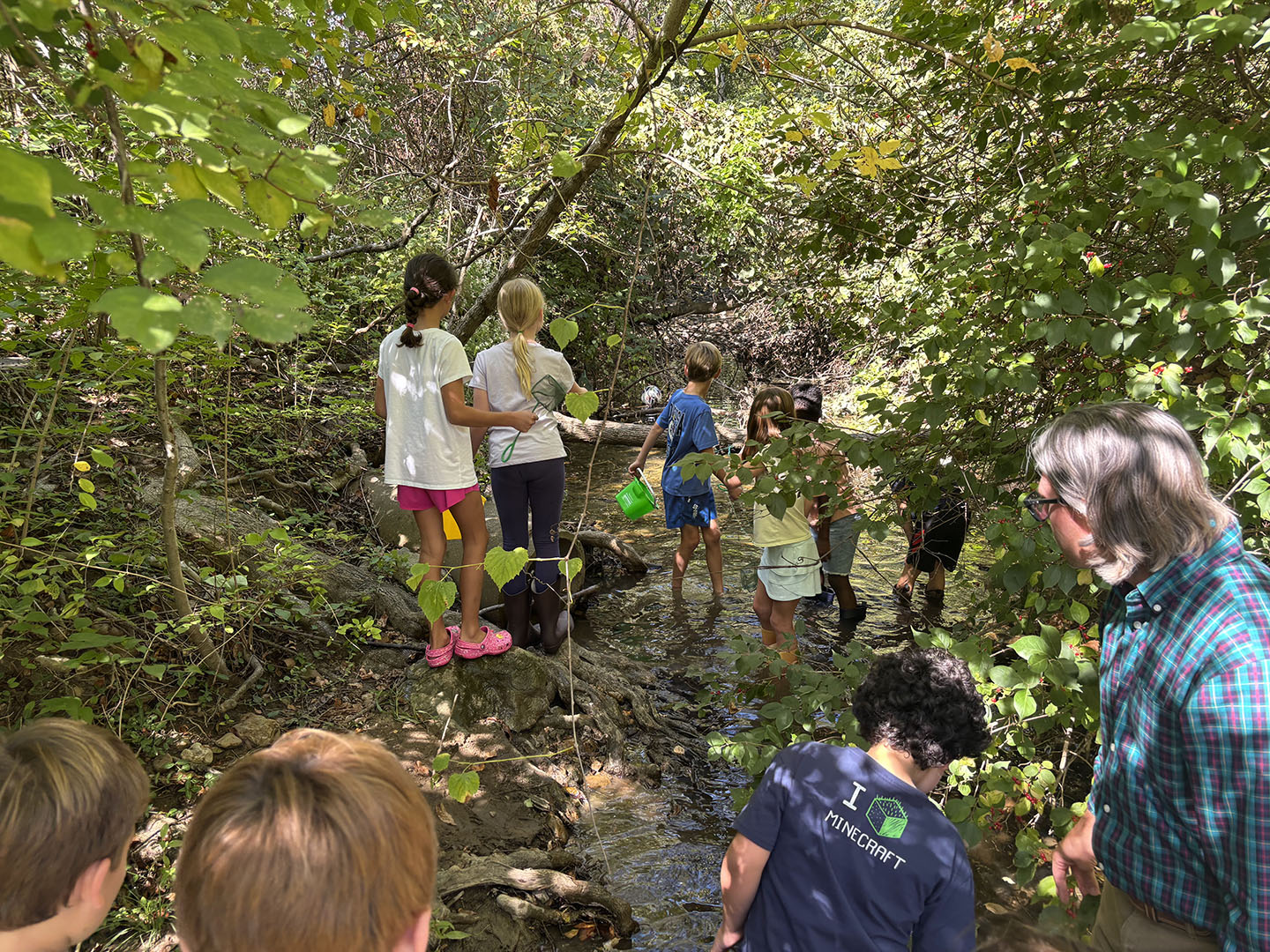
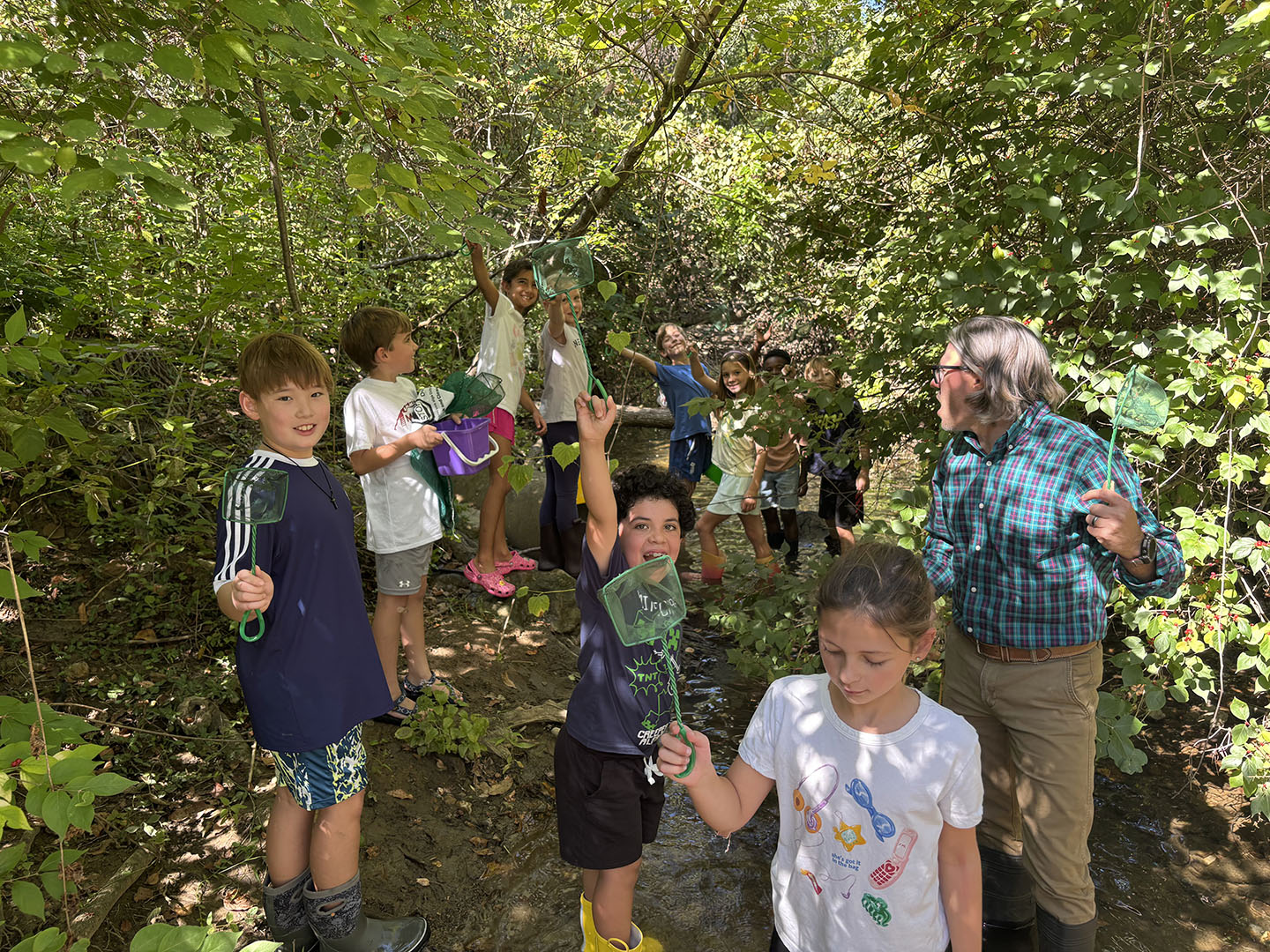
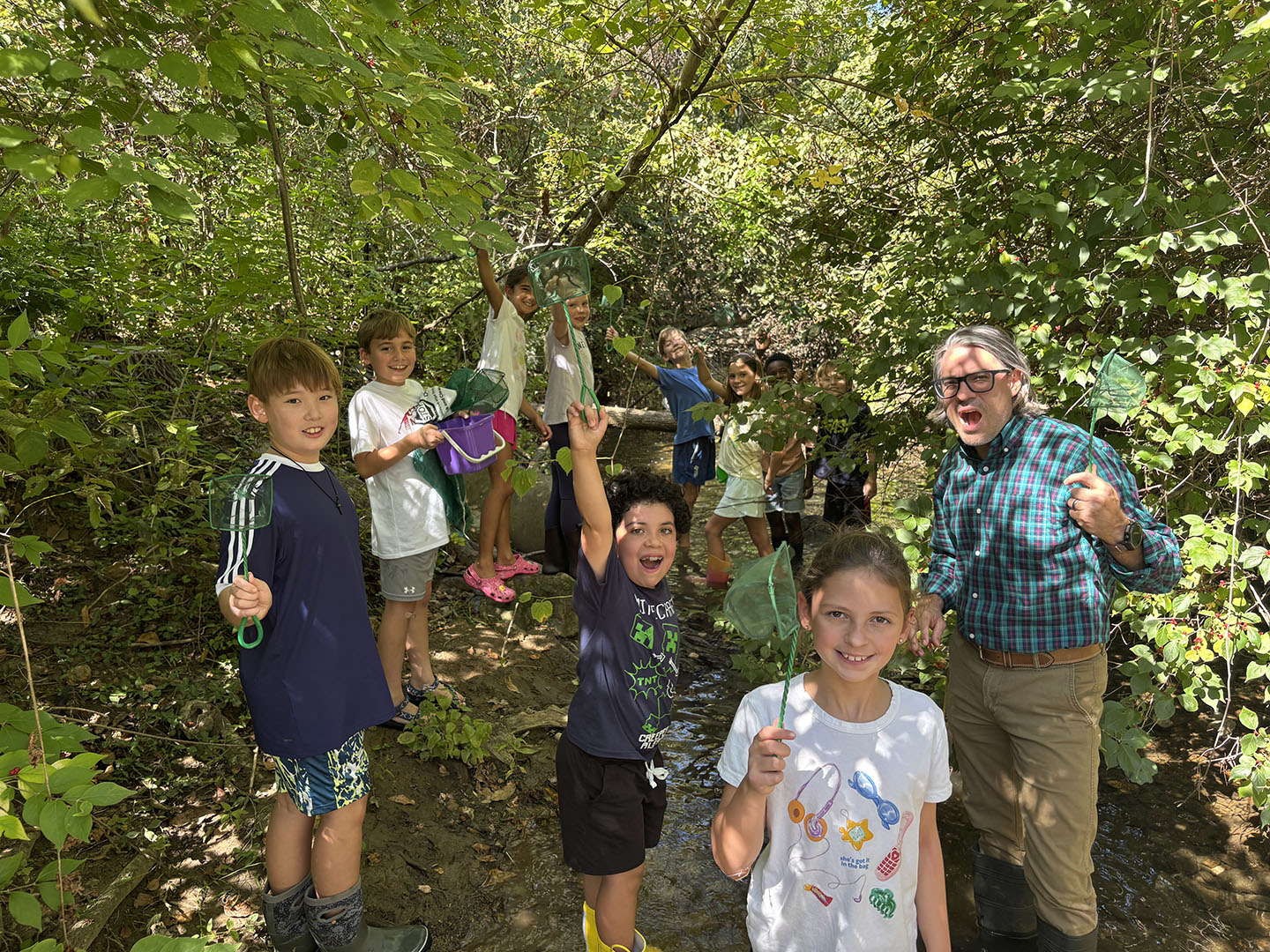
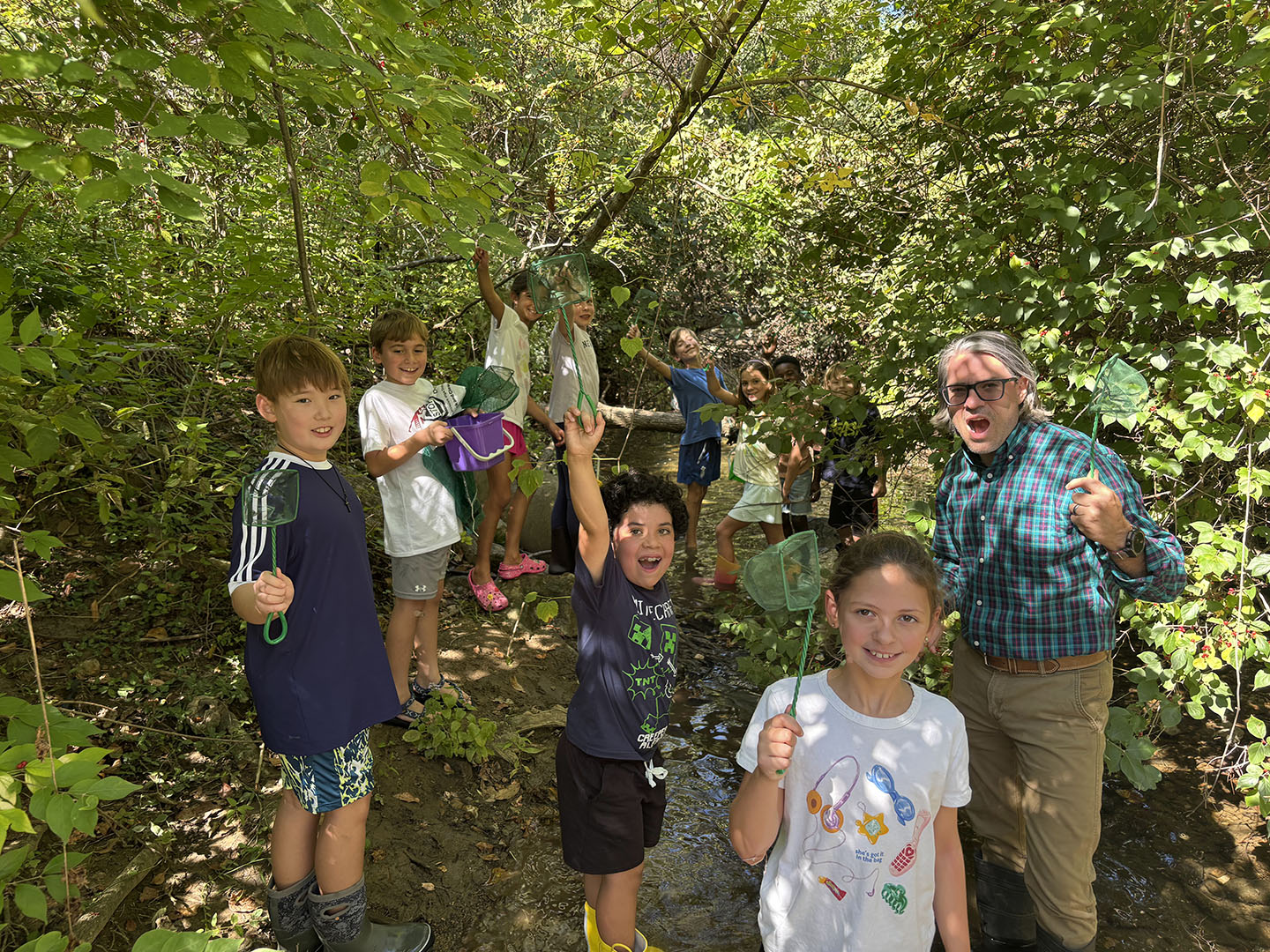
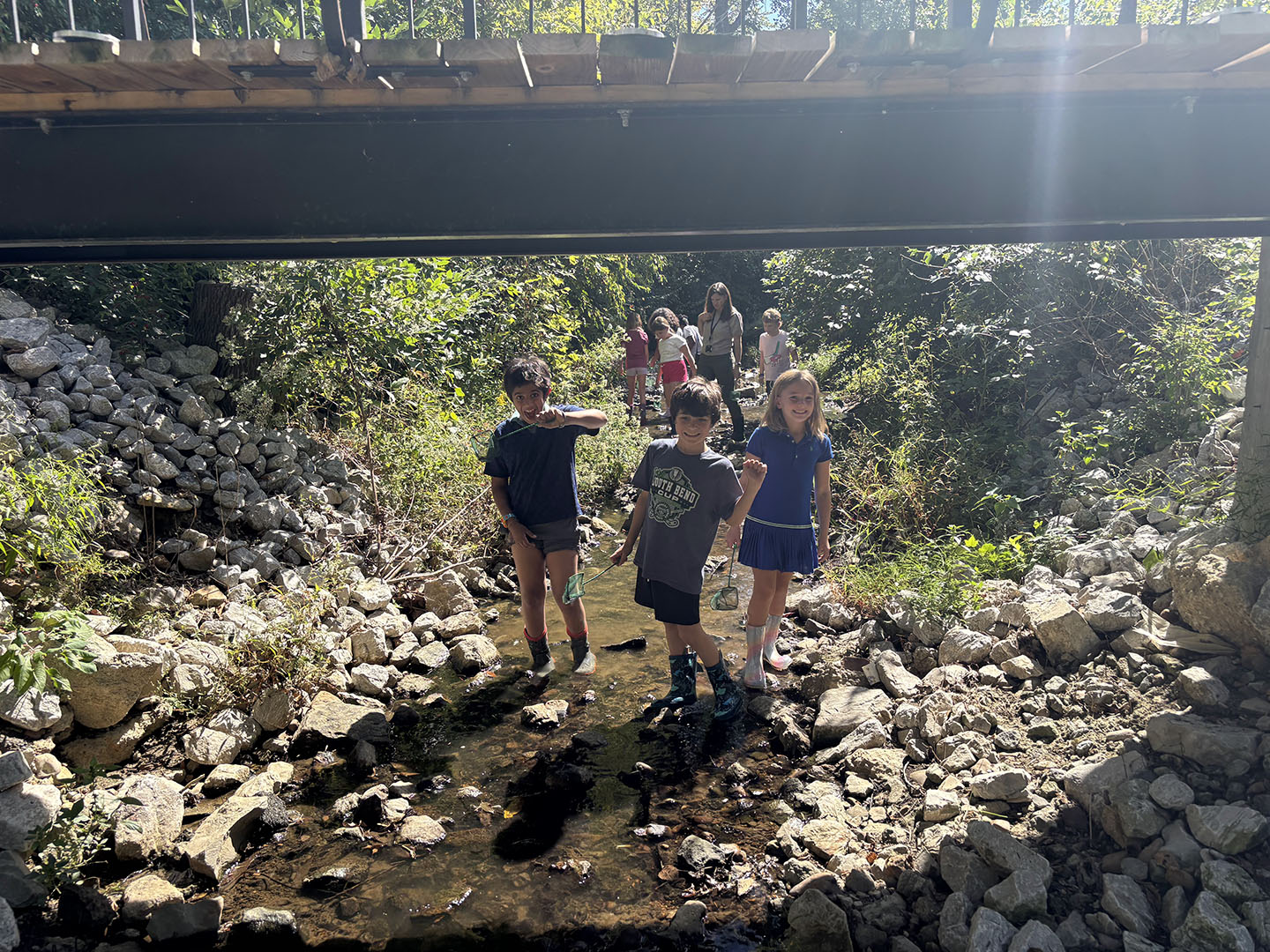
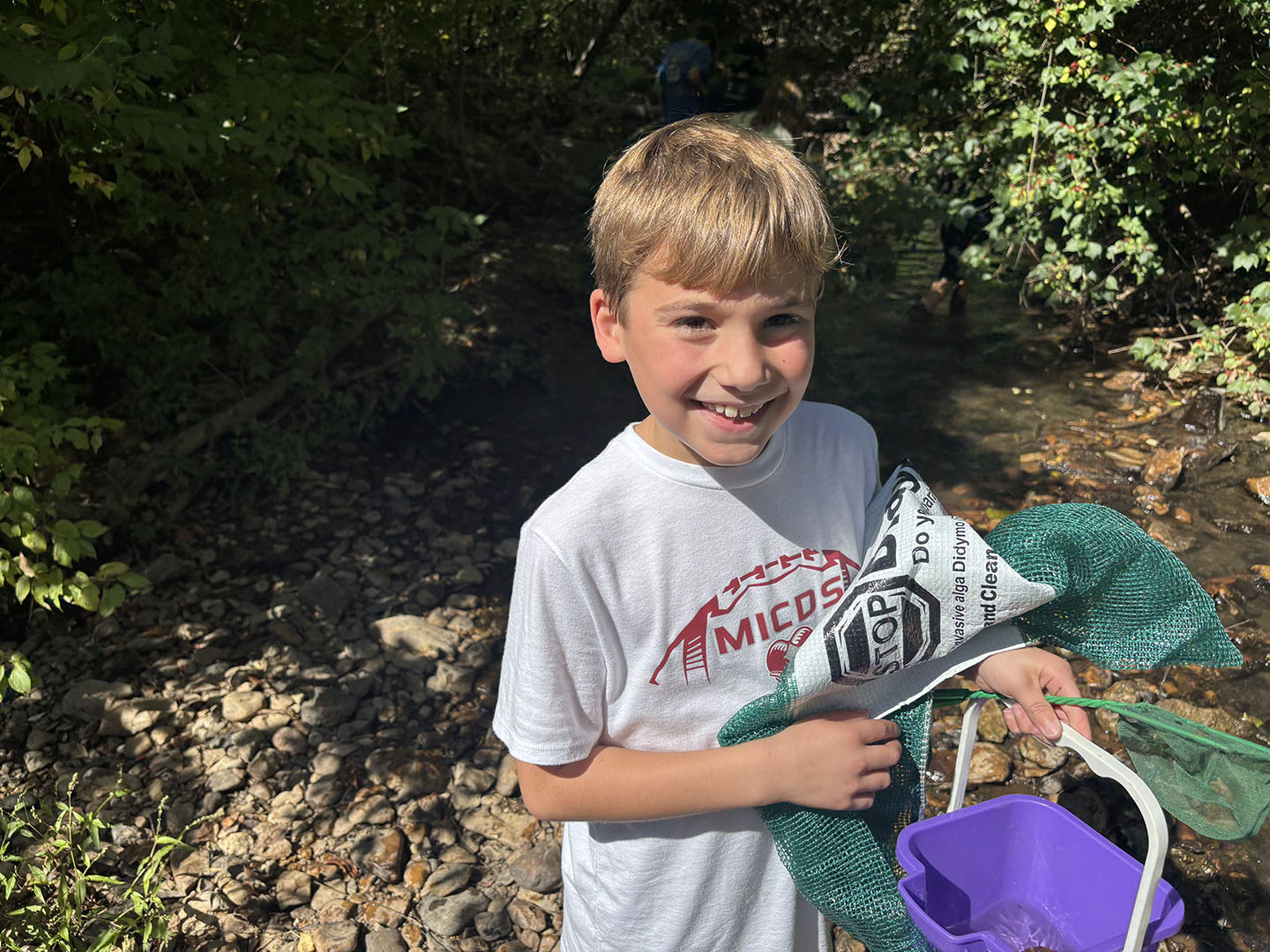
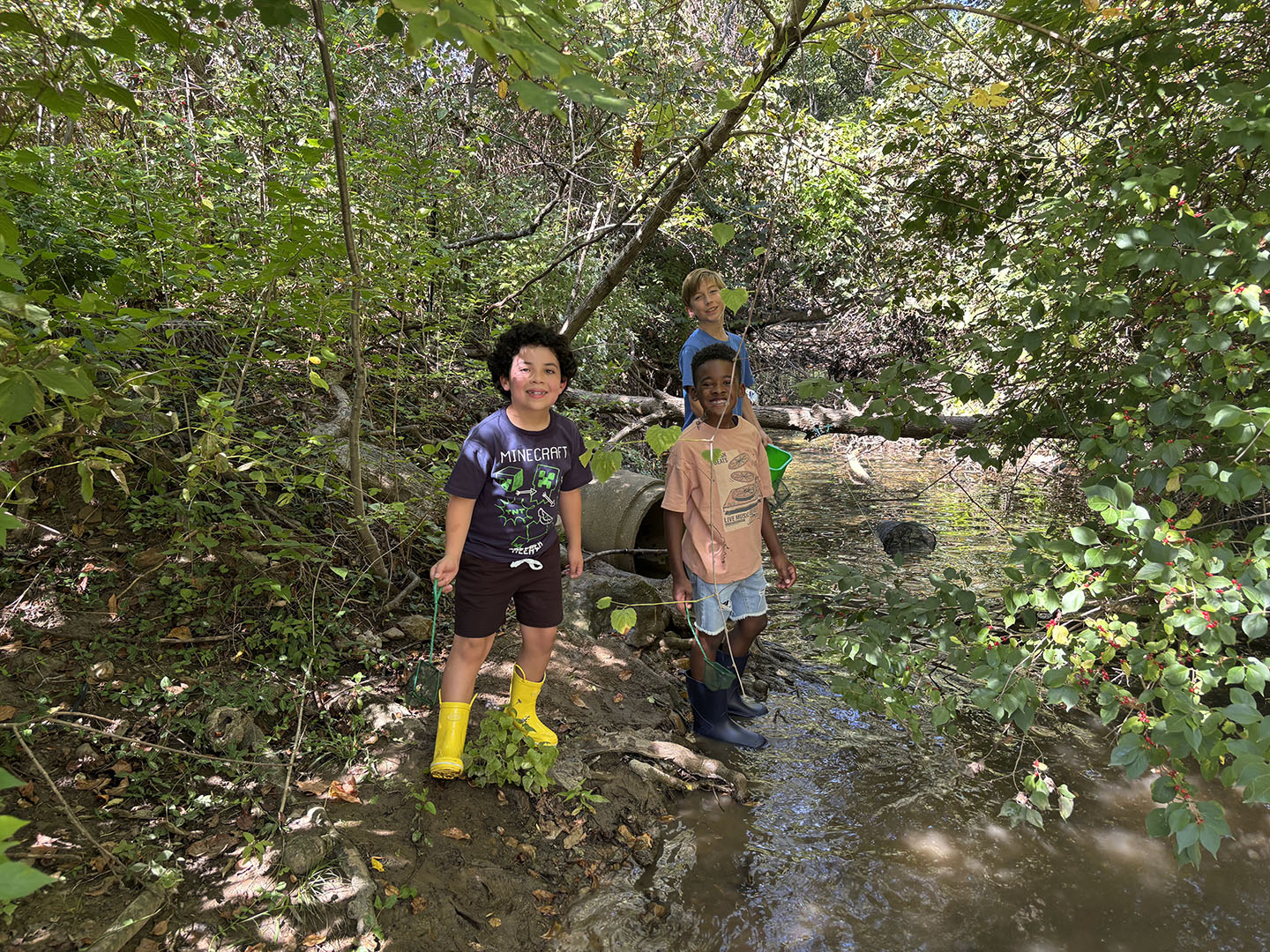
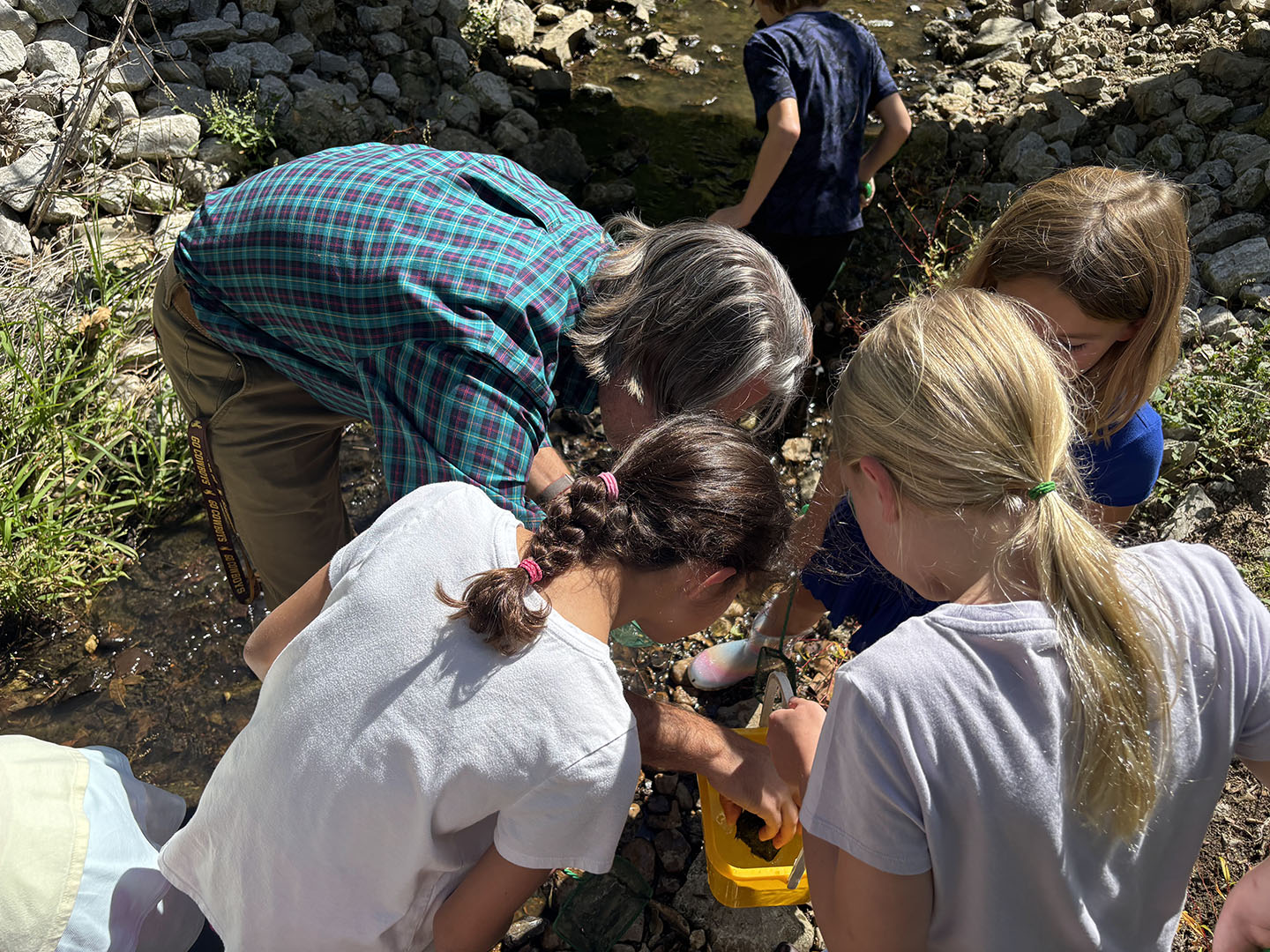
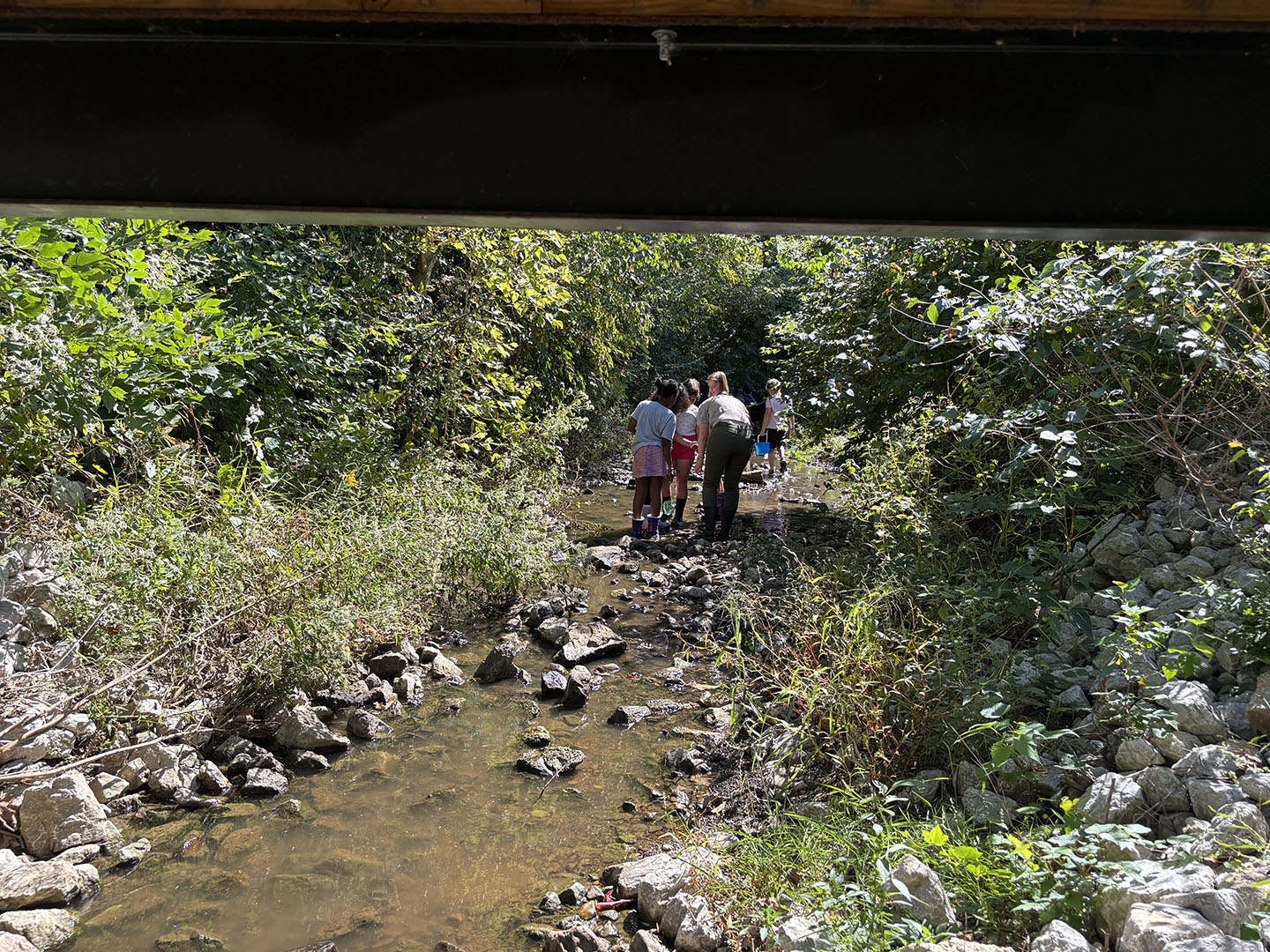
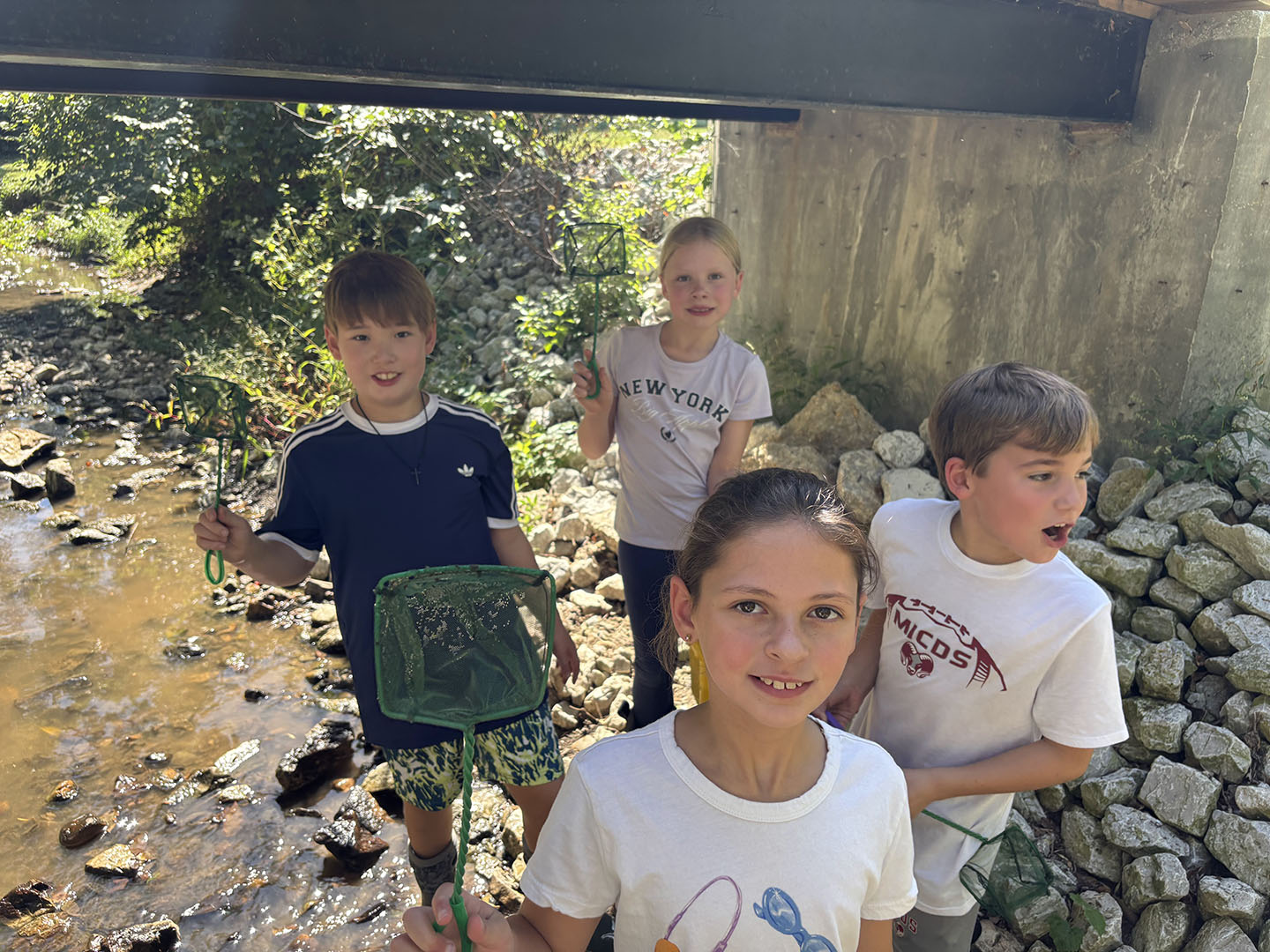
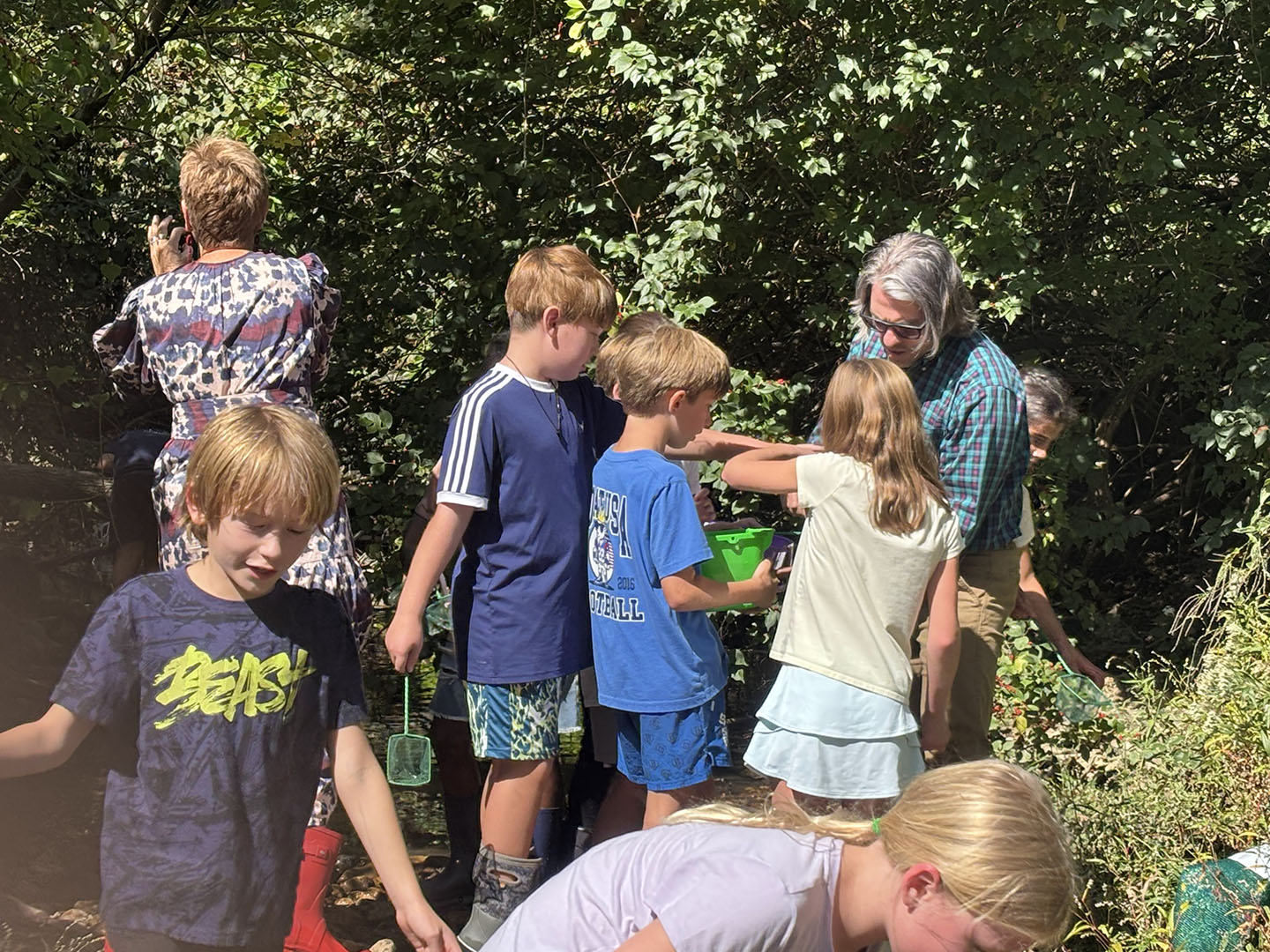
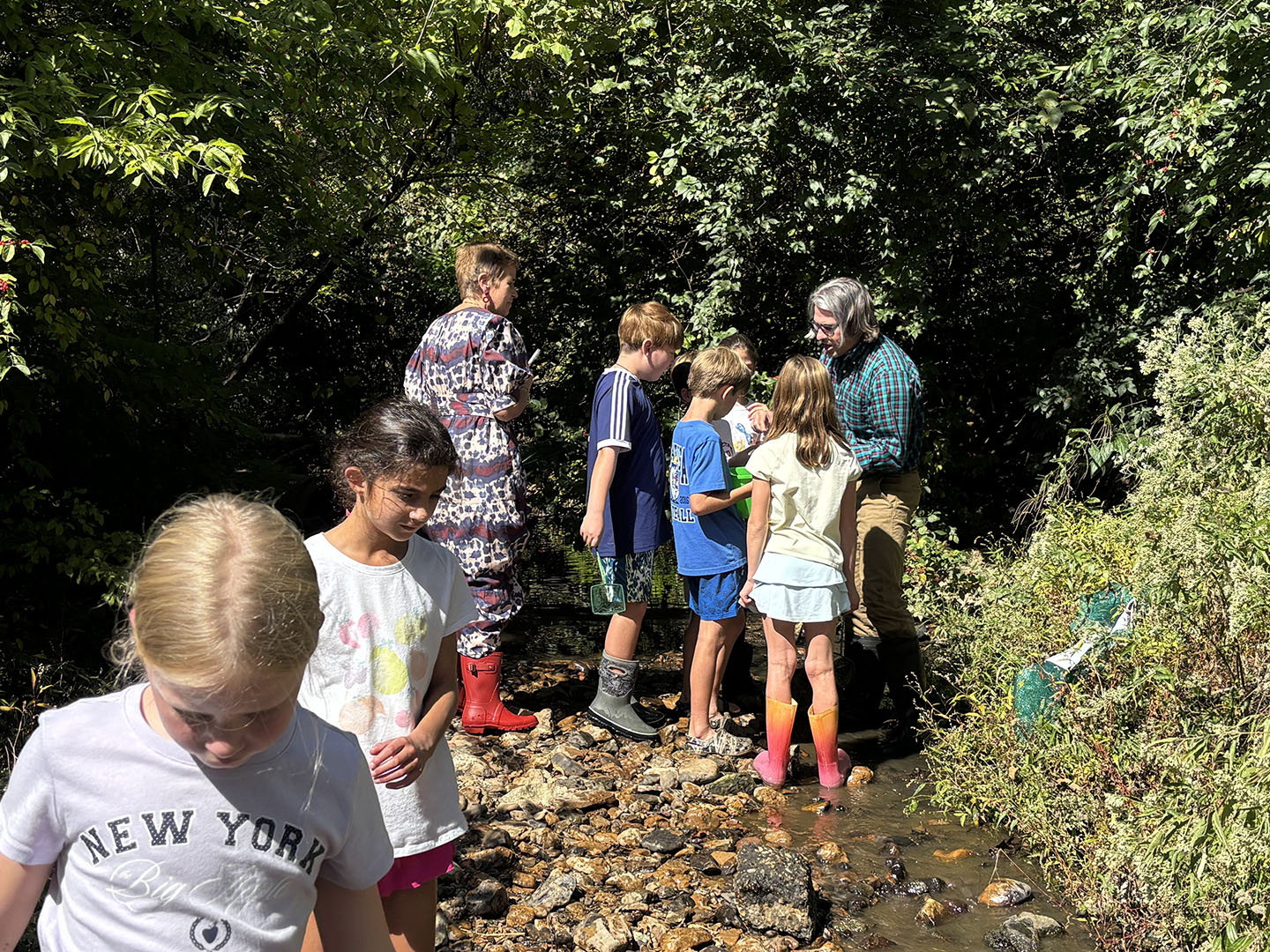
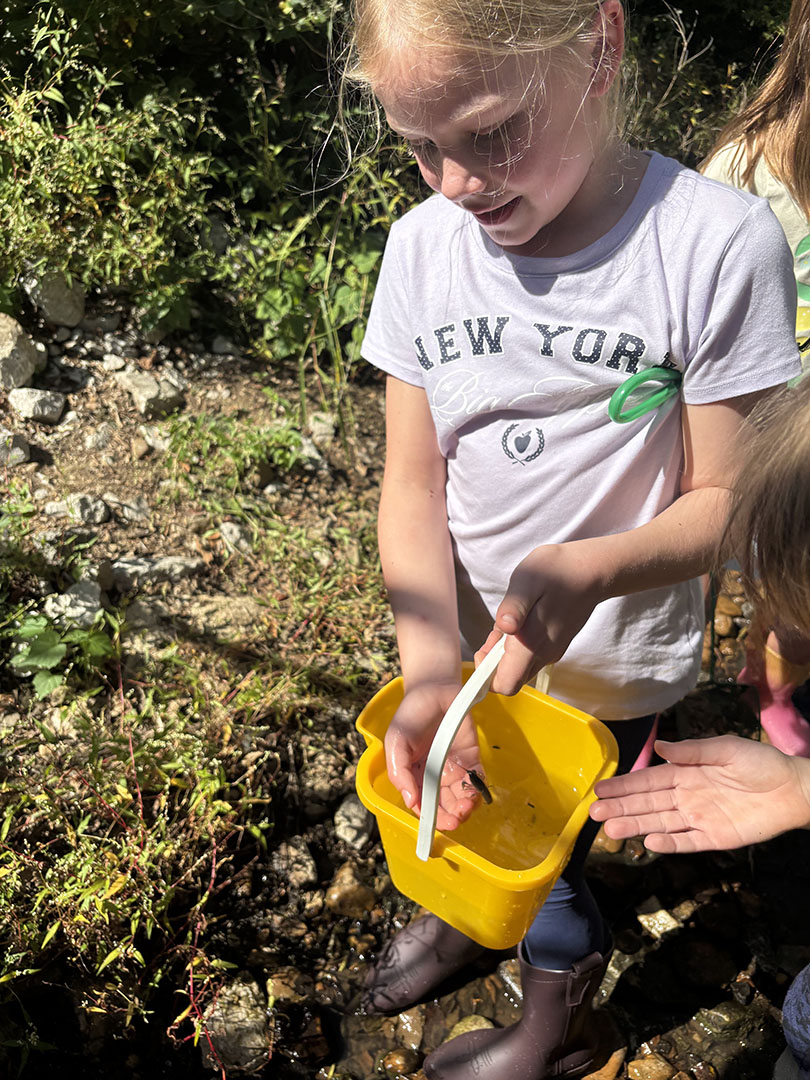
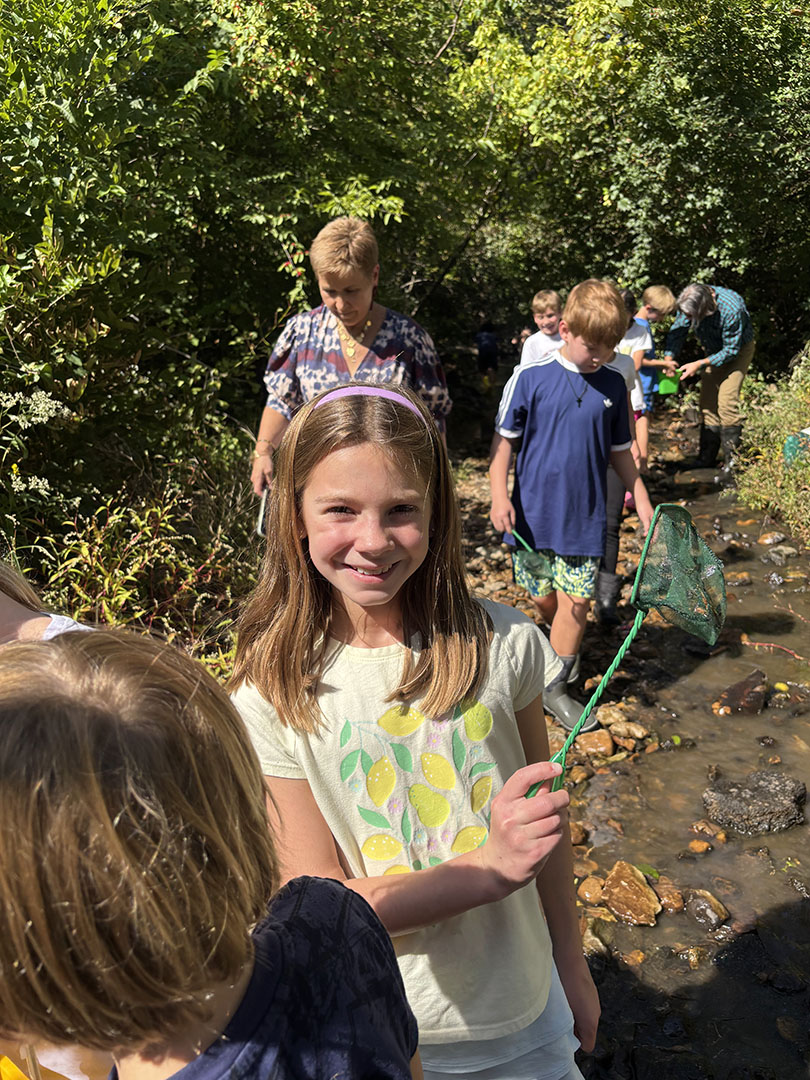
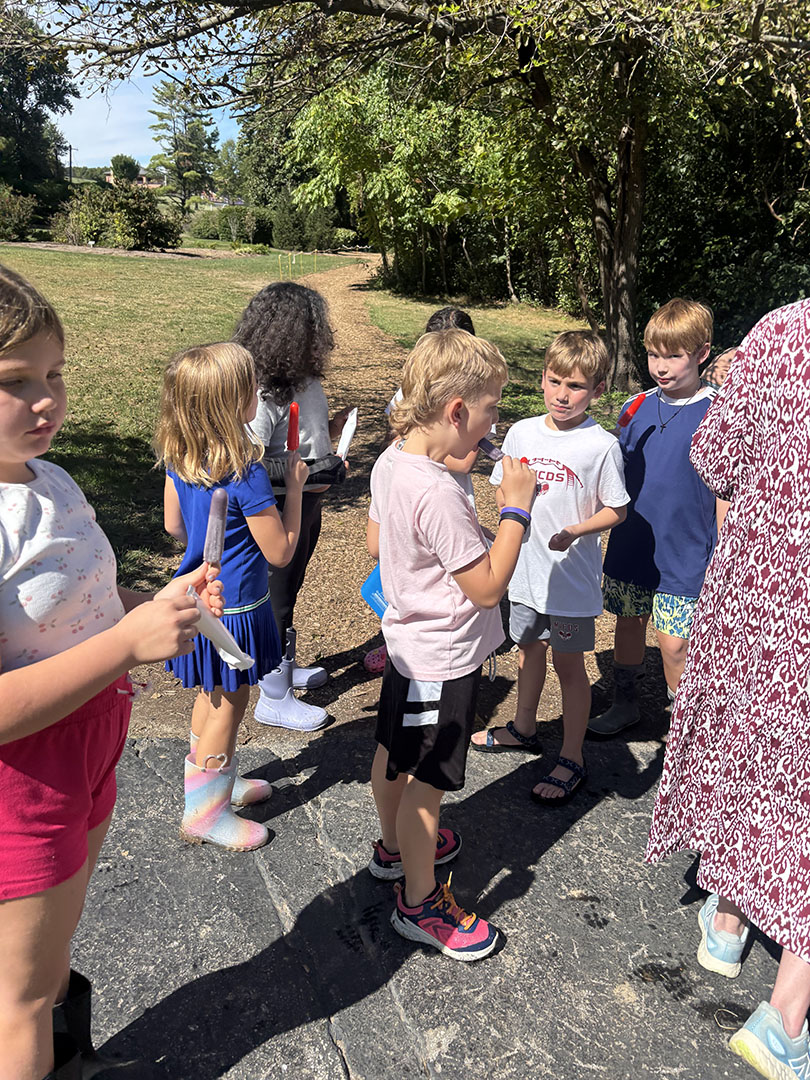
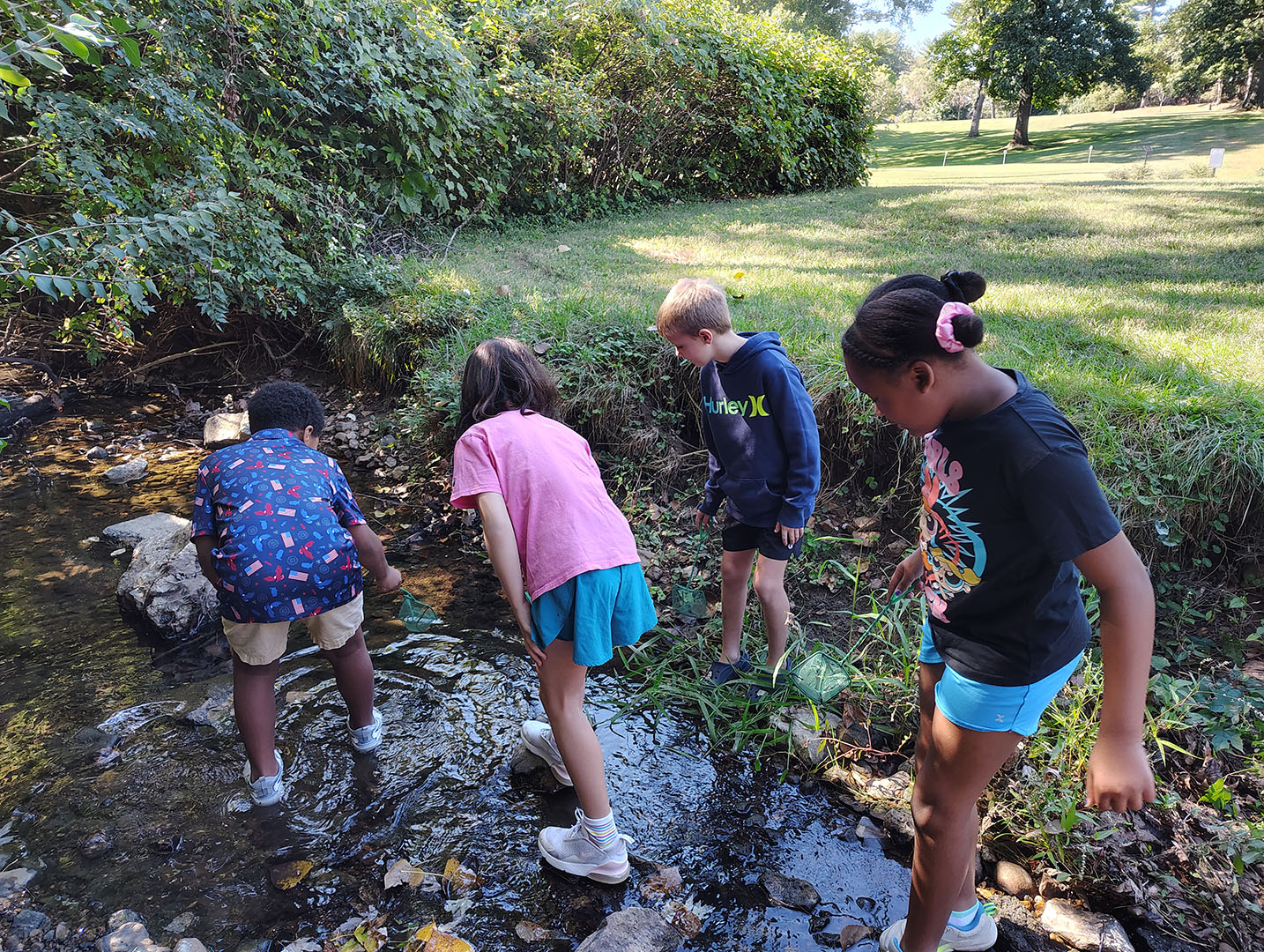
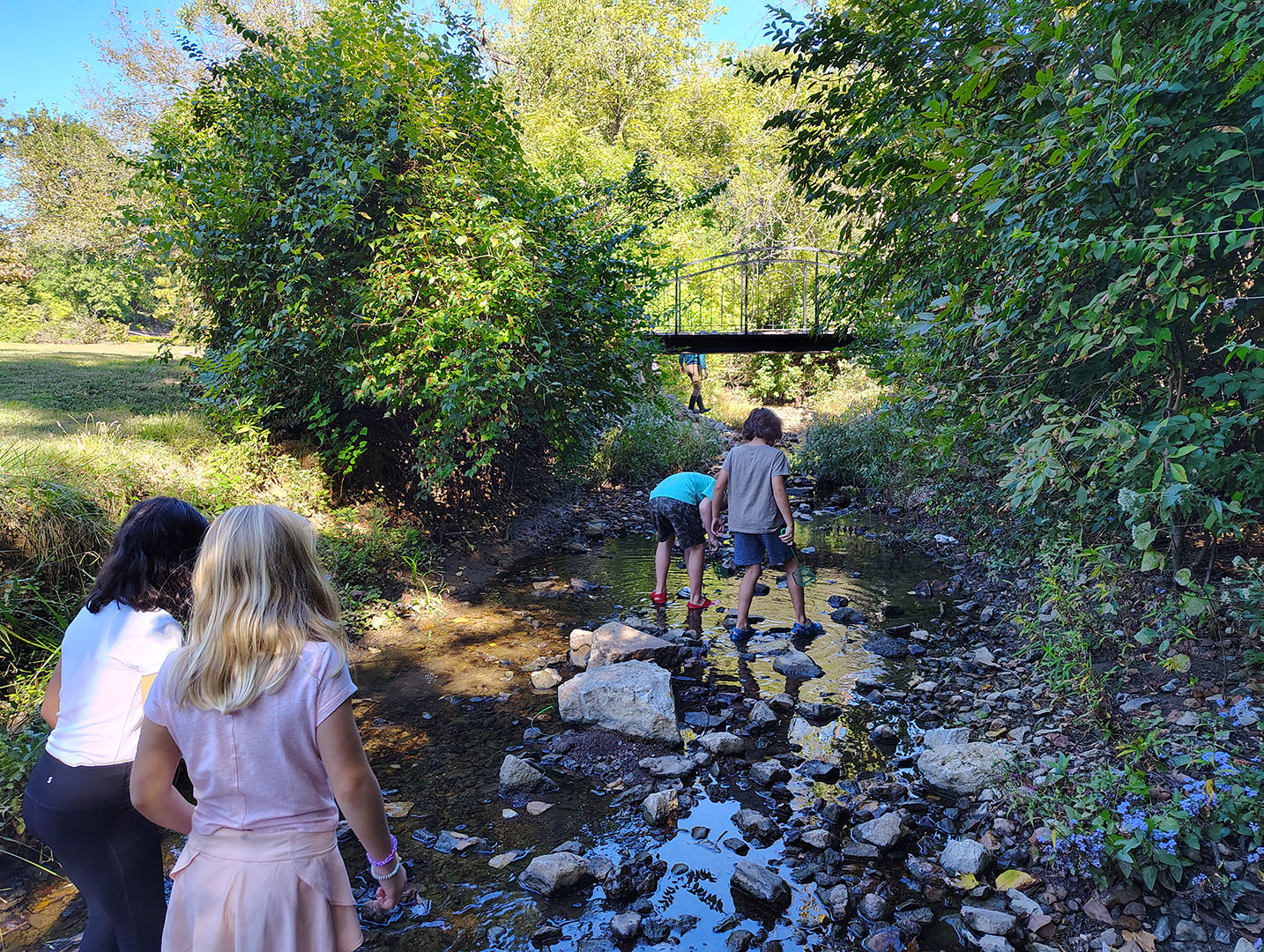
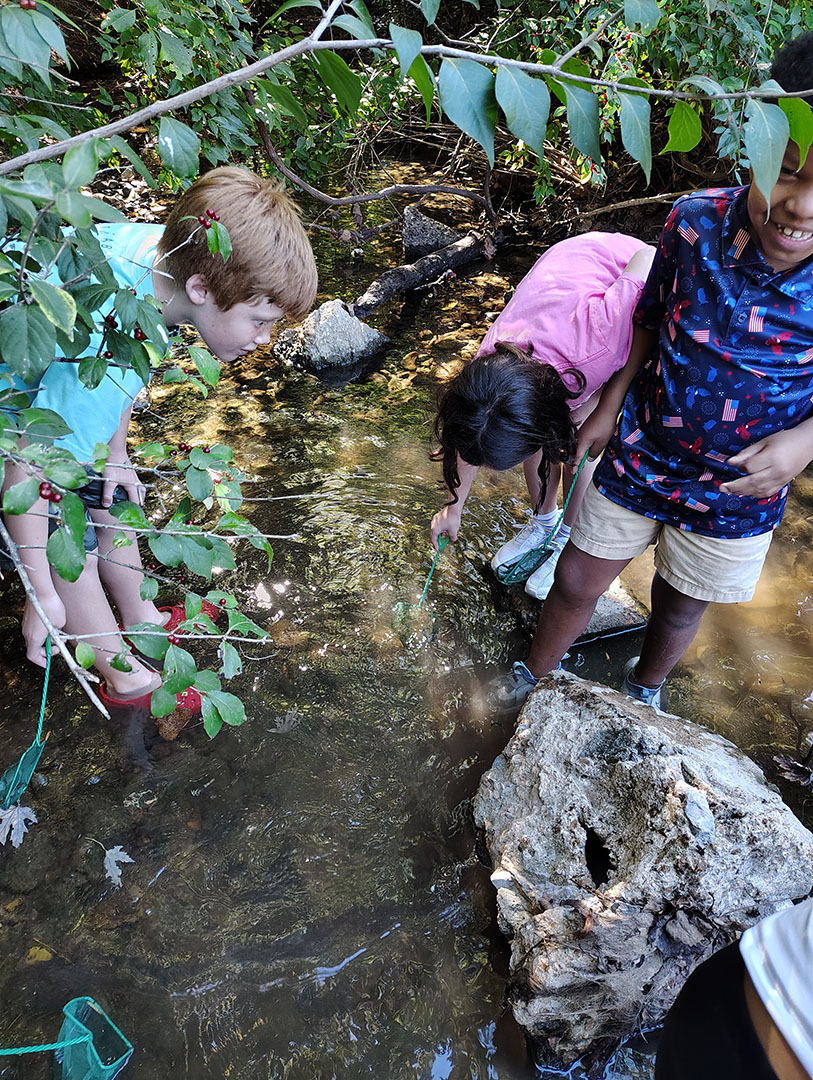
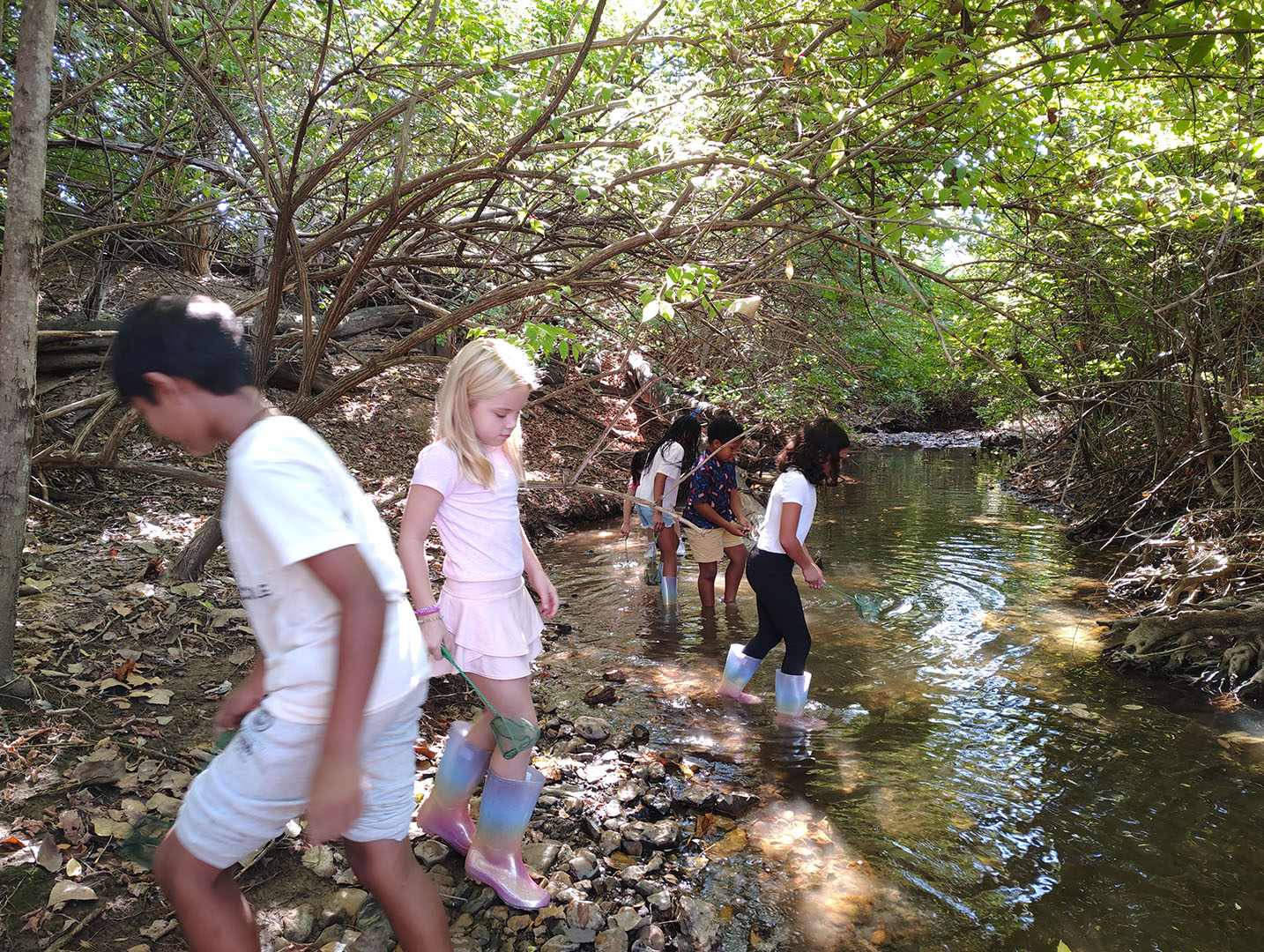
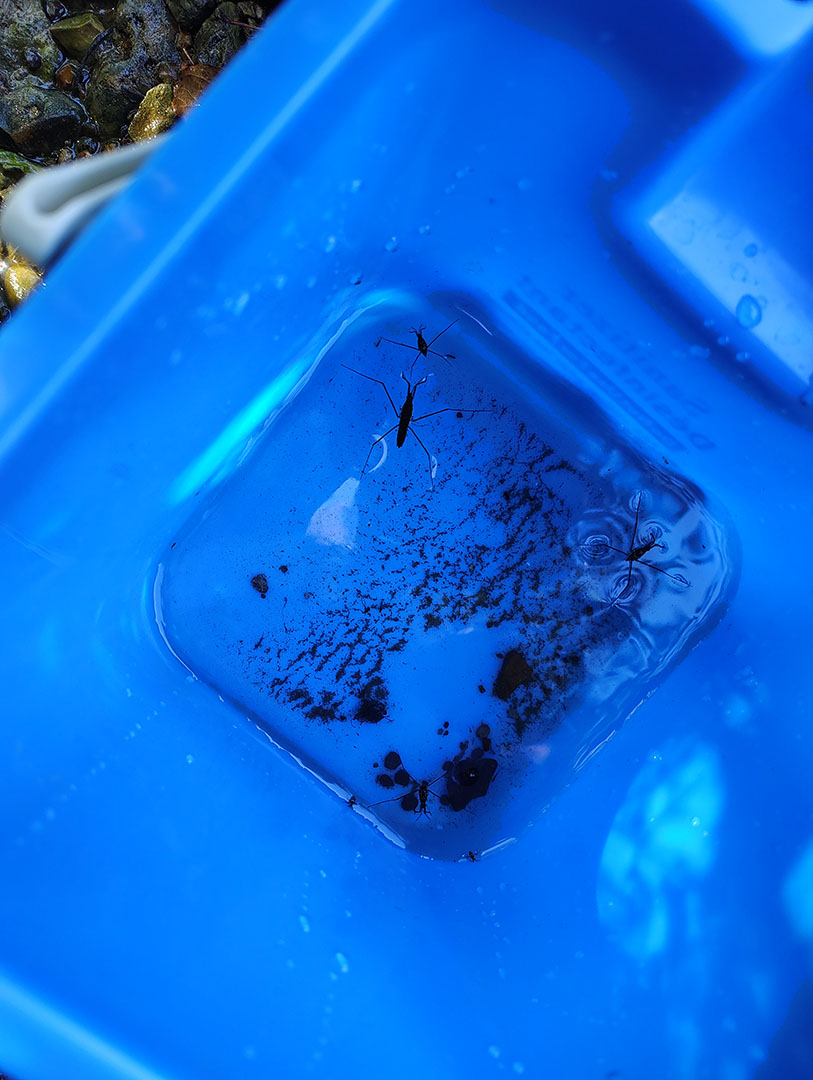
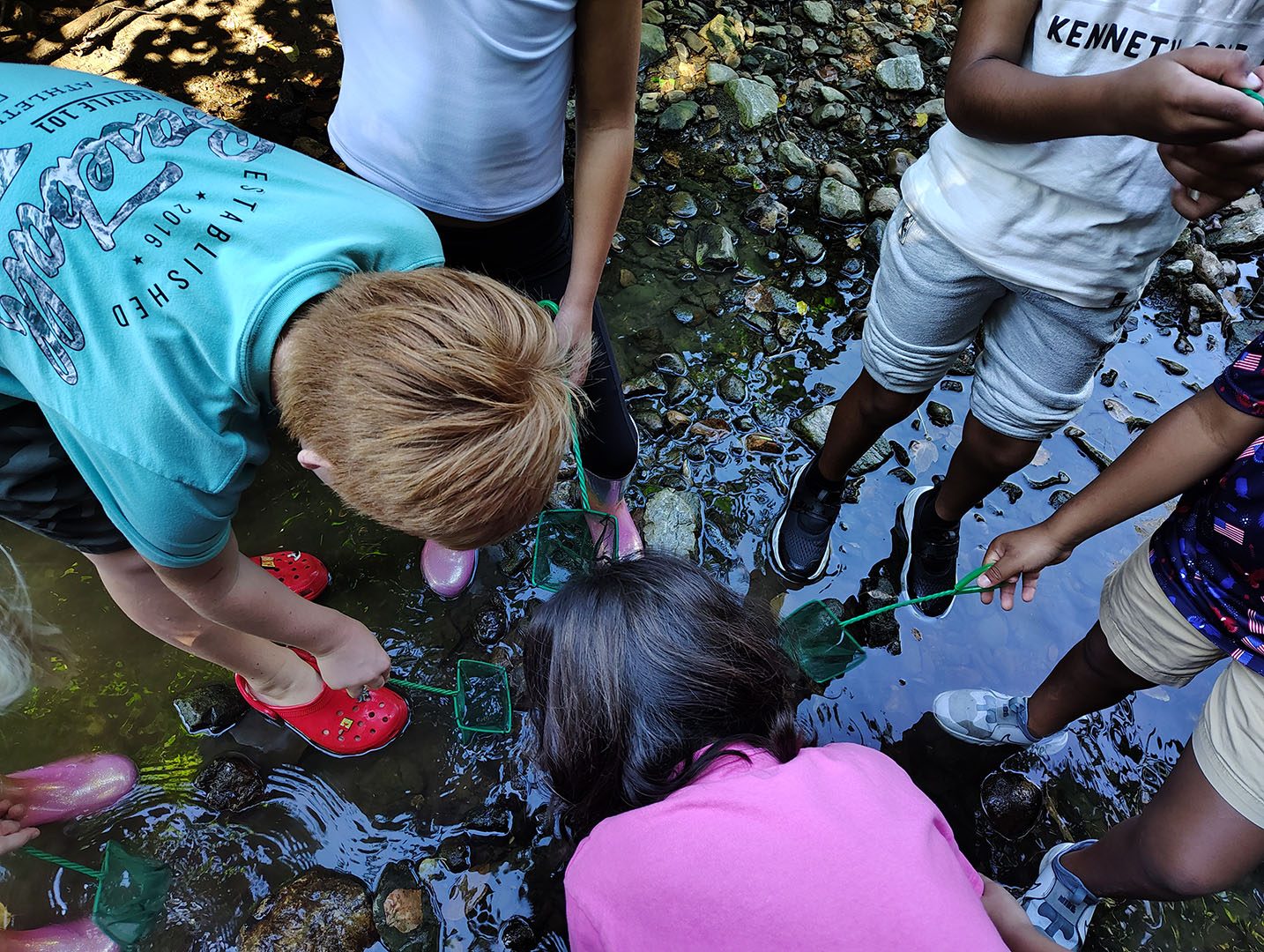
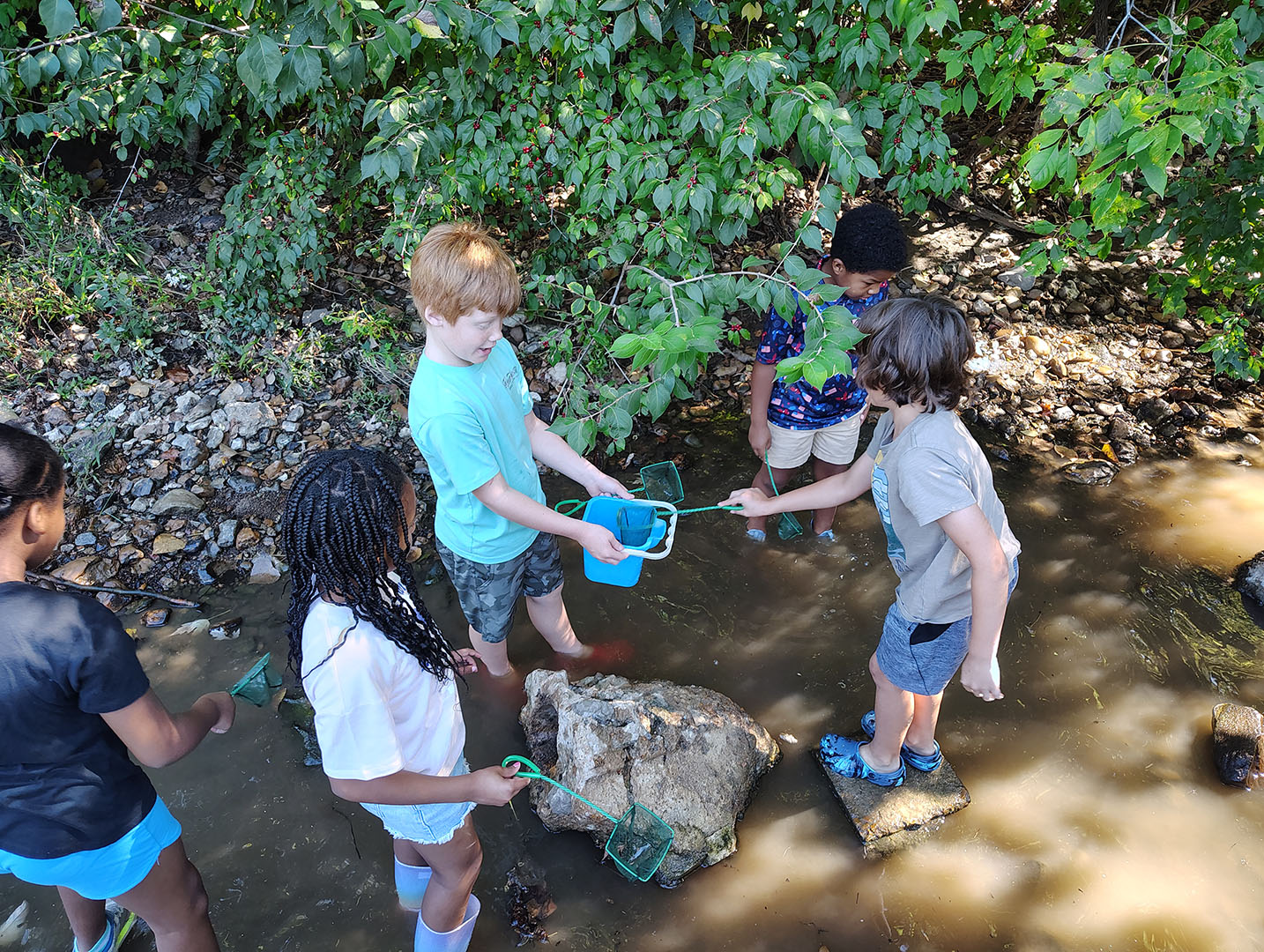
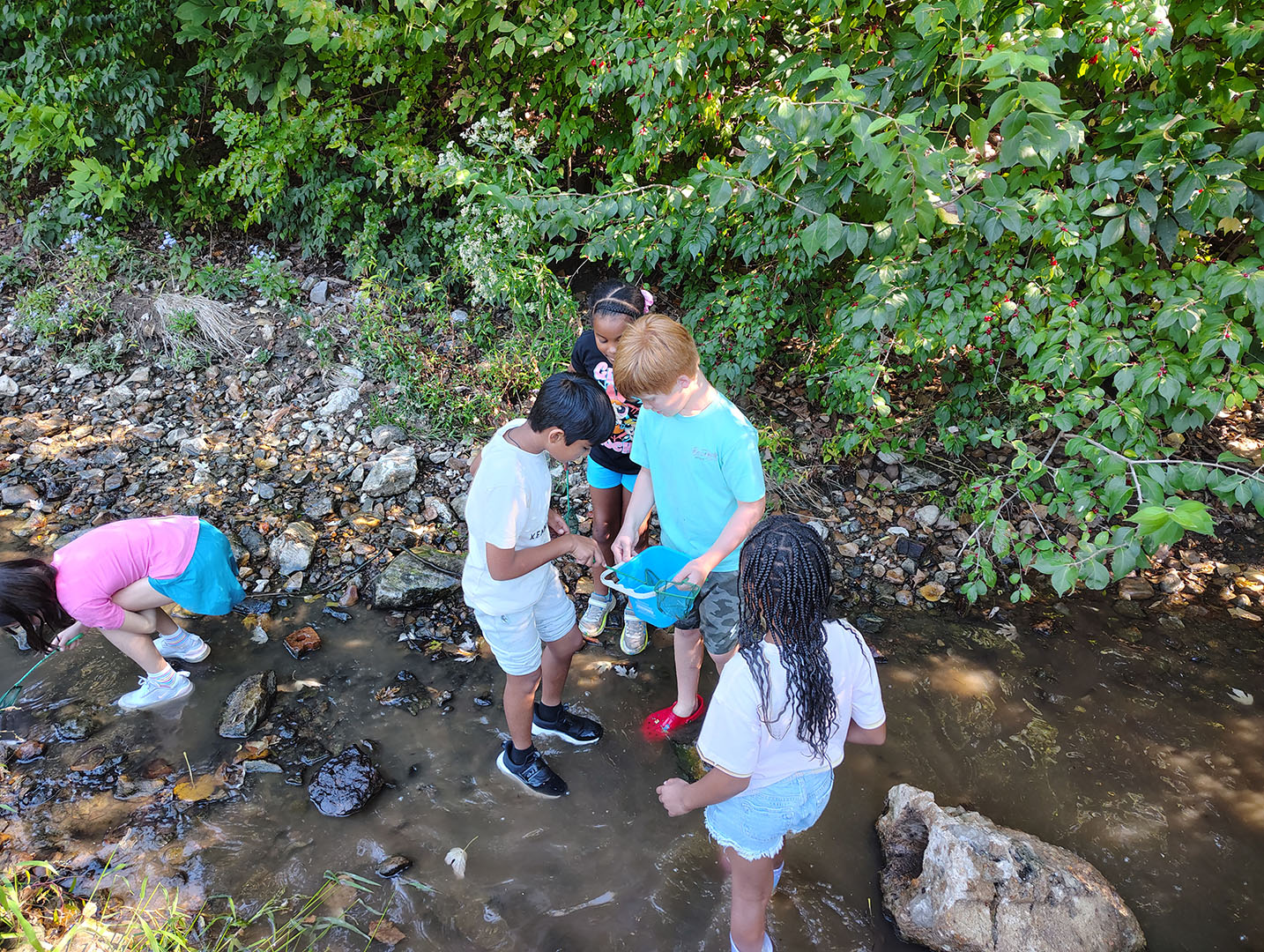
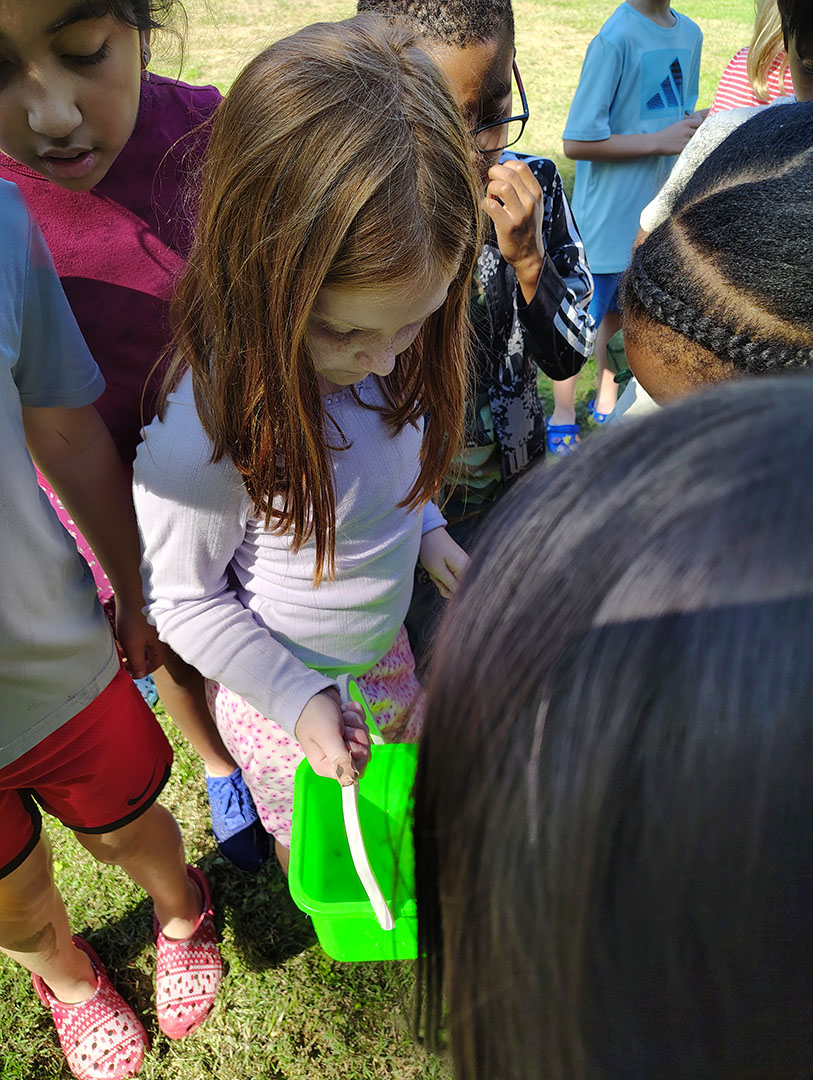
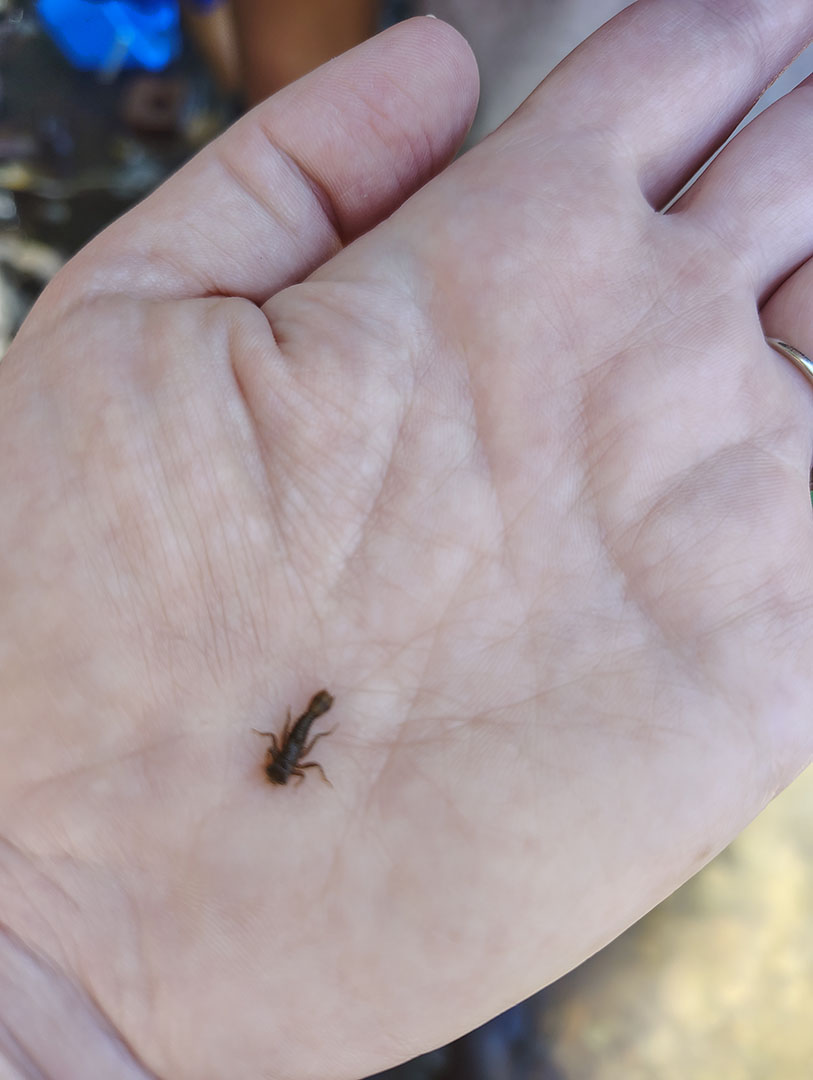
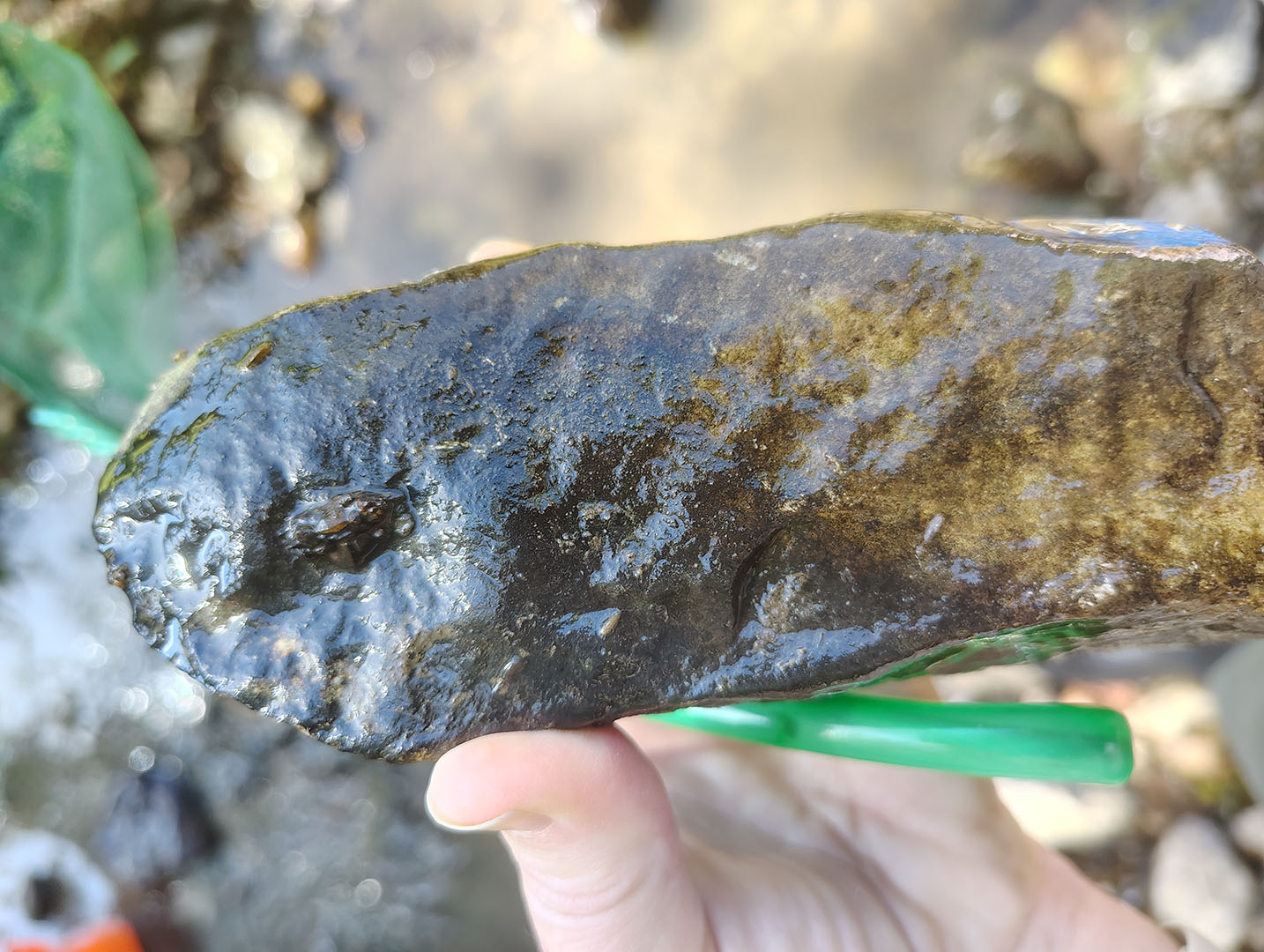
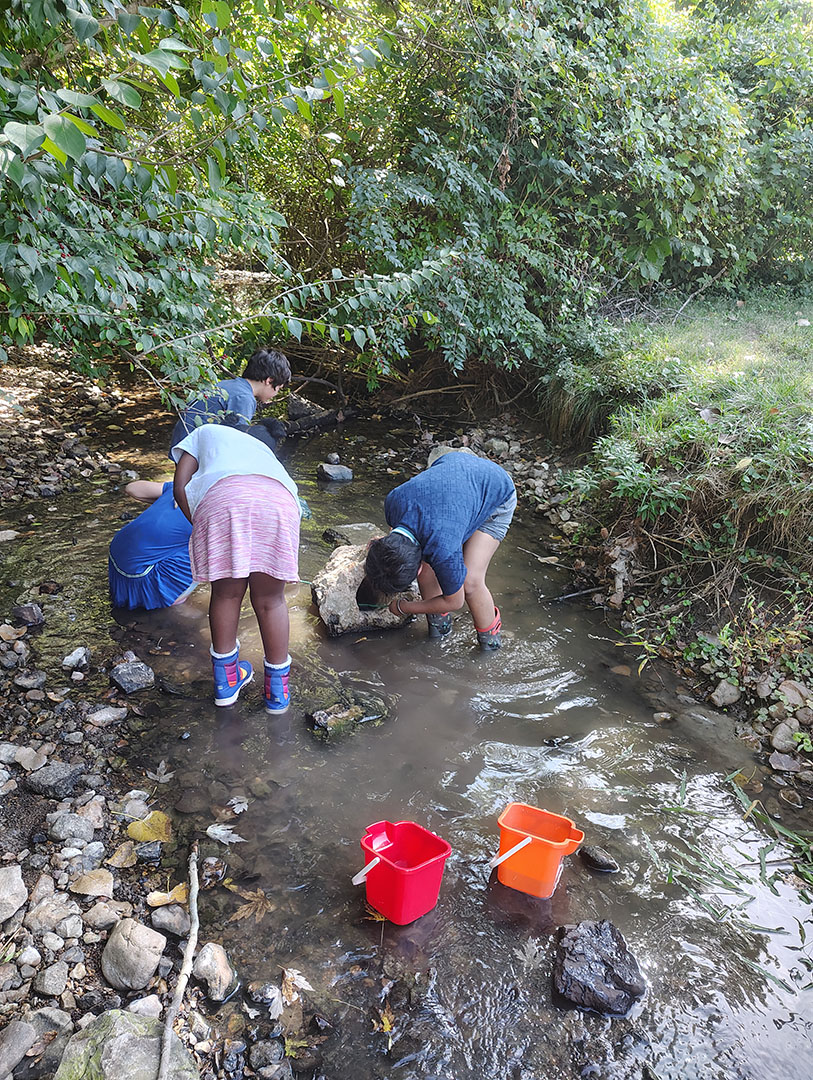
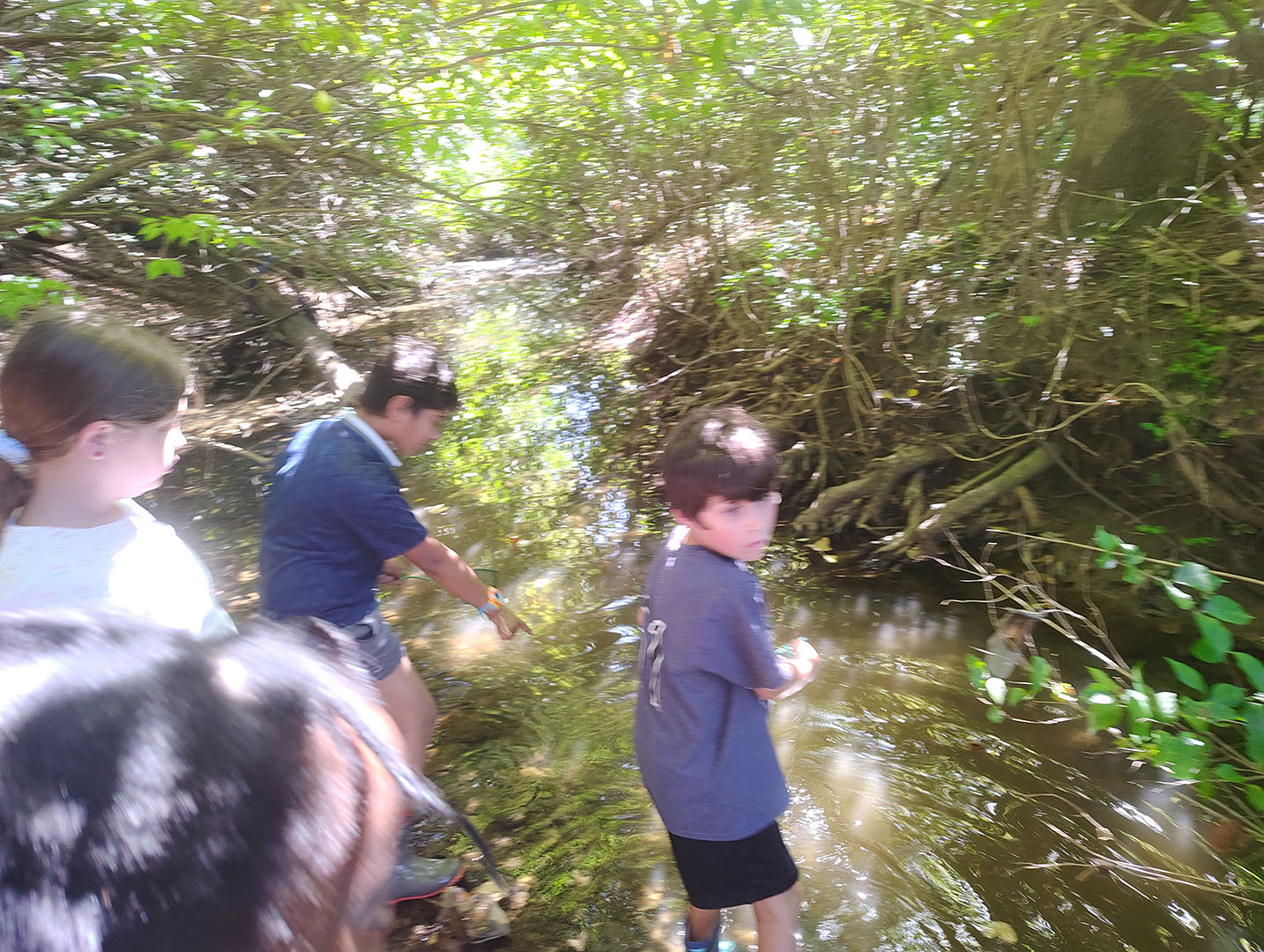
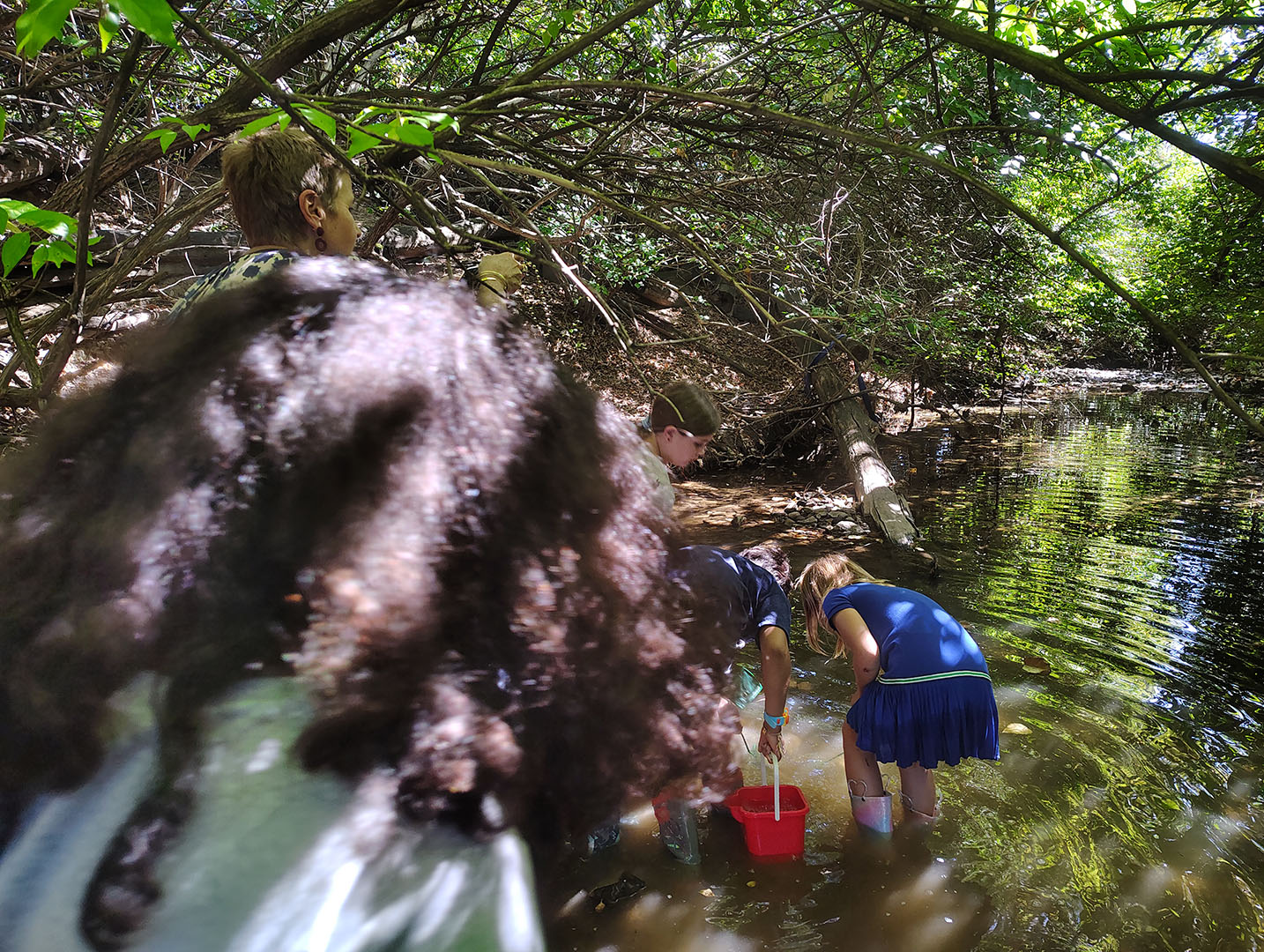
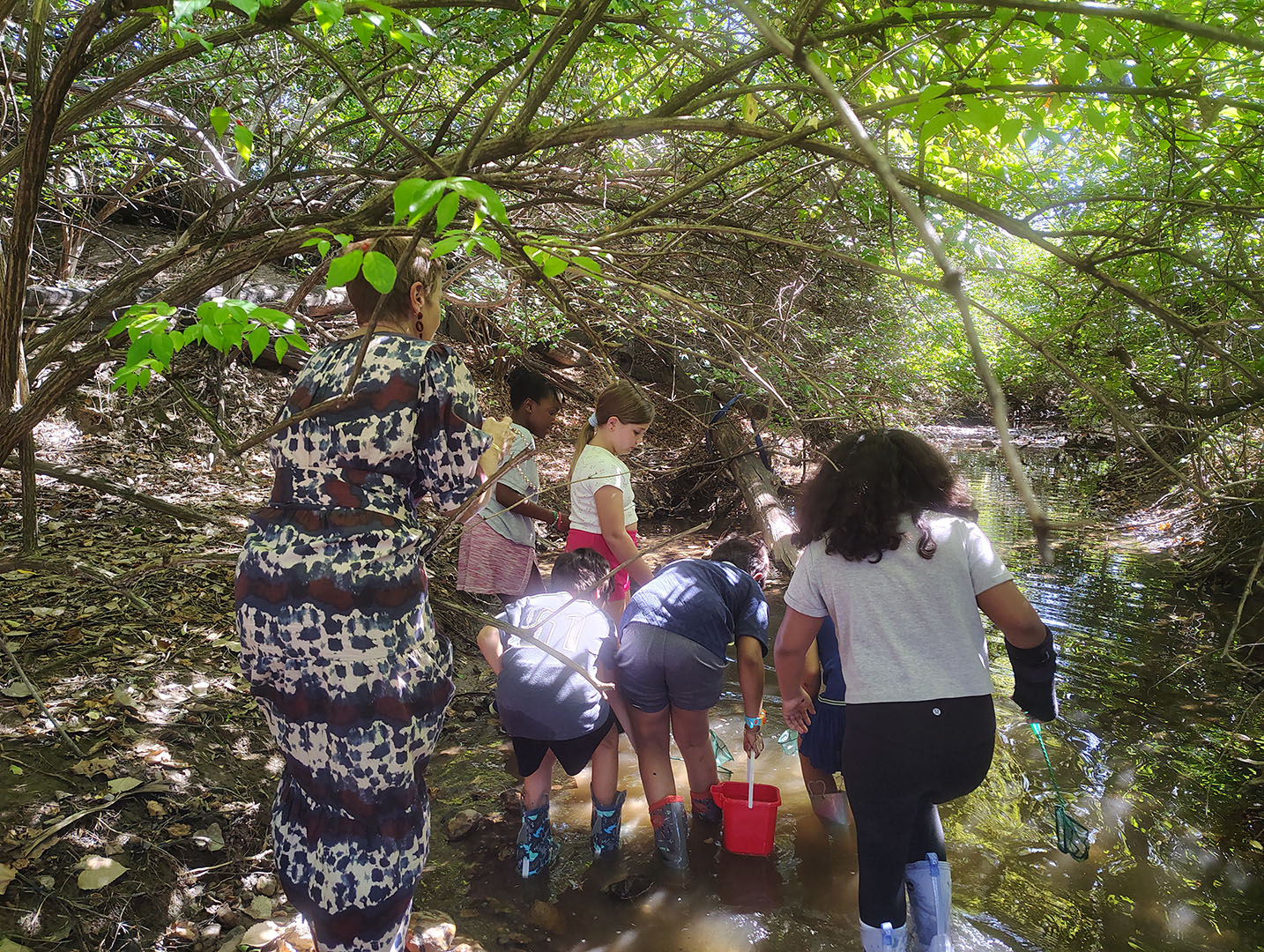
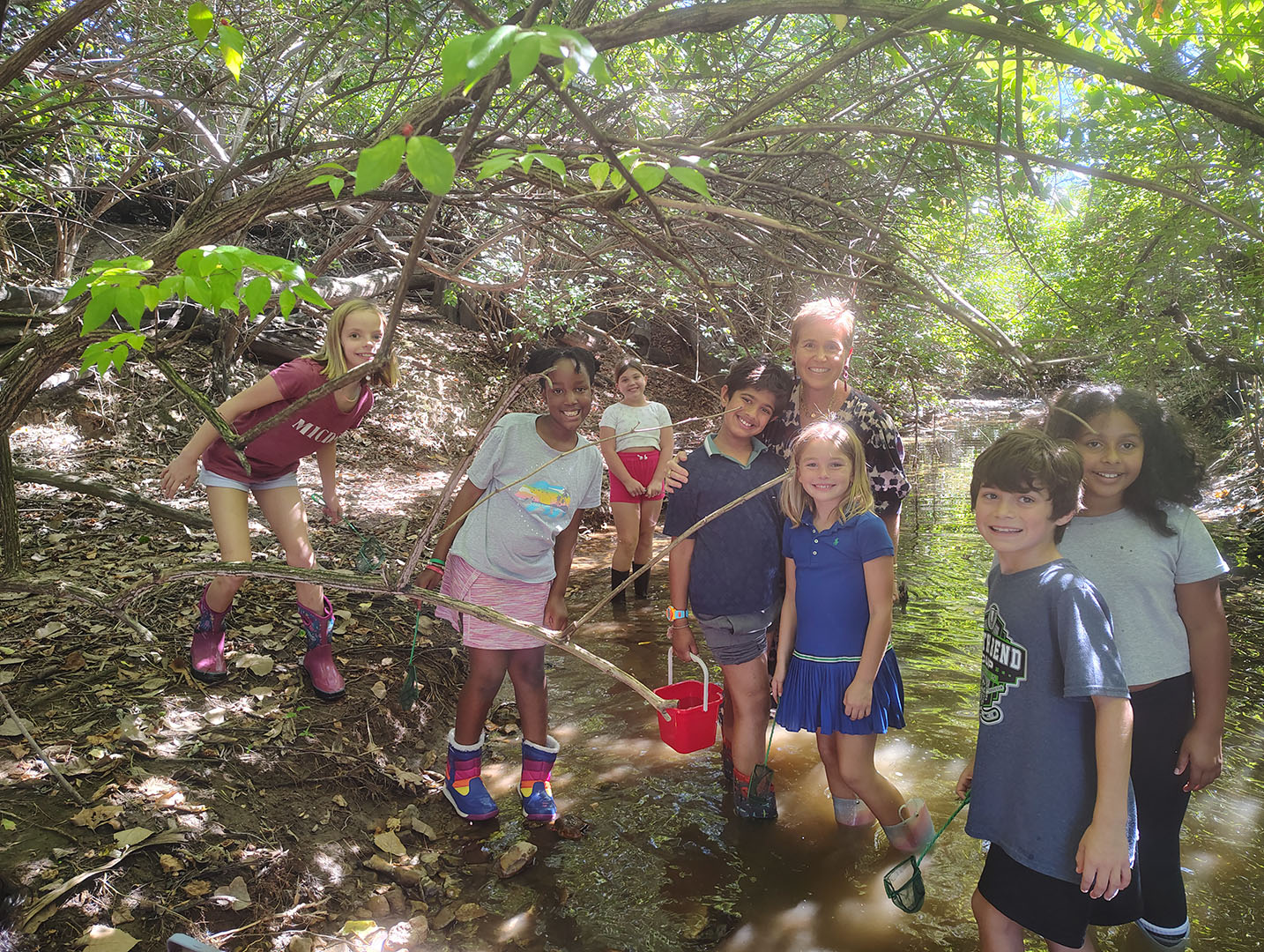
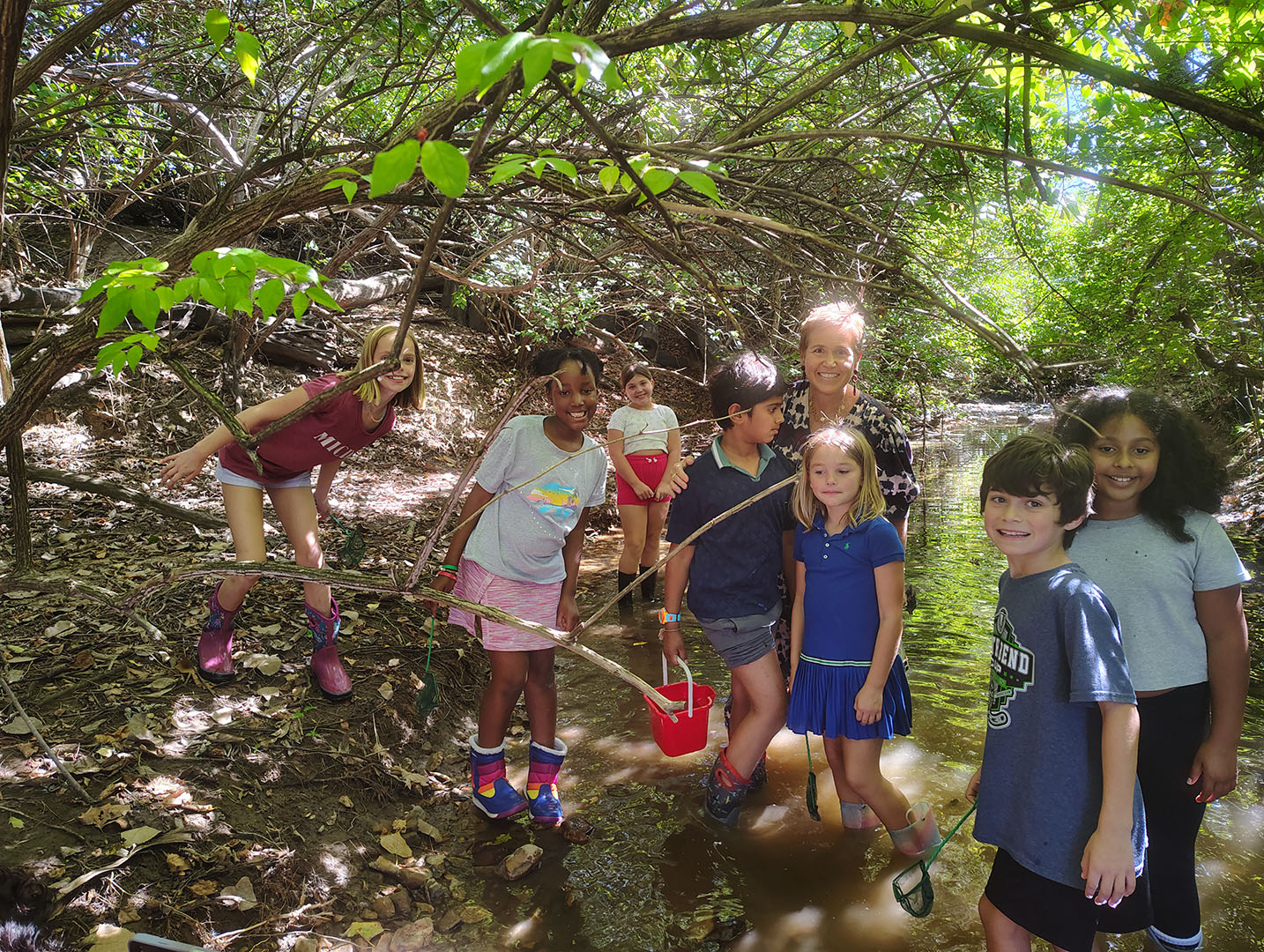
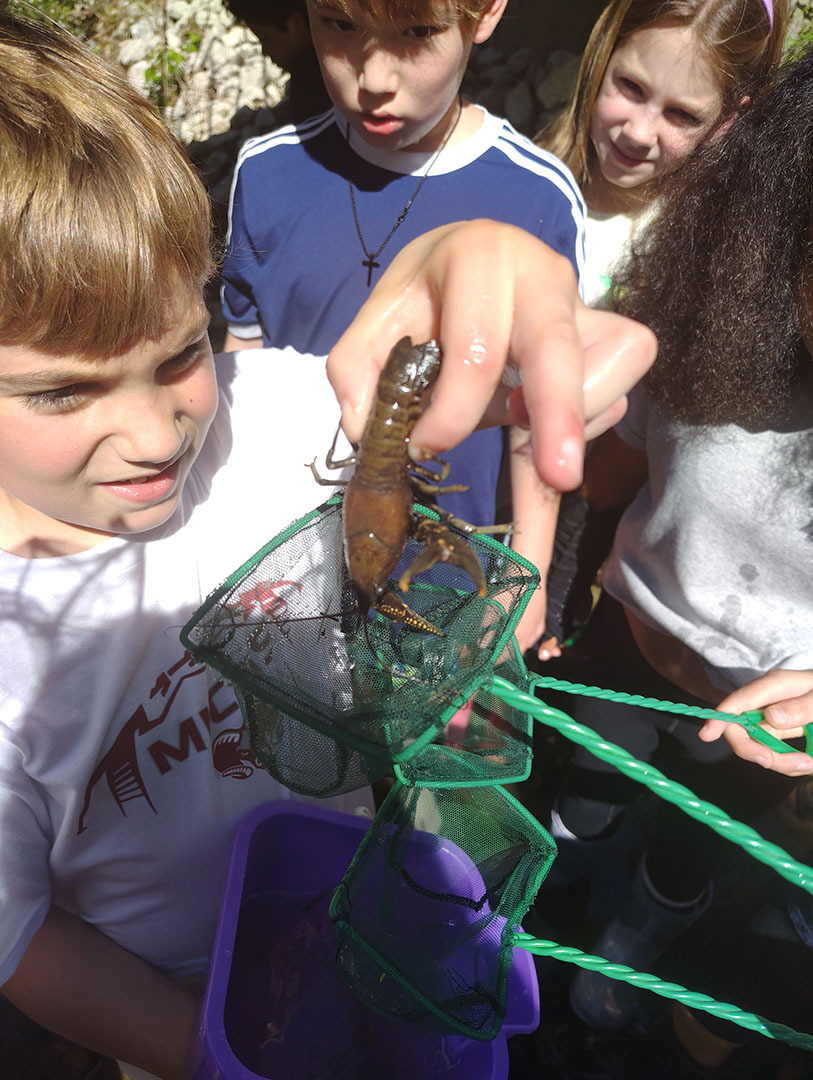
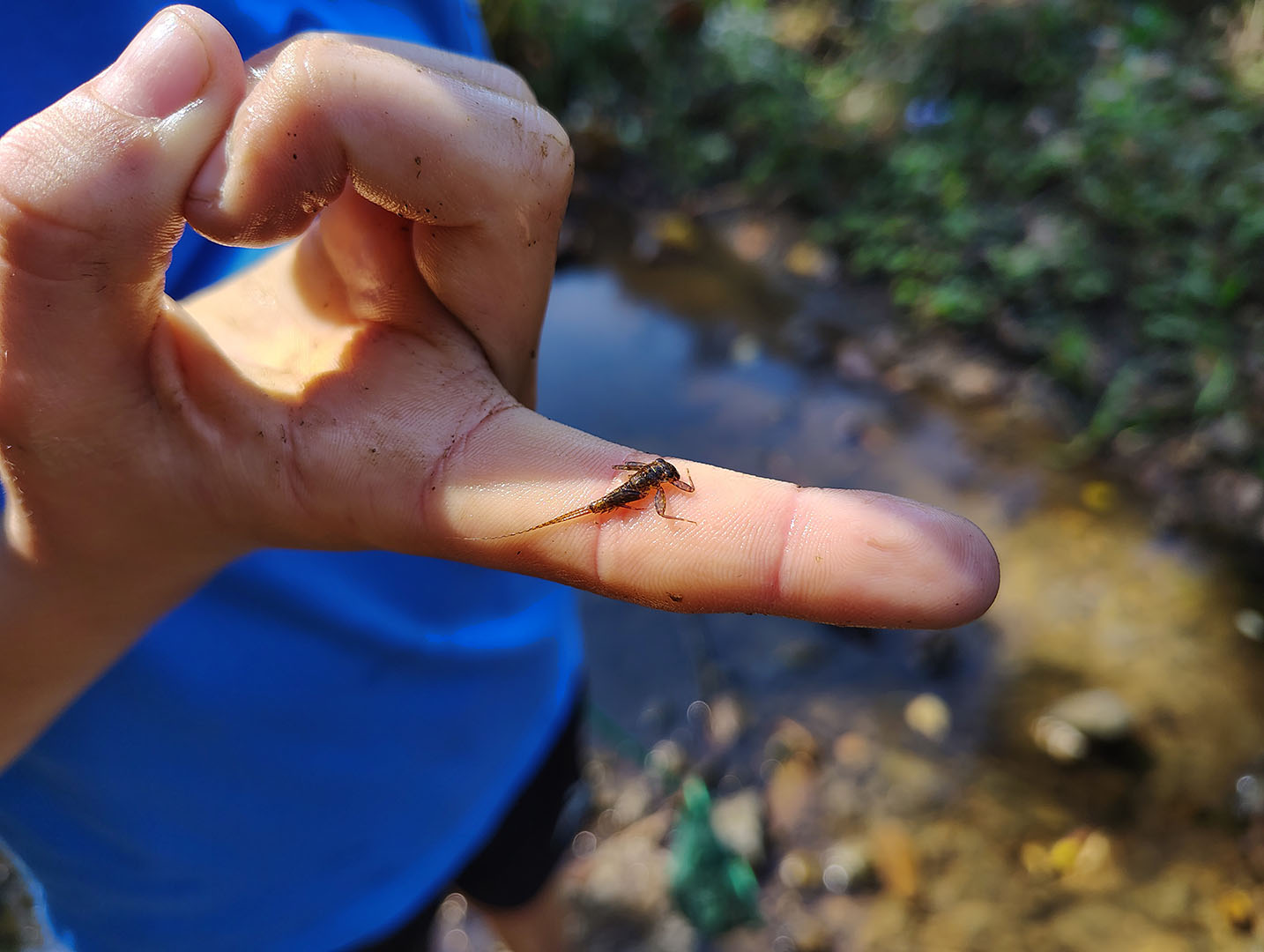
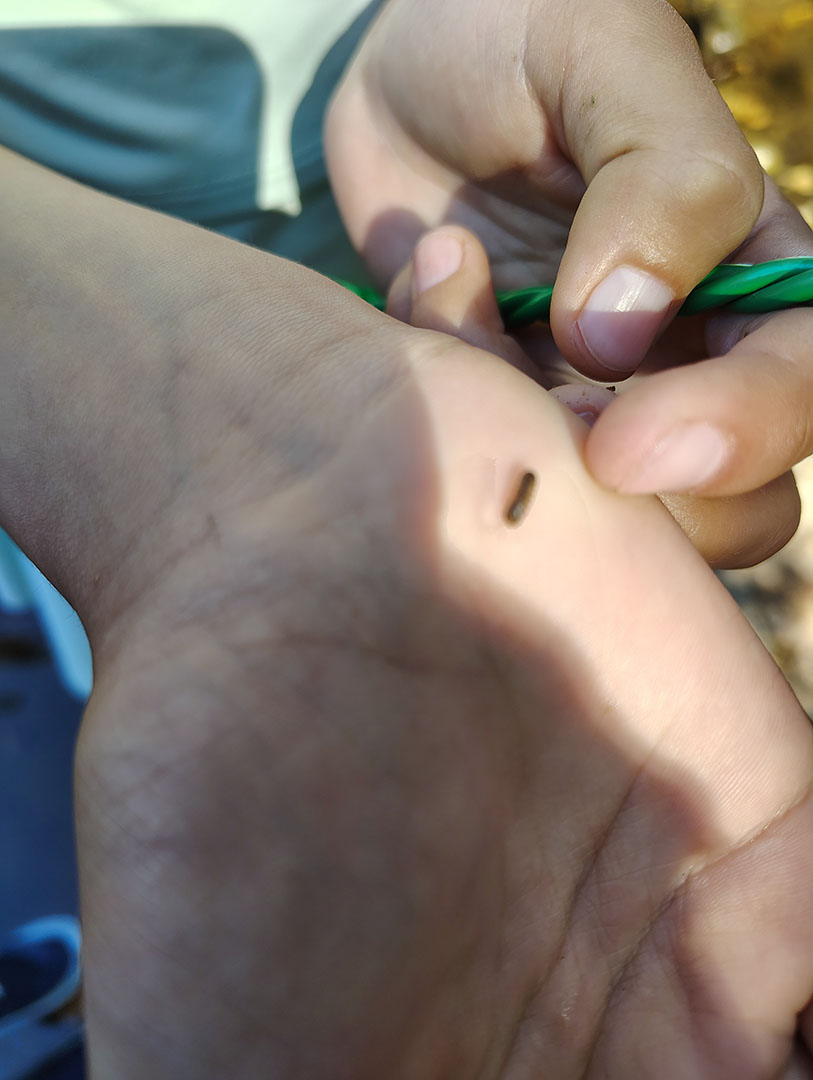
A goal for fourth grade is to build on their third-grade studies. At the beginning of the year, we learned about weathering, erosion, and deposition. We’ve observed where soil erosion is taking place on campus and have learned that the number one pollutant to water quality in a stream is soil. To help us determine the impacts of soil erosion, we needed to get into the stream. We noticed how we easily stirred sediment as we walked in the stream, making the water turbid. In addition, we looked for macroinvertebrates, which serve as pollution indicators. Some macroinvertebrates are more sensitive to water pollution than others, and surveying their presence can help determine the overall health. We found many macroinvertebrates that are tolerant to pollution and some that are somewhat senstive. Unfortunately, we didn’t find many that are highly sensitive to pollution. What this tells us is that although our stream is supporting life, there are some things we could do to make it better.
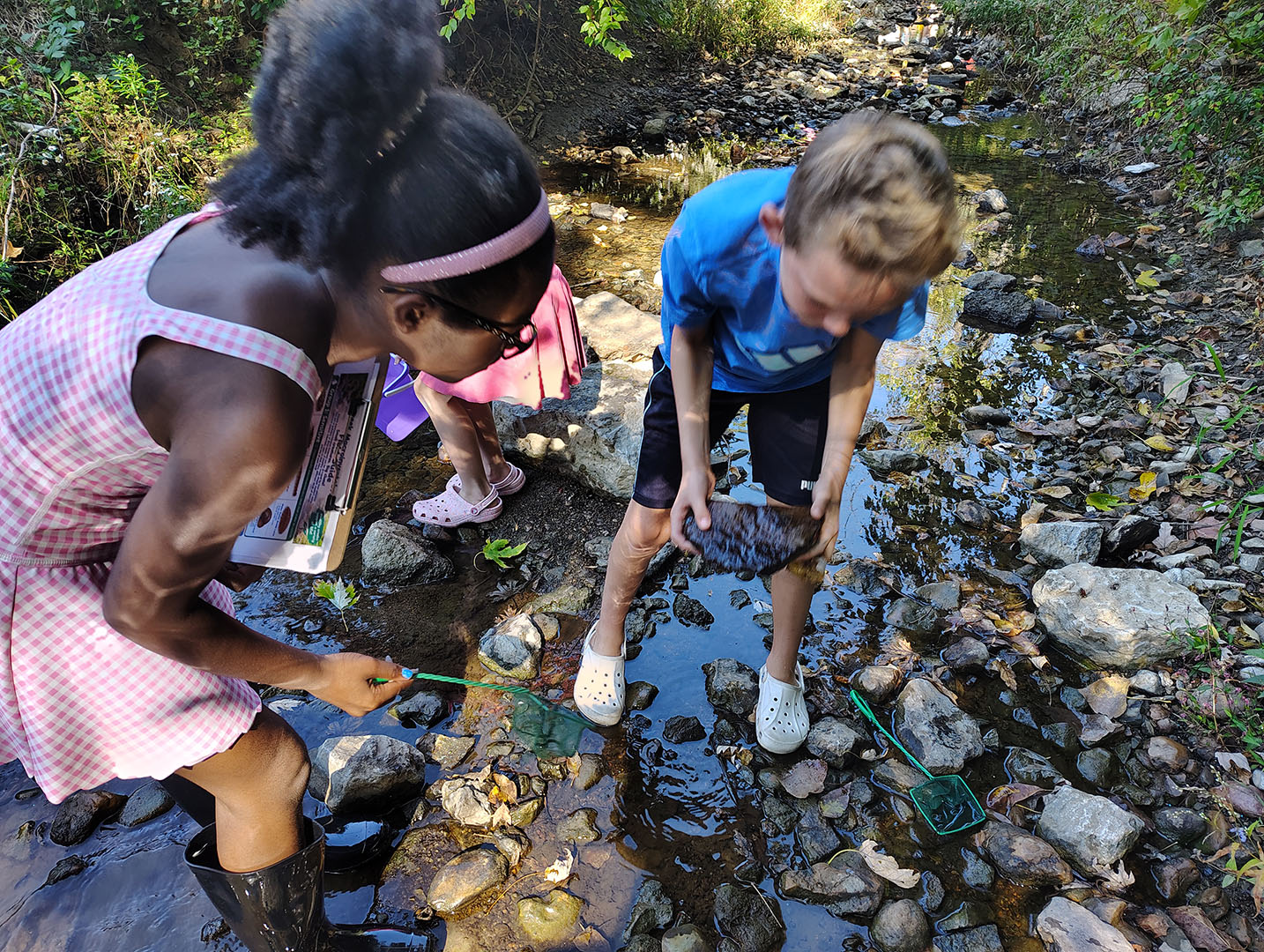
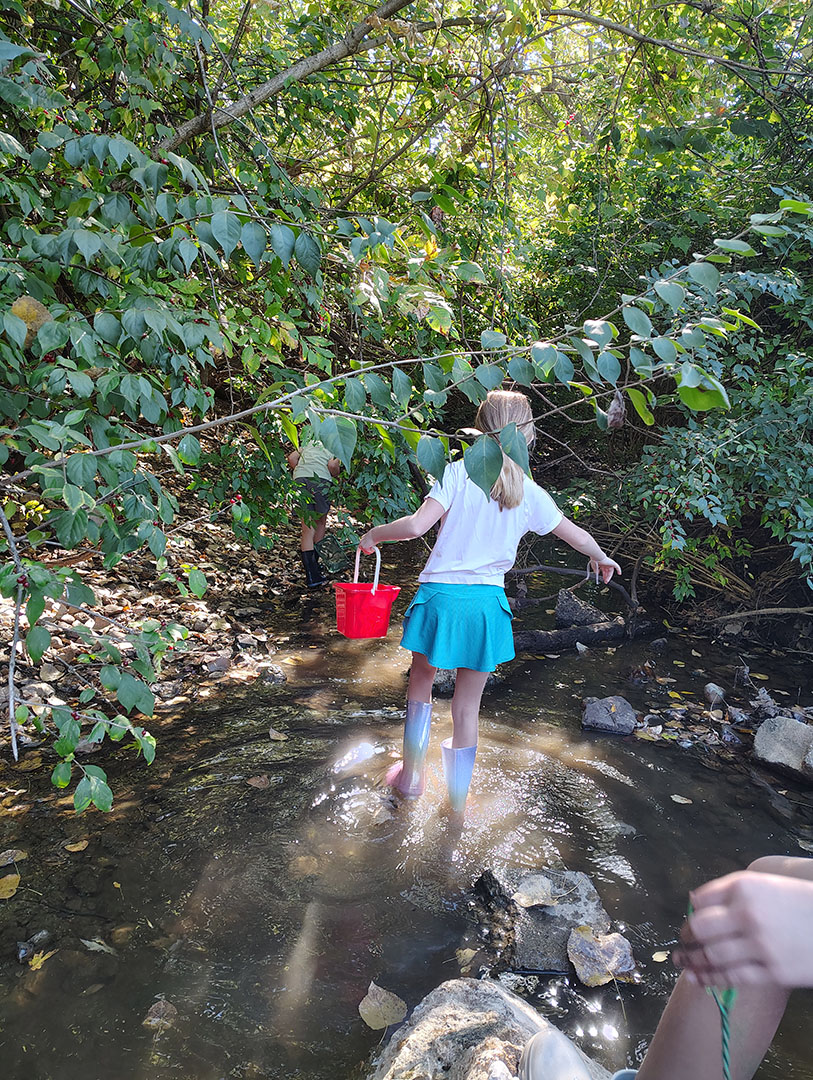
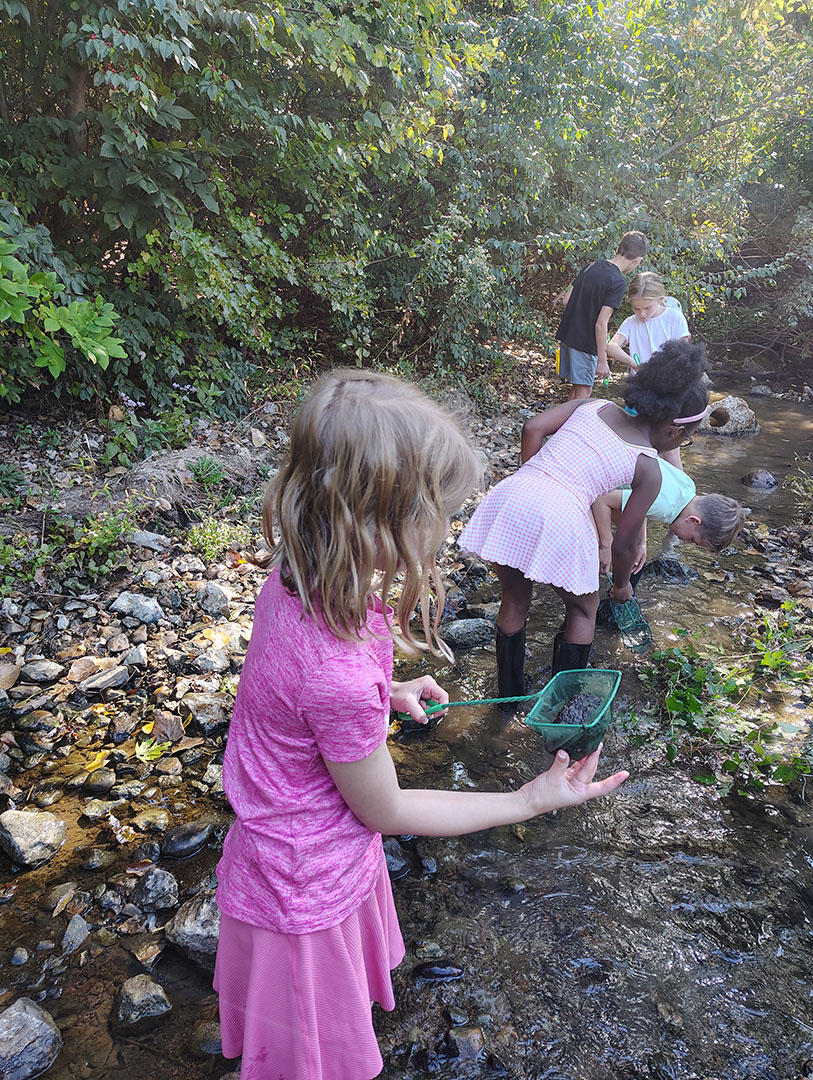
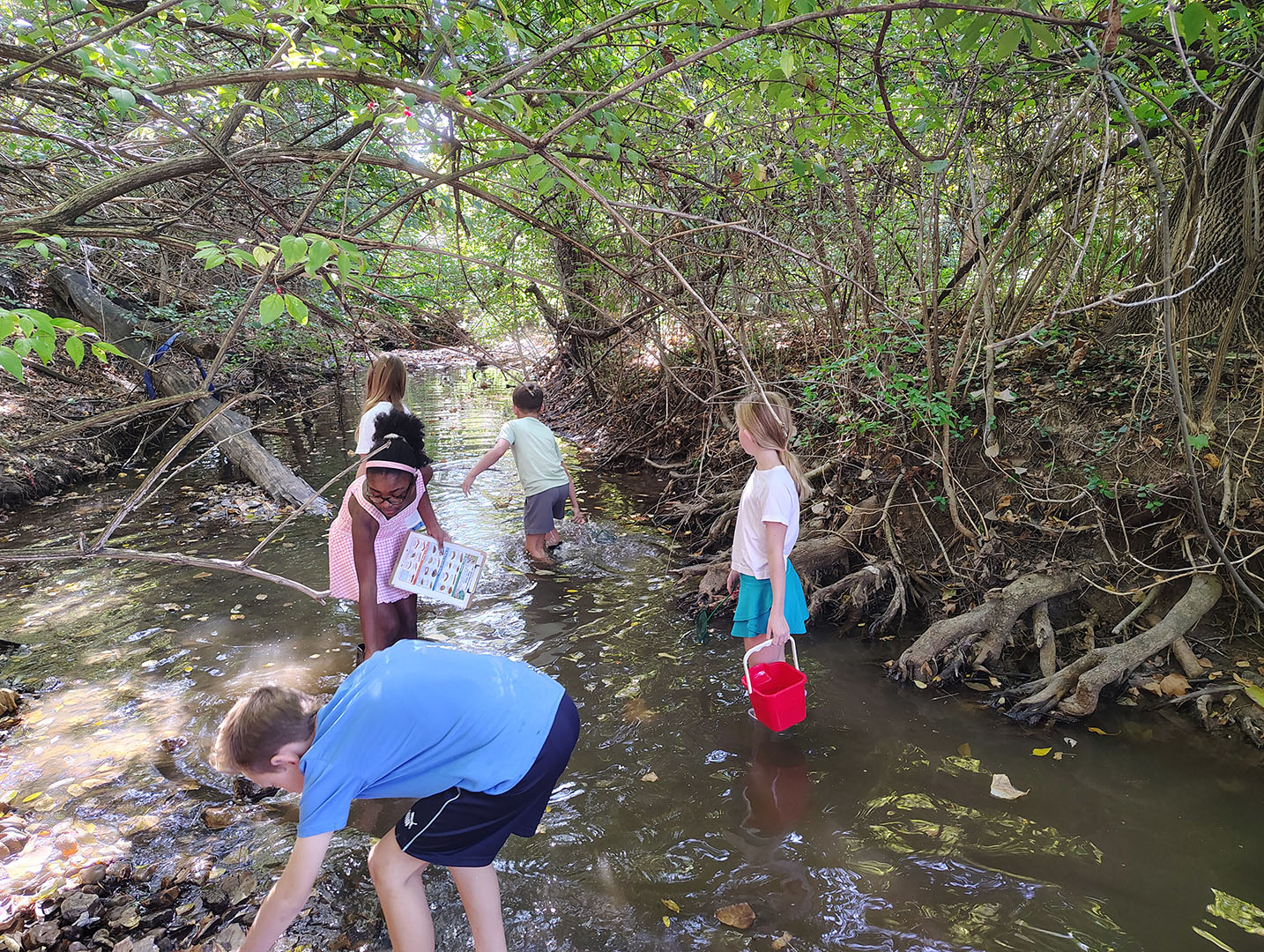
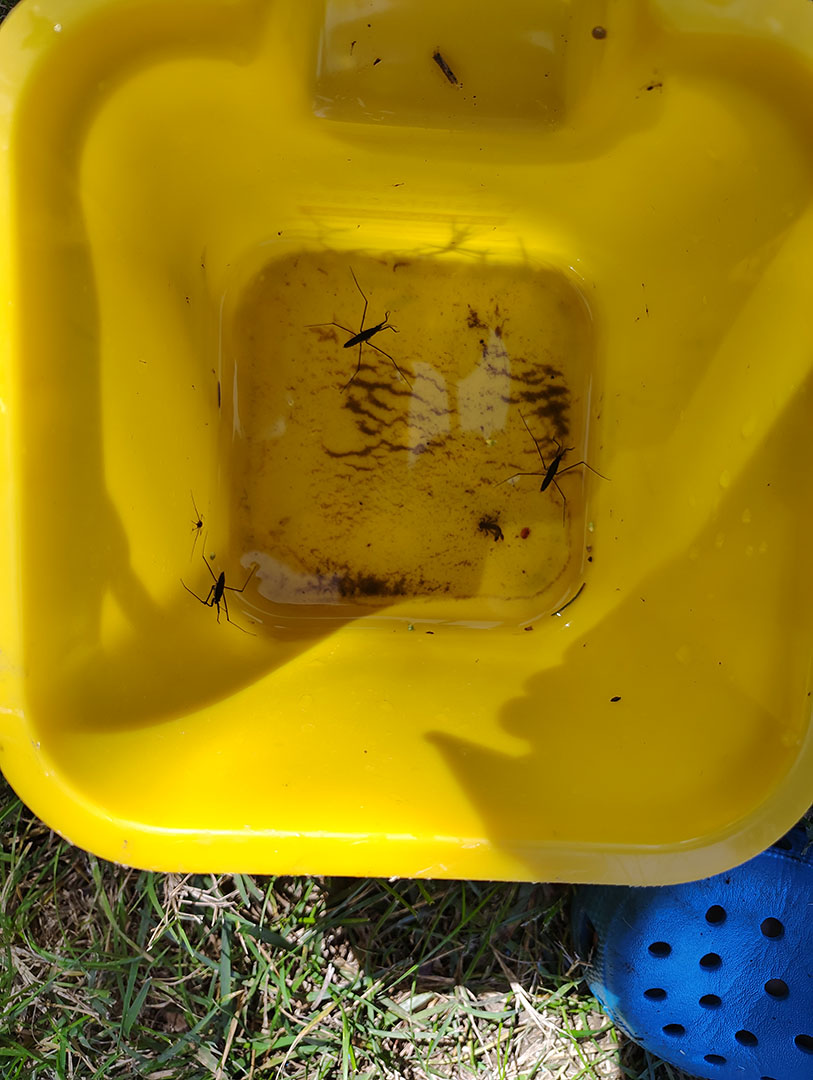
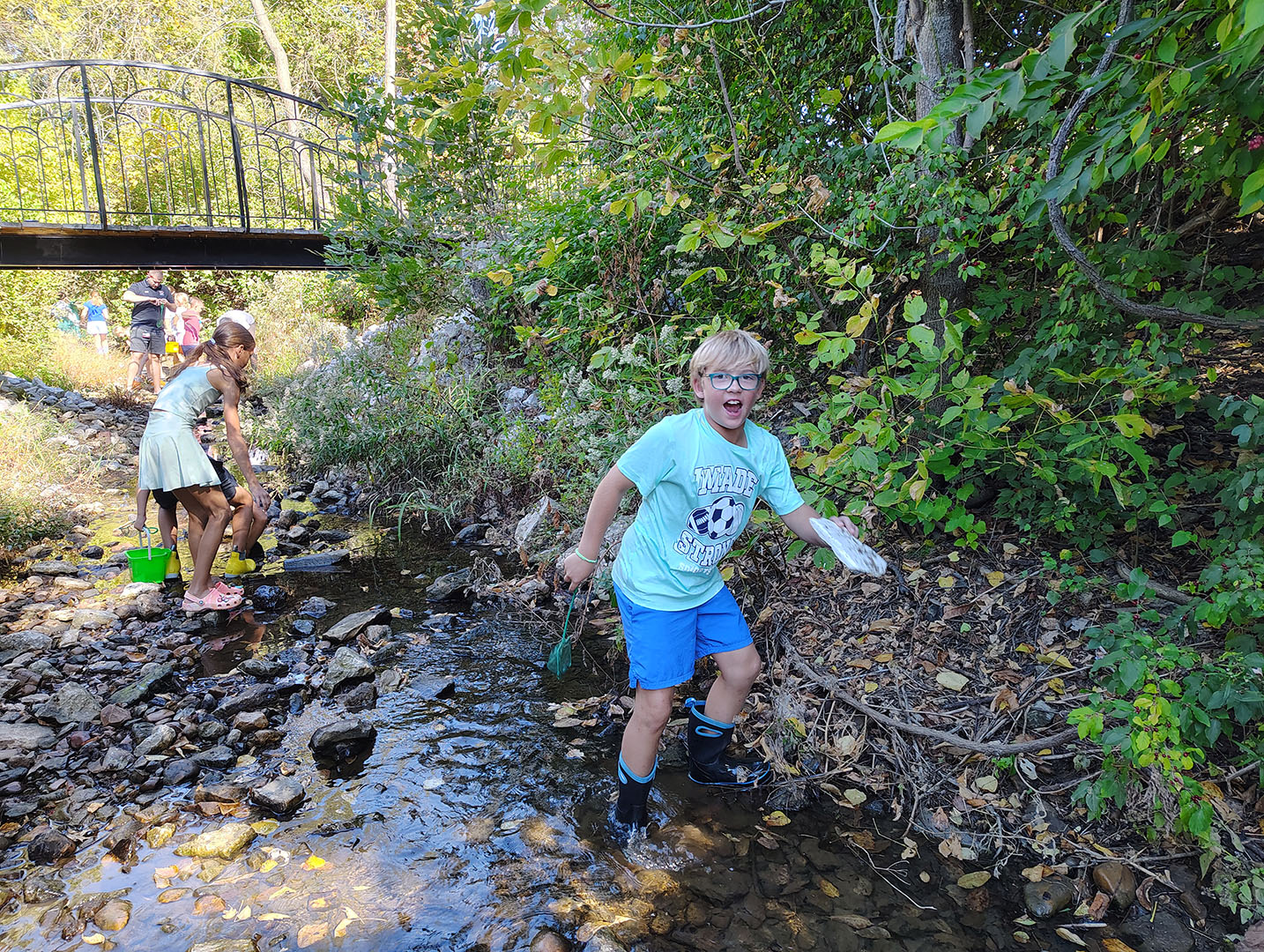
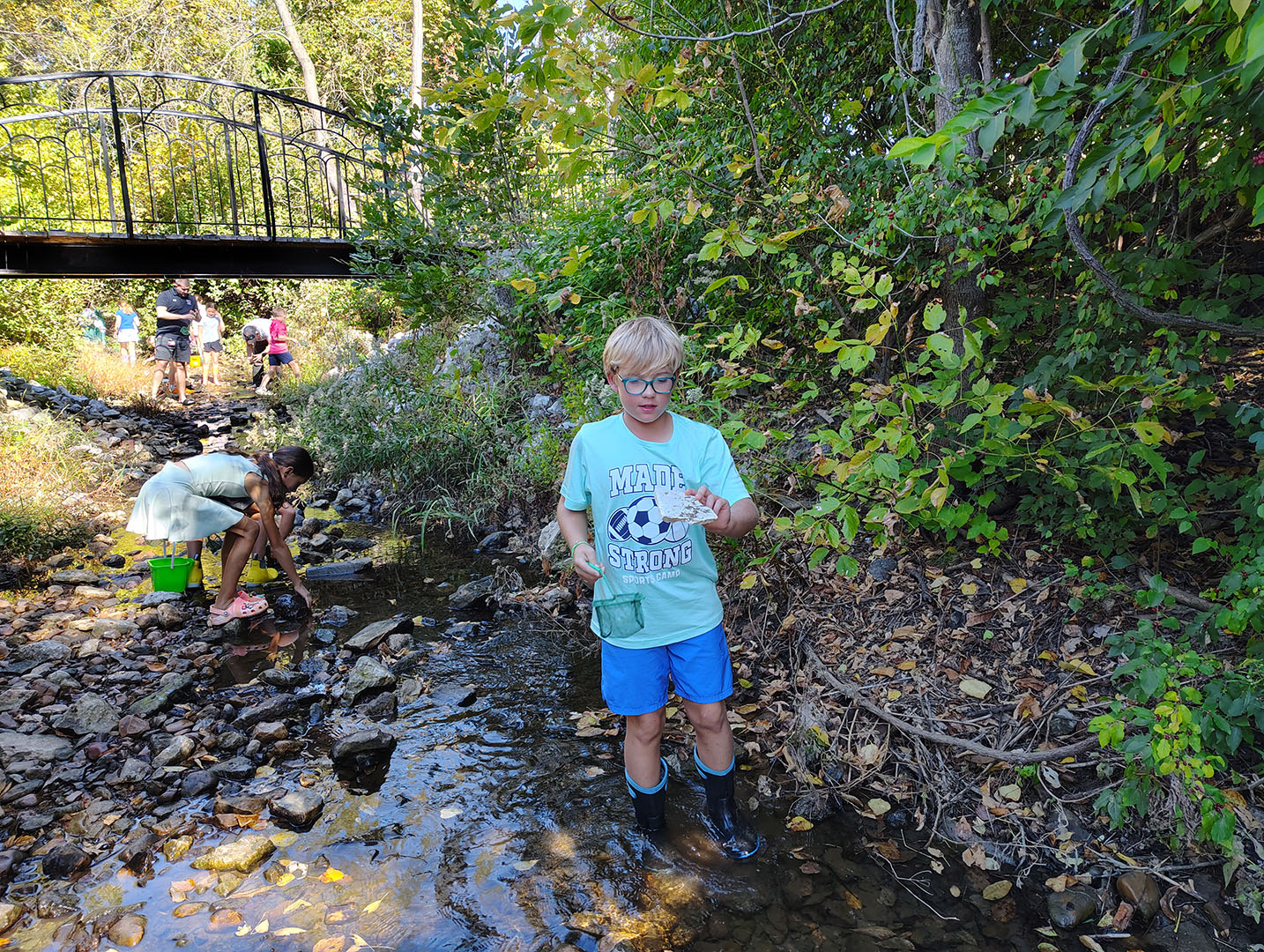
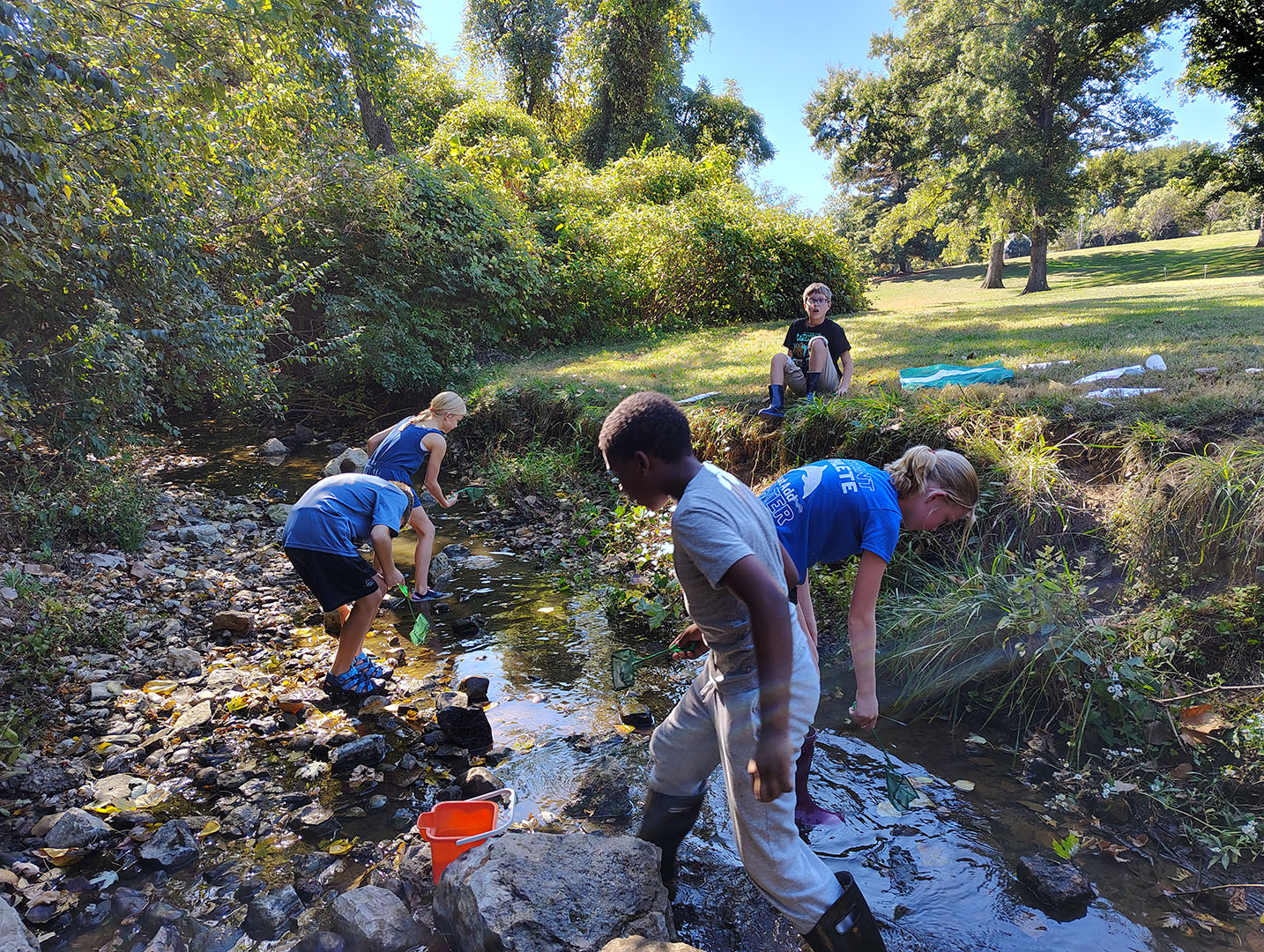
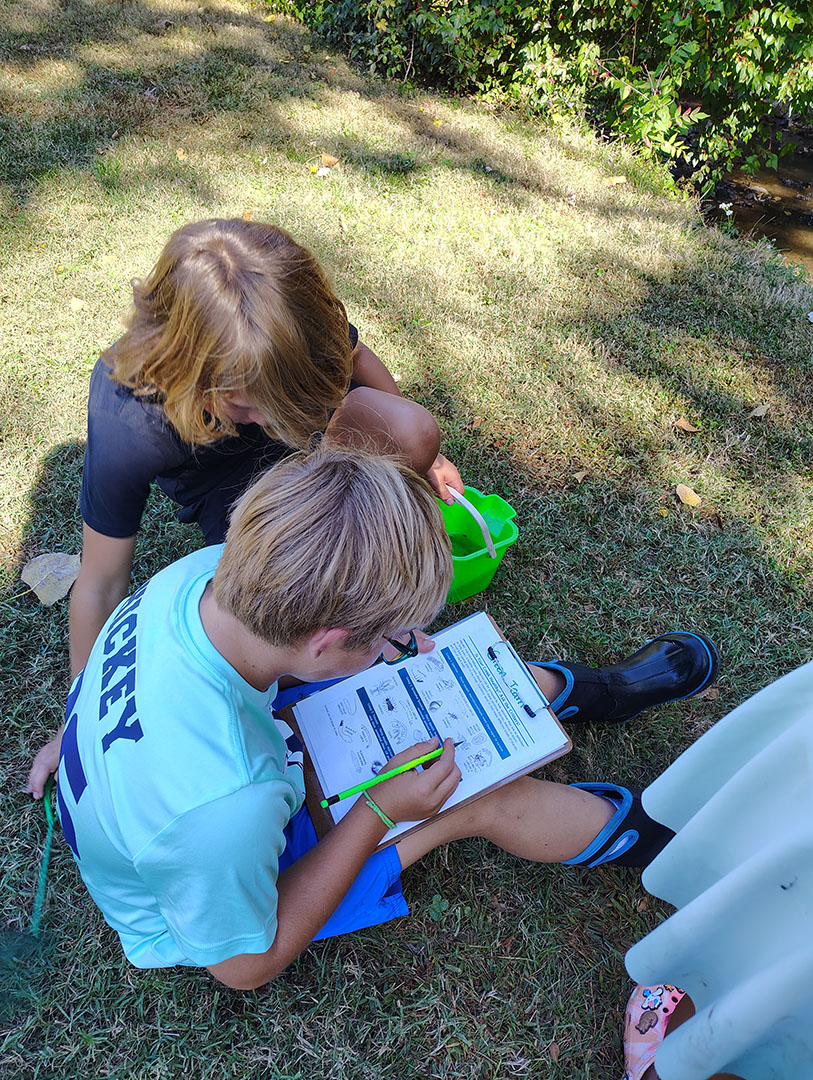
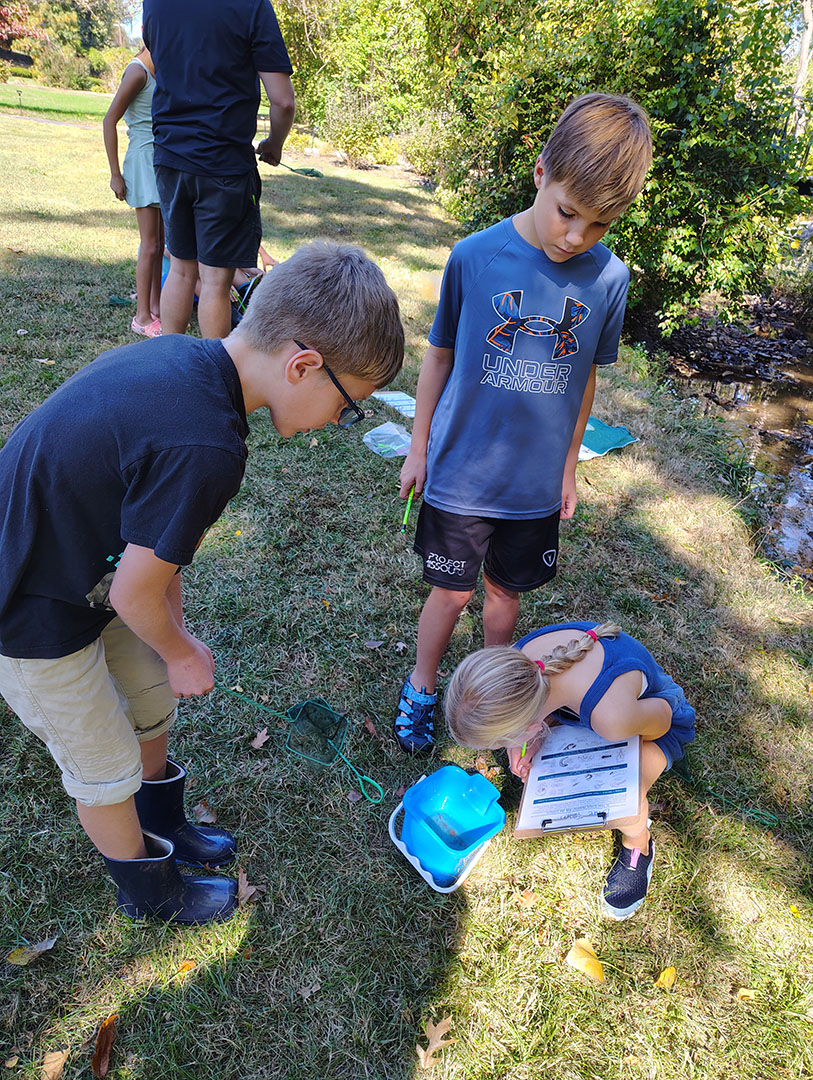
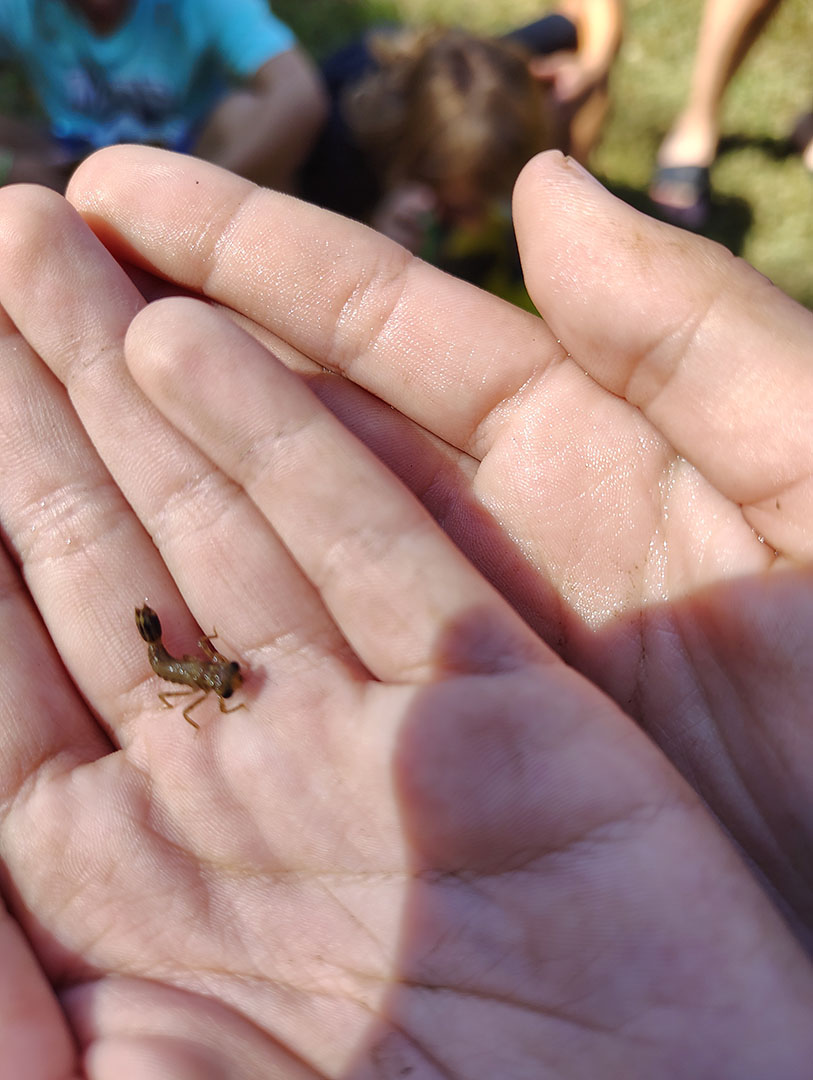
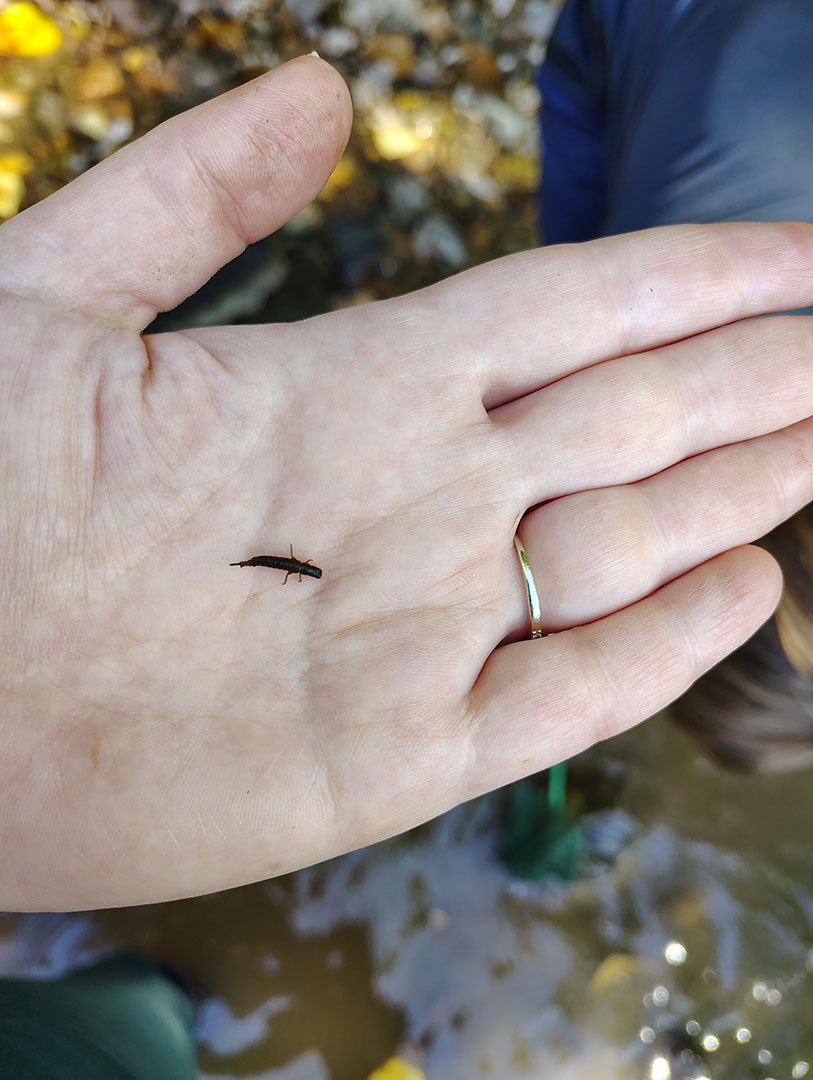
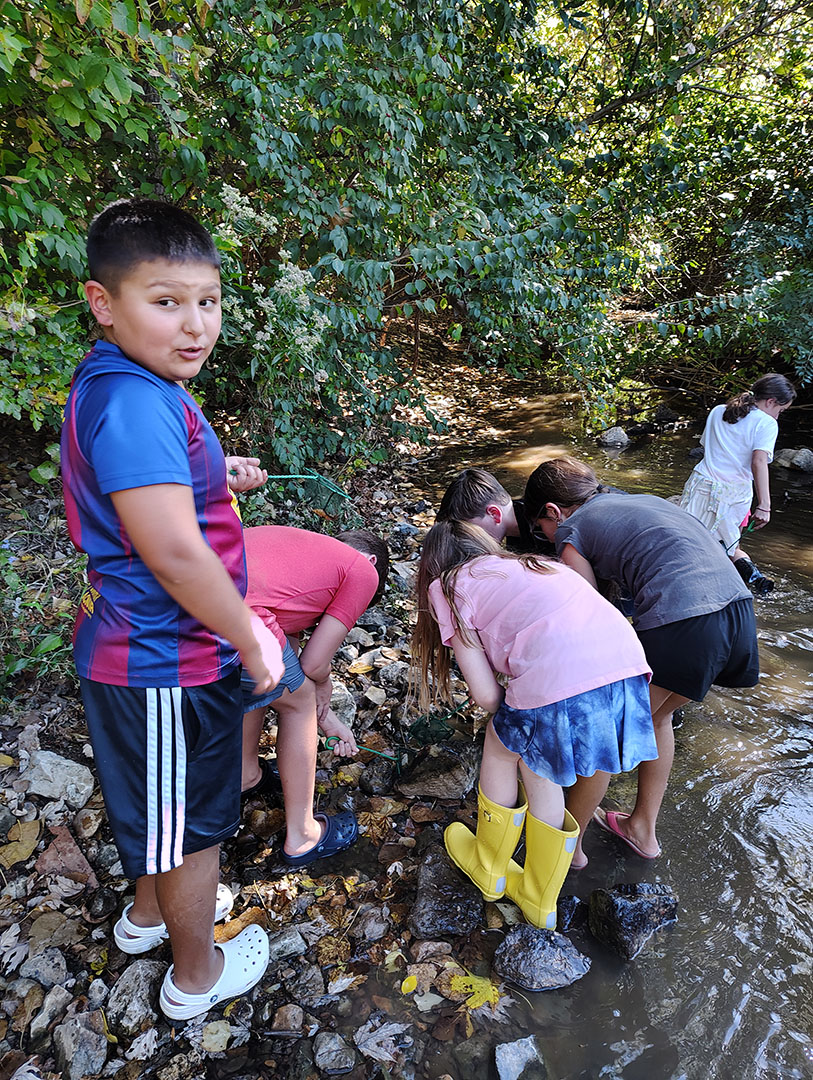
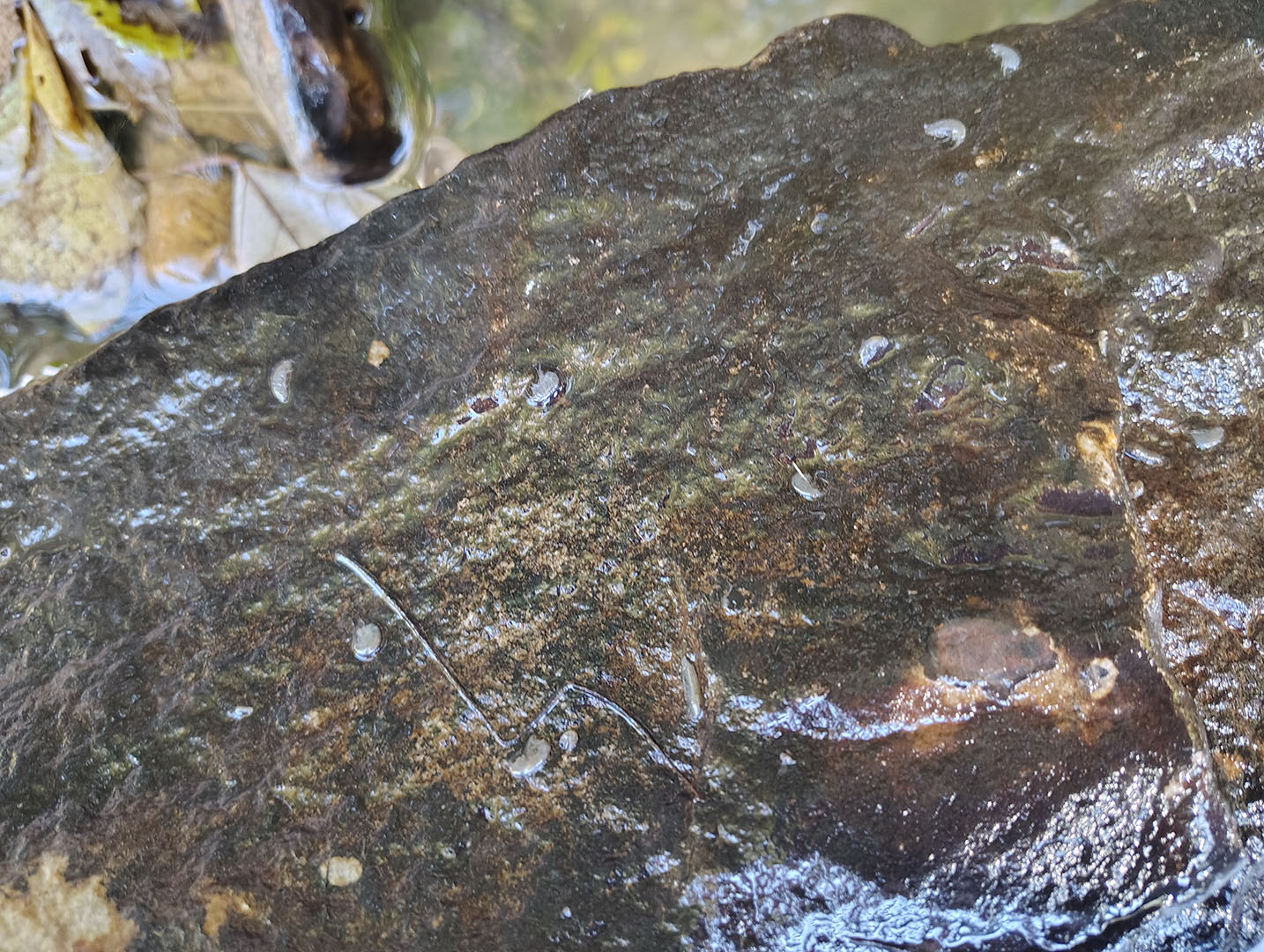
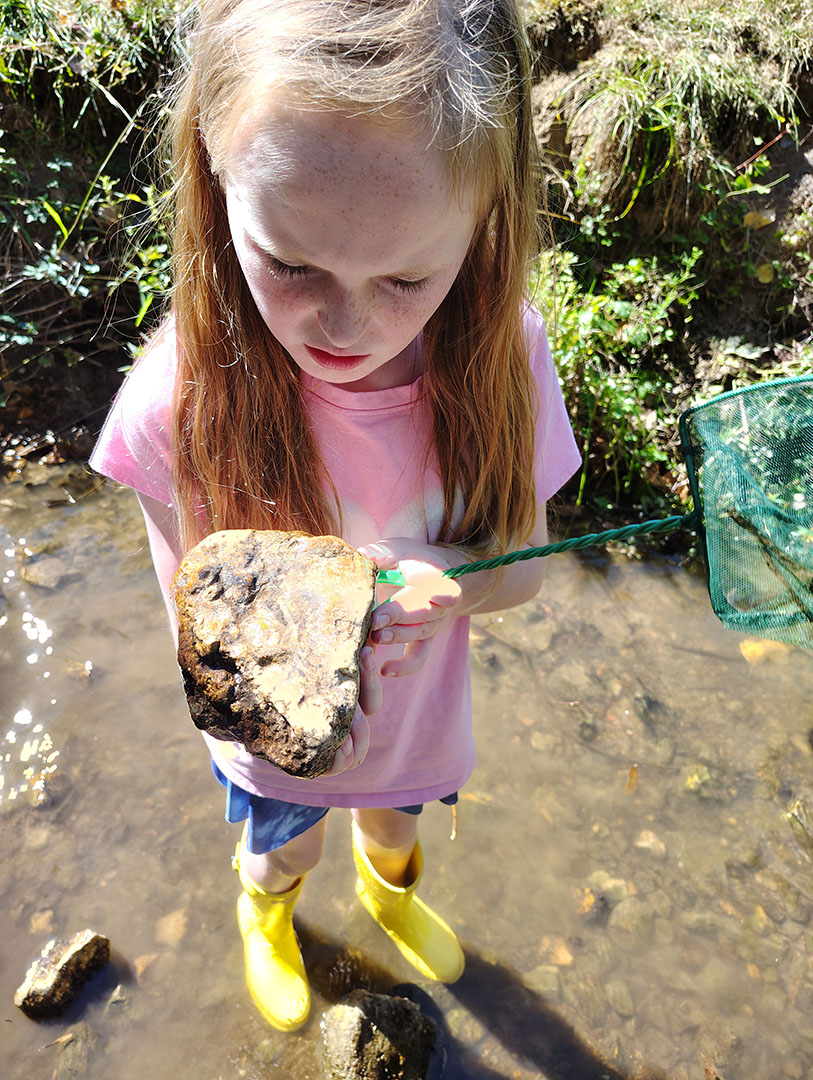
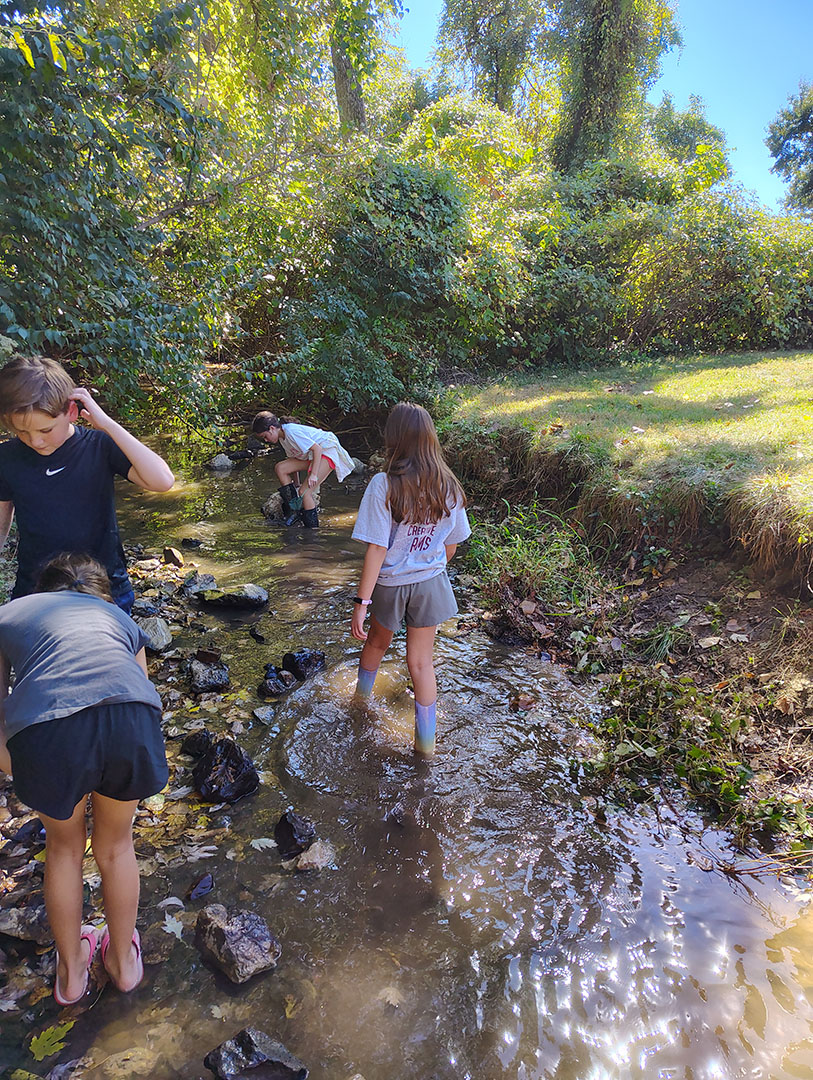
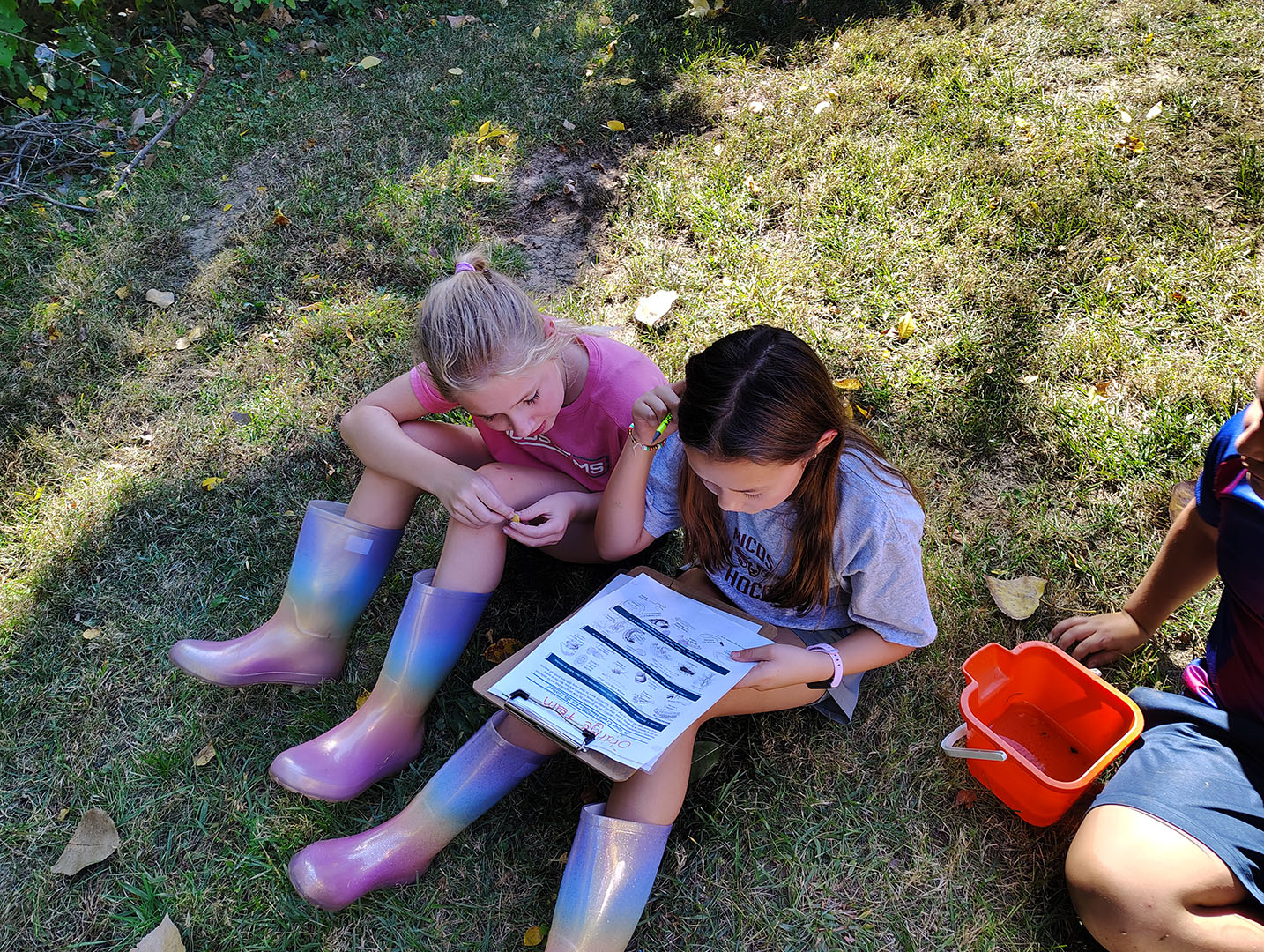
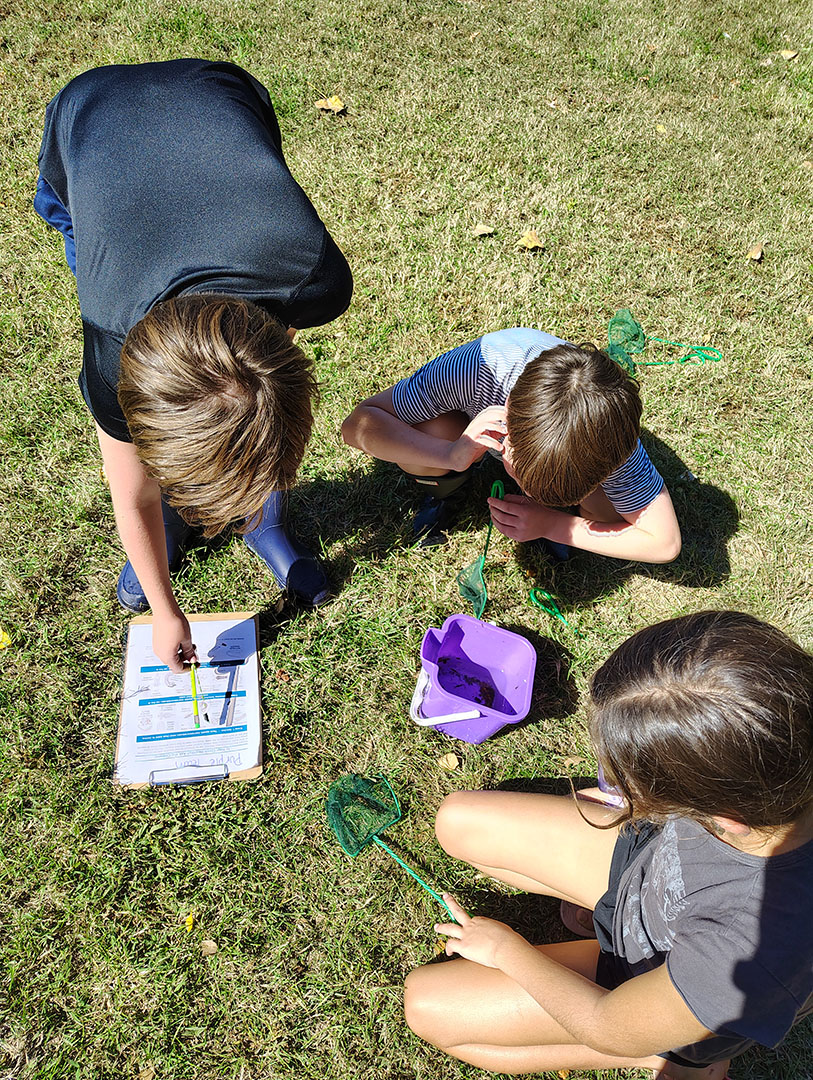
Back in the classroom, we’ll evaluate our findings and will make a plan that we can put in place. Every small act makes a difference. In science, we constantly work as change makers. NGSS standards are always aligned with purposeful learning experiences our students can do and projects that involve meaning and impact. If we find out we could improve our stream, we won’t just move on to the next study. We explore how we can do that, expand our expertise and put a plan in place. In the past, students have decided to follow up with cleaning up trash around campus so it doesn’t run off into the stream, cut down invasive honeysuckle, and plant native trees.
The importance of fieldwork, even at a young age
My most important goal for our young students is to remain curious and to explore the world. Getting students outside doing real fieldwork always brings the best results. Students are engaged and naturally want to find out more about where they are. Even during recess, students are finding things they want to share or want to know more about. Nature labs are the best teacher, and thankfully we don’t have to travel far to explore.
A campus rich in natural resources
We’re so fortunate to have so many resources for field studies on campus. Taking students into nature to see firsthand what we’re learning about in class heightens the enthusiasm for learning while making their learning concrete. It also eliminates the, “Why are we learning this?” question. Although we do classroom labs and read about science topics, anytime you can make a real-world connection, learning becomes meaningful. Some favorite areas to do field studies on campus are, first, our science courtyard, followed by our stream, the pond, the Upper School bioswale, and the raingarden behind the Lower School playground.