With the inaugural Winter Term in January, 2024, Lower School students and teachers were divided into “family groups,” comprised of students and teachers from different grades. The family groups enjoyed various Winter Term activities together, such as creating art and reading books. Everyone enjoyed these new groups so much that we decided to embrace the opportunity. Why stop something so popular? “The first year was such an amazing opportunity that we kept the Family Groups for Community Day, and then all year,” said Amy Scheer, Head of Lower School.
Family groups stay the same year to year, with new students joining existing families just as fourth graders head off to Middle School. This continuity allows strong bonds to form between the 14-15 students from different grades and boosting what is already a warm and welcoming community spirit. There are two to three students from each grade in each family, along with two teachers or staff members. “Everyone in Lower School has a family,” said Ms. Scheer. “They get really excited about their time together.”
These groups ensure that younger students have relatable role models close at hand, as they can watch a fourth grader read aloud, solve a problem, or handle a disagreement and see what growth looks like in a way a teacher can’t fully demonstrate. The families also offer a safe connection to the “big kids,” which means that older students become familiar and friendly rather than intimidating. Hallways, playgrounds, and all-school assemblies feel less overwhelming for younger students. Finally, these built-in groups of familiar faces eases the transition into a new learning environment for younger children.
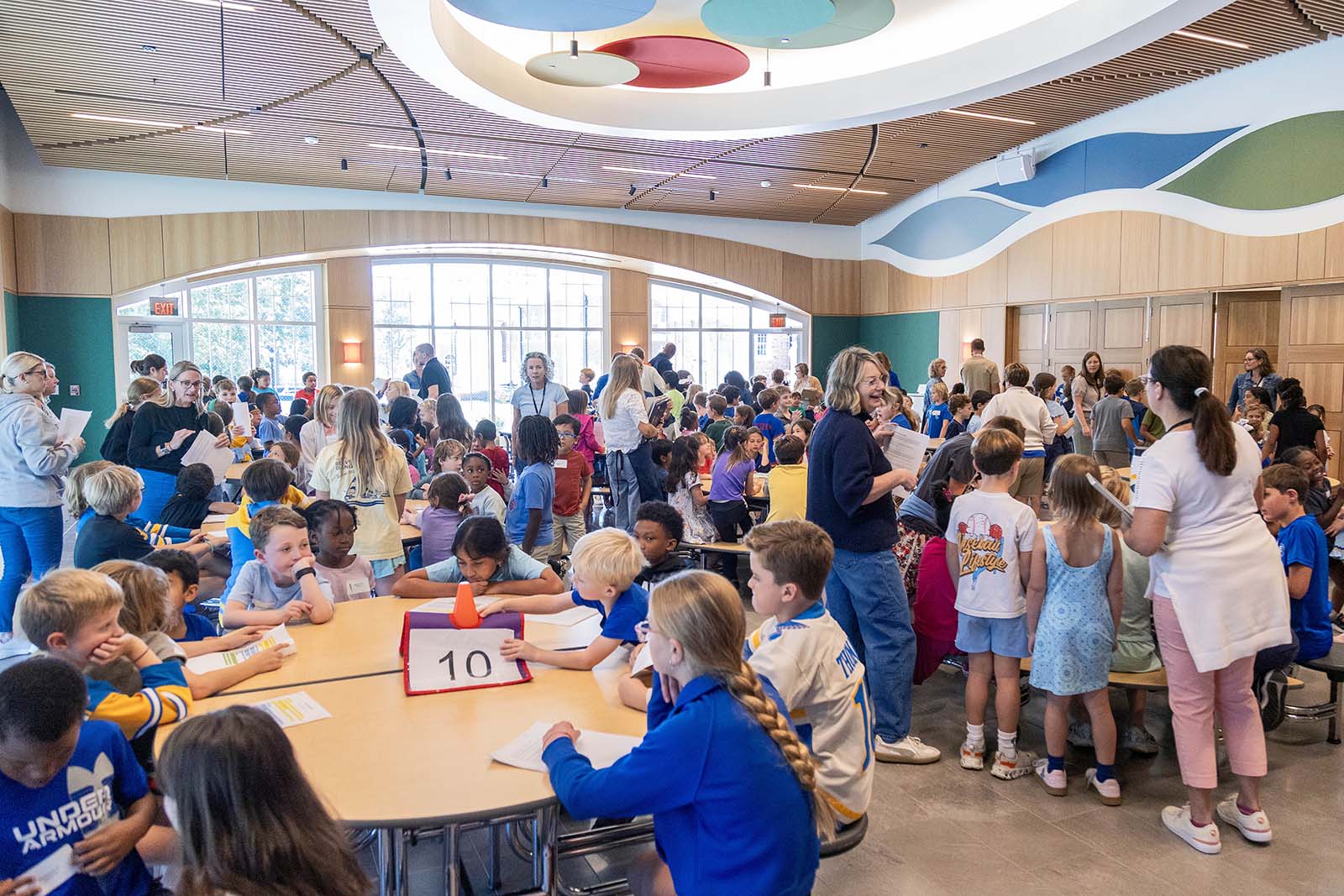
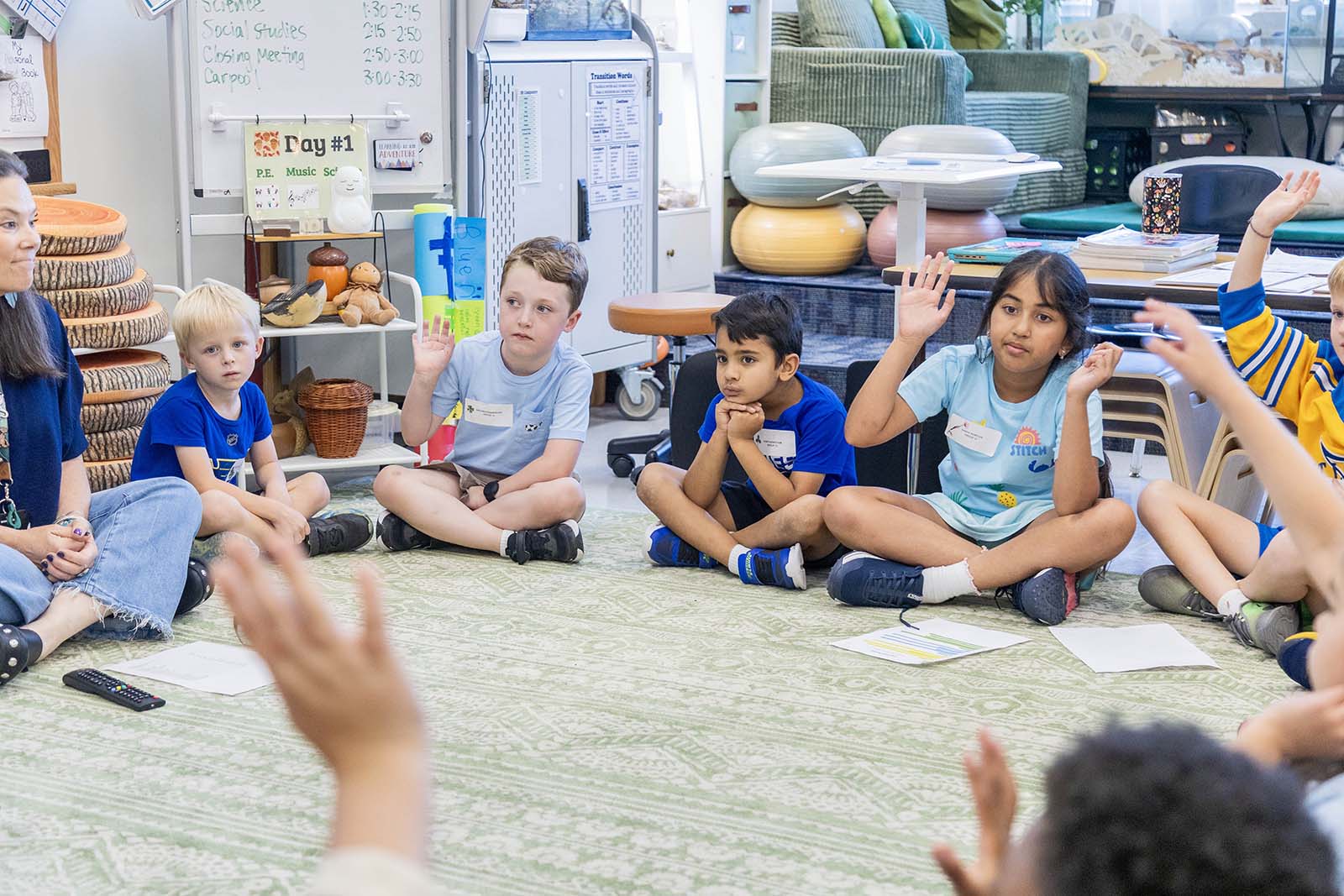
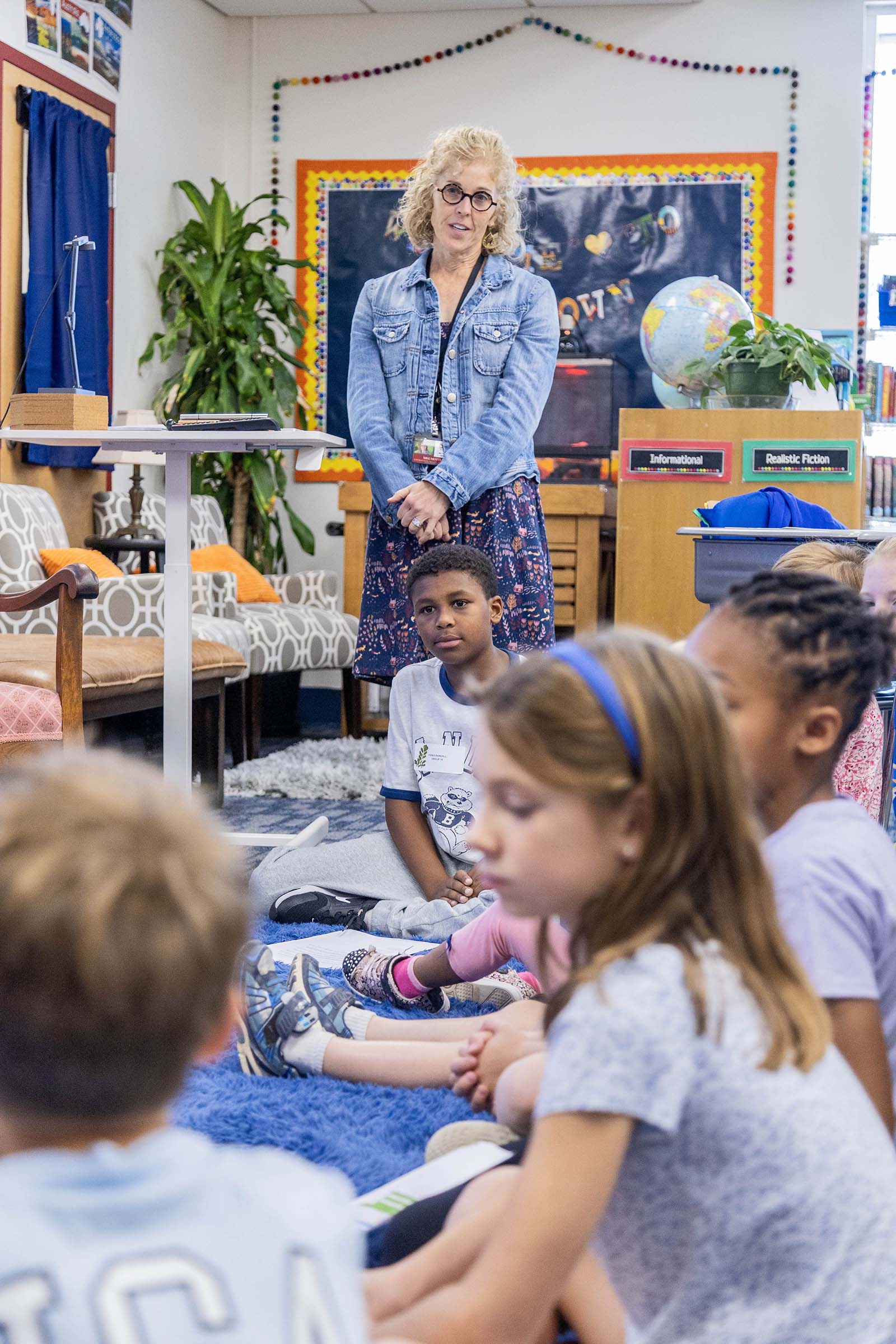
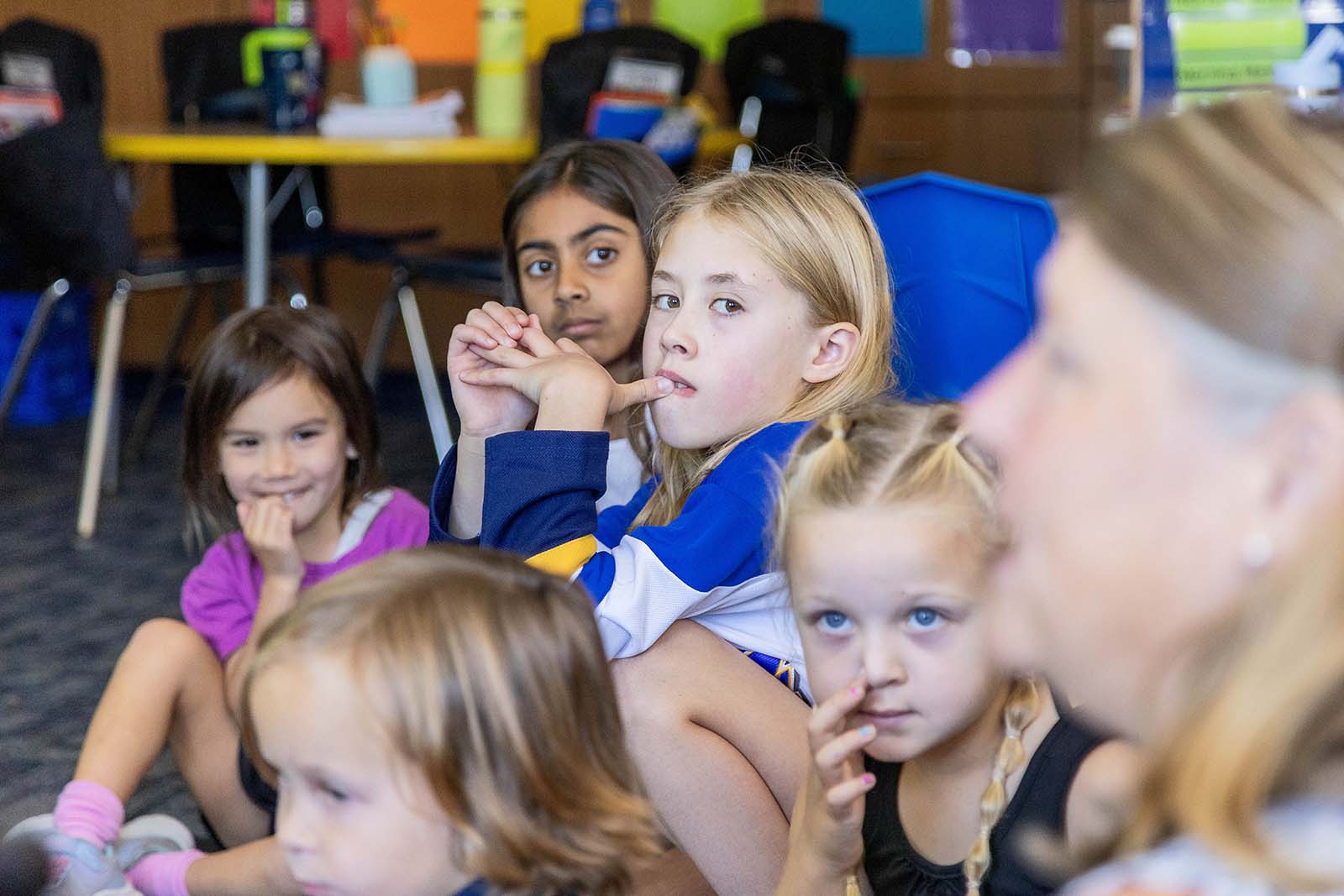
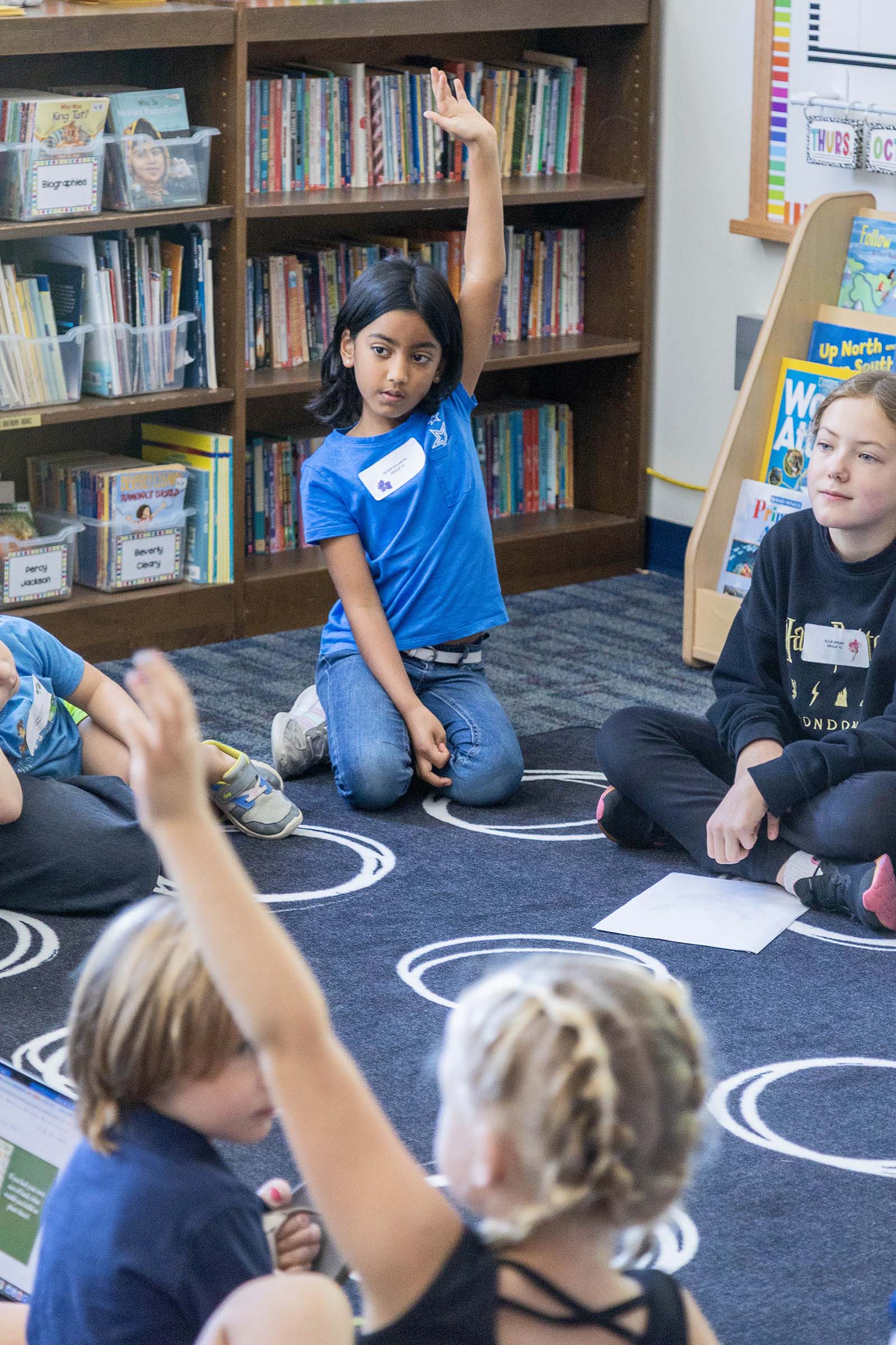
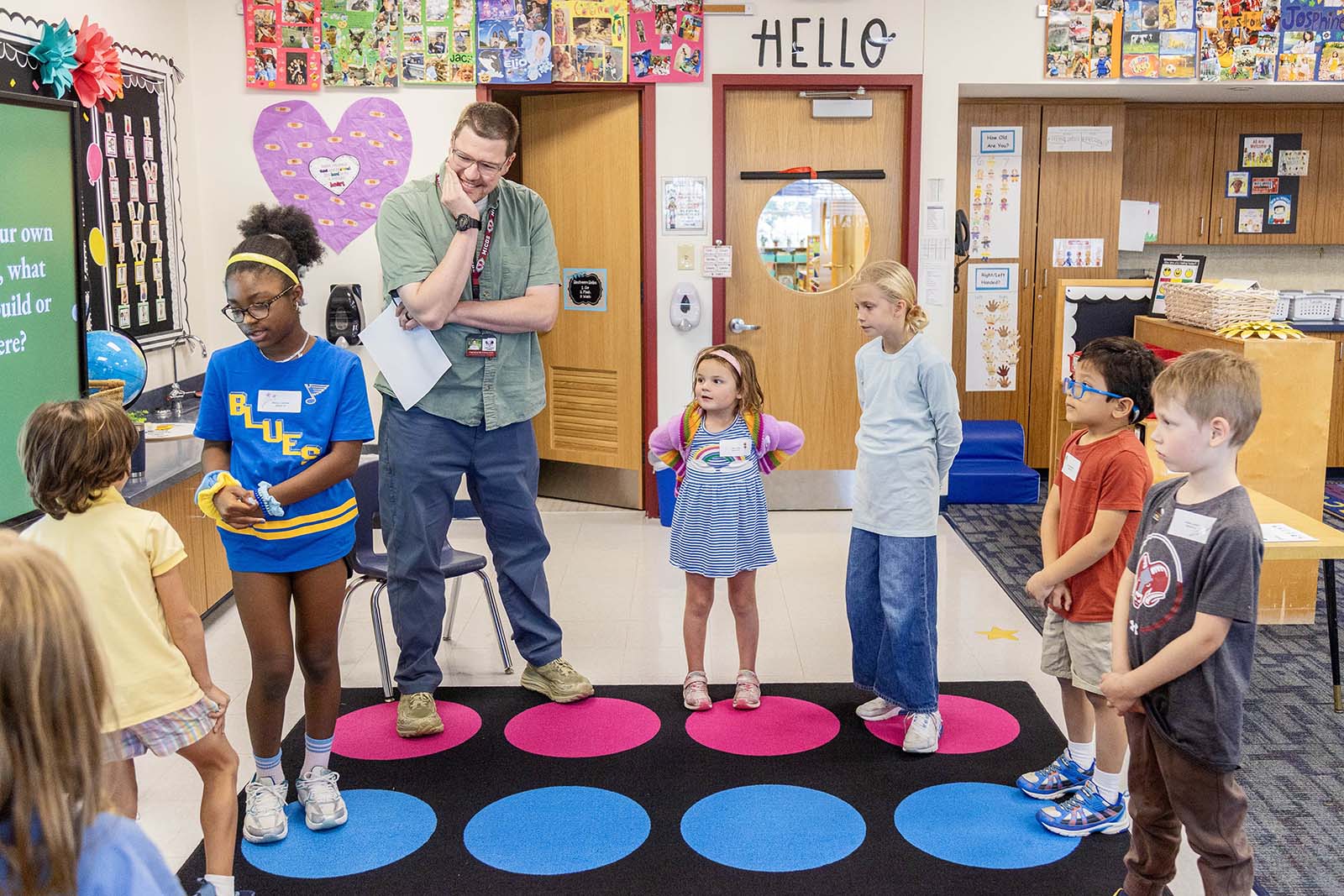
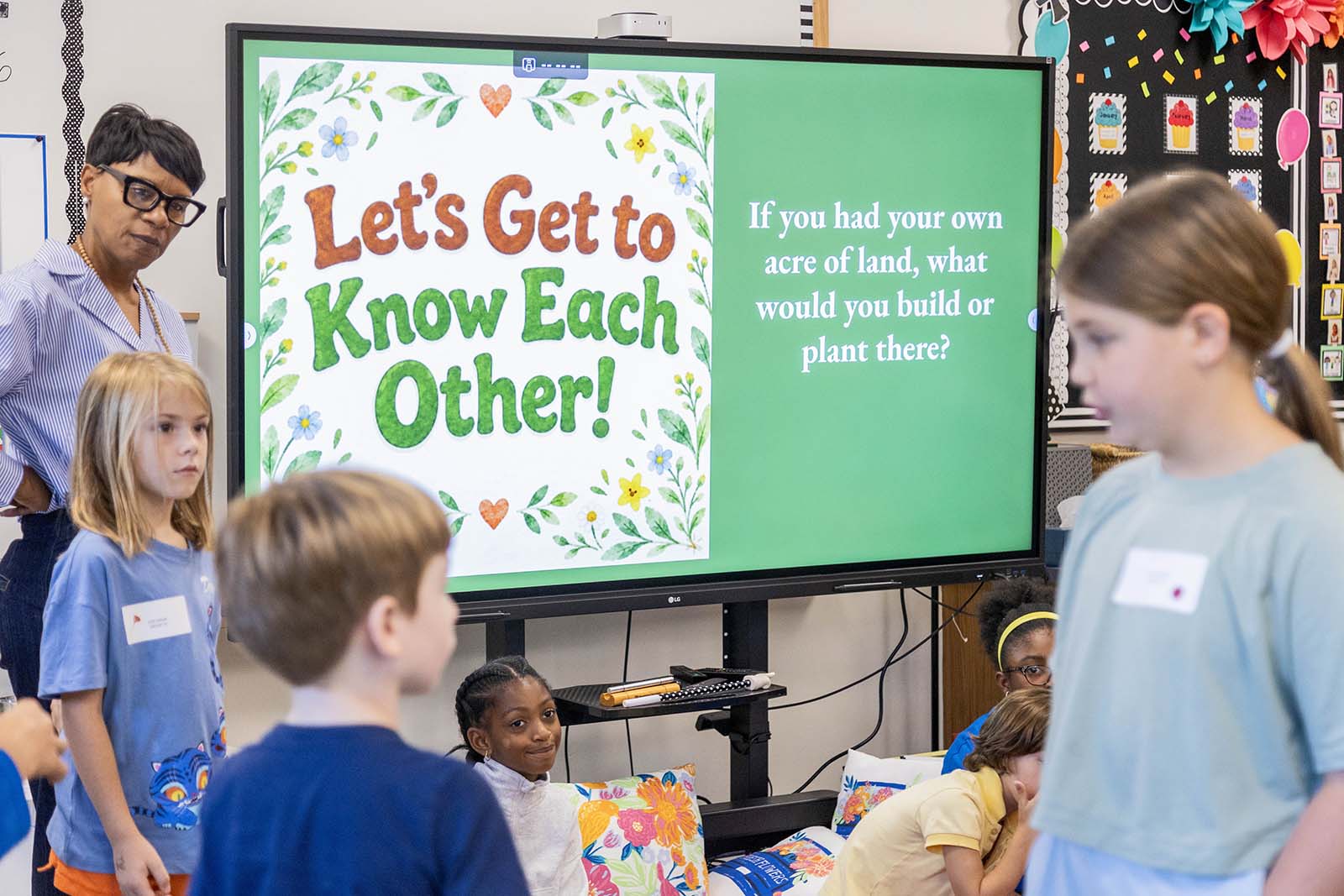
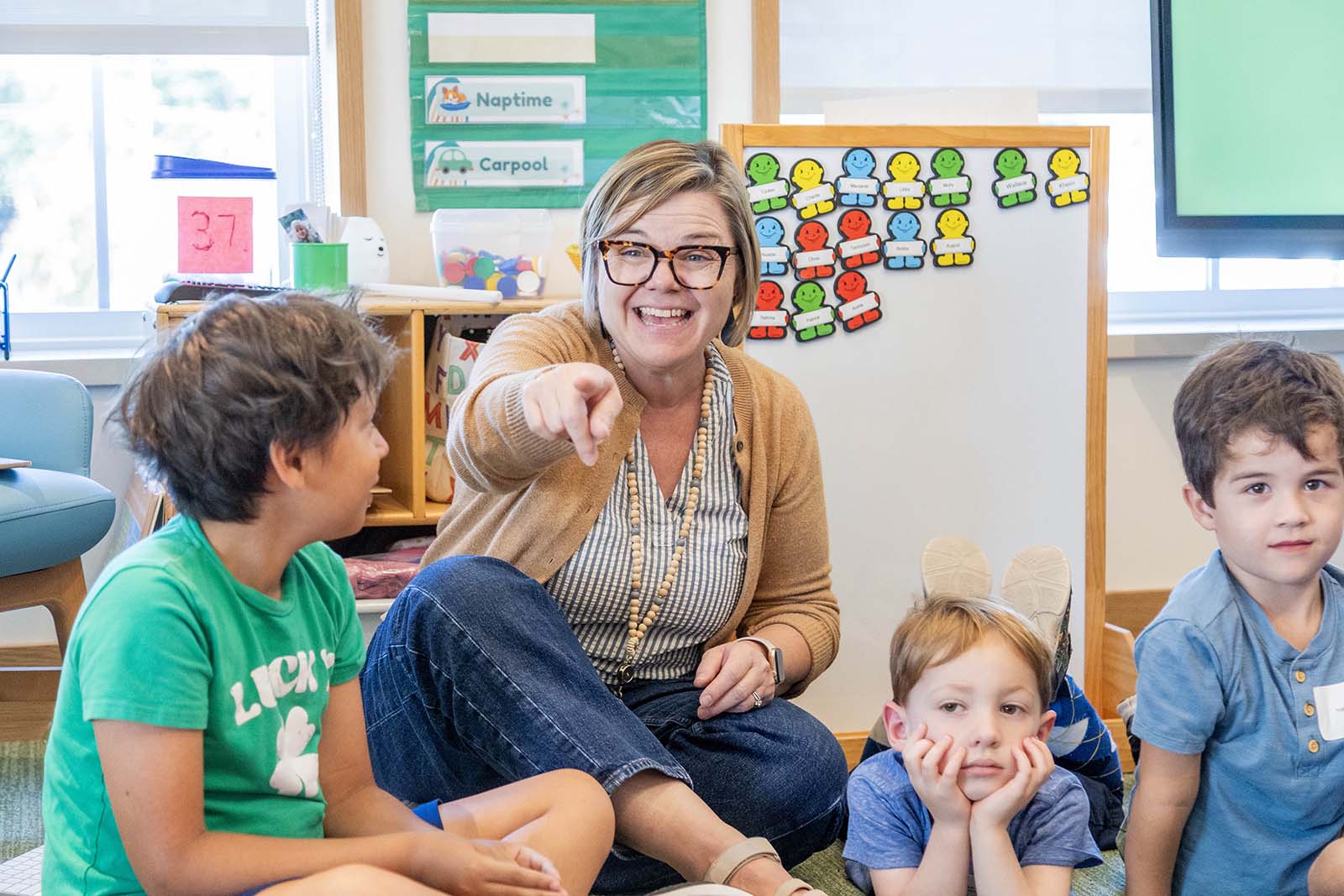
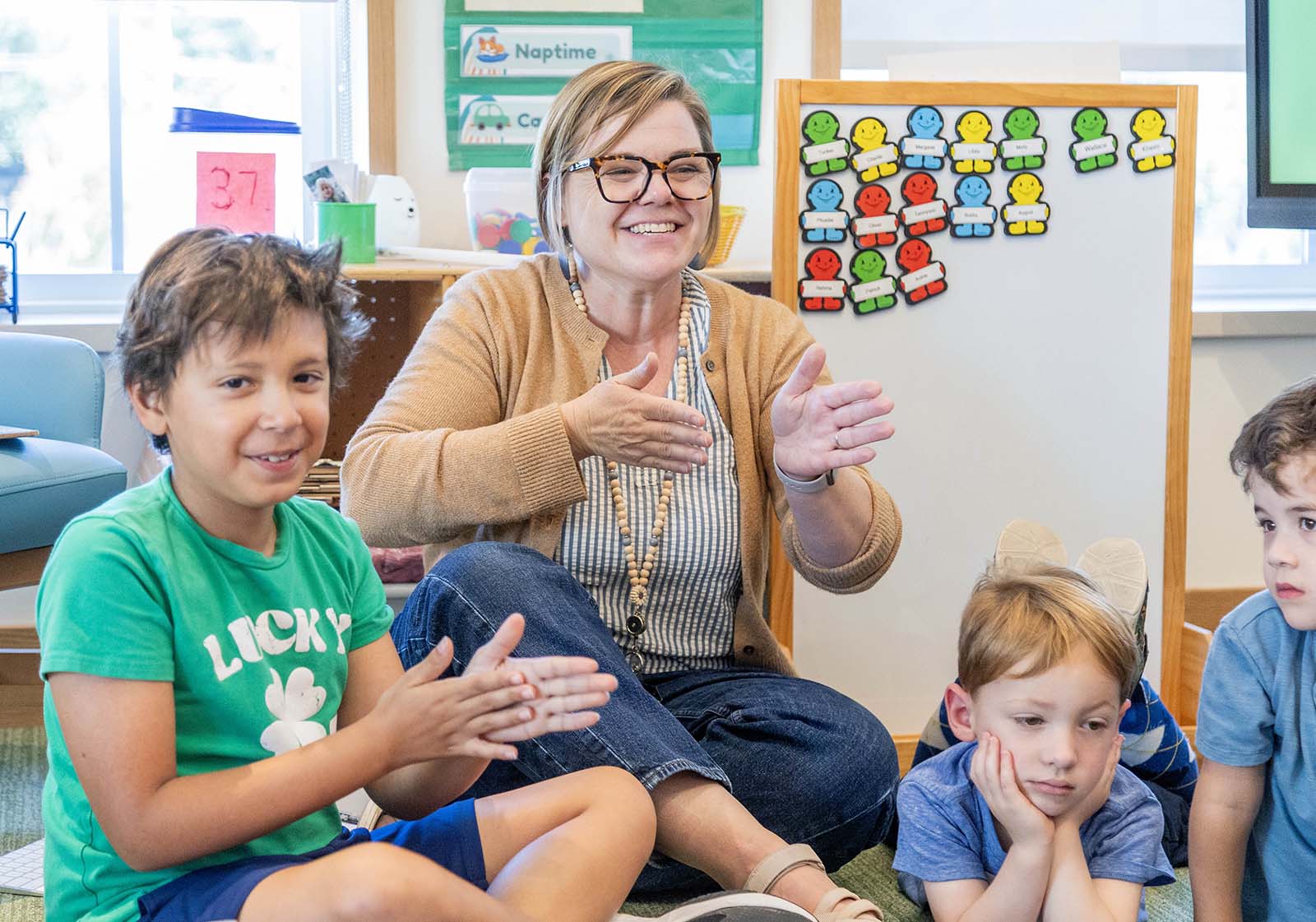
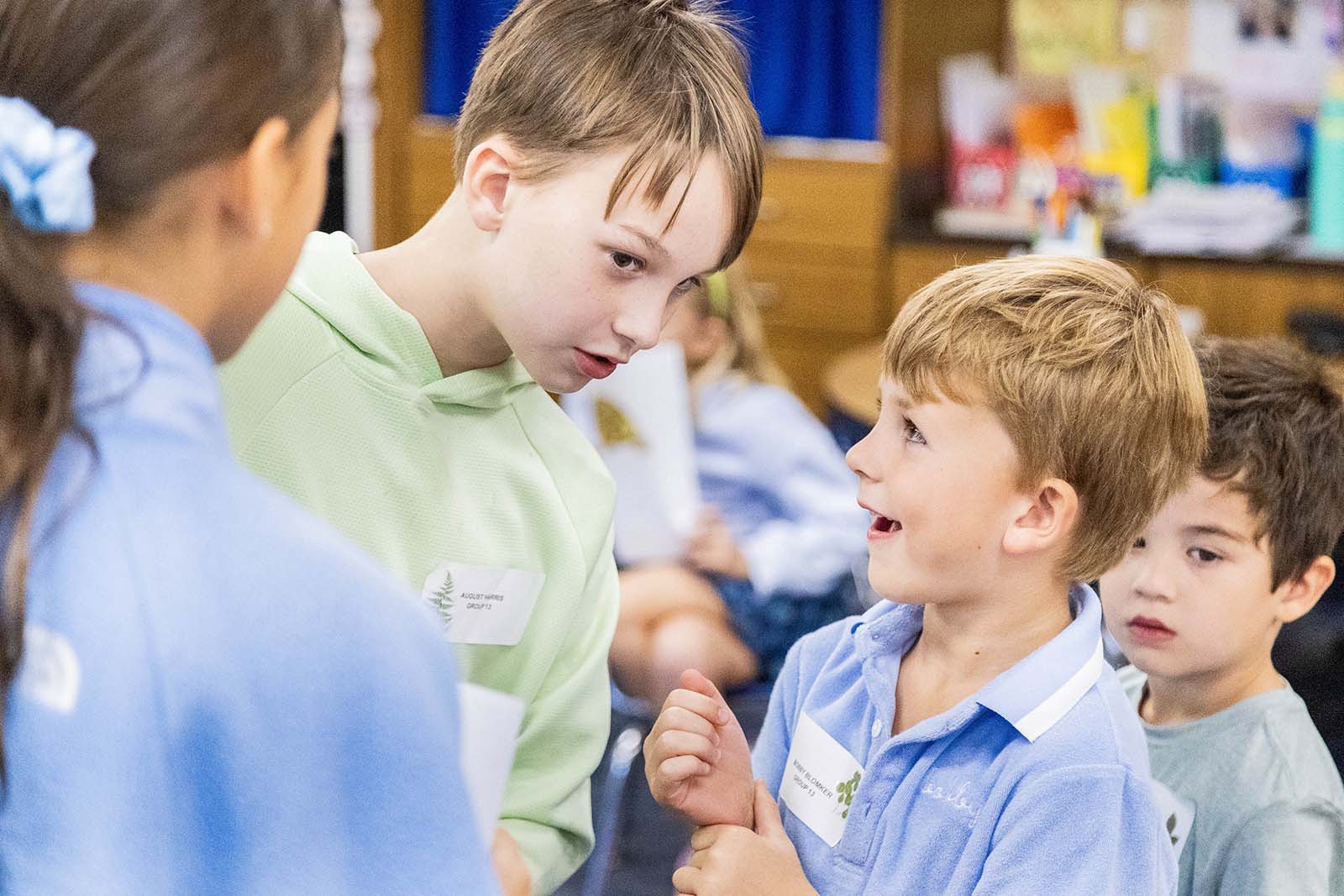
At their first family meeting of the year, new family members are welcomed and they spend some time getting to know each other. In the past, families have created their own handshakes. This year, each group came up with a family name that, ideally, ties to their A.C.R.E.S. theme. As a result, we have the Rosy Roses, Peas in a Pod, The Gecko Guardians, Peaceful Pumpkins, Team Tulips, Team BEE-utiful People, Tree-mendous Team 15, The Terrific Tree Team, and more.
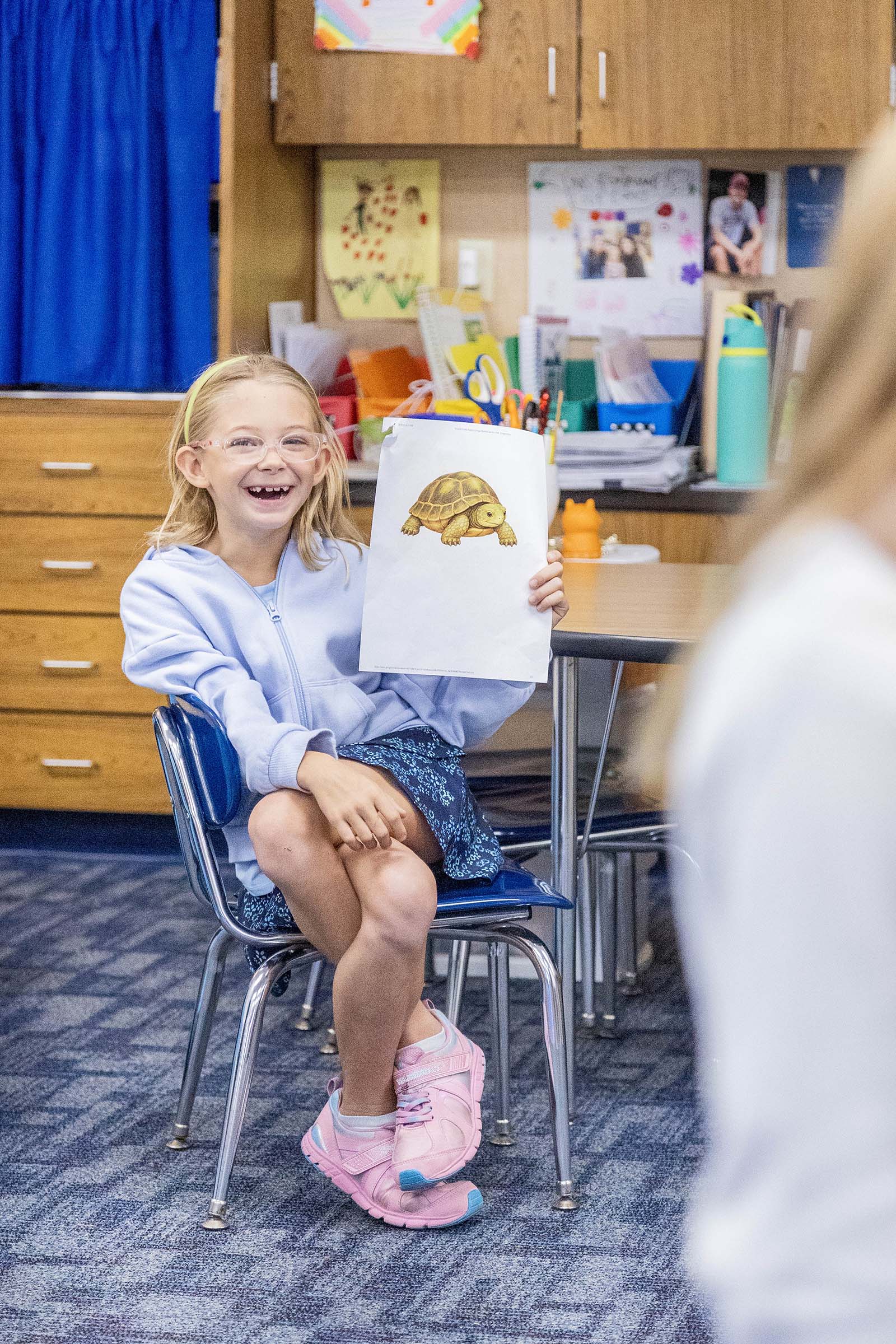
The families connect during two different family group meetings in October and February, for all three days of Winter Term, and again on Community Day in the spring. The connections abound outside these days, though. One of Ms. Scheer’s favorite things to see is older Beasley students stopping to hug their younger family members in the halls. “Older kids love helping the younger kids,” she explained. Fourth Grade Teacher Jen Van Dyken explained, “Fourth Graders, being the oldest in Beasley, have the opportunity to be leaders. In the first gathering this year, they led an activity about assertiveness where they read scenarios and the students had to match the scenario with the turtle (passive), shark (aggressive), or owl (assertive).
“Every fourth grade student had the opportunity to present,” stressed Ms. Scheer, which means that each student is gleaning important transferable skills from the activity. Third grade students also presented their Lost-And-Found initiative, which aims to reunite lost objects with their owners. “Their presentations to their families were about ownership and taking good care of belongings,” Ms. Scheer said. This work of explaining something to younger children leads to deeper understanding by the older students, reinforcing their own learning. They take pride in being known as capable and seeing themselves as contributors, which is a powerful identity for a child in the oldest grade of a division.
Lower School Science Teacher Laura Pupillo said, “I love the opportunity to work in multi-age groups and see how our older students shine as leaders. Our older students are such great teachers and work so well with our younger family members. I also love the opportunity it lends for the whole Lower School to work together on a project or idea. Kicking off Family Groups this year, everyone got to learn about the Green Schools Quest and choose ideas. Back in science, students are voting to finalize this year’s theme. I find that students are so excited to share their ideas from their own family groups while enjoying hearing from other groups.”
Younger students enjoy being helped by their “cool” older schoolmates, and eagerly participated in brainstorming on assertiveness, taking care of possessions, and the Beasley Green Schools Quest. All activities are thoughtfully designed to be completed and enjoyed by a wide range of ages, carefully including all voices. The teachers appreciate their families, too, getting to connect with students they may not have the opportunity to teach. Ms. Van Dyken said, “As a teacher, I love being able to make connections with our younger learners and get so excited when I see them in the halls or outside!” Specialist teachers, who interact with every student in every grade level, enjoy getting to know students in an advisory group setting, which mirrors the homeroom relationships their colleagues develop throughout the year.
Sarah Garner, Lower School Art Teacher, echoes the benefits of Family Groups. “I absolutely love the Beasley Family Groups!” she said. “Being a part of a JK-4 family and community group throughout the school year creates a meaningful sense of connection, belonging, and shared purpose. As a group, we have opportunities to build relationships, develop leadership skills, collaborate, and take ownership of our ideas. Through creativity and shared experiences, students learn from one another, celebrate their unique contributions, and strengthen their sense of community. The group becomes a place where every student feels valued, included, and empowered to make a difference.”
Everyone benefits from the social-emotional growth that happens in family groups, as working and talking with children of different ages and temperaments develops patience, kindness, listening, and flexibility. Our MICDS community grows stronger through shared traditions, service projects, and rituals that reinforce School values and make the Lower School feel more like a family than a collection of classrooms. Finally, Beasley Families give each child a special place where they are noticed and valued, a goal of educators in all three divisions at MICDS.