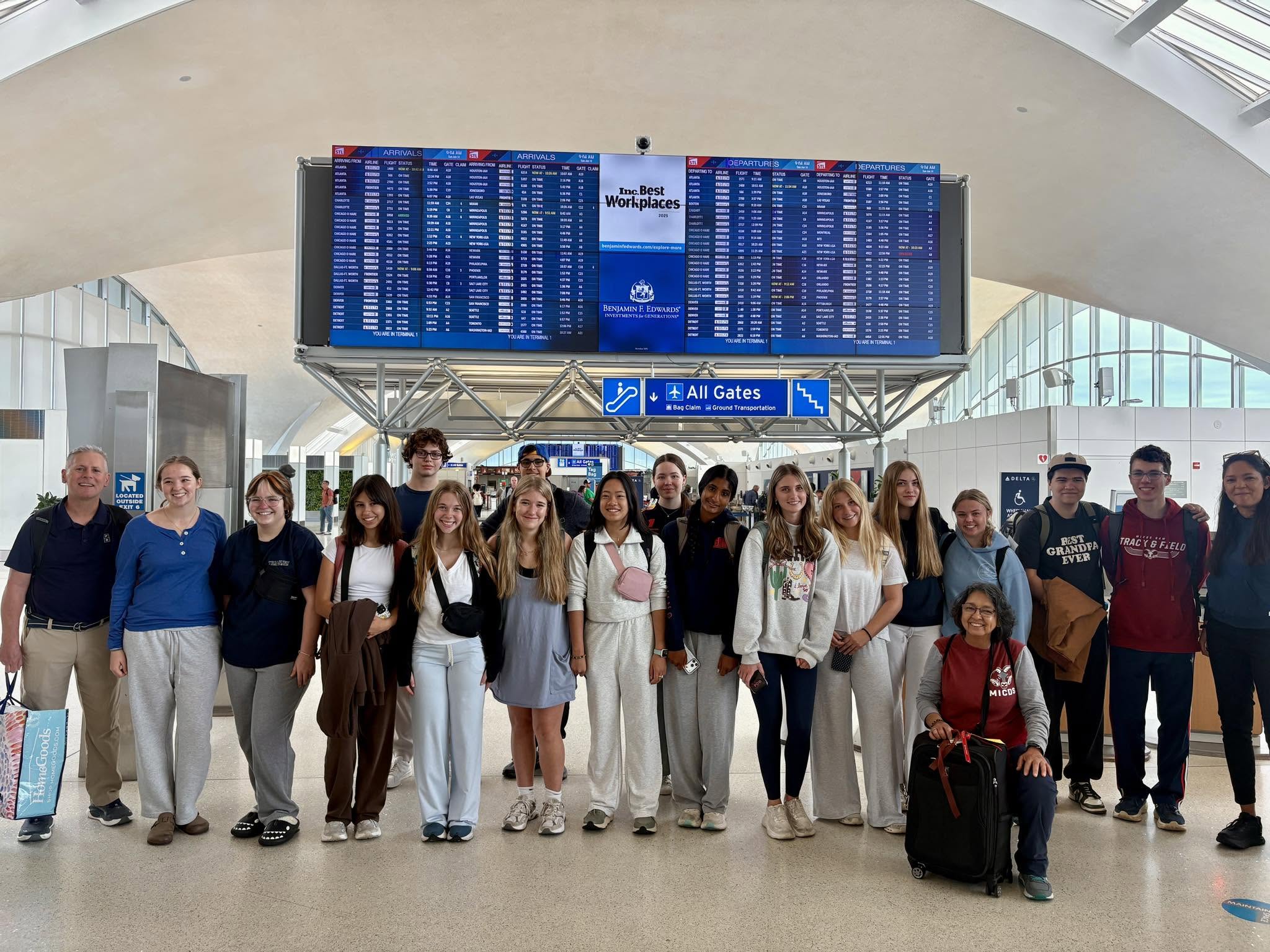
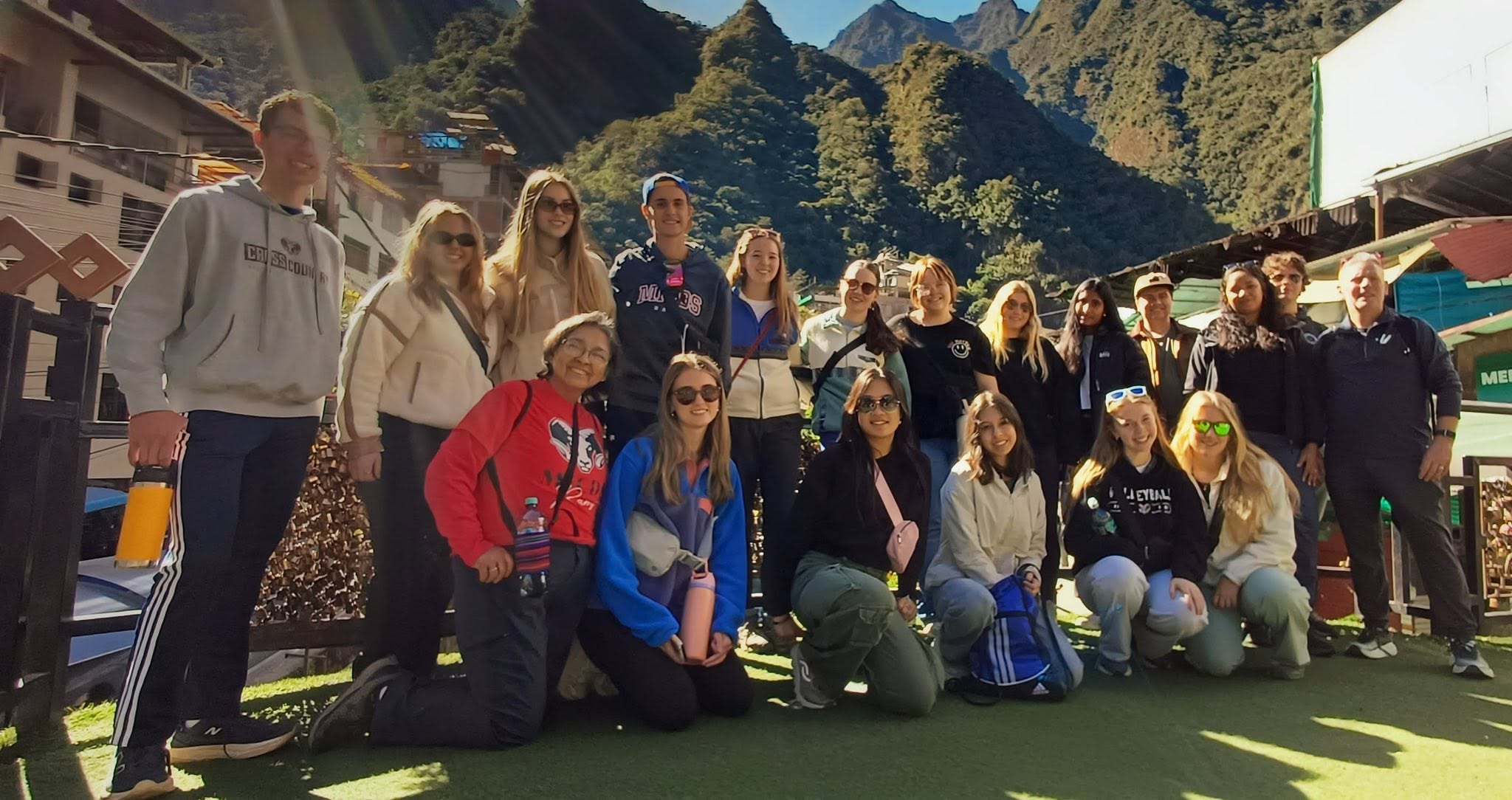
This past summer, MICDS welcomed back its annual culture and service trip to Peru. In this hands-on community service and immersion program, student travelers explore the Inca Empire, modern-day life for both urban and rural Peruvians, and Peru’s health and education systems.
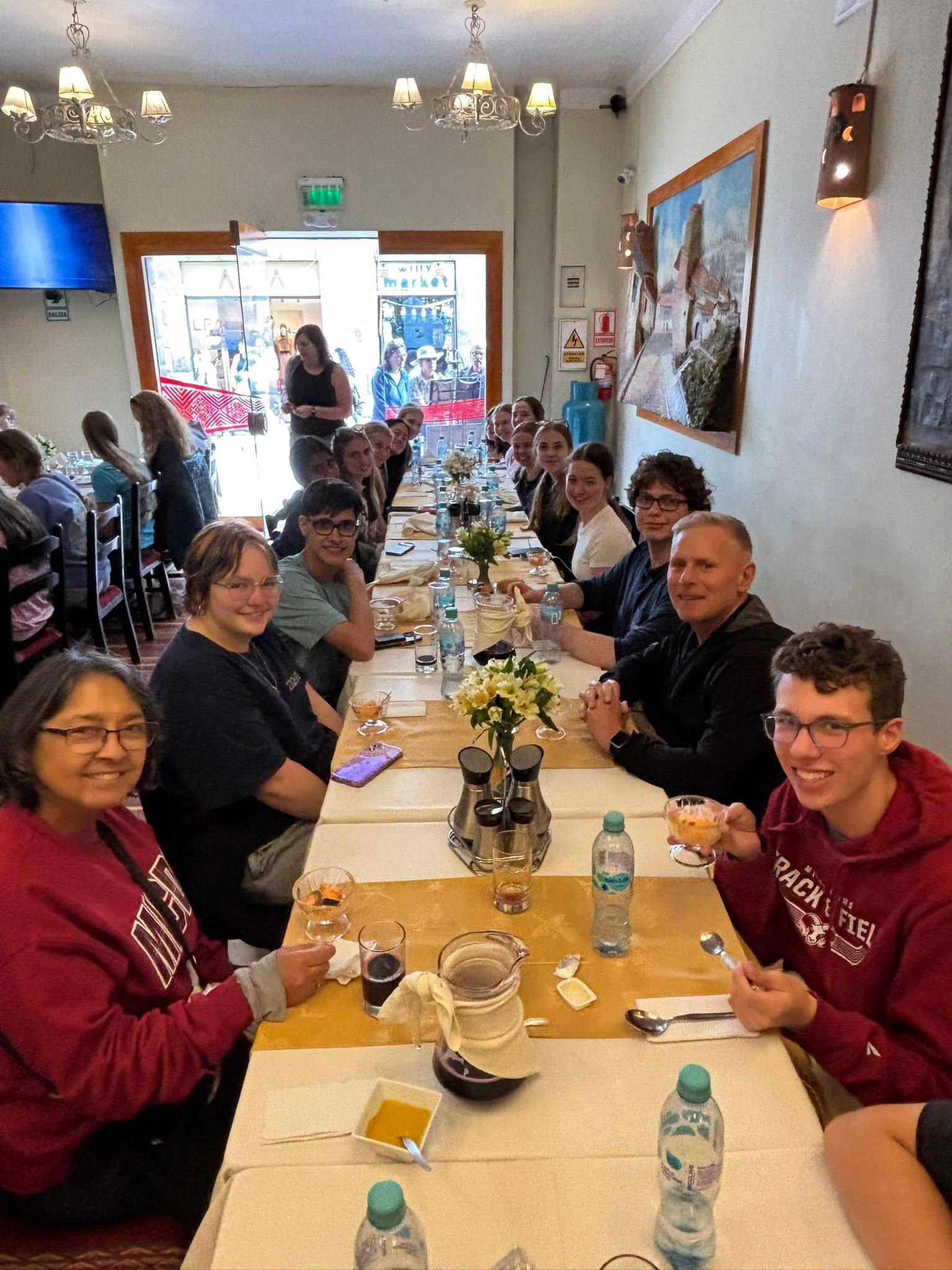
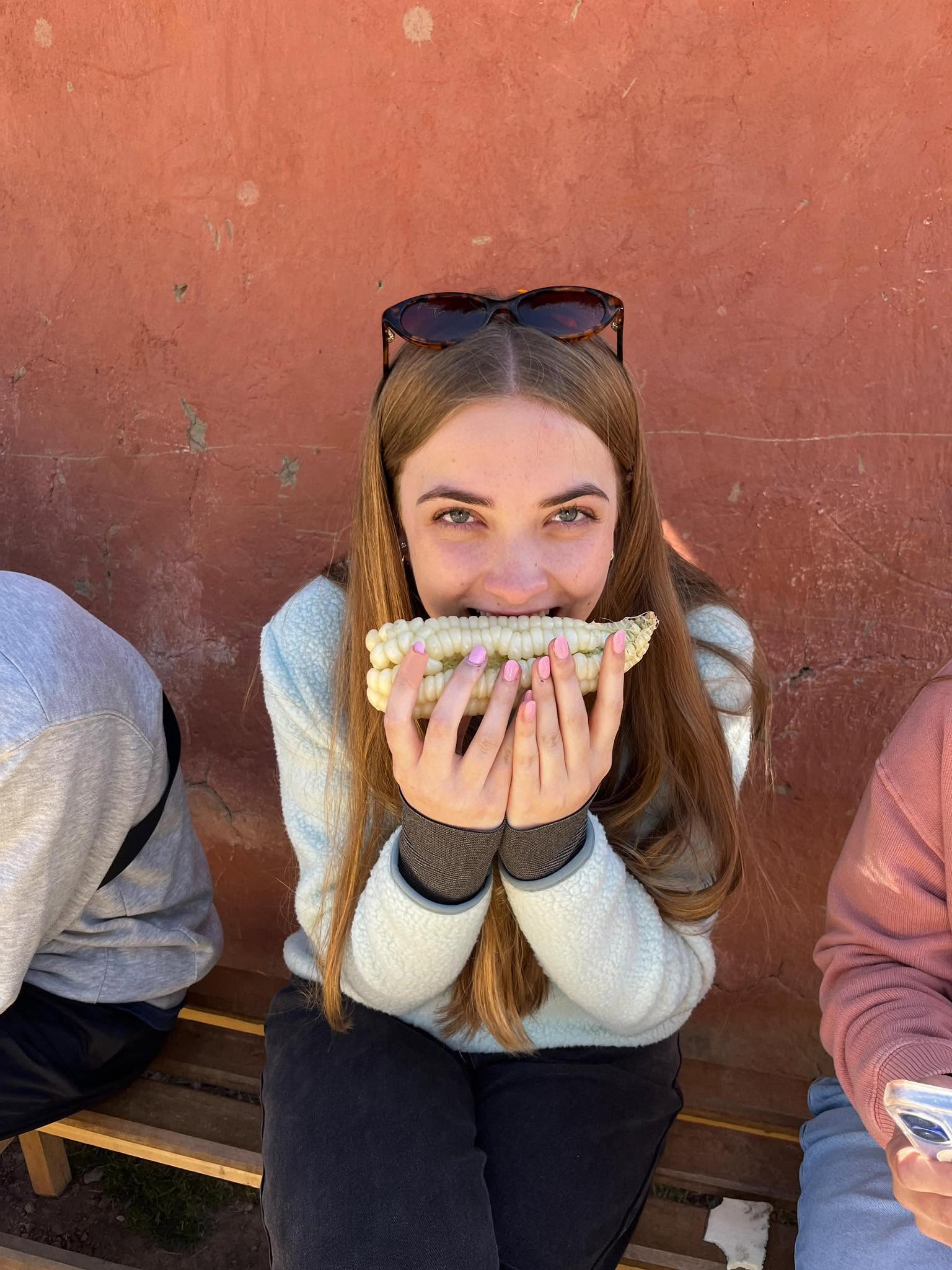
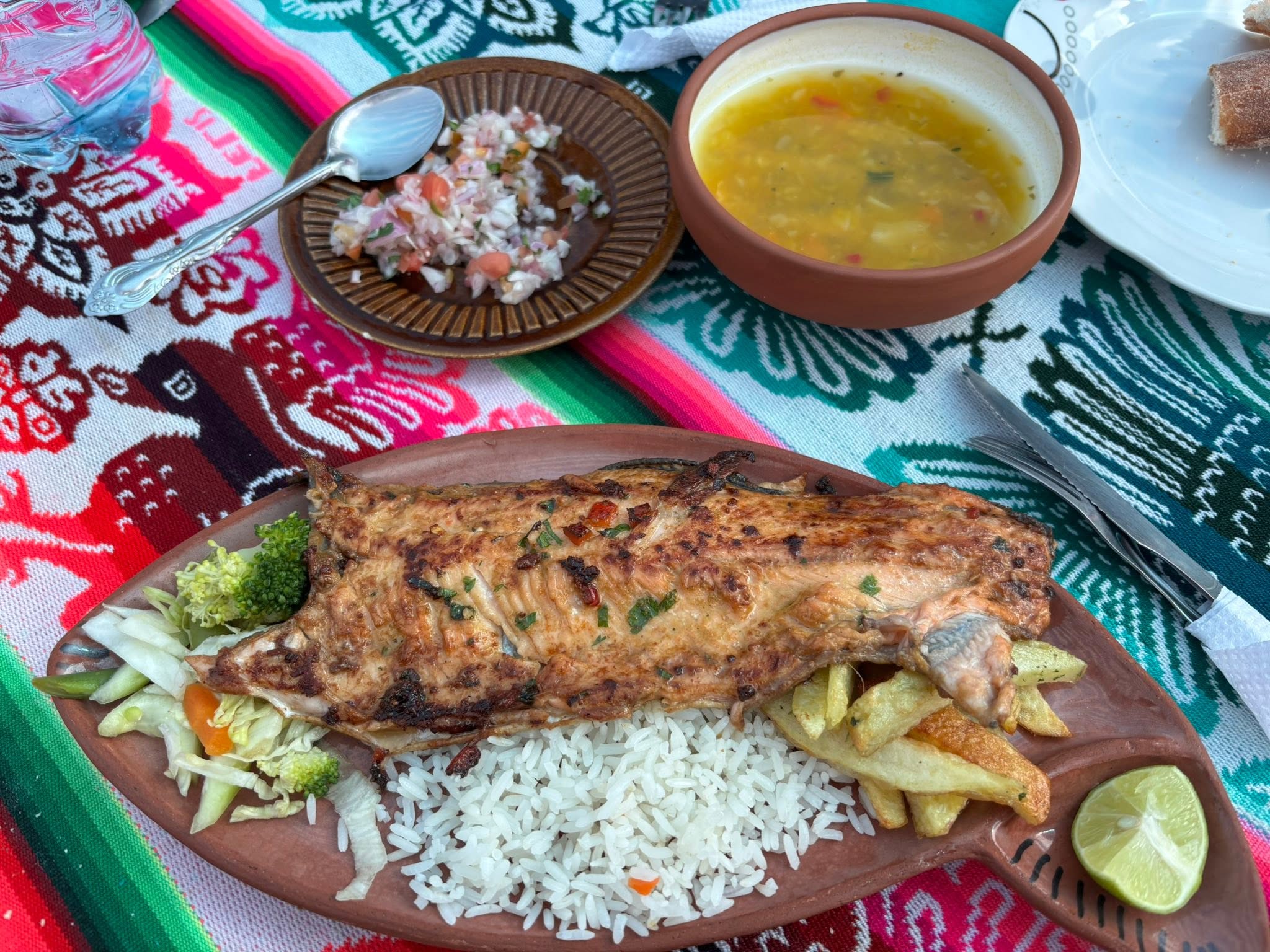
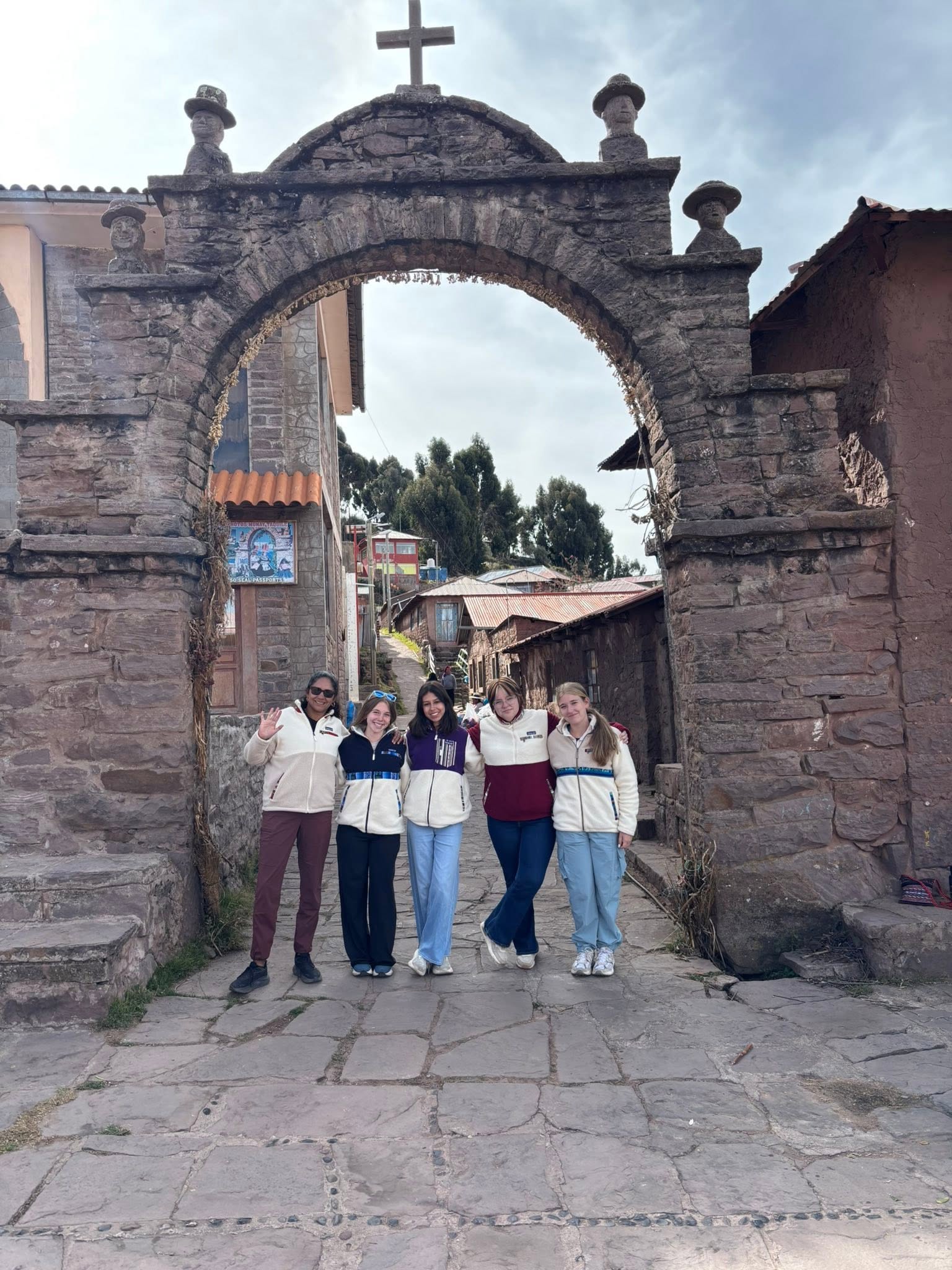
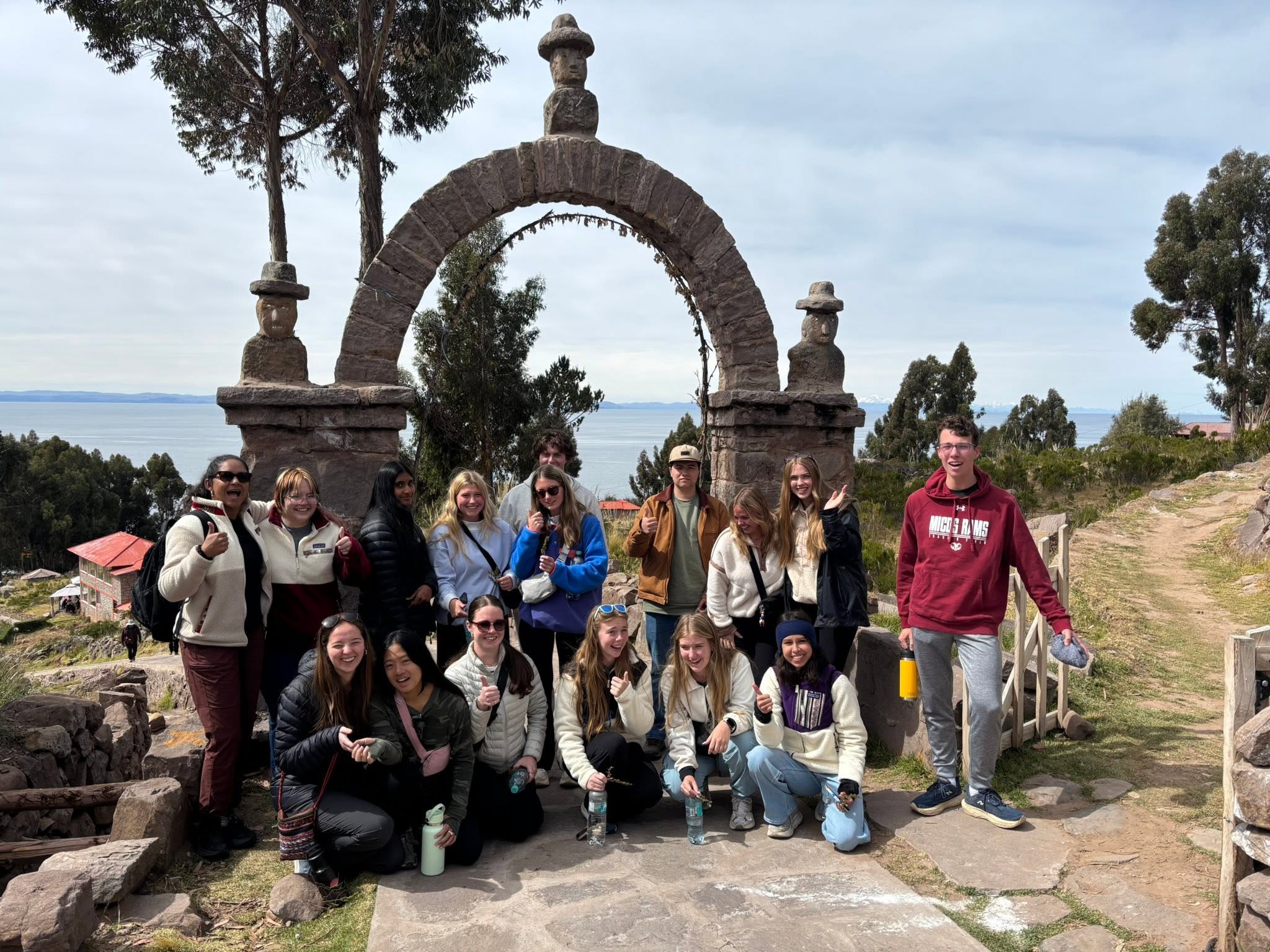
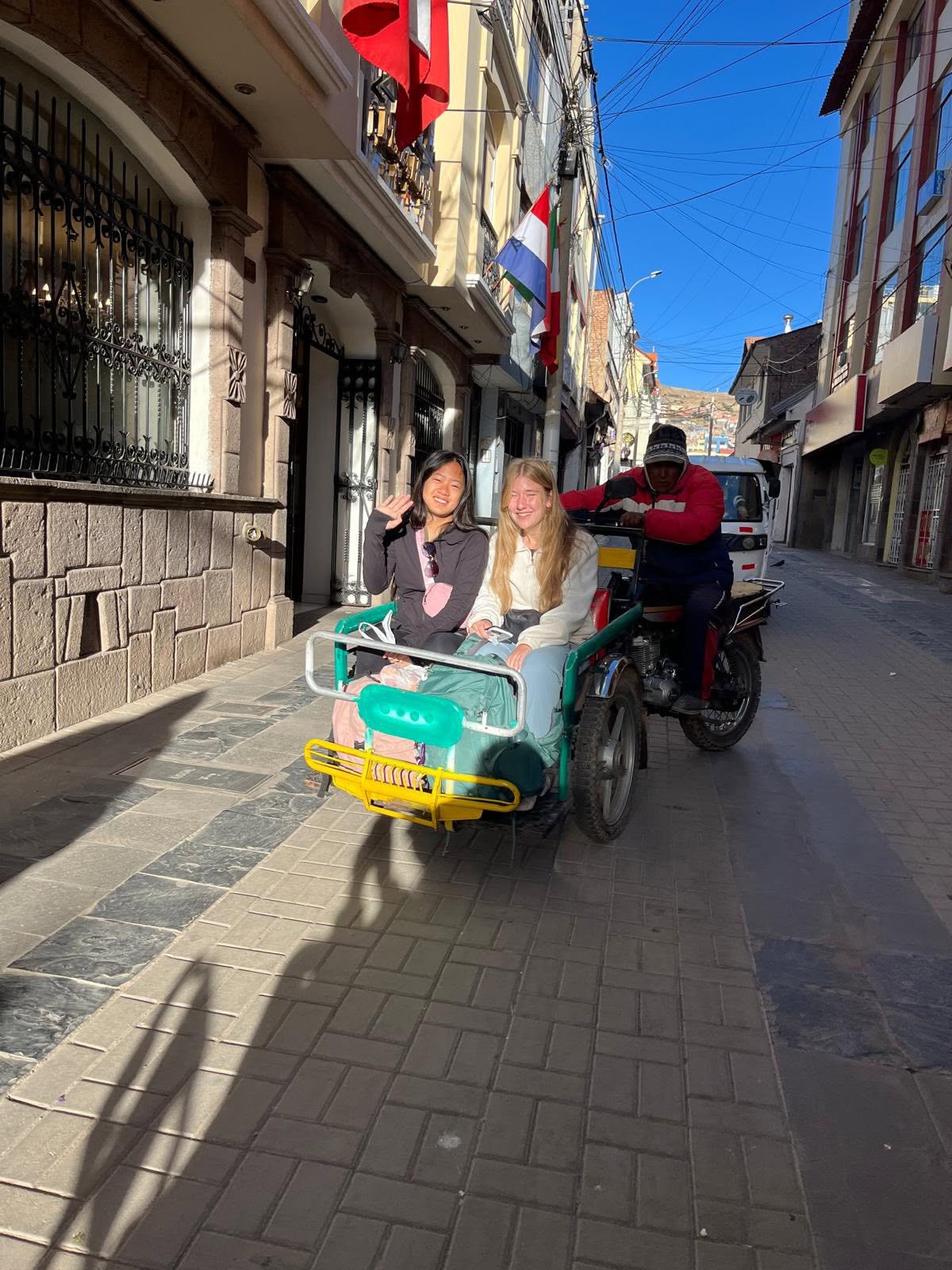
JK-12 World Languages Department Chair Patrick Huewe said, “Before connecting with and supporting members of the global community, it is essential to understand their language and culture. So prior to the week of volunteering in Chincha, students dove into Peruvian culture by spending a week in Cusco and Puno, touring Incan ruins, including Sacred Valley and Machu Picchu, salt mines in Maras-Moray, and Lake Titicaca, and learning traditional weaving and dance lessons, all of which were accompanied by traditional Peruvian food.”
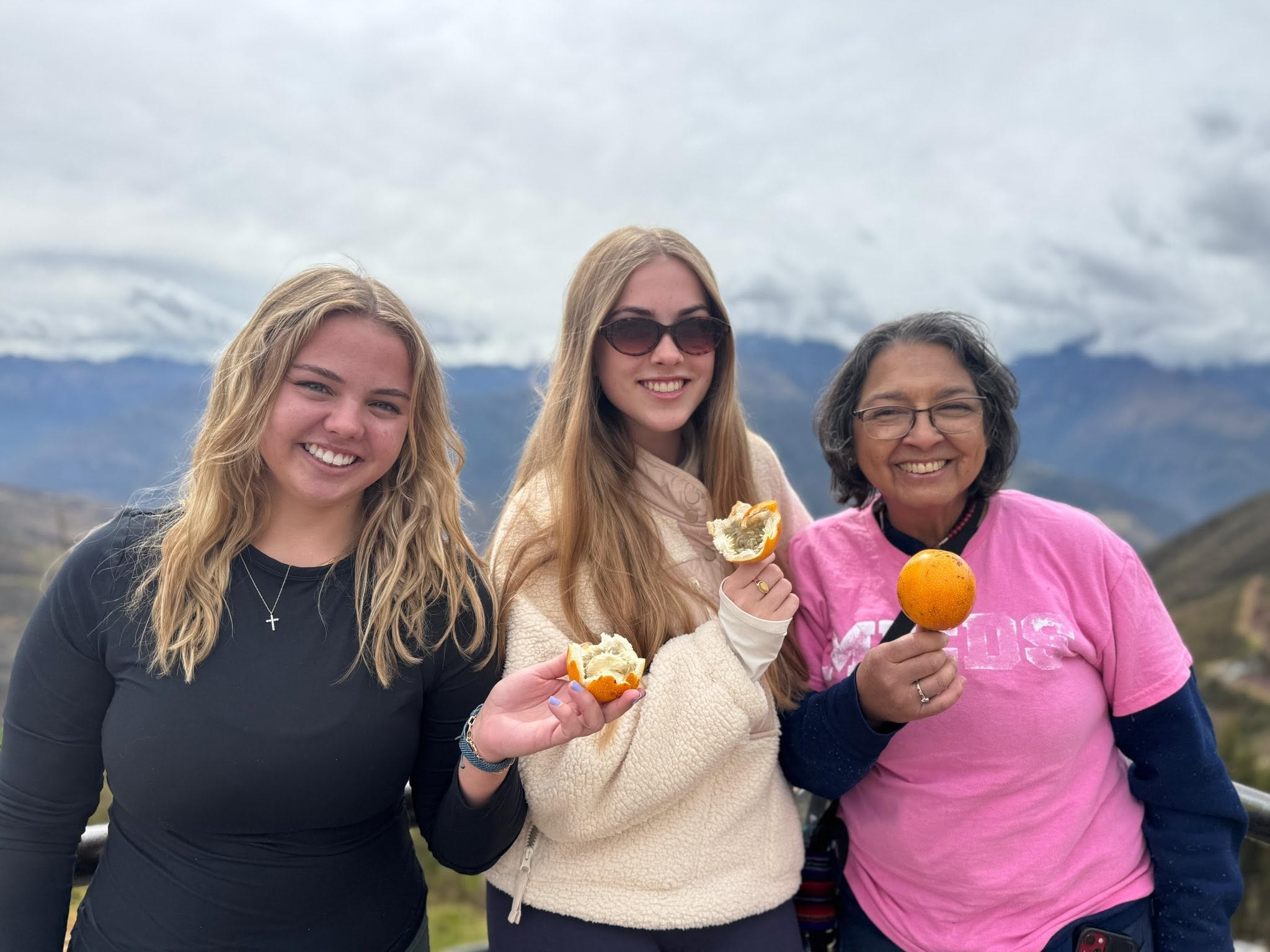
Upper School French Teacher Marie Muth posted daily travelogues during the trip. Below are some highlights.
Day 1: Welcome to Cusco!
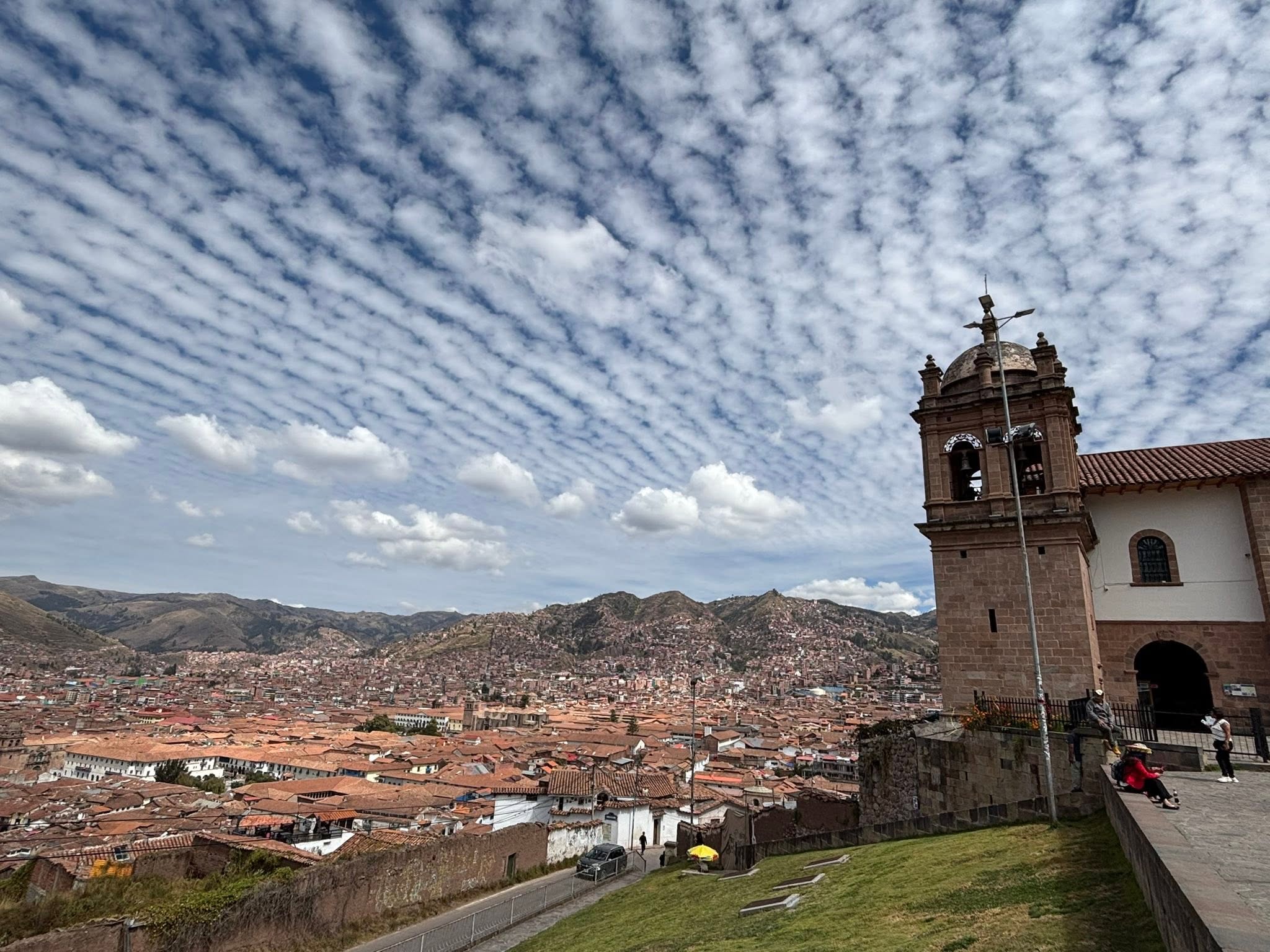
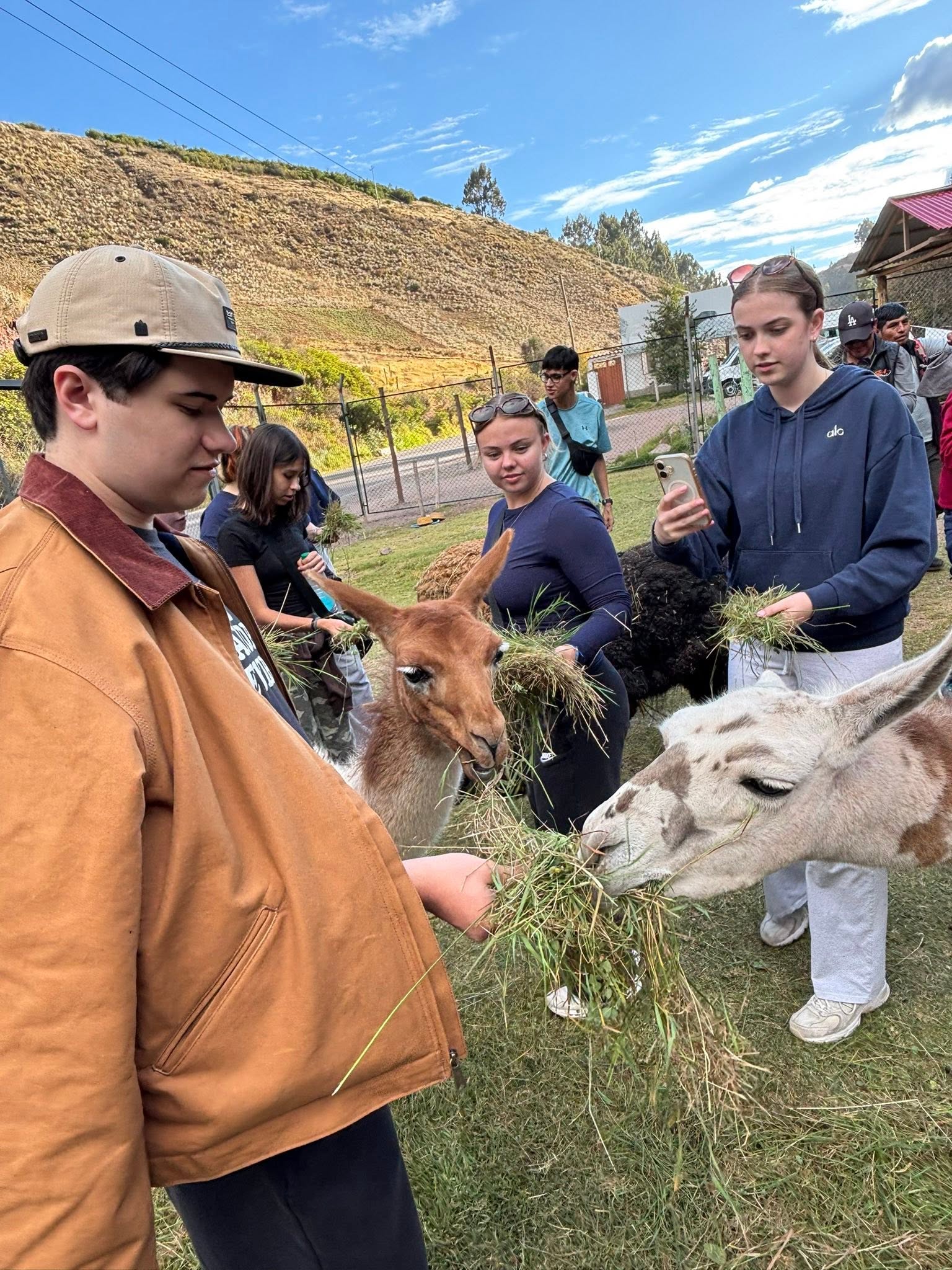
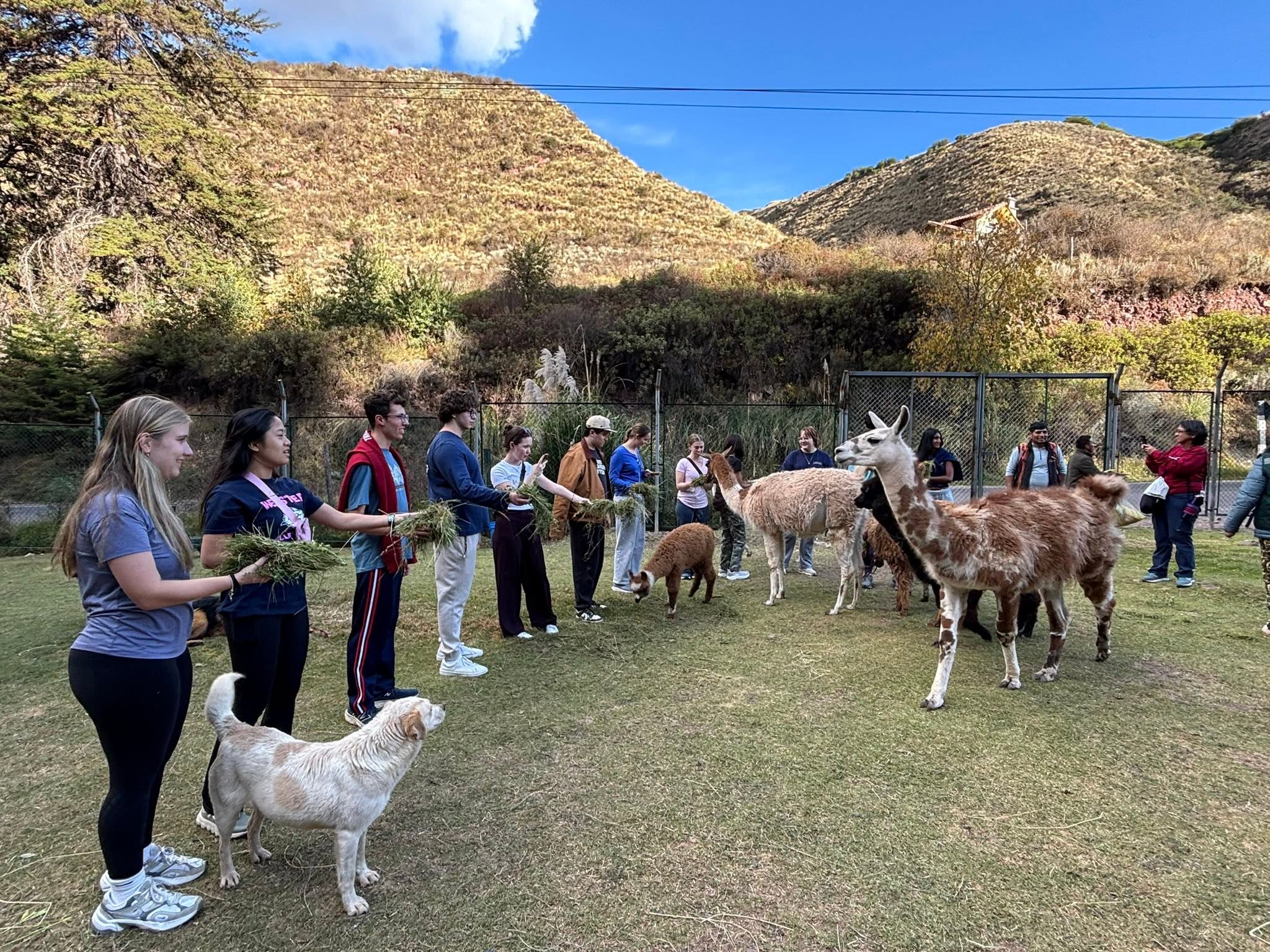
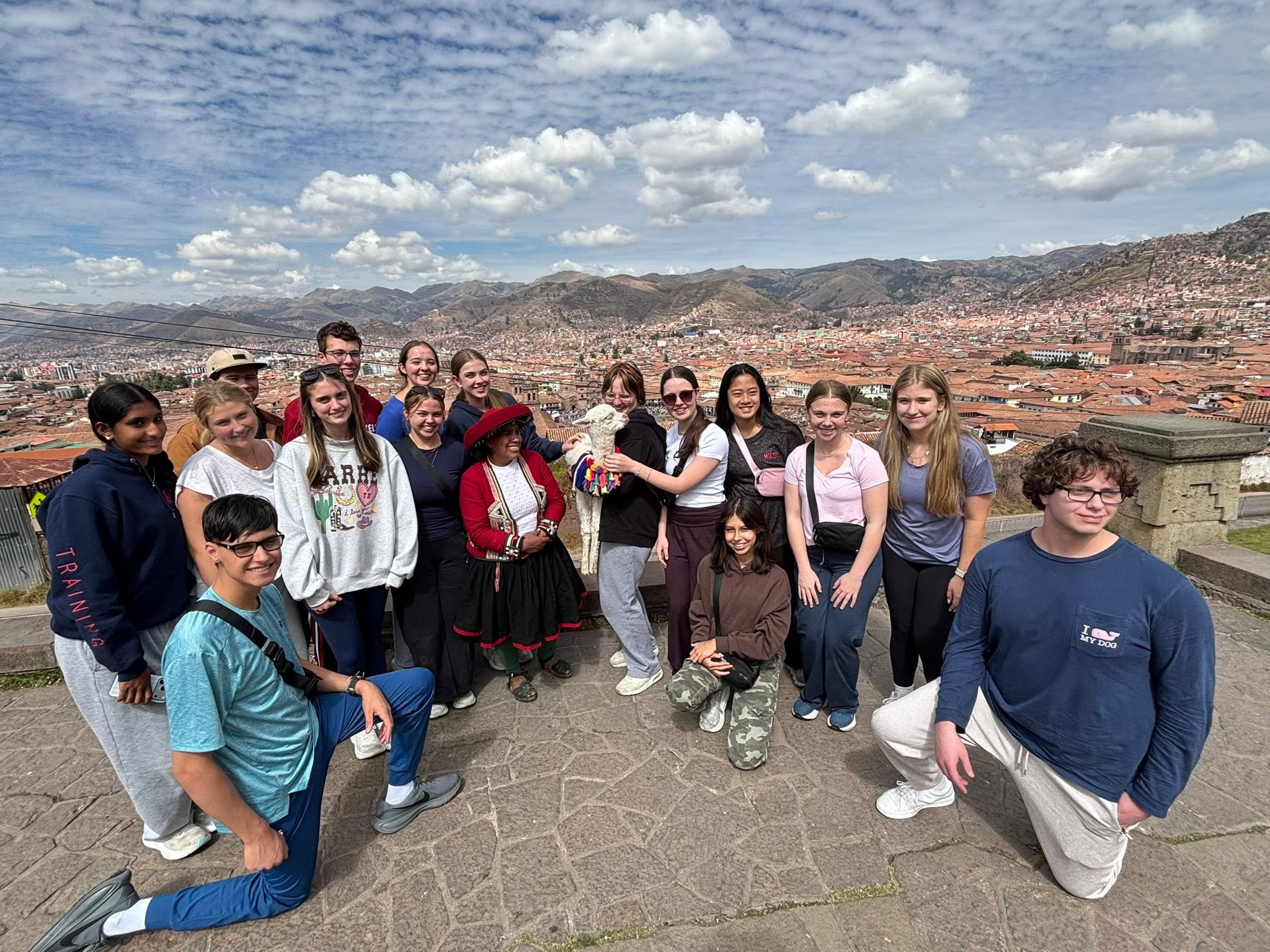
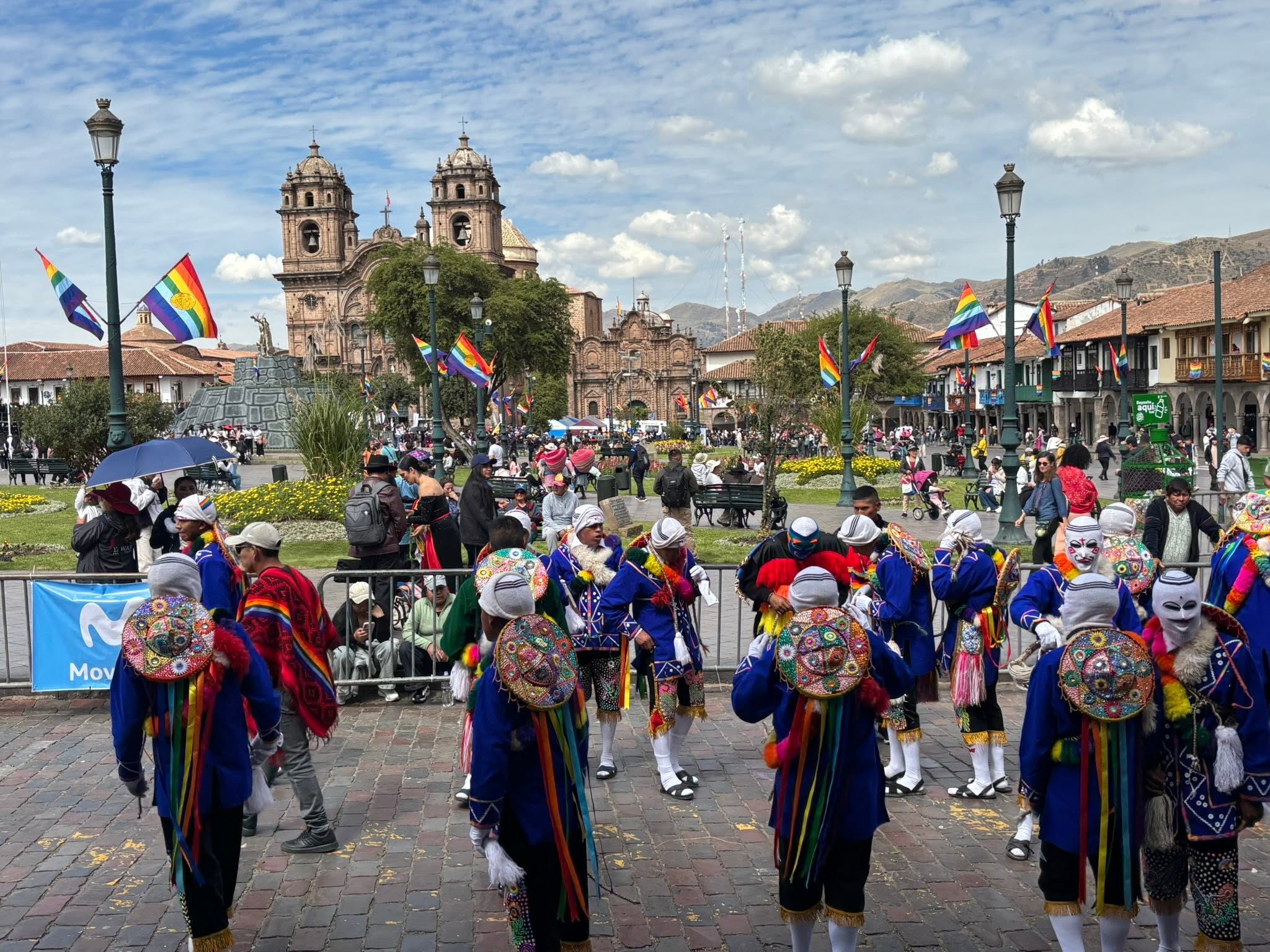
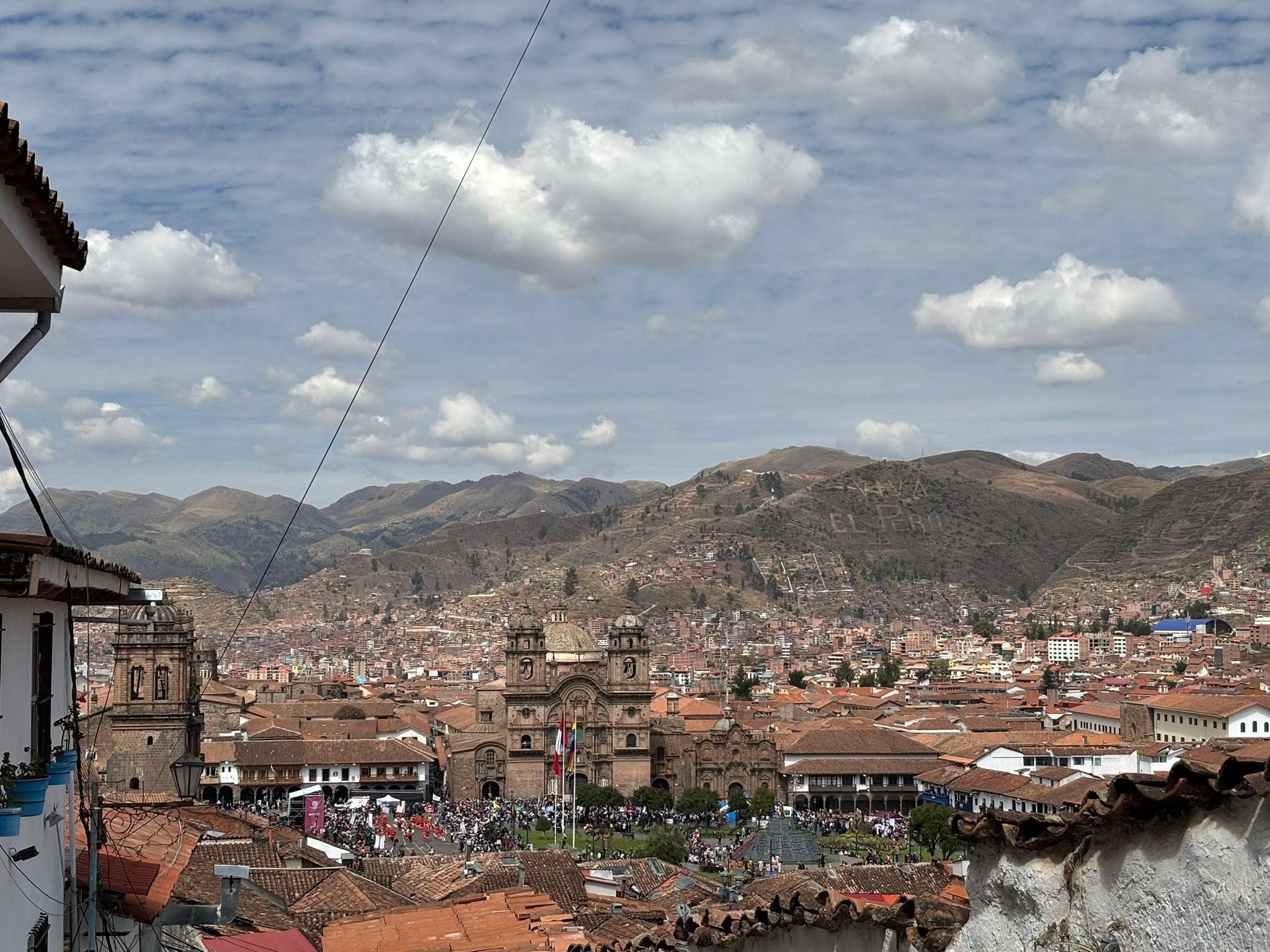
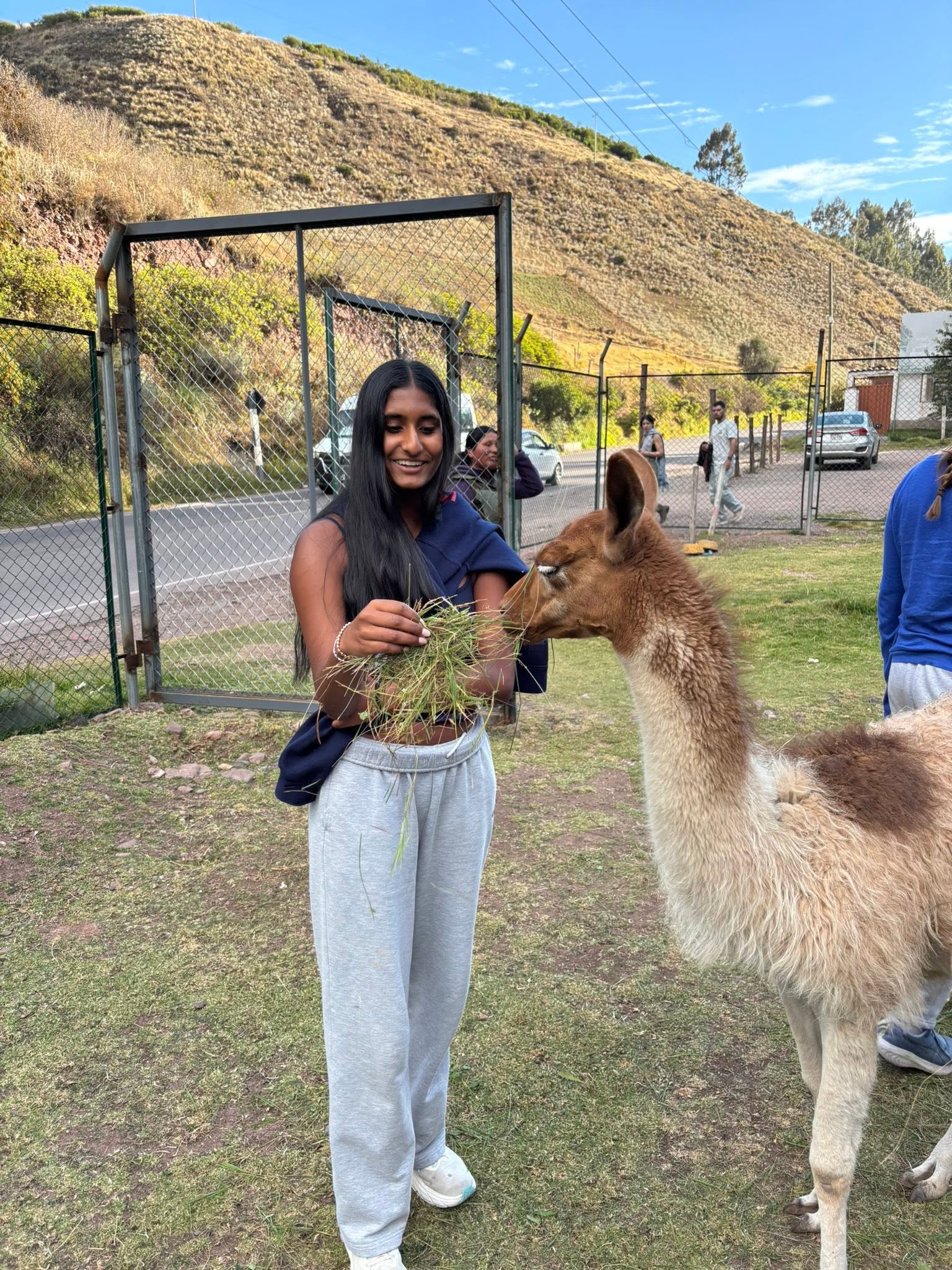
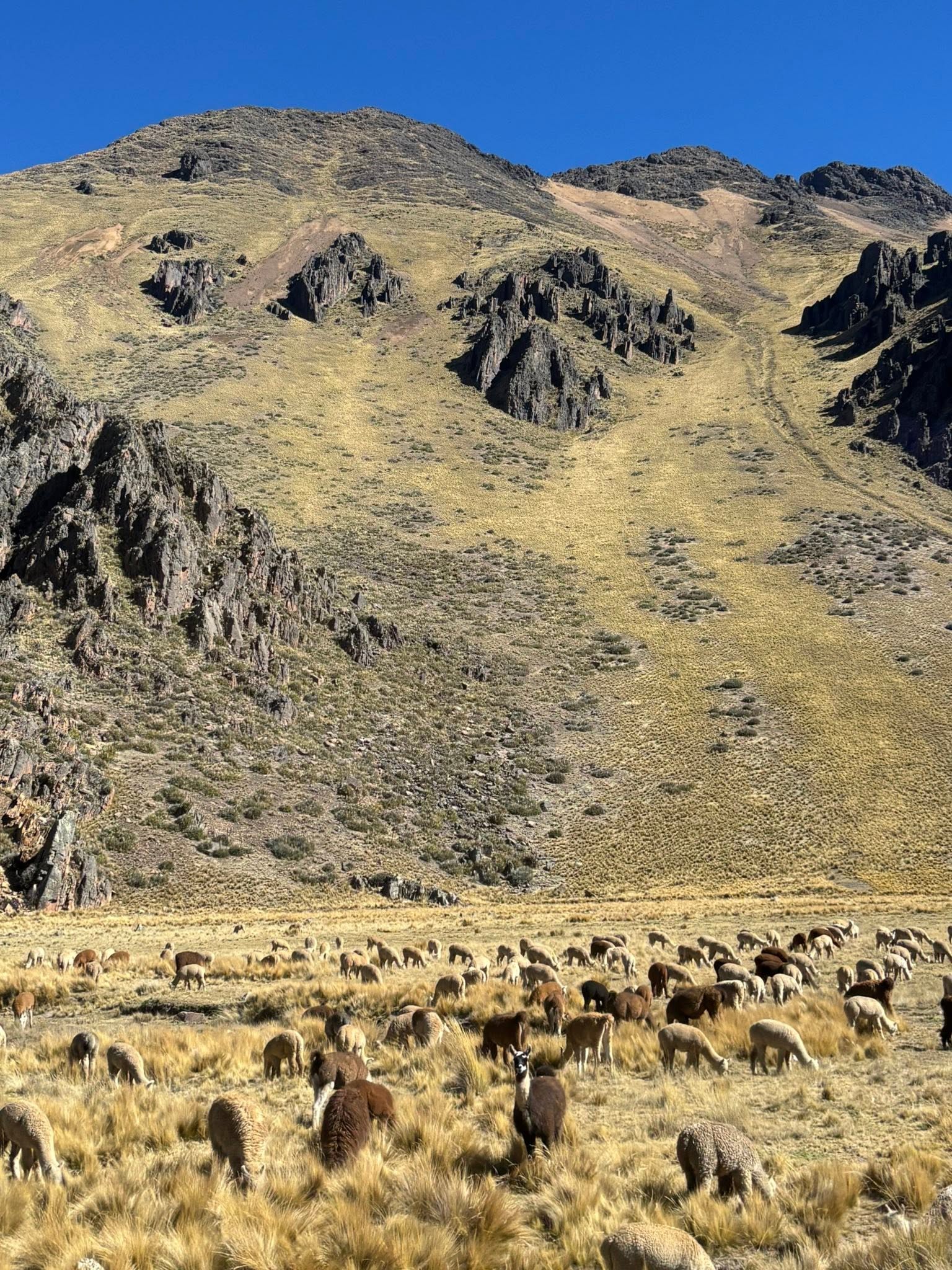
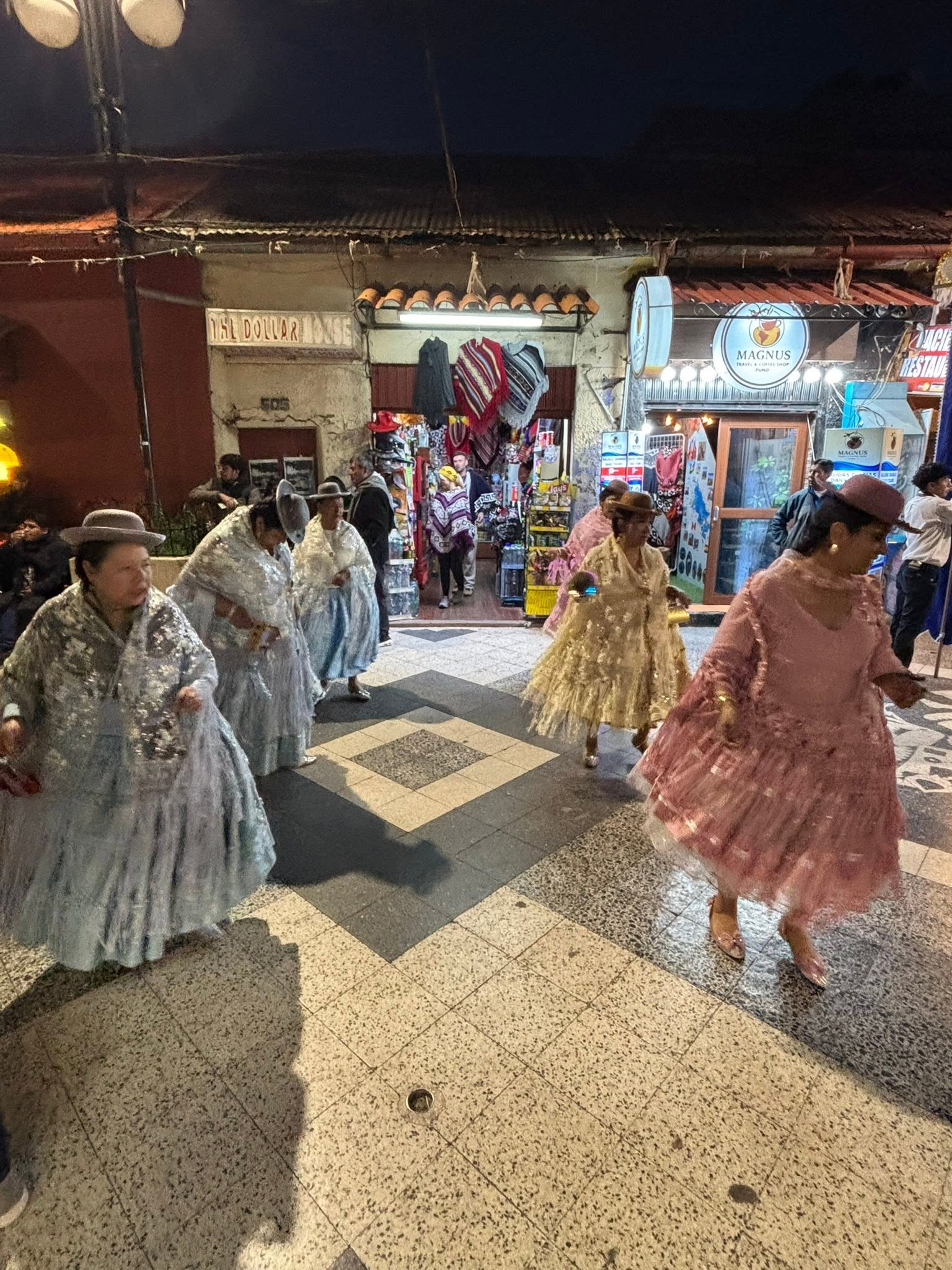
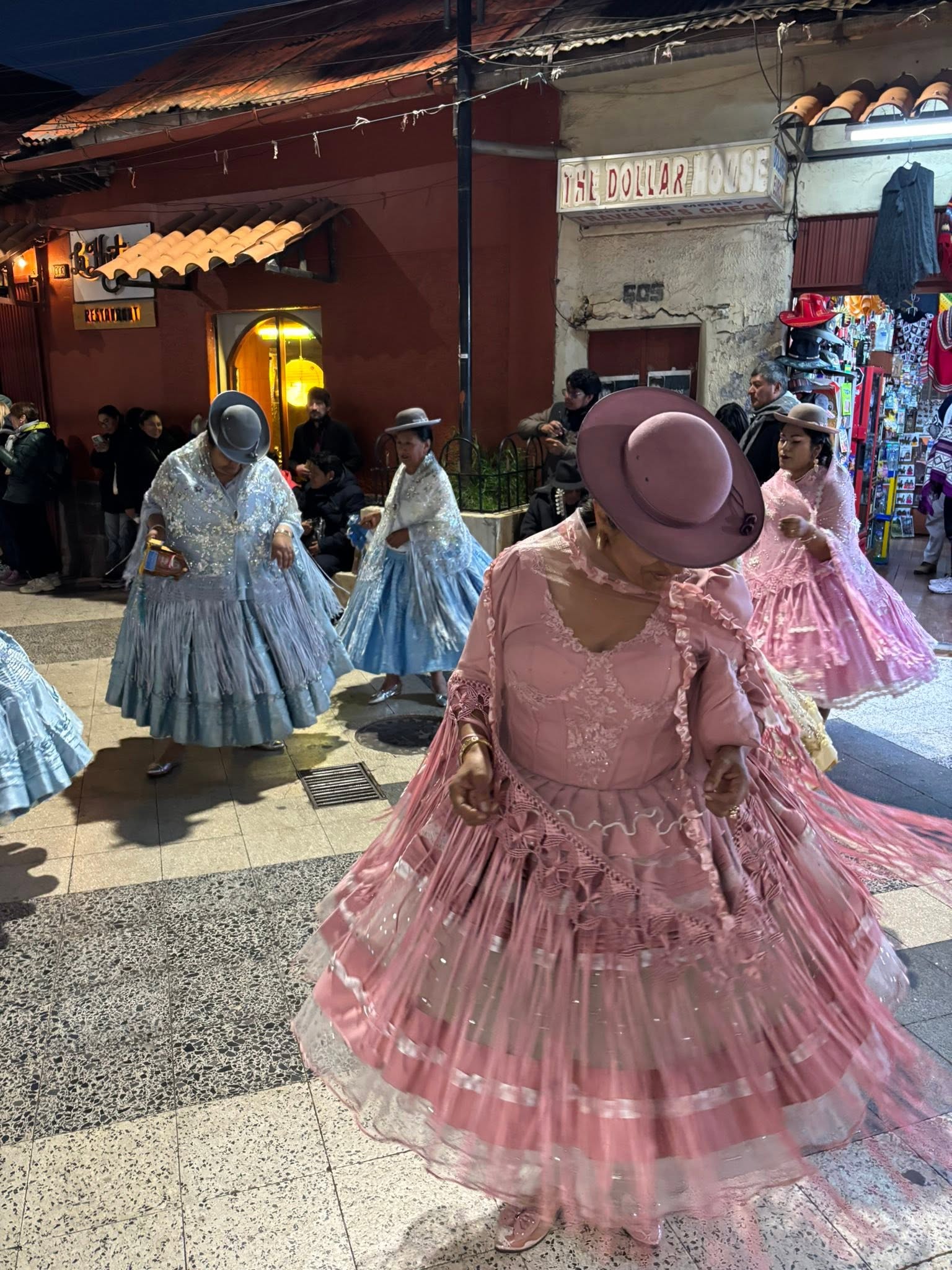
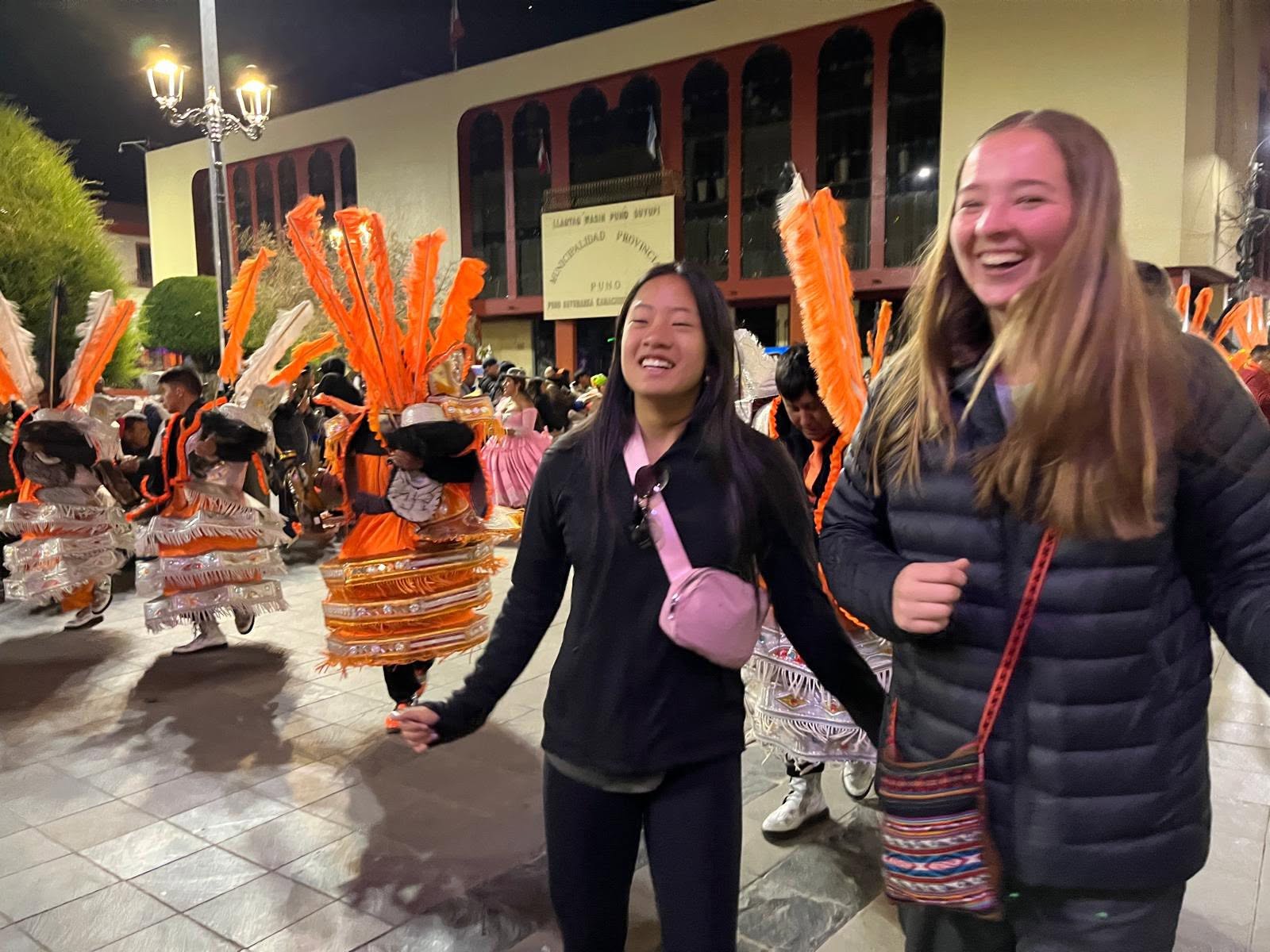
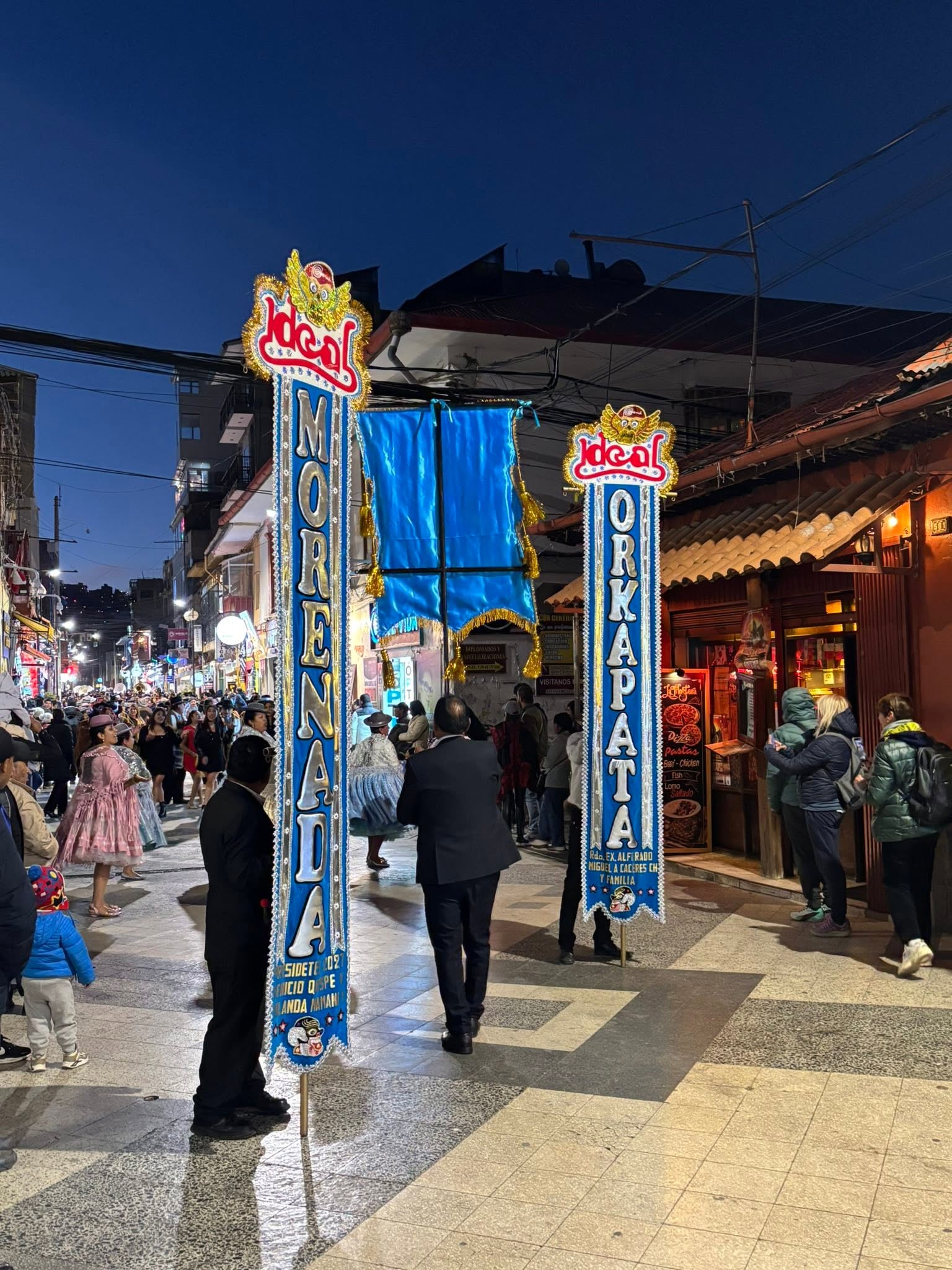
After arriving in Cusco, we began exploring the historic capital of the Inca Empire high in the Andes. We witnessed a vibrant cultural celebration in the Plaza de Armas, experiencing traditional music, dress, and community traditions firsthand, and visited a local llama and alpaca farm to feed the animals and learn about their role in Andean life. Throughout the day, our students approached each new experience with curiosity and respect while supporting one another.
Day 2: Inca Sites & Sacred Valley
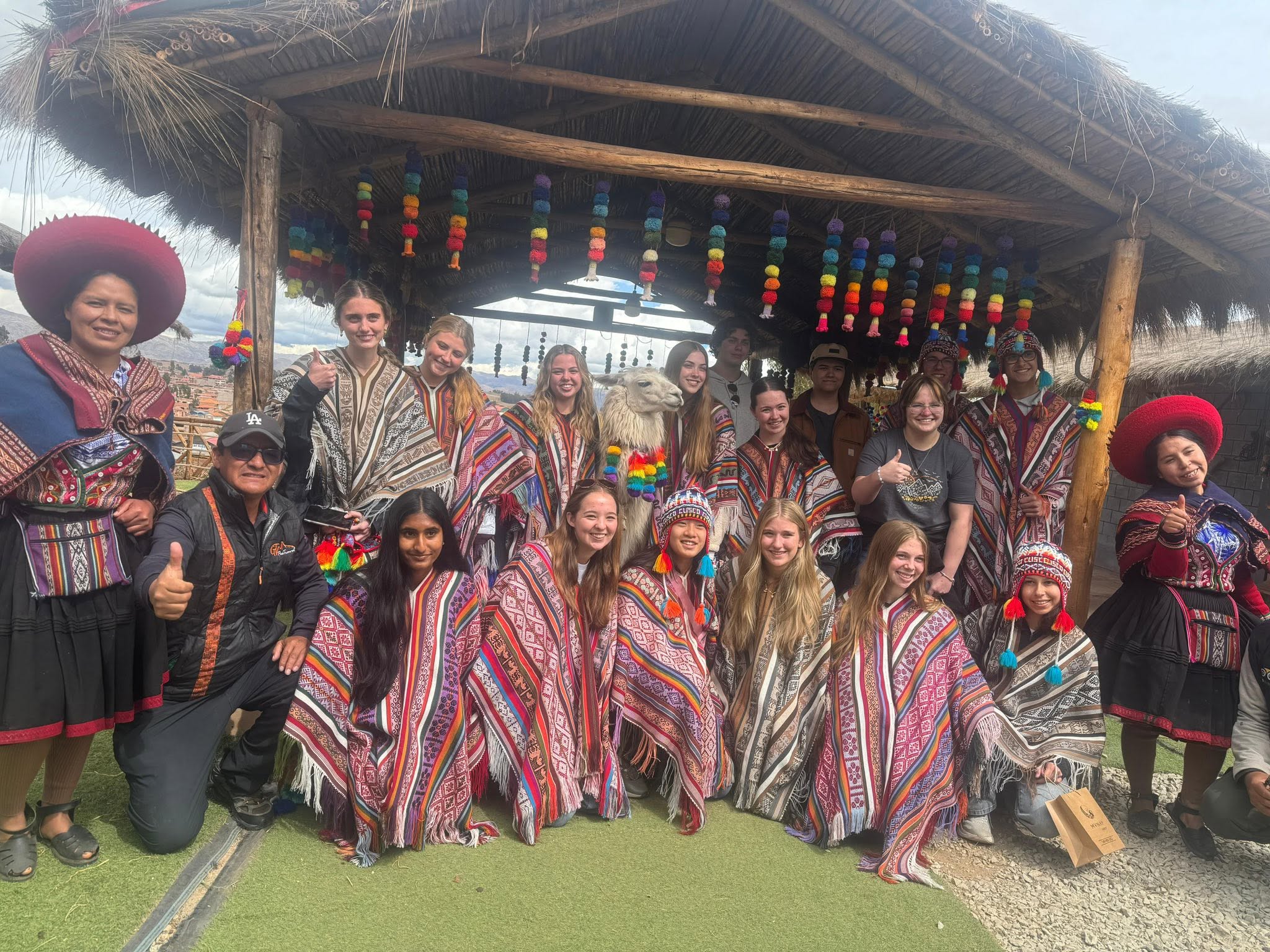
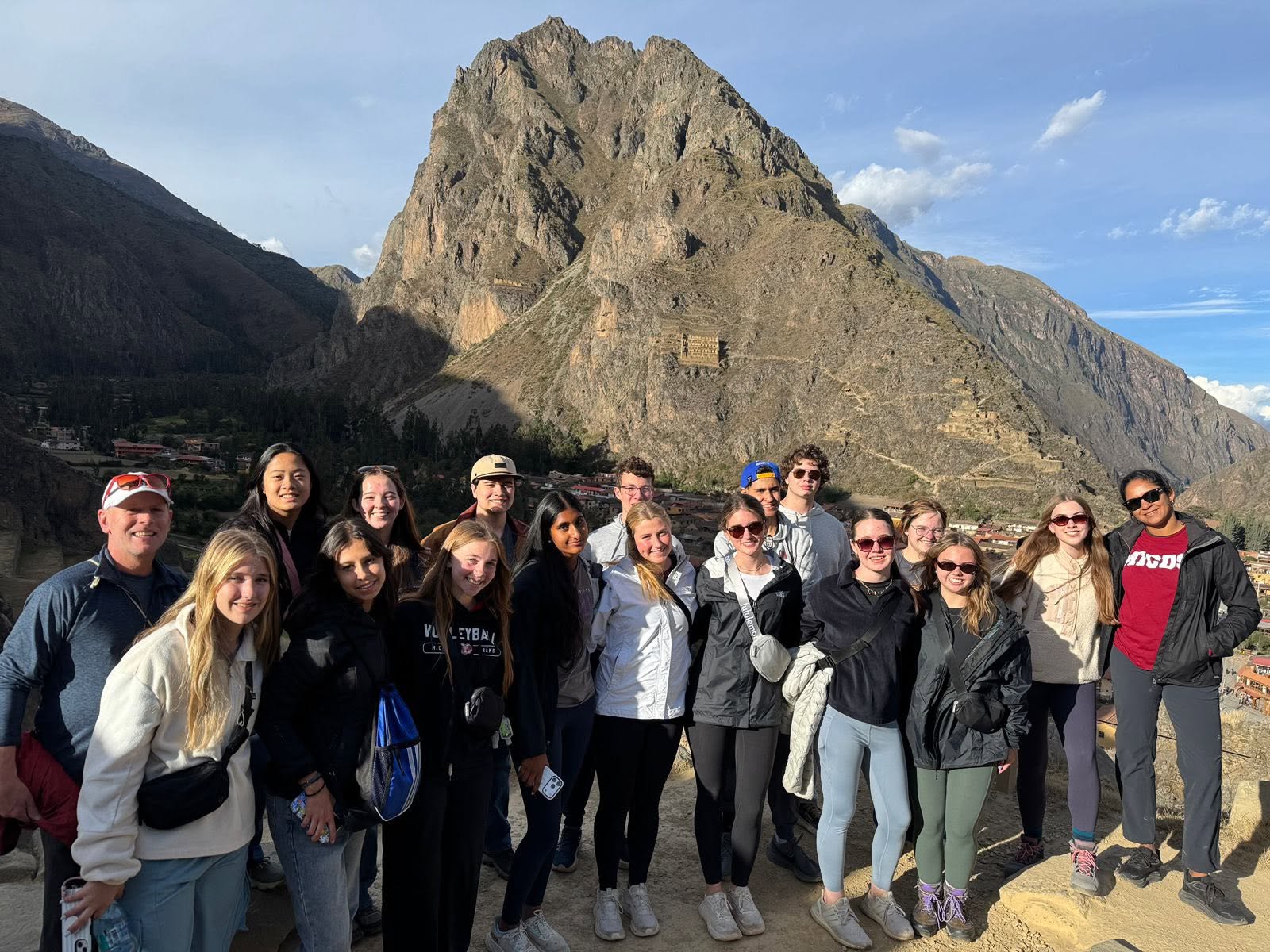
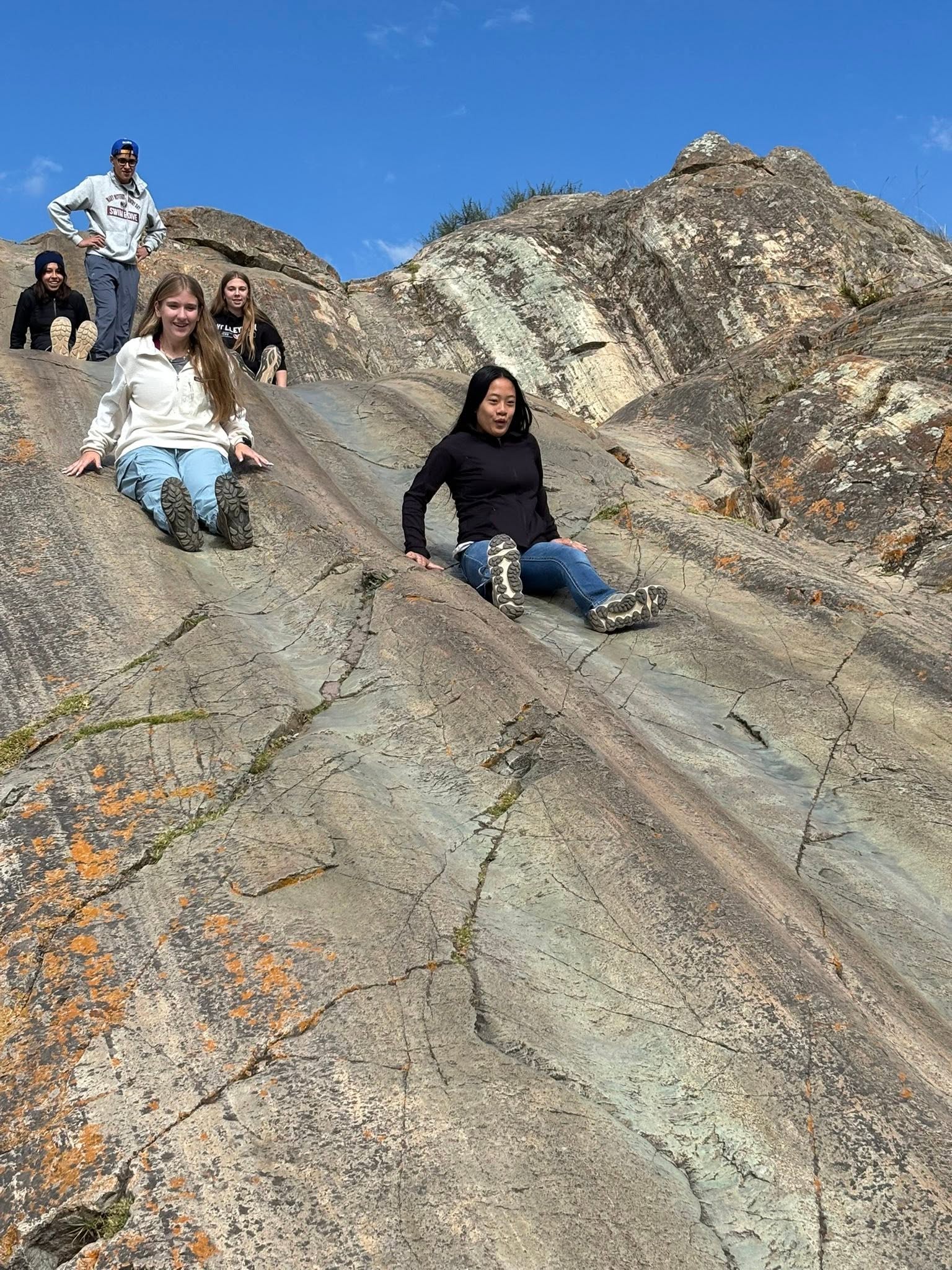
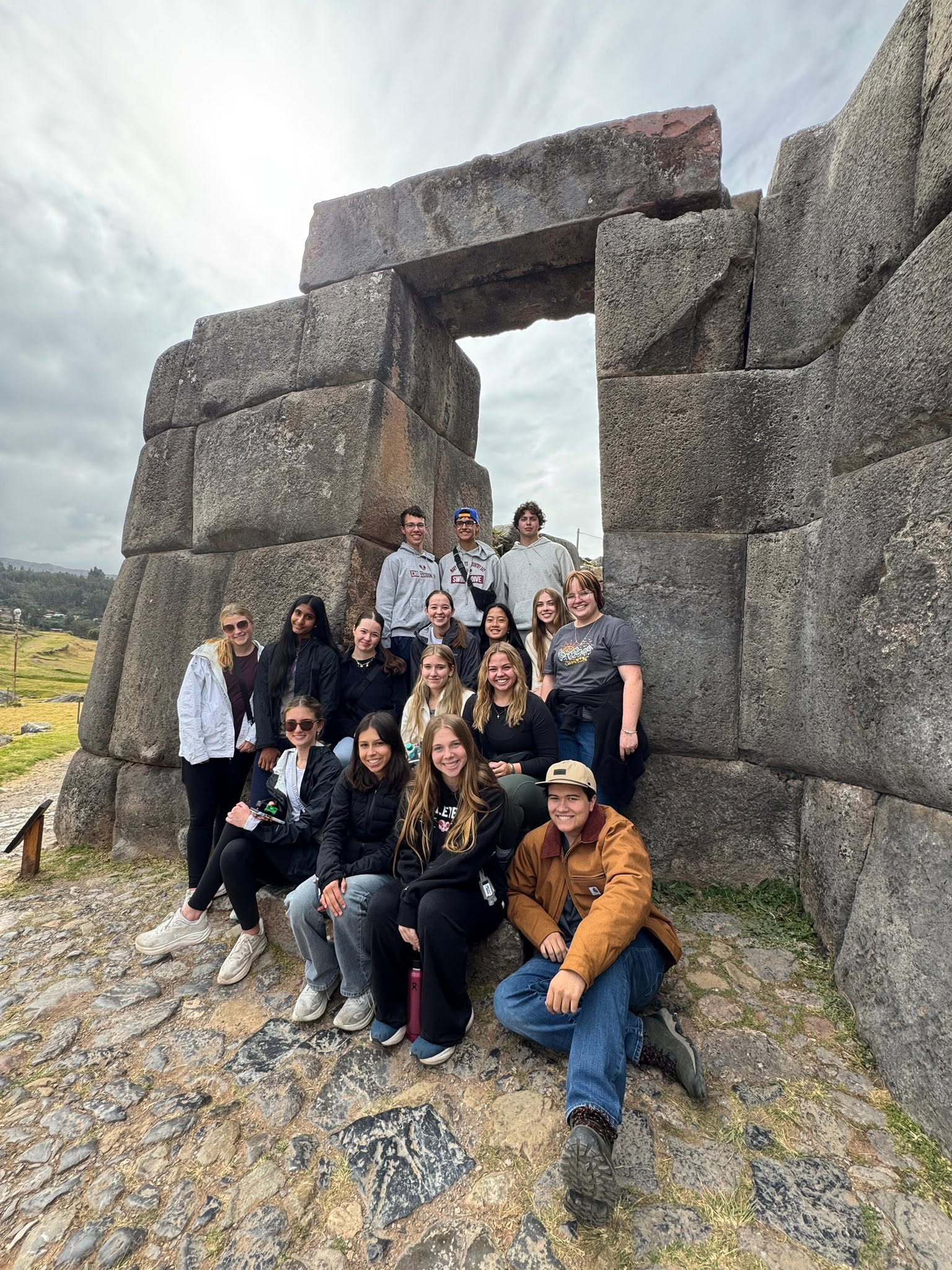
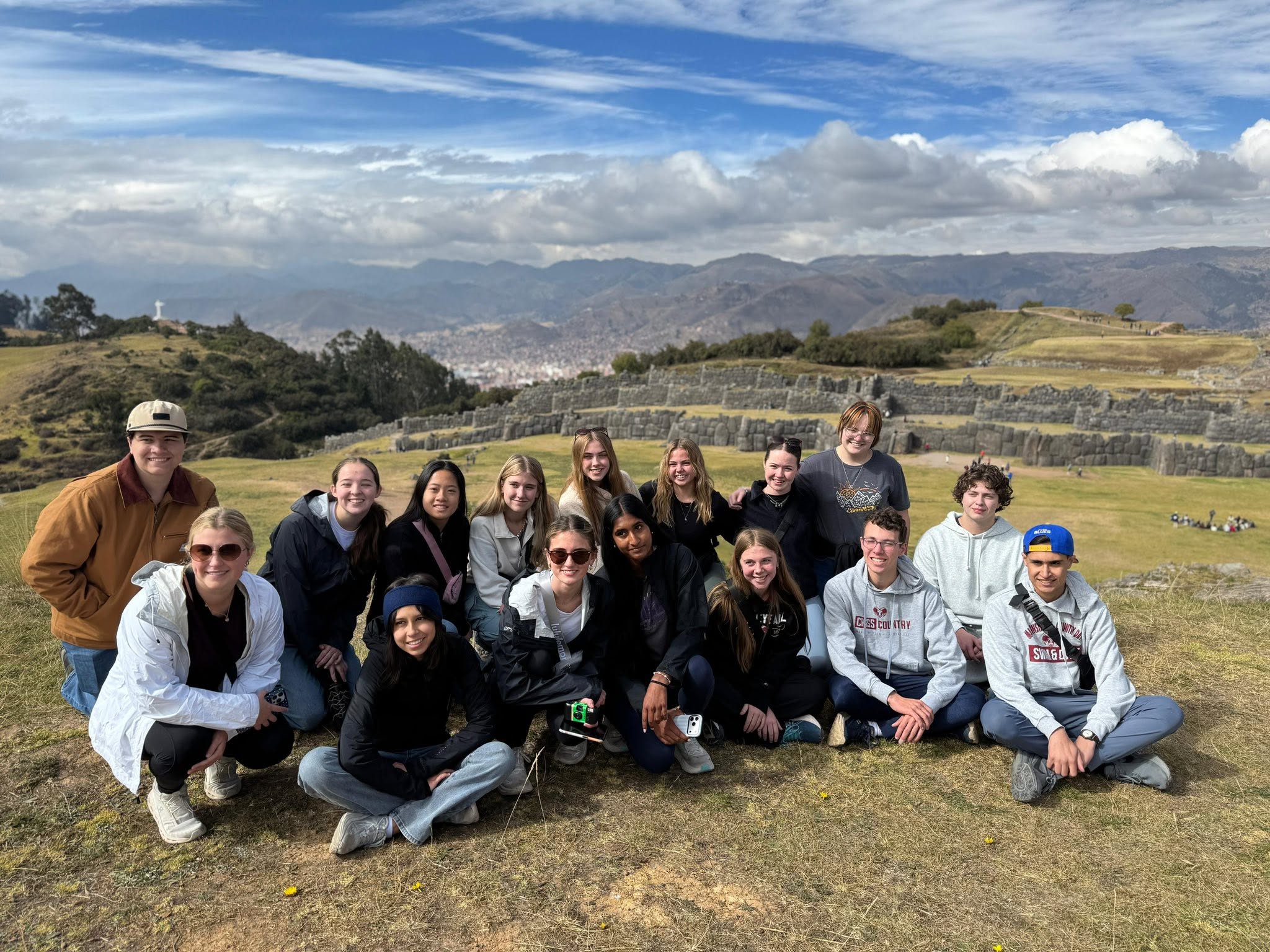
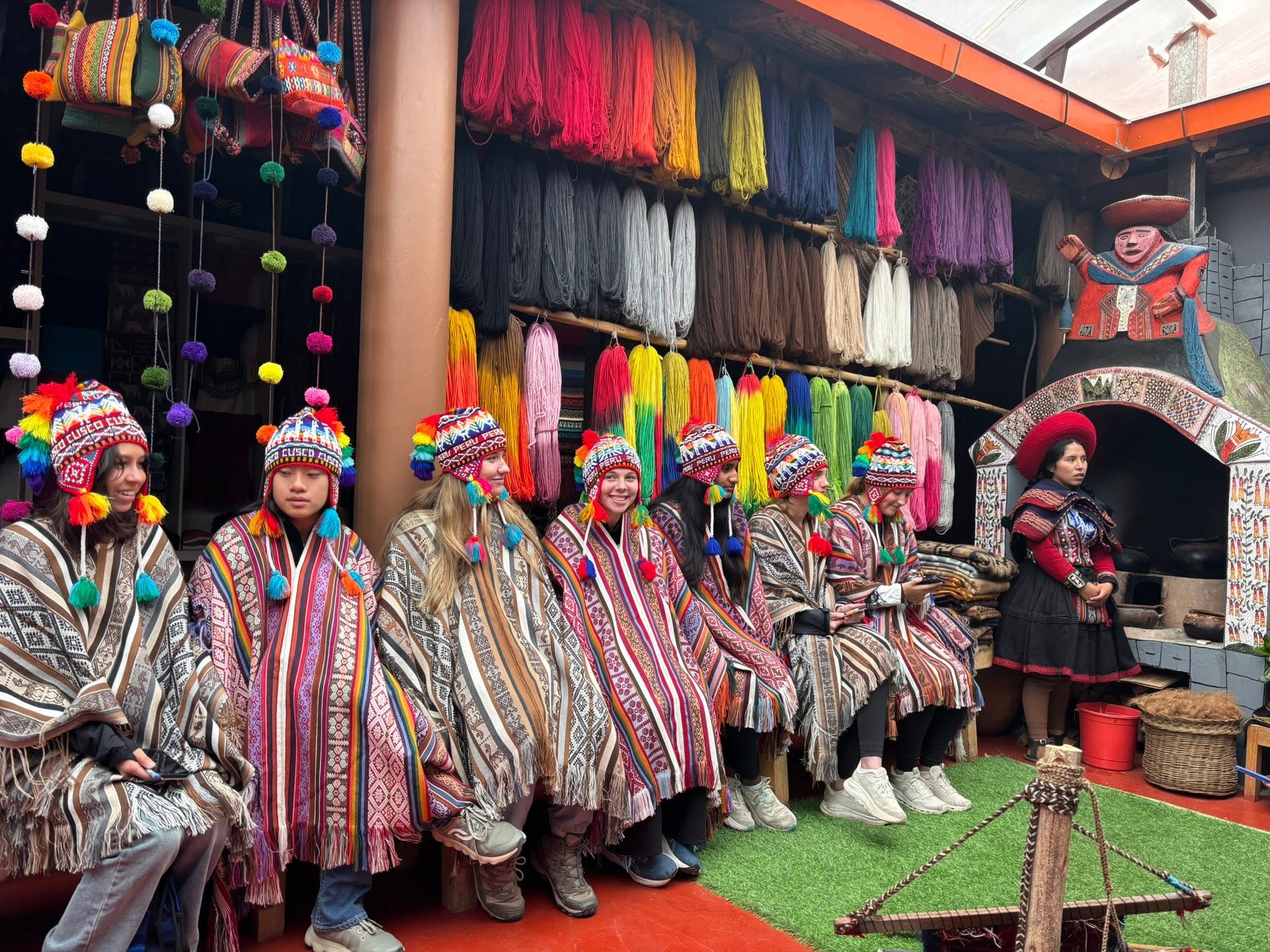
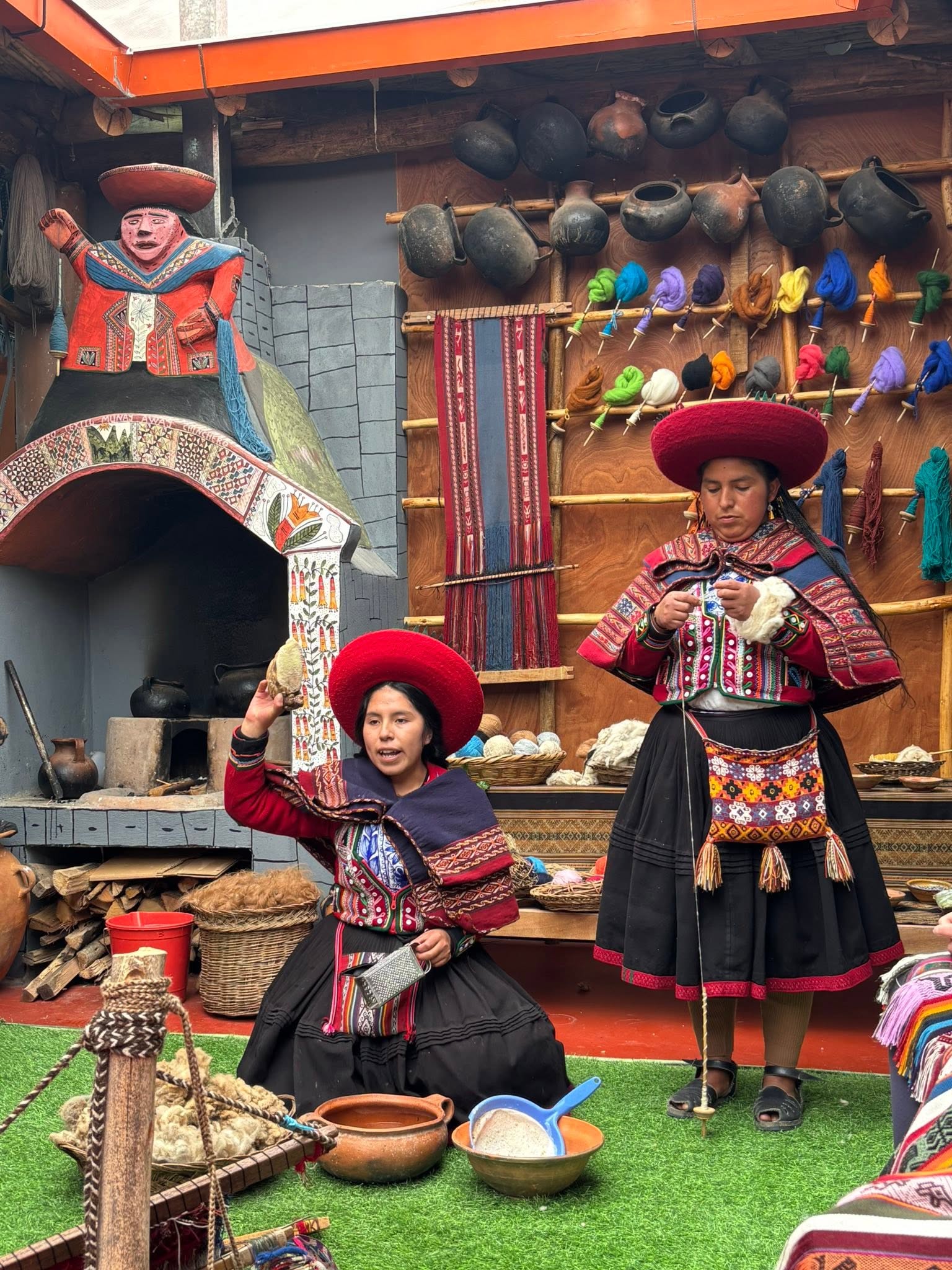
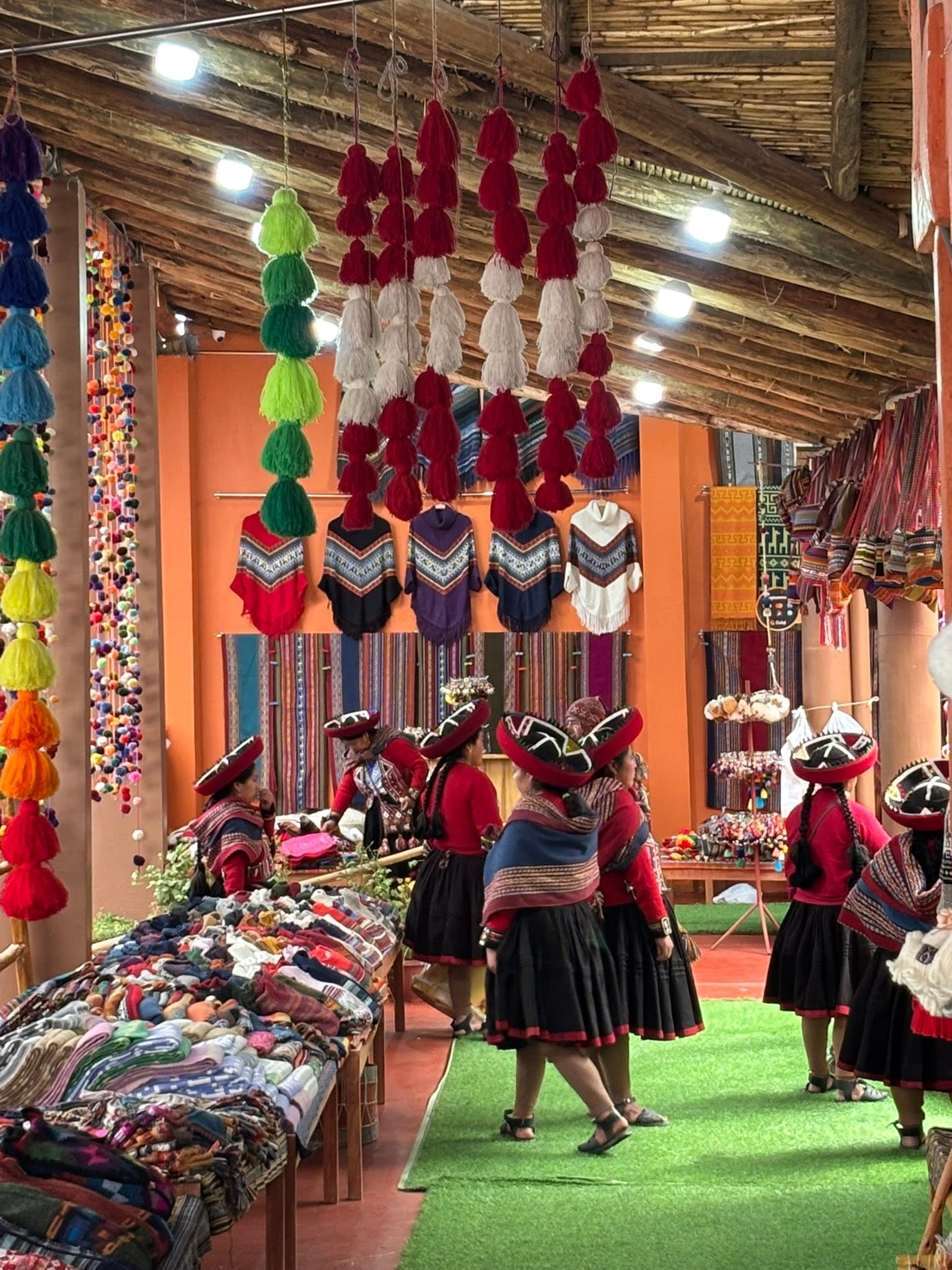
We explored the archaeological sites surrounding Cusco, including Sacsayhuamán, where students learned about Inca engineering while taking in spectacular views. In the afternoon, we traveled through the Sacred Valley to experience traditional Andean textile-making amidst breathtaking mountain landscapes.
Day 3: Machu Picchu
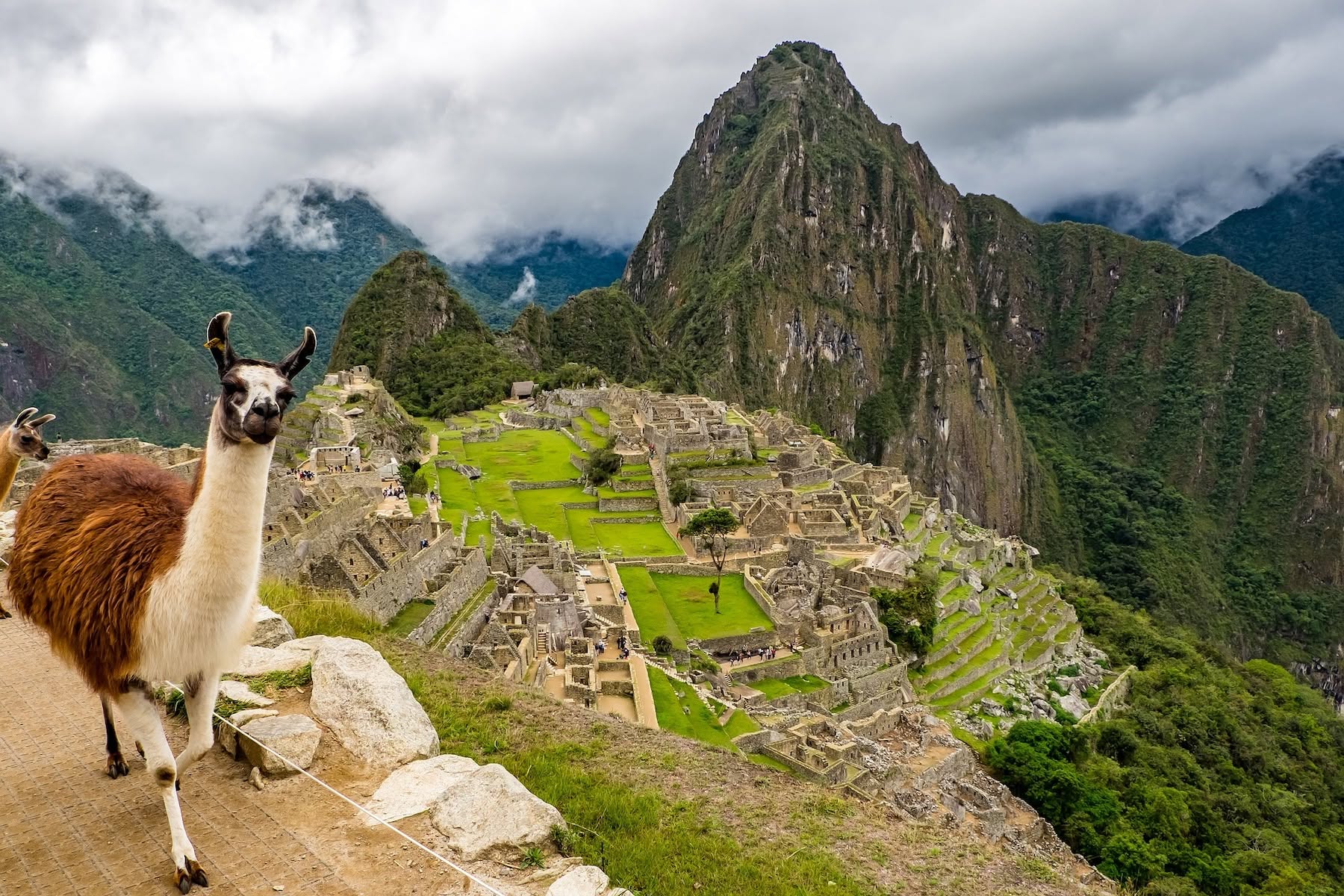
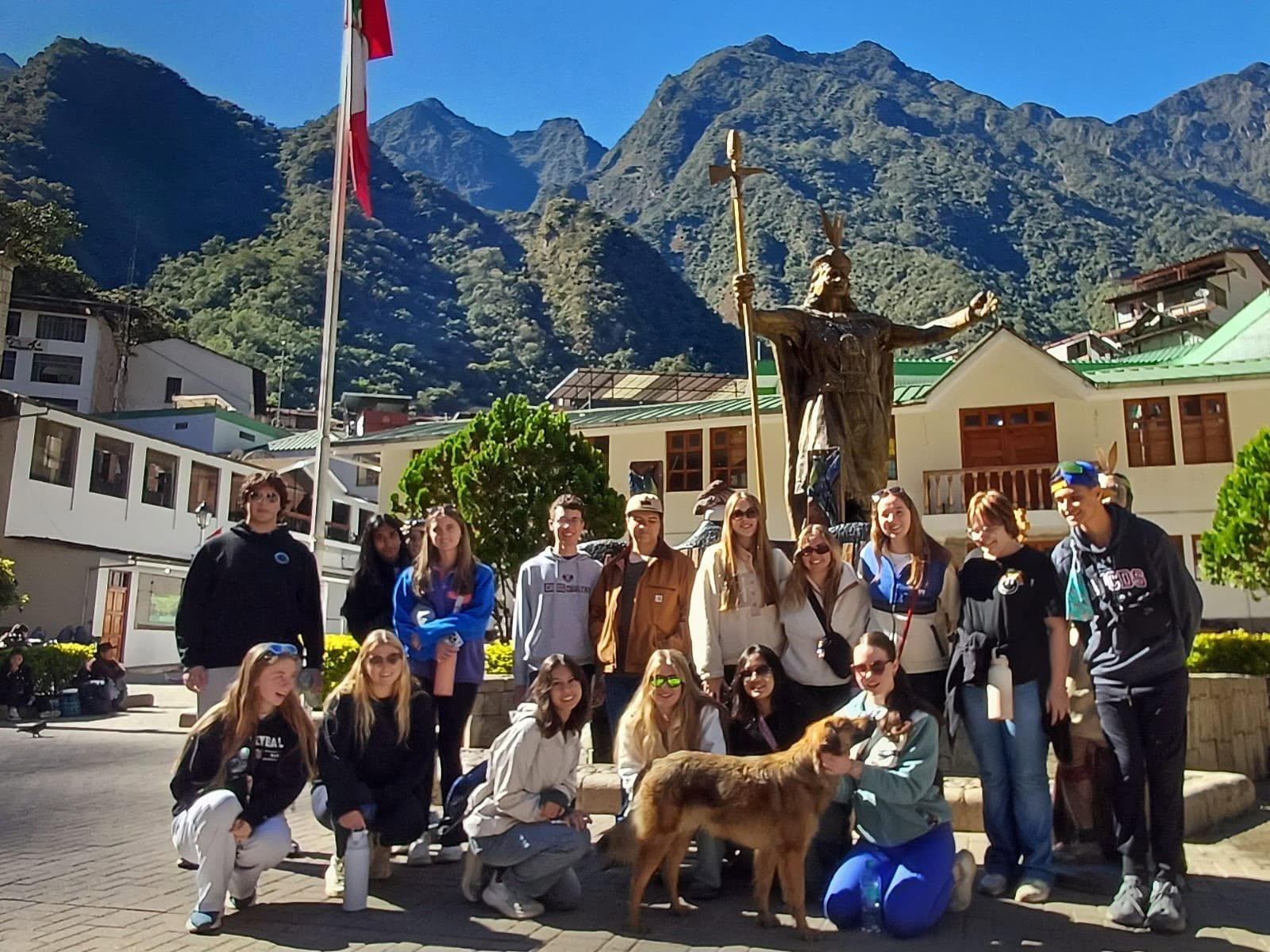
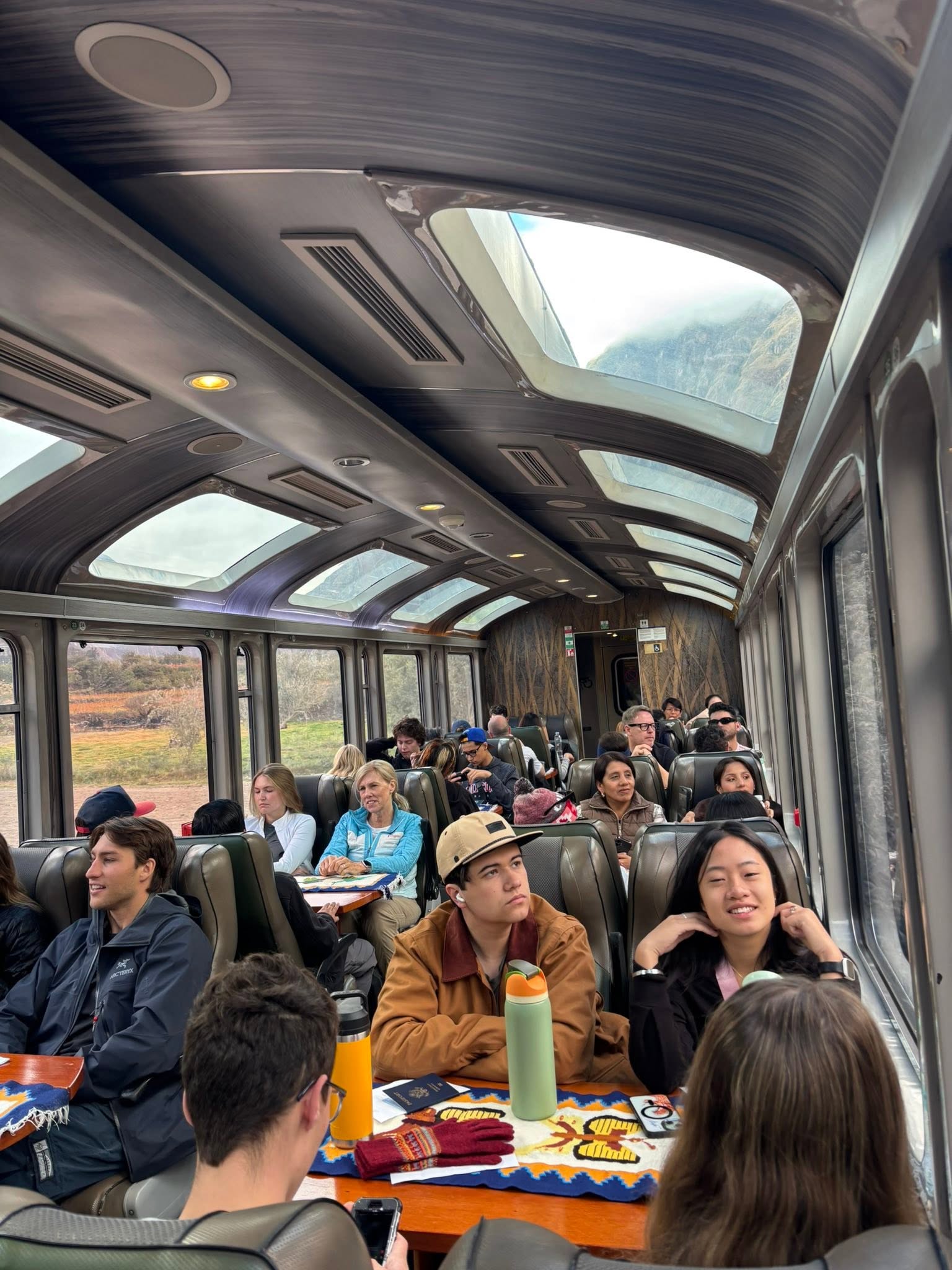
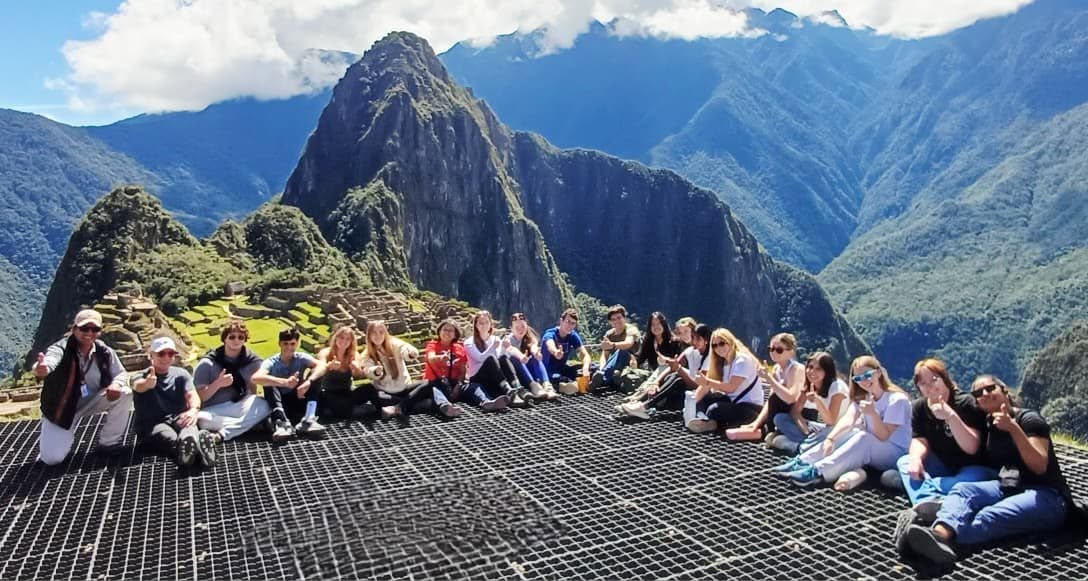
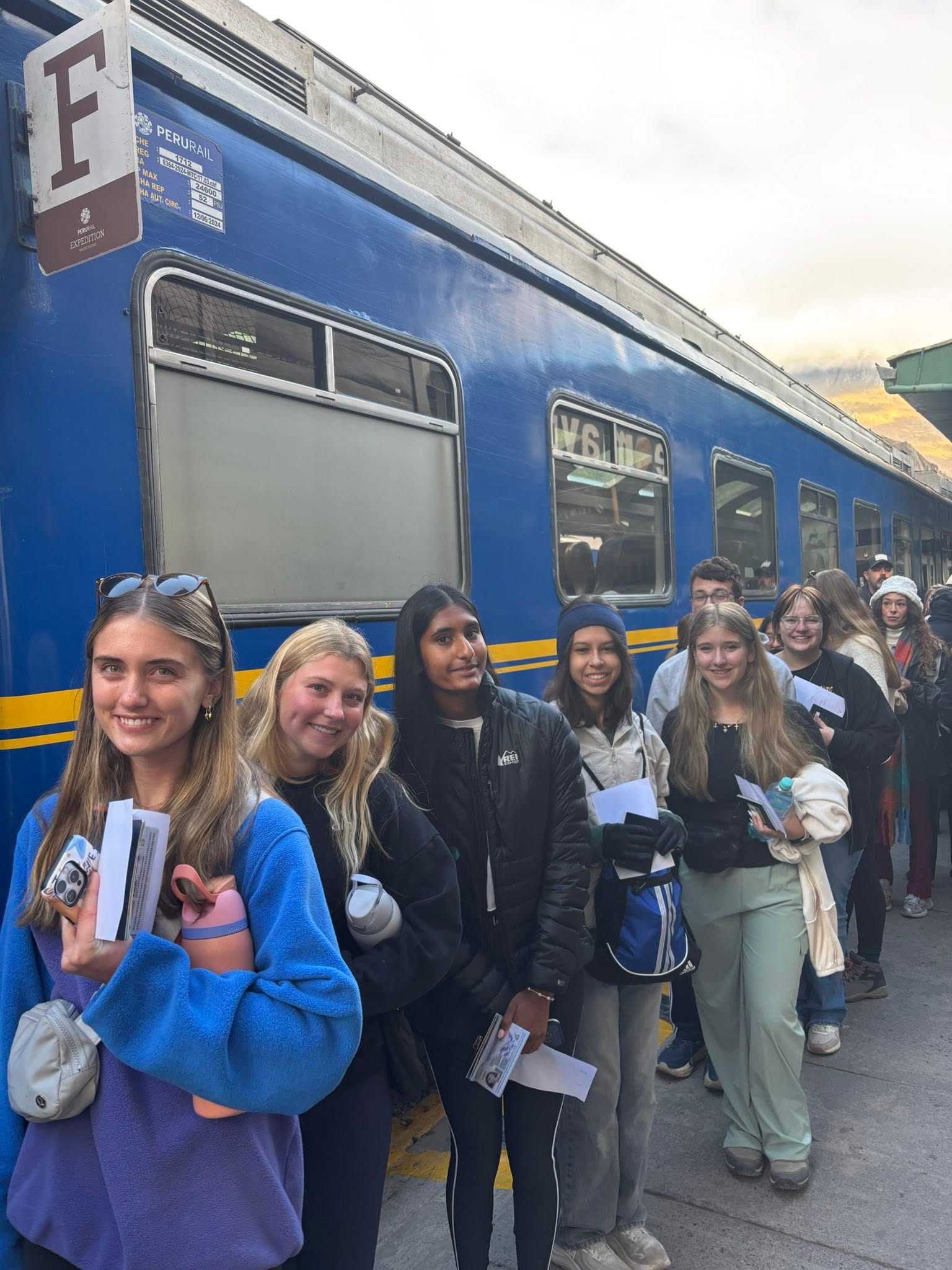
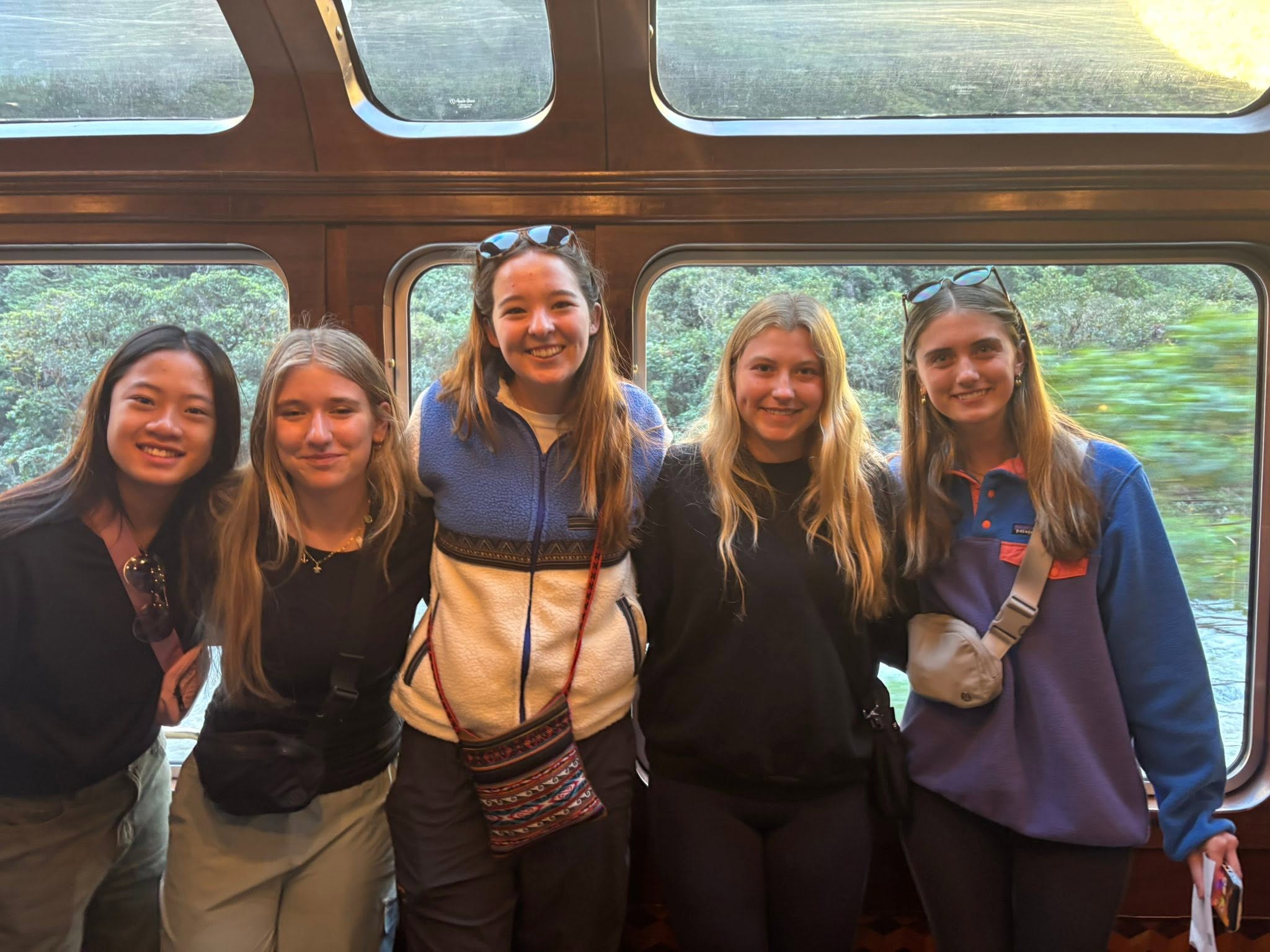
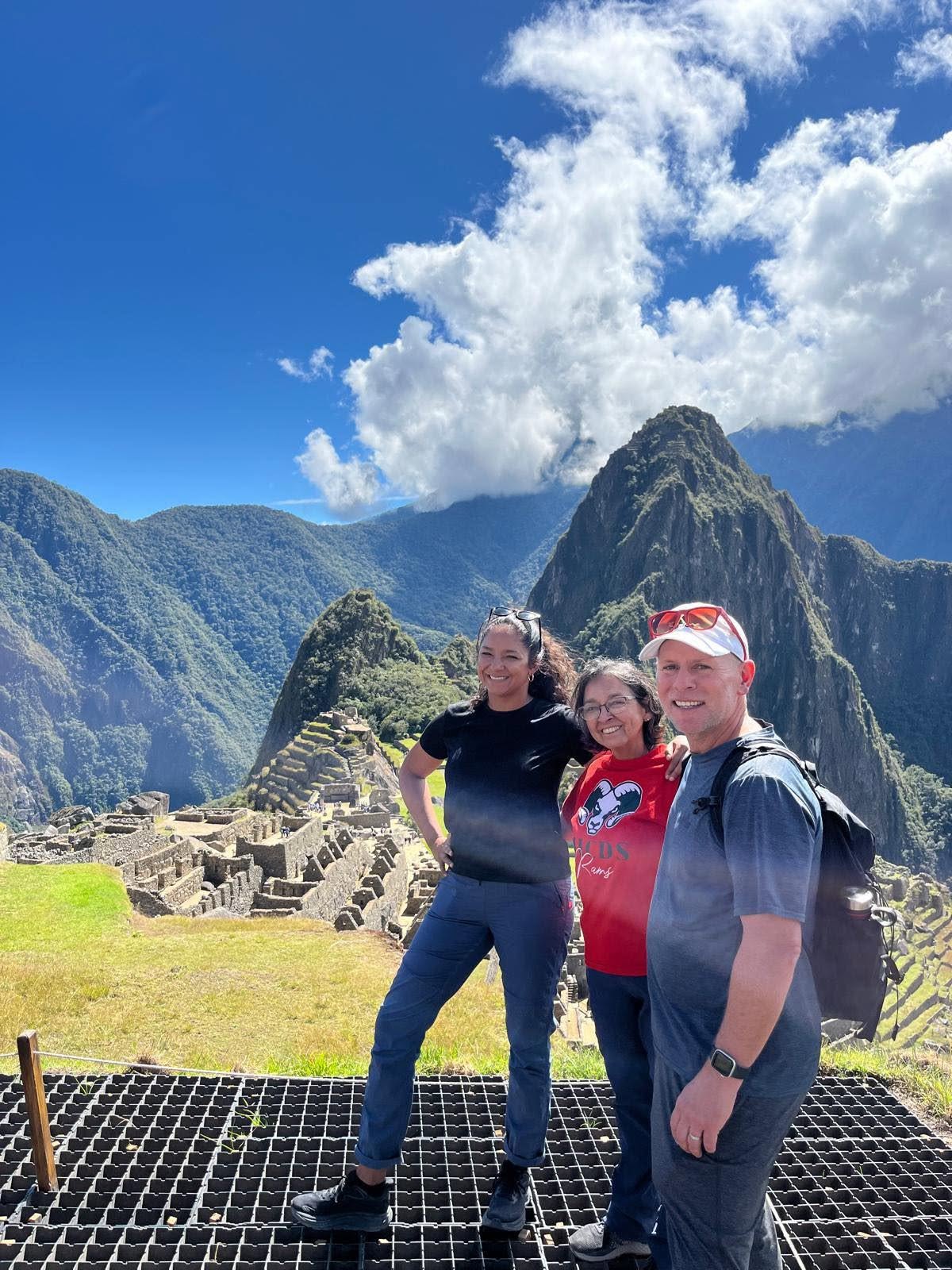
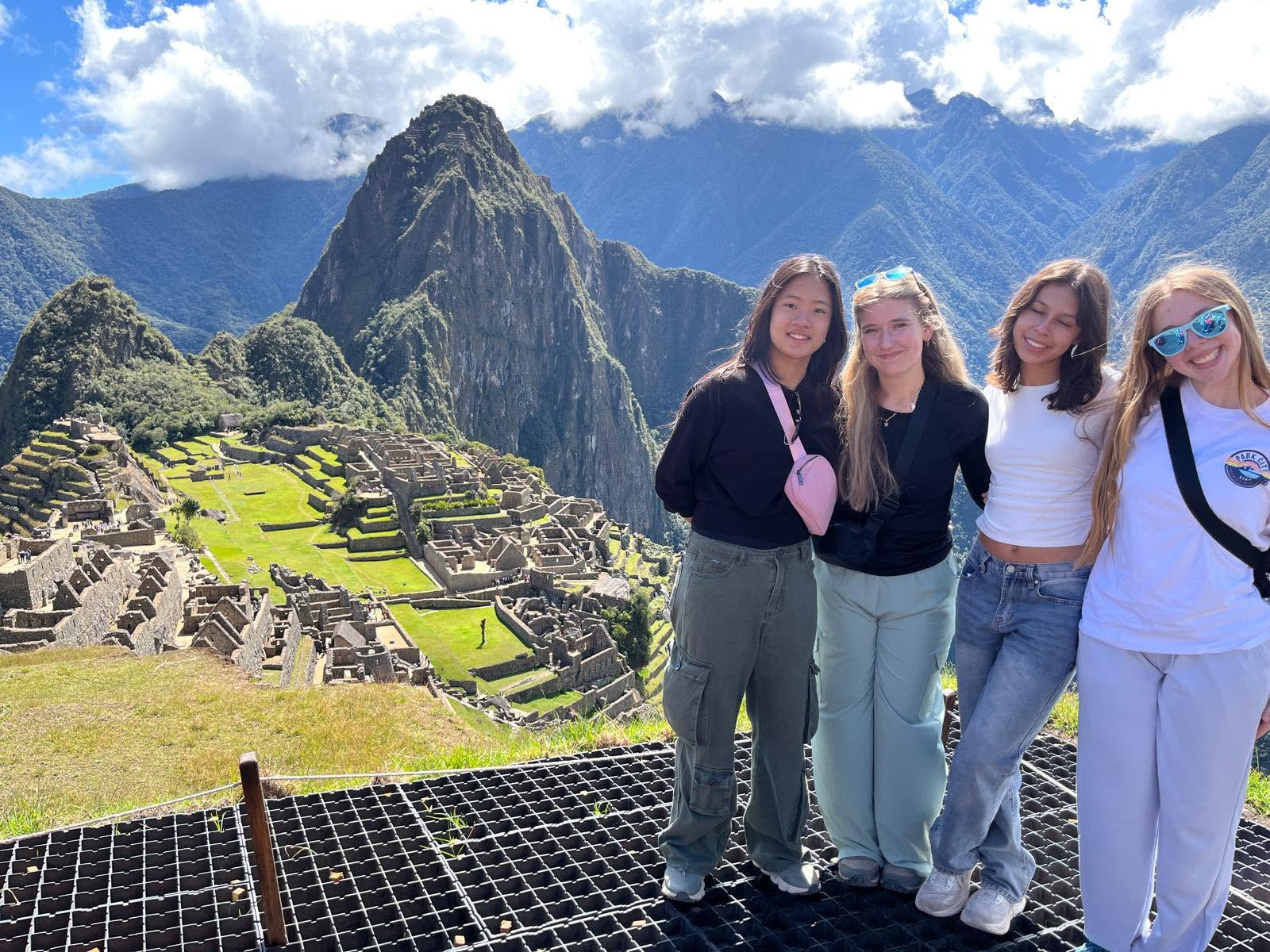
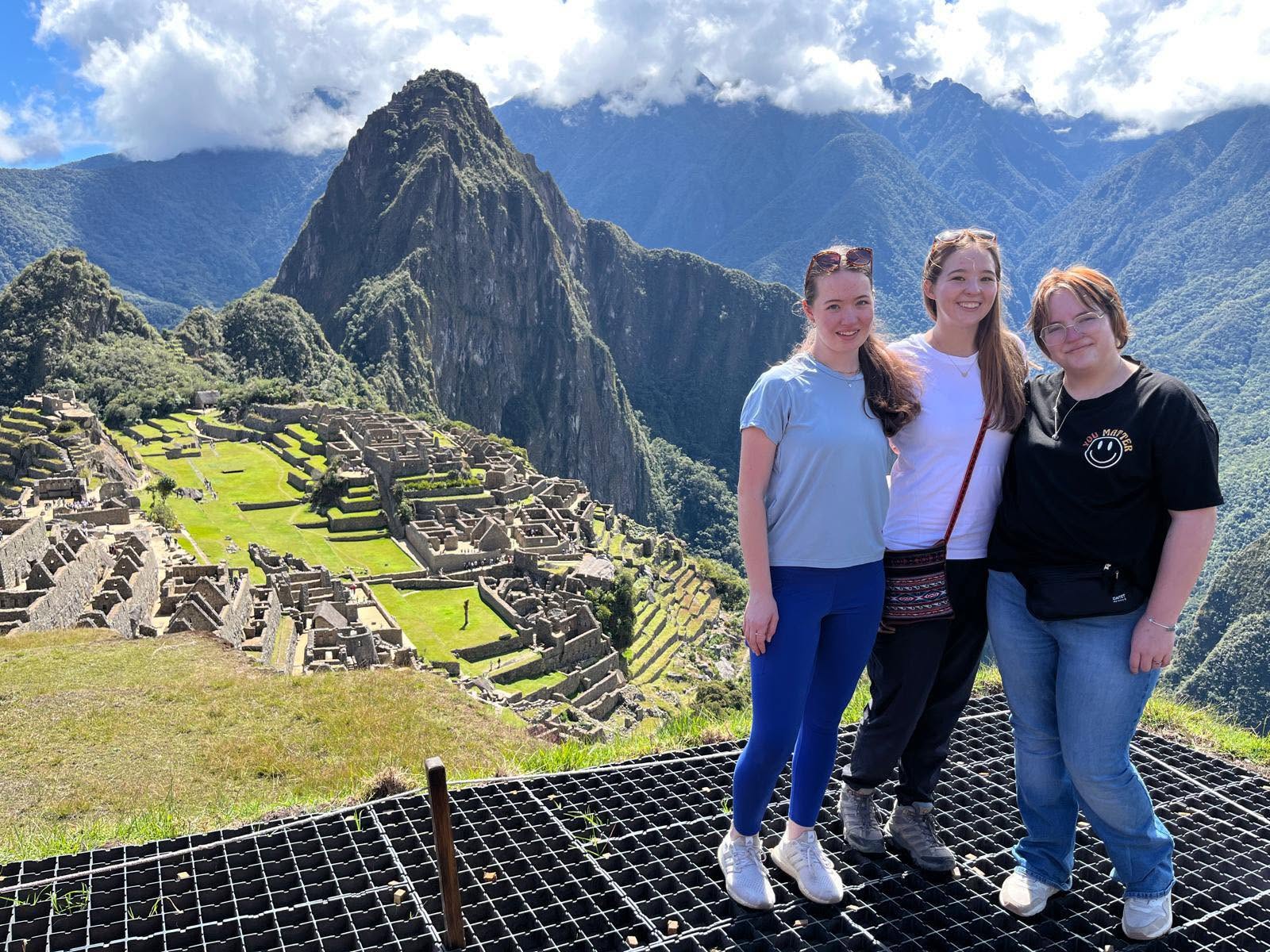
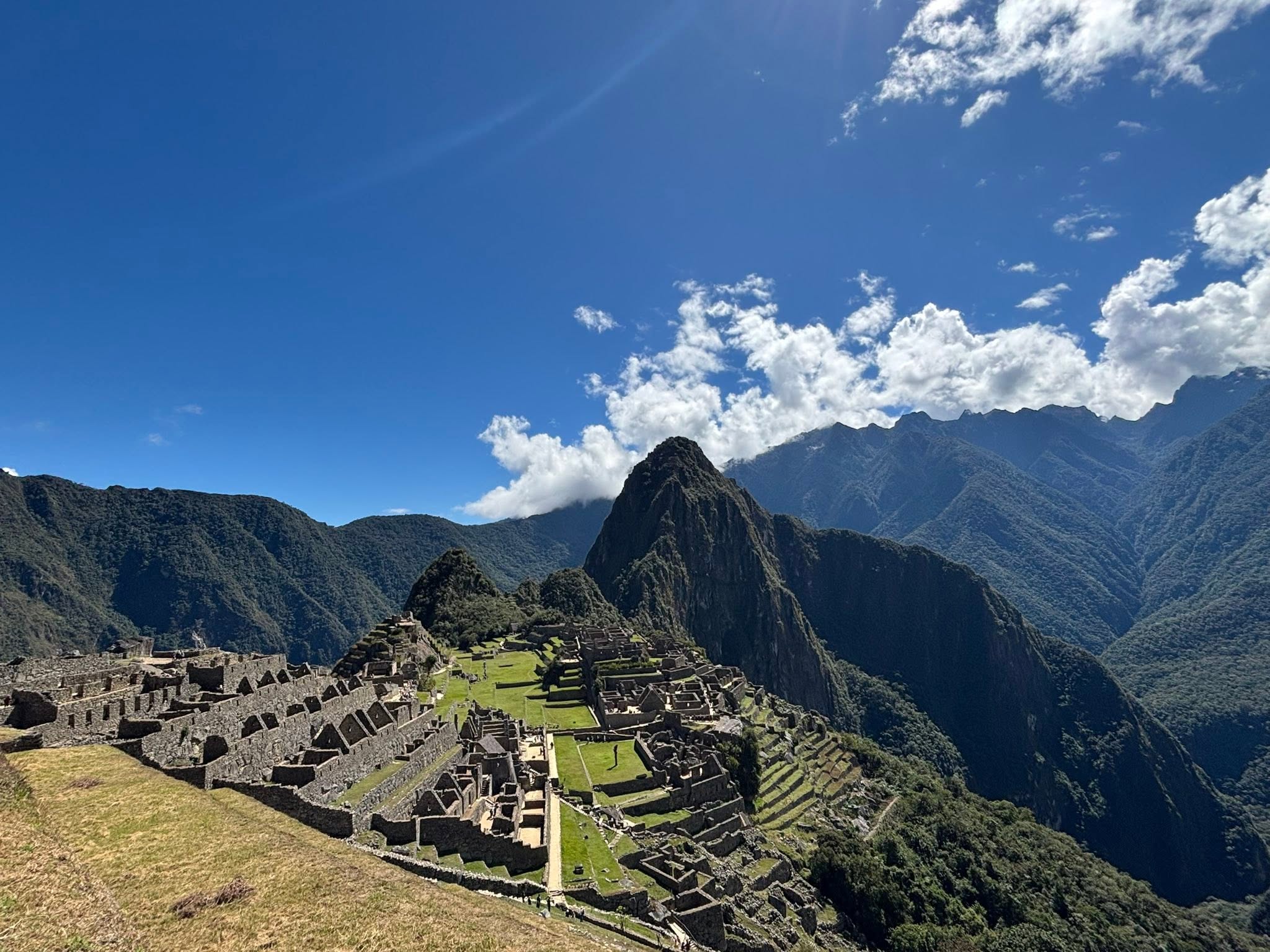
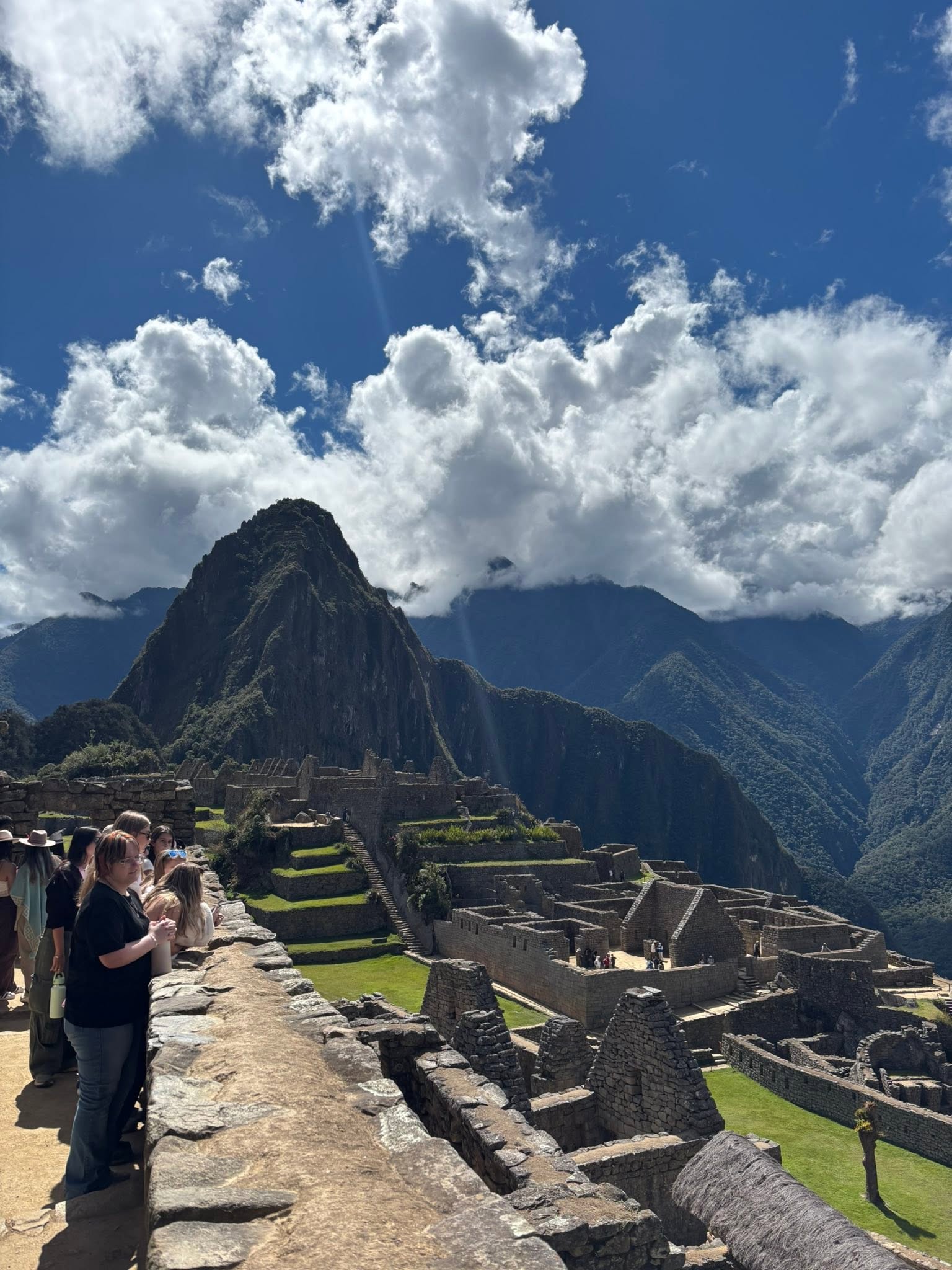
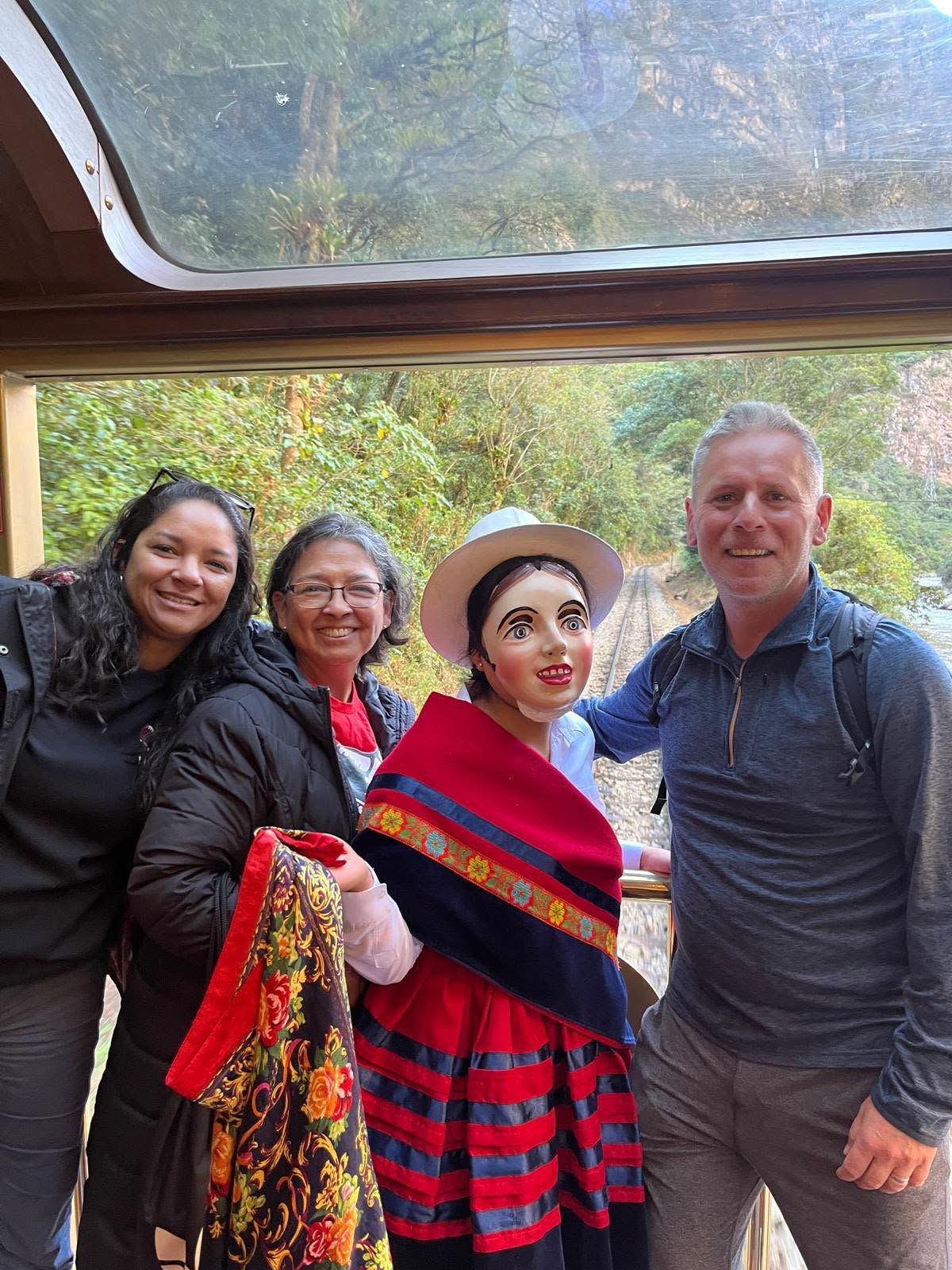
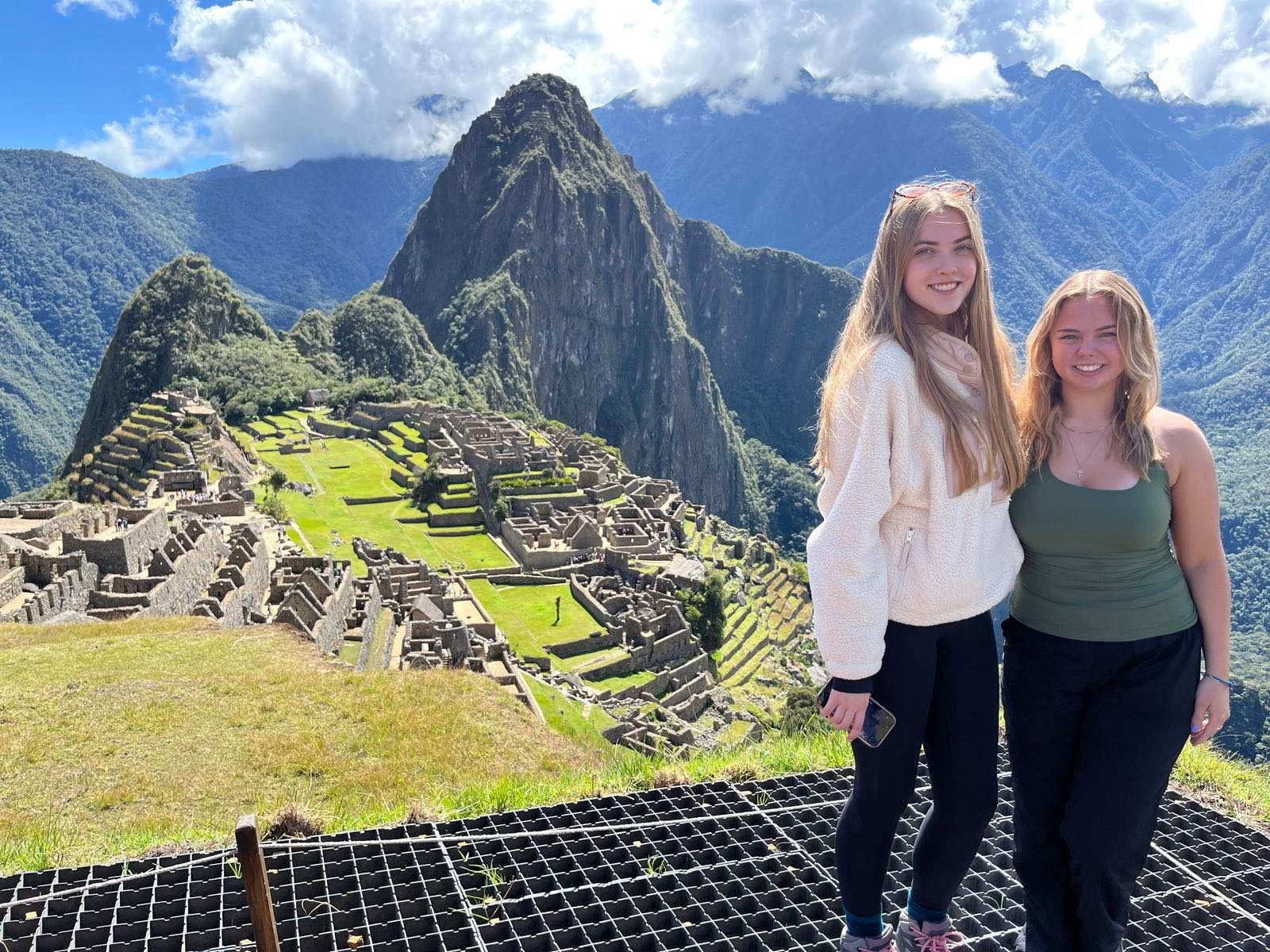
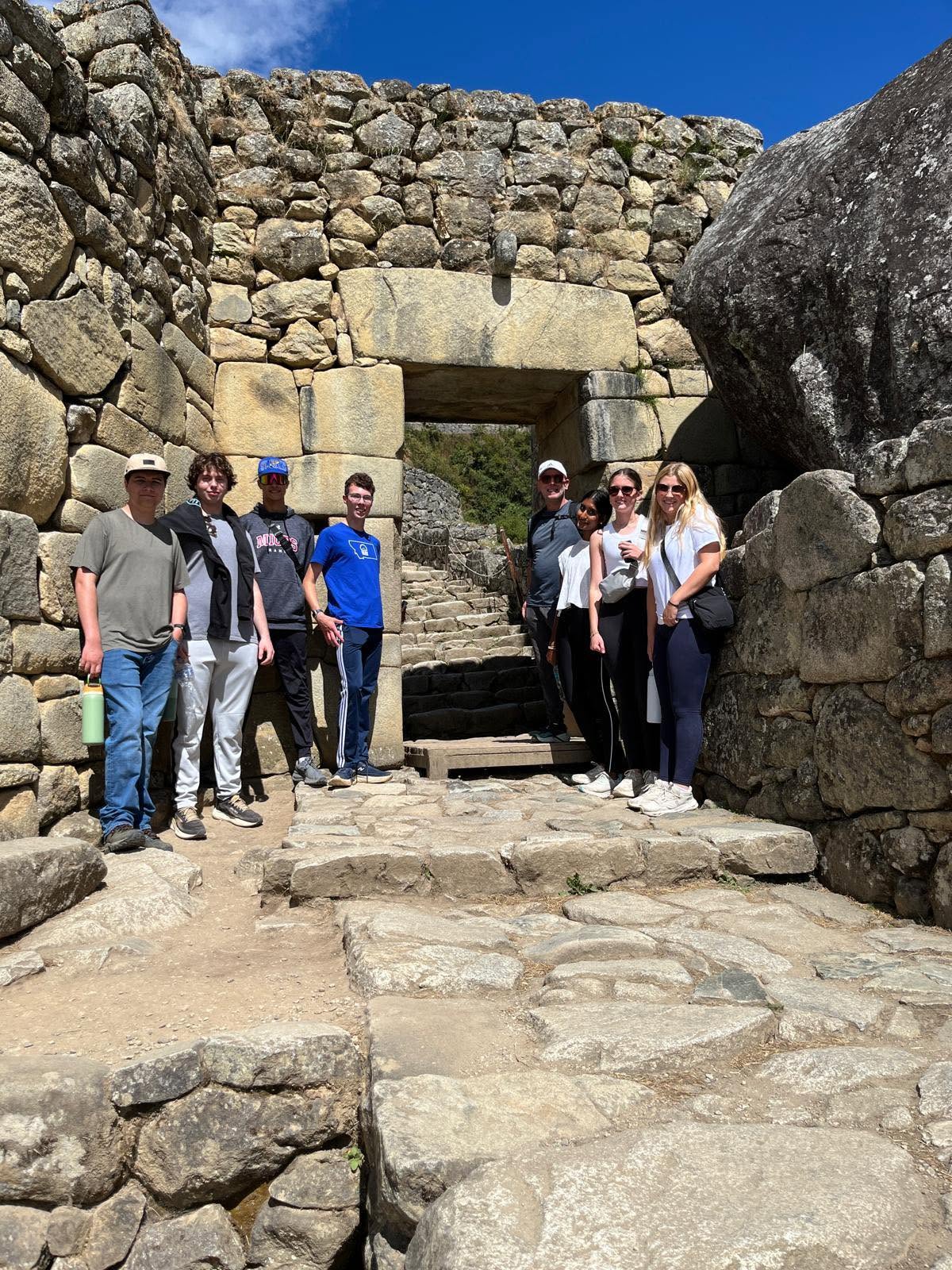
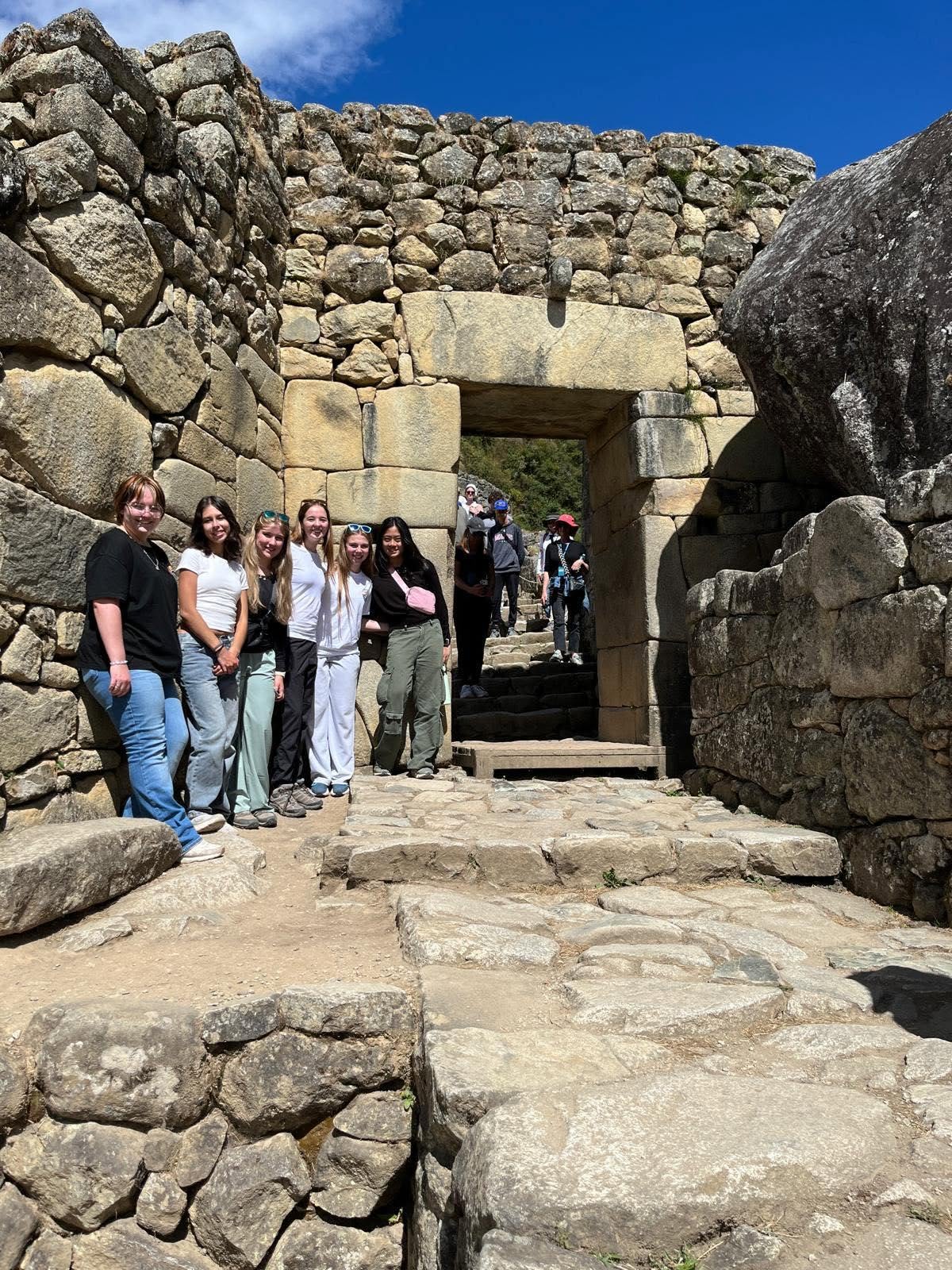
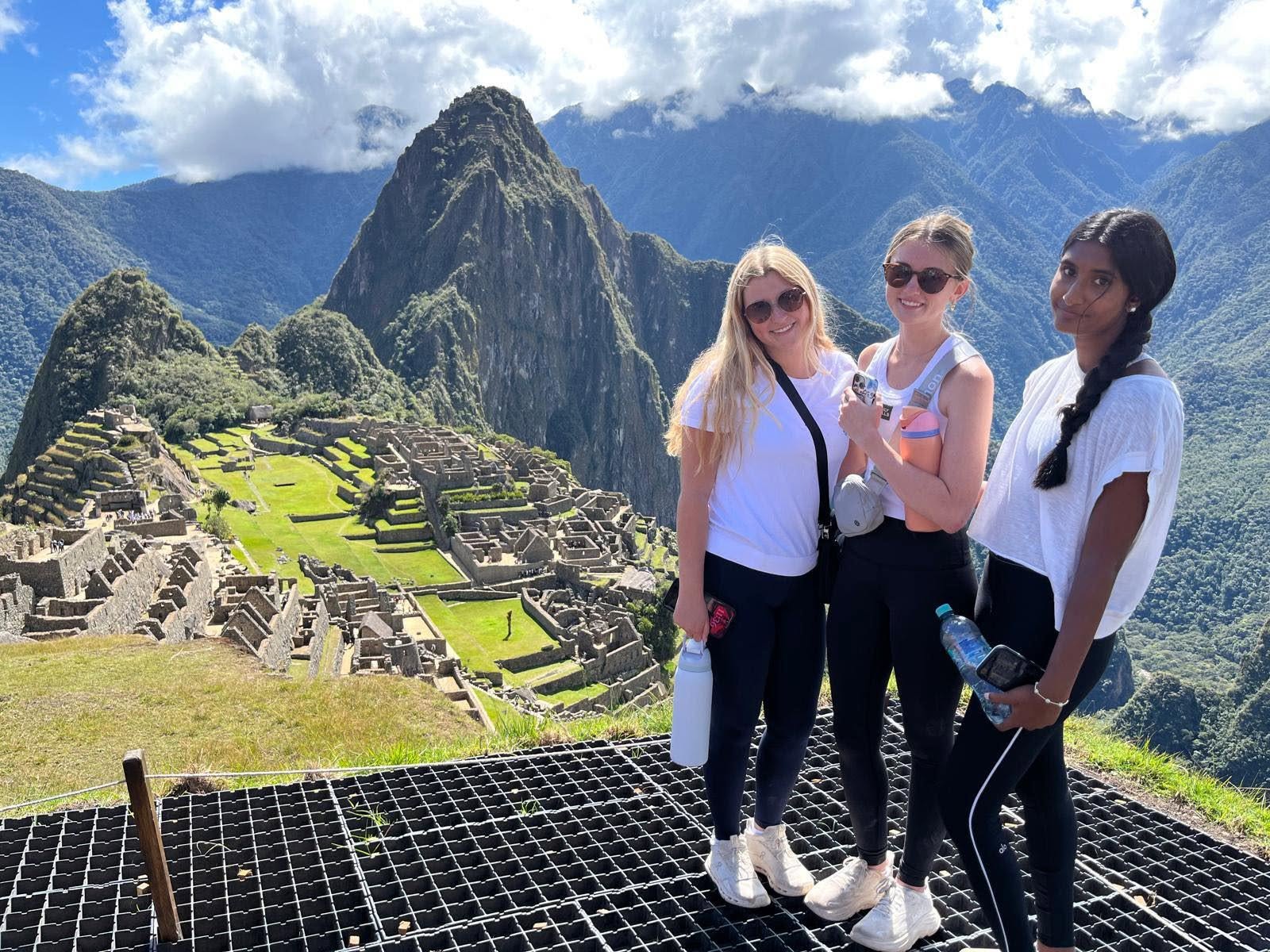
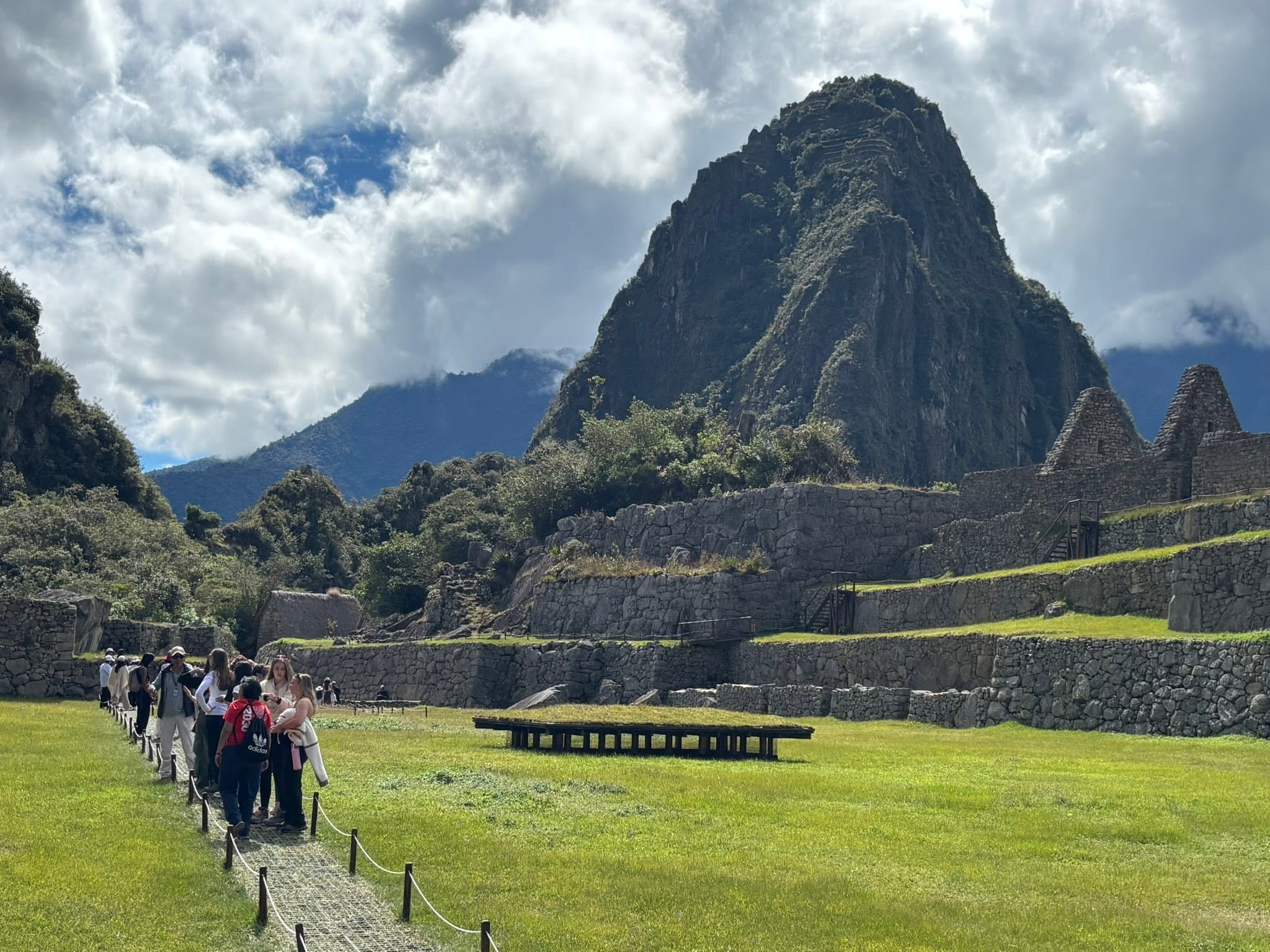
Our day began with a scenic train journey through the cloud forest, featuring panoramic windows and a live band in the last car where many of us danced. At Machu Picchu, our guide, Carloncho, brought the citadel to life, explaining the history and engineering that allowed the city to thrive. Standing among the terraces, surrounded by peaks, made every early wake-up call, high-altitude challenge, and long trail worth it.
Day 4: Ancasmarca & Maras Salt Mines
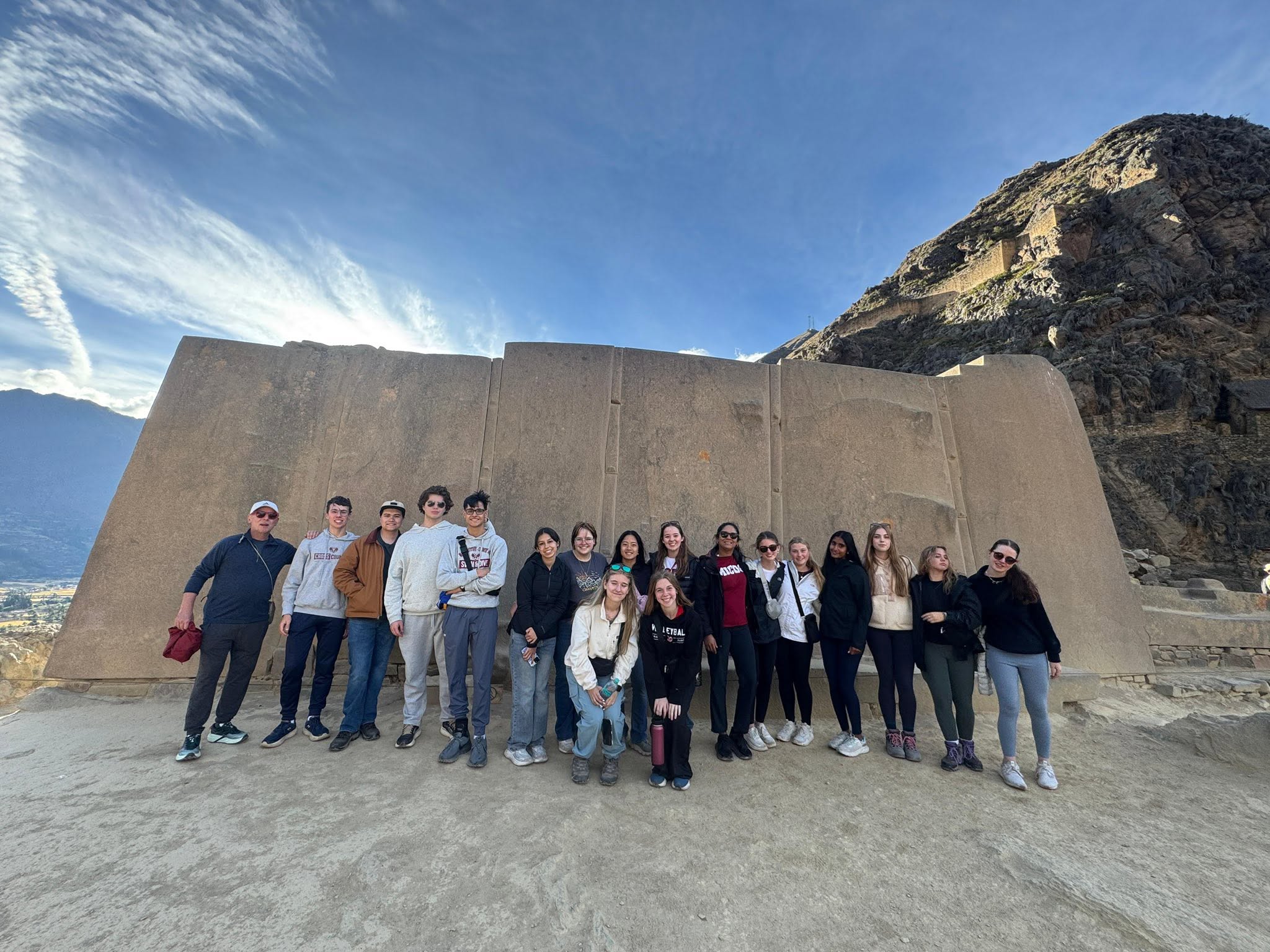
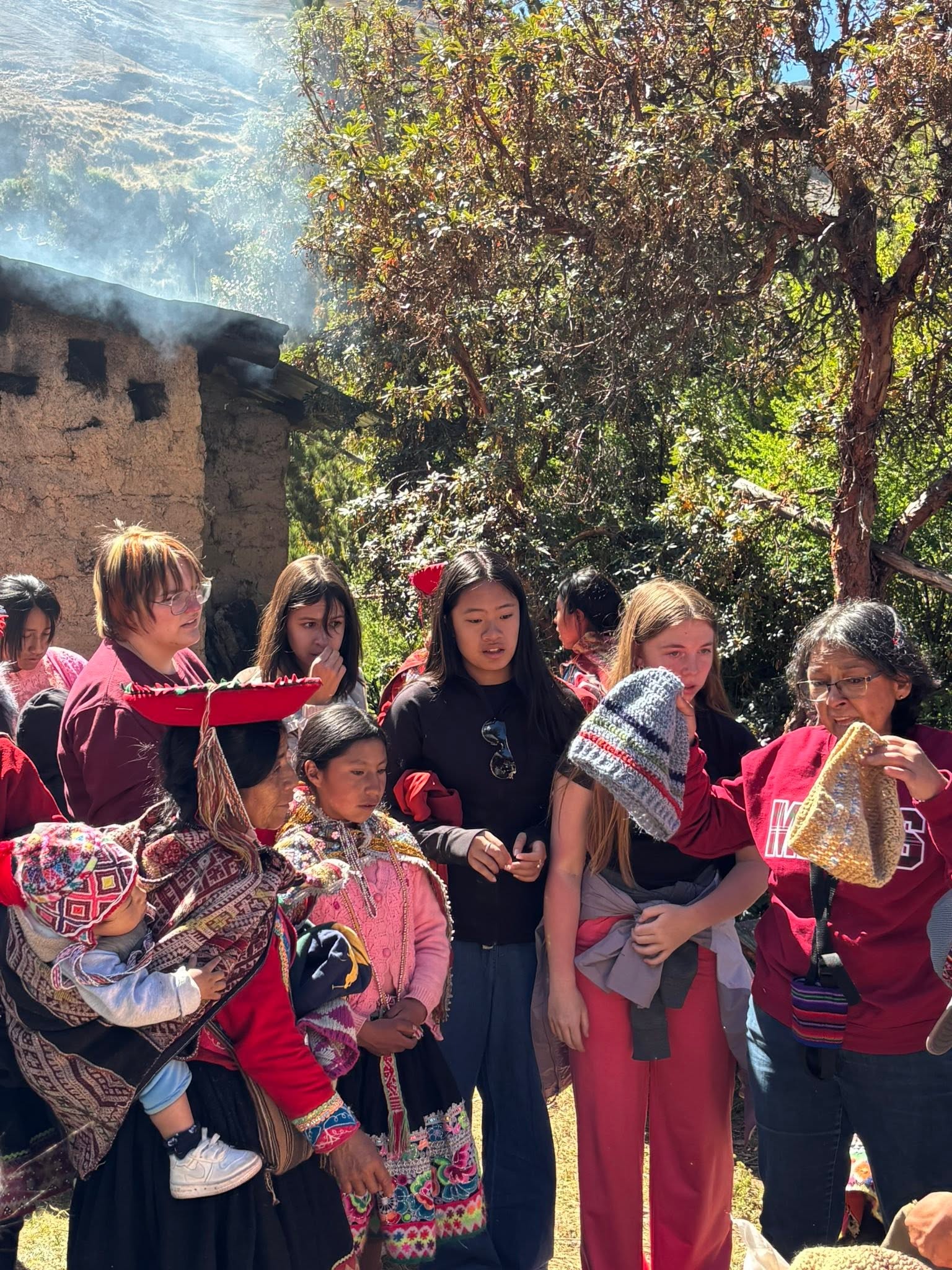
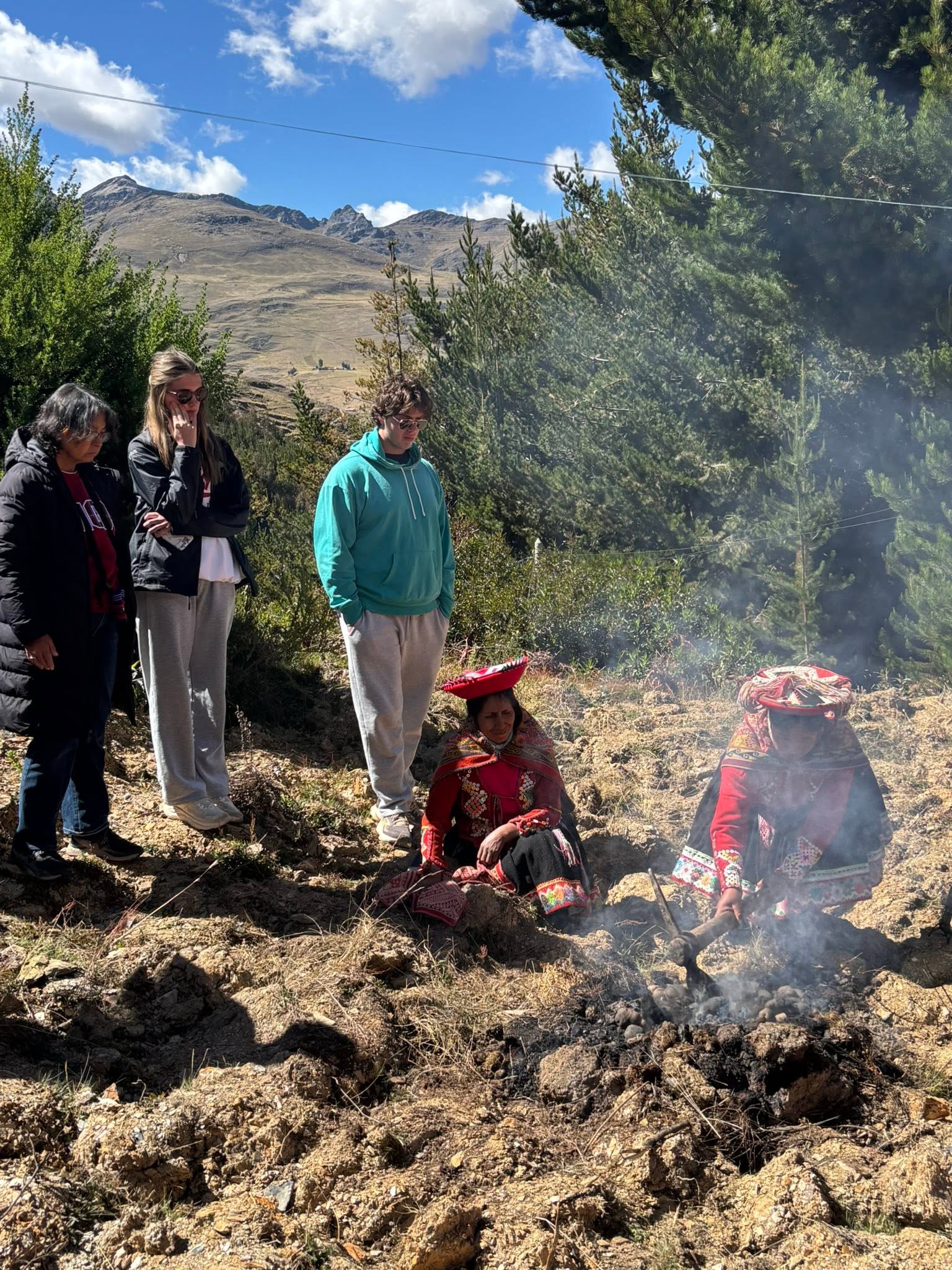
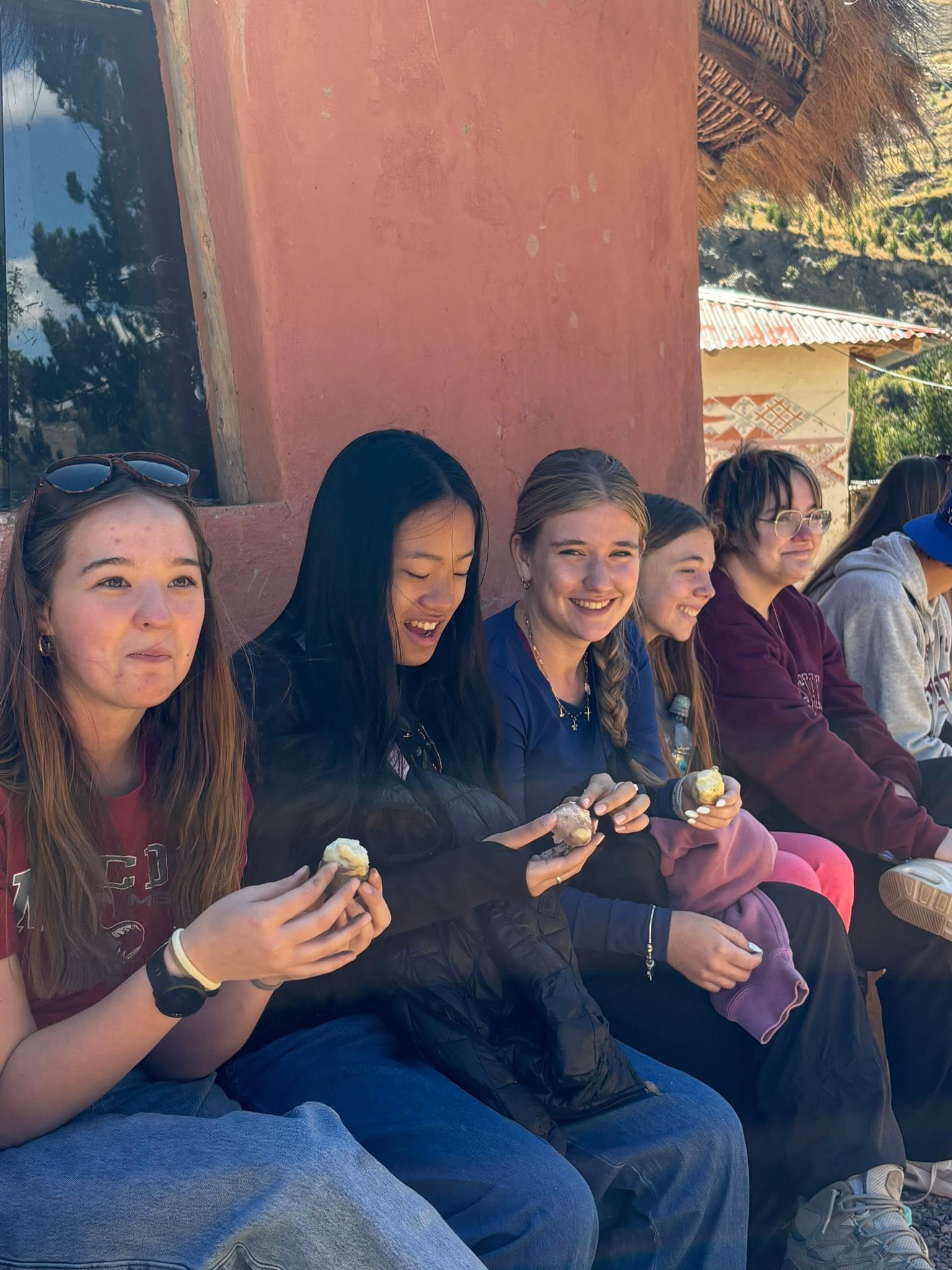
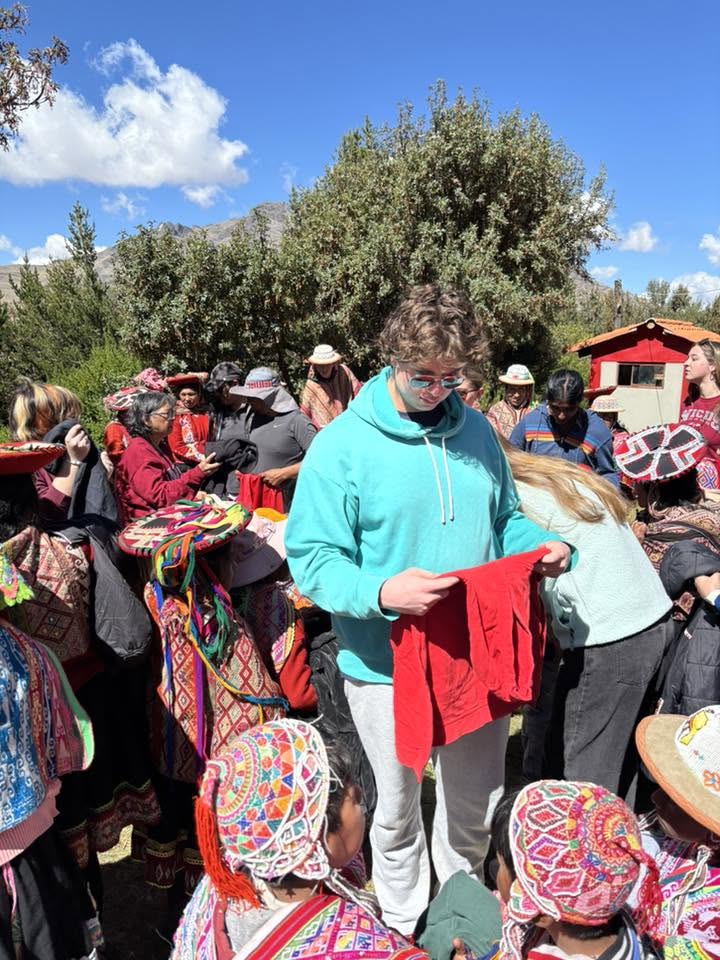
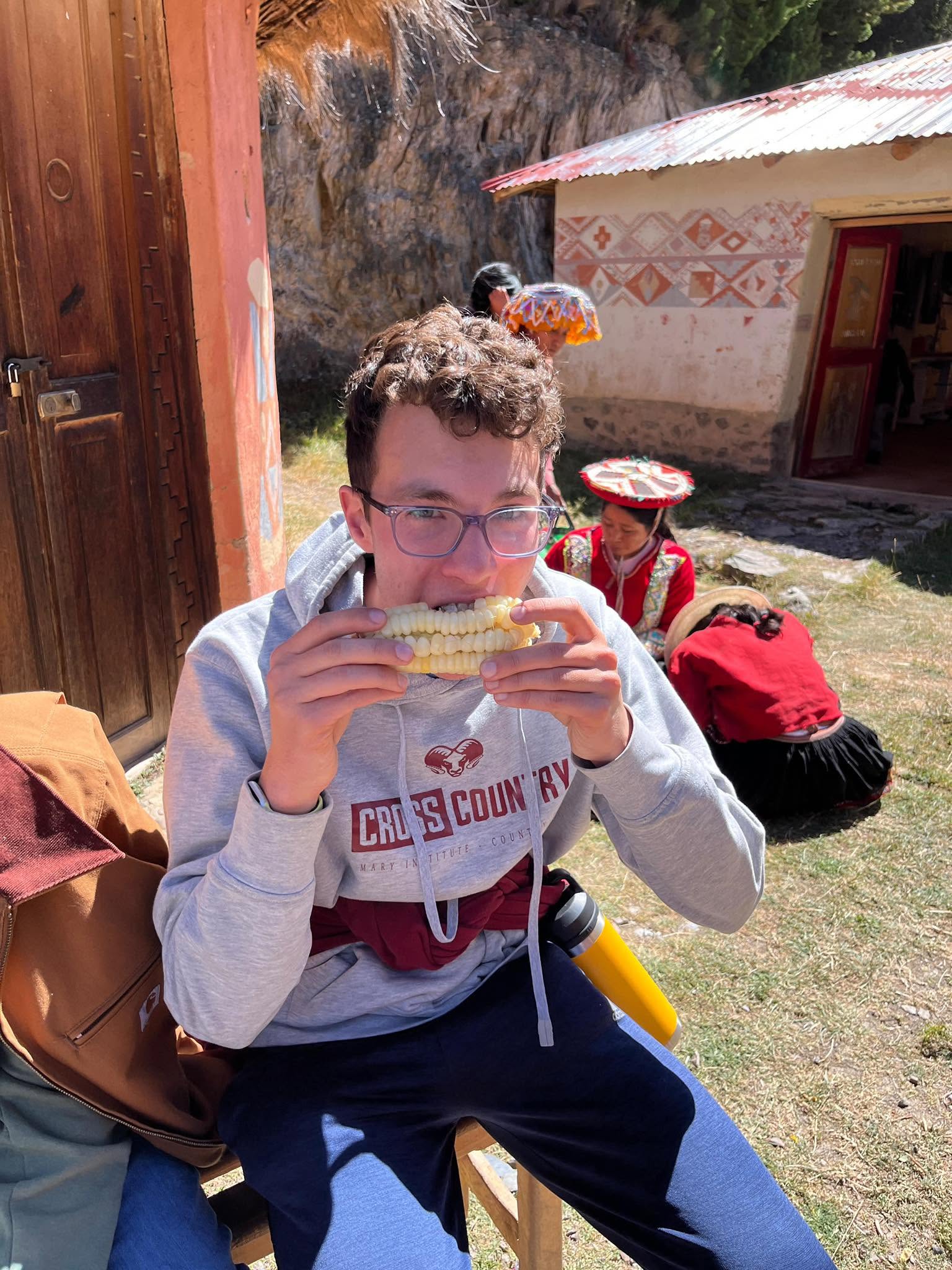
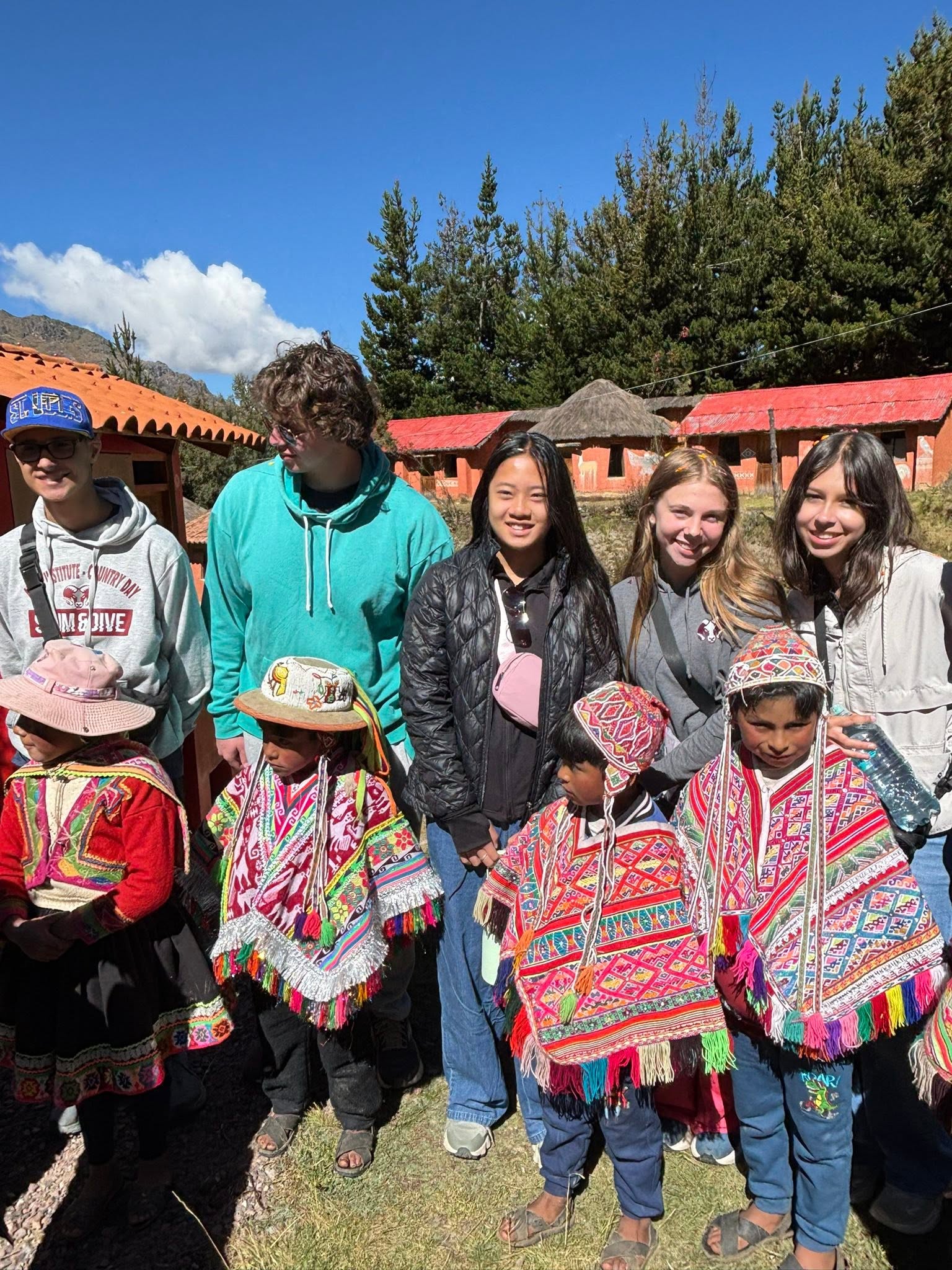
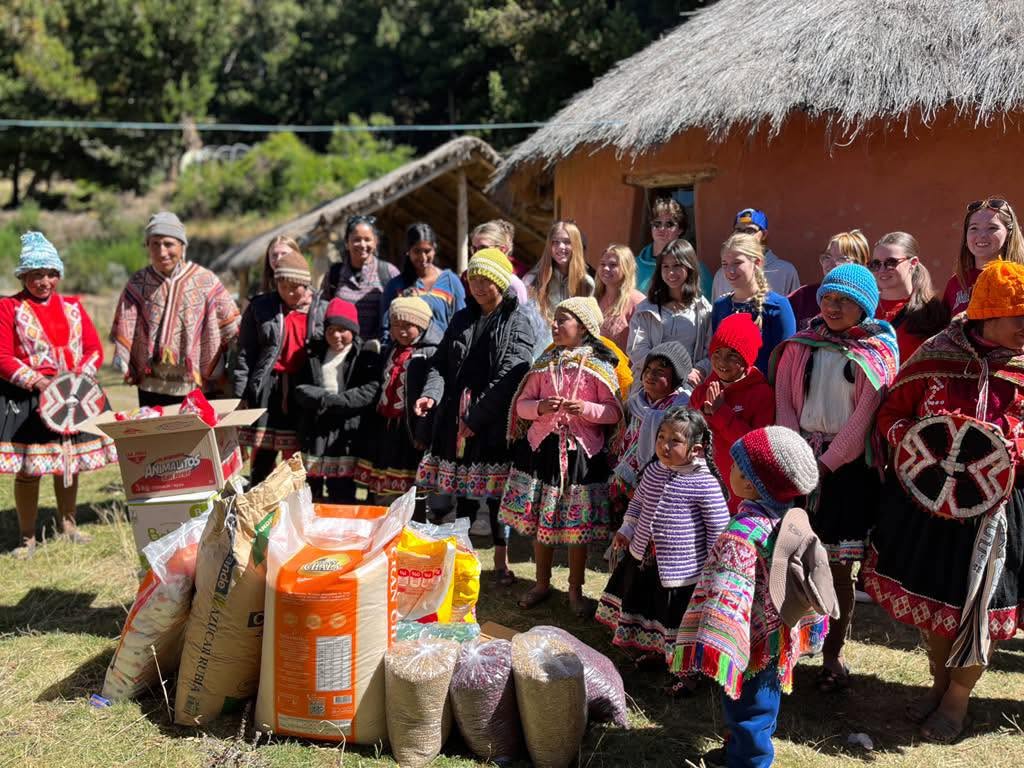
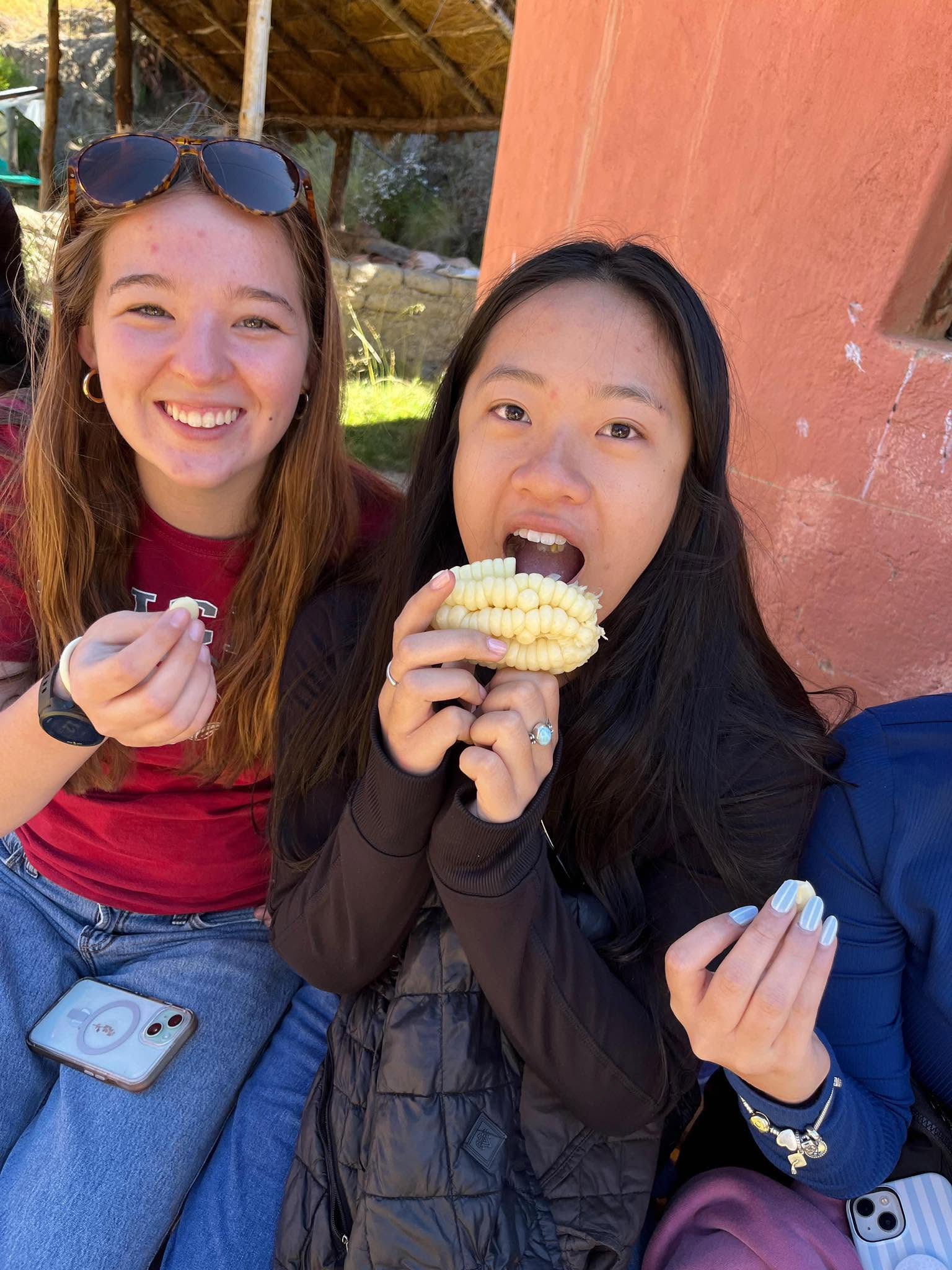
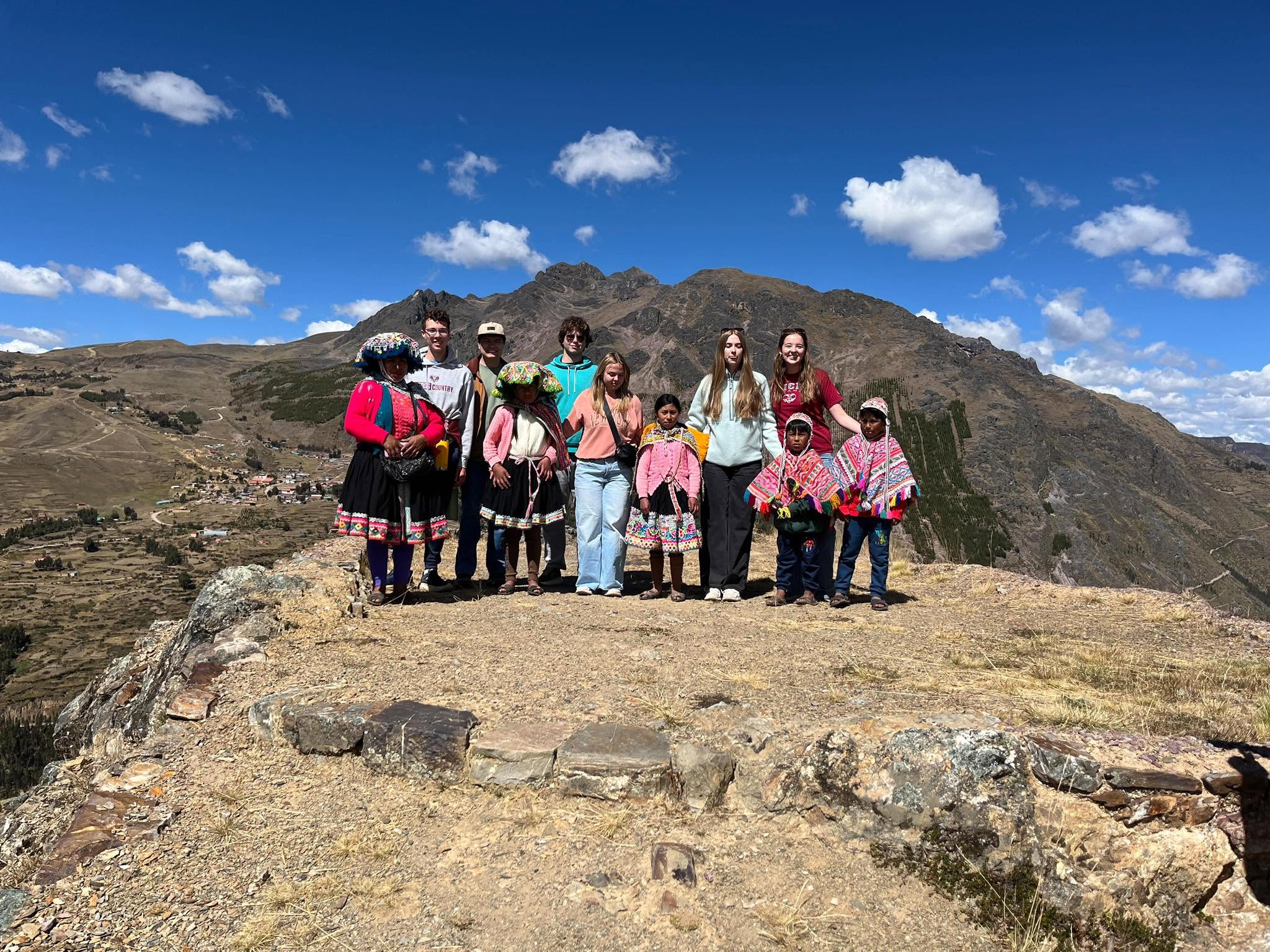
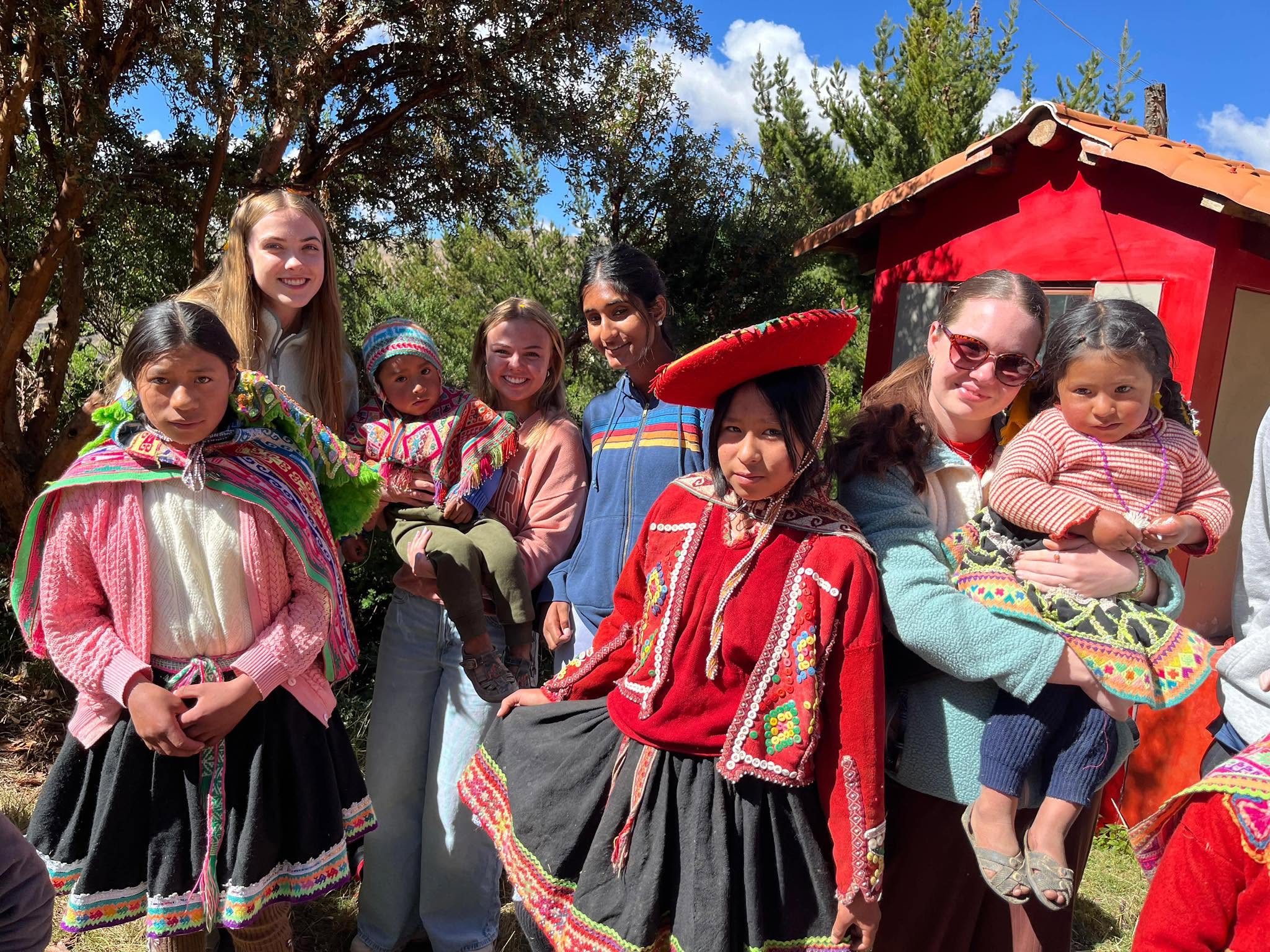
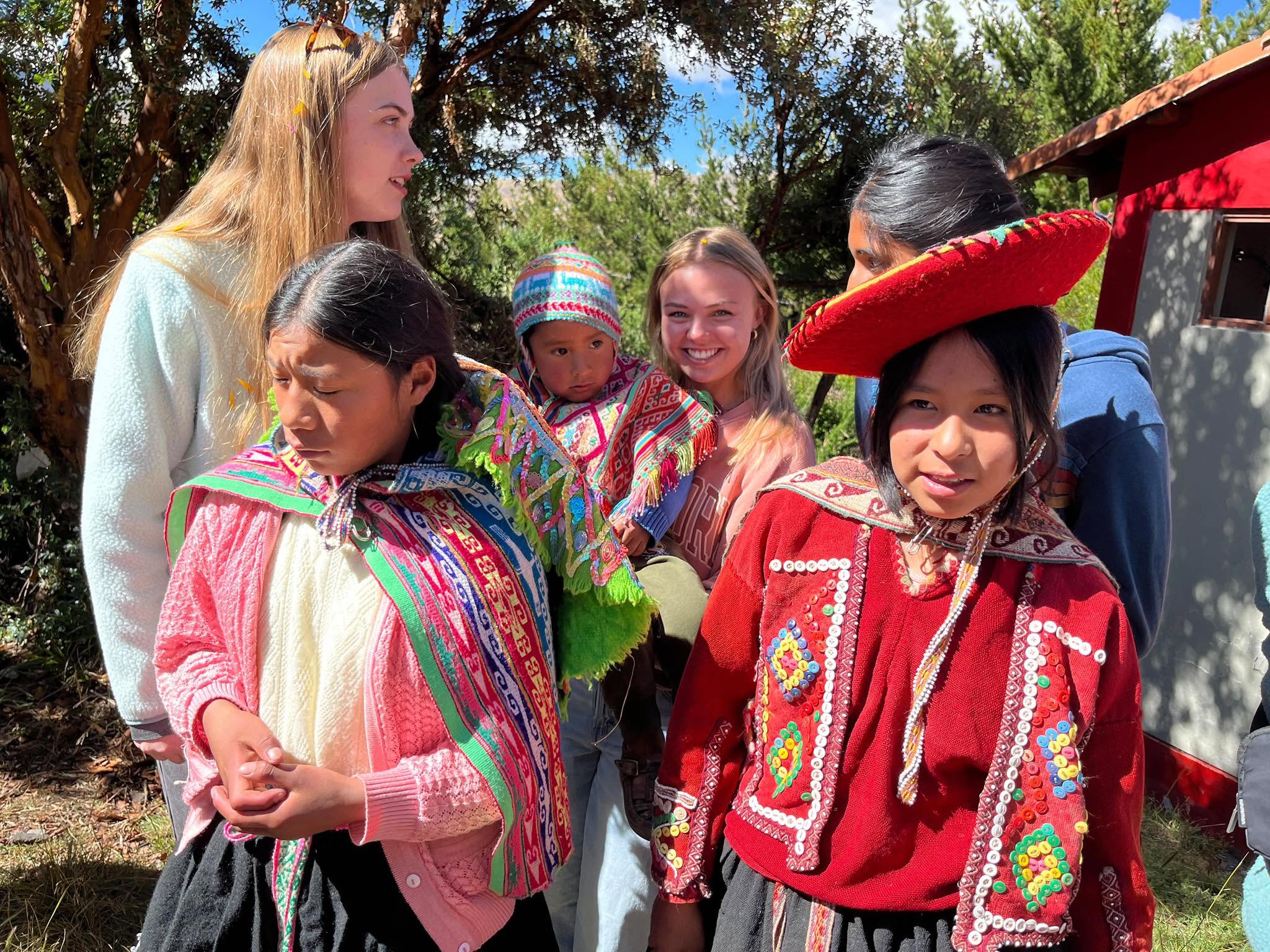
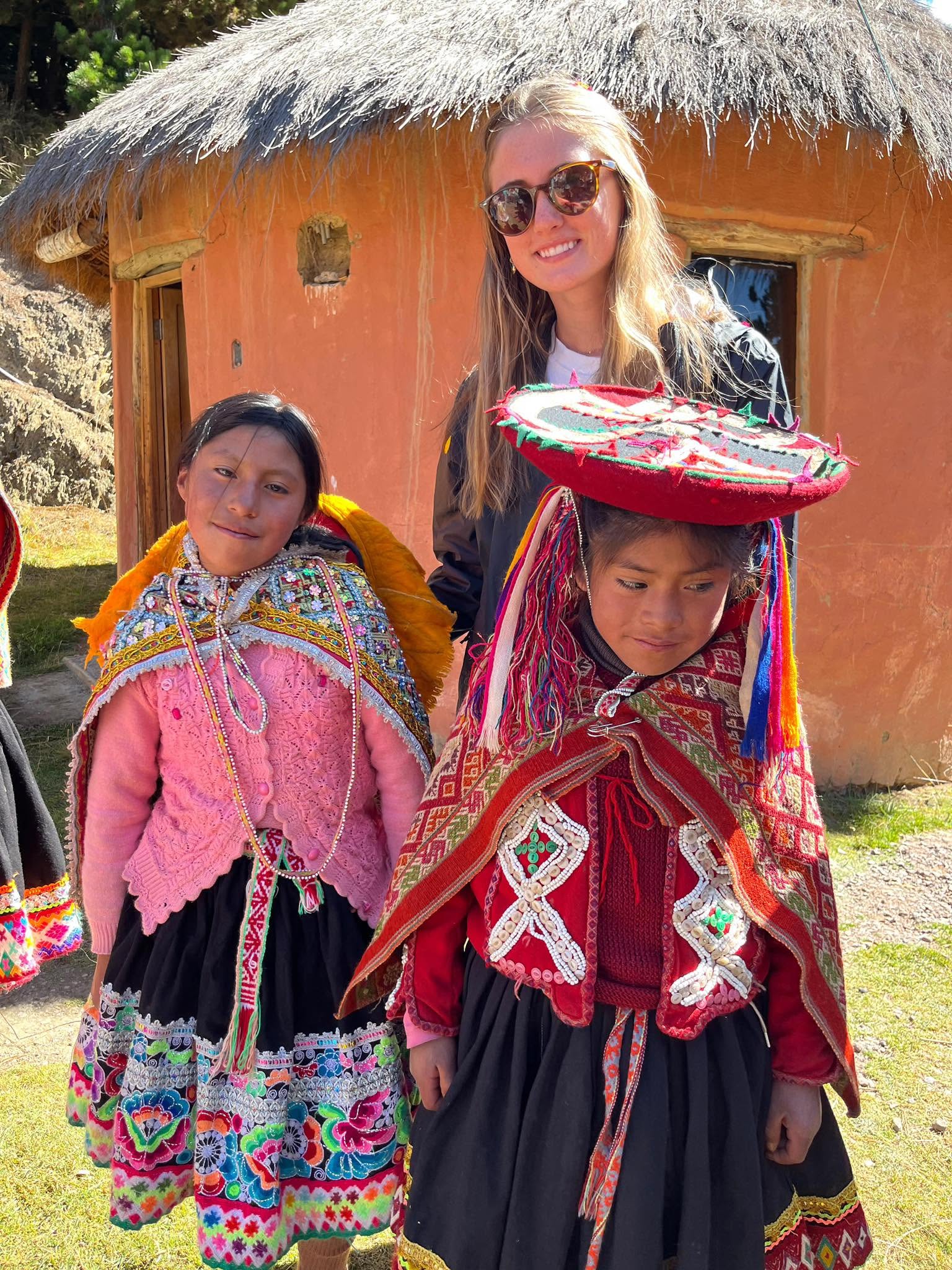
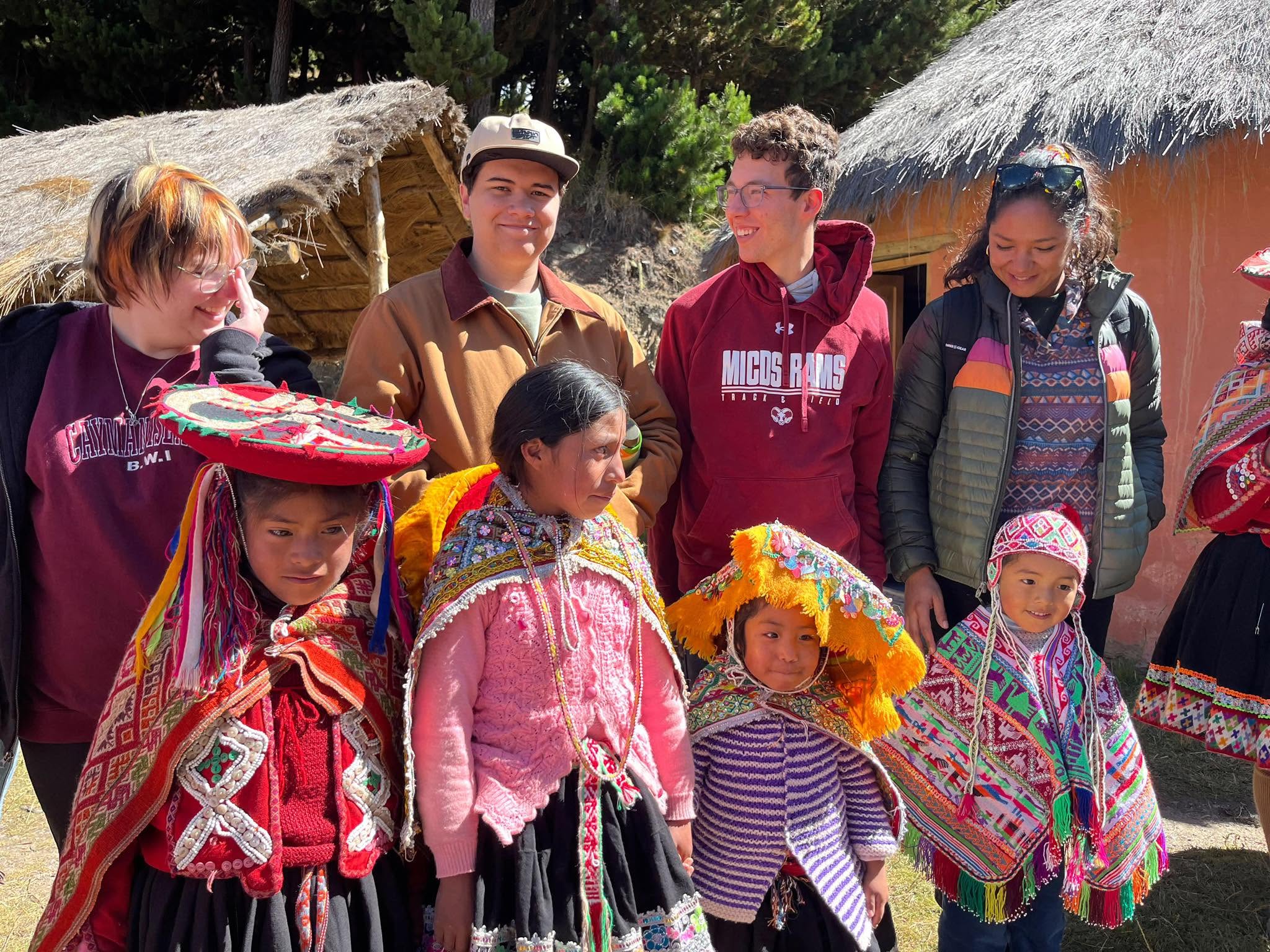
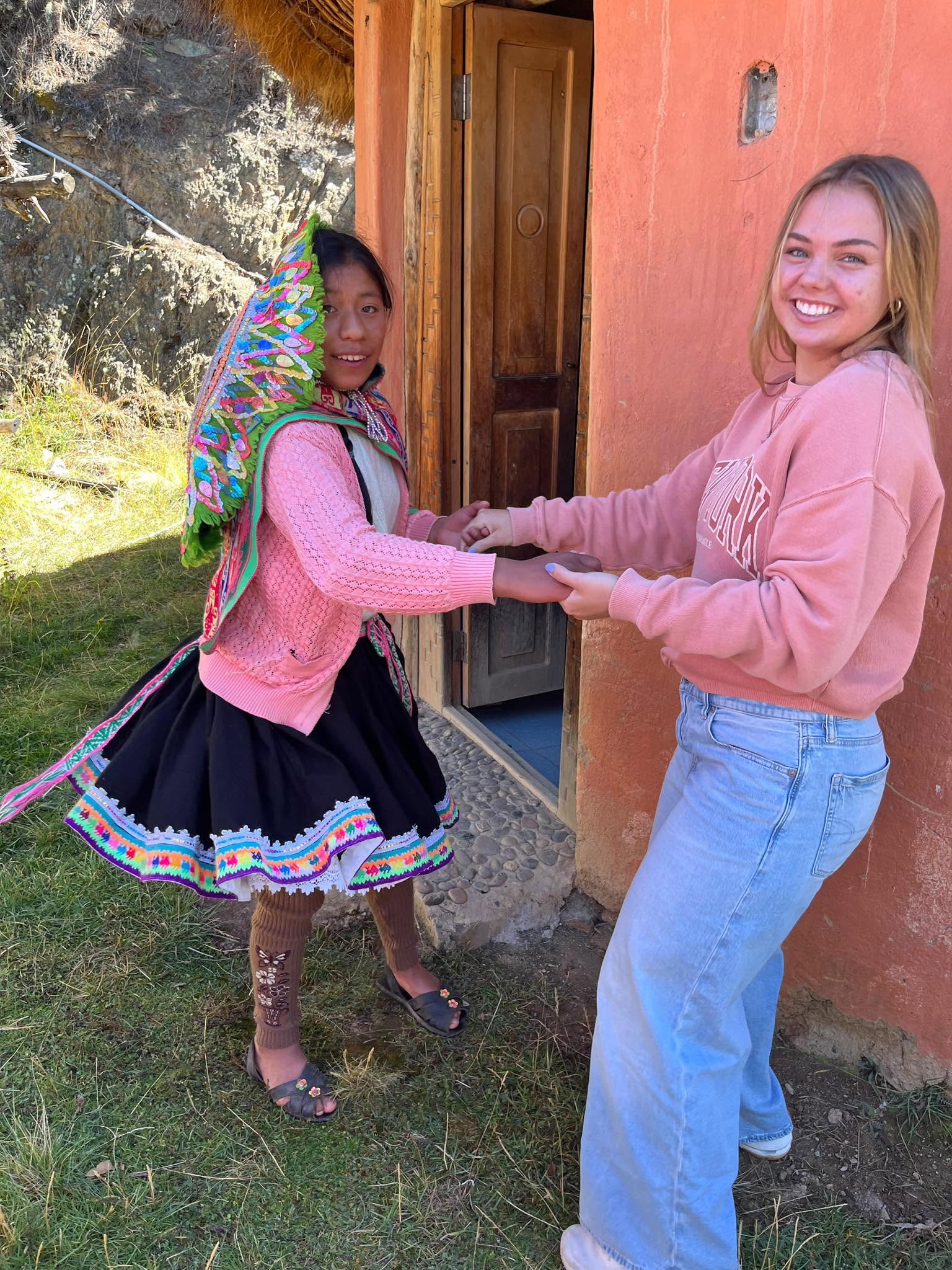
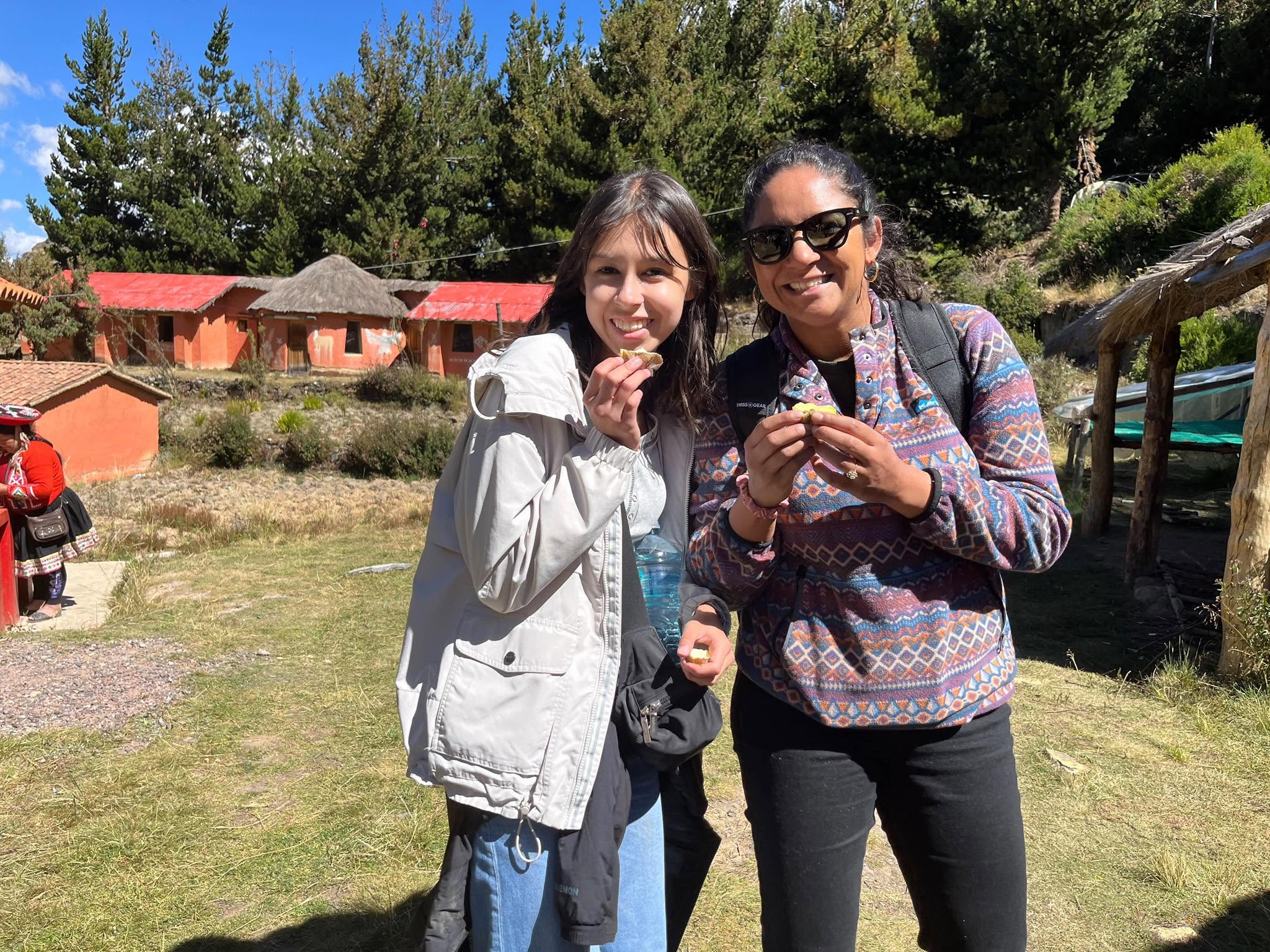
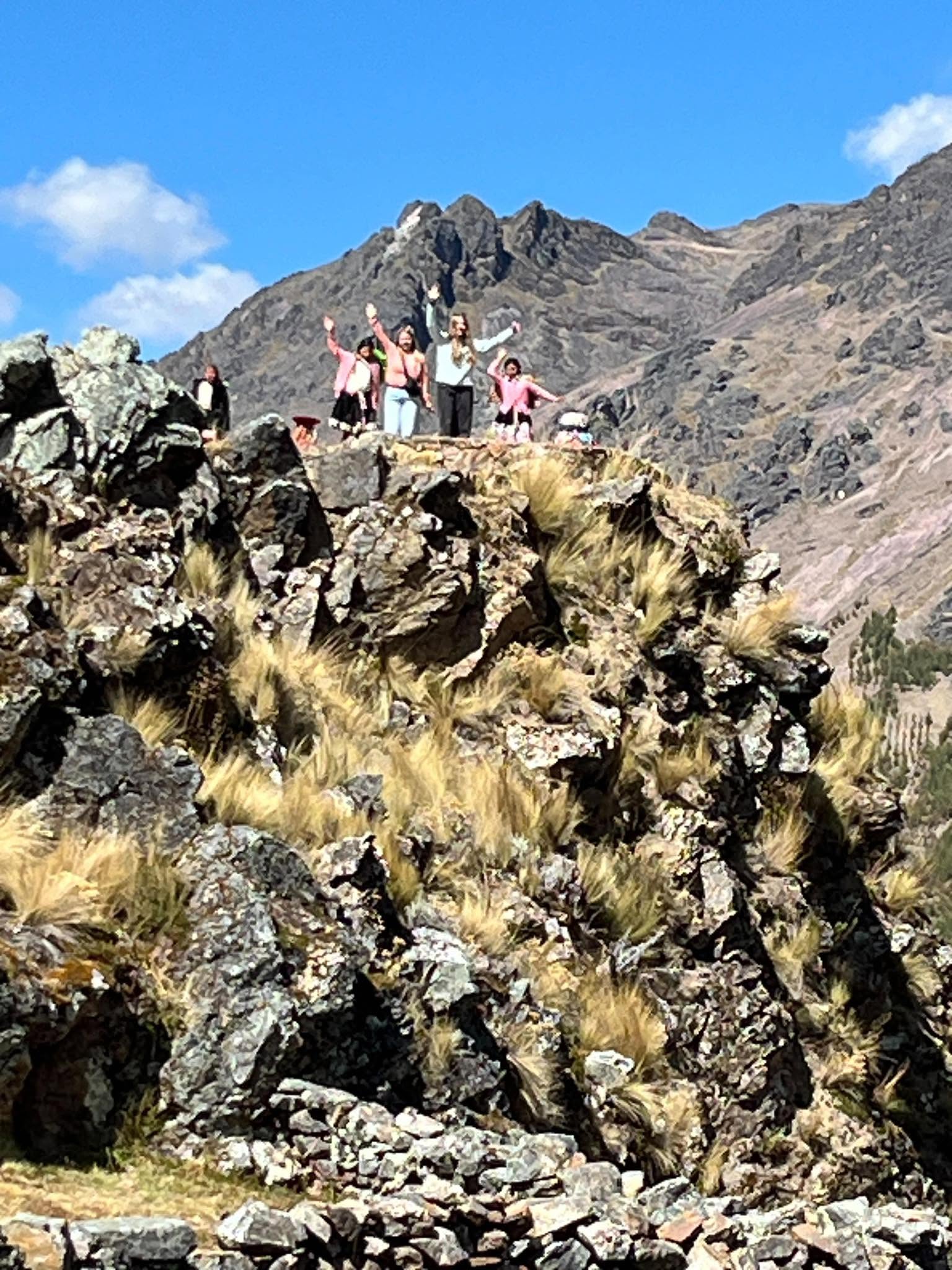
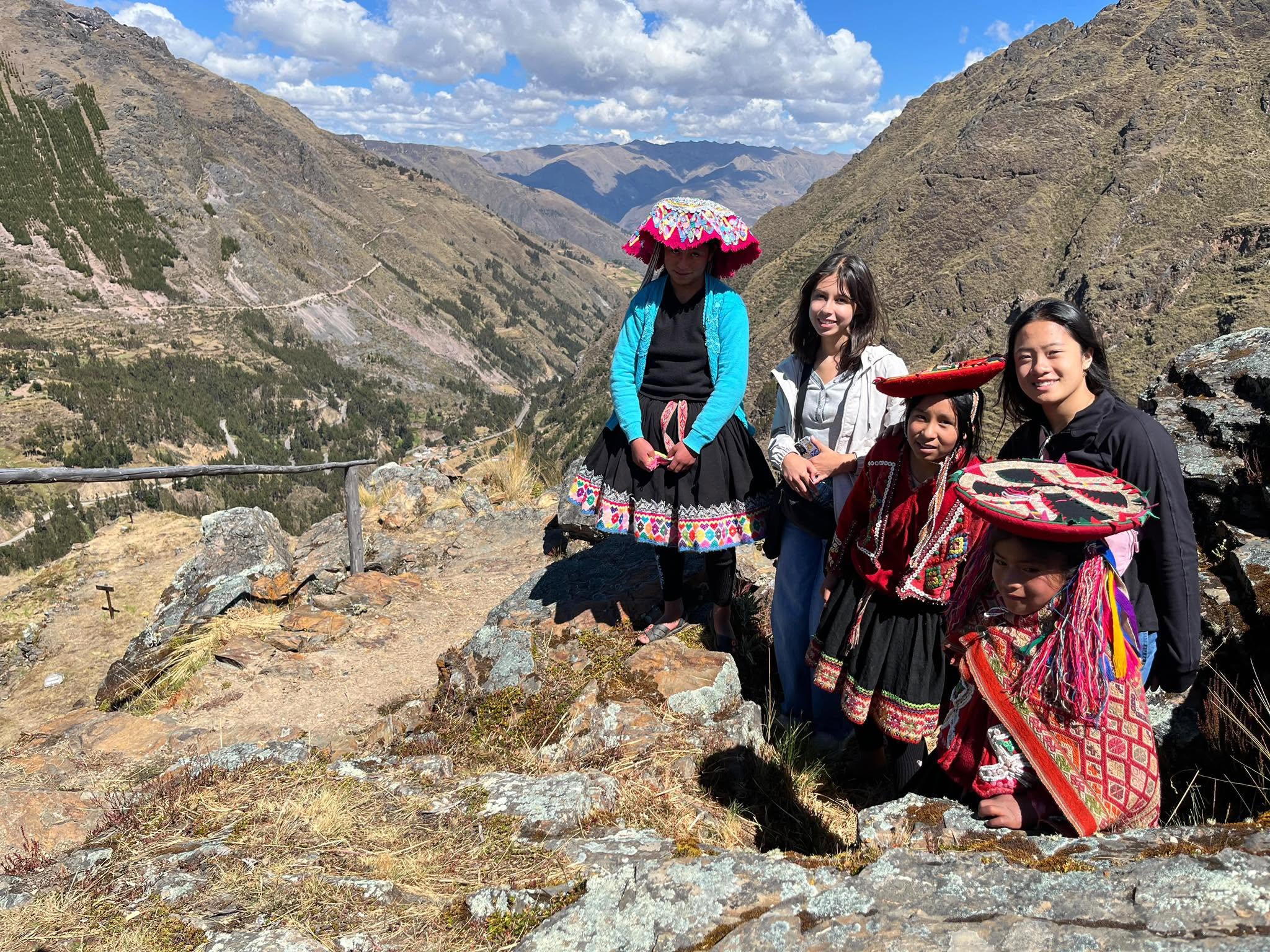
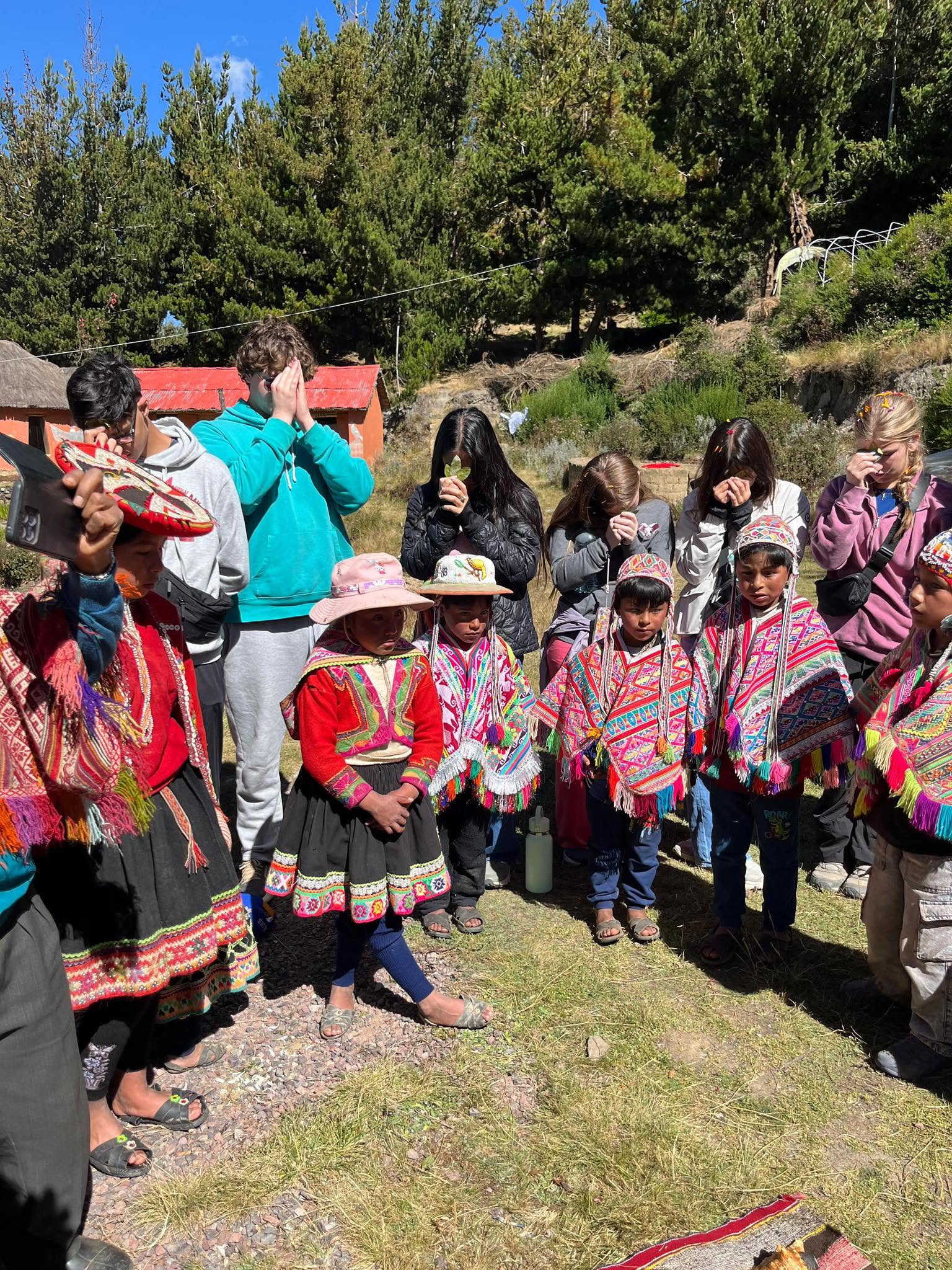
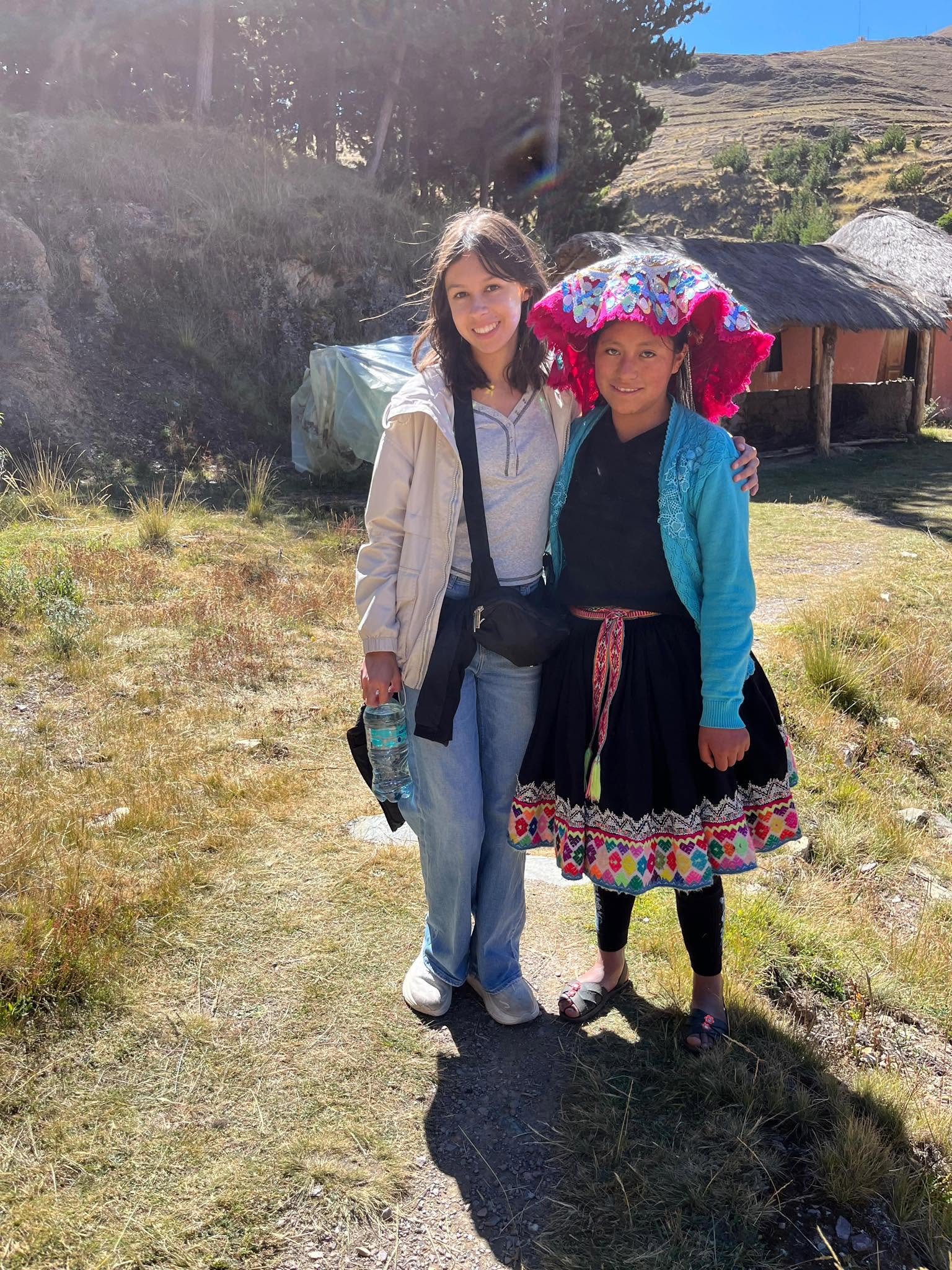
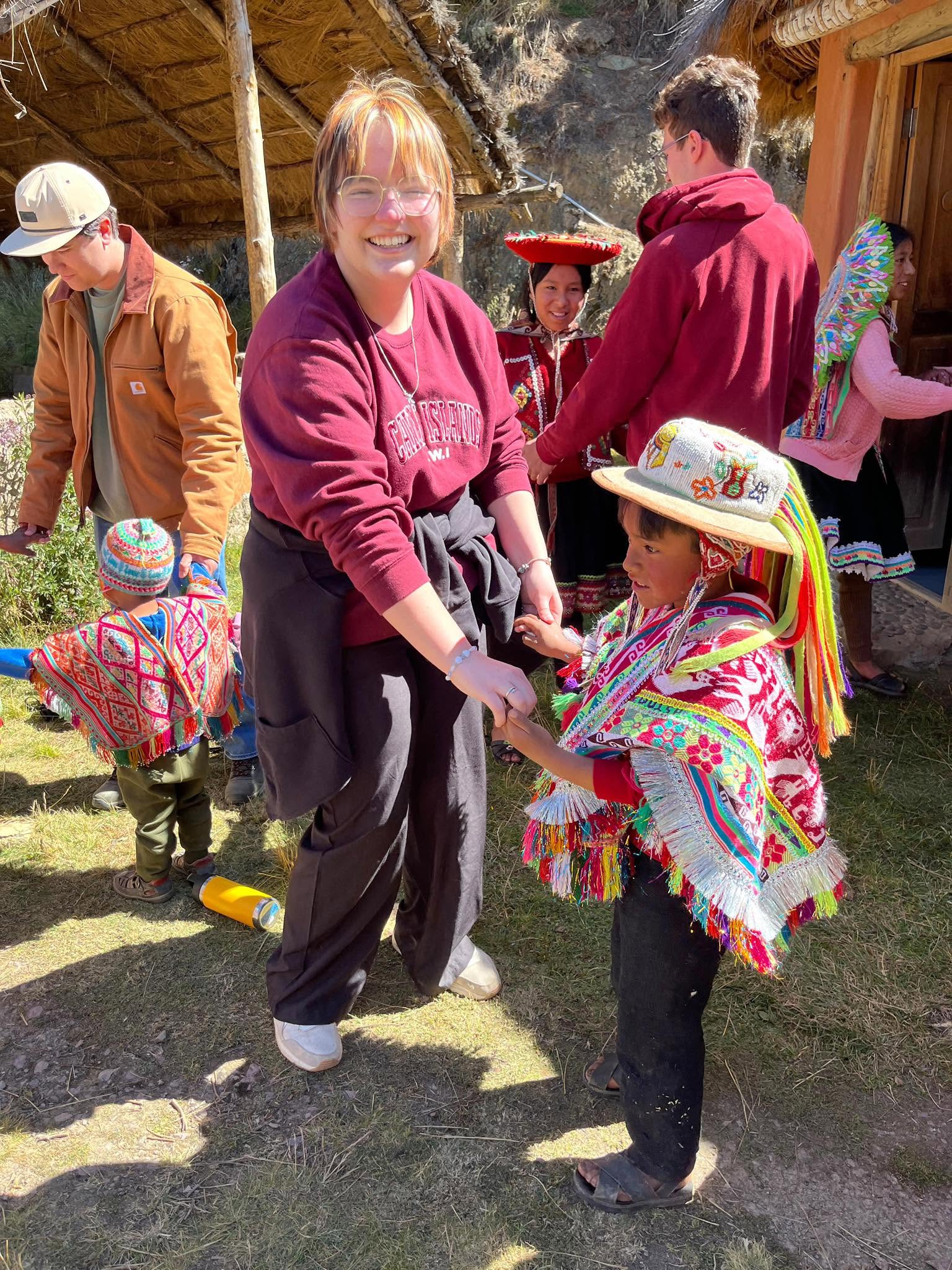
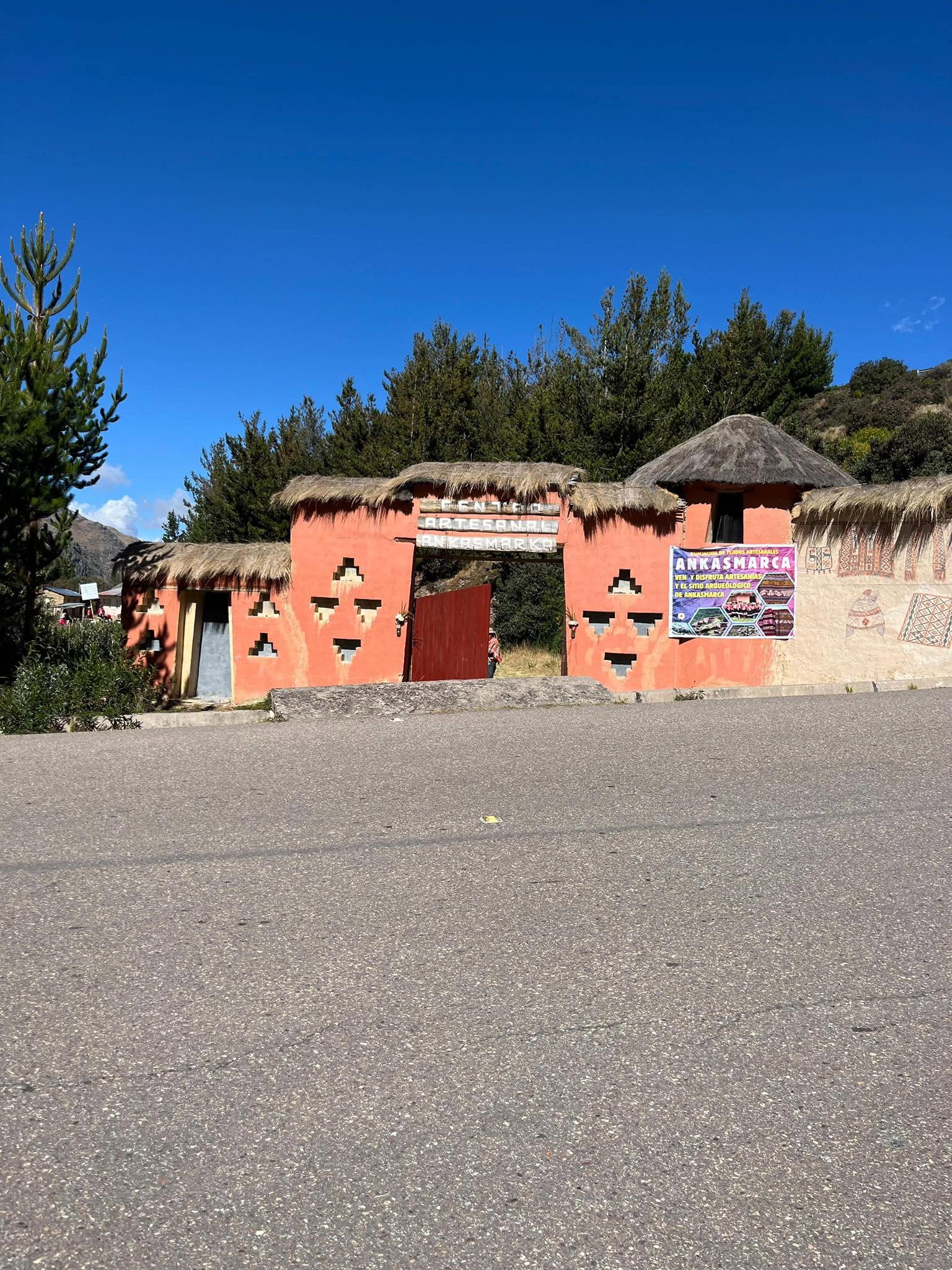
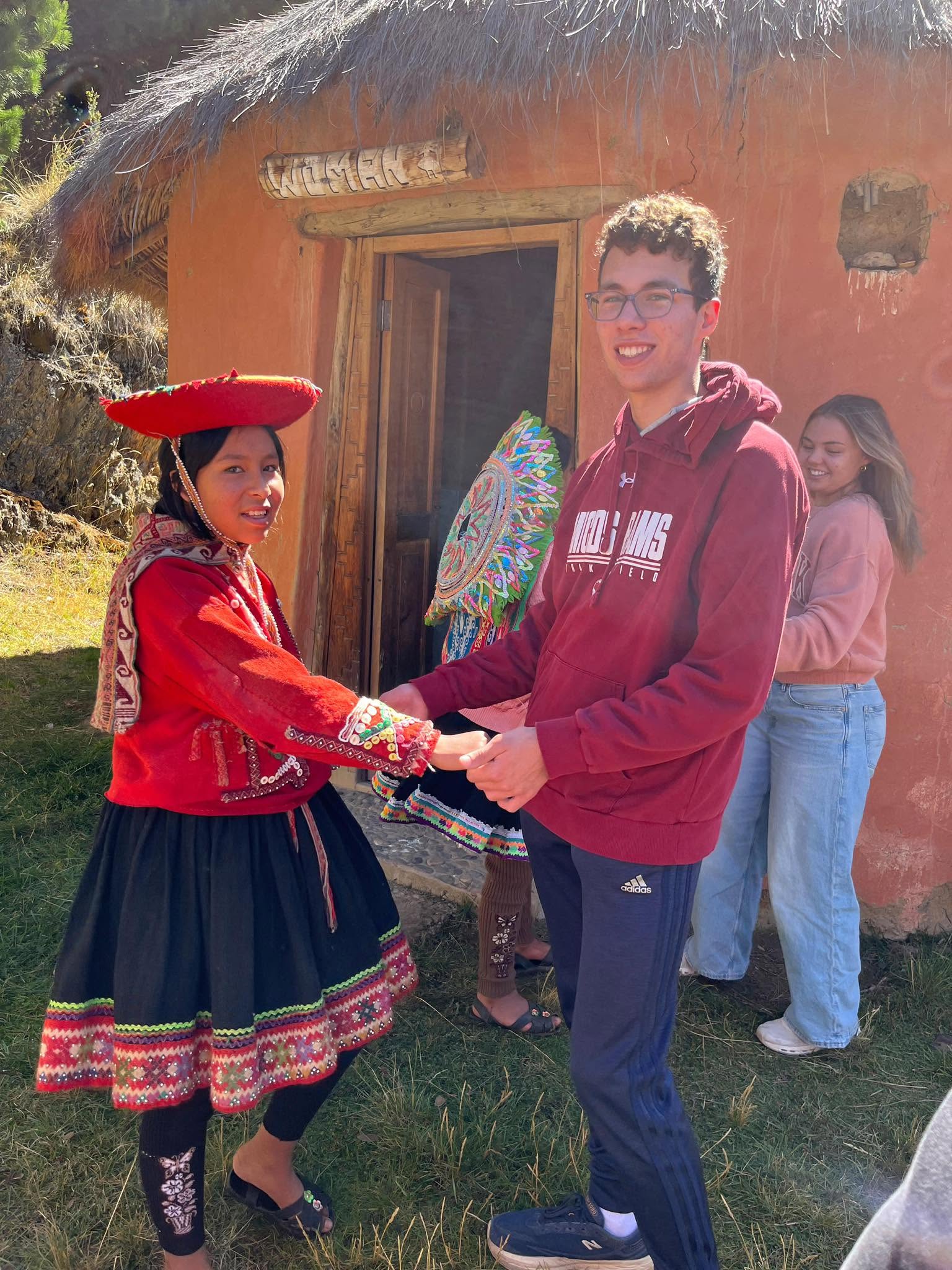
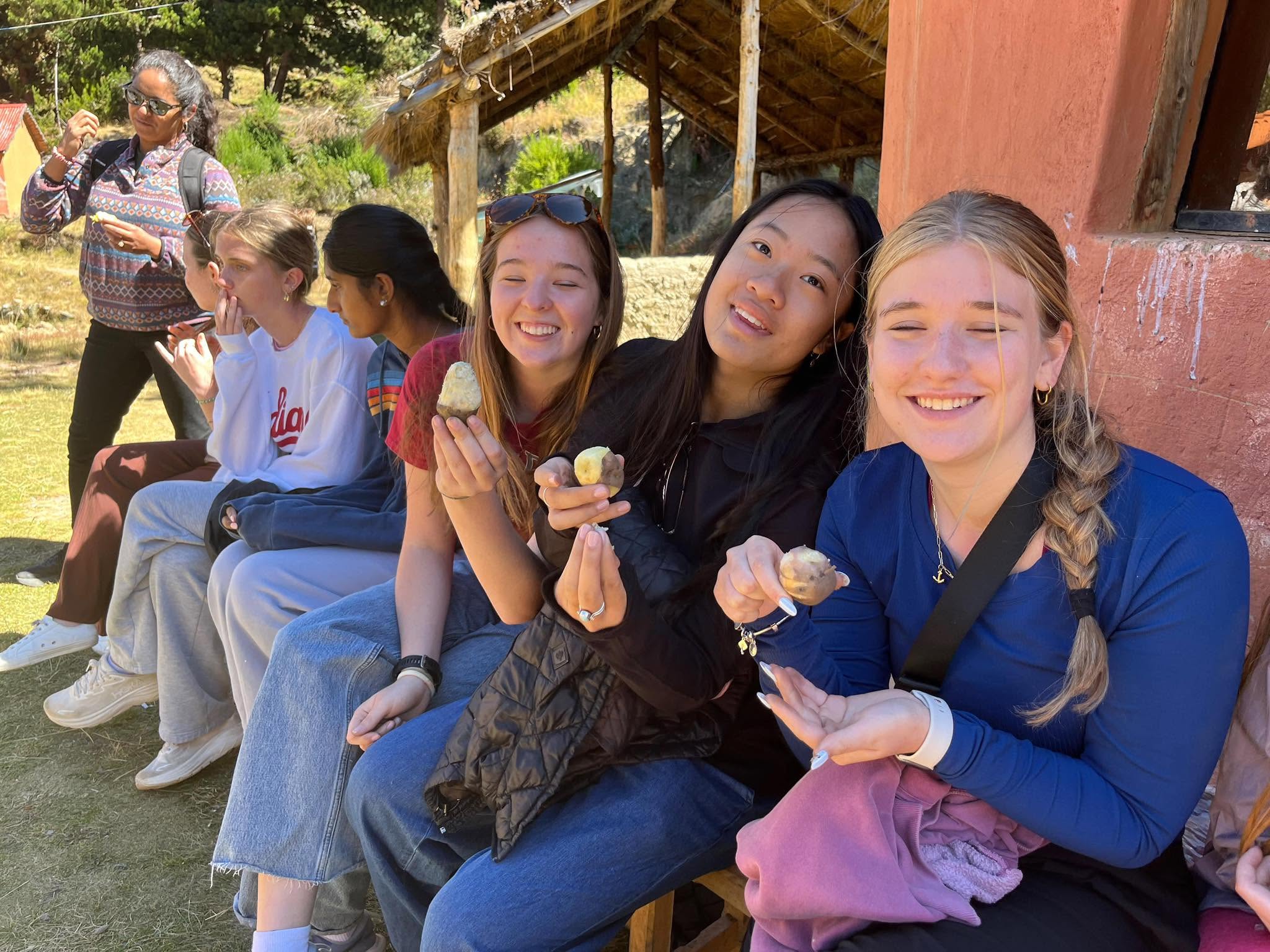
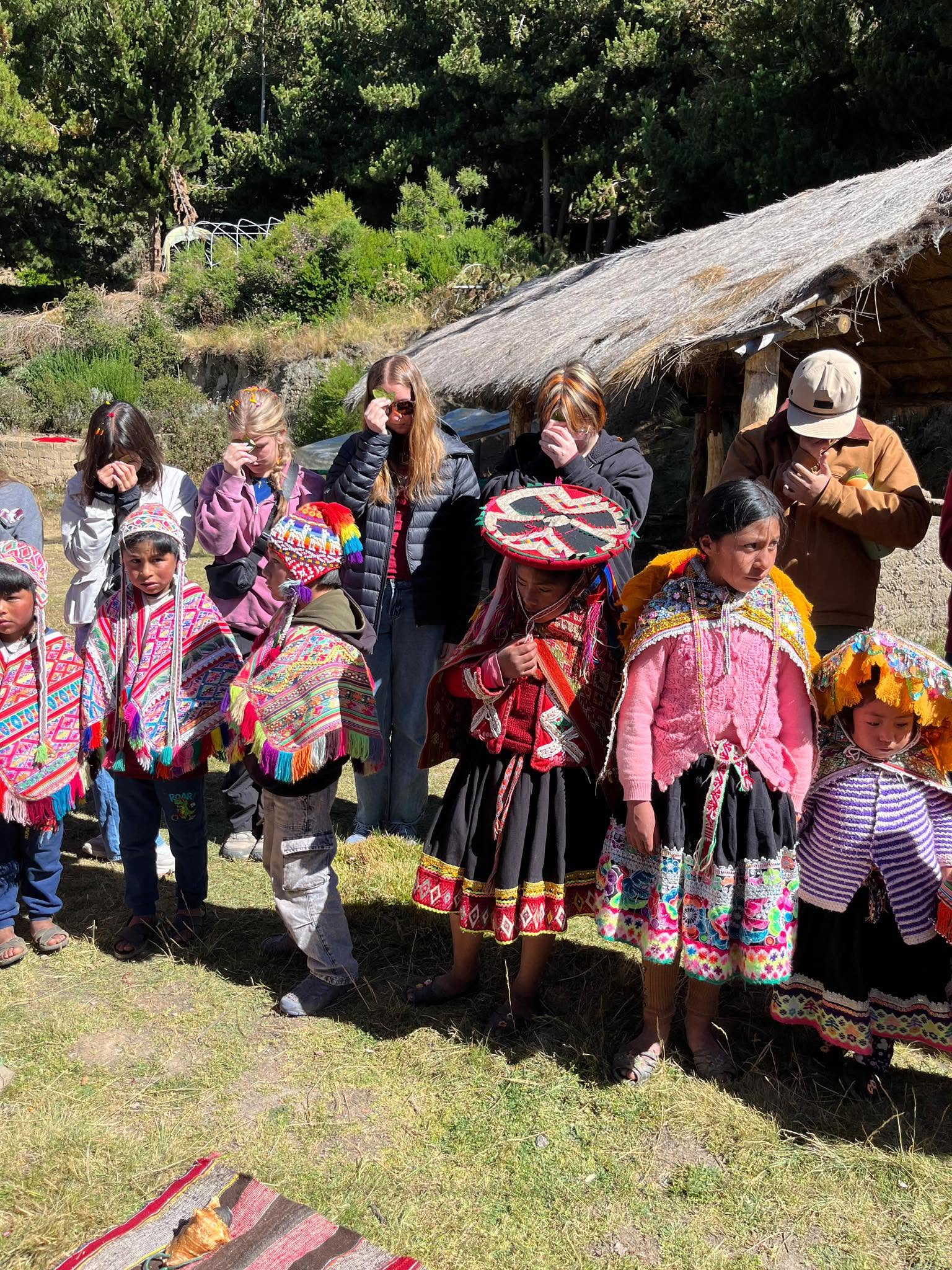
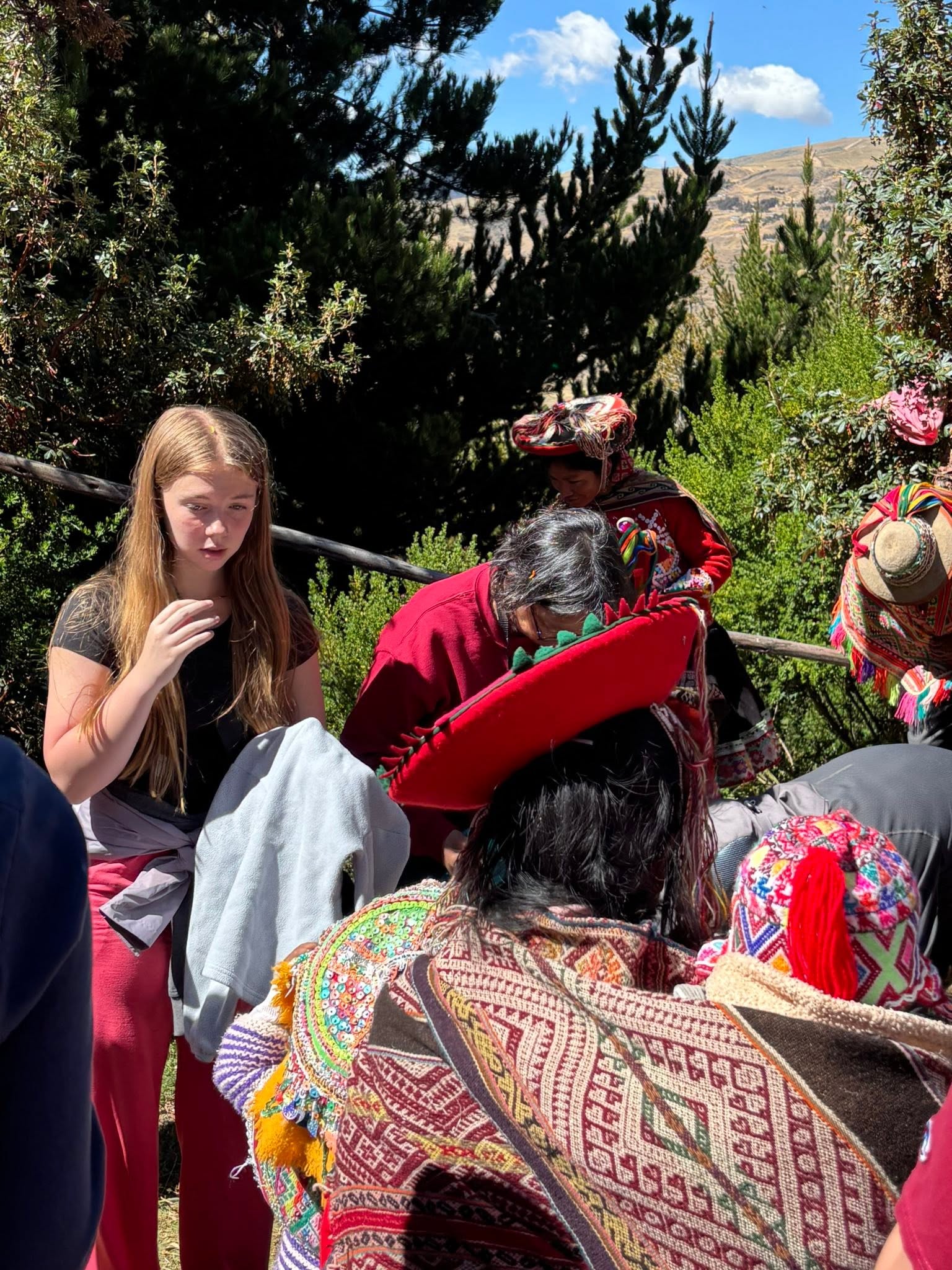
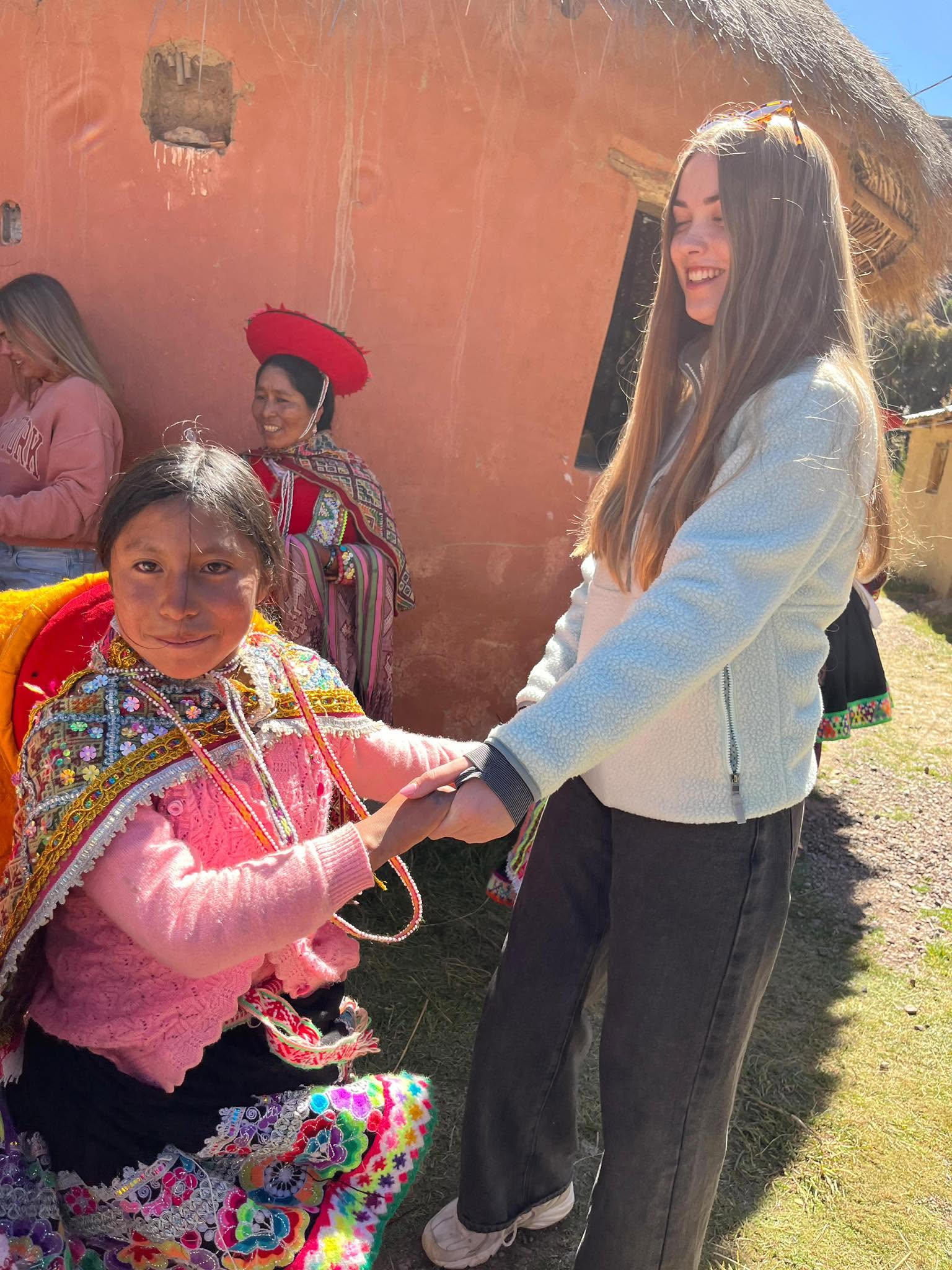
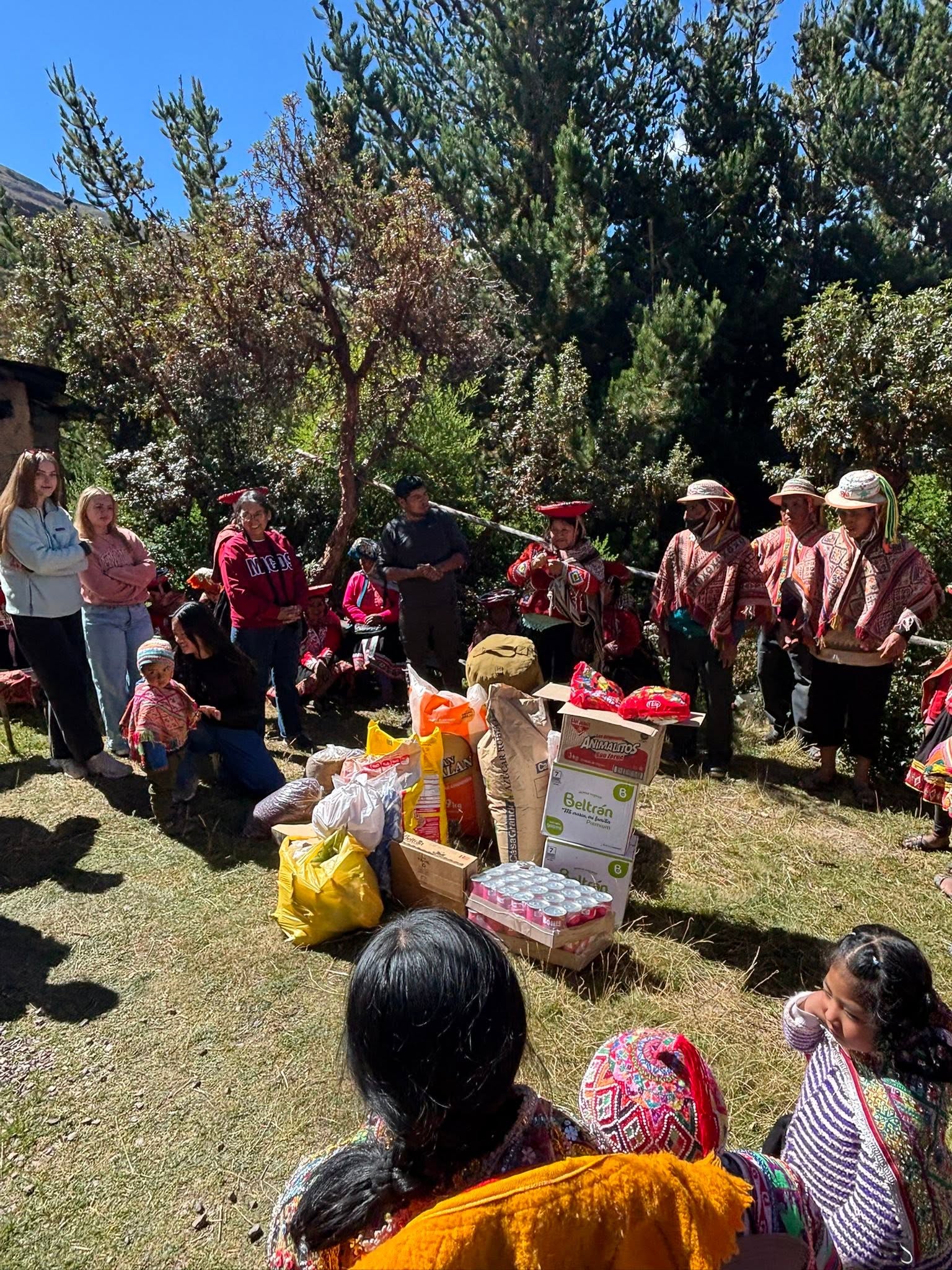
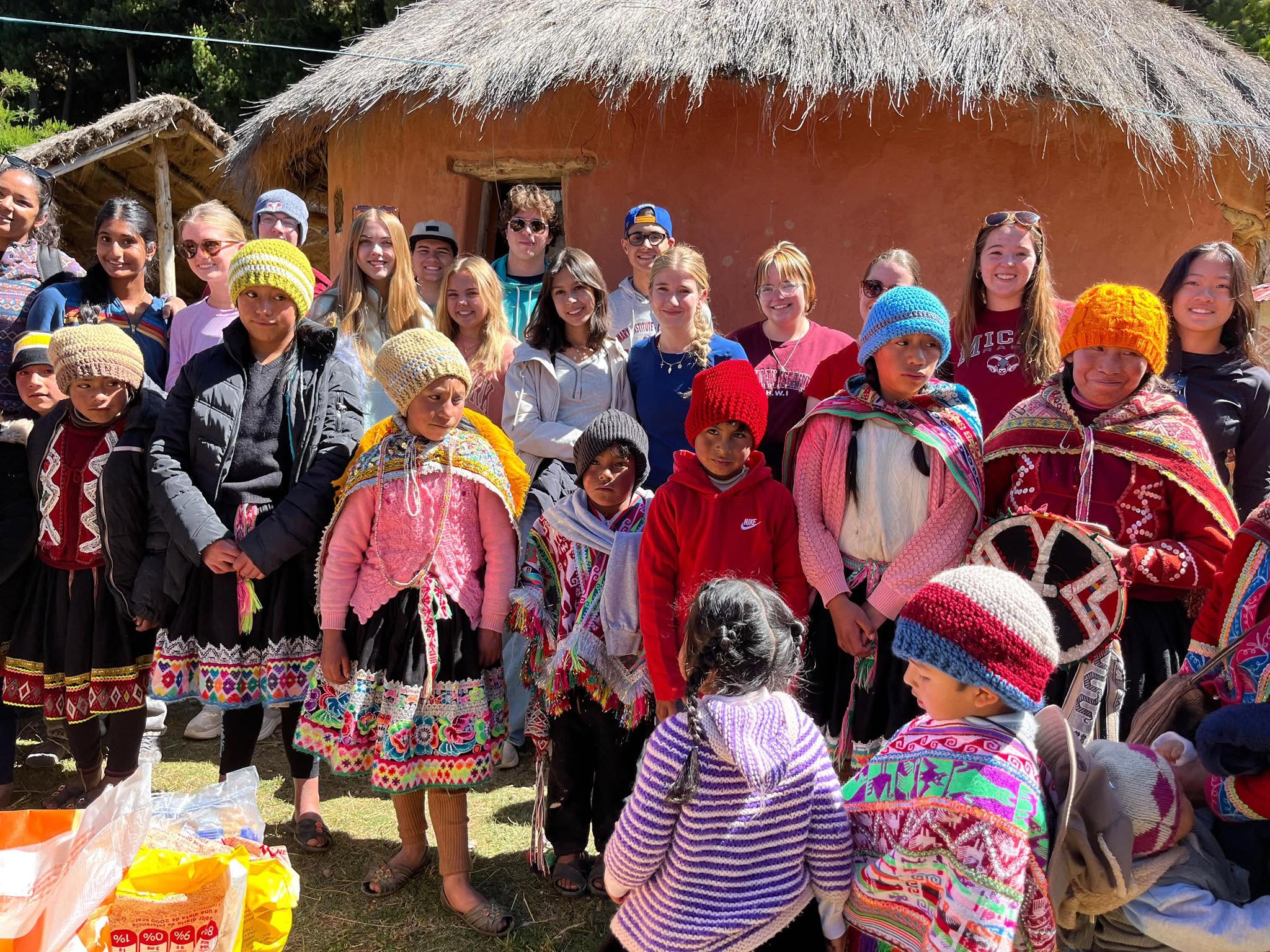
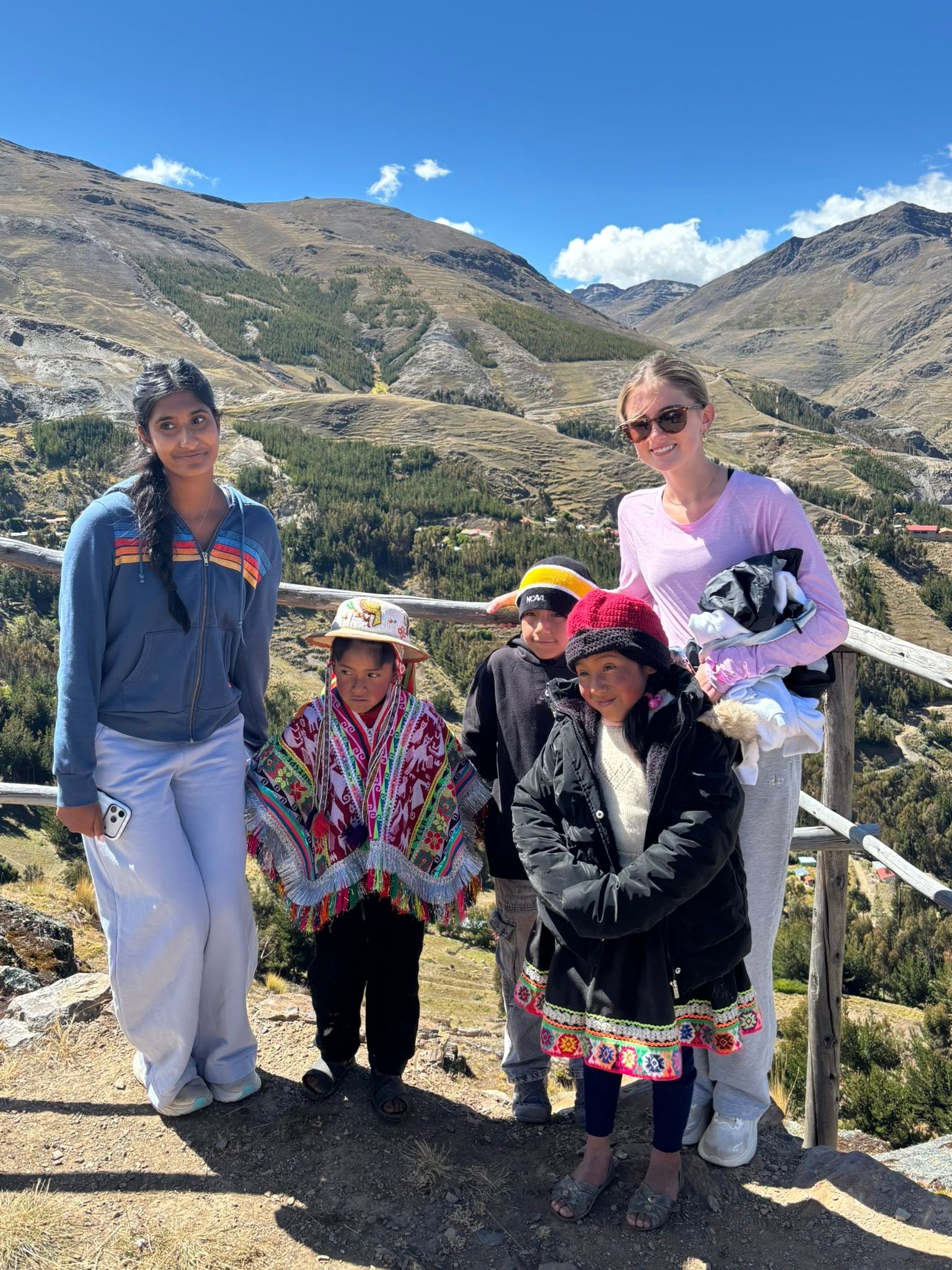
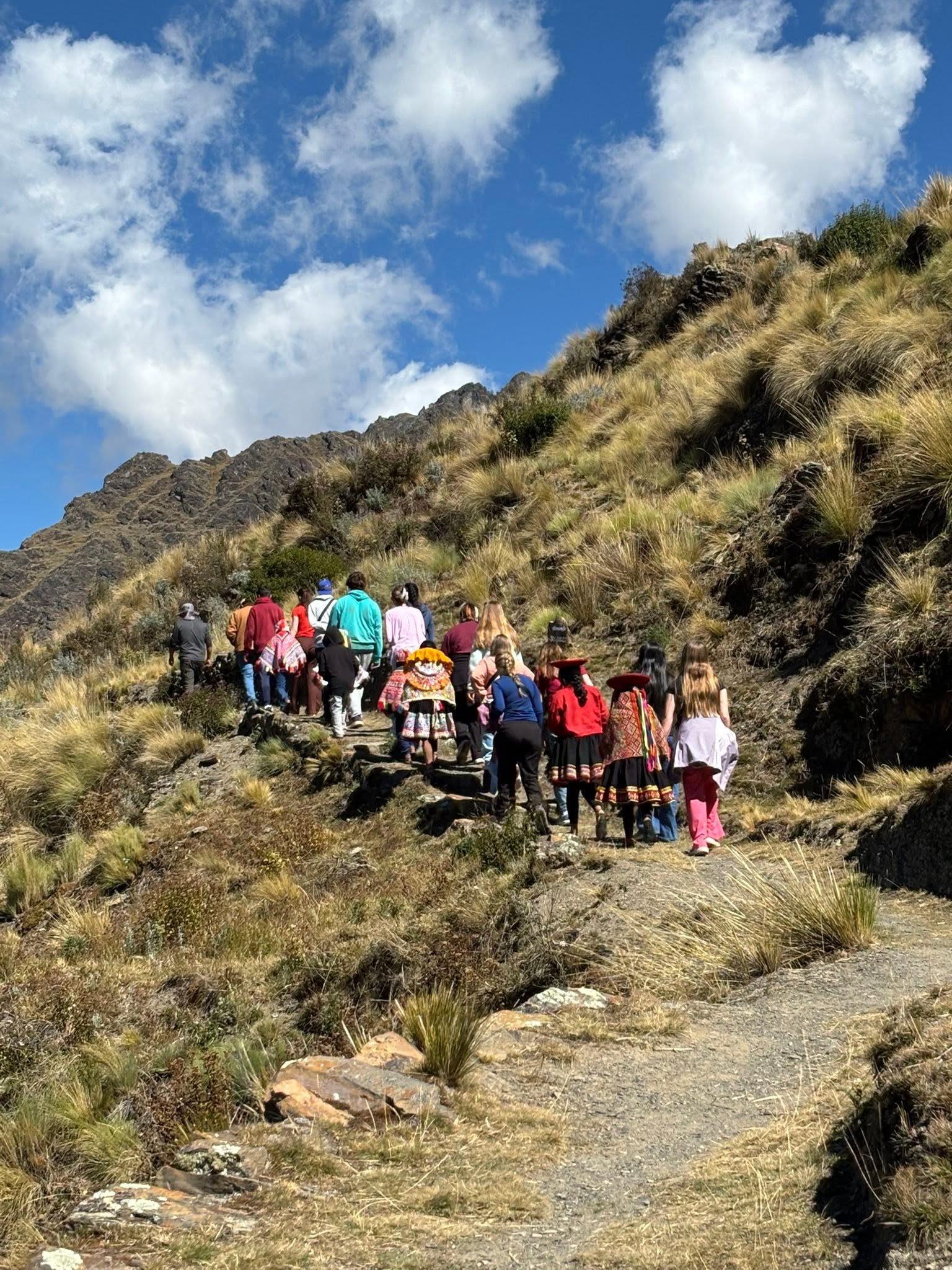
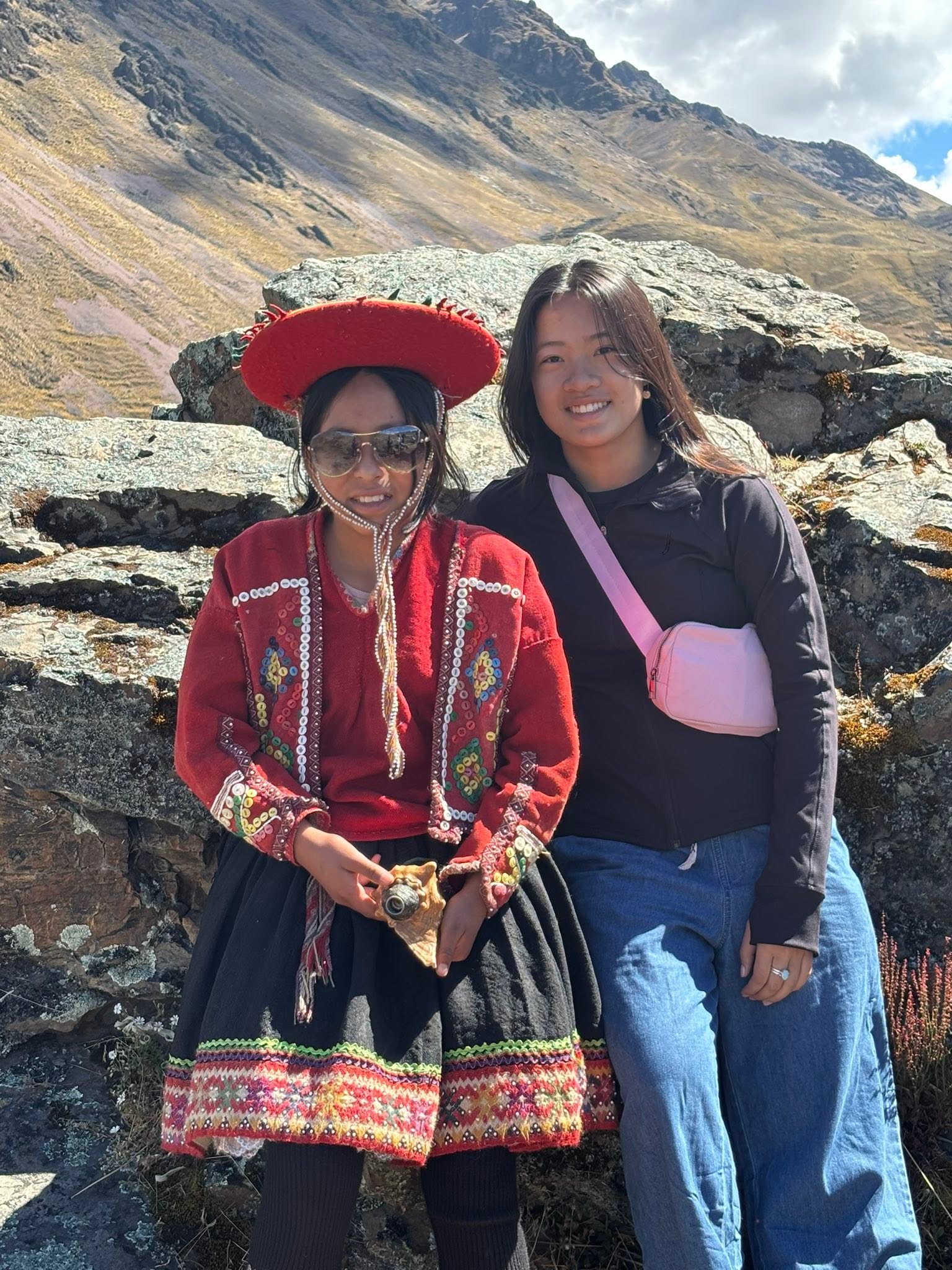
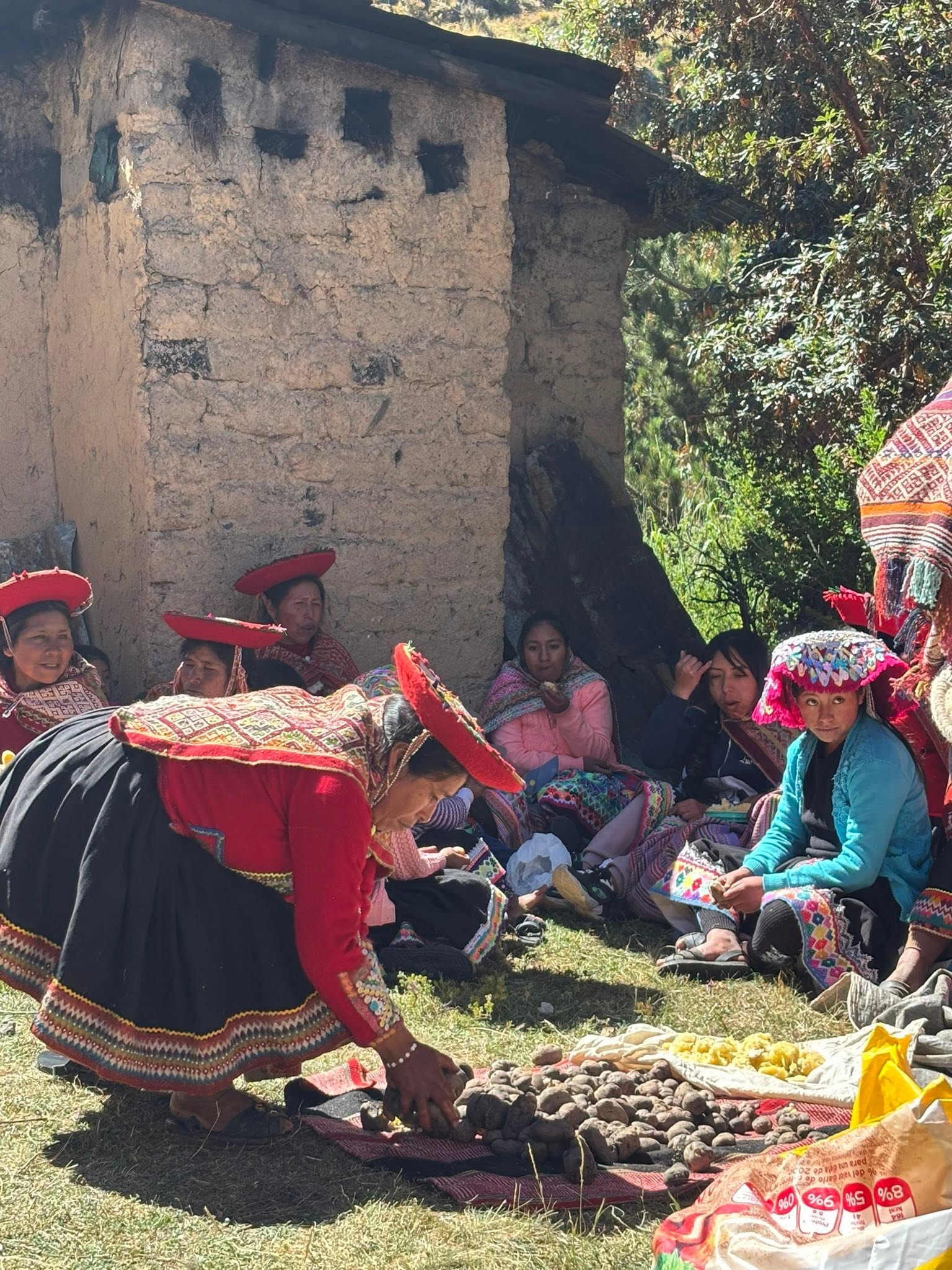
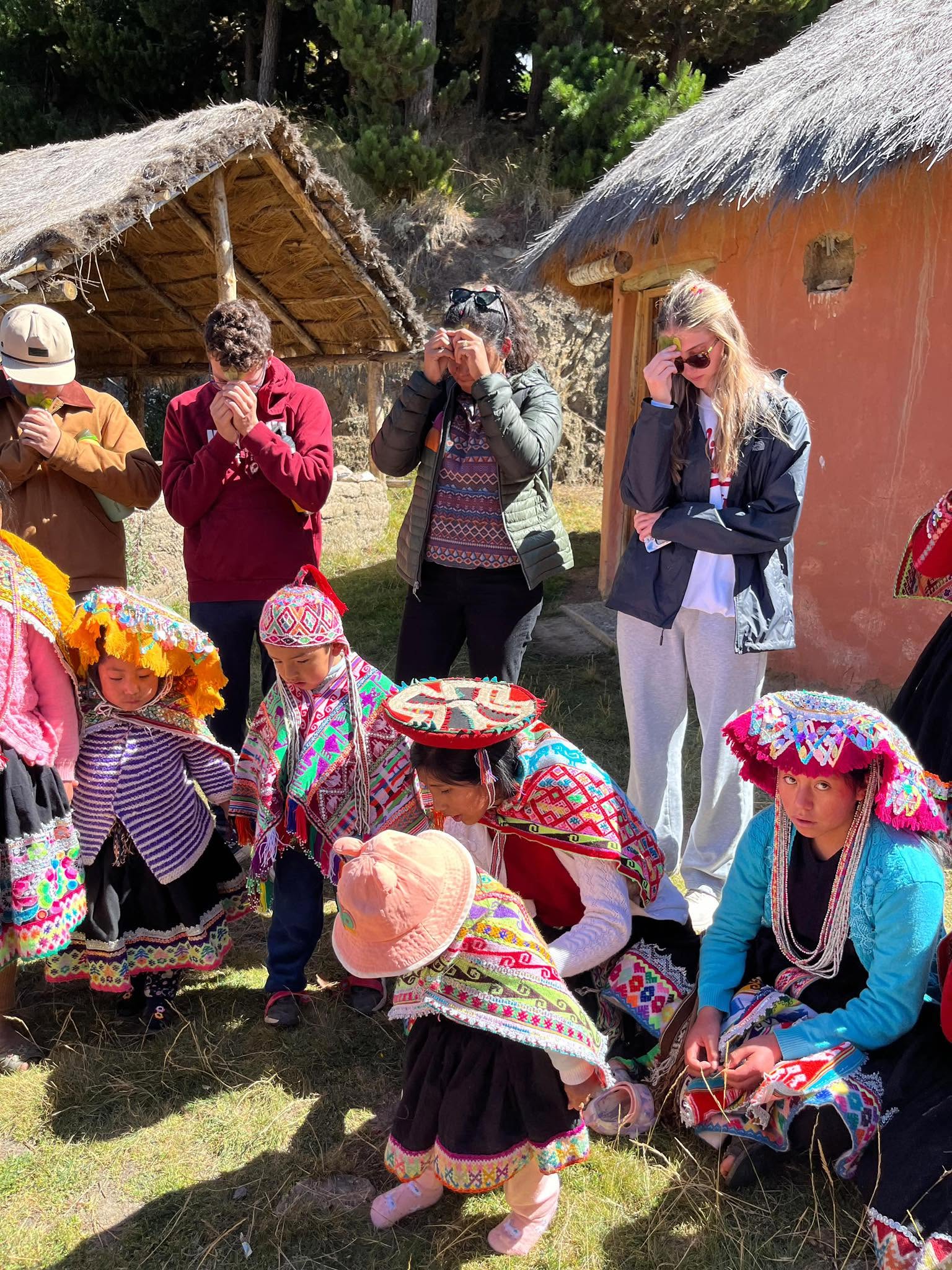
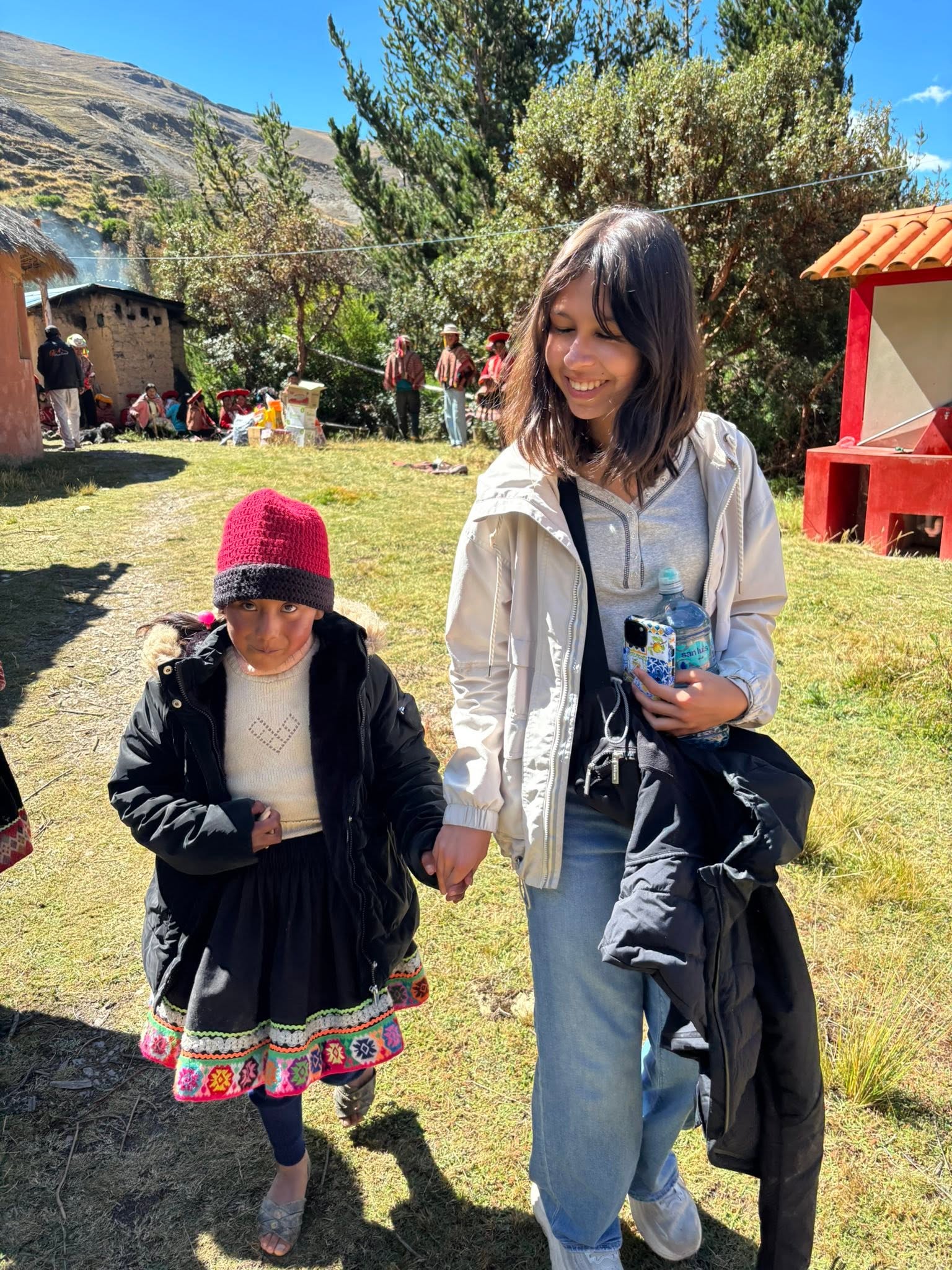
In the mountain community of Ancasmarca, we were welcomed with music and flowers. We shared a traditional gratitude ceremony holding coca leaves, and learned ancient Andean cooking as community members prepared potatoes in a huatia—an underground earth oven. The highlight was watching our students connect with local children through games, Spanish conversations, and laughter, as well as presenting donated clothes, diapers, and essentials.
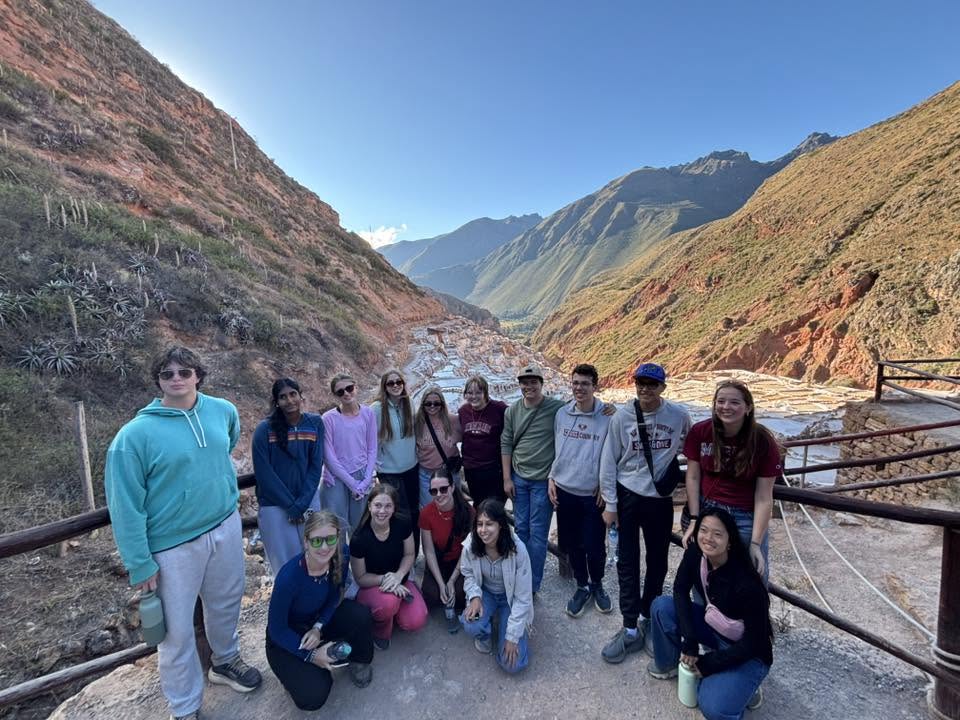
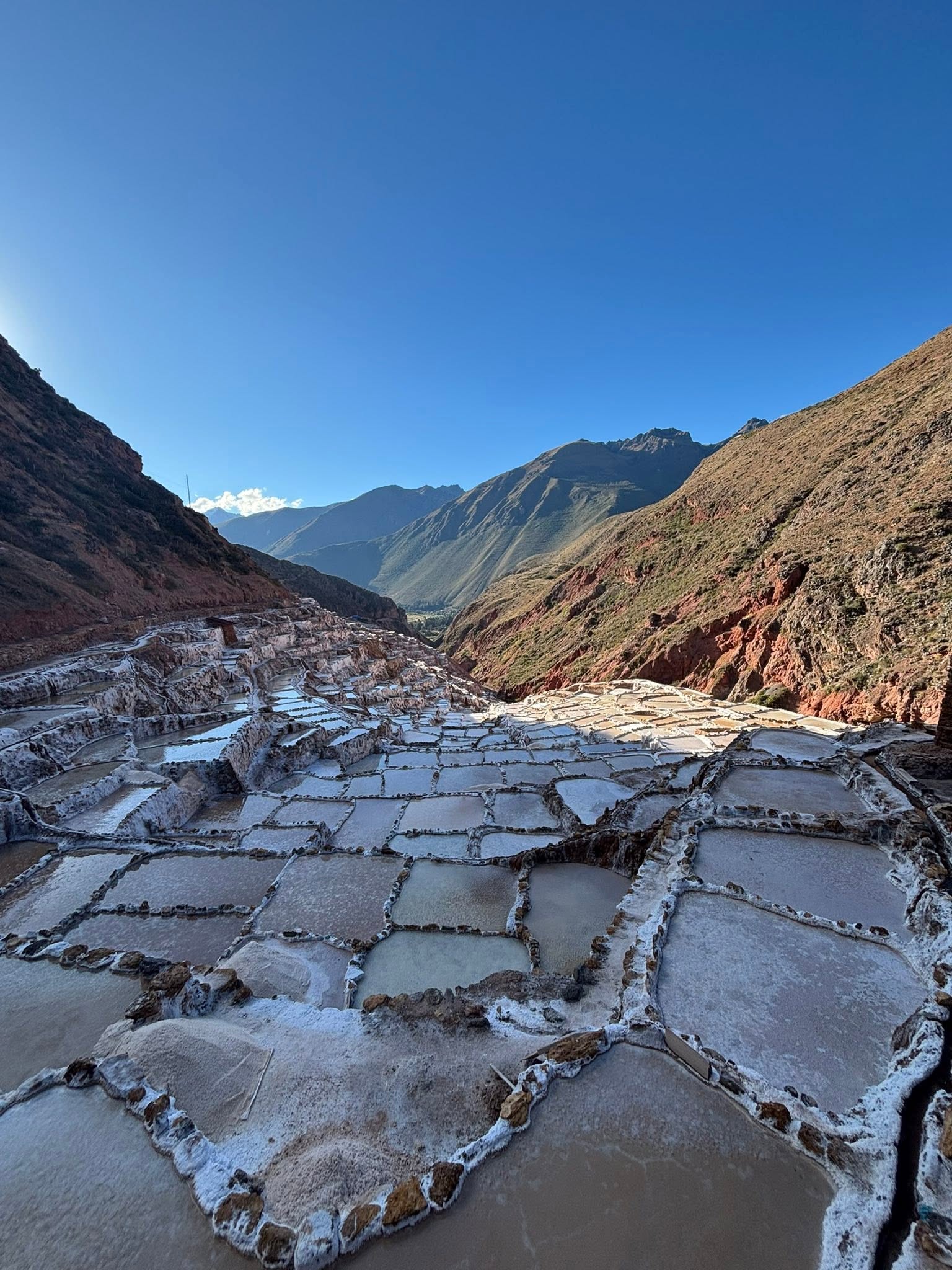
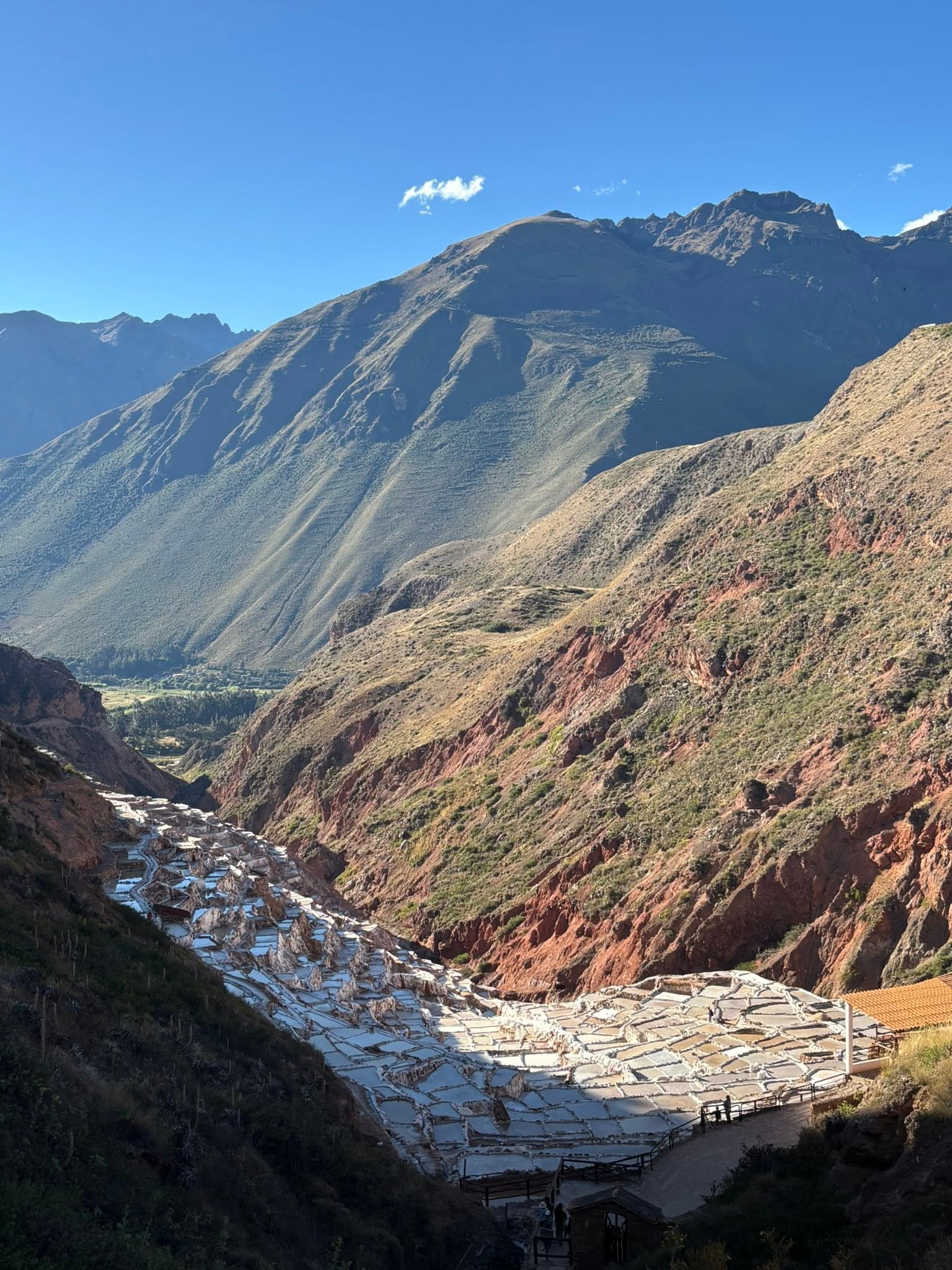
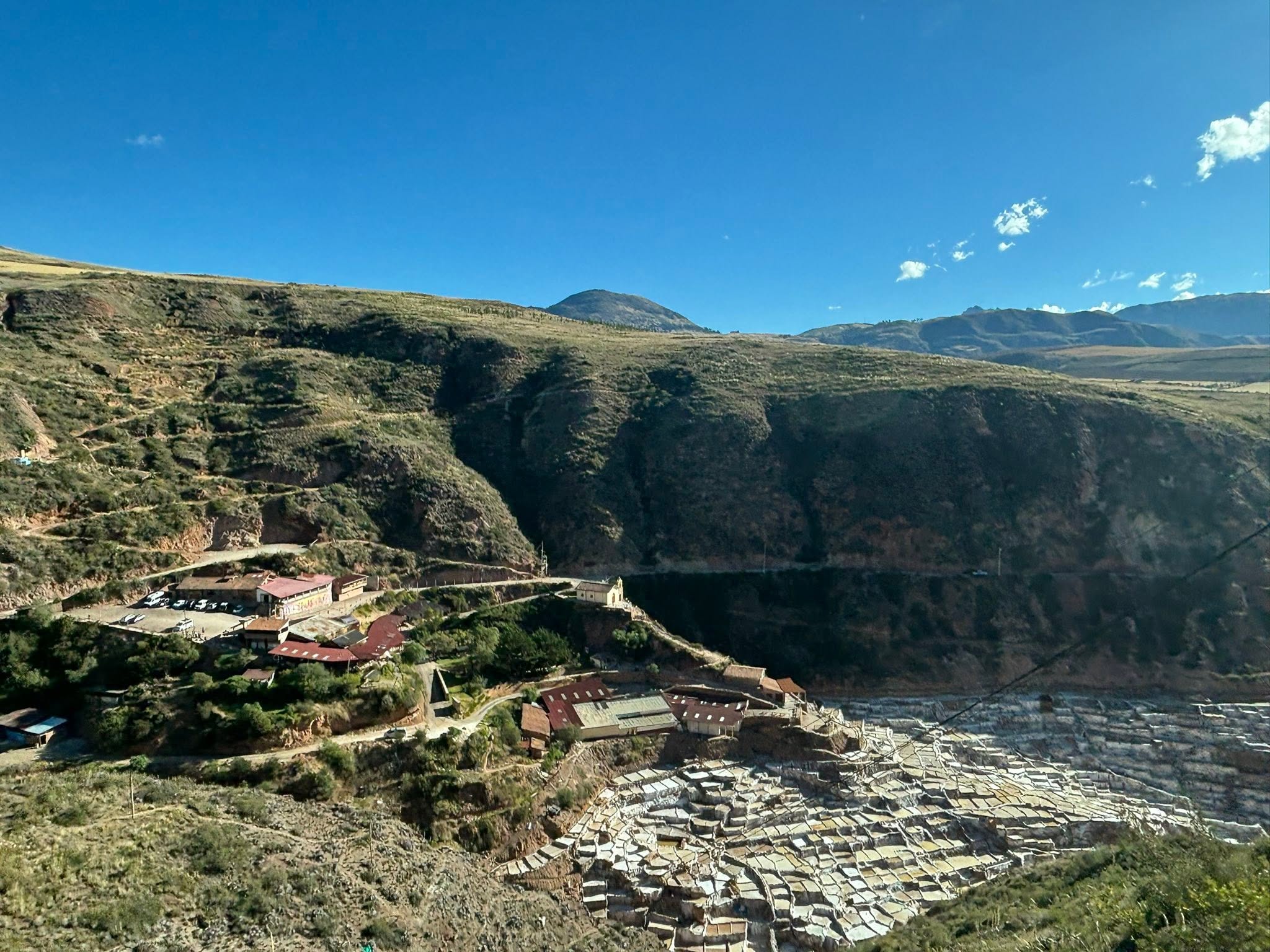
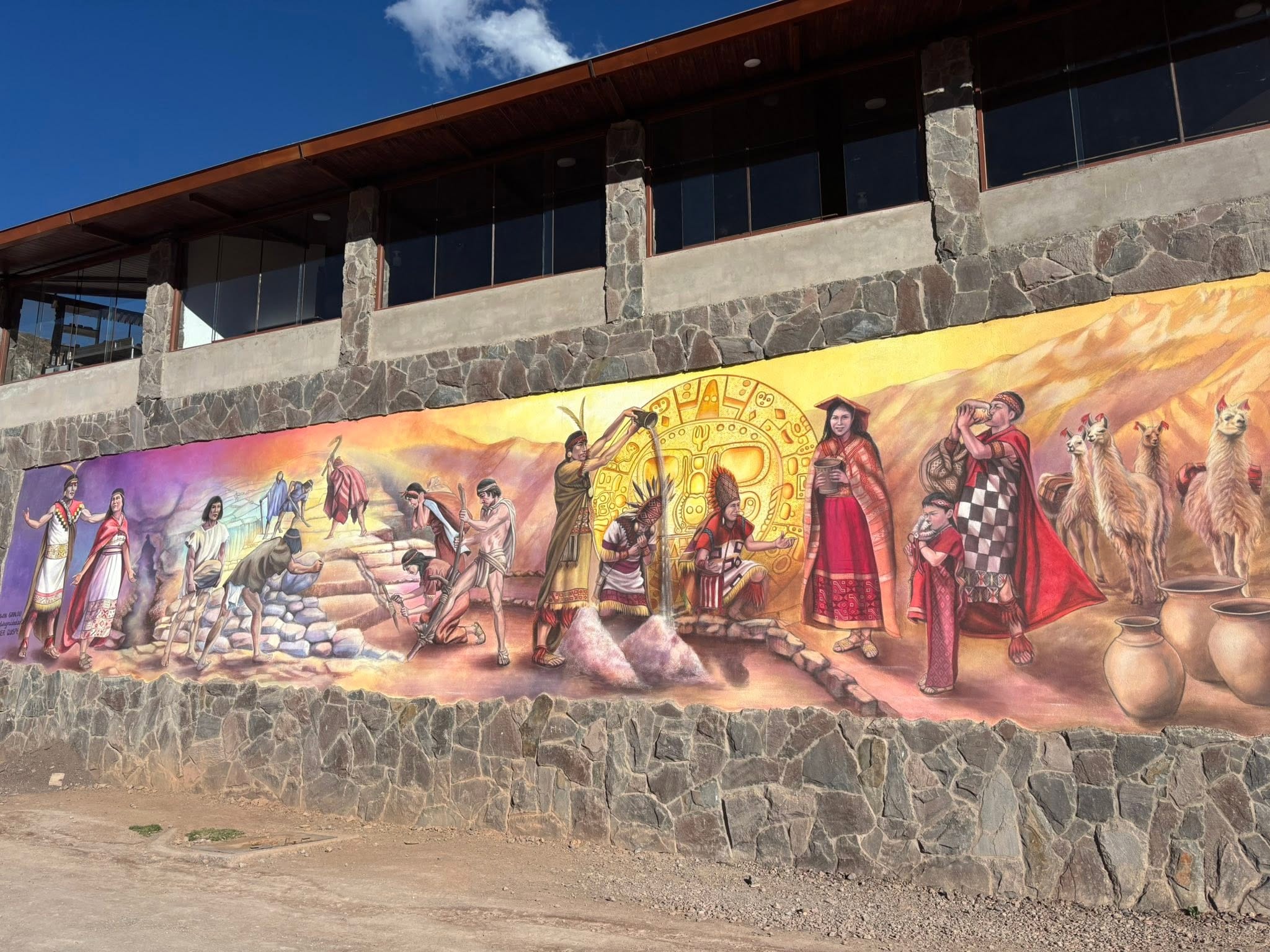
Later, we explored the Maras Salt Mines: thousands of shimmering white pools fed by a mountain spring that local families have harvested by hand since pre-Inca times.
Day 5: Raqchi & Lake Titicaca
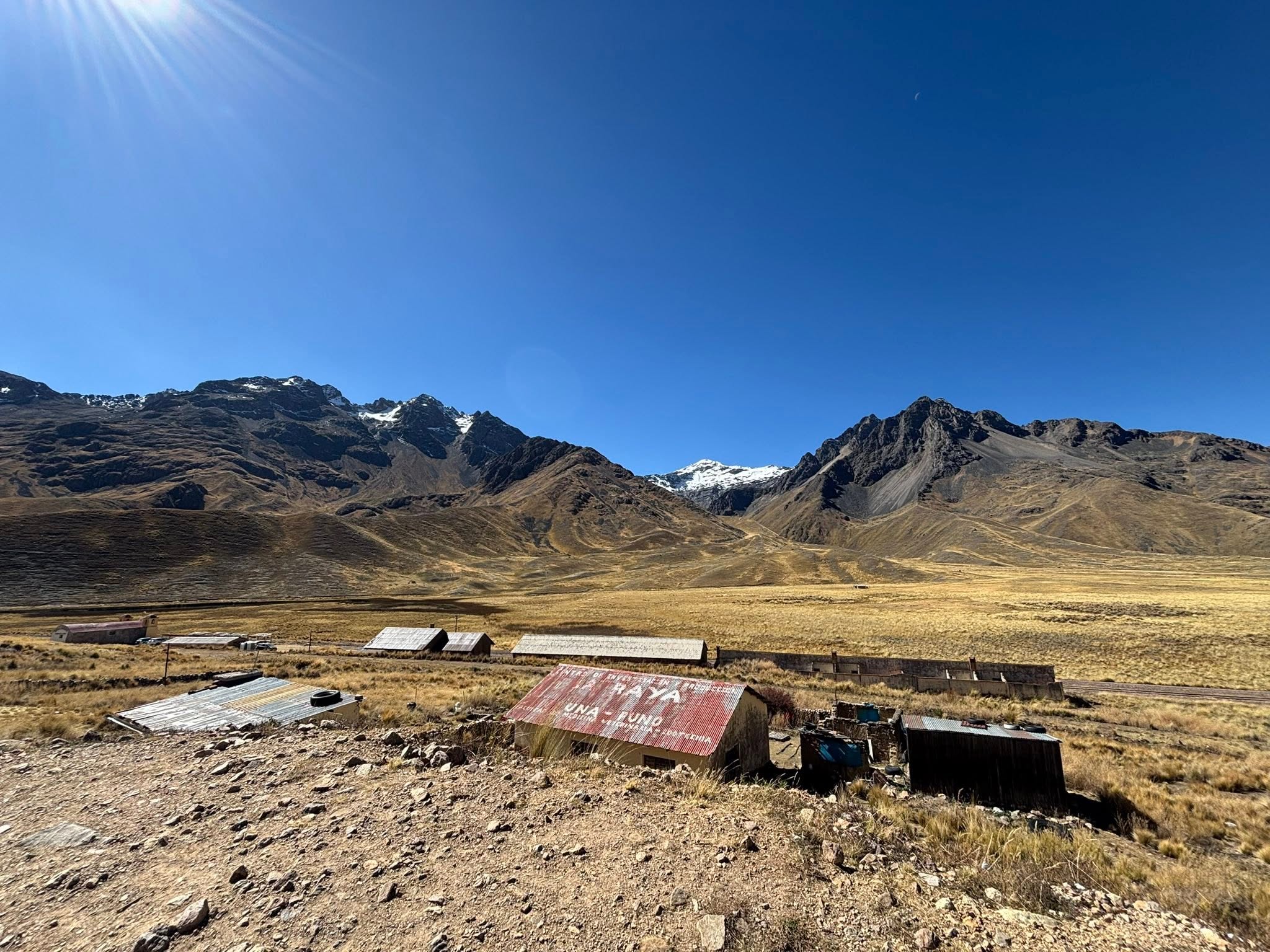
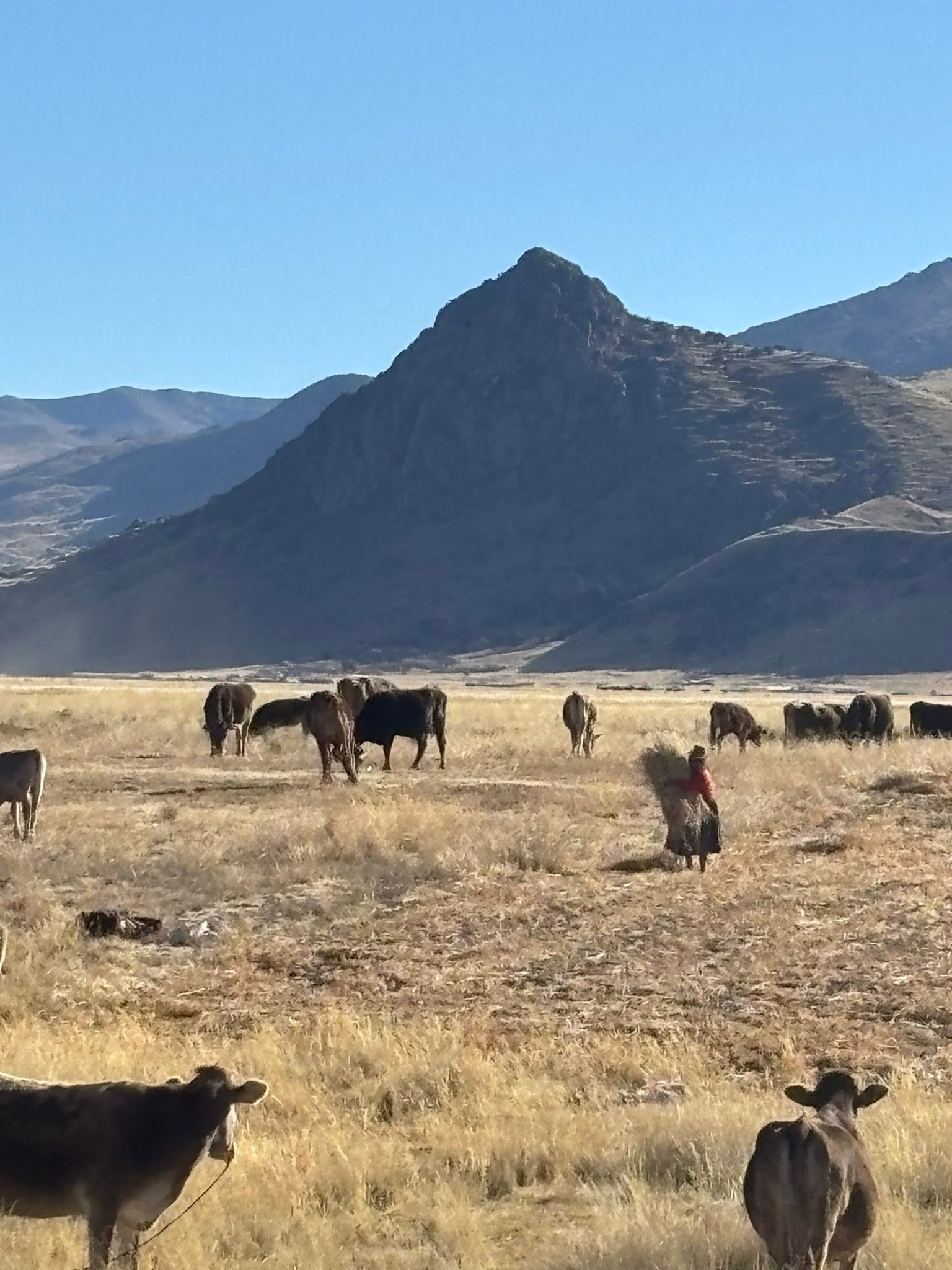
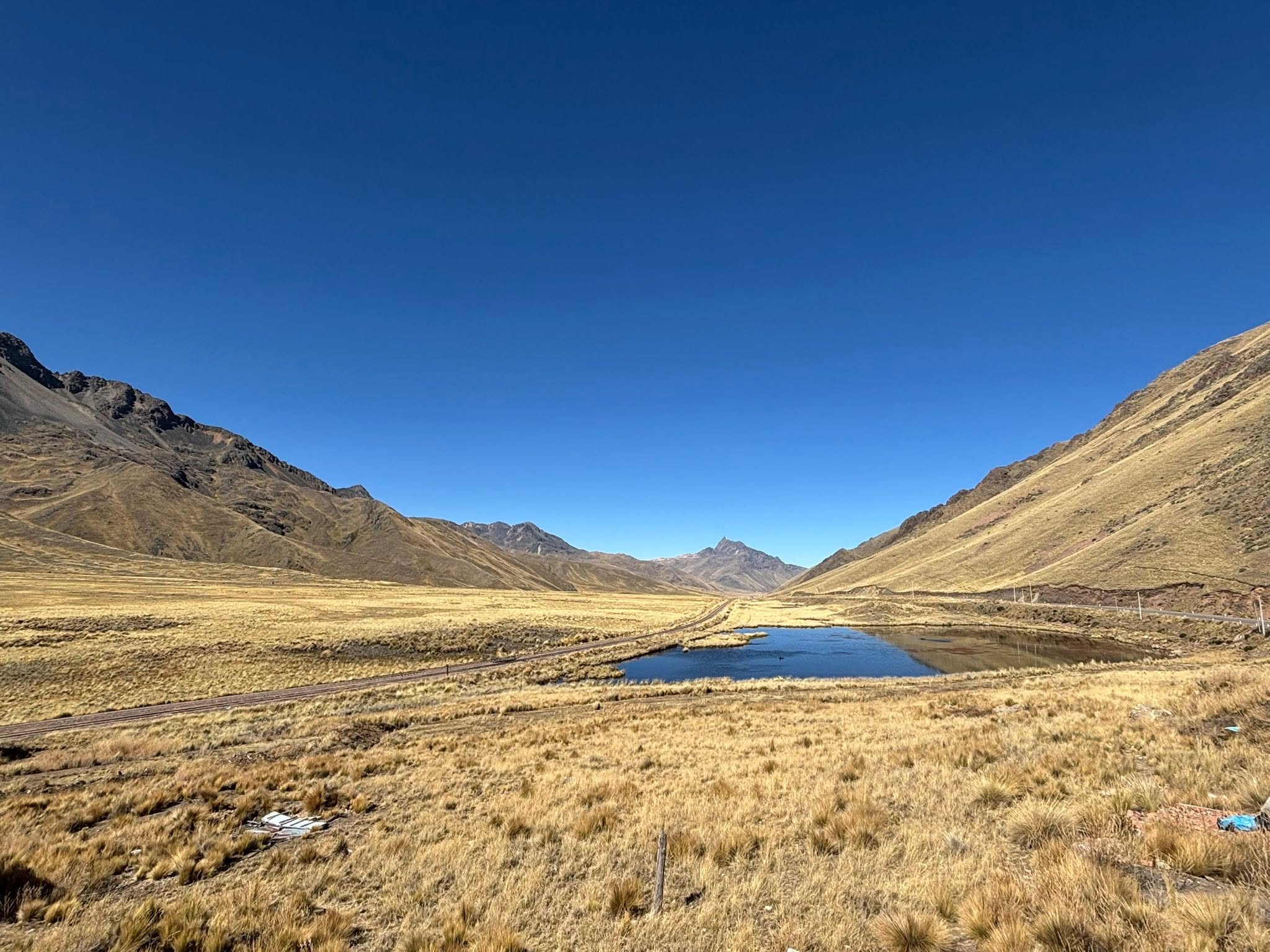
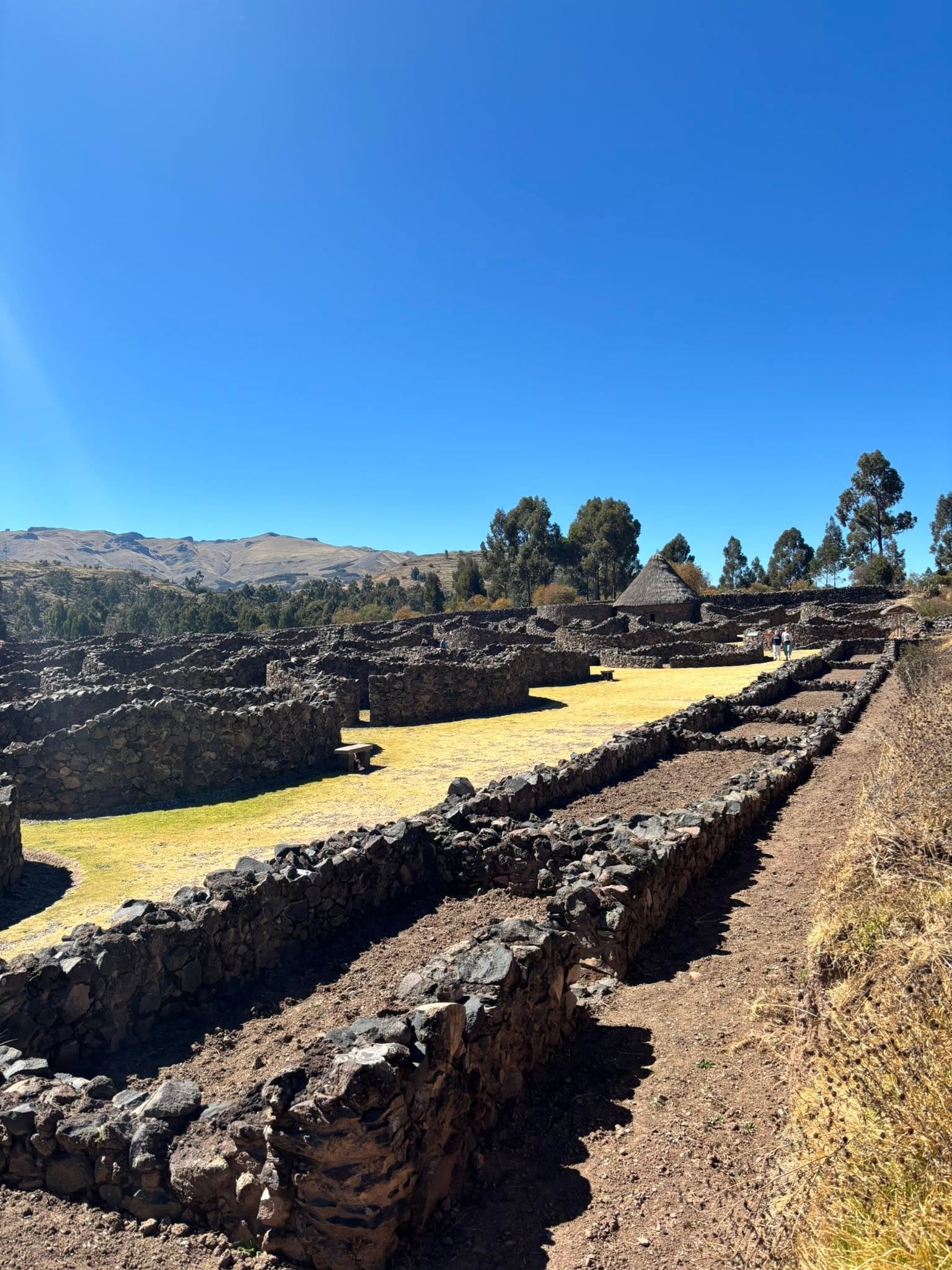
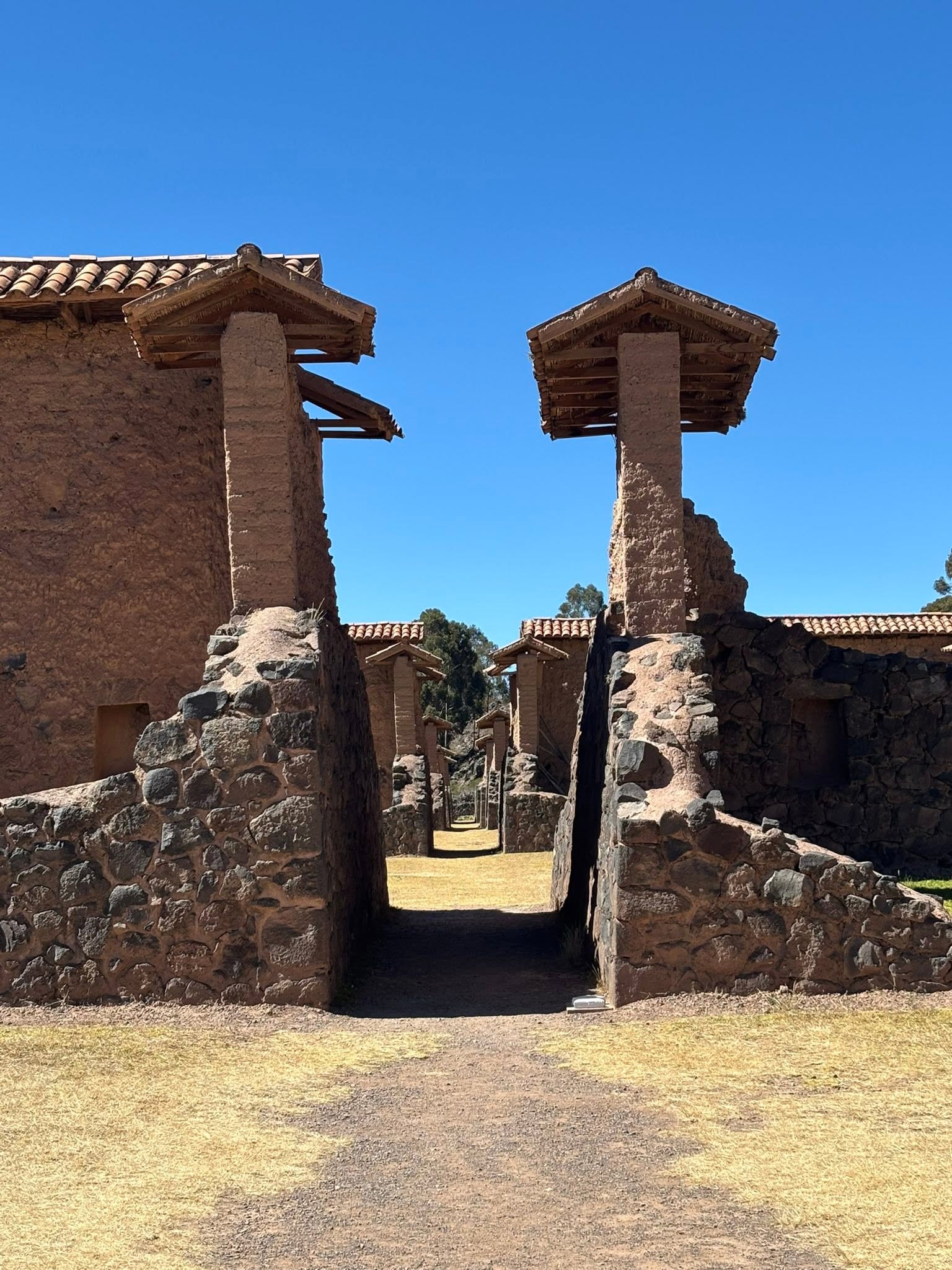
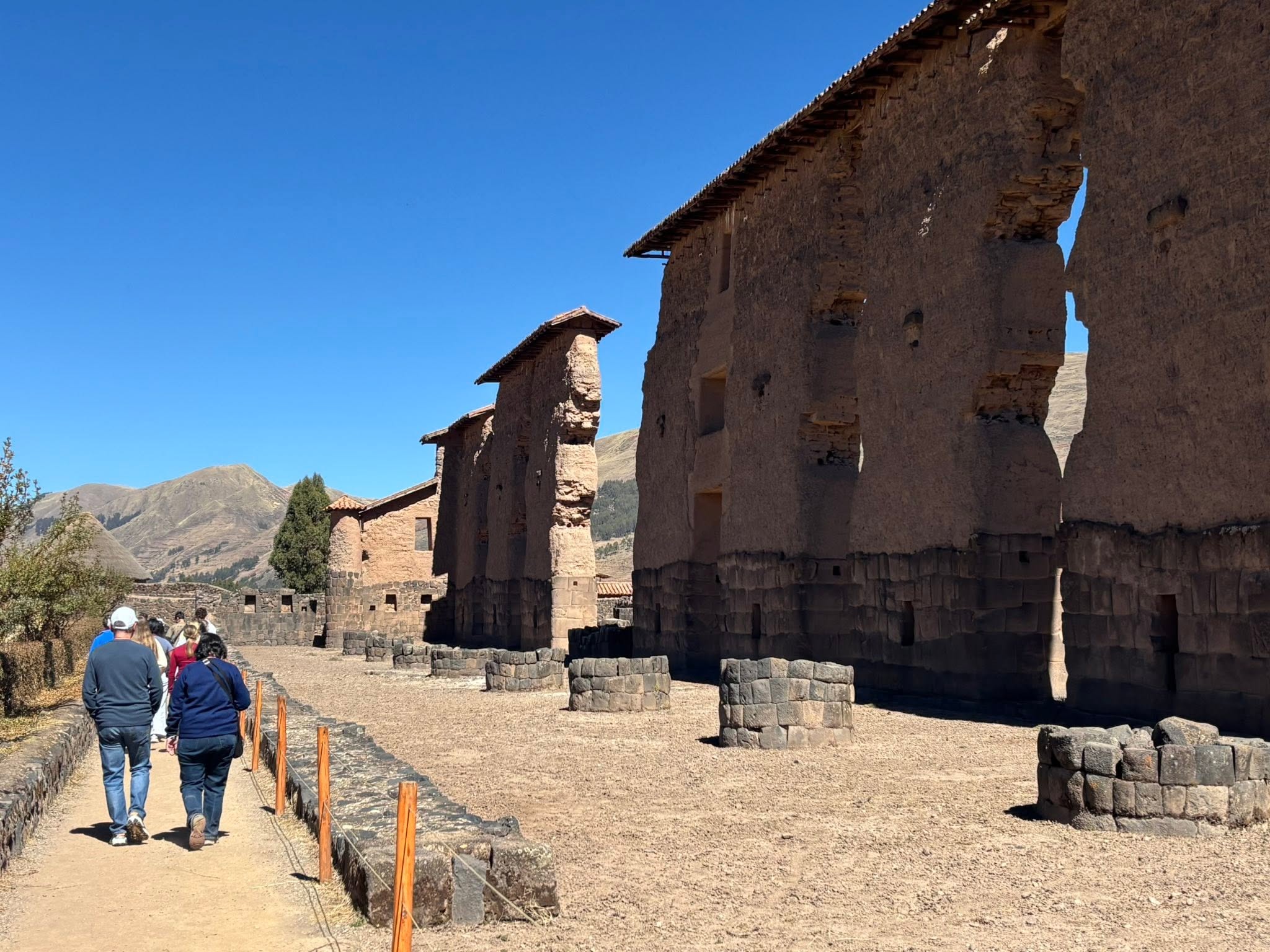
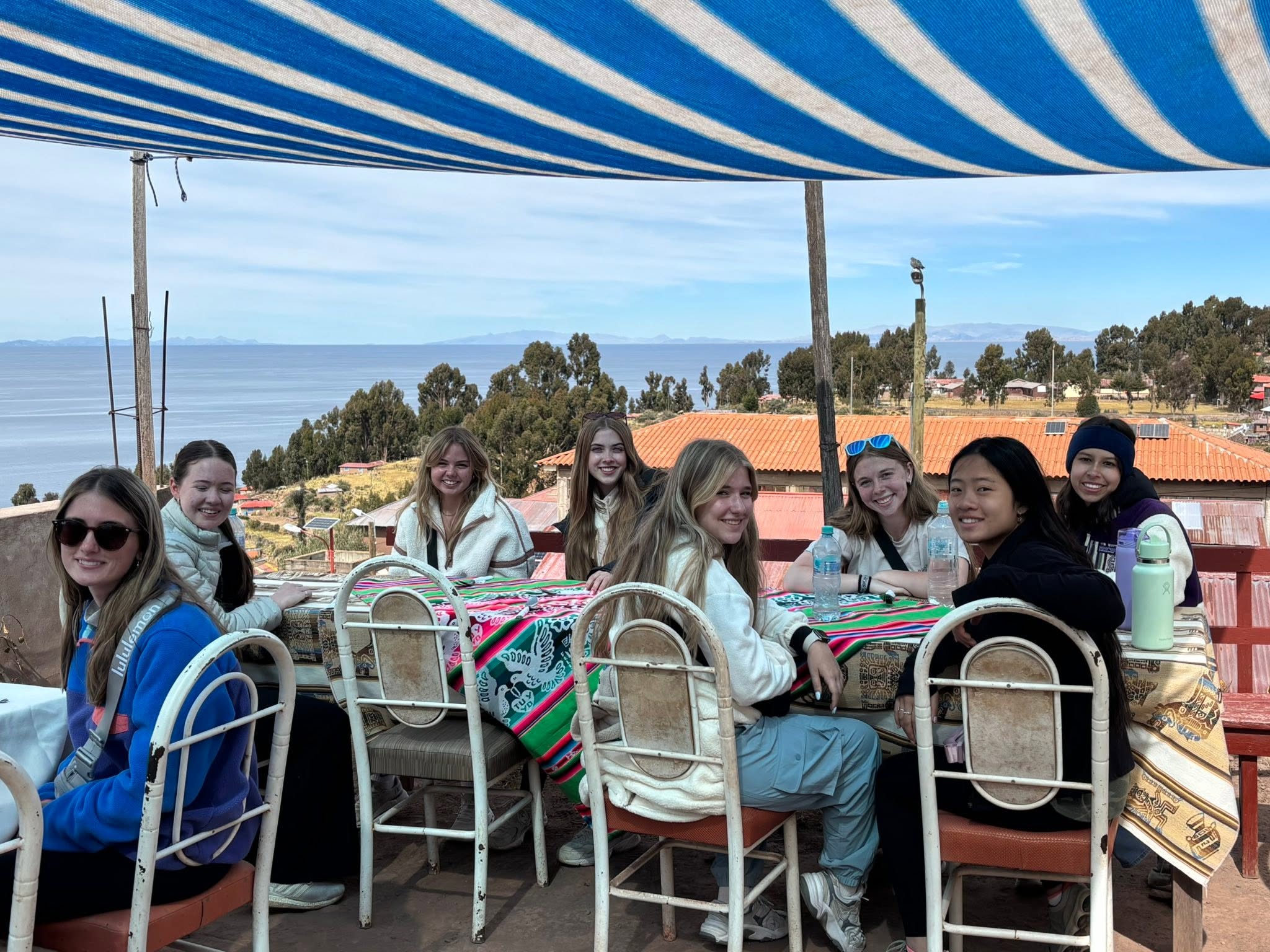
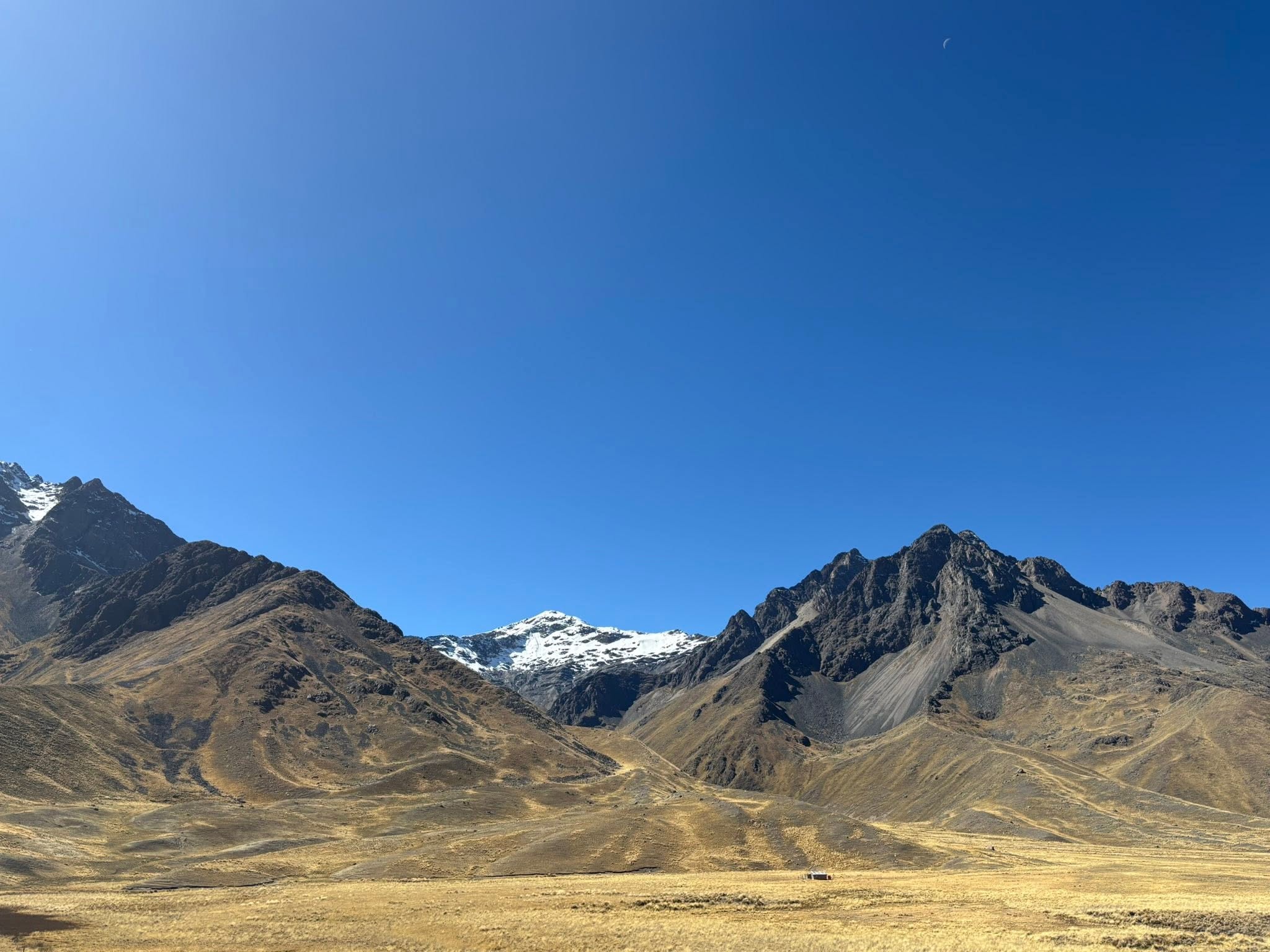
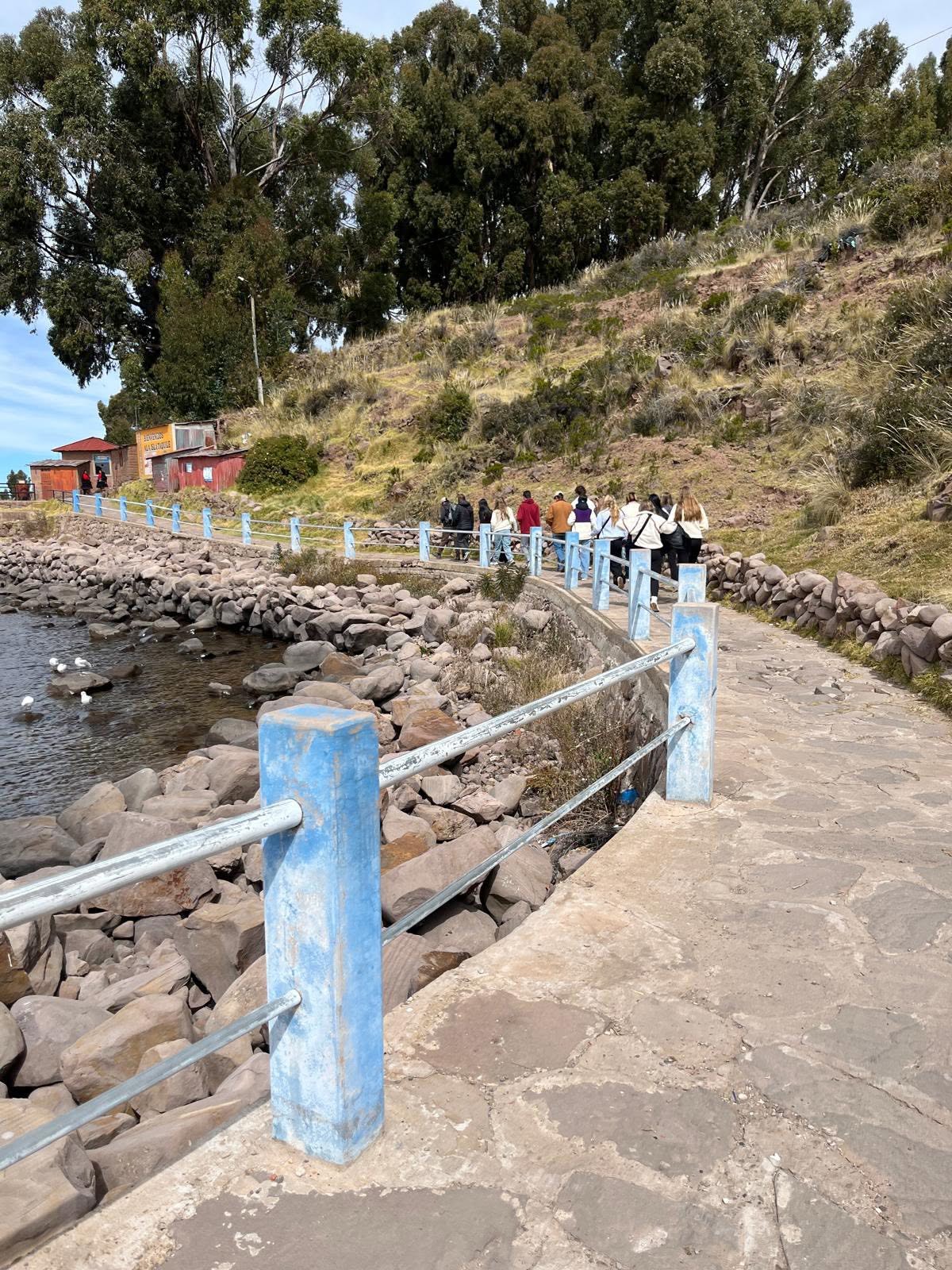
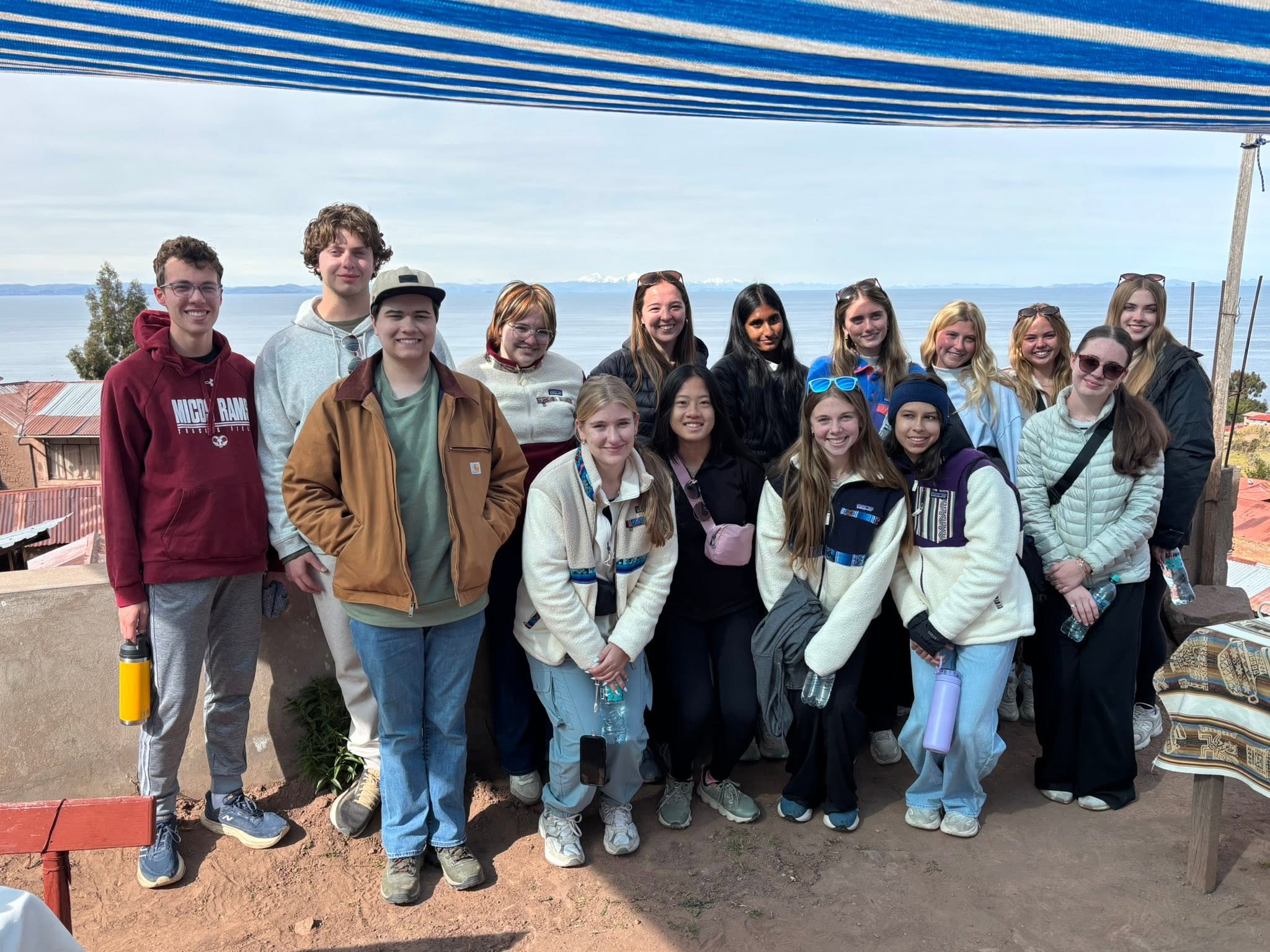
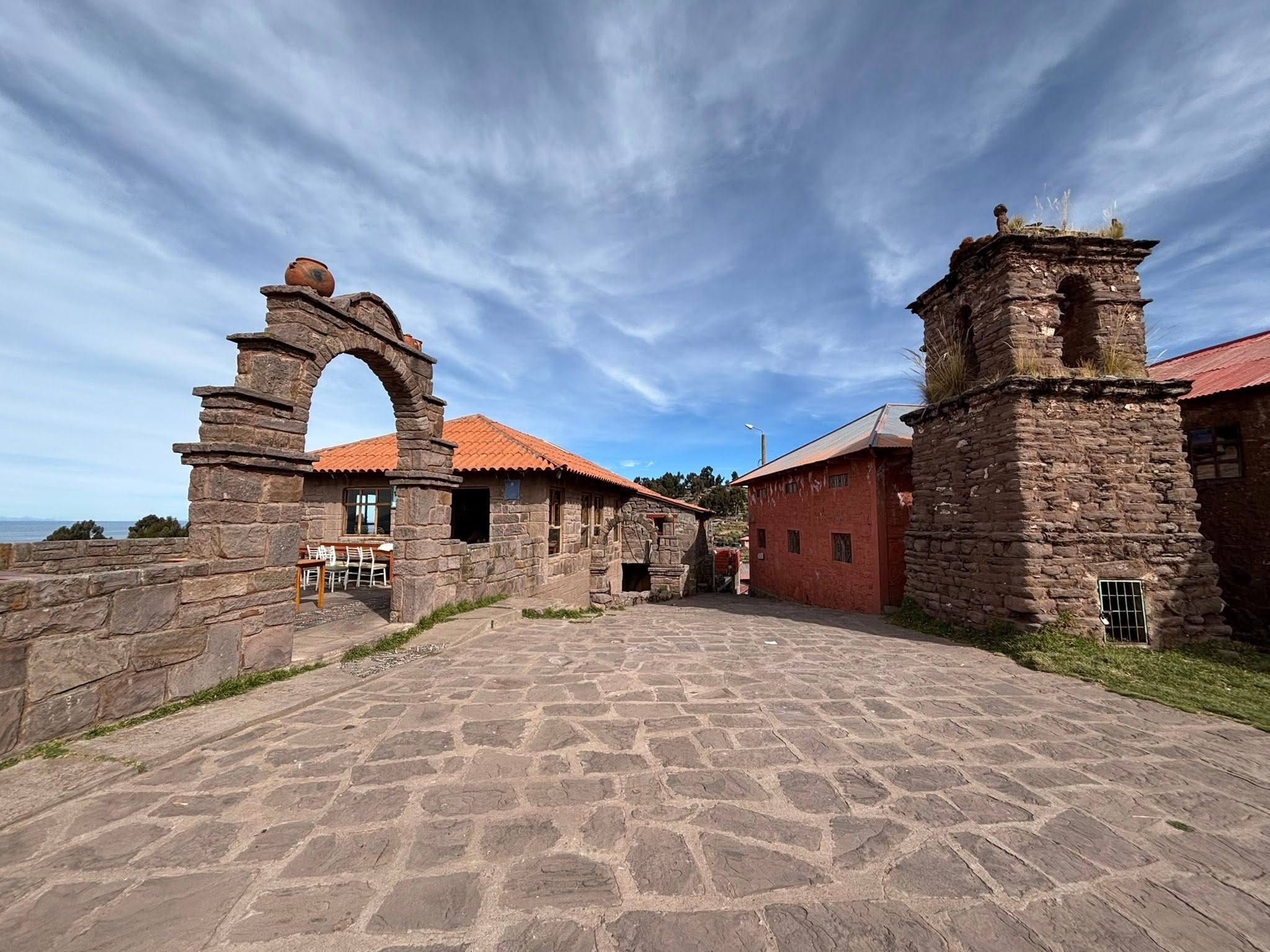
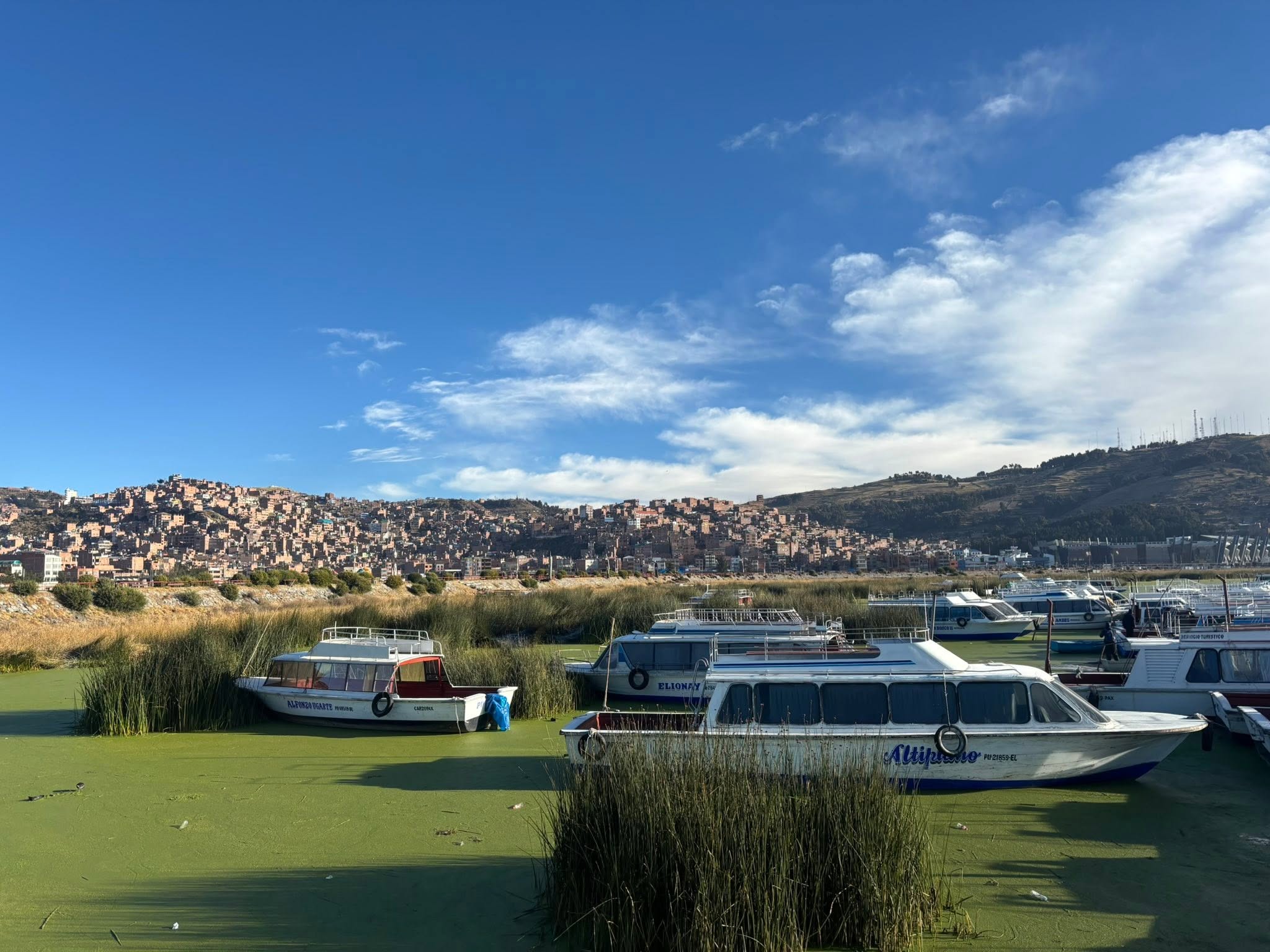
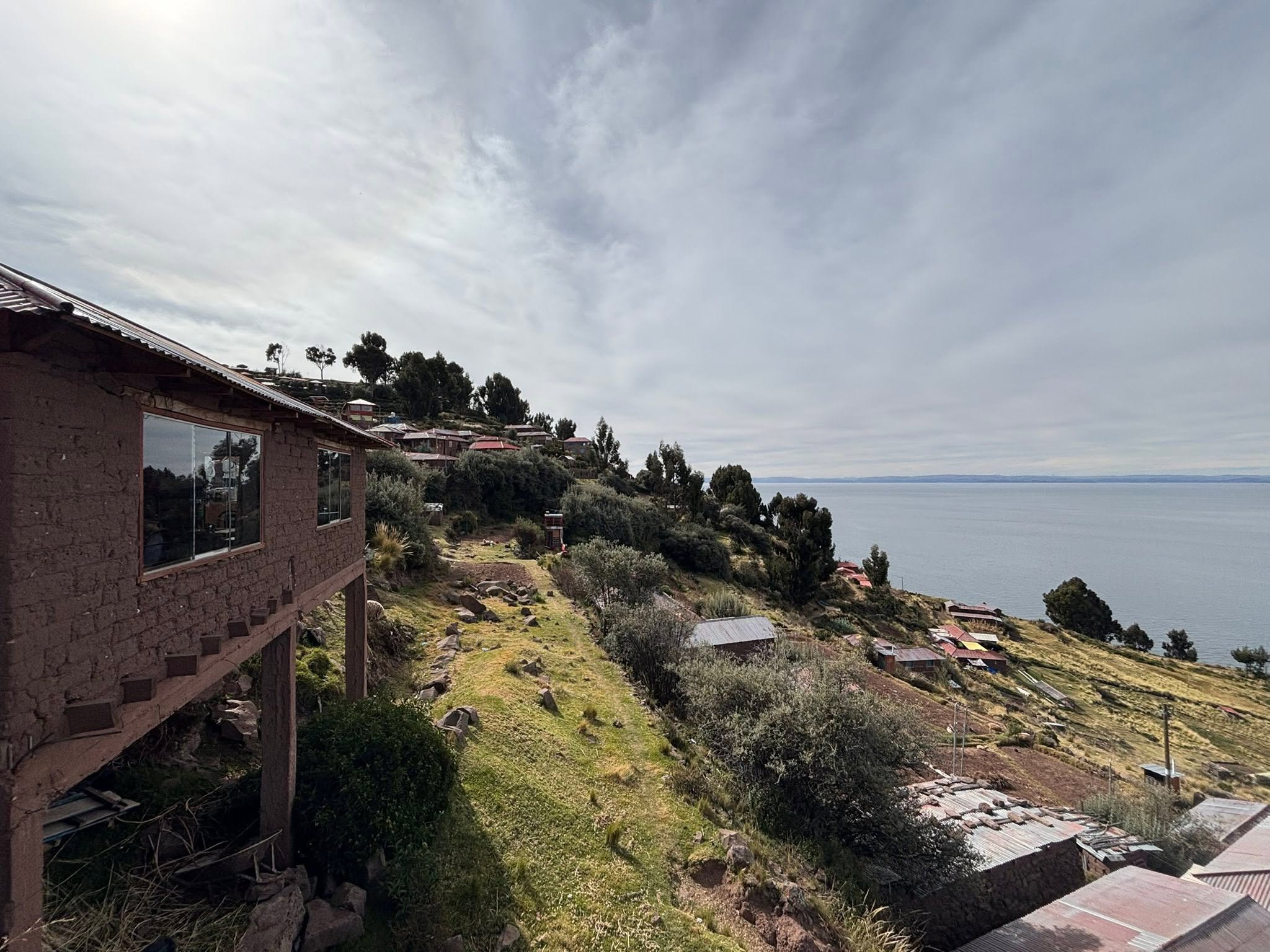
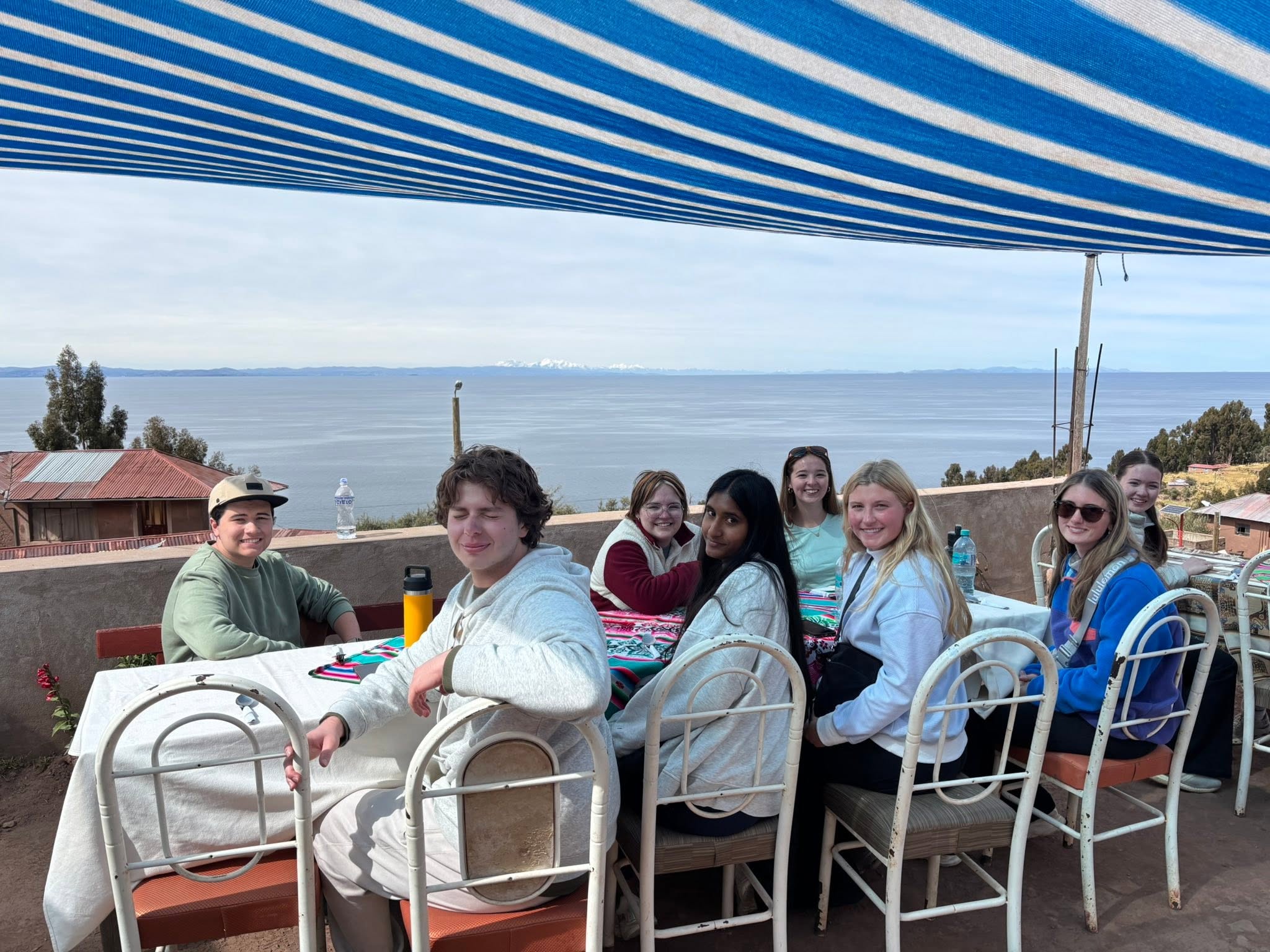
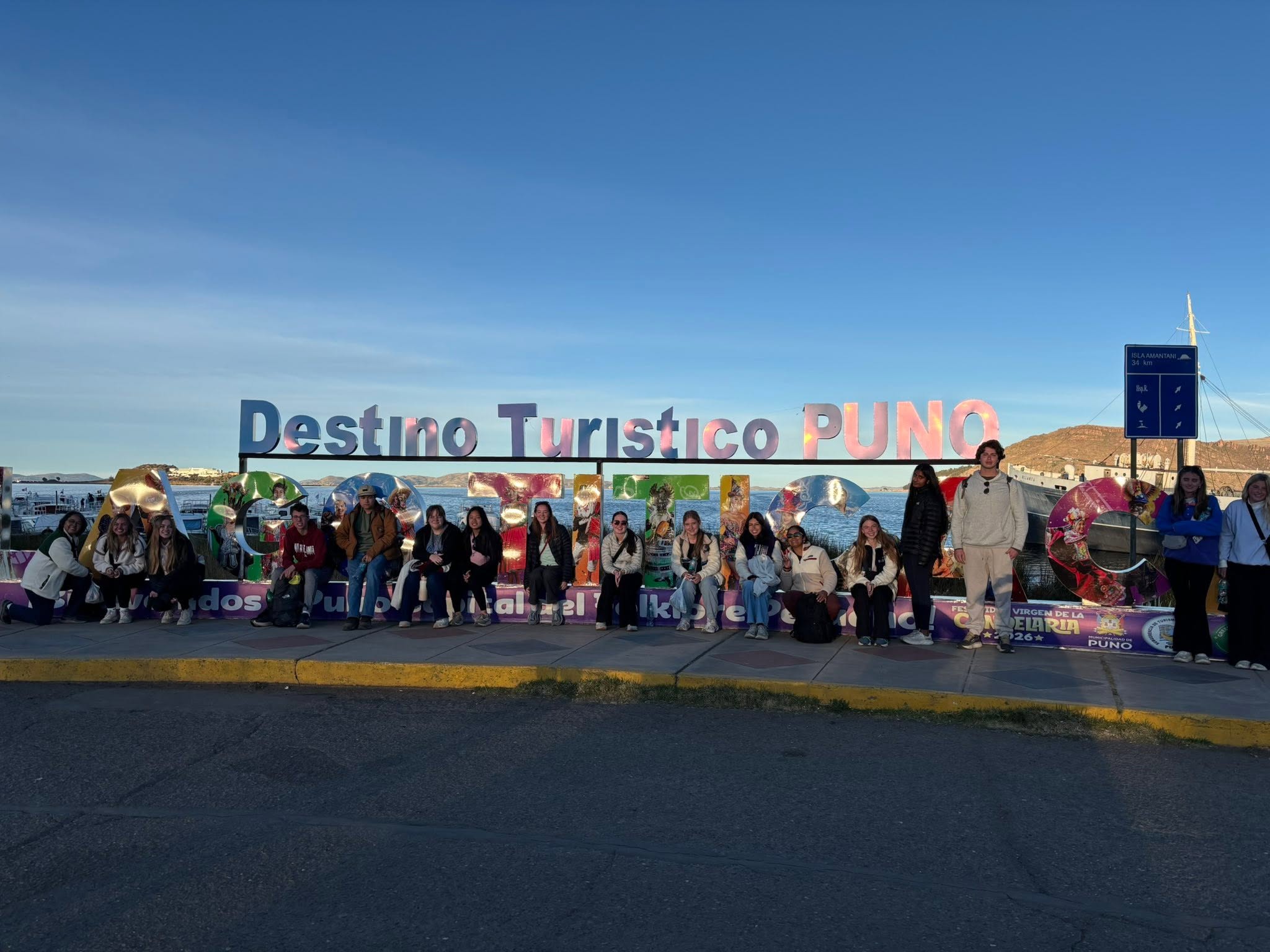
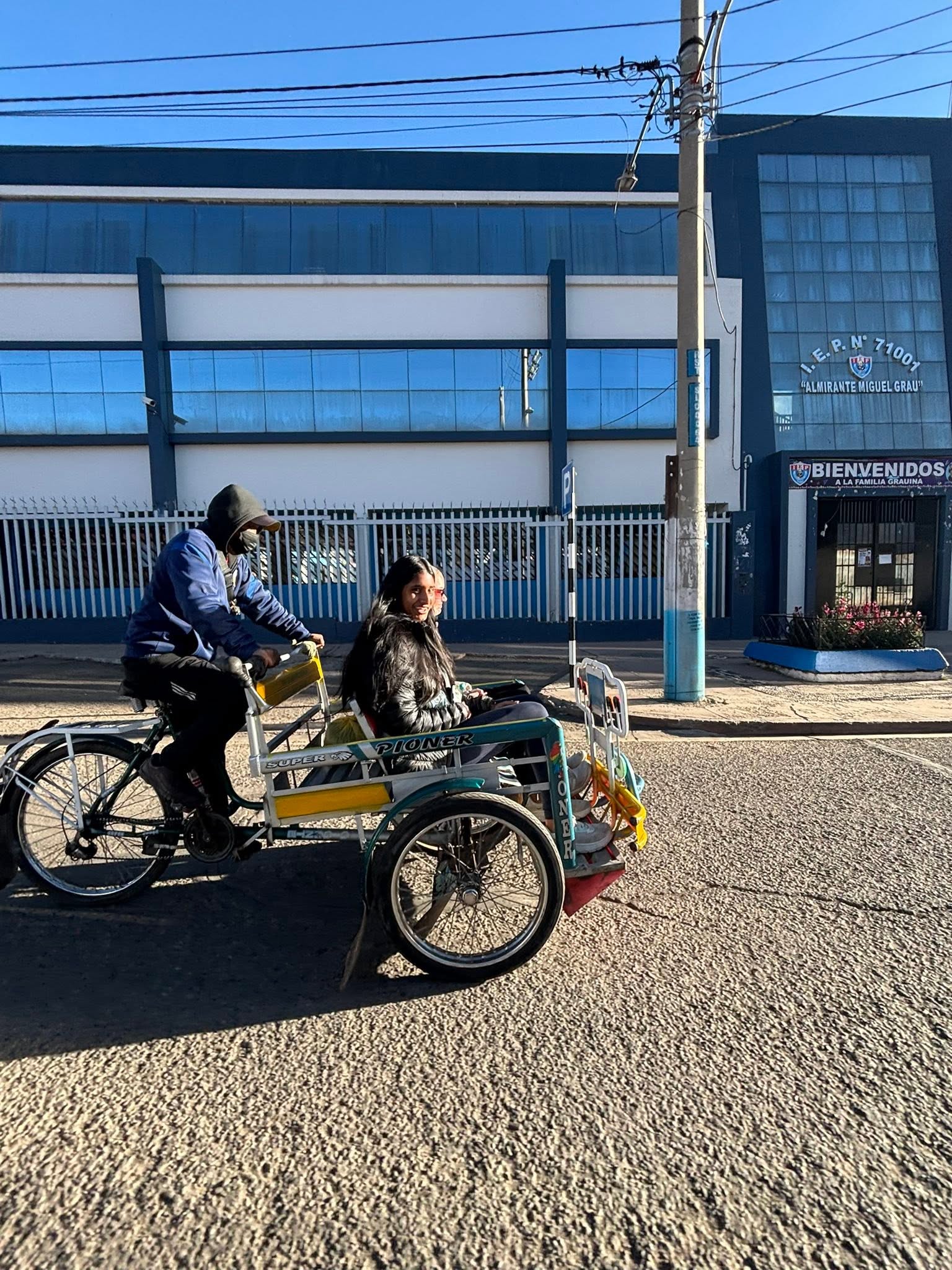
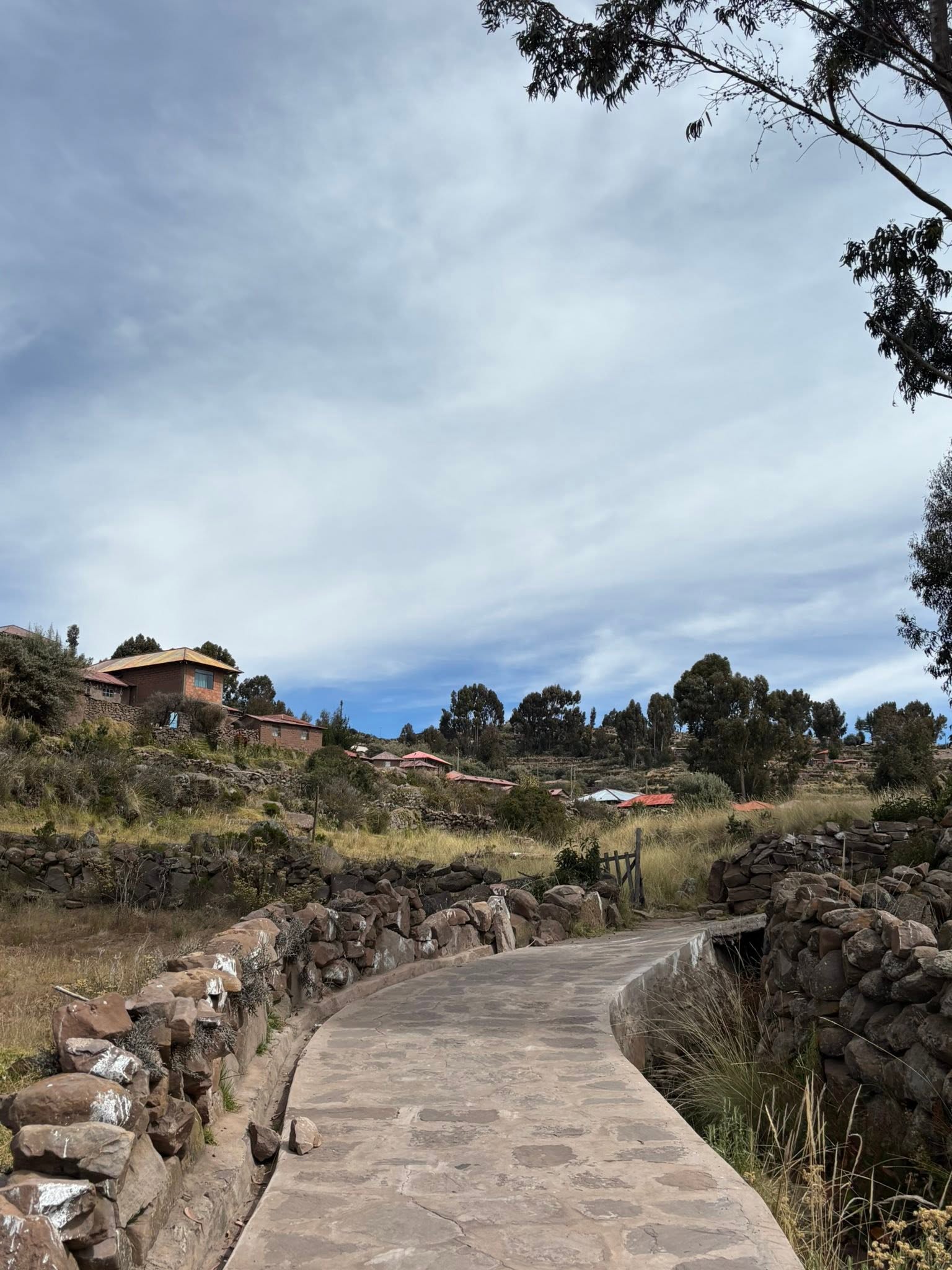
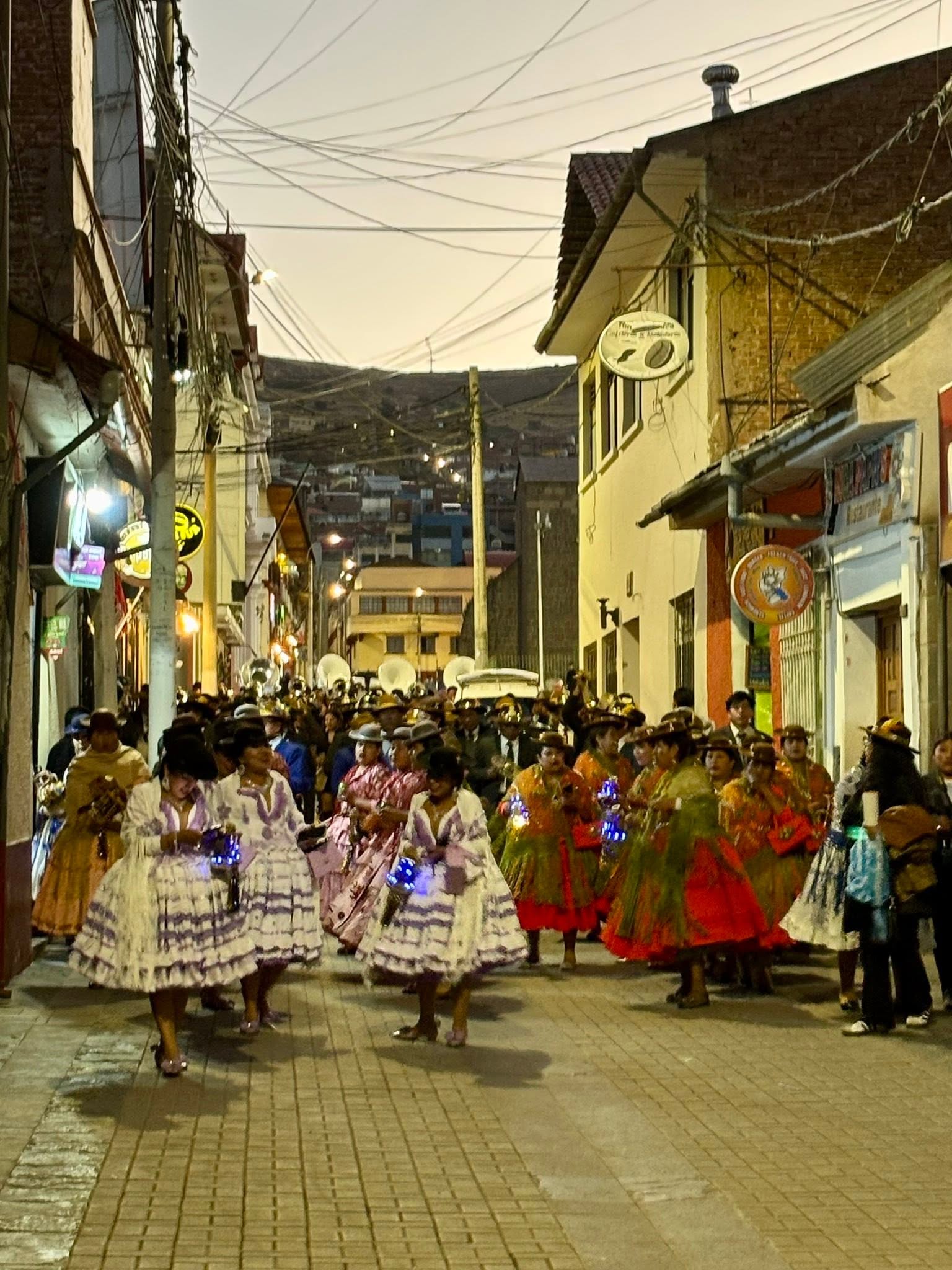
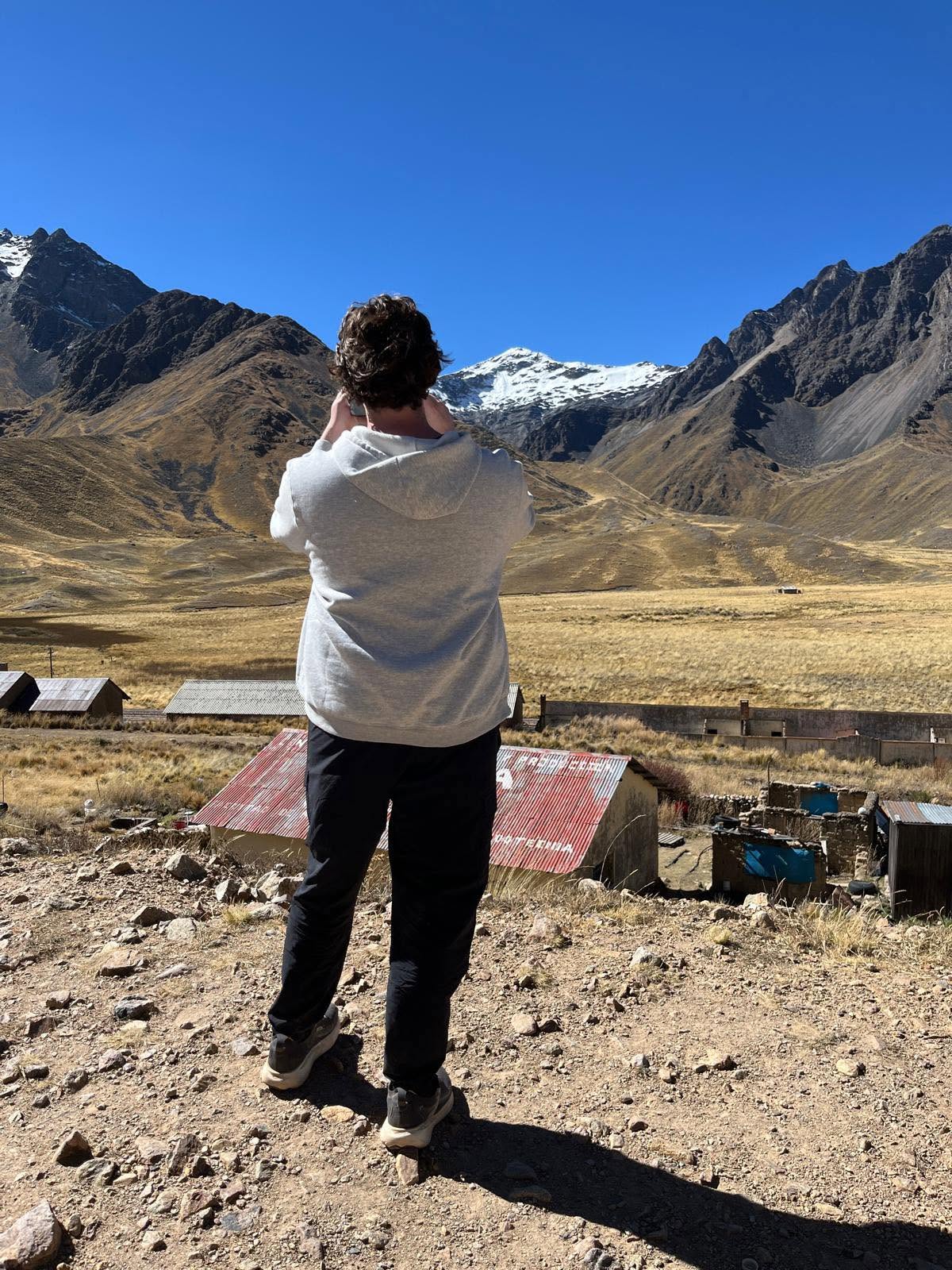
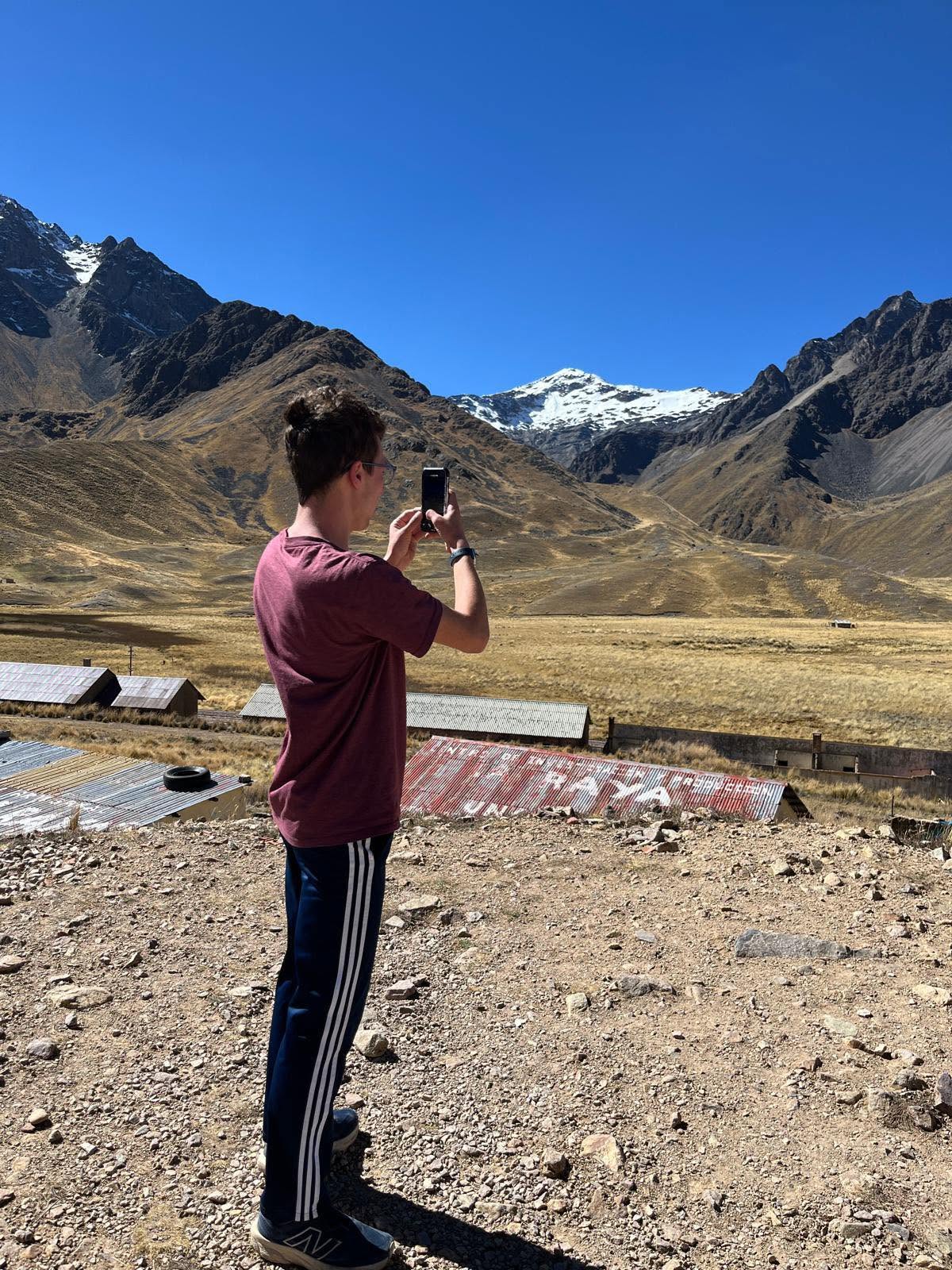
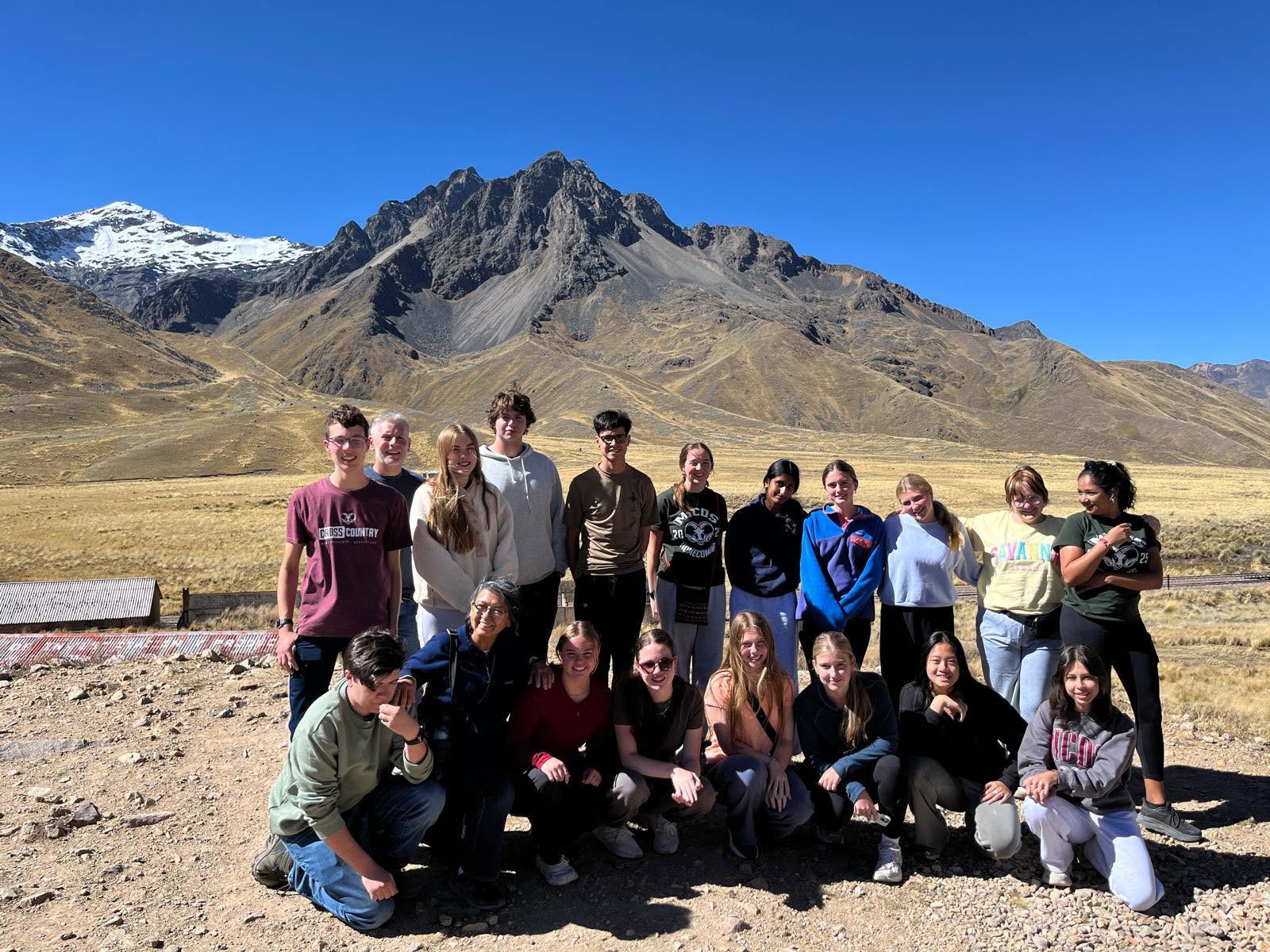
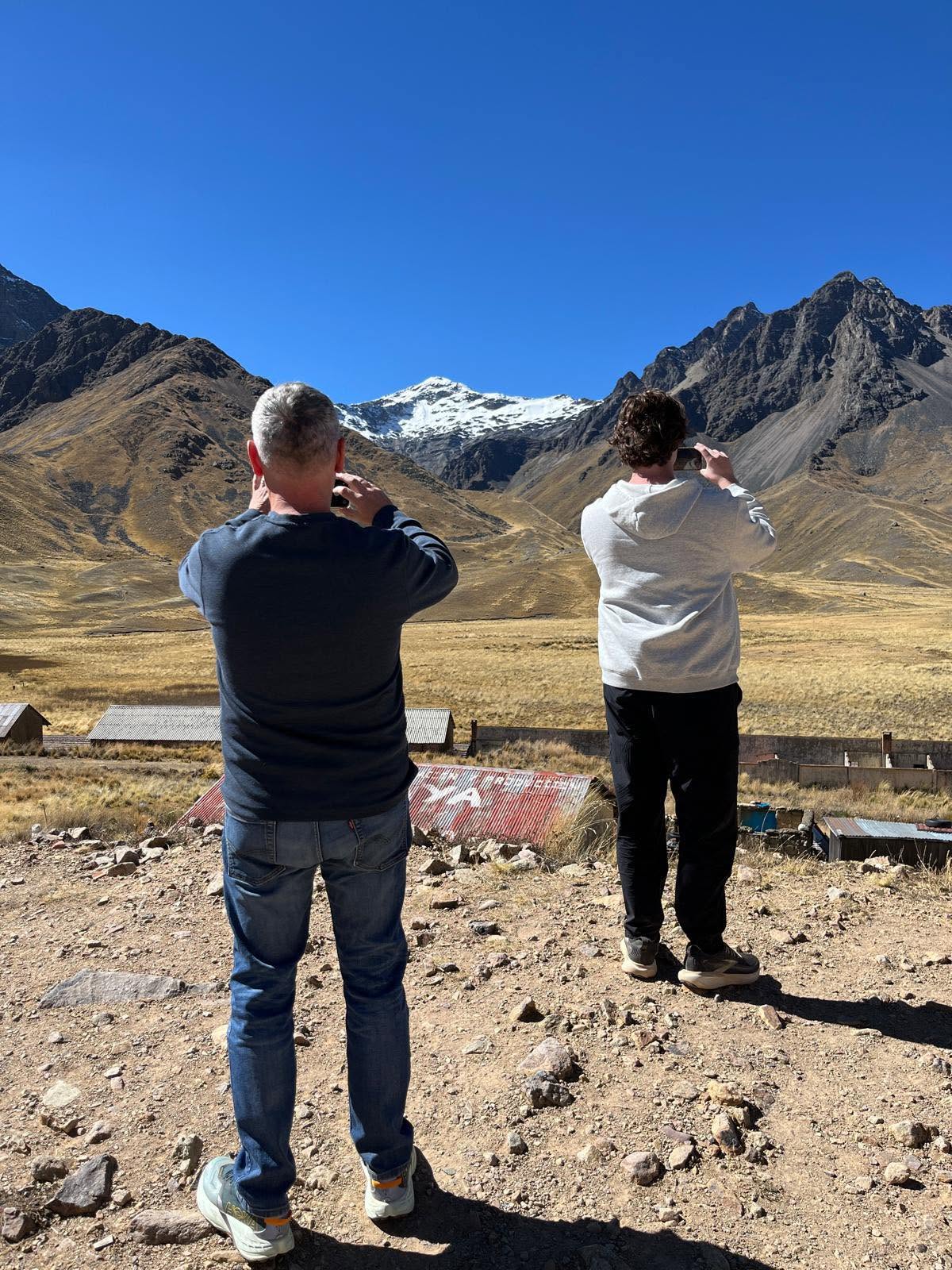
On our drive across the Altiplano to Puno, we stopped at Raqchi to explore the massive Temple of Wiracocha and learn about Inca religion and architecture. By evening, we reached the shores of Lake Titicaca, the highest navigable lake in the world.
Day 6: Lake Titicaca & Uros Floating Islands
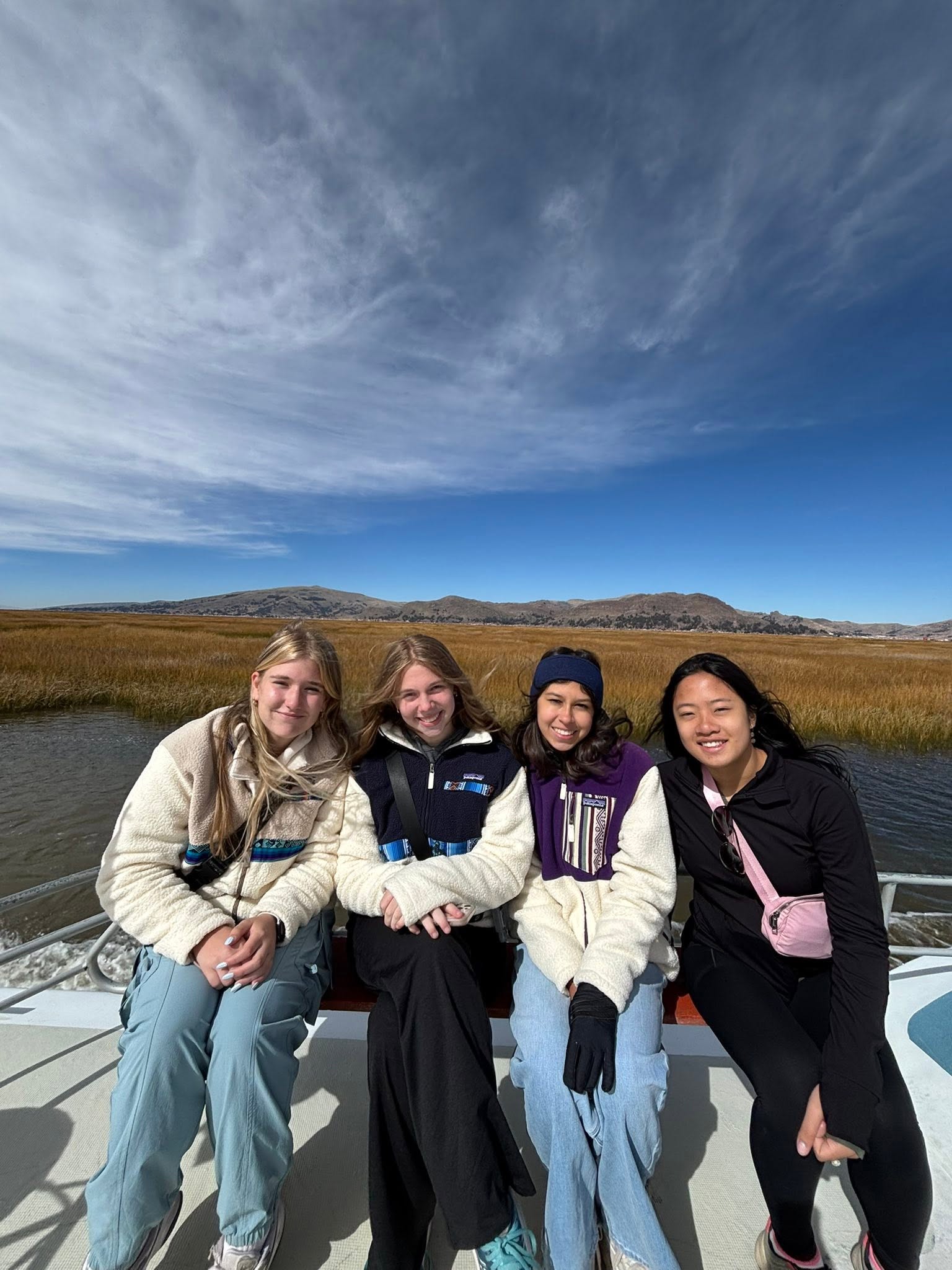
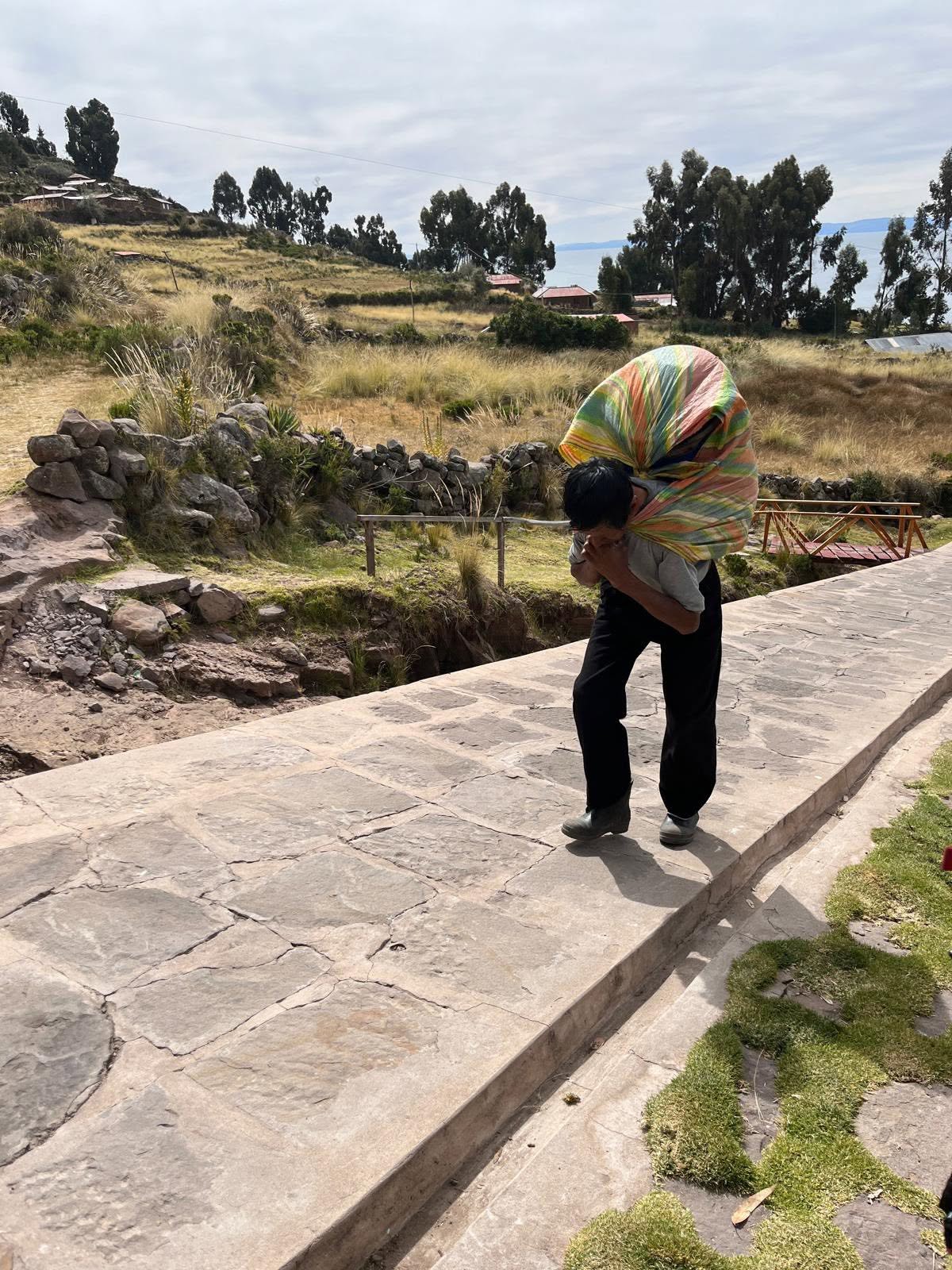
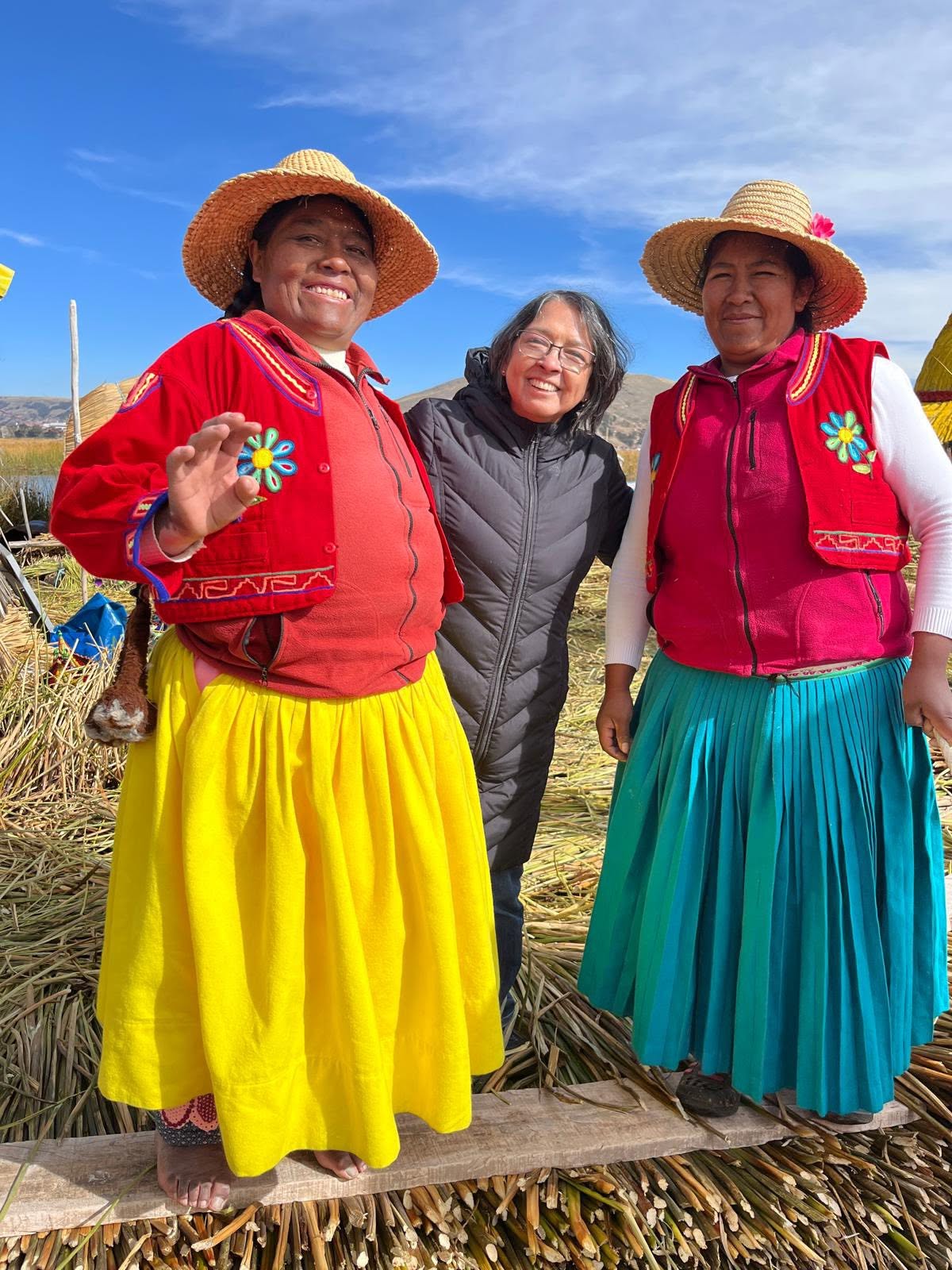
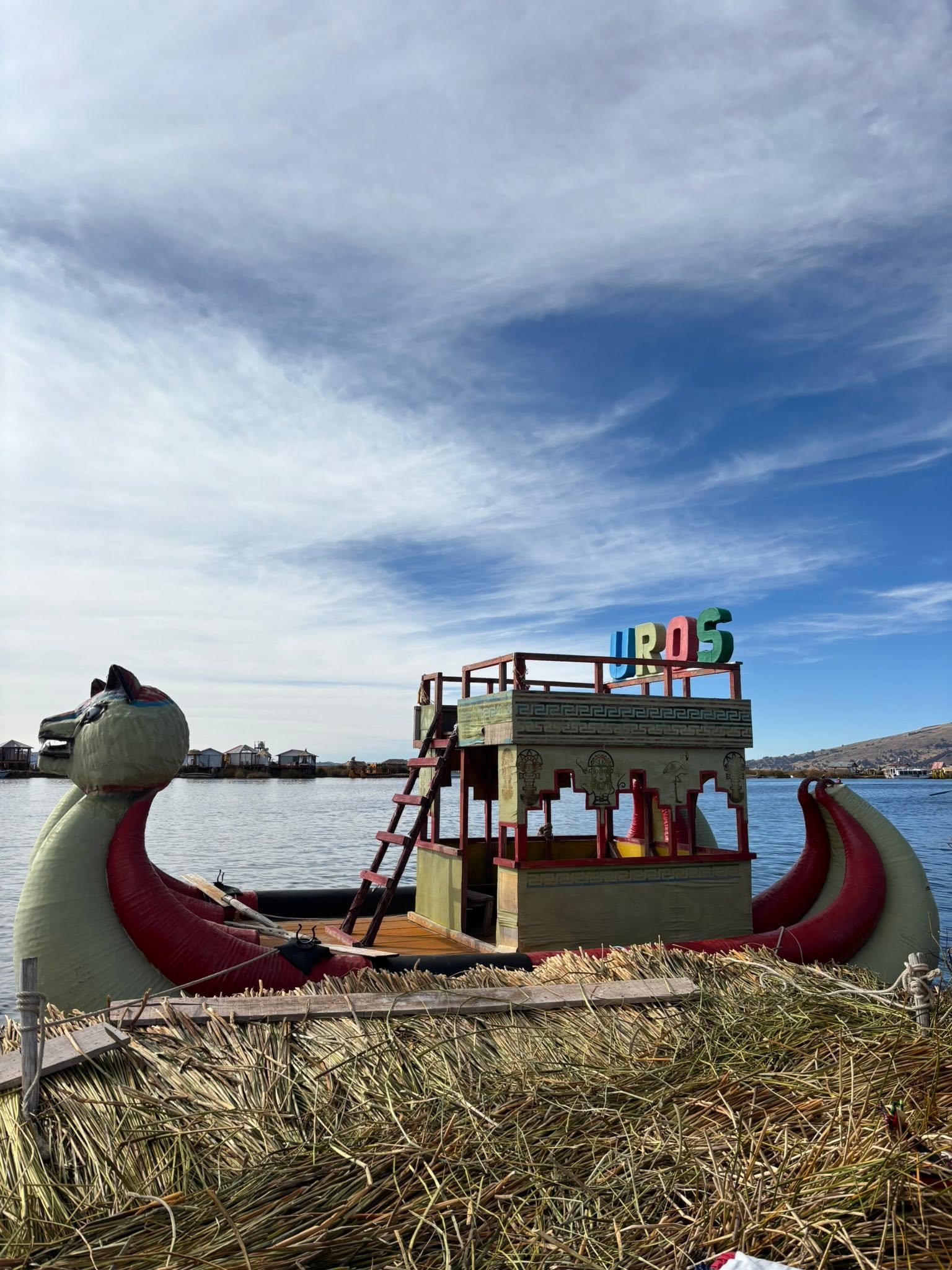
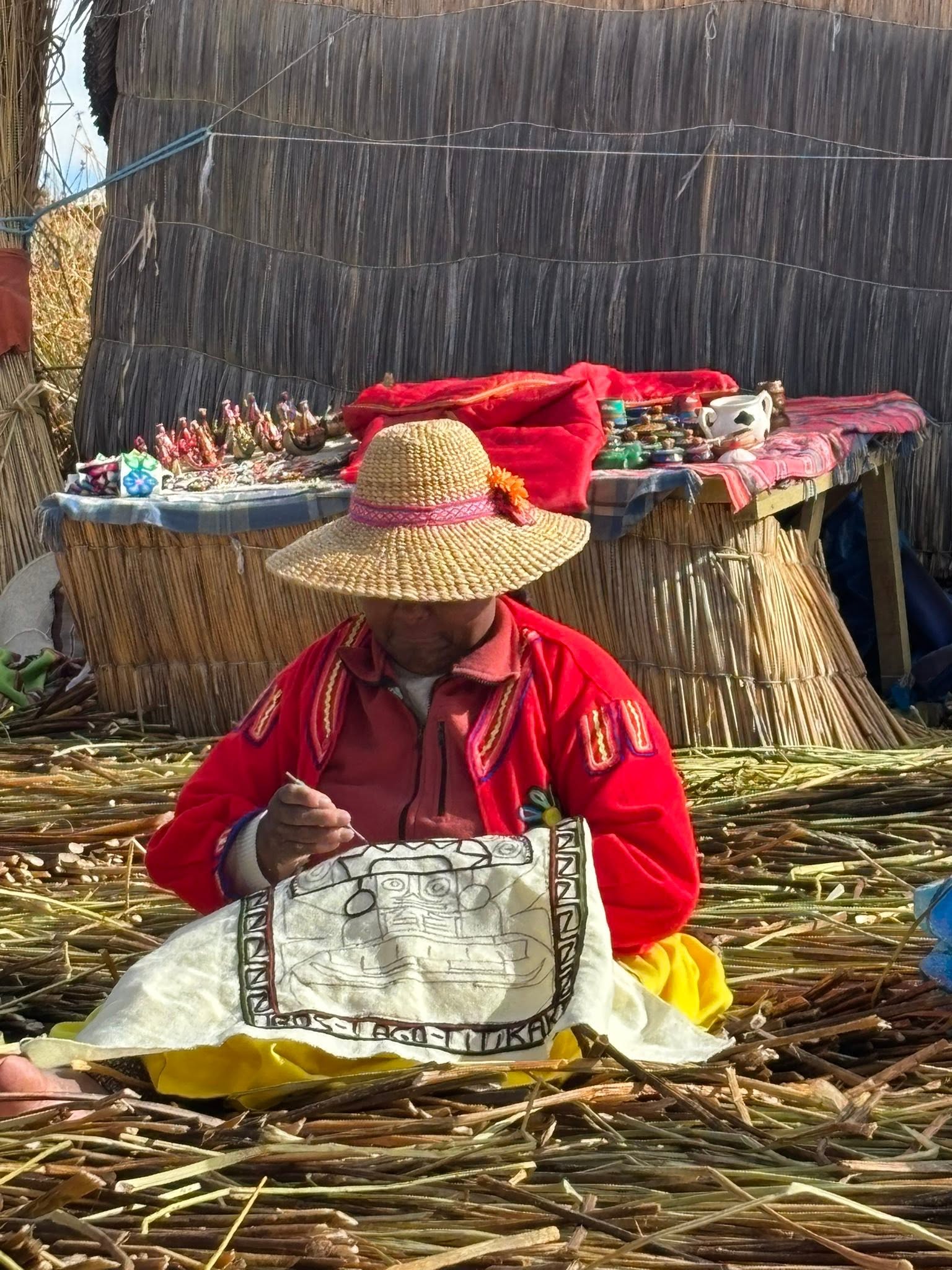
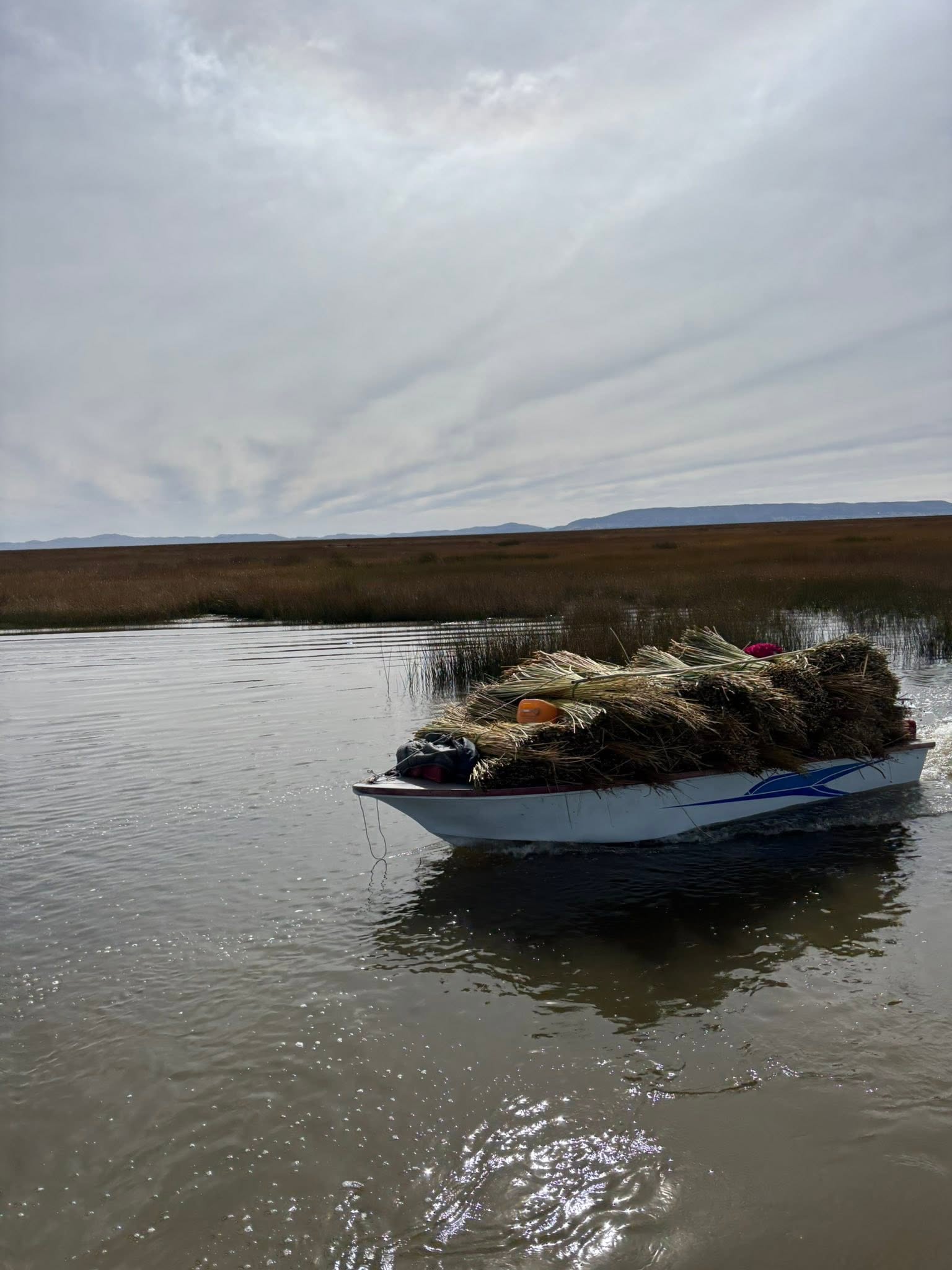
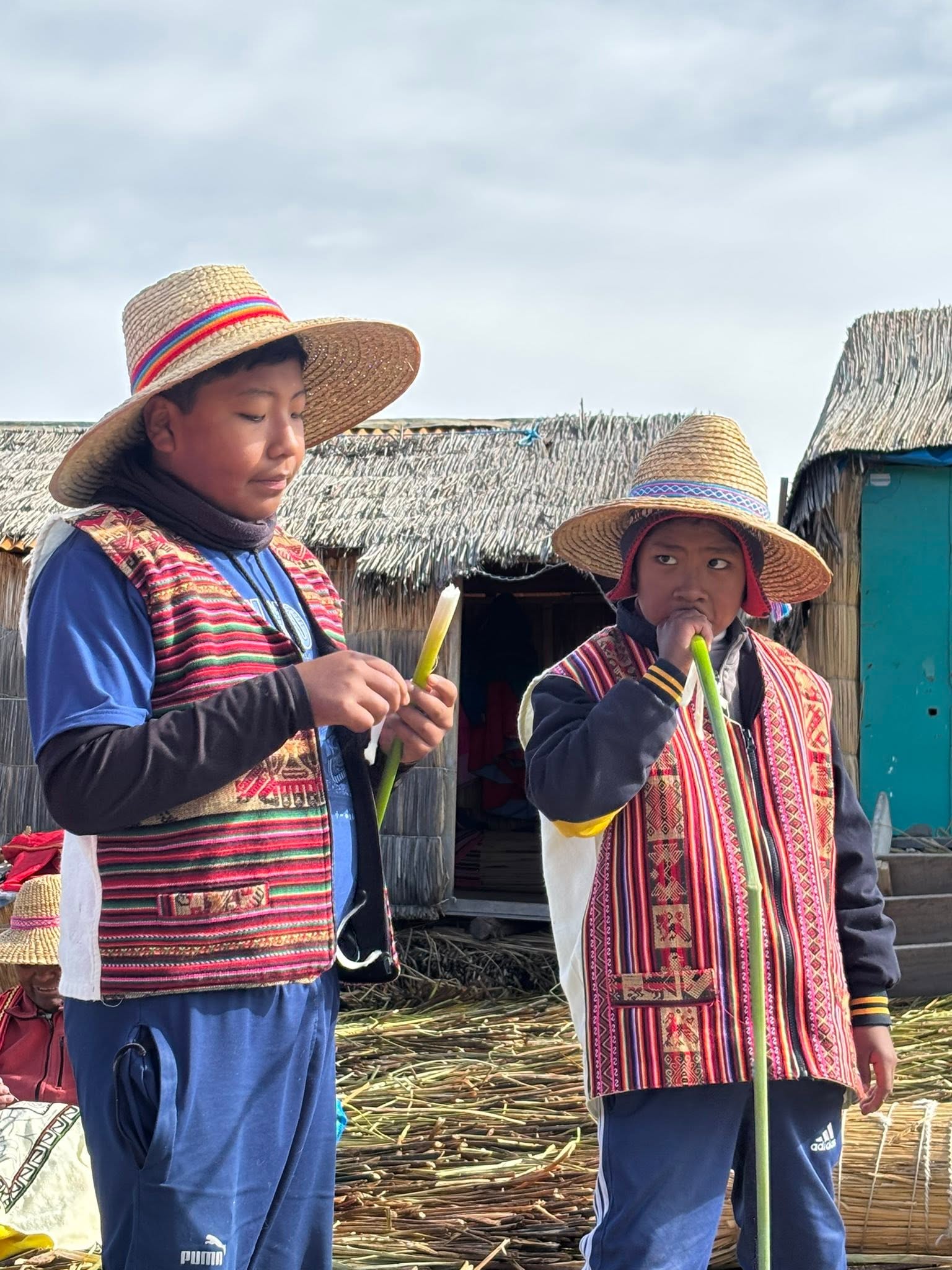
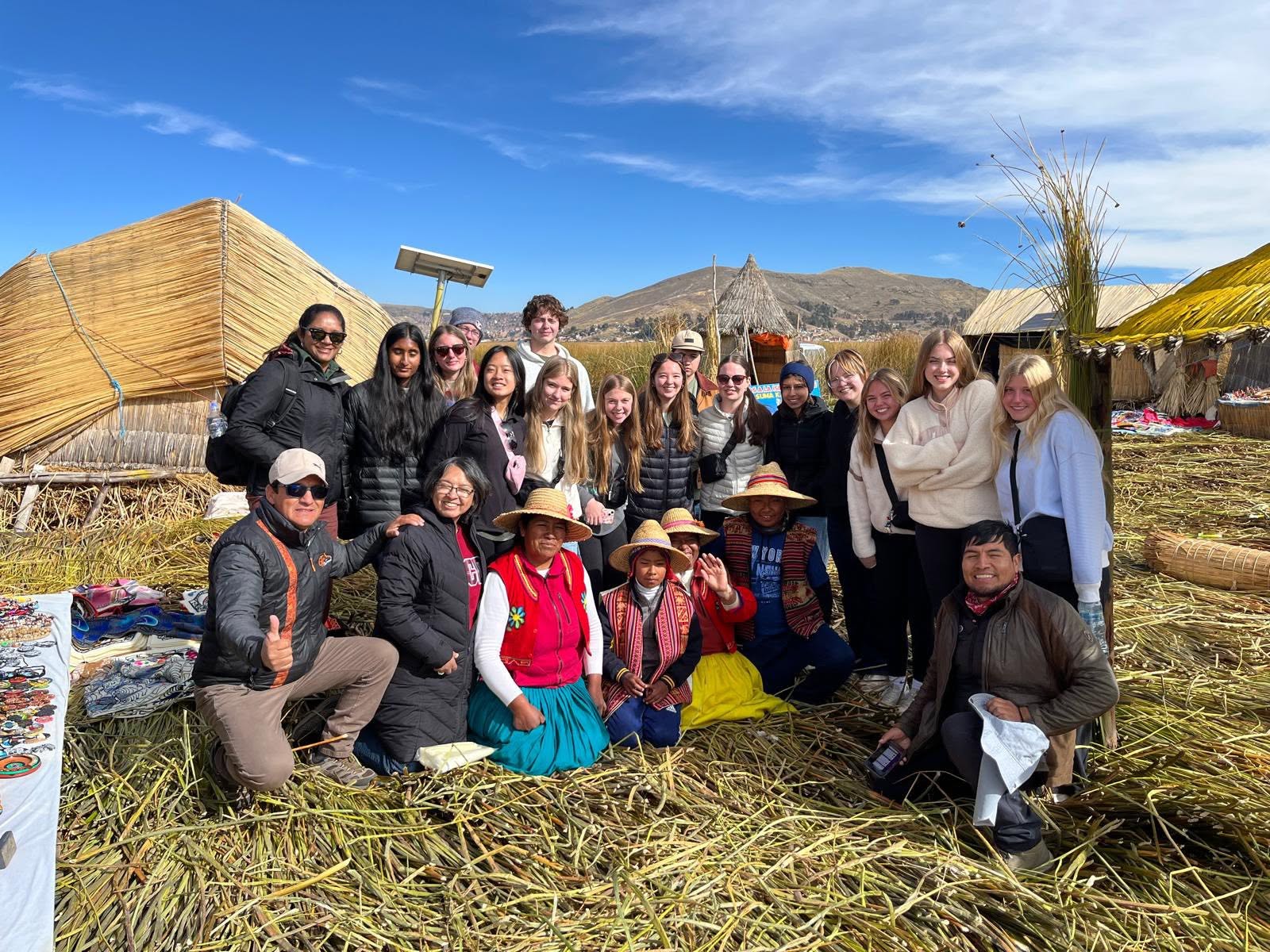
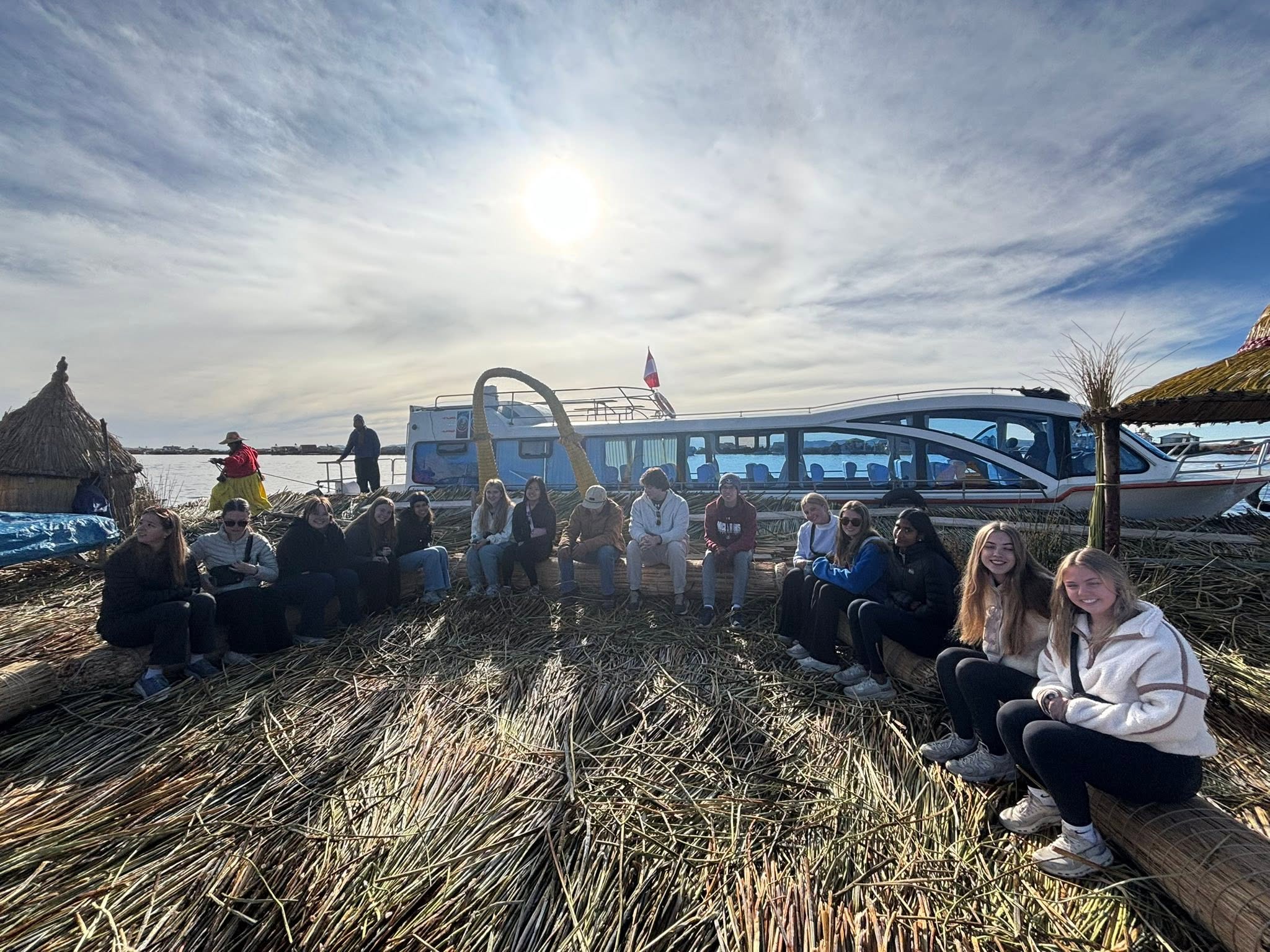
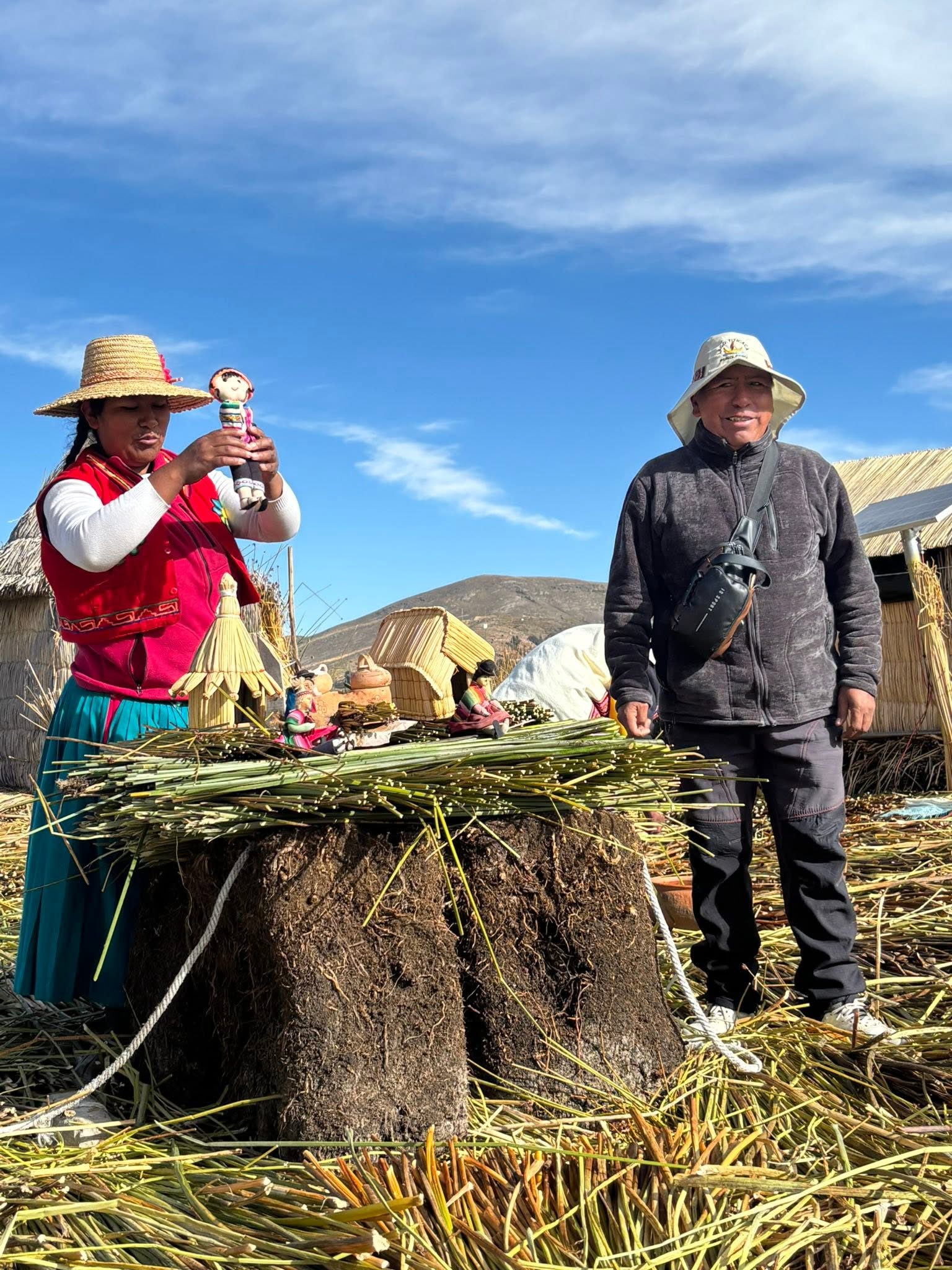
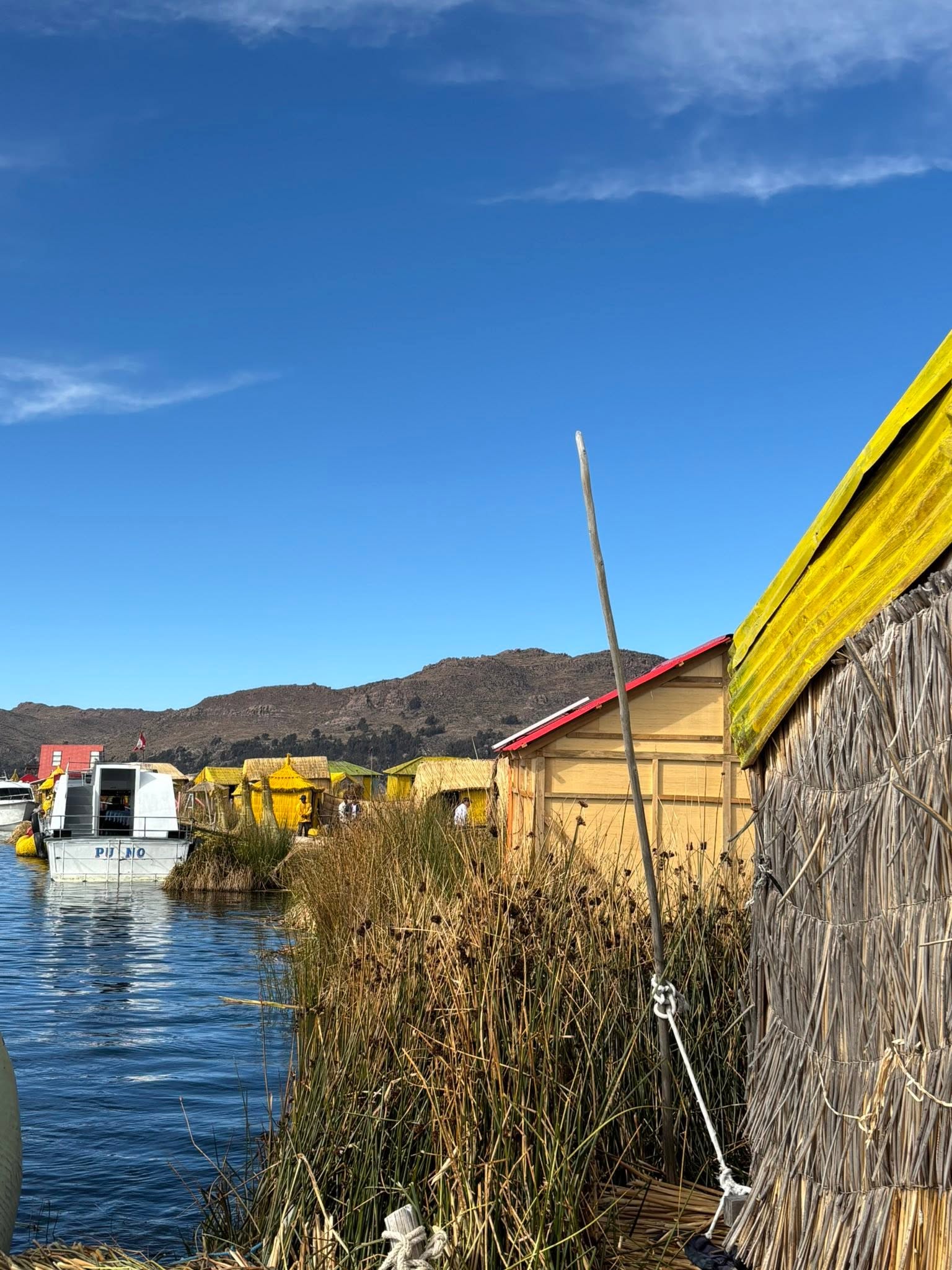
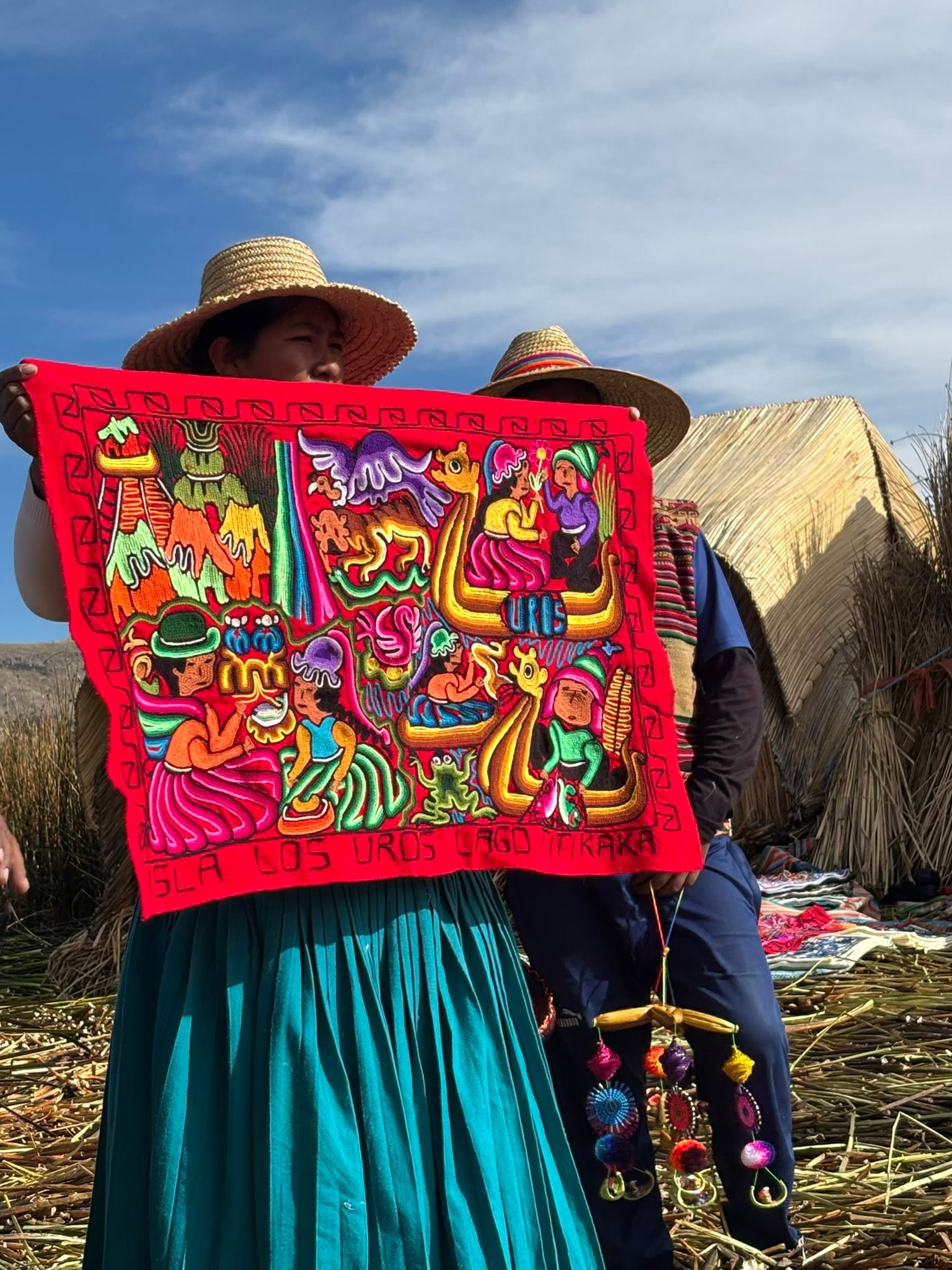
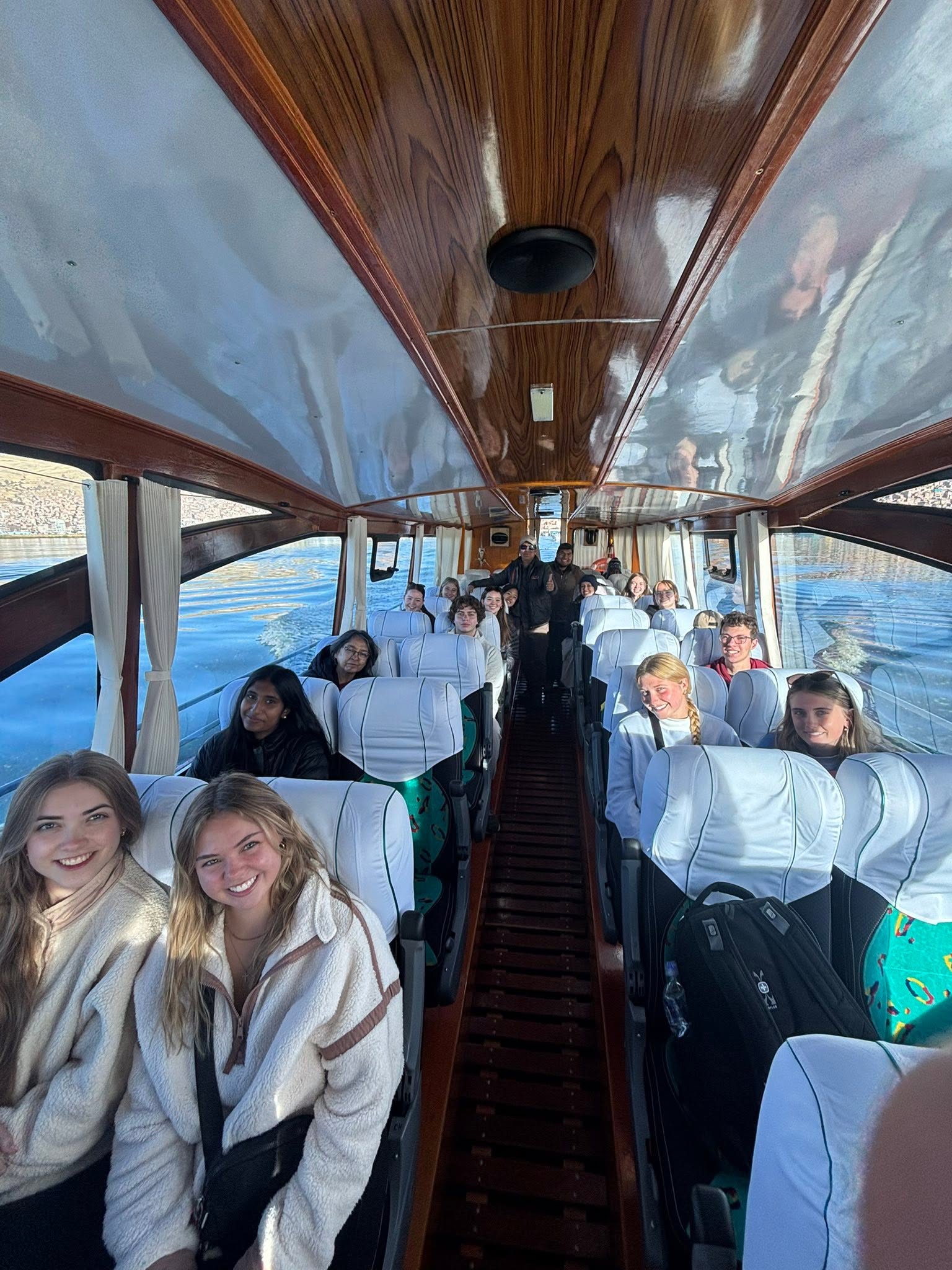
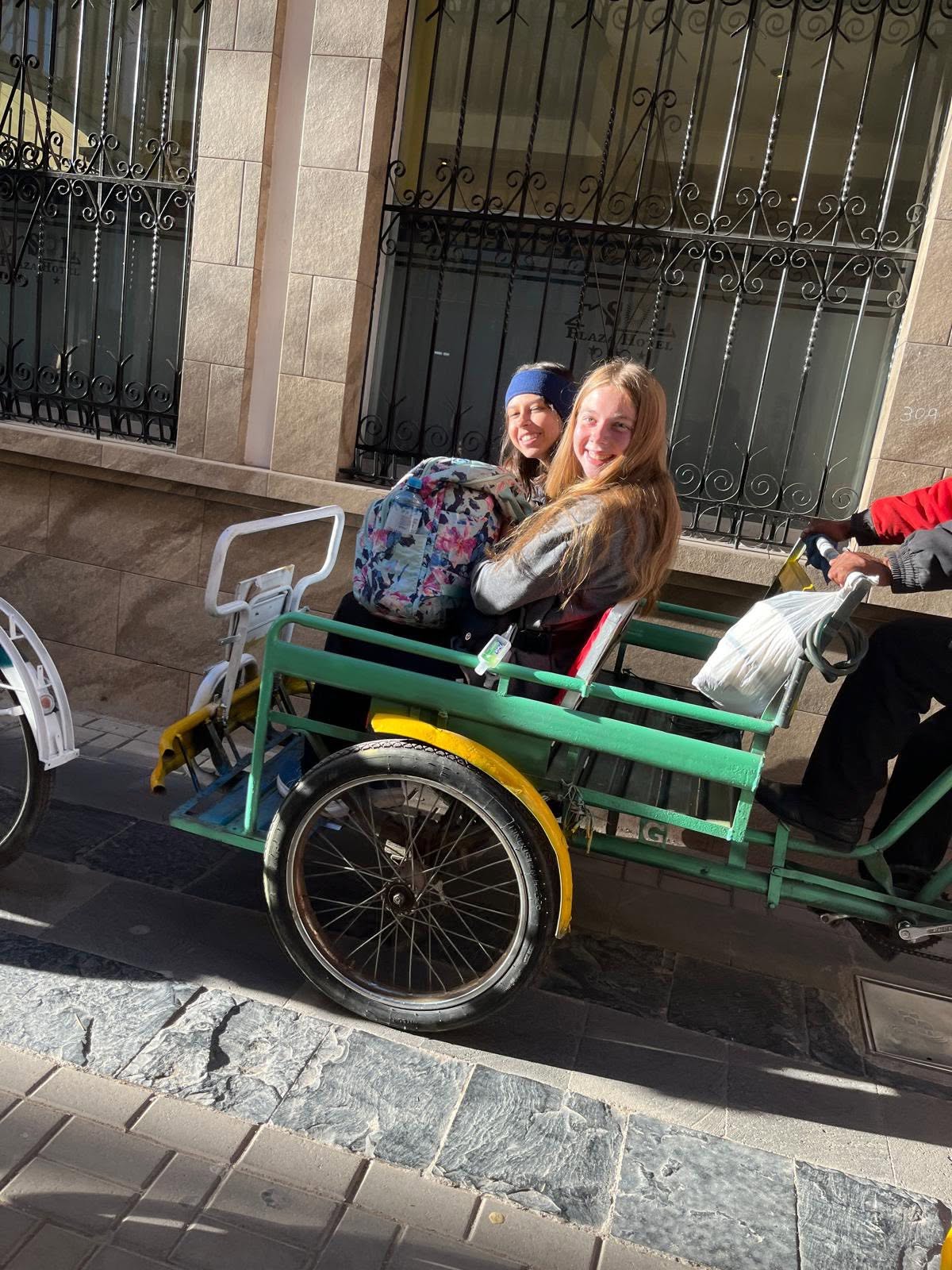
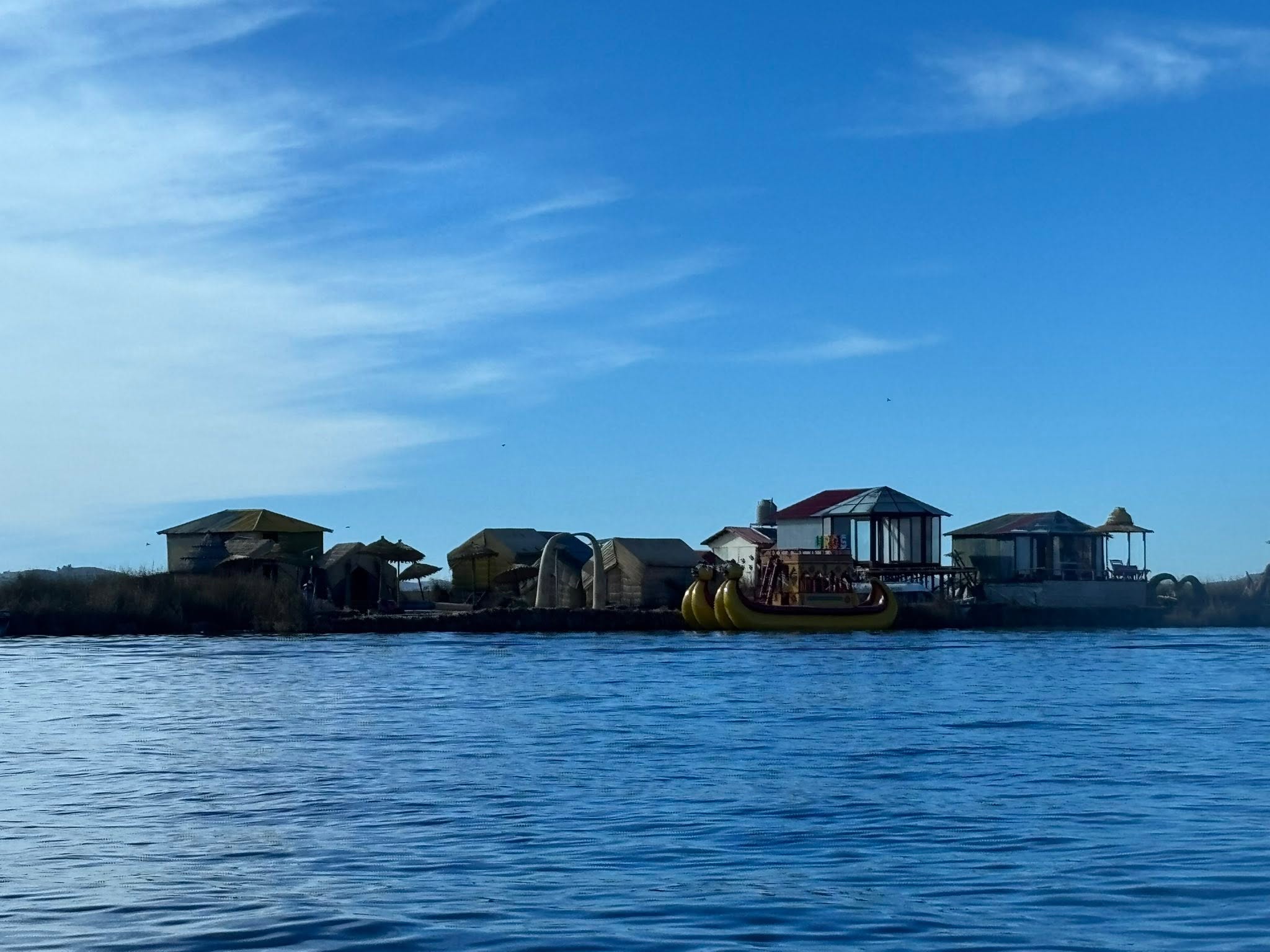
We boarded a boat onto Lake Titicaca to visit the Uros Floating Islands—remarkable communities constructed entirely from totora reeds. Students learned firsthand how the Uros people build their homes and boats from the reeds, preserving centuries-old traditions on the water.
Days 7-14: Service Work in Chincha
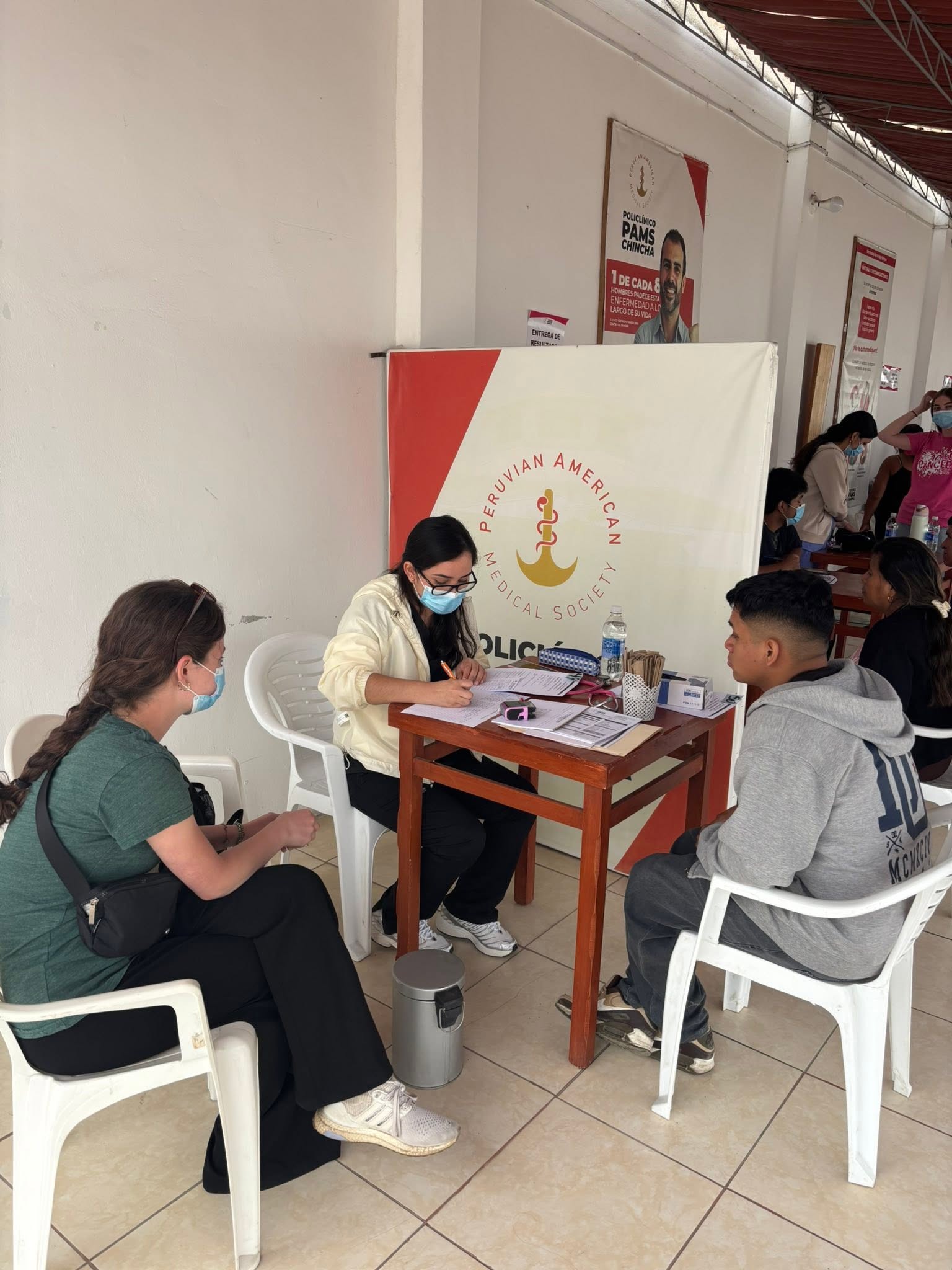
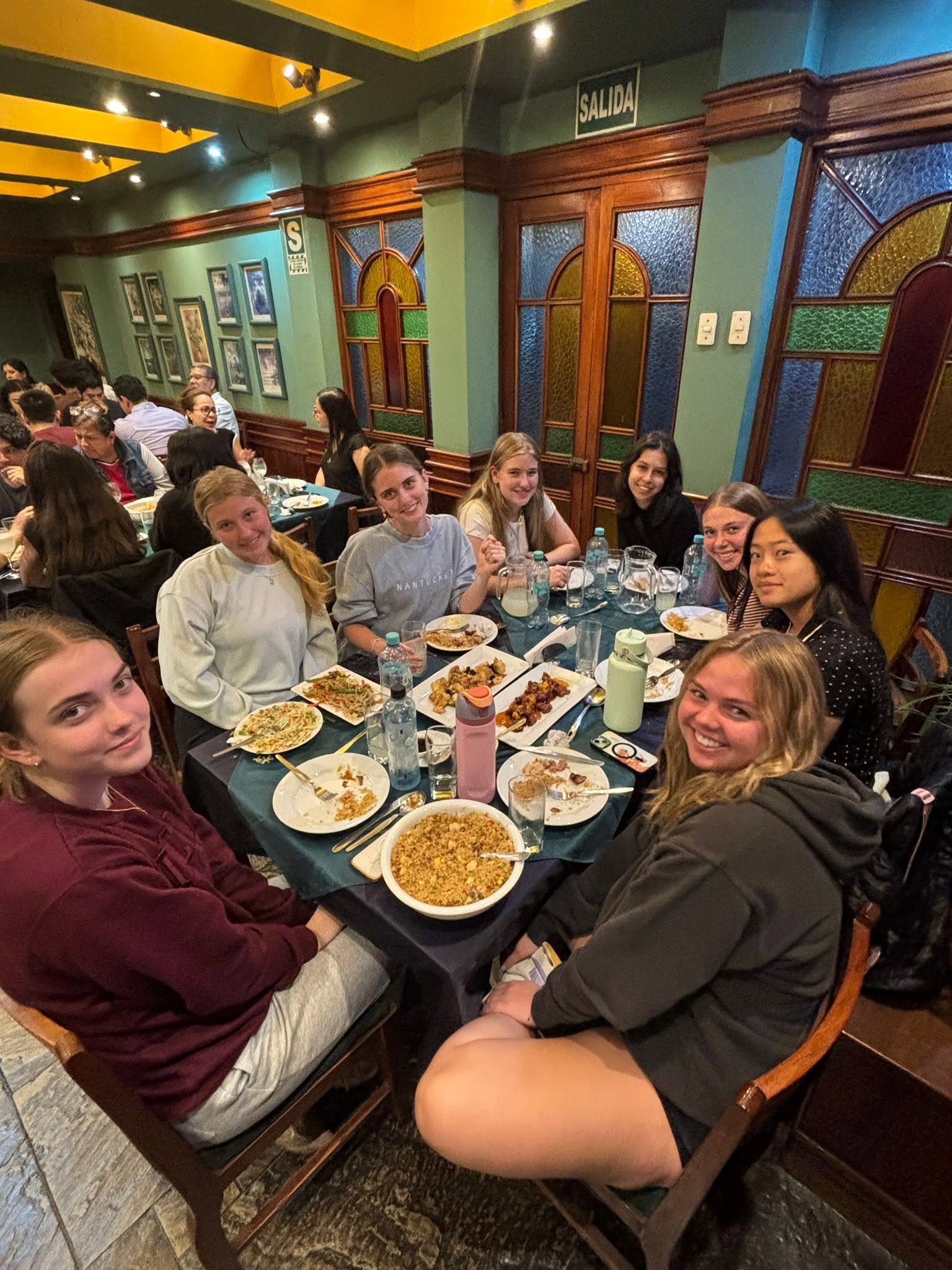
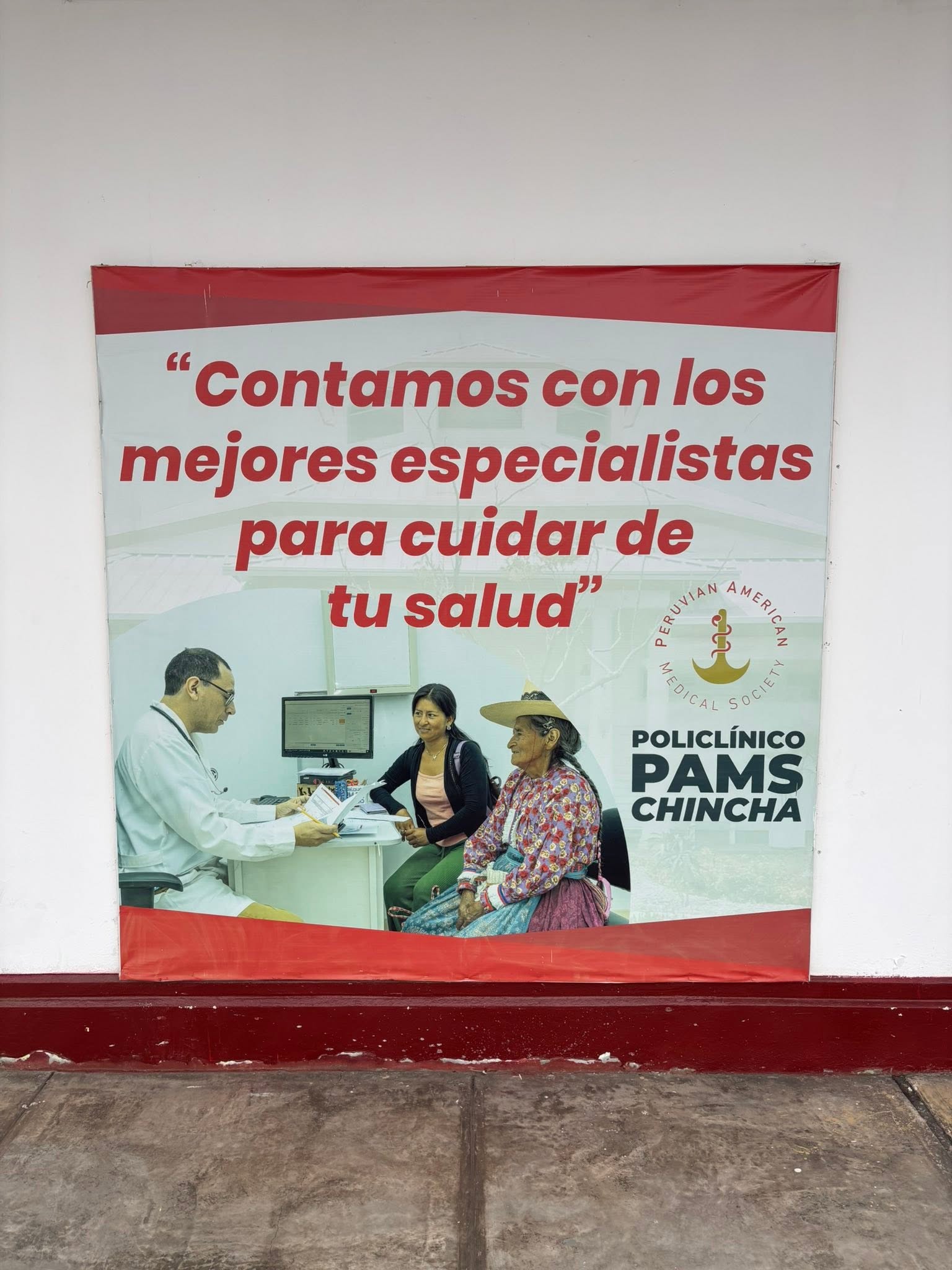
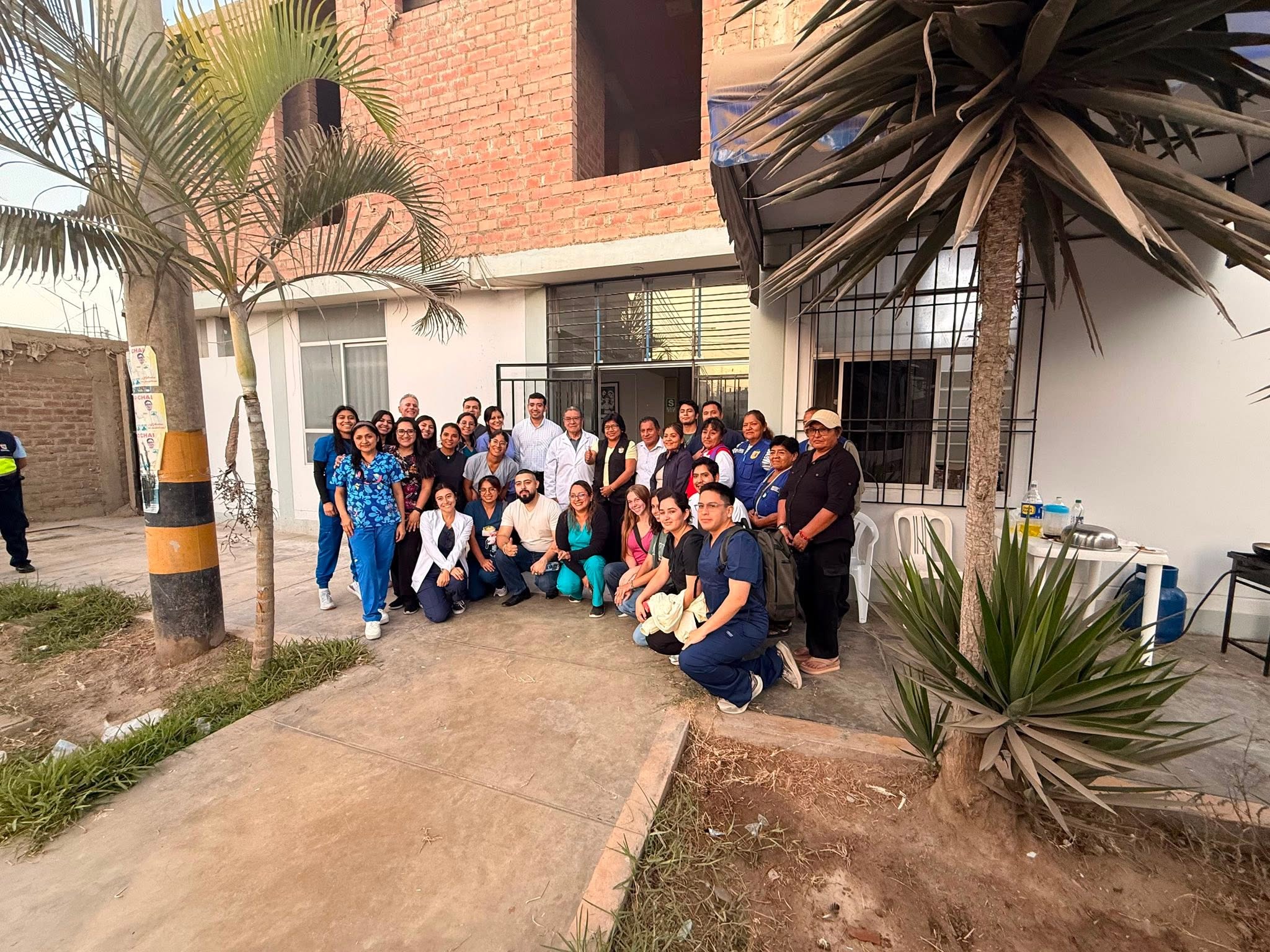
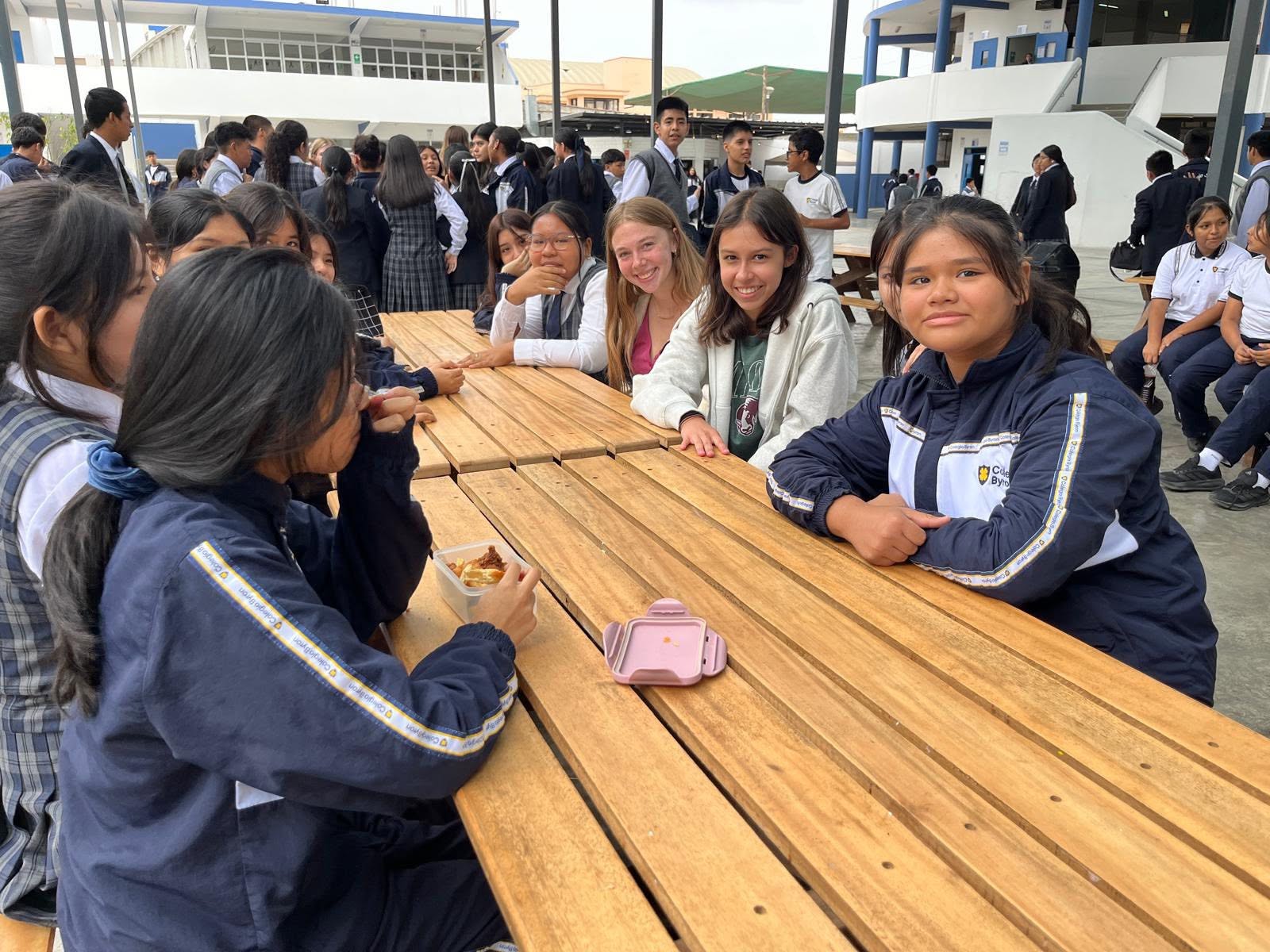
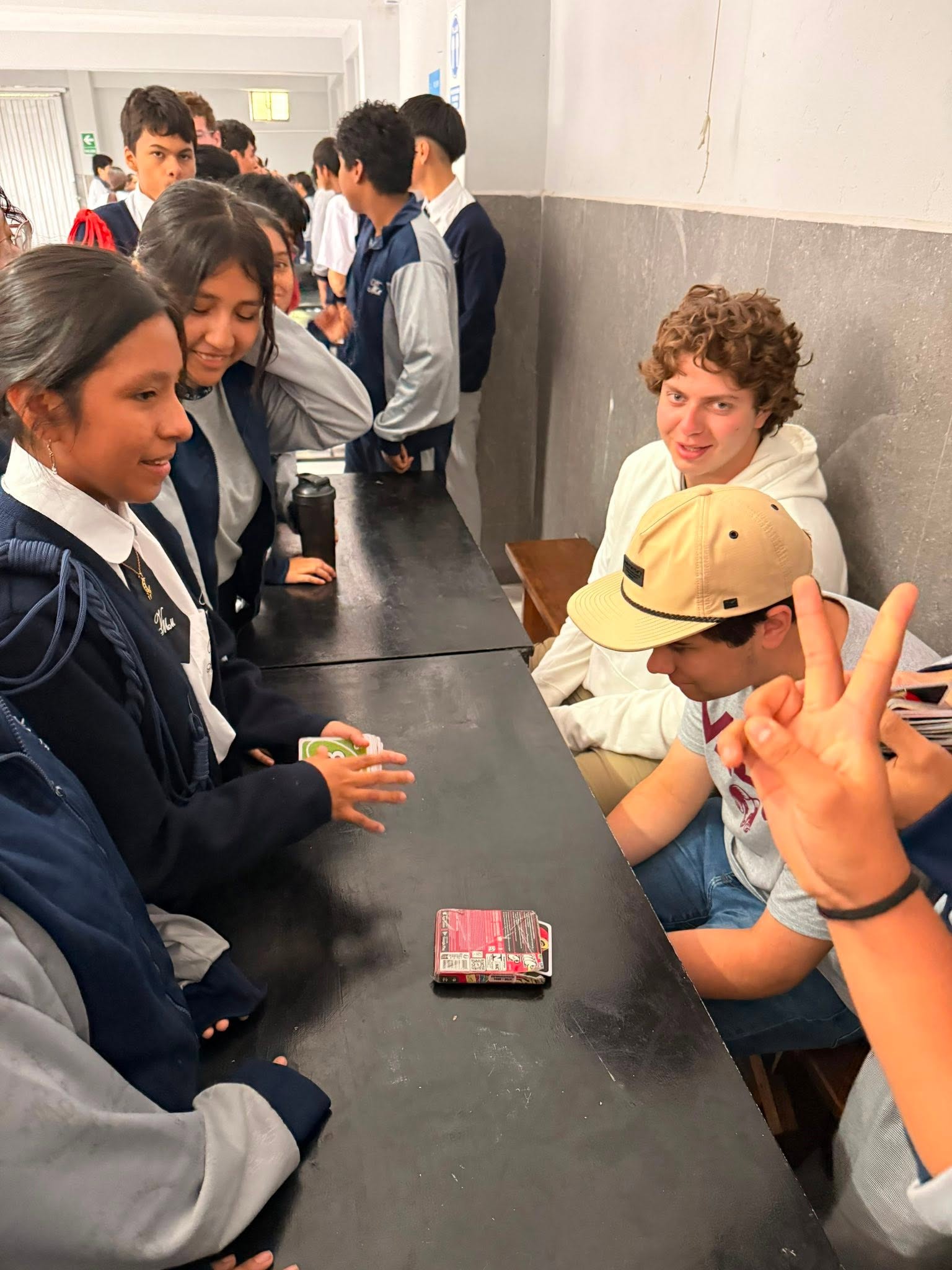
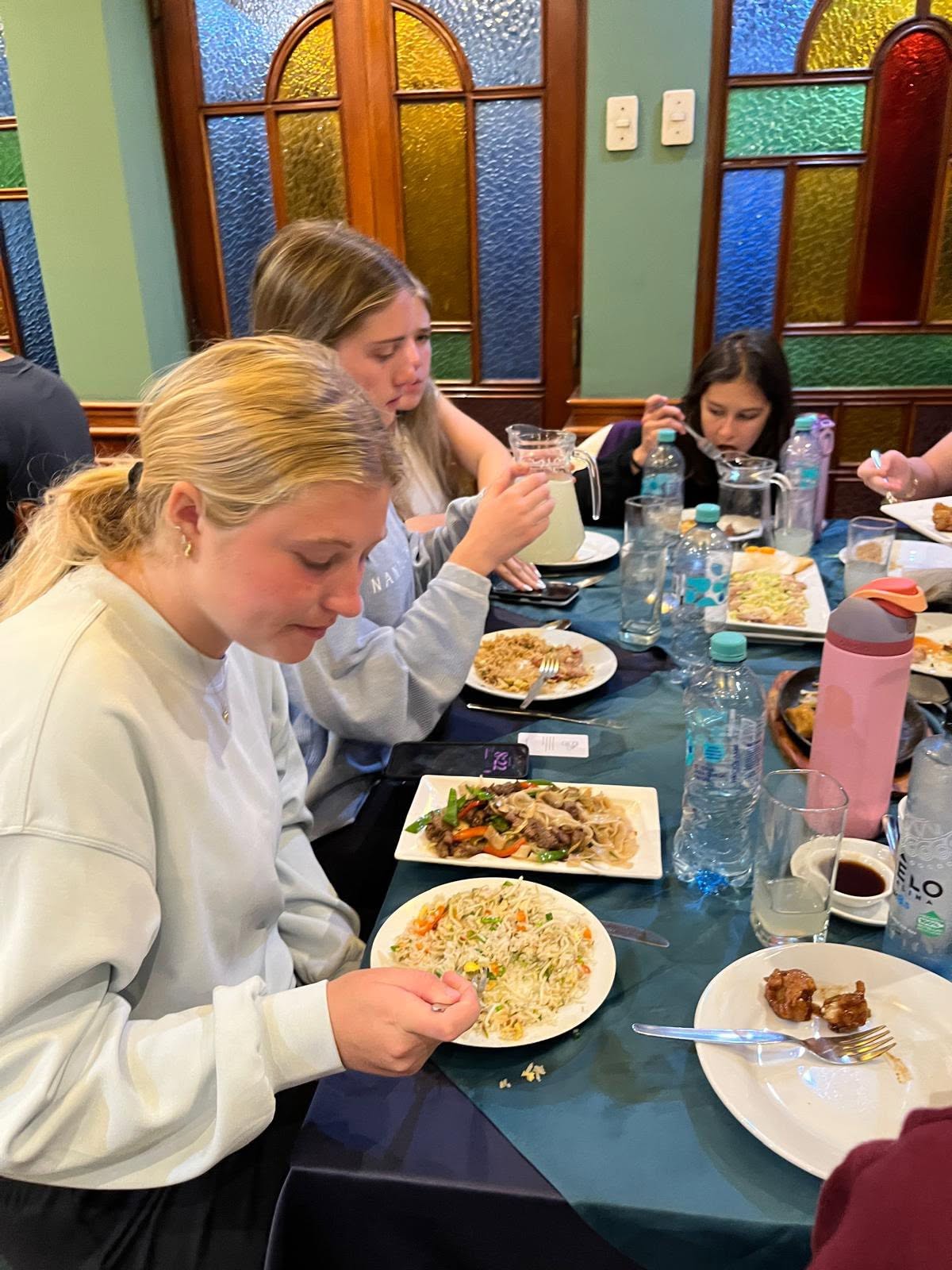
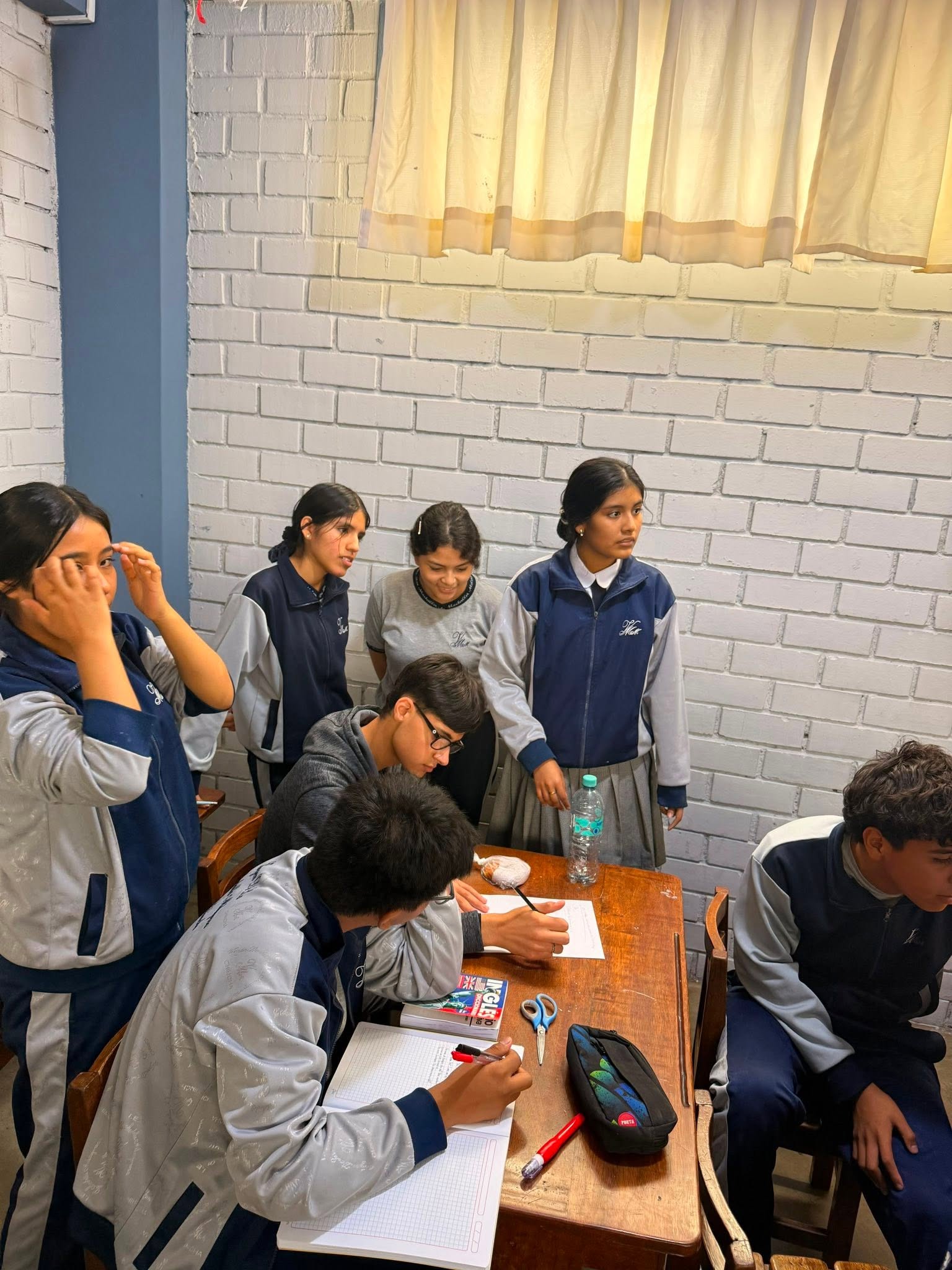
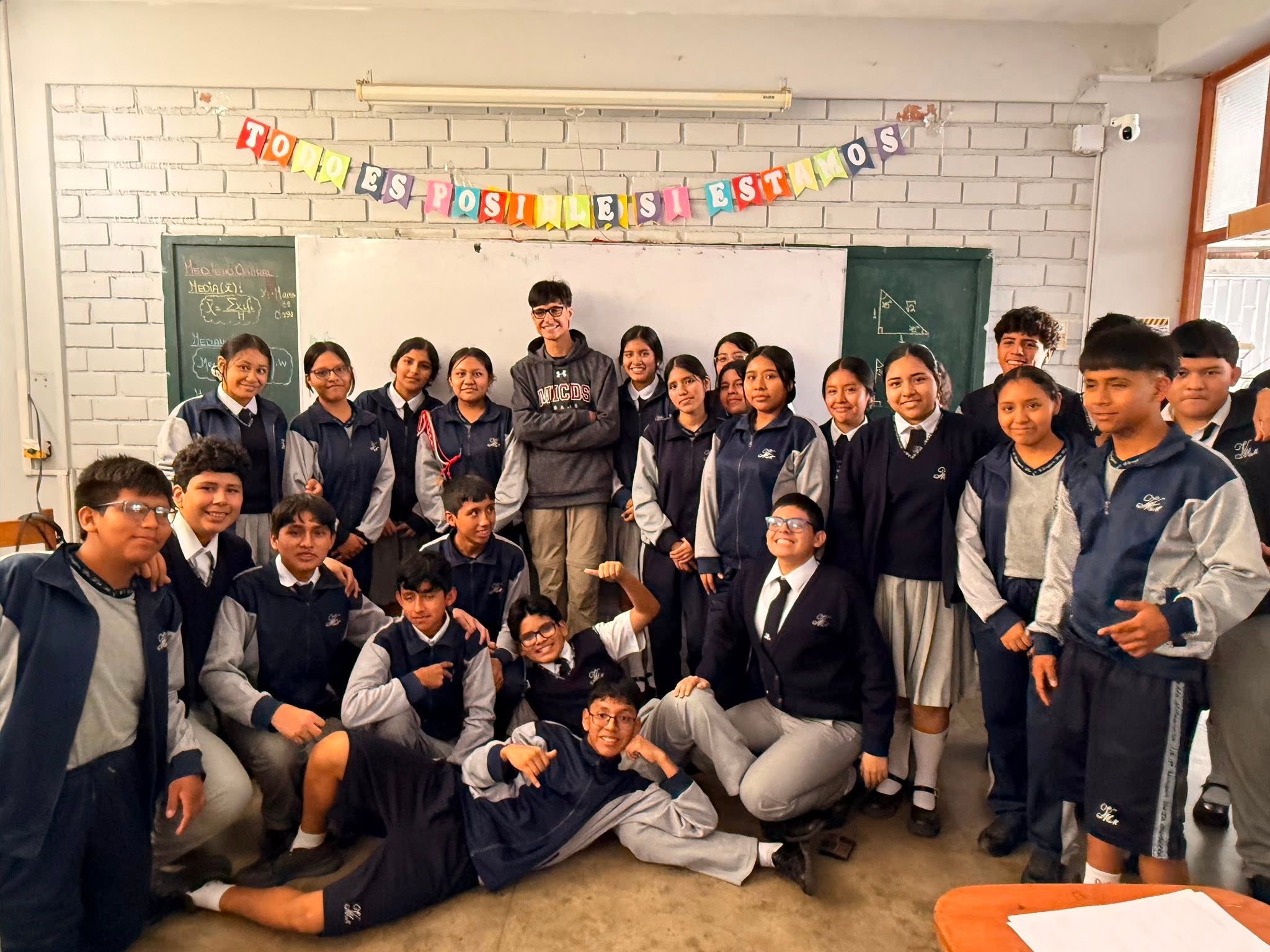
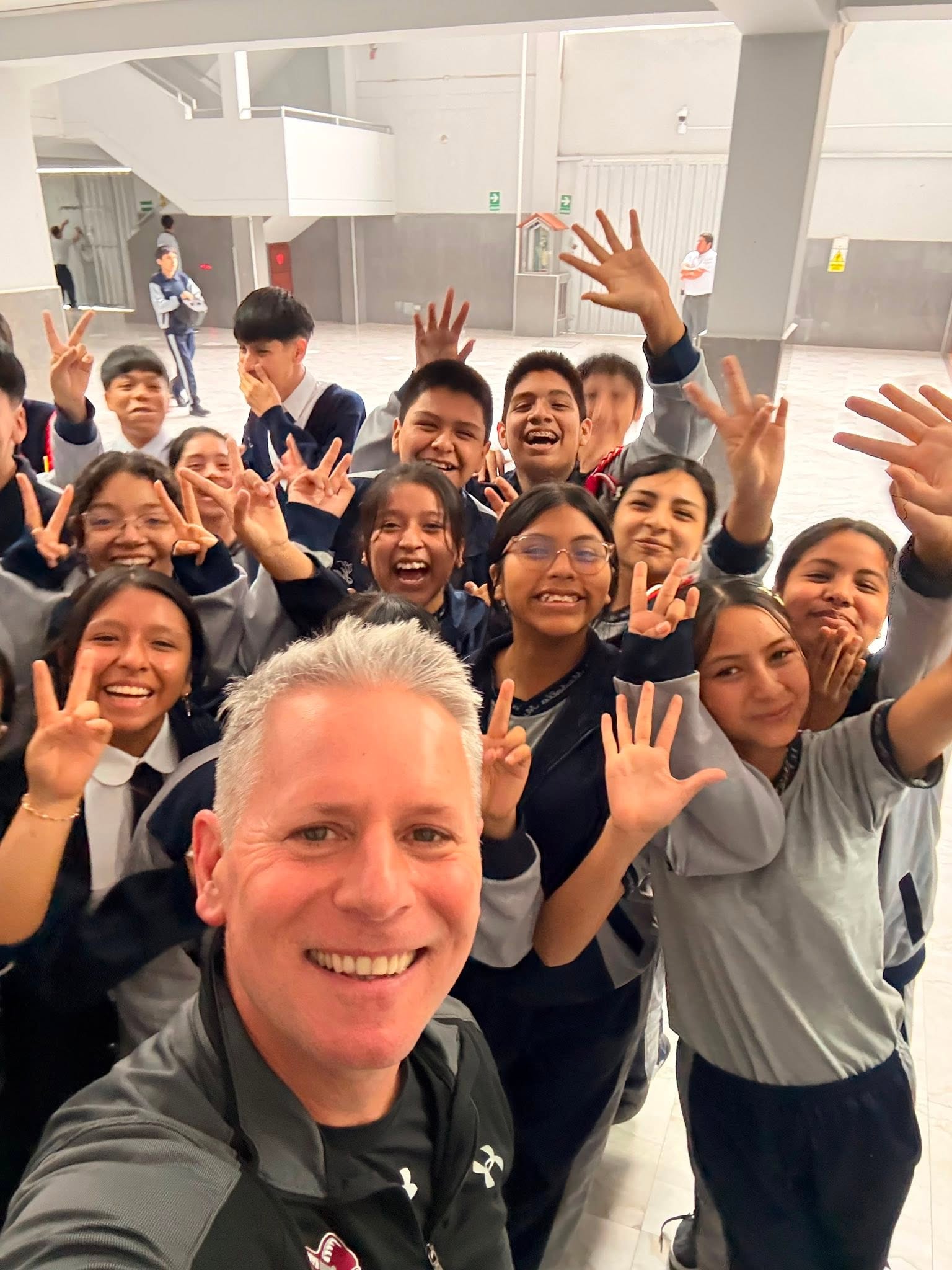
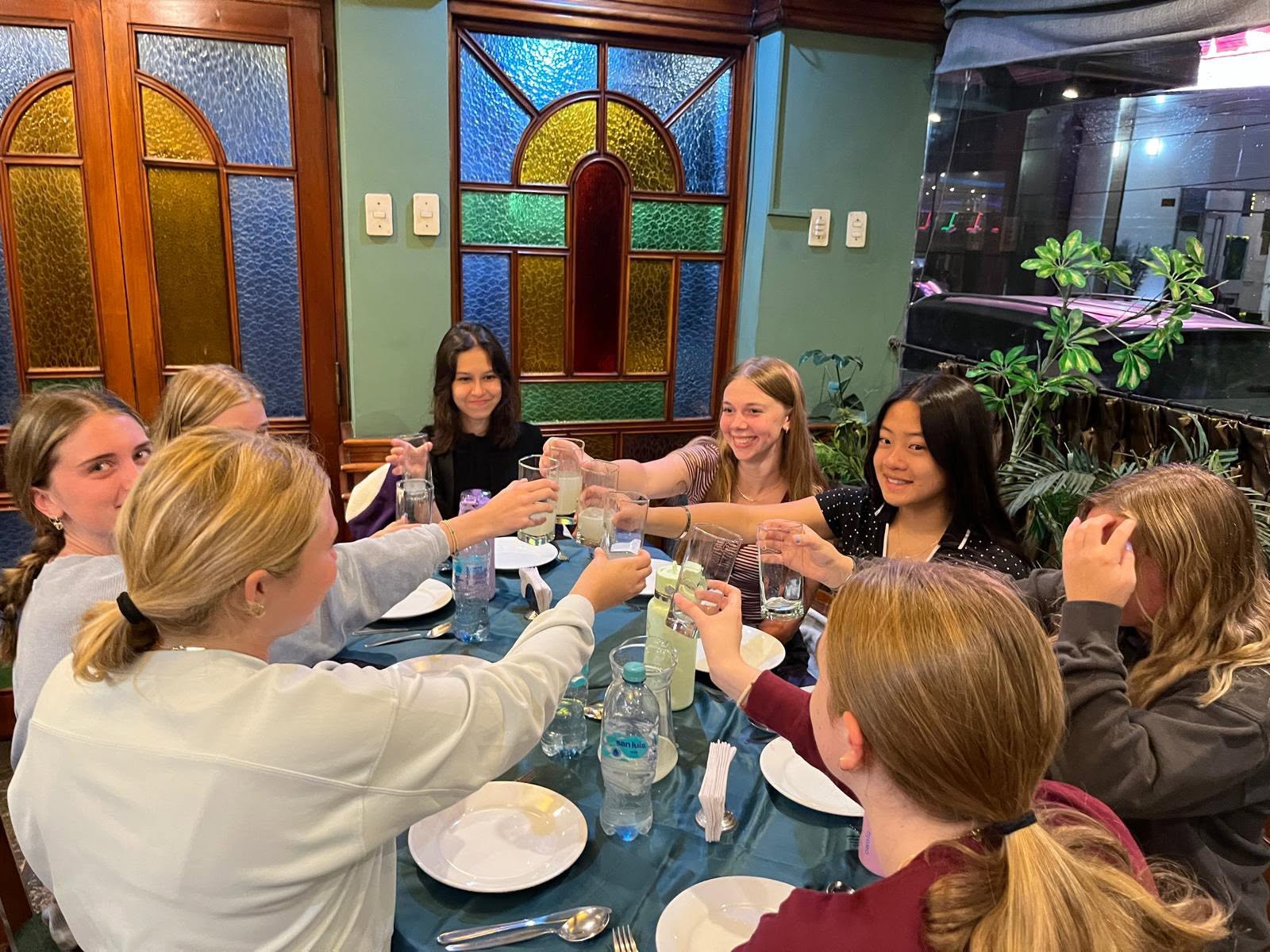
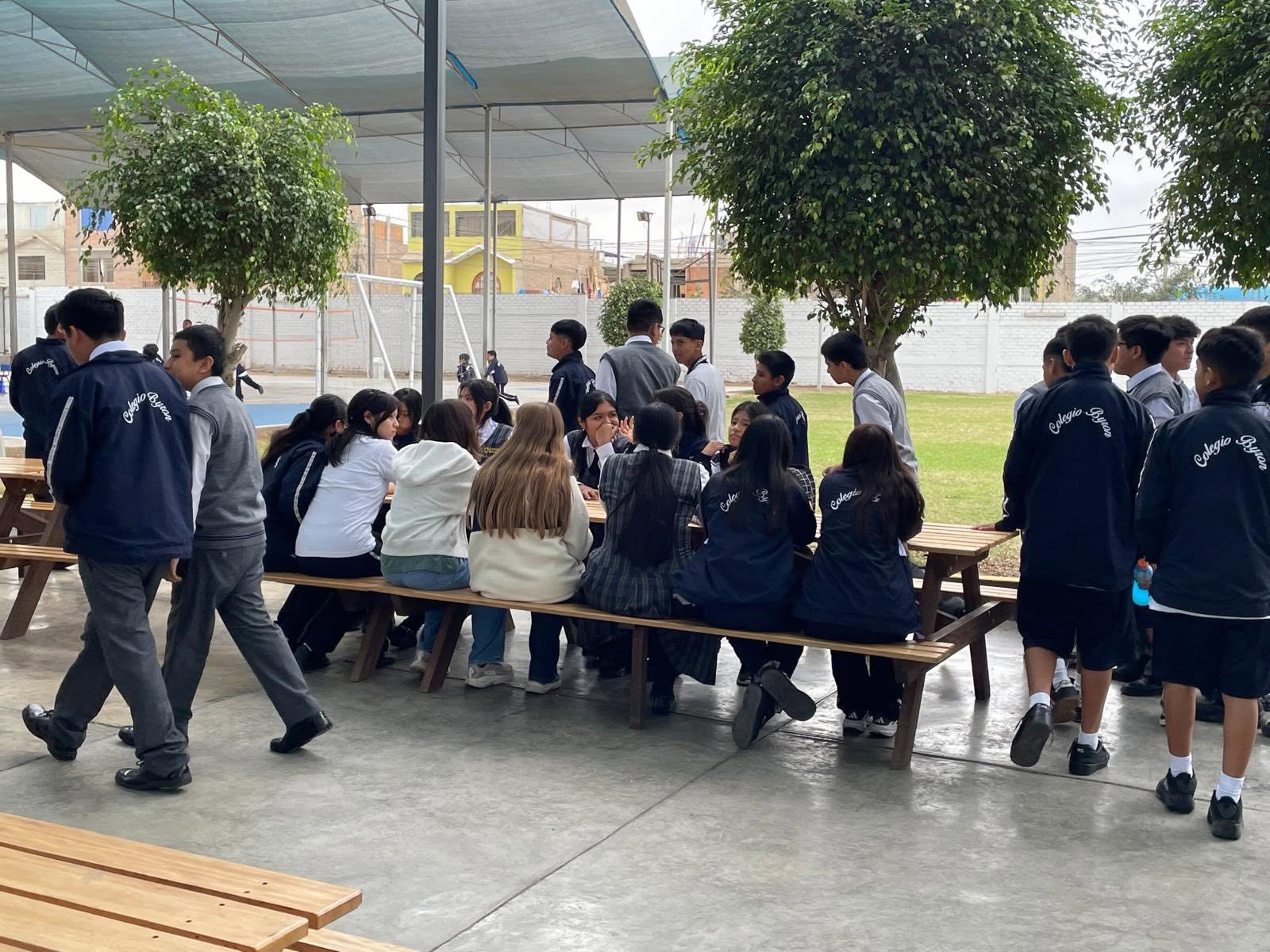
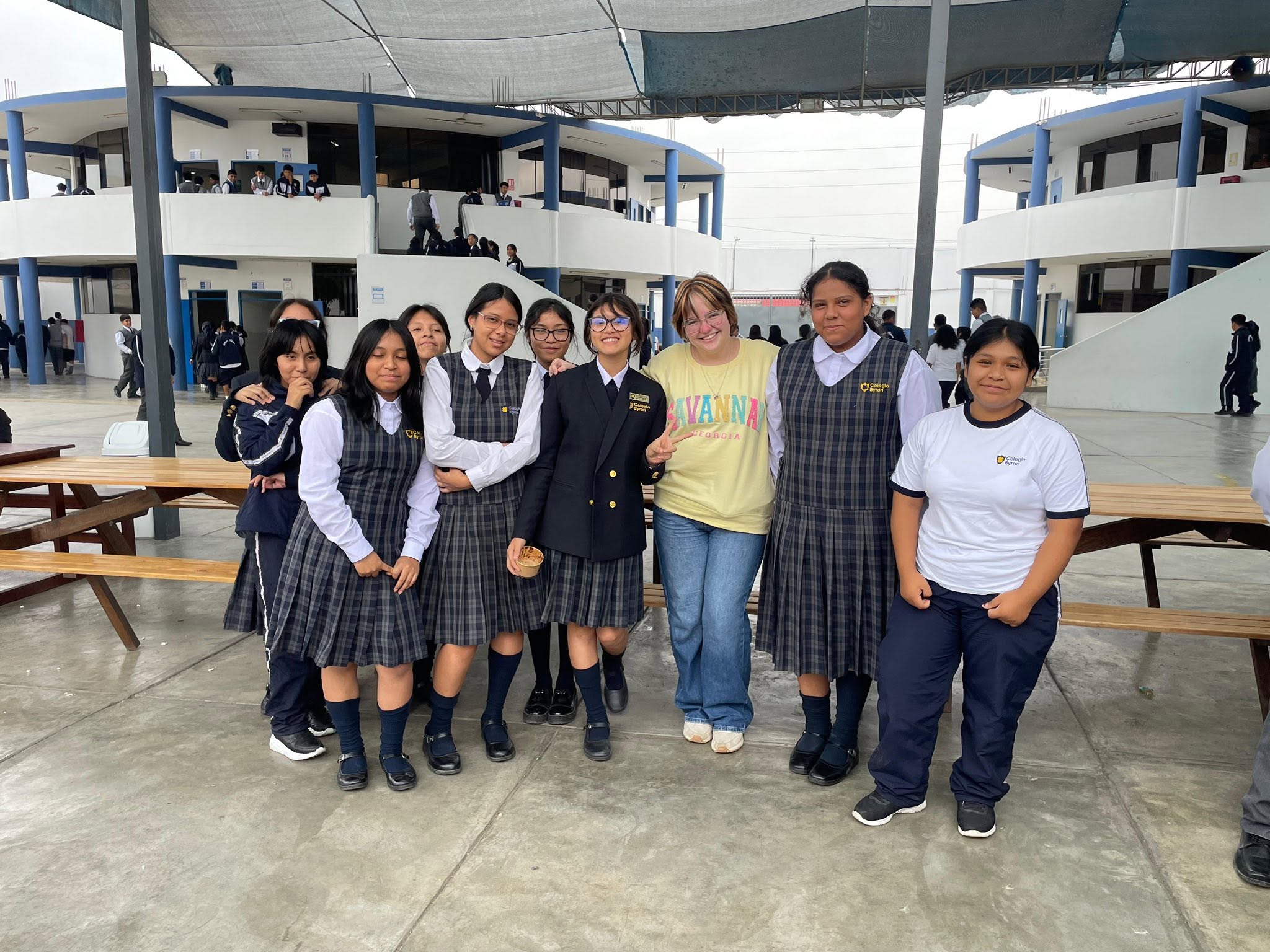
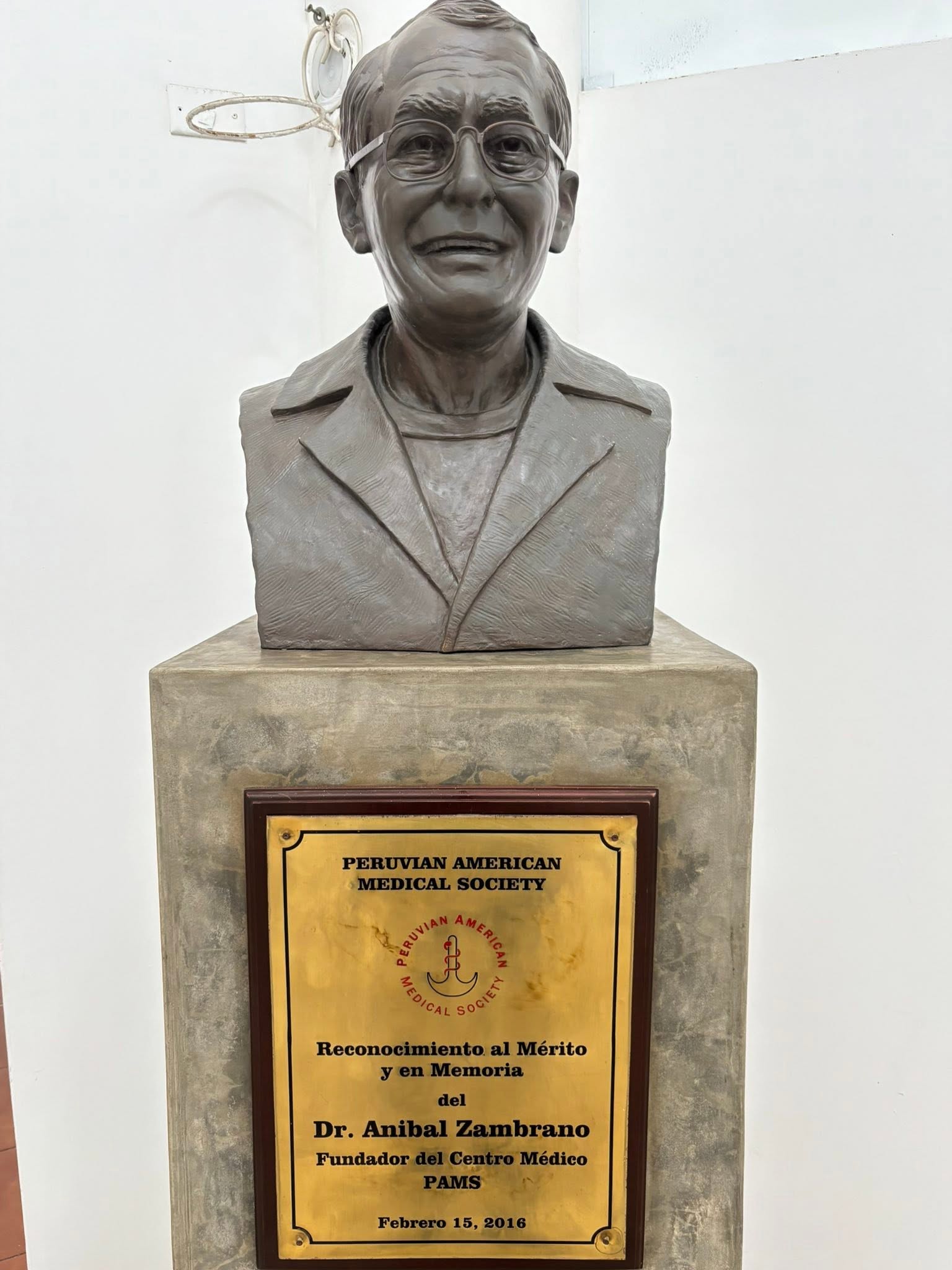
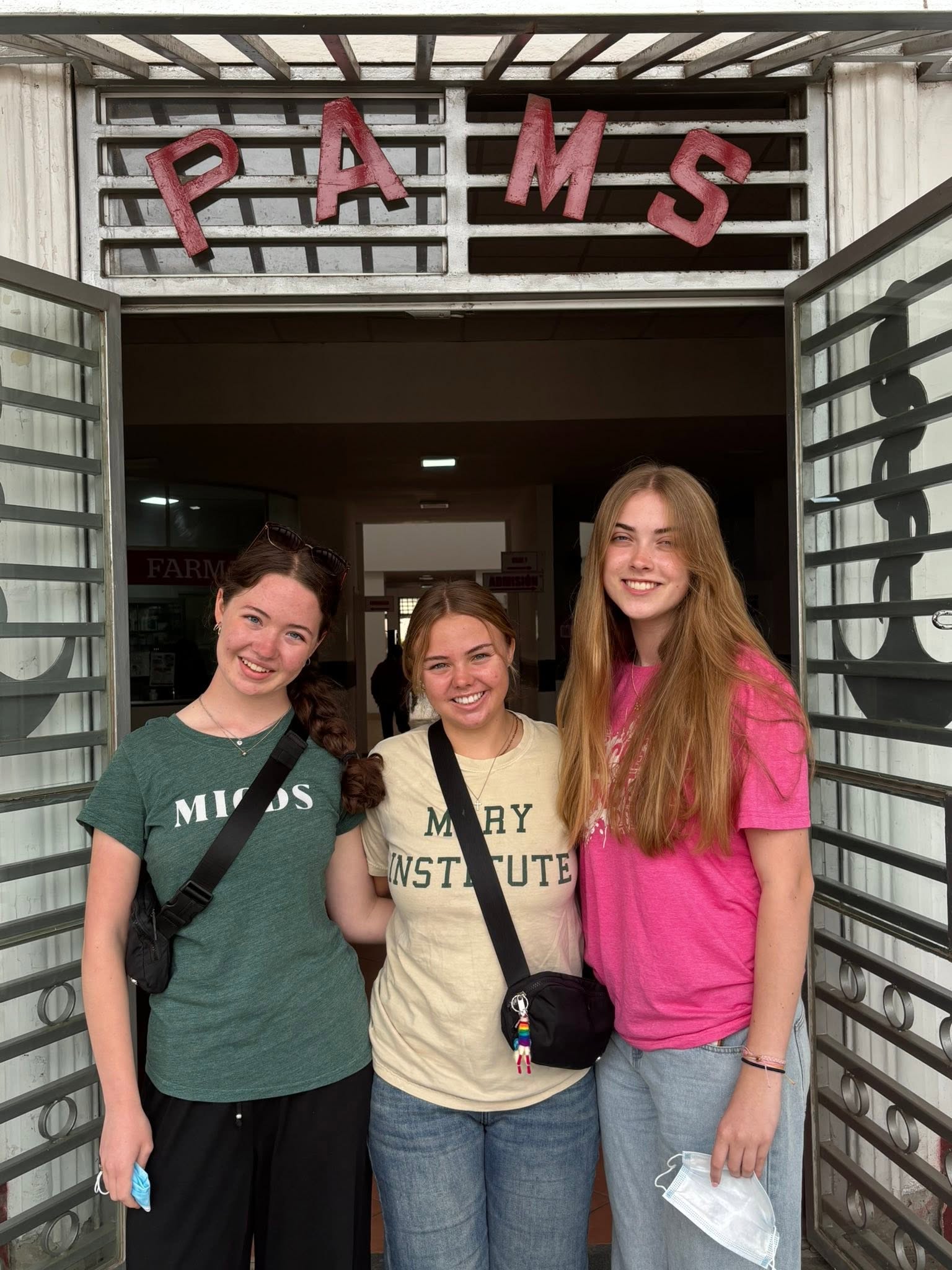
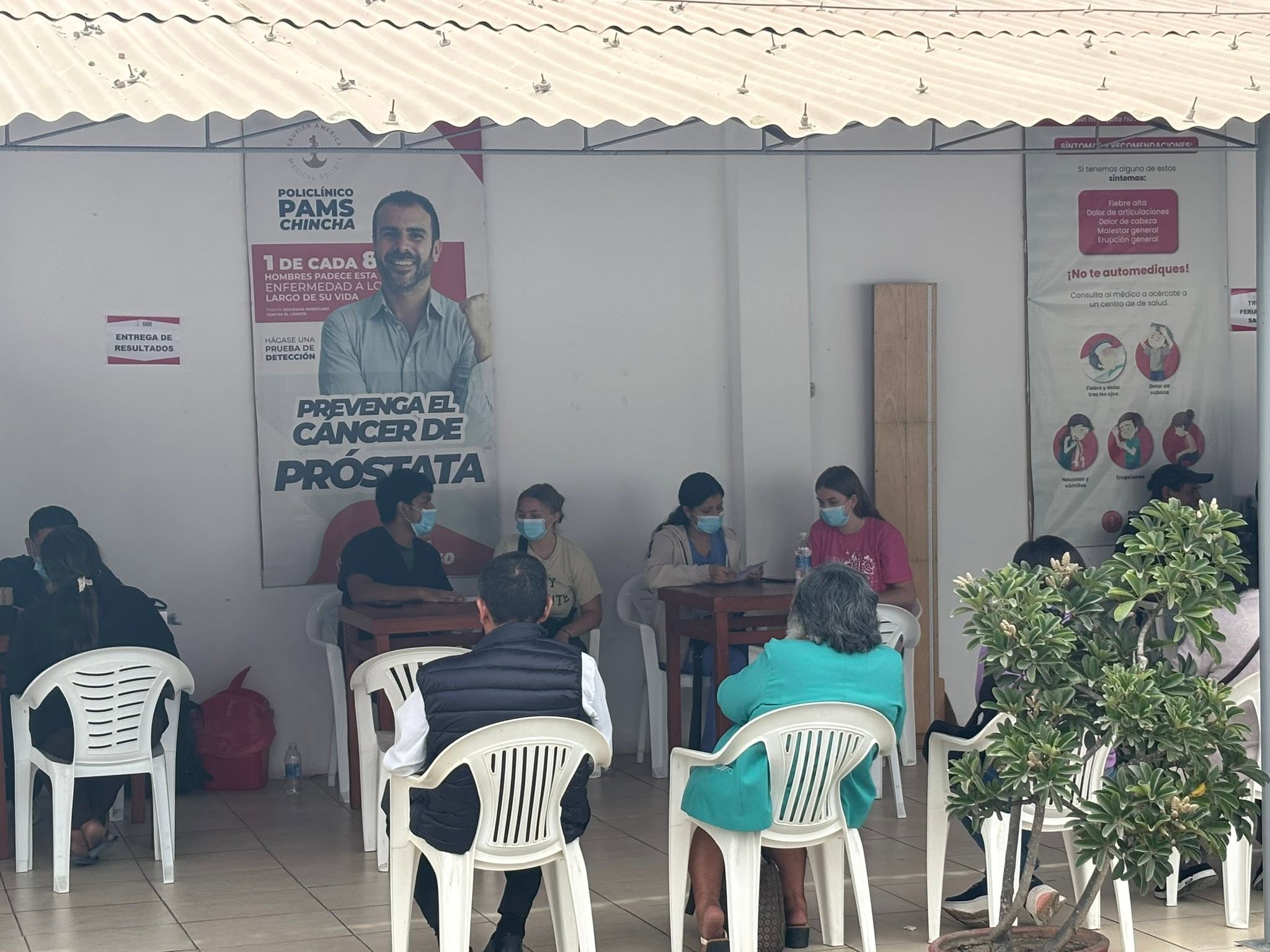
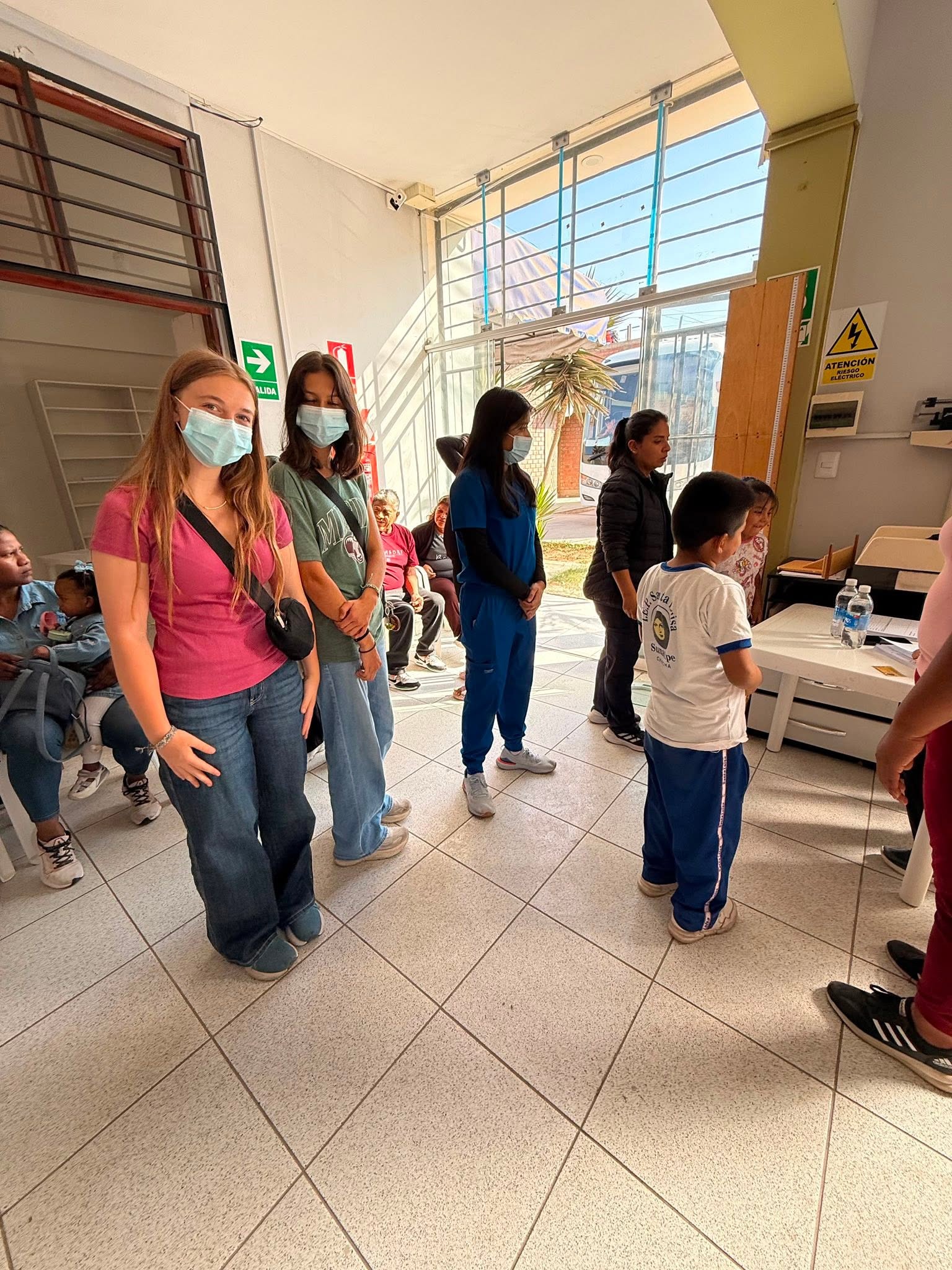
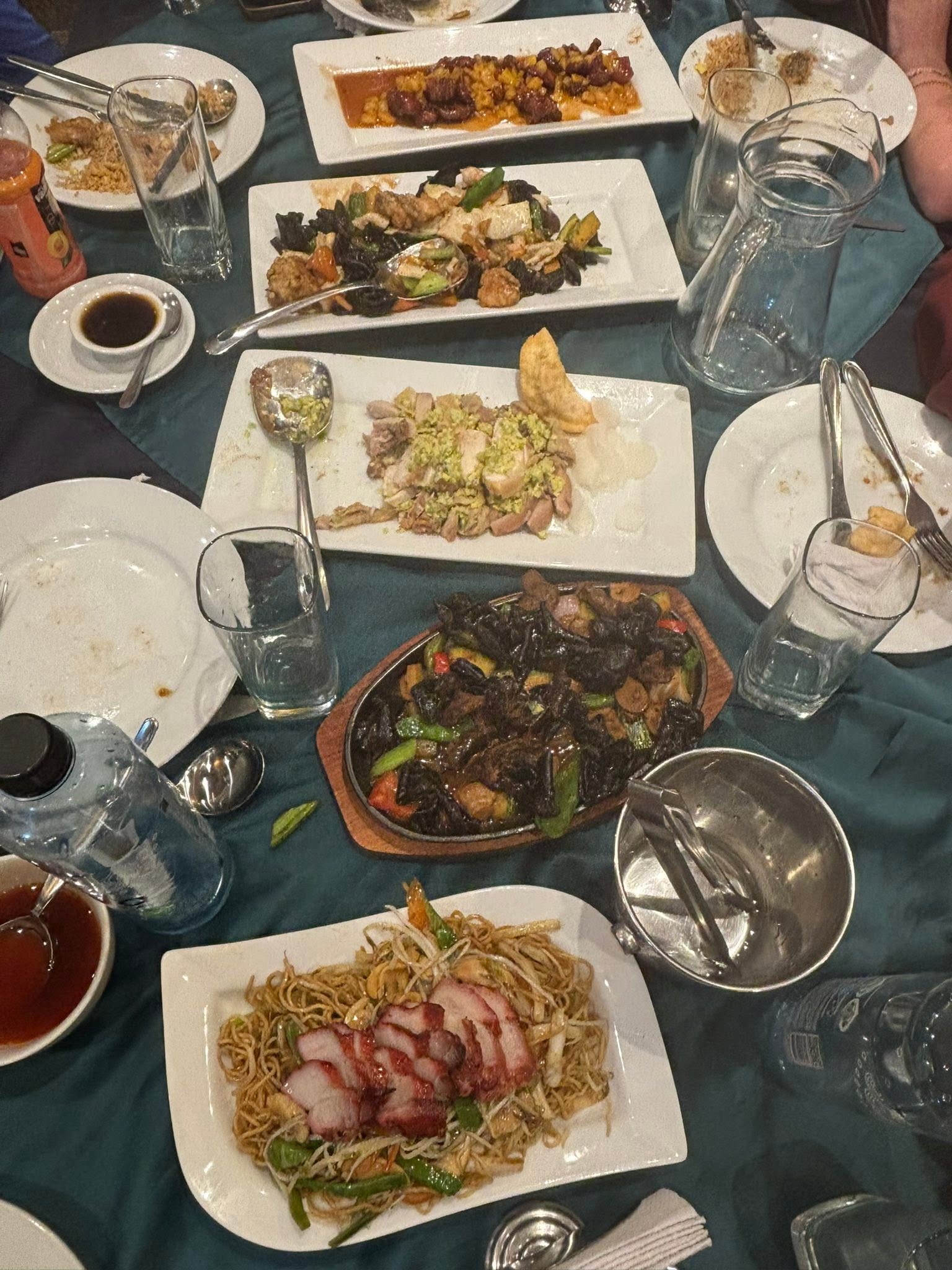
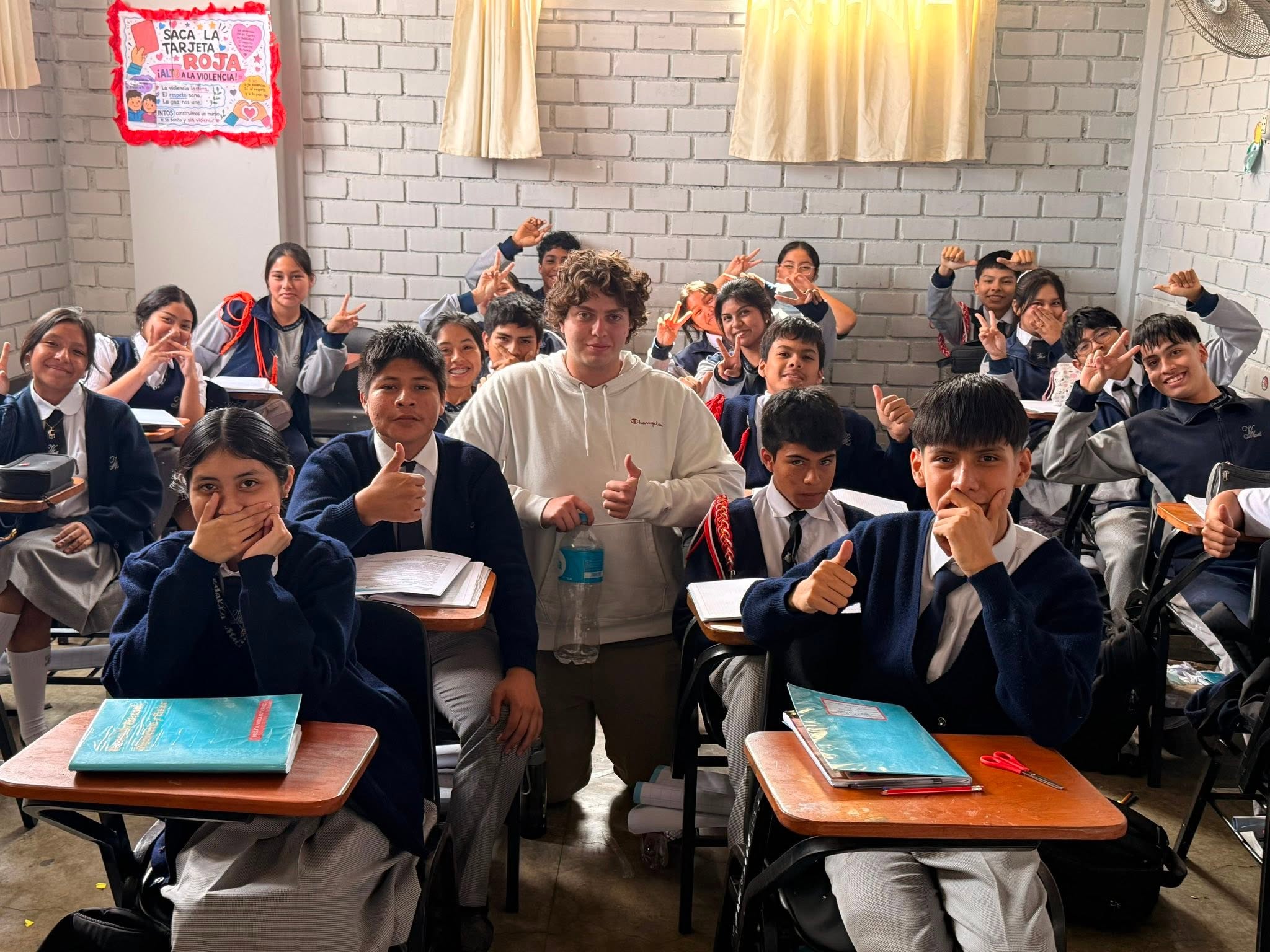
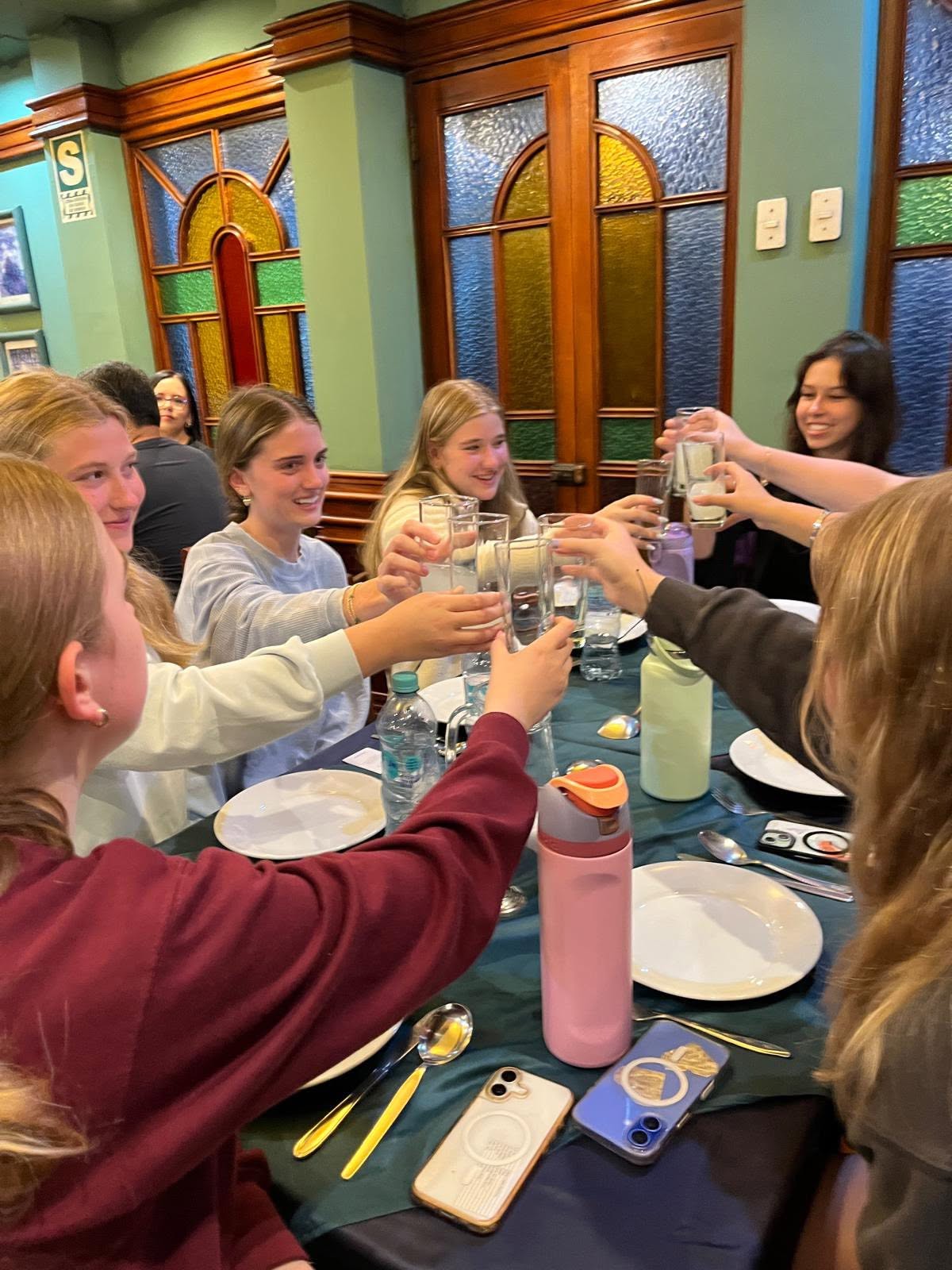
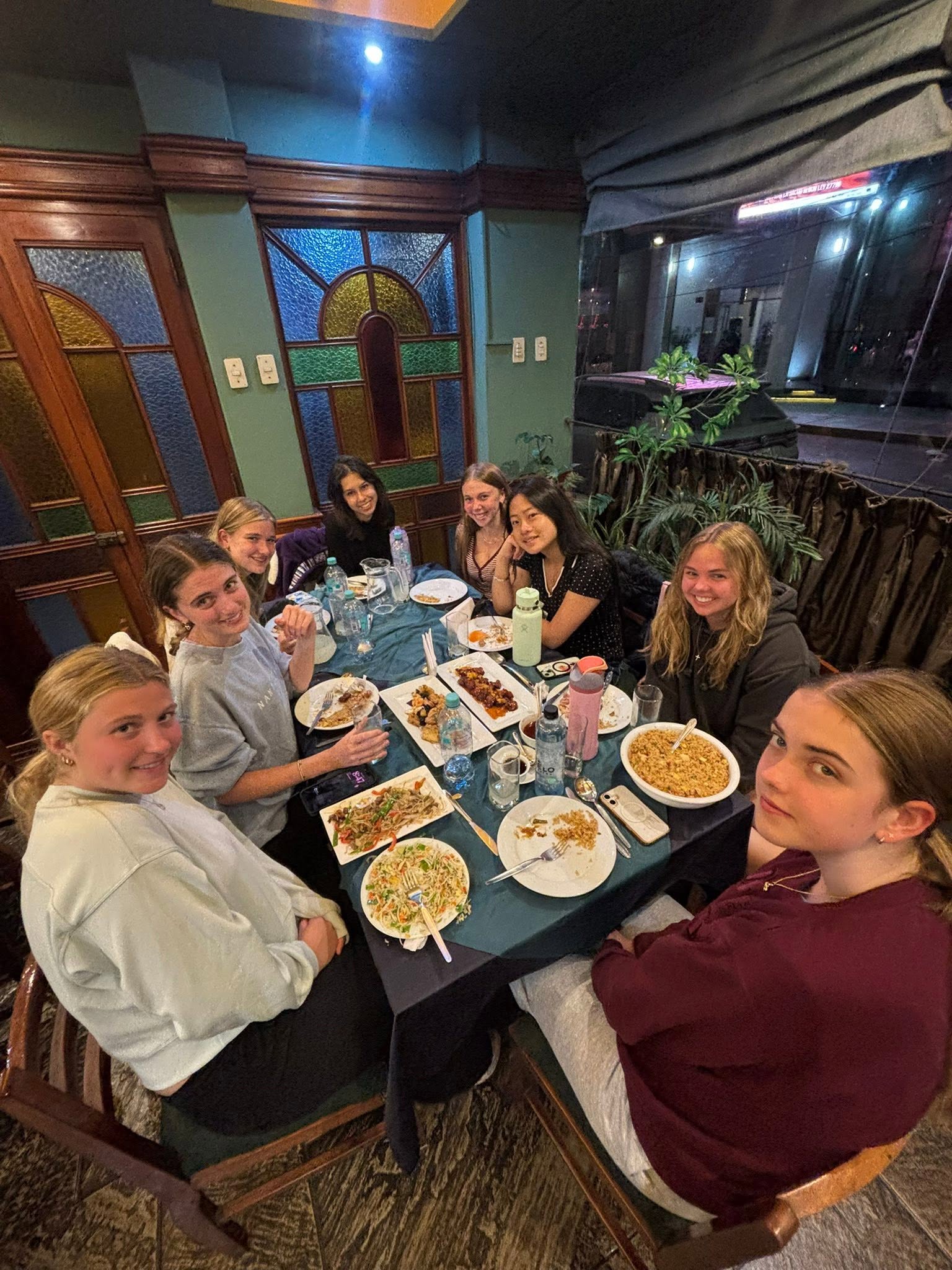
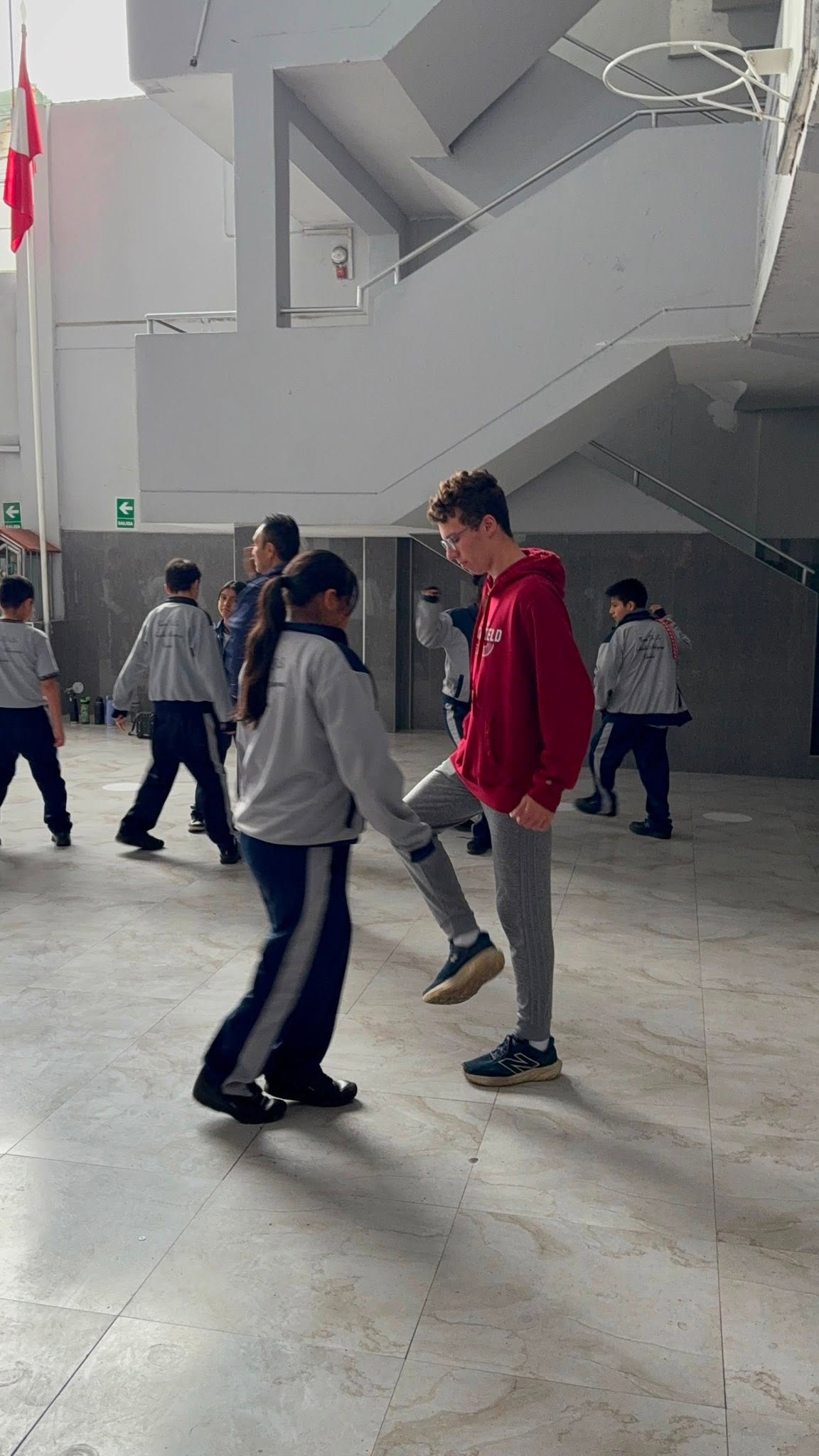
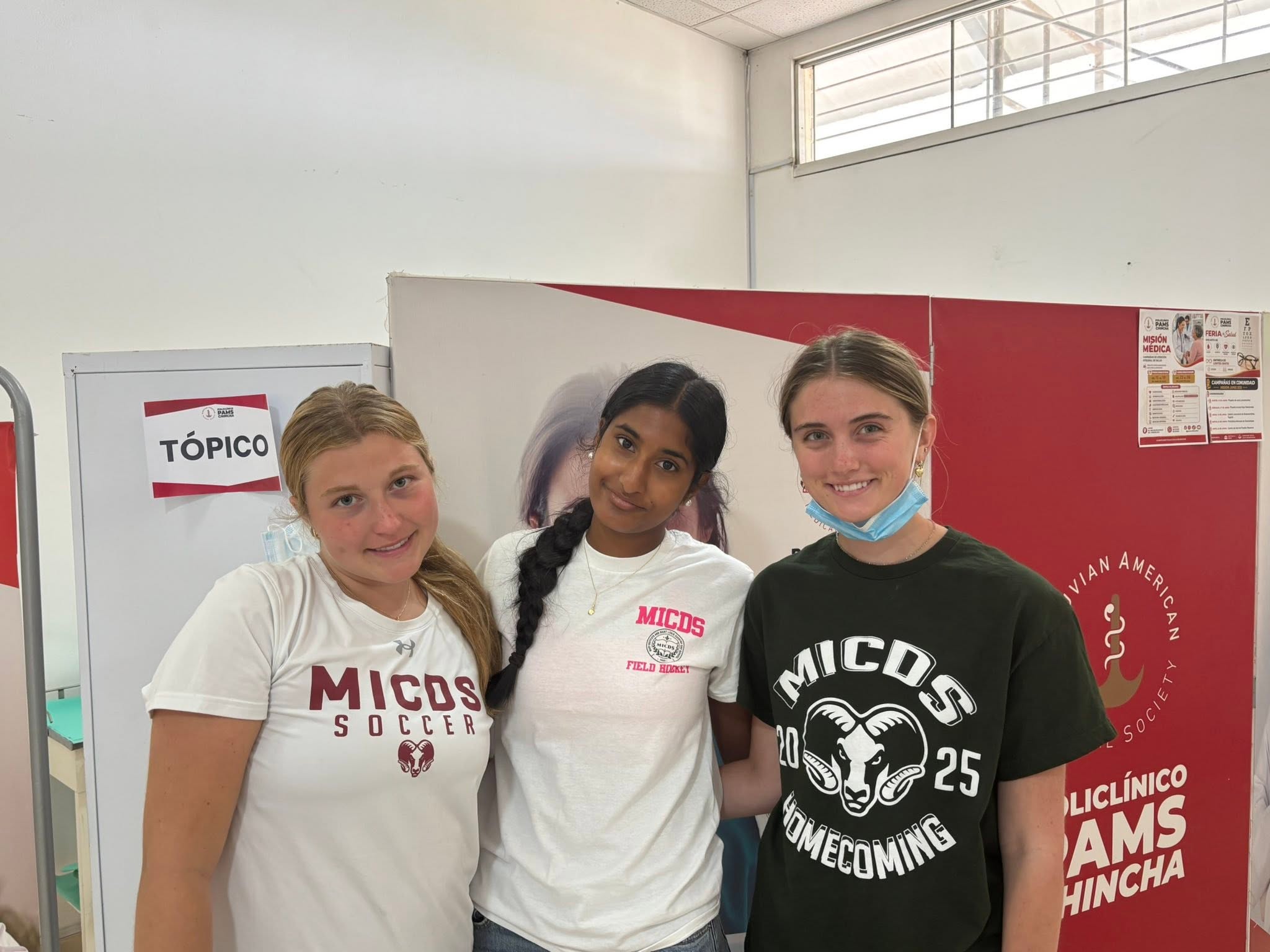
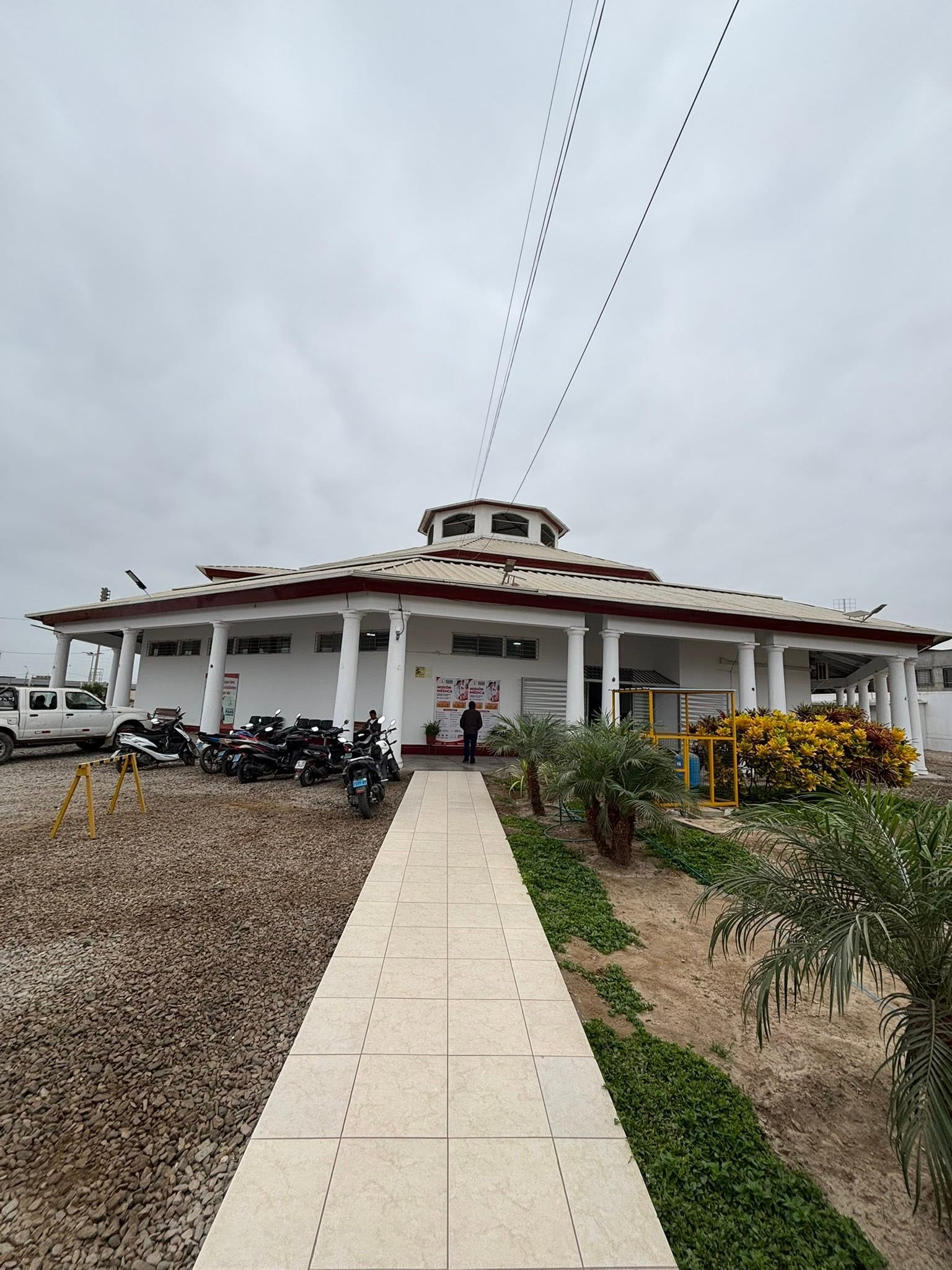
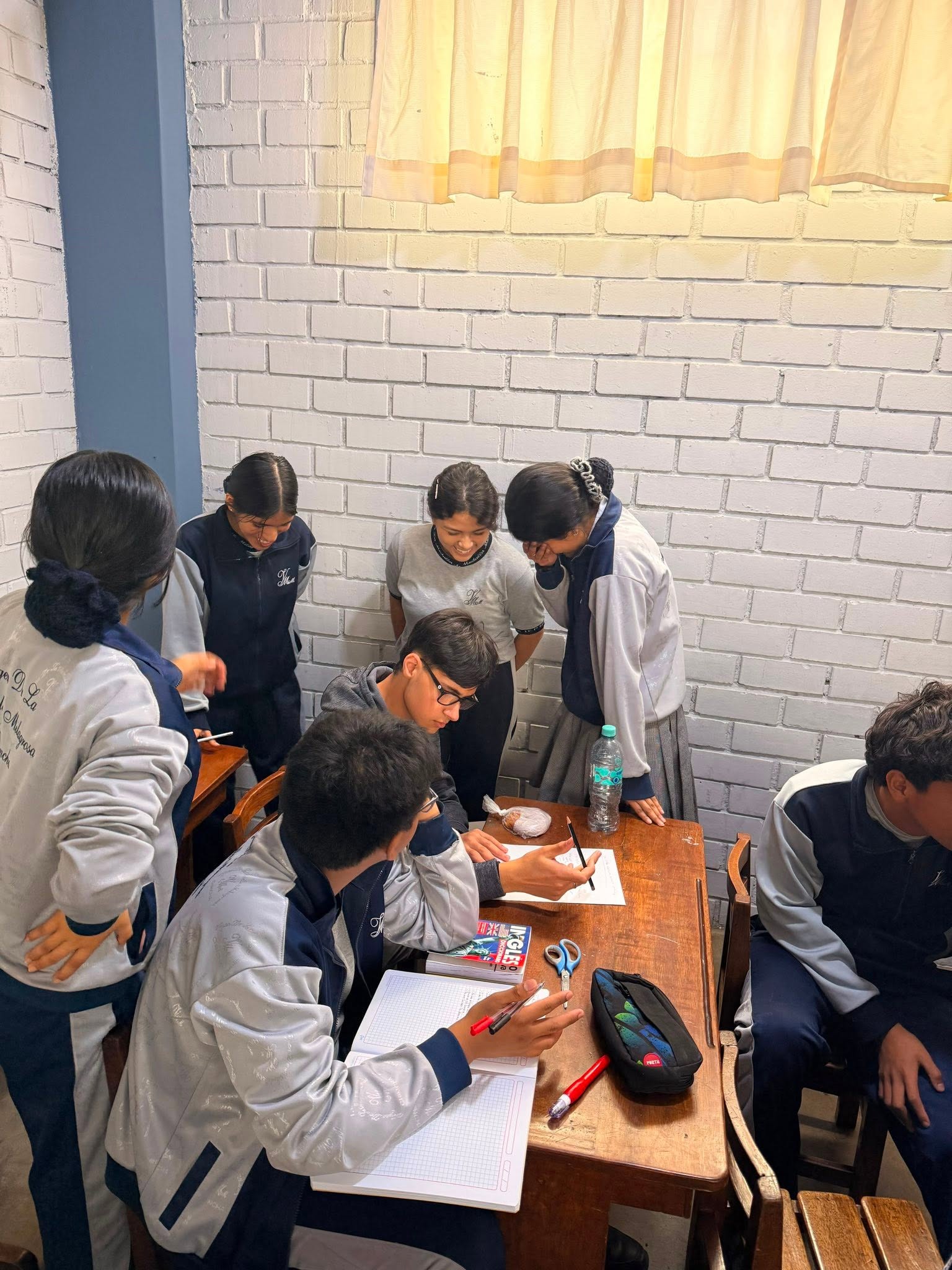
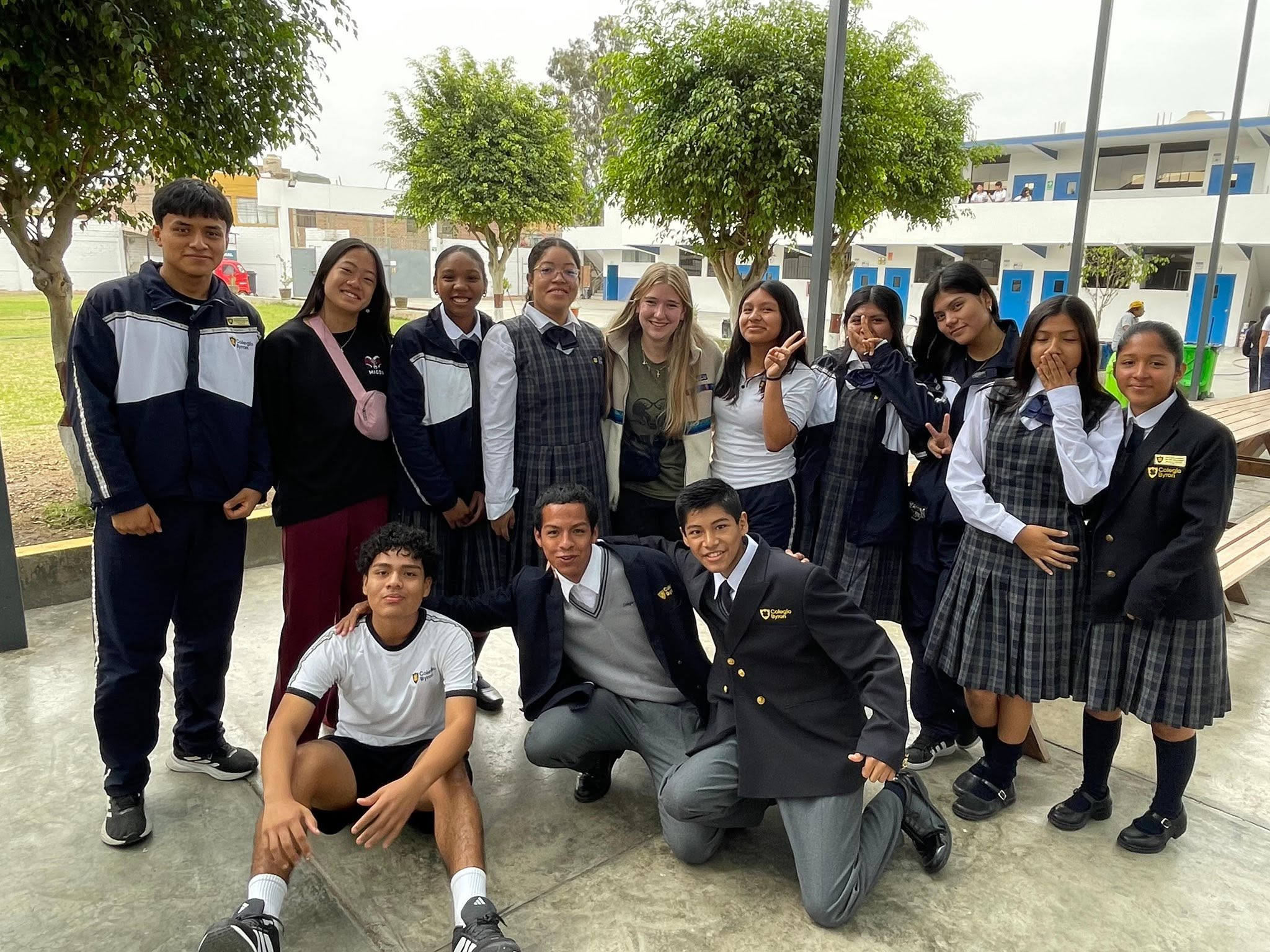
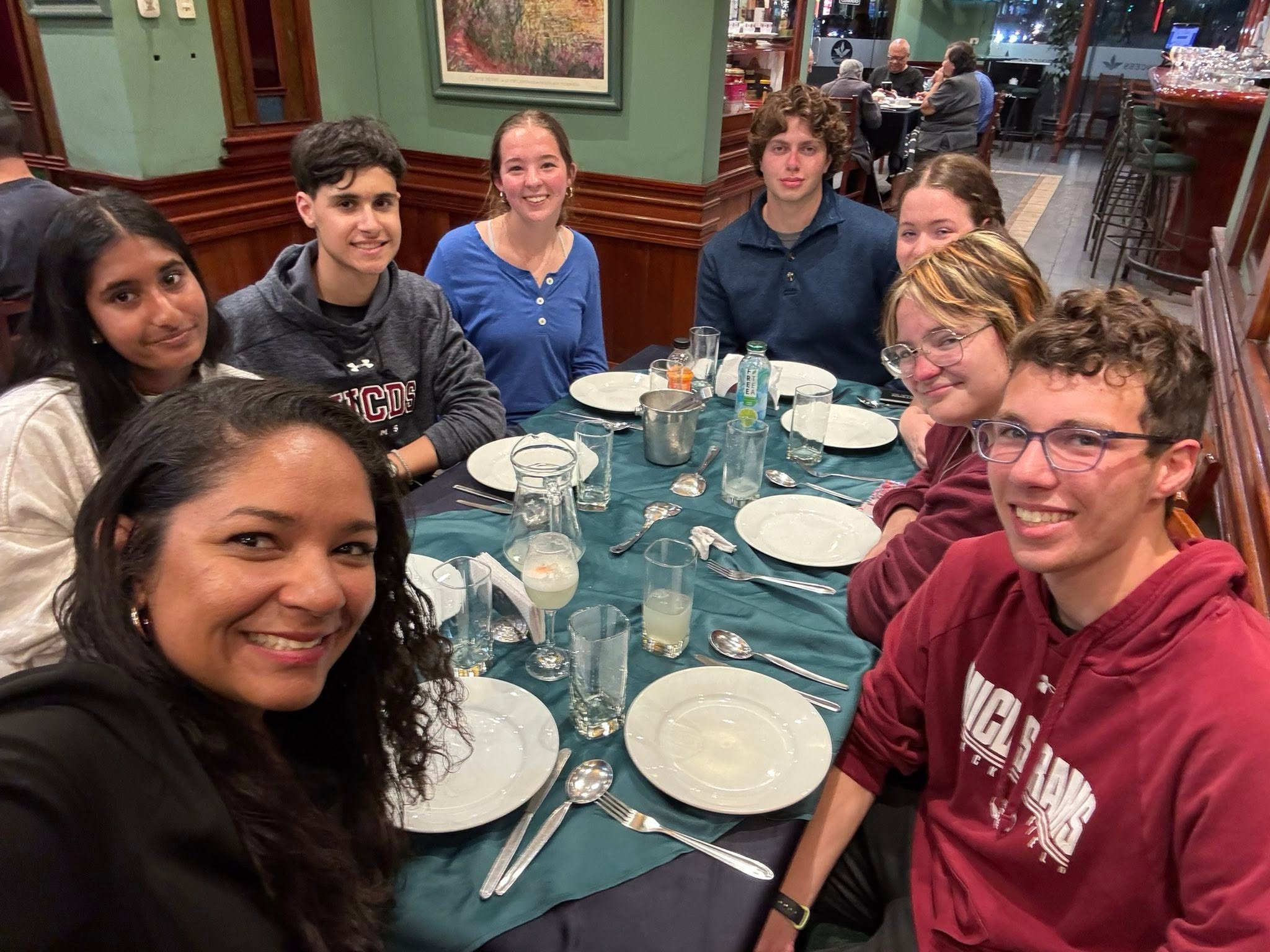
We arrived in Chincha and stepped right into our service projects. At the Peruvian-American Medical Society (PAMS) Clinic, students shadowed medical professionals, took patient information, and practiced medical Spanish. Others visited Escuela Medalla Milagrosa and Colegio Byron, bonding with young children through art and games. We capped off the first day with a welcome dinner featuring Chifa, Peru’s delicious fusion of Peruvian and Chinese cuisine.
Lillian H. ’29 said, “I thought that the visits to both the Sacred Valley and Cusco allowed me to see the foundation of Peruvian culture. Both places were heavily rooted in Inca culture, which shows their foundations of life. The principles of the Incas are still believed, and their once-prosperous life acts as an inspiration to both natives and tourists alike.”
And yet, a moment in Lilian’s volunteer work surprised her. “I think that my reaction to the orphanage was different from what I initially anticipated. It was such a wonderful experience that allowed me to interact with girls who were even older than me, yet had not seen the world yet. Those girls had such wonderful dreams and found so much joy in our visit that it really resonated with me,” she said.
Director of Global Learning & Upper School Community Service Erin Hamill said, “This program is offered with the belief that those providing community service benefit as much as those receiving it. The service element is designed to help students learn more about another culture while sparking interest for future volunteer experiences. We recognize that our students come to this immersion with different levels of comfort and experience. For some, just experiencing a new culture and witnessing the needs of others is a formative turning point in their lives. We are grateful for this opportunity!”