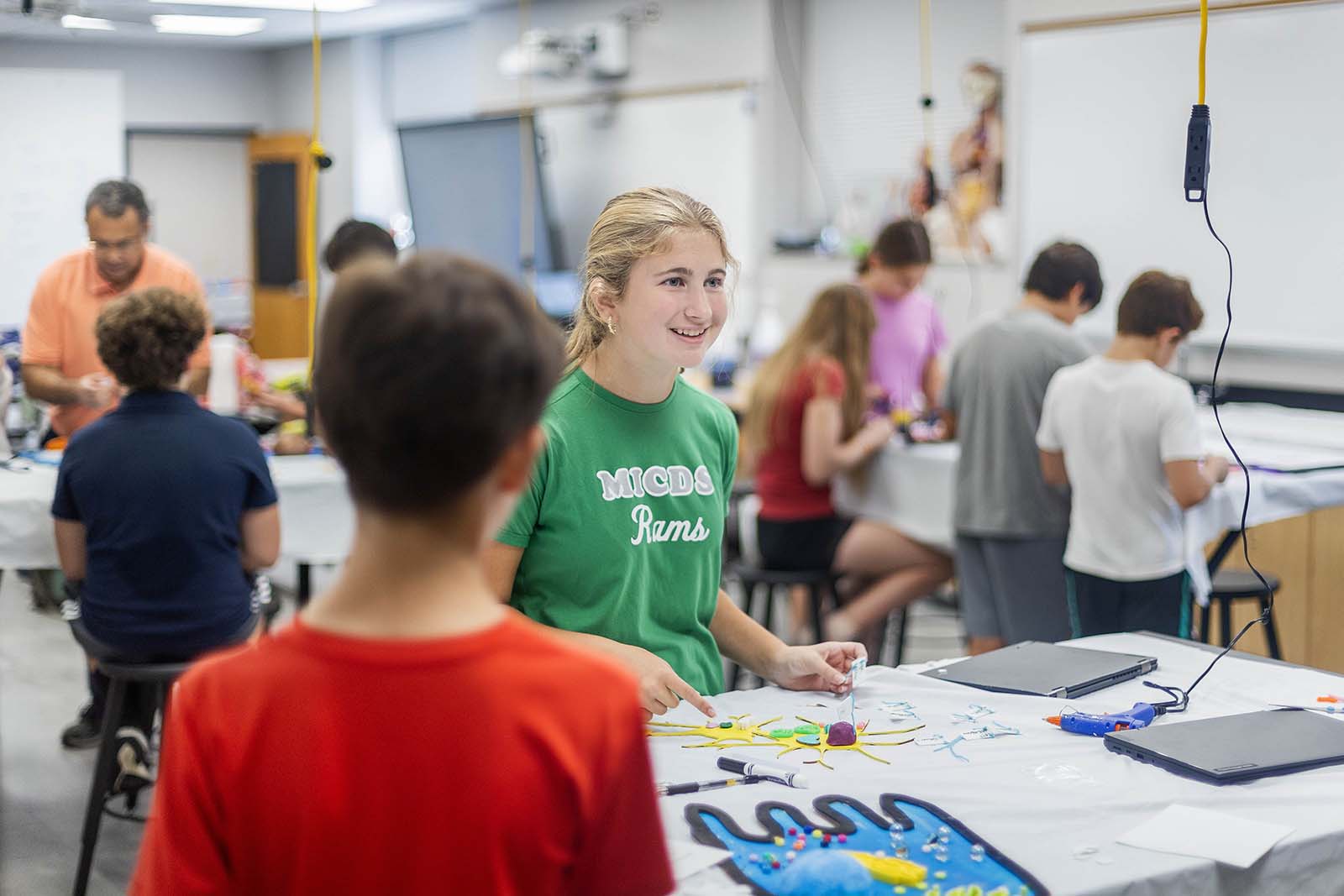
Cells are complex, working on a microscopic level to power our lives and our world. But how? MICDS seventh graders recently set out to discover how plant and animal cells build and sustain life.
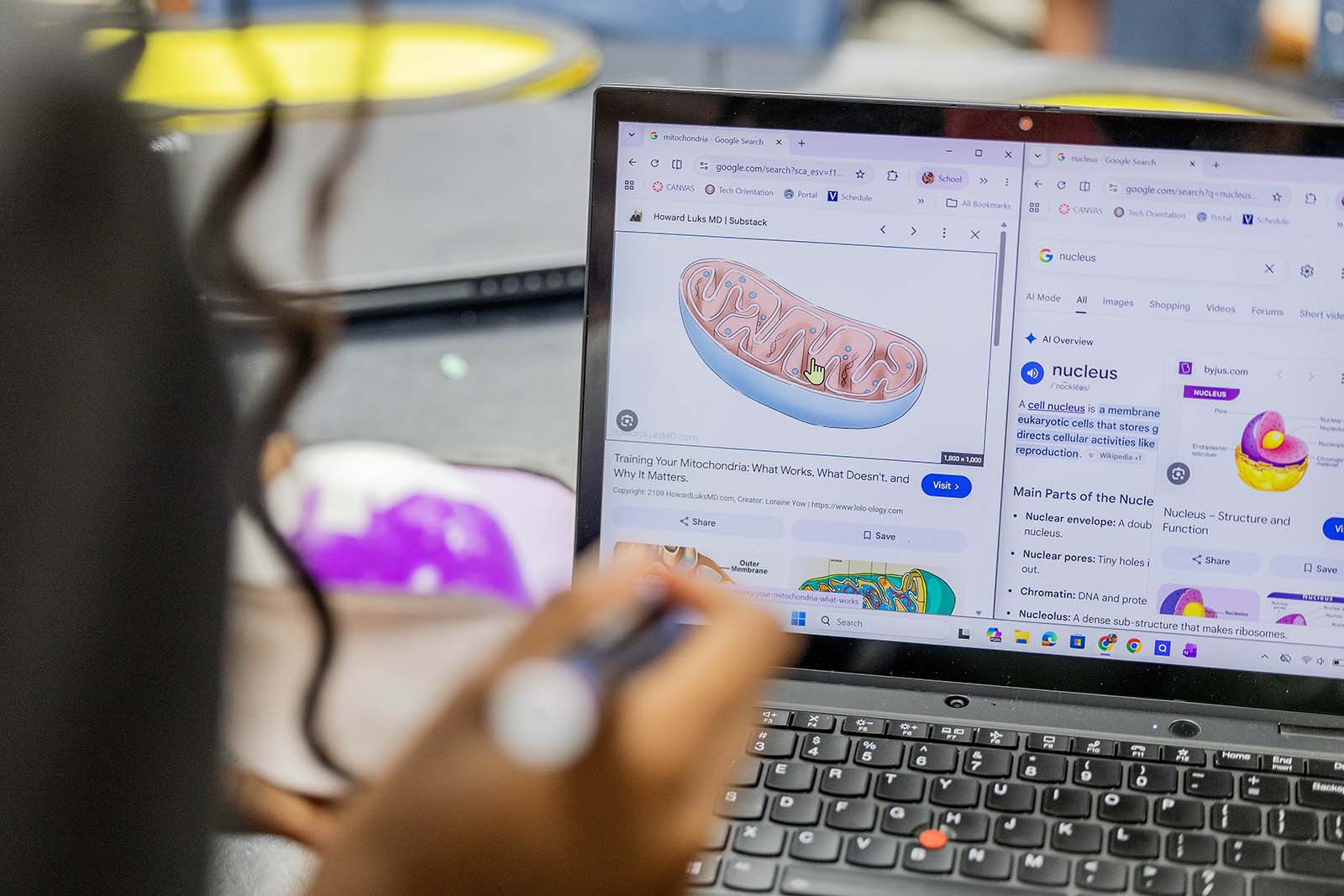
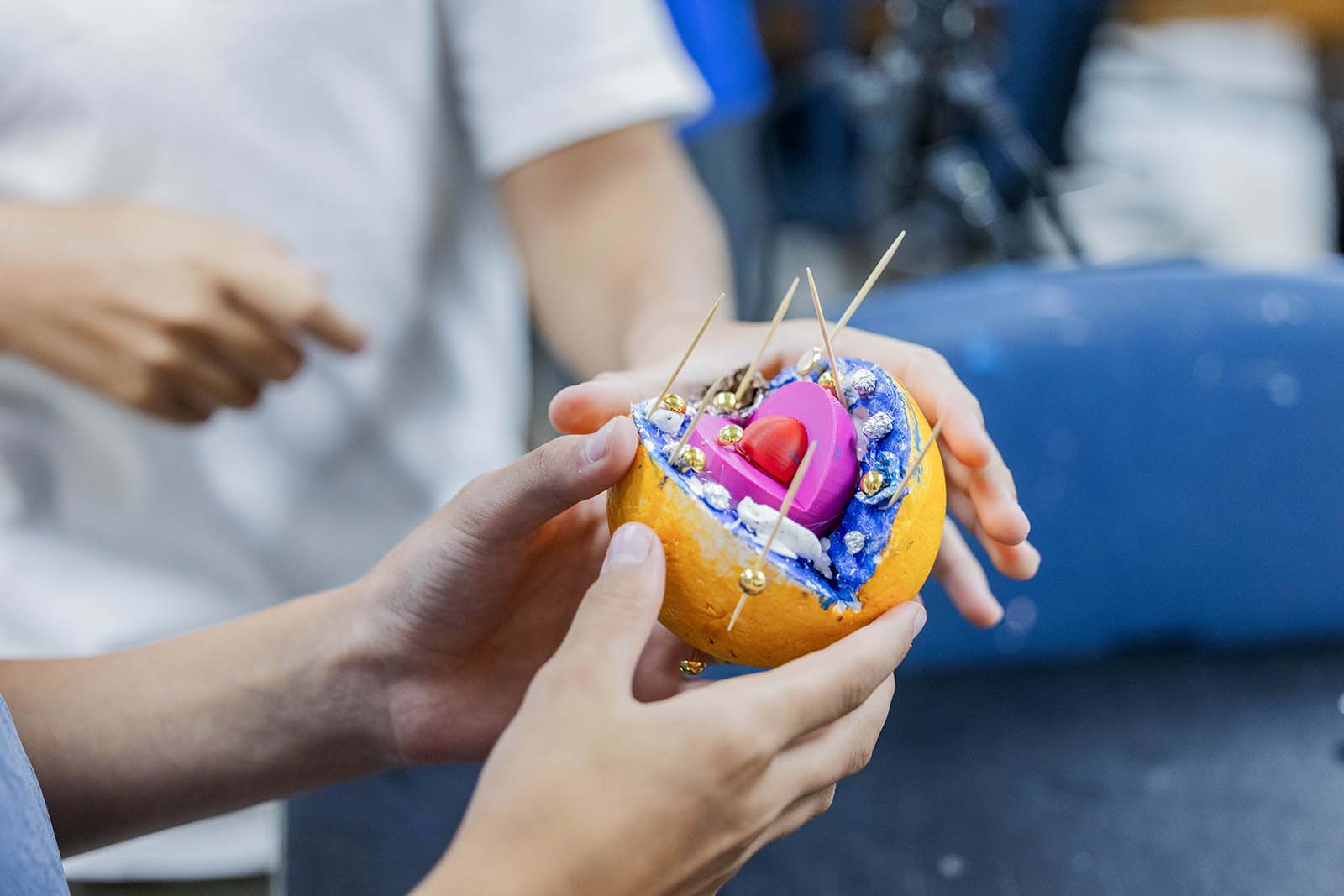
In our seventh-grade students’ first science unit of the semester, they must first understand cell organelles and their individual functions. Like our own hearts, brains, and lungs, organelles are specialized parts of the cell that carry out specific functions. Students are taught about a cell’s nucleus, which acts as its brain; the cell’s mitochondria, which convert oxygen and sugar into energy; and chloroplasts, which exist in plant cells and produce energy through photosynthesis.
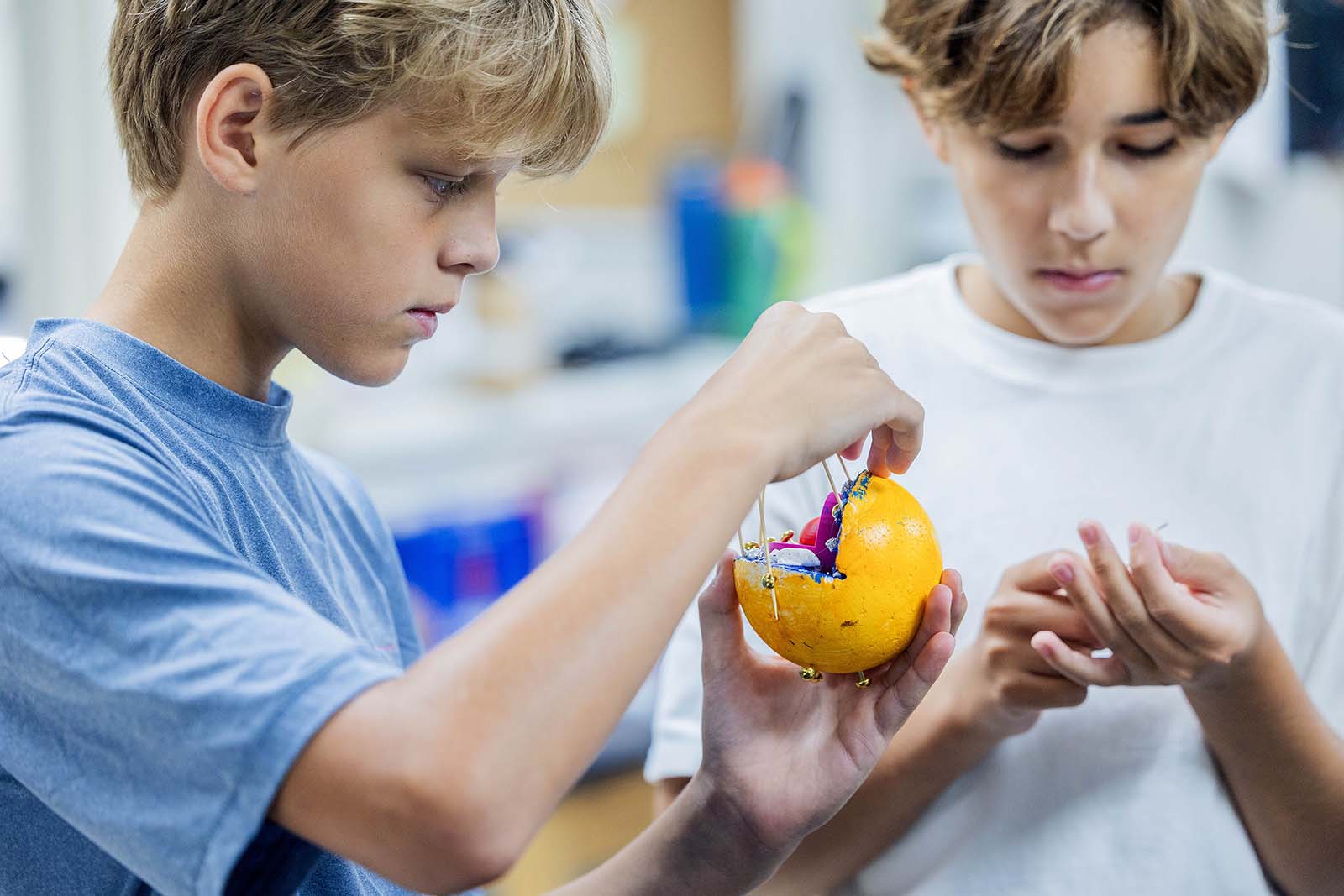
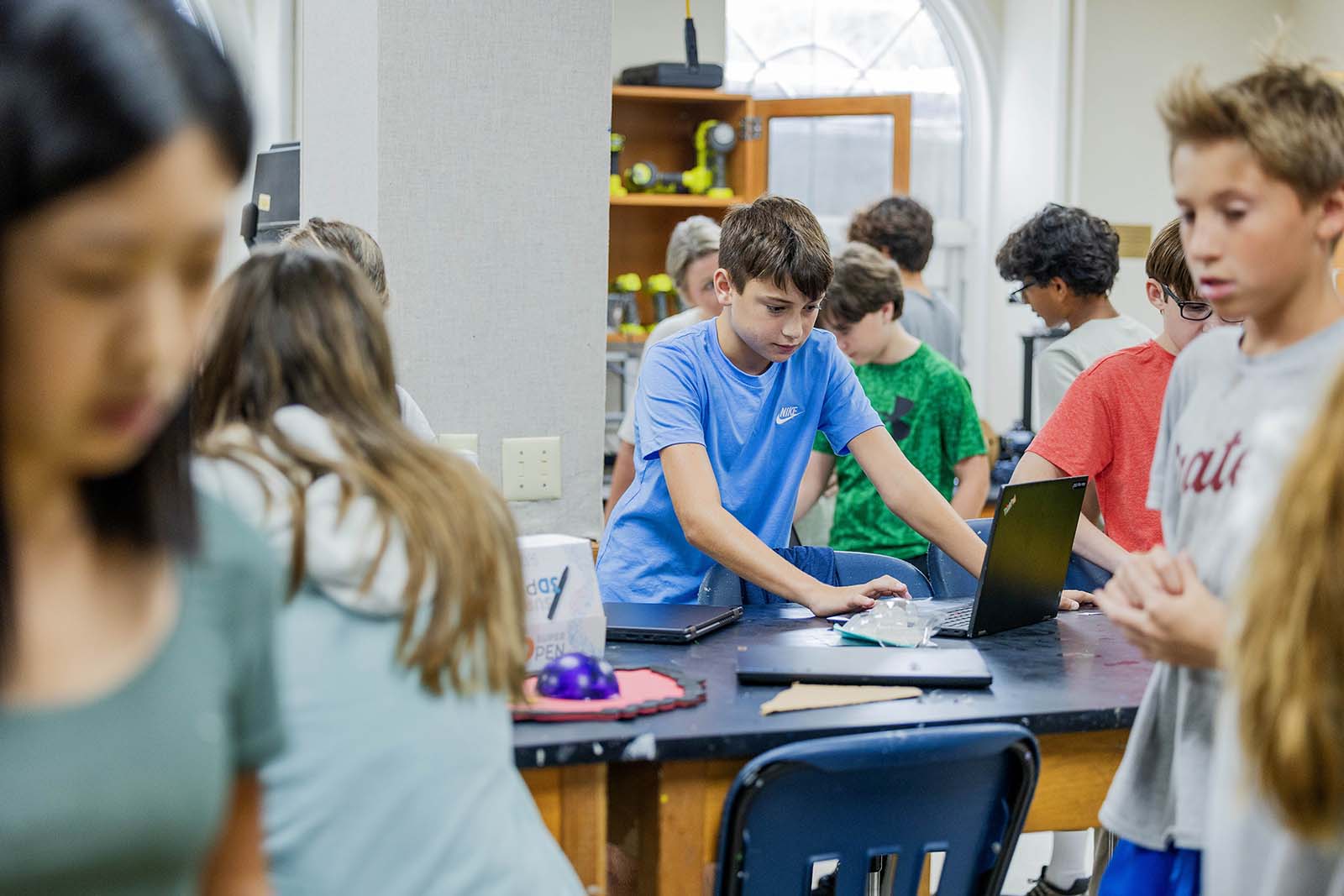
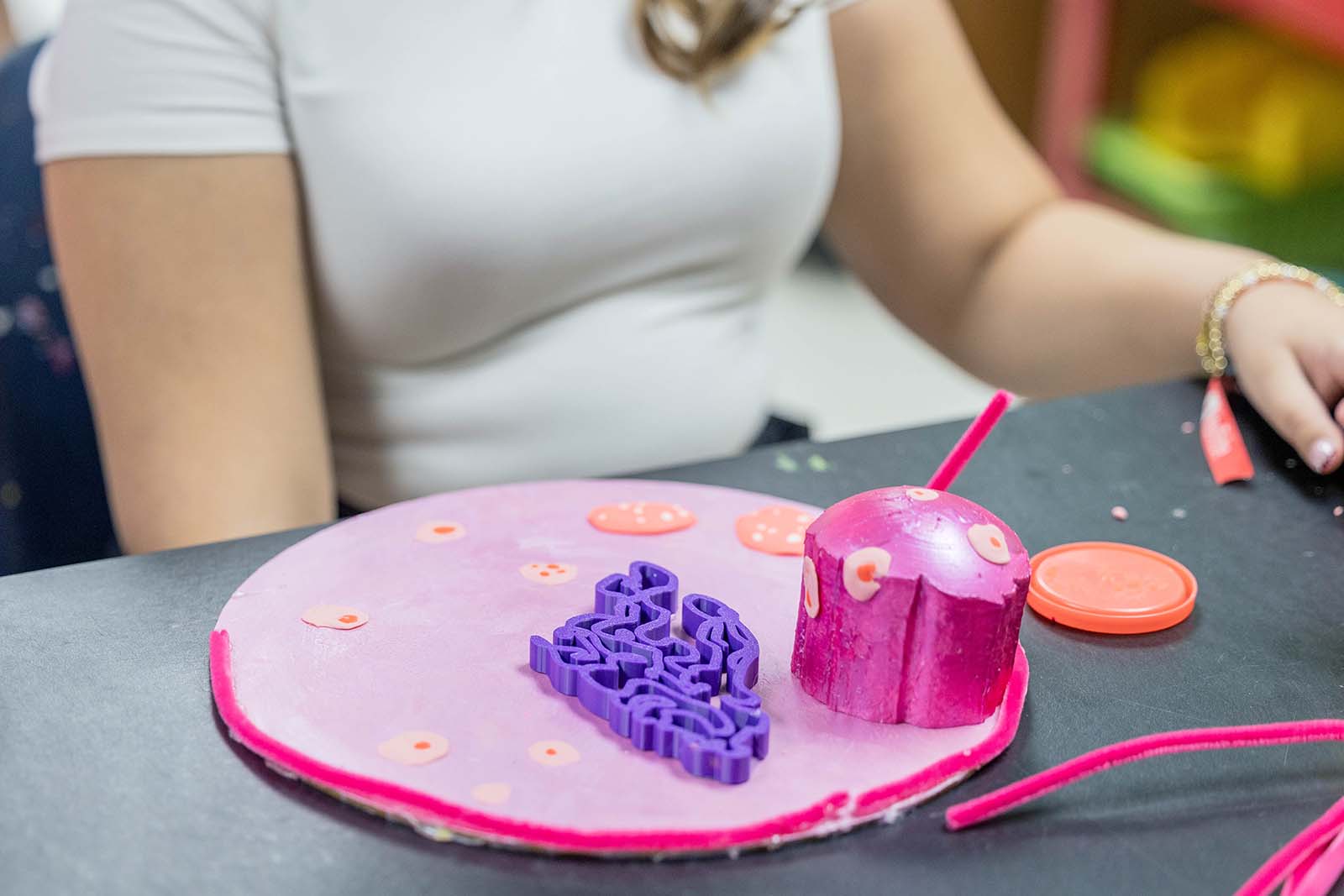
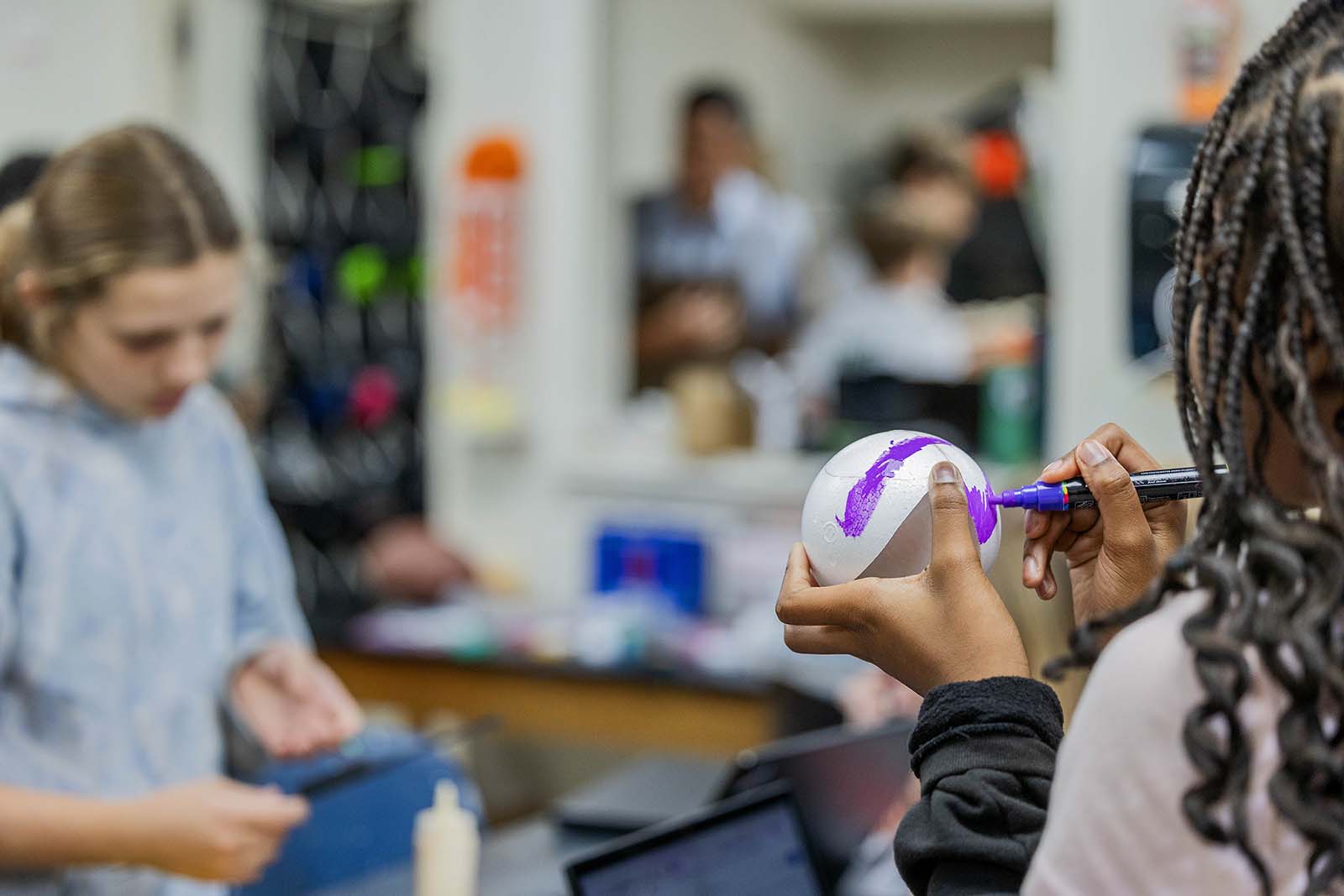
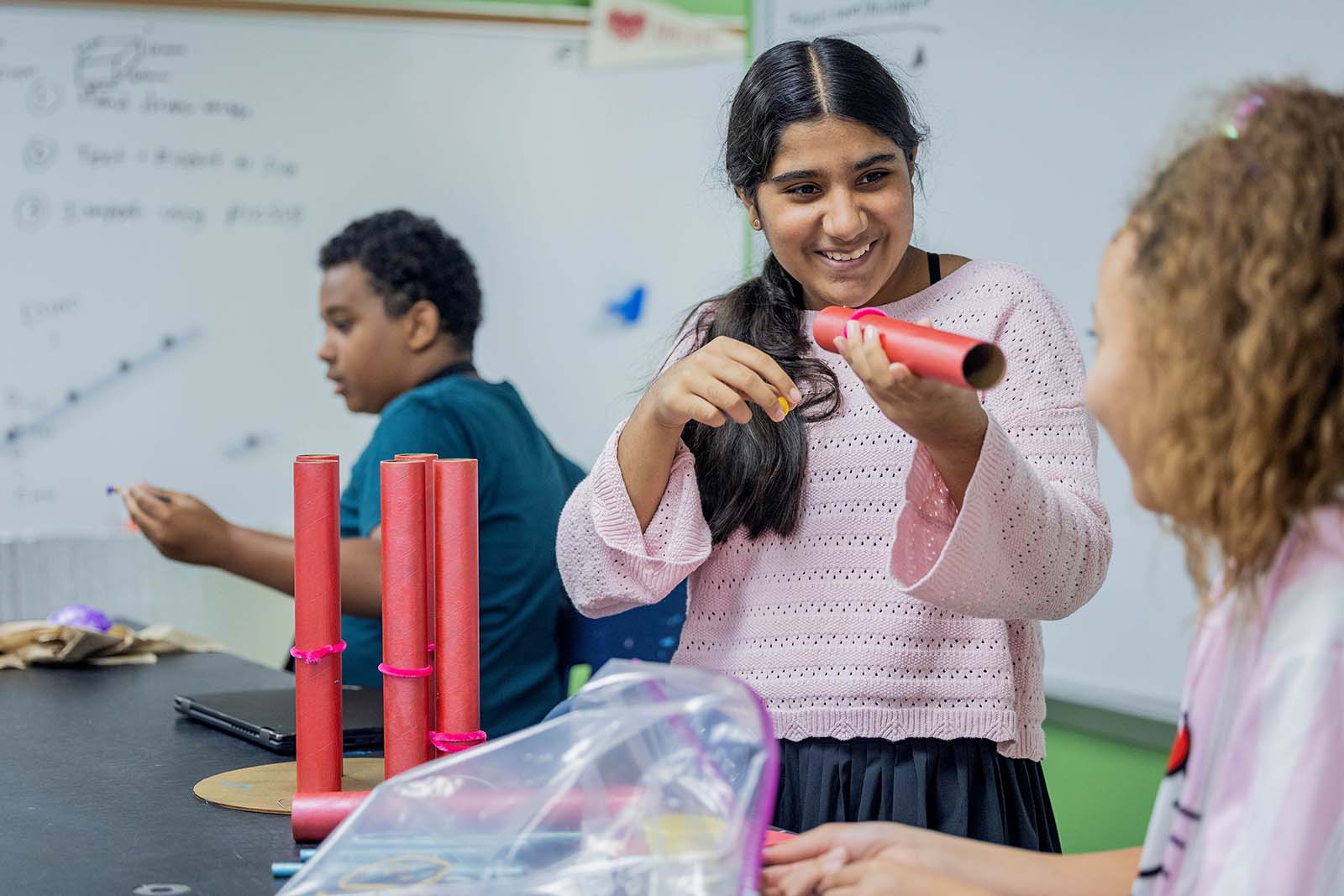
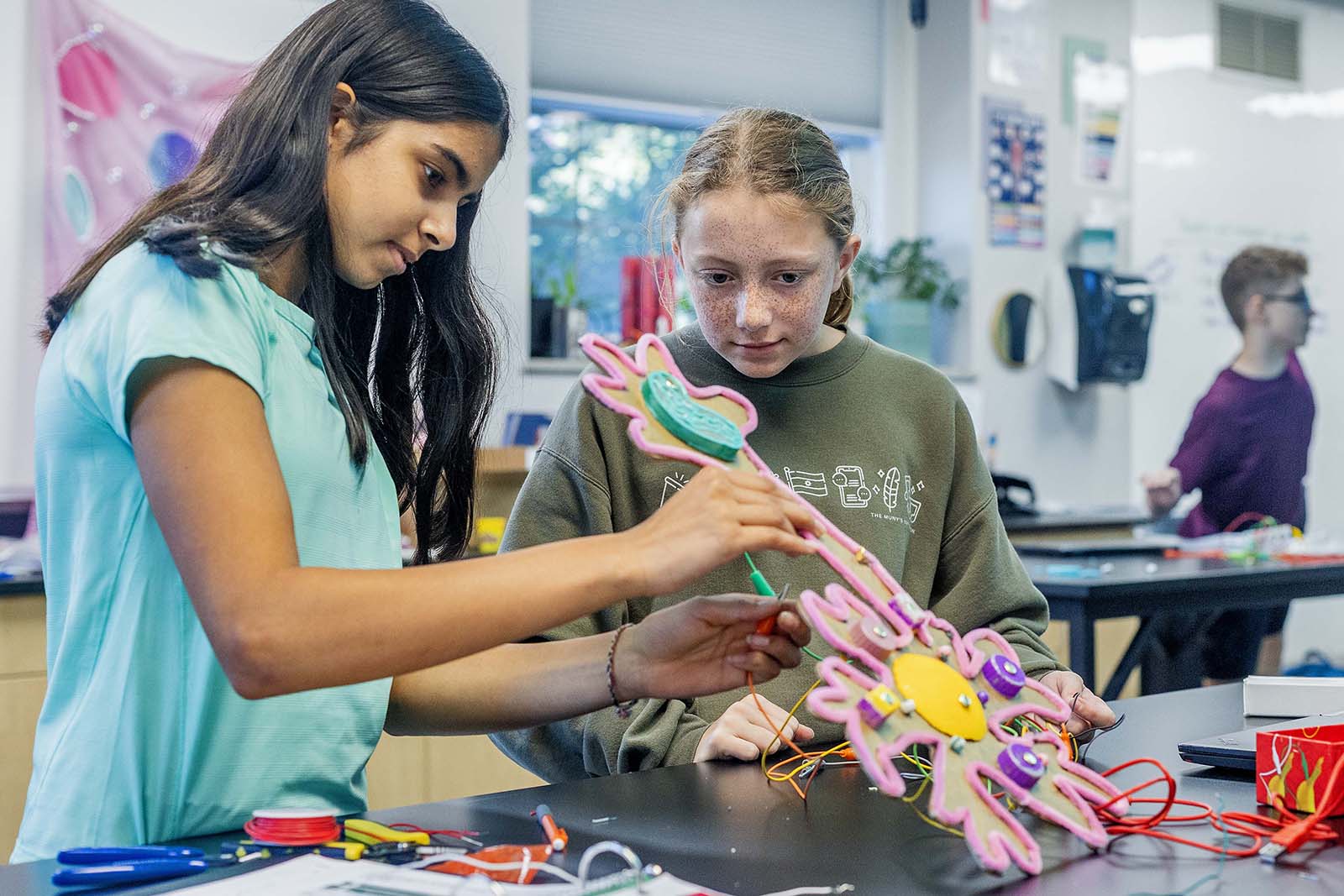
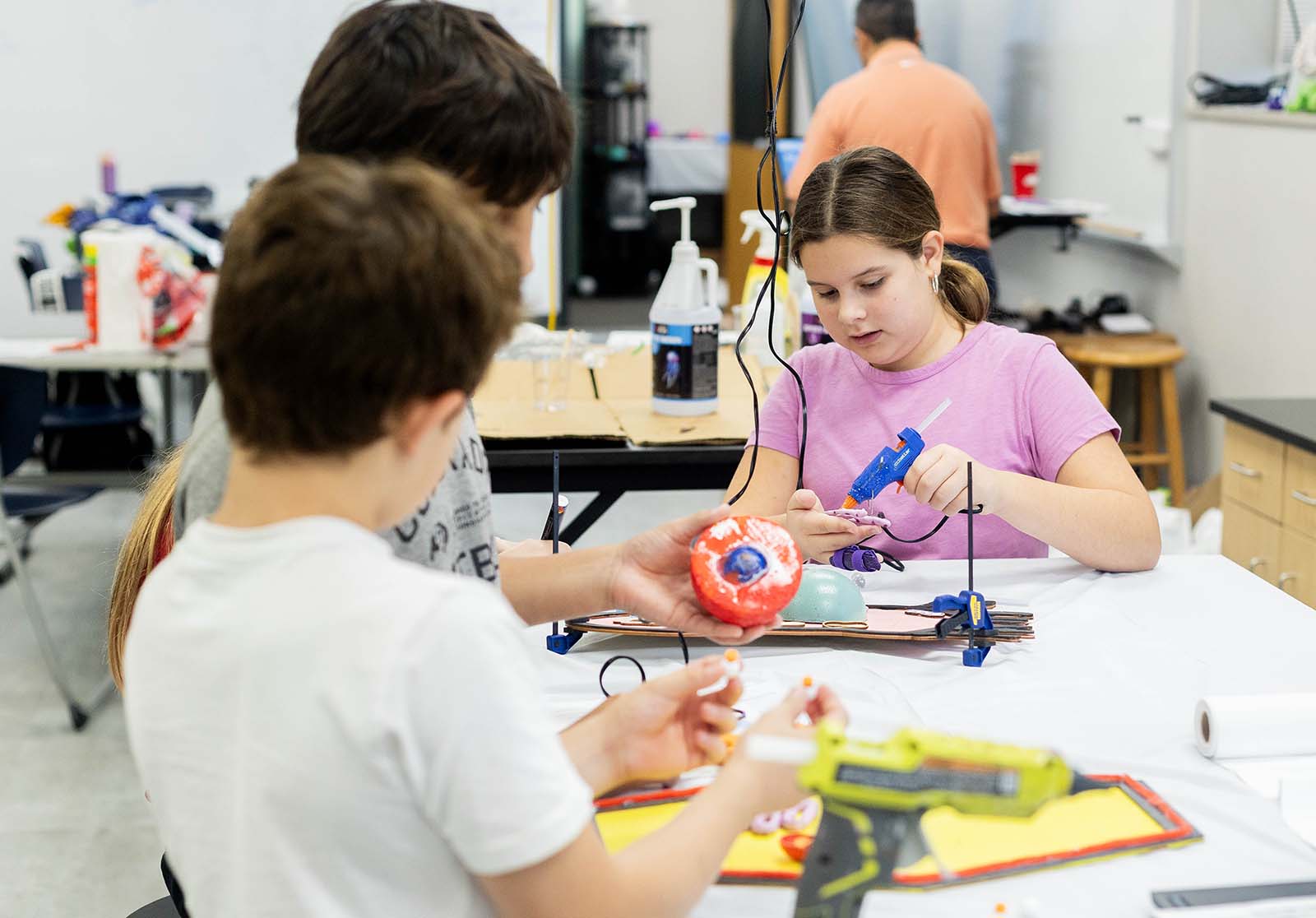
Knowing how cells work is crucial, but not all cells are the same. Major differences exist between skeletal cells, motor neurons, and liver cells. Working with Middle School Science Teachers Melody Gunn and Nolan Clarke, each seventh grader selected one type of cell to research. Becoming an expert on cell types and their functions, however, required more than research. Students headed to the Middle School Makerspace, where they turned their knowledge of cells into practical, working cell models.
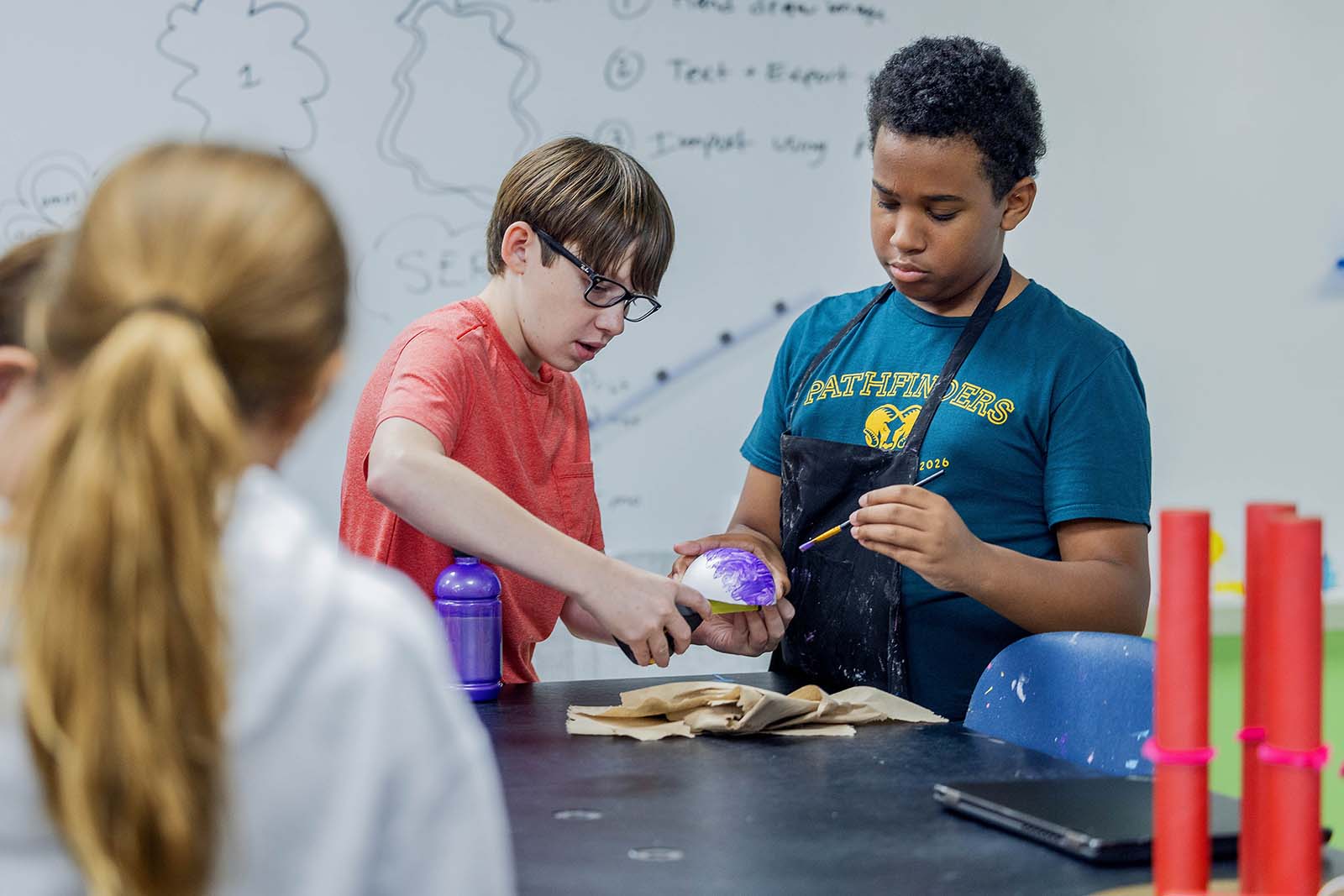
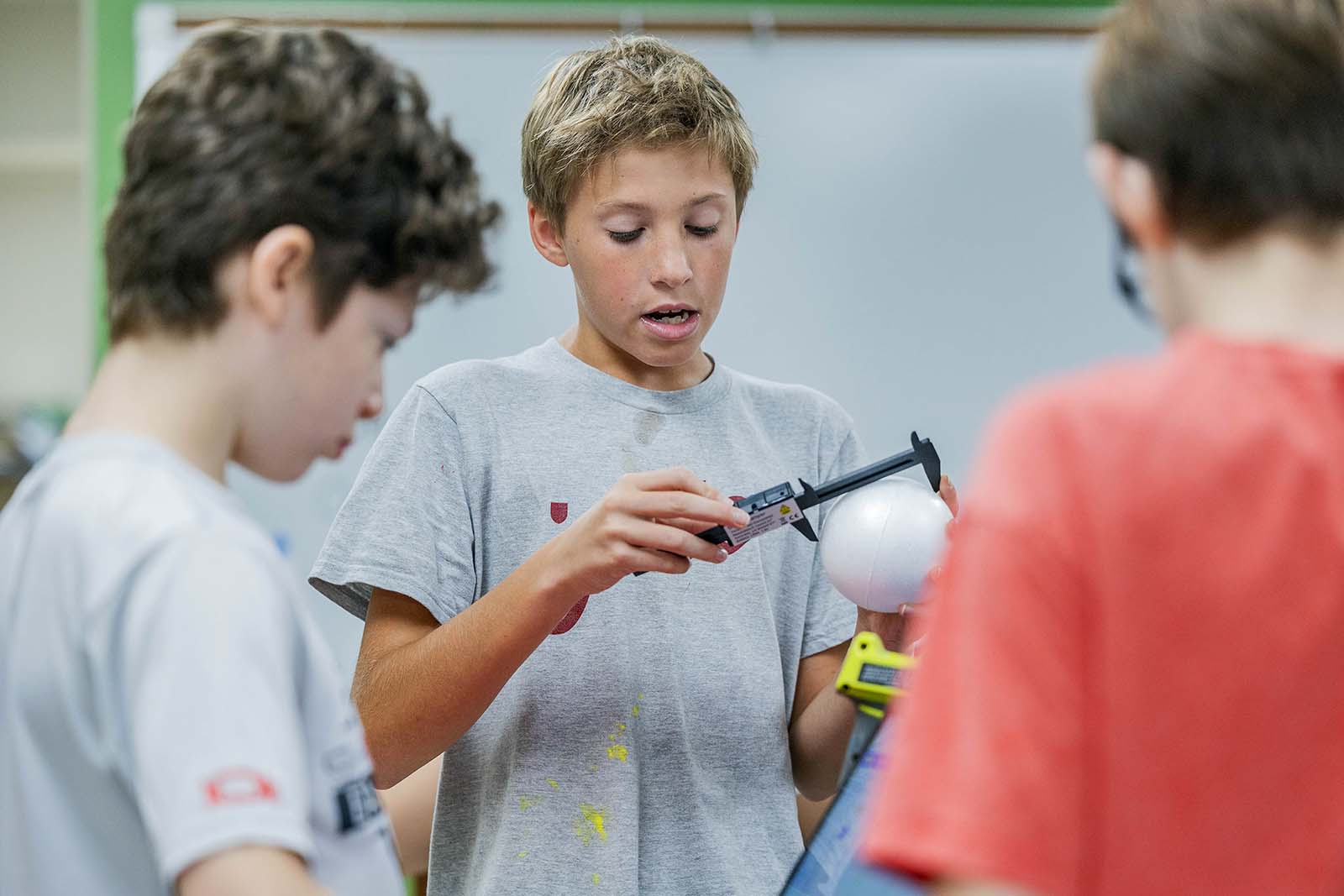
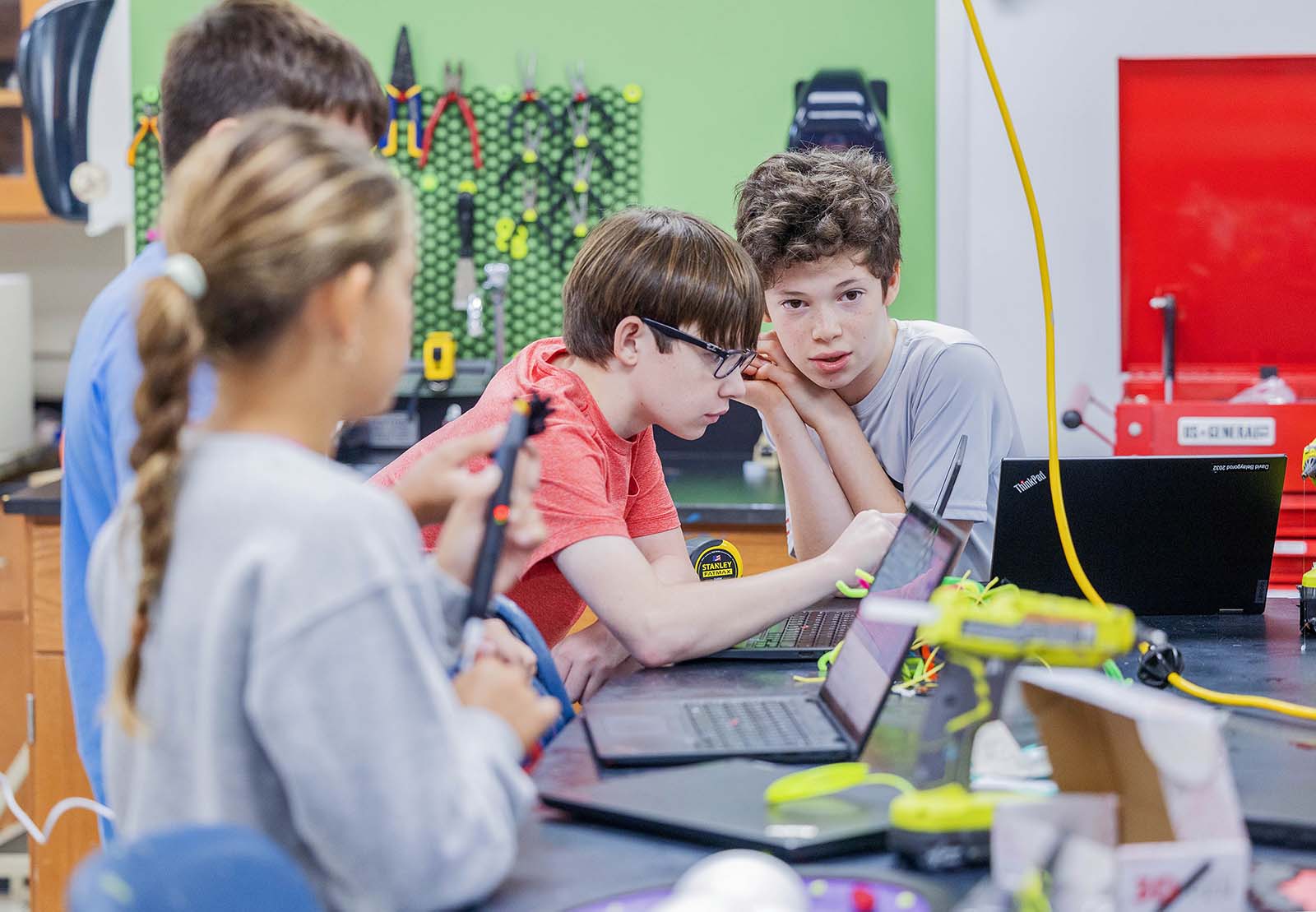
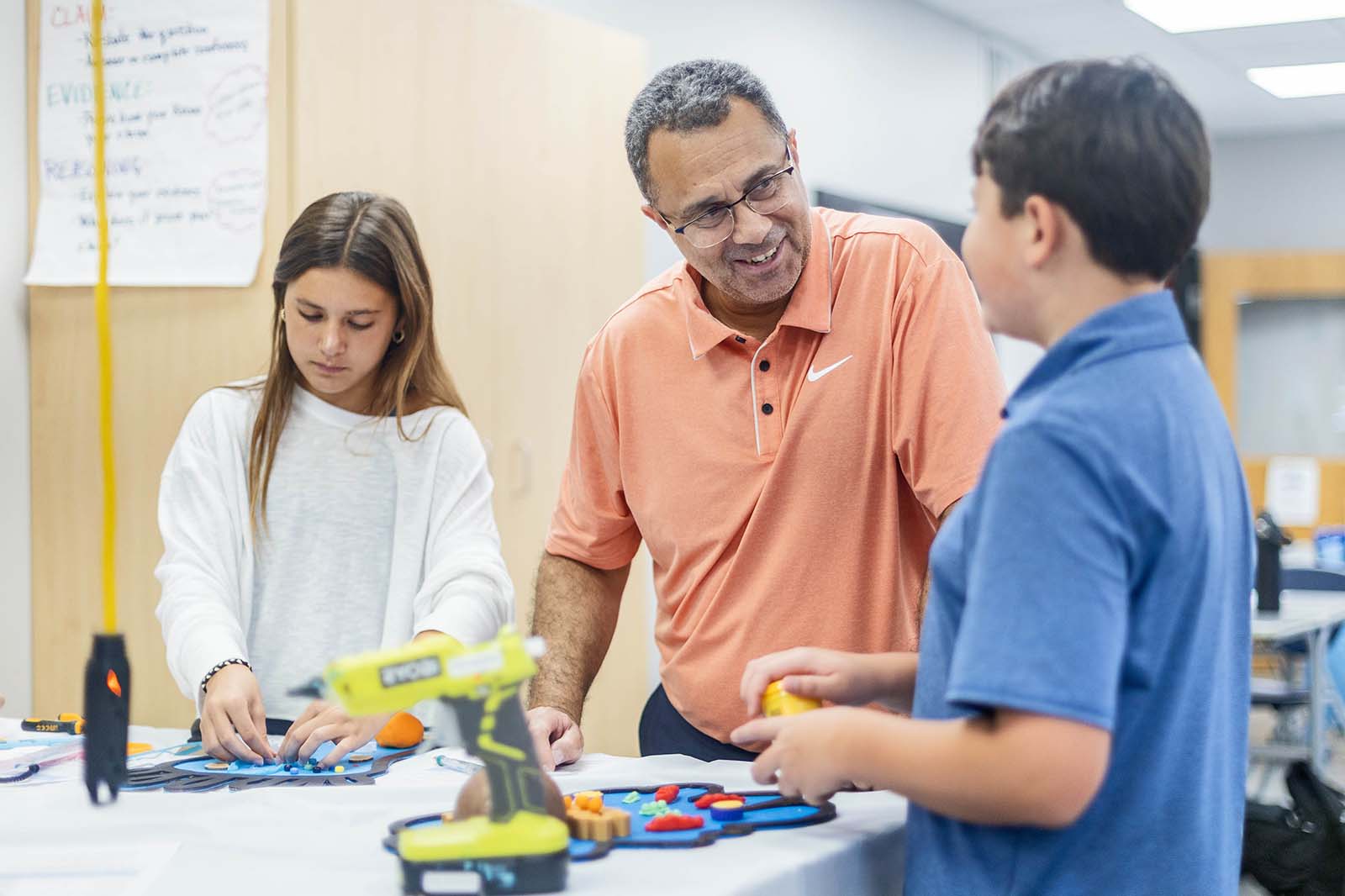
“At the beginning of seventh grade, many of our students are new [to MICDS] and need to understand all of the resources that are available to them,” explains Dr. Gunn. Under the guidance of Blake Whitney, Middle School History Teacher and Makerspace Coordinator, students learned about 3D printing, laser cutting, and other creative tools to create their cell models. The benefits of using the makerspace are twofold: students learn how to use modern tools in service of their education, while the model-building experience itself crystallizes the lesson, aiding in mastery of the material. Our students applied the cell organelle concepts they learned in class to the cell model they created. As Dr. Gunn says, “Teaching the students through practice is the best way! Our students showed great pride in modeling their understanding.”
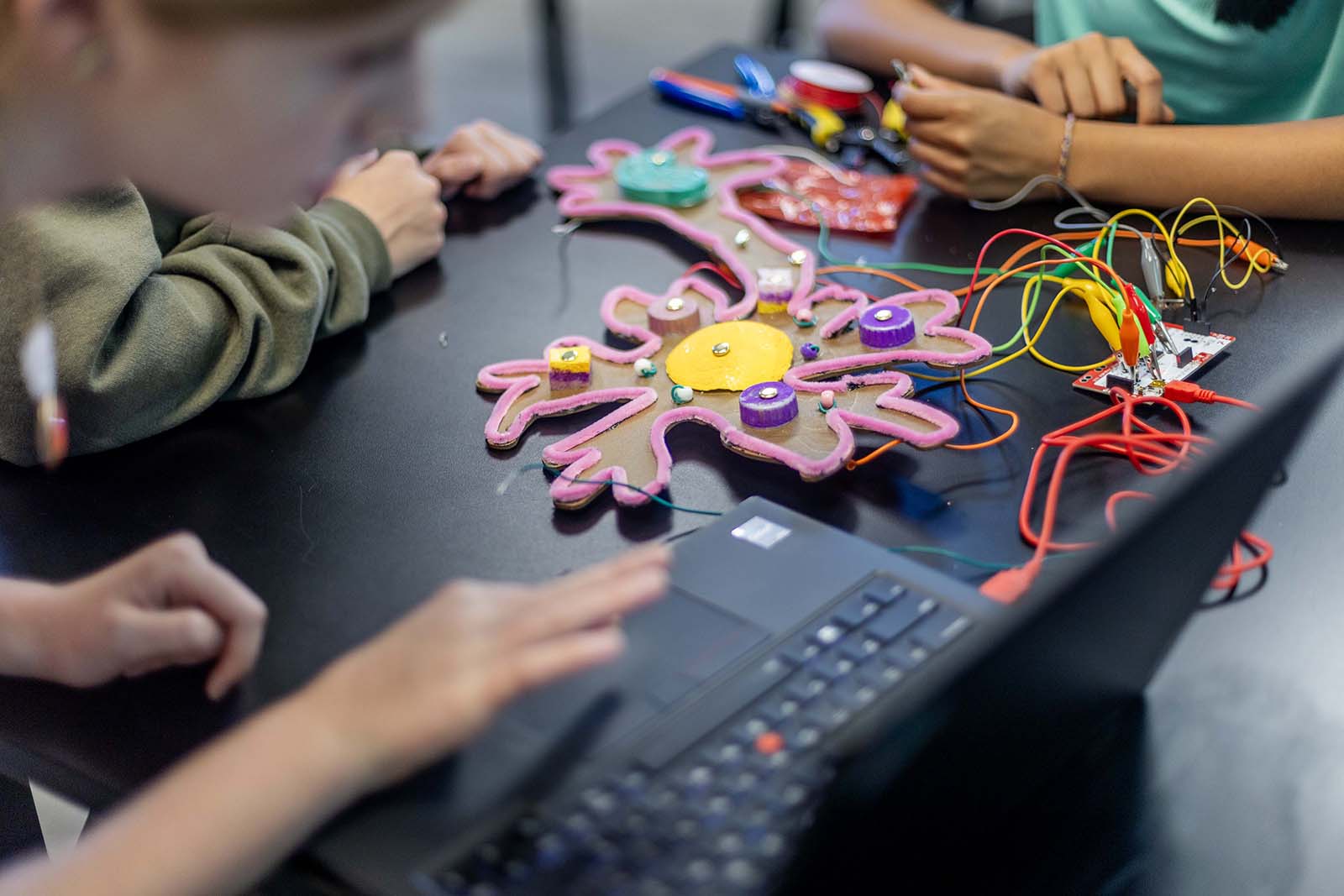
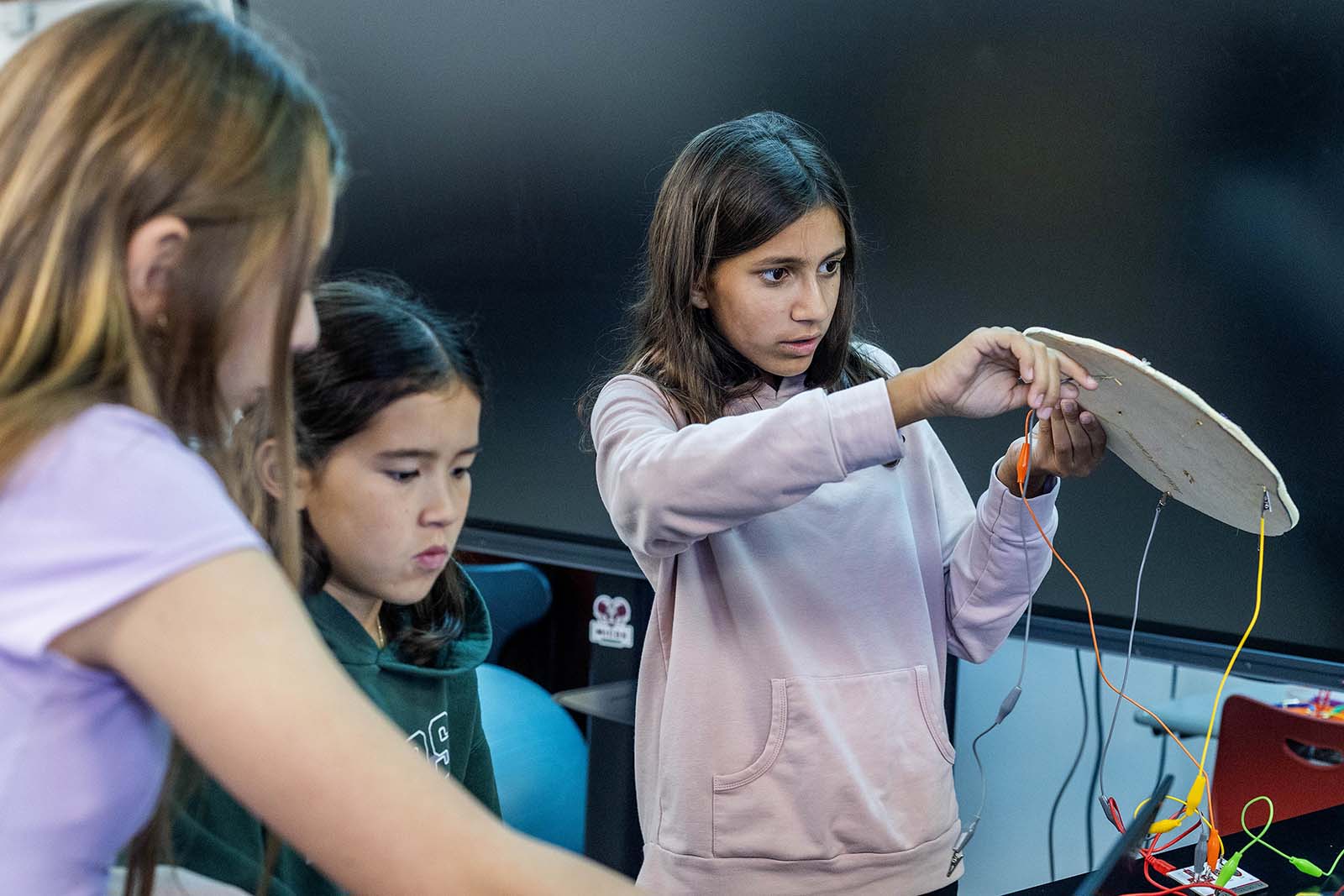
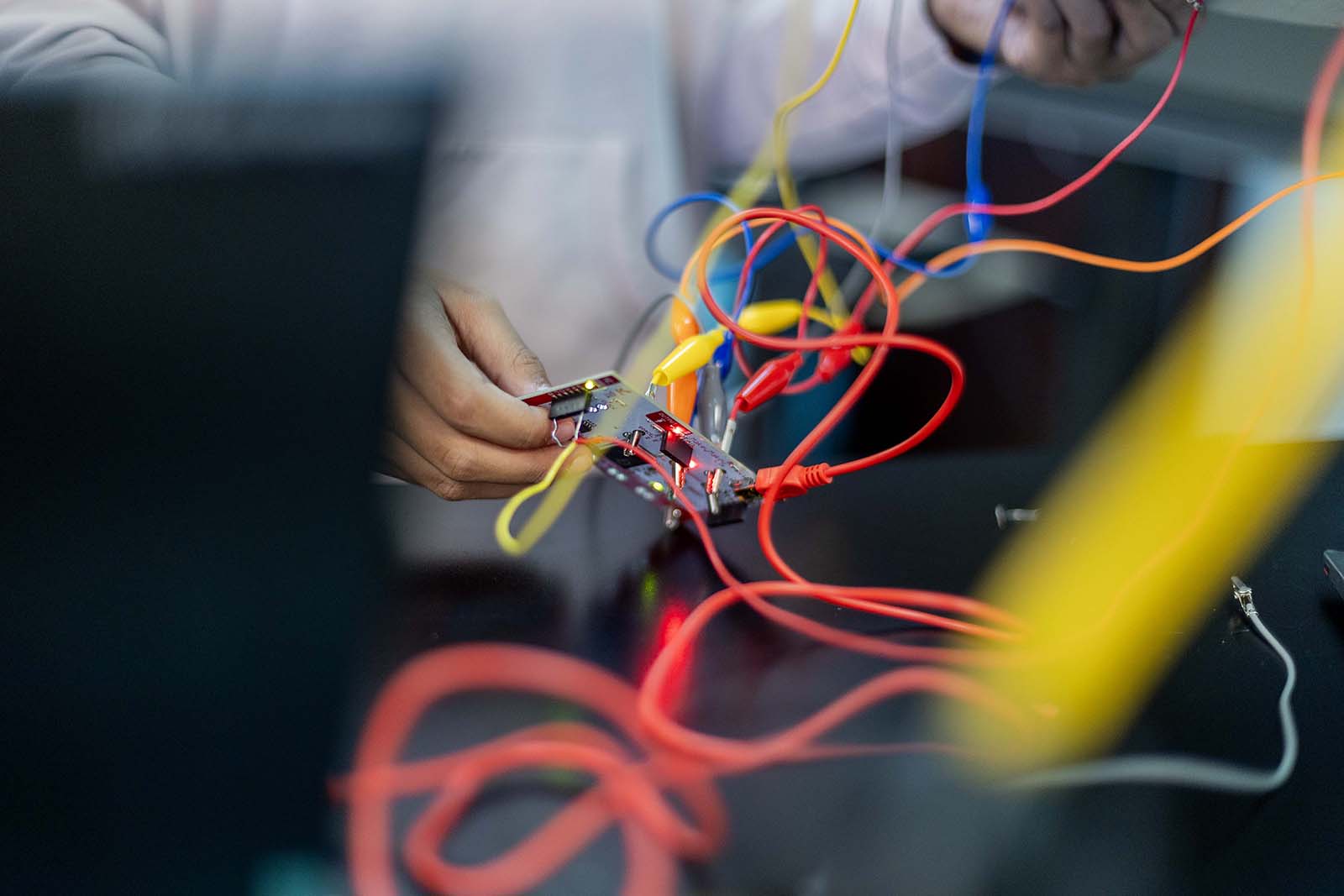
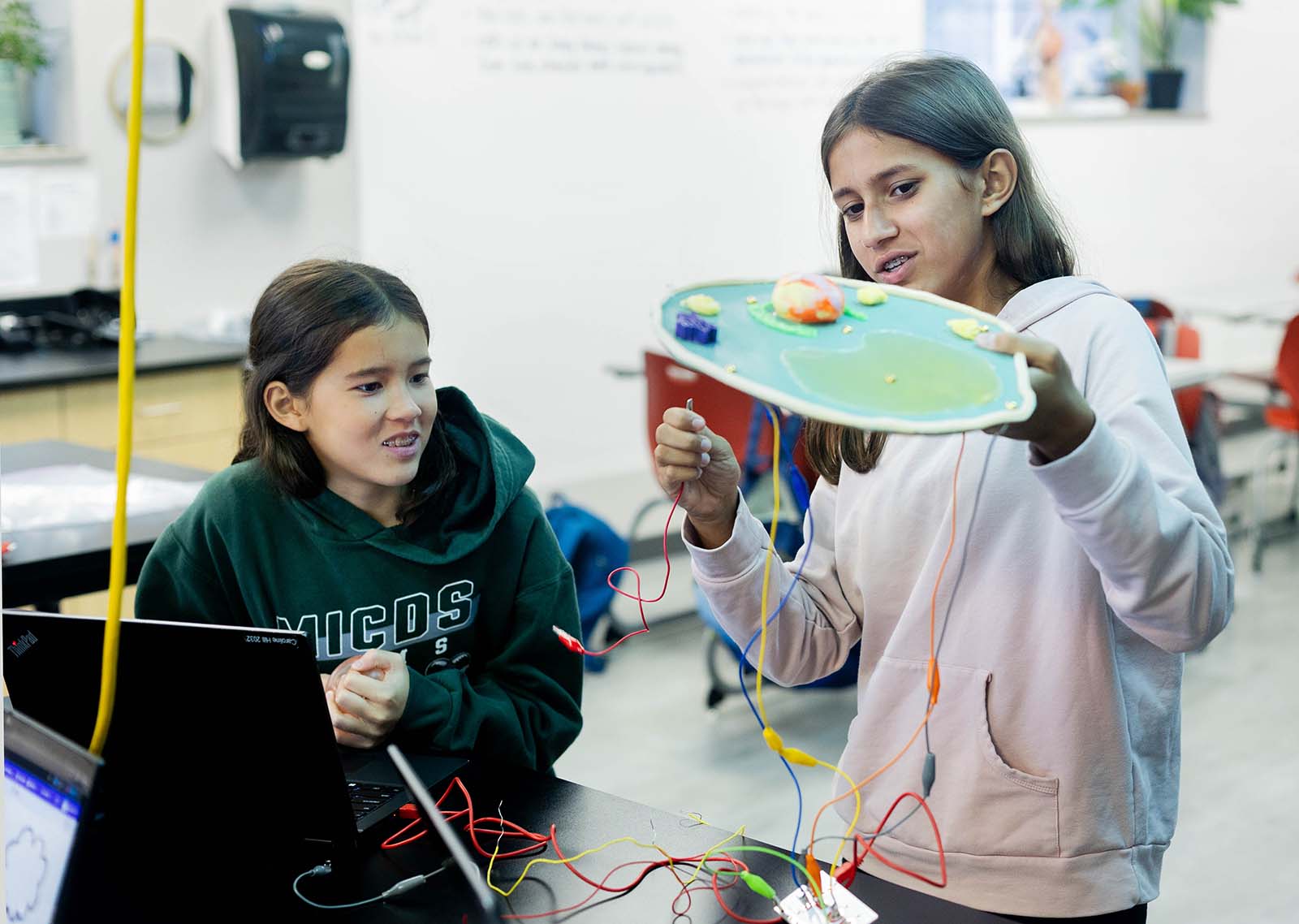
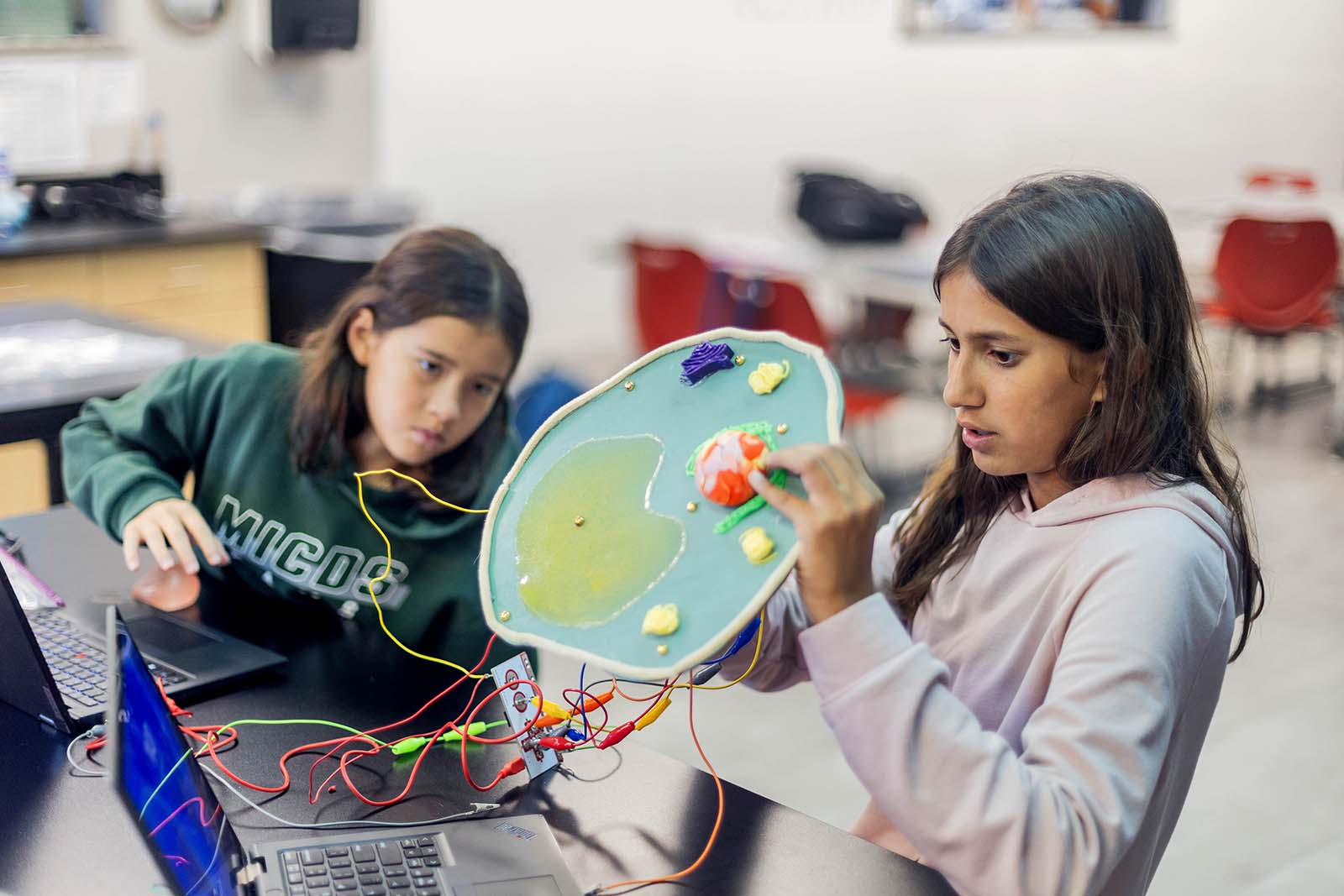
When complete, students showcased their models for their classmates. As part of the demonstration, students used buttons wired to the specific organelle components of the cell model that, when pressed, would activate a recording of their voice explaining the function of that part of the cell. From research, model building, and programming to the interactive multimedia component of the project, our students and teachers capitalized on the amazing opportunities that the makerspace provides for MICDS Middle Schoolers and how it bolsters our students’ love of learning.