By Dhaniela Sousa-Charleville, World Languages Teacher
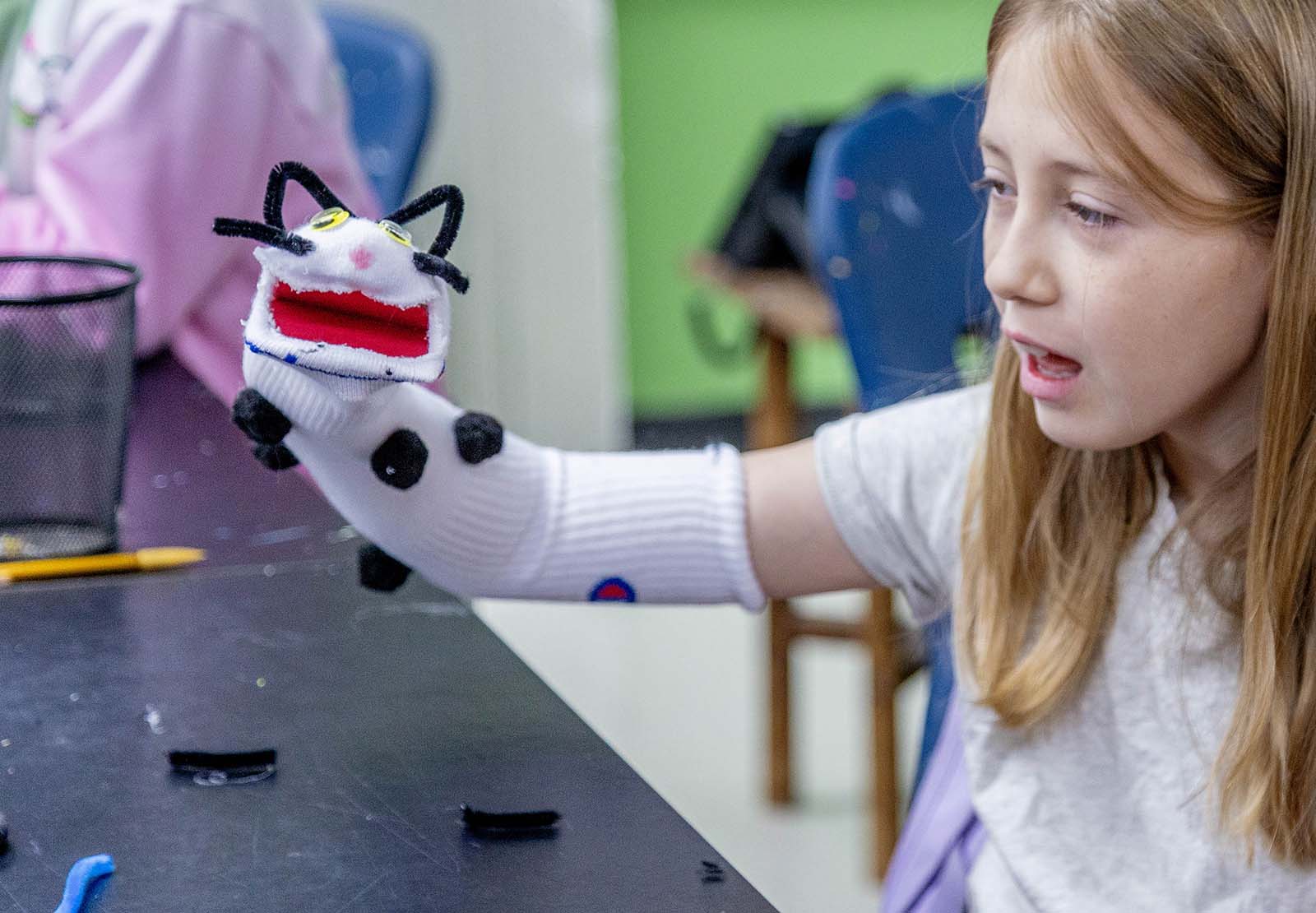
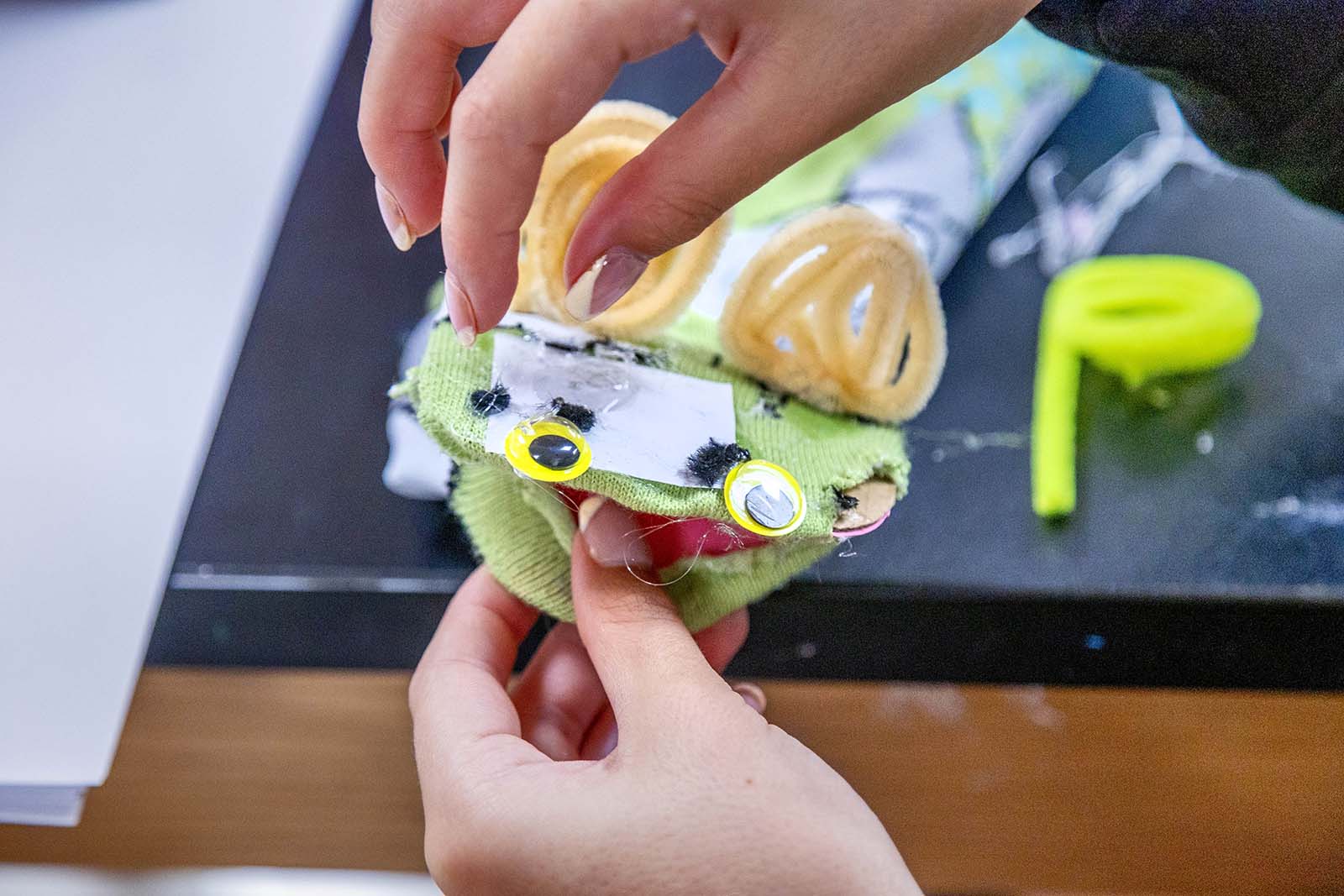
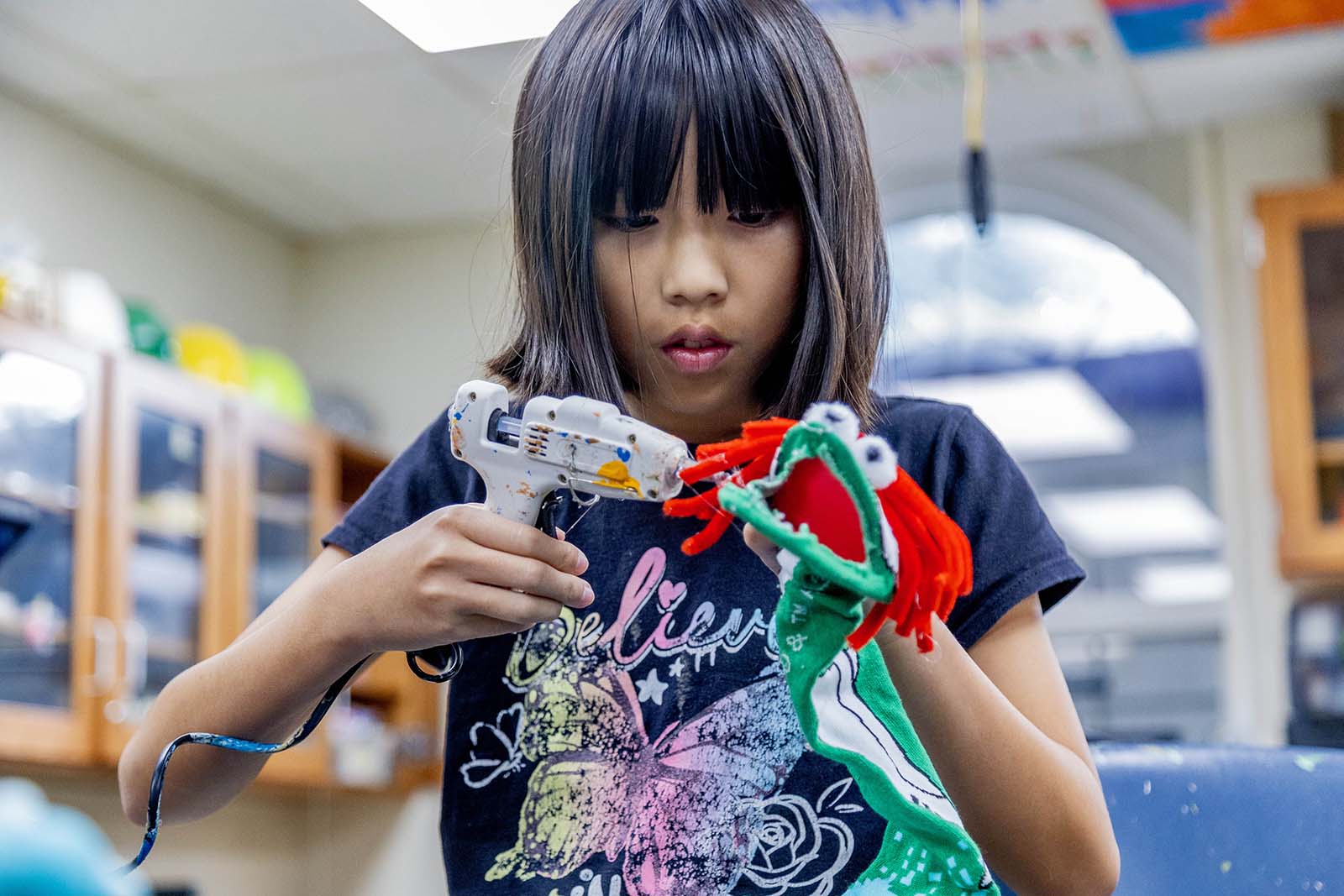
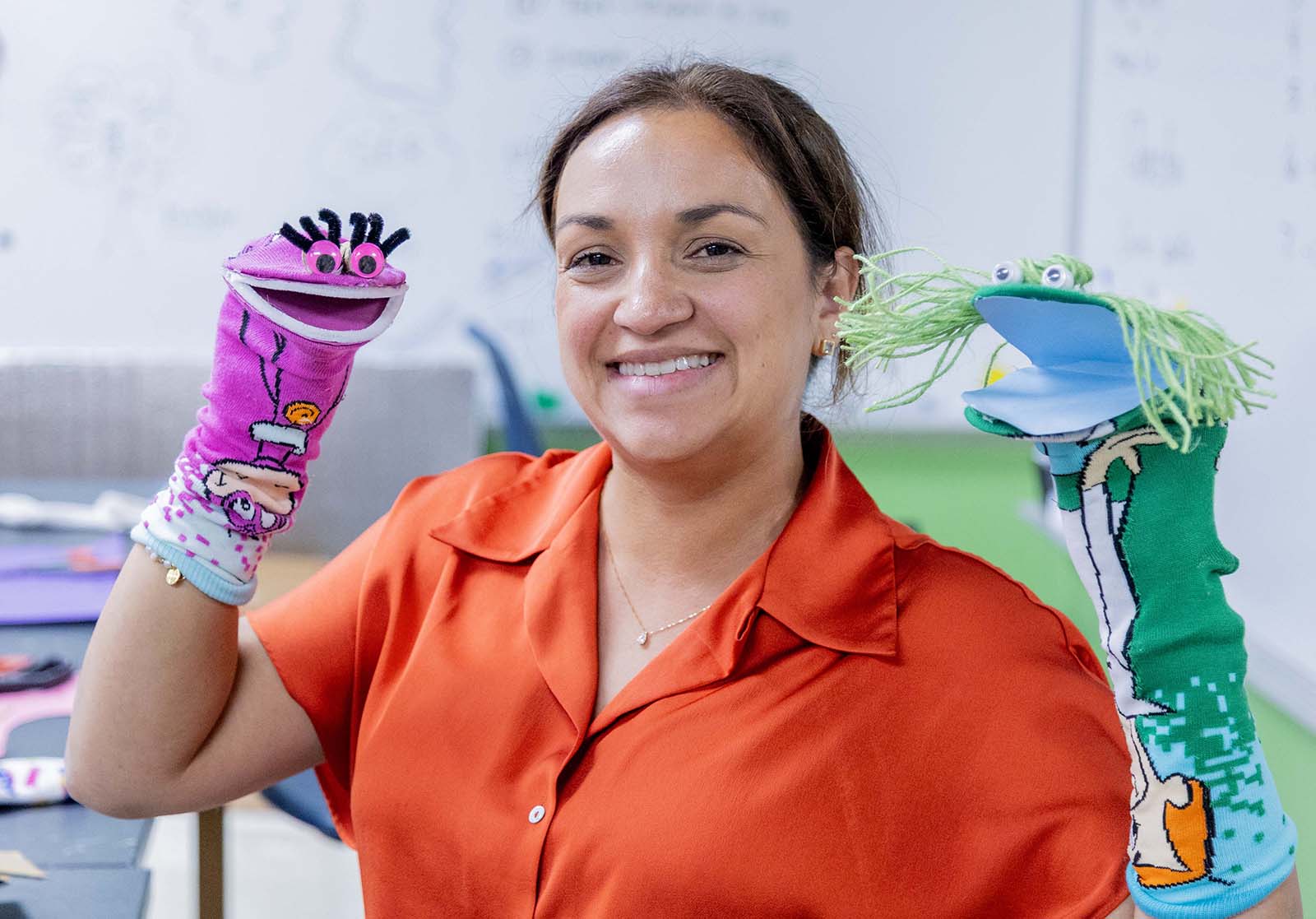
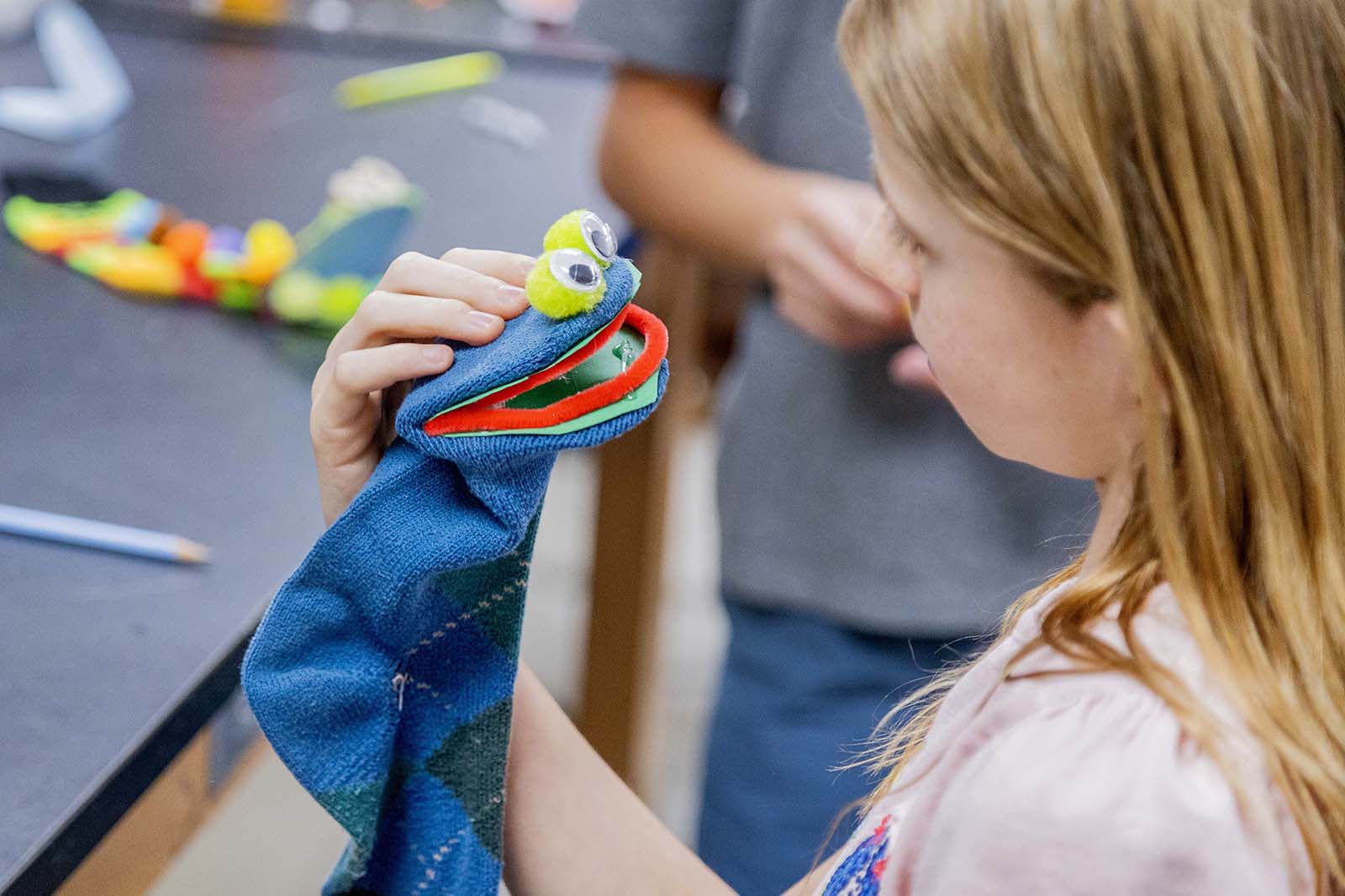
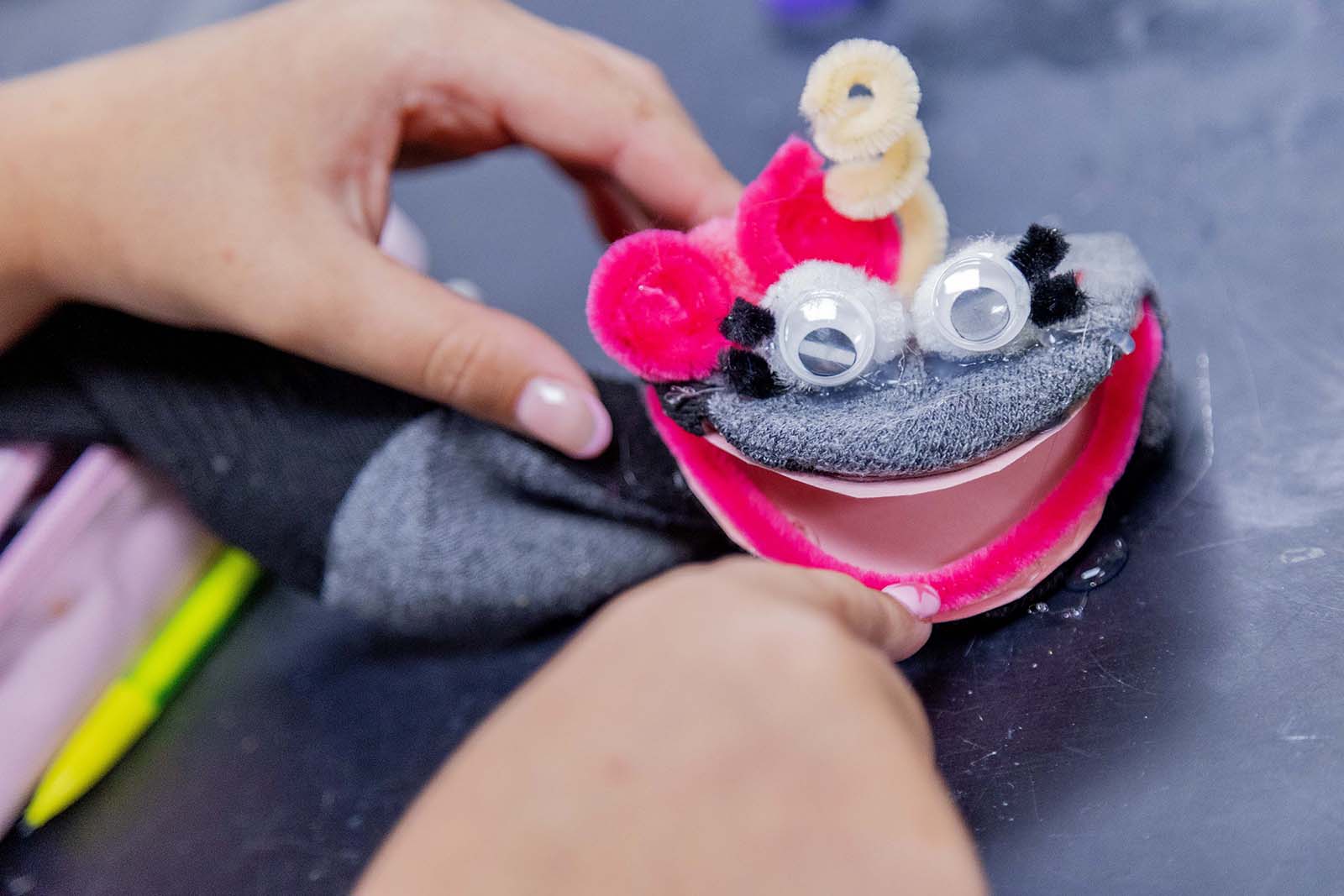
Fifth-grade Spanish Teachers Dhaniela Sousa-Charleville and Christine Mayer are constantly thinking of ways to make learning a world language fun, effective, and sticky. Rote memorization is out and creative learning is in. Mrs. Mayer came up with the idea of introducing sock puppets to the curriculum, and with some partnership from Middle School History Teacher Blake Whitney in the Maker Space, new friends were born. “It really became a collaborative project,” Mrs. Sousa-Charleville says. “Christine brought the original idea, Blake helped us figure out how to make it happen, and together we started imagining how these puppets could become more than just a fun craft—they could become little Spanish learners who grow right alongside our students throughout the year.”
Mrs. Mayer shared the genesis of this project, noting, “I came up with this idea because, a couple of years ago, I had a fifth-grade Spanish student who was very shy and self-conscious about creating mini-presentations with a partner and speaking Spanish in front of the class. As an alternative, I offered her the opportunity to create a script and use a puppet as her partner for the project. I had never tried anything like it before, but I wanted to find a way for her to feel more comfortable and at ease while speaking the language. She completely ran with the idea! She took great pride in her presentations and became more confident. Watching that transformation made me wonder if this could be something that would benefit other students as well. It became the inspiration for offering puppets as an additional way for students to build confidence and practice speaking Spanish in a low-pressure, engaging way and to do something fun and creative in the Maker Space!”
The sock puppets offer more than fun, though. They become an important tool for learning. Mrs. Sousa-Charleville explains.
Our fifth graders love being creative, building things, and having opportunities to use the Maker Space. We are always thinking about ways to connect that creativity with language learning, and this year we decided to take the adventure of bringing some new Spanish-speaking “friends” to life in our classrooms.
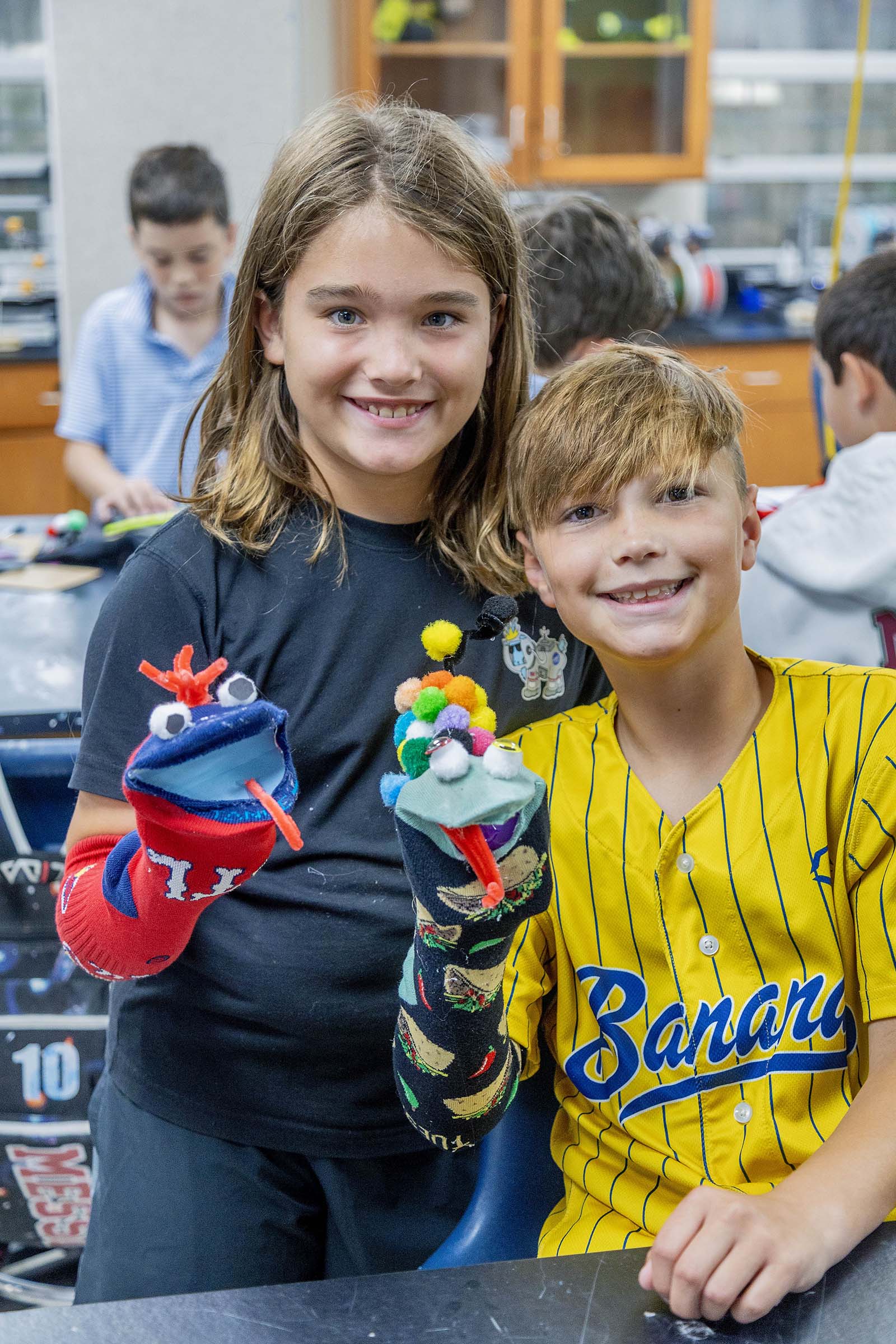
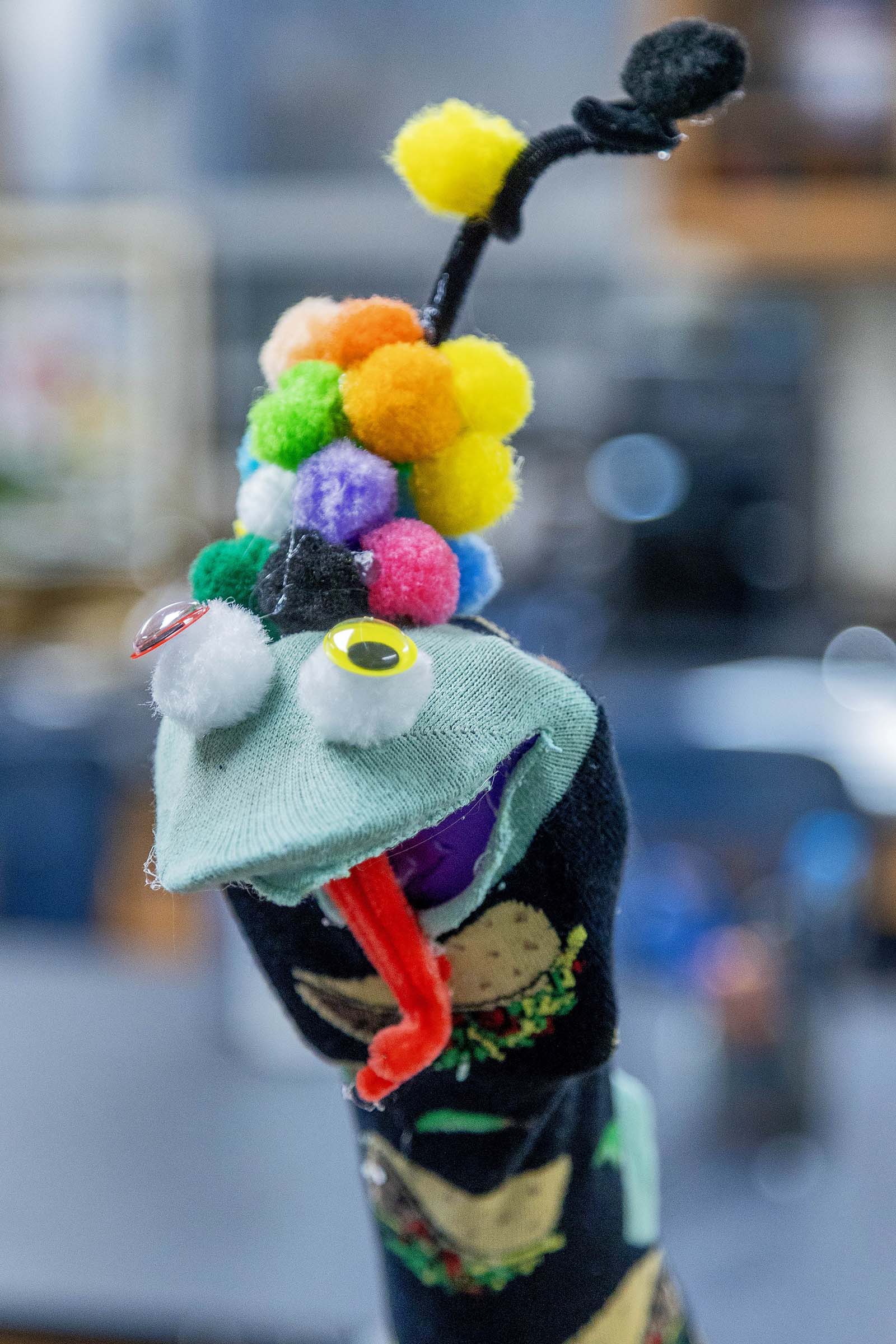
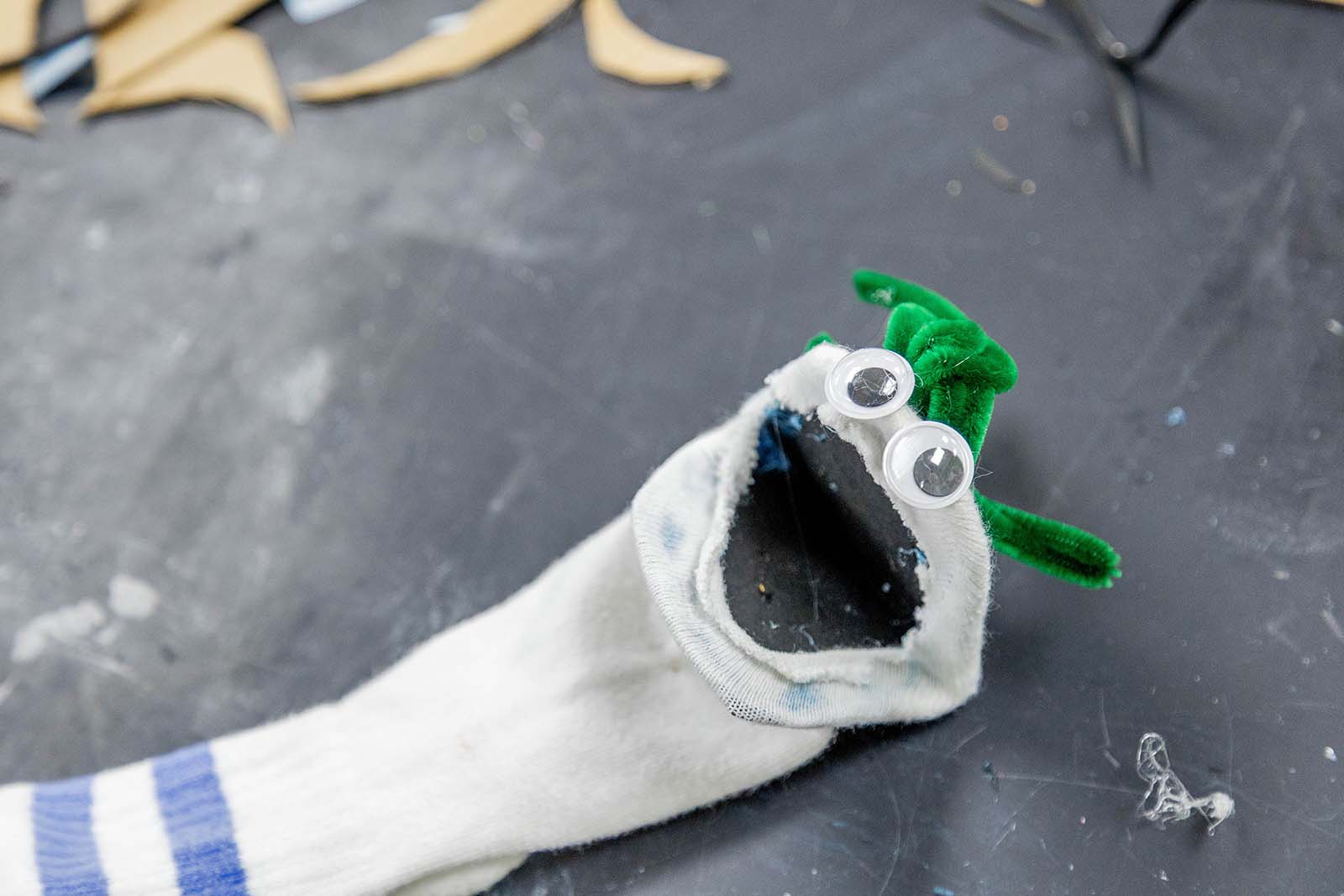
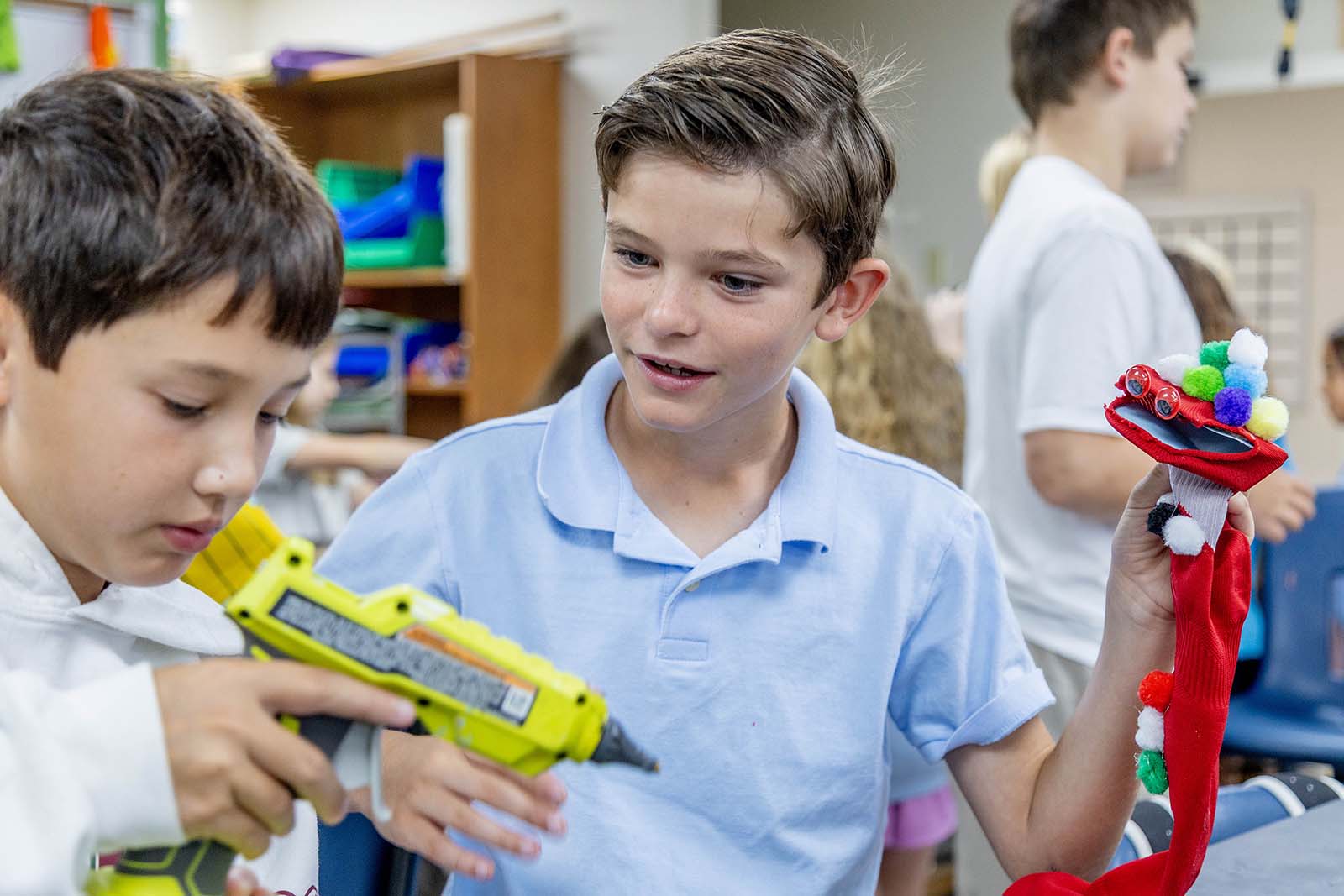
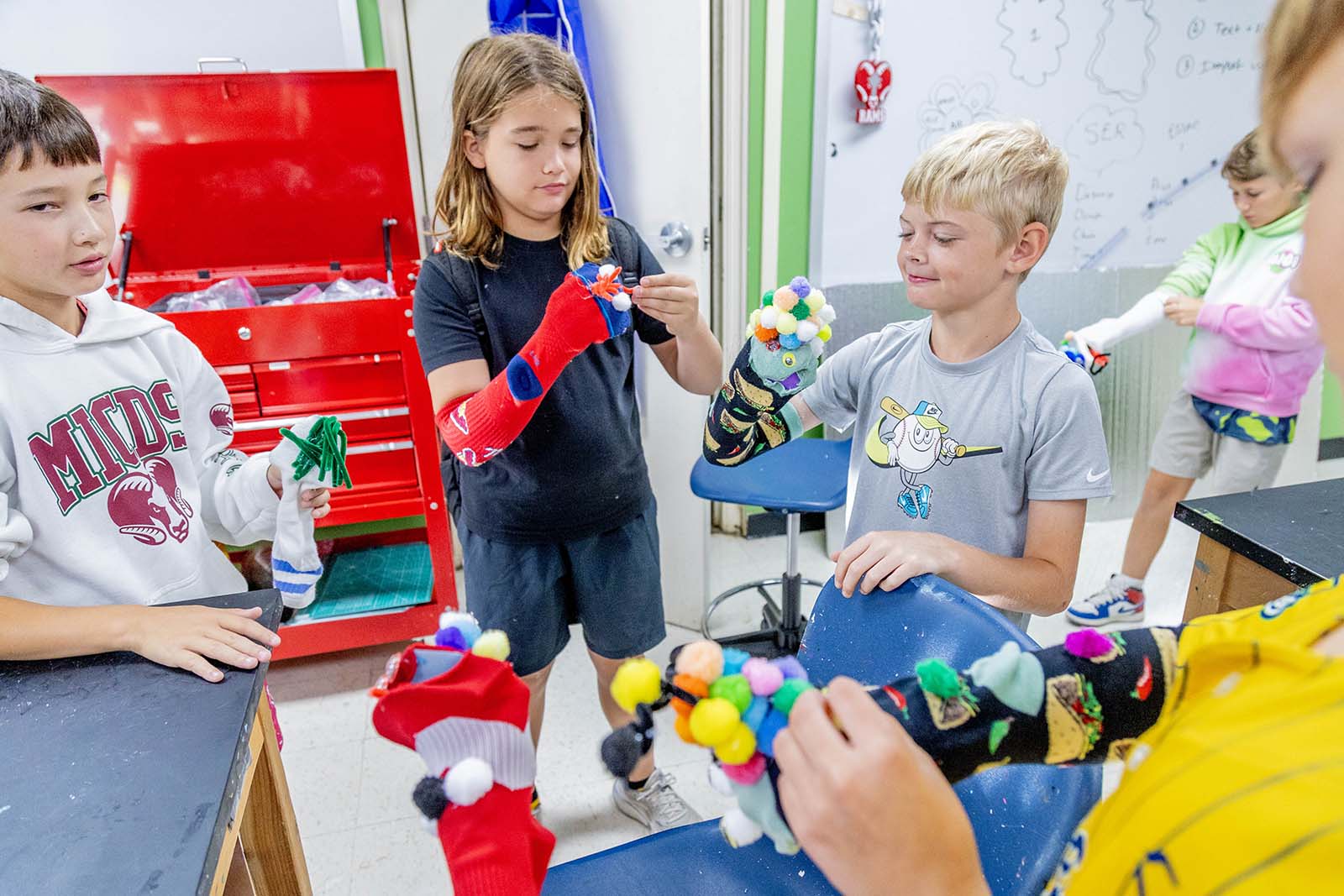
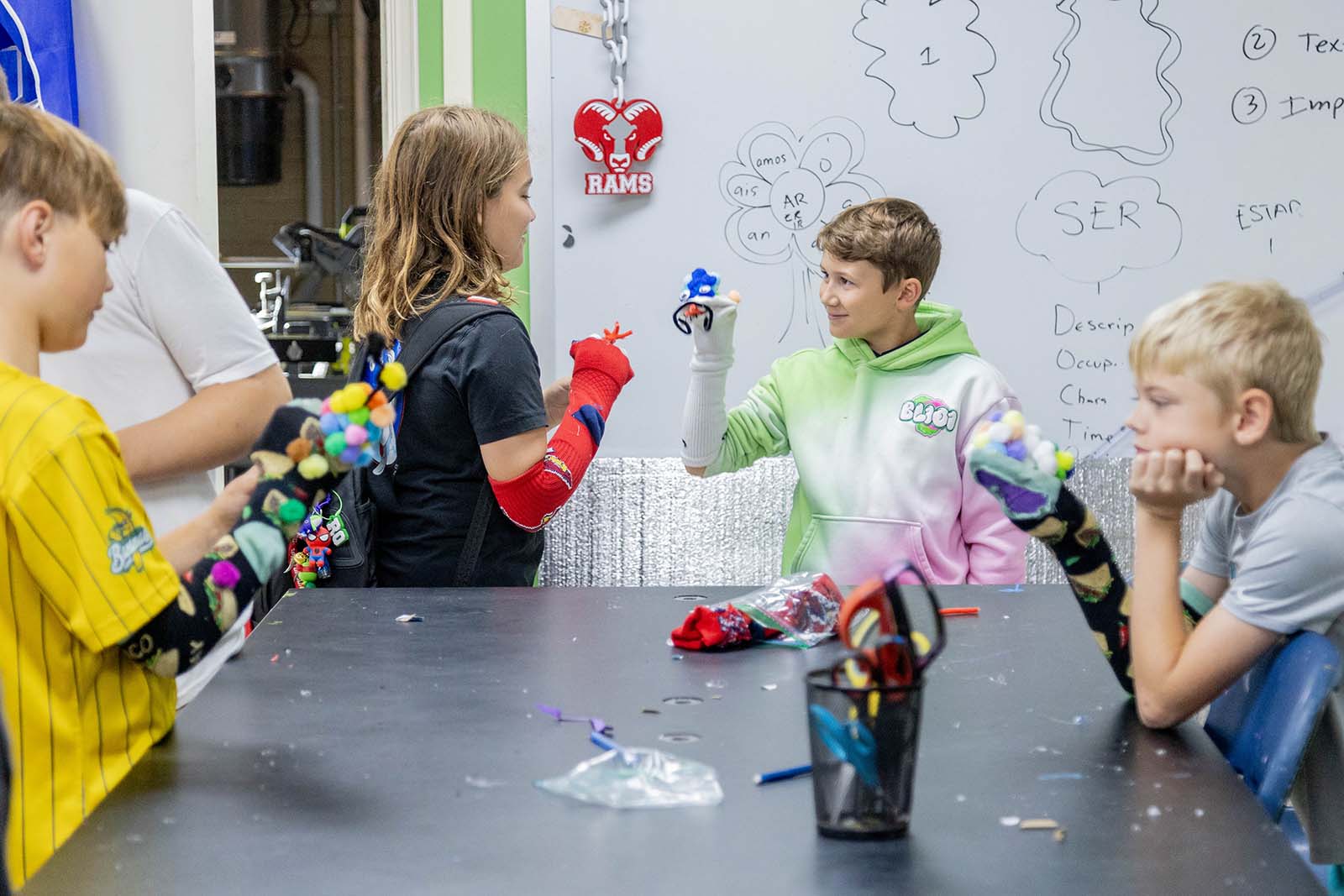
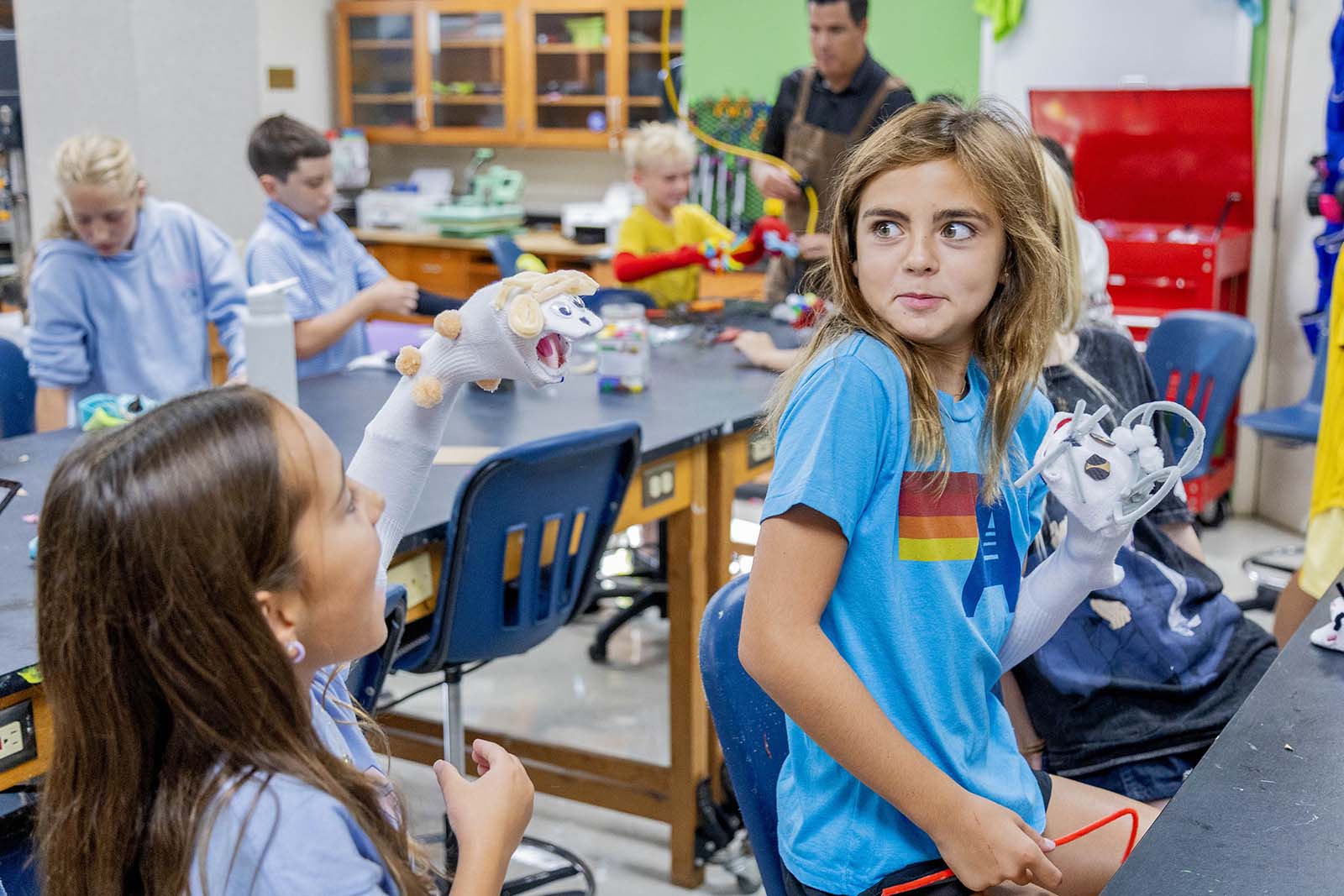
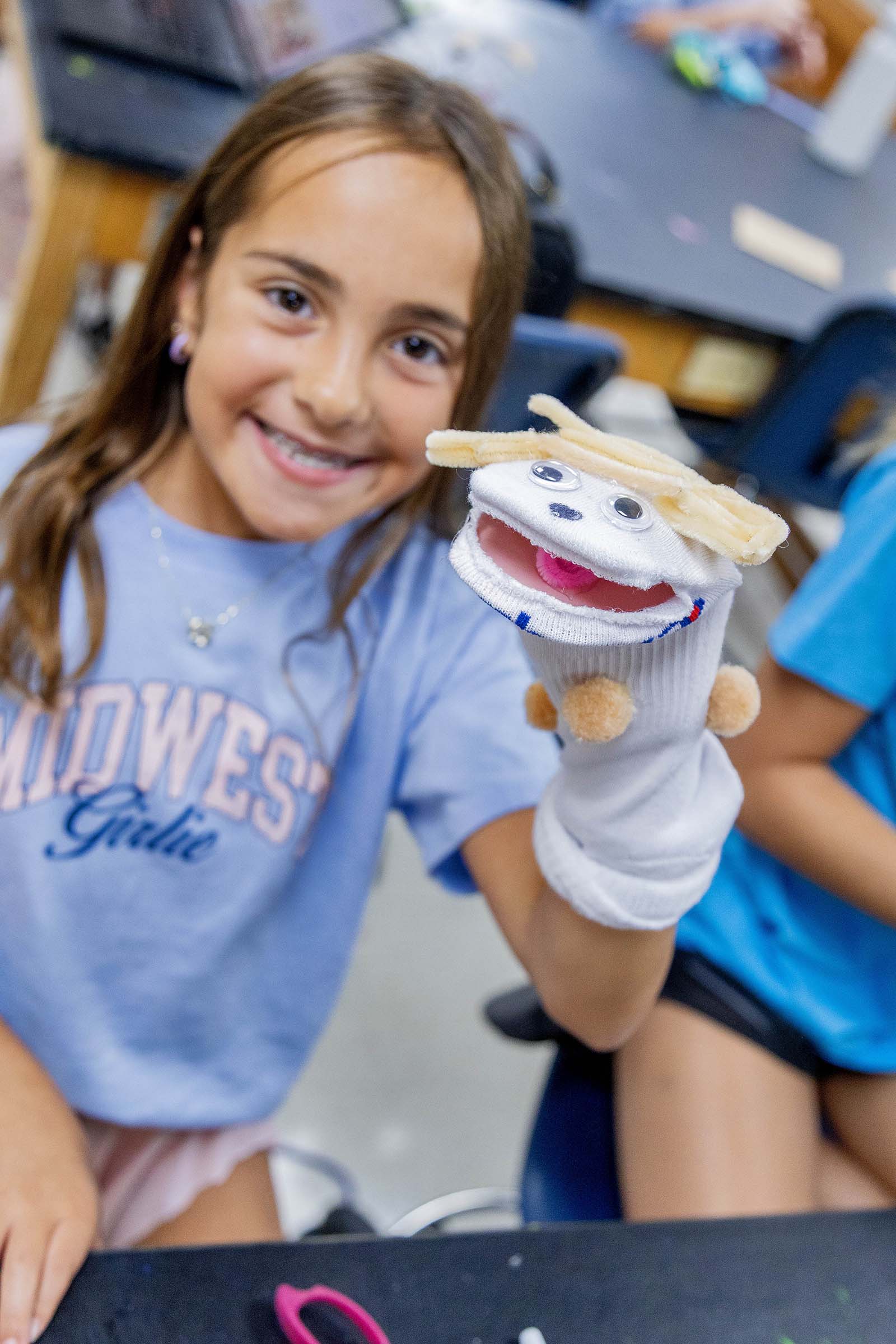
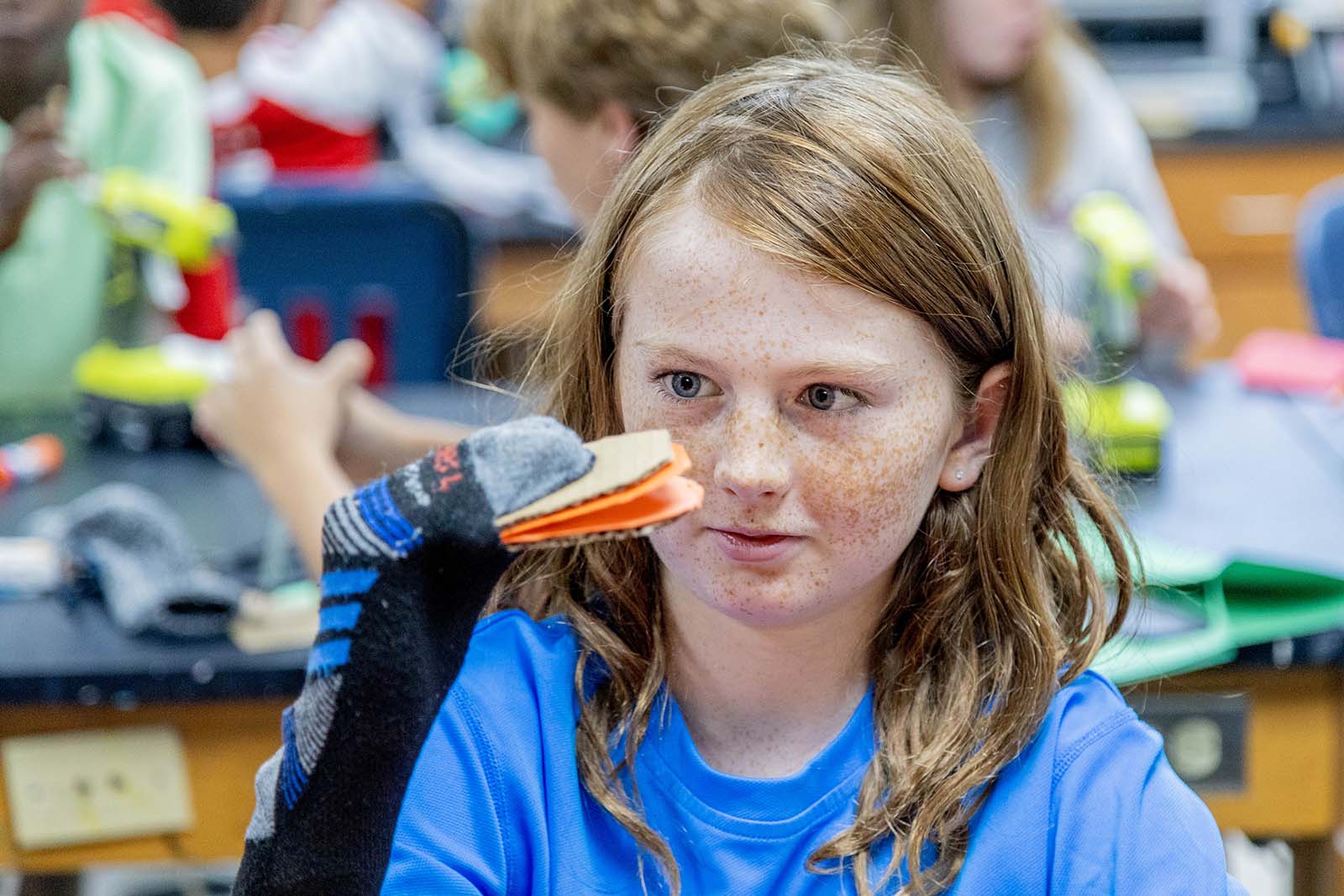
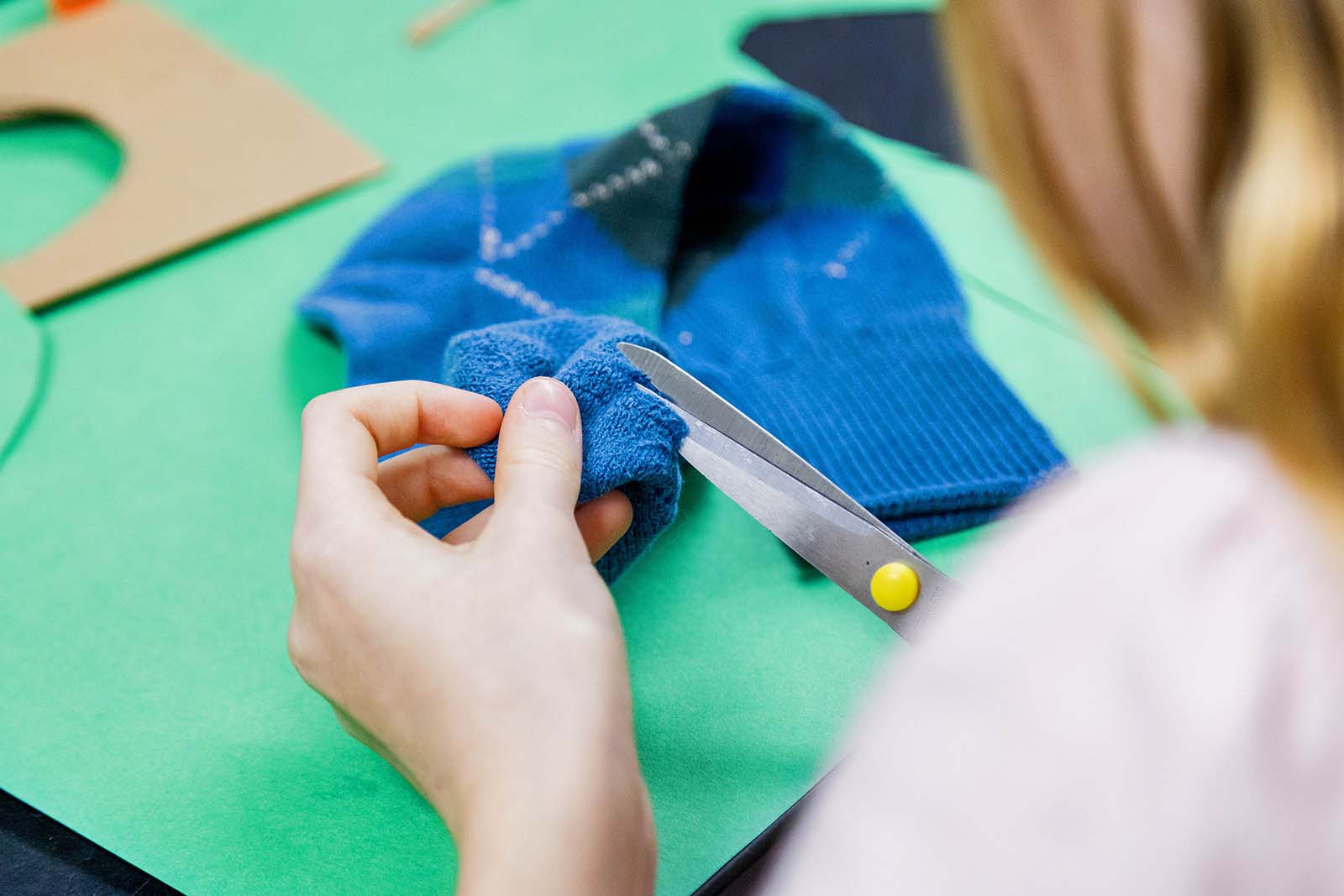
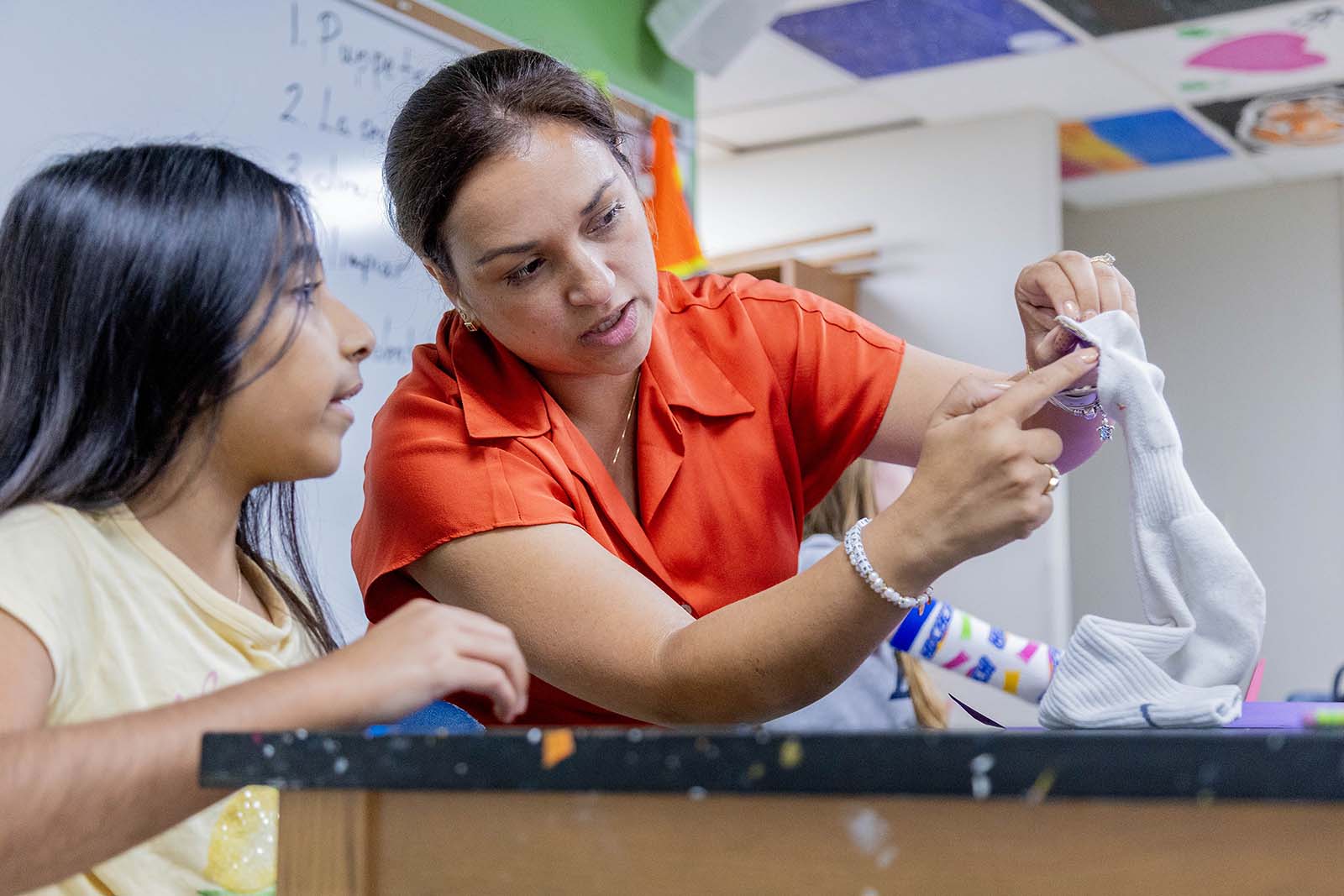
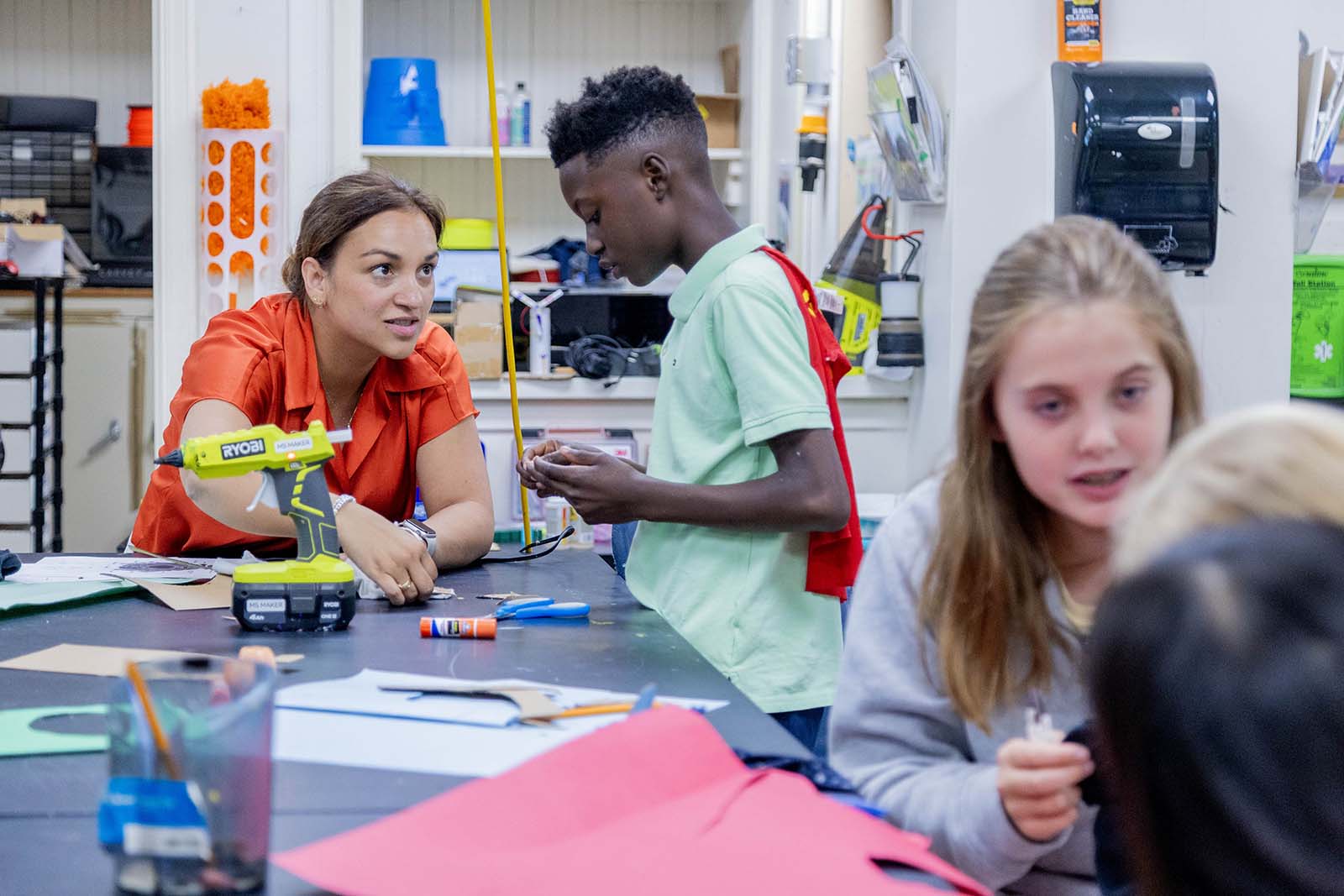
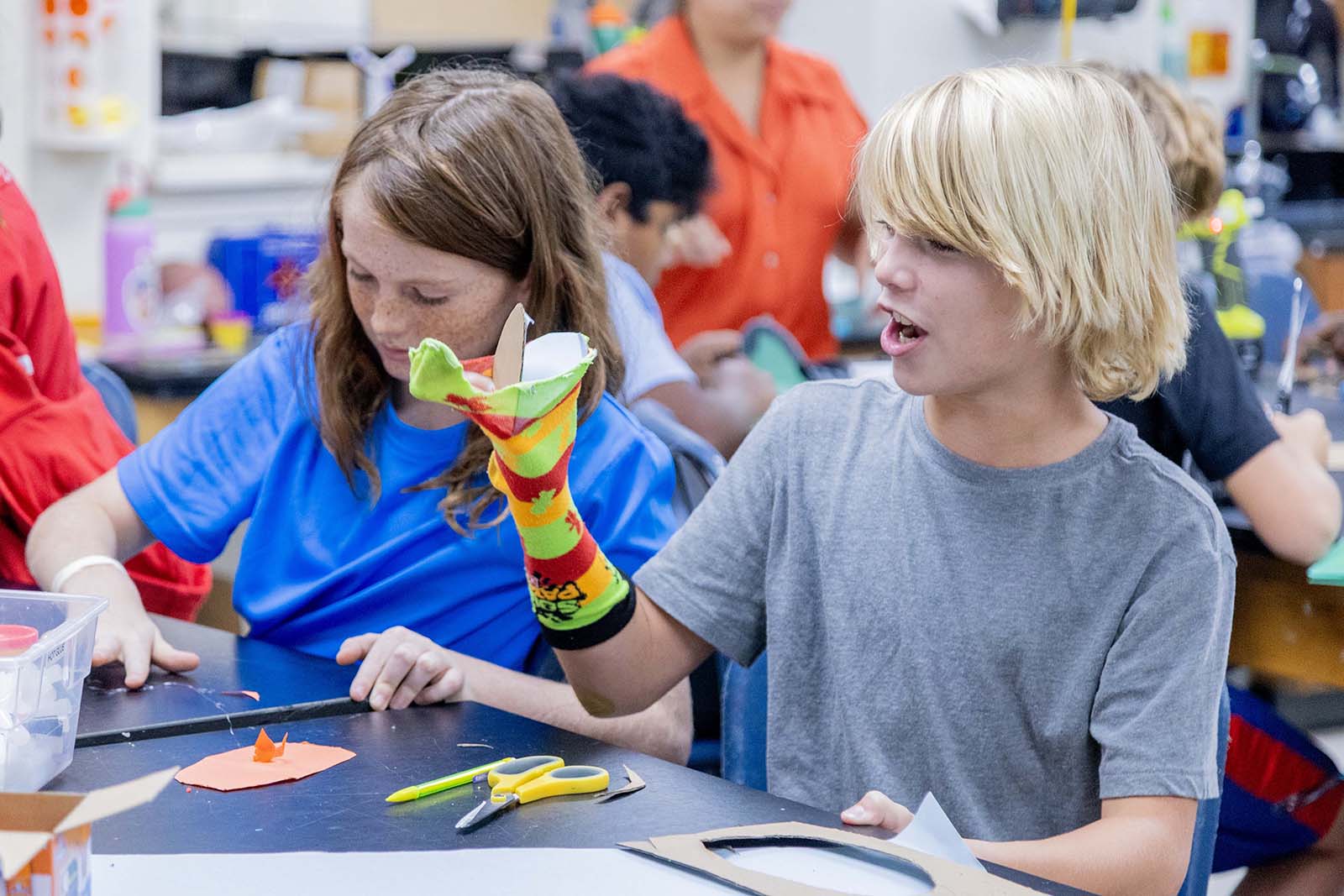
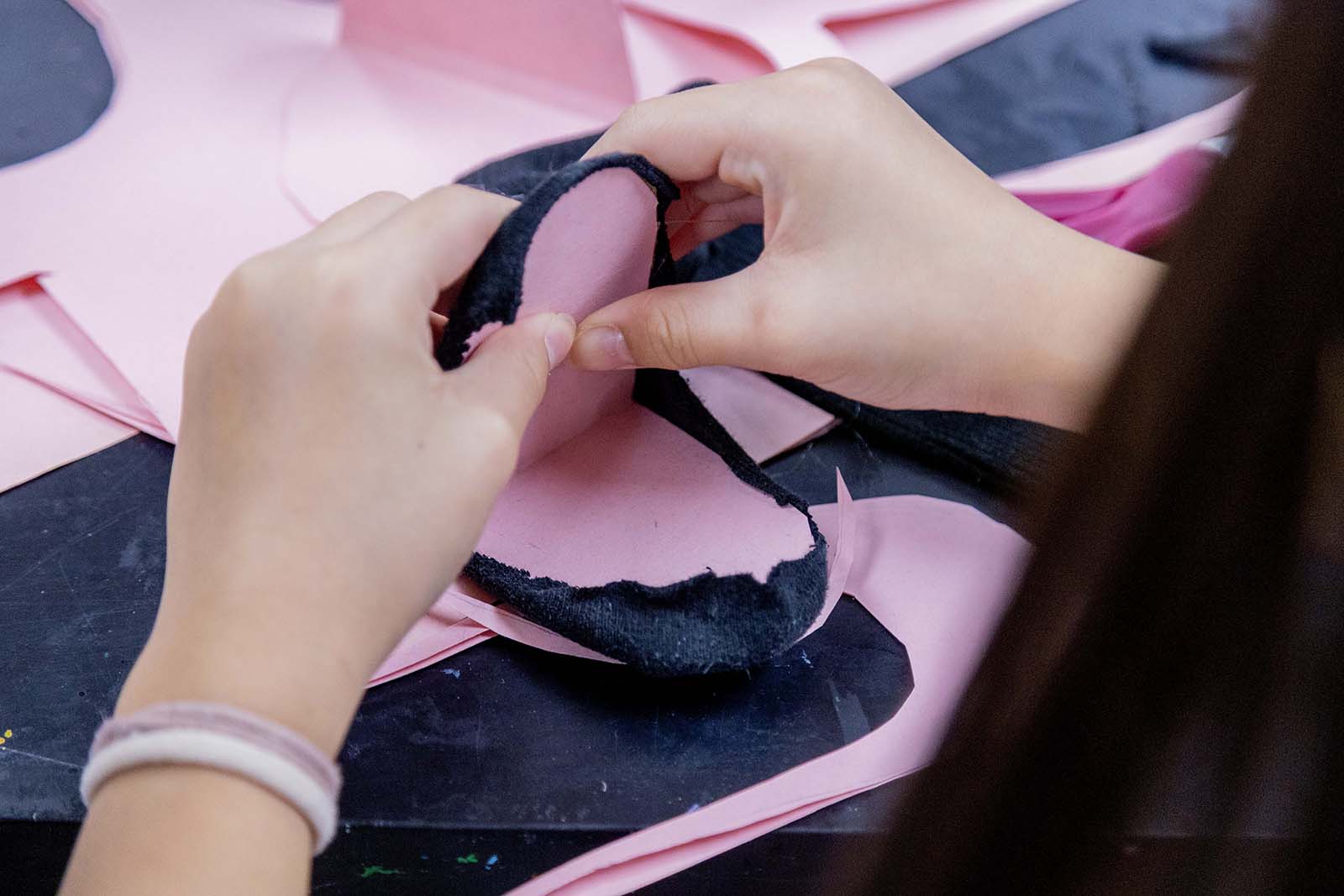
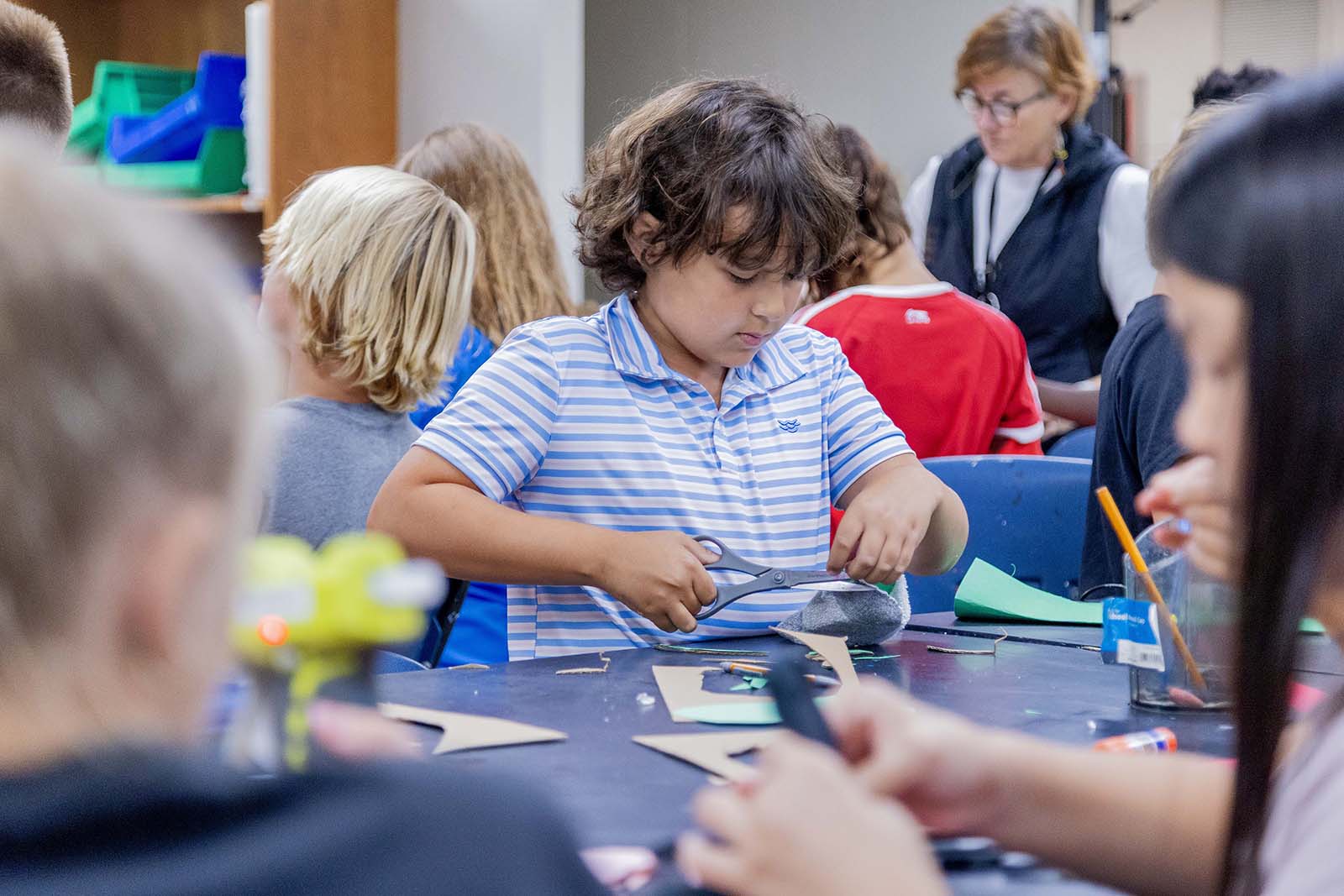
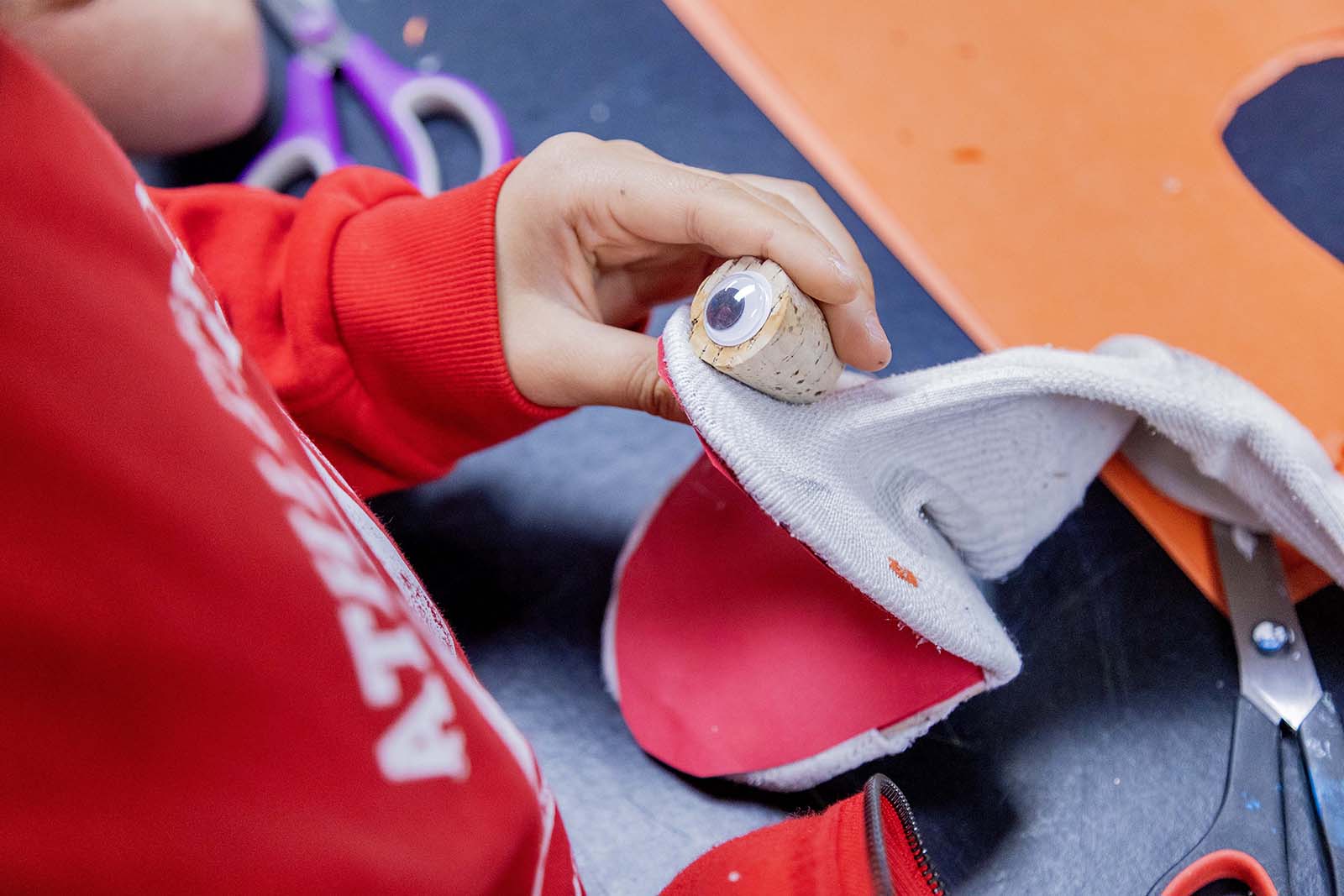
One of our biggest goals is to create an environment where students feel comfortable taking risks with Spanish. Learning a new language means making unfamiliar sounds, trying new words, and sometimes saying something that doesn’t come out exactly as you intended. We don’t want our students to feel that everything has to be right before they are willing to speak.
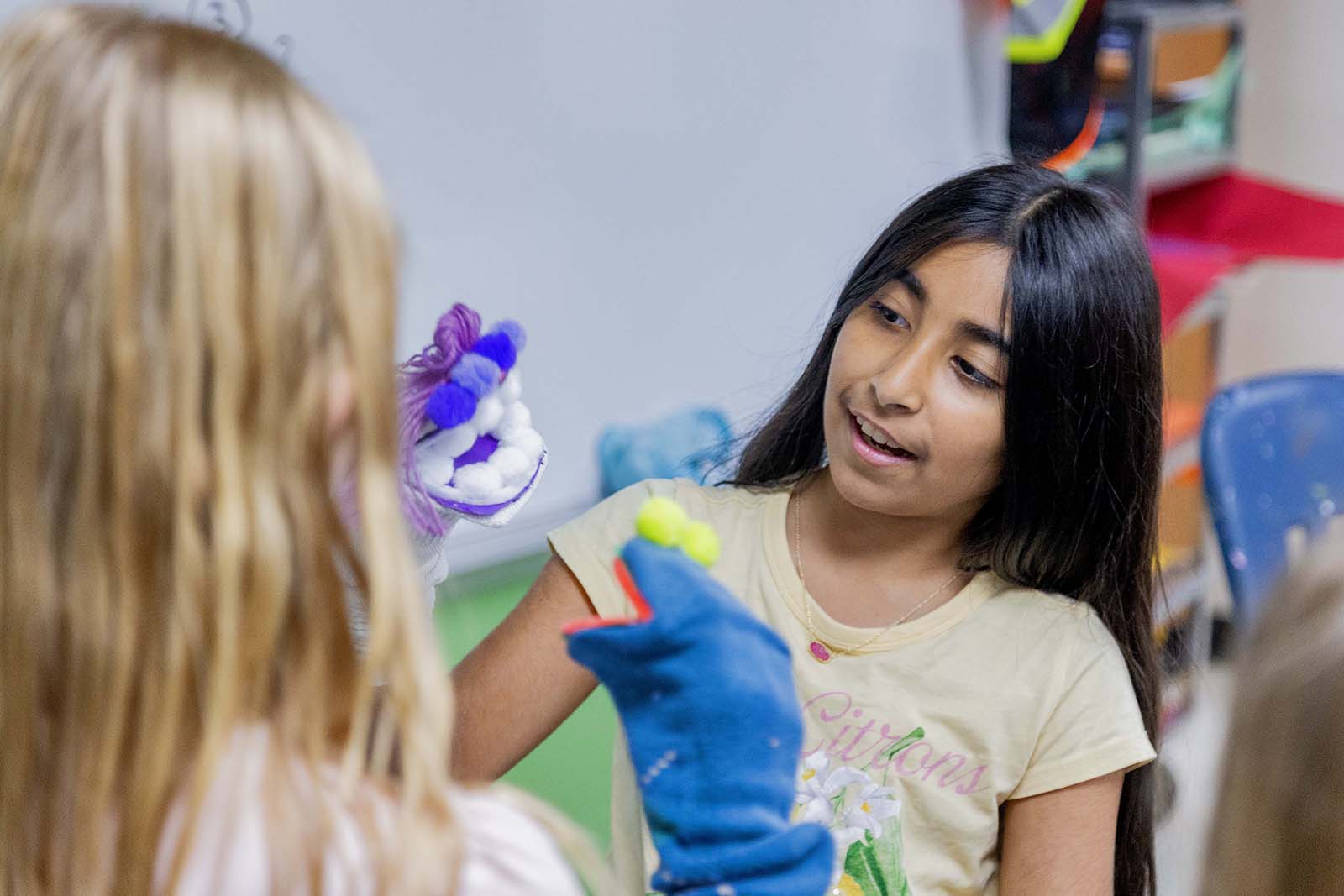
The puppet gives them a little freedom from that pressure. It can be silly. It can have a funny voice. It can mispronounce something and try again. Instead of a student simply standing in front of the class feeling like they are being evaluated, they are bringing a character to life through Spanish. We hope that makes speaking feel more like playing, communicating, and storytelling and less like performing for a grade.
Of course, that doesn’t mean pronunciation isn’t important. We still want students to listen carefully, practice new sounds, and work toward accurate pronunciation. The goal isn’t to take away that practice; it is to remove some of the pressure that can come with speaking and presenting in a different language. Pronunciation improves through practice, and in order to practice, students first need to feel comfortable enough to speak, make mistakes, try again, and keep going.
What I especially love about this project is that the puppets are not going away when this first project is finished. We plan to adapt them to each unit throughout the year. As our students learn more Spanish, their puppets will be learning and growing, too.
In our current unit, we are focusing on identity, introductions, and meeting someone new. Students are learning the Spanish alphabet, numbers, how to spell names, introduce themselves, and talk about personalities, interests, and hobbies. Their puppets will have their own identities: names, personalities, likes, dislikes, and interests, giving students a meaningful reason to use the language they are learning.
Then, when we move into our school unit, their puppets will “go to school” too. Students will use Spanish to talk about classes, schedules, school supplies, and other parts of school life through their characters.
Later, when we begin learning about family, our little friends will have families of their own! Students will create and introduce their puppet’s family and use the Spanish they have learned to describe and talk about them.
Rather than learning vocabulary as isolated lists, memorizing it, taking a quiz, and moving on—we want students to see how everything they learn connects. Their puppet provides a continuous story that can travel with them from one unit to the next. Each time their Spanish world gets a little bigger, their puppet’s world gets bigger too.
Ultimately, I hope our students take away much more than numbers, vocabulary, and the Spanish alphabet. I hope they discover that language is something you use to create, communicate, connect, and tell stories. Most importantly, I want them to become comfortable thinking, “I may not know exactly how to say this yet, but I’m going to try.”
And perhaps by the end of the year, when they look at the little sock puppet they created at the beginning, they will be able to see just how much both they and their little Spanish-speaking friend have grown.