Story and photos by Gabriel Sedighi ’26
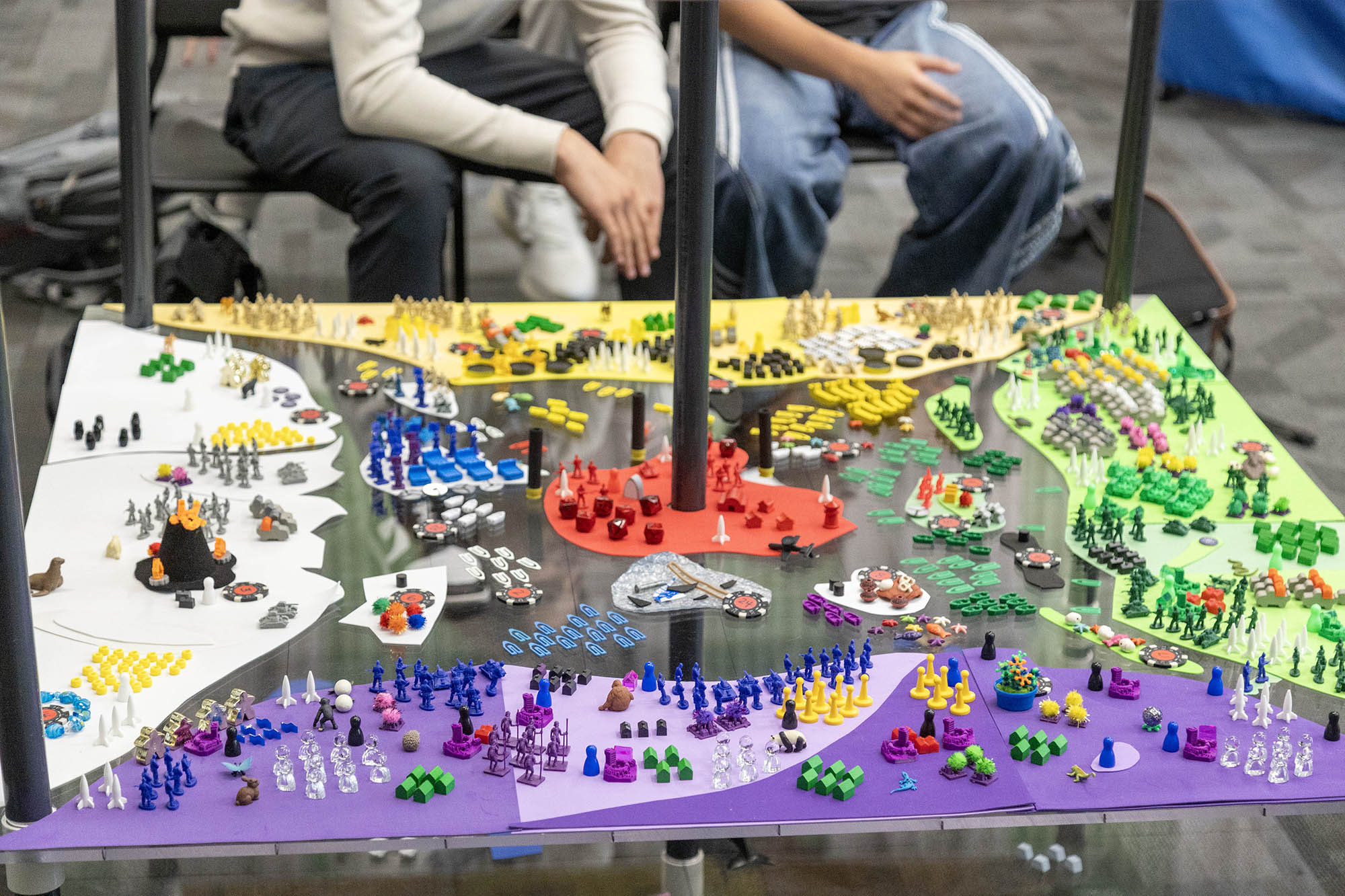
In many classrooms, politics is taught through textbooks, case studies, and historical hindsight. Systems are explained after they have already succeeded or failed, their outcomes neatly summarized. In the World Peace Game Winter Term course, however, MICDS students confront global politics in all of its messy, unpredictable, and unresolved complexities. Designed by educational thinker John Hunter, this internationally recognized negotiation and strategy game asks students to navigate a world defined by crisis, scarcity, and the constant threat of war, all with the ambitious goal of achieving global peace and prosperity.
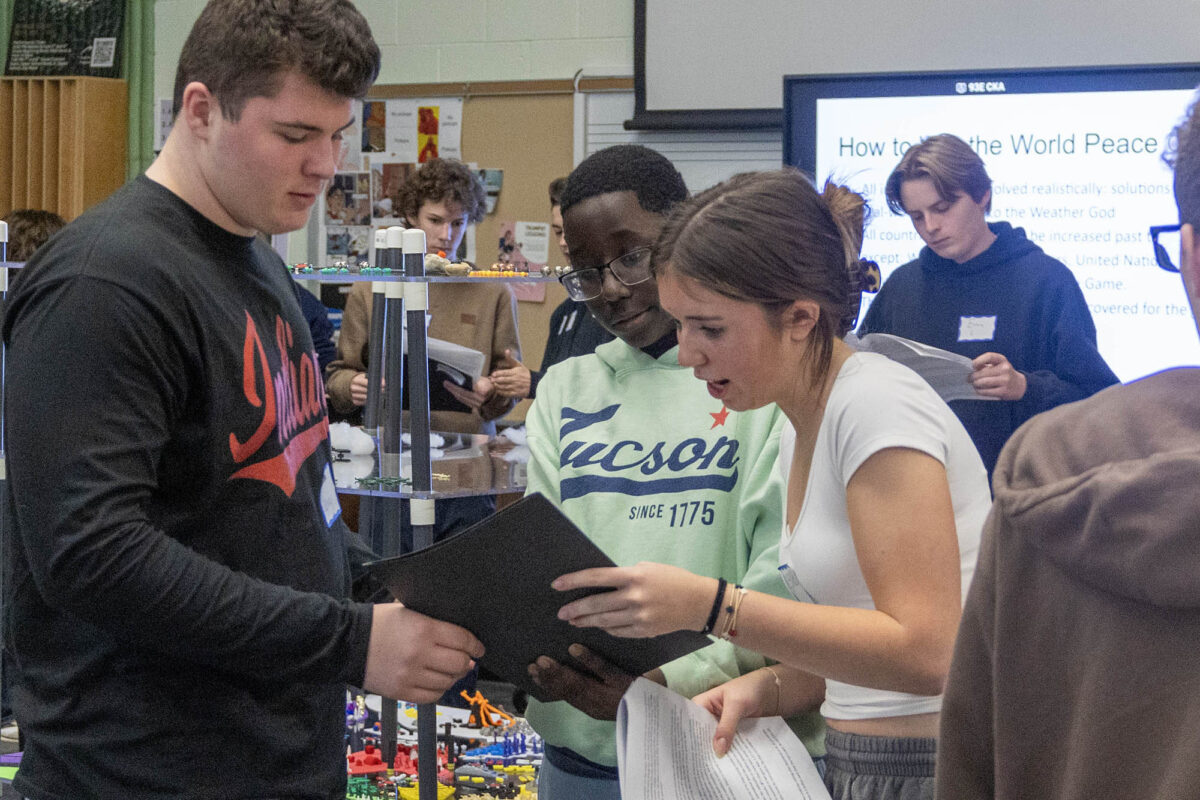
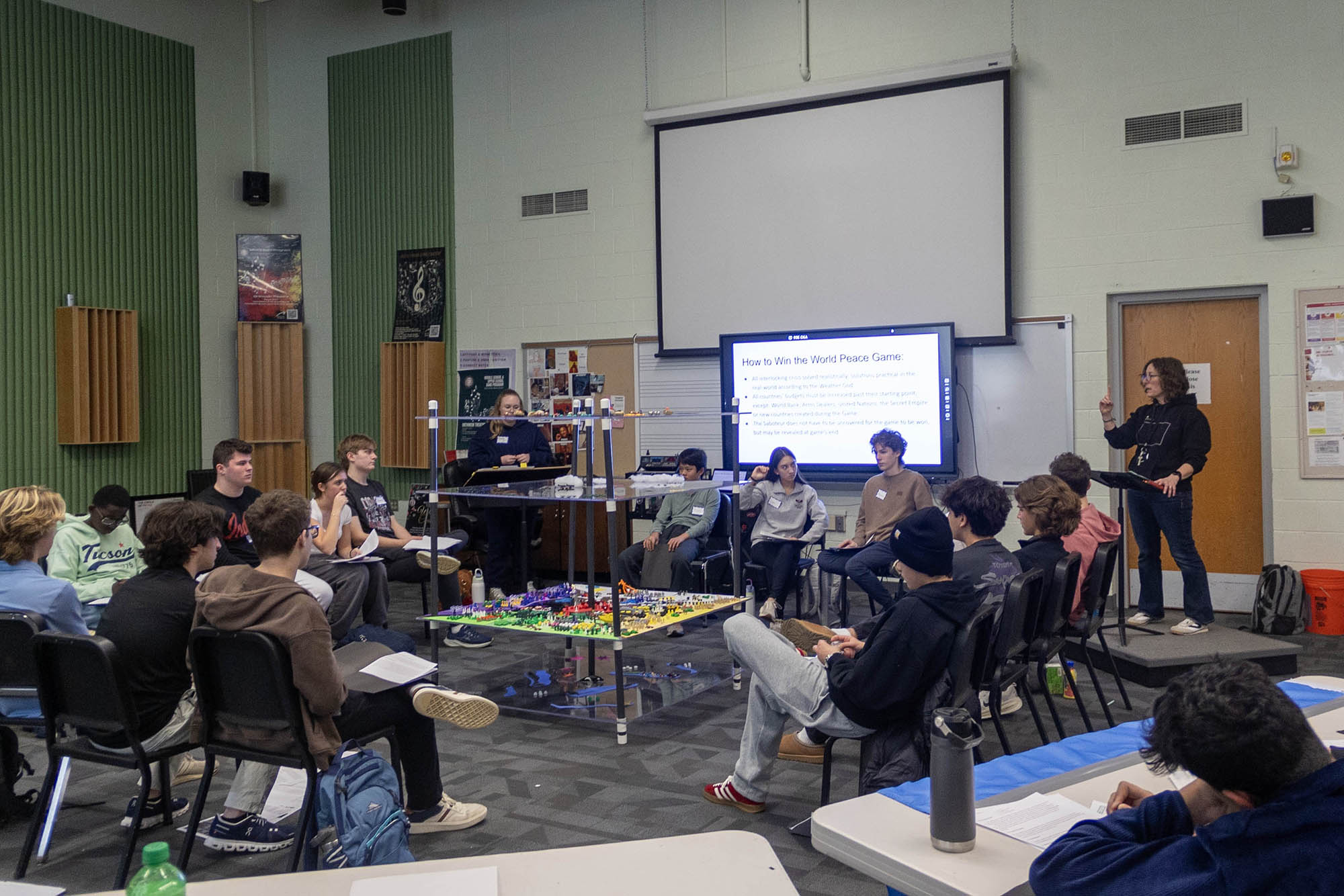
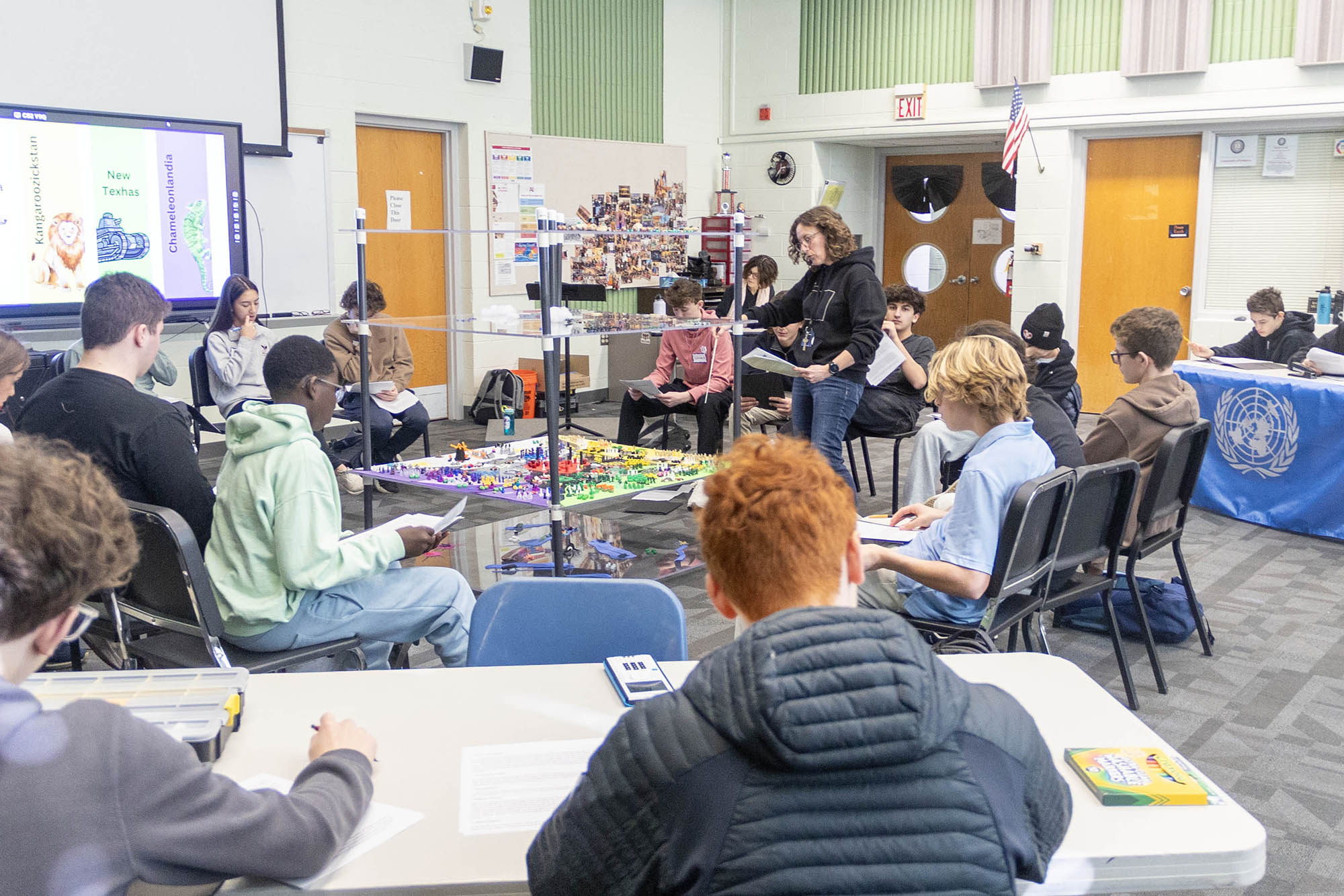
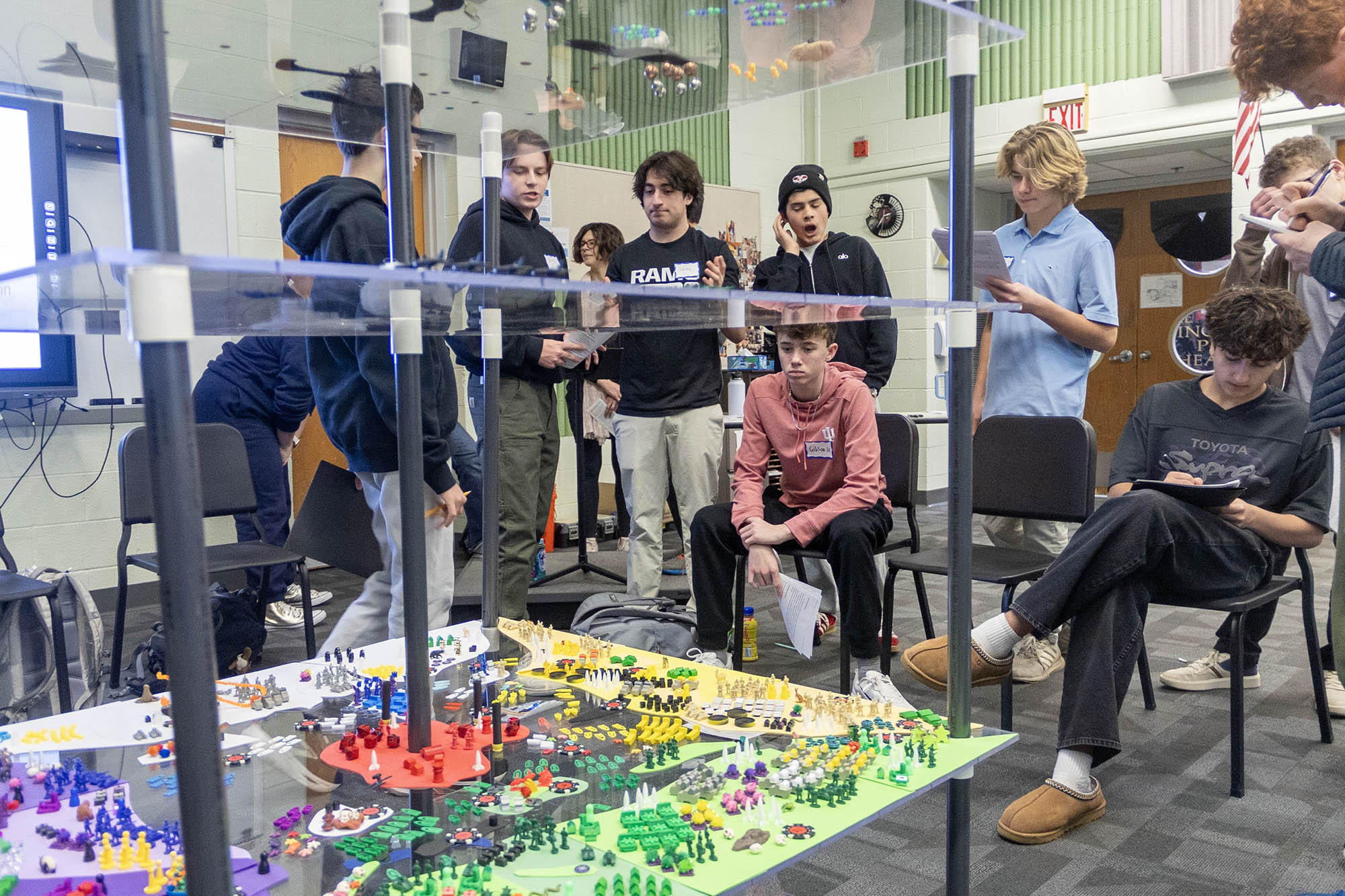
Taught by Upper School English Teachers Courtney Check and Julia Hansen, the course places students inside a large-scale simulation where every decision carries weight. Each student assumes a leadership role within a country or organization, whether in finance, defense, diplomacy, or leadership, and must collaborate with allies while responding to interconnected social, ecological, and political challenges. “It is super interactive. It’s incredibly deep thinking and it’s really fun, so I’m excited to see how students do this,” shares Check.
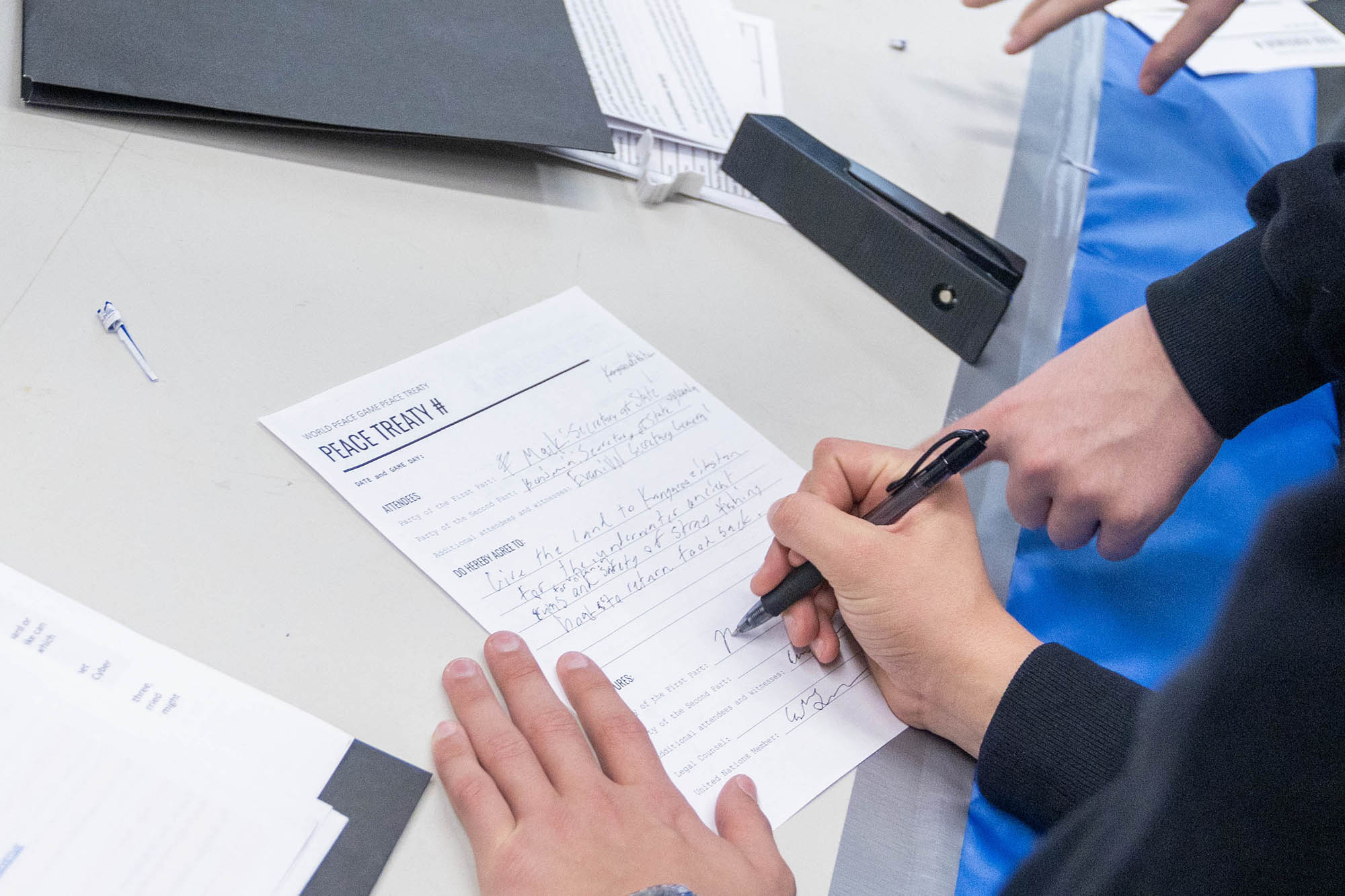
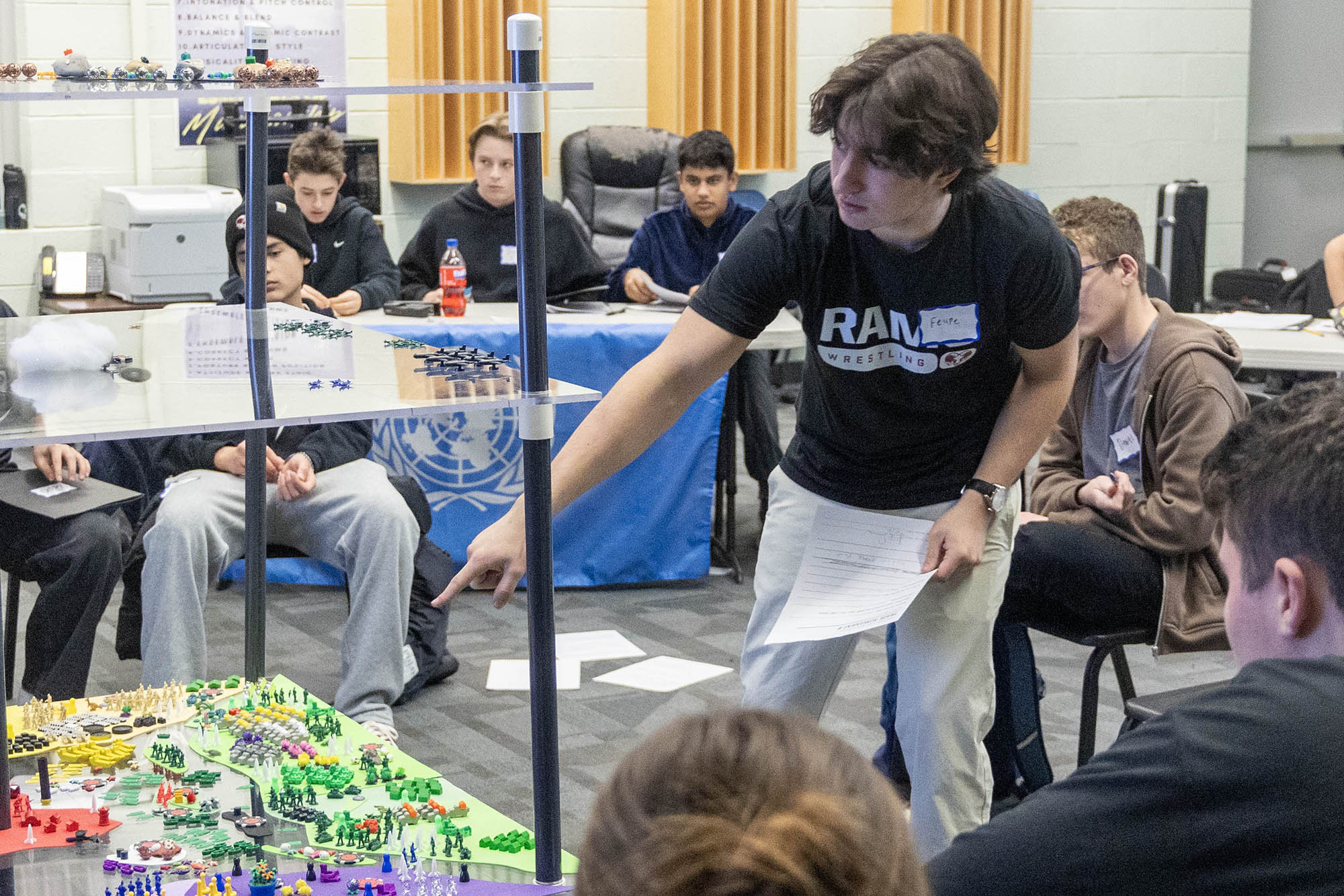
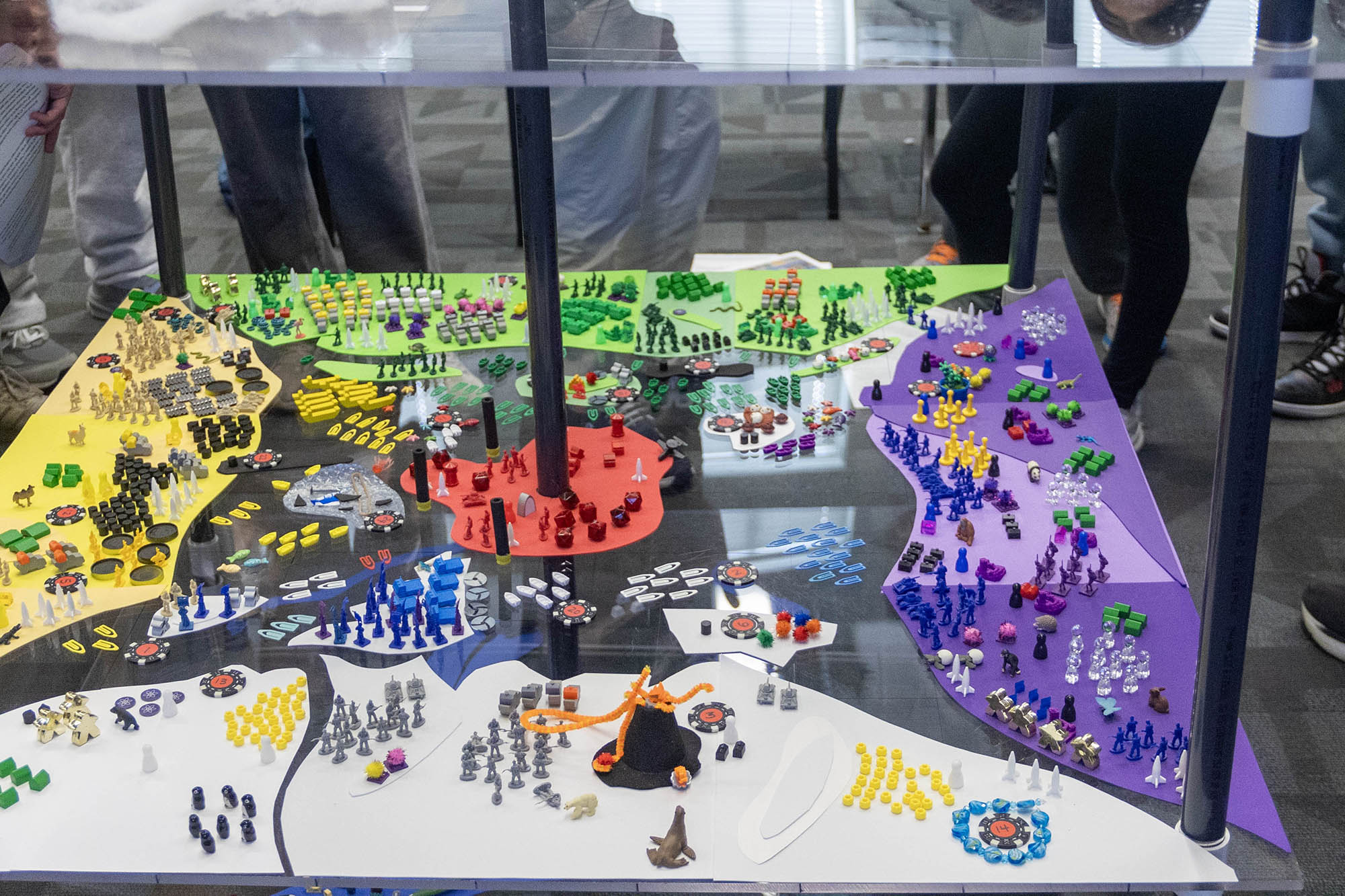
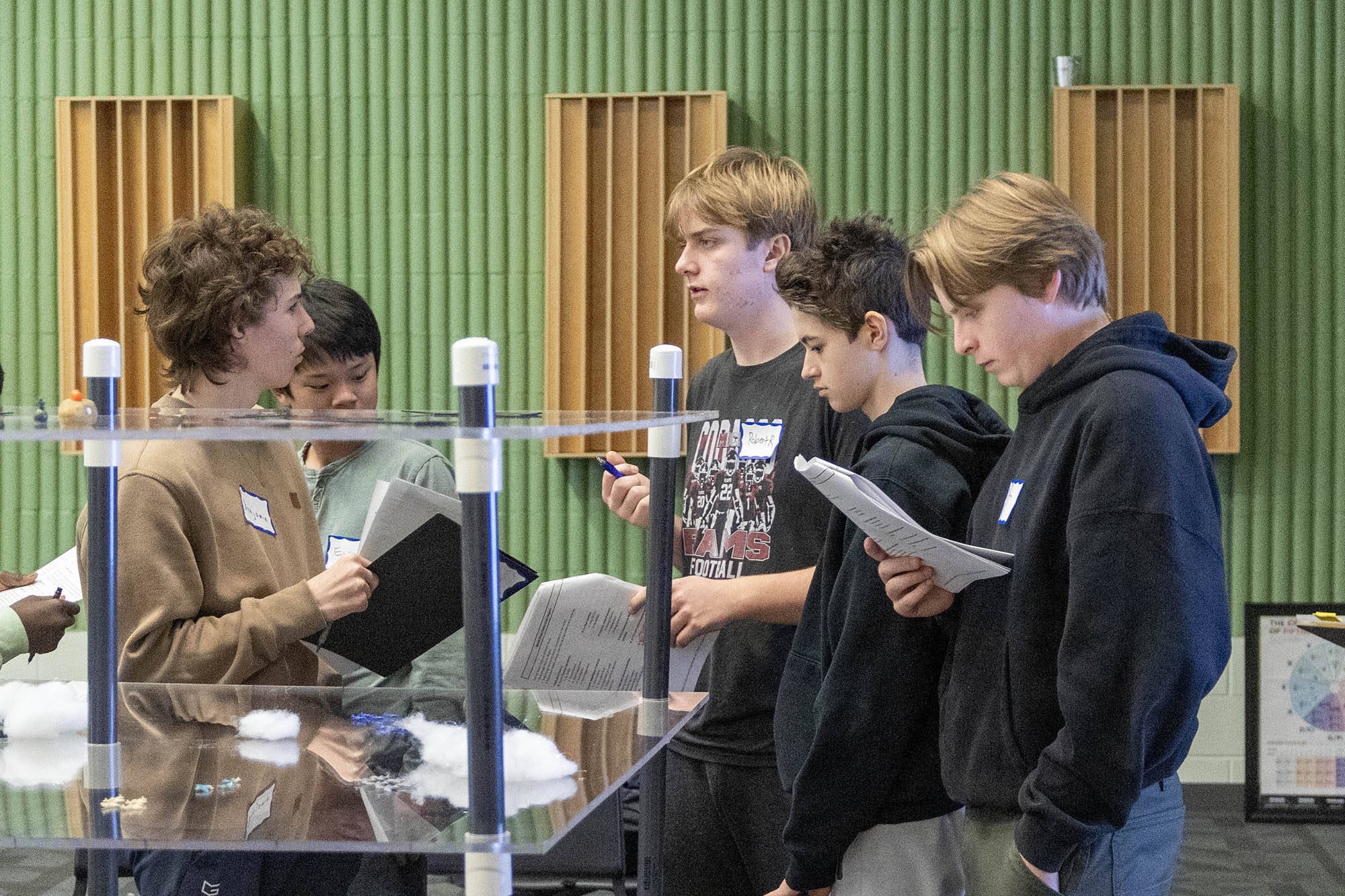
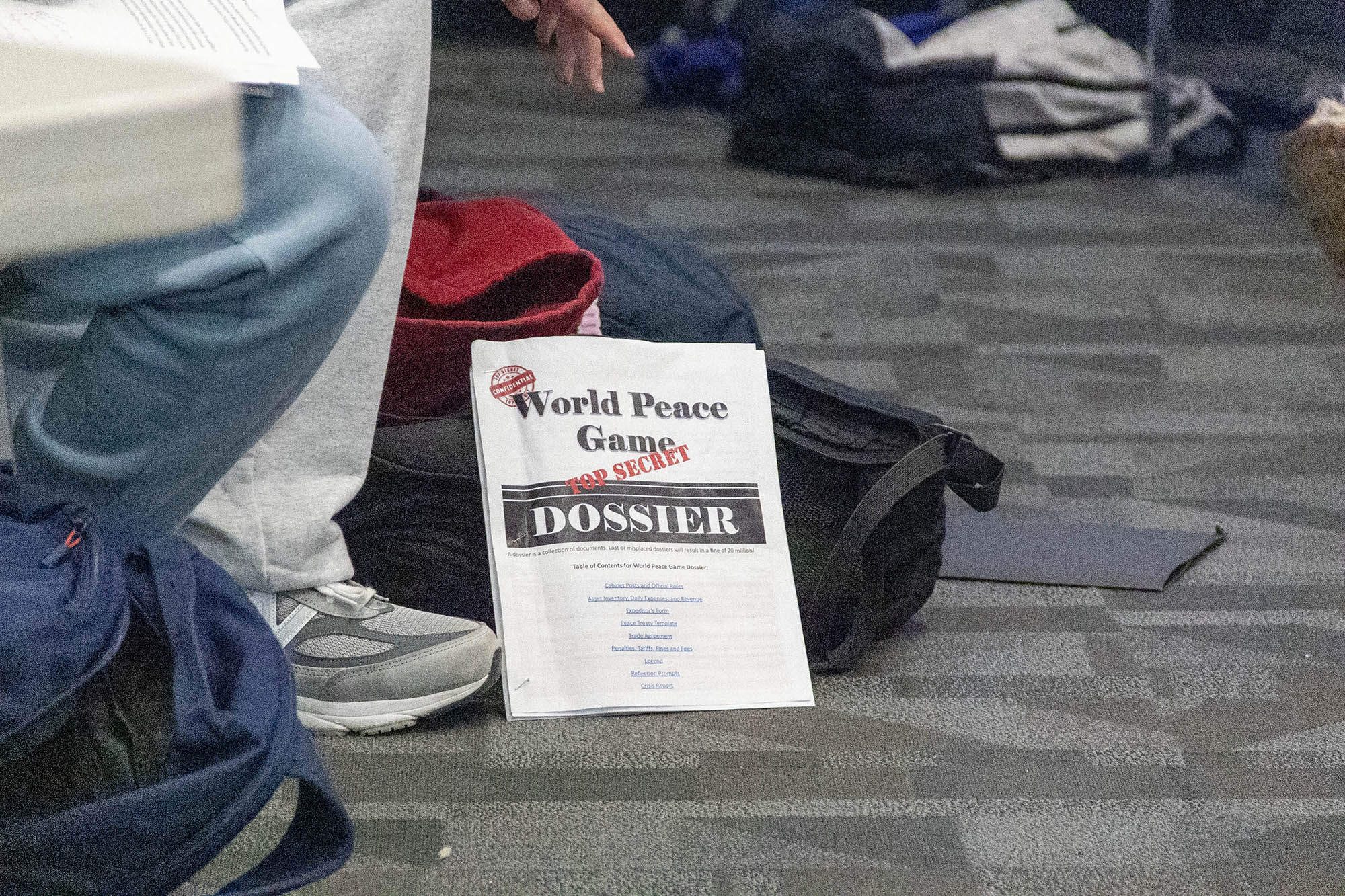
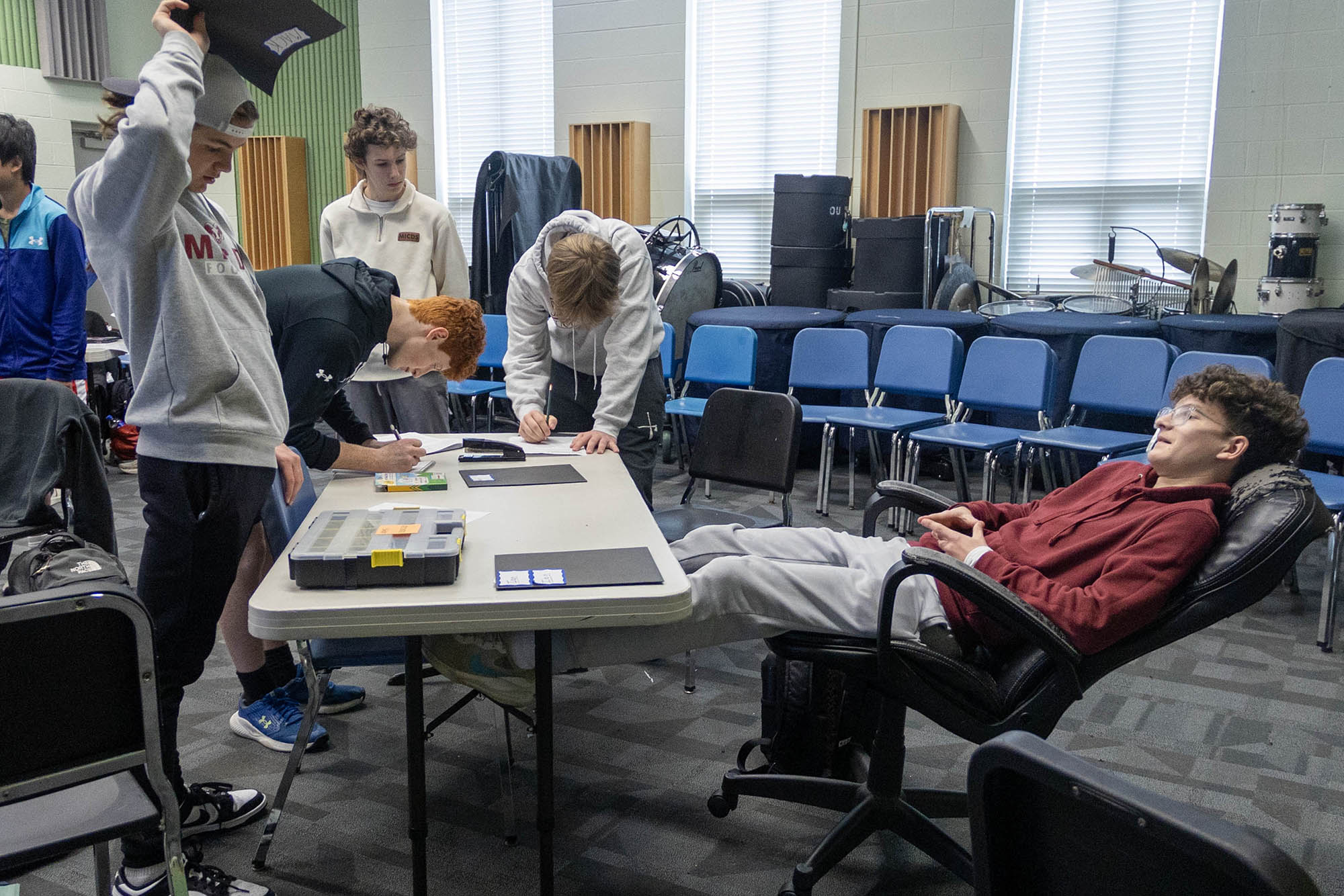
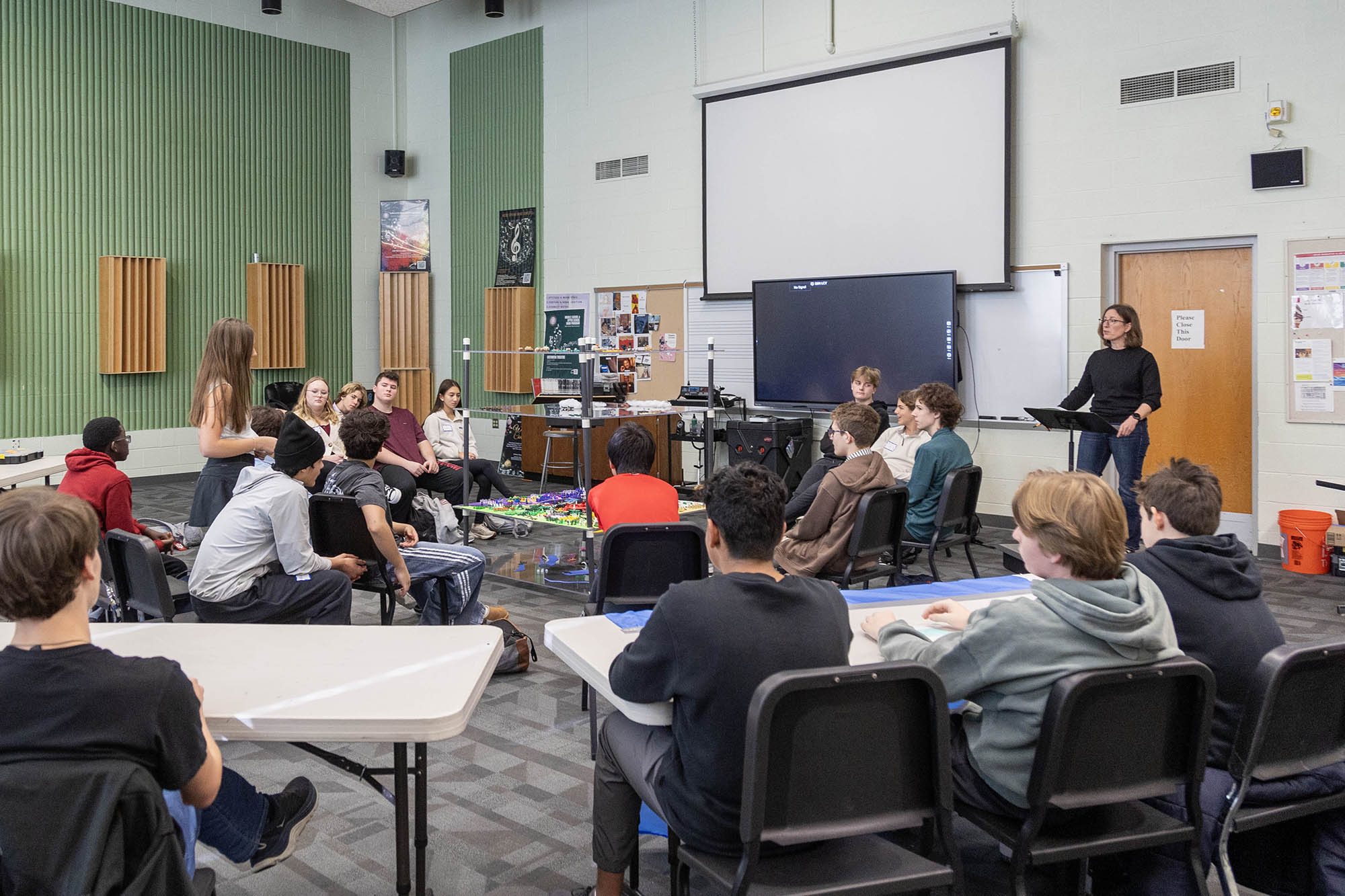
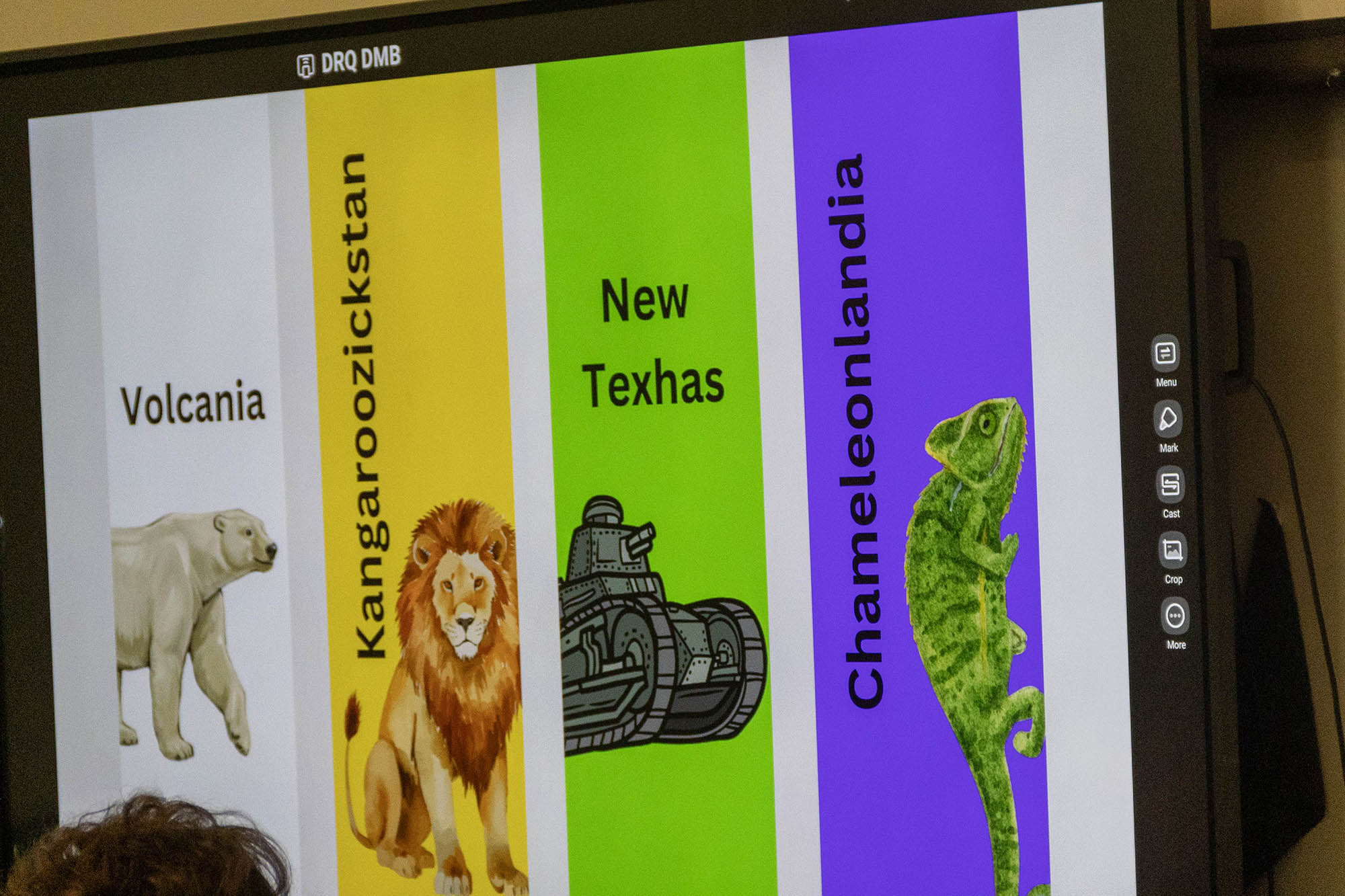
Students learn first by being immersed, then by adapting. There are no step-by-step instructions or guaranteed outcomes, only evolving conditions that demand critical thought and cooperation. “It’s about a world that is damaged and it needs students to be able to fix it,” Check explains. “I think it’s a pretty realistic game to play.” Skills such as negotiation, communication, and direct conflict resolution are not taught in isolation. Instead, they are practiced continuously as students respond to real-time developments within the game.
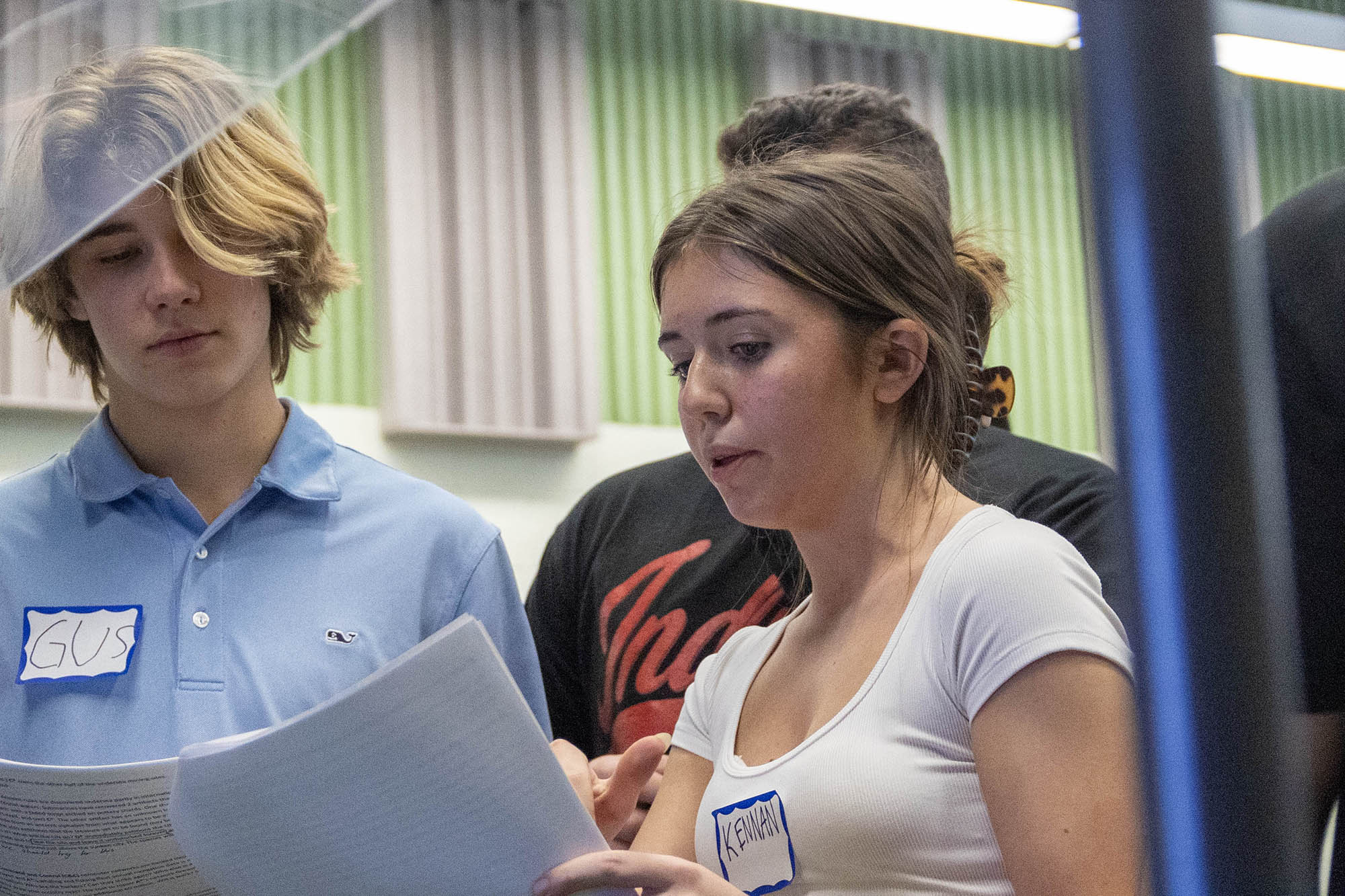
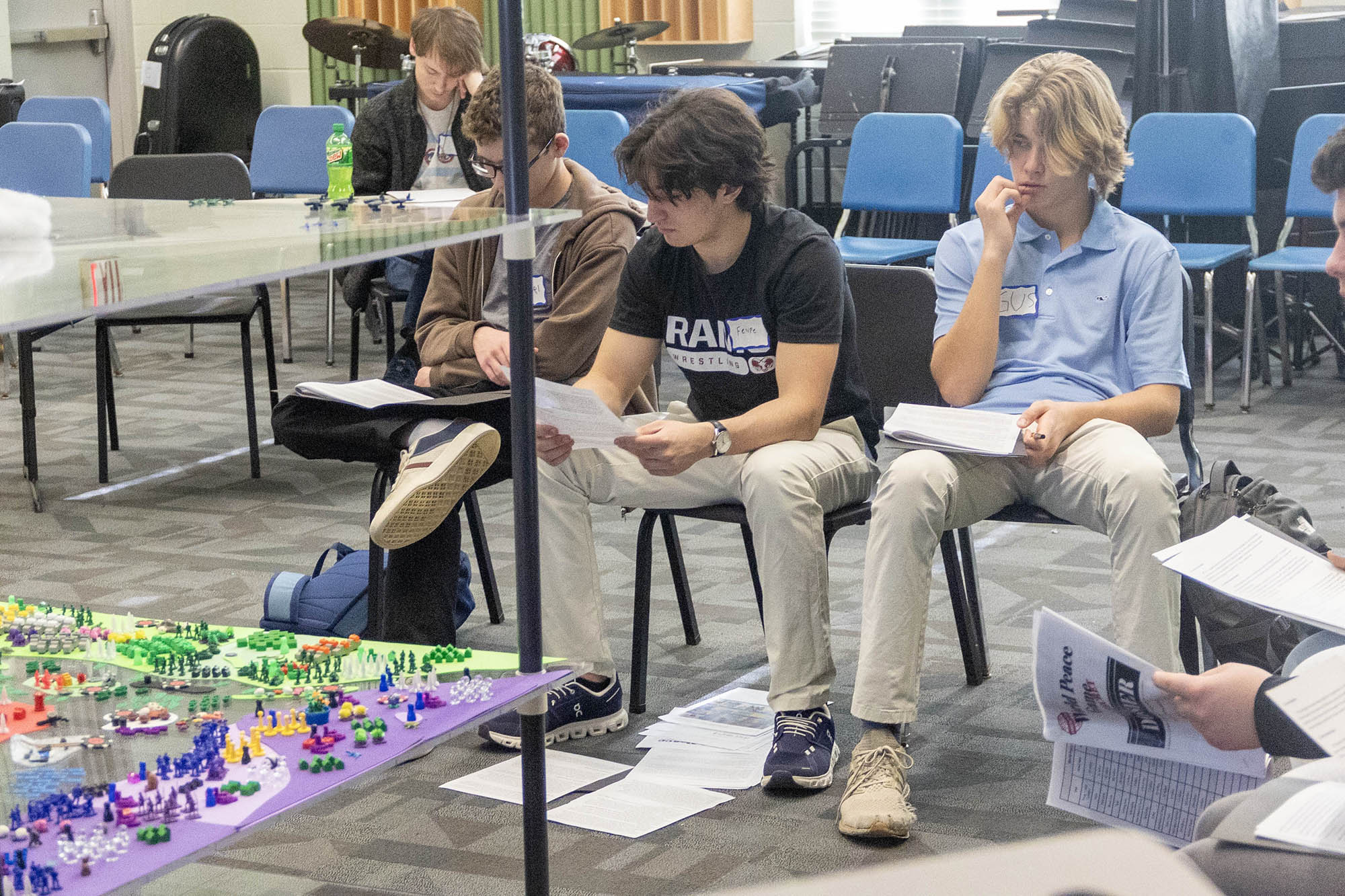
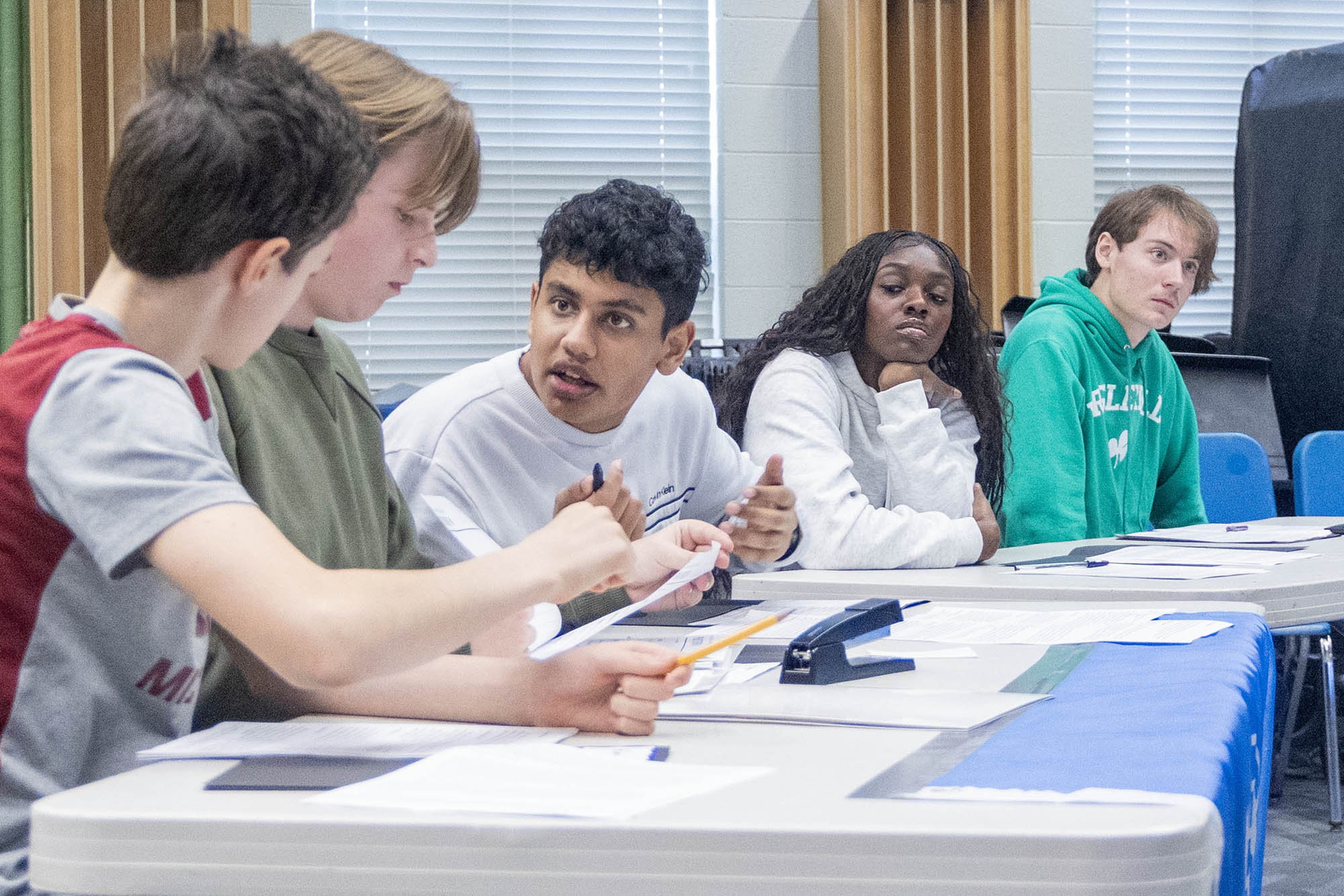
Much of the class time is devoted to collaborative strategy sessions. The room is active and focused with students negotiating strategies, reallocating resources, and adjusting plans as new crises arise. Gus Lochhead ’29, who serves as a chief financial officer, describes his role with enthusiasm. “I’ve really enjoyed gaining money for my country,” he says. “It’s really fun to plan out courses of action and make treaties with other countries to maximize profit.” For Gus, the appeal of the course lies in its blend of strategy and realism: “I was fascinated with learning more about how negotiations and other diplomatic operations went around the world.”
The unpredictability of the game is part of its power. Logan Niemeier ’28, another student in the course, highlights how quickly circumstances can change. “My favorite part is seeing how chaos can come all together,” and with negotiation and action rounds taking only 30 to 45 minutes each, there is certainly lots of it.
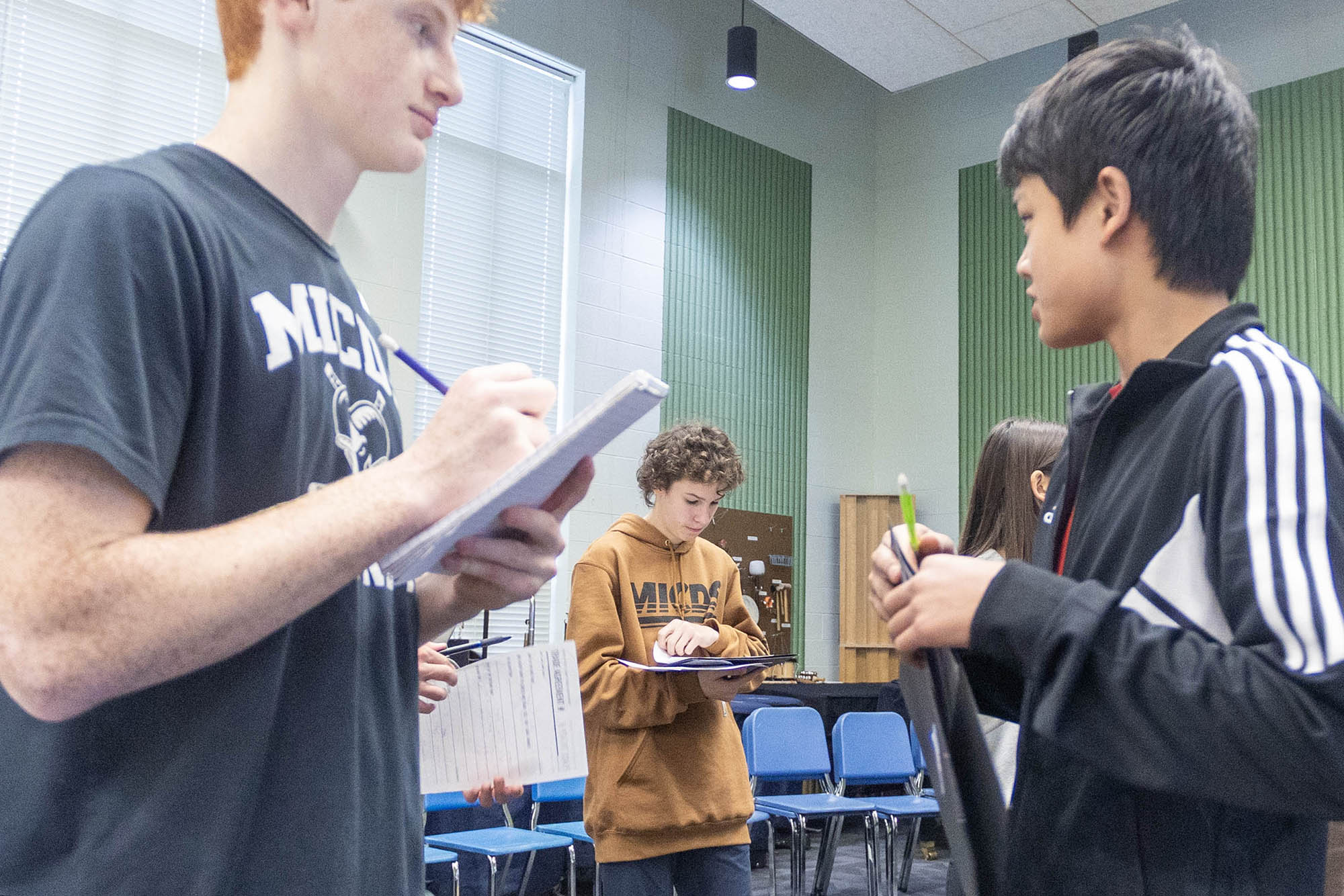
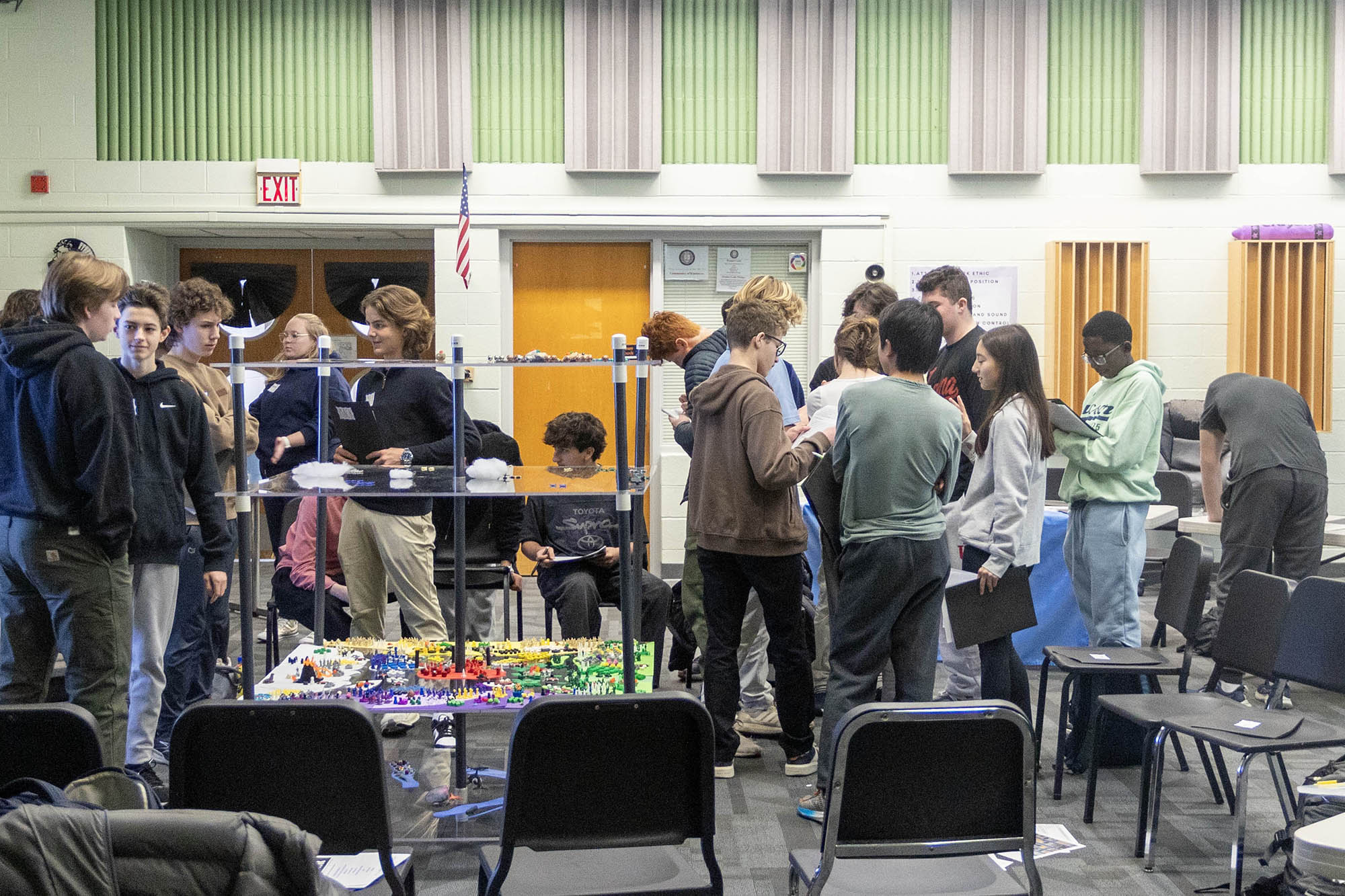
By the end of the game, students leave with more than an understanding of global systems; they gain firsthand insight into how fragile and complex joint peace truly is. Out of simulated chaos, thoughtful solutions emerge, shaped by student leadership, creativity, and resolve, helping to mold the next generation of men and women who can meet the challenges of this world with confidence.