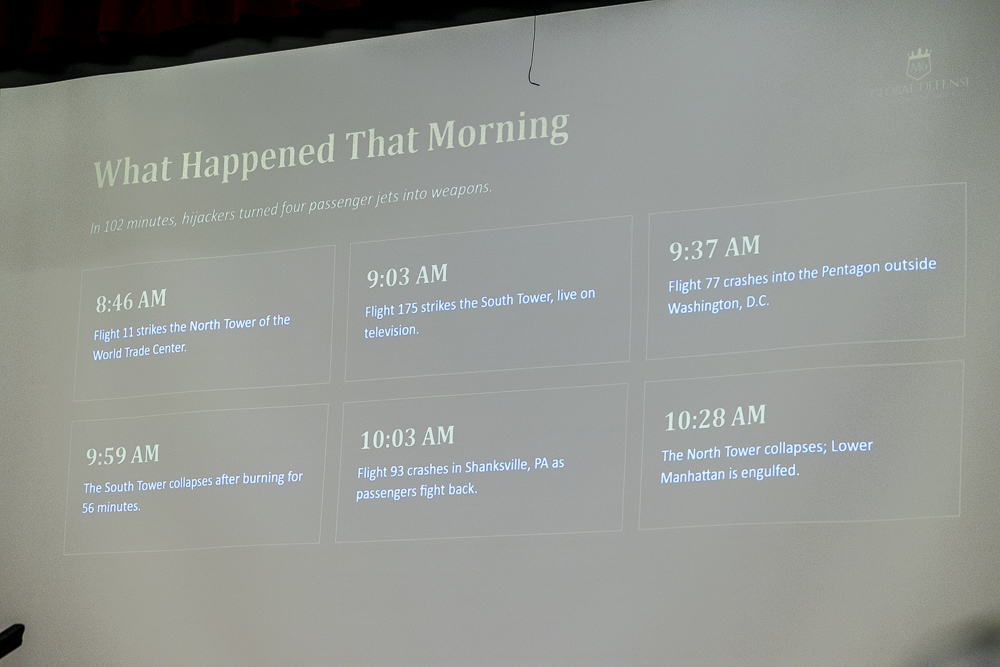
On September 11, 2001, 19 individuals hijacked four commercial passenger airplanes in coordinated terrorist attacks in the United States. Two planes hit the World Trade Center towers in New York City; one hit the Pentagon near Washington, D.C.; and a fourth (United Flight 93) crashed in a field near Shanksville, Pennsylvania, after passengers fought back. It resulted in the deaths of nearly 3,000 people, making it one of the most devastating events in modern foreign policy and security history.
On the 25th anniversary of 9/11 this year, students in all divisions at MICDS spent time learning more about this event through books, articles, discussions, and special assemblies.
Lower School
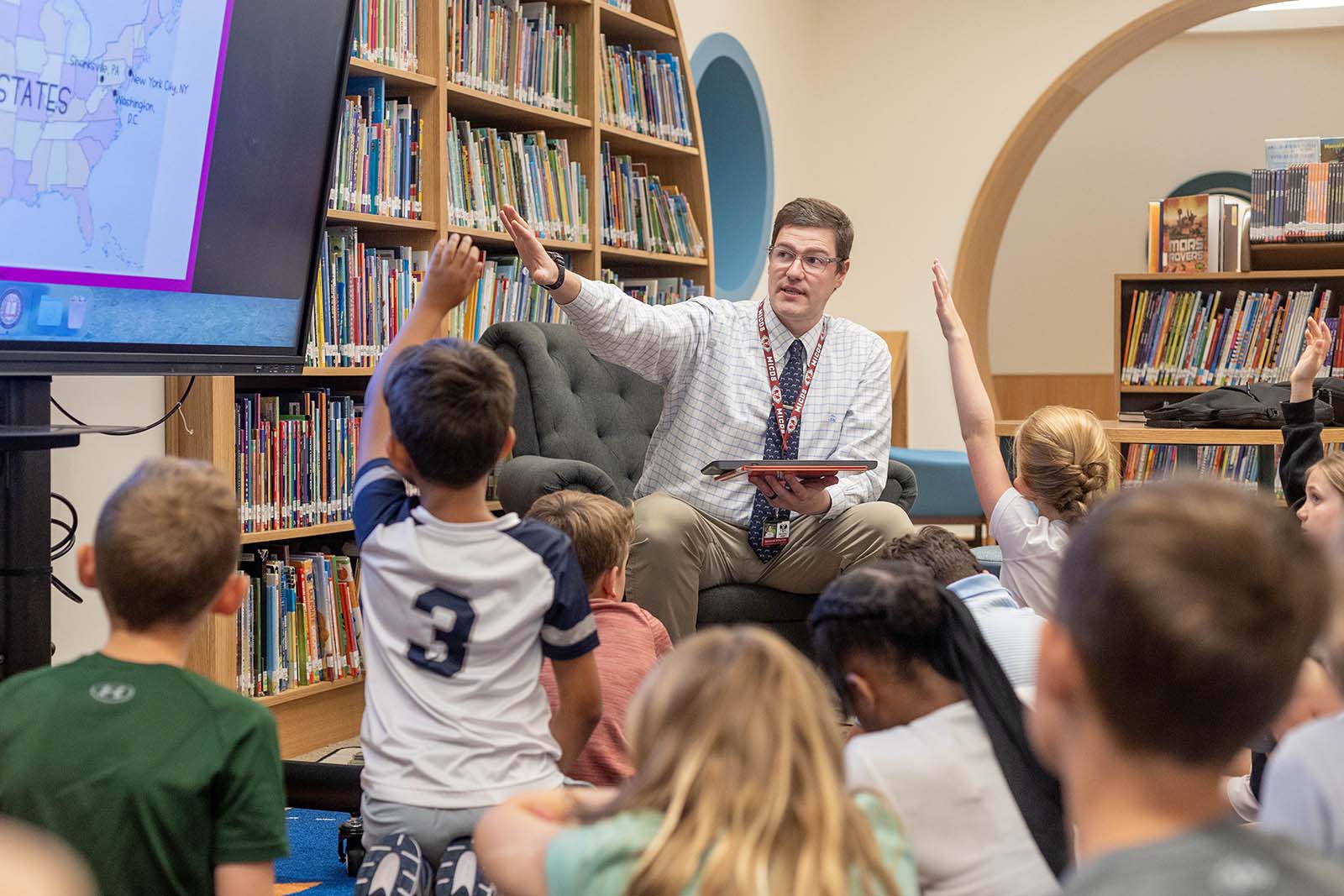
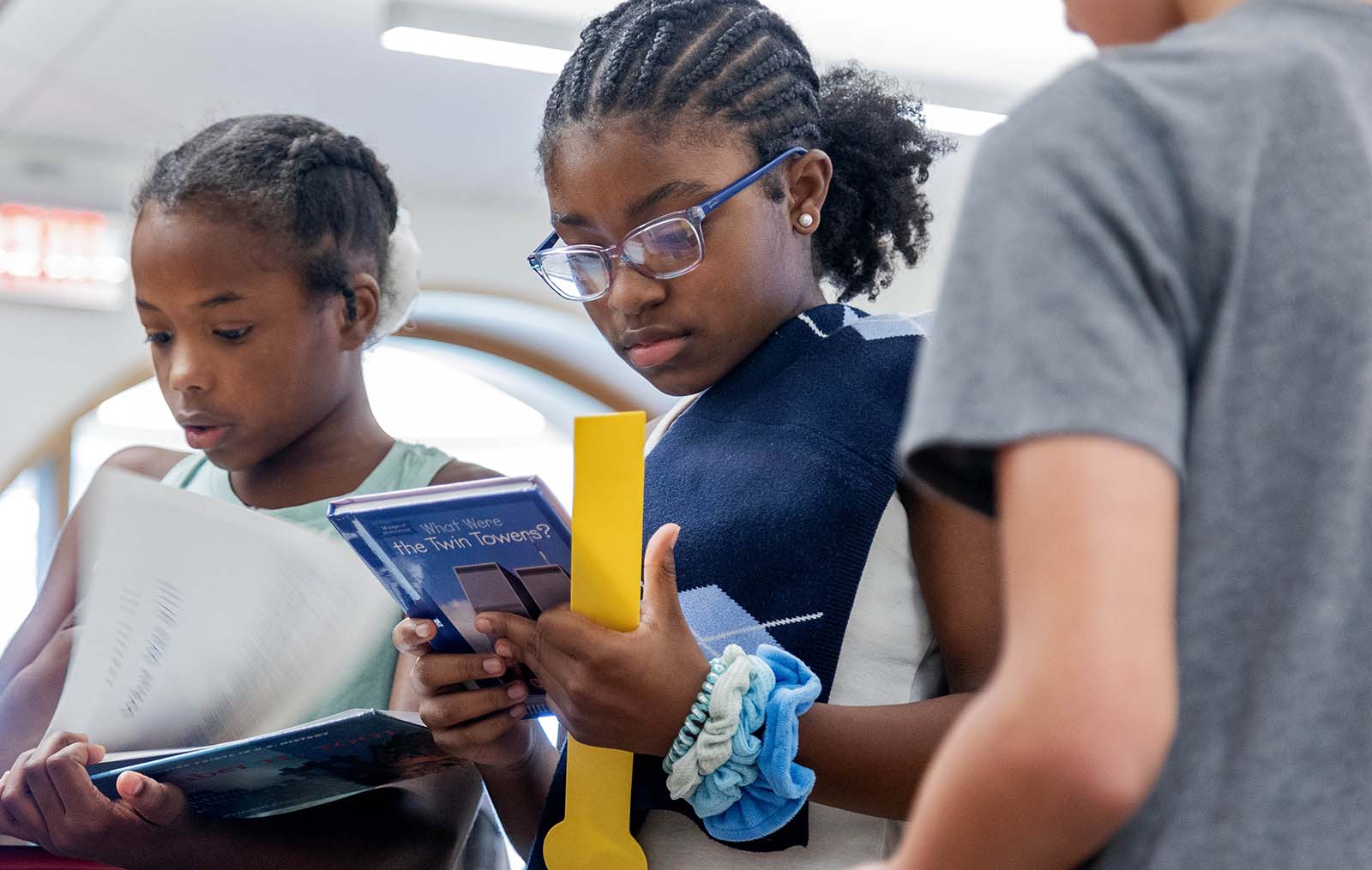
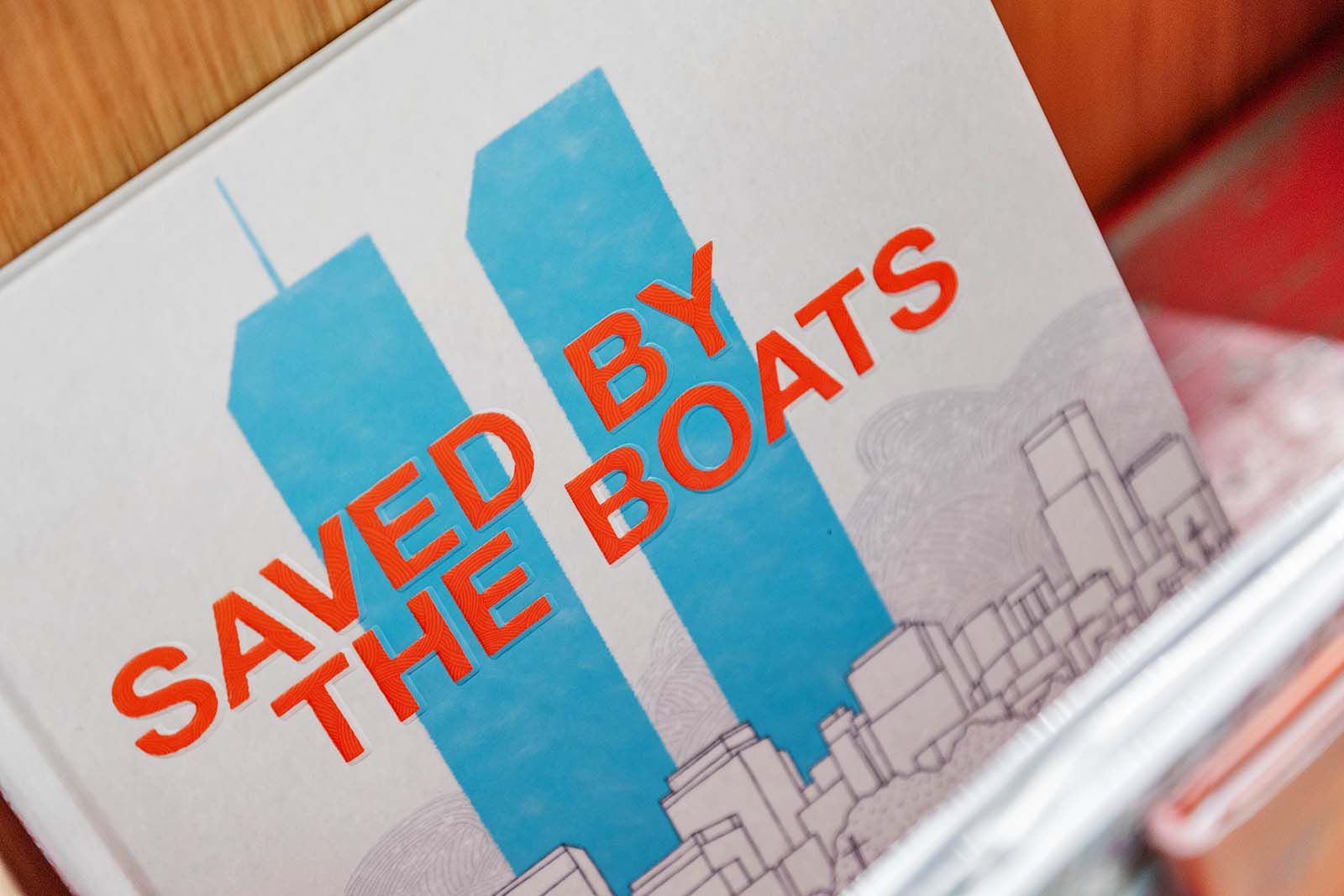
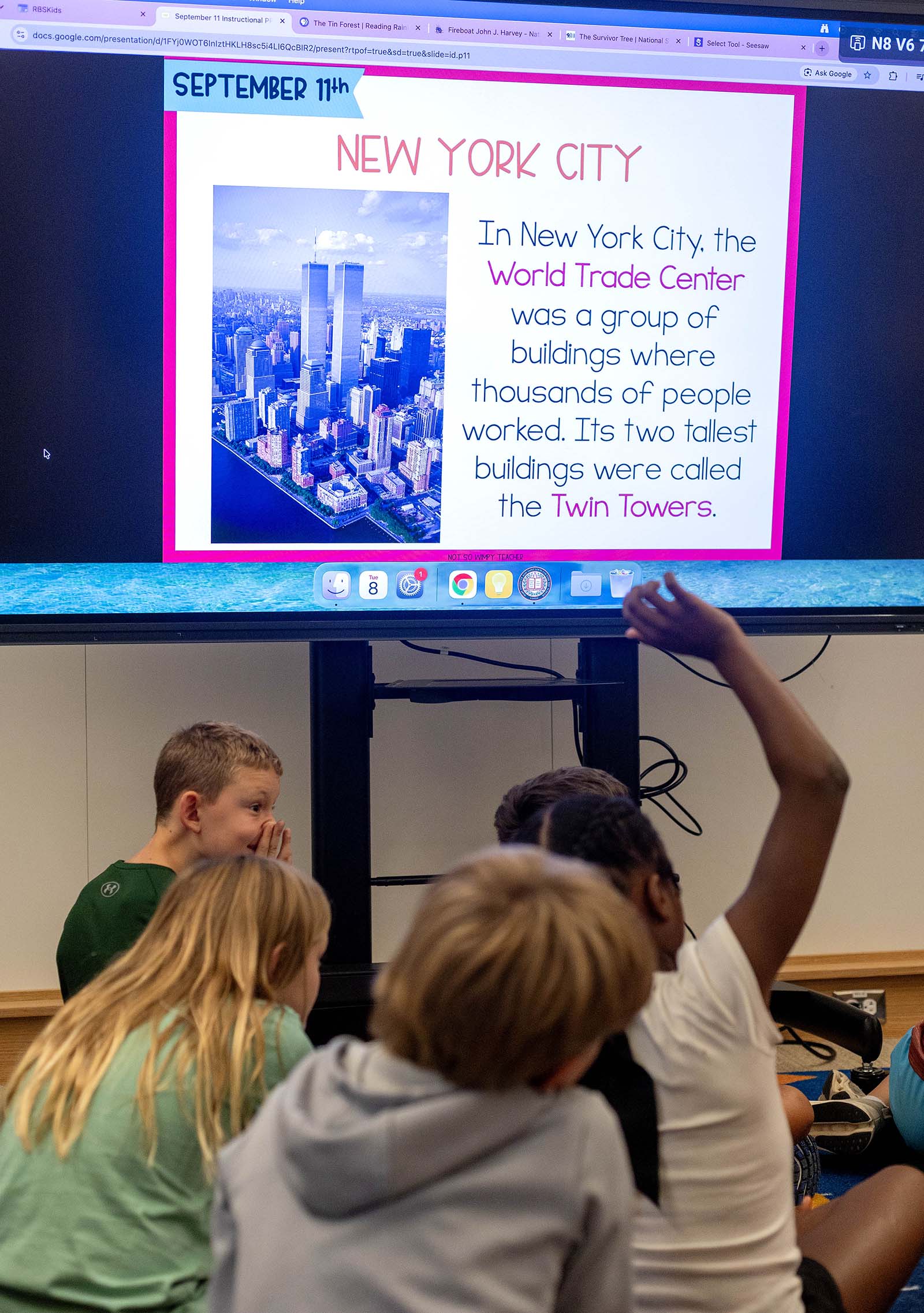
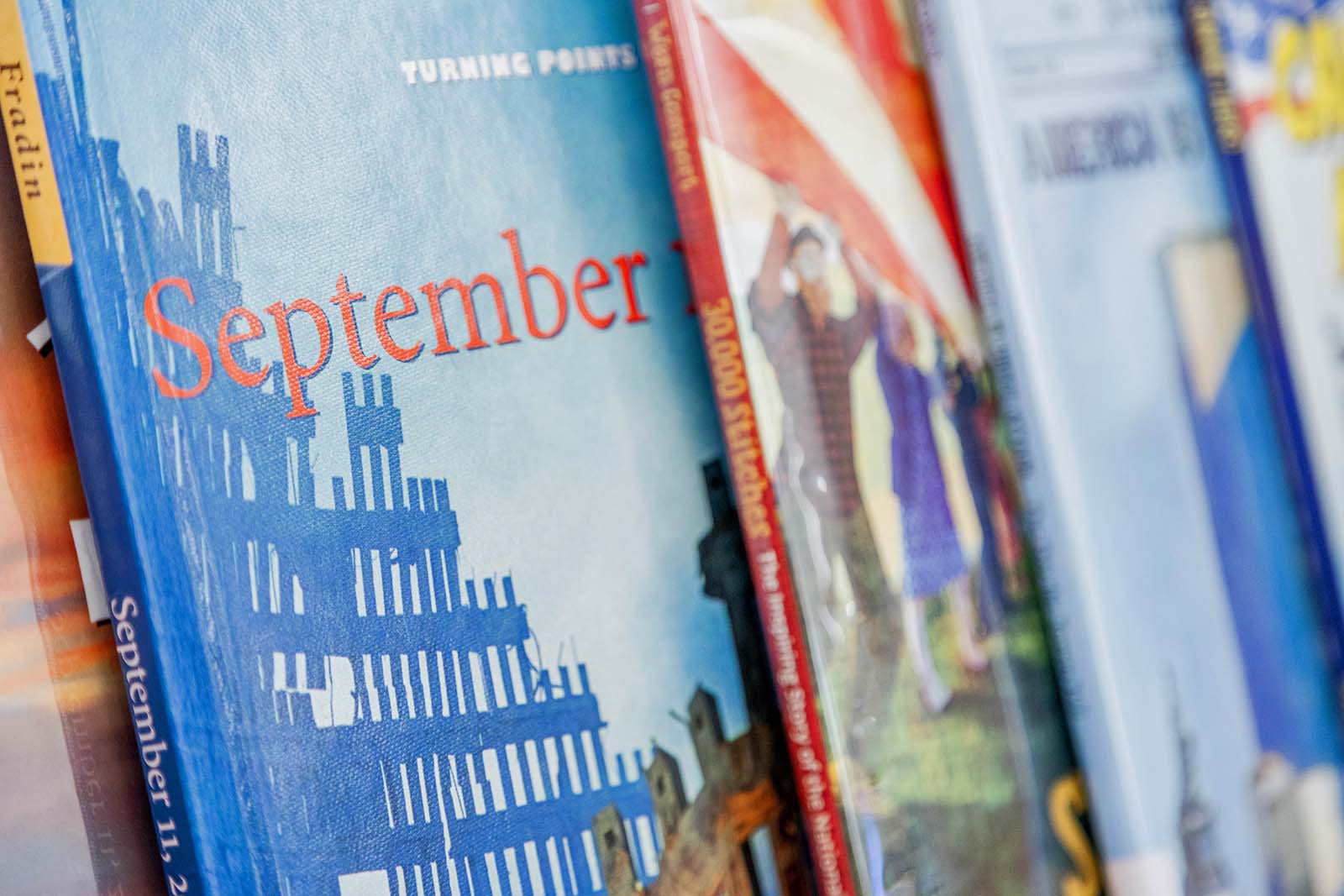
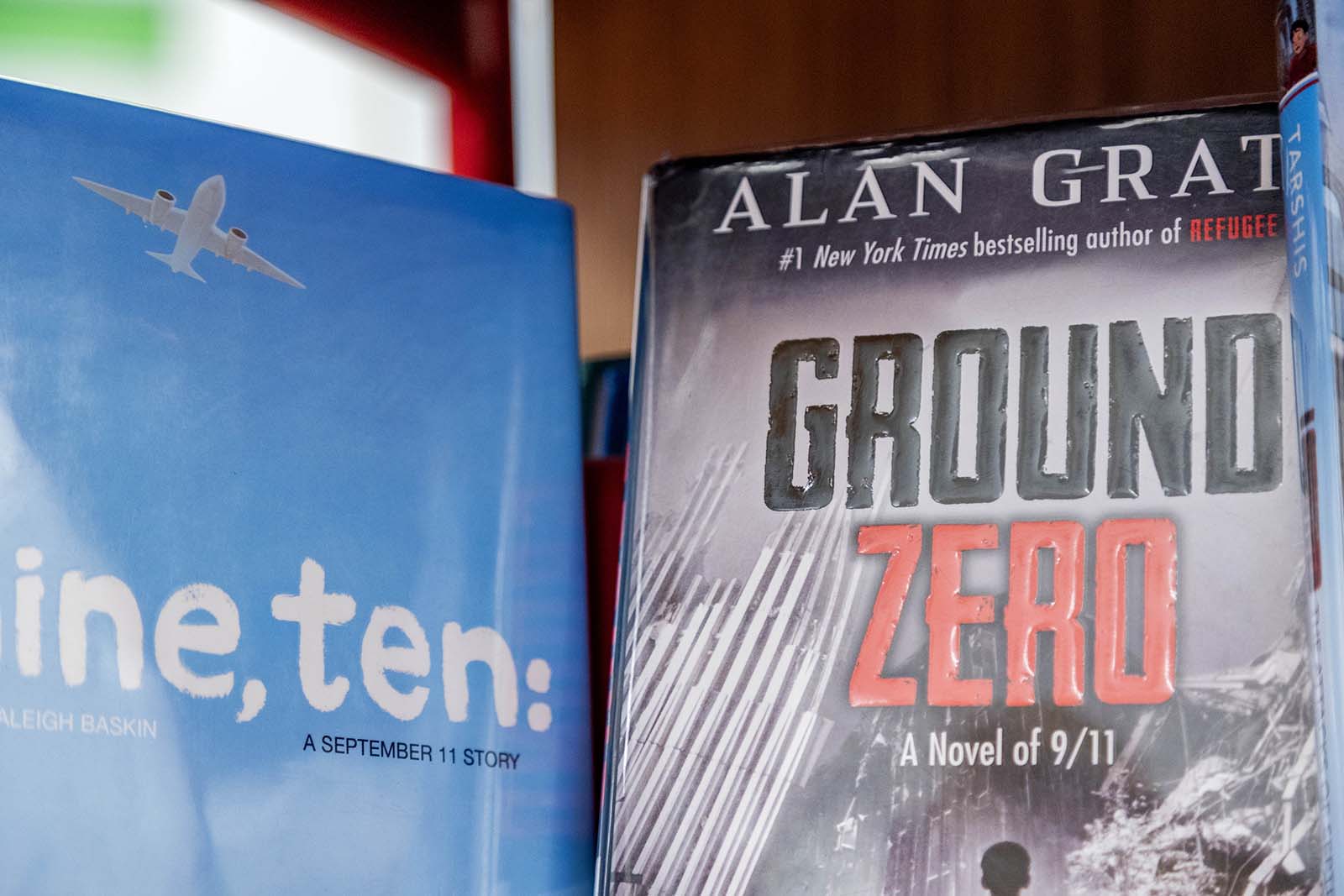
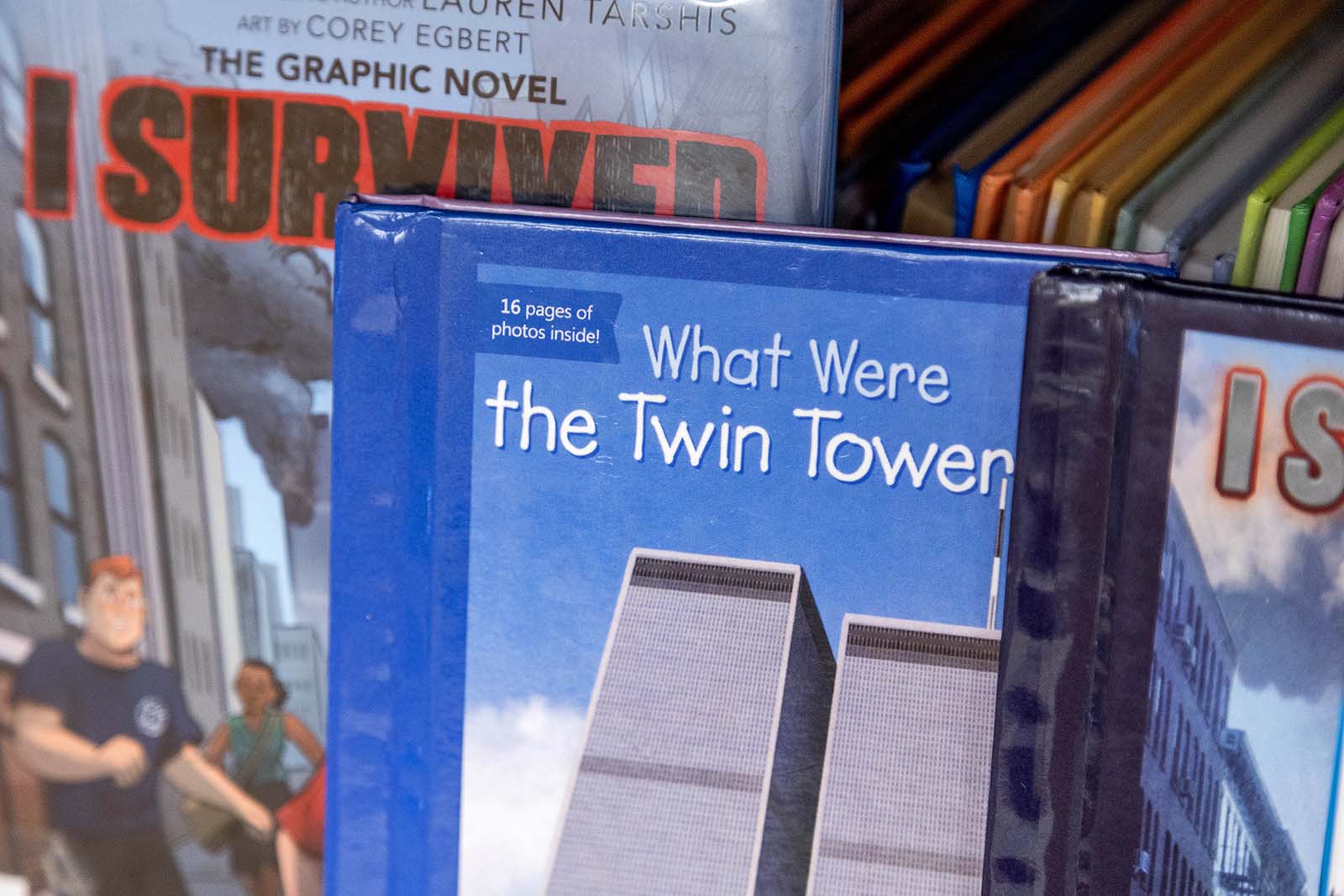
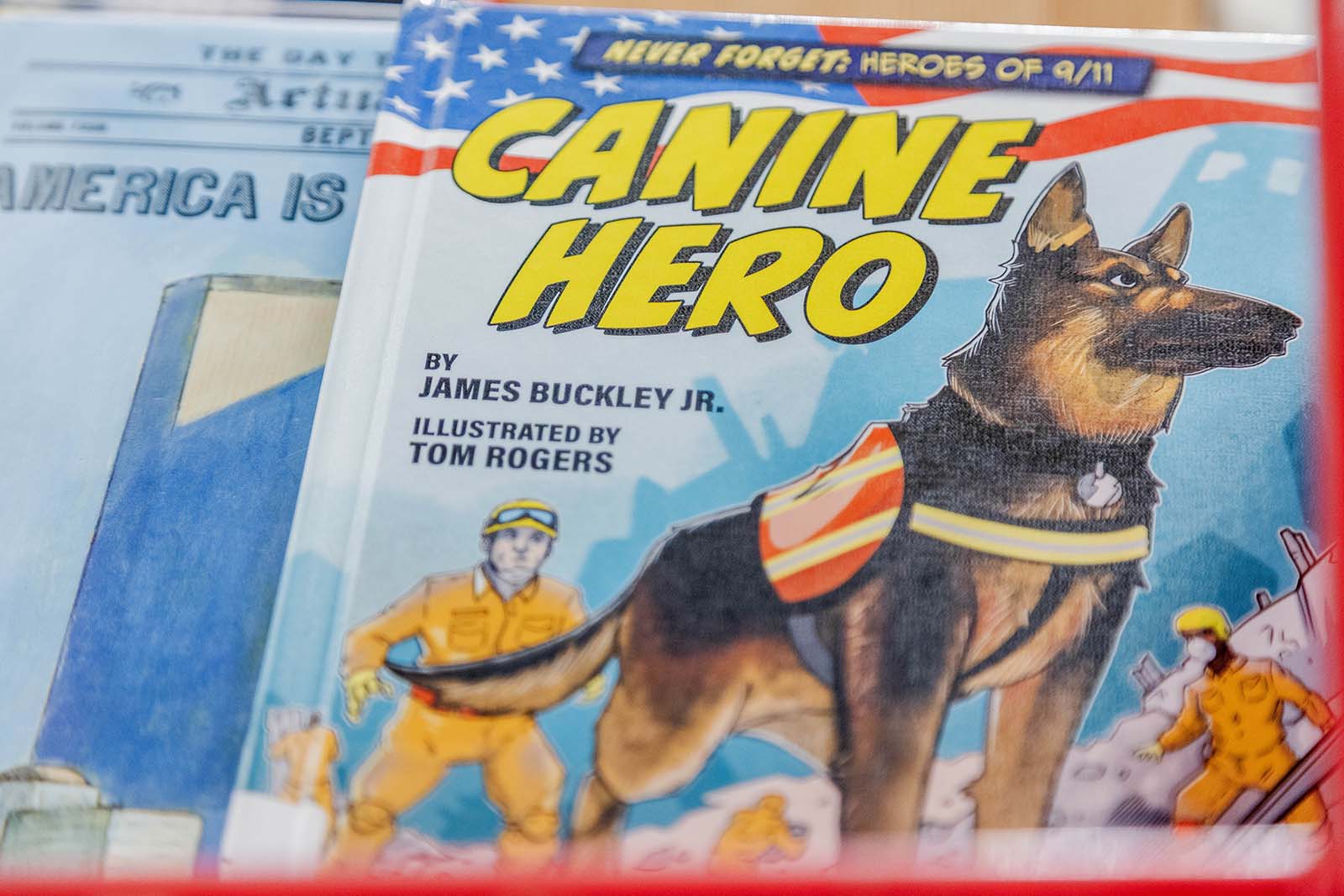
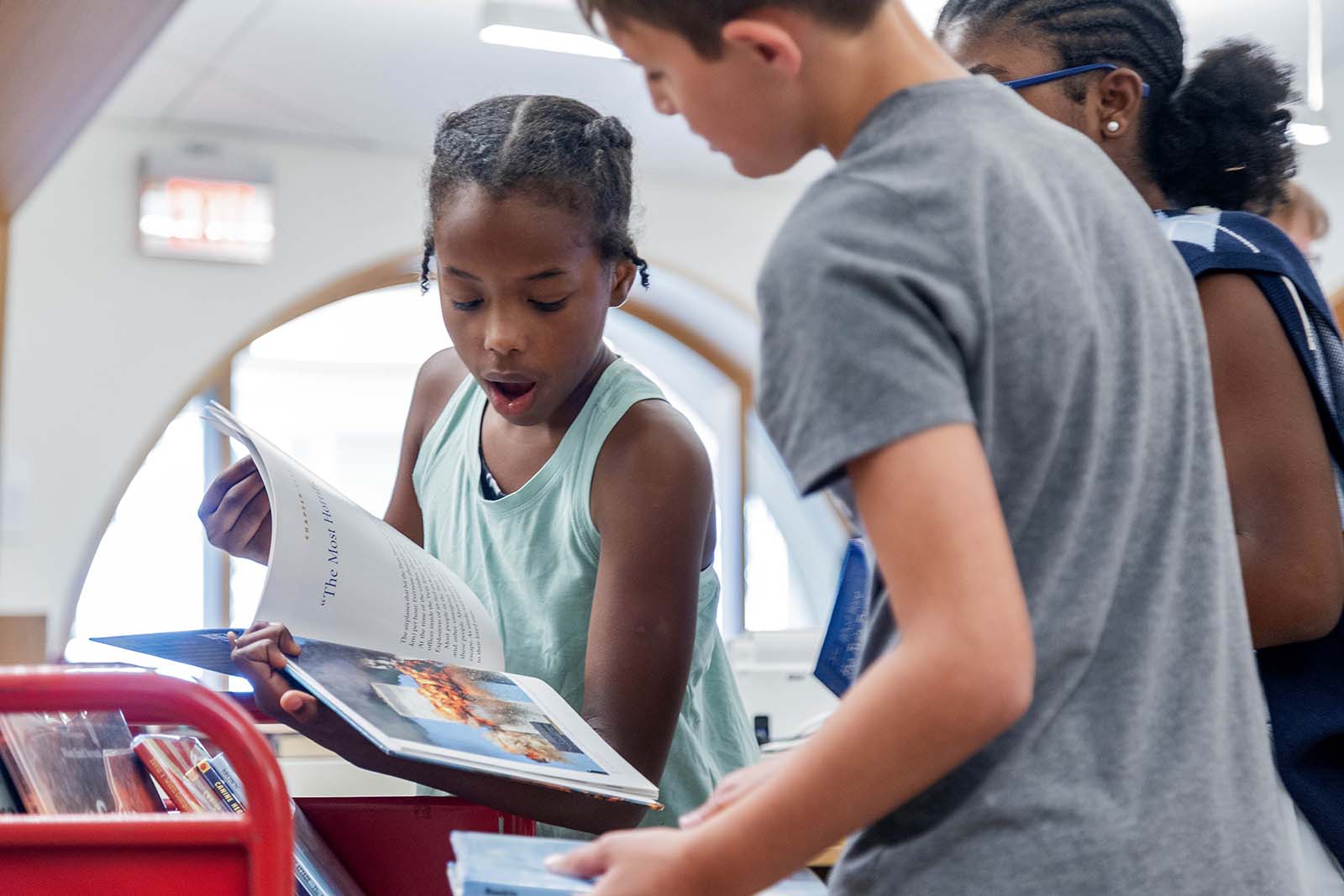
In the Lower School library, librarians Thomas Buffington and Nicole Liebman curated age-appropriate non-fiction and chapter books about 9/11, such as Fireboat and The Survivor Tree, for teachers’ classrooms and created a display shelf at checkout offering other interesting books about the event.
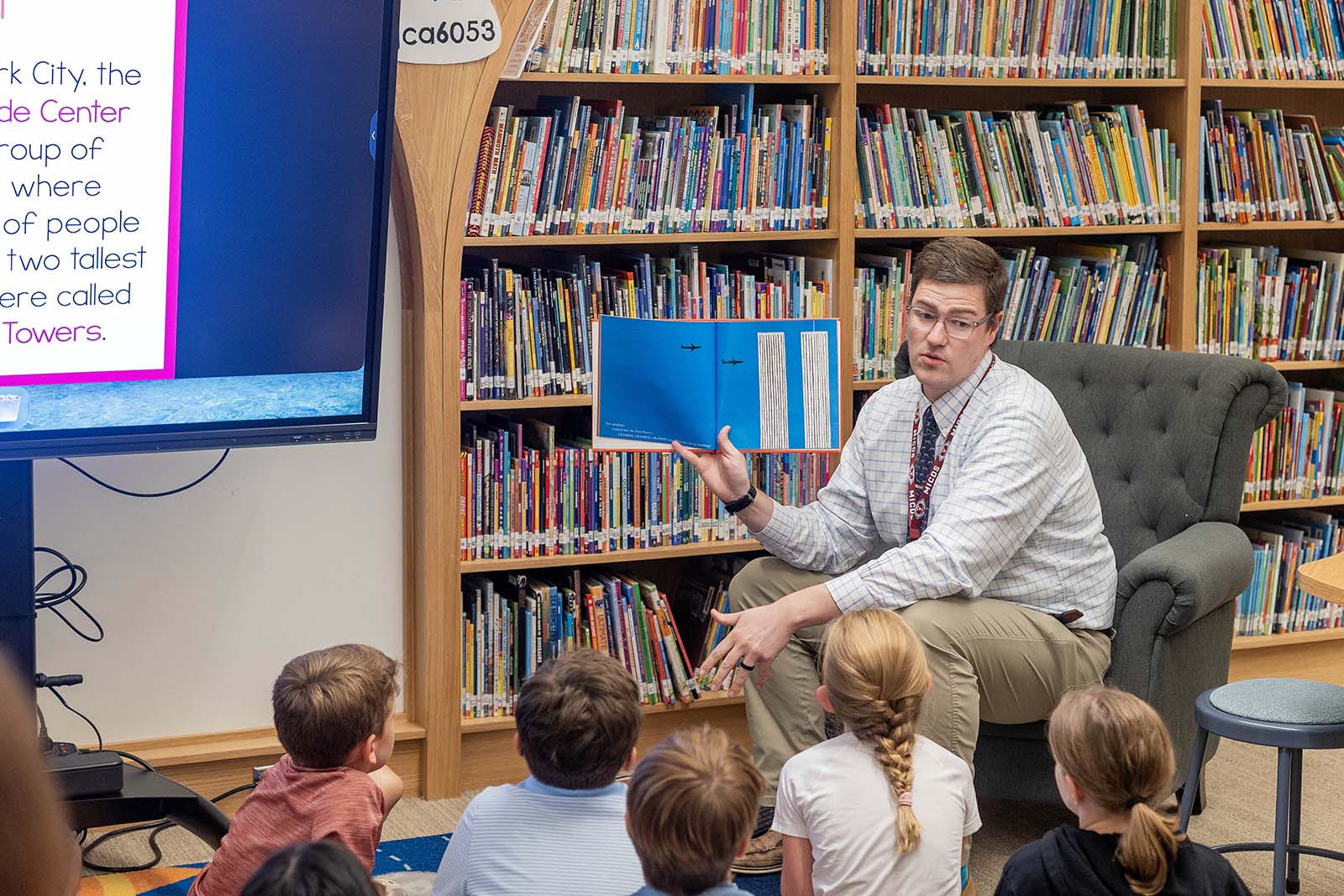
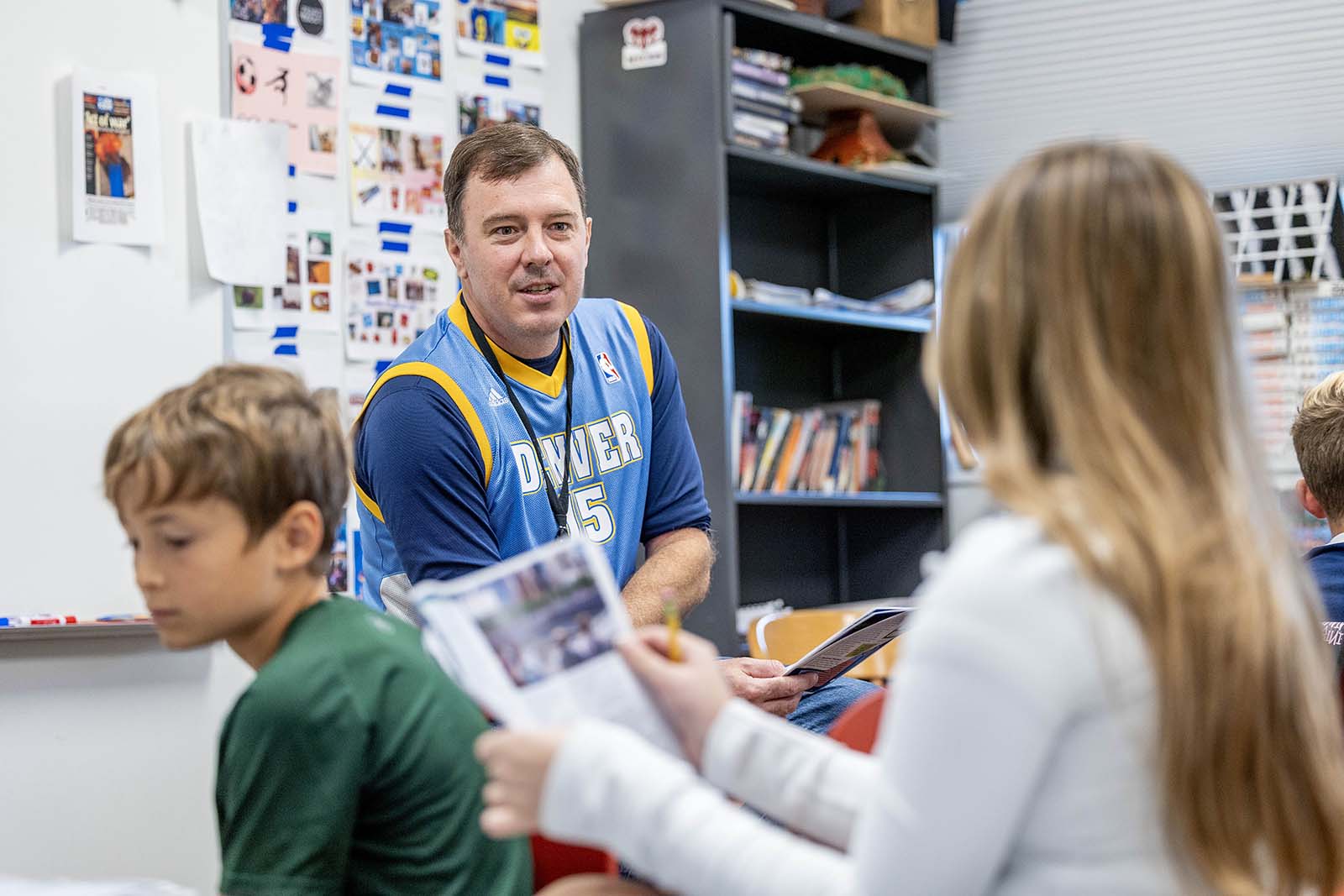
Third and fourth graders participated in a read-aloud with time for discussion where many students shared what they knew from family members about the event. Students also explored independent databases of 9/11 resources available for their grade levels.
“We engaged in such productive conversations with our students about 9/11,” Buffington said. “Their curiosity, questions, and perspectives contributed to meaningful dialogue that I hope will continue with their families. After our class discussion, students explored digital resources independently, which is a great way to practice using research databases early in the school year.”
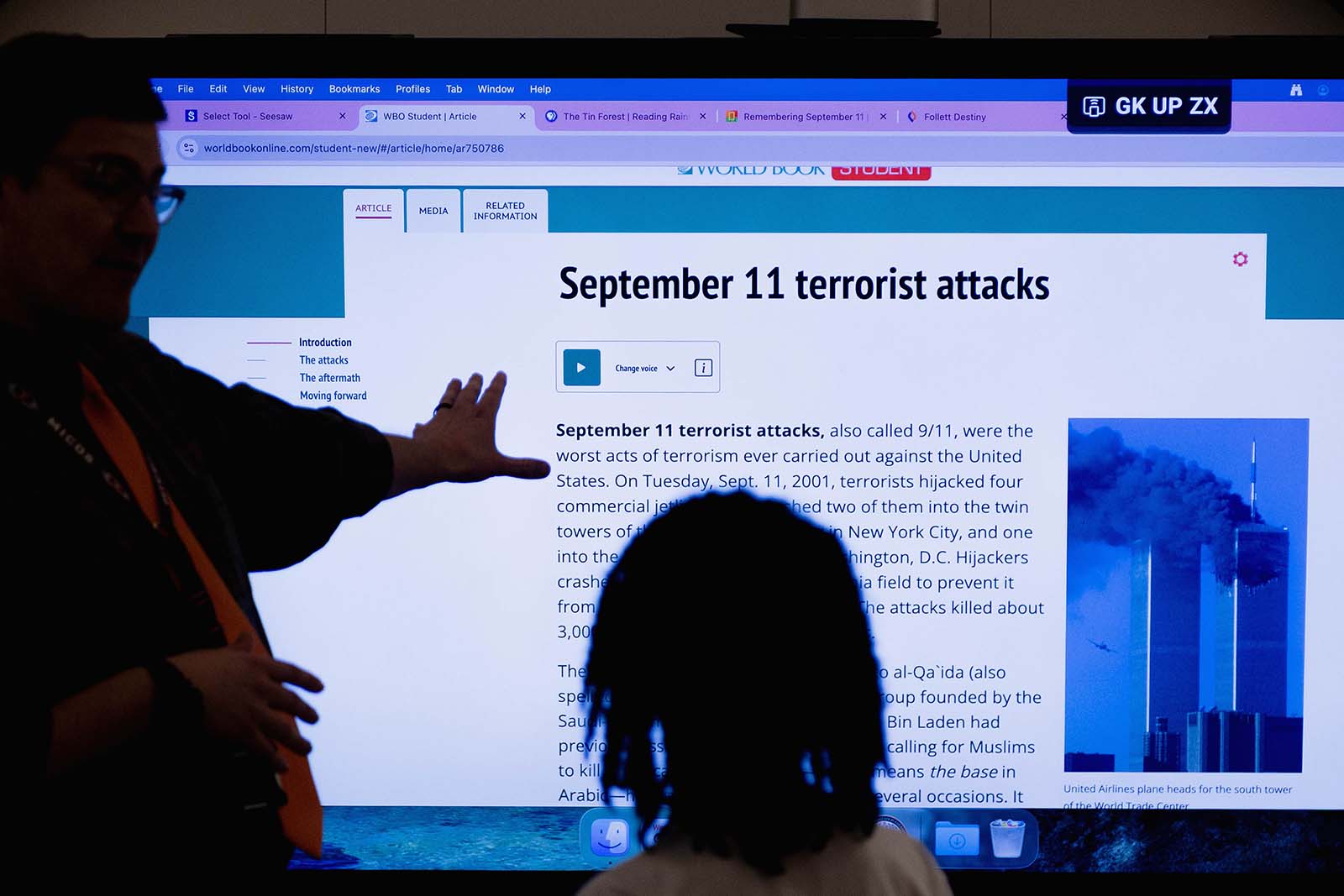
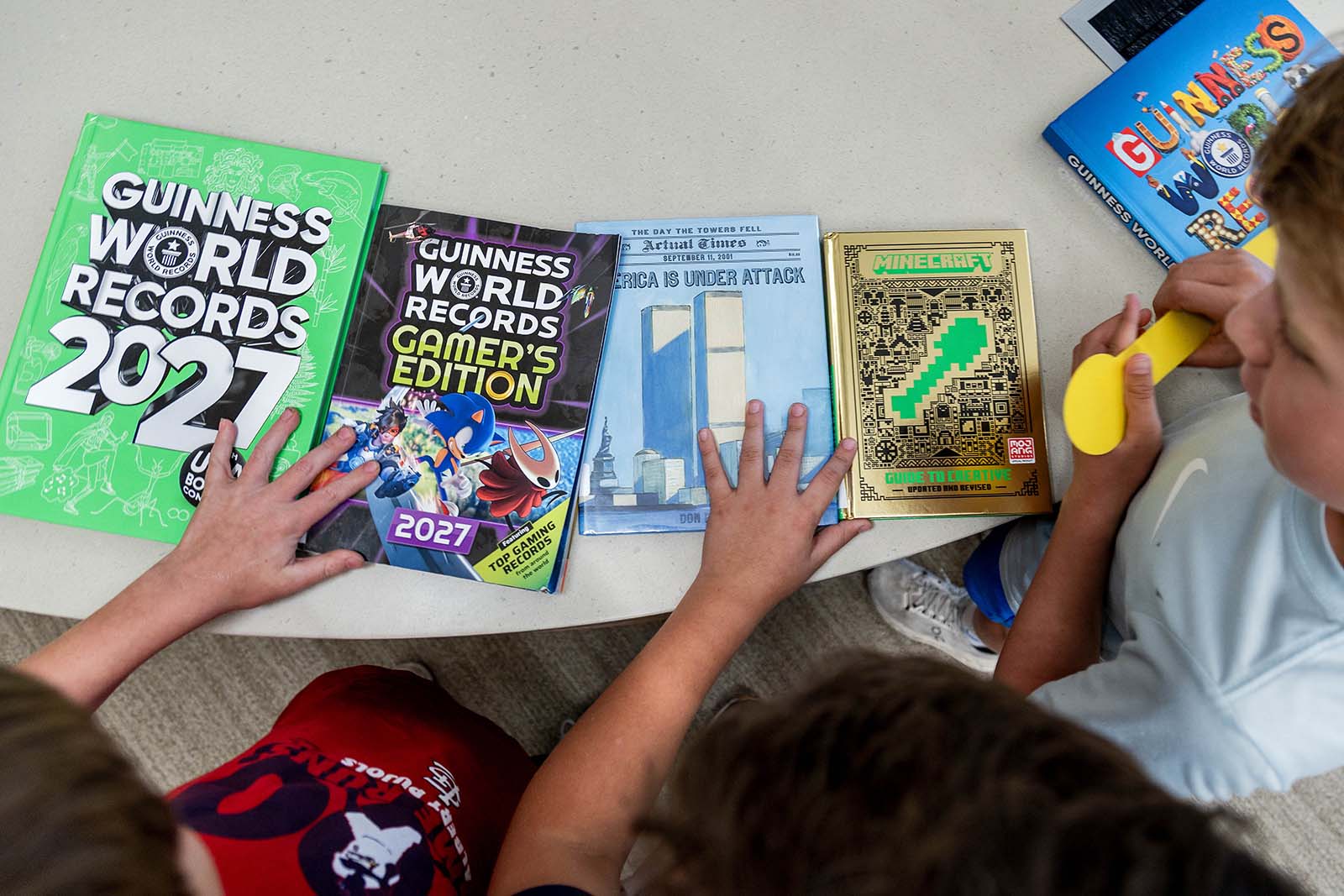
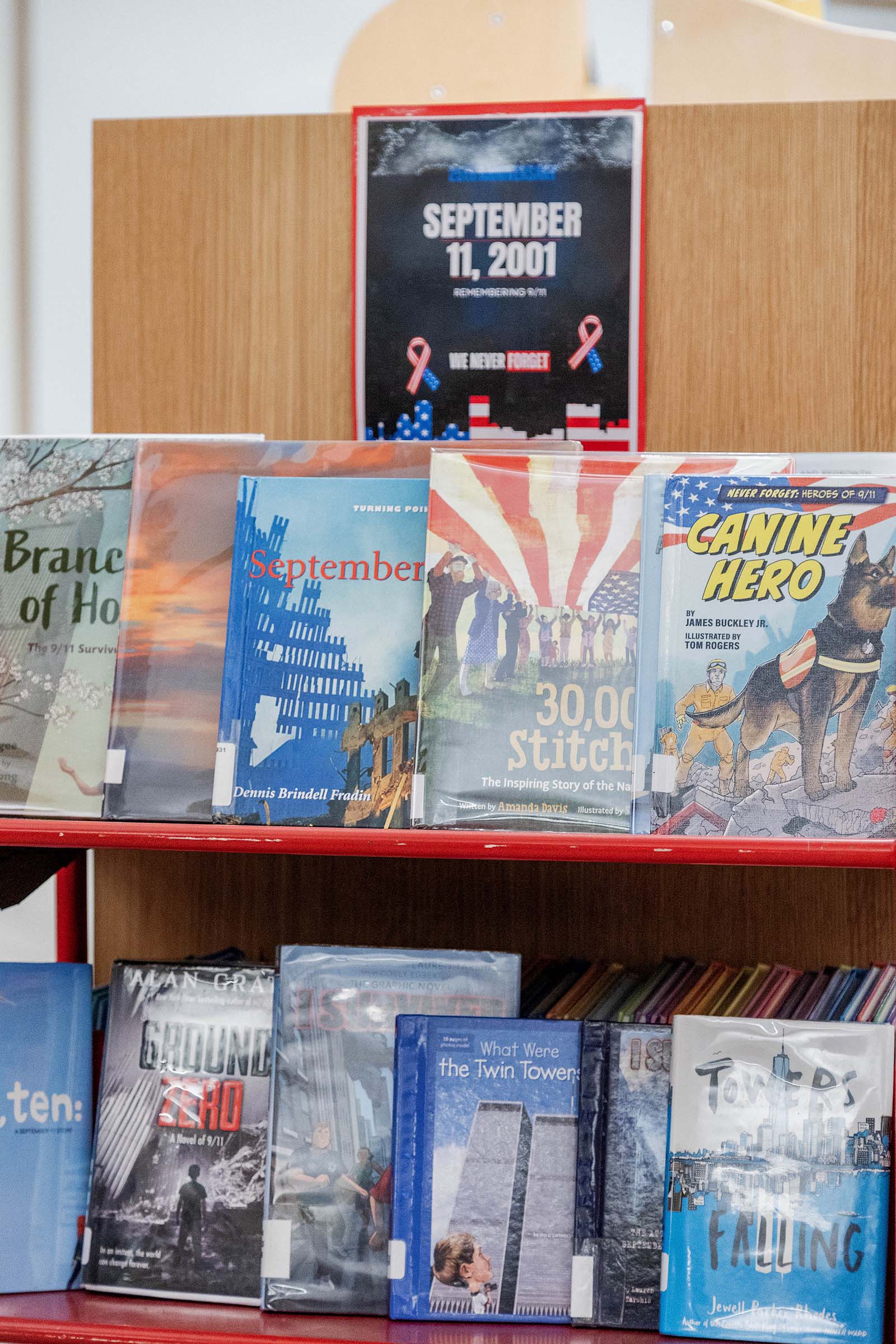
While Lower School focused on foundational storytelling and reflection, Middle School expanded the historical facts to understand how personal experiences and community safety shifted in the wake of the attacks.
Middle School
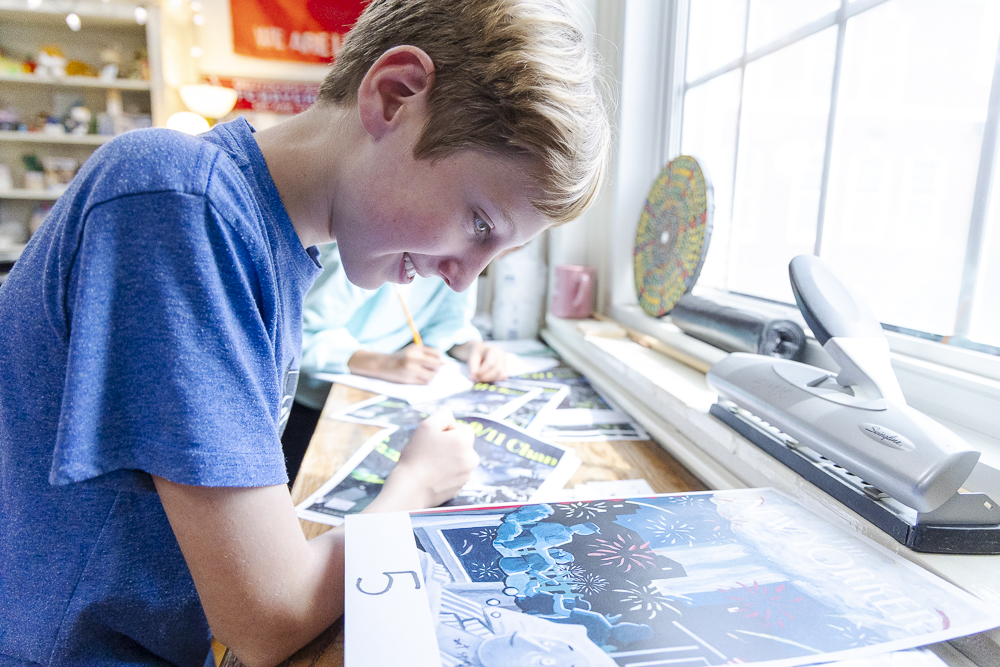
In Middle School history classes, students participated in a reflection exercise, taking time to write down what they know or have heard about 9/11, perhaps stories shared by family or teachers, things they’ve read or watched, or any personal connections their family may have.
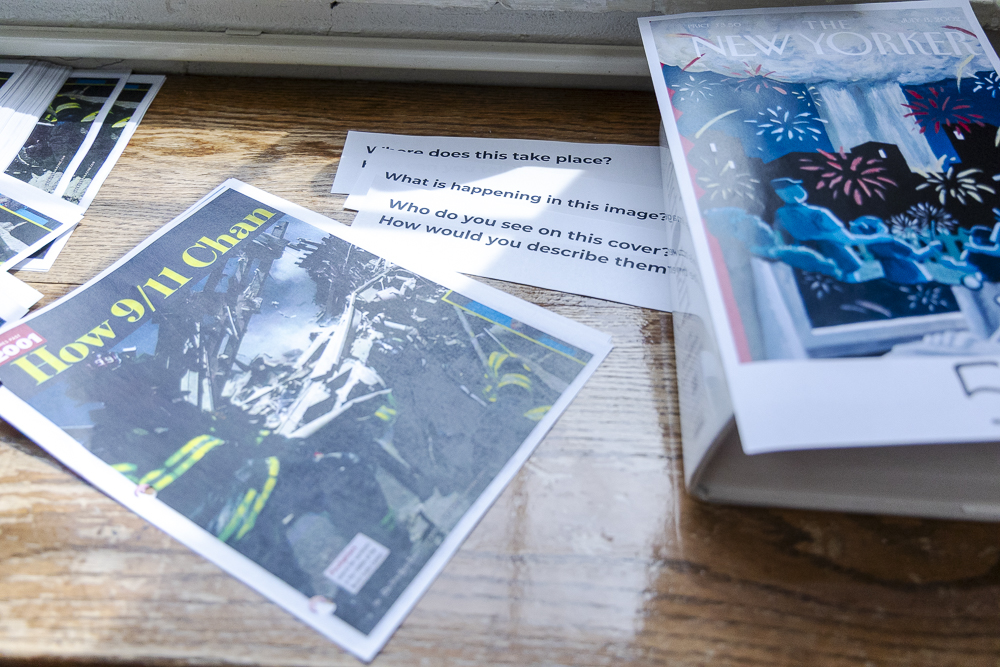
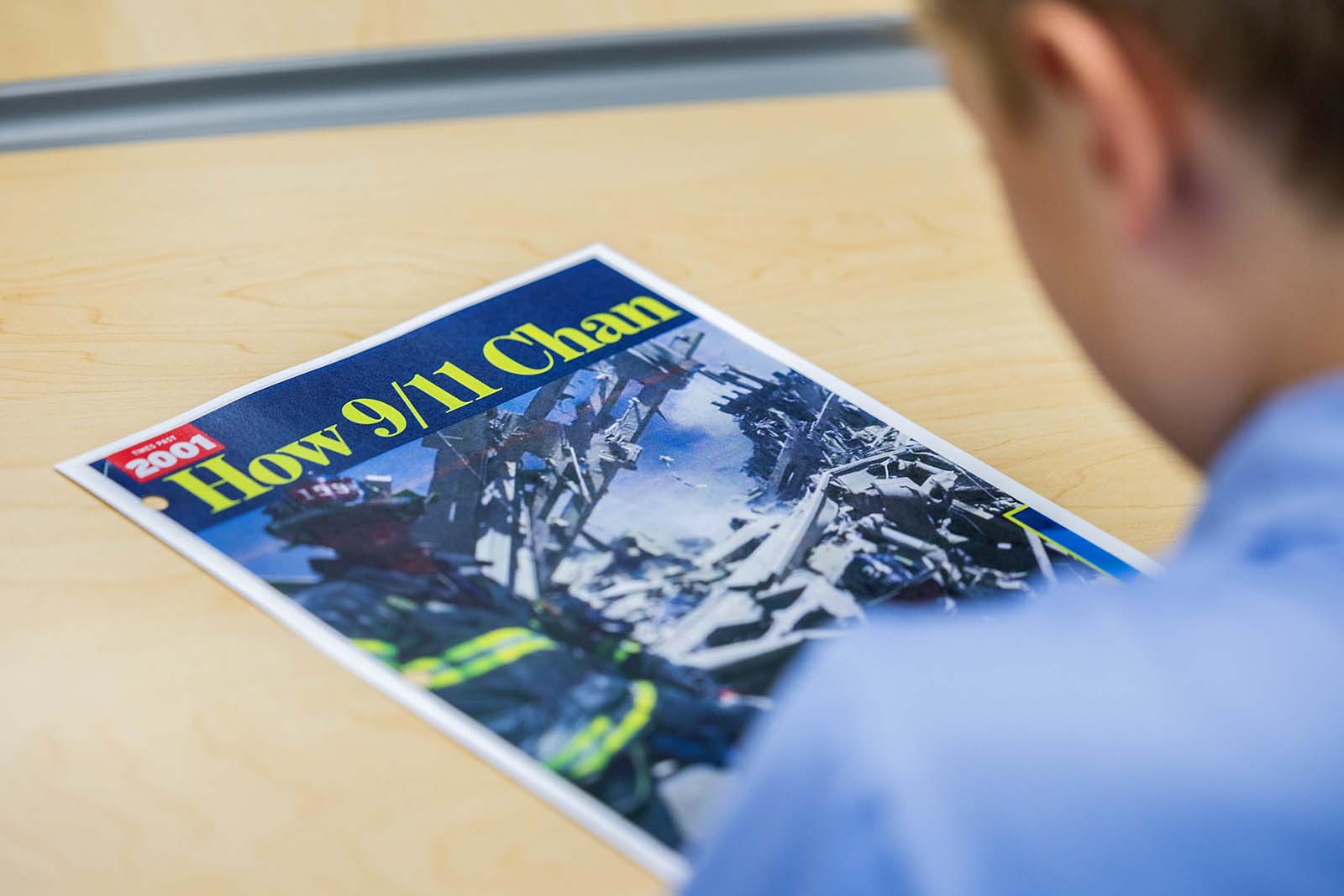
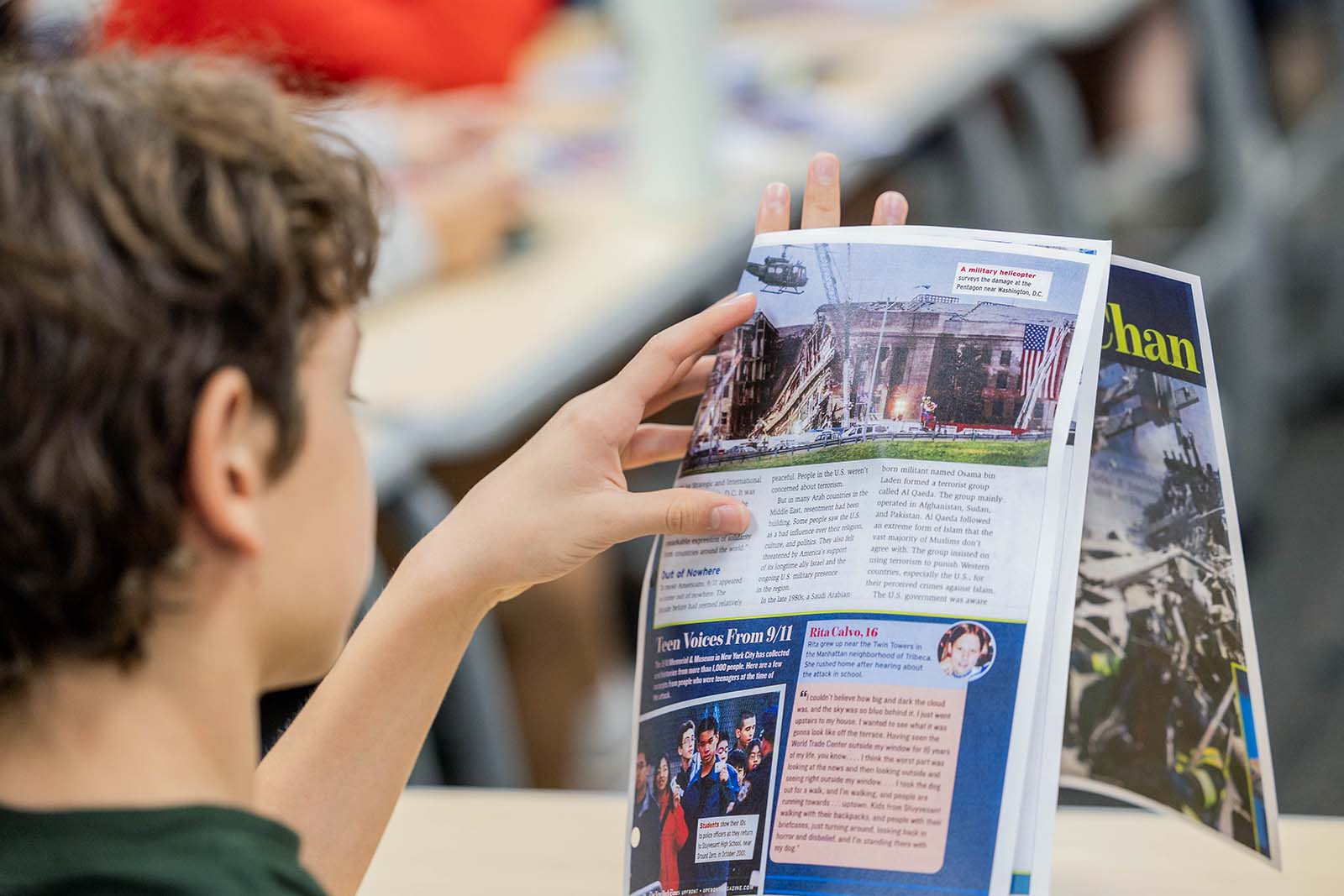
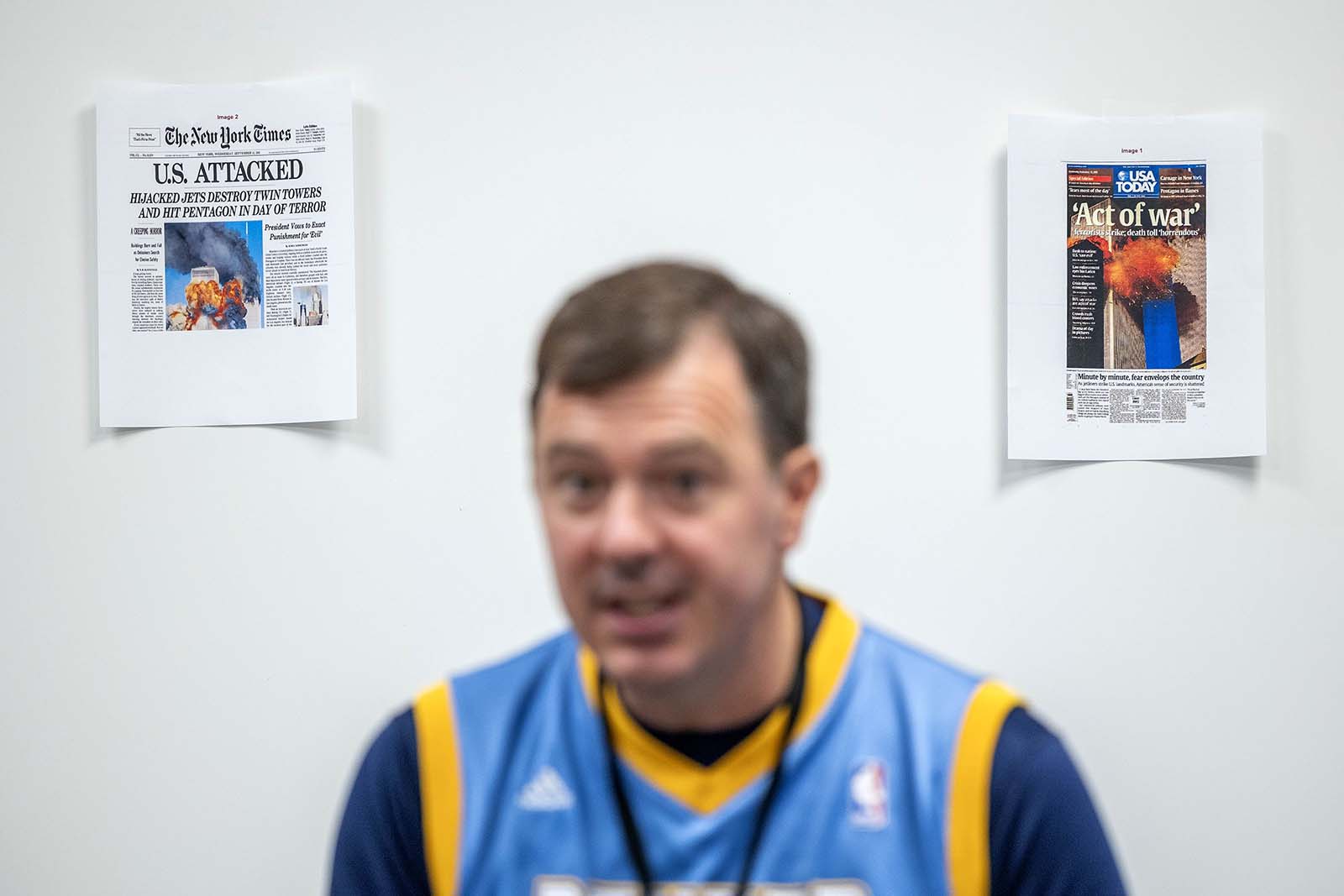
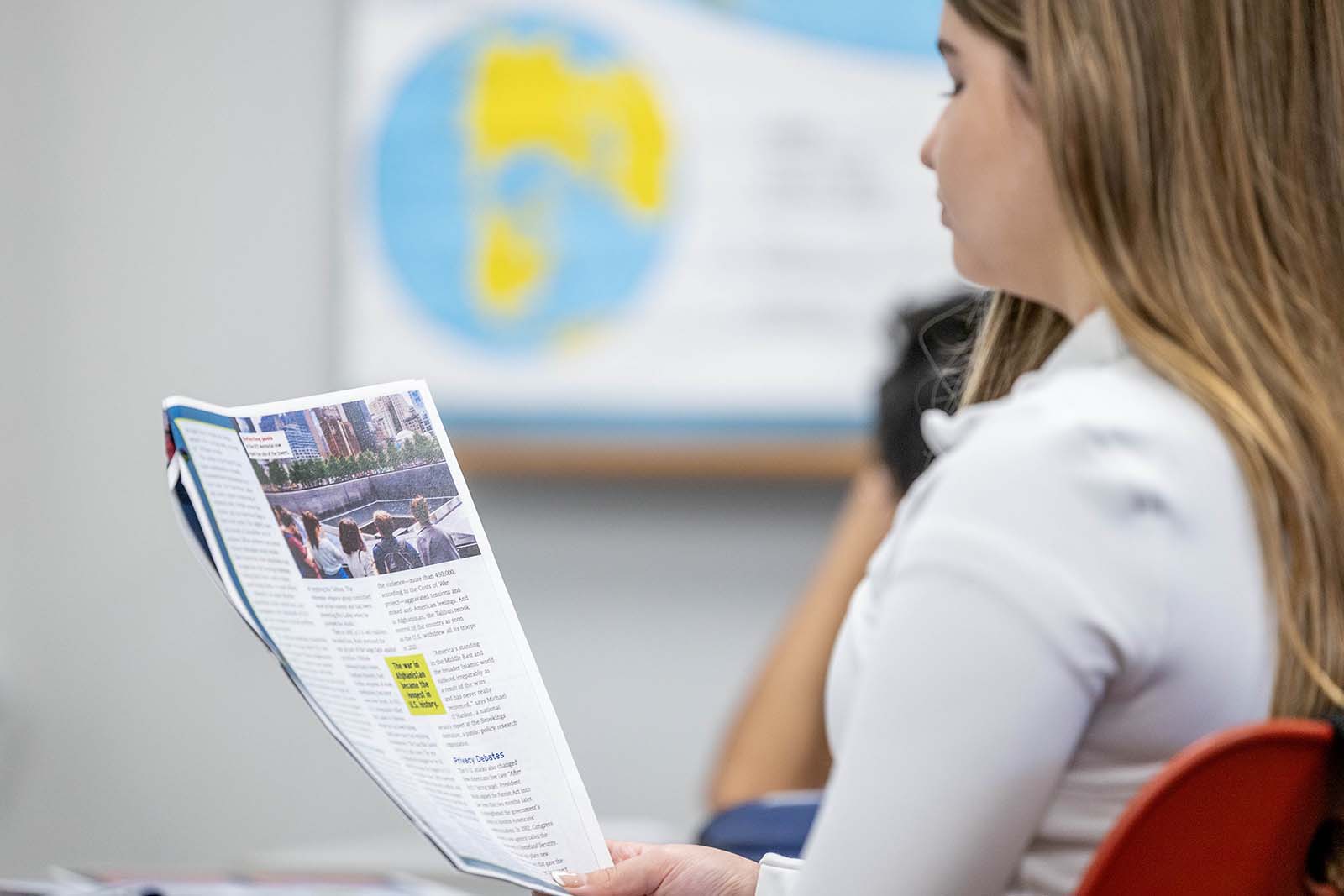
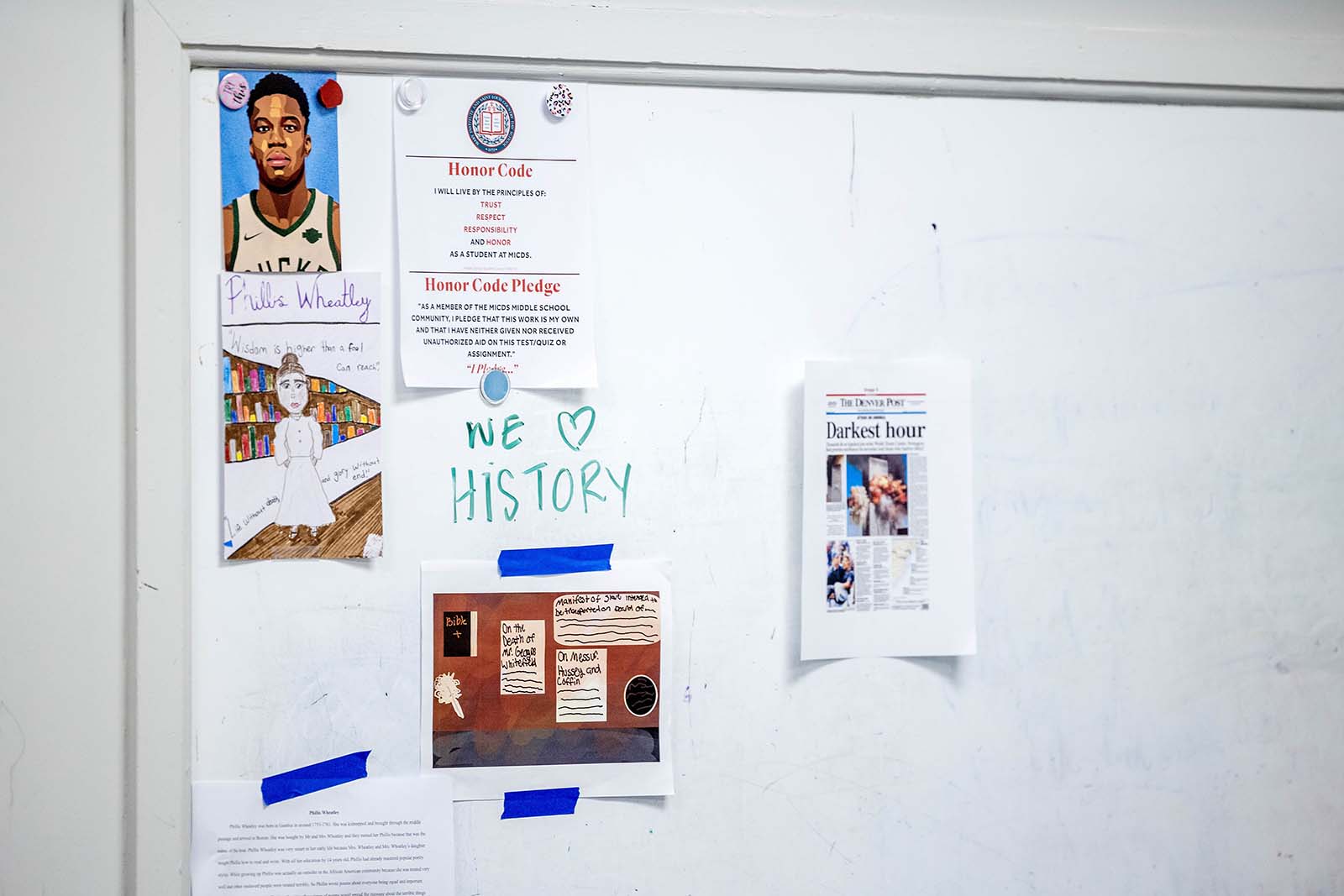
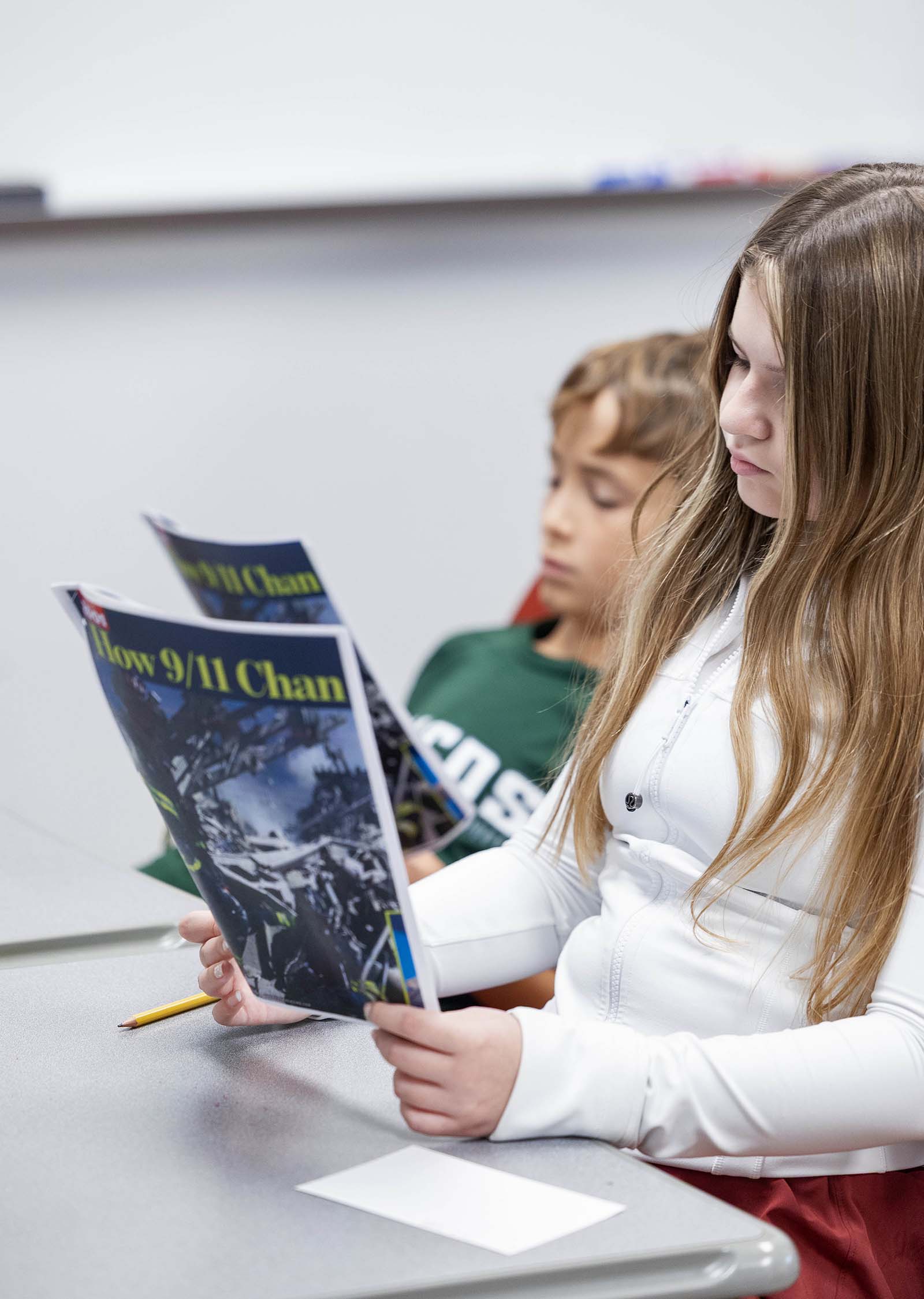
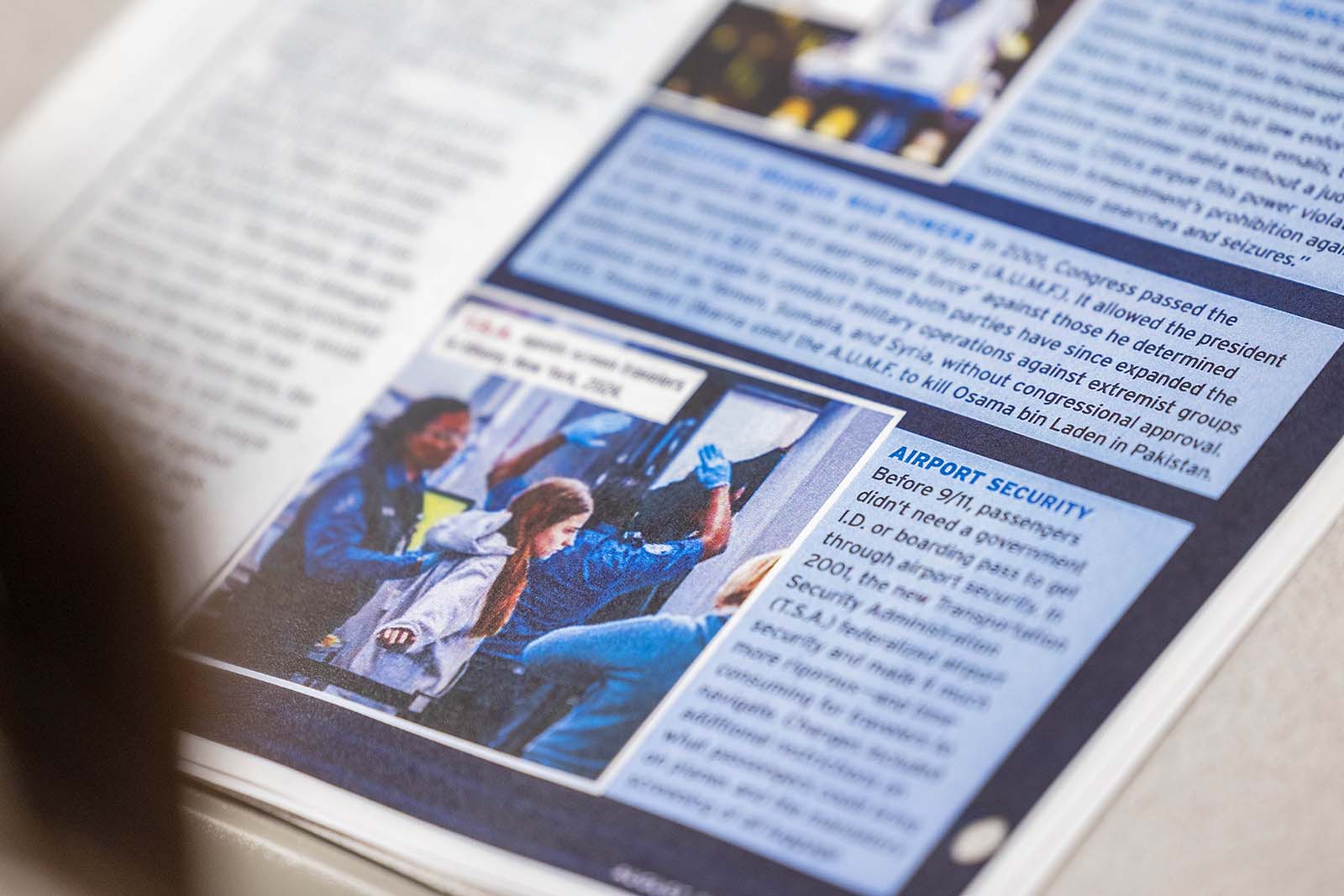
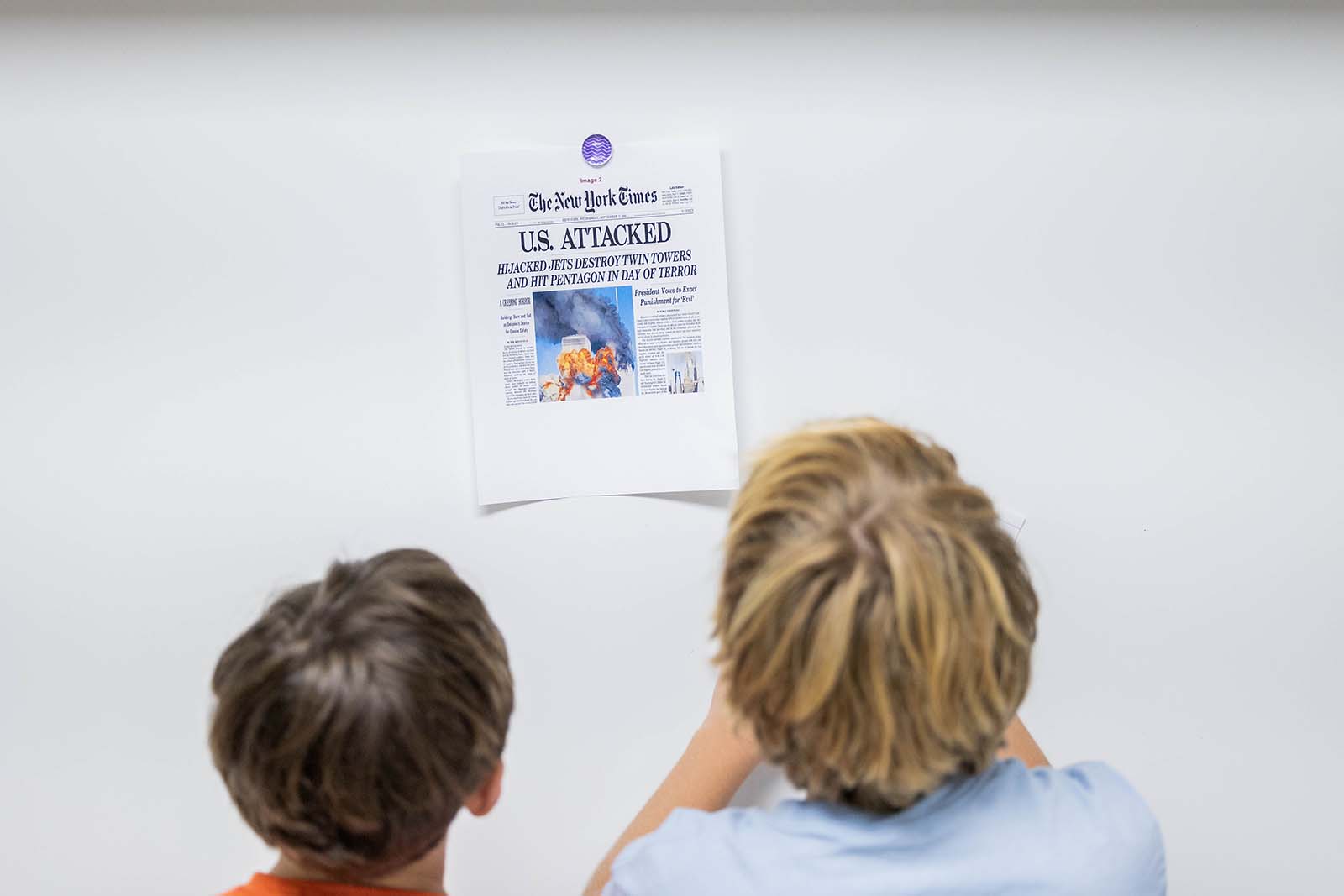
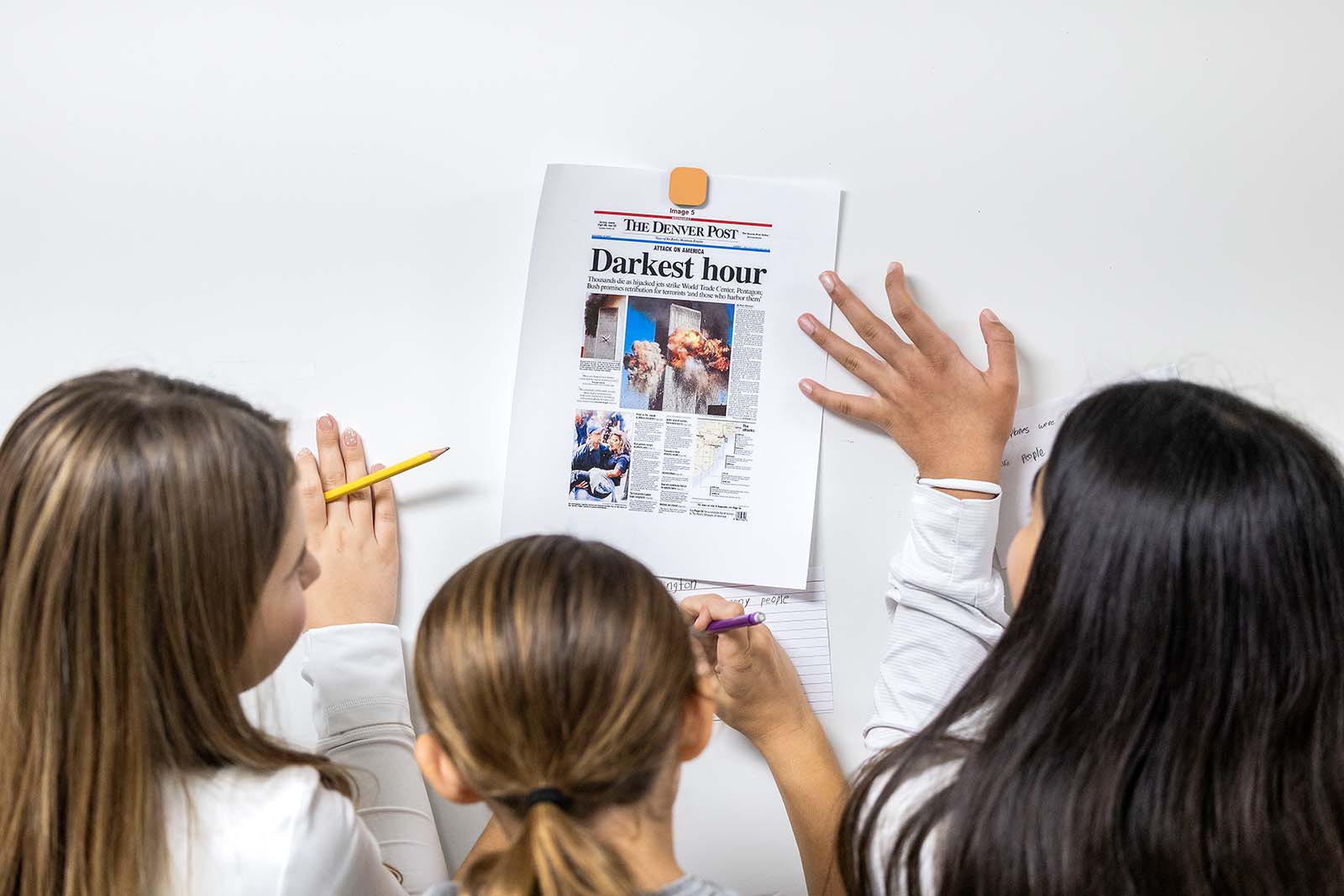
Then, they read about the events of 9/11 and how it changed the United States in the years that followed. They reviewed newspaper headlines from September 12, 2001, to compare how different sources presented the information, and watched short videos highlighting the heroic individuals who took action that day.
Additionally, middle schoolers examined artwork, student testimonies, and polling data to see how the attacks reshaped the nation’s sense of safety. By analyzing these primary sources, students reflected on the lingering anxiety 9/11 caused and how the country’s idea of “security” transformed overnight.
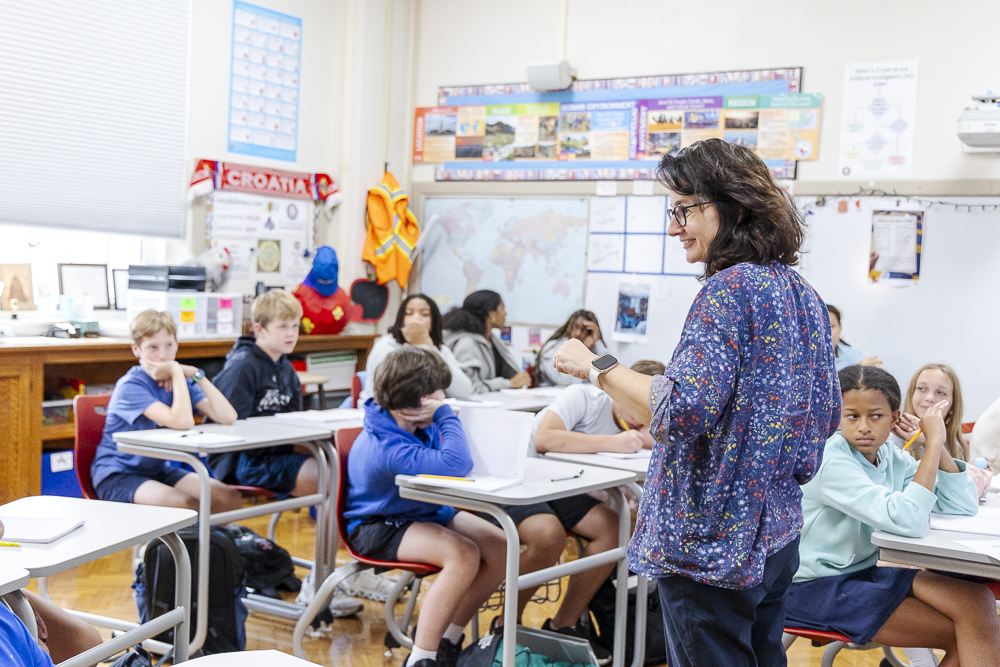
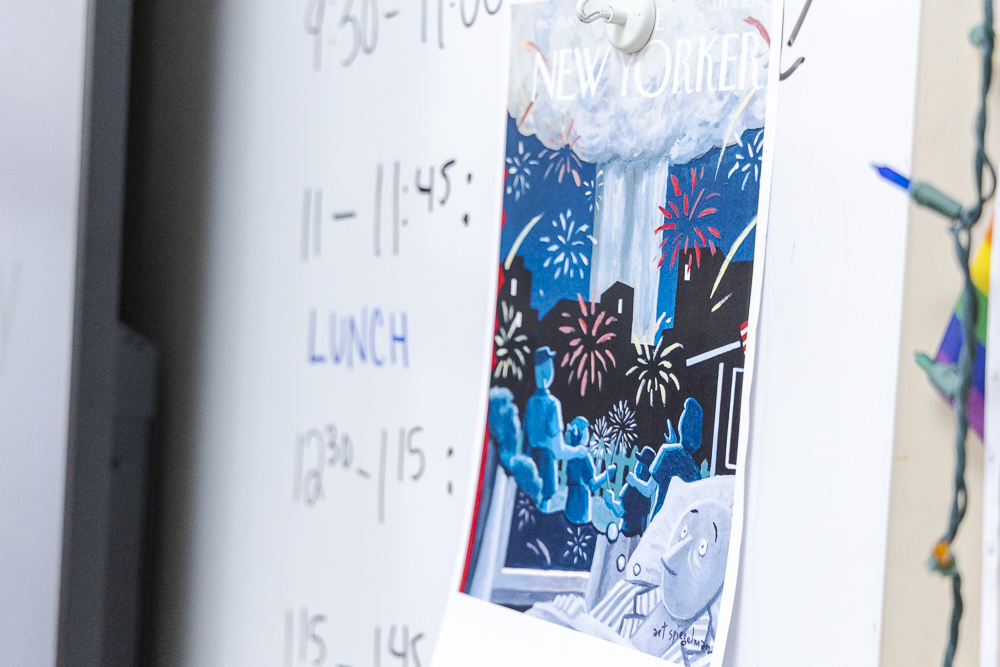
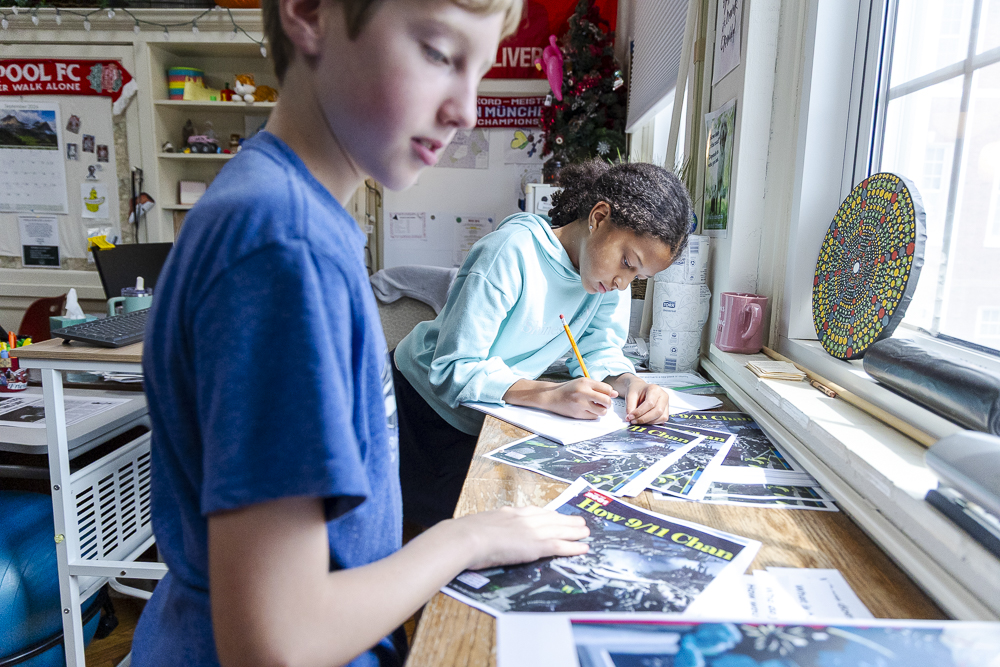
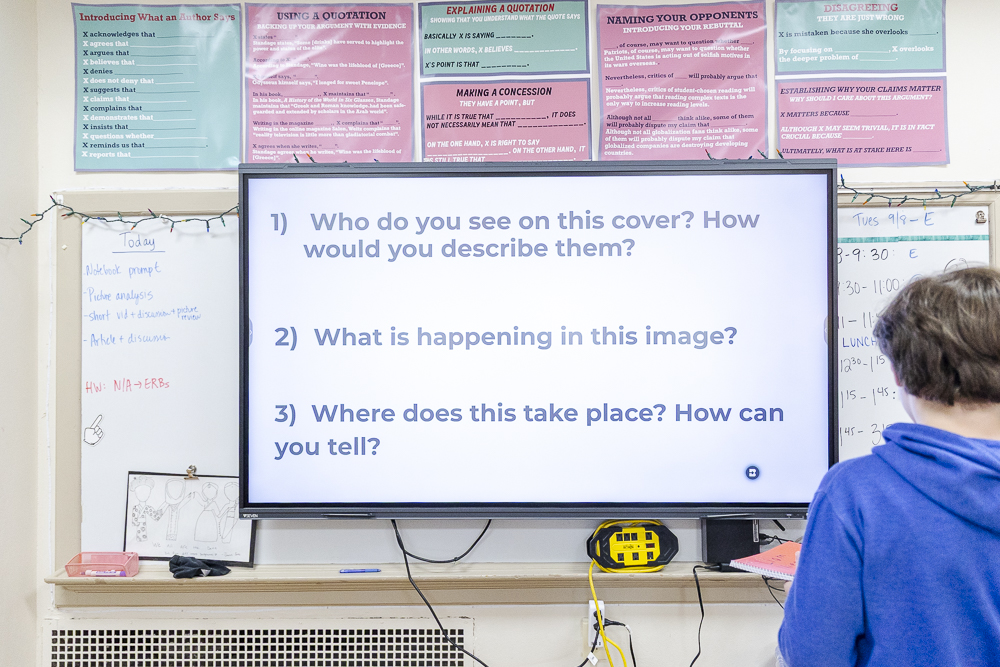
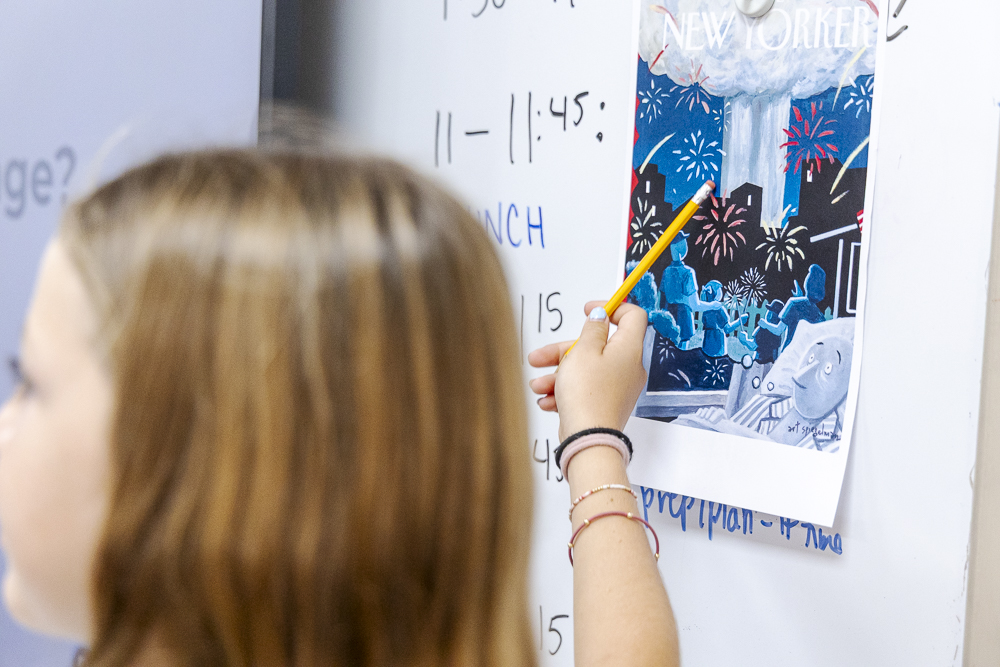
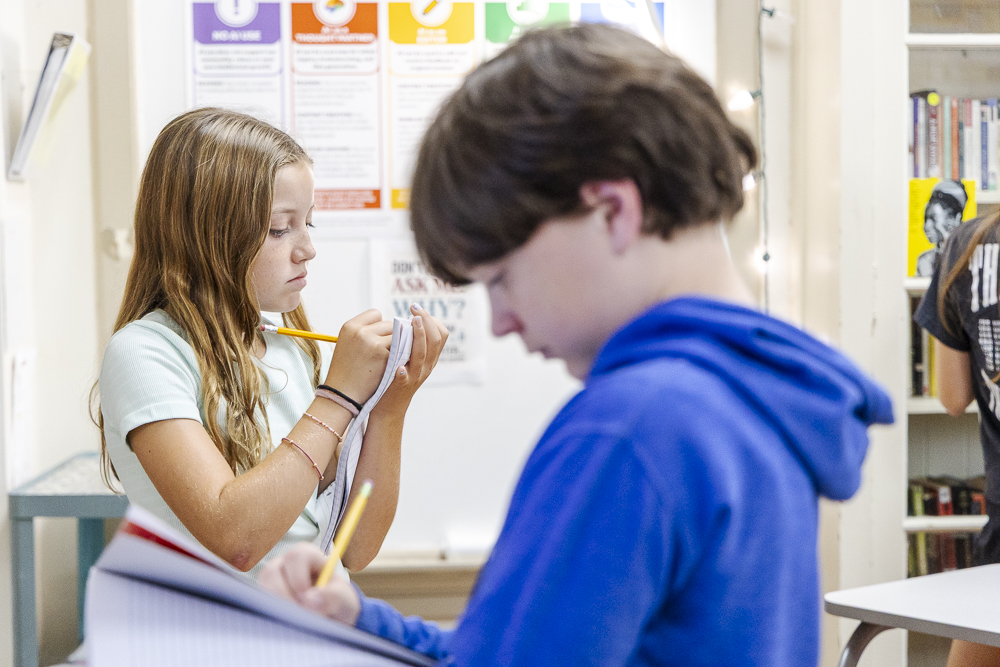
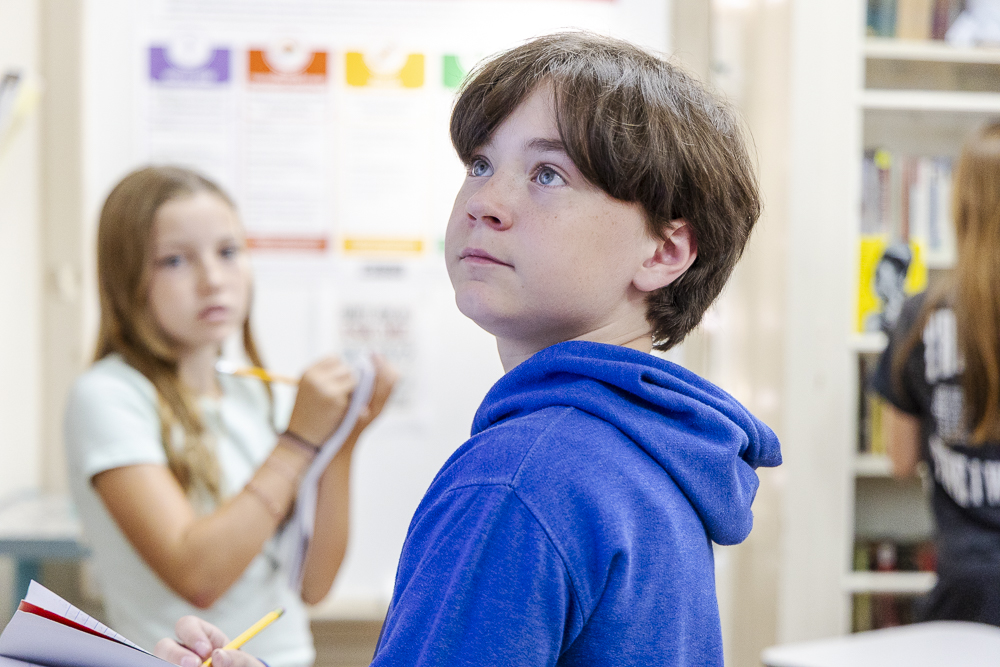
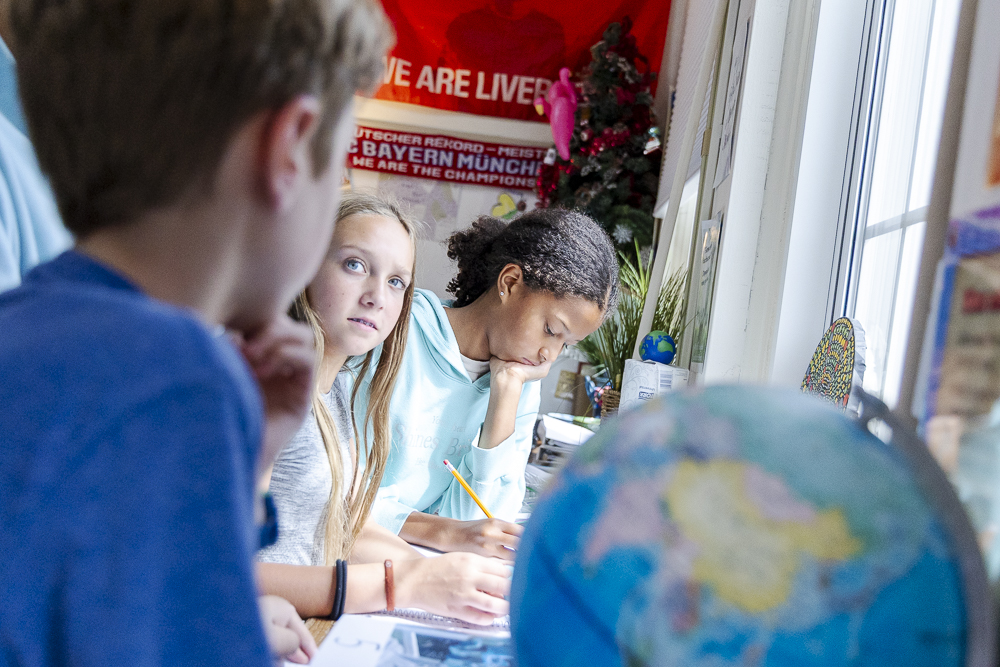
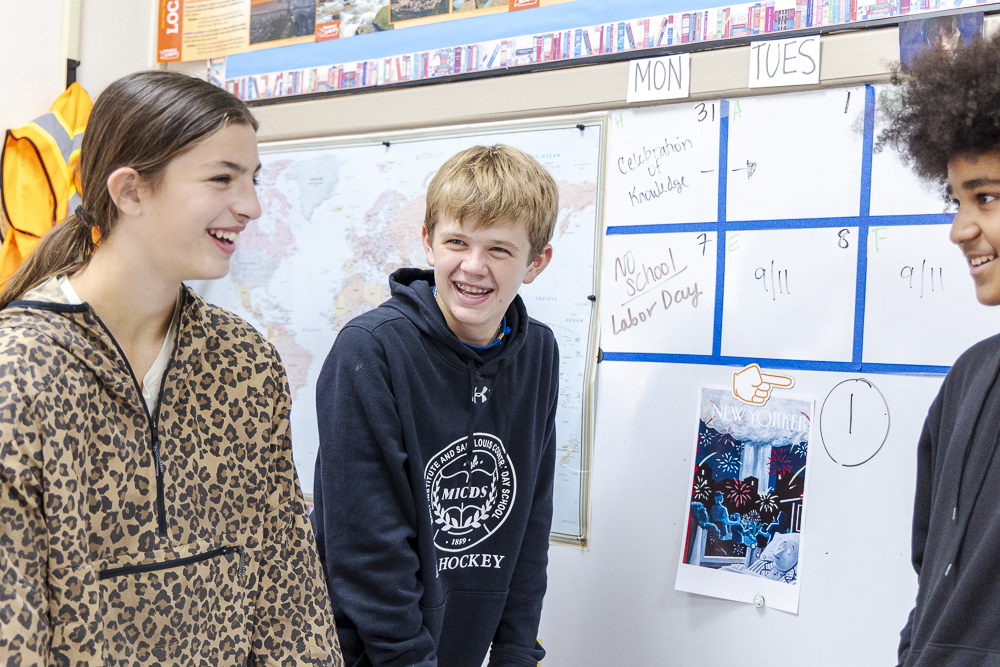
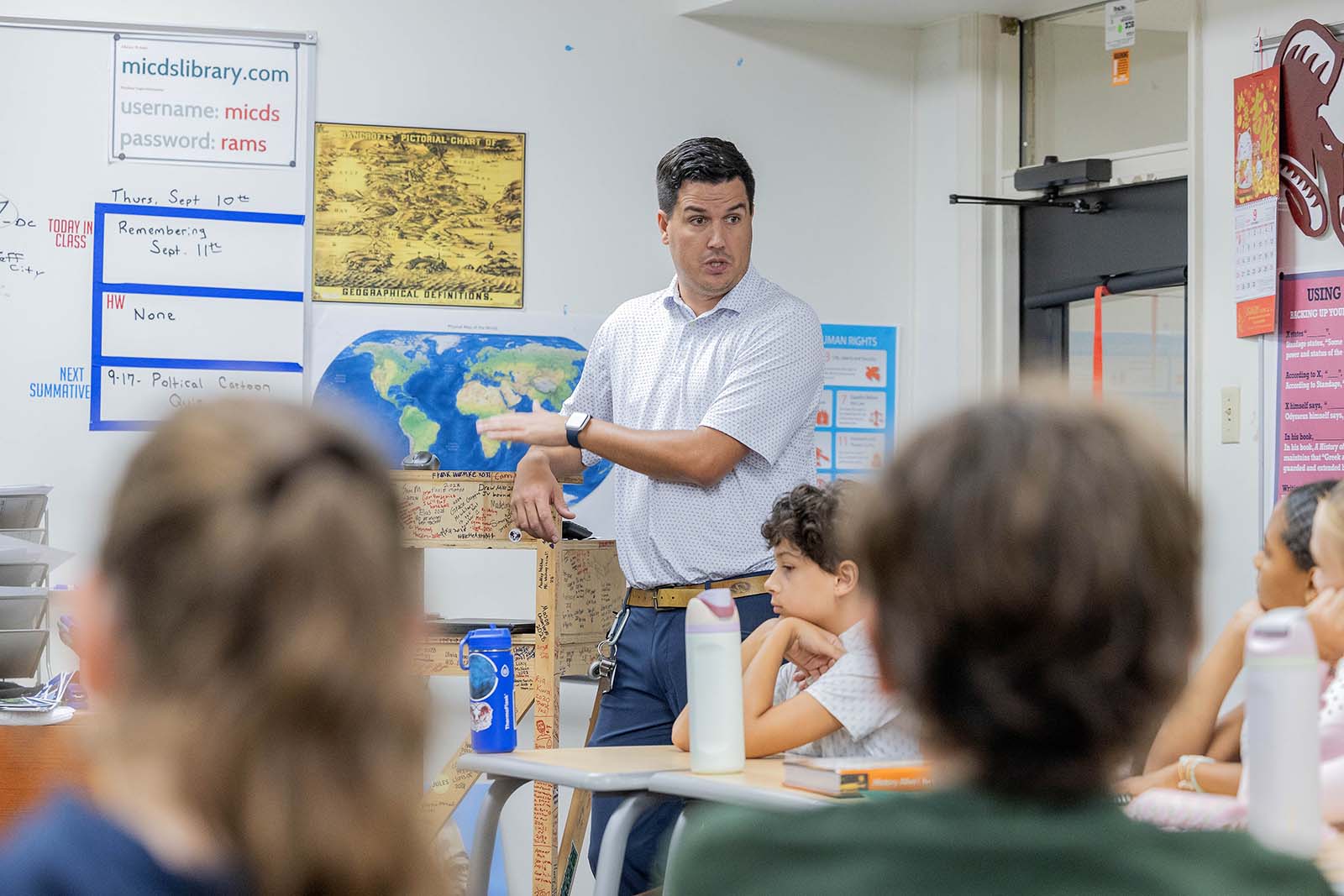
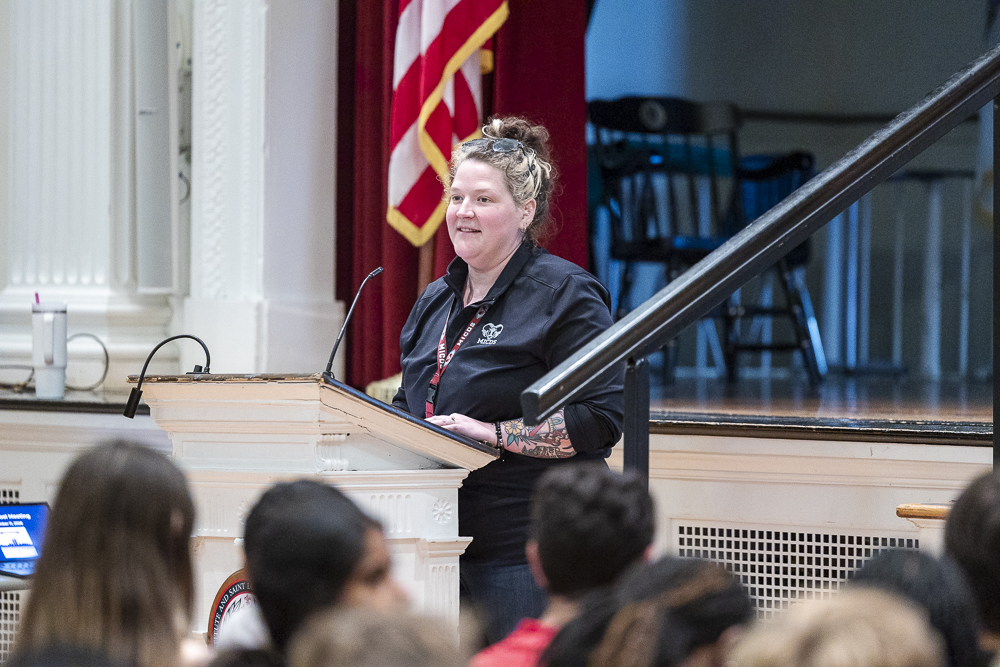
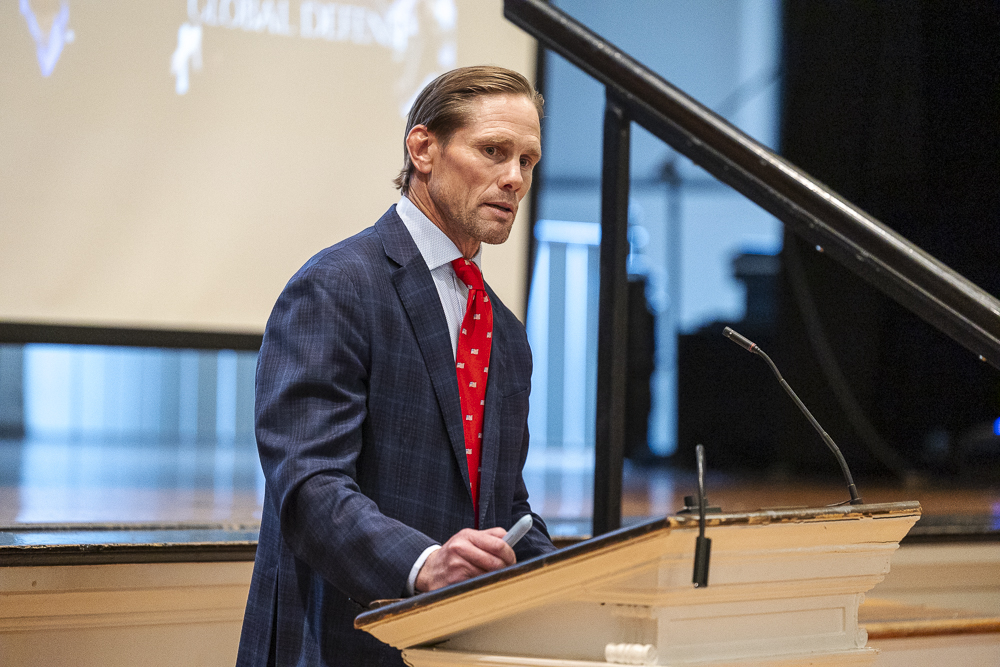
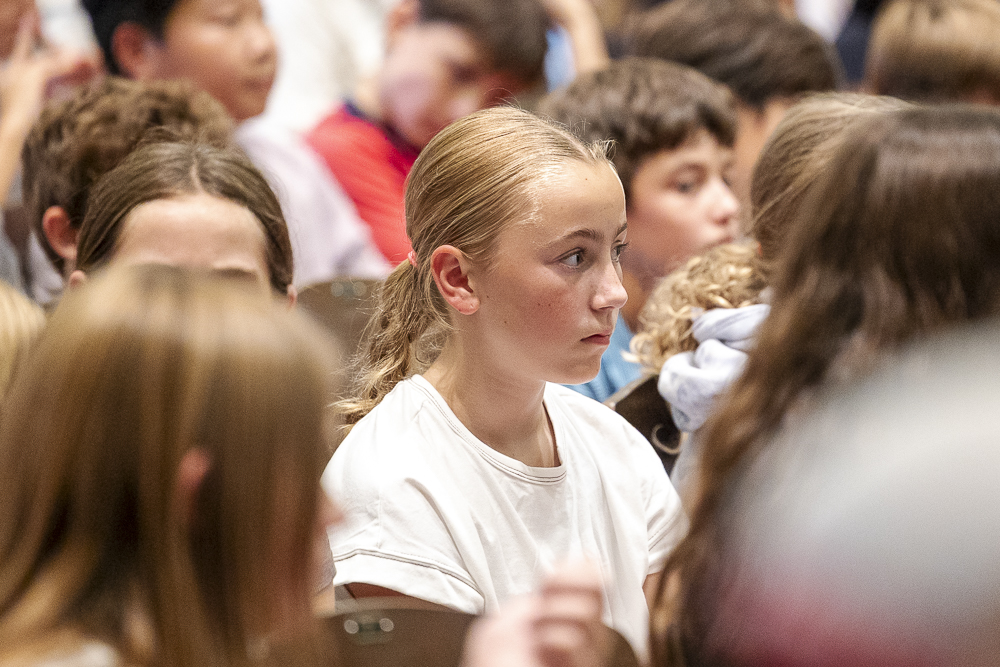
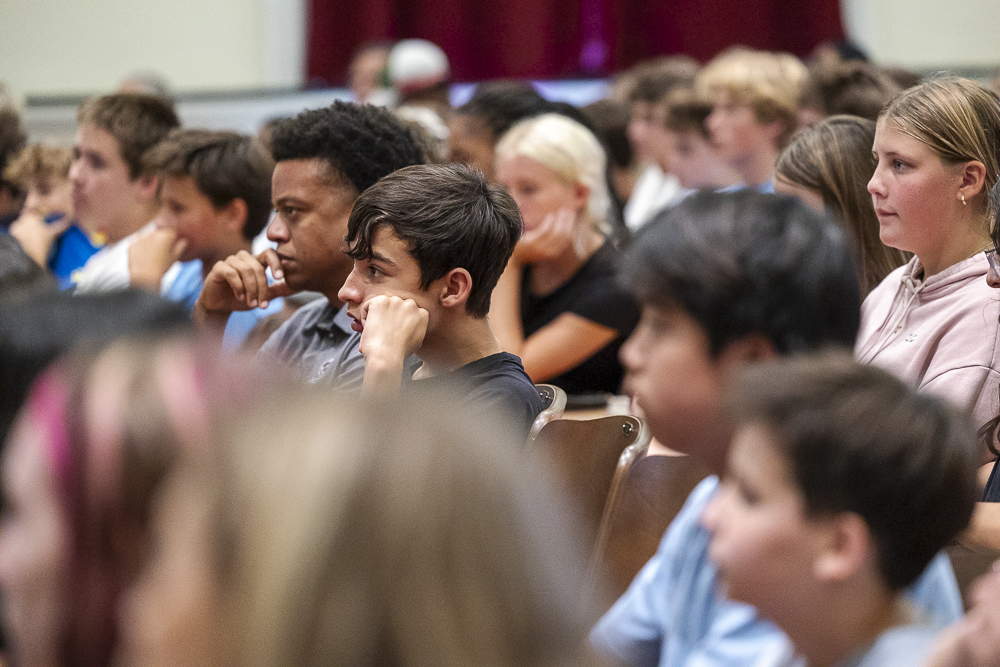
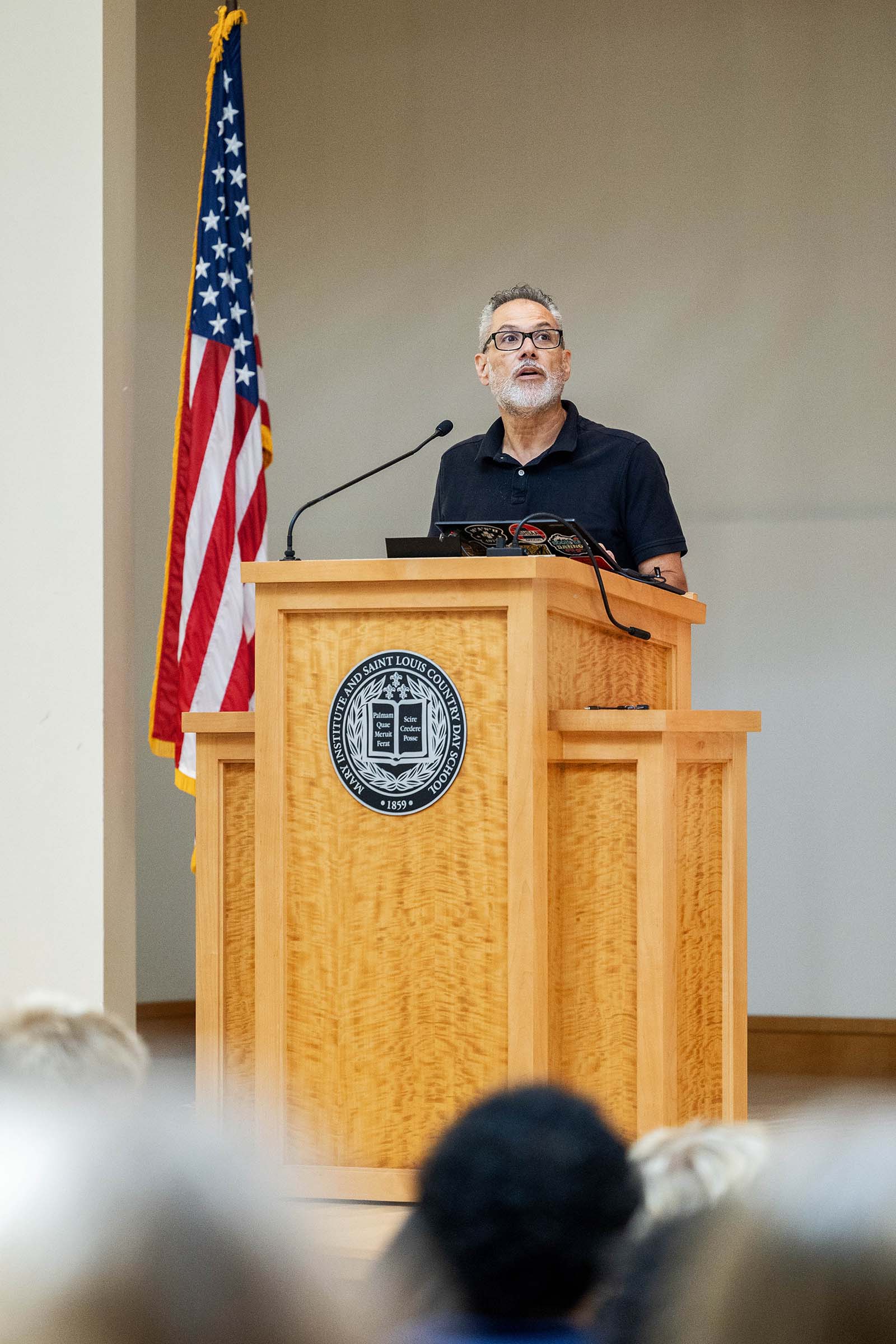
At the end of the week, on September 11, three guest speakers offered remarks at a Middle School assembly recounting where they were and what it felt like on that day in 2001.
I felt numb, helpless, and confused,” Middle School History Teacher Kayla Helton recalled of watching the events unfold in her eighth-grade classroom. “My 16-year-old brother shocked us all when he got home from high school and announced that he was planning to attend West Point. He felt it was his responsibility to protect people. Shortly after, my oldest brother enlisted in the Air Force. The events of September 11th sparked something inside of them that changed the course of their lives and our family dynamics for years to come.”
“9/11 was not something any of us could have prepared for, and as adults, we had to follow our instincts to take care of our students and each other,” Head of Middle School Jen Schuckman shared. “The 24-hour news cycle wasn’t a thing then; most people didn’t have cell phones or good internet, so we had to navigate adult decisions with very little information…I hope we can take this moment to appreciate this very special place we get to come to every day and take care of each other.”
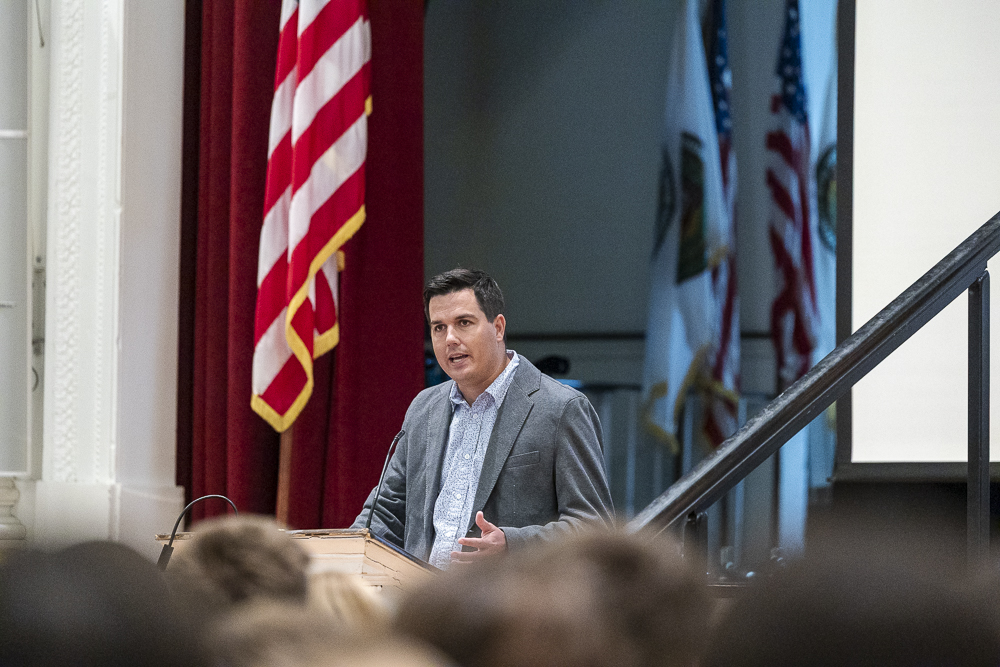
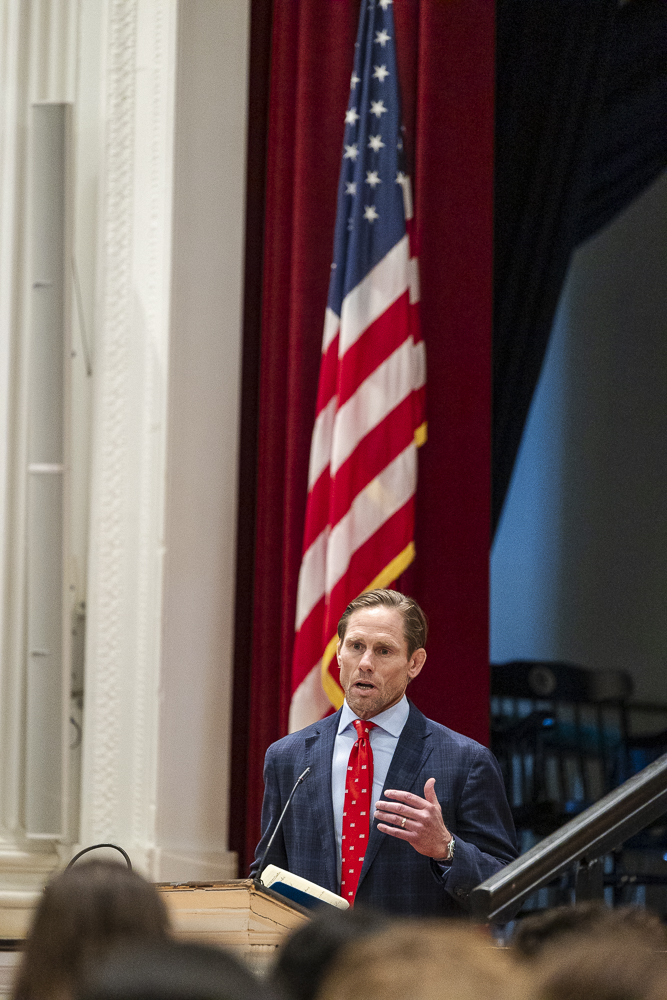
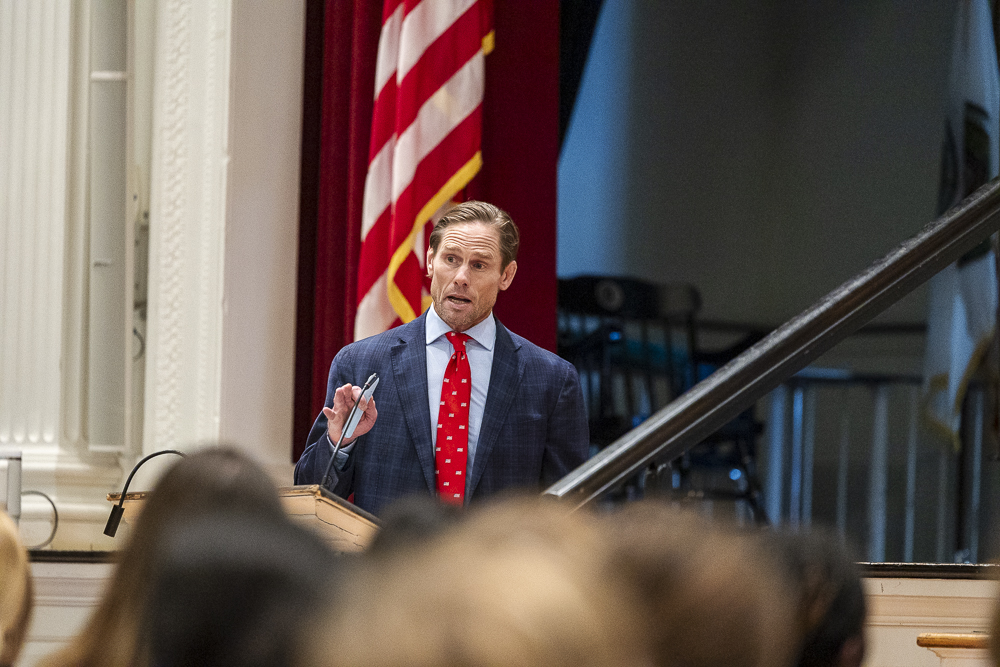
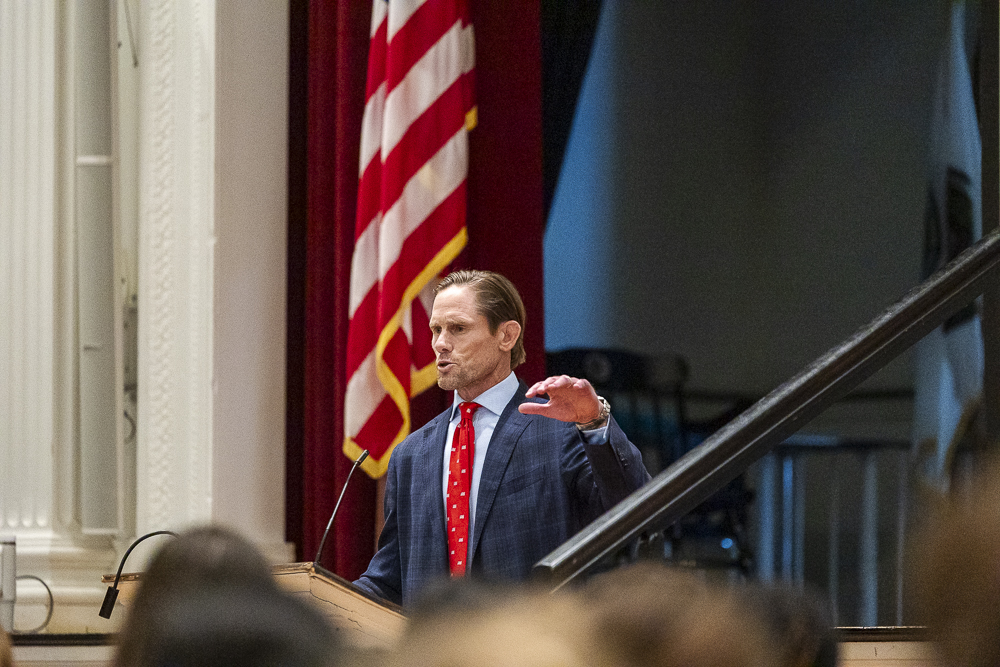
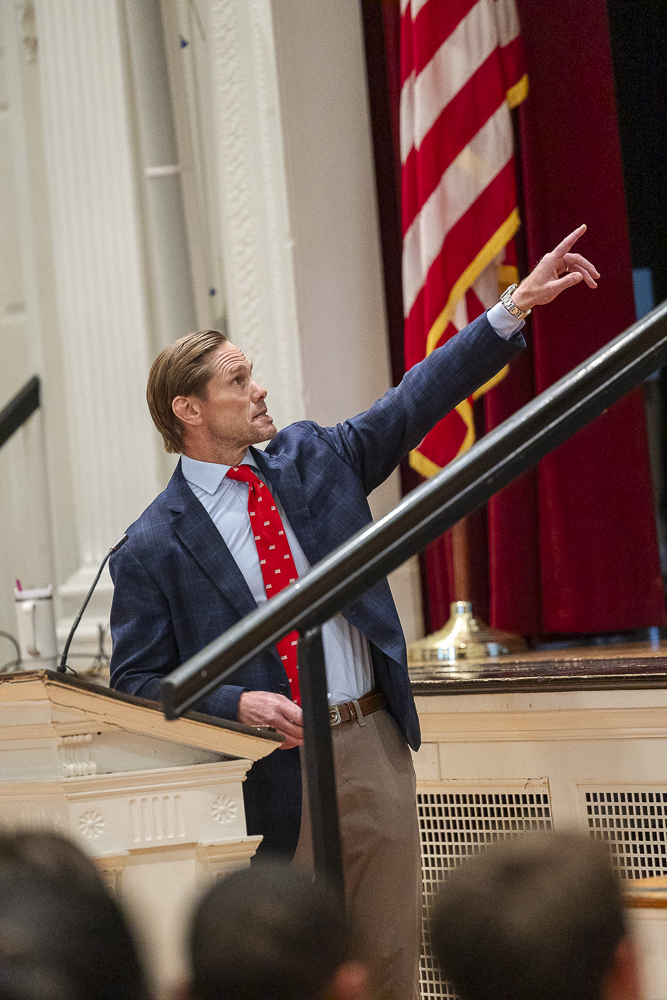
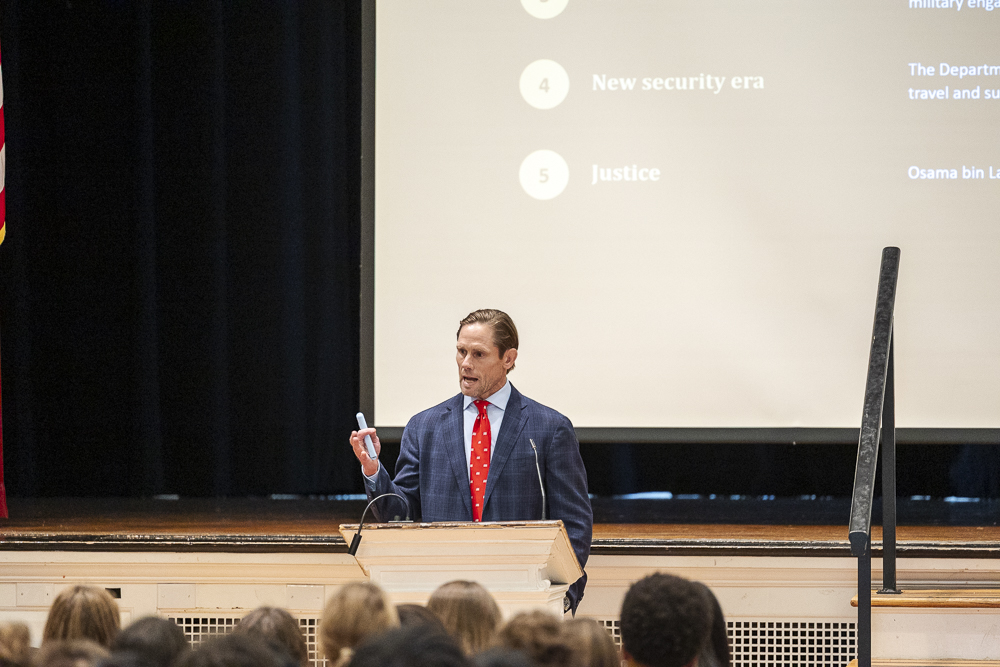
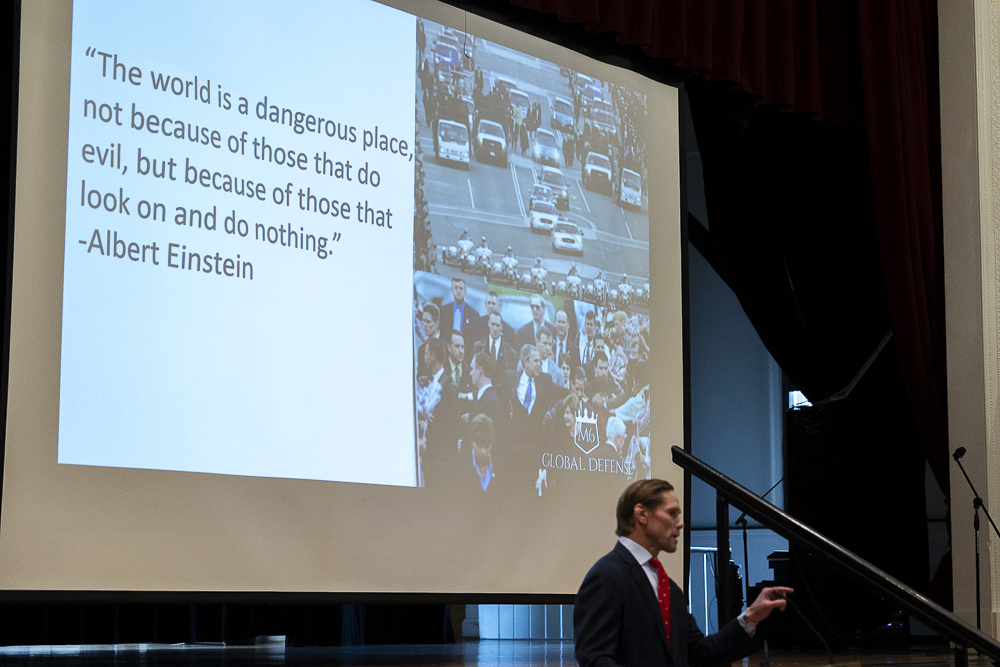
The final speaker was Mr. Tim Reboulet, a parent of two MICDS middle school students, who spent over two decades with the U.S. Secret Service safeguarding U.S. Presidents, First Ladies, and global dignitaries. A recipient of the Secret Service Life Saving Award, Mr. Reboulet was stationed inside the Pentagon on September 11, 2001.
He shared details about what it was like to be on the inside during this historic event in the minutes and hours that unfolded after the first plane struck the World Trade Center. The most high-tech devices they had at the time were analog radios and two-way pagers. He was called to cover the First Lady Laura Bush at a secret location.
“9/11 was one of the most extraordinary circumstances we had endured, and it changed the world,” Reboulet said. “This is the type of event that affects generations…Today is not about the evil; it’s about the humanity, the good of Americans, and serving something greater than yourself. Be kind to each other.”
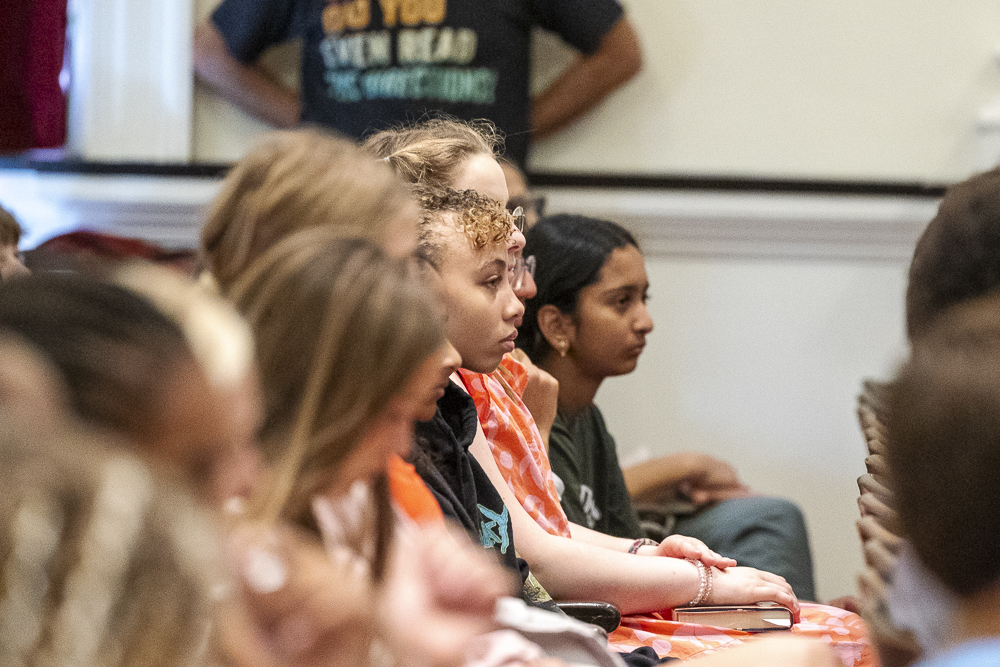
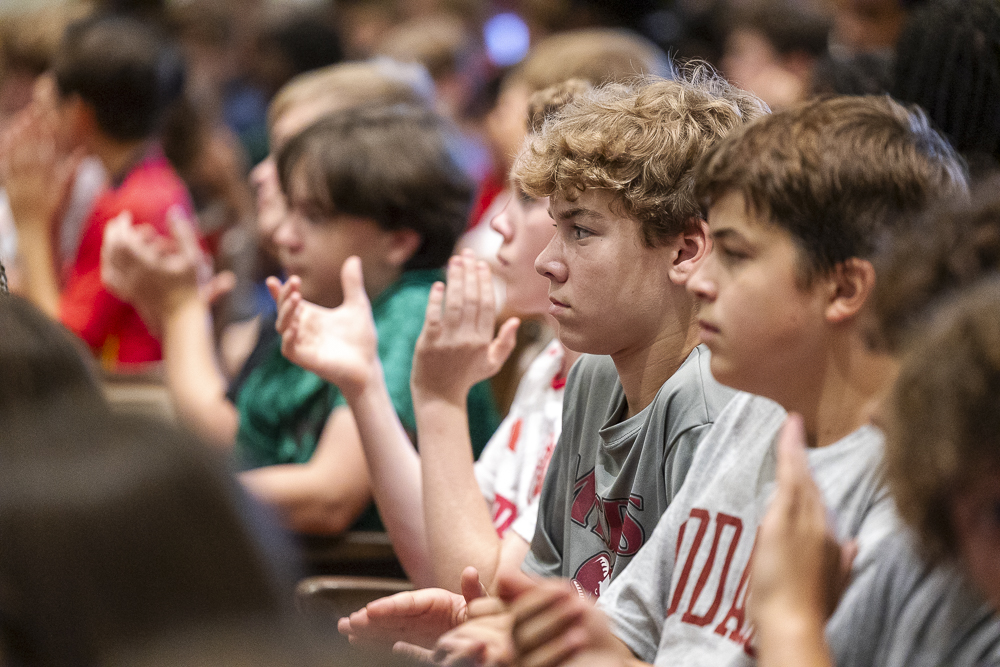
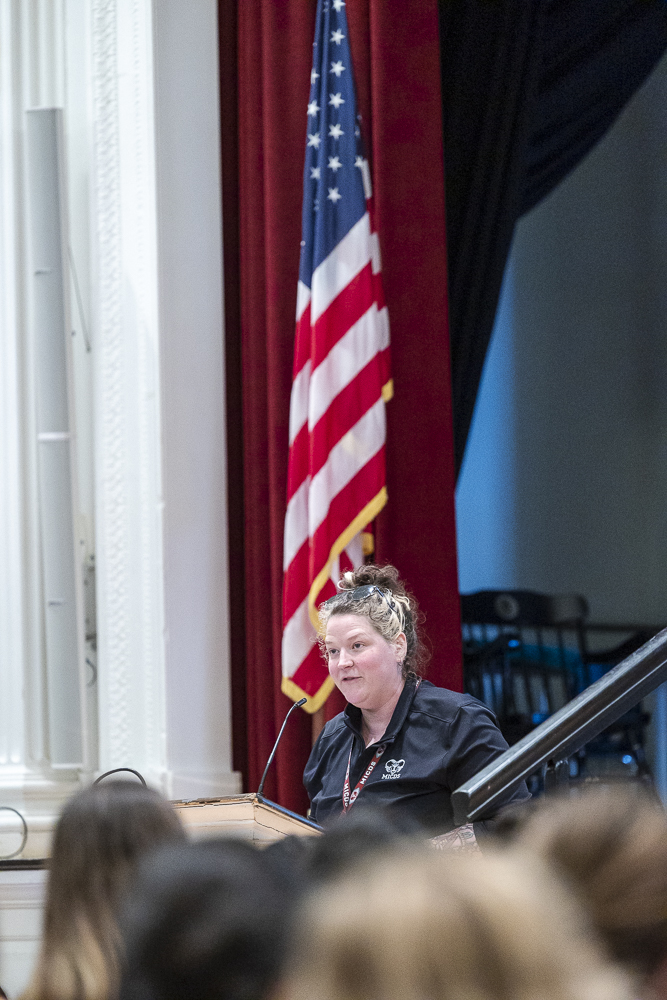
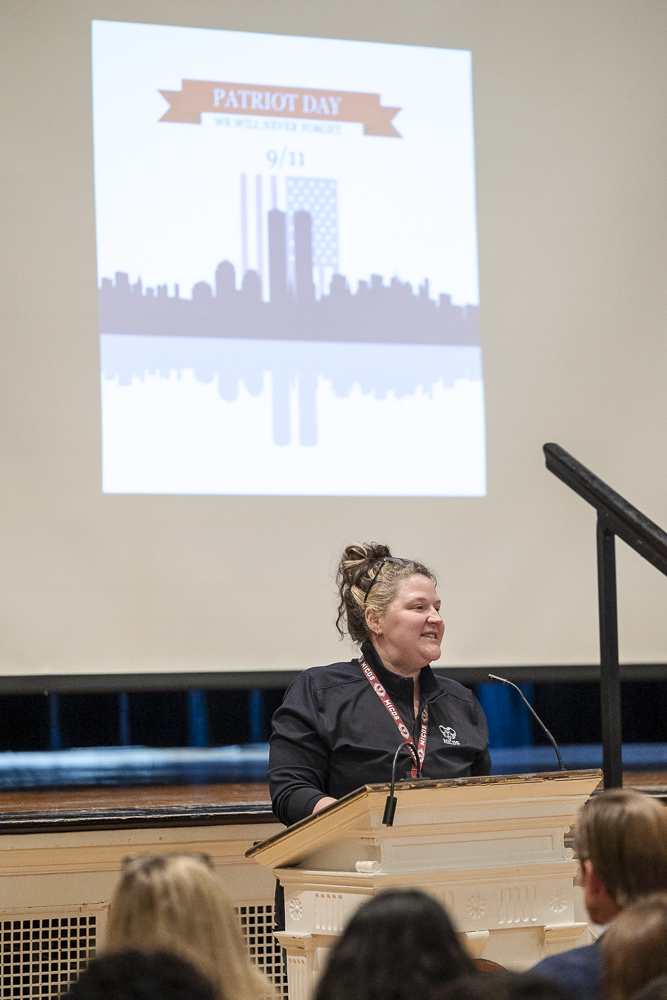
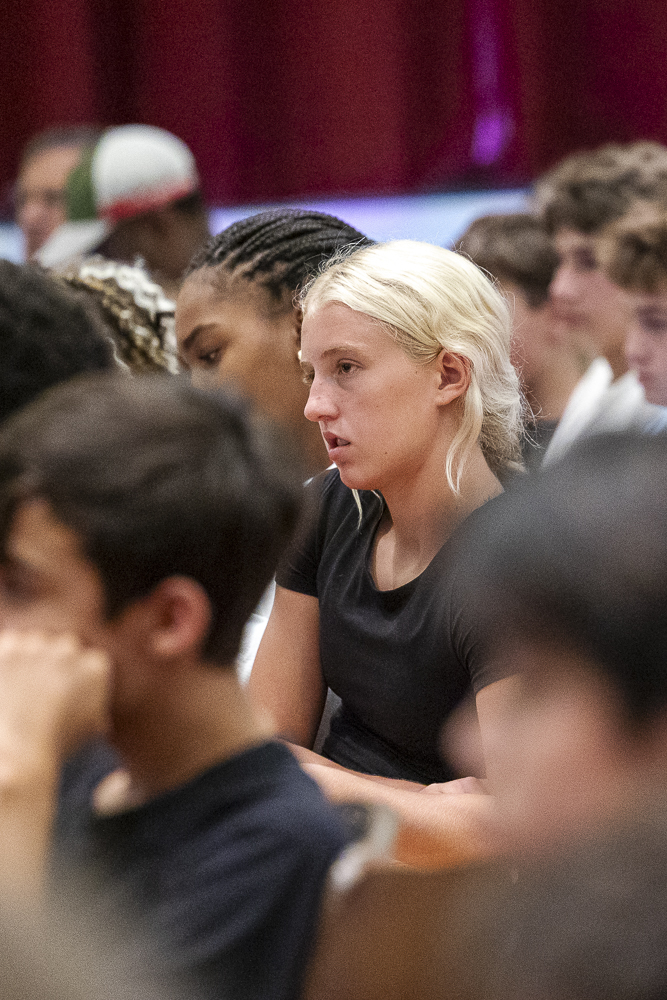
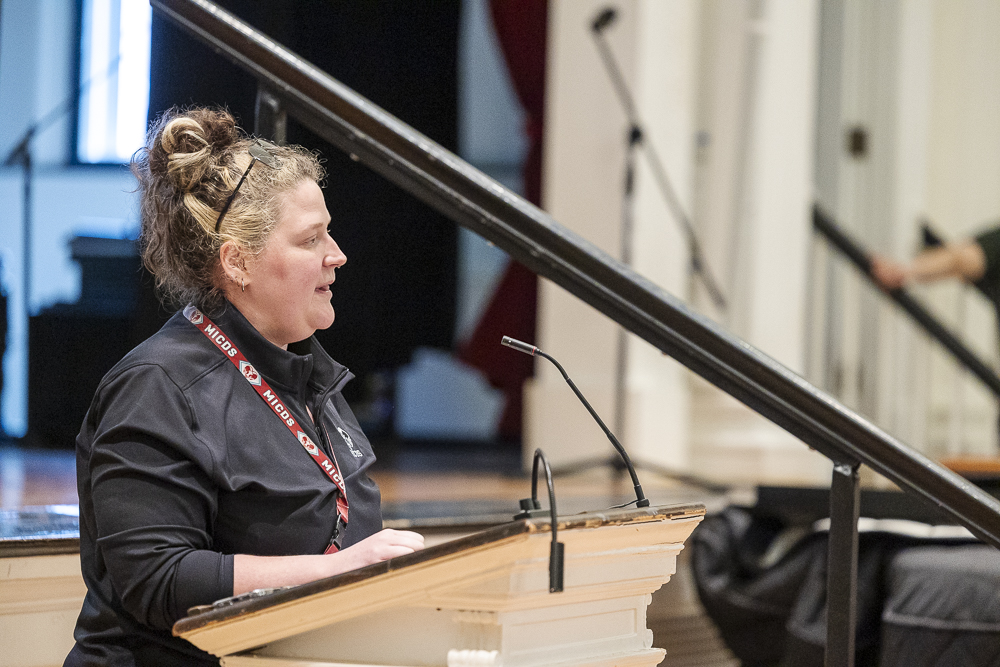
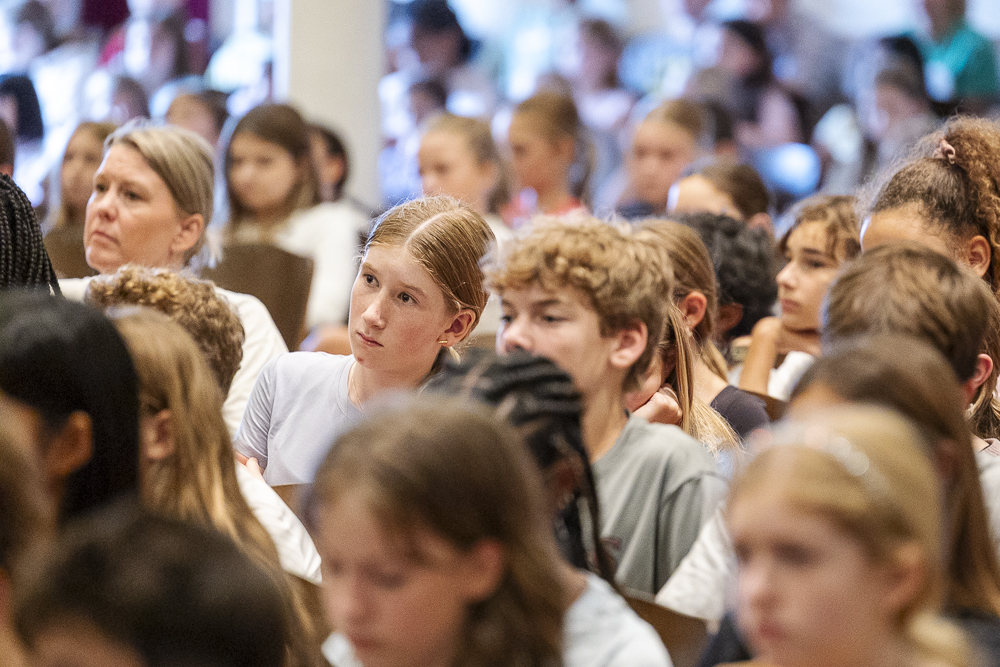
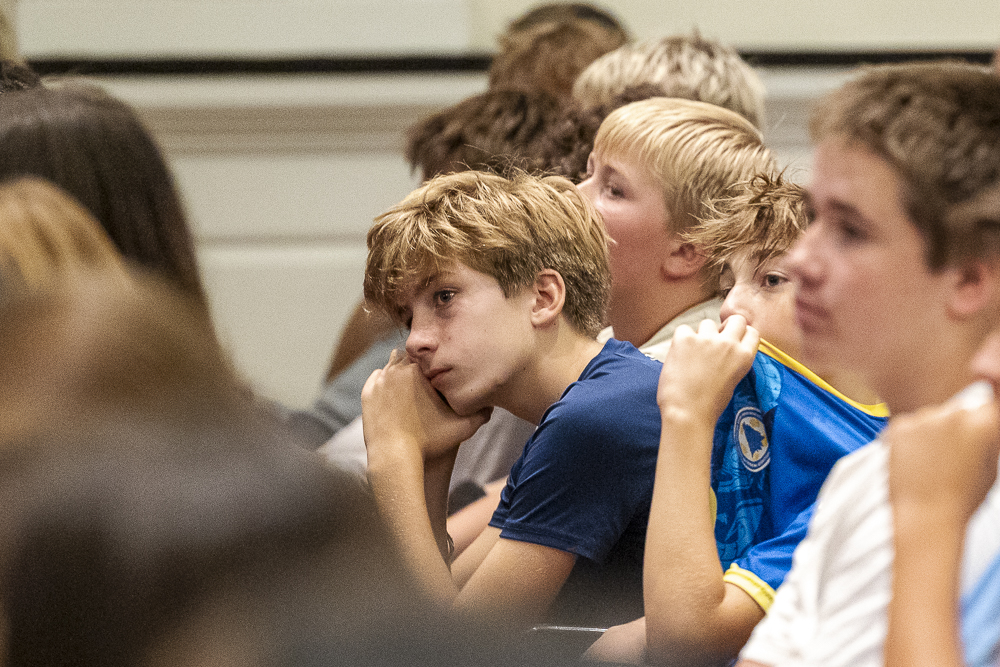
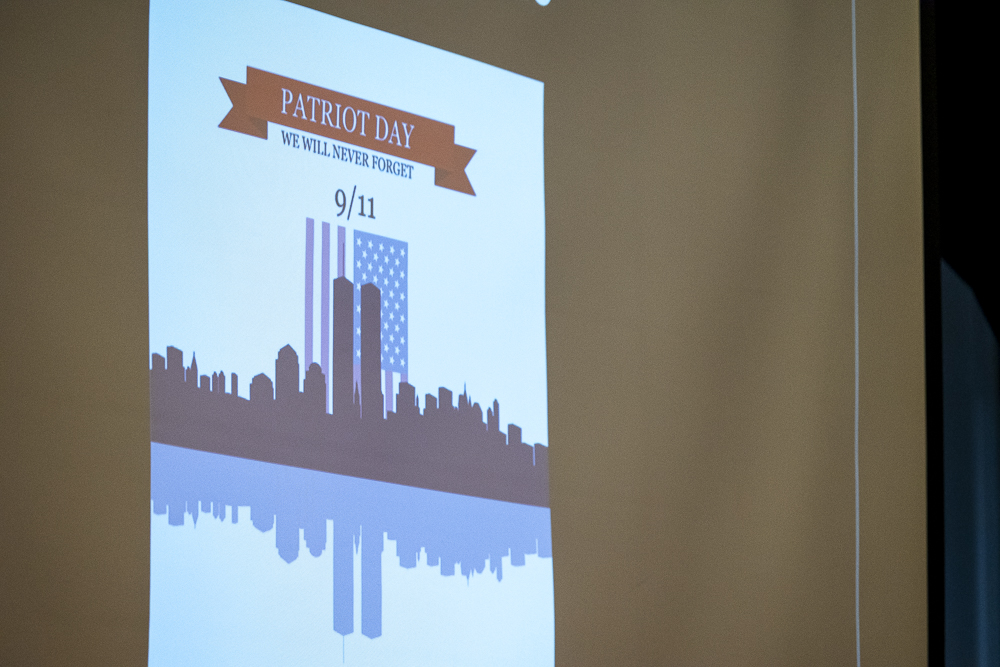
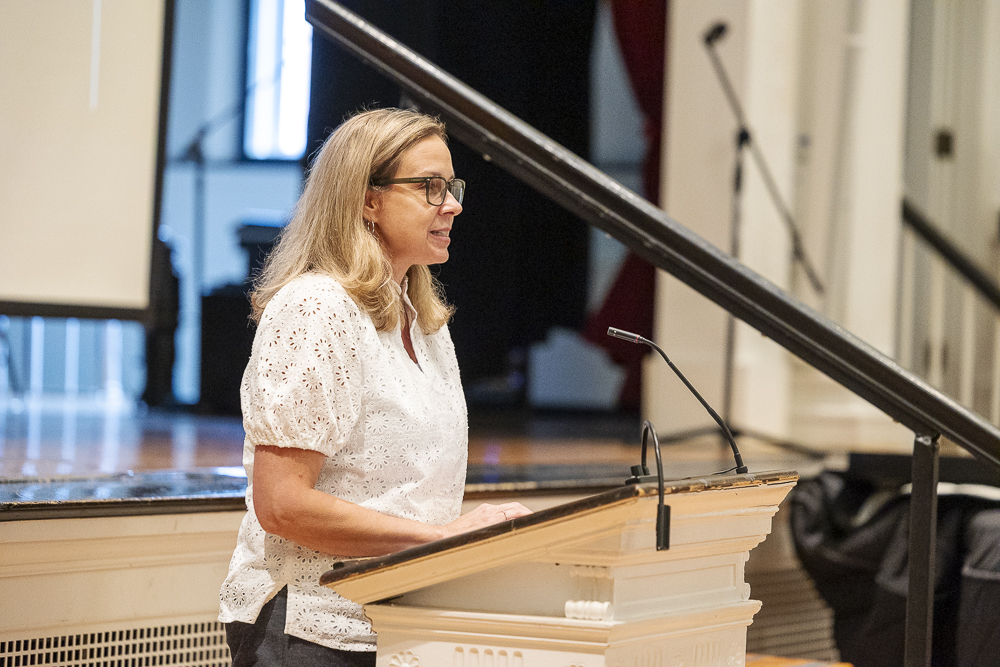
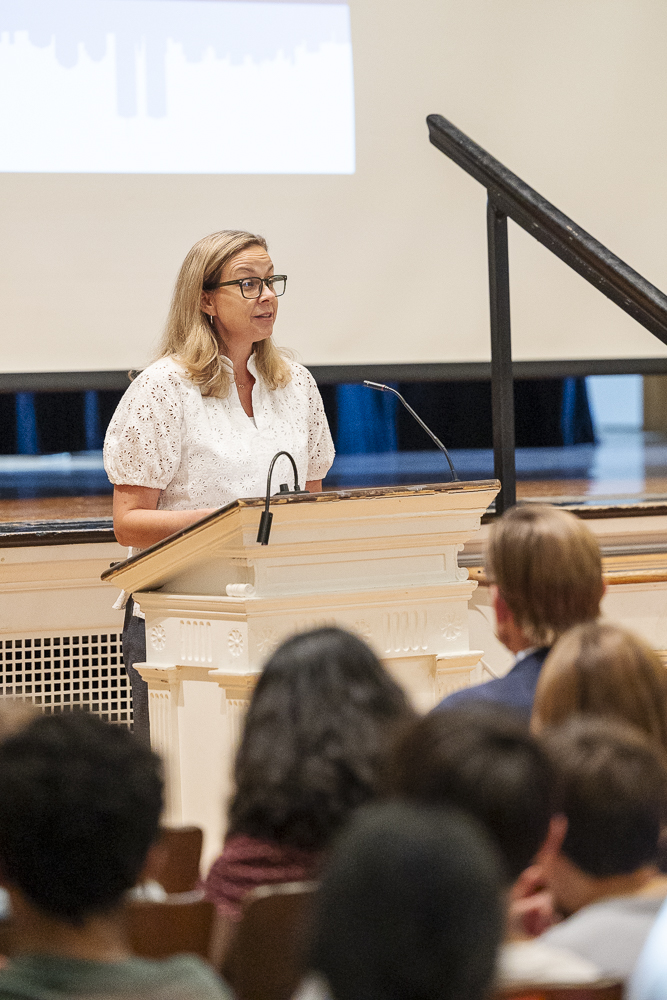
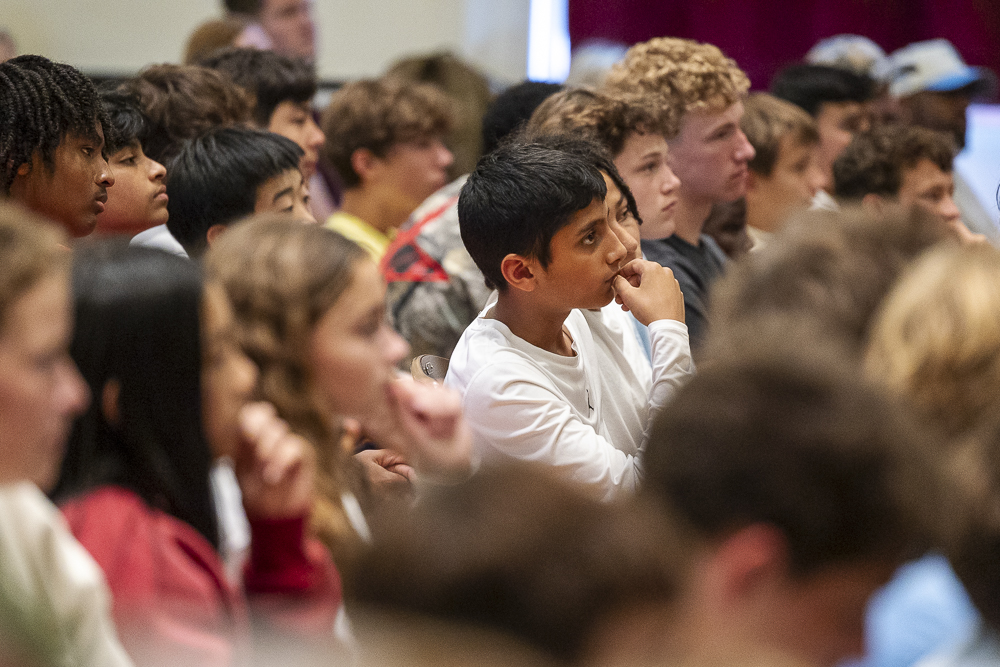
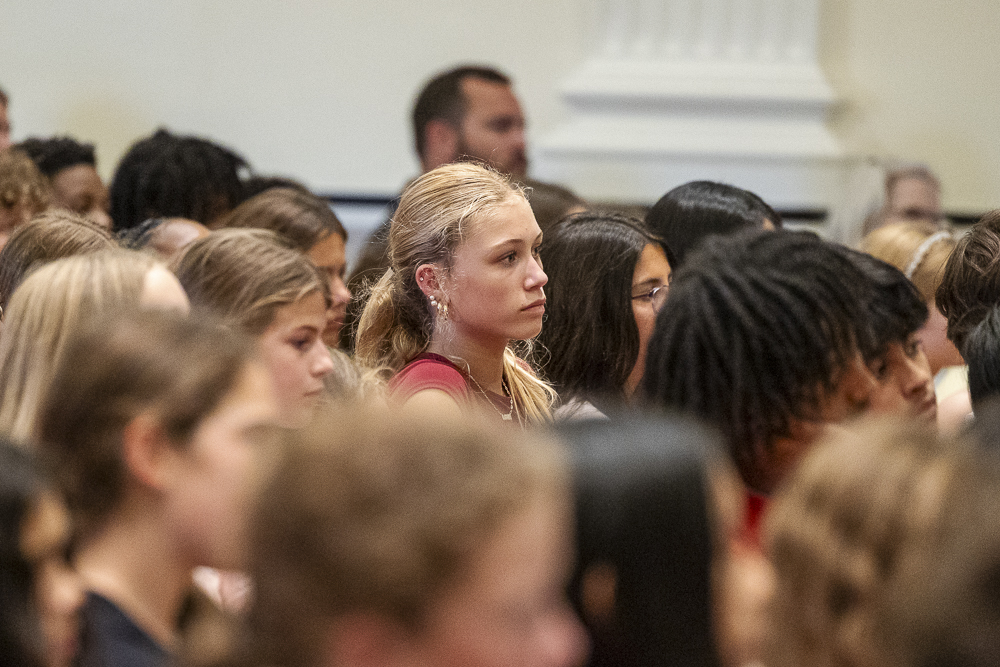
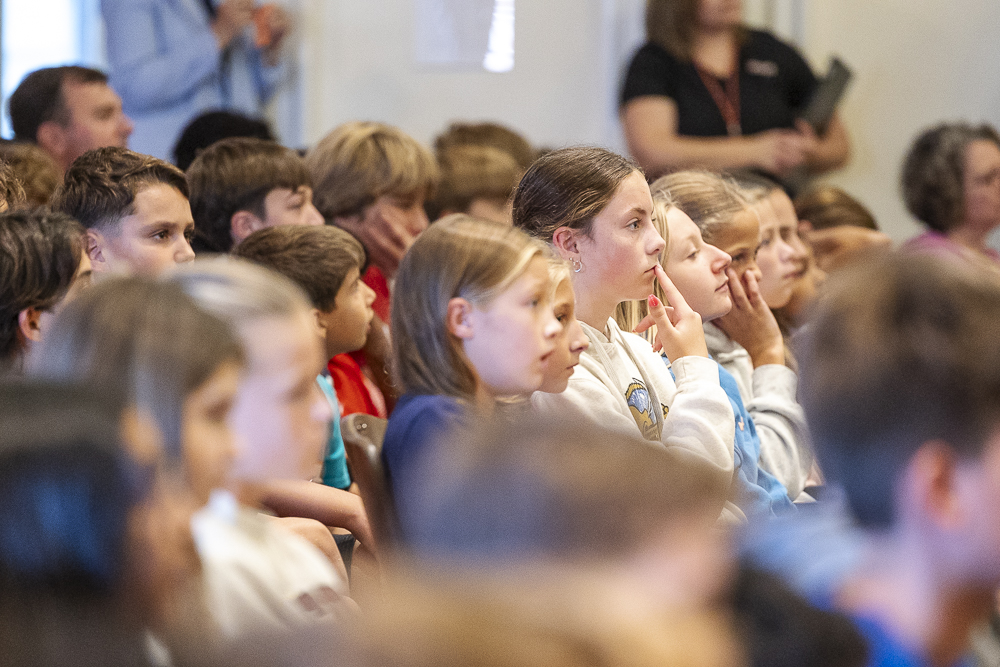
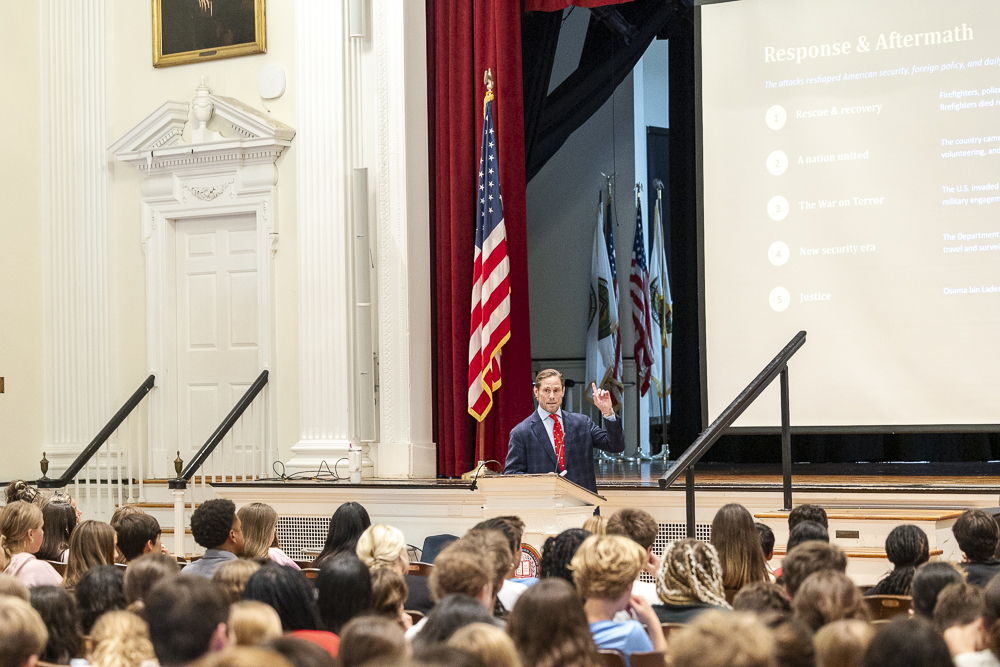
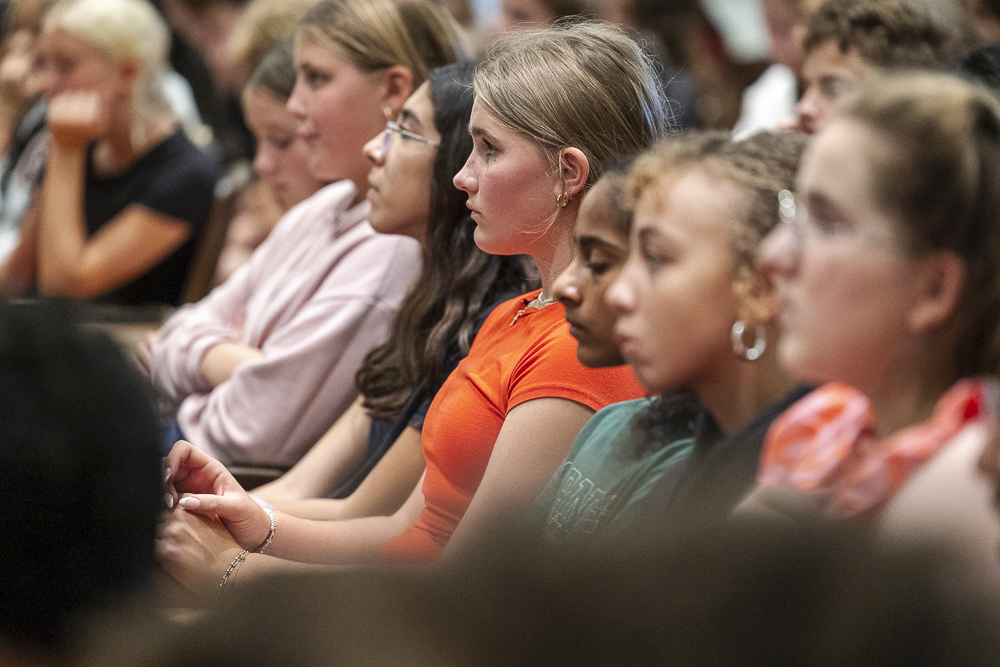
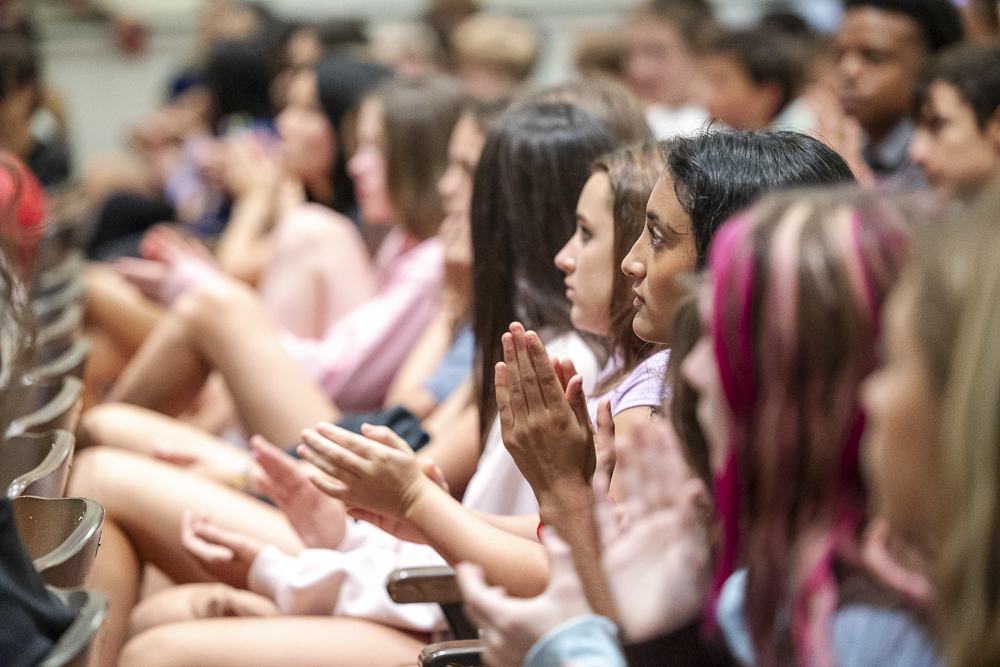
Middle School History Teacher Blake Whitney, who led the assembly, closed with, “History is not only a list of events in a textbook. History is also a lived experience. It is about what people felt, how they responded, how they helped one another, and how they carry those memories with them afterward. Hearing personal stories can help us understand what a moment in history felt like to the people who were living through it.”
Building on these personal narratives, Upper School students took a deeper dive into hearing how faculty members navigated the uncertainty of that day.
Upper School
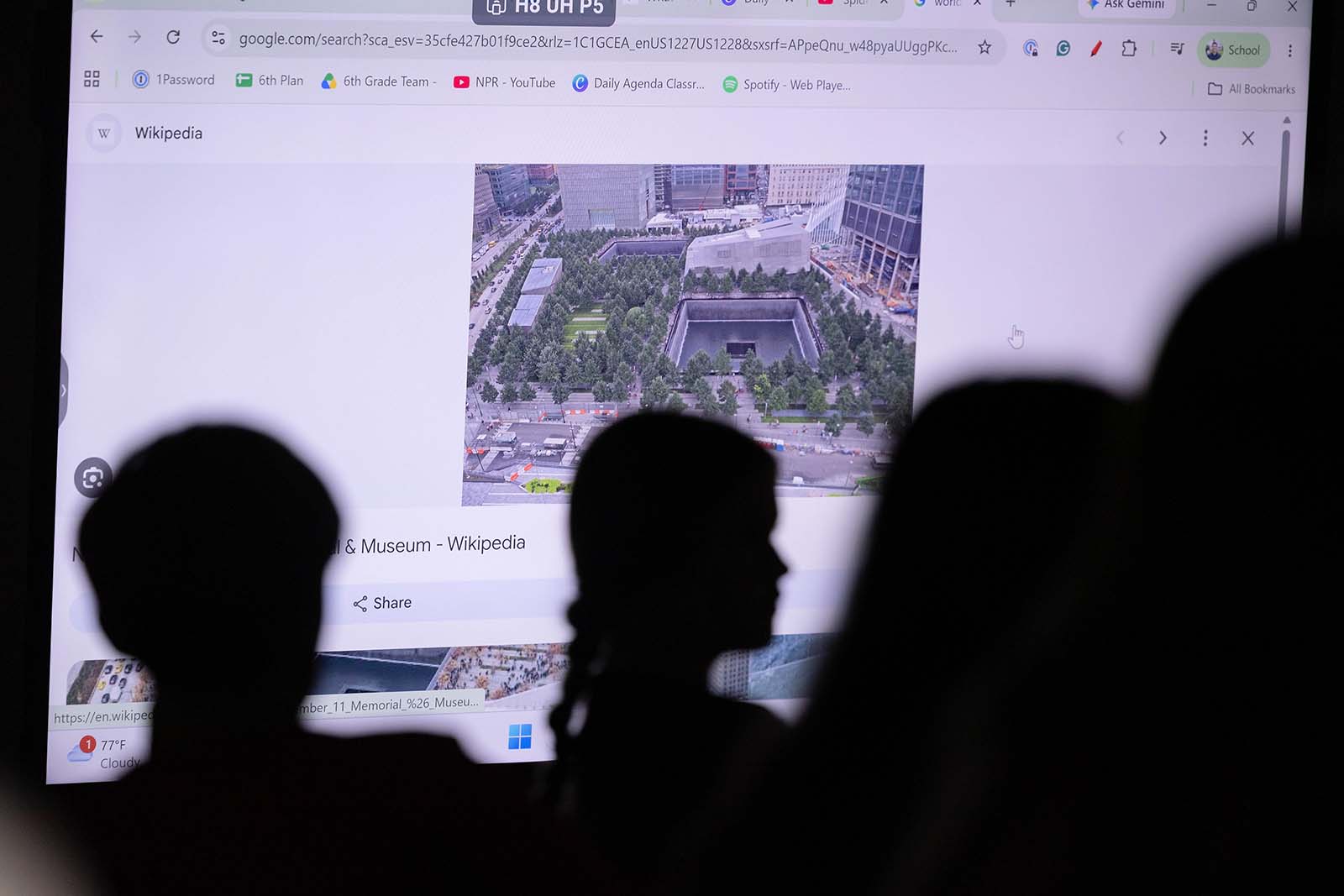
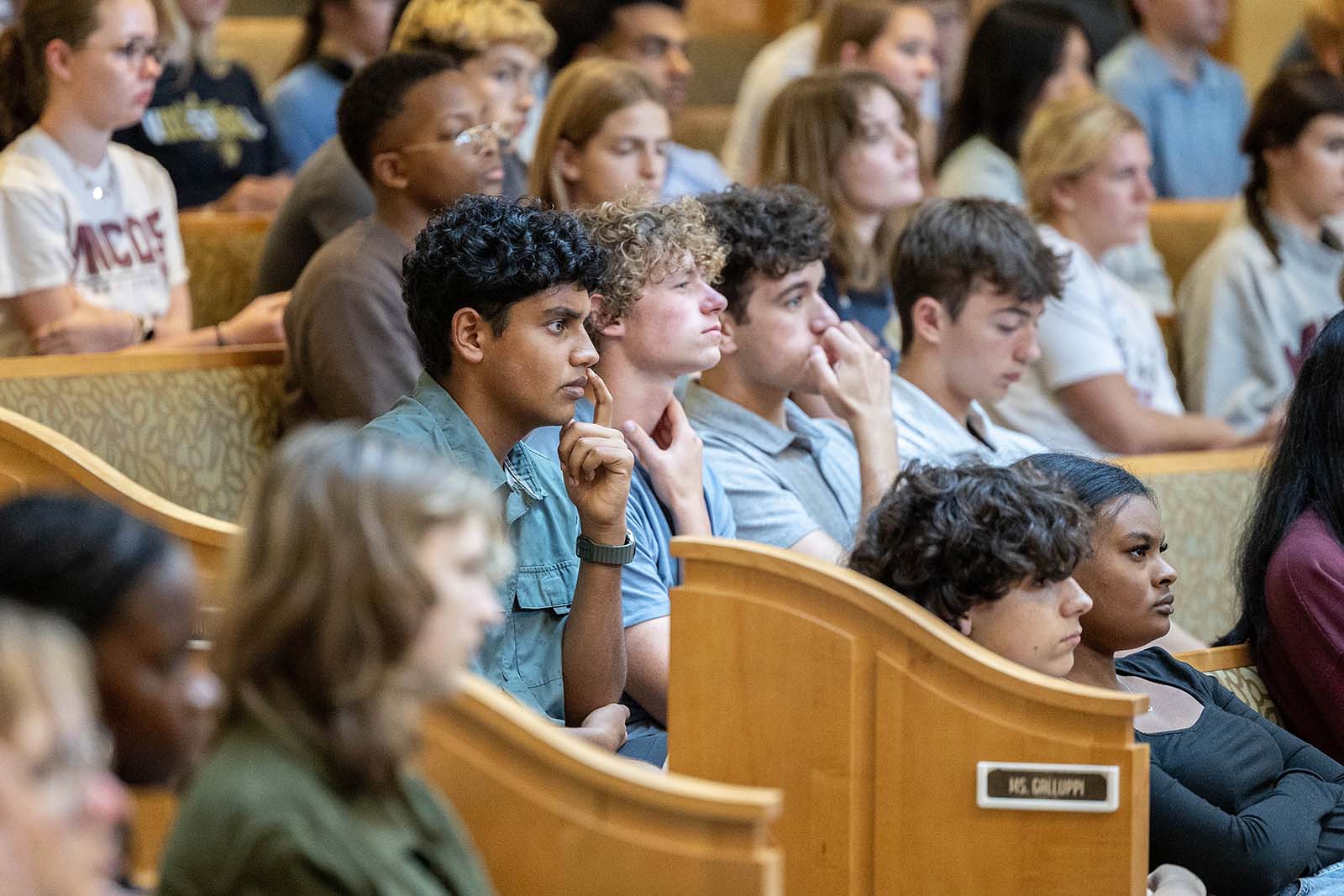
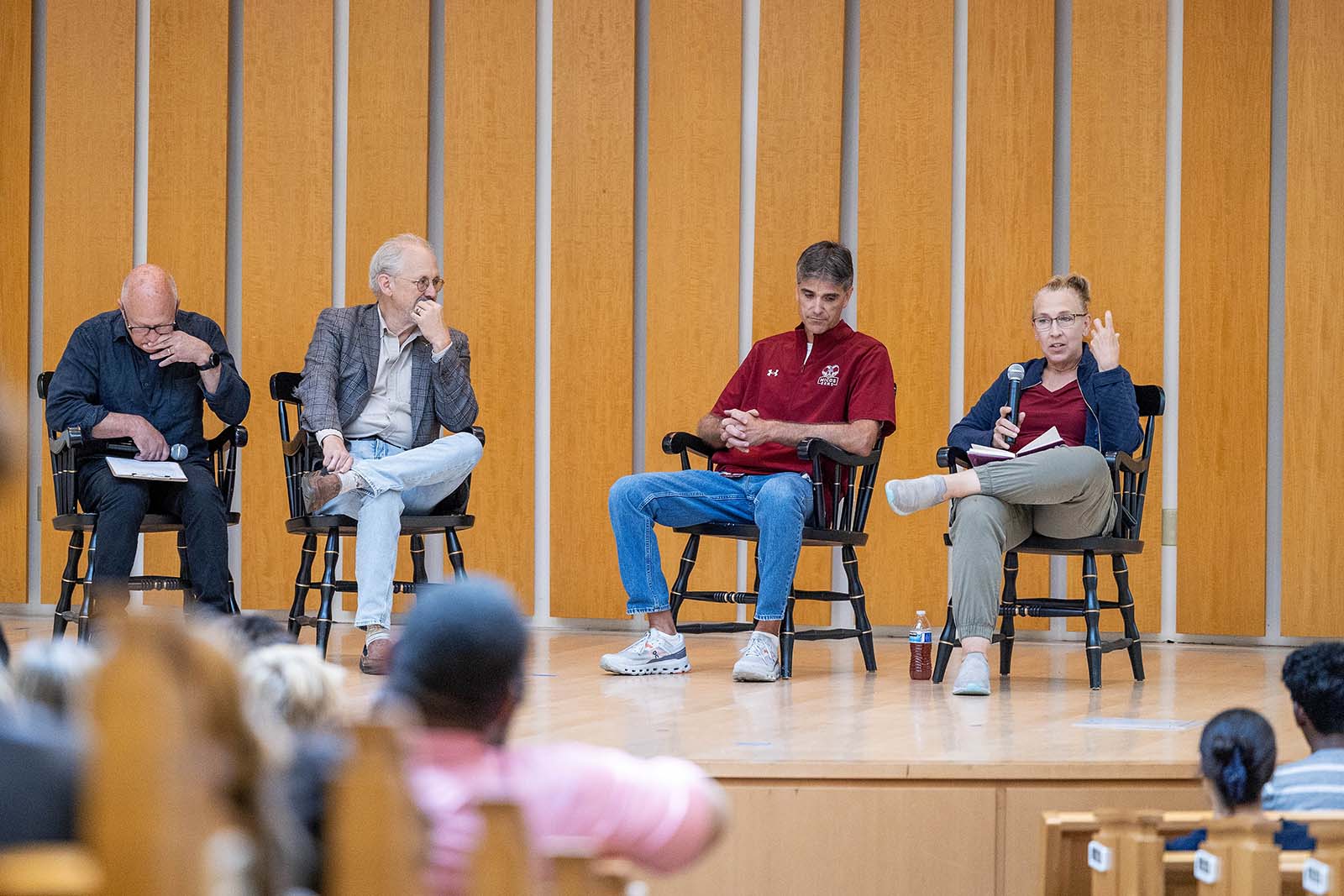
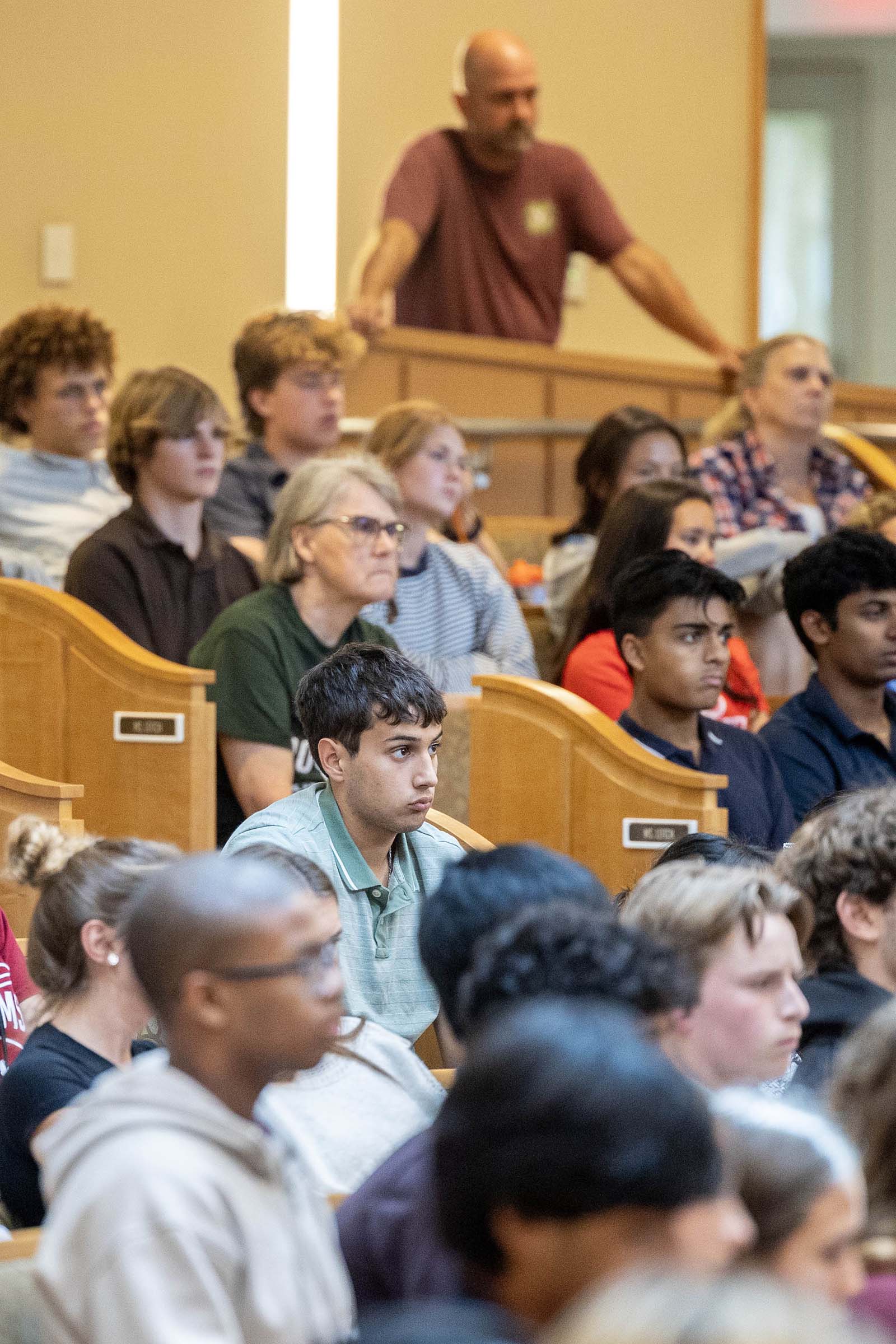
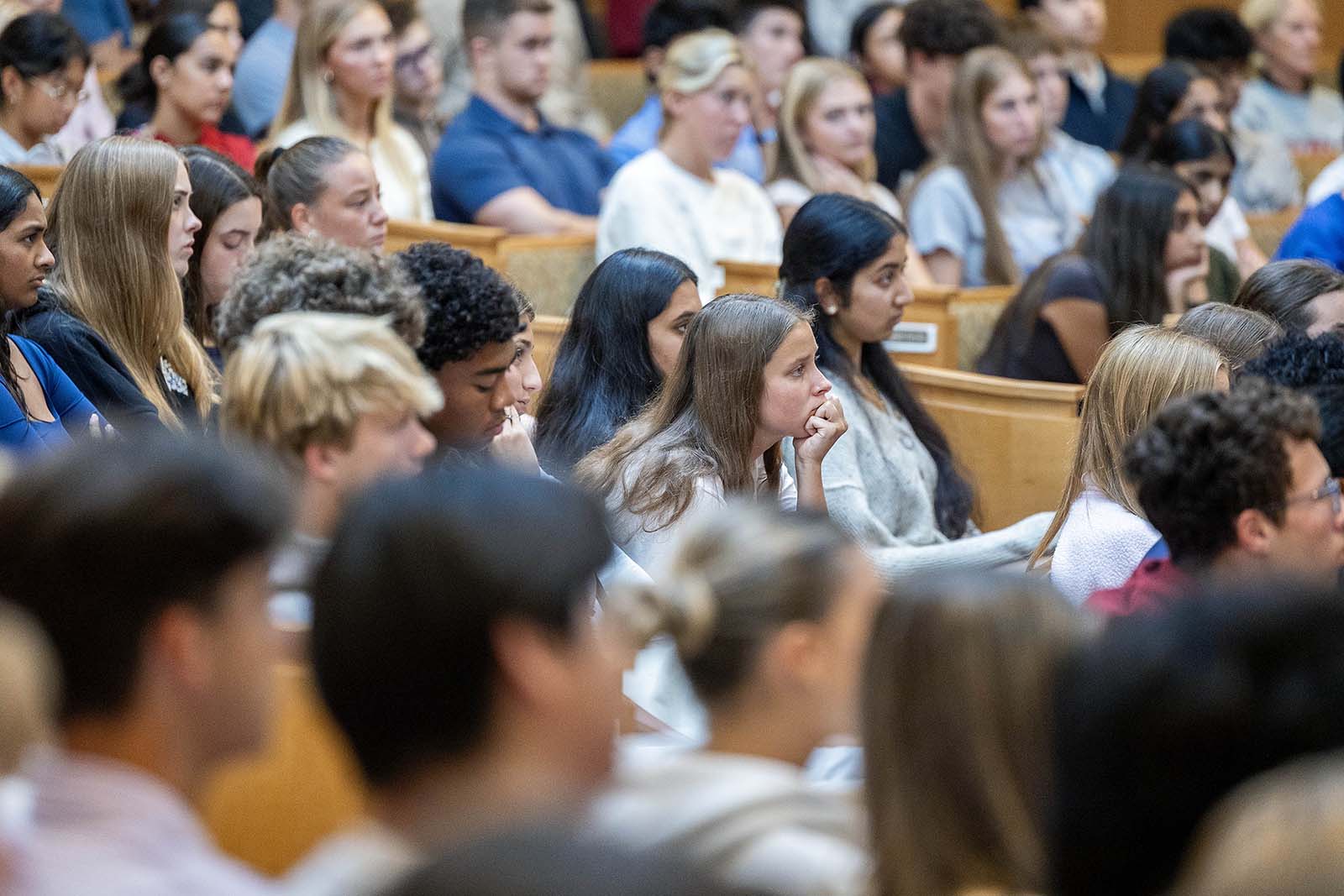
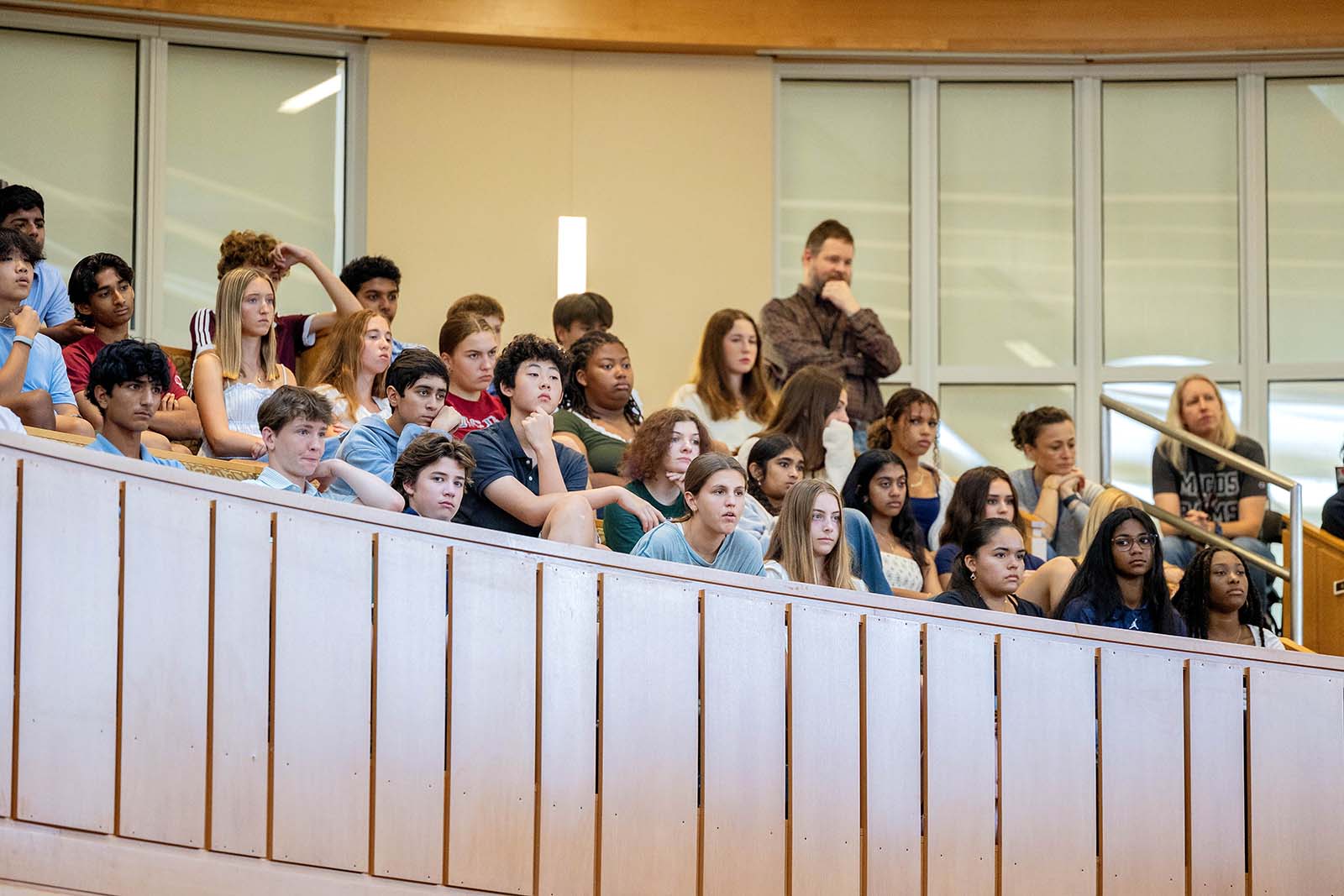
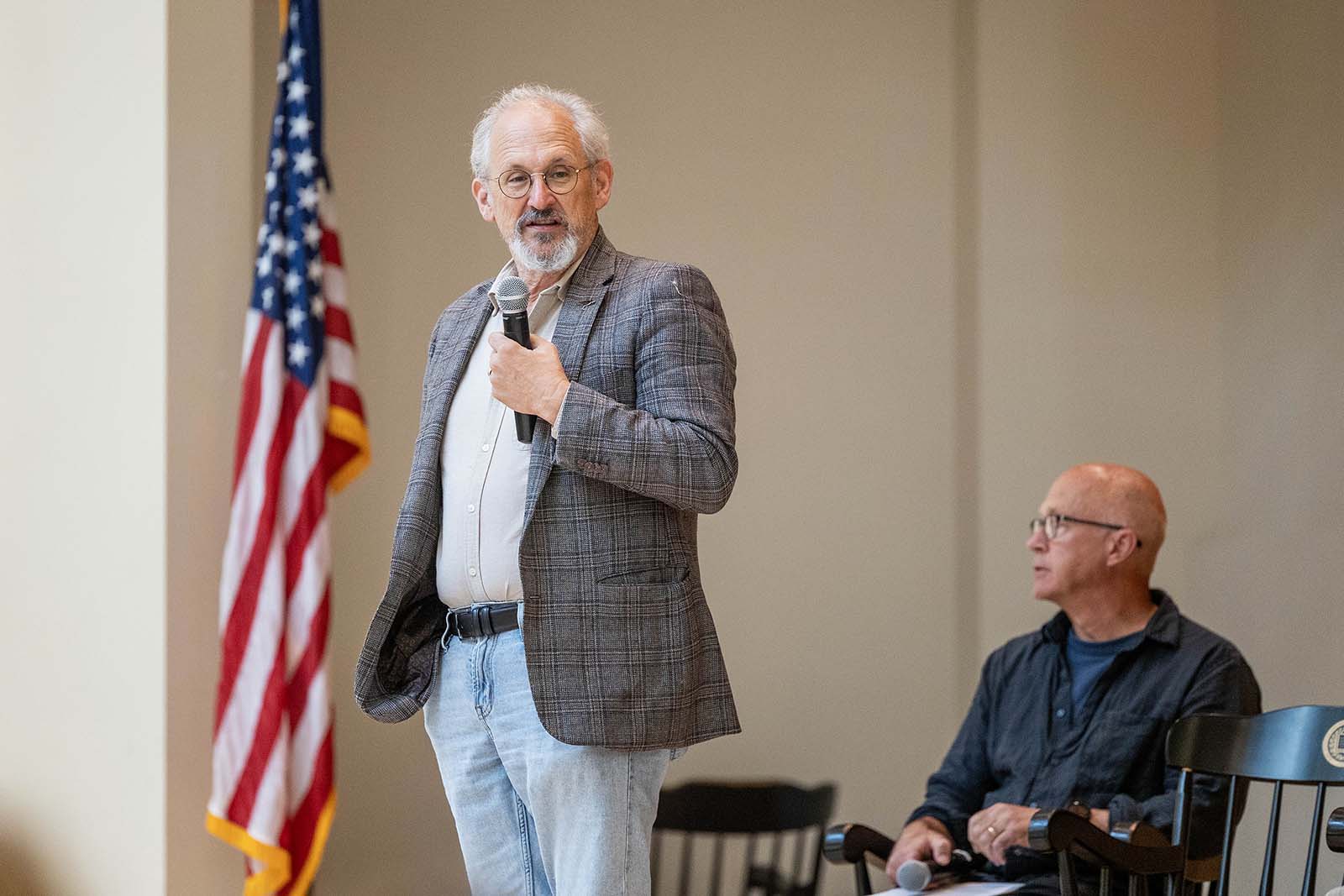
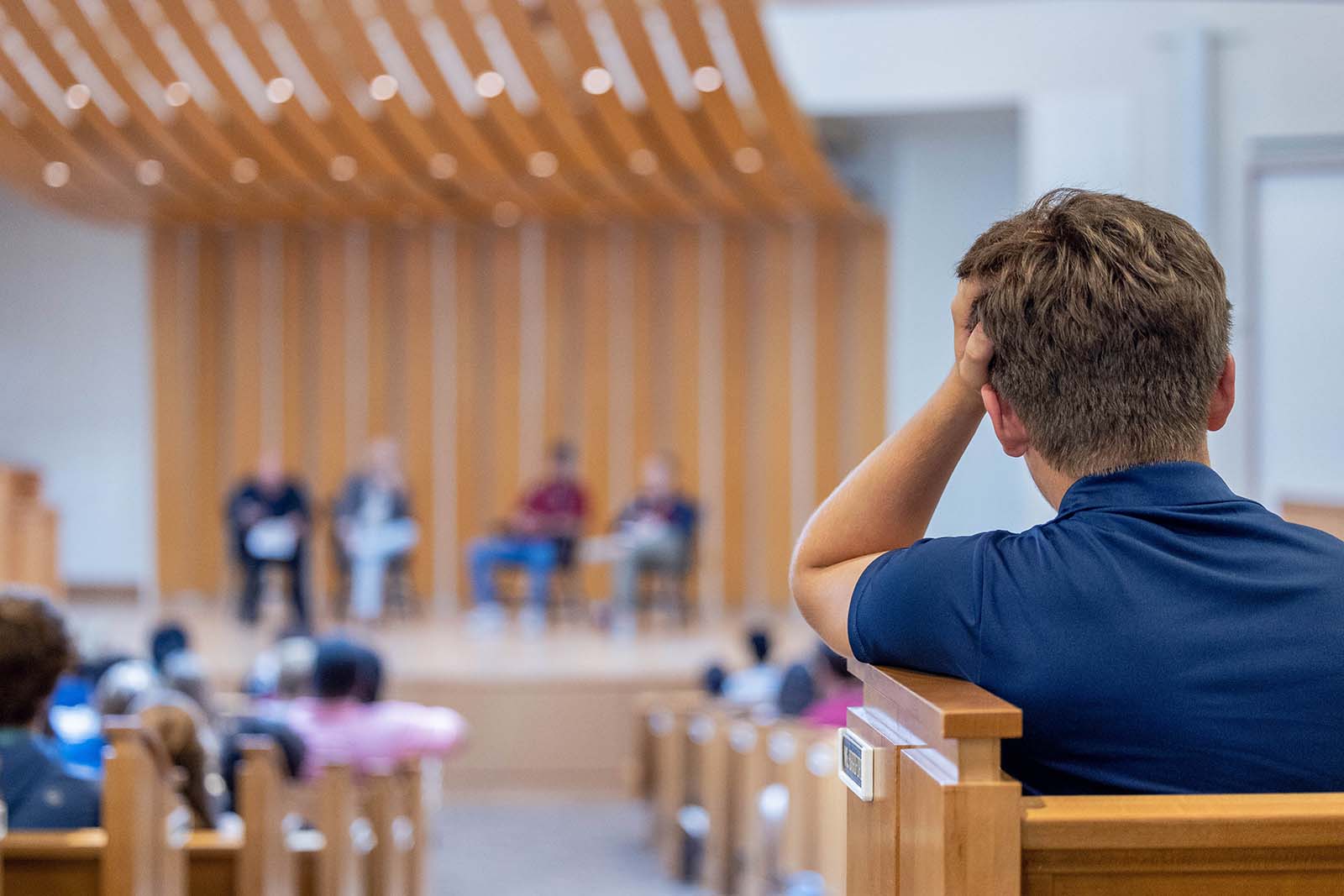
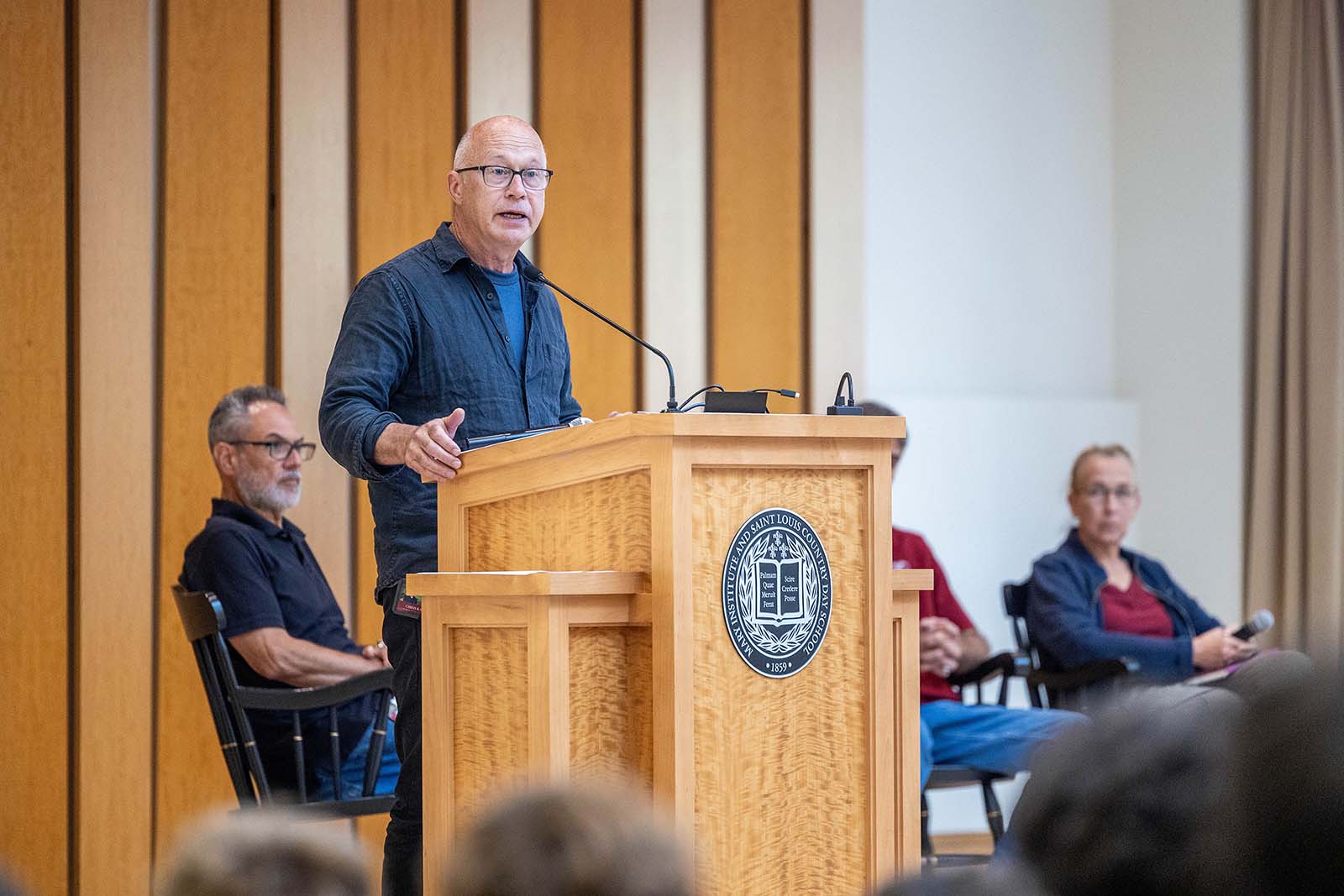
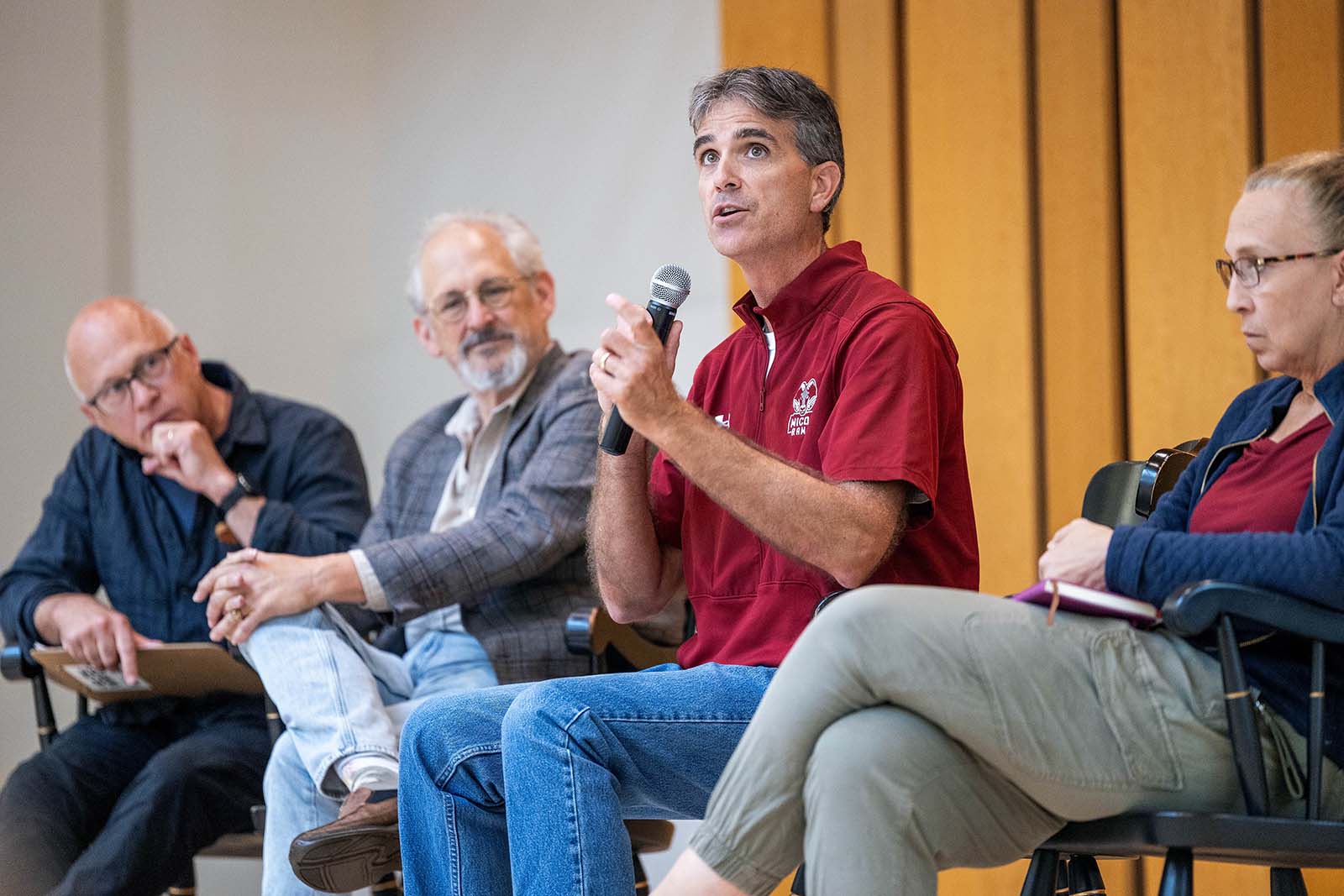
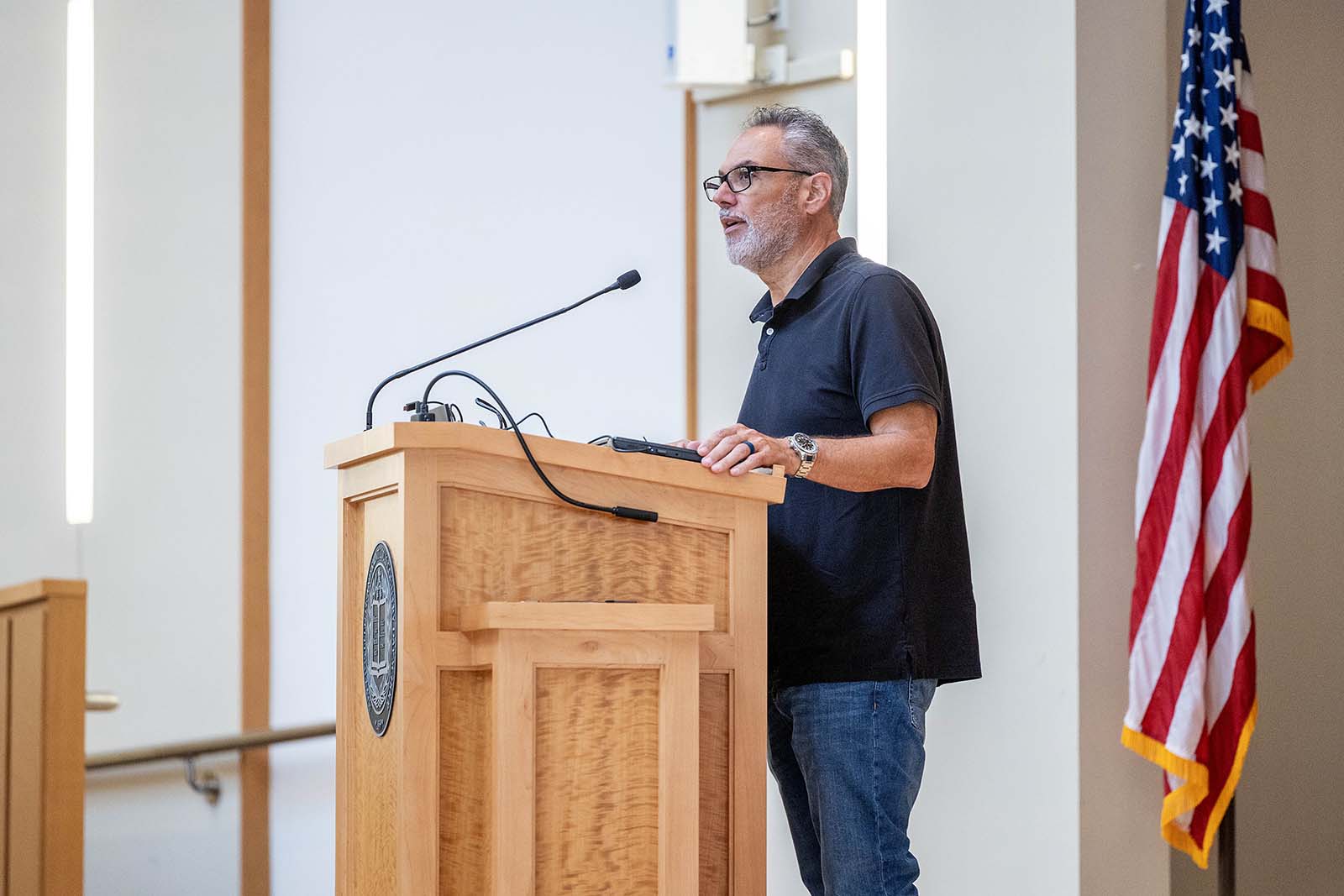
Throughout the week, students in their history classes explored, discussed, and debated events before and after 9/11, as well as the geopolitical ramifications of national and global policy. Four faculty guests who were working at MICDS in 2001 offered their reflections at an Upper School assembly, answering student-submitted questions.
“When we think about history, there are two kinds,” Upper School History Teacher Zaven Nalbandian noted in his opening remarks. “There is learned history that we spend our days in class trying to get a handle on, and there is experiential history – the kind of history that we know, but at the same time, we may not fully understand.”
The faculty panel shared their distinct memories of 9/11:
- Upper School Arts Teacher Patrick Huber recalled watching the TV in a room filled with students and colleagues: “I kept hearing the word inside me: ‘unspeakable.’ I’m always trying to understand why something happens, but I couldn’t understand this, and I felt a rage that was entirely unlike me.”
- Upper School Science Teacher Stacey Morgan reflected on balancing student fear with her own uncertainty as a New York native: “On 9/12, there seemed to be a united purpose in our country of ‘how can we help one another.’ It was very clear to me that day that the world had changed.”
- Upper School English Teacher Chris Rappleye spoke to the role of educators as emotional anchors: “The responsibility was on me to be the adult in the room…Why does this history matter 25 years later? It’s the choices we make in the wake of these tragedies, of imagination, deep critical thinking, perspective-taking, and encouragement to face down fear.”
- “My job as a teacher is to have the answers to questions, and that day I felt as helpless as I could be,” Upper School Science Teacher Brian Coco shared. “What was amazing, though, was the feeling of community that came together—it showed how strong our community truly was.”
Reflecting on the anniversary of 9/11, Head of School Chelle Wabrek emphasized why remembering this history matters for a generation born after 2001. “While none of our students were alive on September 11, 2001, remembering that day 25 years later gives us an opportunity to tell stories of courage, service, generosity, and people who stepped forward when others needed them. We honor them not only by remembering what they did, but by choosing, on ordinary days, to care for one another with the same generosity, courage, and sense of community.”