A time-honored tradition in ninth-grade science is to transform the physics lab into a thrill-based engineering firm, where students put their knowledge to the test with an immersive roller coaster design simulation.
The project proposes the following: Six Flags has acquired 30 acres of land and is seeking a new, educational coaster to anchor the expansion. Stepping into the shoes of professional engineers, students have organized into several competing firms, each vying for the chance to see their vision come to life.
After diving deep into the mechanics of velocity, acceleration, force, and momentum, these young scientists, in groups of three, divide their work into specialized roles like any corporate design team. Together, they build the physical prototypes and the final model in the Upper School Biggs Family Makerspace, but outside of that, they maintain individual accountability through their specific position descriptions.
The recording specialist acts as the project’s historian, documenting every success and setback in a daily log to ensure the team stays on track. Meanwhile, the data specialist manages the logistics, tracking material mass and length in detailed spreadsheets to calculate costs and provide the raw numbers needed for velocity and energy equations. To pull it all together, the science specialist serves as the technical lead, verifying that every loop and drop adheres to the rigorous laws of physics required for the pitch.
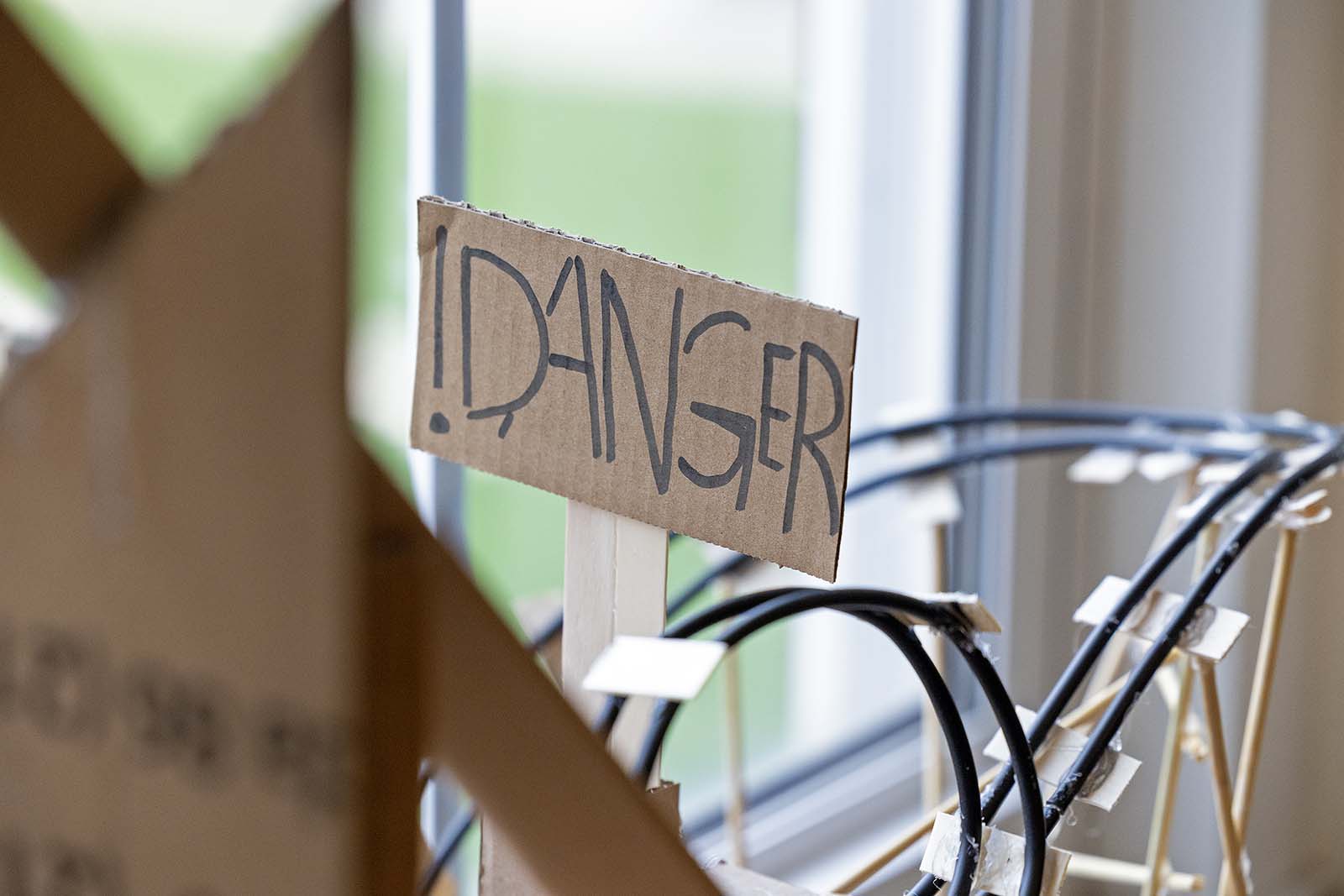
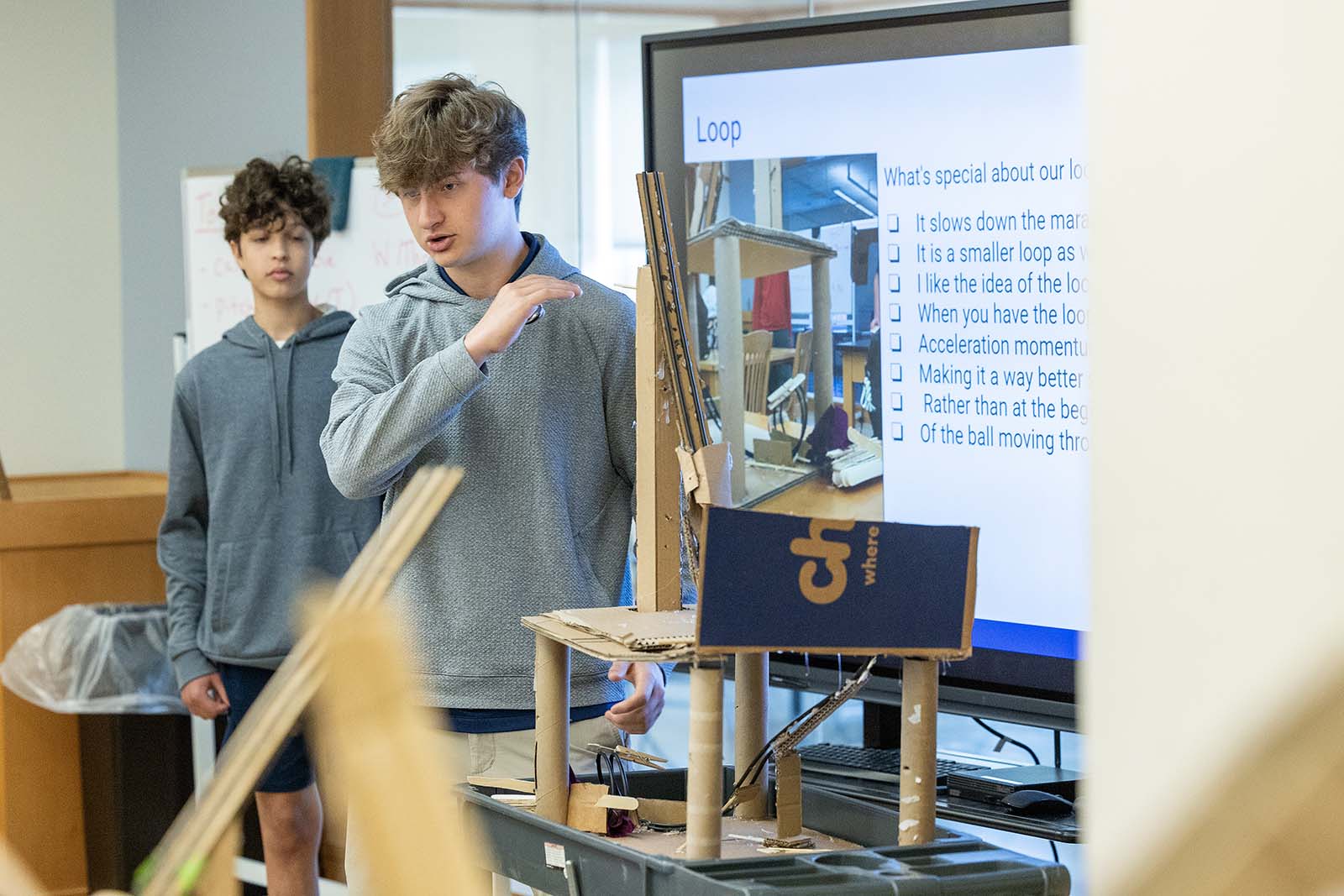
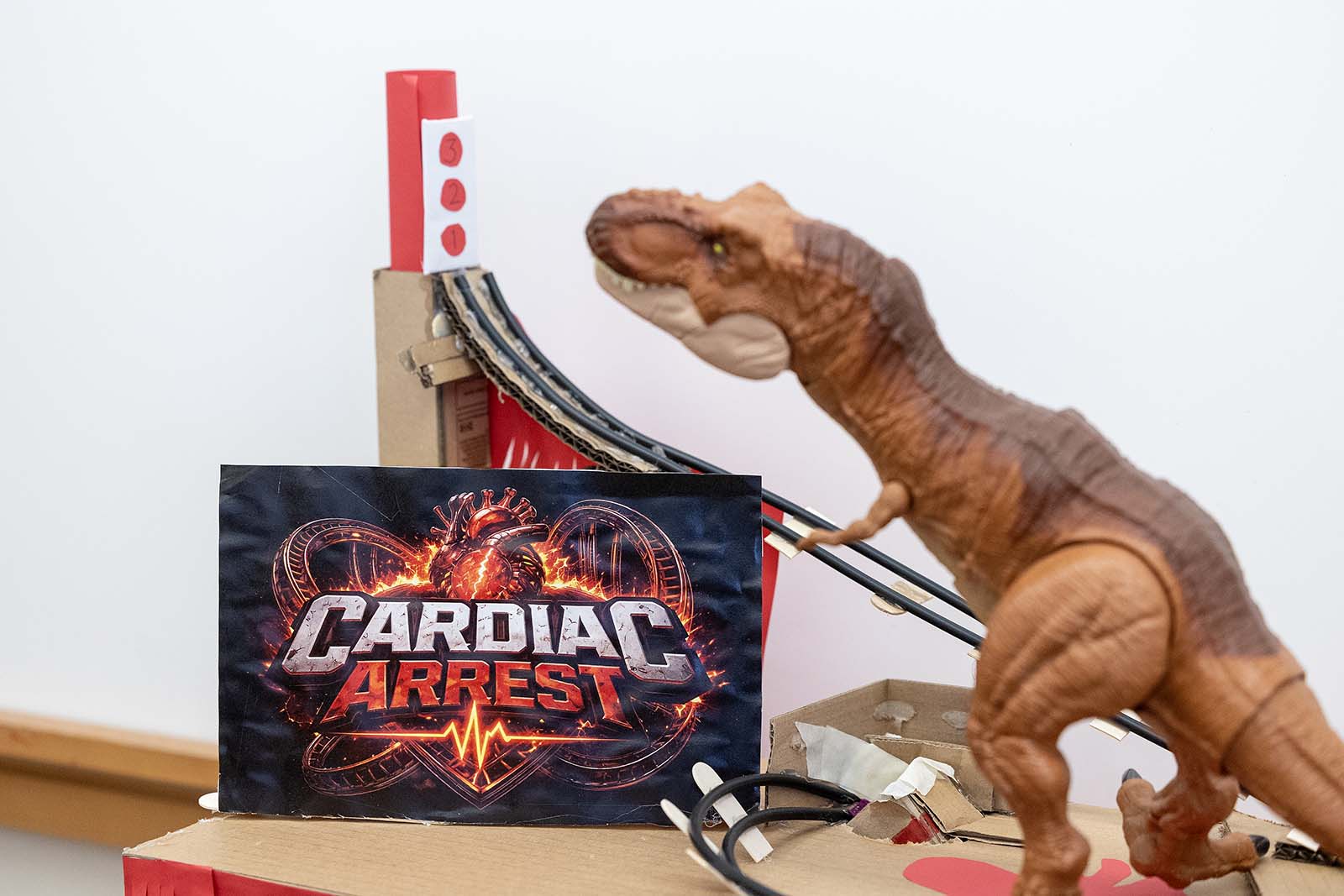
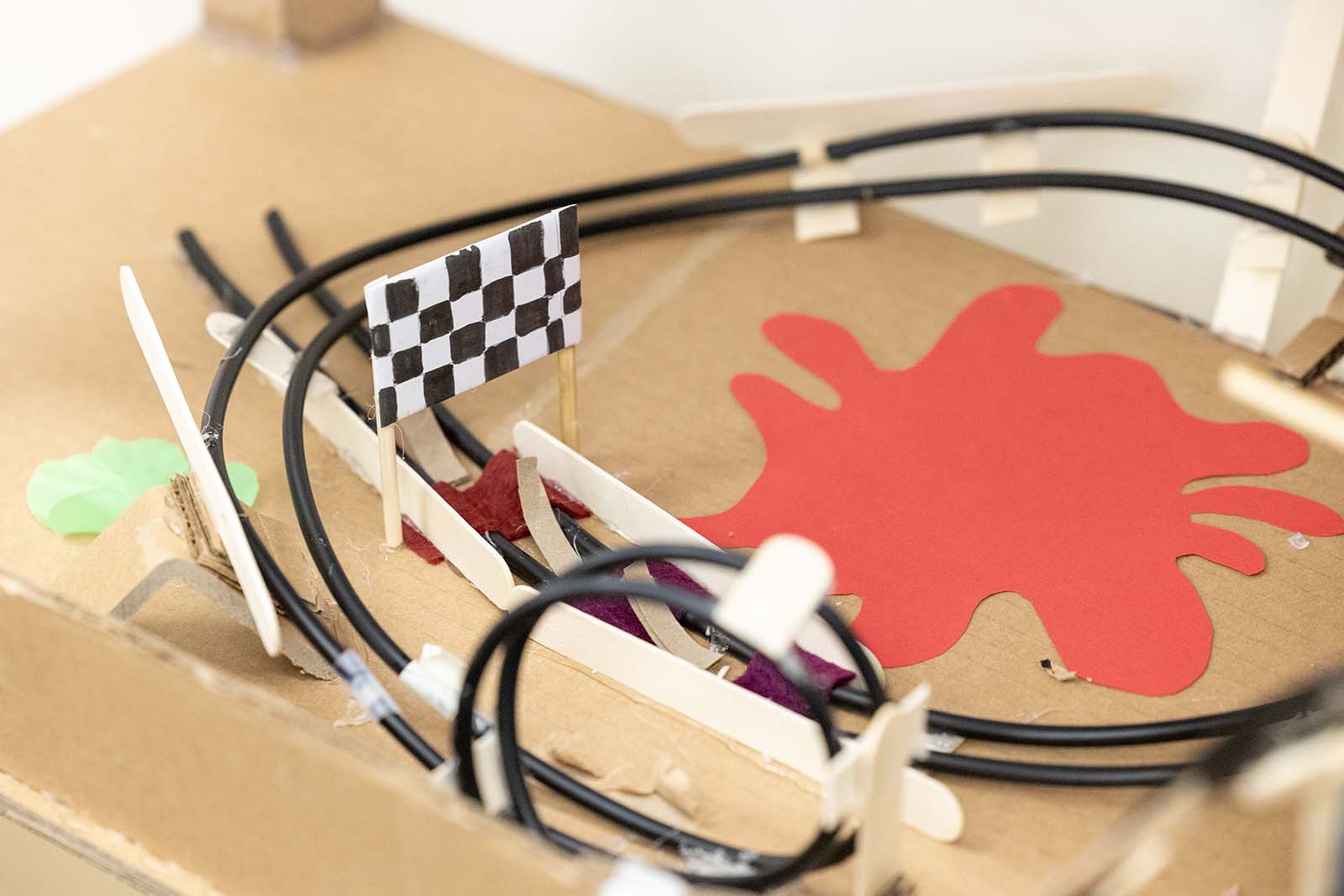
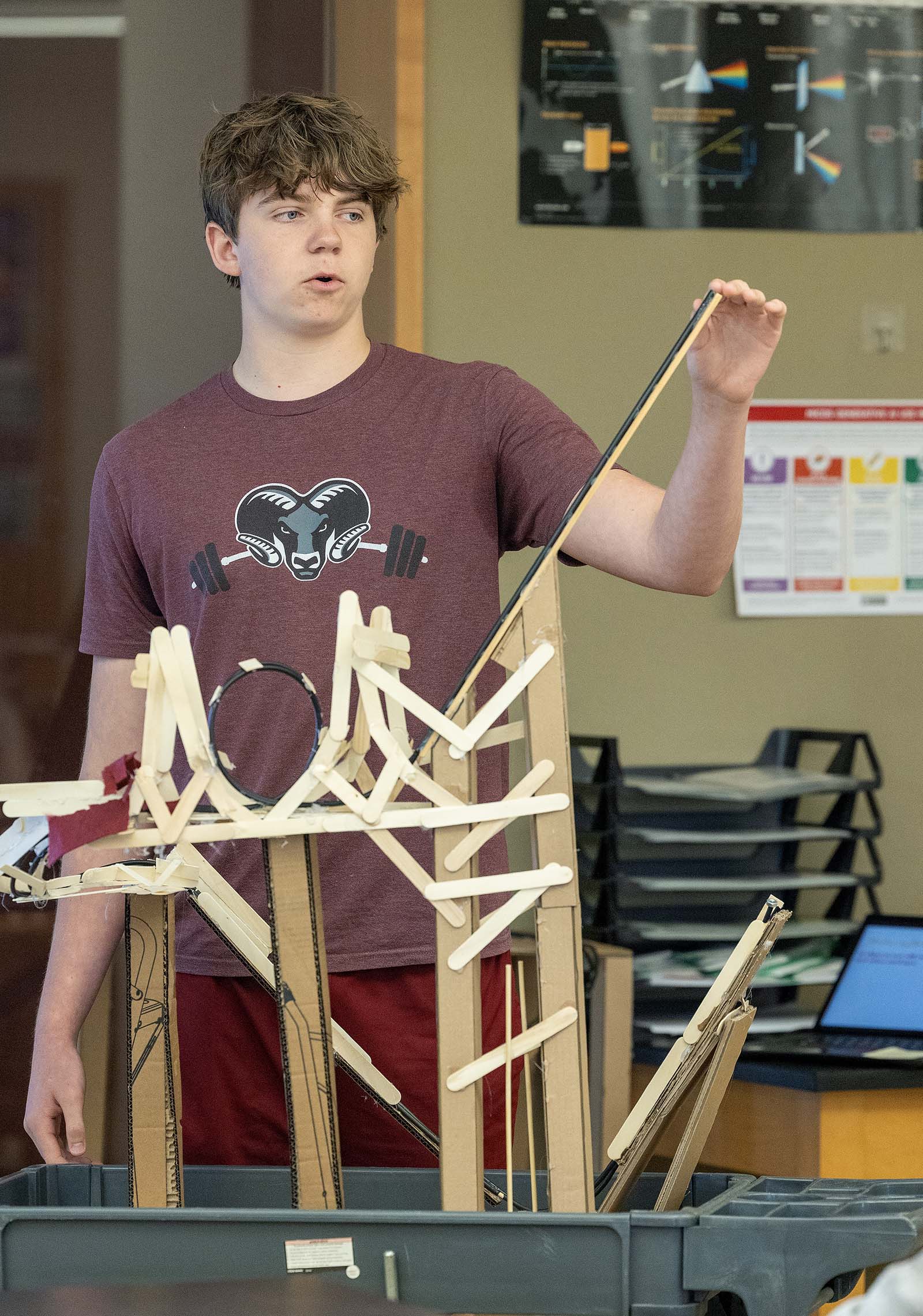
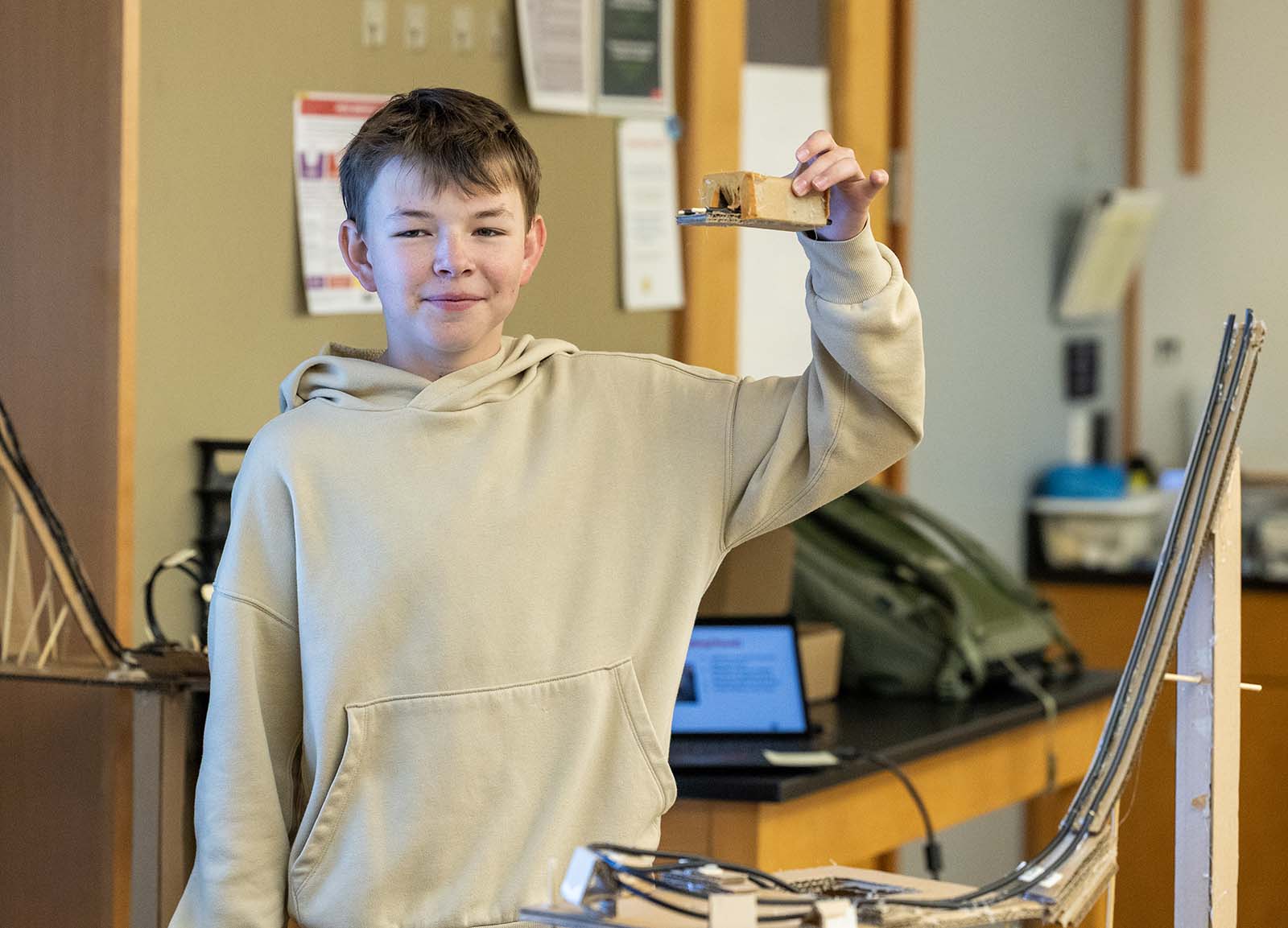
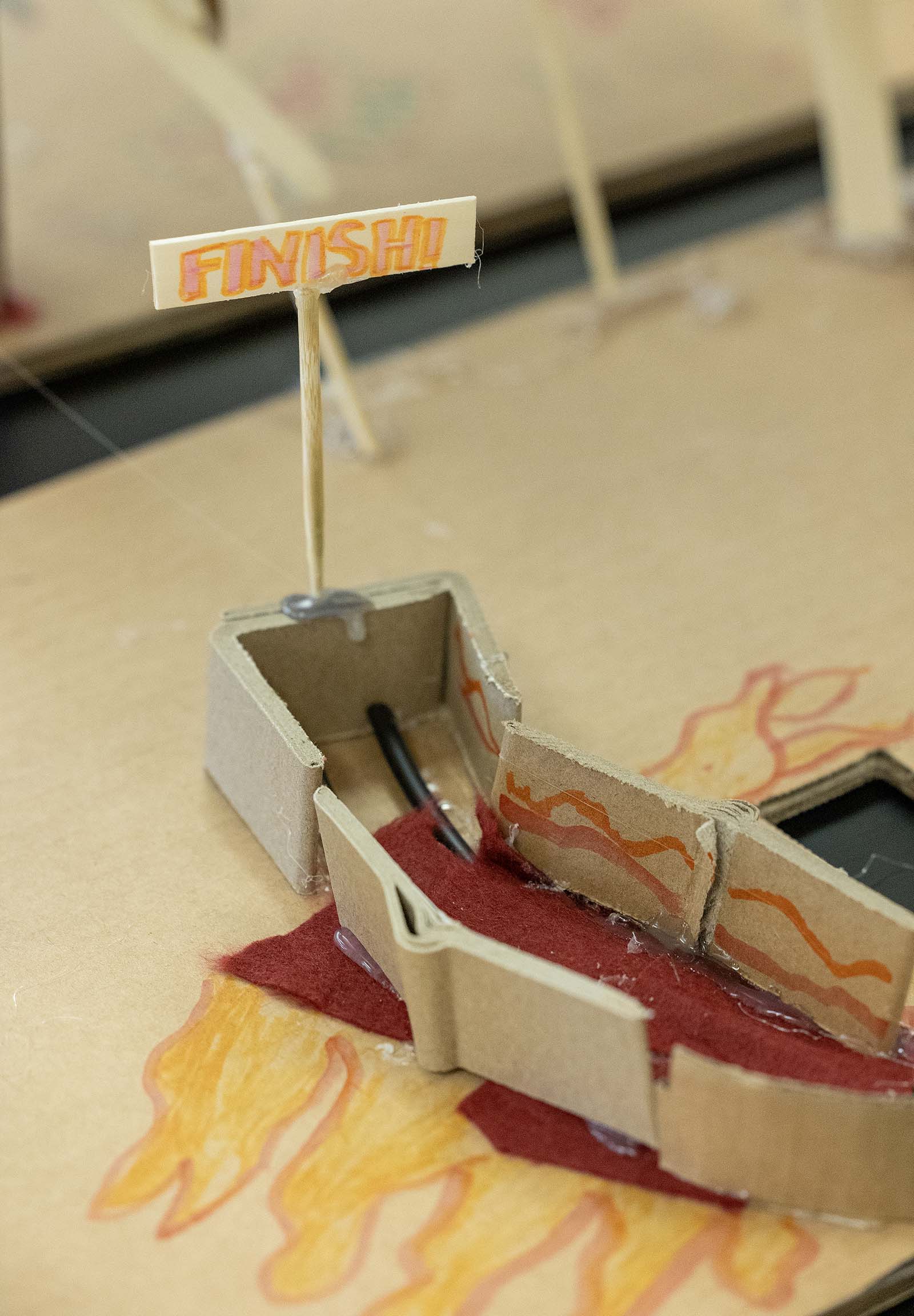
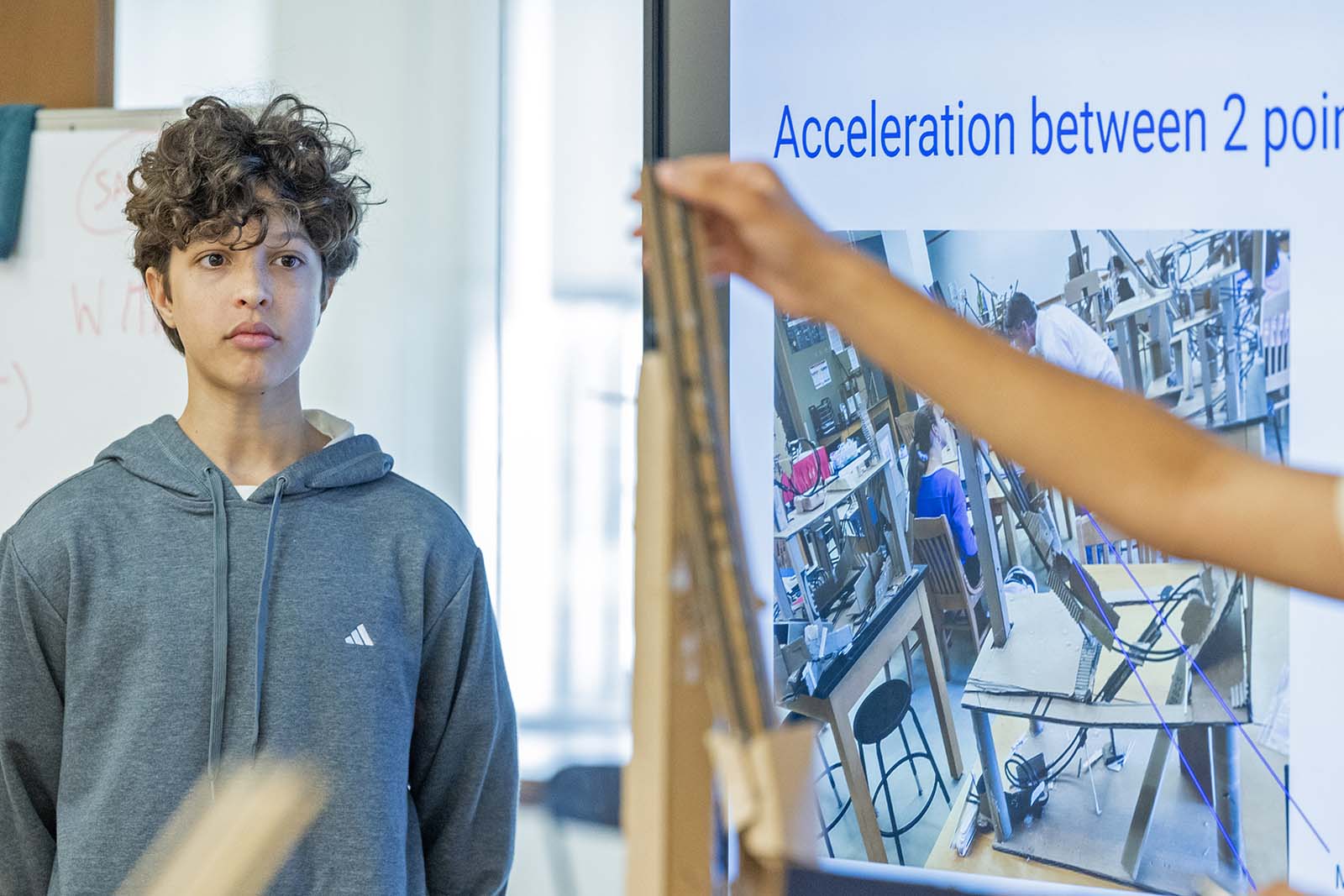
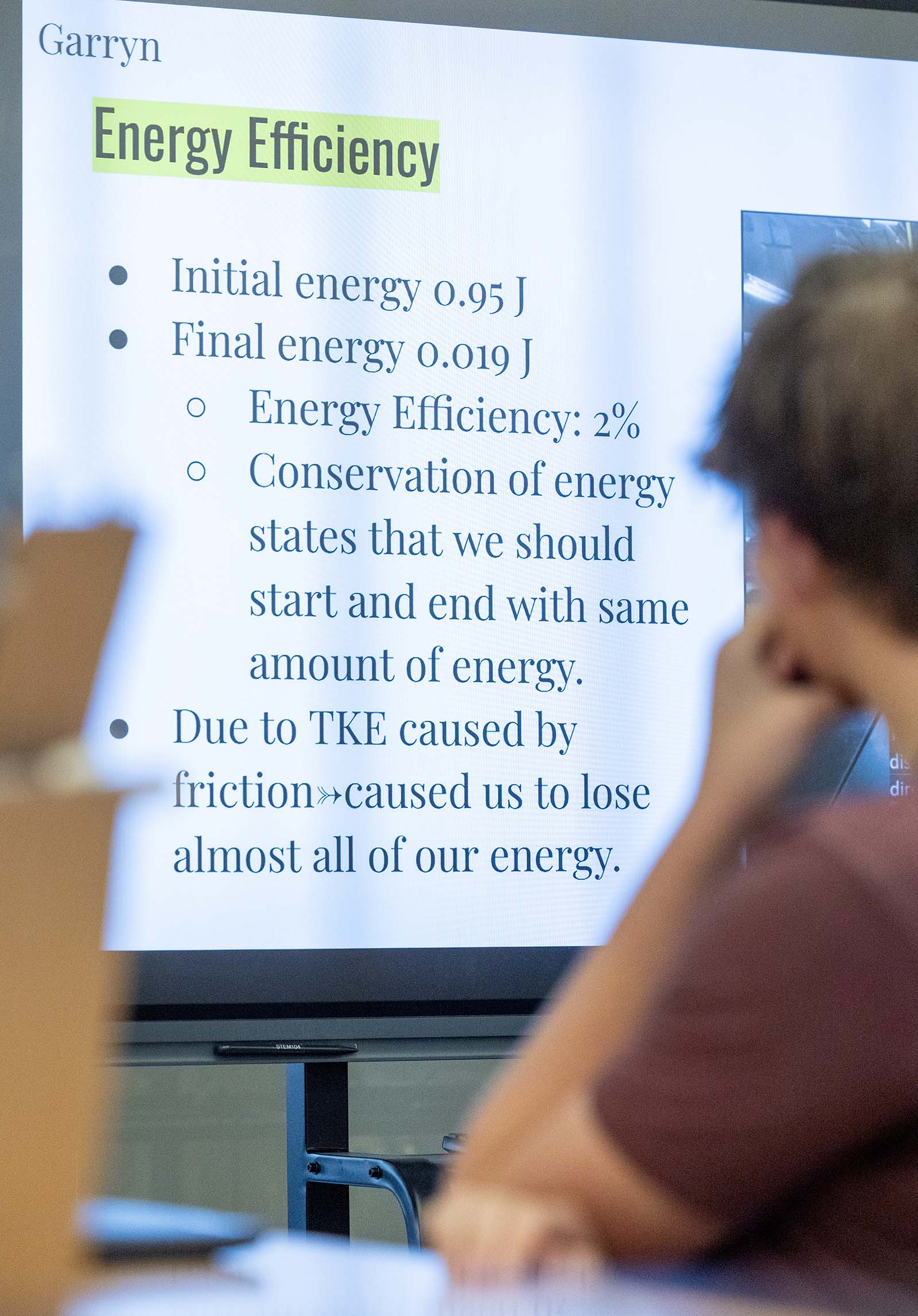
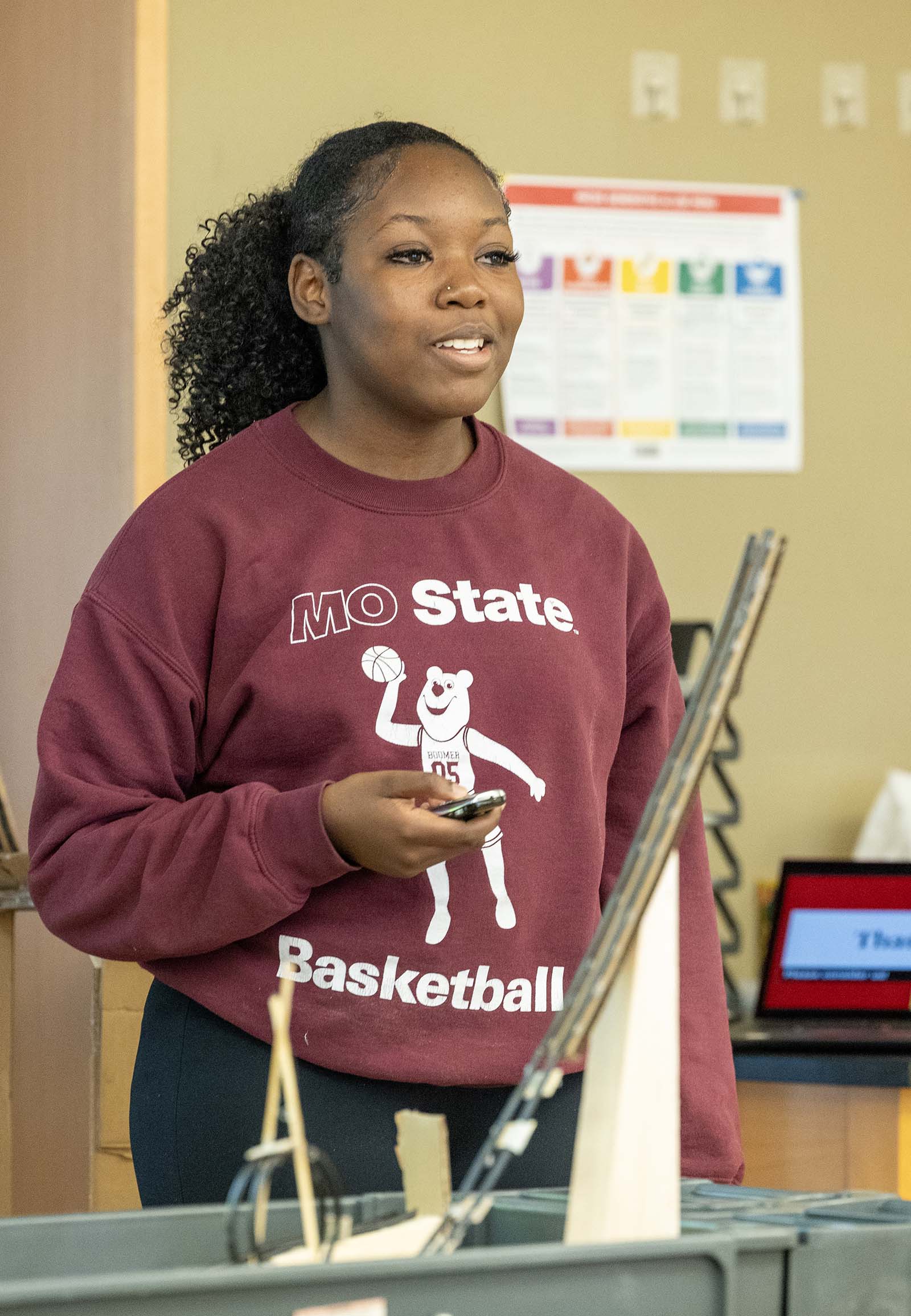
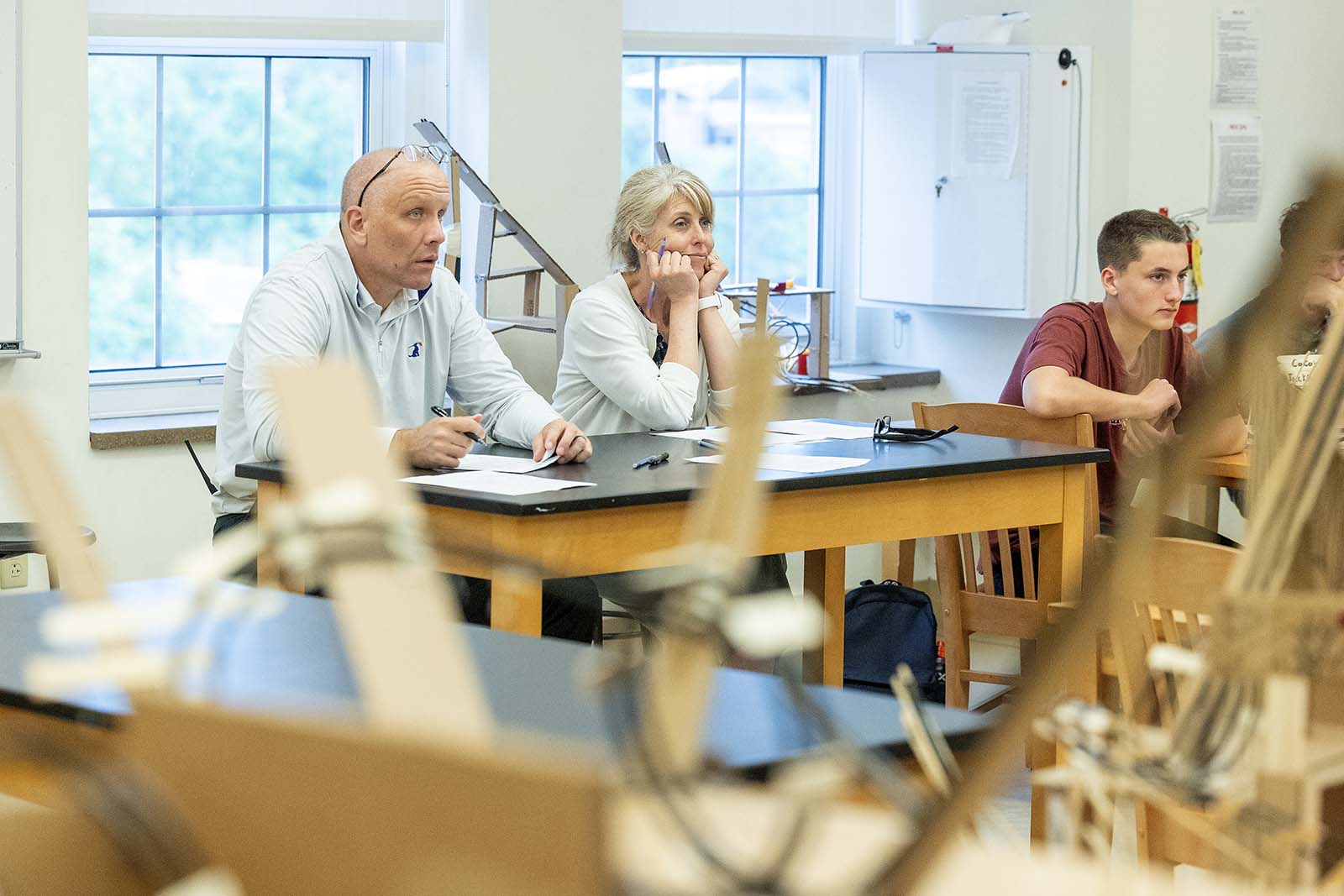
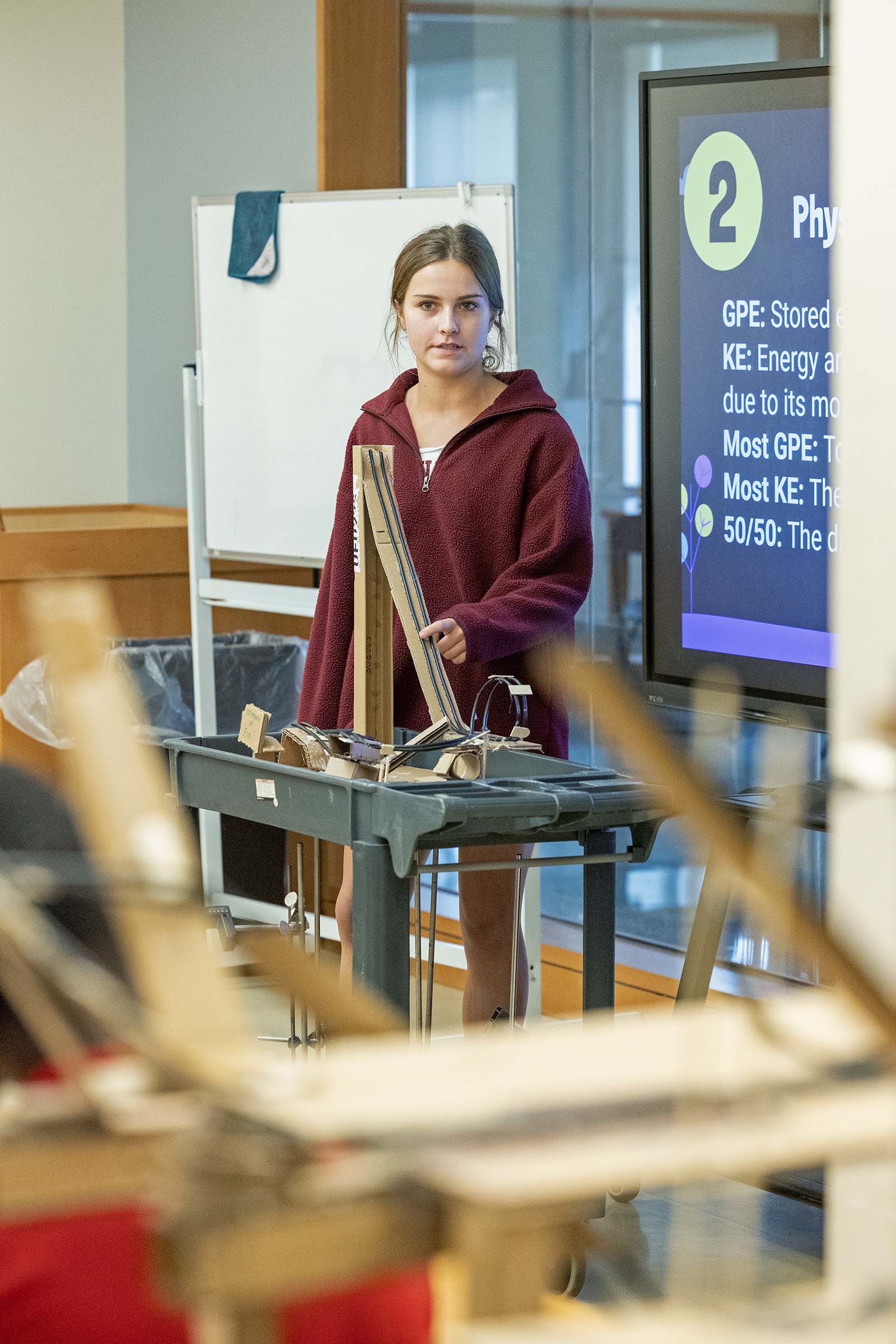
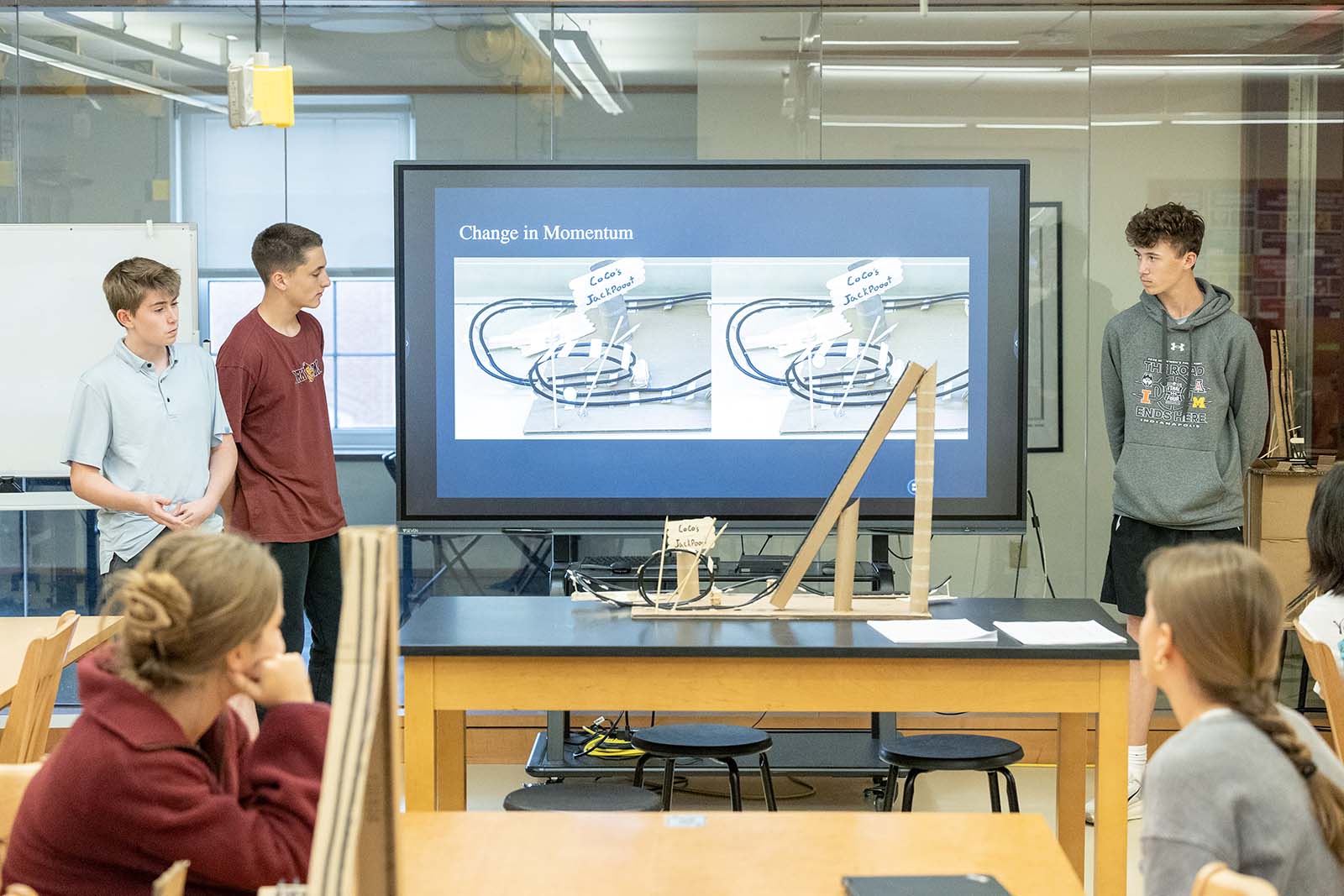
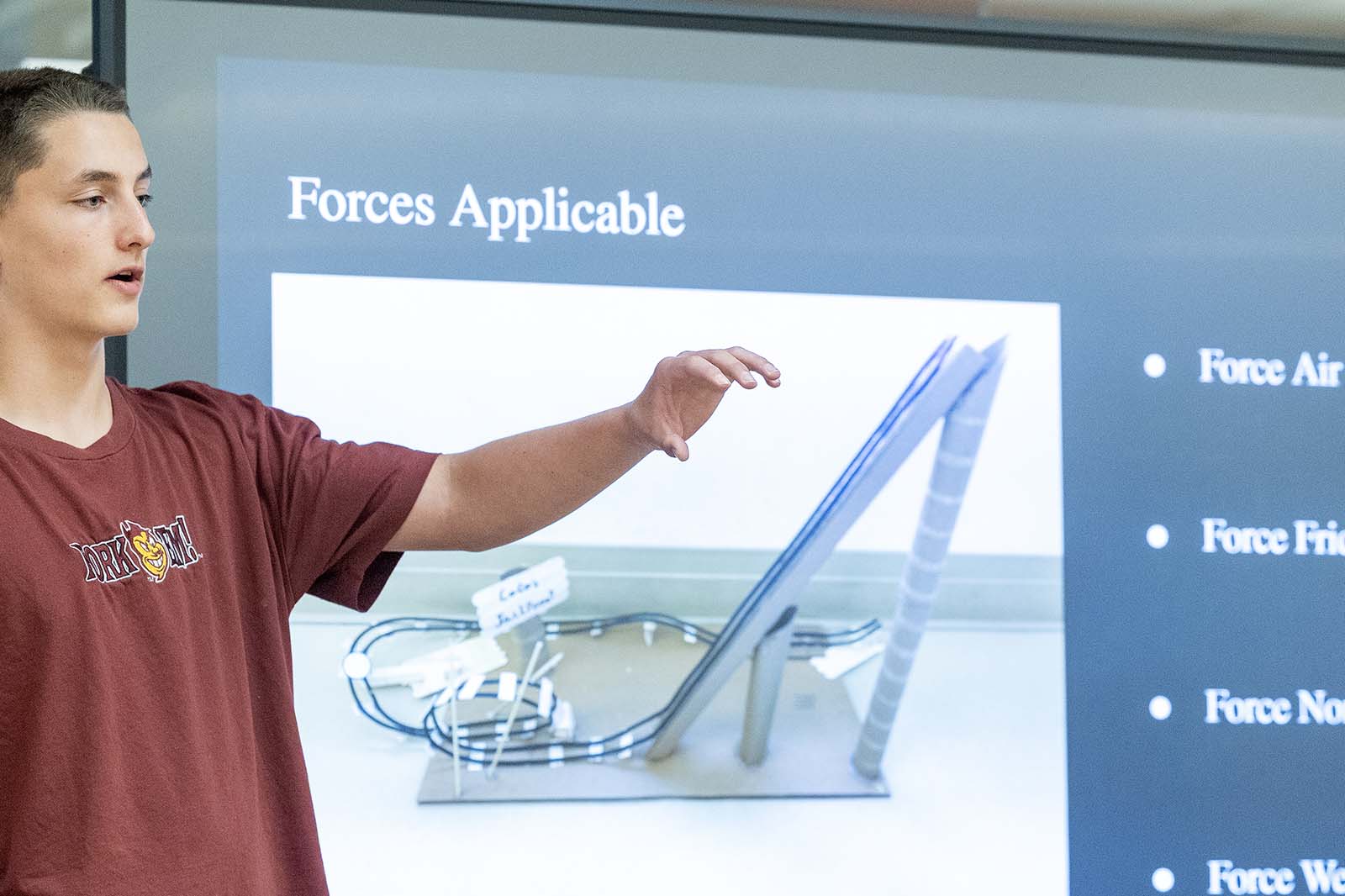
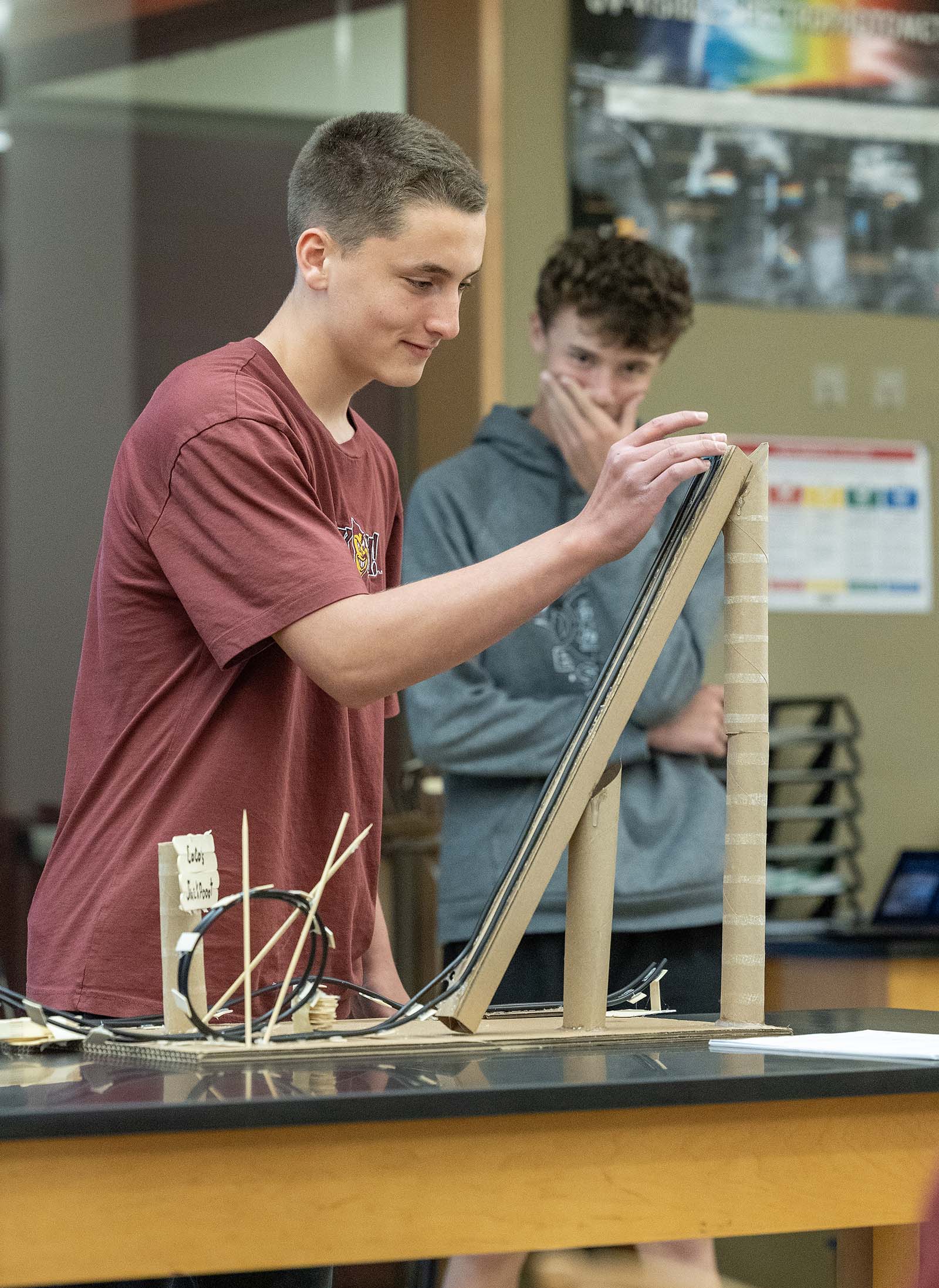
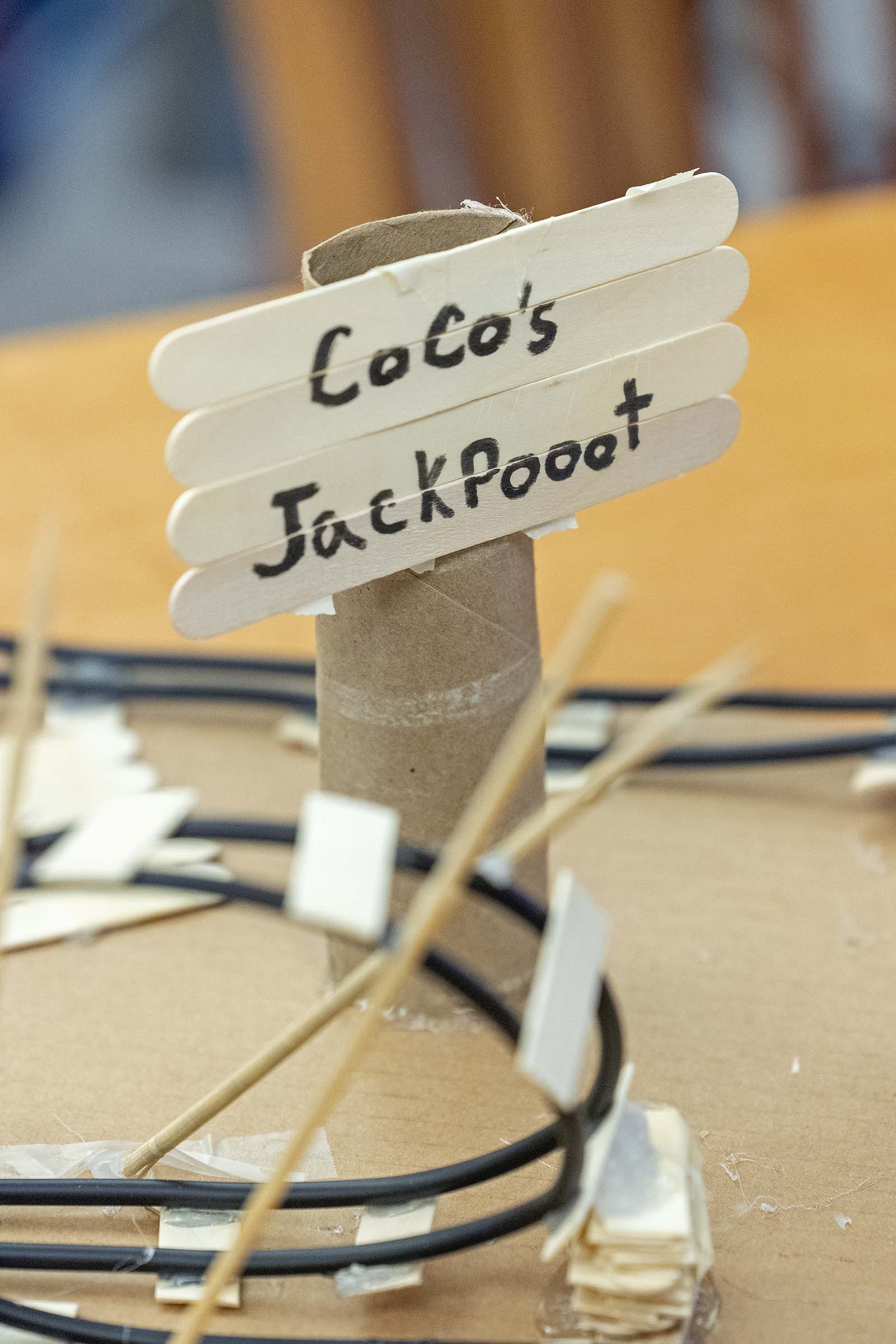
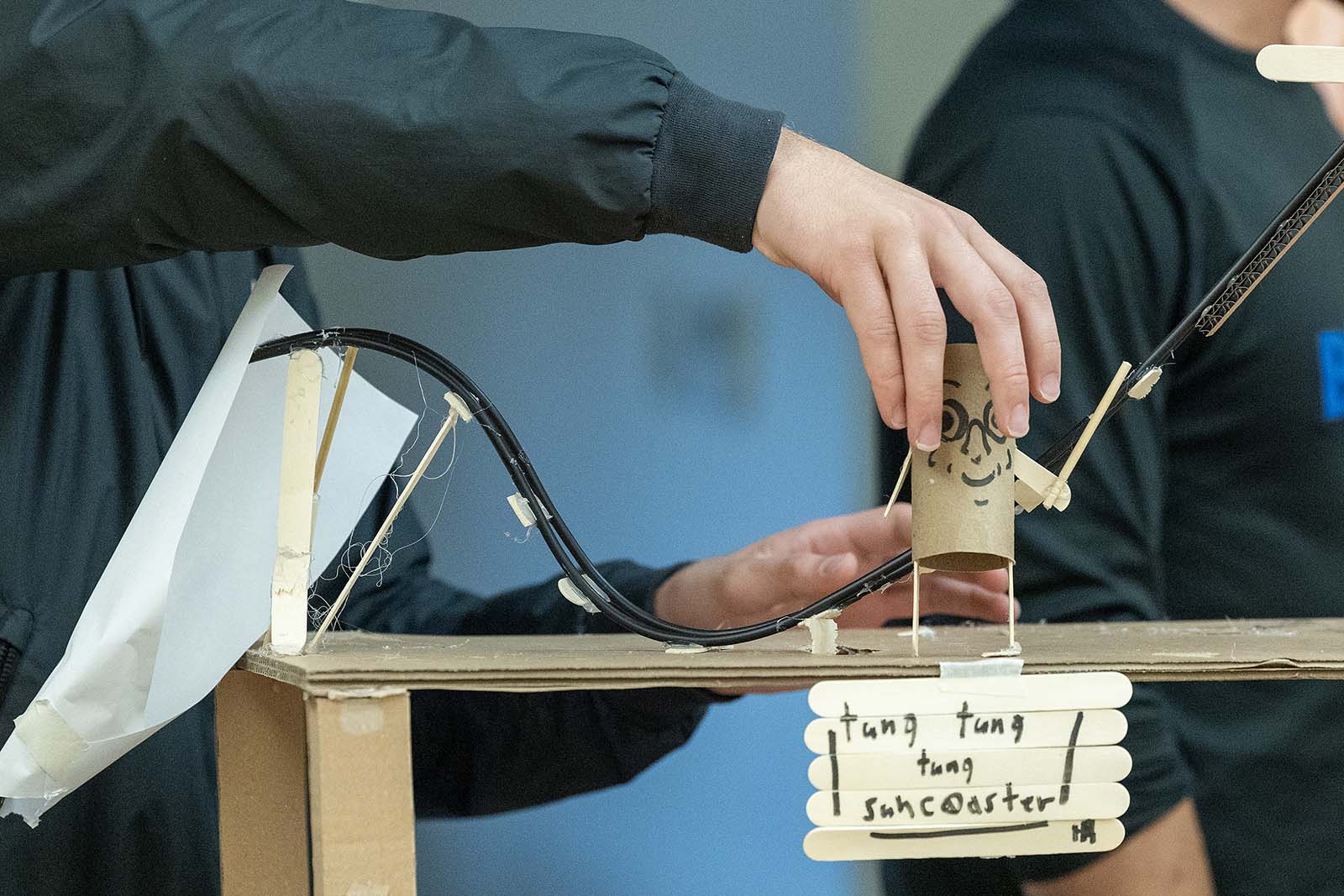
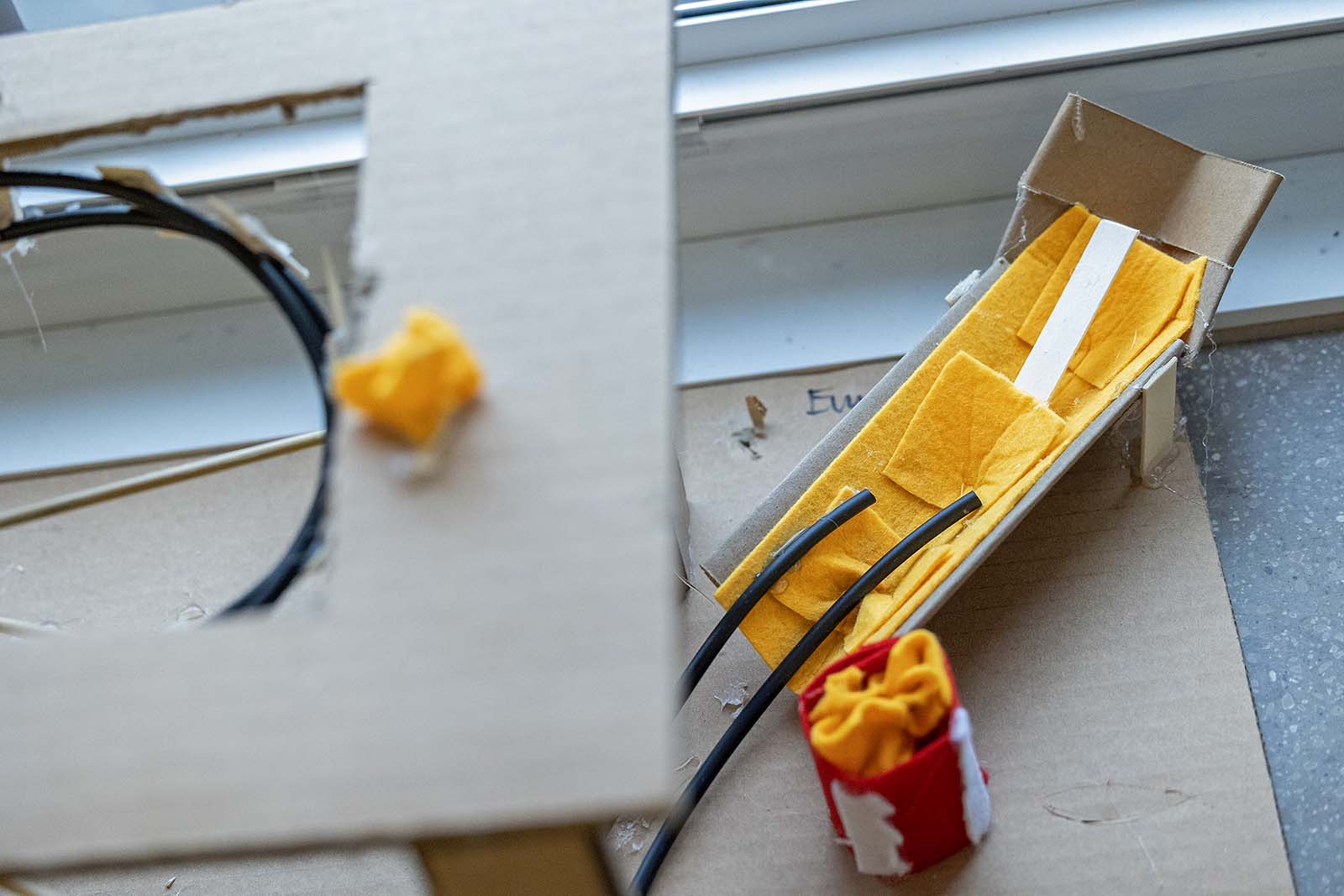
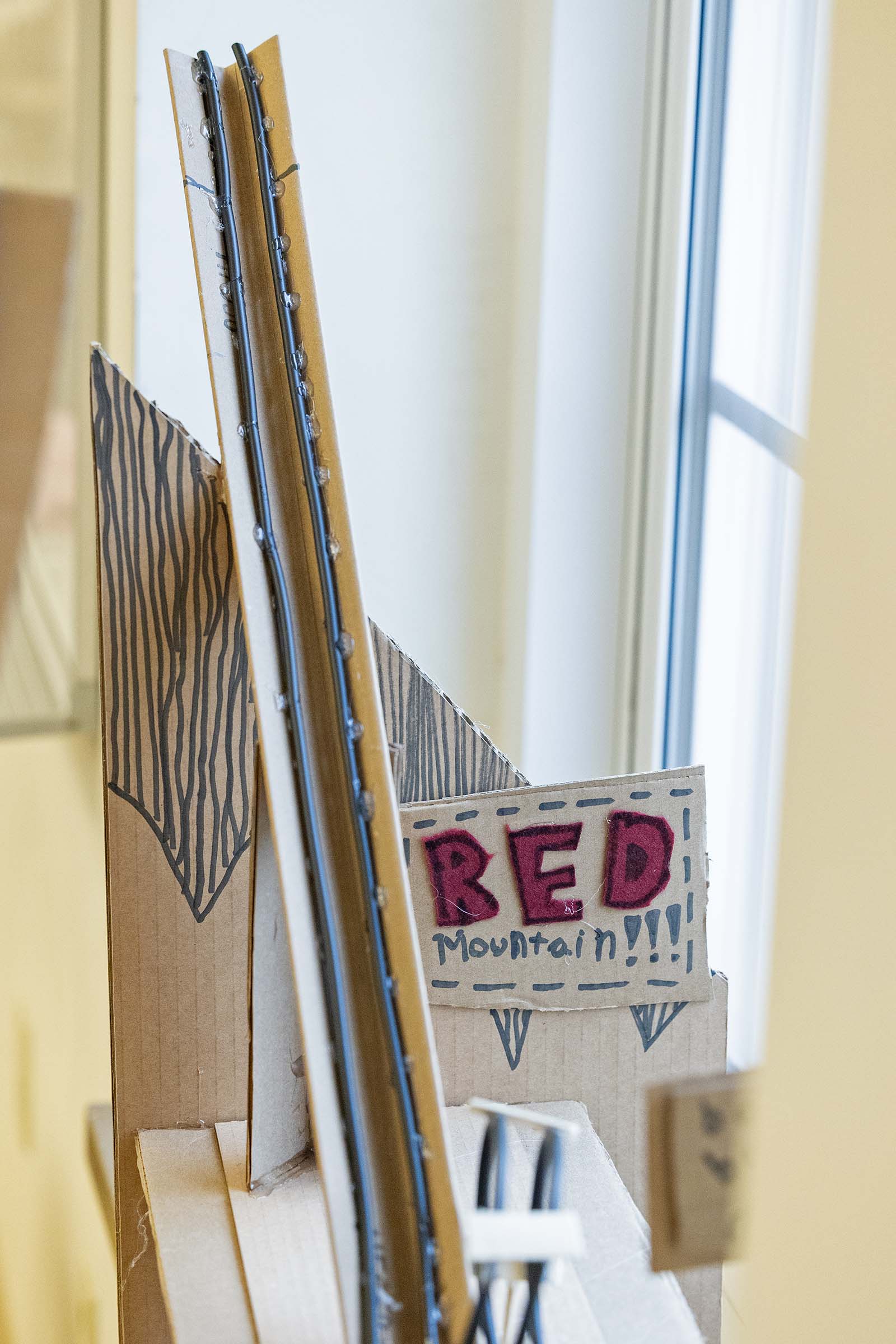
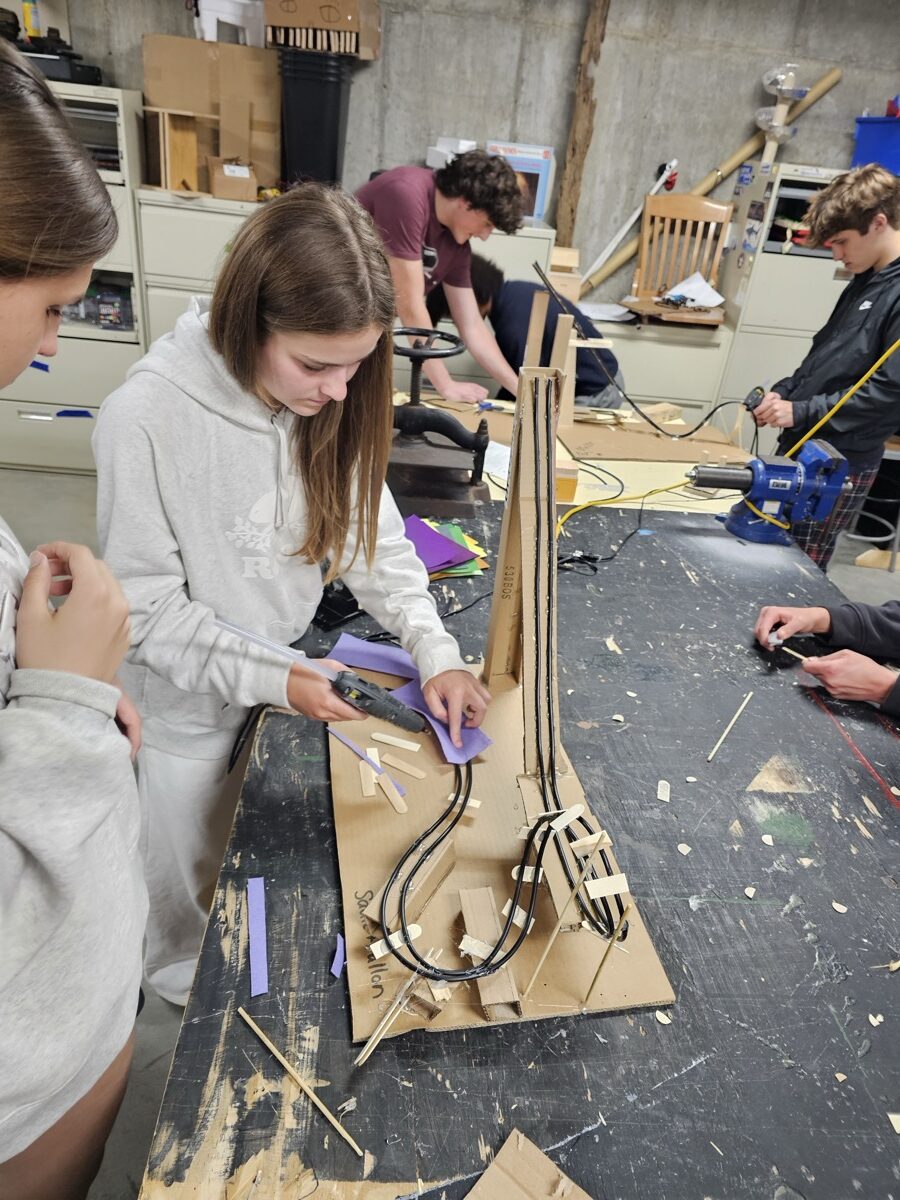
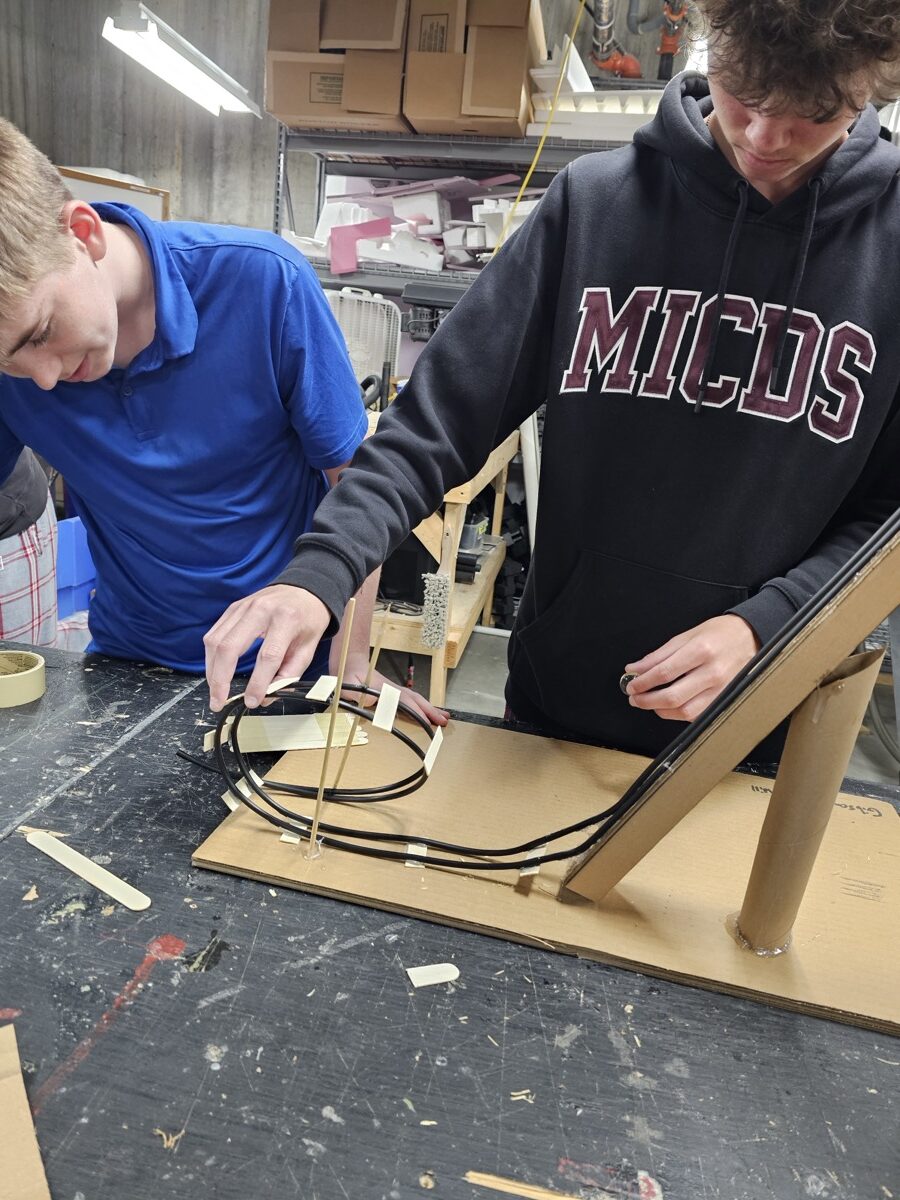
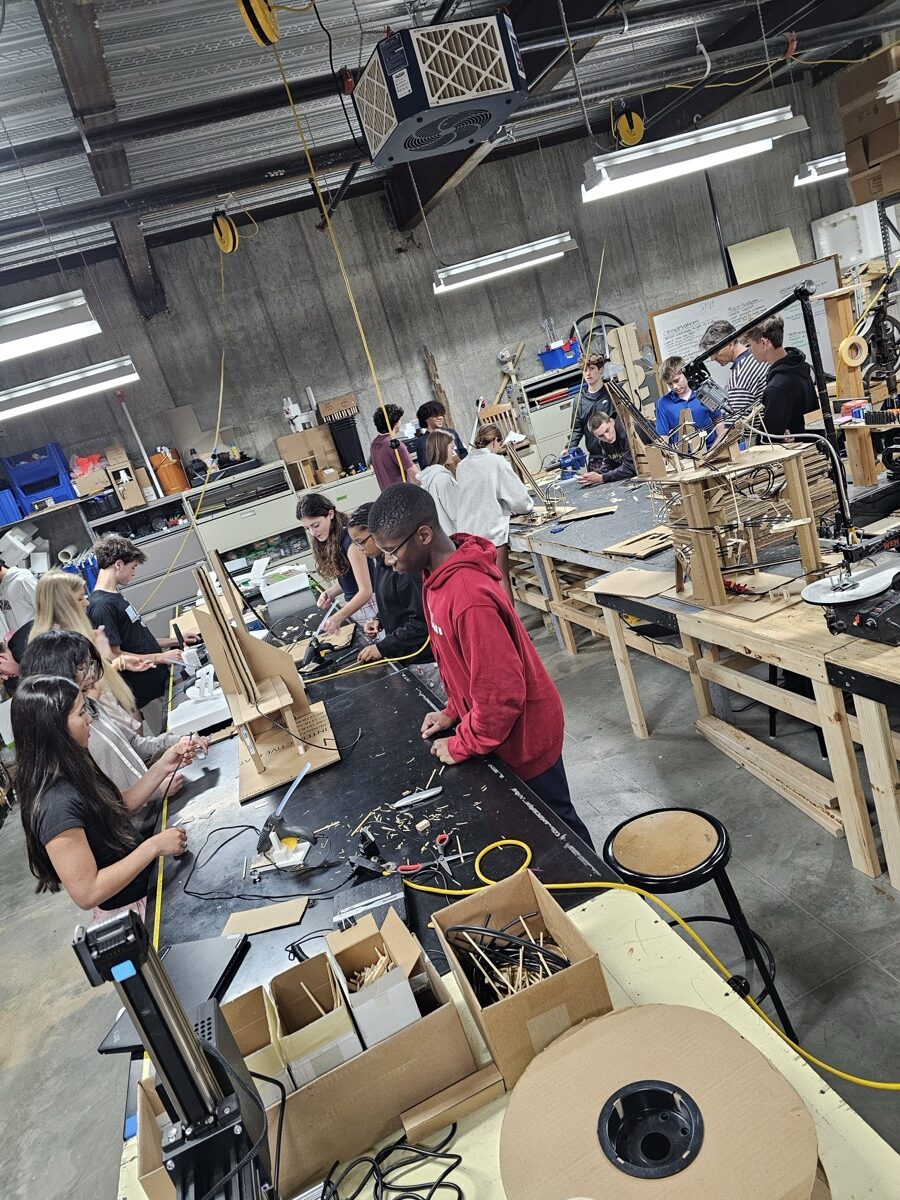
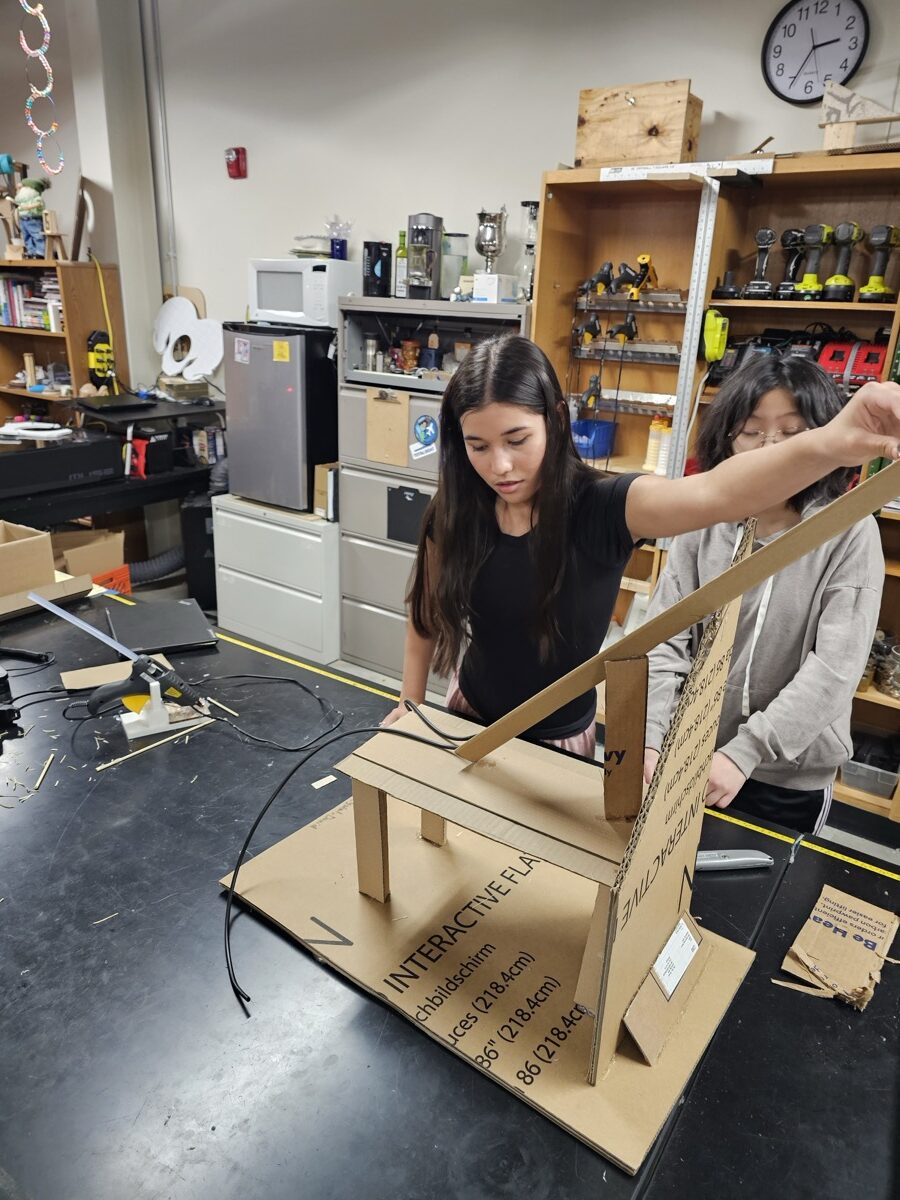
All coaster models used a variety of similar materials, such as popsicle sticks, cardboard, straws, and cardboard tubes, but how they used them differentiated one model from the next. All were required to note a unique characteristic of their coaster, which ranged from 180-degree turns and 360-degree loops to higher vantage points and decorative signage. Students even named them with flair: Coco’s Jackpot, Triple-T Coaster, and Red Mountain.
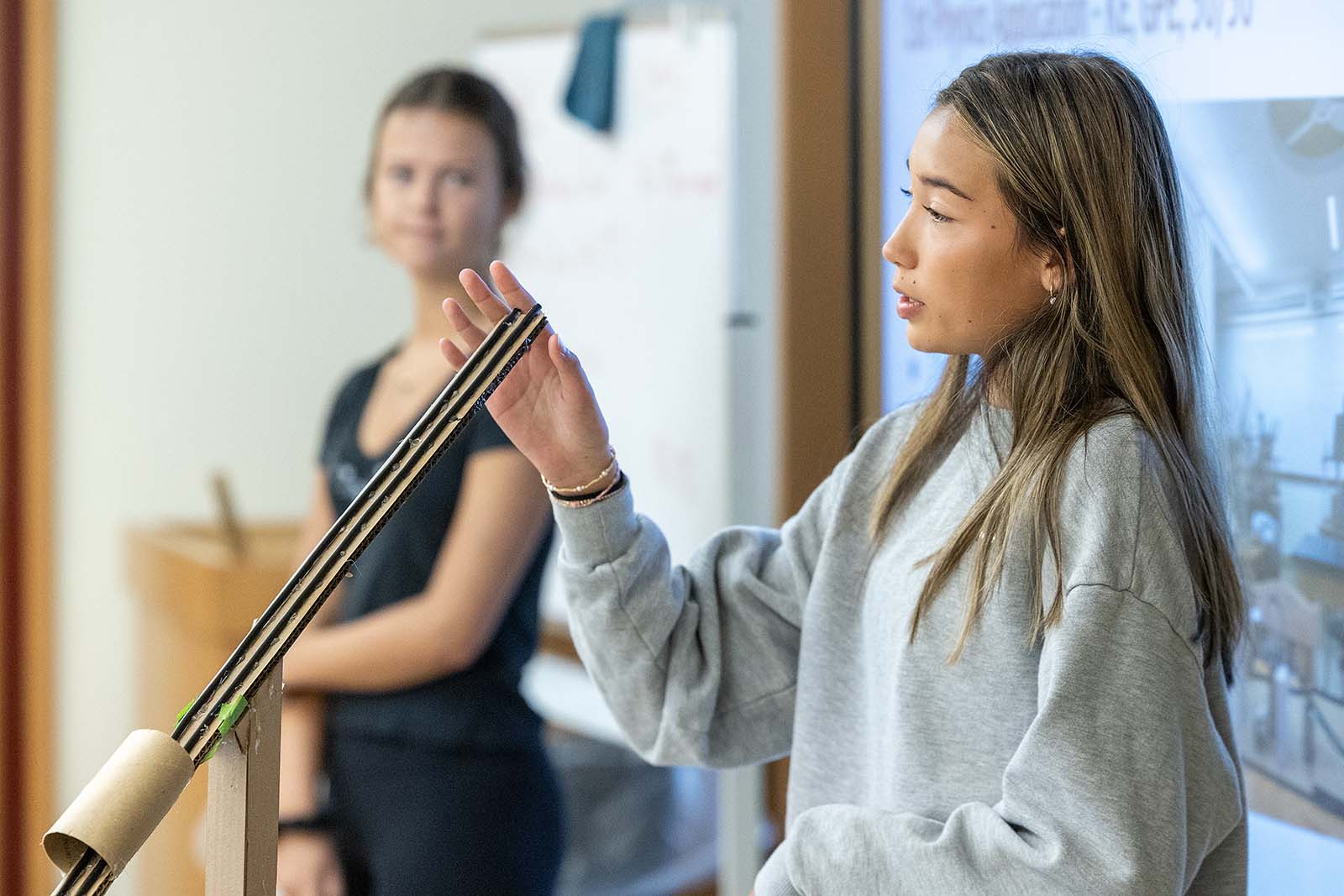
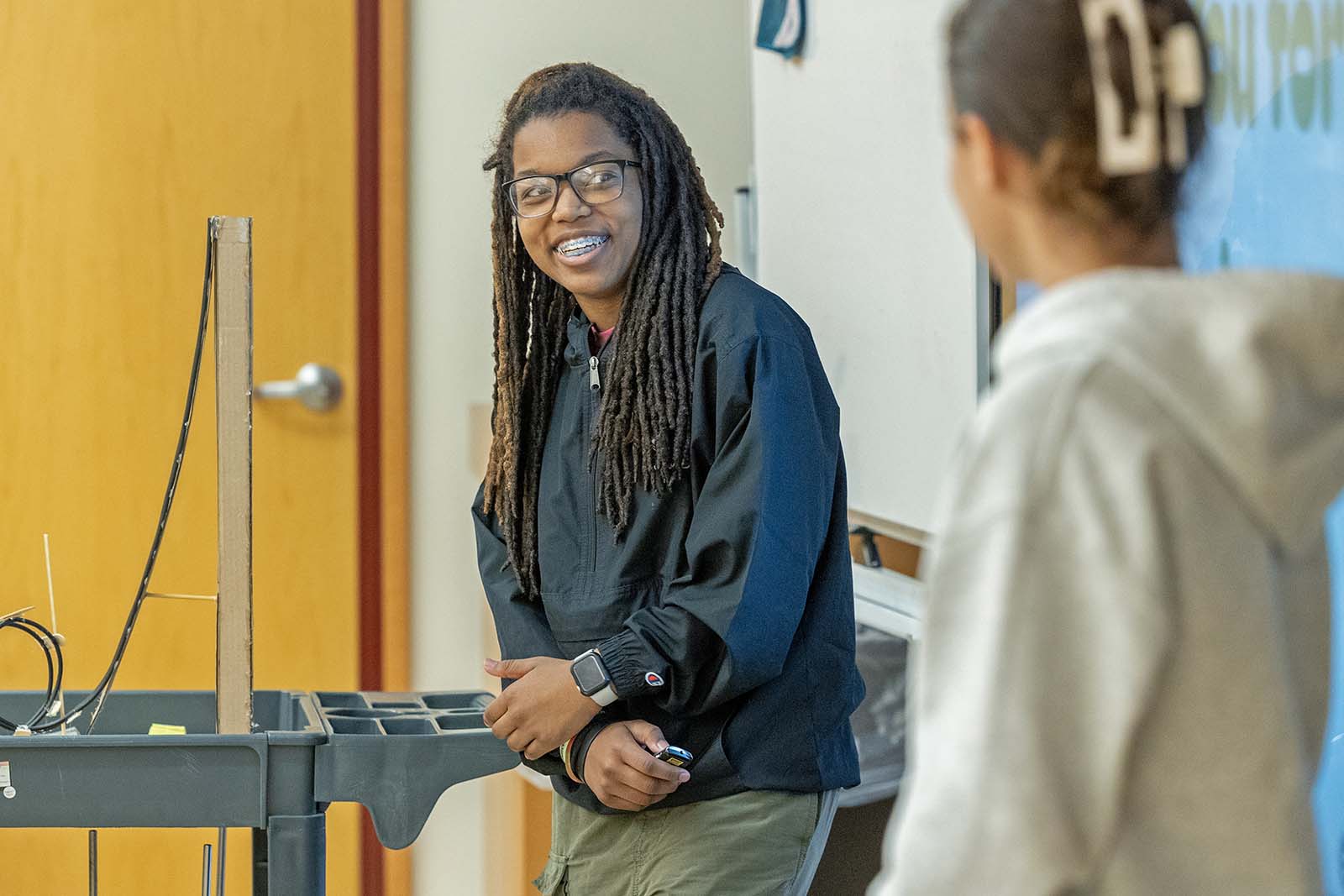
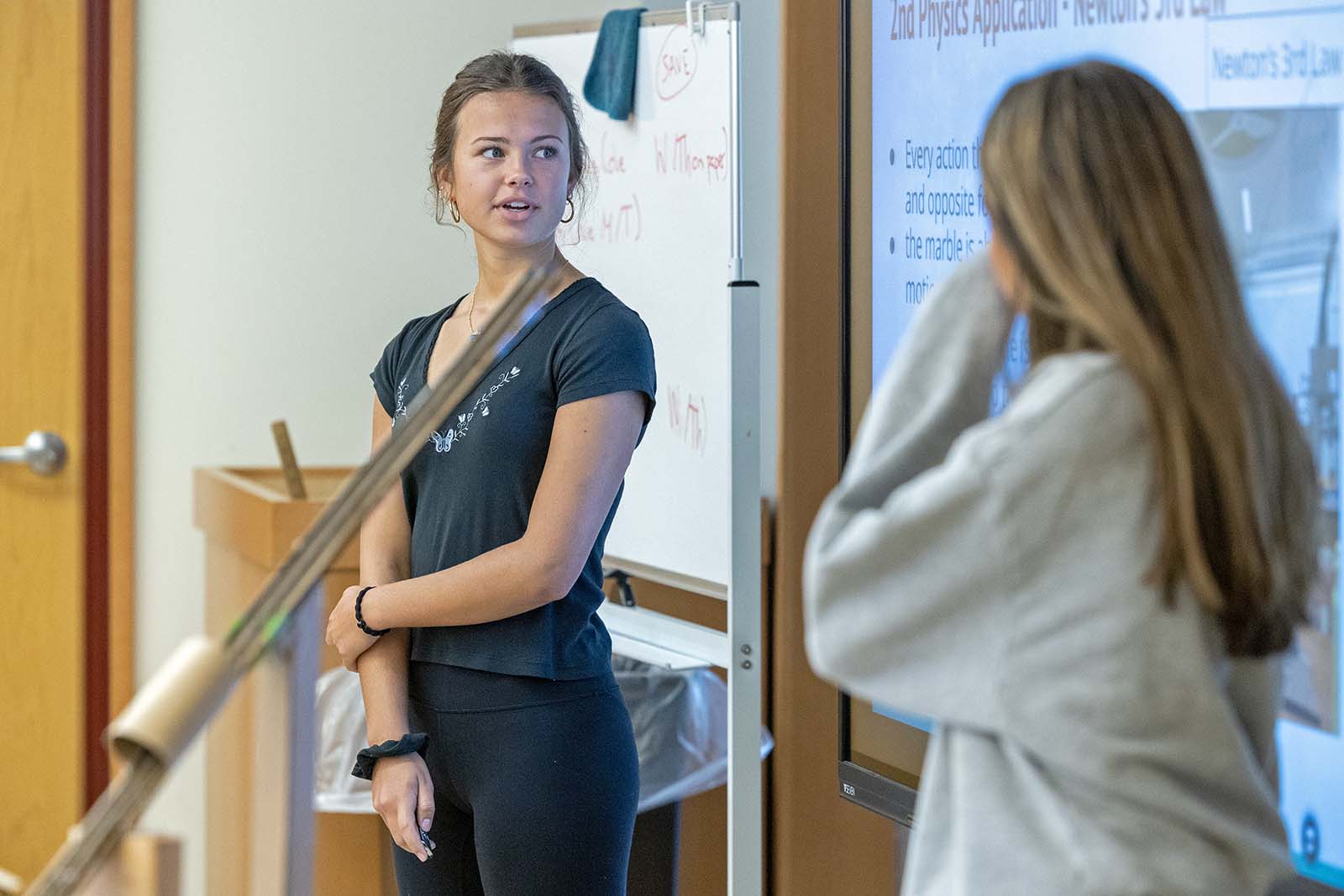
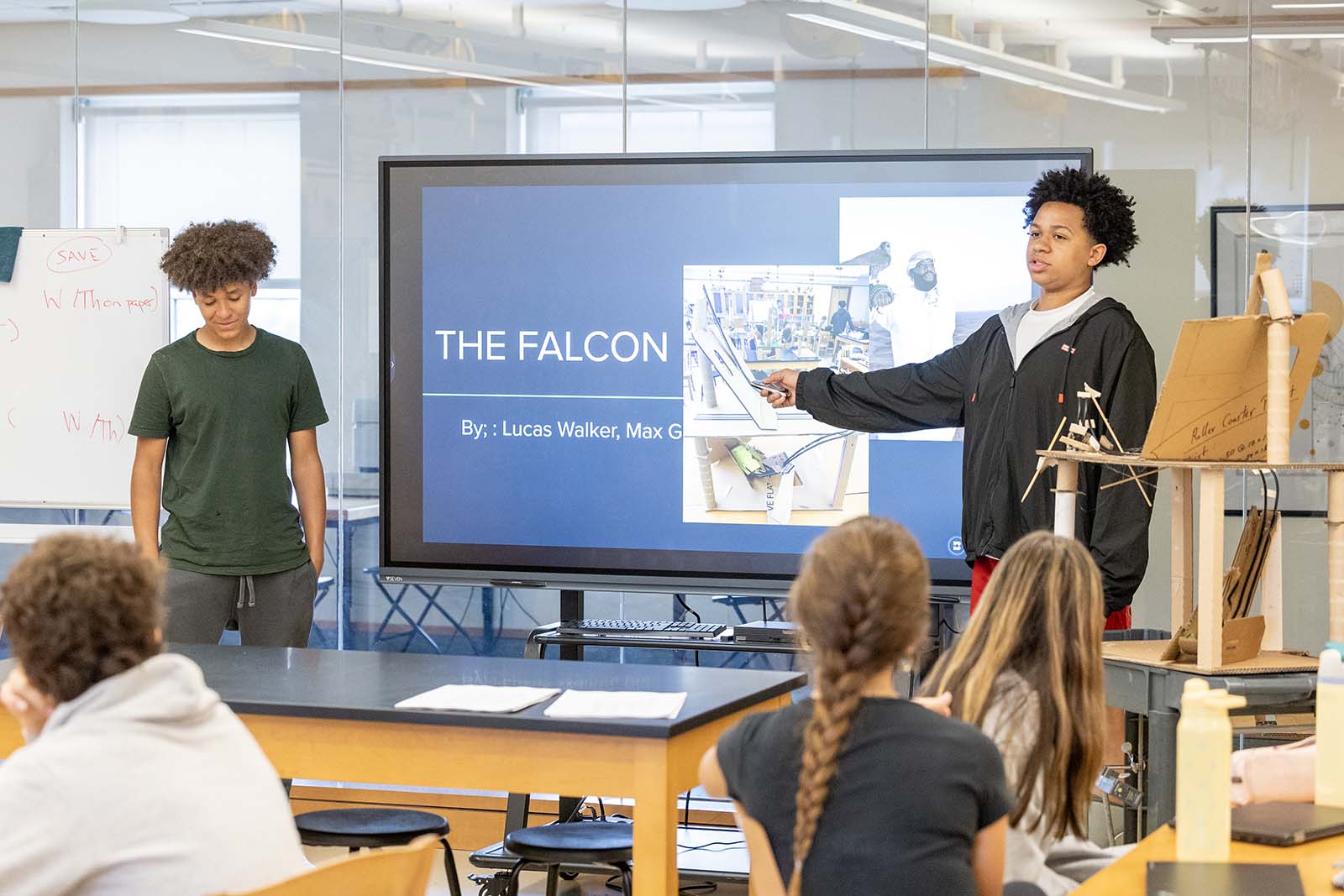
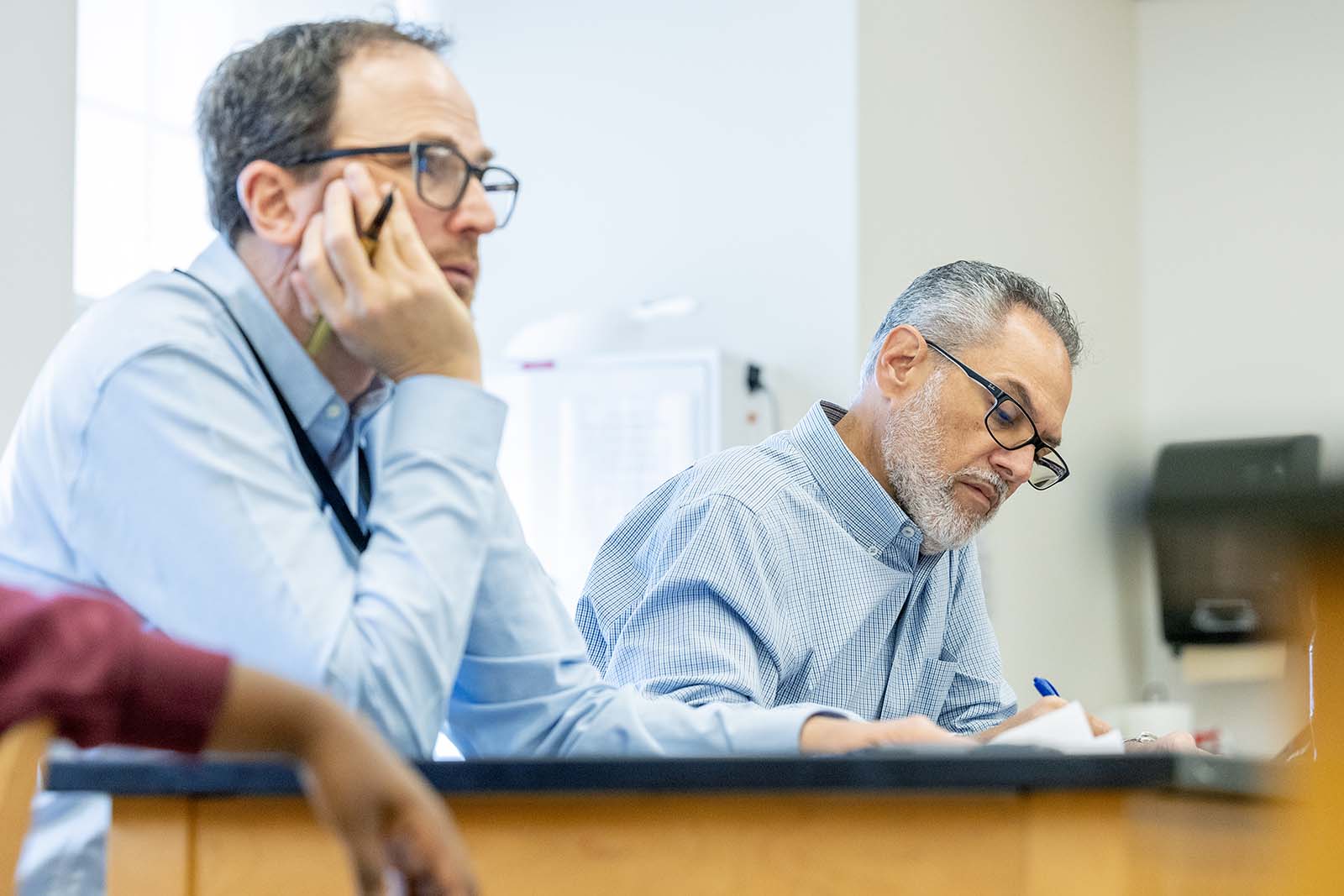
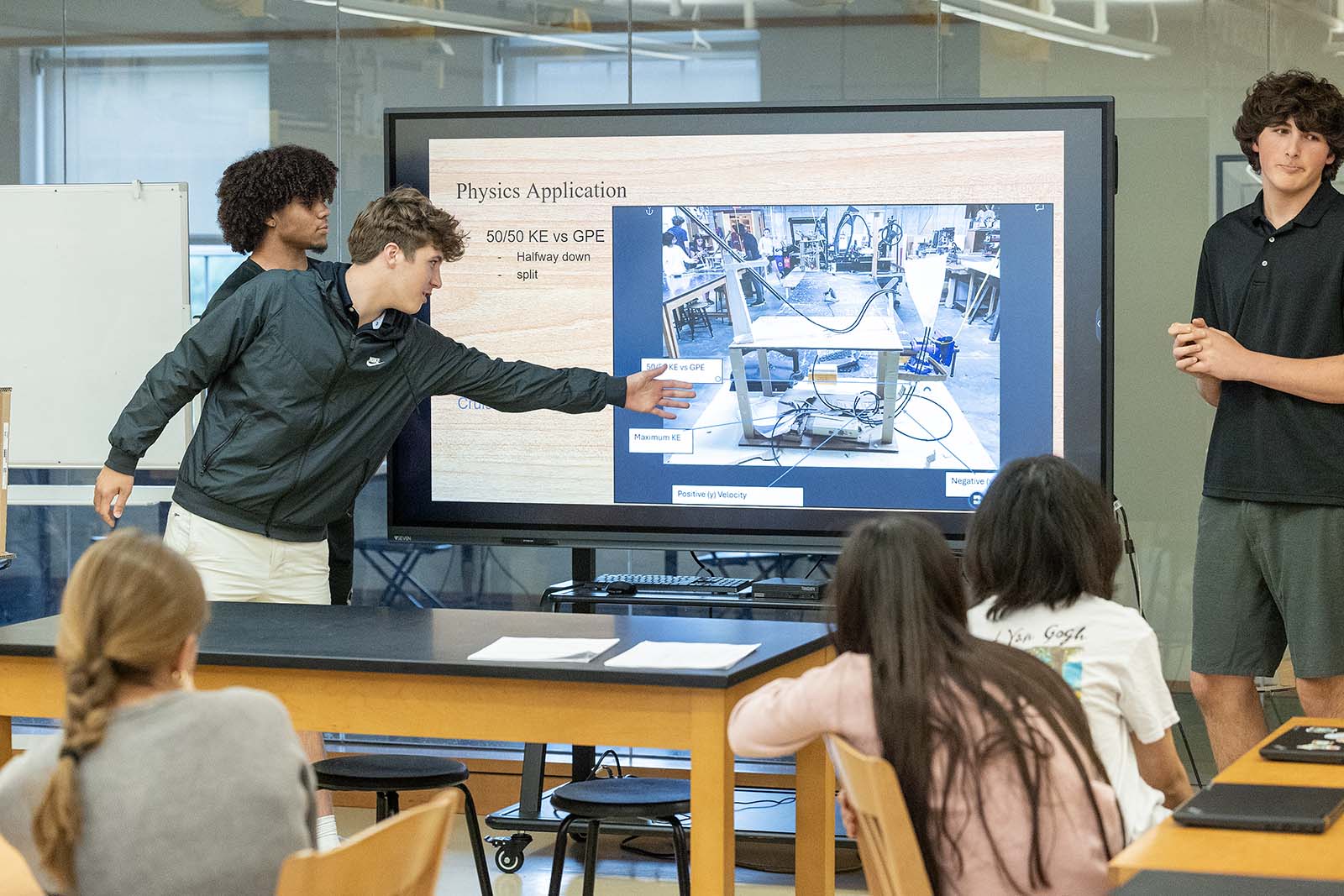
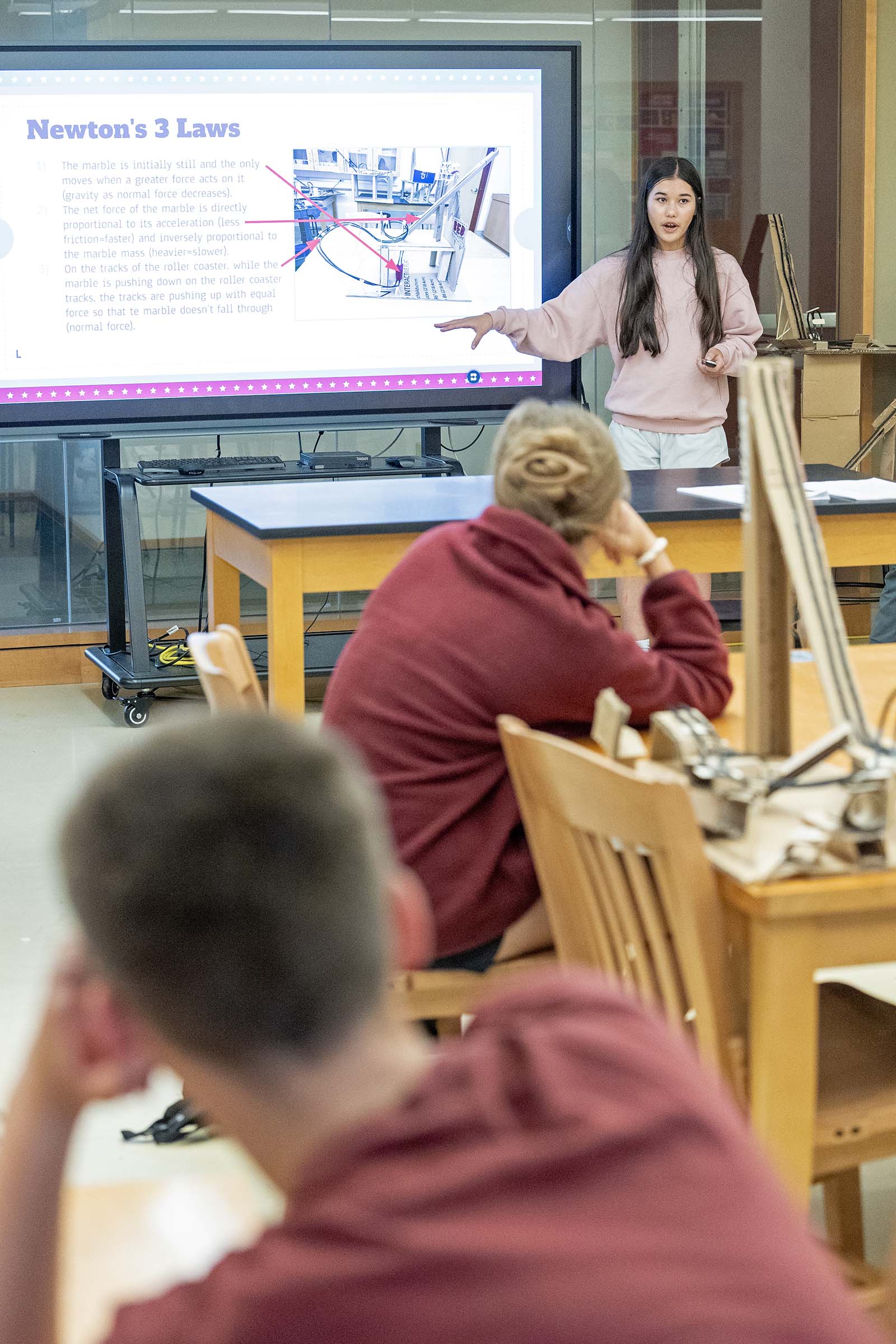
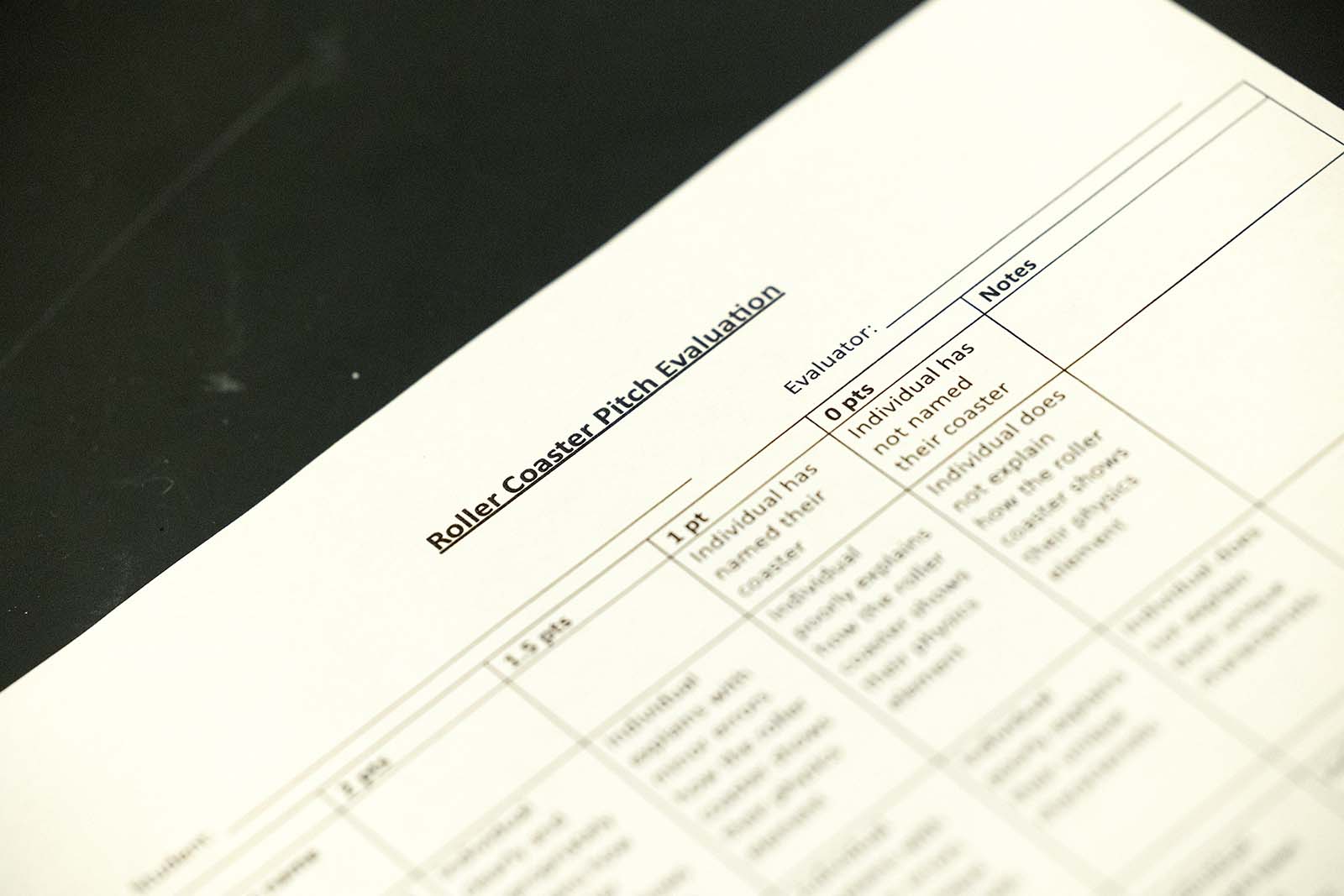
Collaboration is the engine of this challenge, all the way down to the end of the line. Students had to pitch their coaster model Shark Tank-style to a team of judges composed of MICDS faculty and administration volunteers. Beyond the science, the teams were also judged on their presentation skills.
This high-octane project took students’ classroom theory into real-world application, allowing them to design, build, and pitch their most ambitious engineering ideas. Way to roll, Rams!